Matthew Wu
Senior Thesis | 2026

MatthewWu
RosemaryWhite
SeniorThesisWriting
1March2026
ActiveFunin Goblin Goons:ActivityTheoryinGameDesign
Whatmakesafungame?Thisthesisaimstofindout,and tocreateafuncomputerscienceproject,titled Ms. Mushroom and the Goblin Goons.Activitytheoryisthegroundworkforthis. Activitytheoryisaframeworkfromsocialsciencethatconsidersa workenvironmentbeyondjusttheactorsoftheenvironment, accountingforfactorslikeobjective,tools,andenvironment; activitytheorycanbeappliedonabroadrangeofsystems. Additionally,activitytheorydefinesthreeimportantconcepts: activities,actions,andoperations.Tosummarize,withinanactivity system,theactivityistheoverallgoalofthesystem.1 Actionsand operationsarebothstepstakentoachievesaidgoal.The distinctionbetweenoperationsandactionsisthatonedoesn’thave tothinkaboutoperations,astheyareunconsciouslyperformed.To giveanexample,letarestaurantbetheactivitysystemweare analyzing.Theactivityofthatrestaurantwouldberunningthe restaurantandservinggoodfood.Actions,accordingtoactivity theory,arethestepsconsciouslytakentoworktowardssaidgoal. Choppingvegetables,takingorders,andcookingdishesareall actions.Lastly,operationsaretheunconsciouswaysthatactions areperformed.Forexample,holdingtheknife,adjustingheat,and walkingtotableswouldallbeoperations.
Activitytheoryalsocategorizesthedifferentpartsofan activitysystem.Therearesevenkeycomponentsofanactivity system,andaredenotedinapyramid(Figure1):thesubject, object,tools,rules,community,divisionoflabor,andtheoutcome. Togobacktotherestaurantexample,thesubjectsaretheactual
1 Hashim,Nor,andMLJones.2007.ActivityTheory:AFrameworkfor QualitativeAnalysis
actorsofanactivitysystem,orthechefs,waiters,andmanagers. Theobject,oractivity,isthegoaloftheactivitysystem.Thetools aretheitemsusedtoachievetheobject,suchasknivesandsinks. Therulesarethelawsthesystemmustabideby,likehealthcodes. Thecommunityisthesocialnetworkwithinthesystem,suchas theowners,suppliers,chefs,andcustomers.Thedivisionoflabor isthedistributionofworkamongthesubjects,suchascookingfor chefsandwaitingforwaiters.Lastly,theoutcomeistheoverall productofthesystem,suchasprofitsandhappycustomers.
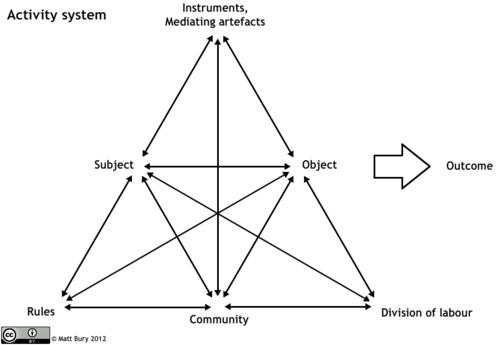
Figure1.Adiagramofanactivitysystem,depictingthe elementsandhowtheyconnecttooneanother.
Theword"fun"isvagueandhardtodefine;twogamescan differwildly,yetbothcanbeconsideredfun.Forthepurposeof thisproject,I’mfollowingRaphKoster’stheoryoffun.Itexplores themaindrivingforcebehindwhatmakesagamefun.Koster statesthatthemainthingthatmakesagamefunistheloopof learningandmasteringpatterns.Withinthecontextofactivity theory,actionscanbecomeoperationalized.Inotherwords,when anactionisrepeatedoverandover,itcanbecomeunconsciously performed.Kosterstatesthatthisprocessoflearningmakesa game"fun,"astheplayerfindssatisfactioninmasteringagame’s patternsandmechanics.Kosteradditionallyaddssome
requirementsfor"fun."Firstly,hestatesthatwhentheplayer figuresouthowthegameworks,thegamebecomestrivialand thereforeunfun.Heusestiktaktoeasanexample,statingthatthe trivializationofthegamemakesitunfuntoplayers.Thewaytofix thisissueistocontinuouslyintroducenewpatternsfortheplayer tolearn.Insummary,gamesthatare“fun”createaconstant, satisfyingloopoflearningandmasteringnewpatterns.2
Althoughideaslikeactivitytheoryandthetheoryoffun canbeuniversallyapplied,astheycanbeseeninthingslikeboard games,tabletopgames,andevenphysicalsportstoanextent,the goalofthisthesisistoapplythesetheoriestoavideogame.I analyzedexistinggameprojectstoseehowthetheoriescouldbe applied.First,Ianalyzedtheminthecontextofactivitytheory. Manyfollowedthesamestructure:thesubjectistheplayer,the toolsaretheirinputmachines,beitkeyboardsorcontrollers,and therulesarethegame’sprogrammedruleset.Animportantthing thatInoticedwasthattheobjectdifferedheavilygametogame, yetwasalwaysclearlydefined.Forexample,in Hollow Knight,the player'sobjectistoreachthenextarea.In Sekiro: Shadows Die Twice,itwastobeatthenextbossencounter.In Stardew Valley,it wastomakemoney.Anyactionsandpatternsintroducedtothe playerwerealltoolstoprogressthegame’sobject.Moreover,I noticedthatmasteringpatternswasalsoacommonoccurrencein manypopulargames,eveniftheyareconceptuallyverydifferent. Take Hollow Knight and Stardew Valley asexamples.Forboth games,theyintroducepatternstotheplayertomasterand operationalize.In Hollow Knight,actionslikemovement,combat, andspellcastingcanbecomesecondnatureforaplayertoexecute. In Stardew Valley,processeslikefarming,buyingseeds,and learningschedulesareallpatternsplacedfortheplayerstomaster. Acommonthemeinbothofthesegamesisthattheactionsare
2 RaphKoster.2005.ATheoryofFunforGameDesign.Scottsdale,Az: ParaglyphPress
easytoexecute.In Hollow Knight,attackstringsaretriggered throughasinglebuttonpress,andthesamecanbesaidforthe actionsin Stardew Valley.Ofcourse,whilegamescanintroduce difficultexecutions,suchasalongstringofvariousbuttoninputs, aneasyexecutioniskeytomakingactionsintuitiveto operationalize.Additionally,followingKoster’scommentson trivialization, Hollow Knight introducesnewpatternsslowlyover timetopreventtrivialization.Afterbeatingthefirstmajor challengeofthegame,theplayerisintroducedto Hollow Knight’s spellcastingsystem.Like Hollow Knight’sbasemechanics, spellcastingusesaneasytoexecute,one-buttoninput.Whatmakes itdifficulttomasteristhatitnecessitatestheplayertonotjustrely ontheirpreviouslyoperationalizedactions.Inordertobeatthe game,theymustmixinanewpatternwithonestheyhavealready mastered.Toforceplayerstoengagewiththesenewmechanics, gamesoftenuseincentivestructuresratherthanhardrules.In Hollow Knight,youwon’tloseoutrightforrefusingtousethe spellcastingmechanic,butitisnoticeablymoreefficienttodoso.
Myowngameproject, Ms. Mushroom and the Goblin Goons,wasdevelopedoverthesummerwithalloftheseelements inmind.Themainpatterntheplayermustmasteristheparrying mechanic,heavilyinspiredbypopulargameslike Nine Sols and Sekiro: Shadows Die Twice.Thegameisaplatformer,ora2D sidescrollinggamethatinvolvesjumpingfromsectiontosection, forcingtheplayertoengagewithandeventuallyoperationalizethe game’smovementmechanics.Withineachlevel,therearemultiple combatencounterstheplayermustcompleteinordertomoveto thenextsection(seeFigure2).Thegame’sparryingmechanicis centeredaroundtheseencounters.Enemiescanlaunchanattackon theplayer,andplayerscandealwiththeseattacksbypressinga designatedparryinputrightbeforetheattackwouldhit.Ifthe playerpressestheinputwithinacertaintimingwindow,theattack isconsidered"deflected,"andthusnullified.Anon-deflected
attackwilldepleteaplayer’shealthresource,andifsaidresource iscompletelydepleted,thegameislost.Inthecontextofthe frameworkofactivitytheory,thereisaclearobject:tryingtoreach thenextlevel.FollowingwhatIobservedfrompopulargames,the playeristhesubject,theinputbuttonstheirtools,andtherearea clearsetofrules.Mostimportantly,theactionsexecutedto performtheobjectarecontrollingtheplayercharacter’smovement andengagingwiththeparrymechanic.Thefirstpartofthisgame revolvesaroundlearningandmasteringthesemechanics.The game’soverallobjectiveistoprogressthroughlevelsuntilthey beatthefinalboss.
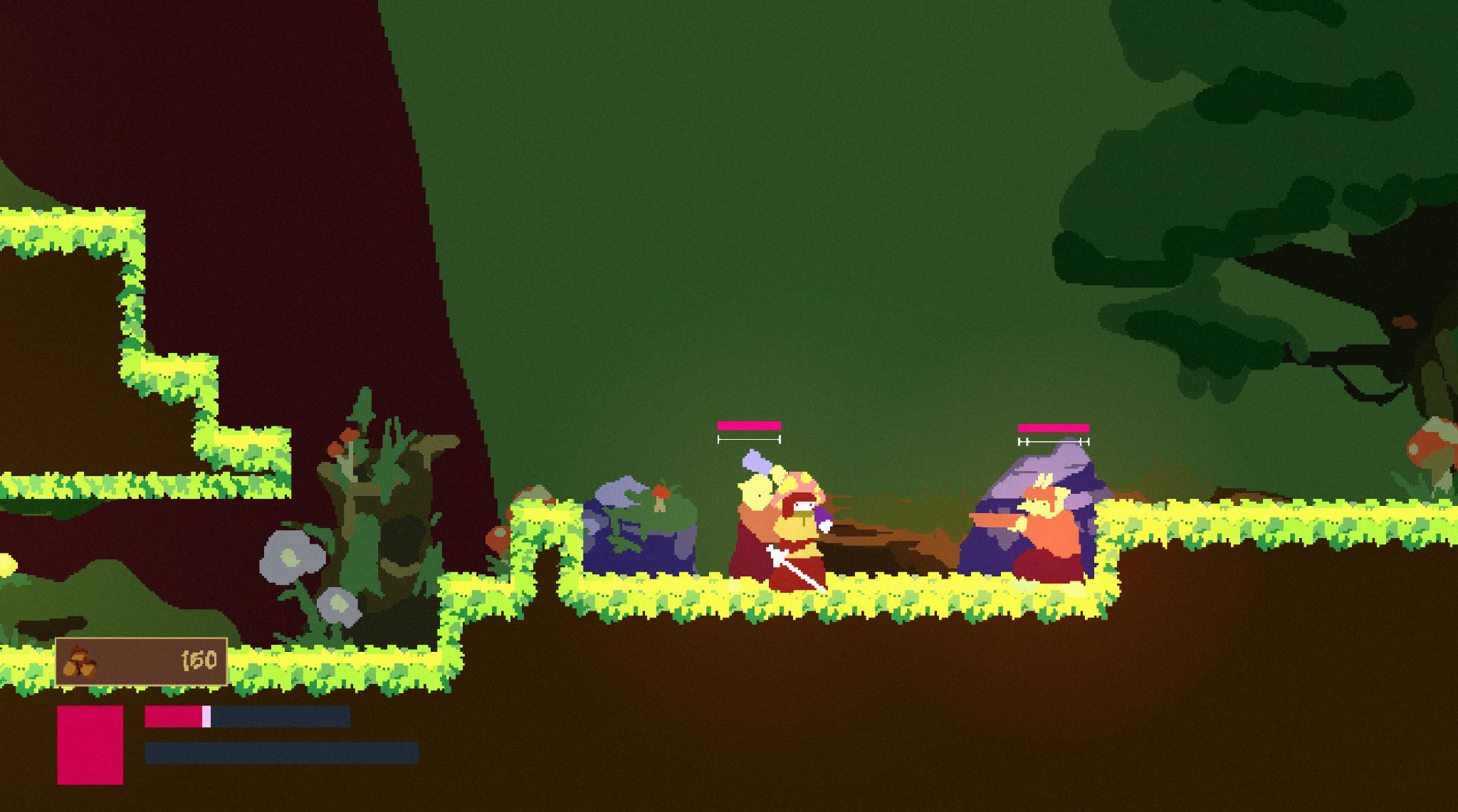
Figure2:Ascreenshotofthegamedepictingoneofthecombat encounters
Inordertoincentivizetheplayerstousethesemechanics,I workedontryingtomaketheparrymechanicfeelmorerewarding touse.Theprimarywaytodefeatenemieswasthroughanattack mechanic.Pressingadesignatedattackinputslowlydepletesan enemy’shealthresource.Theoretically,playerscouldrelysolelyon movementtoavoidenemyattackswhileusingtheattackinputto defeattheenemieswithouteverengagingwiththeparrymechanic. Duringoneofmyfirstroundsofplaytest,consistingofaround5
people,Inoticedthiswhenaplayerbreezedthroughthecontentby quicklyattackingenemiestodeathbeforehewouldbeforcedto usetheparrymechanictosurvive.Tofixthis,Itookinspiration frommajorvideogames.In Sekiro: Shadows Die Twice,poiseisa waytorewardtheplayersforblocking.Whenaplayersuccessfully blocksanattack,thepoisemeterfillsbyacertainamount.When themeterisfull,theenemyistemporarilystunnedandisopentoa specialattack.In Ms. Mushroom and the Goblin Goons,the mechanicwasimplementedinasimilarfashion.Eachenemyhasa poisebar,andexecutingasuccessfulparryrewardstheplayerwith thebarbeingfilledbyamoderateamount.Afterthebarisfull,the enemyisstunned,givingtheplayerawindowtodealastronger, enhancedattack(seeFigure3).Afterimplementingthis,aseparate issuearoseinthatthepoisebarandtheattacksystemwereboth completelyisolatedfromoneanother.Wantingplayerstoengage withbothparryingandattackingformoredynamicgameplay,I madeitsonormalattackswouldalsofillthepoisebar,butbya muchsmalleramountcomparedtoasuccessfulparry.
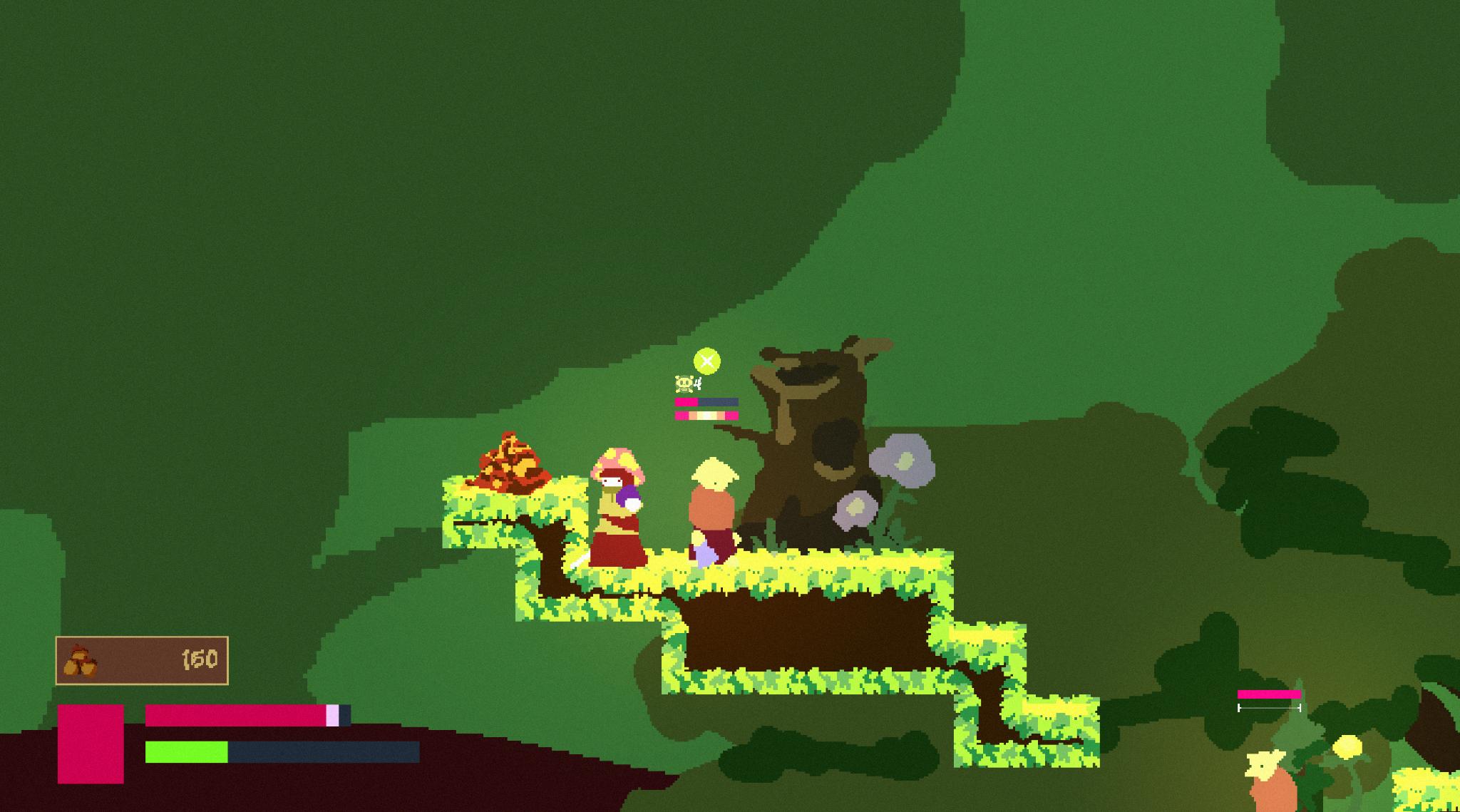
Figure3:Ascreenshotdisplayinganenemywithafullpoise meter,readytobeattacked Anotherproblemthatarosewhiletestingwasthatthegame wasoftentoopunishing.Amissedparrywouldcausetheplayerto
loseasignificantamountofhealth,whichcouldcreatefrustration, especiallysincethegamedemandedextremelyprecisetiming. ThiswentagainstoneofthecorethingsthatInoticedwhile researchingothergames:easyexecution.Fromwatchingothers play,Irealizedthattheparrymechanicwasoftendifficultfornew playerstograsp.Inordertoremedythis,Iintroducedtwo additionalmechanics.Firstly,Iintroducedaregeneration mechanic,inwhichtheplayercouldrestoresomehealthin exchangeforstandingstillforaperiodoftime.Thiswasdoneto maketheplayerfeellessvulnerable,andtomakelosinghealthless punishing.Italsocreatedaninterestingdecisionoptionforthe player,makingthegamefeelmoredynamic:iftheyhadawindow ofsafety,theywereforcedtomakeadecisionbetweenusingtheir timetohealortoattacktheenemy.ThesecondmechanicI introducedwasasecondarytimingwindowfortheparry.Ifthe playerpressedtheinputtooearly,therewouldbealongertime windowaftertheinitial“perfect”timewindowwhereanincoming attackwouldstillbeconsideredparried.This“imperfect”parrydid notfillthepoisemeter,butalsoheavilyreducedalldamagethat theplayerwouldtake.Thatway,aplayerthatcouldnotperfectly executepreciselytimedinputscouldstillbeatthegame,albeitina slowerfashionthanthosethatcould.
Afterimplementingthesemechanics,Iconductedasecond playtestround,usingthesamegroupasthepreviousroundplus twonewplayers.FromtheresponsesIreceived,Icreatedseveral moremajormechanics.Oneofthesemechanicswasthecurrency mechanic.TheissuethatIencounteredwasthatplayerswere activelyrunningpastenemyencountersinsteadoffightingthem. Duetothis,thecombatpatternsthatIcreatedweren'tbeing engagedwith,andthuscouldn’tbemastered.Inordertoremedy this,Itookinspirationfromagamemechanicthatmanygames utilize:currency.Inshort,toincentivizeplayerstoengagewith difficultmechanics,gameslike Dark Souls, Hollow Knight,and
Sekiro: Shadows Die Twice employcurrencyrewards,whichcan betradedinlaterforvariousitems.Whenaplayerdefeatsa combatencounter,theyaregivenacertainsumofcurrency,scaling dependingonthedifficultyoftheencounter.Afteraddingthis system,Icreatedaninteractableshopinterfacethatacceptedthe currencyinexchangeforvariouspower-ups.
AnothermechanicIimplementedwasthebuildsystem,or aplayercustomizationsystem.Duringtheplaytest,thegameplay wasincrediblylinear;playersfollowedthesamepathandallwere forcedtointeractwiththecombatsystemintheexactsameway. Sinceeachplayerhadtofollowthesamerouteandlearnthesame patterns,somehadalotoftrouble,whileothersbreezedthrough. Thiswasbecausethegame’sstructurefavoredcertainhabitsand playstyles,whilepunishingothers.Inordertoremedythis,Iadded alargeamountofcollectiblesaroundthegame’sworld.These collectiblesaugmenttheplayer’spowerinuniqueways.For example,onerewardsusingthehealingabilityoften,whileanother rewardspressingparryinputsperfectly.Differentplaystyleswere nowincentivizedinsteadofpunished.Aplayerthatrelieson creatingdistanceandhealingcouldhavejustasmuchfunasa playerwhoreallyenjoysskillintensivetimingmechanics.Of course,thesecollectiblesweren’tdesignedtowarpthecore gameplaytoomuch;allplayerswerestillexpectedtousethe parryingandattackingmechanictodefeatenemies,asIwanted thattobethemainpatterntomaster.AnothermechanicIadded wasthelevel-upmechanic.Playerscantradecurrencyandexplore tofindlevelupmaterials.Eachlevelcanbeallocatedtoadifferent attribute,eachbolsteringadifferentplaystyle.Theattributes "strength"and"dexterity"bothempowerthegame’sbaseattack mechanic,throughdamageandspeedrespectively.Theattribute "vitality"increasestheplayer’shealthpool,andtheattributes "focus"and"harmony"empoweraranged,distancebased playstyle.Thiswasdoneinordertofurtheraugmenttheplayer’s
customizationinconjunctionwiththecollectiblessystem(see Figure4).
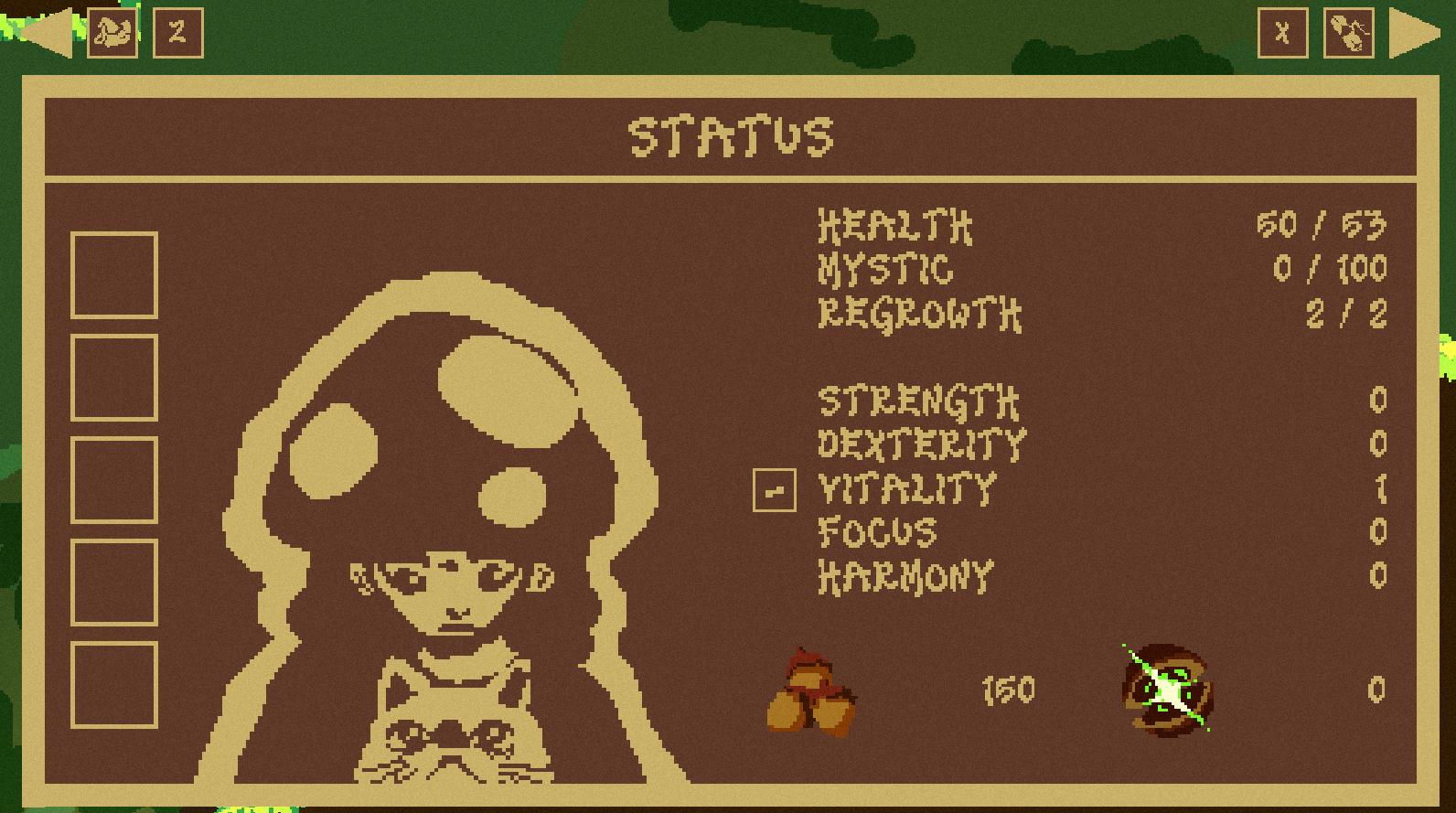
Figure4:Ascreenshotdepictingtheattributemenu,allowing playerstocustomizetheirplaystyle
Additionally,althoughthegamewasshort,bythefinal stretch,parryinghadbecometrivialized.FollowingRaphKoster’s theory,Iaddedasecondkindofattackthatenemiescouldperform. Theseattacksarevisuallyindicatedthrougharedcoloring,and cannotbeparried,butrathermustbemovedawayfrom.This forcestheplayertomixinthemovementmechanicsratherthan justrelyingontheparrymechanic.Inconjunctionwithmyown spellcastingsystem,theplayercustomizationsystem,andthe game’svaryingenemyvariety,thenew“unblockableattack” mechanicmadethegamefeelconstantlychallenging.
Ultimately,creatingafunexperienceinavideogamewasa verychallengingexperience.Throughbuildingagamefromthe groundup,Irealizedtheimportanceofmanymechanicsthat modernvideogamesutilize.Evenso, Ms. Mushroom and the Goblin Goons wasstillarelativelyunoriginalwork,boastingsome mechanicalconfusiondespitethemanyroundsofplaytesting. Evenso,IfeelasifIsucceededincreatingafunexperience,as suchasentimentwassharedamongmyplaytesters.Foroneto createtheirowncreativeproject,andtoimplementdaring
mechanicsbeyondjustthosefrominspirations,itisvitalto understandthetheoreticalfoundationsthatafungameisbuilton.
WorksCited
Brown,JohnSeely,etal.“SituatedCognitionandthe CultureofLearning.” Educational Researcher,vol.18,no. 1,1989,pp.32–42,https://doi.org/10.2307/1176008.
FromSoftware. Sekiro: Shadows Die Twice,2019. Gibson,Ari,etal. Hollow Knight,2017. Hunicke,Robin,etal. MDA: A Formal Approach to Game Design and Game Research.2004.
Koster,Raph. A Theory of Fun for Game Design. Sebastopol,Ca,O’reillyMediaInc,2014. Meadows,DonellaH. Thinking in Systems: A Primer. WhiteRiverJunction,Vermont,ChelseaGreenPublishing, 2008.
Nardi,BonnieA. Context and Consciousness : Activity Theory and Human-Computer Interaction.Cambridge Mass.,TheMitPress,2001.
NorHazlinaHashim,andMLJones. Activity Theory: A Framework for Qualitative Analysis.1Jan.2007. RedCandleGames. Nine Sols,2024.
Squire,Kurt.“FromContenttoContext:Videogamesas DesignedExperience.” Educational Researcher,vol.35, no.8,Nov.2006,pp.19–29, https://doi.org/10.3102/0013189x035008019.