Senior Thesis | 2026
AutomatingBiology:ScalableWebInfrastructure fortheDAMPLabWorkflowManager
AldenCarterandKelseyLiu March2026
1 Introduction Inanerawhereengineerscansimulaterocketlaunches,airflow dynamics,andentirevirtualenvironmentsfromacomputer, biologyexperimentscontinuetorequiremanualoperationsoneata time.Abiologistconductinganexperimenttosequenceagenetic circuitisconstrainedbyhands-onbenchwork.Despiteadvanced practicesinbiotechnology,sequencingandDNAassemblycanstill requireresearchersandlabtechnicianstomanuallypipette minisculevolumes.Theselimitationsrepresentthebottleneckin thedesign-test-buildcycleinwhichscientistsandengineershave yettoreachthefullpotentialofintersectinghardware,software, andwetware[1].Inrecentyears,effortsinbiodesignautomation haveworkedtoclosethisgap.
Biologyresearchisstillslow,manual,andlabor-intensive,relying ontrial-and-errorratherthanpredictableengineeringworkflows. Therootofthisinefficiencyliesinafundamentaldisconnection: software,labhardware,andbiologicaldesignsoperateinisolation, makingexperimentshardtoautomate,scale,orreliablyreproduce. OliveiraandDensmorecharacterizethisfragmentationasabarrier tothecodesignenvironmentnecessaryforsyntheticbiology[1], whileMilesandLeeemphasizethatwithoutclosed-loop automationandstandardizedprotocols,evenwell-designed experimentssufferfromreproducibilitychallenges[2].Asaresult, thedesign-build-testcycleisbottlenecked,limitingthespeedand
reliabilityofinnovationinsyntheticbiology.
Toaddressthesechallenges,facilitiesliketheDAMPLabhave emergedas"cloudlabs"whichisbasicallyalabthatisaccessible entirelyonline.Insteadofmanuallyperformingeachstep,aclient submitsrequestsforservicessuchasDNAassembly,cloning,and PCRreactionsthroughawebinterface,andtheDAMPLab handlesexecutionautomatically.Thisapproachexcelsathandling routinetaskswithconsistentprocedures,bringingunprecedented standardizationtobiologicalworkflows,thoughMilesandLee noteitremainslesssuitableforexploratoryresearchrequiring frequentadjustments.Theunderlyingphilosophydrawsfrom bio-designautomationandmodularity,whereordersarecreated usingstandardizedbiological"modules"andautomaticallycarried out.DensmoreandBhatiadescribethisconvergenceofsoftware, biology,androboticsasessentialforenablingmorepredictable, reproducible,andscalableexperimentation[3].
Oneofthelimitationsoftheseautomatedlabsisthebarriertoits adoption;manybiologistshavelittleexperiencewithintegrating automationsystemswiththeirexperiments.Platformssuchas DAMPLabarebeingdevelopedtoallowscientiststodesign experimentsintheseautomatedandscalablewayswithoutneeding tolearnhowtocode[2].Ourprojectisatthisinterface.Amongthe manyprojectssupportedbySAIL,theDAMPLabrepresenteda compellingintroductiontotheintersectionofsoftwareengineering andbiology.Theengineeringprinciplesofmodularity,abstraction, andautomationlinkdirectlytotheselimitationsinbiology experimentsthatthelabinfrastructureaimstoaddress.The prototypeoftheoriginalworkfloworderingwebsitelackedseveral criticalfeaturesforascalablecloudlab.Althoughthewebsite displayedservicesofabiologyexperimentandworkflowcreation, manyofthesefeatureswerehardcodeddirectlyintotheinterface,
meaningtheyarenotflexibletouserinputandaretherefore unsuitableforcustomizationandupdates.Andthebackendhadno authenticationsafeguardstoprotectsensitiveoperations.Thus, theselimitationsmotivatedthecentralquestionofthiswork:how cansoftwareengineeringprincipleshelpwithscientificdiscoveries byimprovingspeed,reliability,andautomationofthebiological experimentprocesses?Toinvestigatethislearningandresearch question,ourcontributionstotheDAMPLabcloudworkflow managerfocusedonextendingandrefactoringitscodebaseintoa secure,modular,andscalablesystemusingmodernfull-stack practices.Themethodssectionthatfollowsoutlinesthetechnical foundationofthiswork.
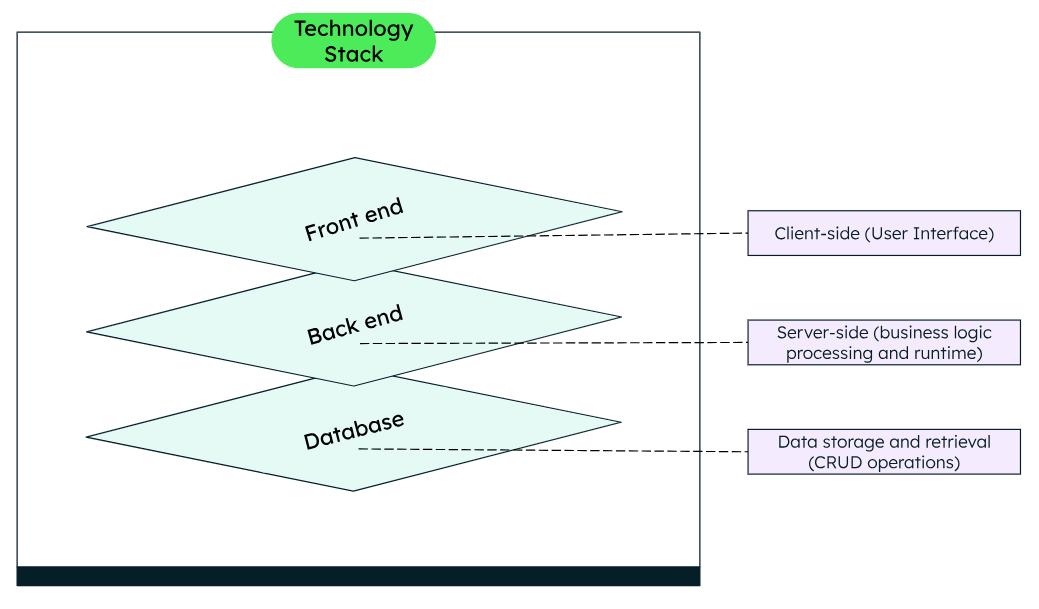
2 Methods Tocontextualizethetechnicianfoundationofthisproject,this sectionfirstoutlinesamodernfull-stackwebapplication.Atypical stackconsistsofthreeinterdependentlayers(Fig.1),each responsibleforadifferentstageofinteractionbetweentheuser, website,andlong-termdatastorage[4].
Thefrontendisresponsibleforhandlingeverycomponentonthe websiteitselfthattheuserinteractswith,suchaslayouts,buttons, forms,andanimations.Theseinteractionsarekepttrackofusing “states,”representingthecurrentstatusoftheinterface.Aclient programhandlesthesestate-basedinterfaceupdates,commonly builtusingHTML,CSS,andJavaScriptframeworkssuchasReact. Themainchallengeinthislayerisbalancingvisualdesignclarity andperformance.Thedevelopers’jobistofigureoutwaystokeep interfacesresponsive,efficient,andaccessibleacrossdifferent devicesandbrowsers[4].
Thebackendmanagestheapplication’slogic,whichcontrolsthe request-responsecycle,authentication,andcommunication betweentheuserinterfaceanddatabasewherelong-termdatais stored.Thisserverlayer,functionallyanintermediary,ensuresthat auseronlyinteractswithdatatheyarepermittedtoaccess, whetherintentionallyorunintentionally.Thisincludespreventing unauthorizedaccess,verifyingthatincomingrequestsare legitimate,andprotectingagainstcode-injectionattackstothese communicationpointsbetweentheserverandclient[5].Backend architectureisachievedthroughApplicationProgramming Interfaces(APIs),whichallowanddefinestructuredwaysfor differentsoftwareapplicationstocommunicateandinteractwith eachother[6].Runtimeenvironmenttools(theruncodelanguage outsideofthewebsiteitself)suchasNode.jsarethetoolsthat implementAPIs.Withtheexistenceofmanysuchframeworks, choosingthebackendruntimeenvironmentdependson considerationssuchasdata-handling,scalability,andsecurity[7]. Forinstanceinourproject,weusedNode.jsforitsconsistent Javascriptinbothfrontendandbackend,aswellasasynchronous handlingofrequestssuchthatinsteadofwaitingforoperationsto completeoneatatime,itexecutesothertasksuntilacallback[7]. Securityauthenticationformsoneofthemostcrucial
responsibilitiesofthebackend.Defaultsecuritymethods implementencryptedpasswordsthroughhashingtheirstored valuesandtoken-basedauthentication(suchasJSONWeb Tokens).Thesefeaturespreventunauthorizedusersfromviewing oralteringstoredconfidentialdata.Atthesametime,backend developmentrevolvesaroundscalability,inwaysthatensurethe systembehindawebsiteconnectedtovariousserverscanhandle largevolumesofsimultaneousrequestssecurely,allwhilebeing abletobeeasilyaugmentedandtransformedintonewsystem designspecifications.
Theprimarypurposeofawebsiteistoretrieveandstore informationthatauserwantsfromtheservice,suchaslogins, updatinginteractionsforums,andplacingaproductorderwhen shoppingonline.Thedatabaseorganizesinformationsuchas users’information,passwords,andhistoryinthesystem’s long-termmemory.Eachpieceofdataisstoredinastructured formatsuchthatdifferenttypesofinformationcanberetrieved uniformly[4].Thus,theprimarychallengeinthislayeris maintainingdatawithconsistency andintegrityacrosstheentire application. Thisinvolvesvalidatingdatabeforeitissaved, enforcingaccessrules,andstoringinformationofrelated componentsofthesysteminastandardizedway. BeforeinitiatinganyworkontheDAMPLabproject,westarted withalearningphasetoensurethatwehadaworking understandingofthetechnologiesinthefullstack.Ourinitialstep wastocompleteanintroductorytutorialonbuildinga MERN-stackwebapplication.TheMERNstackconsistsof MongoDBasthedocumentdatabase,Expressastheserver-side applicationframework,Reactastheclientinterface,andNode.jsas theruntimeenvironmentthatexecutesJavaScriptontheserver[4]. AlthoughthistutorialdidnotuseNestJS,itestablishedthecore conceptsofthefrontend,backend,andclient–serverinteraction
Aftercompletingthispreliminaryexercise,wetransitionedtoa secondexploratoryproject:theNestJS“catswebsite”tutorial.This stagemirrorsthefulltechnologystackusedintheDAMPLab platformandintroducesframework-specificcomponentssuchas controllers,providers,datatransferobjects(DTOs),and dependencyinjection.Weadditionallypracticedbuildingabasic frontendinterfacewithoutrelyingonTailwindCSS,sincethe DAMPLabplatformusesplainReactforitsuserinterface.
TailwindCSSisastylingframeworkthatprovidessimpleutility classesforlayoutanddesign,butforthisprojectwefocusedon writingourowncomponentsandstylesdirectlyinReacttomatch thelab’sexistingconventions[8].Wethenmovedbeyondthebasic tutorialandbeganlearninghowtointegrateauthenticationintoour systembyusingNestJS’sAuthGuardtoimplementsecurelogin andaccount-creationworkflows.Thisintroducedustoconcepts suchasprotectedroutes,JWT-basedauthorization(JSONWeb Token),androle-restrictedaccesswithintheapplication[5].In addition,weincorporatedMailgun,anemailAPIthatenables automatedmessagedelivery,tosendverificationemailsandother notificationstousers.Finally,wedeployedourapplicationsto AmazonWebServices(AWS),whichinvolvedconfiguringEC2 instances,managingsecuritygroups,andsettingupenvironments thatmirroredreal-worlddeploymentconditions.
Versioncontrolremainsintegraltoourworkflowthroughout development,andasignificantpartofourpreparationinvolved learninghowtouseGiteffectively.Gitprovidesacompleterecord ofcodechanges,enablingustocompareearlierstatesofthe applicationandrevertbreakingmodificationswhenneeded.Its branchingandmergingmodelallowsmultipledeveloperstowork simultaneouslywithoutoverwritingeachother’swork,whichis
essentialinacollaborativeresearchenvironment[9].Branch isolationalsofurthersupportsexperimentaldevelopment,enabling ustoprototypeideassafelyandintegratethemonlyaftertheyare fullytested.Wealsoadoptedaworkflowinwhichnewfeatures weresubmittedthroughpullrequests,allowingmentorstoreview code,providefeedback,andensurequalitybeforechangeswere mergedintothemainbranch.Inaddition,welearnedhowto configure.secureenvironmentvariablessosensitiveinformation–suchasAPIanddatabasekeys–remainedlocalandwasnot exposedinthepublicGitHubrepository.
3 ResultsandDiscussion 3.1 UIStatesandUser-centeredDesign Usersroutinelydismisswarningdialogueswithoutreadingthem, especiallylongdensetextssuchasconditionsandagreements.A redesigneduserinterfacewasimplementedtoimprovetheoverall site’svisualcoherence,reduceinteractionambiguities,and communicateactionseveritymoreeffectivelytousers.This redesignforcedondesignprinciplesregardingcolorusage,aswell asuserconveniencewithlayoutconsistencyandvisualhierarchy. Intheoriginalinterface,warningsandhigh-impactactionswere notconsistentlydistinguishedfromroutineinteractions.Asa result,criticalmessagescouldbemissed,andirreversibleactions couldbetriggeredwithoutsufficientvisualemphasis.
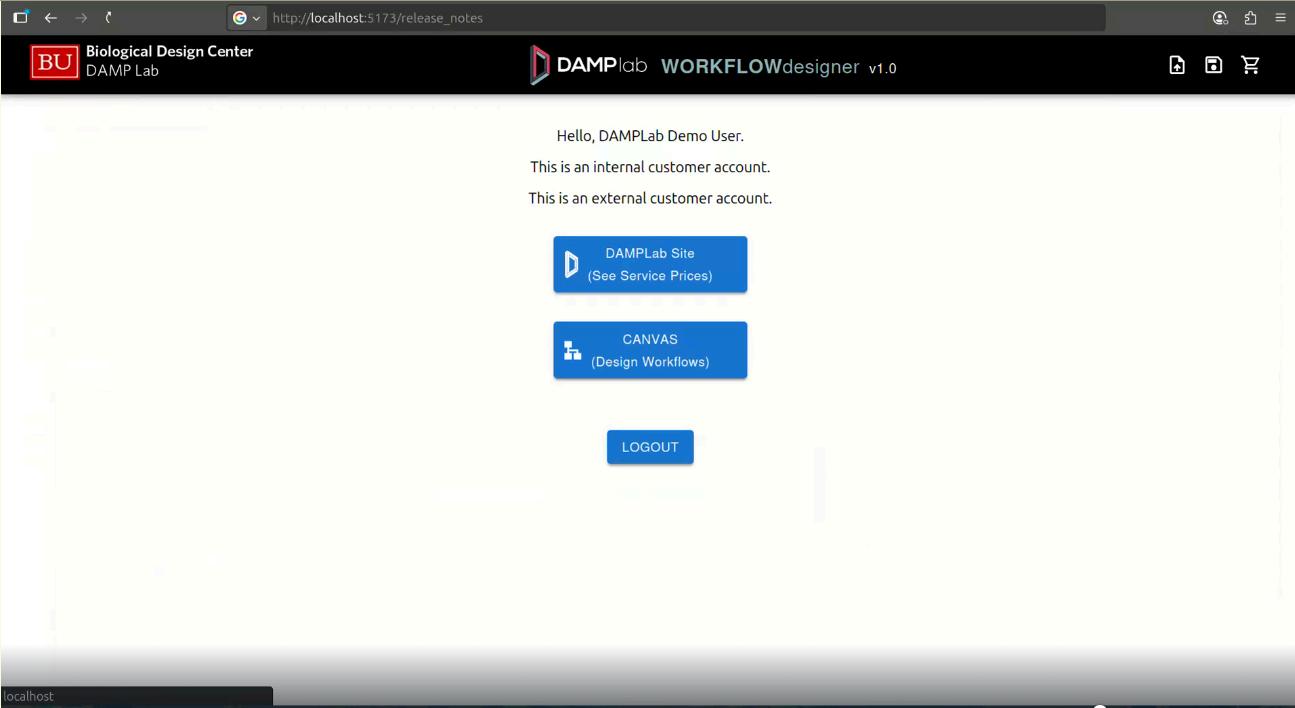
Therevisedinterfaceintroducedastandardized primary-secondary-tertiary-accentcolorsystemusingtheReact framework’sthemeconfigurations.Primaryinterfaceelements wererecoloredtomatchtheproject’slogopalette,establishinga
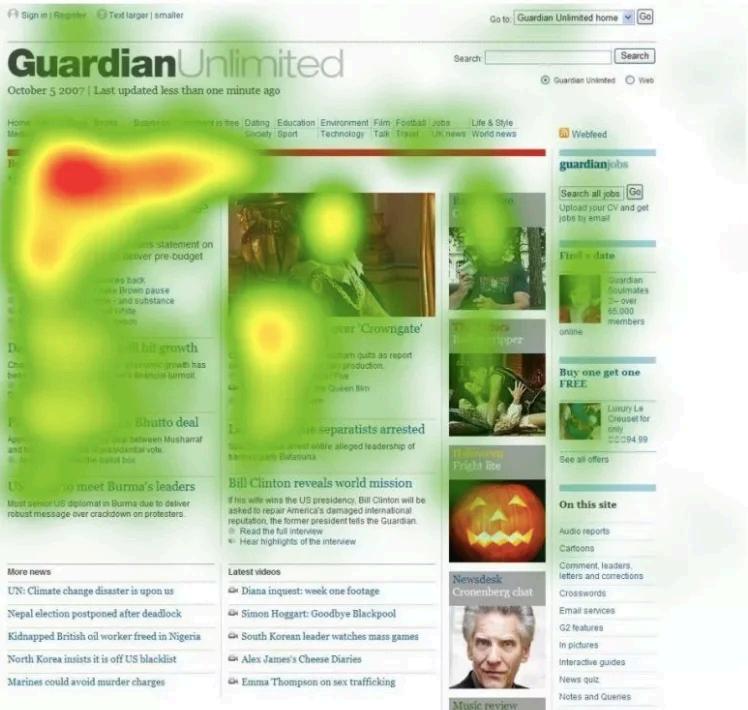
consistentvisualidentityaswellasbrandpresenceacrosspages (Fig.2).Thischangeimprovedrecognizabilityandreduced cognitiveloadwhennavigatingdifferentsectionsofthe application.Importantly,visualemphasisisusedtoslowuser interactionatappropriatetimesinordertodrawattentionto consequences(Fig.3).Rediscommonlyreservedfordestructive actionsacrosswebapplications.Thisconventionwasintentionally adoptedintheredesignedinterfacetoreduceaccidentalactivation ofirreversibleoperations,suchasdeletingentireintervalsofa user’swork[10].
Fig.2:Streamlinedvisualconsistencyandcoloringattention
Fig.3:Visualhierarchyandareasofcognitiveloadconcentrations inawebapplication[11] Fromasystemperspective,thefrontendredesignfunctionsasa criticalcommunicationlayerwithoutaffectingthecontrollayer. Noadditionalbackendvalidationlogicwasintroducedasapartof thischange.Thesesurface-leveldesigndecisionsdemonstratehow visualscontributetosystemreliability.Byimprovingclaritywith consistency,theinterfacereducesthelikelihoodofusererrorwhile maintainingflexibilityandresponsiveness.
CheckoutPages Thecheckoutpagerevampredesignedtheordersubmissionpages tocreateamoreintuitiveuserexperienceandaddedfeatures.The updatedcheckoutinterfacenowdynamicallypullsserviceprices fromthebackendratherthandisplayinghardcodedvalues. Underneaththesummaryitalsoincludesaprominentdisclaimer clarifyingthatdisplayedcostsareestimatesonly,withfinalpricing communicatedviaemailafterlabpersonnelreviewtheorder(Fig. 4).
Fig.4:Finalcheckoutpagebeforesubmittingthejob
Thefinalcheckoutpagereceivedsignificantimprovements includingbetterstylingforvisualconsistencytomatchthe previouscheckoutpage,navigationprotectiontopreventusers fromaccessingthesubmissionpagewithoutproperlycheckingout, andtheremovalofredundantpaymentprocessingfieldssince transactionsarehandledexternallythroughemail.Personal informationfieldswerealsoeliminatedbecausethisdataisalready capturedduringaccountcreation.Intheirplace,newfunctionality wasaddedallowinguserstotitletheirjobs,viewasummaryof theiraccountcontactinformation,andprovideadditionalnotes withtheirorders.
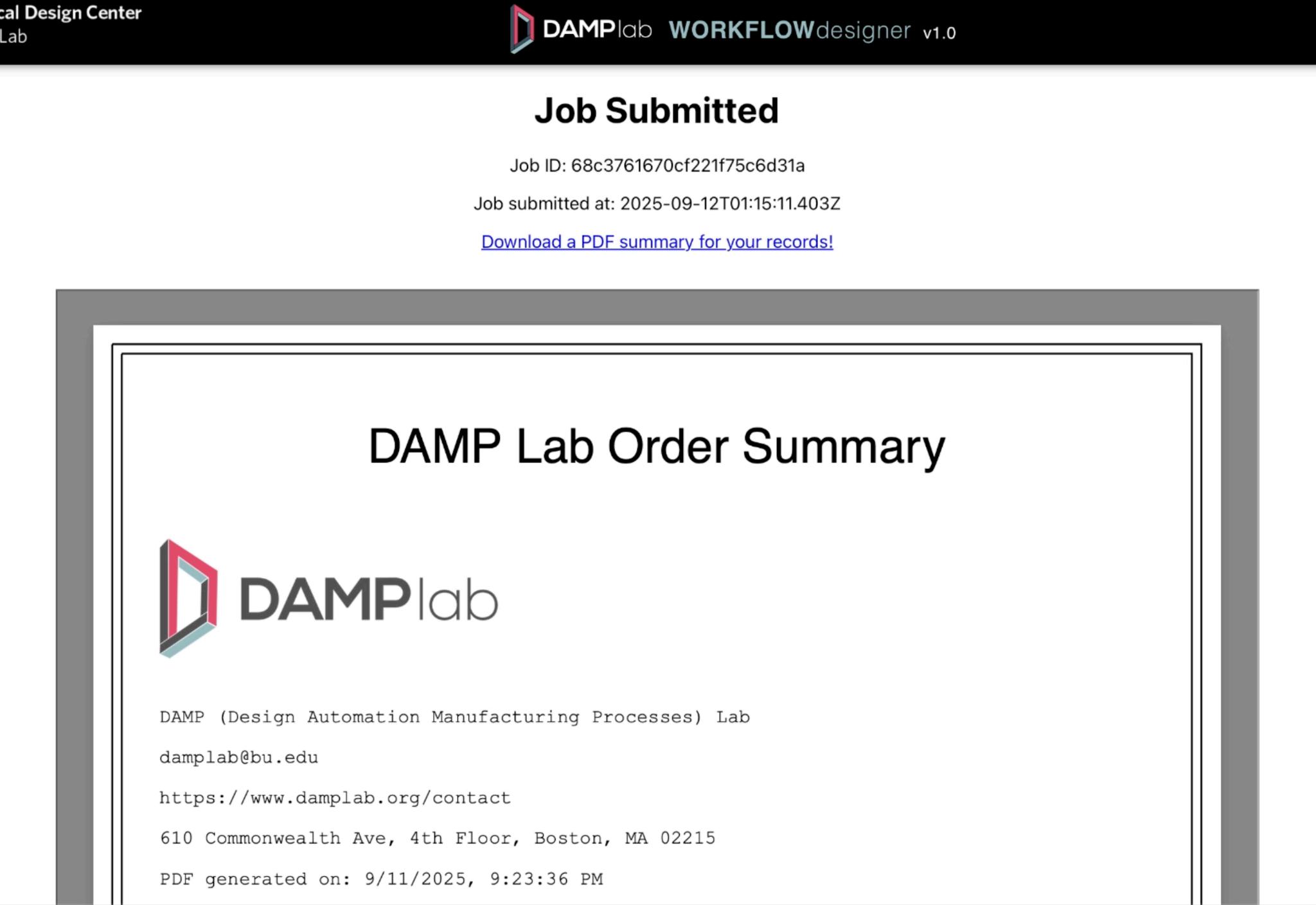
Thisfeatureaddressescriticalusabilityissuesthatexistedinthe previouscheckoutsystemwhilestreamliningtheentireorder creationprocess.Theoriginalcheckoutpagerequiredusersto repeatedlyenterpersonalinformationthatwasalreadystoredin theiraccounts,creatingunnecessaryworkandpotentialdata inconsistency.Moresignificantly,althoughajobsubmitted summarypageexistedinthecodebase,itwaspreviously inaccessiblethroughnormaluserworkflows.Theredesign integratesthispageintothecheckoutprocess,automatically navigatinguserstoitafterjobsubmission.Thepagedisplays createdjobdetails,submissiontimestamps,loadingstatus,and validationwarningsforinvalidIDs(Fig.5).Enhancedwitha completeorderdocumentandPDFdownloadcapability,the systemprovidesclientswithimmediatetrackinginformation similartocommercialplatformslikeAmazon.Thistransparency givesclientsreferenceabledocumentationforcommunicatingwith labpersonnelwhileimprovingoverallorderprocessingclarity.
Fig.5:Jobsubmittedsummarypage
Severalimprovementscouldfurtherrefinethecheckoutandorder managementexperience.Implementingautomatedemailreceipts functionalitywouldensureusersreceiveacopyoforderdetails immediatelyuponsubmission.Adedicateduserdashboard displayingallpastandpendingorderswouldgiveclientsa centralizedviewoftheirorderhistoryratherthanrequiringthemto scrollthroughtheiremails.Additionally,introducingorderediting capabilitieswithinalimitedtimeframebeforelabprocessing beginswouldallowuserstocorrectmistakesorupdate requirementswithoutneedingtocancelandresubmitentireorders, reducingfrictionforbothclientsandlabpersonnel.
3.2 AuthenticationFlows
APIEndpoints Everyinteractionwithawebsitebeginswitharequestsenttoa URL.WebapplicationssuchastheDAMPLabtoolregularly
handlethousands,uptomillionsofconcurrentrequests,naturally leadingtosomedevelopershavenotexpected.Whenauserclicks buttons,submitsforms,etc.theirbrowsersendsastructured messagetoaspecificaddressontheinternet[13].Fromthe perspectiveoftheserver,thereisnodifferencebetweena legitimateuserandamaliciousattacker.Beyondstandarduser interactions,hackershaveavarietyofmethodstogain unauthorizedaccesstoapplicationpermissions,suchasmanually injecting,modifying,orreplayingrequeststooverloadorcrasha system[14].APIendpointsarethepointsofexposurebetweenthe systemandincomingtraffic,motivatingdefensiveAPIdesignto filterthelegitimateones.
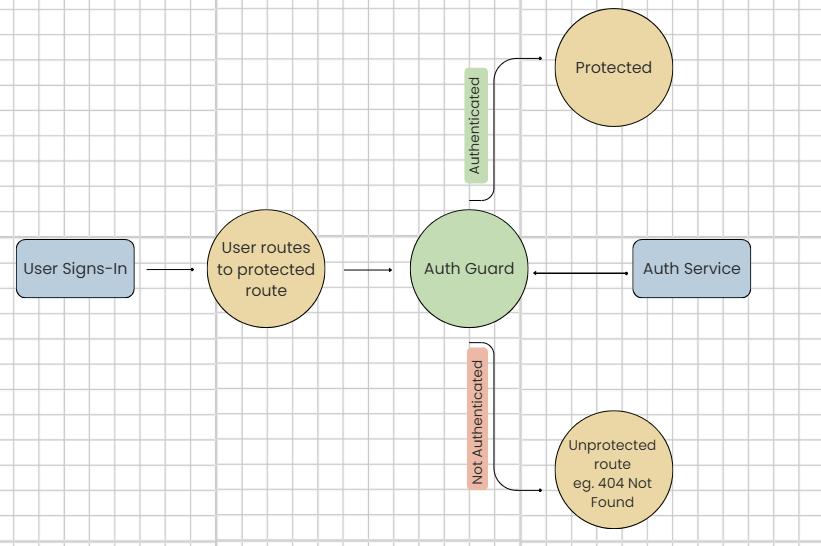
Fig.6:AuthGuardprotocolfromfrontendtoserver[12]
Fig. Unguardedendpointsthrough protecting
Theapplicationiscomposedofmultiplesubpagesandservice routes,whichsensitivedata,suchasloginpasswords,flows through(Fig.6).Toprotectdataintransit,allroutesareserved overHTTPS(secureHTTP),rejectingrequestsmadewithout encryption,preventingpotentialmaliciousinjectionsor modificationsoftransmittedjavascriptdatatotheserver.Browser warningssuchasthosedisplayedbyCloudflarewarnwebsurfers ofincreasedrisksduetotheabsenceofHTTPSorguaranteeof encrypteddata.Directaccesstoprotectedroutes,suchas admin-onlyfeatures,wasrestrictedusinganauthenticationguard (AuthGuard).Beforeimplementingthis,anydemouserwithout specialpermissionswouldhavebeenabletoaccesspagesonly intendedforadminuse.Fig.7showshowURLsarediscoverable bydesign,meaningtheyarenotlimitedbytraversinglegitimately throughabutton.Bygivingauseratime-expirytokenembedded withdifferentaccesspermissionsuponloggingin,theAuthGuard checksincomingrequests,suchasvisitingasubpageURL,for validtokensbeforereachingthebackend[15].
TheformattedrequestsareimplementedthroughGraphQLrather
thanRESTAPI,atypeofarchitecturalstylethatusesHTTPto transferrequests,becausetheschemaspecifiesavailabledata types,queries,andmutations.Thetradeoffconsideredwasthat, comparedtoREST,GraphQLrequiresexplicitmaintenancein ordertoreduceover-fetchingbyreturningonlyrequesteddata fields[6].Inpractice,thisconstraintlimitstheamountof informationrevealedineachresponseandreducesthe effectivenessofmaliciousprobing.Apracticalobservation emergedfromthis:interface-levelrestrictionsarefutile,sinceany requestvisibleinabrowser’snetworkinspectorcanbemanually replicated.Forthisreason,theAPIlayerenforcesallaccesscontrol decisionsinsteadofdependingonthedata’svisibilityonthe frontend.
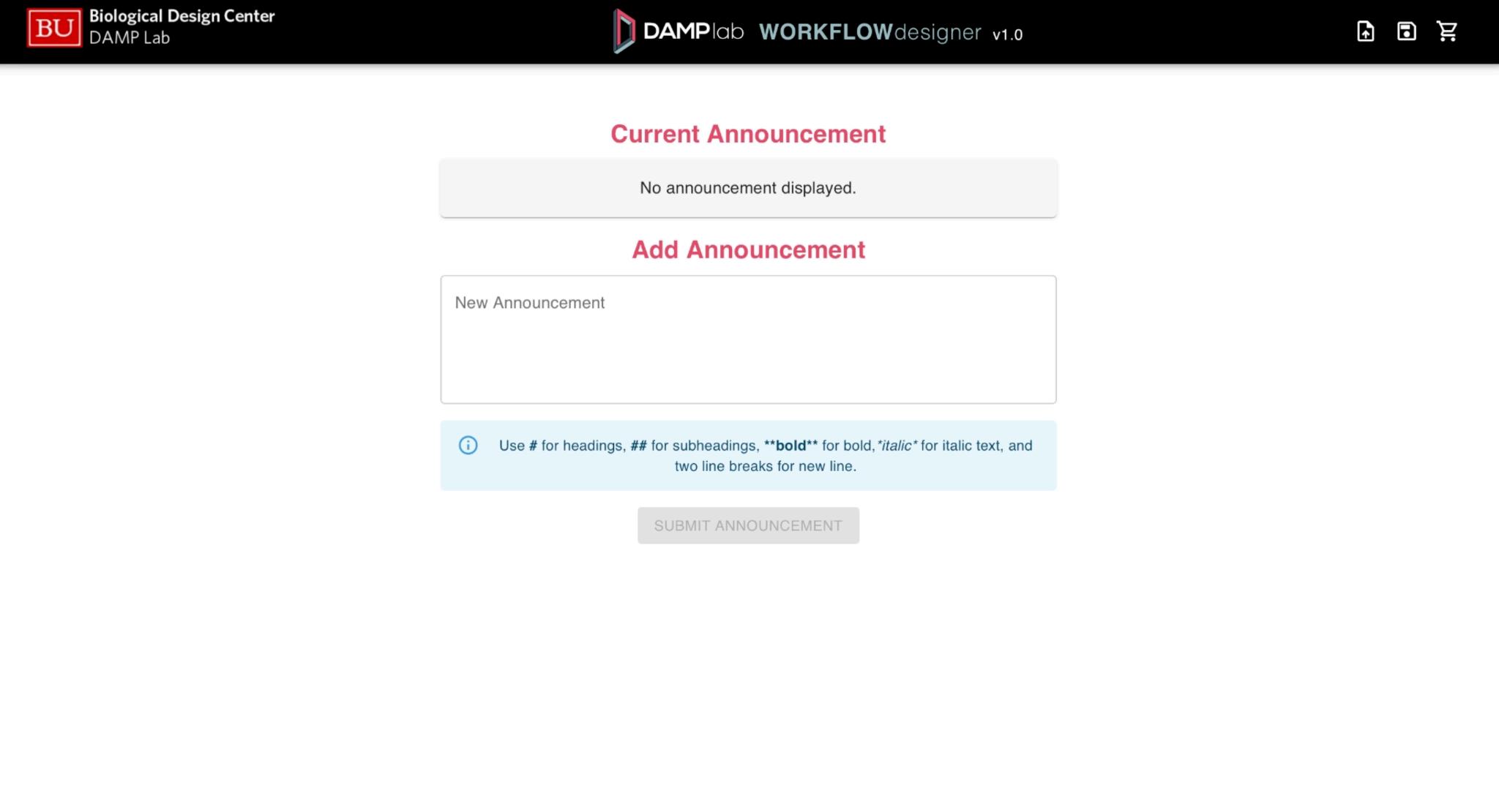
AnnouncementsFeature Theannouncementsfeatureprovidesadministratorswitha streamlinedwaytocommunicateimportantinformationtoalllab usersdirectlythroughthewebsite'shomepage.The implementationincludesanadmin-onlybuttonthatnavigatestoa dedicatedannouncementpagewhereadministratorscanviewthe currentannouncement,createnewannouncementsusingatext box,andseeanoteonsupportedMarkdownformattingoptions includingboldtext,italics,andheadings(Fig.8).Oncesubmitted, announcementsappearonthehomepageforalluserswitha timestampindicatingwhentheywereposted.Administratorsalso havetheabilitytohidethecurrentannouncementwhenitisno longerrelevant.
retrievingexistingmessages.Onthefrontend,thesystem integratesReactMarkdownforrenderingformattedtextand establishesthenecessaryqueriesandmutations (CREATE_ANNOUNCEMENT,GET_ANNOUNCEMENT, UPDATE_ANNOUNCEMENT)tocommunicatewiththe backend,allaccessiblethroughanew"/edit_announcements" route.
Thisfeaturesignificantlyimprovestheuserexperiencebyenabling direct,organizedcommunicationbetweenthelabanditsusers. Previously,noformalannouncementsystemexistedonthe
website,creatingagapinhowthelabcouldsharetime-sensitive informationorupdateswiththecommunity.Becausethe organizationalstructureofthecodebasewasalready well-established,implementingthisfeatureprovedrelatively straightforward–addingthenewroute,page,queries,and mutationsintegratedsmoothlyintotheexistingarchitecture.One keydesigndecisionwastoretainallannouncementsinthe databaseratherthanoverwritingpreviousmessages,which preservesacompletehistoryoflabcommunications.However,this historicaldatacurrentlyhasnointerfaceforaccesswithinthe websiteitself,representinganopportunityforfuture improvements.Anotherpotentialadditionwouldbeaddinga previewfunctionthatallowsadministratorstoseehowtheir formattedannouncementwillappearbeforepublishingittoall users.
3.3 DataIntegrityandScalability ServicesandWorkflows Theservicepricingfeaturereplacedarigid,hardcodedpricing systemwithaflexible,administrator-controlledapproach. Previously,allserviceswerehardcoded–meaningtheirprices werefixeddirectlyinthesourcecodeat$100regardlessofthe actualcostofeachservice.Thisimplementationaddedanewprice columntotheadmineditpage,allowingadministratorstoset individualpricesforeachservicebasedontheiractualcosts.
Thebackendmodificationsinvolvedupdatingtheservicemodelto includeanoptionalpricefieldwithafloatdatatype,which accommodatesbothserviceswithknownapproximatecostsand thosewithvariable(unknown)prices.Onthefrontend,theprice fieldwasintegratedintoseveralGraphQLoperationsincluding
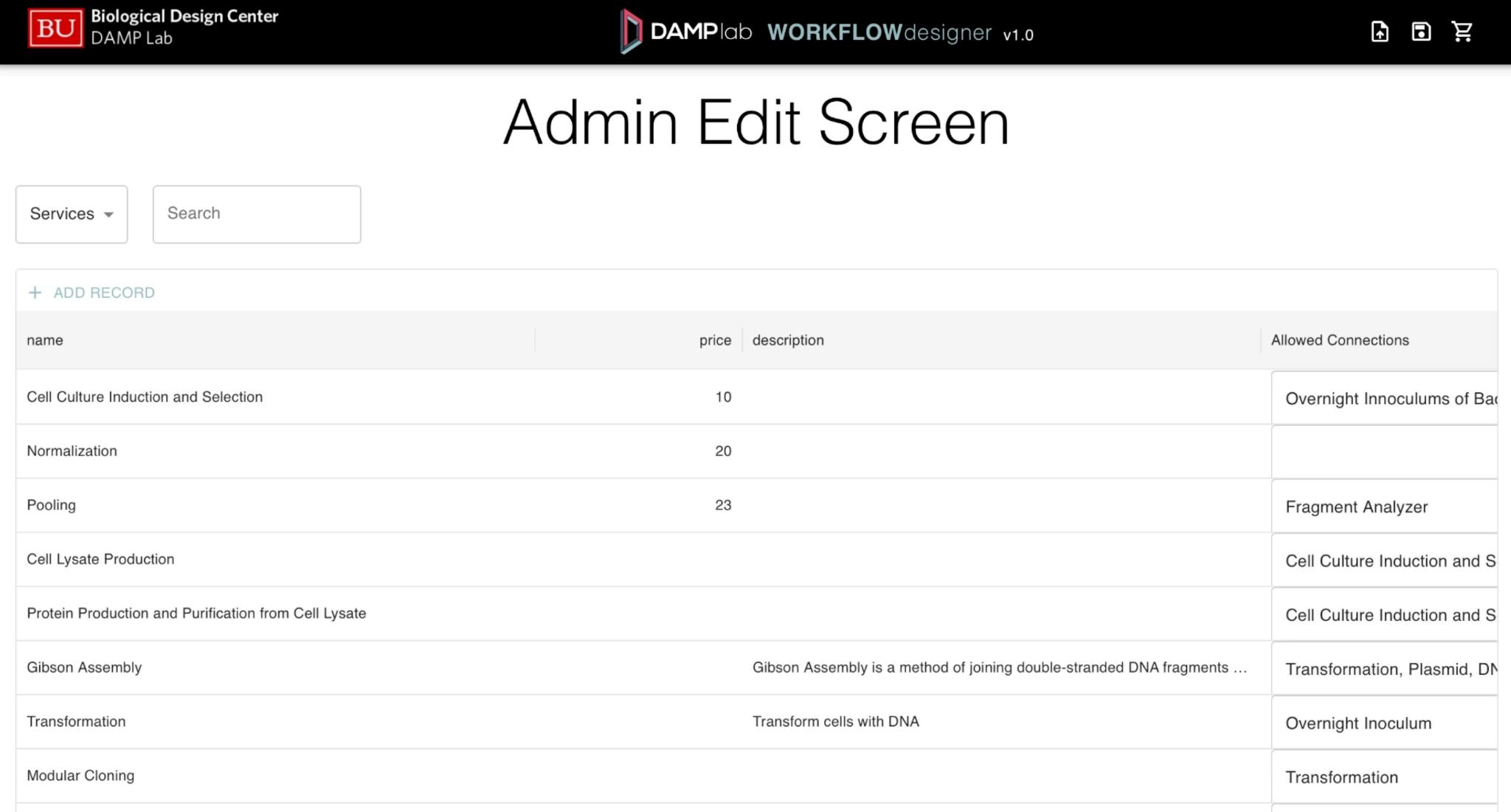
CREATE_SERVICE,GET_SERVICES,andGET_JOB_BY_ID mutationsandqueries,establishingtheconnectionbetweenthe database-storedpricesandwhatadministratorsconFig.throughthe interface.TheEditServicesTablecomponentreceivedanewprice column,andthepriceinformationwasalsoincorporatedintothe CanvasTypedefinitionsforbothservicesandnodeswithinthe workflowvisualization(Fig.9).
Fig.9:Admineditpageshowingtheservicetablewiththenewly addedpricecolumn
Thisadditionaddressescriticalneedsforgeneralizabilityand scalabilityinthelab'soperations.Whileservicesalreadyexistedin thesystem,updatingtheirmodelandcorrespondingfrontend queriesenabledmoreaccuraterepresentationofactualservice costsratherthanrelyingonplaceholdervalues.Thedesign decisiontomakepricingoptionalreflectspracticaloperational considerations:customersdonotcompletepaymenttransactions directlythroughthewebsite,andsomeserviceshavevariablecosts thatdependonspecificprojectdetailsprovidedduring consultation.Thisflexibilityalignswithbiologicalmodularity
principlesdescribedbyDensmoreandBhatia,wheremodular, adaptablecomponentscanbeconFig.dandrecombinedfor differentapplications[3].Bydoingthisimprovement,thesystem becomesmoremaintainableandbettersuitedtoaccommodatethe lab'sevolvingserviceofferingsandpricingstructureswithout requiringcodemodificationsforeachchange.
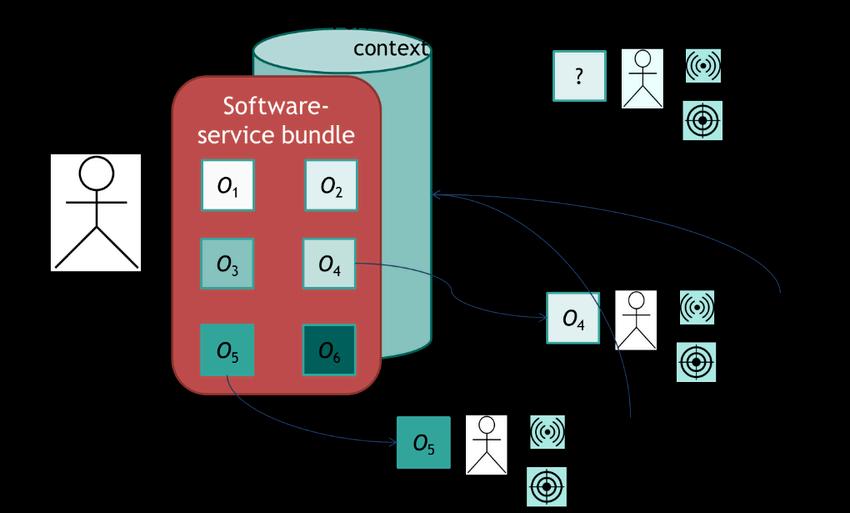
Bundlesandcanvasoverhaul Previously,workflowsandrelatedservicesemployedhardcoded logic;addingormodifyingaworkflowrequiredchangesacross multiplebackendandfrontendfiles,increasingtheriskof producingcompilationerrorandlimitingscalability.Toaddress this,bundleswererestructuredasexplicitdataobjectsthatencode relationshipsbetweenservicesinacustomuser-designedworkflow intheCanvasbuilder(Fig.10).Theadvantageofusersbeingable tocreatetheirownbundlesisplenty.Critically,bundlingservices enablesreproducibilityacrossexperimentsbybecominga ready-madecloudworkflowforotherresearcherstomodifyor replicatewhileeliminatinginconsistenciesposedbyhumanerror [3].Eachbundlecontainsmetadatalinkingitsconstituentservices, whichenablesconsistentpropagationofoperationsinthe experimentalworkflow.Inthedatabaselayer,overhaulingthis featureallowsstorage,queries,validationinfutureupdatesto reducedeveloperoverheadandhumanerrorasneedsscale.
Fig.10:BundlesrelationshiptoServicesandWorkflows[16]
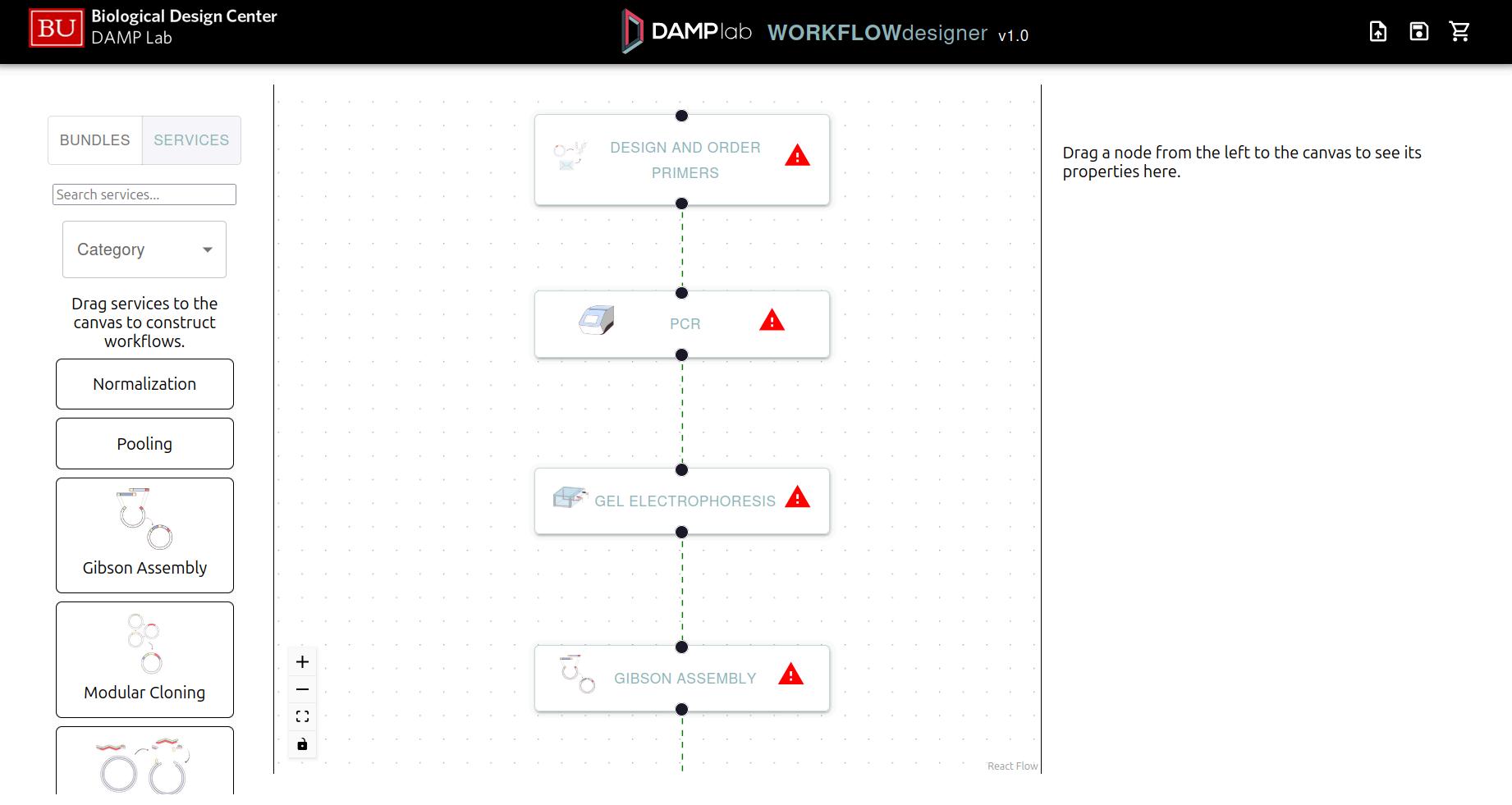
TheCanvasinterfacevisualizeshowtheservicesareconnected. Eachbundleisrenderedasadistinctgrouping,whichsupports bothlinearandtreeencodedstoragestructures.Abundlewitha linearworkflowisshown(Fig.11).Linearworkflowsrepresent sequencesofservicesintendedtoexecuteinorder,andaresuited forsimpleandfixedprocedures.
RestrictedLinearDataStructureofaBundle
Fig.11:
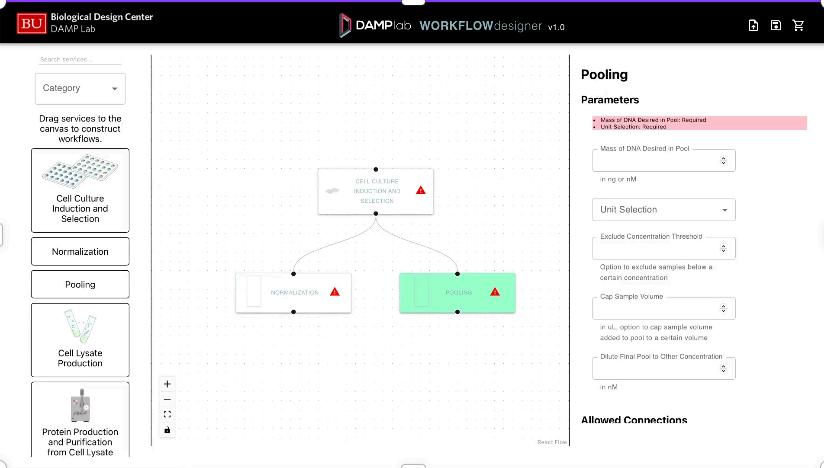
Ontheotherhand,ifanexperimentrequiresservicesthatleadto conditionalorparallelexperimentalsteps(Fig.12),atree workflowisimportantforachievingthisoptiondespiteconsuming morememoryandbeingmoredifficulttoencode.Withthis flexibility,thesystemcansupportfutureautomation,reporting, andvalidationwithoutalteringexistingcode.
Fig.12:TreeDataStructureofaBundle WhilethebundleandcanvassystemimprovedtheWorkflow Manager’sorganizationandflexibility,itrevealsseveral limitationsinscalability.Linearworkflowsarepredictedtoscale predictably,buttree-encodedworkflowsrequireadditional computationtopropagateacrossbranches,whichexposes inefficienciesinrenderingandstorage.Further,somepartsarestill rigidandrepetitivebecauseoftherenderinglimitationsforeach nodeandedgeofabundle.Ifredesigned,thesystemcould separatelayoutcomputationfromdatalogicentirelyusinga generalizedgraph-processingapproachtosupportarbitrary workflowstructures.Futuresystemsshouldstoreworkflows
consistentwiththebundlestructureinthedatabasefromthestart toreducethetranslationcomplexitybetweentheseconceptually uniformdataobjects.
4 Conclusions Thisworkdemonstrateshowsoftwareengineeringprinciplescan directlyacceleratescientificdiscoverybyimprovingthespeed, reliability,andautomationofbiologicalexperimentation.Forthe DAMPLab,thecontributionsoutlinedinthisprojecttransforma prototypeworkflowmanagerintoanalmostproduction-ready cloudlabplatform.Theannouncementsfeatureestablishesclear communicationchannelsbetweenlabpersonnelandusers,the flexibleservicepricingsystemenablesaccuratecostrepresentation withoutcodemodifications,andtheredesignedcheckoutprocess providesclientswithprofessionalordertrackingand documentation.Theseimprovementsaddressthefundamental challengeintroducedearlier:bridgingthegapbetweensoftware andbiologicalexperimentationtocreatetheintegratedcodesign environmentnecessaryforscalablesyntheticbiology.
BeyondthetechnicalcontributionstoDAMPLab,thisexperience providedinvaluableprofessionaldevelopmentincollaborative softwareengineering,includingpracticalexperiencewithmodern full-stacktechnologies(MERNstack,Nest.js,GraphQL),version controlworkflowsthroughGitHub,andthecommunicationskills essentialforteam-baseddevelopment–expertisedirectly applicabletofutureinternshipsandcareersattheintersectionof computationandbiology.
TheDAMPlabrepresentsjustoneopenapplicationofsoftware
engineeringinbiologicalresearch,butthebroadertrendisclear: biologyisrapidlybecomingdata-driven,creatingexpanding opportunitiesforcomputationalexperience.Carbonell, Radivojevic,andGarciaMartinidentifythreecriticalareaswhere softwareengineersareessentialtoadvancingsyntheticbiology [17].First,high-volumedatafrommodernsequencingand screeningneedscomputationalpipelinesforanalysis.Second, large-scaleautomationreliesonsoftwaretocoordinaterobotics, sensors,andworkflows,requiringengineerswhounderstandboth biologyandtechnicalsystems.Third,combiningsyntheticbiology, machinelearning,andautomationallowsclosed-loop experimentationwheresoftwareanalyzesresultsandautomatically designsfollow-upexperiments,speedingupthedesign-build-test cycle[2].Inshort,softwarehasbecomecentraltobiological research.
FutureworkontheDAMPLabcouldfocusoncompatibilitywith othercloudlaboratories.IntegratingAPIsfromplatformslike Benchlingwouldenablecross-platformautomationworkflows, allowingresearcherstodesignexperimentsinonesystemand executetheminanother.Thiscapabilityisparticularlyimportant foropen-sourceworkflowmanagerslikeDAMPLab,asitwould createanetworkeffectwheremultiplelabscontributetoand benefitfromsharedautomationprotocolsandstandardized biologicalmodules.Suchintegrationrepresentsasteptowardsthe fullyrealizedbiodesignautomationecosystemenvisionedby Densmore[1].
Lastly,wewouldliketothankZoeforherpatientguidanceand countlesshoursspentdebuggingalongsideus,Asadfororganizing ourprojectsandprovidingdetailedspecificationsthatkeptour workfocused,Dr.Tomlinsonforcreatingtheopportunitytolearn andcontributeatSAIL,andDr.Karnaukhforexpertly coordinatingtheprogram!
References [1] S.M.D.OliveiraandD.Densmore,“Hardware,Software, andWetwareCodesignEnvironmentforSyntheticBiology,”vol. 2022.inBioDesignResearch,no.2022,vol.2022.ElsevierBV, Sept.24,2025.doi:10.34133/2022/9794510
[2] B.MilesandP.L.Lee,“AchievingReproducibilityand Closed-LoopAutomationinBiologicalExperimentationwithan IoT-EnabledLaboftheFuture,”vol.23,no.5,pp.432–439,Oct. 2018,doi:10.1177/2472630318784506
[3] D.M.DensmoreandS.Bhatia,“Bio-designautomation: software+biology+robots,”vol.32,no.3,pp.111–113,Mar. 2014,doi:10.1016/j.tibtech.2013.10.005
[4] MongoDB,“MERNStackExplained,” MongoDB. Available: https://www.mongodb.com/resources/languages/mern-stack
[5] Auth0,“JSONWebTokenIntroduction-jwt.io,” JSON Web Tokens - jwt.io,Nov.30,2024.Available: https://www.jwt.io/introduction#when-to-use-json-web-tokens
[6] “GraphQL:AquerylanguageforAPIs.,” graphql.org. Available:https://graphql.org/learn/
[7] “Documentation|NestJS-AprogressiveNode.js framework,”Documentation|NestJS-AprogressiveNode.js framework.Available:https://docs.nestjs.com/
[8] React,“QuickStart,” react.dev,2024.Available:
[9] “Git-gittutorialDocumentation,” Git-scm.com,2019. Available:https://git-scm.com/docs/gittutorial
[10] NaveenChikkanayakanahalliRamachandrappa,“SOLID DesignPrinciplesinSoftwareEngineering,” International Journal of Computer Trends and Technology,vol.72,no.9,pp.18–23, Sep.2024,doi:https://doi.org/10.14445/22312803/ijctt-v72i9p104.
[11] “Aguidetoheatmapsforwebsiteandmobileapp analytics,” Smartlook. https://www.smartlook.com/heatmaps-guide/
[12] K.Carpenter,“Angular:RouteAuthenticationandGuards,” Everything Full Stack,Apr.24,2017.
[13] MDNContributors,“HTTP,” MDN Web Docs,Aug.03, 2019.https://developer.mozilla.org/en-US/docs/Web/HTTP
[14] T.Sasi,A.H.Lashkari,R.Lu,P.Xiong,andS.Iqbal,“A ComprehensiveSurveyonIoTAttacks:Taxonomy,Detection MechanismsandChallenges,” Journal of Information and Intelligence,vol.2,no.6,Dec.2023,doi: https://doi.org/10.1016/j.jiixd.2023.12.001.
[15] “ServerAdministrationGuide,” www.keycloak.org. Available: https://www.keycloak.org/docs/latest/server_admin/index.html
[16] J.GrabisandK.Sandkuhl,“Value-Basedand Context-AwareSelectionofSoftware-ServiceBundles:A CapabilityBasedMethod,” Complex Systems Informatics and
Modeling Quarterly,no.10,pp.21–37,Apr.2017,doi: https://doi.org/10.7250/csimq.2017-10.02.
[17] P.Carbonell,T.Radivojevic,andH.GarciaMartin, “OpportunitiesattheIntersectionofSyntheticBiology,Machine Learning,andAutomation,”vol.8,no.7,pp.1474–1477,July 2019,doi:10.1021/acssynbio.8b00540