
SamFreifeld
Dr.Jewell
SeniorThesis
March2,2026
Orlando’sManyForms:HowNarrativeAutonomyShapesTrans Stories
Orlando: A Biography byVirginiaWoolf(1882-1941)is oftenconsideredtobethefirstEnglishtransnovel.Orlandobegins thenovelasayoungboylivingintheEnglisharistocracyofthe sixteenthcentury,andendsthenovelasawomaninherthirtiesin twentiethcenturyLondon. InthispaperIwilluse“they”torefer toOrlandoasawholethroughoutthenovel,and“he”and“she” whentalkingaboutspecificpassageswhereOrlandousesthose pronouns.ThroughoutOrlando’scenturiesandgenders,theyare writingapoemaboutanoaktree,andhavemanyloversand experiences.However,readersviewOrlando’sjourneythroughthe lensofOrlando’sbiographer.Thiscausesariftbetweenwhat readerscanseeofOrlandoandtheraretimesOrlandocanspeak forthemself.Thislimitsreaders’knowledgeaboutOrlando’s transnessandtakesawayOrlando’sautonomyindescribing themself.ThepresenceofOrlando’sbiographerwarpsthereader's viewofOrlando,someonewhodefiestraditionalboundariesof life,attemptingtomakeOrlandomoreunderstandablebut ultimatelylesstruthful,despitethebiographer'sfixationonfacts.
PaulB.Preciado(1970-present)adaptedWoolf’snovelinto
Orlando: My Political Biography,afilmthatbothadaptsthenovel butexpandsnotonlywhoOrlandois,butalsowhatitmeanswhen thebiographerisanOrlando.Preciadocreatesanonscreen visualizationthatblendsfictionandnon-fictiontodepictaholistic viewofmanytransexperiences.Thebiographerorauthorwho controlsthelensinwhichweviewtranscharactershasthepower togiveandtakeautonomy,translateunknowability,andultimately thepowertogiveorwithholdtruth.
Orlando’sbiographertriestocreateanimpressionof themselvesthattheyareascientifictruthseekerwhodoesnot concernthemselveswithfrivolousthingslikeart.Forexample,the biographerstates:“Happythemotherwhobears,happierstillthe biographerwhorecordsthelifeofsuchaone!Neverneedshevex herself,norheinvokethehelpofnovelistorpoet,”(Woolf14-15). ThebiographerisexcitedtorecordthelifeofOrlando,andtriesto distancethemselvesfromartisticwriters,foreshadowingOrlando’s poeticcareer.Thebiographer’sideasaboutwhatistruthandfact extendtotheirhatredfordescribingemotionaldetails:“Allthese sights,andthegardensoundstoo,thehammerbeating,thewood chopping,begantheriotandconfusionofthepassionsand emotionswhicheverygoodbiographerdetests,”(Woolf16).The biographerhatesrecordingemotionaltruthbecausetheyconsiderit tobebeneaththem,andbeneathfactualtruth.However,when recordingthelifeofatransgenderindividual,emotionaltruthmay carryevenmoreweightthanfactualtruth.Knowingwhooneselfis internally,yetthephysicalworldnotrepresentingthatmakesthe truthexistemotionally,yetnotphysically.Thismakesitharderto trustthebiographer’sdepictionsofOrlando,becauseweknowthat thebiographerignorescertainemotionsinfavorofdepictingwhat thebiographerdeemstobetruth.WhenOrlandoisdoing ambassadorworkinTurkey,thebiographerseemstohaveaharder timefindingoutwhatreallyhappened.Eventhoughtherearen’t trustworthysourcesavailable,thebiographerstillattemptstostick toonlythefacts:“Thereexists,eventothisday,rumours,legends, anecdotesofafloatingandunauthenticatedkindaboutOrlando’s lifeinConstantinople(wehavequotedbutafewofthem)”(Woolf 124).OrlandocausedalotofgossipinTurkey,andthebiographer stillchoosestonotbelieveanyofit,despitethatitmaystillhave somevalue.However,thebiographer'sadherencetowhatthey thinkistruegivesOrlando’smagicaltransitionmorecredibility, becausetheyonlyseemtocareaboutthefactsofwhathappens.
Eventhoughthebiographerdoesnotdepictcertainemotionsthey seeasfrivolous,whatinformationwedogetfromthemwecan knowtobefactual,evenifitisnottheentirestory.
Orlandoisabeingwhospanscenturiesandgenders, somethingthatthebiographermusttrytocometotermswithin theirscientificlens.Thebiographerchoosestoignoretopicsthey finddifficultortoobigfortheirscope.First,whenfacedwithan unknowabilitydifferentfromOrlando,time,theysay:“This extraordinarydiscrepancybetweentimeontheclockandtimein themindislessknownthanitshouldbeanddeservesfuller investigation.Butthebiographer,whoseinterestsare,aswehave said,highlyrestricted,mustconfinehimselftoonesimple statement”(Woolf98).Inthisinstance,thebiographereven acknowledgesthattime“deservesfullerinvestigation,”butinstead stillchoosestopigeonholetheirmissionintocreatingasimplistic truththatdoesnotengagewithhardtopicssuchasthemeaningof time.Whenthebiographerappliesthisdismissaloftopicsthey findhardtodescribeorengagewithtotheircoresubject,Orlando, wemissoutonadepictionofOrlando’sharderexperiences. Similarly,inthemodernday,transrepresentationhasattemptedto ignoretheharderandlessheteronormativetopics,justasthe biographerdoestoOrlando.Inhisarticle“OntheNecessityofBad TransObjects”CaélKeeganwrites,“Inplaceofthepopular journalisticandinternetdiscoursesthatincreasinglydemandthe productionof“good”transobjects,thisanalysissuggestsareturn tothetransobject—thatis,the“bad”transobjectthatcannotfit withintheaestheticsystembeingagreedupontorepresentreality. Thebadtransobjectthreatenstheverystabilityofsexual differenceitself,andthereforemustbeeitherignoredorerased” (Keegan29).AlthoughthebiographerisstudyingOrlando,the biographeravoidstryingtodescribeOrlando’sgenderexperience, beyondherexperienceofthepatriarchyaftershebecomesa woman.
Notonlydoesthebiographerchoosetonotdepict Orlando’stransgenderexperience,butwhentheymust,theytryto translateitintosomethingthereadercanunderstand.After Orlando’smagicaltransition,thebiographerslipsuponher pronouns:“Hismemory–butinfuturewemust,forconvention’s sake,say‘her’for‘his’and‘she’for‘he’--hermemorythen…” (Woolf138).Thebiographerknowsthatthereissomethingbeyond thebinaryaboutOrlando,butstillchoosestogoby“convention’s sake”todescribeOrlando.Eventhoughusingthepronoun“she” mightbeanapproximationofthetruth,thebiographerthinksthat thatiswhatwillbeeasiesttounderstandforthereader.The biographerthinkstheyknowtheirreaderwellandtriestopanderto theminotheraspectsaswell:“Sheplayedthetricktwentytimes onhimandhepaidherover£17,250(whichisabout£40,885of ourownmoney)”(Woolf183).Thebiographertriestotranslatethe amountofmoneyintotheirmoderntimetomakeiteasierforthe readertounderstandhowmuchmoneyOrlandowastakingfrom theArchduke.However,thistranslationhingesonthebiographer assumingthetimeandplaceofthereader.Thebiographermakes simplificationsaboutOrlandototranslatetotheassumedreaderof theirwork.TheactoftryingtomakeOrlandomorelegibletothe audienceremovesautonomyfromOrlandoandtellstheirown storyhowtheywouldwantto.
Thebiographer’sobsessionwithfactsandtruth,whilethey simultaneouslyignorethetruthifitbecomestoodifficultto describe,givesthereaderablurryimageofOrlando’slife.The scientificlensofthebiographerexplicitlyleavesoutimportant emotionaltruthsofOrlandowhiletheunwillingnesstoengage withhardtopicsleavesoutlargeswathsofOrlando’sgender identityandthoughtsaboutlivingthroughfourcenturies.Finally, thebiographerattemptstotranslatehardtopicsintosimplefactsso theirassumedreadercanunderstandOrlando.IfOrlandocould speaktheirownexperience,thereaderwouldbeabletobreak
throughthemediumofthebiographertobeabletobetter understandwhoOrlandois.Preciado’sfilm Orlando: My Political Biography, insertstheword“my”intothetitleandassertshisown autonomyoftellinghisowntransstorywithouttheneedfora secondarybiographer.
PreciadotookituponhimselftoadaptWoolf’snovelintoa film,transformingtheoriginalmaterialintosomethingthat representstranspeoplemorevividlyinthemodernage.Heis takingbacktheautonomyofOrlandobybecomingbothOrlando andthebiographer.Preciado,aSpanishtransgenderphilosopher andwriter,directsthefilm Orlando: Ma Biographie Politique,or inEnglish: Orlando: My Political Biography.Heapplieshisown philosophyabouttheintersectionbetweentechnologyandgender tothefilm.Inhisbook Countersexual Manifesto,Preciadowrites: “Ifarchitectureisapoliticaltechnologyforfabricatingsocial space,thenbodies,too,canbeunderstoodinarchitecturalterms. ThisishowIbegantolookatdildosandmedicaltechniquesof intersexandtransreconstructionasdesign,prosthetic,and bioarchitecturaltechnologiesthatcouldbeinscribedwithinalarger historyoftechnologicalmodificationtoourmaterialbodiesand ourperceptionofspace,time,andreality,”(Preciado3).Preciado’s philosophyabouthowtechnologyandmedicinearemajorfactors ofbeingatransgenderpersoninthetwenty-firstcenturycontrast themagicalrealismoftheoriginalnovel.Whiletheoutcomeof beingtransisthesame,themethodscouldnotbemoredifferent. Thepresenceofgovernmentandmedicinetryingtocontrolaccess tolifechangingtechnologyisverypresentinthefilm,bringing forththerealitiesofbeingtrans.Preciado’sideaaboutviewing bodiesthroughthelensofthetechnologiessocietyhascreated,that bodiesthemselvesareamaterial,contrastsWoolf’stransmagical realismbyviewingtechnologyaspower.Insteadofwaitingaround foramagicaltransition,transpeoplehavethetechnologicalpower tocreatethemselves.
WhilePreciadoisnostrangertoacademia,hischoiceto createafilmadaptationofthemoviereflectshisideasabouttrans representationinmedia,aswellasthebeliefthatacademiamakes artinaccessible.Hewritesin Countersexual Manifesto:“Academic discourseanditsgrammarnotonlyarelikeaforestthatdoesn’t allowustodistinguishbetweenindividualtreesbutalsogoastep further,forcingtheresearchertocutthetreesdowninorderto understandtheforest,”(Preciado4).InthefilmPreciadotakeson theroleofthebiographer,aresearcherintothelivesofthesubjects ofhisfilm.Insteadofanacademicreadingofthem,Preciadooffers anartisticinterpretation.Thisalignswithhisideasaboutthe destructivenessofacademicanalysis.Hisvaluesaresimilartothat ofSusanSontag.Inheressay“AgainstInterpretation,”she exploreshowthemeaningofartchangeswiththeacademic institution’sinvolvement.“Themodernstyleofinterpretation excavates,andasitexcavates,destroys;itdigs“behind”thetext, tofindasub-textwhichisthetrueone”(Sontag4).BothPreciado andSontagbelievethatacademicanalysishasthepowertodestroy somethingimportantfromitssubjects.Whenmakingafilmabout transpeople,Preciadofindsitimportanttonotdestroytheessence fromthepeopleheisrepresentingonscreen.
Preciado’sadaptationofWoolf’s Orlando isa representationoftranspeoplethatfightsagainststereotypesand simplification.Preciado’sfilmcontraststransrepresentationin mediabygivinghissubjectsautonomytotelltheirownstory. However,representation,especiallyinfilm,hasahistoryof harmfulrhetoricaroundtransbodies.ElizaSteinbockdiscusses howtranspeopleareoftenportrayedasdeceitful,byundermining theirautonomy:“Thoughthefilmicrevealisoftenplayedfor comediclaughsorlightdrama,itactuallystagesaforced,violent momentofphysicaldisclosurethatunderminesatranscharacter’s understandingofthemselves”(Steinbock5).Anexampleofthis violentmomentofdisclosureisin Ace Ventura: Pet Detective,
Freifeld7 whenAcetriestoprovethatLoisislyingaboutbeingawomanby rippingherclothesofftoprovethatshehasawigandfakebreasts, evengoingsofartoripherskirtofftoprovethathergenitalsare fake,ultimatelyrevealinghertuck.Thepoliceforcewatchingall descendintosoundsofdisgustwhileLoisishumiliated.Thisscene portraysthetranscharacterasdeceitfulabouthergenderand removesallautonomyofherowndisclosureofthatfact.In addition,sheisportrayedasacriminalwhousesbeingtransto advancehercrimes,furtherassociatinghergenderidentitywith lying.Thisexampleofthedehumanizingtransrevealisan exampleofthetypeofrepresentationthattranspeoplehad, especiallyinthetwentiethcentury.
Asacceptanceoftranspeoplegrewinthetwenty-first century,representationstartedtochange.Dubbed“thetipping pointera”byKeegan,transrepresentationstartedtochangein majormedia.Representationswitchedtoonlyshowingtrans peopleinapositivelightwithoutshowingflawsorwaysthey mightgoagainstbinaryheteronormativity.Thisrepresentationof “goodtransobjects”wasusedtocontrasttheextremely dehumanizingrepresentationsoftranspeoplebefore(Keegan).An exampleofthistypeofrepresentationisLaverneCoxin Orange is the New Black. Althoughitisastepupfromthingslike Ace Ventura: Pet Detective,itdoesnotshowanuancedperspectiveon whatitmeanstochallengethegenderbinary.Crucially,the“good transobject”isabinarytranspersonwhofitsthenormsoftheir gender.TheworkofPreciado’sfilmcontrastsboththeobjectifying representationoftranspeople,andalsotheheteronormative representationoftranspeople.Preciadoismakingafilmthat centersautonomyandnuance:“Iwouldn’tsaysexualindifference butrathertheinventionofanon-binaryparadigm.That’svery importanttome.Andit’sthesameforthesegmentationbetween fictionanddocumentary.Ididn’twanttochoosebetweenone genreandanother.Onceagain.Iwantedtomakeanon-binary
film”(Andriani15).Preciado’scommitmenttocreatingafilmthat is“non-binary”andhasanuancedrepresentationofbothWoolf’s novelandthereallivesofthetranspeopleheisrepresentingon screenisacontrasttotheall-badorall-gooddepictionsthathas comebeforeit.
Preciado’schoicetoadaptWoolf’snovelinsteadof creatingsomethingoriginalbringstheideasfromthenovelintothe present,whilealsochallengingsomeofWoolf’sunrealisticideas abouttransition.Whenconsideringtheadaptationofbooktofilm, therearetwokindsofvisualizationwhenreadingthenovel.First, thereader’simagination,andsecond,inthecaseof Orlando: A Biography,imagesWoolfchosetoincludeinthenovel.Woolf’s choicetoincludedifferentportraitsofOrlandoovertheyears,as wellasOrlando’slovers, showsthatitisimportantfor readerstobeableto visualizeOrlandothroughout thecenturiesinaspecific way.Theseportraits challengethevisualization thatreadershaveintheir headofOrlando(Figure1). Applyingatranslenstothis, Woolfischallengingreaders tovisualizeOrlando differentlythanhowthey wouldimagine,whichis similartotheethosofgender transition:challenginghow otherpeoplevisualize oneselfandbringingthe truestversionofselfintothe world.Despiteherinclusion
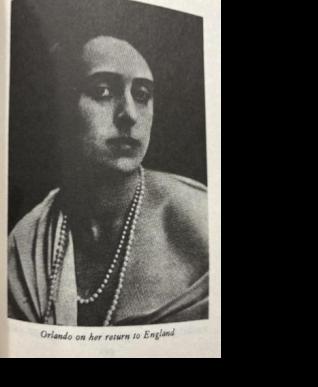
Freifeld9 oftheportraits,Woolfthoughtoffilmvisualizationasseparate fromliteraryvisualization:“Asearlyas1926,VirginiaWoolf, commentingonthefledglingartofcinema,deploredthe simplificationoftheliteraryworkthatinevitablyoccurredinits transpositiontothenewvisualmediumandcalledfilma“parasite” andliteratureits“prey”and“victim”(1926:309).Yetshealso foresawthatfilmhadthepotentialtodevelopitsownindependent idiom:“cinemahaswithinitsgraspinnumerablesymbolsfor emotionsthathavesofarfailedtofindexpression”inwords” (Hutcheon30).Woolfdrawsoutthekeydifferencesof representationinbooksversusfilms.Sheunderstoodthefilmcould capturesomethingnovelscouldnot.Thisisespeciallytruefor Preciado’sadaptation,especiallyvisually.Gendertransitionis bringinganemotionaltruthintotheworld,especiallyinone's appearance,whichiswhyhavingavisualrepresentationof Orlandoisimportant.
Crucially,Preciadotakesontheroleofboththebiographer andanOrlando,whilehighlightingthewiderangeoftrans experiences.WhenOrlandobecomestheirownbiographeritgives Orlandoautonomytotelltheirstoryhowtheywantittobetold. Throughoutthemovie,PauladdressesWoolfdirectly,explaining toherhowbeingtransissimilarordifferenttoherdepictionfrom thetwentiethcentury.Paulexplainstoherinhisopening monologueofthemovie:
“Someoneonceaskedme:“Whydon'tyouwriteyour biography?”Ireplied:"BecausefuckingVirginiaWoolf wrotemybiographyin1928.”I’msorryIsaid“fucking” VirginiaWoolf.Isayitwithtendernessandadmiration, becauseyourwritingseemedimpossibletosurpass.But also,Isayitwithragebecauseyourepresentedustrans peopleasaristocratsincolonialEngland,who,onefine day,wakeupinawoman’sbody.Youdidn’tknow, perhaps,thatthiswasnothowonebecametrans.Itwas
Freifeld10 muchmoredifficult.Weriskourliveseverytime.AndI wantedtowritetotellyouthatIamoneofyourOrlandos.I amalive.Icameoutofyourfiction.Thecontemporary worldisfullofOrlandos.Wearechangingthecourseof history.”(Orlando: My Political Biography 0:01:000:02:00).
ThefirstlineofthemoviedepictshowimpactfulWoolf’snovelis toPaul,butalsohowitmakesbeingtransintoamagicalthingthat onlyhappenstorichpeople.PaulwantstoexpandonWoolf’s originalideabybringingitintothepresentday,mostimportantly, bypluralizingOrlando:thereisnotonlyonetransexperiencebut many.AnotherchoicePreciadomakesinthemovieishavingeach actorintroducetheirrealnamesandthattheywillbeplaying Orlandointhefilm.Thisgiveseachtranspersontheautonomyto namethemselvesfortheaudience,whichmakestheir representationsmoreauthentictowhotheyare.Becauseofthe mixeddocumentary-bookadaptationgenre,thisisanotherway Preciadoisbridgingthegapbetweenrepresentingrealexperiences oftranspeopleandthenovelatthesametime.Anotherwaythat PreciadodepictswhoOrlandoisinthefilmisbyhavingtheactors wearanElizabethanruffaroundtheirneck.Thismotifisbothto addcontinuitybetweenOrlandos,butalsotopokefunatWoolf’s Orlando’saristocraticness.
PreciadodepictsmoderntransstrugglesthroughWoolf’s characters,forexamplebydepictingapsychologistastheQueen. TheQueenholdsinstitutionalpoweroverOrlandoinboththe novelandthefilm,howeverthatpowerdiffersgreatly.Whilefilm characterDr.QueenisquestioningoneoftheOrlandos’genderin hisoffice,otherOrlandosinthewaitingroomsharetipsand hormonestogether,representinghowthetranscommunityhasthe powertofightoppressivesystemsthroughunitingtohelpeach other.InWoolf’snovel,Orlandoisaloneinherexperience,with nopowertofightagainstthelegalsystem:“Thechiefcharges
Freifeld11 againstherwere(1)thatshewasdeadandthereforecouldnothold anypropertywhatsoever;(2)thatshewasawoman,which amountstomuchthesamething,”(Woolf168).Orlando’sgender identityispreventingherfrombeingabletoaccessherinheritance becausesheisawoman,andthelegalsystemismakingithardfor hertolivethelifeshechooses.Whilenotthesametypeof oppressionthatmoderntranspeoplefacetodayinthelegalsystem, Orlandostillfacesalegalsystemthatdoesnotcareabouther genderidentity.Byaddingasceneoftranspeoplesupporting themselvesandtheircommunitytofightthemedicalsystem, Preciadoshowsthepowerofunitingandsupportingoneanother. Thesong“Pharmacoliberation”playsastheOrlandosrevelintheir freedomfromthemedicalsystem.
WhilePreciado’sverbalthesiscomesatthebeginningof thefilm,thefilm'svisualthesisdoesn'tcomeuntiltheend,when Pauldoessurgeryonthenovel,wheretheportraitsoncewere,Paul sewsinpicturesofmoderntranspeople.Theimageryofthe surgeryandsterileenvironmentisespeciallypoignant,becauseof theimpactsurgeryandthemedicalsystemhaveonthelivesof transpeople.Prediacoflipsthescriptbybecomingthesurgeon, choosinghisowniconstoplaceintoWoolf’snovel,justasby creatingthemovieheisbecomingthebiographer.Hesewsin picturesofMarshaP.JohnsonandLouSullivan.Throughhis movie,PreciadoisupdatingWoolf'sstory,butkeepingtheessence thesame.Especiallyinhisfirstquoteofthemovie,hehasalotof respectforWoolf’swritingandimaginationoftranslife,butjust neededtobringitintothemodernerathroughavisual representation.Inaddition,Preciadoexplainswhythenovelmeans somuchtohim:“Thisiswhythisbookiscrucialforme:myfuture existencebecamepossiblenotinrealitybutinfictionandthanksto fiction,”(Andriani10).Theimportanceofreading Orlando: A Biography madehimbeabletobelievewhatwaspossibleforhim totransition,evenifmanyoftheelementswerefictional,thatis
Freifeld12 preciselywhatmadehimwanttobelievethattransitioninthereal worldwaspossible.Inaddition,thisethosconnectstothe genre-bendingnatureofthefilm,thatthefilmisnotcompletely fictionalordocumentary.ThefictionofWoolf’snovelinspires actionsintherealworld,justasactionsinWoolf’sworldinspired hernovel.Truthandfictionarenotcompletelydifferentthings, whichissomethingthatthefilmstickstoasitjumpsfromquoting thenoveltointerviewsaboutthedifferentOrlando’slives.
Inthelastsceneofthefilm,theOrlandosgatherinacourt roomtotaketheirpowerfromthegovernmentandremovebarriers thatoppresstranspeople.PreciadocorrectsWoolfbysaying:“And itisnotbyanoaktreethatOrlandowenttoseekcomfort,they wenttothehighestauthoritiesofgovernmenttodemandtheir recognition”(Orlando: My Political Biography 1:24:00).Woolf’s Orlandoispassiveinalotofways;shejustletslifehappentoher withoutmuchcontrolorthoughtastoifshecouldchangeit. Preciado’sOrlandosrecognizeandutilizethatpowertochangethe worldtohelptheircommunity.ThisispossiblebecauseOrlandois notone,butmany,andisnotisolatedintheirexperiences.The judgeentersthecourtroomanddeclares:“Bythepowersinvested inmebyVirginiaWoolfandliterature,Ideclaretheabolitionof theassignmentofsexualdifferenceatbirthanditslegaland administrativeregistration.Thus,Igrantplanetary,non-binary citizenshiptoOrlandoEmma…”(Orlando: My Political Biography 1:38:00-1:40:00).Onceagain,Preciadorecognizesthe powerthatreadingWoolf’snovelgavehim,andheusesittogive theOrlando’scitizenshiptotheworld.AstheOrlando’sreceive theirpassportsonebyone,theyexperienceandrepresenttransjoy inusingtheirpoweragainsttheoppressivegovernment.The passportsnotonlyrepresentthattheyarepartoftheworldandhere tostay,butalsothattheyareallpartofthecommunity,onethat hasdiverseexperiencesandpeopleinit.
WhileWoolf’snovelwasagroundbreakingrepresentation ofapersonwhochangesgenders,itsideasofhowthatmight happendonotaccuratelyreflectthestruggleofbeingtransinreal life.Evenso,hernovelgavePreciadothepowertoimaginewhat lifecouldbelikeasatransperson,fightingagainstoppressive structureslikethegovernmentandmedicalsystem.Preciado’s moviegoesbeyondrepresentingtranspeopleasone-dimensional villains,orone-dimensionalperfectheteronormativeversionsof themselves,insteadherepresentsthetransexperienceasfullyas possibleonscreen.Despitetheanti-transrhetoricofthe government,Preciadoistakingcontroloftellinghisowntrans story,somethingthatistruetohimselfandothers.Thisactof takingcontrolofone'sowndestiny,especiallyinavisualsense, parallelsgendertransitionofbringingatruevisionoftheselfinto theworld.Preciado’svisualizationofWoolf’snovelandhimself mergehisOrlandonesswithbecominghisownbiographer,making anemotionaltruthrealized.Whileoriginally,thebiographerserves asatranslatorforthereadertosimplifyOrlando’sexperience, Preciadodoestheopposite:expandingonwhatitmeanstobetrans fordifferentpeopleandunitingtofightagainstsystemsthatare heteronormativeandexclusionary.
WorksCited
Andriani,Viviana. Interview with Paul B. Preciado. LesFilmsdu Poisson,24imagesandArte.Feb2023. https://www.thepartysales.com/wp-content/uploads/2023/0 2/ORLANDO_DP-print_A5_web.pdf
Hutcheon,Linda. A Theory of Adaptation, Taylor&Francis Group,2012.ProQuestEbookCentral, http://ebookcentral.proquest.com/lib/bu/detail.action?docID =1016075.
Createdfrombuon2025-11-1403:31:31.
Keegan,CáelM.“OntheNecessityofBadTransObjects,” Film Quarterly, Vol.75,No.3,pp.26–37,2022.
MrSuperSonic.“AceVentura:PetDetective(1994)“She’saMan!”Scene.” YouTube,6Feb.2025, www.youtube.com/watch?v=92ncM37dtBk.Accessed14 Jan.2026.
Preciado,PaulB. Counter-sexual Manifesto. TranslatedbyKevin GerryDunn,ColumbiaUniversityPress,2018.
Preciado,PaulB. Orlando: My Political Biography. LesFilmsdu Poisson,2023.
Steinbock,Eliza.“Introduction.” Shimmering Images, Duke UniversityPress,DurhamandLondon,2019.
Sontag,Susan.“AgainstInterpretation.” Against Interpretation and Other Essays, Picador,1966.
Woolf,Virginia. Orlando: A Biography. HarperCollins,Boston, 2022.