
College of Behavioral and Social Sciences
College of Behavioral and Social Sciences
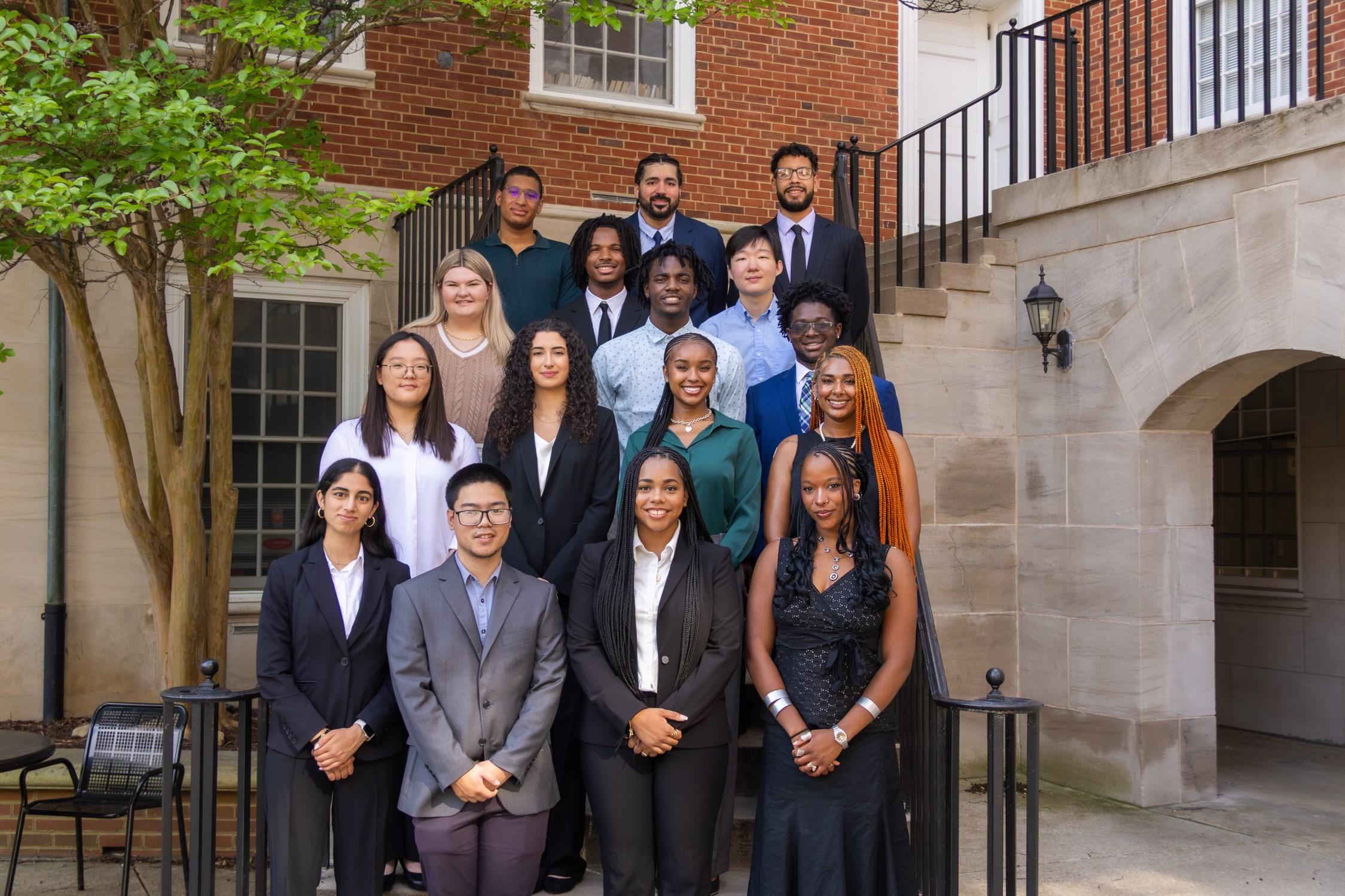
June 1 — July 24, 2026
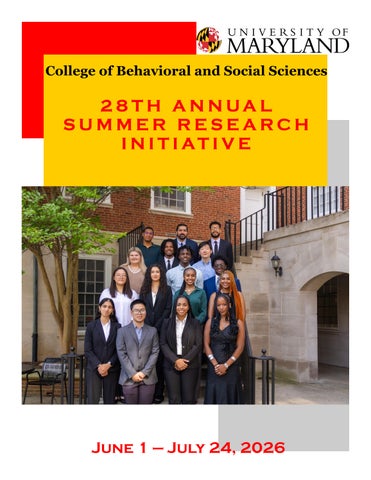
College of Behavioral and Social Sciences
College of Behavioral and Social Sciences
June 1 — July 24, 2026
10:00 AM Viewing of Research Posters
11:00 AM Celebratory Remarks
11:30 am Certificate Ceremony
Noon Networking & Poster Viewing
Support for the SRI program was provided by the College of Behavioral and Social Sciences, the BSOS Dean’s Research Initiative, the Office of the Provost, the Graduate School, and the Division of Research at the University of Maryland, College Park.
We thank the BSOS Dean’s Office, the faculty mentors, and the presenters, who shared their expertise, time, and efforts to make the SRI a success.
Finally, we thank program manager, Brittney Robinson for her superb coordination of the SRI activities, and the SRI graduate assistant Katerina Brown for her help and guidance to the students this summer.
The Summer Research Initiative (SRI) was created in 1999 by the Office of the Dean in the College of Behavioral and Social Sciences (BSOS) and is supported by the Office of the Provost, the Graduate School, the Division of Research, and BSOS. This program is ultimately, most interested in improving science, broadening the application of our findings, and facilitating novel and creative innovations and solutions. We do this by engaging all student scholars in intensive summer research training; especially those students with unique backgrounds, life experiences, language skills, understandings of and access to underserved communities, perspectives not typically found in the extant literature. The Summer Research Initiative is an integral part of our efforts to BE THE SOLUTION to the world’s greatest challenges. We achieve this by focusing on the following goals.
¨ Provide research experiences that enhance basic research knowledge and skills.
¨ Increase the knowledge of and interest in doctoral-level training in the social and behavioral sciences.
¨ Provide rising juniors and seniors with an opportunity to learn about graduate studies and the range of research and scholarship being conducted in our College (BSOS).
¨ Provide lectures, workshops, didactic exchanges, and other programmatic and research experiences to enhance interns’ knowledge of the graduate application process, the academic rigors associated with graduate school, and the professional and personal challenges encountered in graduate school.
¨ Provide mentoring and networking opportunities for students to advance their training and professional development.
The College of Behavioral and Social Sciences is the largest college at the University of Maryland, College Park. It has more than 4,500 undergraduate students and 1,000 masters and doctoral students, and is comprised of 10 academic departments as well as 10 stand-alone research and service centers. The disciplines and fields encompassed by the College of Behavioral and Social Sciences explore issues that are central to our political, economic, social and cultural lives. At the core of these sciences is a drive to understand human beings both individually and collectively. By studying human behavior and the relationship between behavior and the environment, we gain insight and knowledge that enhances our development as individual members of social communities and, in so doing, enhance the development of those social communities themselves.
POLITICAL INCORPORATION AND THE CHANGING LANDSCAPE OF ADVOCACY: The Cardiss Collins Archive, 1979-1996
Jerome Barnette, University of Maryland, College Park
Faculty Mentors: Dr. Periloux Peay, Department of African American and Africana Studies, Dr. Nadia Brown (Georgetown University), and Dr. Melissa Duchene-Kelly (Bowie State University)
BSU-UMDSocialJusticeAlliance—ResearchTrack
The Future of Black Studies: A Case Study in Community Archiving
Sophia Blucker, Columbia University
Faculty Mentor: Dr. Ashley Newby, Department of African American and Africana Studies
Reconstructing Enslaved Lives: A Critical Examination Through the Legacy of John H. Sothoron
Ephraim Chase, Roosevelt University
Faculty Mentors: Dr. Barnet Pavao-Zuckerman, Department of Anthropology; Lae’l Hughes-Watkins, University Libraries; Douglas McElrath, University Libraries
UMD1856Project ResearchTrack
Visualizing Tillage Intensity: Comparing Survey and Satellite Data Across Kansas
Andrew Curtis, University of Maryland, College Park
Faculty Mentor: Dr. Allison Bredder, Department of Geographical Sciences
Assessing First Responders' and Healthcare Providers' Preparedness for Interacting with Neurodivergent Individuals
Adrianna Dockett, Bowie State University
Faculty Mentors: Dr. Melissa Duchene-Kelly, Department of Psychology (Bowie State University), Dr. Periloux Peay, Department of African American and Africana Studies (UMD)
BSU-UMDSocialJusticeAlliance—ResearchTrack
Structural Racism Exacerbates Healthcare Disparities Even After Medicaid Expansion
Jayvyn Fletcher-Strong, University of Maryland, College Park
Faculty Mentor: Dr. Collin Mueller, Department of Sociology
Exploring Factors that Influence Common Ground: Implications for Social Interaction
Luke Ha, California State University, Fullerton
Faculty Mentors: Dr. Caroline Charpentier and Dr. Elizabeth Redcay, Department of Psychology, Program in Neuroscience and Cognitive Science
Second-Order Beliefs as a Mechanism of Peer Influence in Deviant Behavior
Sophia Hwangbo, University of Maryland, College Park
Faculty Mentor: Dr. Wade Jacobsen , Department of Criminology and Criminal Justice
When Parents and Youth Agree: The Roles of Parental Monitoring and Parent-Child Closeness in Adolescent RuleBreaking
Mykell Jones, Morgan State University
Faculty Mentor: Dr. Arianna Gard, Department of Psychology
Building Order in the Shadow of US-China Strategic Competition: Rivalry in Space
Carlos Lopez, California State University, Dominguez Hills
Faculty Mentor: Dr. Scott Kastner, Department of Government and Politics
Catharsis as Response to Structural Vulnerability: Psychodrama as a Potential Health Equity Intervention for Black PWUD
Aïda S. Nyabingi, University of Maryland, College Park
Faculty Mentor: Dr. Andrea Lopez, Department of Anthropology
Autistic and Non-Autistic Adults’ First Impressions of Autistic and Non-Autistic Youth
Delaney Ocock, University of Central Florida
Faculty Mentor: Dr. Desiree Jones, Department of Psychology
Cognitive Achievement Distributions and Adult Wage Returns: Evidence from NELS and ELS
Gregory Park, University of Maryland, College Park
Faculty Mentors: Dr. Judith Hellerstein and Dr. Sergio Urzua, Department of Economics
Investigating Attention-Shifting Brain Activation
Jordan Rudin, University of Maryland, College Park
Faculty Mentor: Dr. Arianna Gard, Department of Psychology
The Pursuit of Freedom: Justice is not Always Just
Pierce Smith, University of Maryland, College Park
Faculty Mentors: Dr. Barnet Pavao-Zuckerman, Department of Anthropology; Lae’l Hughes-Watkins, University Libraries; Douglas McElrath, University Libraries UMD1856Project—ResearchTrack
Let’s switch the topic: Effects of topic switches on listeners' memory for information in a conversation
Gurnoor Sodhi, University of Maryland, College Park
Faculty Mentor: Dr. Jared Novick, Department of Hearing and Speech Sciences
INCORPORATION AND THE CHANGING LANDSCAPE OF ADVOCACY: The Cardiss Collins Archive, 1979-1996
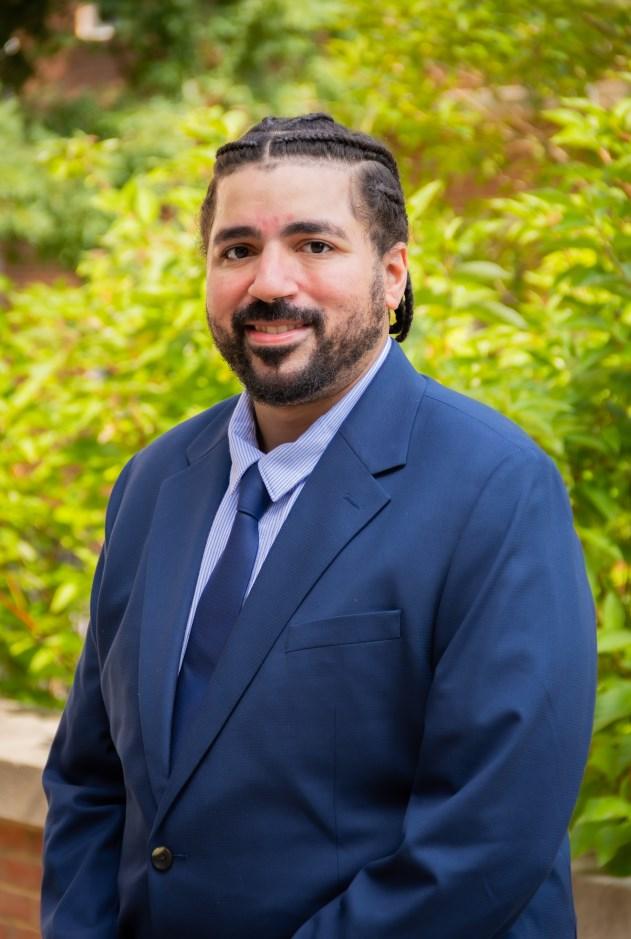
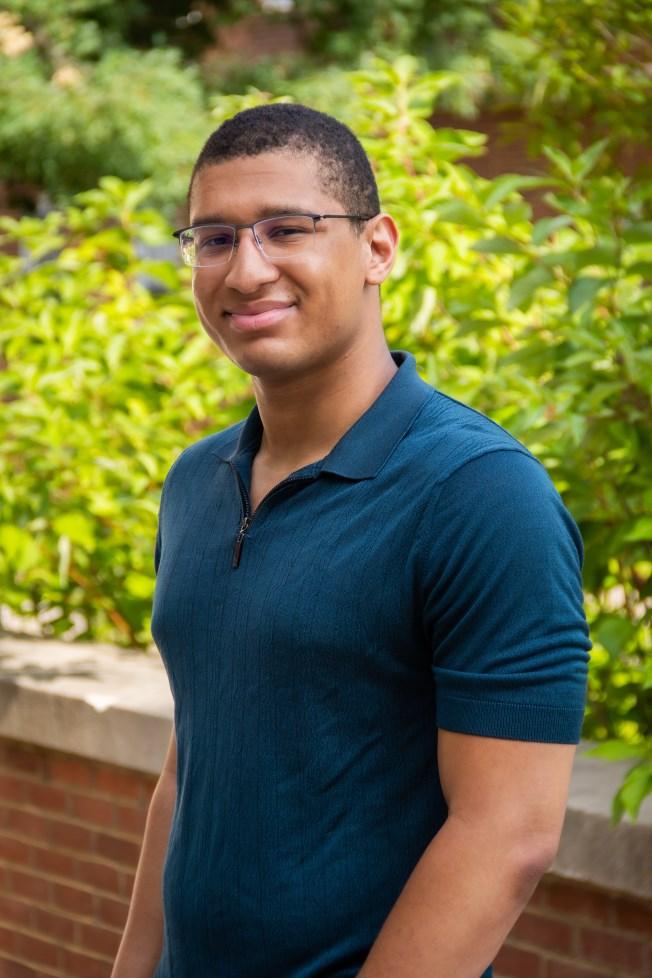
Jerome Barnette attends the University of Maryland, College Park, majoring in African American and Africana studies, with a concentration in public policy. Jerome has developed his academic interests through research, student leadership, and community-based work connected to African American studies. He serves as co-president of the Society for African American and Africana Studies, and is the co-chair of the Saturday Freedom School Program, where he supports mentorship, academic enrichment, and Black student learning. His research interests include racial disparities in housing policy, affordable housing governance, administrative burden, and the long-term relationship between public policy and racial inequality in Montgomery County and Prince George’s County, Maryland. Jerome hopes his career will contribute to scholarship, public service, and policy that addresses structural inequities in housing, education, and community development. Jerome will be mentored by Dr. Periloux Peay and Dr. Melissa Duchene-Kelly (Bowie State) in the BSU-UMD Social Justice Alliance track.
Faculty Mentors:
Dr.PerilouxPeay,Department
ofAfricanAmericanand AfricanaStudies
Dr.MelissaDuchene-Kelly,BSU
DepartmentofPsychology
(BSU-UMDSocialJustice Alliance)
Cardiss Collins represented Chicago’s Seventh Congressional District from 1973 to 1997 and was the third Black woman elected to Congress. Across twelve terms, she championed civil rights, women’s rights, consumer protection, and healthcare while helping constituents navigate federal programs, agencies, and resources. Political incorporation refers to gaining representation and formal power within government; it is stymied when institutional rules or norms prevent Black women lawmakers from converting positions of authority into policy gains for Black and/or women communities (Peay 2021). As Cardiss Collins became more politically incorporated, did she continue to broker access to state resources for Black and women constituents? Did she broaden district communication and/or connect marginalized constituents to government institutions over time? I aim to show how Collins addressed race and gender politics more acutely. The study categorized Collins’s care politics as either broad or targeted by race or gender; I used early-, middle-, and late newsletters, which coincided with surveys, press releases, and committee-facing communications; I also examined whether race and/or gender were her primary or secondary lens over time. During the early 1980s, her communications frequently emphasized agency coordination, constituent education, and service brokerage. Newsletters and congressional correspondence in the late 1980s addressed apartheid, children, and energy and commerce. In 1992, Collins framed childcare as a national economic issue rather than solely a women’s issue. I see this new framework as evidence of a larger institutional trend, but it is not proof that Collins abandoned race- or gender-centered advocacy. Future research should include earlier records and examine whether this pattern appears among other Black women legislators.
The Future of Black Studies: A Case Study in Community Archiving
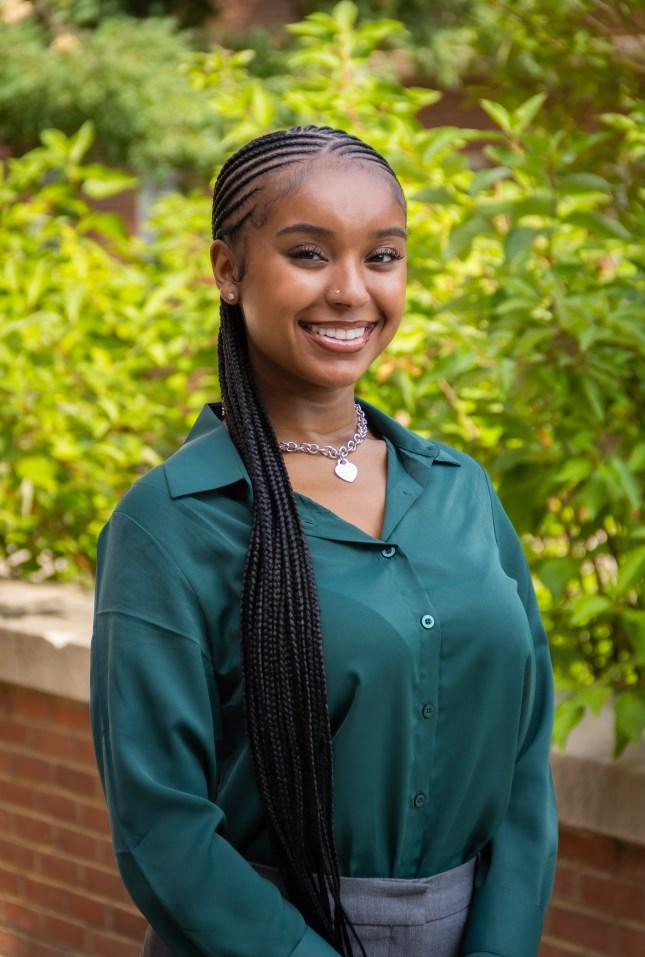
Sophia blucker is a rising junior at Columbia University, majoring in sociology, with a minor in dance. Through her coursework and her role as a board member of the Black Pre-Law Society, she explores how legal, political, and social institutions perpetuate stratification, particularly among marginalized individuals and communities. She is especially interested in researching the exclusionary practices affecting Black and other marginalized populations through sociological frameworks. Sophia serves as the Ivy Leaf Reporter for the Lambda Chapter of Alpha Kappa Alpha Sorority, Incorporated and on the Youth Advisory Board for the Sandy Spring Slave Museum and African Art Gallery where she has gained valuable opportunities to deepen her understanding of the historical and ongoing impacts of marginalization within the African Diaspora. Sophia aspires to pursue either a juris doctorate or a PhD in sociology, with the goal of contributing to more equitable legal and academic systems. Sophia will be mentored by Dr. Ashley Newby in the Department African American and Africana Studies.
Abstract:
Faculty Mentor:
Dr.Ashleynewby, Departmentof AfricanAmerican andAfricanaStudies
Black Studies in the late 1960s grew out of the need for Black individuals to engage in education relevant to their real-world and personal experiences. The field of Black Studies prompted us to consider both how it has been institutionalized within the wider academic landscape and where it is headed in the next century. To understand the future of this academic field, it is necessary to examine what scholars and teachers currently in the field consider most worthy of teaching. This research uses the coding platform NVivo to examine transcripts from Dr. Ashley Newby and Dr. John E. Drabinski’s podcast, The Black Studies Podcast. The first coding extraction from each transcript was the response to the podcast's recurring question, “What excites you about the future of Black Studies?” or a variation of it. The second extraction was raw and drawn from these responses to identify trends in what the podcast guests believe is worth teaching in this field. The third coding extraction sorted each response into response-type categories. From this thematic code, developed from a sample of 50 transcripts, 31 were sorted into the Diaspora/Interdisciplinary category, 27 into the Community category, 8 into the Technology category, and 6 into the University Level expansion category, with some overlapping. The analysis suggests more scholars see the future of Black Studies in both the expansion of diasporic and interdisciplinary pedagogical practices within the discipline and the continued practice of community involvement and interaction to better inform the discipline.
Reconstructing Enslaved Lives: A Critical Examination Through the Legacy of John H. Sothoron
Biography:
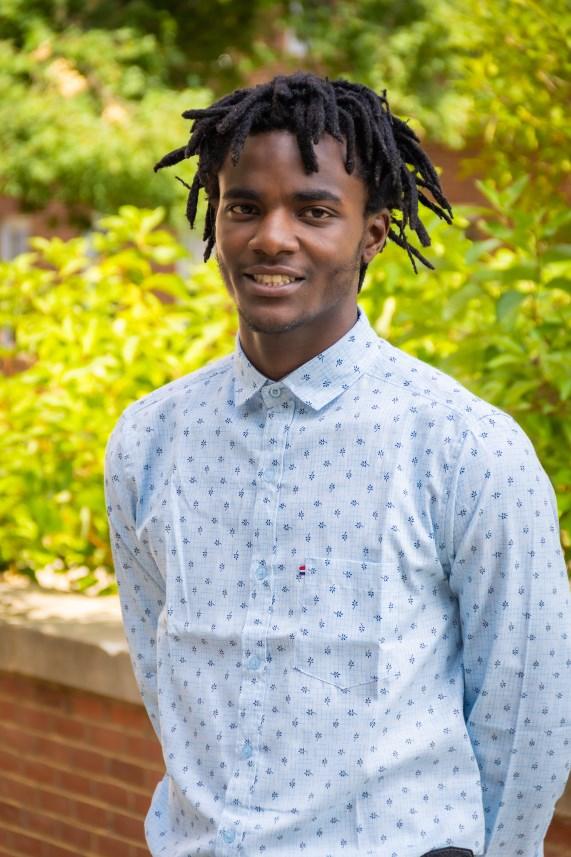
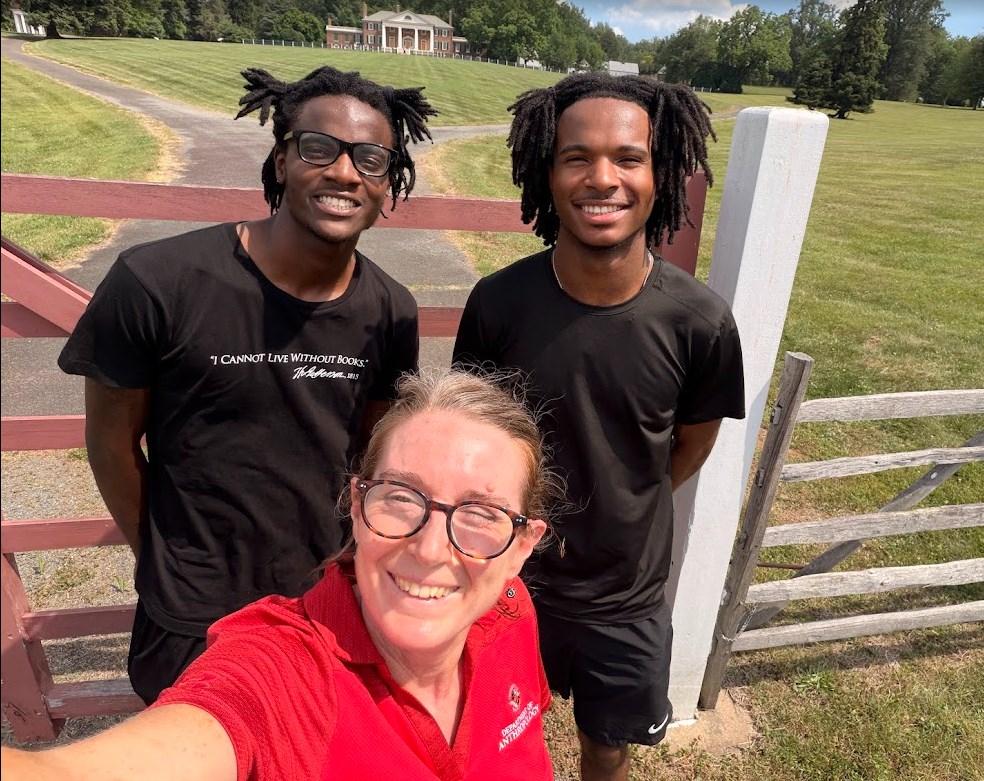
Ephraim Chase hails from Chicago, Illinois. He is a proud Laker and rising senior at Roosevelt University. As a journalism major, he specializes in reporting and digital storytelling. Ephraim’s research interest focuses on race and ethnicity, social issues, systemic inequality, and cultural representation in media. Currently, he is a McNair Scholar and a staff writer for the university newspaper. When not in the library, he can be found roaming the city's museums. Ephraim will be mentored by Dr. Barnet PavaoZuckerman (Department of Anthropology), Lae’l Hughes, and Doug McElrath (University Libraries) in the University of Maryland 1856 Project internship track.
Dr.BarnetPavao-Zuckerman, DepartmentofAnthropology
Lae’lHughes-WatkinsandDouglas McElrath,Universitylibraries (UMD1856Project)
My research, Reconstructing Enslaved Lives: A Critical Examination Through the Legacy of John H. Sothoron, analyzes and examines primary and secondary sources to illustrate narratives of the lives of those enslaved on John Sothoron’s plantations. John H. Sothoron was pivotal in establishing the Maryland Agricultural College (today’s University of Maryland, College Park). He was a staunch and cruel enslaver. Generations of Blacks were subject to his demands. Records associated with John H. Sothoron identifies the Morris, Brooks, and Waters families as enslaved by him. This project focuses specifically on the lives of these three families during slavery, and after emancipation to detail their resilience as free people and while in bondage. The preservation of these families' surnames across various regional records highlights the enduring strength of those who emerged from his estate. Uncovering the systematically ignored experiences of these individuals provides critical depth to this institution's history, offering a necessary path toward the acknowledgment of the oppression suffered by Blacks. Sothoron profited immensely from the labor of Black individuals, allowing him to maintain his prominence and organize educational spaces such as Maryland Agricultural College (today’s University of Maryland, College Park). Analyzing stories of Sothoron’s life allows us to gain a better understanding of the life of the enslaved individuals on his properties and in the surrounding areas of Maryland. Examination of his life also offers insight into the politics of education in America at the time and the type of people who amassed and wielded influence.
Visualizing Tillage Intensity: Comparing Survey and Satellite Data Across Kansas
Biography:
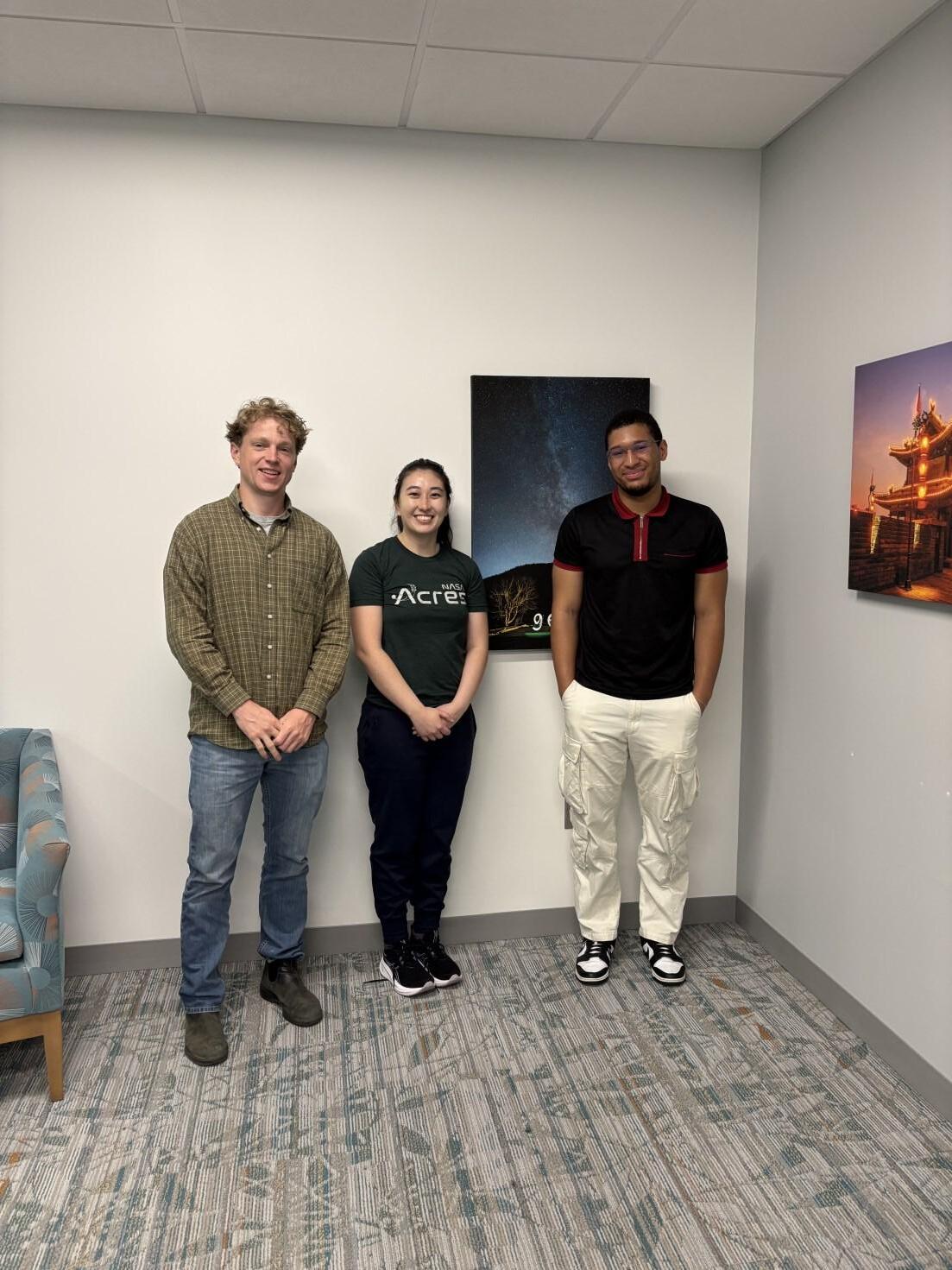
Andrew Curtis attends the University of Maryland, College Park. He is a geographical sciences major and his area of research interest is computational earth observation sciences. Andrew says that one of his many interests in the Summer Research Initiative is that, “students are given the opportunity to grow and expand their knowledge with experts in their field.” He hopes that this interaction between himself and the faculty will equip him with the research tools needed to earn a master’s degree. One of his most recent projects involved research on how synthetic aperture radar (SAR) can be used to help keep the Shanghai, China trade port safe. Andrew will be mentored by Dr. Allison Bredder in the Department of Geographical Sciences.
Jacob Orser NasaAcres
Abstract:
In order to lower soil erosion, enhance soil health, hold onto moisture, and promote sustainable agricultural production, conservation tillage is essential. Understanding how agricultural management impacts crop residue and long-term land productivity requires tracking changes in tillage methods across time (Shuai et al., 2025). This study looked into tracking longterm tillage changes in agricultural landscapes using satellite remote sensing and cloud-based geospatial analysis. Building off of their work, I utilized Google Earth Engine, Python in Google Colab, and QGIS, to examine variations in crop residue and tillage intensity in McPherson and Harvey counties, Kansas. Landsat imagery was processed, annual composites were created, the Simple Tillage Index (STI) was computed, and variations in residue cover from 2011 to 2022 were visualized using Google Earth Engine. Google Colab-written Python scripts computed spectral indices, processed images automatically, and produced geospatial products for further examination. After being imported into QGIS, the resulting raster datasets were represented, analyzed, and added to maps that showed temporal and spatial trends in tillage intensity. The investigation showed how variations between conservation and conventional tillage techniques over time can be identified using changes in STI. Integrating cloud computing, remote sensing, and GIS software provided an efficient workflow for agricultural monitoring while strengthening technical skills in geospatial data processing, satellite image analysis, and cartographic visualization. My findings indicate how Earth observation technologies can support sustainable agriculture, conservation planning, and informed decision-making for farmers, researchers, and land managers.
Assessing First Responders' and Healthcare Providers' Preparedness for Interacting with Neurodivergent Individuals
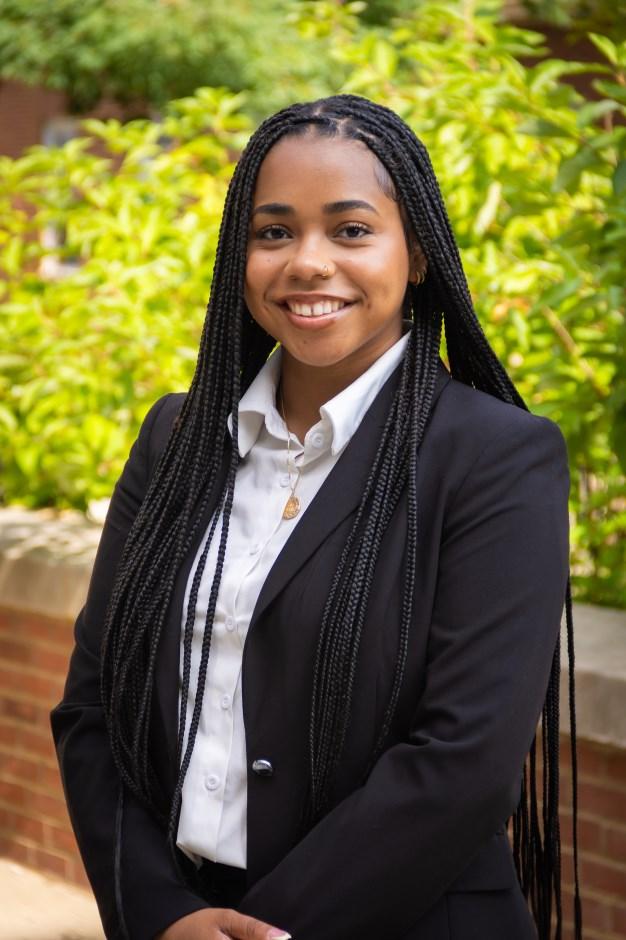
Adrianna Dockett is a rising senior psychology major attending Bowie State University. She is from Queens, New York. Adrianna’s research interests align with her passion to represent underserved communities through examining the connections between race relations, intersectionality, and mental health. Her most recent internship with the Rikers Island Correctional Facilities has expanded her interest in researching systematic and social imbalances which directly link the prison pipeline to underrepresented communities. Adrianna aspires to obtain a masters and doctoral degree in clinical psychology after graduation and plans to use her research experiences in the fight for restorative justice. She is also a member of Alpha Chi National Honor Society and Psi Chi International Honor Society in Psychology. Adrianna will be mentored by Dr. Melissa Duchene-Kelly (Bowie State) and Dr. Peay Periloux in the BSU-UMD Social Justice Alliance track.
Faculty
Dr.melissaDuchene-Kelly, BSUDepartmentofPsychology
Dr.PerilouxPeay,Departmentof AfricanAmericanand AfricanaStudies
(BSU-UMDSocialJusticeAlliance)
Neurodivergent individuals frequently interact with first responders and healthcare providers; (Sanders 2026) however, many professionals receive limited training on how to effectively support this population. The purpose of this study is to examine the training experiences of first responders and healthcare providers in interacting with neurodivergent individuals, and to identify gaps that need to be addressed in order to implement more inclusive training programs. Using 15–30 minute semi-structured Zoom interviews, one emergency room (ER) physician, one nurse/research scientist, and two police officers were recruited through targeted recruitment and purposive sampling. Interviews were audio recorded and transcribed using Zoom's transcription software, and responses were then coded and analyzed for theme development using Intellectus Qualitative software. Three major themes emerged: (1) Shared gaps in neurodivergent training across first responders and healthcare providers, (2) Practitioner-led training innovations in policing and care, and (3) The role of lived experience in peer-informed training and exposure. Participants in the medical field reported limited foundational training on neurodiversity prior to entering their roles. While officers described required departmental training, both officers and physicians noted relying heavily on personal experience or informal learning rather than structured neurodivergent specific instruction. All interviewees emphasized the value of increased exposure to neurodivergent individuals, and practical, scenario-based training in building confidence and adaptability. These findings demonstrate a need for standardized training that better prepares first responders and healthcare professionals to serve neurodivergent individuals. Expanding and implementing specific training programs may improve communication, enhance patient and community experiences, and reduce negative interactions across healthcare and public safety settings.
Structural Racism Exacerbates Healthcare Disparities Even After Medicaid Expansion
Jayvyn Fletcher-Strong is a rising senior at the University of Maryland-College Park. He is a double major in sociology and government and politics. His research interests include looking at political trends and demography and the role that race plays in determining elections around the country. He is also interested in social media's roles in our changing definitions of race. Jayvyn is a part of the Vertically Integrated Projects (VIP) research team studying the effects of peer mentoring on student performance. He hopes that the SRI experience will prepare him for graduate school where he would like to pursue a master's and doctoral degree. Jayvyn will be mentored by Dr. Collin Mueller in the Department of Sociology.
Dr. Collin Mueller, DepartmentofSociology
Recent methodological innovations allow social scientists to quantify state-level differences in levels of exposure to structural racism. The present study examines how structural racism shaped Black-White disparities in health insurance coverage and deferring healthcare treatment, comparing contexts that expanded Medicaid versus those that did not in the wake of the Affordable Care Act ("H.R.3590 - 111th Congress (2009-2010): Patient Protection and Affordable Care Act." Congress.gov, Library of Congress, 23 March 2010, https://www.congress.gov/bill/111th-congress/housebill/3590). We combine individual-level data from the Behavior Risk Factor Surveillance System with state-level measures of structural racism exposure and Medicaid expansion status over time. We use logistic regression to examine the likelihood of being uninsured and whether individuals reported having deferred healthcare coverage in the past year due to cost. Findings indicate that individuals residing in Medicaid expansion contexts fared better than non-Medicaid expansion contexts. Exposure to structural racism amplified racial disparities in the likelihood of being uninsured and in the likelihood of having deferred healthcare treatment in the past year due to cost among both uninsured and insured adults. This pattern was consistent across contexts in which Medicaid eligibility had been expanded and contexts in which Medicaid eligibility had not been expanded and remained broadly consistent even after including adjustments. Effective healthcare equity solutions will require not only expanded access to health insurance coverage, but also targeted policy interventions that systematically eradicate structural racism.
Luke Ha attends California State University, Fullerton (CSUF). He is a third- year psychology major with a minor in child and adolescent studies. He is a member of the McNair Scholars Program and the CSUF University Honors Program. He intends to pursue a PhD in clinical psychology in order to become a clinical psychologist or clinical neuropsychologist. In his future career, he wants to contribute to the accurate diagnosis of mental disorders, especially autism, and the field of academia through research. His research interests broadly include cognition, biopsychology, neuroscience, and autism. Specifically, he is especially interested in executive functioning and cognitive factors of autistic symptoms. Luke is currently working on a thesis that will investigate the correlation between attention span and theory of mind in autistic children. Luke will be mentored by Dr. Caroline Charpentier and Dr. Elizabeth Redcay in the Department of Psychology/Neuroscience and Cognitive Science Program (NACS).
Dr. Caroline Charpentier and Dr. Elizabeth Redcay,
DepartmentofPsychology Program inNeuroscienceand CognitiveScience(NACS)
Effective social interaction is fundamental for human communication and relies on achieving common ground, which is defined as information that is mutually known or co-created by two partners (Bovet et. al., 2024). This study seeks to understand the factors that affect common ground during social interaction. In Tangrams, common ground can be identified during real-time social interaction. Two participants (dyads) switch roles over multiple rounds, allowing for the examination of whether a participant takes their partner’s description of the image to facilitate faster communication (Dale et. al., 2011). Tangrams measures common ground by the average accuracy of task completion and the average difference in reaction time (RT) between dyads. The novel components that have been added to Tangrams are 1) Seeing if achieving common ground actually changes how participants perceive the images. 2) Modulating condition difficulty. 3) Relating Tangrams to similarities in autistic traits between participants. These components are important for exploring common ground during social interaction within Tangrams. In a preliminary dataset of 11 dyads, accuracy, despite a large effect size of .53, and differences in RT did not significantly correlate with image perception after Tangrams, which is likely due to the small sample size. Condition difficulty did show significant associations with total accuracy and marginally smaller changes in total reaction time. Average accuracy and RT differences did not significantly correlate with autistic traits between participants, which may be due to communication success depending on the similarity in neurotype between participants. Future directions in this study include obtaining a larger sample size and exploring neural synchrony during Tangrams and its relationship to common ground measures and task conditions.
Biography:
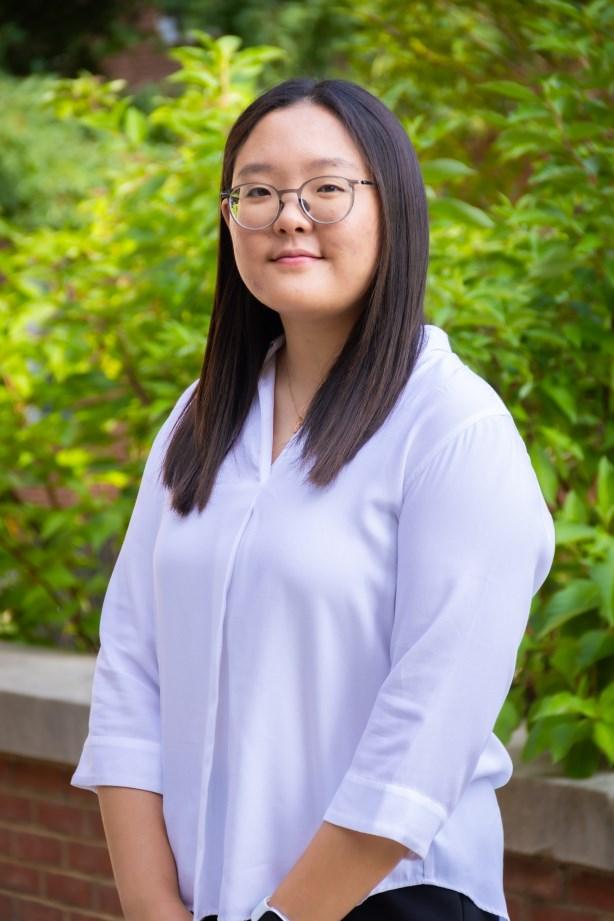
Sophia Hwangbo is a rising junior at the University of Maryland, College Park. . She is double-majoring in criminology and psychology, and her area of research interest is how social and psychological factors relate to criminal acts and how society reacts to such factors. Sophia’s ultimate goal is to earn a PhD in clinical psychology with a forensic specialization to provide profiling and threat assessment for law enforcement and the court system. She is also interested in developing correction policies that consider the psychological factors in victim services. At UMD, Sophia participated in the College Park Scholars Justice and Legal Thought Program and the UMD Federal Fellows Program in the Homeland and National Security concentration. Sophia will be mentored by Dr. Wade Jacobsen in the Department of Criminology and Criminal Justice.
Dr. Wade Jacobsen, Department ofCriminology andCriminalJustice
Peer influence is an established predictor of deviant behavior, yet the exact mechanism by which deviance transfers within social groups remains unclear. Present research points to second-order beliefs, or the beliefs one holds about what others believe, as one such mechanism (Troyer & Younts, 1997). These beliefs, often developed by group behaviors, may drive conformity to gain social rewards (Cialdini & Goldstein, 2004). Based on social learning and impression management theories, the study hypothesizes that young people prompted by their peers to cheat on a game will have higher scores in the final round and stronger agreement with the secondorder belief. Additionally, it is hypothesized that second-order beliefs will partially explain the relationship between peer influence and cheating behavior. In this study, participants completed a three-round virtual reality (VR) trivia game with a peer. In the final round, both participants were assigned to the “player” role, while believing that their peer was assigned to the “helper” role. Participants were randomly assigned to two conditions: the control condition, which sent a neutral message, and the treatment condition, which sent an instigation message. The results revealed that peer instigation did cause higher scores in the final round (indicative of cheating) and stronger average agreement with the second-order belief. Further analysis also revealed a statistically significant difference in the mean of correct answers between the two conditions after controlling for second-order beliefs. Second-order beliefs partially explained the relationship between peer instigation and final round scores, and all hypotheses were supported. Future research should continue to explore the role of second-order beliefs as a mechanism of peer influence.
When Parents and Youth Agree: The Roles of Parental Monitoring and Parent-Child Closeness in Adolescent Rule-Breaking
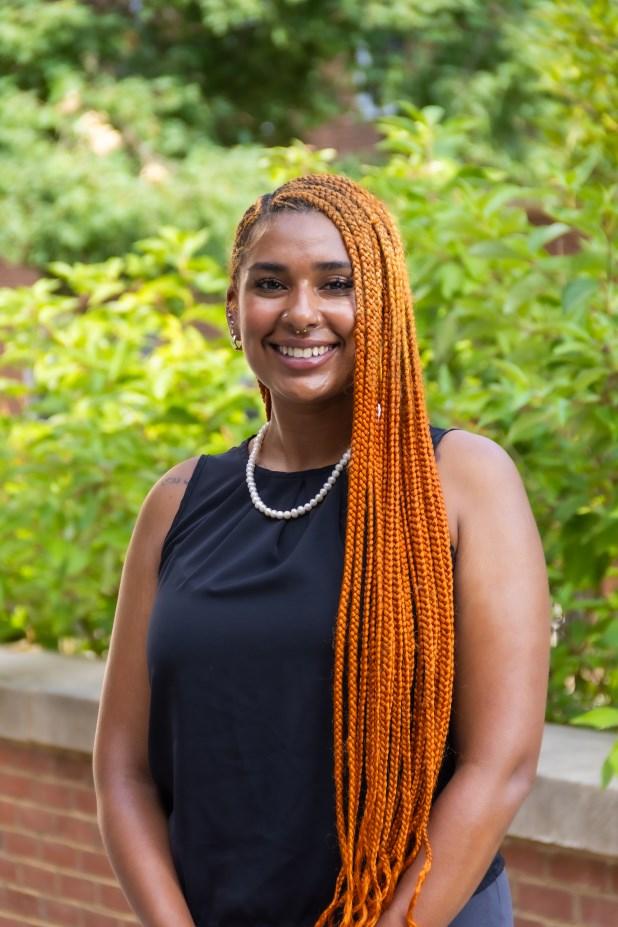
Mykell Jones is a psychology student on the research track at Morgan State University with interests in behavioral science, criminal psychology, and quantitative research. Mykell is currently contributing to the Pivot Framework Project, a collaborative initiative focused on promoting emotional intelligence, mental health resilience, and leadership development among college students. She serves as the historian for the Psychological Society and is an active student leader in the Association of Black Psychologists at Morgan State. She is also a proud member of Delta Sigma Theta Sorority, Incorporated, where she supports service-driven initiatives and community engagement. Her academic interests center around understanding how adverse experiences, trauma, and social environments shape behavior and decision-making. Mykell aspires to pursue a PhD in behavioral psychology and become a criminal behavior analyst. Through scholarship, leadership, and service, she is committed to advancing equity and improving outcomes for underserved communities. Mykell will be mentored by Dr. Arianna Gard in the Department of Psychology.
Abstract:
Faculty Mentor:
Dr. Arianna Gard, DepartmentofPsychology
Adolescent antisocial behavior is considered a public health concern associated with numerous negative outcomes (e.g., substance use, academic difficulties, and juvenile justice involvement). Although family processes such as parental monitoring and parent–child closeness are recognized as protective factors reducing delinquency, caregivers and adolescents often report differences in youth behavior. Understanding these discrepancies is important for improving the validity of behavioral assessments and, thus, approaches to promoting positive youth outcomes. The present study examines whether parental monitoring and parent–child closeness moderate caregiver–youth agreement in reports of youth delinquent behavior. Data were drawn from 4,898 15-year-old adolescents and caregivers participating in the Future of Families and Child Wellbeing Study, which recruited children from birth across 20 large U.S. cities. Youth-reported delinquency was assessed using 13 items from the SelfReport of Delinquency, while caregiver-reported youth rule-breaking was measured using 9 items from the CBCL. Parent–child closeness (youth and parent report) and parental monitoring (parent report) were measured using single items and analyzed in separate models. Covariates included marital status, youth biological sex, maternal marital status at birth, maternal education, and household income. Research questions were examined using zero-order correlations and multiple linear regression analyses in R Statistical Software. Results indicated that youth-reported delinquency was positively associated with caregiver-reported youth rulebreaking. Parent-reported parent–child closeness significantly moderated this association, whereas youth-reported closeness and parental monitoring were not significant moderators. Results from this study improve our understanding of how family relationships influence agreement between caregiver and youth reports of delinquent behavior. Understanding these factors can improve early identification of youth at risk for delinquency and inform family-based prevention efforts. Future research should also examine how risk factors associated with delinquency operate across socioeconomic contexts.
Building Order in the Shadow of US-China Strategic Competition: Rivalry in Space
Carlos Lopez is a junior, political science major, at California State University, Dominguez Hills (CSUDH), located in the city of Carson, California. Carlos is the president of CSUDH’s Model United Nations Club as well as a board member in CSUDH’s Association of Political Science Students. His research interests lie in the subfield of international relations, with an emphasis on interstate conflict, great-power competition, and realism studies. Carlos has conducted research on the impact of NATO and NATO ally-imposed sanctions on Russia’s war efforts against Ukraine since the start of Russia’s full-scale invasion in February of 2022. This summer, Carlos hopes to enrich himself and to further develop the research skills necessary to eventually earn a master’s and doctoral degree in international relations, within the subfield of international security. Ultimately, Carlos would like a career with the U.S. Department of State as a foreign service officer. Carlos will be mentored by Dr. Scott Kastner in the Department of Government and Politics.
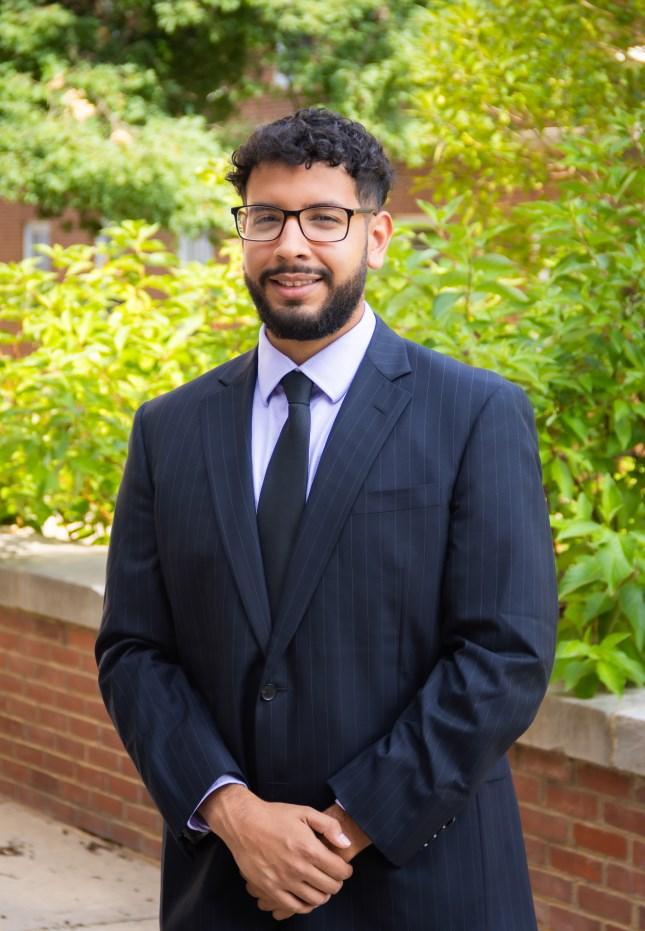
Dr. Scott Kastner,
Department of GovernmentandPolitics
Within the US and China’s ensuing rivalry for global hegemony, one area of competition which has developed over time has been the provision of public goods. Interestingly, this competition has not been consistent across different issue areas. For example, within the area of development finance, the US and China have fervently competed through their own organizations, which are the World Bank (US) and the Asian Infrastructure Investment Bank alongside the Belt and Road Initiative (China). However, within the area of international finance, the US has reigned supreme through the Western-led SWIFT (Society for Worldwide Interbank Financial Telecommunication) system, which has helped facilitate international transfers of currencies between different banks. Due to the widespread usage and effectiveness of SWIFT, it would be largely redundant to form an alternative banking program. This research study analyzes how this competition exists within the issue area of satellite orbit allocation and radio frequency spectrum regulations. Through a qualitative analysis comprised of a case study analysis of the US and China’s specific actions within this domain, we find that while there are elevated levels of competition between the US and China towards establishing resolutions that align with their interests, there is no ongoing attempt by either country to form an alternative to the ITU. This analysis is supported by events including, but not limited to, the election of US-born Doreen Bogdan-Martin in 2022 and China’s successful bid to host the next World Radiocommunication Conference, WRC-27, in Shanghai. Future research could analyze the impact of emerging powers, such as Brazil and India, within this issue area through their respective actions within the ITU and aerospace sectors as they seek to gain prominence.
Catharsis as Response to Structural Vulnerability: Psychodrama as a Potential Health Equity Intervention for Black PWUD
Aïda S. Nyabingi attends the University of Maryland, College Park. She is a theater and anthropology major whose research examines performance using socio-cultural anthropology methods and ethnography. Aïda has engaged both anthropology and performance in research projects that interrogate the western theater canon through a revised theater history timeline, a website archive, and through a video analysis of Yoruba performance practice through Tarell Alvin McCraney’s “The Brothers Size.” Some of Aïda’s most recent work appeared in a performance at the UMD Clarice Smith Performing Arts Center, in a May 2026 production of “El Ciclón.” Her contributions to the production required embodied research, and an analysis of reflexive social structures, to facilitate the writing of a relevant and complex script. Aïda plans to pursue a master’s or doctoral degree and, in turn, will employ ethnography and cultural advising while working with theater and performance companies to ensure performance authenticity and cultural significance. Aïda will be mentored by Dr. Andrea Lopez in the Department of Anthropology.
Dr. Andrea Lopez,
DepartmentofAnthropology
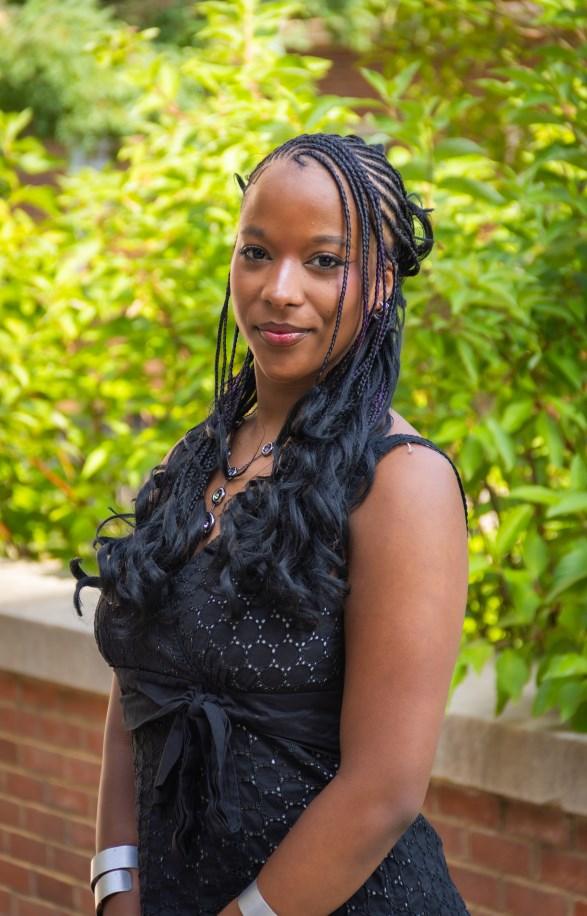
Black people who use drugs (PWUD) disproportionately experience structural vulnerability such as housing instability, heightened criminalization, and elevated risk for infectious diseases. BPWUD also experience stigma in healthcare spaces in their interactions with clinicians and providers and, consequently, medical mistrust develops that impacts care-seeking and medication adherence. The PUSH study (n=186) is a randomized Type 1 hybrid effectivenessimplementation trial to test the effectiveness and implementation of a peer-delivered behavioral activation and problem-solving intervention to improve adherence to ART and/or PrEP at multiple levels. There is also an attached ethnographic substudy (n=30) that examines people’s experiences with structural racism and discrimination as a mediator for adherence, as well as experiences navigating structural vulnerability. Psychodrama is an experimental group therapy rooted in dramatic performance aimed to unpack social and personal concerns such as personal conflicts, past traumas, stigma or future aspirations, mediated by a therapist in spontaneous dramatization of self. Psychodrama has been utilized as an intervention for vulnerable populations and to unpack the impacts of stigma and for mental wellness. Psychodrama utilizes the modality of catharsis–an emotional release of deep or concealed emotion–through spontaneity of acting and embodying personal narratives. Drawing on perspectives from performance studies, medical anthropology, and literature on behavioral activation, this research investigates: Can psychodrama, in particular the modality of catharsis, be a useful tool for addressing structural vulnerability and adherence barriers among Black PWUD? Could psychodrama be a peer-delivered intervention for Black PWUD in harm reduction spaces?
Autistic and Non-Autistic Adults’ First Impressions of Autistic and Non-Autistic Youth
Delaney Ocock studies clinical psychology and aging studies at the University of Central Florida in Orlando, Florida. Her research interests include autism in women and girls, diagnostic equity, and social stigma. She plans to contribute to research that advances equitable, identity-informed approaches to autism assessment by challenging diagnostic practices that have historically overlooked diverse autistic experiences. Delaney looks forward to further developing her research skills during the Summer Research Initiative. She hopes this experience will prepare her for future graduate studies where she plans to pursue a doctoral degree. Delaney will be mentored by Dr. Desiree Jones in the Department of Psychology.
Dr. Desiree Jones DepartmentofPsychology

Negative attitudes towards autism continue to shape how autistic people are perceived by others. Prior first impressions research has examined how nonautistic adults perceive autistic people, but most of this work has focused on samples that are predominantly White and male, leaving little known about how autistic adults evaluate autistic and non-autistic youth from diverse backgrounds. This study aims to better understand first impressions of autistic and nonautistic youth among autistic and nonautistic adult raters, and whether autism stigma influences these evaluations. As part of an online study, autistic and nonautistic adult raters will view 7 to 10second videos of autistic and nonautistic youth participants, provide first-impression ratings, and complete questionnaires. Analyses will examine effects of youth diagnosis and rater diagnosis, as well as the effect of autism stigma on these ratings. Data collection for the project is ongoing. We expect that first impressions of autistic and nonautistic youth will vary based on youth and rater diagnostic status, and raters’ levels of autism knowledge and stigma. Specifically, we expect first-impression scores to be lower for autistic youth, particularly from raters who report higher levels of autism stigma. However, we predict this will be moderated by rater diagnosis with autistic raters showing more favorable behavioral intentions towards autistic youth. Findings may suggest that first impressions of autistic youth may be shaped not only by youth diagnostic status, but also by diagnostic status of the observer. Including autistic raters extends prior work focused on nonautistic perceptions and may provide a more nuanced understanding of social evaluation. Results may inform efforts to reduce stigma, improving acceptance and expectations of autistic youth.
Cognitive Achievement Distributions and Adult Wage Returns: Evidence from NELS and ELS
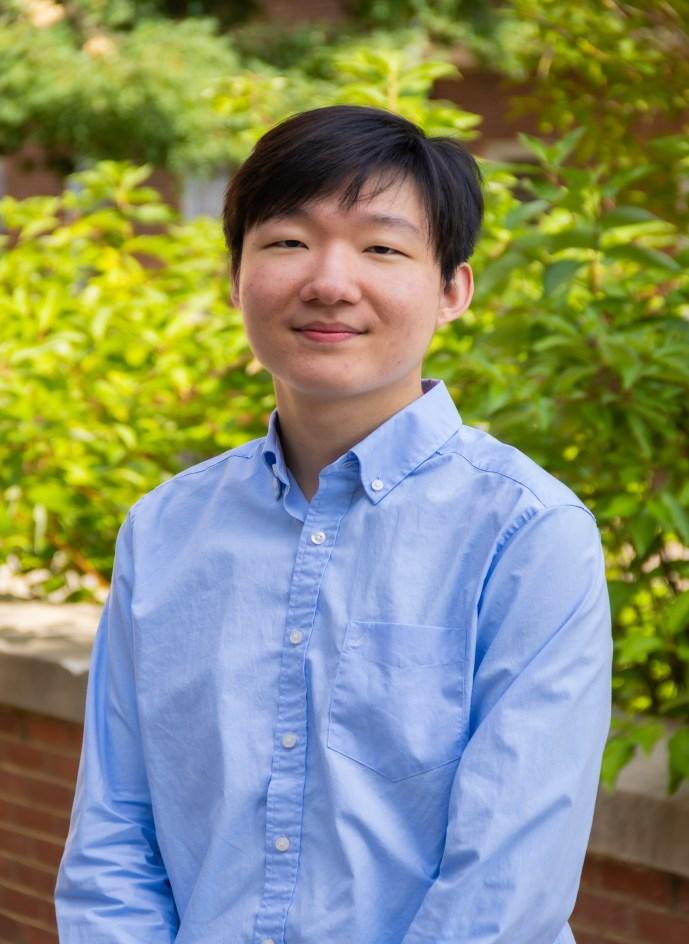
Gregory Park is a rising junior at the University of Maryland, College Park. He is pursuing dual degrees in economics and mathematics. His research interests include development, behavioral, and labor economics. He is particularly inspired by the potential of economic research on behavior and inequality to inform policy decisions. Gregory is involved in UMD's College Fed Challenge and the PADE initiative, through which he has developed a strong interest in pursuing graduate studies in economics. His independent research projects have examined East Asian productivity growth rates and college earnings. Through the Summer Research Initiative, he looks forward to gaining mentorship and building the research skills necessary to pursue rigorous empirical research. Gregory will be mentored by Dr. Judith Hellerstein and Dr. Sergio Urzua in the Department of Economics.
Dr. Judith Hellerstein and Dr. Sergio Urzua,
DepartmentofEconomics
Public attention has centered on falling national test scores for students since the 2020 pandemic. In fact, the bottom half of these scores have been dropping since the mid-2010s (NCES 2024). To the extent there is any relationship between standardized test scores and adult wages, this recent change in student performance is cause for concern regarding wage inequality. That said, the conventional wisdom, based largely on findings from two cohorts of students from 1979 and 1997 (Castex and Dechter 2014; Deming 2017), has suggested that the relationship between test scores and adult wages has weakened over time, which could mitigate some of the concern about rising disparities in test scores. This study analyzes a more recent set of students: 10th graders in 1990 and 10th graders in 2002, with different results. Specifically, the relationship between test scores and adult wages in this sample strengthened significantly over time for women, with no evidence of decreases for men. Through a statistical decomposition of these estimates, the growth in returns to women’s test scores appears to be primarily driven by increased wage returns for the bottom half of scorers. These results highlight the need for additional research and policy attention to focus on low-scoring students, whose recent test-score declines threaten to widen disparities in both cognitive achievement and labor-market outcomes.
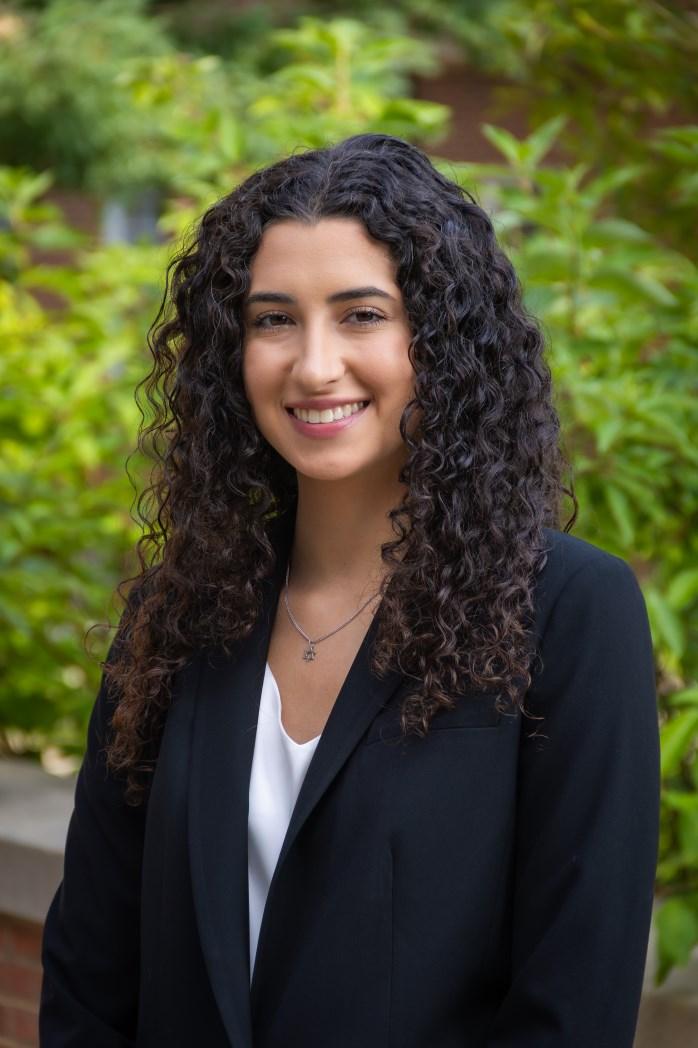
Jordan Rudin is a rising junior at the University of Maryland, College Park. She is a psychology major and a neuroscience minor. Jordan is from New Jersey and is a member of Psi Chi, the International Honor Society in Psychology. She is a research assistant in the Growth And Resilience across Development (GARD) Lab, primarily focused on fMRI data processing and educational outreach. Her research interests center on cognition, especially with childhood development and community-based influences. She aims to support research that promotes equity in science practice and community outcomes. She intends to pursue graduate training in neuropsychology to continue studying cognition, development, and environmental factors. Jordan will be mentored by Dr. Arianna Gard in the Department of Psychology.
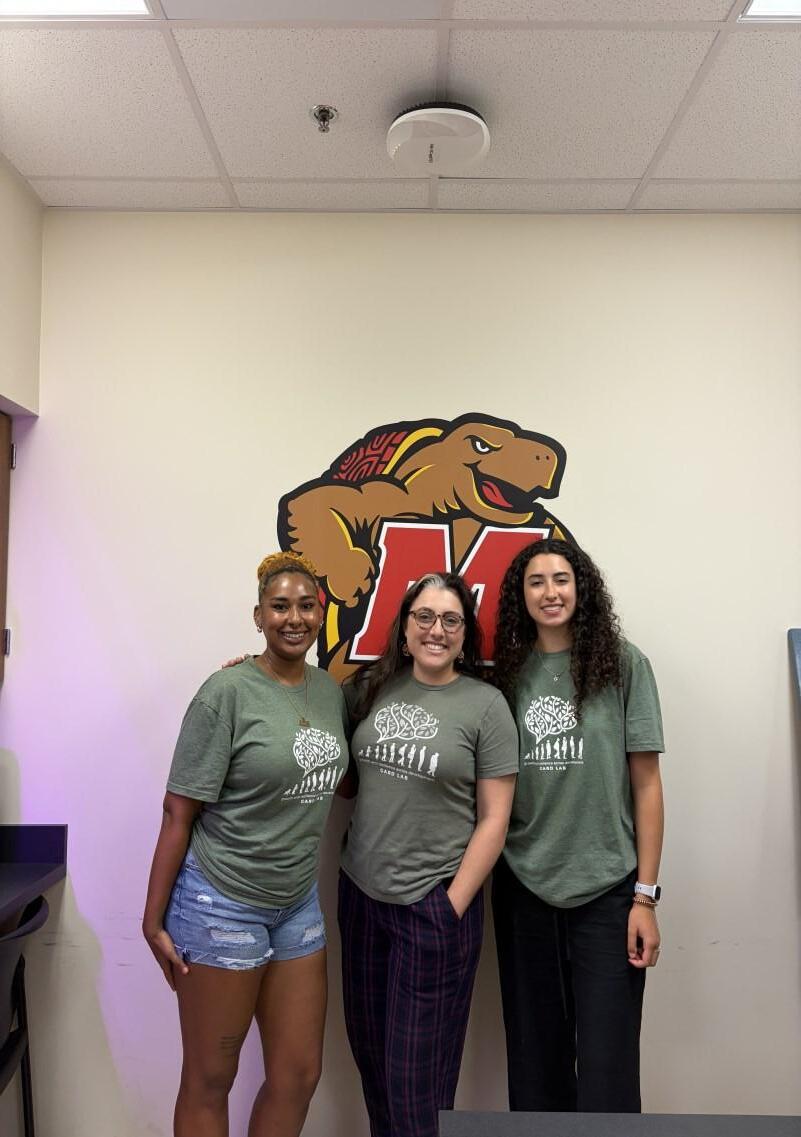
Dr. Arianna Gard Departmentof Psychology
Attention-shifting (i.e., performance under switching rules; AS) and sustained attention (i.e., performance under consistent rules; SA) both contribute to wellbeing and academic achievement (Kuppis & Uddin 2023). Attention skills strengthen across adolescence, supported by plasticity in brain development. However, most functional magnetic resonance imaging (fMRI) studies do not track neural function during both facets of attention within the same task. The goal of this study was to develop a child-friendly fMRI attention task for the THRIVE Study (Teens Harnessing Resilience In Varied Environments), with contrasts for rule-shifting (RS), AS, and SA. The sample (N = 10) was composed of the target group ages 9-11, advisory board members ages 16-17, and young adults ages 18-25. Participants completed up to four runs of a mixed blockevent-related attention-shifting task during fMRI acquisition. Shapes and faces are sorted in single (i.e., SA) and mixed (i.e., AS via RS) runs. Consistent with past literature, regions of the frontoparietal network, including the supplementary motor cortex and posterior parietal cortex, were more active during switch versus repeat. Unexpectedly, there were no significant differences in brain activation for the AS > SA contrast (mixed runs > single runs). At the behavioral level, all age groups performed similarly throughout the task. Interestingly, accuracy did not always track with reaction time. We will proceed with the THRIVE protocol and data collection with children, and consider expanding the target population to analyze differences across age groups. The present analyses reiterate the challenges inherent to developing a new fMRI task, and the importance of piloting before collecting data.
The Pursuit of Freedom: Justice is not Always Just
Pierce Smith is a rising sophomore at the University of Maryland, College Park, majoring in anthropology. As an anthropology major, he is interested in various implications of primate evolution. He is a member of the College Park Scholars International Studies program where his interests lie in international development and global justice. Pierce will continue to be engaged in the College Park Scholars Community as a peer mentor next year. He is also an active participant in Lakeland STARs, a College Park Scholars experience that connects scholars with students from nearby Paint Branch Elementary School. Through Lakeland STARs, he is a lead tutor in math, reaching, and writing for 1st and 2nd graders. Along with anthropology and international studies, he is interested in researching social injustice and systematic inequality in order to create a more inclusive society. Pierce will be mentored by Dr. Barnet Pavao-Zuckerman (Department of Anthropology), Lae’l HughesWatkins, and Doug McElrath (University Libraries) in the University of Maryland 1856 Project.
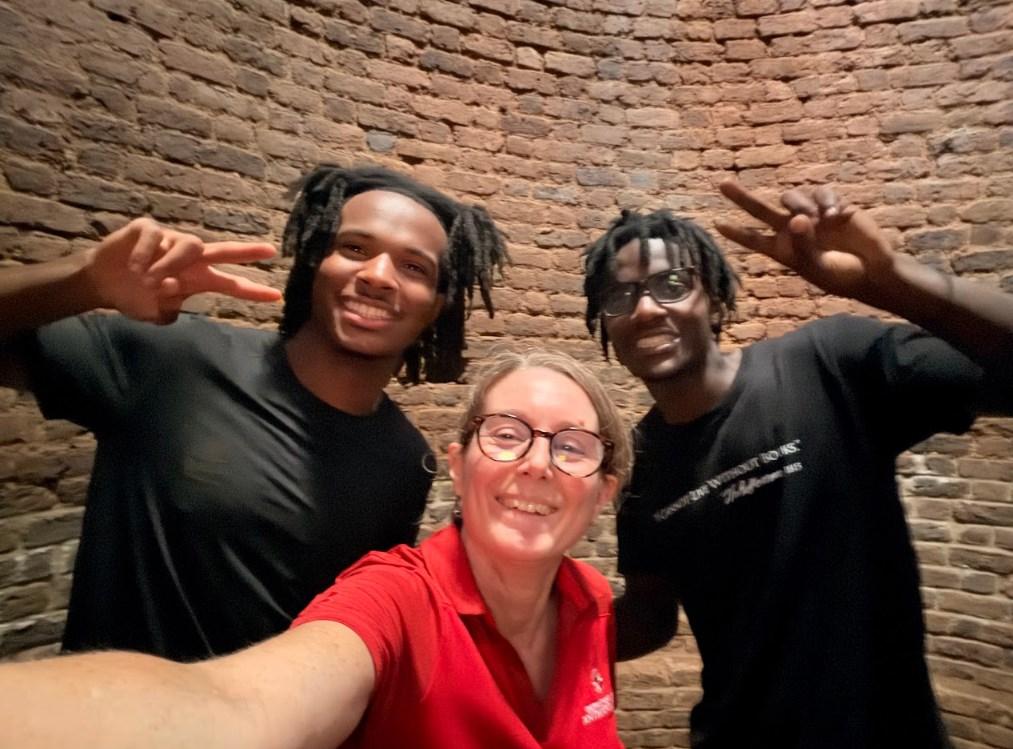
Dr. Barnet Pavao - Zuckerman, DepartmentofAnthropology
Lae’l Hughes-Watkins and Douglas McElrath, Universitylibraries (UMD1856Project)
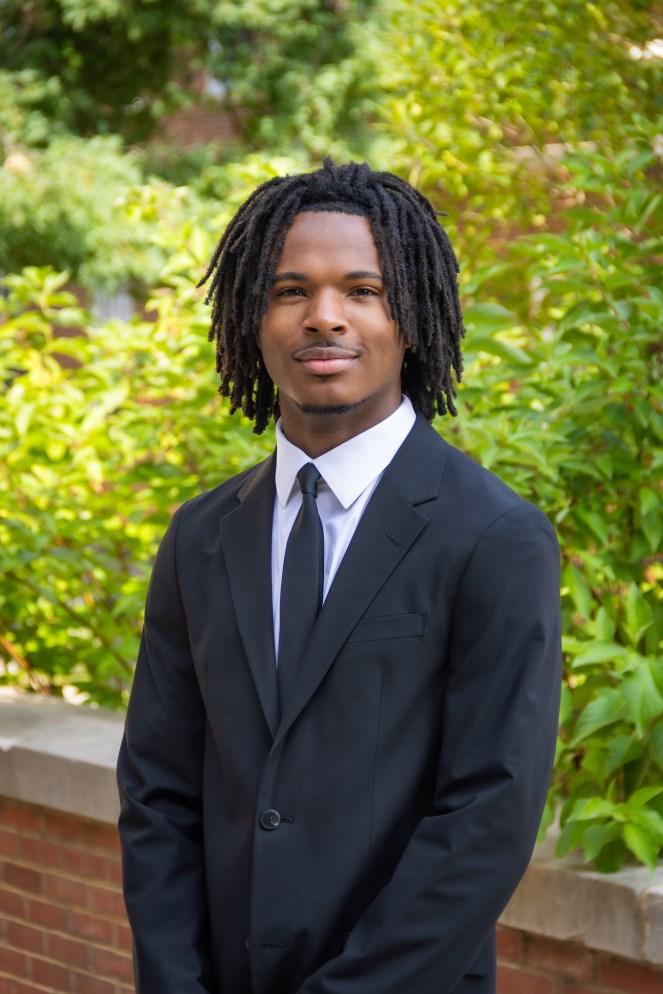
Seeking to better understand the University of Maryland’s connection to slavery, I followed the story of Mina Queen, who was held in bondage in Cecil County. This study examines her and her daughter Louisa’s petition for freedom in 1810, in a Washington D.C. court, from John Hepburn, a slaveholder who also legally resided in Washington D.C. In 1796, a different set of Queens petitioned for freedom in a Prince George’s County court from John Ashton, a Prince George's County Jesuit priest. Although both sets of Queens made the same claim that they descended from a free woman, Mina and Louisa’s petition was denied, while the other set of Queens’ petition was granted. The different verdicts could be attributed to differences in the quality of the attorneys, the locations of the courts, the biases of the juries and judges, and the laws of the time. For example, the Maryland General Assembly revised laws in 1796, after the Prince George’s County Queens gained freedom, that required freedom petitions to be heard in local courts. As a result, local white planters would serve on juries. This change was likely the largest contributor to the difference in verdicts among the members of the same extended family. This research uncovers the stories of the Queens’ petitions for freedom and reveals the built-in biases in the justice system at that time. By uncovering the stories of enslaved people seeking freedom like the Queens, we gain a more complete understanding of history, and by shining a light on their stories, researchers gain a better understanding of slavery’s legal foundations, which were consequential to the development of the Maryland Agricultural College in 1856.
Let’s switch the topic: Effects of topic switches on listeners' memory for information in a conversation
Gurnoor Sodhi is a rising junior at the University of Maryland, College Park. She is a psychology major and minors in hearing and speech sciences. Currently, her primary research interests include how language interacts with other cognitive mechanisms in the brain, such as attention and memory. She is particularly interested in studying the cognitive implications of code-switches on bilingual sentence comprehension. Gurnoor works as a research assistant in the Decision, Attention, and Memory Lab at Maryland where she contributes to a project exploring how gamification impacts student perception towards interleaved practice. She also works in the Cognition and Language Processing Lab studying the effects of code-switches on bilingual attention through neural entrainment. Gurnoor looks forward to developing her skills in conducting research and hopes that the Summer Research Initiative will prepare her towards pursuing a PhD in cognitive psychology. Gurnoor will be mentored by Dr. Jared Novick in the Department of Hearing and Speech Sciences.
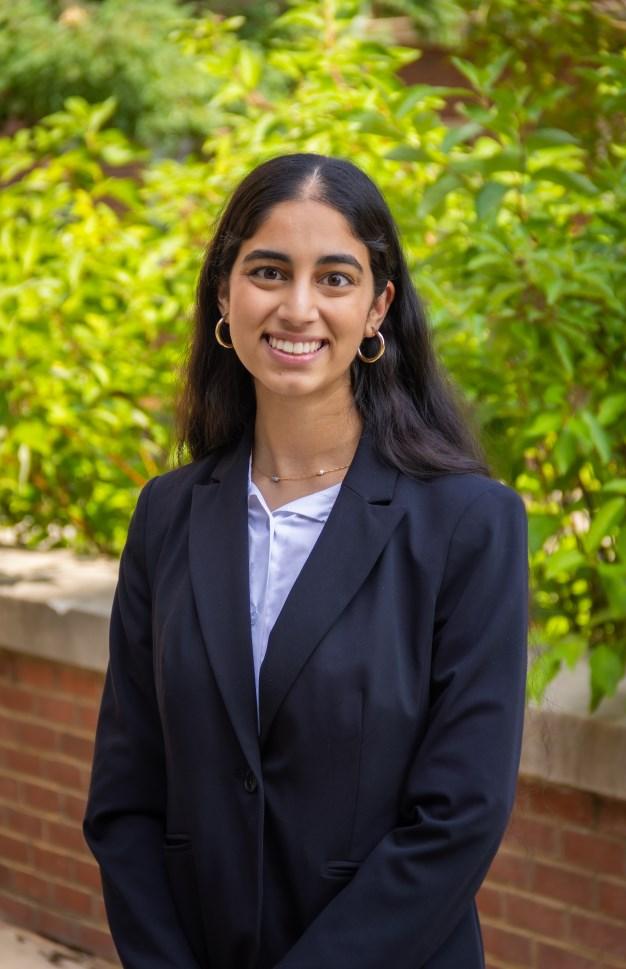
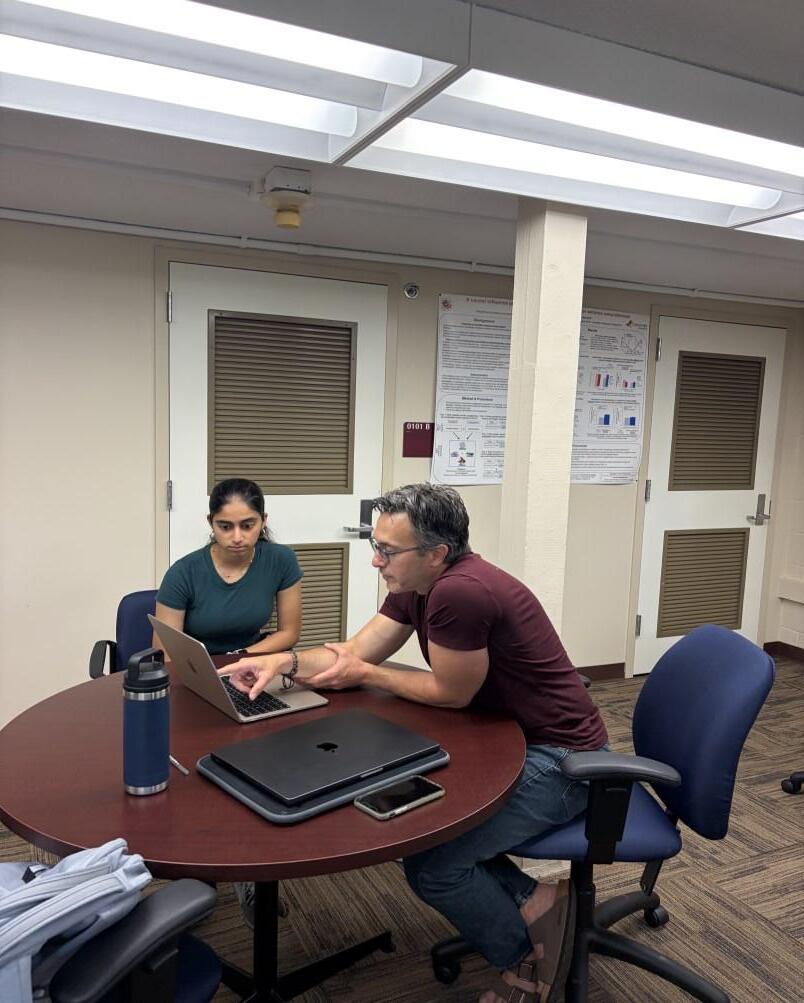
Dr. Jared Novick DepartmentofHearingandSpeech Sciences
Individuals spend most of their time engaging with one another through conversations in which they tend to switch topics frequently. Research suggests that topic switches in conversation impose costs to listeners when they produce an utterance, such as responding to a question about sports when the conversation was just about one’s wellbeing (Marshall et al., 2026). However, if these actions are so costly, why do speakers switch topics so effortlessly? This study investigates whether topicswitches impact an individual’s memory for a conversation. If so, we expected to see differences in recall accuracy when the participant initiated a topic switch. Fifty participants were recruited for a semistructured interview with the experimenter. Six broad topics were discussed, each containing fifteen questions for three sub-topic categories. The participant and experimenter both engaged in a conversation by asking each other questions and afterwards, there was a cued recall session (memory test). Participants recalled the experimenter's answers, which were analyzed for basic and detailed accuracy. Conversations were also analyzed to determine whether the participants initiated a broad or sub topic-switch. On average, participants remained on topic 74% of the time and switched topics 26% of the time. When a switch occurred, participants correctly recalled detailed information 77% of the time. When no switch occurred, participants correctly recalled detailed information only 69% of the time. These results suggest that when a topic-switch was initiated, an individual’s memory for detailed information was better compared to when there was no switch, having implications in educational settings for learning. We infer that a switch could promote deeper levels of encoding and/or be a communicative function to signal to the listener that important or novel information is being conveyed.

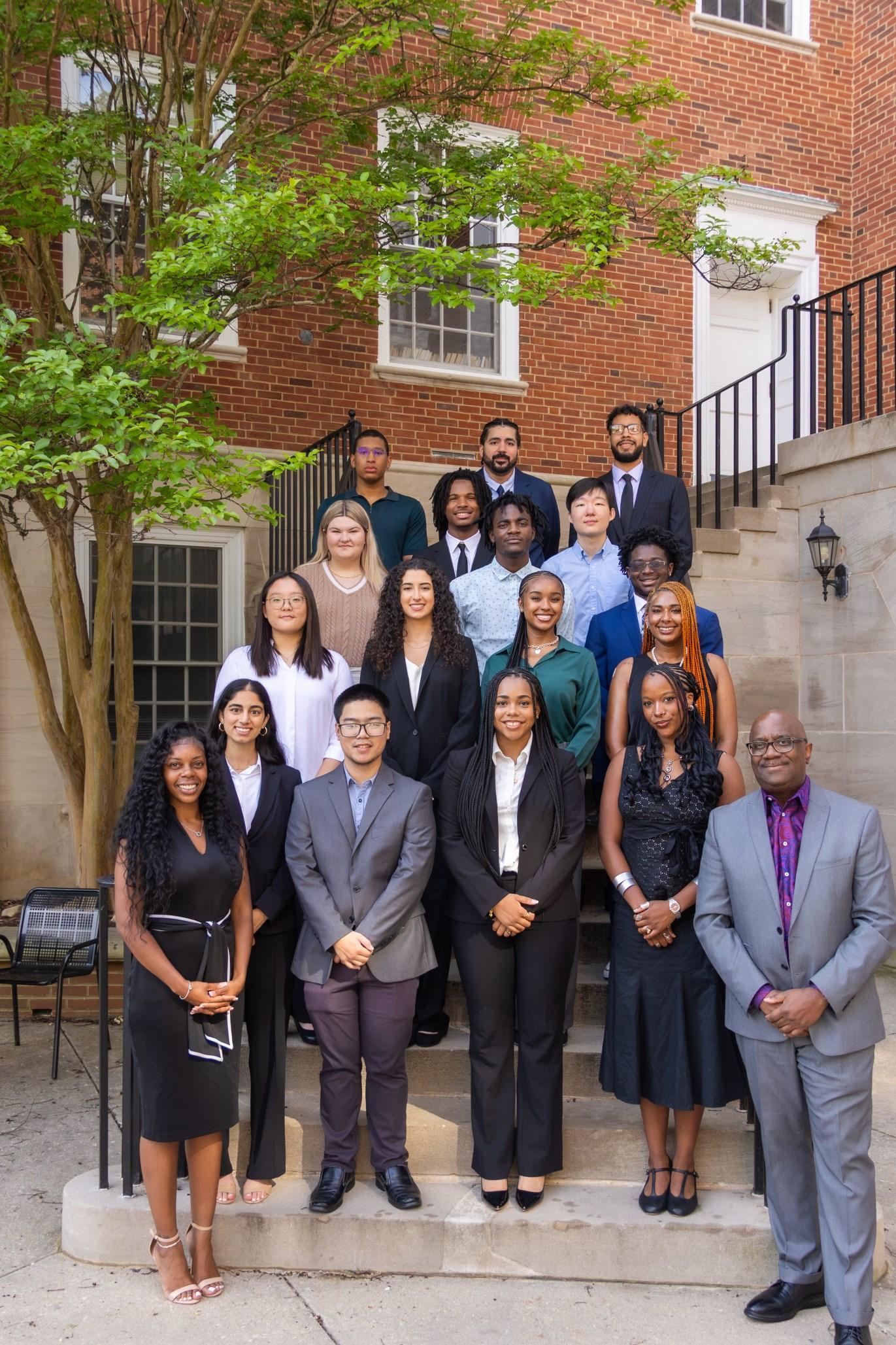
Dr. Kim J. Nickerson, SRI Director
Brittney Robinson, SRI Program Manager