A guide for parents at The British School of Brussels
The Power of Hello: We believe that a sense of belonging begins with the simplest actions. Our staff and students commit to welcoming one another by name – even those we don’t yet know – to ensure everyone feels like they belong.

At BSB, we believe that relationships and positive behaviours thrive when we work with a smile, even in the toughest circumstances. We start by knowing every student’s name and treating them as a unique individual.
At BSB, your child’s safety, happiness and sense of belonging come first. We want every student to feel safe, respected, and included every day at school.
This guide explains, in clear steps, what we do if there are concerns about unkind behaviour or bullying: how it can be reported, what happens next, how we support students, and how we work with you as parents.
At BSB, bullying in any form is not accepted.
We make a difference between:
• Harmful behaviour: one-off or lower-level incidents that still need attention and support.
• Bullying: behaviour that is repeated, meant to cause harm, and often involves an imbalance of power.
• Bullying can be verbal, physical, emotional, or online, and it can be individual or within a group. Any behaviour that causes fear, exclusion or distress is taken seriously; we do not dismiss things as “teasing” or “just growing up”.
Students and parents have several ways to raise concerns. We encourage speaking up as early as possible.
Students can talk to any trusted adult at school: class teacher, tutor, Head of Year, counsellor, or another member of staff.
Parents can contact the class teacher or tutor first or directly contact the relevant Head of Year or section if they are very worried.
Whenever a concern is raised, we listen carefully and take it seriously.

Step 1: Listening and making your child feel safe
• We listen to the student calmly and respectfully.
• We check how they are feeling and make sure they are safe in the short term (for example, seating plans, breaks, who they are with).
• We reassure them that they have done the right thing by speaking up.
Step 2: Careful and sensitive investigation
• Staff gather information and speak separately to the students involved and, where needed, to witnesses.
• We look at the wider context: how often something has happened, how serious it is, and any patterns we notice.
• The investigation is proportionate: serious or repeated behaviour is treated with greater urgency and depth.
Step 3: Informing and involving parents
• We inform parents as early as possible when there are concerns about unkind behaviour or bullying.
• We explain what we know so far, what we are doing next, and how we will stay in touch.
• We maintain regular, clear communication while the situation is being addressed.
• We communicate openly with parents while respecting the confidentiality and dignity of all students involved. This means that we cannot share specific sanctions or the exact details of conversations with other students’ parents. Where appropriate, we explain the steps we are taking to support students and address the situation.
Step 4: Support for students who have been harmed
• We provide emotional and pastoral support for any student who has been harmed.
• Where it is needed, we may involve additional support, such as counselling.
• We help the student to feel safe again in school life: in lessons, at break and lunch, and in friendships.
Step 5: Action, consequences, and learning
• We respond to behaviour promptly and in a way that matches its seriousness.
• We help students understand the impact of their actions on others.
• Consequences can range from restorative conversations and written reflections to more serious sanctions; suspension or exclusion is used only in serious or repeated cases and as a last resort, to protect the wellbeing of the whole community.
• Our focus is on safety, accountability, and learning, not punishment for its own sake.
Step 6: Follow-up and checking things are better
• We continue to monitor the situation over time to be sure that the behaviour has stopped and that all students feel safe.
• We may check in with students and parents after a period of time to see how things are going.
• All concerns are recorded and reviewed so that school leaders can spot patterns and ensure a consistent response.

• We work actively to prevent bullying, not only to respond to it.
• We teach respect, kindness, and responsibility through lessons, assemblies, and pastoral programmes.
• We build strong relationships, so students feel known, supported, and confident to speak up.
• We watch social dynamics carefully, especially around friendships and inclusion.
• We help students understand how to act if they see something that does not feel right.
• Respect, responsibility and belonging are taught, modelled, and reinforced in daily school life.
We see parents as important partners in supporting respectful behaviour and wellbeing.
Parents can expect from us:
• Clear, calm communication.
• Timely responses to concerns.
• Reassurance that we take issues seriously and act fairly.
• We ask parents to:
• Share concerns early, even if they are not sure how serious something is.
• Support the school’s expectations at home.
• Work with us in trust and good faith so that we can help your child together.
When home and school work together, students are best supported to grow socially, emotionally, and ethically.
Respect is a partnership between staff, students, parents, and the community. By assuming good faith and acting with empathy, we create a supportive web around your child that extends from the classroom to home.
How can my child report bullying?
They can speak to any trusted adult in school: class teacher, tutor, counsellor, Head of Year or another member of the pastoral team. We help students to know who to go to and to feel safe asking for help.
Will my child be believed?
Yes. All concerns are listened to carefully and investigated without assumptions. Each situation is looked at individually so we can understand what has happened and offer the right support.
How quickly does the school act?
We act as promptly as possible. Your child’s safety and wellbeing are always the priority.
Will I know what the school is doing?
We communicate openly with parents while respecting the confidentiality and dignity of all students involved. This means that we cannot share specific sanctions or the exact details of conversations with other students’ parents. Where appropriate, we explain the steps we are taking to support students and address the situation.
What is BSB’s position on bullying?
Bullying in all its forms is unacceptable at BSB. Our priority is to ensure that every student feels safe, respected, and able to learn.
We take concerns seriously, act promptly, and work carefully with students and families to stop harmful behaviour, support those affected, and promote accountability. Our approach combines clear boundaries with an educative and restorative focus, aiming not only to address incidents but also to strengthen relationships and prevent recurrence.


At BSB, True Belonging means more than just feeling included - it reflects the safety, confidence, and respect that come when every voice is heard, and every identity is valued. We are committed to creating an environment of emotional and physical safety for every child by living out our values of respect each day, working proactively to prevent harm, responding thoughtfully when concerns arise, and supporting each student to thrive.
This guide complements our BSB Respect Charter, which outlines the full framework for relationships, behaviour, and community life at the school.
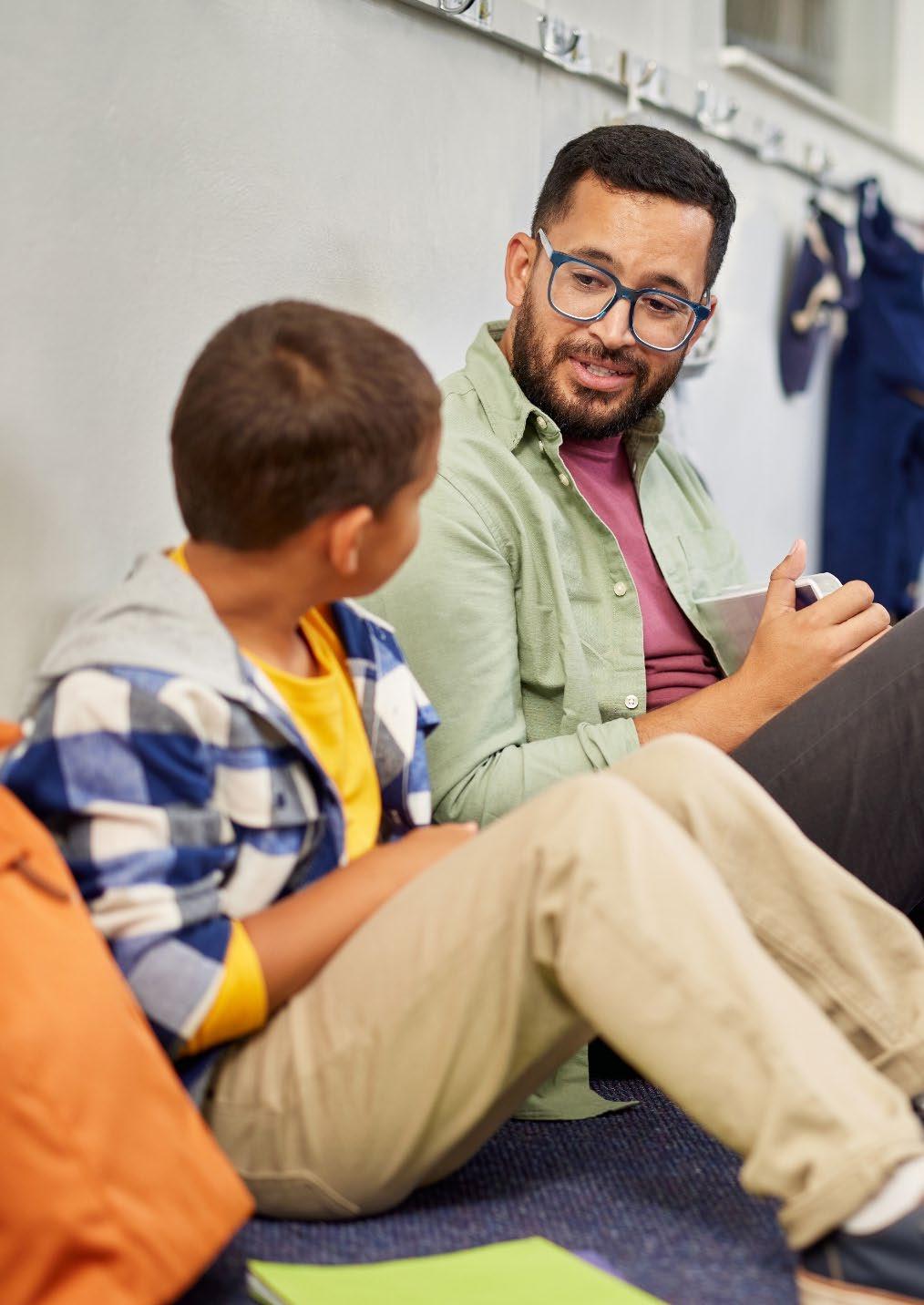
Unconditional Positive Regard: We know that students – like all of us –sometimes make poor decisions.
At BSB, we practice Unconditional Positive Regard, which means we separate the behaviour from the child and focus on making better choices.
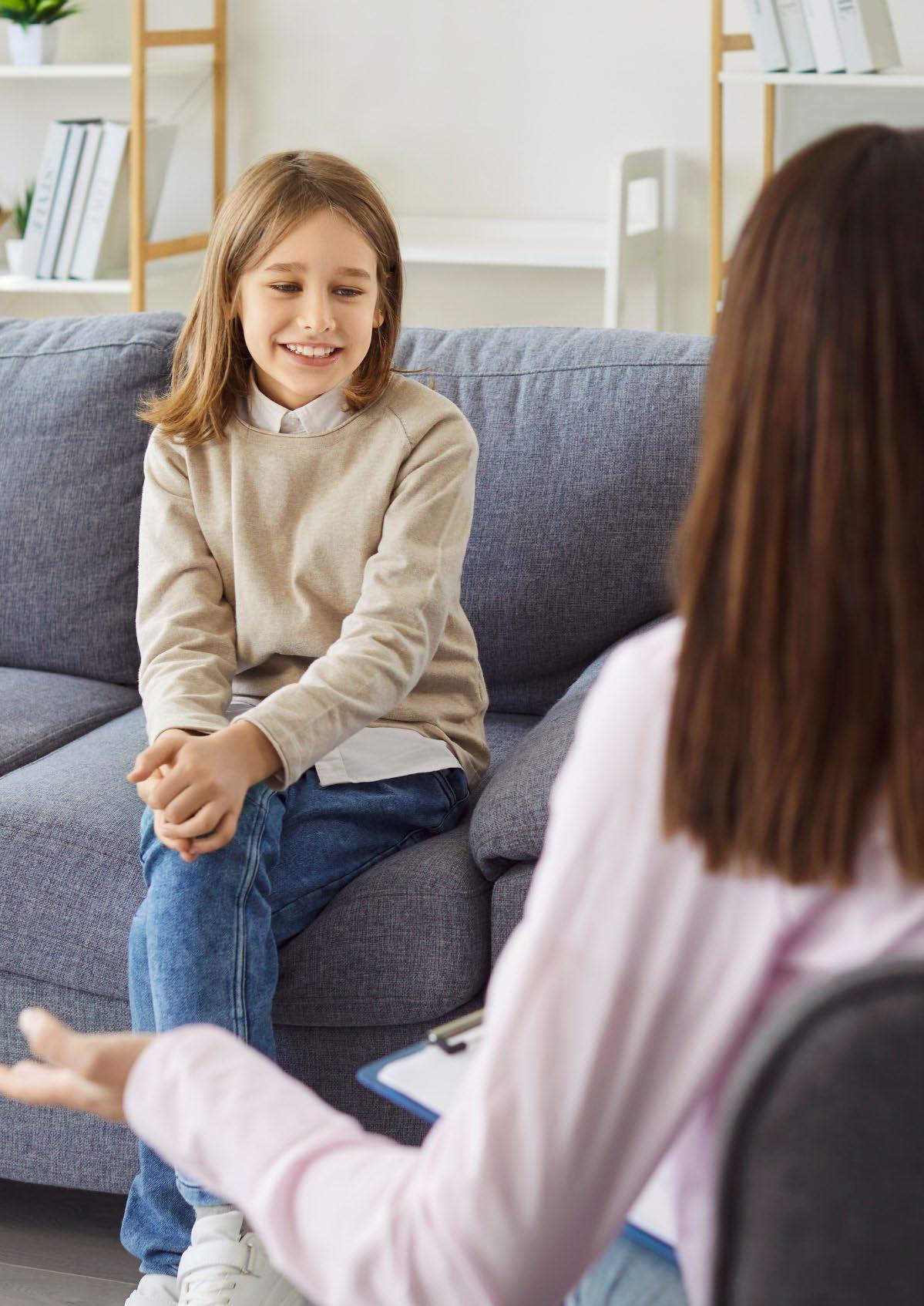
The Restorative Approach: We nurture an environment where respect is co-created with students, not ‘done to’ them. When mistakes happen, our priority is always to repair and rebuild.
At The British School of Brussels, the DSL is a senior staff member who has the lead responsibility for safeguarding and child protection across the school. The DSL is the main point of contact for any concerns about a student’s safety or welfare, keeps detailed and confidential records of concerns, and makes referrals to internal support or external agencies when necessary, including liaising with the Principal and, where appropriate, the police or local child protection services. They also ensure that safeguarding policies and procedures are up to date, that staff receive regular training, and that students are taught about staying safe, including online safety, as part of the school’s curriculum.

DWhite@britishschool.be

PKearton@britishschool.be
Dannielle White plays a key role in promoting student safety, wellbeing, and inclusion at BSB, with specific responsibility for safeguarding and pastoral support across the school. She works closely with colleagues, students, and families to ensure that concerns are identified early, responded to appropriately and followed up with clear communication and robust record-keeping. She also supports individual students with tailored interventions and referrals to internal and external services, ensuring that every young person is listened to, protected and able to learn in a safe, supportive environment
At BSB, Phillip Kearton serves as Deputy Head of Primary, a leadership role that carries day-to-day responsibility for pupil welfare and pastoral provision in the Primary phase. Working within BSB’s whole-school safeguarding framework, he helps to embed policies and procedures that place student safety and emotional wellbeing at the centre of school life. In line with BSB’s safeguarding and child protection policy, Phillip supports a preventative, education-focused approach, helping to maintain a secure, inclusive environment in which children feel known, listened to and safe.