Winter 2025/2026
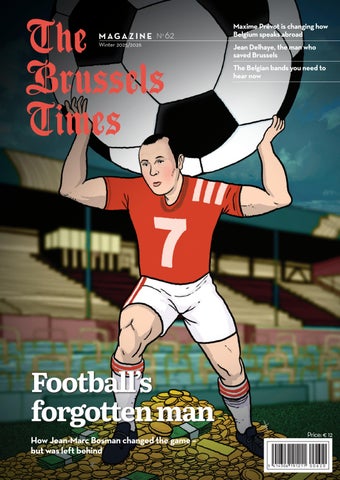
The Belgian bands you need to hear now MAGAZINE No 62
Maxime Prévot is changing how Belgium speaks abroad
Jean Delhaye, the man who saved Brussels
Winter 2025/2026
The Belgian bands you need to hear now MAGAZINE No 62
Maxime Prévot is changing how Belgium speaks abroad
Jean Delhaye, the man who saved Brussels
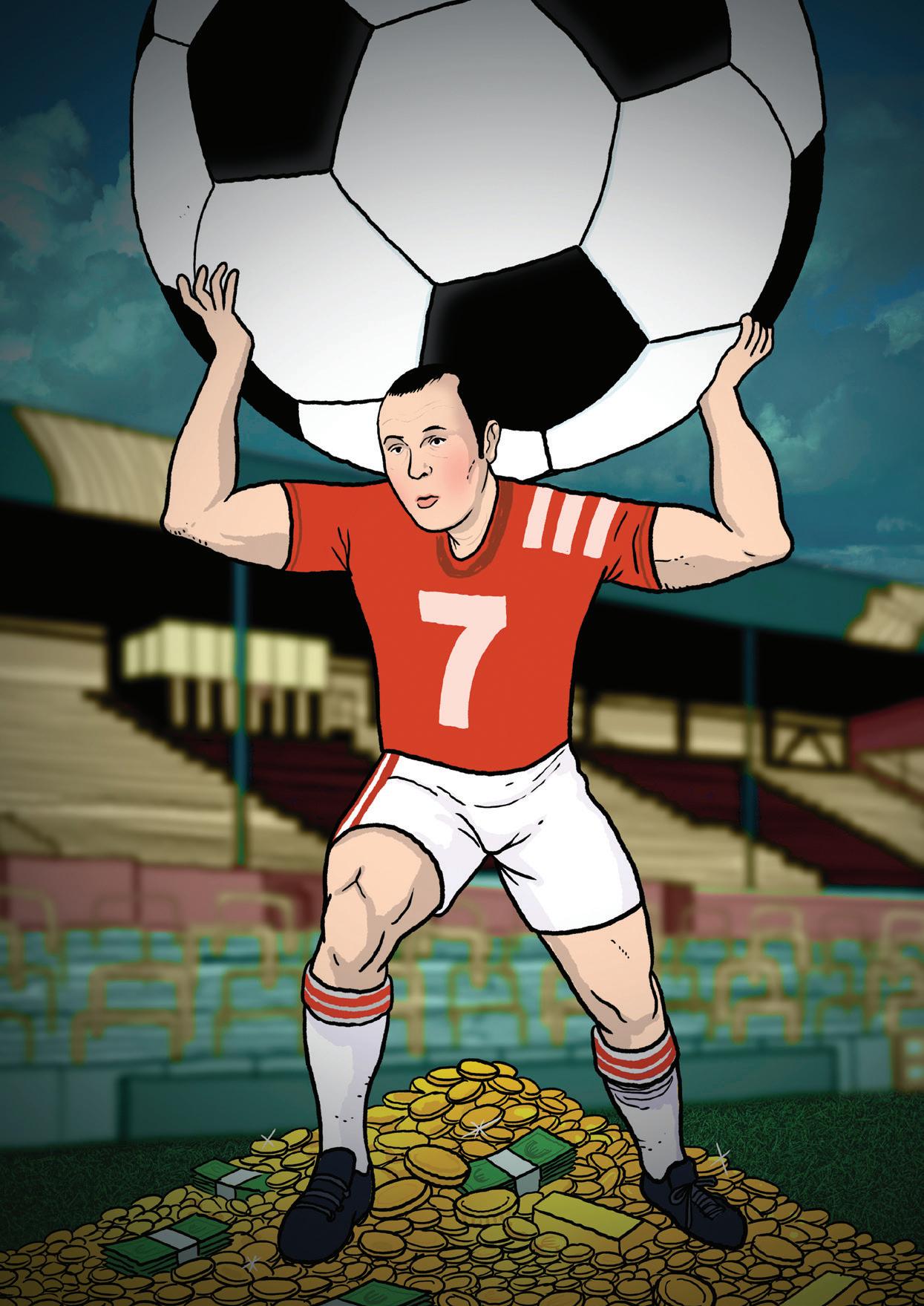
How Jean-Marc Bosman changed the game –but was left behind
26.11.25 - 18.01.26
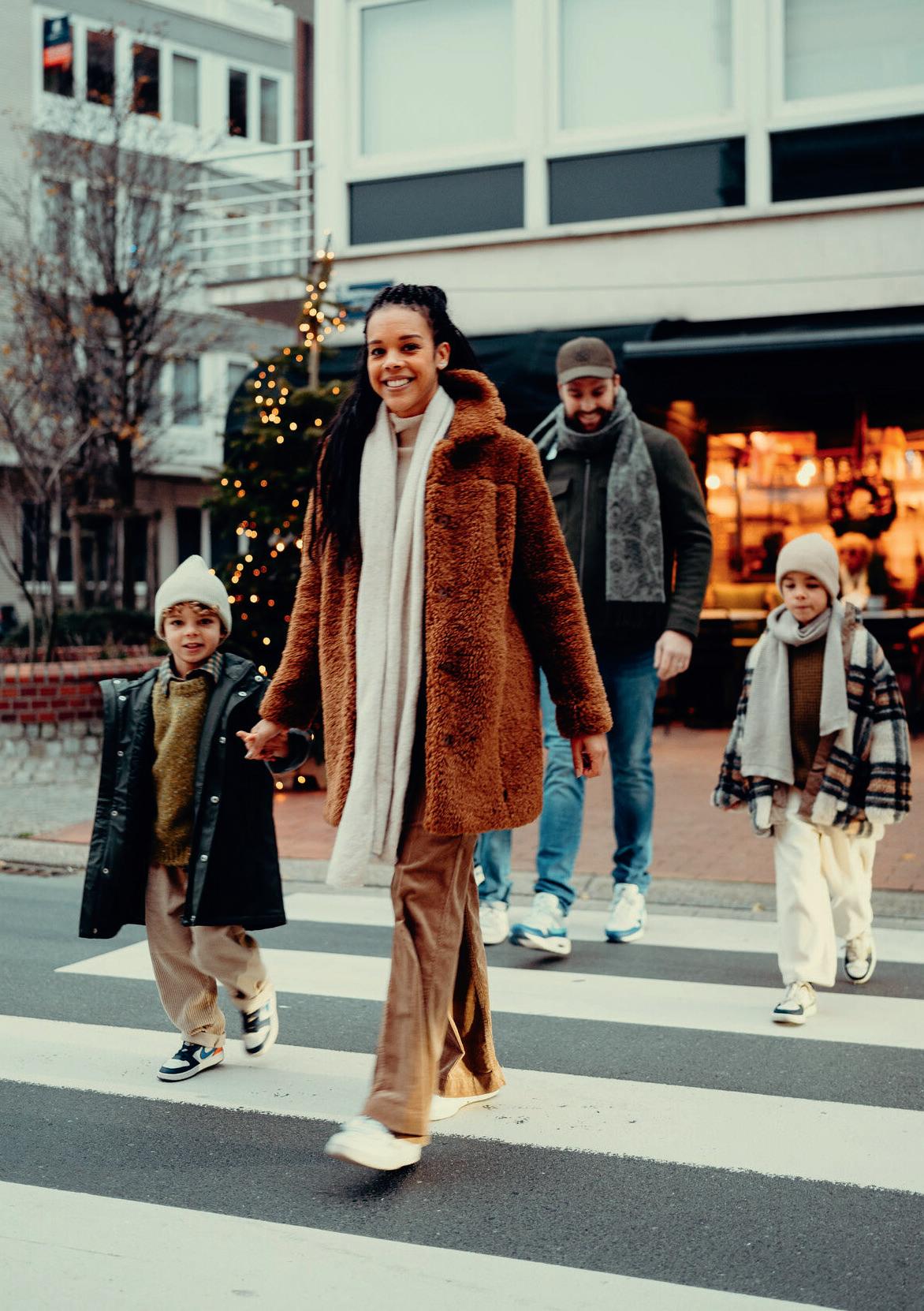
Knokke-Heist will once again be transformed into a Scandinavian winter paradise this season!
Until January 18, the coastal town offers a unique winter experience where visitors can enjoy magically illuminated street parades, an atmospheric Viking village, and a Gift House full of surprises - all the way to an authentic ice rink made of real ice.
With countless activities and the vibrant atmosphere that defines Knokke-Heist year-round, this town remains the place to be on the Belgian coast.
Let yourself be enchanted by the diverse winter program and discover everything at mykh.be/winter
FITNESS FAMILY TENNIS WELLNESS POOLS









Leuvensesteenweg 13, 3080 Tervuren www.africamuseum.be









There are few people who change history by accident. JeanMarc Bosman is one of them.
Thirty years ago, this promising midfielder from Liège refused to sign a bad contract, went to court and detonated the transfer system that governed world football. He freed players, bankrupted clubs, enriched agents and, in the process, became the most famous man nobody recognises. Bosman is now 61, living quietly in a suburb of Liège, still wrestling with the fallout of his own revolution. His name became shorthand for freedom. His reward was obscurity.
His story opens this issue not just because it’s fascinating, but because it says something about Europe itself – about how rules, ideals and unintended consequences shape ordinary lives. He won the principle but missed out on the gold and glory that followed. Three decades on, his story still resonates far beyond sport.
Our cover story revisits his strange victory: a Belgian tale of stubbornness, law, and unintended consequences. In a continent where bureaucracy usually wins, Bosman proved that a single citizen could still bend the system — even if it left him bruised and broke.
Elsewhere in these pages, another Belgian is busy redrawing his country’s place in the world. I meet Foreign Minister Maxime Prévot, who has swapped mayoral modesty for moral conviction – speaking with clarity about Gaza, Trump, Ukraine and the duty of small nations to stay lucid while others shout. And Anas El Baye meets Fouad Ahidar, the Brussels firebrand politician who has built a new movement on faith and defiance.
Elsewhere, Philippe Van Parijs argues that Brussels’ problems — the gridlock, the grumbling, the cranes that never sleep — are simply the price of success. Meanwhile, Frédéric Moreau remembers Jean Delhaye, the unsung architectural saviour who rescued the city’s Art Nouveau soul from the wrecking ball, and Dominique Soenens meets conceptual artist Arne Quinze, who wants to “rewild the metropolis” one giant sculpture at a time.
Culture, as ever, thrives in unlikely corners. Lisa Bradshaw dives into a Magritte-inspired whodunnit where the suspects are as surreal as the plot. Helen Fry takes us behind enemy lines with the Belgian spies who helped win two world wars, while Liz Newmark asks awkward questions about the railways that didn’t. Jon Eldridge wonders what drives Belgium’s ultra-runners to keep going (besides waffles). Simon Taylor turns up the volume on a new wave of Belgian bands worth listening to.
We look back at the earliest Belgian photographs, which are a haunting reminder of a nation learning to see itself through a lens for the first time. Speaking of seeing differently, Eliane Van den Ende explores the strange, untranslatable idea of zwanze – that uniquely Brussels blend of humour, defiance and mischief.
We also raise a glass – several, in fact. Maïthé Chini uncorks the revival of Belgian wine, Hughes Belin adds bubbles, and Angela Dansby spends a restorative weekend in Leuven, proving that beer and baroque still mix magnificently.
Hugh Dow, indefatigable chronicler of Belgian cemeteries, wanders through SaintJosse’s grandly melancholy tombs to find stories the living should remember, while Kurt Karlsson highlights current and upcoming events worth checking out. Plus, we have the winner of the Writers Festival of Belgium 2024 short story competition, Josje Weusten, who relates a post-apocalyptic tale.
And, lest we take ourselves too seriously, Geoff Meade delivers a meditation on premature tinsel – a public-service warning against decking the halls before the invoice for last year’s party has been paid.
So, as winter sets in, and Brussels once again becomes a chiaroscuro of drizzle and fairy lights, take this issue as a reminder that this small country can contain the biggest dramas. Stay curious, stay amused, and if you must put up the fairy lights, at least wait until Saint Nicholas has left.
Leo Cendrowicz
Editor, The
Brussels Times Magazine
Winter 2025/2026
The Brussels Times
Avenue Louise 54
1050 Brussels
+32 (0)2 893 00 67
info@brusselstimes.com
ISSN Number: 0772-1633
On the Cover Illustration by Lectrr
Editor
Leo Cendrowicz
Publishers
Jonadav Apelblat
Omry Apelblat
Graphic Designer Marija Hajster
Contributors
Hughes Belin, Lisa Bradshaw, Maïthé Chini
Angela Dansby, Hugh Dow, Anas El Baye, Jon Eldridge, Helen Fry, Kurt Karlsson, Breandán Kearney, Lectrr, Helen Lyons, Geoff Meade, Paul Meller, Frédéric Moreau, Liz Newmark
Dominique Soenens, Simon Taylor, Eliane Van den Ende, Josje Weusten
Commercial Partnerships Director
David Young
Advertising
Caroline Dierckx
Nataliya Moroz
Klaas Olbrechts
Ilham Rzayev
Arnaud Sonnet
Gidon Tannenbaum
Please contact us on
advertise@brusselstimes.com or +32 (0)2 893 00 67 for information about advertising opportunities.
Photo Credits
Lectrr: Cover, 144
Belga: 8, 11-14, 18, 28-32, 34, 36, 38, 56-58
KMSKA: 9-10
Leo Cendrowicz: 15-16, 24, 25-26, 122-127
CIVA: 46-52
Hannibal Books: 60-62
Panenka/Ilias_Van_Bambost: 70-73
Copyright SNCB: 84-86
Dries Mockers: 104
Angela Dansby: 112-119
From your very first preparations until the end of your stay, ING Bank will help you every step of the way.
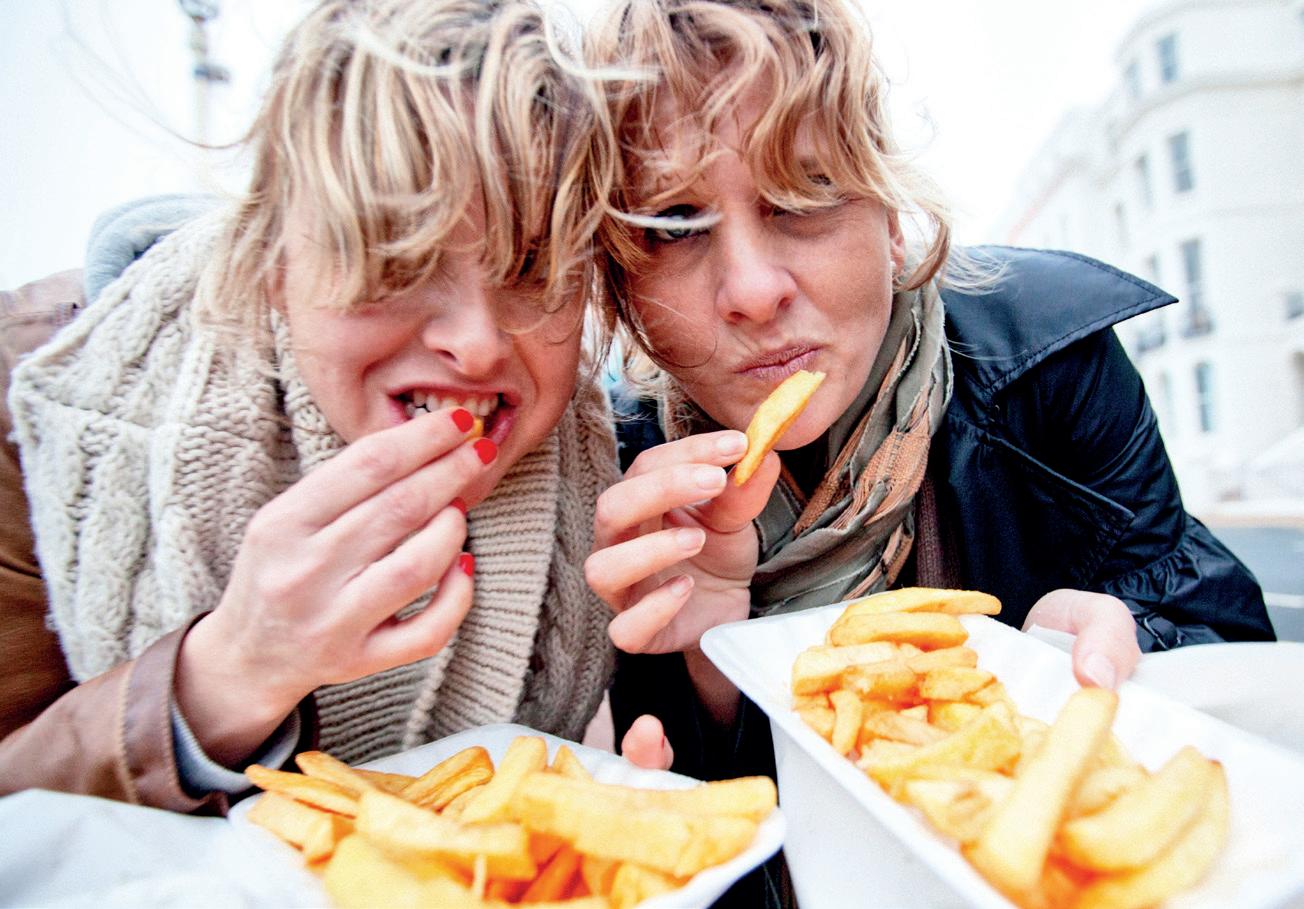
17 Bosman’s battle with the beautiful game
Leo Cendrowicz
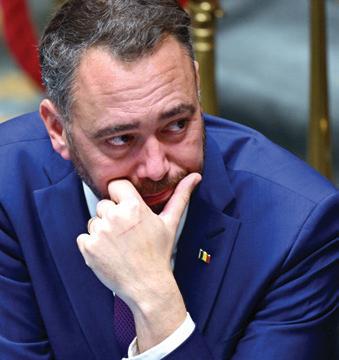
29 Maxime Prévot is changing Belgium’s tune on the world stage
Leo Cendrowicz
37 The disrupter: Fouad Ahidar is shaking up
Brussels politics
Anas El Baye
40 The price Brussels pays for its success
Philippe Van Parijs
45 How Jean Delhaye saved Brussels’ Art Nouveau soul
Frédéric Moreau
57 Arne Quinze’s mission to rewild the metropolis
57
79 Born to run…and run and run
Jon Eldridge
85 Behind enemy lines: The Belgian agents who helped win the World Wars
Helen Fry
love its wine
Maïthé Chini
106 Belgium’s got bubbles
Hughes Belin
113 I’m Leuven it
Angela Dansby
123 The little commune with big graves: The stories buried in Saint-Josse’s cemetery
Hugh Dow
128 Food & Drink
Hughes Belin
134 Art and events
Kurt Karlsson
Geoff Meade 29 75 123
Dominique Soenens
62 Belgium’s forgotten faces of photography
69 To zwanze or not to zwanze
Eliane Van den Ende
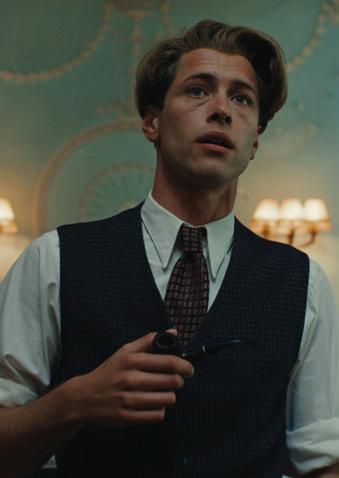
75 Surreal suspect: Magritte stars in a very Belgian whodunnit
Lisa Bradshaw
88 Tracks of complicity: Belgium’s railways and the moral cost of survival
Liz Newmark
95 Small country, big sounds: The Belgian bands you need to hear now
Simon Taylor
98 A day by the river
Josje Weusten
144 Too soon for tinsel: A cautionary tale of premature festivity
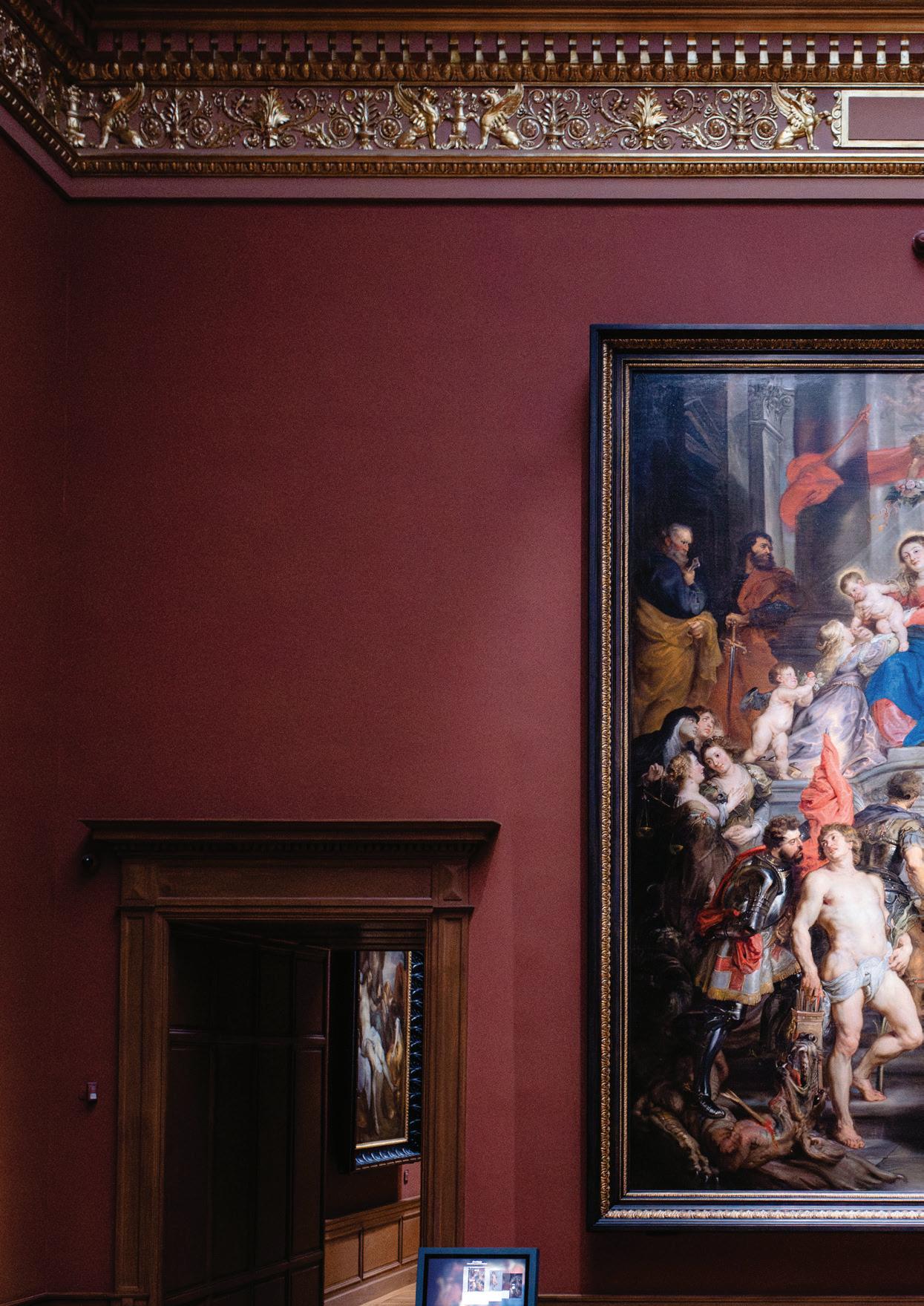
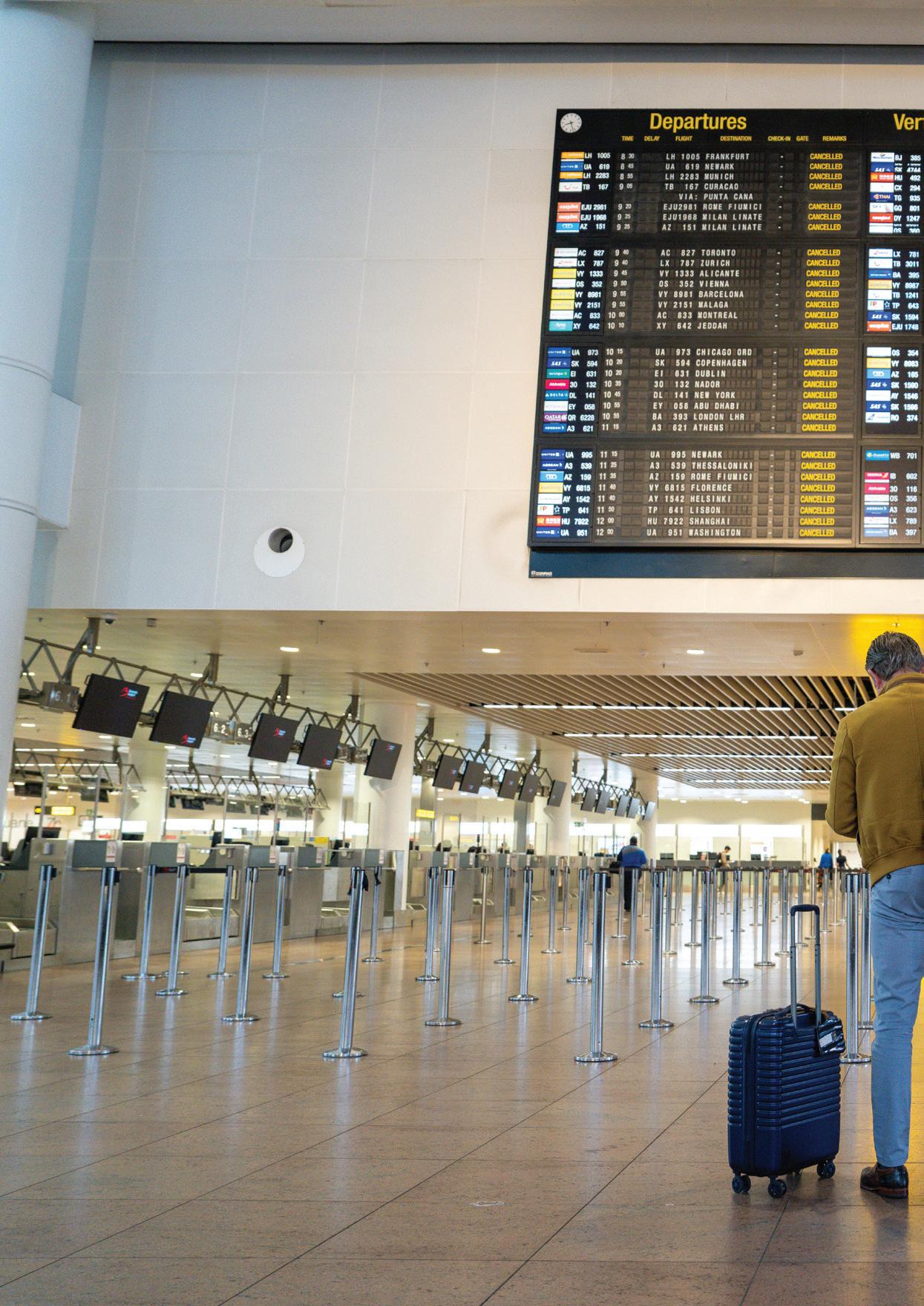
After two years under the scalpel, Peter Paul Rubens’s 1628 masterpiece, Madonna Enthroned Adored by Saints, is once again holding court at Antwerp’s Royal Museum of Fine Arts (KMSKA). Freed from centuries of grime and a suffocating varnish, the six-metre high, 350kg altarpiece now glows with Rubens’s trademark bravura and colour. The conservators revealed every saintly shimmer in situ in the Rubens Gallery, in the specially created Studio Rubens, where visitors were able to watch the process over two years. Next up in Studio Rubens: The Adoration of the Magi. It was a bumper few weeks for Rubens as a painting thought lost was found by an auctioneer in Paris. The 1613 artwork, depicting Christ on a cross with a dark sky in the background, was discovered last year at a mansion sale but only confirmed as a Rubens after a long authentication process involving X-rays and pigment analysis.
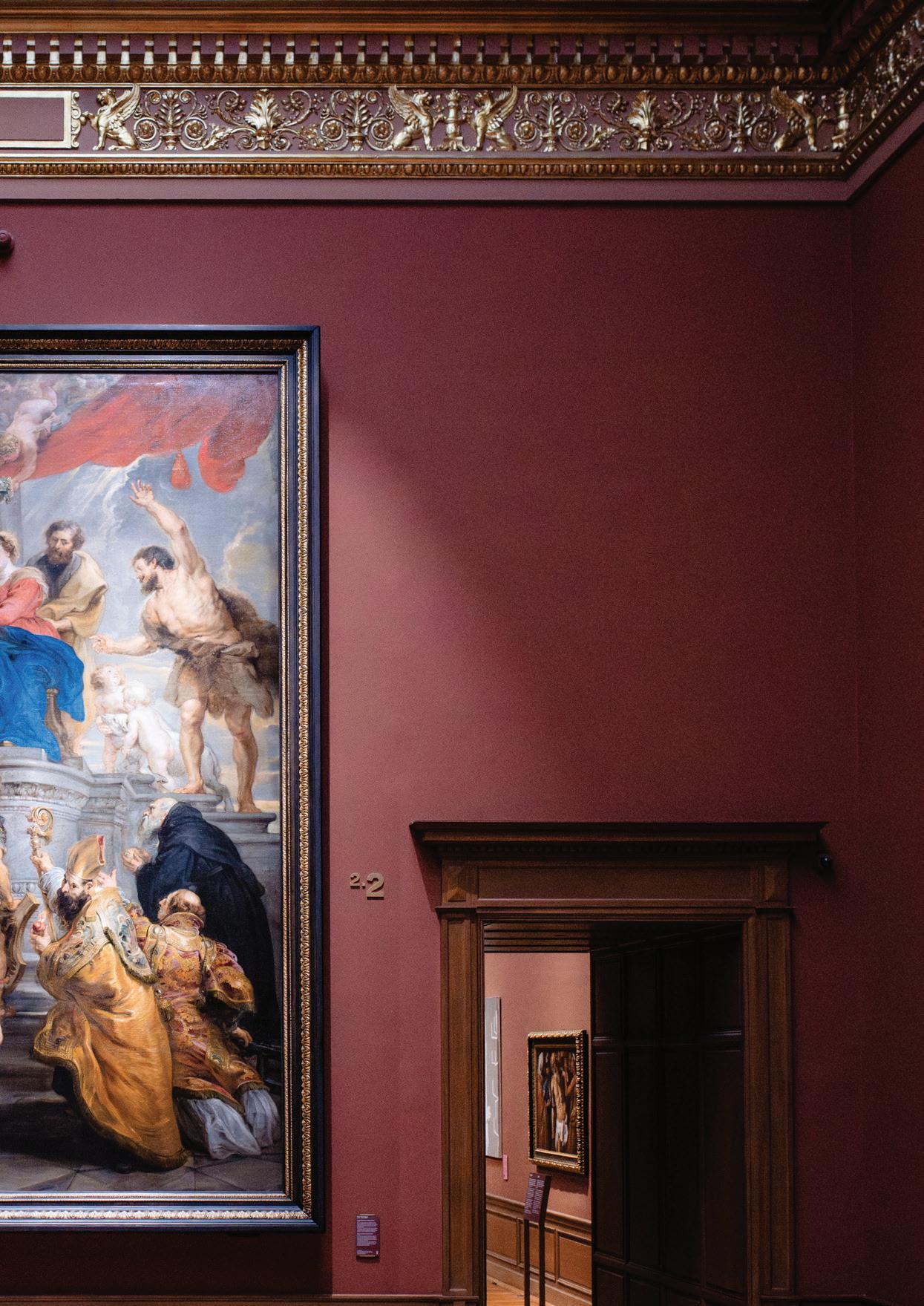
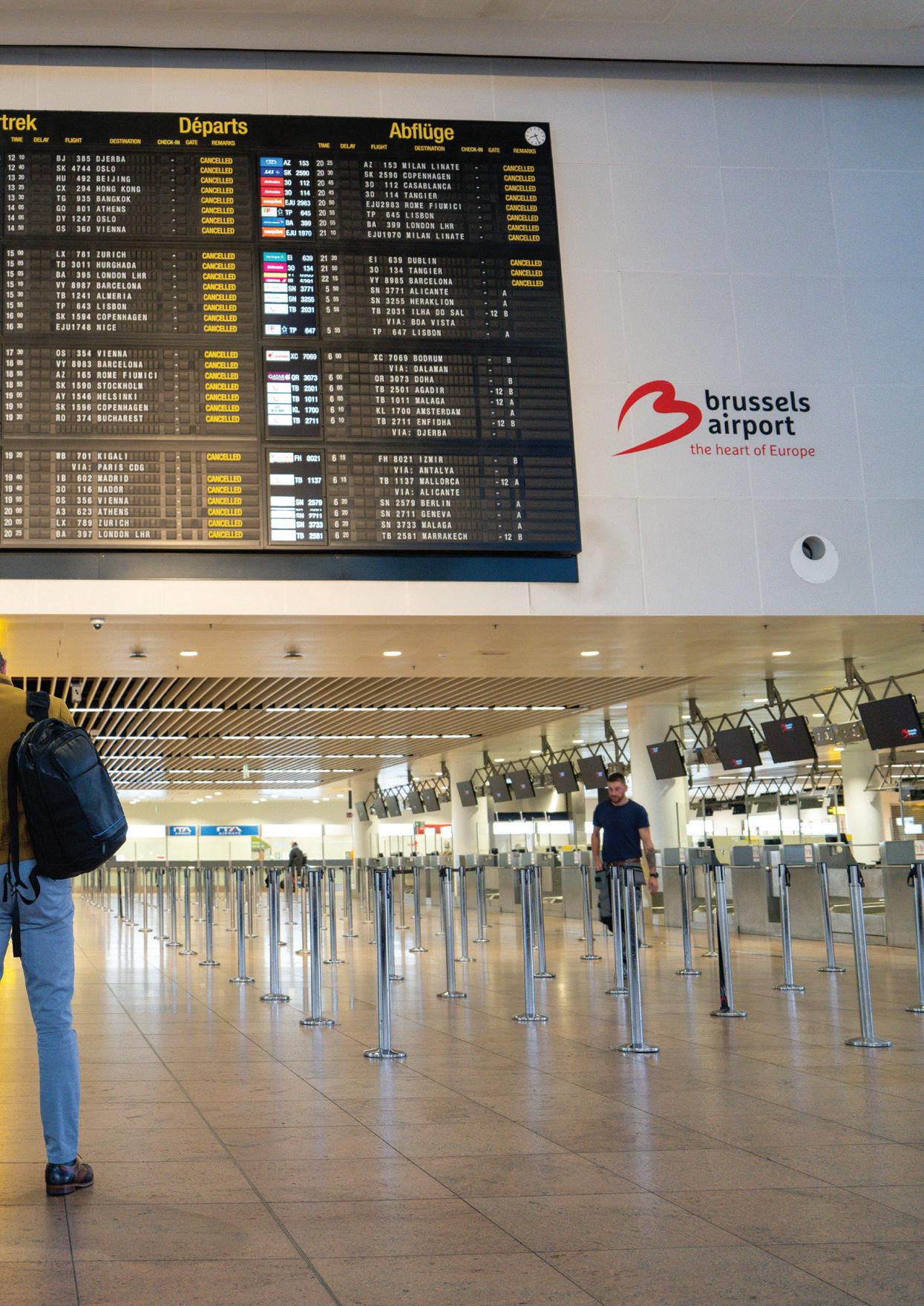
A few passengers at Brussels Airport during yet another national strike on October 14. All departing flights were cancelled as part of a ‘national day of action’ by unions to protest against the federal government's austerity plans.
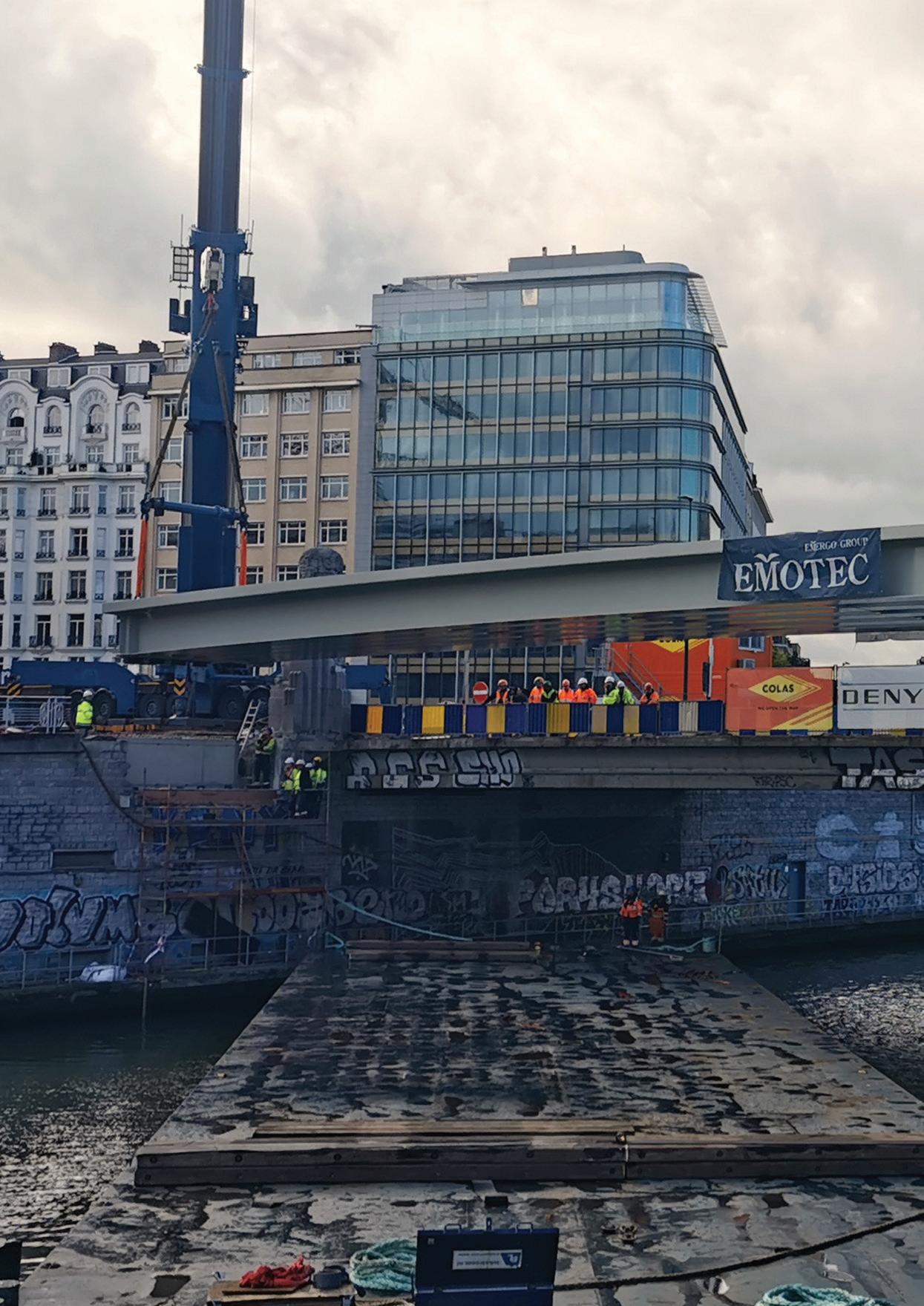
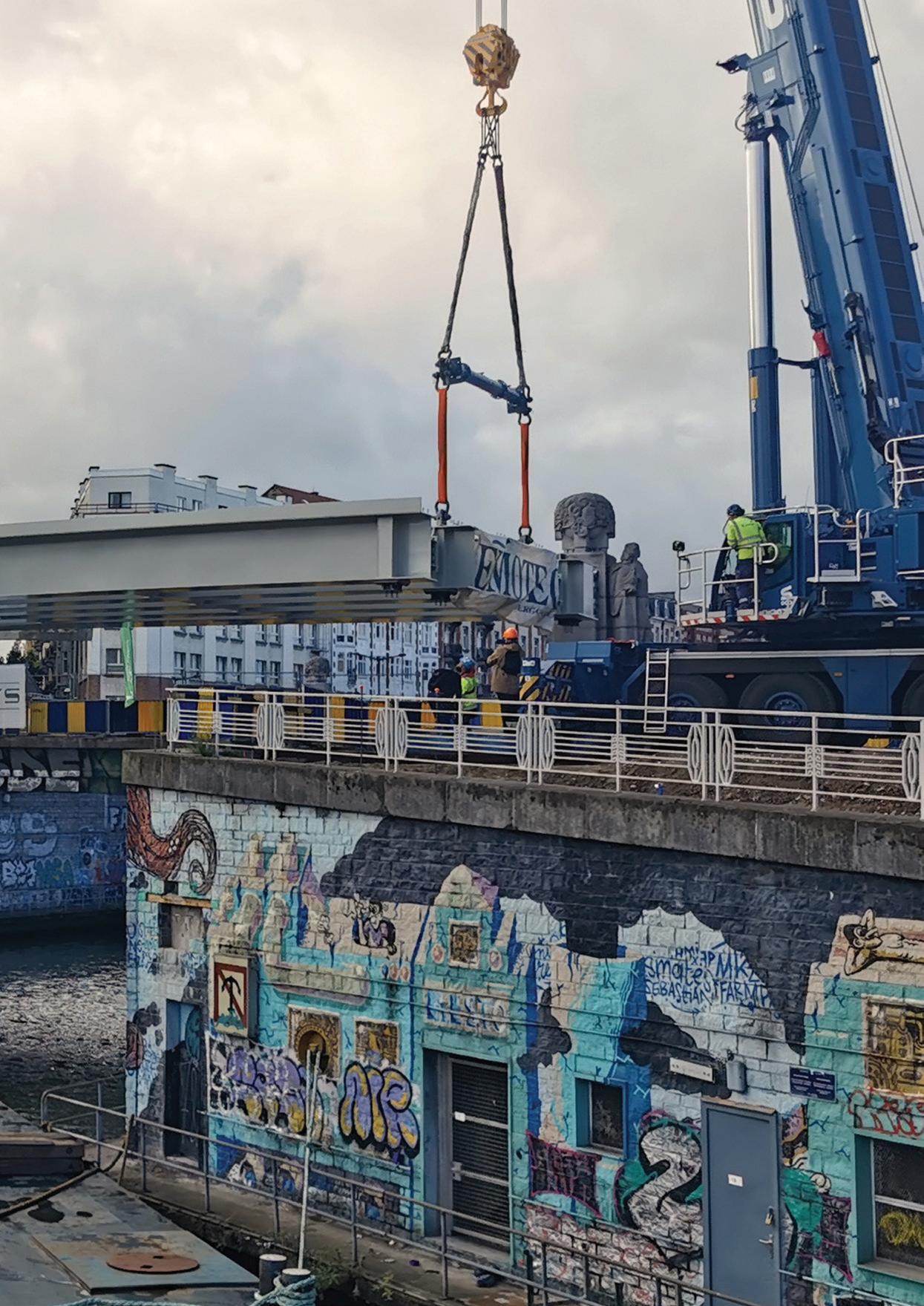
A new, 97-tonne bridge was installed over the Brussels canal as part of the redevelopment of Place Sainctelette in Molenbeek. The future crossing will be wider, to create a genuine public space over the canal, with more room for pedestrians and cyclists. Construction around the square is set to continue until mid-2027.
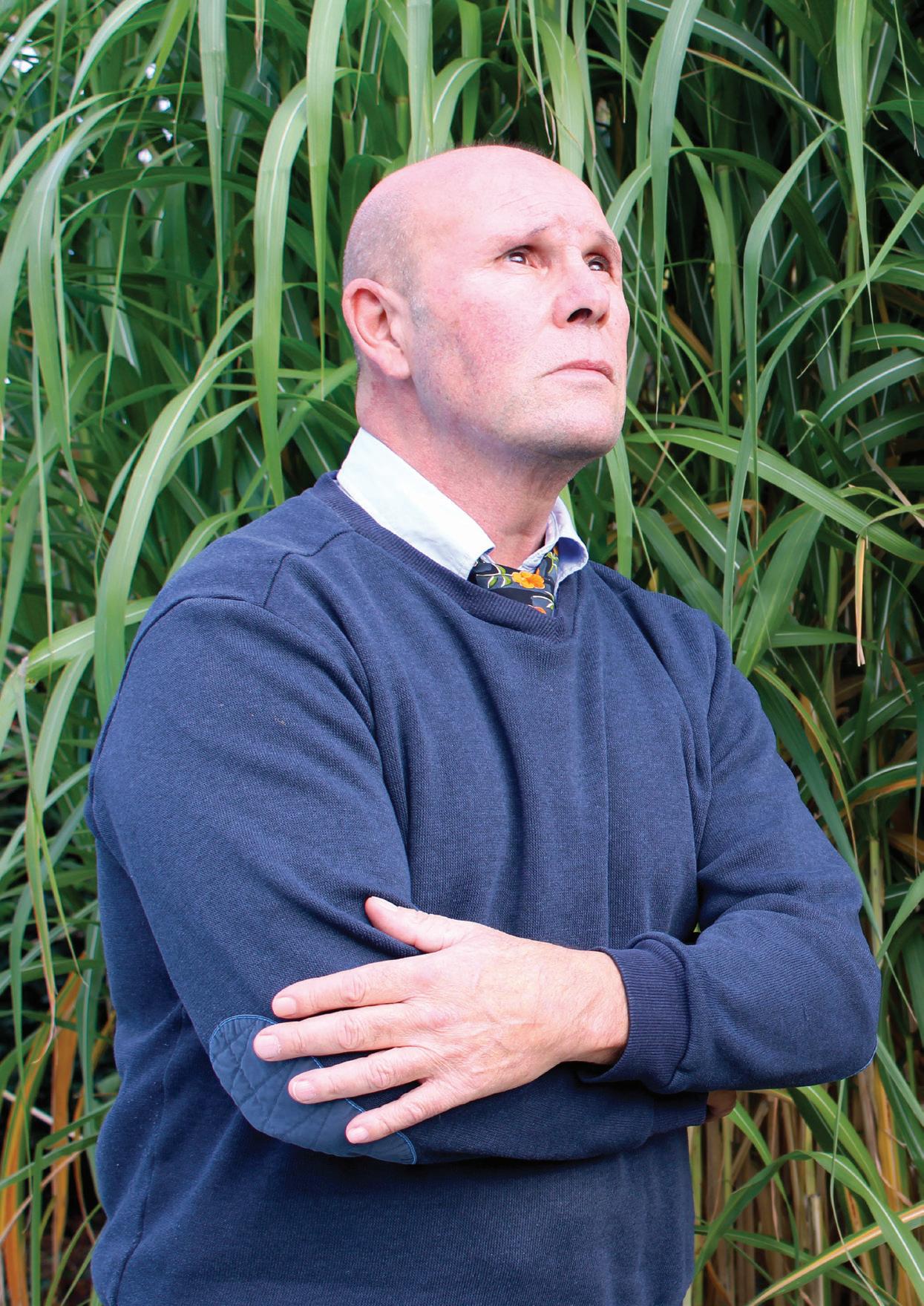

He changed football forever, then watched it pass him by. Three decades after the EU court ruling that bears his name, Jean-Marc Bosman lives quietly on the outskirts of Liège. He tells Leo Cendrowicz why it was still worth upending the sport’s old order
He moved back in with his parents and lived in their garage for two years while he trained for his comeback – which never happened.
“Without my mum and dad,” he recalls, “I would have been on the street.”
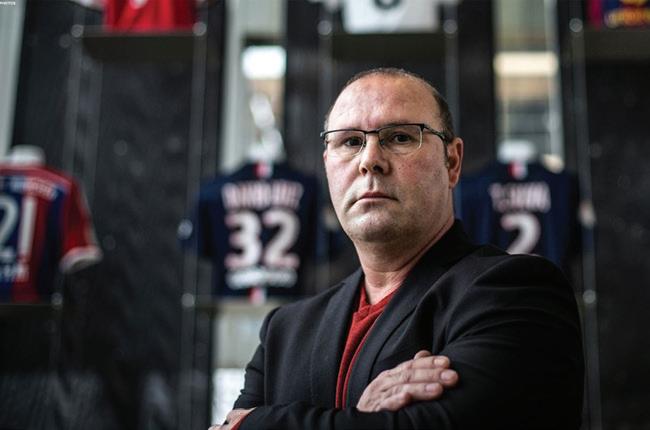
In the quiet suburb of Awans, just outside Liège, Jean-Marc Bosman lives a modest, almost anonymous life. His house stands on a small incline, its driveway empty. Inside, the kitchen is neat, the walls hung with a few faded photographs, mementoes of a career that never reached its peak. Bosman, 61, is now pudgy and balding. His twitching, nervous eyes betray the pain of his long, lonely legal ordeal.
He spends his days quietly – going for walks, shopping, looking after his two teenage sons when he can. As for heavier exercise, his doctor stopped him from using his rowing machine. Football is out of the question. “I really don’t do much,” he says, morosely. “I have a circuit in the neighbourhood that I walk, which is nice. And it’s good when the boys are here. But for the rest, it’s very uneventful.”
It is a far cry from the glamour of the modern game, yet Bosman remains one of its most consequential figures. This December marks 30 years since the European Union’s Court of Justice ruling that bears his name: if people are aware of any EU court ruling, this would be it. But Bosman himself is both
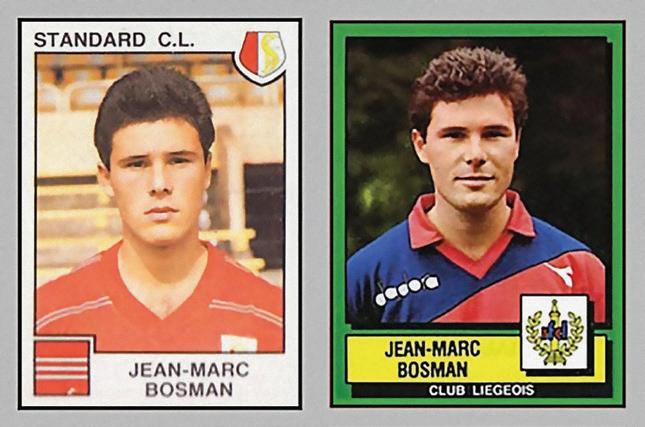
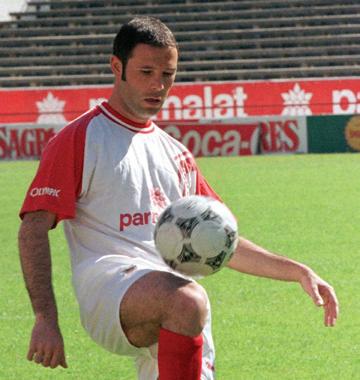
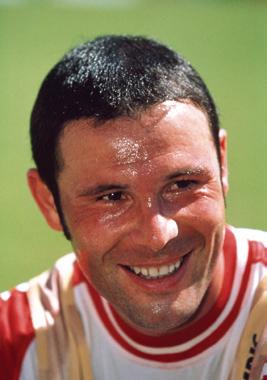
hero and ghost – the man who set footballers free, yet was left behind.
Everyone in football knows what a Bosman is. Almost no one remembers who he is. The man himself has been telling his story for three decades, and in November his ghostwritten memoir, Jean-Marc Bosman, Mon combat pour la liberté, was published. It puts his long journey into perspective, with reflections on today’s game.
But the key moment is one that took place half a lifetime ago.
In Luxembourg on December 15, 1995, the EU’s top judges declared that footballers whose contracts had expired were free to move to another club without a transfer fee, and that limits on EU players in teams were unlawful.
The decision shattered a system that had existed for decades and opened the floodgates to a new era of mobility, money and power. It transformed football into a global marketplace, fuelled salaries, and created fortunes.
Today, if footballers let contracts run down to secure lucrative free transfers, they are, in essence, “doing a Bosman”. His name is part of the sporting lexicon – and he became a byword for player power.
But for the man whose name became shorthand for freedom, the ruling heralded personal ruin.
Bosman has been asked countless times to dredge up the details and sometimes seems to drift into autopilot when recounting his trial.
He had been a promising midfielder – a product of Liège’s football heartland, the captain of Belgium's under-21 team in the 1980s. He joined RFC Liège from Standard Liège in 1986, dreaming of continental success.
By 1990, aged 25, his contract was ending, and RFC Liege, struggling financially, offered him a new deal on a quarter of his former salary. He sought a move to USL Dunkerque across the French border, but RFC Liège refused to release him unless they were given four times what they'd paid for him in the first place. When Dunkerque declined, the transfer collapsed - and Bosman’s wages were slashed anyway.
“It made no sense. I was out of contract, yet they still owned me,” he says. “I knew it was wrong. Why should players still belong to clubs after the end of their contract? I knew I had to stand up.”
So he fought back. Encouraged by local lawyers, he sued RFC Liège, the Belgian football association, and eventually European football authority UEFA. He argued that the system breached the European principle

4 DAILY FLIGHTS FROM BRUSSELS TO THE WORLD
For all the establishment’s gnashing and wailing about the havoc wrought by the ruling, the footballing world more than adapted. It took time for the powers that be to change their system, but it kickstarted a growth spurt in the game that has yet to tail off.
of free movement of labour. “I thought that as a European citizen, I would be able to play anywhere in Europe,” he says.
He expected the dispute to last weeks. It took five years.
Today, it can be hard to fathom that such an archaic regime was in place, allowing clubs to trade players like livestock, even if their contracts had expired. “It was a form of slavery,” Bosman says.
In 1991, his court challenge escalated to include the nationality clauses that limited teams to including just three non-national players in their sides.
During that time, his playing career evaporated. Most other clubs saw him as toxic. He was briefly transferred to a lower league French side, Saint-Quentin, but they went bust. Then to Réunion, the French overseas department in the Indian Ocean. Other French clubs said they wanted to sign him but could not, because they already had three foreigners on their side.
Meanwhile, Bosman trained alone. His marriage fell apart. His former teammates
drifted away. “No one helped me. They either didn’t want to get involved – or couldn’t,” he says. He moved back in with his parents and lived in their garage for two years while he trained for his comeback – which never happened. “Without my mum and dad,” he recalls, “I would have been on the street.”
By 1993, his case had been punted up to the EU courts, but it was only in September 1995 that he had an inkling of its resolution. That was when the Court’s Advocate General backed him: such opinions were confirmed by the Court in 85% of cases.
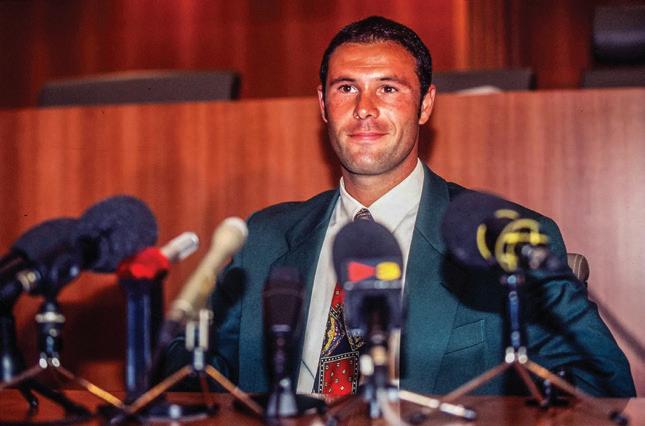
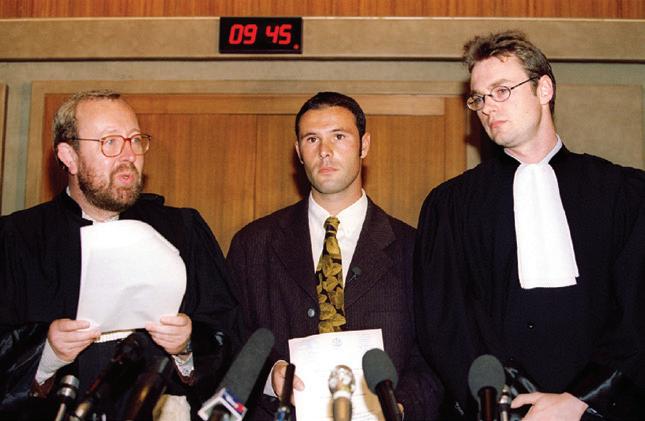
Three months later, he was in the courtroom in Luxembourg when the verdict was read out. But it was not the cathartic release he had dreamt of. “It was ridiculous. The judge read it out and the whole thing was over in just two minutes – I wasn’t even sure what had happened,” he says. “And I didn’t have the chance to really celebrate, as we had to immediately do a press conference. There was a lot of press…”
At the time, Bosman thought his ordeal might at least bring a return to the game he loved. “My hope was simple,” he says. “To play again.”
But by then Bosman was 31 – too old and still too notorious for professional football. No club wanted the man who had taken the establishment to task. Along with football associations, UEFA and FIFA, they had all fought against the case, and they saw him as a harbinger of chaos. The victory that would revolutionise the game destroyed his livelihood.
Bosman received an initial compensation package and support from FIFPro, the professional players’ union, yet the money disappeared quickly into legal fees, taxes and failed businesses. A proposed clothing line sold a single T-shirt.
There were plans for testimonial matches, but none materialised. He recalls meeting Sir John Hall, then the owner of Newcastle United, who promised to organise two matches, home and away, between his side and Manchester United, to raise money. It never took place.
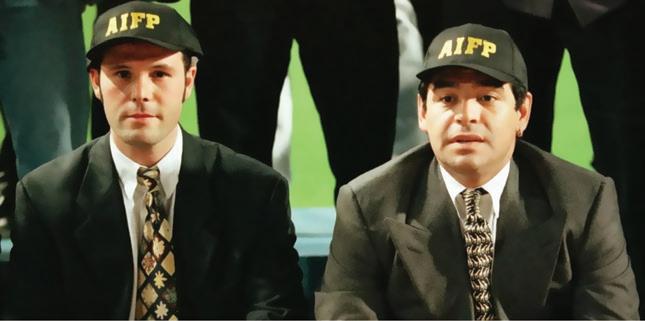
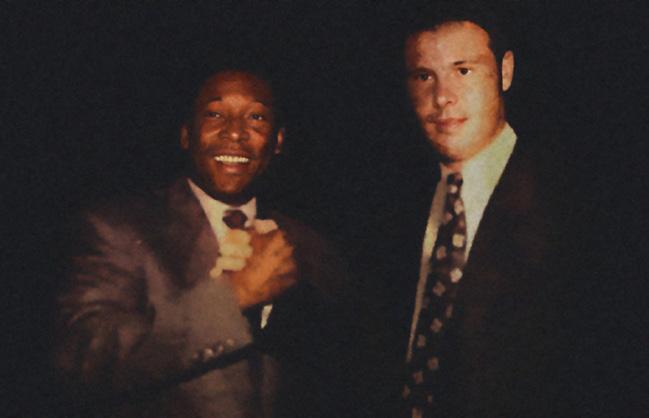
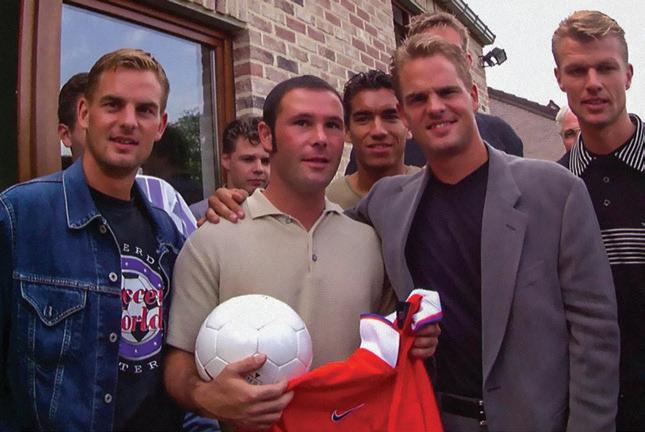
Some footballers recognised his achievement. He met Diego Maradona a few times, as well as Pelé and Eric Cantona. Ronald and Frank de Boer, the twin Dutch internationals, corralled the rest of the Netherlands team into visiting him at his home – and giving him their match bonuses from a Netherlands–Belgium game. “They understood what I’d done,” he says. By contrast, Belgian players were told not to contribute.
Some players have shown generosity since. French international Adrien Rabiot’s family donated €12,000 when he joined Ju-
ventus on a free transfer. Others have called for football to honour him properly.
David Ginola, who made a documentary about him in 2019 for BT Sport Film, was shocked at how Bosman seemed left behind.
“Football forgot him,” Ginola said after visiting him. “He became a pariah.”
For all the establishment’s gnashing and wailing about the havoc wrought by the ruling, the footballing world more than adapted. It took time for the powers that be to change their system, but it kick-started a growth spurt in the game that has yet to tail off.
The Deloitte Football Money League 2025 released earlier this year showed revenue for the world’s top 20 clubs – all European – rose to a record €11.2 billion during the 2023/24 season, an increase of 6% over the 2022/23 season, with record matchday, commercial and broadcast revenues. The rich list was led by Real Madrid, the first football club to generate more than €1 billion in annual revenue, followed by Manchester City, Paris Saint-Germain, Manchester United, Bayern Munich and Barcelona.
Player power is partly responsible for this flood of money, as transfer fees have soared along with wages. In 2017, Barcelona paid Paris Saint-Germain a staggering €222 million to buy Brazilian Neymar out of his contract. In 2022, when Cristiano Ronaldo joined Saudi Arabian club Al-Nass, his personal contract guaranteed €200 million per year.
The Bosman ruling reshaped football in ways few could have imagined, making Europe’s leagues more international than ever. Where once teams were limited to a handful of foreign players, now cosmopolitan line-ups are the norm. In 2010, Inter Milan won the Champions League without a single Italian in its starting line-up – a direct consequence of Bosman’s case.
Another consequence is that there are now just two transfer windows, regulated by FIFA, for players. Indeed, clubs will rush to spend millions to strengthen their sides when the month-long winter window opens on New Year’s Day -that frantic player switching is essentially down to Bosman.
Other factors in soccer's growing riches – from the proliferation of broadcasting platforms to the transformation of clubs and players into lucrative merchandising brands – reflect long-term trends in the evolution of the sport. Bosman, however, represents a defining moment in which sport, business and politics coalesced.
“It completely changed the world of football,” Bosman says. “Before that, we were living in a medieval world. And we moved from this medieval world into an ultra-modern world.” To illustrate his point, he references
a French movie from the era, Les Visiteurs, in which a 12th-century knight time-travels to the present day.
But Bosman missed the party. He never saw any of the riches now sloshing around the game. Sidelined, he plunged into depression as the many promises from football’s big names fizzled out. He eventually applied for
Bosman missed the party. He never saw any of the riches now sloshing around the game.
He admits to being too trusting, losing money to charlatans who persuaded him to waste money on various ventures. “I made mistakes,” he says. “I was naïve.”
jobs outside the game, including at a nearby Ikea, but none amounted to anything concrete. He was living on benefits until FIFPro stepped in with more support.
His nadir was in 2013, when he was handed a one-year prison sentence related to a domestic violence charge against his then-partner. He had turned up drunk at her house and hit both her and their 15-year-old daughter. The sentence was eventually reduced to 80 hours of community service on appeal – which included mowing the grass of his local football pitch.
Bosman recognises that he hurt many of those close to him. “I still struggle with what happened,” he says. He talks of “intimacy issues” and says that while he loves women, he cannot live with them. Part of this seems down to his own sense of betrayal: he feels many of the rich and powerful who associated themselves with him after the ruling were
trying to milk his name.
Nowadays, all players have agents and managers to help ease them into civilian life after their playing days are over. Bosman didn’t. In the interests of full disclosure, in the 15 years I have known him, he has sometimes asked for my help dealing with media requests. The closest he ever had to an actual agent was his lawyer 30 years ago.
He admits to being too trusting, losing money to charlatans who persuaded him to waste money on various ventures. “I made mistakes,” he says. “I was naïve.”
He is also keen to underline how he does not drink anymore, after belatedly recognising that it was taking over his life. “That stopped about five years ago. There was no outside force – it was just me. I realised I needed to set an example for my boys.”
Today, Bosman is far from the agile athlete of his prime. He had a titanium hip installed 15 years ago, while another operation on his neck means he can barely turn his head sideways.
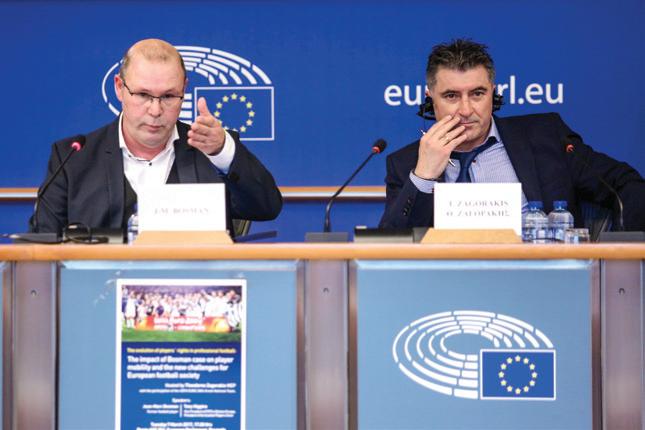
He still enjoys watching occasional football games on television, even if he winces at its excess. “The game itself is beautiful,” he says. “It’s the business that’s rotten.” He occasionally works with FIFPro to promote players’ rights and he still dreams of setting up a programme to help former players adjust to life after football. In 2017, he spoke at a packed European Parliament hearing hosted by former Greek captain Theo Zagorakis, then an MEP.
At times, Bosman sounds bitter and angry about how things turned out, and at others, he sounds unrepentant. He knows that, to most people, he’s just a footnote. “I was right,” he maintains. “Footballers are workers like anyone else. They’re not property.”
He is scathing about many modern footballers, who he says lack a sense of solidarity. “Most of them live in a bubble – they are only driven by big money,” he says. “If the new generation gave me one day of what they earned, I’d be a king. If a finance minister in any European country were able to create as many jobs as the Bosman ruling did, then I would say ‘Bravo!’”
And for all his talk about being a martyr for worker rights, he still gripes about how much he thinks today’s footballers owe him. But should they be guilt-tripped?
Bosman reluctantly accepts that his initial legal campaign was for his own livelihood. It was only later that he switched to crusading for player rights. “Today’s footballers are Bosman’s children.”
When Bosman emerged from the court in Luxembourg in December 1995 after the verdict, he spoke on behalf of footballers. "I am
































































This year, we’re increasing the electric vehicles used for deliveries in Europe to 10,000.
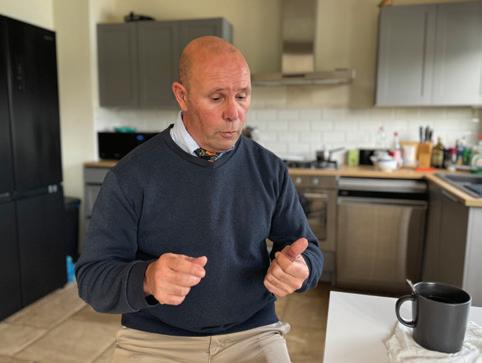
“The game itself is beautiful,” he says. “It’s the business that’s rotten.”
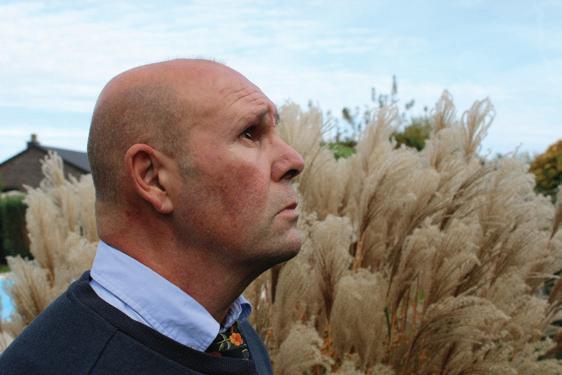
proud of having done something no other player has had the courage to do,” he said. “I hope that in years to come other players will realise precisely what I have done for them."
Bosman is only now coming to peace. “I’m still proud,” he says. “I look at the Bosman ruling as a gift. A magnificent gift.”
What was the Bosman ruling?
The Bosman ruling, delivered by the European Court of Justice (ECJ) on December 15, 1995, is arguably the most influential legal judgment in the history of sport. It established that professional footballers in the European Union are protected by EU law on the free movement of workers and therefore cannot be restricted by arbitrary transfer or nationality rules once their contracts have expired.
The case began in 1990 when Jean-Marc Bosman, out of contract at RFC Liège, was blocked from joining French club USL Dunkerque. Supported by players’ union FIFPro, Bosman sued RFC Liège, the Belgian FA and European footballing body UEFA, arguing that the transfer system and foreign-player quotas breached Article 48 of the Treaty of Rome (now Article 45 TFEU) on the free movement of workers.
His legal team made two central arguments:
Free movement of workers. Once a player’s fixed-term contract has expired, any rule requiring a transfer fee to change employer is a restriction on his right to work freely in another member state. That restriction is unlawful unless it is strictly necessary and proportionate to a legitimate objective. The ECJ found that post-contract fees were neither.
Non-discrimination by nationality. UEFA rules limiting the number of “foreign” players, even when they were EU citizens, directly discriminated on grounds of nationality. Such discrimination is only allowed in very narrow circumstances (for example, public service posts), and sport did not qualify for an exemption.
FIFA and UEFA argued that football was “special” and should be treated as outside normal labour law, claiming that transfer fees and quotas were needed to protect competitive balance, youth training and national teams.
The Court disagreed. It held that football is an economic activity subject to EU law, and that the aims put forward by the governing bodies could not justify such sweeping restrictions on individual workers.
It’s close to dusk and Bosman is tired. He opens the door to his garden and steps outside. The air smells of damp leaves and a dog barks in the distance. Bosman looks up at the mottled sky. “Sometimes I think about what might have been,” he says. “But I also think: not everyone gets to change history.”
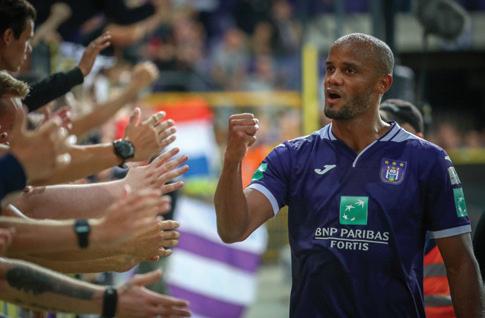
However, in legal terms, the ECJ affirmed that football is an economic activity subject to EU competition and employment law. It ruled that:
Post-contract transfer fees were incompatible with EU law, making out-of-contract players free agents.
Limits on EU players based on nationality were unlawful, ending foreign-player quotas for EU citizens.
The consequences were seismic. Players at the end of their contracts could move without a fee, bargaining for higher wages and signing-on bonuses. Players still under contract could ask for bigger and better deals for staying put. Clubs recruited across Europe without EU quotas. And agents and lawyers became central to the game’s economy.
Salaries and transfer activity exploded, especially in England’s Premier League and Spain’s La Liga. In England, for example, only 5% of Premier League players were foreign in 1992; now the figure is more than 70%.
Critics say the ruling accelerated inequality and wage inflation. Supporters argue it simply brought football into line with basic European labour rights. Yet its legacy endures: every modern free transfer – from Vincent Kompany to Lionel Messi –traces back to Bosman v. RFC Liège.




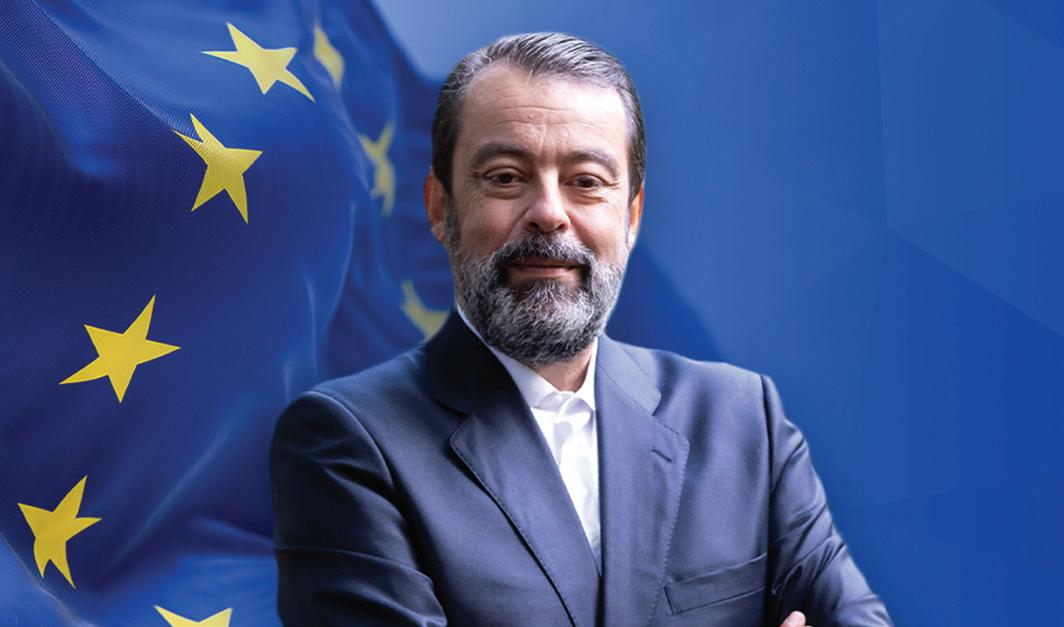
At Ormazabal, we are proud to represent that continuity. For us, the past, present, and future are united by one conviction: that Europe can have a strong industrial future if we act with vision today.
My father, Javier Ormazabal Ocerin, founded our company in 1967. The Basque Country at that time was a region rebuilding after hardship. Yet he created one of the few family-owned industrial groups that still exist today, which now stands as a testimony to the transformative power of industry.
His conviction was simple: a company’s strength lies not only in its technology but in its roots. That belief built an enterprise that now spans more than 20 countries, while still remaining firmly anchored in Bizkaia.
My father’s legacy is an example of Europe’s industrial legacy. A story of resilience and reinvention and a strong sense of responsibility: the same values at the very core of the European Union.
Peter Drucker said, “The best way to predict the future is to create it.” My father believed that too. He built a business that looked beyond profit to purpose.
As I look back on his work, and forward to the future we are shaping, I see clearly how Europe’s industrial past, present, and future are connected.
The same principles that have powered our recovery before, must now drive our response to the defining challenge of our time: building a sustainable and competitive industry for the future.
Europe’s prosperity was built on industry and international trade. Factories and workshops provided livelihoods and progress. In many regions, Bizkaia included, local industry shaped local identity.
When families, friends, neighbours and communities live and work together there is a deeply ingrained sense of collaboration and a solution-oriented attitude that comes from mutual dependency.
This spirit lead Ormazabal to become rec-
ognised leaders in technology and manufacturing.
And there are thousands more family businesses across our continent that are often overlooked today.
These firms, sometimes called Europe’s “hidden champions”, have been the silent engine of innovation and employment for decades by weathering crises, and maintaining a long-term vision that transcends quarterly results: for both the region and its people.
This heritage is not nostalgia: it is experience. And our experience should tell us that locally rooted companies can achieve global impact in the right conditions.
Too often, public debate focuses on multinational corporations. Yet Europe’s SMEs and family businesses form the backbone of our economy, accounting for 99% of European enterprises and two-thirds of industrial employment.
The challenge today is to decarbonise without deindustrialising. I would argue that our SMEs are well placed to do this. They are by nature agile and adept at finding solutions. In other words, they may be the ones to turn the Clean Industrial Deal from strategy into reality.
At Ormazabal, we see this every day. Our company has launched a €35 million investment plan to modernise our plant in Igorre and build a new headquarters and digital hub in Derio, near Bilbao. This reaffirms our commitment to preparing the Basque Country for a low-carbon future.
We are developing medium-voltage equipment free of fluorinated gases (SF₆), our way of anticipating EU regulation and contributing to the decarbonisation of the electricity system.
We are investing in industrial cybersecurity, electrification and talent development, because sustainability is not just environmental, it is also economic and social.
Green industry can develop close to home – and that is an example of what it looks like.
As someone now in my early sixties, I find myself thinking not only about my father’s generation, but also about the next. Europe’s industrial renewal will depend on whether we can hand over an economy that is both sustainable and strong.
This requires a new kind of agreement between public institutions and private enterprise. Public policy must accompany private
investment, offering stable regulatory frameworks, predictable incentives, and taxation that rewards long-term commitment to regions.
It also requires investment into modern infrastructure – such as smart grids, renewable energy – and alliances between companies, universities and administrations, so that knowledge flows freely and translates into jobs.
If we get this right, regions like Bizkaia can lead the way, showing Europe’s green and digital transitions can bring renewed prosperity for local communities.
Europe does not need to depend solely on multinational giants to deliver the future. Its strength lies in its network of hidden champions. These are family companies that, generation after generation, keep investing, training, and innovating where they were born.
The future of European industry will be shaped in factories, workshops, and labs across our regions. Our future will be created by people who believe, as my father did, that progress must be both innovative and human. That is the spirit we must carry forward now.
At Ormazabal, we are proud to represent that continuity. For us, the past, present, and future are united by one conviction: that Europe can have a strong industrial future if we act with vision today. The Clean Industrial Deal is our chance to prove that sustainability and competitiveness are not opposing forces: they are natural partners to our long-term values.
The story of our family business is also the story of Europe itself. Born from industry, challenged by change, and ready once again to create the future.
By Javier Ormazabal, President of Ormazabal
The story of our family business is also the story of Europe itself. Born from industry, challenged by change, and ready once again to create the future.
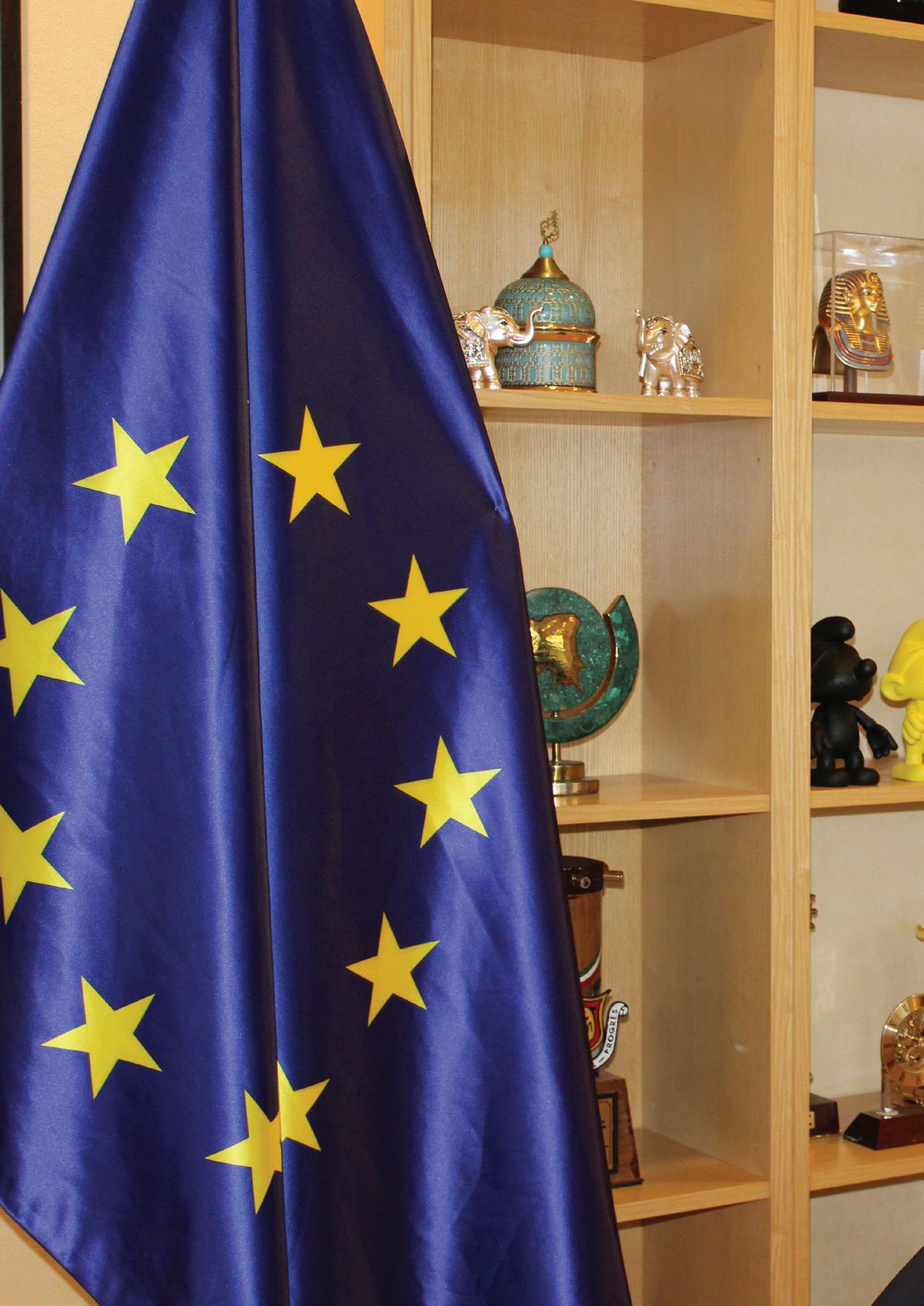
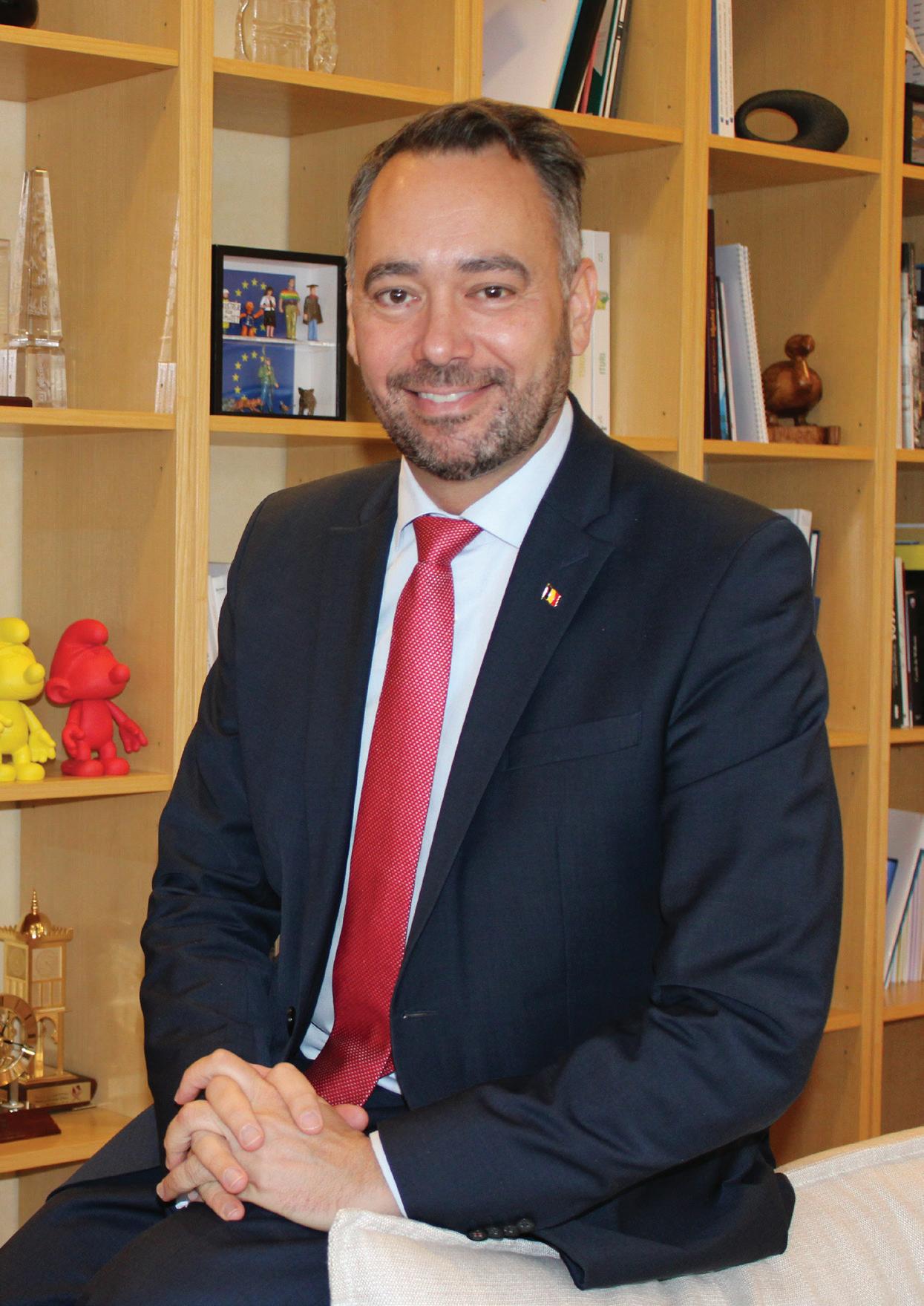
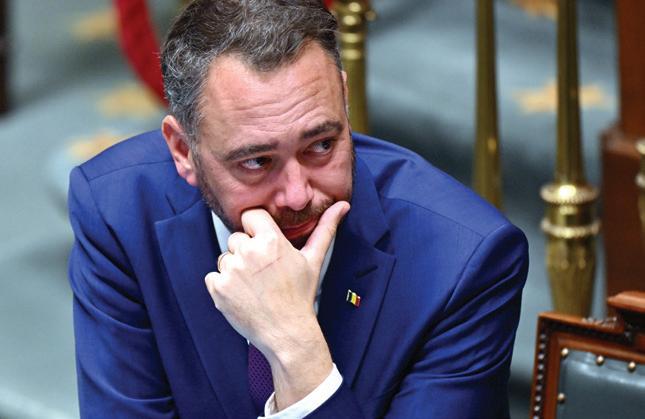
Since taking office in February, Belgium’s Foreign Minister Maxime Prévot has sought to combine moral conviction with pragmatic reform – updating the country’s diplomatic network, taking firm stances on Gaza, Trump and Russia, and championing a more lucid yet values-driven European foreign policy. At home, he has revived his centrist party, Les Engagés, through nuance rather than noise. He tells Leo Cendrowicz why Belgium’s voice matters on the world stage
Leo Cendrowicz
Peace requires credibility, and credibility sometimes means discomfort.
In his corner office at the Foreign Ministry, Maxime Prévot gestures proudly towards a trio of Smurf figurines painted in Belgium’s national colours, red, yellow and black. They are playful mascots, yet they say much about his vision of diplomacy: creative and unafraid of a touch of whimsy.
Since taking office as Belgium’s Foreign Minister in February, Prévot has redrawn Belgium’s global map, spoken bluntly on Gaza, Donald Trump and Ukraine, and quietly turned his centrist Francophone party, Les Engagés, into one of Europe’s most interesting political revivals.
The toys are amusing, but they’re not trivial. To Prévot, who insists on posing next to them for his photo, they symbolise Belgium’s foreign policy: imaginative, inclusive and just a bit self-mocking. The Smurfs, after all, are one of Belgium’s most recognisable exports – a form of cultural diplomacy in miniature – and Prévot’s readiness to embrace them captures his belief that soft power can coexist with seriousness. And a practical test of how a small, multilingual country can exercise influence in an era of geopolitical disorder.
Even Belgium’s politics and institutions, which often seem chaotic and confusing, can be assets, he says. “The creativity of our political class has sometimes made the
system complicated – an institutional lasagna that isn’t always easy to digest. But our ability to forge compromises, to stay solution-oriented, gives us agility that many other countries lack.”
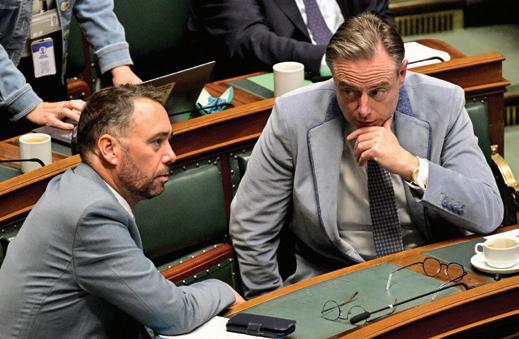
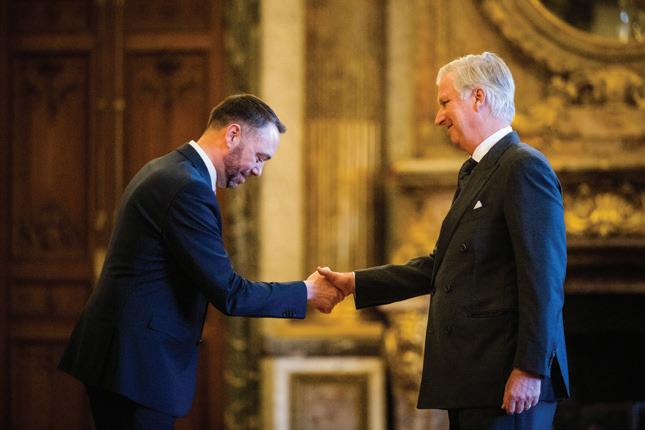
Now he is part of that process, as the Foreign Minister in Bart De Wever’s five-party ‘Arizona’ coalition. The 47-year-old former mayor of Namur is using his time in high office to try to combine moral conviction with managerial overhaul.
Prévot’s blend of prudence and passion can appear paradoxical: he preaches balance but speaks with conviction; he embraces compromise but demands clarity. To his critics, that can sound technocratic. To his supporters, it is exactly what Europe needs.
“We can talk about anything with anyone,” he says. “It depends on how we do it. But we must keep to an approach that creates genuine cooperation, not asymmetry.”
That emphasis on process – on the how rather than the headline – may be Belgium’s most enduring contribution to the world, and Prévot’s own.
Earlier this year, he said Europe is “no longer the continent of the Enlightenment,” due to the rise of populist parties that are winning elections. In a period of shrill politics, whether dealing with Trump or Tehran, Palestine or populism, he argues that diplomacy begins not with shouting but with seeing clearly.
Asked to define Belgium’s foreign policy identity, Prévot begins with what he calls “a diplomacy of vision, action, and solutions.” His manner is precise but animated. Belgian diplomacy, he says, must look lucidly at “the world as it is” while refusing to become purely mercantile.
“Economic diplomacy is very important –it’s an integral part of political diplomacy – but it must not reduce our relations to the commercial dimension,” he explains. “We must continue to defend universal principles that are currently under attack: multilateralism, human rights, women’s rights, LGBTQ rights,
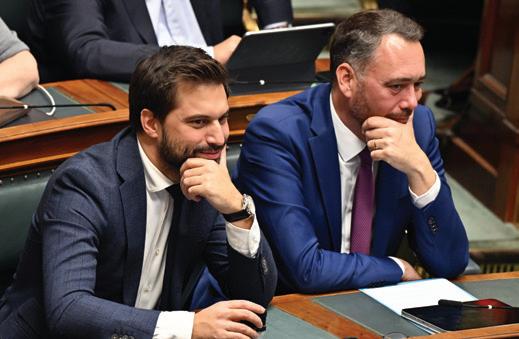
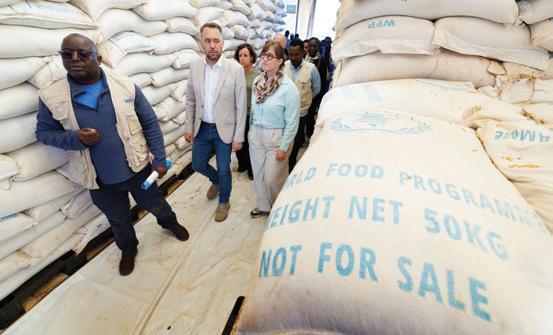
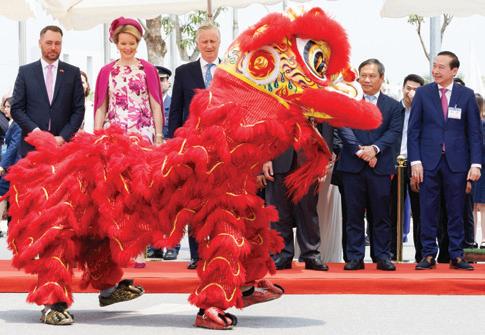
climate commitments. We can’t sweep them under the rug like dust we refuse to see.”
His watchword, again and again, is lucidity: the need to see global power shifts without moral blindness.
“Today’s challenges are multifaceted,” he says. “First, there is the challenge of realism in economic diplomacy, which requires us to work on consolidating new trade partnerships and diversifying our strategic hubs.”
Russia’s ongoing war in Ukraine is an obvious threat, as is China’s increasing assertiveness. But the return of Donald Trump to the White House earlier this year has raised questions about whether the United States can still be relied upon as a strategic partner and ally.
With the Trump Administration threatening to abandon Europe militarily and strongarming the bloc with tariffs, this has been a sober reckoning. But Prévot says Europe failed to react effectively. “Europe today is divided and struggles to have a credible foreign policy,” he says. “We are divided on the stances to adopt in the Middle East conflict, on the issue of the trade war, or even on sanctions against Russia,” he says.
The EU’s foreign affairs supremo, Kaja Kallas, he says, has been undermined by “member states that prefer to roll out the red carpet” for the likes of Trump and Israeli Prime Minister Benjamin Netanyahu.
The result, he fears, is internal corrosion. “My main fear is that forces hostile to the European Union, from east or west, will achieve their aims by dislocating our cohesion from within. Too many national governments make short-term calculations to appease opinion, forgetting the long-term need for unity.”
He points to the recent trans-Atlantic trade disputes as symptoms of this vulnerability. “Being forced to make over €700 billion in military purchases looks like humiliation for the EU,” he concedes, referring to the terms of the August EU-US trade deal. “But growth needs investment, and investment needs predictability. The deal at least offers us predictability.”
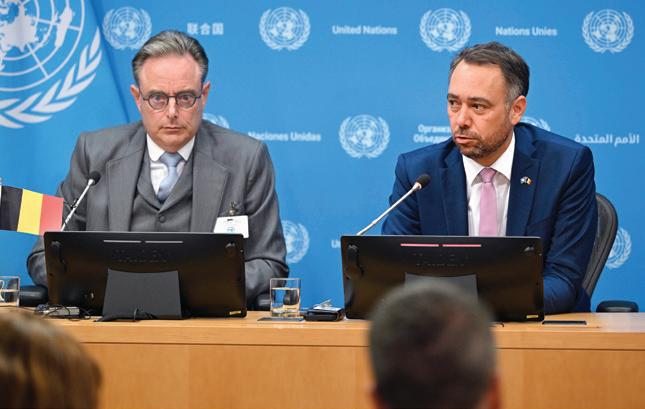
Prévot recalls being in New York for the UN General Assembly in September. “I heard President Trump’s speech. The lack of consideration he showed toward European partners was genuinely shocking.”
Still, he sees a silver lining. “The merit of his remarks is that they force Europe to question itself. If that strengthens European unity, so much the better. If it deepens division, then it’s a ticking time bomb,” he says. “The United States is and will remain a key ally, but the Trump Administration has also awakened something in us: the duty to diversify our partnerships and therefore to turn our attention with more care and involvement than in the past.”
Asked what he would say to Trump if they met face-to-face, Prévot is characteristically blunt. “He misunderstands the European Union,” he says. “It was not created to harm the United States but to prevent new wars and build prosperity through cooperation, not fighting. Therefore, to consider the European Union as the source of all evils, including the socio-economic realities of America, is a dangerous oversimplification.”
The moment that defined Prévot’s first months in office came with Belgium’s recognition of the state of Palestine in August – a decision that
We need a risksharing approach because Belgium alone cannot bear the brunt of the repercussions and the risk associated with potential retaliatory measures or legal proceedings from Russia. We don’t just need a coalition of the willing, but also a coalition of the billing.
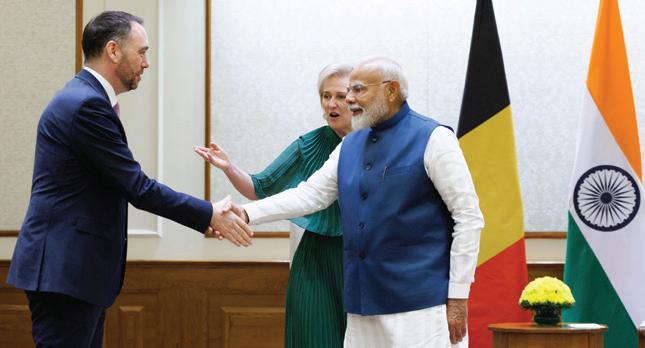
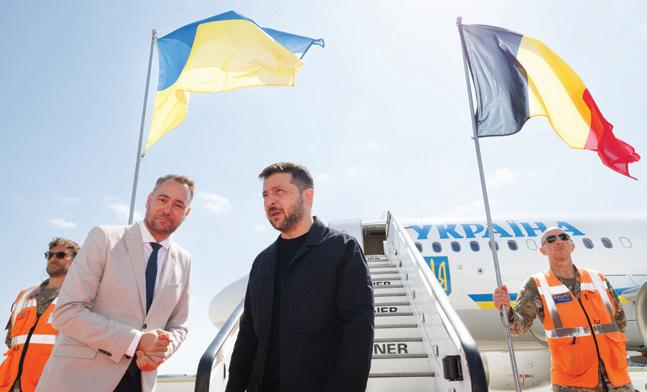
In France, people often think that making a compromise is compromising oneself. In Belgium, we know it can be noble. It doesn’t guarantee success, but it allows progress.
placed Brussels among Europe’s most assertive voices on the Middle East.
“It was important to give a voice on the world diplomatic stage,” he says. “We recognised the legitimacy of the Palestinian people’s right to their state at a time when Israel announced its intention to annex the West Bank and to occupy Gaza militarily.”
He describes the recognition as a two-stage process – political first, legal later – carefully timed so that it could not be construed as sympathy for Hamas. “Our action could in no way be exploited in the narratives of either side as an endorsement of the October 7 attacks,” he insists.
The recognition came just a few weeks after Prévot described Israel’s attacks in Gaza as a ‘genocide', and it stirred issues within the coalition, with Les Engagés, the Flemish Christian Democratic CD&V and Flemish socialist Vooruit calling for a tougher stance while De Wever’s N-VA and the francophone centre-right Reformist Movement (MR) opposed.
While he welcomes the US-brokered October ceasefire aimed at ending the Gaza war, he was instrumental in pushing Belgium’s earlier sanctions on Israel’s government, joining a small European group willing to move from words to measures. For Prévot, it was an act of realism as much as of empathy:
“Peace requires credibility, and credibility sometimes means discomfort.”
Symbolism, Prévot adds, is never enough. “Recognition, however important, doesn’t feed the hungry mouths of children and women trapped in Gaza. The priority must be to break the humanitarian blockade – and for that, only diplomatic and economic pressure will work.”
From Gaza, he turns, almost seamlessly, to another test of principle: whether Europe should confiscate Russia’s €190 billion frozen sovereign assets, most of which are held at the Brussels-based Euroclear central securities depository, to help Ukraine?
“Not in the current state of affairs,” he says flatly. He warns that confiscation could cross a legal and economic Rubicon. “The temptation is strong,” he admits, “but it could cause collateral damage – a risk of a devaluation of the euro, a systemic shock to European financial centres, a loss of confidence among countries that hold sovereign assets here. Countries could fear that their assets could be confiscated for political reasons, not for a judicial decision. International law cannot be bent for convenience. Disregarding it would be self-defeating.”
The issue was discussed by EU leaders at their summit in Brussels on October 23, but De Wever blocked it, saying the proposal failed to provide the legal guarantees Belgium needs to ensure it would not be solely liable for any potential claims.
Prévot, however, opens the door to it, so long as the EU amends its asset management system to spread the risks across all EU member states. He says officials need to offer the maximum legal protection, taking into account scenarios like if the Kremlin confiscates a whole series of Western sovereign assets in Russia.
“What happens if there are retaliatory measures against European companies that are still active in Russia?” he says. “This issue is far too sensitive to be resolved simply by some political principles that are easy to explain at a press conference, but much more complex in their implementation and risk management. We need a risk-sharing approach because Belgium alone cannot bear the brunt of the repercussions and the risk associated with potential retaliatory measures or legal proceedings from Russia. We don’t just need a coalition of the willing, but also a coalition of the billing,” he adds, with a slight smirk at the pun.
Eventually, the conversation returns home. Belgium, Prévot admits, is not easy to explain – “so complex that even Belgians sometimes struggle.” Yet he sees strength in that complexity.
Compromise, for him, is a virtue, not a weakness. “In France, people often think that making a compromise is compromising oneself. In Belgium, we know it can be noble. It doesn’t guarantee success, but it allows progress.”
That skill, he believes, gives Belgium credibility abroad. He cites the example of the international mining code negotiations on deep-sea minerals, where Belgium was asked to draft a balanced proposal between countries wanting exploitation and those demanding a moratorium. “It shows that others trust our capacity to find fair solutions,” he says.
In Prévot’s telling, Belgium’s unwieldy federal structure becomes a kind of training ground for global mediation – diplomacy by necessity.
That conviction underpins a signature initiative at the ministry, a strategic review of Belgium’s embassies and consulates, warning that there may be some pruning ahead. “Some embassies still exist for historical reasons that are no longer justified. Others, in emerging regions, urgently need strengthening.” The plan, he says, is to rethink the network over a 10-to-15-year horizon – “long enough to match diplomacy’s tempo, short enough to adapt to change.”
Prévot frames this exercise not as bureaucratic tidying but as moral positioning. Europe, he argues, must resist the drift toward purely transactional foreign policy, especially as China and Russia court African and Asian partners with few conditions on rights or governance.
“Many countries that once sought close ties with the EU for development aid are now receiving offers from elsewhere, with far less regard for human or workers’ rights,” he says. “Europe must not abandon its values. We can talk about anything with anyone, but our approach must create genuine win-win cooperation – far removed from the asymmetrical partnerships of the past.”
This linking of ethics and efficiency, of clarity and compromise, has become Prévot’s hallmark – and, increasingly, his message to a world that often confuses neutrality with indifference.
Prévot’s convictions were shaped by a difficult childhood. Born in Mons, his father became a European Commission official in Luxembourg, where he spent some of his early years. His parents divorced when he was seven, and his mother raised Maxime and his younger brother in Dave, a Namur suburb – his vocal support for single mothers can be traced to this period. His uncle on his mother’s side is disabled, which again has influenced Prévot’s politics to support people with disabilities.
His father quickly moved on to another woman who clashed with the boys - he didn’t invite his sons to the second wedding – and
died in a plane crash when Maxime was 18. Prévot would later study political science in Namur before joining audit and consulting giant PricewaterhouseCoopers. At the same time, he was involved with the Humanist Democratic Centre party (fashioned as cdH in French), whose head, Joëlle Milquet, appointed him as political secretary when he was only 26. From there, he rose to become a minister in the Walloon government, and then mayor of Namur in 2012, a position he held until this year.
He became head of the CDH just five months before the 2019 federal elections, but could not save the party from crashing to just 3.7% of the total vote, losing four of its nine MPs in the 150-seat parliament.
His response was to reinvent the party, widely seen as fusty and irrelevant. “We had to respect the voters and the message they sent,” he says. “If we lost their trust, our message no longer matched their expectations.”
It started with two years of self-question-
Algorithms feed fake news and polarisation. In that context, the only true courageous act is to offer a nuanced message – harder to explain, but healthier from a democratic standpoint.
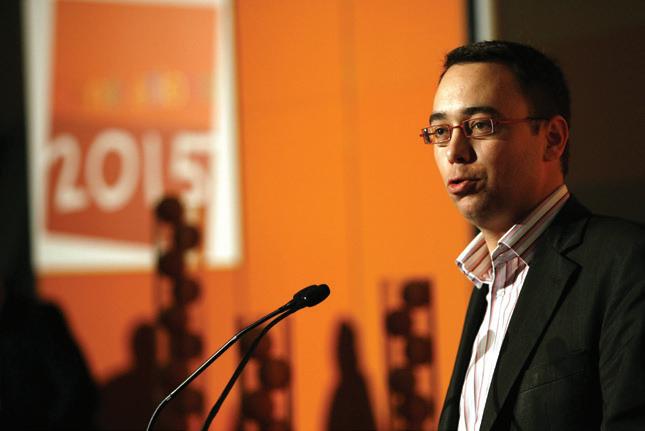
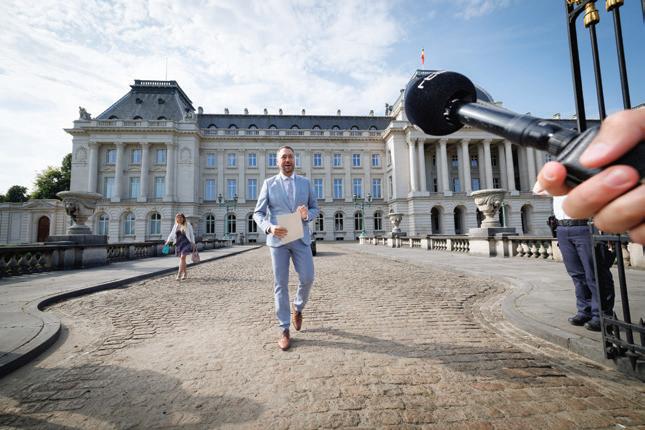
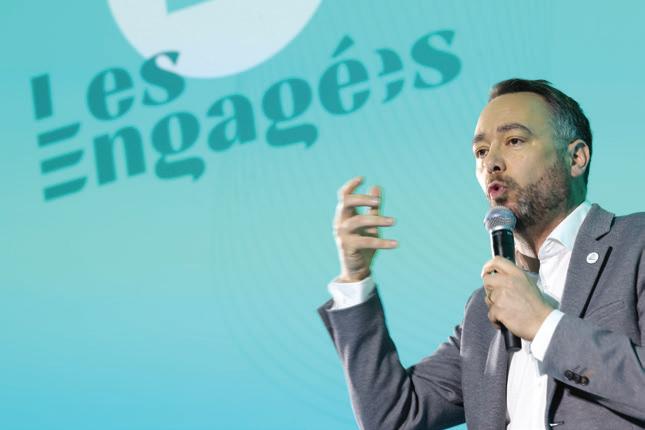
tations, listening to citizens “with humility – even their anger.” Out of that came a platform that was more centre-right economically, more liberal socially. And a rebrand in 2022 as Les Engagés - including a logo colour shift from CDH’s tired orange to zippy turquoise – which Prévot says reflects commitment as well as engagement. He also shifted its political base even further from its Christian democrat origins, taking it from the conservative European People’s Party (EPP) group within the European Parliament to the liberal Renew family.
The 2024 elections rewarded the experiment with the party’s best result in three decades, winning 14 seats. Prévot attributes the comeback to tone as much as policy. “We live in an age of clashes and trash talk,” he says. “Algorithms feed fake news and polarisation. In that context, the only true courageous act is to offer a nuanced message – harder to explain, but healthier from a democratic standpoint.”
He believes the result proves that “a large share of public opinion still wants serious politics that doesn’t rely on populism,” he says. “Left and right both focus on segments of the electorate. We can’t cling to past achievements, as the left does, nor to try to protect privileges at all costs, as the right does. The true nobility of politics is to improve the lives of everyone, beyond partisan boundaries.”
In the election’s aftermath, he quickly built a bond with MR’s Georges-Louis Bouchez – from the same generation, with a similar regional background and personal style – to forge a united alliance between the victorious francophone parties ahead of the negotiations that eventually led to the De Wever coalition.
Pressed on how he relaxes outside politics, Prévot laughs. “I like jogging. Before becoming a minister, I tried to run ten kilometres twice a week. Now I have less time, but I try not to get too out of shape.”
His real escape, he says, is trekking in the mountains. “That’s when I disconnect completely.” Otherwise, he spends his rare free evenings with family or friends “around a good meal.”
Then, coyly, he confesses to another hobby: karaoke. His press spokesperson bursts into laughter as he admits that his go-to song is Mexico, a 1951 French ditty by Spanish tenor Luis Mariano – an exuberant choice for a man known for caution.
ing. “Political parties often defend doctrines forged 50 years ago,” he says, listing the changes since then: the digital revolution, ecological transition, single-parent families, new work patterns. “We had to start from scratch.”
The party embarked on nationwide consul-
The cheesy karaoke choice goes some way to explaining Prévot’s approach: embrace your true self, however quirky. And perhaps it is why the idea of standing beside those Smurfs appeals to him. They are less a gimmick than a reminder: small figures, distinct but united, capable of saying something serious – even softly – about who Belgium is and how it speaks to the world.












Boulevard du Midi 150
1000 Brussels


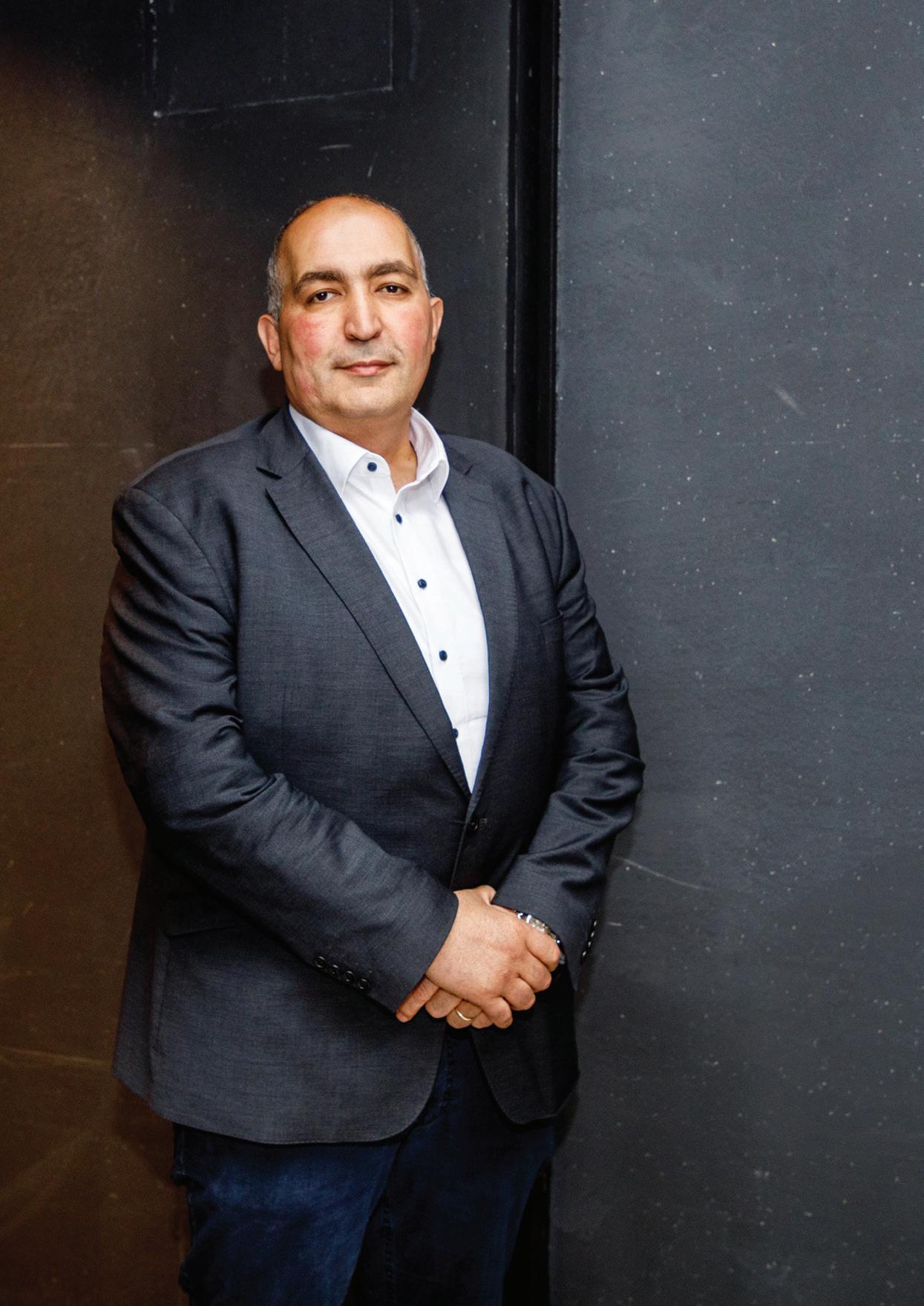
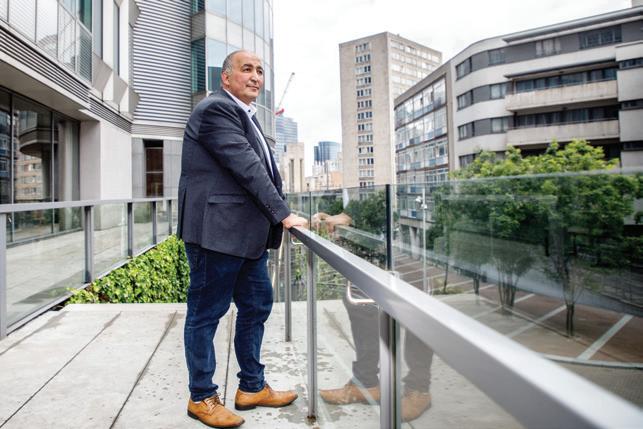
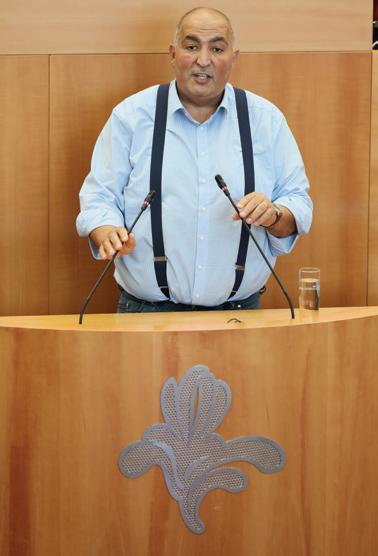
Once a loyal socialist, Fouad Ahidar broke away from the party to form his own movement, challenging the Brussels political establishment with his blend of faith, pragmatism and defiance. He tells Anas El Baye about how he is reaching out to disillusioned voters
Why must there always be an ideology?” Fouad Ahidar asks, leaning forward as if challenging not just his interviewer but the entire Belgian political class. A loyal socialist for two decades, the 52-year-old Brussels native has reinvented himself as the capital’s most unpredictable insurgent. His new movement, Team Fouad Ahidar (TFA), stunned observers in last year’s elections, breaking through with voters who felt sidelined by both the left and the right.
In person, he is burly and warm. However, his avuncular demeanour belies hard and shrewd political instincts. Pressed, he concedes his platform is left-liberal: pro-entrepreneurs, pro-responsibility for those out of work, and unapologetic about a moral vocabulary rooted in his faith, whatever that means.
For Ahidar, faith is not a campaign theme but a compass. “I am a practising Muslim,” he says, keenly aware that this is the charge sheet for some of his opponents. “It’s my life’s thread. God gives you intelligence, strength and money. Great. The question is: what do you do with it? Do you crush people or help them? Politics gives me the chance to correct injustices.”
Born in Molenbeek to Moroccan parents from Tétouan and the Rif, Ahidar bridges multiple worlds – Flemish and Francophone, secular and devout, insider and outsider. He dislikes the word “origin” to explain his ethnic background, before offering the shorthand he knows people expect: Belgo-Moroccan. “I’m proud of both my identities,” he says. “It keeps me aligned with my philosophy: we work for everyone.”
Ahidar speaks fast, impatient with political jargon, and insists that his project is more moral than ideological. “We want people to be happy,” he says. “We want administrations to do their jobs. Facilitate life. That’s it.”
The break with Flemish socialist party Vooruit – he cites quarrels over ritual slaughter during Eid as a trigger – coincided with what he saw as a hardening tone from new leadership. “They ar-
rived saying there are too many religious people in this country, and they must be pushed back, even crushed.” Across Europe, he argues, an informal rule has set in: believers may exist, “As long as you look like us.”
Last June, his fledgling TFA party seized three seats in the Brussels regional parliament, winning 16.47% of the Flemish vote (at the time of writing, the regional government has yet to be formed, more than 500 days since the elections), and he is now convinced the established parties would rather freeze him out than share power. He followed that in last October’s local elections, winning seats in various municipalities, including five of the 49 in Brussels commune, seven of Molenbeek’s 45, and seven of Anderlecht’s 47.
“They’re scared of us,” he says with a flash of mischief. “They know that once we’re in government, we won’t let anything slide.”
But he bristles at caricatures. The morning after his party’s breakthrough, he says, a broadcaster mapped its result in black. “Our colour is mauve,” he laughs, still affronted. When a veteran liberal claimed he would “impose sharia” in Brussels, the story was picked up across the media. “He knew exactly what he was doing,” Ahidar says. “His party had miscalculated; we took seats they thought safe.”
Ahidar insists he can govern with anyone who respects “lines” he won’t cross: dignity in social protection, housing, and freedom of worship. He is sharpest about the right-wing francophone MR party on culture and religion – “almost racist at times, Islamophobic” – but suggests overlaps on security, cleanliness and business creation.
What about the Flemish conservative-nationalist N-VA, whose leader Bart De Wever is the Prime Minister? “They govern. We can work with them if they drop this idea that people on benefits are all scroungers and stop fantasising about breaking the country up.”
If there is a subject that animates him beyond identity, it is Belgium’s drug economy and the way it disfigures neighbourhoods. “When I go
Anas El Baye
We
can work with them if they drop this idea that people on benefits are all scroungers and stop fantasising about breaking the country up.
Humans aren’t trees, he says. Trees have roots; if there’s no rain, they die. Humans have legs. If there’s no work in the village, they move to the next one, then the city, then across the sea.
after drug problems in Molenbeek or Schaerbeek or Leuven, I go after dealers,” he says. “Not Moroccans or Turks or Belgians.” He rejects ethnic profiling and blames media habits for flattening nuance. “Good news is not news,” he says. “Drugs touch every community.”
Why do some young men sell? “Easy money,” he answers. “If you can earn €100 for ten minutes as a lookout, a part of you will be tempted.” The costs fall on families: fathers paying lawyers, mothers crying through the night. “There is no pleasure in this. It’s a catastrophe.”
His provocative suggestion, carefully framed but unmistakable, is to ask whether a regulated legal supply could gut the street market and pull users into treatment. “I’m not saying ‘legalise drugs’ as a slogan,” he cautions. “I’m saying: do we want to break an international traffic that costs society a fortune? If people can buy in a specific building at a reasonable price, with support attached, you can undercut criminality. Prevention and accompaniment, not moral panic.”
On security, he wants a more agile Brussels police set-up: keep local stations and bureaucracy close to residents but allow a central command to surge officers into hotspots for operations. “At the moment, egos and zones make it cumbersome,” he says. “People say it won’t work. Have we tried?”
He is no fan of political monopolies. “Keeping a mayoralty or executive post for too long creates temptation,” he says, arguing for regular changeovers after a decade or so.
Ahidar is unequivocal about secular values, or as the French call it, laïcité. “I am for the separation of state and religion,” he says, then flips the question. “It’s the state that meddles with what you wear, what you eat, how you slaughter, where you gather. That is the state entering religious life.” His test is simple: “Let people who want to believe or not believe exist without being restricted in their rights.”
And he is tired of the endless debates over headscarves. “If a uniform is mandatory and women shouldn't be wearing a scarf, fine: don't hire them. But stop excluding. We’re training teachers and then telling veiled students there will be no jobs for them. Could we agree on a bandana or a discreet adaptation that respects religious prescriptions? We can debate that.” Full face veils are, he notes, already covered by law. “We don’t need to live in extremes.”
The immigration argument, in his telling, is riven with double standards. Europe, he says, gladly recruits Moroccan nurses when it needs them; elsewhere, it shuts doors and moralises. “There is no ‘regulation’; there is selection,” he says. “Keep the poor out, bring in the skilled and the wealthy.” He wants humane basics (shelter, food, showers, information) offered to anyone physically present in Belgium, documented or not. Then,
clear procedures: “If you must leave, you must leave. If you qualify for protection, we say so. But you cannot leave people on the street.”
Migration will never stop, he argues, because it has never stopped. “Humans aren’t trees,” he says. “Trees have roots; if there’s no rain, they die. Humans have legs. If there’s no work in the village, they move to the next one, then the city, then across the sea. It has always been like this.”
Ahidar’s social housing agenda is his most concrete policy. “We should be a society where people feel safe,” he says. Safe enough to take risks, to start again, to fail without giving up. He imagines a 500-room building amongst a lot of empty buildings in Brussels, where someone in crisis can shut his door, eat a hot meal, take a shower, and sleep. “Give people a right to rest,” he says.
Is his party anti-capitalist? No. “We promote entrepreneurship,” he says, alongside clear responsibilities for those who’ve spent years out of work. Is everything free? “Nothing is free. Someone pays.” He is wary of easy slogans but pragmatic about alliances as long as his “red lines” hold: don’t strip entitlements from the poorest; build social housing; protect freedom of worship; invest in schools and prevention.
On the left, Ahidar has little time for anti-religious reflexes. On the right, for identity games. He rejects the “communitarian” tag and the “Islamist” smear outright. “We are useful to others, that’s the measure,” he says. “The best among us are those useful to others.”
Then there is the question of his friends and acquaintances, some of whom are seen as radical Muslim extremists. He waves away the insinuation. “They asked if I’m a ‘Muslim Brother,” he smiles. “I am Muslim, I have brothers, but I’m not a Muslim Brother.” He once listened to Muslim academic Tariq Ramadan, “because he spoke French well”, only discovering later the extremism and the rape charges. “We didn’t care about that. We cared about ideas.”
Another is Mohamed Toujgani, the Moroccan-born imam accused of anti-Semitic hate speech and expelled over "serious danger to national security.” Ahidar’s response is to talk about the procedure. “I followed the file with his lawyer. Judges decided he was entitled to Belgian nationality. Politicians should respect the law.” If the imam said things in anger about Gaza, he says, “they were words; wrong, perhaps; but words”, and words should be tested in court, not inflated into an existential threat, adding, “Rabbis call for extermination, and nobody blinks.”
He categorises his own programme into shades: green lines he will pursue; amber lines he will negotiate; and red lines he won’t cross. The list runs like a civic catechism: a roof over people’s heads, a hot meal, internet
access, training and local doctors.
Nor does he believe that unemployment benefits and sick leave should be cut for people out of work for long periods: they may need a lot of time to recover. “If someone needs a year, they need a year,” he says. “Let them rebuild. Maybe they come back stronger.”
What he won’t do is dilute his core values to be palatable to parties that, he believes, prefer him outside the room. “They couldn’t buy me then; they won’t buy me now,” he says, recalling his 25 years in politics, five as a councillor, 20 as an MP, and his current stint as president. “People told me: you’ll throw it all away if you leave. But more than ever, we need people whose hearts are in the right place.”
Nonetheless, he admits his politics are less a platform than a promise. “When we get up in the morning, the question is: how many people will we make happy today?” he asks, rhetorically. “Twenty? Thirty? Fifty? If you don’t take pleasure in making others’ lives easier, you’re in the wrong party.”
He smiles at the simplicity of it. “We’re not asking for anything special,” he says. “Just respect. Freedom to pray, to eat as our consciences require, to work without being excluded, to be treated like everybody else. The rest is administration. Do the job well, and people will be happier than any ideology could make them.”
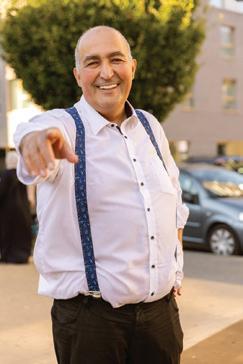
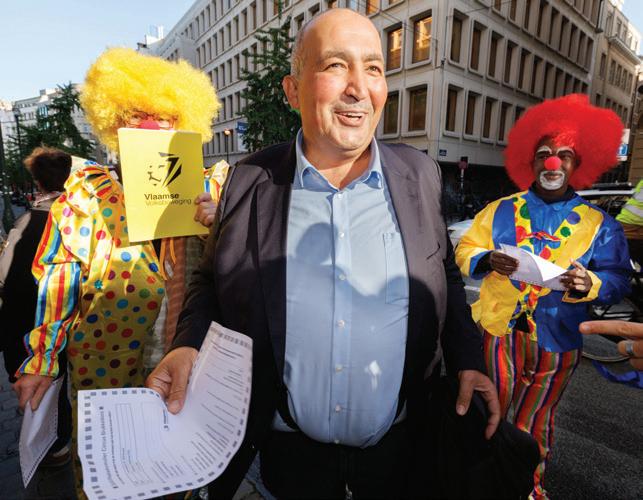
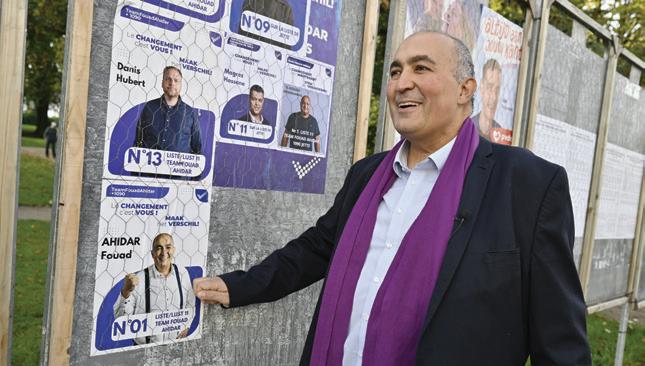
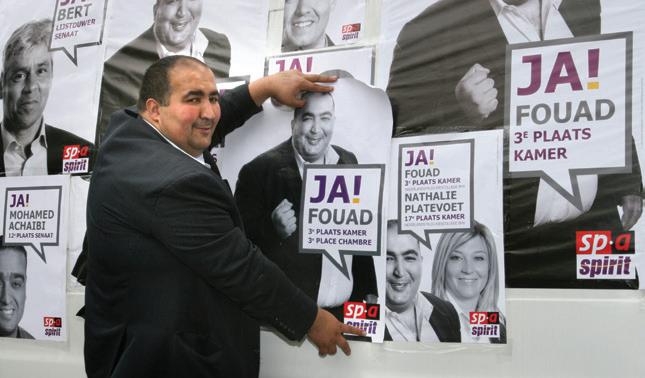
Top: with his posters for the October 2024 local elections; below: with his posters for the 2007 elections; above: in the street
People told me: you’ll throw it all away if you leave. But more than ever, we need people whose hearts are in the right place.
The Brussels capital region is sick - at least, that is how it seems from the daily headlines about the unformed government, the haemorrhaging finances and the endless road and rail works. Of course, it can do better, says Philippe Van Parijs, who argues that the challenges it faces are the price it must pay for its success
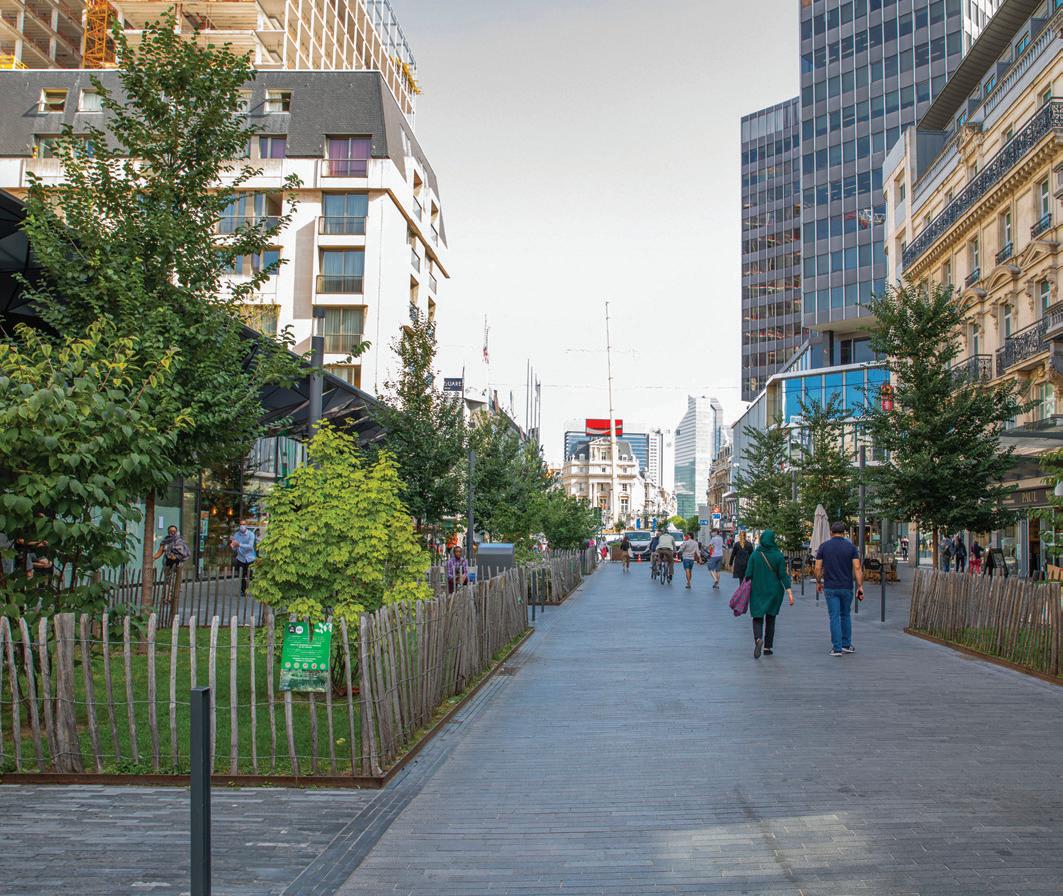
Brussels is trying to make itself more people-friendly
In his illuminating 2011 book, Triumph of the City, Harvard economist Edward Glaeser writes that there is no more reliable indicator of a city’s health than its demographic evolution. After reaching an initial peak in 1968, the population of the Brussels region fell by 10% over the next 20 years. Brussels, at that point, was not do-
ing well at all. Its population then stabilised and subsequently soared. Since 2000, it has grown by 31%, as against 16% in Flanders and 11% in Wallonia.
Triumph of the City has a bombastic subtitle: How Our Greatest Invention Makes Us Richer, Smarter, Greener, Healthier, and Happier. Is that extravagant claim one that
Philippe Van Parijs
the recent history of Brussels refutes? Not at all. It is true that the average taxable income of Brussels residents, once well above the national average, is now significantly below it. But, firstly, in a city with a growing number of diplomats and international civil servants, actual income equates less and less with taxable income.
Secondly, and more importantly, the Brussels region population – now 1.25 million – is not static: since 2000, there have been over 1.5 million arrivals and more than 1.4 million departures. Those who leave Brussels do so with, on average, significantly higher incomes and human capital than when they arrived. It is this fluidity that allows us to affirm, as Glaeser notes, that a city like Brussels "makes people rich" even when average income declines. Brussels residents can be proud of what their city brings to those who pass through it – and thereby to the rest of Belgium and the European Union.
However, this success brings with it colossal challenges. The Brussels population is now very diverse: nearly 40% are foreigners and nearly 40% are Belgians with at least one parent born without Belgian nationality. Hundreds of languages are spoken, and 15% of the adult population is proficient in neither French nor Dutch – in a city where a good command of both languages is a crucial asset.
Many aspects of life in the city are directly impacted by this demographic metamorphosis, starting with education – a key factor, according to Glaeser, in sustaining a city’s dynamism. Basisschool Balder, a recent documentary by the Flemish public broadcaster VRT, provides a poignant illustration. Over the course of a year, it follows a Dutch-speaking primary school near the South (Midi/ Zuid) Station, where pupils speak a wide variety of languages at home, but rarely Dutch.
A few months before the end of the school year, the school had to close a class and send its pupils, most of whom still had a poor command of the Dutch language, to other schools. As the Brussels urban environment is predominantly French-speaking, the challenge for Dutch-speaking schools is even greater than for French-speaking schools. But the chance of becoming bilingual French-Dutch is 83% in Dutch-speaking schools versus only 6.5% in French ones. Understandably, parents of all backgrounds who recognise the importance of proficiency in Dutch choose to send their children to Dutch-speaking schools.
Basisschool Balder’s predicament is mainly due to its inability to recruit and retain
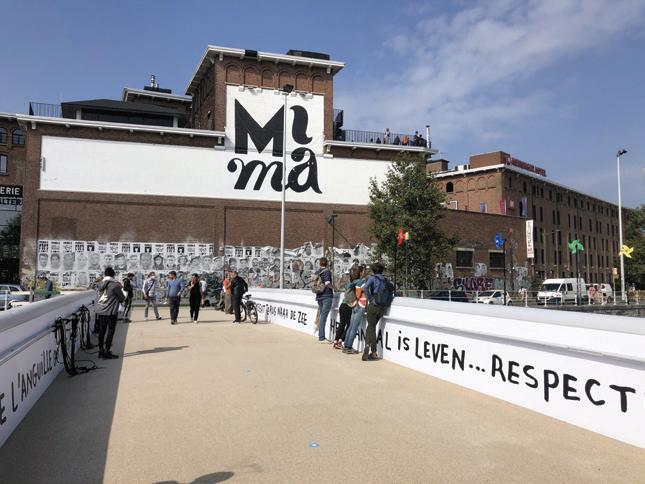
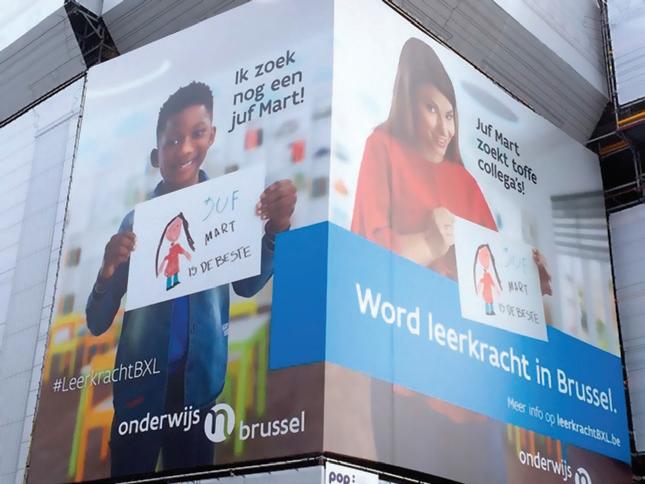
enough teachers – which is itself largely due to the impact of Brussels’ “success” on the cost of living. Housing in Brussels is expensive. And given the fluidity of the population, any effort to remedy this by increasing the supply of housing is largely neutralised: with more abundant and cheaper housing, fewer households are forced to leave Brussels, but the number wanting to move in does not decrease.
It will therefore continue to be significantly cheaper to live in a more or less distant hinterland. Most Dutch-speaking teachers will continue to settle there – certainly once they have a family – and will often look for and find a job closer to where they live. This will result in a shortage of teachers that severely affects Dutch-language education in Brussels. It also threatens the survival of socalled Dutch immersion (or Content and Language Integrated Learning) in French-medi-
Hundreds of languages are spoken, and 15% of the adult population is proficient in neither French nor Dutch – in a city where a good command of both languages is a crucial asset.
The challenges induced by Brussels' "success" are not just about education and housing. Mobility is also massively impacted. When a small region sees its population grow by 31%, it needs to take measures to avoid traffic paralysis and suffocation.
um schools, the latter’s only serious hope of producing more than a small minority of students proficient in both languages.
It may be an extreme example, but Basisschool Balder illustrates the magnitude of the challenge facing all schools in the Brussels region: classes where few students, if any, speak the school language at home, the widespread concern to make children competent in both French and Dutch, and recruitment difficulties caused by the cost of housing.
The French and Flemish Communities, which are responsible for education in Brussels, must take measures to prevent this from getting even worse. Brussels residents have the right to demand this. But they also have a duty to do their bit, notably by encouraging language learning with every means at their disposal. The region’s schools, universities, businesses and its cultural sector are planning a first Brussels Multilingualism Week for February 2026. This is the way forward. Widespread multilingualism is indispensable if linguistic diversity is to be a fantastic asset for Brussels rather than a calamity.
The challenges induced by Brussels' "success" are not just about education and housing. Mobility is also massively impacted. When a small region sees its population grow by 31%, it needs to take measures to avoid traffic paralysis and suffocation. That means making life easier for pedestrians and cyclists, improving the flow of public transport, and discouraging individual car use. But these measures are rarely easy to implement - and it is even harder to convince everyone of their necessity.
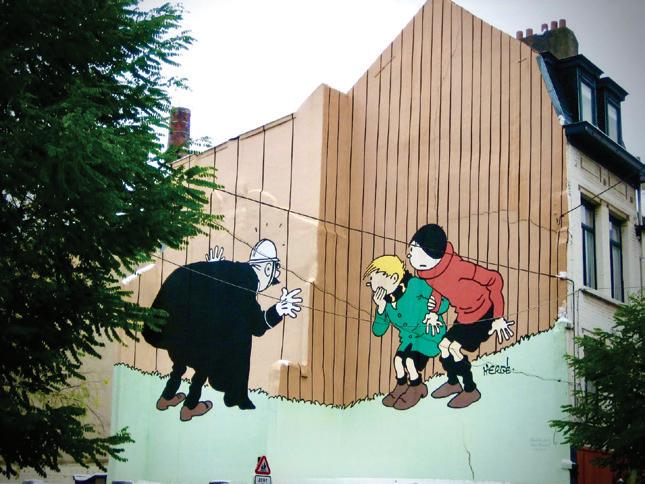
Safety is also impacted. Brussels is no longer the city of Quick and Flupke, Hergé’s naughty boys who kept getting into trouble with the local policeman. Taboos must be broken. To tackle cyber threats, put an end to drug wars and ensure safety around the North and South stations, the region’s six police zones must be merged. And to ensure that the police are no longer seen, in some neighbourhoods, as a garrison of the Foreign Legion, the time has come to allow veiled women to serve in the police force.
Political institutions are not spared either. The current regional election system was designed for a binary Brussels consisting of two stable and mutually exclusive Belgian tribes, one French-speaking and one Dutch-speaking. This Brussels no longer exists. To prevent repeated suicidal deadlocks, the dual electoral college system – one for French-speakers, one for Dutch-speakers –must be abolished, without eliminating the guaranteed representation of both language groups in the Brussels parliament and government. And if we want to avoid straying further and further from universal suffrage, we must extend regional voting rights to the nearly 40% of non-Belgian adult residents.
Institutional reforms are therefore needed, and pressure must be applied to make them happen. But Brussels residents have better things to do than just whine and protest. They can act, each at their own level, in their own sector, in their own way, to make Brussels function better. Every day, they can create or strengthen ties with the very different Brussels residents they meet in their schools, workplaces, streets or parks. Whether they organise street parties, neighbourhood cleaning operations or conversation tables, whether they mobilise to improve road safety and air quality, or plant more trees, there is so much that they can accomplish together.
All of this would undoubtedly be easier if all those who share this city also shared the same language, the same culture, the same religion. But overcoming the many obstacles that Brussels has created for its cohesion also brings its share of satisfaction. The multicoloured mobilisation that supported Molenbeek’s impressive but unsuccessful bid to become European Capital of Culture is a fine example of this. But even the fleeting smiles we elicit when offering our seat on the metro to someone more fragile than ourselves, when tossing an abandoned can into a bin, or when stopping our bike to let a bus or pedestrian pass are small contributions to the pleasure of living in this city, and encouragements to never give up.



































TOM SKINNER
MILENA CASADO
UNDER THE REEFS ORCHESTRA JAZZBOIS & MANY MORE


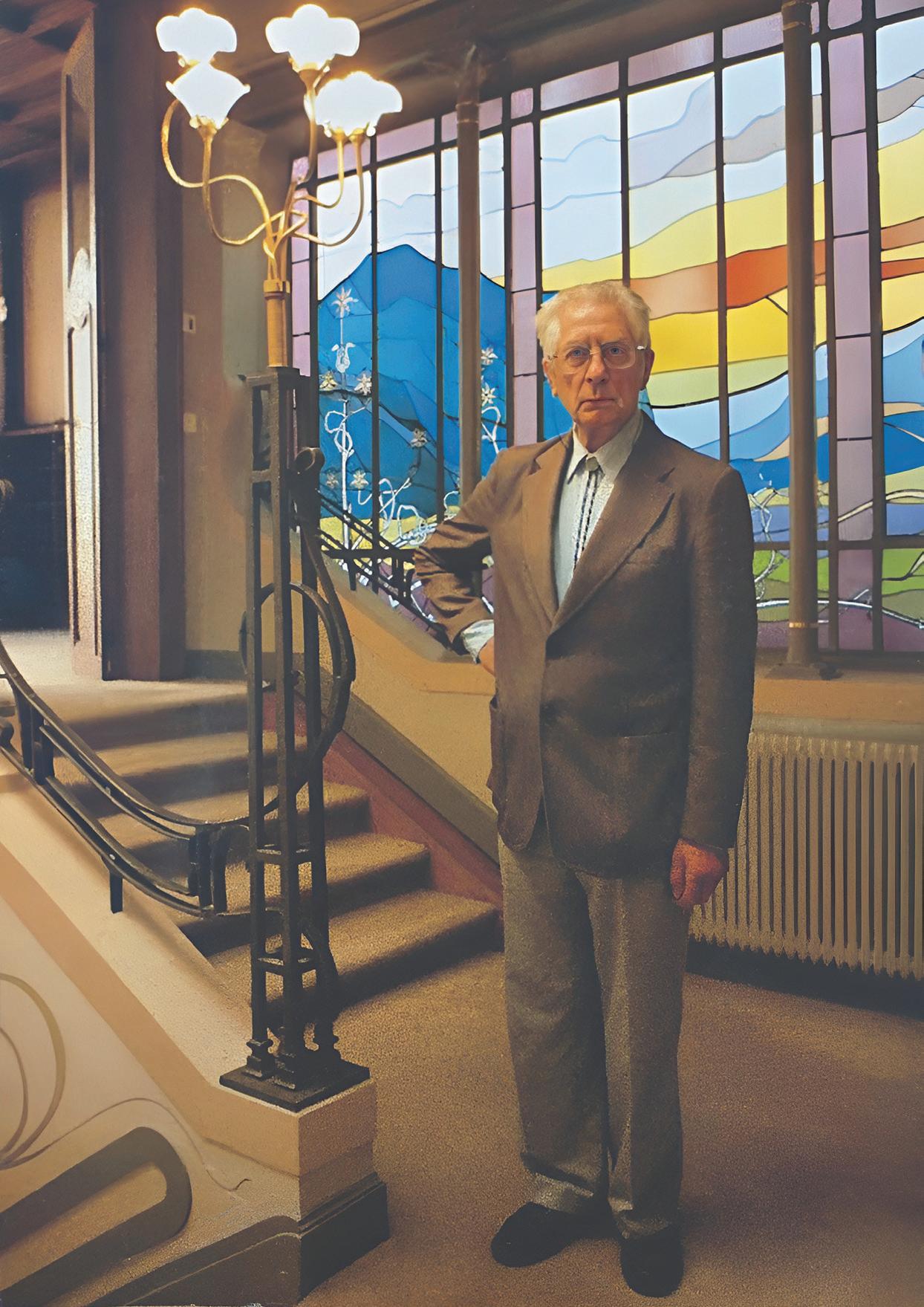
Amid the postwar destruction that threatened Art Nouveau treasures in Brussels, architect Jean Delhaye devoted his life to rescuing the masterpieces of his mentor Victor Horta. From the doomed Hôtel Aubecq to the birth of the Horta Museum, his story mirrors a century of struggle between modernity, memory, and the soul of a city, writes Frédéric Moreau
In November 1944, one of the few German V-1 rockets aimed at a recently liberated Brussels hit Rue de l’Ermitage in Ixelles. It scythed through seven houses, killing 12. The soundwave it generated shattered the monumental stained glass in the stairwell of the 1894 Hôtel Solvay, some 250 metres away on Avenue Louise. This was the first serious damage suffered by one of the major townhouses built by the architect Victor Horta. Peacetime, however, would bring an even greater threat to the vast and ornate buildings of fin-de-siècle Brussels. Too old to serve their original purpose, they were too unwieldy to adapt to new functions, and their faded charms were too recent to be accepted as monuments worthy of protection.
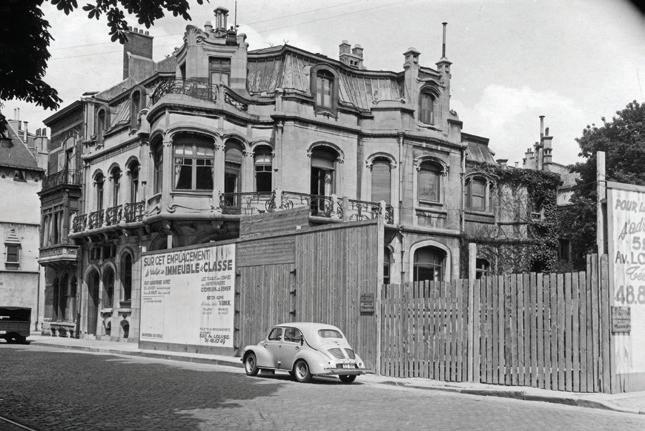
Eight blocks down Avenue Louise from the Solvay house at number 520, a time bomb was ticking. In December 1943, industrialist (and Le Creuset cookware co-founder) Octave Aubecq had died, leaving to his son the magnificent mansion Horta had built for him decades earlier. Five years later, the house was sold to developers who planned to demolish it and build flats in its place. News of the project would reach architect Jean Delhaye, Horta’s last assistant and himself a developer of modern flats. Delhaye worshipped Horta, regarding him as one of the greatest architects in history –a highly eccentric view at that time. He appealed to the rich and powerful to save the building, and when this failed, he browbeat the authorities into subsidising a salvage mission.
Only some windows, ironwork and stones from the facade of the Aubecq mansion could be saved for storage, and the authorities promised a partial reconstruc -
tion at a later date. This hollow victory was the beginning of a journey for Delhaye. He would spend the rest of his life defending Horta’s legacy, explaining his genius and personally saving most of his major townhouses. Amid the frenzy of Bruxellisation , the conversion of the city to fast car travel and office-building, and in the face of hostility from heritage watchdogs fixated on classical, baroque and medieval architecture, Delhaye fought over decades to rehabilitate the creations of the Art Nouveau generation of 1900. If such buildings are now seen as quintessential Brussels, it is thanks to this disciple of Horta. Restoring their colours in a city now being engulfed in grey concrete, he showed how they could be anchor attractions in an alternative form of urban renovation.
An exhibition on the life and work of Jean Delhaye runs until March 29, 2026, at Ganshoren town hall. Housed in an exquisite brutalist former architect’s practice, it uses one man's life to tell the story of the 20 th-century-built environment of Brussels, from Art Nouveau through modernism to preservation and rehabilitation amid the upheaval of war and the postwar reconstruction of the city.
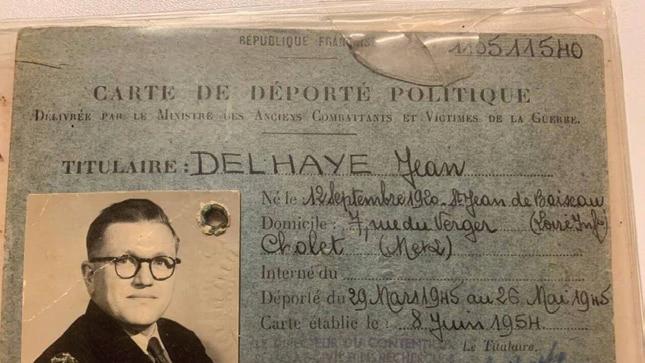
Delhaye was born in 1908 in Vodelée near the border with France and as a child, spent the First World War in the Puy-de-Dôme, where his French uncle was a mining engineer. Finishing his schooling in Brussels, in 1929, he started a four-year course in architecture at the Royal Fine Arts Academy, where he caught the eye of its director, Victor Horta, then militating for reform of the training and outlook of the profession.
Horta had spent much of the First World War in the US, where he was captivated by
Frédéric Moreau
Amid the frenzy of Bruxellisation, the conversion of the city to fast car travel and office-building, and in the face of hostility from heritage watchdogs fixated on classical, baroque and medieval architecture, Delhaye fought over decades to rehabilitate the creations of the Art Nouveau generation of 1900.
Mobilised in 1939, Delhaye joined the 3rd Regiment of Cyclist Riflemen (or Diables Noirs) and was captured in Flanders during the German invasion of May 1940. He was held as a prisoner of war at Stalag XA in Schleswig.
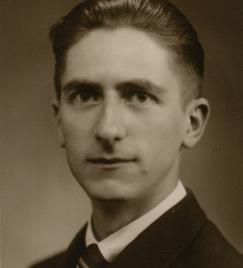
the potential of system-building at large scale. He returned to a Belgium starved of skilled labour, capital and materials, where the appetite and vast private budgets for bespoke artworks like the Solvay and Aubecq mansions were gone. Turning his back definitively on the nouille, or whip, style that made his name, he focused on public-sector works, sublimating decoration to a minimum and focusing on the efficient execution of the brief. This work during the second half of Horta’s career was to heal two deep urban wounds in the centre of Brussels left by unfinished work on the modernisation of the city’s transport.
In 1922, at age 61, Horta began work on a new Palais des Beaux-Arts, now Bozar, which would fill a cavernous hole left between the Brussels Park and the new Rue Ravenstein, a curving ramp built on concrete stilts. As at the Maison du Peuple of 1899 (Horta’s lost masterpiece, thanks to its infamous demolition in 1965), it was an unforgiving site on a steep slope. Both buildings called for a large performance hall to be crammed in a tight space with many
other functions. Thus, at the Maison du Peuple, Horta hoisted the salle des fêtes to the top of the building, while at the Bozar, he buried the Salle Henry Le Bœuf in the basement. Such mastery of space convinced Delhaye he must either work for Horta or quit the profession.
In 1934, Delhaye joined Horta’s practice and became an assistant on the now septuagenarian architect’s final challenge: crafting a train tunnel and Central Station for Brussels in the crater left by demolitions when the project stalled after the First World War.
As work began at the site in 1937, Delhaye started building his first apartment building on a corner site in Ganshoren, behind the gargantuan project to create one of the world’s largest churches, the National Basilica of the Sacred Heart in Koekelberg. The Résidence Basilique, completed in 1938 (32 years before the actual basilica), was a sleek and sober seven-storey block. It is now a protected monument, an example of late Art Deco as it slid towards the postwar restraint of modernism. Aimed at the luxury end of the growing market for flats rather than houses, the mosaic floors and curved metalwork of its arresting stairwell were nods to Horta’s flamboyant early creations. Applying his master’s examples, both decorative and structural, to the problem of modern living would absorb Delhaye in the years to come.
Mobilised in 1939, Delhaye joined the 3 rd Regiment of Cyclist Riflemen (or Diables Noirs) and was captured in Flanders during the German invasion of May 1940. He was held as a prisoner of war at Stalag XA in Schleswig. On display at the Ganshoren exhibition is a rambling letter from February 1941 supplied by Horta to Delhaye’s wife to try to secure his release. Emphasising his status as a baron, it observes that work on the Central Station had resumed with the approval of the occupying authorities and that Delhaye’s absence could delay its execution.
A poignant follow-up letter from Horta to Delhaye betrays the petulance of old age and failing health, both defiant and self-pitying. While in captivity, like the previous generation of architects who had spent the war in exile preparing for the peace, Delhaye had started work on a manual for builders of apartment buildings. Prefaced with an homage to the genius of his master, he sent Horta a draft from the camp.
Horta was touched by the elegy, but most of his reply is taken up with concern that he was being sidelined from the Central Sta -
tion project because of his age, complaints about his health and the inconvenience of Delhaye’s absence.
Horta signs off, asking if perhaps the Germans could spare Delhaye for a couple of weeks. Despite this jokey, even callous, attitude towards an underling held captive by the enemy, the letter betrays a conspiratorial and familiar tone that shows a bond between the two men. A warmth of personal feeling that would sustain Delhaye in the decades ahead. It would fuel a mission to restore not only Horta's houses but his reputation as an architect and that of the derided architectural landscape from the dawn of the 20 th century.
In December 1936, architectural trade journal Bâtir published an interview with Stanislas Jasinski under the title ‘Destroy to Create’. The modernist architect argued that the squat, obsolete mansions of 1900 Brussels should give way to tall apartment buildings, notably along major streets such as Avenue Louise. In the same issue, critic Pierre Gilles took aim at the Aubecq mansion: “A pampered building that unrepentantly recalls those airy-fairy years.” The creation of “an aesthete-architect”, its “drooping floral lines” resembled faded coastal casinos and the work of humorous illustrator Albert Robida, he wrote. As for neighbouring mansions in the eclectic style of the period, “with their consoles, caryatids, balustrades, imitation columns and gables, they look like old dears caked in makeup.”
A decade after this campaign of defamation, a hoarding was erected outside the Hôtel Aubecq, announcing it would give way to “a building of quality”, an apartment block designed by Jasinski. Delhaye alerted the Horta Committee, co-founded by him, demanding they petition heritage regulator the Royal Commission for Sites and Monuments (Commission Royale de Monuments et Sites/Koninklijke Commissie voor Monumenten en Landschappen, CRMS/KCML) for a protection listing. The committee refused, arguing that a plea on behalf of “a work of folkloric interest” would discredit their activities. An incredulous Delhaye began his own campaign.
Delhaye wrote to former US President Herbert Hoover, who had known Horta, asking for his backing to convert the Hôtel Aubecq into an American cultural centre for Brussels or to dismantle it and ship it, with all its bespoke furniture and fittings, to the United States. There was no reply. Delhaye may have misread the room by enclosing with his letter to the Republican a fierce article defending the house from
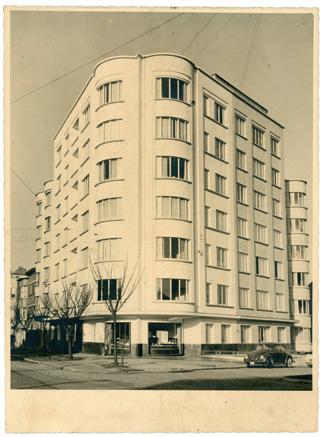
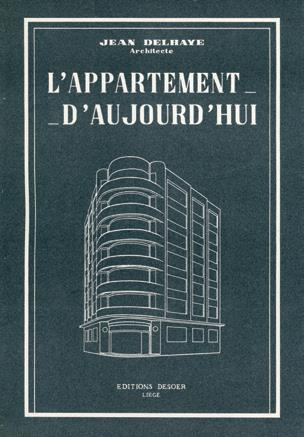
“vulture” capitalists clipped from Le Peuple, the mouthpiece of the Belgian Socialist Party.
However, there was no real precedent for motivating support for architecture of such a recent period. CRMS guidelines excluded protection for buildings by artists dead for fewer than 50 years – and Horta passed away in 1947. Through trial and error, Delhaye honed his approach. The Aubecq house was demolished in 1950, but he secured a grant to select the most representative 650 stones of the facade and place them in storage.
Horta’s other houses, built like the Aubecq for a vanished rentier society, remained at threat as Brussels was remodelled for express car travel, international corporations and tourism starting with the run-up to the Exposition of 1958. Delhaye would use the momentum of what would later be decried as Bruxellisation to fund his mission. His well-received book, L'Appartement d'aujourd'hui, published in 1946 had become a reference for apartment-building and he was in demand. Delhaye built extensions to the Art Deco Résidence Basilique in Ganshoren in a distinctive bulbous style more suited to the 1950s and in tune with the new, curvy aesthetic of the all-conquering motor cars of the period. He replaced large mansions to the east of the city on the fringe of what would become the European Quarter. He used the proceeds to restore the Horta-designed house on Avenue Palmerston next to the extraordinary metal facade of the 1895 Hôtel Van Eetvelde, a showcase for the fabulous wealth of the Congo venture.
The Palmerston house became Delhaye’s family home for two decades from 1958
Delhaye wrote to former US President Herbert Hoover, who had known Horta, asking for his backing to convert the Hôtel Aubecq into an American cultural centre for Brussels or to dismantle it and ship it, with all its bespoke furniture and fittings, to the United States.
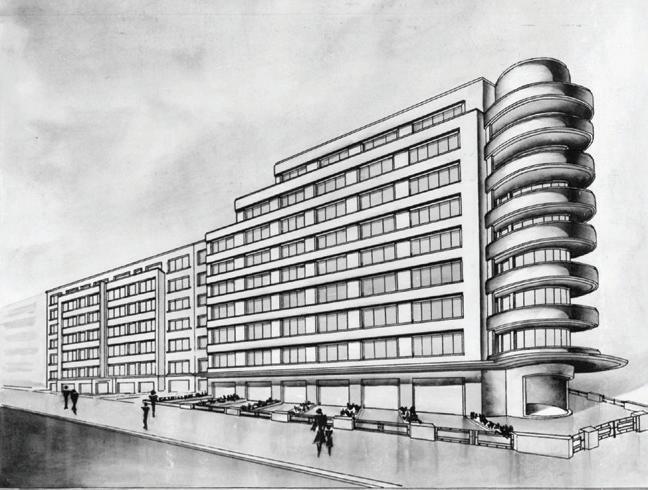
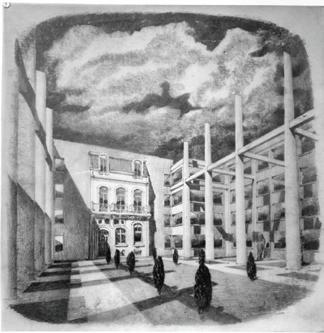
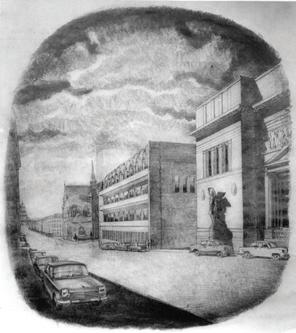
The scandal of demolition had moved the tide of public interest in Horta’s favour and spurred international esteem for Belgian Art Nouveau. It had vindicated his decision to acquire the major townhouses.
(it is now, fittingly, the reception area for LAB·AN, a space for the promotion of Art Nouveau opened by the Brussels region in 2023 and which includes the newly-restored Hôtel Van Eetvelde). In 1959, Delhaye acquired the 1896 Hôtel Deprez-Van de Velde opposite, and the following year added the 1901 Dubois mansion in Avenue Brugmann and bought Horta’s own former home in Rue Américaine from the architect’s family. He immediately set about restoring the house, built in 1898 as a life-size manifesto for Horta’s Art Nouveau period, and planned its future as the Horta museum and treasure house for his master’s papers (including his precious memoirs) and plaster models, as well as whatever material he could salvage from the demolished buildings. In 1963 came Delhaye’s first real triumph when the government agreed to its protection as a monument, the first such 19 th century building to receive this honour. Disaster soon followed as news came of plans to demolish the Maison du Peuple, Horta’s 1895 masterpiece. Delhaye appealed once again to the forces of capitalism, writ -
ing to the head of German conglomerate Krupp to demand its intervention. The spiritual home of Belgian socialism was a poor fit for the company’s cultural outreach funds and Herr Krupp’s secretary replied with a no.
There was a brief possibility that the building’s walls could be retained, making it the first in what would later become a Brussels speciality: facadism. The preservation campaign had the backing of a petition from more than 700 foreign architects and experts.
This caught the attention of the Belgian media, and Delhaye was invited to defend the building on television. “Plenty of people walk past that facade every day without finding anything remarkable. What's beautiful about it?” the reporter asked. Dirty, poorly maintained, its original colours painted over, it was hard to defend the Maison du Peuple’s merits to a lay audience. Delhaye made a dry academic show of it, explaining how the lines of the facade expressed the interior plan.
With no precedent for public money stepping in to save a relatively young building from a lucrative private property deal, demolition went ahead. Delhaye was a daily visitor to the site, taking hundreds of photographs and moving dismantled fragments of stone and ironwork to the garden of the house in Rue Américaine.
Delhaye drew several lessons from the Maison du Peuple affair. The scandal of demolition had moved the tide of public interest in Horta’s favour and spurred international esteem for Belgian Art Nouveau. It had vindicated his decision to acquire the major townhouses, but the TV interview demonstrated the need to restore them to their original colourful glory. If they were to become crowd-pleasers, a show-not-tell approach was required.
Further vindication followed in 1972 when a working group of the United Nations Economic Commission for Europe on urban renovation concluded that restored historic monuments could be the catalyst for renewal of surrounding neighbourhoods. That same year, the government listed 12 Horta buildings for protection and in the following years, other creations by his contemporaries and rivals were added to the list of Brussels monuments. Protections were accorded to Paul Hankar’s 1893 home in 1975; a flurry in 1976 added Josef Hoffmann’s 1905 Palais Stoclet, Jules Brunfaut’s 1902 Hôtel Hannon and the 1904 home of Paul and Lina Cauchie.
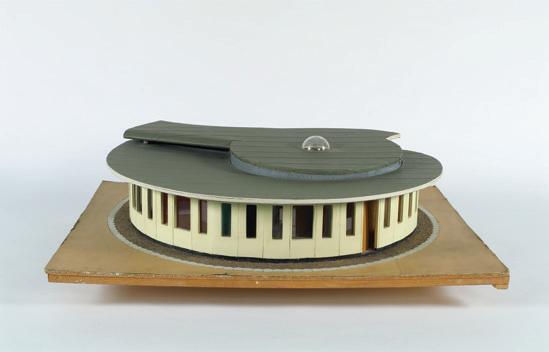
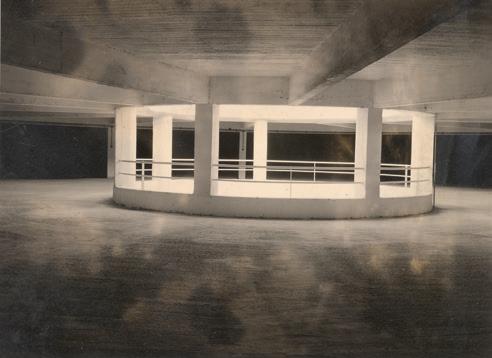
The process accelerated through the 1980s to cover less well-known architects such as Ernest Blérot, Gustave Strauven and Octave Van Rysselberghe. By 1984, Delhaye's campaigning, joined by citizen pressure groups such as ARAU and IEB, had finally motivated the government to take an active salvage role and Horta's 1905 Waucquez wholesale draper's store was acquired by the Belgian state and restored to create the Comics Art Museum.
These days, the design language of Horta’s Art Nouveau period is written across the Brussels region's public-facing infrastructure: bus stops and the interiors of newer STIB/MIVB metro carriages carry the whip motif. Along with the Palais Stoclet, four of Horta’s major townhouses are UNESCO World Heritage sites: Solvay, Van Eetvelde, the Horta house and workshop, and the Hôtel Tassel in Rue Paul-Émile Janson, the last of the houses acquired by Dehaye, in 1976.
By the 1970s, Delhaye understood that to thrive, Horta’s houses needed to be objects of desire, seducing the public, rather than just eliciting respect among architects for the fulfilment of a long-forgotten brief. Instead of explaining the dusty geometrical prowess, he needed to be able to wave a hand and say, “Look at that!”
These days, the Hôtel Tassel, with its tiny backyard and its vase-like interior lit through lavish stained glass, feels like a continuous three-storey reception area. There is no need for ornaments as it is the ornament. The house would become familiar to Gen-X students as the cover of American alternative rock band Mazzy Star’s debut album, She Hangs Brightly.
“The moment I heard it was for sale I knew I had to have it,” a proud Delhaye said, posing for a colour portrait in the house during an interview in 1991. “Despite
its historical value, the property was in a disastrous condition, a shadow of its former glory.” Delhaye told Sphere, Belgian airline Sabena’s in-flight magazine, that like Horta he had mastered many skills himself for the long restoration: panelling, parquetry, fresco, wrought ironwork and mosaic flooring, stained glass.
"I have no idea how much these houses are worth these days…Anyway, their real-estate value isn't important. I don't have the slightest intention of selling. And my children have formal instructions to follow suit." To this day, the Delhaye family still owns three of the mansions: the Deprez-Van de Velde and Dubois houses and the Hôtel Tassel.
Delhaye’s own buildings are peppered with homages to Horta. Railings lining the long flight of steps at the entrance to his 1959 modernist apartment building on Avenue de Villegas opposite the exhibition venue reproduce Horta’s whip motif. But he never wanted to copy his master’s buildings: “That would have been the wrong ambition, madness…Horta's style was his own, something seldom achieved in the whole history of architecture. It was close to perfection.” In a handwritten ‘CV’ from 1989 held by the CIVA archives, Delhaye, now 80, listed his own principal creations and completed it with a self-effacing epitaph: “Please note that the architect Jean Delhaye, student, colleague and disciple of Victor Horta spent most of his life defending the creation of his master, bringing many buildings back to life.”
Yet Delhaye didn’t lack ambition. On the contrary, rather than copying his style, Delhaye wanted to emulate Horta’s skill in mastering awkward sites. The exhibition displays the promotional leaflet for his 1955 Coliseum Residence, situated on a sharp slope on Chaussée de Boondael opposite
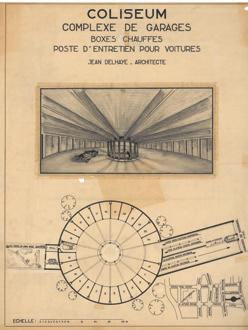
Top left: model for villa; Top right and above: plans (realised) for the Coliseum car park in Ixelle
The house would become familiar to Gen-X students as the cover of American alternative rock band Mazzy Star’s debut album, She Hangs Brightly.
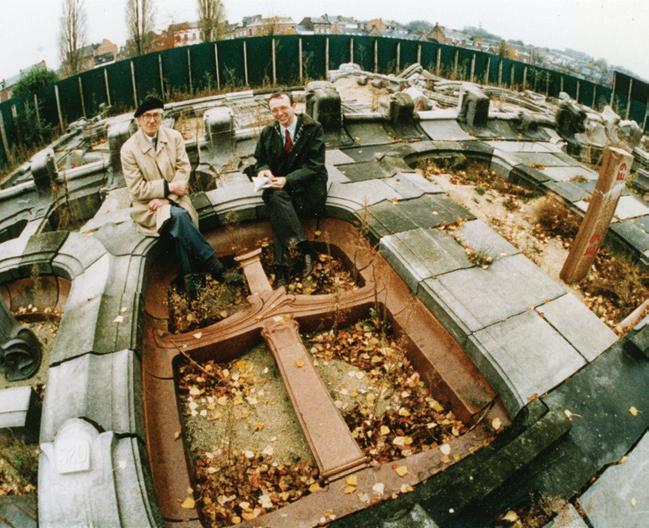
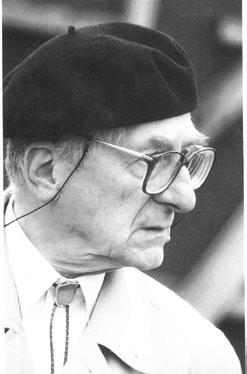
In the 1980s, a project to rebuild the house against the back wall of the Musée d’Orsay in Paris came and went (most of the Aubecq’s furniture and fittings are on display at the Orsay), and the stones moved from depot to depot.
Ixelles Cemetery (where Delhaye had designed the Horta family tomb pro bono in 1950). It crams in a car workshop, apartment building and 12-metre high circular parking garage with a diameter of 39 metres that rises just 2.75 metres above ground level by taking advantage of the change of level. A hundred heated and ventilated car-sized lockers were divided over four storeys. It is the height of the mid-century-modern auto-technology cult satirised by Jacques Tati in films such as Mon Oncle, Playtime and Trafic. The product of a bygone and rather derided age, in its 70 th anniversary, it is no more precious an artefact today than Horta’s demolished gems were in their twilight years, a dangerous age for any building.
As an exercise in stacking human beings and cars in a tight space, Coliseum was a dry run for Delhaye’s most ambitious project. In 1969, he published his proposal for a new Museum of Modern Art for Brussels, to fill a ravine to the south of the Place Royale, a belated twin to the Bozar, inserted within a corresponding ravine to its north by Horta in the 1920s.
A concrete facade would be inserted between the Old Masters Museum and Notre-Dame des Victoires au Sablon on Rue de la Régence, its broad modernist horizontal lines crowned with flying buttresses in deference to the medieval church. A vast, airy interior with natural lighting aimed to move on from traditional picture galleries, exploring the “interpenetration of influences between disciplines,” placing paintings amid spaces for sculpture, mu -
sic, furniture, theatre, dance, cinema and of course architecture in the form of a 1900 winter garden built by Horta for the Cousin mansion in Chaussée de Charleroi and just dismantled by Delhaye.
Drawing on his experience at the Coliseum building, Delhaye proposed to bury a spiral car park deep in the valley below the building. On the roof, the main attraction, an open-air hanging garden upon whose walls he would hang the remaining facades of the Maison du Peuple and the Hôtel Aubecq.
Delhaye’s captivating plans for a museum encompassing modern design from Horta onwards, on display at the Ganshoren exhibition, were never built. The Aubecq stones, then in storage at Buda to the north of Brussels, moved to Saint-Gilles, then Uccle, then a barracks in Namur. A 1979 proposal to rebuild the facade next to Place Royale was blocked as disrespectful to the neoclassical surroundings. In the 1980s, a project to rebuild the house against the back wall of the Musée d’Orsay in Paris came and went (most of the Aubecq’s furniture and fittings are on display at the Orsay), and the stones moved from depot to depot. Their saviour Delhaye died in 1993, the centenary of the invention of Art Nouveau. He never got to see the Aubecq facade rebuilt. But 75 years since he lovingly rescued them, nobody has.
The property of the Brussels region since 2001, the stones from the Hôtel Aubecq were displayed in 2018 at the former Citroen garage and future Kanal Museum in an exhibition aimed at prompting the question ‘What now?” An answer came in July 2025, soon after the Cousin winter garden was finally re-erected at the Royal Museum of Art and History in the Cinquantenaire Park. The region announced the signature of a public-private-partnership to use the Aubecq stones as a training exercise for the heritage restoration sector: put them on public display, laid out flat, and then reerect the facade, or lay it flat, somewhere, at some point in time using a budget that doesn’t currently exist.
Amid the squeeze on funding for the acquisitions needed to draw visitors, the future viability of the Brussels Region’s Kanal Museum is uncertain. Due to open in November 2026, it needs star attractions it can’t afford. As a space dedicated to the interdisciplinarity of the arts, overturning traditional display practices, it is the spiritual successor to Delhaye’s dream of a cutting-edge museum picking up the story of modern art with his idol Horta. Perhaps as a tribute to the man who saved Brussels and to draw the crowds, the region could finally put an end to the Hôtel Aubecq’s limbo and hang it on one of the Kanal’s walls. Permanently and cost-free.
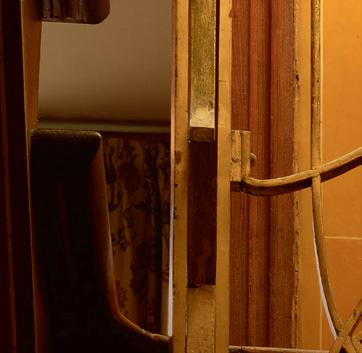








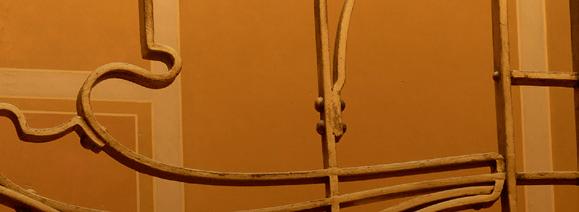
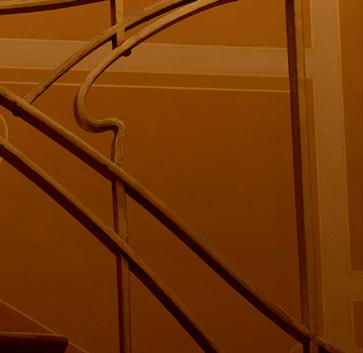

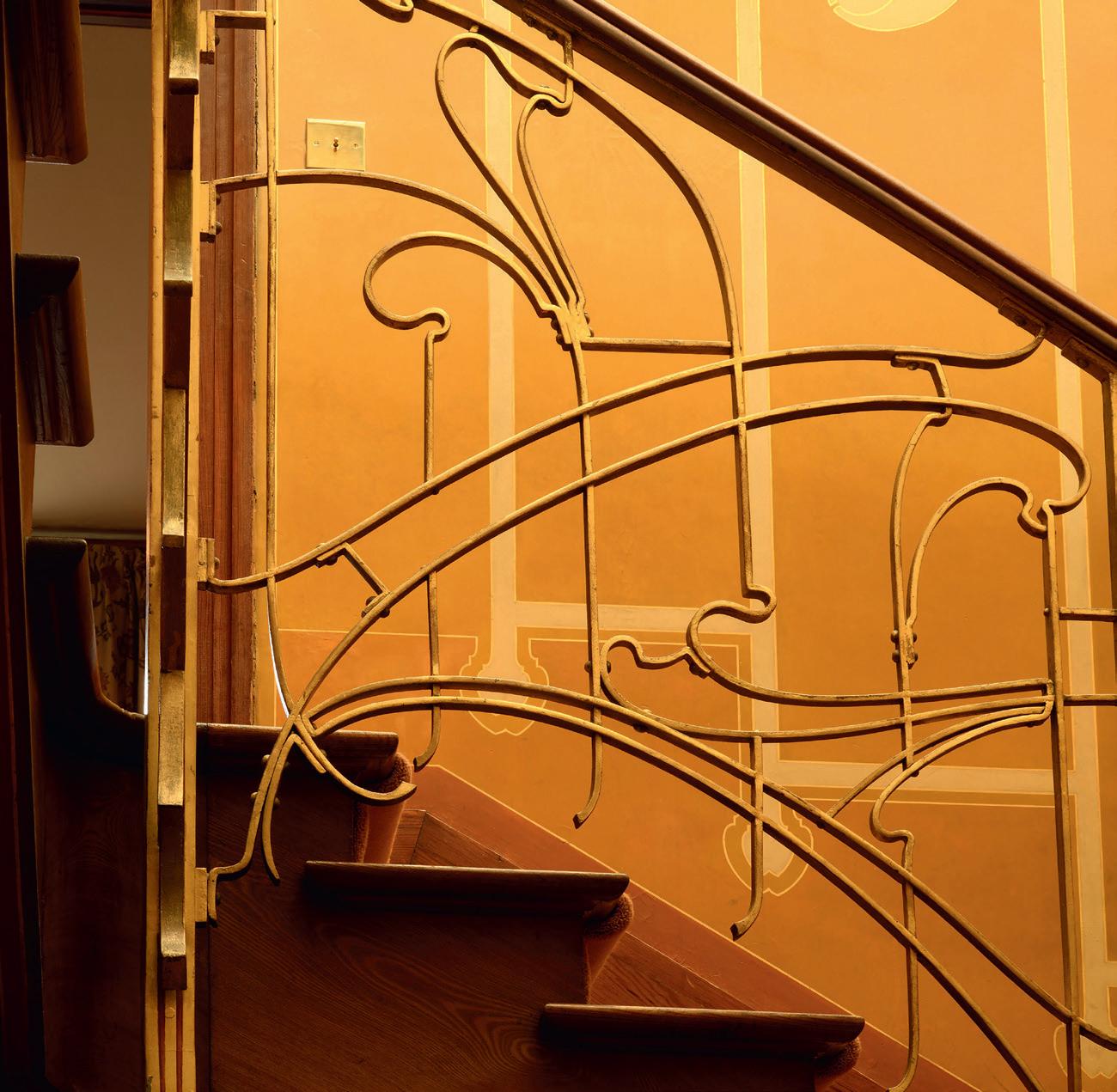
In 2025, Lynk & Co enters a pivotal phase – not simply growing, but evolving. The last year has been transformative for the brand: where once Lynk & Co was the rising challenger in the automotive world, today it stands as a solid, established presence spreading across Europe. This journey from bold startup to credible, fullfledged player is built on three interlinked pillars: retail expansion, product & brand positioning, and market extension.
Perhaps the most visible sign of Lynk & Co’s evolution is its shift from online-centric or club-based distribution to an expanded physical retail footprint. In 2024 the brand took its first step into retail operations; 2025 is the year of meaningful acceleration. By
the end of last year, Lynk & Co had 11 Clubs in Europe. Today the network has grown to more than 125 confirmed retail points, with almost 80 of them actively selling cars, and additional 35 selling points in importer markets cementing greater accessibility – figures that reflect a brand moving from niche to mainstream.
A key enabler of this expansion is the exclusive partnership with Volvo Cars. By working with Volvo's retail network – leveraging its platforms, systems and services –Lynk & Co has been able to scale more quickly than if it built a standalone network.
Importantly, however, this is not simply about placing Lynk & Co cars on existing Volvo showroom floors. The brand has created dedicated brand experiential spaces, crafted to deliver a distinct-and-different Lynk & Co identity. A bespoke corporate identity concept has been developed for retail spaces: depending on market and retailer setup, showrooms vary from compact 200 m² spaces to fully dedicated 550 m² stores.
The brand’s ask to its retailers is clear: dedicated entrance, full Lynk & Co façade, signage, and interior setup that immerses customers in the brand from their very first step in.
The reception from retailers has been very positive – so much so that even prospective partners outside the Volvo network have been reaching out. But Lynk & Co remains committed: the brand will only be available through selected Volvo retailer partners (or as the brand now prefers to say, “Lynk & Co retailer partners”).
In Belgium, the current status is: 5 retail partners operating under the full Lynk & Co concept (ACB Lynk & Co, Novabil Lynk & Co, Lynk & Co Liège by Mobicore, D’Hondt Mobility and Mobility Rutten) with all of them actively selling cars. Additionally, 3 retail partners have signed contracts, with expected opening by end of November. By the end of 2025, Lynk & Co expects to have 10 retail partners confirmed in Belgium alone, and around 150 across Europe.
The value-proposition is a classic “winwin-win”:
For consumers: they can now experience Lynk & Co more easily; the cars and community become more accessible across Europe.
For retailers: they gain an opportunity to expand their portfolio, reach new customer segments, and offer more options.
For Lynk & Co: this expansion strengthens footprint, builds brand visibility and enhances revenue potential.
Of course, scaling a physical network hasn’t been without its challenges. In some markets, negotiations and contract logistics have been more complex than anticipated, which slowed progress slightly. But overall, the results to date are encouraging.
A second vital pillar in Lynk & Co’s evolution is product and brand. In 2025 the brand launched its new flagship plug-in hybrid SUV: the Lynk & Co 08 . This car is positioned as a milestone – everything Lynk & Co wants the brand to represent in this next chapter: bold design, premium quality, advanced technology.
The 08 combines strong hybrid performance with next-generation connectivity. According to the brand, it is the first plugin hybrid in Europe to offer up to 200 km all-electric range , and supports DC fastcharging.
Critics and early reviewers have responded positively: emphasis has been on premium design, comfortable driving experience, advanced tech features and the strong EVmode range. This launch clearly positions Lynk & Co into the premium plug-in hybrid segment, and signals ambition beyond more mass-oriented mobility solutions.
Underpinning this step is the momentum built in 2024: the upgraded Lynk & Co 01, and the first fully electric Lynk & Co 02 in Europe. The 02 brought new energy, choice and accessibility to the range – setting the stage for the 08 to elevate the brand further. All models in the family have achieved 5-star ratings from Euro NCAP, with the 08 following strong results of the 01 and 02.
In short, this product progression reflects a strategic maturation: from entry-level electrified models, to a full range – including premium, high-capability plugin hybrids – and a brand identity that combines connectivity, design, safety and sustainability.
A key enabler of this expansion is the exclusive partnership with Volvo Cars. By working with Volvo's retail network – leveraging its platforms, systems and services – Lynk & Co has been able to scale more quickly than if it built a standalone network.
The third pillar of Lynk & Co’s evolution is geographic expansion. Growth is not only about more cars and more showrooms – it is about new territories, new opportunities, new communities. Earlier this year the brand announced its entry into three new European markets: the Czech Republic, Austria and Switzerland.
Each of these markets brings strategic importance to the brand’s overall strategy. Czech Republic is centrally located in Europe, with a strong retail infrastructure and cultural alignment to the brand; Switzerland has high purchasing power, favourable environment for electrified vehicles, and excellent potential as a showcase for the brand’s premium models; and Austria is a central European market with growing demand for electrification, supporting sustainable mobility adoption.
By utilising Volvo’s retail network and operational backbone, Lynk & Co aims to accel-
erate market entry while ensuring high-quality, locally-relevant customer experiences. The wholesale-first approach in these markets will also enable speed and scale.
These new expansions underline the brand’s ambition to become truly pan-European – not just present in major Western markets, but active in central Europe, key importers and emerging territories.
Putting it all together, 2025 can be summarised as the year in which Lynk & Co evolves from “growth mode” into a more mature posture. The three pillars – retail expansion, product, and market extension – Interlock beautifully: larger footprint + stronger product + new territories = stepping up to the next level.
Retail expansion: More than 100 confirmed retail points, immersive brand spaces, stronger visibility across Europe via strategic partner network.
Product: The Lynk & Co 08 launch marks a milestone in the product family; backed by
the 01 and 02 momentum, the brand is now positioned in the premium plug-in segment.
New markets: With the Czech Republic, Switzerland and Austria coming online, Lynk & Co broadens its reach and reinforces its long-term ambition.
For consumers and communities, this means greater access; for partners and retailers, new opportunities; for the brand, strengthened positioning and an elevated identity. It’s a shift from “challenger brand trying to grow” to “evolving brand establishing speed.”
Of course, no evolutionary journey is without its hurdles. The rapid build-out of retail agreements means managing negotiation complexity, aligning CI environments, training staff, and ensuring consistent customer experience across markets. Product launches such as the 08 bring their own demands: supply-chain execution, ensuring quality, delivering advanced features to market on schedule. New market entries require local infrastructure, aligning regulation, dealer support and customer awareness.
Additionally, in an automotive landscape characterised by intensifying competition, regulatory shifts in electrification, and evolving consumer behaviour Lynk & Co will need to remain agile. But the groundwork laid so far suggests the brand is well-positioned.
In many ways, 2025 was about evolution –refining the business model, strengthening the ecosystem, deepening brand experience and scaling in a meaningful way. For a brand that launched globally in 2016 and has taken sizeable steps into Europe, this is the next logical – and ambitious – chapter.
Beyond the metrics, it’s also worth reflecting on what Lynk & Co stands for – and how that underpins its evolution. The brand has always emphasised values such as openness, connectivity, lifestyle, and community. As Lynk & Co grows its footprint, the opportunity lies in maintaining those cultural roots even as the organisation scales. Creating immersive retail experiences is one piece. Another is ensuring the product remains distinctive – not just another car brand, but one that speaks to modern mobility, digital lifestyle and sustainability. With the 08, the brand signals that it takes premium seriously. With expansion, it signals accessibility. With a growing presence, it sig-
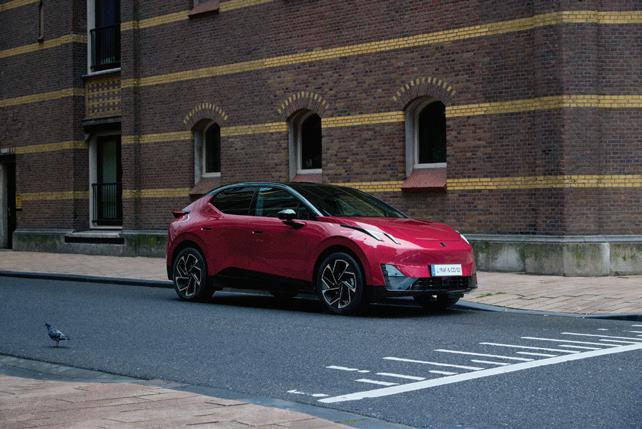
nals relevance.
For the Brussels – and European – audience, this matters: Lynk & Co is not simply another entrant. It is articulating a full-fledged offering: strong product, retail access, brand visibility, and meaningful market presence. For consumers, for policy and society, this means more choice in the electrified-mobility space; and for the broader mobility ecosystem, Lynk & Co’s evolution is a sign of how new-mobility brands are maturing into longterm players.
As we look across 2025, Lynk & Co offers a compelling story: one of transformation, strategic evolution, and deliberate scale. From 11 Clubs to 100+ retail points; from early electrified models to a premium plug-in hybrid flagship; from core markets to new territories in central Europe – the brand is actively shaping a broader and more visible presence.
For the European automotive stage – especially in markets like Belgium and its neighbouring regions – this means that Lynk & Co shouldn’t merely be watched but taken seriously. It is at the cusp of moving from “emerging brand” to “established player.” The direction is clear, the ambition is evident, and the execution is underway.
If one thing stands out, it is this: the focus is on evolution – on building a sustainable, visible, differentiated and compelling brand for the future of mobility. And in that sense, Lynk & Co’s 2025 looks like a year of stepping up.
For further insights and test-drive opportunities, readers in Belgium and across Europe may want to contact local Lynk & Co retailers as the network continues to scale.
www.lynkco.com/fr-be/testdrive
If one thing stands out, it is this: the focus is on evolution – on building a sustainable, visible, differentiated and compelling brand for the future of mobility. And in that sense, Lynk & Co’s 2025 looks like a year of stepping up.
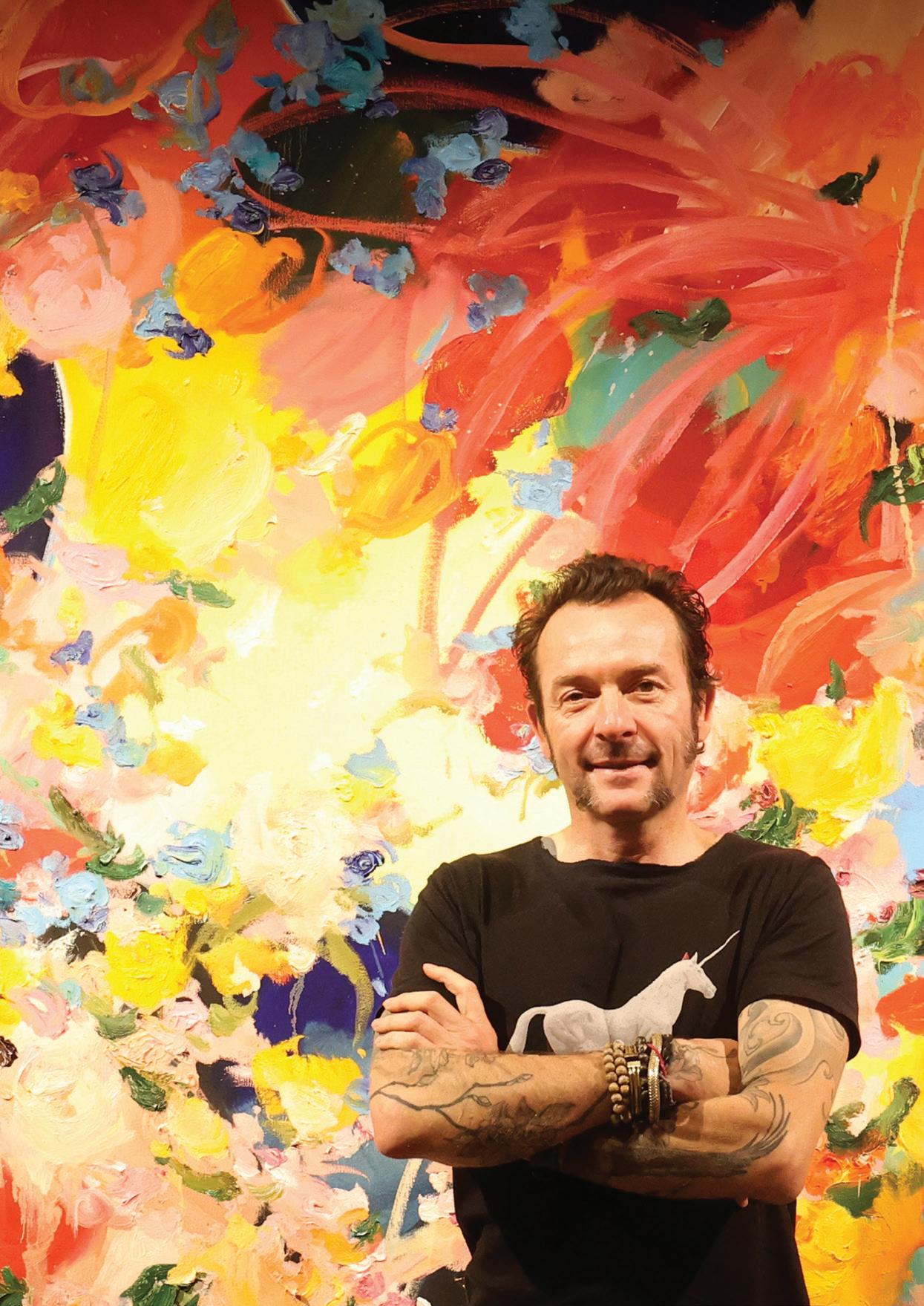
Amid the lush, ever-changing garden behind his Sint-MartensLatem studio, Arne Quinze draws on wild nature to reimagine our cities. From graffiti to globally acclaimed public art, he tells Dominique Soenens about his dream of breaking society’s boxes and sparking dialogue
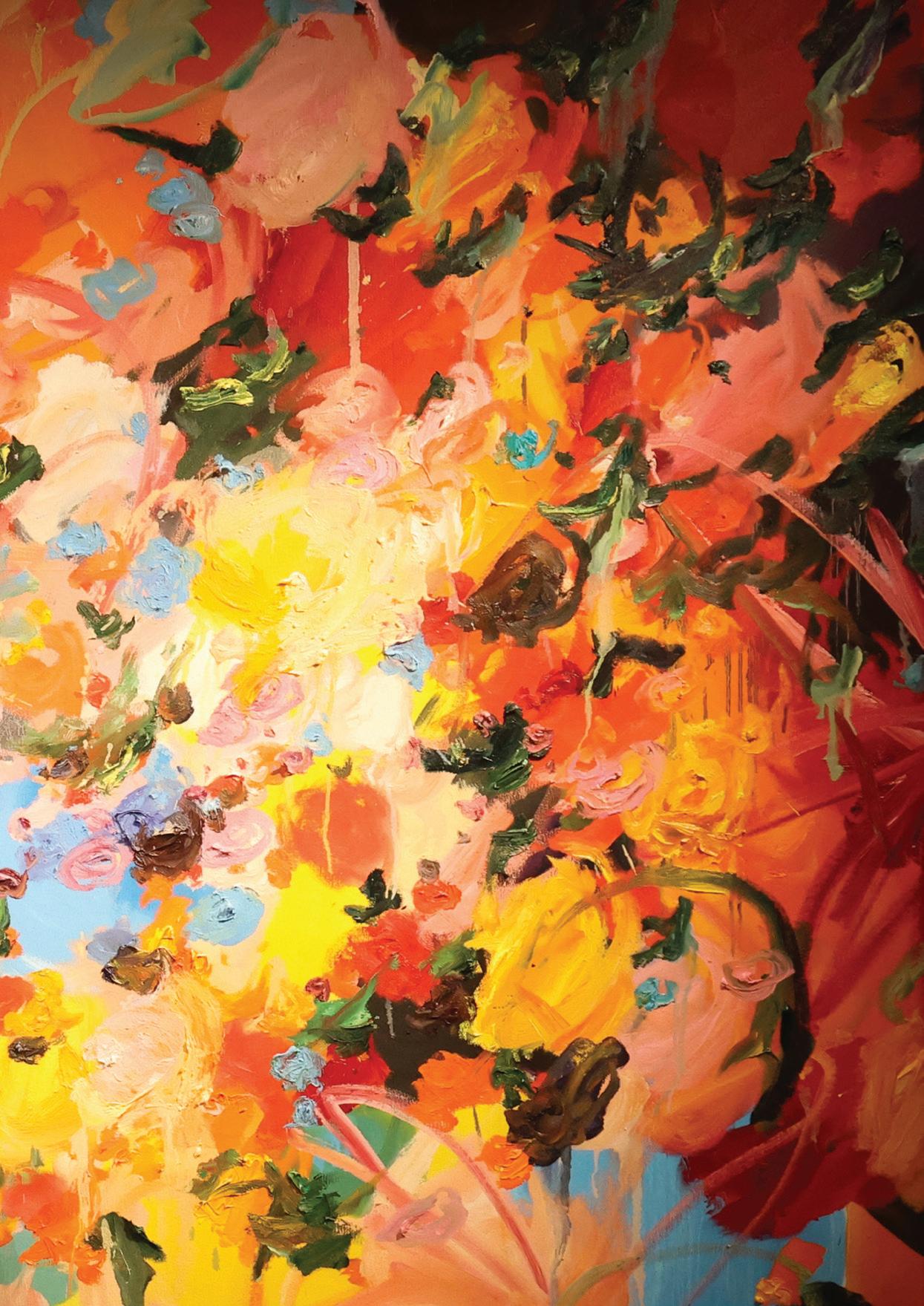
Dominique Soenens
Without thinking, everyone lives in boxes inside boxes. We’re trapped by the religion of four walls. At birth, the first things we see are the four white walls of a hospital. Then school, then work: more walls.
When Arne Quinze steps into the garden behind his studio in Sint-Martens-Latem, the world outside seems to disappear. What was once a simple garage has been transformed into an exuberant ecosystem of vines, foliage, unexpected blooms and untamed growth. Quinze, whose artworks have been installed in cities across Belgium and the world, pauses and beckons me over to a yellow, bell-shaped flower and inhales deeply. “Smell this,” he says. “Wonderful.”
Inside his studio, dressed in greychecked harem pants and bright yellow trainers (an outfit as much statement as uniform), Quinze surrounds himself with bursts of colour: canvases that resemble floral fireworks, giant houseplants that guard the space, models of previous installations that resemble dioramas of ambition.
He grew up surrounded by flowers, plants, frogs and butterflies. Today, they remain his inspiration for his installations and sculptures. “If we ever succeed in making cities as diverse as nature, we will have a human city,” he declares.
Here – in this hybrid space, part greenhouse, part living sculpture – Quinze’s artistic impetus is distilled. “I’m a gardener at heart,” he says.
He designed the garden himself. “I choose the plants and give them space, but at some point, I let go. It’s always in flux. Every day brings a new surprise.” His garden, he adds, is not subsidiary to the art – it is part of the art, an atelier of wildness and inquiry.
Indeed, recent exhibitions such as Hidden Beauty at the Ludwig Museum Koblenz last year emphasised precisely this theme: the interplay of bloom and decay, raw material and transmutation, the humble wildflower and a monumental installation.
His nearby home – an old stable filled with books and art – has also surrendered to nature: vines cloak its brick walls, and its rooms shift with the seasons.
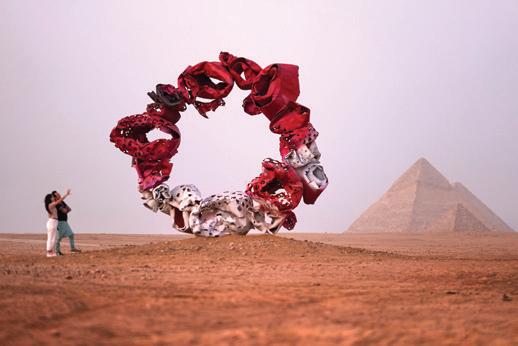
Sprawling across three floors, 1,6000 square metres, with rooms that morph and shift in tone and light, the house may be the one artwork he has spent most time on. “In the summer, my windows disappear and keep out the heat. In autumn, they open again and let in the light. The house is like a base camp, a giant tent. We live close to nature. Our doors are always open. I never know who I’ll find hanging around when I get home,” he says.
When he moved in 13 years ago, he tore down the hedges blocking his view, to the irritation of neighbours. Many of the surrounding villas are hidden by walls of greenery and gated entrances. “Without thinking, everyone lives in boxes inside boxes. We’re trapped by the religion of four walls. At birth, the first things we see are the four white walls of a hospital. Then school, then work: more walls. And when we die, we’re buried between four walls again. I want to break that cycle. We think in boxes; there is so little diversity.”
Quinze is best known for his monumental public installations: the wooden-plank chaos of Uchronia (2006) at Burning Man in Nevada, which burned as part of the festival’s ritual; Aurora (2023) at the pyramids in Giza; and Red Beacon (2010) in Shanghai. Closer to home, he built the skeletal, twisted ribbons of The Sequence (2008) at the Flemish Parliament in Brussels, the dented red-steel structure Rock Strangers (2012) on Ostend’s seafront, and the wooden The Passenger (2015) in Mons.
Newer gallery works like Chroma Lupine (2024) and Yielding Glauca (2025) reveal an artist still innovating, shifting from giants in the streets to oil paintings and smaller sculptures that refine his visual grammar.
Yet in recent years, Belgium has seen fewer of his high-profile outdoor commissions. When asked why, he does not blame the lack of demand but rather a shift in fo -
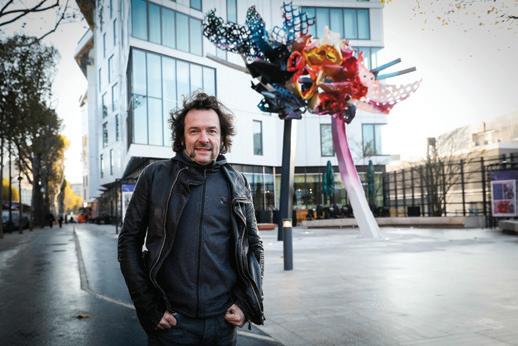
cus. “Today, I am mainly working on fountain installations. I want to bring more life to the city. Where there is no water, we bring fountains,” he says. Projects are underway in São Paulo (where he also has a home); discussions continue in New York, Egypt, Riyadh and Istanbul. The world is his workshop.
His ambition is huge. He wants to change how city planning, architecture and public art intersect: to make cities more habitable, more human, more rooted in the rhythms of nature, rather than just traffic and commerce. His early career as a graffiti artist taught him that art in the city cannot be passive – it must provoke, invite dialogue, disrupt patterns. “As an artist, you’re not there to please everyone. You’re there to make something happen, to spark dialogue.”
For all his international scope, Quinze’s inspiration remains rooted at home. “You don’t need the Amazon to discover nature,” he says. “The garden is my muse. All my work begins there, where I study thousands of plants and flowers through the seasons. The beauty and splendour I see is what I translate into art. I study nature’s complex dynamics and integrate them into my pieces. I want to reawaken our sense of wonder.”
Quinze claims a kinship with Claude Monet – both the impressionist’s canvases and his gardens at Giverny. In his own patch, Quinze grows a pink poppy. “It’s the same variety Monet once grew. We share a passion for studying impermanence in beauty.”
Born in 1971, Quinze came of age in the small rural village of Driekapelle, near Diksmuide. “The village was tiny. Barely five houses,” he says. “Our garden merged into a meadow. For a child, nature felt endless. Today, many city kids have never seen a frog or butterfly except on a screen. I loved that environment. Even then, I was making small installations. I’d lie on my stomach, play, and get lost in it.”
Then, at the age of nine, he and his family moved to Brussels. The change, Quinze recalls, was jarring. “I thought, ‘Oh, I’m going to see Star Wars,’ but it was a shock. All that grey concrete. The walls closed in.”
His teenage years in Laeken and Schaerbeek were marked by street crime, family conflict and a sense of dislocation. After his parents’ divorce, he wanted to live with his father, but the law then automatically placed children with their mothers.
At 15, he ran away, slept outdoors while clinging to school. “I slept outside – literally. On the grass, under a tree, in a shed. And
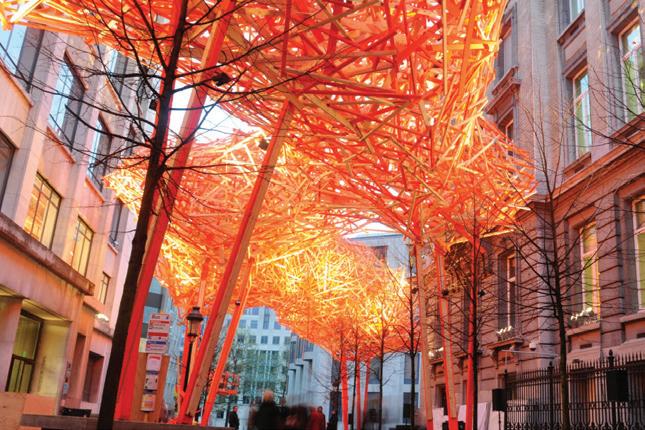
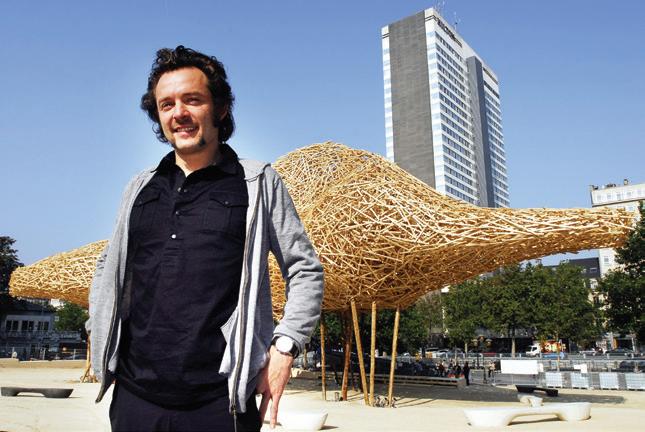
still I went to school.”
Graffiti became an outlet. “I missed colour. I wanted to bring it back into the grey cityscape,” he says.
The impulse to transform urban monotony into vivid creative possibility – one that later defined his public sculpture work –took root here. With a sly smile, he recalls when a newly inaugurated metro train pulled in, freshly painted by him. Some thought it was part of the ceremony, others were outraged. “I loved those reactions. Supporters and opponents started talking to each other.”
What he does now, he insists, is not so different. From graffiti artist to globally commissioned sculptor, Quinze’s evolution has been unconventional and self-taught. “It’s logical to evolve from street art to public art.” He skipped formal art education, preferring the city walls and the open streets as the first canvas.
Criticism is inevitable. “Everyone has an opinion if you work in public spaces. There
For all his international scope, Quinze’s inspiration remains rooted at home.
“You don’t need the Amazon to discover nature,” he says.
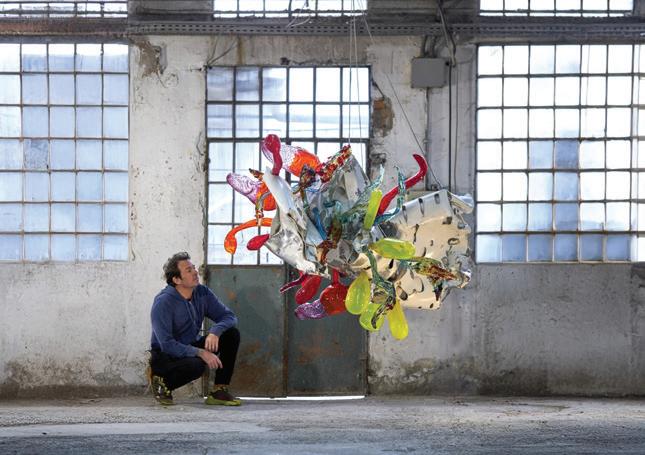
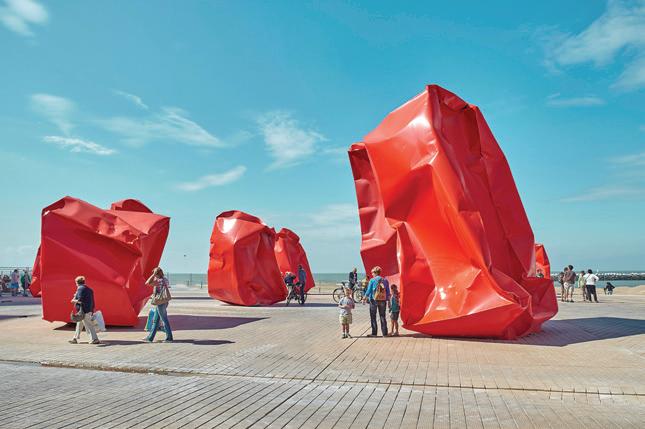
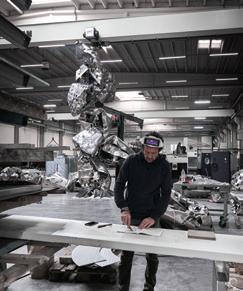
Everyone has an opinion if you work in public spaces. There was criticism of the Eiffel Tower, too.
was criticism of the Eiffel Tower, too. Same with Rock Strangers,” Quinze says. “As an artist, you’re not here to please everyone –you’re here to spark dialogue. Rock Strangers is now a popular landmark. The harshest critics were fishermen: from the sea, the blocks were too small to see properly.”
He notes wryly that Belgium is more critical than abroad. “I don’t know why. Belgium is one of the best places to live, but people cling to what they have. They fear change. That attitude holds us back. Belgium is scared of ambition. We’re sometimes the opposite of chauvinists. But we need to dare to say, ‘Things must change.’”
Five years ago, Quinze lost his father, a man he describes as “my best friend… a very wise man.” It was after his troubled teenage years that his father stepped in to support his art dreams. “At 20, during a difficult time, he gave me a new lease on life. He showed me the way without ever imposing. He was my
anchor. I could talk to him about anything; he never judged, only listened. He taught me about nature,” he says.
The bereavement changed Quinze. “Losing your father is a bit like losing the roof over your head. Now he is no longer there I’ve become the roof myself.” In that sense, the male role of protector and creator merges in his art and life.
He is also a grandfather now, which adds a layer of continuity and urgency: for the world he leaves behind, for the public spaces he shapes, for the children who will inherit them. He still trains daily, still wakes at dawn, still believes art is as much about discipline as inspiration. “I’m 53, but I’ll keep going for another 47 years. And then I’ll rest for 20 years.” He laughs, but there is no hint of slowing down.
He still lives and works in Sint-MartensLatem, once a village famed for its impressionist painters (including Ensor, Permeke and De Smet), now a home base for an artist who does not do cliché. The connection to Flemish art history – of observational intensity, of nature and light – is present without being burdensome. The garden, the studio, the home all carry that legacy forward in new guises.
Quinze seldom visits Brussels now, though he admits it has changed. “For the better,” he says, noting the redevelopment of the canal and the new appreciation for water. “It’s crazy they once blocked it off. Brussels was the only capital where you barely saw water. The museums have improved too, lowering the threshold. Since the 1980s, it’s better, but there’s a long way to go. Still, when I see Zaventem airport every ten days: all that concrete, the underground car park, the taxis – that’s Belgium’s front door? It doesn’t have to be that way. Look at Singapore: a wild indoor garden and a waterfall in its airport.”
But Quinze’s main mission is public squares, not just in Belgium but around the world. “We must make them liveable again, with nature and art. Interaction is vital. My sculptures help revive neighbourhoods. They spark conversation; people take ownership of their surroundings. Crime disappears.”
The fountains, like his earlier wooden structures, are animated by aspiration, not decoration. His 2008 Cityscape at the Toison d’Or in Brussels was planned for one year but remained for five. For Quinze, they represent a moment when human interaction and natural movement converge.
“Before, the area was deserted, full of addicts,” he says. “We cleaned it up and added benches. The neighbourhood came back to life. People reconnected, cared for the area. The whole dynamic shifted. Fountains do the same: they attract people. Children play, parents talk. Yet convincing people to change remains hard. Some simply resist.”
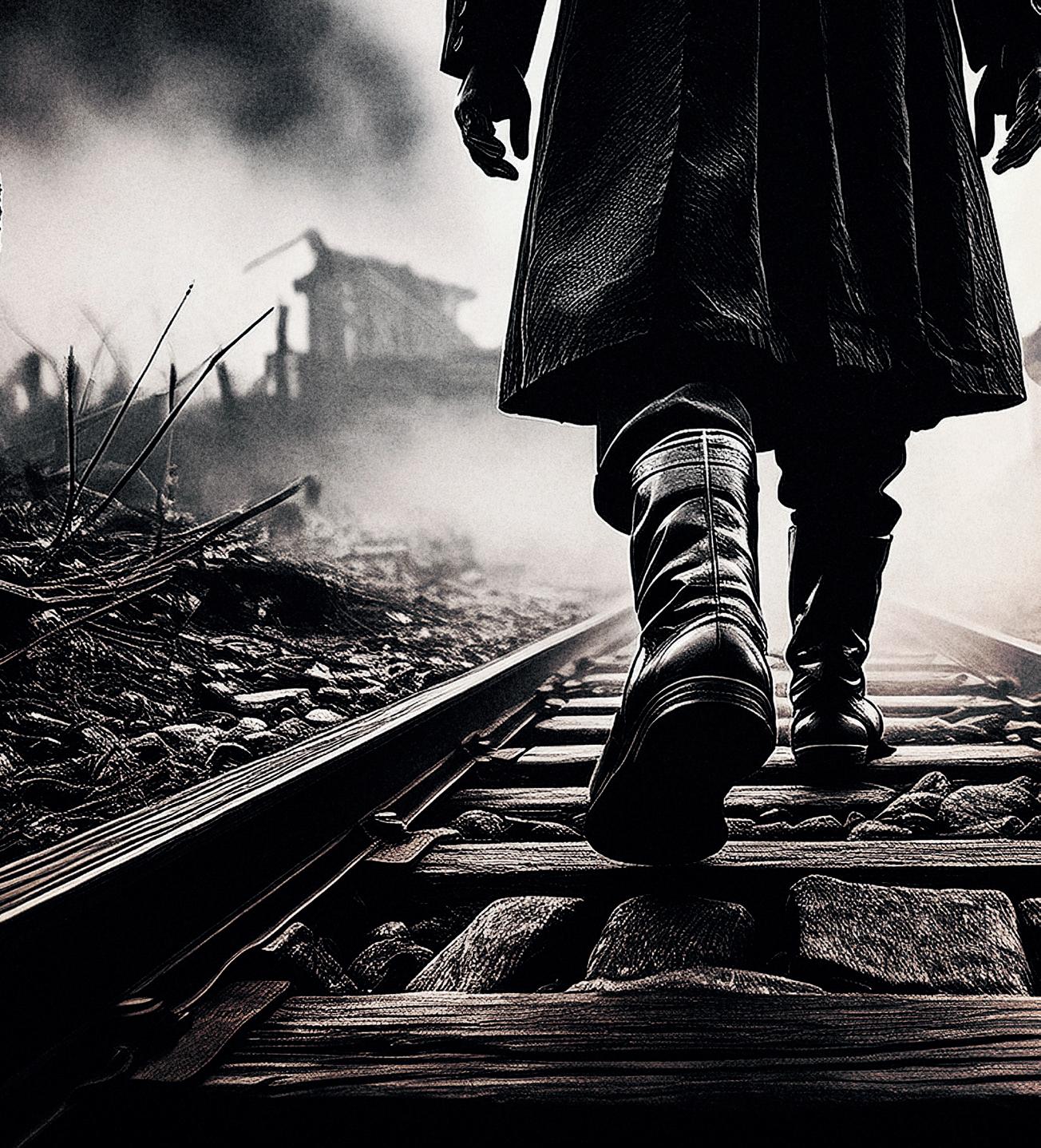



In the mid-19th century, Belgium was still finding its place among the nations of Europe – and photography, that miraculous fusion of light and chemistry, was finding its own. Early Gaze – Unseen Photography from the 19th Century, a richly produced volume edited by Tamara Berghmans and Ingrid Leonard, offers a sweeping and revelatory journey through that pioneering era when the camera first met the Belgian imagination.
Drawing from FOMU Antwerp’s extensive archives and rarely seen private collections, the book traces photography’s evolution from the daguerreotype’s silvered surfaces to the soft-toned artistry of the pictorialists. It reveals a society enthralled by images – from bourgeois portrait studios and industrial documentation to royal propaganda and colonial spectacle. Each photograph opens a window onto the formation of a modern visual identity: who was allowed to be seen, and who remained invisible.
Beyond its technical milestones, the period showed photography’s changing moral and political dimensions as the medium became entwined with nation-building, scientific discovery and empire. The images are sepia cityscapes, ghostly portraits and delicate albumen prints.
As the accompanying FOMU exhibition (running until March 1, 2026) shows, this is not nostalgia but archaeology – a rediscovery of photography’s early magic, its manipulations of truth and power, and its enduring capacity to shape how a young nation saw itself.
Leo Cendrowicz
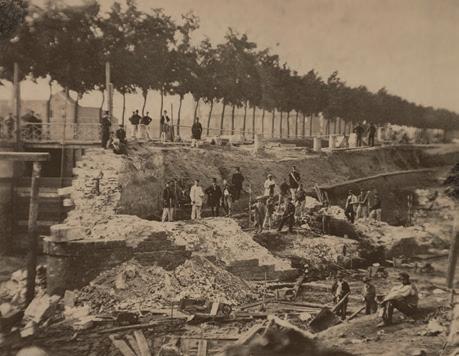
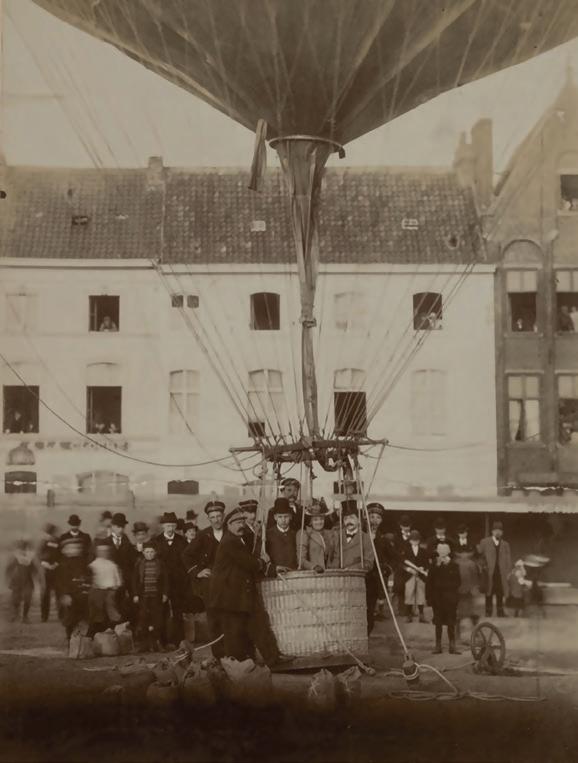
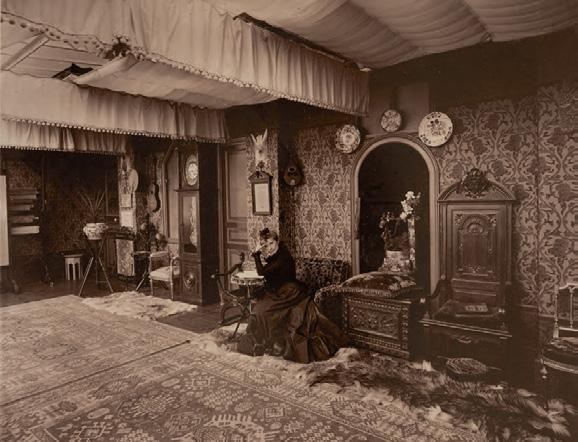
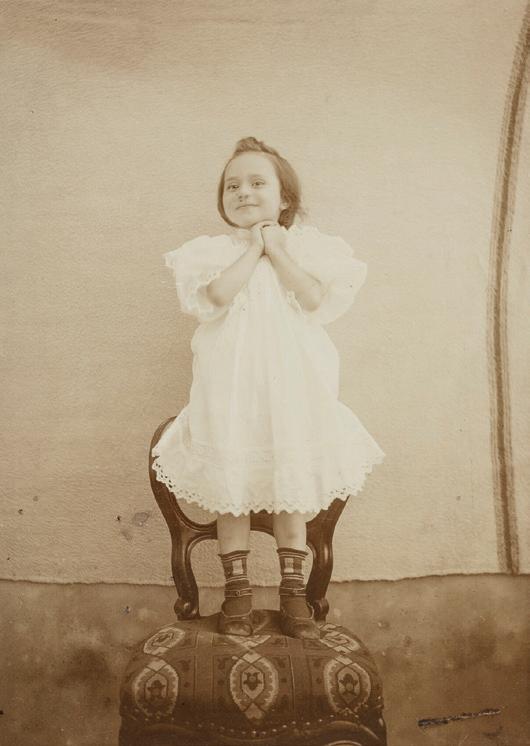
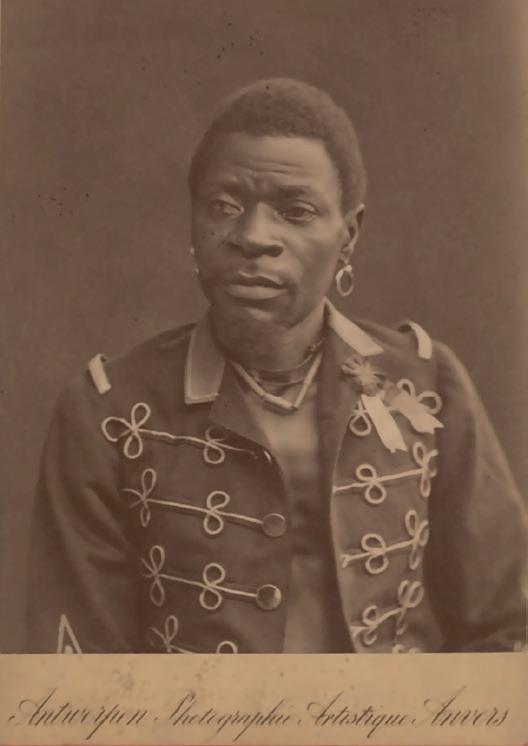
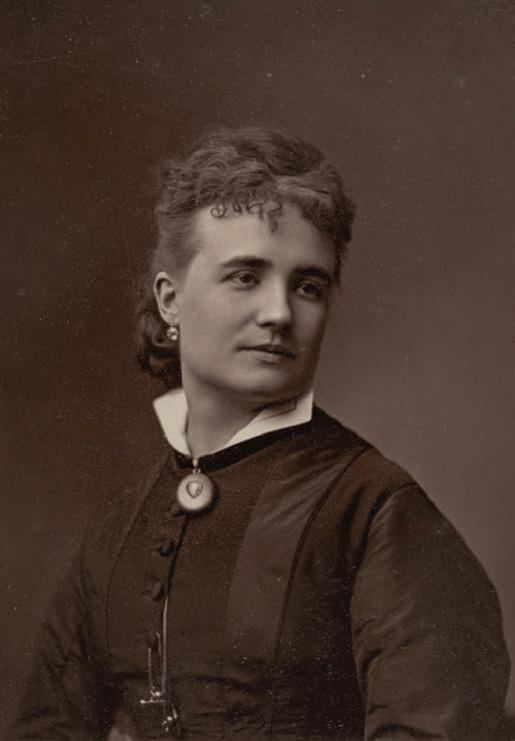
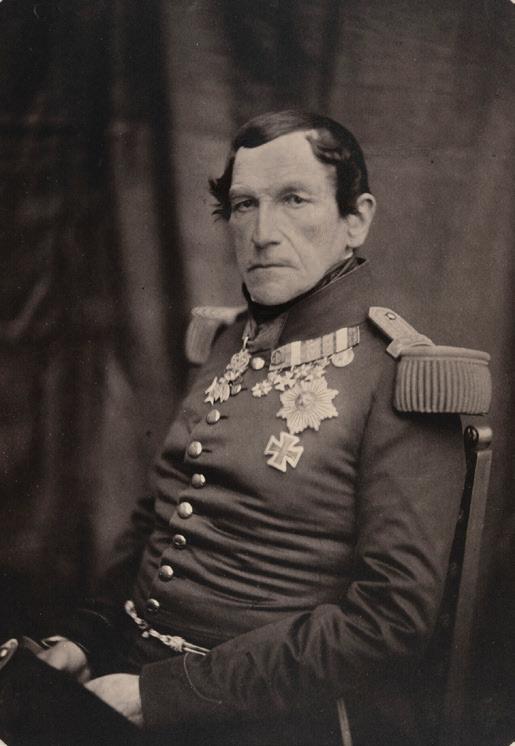
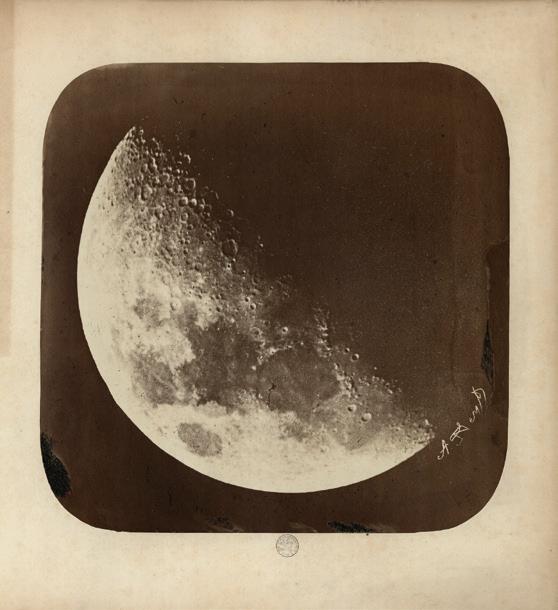
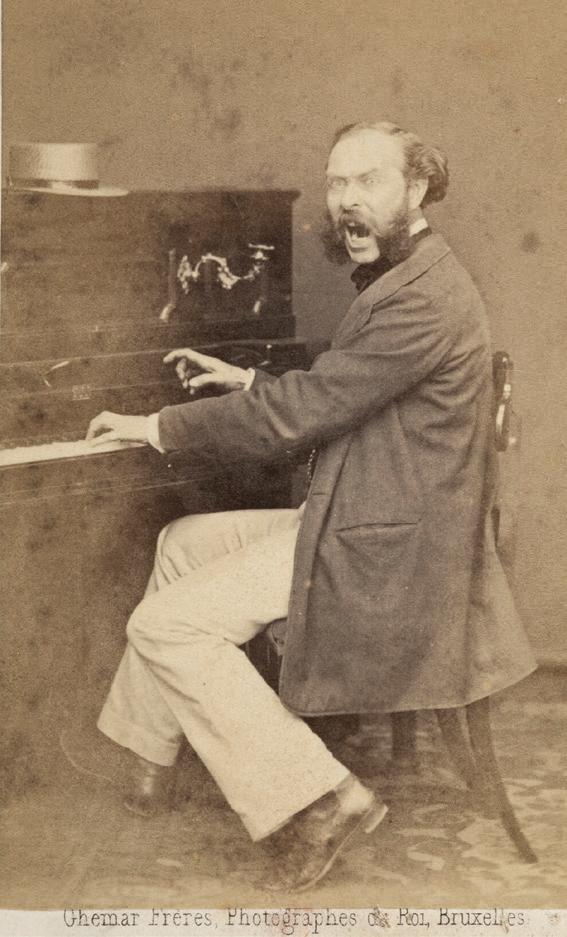
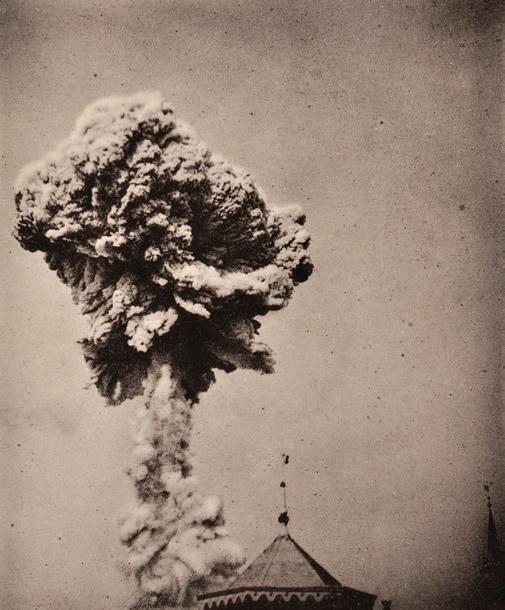
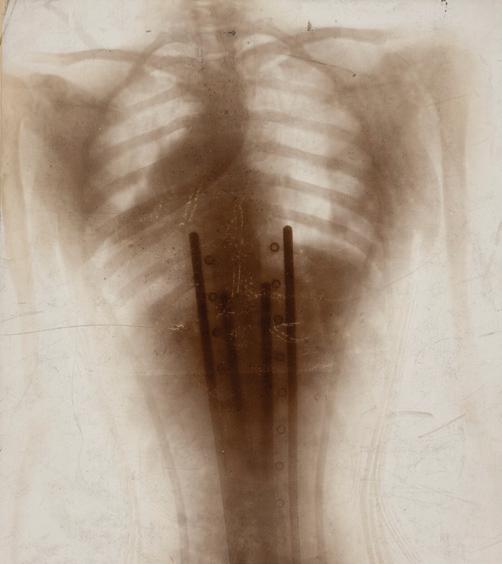
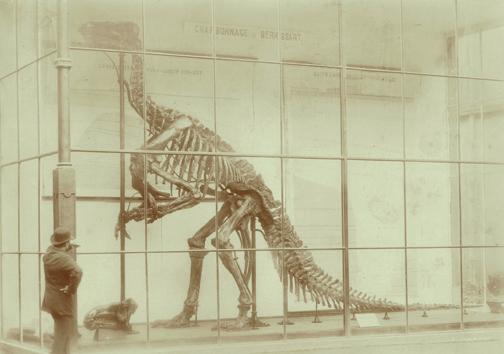




By bringing your broken devices to a Recupel collection point, you’re doing more than cleaning out a drawer – you’re helping build a sustainable, circular economy by making sure they are recycled properly.
Brussels residents are already making a difference when it comes to reusing and repairing electronic devices. But what about the items that can’t be given a second life? The broken toaster, the dead hairdryer, or that old mobile phone hidden in a drawer?
That’s where Recupel comes in: a Belgian non-profit organisation that ensures every broken or outdated electronic device is collected and recycled safely, locally, and responsibly. With more than 300 collection points across Brussels, it’s easier than ever to give your electronic waste a beautiful goodbye.
Many people know they can bring broken electronics to the recycling park, but that’s just the beginning. Recupel has a wide network of more than 300 collection points spread across Brussels.
You’ll find them where you already go in your day-to-day life: in supermarkets, DIY stores, electronics shops, and of course at the city’s recycling parks. Whether it’s a dead lamp, a worn-out coffee machine, or an old phone, there’s a Recupel collection point for each device. To find one in your area, just head to recupel.be/brussels .
Once an appliance stops working, it often ends up forgotten in a cupboard – even though it still contains valuable materials that can be recovered! Recupel makes sure those materials don’t go to waste. Every device dropped off is handled by certified local recyclers who dismantle it safely and recover everything that can be reused: from metals and plastics to tiny components that feed back into production chains. By bringing your broken devices to a Recupel collection point, you’re doing more than cleaning out a drawer – you’re helping build a sustainable, circular economy by making sure they are recycled properly.
The idea is simple: no extra effort, just a quick drop-off while you’re running errands. And it’s completely free.
From large household appliances to small everyday gadgets, Recupel collects them all. That includes items many people don’t realise can be recycled, like vapes, bike lights, headphones, and even empty ink cartridges.
The top 10 devices lying unused in Belgian homes:
Power strips
2.5 million
Decorative lighting (e.g. Christmas lights)
2.4 million
Flashlights/bike lights 2.2 million
Digital photo frames 1.9 million
Electronic toys 1.7 million
Light fixtures (e.g. lamps and pendant lighting) 1.7 million
Smartphones/mobile phones 1.6 million
Extension cables 1.4 million
Headphones/earbuds 1.3 million
Calculators/card readers (for e-banking) 1.2 million
After collection, your devices don’t travel far. They’re processed by specialised recyclers in Belgium, following strict environ -
mental standards. Every reusable material is recovered: metals are melted down, plastics sorted, and components reintroduced into new production cycles.
Thanks to this system, 96.2% of electronic waste in Belgium finds a new life – transformed into new products like bicycles, smartphones, and even construction materials. You can be confident that what you drop off is handled properly, right here in Belgium.
Choosing to properly recycle your broken electronics with Recupel is about more than decluttering. It’s about doing your part –knowing that your effort helps the planet, supports local recycling, and keeps valuable resources in use.
So next time you come across that broken mixer or drawer full of old chargers, drop them off at one of Brussels’ 300+ Recupel collection points.
Discover one near you at recupel.be/brussels
From large household appliances to small everyday gadgets, Recupel collects them all. That includes items many people don’t realise can be recycled, like vapes, bike lights, headphones, and even empty ink cartridges.
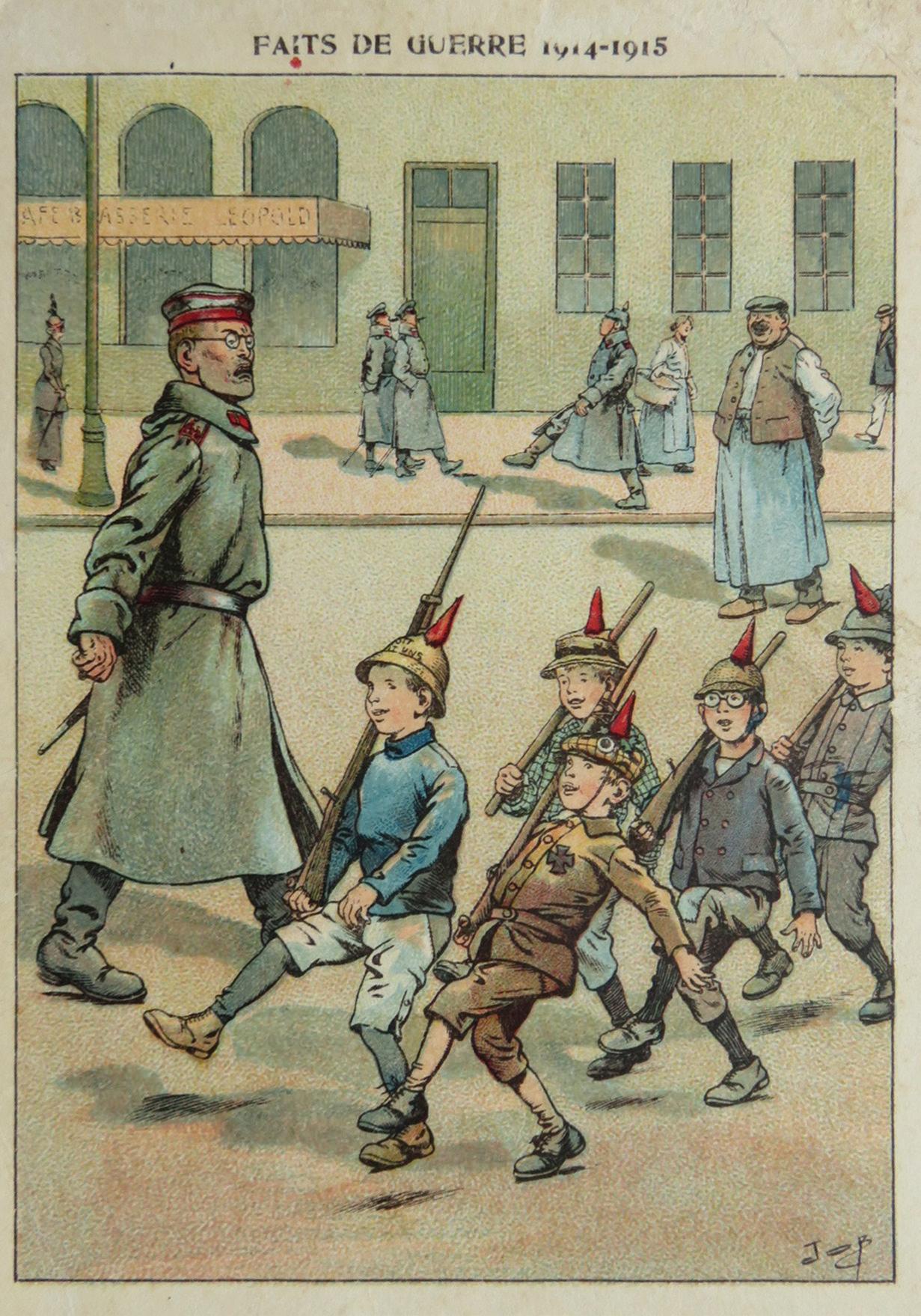
Belgians may not always agree on language or politics, but they do share zwanze – the sly Brussels humour that mocks power with a wink. Eliane Van den Ende, author of La Zwanze, traces its slippery, subversive history and explains why the joke’s on everyone
What is zwanze? Broadly defined, it is a uniquely Belgian-Brussels humour, in the form of wisecracks, cheeky banter or practical jokes.
But it is also something deeper: a sly form of resistance, a way of puncturing power with laughter. Think of it as guerrilla warfare, but with punchlines. A tender guerrilla campaign – one that wounds pride, not people, and leaves only a snigger in its wake.
During World War I, when the Germans seized every horse in the Marolles neighbourhood of Brussels, the children took matters into their own hands. They proudly marched broomsticks with cardboard horse heads, broken rocking horses and even twisted chimney pipes up to the German command post in the Palais de Justice.
The Brussels ‘ketjes’, a pet name for Brussels kids, even created their own version of the German Pickelhaube spiked helmet by piercing their cap, hood or paper hat with a carrot.
Goose-stepping like wooden marionettes, they formed a puppet parade, mimicking the German military march – before suddenly breaking into dribbling on the spot. When a baffled German officer asked what they were doing, the answer came, deadpan: “We are advancing towards Paris.”
This sort of tongue-in-cheek defiance has flourished in times of conflict. By June 1945, when the German occupation finally ended, the Marolles staged Dolphke begroufenis –Adolf Hitler’s funeral. A man with a painted moustache was hoisted onto a stretcher and carried through the streets under heavy mock escort. An obituary and photographs recorded the farce. But it wasn’t just a parody: along the route, money was raised for survivors of Auschwitz and Birkenau. That blend
of mischief and moral purpose – laughter sharpened into resistance – lies at the heart of zwanze.
Brussels humour has always carried a sharp edge, blending irreverence with resilience. Even outsiders noticed. The American Surrealist photographer Lee Miller, who visited Belgium after the war, summed it up crisply: “Deep in the atavism of the Belgians is Resistance.”
This rebellious, anarchic streak has long been part of life in the Low Countries. Throughout Belgian history, scholars and writers have noted a stubborn, often quiet resistance to generations of foreign occupation. A dogged non-conformism has flourished here for centuries, laughing in the face of power.
In his 19th-century research, René Fayt, honorary librarian of the Université Libre de Bruxelles (ULB), described this subversive spirit: “From time immemorial, the Brusseleir has been known as a crosspatch. Defying the authorities, whether local or occupying, making fun of politics or the celebrities of the moment, twisting regulations, mocking others or themselves, have always been favourite pastimes of the capital's inhabitants.”
Brussels folk have a natural tendency to cherish pranks, puns and jokes in good or bad taste. The wittiest remarks often erupt at the most solemn moments – a funeral, a political speech, a royal parade – when someone will inevitably mutter a deflating one-liner in that unmistakable Brussels drawl.
These jokes, often delivered in a wry, dry tone, carry that accent our neighbours simply call “Belgian”, which is a subtle idiom, forged in a melting pot of different languages,
Eliane Van den Ende
This rebellious, anarchic streak has long been part of life in the Low Countries. Throughout Belgian history, scholars and writers have noted a stubborn, often quiet resistance to generations of foreign occupation.
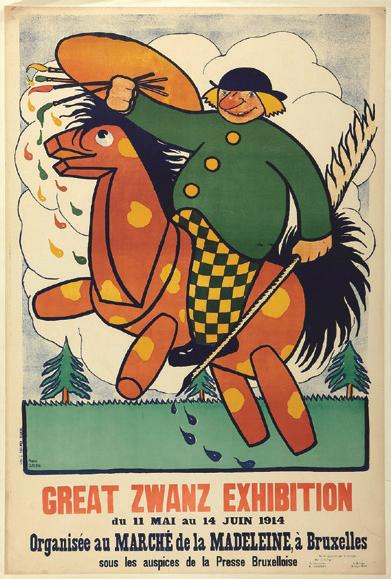
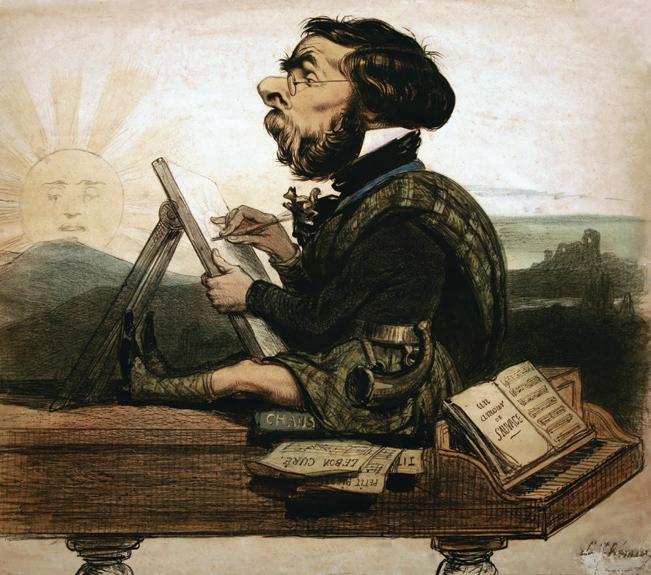
Out of this ambiguity come artistic masterpieces and expressions like “non, peutêtre” – which looks French, but in Belgian-French means “yes, of course.” Or “Oui, sans doute,” which actually means no.
cultures, accents and identities in our multilingual country. In other words, Belgium in miniature.
That constant awareness of living daily between languages and cultures has shaped a bizarre, even absurd mentality. Alongside realism, there is another realism: Surrealism. The boundary between sense and nonsense is porous; out of that ambiguity emerged not just jokes, but an entire aesthetic.
Out of this ambiguity come artistic masterpieces and expressions like “non, peut-être” – which looks French, but in Belgian-French means “yes, of course.” Or “Oui, sans doute,” which actually means no. In Brussels, a sentence may begin in an old Dutch dialect and end in French. It constantly swings from one foot to the other.
The word zwanze itself reflects this slipperiness. Middle Dutch – or ‘Diets’ – dictionaries define zwants (no standard spelling existed) as “a swinging movement, especially in dance.” But it could also mean the train of a woman’s dress.
A third meaning of ‘swans’ or ‘schwanz’ is the tail of an animal. Zwanze means swishing. It gives rise to more vulgar associations, still used in German and Dutch today – namely, a dick. A Yiddish–Dutch dictionary adds more meanings: tail, cock, a clown, a bungler. Always wagging, always shifting.
That linguistic wagging mirrors the Belgian temperament: playful, mobile, and for-
ever teasing authority. It’s no accident that the word itself seems to grin as it’s spoken.
Balancing between languages and identities is a hallmark of Brussels life, reflected by contemporary artists, comic strip authors, even politicians – and by the odd pirate traffic sign. One diversion sign in Brussels once replaced the Dutch word for it, Omleiding, with Arabic characters that simply read: “Good luck!”
Since the Middle Ages, humour in the Low Countries has been a form of counter step: practical jokes, hoaxes, harlequinades, carnival antics. Zwanze is like quicksilver – slippery, impossible to pin down.
Zwanzers (or zwanzeurs) enjoy teasing, with naughty, absurd, yet refined quips. The zwanzers of the 19th century were often gentlemen. Their antics were more than mischief; they were small rebellions against injustice, foreign rule, and cultural pretension, and part of the search for a Belgian identity.
Ever since Belgium declared its independence in 1830, that humour has been embraced by intellectuals, as well as the working classes.
For example, Renier Chalon, a lawyer, made waves across Europe in 1840 with the fake auction of the library of Comte de Fortsas – a library that did not exist. It was a satire of pompous, illiterate book collectors.
Lithographer and royal photographer Louis Ghémar set up a Musée Fantaisiste in a wooden shack in central Brussels (nowadays near the Place de Brouckère), filling it with
M E E T I N G
D O E S N ’ T H A V E T O L O O K L I K E
W O R K
HOST, BRAINSTORM, COLLABORATE. AT , YOUR NEXT BIG IDEA FINDS THE PERFECT SPACE, WITH THE CITY AT YOUR FEET. CARDO BRUSSELS
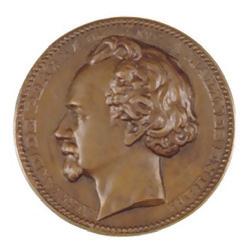
They used laughter to expose the absurdity of bureaucracy, patriotism and pretension. Their clubs – the Agathopèdes, La Société des Joyeux, Les Crocodiles –blurred the line between satire and performance art. They sang bawdy songs, issued mock manifestos and even staged their own Great Zwans Exhibitions.
120 parodies of contemporary paintings. One of his pieces was Toile Blanche – Peinture de l’Avenir (White Canvas – Painting of the Future), a blank canvas inscribed Commande du gouvernement. A biting critique of state cultural policy, predating by 50 years the 1918 painting, White on White, by Russian avant-gardist Kazimir Malevich.
These early pranksters were, in essence, philosophers in costume. They used laughter to expose the absurdity of bureaucracy, patriotism and pretension. Their clubs – the Agathopèdes, La Société des Joyeux, Les Crocodiles – blurred the line between satire and performance art. They sang bawdy songs, issued mock manifestos and even staged their own Great Zwans Exhibitions –pre-Dada happenings long before Dada was born. The Agathopèdes even travelled to the 1851 World Exhibition in London in search of a machine à faire des canards – a “joke-making machine”.
Their philosophy was simple: laugh at everything, especially themselves. Irreverence, in their eyes, was not a flaw but a civic duty. Zwanze links to an age-old tradition of satire. Like fairs, circuses and carnivals, it turns the world upside down, mocking the mighty and delivering a shared moment of laughter to the masses.
In 1894, Brussels zwanzers even founded their own political party, Le Diable-au-Corps, loosely translated as Devil in the Flesh. First a satirical newspaper, it later became a Bohemian café-cabaret in the city centre. And what was one of the points on their manifesto? To paint all the bare walls of Brussels. Today, that zwanze policy has been carried out in its own way: many bare walls are covered not in paint, but in iconic comic strip murals. The walls in Brussels continue to blow kisses at passers-by.
These 19th-century farces and escapades allowed artists and ordinary citizens to express their free-thinking commentary on society, politics, war and daily life. Yet there is always a note of melancholy in zwanze – a faint sigh beneath the laughter, as if to say: nothing is sacred, not even sorrow.
Tracing zwanze’s history is like piecing together a jigsaw. The jokes are easy to pass on, but the more intellectual, artistic side is harder to pin down. Traces survive in library archives, private collections and auction catalogues. Each discovery adds a new piece to the puzzle, making it richer and more complex.
The best definition may still come from Sander Pierron, journalist, art critic, and co-organiser of the third Great Zwanz Exhibition of 1914: La Zwanze fait penser après avoir fait rire. In other words, zwanze makes you think, after making you laugh.
It is laughter with afterthought – a chuckle that lingers. In Brussels, humour is not an escape from reality but a sly way of mastering it.




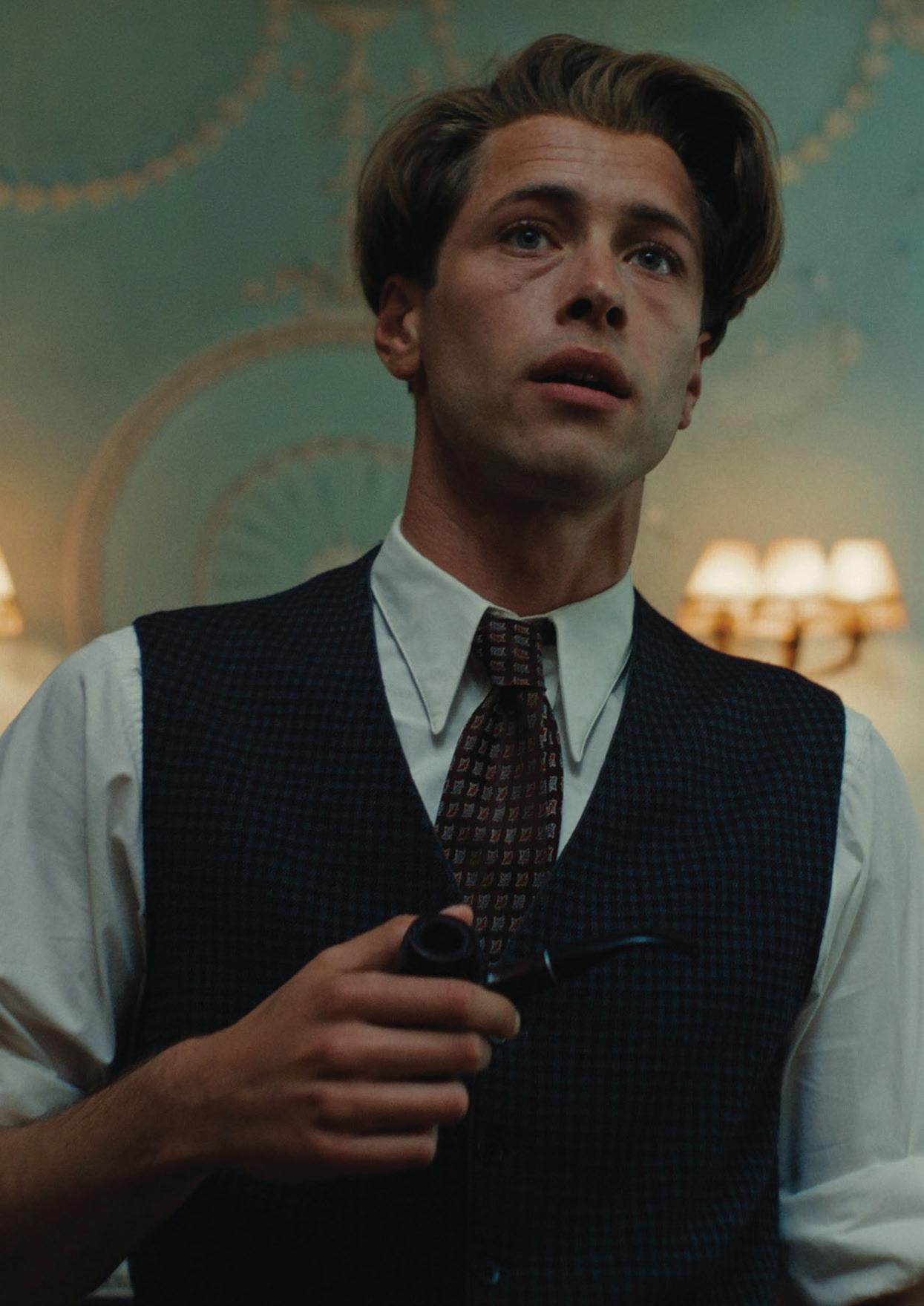
The new series This is Not a Murder Mystery, which could only have been concocted by Belgians, makes René Magritte a murder suspect-turned-sleuth in an English manor peppered with Surrealist artists. Lisa Bradshaw talks to Belgian director Hans Herbots about VRT’s first English-language production
René Magritte, Salvador Dali and Man Ray walk into a bar… It’s a joke I’d like to hear, and the new six-part TV series This is Not a Murder Mystery goes some way to fulfilling this desire. Unfortunately for Magritte, it’s no joke – in the first five minutes, he wakes up next to a dead woman. “Why don’t you arrest the Belgian?” asks Mrs Dali of the detectives who arrived to investigate. “He’s done it, I’m sure. He gives me the creeps, that fellow.”
And so starts a classic whodunnit, but with an unconventional cast of characters – the most famous artists of the Surrealist period. Or they would be anyway. In 1936, when the series is set, they were in various stages of their careers and gathering at Lord James’s West Sussex castle for an exhibition that will seal their fates as global masters of the art genre taking the world by storm.
“What I liked most about this concept was also the biggest challenge – the idea that you can spend time with these artists, with these people you only know as icons,” says Hans Herbots, who directed or co-directed all six episodes. “You can see how they might have been in real life – when they are accused, when they are under pressure, when they are scared. And we do this when they are young and searching for their own identities and own styles.”
The English-language This is Not a Murder Mystery is currently airing on VRT 1, and all six episodes can already be binged on Proximus Pickx and VRT Max (with Dutch subtitles) and RTL Play (with French subtitles) from November 17.
The series was dreamed up by Belgian screenwriters Christophe Dirickx, Paul Baeten and director Matthias Lebeer, working with Antwerp production company Panenka. They pulled Herbots on board because they needed a heavyweight to put investors at ease. The award-winning Belgian director has made dozens of local and international TV series, most recently the British open seas thriller No Escape, the French/ British action-drama Paris Has Fallen and the UK-produced, Thailand-set The Serpent, the sto-
ry of real-life 1970s serial killer Charles Sobhraj.
Until now, the 1970s have been the furthest in the past that one of Herbots’ series has taken place. This is Not a Murder Mystery plunges him into deeper period piece territory. “The 1930s do feel very different,” he says. Despite his vast experience, he learned a great deal about shooting the past, he says, particularly when it comes to costuming.
“I discovered for the first time how you can really create a character by changing little things –like Magritte’s hairline. We brought it down a bit with this little front hairpiece. I didn’t even know that existed. Shadows drawn onto a face, a false nose, body alterations. But mainly hair. It’s amazing how hair can change your appearance.”
And what hair. In the series, Magritte has a gorgeous head of it, all blond and wavy, shocks of it dipping over his forehead like a California surfer. This 30-something Magritte is played by Belgian actor Pierre Gervais, and you’d be forgiven for thinking that the real Magritte could never have been this impossibly handsome (those cheekbones!). But Magritte was quite a looker in his younger years, and Herbots emphasises that he and the casting directors set out to match the actors with the look of the artists they represent. Although matching had as much to do with their vibe as their look.
“In that first conversation, you can feel who they are,” Herbots says. “Their personalities are more important than how they look. You can alter the way they look, but – even when they’re acting – a personality always comes through. It wouldn’t have worked if Magritte came off as a big extrovert or if Dali was shy.”
I spoke to Herbots in the VIP lounge at Kinepolis, set up as part of Gent Film Fest, Belgium’s largest film festival. It is here that the first two episodes of This is Not a Murder Mystery aired, a world premiere. Ticketholders heard from not only Herbots but the international cast. In a smart move, Herbots and casting directors chose actors of the same nationality as the characters. So a Spaniard plays Dali, an Ameri-
Lisa Bradshaw
In the series, Magritte has a gorgeous head of it, all blond and wavy, shocks of it dipping over his forehead like a California surfer.
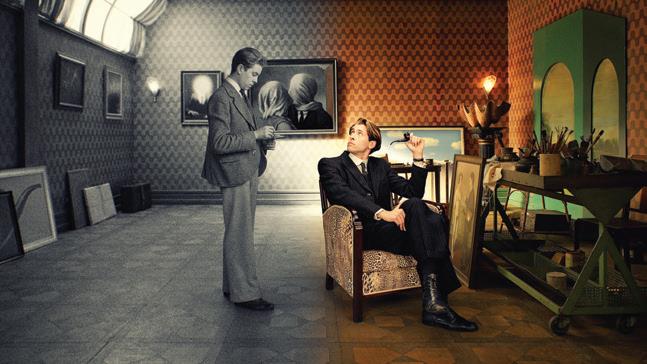
Top: director Hans Herbots; above: the real Magritte (left) and Gervais. Page 66: Pierre Gervais as Magritte
If you have an English guy playing a German, it’s jarring. It might have been easier to sell it to a streamer if it was all Americans playing the parts, but it would lose too much of what makes it real.
can Man Ray, a Belgian Magritte. Rounding out our cast of Surrealist period artists – or “gang of lunatics,” according to one inspector – are German painter Max Ernst and American photographer and war correspondent Lee Miller.
“I thought it was important to be as authentic as possible with the nationalities,” Herbots says. “It’s based on historical events. If you have an English guy playing a German, it’s jarring. It might have been easier to sell it to a streamer if it was all Americans playing the parts, but it would lose too much of what makes it real.”
So how much of the series is real? Filmmakers did watch footage, read essays and conduct the research needed to bring these artists – and in the case of Dali and Magritte, their wives –to life as accurately as they could. In terms of the “historical events”, there really was a Lord
James, and he did invite all of these people to his estate, called West Dean House.
A patron of the Surrealist arts, Edward James hosted groundbreaking site-specific exhibitions that were instrumental in turning the artists into household names. It is Lord James who features in Magritte’s famous painting Not to Be Reproduced. “In 1936, all of these artists were there,” notes Herbots. “Not all of them together in one week, but most of them, and then some at a different time. Dali’s Lip Sofa was created while he was there.”
The series begins with the recreation of a popular story: that a 13-year-old Magritte was present along the River Sambre at Châtelet when his mother’s body was pulled from the water, and the vision of her nightdress covering her face would forever recur in his work, most notably the four paintings known as The Lovers.
“There are two versions of the story,” says Herbots. “I’ve read articles where they say that it was absolutely true.” Magritte himself said that he was not there, I helpfully point out. “He did say that. But I’m not sure if that’s true. There is a biography of him that says he was there. In any case, I like the idea that we could incorporate the story that he saw this strong image with strong emotions connected to it.” He pauses. “Maybe I just want it to be true.”
The concept, in any case, is put to good use, as the killer in This is Not a Murder Mystery arranges the murders to resemble paintings – Magritte’s The Lovers II being the first. It’s a clever conceit, and one that spurs Magritte to turn amateur
sleuth to help investigators find the culprit.
Every episode of The is Not a Murder Mystery is followed by This is Not Fiction, a short segment that lays out the truth of what you have just seen – and what is pure fabrication. But in the end, it might just be a good idea to embrace the very notion of Surrealism when watching. It’s hard to imagine that the actual Surrealists would find fault with personifications of them as distorted, symbolic or overly-emotional –the central ethos of their work.
And funny. Surrealism requires a strong sense of irony to appreciate, and the one-liners pack a wallop. In one delicious scene where we see the origins of Dali’s signature Lobster Telephone, Man Ray says to him: “You’re up early. Intrusive thoughts?” to which Dali replies: “The only thoughts I know.”
It’s also delightful to see details such as Magritte carrying The Treachery of Images casually under his arm, the origin of his bowler hat, Man Ray using Lee Miller as a lip model for his own famous painting called The Lovers (which he in fact painted in the wake of their real-life separation), and the very beginning of the legendary Salvador Dali moustache in a blinkand-you’ll-miss-it moment close to the end.
This is Not a Murder Mystery is the first series released by New8, a collaboration among eight European public broadcasters, including Flanders’ VRT. “They all put their money on the table, but there is always one broadcaster who takes the lead on a series,” explains Herbots. “In this case, that was VRT.” It is the first series in English that
the VRT has ever commissioned
It was also partially shot in Belgium, with gardens in both the Ghent and Waleffe areas serving as part of the massive West Dean estate, and the bedrooms coming from the Heks Castle in Limburg. Locals will also recognise a greenhouse from the Meise Botanic Garden. The real West Dean House is now a college of arts and craft, so much of the series was shot at Curraghmore House & Gardens in Portlaw, Ireland.
“We were in Ireland for two-and-a-half months,” says Herbots. “The cast hung out, went for drinks together, took walks around the estate. It generated trust among them, which is kind of unusual. Usually, when I work in the UK, it feels more like a business. People come to work and are well prepared and do their best, but it stays a very individual thing. Something we Belgians are good at is creating an atmosphere of collaboration. That starts to work on every level, and I think part of the charm of the series has to do with that.”
In one delicious scene where we see the origins of Dali’s signature Lobster Telephone, Man Ray says to him: “You’re up early. Intrusive thoughts?” to which Dali replies: “The only thoughts I know.”
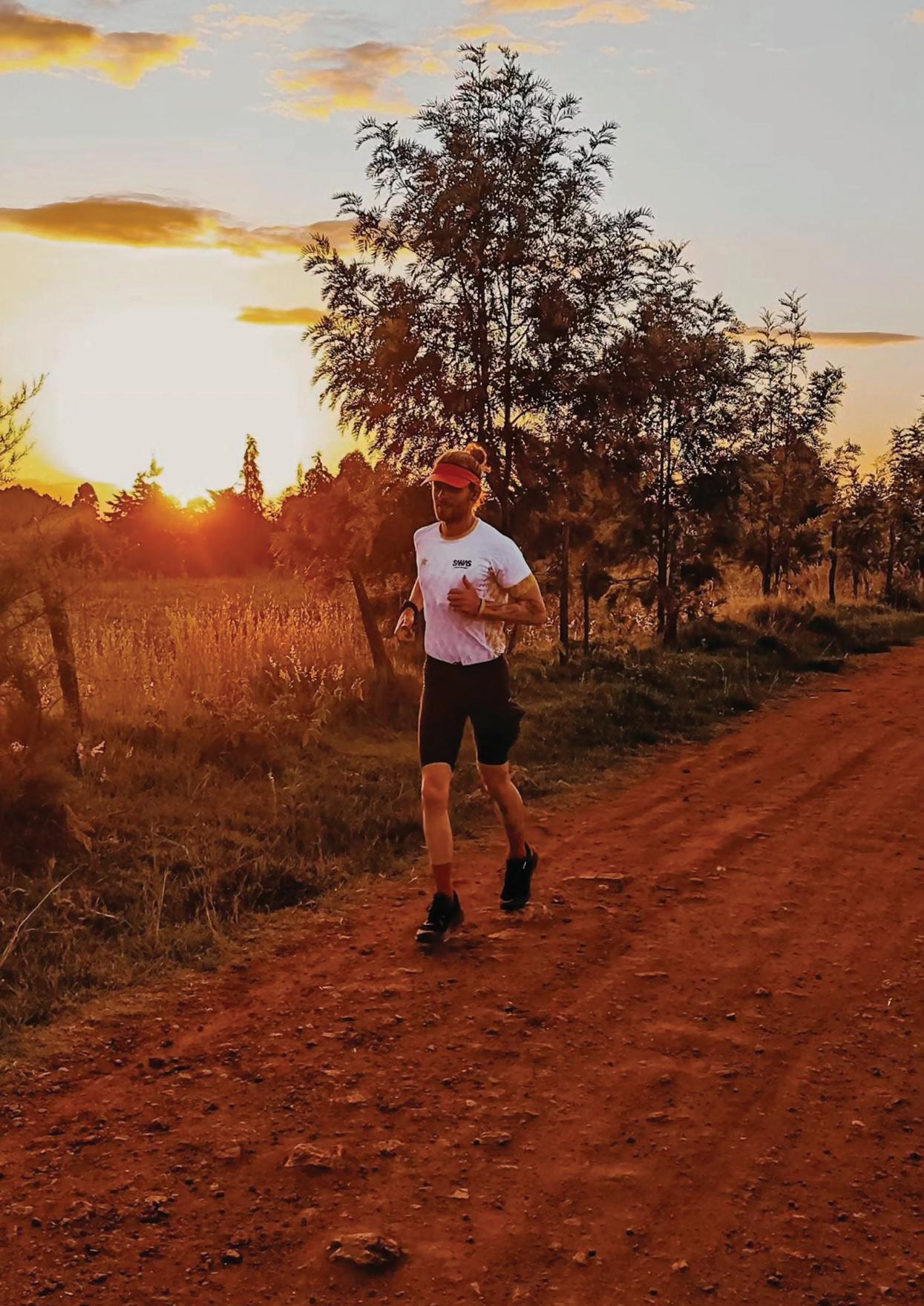
What drives someone to run for six days straight, or to complete a marathon every day for a year?
Jon Eldridge meets three Belgians who find freedom, obsession and purpose at the farthest edges of endurance
At the high-altitude training camp in Iten, Kenya, life for extreme athlete Matthieu Bonne seems a breeze. On a normal day, he gets up around 9am after a good 10 hours’ sleep, consumes the first of five or six meals and does a couple of sessions of running between naps and maybe a massage.
But this normal day, it should be noted, still sees him clock up around 30 to 40km. And then, of course, some days he goes big. “Two days ago, I did a double marathon run,” he says. “So, 84.4km at four-and-a-half minutes per kilometre pace, which is very, very fast.” It’s not for nothing that the camp, which has been used by a host of glittering Olympians, is known as the Home of Champions.
Bonne, a 31-year-old former lifeguard from Ostend, is the record-holder for the farthest distance run over 48 hours and over six days. At the camp, he is now focusing on increasing his speed ahead of an attempt in France to also hold the record over 24 hours. The world record is currently held by Lithuanian Aleksandr Sorokin, who ran 319.6km in a single day in 2022.
Now a professional athlete, Bonne is no stranger to the task, having broken the Belgian record over 24 hours as part of his training for the longer six-day challenge. It seems like he was born to run. “My body is very strong, I must admit. I have only had a few injuries over these past seven or eight years, which is extraordinary because I push it to the limit…My body is really made for this.”
Bonne was also born to swim and will switch focus in the new year. In 2023, he set a world record for open water swimming in the Gulf of Corinth, totting up 131km in 60 hours, 55 minutes and 43 seconds. And that same year, he also cycled a record 3,619.72km in seven days.
The records could keep falling: he says he can stay competing at the same level for another 15 years. When asked whether starting
a family would change his priorities, he becomes a little taciturn. “We'll see. I don’t really think about the future much. I just live in the moment.” Although he comes across as very open and personable, he describes himself as not especially sociable, saying he has just a small circle of like-minded friends.
Bonne also comes over as quite modest, despite dismissing the Marathon des Sables as “nothing”. This is, after all, the gruelling seven-day, 250km challenge in the Sahara Desert that many amateur athletes aspire to complete – and that was his first main endurance challenge seven years ago. “I would run the distance in one day now,” he says. “It was a huge challenge for me, but now, so many years later, I'm just a different person and a different athlete who's done so many things already.”
Asked to name a highlight, he equivocates but eventually offers up an insight into the appeal of life at the extremes. “If I have to choose one, it would be the eight full-distance triathlons I did on the eight Canary Islands in eight days; and after every triathlon I took a sailing boat over the Atlantic. It was amazing! Not only because it was a hard physical challenge, but also because it was a massive adventure. And I'm an adventurer at heart. I'm not only an athlete; I like to explore new things.”
Many of us start the year with ambitions to be more active, but few, if any, begin with the intention of running a full marathon every day. Yet that was the plan of 55-year-old Flemish ultrarunner Hilde Dosogne at the dawn of 2024, knowing that the Guinness World Record of 150 consecutive days of marathoning for a female runner was within her reach.
She had been building to this point, but slowly. Dosogne only completed her first marathon 12 years ago. After having had four children, she says she and her husband were able to pursue their mutual interest in long-dis-
Jon Eldridge
The records could keep falling: he says he can stay competing at the same level for another 15 years.
In May, she became the national champion in a 24-hour race around the athletics track in Nekkerspoel, Mechelen, with a winning distance of 211.520km
tance running. However, her first attempt at 26.2 miles – or 42.125km – fell short of expectations, missing her goal of completing the distance in under four hours.
Undeterred, she continued training, eventually easing past her target and then setting new goals. She says she was spurred by an ambitious nature and “the need to prove that I’m strong.” Last year, she would complete each of her 366 marathons – mostly at the Watersportbaan lake in Ghent, but some closer to her hometown of Lochristi – in around four hours.
In fact, the target had simply been to beat the record, but the press (ahem, them) announced that she would keep going for the whole year. Twenty-four pairs of running shoes later – not to mention enduring bouts of flu and even Covid – she battled on to yearend, accompanied in the final stretch by 600 supportive runners, including Belgian Olympic medallist marathon runner Bashir Abdi. Why not continue to beat the men’s record?
“Because I had been injured since Christmas, I really had to push myself to run until the 31st of December.”
Indeed, Dosogne does not shy away from describing the whole experience as an ordeal and would strongly advise anyone against attempting a similar feat, although she did raise €65,000 for BIG against breast cancer, a network of academic research groups. And moreover, she can now boast of being a Guiness World Record holder – the task of daily collecting GPS data and uploading the proof to be
verified adding to her extraordinary achievement, and all while continuing to work parttime as a regulatory affairs manager for a chemical company.
Her endurance athletic journey is not over quite yet, despite admitting that she has achieved her bucket-list goals: one of which was completing the Marathon des Sables across the sweltering Moroccan sands, after being inspired to take part by a documentary by filmmaker Tom Waes. In May, she became the national champion in a 24-hour race around the athletics track in Nekkerspoel, Mechelen, with a winning distance of 211.520km – running more than 15km farther than the second-place athlete despite being nearly 20 years older.
She also trained to compete again in September in Spartathlon, a 246km race from Athens to Sparta that traces the route that the messenger Pheidippides is said by Herodotus to have covered in 36 hours in 490 BC during the First Persian War. In Plutarch’s retelling of the legend, the messenger famously falls down dead on delivering the news of victory. While Dosogne acknowledges that injuries could one day put an end to her journey, for now it seems there’s no letting up.
If Marathon Man to you is Dustin Hoffman in the classic 1970s thriller, then meet the Belgian extreme athlete known as ‘marathon man’ –

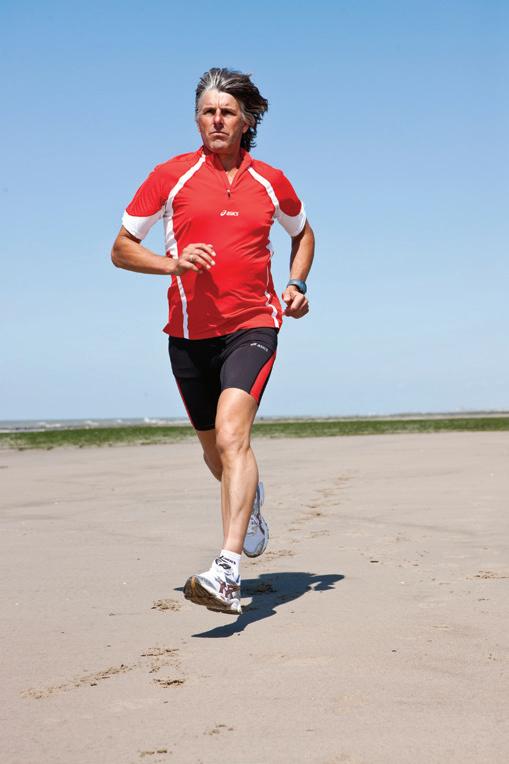
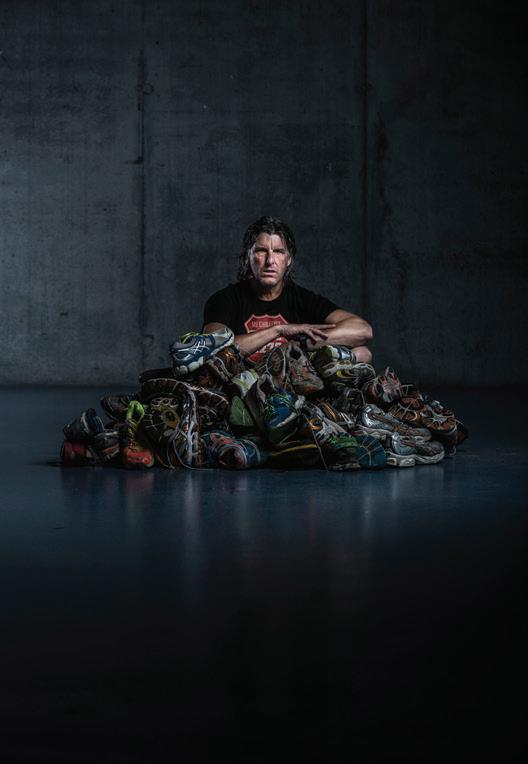
and with good reason. In 2010, Stefaan Engels became the first man to run a marathon a day for a year.
“I doubted I would make it. Almost no one believed in me. There were dozens of moments when things could have gone wrong – and yet I overcame them all,” he says.
In fact, things did go wrong, namely an injury on day 18 in the high-altitude conditions of Mexico that he had chosen for the attempt. The injury, he says, was due to the snow and ice. “I continued in a wheelchair, and after 36 days, I started over with the count at zero.”
His achievement is all the more remarkable given his age of 49 at the time and that he has suffered from asthma since he was a child. “My asthma was and always has been a limitation, but thanks to better medication, I manage. Without asthma, I might have built a professional sports career.”
Now, aged 64, Engels is currently preparing, “purely for fun and health”, to run his next marathon in March in Barcelona. It will be marathon number 1003.
So how did it all begin? “At 25, I started running 5km, which was considered unusual back then, just jogging in the street. But I got the hang of it, wanted more, and soon dreamed of a marathon. A year later, I realised that dream in Rotterdam with a time of three hours and 16 minutes.”
Running, sports and triathlons would shape his life. “I've been able to make a career of it: as an athlete, organiser of events like the Ghent Marathon and Ghent 10 Mile, and as a driving force behind countless sports initiatives. For 15 years, I've been coaching marathon runners and giving lectures to companies about the importance of pushing boundaries and investing in health to age gracefully.”
Engels highlights his record 20 Ironman triathlons in one year, 2008 as a notable achievement (that’s a 3.9km swim followed by a 180.2km bicycle ride and a full 42km marathon). But he accepts that records are meant to be broken, and indeed his marathon-year milestone has been subsequently surpassed. “But I was always the first,” he says. “Like with the moon landing, everyone still remembers who that was.”
At the start of the new century, only a few courageous diehards were taking on extreme challenges, but Engels says, “more and more people are now being inspired to go further, harder and longer. I sincerely wish them the best of luck!”
As for Engels now, he just wants to encourage others. “I've dedicated myself wholeheartedly to inspiring others to push their boundaries, step outside their comfort zone and believe in themselves,” he says.
His achievement is all the more remarkable given his age of 49 at the time and that he has suffered from asthma since he was a child. “My asthma was and always has been a limitation, but thanks to better medication, I manage. Without asthma, I might have built a professional sports career.”

As Europe grapples with its growing cancer crisis, policymakers are being urged not to lose momentum, especially when it comes to women’s care. Cancer remains the second leading cause of death in the EU, and the number of cases is projected to rise by nearly 25% by 2040. For women, the most pressing challenges, late diagnosis, unequal access to innovation, and gaps in data, are more urgent than ever.
Breast cancer is still the most diagnosed cancer among European women, leading to nearly 96,000 deaths each year. Yet while oncology has made significant scientific ad-
vances, particularly in targeted therapies and diagnostics, these improvements are not reaching all patients equally. Only 14 of 27 EU Member States meet the recommended screening coverage threshold of 70%, and access to new treatments still depends heavily on where a woman lives.
In response, the EU launched its Beating Cancer Plan, a strategy designed to reduce the cancer burden across Europe through prevention, early detection, diagnosis, treatment, and support for survivors.
Despite the plan’s ambitious goals, implementation by Member States still lags behind. With the next political cycle now underway, voices from across the oncology sector are calling for more coherent national strategies, better investment, and faster translation of innovation into real-world care.
One of those voices is Dr Michael Zaiac, Head of Medical Affairs, Oncology Europe at Daiichi Sankyo, who has decades of experience in cancer research and surgical practice. On the advocacy front, he is joined by Elena Nevado del Campo, a Member of the European Parliament from Spain (EPP, SANT Committee).
Dr Zaiac and MEP Nevado del Campo spoke with The Brussels Times about where Europe stands, what’s working, and what still needs to change.
the current state of cancer care for women
Dr Zaiac: “Thanks to earlier detection and new targeted therapies, we can catch and treat many cancers much earlier. But the reality is that access is uneven. While average breast cancer survival across Europe is around 73% at five years, it drops sharply to just 58–60% in parts of Central and Eastern Europe, compared to 77–81% in Northern and Western Europe. Uptake of innovative treatments still often depends on a patient’s residence. The gap between potential care and actual care is widening, and often, women bear the brunt of the consequences.”
MEP Nevado del Campo: “In the last years we have taken important steps, but the
reality is that cancer care for women continues to be very unequal in Europe. There are countries and regions where early diagnosis and access to advanced treatments are a consolidated reality, while in others there are still enormous delays. We need a more cohesive model, with a European vision and with a gender perspective, that guarantees that all women, wherever they live, receive the same quality of care.”
Dr Zaiac: “Two come to mind immediately. Firstly, time. After a medicine is authorised at the EU level, it can take over a year, or longer, before national systems approve it for reimbursement. In some Member States, like Latvia or Lithuania, fewer than one in three EMA-approved therapies are even filed for reimbursement.
Second, diagnostics. Without timely and equitable access to biomarker testing, the right treatment can’t be prescribed in the first place. Even when science advances, systems may not keep pace with it.”
MEP Nevado del Campo: “The most serious barriers continue to be territorial and social inequalities. It is not the same to live in a big city as in a rural area, not even in one state or another, and that creates differences in access to, for example, screenings, in waiting times or in proximity to specialised services. There are also many women who lack the necessary information to detect symptoms in time. The priority must be to strengthen prevention and bring resources closer to those who need them most.”
Dr Zaiac: “We’re making progress. Clinical trials are improving in terms of gender balance, but older women are still underrepresented, and results are rarely stratified by age, ethnicity, or other key factors. That creates blind spots: both in how we assess innovation and how we design policy. Promoting gender-aware clinical trials that reflect diverse populations and ensuring that studies accurately reflect the epidemiology of the diseases they seek to treat should be a central focus.”
MEP Nevado del Campo: “We have made progress, but still not enough. Women are not always well represented in research; they should take part more significantly in
clinical trials, and data systems do not collect all the information we need to make fairer and more effective decisions. If we want to move towards personalised and equitable medicine, Europe must bet more decisively on biomedical research and on more complete and transparent data, more interoperable and coordinated.”
Dr Zaiac: “Imagine a care pathway where screening, diagnosis, referral, and treatment move in sync. When systems are integrated and coordinated, time to therapy can be reduced by up to 30%.
By adding faster, more predictable reimbursement decisions and a framework for sharing real-world evidence across borders, we would be much closer to delivering on the promise of innovation. Importantly, that also means reducing inequality between and within Member States.”
MEP Nevado del Campo: “A better-functioning system would be one that offered all women a clear path: prevention, early diagnosis, treatment and follow-up, regardless of where they live or what their situation is. This requires coordination between services, more territorial equity and taking advantage of innovation at the service of patients. In the end, it is about making sure that no woman feels alone or left behind in such a difficult process.”
Policymakers now face an opportunity to retool Europe’s cancer strategy for long-term impact. The implementation of the European Health Data Space, the Joint Clinical Assessment under the new EU HTA Regulation, and continued investments under the Beating Cancer Plan are all tools that can bring more equitable outcomes—if used effectively.
For companies like Daiichi Sankyo, the path forward is one of partnership. Beyond research, the company is advocating for faster diagnostics, smarter data sharing, and policy frameworks that put patients at the centre.
“Innovation is only meaningful when it reaches every woman who needs it,” concluded Dr Zaiac. “By pairing science with smart policy, Europe can make that promise a reality.”
Written by The Brussels Times and supported by Daiichi Sankyo

For companies like Daiichi Sankyo, the path forward is one of partnership. Beyond research, the company is advocating for faster diagnostics, smarter data sharing, and policy frameworks that put patients at the centre.
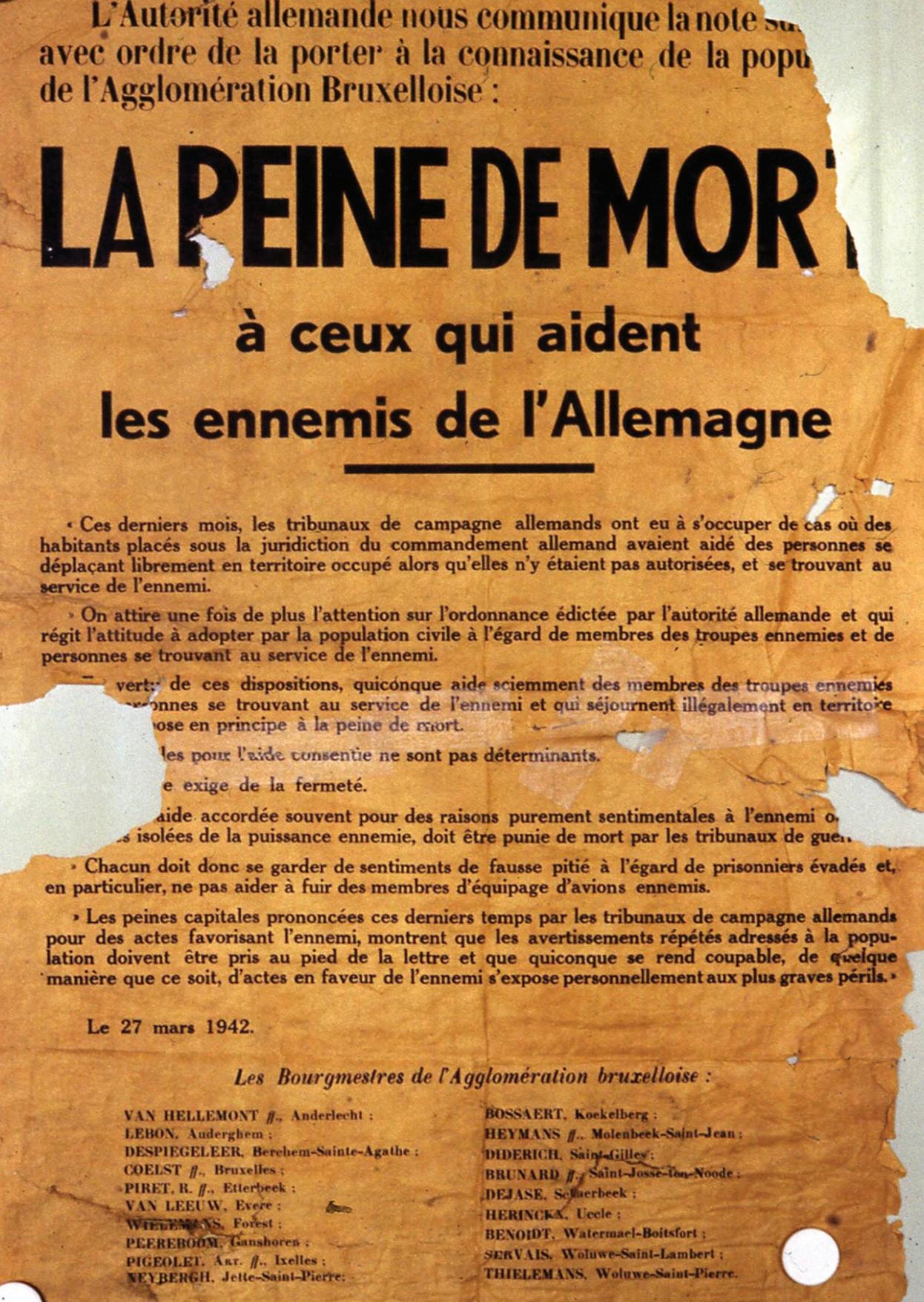
In the two World Wars, Belgian men and women risked everything to pass vital intelligence to Britain from behind German lines. Two MI6 networks – La Dame Blanche and Clarence – became legendary for their daring, discipline and ingenuity in helping turn the tide against occupation and tyranny. Helen Fry, whose book, The White Lady: The Story of two key British Secret Service networks behind the German lines, has just been published, explains how they did it
In the long and secretive history of the British secret service, MI6, two intelligence networks stand out for special acclaim – and both operated behind German lines in occupied Belgium. The first, La Dame Blanche (The White Lady), emerged during the First World War; the second, the Clarence Service, followed in the Second World War. MI6’s official history hails La Dame Blanche as “the most successful single British human intelligence operation of the First World War.” Of its successor network, the Clarence Service, it states that, “by the quality and quantity of the messages and documents which it provided, Clarence was the highest among the networks of military information of all occupied Europe.” Such distinctions are rare and revealing.
La Dame Blanche was named after an ancient German legend that if a ghost of a white lady appears to the German army on the battlefield it would herald the downfall of the Hohenzollern royal dynasty, Brandenburg-Prussia’s ruling family, and thus the mighty Imperial Germany. It was no coincidence, then, that it was given to one of the most important intelligence networks behind the German lines in the First World War. The imagery was clear – that by its clandestine intelligence gathering work for the British secret service, La Dame Blanche would bring an end to German occupation in Belgium. And it did.
Many patriotic Belgian women and men took part in clandestine missions and intelligence-gathering in both world wars. They were strong leaders, agents, couriers and spies – and all at the very heart of these two MI6 networks. They collected information on troop movements and defences behind the German lines, wrote coded reports and messages which were smuggled out of Belgium to British intelligence in Rotterdam, set up safehouses, ran letterboxes and established courier lines.
The agents delivered critical eyewitness in-
formation that helped British intelligence and Allied commanders in the field build a picture of German positions behind the lines, the geographical regions where the troops were located and the enemy’s fighting capability. Information on troop movement in a particular direction enabled a prediction of the area for the next German offensive against Allied positions along the front line.
The first leader of the network was Dieudonné Lambrecht, an engineer from Liège. He led an army in the shadows – without uniform or guns, but whose members took an oath of allegiance and were given military ranks. The women, like the men, swore allegiance and were given a rank – and in some cases, they outranked the men.
They always faced the risk of being discovered by efficient German counter-espionage units, and this was indeed the case with Lambrecht, who was arrested and shot at Liège’s Fortress of the Chartreuse on April 18, 1916. However, in death, Lambrecht became a powerful figure who inspired others to continue with his work. His cousin Walthère Dewé took over the leadership and the network was renamed La Dame Blanche.
Over 40 agents initially worked for La Dame Blanche, but by the end of the war, the network had expanded across Belgium and had 1,084 agents. Theirs was a great sacrifice: if captured, they suffered brutality and torture during interrogation, and could be shot. They knew this but continued their work nonetheless. They understood the importance of their operations for the Allies.
Women were prominent in the network’s success. They moved invisibly behind the German lines, with the Germans not expecting women to be involved, but rather seeing them as housewives and keeping the family.
At the heart of this history are strong per-
Helen Fry
The
imagery was clear – that by its clandestine intelligence gathering work for the British secret service, La Dame Blanche would bring an end to German occupation in Belgium. And it did.
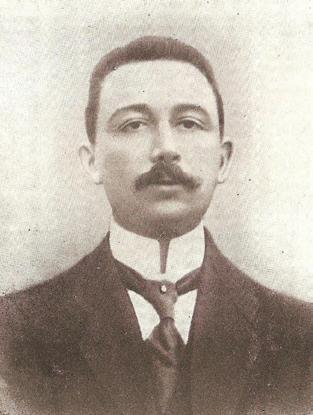
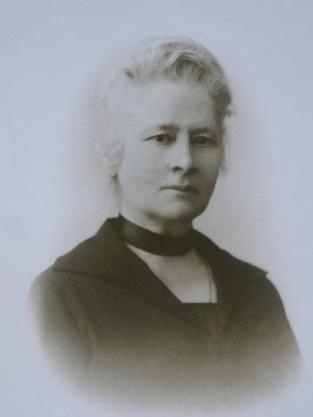
Women operated as heads of intelligence sectors, couriers, agents and ran letterboxes and safehouses. They were as courageous as the men and undertook the same personal risks.
sonalities, like Lambrecht, Dewé, Thérèse de Radiguès and the Tandel sisters. The doughty de Radiguès operated from her home at Conneux Castle and ran an entire intelligence section from the region around Ciney, sending agents into the German-occupied Luxembourg.
In the early years of the British secret service, which had only been founded in 1909, heroic Belgians were developing all kinds of early spy techniques, using invisible ink in messages, knitting coded messages into jumpers and scarves, hiding messages in clumps of mud or potatoes, and smuggling reports over the border into the Netherlands for the British.
When the call came again in 1939, many of the same men and women, albeit much older, did it all again for the successor network called the Clarence Service.
On September 3, 1939, Britain declared war on Nazi Germany after Germany had invaded Poland two days earlier. Dewé, then 59, was contacted by a British secret service agent codenamed ‘Daniel’ (Claude Cyril Barnes-Stott) who said that MI6 had an important mission for him.
Dewé was asked to call up the old guard and set up an intelligence network in Belgium again. It was modelled on La Dame Blanche, but modernised and with spycraft modified for a new era.
MI6 was under no illusion that Germany might seize Belgium again. Dewé set up observation posts as an early warning system to collect information to alert MI6 if a German invasion was imminent.
In May 1940, Germany occupied Belgium again, and Dewé’s network expanded to take in a new generation of agents. The network was named the Clarence Service after
his co-leader, Hector Demarque (codename ‘Clarence’). As before, its agents and couriers were militarised and given military ranks.
Women operated as heads of intelligence sectors, couriers, agents and ran letterboxes and safehouses. They were as courageous as the men and undertook the same personal risks. Thérèse de Radiguès and the Tandel sisters were once central to the leadership and operated as agent handlers: their sectors went on to deliver crucial V-weapon rockets (V-1 and V-2) intelligence for MI6 from behind enemy lines, including the positions of V-1 installations. Dewé, alas, would be shot in Ixelles as he fled from the Nazis after leaving de Radiguès’s house at Avenue de la Couronne 41 (a plaque at the spot where he was killed is on the wall of Rue de la Brasserie 2).
From the London end, operations were headed by ‘Major Page’, the codename for Lieutenant Colonel Frederick Jempson, who headed the Belgian section of MI6. Working with him was MI6 officer Ruth Clement Stowell. She was an agent handler who organised the training and planned the secret missions of the agents being parachuted into both Belgium and Luxembourg. She oversaw the missions, often being the last person to see the agents as they left on their flight from England for Belgium.
The Clarence Service not only operated in Belgium, but dispatched agents over the border into northern France, where they were particularly active along the coastline and near sites of German defences. Other agents were sent deep undercover into Nazi Germany to gather information on German military capability, new weaponry and technology, as well as positions of German fighting units.
Their observation posts sent an extraordinary volume of detailed military intelligence across the war that was included in 160 reports. Intelligence reports in the nine months before the D-Day landings in Normandy, on June 6, 1944, provided volumes of valuable information on German troops and their movements, reports of the results of Allied bombing raids on engine sheds and locomotives, enemy activity at aerodromes, and sketches of a range of important sites, including the Belgian and French railways and docks. Blueprints of stations and rail lines were smuggled out to London. These are the impressive blue and white technical plans which unfurl to a length of two to three meters and survive today in the archive of the Clarence Service at the Imperial War Museum in London.
Just a fortnight before D-Day, reports were urgently sought by MI6 on the markings on enemy aircraft, types of aircraft engines in production, as well as the manufacture of special equipment and weapons,
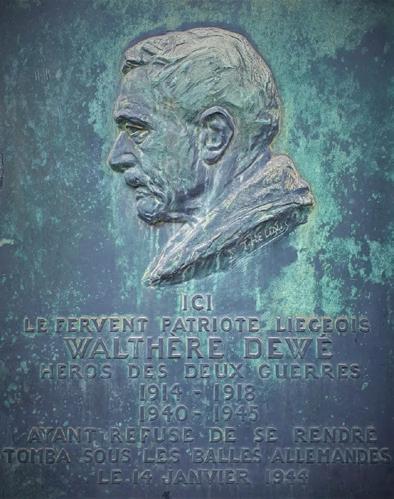
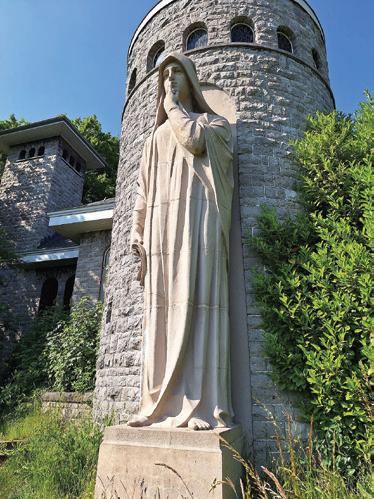
the movement of planes, the location of headquarters, and the state of the railways and traffic in Belgium and Northern France. Clarence Service agents sent MI6 updated material on this. The vast intelligence-gathering across Belgium, into northern France and Luxembourg by Belgian agents was simple but effective.
What emerges from this is a story of defiance, heroism and ingenuity that saw Belgian women and men engaged in daring acts of espionage behind the German lines. These networks sprang from the initiative and courage of ordinary Belgians.
La Dame Blanche and Clarence Service networks are important in the history of MI6, too. More British historians and researchers should study the now-declassified files of other clandestine Belgian networksso far, they have barely been consulted outside Belgium.
I hope the courage and selfless sacrifice of the Belgian agents and parachutists will become known more widely outside Belgium. They played an enormous part in the defeat of the occupying German forces and in the restoration of democracy to Europe.
I have only tapped the surface of Belgium’s espionage history, but there is already a sense emerging of the strategic intelligence importance of Belgium in two world wars. Belgium’s secret networks may emerge, in fact, as the greatest intelligence asset to the Allies during two world wars and outweigh other countries that have been the focus of war studies for the last 30 to 40 years.
These stories are important to tell because they let us learn the lessons of history
and, most importantly, to understand the price paid for the freedoms that we enjoy today. It was Peggy van Lier, a Belgian agent of the Comet escape Line of World War Two, who once said, “It is only when you have lost freedom you realise it is the most precious thing.” The courageous Belgian women and men who worked in La Dame Blanche and Clarence Service, and the many other resistance and intelligence networks in Belgium, understood this. We owe them so much.
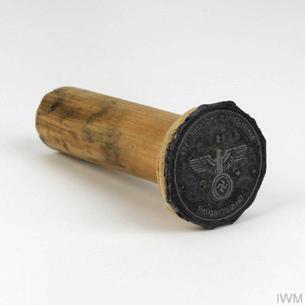
What emerges from this is a story of defiance, heroism and ingenuity that saw Belgian women and men engaged in daring acts of espionage behind the German lines. These networks sprang from the initiative and courage of ordinary Belgians.
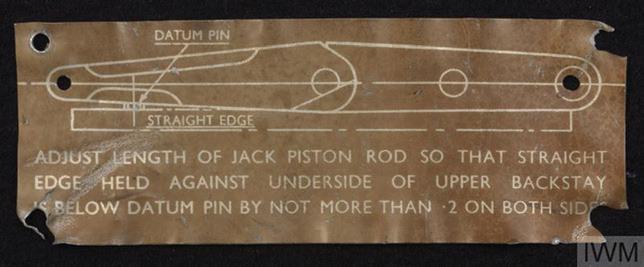
As war tore through Belgium in the 1940s, the national railways kept running – feeding the economy, but also the Nazi machine. A new reckoning confronts how far the SNCB/MMBS went in obeying orders, and whether its leaders could have done more to resist. Liz Newmark reports
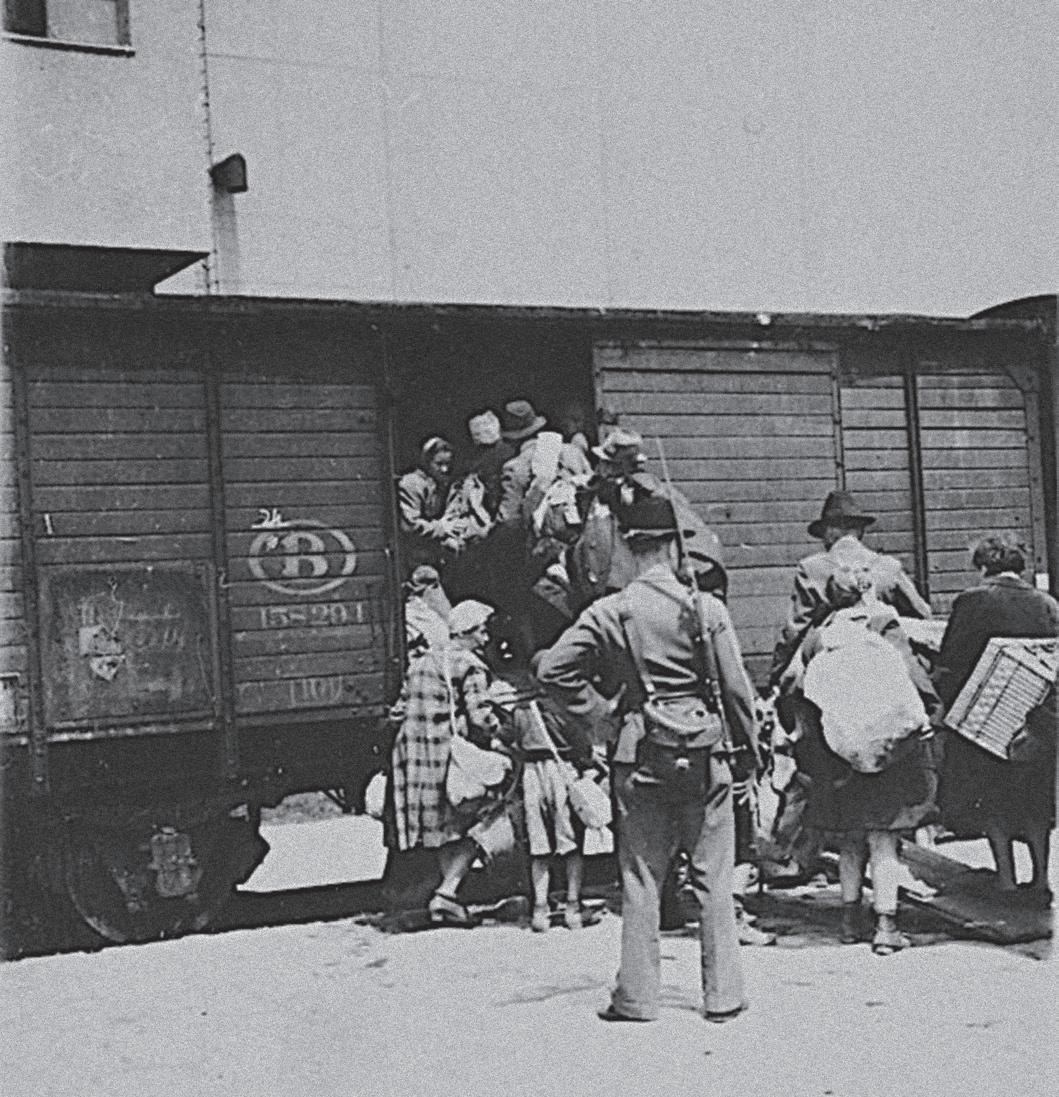
When German troops swept into Belgium in May 1940, the trains stopped only briefly. Within weeks, the country’s steel arteries were pulsing again, carriages shuttling across a landscape newly subdued by the swastika. The national rail company, NMBS/SNCB, resumed its operations in the name of survival – keeping food on tables, factories open, and a fragile sense of normality alive.
But the same trains that fed the Belgian economy also fuelled the Nazi machine. They carried Jews, Roma, and political prisoners to the camps. Each departure posed a question that has haunted the country ever since: could the NMBS/SNCB have done more to resist?
It was a compromise born of fear and pragmatism – what Belgians called the politique du moindre mal, the policy of the lesser evil. As historian Nico Wouters, director of war research centre CegeSoma and curator of a new exhibition at Train World, puts it: “Belgium felt it did not have a choice.”
The German invasion lasted just 18 days. By early summer, NMBS/SNCB director-general Narcisse Rulot, a former mining engineer and career technocrat, ordered staff back to work. Belgium’s trains rolled again — orderly timetables masking an uneasy compromise. Unlike in the Netherlands, the NMBS/SNCB remained under Belgian management throughout the war, though German officers were embedded across its operations, guiding everything from schedules to strategic priorities.
The company’s official mission was to serve Belgian civilians. Yet in the occupied state’s grim arithmetic, patriotism and coercion became indistinguishable. The company felt forced to carry out military transport for the Nazis. This included the deportation of 189,542 Belgian forced labourers, 16,081 political prisoners, 25,490 Jews and 353 Roma from Kazerne Dossin in Mechelen to the concentration camps.
For the NMBS/SNCB board, the moral ledger was blurred by a financial one. By 1945, the company was almost three billion Belgian francs in debt. Yet Wouters’ research shows that it had received around 51 million francs – roughly €21 million today – for the deportation transports.
His findings led to the Belgian government setting up a Wise Persons Group to look into this issue, subsequently issuing 30 recommendations focusing on “truth, transmission and reparation” in December 2023. “Receiving some payment from the Germans for services delivered would have appeared for the board of directors as a ‘just’ deal,” Wouters says.
The logic, stripped of emotion, was bureaucratic: the Germans paid for what they
ordered, and the railways kept the lights on. But beneath that arithmetic lay a deeper moral deficit that would take generations to confront.
Could Rulot simply have refused? Wouters thinks not – at least not at first. “In 1940, there was no choice but to cooperate,” he says. “It was also Rulot’s legal duty to loyally cooperate with the occupier. Executing the trains ordered by the Germans was ‘a necessary evil to defend Belgian interests’.”
Yet, Wouters argues, legal duty did not preclude taking a stance against deportation. “Even if perhaps the Germans would not have accepted,” Wouters continues, “at the very least he should have tried to negotiate and refuse to execute German ‘military trains’. Especially since the deportation trains later in the occupation are the direct
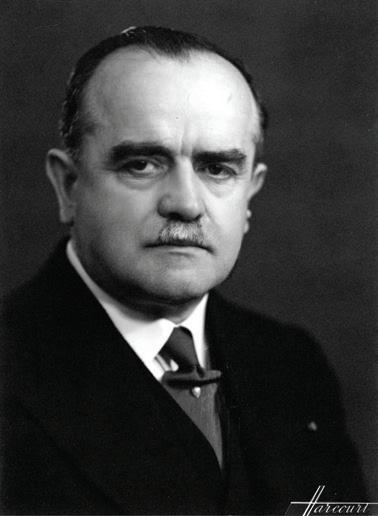
The company felt forced to carry out military transport for the Nazis. This included the deportation of 189,542 Belgian forced labourers, 16,081 political prisoners, 25,490 Jews and 353 Roma from Kazerne Dossin in Mechelen to the concentration camps.
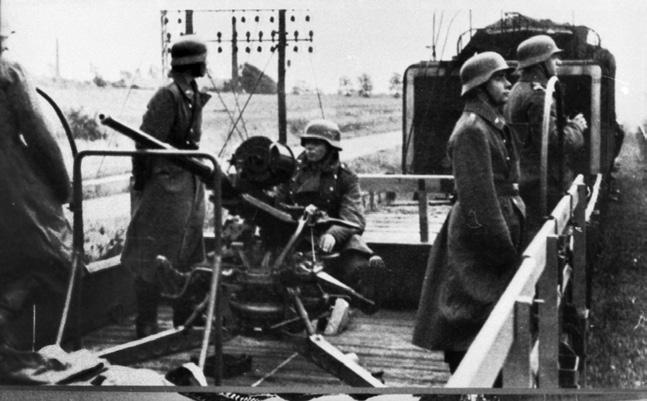
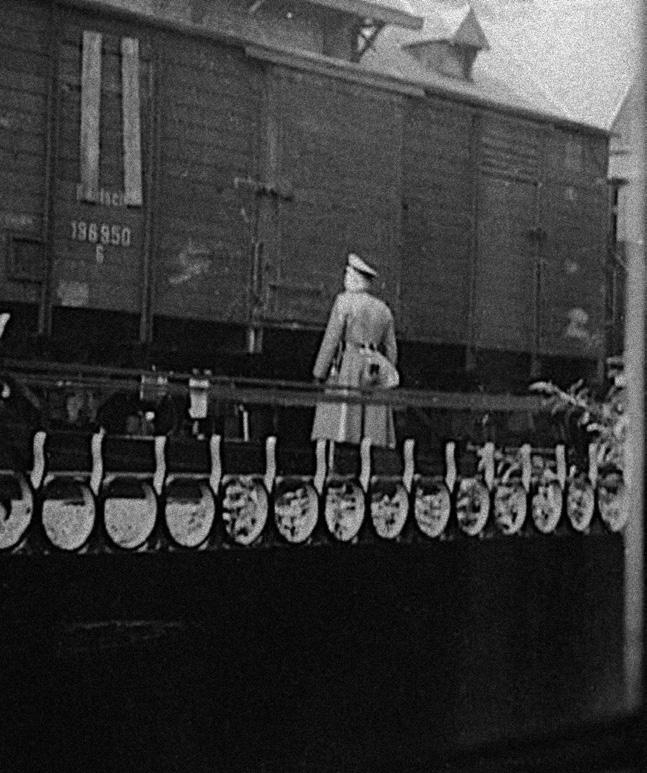
Nazis were effectively given free rein to use the railways
At the very least he should have tried to negotiate and refuse to execute German ‘military trains’. Especially since the deportation trains later in the occupation are the direct result of the decision to accept these military trains in 1940.
result of the decision to accept these military trains in 1940.”
By 1942, the stakes were clearer and Rulot’s authority firmer. The deportations of Jews had begun, and the NMBS/SNCB’s cooperation was essential. “The Germans were much more dependent on him, and so he could protest against German orders and still maintain his position,” Wouters says. But he did not.
Instead, the trains kept running on time. “The deportation trains were simply not on his radar,” Wouters adds. The board never even discussed them.
Blame, Wouters insists, cannot rest on one man. “It is better to speak about a ‘collective responsibility’ in the broad sense of allowing these transports to happen.” The indifference mirrored that of many ordinary Europeans who lived alongside atrocities without protest.
After liberation, no one at NMBS/SNCB was charged for deportation trains. Rulot’s punishment was symbolic: forced early retirement. “This illustrates that even the syndicates and communist resistance after the war considered this task as inevitable,”
Wouters notes.
Only about 3% of the workforce was punished for “anti-patriotic” behaviour, and even those sanctions – salary cuts, suspensions – covered many other offences.
Rulot’s story, however, is not one of simple collaboration. He was later recognised as a member of the Royalist Resistance Movement and argued until his death that he had been made a scapegoat. In the exhibition, visitors encounter an AI-generated Rulot defending himself: “I had to keep going or the Nazis would have just put someone else at the head of the company… and I received no instruction from the government at the time or during the war, one way or the other.”
Acts of defiance did occur. Four train drivers refused to transport German military goods. Many employees went into hiding or slowed their work.
The exhibition displays their small rebellions: a sabotage manual, a pair of pliers, a railway cap from worker Léon van der Ecken, deported to Buchenwald in 1944, embroidered with “Vive la Belgique” and “Soignies”, the letters S reversed in silent mockery of the SS.
NMBS/SNCB also hired 25,000 unqualified workers – on paper – to save them from forced labour in Germany. Their blank CVs are now on display. The company refused to dismiss staff convicted by German military courts and even founded a social service in 1941 to care for railway families in hardship. By 1942, Wouters notes, NMBS/SNCB actively backed the resistance with massive financial support. “The company was crucial to the survival of hundreds of thousands of Belgians,” he says.
There were rare moments of open heroism. On April 19, 1943, three young Belgians – Youra Livchitz, Robert Maistriau and Jean Franklemon – halted a deportation convoy, freeing 238 Jews. A year later, the so-called phantom train left Brussels for Germany with 1,500 political prisoners. Sabotage forced it to turn back; the Allies freed them soon after.
After the war, Belgium preferred rebuilding to soul-searching. With the rail network shattered – just 2,916 km of track left from 4,846 – the NMBS/SNCB needed every hand to rebuild.
For decades, the company celebrated its resistance fighters instead. Only when the Netherlands faced public outrage in the 2000s over its own railway compensation did Belgium begin to reckon with its past.
That reckoning now unfolds at Train World’s exhibition, which blends testimony, artefacts and survivor talks to explore what it means to act – or not – under tyranny.




While negotiations stall, children continue to be ruthlessly groomed, exploited and taken advantage of online.
Children are the victims of the EU’s failure to pass legislation that holds tech companies accountable, but the solution is within our grasp.
Society has largely moved beyond the antiquated notion that children should be seen but not heard, except when it comes to online child sexual abuse. Victims of child sexual abuse – children and survivors who have endured trauma and suffering – are seen everywhere on the internet. The images and videos of their abuse, such as rape, sexual torture and extortion, circulate on an immense scale.
Yet, calls for help from victims and survivors to stop the spread of sexual abuse images continue to go unheard. Urgent appeals for tech companies and governments to act continue to go unanswered, and children continue to pay the price.
The Child Sexual Abuse Regulation, first proposed by the European Commission in 2022, seeks to strengthen the prevention and combat of child sexual abuse online.
A key aspect of the draft law requires technology companies to prevent child sexual abuse on their services and to detect and remove child sexual abuse material online, while upholding the privacy rights of all users. Some companies already act voluntarily – but voluntary action is not enough.
Among other safeguards, the proposed Regulation was designed to ensure that children and adults alike are protected from ever encountering images of child sexual abuse online. Yet, three years of political and procedural deadlock have delayed the adoption of these critical measures. While negotiations stall, children continue to be ruthlessly groomed, exploited and taken advantage of online. Child sexual abuse and exploitation is rampant on the platforms we use every day and, contrary to popular belief, is not just hidden in darker corners of the internet.
Perpetrators are reaching children through social media and other online platforms, and abusive images can be disseminated and downloaded within seconds.
While artificial intelligence has brought unprecedented opportunities for innovation and progress, it has also given criminals powerful new tools to exploit and harm children, creating horrific images from pictures of real children or fuelling horrendous scenarios of child sexual abuse.
Last year, the NCMEC CyberTipline received 20.5 million reports of suspected child sexual abuse and exploitation, including 12.4 million unique images. Behind every image is a child victim whose trauma is compounded by the endless circulation of their suffering. Many survivors live in constant fear of being recognised in public from photos and videos of their abuse.
In Europe, 1 in 5 children experience some form of sexual abuse. And this is only the tip of the iceberg as 1 in 3 of children never report their abuse. Expanded internet access and new technologies have only increased the speed and scale at which their abuse is facilitated and shared. A lack of safeguards on tech platforms and social media creates a dangerous environment that allows child sexual abuse to thrive.
The EU lies at the very heart of the crisis: 62% of the child sexual abuse reports dealt with by the Internet Watch Foundation in 2024 were hosted in the EU.
Europe must hear the voices of children and act now. Online child sexual abuse won’t stop until leaders step up The EU cannot afford to rely solely on the goodwill of companies. Without a strong and binding law, Europe’s children will remain unprotected.
Every day counts. Grooming increased by 300% last year alone. Each day, more
than 170,000 images of child sexual abuse are reported as being shared online. Temporary measures enabling some companies in the EU to voluntarily identify sexual abuse images and videos will expire in April 2026, meaning even voluntary detection may soon come to an end. Protection delayed is protection denied.
Children like Alba, from Sweden, who was groomed and sexually exploited online at age nine, or the group of girls from Belgium and the Netherlands who were targeted by a predator on a social media platform and subsequently raped, show the real-life impact of legislative delays.
Balanced and effective EU laws are crucial in the battle to stop child sexual abuse online. Decision makers and platforms have a duty to ensure that the internet is not a safe haven for criminals to target children and share child sexual abuse material. The privacy and safety of children is paramount.
Children and survivors of abuse are seen everywhere online, but their calls for help have too often gone unheard. We are listening – but we need our policymakers to urgently act and pass the essential laws needed to protect children against sexual abuse, online and offline. The EU has the means to stop this harm, and we cannot let the opportunity slip away.
Find out how you can support children and victims on ECLAG website : www.childsafetyineurope.com/eclag/
European Child Sexual Abuse Legislation Advocacy Group (ECLAG)
Balanced and effective EU laws are crucial in the battle to stop child sexual abuse online.
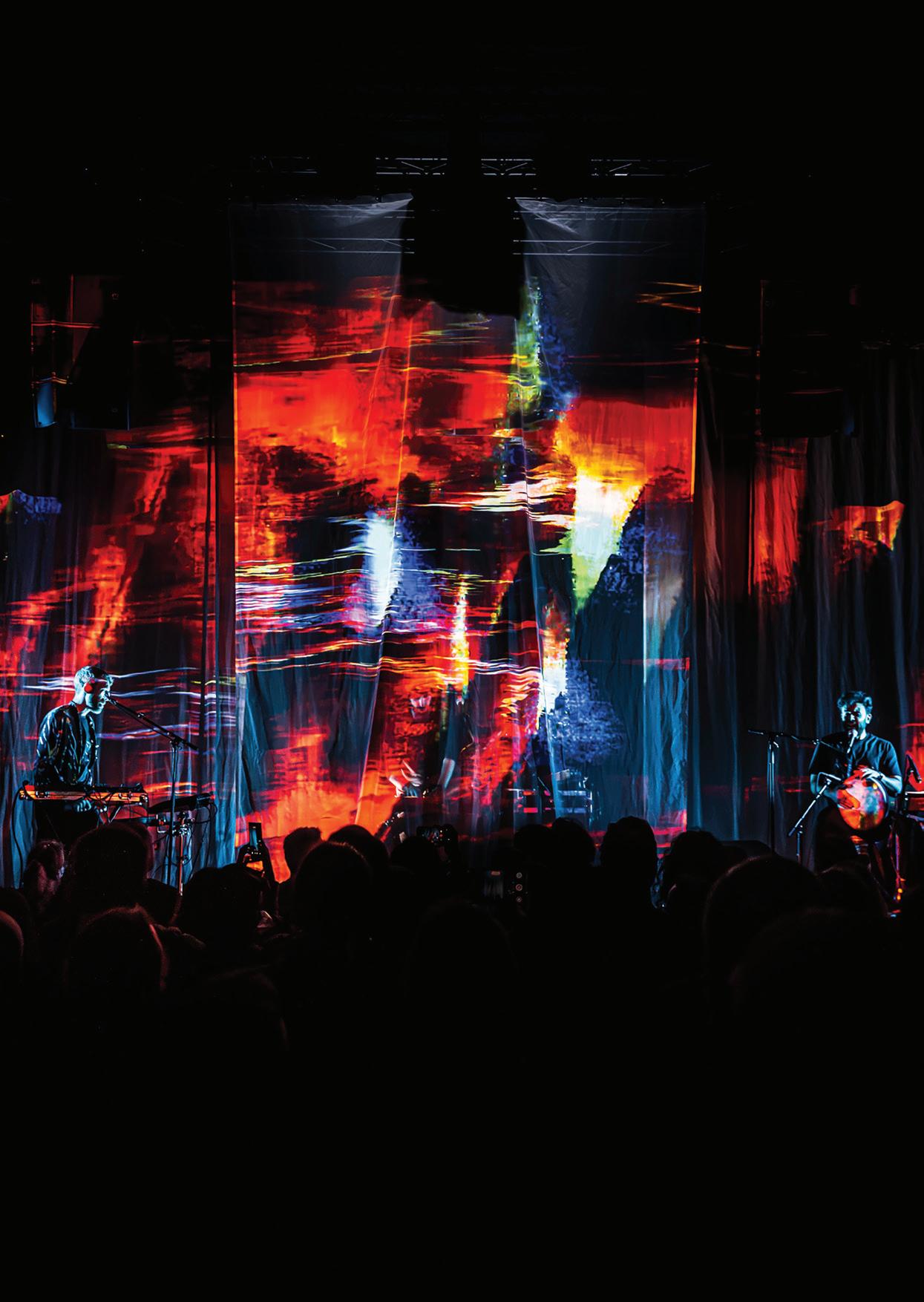
Belgium’s music scene may be small, but its creativity runs deep. From Ghent’s art-school funk to Liège’s dream-pop catharsis, a new generation of Belgian bands is mixing languages, styles and influences with bold originality. Simon Taylor introduces four of the most exciting acts to emerge in recent years –artists ready to take their sound, and Belgium, to the wider world
For nearly three decades, I’ve been haunting Brussels’ concert halls, smoky bars and the occasional damp basement, watching the city’s musical landscape shift, morph, and reinvent itself. Since early 2024, I’ve also been writing a monthly gig guide, which has forced me to pay closer attention to the new generation of Belgian bands bubbling under the mainstream radar.
These are the acts that most people – caught up in work, family, and Brussels’ constant whirl – rarely have time to discover. But they are the lifeblood of a creative ecosystem.
When I say “new,” I mean artists who’ve emerged or reshaped themselves in the past three years. The four groups I’ve chosen here all share one defining trait: a distinctive sound.
Belgium’s music scene has always punched above its weight – producing everything from Jacques Brel’s theatrical chanson to Stromae’s genre-defying pop and the pounding industrial beats of Front 242.
Belgium, of course, is a small country, and its music market is small compared with those of France, Germany or the UK. Add to that the language divide – two cultures, two industries, often two separate worlds—and you begin to see why breaking through is such an achievement. Few Belgian artists now sing in French. For better or worse, English has become the default for ambitious musicians: it opens doors in Germany, the Netherlands and beyond.
Flanders has become a more supportive environment for young artists. Several of the musicians I spoke to for this piece live there now, even if they grew up elsewhere. Ghent, in particular, has quietly established itself as Belgium’s musical capital – a place where rehearsal spaces, record shops and student cafés form a self-sustaining ecosystem. Even Eosine’s Elena Lacroix, who is originally from Liège, has moved to Ghent.
Of all the acts I’ve encountered recently, my most cherished discovery remains Ão, a band that first caught my ear at the Brussels Jazz
Festival in 2023. I wrote about them soon after, and my fascination hasn’t dimmed. If anything, they’ve only deepened their appeal – a band whose sound feels both ancient and futuristic, intimate and oceanic.
Ão’s sound is an intoxicating blend of Portuguese and English folk sung by Brenda Corijn – who has Mozambican and Belgian parents – layered with Jolan Decaestecker’s electronic textures, Siebe Chau’s acoustic and electric guitars, and Bert Peyffers’ deft percussion. The word that best captures their music is saudade, that Portuguese expression for a yearning for home and the familiar, the bittersweet ache of fado.
Their debut album Ao Mar (“To the Sea”) captured the sense of longing and motion that defines them – songs that drifted like waves, dissolving boundaries between genres. Their forthcoming second record, Malandra (Portuguese for “naughty girl” or “trickster”), promises something bolder and more self-reflective. “It’s if I’m watching the world watching me and how the world portrays me or what role I play,” Corijn says.
Musically, Malandra is richer, louder, more tactile. Producer Siebe Chau, who also plays charango – a small Andean string instrument – helps stretch the band’s sonic palette, fusing organic and electronic sounds. The first single, Talvez (“Perhaps”), pulses with defiant confidence, layering her smoky vocals over a heartbeat rhythm and glimmering synths.
Ão’s stage presence has evolved too. At Pukkelpop 2024, Corijn’s performance felt almost ritualistic. Midway through the set, she was lifted – literally – by capoeira dancer Kazanga Jonathan Linga, flipping over his shoulder in one sweeping motion. “It was an absolute risk,” she said afterwards. “But it worked.”
Their rise has been steady and wellearned: festival appearances from Hamburg’s Reeperbahn to Paris’s MaMA and Lisbon’s Musicbox, plus a string of sold-out Belgian shows. Next March, they return to Ancienne
Simon Taylor
At Pukkelpop 2024, Corijn’s performance felt almost ritualistic. Midway through the set, she was lifted – literally – by capoeira dancer Kazanga Jonathan Linga, flipping over his shoulder in one sweeping motion.
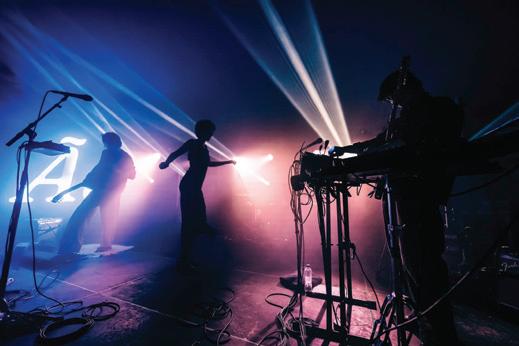
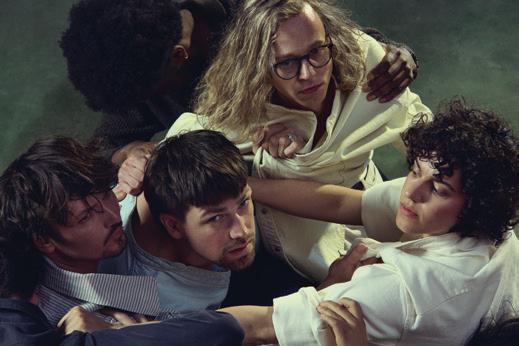
Lézard aren’t a tribute act. Their charm lies in their blend of irony and warmth, turning awkwardness into energy. They describe themselves as “a Boogie Wonderland for oddballs, misfits and lost souls”.
Belgique in Brussels to launch Malandra – a night that could well mark their graduation from Belgian treasure to European sensation.
If Ão are the soulful dreamers of this new wave, Ghent’s Lézard are the kinetic counterpart – a band that makes irony danceable and existentialism sound like a party.
They’re a five-piece whose DNA blends Talking Heads’ angular art-rock, Chic’s disco groove, and LCD Soundsystem’s deadpan wit. Onstage, they ooze charisma and chaos in equal measure. Frontman Neil Claes, tall, bespectacled, and self-deprecating, looks like a philosophy student who wandered onto a stage and never left.
But Lézard aren’t a tribute act. Their charm lies in their blend of irony and warmth, turning awkwardness into energy. They describe themselves as “a Boogie Wonderland for oddballs, misfits and lost souls”, a reference to Earth, Wind and Fire’s dancefloor classic.
Their name – French for “lizard” – is a playful nod to Belgian surrealism and the band’s bilingual roots. That sense of tongue-in-cheek absurdity carries into their lyrics. One of their
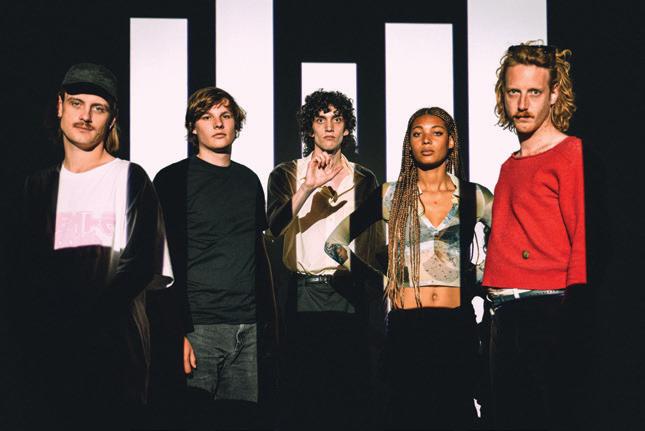
early songs, Manifastique, was born during a late-night jam session in rural France, fuelled by local wine and too much cheese. It’s a made-up word – a mix of ‘manifest’ and ‘fantastic’, Claes explains. At one point, the chorus goes, “These grapes have a different sound,” – which kind of sums up Lézard.
Behind the humour, though, is sharp musicianship. Lézard’s rhythm section locks into grooves so tight they could soundtrack a midnight chase through a Brussels underpass. Their live shows are sweaty, ecstatic affairs – half performance art, half therapy session.
After a run of small festivals, Lézard are starting to attract international attention. They’ve played at London’s Windmill in Brixton – a venue that launched bands like black midi and Shame – and at Hamburg’s Reeperbahn Festival. Their debut album, due early next year, promises to channel all their onstage delirium into a record that’s as strange and irresistible as Belgium itself. A showcase gig at Brussels’ Botanique is already pencilled in for spring.
Then there’s Use Knife, perhaps the most uncompromising act in the current Belgian wave. The band, also based in Ghent, are Flemish musicians Kwinten Mordijck and Stef Heeren, plus Saif Al-Qaissy, an Iraqi percussionist who came to Belgium as a refugee.
Heeren, who founded the exquisitely named Kiss the Anus of a Black Cat, and Mordijk combine to create intense electronic sounds and beats that draw on the legacy of bands like cult Belgian Electronic Body Music pioneers Front 242. The band fuses this wall of sound with the Arabic percussion of Saif, played on traditional instruments like the darbuka, and sampled vocals in English and Arabic.
Heeren explains that the three jam together in the studio before editing the best parts for inclusion in the final version of the track. The combination of electronic sounds with Arabic-language vocals and drums recalls experimental bands like Cabaret Voltaire or Brian Eno and David Byrne’s
My Life in the Bush of Ghosts. Use Knife’s second album, Etat Coupable, is a pun on coup d'état and encapsulates their political stance.
For the last band in this far-from-exhaustive list, we finally go to Wallonia. Well, sort of. Eosine, led by Liège-born singer-guitarist Elena Lacroix, create music that feels like a fever dream – ethereal, disoriented, yet anchored by an emotional clarity that borders on scientific.
Lacroix started writing songs at 16 and studied medicine for five years before committing fully to music. The band’s name comes from eosine, a pink disinfectant used to clean wounds and stain tissue slides for laboratory analysis. The dual meaning is deliberate: it reflects Lacroix’s link to both science and art. During their live shows, Eosine sometimes project microscopic slides of stained tissue behind them — a vivid visual echo of their meticulous yet emotional music.
Their early releases blended the shimmering guitars of Ride and Slowdive with the ethereal vocals of dream-pop pioneers Cocteau Twins. Over time, Lacroix’s singing has become more forceful and expressive, as she has explored different ways to use her voice. Now she screams and uses the full power of her voice for emotional effect, paired with high-energy delivery.
While I suggest throwing oneself around on stage is not the usual way that singers in shoegaze bands behave, Lacroix tells me to listen more carefully to songs like Digitaline or UV. She points out that her songs deal with disassociation or fragmentation, “like the feeling after you've been confronted with something you can't cope with. You just feel like you're not yourself anymore.”
Eosine’s rise owes much to Belgium’s system of rock competitions and grants. Winning the Court Circuit contest in 2022 gave the band not only €5,500 in prize money but also invaluable mentorship from industry professionals, leading to a deal with the Kortrijk-based Mayway Records label.
After releasing their Liminal EP in 2024, along with five earlier singles, Lacroix and her band-
mates have just finished recording their first fulllength album, due in 2025. A Brussels show for the album launch is already planned.
Beyond these four, the Belgian underground continues to hum with energy. There’s Plexi Stad, a wiry post-punk band channelling Wire and Gang of Four; Druug, the krautrock revivalists from Liège; the melancholy yet melodic Haunted Youth; and Peuk, a fuzzed-up garage duo from Limburg who prove that noise can be joy.
The infrastructure is there too. Venues like Ancienne Belgique, Botanique, and Ghent’s Vooruit offer not just stages but residencies, workshops and platforms for experimentation. Flemish public broadcaster VRT’s De Nieuwe Lichtingcompetition remains a vital launchpad, while Francophone initiatives like Court-Circuit and Le Botanique’s Les Nuitsfestival ensure that the Walloon side of the border keeps humming.
Still, the best discovery method remains the simplest: go out. Skip the big touring names for once and dive into a smaller venue. Let yourself be surprised.
Buy a ticket, take a chance. Belgium’s bands are carving out something bold, funny, and unmistakably their own. They deserve your ears. I promise, you won’t leave disappointed.
Still, the best discovery method remains the simplest: go out. Skip the big touring names for once and dive into a smaller venue. Let yourself be surprised.
In a sun-blasted future where rivers have turned to sand, a grandmother searches for her grandson –and finds in his small act of play a fragile hope for renewal. Josje Weusten won the Writers Festival of Belgium 2024 short story competition with this tale of life after a cataclysm
Grandma, Clyde’s falsetto echoed towards her. “Are these trick pictures?”
Lesley searches the large cobblestoned courtyard for a sign of her grandson Clyde. Apart from two birds sheltering in the small strip of shade from the farmstead overhang, the place looks empty. It’s rare to spot one bird these days, let alone two.
She doesn’t recognise the species. They aren’t the sparrows that built nests here when the smallholding still looked like a proper farm, and the sand hadn’t yet consumed everything in its path. These birds are a tad bigger than the sparrows, about the size of Clyde’s hand. Their necks are long and featherless, the bare skin as buff as the sand they’re bathing in. As they cock their heads to observe her, their beaks blink like razors in the midday sun. Undoubtedly, birds of prey.
Under normal circumstances, Lesley would’ve been excited by their presence. Though merely pocket-sized versions of proper predators, these birds sit at the top of some food chain. There must
be prey for them to feed on and, therefore, enough vegetation to sustain that prey. If she hadn’t been worried about Clyde, she would’ve thought them auguries of good news. Evidence that her and the wider community’s efforts to free land from erosion’s ruthless grip might be fruitful. Now, they only ignite a parching panic.
Clyde is aware of the dangers of being outside, but at eight, he’s too young to really gauge them. She doesn’t know how long he has been gone –Ten, 15 minutes? Half an hour, perhaps? However short, every minute could be one too many in this blistering heat. How could she let him slip out of sight?
“Clyde!”
Startled by her call, the birds hiss in an eerily human-like manner. She listens intently for her grandson’s response, but except for the bird murmurs evaporating in the statically charged, dry air, she doesn’t pick up anything.
“Come out! Please,” she yells again, her voice sharper with alarm. Still no reply.
Shielding her eyes from the light, Lesley scans the enclosure for a second time, but there’s no sign of Clyde. Her gaze flicks over to the oak gate across from her, its teal varnish peeling and glistening in the scorching sun. Then it hits her: one of the double doors is slightly open.
Her heart sinks. Sure, her daughter had played outside at Clyde’s age too, but those were greener times. It all changed so quickly – almost in the blink of an eye – especially after the fires had carved out racing tracks in the landscape, allowing erosion to pick up unprecedented speed. This is a far more brittle era. She needs to find him and fast.
The growing patch, where Lesley thinks Clyde went, is located behind the dunes in the shallow valley – once the bed of the river, her grandson is named after. It is normally a five-minute-stroll from her farm, but although relatively tame, the wind makes the sand drift, which weighs down her steps. Frustrated about her slow progress, she stops to shout Clyde’s name, but the dunes absorb her voice.
Picked up by the breeze, some sand grains land in her eyes. She wishes she’d brought her protective glasses. Being in a hurry to find Clyde, she didn’t bother to put on all her gear. She just strapped on two full water bottles, threw on an all-covering caftan, and grabbed one of her tightly woven scarves on the way out to wrap around her head. The goggles are still on the coat rack. While the airborne sand continues attacking her face, she struggles forward, refusing to close her sore eyes.
Lesley knows very well how Clyde managed to get away. She should’ve been more responsible. Her daughter relies on her to look after Clyde during the long summer holidays when the heat makes school impossible. Being a bioengineer, his mother is doing important work in one of the regrowth labs, where they try to generate plants and trees that will withstand the drought and the intense temperatures.
Lesley has been testing some of them for her daughter in the valley, without much success so far. The latest batch, however, seems to be holding on, though their scaly stems and spiked leaf blades make them look like soldiers ready for war rather than shrubs, and their hoary fruit appears barely edible.
She had still promised Clyde to take him there to have the first bite out of the fruit tomorrow morning – if he’d help her clean the storage room in the basement today. It’s filled with plastic crates, some holding dried food from last year’s harvest, nothing much. The rest are packed with photo albums and paper keepsakes. The ink and sheets would perish quickly in the sweltering climate above ground.
Clyde had taken the albums out of the plastic crates, which were supposed to close air-tight, but somehow the sand always found a way into them. Instead of sweeping them clean, he’d opened one of the photo books.
Lesley was on the other side of the room, checking the dates on three lonely cans of beans. They would expire soon; those soldier plants had better be some good.
“Grandma,” Clyde’s falsetto echoed towards her. “Are these trick pictures?”
“Trick pictures?” She repeated, walking over to see what he was looking at.
Clyde tapped his index finger on one of the pages in the album. “Like the fake ones I make with my phone.”
“Of course not. And you know what I think of that phone of yours. Keep staring at it as much as you do, and one of these days, your brain will fry. Mark my words.” Lesley leaned closer to see what had caught his attention.
It was a shot of her as a little girl in the middle of the farmland. Dressed in an innocent baby-blue playsuit, she was leaning against a willow, her soft brown curls outdoor-wild. The slope behind her was thickly covered with luscious, long grass.
“It looks so green,” Clyde whispered uncertainly.
“I can hardly believe it once was real, too.” Lesley searched her mind for the memory behind the snapshot. She vaguely recalled her mum taking it after they’d had a picnic.
Clyde cautiously flipped the thin glassine slip sheet to view more pictures. These she remembered better. They’d been taken close to the river when they would still celebrate the beginning of summer. In one photo, she and the other children from the village were dancing around a colourful maypole, crowns of daisies and buttercups on their heads. The next showed her sitting next to her father, building a sandcastle with a plastic bucket and a tiny red spade.
Battling against the sand’s downward current, Lesley wishes she’d been more alert. At the very least, she should’ve let Clyde keep his phone so she could reach him.
As they synchronously sink their teeth into the shale-grey skin – Lesley a tad careful, Clyde without any reservation –she is surprised the fruit is bewilderingly pink inside.
Clyde frowned at the image. To him, sand was something to watch out for, something you learned to live with, anything but a plaything.
Lesley didn’t answer his questioning look. Instead, she murmured that they should get back to work and turned away. The contrast with the little that is left today of the past depicted in the pictures had unsettled her.
She ignored Clyde for much of the morning afterwards. He had plenty of chances to slip away unnoticed.
Battling against the sand’s downward current, Lesley wishes she’d been more alert. At the very least, she should’ve let Clyde keep his phone so she could reach him. But no, she insisted he put it in the kitchen drawer the moment he arrived a week ago, only allowing him to take it out for half an hour each evening to call his mum and check messages from his friends.
Panting, she reaches the top of the dune, where she has a clear view of the garden just a few meters below. She pauses to take stock and sip from one of the bottles tucked beneath her caftan, the water now warm from the heat. The army plants have grown high and thick enough to offer protection, but they merely cover two strips of land.
Afraid of what she’ll find in the sunbaked expanse, she directs her gaze to the shrubs-shielded areas, but red and black after-sun spots blur her vision. Lesley curses under her breath. If she’d only brought her goggles, she wouldn’t have to waste precious time waiting for her light-beaten eyes to adjust. The gobs dissolve agonisingly slowly before she can determine Clyde hasn’t sought refuge in the first shadowed patch.
Hesitant, she shifts her attention to the second one – what if he isn’t there either? What if he didn’t make it? How will she ever break that news to her daughter?
Praying the space isn’t empty, she steadies herself and peers into the dimness. One doom scenario after another fills her mind, so she doesn’t expect to find Clyde sitting beneath a cluster of looming leaves. Her heart pounds as she takes him in. His back is turned, but he appears unharmed, bent over in what seems to be full concentration. Placing a hand on her chest, Lesley exhales, releasing the breath she hadn’t realised she was holding.
Clyde looks up from whatever he’s been doing and waves at her like nothing has happened, a big smile on his face. Lesley’s relief about having found him quickly gives way to anger. What had he been thinking? Putting himself, but also her, in danger like this! Capping the bottle, she straightens her back and strides over, ready to let him have it.
“What were you...” she starts reaching him, but the words freeze on her lips when she sees what he has been doing. “Is that…?”
“Do you like it?” Clyde pleads, eager for her approval.
Lesley falls silent. The castle isn’t identical – it looks less firm and the moat he dug isn’t filled with water like hers was – still, it comes very close.
“Grandma,” Clyde impatiently urges her to answer.
“It…it’s…” The emotion feels too big and complex to capture. Not knowing what to say, Lesley bends forward and pulls her grandson into a tight hug.
“I think you deserve that fruit now,” she smiles when she lets go of him a minute later, reaching for the closest branch. Despite their defensive look, the fruits come away easily.
“We should bite at the same time,” Clyde insists as she puts one of the soldier fruits in his hand.
“Ok,” Lesley answers. “You count down then. From three.”
With a flair for the dramatic, Clyde raises the fruit high in the air and starts the countdown. As they synchronously sink their teeth into the shalegrey skin – Lesley a tad careful, Clyde without any reservation – she is surprised the fruit is bewilderingly pink inside.
“It’s only a little bitter,” Clyde munches before taking another mouthful.
Lesley nods. Though the flesh is oddly odourless and indeed tastes somewhat acidic, the fruit faintly reminds her of apricots.
“I think your mum should call these Clyde fruits,” Lesley muses, the juice dripping down her chin.
“She can do that?” Clyde’s face beams with enthusiasm about the idea.
“Even if she can’t, we can still call them Clydes,” Lesley replies, once more taking in every detail of the sandcastle her grandson built.
Each wall feels like a promise, each tower like a beacon of hope.
Never could she have dreamed of sitting out here, cross-legged, next to her grandson, in the middle of the day. She lets their knees touch and closes her eyes. If she listens closely, she can almost hear the river flowing again.
Josje Weusten is a writer, poet, essayist and a senior lecturer in literature, poetry and creative writing at Maastricht University, as well as the founder and chief editor of the literary journal Telling Stories Magazine. Her debut novel, Fake Fish, is published by Sparsile Books Ltd


In the low, misty fields of Flanders and along the sun-dappled Meuse, a quiet wine revolution is underway. Once thought too damp for grapes, Belgium now produces crisp Rieslings, elegant Chardonnays and a new sense of pride. Here, amid drizzle and determination, the vines are teaching a nation to celebrate its own flavour, as Maïthé Chini finds out
When people think about vineyards, they picture rolling plains in the south of France or rows of vines against Italian hillsides. Belgium is better known for beer and bureaucracy than bold vintages. Until recently, wine would have been seen like an eccentric passion. The skies are grey, the rains are frequent and the sun – when it does appear – is treated like a visiting dignitary. Yet among the apple orchards and the cow pastures, a quiet revolution has been taking place. Belgian wine has not just arrived; it’s growing up.
Over the past two decades, vineyards have crept into unexpected corners of the country –from the chalky slopes of Limburg to the loamy fields of Wallonia – challenging assumptions about what Belgian soil can yield. Once dismissed as a novelty, Belgian bottles are now appearing on the menus of Michelin-starred restaurants, collecting international prizes, and even earning front-page recognition in France’s most prestigious wine magazines.
“Fifteen years ago, people came here to discover Belgian wine,” says Karel Henckens, owner of the Aldeneyck wine domain in Maaseik, a small town in the Meuse valley in Flemish Limburg, near the Dutch border. “Now they come to discover the newest vintage. That has been an unimaginable game changer.”
Henckens speaks from experience. He grew up in a family of fruit farmers, surrounded by apples and pears, until curiosity – and a streak of defiance – led him to plant vines instead. “They thought I was crazy,” he recalls. “That growing wine would never work in Belgium.” Two decades later, Aldeneyck’s Rieslings and Pinot Noirs have won dozens of awards, their crisp acidity and mineral elegance proving that Belgian terroir has more to offer than scepticism.
Still, 2024 tested every winegrower’s nerve. Across Belgium, night frosts struck in late April, followed by weeks of relentless rain. Buds withered, vines flooded and mould spread. “I guess I can’t blame them,” Henckens jokes. “I don’t like having wet feet either.”
Belgium’s Economy Ministry says wine pro-
duction dropped by 64% in 2024 – the steepest fall since 2017 – with one in five growers losing almost their entire harvest. Across the country, production sank to around 1.2 million litres, a sobering figure after two “exceptional” years in 2022 and 2023.
And yet, curiously, the grapes that did survive were excellent. “The less we harvest, the better the quality,” Henckens explains. “A vine that normally feeds 30 bunches and now only has 15 develops more sugars, more flavour. Still, I would have absolutely preferred my barrels to be full.”
Aldeneyck’s 12 hectares, close to the River Meuse, are usually spared the worst of the frost. The area – technically the driest in the Benelux –paradoxically suffered too much rain in 2024. But amid the soggy misery came good news: the Aldeneyck Riesling Purnot 2023 won the Gault&Millau Belgian Wine Award and five of the domain’s bottles were listed in this year’s guide.
Belgian winemakers are used to such contradictions. For decades, viticulture here seemed a noble folly – a hobby for optimists who ignored the climate. But the last 15 years have brought a quiet revolution. Between 2006 and today, total vineyard area has expanded steadily, from just a few dozen hectares to nearly 1,000 hectares in 2024 – double the area of 2020.
“Belgian wine is no longer a niche, even if we will likely always remain one of the smaller players,” says Henckens. “Here, more vines are still being planted. Belgian wines are hot."
That resilience was not built on luck alone. Modern Belgian winemakers tend to be engineers, scientists or former brewers – pragmatic experimenters who understand their microclimates with forensic precision. Where southern vintners chase shade, Belgians chase sunlight. Frost sensors, canopy nets and disease-resistant hybrids have become essential tools in their survival kit.
Lodewijk Waes, who runs a vineyard near
Maïthé Chini
Fifteen years ago, people came here to discover Belgian wine,” says Karel Henckens, owner of the Aldeneyck wine domain in Maaseik, a small town in the Meuse valley in Flemish Limburg, near the Dutch border. “Now they
come to discover the newest vintage. That has been an unimaginable game changer.”
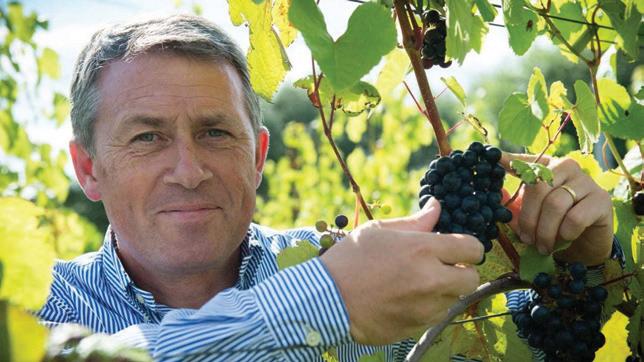
It is always a bit of a nervous wait.
As long as you have not harvested, something can always go wrong.
Ghent and chairs the Belgian Winegrowers’ Association, admits that 2024 was “disastrous.” He lost 30% of his crop. But he also believes adversity has toughened the sector. “We are a resilient industry,” he says. “We are still young, but we’re showing we can survive unfavourable years.”
This might be a perverse effect of global warming: wine grapes need a lot of warmth to ripen optimally. Because the average temperature in Belgium has been slightly warmer in recent years, the country has just reached the optimal level – but not for all grapes. The country has become perfect for sparkling and white wines, good for 53% and 36% of total wine production in Belgium, respectively.
“It is still a bit too cold for a rosé or red wine,” he admits. “These grapes need much more sunlight to produce sufficient sugars. But for the ‘cool climate wines,’ we are making a name for ourselves.”
Still, he refuses to count his grapes before they’re picked. “It is always a bit of a nervous
wait. As long as you have not harvested, something can always go wrong. Hailstorms or mould cannot always be predicted, but they can undo an entire year's work.”
This cautious optimism defines Belgian viticulture. “I think we will have at least as good a harvest as in 2023, and we might even surpass it,” Waes adds. “We just need to convince our fellow countrymen to drink our own wine.”
What was once a curiosity has become a bona fide industry. The number of Belgian winegrowers rises every year; more than 400 producers now cultivate grapes across Flanders, Wallonia and even the outskirts of Brussels. Nearly 1,000 hectares of vineyards are planted – still minuscule compared to Bordeaux’s 120,000 hectares, but growing fast.
By contrast, Bordeaux is pulling up 20,000 hectares due to a crisis of oversupply.
Belgium already produces around one million bottles of sparkling wine annually – still a drop compared to the 20 million bottles of cava Belgians consume each year.
The challenge now is visibility. For centuries, people associated Belgian drinks with beer, but the novelty of wine is attracting curiosity. Wine tourism is quietly taking root, with tasting rooms from West Flanders to the Meuse valley welcoming visitors who once scoffed at the idea of Belgian vineyards.
In traditional wine regions, growers have been experimenting for hundreds of years, trying to figure out what works there and what does not, explains Henckens. For him, Belgium should not try to copy other countries’ success formulas. In-
stead, the country’s wine industry should figure out what makes Belgian wine unique.
“A Pinot Noir has been around for 500 years,” he says. “That wheel has already been invented. I do not need to do that again.” Instead, he focuses on the nuances of the soil and terroir that are present in his plot of land. "It is my job to bring that to a successful conclusion and show people, 'Look, this is the flavour we can create here.' But within that, everything is possible."
The international wine world has noticed. In May, the venerable La Revue du Vin de France featured a Belgian bottle on its cover for the first time in its history, under the headline: “Belgium: The Birth of a Wine Nation.” For a French publication steeped in viticultural hierarchy, it was the ultimate nod of respect.
Aldeneyck’s role in that story is uniquely symbolic. The estate straddles the frontier with the Netherlands, and in 2017, the European Commission approved Maasvallei Limburg as the first-ever cross-border PDO – a Protected Designation of Origin that recognises shared terroir across national lines.
“Man-made borders mean nothing to grapevines,” Henckens says. “Our stony, gravelly soils don’t stop at the frontier. The PDO simply confirmed what nature already knew.” The appellation runs along a narrow strip beside the Meuse River, from Lanaken in Belgium to Roermond in the Netherlands. “We were the first – and so far, still the only real one,” he adds proudly.
There is, technically, another cross-border wine region in the United States, where Oregon’s Willamette Valley dips into Washington State. “But that’s within one country,” Henckens grins. “So it doesn’t really count. It’s just us.”
The Maasvallei recognition has elevated Belgium’s standing abroad, reinforcing its self-image as a country that thrives in cooperation and compromise. For Henckens, the symbolism runs deep: “Our appellation is about identity. It shows that Belgium’s strength is not in size but in partnership – and persistence.”
Belgium’s wine awakening has forced a deeper question: what makes a Belgian wine Belgian? Unlike traditional wine countries, where techniques have been honed over centuries, Belgian growers are still writing their playbook.
Where France prizes grandeur and Italy romance, Belgian winemakers favour understatement. Their wines, too, tend to avoid extremes. “The Germans make wine that’s a bit rigid – like the Germans themselves,” Henckens jokes. “The French, also true to how they are known as people, play around with it a bit more: they use more wood, more mulch, more inter-fermentation.”
In a sense, Belgian wine reflects the country’s culture: built on compromise. Balance may
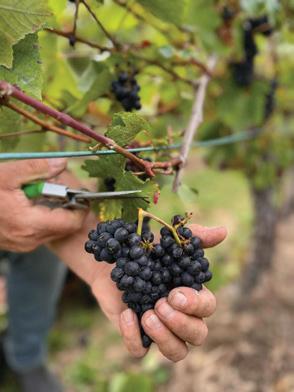
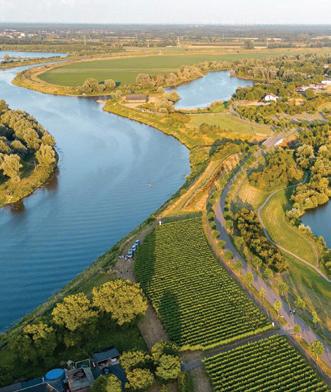
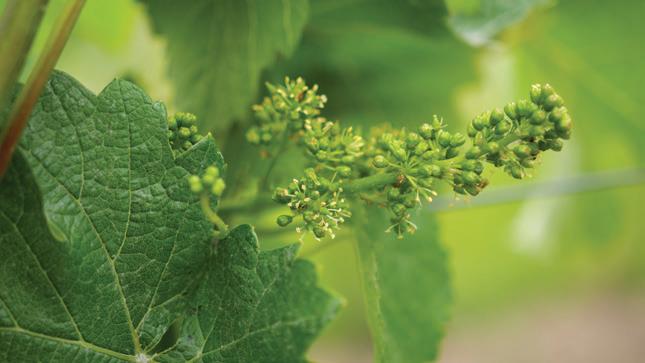
Above: Aldeneyck’s grapes, domain and vines
be Belgium’s defining note – in its wines, its climate, its politics, even its personality. "In Belgium, we take from others what is important for us,” Henckens says. “It is a bit of a compromise between the two, a balance. Nothing too outrageous. That is the kind of wine we are known for.”
Henckens insists that imitation is the enemy. “People often rely on comparison, but a Chardonnay from here is different from one that comes from Burgundy, its birthplace. And it should be. Do I strive to make the same thing? No. I don't want to be a copycat," he stresses. "I am proud of my region. This is our style, and that is what I offer to people."
That attitude is paying off. At international competitions, Belgian wines now competing credibly. Export interest is growing too.
For all the excitement, no one expects Belgium to become the next Burgundy. Its vineyards remain small, its climate unpredictable, its production artisanal. But that may be exactly what makes it interesting.
Back in Maaseik, Karel Henckens, the man who swapped apples for Riesling. admires his rain-soaked vines. The drizzle, it seems, has finally found its sparkle. "It is so good to see,” he says. “The more, the merrier.”
In a sense, Belgian wine reflects the country’s culture: built on compromise. Balance may be Belgium’s defining note – in its wines, its climate, its politics, even its personality.
Once a curiosity of northern winemaking, Belgian sparkling wine is now fizzing with ambition. A new label, BelBul, has brought Flemish and Walloon producers under one banner and promises to put the country’s “belles bulles” on the international stage. Hughes Belin uncorks the story behind Belgium’s brightest bubbles
Sparkling wines have long been the pride of Belgium’s young but fast-maturing wine industry. They already account for more than half of national production – and nearly two-thirds in Wallonia. The reasons are as crisp as the wines themselves: Belgium’s cool, temperate climate naturally favours grapes high in acidity, the perfect raw material for bubbles.
Wallonia, with its cooler summers and later ripening seasons, shares the same climatic logic that shaped northern France’s Cham-
pagne region. Yet there’s another explanation too – Belgians simply adore their fizz. Sparkling wine makes up about 14% of all wine consumed here, roughly six bottles per person each year, and an even higher share by value. As domestic vineyards expand – output more than doubled between 2021 and 2022 – the nation’s fondness for effervescence has become the backbone of its wine identity.
Until recently, Belgian producers faced a branding problem. Champagne, prosecco, cava, crémant – each carries an instantly recHughes Belin
ognisable pedigree, an origin story, and a guarantee of quality. Prosecco’s tank-fermentation method may differ from the bottle-fermented “traditional” style used elsewhere, but consumers know exactly what to expect.
Belgian names, by contrast – Crémant de Wallonie, Vin mousseux de qualité de Wallonie, or Vlaamse Mousserende Kwaliteitswijn – rarely rolled off the tongue. Something snappier was needed.
Enter BelBul, a uniquely Belgian compromise that even cynics might toast. The name riffs on both languages: “Bel” from belletjes (Dutch for “little bubbles”) and as shorthand for Belgium itself; while “Bul” echos bulles (French for “bubbles”). Together they form a playful, bilingual wink: belles bulles, “beautiful bubbles.”
Launched in May 2024, BelBul gathered 22 producers – 14 Flemish, eight Walloon – representing about 60% of national sparkling output. “We have now enough maturity, output and fame. The only thing that was missing was a tool to stand out from other bubbles,” says Vanessa Vaxelaire, chairwoman of the Wallonian producers’ association and head of Château de Bioul.
“It’s a brand and not a PDO,” she adds. “With BelBul, we give a strong identity to our Belgian sparkling wines and consolidate our position as producers of excellent bubbles,” echoes Lodewijk Waes, her Flemish counterpart.
Membership of BelBul requires more than a patriotic spirit. To qualify, wines must be 100% Belgian – from vine to bottle – made solely by the traditional method, and carry an official PDO seal guaranteeing origin and quality. Only family-run wineries belonging to either regional association may apply, and members collectively steer the label’s strategy.
One potential barrier is the cost: about €5,000 to join, plus a small fee per labelled bottle. For boutique estates – the norm in Belgium, where three-quarters of vineyards cover less than three hectares – that’s a serious investment. Less than a quarter of Belgium’s roughly 100 sparkling producers have signed up so far.
But in terms of output, that quarter speaks volumes. The first six Walloon members –Chant d’Eole, Ruffus, Monts des Anges, Domaine du Chenoy, Château de Bioul and Château d’Annevoie – already account for more than half of national sparkling production.
“We need new members, though,” admits Vincent De Busscher, founder of Monts des Anges, an award-winning house dedicated entirely to fizz. “For me, BelBul is a password to foreign markets. We will all go abroad. Since the launch of BelBul, we export to France and South Korea.”
Still, not everyone is persuaded. Esteemed names such as Vin de Liège and Domaine W have (so far) stayed out, citing affordability and
limited relevance to local sales. Bruno Jadoul of Domaine des Lowas in Brabant-Wallon calls the label “not very useful,” adding that his 12,000 bottles sell out nearby anyway. “BelBul is aimed for export.”
If BelBul unites the country on paper, Belgium’s winemakers are split in practice between two philosophies: the classic Champagne model and a more experimental hybrid path built on interspecific (disease-resistant) grapes.
At one end stand the traditionalists – Ruffus, Chant d’Eole, Monts des Anges – whose vineyards in Hainaut are planted exclusively with chardonnay, pinot noir, and pinot meunier. Their success has turned the region into Belgium’s sparkling heartland. “I couldn’t afford not to follow the two Big Ones in BelBul,” confesses De Busscher.
Chardonnay now dominates Belgian vineyards with over 300 hectares, followed by just over 100 of pinot noir – figures driven largely by sparkling demand. The terroir helps: Belgium shares geological roots with the Paris Basin, enjoying a climate similar to Champagne’s two decades ago. No surprise, then, that even a Champagne winemaker has crossed the border.
In Heuvelland, Thierry Niziolek of Louis Déhu in Venteuil has planted pinot noir on a 1.5-hectare sandy-clay slope at the Louis van’t Hooghof domain. His Belgian cuvée, grown in iron-tinged soils beneath the Kemmelberg, could easily pass for a fine Champagne.
The other path is distinctly Belgian: embracing interspecific grape varieties bred for disease resistance and sustainability. These non-GMO hybrids – names like solaris, souvignier gris, pinotin, johanniter, cabertin, rondo, régent, and bronner – require fewer chemical treatments and thrive
Either you seek to make French-like wines from mainstream grapes, or you go for your own style with other grapes, to make your wines truly original.
With BelBul, Belgium finally has a vehicle to carry its sparkling ambitions abroad. The label may be a brand rather than a legal appellation, but it provides something just as valuable: a clear, collective identity.
in cooler, wetter climates. They now cover about a third of national vineyards and supply roughly one-fifth of sparkling production.
Pioneering this approach is Domaine du Chenoy near Namur, where all grapes are interspecific. Since Bordeaux-born brothers Pierre-Marie and Jean-Bernard Despatures took over in 2017, the estate has expanded and modernised its facilities, championing organic methods. “Either you seek to make French-like wines from mainstream grapes, or you go for your own style with other grapes, to make your wines truly original,” Despatures explains.
Le Chenoy’s signature rosé Perles de Wallonie – a blend of johanniter, bronner, souvignier gris and régent – proves his point, offering remarkable quality for its price.
Nearby, Vin de Liège crafts the acclaimed L’Insoumise, a white sparkling made solely from johanniter and souvignier gris, with brioche notes and a delicate, vinous complexity. For good measure, the winery also produces Meuzenne, a surreal Belgian hybrid of sparkling wine and lambic beer – proof, perhaps, that in Belgium bubbles and eccentricity often ferment together.
Some estates straddle both worlds. EntreDeux-Monts in Heuvelland, Flanders’ largest sparkling producer with 120,000 bottles a year, mixes classic grapes like chardonnay and pinot noir with interspecifics such as auxerrois and kerner. The result: award-winning blends that embody both innovation and terroir.
“Belgium is the first laboratory in the world for interspecific grapes,” says Eric Boissenot,
the celebrated Bordeaux oenologist advising Domaine du Chenoy. “They ripen earlier than classical ones, they resist well to diseases and frost. Since they don’t have history, you don’t stumble upon local culture. Belgium is clearly ahead of France on this point. Their winemakers can now teach others how to use them.”
Belgian sommelier Eric Boschman says the country’s dual approach – investing in both classic and hybrid varieties – could prove visionary. “Given the growing climate change and the tendency to make ‘cleaner’ wines, interspecific grapes are a way forward,” he says.
With BelBul, Belgium finally has a vehicle to carry its sparkling ambitions abroad. The label may be a brand rather than a legal appellation, but it provides something just as valuable: a clear, collective identity.
After two decades of refinement, the méthode traditionnelle is now second nature to Belgian producers, while the Champagne grape trio – chardonnay, pinot noir, pinot meunier – proves ideally suited to local soils. Yet the country’s greatest strength may lie in its willingness to experiment, championing those resilient hybrids that give Belgian fizz its signature twist.
The hundred or so producers who make Belgian sparkling wine won’t all join BelBul, but even sceptics benefit from the buzz it creates. Between Champagne’s hauteur and prosecco’s populism, Belgium’s bubbles offer something refreshingly original – and defiantly local.
Because in the end, as any Belgian winemaker might say, the proof is in the pop.

The Nine’s cocktail bar is a destination in itself: an elegant, light-filled space offering expertly crafted cocktails, mocktails, and a curated wine and spirits list.
Tucked away within the walls of The Nine, Belgium’s first private members’ club dedicated to women, lies one of Brussels’ most distinctive dining destinations: The Nine’s Bar & Restaurant.
Once reserved exclusively for members, this hidden gem is now open to the public by reservation, inviting everyone to experience a refined, female-forward culinary journey in the heart of the EU Quarter.
With this new chapter, The Nine extends its signature sense of community beyond its members, creating a space that’s not just about dining or drinking, but about belonging.
Warm, sophisticated, and effortlessly elegant, The Nine combine the intimacy of a private club with the welcoming spirit of a local favourite. Guests can relax among interiors adorned with art by women artists, or enjoy al fresco dining in the lush private garden during the warmer months. From a morning cappuccino to a productive business lunch, afternoon tea, or cocktails under the stars, every moment at The Nine flows with ease and conversation. The ambience mirrors The Nine's ethos: authentic, uplifting, and inclusive.
The kitchen celebrates seasonal produce and creative, high-quality cuisine. Lunches feature a refined à la carte menu inspired by international flavours and local ingredients, while dinners invite discovery from elegant mains to beautifully crafted sharing plates that encourage connection and conversation.
Each dish reflects the feminine spirit that defines The Nine: bold, balanced, and inspired.
Try the two-course à la carte menu for €39, or the three-course à la carte menu for €46.
Every meal supports not only remarkable craftsmanship, but in the words of Chef Maria Akram, also "a more equitable future."
True to its mission of empowerment and equality, The Nine proudly partners with female-led suppliers and producers across Brussels and beyond.
From wines and champagnes to artisanal teas and olive oils, every partnership reflects the club’s dedication to sustainability, community, and women’s economic empowerment.
The Nine’s cocktail bar is a destination in itself: an elegant, light-filled space offering expertly crafted cocktails, mocktails, and a curated wine and spirits list.
The current menu, ‘Shaken, Stirred, Foretold’ - a feminist tarot card deck - highlights women in magic and mixology while delivering flavour and finesse in every sip.
With partners such as Diageo, Lillet, and Gili, quality is guaranteed, and the team ensures every guest feels at home.
From wines and champagnes to artisanal teas and olive oils, Bar & Restaurant Manager Michela Punturo ensures each partnership reflects the club’s dedication to sustainability, community, and women’s economic empowerment.
The Nine, where taste, artistry, and empowerment come together in perfect harmony.
Rue Archimède 69, 1000 Brussels
Phone: +32 (0)2 891 48 39
Monday to Friday: Lunch: 12-2pm | Dinner: 6-9pm Reservation only with private bookings available upon request
www.thenine.be
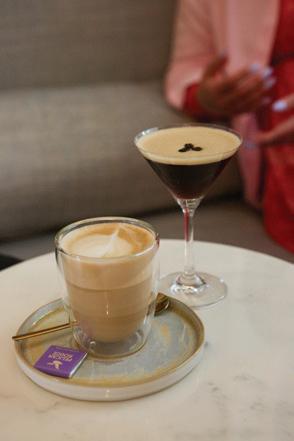
The Nine, where taste, artistry, and empowerment come together in perfect harmony.
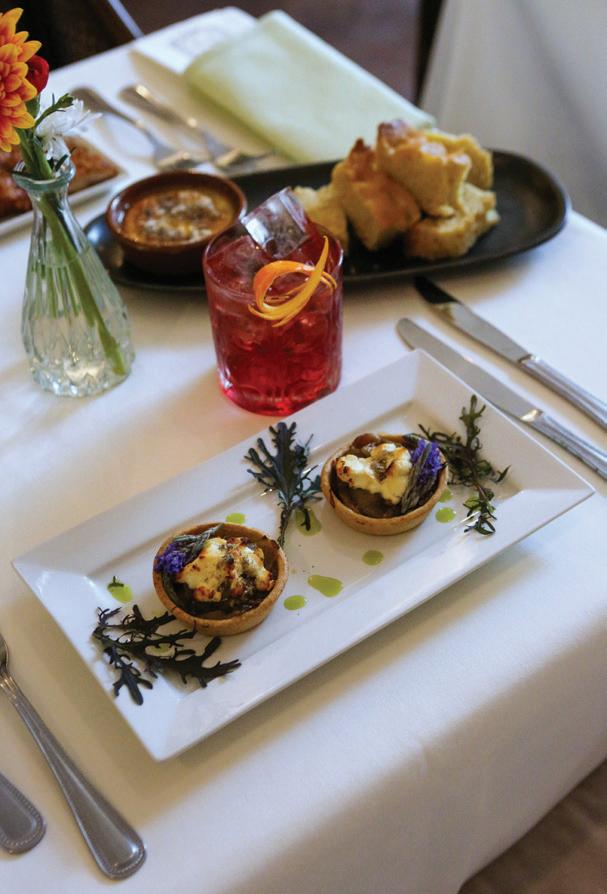
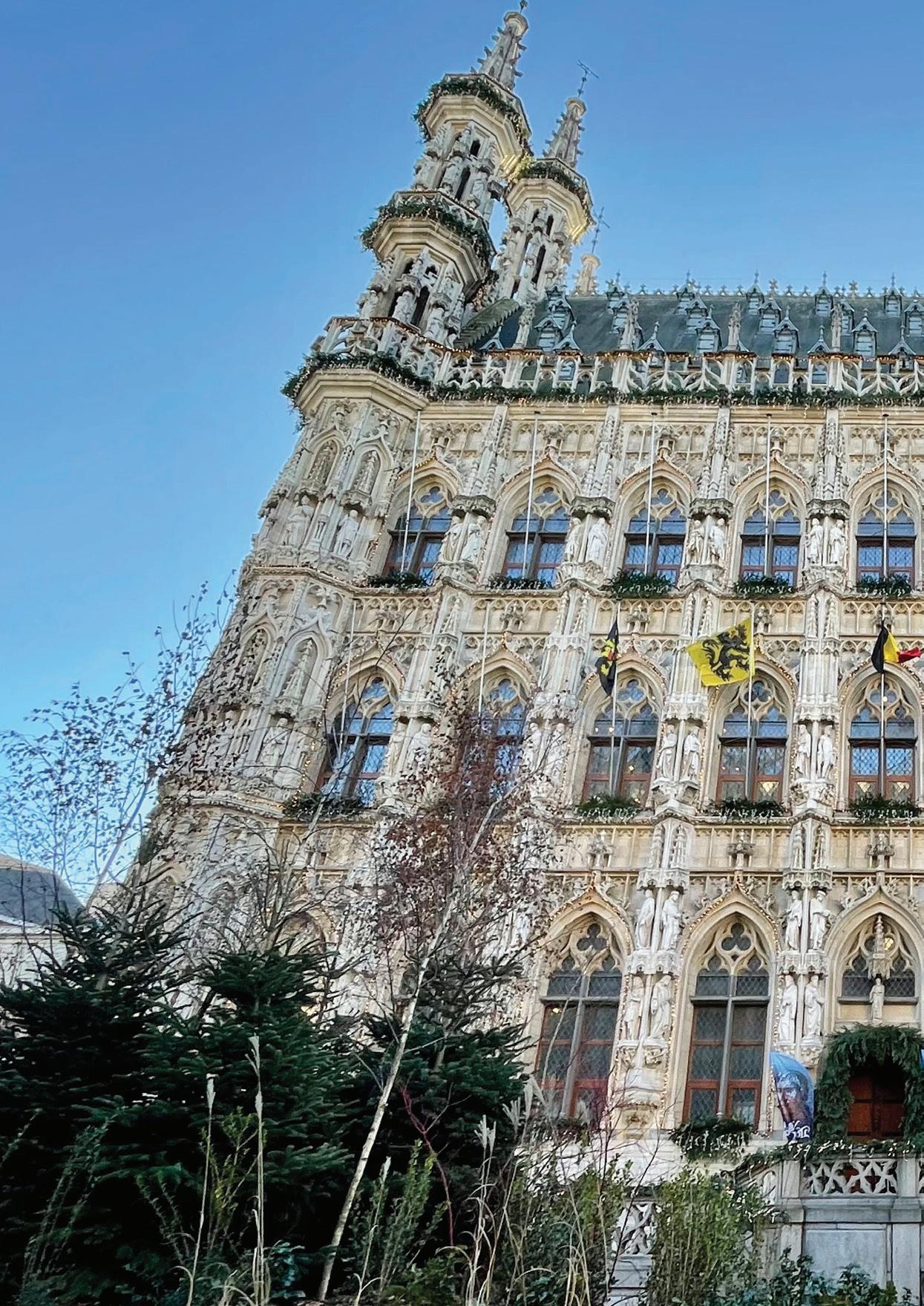
Just half an hour from Brussels, Leuven is a city of turrets, bicycles, books and beer. Home to one of Europe’s oldest universities and recently named the European Capital of Culture in 2030, it wears its history lightly – a place where learning and leisure blur beautifully, and where curiosity feels as natural as breathing, as Angela Dansby finds out
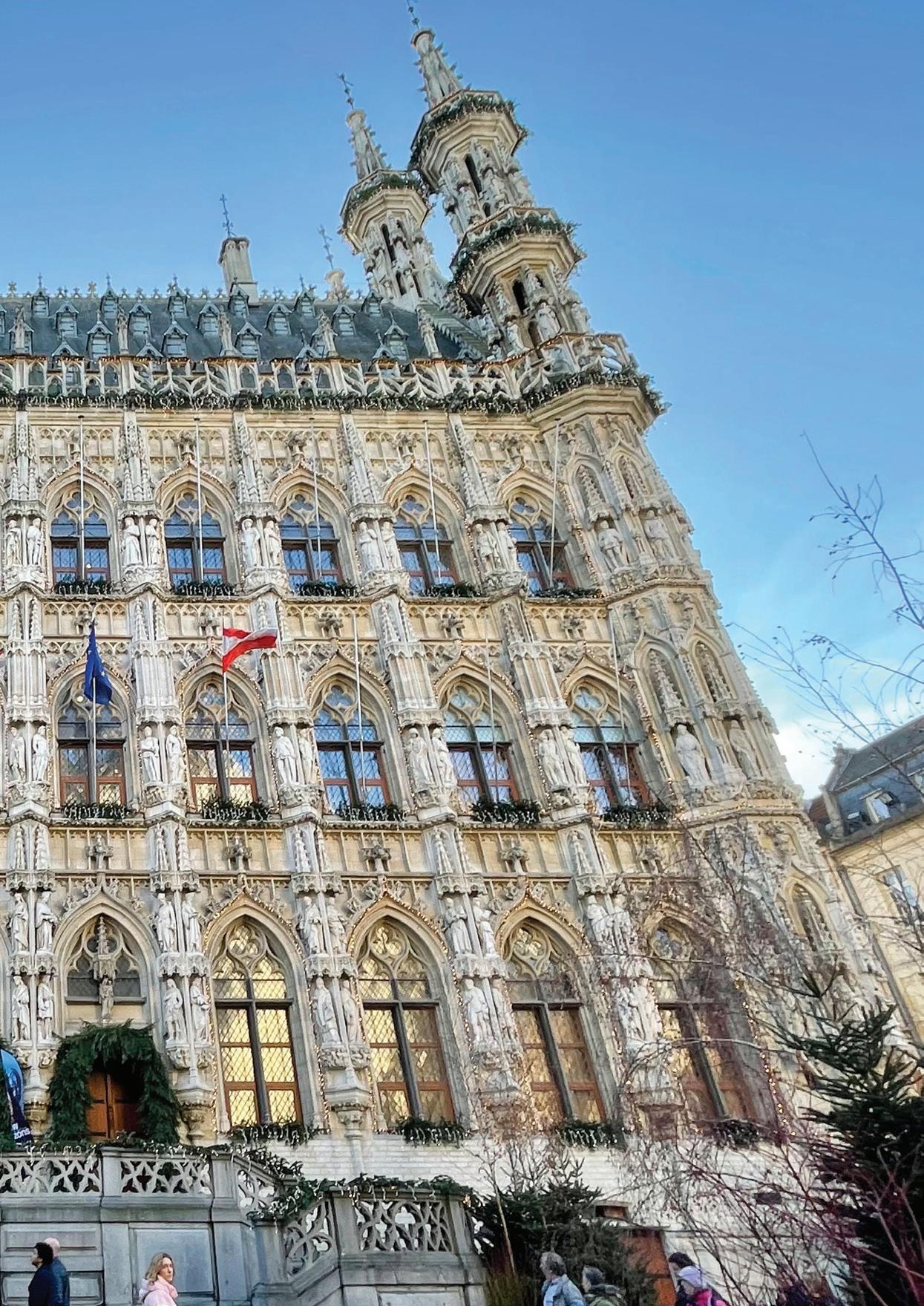
Angela Dansby
This is a city shaped by knowledge and resilience, drawing thinkers from around the world, filling this small Flemish city with languages, laughter and the easy rhythm of student life.
Compact, cultured and effortlessly convivial, Leuven sits just east of Brussels but feels worlds apart. Belgium’s oldest university city brims with Gothic beauty, lively student energy and a beer heritage second to none. Cycle its cobbled streets, sip a local brew on the Oude Markt, and discover a city built equally for learning and living.
In September, Leuven was named European Capital of Culture 2030, coinciding with the 200th anniversary of Belgium. It comes after this year’s celebration of six centuries of Leuven University (now known as Katholieke Universiteit, or KU Leuven).
Today, the city’s bustling squares overflow with lively pubs, cosy cafés and trendy eateries. Festivals are frequent and beer heritage is well celebrated. This is a city shaped by knowledge and resilience, drawing thinkers from around the world, filling this small Flemish city with languages, laughter and the easy rhythm of student life.
Once a fortified Viking camp in the late 9th century, Leuven rose in ranks in the 14th century as the residence of the Duke of Brabant, who inspired the creation of the university. If the Northern Renaissance had had a Silicon Valley, it would have been in Leuven, with schol-
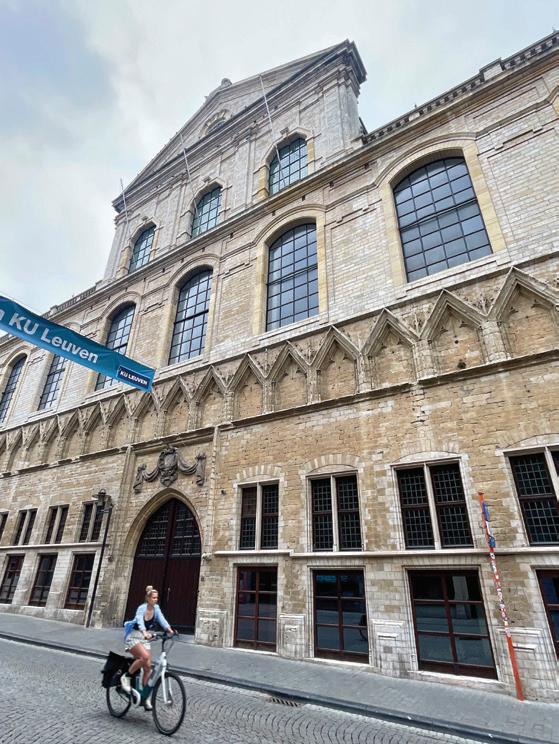
ar Erasmus, cartographer Gerardus Mercator and father of human anatomy Andreas Vesalius as thought leaders – while skilled artisans and traders contributed to the development of advanced instruments and luxury goods. Leuven continued to flourish as an academic, religious and cultural centre until the First World War when up to a third of it was destroyed, including the revered library. It was bombed again in the Second World War, but the city rebuilt once again.
The 15th century Stadhuis (Town Hall) on the Grote Markt (Main Square) is Leuven’s architectural star and one of the world’s finest examples of late Gothic architecture. It has an ornate façade with a lace-like design that took 30 years to complete. The final touches were added in the 19th century when the façade was embellished with 235 larger statues representing historical figures, patron saints and noble provincial rulers. The four-century age difference between smaller and larger sculptures is evident in colour upon close examination. The Stadhuis survived World War I because it was the headquarters of German troops. It is currently closed for renovation to make an accessible visitor and administrative centre, set to be completed by 2030. The University Library and Tower was paid for by 640 American universities and oth-
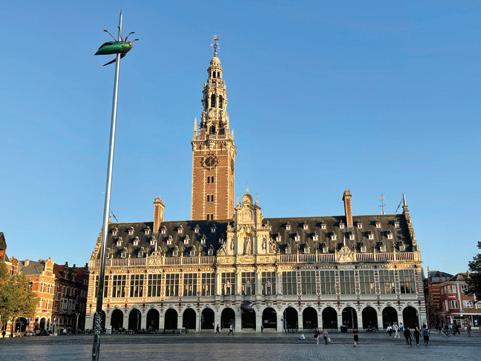
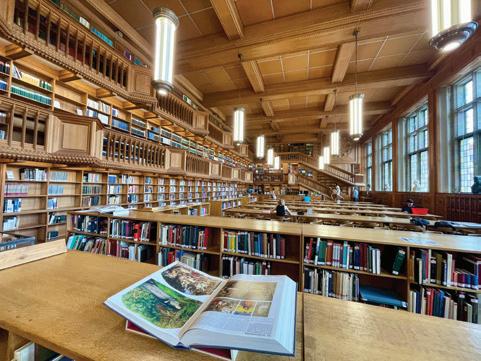
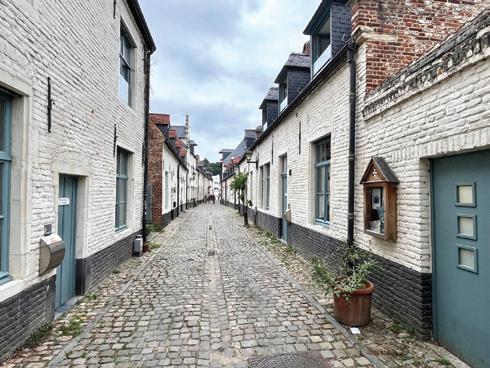
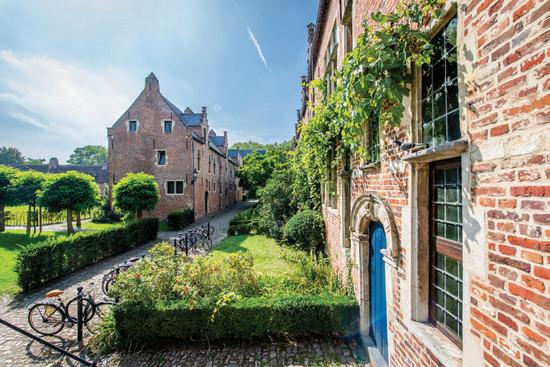
er institutions corralled by US businessman and later President Herbert Hoover. It was built as both a grand library and war memorial commemorating Allied victory after it was twice destroyed by German fire during the World Wars, losing invaluable manuscripts and books. It was meticulously rebuilt each time according to its original neo-Renaissance design. Designed by American architect Whitney Warren, it has a symbolic façade featuring Madonna and child armed and armoured, heraldic animals and stones honouring US benefactors. The library's striking bell tower, 99 meters high, houses one of the largest carillons in Europe. Visitors can climb the five-story library tower, which has permanent photo exhibitions on each floor about its turbulent past. Atop the fifth floor is an open-air balcony with panoramic views and placards about iconic Leuven buildings.
The library sits on Ladeuzeplein, the largest square in Leuven, which is marked by Totem, a jarring sculpture of a giant jewel beetle skewered by 23-metre-high “entomology pin.” It was designed by Belgian conceptual artist Jan Fabre in celebration of the 575th anniversary of KU Leuven in 2004, symbolising scientific inquiry and the fragility of existence. Ladeuzeplein also hosts a farmer’s market every Friday.
The Oude Markt (Old Market) boasts Europe’s longest bar and the epicentre of Leuven’s student nightlife with about 40 bars. Summer music festivals are anchored here as well. A bronze sculpture, De Kotmadam (student caretaker), sits on a bench holding a coffee pot in the square as a nod to the landladies who used to rent rooms in their homes to students.
The Groot Begijnhof (Great Beguinage) from the 13th century, once home to some 360 beguines (unmarried, semi-religious women), now houses students, staff and visiting professors of KU Leuven. A three-hectare UNESCO World Heritage Site, it has nearly 100 sandstone houses, a church, convent and network of streets, alleys, courtyards, gardens and parks.
Kasteel Arenberg and Park in the adjacent town of Heverlee – where the university has a satellite campus – was originally built in the 16th century and is distinguished by brick masonry alternating with sandstone window frames, large corner towers with octagonal spires and onion-shaped roofs. It was the luxurious residence of noble families for centuries. In 1916, the castle was donated to KU Leuven by an Arenberg Duke and after the First World War, it became the main building of the Faculty of Engineering, fittingly including the departments of architecture, urbanism and conservation. Despite damage in the Second World War, many of its original features remain. Surrounding Arenberg Park is a protected green space that contains notable landmarks like the 13th century Arenberg Watermill, one of the oldest of its kind in Europe, and modern art installations.
With origins dating back to 1425, KU Leuven has some 65,000 students, including 15,000 on nine satellite campuses. This year it celebrates its 600th anniversary, a remarkable feat considering that it was abolished under Napolean in 1797, recreated in 1835 and linguistically split in 1968!
In honour of its six centuries of existence, KU Leuven has two special exhibitions, heritage walks, and an art and science route. The latter features 16 new works of art, half of which are typographic poems, in and around Leuven. The exhibitions, Routes to Knowledge and The Pursuit of Knowledge, in the library and M – Museum Leuven, respectively, will run until February 22, 2026. Guided tours are available in Leuven and Heverlee as well as heritage walks on all campuses via the free app KU Leuven Walking Tours.
The Universiteitshal is the oldest university building, which contained the original library from 1317 to the First World War in a former cloth hall. It was burned to the ground during the war (a replica of what it looked like
It was built as both a grand library and war memorial commemorating Allied victory after it was twice destroyed by German fire during the World Wars, losing invaluable manuscripts and books.
The large Stadspark
Sint-Donatus
(City Park of St Donatus) contains a tower and section from a 13th century city wall. It also has an artificial waterfall, ponds, sculptures and a new art installation of a giant rock sitting on chairs.
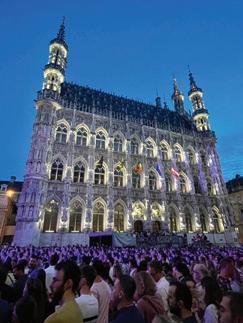
is in a ground floor window) but rebuilt. Today it houses KU Leuven registration and administration offices, co-working and event spaces, a shop and coffee bar.
The Erasmushuis and Erasmustuin (Erasmus House and Garden), named after the influential Dutch scholar who spent much of his life in Leuven, are home to KU Leuven’s Faculty of Arts. In the basement of the cruciform Erasmus House is the Didactic Museum of Archaeology with models of buildings and plaster casts of famous ancient statues. The beautiful garden designed by Belgian landscape architect Jacques Wirtz contains a small amphitheatre and sculptures by renowned Belgian artists like Rik Poots.
The Baroque, octagonal Anatomisch Theater was built by KU Leuven in 1744 for medical students to observe human body dissections. This protected building is currently under restoration to become part of a new Vesalius Museum about science, healthcare and society that’s scheduled to open this December in honour of the university’s 600 years. The museum will partly be housed in the historical, renovated Pathological Institute. KU Leuven and UZ (University Hospitals) Leuven are behind the project, which will also include a new experience centre called Vesalius Next on a former hospital site.
Other public education spots include KU Leuven’s Health House, an interactive experience centre about the future of healthcare, science and well-being; KADOC (Katholiek Documentatie en Onderzoekscentrum), a documentation and research centre focused on religion, culture and society; and the Museum for Zoology with an extensive collection of specimens, skeletons and taxidermy from many animal groups.
The following university buildings are of architectural interest:
• The stately Paus Adriaan VI-College en Heilige Geestcollege (Pope Adrian VI Col-
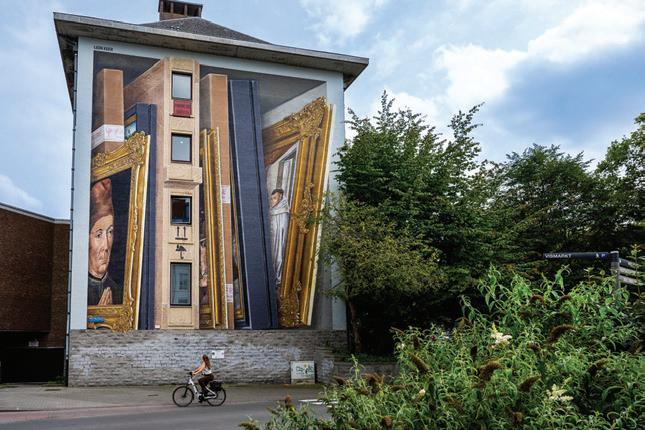
lege and Holy Spirit College), originally the professor-pope’s home in the early 16th century that expanded into student housing
• College de Valk (College of the Falcon), a historic academic building founded as a pedagogy that’s now KU Leuven’s Faculty of Law (the falcon is reflected in its coat of arms and motto, and the building is flanked by busts of notable figures linked to legal history)
• The neo-Gothic Seminarie Leo XIII, once for priests in training and now a residence for international students, which has a roof decorated with the emblem of Pope Leo XIII and Belgian lion
• Hogeschool Groep T, a campus within KU Leuven's Faculty of Industrial Engineering Sciences, which is an architectural replica of the Guggenheim museum in New York with a slanted glass roof column
Leuven is frothing with beer as headquarters of the world’s largest brewer, AB InBev, which has a heritage in the city spanning more than 600 years, originating from the Artois brewery.
Brouwerij Stella Artois, part of AB Inbev, remains local, offering tours with tastings on weekends. De Hoorn in the Vaartkom – a former industrial and brewery district around the Canal Leuven–Dyle (Vaart) – is where Stella Artois was first brewed in 1926 until the 1980s. Now the building houses a restaurant and hospitality venue of AB InBev.
Leuven also boasts craft breweries, including Domus Microbrewery, Brouwerij De Coureur, Brouwerij De Vlier and Brouwerij Hof Ten Dormaal, plus MALZ craft beer bar and shop. Beer tasting tours, optionally paired with food or chocolate, are available via LeuvenLeisure.com.
A hilarious annual Bartenders’ Race in the Oude Markt challenges locals to pour beer and run with loaded trays around an obstacle course downtown. It occurs during the HapjeTapje food festival the first Sunday of August.
Every April, Leuven Beer Weekends celebrate beer heritage and innovation in three events: Leuven Innovation Beer Festival, which showcases unique beers from around the world from about 20 breweries; Food & Hops, which pairs beer with gourmet cuisine; and Zythos Beer Festival, Belgium’s largest beer-tasting event featuring hundreds of Belgian brews from numerous breweries.
City Beer Golf combines tourism, beer tasting and urban golfing where the "holes" are watering holes (bars) around Leuven.
The lush, colourful Kruidtuin is the oldest botanical city garden in Belgium, created by KU Leuven in 1738 for its medical students. It
is open to the public daily.
The large Stadspark Sint-Donatus (City Park of St Donatus) contains a tower and section from a 13th century city wall. It also has an artificial waterfall, ponds, sculptures and a new art installation of a giant rock sitting on chairs. The latter, one of several artworks throughout the city commemorating KU Leuven’s 600th anniversary, represents the weight of missing knowledge.
The Dijlepark is a small, romantic city park near the Great Beguinage with a blue, curved bridge arching over a pond and gazebo for picnics. Behind De Hoorn is Sluispark, an urban green space with a giant Leuven sign, fish trap and children’s water playground.
Park Abdij Keizersberg (Keizersberg Abbey Park) was a ducal castle in the Middle Ages, then a Benedictine abbey, which now houses both monks and students. It resembles an old fortress set apart otherwise by a large statue of the Virgin Mary. The surrounding park on the Keizersberg (Emperor’s Hill) offers lush gardens, scenic walking paths and panoramic views of Leuven.
Abdij Van Park in Heverlee contains a well-preserved Norbertine abbey dating to 1129 and 42 hectares of meadows, orchards, gardens, ponds and natural areas. The abbey has 17th-century stucco ceilings and stainedglass windows as well as the PARCUM museum about religious heritage and art, Peace Carillon and House of Polyphony. The Peace Carillon was inaugurated in 2018 to celebrate 100 years after the Armistice. It hosts concerts every Wednesday. The House of Polyphony is an international centre dedicated to the research and preservation of the musical heritage of the Low Countries. The Park Abbey also includes a 16th-century watermill containing Brasserie De Abdijmolen, a brewery called Braxatorium Parcensis, gatehouses, walking and cycling paths, and special exhibitions.
Heverleebos is the name of beautiful woods spanning Leuven and Heverlee, with well-maintained trails for both walkers and cyclists. The Trolieberg on the outskirts of Leuven is an open area with wonderful views of the city skyline.
Provinciedomein Kessel-Lo (Provincial Domain) in the suburb Kessel-Lo is a recreational area with an outdoor swimming pool, educational playground and a pond with pedal boats. The Abdij Van Vlierbeek in Kessel-Lo, founded by Benedictine monks in 1125, still has its parish as well as beautiful grounds for walking and cycling. Also in this district is Park Belle-Vue, a long, narrow green park between the railway tracks and Martelarenlaan street. Nearby Kesselberg is a protected, hilltop nature reserve and archaeological site with remains of a fortified settlement from the Iron Age.
Kayaking on the Dijle River is possible from the nearby village Korbeek-Dijle to Hev-
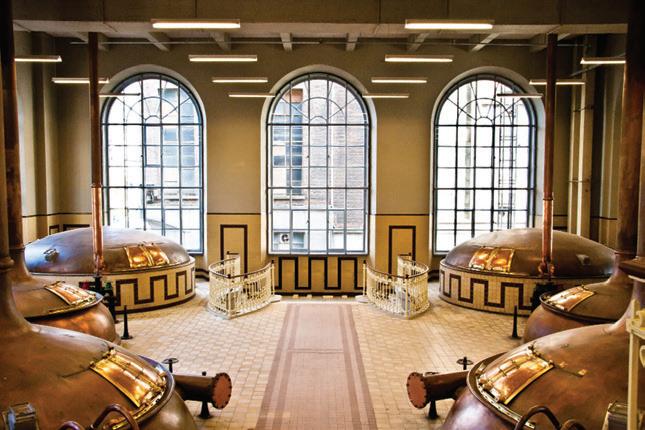
erlee. The route is 6.5km and takes about 1.5 hours. The Shelter in Korbeek-Dijle provides equipment, parking and facilities. A Viking boat tour on the Dijle, Noormannentocht (Norman tour) by Dijle Floats, takes people back to the Viking history of Leuven with authentic clothing and storytelling about Danish Norsemen.
M Leuven evolved from a cabinet of curiosities in the 18th century into a major city museum with more than 58,000 regional artworks. It covers the Stone Age to the present, particularly the Renaissance and 19th century. It also has a valuable collection of contemporary art, with many works by Belgian artists, plus a gift shop.
The OPEK (Openbaar Entrepot voor de Kunsten), meaning Public Warehouse for the Arts, is a vibrant cultural centre featuring performing and visual arts as well as literature. It sits in a former customs building in the heart of the Vaartkom. Within walking distance is Rocketman, a metallic man dangling from atop the old Stella Artois malt house.
The huge, 15th-century Sint-Pieterskerk (St Peter’s Church) across from Town Hall has several masterpieces by Flemish Primitives, pioneers of Renaissance oil painting whose works profoundly shaped European art. Most notably, the church contains The Last Supper triptych by Dieric Bouts. This and 11 other masterpieces can be viewed via a hololens to bring them to life with spectacular 3D images and animations. The Gothic belfry, part of the UNESCO World Heritage Site listing of Belfries of Belgium and France, features an external bell rung by a brass “man”.
The Baroque façade of Sint-Michielskerk (St Michael’s Church) from the 17th century survived the church’s destruction otherwise in the First World War. This ornate façade has
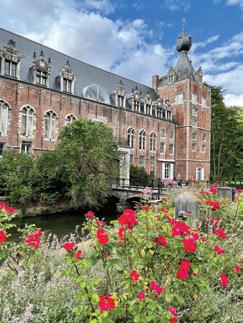
M Leuven evolved from a cabinet of curiosities in the 18th century into a major city museum with more than 58,000 regional artworks. It covers the Stone Age to the present, particularly the Renaissance and 19th century.
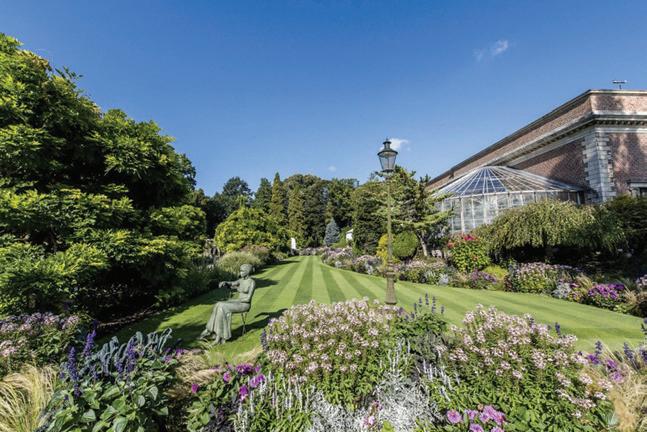
Flemish
celebrity chef
Jeroen
Meus records his television cooking show, Dagelijkse Kost, in a former 18th century inn at Schrijnmakersstraat 11. Passers-by peering through the studio window
can sometimes see him filming.
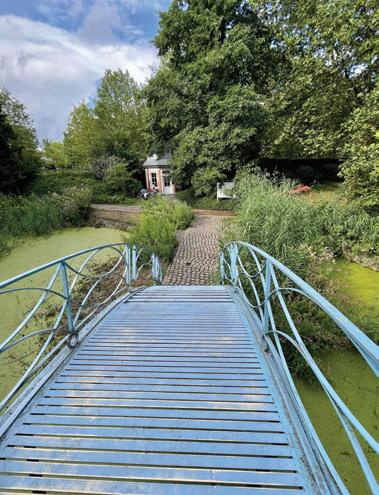
Ionian columns, pilasters and friezes like an exterior altar. Inside, a Baroque pipe organ occupies the entire rear wall.
Across the street from the old city wall along St Donatus Park is an industrial sculpture of Pieter de Somer, the university’s first rector after its linguistic divide in 1968. Adjacent on the Aula (Auditorium) Pieter De Somer is a street art mural of Sanda Dia, a KU Leuven student who was killed in 2018 by a fraternity hazing incident. Other notable street art includes a mural of stored artworks by Leon Keer, a giant electric heater by Bisser and Primeval Atom, a network of 80 medallions representing a scale model of the universe in tribute of the Big Bang Theory, conceived by KU Leuven Professor Georges Lemaître in 1931 (a bust of him is in the courtyard of College van Premonstreit). Nearby are fascinating sculptures of a cloaked archangel in the courtyard of Van Dalecollege and a Chinese globe in front of the Ferdinand Verbist Institute
Near Martelarenplein (Martyrs’ Square) is the memorable sculpture De Ballon van de Vriendschap (The Balloon of Friendship) of a hot air balloon with four friends in its basket. It was made by living Belgian sculptor Dany Tulkens.
The Stationsgebouw (train station) from the late 19th century is stunning with French and Italian influences. Inside is a modern overhang above platforms that resembles sheets flapping in the wind, ironically designed to reduce train noise.
In front of the station on Martyrs’ Square is the Peace Monument, an obelisk erected in 1925 to honour more than 200 civilians who were executed by German troops there in the First World War. At night, the obelisk has illuminated red windows at its peak to represent the great fire that led to the Sack of Leuven in 1914.
Sint-Geertruiabdij (St Gertrude’s Abbey) and the Klein Begijnhof (Small Beguinage) dating from the 14th to 17th centuries feature stone and brick craftsmanship and white rowhouses, respectively. The tower of St Gertrude’s Church was built without nails, featuring an openwork stone spire with no wooden elements.
The pointy, dark brown Wiptoren de Toewip (Shooting Tower) from 1936 is the last of its kind in the province and a throwback to the old practice of manufacturing bullets by dropping molten lead down a vertical shaft into a water basin. The Provinciehuis Vlaams-Brabant, seat of the provincial government, is a modern gem by Portuguese architect Gonçalo Sousa Byrne denoted by an exterior bright yellow balcony. Its ground floor conference centre is open to the public.
Other noteworthy architecture includes the Klooster Conventuelen (Conventual Monastery) on Herbert Hooverplein with a façade of silhouettes of active people; Flemish Neo-Renaissance Notarishuis (Notary house); and stately, 19th-century Stadsschouwburg (City Theatre) with a parterre garden.
Flemish celebrity chef Jeroen Meus records his television cooking show, Dagelijkse Kost, in a former 18th century inn at Schrijnmakersstraat 11. Passers-by peering through the studio window can sometimes see him filming.
IMEC (Interuniversitair Micro-Elecktronica Centrum), once part of KU Leuven, is the largest independent European research centre for nanotechnology and digital innovation. Based in Heverlee, a guided tour can be arranged by emailing visit@imec.be at least two months in advance.
Christmas Market: A longtime local tradition covering two large squares with more than 140 stalls, pop-up bars, an illuminated tower, live entertainment and more
Hapje-Tapje: An outdoor culinary festival the first Sunday of August with hundreds of tasting dishes from local restaurants and a Bartenders’ Race where participants run with trays of beer on an obstacle course
Hear Here: Every three years, a walking tour in May featuring about 15 sound art installations on heritage sites around Leuven, next in 2028
Het Groot Verlof: A cultural festival each July/ August that includes Beleuvenissen (free open-air concerts on Friday nights), open-air films, street food, cultural events and guided tours
Jaarmarkt Leuven: A long-time annual fair the first Monday of September with a draught horse and cattle competition, huge street market and concerts
Leuven Beer Weekends: A series of three two-day festivals focused on beer innovation, food pairings and tastings
Lichtjeswandeling in het Groot Begijnhof: A candlelight walk in the Great Beguinage one weekend evening in December with thousands of candles illuminating the historic space
Markt Rock: A two-day music festival every August featuring Belgian and international talent
Bar Louis: A sultry bar and restaurant on the Grote Markt with a covered terrace offering Belgian and international cuisine
El Sombrero: This Mexican restaurant is a colourful and popular spot offering classic dishes
GUZZI: An off-the-beaten-track, Michelin-recognised pizzeria with a terrace featuring wood-fired pizzas and other Italian foods
Troubadour: An upscale restaurant featuring traditional Belgian cuisine, such as Flemish stew and chicory with ham and cheese
Zappaz: A gastronomic star offering multiple “taste experiences” of different techniques, preparations and flavours
Barbóék: A café and bookstore combined, this is a place to sip coffee while reading
Het Moorinneken: Next to Town Hall, a café with seasonal dishes in a historic building named after a bust on its façade
Café Entrepot: In the OPEK building with a spacious terrace overlooking the Vaart canal, an artsy, casual spot for good-value spaghetti and more
Coupe Matadi: A unique ice cream parlour on a moored, retrofitted freight ship on the Leuven canal featuring homemade, artisanal ice cream
Sips: A newish, upscale wine bar with fine selections that can be paired with tapas and/or dinner meals
ZUUT: A tea salon with gourmet pastries, desserts and homemade ice cream
Begijnhof Hotel: Overlooking the Great Beguinage in green space, a peaceful resting place including a buffet breakfast
Hotel De Pastorij: A cosy, three-star bed and breakfast in a restored 1830 building with six rooms and a garden within walking distance of downtown
M Street Art Lodging: A modern, self-checkin hotel in the city centre with one-of-a-kind rooms decorated with works by famous Belgian artists
Martin’s Klooster Hotel: In a beautifully restored monastery, a four-star hotel near the Dijle River with modern luxury, a chic bar and garden
The Fourth Tafelrond: A historic national bank turned four-star hotel on the Grote Markt with modern rooms and gastronomic restaurant Tafelrond
Animaux Speciaux: An unusual shop featuring small animal and insect taxidermy, books, stationery, decorations and plants as well as taxidermyand mini biosphere-making workshops
Bittersweet: A creative chocolate shop with fun, unique praline and other product flavours, designs and names
Hops ‘n More: A beer bottle shop with an outstanding selection of international craft beers, ciders, wines, meads, kombucha, bio sodas and take-away draft beer
Loqual: Featuring made-in-Belgium gifts and curiosities, including T-shirts with Flemish phrases and jewellery
't Rood Huys: The art studio and shop of local potter Jan Vander Elst who sells ceramics with abstract, bird and cycling designs
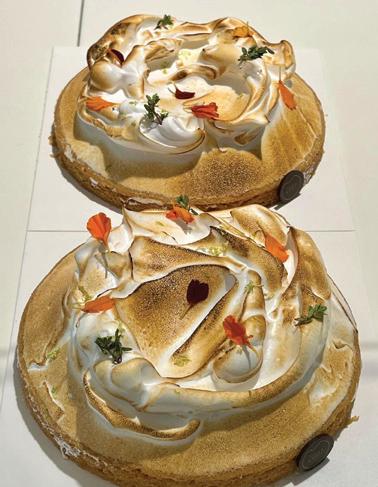
Animaux
Speciaux: An unusual shop featuring small animal and insect taxidermy, books, stationery, decorations and plants as well as taxidermyand mini biosphere-making workshops.

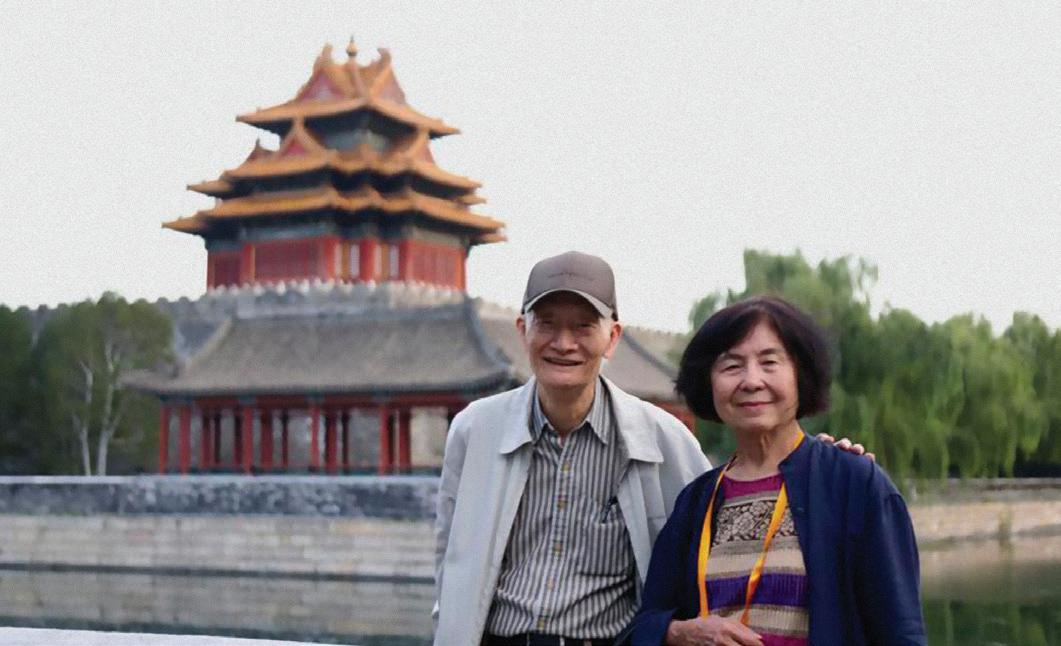
In 1933, as Japan's invasion loomed, more than 13,000 crates of the Palace Museum's collection, priceless treasures of Chinese art, were evacuated from Beijing.
The 100-year-old Palace Museum, situated on the site of the Forbidden City in Beijing, has welcomed a special visitor from Taipei - a city some 2,000 kilometers away that is home to another Palace Museum.
Chuang Ling, an 87-year-old photographer from Taiwan and the son of a former staff member who worked for both Palace Museums, visited Beijing to attend an exhibition commemorating the miraculous evacuation of the museum's collection during Chinese People's War of Resistance against Japanese Aggression more than 80 years ago.
On 10 October, 1925, the Forbidden City - the vast walled complex that once served as China's imperial palace - was opened to the public for the first time, along with its priceless imperial art collections.
Chuang Ling's father, Chuang Yan, was among the museum's earliest staff members. Joining the preparation team in 1924, he witnessed and participated in the Palace Museum's turbulent early years and the establishment of another Palace Museum in Taipei.
My father passed away in 1980 in Taipei," Chuang recalled. "In his final moments, he kept murmuring a faint and indistinct word. I listened carefully and finally made it out - it was 'Beiping' (a former name of Beijing)."
In 1933, as Japan's invasion loomed, more than 13,000 crates of the Palace Museum's collection, priceless treasures of Chinese art, were evacuated from Beijing. Over the following years, they journeyed across half of China, navigating the chaos of war, and found temporary refuge in the country's southwest.
The museum collections first arrived in Shanghai and then moved to Nanjing in eastern China. When they were forced to leave Nanjing in 1937, Chuang Yan was tasked with escorting the first batch of 80 crates containing bronze, porcelain, calligraphy, paintings, embroideries, jade, and other items.
As the Japanese advanced, the collection's destinations shifted repeatedly - from Hubei and Hunan in central China, and further south and west to Guangxi, Guizhou and Sichuan.
There were many close calls. Soon after the escort team left Changsha in Hunan Province, the library that had stored the treasures was reduced to ashes by heavy bombing. Similarly, about ten days after the team departed from Guiyang in Guizhou Province, the city was largely destroyed by air raids.
In Anshun, Guizhou, the museum's treasures were hidden in a natural cave, where Chuang Yan and his family guarded them for years. Their diet mainly consisted of cabbage, tofu, and rice mixed with sand and even worms. "Life was hard," Chuang Ling said, "but we felt rich in spirit."
"These museum staff, most of them intellectuals, had no idea where the collections would go or how long the evacuation would last. They simply chose to guard them. What they did is deeply moving," said Zheng Xinmiao, former curator of the Palace Museum in Beijing.
Although the country had suffered devastating losses during the resistance war, the Forbidden City's treasures remained largely intact thanks to the dedication and sacrifice of the escort teams.
"The Palace Museum's collections are not only valuable artworks, but also the living history of the Chinese nation," Zheng said. "Protecting them meant preserving the essence of Chinese culture. The evacuation embodied the Chinese people's indomitable spirit in the face of invasion."
Between 1945 and 1949, the Palace Museum's collection was divided. Part of it was transported to Taiwan by the Kuomintangalong with some of its guardians. The Chuang family accompanied the treasures to the island and has been settled there ever since.
Chuang Yan later became vice curator of the Palace Museum in Taipei, where he continued his lifelong mission of protecting and promoting Chinese culture.
For decades, the artworks from the Palace Museum have silently served as cultural messengers, nurturing generations in Taiwan and fostering a profound understanding of Chinese culture there.
In 2009, curators from the two museums across the Taiwan Strait exchanged visits for the first time. In 2011, "Dwelling in the
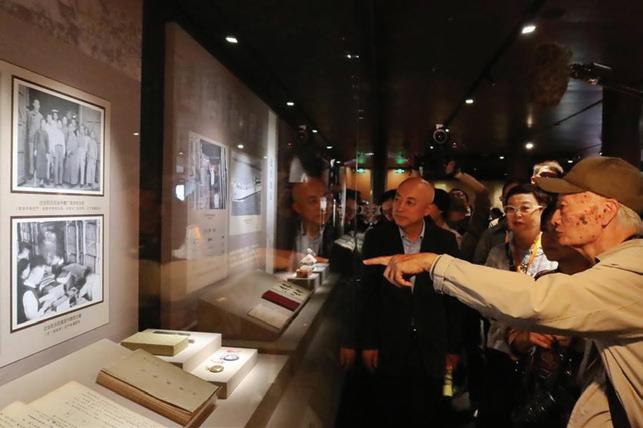
Chuang Ling (first from right) introduces the exhibits at an exhibition commemorating the miraculous evacuation of the Palace Museum’s collection during Chinese People’s War of Resistance against Japanese Aggression more than 80 years ago, in Beijing, Sept. 30, 2025. Credit: Xinhua News Agency
Fuchun Mountains," a classic Chinese landscape painting that had been divided into two halves and housed on opposite sides of the Strait, was reunited at the Taipei Palace Museum for a special exhibition.
The two museums are like brothers, and through exchanges and academic cooperation, scholars on both sides will deepen mutual understanding and help promote greater cross-Strait understanding, said Wang Xudong, curator of the Palace Museum in Beijing.
The ongoing exhibition that brought Chuang Ling to Beijing features a bronze vessel from the Spring and Autumn Period (770-221 B.C.). The Taipei Palace Museum holds another vessel of the same kind. During the Qing dynasty, one vessel was kept in the Summer Palace in Beijing, and the other in the Forbidden City; however, they eventually ended up on opposite sides of the Strait.
"These two vessels symbolize the deep connection between the Palace Museum collections in Beijing and Taipei, as well as the unity of China's 5,000-year-old civilization," said Xu Wanling, a research fellow at the Beijing Palace Museum and a senior expert on Palace Museum history.
The exhibition also features statues of key members of the evacuation mission and personal items loaned by their families in Taiwan, including Chuang Yan's journal.
With great joy, Chuang Ling posed for a photo beside the statue of his father - a reunion that transcended time and space.
"My father's greatest regret was that he couldn't bring the treasures back to their home in the Forbidden City," Chuang said softly. "I only hope that his regret will not be passed on to future generations."
The Forbidden City's treasures remained largely intact thanks to the dedication and sacrifice of the escort teams.
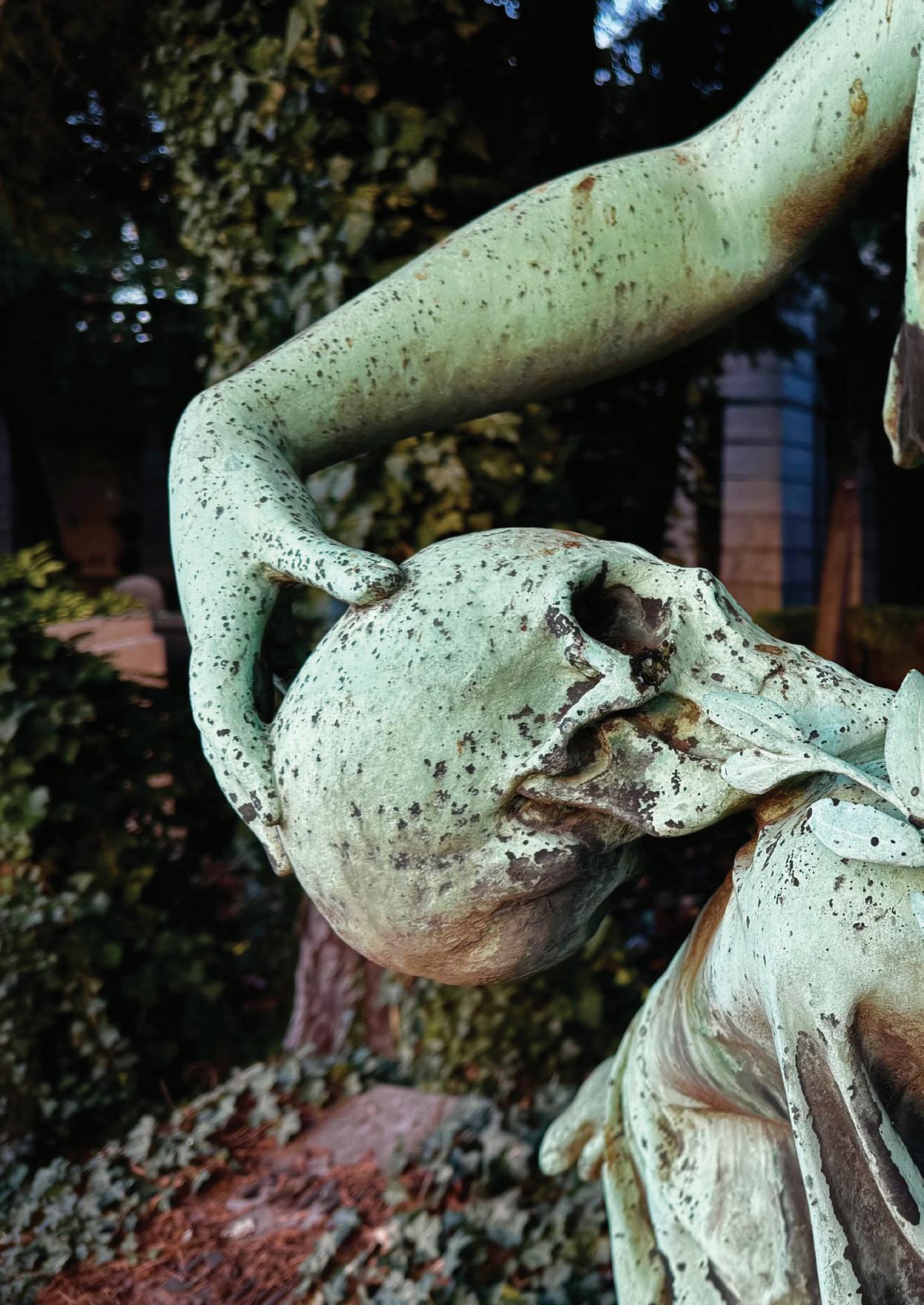
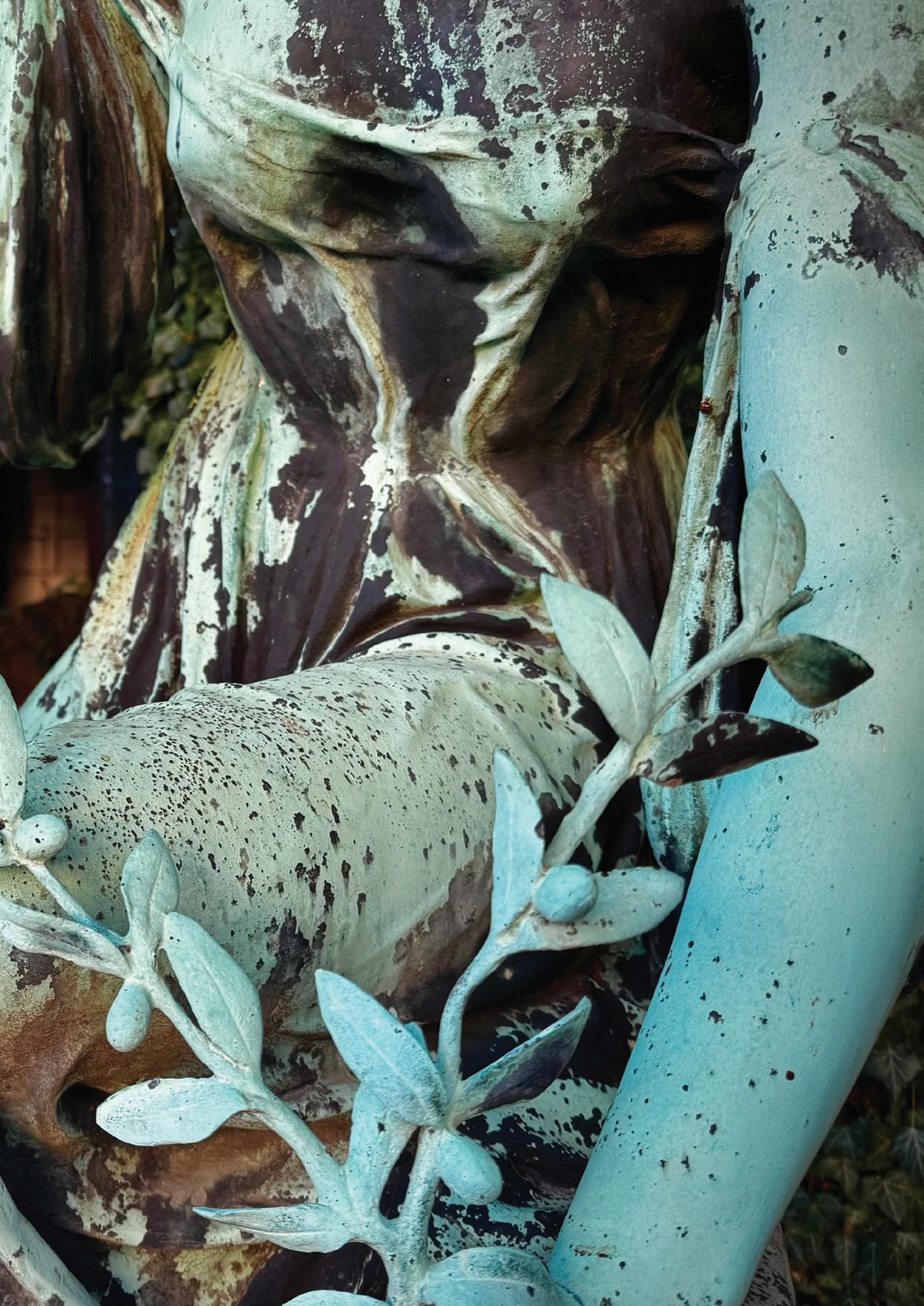
Brussels’ tiniest commune, Saint-Josse-ten-Noode, may lack space for the living, but its cemetery in nearby Schaerbeek is rich in stories of the dead. Hugh Dow treads its shaded paths to find revolutionaries, artists, poets and politicians – a miniature history of Belgium in one of the city’s quietest corners
Hugh Dow
There are open-air crypts, if that is not a contradiction in terms, many containing the remains of children. It is hard not to be affected by this.
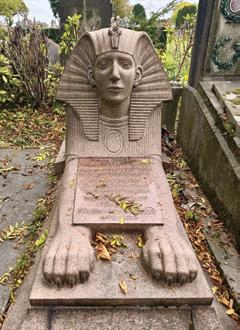
Saint-Josse-ten-Noode is an unusual little commune. It is tucked just outside the inner ring, which follows the ex-city walls, gone thanks to Napoleon Bonaparte, at the old Leuven gate. It is unique in a couple of quirky, but not necessarily desirable, ways. It is the smallest commune not just in Brussels but in the whole of Belgium. At 1.16 square kilometres, it covers slightly less ground than the Bois de la Cambre/Kamerenbos, which juts its way into Brussels from the south.
The name Ten Noode first popped up in the 13th century, when the land to the east of Brussels was sparsely populated and largely uncultivated. But as the main road to Leuven carried more traffic and as the city inside the walls became progressively more crowded, a small village grew up outside the confines of Brussels. Whether the name (Noed, Oede, Nude) grew out of desperation or piety – it meant “need” or “needy” in Dutch – is anyone’s guess.
The Saint Josse bit hails from the Brittany Saint Judoc of the 7th century. Born into nobility, he renounced his worldly wealth and became a hermit. The name Judoc died out in most of Europe, but I do recall it being used as an oath by the lubricious and lusty Wife of Bath in Chaucer’s Canterbury Tales. Whatever its name may be, a village outside the walls of a strategically important, battle-magnet city can attract a great deal of unwelcome attention. This modest settlement, this tiny commune, this two stops on the 66 bus route, has been buffeted throughout its long history by inter alia: in 1572 the “reiters” of the Prince of Orange burned house and crops; in 1580 the Calvinists destroyed their church; in 1583 the troops of Francis, Duke of Anjou were billeted there presumably without appropriate recompense; in 1635 the French invaded the Low
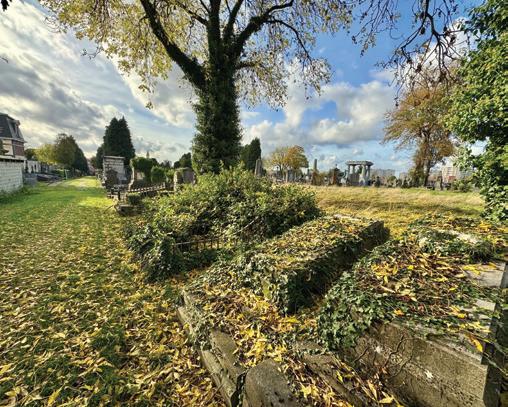
Counties and skirmished around Ten Noode before the magnificently monikered Ottavio Piccolomini chased them away; in 1675, King Louis XIV sacked the area to the east of Brussels for three days before rushing off to the Battle of Maastricht. And that is all within 100 years.
To the here and now. Saint Josse (SintJoost in Flemish) is the most densely populated commune in Belgium, with 23,000 souls packed into just over one square kilometre. It is also the poorest in the country, with an average income of €19,000. Only about 20% of the population have Belgian forefathers, and the incomers – Turkish, Moroccan and Congolese – tend to move out when they start making a living.
I have walked and bussed through the commune for 30 years. I marvel at the quality of the fruit and vegetable shops, the unpretentious Italian restaurant on the central square, a couple of old cinemas put to good use as exhibition halls and, above all, the massive Baroque church right there on the main road through the commune that looks like it has been there since the dawn of time.
The cemetery itself lies in Schaerbeek due to the lack of space in the commune itself. The original graveyard near the Saint Josse church was built over and has been recently rediscovered. Ironically, one of central Brussels’ most impressive green spaces is just inside Saint Josse territory – the Botanical Gardens – which are slightly older than the state itself.
But now to visit the cemetery, one must take a short walk downhill from the tram stop at Meiser to the impressive gates on Rue Henri Chomé. It is quite small, being, I esti-
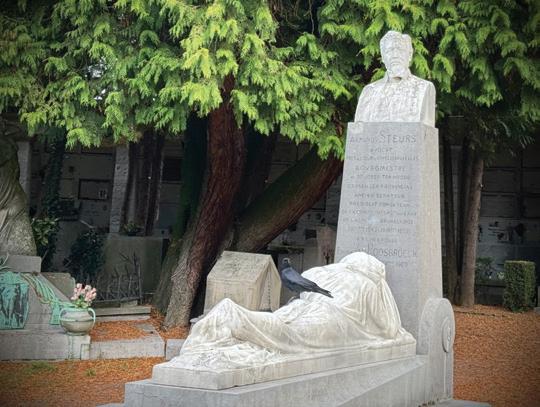
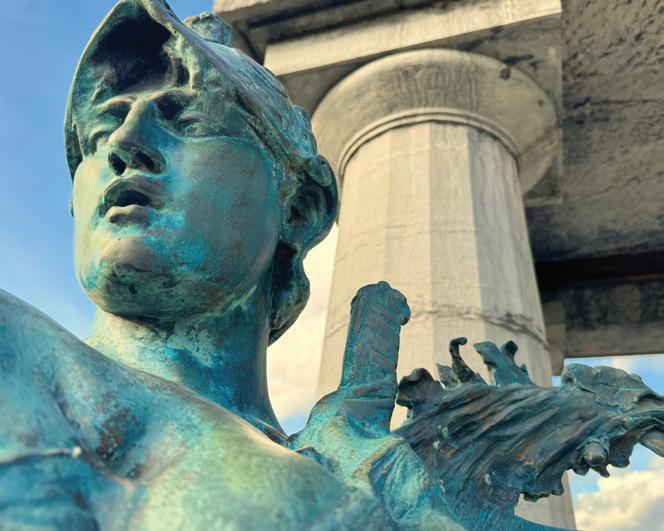
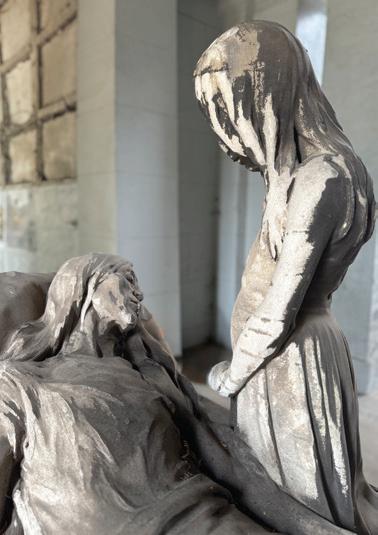
mate, about 60 metres by 300. Like all Brussels cemeteries, it has imposing offices at the entrance designed like gatehouses to a lordly estate. People appeared to be living upstairs in both gatehouses; at least, judging by the man leaning casually out of an upstairs window in his singlet, smoking and watching the world go by!
The periphery is walled as was required by the legislation of Joseph II (of whom more later) when Belgium was a less than comfortable part of Austrian hegemony. A walk around the cemetery reveals impressive mausoleums to luminaries such as Charles Rogier and Georges Pètre. Near the entrance is a macabre monument featuring a woman holding a skull. There are open-air crypts, if that is not a contradiction in terms, many containing the remains of children. It is hard not to be affected by this.
Some crypts are, I am sad to report, in a poor state of repair. There is a specific area dedicated to the fallen of World War I. The gravestones here are of an unusual and slightly stubby shape and the surrounding greenery is appropriately well-manicured. Unlike Anglo-Saxon military graveyards, there are no crosses to be seen.
Saint Josse may be small and poor, but the number of people who did something with their lives and then ended up in its cemetery is rather impressive. Here is a small selection: Charles Rogier (1800-1885). From a Belgian family that settled in Saint-Quentin, France in 1692, Rogier was a man of Stakhanovite achievement and productivity. In 1830, he marched with 300 troops from Liège to Brussels to join in the expulsion of the Dutch. During that kerfuffle, he was in-
strumental in preventing the sacking of the Hôtel de Ville in the Grand Place; and he put down an insurrection of miners in Hainaut. He reorganised Antwerp city administration (rendered more difficult by the fact that the Dutch still occupied the citadel). He voted for a constitutional monarchy and personally supported Otto of Bavaria and then, when he declined the job, the Duc de Nemours. He was instrumental in setting up the first railway system in continental Europe in the teeth of violent opposition. His doughty liberal values prevented, it is argued, a local version of the violent insurrections which bedevilled much of the rest of Europe in 1848. He set up a system of secondary education and, like the good liberal he was, marginalised the clergy. When France was perceived as a danger to the young state, he effected a reconciliation with the Dutch, which allowed free passage in the Scheldt and thus the growth of Antwerp port. He also wrote, or rather cobbled together, the Brabançonne, Belgium’s national anthem, which is now largely ignored.
Louis De Potter (1786-1859). Born in Bruges to highly political parents, young Louis spent much of his childhood on the run. His parents had been accused, by whatever despotic neighbour was lording it over what is now Belgium at the time, of being “Josephists”. This meant being a follower of the precepts of Holy Roman Emperor Joseph II, the ultimate enlightened despot, who felt the state should be run by reason and not the clergy. Young Louis, having completed his studies, returned to the Southern Netherlands and started up the anti-Dutch, or perhaps pro-Belgian, newspaper Courrier de
Saint Josse may be small and poor, but the number of people who did something with their lives and then ended up in its cemetery is rather impressive.
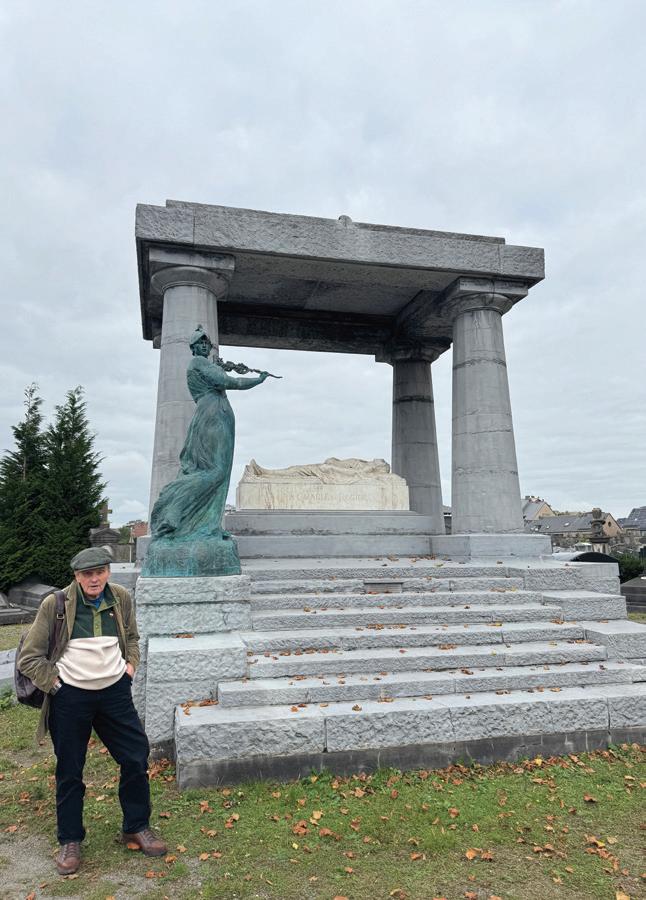
Saint Josse may be small and poor, but the number of people who did something with their lives and then ended up in its cemetery is rather impressive.
Pays Bas. For this, he was thrown in jail for 18 months with a selection of other Belgian nationalists. It wouldn’t be the first time prison served as a revolutionary’s university. He was released just in time to take part in the creation of the Belgian state. He made the opening address in the Grand Place, and there is a painting in the nearby Royal Museum of Fine Arts by Gustave Wappers of him fervently embracing the Belgian flag as he prepares to speak. But like many a revolutionary hothead before and after him, the day-to-day tedium of meetings about drains did not appeal. He fled, as was the family tradition, to France where he was now welcome!
André van Hasselt (1806–1874). Born in Maastricht, he qualified as a lawyer and practised at the bar there. In 1833, he left for Brussels as Maastricht was being besieged by the Belgians who wanted the city to be part of the new state. The idea of Belgium being expansionist, at least in Europe, seems counterintuitive. In Belgium, van Hasselt
earned a modest living as an inspector of schools while at night he wrote poetry in both French and Dutch (bilingual poets are rare!), children’s books, histories and pamphlets. Two facts about him might surprise. Firstly, a couple of his histories were, it is alleged, lifted wholesale from an obscure German historian without attribution. The word “plagiarism” was used. Secondly, there appears to have been an “intimate relationship” between him and Victor Hugo during the latter’s exile in Brussels.
Edouard Agneessens (1842–1885). A delicate portraitist, born in Brussels and a founder member of the Brussels Fine Arts Society, he spent several years working in St Petersburg, where he built up a successful practice painting the nobility. He returned to Brussels where sadly his mental state deteriorated to the point where he was a danger to both himself and others. He was institutionalised and died in an Uccle hospital at the age of 43. I find his portraits utterly compelling.
George Pètre (1874–1942). A longtime politician of the commune, he served as mayor from 1926 to 1942, when he was assassinated on December 31. A liberal, and to some a communist, he was a member of the Belgian Secret Army. His killer was one Robert Verbelen, a Belgian Nazi collaborator and SS officer, who had just formed a death squad called The Flag and the unfortunate Pètre was its first victim. Verbelen was tried in absentia after the war and condemned to execution for causing the death of about 100 Belgian resistance fighters - but by then he had fled to Austria where, under a false name, he spied for the US army. In 1959, he became a naturalised Austrian, was subsequently tried there for the murder of five men in Belgium but acquitted and lived on comfortably, or at least securely, in Vienna until his death at 80.
François Dhanis (1864–1909). Dhanis was a soldier who spent a significant part of his career consolidating Leopold II’s position in Belgian Congo. Having spent the first 14 years of his life in Greenock, Scotland, he marched off to the Congo and gained some repute leading the Rumaliza campaign in Eastern Congo. Arab slavers and ivory traders, plying their evil commerce, had become something of an international embarrassment. Dhanis pursued them ruthlessly, burnt their forts, destroyed their supply routes, and blew up their ammo dumps, all with spectacular success. They fled to German East Africa. Most of the hard fighting, let it be recorded, was done by the Congolese on both sides. He also put down a major mutiny of Congolese troops who viewed the execution of their chiefs for cannibalism with less than total approbation. This was a fierce jungle campaign that lasted two years, and
Dhanis’s derring-do was followed closely in Brussels – and he returned to Belgium exhausted and malarial, but a hero.
As I leave the confines of the cemetery, I reflect that there remains a certain irony in this being an exclave of Saint Josse. It used to be much larger than it is now. Brussels commune acquired part of its territory in the 19th century to develop fine houses for the quality in the area around Palmerston.
But Saint Josse’s loss is Schaerbeek’s gain. In the densely populated area near the ur-
ban nightmare that is Meiser, there is a haven. You leave the steady hum of traffic on Boulevards Leopold III and Auguste Reyers, and step into a small sanctuary of green and peace. As the world becomes less religious, as funerals morph into occasions of celebration of a life rather than an excuse for pious misery, then surely these havens of clean air, flowers, pathways, open land, and – yes – the dead, can be used as a balm against urban chaos. No city can have too many green spaces.
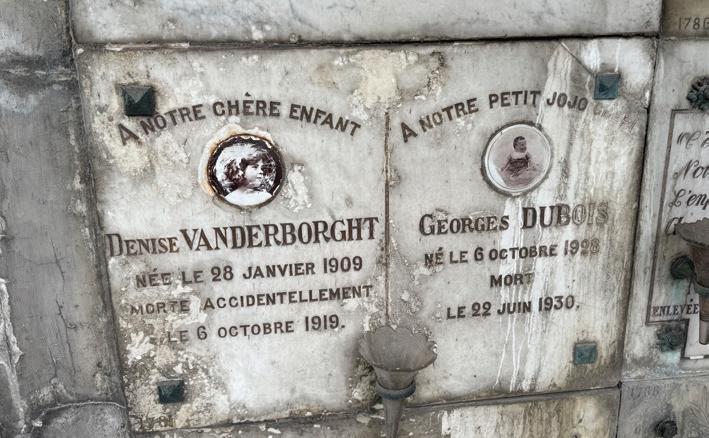
From a Belgian family that settled in Saint-Quentin, France in 1692, Rogier was a man of Stakhanovite achievement and productivity.
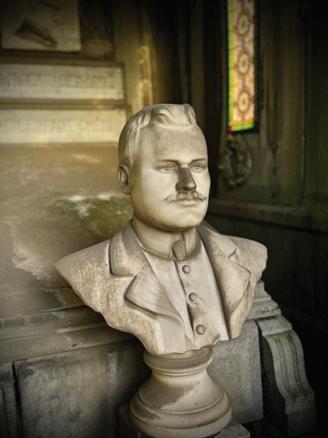
Édouard Agneessens (1842-1885): realist portrait painter and founding member of the Free Society of Fine Arts (Société Libre des Beaux-Arts)
François Binjé (1835-1900): influential Impressionist landscape painter and member of the so-called Anseremme Colony, despite being a full-time inspector at the Belgian railways
Guillaume Charlier (1854-1925): sculptor of monuments, member of the influential XX group; many of his smaller works are on show at the Charlier Museum
Franz Courtens (1854-1943): landscape painter, led the transition from realism to impressionism, dubbed the “Rubens of the landscape painters", member of so-called Tervuren School, and leader of the Dendermond School
Guy Cudell (1916-1999): Saint-Josse mayor for 46 years from 1953, with the socialists (PS), kidnapped in 1984 but somehow escaped
Francis Dhanis (1862-1909): Deputy Governor General of the independent state of the Congo and one of King Leopold II’s most enthusiastic colonisers, ennobled as baron
Charles de Groux (1825-1870): French social realist painter, engraver, lithographer and illustrator who specialised in depicting the disadvantaged and working classes
Louis de Potter (1786-1859): Polemicist, democratic champion and flagbearer of the Belgian Revolution, who proclaimed the new nation’s independence from the balcony of the Brussels Town Hall on September 28, 1830, inaugurated
the first Belgian parliamentary assembly on November 10, 1830, and advocated for the state to become a republic rather than a monarchy
Henri Frick (1850-1930): Saint-Josse mayor for 27 years from 1900; father of Claire Frick, world record swimmer in 100m freestyle
George Garnier (1868-1939): journalist, poet, storyteller, novelist, playwright, librettist, academic and Walloon activist
Caroline Gravière (1821-1878): pen name of Estelle Crèvecœur, compared to George Sand and Balzac; key proponent of literary realism who challenged social conventions, prejudices and male stereotypes, addressing daring topics for the time like women's rights
Jean-Baptiste Madou (1796-1877), painter and lithographer noted for his scenes of village and city life
Georges Pètre (1874-1942): Saint-Josse mayor for 16 years, member of the Secret Army, murdered at home by a Nazi collaborationist death squad
Charles Rogier (1800-1885): hero of the 1930 Belgian Revolution who was twice Belgian Prime Minister of the new nation (and to this day, longest serving, over 10 years)
General Charles Rouen (1838-1917): lieutenant general, military historian and cartoonist
André Van Hasselt (1806-1874): Dutch-born poet who wrote in French and became a naturalised Belgian after the 1830 Revolution
What are the most delicious foods, refreshing drinks, coolest cafés and intriguing restaurants in Brussels now? Here are some that recently caught the eye of our food and drink expert Hughes Belin
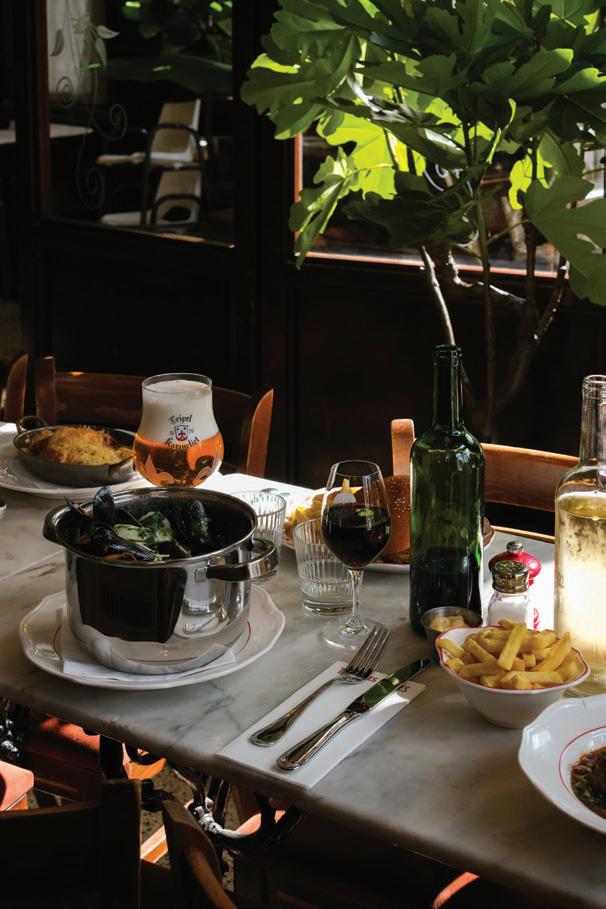
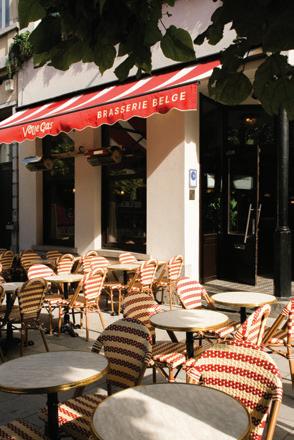
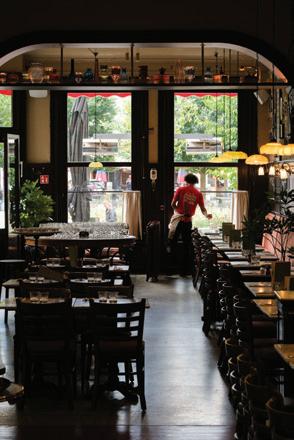
A Brussels icon has been revived. Volle Gas, founded just after the Second World War on Square Fernand Cocq in Ixelles, was once famed for its generous drinks list, Belgian comfort cooking and live jazz. Its Art Deco interior remains gloriously intact – the monumental bar, mirrored walls, banquettes and mosaic tiles still transport you straight into Jacques Brel’s Brussels.
But for years, Volle Gas became a shadow of its former self: a tired tourist trap. Two decades ago, I even urged the editor of the French travel bible Le Routard to remove it from the guide. Thankfully, that dark era is over.
Nonante Folies – the young restaurant group led by Maxime Grell and Ludovic Chevalier – launched its first venue, Boemvol by the Bourse, in June. In September, they brought Volle Gas back to life, using the same suppliers and almost identical menus.
The classics are all here: carbonnades (beef stew), cheese and shrimp croquettes, meatballs in sweet sauce, gratin de chicons with mashed potatoes, and mussels with four sauce options year-round. Most dishes are beautifully executed and honour Belgian culinary tradition. The house 90 Folies sauce is excellent. The filet américain (raw minced, seasoned beef) and fries impressed me less.
Delicious pâtés, cold cuts and raw sausage are all from Tero’s butchery – a sign of the owners’ commitment to local Belgian excellence. Desserts stick to tradition and deliver: chocolate mousse, crème brûlée, Dame blanche and a perfectly crisp Brussels waffle. For a final indulgence, try the soft meringue with figs and cuberdon sauce – a joyful sugar bomb.
Drinks are a pleasure: over ten organic wines by the glass, pay-what-you-drink house wine, a solid local beer list, and – refreshingly – cocktails mixed exclusively with Belgian spirits. Volle Gas is open daily from noon to 11pm: a reliable, enjoyable celebration of Belgian cuisine.
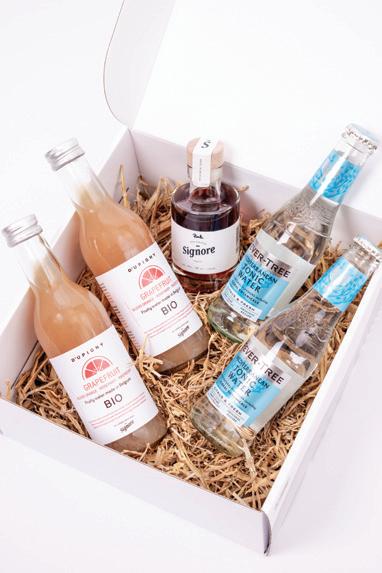
Signore began like many artisanal drinks adventures: five friends passionate about flavour set out to create a homemade limoncello. The company was born just before Christmas 2018 and launched commercially the following year. Its DNA is clear: proximity to customers, sustainability, and proudly Belgian roots.
Signore’s three limoncellos (all 38% ABV and lower in sugar to let the flavours shine) each offer a twist:
• Classic: lemon zest brightened with basil’s herbal notes
• Pink: grapefruit and blood orange bitterness smoothed by raspberries
• Spicy: lemon with ginger and peppers, plus a tingle of Sichuan pepper
Only the citrus peels are used for distillation; the rest is pressed into juice with Walloon producer D’Upigny. The range extends to two non-alcoholic fruity waters (lemon–mint and grapefruit–blood orange–raspberry–rosemary) and a Belgian Spritz developed with Domaine du Chenoy’s award-winning sparkling wine.
Sourcing is as local and sustainable as possible: organic Sicilian citrus, basil from Anderlecht’s BIGH urban farm, raspberries from Zedelgem, packaging by Belgian supplier Newbox, and a pilot bottle-return scheme. Carbon neutrality – and eventually a homegrown orchard – are on the horizon.
The distribution model is unusual: an e-shop, select premium retailers (including Rob), and restaurants – plus a thriving events business. Partnering with organisers who share its values, Signore hosts everything from after-work tastings to pool parties and children’s workshops, strengthening ties with its passionate fan community. Bottles come in 10cl, 35cl and 50cl (€11.25–€11.75, €26.80–€29.35, €34.75–€37.75). Neat or in cocktails, Signore brings a fresh, tangy spark to the Belgian spirits scene.
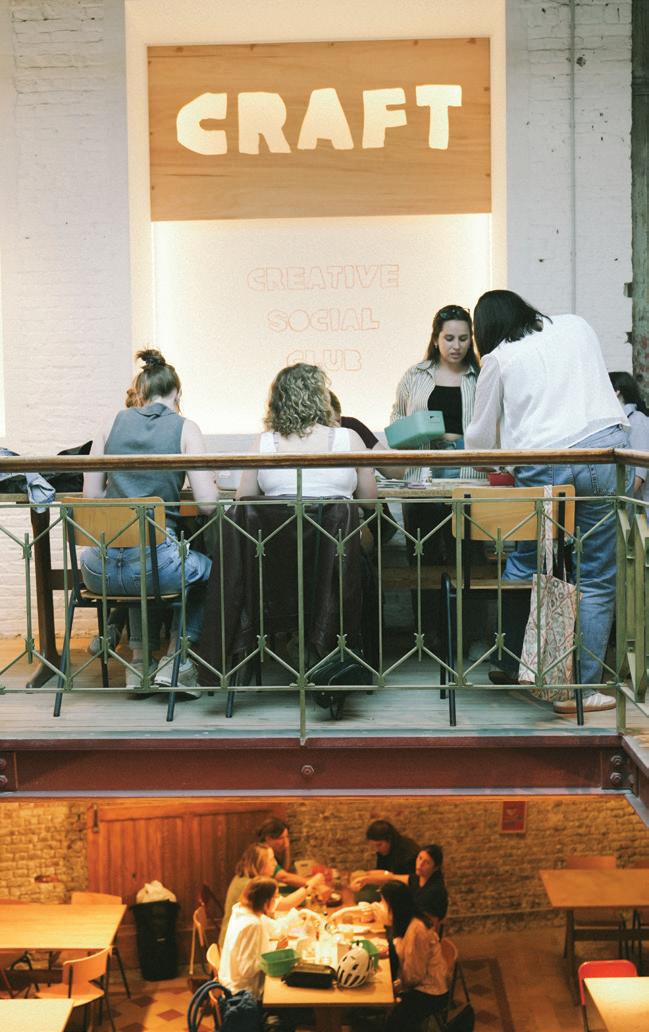
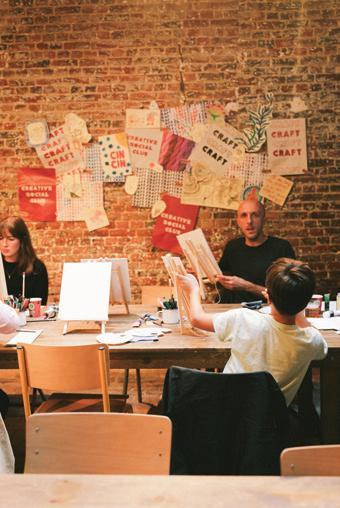
Craft may be Brussels’ most original café – a 400m² former hardware store transformed into a playground for creativity. Yes, there’s a bar, and a very good one: natural wines curated by Vineaste, beers from top local microbreweries Illegaal and Surréaliste (including low-alcohol options), specialty coffee from Gust, teas and pastries from Renard bakery, plus simple, tasty food such as sourdough croques, labneh, hummus and cheese/charcuterie boards. Even cocktails if you fancy.
But the real reason to come is not what you consume – it’s what you create.
For €18–25 per two-hour session (free filter coffee, tea and water included), you choose a table and dive into a hands-on activity: watercolour, pastel, charcoal, collage, beadwork, embroidery, mosaic or miniature painting (some materials carry a small supplement). Art students and teachers float around offering guidance when needed. You leave with your own handmade masterpiece.
Craft’s ethos is simple: disconnect from screens, reconnect with imagination. Saturday mornings feature “Crafty Kiddos” sessions for children, and private rooms can be booked for teambuilding, birthdays or hen/stag parties.
A chalkboard calendar at the entrance advertises themed workshops – from wine-tasting with label-design to paper-mâché, rope-weaving or “paint your date”. The concept has proved hugely popular – “people need to switch off more than ever,” says general manager Thelma, especially younger visitors. Craft offers hope: creativity isn’t lost, just waiting to be picked up again.
Craft - 66, Rue du Viaduc, 1050 Ixelles
It's perhaps useful to start with a disclaimer: as a Frenchman, I've eaten foie gras (duck or goose liver pâté) all my life. It's considered a delicacy in France and in Belgium, and I've always sought the best quality, non-industrial ones.
I found it at the Ferme de la Sauvenière, a duck farm near Philippeville, south-west of Wallonia. François Vandenbulcke and Valérie Van Wynsberghe started with 25 ducks 27 years ago; today they raise 12,000 annually. They buy day-old male ducklings from the Pays de Loire, then rear and slaughter them entirely on-site, ensuring control over welfare and feed. “A stressed duck doesn’t get fat,” Van Wynsberghe notes.
After two weeks indoors, the ducks spend ten weeks roaming outdoor fields until they reach 4–4.5kg. They then follow natural feeding rhythms to enlarge their crop – a food-storage pouch in the oesophagus – before a final 12-day indoor fattening period in low-stress group pens. Twice daily, whole corn kernels are gently delivered to the crop – a traditional method far less stressful than the industrial liquid force-feeding used elsewhere.
When the liver reaches 500–600g (up from 80–100g), slaughter takes place on site in modern, humane facilities. The resulting foie gras is rich and buttery, not diseased: the fat represents stored sugars rather than cirrhosis. The birds are only treated if ill. “Ducks are a rustic animal. They are rarely sick,” Van Wynsberghe says.
Beyond foie gras in jars, the farm offers a complete range of duck products: magrets, pâtés, confit and even cassoulet, made with authentic Tarbes beans. Demand remains strong despite tighter budgets and the growth of veganism – “Belgians love foie gras,” Van Wynsberghe smiles.
Products are sold at the farm and selected retailers, including Bees Coop, TAN, Comptoir belge (Saint-Gilles), Comptoir local (Linkebeek) and Carrefour stores in Brussels. Restaurants such as Le Tournant, Le Saint-Boniface and Hors-Champs also serve it. A premium local delicacy – perfect for special occasions.
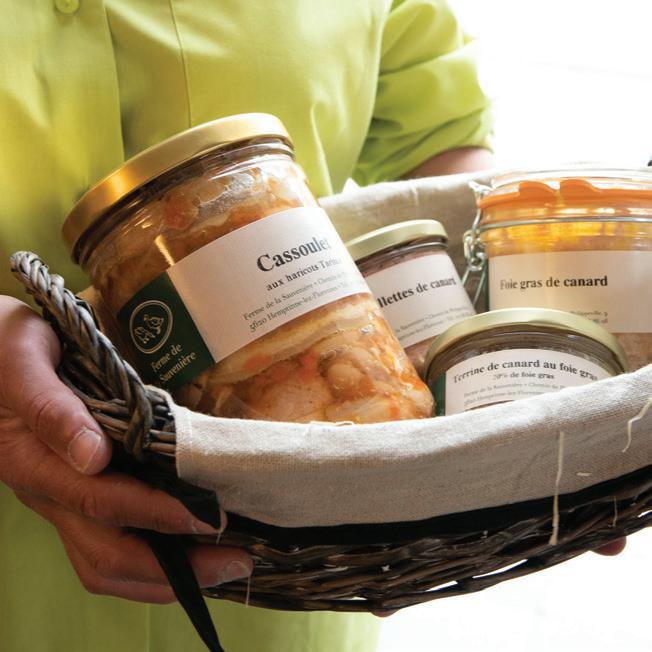
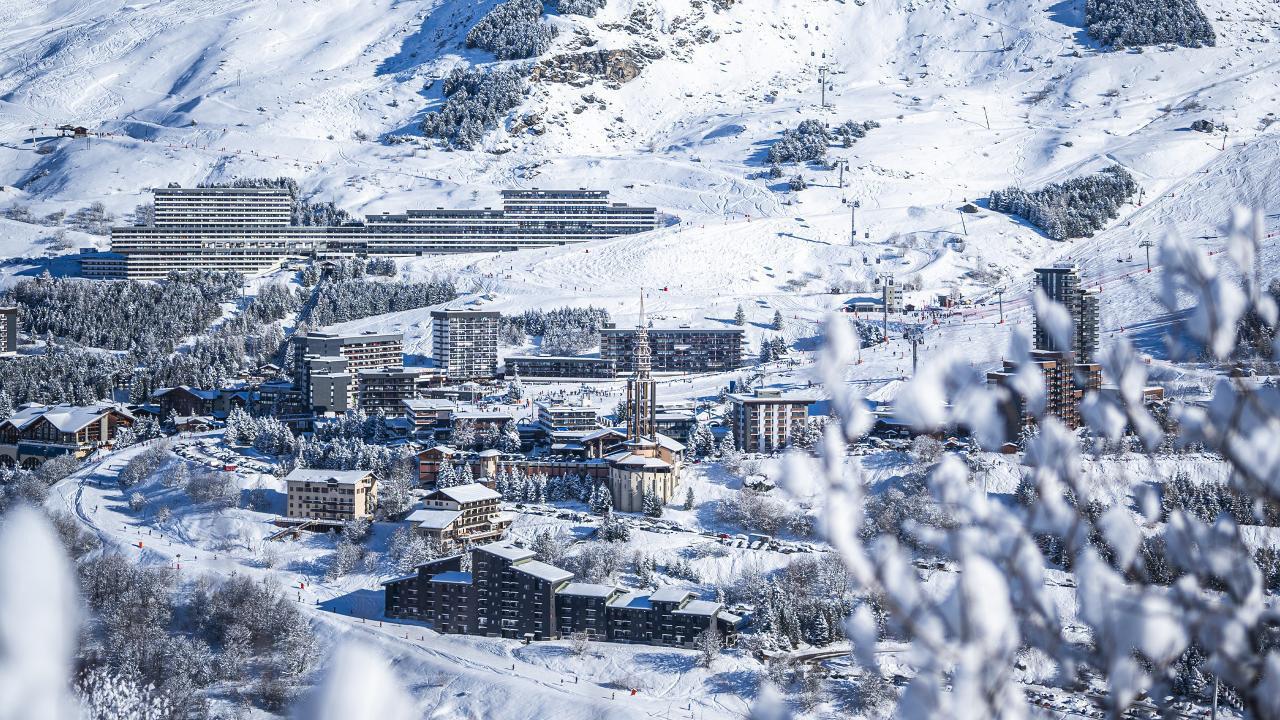
Les Menuires sits right in the middle of the legendary 3 Vallées — 600 kilometres of interconnected slopes linking seven renowned resorts.
There are ski resorts that dazzle with glamour and price tags to match, and then there’s Les Menuires, a place that wins people over with something far more lasting: friendliness, authenticity, and an easy sense of joy.
Perched high in the French Alps at the gateway to the vast 3 Vallées network, it has quietly built its reputation as the resort where worldclass skiing meets genuine warmth.
Les Menuires sits right in the middle of the legendary 3 Vallées — 600 kilometres of interconnected slopes linking seven renowned resorts from Courchevel to Val Thorens.
From here, you can ski endlessly in every direction, carving wide-open descents across glacial peaks or gliding down into the charming village of Saint-Martin-de-Belleville, where stone houses, a Baroque church, and family-run restaurants preserve the quiet soul of the valley.
It’s a contrast that perfectly captures what makes this corner of the Alps so special: the vastness of the mountains balanced by the intimacy of its villages.
Part of the resort’s appeal is how easy it all feels. Les Menuires is one of the first resort you reach when driving up from the valley, which means less time on the road and more time on the slopes — a rare luxury these days.
Once you arrive, you can park the car and forget about it. Almost every accommodation is ski-in/ski-out, and the resort’s different quarters — linked by shuttles and walkable paths — each have their own personality.
The most iconic of them is Le Brelin, a striking example of 1960s mountain modernism. Its bold architecture, once controversial, has since become a cherished symbol of the resort’s heritage — a reminder of the optimism that shaped France’s ski revolution.
The accommodation scene in Les Menuires is pleasingly varied. Families and groups often gravitate towards spacious residences that balance comfort and convenience, while those seeking a touch of style will find a growing choice of refined hotels and chalets.
Among them, the elegant Hotel Ours Blanc stands out for its understated luxury — all warm wood, mountain views and a quietly convivial atmosphere that feels true to the resort’s character. It sits comfortably alongside newer boutique lodgings and well-equipped residences that prove Les Menuires can do sophistication without losing its sense of ease.
That same inclusivity runs through the skiing itself. Whether you’re a first-timer or a seasoned rider, Les Menuires offers the freedom to explore. Beginners can venture far beyond the nursery
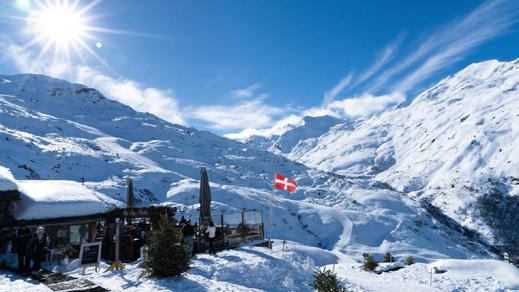
slopes thanks to gentle linked runs, while experts can chase steeper thrills over the ridge to La Masse — the resort’s wilder western sector.
A sleek gondola whisks you up to 2,800 metres in just eight minutes, revealing one of the best views in the Alps and access to vast, uncrowded descents. It’s also where you can join a balade dameuse — a ride aboard a snow groomer as it rumbles up the mountain at dusk. Watching the pistes being reshaped under the stars is an oddly mesmerising experience, offering a whole new perspective on the world you’ve spent the day skiing down.
Families remain at the heart of Les Menuires’ identity. The resort proudly holds the Famille Plus label, with everything designed to make mountain life smooth for parents and magical for children — from the Piou-Piou Village ski garden to toboggan zones and fun parks. Even the ski passes are family-friendly: with Family Flex, everyone skis at the child rate. No surprise then that most guests come back — often bringing the next generation with them.
Off the slopes, Les Menuires is never short of energy. The weekly Thursday Night Show lights up the resort with open-air performances, while during the day, the new La Belle Vie wellness centre offers a more tranquil form of indulgence. With pools, saunas, and panoramic mountain views, it’s a sanctuary for weary legs — and an impressive new chapter in the resort’s evolving story of comfort and wellbeing.
Dining in Les Menuires is equally rewarding. On the mountain, Restaurant 2800 at the top of La Masse pairs local flavours with an unbeatable view from its sunny terrace. Down in the valley, Chez Pépé Nicolas is also a must: a working alpine
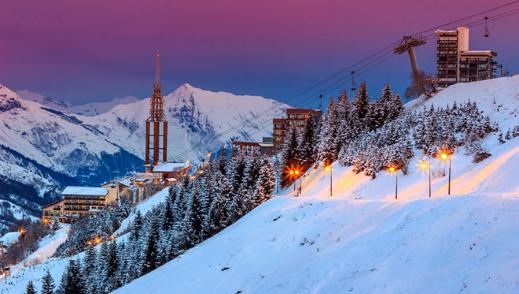
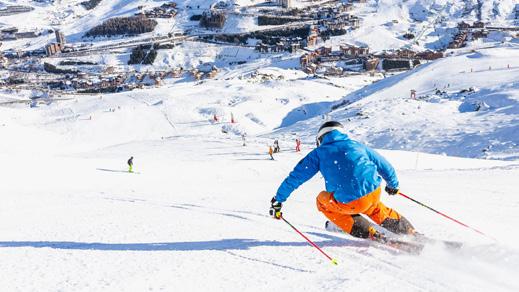
farm turned gourmet hideaway where you can taste house-made cheeses and dishes steeped in Savoyard tradition.
And for something contemporary yet cosy, Lodji in Saint-Martin-de-Belleville offers beautifully executed cuisine in a setting that feels both refined and relaxed, perfect for a lingering dinner after a day on the slopes.
What sets Les Menuires apart, though, is its balance of simplicity and ambition. It’s a place that continues to modernise — through projects like La Belle Vie or sustainable initiatives that have cut its carbon footprint below the national average, without losing its down-to-earth soul. The resort’s collaboration with the Vanoise National Park to protect wildlife such as the black grouse shows that progress and preservation can go hand in hand.
And perhaps that’s the enduring charm of Les Menuires. It’s not just a collection of lifts and pistes, but a living, breathing mountain community — where great skiing meets genuine friendliness, and where even the grand scale of the 3 Vallées still leaves room for human warmth.
You arrive for the slopes, but what you remember are the smiles, the views, and the comforting sense that you’ve found a corner of the Alps that’s both vast and personal.
It’s little wonder so many come back year after year. Because Les Menuires isn’t trying to be the flashiest resort in the Alps, only the friendliest. And that, perhaps, is its greatest luxury.
Les Menuires Winter 2025/2026 Season 6 December 2025 – 17 April 2026 www.lesmenuires.com
Les Menuires isn’t trying to be the flashiest resort in the Alps, only the friendliest. And that, perhaps, is its greatest luxury.
Brussels Expo, Place de Belgique 1, 1020 Laeken
November 21-23, 2025
A contemporary art fair where enthusiasts and collectors can meet with painters, sculptors and photographers directly and find out about how they work.
Antwerp Expo, Jan van Rijswijcklaan 191, 2020 Antwerp
December 11-14, 2025
Organised by Art Brussels, the Flemish version of this contemporary art fair gathers some 77 participating galleries from 11 countries, showcasing established artists and fostering emerging talents.
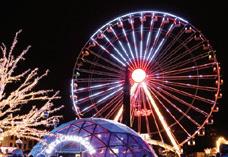
Various locations in central Brussels
November 28, 2025 to January 1, 2026
Winter Wonders (Plaisirs d’Hiver/Winterpret) will once again adorn the city centre of Brussels this festive season, with the traditional Ferris wheel, merry-go-rounds, ice-skating and over 200 chalet stalls of handmade crafts, piping hot dishes and mulled wine. The festivities will kick off in mid-November with the arrival of the iconic Christmas tree on Grand Place.
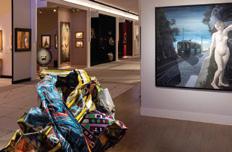
Brussels Expo, Place de Belgique 1, 1020 Laeken
January 25 to February 1, 2026
Recognised as one of Europe's most prestigious art fairs, BRAFA puts Belgium at the centre of the fine art map. The fair welcomes art collectors, gallery owners and art enthusiasts, with thousands of works spanning all different styles and periods presented by a host of internationally renowned galleries.
Kurt Karlsson selects the best current and upcoming events and exhibitions
Various locations in Brussels
Until November 30, 2025
Explore 13 of the capital's most unusual venues and cafésthéâtres in this eclectic festival. Bruxelles sur Scènes invites lovers of the arts and people less familiar with theatre to explore a rich mix of music, comedy and conviviality, with over 100 performances by established artists and emerging talents throughout November.
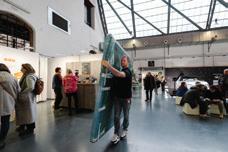
Tour & Taxis, Avenue du Port 86C, 1000 Brussels
February 4-8, 2026
As its name suggests, this is a more wallet-friendly market, with a wide range of contemporary artworks from an array of Belgian and international galleries. The week will be filled with thousands of affordable contemporary artworks, installations and interactive workshops.
Various locations in Brussels
February 12-15, 2026
A calendar highlight for Instagrammers in Brussels, the Bright Festival illuminates some of the capital's most iconic spots with original artistic light installations, bringing joy to the post-Christmas lull.
Various locations in Mons
January 30 to February 9, 2026
Like the Bright Festival, but in Mons, playing out on eight nights in the Walloon city, in 16 installations over a 3km route.
Royal Museum for Central Africa, Leuvensesteenweg 13, 3080 Tervuren
November 28, 2025 to September 27, 2026
Centred on the monumental painting created for the 1913 Ghent World Fair, this exhibition dissects how the image glorified Belgian colonial ambitions in the Congo – masking exploitation and resistance – juxtaposing original footage, archival materials and contemporary reflections.
Van Buuren Museum and Gardens, Avenue Léo Errera 41, 1180 Uccle
Until February 2, 2026
The Van Buuren Museum continues its Art Deco centenary activities with a stylish tribute to fashion in the Roaring Twenties. Partnering with the Fashion & Lace Museum, it showcases dazzling silhouettes, accessories and Jeanne Lanvin designs in dialogue with the museum’s architecture, blending couture, modernity and timeless glamour.
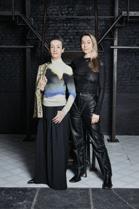
Fashion & Lace Museum, Rue de la Violette 12, 1000 Brussels
Until January 11, 2026
Conceived in the Dansaert district of Brussels in the 1980s, a handful of Belgian designers – led by Sonja Noël with her Stijl boutique – began opening stores that set a new tone for fashion wear. This exhibition chronicles their influence through 68 silhouettes created by 46 designers.

Autoworld, Parc du Cinquantenaire 11, 1000 Brussels
December 19 to February 22, 2026
After showcasing German tuners from the 80s and 90s (on until December 14), Autoworld shifts gear to focus on just one of the country’s carmakers, Mercedes-Benz. The Benz Patent-Motorwagen in 1885 can claim to be the first ever motorcar, and since then, the brand has continued pioneering, while also designing some of the coolest cars ever made.
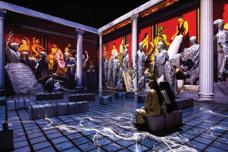
Terminal 1, Brussels Expo, Place de Belgique 1, 1020
Brussels
Until February 1, 2026
The first of two Pompeii exhibitions in Brussels, this one uses virtual reality to recreate life in the doomed Roman city before the eruption of the volcano Vesuvius in AD79.
House of European History, Park Leopold, Rue Belliard 135, 1000 Brussels
Until January 11, 2026
How do Europeans engage with the past in their everyday lives? This exhibition of photographs from across Europe looks at how history and heritage are integrated into our modern worlds.
Maison Hannon, Ave de la Jonction 1, 1060 Saint-Gilles
Until April 19, 2026
The Maison Hannon, itself an Art Nouveau masterpiece, is hosting this exhibition on Belgian and French Symbolism at the turn of the 20th century. Includes works by Victor Rousseau, Fernand Khnopff, Charles van der Stappen, George Minne and Jef Lambeaux.
Design Museum Brussels, Place de la Belgique 1, 1020 Brussels
October 18 to March 1, 2026
A look at design and its relationship to the world of comics. From the emergence of comic strips in the early 20th century, to Hergé, superheroes, graphic novels and manga, they reflected the design of the period – and influenced it too.
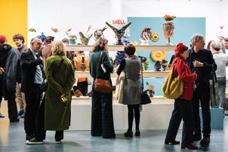
Tour & Taxis, 3 Rue Picard, 1000 Brussels
January 21-25, 2026
Ceramic Brussels, the international fair devoted to contemporary ceramics, returns to Tour & Taxis with 75 exhibitors from across the world, a focus on Spain, 20 solo shows, and guest of honour Elmar Trenkwalder.
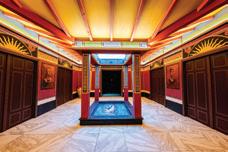
Shed 4B, Tour & Taxis, Avenue du Port 86C, 1000 Brussels
December 19, 2025 to July 19, 2026
This Pompeii exhibition also uses immersive tech to help visitors experience the city’s last tragic moments, in what its publicity promises is “a breathtaking show that will leave you speechless.”
Train World, Prinses Elisabethplein 5, 1030 Schaarbeek
Until June 28, 2026
Trace how Belgium’s railways and railway workers navigated the dark years of Nazi occupation (see separate article in this issue): photographs, artefacts and personal testimonies reveal stories of moral conflict, courage and survival.
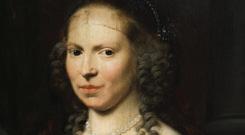
Until January 11, 2026
Museum Plantin-Moretus, Vrijdagmarkt 22, 2000
Antwerp
Over three centuries, women have been indispensable and omnipresent in the Plantin-Moretus family business, but they largely remained invisible to the public. The exhibition tells the story of the women who, for nine generations, lived, worked and resided in the printer’s home on the Vrijdagmarkt.
La Fonderie, Rue Ransfort 27, 1080 Brussels
Until June 28, 2026
La Fonderie blends fiction and current events with an exhibition that immerses visitors in the many challenges faced by migrants as they seek housing and recognised status in Belgium – or, in this case, Beldavia, an imaginary and surreal country where the language, culture, rules and laws are incomprehensible.
BELvue Museum, Place des Palais, 7, 1000 Brussels
Until January 1, 2026
In this centenary year of Art Deco, BELvue is showcasing sculptures by renowned artists such as Marcel Wolfers and Oscar Jespers, vases by Charles Catteau, glassware by Val Saint Lambert, decorative tiles, stylised book bindings, furniture, medals, and much more.
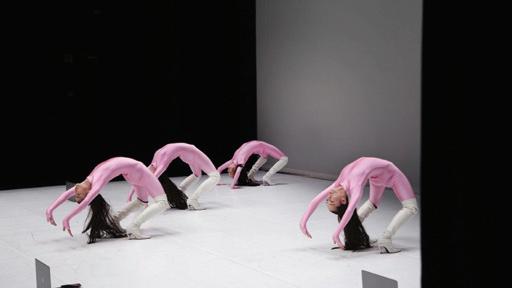
Until February 1, 2026
Delve into Spain’s rich cultural tapestry as Europalia – the grand biennial celebration in Brussels and beyond – spotlights the country’s art, music, film, dance and literature with over 150 events. One of the highlights is the Bozar exhibition on court painter Francisco de Goya, which brings together a selection of his paintings, drawings, and prints in dialogue with works by predecessors, contemporaries, and followers.
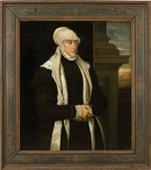
Royal Museum Of Mariemont. Chaussée de Mariemont 100, 7140 Morlanwelz
Until May 10, .2026
Sister of Holy Roman Emperor Charles V and governor of the Low Countries, Mary of Hungary was a central figure in the 16th century – and made her palace in Binche and her pavilion in Mariemont. This exhibition uses exceptional loans of paintings, sculptures, drawings, engravings, manuscripts, gold and silverware, and archival documents from more than 40 institutions to plunge visitors into an imperial saga where art, history and diplomacy intertwine.
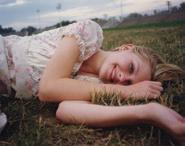
MoMu, Nationalestraat 28, 2000 Antwerp
Until January 2, 2026
Girlhood is beautiful and complex, but how is it represented and remembered? And how does the idea of “the girl” continue to shape our visual culture and fashion? Through the eyes of the artists, designers, photographers and filmmakers, in this exhibition, girlhood is not just about seeing but remembering and imagining.
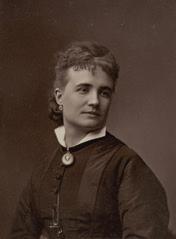
FOMU, Waalsekaai 47, 2000 Antwerp
Until March 1, 2026
Belgians were early enthusiasts for photography in the 19th century, experimenting with new techniques, settings and styles for the nascent art form, as this exhibition shows (see separate article).
MigratieMuseumMigration, Rue des Ateliers 17, 1080 Molenbeek
Until December 13, 2026
Through rough archival and personal photographs, paintings, life-stories and music, this exhibition showcases the vibrant Congolese presence in Brussels – a unique migration story of identity, memory and culture.

1920-1940
Maison Autrique, Chaussée de Haecht 266, 1030 Schaerbeek
Until April 4, 2026
Step back into the exuberant interwar years as Maison Autrique charts how Brussels rushed into speed, jazz, cinema and radio through posters, photos and objects by designers like Magritte and Lucien De Roeck.
Liège-Guillemins railway station, Liège November 28, 2025 to July 5, 2026
Cleopatra was the original queen of drama, power and eyeliner. As both shrewd political strategist and timeless icon, she made Caesar swoon and Antony lose his marbles – and would later be endlessly reinterpreted by popular culture. In other words, she pioneered early celebrity influencer culture. It’s history, but with more seduction and fewer scrolls.
STAM, Godshuizenlaan 2, 9000 Ghent
November 28, 2025 to May 26, 2026
Dive into nearly 150 years of football in Ghent–from playground kickabouts to women’s teams, legendary moments of KAA Gent, Kevin De Bruyne and everyday club stories - through jerseys, photos and video.
KMSKA, Leopold de Waelplaats 1, 2000
Antwerpen, Belgium
Until February 22, 2026
Back in 1938, René Magritte gave a lecture so surreal it could have melted clocks if Dali hadn’t already done that. Now, thanks to AI, his voice returns to guide you through his own mysteries: apples, clouds, doors, and existential dread.
Modemuseum Hasselt, Gasthuisstraat 11, 3500 Hasselt
Until February 22, 2026
A re-imagining of the rococo era’s fashion world, from corsets and petticoats to print magazines and men’s tailoring, exploring how those styles still resonate today.
Nino Mier Gallery, Rue Ernest Allard 25, 1000 Brussels
Until December 20, 2025
Before London swallowed him whole, Albert Irvin painted like a man on a mission. These rare oils from the Swinging Sixties are big, brash, and unapologetically optimistic.
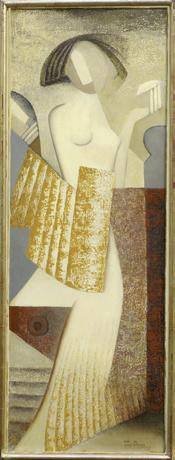
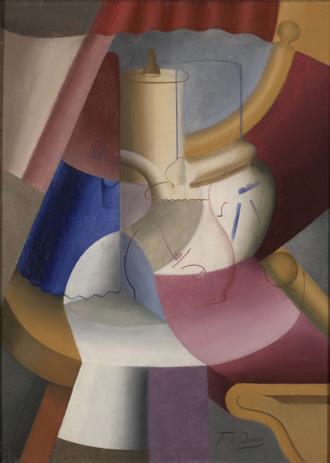
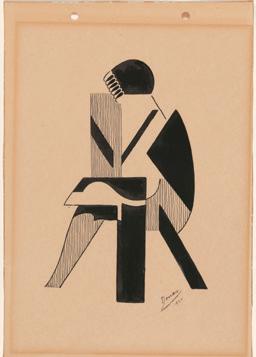
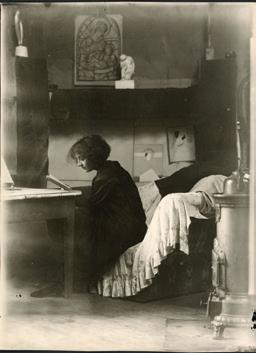
KMSKA, Leopold de Waelplaats 1, 2000 Antwerpen, Belgium
Until January 11, 2026
Discover the vibrant world of Marthe Donas, the Antwerp-born modernist who defied convention and conquered the avant-garde under the gender-neutral name Tour Donas. This exhibition reunites her luminous cubist and abstract works with those of Ukrainian sculptor Alexander Archipenko and fellow artists of La Section d’Or, including Mondrian and Modigliani–revealing a forgotten chapter of modernism that was daring, elegant, and strikingly diverse.
Bozar, Rue Ravenstein 23, 1000
Brussels
Until February 1, 2026
The first major European exhibition of John Baldessari since his passing in 2020, it brings together more than 60 works from public and private collections, alongside an extensive programme of talks, performances and screenings that highlight his lasting influence on contemporary visual culture.
M Leuven, Leopold Vanderkelenstraat 28, 3000, Leuven
Until February 22, 2026
German-Polish artist Alicja Kwade is known for her provocative sculptures and installations, blending science, philosophy and art to study ideas of time, chance and gravity.
Fondation Folon, Drève de la Ramée, 1310 La Hulpe
Until March 1, 2026
Italian painter Nicola Magrin’s wild watercolour landscapes, with sweeping skies, solitary figures and delicate blues, evoke journeys both real and imagined.
Espace Gaston Bertrand, Rue du Filleul 18, Forest
Until December 21. 2025

The Fondation Gaston Bertrand inaugurates its new public space in Forest with an exhibition by painter Michel Mouffe, whose luminous abstract works will be shown alongside pieces by Bertrand himself.
BPS22, Boulevard Solvay 22, 6000 Charleroi
Until January 4, 2026
The "S" Grand Atelier, a contemporary art centre in Vielsalm in the Ardennes, has fostered scores of young talents over the past three decades. This showcase includes graphic works, installations, sound pieces, videos, 3D animations, digital creations and musical performances.
CAP/Beaux-Arts Mons Rue Neuve 8, 7000 Mons
Until January 25, 2026
This exhibition explores the connection between humanity and nature through David Hockney's work, alongside pieces by the likes of Van Gogh and Munch. It features a variety of Hockney’s art, from large-scale paintings to digital works and installations, showcasing landscapes and portraits from his time in California, Normandy and Yorkshire.
Fondation A, Avenue van Volxem 304, 1190 Brussels
Until December 21, 2025
Johannesburg may be a vibrant, resilient city, but it is also one of the most unequal in the world, mainly due to the legacy of apartheid. This exhibition shows it through the eyes of nine young South African photographers who provide a layered narrative that both confronts and redefines Johannesburg’s image.
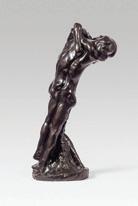
Museum Dhondt-Dhaenens, Museumlaan 14, 9831 Deurle
Until December 21, 2025
The quirky Museum Dhondt-Dhaenens is hosting an exhibition featuring work by Belgian sculptor George Minne alongside major loans, including rarely exhibited sculptures and drawings that focus on themes such as mourning, corporeality, and emotional connection.
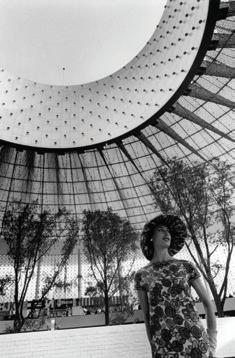
La Boverie, Parc de la Boverie, 4020 Liège
Until April 19, 2026
The most comprehensive exhibition ever devoted to Robert Doisneau will open at La Boverie in Liège, celebrating one of the 20th century’s greatest photographers. The retrospective will bring together nearly 400 images, from 1934 to 1992, showcasing the richness, poetry and sensitivity of Doisneau’s gaze – including Le Baiser de l'Hôtel de Ville, perhaps the most romantic photo ever taken. It also features Doisneau’s intriguing photos from Belgium.
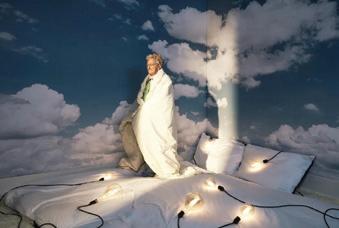
Hangar, 18 Place du Châtelain, 1050 Ixelles
Until December 21, 2025
Through vivid photographs and family archives, Belgian photographer Charlotte Abramow honours her father’s journey through illness and rebirth with tenderness, wit and surreal visual poise.
Boghossian Foundation – Villa Empain, Avenue Franklin Roosevelt, 67, 1050 Ixelles
Until March 1, 2026
Works by some 50 modern and contemporary artists explore the elemental power, symbolism and dual nature of fire – from hearth to inferno, smoke to spark – across painting, sculpture, video, installation and tapestry.
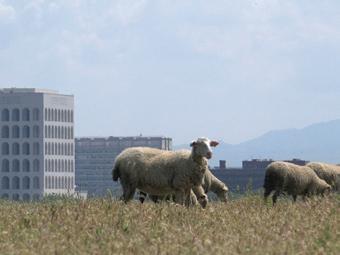
Centrale for Contemporary Art, Place Sainte-Catherine 45, 1000 Brussels
Until February 22, 2026
This is the first major monographic exhibition in Brussels of the work of artist Michel Couturier, who died last year. Initiated during his lifetime, it focuses on the last ten years of his work, and includes his photography, video work and drawings.
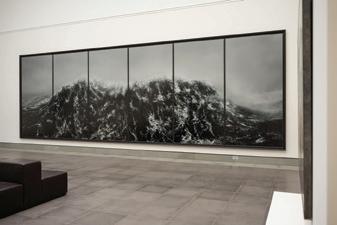
MSK Gent, Fernand Scribedreef 1, 9000 Ghent
Until January 4, 2026
The renowned photographer immerses himself in the sea’s many moods – storm-tossed, misty or mirror-calm – and engages with 400 years of marine art to explore our complex relationship with water.
Meise Botanic Garden, Nieuwelaan 38, 1860 Meise
November 23, 2025
Meise Botanic Garden is laying on a packed programme for this year’s Day of Science. Curious scientists of all ages can come and taste different types of coffee and bananas, tap into a tree and discover all sorts of unusual plant species and animals, from flatworms to clawed frogs.

Royal Museum of Natural Sciences, Rue Vautier 29, 1000
Brussels
Until August 9, 2026
How do we defy gravity to hover in the clouds? From hummingbird to drone, peregrine falcon to the Concorde, this exhibition unravels the mystery of flight, exploring where nature meets technology.
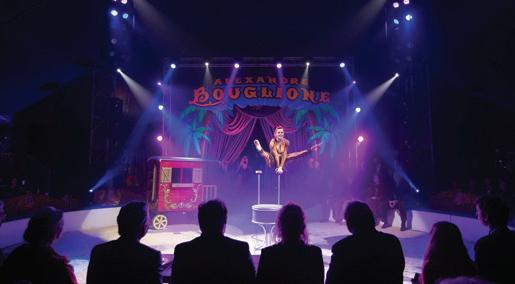
Brussels Expo, Parking C, Strombeek-Bever 1853
Place Flagey, 1050 Ixelles
November 22 to December 7, 2025, then December 18 to January 4, 2026
Alexandre Bouglione’s large, colourful circus tent is returning to Brussels this Christmas, first at Heysel and then Place Flagey, with a show featuring international illusionists, acrobats, trapeze artists and clowns.
Musée L, Place des Sciences 3, 1348
Louvain-la-Neuve
Until February 22, 2026
The Musée L is as eclectic a museum as you will find. It showcases items from the archives of the University of Leuven, now UCLouvain in Louvain-la-Neuve, from ancient manuscripts to stuffed animals. This is a special exhibition celebrating 600 years since the university’s founding.
Gare Maritime, Avenue du Port 86c, 1000 Brussels
Until December 30, 2025
A virtual zoo conceived by animal rights group GAIA that aims to immerse visitors amongst creatures in their natural habitat, using AR and VR tech to show what their life is like in the wild.
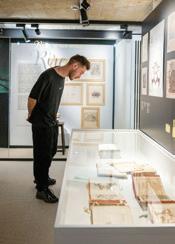

Until January 2, 2026
Atomium, Place de l'Atomium 1, 1020 Brussels
The artist collective Visual System is currently occupying the exhibition spaces in the Atomium with its digital and symphonic work that combine to create a unique sensory experience. With original music by Thomas Vaquié, “it creates hypnotic immersive environments, with light and sound, that explore the relationship between space and time, nature and science, waking dreams and reality.”
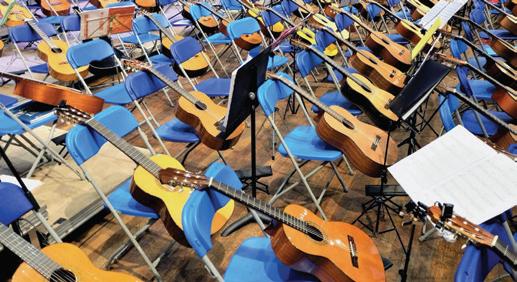
Théâtre du Vaudeville, Galerie de la Reine 11, 1000 Brussels
November 28 to December 2, 2025
The only one of its kind, this Brussels guitar fiesta has established itself as one of the major events of its kind in Europe, with concerts, masterclasses, exhibitions and competitions, with genres ranging from classical and Latino to Baroque, Brazilian jazz and flamenco.

La Madelaine, 14 Rue
Duquesnoy, 1000 Brussels
December 4, 2025
Nobel Peace Prize winner and education activist Malala Yousafzai visits Brussels as part of her European book tour for her new book, Finding My Way, where she shares stories of resilience, exile and hope from young refugee women around the world.
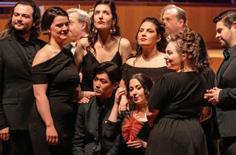
Flagey, Place Sainte-Croix, 1050 Ixelles
December 5-6, 2025
The Music Chapel Festival aims to immerse viewers in the four elements – earth, water, air and fire – each with their own sound, energy and colour. Includes the ensemble Les Métamorphoses and pianist Jonathan Fournel, winner of the Queen Elisabeth Competition 2021, and a closing concert with Brussels Philharmonic, conducted by Kazushi Ono.
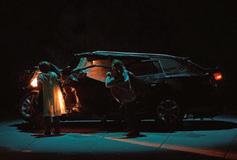
La Monnaie/De Munt, Place de la Monnaie, 1000 Brussels
December 9-31, 2025
Experience the soaring bel canto masterpiece at its most dramatic, as the druid priestess Norma faces love, betrayal, and destiny. With its breathtaking arias and emotional intensity, this production showcases Bellini’s sublime score and the unforgettable Casta diva.
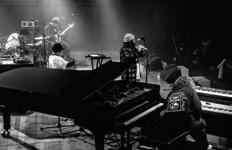
Flagey, Place Sainte-Croix, 1050 Ixelles
January 15-24, 2026
A highlight of the Brussels jazz calendar, Flagey’s beloved festival, has a packed programme of innovative jazz, young European and international talent, and three projects from artist-in-residence Wajdi Riahi.

Forest National, Avenue Victor Rousseau 208, 1190 Forest
November 27, 2025
The genre-defying pop icon returns with a brand-new album and powerhouse live set. Support from The Japanese House. A must-see for fans of bold, boundary-pushing performance.
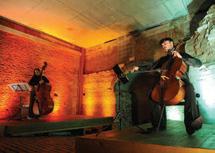
Coudenberg Palace, Place des Palais 7, 1000 Brussels
November 23 to December 14, 2025
Much more than a classical music festival, Coudenberg Sound Box Fest offers audiences double concerts across four Sunday evenings, in the archaeological site of the Coudenberg Palace. This year’s programme includes Franco-Flemish 16th century polyphony, Mozart on period instruments, minimalistic and poetic night performances, 18th century and contemporary women composers.
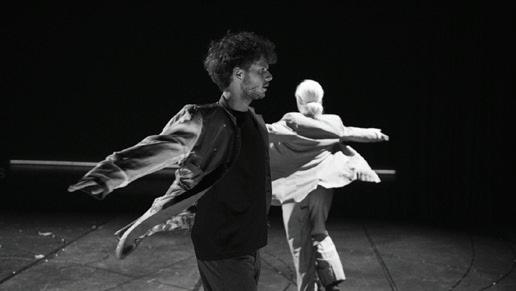
Théâtre National, 111-115, Bd Emile Jacqmain, 1000 Brussels January 7-18, 2026
Jacques Brel was Belgium’s troubadour, whose passionate, personal songs spoke to a generation. Dance mavens Anne Teresa De Keersmaeker and Solal Mariotte have somehow choreographed his chansons in this new creation.

Ancienne Belgique, Blvd
Anspach 110, 1000 Brussels
December 15-16, 2025
Building bridges across Belgium’s language divide, Roméo Elvis and Oscar and the Wolf debuted their first collaboration, Ceiling, on Belgium’s national holiday in July in front of a 100,000-strong crowd. They will appear on stage together for more at Ancienne Belgique for a show blending new material, and old favourites.

AFAS Dome (formerly Sportpaleis), Schijnpoortweg 119, 2170 Antwerp
February 1, 2026
Britain’s most brutally honest pop star brings her powerhouse voice – and possibly a few tears – to Antwerp. Expect confessions, catharsis and chart-topping soul from the woman who turned heartbreak into art and Grammys.
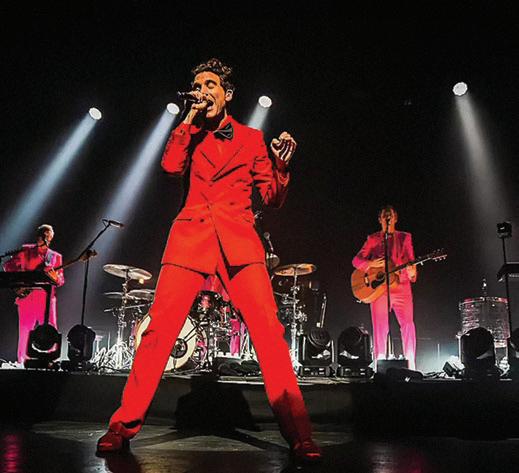
Forest National, Avenue Victor Rousseau 208, 1190 Forest February 20, 2026
The irrepressible pop showman returns, armed with glitter, falsetto and enough pastel tailoring to light up Brussels.
Forest National, Avenue Victor Rousseau 208, 1190 Forest February 27, 2026
Britain’s most over-educated rock band bring their baroque bangers and corseted chaos to Brussels. A heady mix of Bowie, Botticelli and bad behaviour – this is indie theatre at its most deliciously excessive.
AFAS Dome (formerly Sportpaleis), Schijnpoortweg 119, 2170 Antwerp
February 23, 2026
Florence Welch descends in a flurry of lace, reverb and possible witchcraft, this time on the back of her raucously acclaimed new album, Everybody Scream. Still the only frontwoman who makes despair feel like a religious experience.
Lotto Arena, Schijnpoortweg 119, 2170 Antwerp
February 6, 2026
Belgium’s cinematic pop trio dig out the string-lush masterpiece that made them international (yet very Belgian) and slam it into full arena mode as they celebrate the 25th anniversary of their seminal trip-hop album, The Magnificent Tree.
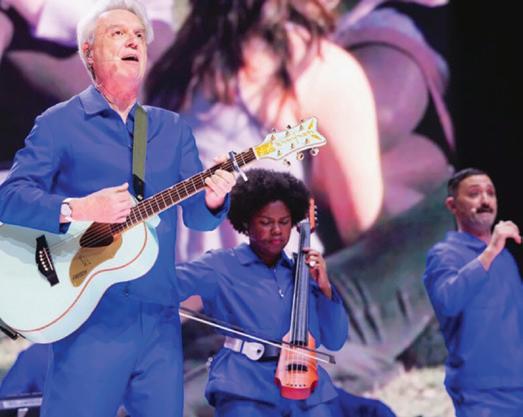
Forest National, Avenue Victor Rousseau 208, 1190 Forest February 18, 2026
The baggy suit may be older, but the ideas are fresher than ever. The art-pop genius behind the Talking Heads returns with a new album, Who is the Sky? and a brainy stage spectacle that blends music, movement and mild existential panic.

Lotto Arena, Schijnpoortweg 119, 2170 Antwerp
March 9, 2026
Pop’s glitter-soaked rebel returns, with her Tits Out Tour, still ready to dance on tables to belt out cathartic anthems, raw vocals and just enough chaos to remind you she once brushed her teeth with Jack Daniel’s.
Cirque Royale/Koninklijk Circus, Rue de l'Enseignement 81, 1000 Brussels
March 4, 2026
Ireland’s quick-witted comedy powerhouse Dara Ó Briain brings his razor-sharp humour and masterful storytelling to Brussels.

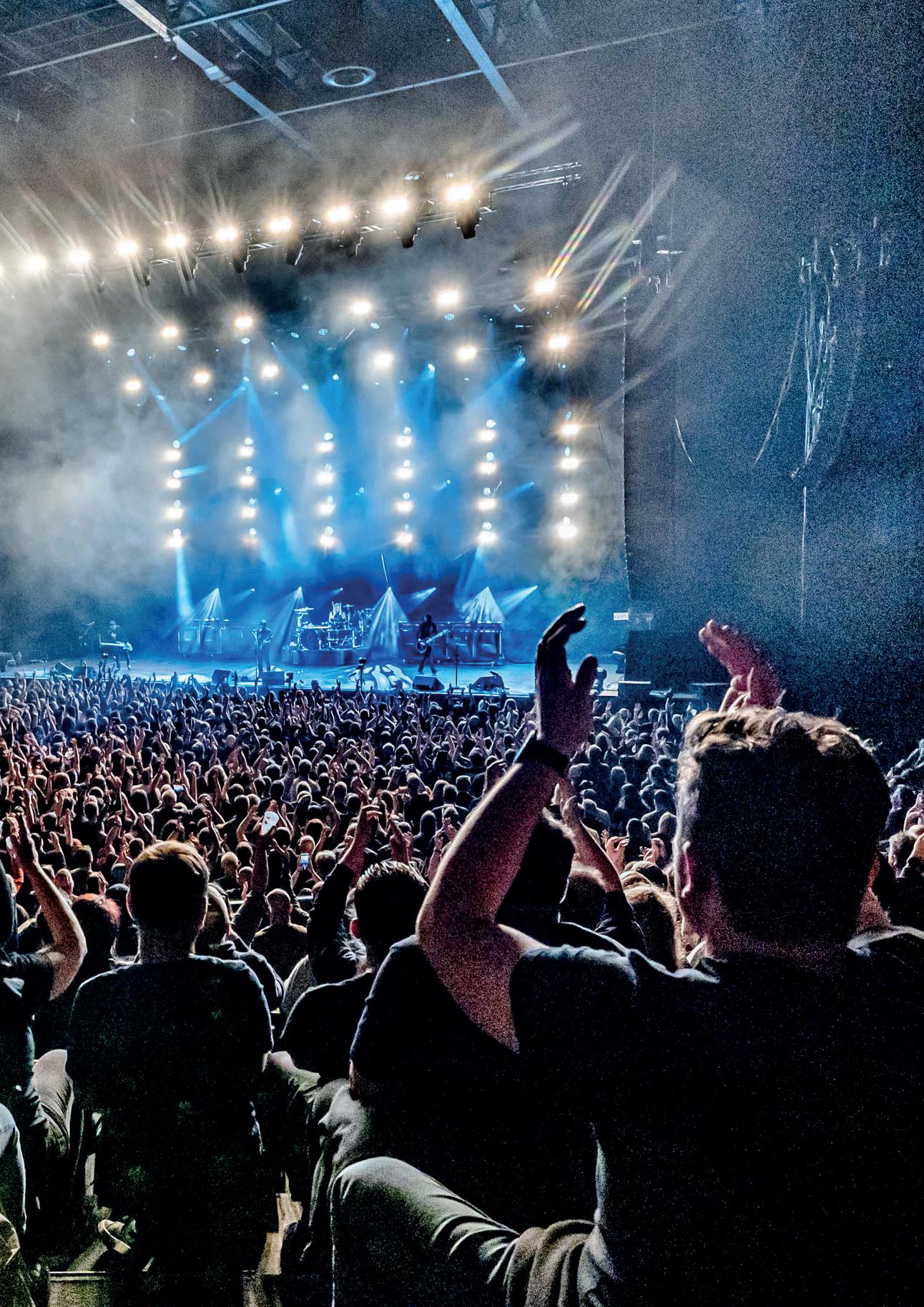
Once upon a time, Geoff Meade’s family celebrated Christmas twice – long before shops started decking the halls in October. Now, as festive panic creeps ever earlier, he recalls premature mince pies, moralising Santas and the fine art of seasonal denial
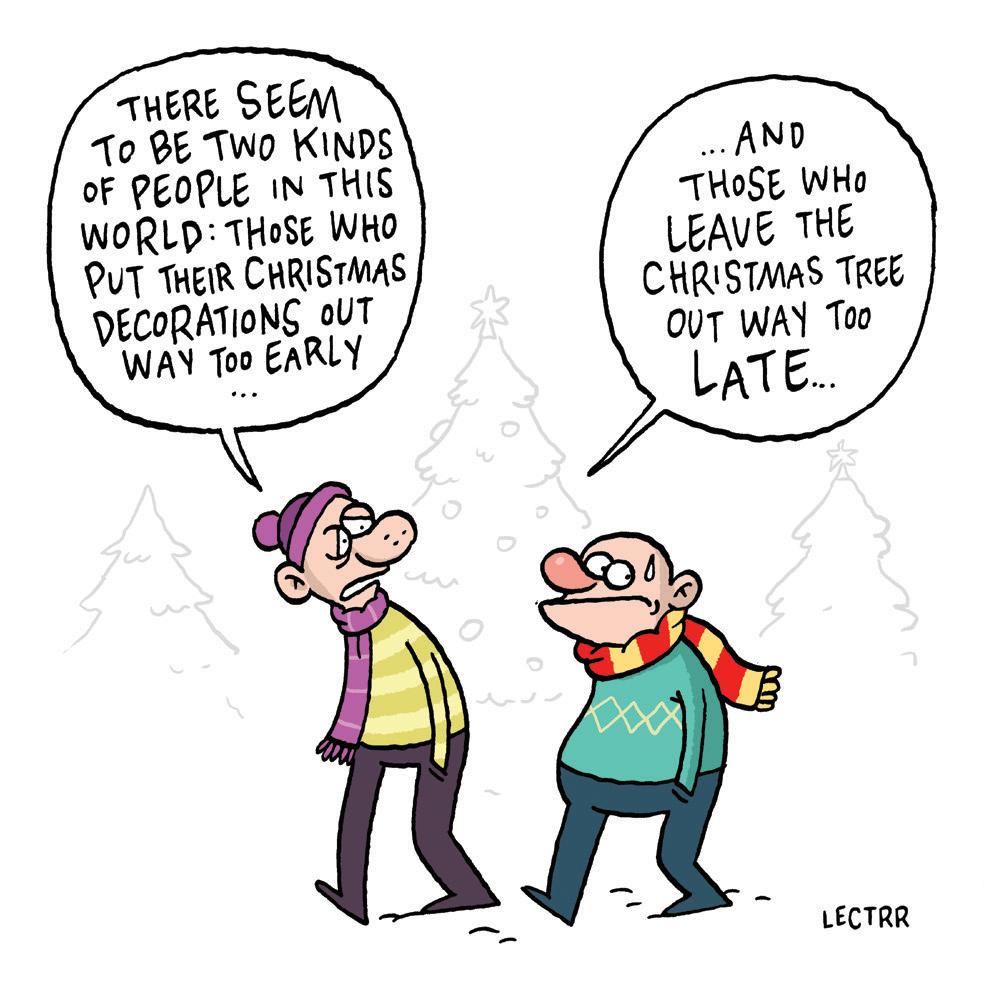
Christmas comes but once a year, yet in our family, it used to happen twice. As the shops once again anticipate the 2025 festivities by at least two months, I’m reminded of how difficult it was years ago trying to be full of good cheer on a damp weekend in early November when no-one else was in the Jingle Bells mood.
We’re talking late last century, in a forgotten time when it wasn’t easy to find Christmas stuff on sale before the dawning of December. If you wanted sparkly tinsel, or a battery-operated rotating Santa Claus on a plastic plinth singing Rudolph the RedNosed Reindeer, or seasonal wrapping paper, you were out of luck unless there were some leftovers from the previous year.
This attempted double Christmas had nothing to do with me. It was the legacy of living with another person whose mother, back in the UK, had funny ideas about tradition. The logic seemed to be that Christmas time is much too busy for families to get together, so we’d better meet up beforehand, leaving Christmas day free for….not having visitors.
So we’d cross the Channel in early November, with little sign of any yuletide atmosphere anywhere and join a few family friends pulling crackers saved from the real Christmas the previous year and drinking seasonal alcohol and sitting around without even the Queen’s (now King’s) traditional Christmas message on the telly to fall asleep in front of.
These days, early November has been made a bit more credible as a possible launchpad for holiday cheer simply because shops everywhere set the pace with Santa-themed window dressings, even if they don’t normally sell Christmassy things.
Already, as this edition of this magazine is published (mid-November), the shops here are going for it big time, encouraged of course by the fact that Belgians get ahead of the game by hailing the arrival of Saint Nicholas on December 6 – a tradition which prompts some parents to shower their kids with treats and pre-Christmas presents, while others (certainly the Brits) try to hold off until the 25th
A long time ago, I was asked to play Father Christmas at a house party in Brussels full of small kids (the real Father Christmas being busy elsewhere, of course).
It wasn’t an expat occasion, but a mix of nationalities and my function, of course, was to hand out small presents to children who had been good throughout the year. I assumed that, for the purposes of the season joy and good cheer, it meant all of them.
But before I made my grand entrance, many of the parents handed me typewritten notes in French, detailing the failings of their offspring, which I quickly realised I was supposed to relay to the kids by jolly old Santa to remind them to improve their behaviour in future in return for getting a gift.
I’ve still got some of the notes in which the adults told tales to Father Christmas about tantrums at bedtime, not doing well enough in school or similar run-of-the-mill misdemeanours common to everyone. Some were mildly threatening about the prospects of getting gifts at all unless they vowed to improve their behaviour.
I realised I was supposed to read all this stuff out, but in the noisy party atmosphere, most of the parents couldn’t hear what I was saying to their offspring through my long white beard.
So I muttered positive messages and patted them on the head, coupled with a few shouts of “Ho ho ho!” I really couldn’t bring myself to ruin the jolly reputation of the bloke in red by giving these kids a verbal slap on the wrist.
But back to my double Christmas dilemma, triggered by in-laws in the UK who insisted on staging the whole festive thing in November to avoid peak seasonal chaos.
It never really worked in the same way that taking a summer vacation in Blankenberge in early March to avoid overcrowding on the beach never works.
I’m not saying that the traditional option is stress-free, but it’s in our DNA to fret about presents and how much to spend without looking miserly or too extravagant – and to share the burden with everyone else doing exactly the same at the same time.
It’s in our DNA to fret about presents and how much to spend without looking miserly or too extravagant –and to share the burden with everyone else doing exactly the same at the same time.
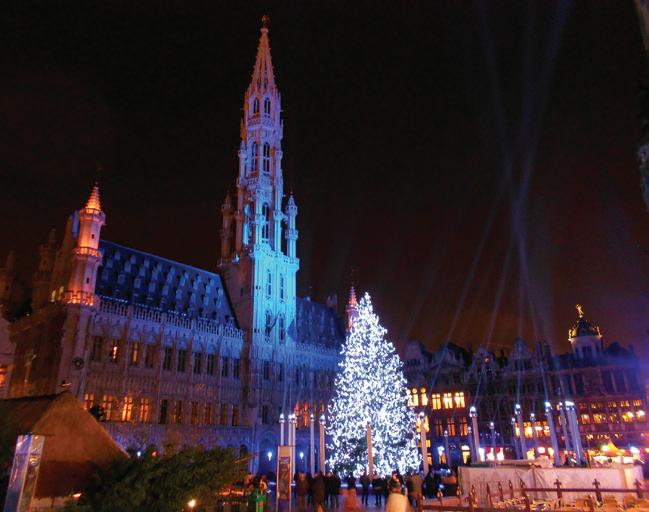
As the shopkeeper pointed out, most Christmas paper doesn’t actually mention Christmas on it. He grinned and said the French equivalent of “Getting ready a bit early, aren’t we?”
Whatever we say that we wouldn’t want it any other way – and the fact that shopkeepers constantly bring forward the unofficial launch date by cunningly changing their window designs earlier and earlier in the year – it only increases the panic about what to buy for family and friends this year.
The pressure just grows and grows as you try to come up with something original. Increasingly, as December 25th gets closer, you recognise the knowing grins and grimaces from fellow frantic Xmas shoppers, who exchange throwaway lines such as “soon be over” and “can it really be twelve months since last time?” as they struggle with things they hope the recipients will like – or at least pretend to.
In other words, there’s a sense of enforced communion, the Dunkirk spirit, we’re all in this together, working hard at spending money because it’s worth it just to see the looks on the kids’ faces and so on.
And it doesn’t always stop when the kids have flown the coop. I could name a few former excitable children now in mid-life who still insist on reverting to tradition at this time of year, including leaving a seasonal snack and a small glass of some liqueur either by the fireplace or in the kitchen.
And woe betide the parent, however elderly now, who doesn’t get up early enough to remove the snack – leaving behind some crumbs on the plate, of course - and emptying the glass before the “kids” get up.
And then, there’s the tradition (in the UK, at least) of Christmas stockings hanging on bedposts on Christmas Eve, packed full of little and large trinkets and treats as a prelude to proper presents the next day. The whole crazy stocking thing is almost com-
pletely unheard of here – although there’s a similar thing involving leaving a shoe out on December 6, to be mysteriously filled with little gifts.
Anyway, I’d better get on with planning Christmas. At the time of writing, it’s late October, and by the time you are reading this it will be the second half of November, and before you know it, December 25 will have arrived – and then it will be all over for another year.
The other day in mid-October, as part of intense research for this article, I went shopping in Brussels to buy Christmas wrapping paper. The aim was to establish just how early the commercial Christmas rush begins these days.
I was disappointed by the absence of seasonal excitement and the lack of rush. There was no seasonal music wafting from speakers in coffee shops, no-one grilling chestnuts on an open fire at a street corner, and not much sign of Christmas wrapping paper either.
I found some pretty wrapping paper in a sweet shop, but it had no reference to Christmas on it. As the shopkeeper pointed out, most Christmas paper doesn’t actually mention Christmas on it. He grinned and said the French equivalent of “Getting ready a bit early, aren’t we?”
I feared I was exaggerating the extent to which Christmas is being marketed earlier and earlier in the year, until a few days later, still in October, I noticed a dramatic change in some shop windows, including a massive display of elaborate Advent calendars in a perfume shop. And that was when I got the first sense of the commercial hustle and bustle essence of Christmas arriving once more. It’s not here yet but it’s coming fast, so I feel confident enough now to wish you all a very merry, panic-free Christmas – assuming, of course, you’re reading this magazine before December 25.

Info Hub