WORKSHOP 3:THREE BASIC
PSYCHOLOGICAL NEEDS AND MOTIVATIONS




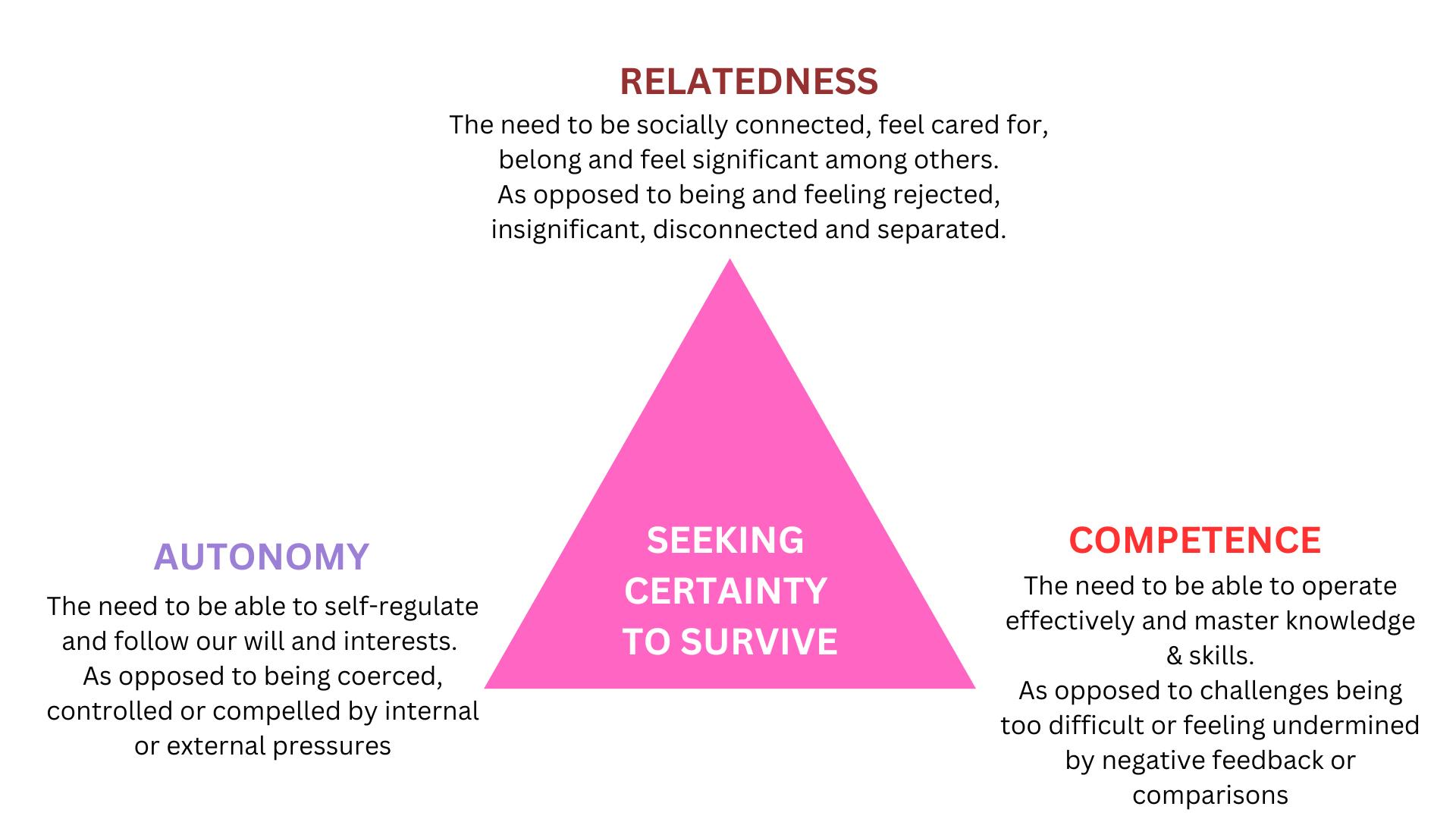
If we move closer to satisfying our 3 basic psychological needs, and towards certainty of survival, it feels good.

If we move away from satisfying our 3 basic psychological needs and away from certainty of survival, it feels bad.

REFLECTION ACTIVITY ON AUTONOMY

Take a few minutes to think about characters either in your own playwriting or other plays that either express or whose behaviour is motivated by this need for autonomy as we have defined it.

Jot down any you can think of.
REFLECTION ACTIVITY ON COMPETENCE
Take a few minutes to think about characters either in your own playwriting or other plays that either express or whose behaviour is motivated by this need for competence as we have defined it.
Jot down any you can think of.
REFLECTION ACTIVITY ON RELATEDNESS

Take a few minutes to think about characters either in your own playwriting or others who express or whose behaviour is motivated by this need to feel significant or belong with others. Identify characters where the need for relatedness may or may not be satisfied.

Jot down any you can think of.

NEURODIVERSITY, TRAUMA AND SOCIETAL CULTURE AND SYSTEMS
It is important to be aware that ways in which we satisfy our three basic psychological needs and the degree of ease we experience in satisfying them can be affected by neurodiversity, trauma and societal culture and systems. This could affect your playwriting and how you experience the next activity.


TO WHAT EXTENT ARE YOUR 3 PSYCHOLOGICAL NEEDS BEING SATISFIED IN YOUR PLAYWRITING?
Notice any sensations and feelings in your body and ask yourself the following questions:

MY NEED FOR AUTONOMY

To what extent do I feel my playwrighting is determined by me, that I have agency and choice over the process and that it is in line with my interests?

How, in what contexts and when do I feel this?

When I don’t is there anything that might help with this?
MY NEED FOR COMPETENCE

How capable do I feel in my playwrighting? Do I feel like I’m being effective and that the challenges aren’t too great?

How, in what contexts and when do I feel this?

When I don’t feel like this, is there anything that might help?
MY NEED FOR RELATEDNESS



• How much support do I feel I have from others in my playwrighting?
• Do I feel significant, cared for, and a sense of connection in my playwrighting? Who currently supports me, when and how? Are there ways in which I could access more support, connection or sense of belonging?
• Are there ways in which I seek significance and belonging with others that I could become more aware of and reduce because they don’t actually meet my need for relatedness?

HOW WAS IT FOR YOU?
Have you ever considered your basic psychological needs in this way? Could it make a difference to become more aware of them going forward?
3NEEDS EVOKE FEELINGS
SYSTEMS AND MOTIVATE BEHAVIOUR
The three basic psychological needs also relate to three of the feelings systems as defined by Jaak Panksepp that we outlined in workshop 2: care, lust, and play.
The three needs evoke these feelings systems and motivate us to act from these feelings systems to seek certainty of survival and thrival.
THROUGH PLAY WE CAN SATISFY ALL 3 OF OUR BASIC PSYCHOLOGICAL NEEDS
• Firstly, we develop our ability for autonomous selfregulation through finding the limits of what is socially tolerable and permissible. Play has rules. It is a basis for cooperation and the self-regulation of aggression. A game in which there’s no rules is no fun and when a playmate decides their friend isn’t being fair a limit is reached.
• Secondly, play helps to satisfy the need for competence and mastery of knowledge and skills through enabling people to develop and refine their physical, emotional, and social competencies in a safe context.

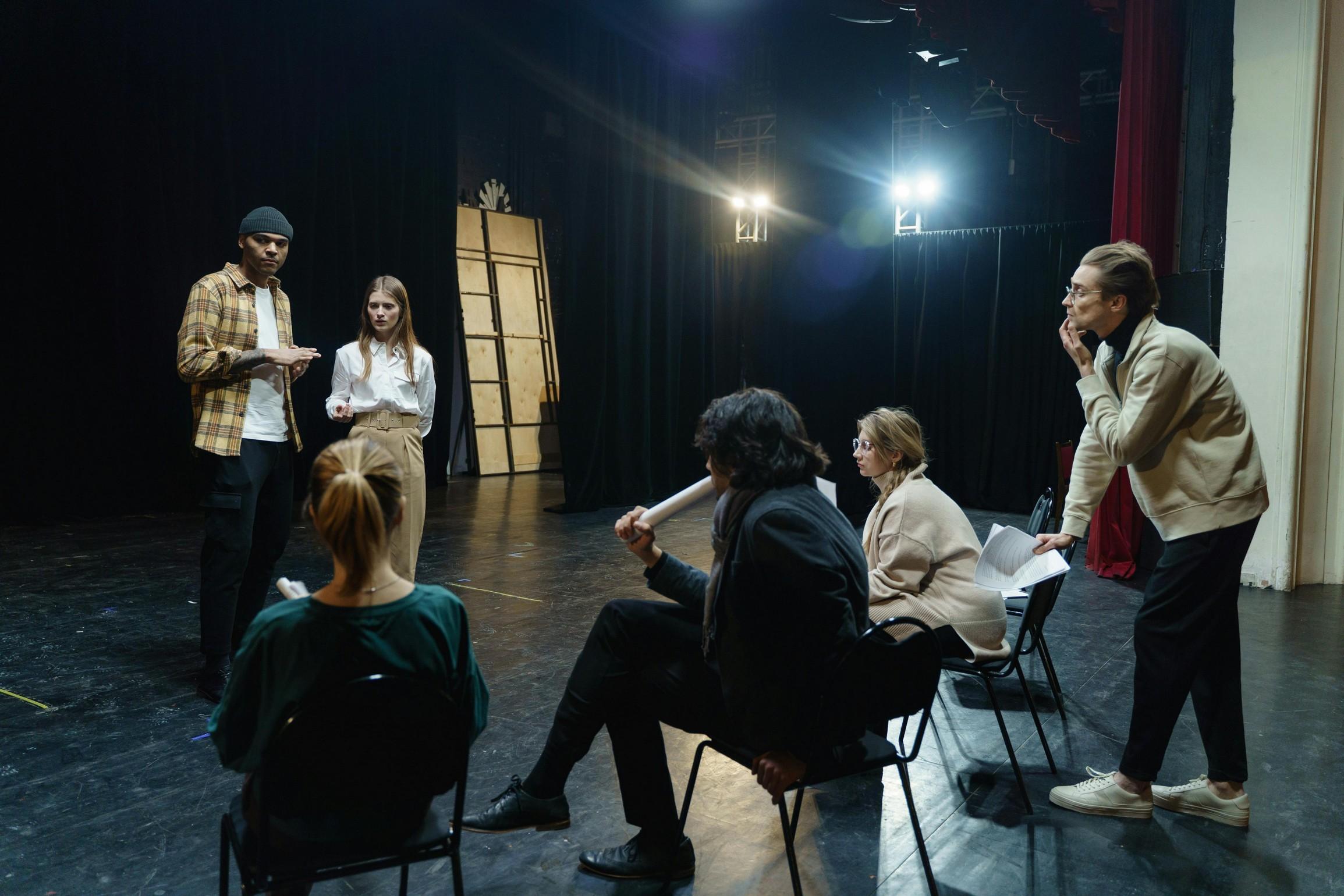
3. And thirdly, play also satisfies the need for relatedness. Through the marking of limits, boundaries and rules that regulate play and group behaviour play is crucial for the formation and maintenance of social groups and hierarchies.
Maintaining play also requires and conditions us to take account of the feelings of others and is a vehicle for empathy.
THE PLAY SYSTEM IS PARTICULARLY SIGNIFICANT TO PLAYWRITING
• Through the writing, acting out and trying out of different social roles and stories, plays are one way in which we can play through pretence, imagination and the symbolic.
• And because we are playing and this is not real life, we are free to try things out in the safe imaginary mode. We are free to explore fantasies of our needs being completely fulfilled and certainty reached. We are also free to engage the seeking system of curiosity, anticipation, excitement and thrill of uncertainty, unpredictability and the unknown. This is without feeling the fundamental risk to our survival and thrival that uncertainty signals to us in real life.
• We are also able to experience symbolically both the feelings, fantasies and behaviours associated with both the fulfilment and frustration of our basic survival and psychological needs without these being a threat in reality.

WAYS IN WHICH WRITING AND ACTING OUT
PLAYS INVOLVES THE SAFE IMAGINARY QUALITY INCLUDE:
Exploring and experiencing power, status, hierarchy and both the triumph and violation of rules and self-regulation. We have the potential to experience the thrill of power, transgression, conflict and violence in the safety of a play, without the risk of threat to our autonomous survival and thrival through violating rules and laws in reality.

Experiencing feelings of competence, efficacy and the thrill of mastering knowledge and skills.
At the same time it is possible to explore feelings of failure and loss. And also the validation of not feeling alone in this without the threat of failing in reality.

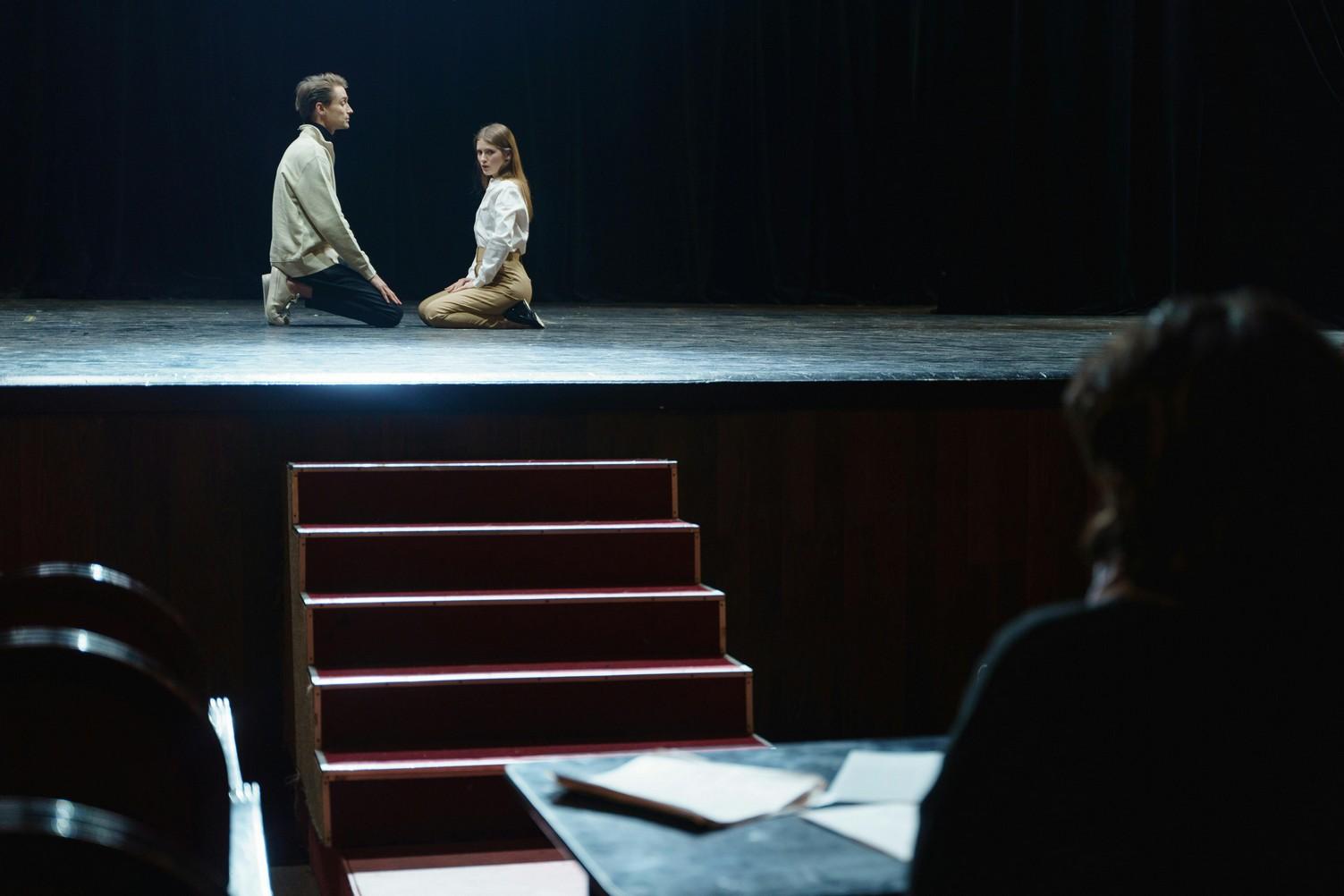
Trying out different social roles, exploring, expressing and processing feelings and relationships, care, lust and sex.
This includes both feelings and fantasies of fulfilment of these needs and the validation of exploring loss and grief without the real threat of this. It also includes the curiosity and excitement of virtually violating typical rules of relatedness.
HOME PRACTICE
Before the next session, try noticing when we or our characters are expressing or motivated by the needs for autonomy, competence and relatedness.
Try also noticing the ways that your or other plays involve the safe imaginary mode of play.