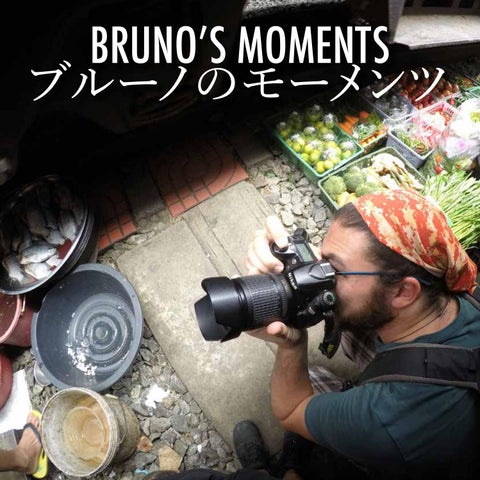
BRUNO’S MOMENTS ブルーノのモーメンツ
ブ
ラジルの人は日本の文化が大好きです。 ス ーパー戦隊の番組とか、 アニメとマンガと か、 そして最近インターネットのユーチューブ やネットフリックスなどで日本が垣間見えることができる から、 日本のイメージを持っています。 ブラジルは日本国外でもっとも日系人が多く住む 国。特にサンパウロは日本人移民が多い町。移民の歴 史は20世紀の初めだから一世とか二世とかだけは日 本語が話せるそうです。僕は三世日系人だから、残念 家族に日本語を教えてもらえませんでした。 サンパウロには最近は働くために来た日本人も多く ても、話す機会もあるのに僕は恥ずかしいし、 日本人は ほとんど真面目に生きているみたいだし、 日本人と話し かけるのは難しいです。
Temple in Hong Kong.
香 港 に あ る 寺 院
O
ur lives are always connected to our habits. On our daily routine of waking up early, taking the car or bus to go to work, paying our bills, and watching TV after an exhausting day, it seems that we miss the opportunity to build ourselves as
persons. Besides, we are used to being defined my social motivations, not personal ones. For example, I can introduce myself as Bruno, geologist. Or, Bruno, photographer. But is this word enough to define myself as a person? What if, for some reason, I decide to interrupt my career as a geologist or photographer, what does my own definition as a person turns into?
我
らの人生は、常に生活の繰り返しに慣れ親しんでいることと結 びついています。毎日、早く起きて、車とか地下鉄、 バスで仕事 へ行って、生活費を支払いして、 テレビを見ます。夜疲れすぎた のに、翌日また繰り返します。 自分の中になにも面白いことが加えることが できませんでした感じるだろう。 それに、我らは個人的な動機の代わりに社会的な動機によって自分自 身を定義になかなか慣れています。例えば、地質学者のブルーノとして自 己紹介をすることができます。 または、写真家のブルーノ。 でも、 この言葉は 完璧に僕を 定義するのは十分なのだろう。 そして、 もしかしたら、僕のキャリ アを中断することを決めたら、 自分の定義は何をなるのだろうか?
T
he story of my trip around the world starts in 2016. Actually, the trip was essentially to Asia and Europe. Both me and my girlfriend were unemployed by then. The money we had saved was being all spent in household expenditures and rent. We constantly thought “Hey, with the money we have been spending with our bills, maybe we can make a round-world trip”. So I talked to a friend who had already done this kind of trip, and we decided that we would both do it. Soon afterwards, we found new jobs, and worked a lot for some time, doing a lot of extra hours. We sold everything we had (car, home appliances, books, clothes), quit our apartment and went to live with our parents for a while , and finally got enough money. We then quit our jobs, and finally, on April 2018 we started our journey.
ベ ト ナ ム に あ る 寺 院
僕
が達成した世界一周の話は2016年から始ま ります。主に旅行したのはアジアとヨーロッ パです。
香 港 に あ る 狭 い 通
A narrow alley in Hong Kong
その頃、僕と僕の彼女はしばらく無職でしたので貯 金は生活費にほとんど全部使い切りましたがもし新し い仕事についたらその給料で世界一周旅行をしようと 考えました。 そこで、 そういう旅行をしたことのある友達に相談し て、2人で世界一周旅行をすることを決めました。 その 後、新しい仕事を見つけて、 しばらくいっしょうけんめい 働きました。 沢山の残業をしたり、色々な物を売ったり、 しばらく実 家で過ごしたりして、やっと十分なお金を貯めることが できました。 その後、 しばらくしてから仕事を辞めて、 ついに2018 年4月に旅に出ました。
Temple in Vietnam
Kindness in Europe and Asia
O
ne day I was in a supermaket in Lithuania. After paying I noticed that there was something wrong in the receipt and tried to talk to the cashier. However, he didn’t even try to look at the receipt and roughly said “I don’t speak English”, and prompty called the next customer. He wasn’t willing to help at all. At that time I had recenlty been to Asia, and because this behaviour was very different from Asian culture I was shocked with such unfriendliness! On the contrary, when I was in Thailand I went to a place called Sukhothai. It’s a city with two centers - I arrived at the “new” center, and had booked a guest house in the Old Town. Once I arrived there I noticed that I didn’t know if I should take the bust to the next city at the Old Town or at the New Town. I tried to ask the woman at the guest house, but she didn’t speak English very well. She then picked our tickets, hopped on her scooter and went to the bus company. Once she came back she pinned the location of the bus stop on a map at the wall. This kindness was very moving. And very different from the grumpiness of the European cashier!
ラ ト ビ ア の 冬 の 感 じ
タ イ の 親 切 な 家 族
Winter in Latvia
A friendly family in Thailand.
ヨーロッパとアジアの優しさ
あ
る日リトアニアのお店で買い物に行った。払 ってからレシートを見たら何か間違いがある と気づいた。店員と話そうとしたけど、彼がレ シートを見なくて失礼に 「英語が話せません」 と答えた。 レシートを見なかったし、 別の人も呼ばなかったし、 手伝 うこと希望したくながってると気がした。 その時はアジアから来ましたから、 アジアの文化がと ても違うし、 あの無愛想な行動にびっくりした! 逆にタイにいた時スコタイという町で泊まった。スコ タイは中心地が2つあるけど、新しい中心地に到着し て、旧市街に泊まっていた。ゲストハウスに着いたら新 しい中心地か旧市街かどこで次の町へのバスに乗る か知らないと気がついた! ゲストハウスの女の人に相 談しようとしたけど、彼女があまり英語が話せなかった けど、彼女は僕が買ったチケットを受け取ってバイクで バス会社へ聞きに行ってくれました!戻ってからゲスト ハウスにあった地図に乗り場を指そうとしてくれた。凄 い優しいでしょう!僕はこの優しさにとても感謝した!ヨ ーロッパの無愛想的な行動とは反対と思います!
Japan
日 本
I
広 島 城 の 前 に
In front of the Hiroshima Castle.
went to Japan for the first time in April 2018. It is a fantastic country. I was in Japan as a tourist, so I managen to visit many places. I’ve been to Tokyo, Saitama, Aomori, Hirosaki, Sapporo, Nagano, Matsumoto, Obuse, Shirakawa-go, Takayama, Kyoto, Osaka, Shiga, Nara, Kobe, Himeji, Okayama, Kurashiki, Hiroshima, Hofu, Fukuoka and Fujiyoshida. Japan and Brazil are VERY different from each other! The relationship between Japanese and food is amazing. Sweets and candies are prepared almost as a form of art. Fruits are given to people as presents. In Brazil, you can find fruits hanging at the entrace of some restaurants. I thought Japanese people just ate “traditional sushi” - made of seafood. However, I went to converyor belt sushi restaurants like Sushi-ro and was very surprised to see sushi made of basically anything! Very amusing! In Brazil there are many sushi restaurants, but conveyor belt sushi shops are very uncommon.
2
018年4月始めて日本に行きました。 日本は本当に素晴らしい国だと思いました!旅 行だったから、 日本の色んなところに訪ねました。東京、埼玉、青森、弘前、札幌、長 野、松本、小布施、白川郷、高山、京都、大阪、滋賀、奈良、神戸、姫路、岡山、倉敷、広 島、防府、福岡、富士吉田に行きました! 日本はブラジルとすごく違います!
日本人と食べ物の関係もすごいと思いました。料理、特にスイーツやお菓子などもアートみ たいです。 そして、果物もプレゼントとして人にあげたりする。 ブラジルなら、果物は色々なレスト ランバーの軒先に置かれているんです!日本人は 「本物の寿司」 だけ食べると思いました。 つ まり、 ほとんど魚介類の寿司です。 でも、 スシローに行って、 びっくりした!何でもの寿司もある! スシローみたいな寿司屋さんって面白いです!ブラジルにはお寿司屋さんもいっぱいあるんだ けど、回転寿司の方が珍しいです。 回 転 寿 司 っ て 楽 し い な
Conveyor belt sushi is a very fun experience!
Although prices in Japan are fairly high, there are some cheap magazine stores, the hyakuen magazines (where every item is 100 yen) and Don Quijote, which are very helpful. There are some Daiso stores in Brazil, but average prices are 7-8 real (about 250-300 yen). Machines are also very impressive. For example, there are self-serving machines everywhere, even in places with few people. Restaurant ticket vending machines are also very interesting and practical, but in a way they also give a sad feeling. They are made to serve people that have very little spare time, and maybe because Japanese people are always busy, these machines fit very well in their culture. There are many large shrines and temples in Tokyo and Kyoto, but they are always crowded and have a “touristic” feeling. For example, the Fushimi Inari Taisha in Kyoto, the Nanzoin Temple in Fukuoka, they both have this kind of atmosphere. On the other hand, small shrines in the mountains are very peaceful and I think one can feel the spirits of the mountain and rivers in there. 浅 草 の 浅 草 寺
Senso-Ji Temple in Asakusa
白 川 郷 の 自 然
Nature in Shirakawa-go.
日本は物価が高い国だけど、安いお店もあります。100円位のお店とか、 ドン・キホーテとか は便利でいいお店です!ブラジルにもダイソーがあるんだけど、 ブラジルのダイソーの日用品 は8~9レアールくらいです(250~300円くらい)。 機械もすごいと思います!例えば、 あちこちに自動販売機があります。人が少ない通りでも、 自動販売機があります。食券機も面白いです。面白いですが、寂しいとも感じます。 このような 機械は、時間もない人に向けのように思うからです。多分日本人がいつも忙しく、1人で仕事を しているので、 このような機械が多い気がしました。 東京や京都などに大きな神社とお寺が多いけど、 いつも人がいっぱい集まっているので、 「 観光地」 と感じました。例えば、南蔵院、伏見稲荷大社、浅草寺など、 このf雰囲気があると思い ます。逆に、山の中にある小さな神社の方が静かで、 山の神とか川の神などをなんとなく感じる と思いました。
Public order and security are very nice in Japan. You can leave your wallet or your mobile phone anywhere, that it’s ok. Besides, it’s not uncommon to see small children unaccompanied walking freely down the streets! Japanese people seem to be always excusing themselves. For example, instead to saying just “thank you” sometimes they say “excuse me thank you”. Maybe it’s a way to be polite. By the way, salespeople in stores speak VERY fast and in a distinct way of speaking Japanese, ultra polite. Why is that? It’s very difficult to understand! If it was in Brazil, salespeople would try to be as friendly as possible, and would speak in a very casual way. 奈 良 が 楽 し か っ た
A good time in Nara.
日 本 で 僕 が 食 べ た お 米 の 中 で 一 番 好 き な の で す
日本の治安はとてもいいと思います。財布とか携帯 とかはどこでも置いても大丈夫です。 それに、大人と一 緒にじゃなくて自由に通りを歩いている子供たちは珍し くないです!すごい! 日本人はいつも謝っているみたいです! 「ありがとう」 を言う時に、代わりに 「すみませんありがとう」 と言うん です!丁寧になるからかもしれませんね。 ちなみに、店 員はすごく早口でいつもバイト敬語で話します。 どうし て?とてもわかりにくくなると思います!ブラジルなら、店 はフレンドリーみたいだから、 カジュアルで客と話しま す。 日本に行く前に、 日本人のイメージは真面目すぎると か仕事してばかりいると思っていました。 まあ、 たくさん 働くけど、親切で面白い日本人も多くて、 びっくりしまし た!でも、寂しい顔をしている若者も多く、矛盾もあると 思います。
The best rice I ate in Japan.
Before going to Japan, the image I had o Japanese people was of very sober people that only live for work. Well, they really work - A LOT -, but there are many many kind and amusing Japanese! However, there are many young people with sad looking faces...
大 阪 で 会 っ た お 友 達
Good friends in Osaka.