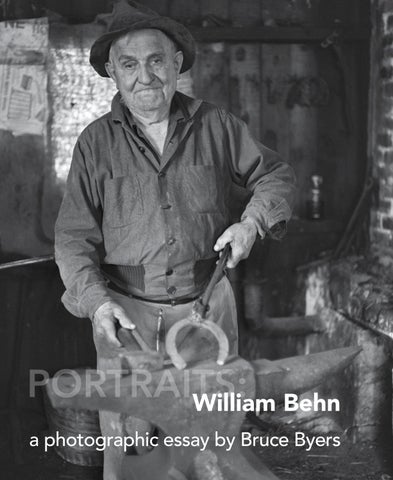
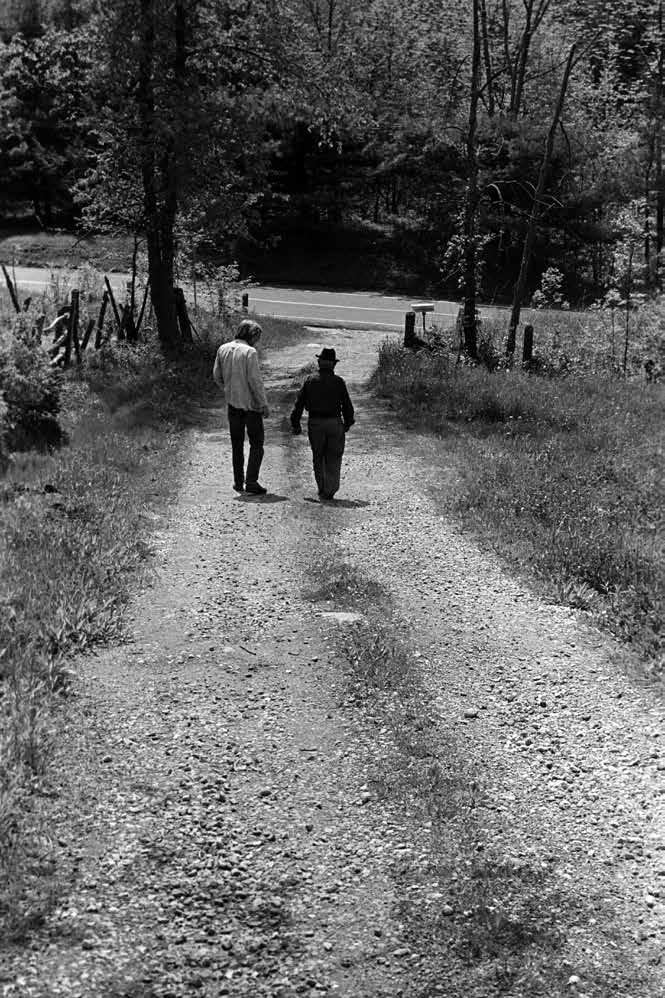
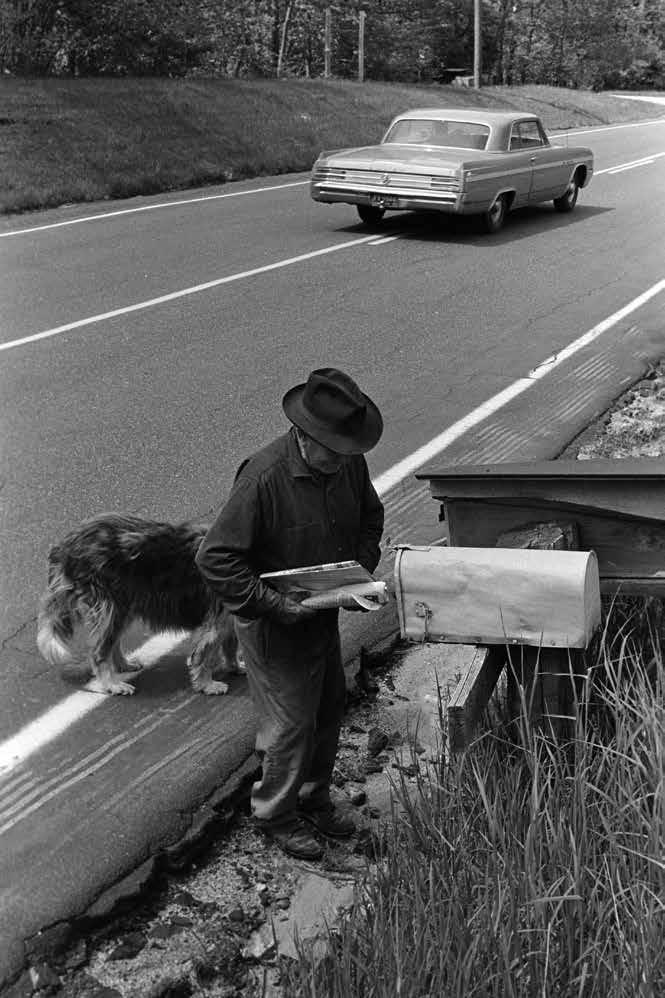
William Behn 1973
a
photographic essay by Bruce Byers
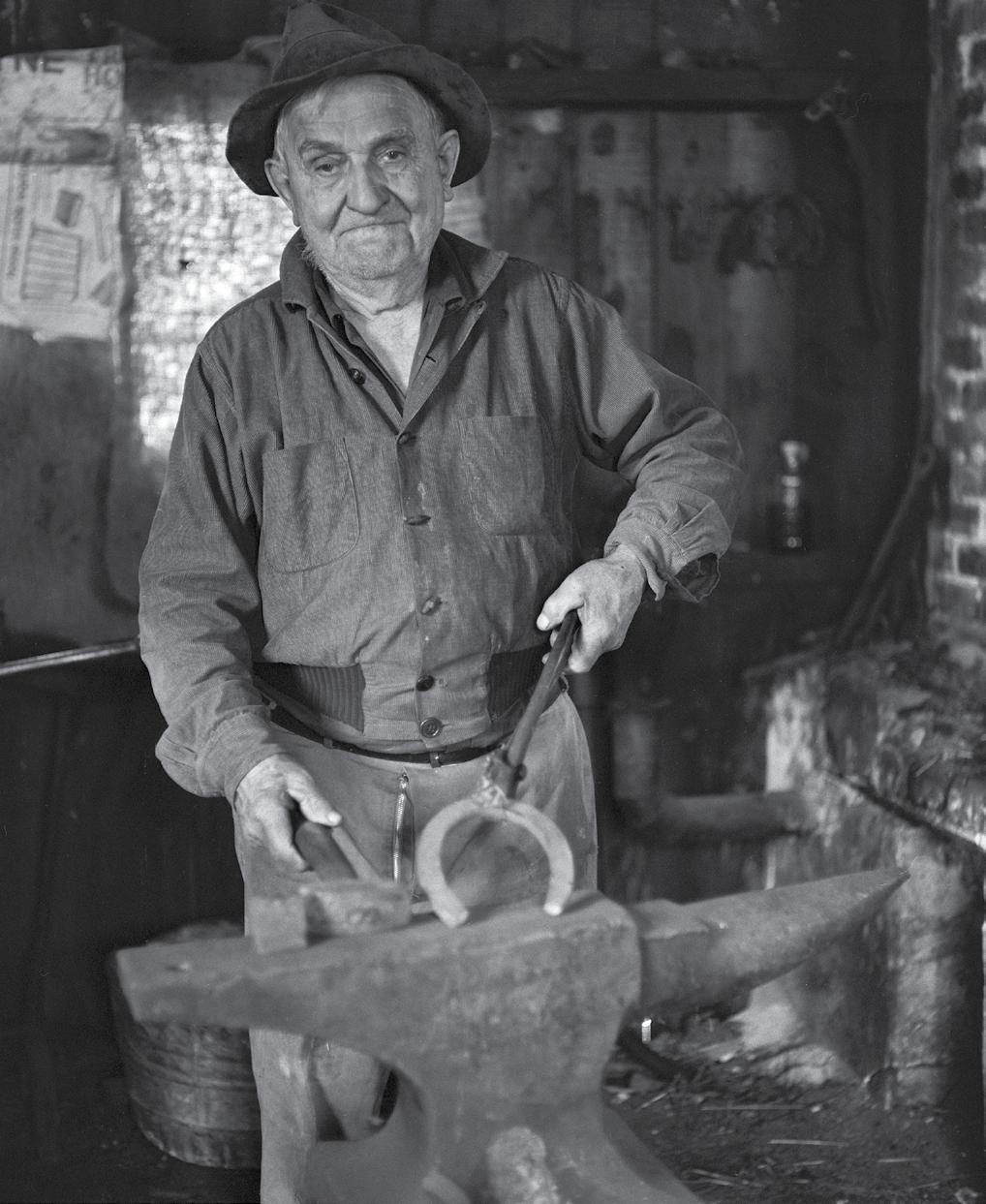
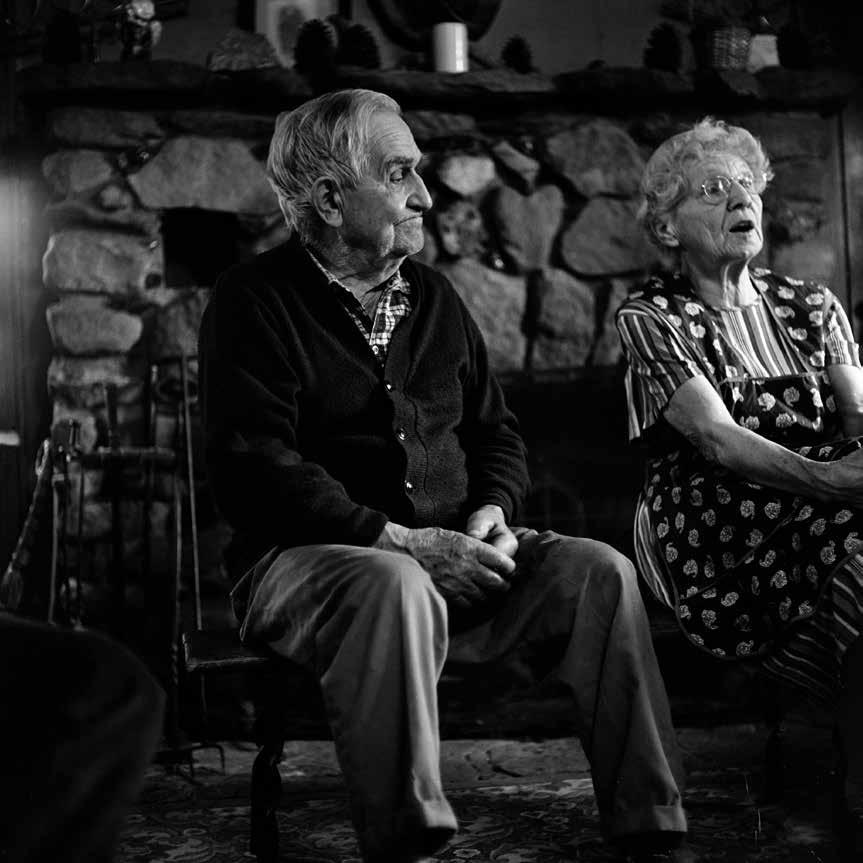
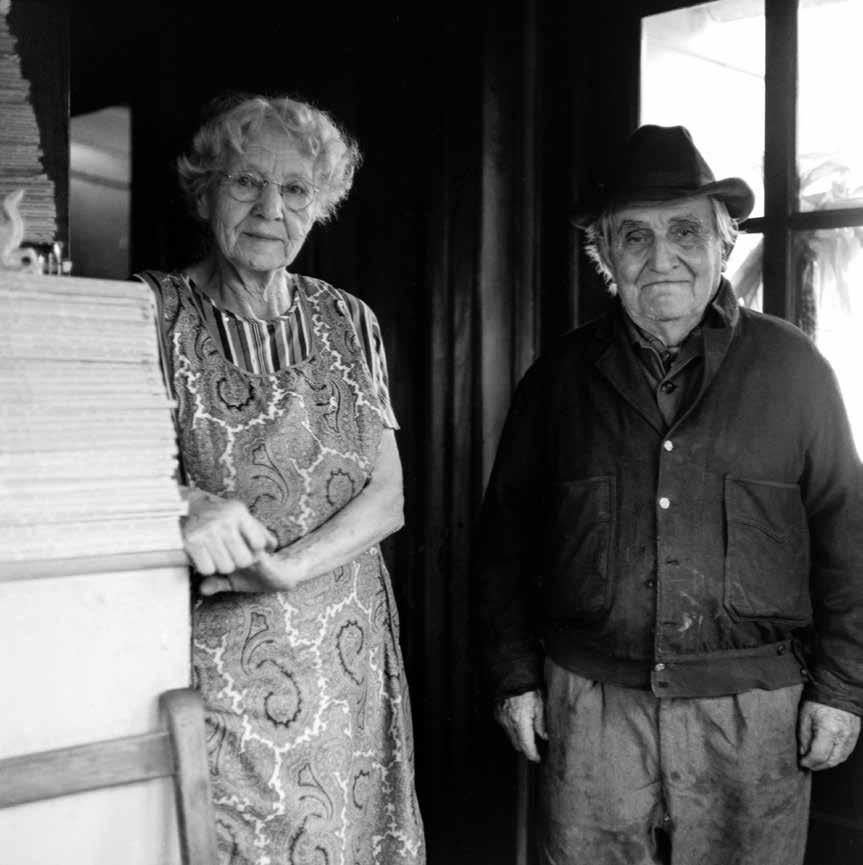
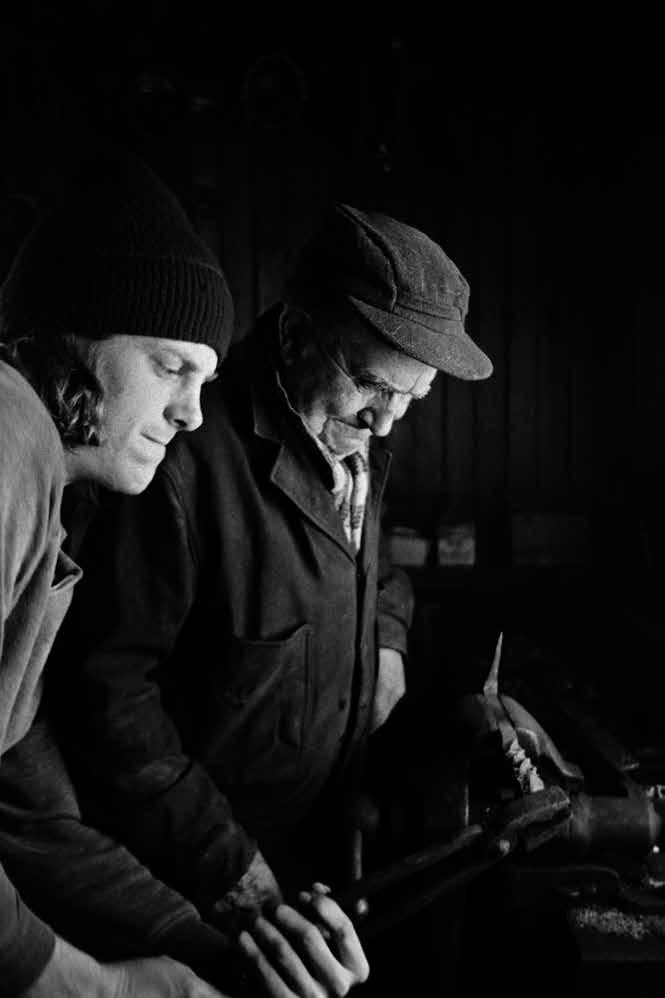
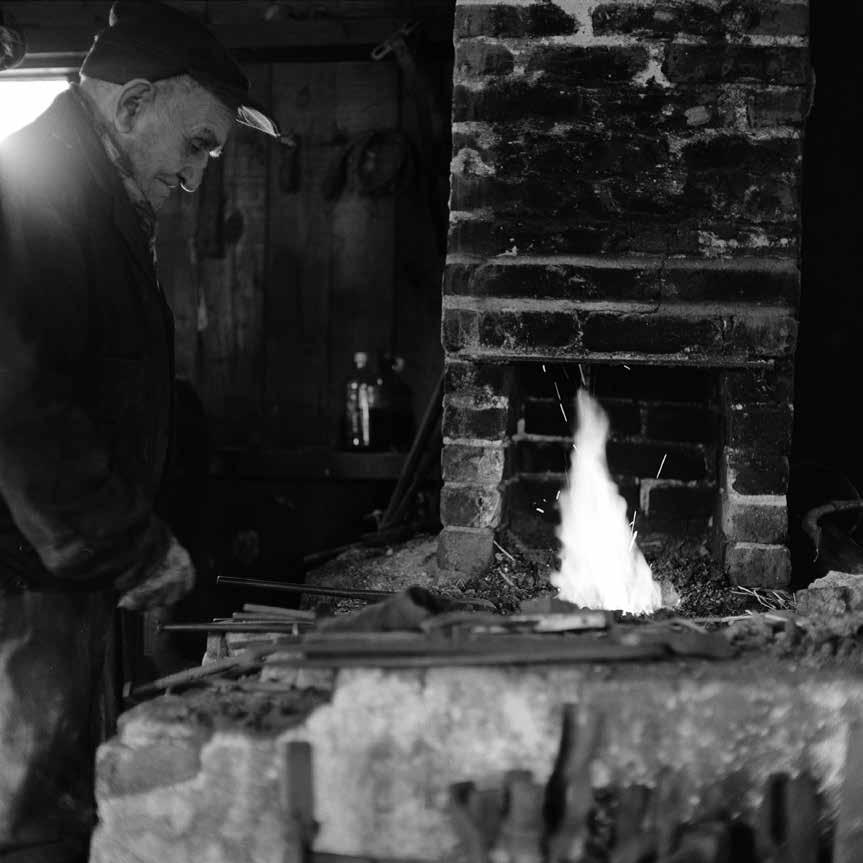
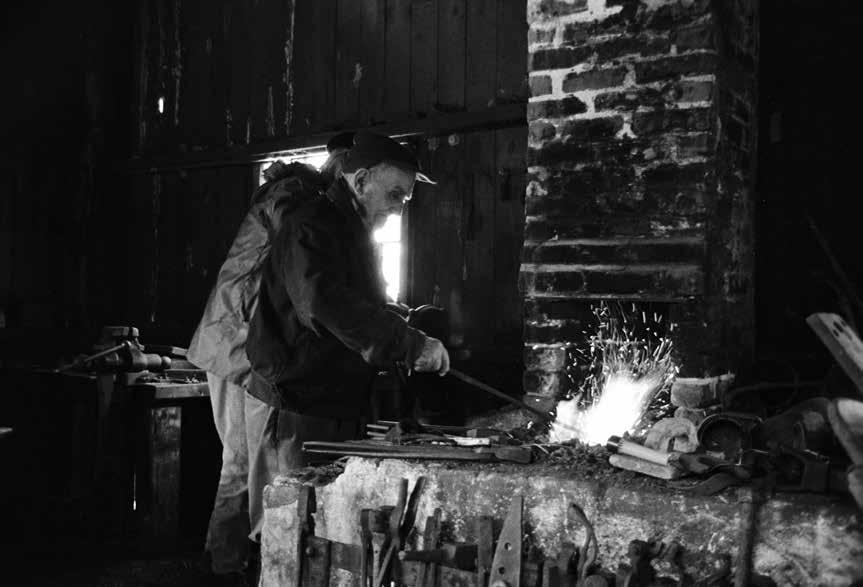
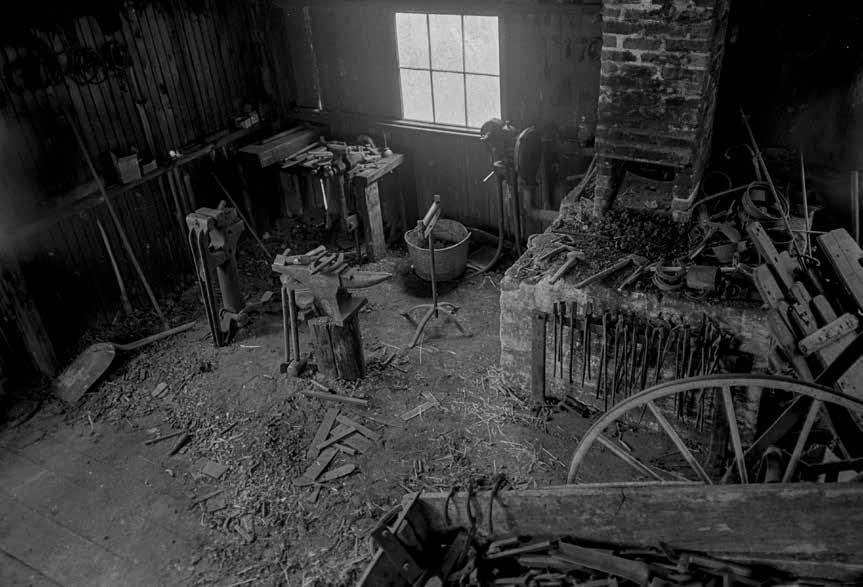
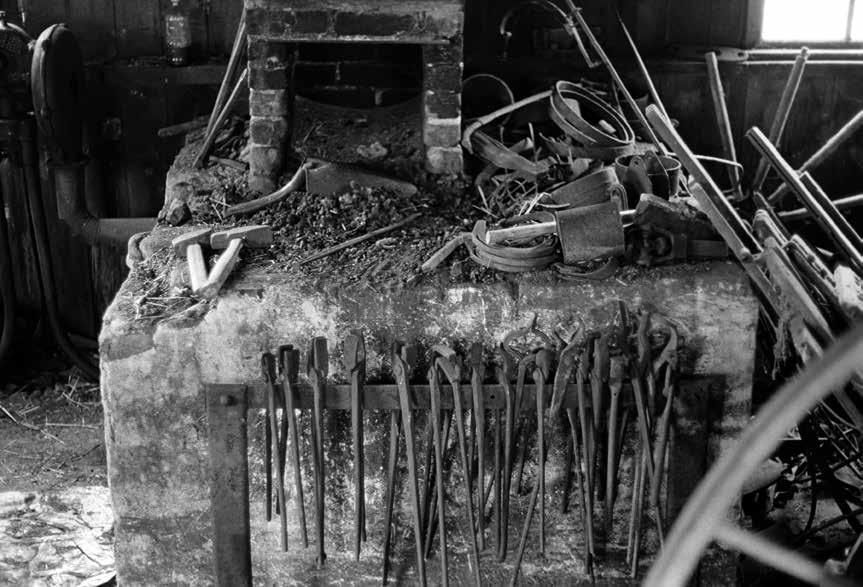
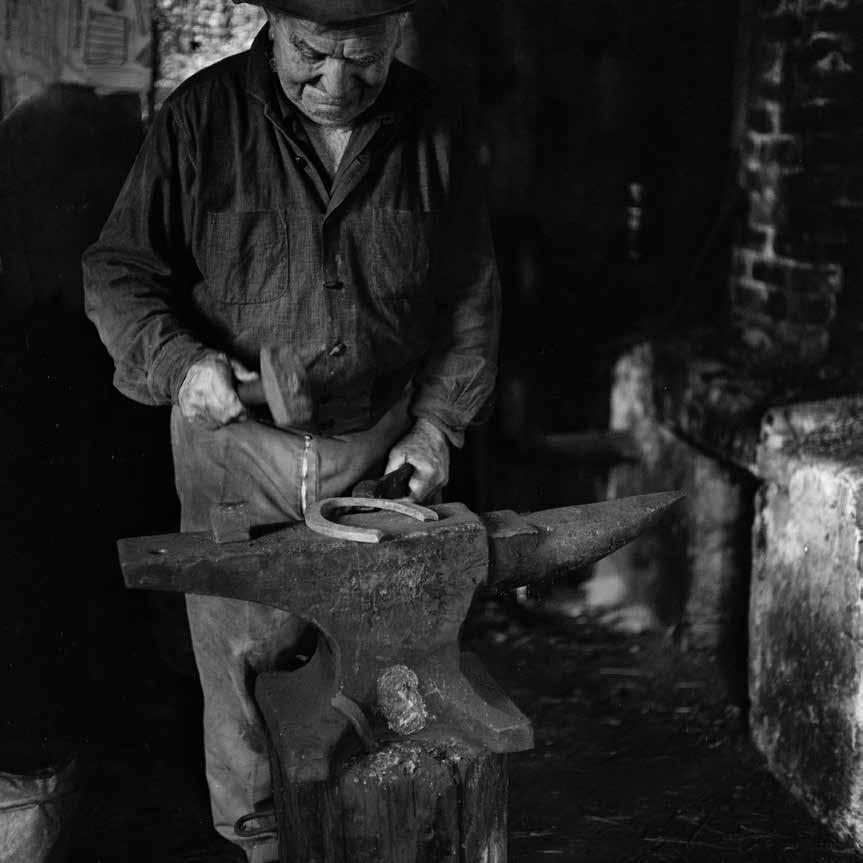
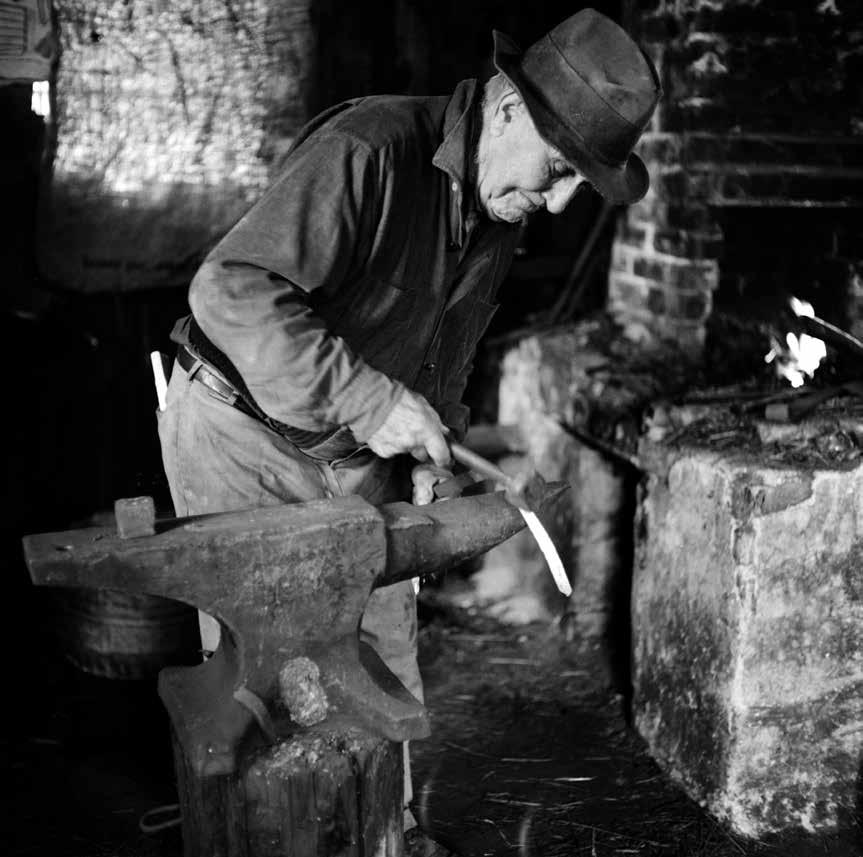
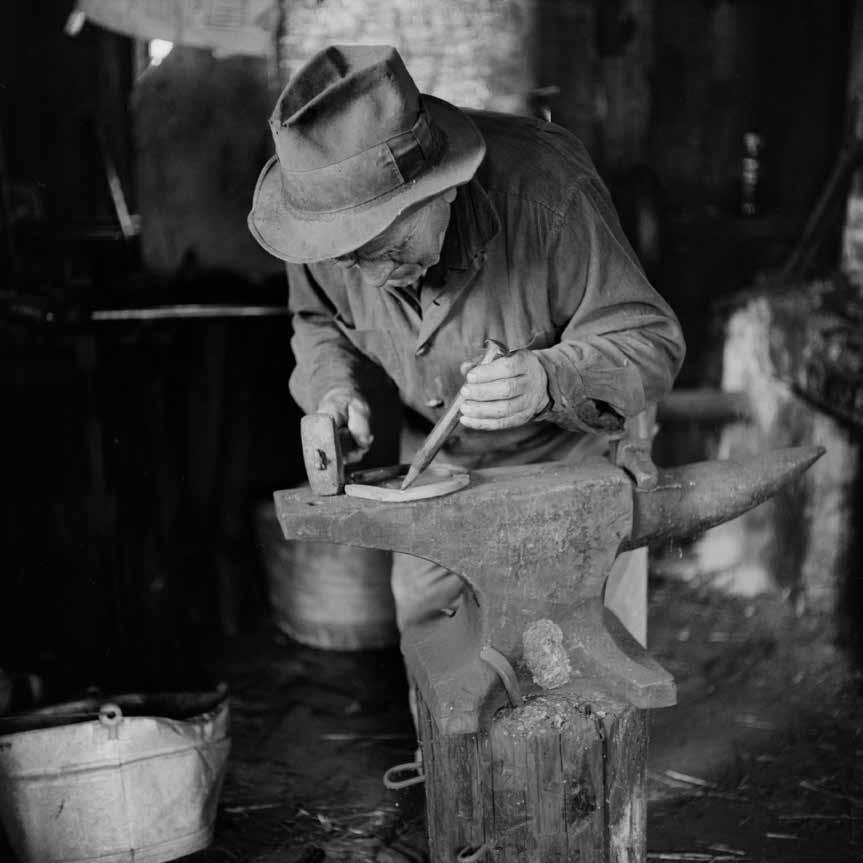
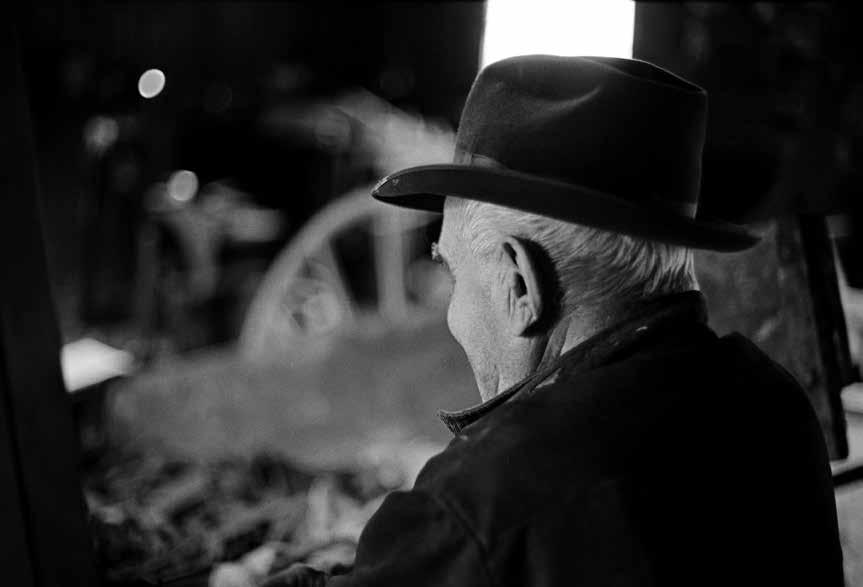
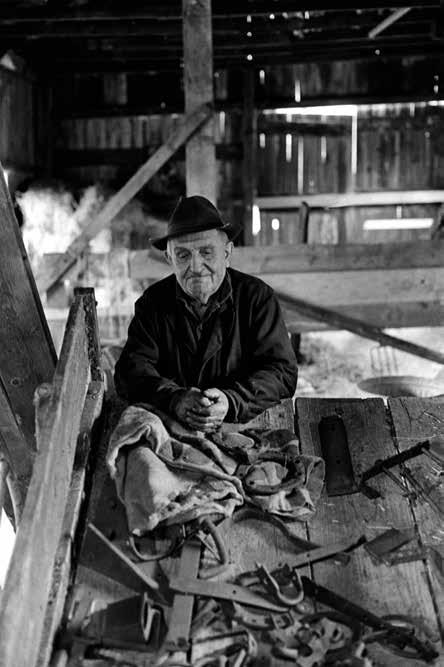
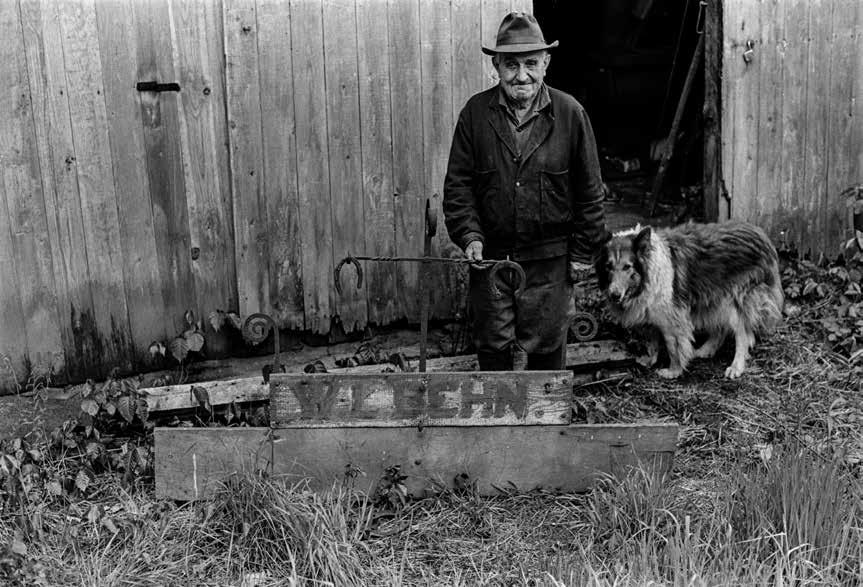
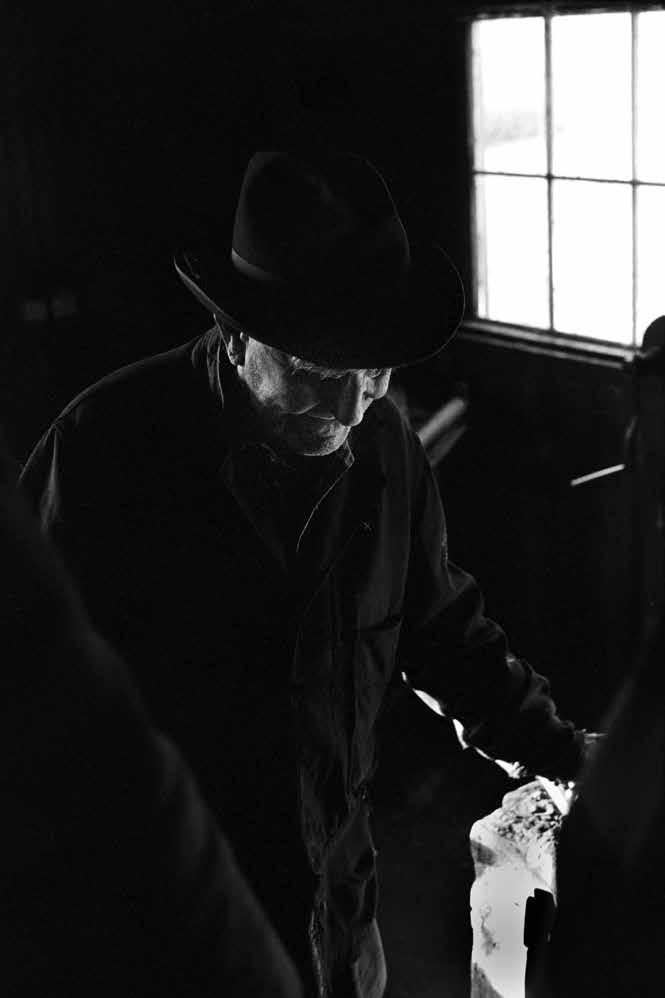
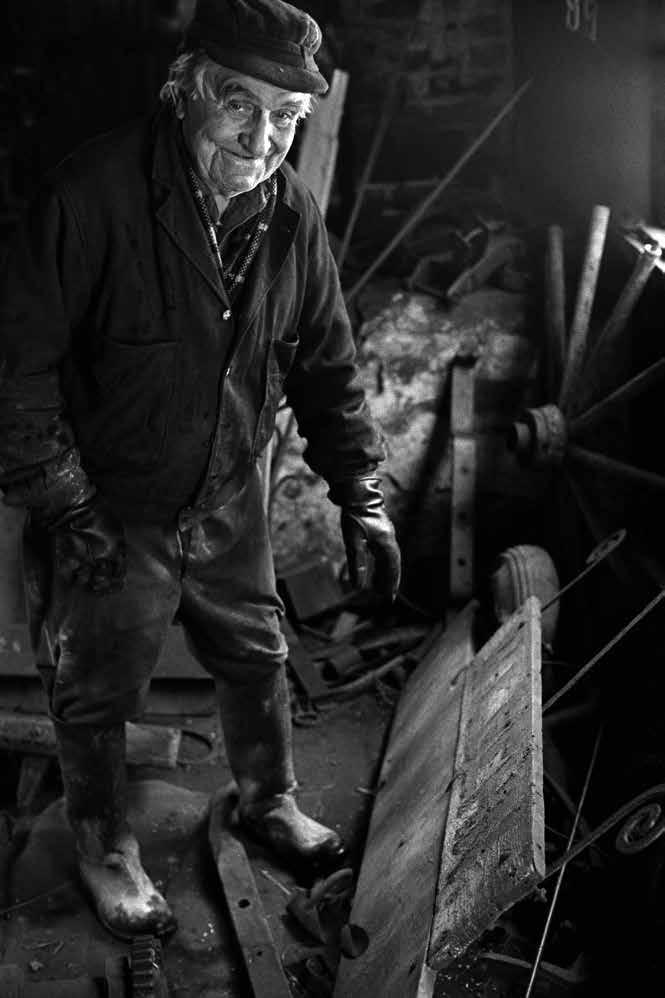
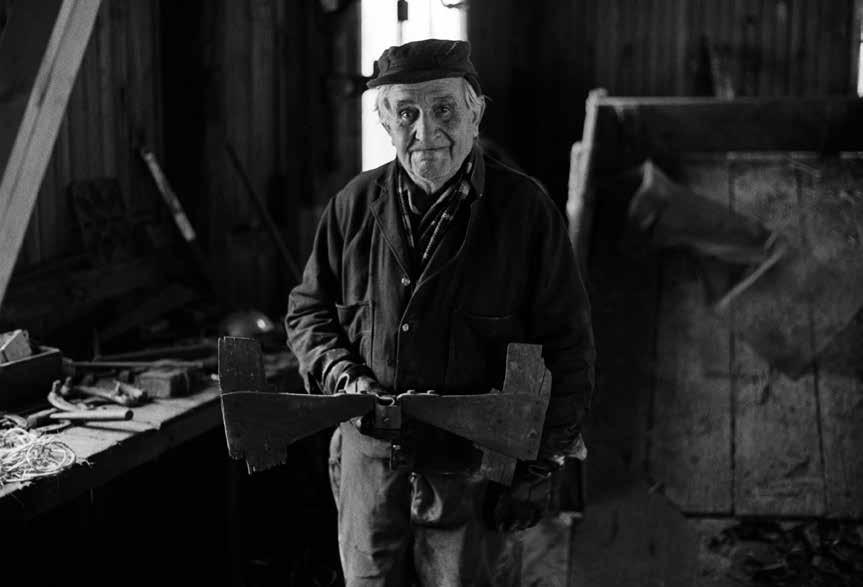
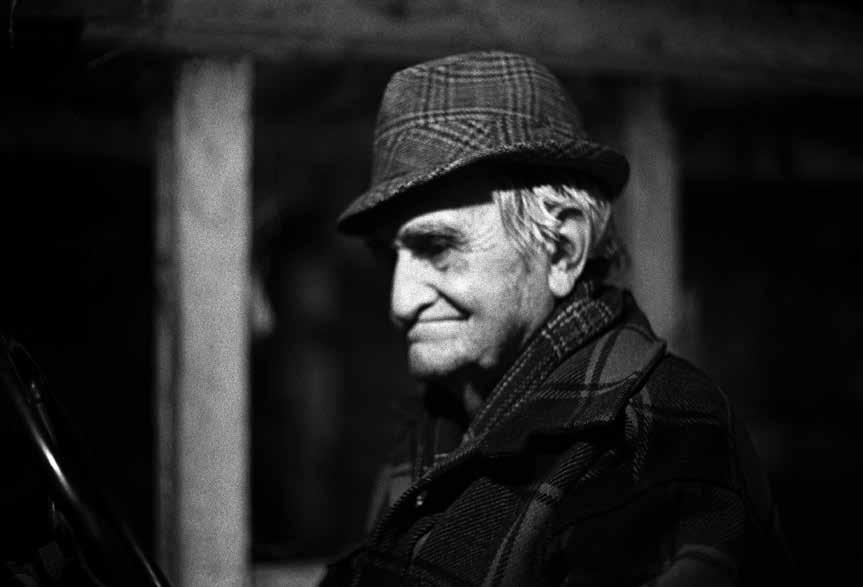
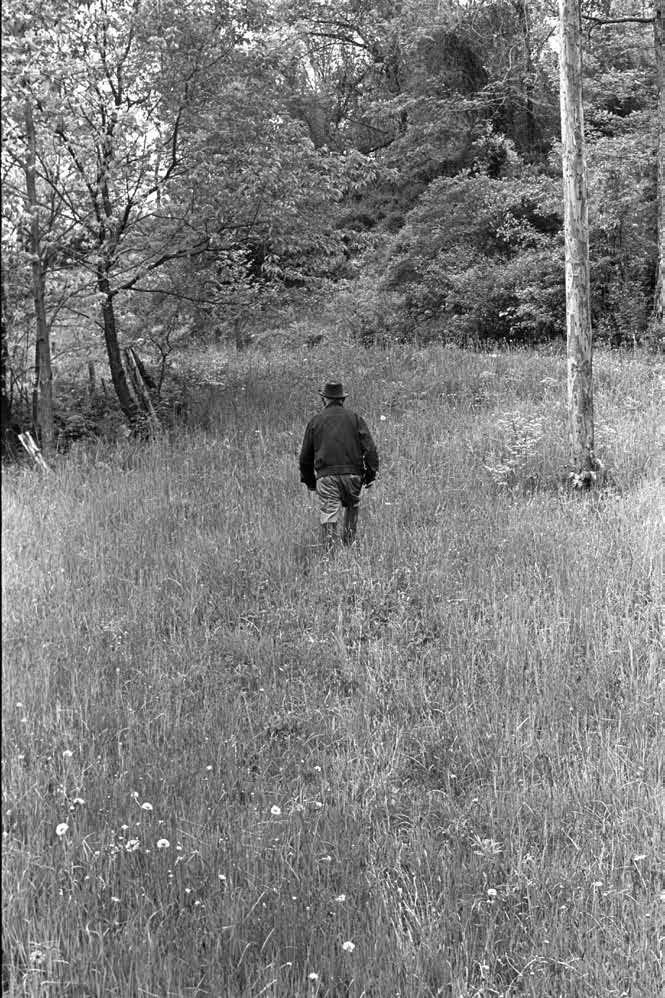
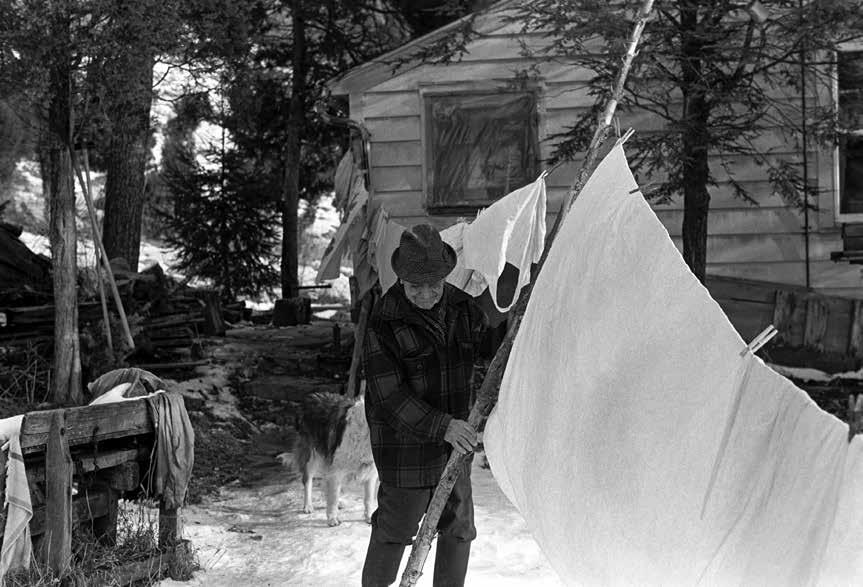
When I met William Behn in the spring of 1973, he was 83 years old. His forge was still intact—every tool in its place, iron neatly stacked and ready, with enough material on hand to make horseshoes or anything else a person might need. He welcomed us openly. He seemed genuinely pleased that we wanted to learn about his life and blacksmithing, and he never once objected to my taking photographs. It was the end of my senior year of high school at the Marvelwood School, and by then I had already spent two years working closely with a journalist-photographer who taught art at Marvelwood. Landing the opportunity to work with Mr. Behn-and to document him-turned out to be one of the most meaningful experiences of my early life.
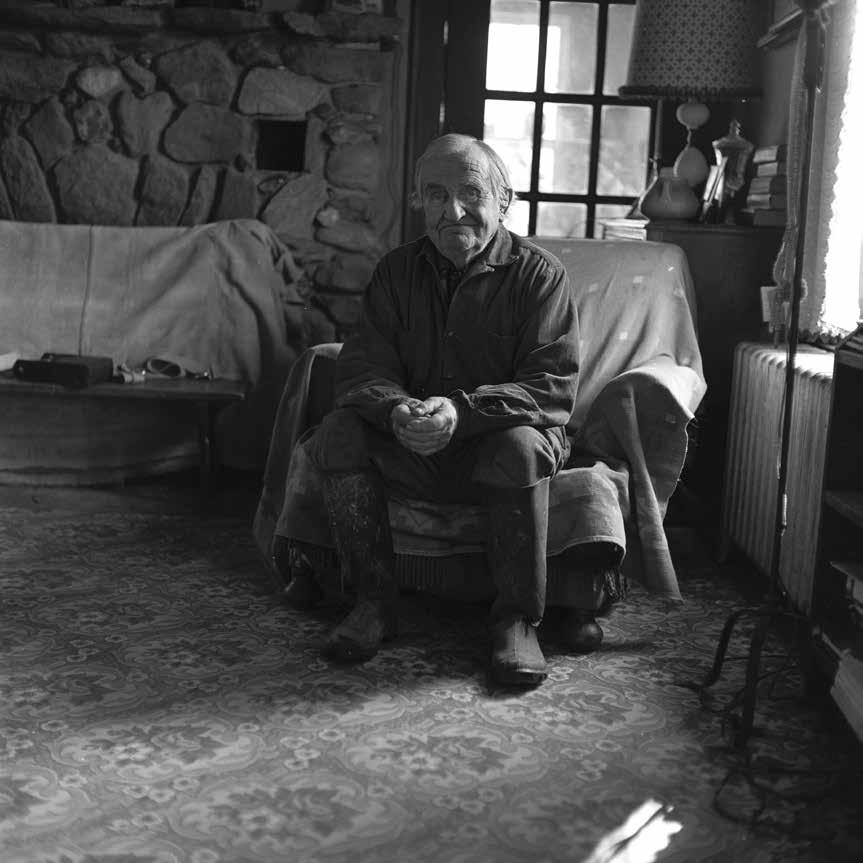
The curriculum at Marvelwood allowed each senior to undertake an independent project, and that freedom was invaluable. My work with Mr. Behn earned second place in the class. A fellow student who documented the St. Lawrence Seaway received first. I believe the school recognized the seriousness and effort behind these projects, and offered a unique opportunity to students.
After Marvelwood, I attended the Rochester Institute of Technology, earning a BFA in photography in 1977. I had already been traveling back and forth to New York City during my college years, gaining experience in the advertising and fashion worlds, and after graduation I moved there full-time.
I also recorded conversations during my visits. I spent time in the Behn home, a simple and comfortable place that reflected the quiet strength of its occupants. Their daughter visited occasionally, warm and welcoming, encouraging them to let me continue my work so I could complete my project.
Throughout this project I was able to capture the personality of the Behns and their loyal and dedicated relationship. The three of us became partners in archiving a lost art and the power of a simple, honest life.
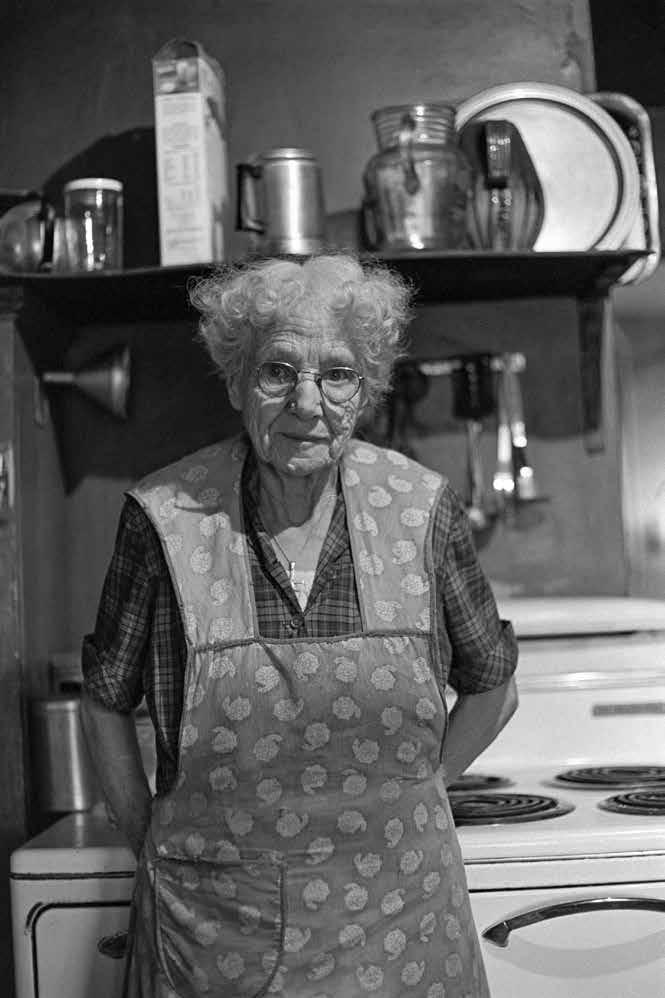
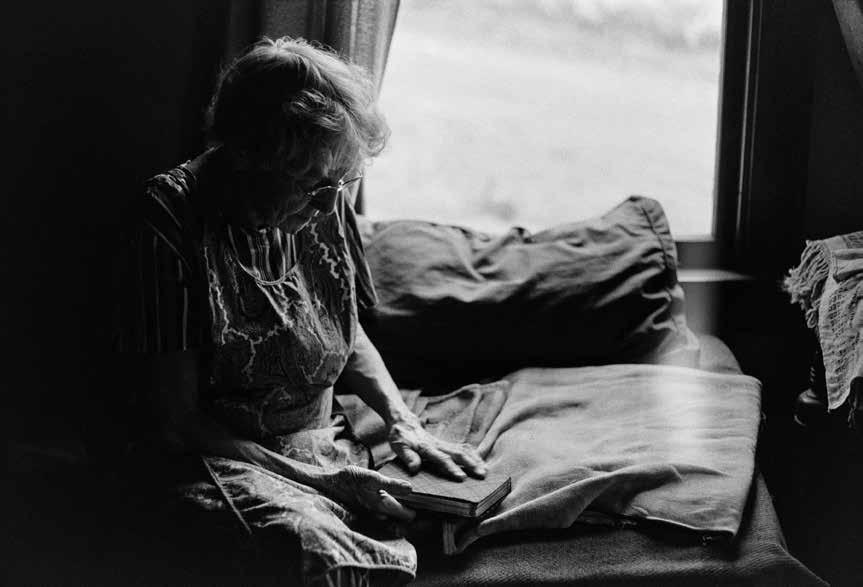
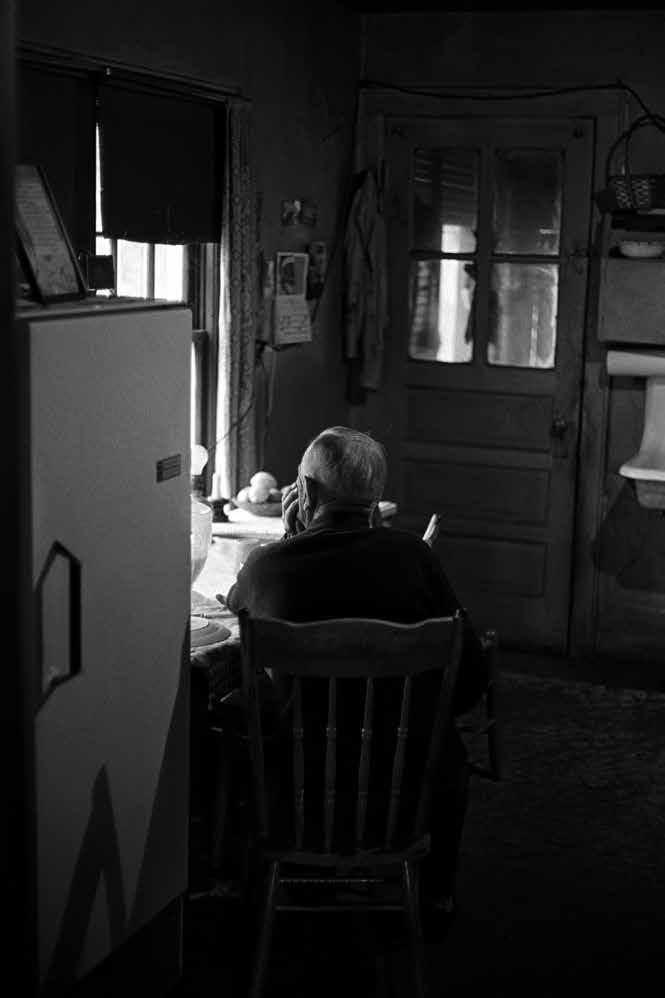
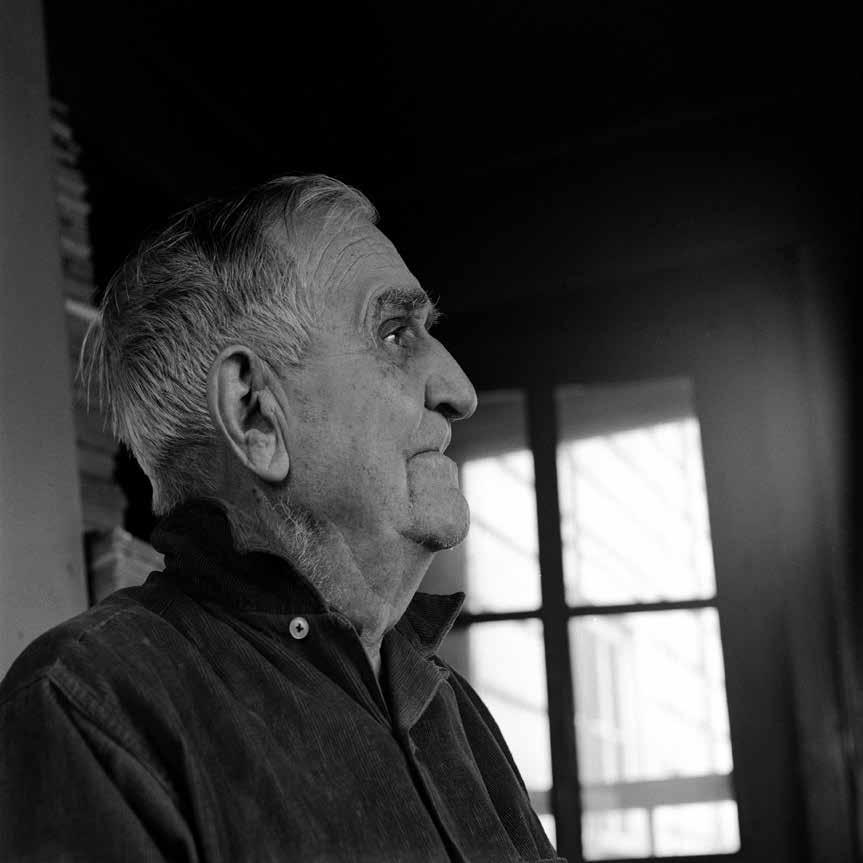
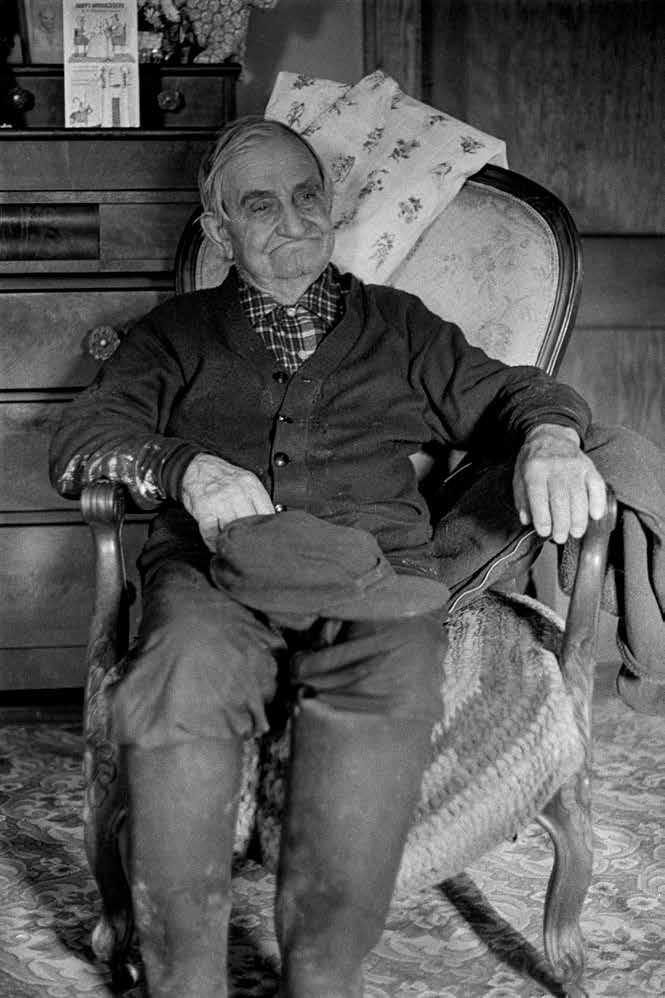
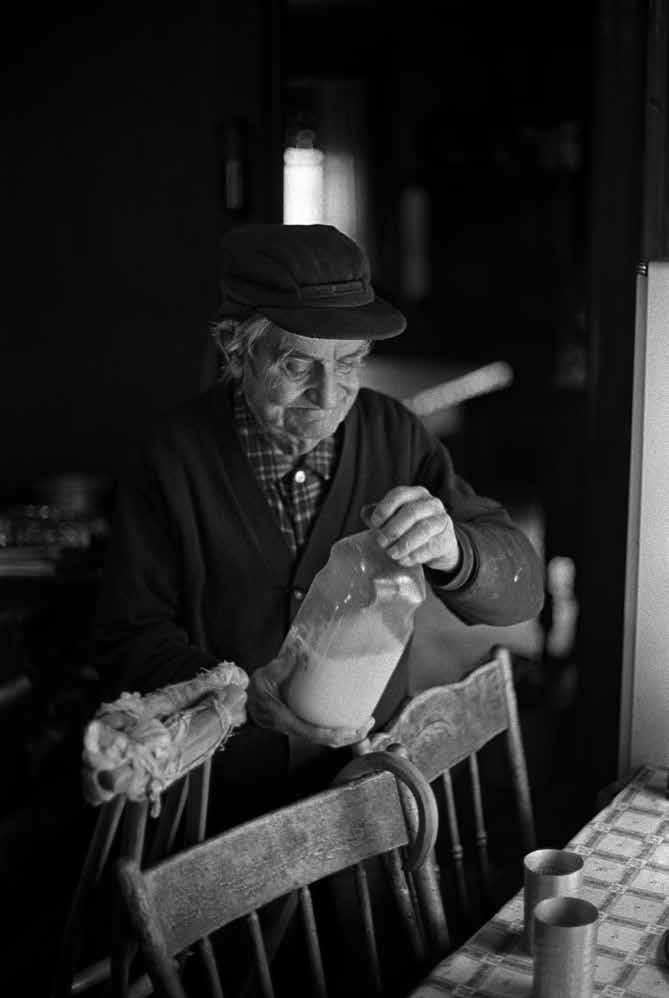
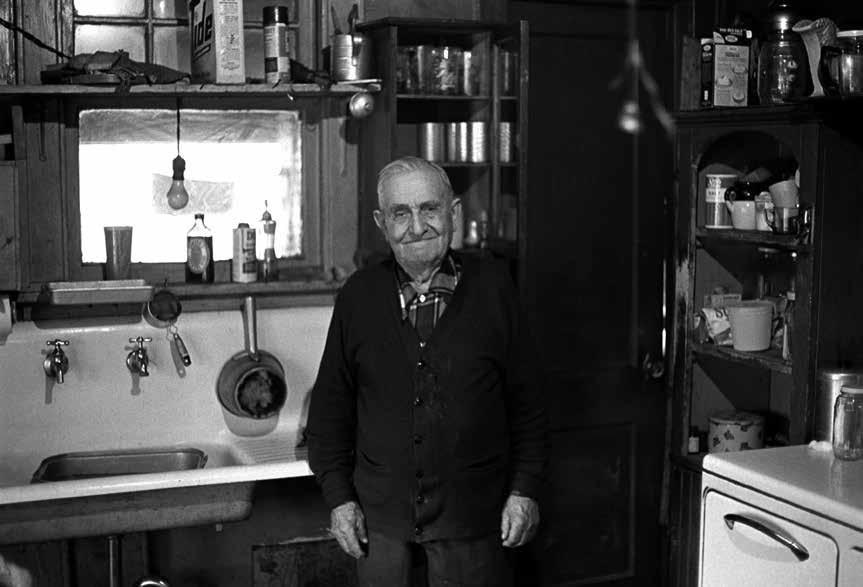
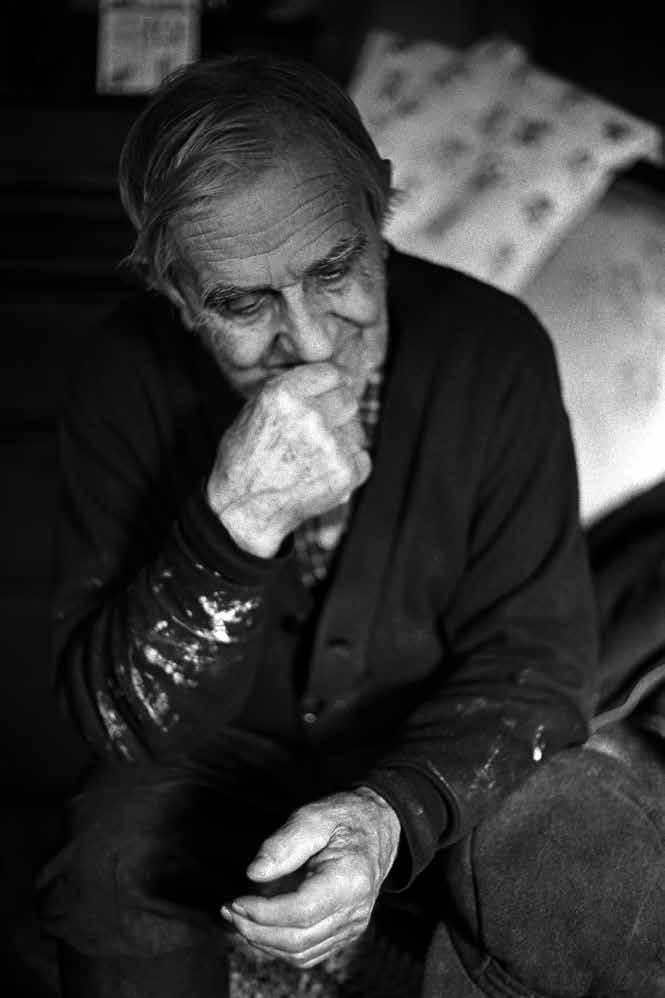
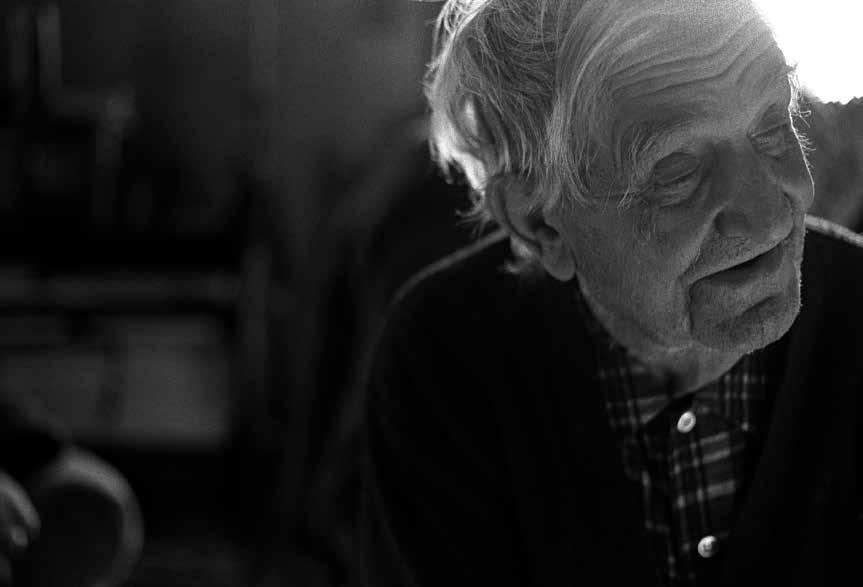
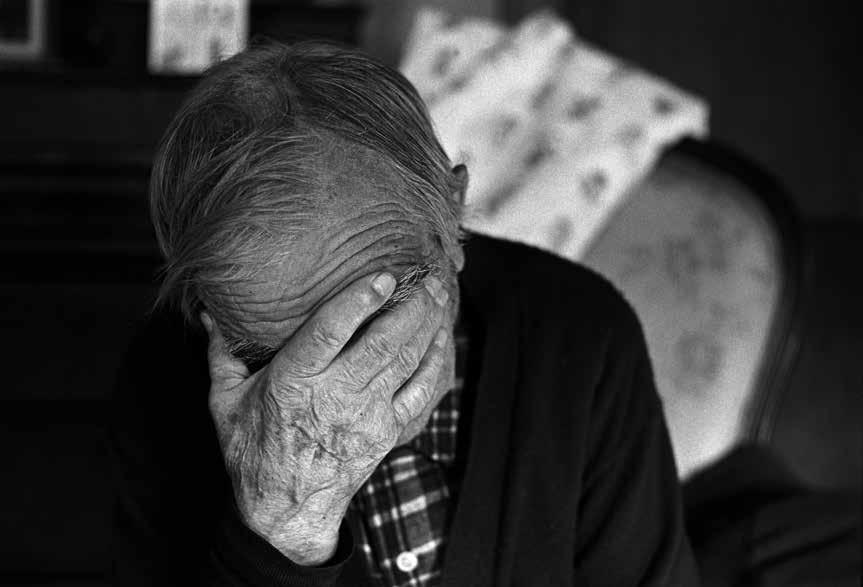
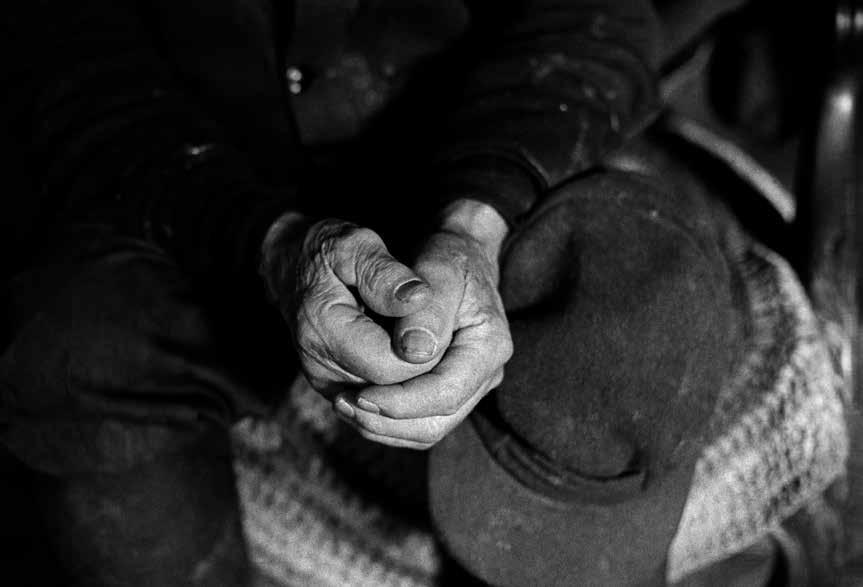
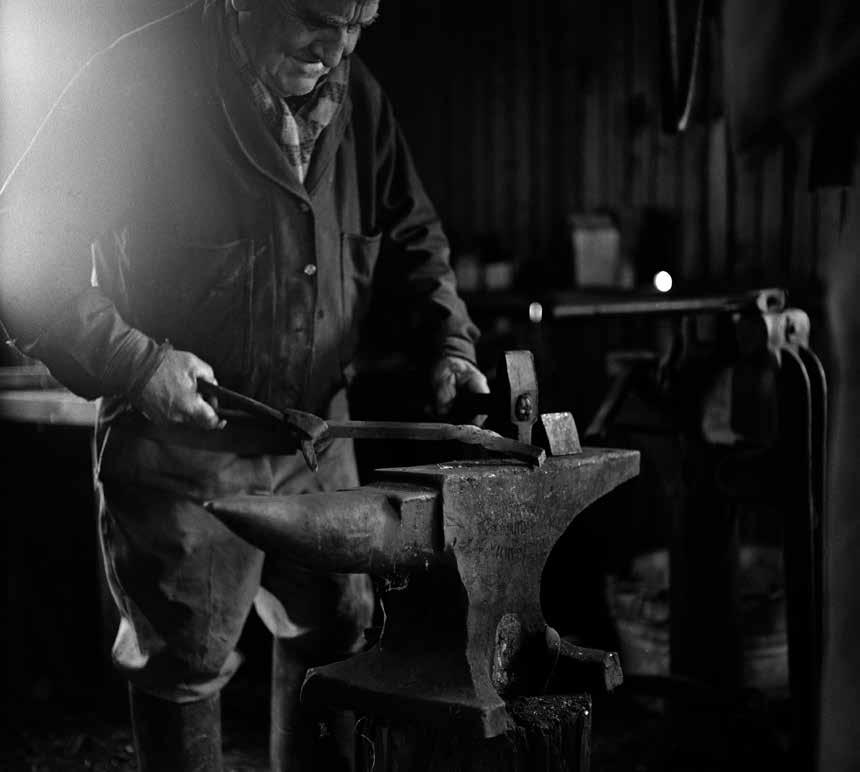
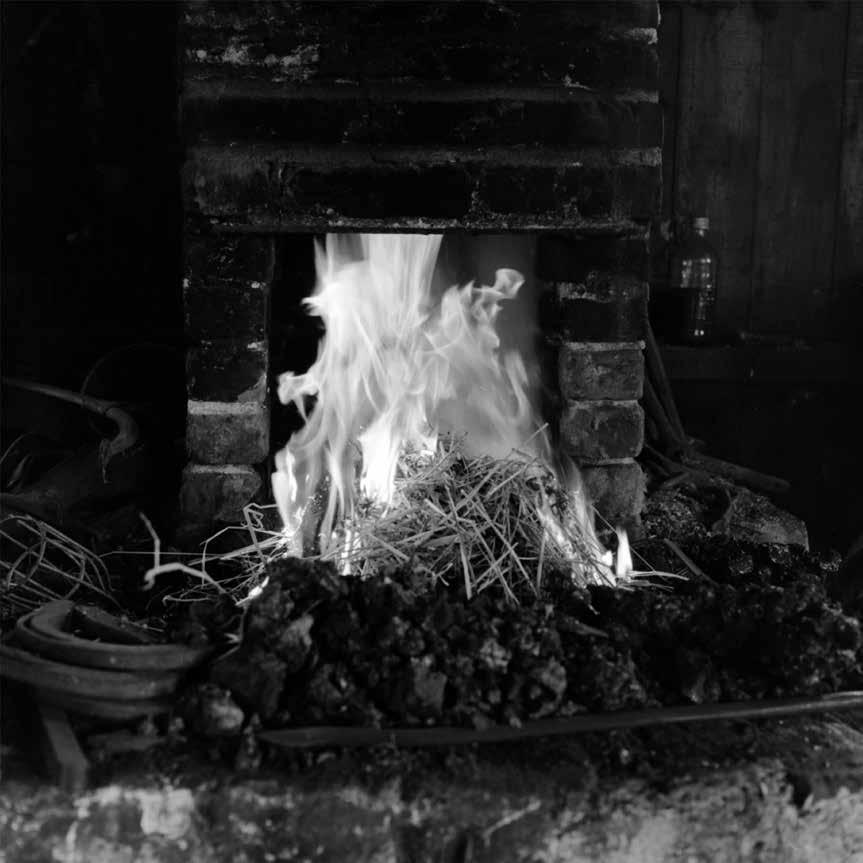
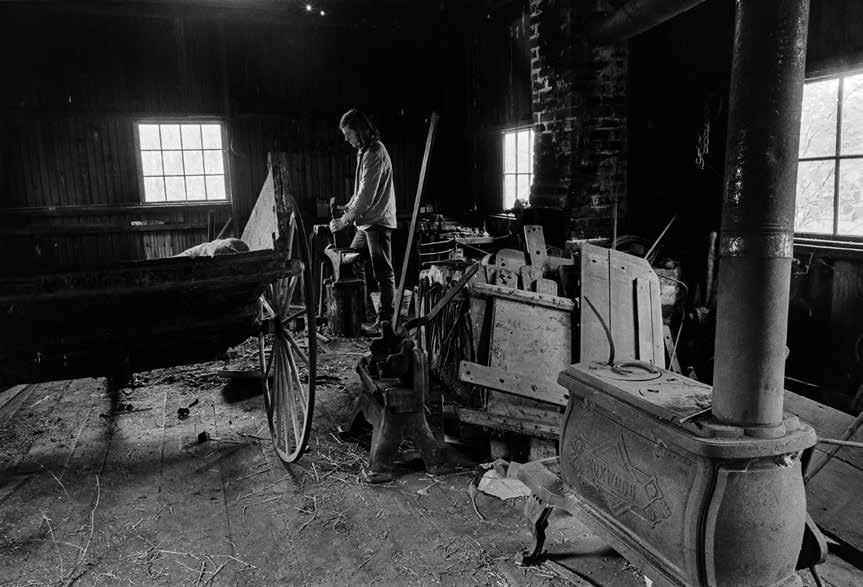
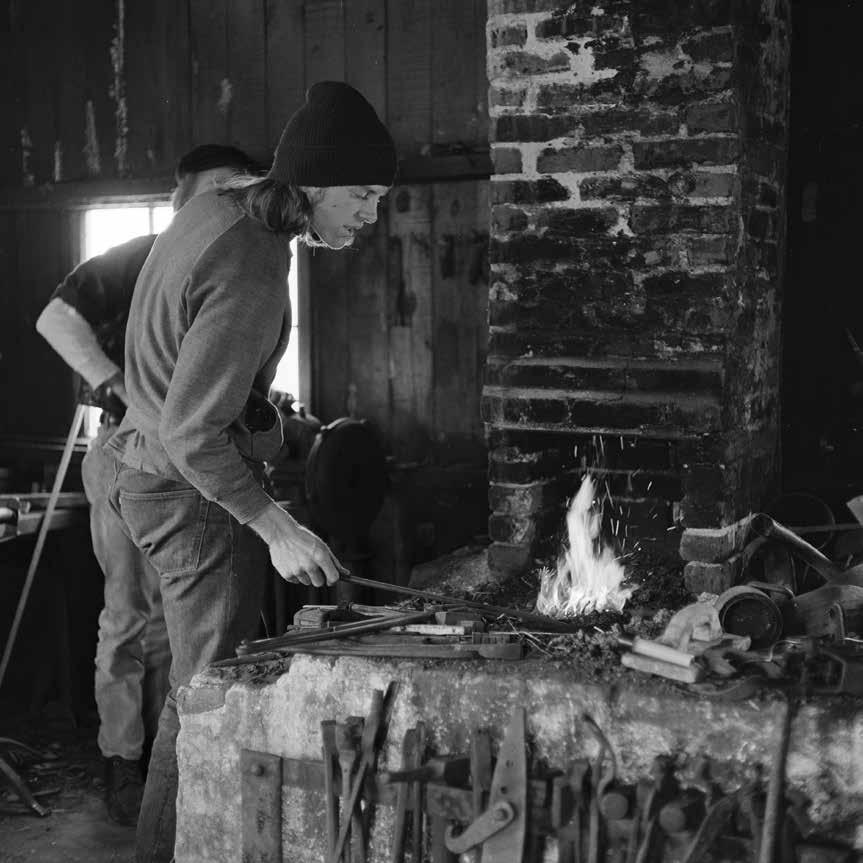
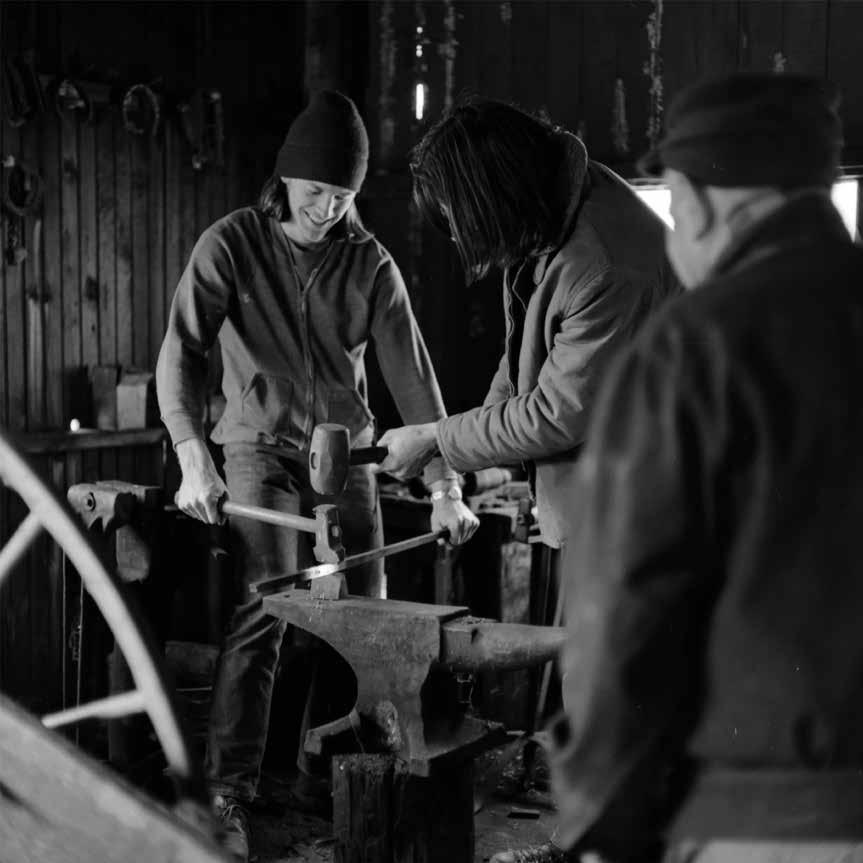
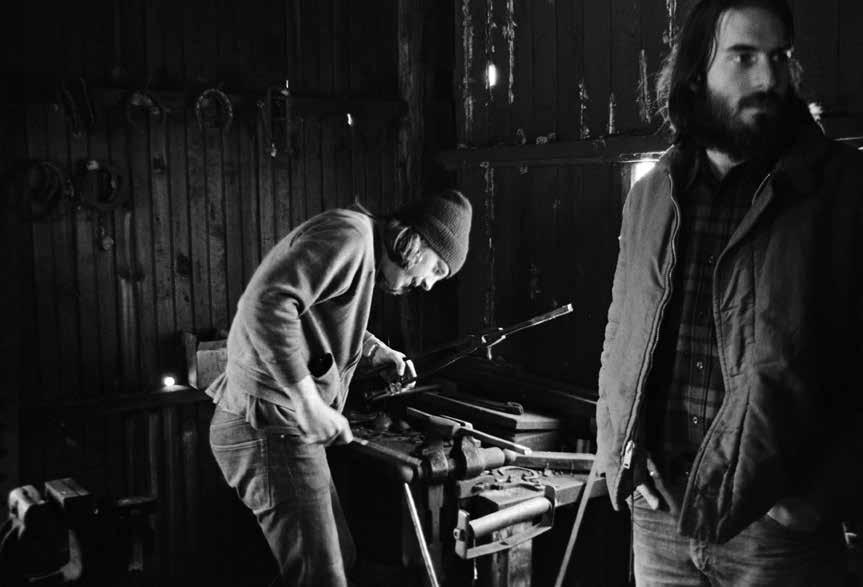
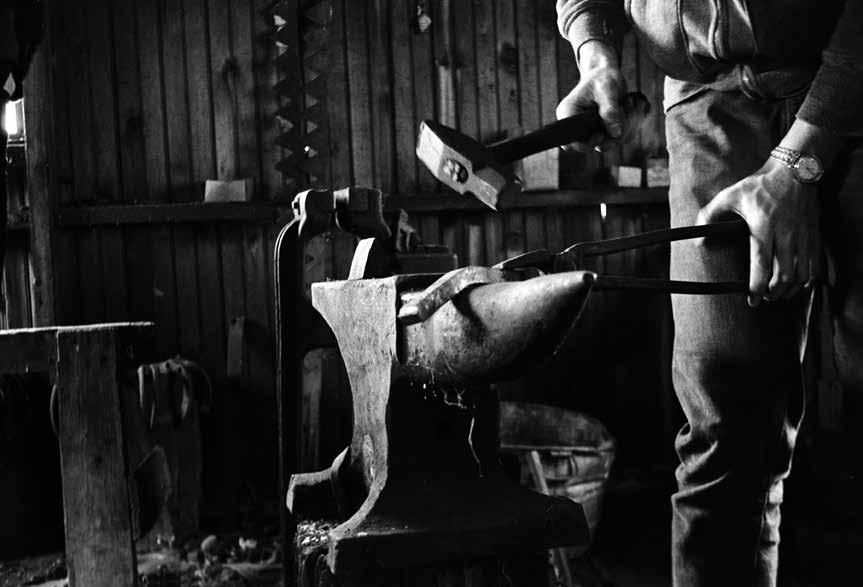
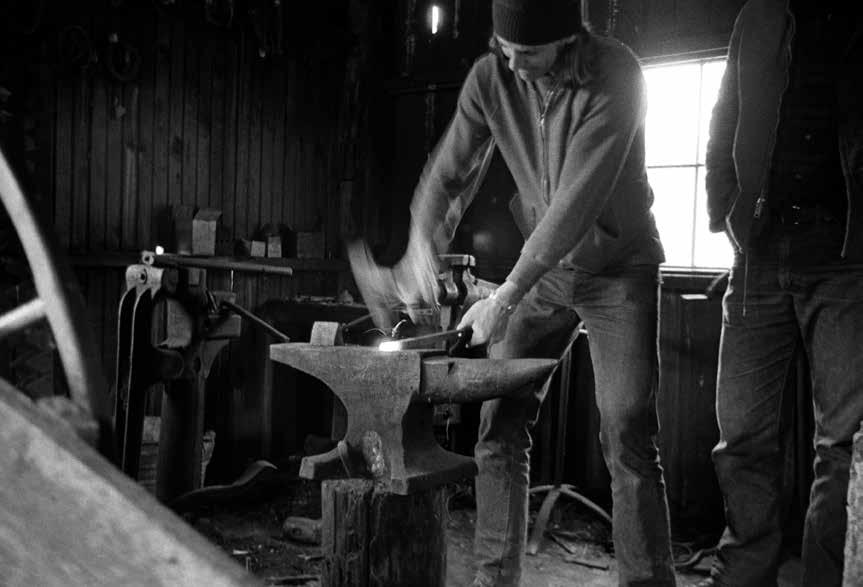
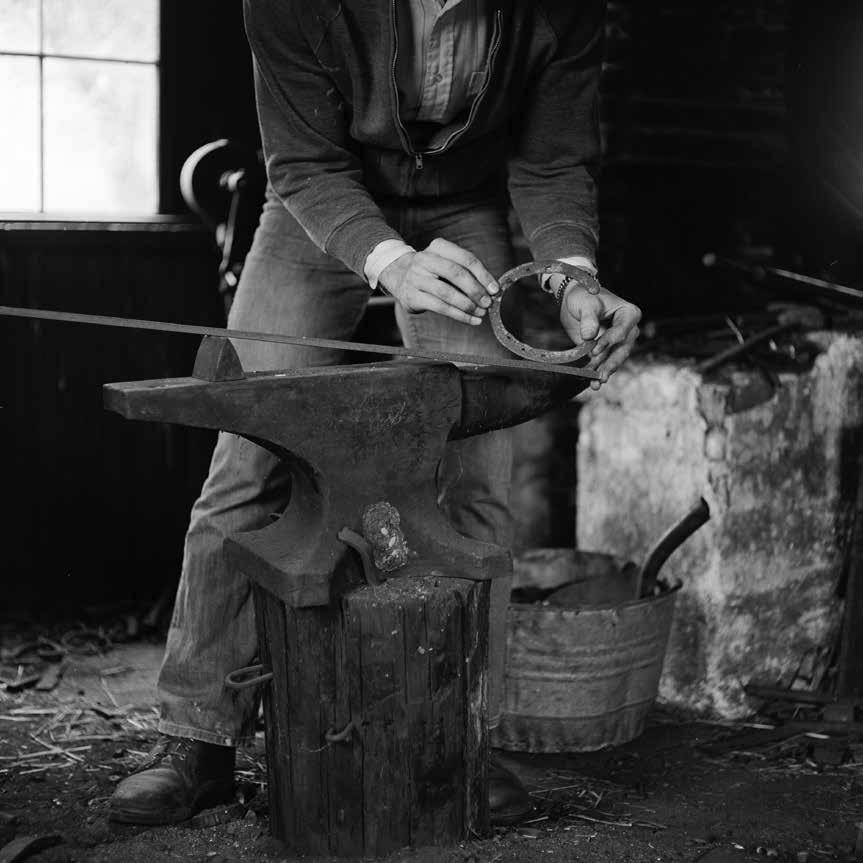
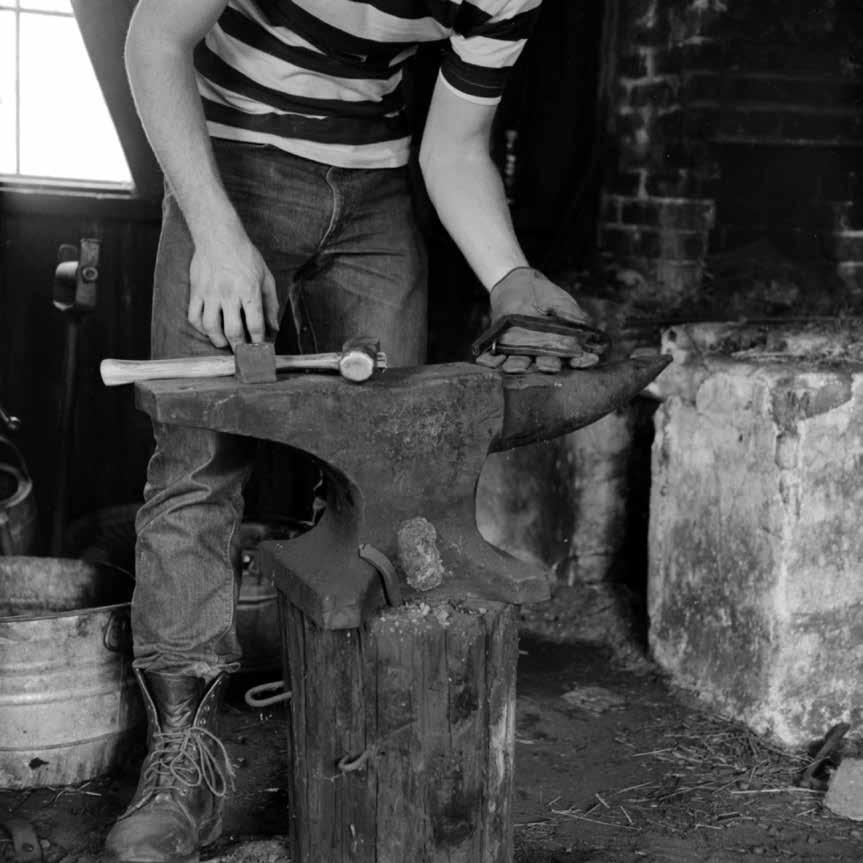
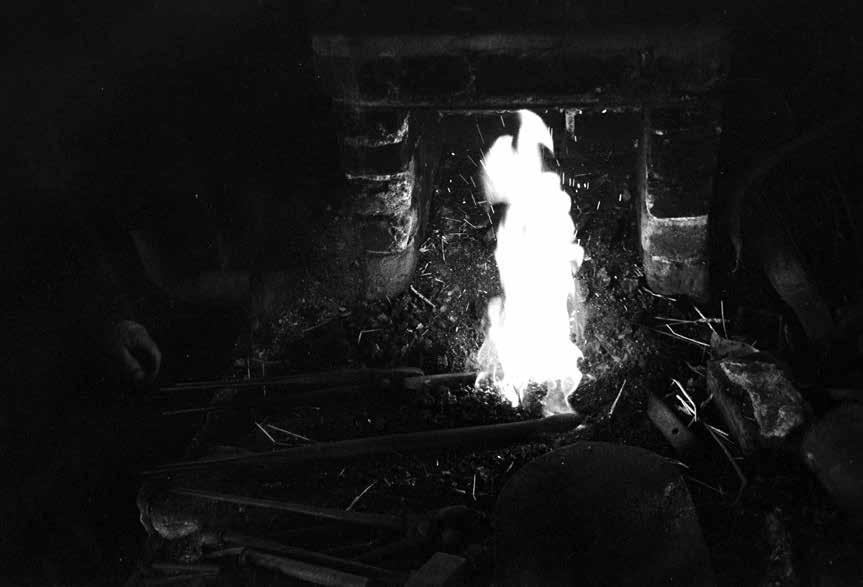
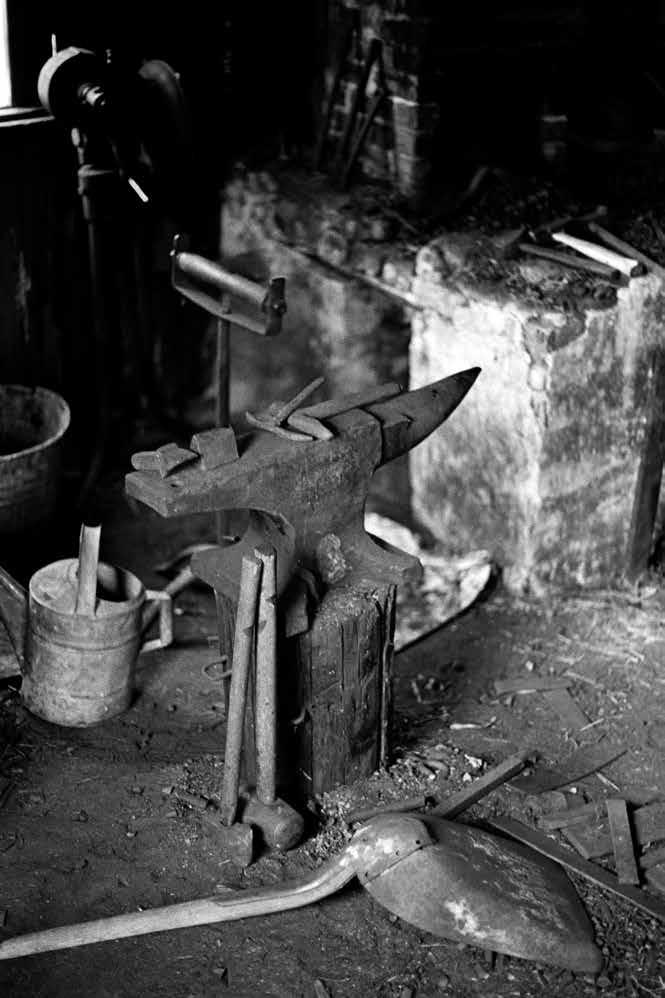
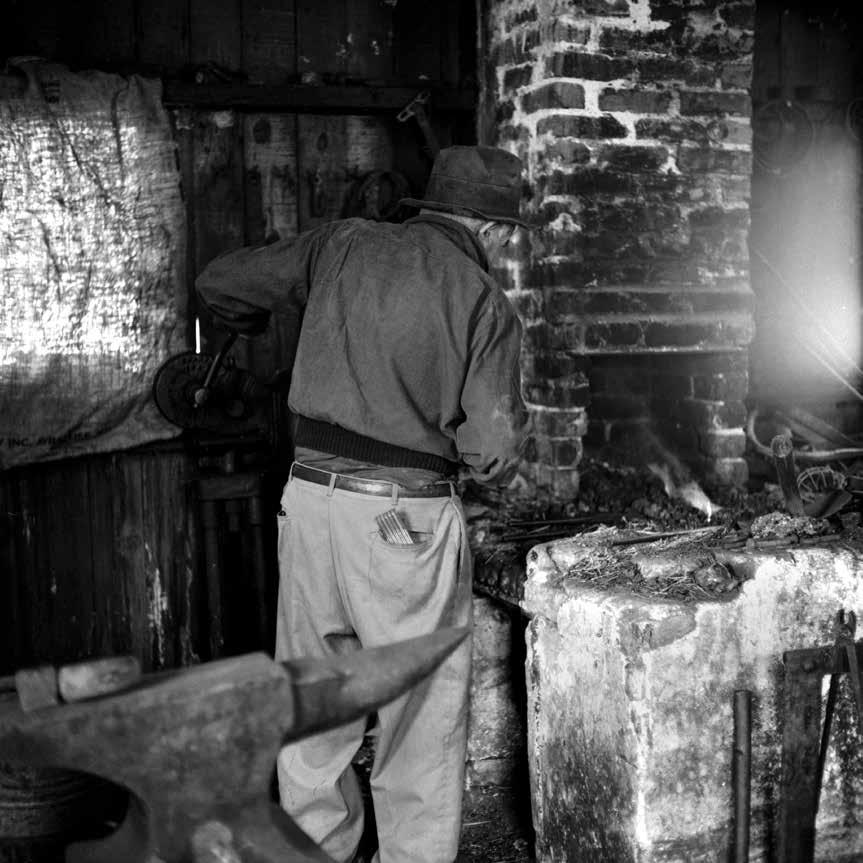
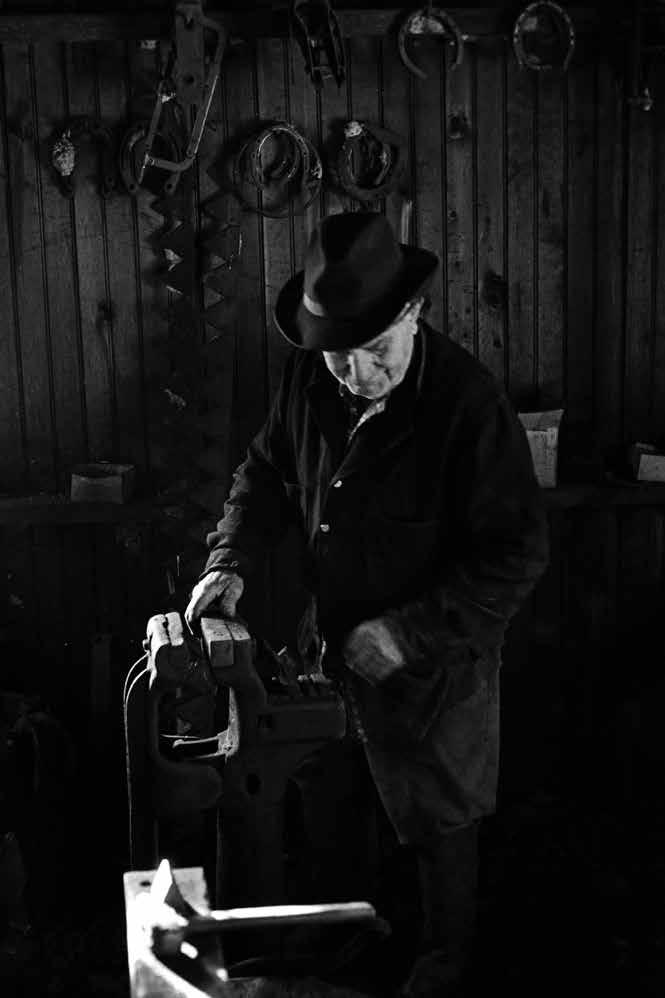
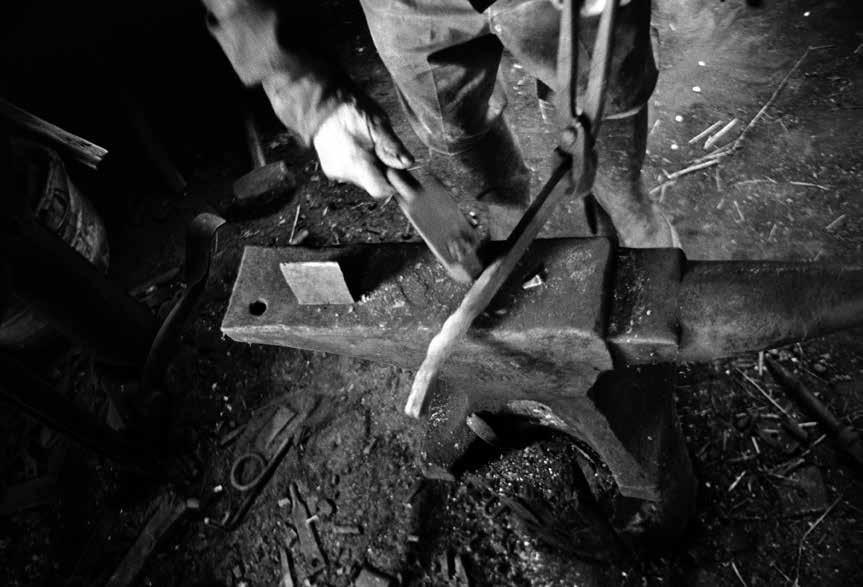
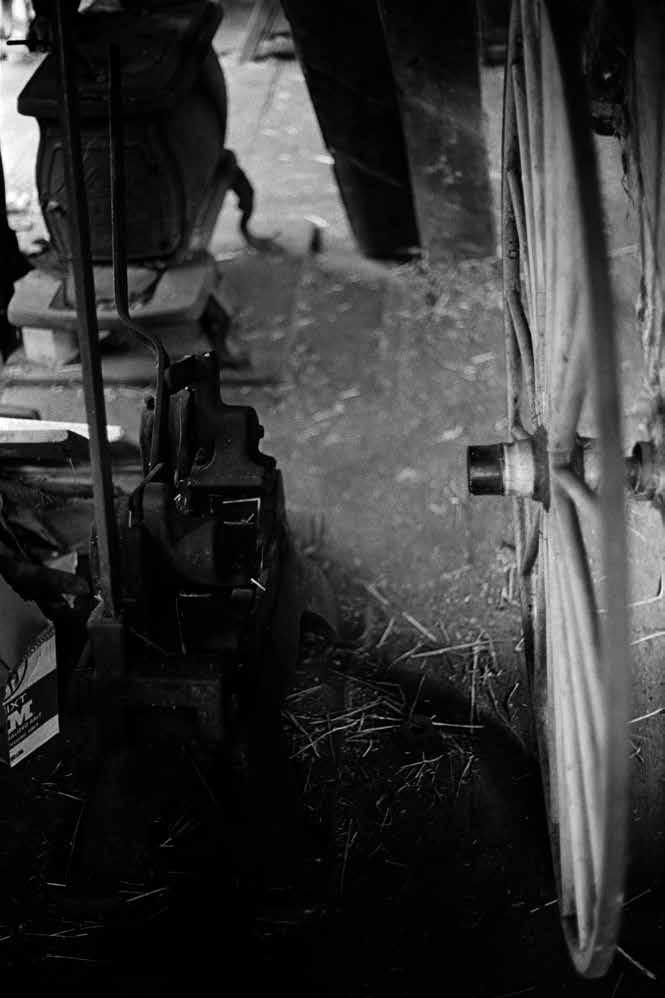
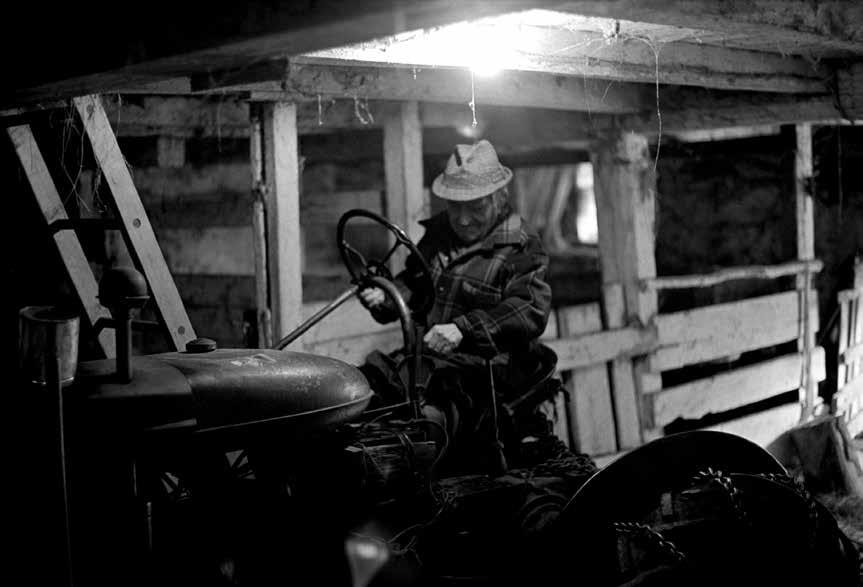
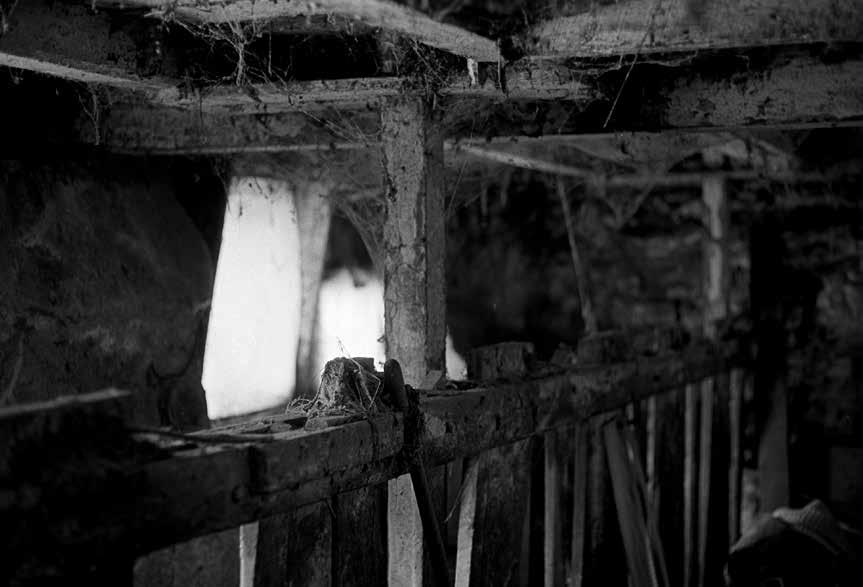
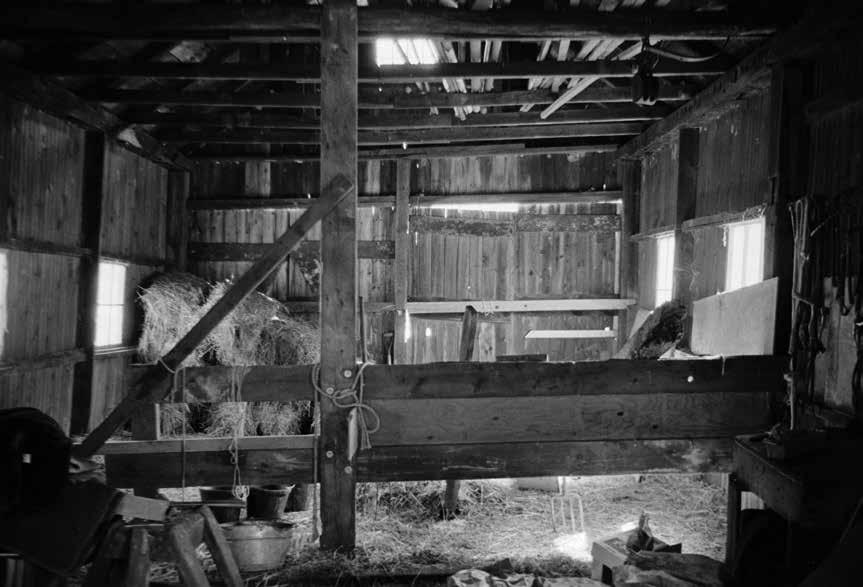
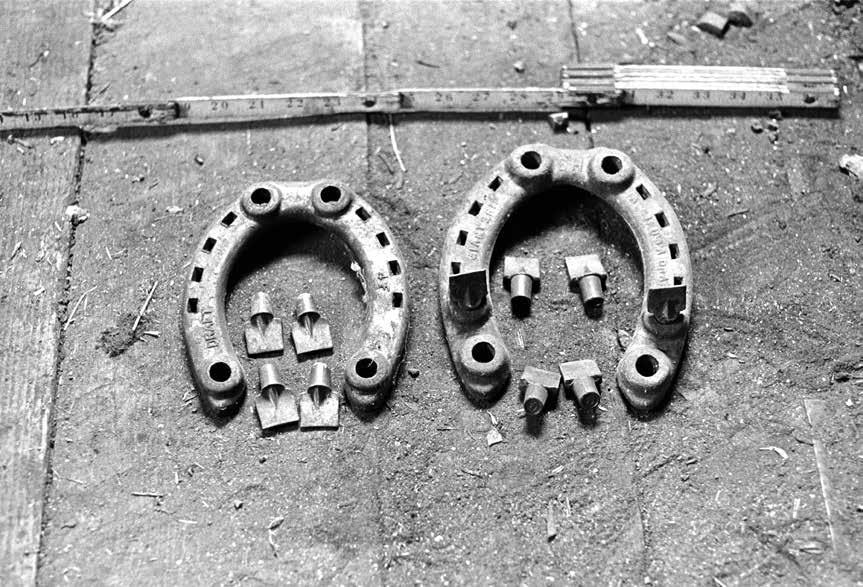
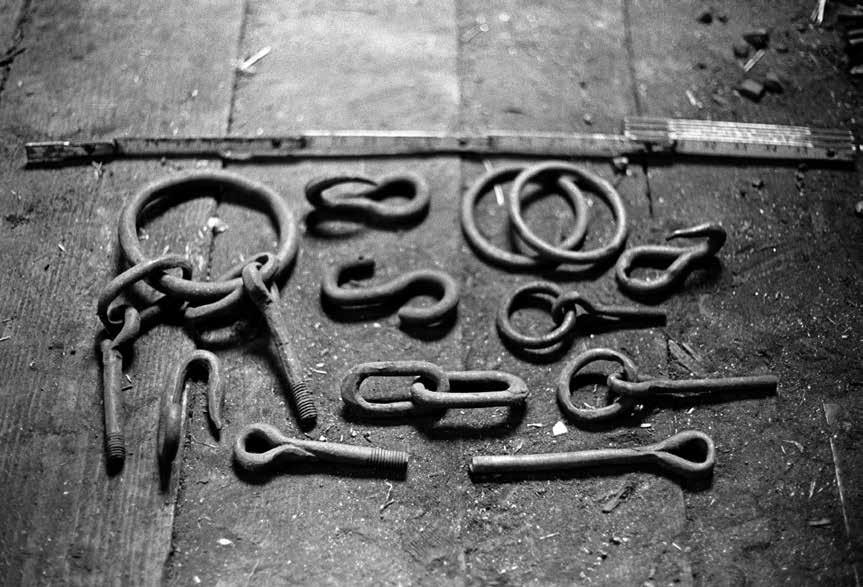
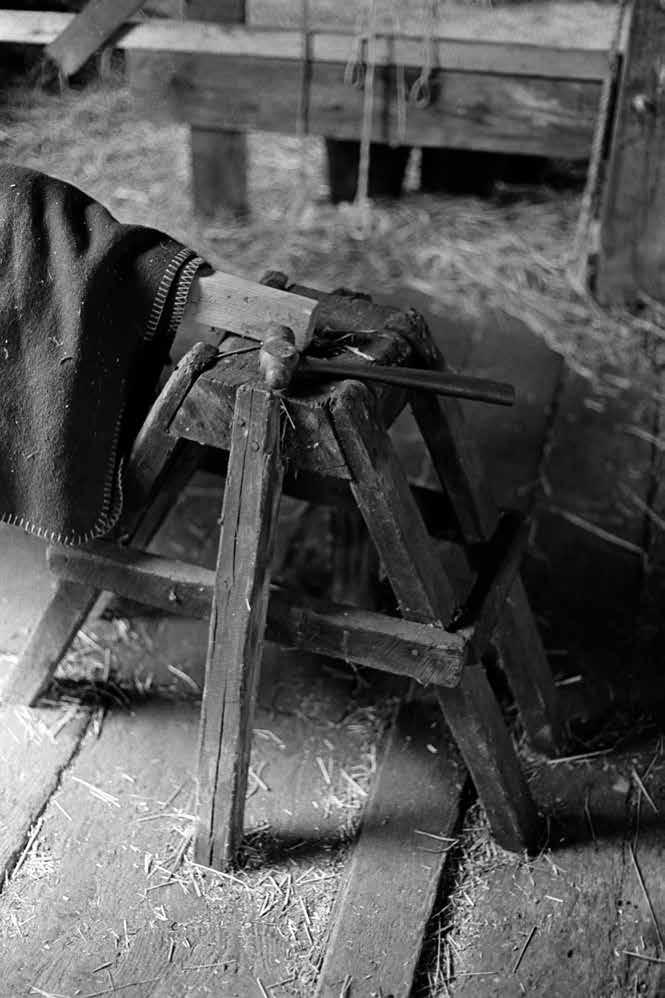
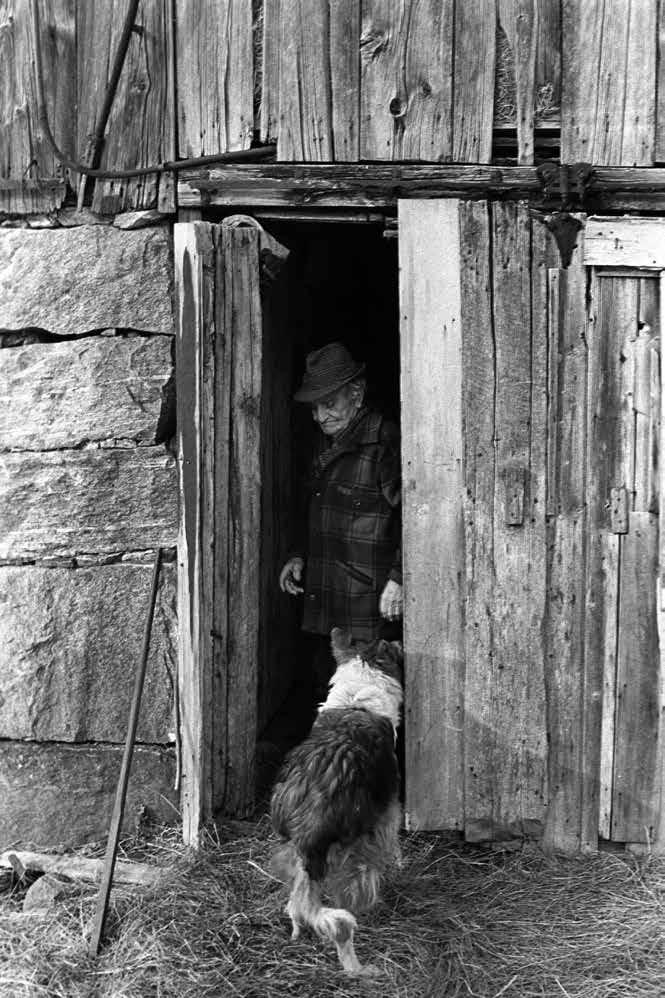
I shot everything in black and white film. In 1973, that was simply how it was done. There was no digital photography, and film was expensive, so every frame mattered. When I stepped into the forge, I carried two responsibilities at once: learning how to work with hot metal and learning how to tell a story with a camera. Some days the light was perfect and I concentrated on photographing. Other days we continued work from the day before—shaping iron, making shoes, creating objects—while I photographed whenever the moment felt right. The barn itself became part of the story. It was filled with metal in every form—tools worn smooth by decades of use, pieces of iron waiting their turn. The forge sat against the wall between two windows, and the light that entered that space shaped everything. Coming from a family that raised horses, the barn environment felt natural and familiar to me. The light moving through the building created endless possibilities for photographs, and it also made the work itself possible. We spent long hours there, learning and working side by side.
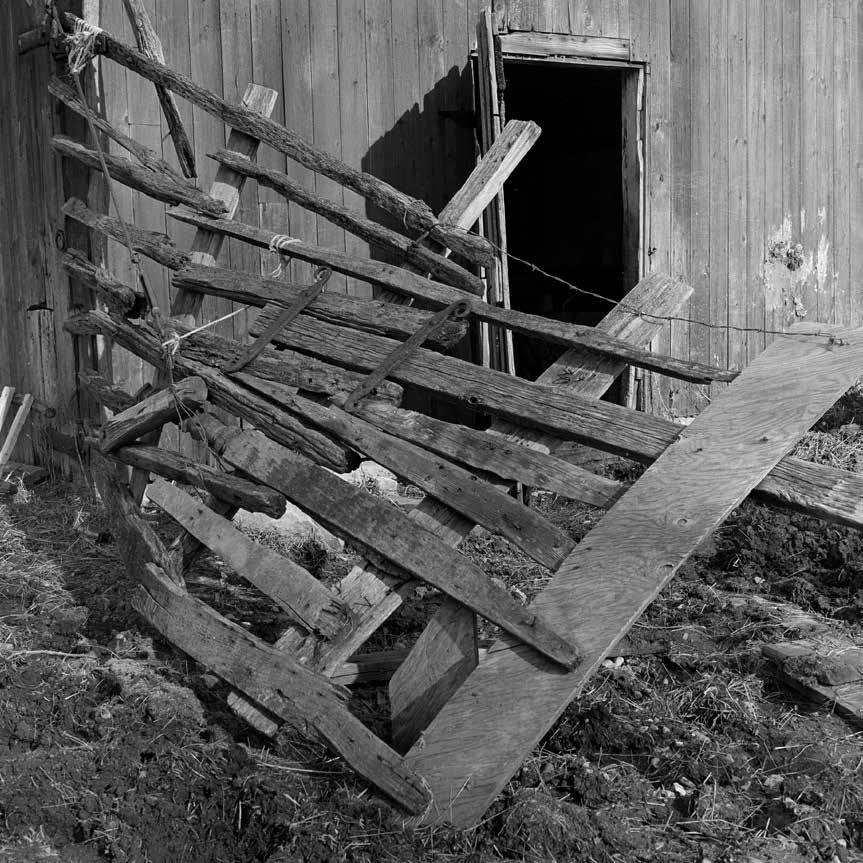
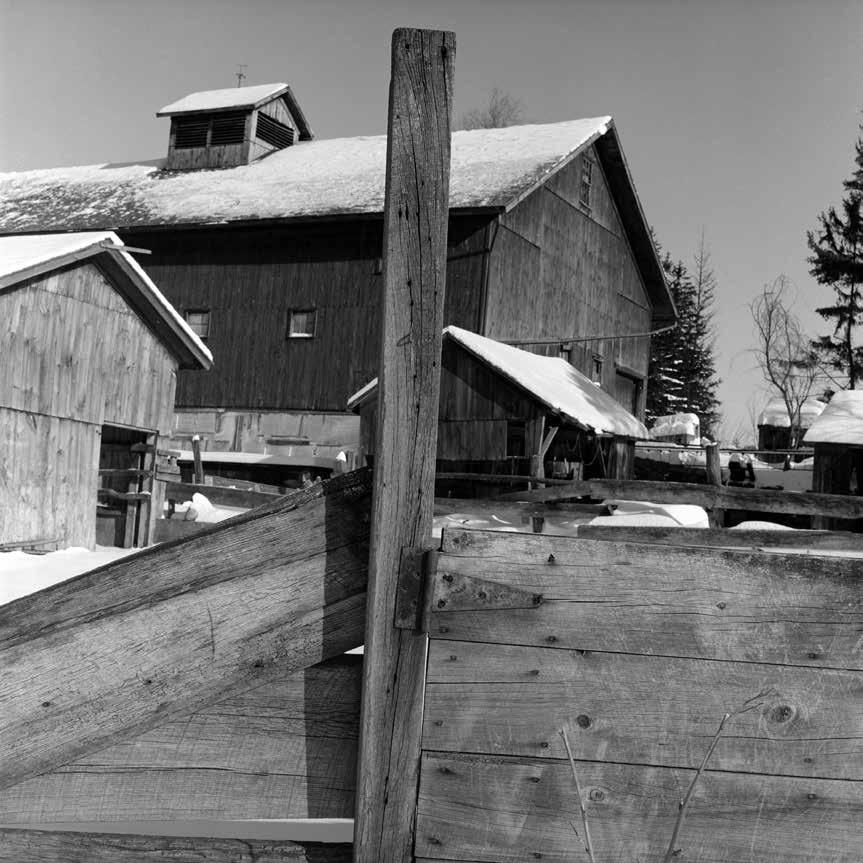
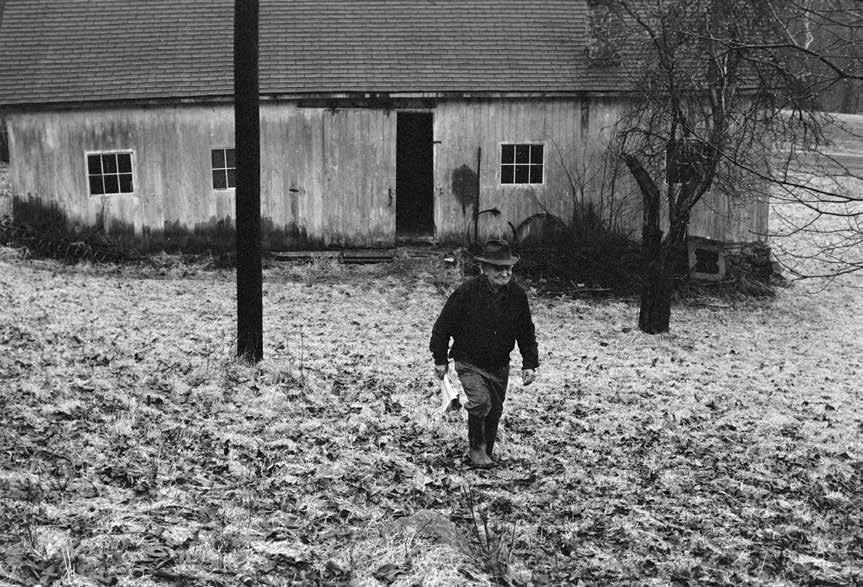
There were other barns on the property as well, remnants of earlier years when Mr. Behn had raised horses and worked more actively. Exploring these spaces added depth to the story I was building. Each structure, each corner of the property, held part of his life and history.
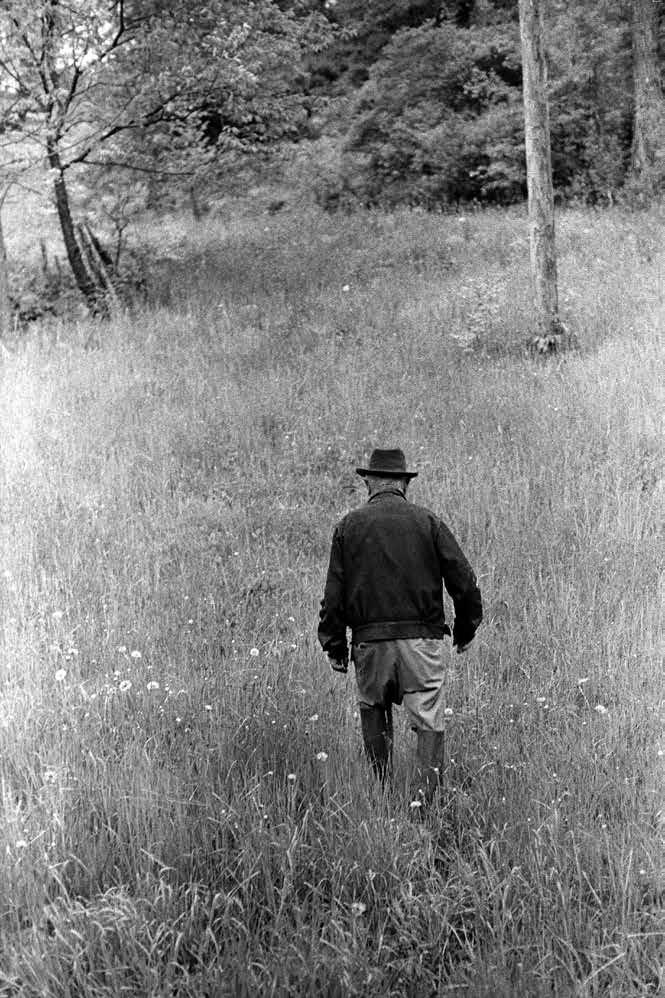
As I developed the story, I realized I needed to appear in the photographs myself. The project was not only about documenting a blacksmith—it was about learning to become one, even briefly. But since I was also the photographer, that posed a challenge. I asked a classmate to press the shutter in certain scenes I carefully composed. Another classmate resembled me enough that I sometimes placed him in the frame, standing beside Mr. Behn or walking with him, so the narrative would hold together. We paid close attention to clothing, posture, and movement. It was an early lesson in visual storytelling and in constructing truth through images.
My family had raised horses since the 50s. We had great times and learned a lot about life from those horses. Taking on this project at the end of my senior year in high school had a lot of familiarity to it.
I’d watched blacksmiths shoeing our horses and I had done a little bit of work with hot iron. I had also been photographing everything for the past decade. A photojournalist was hired as an art teacher at school, which pushed my photographer dreams ever further. He became my mentor for the last two years of high school. I can’t remember exactly how I found William Behn, but it was great that I did because I loved going there every day to photograph and to learn how to deal with the tools and the metal in the shop.
I’m not really sure what Mr. Behn thought of us high school kids who wanted to come in and take pictures and bend a bunch of metal, but he was a great sport. He showed us everything. He explained stuff to us and most importantly he allowed me to tell the story of those three weeks at his property.
As I was the one who did my project in the arts, my art teacher Andy Ward came to the site many times to help me out with direction. He was the one I could talk to and ask questions. It kept me motivated and thinking about the story I was trying to tell. Now, it’s some 55 years or more later, yet I can remember what was going on, how it felt, how the light was, and just about every shot that I took, all of which are in this book today.
I think it was as important then as it is today for my photographs to tell the story, hopefully putting you right next to me as I push the shutter. I’m grateful and lucky that I was able to save the negatives from this project.
There were other barns on the property as well, remnants of earlier years when Mr. Behn had raised horses and worked more actively. Exploring these spaces added depth to the story I was building. Each structure, each corner of the property, held part of his life and history.
The barns, filled with relics of earlier years, and the fields around the property became backdrops for many images. Each structure held a piece of Mr. Behn’s history, and I used my camera to explore these layers—capturing the textures of wood, the play of light, and the quiet dignity of rural life.
Looking back now – more than 50 years later – it is remarkable to see who I was then and how I worked. Keeping these negatives, all these years has allowed me to rediscover my 17-year-old self: how I saw, how I thought, and how I learned to tell stories with a camera.
This narrative is structured to follow the photographer’s process, linking each stage of the project to the act of photographing and the resulting images. It emphasizes the interplay between participation, observation, and storytelling, making the photos and the photographer’s perspective central to the narrative.
Over the years I have traveled widely and continued photographing. From 1996 to 2019, while living in Sherman, Connecticut, I spent 14 years documenting the people of that town—another long-term project rooted in place and community. I later exhibited 250 of those photographs, continuing the same practice that began decades earlier. I eventually opened Hill Street Gallery in Catskill, New York, giving these images and many others a physical home.
This book is part of that long journey. The photographs were made by a teenager who had already been holding a camera for nearly a decade. To look back now, to see where I began and where that path has led, is both humbling and deeply meaningful.
These photographs are more than documentation; they are a record of my journey as a young photographer learning to see, to participate, and to tell stories with a camera. One frame at a time.