Developmental Milestones Supplemental Presentation

Brooks Rehabilitation
2026
Rebecca "Becca" Soha PT, DPT
Louise “Weezie” O’Donnell OTR/L
Kathryn "Katy" Magamoll SLP, CCC

Brooks Rehabilitation
2026

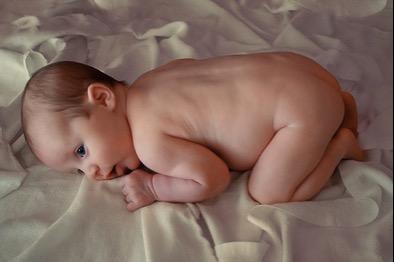
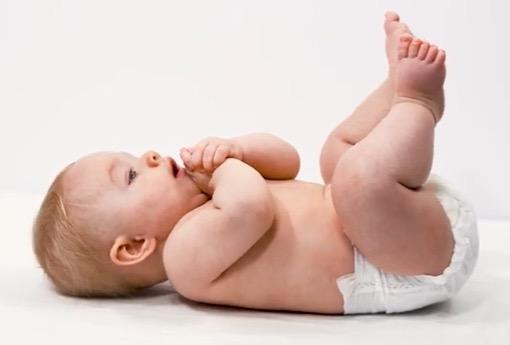
• Physiological Flexion
o Prone: with rotation, elbow flexion, hands fisted, wrist neutral, shoulder abduction and forward tilted scapula, fingers held more fisted in supine
o Leg abduction, feet (praying position), hip flexion, knee flexion
o This is how they were in the womb
• Gravity controlled movements
• Random extremity movements of UEs and LEs
• Little independent control of any body part
• Total head lag with pull to sit
• Primary standing and automatic walking
• Hands are closed most of the time but may start to open
• Arm movements are random
• Vision is very blurry—babies can see high contrast pictures (black and white)
• Neonatal primitive reflexes
o Palmar grasp
o Moro
o Asymmetrical Tonic Neck
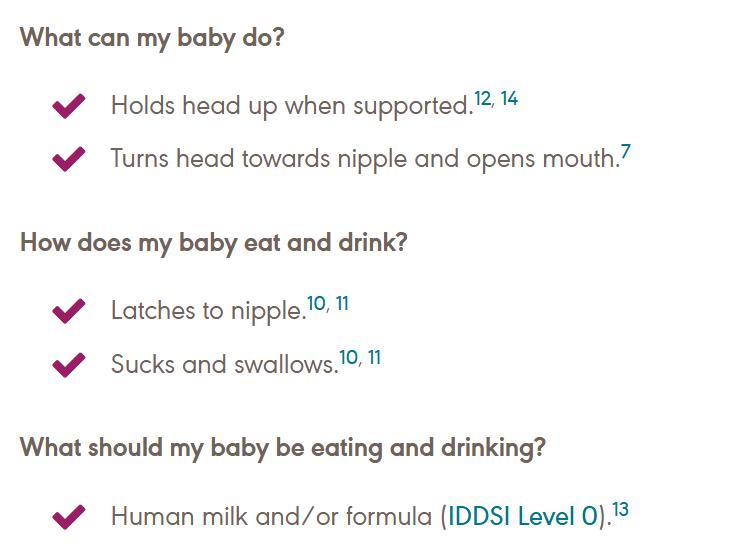
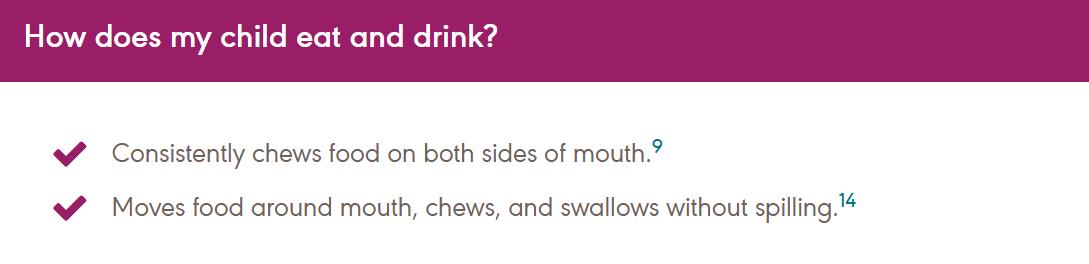
• Coordinated suck, swallow, breath
• Rooting reflex will turn head when cheek brushed encouraging turning head to nipple or bottle
1-2 Months
1 Month:
• Lifts chin in prone
2 months:
• Opens and closes hands briefly
• Improving head control, in prone can lift about 45 degrees
• Improving visual awareness, can briefly fixate & track a moving object past midline
• Decrease in physiological flexion
• Appear to have less tone
• No longer can support weight on feet
• Responds to various light intensities
• Blinks at a bright, close or sudden stimulus (Startle or Moro reflex)
• Keeps hands open half the time
• Keeps thumbs open/out of palm all the time
• Brings hands to center of body while lying on back
• Stares and gazes
• Maintains grasp on toys briefly
• Shows definite changes in activity with sound
• Startles/cries in response to loud noises
• Vocalizes & alerts through crying
• Produces some variety in non-crying sounds
• Make sounds that differ based on if happy or upset
3-5 Months
• 4 MONTHS: month of strong symmetrical movements
o *IDEAL TIME TO REFER FOR PT/OT EVALUATIONS*
• Beginning of controlled, purposeful movements
o Reaching for toys
• Develops midline control
• Brings hands to midline
• In prone, total extension pattern may be observed if the infant has had experience in this position
• May roll prone sidelying & maybe to supine
• In prone, holds head to 90 degrees with improving visual activity and weight bearing through forearms/elbows.
• Clasps hands together
• Looks at and may reach for object
• Vision is 3-5 feet
• Moves head to follow a moving object
• Grabs toy with thumb, palm and fingers
• Hands are open and relaxed
• Reaches for dangling toy
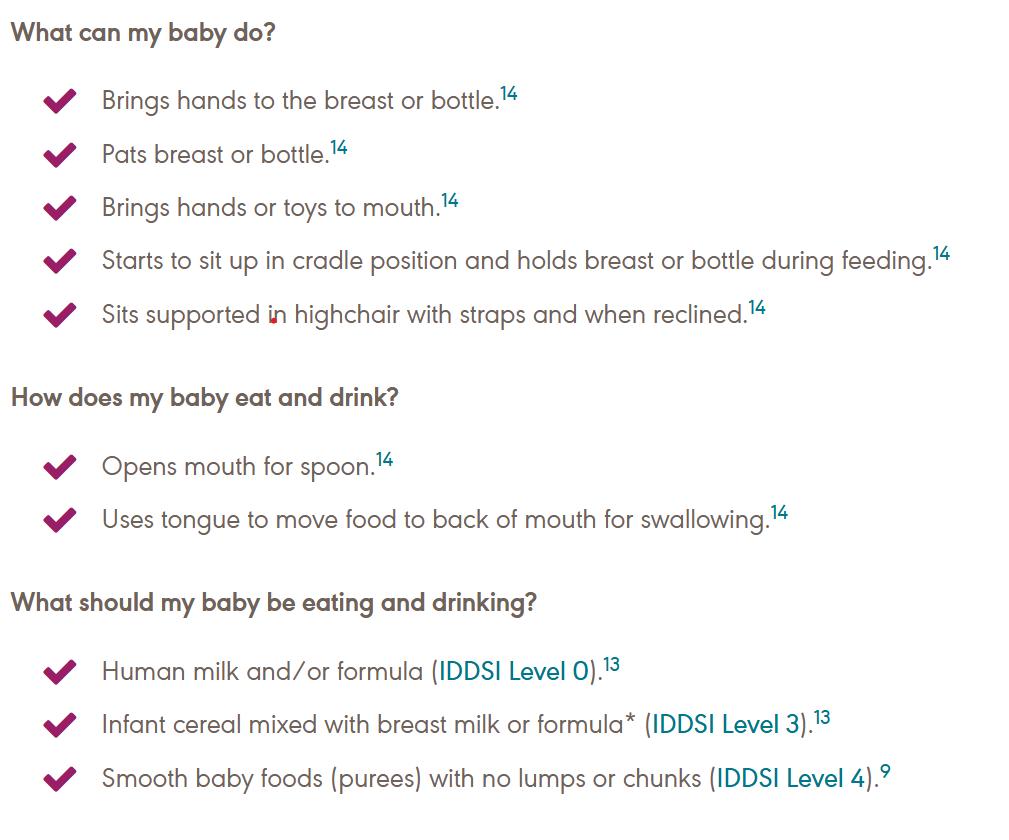
• Begins bringing objects to mouth
• Reaches for objects at midline symmetrically with both UEs
• Watches your face as you speak and responds to facial expressions
• Smiles and vocalizes when spoken to
• Produces a few simple vowel sounds – sometimes combined with a constant
o Ex: agoooooooo, ummmmmm, daaaaaa
• Giggles and laughs
• Vocalizes during play or with objects in mouth
• Recognizes loved ones and common objects
6-8 Months
• Pushes into full elbow extension to bear weight through hands in prone
• Lifts feet to mouth
• Rolls from supine to prone
• Weight shifts on arms to grab objects and pivots in prone
• Able to move into sidelying with forearm prop to reach for objects
• Brings feet to mouth
• Sits independently w/ forward and lateral protective extension reactions
• Full Landau
• Dissociation of LE, can being assuming quadruped
• Combines righting reactions w/ diagonal weight shifts which leads to control of rotation
• Loves to stand and bounce in standing (when supported)
• Belly crawling (army crawling)
• Begins to pivot in prone position
• Improved depth perception
• Engages hands in mutual touching
• Extends arm and hand to touch object in a purposeful movement
• Transfer of objects between hands
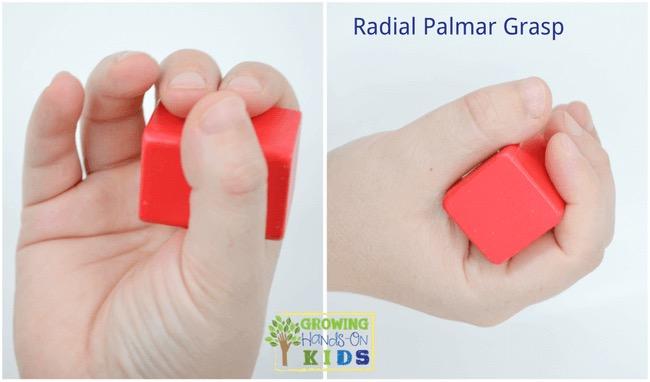
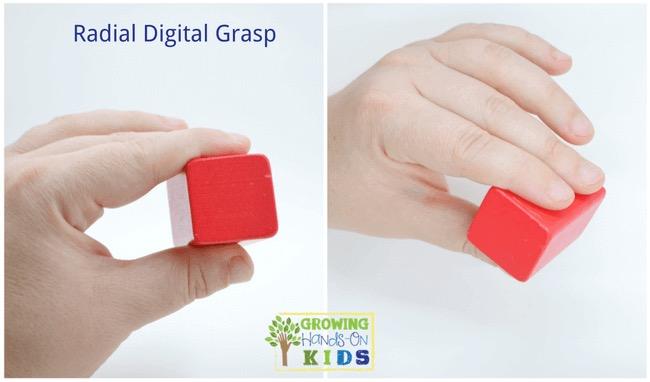
• Radial palmar grasp (7m)
• Radial digital grasp with complete thumb opposition (8m)
• Turns head and looks towards sound source
• Begins to babble and produce double syllables with changing pitch
o Mama, dada, babababa,
• Vocalizes pleasure and displeasure
• Recognizes names of some people and objects
• Pushes away unwanted objects
• Raises arms to be picked up
9-11 Months
• Frequent changes in sitting postures (ring sitting, long sitting, w-sitting, side sitting)
• Easily moves between developmental positions (I.E. supine to sitting, sitting to quadruped, etc.)
• Begins to transition from tall kneeling to ½ kneeling
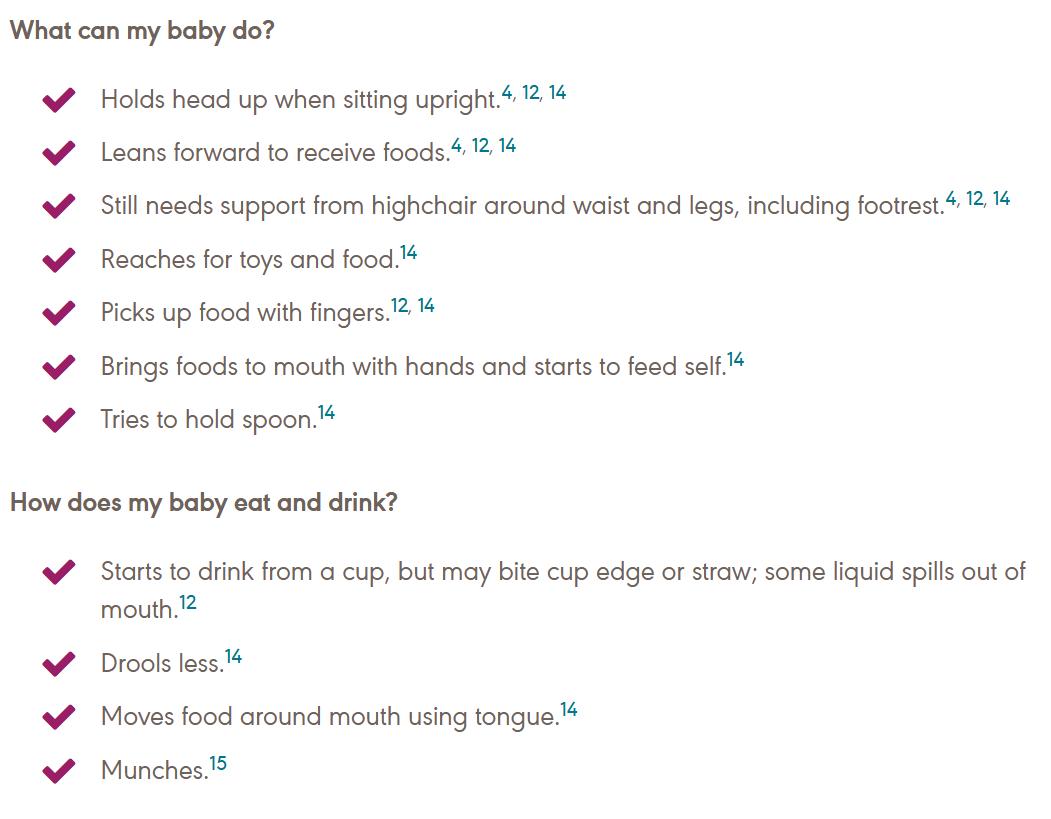
• Pulls to stand
• Creeping on hands and knees (reciprocal "crawling")
• Starts to climb (up not down)
• Supported walking (holding hands or trunk)
• Cruising along furniture and turning in between surfaces
• Bangs 2 toys together at midline
• Bangs spoon on cup
• Claps hands at least 3 times
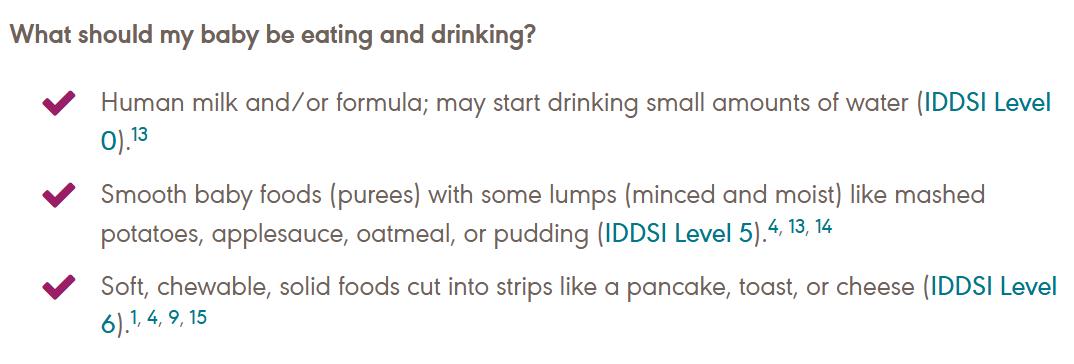
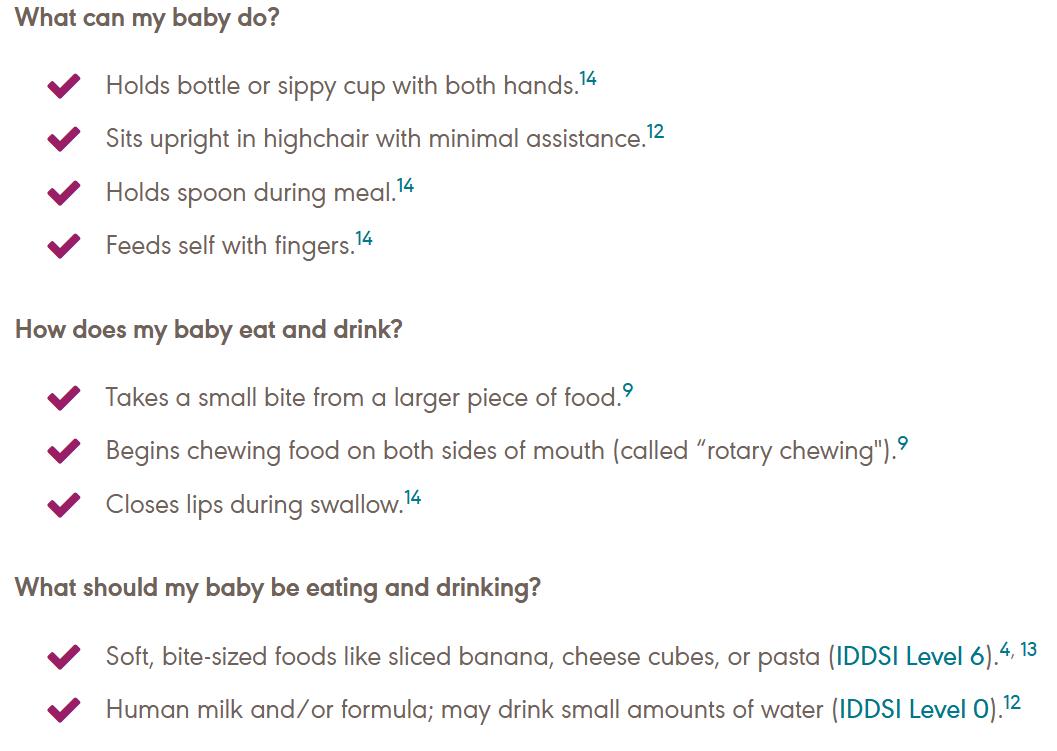
• Begins eating with pincer grasp
• Releases toys into a container
• Lifts arm for shirt
• Lifts leg for pants
• Babbles in singing tones
• Responds with gestures such as bye-bye, come and up from spoken cues
• Turns and looks when their name is called
• Looks for loved ones when upset
• Ra
12 Months
• Stands independently
• Begins taking up to 10 steps independently
• Squatting to the ground to retrieve an object without loss of balance
• Frequently uses kneeling and squatting positions in play
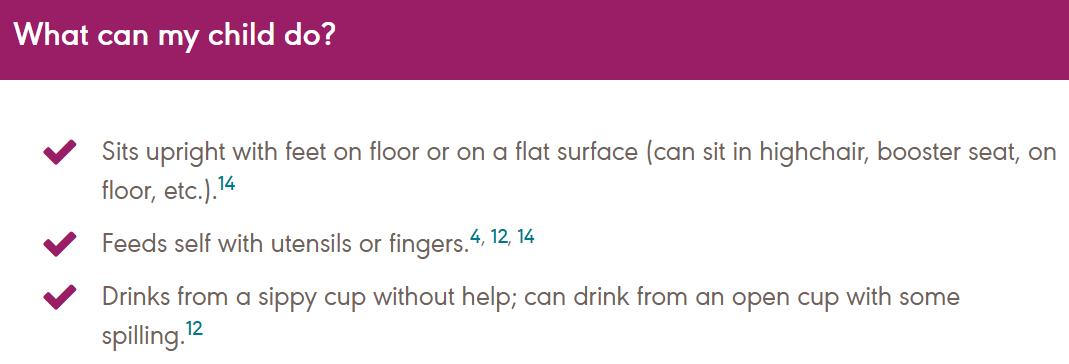
• Rises to stand using legs (begins sit to stand from lap or support surface)
• Begins taking independent steps
• Climbs up objects well
• Isolates index finger and points
• Fine pincer grasp
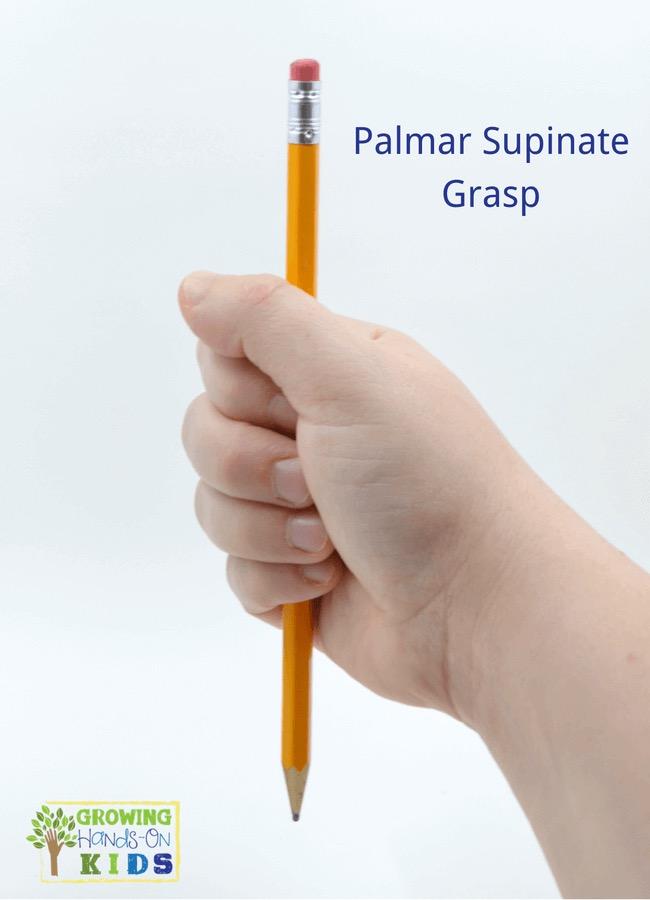
• Holds writing utensil with palmar supinate grasp and attempts to scribble
• Controlled release into container
• Begins to hold item with 1 hand and manipulate with the other
• Acquires first true word. Often uses a few words
• Responds to simple questions with searching movements
• Gives a toy upon request
• Points to objects
• Enjoys dancing
• Tries to copy sounds you make
15-18 Months
• Creeps on hands and knees up 4 steps
• Walks pulling a toy behind them
• Squats and returns to standing
• Performs floor to stand transfers from the middle of the floor
• Lifts foot to kick a ball
• Walks with normal base of support
• Uses both hands to play with a toy at midline
• Builds a 2 block tower
• Places round puzzle piece into a 3-shape puzzle
• Understands simple sentences
• Produces approximately 15-20 words
• Produces an avergae sentence of 1.2 words
• Looks around when asked "where" questions
• Shakes head for "no" and nods head for "yes"
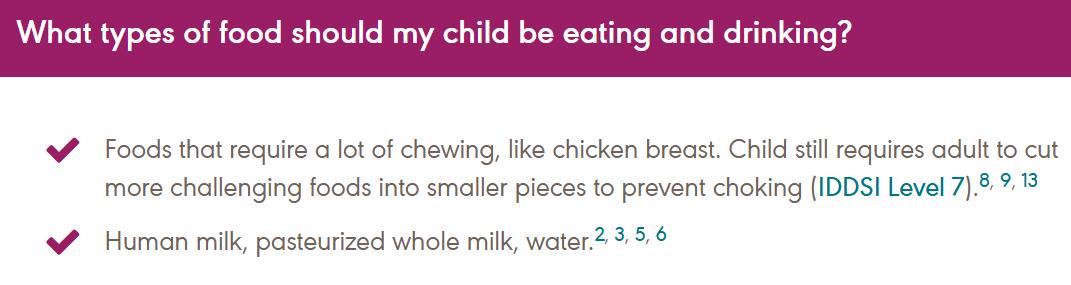
• Understands and uses words for common objects, some actions, & familiar people
• Identifies 1 or more body parts
• Claps or high-five when excited or sticks tongue out when being silly
• Able to walk backwards up to 10 ft
• Walks on a line
• Begins to take steps up stairs with marking time support from hand or railing
• Creeps backwards down 4 steps
• Carries large object (Like a ball) when walking
• Begins to run stiffly
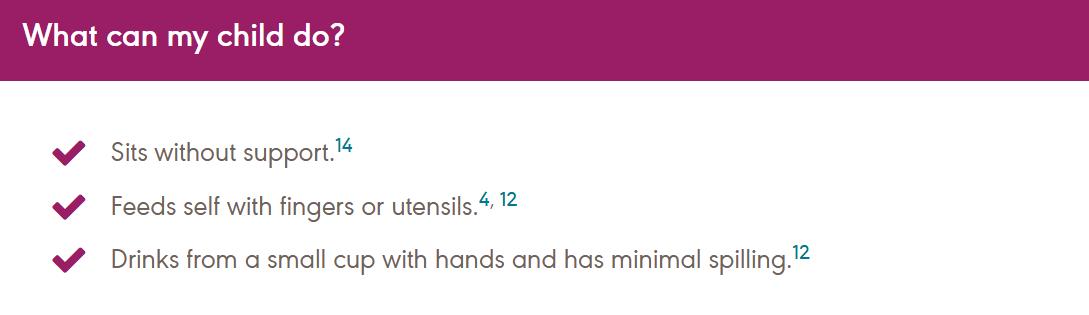
• Climbs onto large chair & turns around to sit
• Steps into ball
• Able to insert 1-3 simple shapes into form puzzle
• Inserts 3 small items into bottle
• Builds 3-5 cube tower
• Turns pages of a book
24-30 Months
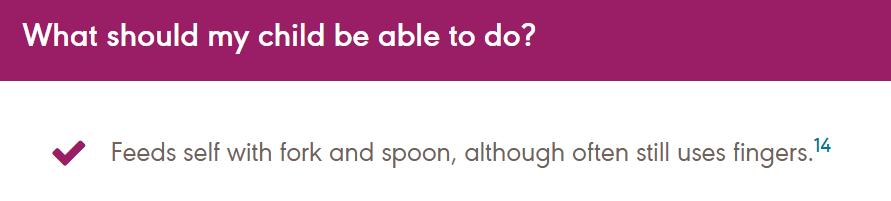
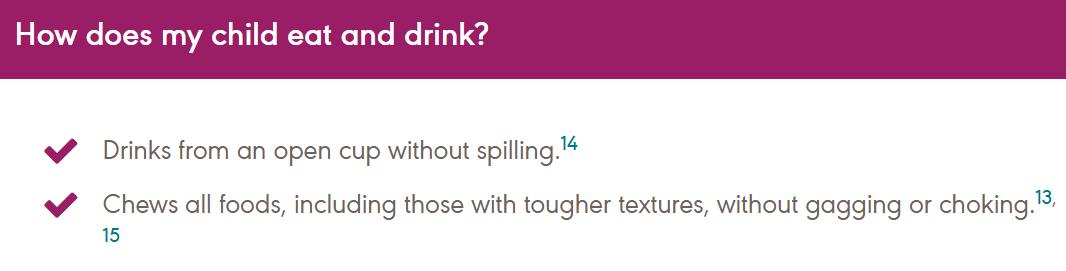
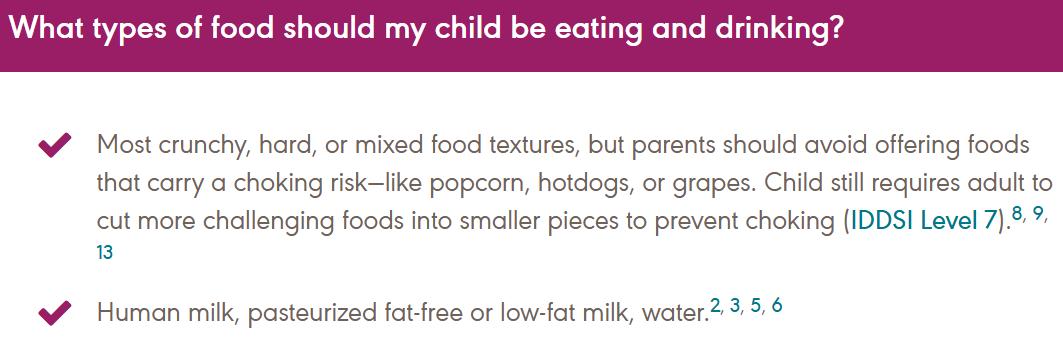
• Kicks a ball forward with reciprocal pattern
• Stands on tiptoes & one foot for 2-3 seconds
• Walks up and down the stairs with railing
• Throws a ball overhand
• Starts with reciprocal pattern for running
• Walks on a line
• Jumps forward at least 4"
• Jumps over 2" obstacle
• Imitates vertical and horizontal scribbles 2 inches or longer, circle at least ¾ complete
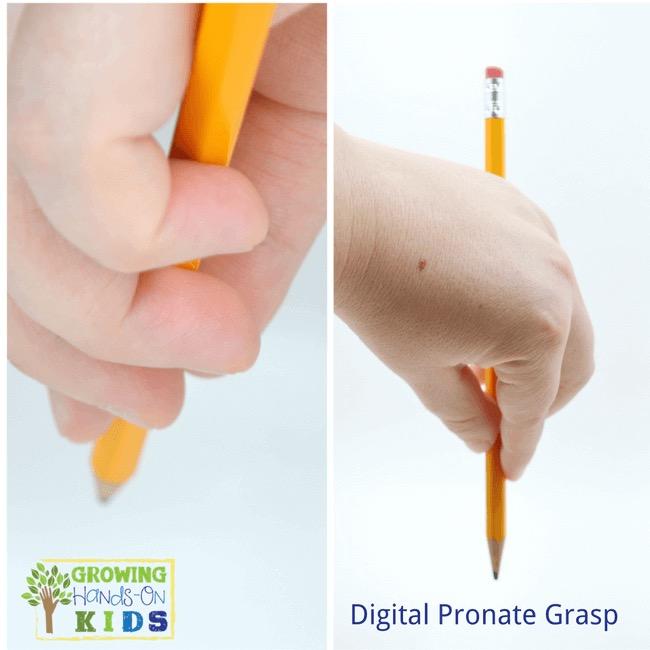
• Uses a digital pronate grasp on writing utensil
• Removes screw-on bottle top
• Builds 7 cube tower
• Understands "what's that?" questions
• Uses approximately 250-300 words
• Speech is about 25% intelligible
• Produces average sentence of 1.8 words
• Follows 2 step directions
• Uses me, mine & you
• Uses words to ask for help
• Uses possessives, like Mommy's sock
3 Years
• True run with flight phase
• Walks upstairs alternating feet and downstairs marking time
• Jumps off step and over 2" object
• Pedals a tricycle
• Briefly stands on 1 foot for 1-2 seconds with swaying
• Builds 9 cube tower
• Snips paper 3 times
• Copies simple block formations
• Strings 4 1-inch beads
• Tripod/quadrupod grasp
• Copies circle
• Imitates "+"
• Knows 8-15 body parts
• Speech is ~80% intelligible
• Produces average sentence length of 4 words
• Answers simple questions: who, why, how many, where?
• Uses word combos often but may occasionally repeat some words or phrases like – I want – I want ball.
• Gets your attention by saying "Look at me"
• Says name when asked
• Uses some plural words
• Uses –ing verbs like eating or running. Adds –ed to the end of words to talk about past actions, like looked
• G
• Asks why and how
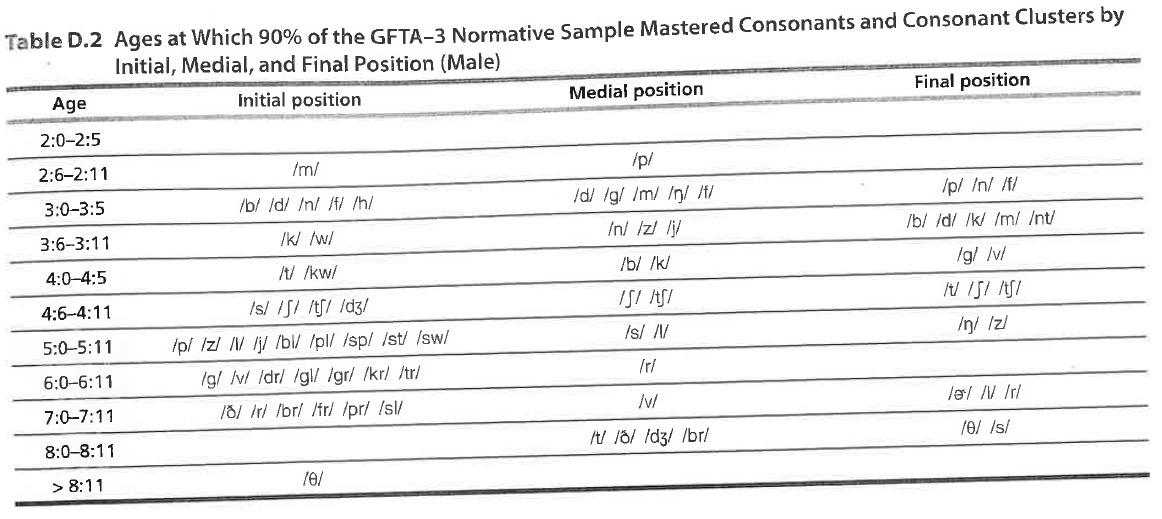
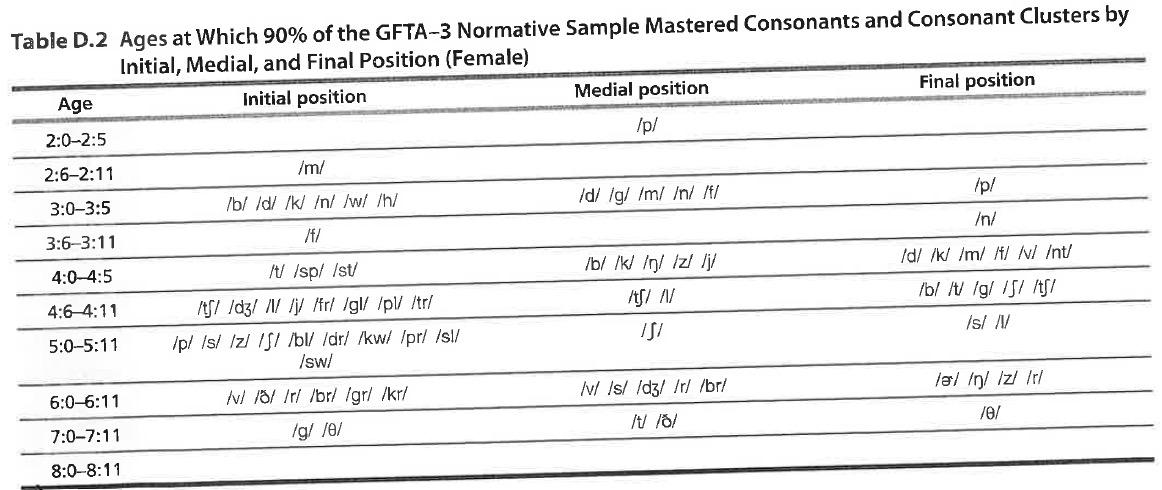
• Correctly produces p, b, m, h, w, d, and n
• Correctly produces t, k, g, f, y, and –ing words
• Correctly produces most vowels in words
4 Years
• Gallops
• Walks up and down stairs alternating feet independently
• Catches a ball if prepared
• Jumps forward at least 2-3 ft
• Walks on a line
• Begins hopping on 1 foot
• Copies "+" (4:1)
• Copies right (4:4) and left (4:7) diagonal lines
• Copies square (4:6)
• Laces 3 holes
• Cuts along a 5 inch line within ½” of the line
• Cuts paper into equal or nearly equal halves
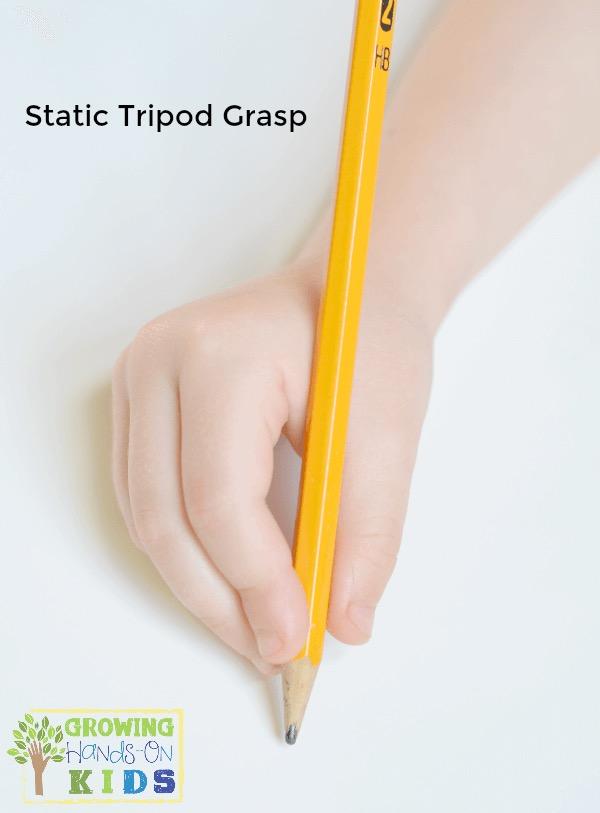
• Static tripod grasp achieved
• Speaks an average of 4.5 -5 words
• Will listen to a 5 -minute story
• Uses over 1,500 words
• Child talks smoothly and does not repeat sounds, words or phrases most of the time
• Most people are able to understand most of what they say. Child may make mistakes on sounds that are later to develop like l, j, r, sh,ch, s, v, z, and th.
• Child says all sounds in a consonant cluster containing 2 or more consonants in a row like tw in tweet.
• Uses prepositions like inside, on, and under
5 Years
• Can stop & change directions quickly when running
• Balances on 1 foot 3-5 seconds without postural sway
• Hops 8-10 steps on 1 foot
• Throws ball and hits a target overhand and underhand
• Can ride a bike (2 wheels)
• Walks heel to toe on 10ft tapped line
• Unbuttons 3 buttons at tabletop
• Folds paper producing a crease with edges within ¼” of each other
• Strings 6 large beads
• Copies "X" (4:11)
• Copies triangle (5:3)
o Once a child can draw a triangle they are developmentally ready to start writing letters
• Copies more complex block formations
• Begins to rhyme words
• Follows 3-step directions
• Uses complete simple sentences
• Uses 1,500-2000 words
• Produces grammatically correct sentences
• Understands and uses location words, like behind, beside, and between.
• Recognizes 10 more letters and can usually write their own name
• Blends word parsts, like cup +cake = cupcake
• Speech understandable in conversation