
Dear Fellow Bronx Science Alumni,
As we get ready to welcome the Class of 2026 as alumni, it is hard not to think back on your own graduation from Bronx Science. Bronx Science has held graduation in many historic venues over the pastthe famed Loew’s Paradise Theater, Madison Square Garden, Arthur Ashe Stadium and today, the United Palace Theater in Washington Heights. The venues have been home to notable speeches by Bronx Science alumni as the keynote speaker and inspiring remarks by our valedictorians, salutatorians and student leaders.
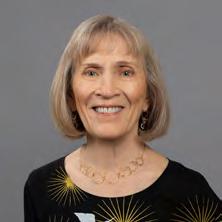
This year, we are proud to host Bronx Science Hall of Famer and Nobel Prize Winner, Dr. Claudia Goldin ‘63. (You can read about Dr. Goldin’s remarkable career in a previous issue of our magazine here). We will also celebrate the 726 Bronx Science seniors! Like so many before, the Class has earned hundreds of accolades for everything from research to robotics to Speech & Debate to athletics. Our students excel in all areas. But they are also graduating with an incredible bond that will remain with them for the rest of their lives.
As a Foundation, we have been proud to invest in these students over their four years at Bronx Science. Every aspect of their high school experience has been touched by the Bronx Science Foundation: from advanced electives to extracurriculars to college support, we are there for students every step of the way. You are a student at Bronx Science for four years but you are a Bronx Science alum for life. We cannot wait to see what these students do next and as an alumni community, we will continue to be with them every step of the way.
Best,

President Bronx Science Foundation
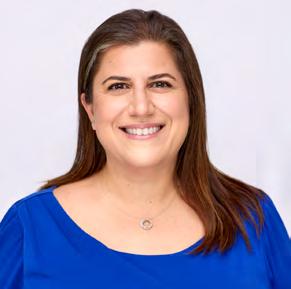
It’s been another incredible year at the Bronx Science Foundation!
In partnership with generous alumni donors and volunteers, the Foundation has made the following – and more! – happen for Bronx Science students this school year:
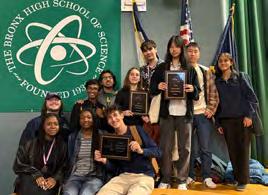
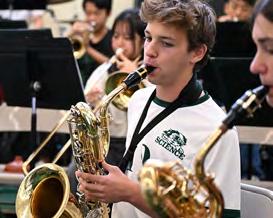
∙ Subsidized equipment, materials and travel expenses for academic teams and clubs ranging from Science Olympiad to Speech & Debate.
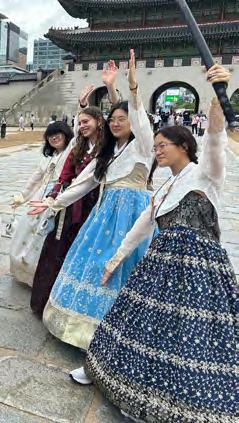
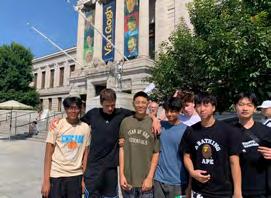
∙ Re-launched international student travel at Bronx Science with a July trip to Korea.
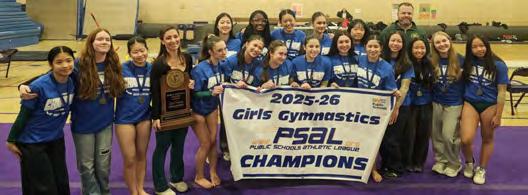
∙ Created a bus fund to minimize lengthy travel times for student athletes – including the PSAL Champs in Girls’ Gymnastics!
∙ Purchased new instruments and digital recording equipment for the Music Department
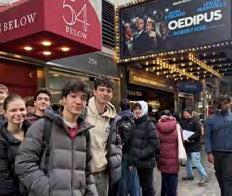
∙ Through the Arts & Culture Initiative, provided 300 students with free outings to enjoy Ragtime, Handel’s Messiah, Oedipus, La Boheme and more.
∙ Managed 170 students conducting research at the Manne Institute through the afterschool lab skill building and in-depth research programs.
∙ Created a two-week extended lab exploration in molecular biology for Advanced Bio and AP Bio students.
∙ Hosted the annual Student Research Celebration, recognizing 190+ seniors who have completed the three year research program.
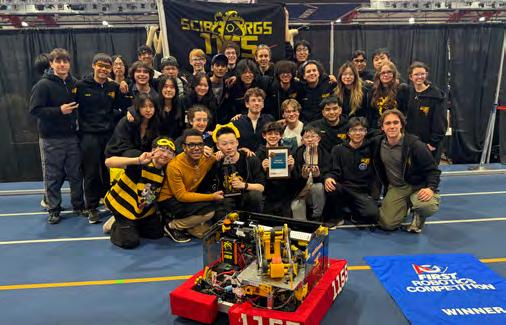
∙ Underwrote the SciBorgs’ participation in the FIRST Championship in Houston, as well as expenses and competition for all three robotics teams.
∙ Hosted Project Accepted, our flagship interview-prep event, and paired 400+ seniors with 221 alumni volunteers.
∙ Demystified the complex supplemental essay process through a new series of 6 in-person writing workshops, providing guidance and personalized feedback to ~250 students.
∙ Facilitated Supplement Review by 140 alumni who read and edited 300+ applications
∙ Brought 100 juniors to six premier institutions—Haverford College, Lehigh University, Princeton University, Brandeis University, Tufts University, and Harvard University – for campus tours with alumni College Ambassadors.
∙ Thanks to 37 alumni hosts, engaged 236 students in 10 Summer Institutes focused on: AI, Arts, Entrepreneurship, Finance, Government and Law, Media and Entertainment, Medicine, Life Sciences and Public Health; Programming Academy; Robotics; Writers Retreat
∙ Led a series of 4 “Coffee and Careers” events, pairing students with established and young alumni working in Medicine, Tech and Entrepreneurship, Government and Law, and Finance.
∙ Celebrated milestone reunions (ranging from the 75th to the 5th reunion!) for 15 classes
∙ Hosted 1,000+ alumni and guests at Alumni Day
∙ Reconnected with alumni at local events in Boston, Washington, DC, San Francisco and Seattle.
It’s not too late to make your own impact at Bronx Science this academic year.
Make your gift by June 30, 2026 to support current students – and to be counted in the 2025-2026 donor roll! Contact the Foundation team at foundation@bxscience.edu or 718-817-7800 with questions.
BY SARITA SATYANARAYANA ’27
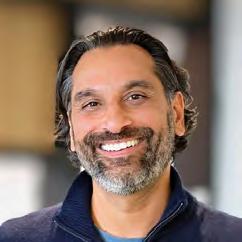
At Alumni Day 2026, the Bronx Science Foundation will proudly award Neel Sata ’91 this year’s Alumni Medal of Honor, in recognition of his outstanding contributions to the school and unwavering commitment to service within his community.
Neel characterizes his choice to attend Bronx Science as one of the most formative decisions of his youth. He grew up in Bayside, Queens and attended Catholic school through eighth grade, after which the vibrant diversity of the Bronx Science student body was a refreshing change. Neel credits Bronx Science with making a profound impact on his future success, and describes it as an “academic utopia.”
“The teachers were so invested in their teaching and challenged my own thinking. I don’t think I’ve had that [experience] to that degree as much in college, grad school, or even work,” he remarks.
Neel took advantage of myriad activities at Bronx Science, especially the handball team. “I played it nonstop — before school, during school, lunch break, after school,” he reminisces. The team dominated as City Champs two years in a row in 1990 and 1991. Neel was also an avid member
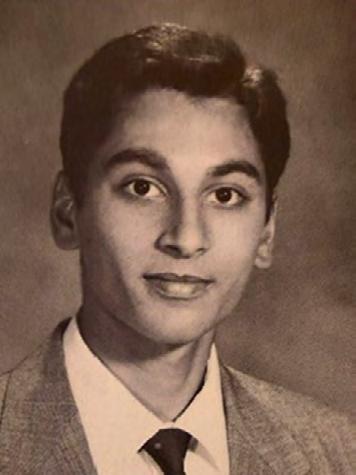
of the Indian Culture Society (ICS), where he promoted interconnectedness within the Indian community through cultural and educational activities.
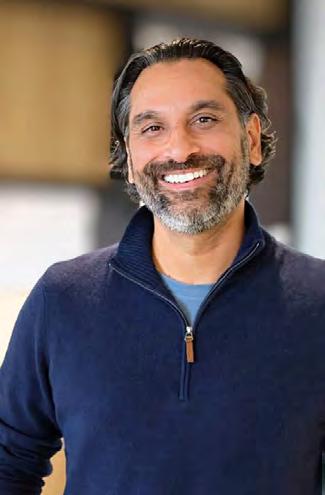
After graduating, Neel attended the Georgia Institute of Technology, and the advantages of his high school education quickly became evident. Bronx Science’s rigorous curriculum and structured guidance systems equipped him with the skills to think critically and
keep up with a fast-paced environment – preparing him for a more seamless transition to college academics than many of his peers experienced.
Post-college, Neel amassed over 25 years of management and tech consulting experience working at firms such as Accenture and Slalom Consulting, and he earned his MBA from Columbia Business School in 2011. In 2015, he leveraged his in-depth experience and education in entrepreneurship to co-found ImagineX, a digital services consulting firm specializing in software engineering, AI, data and cybersecurity. With its mission to “build innovative and secure solutions that empower clients to thrive,” ImagineX has established a sterling reputation with clients while also providing a supportive and fulfilling work environment for employees.

Neel recently made an exciting professional change in April 2026, when the Cyber Division of ImagineX, which he led as General Manager, was acquired by TekStream. He looks forward to his newest adventure as Senior Vice President of Advisory Services with TekStream. “Our cultures are nearly identical. Together, we can now define the right cybersecurity strategy — and then govern, operationalize, and monitor it end to end through proven security operations that measurably reduce risk,” he shared in the press release announcing this exciting merge.
Alongside his professional endeavors, Neel is deeply committed to serving the community. He volunteers with FIRST
NC, the North Carolina branch of FIRST Robotics, and appreciates that his work as a Judge and Board Member keeps him connected to the high school STEM community. Neel is also a Trustee for YAI, a nonprofit that assists people with developmental disabilities with residential, career and clinical support to empower them to live fulfilling and independent lives. “I've been thinking a lot more about the impact and legacy I want to leave on the world. I want to bring opportunity to the most vulnerable people in our society,” he shares.
Neel is also a dedicated and generous Bronx Science alumnus, sharing with the school his tech prowess as a member of the Alumni Technology Taskforce; philanthropic support through the Atomic 100 giving society; and passionate testimony about Bronx Science (and its handball scene!) whenever asked.
The Bronx Science Foundation is delighted to recognize Neel’s impressive professional success and unwavering commitment to Bronx Science and his broader community through the 2026 Alumni Medal of Honor. Established in 2023, The Alumni Medal of Honor is one of the highest honors at Bronx Science and recognizes alumni who have left an indelible mark on the world through their distinguished careers and contributions to the world. By building a life centered around curiosity, intellectualism, leadership and service, Neel continues to make the school community exceptionally proud and embody the values of a Bronx Science education.
ARTICLE BY ANNA KOONTZ ’25
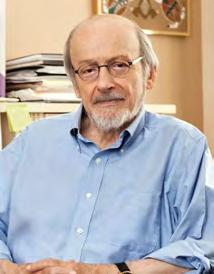
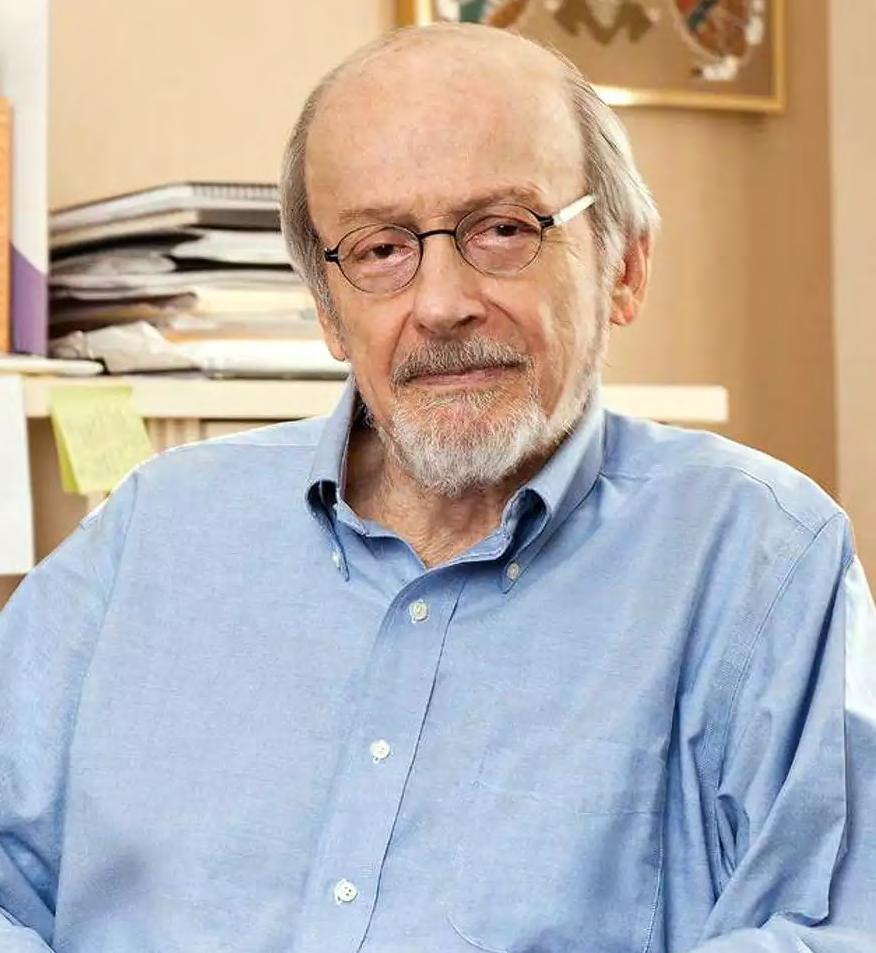
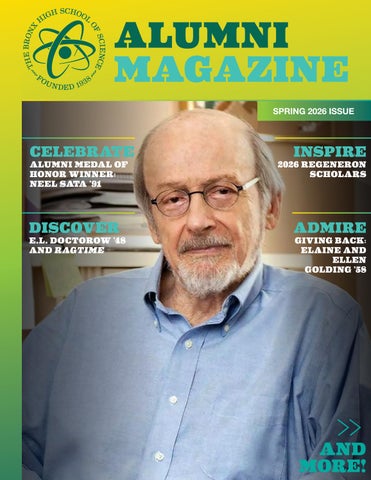
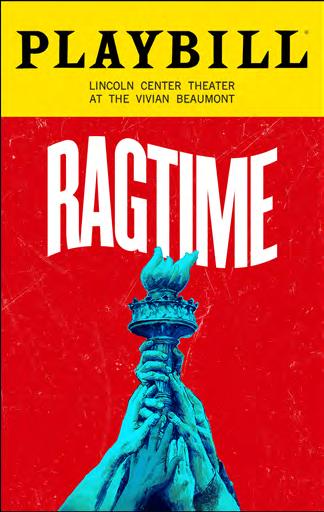
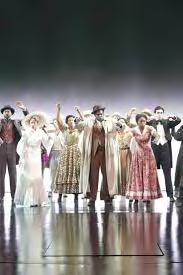
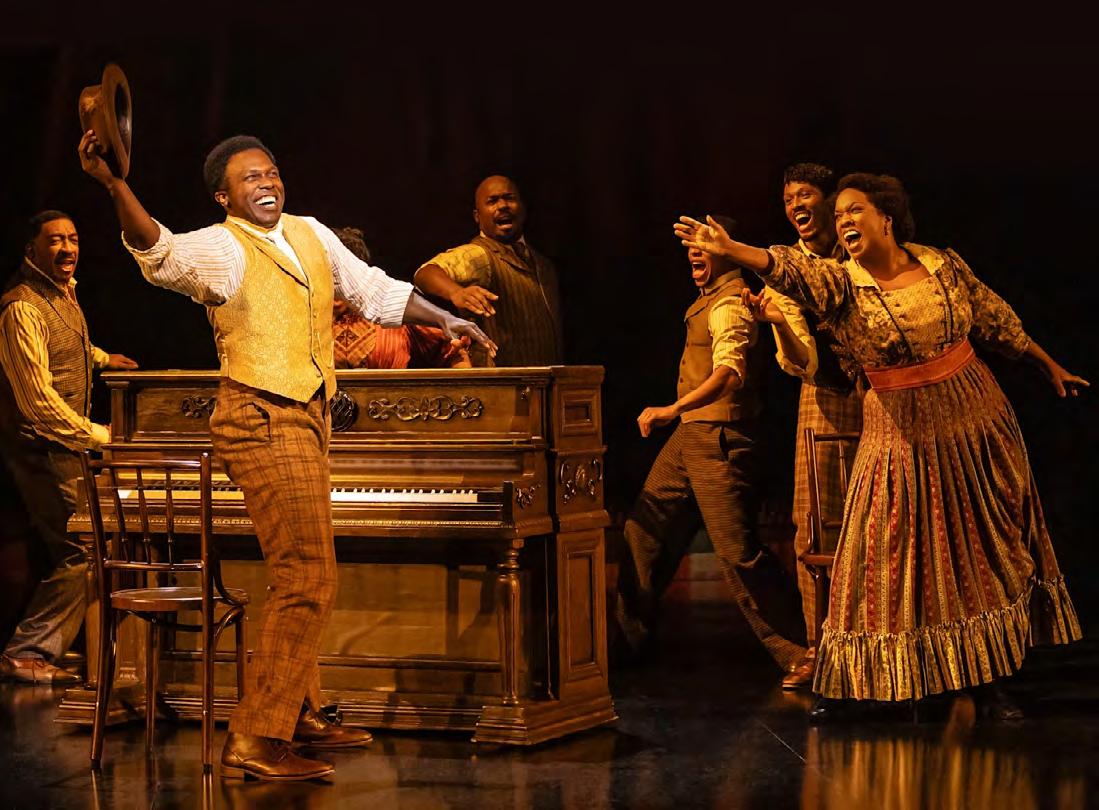
The lights dim. The curtains rise. Dozens of actors fill the stage for the opening number of Ragtime, an awardwinning musical based on the book by Edgar Lawrence Doctorow ’48.
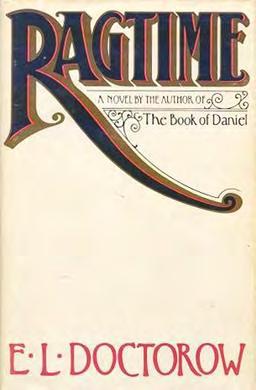
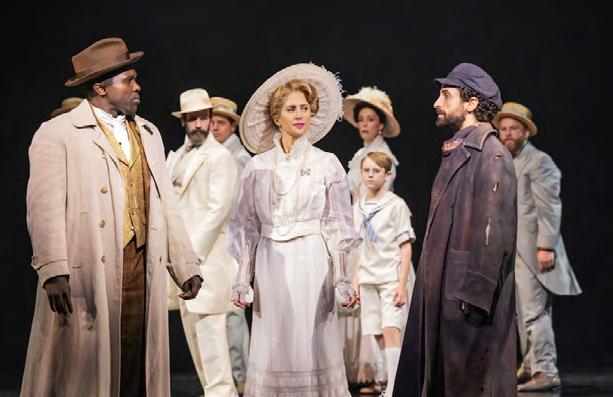
Set at the turn of the twentieth century, Ragtime interweaves the lives of white residents in New Rochelle, Black artists in Harlem, and Jewish immigrants arriving in New York. Each chase their own versions of the American dream. Although the main characters are fictional, the plot incorporates historical figures including J.P. Morgan, Booker T. Washington, and Emma Goldman. This blending of fact and fiction is typical of E.L. Doctorow’s writing. “Where mythology and history converge, that’s where I begin my novels,” he said in a 1989 interview. However, his writing centers on the realities of class conflict and injustice that resonate in any time period.
These themes are prevalent in Ragtime, one of Doctorow’s best known works. It was first published as a novel in 1975, then adapted into a movie and a four-time Tony award winning musical. In 2025, ten years after Doctorow’s death, the musical was revived once more on Broadway.
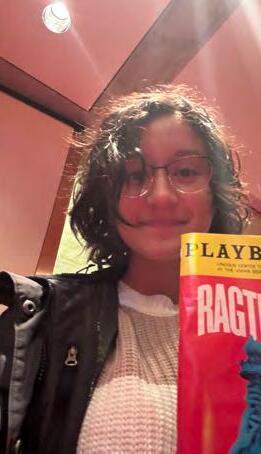
The production has been recognized with four Tony Awards and eleven nominations this spring and has sold out to massive audiences, including 50 Bronx Science students supported through the Arts and Culture Initiative. But how does a story set in the early 1900s captivate so many modern viewers? The answer begins with Doctorow’s vision of America, shaped by his upbringing in New York.
Music and writing both surrounded Doctorow from a young age. Born in 1931 to a Jewish family in the Bronx, he grew up with a pianist mother and a father who owned a music shop. Doctorow was named after one of his father’s favorite poets, Edgar Allan Poe.
Doctorow loved visiting his local library and decided at age nine to become a writer. When reading stories, he wondered not only “What’s gonna happen next?” but “How is this done?”, he recalled in a 2008 interview with The National Archives Experience.

Doctorow attended Bronx Science at the old location on Creston Avenue and 184th Street. In 2011, he returned to give the Commencement address, which has since been published in The New York Times. His speech encouraged students to be interdisciplinary and reflected upon his own struggles as a writer in a STEM-centered environment.
“They were all very smart children there and some of them quite insufferable, walking around predicting in some cases correctly that they were gonna win the Nobel Prize in Physics. So I fled down the hall to the literary magazine,” he said in the 2008 interview.
Bronx Science’s studentrun literary magazine, Dynamo, was the first publication to print Doctorow’s work. In the 1948 issue, he contributed a painting, a poem, and a Kafka-inspired story titled “The Beetles.”
Doctorow also took a journalism class. When assigned to do an interview, he vividly wrote about a Carnegie Hall stage
doorman named Karl. In his Commencement address, he recalled the many details of Karl’s life: “a German Jewish refugee, a camp survivor, a prematurely aged, sweet-tempered man with rheumy eyes…”
The journalism teacher had been so impressed that she wanted to publish the interview in the school newspaper. But when she requested that Doctorow provide a picture, Doctorow admitted that Karl was imaginary.
“It had seemed to me more interesting to make up that story than actually to go through the tedious business of interviewing someone. And if there wasn’t a Karl the Stage Doorman, there should have been,” he reflected in the Commencement address.
Doctorow realized that he wasn’t meant to be a journalist. But he had already touched upon the powerful intersection between fact and fiction that would later propel his career as a writer.
After graduating from Bronx Science, Doctorow attended Kenyon College in Ohio. In the 2008 interview, he recalled his first trip moving to college.
“I had a little suitcase and a paper bag with a sandwich and an apple and a container of milk, and I said good-bye at the old Penn Station to my parents at the age of 16 and got on this train,” Doctorow said. “I finished my sandwich by the time we got to Newark.”
Doctorow majored in philosophy and then attended Columbia University for graduate school, where he studied playwriting. One year into the program, he was drafted into the Korean War. He served as a corporal in Germany from 1954 to 1955 and married his wife during this time.
Upon completing his military service, Doctorow returned to New York and worked as a reader for Columbia Pictures. He spent his days reading and assessing screenplays for “awful, terrible” western movies.
“I thought I’d become seriously ill, and so one day, I sat down, and I wrote a story
that was a parody of all the stuff I’d been reading,” he said in the 2008 interview. The parody eventually became his first novel, Welcome to Hard Times
Doctorow went on to write a dozen novels as well as short fiction, essays, commentaries, and a stage drama. Throughout his career, he experimented with narrative voice and blurred the line between the real world and imaginary. One example is World’s Fair, a semi-autobiographical story of a child growing up in the Depression-era Bronx.
Ragtime also drew inspiration from Doctorow’s life. The book began with a writer’s block exercise: describing his house in New Rochelle and imagining what his neighborhood looked like in the early 1900s.
The end result was an over 270-page narrative of the social unrest that shaped America in the years preceding Doctorow’s childhood. Themes of early twentieth century racism, women’s rights, and immigration mirrored the civil rights movements, second wave of feminism, and class tension of the 1970s as Doctorow was writing the book.
Twenty years later, producer Garth Drabinsky proposed the idea of adapting the novel into a musical. Doctorow retained approval rights and was involved throughout the creative process.
After the first reading, Doctorow was impressed that the musical “caught the spirit of the piece,” he said in a 1997 New York Times article. “The lyrics were very precise and had just the right combination of wit and compassion.”
The 2025 Broadway revival of the musical comes fifty years after the book was written and over a hundred years after the narrative takes place. However, the story remains relevant for viewers today.
Olive Forman-Sarno ’26 saw the show through the Arts and Culture Initiative earlier this year. She enjoyed the music and appreciated the representation of Jewish immigrants.
“Seeing a show set at the turn of the century was interesting because that was the time when my family came to New York,” she said. “I felt connected to the characters in that way.”
After hundreds of performances for thousands of audience members, Broadway’s most recent Ragtime revival will close on August 16, 2026. But Doctorow’s vision of America remains open to each new generation of readers and viewers who see their own world reflected in his blend of fiction and real life.
ARTICLE BY SOPHIA BIRMAN ’26
An extended version of this article was originally published in the March 16, 2026 edition of The Science Survey
At Bronx Science, students learn that research is not about quickly arriving at the “right” solution, but about learning to navigate uncertainty while pursuing discoveries that extend beyond the classroom and improve lives.
Each year, the Regeneron Science Talent Search (STS) recognizes high school seniors who embody that spirit of inquiry. Widely regarded as the nation’s oldest and most prestigious science and mathematics competition for high school seniors, the program honors original research that demonstrates intellectual rigor, creativity, and real-world significance. At Bronx Science, where a rigorous three-year research program makes independent inquiry central to the academic experience, this recognition continues a longstanding tradition of innovation and discovery.
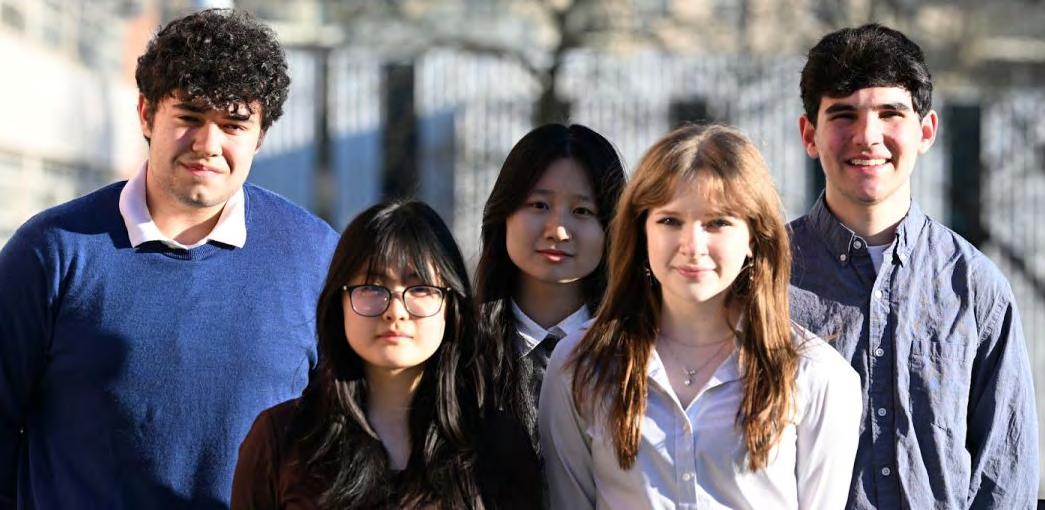
On January 7th, 2026, the Society for Science announced this year’s 300 scholars, selected from more than 2,600 applicants nationwide. Each scholar and their school received a $2,000 award in recognition of their achievement. Among
this year’s scholars are five seniors from Bronx Science — Liah Igel ’26, Aaron Krasinski ’26, Sam Land ’26, Helen Lin ’26, and Xi Zhen Wu ’26.
Behind each Regeneron submission are years of sustained exploration. Projects often span one to three years and demand persistence, independence, and intellectual growth. Dr. Vladimir Shapovalov, a mathematics and computer science research teacher who had two students recognized as 2026 Regeneron Scholars, described the work as fundamentally “student-driven,” guided through questioning rather than direct instruction. Through the process, students learn to engage with scientific literature, collaborate with professional mentors, and take ownership of their ideas.
Although the scholars’ projects span diverse scientific fields, each project is driven by the same goal: using science to better understand the world and improve the lives of others.
‘A
Neural Network Classification and Glymphatic Biomarker Analysis of Spaceflight Associated Neuro-Ocular Syndrome
His research in spaceflight medicine addresses a critical challenge in longduration space missions. Astronauts on extended flights often develop
Spaceflight Associated Neuro-Ocular Syndrome (SANS), a condition that impairs one’s vision and threatens mission safety. Krasinski developed an artificial intelligence model that analyzes brain imaging biomarkers to predict which astronauts may be susceptible before they leave Earth.
By identifying structural differences in the brain’s glymphatic system — a system responsible for clearing waste and regulating fluid balance — his model achieved 89 percent predictive accuracy. The findings could help NASA improve astronaut screening and develop preventative medical treatments, a critical step as space agencies plan missions to the Moon and Mars. Krasinski, who initially found it intimidating to work alongside NASA researchers and doctors, said the experience taught him to navigate both complex technical challenges and the ethical responsibilities of medical AI.
‘Novel
His work in computational neuroscience and genetic data analysis tackles a problem affecting millions worldwide: the variability of mental health treatment outcomes. Despite widespread use of psychiatric medications, up to 40 percent of patients do not respond adequately to initial treatments. Land investigated whether genetic variations in the COMT gene influence brain network connectivity and treatment responsiveness. Using a dataset of more than 11,000 teenagers, he applied advanced statistical modeling to identify differences in cognitive control and attention networks. His findings suggest that genetic testing may one day guide the curation of personalized mental health treatments, reducing costly trial-and-error approaches and improving care for underserved populations.
‘Human
Her research bridges endocrinology and neuroscience, exploring whether hormonal signaling may play a role in neurodegeneration. Igel’s project focused on follicle-stimulating hormone (FSH), a reproductive hormone she had previously studied in the context of women’s health, and its potential contribution to Parkinson’s disease.
By developing a human cell-based reporter assay and studying a mouse model of Parkinson’s disease, she demonstrated that exposure to FSH is associated with motor impairment and increased vulnerability of dopaminergic neurons. Her work suggests a previously underexplored neuroendocrine pathway and introduces a tool, the reporter assay, that could be used to evaluate future therapies and investigate FSH biology in a wide range of contexts.
Igel, who spent multiple summers conducting laboratory research, described learning to “be comfortable with uncertainty” as one of the most transformative aspects of the scientific process. Rather than fearing mistakes, she learned to see them as opportunities for discovery.
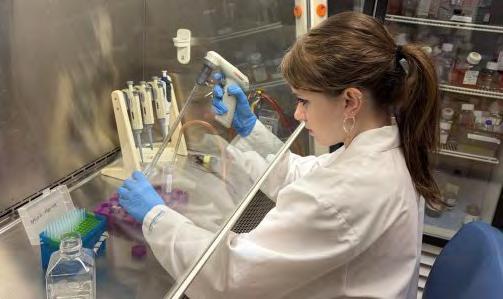
Pictured is Regeneron Scholar Liah Igel ’26 in her lab at Mount Sinai, pipetting agar in order to culture some KGN Granulosa cells as part of her scientific research. (Photo Credit: photo provided by Liah Igel; used by permission)
‘Human
Her work in orthopedics examines the inflammatory mechanisms involved in the degeneration of spinal discs. Spina discs normally function as “cushions” between bones in humans’ spines, but their degeneration can cause chronic pain and reduced mobility.
By analyzing protein expression in human spinal tissue samples, Lin found that levels of the protein alpha-1-antitrypsin were significantly higher in severely degenerated discs than in healthier ones, potentially reflecting the body’s attempt to respond to inflammation and tissue damage. Lin’s findings suggest that immune mechanisms play an important role in disc degeneration and could inform future therapies aimed at slowing disease progression rather than simply treating symptoms and pain.
‘Exploring
Her research focuses on pharmaceutical nanotechnology and improved drug delivery for pulmonary arterial hypertension (PAH), a rare but serious condition affecting blood vessels in the lungs. Current treatments can require excessively frequent dosing and may cause gastrointestinal side effects.
Wu investigated the use of liposome-encapsulated tadalafil for inhalation therapy, testing whether the microscopic lipid structures could deliver medication directly to deep lung tissue. Her findings showed successful deep lung deposition and controlled drug release, suggesting a potential pathway for more efficient treatment with fewer doses and reduced side effects.
The Regeneron Science Talent Search honors scientific excellence, but its deeper significance lies in the habits of mind it cultivates: curiosity, resilience, ethical responsibility, and a commitment to improving human life. As the Bronx Science Class of 2026 scholars prepare to continue their work in college and beyond, they carry forward not only the skills of research but the understanding that science is, at its core, an act of service: a way of asking better questions in order to build a better world.
STAFF REPORTER
On behalf of the Bronx Science community, we congratulate this year’s Class of 2026 Valedictorian, Vienna Chen ’26 (they/them/theirs), who attained a GPA of 99.5432, and Salutatorian, Aviv Weiss-Kaplan ’26 (he/him/his), with a GPA of 99.3547. These two scholars have achieved something more elusive than merely outstanding GPAs (though earning one that high is truly a feat in and of itself!). They [have] cultivated a genuine interest in learning.
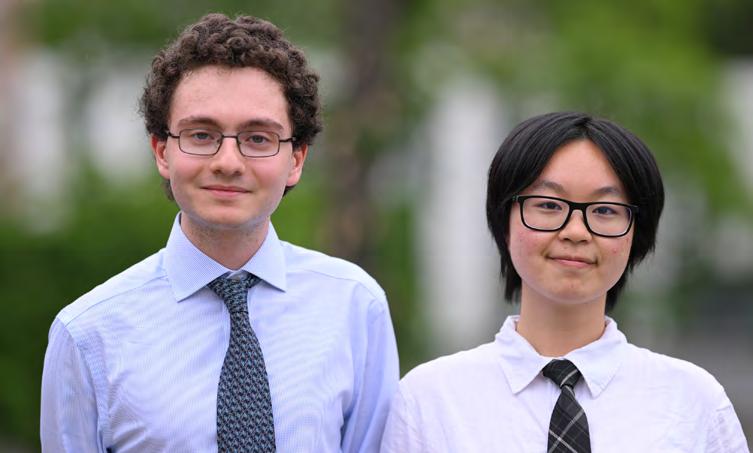
Aviv Weiss-Kaplan will be attending Dartmouth College in the fall. He is planning to major in Classics and Linguistics, two disciplines that he focused on through his four years of Latin language studies, writing and editing for Vox Disculporum, and participation in Latin Club. He is currently interested in pursuing a career in teaching secondary school.
Vienna Chen will be attending Harvard University, where they intend to major in Economics and East Asian Studies. Growing up in a family of sushi chefs, Chen was inspired to learn more about business and how they can help their family with their own. Chen is also considering majoring in marketing as a way to combine their passion for both art and communication.
To read more about these accomplished students, please read the full Science Survey article online.
AND ARTICLE BY COOPER HALPERN ’27
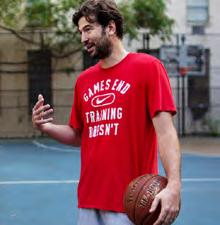
Over the past sixteen years, more than 20,000 youth from 135 of New York City’s 172 zip codes have made their way to Steady Buckets, a non-profit providing inclusive, free-of-charge basketball coaching and leadership development for kids ages four through 18. Steady Buckets isn’t just a nice recreational program: it’s also a premier basketball training organization that has worked with everyone from recreational players to Division 1 and NBA athletes. And at the center of this organization – and every court – is Macky Bergman ’00.
“ It's a community organization, first and foremost. We care about each other; it's a real family feel.
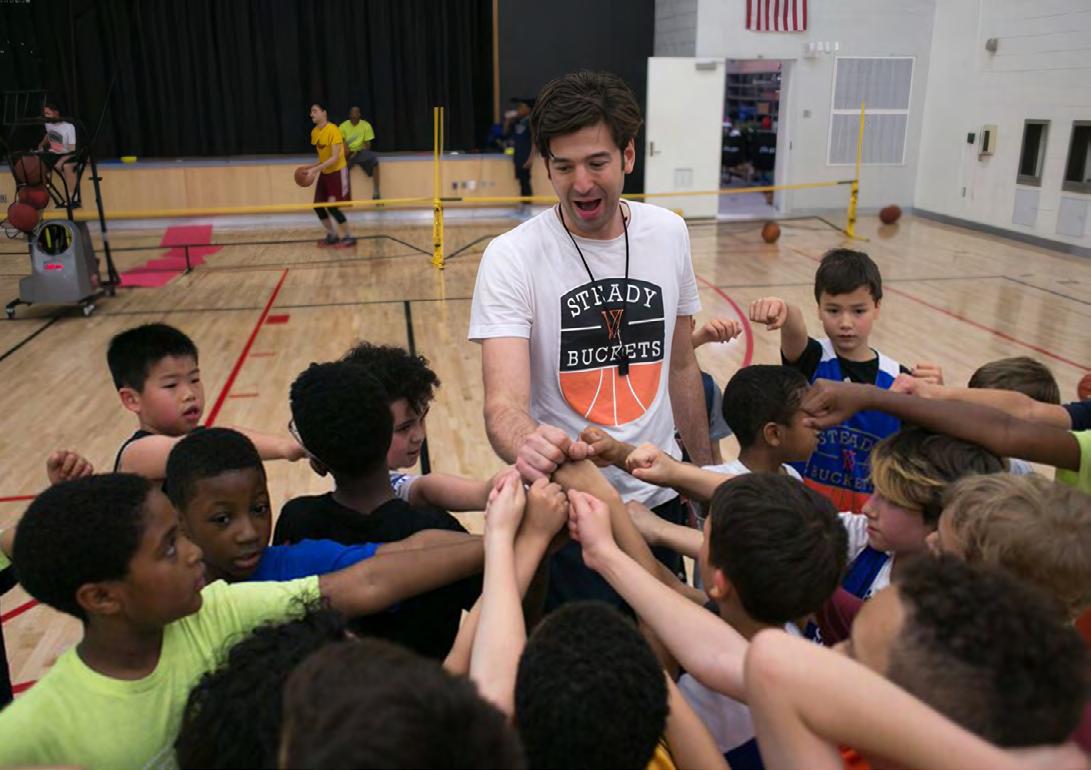
“It's a community organization, first and foremost. We care about each other; it's a real family feel,” says Macky, Co-founder and Program Director of Steady Buckets. While many youth sports programs prioritize business, Macky explains that “not one decision is made based on how we can become more profitable. It's youth sports, I like to think, at its best." The organization is unique in its aim to offer a high quality free program that addresses kids’ best interests as both players and leaders in their communities.
As Macky enters the gym at the start of a workout, team practice, or game, students and colleagues smile and greet him with every step. The community he has built is tight-knit – and it runs deep. Steady Buckets offers programming for kids in preschool through high school and has outstanding retention. “Most coaches get one or two years [with players], some only get months. That's it. A new team every new season. I get the same players for a decade, sometimes more,” Macky reflects. For anyone who is a part of the Steady Buckets family, this comes as no surprise.
Another fundamental aspect to the organization's success is its economic diversity. As a result of the program’s free tuition and central location in downtown Manhattan, Steady Buckets operates as a service to the city, its doors open to all who wish to enter. But Steady Bucket’s diversity is not charity: it’s strategy. As emphasized by Co-Founder Barry Weiss in a recent New York Post article: “If you only play against kids who look like you and play like you, how are you ever going to get any better?”
Nowhere is the Steady Buckets’ commitment to inclusion more evident than in the weekly workouts and training offered for neurodiverse youth, specifically those with Autism Spectrum Disorder (ASD). Steady Buckets has served as an exceptional model of athletics for neurodiverse youth, working with 200 participants and counting. The genesis of this program began very close to home for Macky.
At age two, Macky’s son Cyrus was diagnosed with ASD. Macky explains: “The two most important things in my life are my family and Steady Buckets. There was no real room for Cyrus in Steady Buckets and I couldn’t accept that. I knew I wouldn’t be my best self – because how can I really love something that doesn't make room for my own child? And here's the good news: I can do whatever I want, right? With board approval, of course. So I said let's start a new class. Let's do ASD basketball.”
“‘Community’ means people coming together because we have a lot in common, in this case, a love for basketball. But it doesn't mean we're exactly the same. And we don't treat everyone the same; we treat everyone the way they want to be treated. And I think that's super important to our success,” Macky adds.
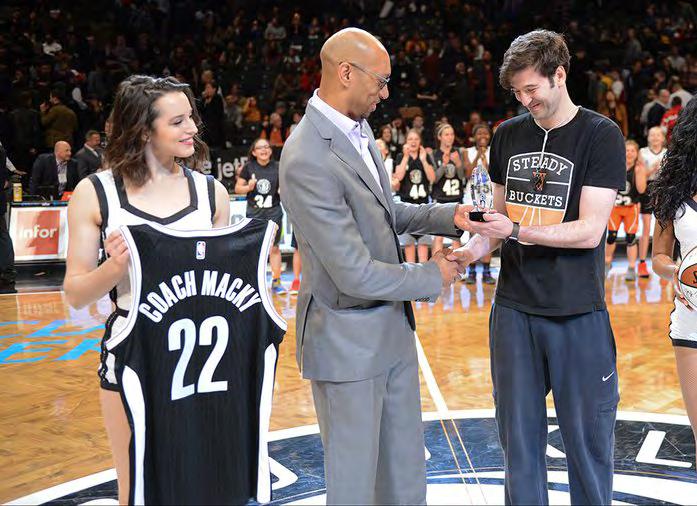
Players, coaches, families and the media agree. Steady Buckets has been featured by media outlets ranging from Sports Illustrated to The New York Times. Most recently, the organization was applauded in April 2026 for the ways in which it played an integral role in the development of Milwaukee Bucks player Cormac Ryan. Macky has also been named “New Yorker of the Week” by NY1 and “Junior NBA Coach of the Year” by the Brooklyn Nets.
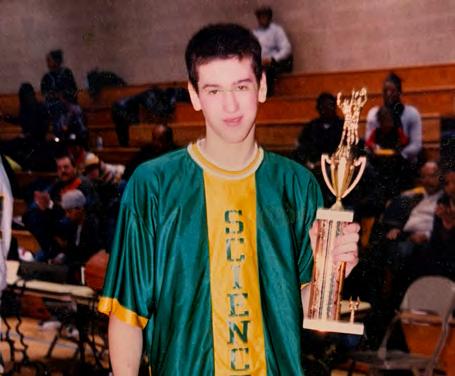
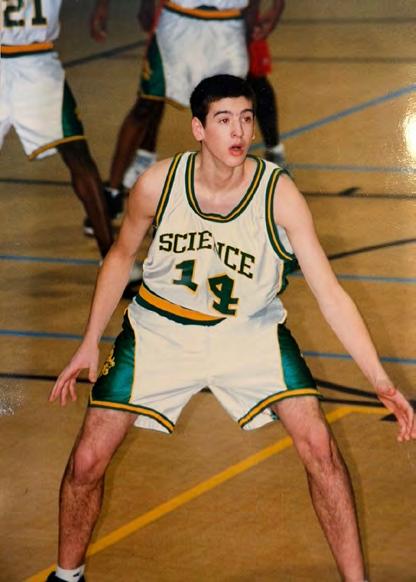
But before Macky was the star of Steady Buckets, he was the star of the Bronx Science Varsity Basketball Team, donning the number 14 as he led the team with his infectious love for the game.
“We would go to all the public schools around the Bronx and come in there with the word ‘Science’ across our chest. Sometimes the gyms would be packed; other schools wanted to see the nerdy kids get beat up. But we were good. We would win.
It was like a movie, the crowd would flip: they would go from heckling us to cheering for us because they were trying to make fun of our friends that like the nerds were kicking their butt,” Macky recalls. The team made it to the city quarterfinals; a shining start for Macky’s career in basketball, which has blossomed in more ways than he could have dreamed.
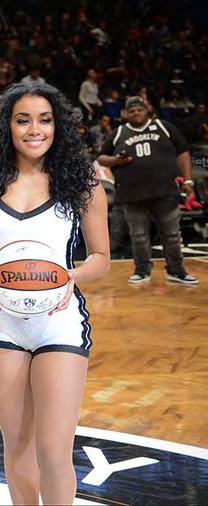
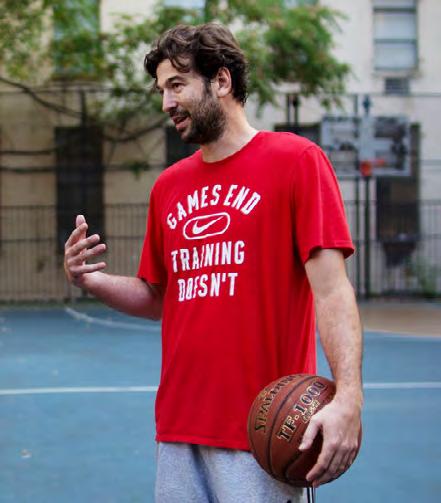
Once underestimated for the word “Science” across his jersey, Macky Bergman has built something truly great: a community where students can transform their own experiences of underestimation into self-confidence and new opportunities through basketball.
To learn more, visit steadybuckets.org.
BY COOPER HALPERN ’27
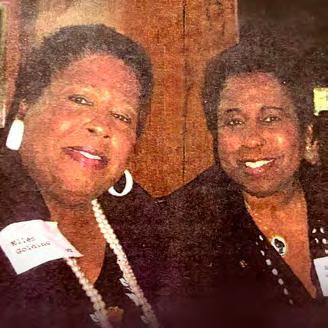
The porch at the Golding family home in West Harlem was rarely empty. Children throughout the tree-lined block crowded beneath its roof during summer rainstorms, playing chess and checkers while their mother cooked Jamaican food inside. “Our house had a covered porch that was the center of the block,” (Cleonis) Ellen Golding ’58 and (Constance) Elaine Golding ’58 recalled decades later. “We were African Americans, Caribbean Americans. We were German Lutherans, Jewish, Estonian, Russian, Filipinos, Puerto Rican, Costa Rican, Italian, Greek, Chinese, Japanese - all in our ‘mini United Nations.’”
The sisters’ childhood unfolded within the lingering intellectual world of the Harlem Renaissance.
Through their father Dr. John V. Golding, a Jamaican-born Harlem physician, and his extended social circles, the twins grew up around the ideas and personalities that defined the Harlem Renaissance and the civil rights era. They recalled “Sunday parlor meetings” attended by figures connected to Harlem’s literary and political movements, including Marcus Garvey, Claude McKay, Countee Cullen, Zora
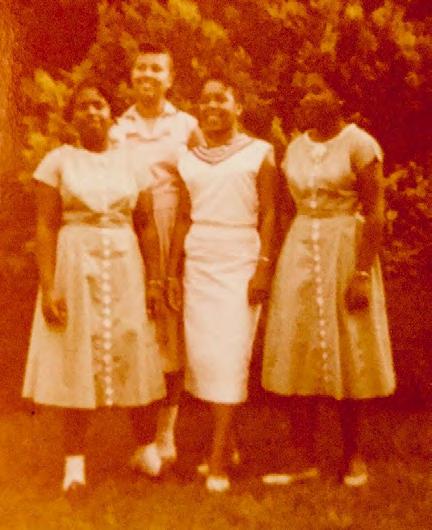
Neale Hurston, and Arturo Schomburg. Their father’s professional and social circles also connected them to pioneering psychologists Mamie Phipps Clark and Kenneth Bancroft Clark, whose research later helped shape the Supreme Court decision in Brown v. Board of Education.
The twins attended Harlem’s Elizabeth Mayfield Nursery School, a school founded by Harlem Renaissance educators and intellectuals, where their academic talent was unmistakable. They soon set their sights on Bronx Science, a school which felt to them as a natural extension of the exceptionalism they were surrounded by.
“In junior high school, we were straight-A students; we were on the honor roll.” Ellen recalls. "We had wonderful teachers, but there were prejudiced teachers who did not

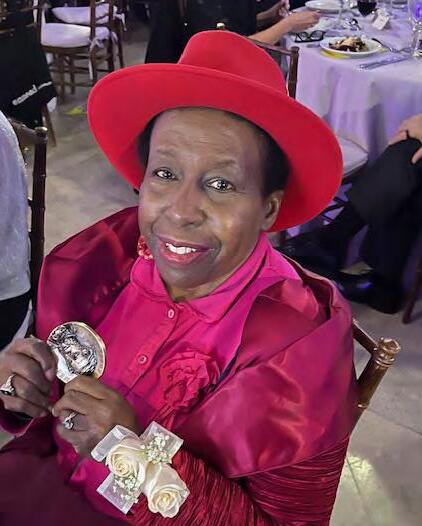
want the Black kids to go to the specialized high schools. Our grade advisor tried to discourage us from taking the test. So when we passed the test, instead of congratulating us, she told us, ‘well, you might have gotten into [Bronx] Science, but you're not going to graduate.” This “advisor” could not have been more mistaken.
“When we went to Science, there were just about a dozen students of color out of 755,” Ellen recounts. “Dr. Meister invited all of us Black kids into his office. He said, ‘There are some teachers in this school who may not treat you fairly because you're Black. I'm sorry to say so, but I know it is a fact. And he said, ‘I want you not to be afraid to come to me and tell me if you suspect that it may be the case. He said, ‘you don't have to tell anybody else. Not other teachers, not my secretary, just come straight to me.’”
Within months of starting school, Elaine recounts the not-unfamiliar malicious attitude she received from her geometry teacher, despite holding one of the highest grades in the class. Having felt the sincerity
of Dr. Meister’s pledge, Elaine, with Ellen at her side, walked right into Dr. Meister's office and brought this issue to his attention. “He didn't ask me a single question. The only question he asked was what class Ellen was in” And I told him. He said, “You're out of her class today. You're in Ellen's section tomorrow.” It was with this support both twins were able to thrive at Bronx Science, graduating in 1958 with strong academic records that earned them full scholarships to City College of New York.
At City College of New York, both sisters studied psychology and mathematics, graduating in 1962 before continuing into the graduate program in clinical and school psychology on full scholarship. Elaine was licensed in junior high school mathematics in 1963 and worked as a substitute teacher while completing her degree. She also served as an educational research assistant at the CUNY Graduate Center and worked across multiple Yonkers public schools (K–12), gaining early experience in system-wide psychological services.
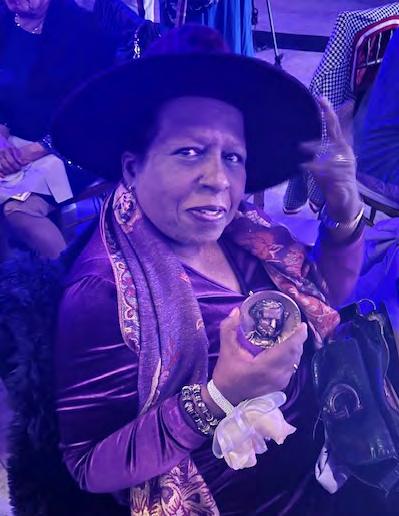
Cleonis Ellen Golding
Ellen was also licensed in mathematics and worked as a per diem teacher in New York City junior high schools to support herself during graduate study. In 1966, she became the first African American to qualify as a paid psychology intern in the New York City school system after passing the Board of Examiners’ written, oral, and clinical assessments.
After completing graduate training, both Ellen and Elaine became licensed school psychologists in New York City, passing the Board of Examiners’ written, oral, and clinical assessments and completing required internships. They entered a system with severe shortages - often one psychologist for thousands of students - where their evaluations directly shaped educational placement and access to services.
From the late 1960s through the early 2000s, both worked across Manhattan, the Bronx, Brooklyn, and Yonkers in public and nonpublic schools, conducting assessments, writing reports, and advising on student placement. Ellen’s early work included psychological testing for federally funded Head Start and Follow Through programs, while Elaine’s worked across K–12 schools and continued research and professional development. Both later held tenured positions in the NYC Board of Education’s Clinical Department.
“We met Dr. King. We met Malcolm X. We met Fannie Lou Hamer. We met Shirley Chisholm, who happened to have been one of our father's patients,” Elaine recounts.“One of the greatest
experiences we had was when we were at CCNY and Thurgood Marshall came to talk to us. He said, one of the things people don't realize is that when you're dealing with racism, you have to understand who the gatekeeper is. We remembered those words our entire lives.”
It was with this sentiment that their work extended beyond evaluation into advocacy. Operating within a system shaped by structural inequities, they encountered patterns of misdiagnosis and inappropriate placement, particularly affecting Black students who were disproportionately assigned to special education categories. Ellen recounts, “On my own time, on Saturdays, I would go into these schools and retest the children because I couldn't trust some of my colleagues. I found out that many were not mentally handicapped. And I knew they were not. But we had racists, psychologists and commissioners who stamped our kids as mentally handicapped
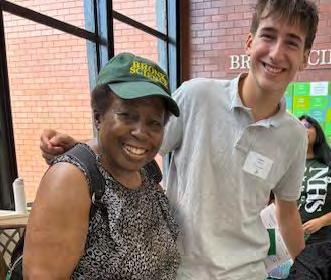
and convinced kids and their families as well. I was able to actually close down several schools in Harlem misplacing children into so-called mentally handicapped classes.”
After retiring in the early 2000s, they remained active through CCNY alumni leadership and philanthropy. They established and supported scholarships, including the Golding-Donaldson Leadership in Education Scholarship, served as program
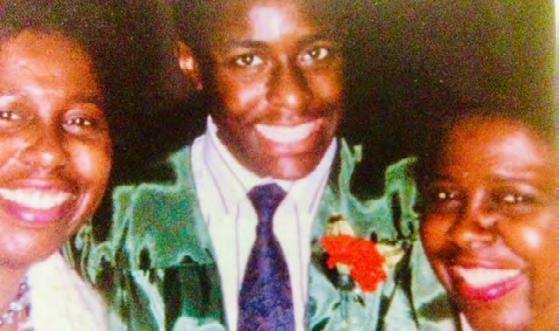
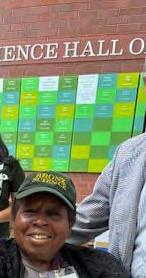
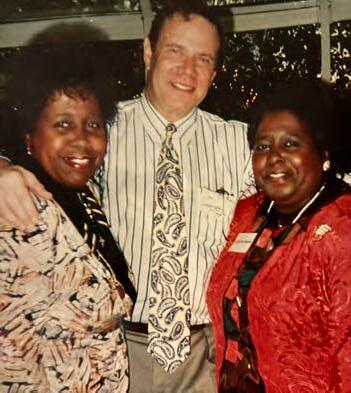
committee co-chairs and Class A Directors within CCNY alumni leadership, and supported institutions such as the National Museum of African American History and Culture. Their work was recognized with honors including the CCNY Townsend Harris Medal and their designation as Cultural Mothers of Harlem.
It is in the face of adversity that Elaine and Ellen thrived - and when that was not enough they opened the doors for others to follow. We may never identify every “gatekeeper,” but that never prevented the twins from unlocking each gate they encountered.
Beth Adelman ’71 would like to announce the publication of her first novel, Three Lives in New York. The novel is set in a midtown real estate company in 1977, and is about an immigrant who cannot trust anyone, a person who commits a crime to maintain her wealth, and an arrogant executive who learns in an unexpected way, to be humble.
The book is available on her website, https://bethadelmanfiction.com/
The website links to her short stories and essays.
She would love to hear from old friends so feel free to reach out!
Eleanor George ’78 is proud to share the release of her third book, Living in the Afterlife (it’s not what you think…), a heartfelt reflection on embracing the “after” chapters of our lives. She looks forward to reconnecting with the Bronx Science community as she continues sharing this new work.
The Class of '76 is holding a 50th Reunion on October 10, 2026, with an overnight option similar to our 40th Reunion. Over 100 classmates have already bought tickets. For more information, please go to our website BronxScience76.com. If you need the password please email us at BronxScience76@gmail.com.
We're still looking for classmates whose contact information is not in our database. Please reach out and encourage other classmates who have not already provided their contact information to do so.
Congratulations to Gerson Preston Partner, Stuart Rohatiner ’80, on being named to the Forbes America’s Best-In-State CPAs list for Florida!
In a fast-moving, AI-driven world, where data is everywhere but clarity isn’t, CPAs are the ones turning complexity into confident decisions. They don’t just crunch numbers, they provide insight, strategy, and trusted guidance when it matters most.
Stuart exemplifies this impact through his leadership, expertise, and commitment to delivering meaningful results for clients. A well-deserved recognition!
CODE4NYC, a student-run nonprofit founded by Bronx Science seniors, was recently featured in multiple Bronx media outlets for its work providing free coding classes to middle schoolers across New York City. Led by Evan Yang ’26 and a dedicated team of volunteers, the group has already delivered more than 1,200 hours of free programming instruction and continues to expand its mission through partnerships with organizations like Queens Public Library and WIN.
The Mayflower at Winter Park recently published an article featuring Lenore Roland ’56. Read more about Lenore and her accomplishments in the February issue of The Mayflower’s Compass.
Mikaela Gee ’26 was named “New Yorker of the Week” for founding The Dandelion Project, where she grows plants in her Flushing home and has personally distributed more than 2,500 starter plants to New Yorkers across the city. Her student-run team also raises money through community events to provide food, clothing, and flowers to seniors and families in need, expanding the impact of her mission of kindness.
Dr. Ivy Akid ’04, a palliative care physician at Johns Hopkins, recently delivered a TEDx talk on demystifying death and the power of compassionate connection at the end of life. Drawing from her work in palliative medicine and her own experiences as both a patient and caregiver, she offered a moving reflection on how witnessing death can teach us how to live with greater presence, empathy, and meaning.
Submit your own class note today!
Sidney Diamond ’46
Arthur Jacobson ’46
Abraham Shulman ’46
Alfred Blumstein ’47
John Richard Benfield ’48
Arnold (Arny) Galpern ’48
Simon Kaufman ’48
Kurt Kohn ’48
Edmund Rosenkrantz ’48
Noel Silverman ’48
Jack Hokanson ’49
Ursula Oscar ’49
Marvin Calvin Rosner ’49
Daniel Kaplan ’50
Dennis Lehr ’50
Marion Siskind Liebowitz ’50
Peter Sielman ’50
William Appleton ’51
Jerome Carp ’51
Gerald Margolis ’51
Henry Spector ’51
Alice Adler ’52
Joel Becker ’52
Richard Budd ’52
Deborah Gold Friedman ’52
Philip Grimley ’52
Richard Menschel ’52
Bertram Schwarzchild ’52
Enid Silver Ship ’52
Roberta Hoffman-Litvinoff ’53
Marty Sahn ’53
Richard Weinberger ’53
We are saddened to share news that the following Bronx Science alumni have passed away. Our thoughts are with their friends and loved ones.
Edward Moria ’54
Eugene Gee ’55
June Tiefenbrun Feldman ’56
Frederick Gordon ’56
Peter Salus ’56
Louis Haffner ’57
Alan Wasser ’57
Roberta Yellin Barron ’58
Stephen Fields ’58
Caren (Garber) Gorenberg ’58
Judy (Lambert) Steinberg ’58
David Botstein ’59
Eric Weinberg ’59
Michael Goldberg ’60
Richard Janow ’60
Robert Amsler ’61
Frances Dougherty Lee ’61
Marty Zatz ’61
Joel Sherman ’61
John Reynolds ’61
Barry Paley DDS ’62
Frida Feldman Parker, MD ’62
Brett Gerbenhaber ’63
Steve M. Queller ’63
Joan Parker Reinisch ’63
Marc Gershowitz ’64
William Harris ’65
Dan Nathan ’65
Ezra Grossman ’66
Rich Maurer ’66
Steven Lewis Rosenthal ’66
John Thaxton ’67
Robert Weisberger ’67
Albert Batten ’68
Ellen Joy Kramer ’68
Renee Wlodawski Schickler ’68
Carol Colman Gerber ’70
Helen Nunberg ’70
Addison Goodson ’73
Jordan Camp ’74
Bruce Baryla ’75