









Mackenzie Waller Department

Matt Mega Executive Director Tahoma Audubon Society [www.tahomaaudubon.org]
Emily Perchlik VIA Architects
Jordan West Monez Friends of Waterfront Seattle
Duane Dietz Jones and Jones
Jean Ni GGN
Magda Hogness City of Seattle
Matt Jones MKA
Britt McGrath Tahoma Audubon
Rob Faucett
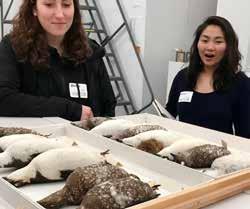
Burke Museum Ornithology Collection
As climate change becomes an increasing challenge there is still opportunity and hope for ensuring resiliency for our birds and the natural world. National Audubon’s Climate report suggests about 2/3 of the birds in peril can be helped by acting now.This provides hope and a pathway for action.
The Birds + Climate Change Studio worked in partnership with the Tahoma Audubon Society at their small wetland park site in the South Puget Sound region, Adriana Hess Audubon Center. We tasked students with a series of questions. How can design balance the intersection of habitat specific solutions and urban public space? How might the Audubon Society create bird habitat while still ensuring the safety of park visitors? How can we creatively incorporate traditional park elements with natural habitat spaces and stormwater management?
This document attempts to capture the outcomes of these studio investigations across scales, from regional to small fabricated prototypes. The studio worked as groups and individually to develop innovative and creative design solutions to these issues and more.
“Birds are early responders to climate change and can be important indicators of largescale ongoing and future ecological change. [The Audubon Society] found that 54% of Washington’s 296 bird species are vulnerable to climate change across seasons.”1
As part of their mission to protect birds and their habitat, the Audubon Society recommends policies and conservation practices that protect, enhance, and expand the places birds need. The field of landscape architecture has the potential skills and knowledge to both participate in and lead these efforts.
This studio was split into three components: research & mapping, site scale design, and bird habitat prototype fabrication. The research and mapping work developed in small teams became a framing lens for site scale concept design. This supported students to make design decisions at the site scale that hold potential for broader climate change impacts.
1 National Audubon Society. 2014. Audubon’s Birds and Climate Change Report: A Primer for Practitioners. National Audubon Society, New York. Contributors: Gary Langham, Justin Schuetz, Candan Soykan, Chad Wilsey, Tom Auer, Geoff LeBaron, Connie Sanchez, Trish Distler. Version 1.2.
• Deep investigation into people and place. There is no such thing as a general audience, every public is specific, every place is unique.
• Personal reflection to allow for a self-aware design processes with collaborators and guests.
• Expand graphic thinking and communication at all stages of the process, not as a final product, as a mantra.
• Ability to digest critical input and integrate feedback into studio deliverables.
• Attention to detail and craft in fabrication
• Incorporation of multiple programs including habitat, flood attenuation, environmental education, and recreation.
• Develop studio work that demonstrates technical, theoretical, ecological and spatial competencies.
Founded in 1969 288 members across Pierce County Typical member is 40+ years of age
Source: Tahoma Audubon Society
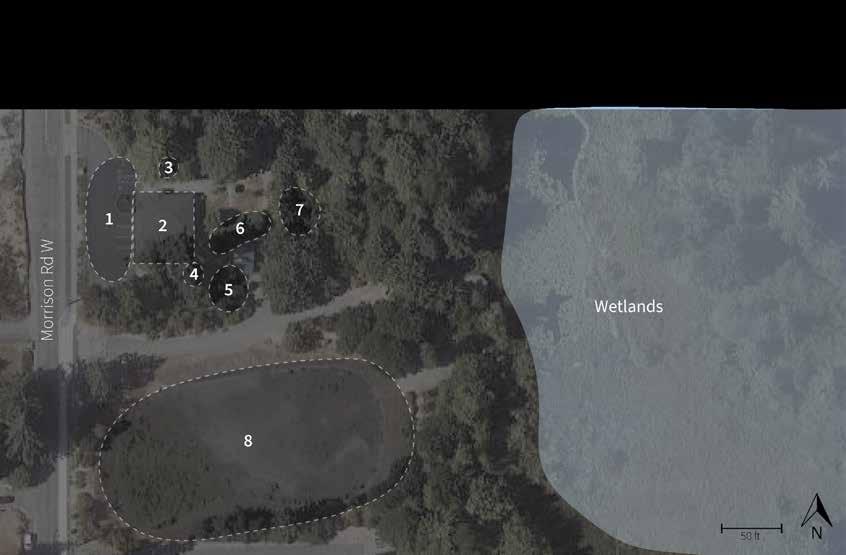
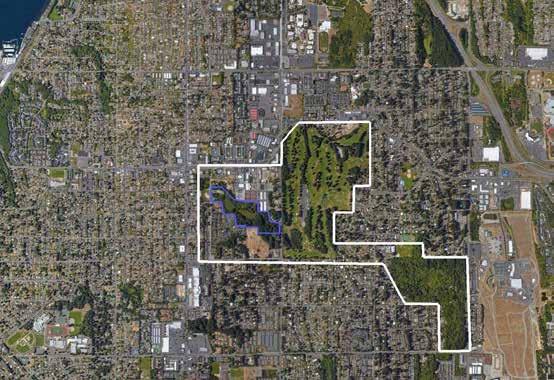
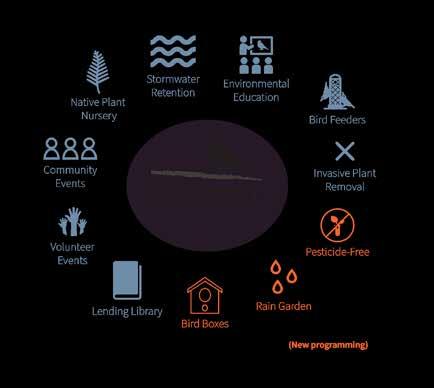
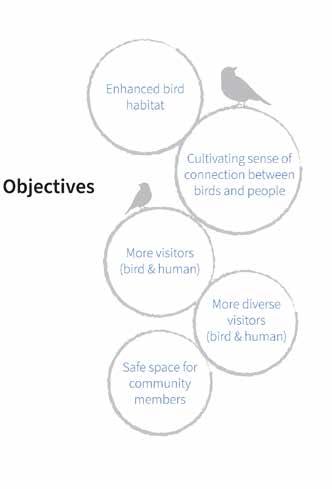
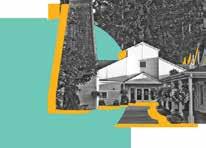
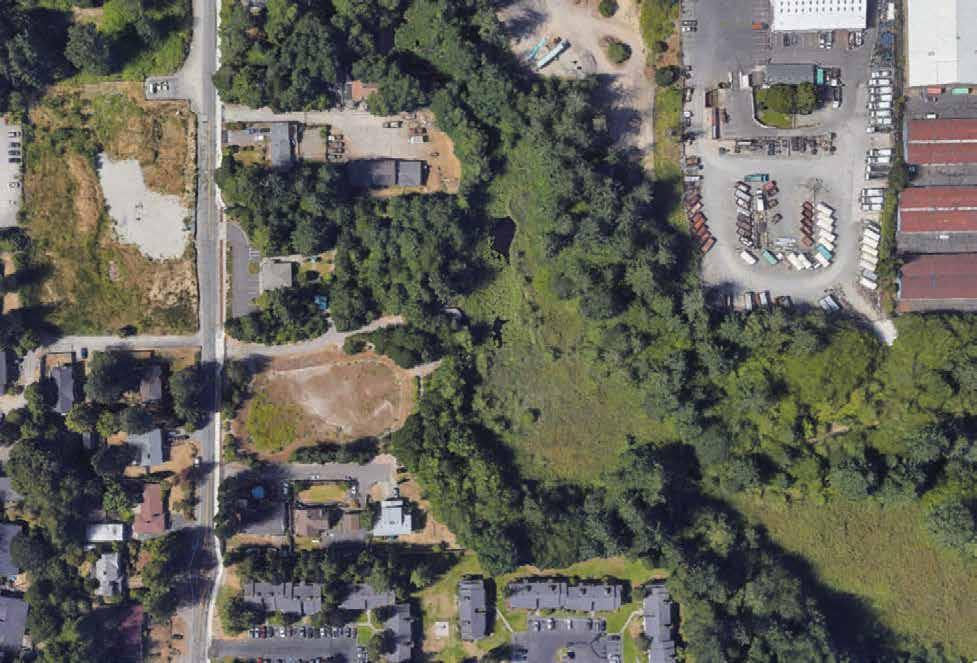
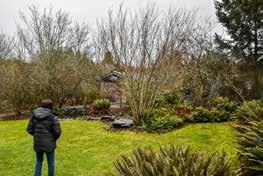
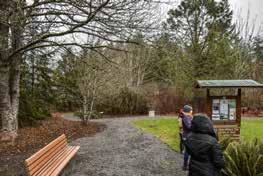
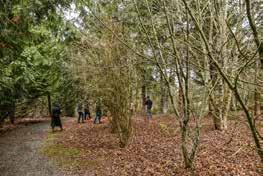
Adriana Hess Wetland Park is a small pocket of wilderness located in the City of University Place that sits just adjacent to a wetland site. This space is also home to the Tahoma Audubon Society Center. Tahoma Audubon Society advocates for the protection of wildlife and promotes conservation through education and activities that enrich its member’s experiences in and with the natural world.
UNIVERSITY PLACE

Source:http://www.cityofup.com/government/history
Major groups or tribes of local Native Americans include near University Place is the Nisqually, Muckleshoot and puyallup tribes. They evolved complex cultural, social, and economic structures, which the invasion of non-Indian settlers in the mid-1800s almost erased, but which continue today as the tribes struggle for their survival, respect, and renewal.

Source: http://nie.seattletimes.com/wp-content/uploads/sites/12/2016/10/WIGA_10-16-16_8PageTab_final.pdfl
Source: http://www.city-data.com/city/University-Place-Washington.html
Tacoma Community College
University of Washington Tacoma 5miles;15min’s drive 1.6miles;5min’s drive
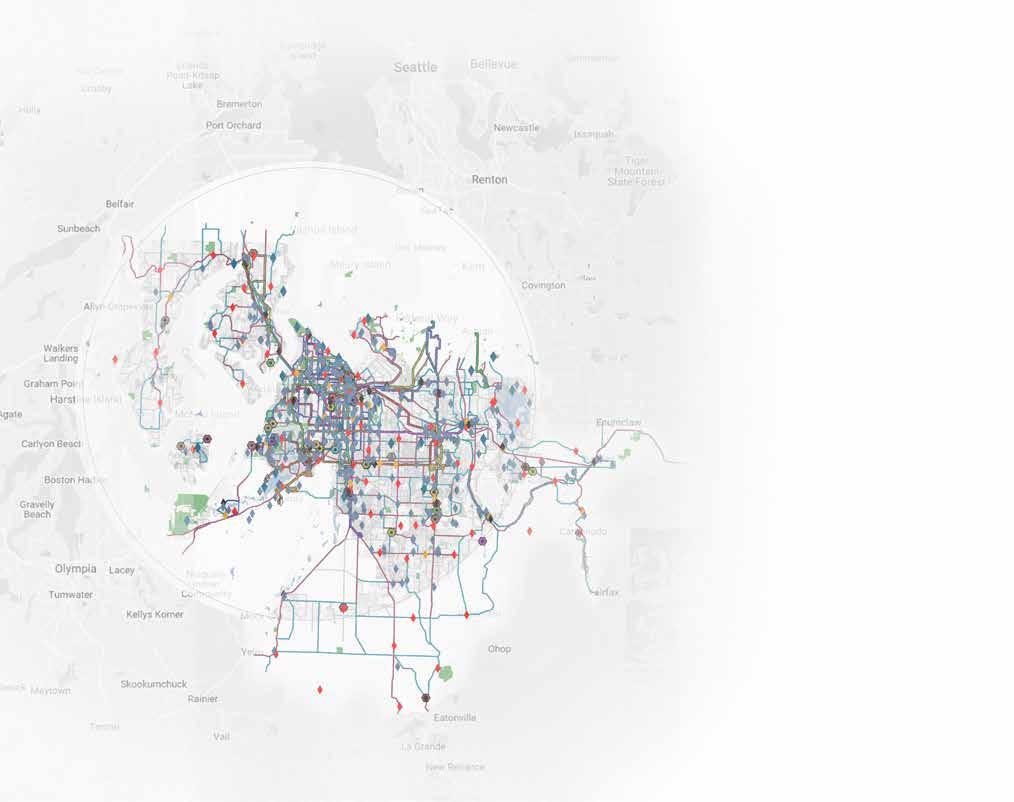
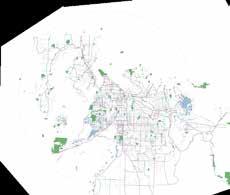
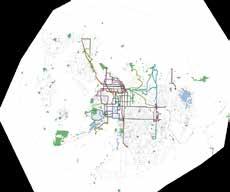
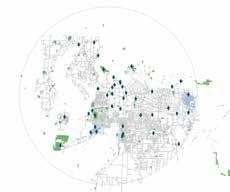
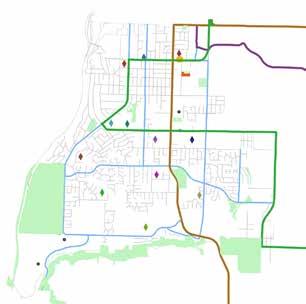
On Site Combined Map
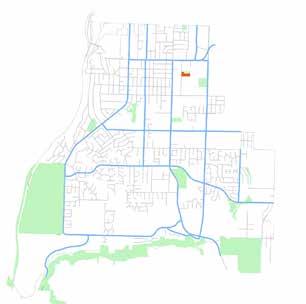
On Site Biking Map
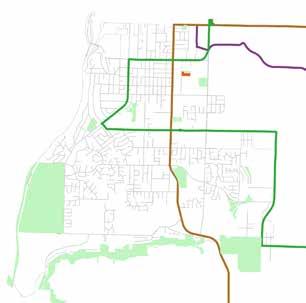
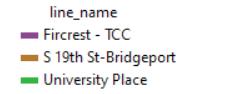
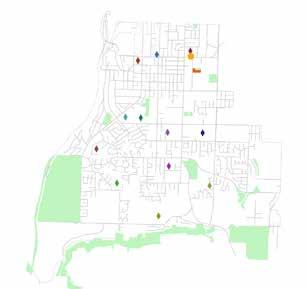
On Site BUs Map On Site Education Map
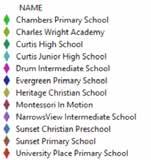
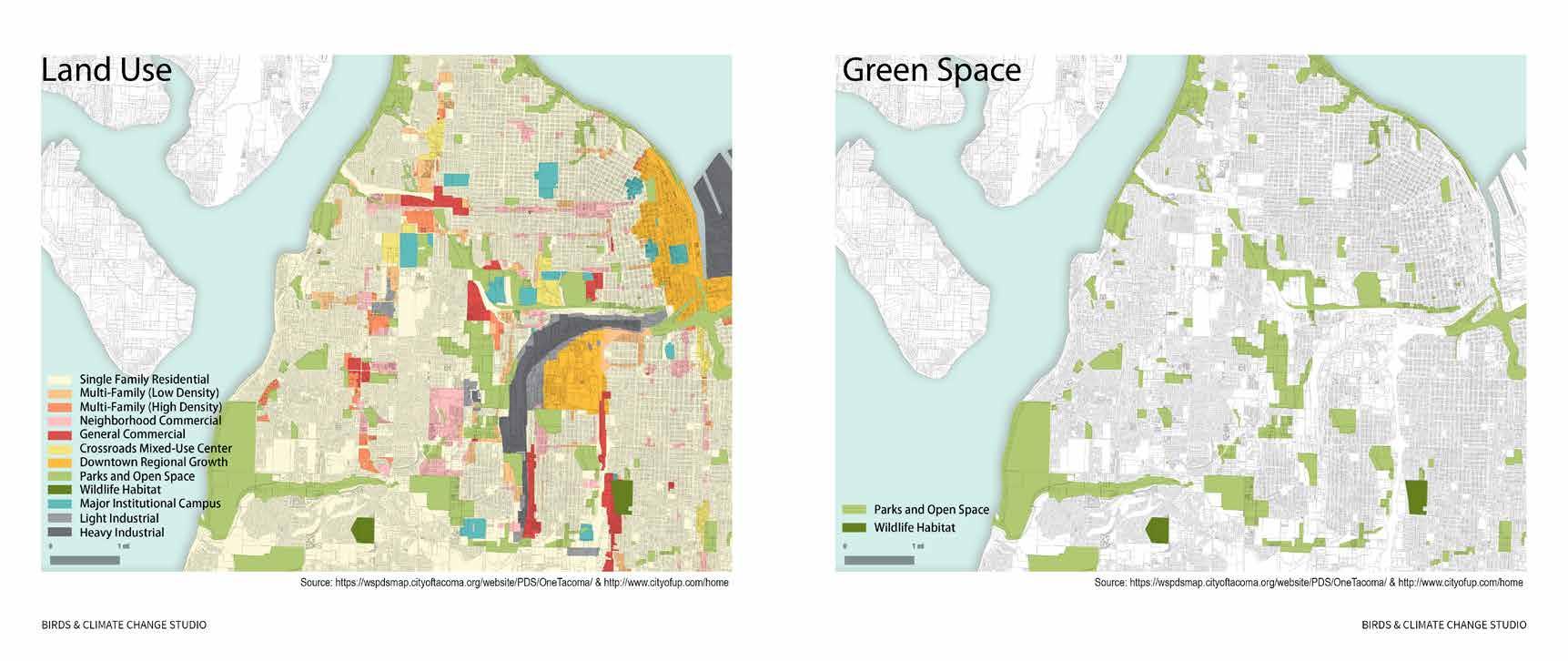
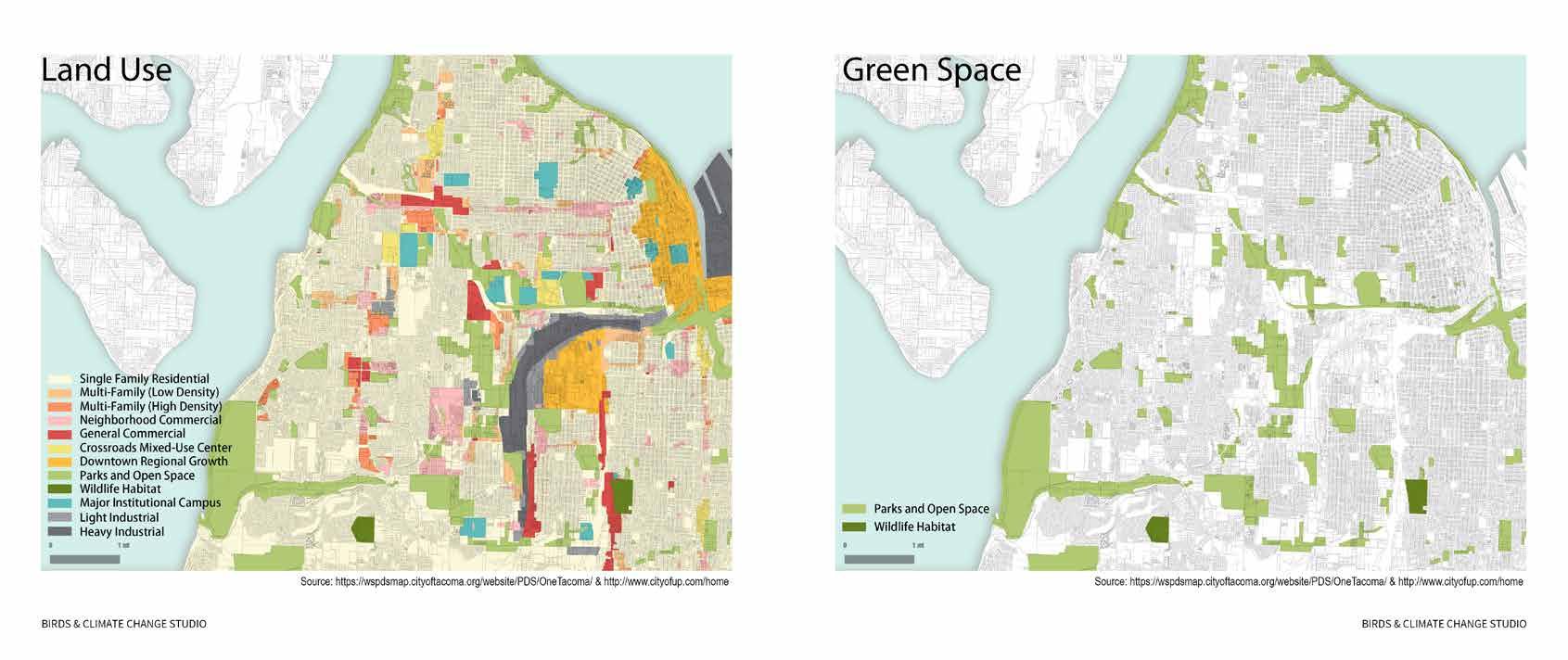
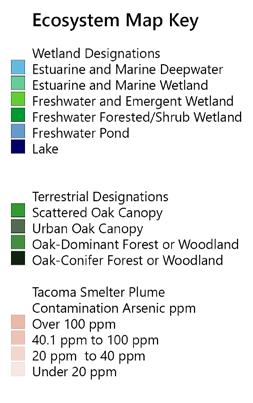
University place is a city with water front access. It is a part of the Puget Trough Ecoregion, which runs along the Puget Sound. The Puget Trough Ecoregion is characterized by the rich biodiversity of the Puget Sound estuary, salmon linking the nutrient cycles of fresh and saltwater and a terestrial system characterized by grasslands and oak woodland species.
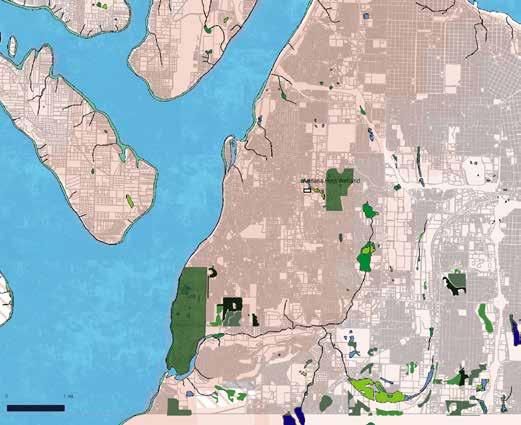
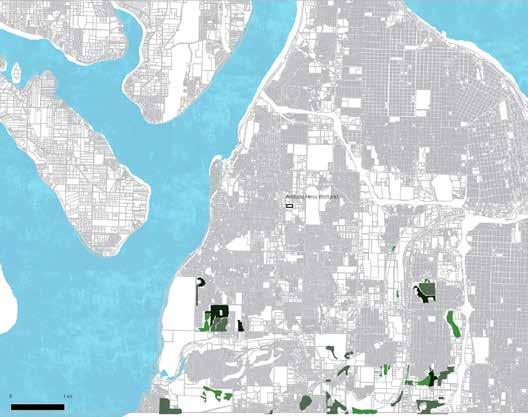
University Place includes both freshwater and saltwater wetlands, serving diverse wetland ecologies. For the most part, the shorelines of University Place are officially designated as Estuarine, intertidal, sand, partly enclosed, eulittoral.
The terrestrial ecosystem designations of University place include oak dominated ecologies and mixed oak/conifer forests. Areas with native vegetation are sparse and fragmented.
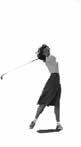
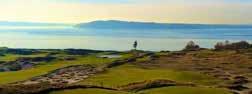
There are two large golf courses in University Place, as well as low density urban settlement. The dominant landscape typology of University Place is constructed by and for people.
The Washington State Department of Ecology predicts over 100 ppm of arsenic contamination in a large coastal swath of University Place. The contamination is the result of the Asarco Company which smelted copper in Tacoma, contaminating the sound with arsenic and lead for over 100 years. The resulting contaminated soils may pose a risk to various species.
Sources
https://en.wikipedia.org/wiki/University_Place,_Washington, https://ecos.fws.gov/ecp0/reports/species-by-current-range-county?fips=53053, https:// ecology.wa.gov/Spills-Cleanup/Contamination-cleanup/Cleanup-sites/Toxic-cleanup-sites/Tacoma-smelter, http://www.piercecountyweedboard.org/ index.php/noxious-weeds/noxious-weeds-2, http://www.landscope.org/washington/natural_geography/ecoregions/puget_trough/, https://erma.noaa. gov/northwest/erma.html#/layers=1+7585&x=-122.58495&y=47.21727&z=12.4&panel=layer, https://www2.golfadvisor.com/courses/16343-chambersbay/?page=3, https://travelingthepnw.com/2015/04/30/kobayashi-park-a-hidden-gem/, ecology.wa.gov/Water-Shorelines/Shoreline-coastal-management/Shoreline-coastal-planning/State-approved-Shoreline-Master-Programs/Pierce-County, https://www.sfestuary.org/estuary-news-pearls-spring-rungene/
& CLIMATE CHANGE STUDIO
BIRDS & CLIMATE CHANGE STUDIO
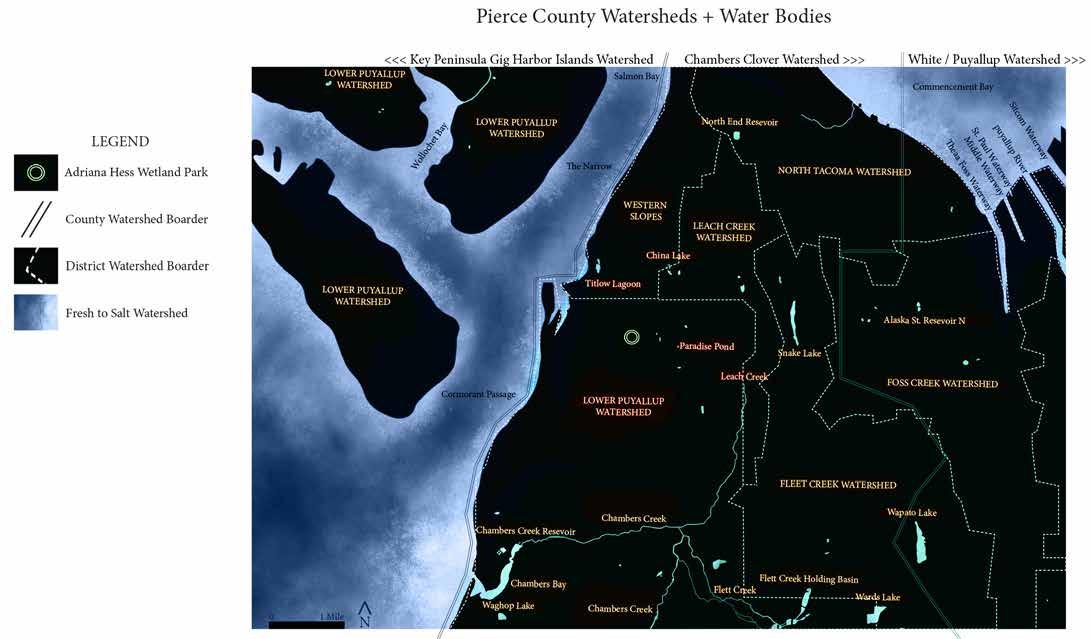
MORRISON POTHOLE DRAINAGE AREA
CURTIS POTHOLE DRAINAGE AREA
WEST SIDE BASINS
WHERE DOES ALL THE STORMWATER GO?
Undeground pipes send stormwater from the surrounding basin directly into Morrison Wetland. Stormwater is likely the primary source of water for the Morrison Wetland; no natural inputs are known.
During flood events, the wetland will overflow into the watershed to the west, and eventually to the Puget Sound.
Undeground pipes send stormwater from the surrounding basin directly into Morrison Wetland. Stormwater is likely the primary source of water for the Morrison Wetland; no natural inputs are known.
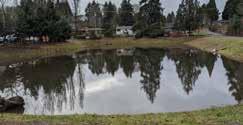
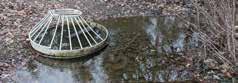
The adjacent detention pond to the south of the park fills seasonally, and is piped directly to the wetland as well. During high flows, the beehive catchbasin directly to the west of the wetland actively and visibly runs above ground, creating an ephemeral stream.
During flood events, the wetland will overflow into the watershed to the west, and eventually to the Puget Sound.
The adjacent detention pond to the south of the park fills seasonally, and is piped directly to the wetland as well. During high flows, the beehive catchbasin directly to the west of the wetland actively and visibly runs above ground, creating an ephemeral stream.
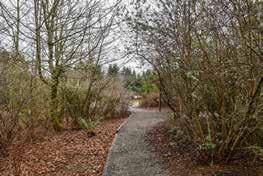
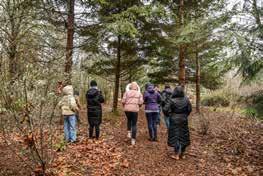
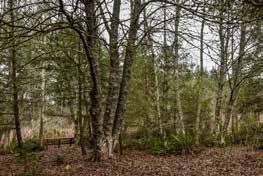
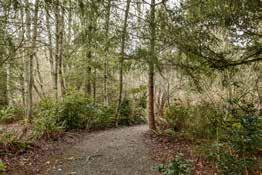
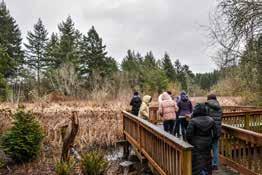
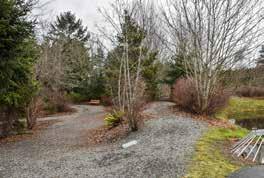
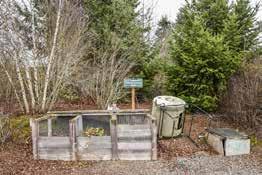
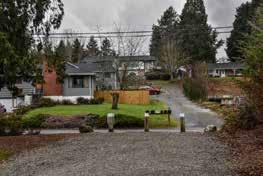
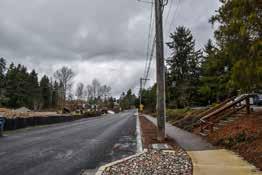
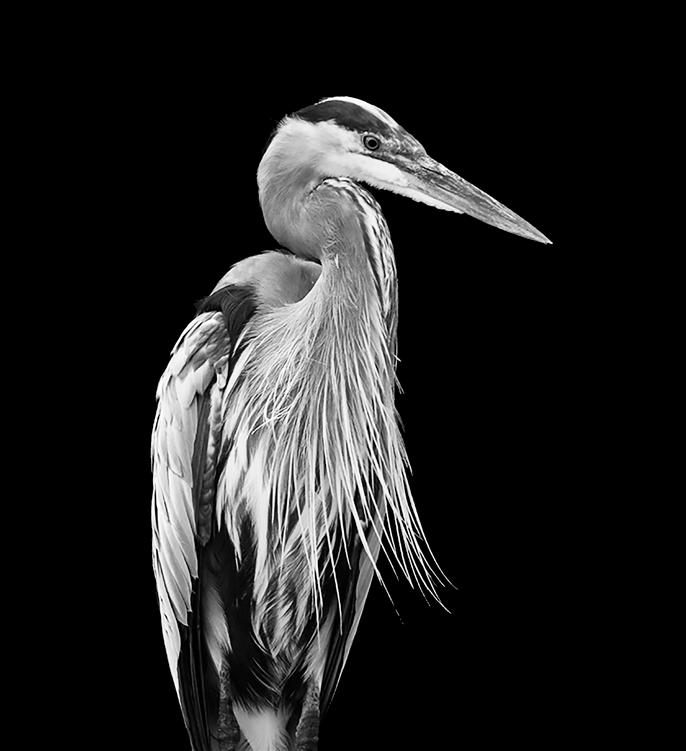
Whether living in the forest, the city, on the coast, or, in the case of our site, in a wetland, birds need water to survive. However, with the increasing threat of climate change has come an increase in water issues. Water quality and quantity are being affected and changing in ways that are negatively impacting birds and their habitats. According to a climate report led by the Puyallup Tribe of Indians, “...lower summer precipitation combined with warmer summer temperatures will stress streamside vegetation and worsen summer low flows in urban and rural streams, concentrating pollutants and increasing instream temperatures in the puget sound region. These conditions will strain aquatic species and increase the risk of harmful algal blooms, as well as worsen dissolved oxyhen levels and other parameters regulated under state surface water quality standards.”
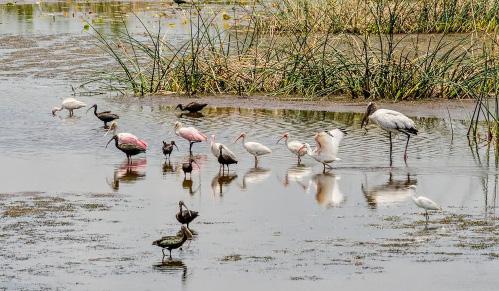
Source: https://www.pinterest.com/pin/426927239669402437/?lp=true
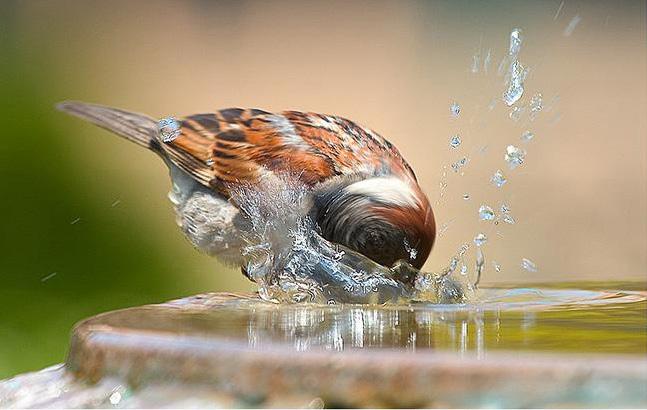
Source: http://www.city-data.com/city/University-Place-Washington.html
Source Pollution
• Oil Spills
Even small oil spills threaten wildlife and water quality, and the impact of a large spill can be catastrophic. Oil kills seabirds, fish and marine mammals and persists in the environment for years, even when the best possible cleanup technology is applied.
• Polluted Stormwater Runoff
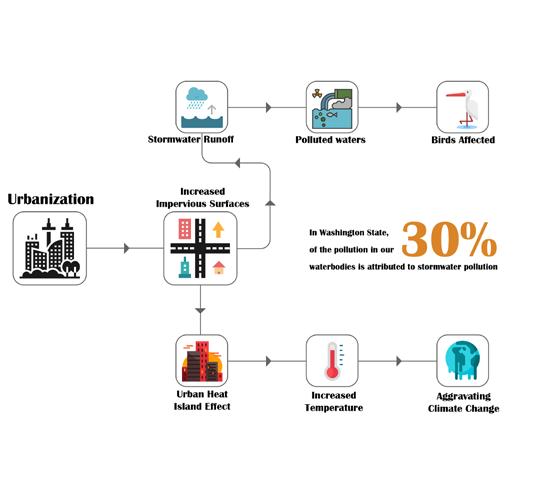
Polluted stormwater runoff is the number one toxic threat to Puget Sound. Rain washes chemicals, fertilizers, oil, auto fluids, and litter off roads and sidewalks directly into our waterways. Most stormwater systems do not go through any kind of treatment, and urban runoff can be so toxic that it kills fish in less than three hours.
• Agricultural Pollution
• Marine Debris
(Source: https://pugetsoundkeeper.org/pollution/) https://www.canadianinquirer.net/2019/09/27/trumpadministration-accuses-california-of-water-pollution/ WATER
Source: http://www.thepricelawfirm.com/oil-spill-claims/
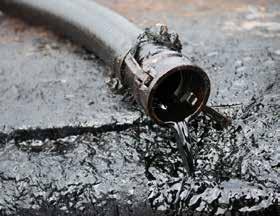
Source: http://www.thepricelawfirm.com/oil-spill-claims/
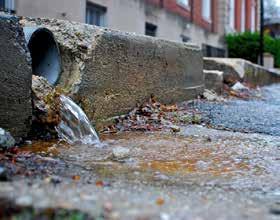
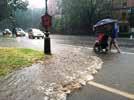
https://www.americanrivers.org/threats-solutions/cleanwater/stormwater-runoff/
https://www.canadianinquirer.net/2019/09/27/trumpadministration-accuses-california-of-water-pollution/
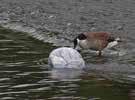
Source: http://www.city-data.com/city/ University-Place-Washington.html
Source: https://twitter.com/theferocity/status/ 1176335771684483072/photo/1
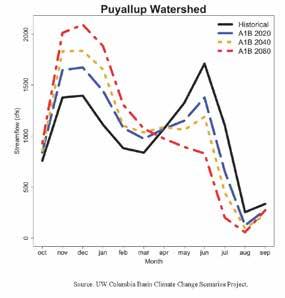
“SCIENTISTS PROJECT SLIGHT INCREASES IN WINTER, SPRING, AND FALL PRECIPITATION AND DECREASES IN SUMMER PRECIPITATION.”
- PUYALLUP TRIBE OF INDIANS
“MORE PRECIPITATION WILL FALL AS RAIN DURING WINTER MONTHS, AND SNOW WILL MELT EARILER IN THE YEAR, RESULTING IN A SHORTER SNOW SEASON AND EARILER PEAK STREAMFLOW.”
-PUYALLUP TRIBE OF INDIANS
“SCIENTISTS PROJECT SLIGHT INCREASES IN
WINTER, SPRING, AND FALL PRECIPITATION
DECREASES IN SUMMER PRECIPITATION.”
PUYALLUP TRIBE OF INDIANS
“MORE PRECIPITATION WILL FALL AS RAIN DURING WINTER MONTHS, AND SNOW WILL MELT EARILER IN THE YEAR, RESULTING IN A SHORTER SNOW SEASON AND EARILER PEAK STREAMFLOW.”
-PUYALLUP TRIBE OF INDIANS
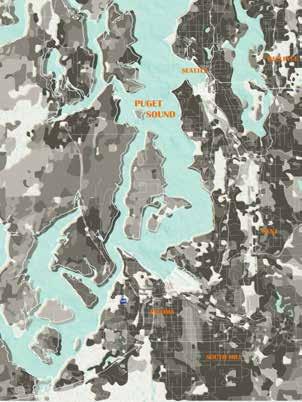
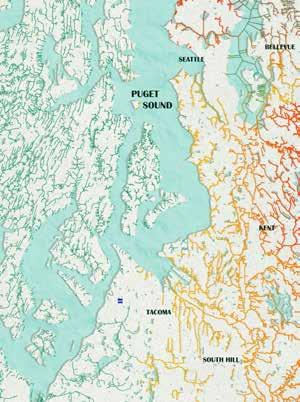
Source: http://www.landscope.org/map/#minLong=-125.44442&maxLong=-118.50656&minLat=42.35 254&maxLat=44.15274&level=8&baseMap=gray&themes=Threats&title=&drawingID=0&layers=



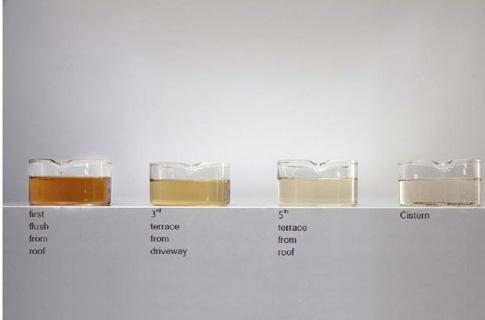
Source: https://www.gooood.cn/rain-garden-ups.htm
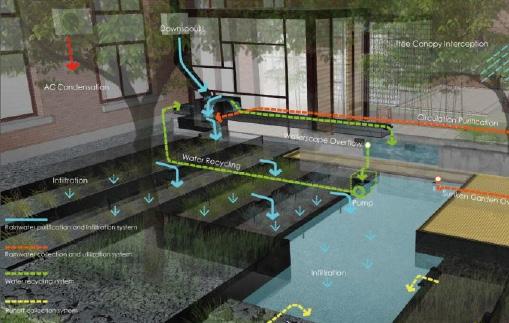
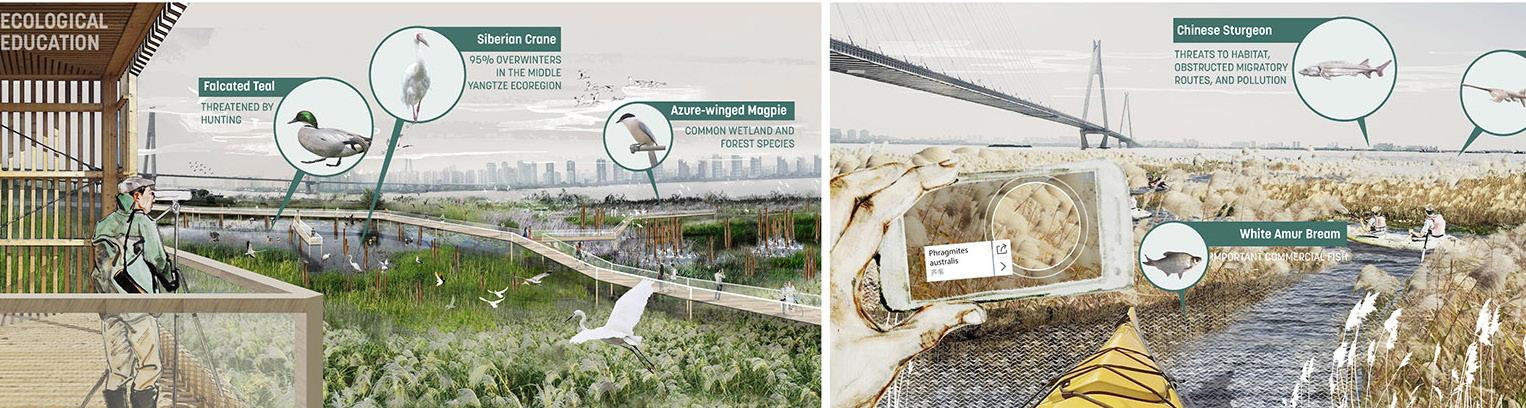
Source: https://www.gooood.cn/wuhan-yangtze-riverfront-park-in-china-by-sasaki.htm
Source: https://www.gooood.cn/floating-connection-the-harbin-cultural-center-wetland-park-by-turenscape.htm
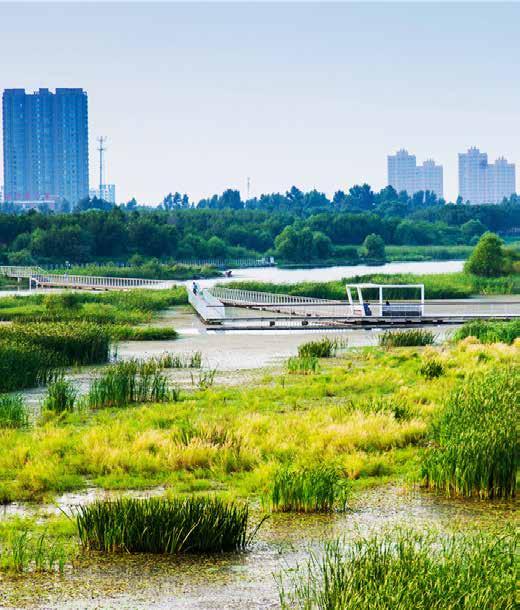
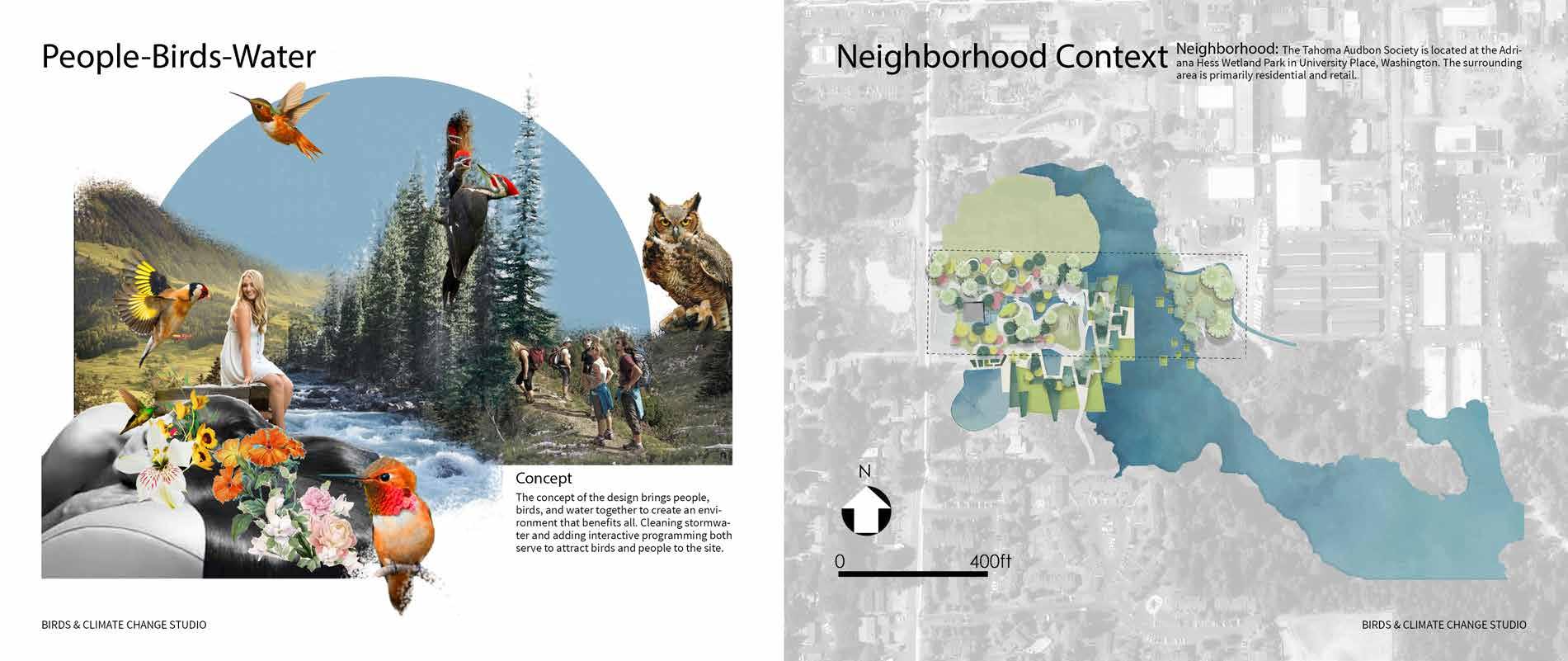
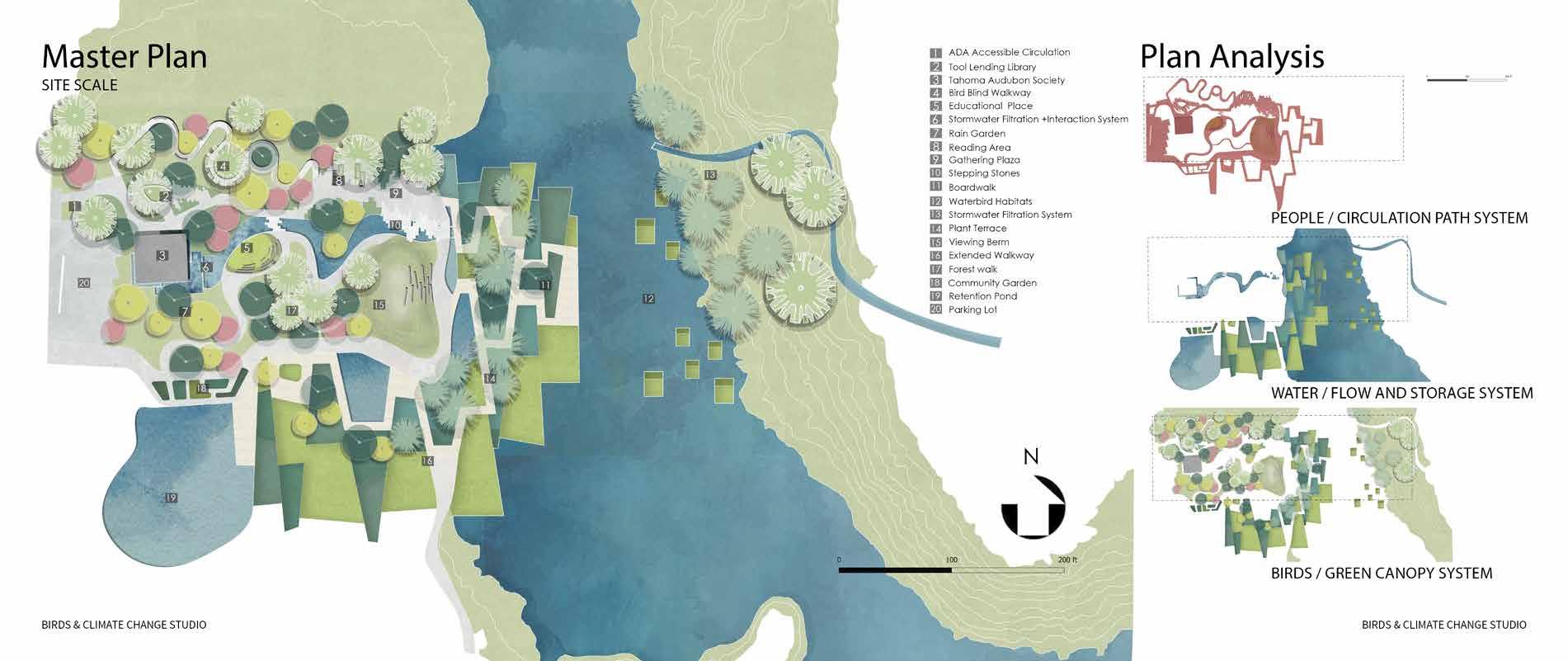
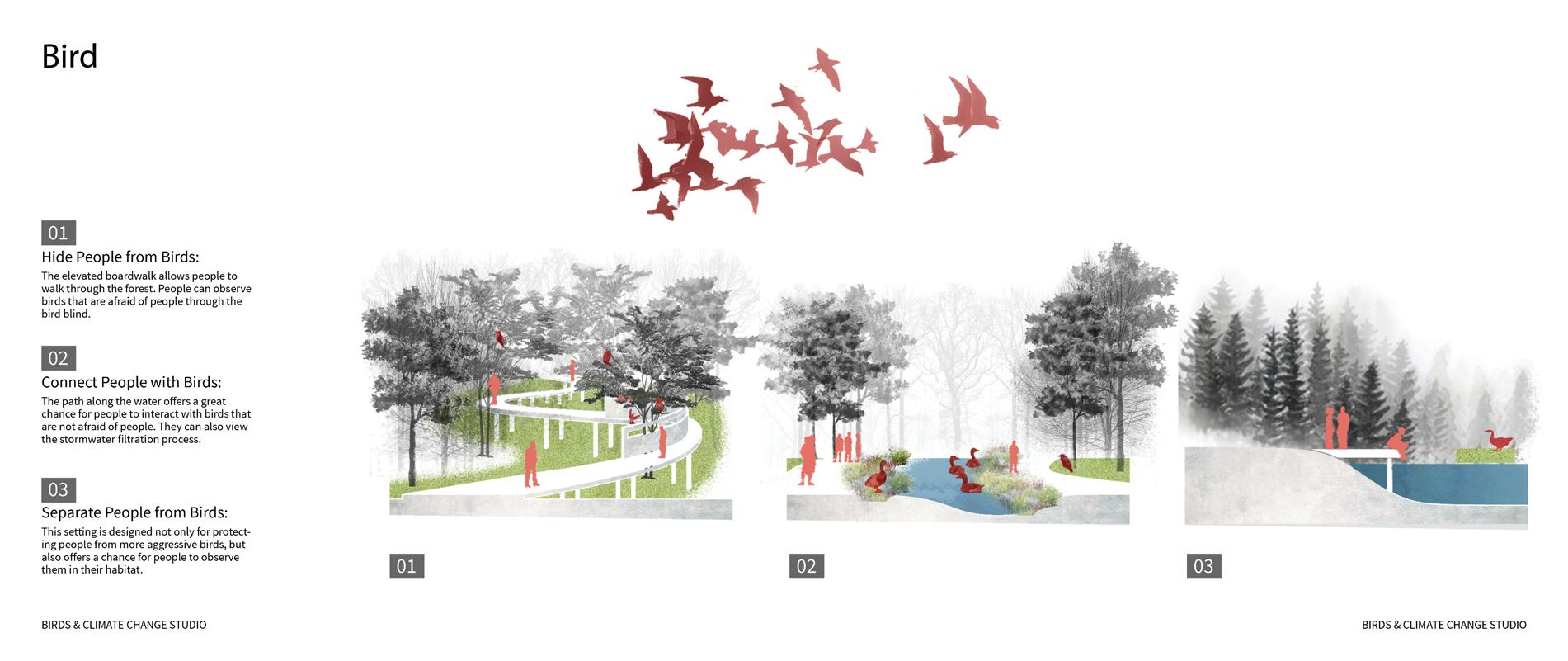
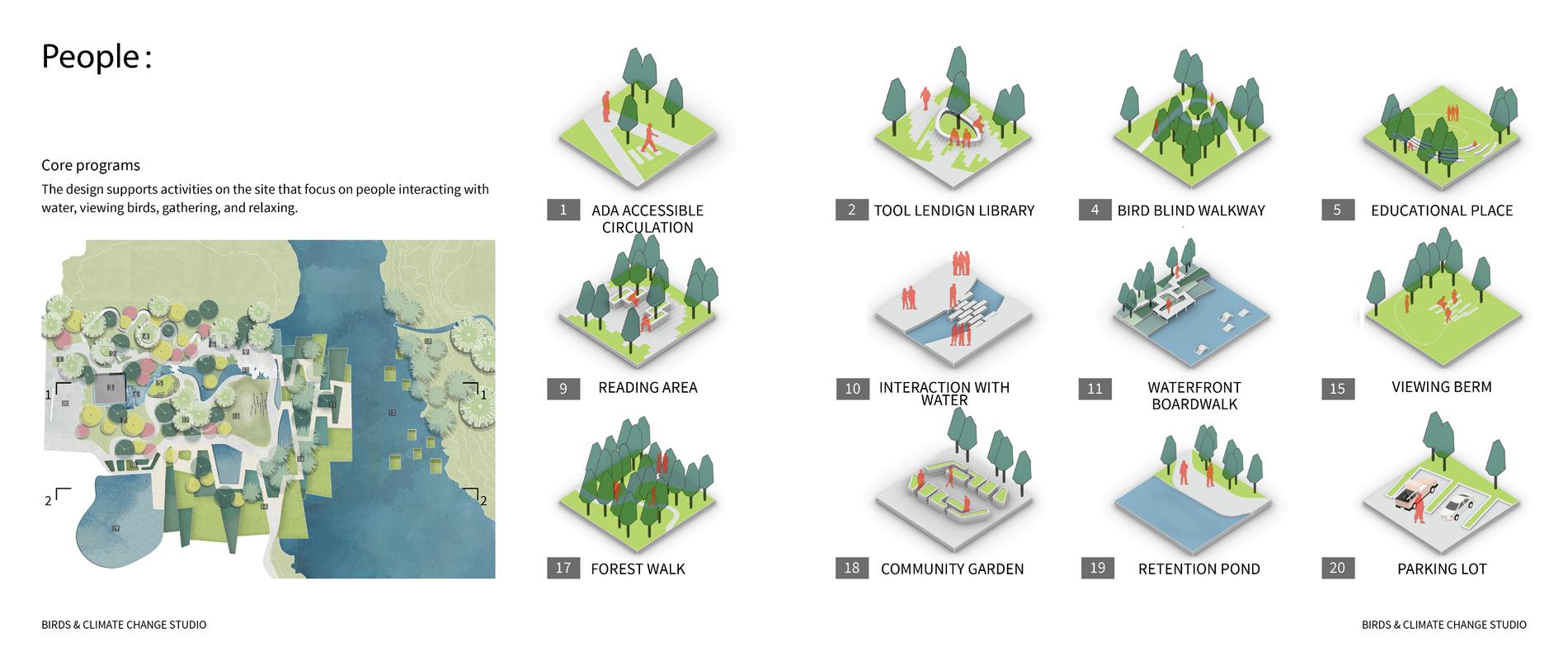
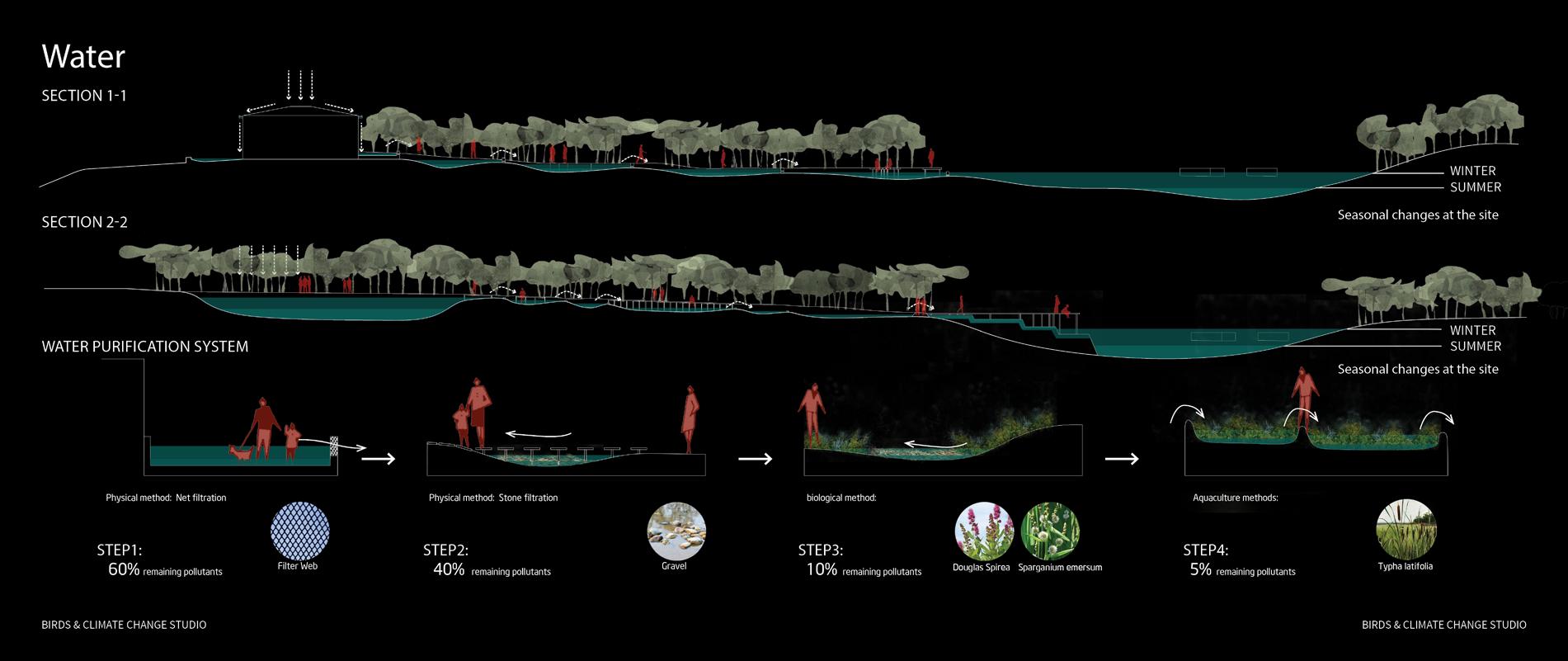
As issues of water quality have arisen with the worsening of climate change, birds and their habitats are being threatened.
My design proposes solutions to help mitigate these impacts for birds, but also provides opprtunities for people to interact with these habitats looking at both the site scale and the potentials for a larger network.
In addition to the client goals, I explored four additional design goals through the for of concept diagrammig to help further guide my process. These are outlined as followed:
• 1. Expose people to the water systems both natural and man-made that influence water habitat and impact climate change
• 2. Increase biodiversity and wildlife habitats
• 3. Interact. Use various trail experiences to promote interaction with said habitats
• 4. Connect. Expand upon the existing network of trails to bring people to Adriana Hess Wetland Park and increase accessibility to nature 1 2 3 4
Danielle Dolbow

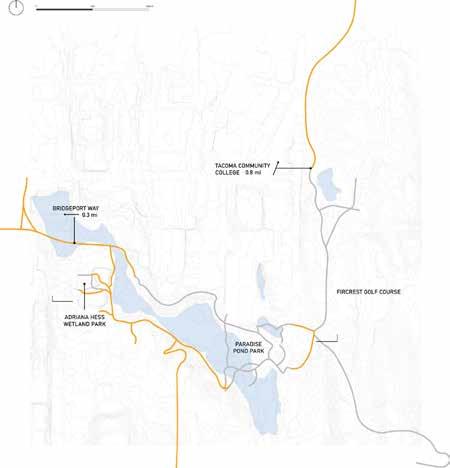
As expanding upon the existing trail system was on of the primary goals, I explored the important neighborhoods, developments, and green space that would influence the location of the new trails.
Additionally, as water was my primary focus, it was important to understand the conditions of the existing waterbodies and how they could impact the trail locations. Due to climate change more extreme fluctuations in water levels are occuring from summer to winter along with increased precipitation, therefore it was also important to look at the floodplain to see how an extreme situation might impact the area.
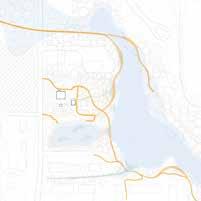
Shaded in blue on the circulation map to the right is the flood plain which is mostly contained within close proximity to Morrison Wetland.
Furthermore, I explored through diagramatic section the overall water flows of the larger context, highlighting where and how urban stormwater runoff would flow into the waterbodies.
BIRDS & CLIMATE CHANGE STUDIO
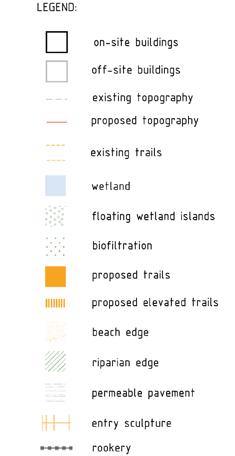
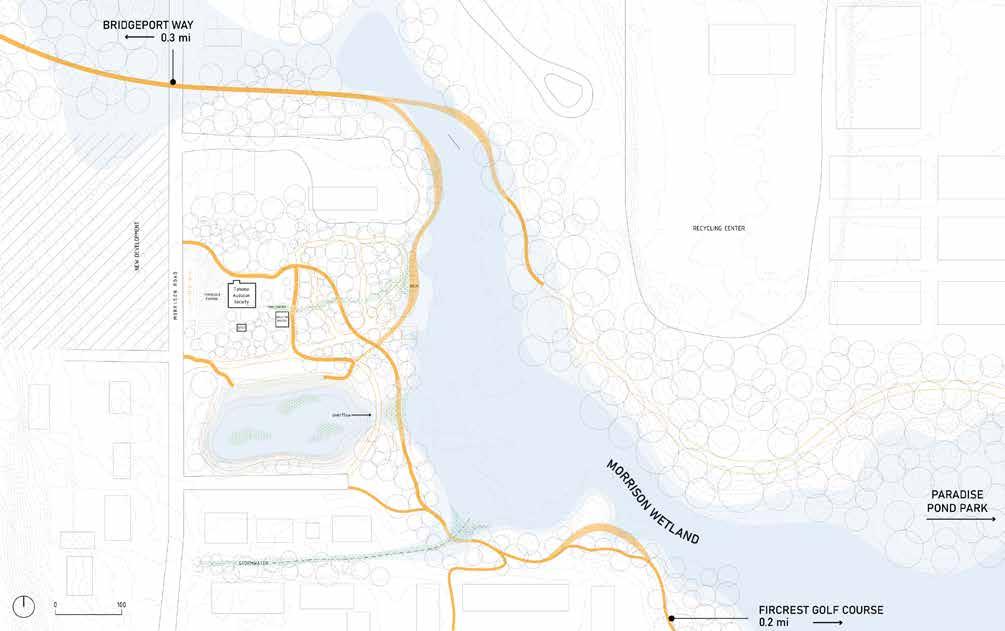
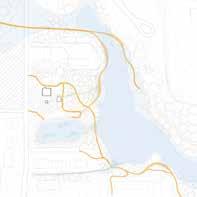
Zooming into the area surrounding Adriana Hess Wetland Park, the existing trails were simplified in order to better align with the project goals by focusing on the experience of the trails over the quantity. Furthermore, in areas where trails were removed, an increase in vegetation will fill that void, densifying the woodland scape and enhancing the habitat.
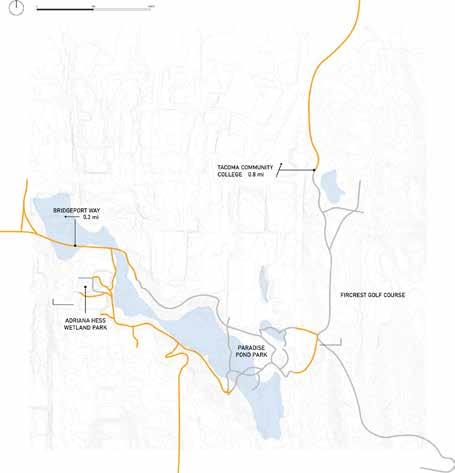
Within this context, the trail intersects with three wetland entry points, each creating their own unique experience. On the site of the Tahoma Audubon Society, one originates from the location of what is currently a smaller pond but envisions this being converted into a rain garden that also collects roof water runoff from the building on site. On wetter days, water can overflow into the bioswale that runs down to the wetland through the woodland scape, while on dryer days this swale can become an element of play using large boulders and logs for climbing on.
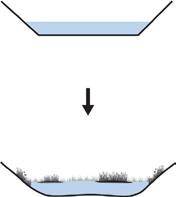
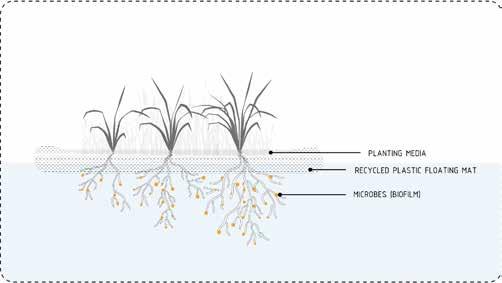
The second entry point comes from what is now the retention pond. My design proposes to naturalize the currently engineered conditions of the form through manipulation of the grade and increased vegetative edges. Additionally, man-made biofiltration floating wetlands will be incorporated that will aid in filtering the stormwater and provide more habitat to the area. Overflow will then be directed to the wetland through a mildly stepped series of purifying plants.
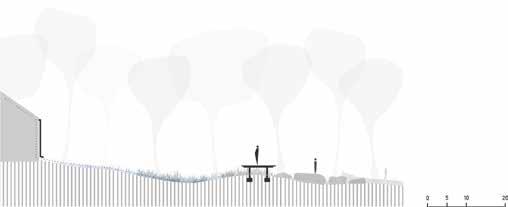
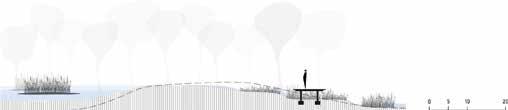
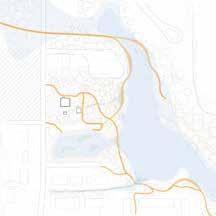
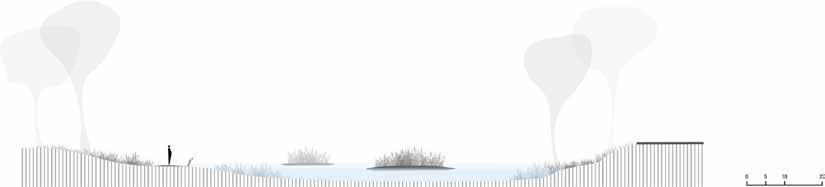
The last entry point is the “backyard swale” (Bottom). This typology proposes daylighting the existing stormwater pipe, providing a low maintenance swale for runoff to filter gradually down to the wetland from both the street, the current stormwater main line, and the adjacent houses.
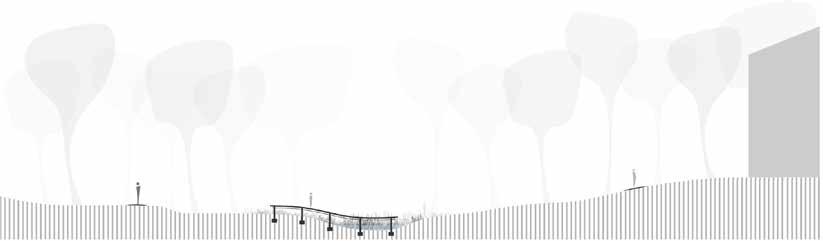
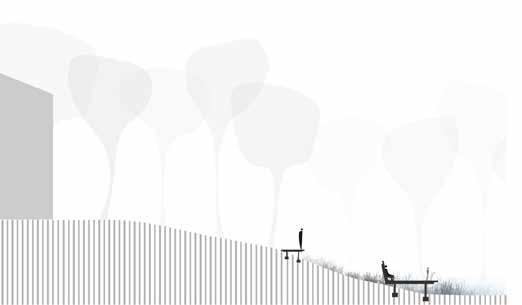
Additional section and plan explorations visualize how different points on the trail vary in elevation and experience. Some points promote a close interaction with the water and its fluctuating levels while others provide a more forest-like experience surrounded by dense groundcover vegetation and trees.
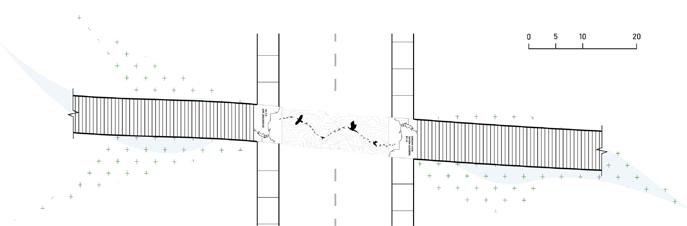
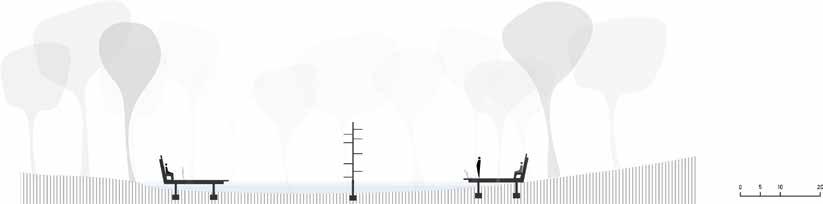
Simultaneously, my design explores ways in which to weave this natural oasis into the urban fabric in attractive and realistic ways. As illustrated in the street crossing plan, graphics and signage can be used to create intrigue, educate, and tell stories about the habitats in which visitors are to interact with.
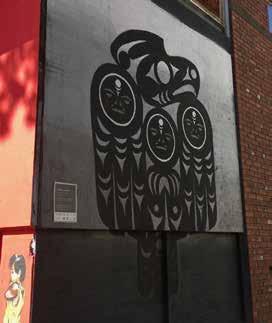
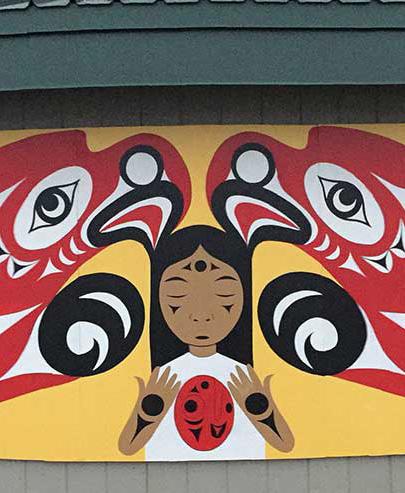
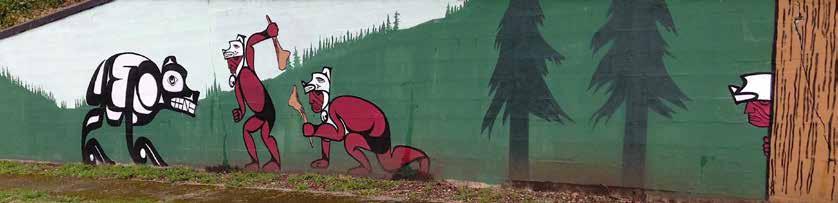
Lastly, in an effort to promote meaningful relationships between people and their surroundings, I propose a collaboration with an artists/artists of the Puyallup tribe and other members invested in this project. In various locations throughout the trail system, ancient bird legends of the tribe could be shared in a visual narrative format. The locations would depend on where one may come across the specific birds or birds of each story (i.e. great blue herons in the wetlands, ravens and wrens in the woods, etc.) This proposal would help further achieve the goals of the Audubon Society whilst linking the important history of the Puyallup tribe, and provide an opportunity for further relations. Pictured are the works of Anthony Duenas, a member of the Puyallup tribe. His work, located all around Tacoma, centers on contemporary interpretations of Northwest native mythology.
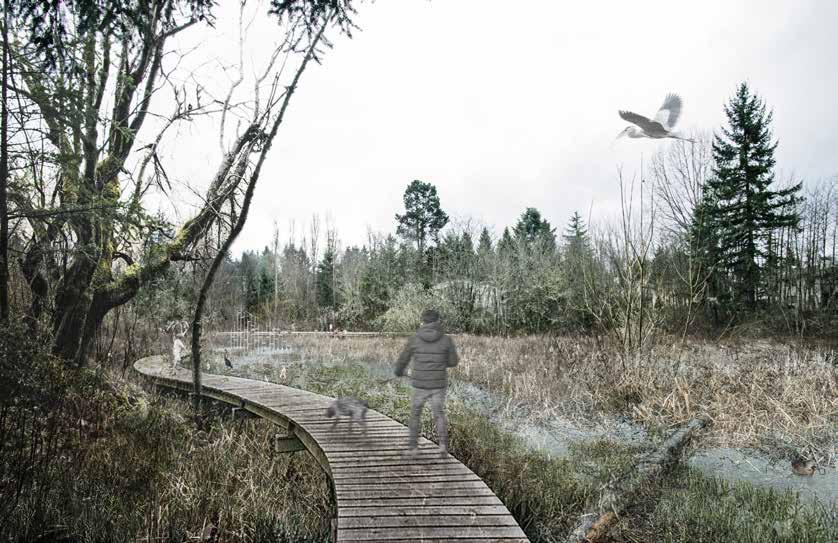
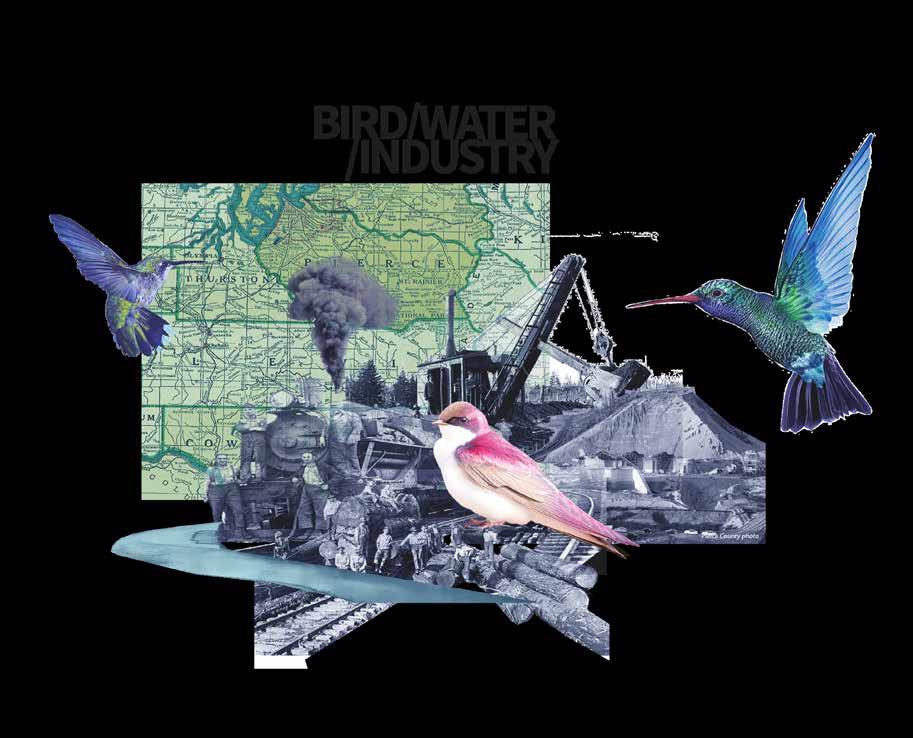
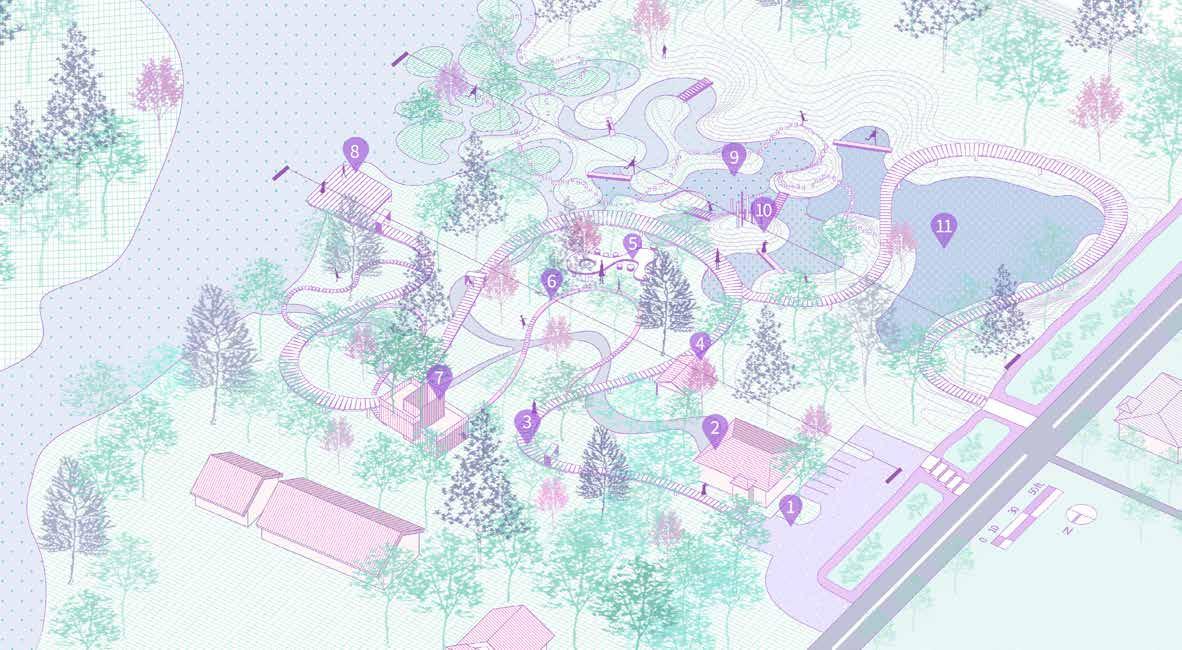
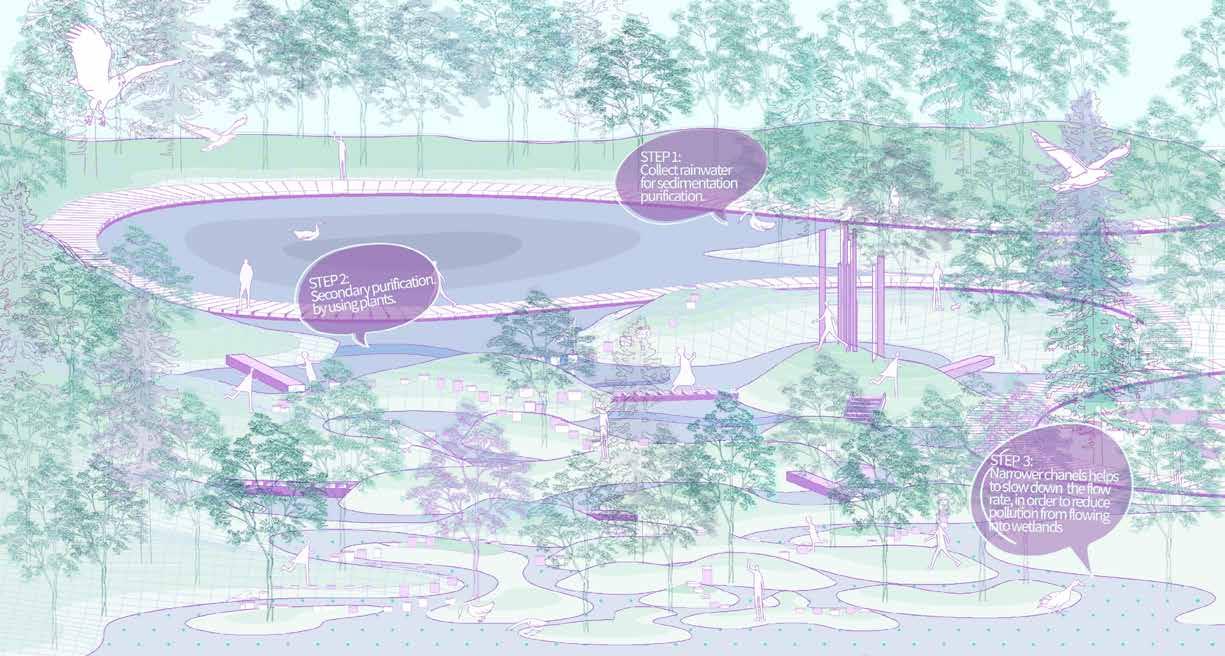
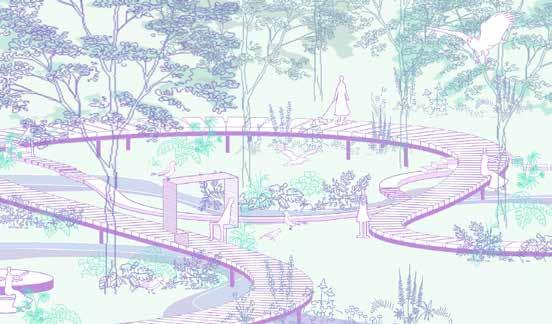
In landscape concept, I focus on water, at the same time use birds and industrial elements as the design features of the park.
The main concern of this project is to create participatory landscape by increasing interaction between human and water. The strategy is to involve visitors in the wetland and water system, in order to raise their awareness of environmental protection.
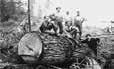
Also, I introduce the industrial history context of University Place, the railroads and lumbering, into the site. Even though it was just a short period during the rapid development process, the meaningful context has the value for memorizing.The striking contrast of industry and birds sets visitors thinking about the relationship between human and nature.

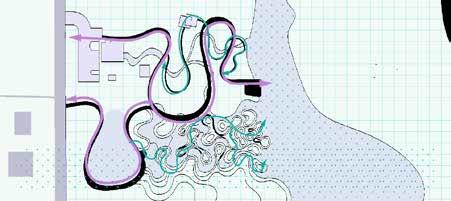
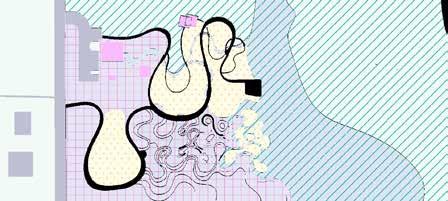
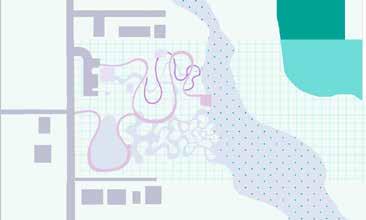
Context Plan


1.Parking Lot
2.
3.Wood
4.Education
5.Chatting
BIRDS & CLIMATE CHANGE STUDIO
“WETTER
BIRDS & CLIMATE CHANGE STUDIO
Canopy:
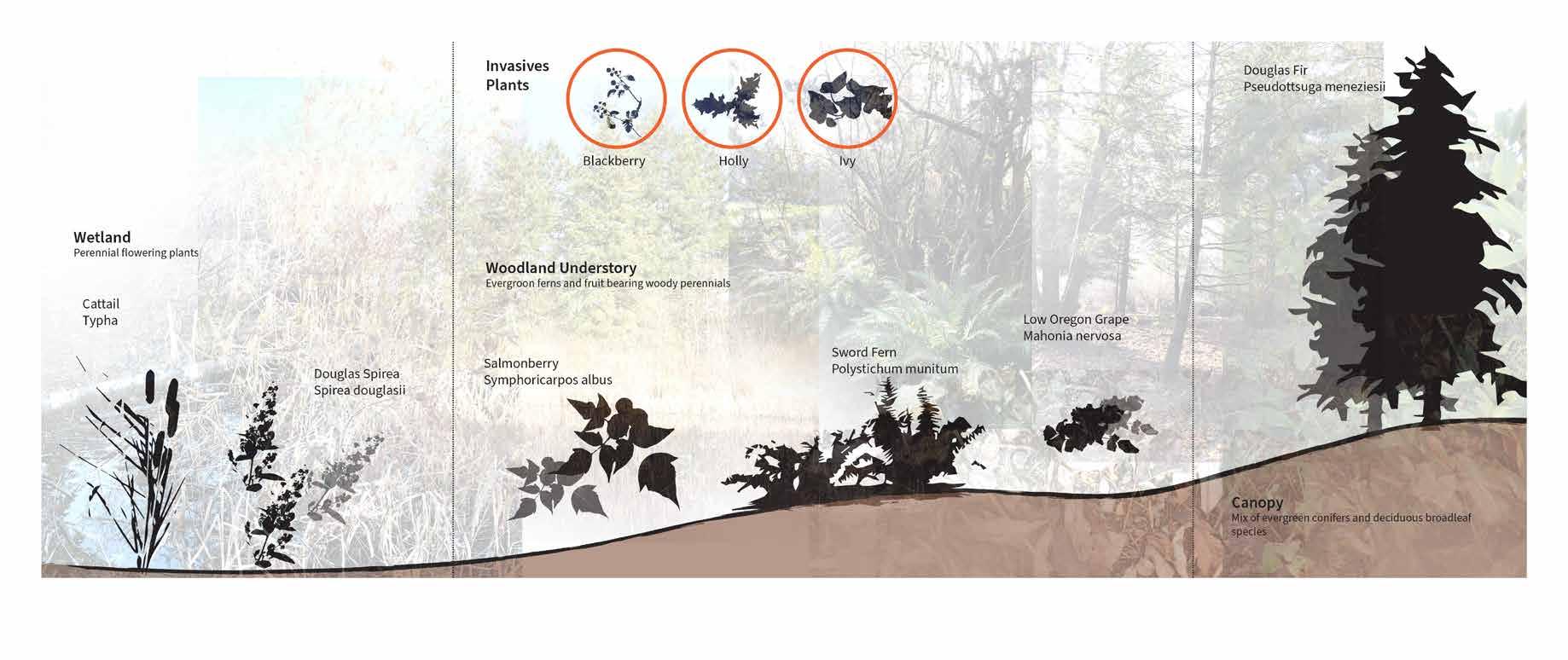
Mix of evergreen conifers and deciduodus broadleaf species
Rain Garden Plants:
Helps to filter polluted water
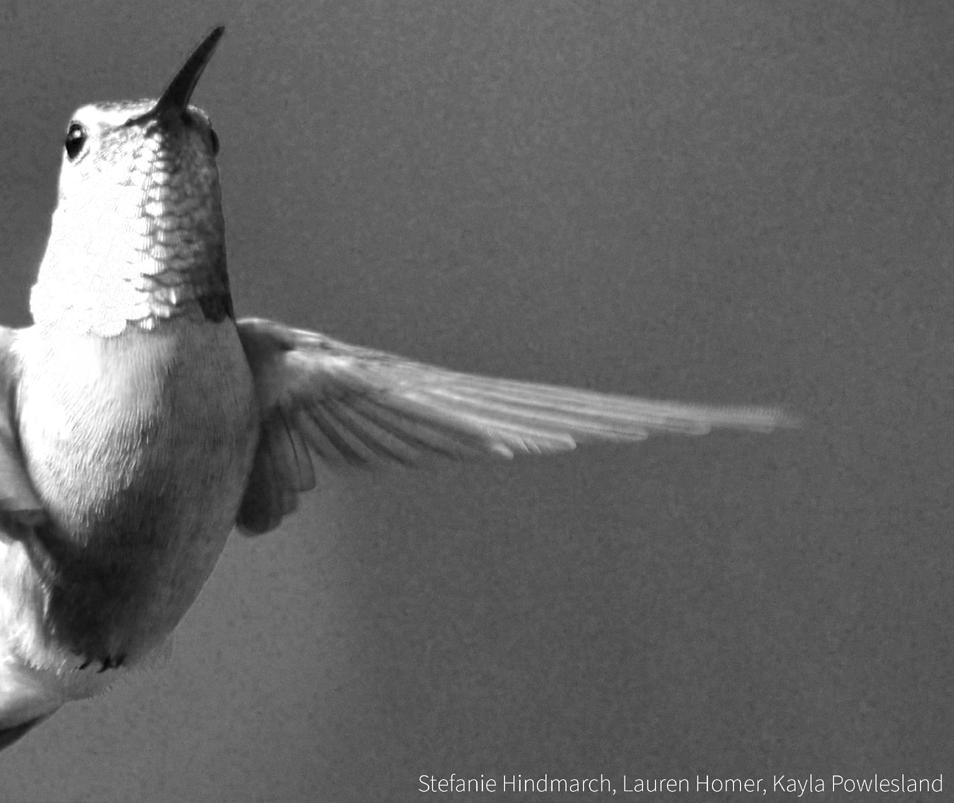
Over 100 species call Adriana Hess home. 55% of those 100 species are migratory birds that use Adriana Hess as a resting stop, migration corridor and breeding ground. 45% of those 100 species are year round species that can be found throught the year at our site. Today 28 these species are currently recognized as threatened or endanged of becoming extinct.
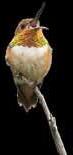
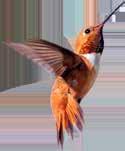
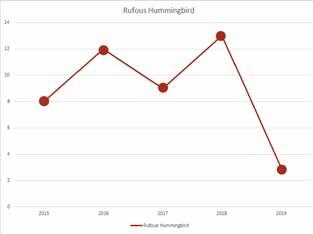
The International Union for Conservation of Nature (IUCN) Red List places three of the species found on our site as threatened. Species categorized as threatened are “considered to be facing a risk of extinction in the wild” (World Wildlife Fund). The Rufous Hummingbird, Evening Grosbeak, and Olivesided Flycatcher (pictured left to right) found at the site, are listed as threatened.
The Washington State Endangered Species List categorizes 8 species as threatened on
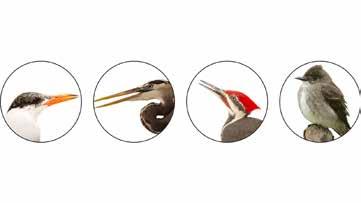
our site. This includes a variety of songbirds, migratory birds, aquatic and apex species. The Rufous Hummingbird, Evening Grosbeak, Vaux’s Swift, Merlin, Caspian Turn, Great Blue Heron, Pileated Woodpecker, and the Olivesided Flycatcher are all threatened.
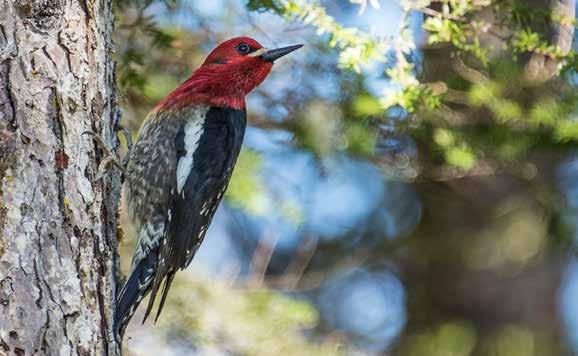
Washington Audubon gathered current data and projected current declining rates with climate change into the future. The species listed are predicted to be threatened in the very near future. 14 of the species on our site are predicted to be threatened. 2 of these species will be endanged or will be extinct: the Olive-sided Flycatcher and Vaux’s Swift. The Hammond’s Flycatcher, Willow Flycatcher, Pacific-slope Flycatcher, Hooded Merganser, Band-tailed Pigeon, Vaux’s Swift, Rufous Hummingbird, Western Glaucouswinged Gull, Caspian Tern, Cooper’s Hawk, Bald Eagle, Red-breasted Sapsucker, and Merlin are all threatened.
Created by the Washington Audubon, the report “WA Survival By Degrees” looks at how climate change will affect the birds of Washington State.
29 species are threatened by climate change.
19 species face extinction.
“Climate change is an existential threat to birds and people.” - National Audubon Society
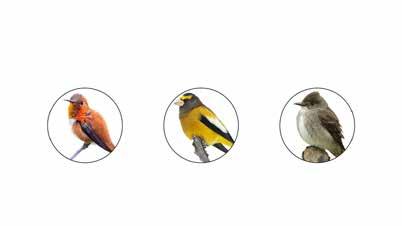
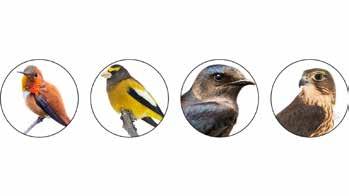
REGIONAL NEAR FUTURE, AUDUBON WASHINGTON VULNERABLE BIRDS LIST
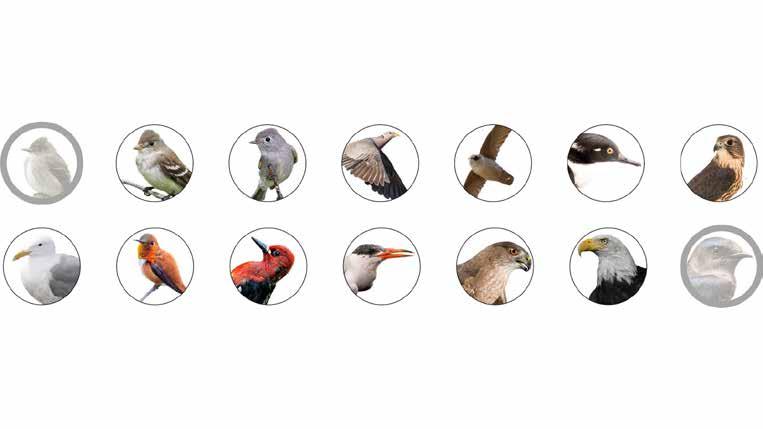
EXTINCTION
Bird Demographics
Over 100 species 55% of those birds that use migration corridor of those 100 that can be site. Today recognized becoming Today, National The International of Nature (IUCN) the species Species categorized “considered in the wild” Hummingbird, sided Flycatcher at the site, Today, Washington The Washington List categorizes
The Audubon Society found that if we are able to limit global warming to 1.5°C, 150 species will no longer be at risk of extinction due to climate change
“Whether you’re a veteran naturalist or have no interest in nature they are just a great bridge to a whole other world that so many of us don’t have access to otherwise.” - Kaeli Swift
Learning & Engagement
Curiosity
Birds are intriguing
How can we magnify natural curiosity and use it to inspire action?
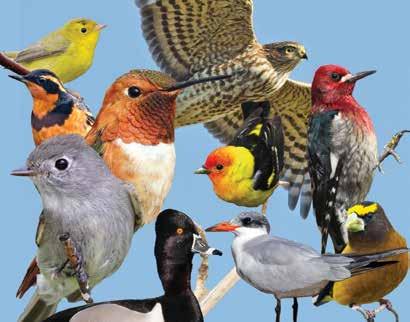
Data from Washington State and Pierce County, bird images from All About Birds


When might you have this moment?
SEASONAL MIGRATORY BIRDS AT ADRIANA HESS
When might you have this moment?
MIGRATORY BIRDS AT ADRIANA HESS


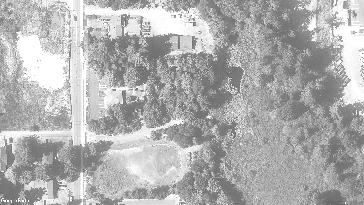


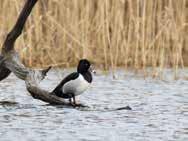

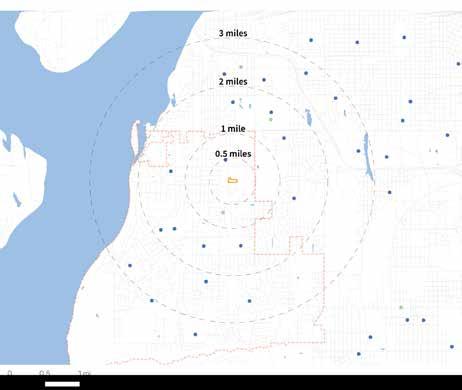
33,740 residents in University Place
876,764 residents in Pierce County
47% of households in University Place have children
There are more than 20 educational institutions within 3 miles of Adriana Hess Wetland Park
On our site, over 50% of the species are migratory. Some travel the distance of the entire Northern and Southern hemispheres annually. This distance requires a great amount of endurance. Birds need stops along their route for food and rest. Adriana Hess is along one of the the busiest migration routes. Our site is essential to their success.
The effects of climate change are predicted to affect these migration patterns. Climate change will change much of the natural habitat these bird require. With continuing development of their habitat, sites like Adriana Hess hold even more importance. Our site can act as a buffer to climate change and continue to offer a home to many birds.
STATEMENT + INTENT
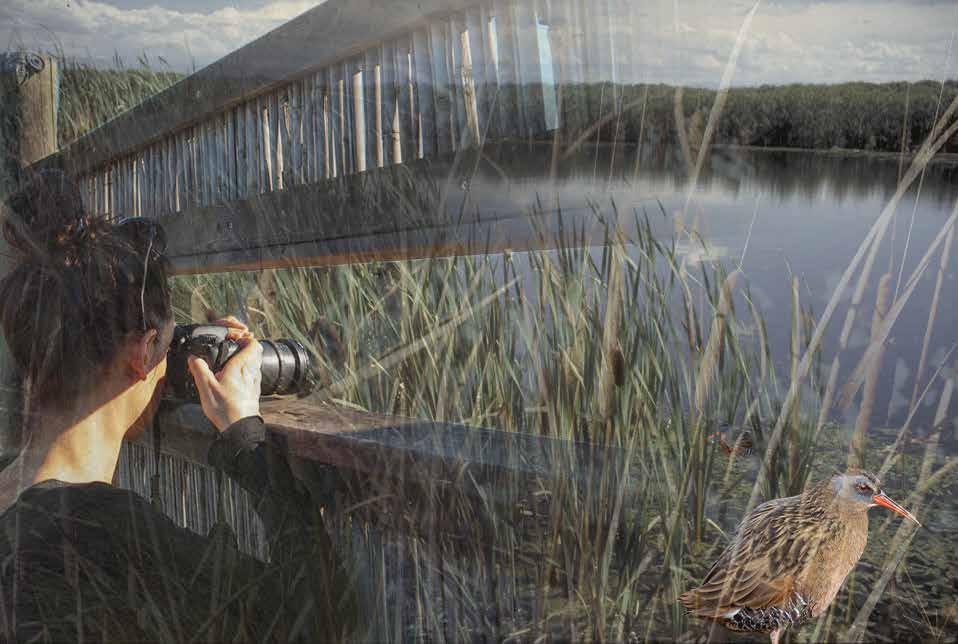
This site design focuses on experiential learning and fostering a sense of wonder about birds by creating oppotunity for unexpexted, contemplative moments of discovery at Adriana Hess Wetland, in addition to accomodating and expanding Tahoma Audobon Society’s capacity for structured education and outreach.
• Inspire action to proctect birds from climate change effects by fostering wonder and emotional investment of visitors
• Educate users about birds and climate change
• Create a “draw” at Adriana Hess Wetland to engage the local community in the site
• Increase habitat diversity on site, attracting more bird species
• Improve habitat opportunity of existing detention pond space while preserving stormwater management capacity
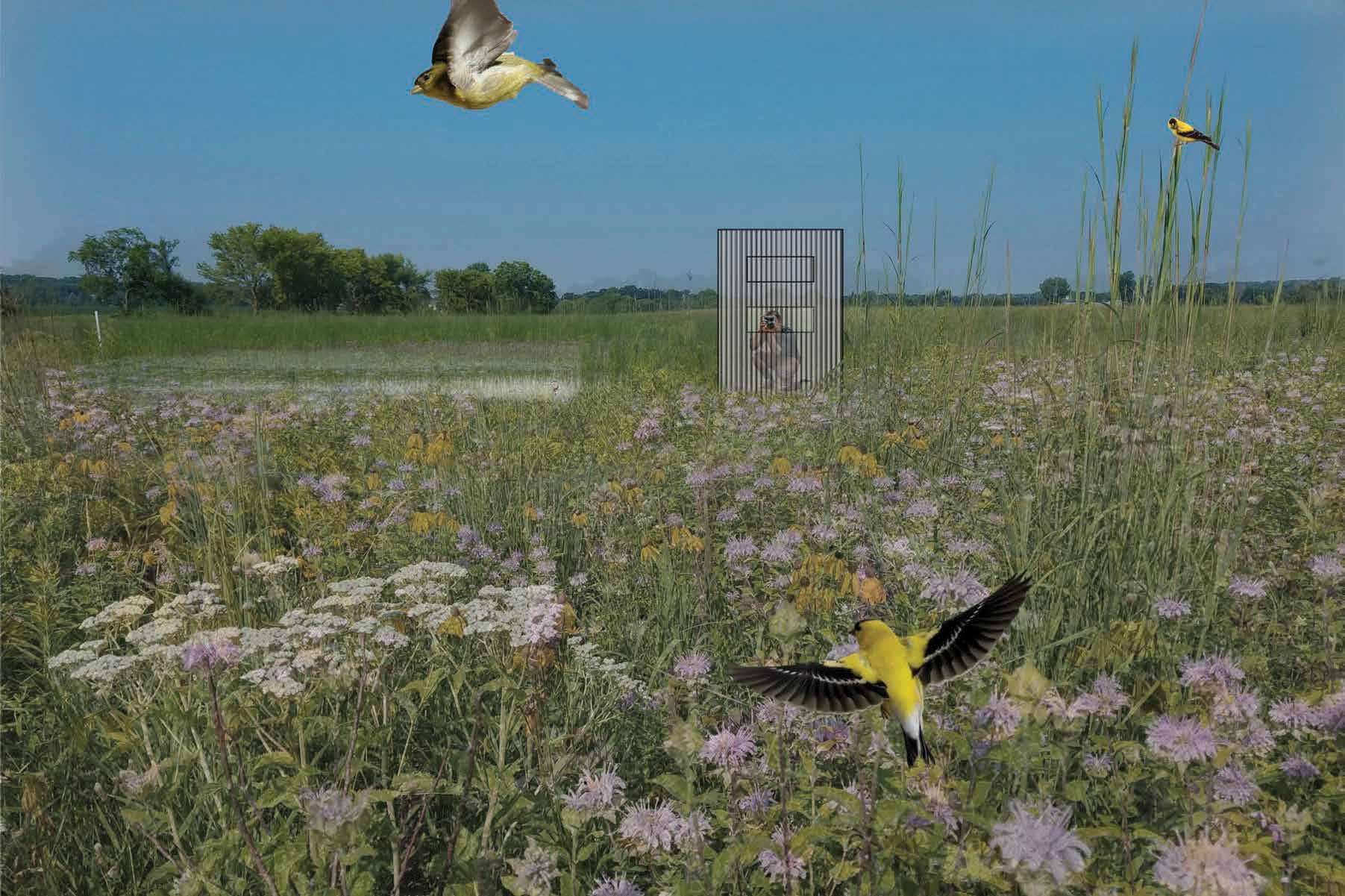
Design strategy focuses on a primary network of “bird blind classrooms,” gathering spaces for community bird walks, workshops, and Tahoma Audobon educational activites. A secondary network of “secret” bird blinds and points of interest, which are remote, visually obscured, or only accessible seasonally provide opportunity for contemplative, unstructured moments of discovery.
Obscuring Strategies
Design Concept
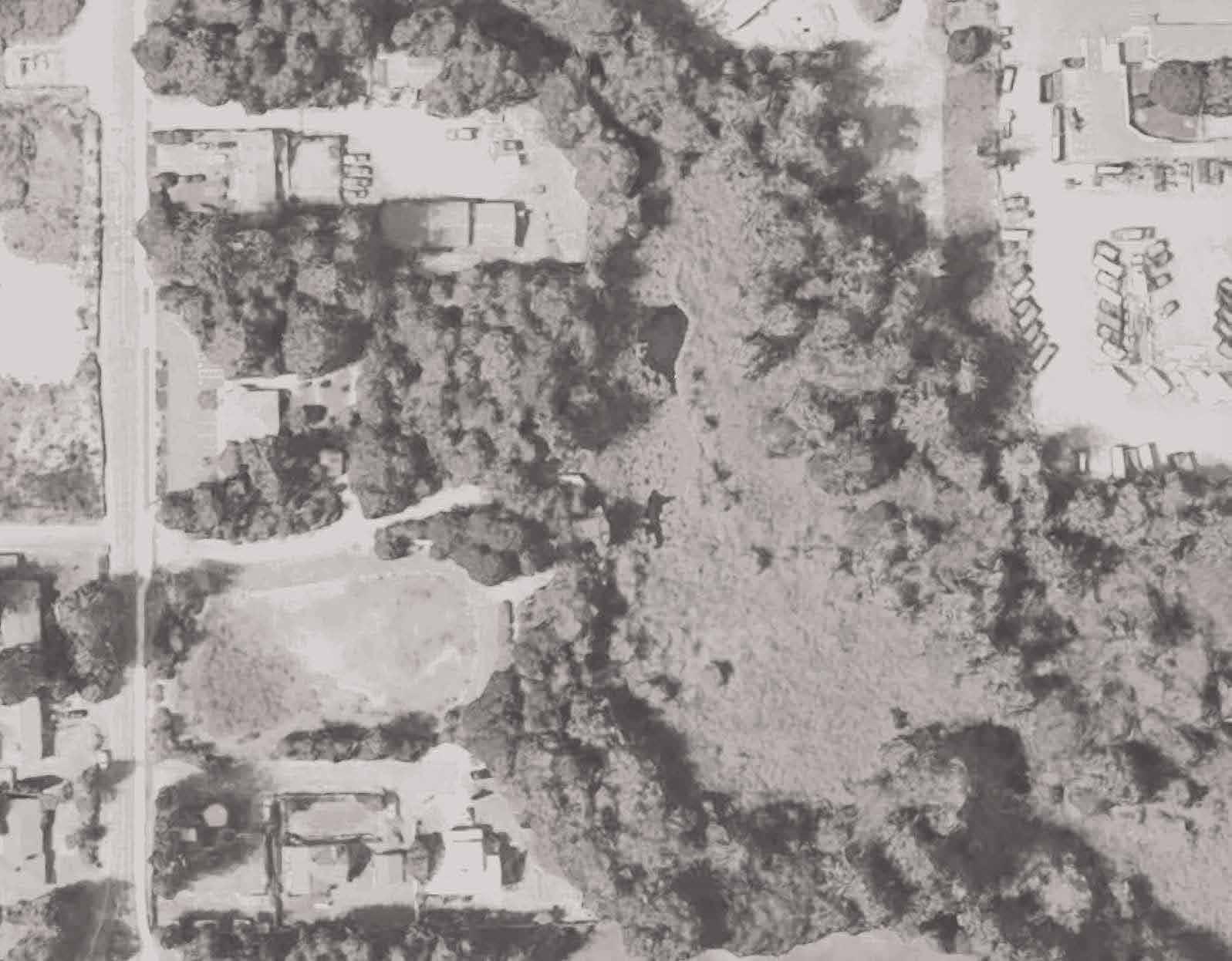
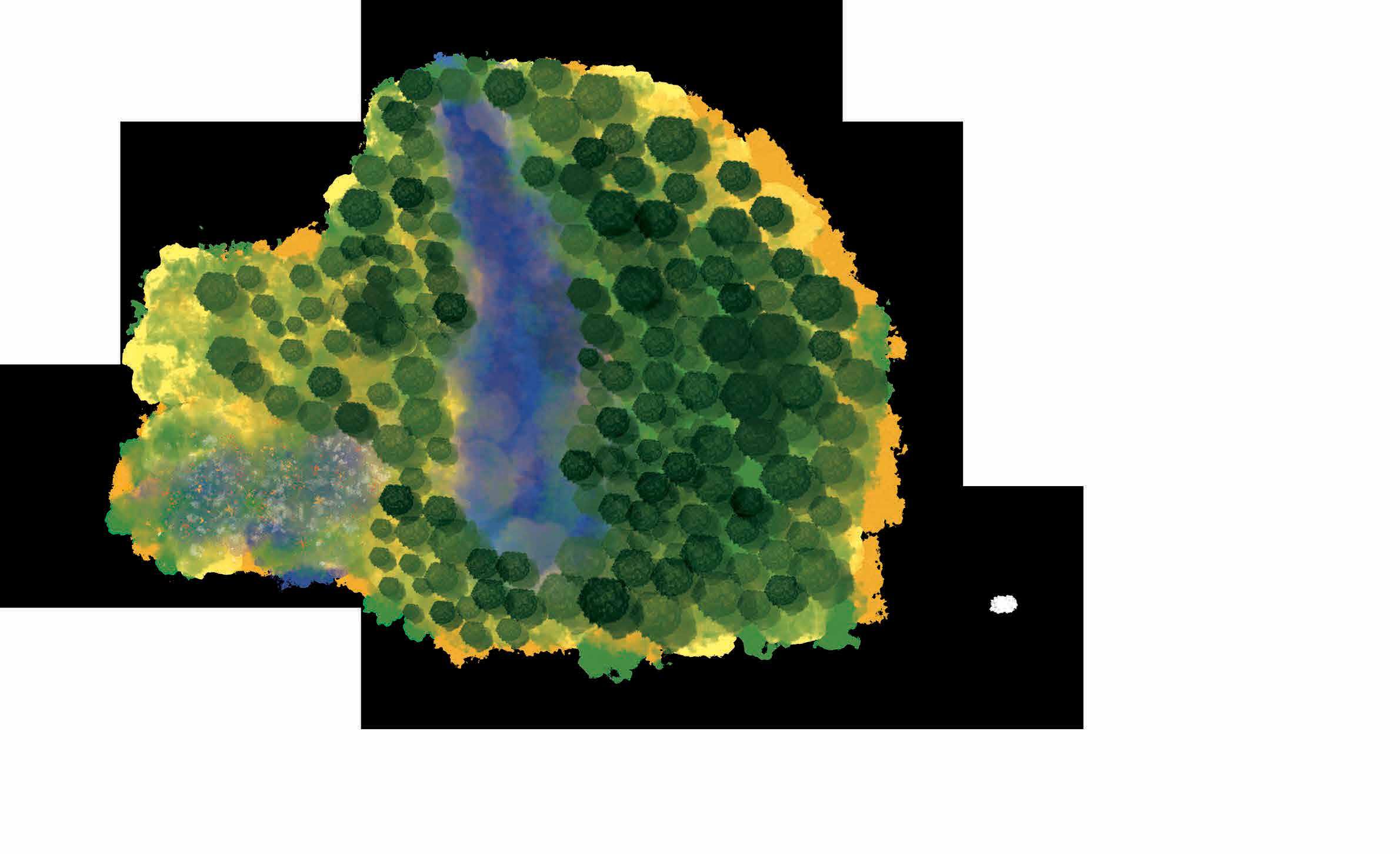
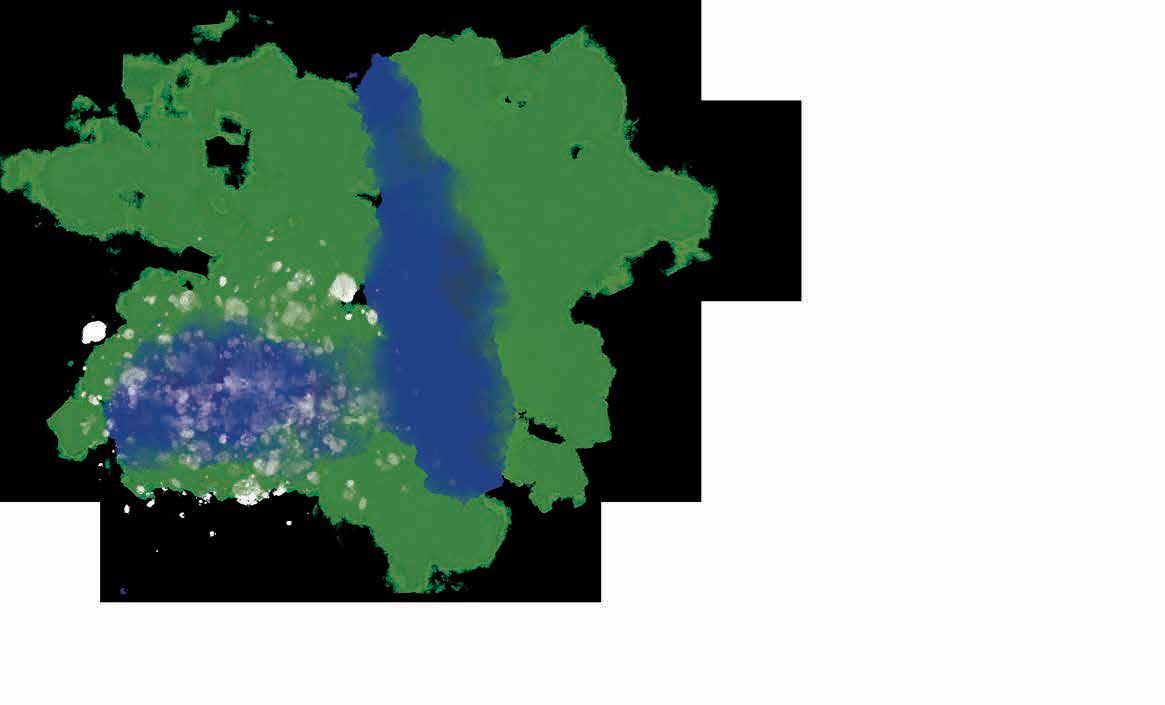
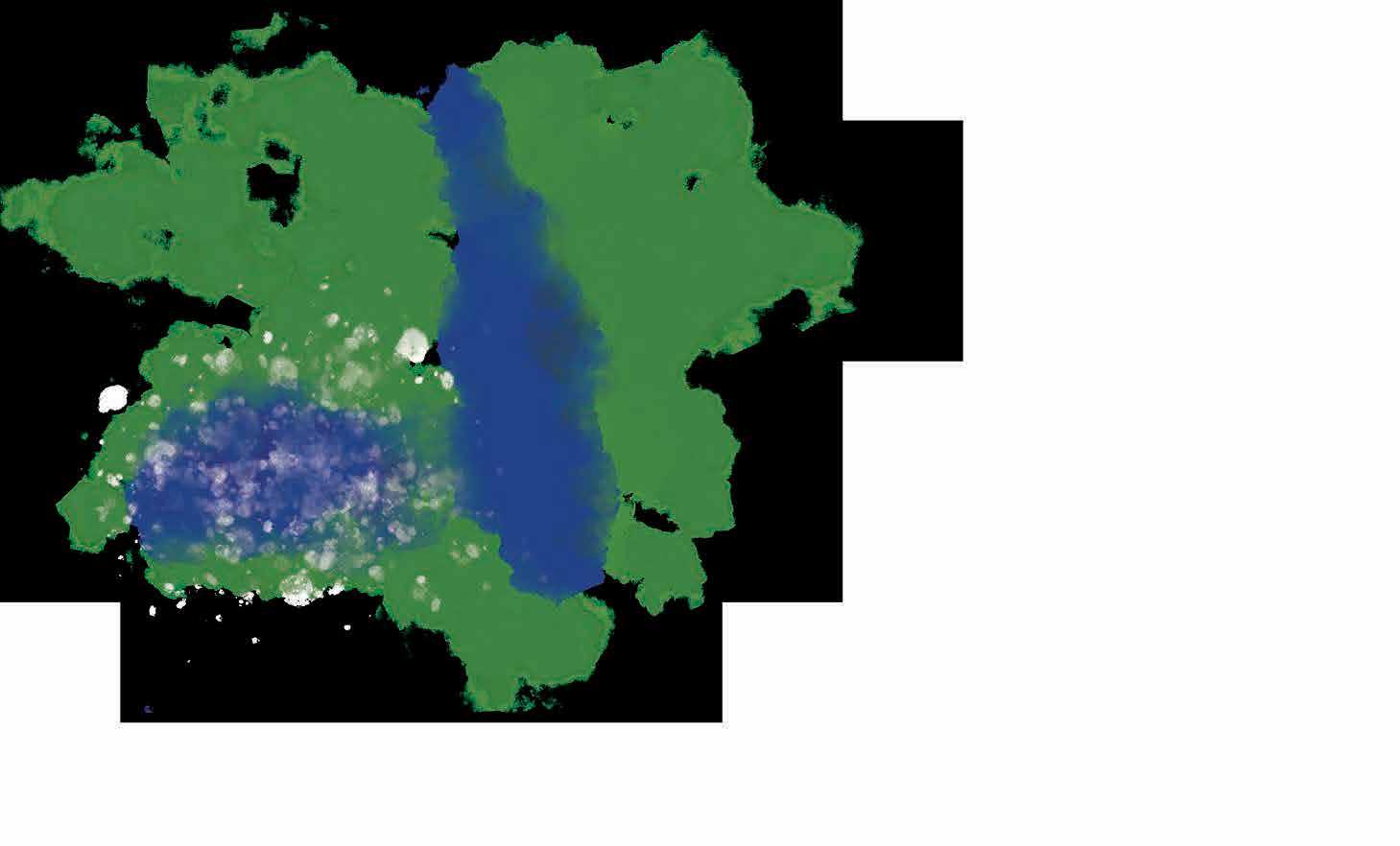
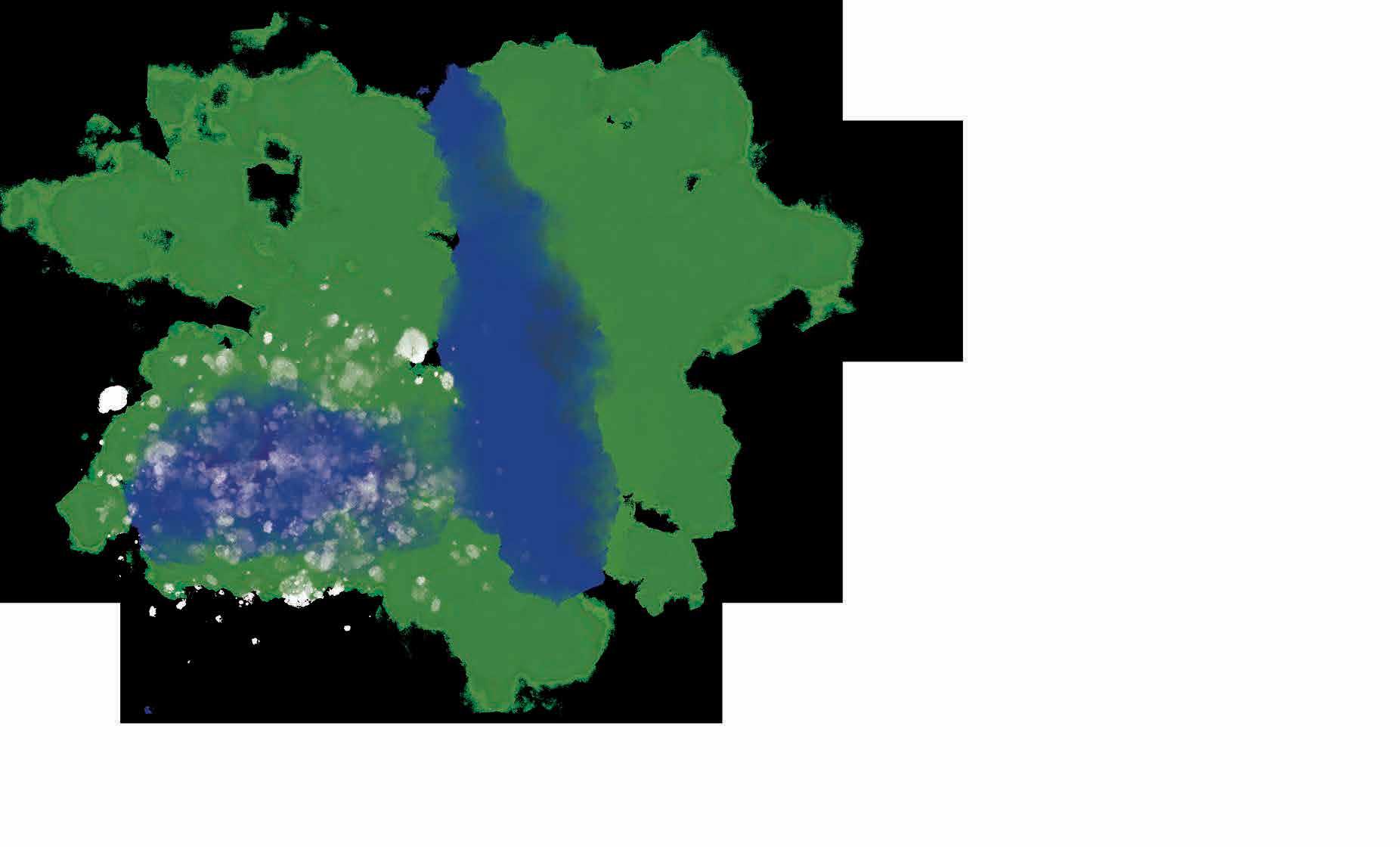
Each “secret” place is located to provide an opportunity to connect with a different target species, depending on their unique habitat, diet, or nesting requirements. Some are more easily discoverable, and others may require more careful attention or luck.
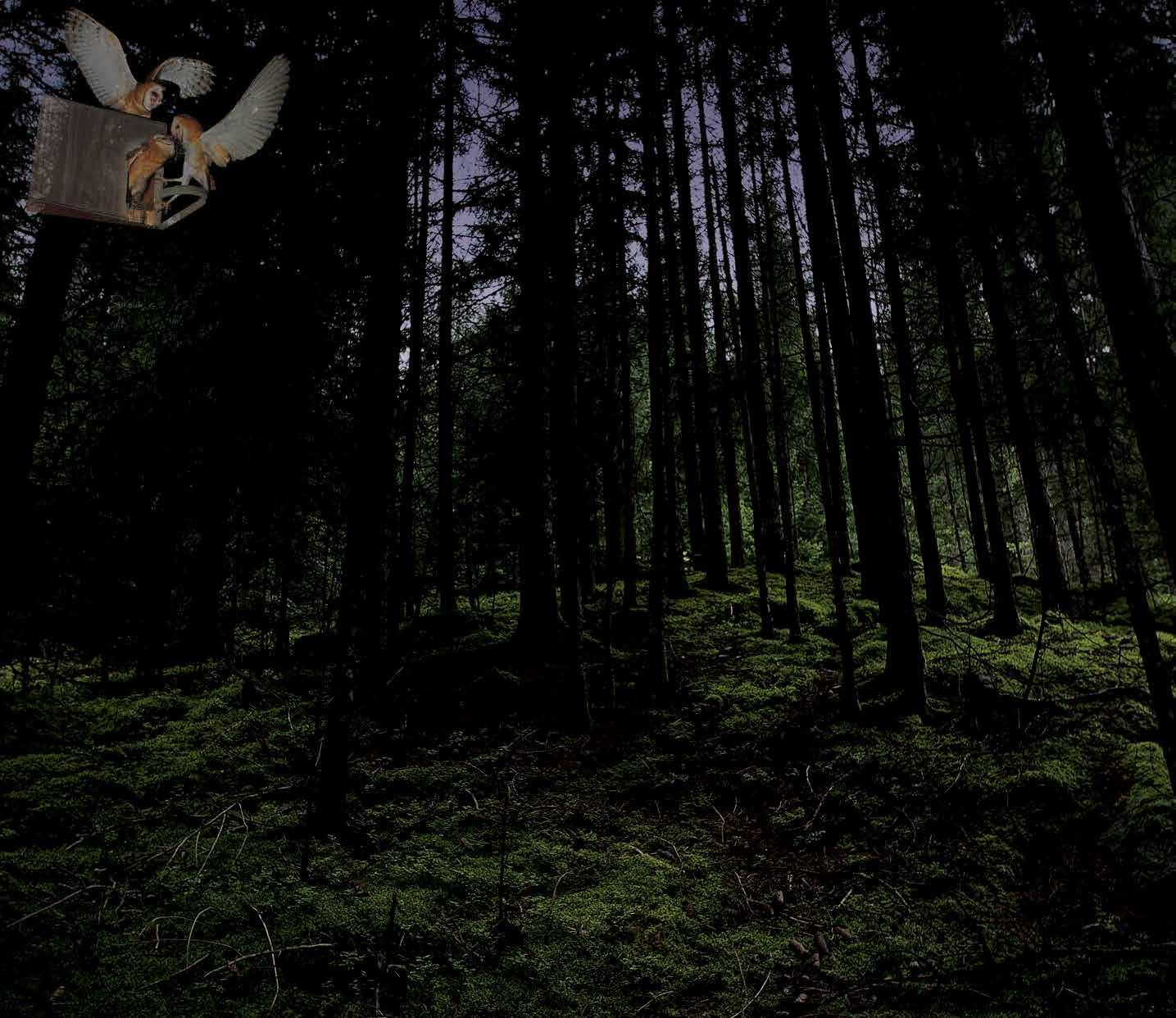
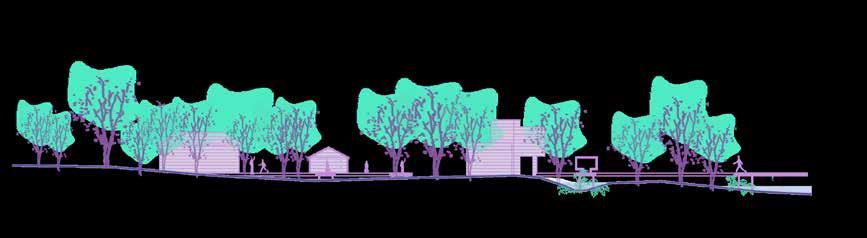
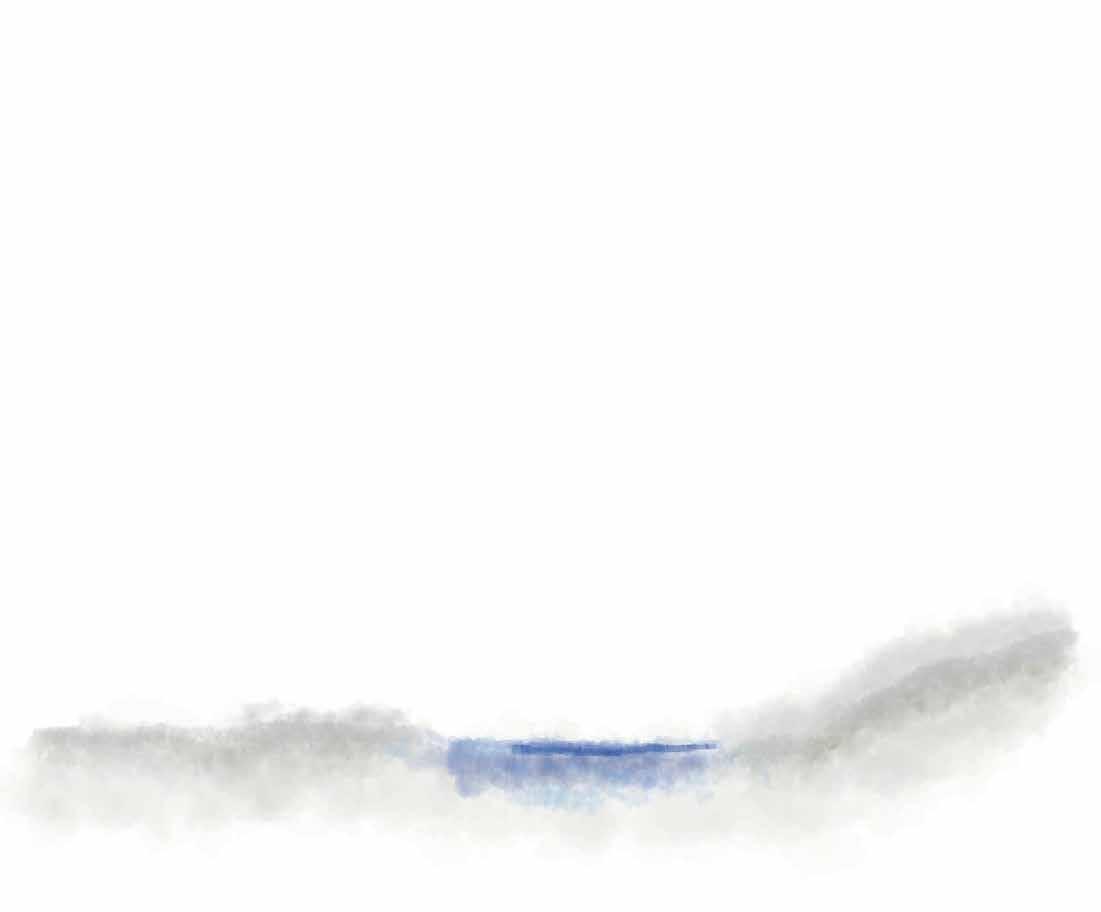
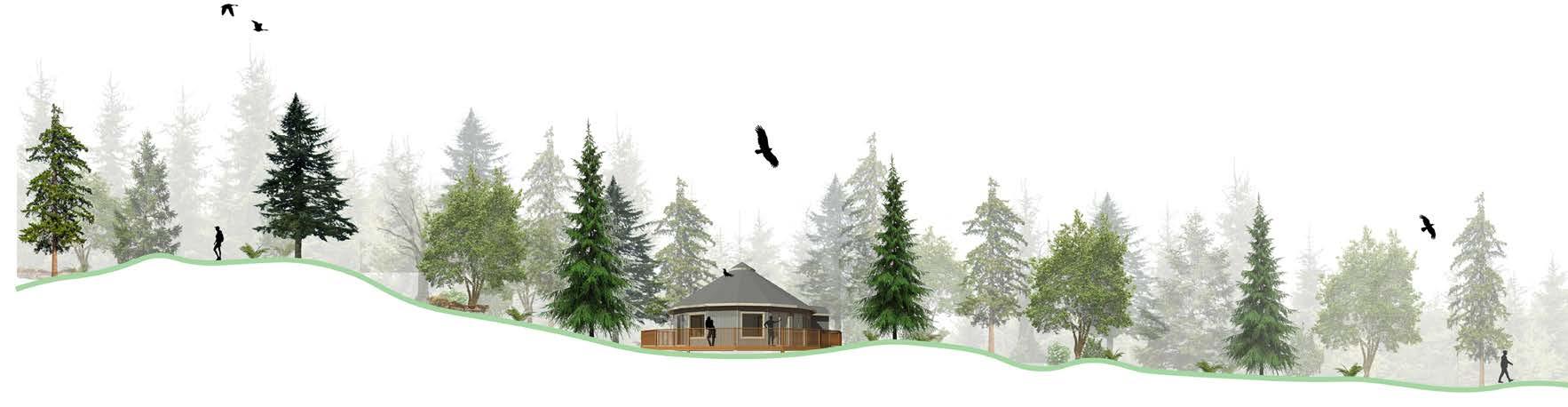
The gentle slope of the mature evergreen forest habitat provides an ideal space for the canopy bird blind, allowing visitors a “bird’s eye view” through the forest and over the wetland.
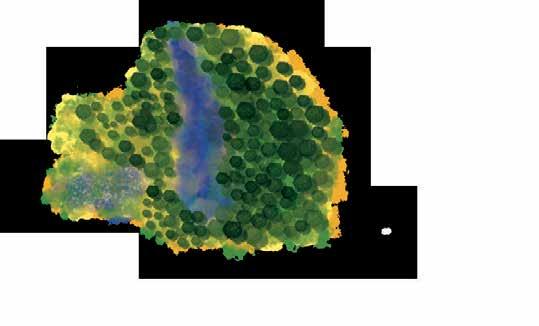
SECTION A
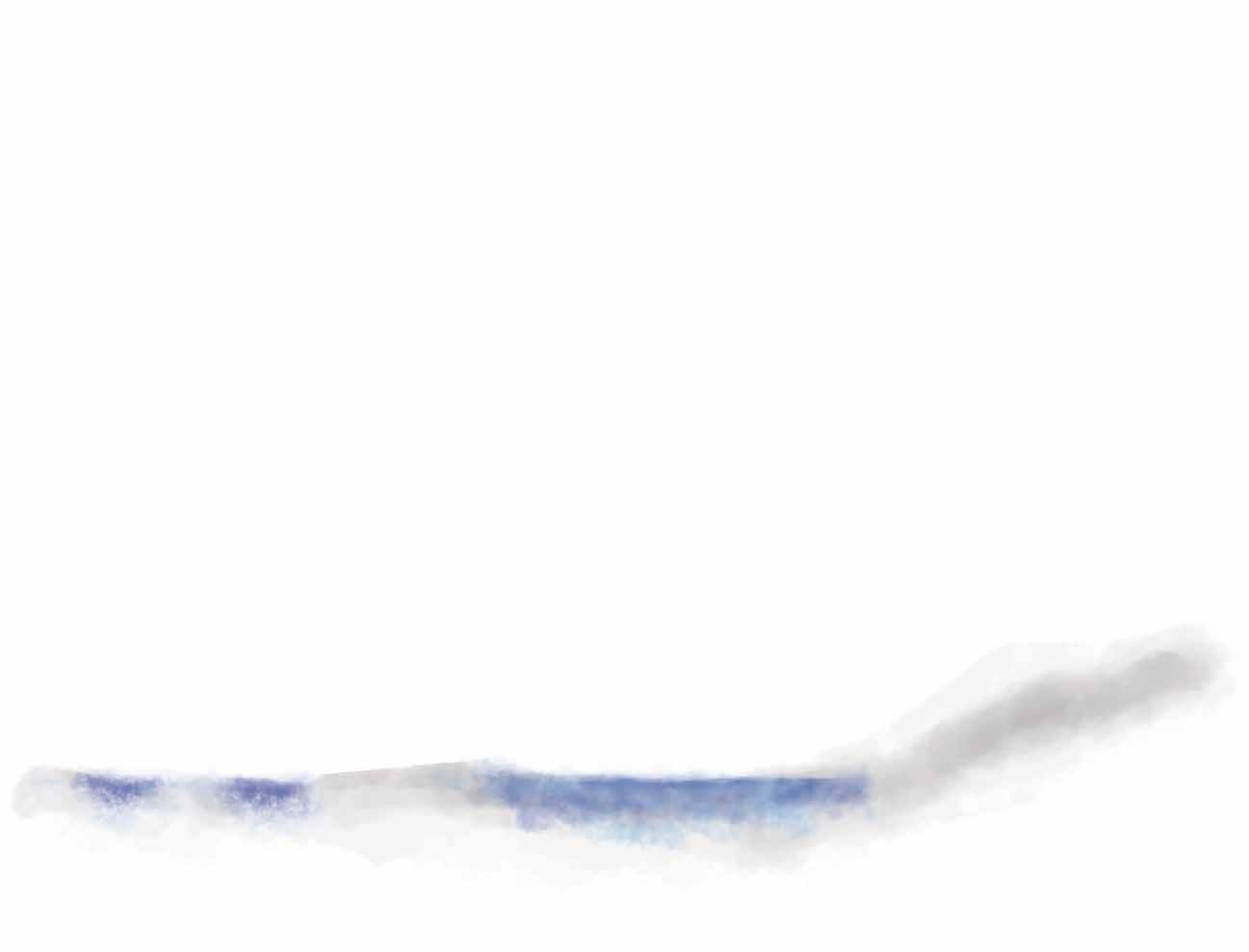
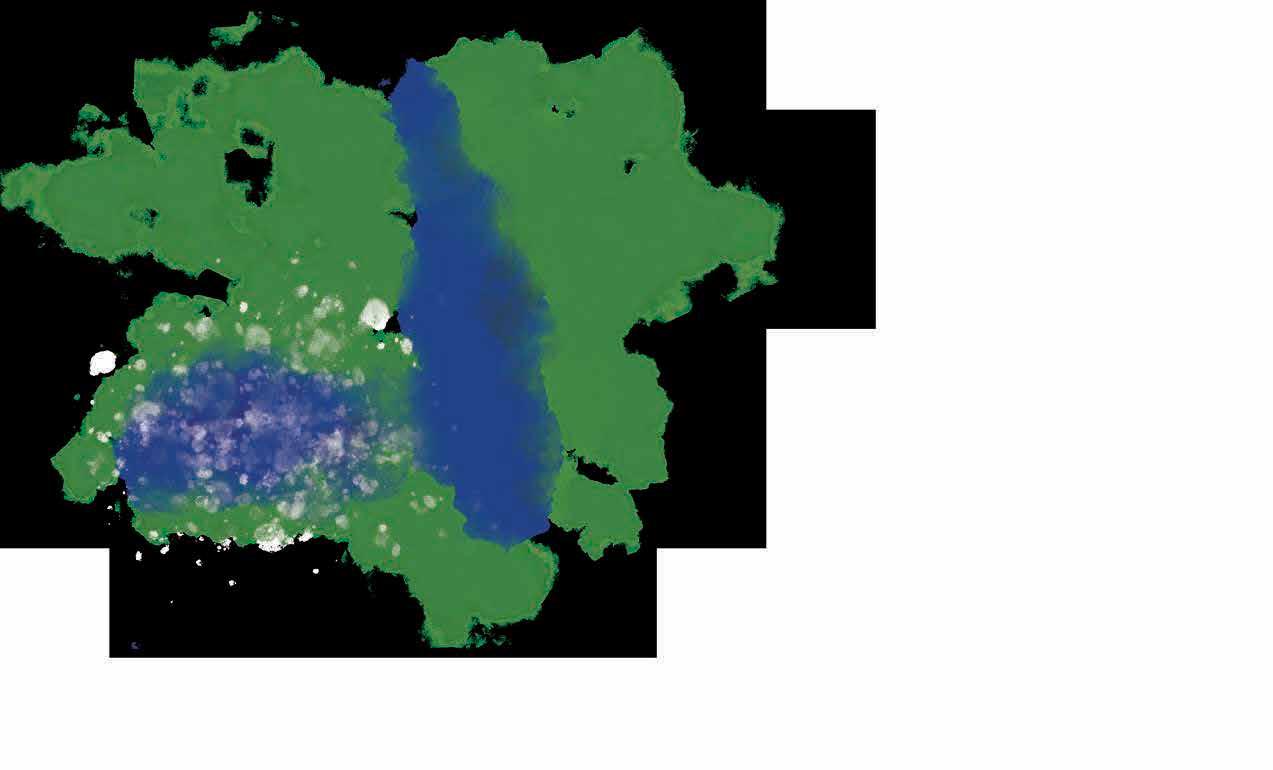
The prairie/vernal pool habitat maintains the existing stormwater management capacity of the site, while enriching habitiat for birds by adding prairie space, the most threatened habitat type in Washington. Due to the seasonal wetland condition, the prairie bird blind is only accessible during drier months.

Recommendations for connecting habitat and inspiring curiosity

Stefanie Hindmarch
Stefanie Hindmarch
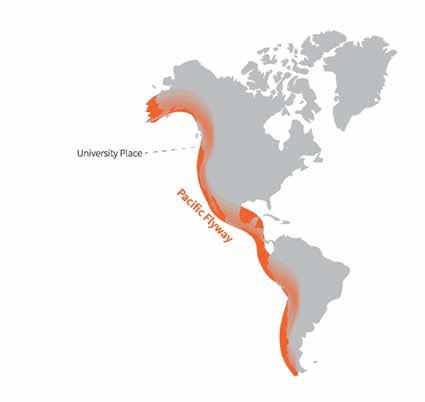
University Place is not only home to a variety of resident birds, but also falls along the Pacific Flyway, a key migratory pathway for hundreds of bird species.
Canopy cover in University Place is not equally distributed. Though some areas in the south and west parts of the city have dense canopy cover, many parts of the city, especially in the northeast, lack robust canopy cover, creating a difficult obstacle for the safe movement of birds.
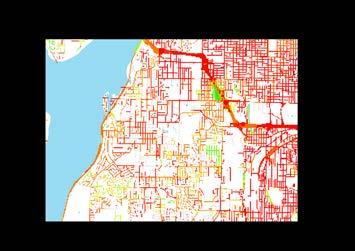
Geospatial analysis reveals which streets have the least amounts of canopy cover.
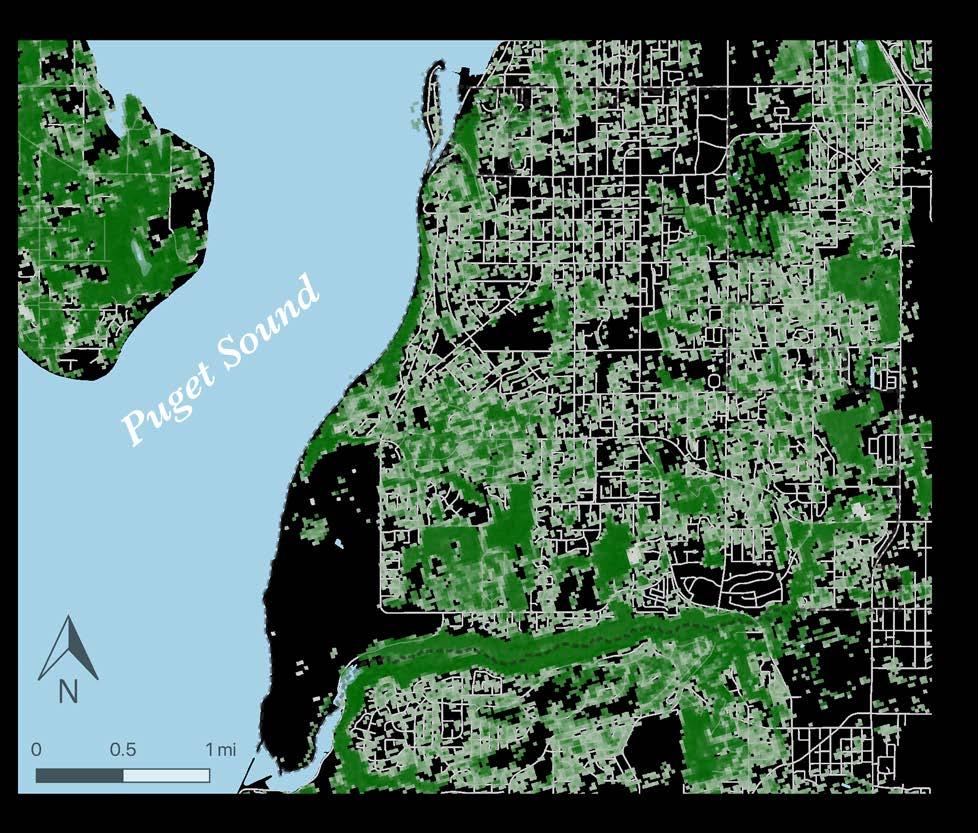
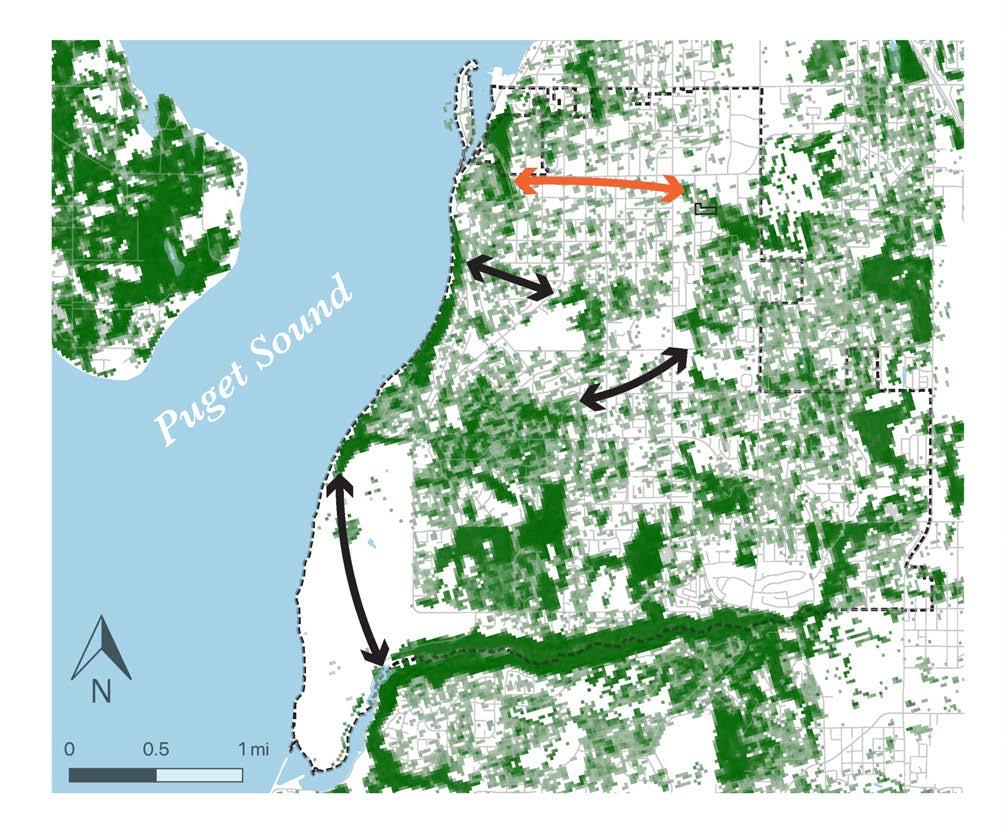
East-west canopy corridors are especially lacking.
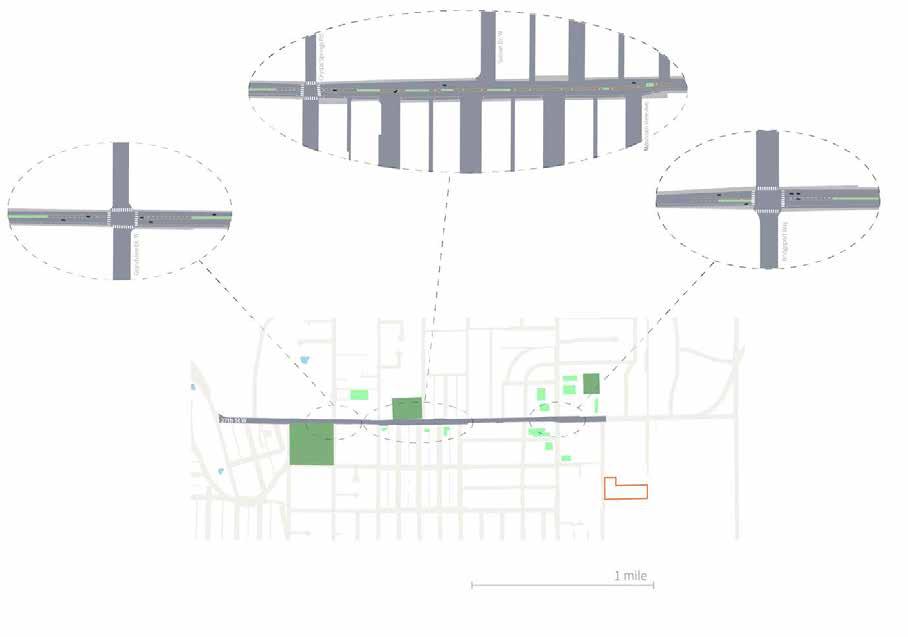
27th St West, north of Adriana Hess Wetland Park, is a good fit for additional habitat considerations due to its existing right-ofway width, sidewalks, and location.
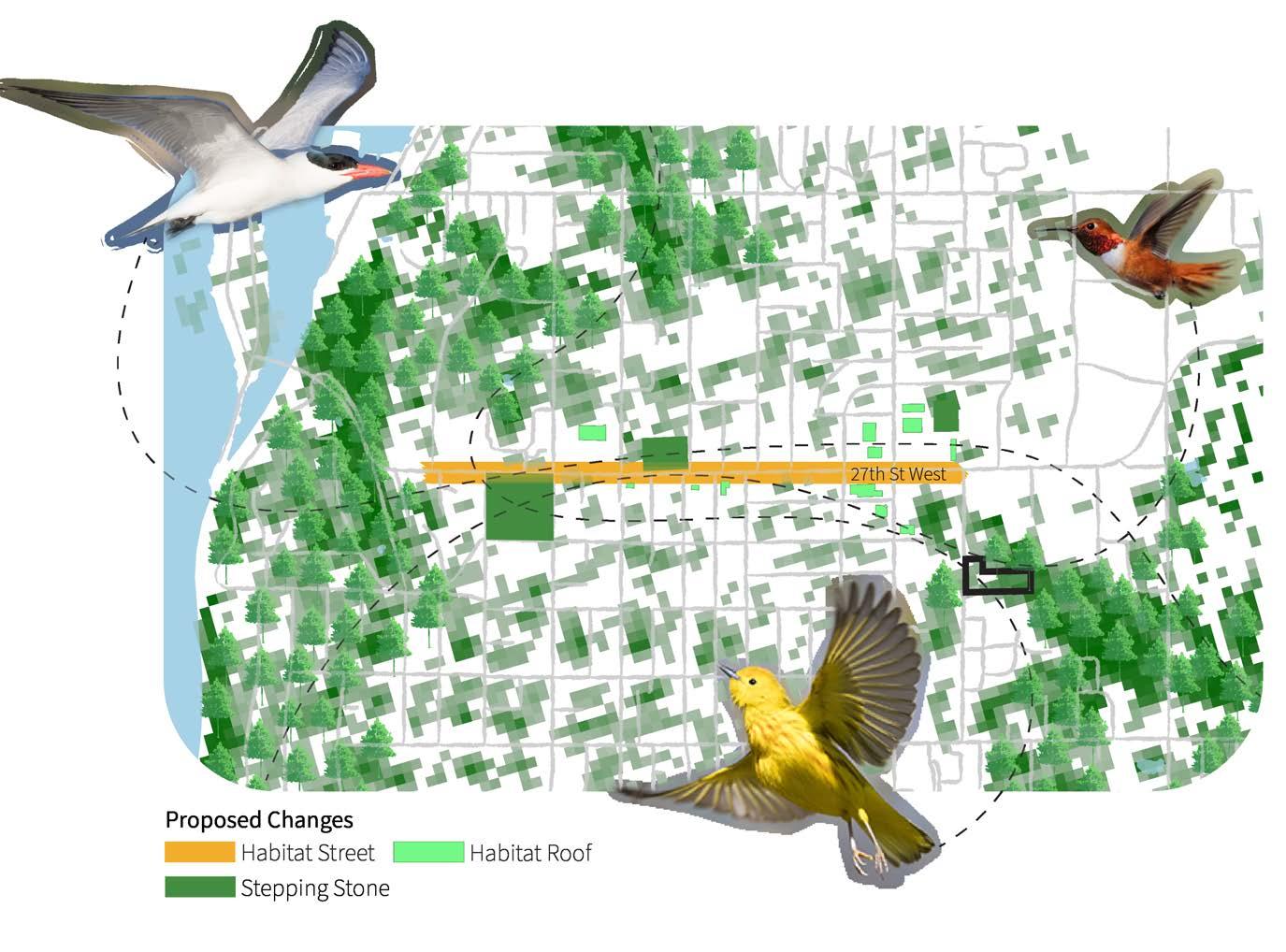
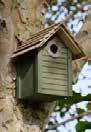
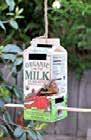
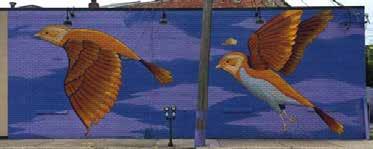
Stepping stones are community-oriented institutions, such as religious institutions and schools, that have abundant outdoor space and already serve local residents. These institutions also promote education, whether through formal classes, events, or after-school activities.
Stepping stones are community-oriented institutions, such as religious institutions and schools, that have abundant outdoor space and already serve local residents. These institutions also promote education, whether through formal classes, events, or after-school activities.
A stepping stone includes native plants that provide year-round food and shelter for birds, and can be a place for interactive projects that support habitat and/or facilitate learning.
A stepping stone includes native plants that provide year-round food and shelter for birds, and can be a place for interactive projects that support habitat and/or facilitate learning.
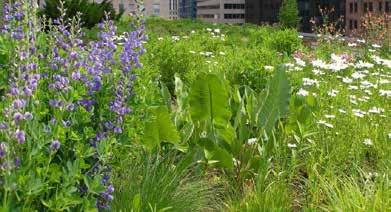
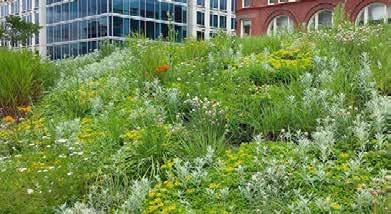
Habitat roofs are already-constructed flat roofs that can be planted with bird-friendly plants. These roofs create a place for birds to rest and feed safely away from people in an urban area.
Habitat roofs are already-constructed flat roofs that can be planted with bird-friendly plants. These roofs create a place for birds to rest and feed safely away from people in an urban area.
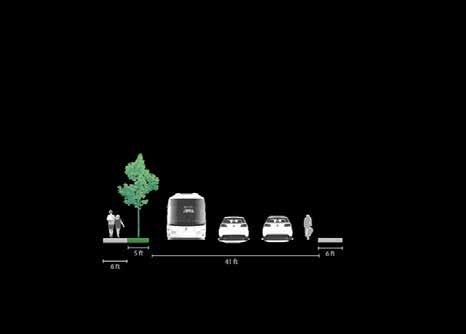
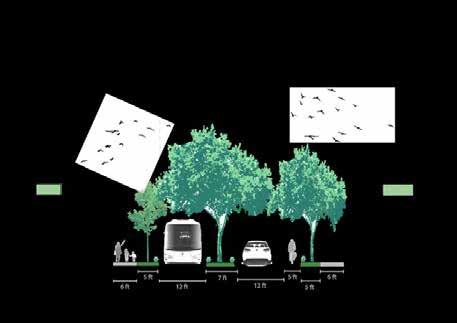
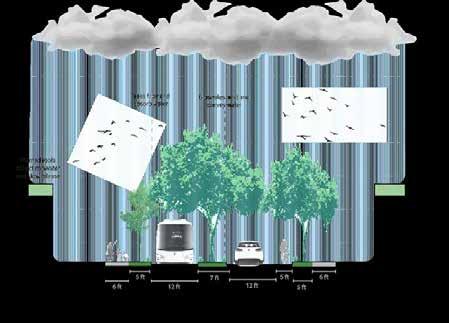
Currently, 27th St West has some existing small street trees, sidewalks, one car traffic lane in each direction, a shared turn lane, and a bicycle lane on one side.
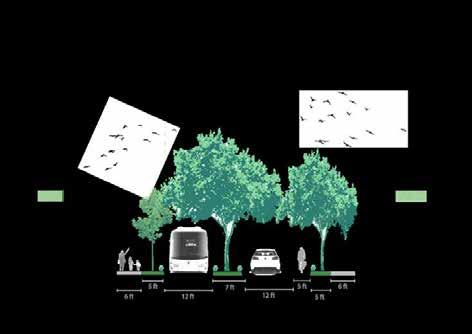
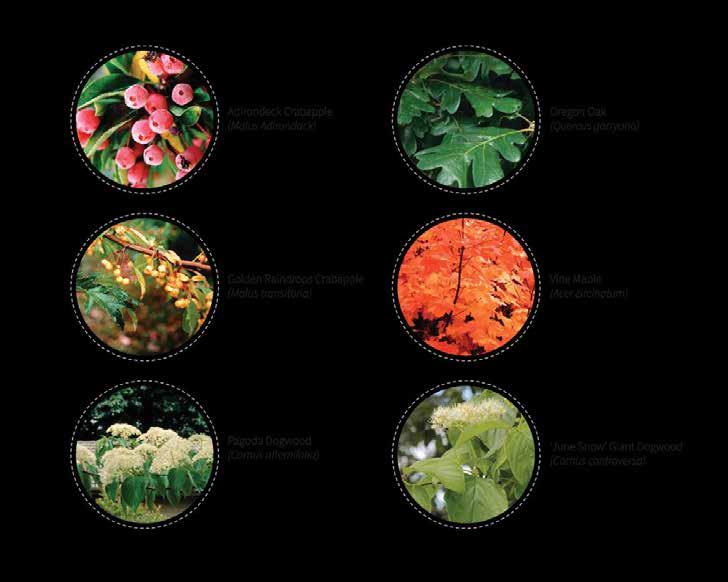
Proposed changes include creating a median to provide space for large trees and bioswales while maintaining the existing bike lane and two-way traffic. These changes benefit birds and create positive impacts for stormwater management.
Stefanie Hindmarch
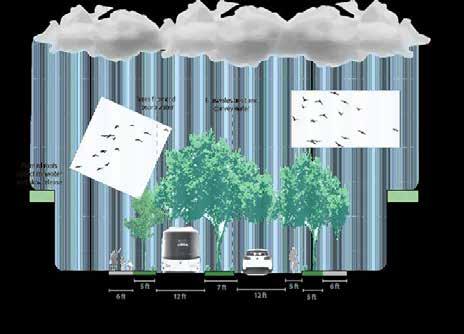
Stefanie Hindmarch
To avoid traffic disruptions and associated concerns, medians are designed to leave room for turn lanes at key intersections.
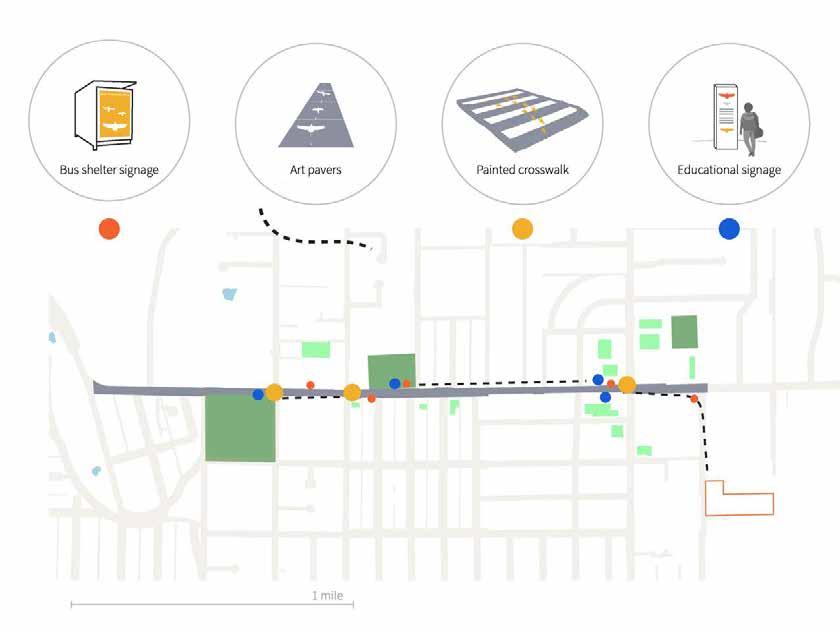
Signage and art help form an identity for the corridor and create opportunities for learning.
All users are able to enjoy Adriana Hess Avian Botanical Park. The site’s design and circulation is designed around inclusiveness for all. There is something for everyone to do while discovering the beauty that birds have to offer.
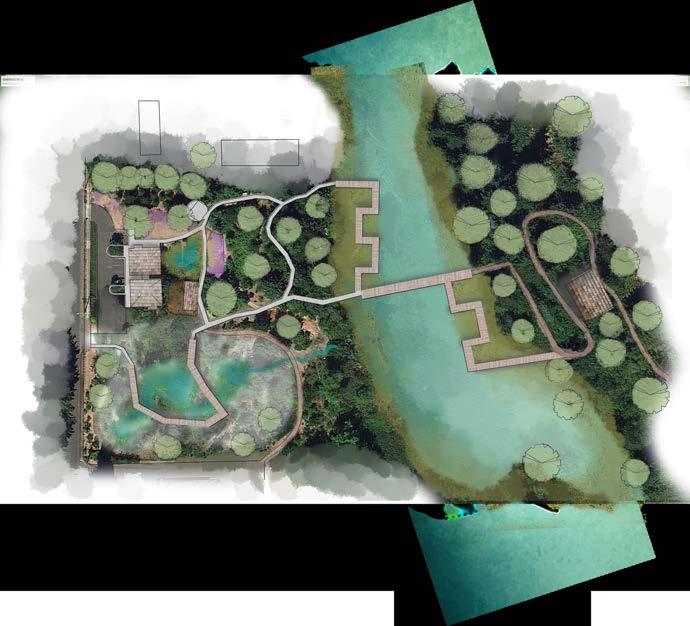
The design is sectioned into three areas. Each one is specialized for a specific audience. The NW section, the “Flora + Fauna Trail” is designed toward children and elders. When going to a park, children have a limited attention span. This section of the site offers an education classroom, outdoor education station where voluneers can give talks or crafts, several display gardens, and many areas that hold special plants that attract birds. The elderly are also able to enjoy this area with their grandchildren with a paved permiable path way that makes walking with a cane or wheelchair easy.
To the SW of the site is the “Wetland Boardwalk”. This trail takes you through the heart of Adriana Hess’s Wetlands. Here guests are able to learn about how water run-off is treated on our site before it enters into the wetland. These water treatment ponds bring many species of birds to our site, making this area the perfect place for bird lover.
Continueing along the “Wetland Boardwalk” path to the east of the site takes you across the wetland and into the “Forest Adventures Hike. If your feeling up to it, take the hike up through the native temperate coniferous forest to the “Bird’s Eye View Treehouse”. Here you can take a rest while your kids participate in volunteer led activitiies. Take in the view of the whole park and its beautiful birds that call Adriana Hess home.
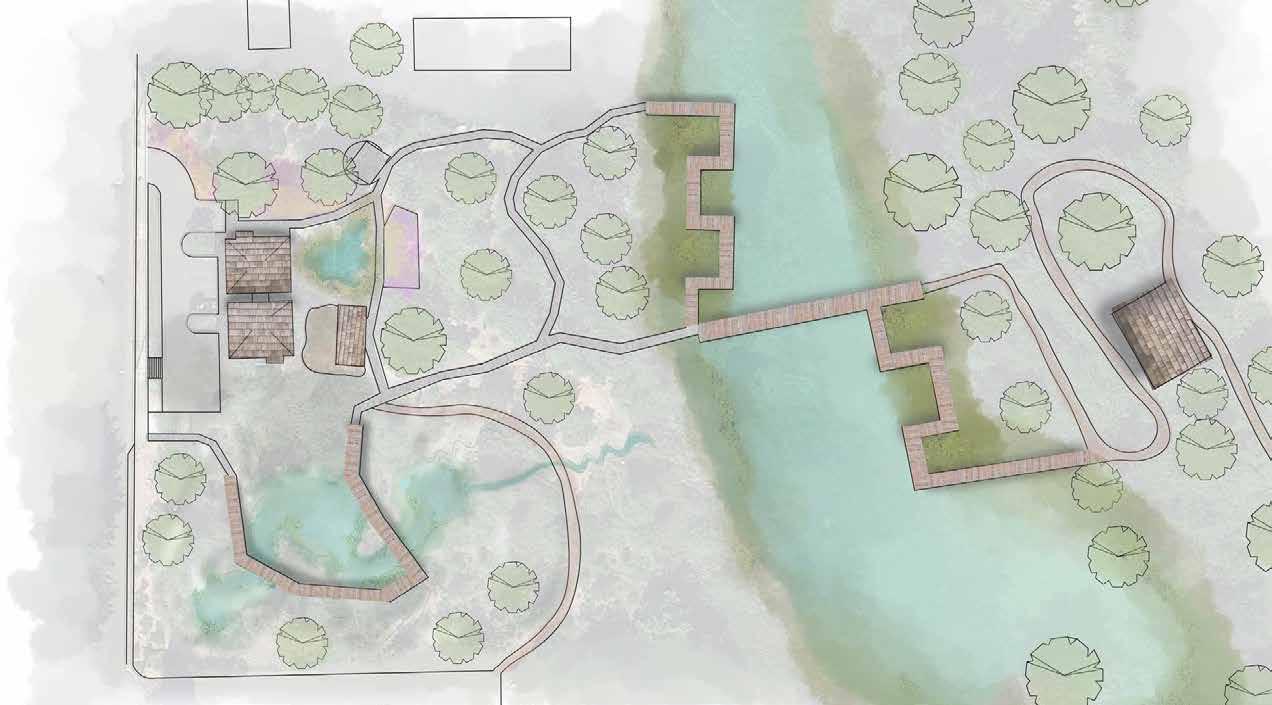
Berries, Gardens, and Habitat! There is a lot to learn and explore on this ADA interactive education trail. Learn how you can help support a habitat for birds in your own backyard with native and nonnative plants. All plants on the Flora + Fauna Trail are safe for birds + children.
Take the boardwalk! Learn about how water is treated on the site and why its so important to the birds that call this park home.
Let’s go on an adventure! Up for a hike? Then the Forest Adventure Hike is for you. Guests can hike from the Wetland Boardwalk up to the Bird’s Eye View Treehouse. At the Treehouse you will be able


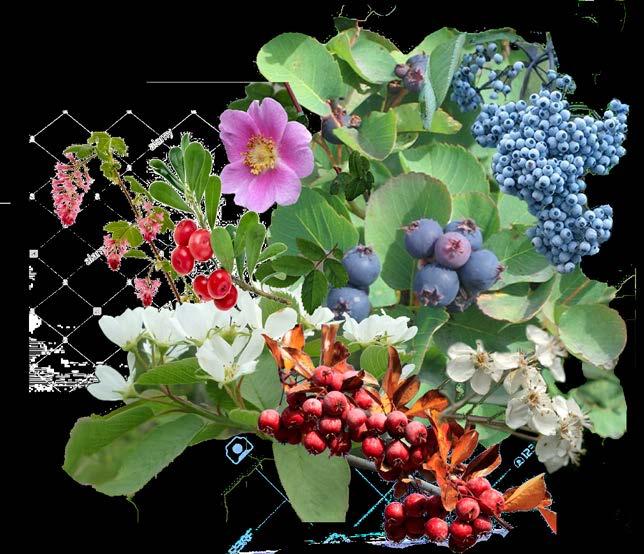
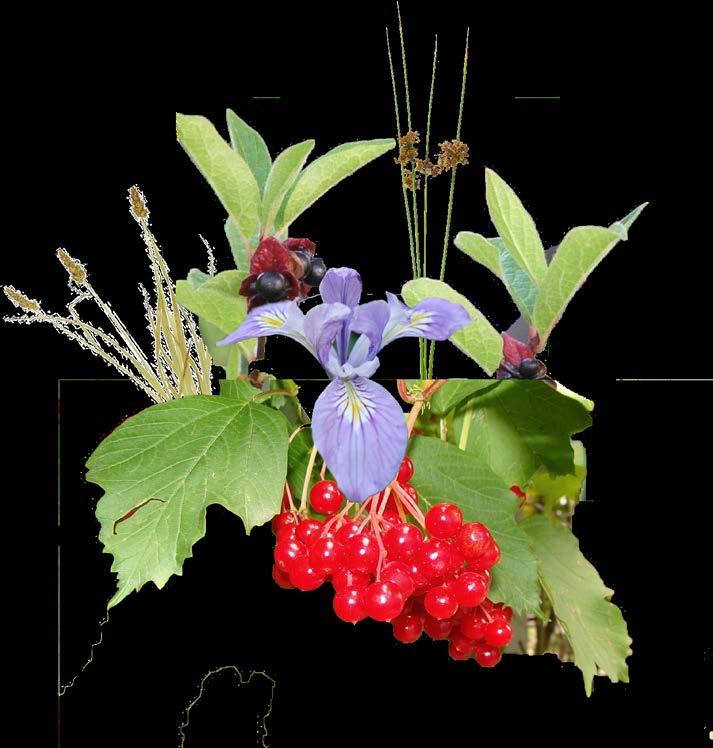
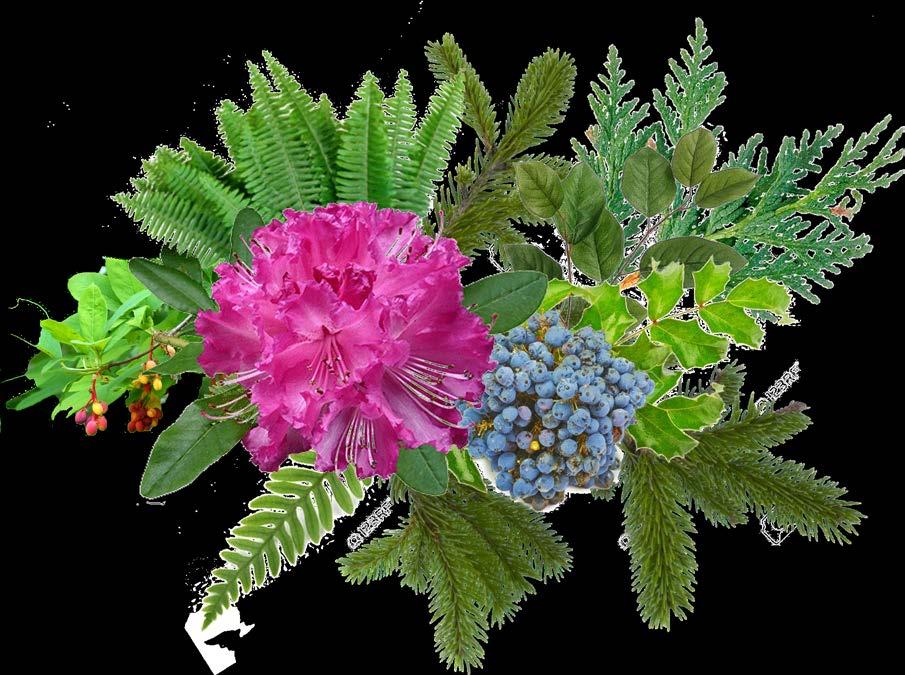
There are many different species of plants that will attract birds. Knowing these species helps to attract birds to your garden. At Adriana Hess, one of the primary goals is to teach people about the connection between flora and avian species. People can learn how easy it is to attract birds to their yards and the importance of habitat.
The plants selected for Adriana Hess are very specific to the users as well as the species of the park. For example, we want the education area to attract and provide for the birds but also be safe for children that may not be able to distinguish between an edible and toxic berry. By carefully researching each plant, we can place them in the appropriate place in the park.
Some of the avian species found at Adriana Hess and the plants that support them.
Douglas fir
Hemlock
Vine maple
Pacific crab apple
Cascara
Service Berry
Twinberry
Woodpecker
Chick adee
Nuthatch
Varied Thrush
Mourning Dove
Cedar Waxwing
Hummingbird
Red-flowering currant . Spotted Towhee
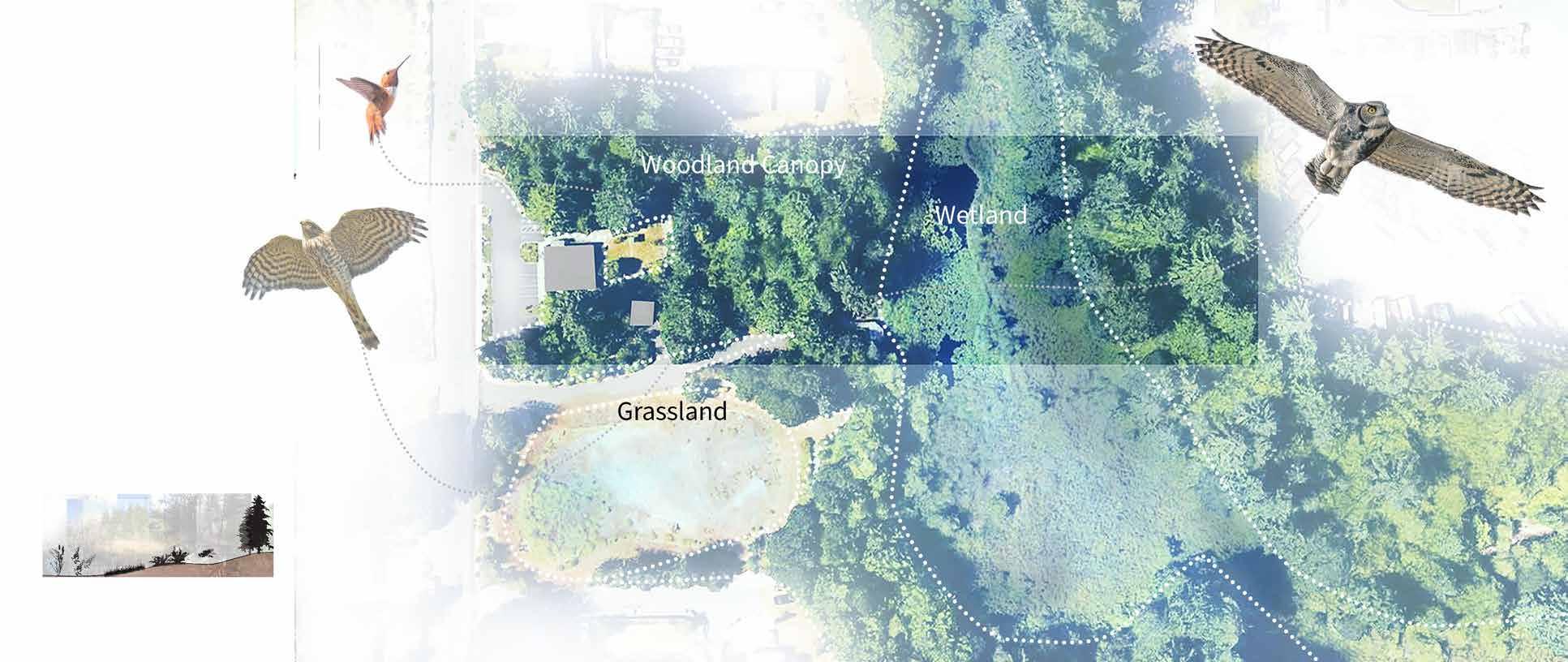
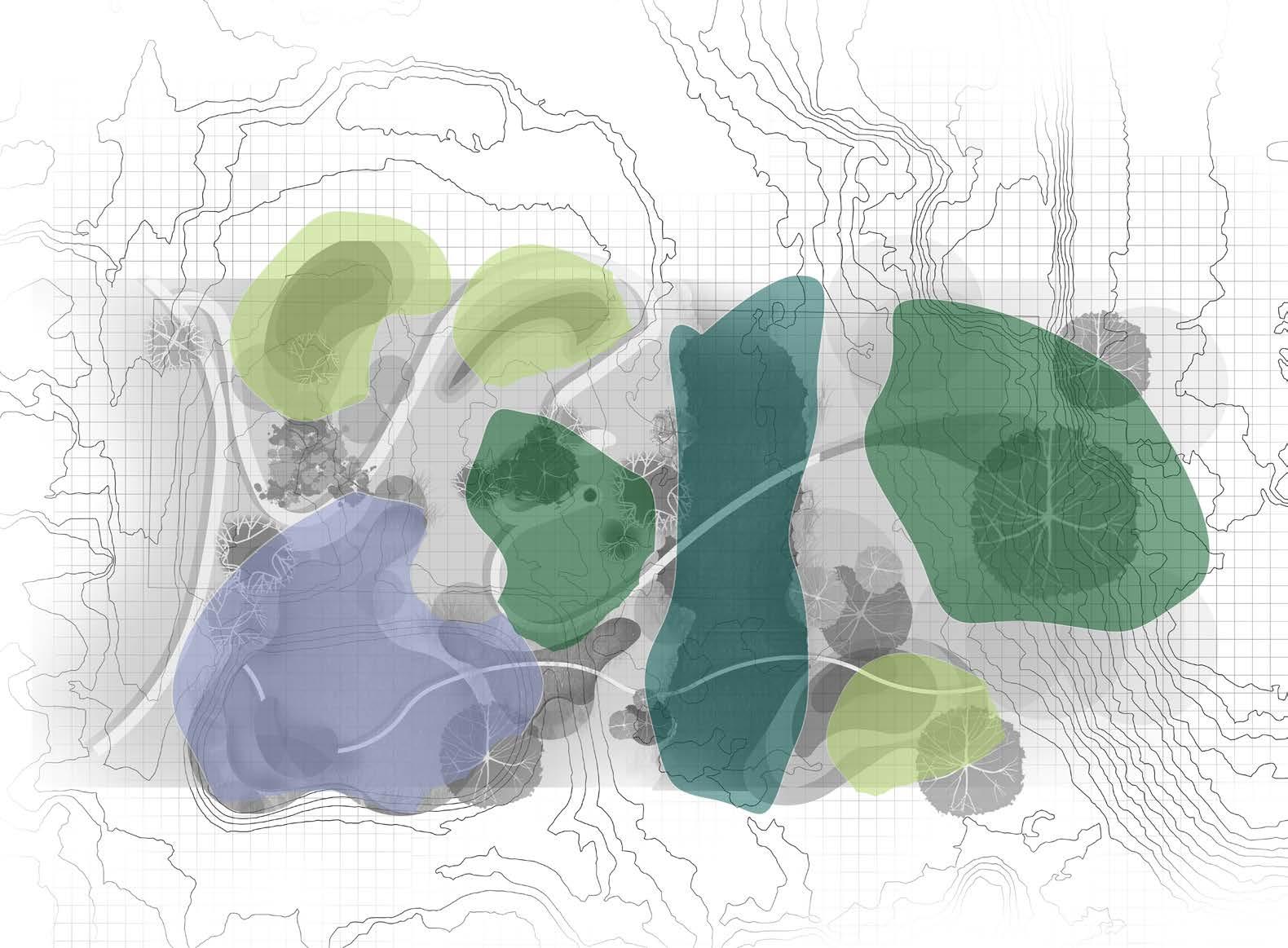
Habitats we identified on site include a wetland, mixed canopy woodland, and grasslands.
Our site ostensibly has four major habitat types: woodland, grassland, wetland and scrubland. When you imagine it through they eyes of a birds, however, these habitat typologies bleed into each other. Perhaps more importantly, these habitat zones extend beyond the legal boundary to the site in all directions.
“THE
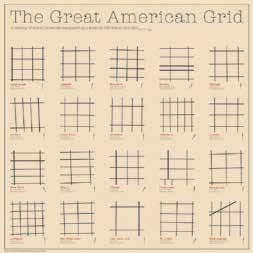
In America, the development of the grid was a means by which to simplify or “rationalize” the landscape through spatially reorganizing the world to fit geometrical regularity.
Imposing this mathematical order on the landscape had a profound impact on the environmental history of American cities.
Source: https://www.thegreatamericangrid.com/
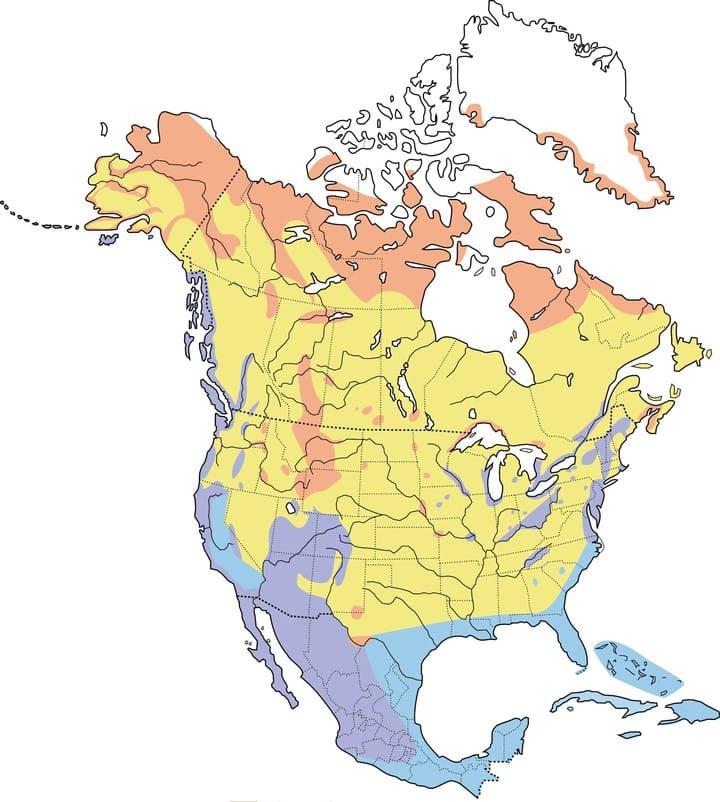
Imposing a grid on a landscape is intrinsically at odds with the “natural” landscape, including elements like:
• Topography
• Hydrology
• Habitat
• Ecosystems
Cartesian grids do not respond to dynamic areas of urban wilderness, thereby compromising or destroying habitat directly by reducing available habitat, or indirectly, by creating the conditions to enable climate change.
Migratory
Northern-most breeding of any hummingbird
Rarely in one location for more than two weeks
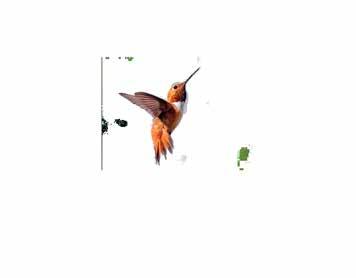
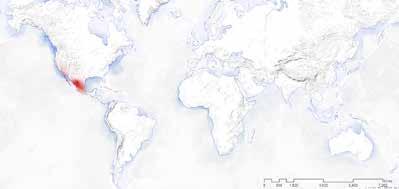
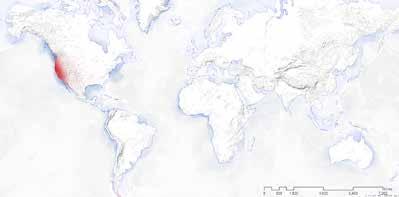
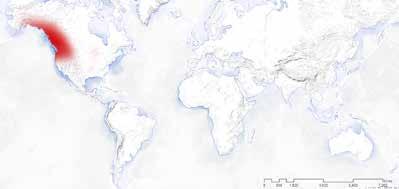
Rufous Hummingbirds migrate along the Pacific Coast of North America. They cover large distances for such small birds, and rarely reside in one area for very long. Many migratory birds, like the Rufous Hummingbird require suitable habitat across a wide range on a seasonal rather than persistent basis.
Highly territorial
Sources:
Migration and species info: allaboutbirds.org, https://ebird.org/science/ status-and-trends Base map: GIS
Migratory
Breed
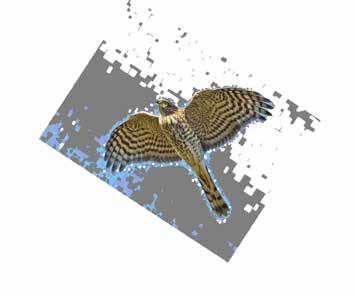
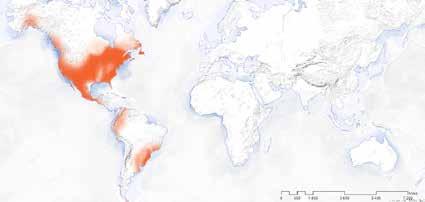
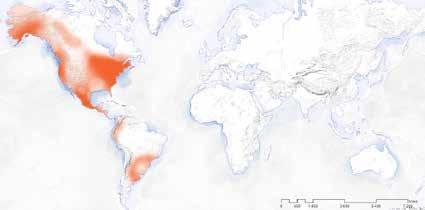
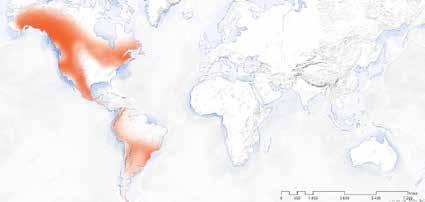
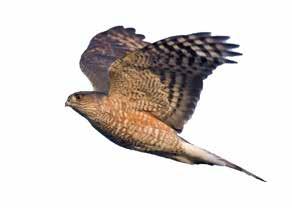
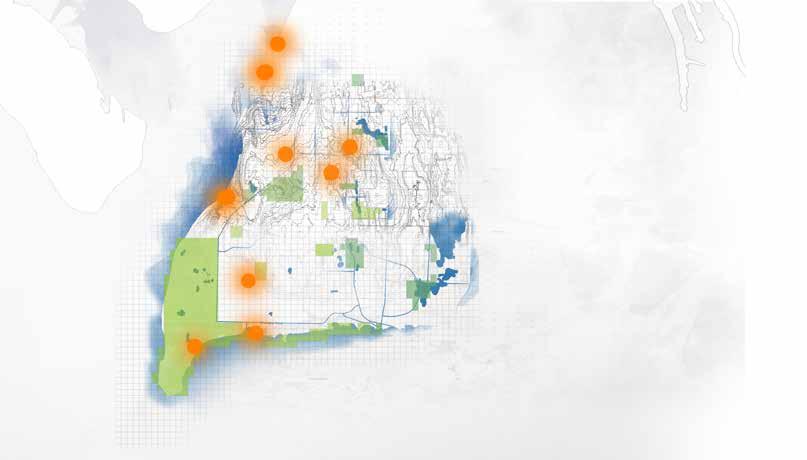
Sharp-shinned Hawks live in both North and South America. Their migratory path takes them across borders which are perilous for human travelers. They are most often seen in the fall and winter as they migrate south.
Most often seen in the fall or winter as they migrate south
Sources:
Migration and species info: allaboutbirds.org, https://ebird.org/science/ status-and-trends Base map: GIS Winter
BIRDS & CLIMATE CHANGE STUDIO
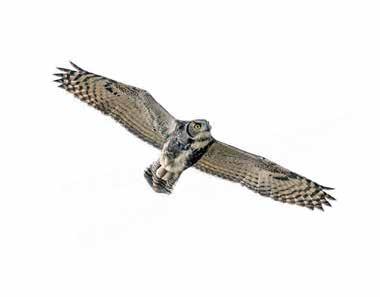
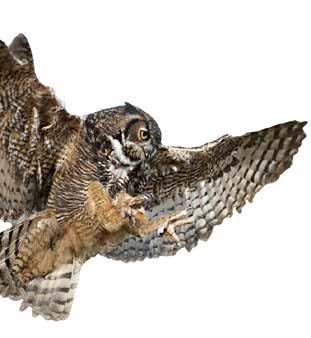
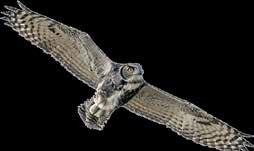
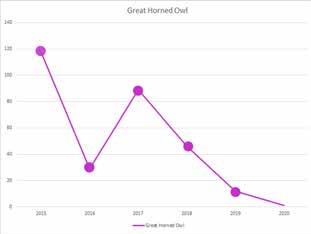
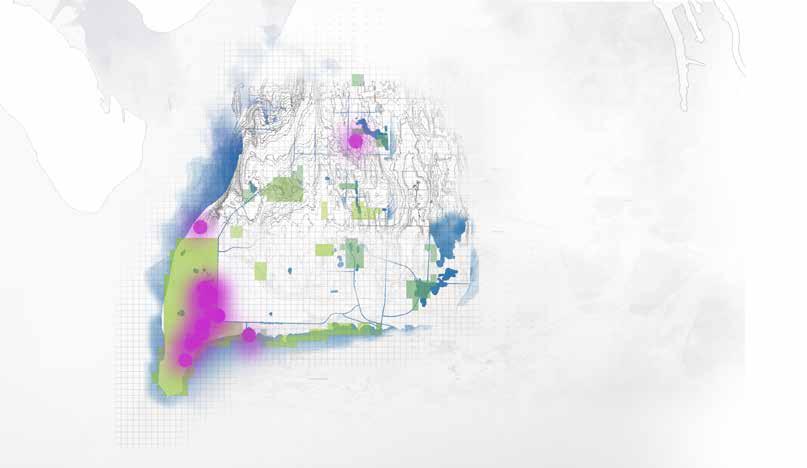
Even though the Great Horned Owl is non-migratory, the species abundance shifts from season to season.
Even though the Great Horned Owl is nonmigratory, the species abundance shifts from season to season. This shows us the complex temporal factors that need to be accounted for in creating habitat for even non-migratory birds.
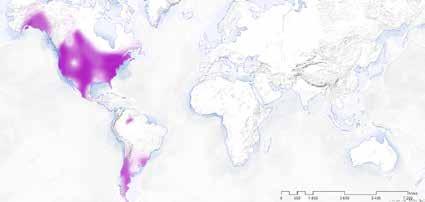
Sources:
Migration and species info: allaboutbirds.org, https://ebird.org/science/ status-and-trends Base map: GIS
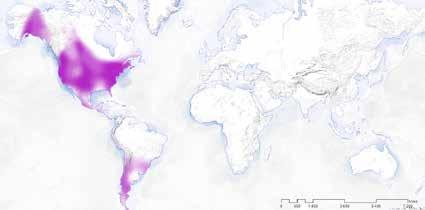
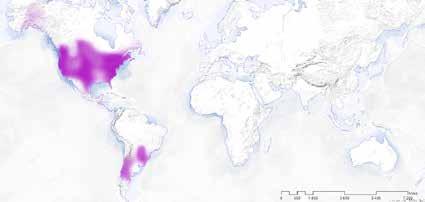
Still widespread and very common, but surveys show continuing declines in numbers during recent decades. Because it relies on finding the right conditions in so many different habitats at just the right seasons during the year, it could be especially vulnerable to the effects of climate change.
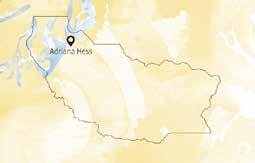
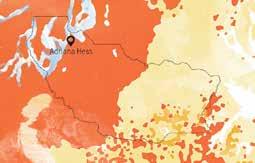
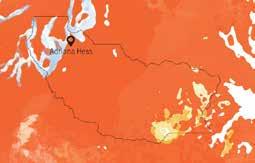
Numbers dropped in mid-20th century, possibly as a result of DDT and other pesticides in the food chain, then recovered somewhat through early 1980s. Since that time, counts of migrants in the east have shown significant declines again.
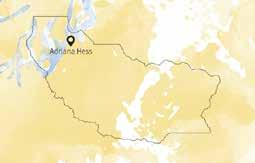
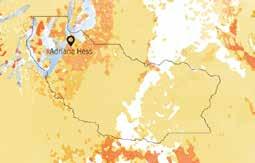
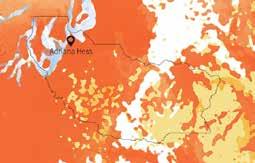
Widespread and common, numbers apparently holding up well in most areas.
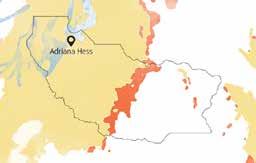
Current Range +0 °C
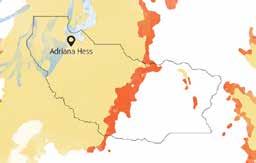
Projected Range +1.5 °C
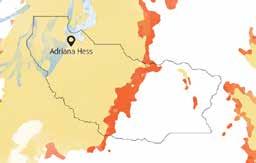
Projected Range +3.0 °C
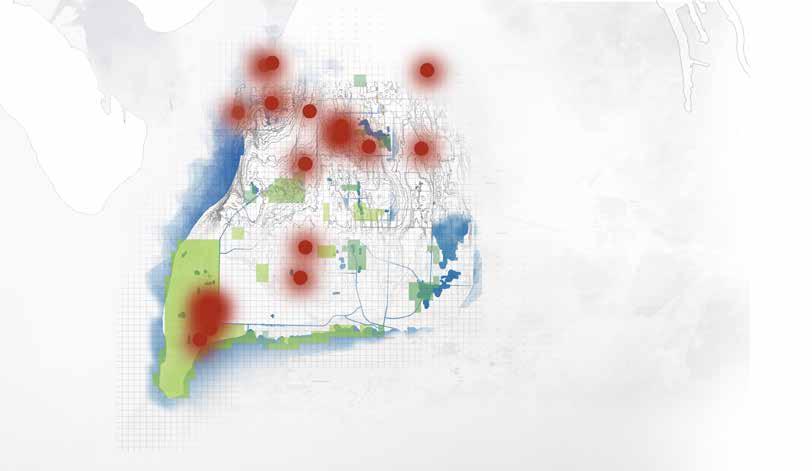
How do we use the higher levels of stormwater runoff predicted in the future to improve bird habitat and support biodiversity?
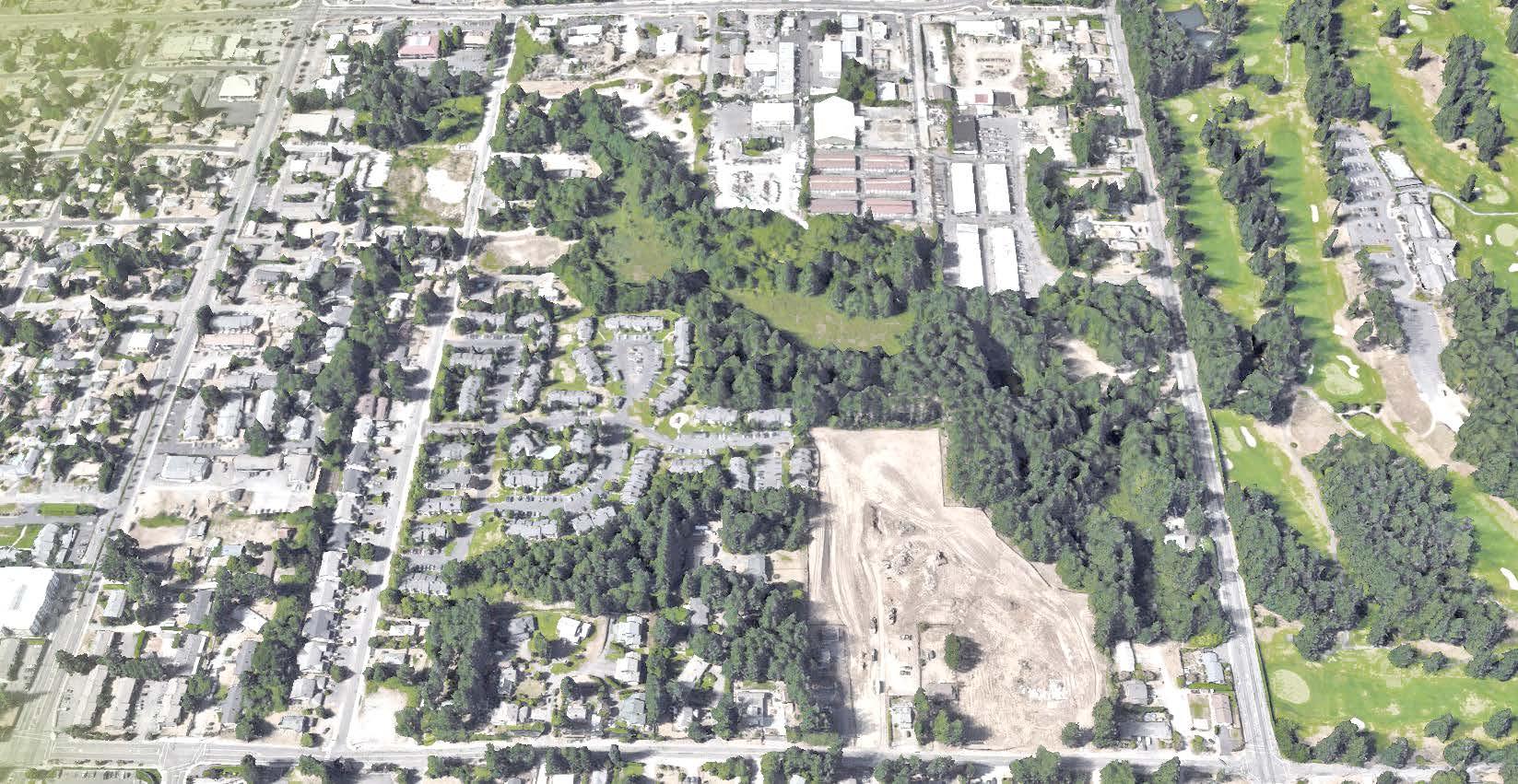
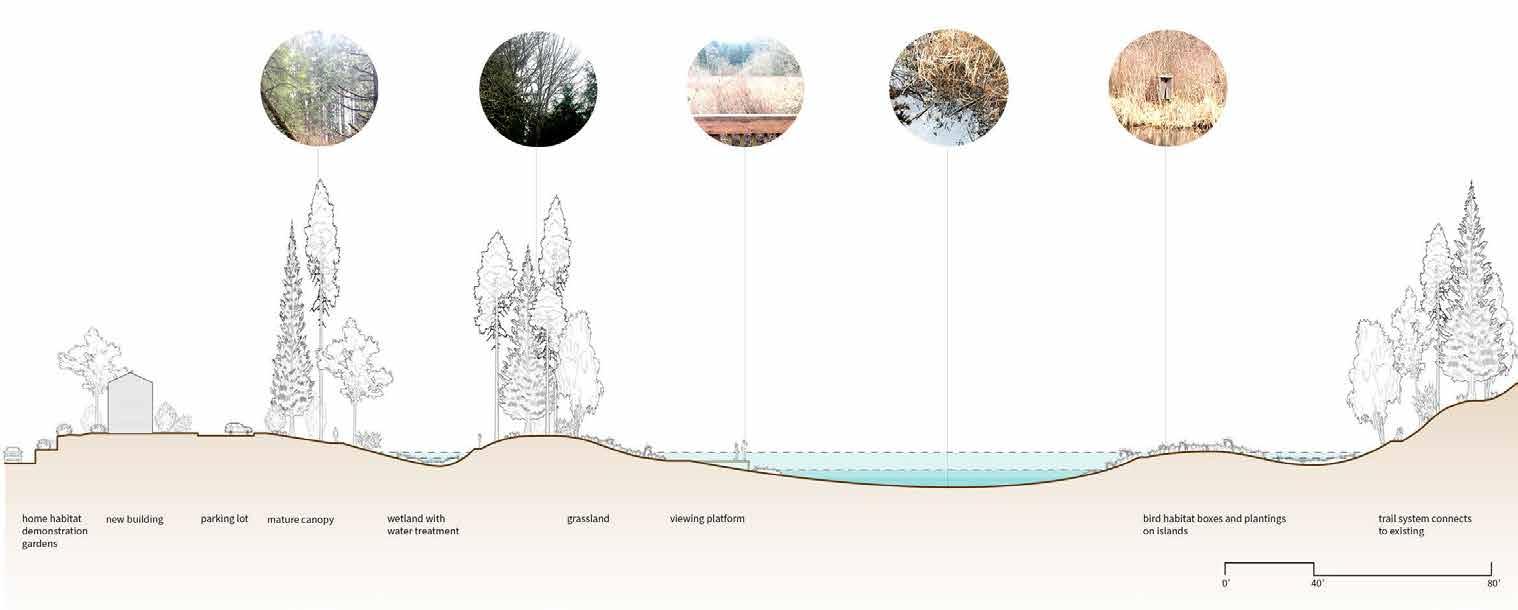
Adriana Hess Wetland Park exists in both a habitat island and an ecosystem edge. Drawing on these qualities of the site, I propose a design which uses islands and edges to facilitate habitat and biodiversity while also managing storm wate which is expected to increase with climate change.
Island biogeography looks at how species move from one system to another, and how populations sustain themselves. In this diagram, species x cannot mack it directly from its point of origin to the farthest island, hovever, it can make it there by stopping over at a third island which is in the middle.
Ecosystem edges are areas with high biodiversity. Adriana Hess Wetland Park is full of such edges: between wetland and forest, between forest and grassland and between areas dominated by nature and those dominated by development.
Ecosystem edges provide a variety of niche habitats supporting biodiversity. In this example, there is more of a gradient of sun and rain at the edge of the forest than in the deep forest, allowing for a wider variety of species to thrive.
Island Biogeography is a theory that helps us understand biodiversity in isolated regions. Originally studied in the context of remote islands, it has more recently been applied to fragmented landscapes, such as habitats fractured through urban development. Adriana Hess and the wetland adjacent to it is a habitat island in the midst of a rapidly developing area.
The increase in wetland edge allows for processing and retention of larger amounts of storm water. Islands that are inaccessible to humans during high water levels are well suited to birds; providing protected habitat.
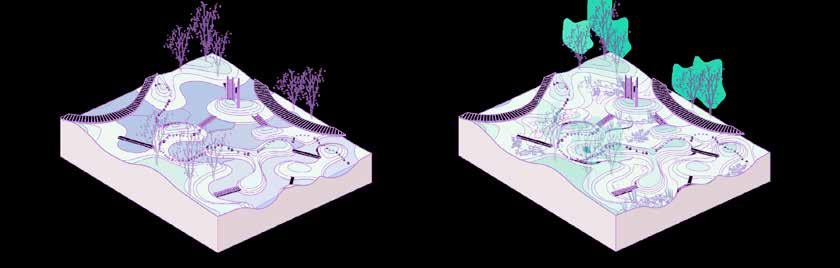
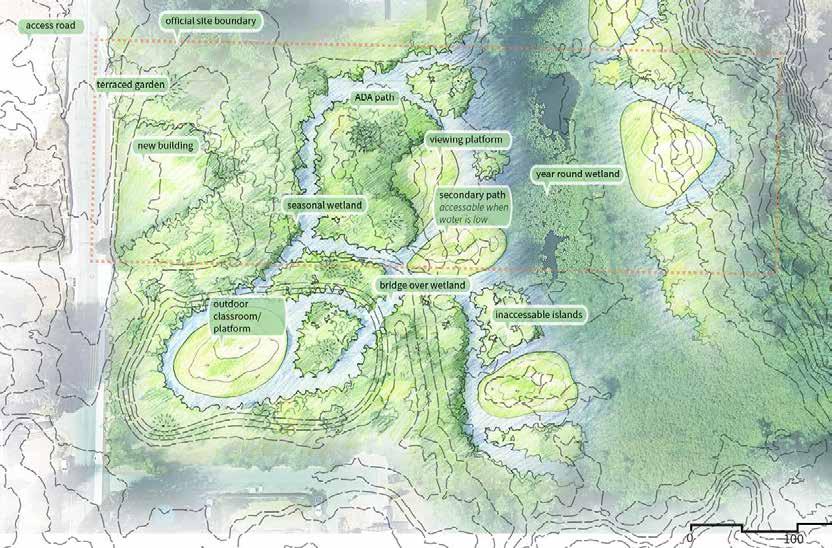
Island Edge uses changes in topography to create habitat niches and manage storm water runoff. A system of gently descending wetlands captures and cleans water as it moves onto the site before releasing it into the larger wetland which transects the site.
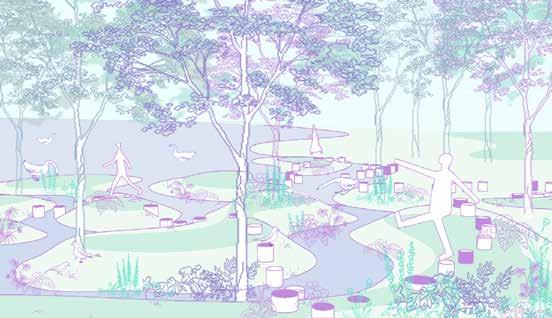
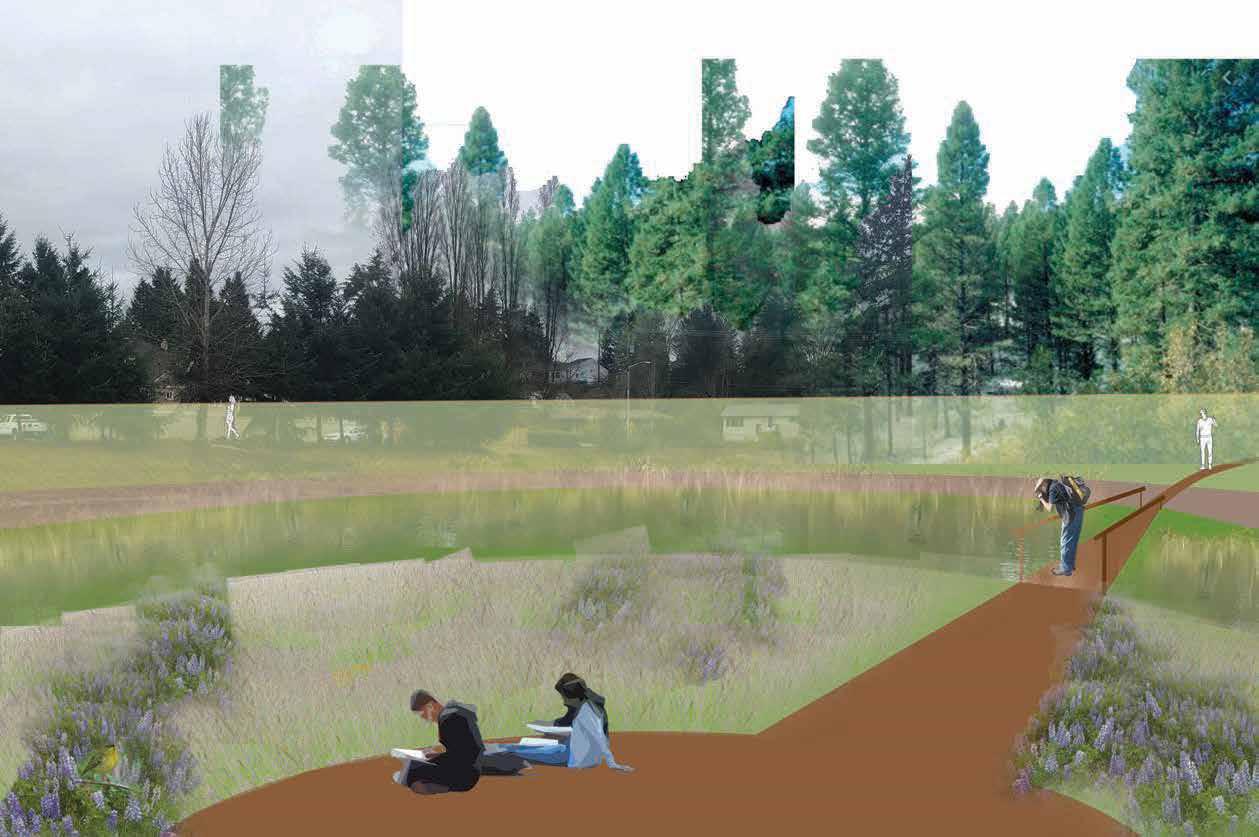
In different seasons, different portions of the canals are (de)saturated, allowing and preventing access to more remote islands.
In this design, there are terraces along the street. The attention to the street scape invites visitors in and offers an educational opportunity. Surrounding the new building are a series of demonstrating bird habitat gardens.
Moving through the site, visitors experience woodland canopy, grasslands, scrubland and a variety of wetlands, all designed to attract and support a variety of local and migratory birds.
Claudia Sackett Hennum
BIRDS & CLIMATE CHANGE STUDIO
Topography Gradient
Demonstration Gardens
Several of the islands are inaccessible to humans and preserved for wildlife usage. Some islands are accessible only in the dry season when the water has been released.
Bird nesting habitat is supported on islands that are less accessible to humans, while bird friendly foraging plants are interspersed throughout the site.
Woodland (Dense and Open)
Grassland
Wetland (Seasonal)
Scrubland/Wetfooted Forest
Circulation: Dry Season
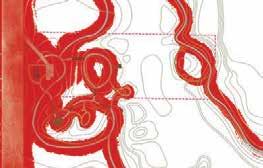
Circulation: Wet Season
BIRDS & CLIMATE CHANGE STUDIO
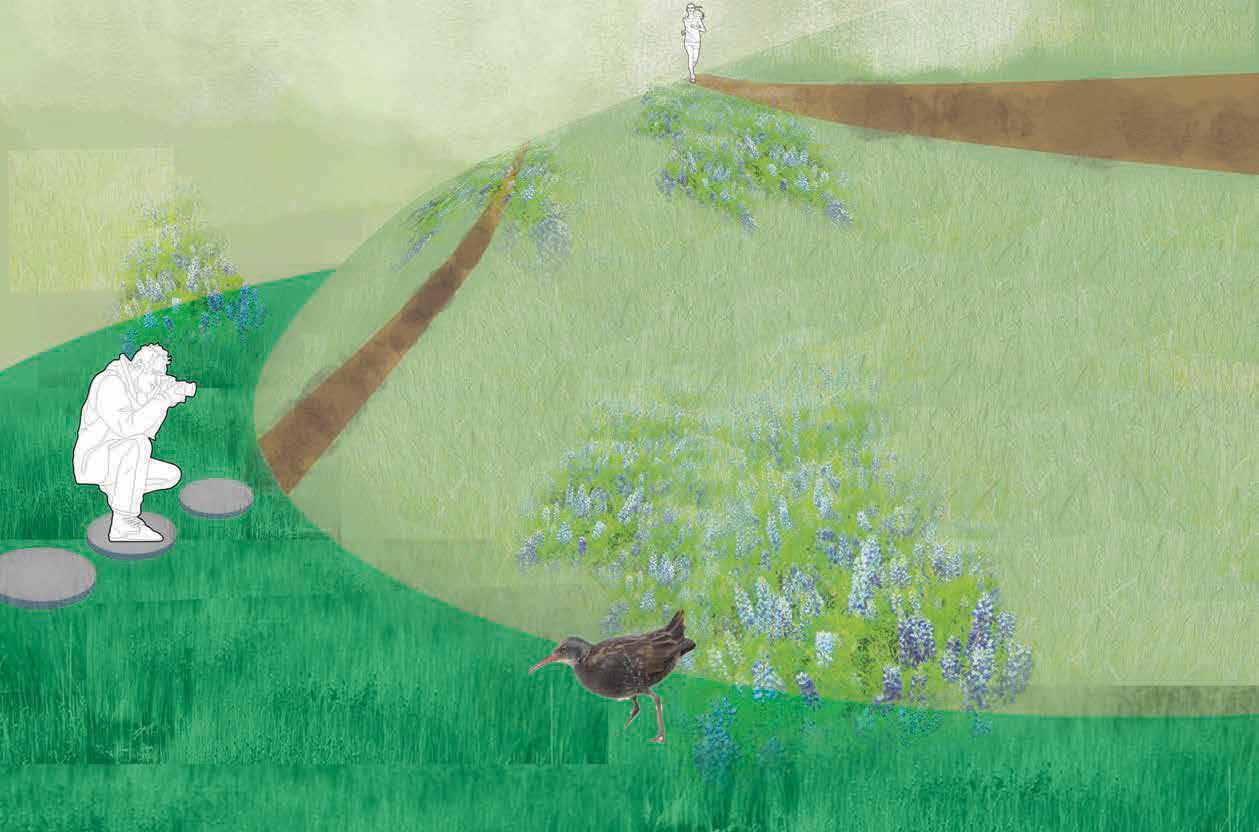
Water is purified as it moves through the constructed wetlands.
In different seasons, different portions of the canals are (de)saturated, allowing and preventing access to more remote islands.
The new wetlands increase capacity for water retention in response to anticipated increase in storm water runoff.
present day storm waterclimate changed storm waterincreased storm water capacity
VISITORS OBSERVE FLUCTUATING WATER LEVELS THROUGHOUT THE SEASONS AND FROM YEAR TO YEAR
Targeted Birds Seasonal Presence of Targeted Birds at Adriana Hess
Targeted Birds Seasonal Presence of Targeted Birds at Adriana Hess
Varied Thrush
Varied Thrush
Dense Forest
Dense Forest
Year-round resident
Year-round resident
Pine Siskin
Pine Siskin
Open Woodland
Open Woodland
Year-round Resident
Year-round Resident
Wilson’s Warbler
Scrub-land
Wilson’s Warbler
Scrub-land
Summer Visitor
Summer Visitor
Virginia Rail
Wetland
Virginia Rail
Wetland
Year-round Resident
Year-round Resident
Bu lehead
Bu lehead
Deep Wetland/Pond
Winter Visitor
Deep Wetland/Pond
Winter Visitor
BIRDS & CLIMATE CHANGE STUDIO
remmuS
remmuS
Target birds were selected from birds observed on site, cross-referenced with species already experiencing decline, and those expected to experience reduction of their range locally as a result of climate change.
Based on the selected birds, and their habitat needs, I identified five focus habitats. Four of those habitats are primary habitats for targeted species. I added in grasslands as they provide a variety of seeds which are essential to the diet of many birds.
Once I had identified the habitats, I looked for plants which fit within those habitat typology and are particularly beneficial for the targeted bird species.
EDUCATIONAL HABITAT DESIGN
THAT ENGAGE MULTI-LEVEL
OBSERVATION OF BIRDS.
Habitats Identified
Types of Habitats in our site:
1. Woodland Understory & Edge
2. Shrubs
3. Grassland 4. Wetland 5. Riparian
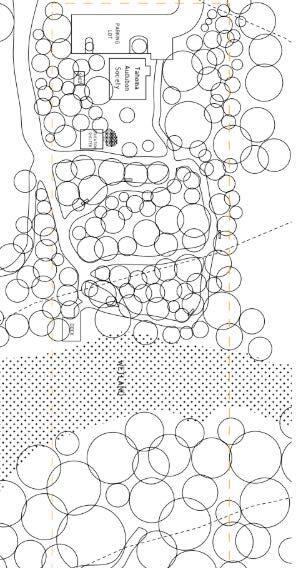
BIRDS & CLIMATE CHANGE STUDIO
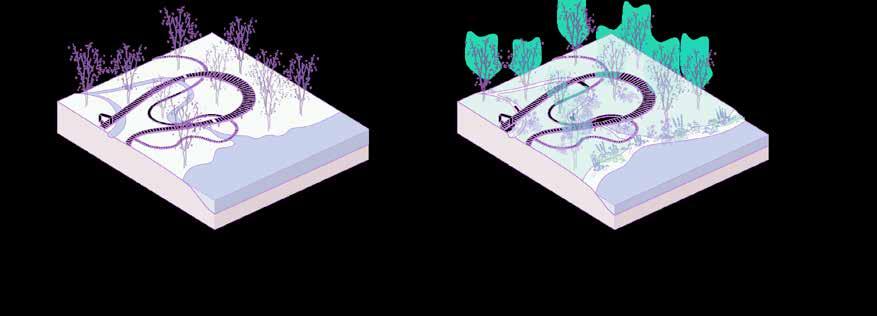
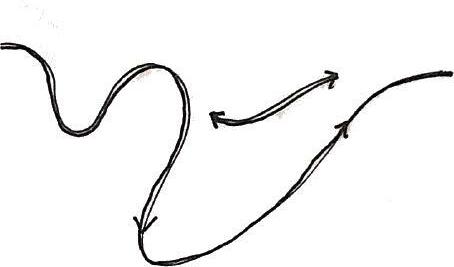
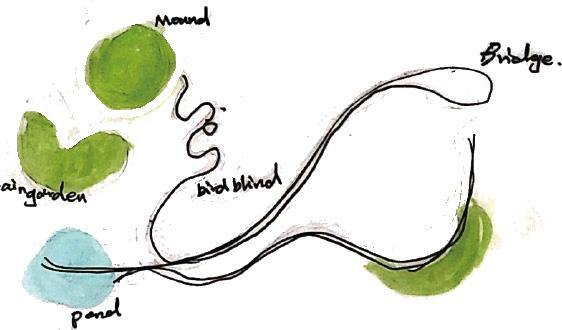
1. Cut the ground plane into habitat zones and “stitch” them back together
2. Follow the relationship between each habitats, create resired route that guides people through each parts
3. The circulation follows the distribution of habitats and bring people an immersive experience
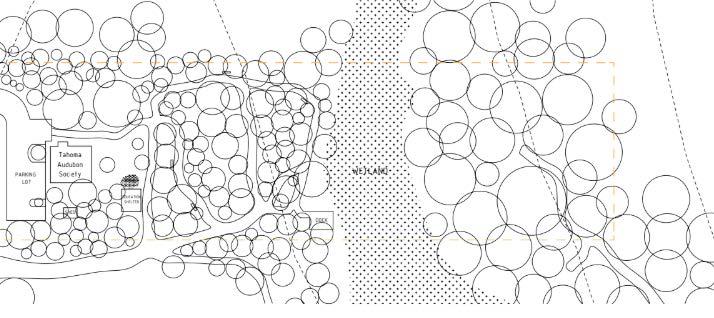
EDUCATIONAL HABITAT DESIGN
THAT ENGAGE MULTI-LEVEL
OBSERVATION OF BIRDS.
GOALS:
- Create spaces for ecological outdoor classroom;
- Create interventions to bring people inside and experience the habitats;
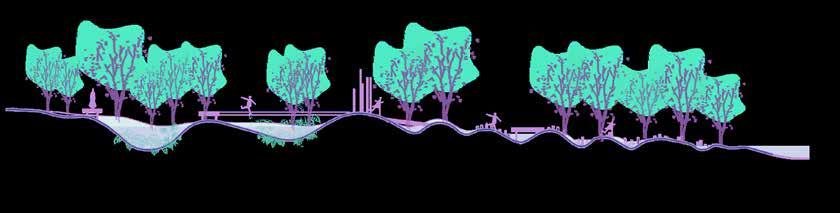
- Create organic paths and variation in height brings different perspectives;
- Application of ecological urbanism theory and try to mimic the pristine nature.
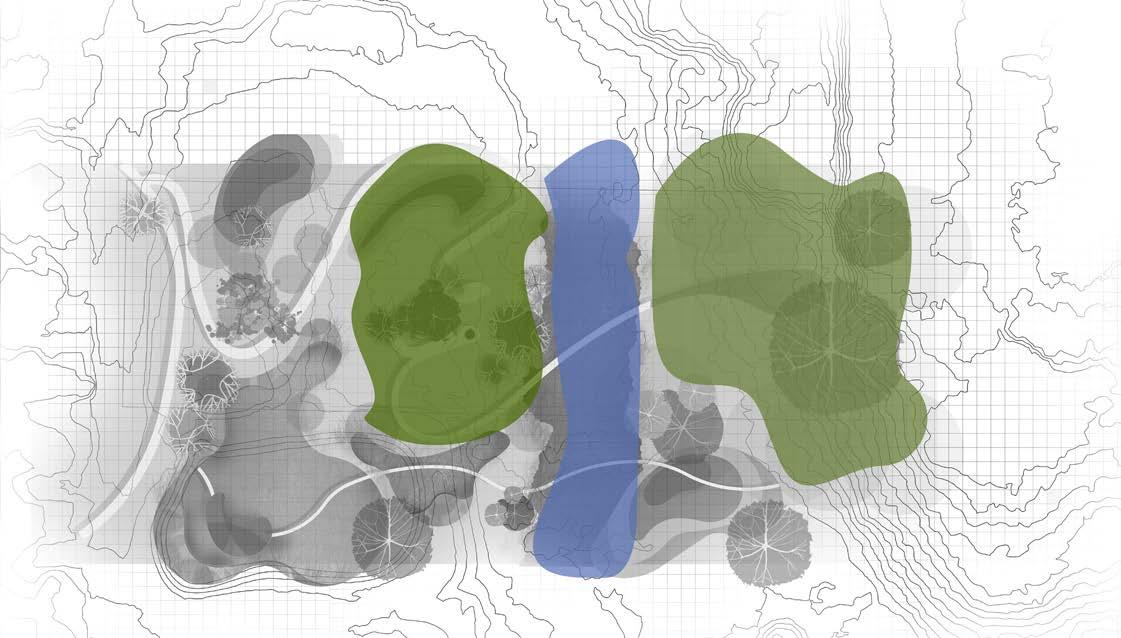
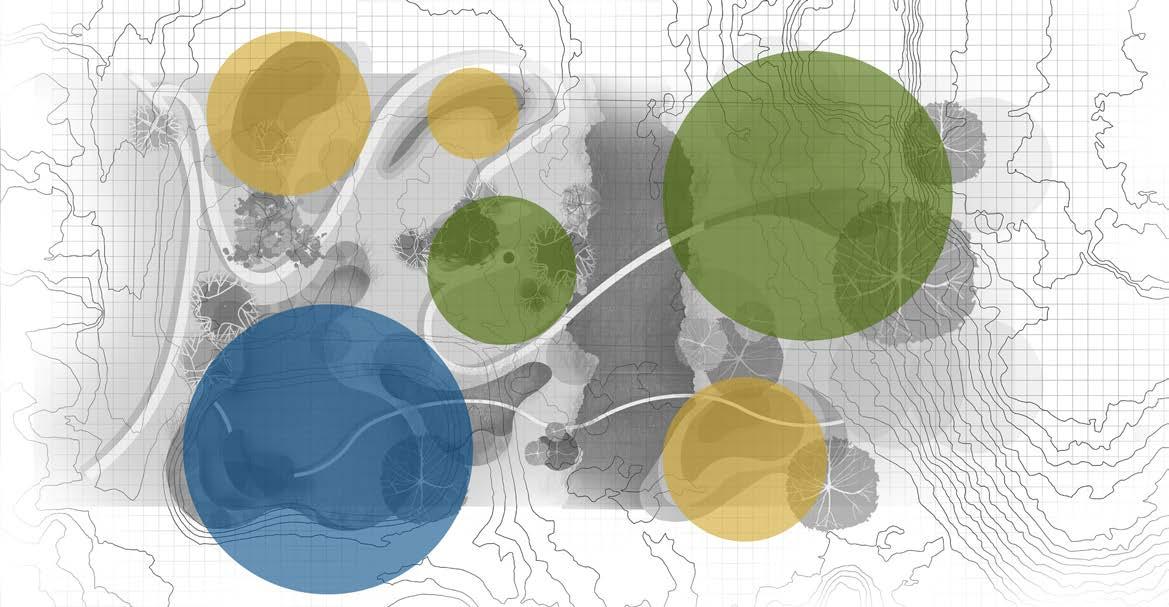
1. PRESERVED HABITATS
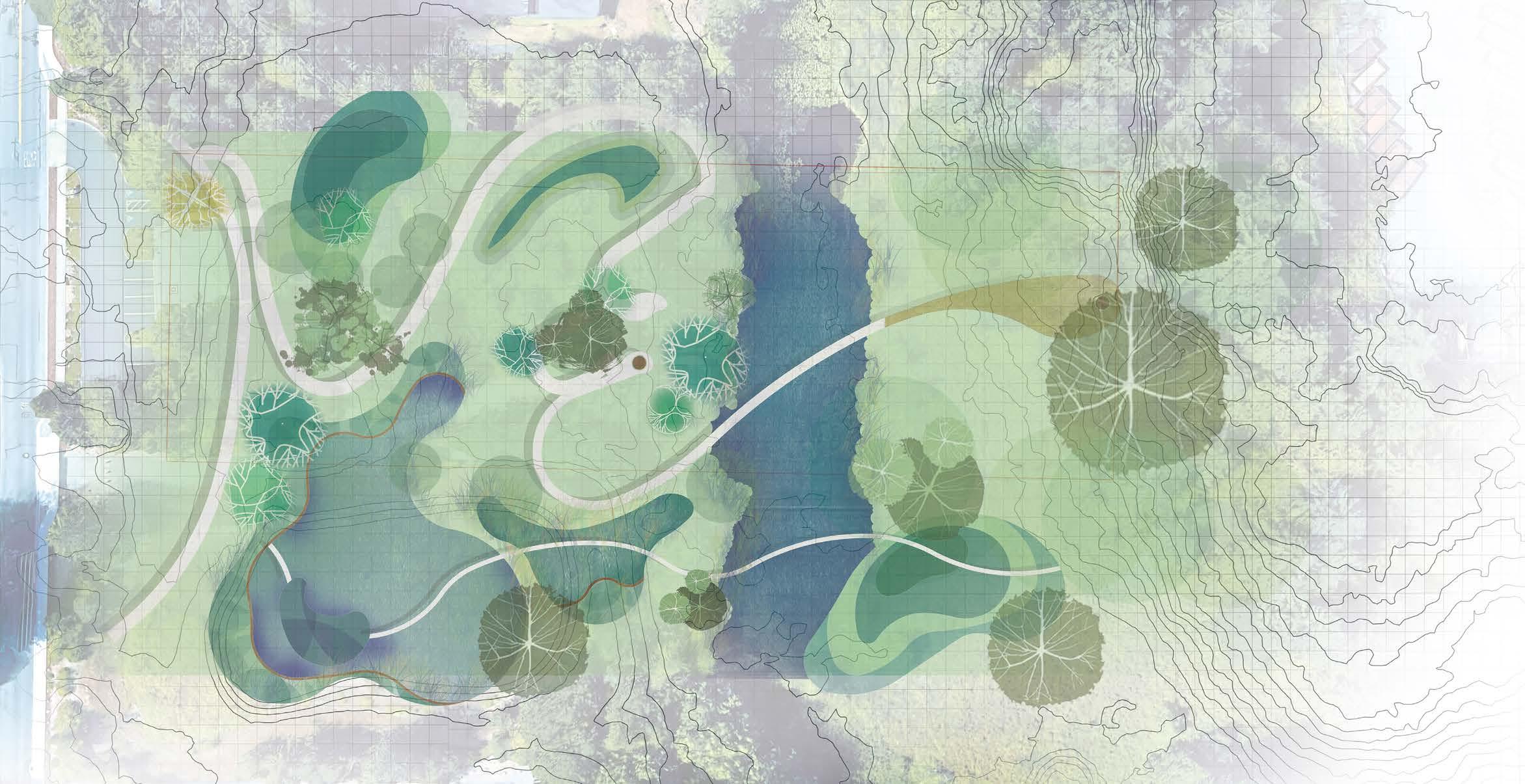
The untouched habitats are the forest area and the wetland
2. CREATED HABITATS
The added habitats are the grass mounds and the large raingarden area.
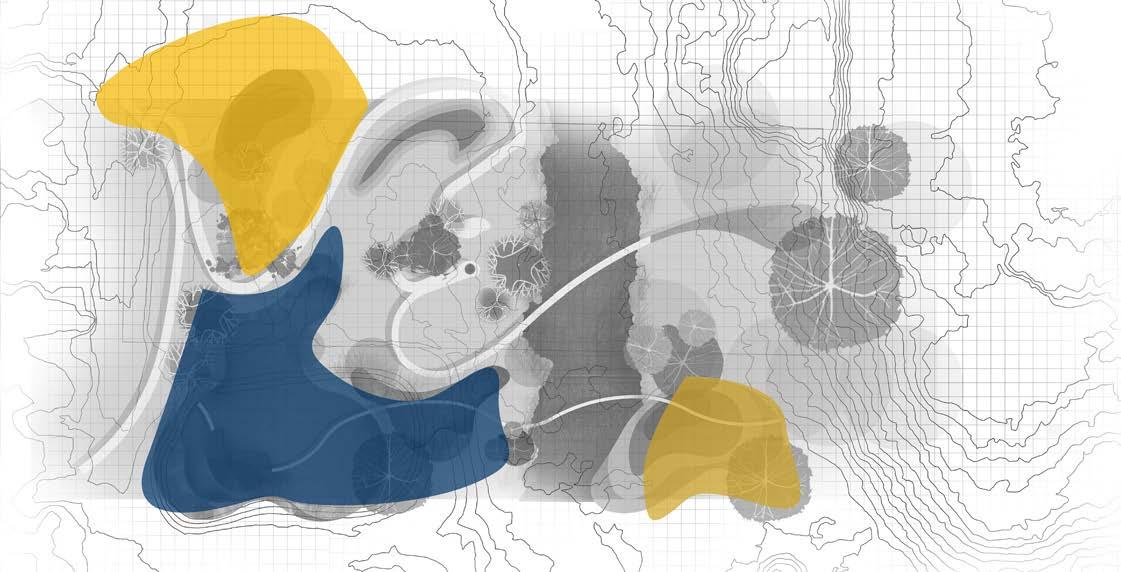
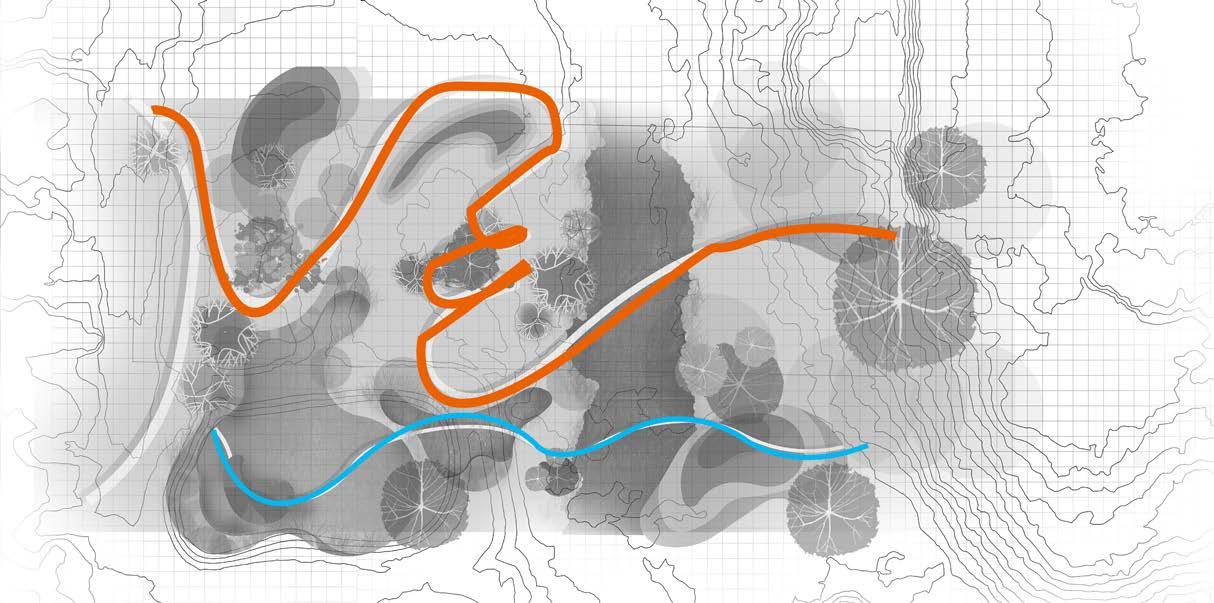
3. CIRCULATION PATTERNS
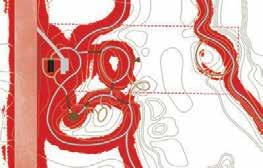
The primary route in red carries people through the whole site; the secondary route is a sideway that guide people through raingarden and towards the forest.
4. SITE PROGRAMS - Mounds - Raingarden - Forest Walk - Board Walk
- Bird Blinds
WARMING SEQUENCE:
The diagram sequence shows how the site condition changes in a 0°, 1.5°, and 3° scenario.
The site is divided into several different habitat zones:
- Grasslands
- Forest + forest edge
- Weland + wetland edge
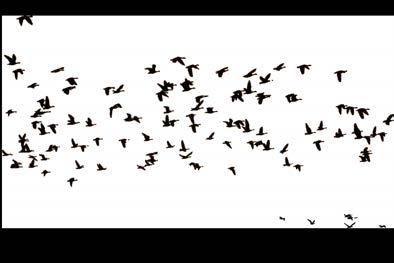
0° Scenario
Stable and no change with birds sightings and range.
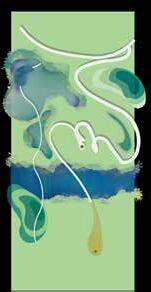
+1.5° Scenario
Grasslands start to move north and become more present on site. 60% bird range maintained.
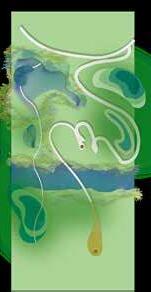
- Shrubs BIRDS
+3° Scenario
Forest start to die out, water resources largely shrink. Only 30% bird range maintainted.
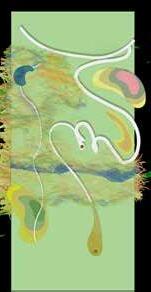
Liang Huang
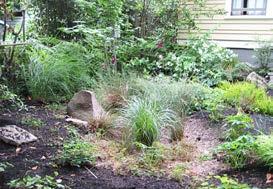
Perennial flowers, shrubs that absorbs water
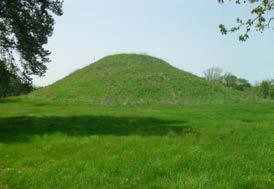
Low woody plants, grasses, sedges
Pond/Wetlandedge
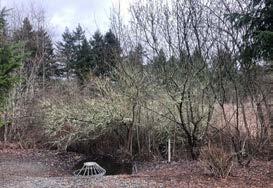
Grasses and woody plants Mix
Shows species that had been sighted on site and their corresponding habitats.
- Educational purpose
- Habitat restoration
- Multi- level experience
WATERFOWL
VULTURES, HAWKS, ALLIES
SHOREBIRDS
GULLS, TERNS, SKIMMERS
HUMMINGBIRDS
WOODPECKERS
TYRANT FLYCATCHERS
CROWS, RAVENS
MARTINS, SWALLOWS
WRENS
THRUSHES
WOOD - WARBLERS
NEW WORLD SPARROWS
FINCHES, EUPHONIAS, ALLIES
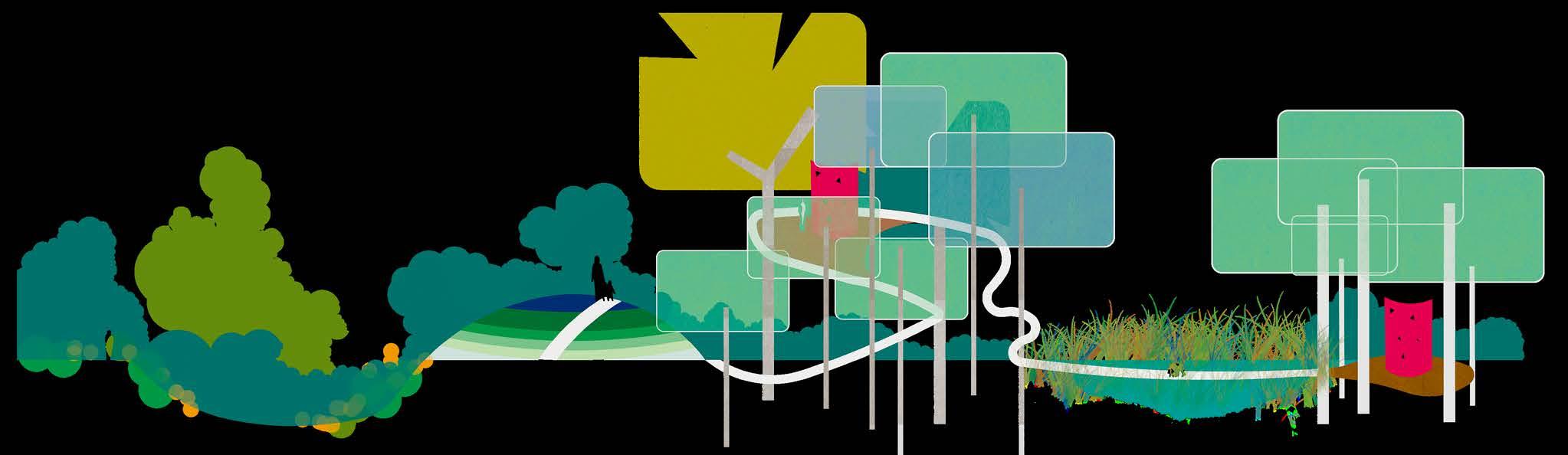
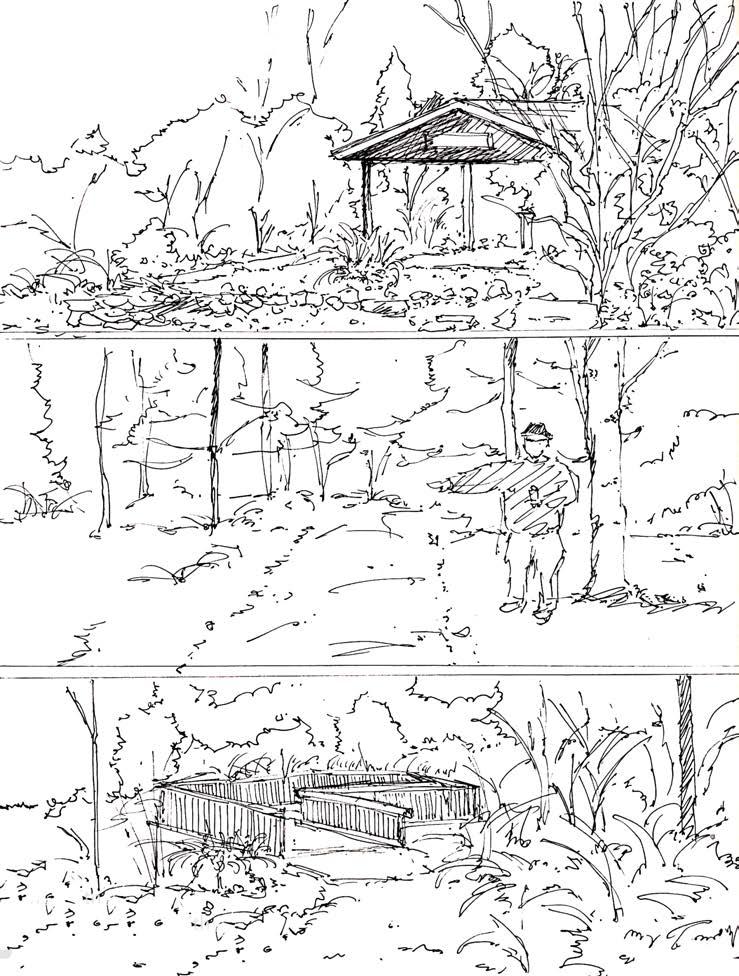
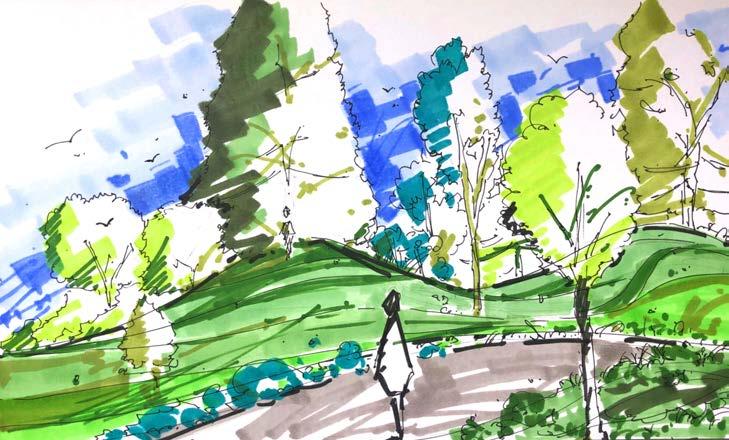
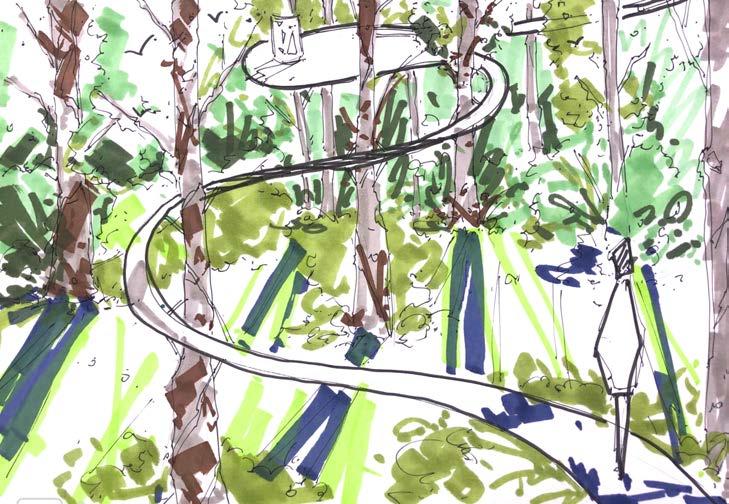
HAND RENDERED PERSPECTIVES SHOWING DIFFERENT PARTS OF THE SITE DESIGN.
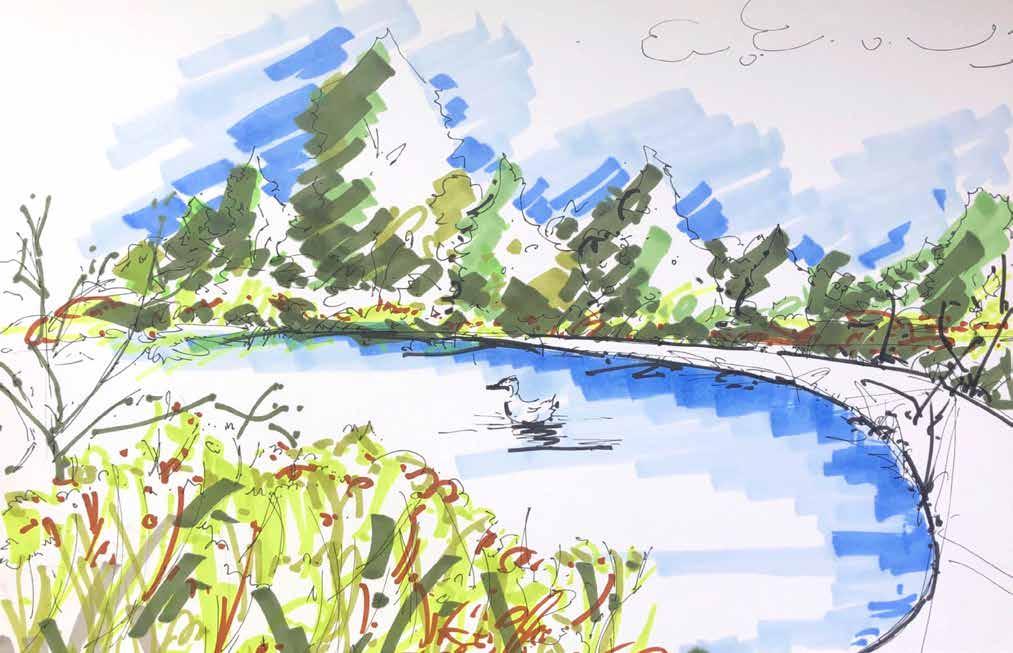
Can we create a novel ecosystem for humans that enhances—not ignores or degrades —bird habitat?
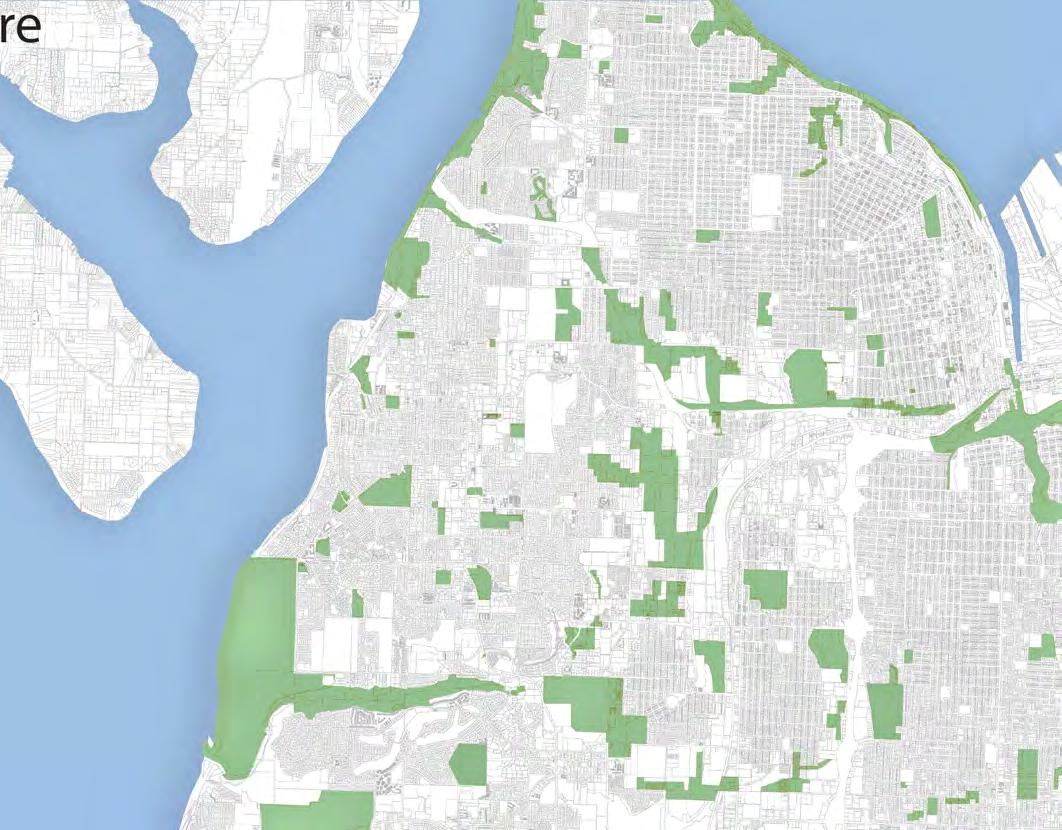
• Convert Adriana Hess from bird habitat inserted in a human environment to human elements inserted into bird habitat
• Address bird habitat needs on a macro level by maximizing existing habitat
• Don’t attempt to obscure the human touch - instead, seek to elevate human influence while still prioritizing bird habitat creation
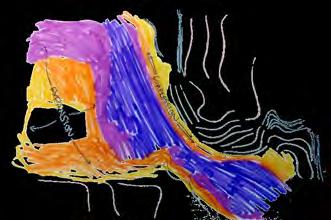
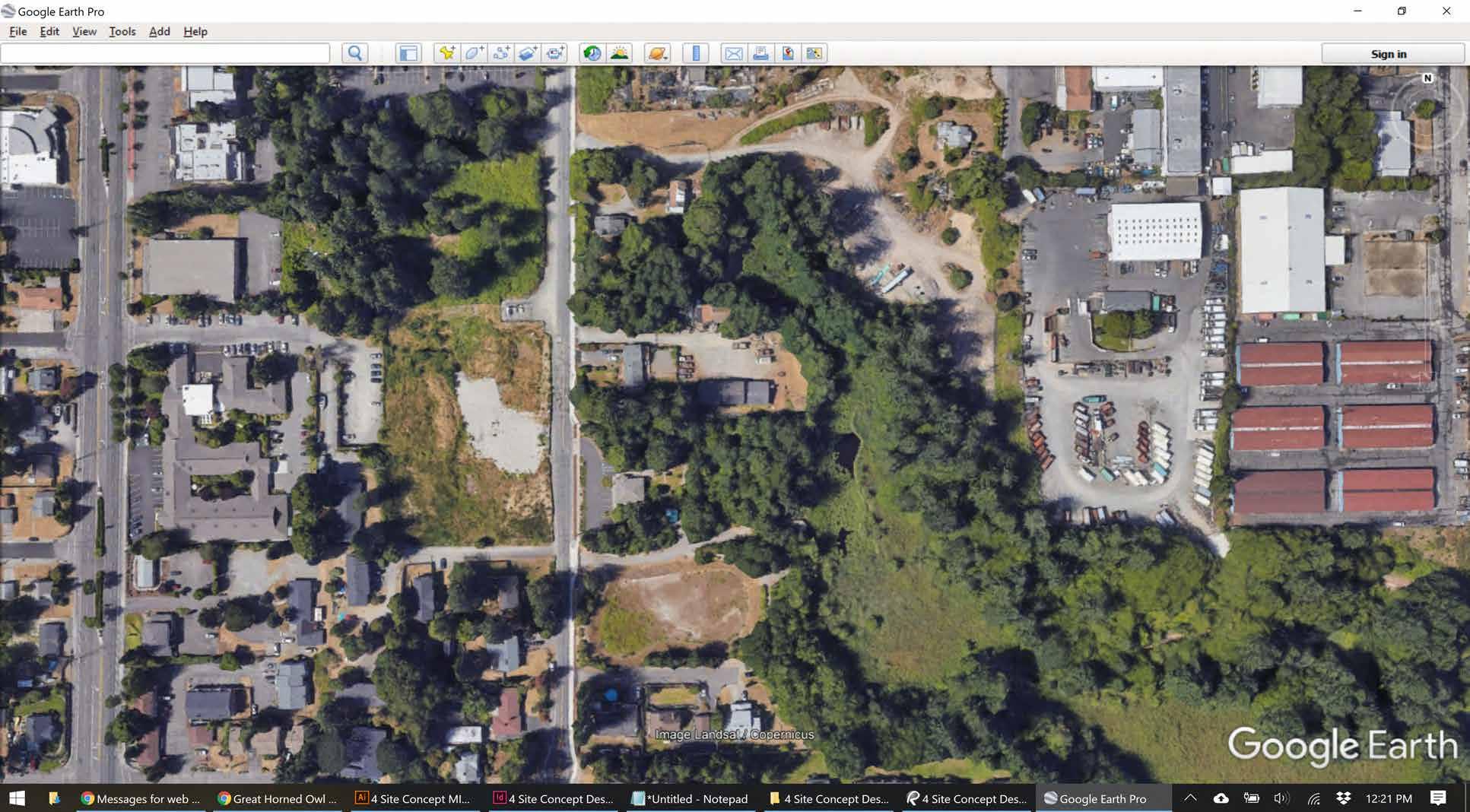
examine site at regional scalenote general patterns and forms
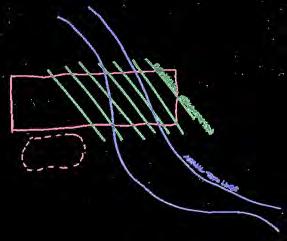
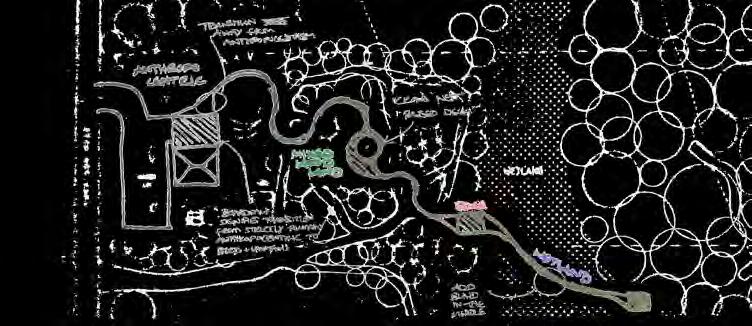
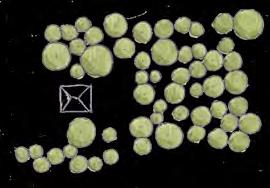
explore existing patterns, topography, and habitat integrate form with design goals
find shapes and forms that arise from these explorations
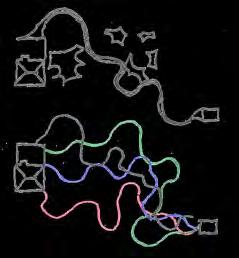
entrances draw people into the site
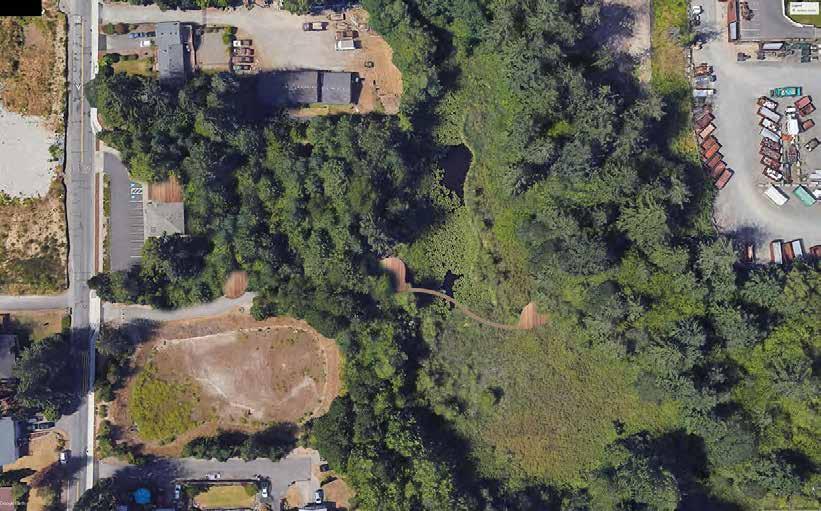
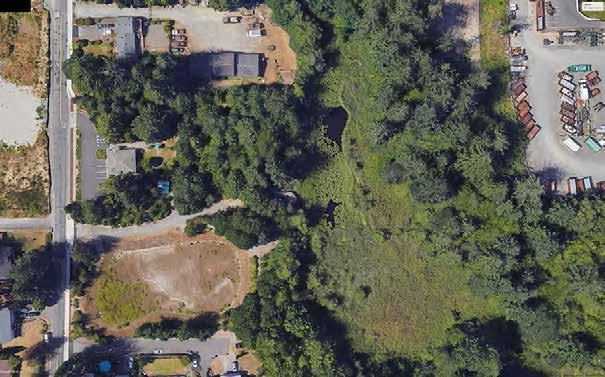
Adriana Hess is ultimately an urban park surrounded on three sides by humancentered spaces. Rather than try to erase the urban context of the site, The Bird Neighborhood illustrates how we can build spaces for humans in a way that still enhance habitat opportunities for birds.
The illustrated plan above shows an increase in woodland canopy that obscures the detailed circulation, programming, and habitat types that make this rich design a destination for humans and birds alike.
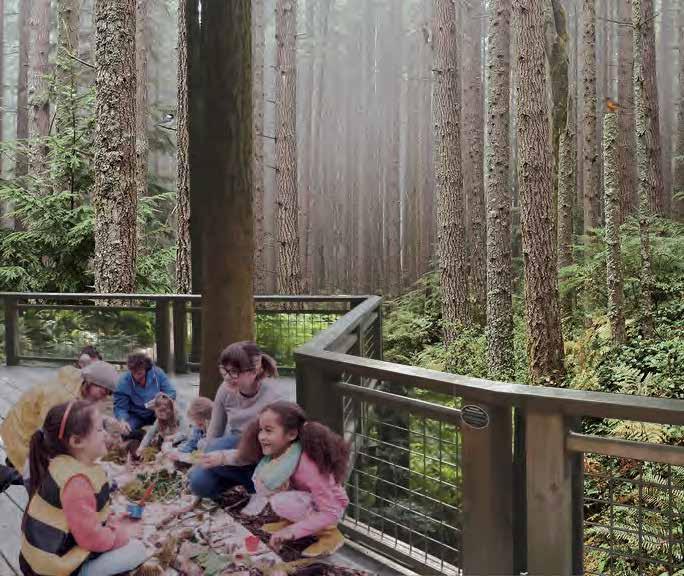
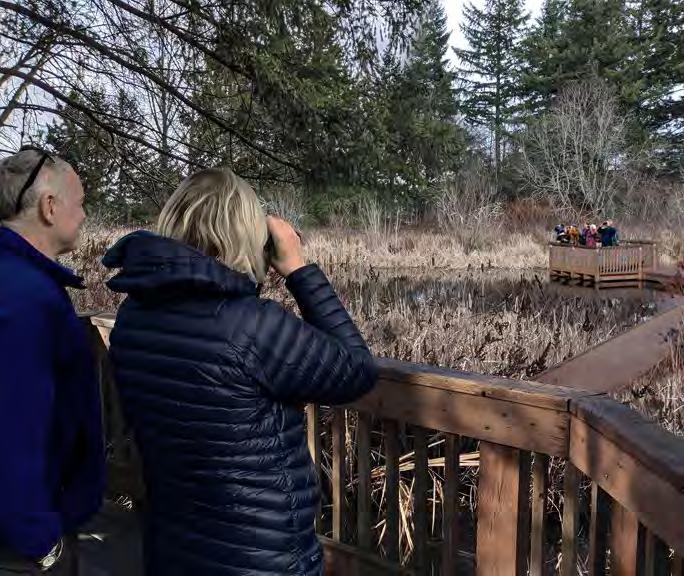
raised boardwalks create sensorial threshold away from anthropocentric habitat boardwalks meander around existing trees, connecting decks at different avian habitat
paved sidewalk draws pedestrians into the site
decks throughout provide spaces for programming and group bird-watching
DYNAMIC ACROSS SPACE AND TIME
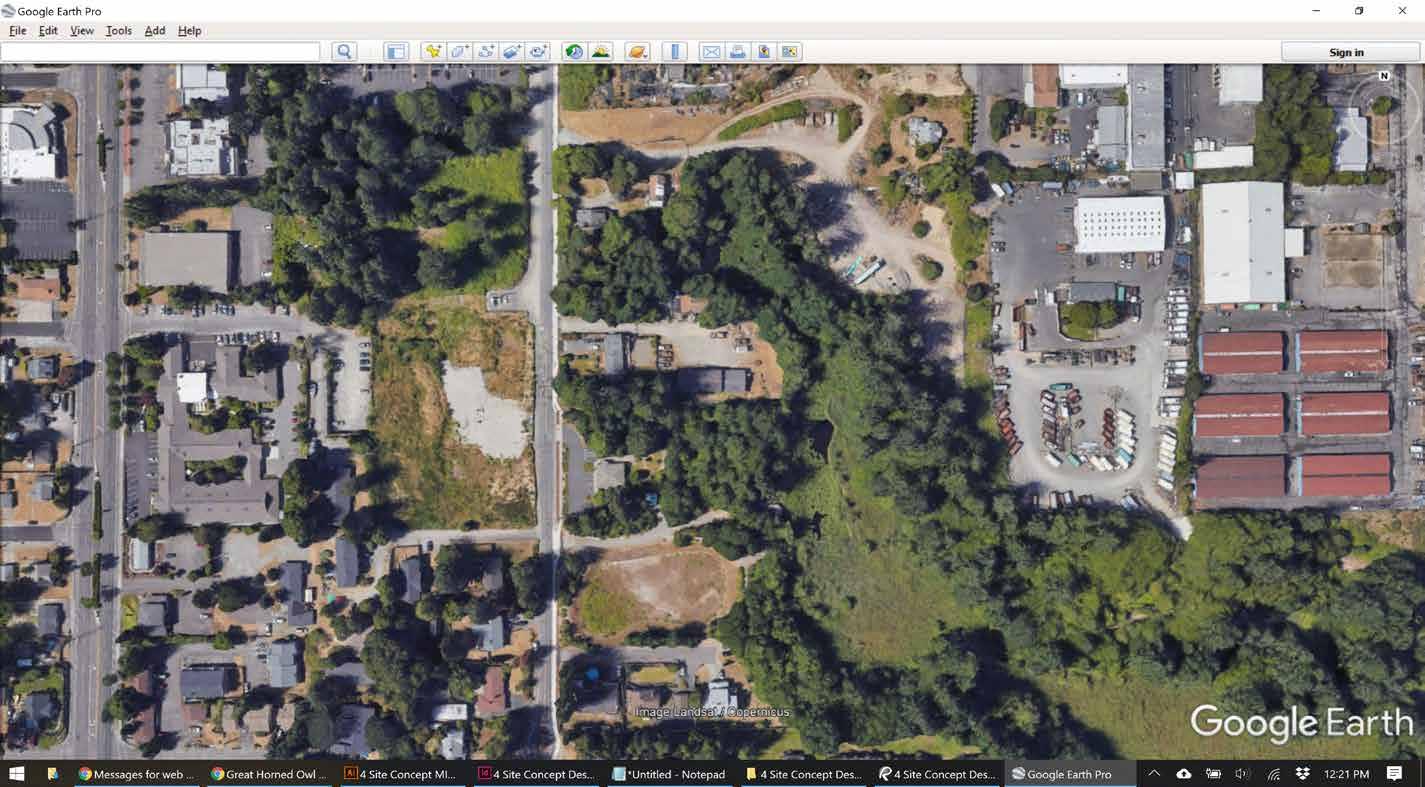
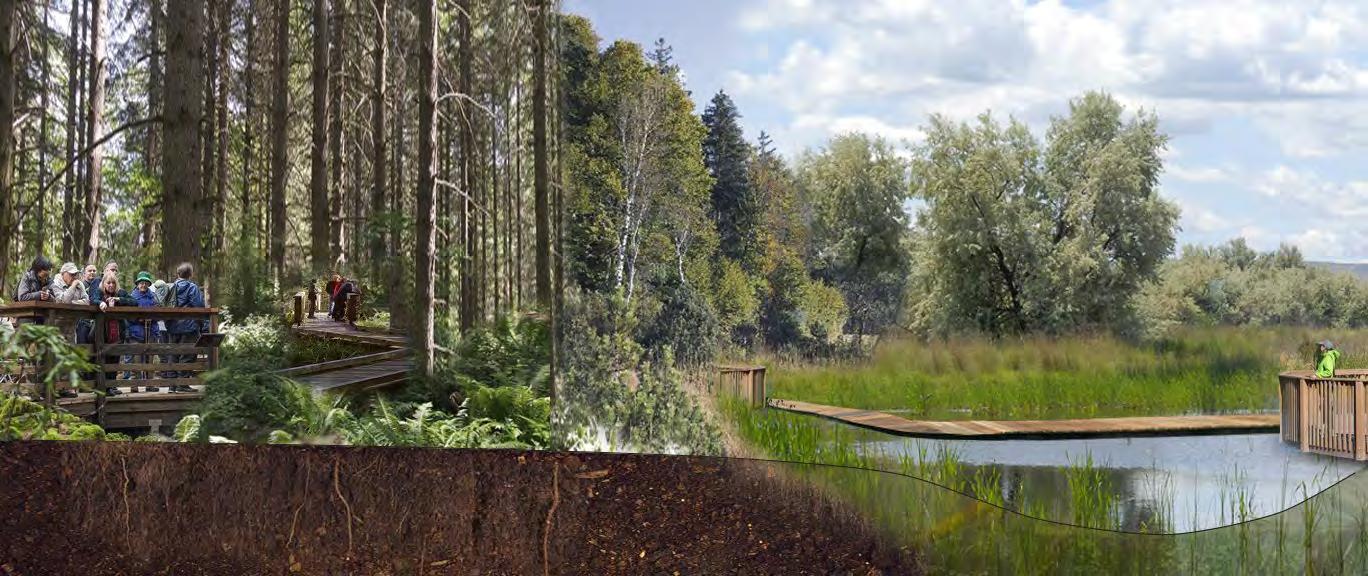
edge where woodland meets urban areas and open spaces
edges where woodland meets wetland
The bird habitat on this site falls into three broad categories, but these categories are fluid and dynamic through space and time.

wetland boundaries vary seasonally with rainfall and over time with climate change
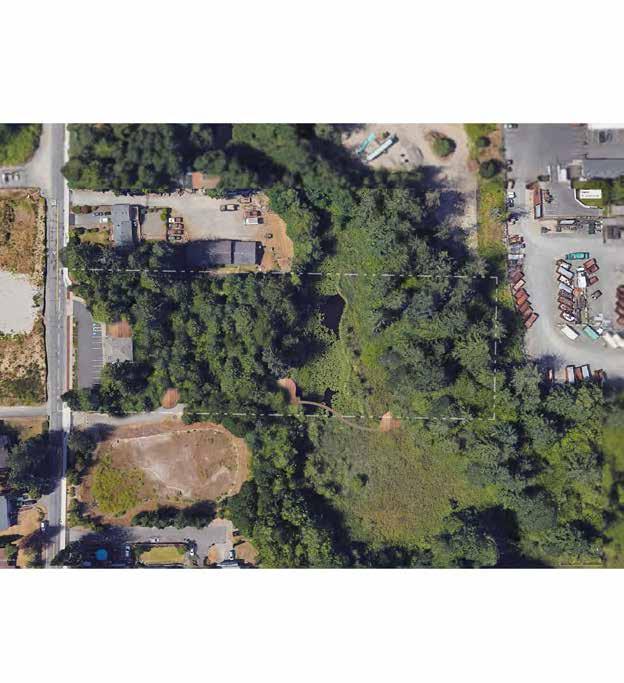
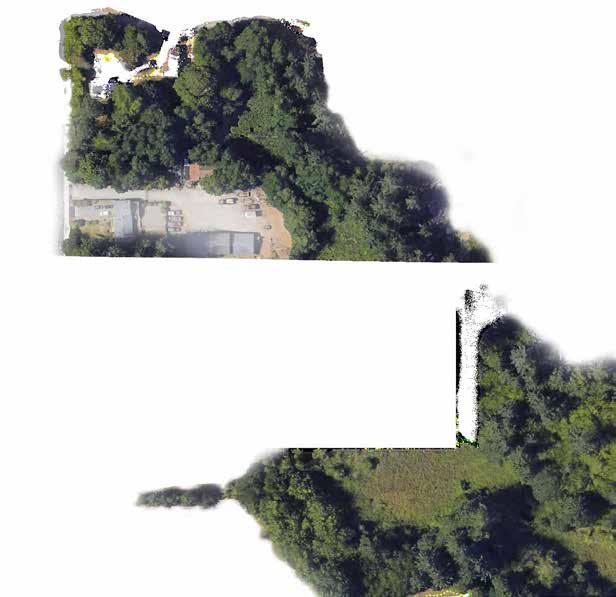
Climate change is a certainty. Ecological models can predict different potentialities for future habitat ranges, but it’s impossible to know how these effects will play out on a site-scale.
To combat this uncertainty, this design attempts to create a “maximal habitat” situation that is as dense as possible that can respond to many different climate change scenarios.
Warming temperatures leads to mass conifer die-off. The resulting seed bank and environmental conditions are too hostile for natural replacement recruitment.
Park grounds, protected from human activity, are still fertile for shrubs and groundcovers that can provide precious habitat and attract insects for many species of birds.
Rising population density leads to increased park usage. Usage surpasses current park capacity.
More boardwalks and decks are built, increasing park capacity for human activity while maintaining separation from bird habitat.
Transition to rain-dominated flow regimes increases stormwater runoff, exceeding the existing wetland boundary
The raised boardwalk and deck design of Bird Neighbordhood will allow visitation to the park to continue unabated.
FROM ANTHROPOCENTRIC- TO AVIAN-FOCUSED



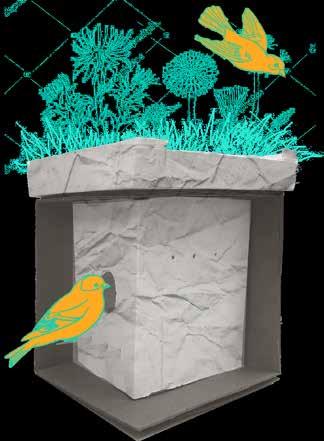
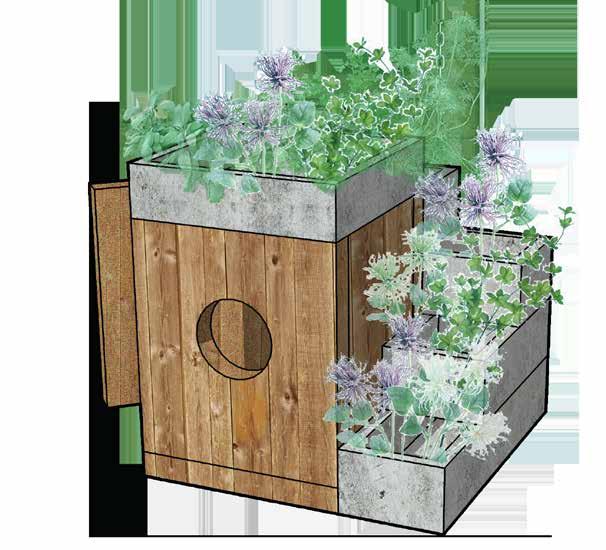
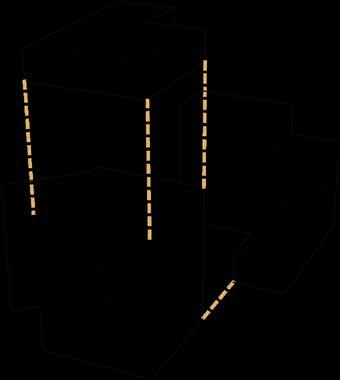
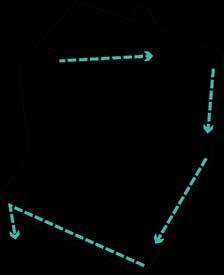
a mix of flower box and bird box
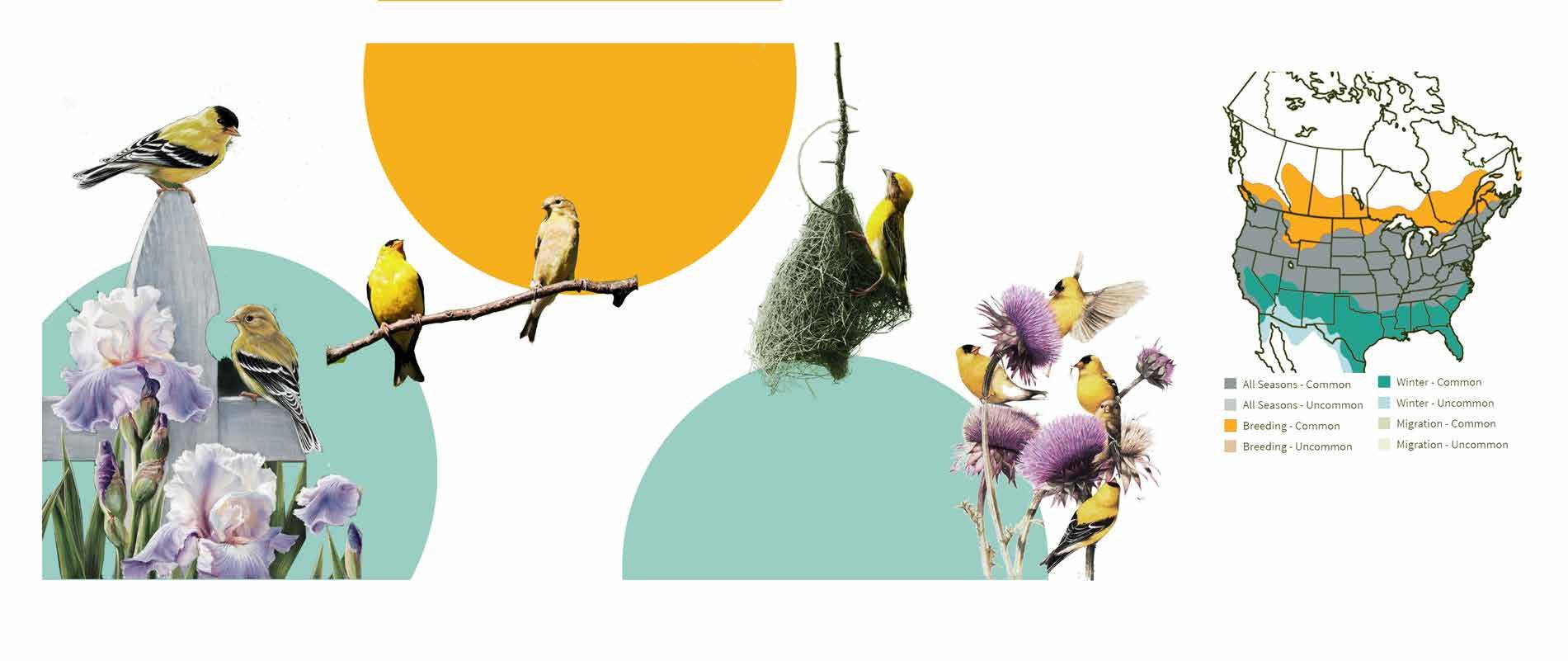
Being principally a seed-eater, the bird eats seeds of thistle, dandelion, ragweed, mullein, cosmos, goatsbeard, sunflower, and alder. In order to attract goldfinches to your backyard, grow grass and flowers on the top of the bird box to produce food for them.

Size:
Length: 38-54 in
Wingspan: 65-79 in
Habitat:
Saltwater and freshwater; Marshes, swamps, shores, tideflats
Nesting:
Platform of sticks, usually in trees 20-60’ above ground or water; sometimes in low shrubs, sometimes on ground
Food:
Highly variable and adaptable. Eats mostly fish, but also frogs, salamanders, turtles, snakes, insects, rodents, birds.
Behavior:
Forages standing still or walking slowly
allaboutbirds.org
Danielle Dolbow
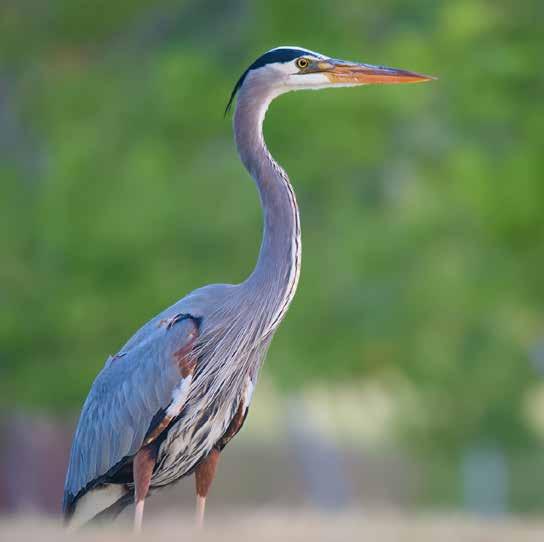
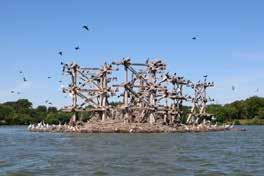
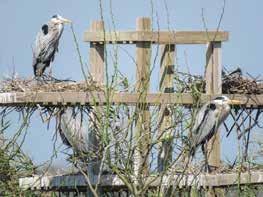
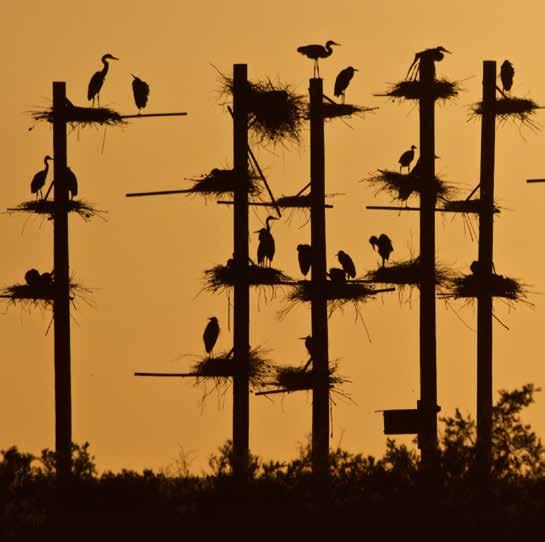
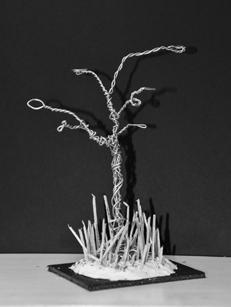
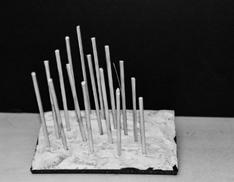
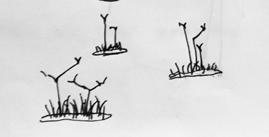
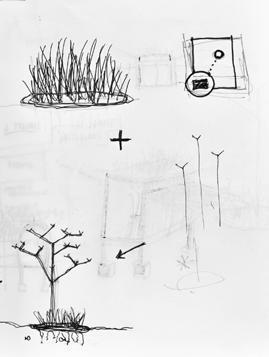
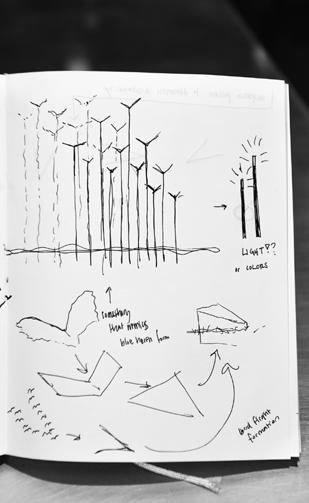
Heron’s nest, often in groups high in the trees, are called rookeries. Rookery could become more architectural or more sculptural.
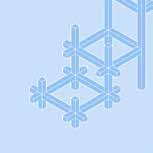
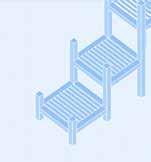
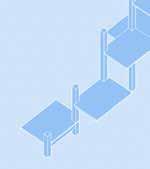
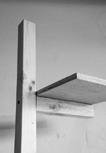
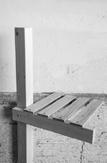
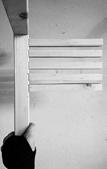
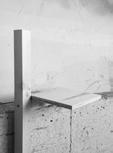
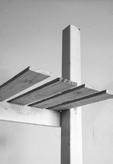
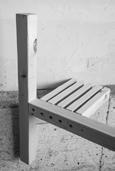
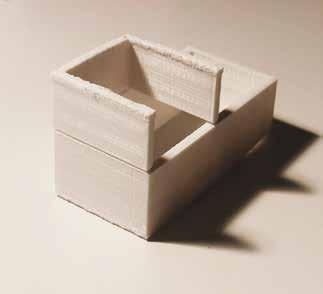
PROS CONS
• EASIEST TO CONSTRUCT
• NOT STRUCTURALLY SOUND
• CANNOT DRAIN THROUGH PLATFORM
• NOT AESTHETICALLY AS INTERESTING
PROS CONS
• WATER CAN DRAIN
• MORE AESTHETICALLY PLEASING
• EASY TO CONSTRUCT
• NOT STRUCTURALLY SOUND
• SLATS ARE A LITTLE FLIMSY
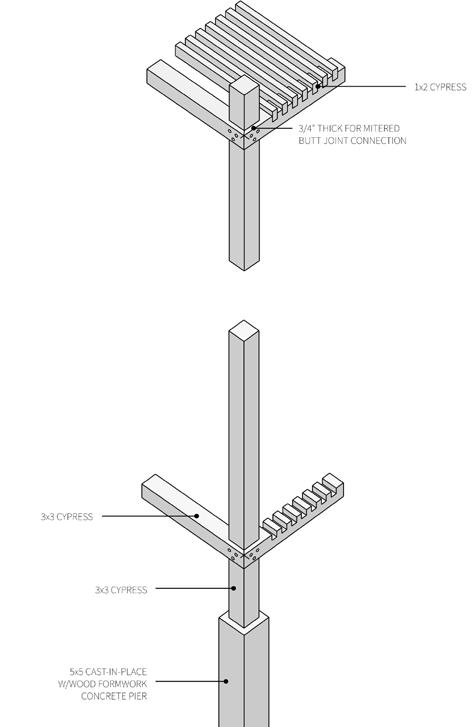
PROS CONS
• WATER CAN DRAIN
• MOST AESTHETICALLY PLEASING
• SEAMLESS AT INTERSECTIONS
• PLATFORM MORE STURDY
• NOT STRUCTURALLY SOUND
• HARDER TO CONSTRUCT


BIRDS & CLIMATE CHANGE STUDIO













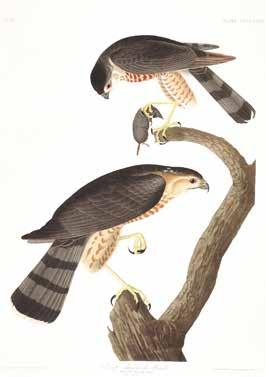
Size: small, with females 1/3 larger than males
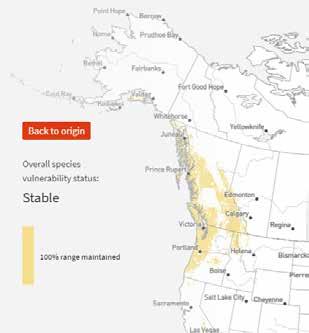
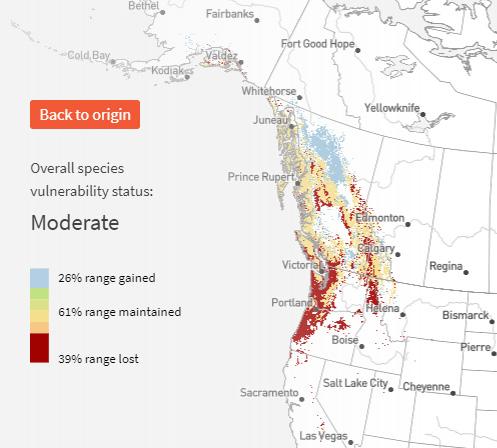
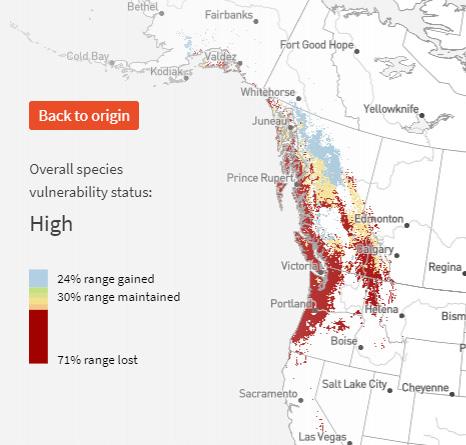
Predicted North American Range Loss with 3 C Warming
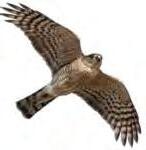
Identification: long (sometimes square-tipped) tails, small heads, blue-gray, orange bars on chest
Hunting: agile fliers, hunt in woods, mixed woodland boarders and back-yards, use low perches
Habitat: breed and nest in remote forests, migratory
Food: small mammals and song birds
* information from https://www.allaboutbirds.org/guide/Sharp-shinned_Hawk/id
John J. Audobon Plate 374
https://www.audubon.org/birds-of-america/sharpshinned-hawk
Breeding Year-round Nonbreeding
Current Distribution
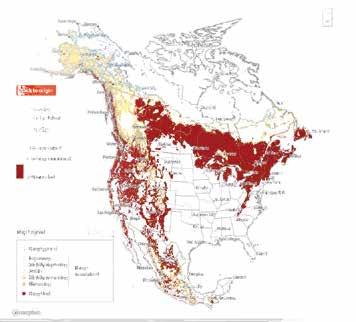
Predicted North American Range Loss with 3 C Warming
map: By Cephas - BirdLife International. 2016. Accipiter striatus. The IUCN Red List of Threatened Species 2016: e.T22734130A95075259. https://dx.doi.org/10.2305/IUCN.UK.2016-3.RLTS.T22734130A95075259.en. Downloaded on 01 August 2018., CC BY-SA 4.0, https://commons.wikimedia.org/w/index.php?curid=71261957
Breeding Year-round Nonbreeding
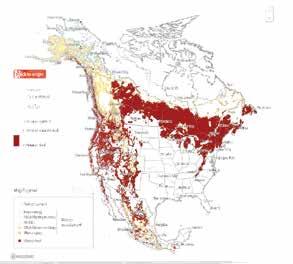
map: By Cephas - BirdLife International. 2016. Accipiter striatus. The IUCN Red List of Threatened Species 2016: e.T22734130A95075259. https://dx.doi.org/10.2305/IUCN.UK.2016-3.RLTS.T22734130A95075259.en. Downloaded on 01 August 2018., CC BY-SA 4.0, https://commons.wikimedia.org/w/index.php?curid=71261957
Wintering and Hunting
Mixed Woodland: Edge: Urban Areas
Ferruginous Hawk wingspan 48 - 60” wingspan: 16.9 - 22.1”
Wintering and Hunting Mixed Woodland: Edge: Urban Areas
Ferruginous Hawk wingspan 48 - 60”
Summering and Breeding Deep Conifer Forest; Remote
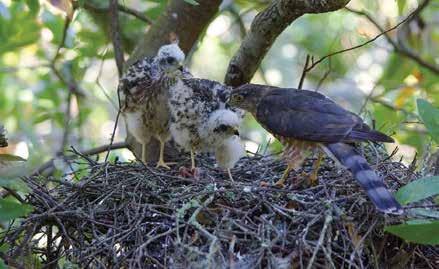
Summering and Breeding Deep Conifer Forest; Remote
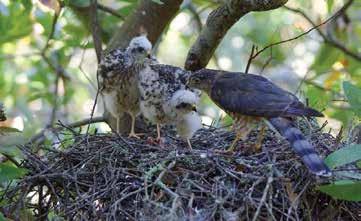
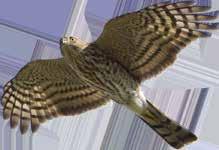
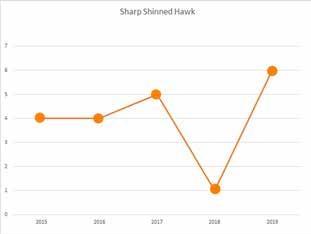
Sharp-shinned Hawks breed in protected forests; they are most likely to be seen at the Adriana Hess Wetland site while they are hunting. In order to fabricate a habitat piece for them at Adriana Hess, I explored different types of perches.
As a precedent study, I looked to falconry. Falconers have been working with birds of prey for centuries. They have created a variety of perches.
Source:
https://www.westernsporting.com/FE2171A/stainlessrotating-ring-perch-for-outdoor-use-beautiful-construction-28051708.html
https://sustainablelivingcenteroregon.com/2017/02/21/ truffles-hawks/
https://www.themodernapprentice.com/perches.htm
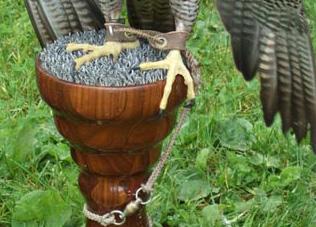
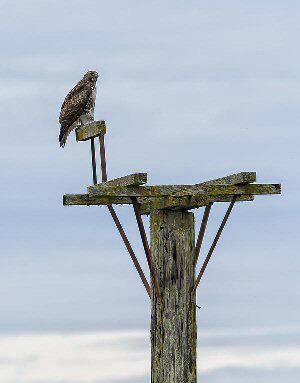
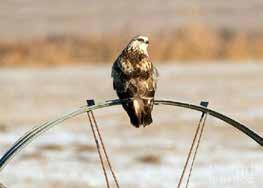
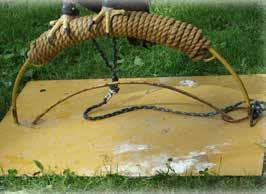
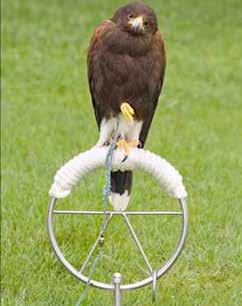
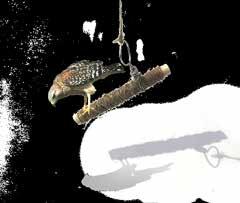
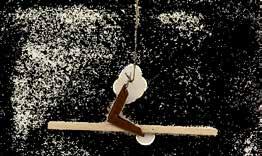
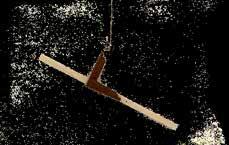
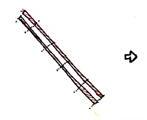
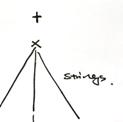
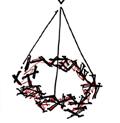
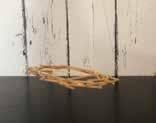
During my iterative design process, I explored different types of perches. I was interested in a perch which both could both serve Sharpshinned Hawks, and connote them in their absence.
After experimenting with various sculptural forms, I settled on a hanging perch which would respond to the weight of the hawk.
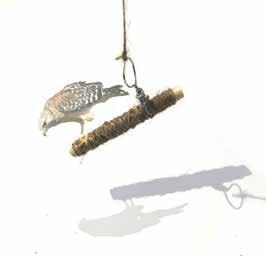
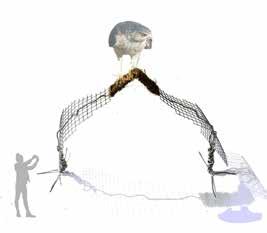
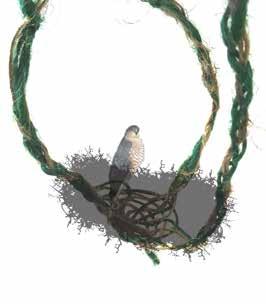
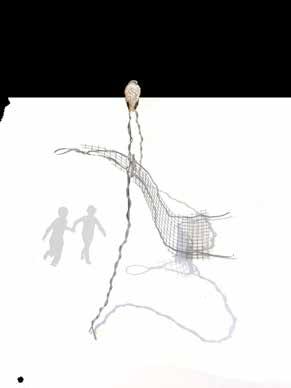
BIRDS & CLIMATE CHANGE STUDIO
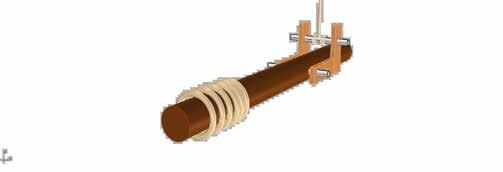
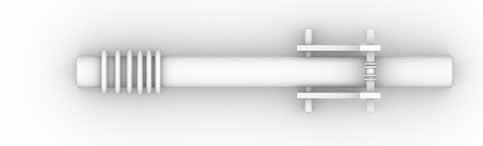
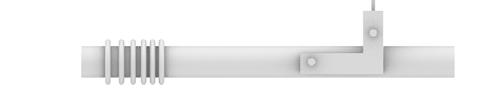
Annotated Elevation
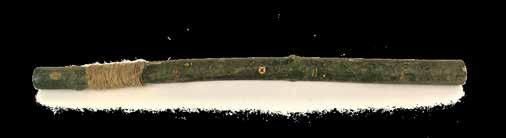
Jute twine, medium thickness
Found branch approximately 2’ long x 1 1/2” around
Steel bar 1/4” x 2”
Bolts determined based on width of object to be attached to
For my final design, I wanted to maintain the simplicity of form and mobility of the original model.
I settled on a design that comes up from below, rather than hanging from above. With this small change, I was able to plan for a piece that had stability as well as mobility.
Strong skull and beak for drumming and foraging
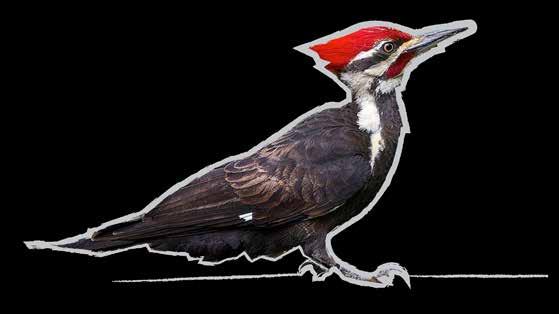
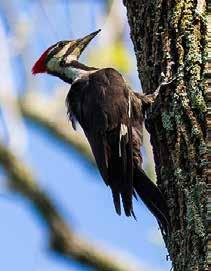
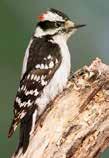
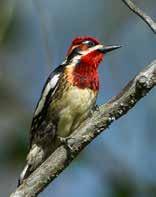
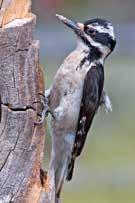
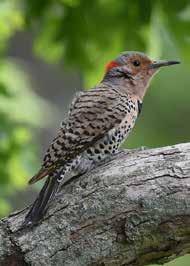
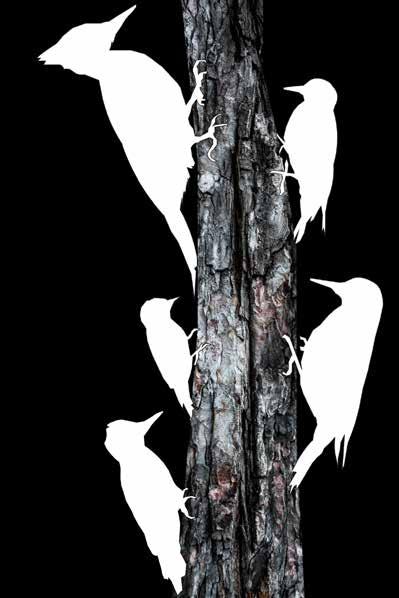
Drumming is the primary source of communication for woodpeckers. Both the male and female will drum to attract a mate. They will also use drumming to claim territory, communicate the location of a food source, or raise alarm of a threat.
Woodpeckers will drum on a wide range of objects. They can be observed using natural materials like hollow trees and stumps, and man-made materials like chimneys, rain gutters, trash cans, and utility poles.
Breeding season is typically April-June.
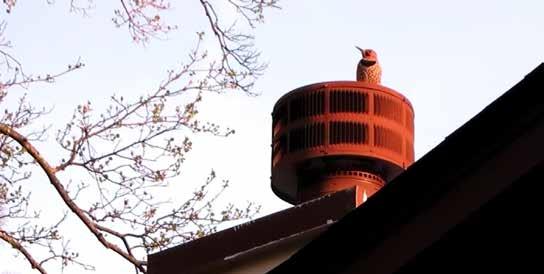
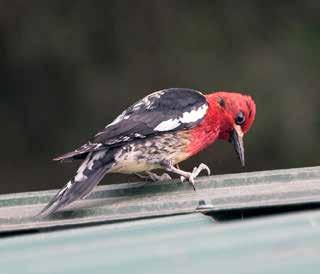
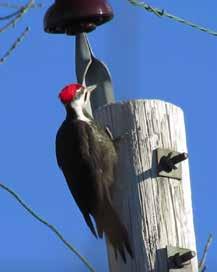
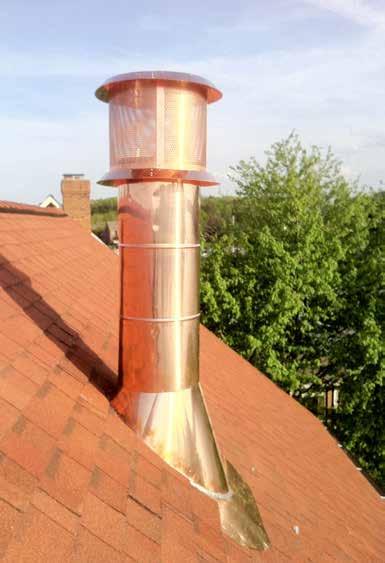
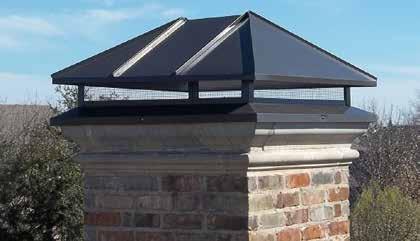
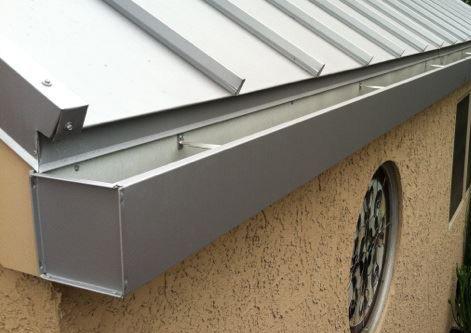
This drum prototype would be placed at Adriana Hess Wetland Park in a highly visible area, to make it possible for visitors to experience a moment of wonder with a woodpecker. Instead of perpetuating the negative reputation of woodpeckers as pests, a drum helps reframe woodpeckers as musical.
A drum could also be used as a tool to inspire children to connect with birds. Interpretive signage and a tool for tapping could accompany the drum and encourage the user to mimic common woodpecker sounds.
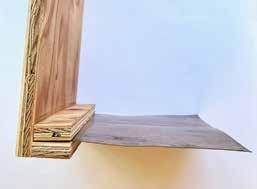
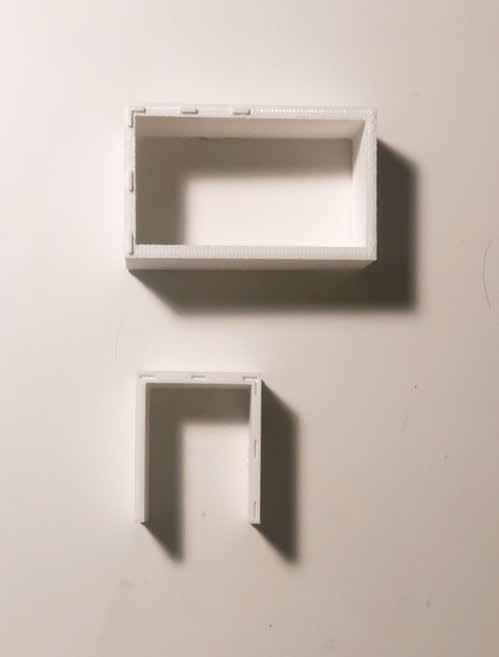
The person constructing the drum might experiment with different materials, using furring strips to slide pieces in and out.
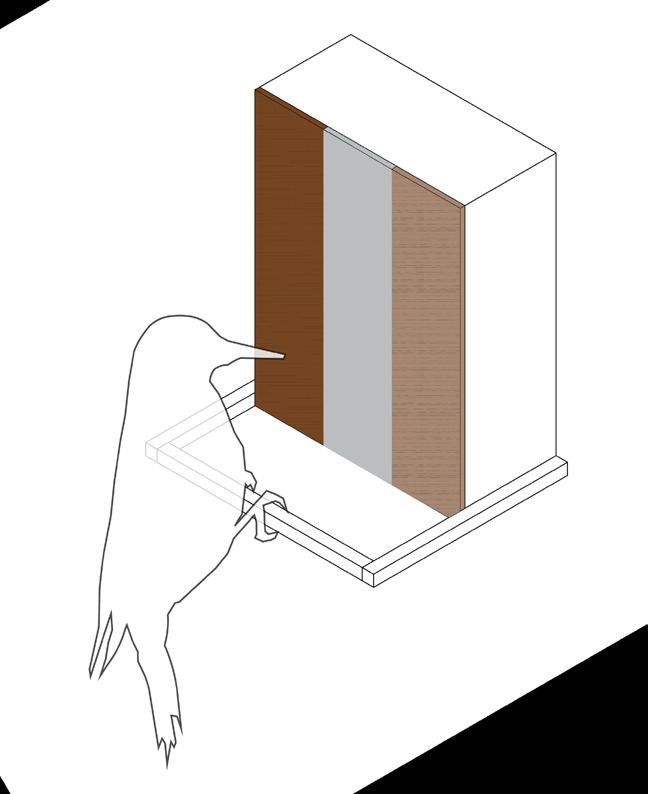
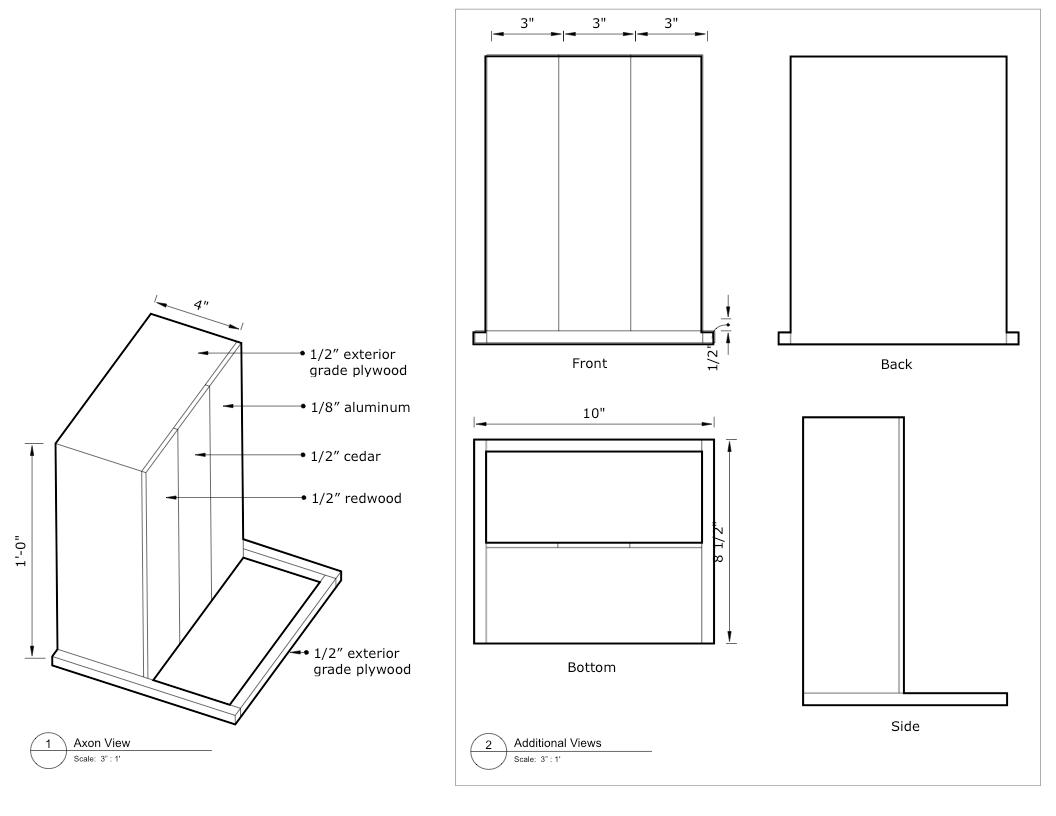
Corvids are a family of birds including Crows, Ravens, Jays, and Magpies. They are highly adaptable, social and widely considered to be the most intelligent birds, possibly on par with great apes.
Corvid species have been observed making and using tools, solving puzzles, and playing games.*
The Eurasisan magpie has even been shown to exhibit self-awareness using the mirror test. It is the only non-mammal to do so!
This feeder design engages with that intelligence and playfulness by providing Crows and other urban corvids an interactive experience.
Lauren Homer
*For more information about Corvid intelligence see these resources: https://www.dailymail.co.uk/sciencetech/article-2556662/Bird-brained-This-crows-genius-Amazing-video-reveals-creature-solves-8-complex-puzzles-unlock-treat.html
See How These Birds Solve Tricky Puzzles | National Geographic - YouTube http://www.thecrowbox.com/
The puzzle feeder was inspired by the CrowBox, an open source project that aims to train crows to collect and deposit coins in return for treats.

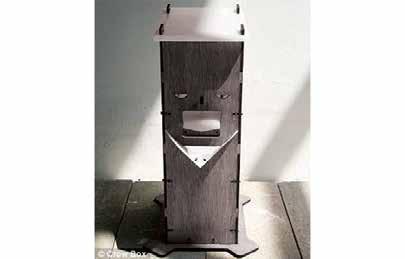
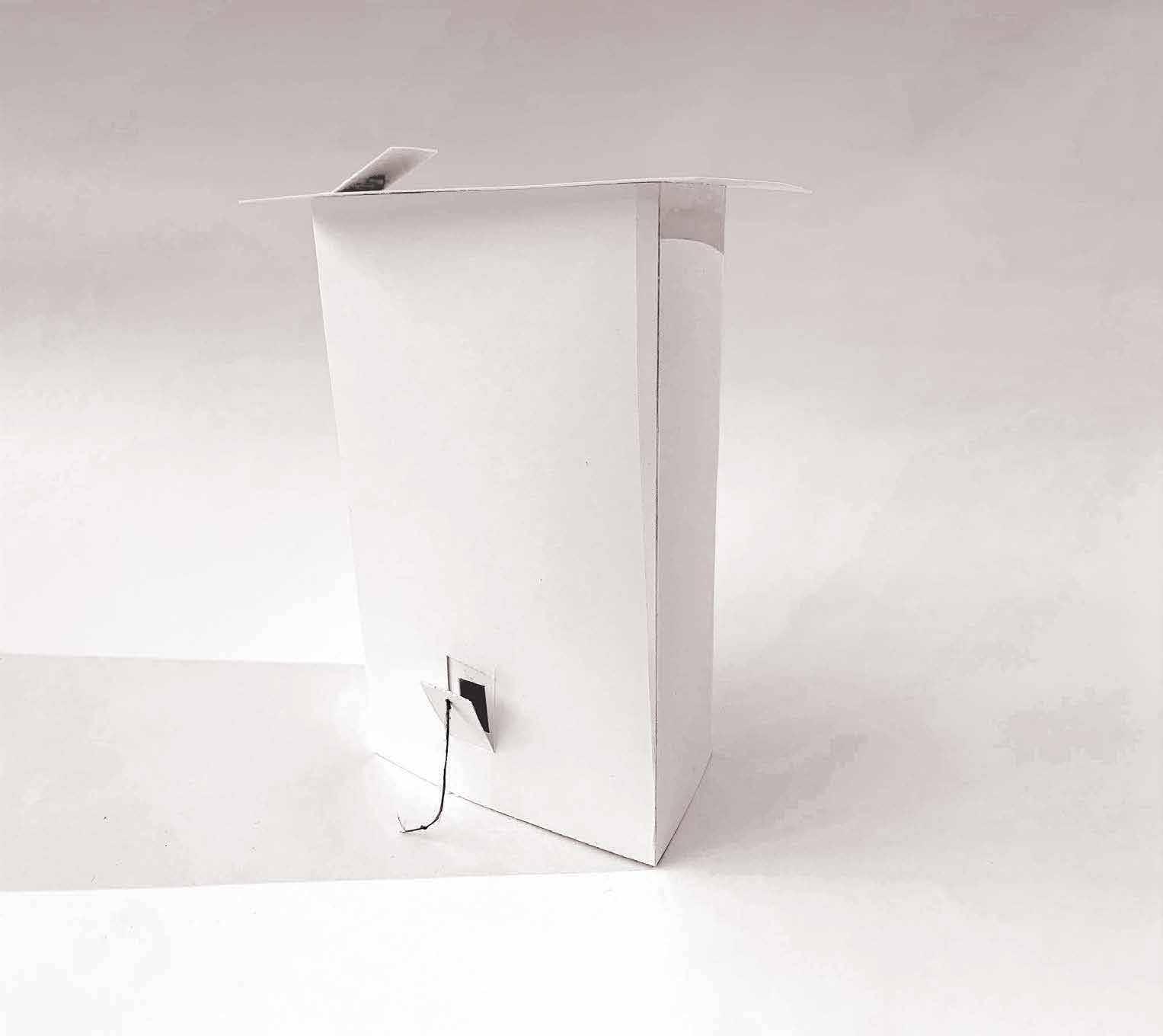
With its smooth, curved form, the frame of this feeder presents a unique construction challenge. This is a preliminary exploration in a likely method of constructing this deceptively complex frame. Poplar is a likely material. Wall thickness may need to be adjusted due to material requirements.
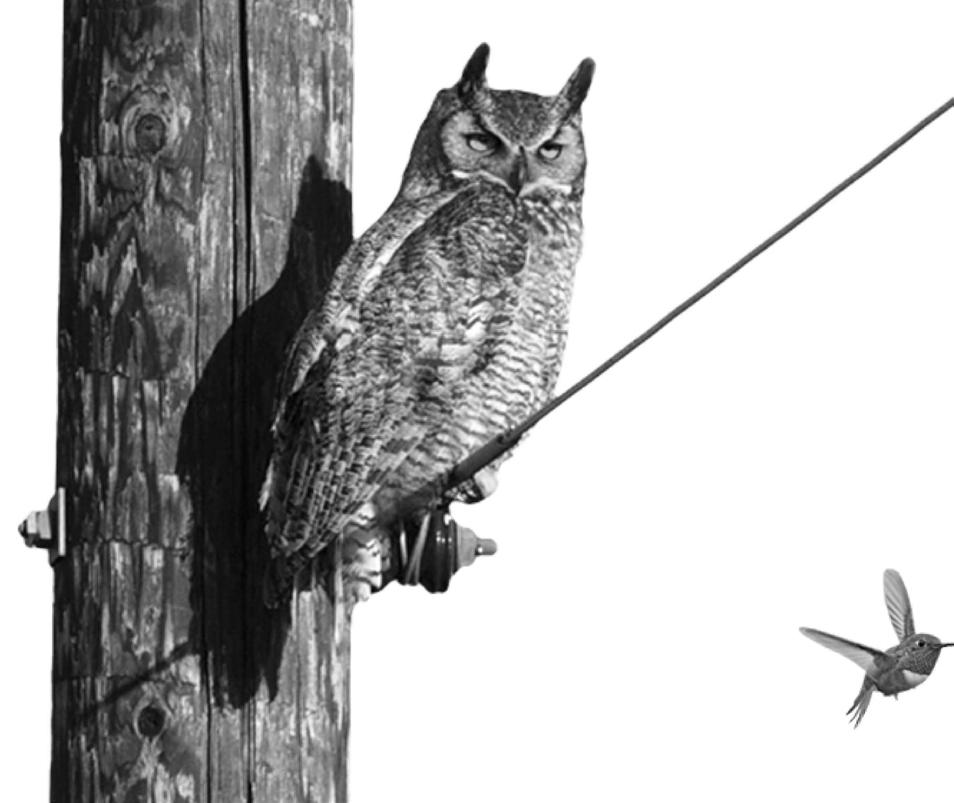
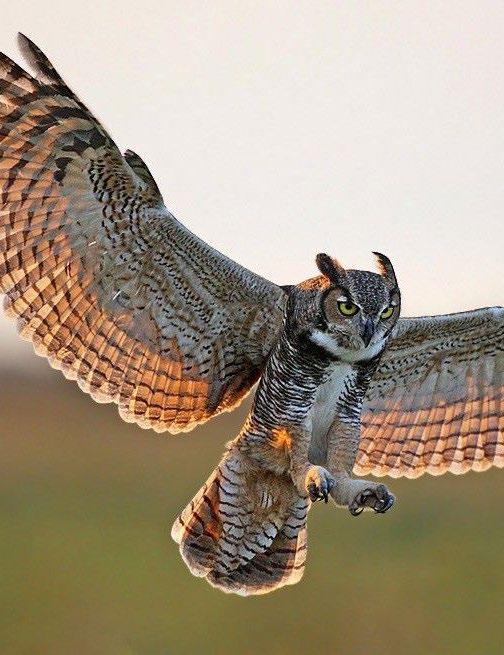
Most owls are nocturnal predators, with hooked bills and needle sharp talons called claws. They have wide wings, lightweight bodies, and feathers specially designed to allow them to silently swoop down on prey.
Fifteen different species of owls can be found living in the state of Washington, 13 of which have been sighted within Pierce County. The great horned owl (Bubovirginianus) is the most widely distributed, both in Washington and North America.
Great horned owls are flexible in their habitats, and can occupy dense forests, open woodlands, clearcuts, deserts, and urban environments, including golf courses, cemeteries, and parks with adjacent woodlots.
Source: http://www.seattleaudubon.org/sas/Learn/ SeasonalFacts/Owls.aspx
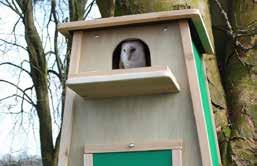
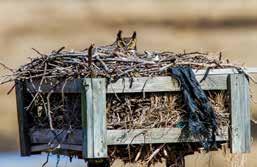
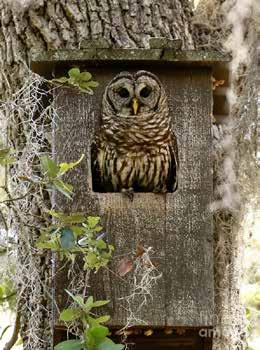
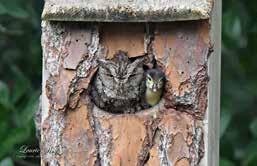
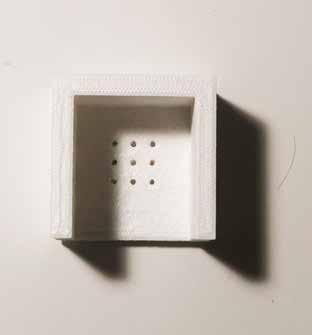
The entire brood must reach adult size inside a nest box before fledging, so owl boxes should be larger than other bird boxes. Aim for at least 24” deep, 18” high, and 18” wide.
All cavity nesting birds prefer an entrance hole that is just large enough for them to squeeze through, but too small for larger animals that might prey on the eggs or chicks.
Place the entrance hole at least six inches off the floor to prevent babies from falling out prematurealy.
Do not add a perch - they are unecessary for birds and can help predators get into the box.
Nest boxes should be made out of untreated, unpainted wood. Since owls require larger boxes than other birds, nonpressure-treated, CDX exterior-grade plywood is more suitable than other lumber like cedar or pine. Walls should be at least 3/4” thick.
Each side wall should have small holes to ensure adequate ventilation.
Source: https://nestwatch.org/learn/all-aboutbirdhouses/features-of-a-good-birdhouse/
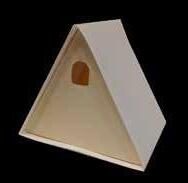
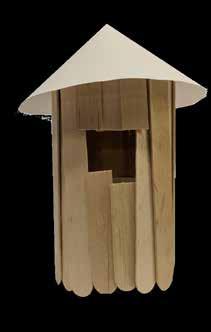
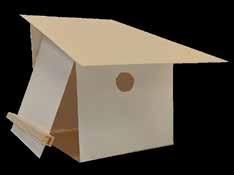
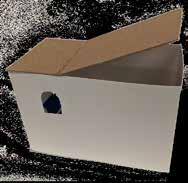
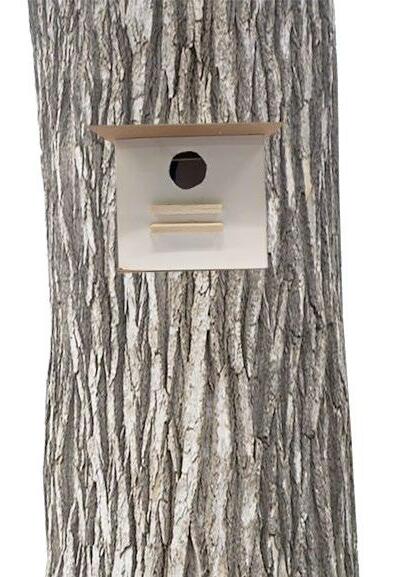
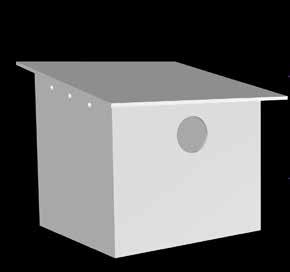
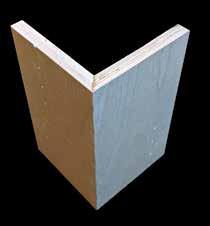
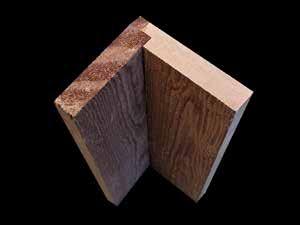
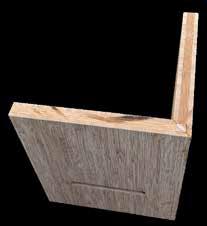
Creating a nest box design that is accessible for as many people as possible - including those with no construction experienceallows community members to become their own stewards of novel ecosystems that enhance bird habitat.
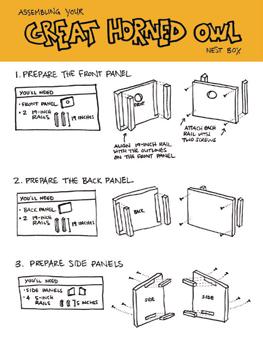
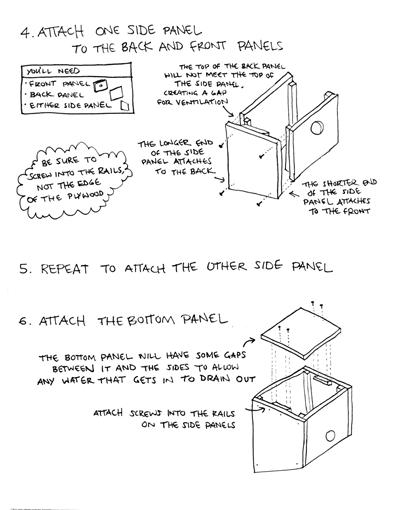
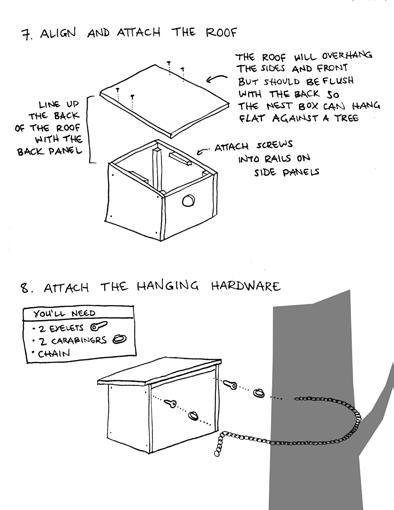
Creating a nest box design that is accessible for as many people as possible - including those with no construction experienceallows community members to become their own stewards of novel ecosystems that enhance bird habitat.
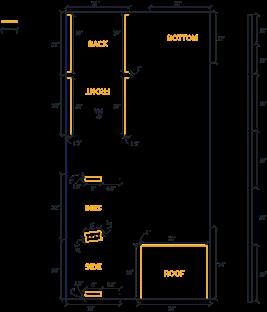
Creating a nest box design that is accessible for as many people as possible - including those with no construction experienceallows community members to become their own stewards of novel ecosystems that enhance bird habitat.
Northern most populations migrate south each year when cone production is poor. However, here at Adriana Hess Wetland Park, the Red-breasted Nuthatch is a year round resident because of the mild Washington conditions.
Adult Nuthatches feed primarily on insects during the spring and summer. In the fall and winter when insect populations don’t provide the calories needed for colder weather, they prefer seeds from the cones of conifers. This bird is also a common visitor to bird feeders. They prefer black oil sunflower seeds, suet, and peanuts.
Because of their environment and food preferences, nuthatches have developed an evolutionary advantage that many other birds don’t have. The Red-breasted Nuthatch is able to climb vertically, horizontally, right-side up and upside down practically on any object that they are able to grip their small talons to. This gives nuthatches an advantage to go anywhere for the food they love. Once a Nuthatch has obtained a seed, they will “Cache” that seed by taking it to a tree and using their sharp narrow beak to hatch it into a crevice for a later meal.
SIZING UP THE COMPETION
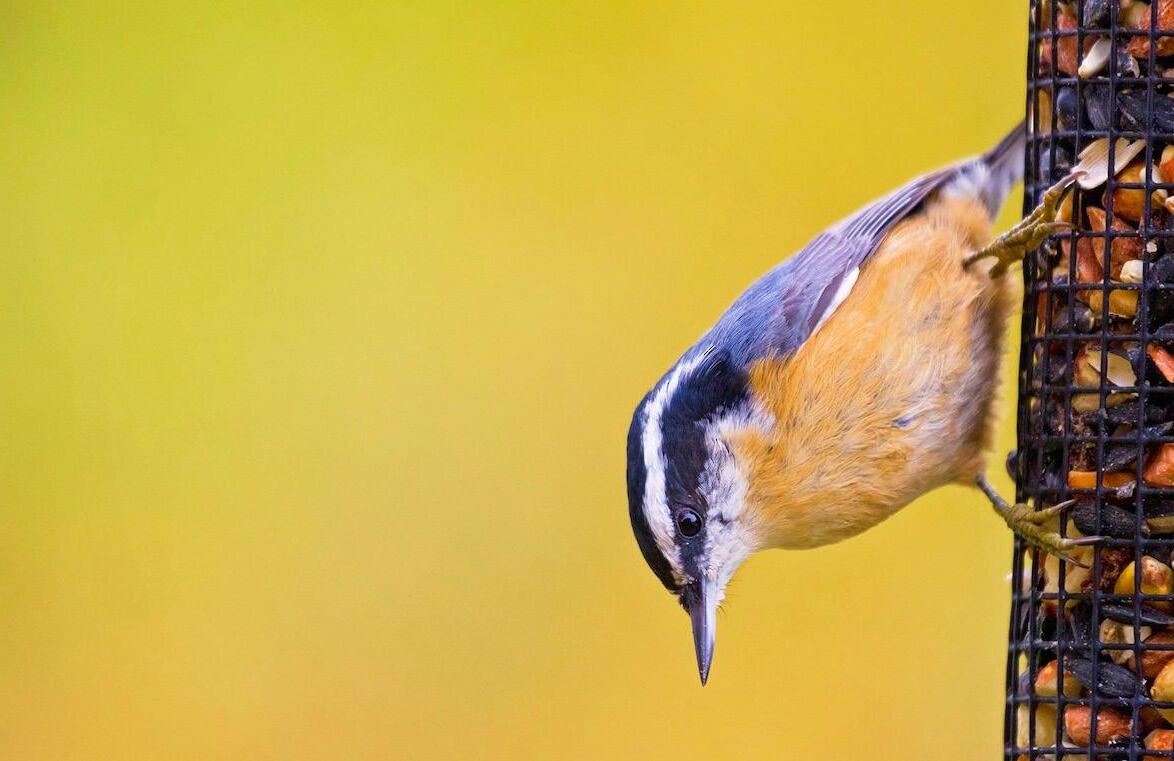
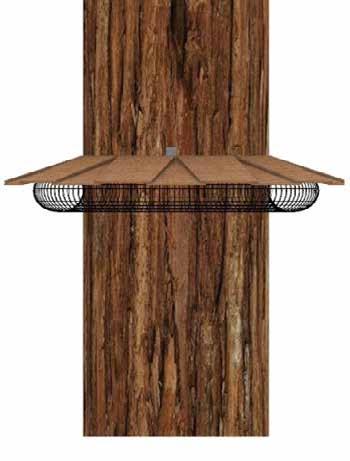
My design concept came from wanting to provide a feeder that would only be accessible to a nuthatch, a feeder that would give it an advantage over other birds. The nuthatches agilic abilities give it an advantage in reaching food in any position, unlike other birds. Using this characteristic, I created a model that would allow the seeds to only be reached from the underside.
For materials, I wanted something that would look more naturalistic to its habitat. One of the nuthatches favorite trees are conifers. I decided to pay respect to that by making the shingled roof out of cedar. The feed holder would be made out of metal.
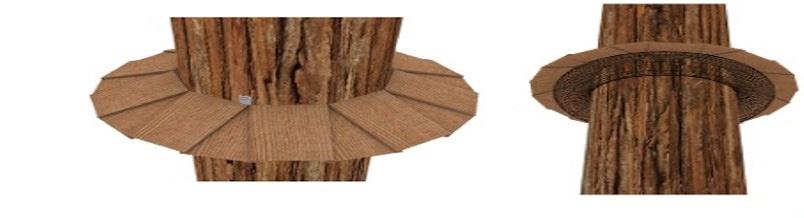
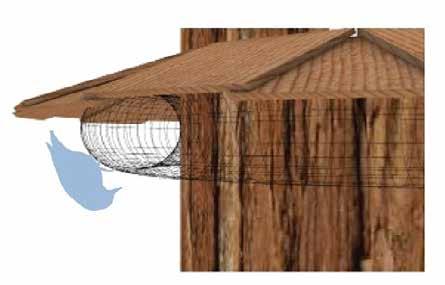
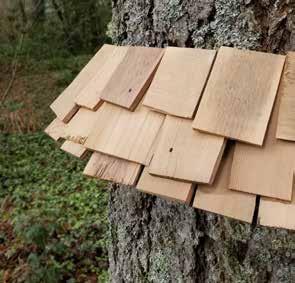
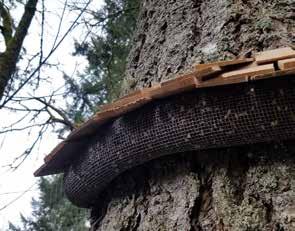
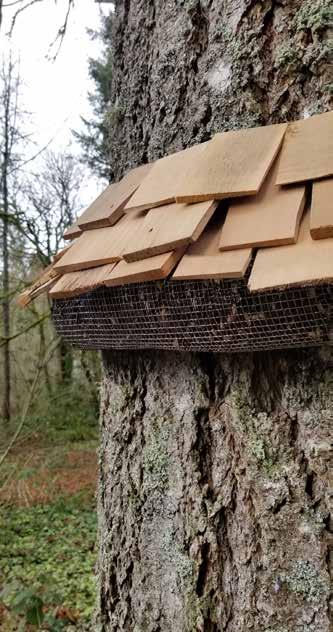
Next I built my feeder based off of my concept design. To save on cost and be more ecologically friendly, I found some old cedar roof shingles that I sanded down and repurposed for the roof. This made my deisgn more abstract then my origial design becuase of the variation in the material scraps. But I liked it because it reminded me of our native Artist’s Conk Fungus.
One of the biggest challenges of this build was the wire tube for the feeder. I quickly learned that the difference in diameter from the inside circle of the feeder to the outer caused the tube to deform. This was a good learning experience for contruction building.
At the time of this project, my feeder has only been up for a couple days, but I am eagerly looking forward to seeing how the local birds react to this new feeder. I hope a Red-breasted Nuthatch will visit soon.
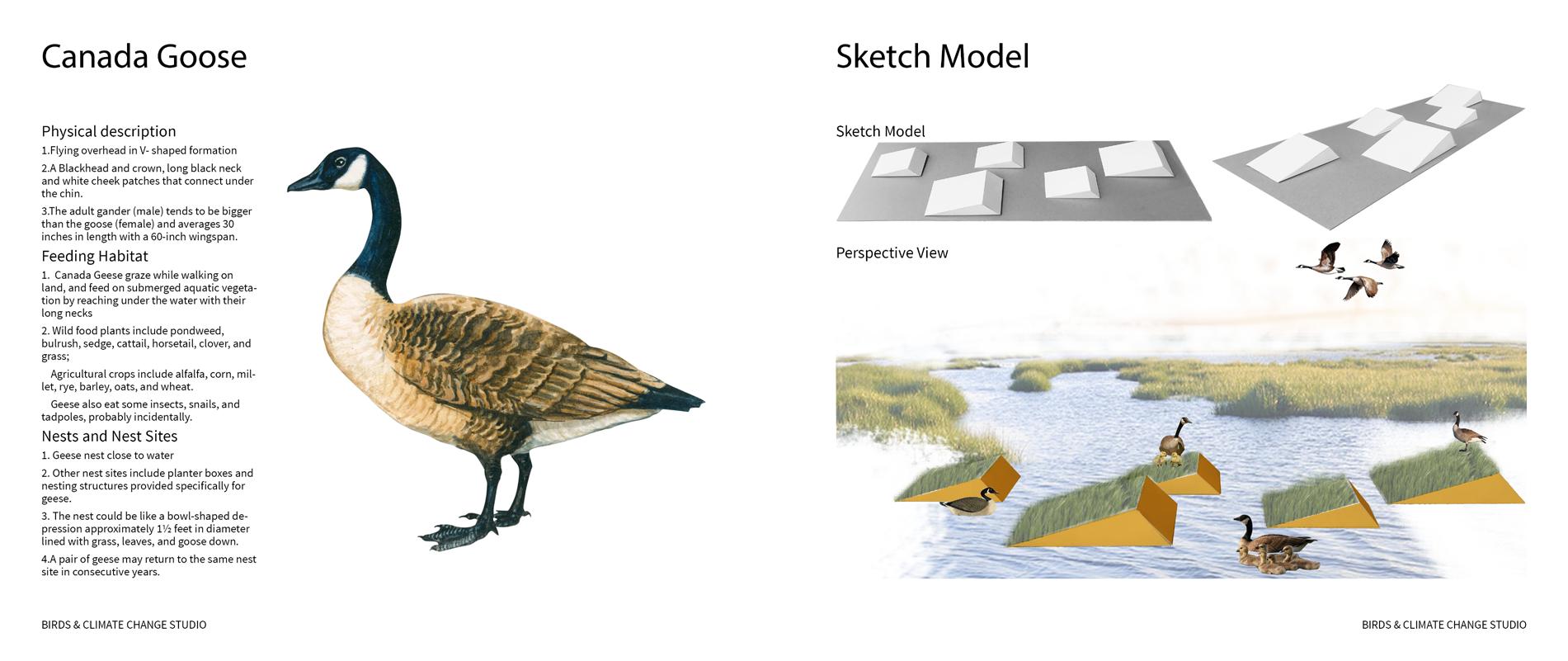
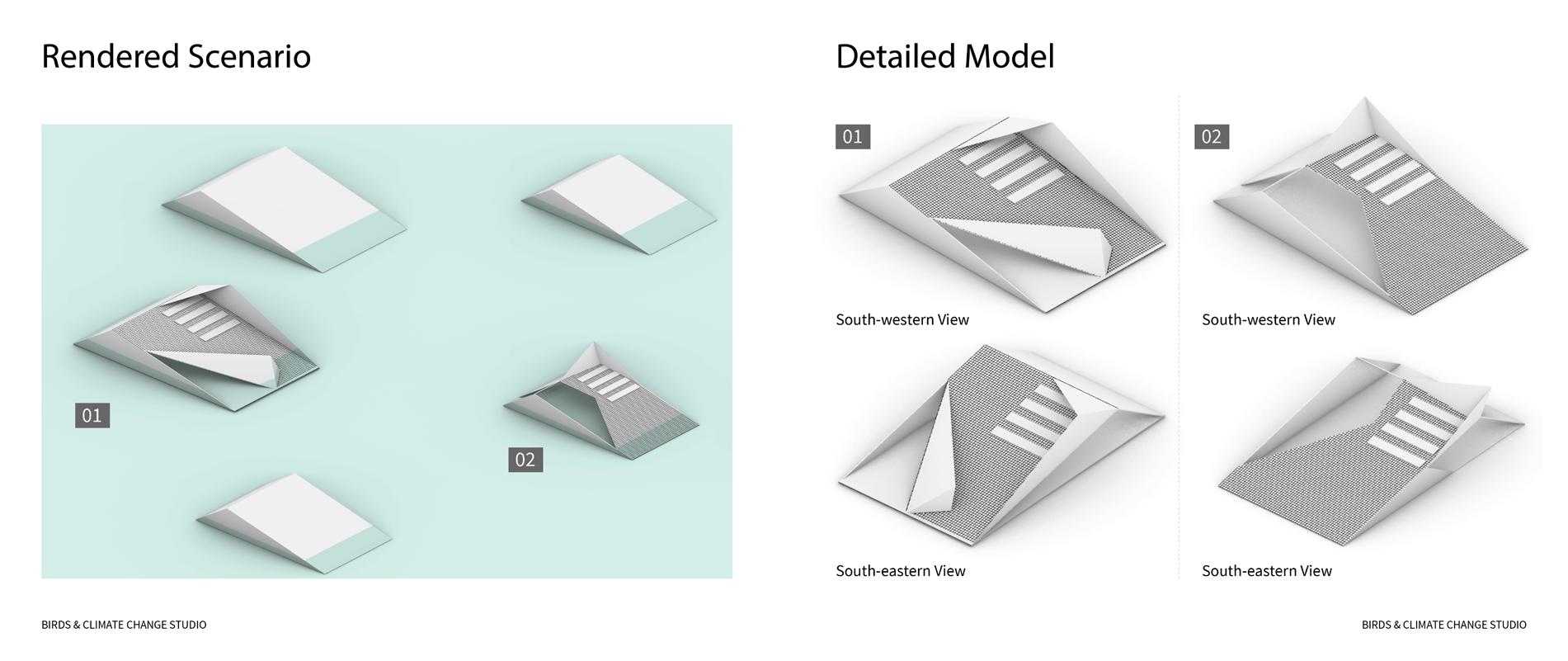
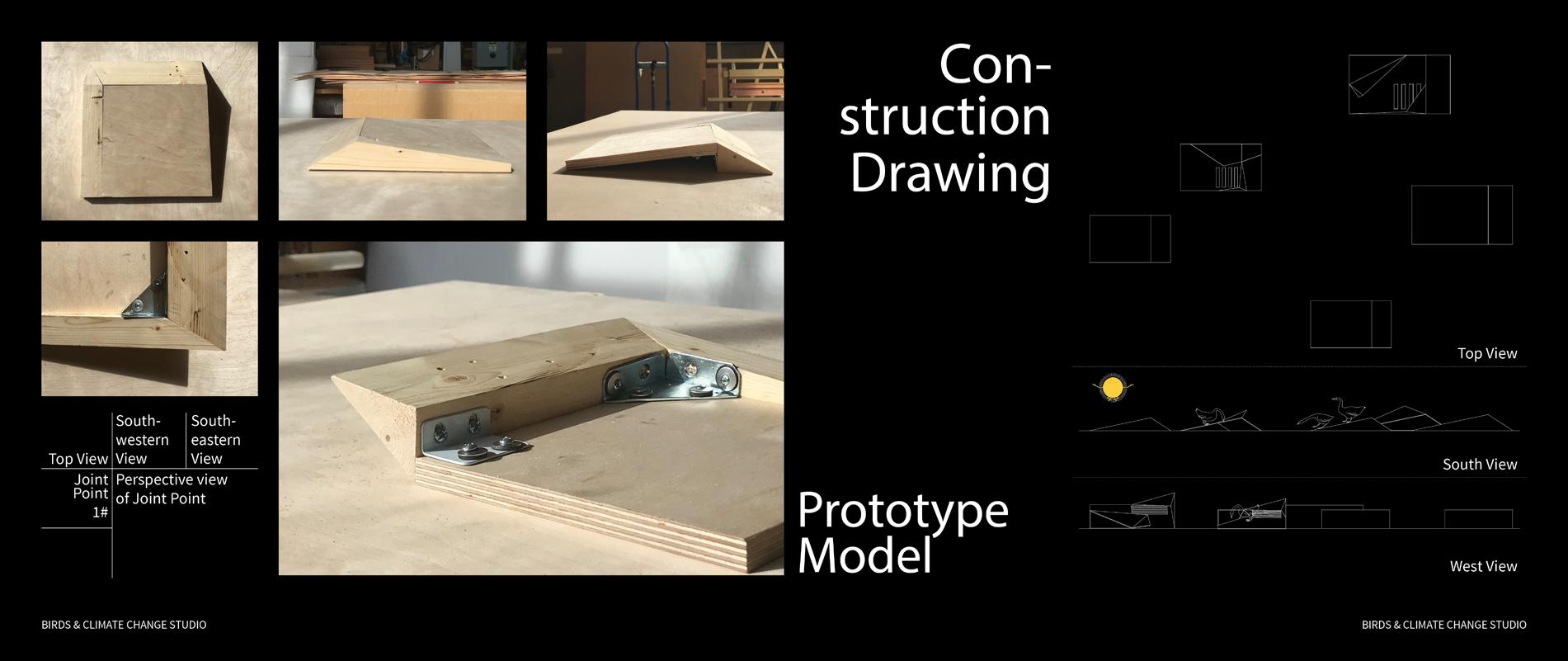
Yuqing Zhang
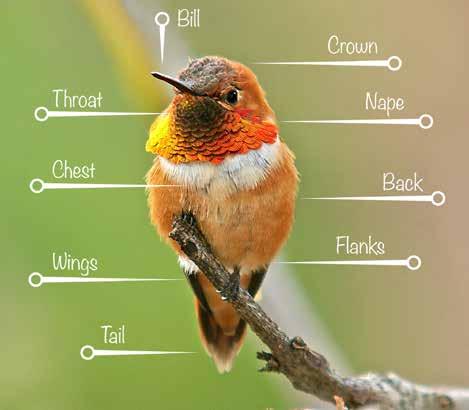
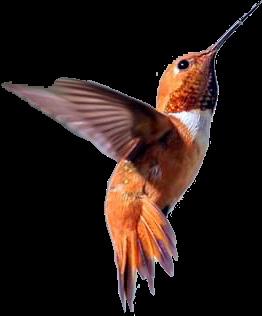
A small hummingbird with a slender, nearly straight bill, a tail that tapers to a point when folded, and short wings that don’t reach the end of the tail when the bird is perched.
Behavior:
They are pugnacious birds that tirelessly chase away other hummingbirds, even in places they’re only visiting on migration. Like other hummers, they eat insects as well as nectar, taking them from spider webs or catching them in midair.
Breed in open areas, yards, parks, and forests up to treeline. On migration they pass through mountain meadows as high as 12,600 feet where nectar-rich, tubular flowers are blooming. Winter habitat in Mexico includes shrubby openings and oak-pine forests at middle to high elevation.
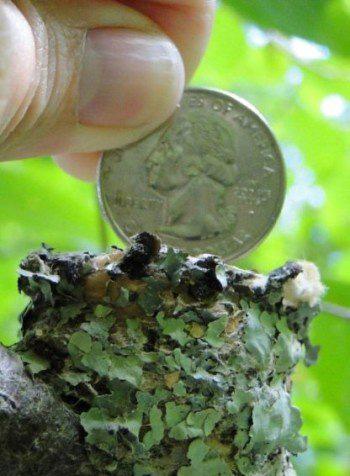
Females build their nests 10 to 90 feet high.
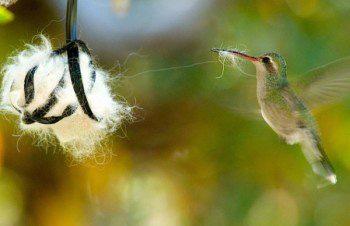
Hummingbirds build velvety, compact cups with spongy floors and elastic sides that stretch as the young grow. They weave together twigs, plant fibers, and bits of leaves, and use spider silk as threads to bind their nests together and anchor them to the foundation.
Hummingbird eggs are about the size of navy beans.
Adding nectar plants to your garden is an important part of attracting hummingbirds.
Hummingbirds don’t use nest boxes or tree cavities. Instead they generally build their nests in sheltered trees or shrubbery, often in a fork of branches. Enhance your own hummingbird habitat by growing a diversity of leafy trees and large shrubs that provide shelter at varying heights.
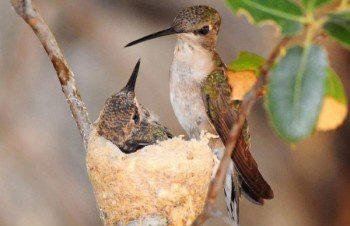
Rufous hummingbirds, a western species, are very pugnacious around the nest, often driving away much larger birds.
Source: http://www.birdsandblooms.com/birding/attracting-hummingbirds/hummingbird-nest-facts/
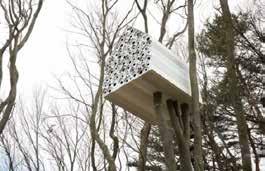
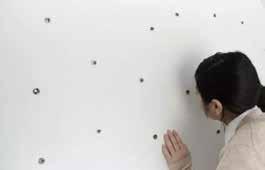
Nendo’s Bird Apartment is perched in the forest of Nagano prefecture.
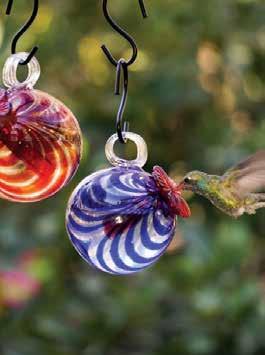
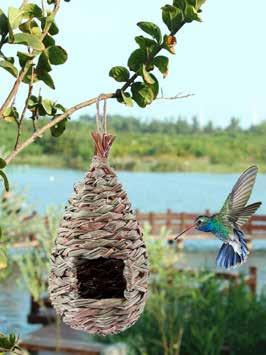
Previosu draft 1.
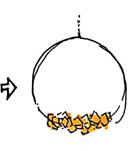
Hanging wood feeder.

Previosu draft 2.
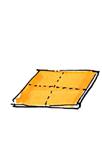
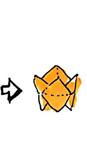
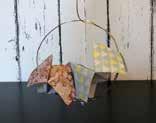
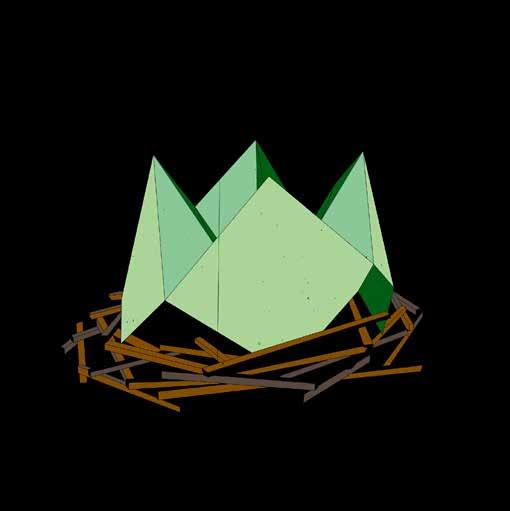
Origami fun.
UNIVERSITY OF WASHINGTON
COLLEGE OF BUILT ENVIRONMENTS