

Cuaderno de Español
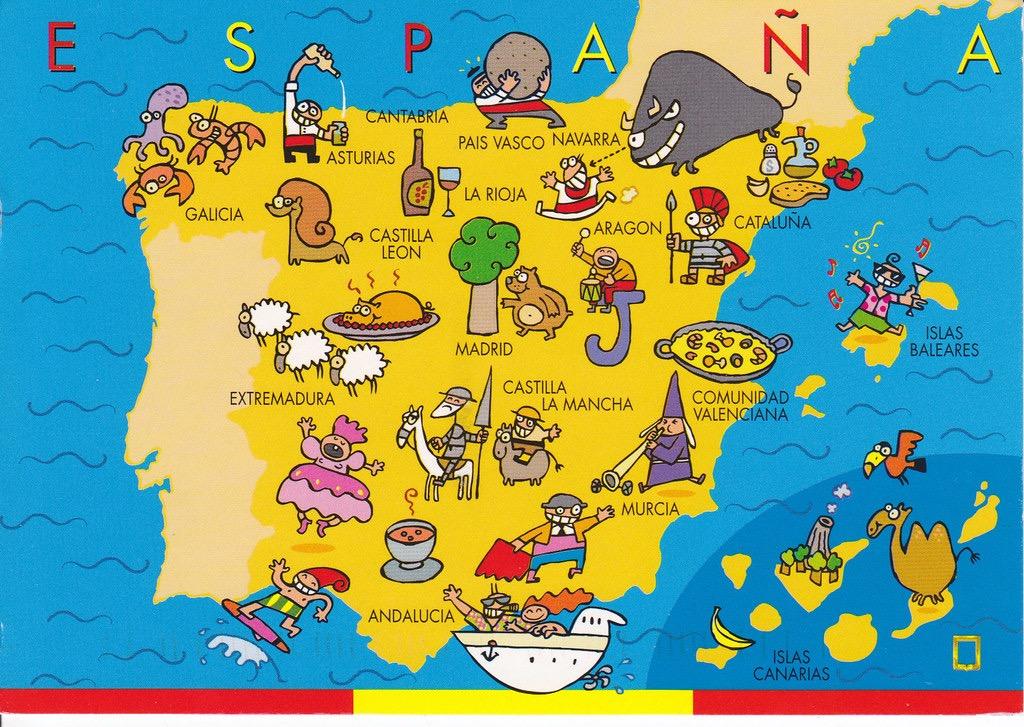
Querid@ estudiante,
We are very proud of your hard work in Y9 and we can’t wait to teach you Spanish for IGCSE!
We know that the idea of studying a language for IGCSE can be daunting, but you already know half of the grammatical topics and common vocabulary.
To be in a best possible position when you your IGCSE course, we recommend you work through this booklet.
It is important that you try and have fun/enjoy the language.
Que tengas unas buenas vacaciones.
Spanish department
Rules about adjectives
An adjective is always describing something, and that word is a noun. In Spanish you have to look at the noun’s gender and number and then decide whether the adjective you are using needs to change.
Agreement
The adjective should have the same number and gender as the noun it describes. Sometimes the adjective does not have to change. The two rules for deciding are as follows: if the adjective ends in –o then the o must change to a if the noun it describes is feminine; if the adjective ends in any other letter do not change it except: if the adjective describes the nationality or regional origin of the noun, then it must be made feminine if the noun it describes is feminine; if the noun is plural, the adjective should be made plural too.
For example:

Position
In sentences where the noun and the adjective come next to each other, in Spanish it is the noun which comes first, usually. In English it is the other way round. For example:
We have a blue car
A big garden
The tall girls
Tenemos un coche azul
Unjardíngrande
Las chicas altas
Some difficult lessons Unas clases difíciles
There are very few cases where the word order is the same as in English.
Subjects pronouns
1ST PERSON SINGULAR
2ND PERSON SINGULAR
3RD PERSON SINGULAR
YO - I
TÚ – YOU (ONE PERSON, INFORMAL)
ÉL – HE
ELLA – SHE
USTED – YOU (ONE PERSON-FORMAL)
(THERE IS NOT ‘IT’ FOR SUBJECT PRONOUNS, BUT WHEN YOU NEED TO SAY ‘IT’, USE THE 3RD PERSON ENDING OF THE VERB – HE / SHE ENDING)
1ST PERSON PLURAL
2ND PERSON PLURAL
3RD PERSON PLURAL
NOSOTROS – WE
VOSOTROS – YOU (MORE THAN ONE – INFORMAL)
ELLOS –THEY
ELLAS – THEY (ONLY GIRLS)
USTEDES – YOU (MORE THAN ONE PERSON-FORMAL)
The Present tense / el Presente
I play / I am playing
M T he Present tense describes an action which is happening at the moment :
Ex: I am listening = yo escucho M It also describes an action which happens regularly or repeatedly
Ex: Every day I wake up around 7am = todos los días me levanto a eso de las siete.
•Regular Verbs / los verbos regulares Chop off the –AR, -ER or –IR and add the relevant ending. For example: Tomar = to take To form “we take” : TOMAR > tom > tomamos
Endings -AR -ER -IR
I o o o
You (sg) as es es He She It a e e
We amos emos imos
You (pl) áis éis ís
They an en en
Practice – Práctica
•Complete with the correct subject pronoun a. ______________________ estudiamos español desde hace 3 años b .¿ ______________________ vendéis una casa en el centro de la ciudad?
c. ______________________ compro el periódico todos los días d. ______________________ toma tostadas para el desayuno e. ______________________ salen los domingos por la noche f. ______________________ viajas a menudo ¿verdad?
g. ______________________ termina el cole a las cuatro y media h. ______________________ empezamos el cole a las ocho y media i. ______________________ hablo tres idiomas: inglés, francés y alemán j. _____________________ lee muchas novelas
•Regular –AR verbs. Fill in the appropriate forms, using the verbs in the box below.
Trabajar = to work
Preparar = to prepare Esperar = to hope
Estudiar = to study
Pagar = to pay
Andar = to walk
Comprar = to buy
Entrar = to enter
Llevar = to wear
A I buy I You (sg) enter
B She walks
C You (pl) pay
D We wear
E You (sg) prepare
F He hopes
G They work
They hope
You (pl) walk
We work
He buys
I walk
You (sg) study H I study
•Regular –ER verbs. Fill in the appropriate forms, using the verbs in the box below.
Aprender = to learn
Leer = to read Creer = to believe
Romper = to break
Comer = to eat
Vender = to sell
Meter = to put
Correr = to run
Beber = to drink
A He eats I We learn
B They drink
C We sell
D You (pl) run
E I learn
F You (sg) read
G She believes
H I break
You (sg) put
He runs
They read
We break
•Regular –IR verbs. Fill in the appropriate forms, using the verbs in the box below.
Discutir = to discuss Cubrir = to cover
Abrir = to open
Escribir = to write
Recibir = to receive
Subir = to climb
A They write
B You (pl) discuss
C I cover
D He opens
E You (sg) climb
F She climbs
G I discuss
H We receive
I You (pl) write
J He receives
2. Reflexive verbs = los verbos pronominales
Reflexive verbs describe activities where the action is reflected back onto the subject of the verb ex: I wash myself He dresses himself
The idea of ‘self’ is conveyed by using reflexive pronouns e.g. I wash myself = me lavo
LAVARSE – to wash oneself
yo me lavo
I wash / am washing (myself) tú te lavas You wash (yourself) él/ella
Usted se lava He/she washes (him/herself) You wash (yourself)
nosotros, nos lavamos We wash (ourselves) vosotros, os lavaís You wash(yourselves) ellos/ellas
Ustedes se lavan They wash (themselves)
Practice – Práctica
Regular reflexive verbs Fill in the appropriate forms, using the verbs in the box below.
Afeitarse = to shave
Lavarse = to wash oneself
Llamarse = to be called
Casarse = to get married
Ducharse = to take a shower
Peinarse = to comb one’s hair
Enojarse = to get angry
Ponerse = to become Verse = to see oneself
Preocuparse = to worry
A I wash myself
B They get angry
C You (pl) take a shower
D He is called
E They get married
F It becomes
G You (sg) shave
H We become
I I worry
J You (sg) wash yourself
K She gets married
L He shaves
M They comb their hair
N We see ourselves
O You (sg) worry
3. Stem -changing Verbs / verbos con cambio de raíz
Some verbs change their stem before you add the ending. This change occurs in the second vowel to the last of the infinitive and is purely for pronunciation reasons.
e > ie
PENSAR (to think) > pens > piens > pienso
u > ue
JUGAR (to play) > jug > jueg > juego
o > ue
PODER (to be able to) > pod > pued > puedo
e > ie
PEDIR (to ask) > ped > pid > pido
These changes only occur for YO, TÚ, EL/ELLA/USTED & ELLOS/ELLAS/USTEDES
PERSONAL PRONOUNS
Practice – Práctica
Stem-changing verbs in the Present Tense
1. The following verbs change their stem e -> ie. Fill in the appropriate forms:
a. she thinks
b. I switch on
b. we extend
c. You (sg) begin
c. they recommend
d. you (pl) guess
d. he begins
e. I think
e. we recommend
f. he switches on
2. The following verbs change their stem o -> ue. Fill in the appropriate forms.
a. he counts
b. she tries
b. they ask
c. you (pl) ask
c. I approve
d. I count
d. you (sg) return
e. we return
e. we renew
f. you (sg) renew
3. The following verbs change their stem e -> ie. Fill in the appropriate forms.
a. he tells lies
b. you (sg) prefer
c. you (pl) invest
d. I feel
e. we feel
f. they tell lies
•Regular stem-changing verbs. Fill in the appropriate forms using the verbs in the box below.
Aprobar (o > ue) = to approve
Morder (o > ue) = to bite
Negar (e > ie) = to deny
Fregar (e > ie) = to wash up
Servir (e > i) = to serve
A You (sg) deny
B He approves
C We serve
D You (pl) say
E She counts
F I approve
G I bite
H I deny
I You (pl) fly
J We wash up
K I repeat
L He repeats
M They wash up
N It bites
O They tell a lie
Volar (o > ue) = to fly
Contar (o > ue) = to count
Mentir (e > ie) = to tell a lie
Repetir (e > i) = to repeat
Decir (e > i) = to say
Mentir (to tell lies)
Invertir (to invest)
Preferir (to prefer)
Sentir (to feel)
Irregular Verbs = los verbos irregulars
Next year we shall see more irregular verbs but in the meantime it is important you know the entire list below as they are some of the most common:
Ser (to be) soy eres es somos sois son
Estar (to be) estoy estás está estamos estáis están Ir (to go) voy vas va vamos vais van
Tener (to have) tengo tienes tiene tenemos tenéis tienen
Poder (to be able) puedo puedes puede podemos podéis pueden
Hacer (to do/make) hago haces hace hacemos hacéis hacen
Querer (to want) quiero quieres quiere queremos queréis quieren
Decir(to say) digo dices dice decimos decís dicen
1. Un vaso de cerveza __________ sobre la mesa.
2. Madrid _________ en España .
3. El hombre _________ comiendo en el café.
4. Alfonso _______ profesor.
5. La mujer _______ furiosa
6. Las camisas ________ de poliester.
7. Yo _______ inglés
8. El colegio _________ grande y moderno.
2. Learn the above irregular verbs, hide the list and try to write in the 6 forms of each of these irregular verbs:
Tener (to have)
Decir (to say)
Poder (to be able to)
Querer (to want)
Hacer (to do/make) Ir (to go)
3. Fill in the appropriate verb forms sing the infinitives given in brackets:
Seis hombres (estar) _____________ en un café. Hay un inglés, un francés, un español, un alemán, un ruso y un chino. (Hacer) ____________ mucho calor y todos (tener) ___________ sed. Cada persona (tener) _____________ un vaso de cerveza. Hay también seis moscas en el café, y las moscas (tener) _____________ también sed. Una mosca cae en el vaso del inglés, otra mosca cae en el vaso del francés….etc. El inglés (ir) ___________ a beber y ¡Ve la mosca ! Llama al camarero, que trae otro vaso de cerveza. El francés ve también la mosca que (estar) __________ nadando en la cerveza. (Estar) ___________ furioso, jura, da gritos. El español mira la mosca, (hacer) _________ un gesto y sale del café. El alemán retira la mosca y bebe la cerveza. El ruso bebe la cerveza y las mosca. El chino toma la mosca con los dedos, contempla al pobre insecto, come la mosca y bebe la cerveza.
Time expressions used with the present tense:
NORMALMENTE/ GENERALMENTE = usually
TODOS LOS DÍAS = every day
AHORA = now
SIEMPRE = always
NUNCA = never
A VECES = a times
MUCHAS VECES = often (many times)
DE VEZ EN CUANDO= from time to time
HOY = today
CADA DÍA = every day
A MENUDO = often
The Preterit tense / el Pretérito indefinido
I played
The Preterit tense is used to describe a single, completed action in the past or an action that took place over a defined period of time.
Ex: Last summer I spent 3 weeks in Cuba = el verano pasado pasé tres semanas en Cuba.
1. Regular Verbs / los verbos regulares
Chop off the –AR, -ER or –IR and add the relevant ending. Endings -AR -ER -IR
I é Í Í
You (sg) aste iste iste
He She It ó ió ió
We amos imos imos
You (pl) asteis isteis isteis
They aron ieron ieron
Practice – Práctica
Hablar - to talk yo hablé nosotros hablamos tú hablaste vosotros hablasteis él habló ellos hablaron
Comer - to eat yo comí nosotros comimos tú comiste vosotros comisteis él comió ellos comieron
Vivir - to live yo viví nosotros vivimos tú viviste vosotros vivisteis él vivió ellos vivieron
Fill in the regular Preterites using the infinitives given below. a. They taught b. He learned c. I travelled d. We wrote
enseñar (to teach)
•You (sg) put
•She crossed
•You (pl) wrote
•I learned
•We taught
•You (pl) put
•They travelled
•You (sg) crossed
(to learn)
(to travel)
(to cross)
(to write)
(to put)
Irregular Verbs = los verbos irregulares
Andar (to walk)
anduve, anduviste, anduvo, anduvimos, anduvisteis, anduvieron Caber (to fit)
cupe, cupiste, cupo, cupimos, cupisteis, cupieron Dar (to give)
di, diste, dio, dimos, disteis, dieron Decir (to say)
dije, dijiste, dijo, dijimos, dijisteis, dijeron Estar (to be)
estuve, estuviste, estuvo, estuvimos, estuvisteis, estuvieron Hacer (to do)
hice, hiciste, hizo, hicimos, hicisteis, hicieron Ir (to go)
fui, fuiste, fue, fuimos, fuisteis, fueron Poder (to be able)
pude, pudiste, pudo, pudimos, pudisteis, pudieron Poner (to put)
puse, pusiste, puso, pusimos, pusisteis, pusieron
Producir (to produce)
produje, produjiste, produjo, produjimos, produjisteis, produjeron Querer (to want)
quise, quisiste, quiso, quisimos, quisisteis, quisieron Saber (to know)
supe, supiste, supo, supimos, supisteis, supieron Ser (to be)
Tener (to have)
fui, fuiste, fue, fuimos, fuisteis, fueron
tuve, tuviste, tuvo, tuvimos, tuvisteis, tuvieron
Traer (to bring) traje, trajiste, trajo, trajimos, trajisteis, trajeron
Venir (to come) vine, viniste, vino, vinimos, vinisteis, vinieron
Ver (to see)
vi, viste, vio, vimos, visteis, vieron
Practice – Práctica
Fill in the irregular Preterits.
a. It fitted__________________
m. You (sg) came b. They saw
n. We walked c. We were able
o. He did d. I had
p. They put e. He was (ser)
q. I knew f. You (sg) said r. We knew g. They produced s You (pl) came h. She brought
t. She went i. I gave
u. You (sg) saw j. You (pl) wanted
v I went k. I was (estar)
w. I was (ser) l. We went
x. We said
The Future tenses / el Futuro
I am going to play / I will playing
The Immediate Future
In English: I am going to play
He is going to see You’re going to do
Use the appropriate part of the verb IR (to go) + a + infinitive.
IR voy vas va vamos vais van
Jugar = to play
To form “We are going to play” Vamos a jugar
Part of IR + a + infinitive
Practice – Práctica
1.Fill in the immediate future tenses using the infinitives given below and the verb ir.
a) a.He is going to return.
b) We are going to cover. c) I am going to climb.
d) They are going to teach.
e) You (pl) are going to say.
f) She is going to sell.
g) You (sg) are going to promise. h) It is going to be. i) They are going to love. j) I am going to study.
amar (to love) regresar (to return) subir (to climb) cubrir (to cover) ser (to be) prometer (to promise) vender (to sell) enseñar (to teach) decir (to say) estudiar (to study)
1.Fill in the gaps in these future plans using the words in the box. A A A Comer Comprar Va Vamos Volver Voy Mañana, __________ a salir con mi madre. Vamos __________ hacer compras en la ciudad de Barcelona. ___________ a coger el tren a las nueve y media, y el tren _________ a llegar en Barcelona a las once. Voy a ___________ ropa para mis vacaciones y un regalo de cumpleaños para mi novio. Mi madre y yo vamos a ___________ en un restaurante donde trabaja mi primo. Mi tía va __________ venir al restaurante también. Mi madre va a ____________ a casa a las tres, y yo voy ___________ quedarme en casa de mi tía.
The Future tense of regular verbs / el Futuro de los verbos regulares
In English: I will play
He will see You will do
The Future Tense is formed by adding endings onto the infinitive:
I é
You (sg) ás
He / She / It á We emos
You (pl) éis
They án
Jugar = to play
To form “We will play”: Jugaremos
Infinitive + ending
Practice – Práctica
Fill in the Future Tenses using the infinitives given below.
hablaré hablarás hablará hablaremos hablaréis hablarán
ir (to go) llamar (to call) mandar (to order) estar (to be) descubrir (to discover) comprender (to understand)
a. You (sg) will call
b. They will understand
c. I will order
d. You (pl) will be
e. He will go
f. We will discover
g. She will order
h. You (sg) will understand i I will discover
j. We will go
Demonstratives/ Los demonstrativos
Demonstratives are adjectives/pronouns that demonstrate which object you are referring to.
I want this book. That one is more expensive than this one. In Spanish demonstratives have to change their endings to match the noun they refer to:
Practice – Práctica
Translate the following sentences into Spanish.
1. I like this jacket ._________________________________________
2. I don’t like those trainers they are ugly.
3.
4. I love that skirt and this t - shirt.
5.
6. Do you like this jumper?
7.
8. I prefer these jeans because they are very comfortable.
9. Jane prefers those jeans because they are cooler !_______________________________________________________
10. I like those green trainers, but John likes these purple trainers.
KS3 Spanish Core Language 1
Pronouns
yo – I tú – you él/ella – he/she Usted – you (polite, sing.) nosotros – we vosotros – you (fam.pl.)
ellos/ellas – they Ustedes – you (polite, pl.)
tengo I have
tener – to have ser – to be soy I am
tienes you have tiene he/she/y ou have (pol.sing)
tenemos we have
tenéis you have (fam.pl.)
tienen they/you have (pol.pl.)
Time words ahora – now antes – before después – after hoy – today ayer – yesterday mañana – tomorrow otra vez - again siempre – always a menudo – often a veces – sometimes nunca – never la semana pasada –last week la semana que viene – next week
Referring to things
una cosa – a thing esto – this eso – that algo (más) –something (else) otro – (an)other mucho – a lot (un) poco – (a) little muy – very todo –all/everything
eres you are es he/she is/you are (pol.sing)
somos we are
sois you are (fam.pl.)
son they/you are (pol.pl.)
Referring to places aquí – here allí - there
Making links
y – and o – or también – also pero – but porque – because con – with sin - without
estar – to be
estoy I am estás you are está he/she is/you are (pol.sing)
estamos we are estáis you are (fam.pl.)
están they/you are (pol.pl.)
Asking questions
¿Por qué? – why?
¿Qué? – what?
¿Cuándo? – when?
¿Dónde? – where?
¿Quién? – who?
¿Cuánto(s)? – how much/many?
¿Cómo? – how?
Opinions
Sentence building
puedo/puede
I can/he,she can quiero/quiere
I want to/he,she wants to… tengo que/tiene que I have to/he has to…
voy a/va a + verb I’m going to/he is going to… (no) me (le) gusta I (don’t) like to/he doesn’t like to me (le) encanta I love to/he loves to… me (le) gustaría
I/he/she would like to…
Pienso que – I think that Creo que – I believe that Me parece que – it seems that..
Saying what you did
fui – I went hice – I did ví – I saw jugué – I played comí – I ate bebí – I drank
KS3 Spanish Core Language 2
Time words ahora – now antes – before después – after hoy – today hoy en día – nowadays hace años - …years ago ayer – yesterday mañana – tomorrow el año pasado – last week el año que viene – next week
Referring to places aquí – here allí - there
Making links también – also no..tampoco –neither sin - without
Presente Pasado ( Imperfecto ) soy/ es I am/ s/he/it is era I was/ s/he/it was estoy / está I am/ s/he/it is estaba I was/ s/he/it was hay there is/ there are había there was/ there were
tengo / tiene I have/ s/he/it has tenía I had/ s/he/it had
Comparing más...que – more than menos..que – less than tan + adj + como – as.as tanto(a,os,as) + noun + como – as many..as
Sentence building
(no) puedo / puede
(no) quiero / quiere
(no) quería
(no)tengo que/ (no)tiene que
Asking questions
¿Por qué? – why?
¿Qué? – what?
¿Cuándo? – when?
¿Dónde? – where?
¿Quién? – who?
¿Cuánto(s)? – how much/many?
¿Cómo? – how?
I can(not) / s/he can (not)...
I (don’t) want to / s/he (doesn’t) want(s)to…
I (didn’t) want to / s/he (didn’t) want to...
Saying what you did
hablé I spoke
hablaste you spoke
habló he/she is/you spoke (pol.sing )
hablamos we spoke
hablasteis you spoke (fam.pl.)
hablaraon they/you spoke (pol.pl.)
I (don’t)have to / s/he has to/ (s/he doesn’t have to..…) (no) tenía)
I (didn’t) have to/ s/he (didn’t) have to..
voy a/va a + verb I’m going to / s/he is going to…
iba a
(no) me (le) gusta
me (le) encanta
I was going to / s/he was going to ..
I (don’t) like to / s/he doesn’t like to
I love to / s/he loves to… me (le) gustaría
I/he/she would like to…
visité I visited compré I bought me alojé I stayed nadé I swam pasé I spent lo pasé bien I had a good time viajé I travelled jugué I played
fui – I went hice – I did v í – I saw comí – I ate bebí – I drank
KS3 Spanish Core Language 3
Referring to belonging(s)
my mi your tu his/her su your su our nuestro your vuestro their su your su
Referring to things & people
me me te you (singular familiar) lo (le)* he la she lo/la(le) * you (singular formal) nos us os you (plural familiar) los them (masculine) las them (feminine) los/las you (plural formal)
How to refer to the future
(no) puedo / puede
(no) quiero / quiere
(no) quería
(no)tengo que/ (no)tiene que
(no) tenía)
voy a/va a
iba a
(no) me (le) gusta
me (le) encanta
Sentence building
I can(not) / s/he can (not)...
I (don’t) want to / s/he (doesn’t) want(s)to…
I (didn’t) want to / s/he (didn’t) want to...
I (don’t)have to / s/he has to/ (s/he doesn’t have to..…)
I (didn’t) have to/ s/he (didn’t) have to..
I’m going to / s/he is going to…
I was going to / s/he was going to ..
I (don’t) like to / s/he doesn’t like to
I love to / s/he loves to…
me (le) gustaría I/he/she would like to…
tenía pensado I/s/he was planning to..
verb in the INFINITIVE form
estaba a punto de I/s/he was about to....
+
acabo/acaba de I have just / s/he has just.... acabé/acabó de I had just / s/he had just...
antes de/después de before (doing).../after (doing)
Infinitive + yo (I) é tú (you – 1 person, fam) ás él/ ella – he/she á usted – you – 1 person polite á nosotros - we emos vosotros – you pl., fam éis ellos/ellas - they án ustedes – you pl., polite án
Expressing negatives
no….nada not…at all, nothing, not anything no sé nada de eso I don’t know anything about that no…nunca never (not ever) no voy nunca al cine I never to go the cinema no…nadie No-one (not anyone) no conozco a nadie I don’t know anyone
Y9 Spanish tick grid. Can you do this?
J L
presente presente (otras personas) comparativos
verbo + infinitivo opiniones
razones enlaces ‘que’ (relative pronoun) pasado (imperfecto) pasado (pretérito) futuro
negativos spelling errors
Complete as many exercises as possible in the following webpages and keep track of your scores here below.
Webpage:
https:// www.languagesonline.org.uk / Hotpotatoes /spanis hindex.html#Topics
Topics to consolidate: Holidays:
1. Activities
2. Hotel/accommodation
3. Travel School:
1. Subjects
2. Teachers
3. Extracurricular activitie s