2 AQA GCSE Design and Technology
8552
Natural and manufactured timbers
Unit 3 Materials and their working properties
Objectives • Know the primary sources of materials for producing natural and manufactured timbers
• Be able to recognise and characterise different types of natural and manufactured timbers
• Understand how the physical properties of a range of natural and manufactured timbers affect their performance
Unit 3 Materials and their working properties
The role of wood • Wood has played a key role in the history of civilization
• Man has used wood over the centuries for many purposes, both practical and decorative
• Give three examples of where wood is used day to day
Unit 3 Materials and their working properties
Know your trees • Natural wood is categorised as either hardwood or softwood
• Most hardwood and softwood trees have characteristics that help us recognise them
• Both types can be grown and harvested sustainably in managed forests
• This makes wood a sustainable and biodegradable resource
• How can you characterise each type?
Unit 3 Materials and their working properties
Natural • A useful and versatile material, wood is:
• Aesthetically pleasing
• A good insulator
• Durable and tough
• Wood generally has a good strength to weight ratio
Unit 3 Materials and their working properties
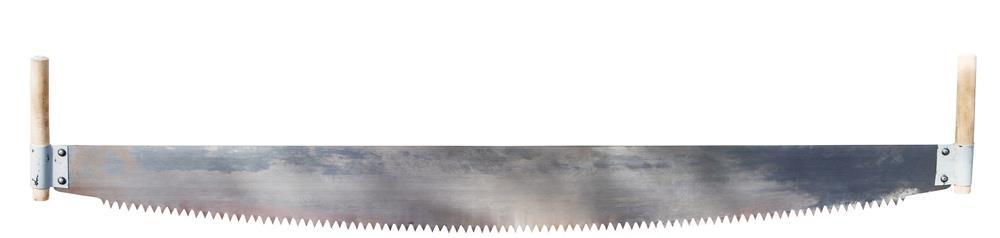
Felling • A tree is ‘felled’ when it is cut down
• Traditional methods of felling used saws and axes
• Chainsaws are used in modern felling
• Agricultural logging uses machinery with large chainsaw attachments. These can fell, de-branch and log a tree in one swift action
• Suggest the advantages of using fully mechanised felling methods instead of manual methods
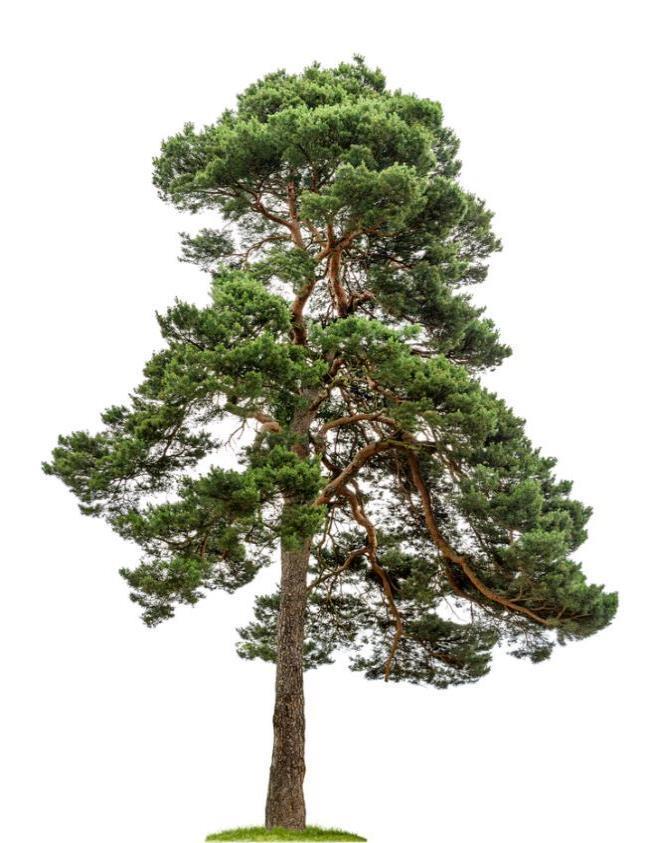
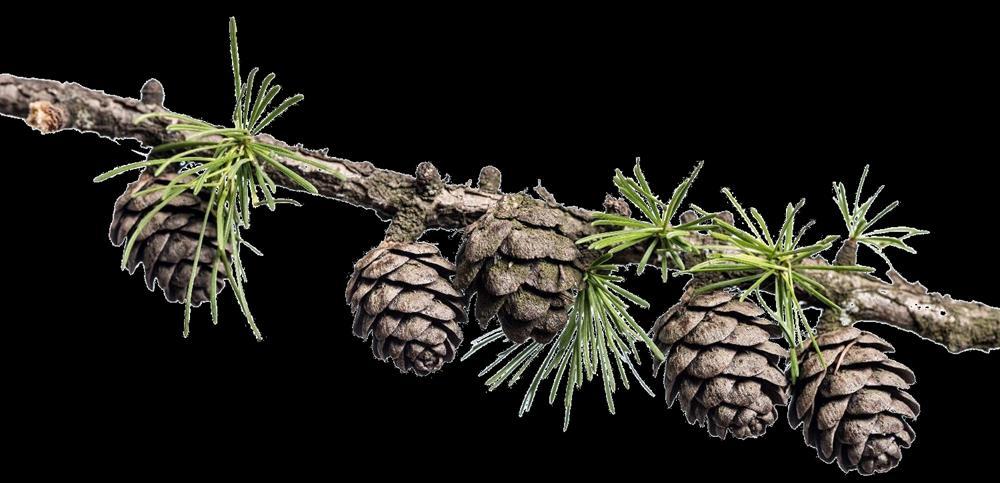
Softwood • Softwood comes from coniferous trees
• Most coniferous trees have needles, are evergreen, and they keep their needles all year round
• Softwood trees grow faster than hardwood trees making it relatively cheap and readily available
• The grain is wider making it more absorbent
• What problems could this absorbency cause with the timber?
Unit 3 Materials and their working properties
Hardwood • Hardwood is sourced from deciduous trees
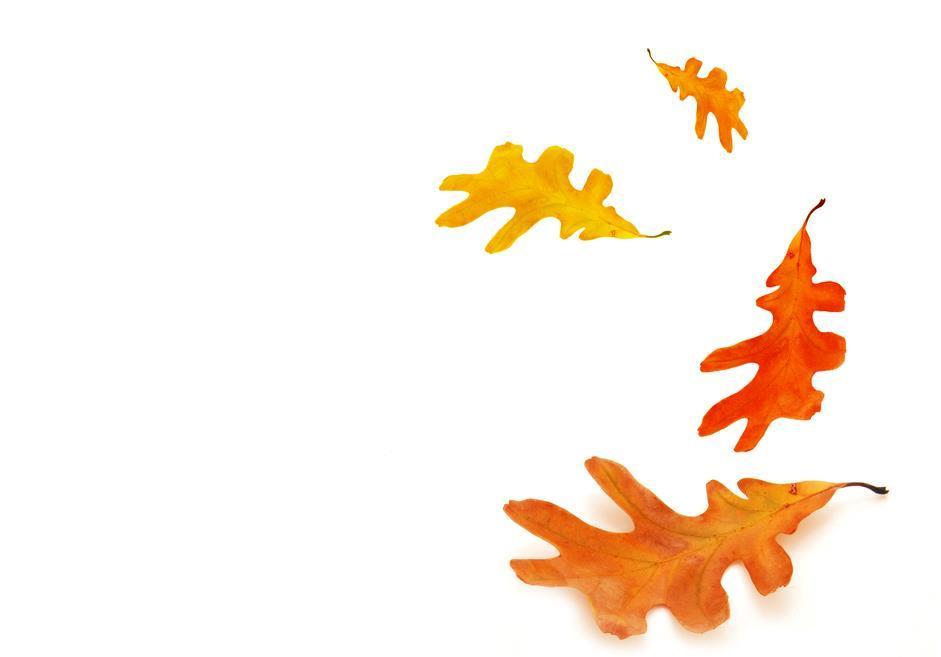
• Deciduous trees drop their leaves in the autumn and new leaves grow in spring
• Hardwood is usually slower growing and is therefore more expensive
• Sought after for its variety of colours and grains, it has good aesthetical and physical properties
• It has a closer grain, making it more dense and hardwearing
• Which hardwoods are grown sustainably in the UK?
• Complete Task 1 of your Worksheet
Working properties • Consider the different properties of timber when selecting your material
• Strength – the amount of load or compression it can withstand
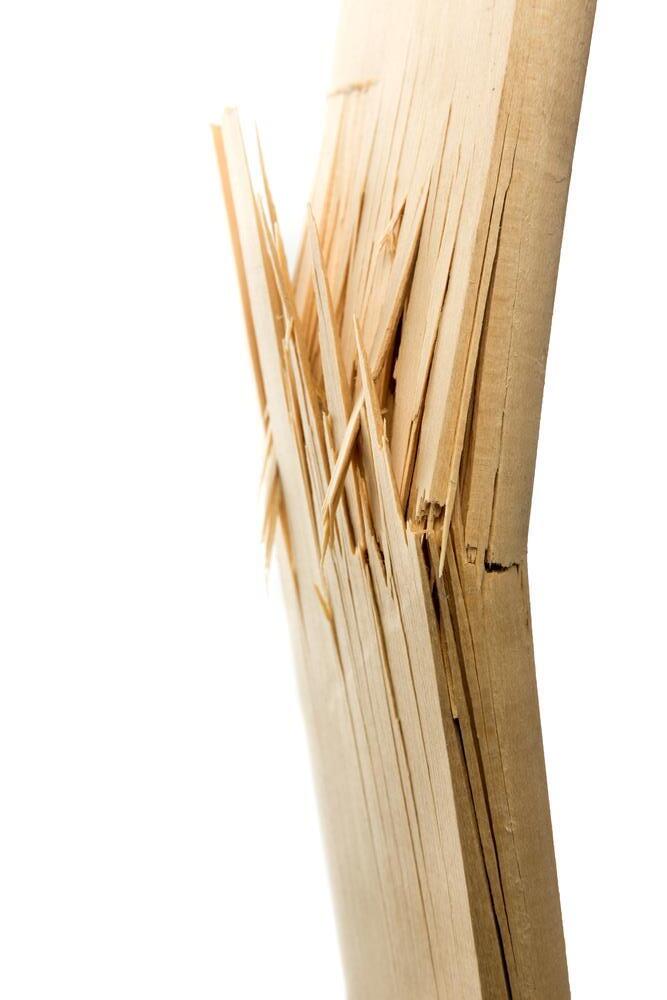
• Toughness – absorption of energy through shock before splitting
• Elasticity - will it return to shape after being compressed?
• Hardness – how resistant is the surface? Will it survive scratches, knocks and abrasion?
Tough or hard? • Hardwoods are used in wide range of applications
• Ash is very tough, but also flexible and shock resistant
• Beech is tough and very durable with a fine finish
• Oak is tough, hard and durable with a variable grain
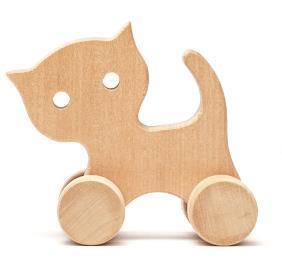
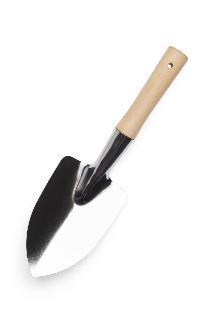
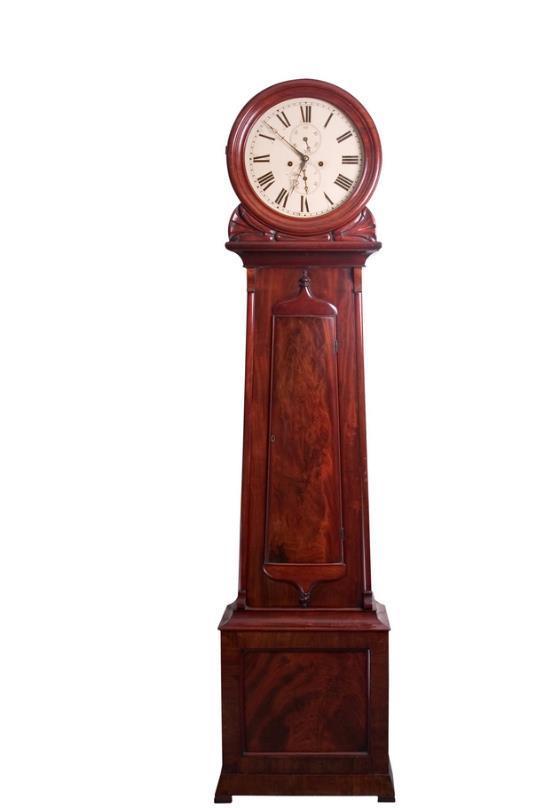
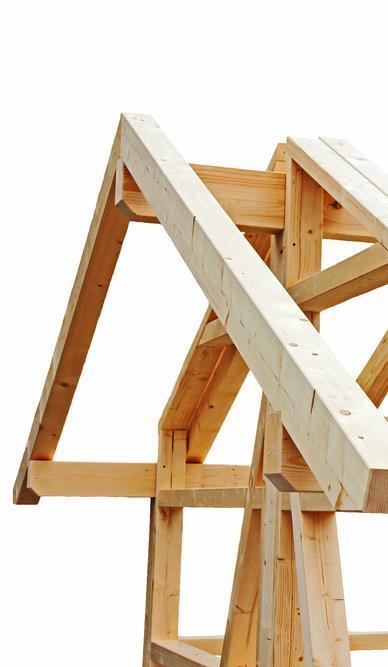
• Select a suitable wood for each object shown below, giving reasons for your choice
Unit 3 Materials and their working properties
Balsa (Ochroma pyramidale) • Balsa wood is a soft and lightweight material
• Balsa trees are very fast growing which gives the wood a coarse, open grain
• The living tree has large cells that fill with water – this gives the wood its spongy texture
• Strong in relation to its weight and density, Balsa is used for lightweight, rigid structures such as prototypes, model bridges and model aircraft
• Is Balsa a hardwood or softwood?
Desirable hardwood • Mahogany is sought after for its durability, colour and aesthetics
• Its deep rich reddish brown hue gives beauty and warmth to furniture, musical instruments, boats and interior panelling
• Unfortunately human desire for mahogany has increased the destructive and illegal logging trade
• What would be the result of continual illegal logging to the Amazon rainforest?
• Why is it essential to source wood from sustainably managed forests?
Unit 3 Materials and their working properties
Useful softwood • Softwood is cost effective and readily sourced, making it an ideal choice for the construction industry
• Pine is lightweight and easy to work with
• Larch is durable, tough and has good water resistance
• Spruce has a high stiffness to weight ratio
• Cedar contains natural oils which offer natural water resistance
• Why are softwood planks usually narrower than hardwood planks?
• Complete Task 2 of your Worksheet
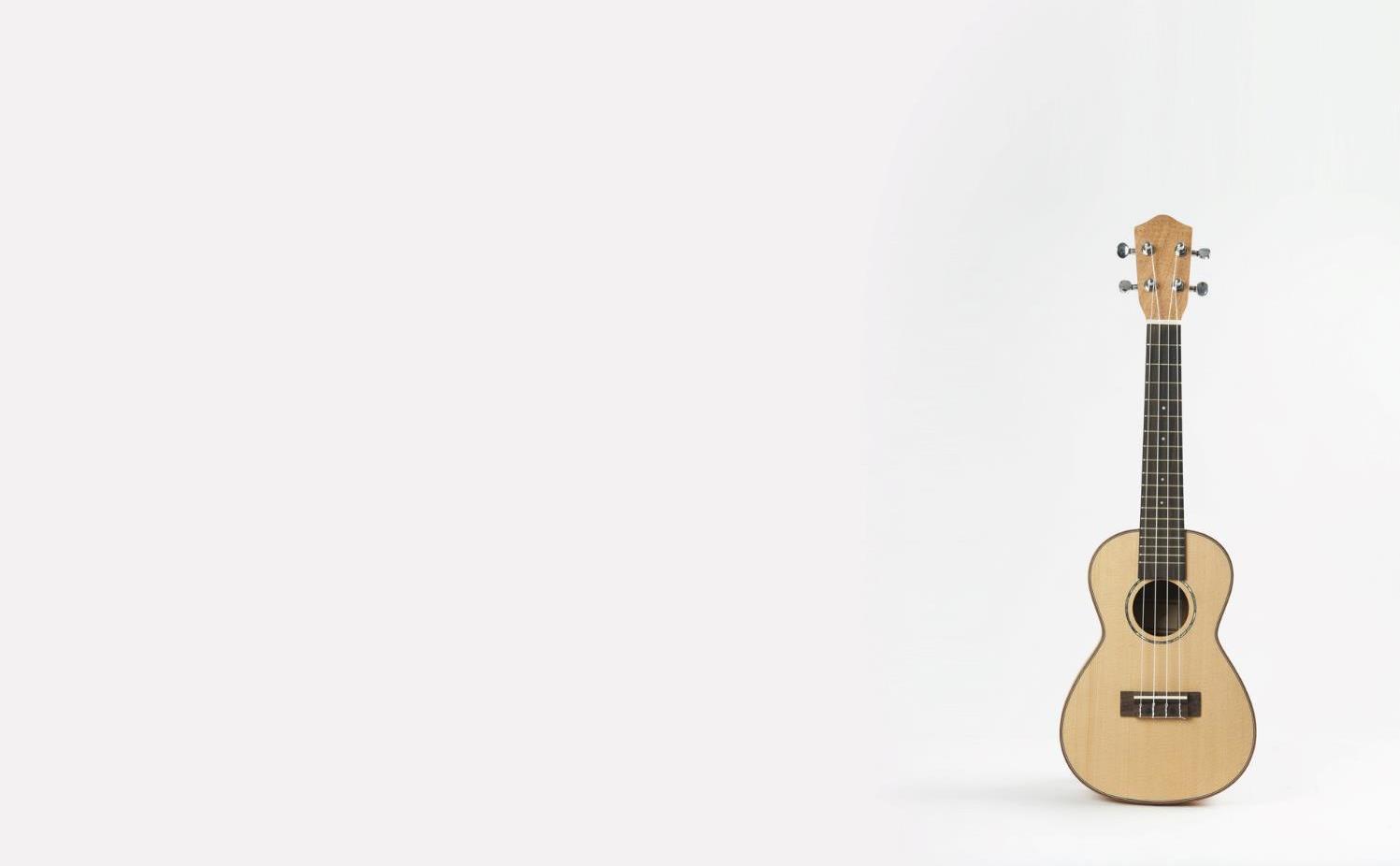
Tonewood • Some woods possess tonal properties that make them ideal for use in stringed instruments
• Spruce is commonly used in violins, piano and guitar families of instruments
• Its high stiffness to weight ratio makes it ideal for the soundboard, which transmits the vibrations from the strings
• Mahogany is used for necks and sides of acoustic guitars and sometimes for the body of electric guitars
Unit 3 Materials and their working properties
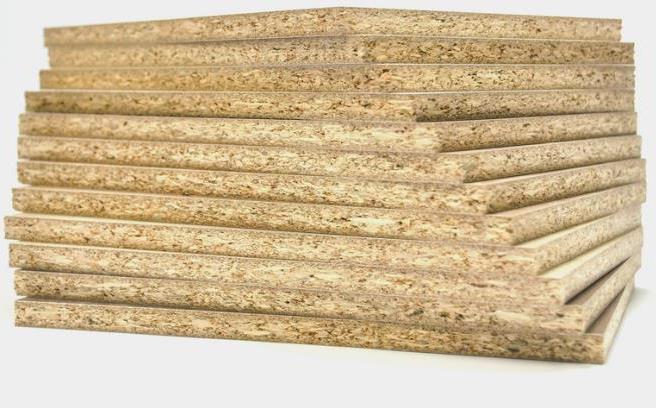
Manufactured boards • These can be made from sawmill scraps, recycled wood, low grade timbers and even sawdust
• Wood pieces are bound together with adhesives to make man-made / manufactured board
• Manufactured board can be susceptible to moisture
• Boards are rigid, stable and supplied in large sheets
• What are the advantages of producing board in larger sheets?
Unit 3 Materials and their working properties
Manufactured board structure • Each type of manufactured board is fabricated in a different way to give a variety of properties
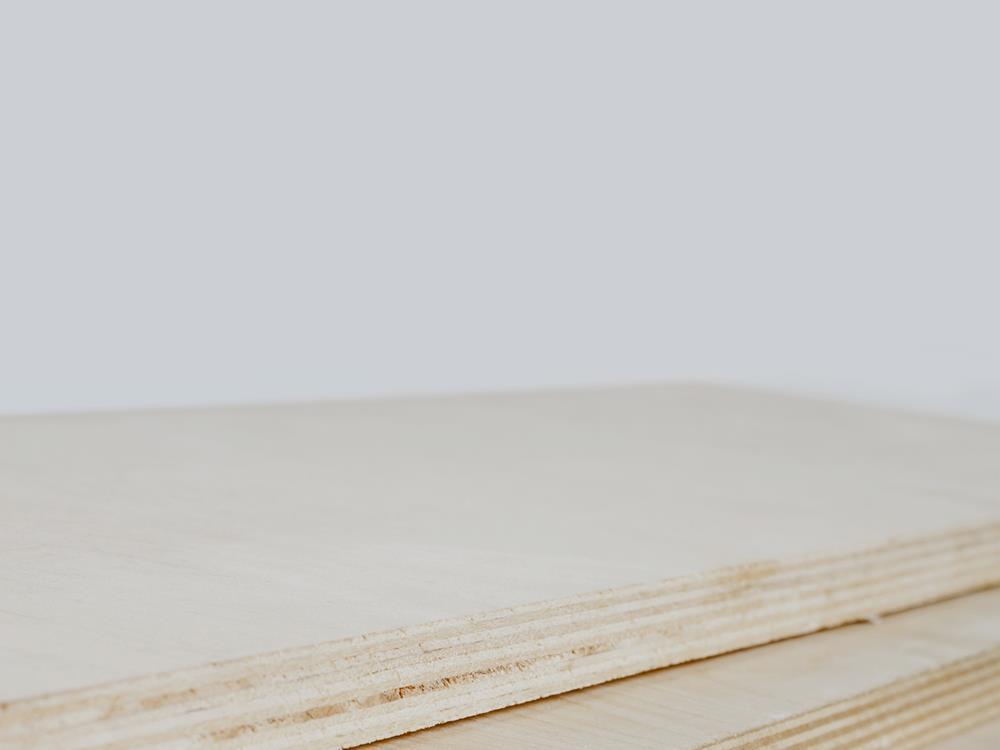
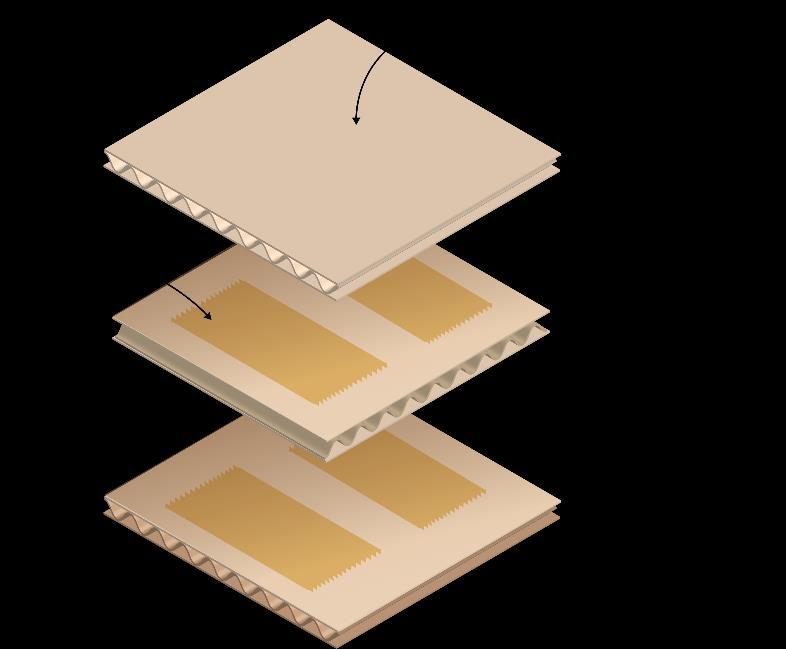
• Plywood is made up of an odd number of thin layers (or ply) arranged with the grain running in alternating directions at 90º
• MDF is made from compressed sawdust and adhesive
• Which of these boards is strongest and why?
• Why do you think plywood is prone to splintering on its surface?
Activity • Plywood is extremely strong in all directions
• Make a model using corrugated card to show how plywood gets its strength from its structure
Unit 3
Materials and their working properties
Common boards Medium density
fibreboard or MDF
Very dense board which makes it tough
Chipboard or particle board
Good compressive strength
Plywood
Made up of alternative rotated layers of glued wood veneers
Its smooth surface makes it suitable for veneers and finishes
Edges chip easily
Available in various forms including marine ply for greater water resistance
• Compare the aesthetics of hardwood with manufactured boards and suggest appropriate uses
Unit 3 Materials and their working properties
Improve the look • Veneers and laminates can enhance the look of manufactured board
• Veneers may be made from real wood, a man made finish or plastic
• Suggest another benefit of surface finishing a manufactured board
Unit 3 Materials and their working properties
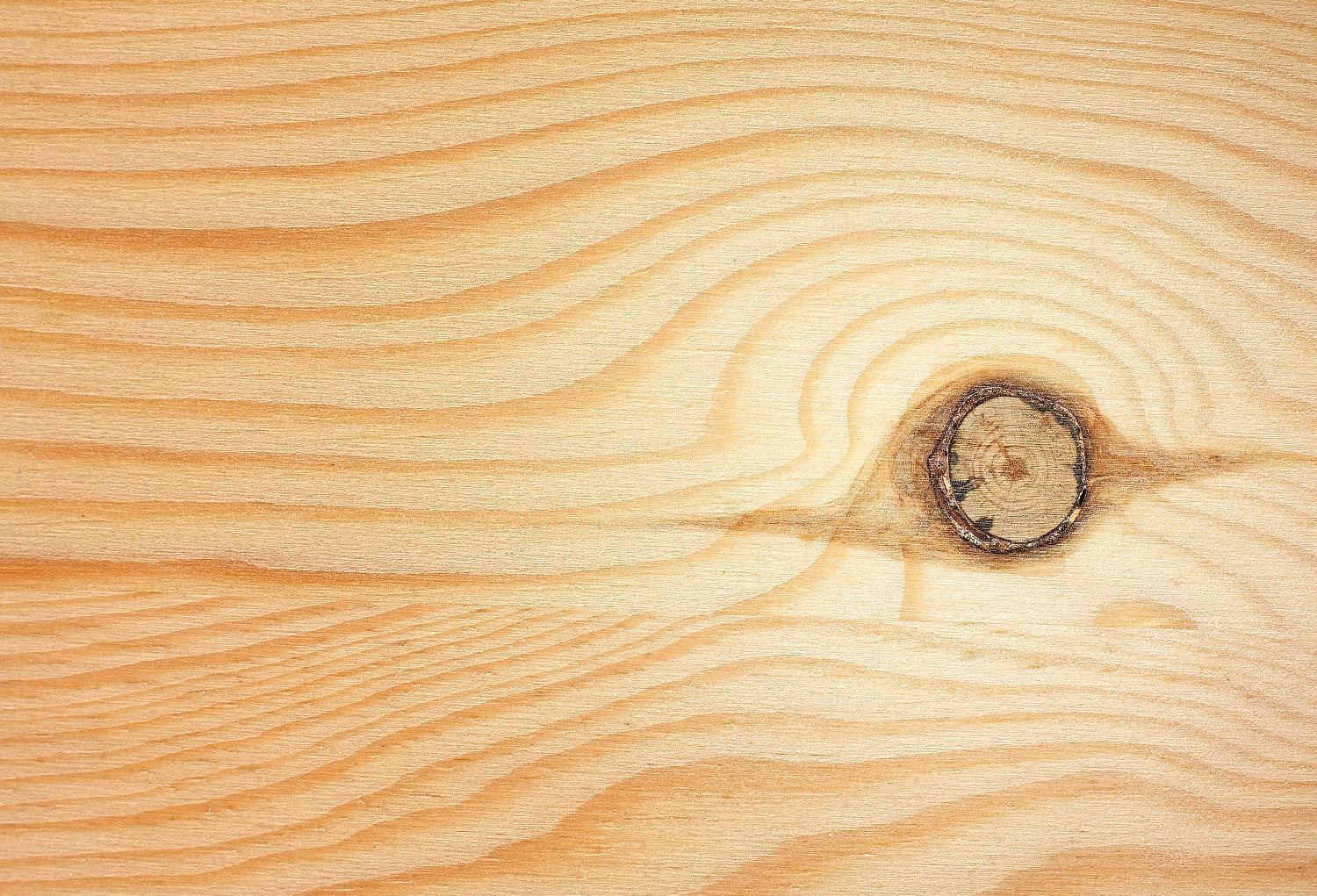
Knotty problem • Natural timbers can have natural defects
• The most common natural defect is a knot
• Softwoods such as pine, larch and cedar can also seep resin at the knot
• What impact would knots have when working with timber?
• How could knots be used to their advantage?
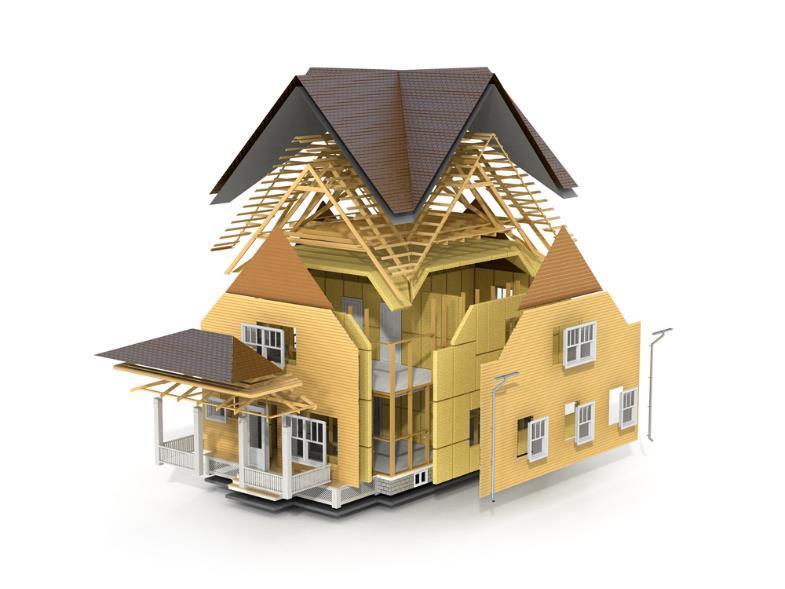
Plenary • Considering all the materials and properties discussed, select an appropriate wood for different uses in the construction of a timber-framed house
Unit 3 Materials and their working properties
Wood selection Answers • Constructing a timber-framed house:
Soffit boards: pine, cedar
Timber frame: pine, oak
Columns: oak
Front door: pine, oak, mahogany
Timber internal cladding: plywood, chipboard
Wooden roof tiles: cedar
Rafters: pine, oak
Timber external cladding: larch, cedar, oak, pine
Window frames: pine, oak, cedar, beech
Window sills: pine, oak, beech
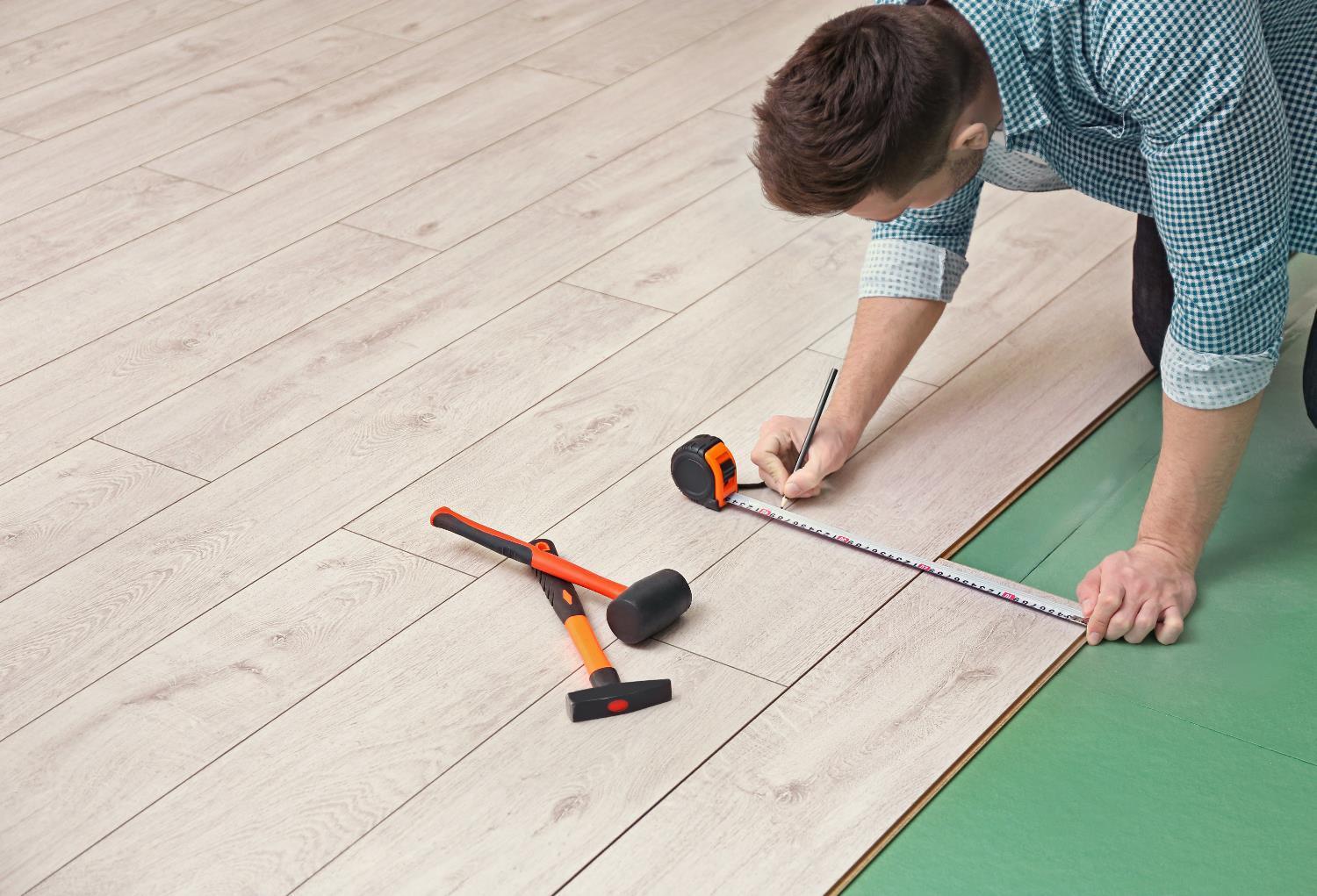
Wooden flooring: oak, pine, beech, ash, laminated man-made board
• Complete Task 3 of the Worksheet
Questions • From the following list of products, select the most appropriate material for each:
1. A highly polished wooden floor
2. A kitchen work surface
3. Children’s building block toys
4. A low cost dining table
• Explain your choices justifying what makes each wood suitable for the task
• What are the hazards of working with manufactured boards and how do you protect against them?
Unit 3 Materials and their working properties
Copyright © 2018 PG Online Limited The contents of this unit are protected by copyright.
This unit and all the worksheets, PowerPoint presentations, teaching guides and other associated files distributed with it are supplied to you by PG Online Limited under licence and may be used and copied by you only in accordance with the terms of the licence. Except as expressly permitted by the licence, no part of the materials distributed with this unit may be used, reproduced, stored in a retrieval system, or transmitted, in any form or by any means, electronic or otherwise, without the prior written permission of PG Online Limited.
Licence agreement This is a legal agreement between you, the end user, and PG Online Limited. This unit and all the worksheets, PowerPoint presentations, teaching guides and other associated files distributed with it is licensed, not sold, to you by PG Online Limited for use under the terms of the licence.
The materials distributed with this unit may be freely copied and used by members of a single institution on a single site only. You are not permitted to share in any way any of the materials or part of the materials with any third party, including users on another site or individuals who are members of a separate institution. You acknowledge that the materials must remain with you, the licencing institution, and no part of the materials may be transferred to another institution. You also agree not to procure, authorise, encourage, facilitate or enable any third party to reproduce these materials in whole or in part without the prior permission of PG Online Limited.