Welcome to A Level Business

Every product you touched today, from your phone to your breakfast to the MRT, exists because somebody organised people, money and ideas to provide it. A Level Business studies how organisations are created, run, grown and sometimes lost: how they decide what to sell, how to beat rivals, how to manage people and money, and what to do when the world changes around them.
You do not need any previous business knowledge, just an interest in the real companies around you.
HOW TO USE THIS BOOKLET
No prior knowledge of the subject is expected. Most of you will not have studied it before, and that is completely normal. Read the five Big Ideas, dip into the watch/listen/read menu whenever suits you, and have a go at the three holiday tasks at the end. They build on each other and take around 2–3 hours in total, spread across the holiday. If you get stuck or are unsure about anything don’t worry! We will go through them together in our first week back
Big Idea 1: Enterprise: turning ideas into value
How does S$2 of flour, sugar and butter become an S$8 pastry?
At the heart of every business is an entrepreneur: someone who spots an opportunity, takes a risk, and combines resources to create something customers will pay for. The difference between what the inputs cost and what customers pay is added value. Creating it is the basic job of every business, from a hawker stall to a global airline.
FROM THE DRAGONS' DEN
Levi Roots walked into Dragons' Den with a family recipe for Reggae Reggae Sauce, a guitar, and no money: every bank had turned him down. One investor backed him with £50,000 for a share of future profits, a supermarket chain put the sauce in every store, and a festival food stall became a national brand. Watch the show this summer (it is on your list overleaf) and you will see added value being created live.
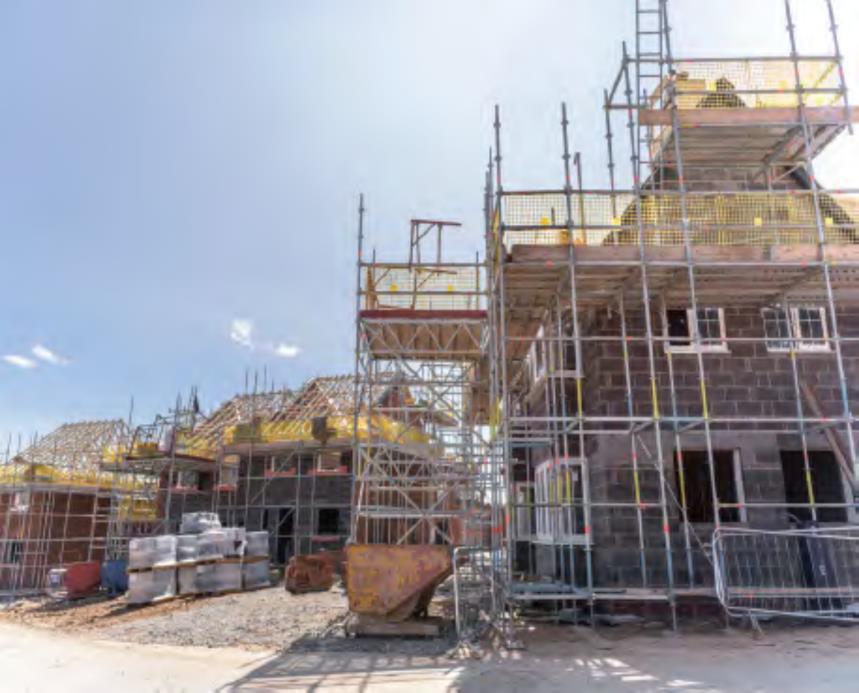
Cheap inputs bricks, timber, labour become a house worth far more. That gap is added value, the basic job of every business.
Big
Idea 2: Structure: sectors and ownership
Who actually owns McDonald's in Singapore?
Businesses are classified by what they do: primary (farming, mining), secondary (manufacturing), tertiary (services) and quaternary (knowledge and research). They are also classified by who owns them: sole traders, partnerships, private and public limited companies, franchises. Structure matters because it decides who takes the risk, who keeps the profit, and who is liable when things go wrong.
Singapore is overwhelmingly a tertiary and quaternary economy built on finance, trade, logistics and research, which is how a country with almost no land or natural resources became one of the richest places on Earth.
SPOT IT YOURSELF
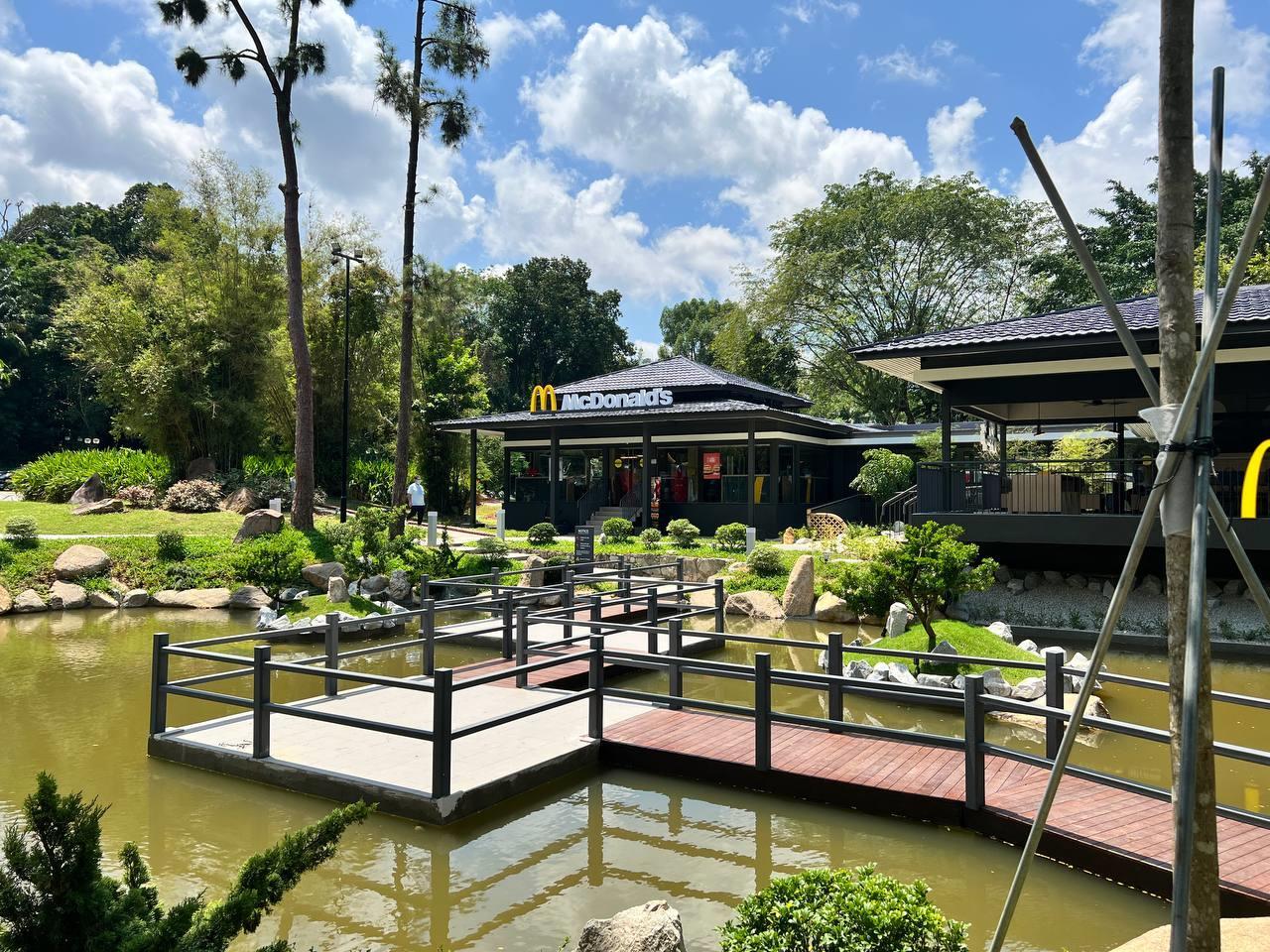
Walk through any hawker centre and you can see the whole ownership menu in one place. Most stalls are sole traders: one owner, all the risk, all the profit. The McDonald's by the MRT is almost certainly a franchise. Singapore Airlines is a public limited company anyone can buy a share of. Same street, three completely different answers to the question 'who owns this?'
A franchised McDonald’s outlet (this one in Malaysia; Singapore’s work the same way): the owner rents a proven brand and system rather than building one from scratch.
Big Idea 3: Size and growth: from garage to giant
Why do big companies buy other companies?
Some businesses stay deliberately small; others grow relentlessly. Growth can be organic (selling more, opening new locations) or external, by merging with or taking over other firms. Analysts measure size by employees, revenue, market share or value, and each measure tells a different story.
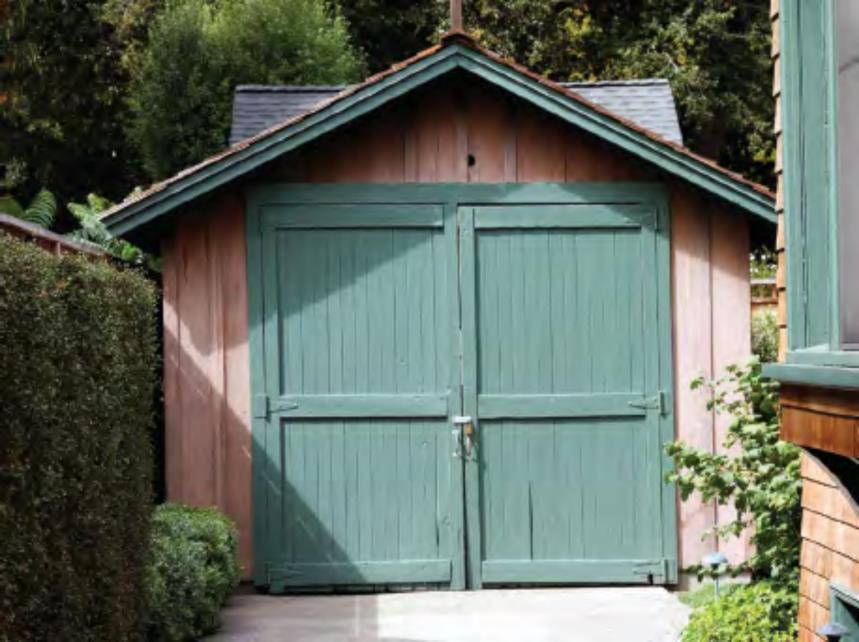
Palo Alto garage where Hewlett-Packard began. Even global giants can start tiny, then grow.
RIGHT NOW IN THE WORLD
Grab, the app on half the phones in Singapore, began in 2012 as two students' project to make taxis safer. It now grows by buying: this year alone it is acquiring a US savings app, foodpanda's Taiwan business and a stake in an Indonesian digital bank. Each deal buys customers and technology that would take years to build from scratch.
The
Big Idea 4: Objectives and strategy: deciding where to go
Free rides today, S$4 fares tomorrow. What's the plan?
Businesses need a destination (objectives: survival, profit, growth, social purpose), a route (strategy: the long-term plan) and day-to-day steps (tactics). Good analysis means asking what a firm is really trying to achieve, and whether its actions fit.
Watch how the pieces connect at Grab: its objective is long-term growth and lower costs; its strategy is autonomous transport; its tactics include free robobus rides in early 2026 to win public trust, then a flat S$4 fare once commercial service begins.
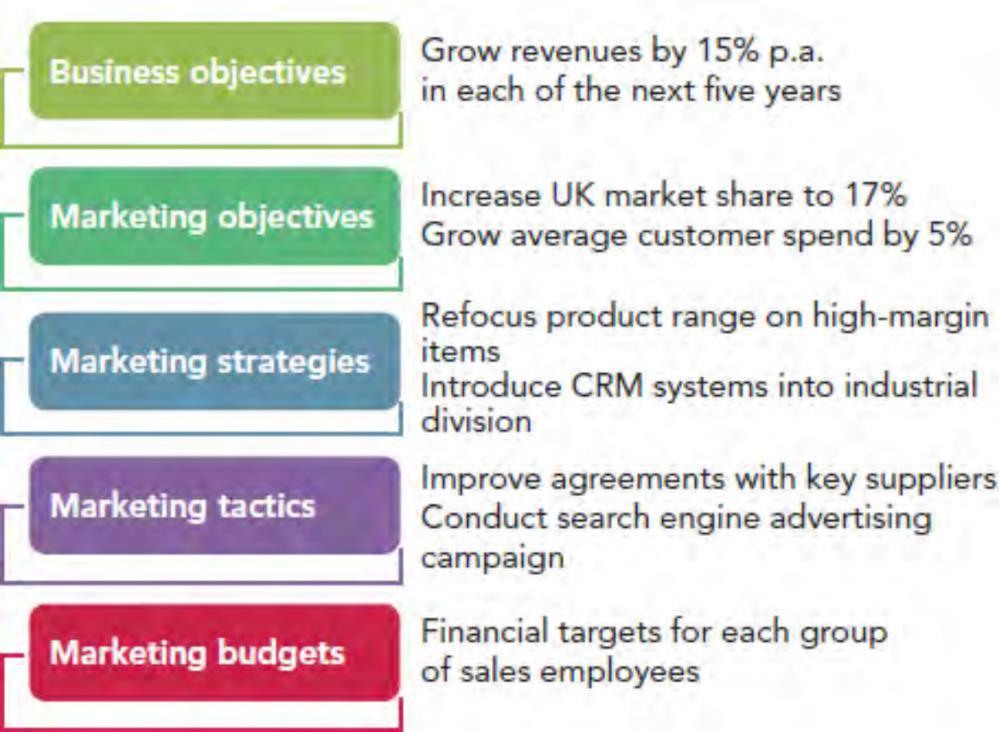
How the pieces connect: objectives set the destination, strategy the route, and tactics the day-to-day steps.
WORTH KNOWING
Not every objective is about profit. Grab has promised to retrain drivers for 'new kinds of jobs' as automation arrives: partly ethics, partly protecting its reputation with governments and customers. Stakeholders matter.
Big Idea 5: Risk and the changing environment
Why is the British high street emptying out?
Businesses do not operate in a vacuum. Costs, consumer habits, technology, tax and competition shift constantly, and firms that cannot adapt fail. Failure is not shameful in business studies; it is data. Every collapsed company is a case study in what changed and who got hurt: owners, workers, suppliers, customers and landlords, collectively the stakeholders.
RIGHT NOW IN THE WORLD
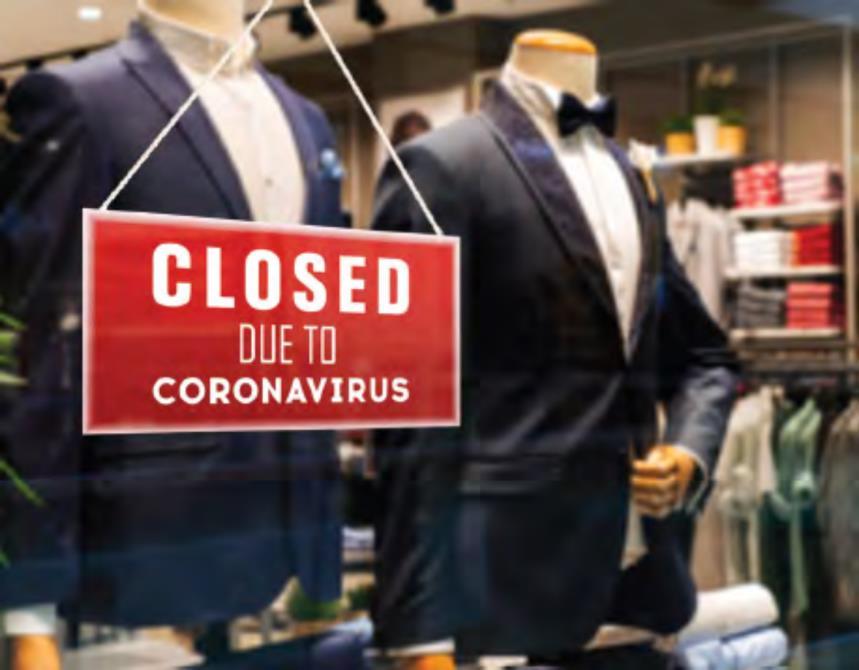
Claire's, the accessories shop in nearly every British shopping centre, has gone into administration and is closing all 154 UK stores: shoppers moved online and costs kept climbing. In Singapore, hawker stalls fight rising rents and delivery-app commissions. Same forces, different streets, and in both cases real customers, staff and owners are affected.
A shuttered shopfront. When costs rise and shoppers move online, firms that can’t adapt fail the changing business environment in one image.
Watch, listen, read: your summer menu
Pick what interests you; nothing here is compulsory. All are free or easily accessible.
Type Visual
Recommendation
Why
Watch Dragons' Den (BBC) or Shark Tank Real entrepreneurs pitching for investment; watch how the investors question value, profit and risk.
Watch The Apprentice (BBC) Flawed but fun: tasks fail for exactly the reasons you will study: bad costing, weak market research, poor leadership.
Watch Money Mind, CNA (TV/YouTube) Singapore's weekly business programme, covering regional companies you actually use.
Listen How I Built This, Guy Raz (NPR) Founders of Airbnb, Dyson, Instagram and more tell their startup stories. The best business podcast for beginners.

Listen The Bottom Line, BBC Business leaders discussing one theme per episode, chaired by Evan Davis.
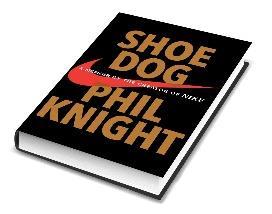
Read Shoe Dog, Phil Knight The founder of Nike's memoir: risk, cash-flow crises and growth, told like a thriller.
Read The Everything Store, Brad Stone How Amazon grew from a garage to a giant: objectives, strategy and ruthless tactics.
Read BBC News (Business) and The Straits Times / The Business Times (SG)
Ten minutes of headlines a few times a week; real cases are the fuel of every Business essay.
Your three holiday tasks
The three tasks form one project: you will adopt one business and get to know it like an analyst. Task 1 builds the profile, Task 2 follows it in the news, Task 3 turns your research into your first piece of business writing.
Task 1: Adopt a business (about 45 minutes)
Choose one real business you find interesting, big (Grab, Shopee, Singapore Airlines, McDonald's, Nike) or small (a hawker stall or shop you know personally). Build a one-page profile: what it sells; which sector it is in; who owns it; how it adds value; and what you think its main objective is right now
If you choose a small local business, you could even ask the owner one or two questions: primary research before the course has started.
Task 2: Follow it in the news (ongoing, about 30 minutes total)
Find two recent news stories about your adopted business or the market it competes in. For each, write 3–4 sentences: what happened, and how it affects the business's stakeholders: customers, workers, owners, suppliers.
Struggling for stories? The UK high street closures and Grab's robobus launch from this booklet show the kind of thing to look for.
Task 3: Your first business paragraph (bring to the first lesson)
Using Tasks 1 and 2, write 150–200 words answering: 'What is the biggest challenge facing my business in the next 12 months, and what should it do about it?'
One clear recommendation, backed by your research, beats five vague ones. Your adopted business will follow you through the year; we will return to it as the course introduces new tools.
Fifteen words to know before Term 1
You will meet all of these in your first term. Skim them now; they will feel familiar later.
Entrepreneur
Enterprise
Added value
Opportunity cost
Primary / secondary / tertiary
Sole trader
Limited company
Shareholder
Franchise
Stakeholder
Objective
Strategy
Revenue
Profit
Administration
Someone who takes the risk of organising resources to start and run a business.
Both the act of being entrepreneurial and another word for a business itself.
The difference between the price customers pay and the cost of boughtin inputs.
The next best alternative given up when a decision is made.
Extracting resources / manufacturing / providing services.
A business owned by one person, who keeps the profit but has unlimited liability.
A business owned by shareholders whose losses are limited to what they invested.
A part-owner of a company, holding shares and usually entitled to dividends.
Renting a proven brand and business model, like most McDonald's restaurants.
Anyone affected by a business: workers, customers, owners, suppliers, community.
A specific goal a business is working towards, such as survival, profit or growth.
The long-term plan for achieving objectives; tactics are the short-term steps.
The money a business earns from selling its products (price × quantity sold).
Revenue minus costs; the reward for risk-taking.
A legal process when a business cannot pay its debts, as at Claire's UK in 2026.