Volume 47 • 2026
Brewster Academy
Wolfeboro, New Hampshire
Editor in Chief: Hannah Ruegg ’26
Art Editor: Hope Macaione ’26
Contributing Editor: Caitlin Cliche ’26
Faculty Advisor: Jennifer Metcalfe Dumont
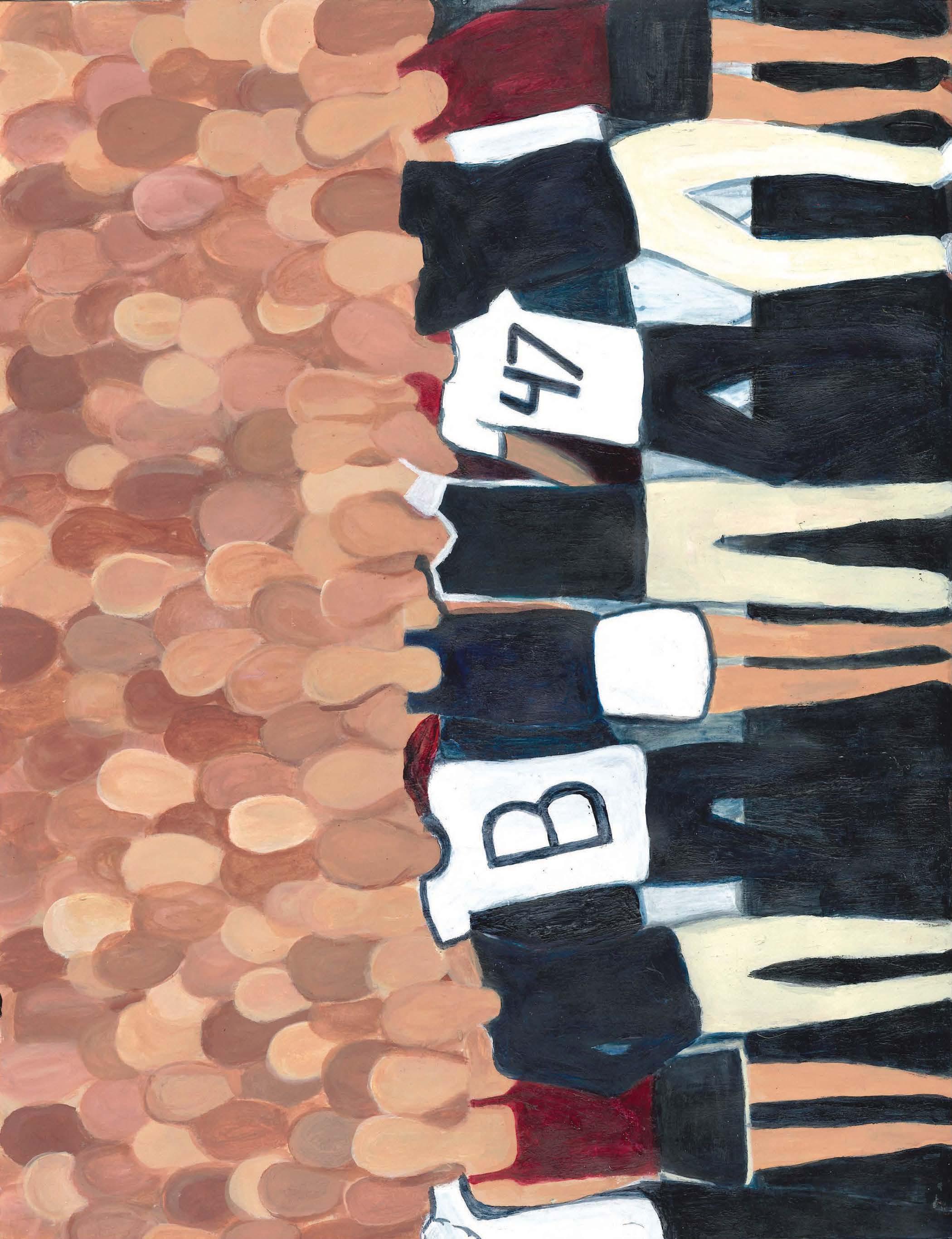
Cover Art by Hope Macaione ’26
We, the editors of Outcroppings, are proud to present our 47th edition of this esteemed magazine. While we editors work hard behind the scenes, the talented student artists and writers are always at the forefront. We love that we can come together once a year to show off the incredible creativity of our community.
In the world we live in now, when generative AI and large language models are so prevalent, human creativity seems to be more important than ever. We, as a human race, need to come together and remember where we came from. Every piece of physical art, every novel, every film, even every building and every bit of infrastructure that has ever existed before, has been created by the human mind. Some people believe that we can replace human creativity completely with artificial intelligence. While AI may be able to produce work faster, and at a larger scale than humans, it can never match the emotion that is exemplified in human work, including the work in this magazine.
You will likely notice a recurring motif of handprints throughout this issue. We were inspired by the ancient cave paintings, where handprints appear on stone walls, one of the first marks of human creativity and art. The handprints littering the pages of this issue are from our very own students, and act as a signature, something that AI cannot replicate.
As you read, we hope you can appreciate the creativity and innate human emotion in these works.
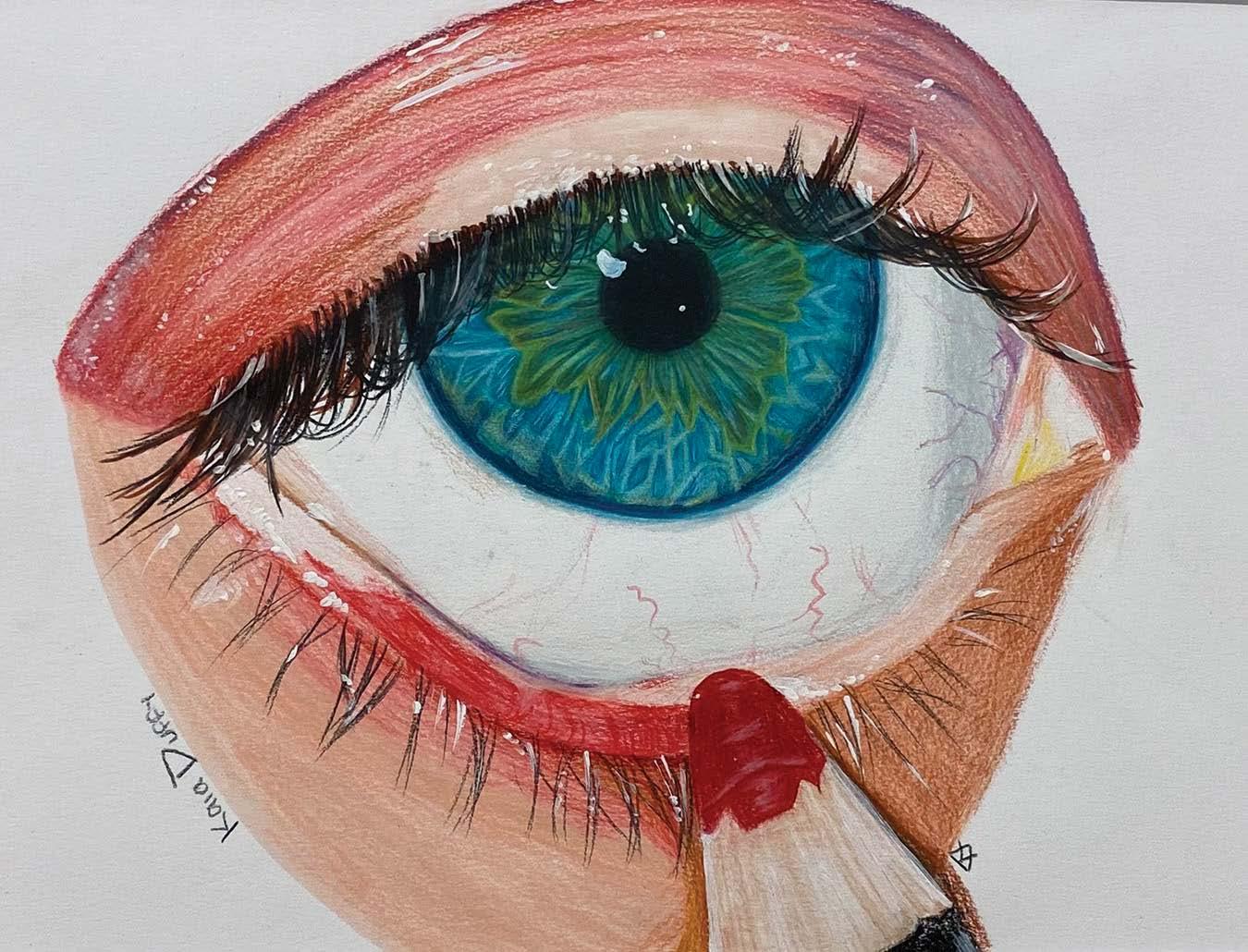
I am Afraid by Caitlin Cliche ’26, and Curiosity Over Instinct by Jake Marcum ’26
by Maccabee Sufrin ’28, Ziyi
by Charlie O’Connor ’26
My father’s chosen instrument was the fishing rod. From his own father on the chalk streams of England, he learned that fishing was not about the catch but about the act of seeing, noticing how the shadow slid across the water, how insects rose to the air before a hatch, how a single ripple betrayed the presence of a trout. He brought that training to our childhood of us three kids, Ava, the oldest, Oliver, the middle child, and me, the youngest. He brought it all the way to Topanga Canyon, teaching us that survival and wisdom begin with attention. To study the water was to learn the patience, to practice awareness, and to respect a rattle snake’s warning was to understand boundaries. In a world that moves fast and often rewards carelessness, he prepared us by slowing us down, insisting we look closely. His love of fishing and of the wild nature around us became his way of raising children who knew that the world reveals its truths only to those who take the time to watch.
by Hannah Ruegg ’26
I’ve lost my recipe for home
I had it in a drawer somewhere, passed down from my parents
We used to make it every night
I was so familiar with it that I remember some things
A pound of Love
Two cups of warmth
A teaspoon of faith
And a whole lot of steadiness
But the ingredients I remember I can’t seem to find. There’s love in stores all around me but I can’t quite afford it, Warmth seems to only be sold seasonally around here, The faith has all gone rotten, And the steadiness is completely sold out.
I yearn to find this recipe, but when I look online for others’ versions, It doesn’t taste the same
It’s too bland for me I need mine
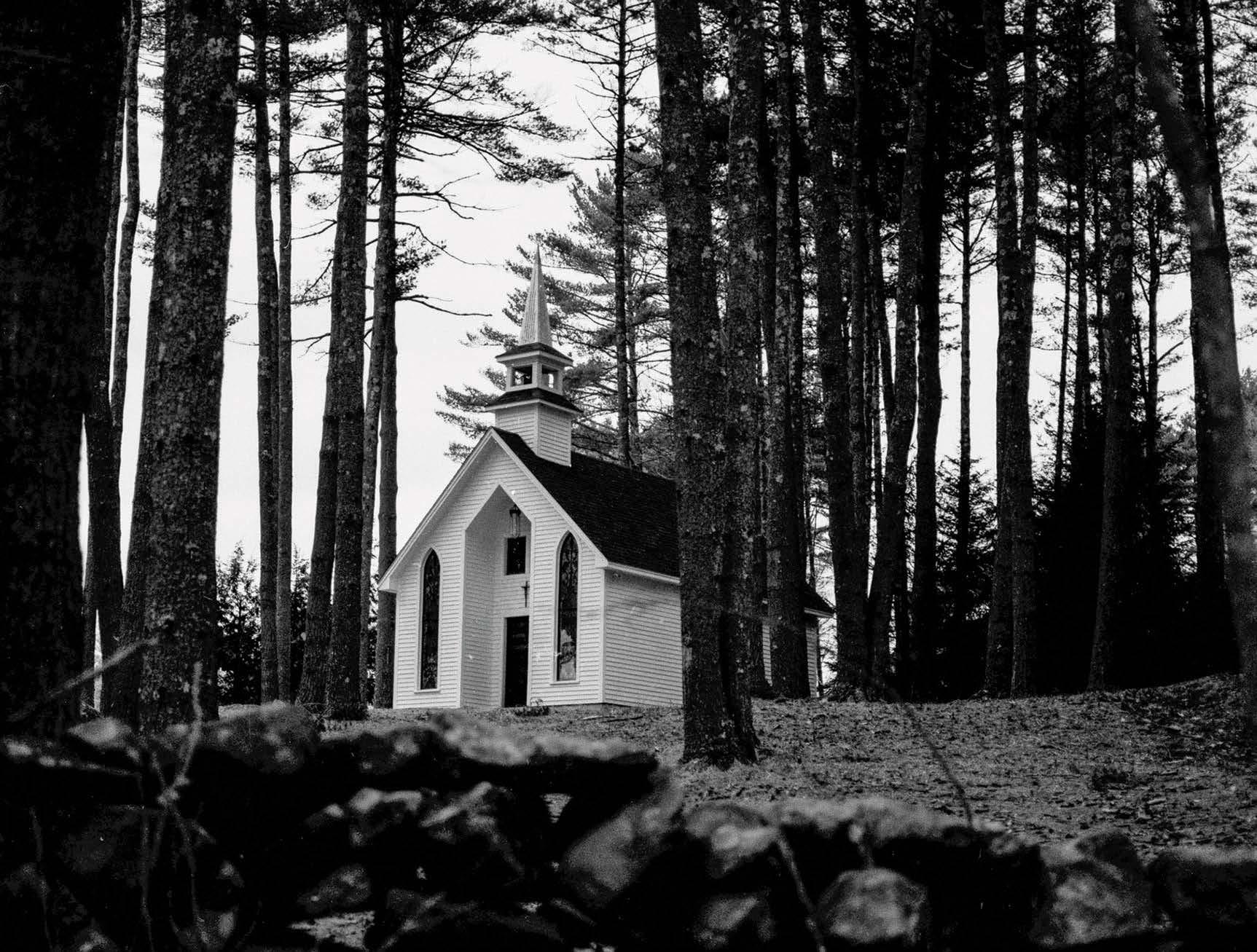
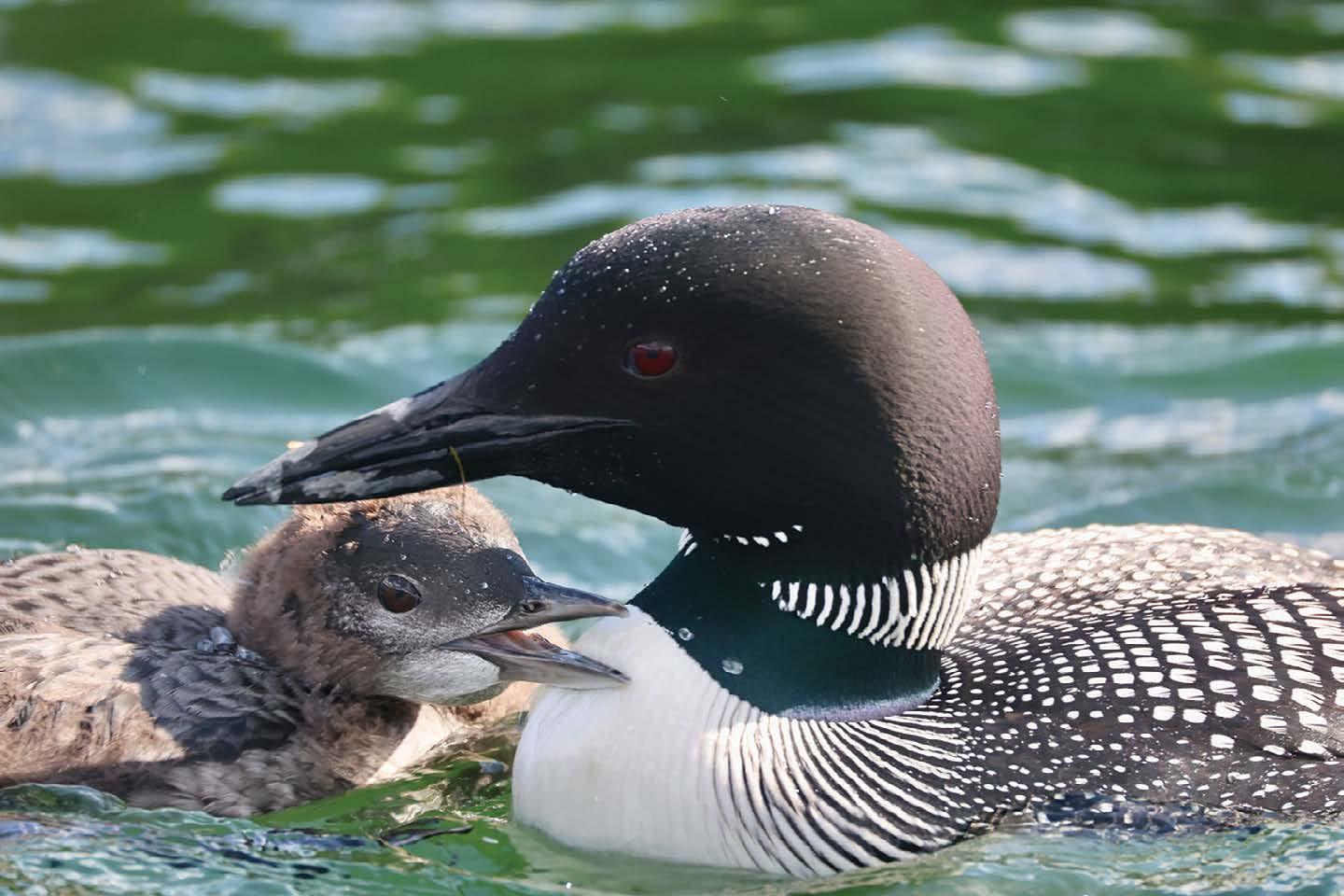
by Sophia Rock ’26
She’s been gone for six years, but sometimes I forget. Not because I moved on, but instead, because she has never really left me.
I wear a necklace every day, a silver, oblong rectangle, set with an aquamarine stone, my birthstone, a small reflection of who I am, and conveniently, my favorite color. But what matters most isn’t the stone, but what’s inside. It’s my Grammy’s ashes. Grammy passed away on October 23rd, 2019. I don’t remember how she died or how I reacted. It’s all blank in my head, seemingly nonexistent. One might assume that since she was the first loved one in my life to die, I would have a traumatic experience, but that is not the case.
Death’s a strange thing; it’s still not real to me that she’s gone. Yes, I attended her funeral, or so I’ve been told, and the photos prove it; again, I have no recollection of it, minus me being upset about being in a black dress, on the drive to the service, because I knew it wasn’t what she would have wanted. I was 11 when she died and old enough to know what death was, but no, I didn’t cry; I didn’t go through the stages of grief, and I felt unbothered, in a sort of cold-blooded way, which gifted me a heavy coat of guilt I have worn since I can’t find a way to remove it. My life continued on, not one day of school missed, just back to my daily routine. Sure, I have understood that she’s dead physically, but she still lives on daily in my life.
I can look down at my pendant and close my eyes, and in seconds, be right back at her house. Standing eagerly at her doorway, I hear the soft, melodic ring of her doorbell that sings a little song of belonging. Her opening the door, and my nose
would immediately be filled with the warm, sugary scent of fresh-baked goods, the familiar aroma wrapping around me like a hug, and painting a large smile on my face. Us sitting in the living room, catching up on the newest episode of The Bachelorette, with my feet nuzzled on the tan, thick, plush, and cloud-like carpet, which caused me to be at ease in seconds. It all comes rushing back like it was yesterday.
Her house is still just as alive today as it was six years ago, and it holds so many precious memories of her: us walking through her vibrant garden, where the buzzing of bees hummed in the air as we made hollyhock fairies; us sitting at her oval wooden kitchen table for hours rolling dice as they ran across the table during our intense and competitive games of Yahtzee; and me attempting to sneak a few extra golden Oreos from her ceramic cookie jar, painted white with adorable brown bears on the outside. Every time the lid cracked open, it seemed to echo throughout the room, announcing my little heist. We would swing each other around the kitchen as she taught me new square dancing moves, and we wore her frilly and billowy petticoats.
These are all times with my Grammy that live on with me in my heart, my head, and my necklace. I carry her and keep her alive in my life. So yes, she’s dead and I haven’t “processed it” in the past six years, and I most likely never will.. But that’s because, to me, she is not a “loss” nor “left us” or “is no longer with us” as people tend to put it, and never will be. She is not physically here, and whenever I miss her, I think of the memories, photos, love, and my necklace. Grammy will always be found in me.
by Christa Badilla Chaves ’26
by Maizy Desrochers ’29
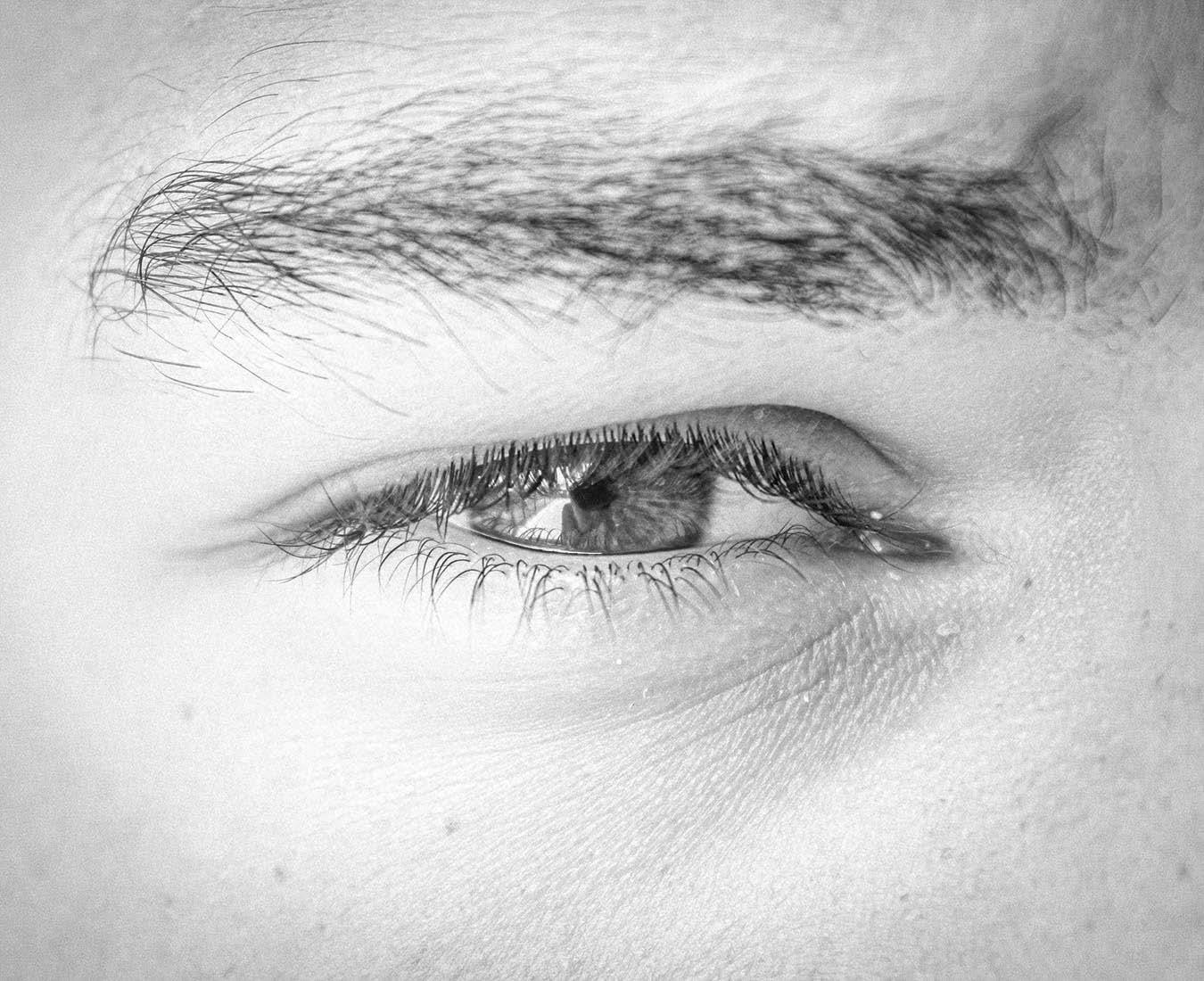
My freckles are stars shooting into the lost night sky. They have been sitting on my face since childhood. They speak very loudly, reminding me of endless summer, and knowing I had a great time, especially as they fully come in. In the mirror and on camera, they sometimes looked dimmed, but look further because the light always shines through.
Not many people in my family have freckles; my dad is extremely tanned, and my mom is pale but has no freckles. My cousin has freckles, and she’s the only one I know who does. For a long time, I didn’t care about them; they were just there. Now I love them; they are me, and without them, it seems weird. They are just like dots; each represents something in my life that’s vital to me.
Seeing people draw freckles onto their skin makes me realize how grateful I should be. I wear them with light and love just like them. Every day, as I wake up, they are already up, jumping out of bed and getting ready for the day. Each freckle is a piece of the sun, proof that I’ve stood in its light and not been dimmed. Knowing I’ve lived life to the fullest.
Freckles are like a scrapbook, empty pages waiting to be filled, but the pages already filled are amazingly fascinating. Sometimes people comment positively and negatively about them, and I’ve learned to simply say ‘thanks’ or ‘okay’ and move on. I know better than to comment back on something so beautiful. My freckles tell a story of sunny days, soft smiles, and strength I didn’t think I had. And I would not erase them if I had a chance.
by Kaia Duffy ’27
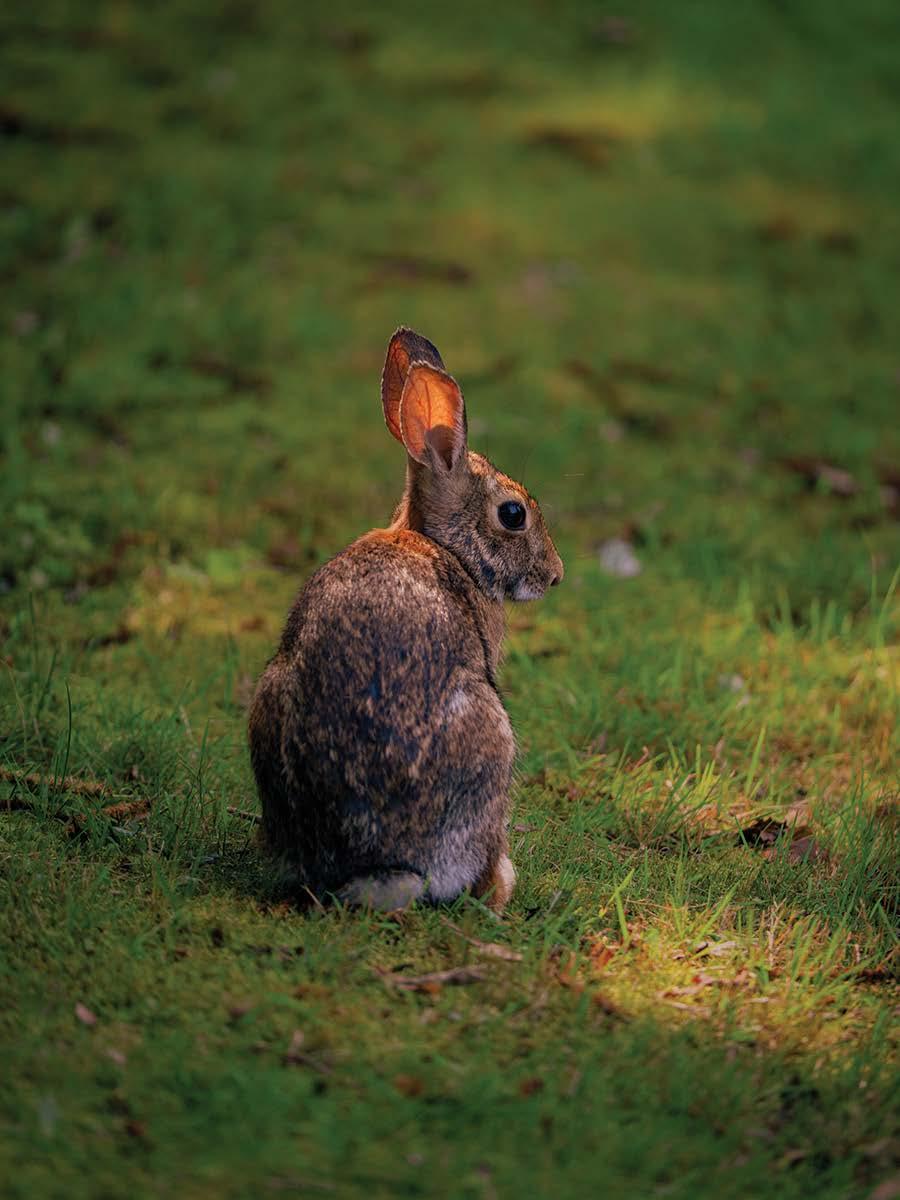
by Kaden Minnis ’28
In the depths of winter, when fools go faster. Where silence meets roar when ice doesn’t shatter. An ear-splitting cry of star-spangled slaughter. Mother Nature’s song interrupted with a clatter. In the face, of winter’s sick laughter.
When nature is tarnished and the soft snow undone, There lies a quiet beast as loud as a gun. With its body a wreck, a slow death has begun. Leaving me wondering, was it worth all the fun…
I never could’ve thought that such a simple mistake, Could shake the mountains and thunder the lake. Each crack in the ice now shuddering with a quake. Stealing a man’s dying thoughts without hate.
by Caitlin Cliche ’26
Dear fear of abandonment,
I feel like I see you every day, regardless of the time or space. You keep me trapped, locked away.
You’ve shut me in my cell and thrown away the key So you can keep me in your embrace.
It’s always been this way.
You’re the reason that I have trust issues. Why I don’t tell my dad the grade I got on that quiz, Because of the fear of his disappointment and departure?
You’re the reason I can’t trust, The reason why I am afraid to open up.
You keep me safe, though. Make it so that when I am locked away in my room, I find comfort.
When I am staring at my blank walls, You creep up behind me,
I see you everywhere, always in the back of my mind. Regardless of the time or space. When we make eye contact, You have won. Trapping me in your gaze Once again.
When I hold my hand out to shake yours, you grip firm,
It’s like you are about to start an argument with me, and I can’t find the words to
tell you to
Get OUT.
You stay.
Dear fear of abandonment, Don’t make this harder than it needs to be. Why is it hard to trust when you make it so easy to see the reality?
Never again do I wish to lock eyes with you.
Not yours, C
by Atticus Baden ’26
The following essay is an example of a “Senior Speak” which is delivered at All School by a graduating senior who has volunteered to share their story.
Good morning Brewster,
For those who don’t know me, my name is Atticus. I am a senior at Brewster. My little sister, Wren, is a sophomore and is probably going to kill me for bringing her up. Brewster is a special place to me, and I’d love to share my story with you guys over the next 6 or 7 minutes.
When I first walked onto campus as a freshman, I thought seniors had it all figured out. They looked smarter, cooler, and like they had life completely under control. Now here I am, a senior… and I’ve realized the truth: we’re basically just freshmen with more privileges and a few extra birthdays.
Freshman year felt less like starting at a new school and more like moving into a very small town because let’s be real, with only about 325 students on campus, everybody knows everybody. By the end of the first week, I had shaken hands and met more teachers, staff, and students I’d see every day than I could possibly remember.
And making friends in a community this small is a little different too. You can’t really avoid people. If you embarrass yourself in the dining hall on Monday, congratulations, the same 325 people will still be here to remind you about it on Friday.
But honestly, that’s what makes this place kind of special. You don’t just pass by faces you’ll never see again. You end up knowing people in every grade, talking to teachers outside of class, and saying hi to the same folks every morning until it feels weird not to.
But in between all the awkwardness and bubble-sized drama, I started to realize something: the moments that stick with you the most aren’t the ones you plan. They’re the ones that happen when things don’t go as planned.
Like the few mornings I managed to sleep through my alarms before a morning crew practice. And to my surprise, I end up awake to the guys banging on my door telling me to hurry up. If you ask me, I will swear that my alarm didn’t go off, but everyone else doesn’t believe me and thinks I just slept through it. There’s nothing quite like that mix of panic and guilt when you’re rushing out of bed and your teammates are stuck waiting for you.
Or the time I pulled an all-nighter on an assignment,
only to discover I’d done the homework for the wrong day. That’s a very specific kind of pain: not just wasted effort, but wasted sleep too.
And then, of course, there’s the universal high school experience of coming back into class after a bathroom break. You open the door, and suddenly, thirty pairs of eyes lock onto you like you’ve just returned from a six-month expedition. Then the walk back to your desk feels longer than the Boston Marathon.
At first, moments like those feel like disasters. But after a while, you start to realize something: they’re the stories you’ll laugh at later, and the ones that remind you we all mess up, all the time. And honestly, that’s kind of the beauty of it. Nobody makes it through high school without a few uh oh moments or aura-loss moments, if you’re still with me.
And for me, that lesson really sank in during one experience in particular…
One of the greatest lessons I’ve learned here came from attending school events. For some reason, I could never quite get the dress code right.
There were nights I’d show up looking like I was about to walk the red carpet… only to realize everyone else thought “semi-formal” meant khakis and a polo. And then there were the times I went super casual, figuring it was no big deal, and walked in to find everyone else looking like they’d just come from a wedding.
It became kind of a running theme: either I was overdressed and felt like I had accidentally wandered into the wrong event, or I was underdressed and wishing I could borrow someone’s blazer on the spot.
At first, it was awkward because nobody likes feeling out of place. But after a while, I figured out that those moments weren’t really about what I was wearing. They were about learning to laugh at myself, to be comfortable even when I didn’t quite “fit the part,” and to understand that half the time, nobody else really knows the rules either. And that same theme kept popping up these last four years:
•The group project where only one person actually did the work, but you still pulled it off.
•The basketball game the team thought they’d win, but lost in the last minute, and despite the loss, the team still managed to learn something.
•The essay you wrote at 1 a.m while running on energy
drinks, thinking it was the worst thing you’d ever written, only to get a better grade than the one you spent hours on.
These silly moments taught me more than any lecture could: that life isn’t about having everything under control, it’s about what you do and how you respond when it isn’t.
And to be honest, if high school has prepared us for anything, it’s dealing with chaos:
•The printer doesn’t work on Monday morning.
•The Wi-Fi stops working when you’re presenting.
•Even the AC fire drills that always come as a surprise. It’s funny because when I think about chaos at Brewster, my mind goes straight to the prep basketball team.
I thought being manager of the prep team would simply include watching the guys practice and play basketball and getting to travel with them, meaning free food for me. Spoiler alert — there is more responsibility than I originally anticipated, and that’s not a bad thing in some ways. Sure, I might spend a bunch of time running all over the court chasing rebounds, and yeah I might be wishing I had remembered the towels while standing in the locker room at St. Pauls. But somewhere between the late nights on the road and last minute injuries and the endless stops for snacks along the way, I learned that leadership within the team isn’t about giving orders; it’s about showing up, keeping the energy up, and laughing when things go sideways. Though I’ve shared too many unforgettable memories with this team, they taught me that leading isn’t about being in charge — it’s about being in it with everyone else.
Through all of it, the one constant at Brewster has been the people. The friends who turn boring Tuesdays into something fun and laughable. The teacher who not only taught Spanish, but also explained global issues or voiced his opinion on the school system. Thank you, Mr. Lopez. Even the people you don’t talk to every day, but still feel each other’s pain every time you both roll your eyes during all schools or morning meetings.
We’re all part of this little tight-knit community. And even though all the seniors and post-grads will scatter to different places soon, we’ll always share that Brewster connection.
So here’s my last few thoughts. Remember when I said seniors are just freshmen with more birthdays and privileges? That’s true. But maybe that’s the point. We don’t have to have it all figured out. We just have to keep moving forward,
keep laughing at ourselves, and continue to support each other when things don’t go as planned. Remember it’s not the perfect moments that end up defining these 4 or maybe 5 years, but the imperfect ones we’ll laugh at later.
Now my challenge to you: When you make a mistake, take 30 seconds and dwell on it, laugh, and then move on. I’ve had countless laughs at my mess-ups. I promise you, it will be just fine. If you take nothing else from my speech today, remember this: growing up isn’t about having all the answers, it’s just about learning how to walk around pretending you do. And with that, A Money out. Thanks guys.
by Zuri Ackah ’29
Math is witchcraft. From two plus two to a hexadecagon, from three, six, nine, to y=mx+b. Fully understanding math is like trying to walk on water; it is impossible. Math is a never-ending pit that you slowly sink into until you suffocate. When you were a child, you got a floatie to cross the pit, but now you are expected to dive in and make it through on your own. The day Mr. Ward started speaking in hieroglyphics like SSS and AAS, I knew I was in a different world than second grade. I never thought I would miss Algebra, but I can see now I was wrong. Math is not needed in everyday life. When am I ever gonna to need to find out the interior angle of a nonagon? Math in math terms is like a line going straight down; the line is never-ending.
Math is witchcraft. The person who created it intended for humans to suffer. I miss the days where math was my friend and not trying to kill me. Interior angle, exterior angle, vertical angle, and supplementary angle attack my brain. I miss the day when math used actual numbers and not letters. Math is like a rotten egg with its rotten smell and taste. People who like math confuse me almost as much as math itself does. Equal, equal, equal, what equation equals me understanding this voodoo? I remember the day when I was still pure and solving my times tables. I remember the days we counted to thirty and then had naptime. I remember the days when we solved seven plus fifteen, and then had snack time.
I miss that other world where math was easy and uncomplicated. Now I’m stuck in a new world. Where math equals letter, and you have to use theorems to find the answer. I’m stuck in a world with endless answers that are just out of my reach. I’m stuck in the never-ending pit that is slowly suffocating me with equations. I’m stuck in a game where each level gets harder, and I barely passed the tutorial. Now that I am fourteen, I’m stuck in this awful torture people call math.
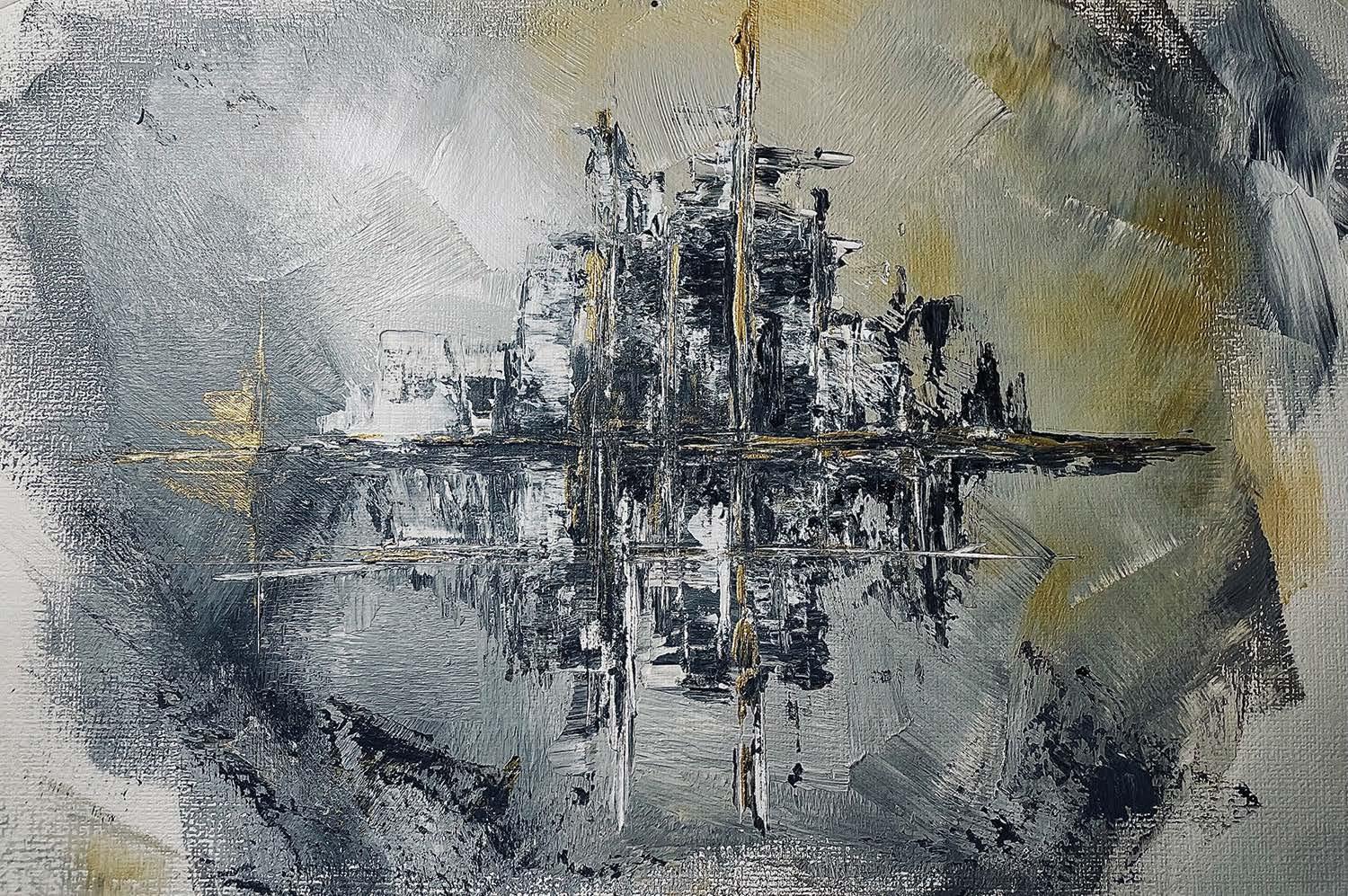
by Colin Dean ’26
Reflection on the stolen painting, the Sea of Galilee, from the Isabella Stewart Gardner Museum in Boston, MA
On the day of luck, mine ran out. A cold night, as two should-be heroes Cut me and put me out of sight. They overpowered the guards and tied them away, As they rolled me up, never to be seen again. Thirty-five years I have wasted away, Stuck me in a place I cannot say. Time might have withered me away. The place where I hung is empty and bare, Encased in my tomb, Where that would be my untimely doom.
by Beck Rosenbaum ’26
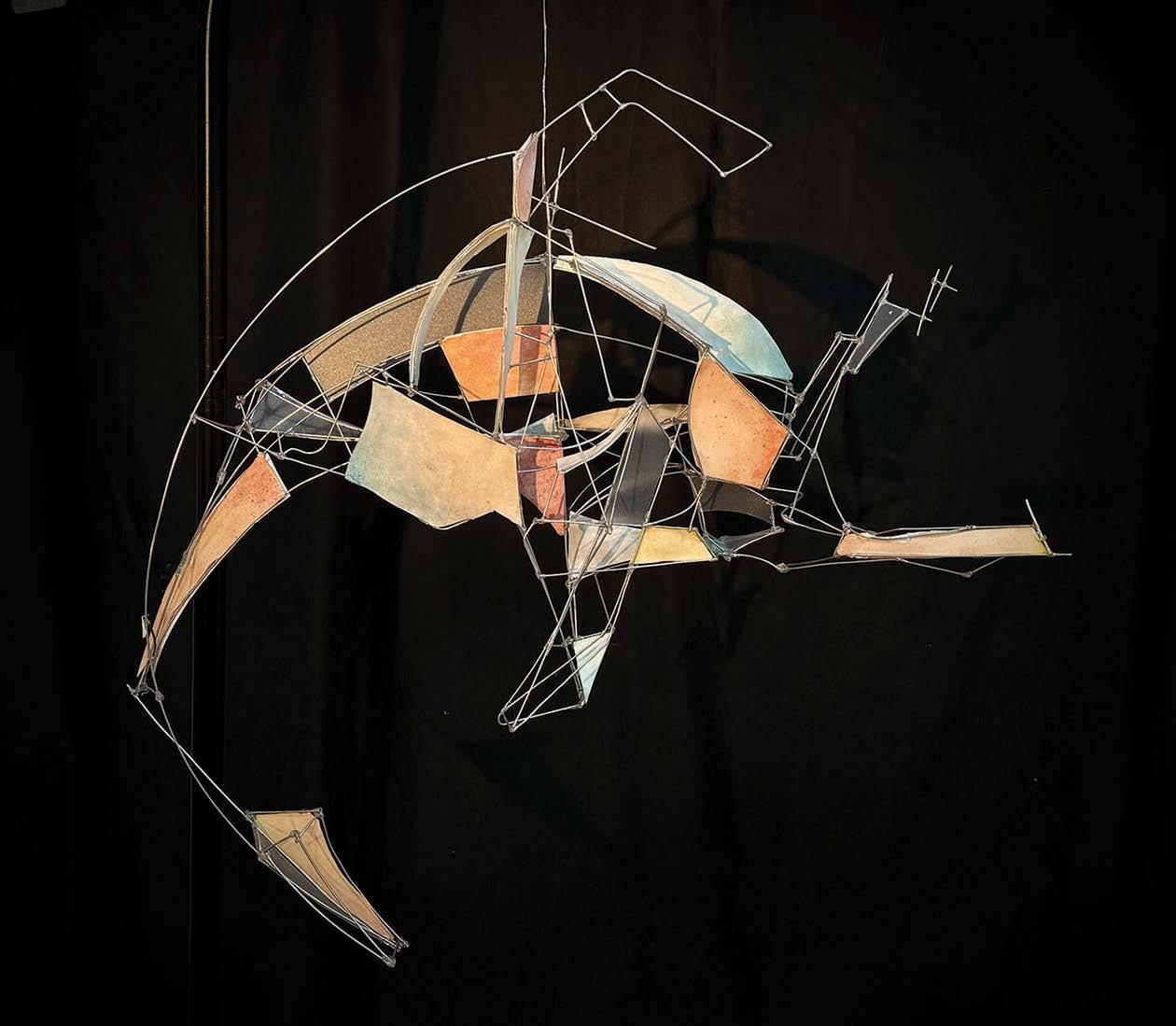
and it chills my bones i curl my fingers into fists and cut my skin to warm my soul the waves rush in, the waves rush out and i see the rocks and start to doubt my lips are cracked my teeth are numb the cold and water start to run and blood that pulses through my lungs begins to want to come undone i know i want to come undone but everything and everyone pin me down and make me vow that i’ll rush in and i’ll call out if i see a rock and feel the doubt if i should ever go without the blood and water finish out their oath and turn to make me proud so i will watch as time will heal the footprints that we leave in sand i will never come undone i know i wish ill come undone but wind should be left without some bones to chill, some soul to howl in harmony and endless pain the hope begins to heal my brain i let myself feel my doubt the waves rush in, the waves rush out
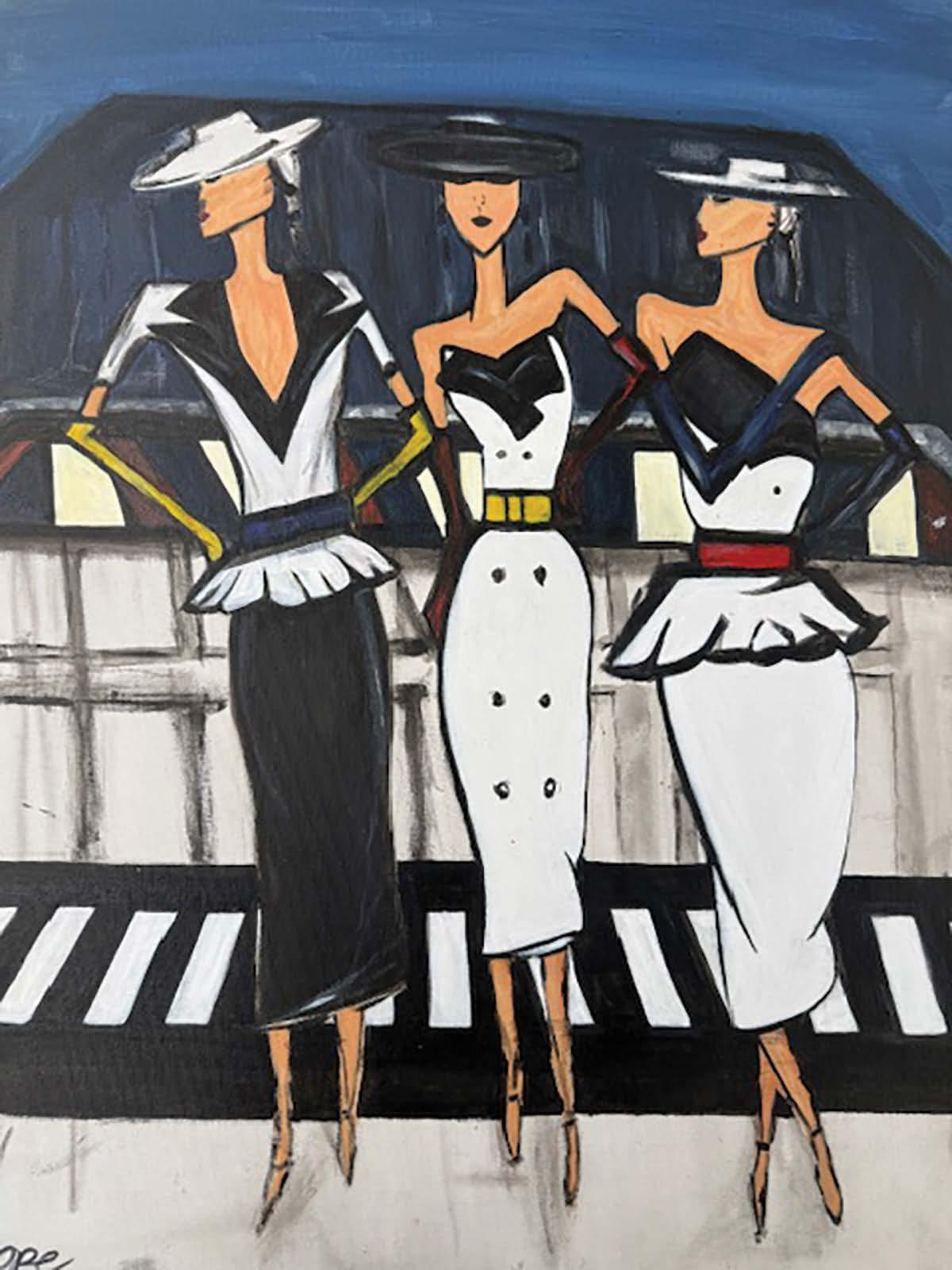
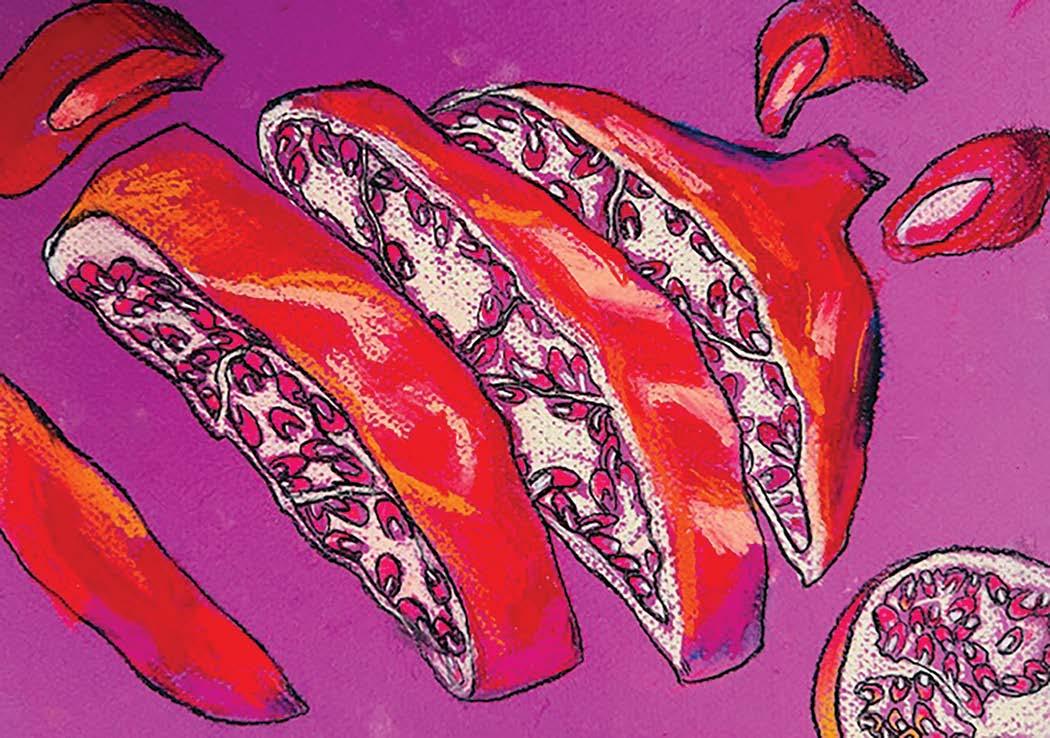
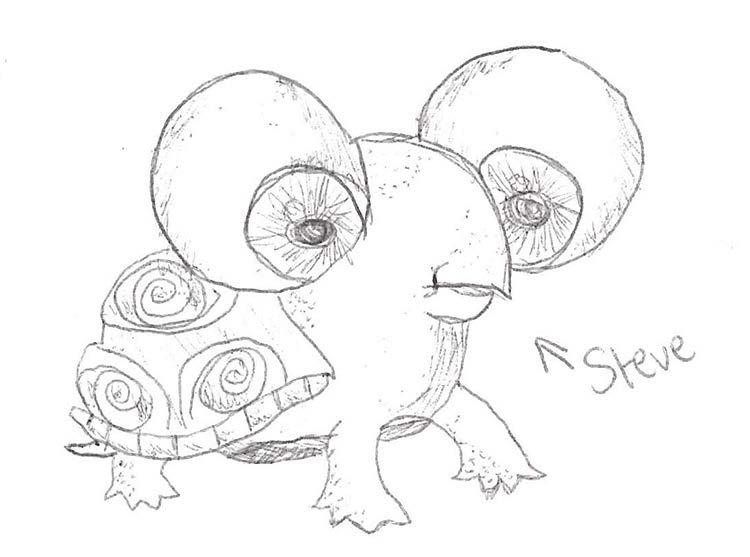
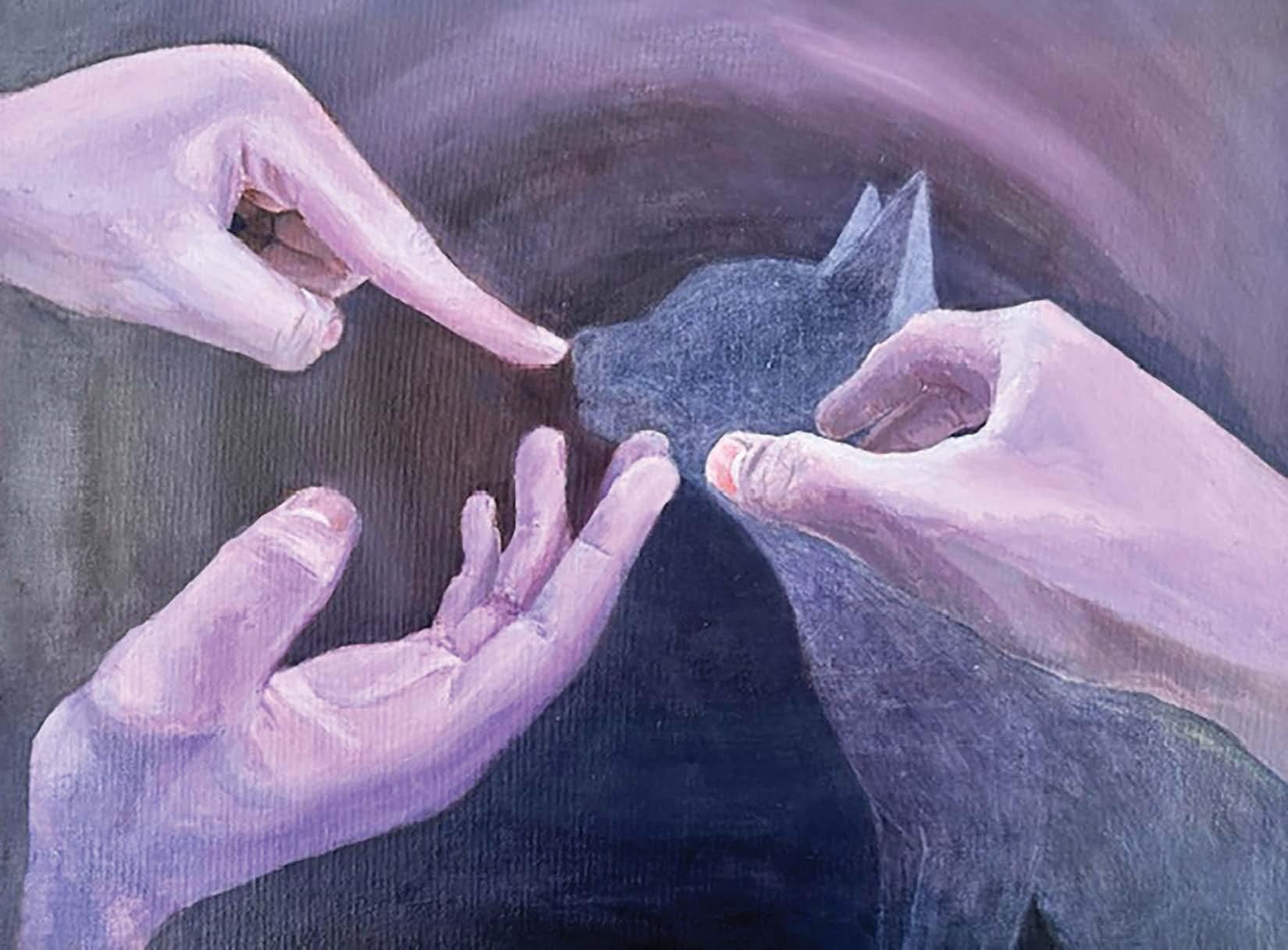
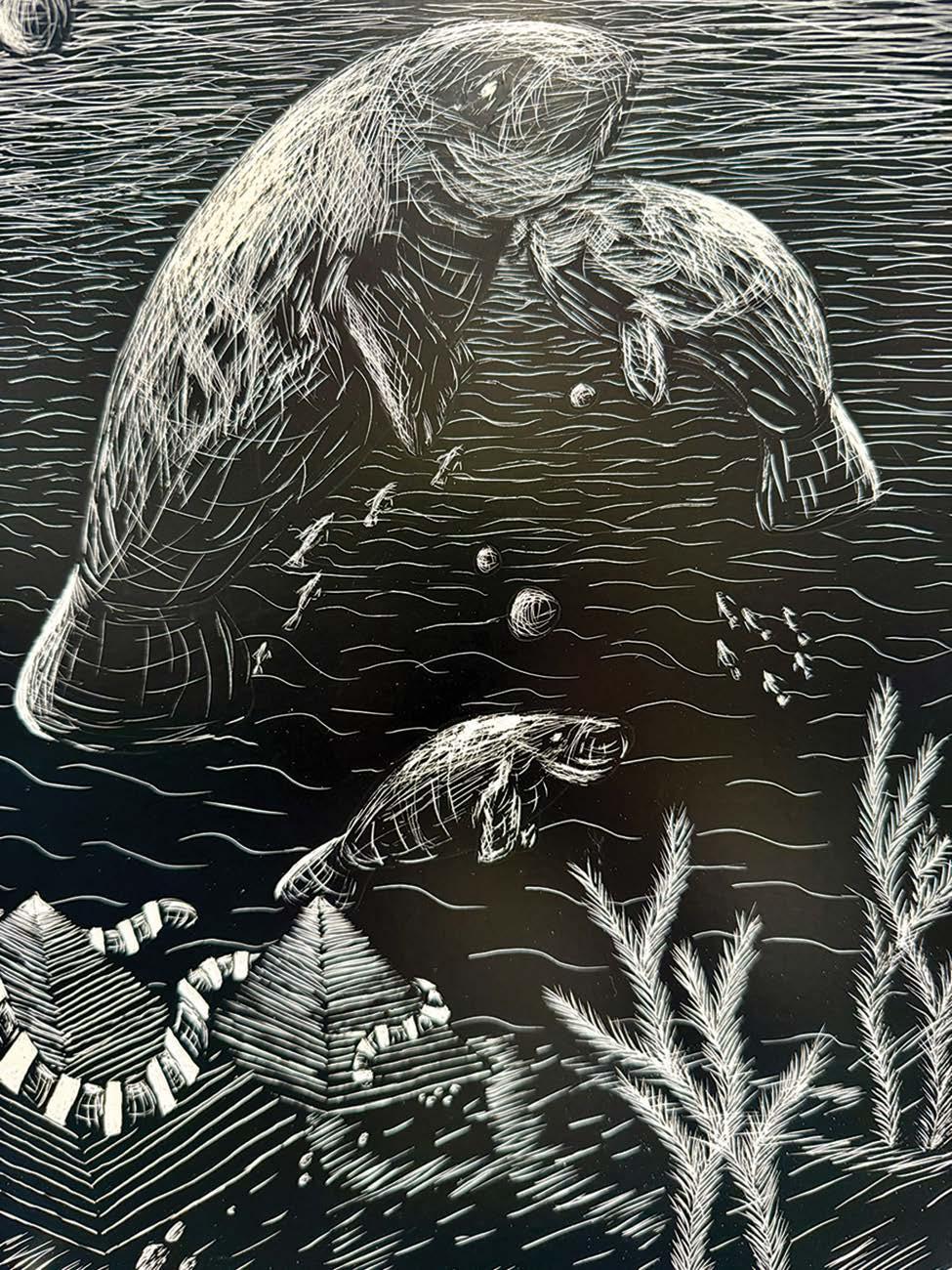
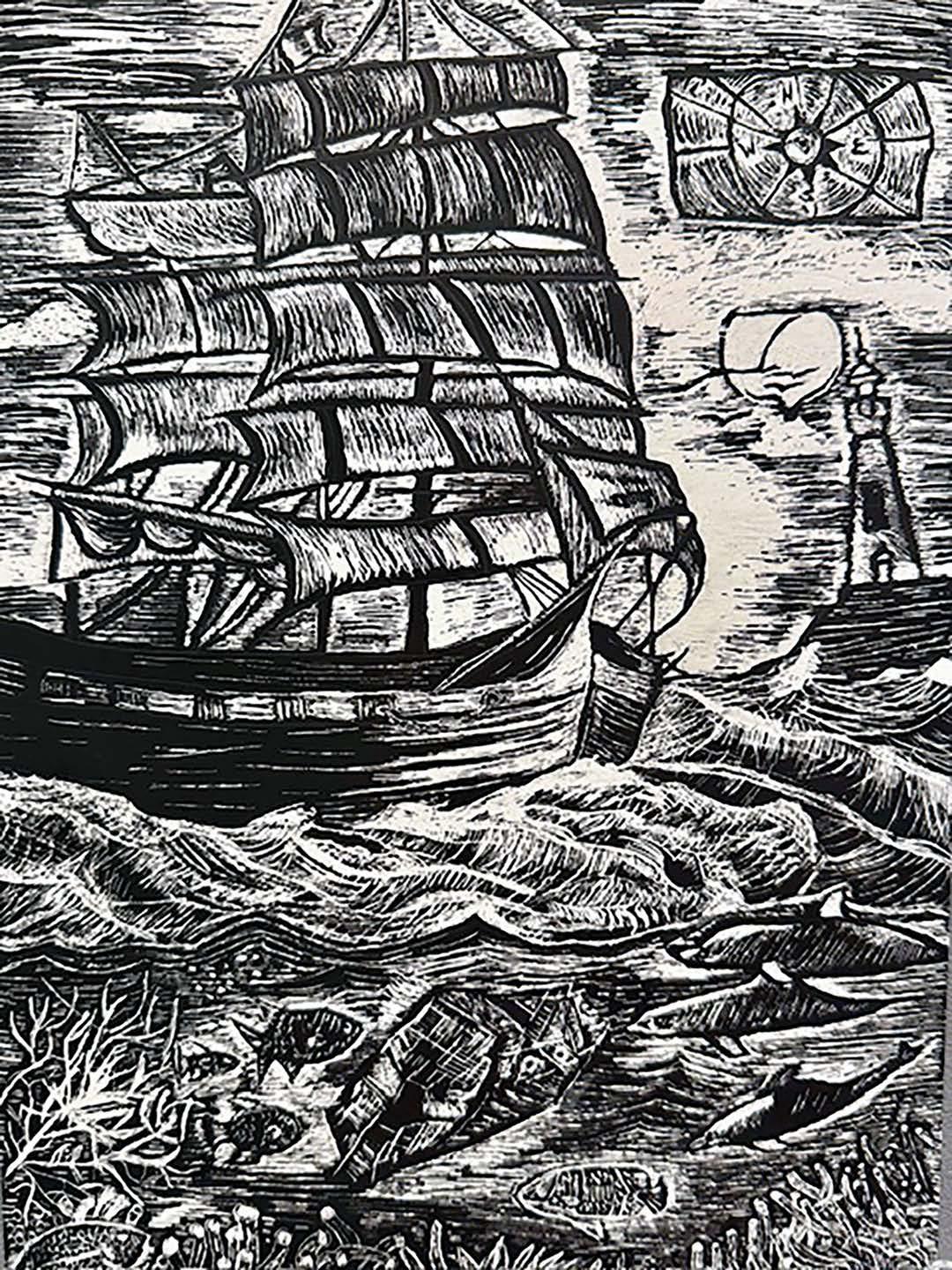
by Ms. Meaghan Shaw
The light on my bedside table has an incandescent bulb.
Not one of those energy efficient LEDs
With the flickering strobe
And anemic blue hue, But one of those old-fashioned Shedding-head-as-infrared-radiation, Burn-out-in-three-months incandescent bulbs.
For a moment,
As I lay beneath it and let the day Tumble
And swirl behind my eyelids, It’s the light in your office. It reminds me of days on your couch, Talking about my life.
For one hour
Twice a month
My world narrowed to the four walls of your office. Narrowed to the dent my body made in the couch
As I tucked my legs under me.
Narrowed to the chair in which you sat. Where you listened.
When I close my eyes your chair isn’t Empty Anymore. When I open them you’re gone not Gone.
Gone is forever, is no Legacy Memory History.
You’re not Gone like forever, Like a burned-out incandescent bulb. You’re gone like summer in the middle of winter, Like evaporation from the lake.
You exist in the moments between.
The memories.
Every, “Hey Jenny” And “Hi Jenny”
And “OMG you won’t believe the week I’ve had, Jenny.”
My pen remembers you.
There are moments I wish I could share. Tiny bite-sized moments you would be so Happy To hear.
Things come to fruition that we’d only ever dreamed about. And there is good And there is light And incandescent-infrared-radiation warmth.
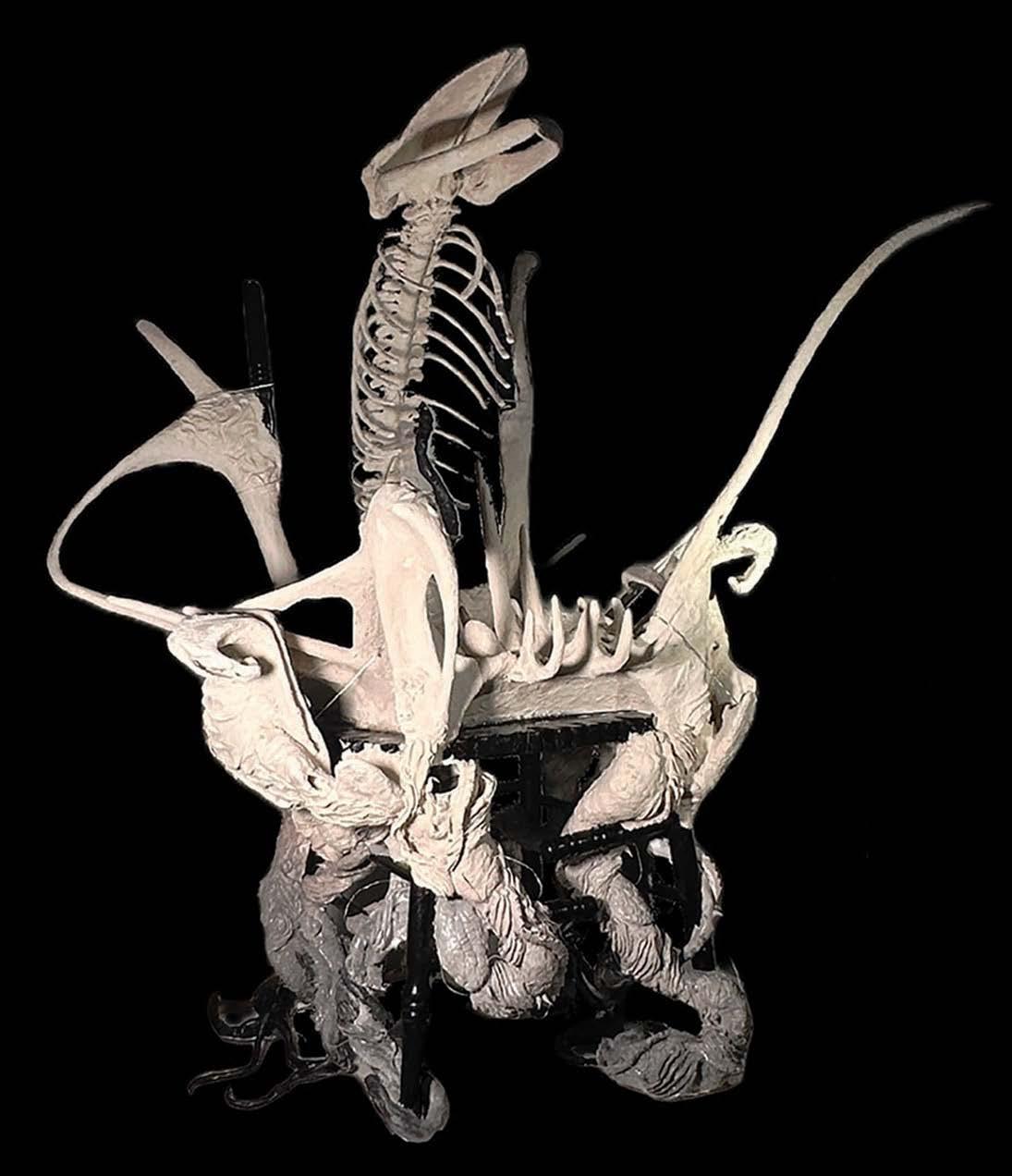
by Hannah Ruegg ’26
I’ve been seeing you around a lot lately I saw you in the college office when I was editing applications I saw you at the tennis tryout when I missed a shot I saw you at my audition, in a room alone with someone who probably doesn’t care about you as much as I do I saw you last night in my bedroom when I sent a risky text to that one guy we both know is bad for me Why are you always around? What is your obsession with me, and why does it seem like you’re always right? I’ve heard back from those colleges and they all said no I made the jv tennis team, but so does literally everyone I heard back from the audition, they said “maybe.” And last night? Well who knows how that will end up But I seem to be in a pattern where I can’t let you go I feel like if I don’t keep you around I won’t seem humble If I know I will make it, then what will everyone else say? I can’t lose you, at least not now. Please stick around.
With disdain, Hannah
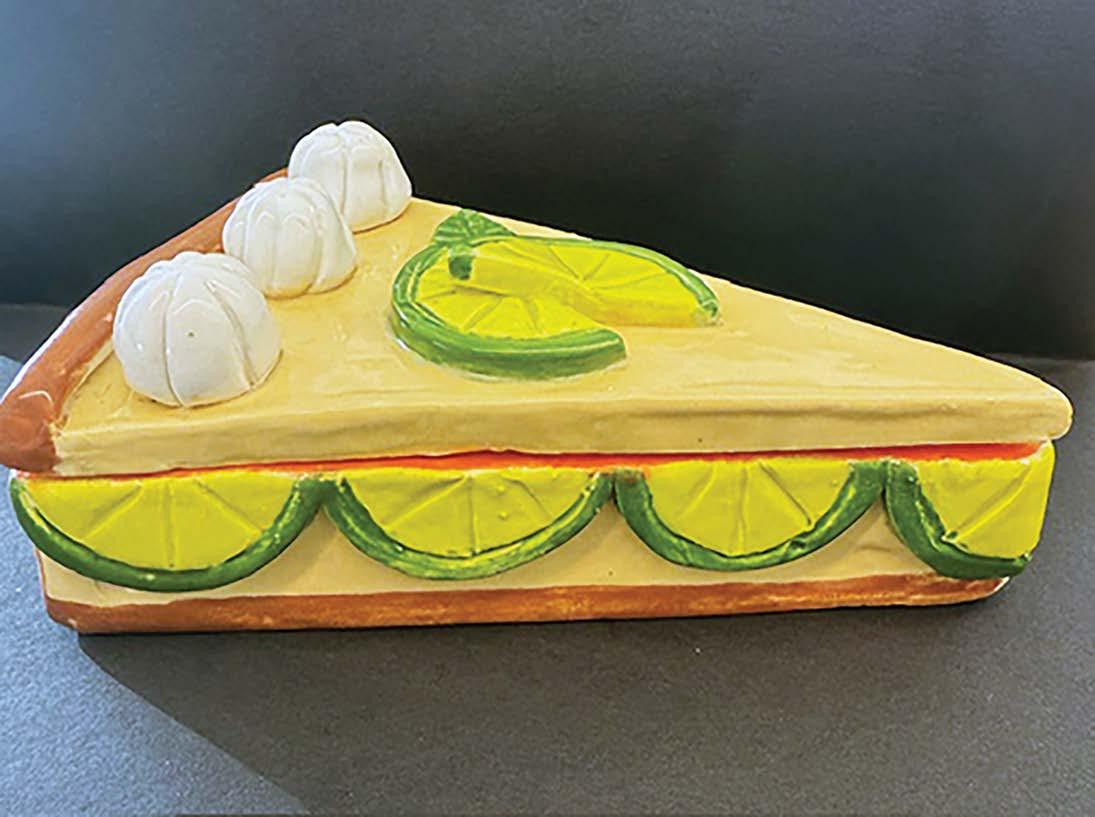
by Sophia Rock ’26
I don’t dislike pickles – I despise them. The pungent smell, the mucky yellowish-green color, the sour taste, the mushy yet crunchy texture – all of it disturbing. It’s enough to make anyone a pickle hater, and I proudly am.
However, I have had only three pickles in my life that I truly loved. Pickles, Pickles Jr., and Pickles the new one. When I was a young girl, my grandma gave me a green stuffed frog. I took him everywhere: road trips, school, camping, and all over the world. When he was gifted to me, I chose to name him Pickles. No one in my family knew why. It obviously wasn’t because I love to eat pickles. However, I named him Pickles because he was green, and it was a funny word to say. I knew no one who knew me would ever be confused if I asked, “Where is Pickles?” or if I said, “I want Pickles.” They would instantly know it was my frog.
Pickles became my built-in best friend. Being an only child living with four adults means you need someone your own age. Pickles offered me a form of friendship, love, safety, and reliability that nobody else did. My first few years at elementary school were a struggle for me. I had a hard time talking to other kids and making friends, which is a sad symptom of being an only child. I never had a hard time with Pickles, though. I knew he would listen to what I had to say, build MAGNA-TILES, have tea parties, and watch my favorite TV show. Pickles grew up with me like any sibling would, just minus any fighting. I found myself when I was with Pickles, and as funny as it may sound, knowing there was someone who would accept me no matter what, motivated me to come out of my shell.
In 2011, my family took a trip to England. On a rainy, wet, and dreary day, I dropped Pickles, and it landed in a large mud puddle, instantly coating him in a thick, mucky brown and green color. It was no longer soft, and he smelled unpleasant. After the puddle incident, Pickles went missing and hasn’t come back to this day. To fill in for him was Pickles Jr., a small, lackluster replacement green frog that looked shaggier and was less soft. I didn’t have the same love for him, and instead of sleeping in my bed, he sat on the bookshelf and collected dust for years. He was a sore reminder of the Pickles I had lost, and caused me to despise actual pickles even more.
For years, my grandma and I looked for a Pickle replacement, and we were never successful until this summer, when we went to a Build-A-Bear store. There he was, in all his glory, sitting on the shelf ready to come into my arms. A part of my heart warmed up, and my eyes twinkled a little extra, and we knew we had to bring him to life. I pumped the stuffing into him, warmed and rubbed his cute little red and white gingham heart in my hands, and hugged him to life.
Since that day, Pickles hasn’t left my side. A part of my childhood that I thought was lost forever returned to me. It was great to have him back, but it also made me realize how far I had come from that lonely only child who struggled to come out of her shell. Gaining Pickles back also gave me the time to reflect on how growing up as an only child wasn’t a curse, as I had once thought, but was really a blessing. I saw how Pickles had helped me develop into the strong, independent, and resilient girl I am today, and the bitterness I once had for pickles transformed into a mere distaste.
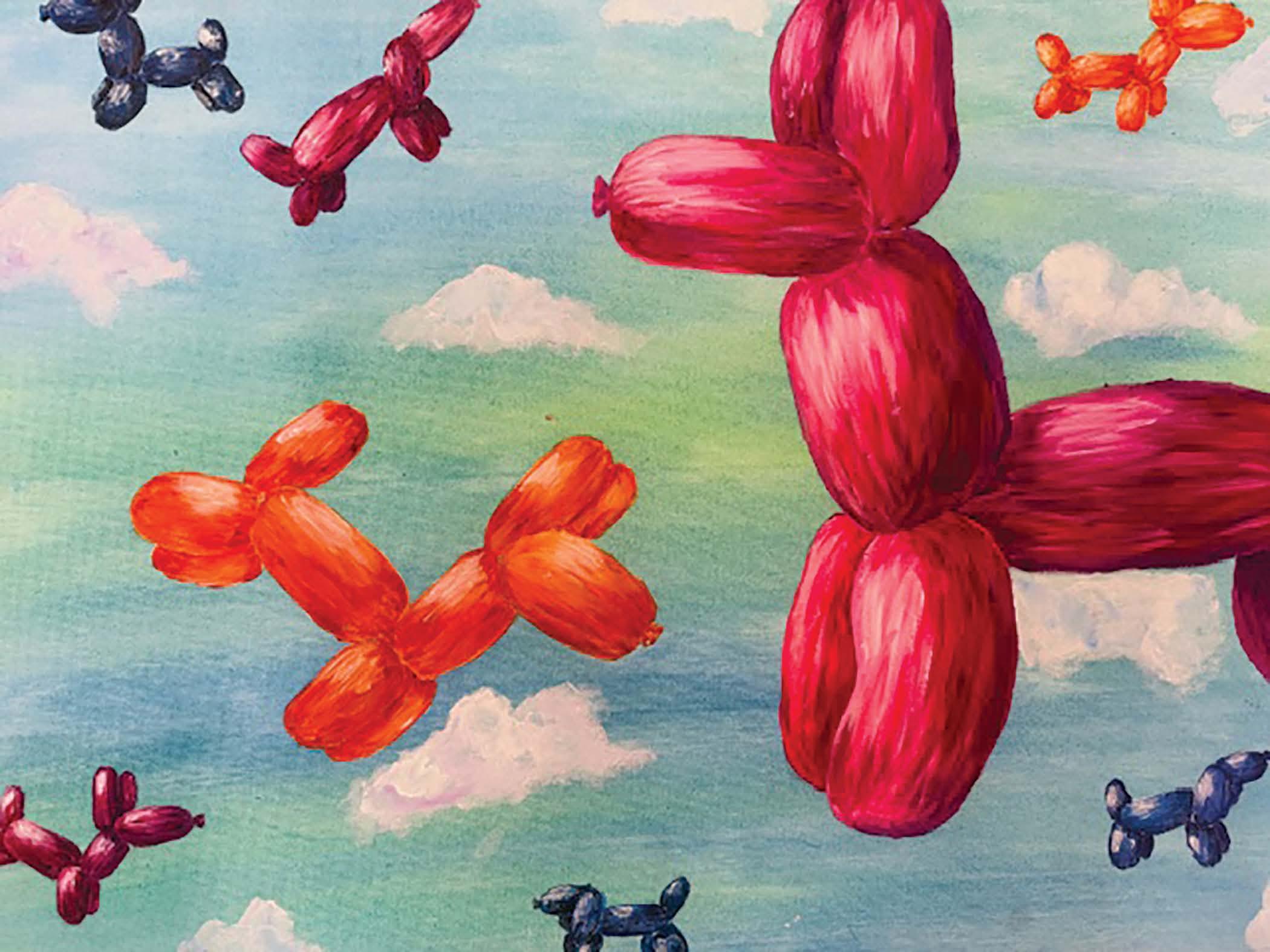
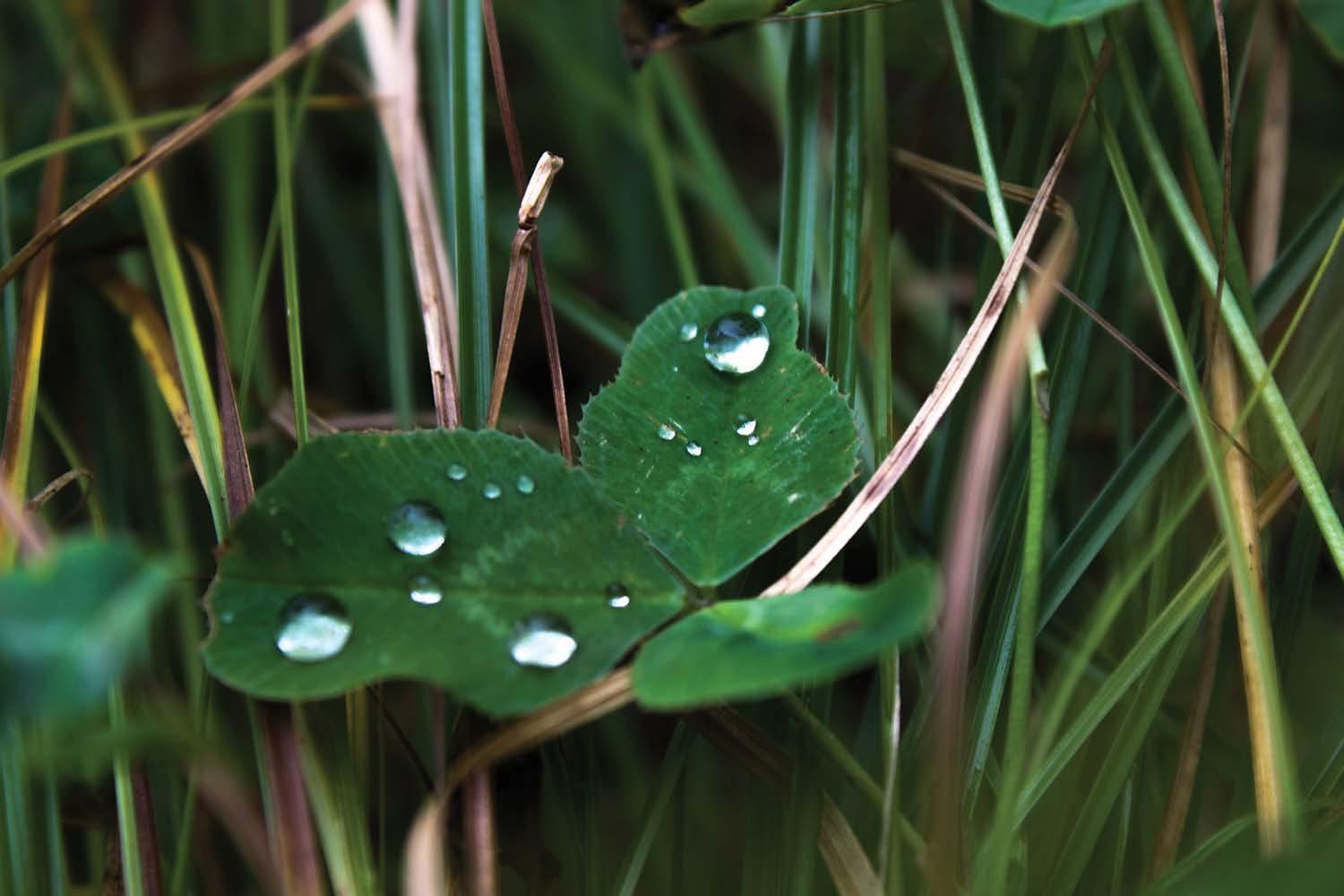
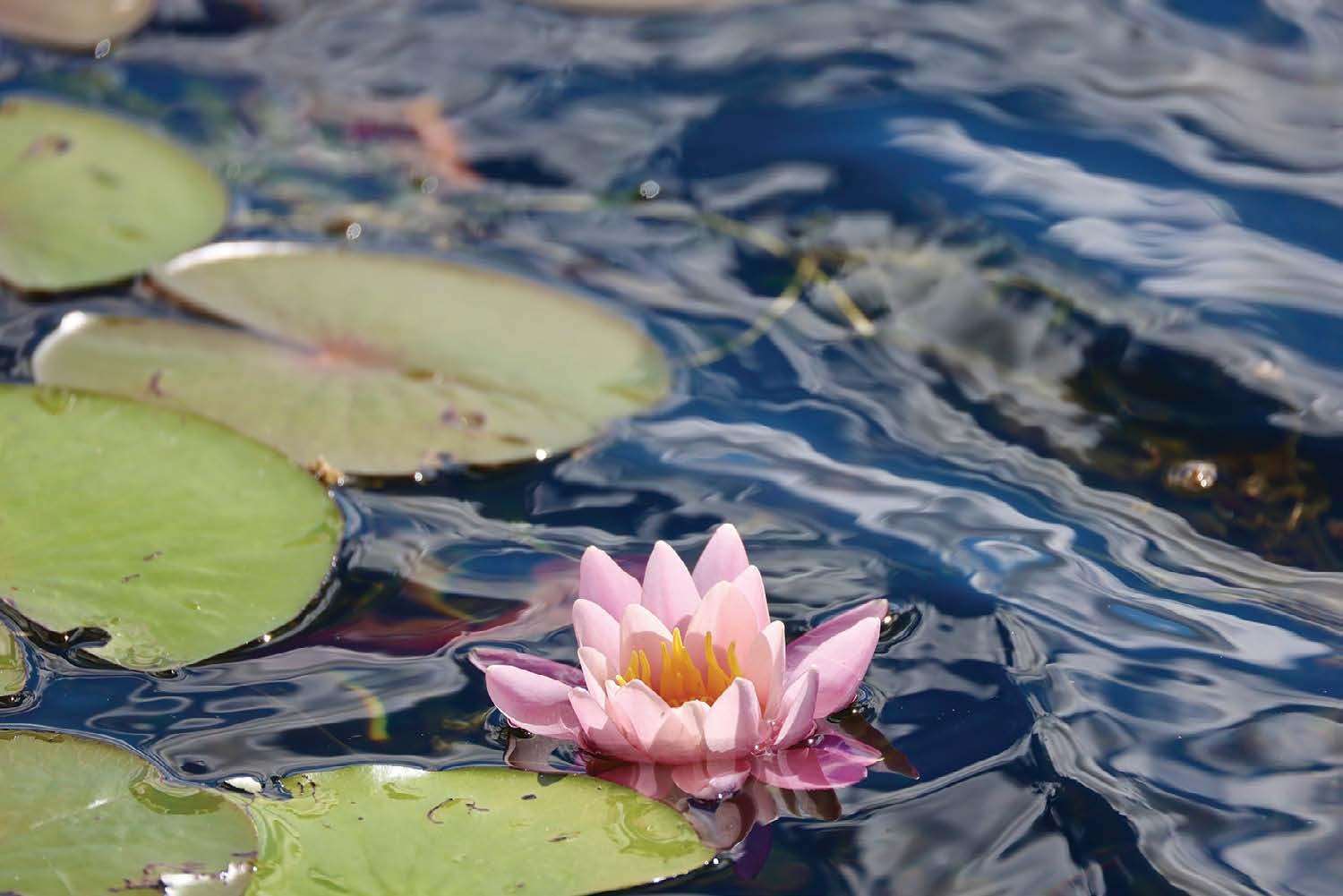
by Ms. Tabitha Sackos
Flowers bud in the spring, ready to bloom after April’s showers
But me, I bloomed in the dead of winter
There were dustings of snow and sprinkles of ice
Blood, sweat, and tears
I was carved overnight
The wind howled on endless nights
While we cooed and lullabied through winter’s bite
I dreamt of summer and of time long past
Of who I was before and how that could never last
The cold of the night met the warmth of her in my arms
I studied her face, her legs, her arms
The summer days of long ago
A distant memory
Efflorescence now grows
While winter swept in The earth, it slept
I was awake
Felt her breath on my neck
A new seed was planted
In the cold, in the dark
And even without sunshine, a blossom sparked
A cornice flower bloomed
New people appeared
A little girl
A mother
A winter garden was here
by Callie Pilkington ’26
Reflection on Starry Night by Vincent Van Gogh
The old man sits on the balcony, Looking out curiously. Listening to the pure silence as chaos chases him Through the blockade of his hands.
He sits, admiring the scenery.
The twirls of the bright gold half crescent moon
The quiet busyness of the city around him.
The old man is no longer curious. The old man is mad, From his mind, From the world, From his LIFE.
That’s why, in his desperation, he cut off his ear. The ear, gushing bright lava goo. He watches it flow, finding the warmth he longed for The beautiful peace.
The perfect balance of big and small, Loud and quiet, Light and dark.
The old man sits with no questions. No curiosity.
Just watching the starry night sky, sleeping away Achieving its own sense of peace.
The noise became loud. YELLING. From nowhere. Disrupting the balance he created.
The lava is losing its warmth…. The chaos chasing him finally caught up Hardening around him, trapping him. Pain replaces the warmth the lava once gave.
Pain shows truth like reopened wounds A night sky with no twirls of bright gold. No peace.
The old man lays on the balcony Absorbing the painting that once was…. Now more curious than ever before.
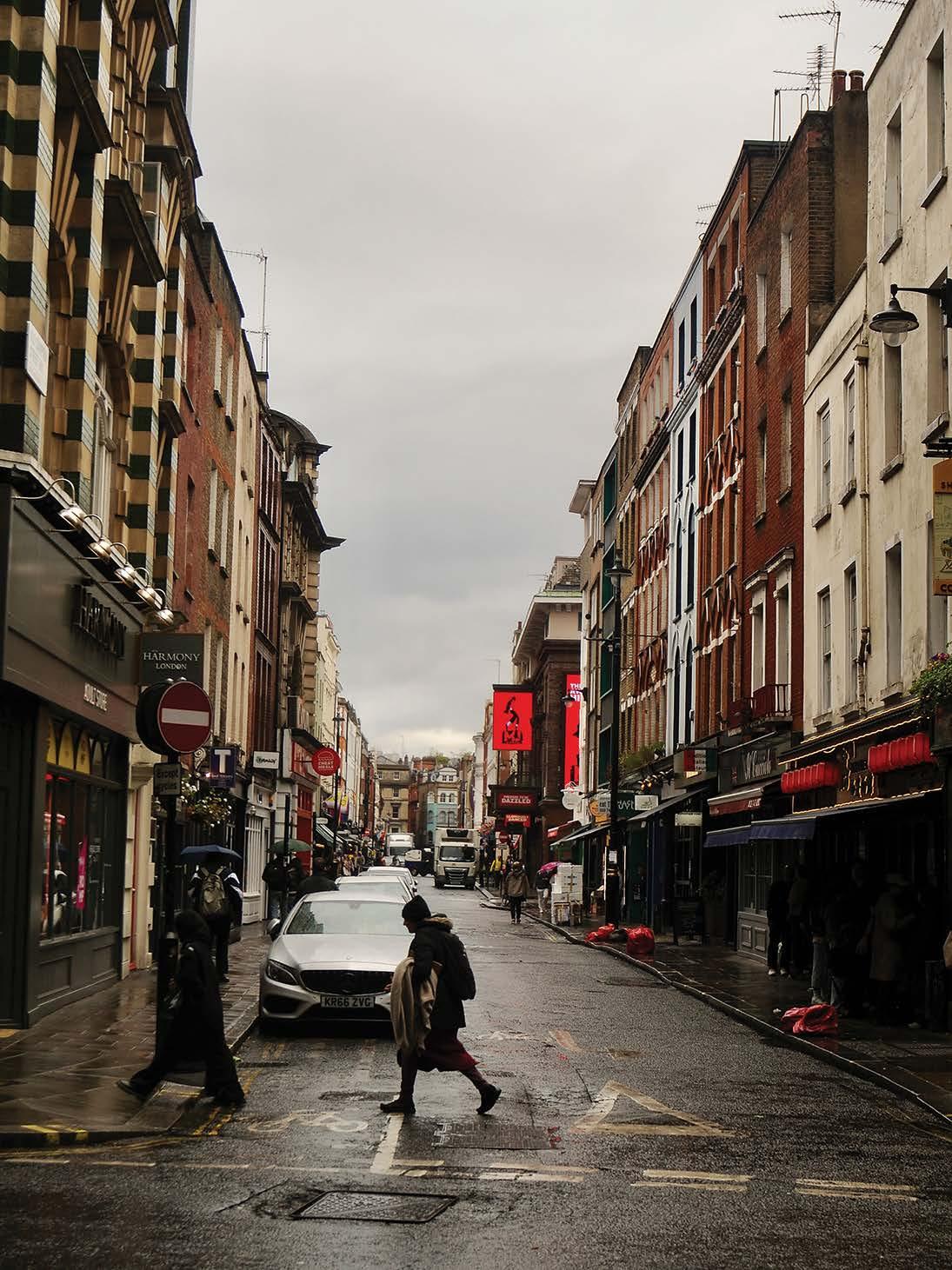
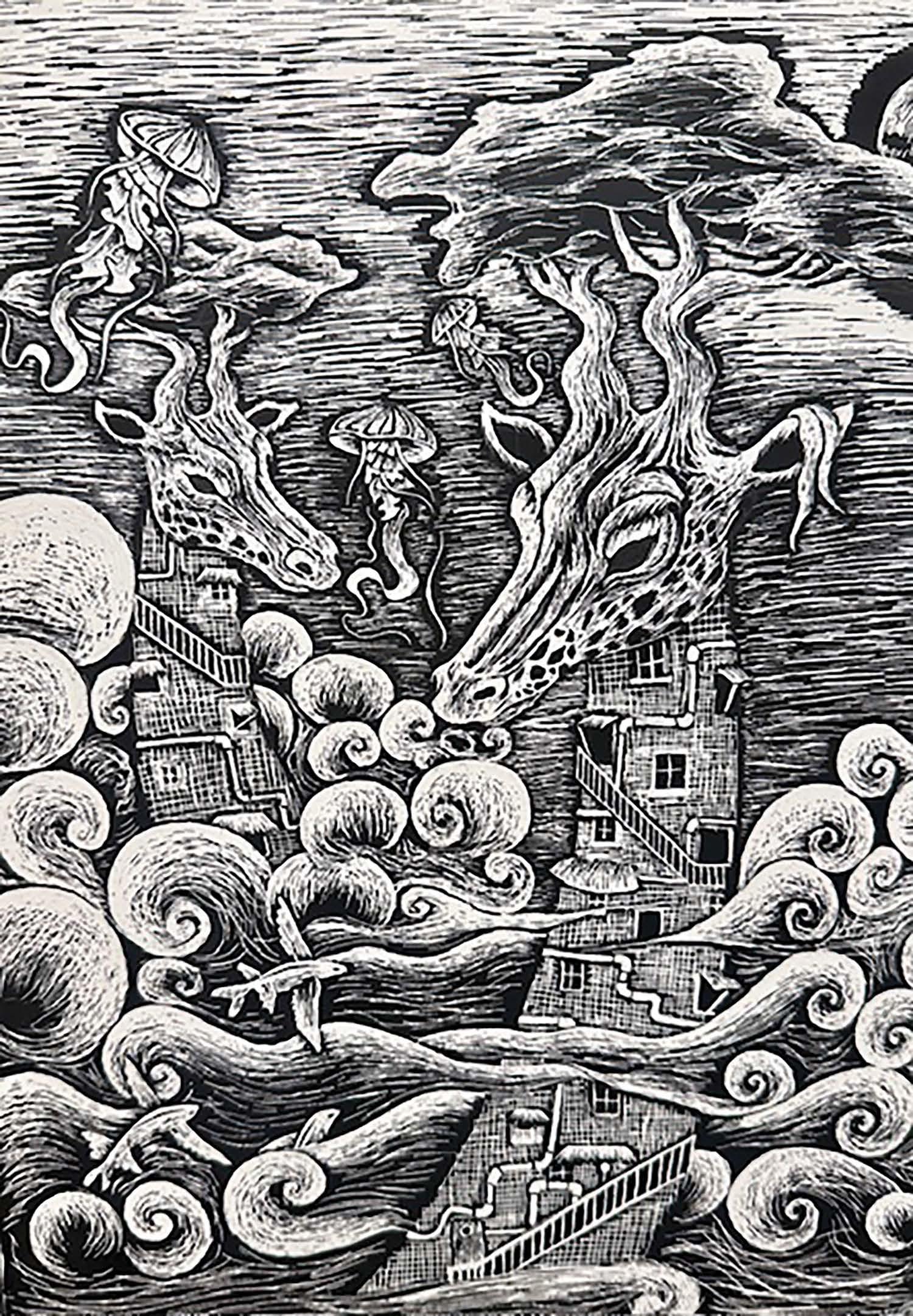
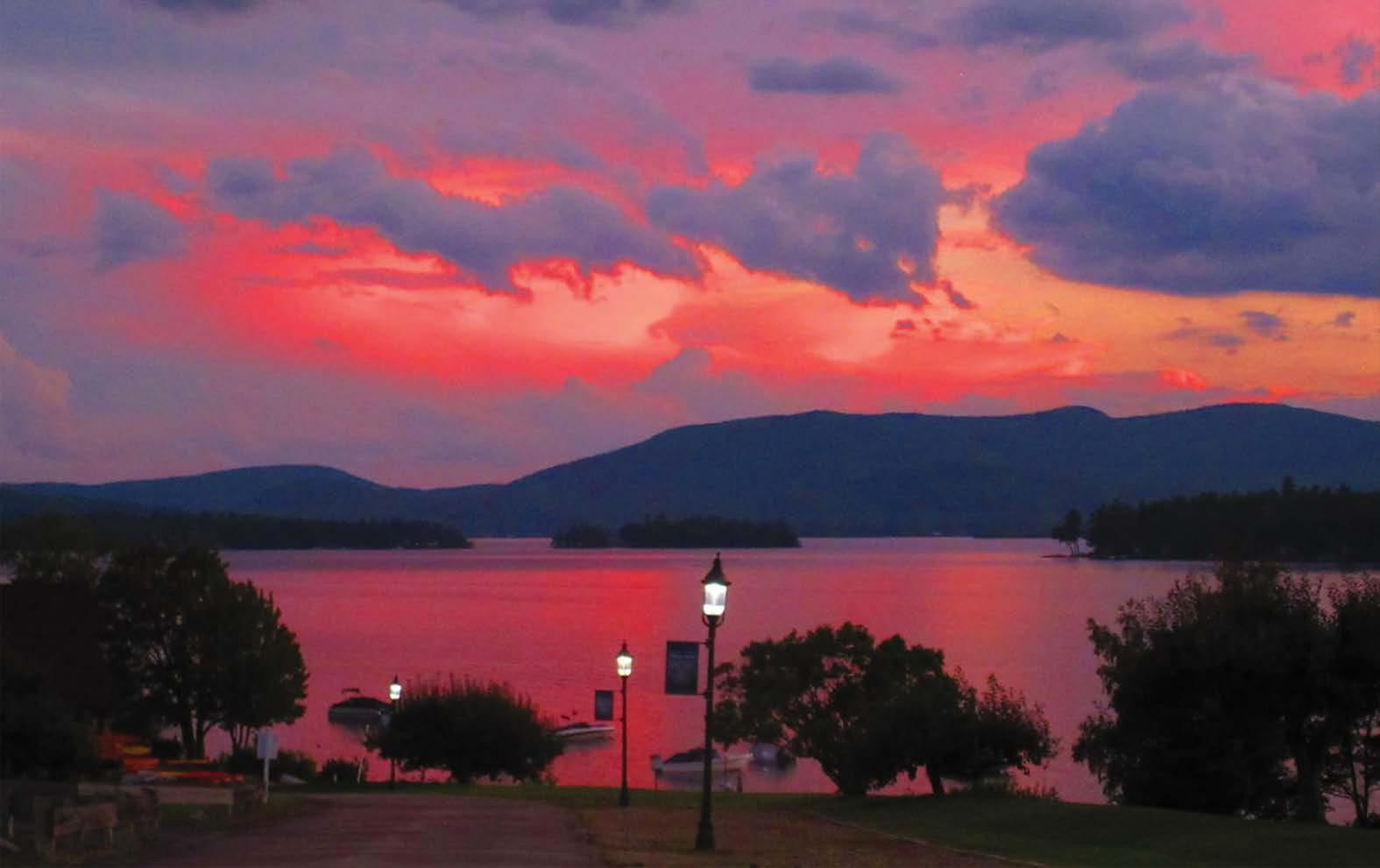
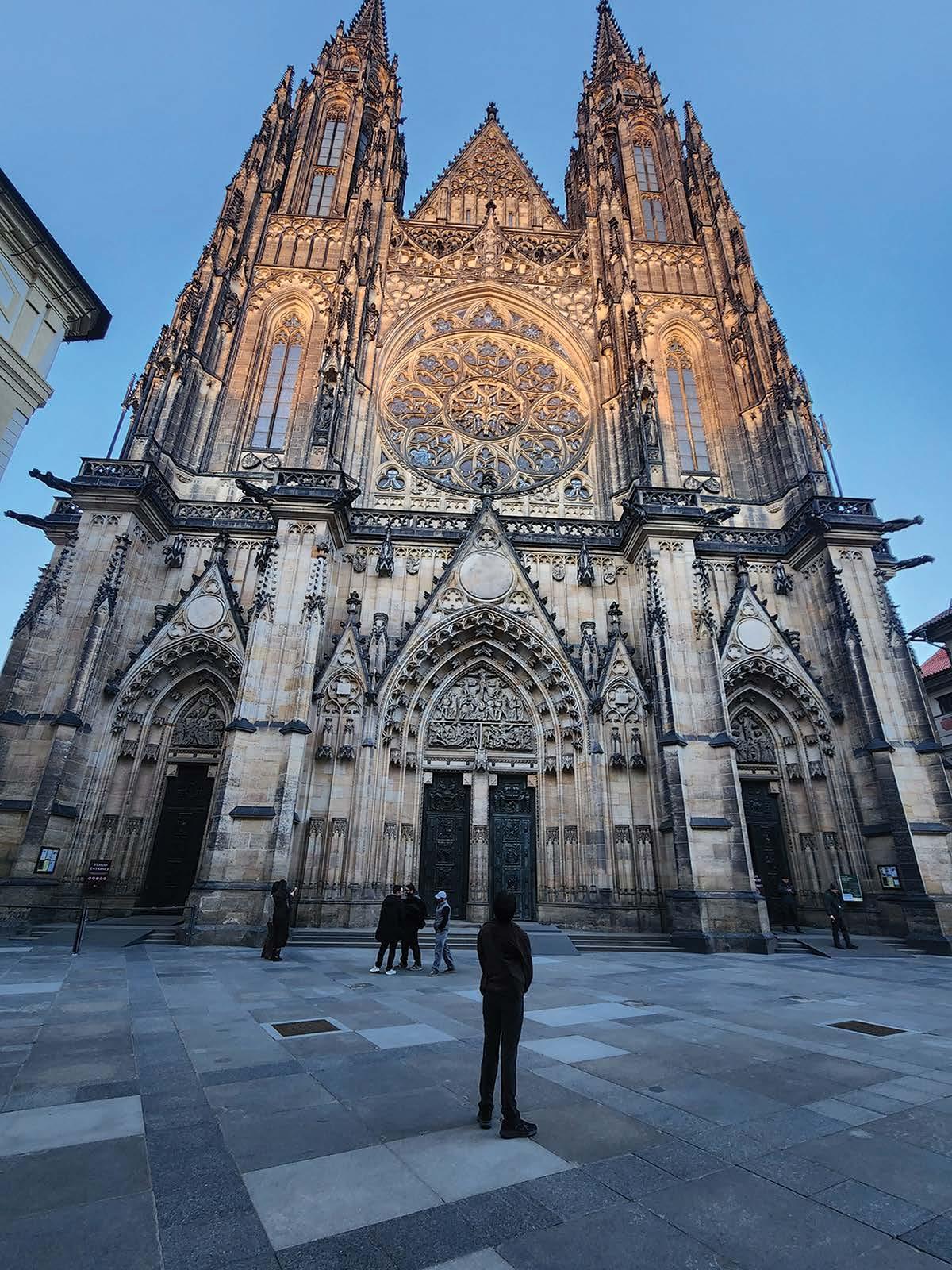
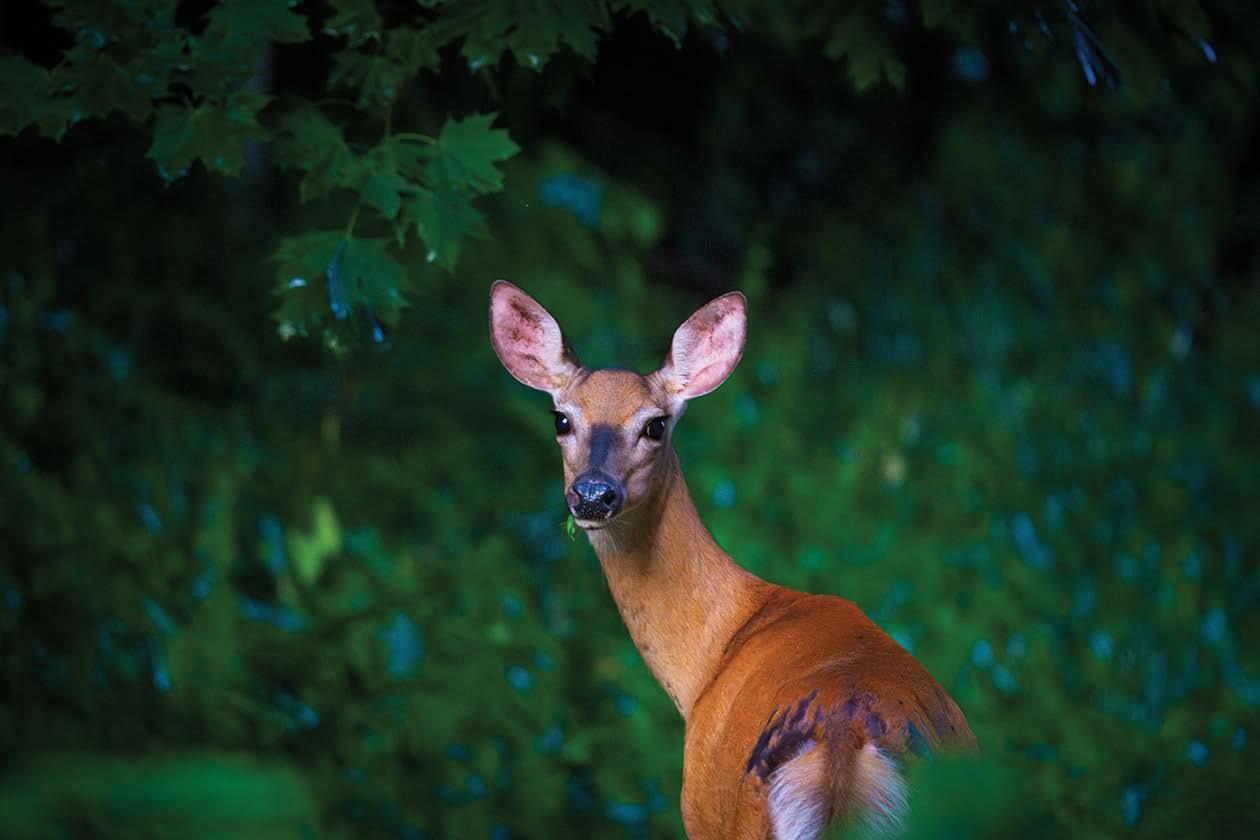
by Kendall Gross ’29
My eyebrows have a personality of their own. My parents, cousins, and grandparents say I was a very expressive baby when I was young, often raising my eyebrows from one person to another, even though my parents don’t have expressive eyebrows like I do. I never failed to show my emotions. My eyebrows were full of action. My other siblings don’t have expressive eyebrows; they look like little tangled clumps above their eyes. I have never known anyone with eyebrows as expressive as mine. My eyebrows sit above my eyes like two dark little actors, always ready to show the world exactly how I feel. When I’m surprised, they are like party confetti poppers, begging for attention, even if it’s just a single drop. They rise aggressively, happy and pointy, and when I’m glad, it’s as if they’re smiling with me. Sometimes I look at them in the mirror, wondering how I got such expressive eyebrows when everyone else in my family doesn’t have them. They are soft, pointy, and thick. Sometimes you can read my mood just by looking at them. They might just be two small lines of different emotions in one, but they hold a whole range of feelings right above my eyes — whether I’m excited, annoyed, or completely shocked. My eyebrows never stay quiet; they speak for me when I don’t need to say anything. Even when the room is happy and vibrant, my eyebrows become excited and turn into the life of the party.
by Beck Rosenbaum ’26
You are the lingering grey in the riverbanks she knows you wash people away.
You are the quavering apologies, spoken by a perpetrator she has learned you do not tell the truth.
You are the click-click of bicycle wheels spinning through the clover grass she sees you help them bleed.
You are the cookies with peanut butter she thinks of with the liar’s punch.
You are the softness of a pillow she has come to equate with traitors.
You are the bitter-sweet tang of long-forgotten vanilla ice cream and jell-o she must leave behind as she is hurt
You are a room, a bed, a father, a mother You are her room, bed, father, brother she had never been able to keep.
He was the blue tang of hair from the opposite shore lying for the purpose of lying, and she fell
He is the one who locks her in and she pounds on the door in the dark but she cannot get out
He will be the abandonment if she is alive to see it because he will grow up and she will too if they let her
They are the shadows that haunt her at night they are the wonders who outrun her light she does not know how to win
Who are the brambles meant to represent with their hollow thorns? she will find liars in the empty spaces or she will find blood in the raspberry bush
Who are the pages meant to save? she will be left off for more competent stupidities with bribes in their pockets
Who are the goosebumps meant to warn against? she does not need their imperfections or their liar’s living guilt
You are the boys, the men, the monsters who have hurt her. She knows, she has learned, she sees She rebirths her thoughts through struggle She lives from the things you took her from In the ways she learns how to win And the victories she doesn’t need
What you, they, life, took can not be taken back but it can be mended.
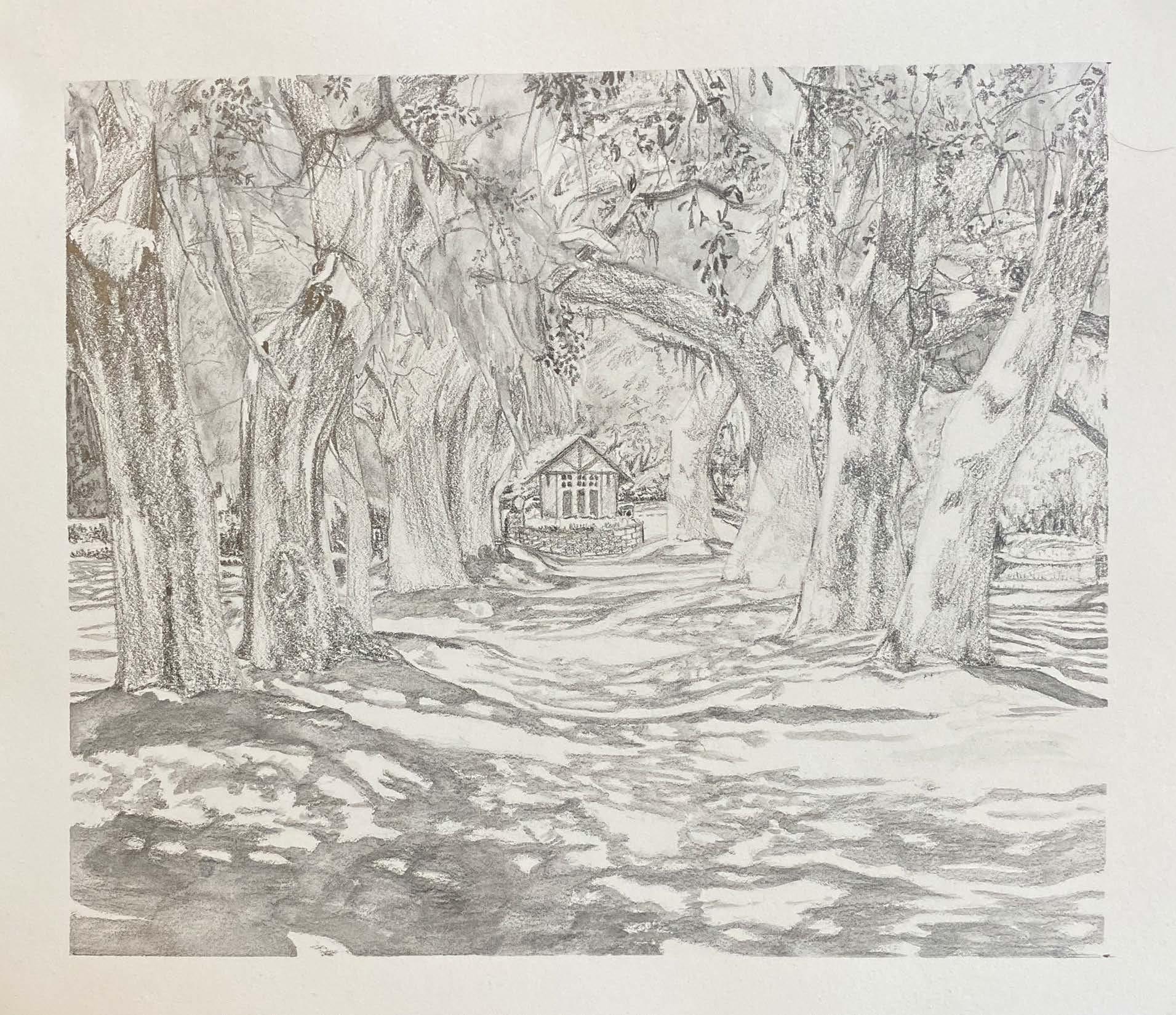
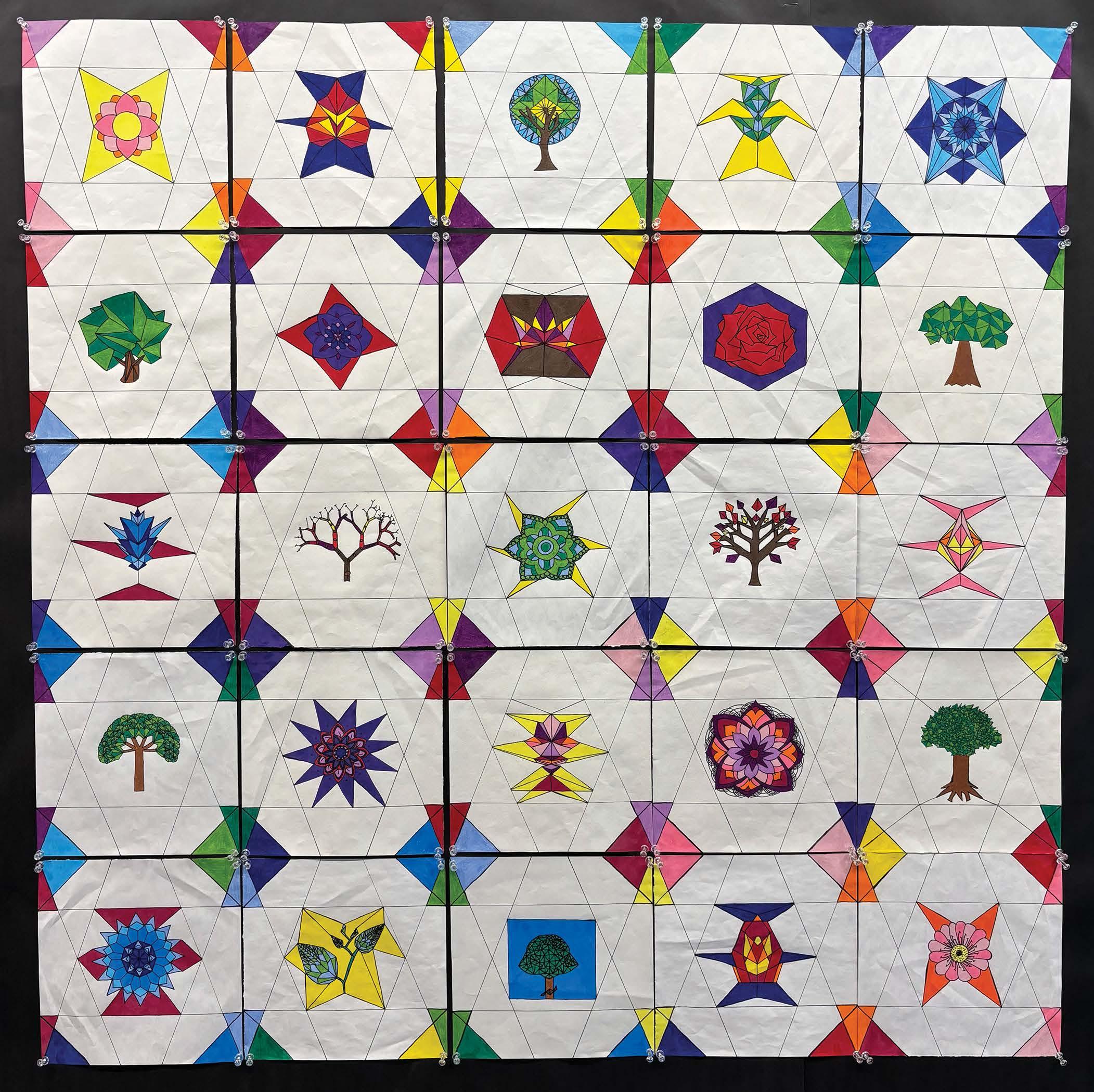
by Emma Heppler ’29
The air inside the rink has its own kind of silence—one that hums beneath the buzz of fluorescent lights and the low growl of the Zamboni. It’s cold enough to sting, but it’s a familiar sting, the kind that tells me I’m home. I can still feel the sharp chill of the metal bleachers beneath me as I laced up my skates, my fingers numb but my heart racing, ready for another hour on the ice. The smell of the rink—a mix of frozen air, wet gear, and rubber tape—is burned into my memory. To most, it’s just a building, but to me, it’s a piece of who I am.
This rink has been there for every version of me. It’s where I first wobbled across the ice, where I learned that falling isn’t failure, it’s just part of the process. It’s where my teammates and I shouted and laughed until our voices echoed through the rafters, where we celebrated goals that felt like small miracles and losses that hurt more than we’d ever admit. It’s where I learned that sometimes, the most important victories aren’t on the scoreboard—they’re in the moments you push yourself one stride farther than you thought you could.
I remember the early mornings, the ones when the world was still dark and quiet, and the only sound was the scrape of my skates cutting through the freshly resurfaced ice. My breath hung in the air as mist, disappearing into the stillness. Those mornings were tough—sleepy eyes, sore legs—but they taught me discipline, commitment, and the power of
showing up even when no one’s watching. The rink didn’t care if I was tired or frustrated. It just waited for me, patient and unchanged, daring me to keep trying.
The boards are dented and scarred, marked with the memory of a thousand games. The benches are worn, and the paint on the walls is faded from years of cheering crowds. But that’s what makes it beautiful—it’s lived. Every nick, every scratch tells a story. My story is somewhere in there, too, hidden in the scuffed ice and the echo of a slapshot.
Even now, when I step away from the rink, I can still feel it with me. It’s in the way I breathe before something big, the way I square my shoulders and face whatever comes. The lessons I learned there don’t melt away—they stay frozen in me. The rink taught me more than how to skate. It taught me how to get back up. How to keep going. How to find peace in the rhythm of movement and strength in the sound of my own heartbeat.
Years from now, even if that old building is torn down or replaced, it will live on inside me. Because home isn’t always a house or a street—it’s a place that shapes you, a place that lingers long after you’ve left. And for me, that place will always be the rink, where the cold never really felt cold, and where I first learned to glide through life, one stride at a time.
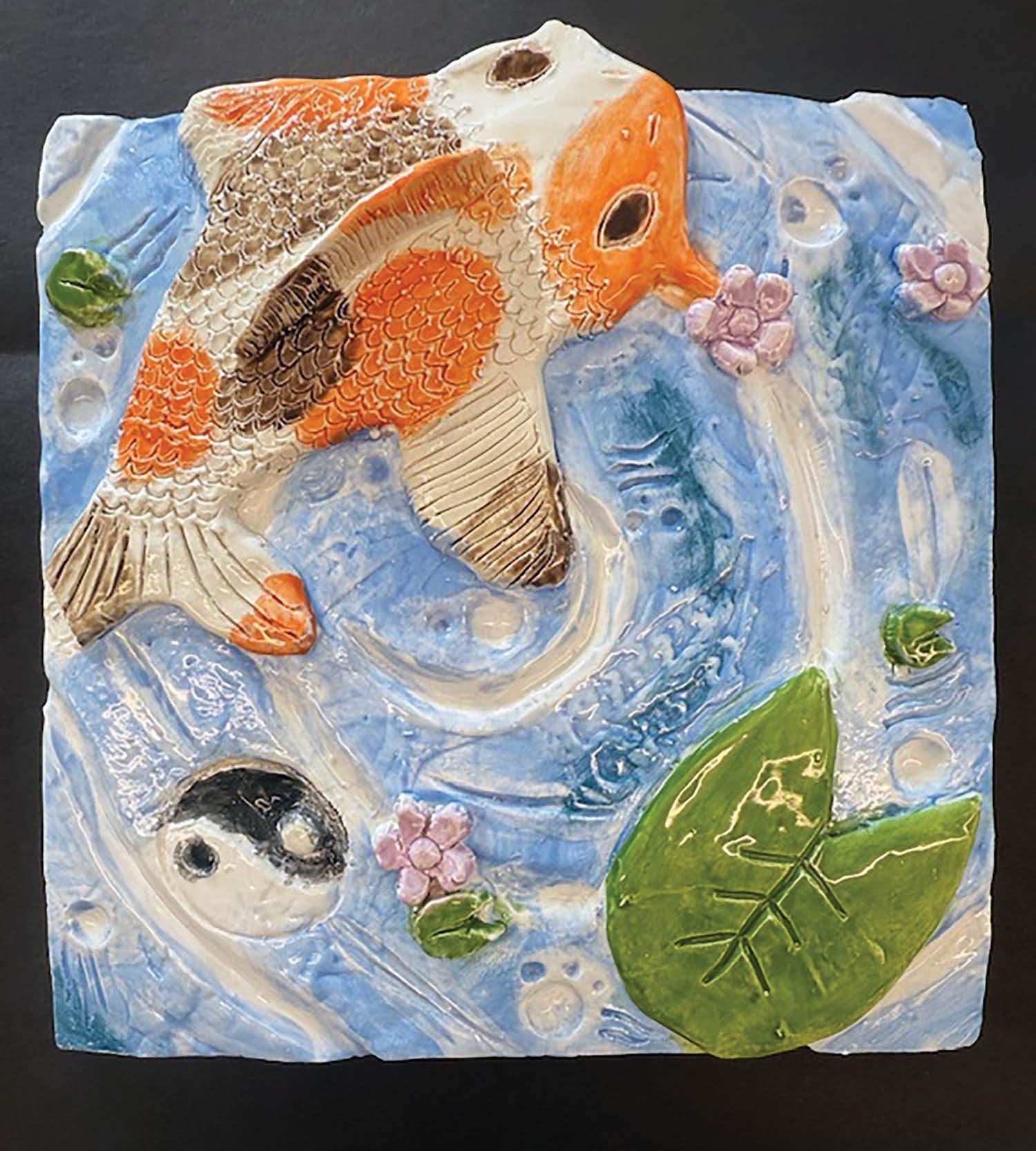
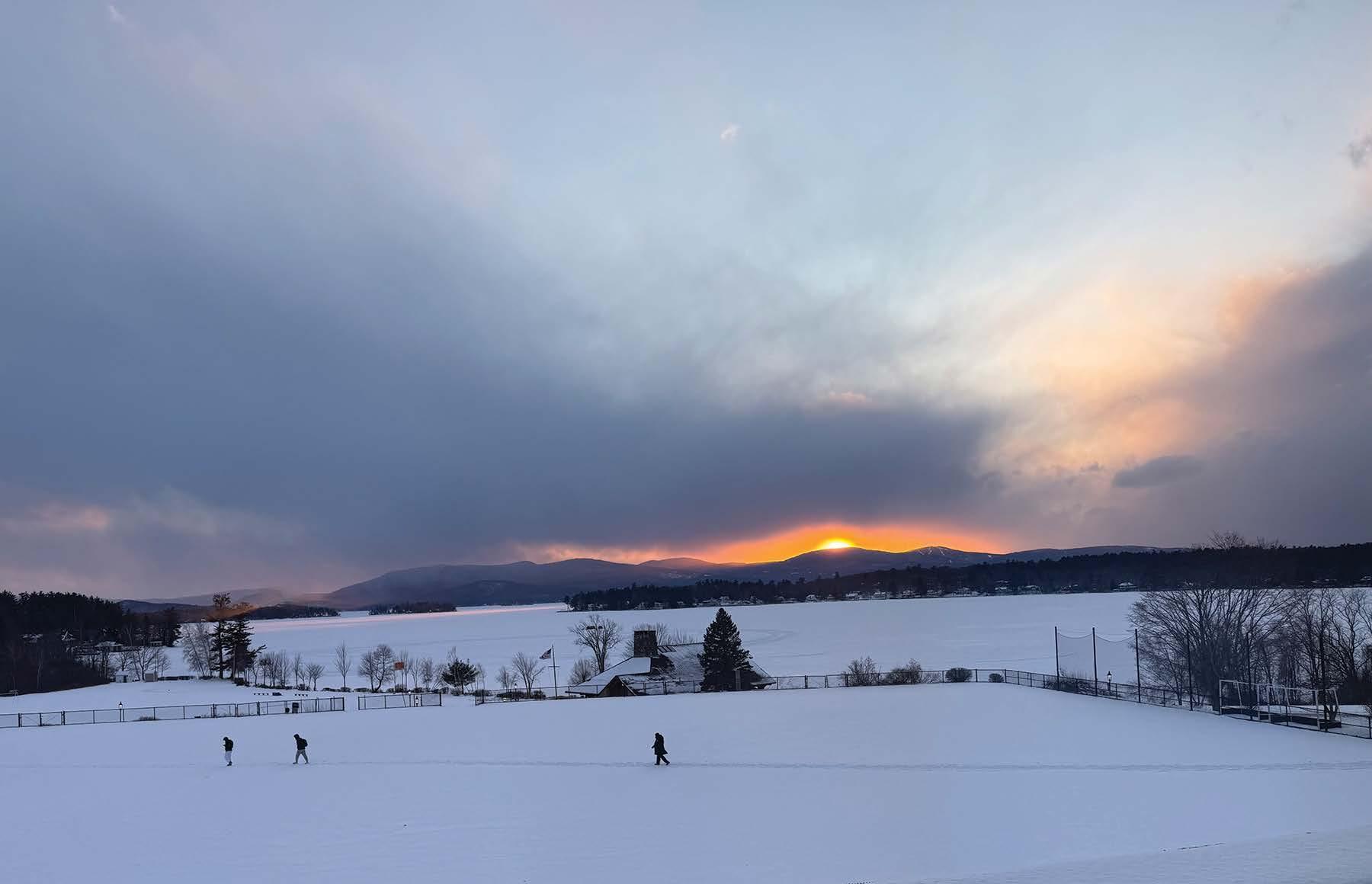
“A Big, Smelly Green Tin Can”
by Shay McCann ’29
I don’t know where I am from. Or at least I don’t have a place that I’ve lived in that I can say that I belong to. Right now, I live at Brewster, but I wouldn’t consider it my home. Although I live here, I also attend school here. I wouldn’t call “home” a place where I also go to school.
Before I came here, I lived with my dad in Thornton, New Hampshire. I don’t think I belong there either. The winters are bitterly cold, and we get too much snow. I hate the snow and the cold. Thornton was in the middle of nowhere; there are no neighbors in “nowhere.” I needed to be somewhere with a lot of people, like in the city.
Thornton was a big adjustment from where I lived before. Before Thornton, I lived in Manchester, New Hampshire. Manchester would be the closest thing to “home” out of all the places I have lived. I spent over half of my life in Manchester. I lived in two different houses. The first house, I was too young to remember, and the second house was on Myrtle Street. I don’t live there anymore. Occasionally, if we are in the area,
I’ll have my dad drive by the house so I can see it again. So, instead of a home, I am from Field House Sports. The building looked like a big green tin can. I grew up there. That’s where I started my soccer career. I spent hours every weekend playing soccer or watching my dad and my sister referee soccer games, and afterwards I spent every weekend at Field House between the ages of three and thirteen. It is closed now. The owners sold it as a warehouse. The sign for Field House Sports is still there. And every time we drive by, it makes me a little sad.
I could recognize the smell of that big green tin can from anywhere. Whenever you walked in, the smell would hit you like a truck. The best way to describe it would be popcorn, sweat, and decade-old turf. That probably doesn’t sound appealing, but it is home. Like the house on Myrtle Street, I’ll have my dad drive by once in a while so I can see it again. Every time, it remains the same smelly, big, green tin can that I remember.
by Charli Madill ’27
Since I was twelve, The world started watching me. Skirts too short, Voices too loud, Eyes too direct. Suddenly, everything I did Meant something I did not mean.
Since twelve I learned to cross my legs, To laugh softly, To say “it’s okay” when it wasn’t. Boys got taller and stronger Their jokes got meaner. And somehow it was my fault For “not taking one.”
Since I was twelve, I’ve been told to smile. To calm down. To be grateful. To be less.
“Don’t act that way.”
“Don’t say it in that way.”
“Don’t make it about gender.” But it always is.
Since Twelve, The world has been trying to edit me: Each label another bruise Painted in politeness.
“Confident” becomes “too much.”
“Strong” becomes “aggressive.” “Quiet” becomes “boring.” And no becomes negotiable.
But not anymore.
Because since twelve, I’ve learned to notice The way locker rooms echo with judgment, The way confidence in a girl It is treated like a warning sign.
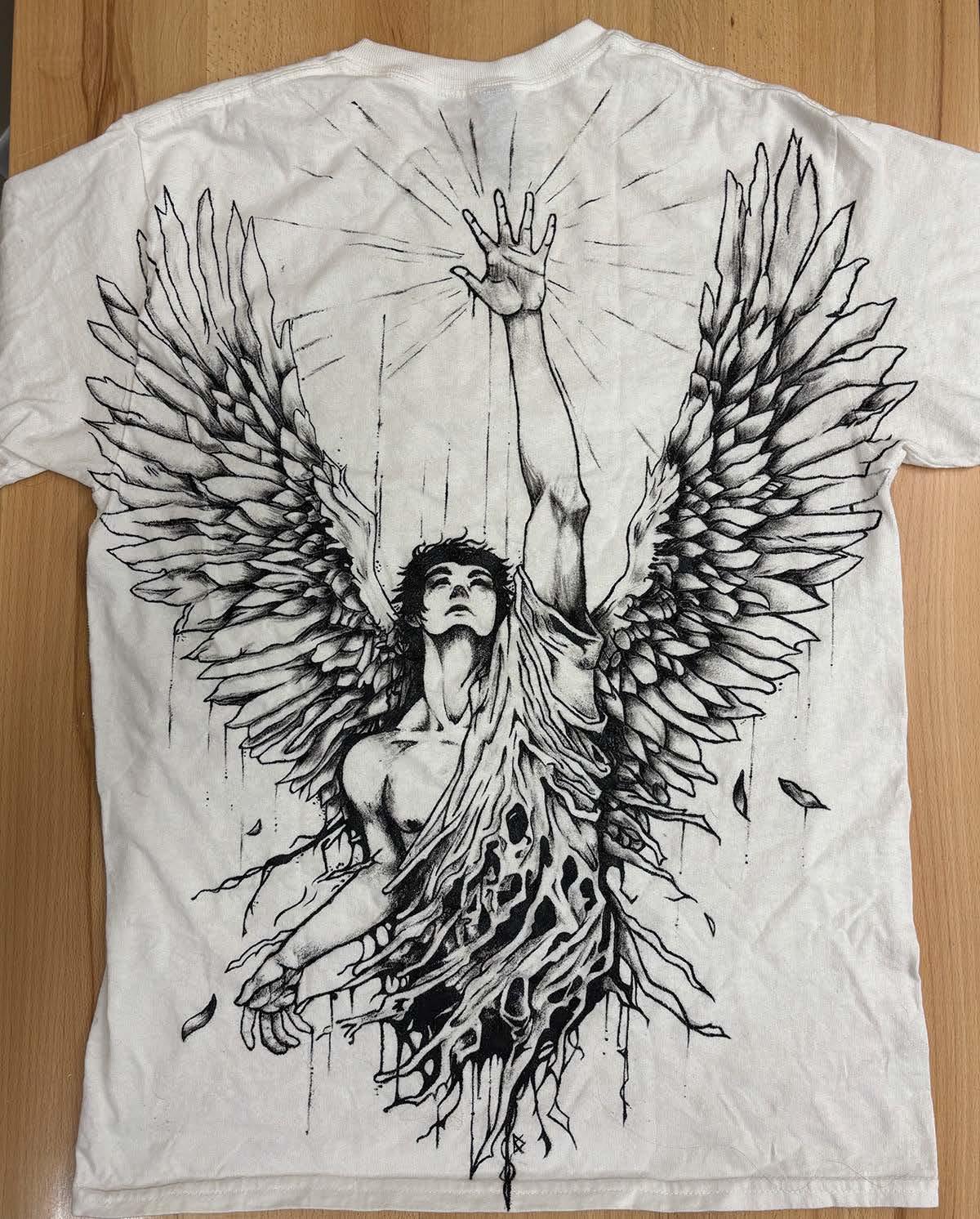
I notice the stares, The interruptions, The rules that are never written, Yet always expected to be followed.
Since Twelve, I’ve been told what I can’t be. Now I notice what I already am.
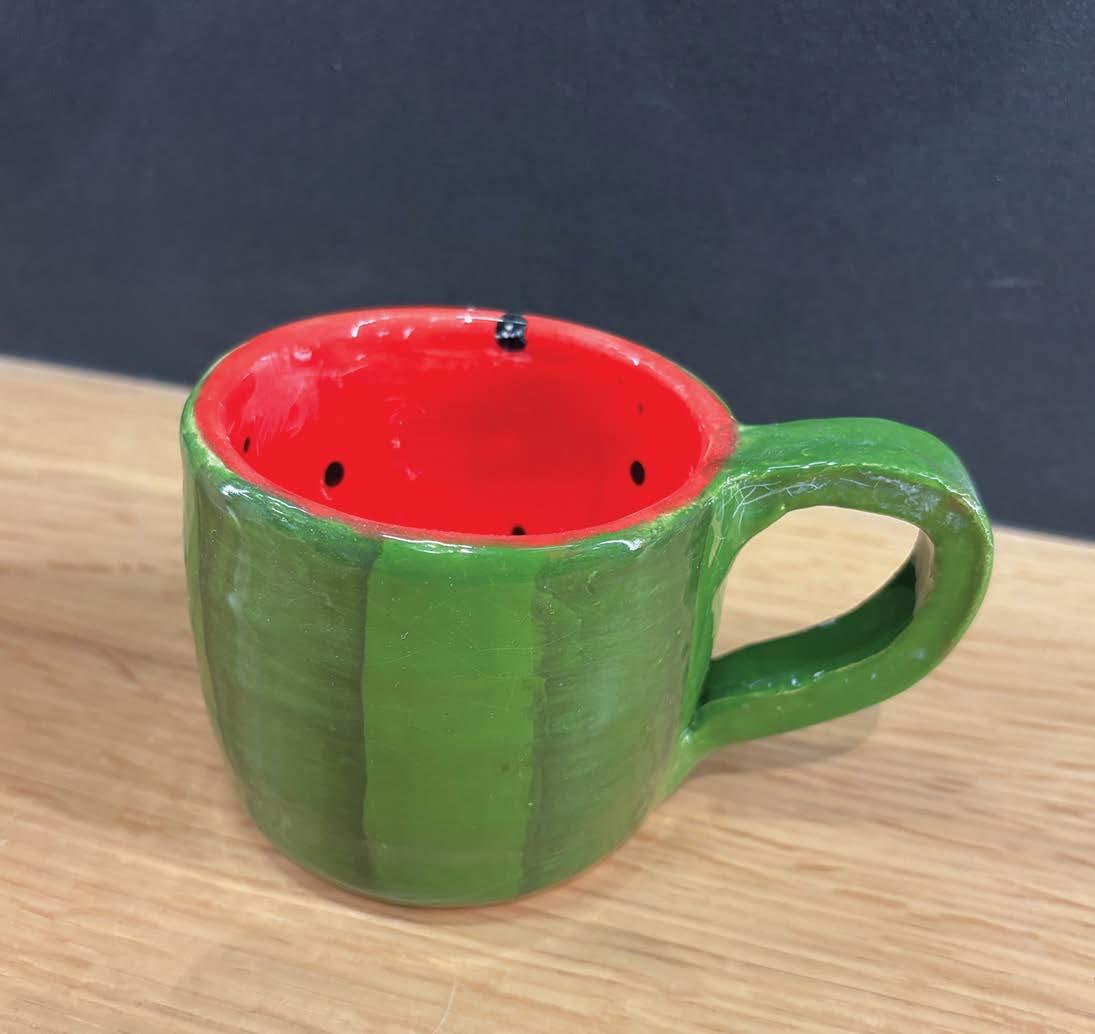
by Caitlin Cliche ’26
The card is wrinkled, yellowed, and spotted with molasses stains. Its corners curl, as if they’d been smiling for decades. This recipe card for Lumberjack cookies was my nana’s, who let me lick the sugar off my fingers and always gave me the first warm cookie from the tray, before passing it to my dad. Music played softly as I swayed in front of the oven, remembering when my dad lifted me onto the counter to see into the mixing bowl. At seven, when my nana died from an unknown disease, the recipe became more than just a list of instructions. It became a bridge between life with her and the one I had to navigate without my biggest supporter. It became a quiet guide for becoming the best version of myself, for her.
Sugar comes first, a full cup. In cookies, it keeps the rest from tasting bitter. In my life, sweetness has been something I learned to create and share, even when it wasn’t returned. My parents’ love was real, but came with control and high expectations. I could’ve let it harden me, but I learned to soften, offering kindness to friends, strangers, and anyone needing to be understood. Sugar taught me that bringing light into a room is a choice I make daily.
Shortening comes next, unglamorous but essential, holding the dough together. My dad always liked shortening because it reminded him of me, short and strong, holding everything together. Shortening is resilience in a solid form. For me, it meant staying steady through uncertainty. People come and go, but I’ve learned my stability doesn’t depend on who stays: it depends on the strength I build inside.
Dark molasses is added next; sticky, rich, and slow to pour. The color reminds me of tanning competitions with my dad in the summer. The weight reminds me of grief. Nana’s death was my first true loss; molasses is the part of me that carries her forward. Loss made me empathetic, able to listen without judgment and sit with someone’s pain without
rushing them to “move on.” I’ve learned to connect beyond the surface smiles.
Two eggs follow, small, simple, but essential for binding everything together. Eggs are my ability to connect the separate parts of my life – balancing academics with creativity, bridging different friend groups, and making space for every voice, including my own.
Next is cinnamon, only two teaspoons, but it transforms the whole recipe. Cinnamon is the spark I bring: humor, creativity, and finding the positive in any situation. Baking these cookies with my dad meant dancing in my chair, flour dusting the counters and my face, and him smiling as we waited for the cookies. Those moments taught me joy can exist alongside loss, and that I can choose to create it.
Flour is sifted in: four cups. Flour is the foundation; Nana passed values to my dad, and then to me. Generosity, hard work, and showing up for those you love have been sifted through challenges until they became unshakeable.
The instructions are simple: cream, mix, sift, stir, roll, bake. Life has been more complicated, but it has taught me patience, adaptability, and determination. Each time I make these cookies, I see the hands before me guiding mine, and I’m reminded that I carry their lives forward.
When the cookies come out of the oven, they are never identical. Some spread more, some have cracks, and sometimes they burn, but they’re all perfect in their own way. So am I: sweetness and resilience, depth and empathy, unity and spark, all built on the foundation of the recipe and cookies.
College will be my next kitchen. I will bring patience to let ideas rise, courage to mix with diverse people, and determination to turn raw ingredients into something extraordinary. The cookies will differ each time, as will I, but each batch is better than the last.
by Nicha Laongsri ’26
The river, clear and blue, and I sat across from you, in a boat color of gold and honey.
Your blonde hair glowed from light, but your eyes beamed brighter. In them, I got lost, wondering about your thoughts.
While I oared along the river, you were silent more than ever. I asked you to speak but all I heard was distance.
Your gaze wandered away to somewhere that wasn’t on me. I followed to see where it’d be.
Settled on the house beyond the water. I realized then the house of the one you loved before me.
The current carried us forward but your heart pulled back. I felt the distance grow, wider than the space between us.