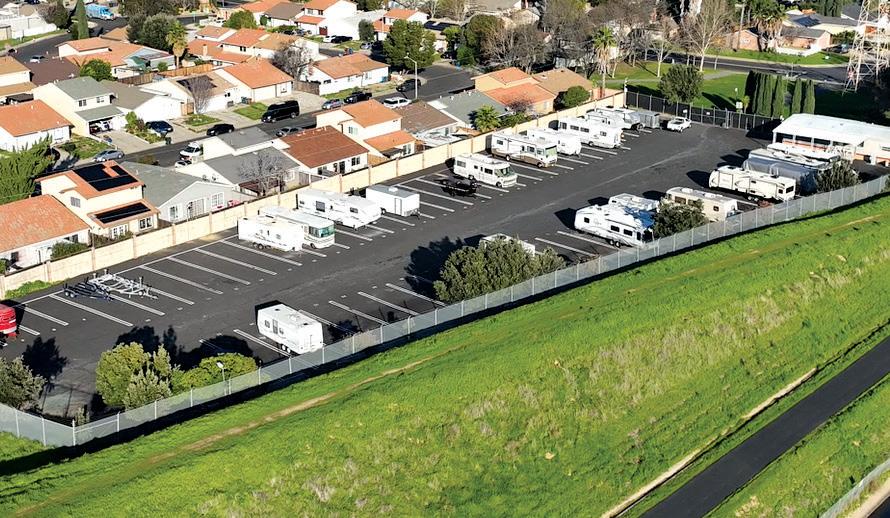
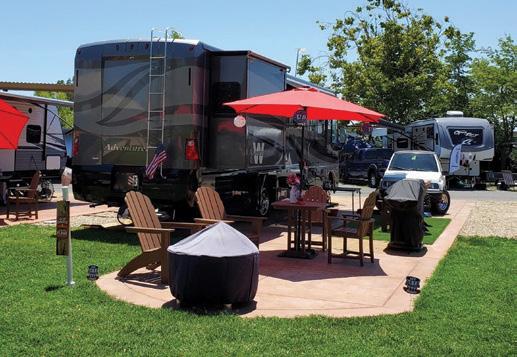
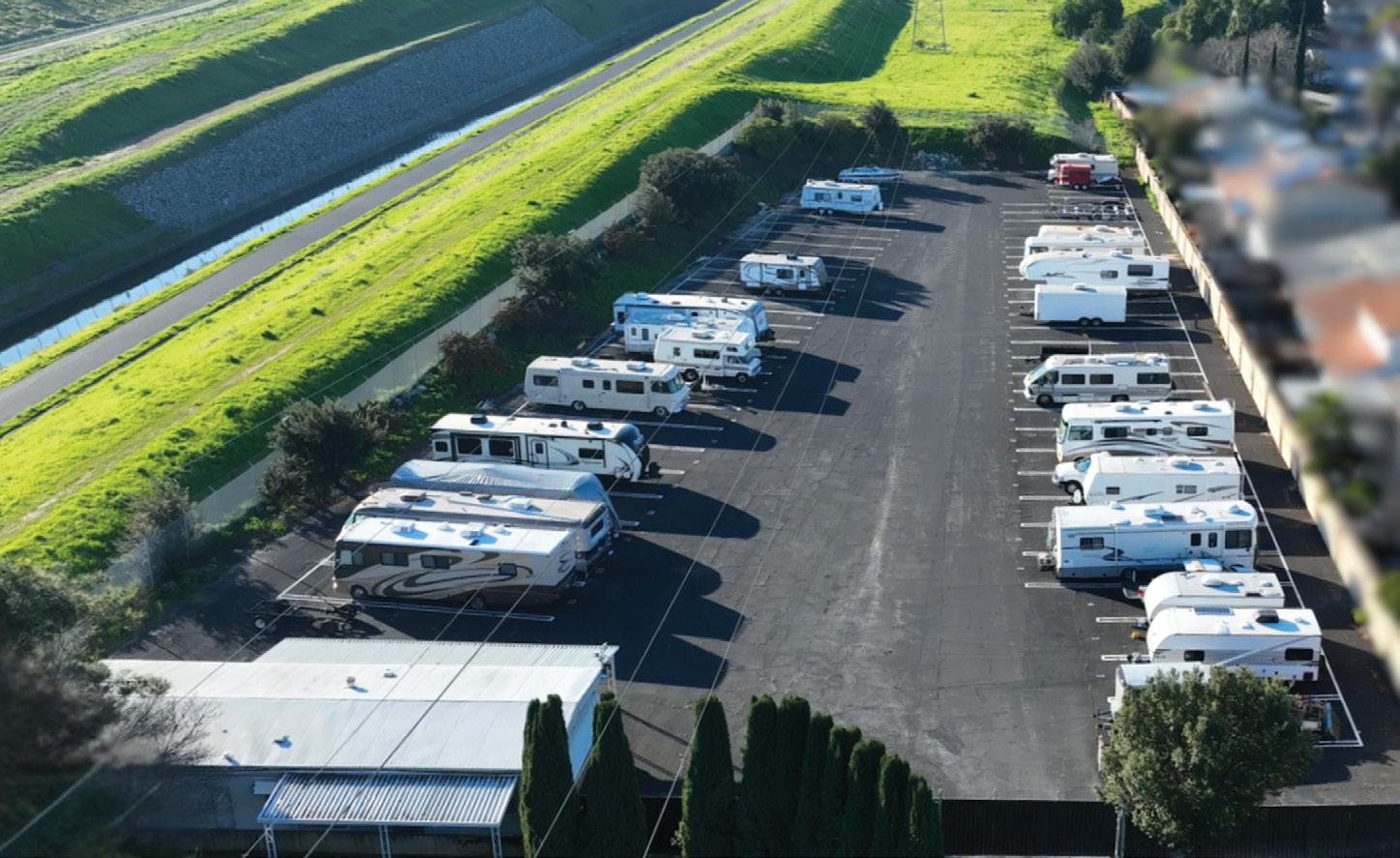
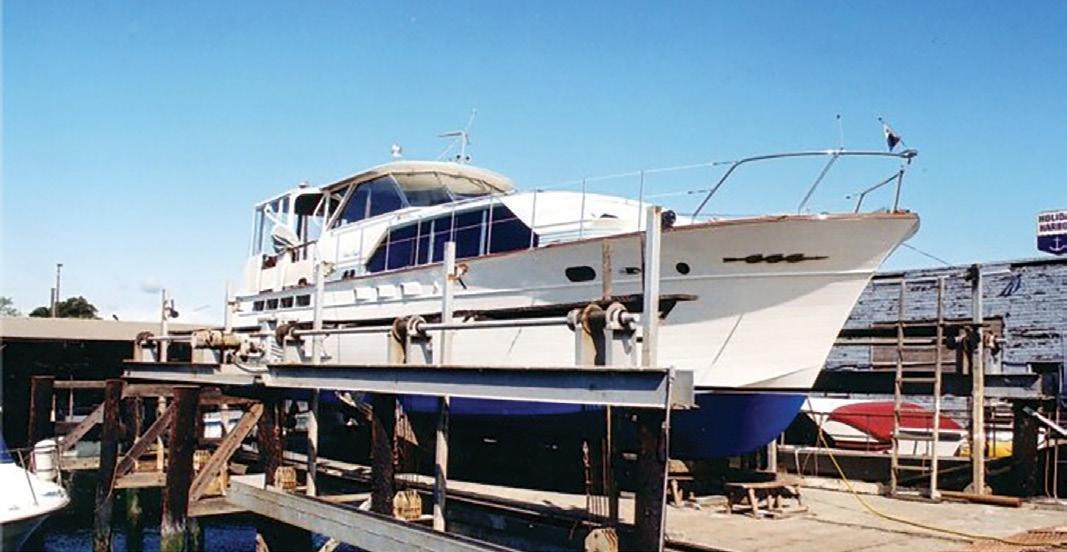
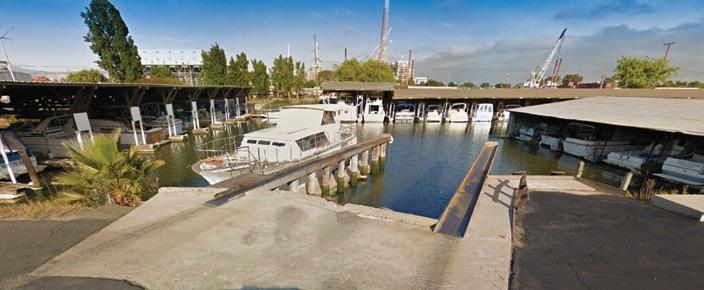
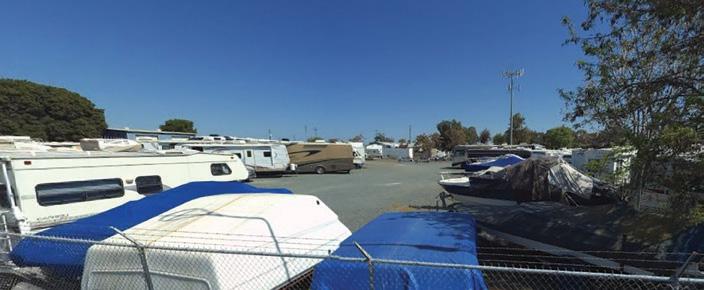
Secure RV storage is managed by the Antioch Marina staff, conveniently located at Gentrytown Drive and Putnam Street in Antioch. Available to tenants and the public, with recent security upgrades including a new 8-foot entry gate, enhanced fencing, upgraded surveillance, and reinforced perimeter protection.
• 61 total stalls ranging in sizes from 20, 30 and 40’
• 24/7 security surveillance
• Open 365 days
• State-of-the-art key pad entry system
• On-call assistance available 3060 Gentrytown Dr and Putnam St
ith the summer months and busy traveling season fast approaching, it might be time for travelers to take their recreational vehicles (RVs) out of storage for that summer road trip or cross-country adventure. However, there are some maintenance tips to be aware of before hitting the road to allow people to save money, prevent potential roadside breakdowns, and ensure safety.
A quick RV spring and summer maintenance checklist includes checking the engine oil and transmission fluid, inspecting belts and hoses, testing all lights, and updating emergency kit supplies, according to Goodsam. com. Additionally, emergency preparedness is critical for RV owners particularly in remote
areas. As a result, power, navigation, and survival gear are key, which include a portable generator, GPS, water purification systems, and emergency meals. First aid kits, fire extinguishers, flashlights, and jump start cables are also important, to go along with flares, a tire repair kit, and tow straps, according to recreational website campingworld.com. As part of the checklist, RV owners should also verify insurance and roadside coverage and perform monthly inspections.
The spring maintenance checklist differs from the summer maintenance checklist. RV owners must inspect roof seals to check for winter damage, and de-winterize the plumbing system, according to Goodsam.com. De-winterizing the plumbing system entails completely flushing the water lines, filling the fresh water tank with drinking water, turning on the water pump or connecting it to a city water supply, then taking the water heater out of bypass mode. From here, all hot and cold taps must be opened until clear water runs through. Additionally, the toilet
see RVs page 4B
SEAN TONGSON
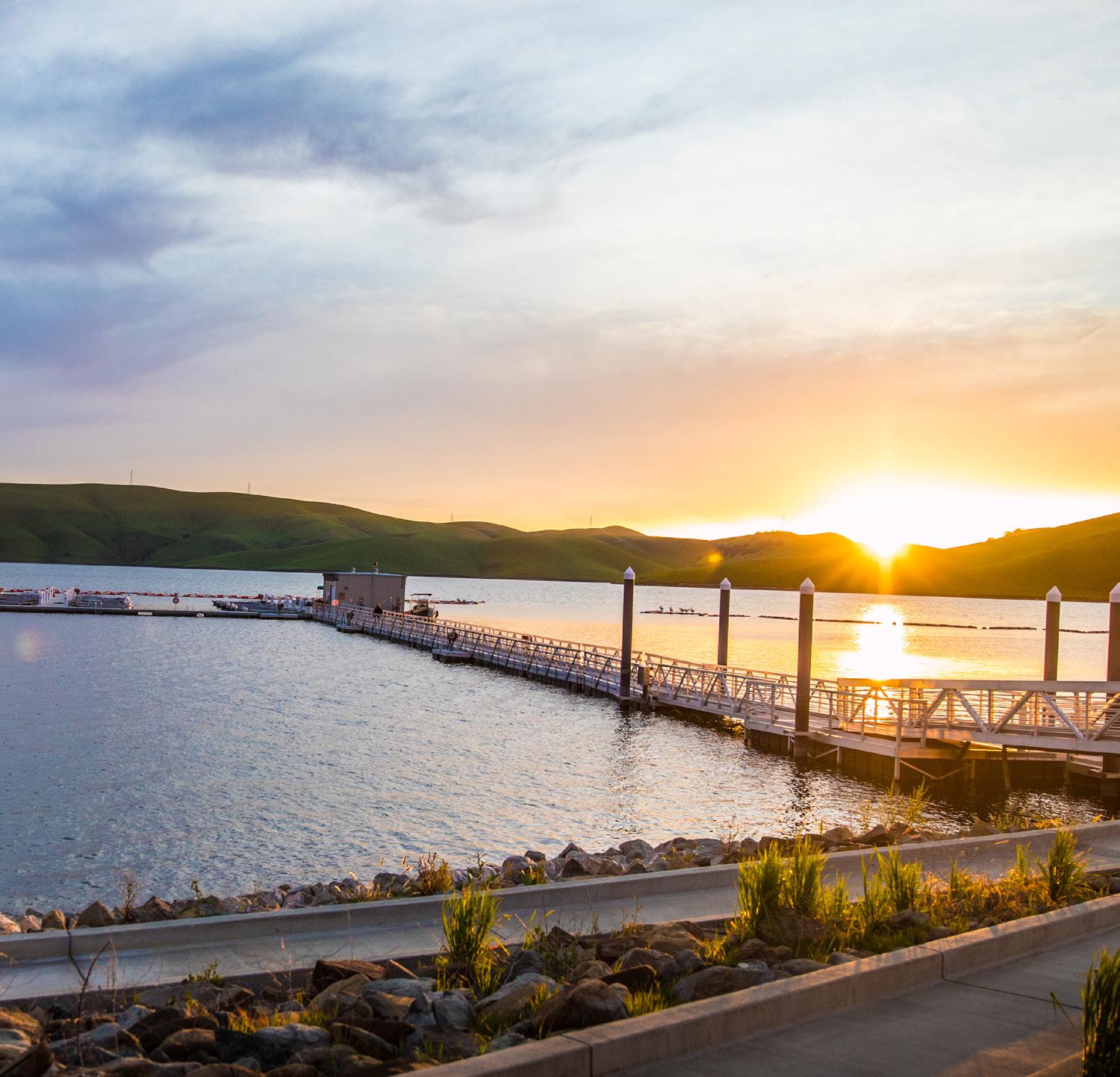
Antioch Marina: the fastest way to the Delta
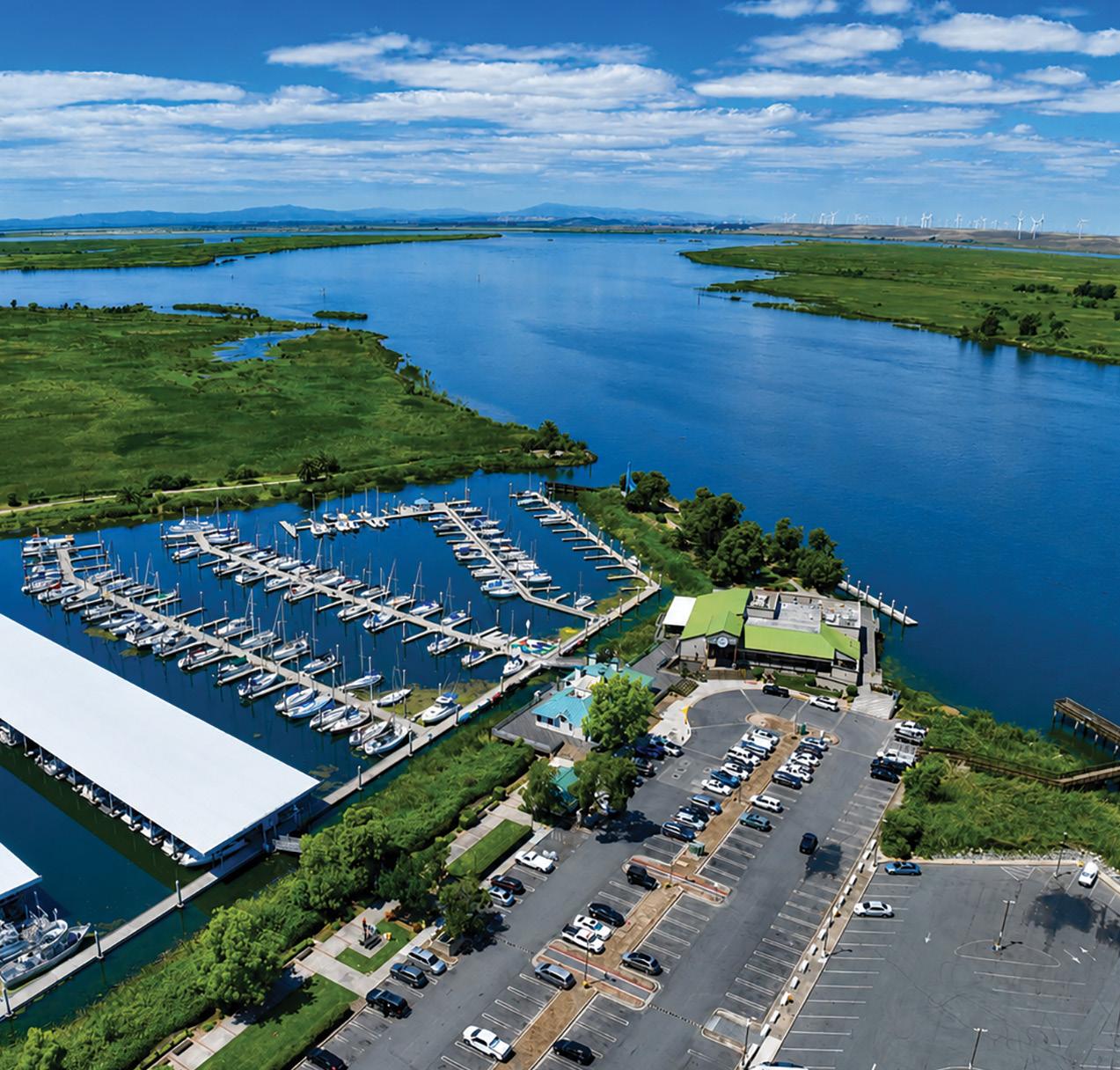
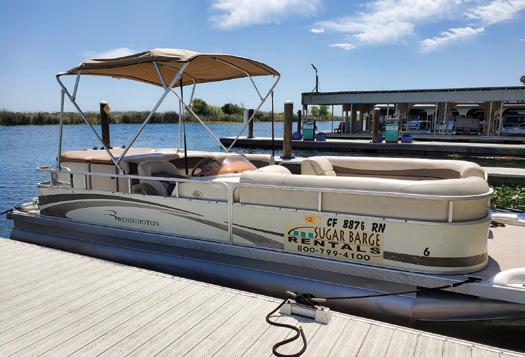
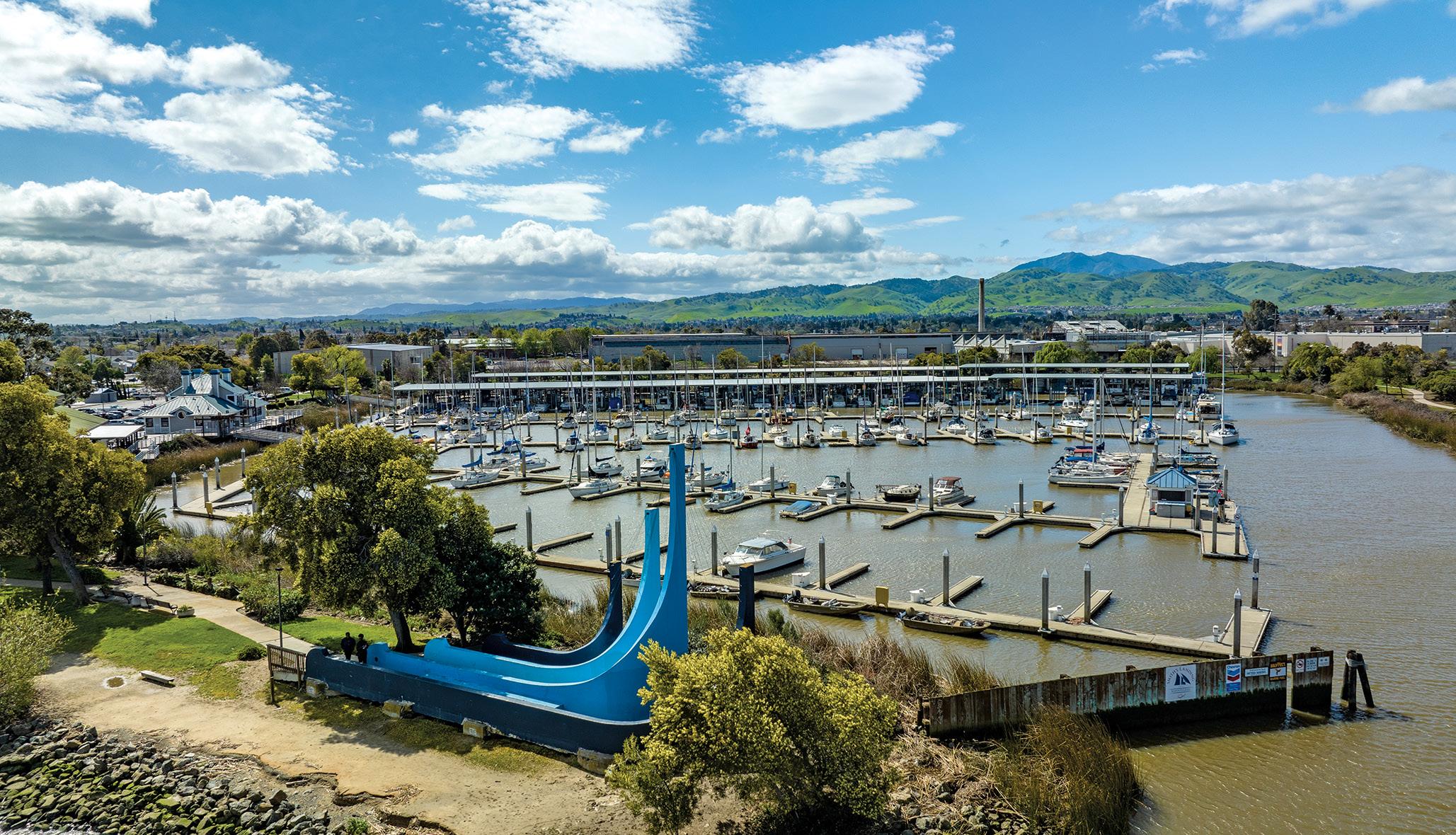
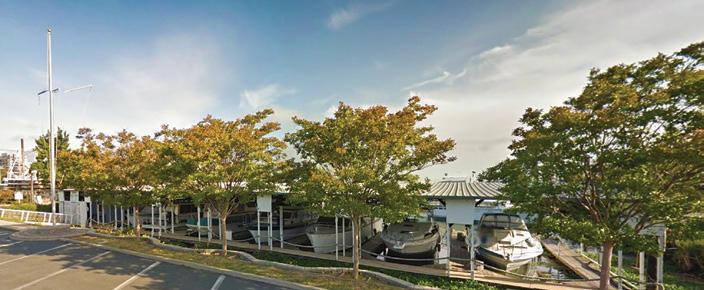
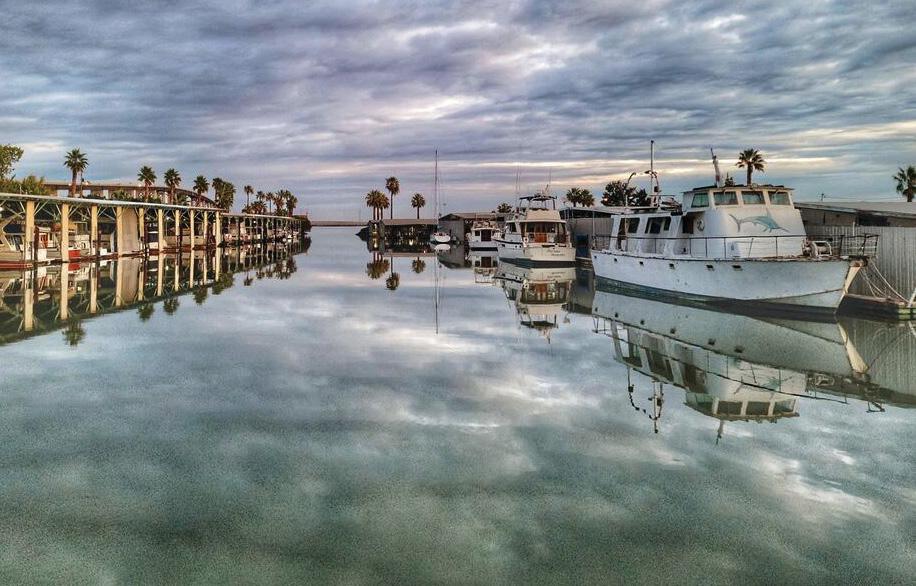
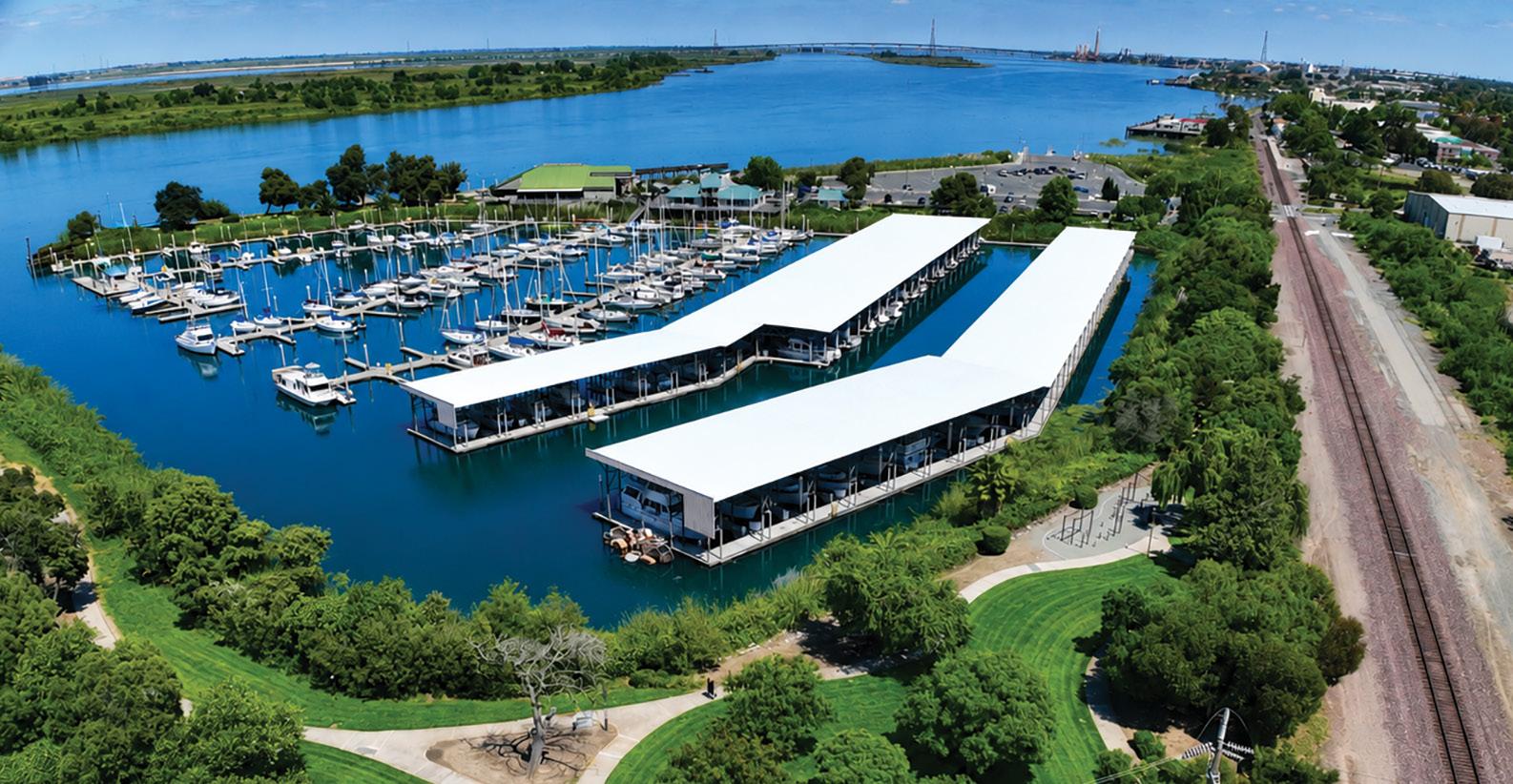
Boaters looking for a slip on fast water leading into the Delta may find the Antioch Marina to be just what they are looking for.
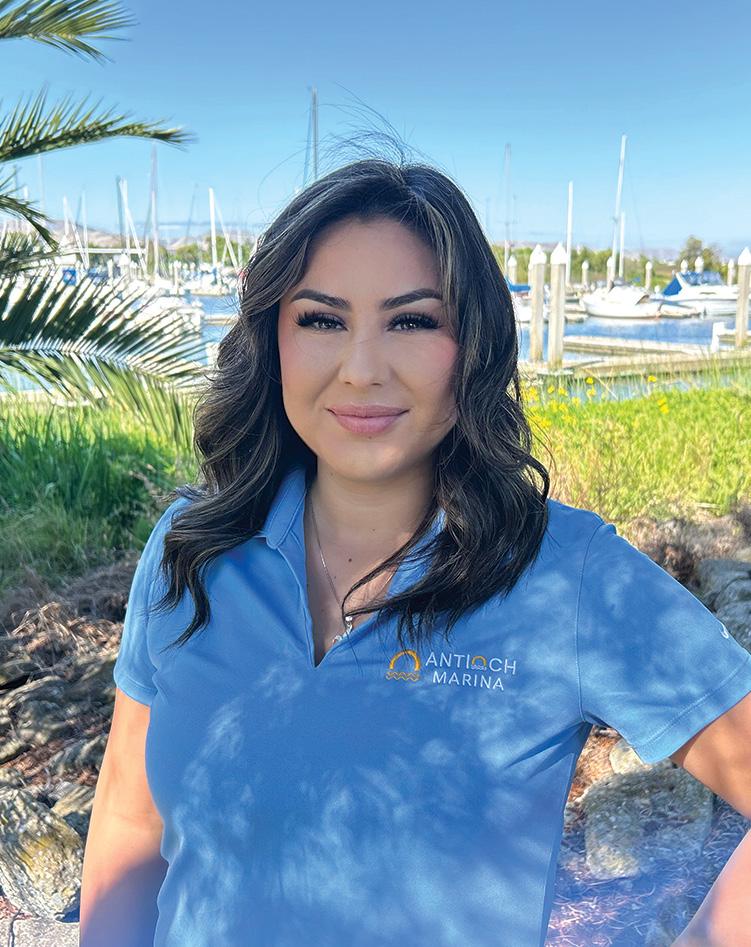
“Our facility is communitybased,” Antioch Marina Administrative Assistant Tania Briceño said of why the Antioch Marina stands apart from other marinas. “Our intimate marina setting enables us to provide exceptional service tailored to each guest’s needs.”
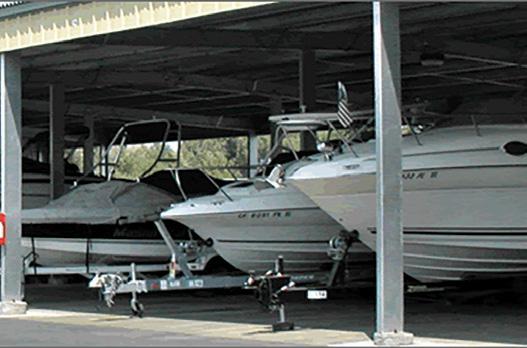
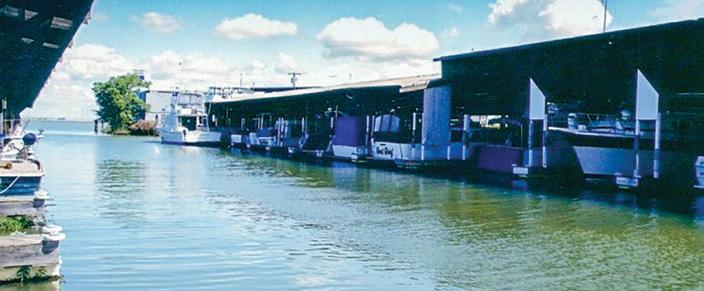
According to Briceño, the Antioch Marina’s competitive rates for berthing are $6.30 per foot for uncovered berths and $7.90 per foot for covered berths. Minimum size berth uncovered is 24 feet, covered is 32 feet. She explained that the marina offers digital selfservice reservations for easier access. Boaters can set up their overnight reservations online: 45-foot boats and smaller are charged $25 per night; boats longer than 45 feet are charged $35 per night. Each boater is charged a $10 key fee. Overnight renters have full access to private restrooms, showers and laundry.
The marina’s amenities also include:
♦ Water, electricity is metered, with 20- and 30-amp service available.
♦ Computer-controlled access gates and on-site marina office.
♦ Access to exclusive berther restrooms and showers.
♦ Coin-operated laundry facility on site.
♦ 100-foot public dock located behind the restaurant is first come, first served.
♦ A Chevron fuel dock offering diesel and mid-grade gasoline at competitive prices (temporarily closed for upgrades).
♦ Free waste pump-out station.
♦ Access to the Dow Wetlands Preserve with 7 miles of nature trails and bird watching platforms.
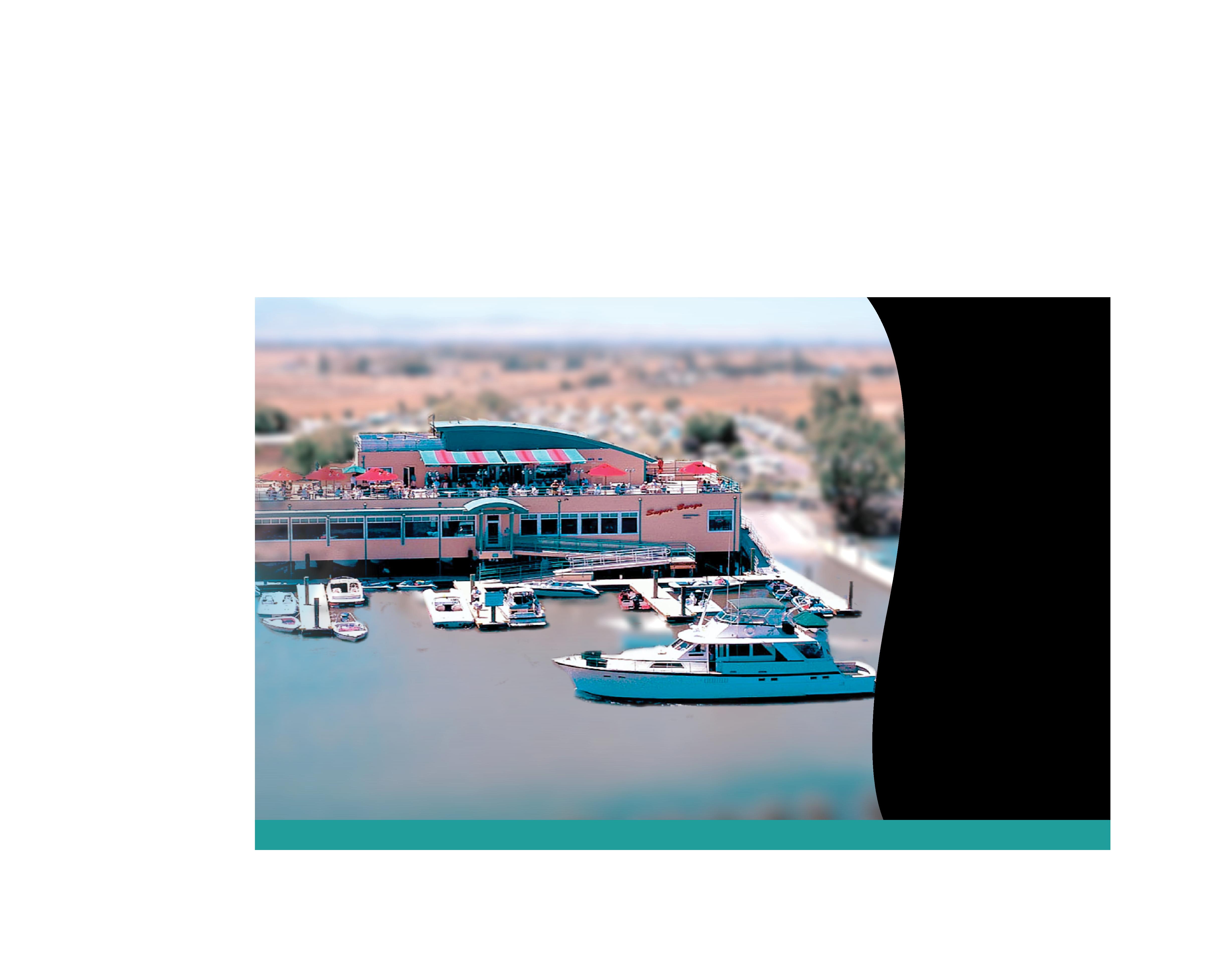
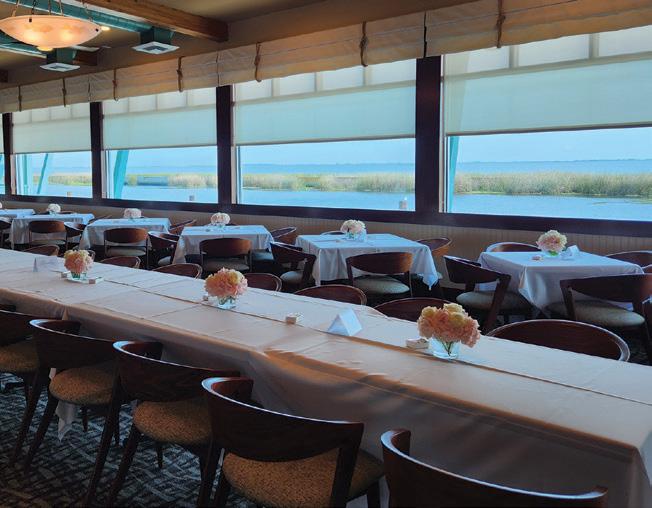
In addition to the listed amenities, the marina provides complimentary day-use slips for direct access to Smith’s Landing restaurant and a short distance to the downtown shopping area for boaters seeking an evening dinner on the water, according to Briceño.
She emphasized that the atmosphere at the Antioch Marina resembles a social hub for people who want to share their love for boating and the water. Briceño said that people are also invited and encouraged to take a tour to see what sets the marina apart from other marinas.
“I believe for those boaters who seek the home away from home experience will find that there is a big sense of community here,” Briceño said. “Presenting the best energy to
The Antioch Marina offers many amenities for boaters. To learn more, scan the QR code at the lower right.
make the best experience for everyone. I’m more of a heartfelt person, and it spills out of my job description.”
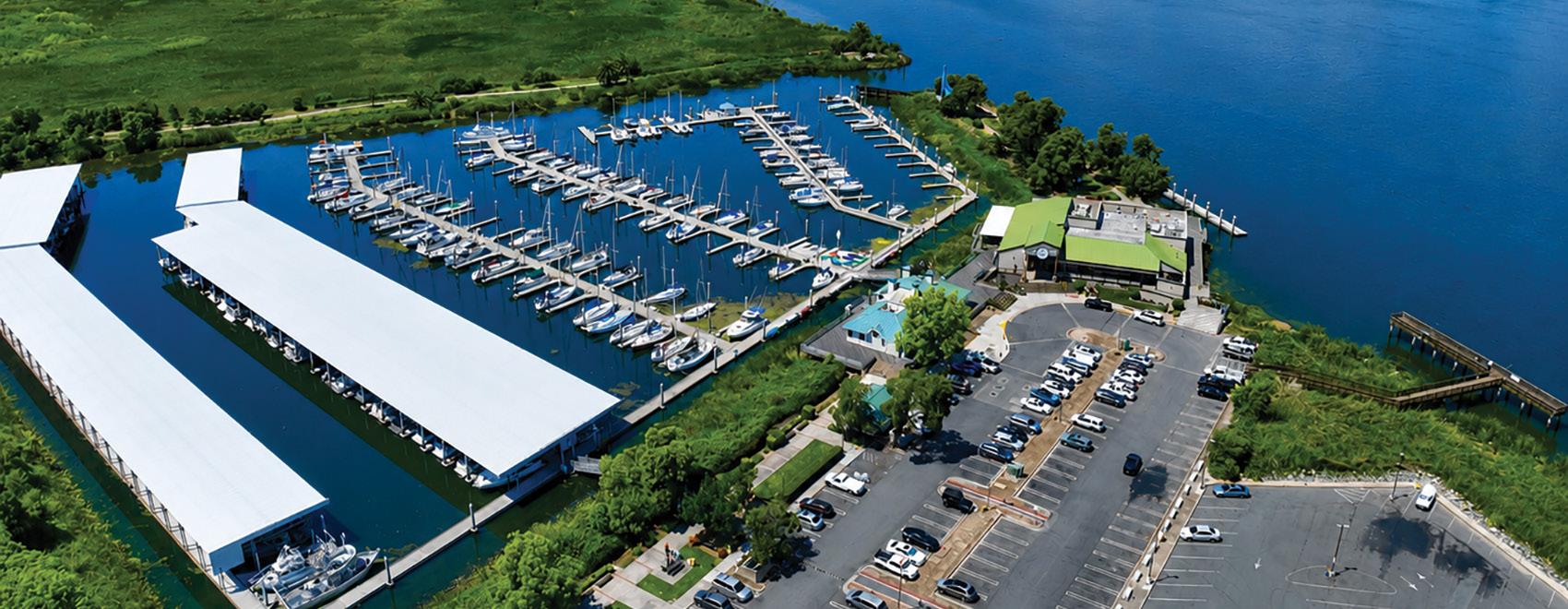
To this end, the City of Antioch also offers an RV storage lot managed by the Marina staff. This facility provides secure parking for recreational vehicles (RVs) to tenants and the public, depending on availability and approval. The lot is at the intersection
of Gentrytown Drive and Putnam Street.
It offers enhanced security, including a newly installed 8-foot front entrance gate, perimeter fencing topped with barbed wire, and upgraded surveillance systems. Additionally, boulders have been placed around the perimeter for increased security.
The City of Antioch RV Storage Facility offers 61 stalls, available in sizes of 20, 30, and 40 feet.
The marina is at 5 Marina Plaza and is open Tuesday-Saturday from 7 a.m.-4 p.m. For inquiries, call (925) 779-6957 or visit www.antiochca. gov/359/Marina
Submitted photos
must be flushed several times, and any water filters that were removed for storage must be replaced, according to Outrig.com. Other spring checklist items include:
♦ Deep cleaning and waxing the exterior
♦ Thoroughly sanitizing the water system
♦ Recharging or replacing batteries
♦ Checking the propane system and filling tanks
♦ Perform tests on all safety detectors
♦ Lubricate slide-outs along with other moving parts
♦ Inspect awnings for mold or damage
“Always check your tires for sidewall cracks and pressure,” said full-time RV traveler Cindy Collondrez, a former Brentwood resident. “If you hear sounds you didn’t hear
before, investigate. And never leave your black tank (a black tank is a holding tank specifically for sewage) open so you don’t get a ‘poop pyramid’- this is what happens when there is not enough water for your waste to empty.”
The importance of spring maintenance is due in part to batteries losing charge naturally, which can drop below 50 percent, according to Goodsam.com. As a result, this damages internal cells and can shorten battery life by years. Additionally, tires develop flat spots where they rest against the ground, with the weight of the RV pressing on the same section for months at a time, which can create deformities that cause uneven wear and vibration, resulting in permanent damage. Rubber seals around
windows and doors contract in colder temperatures, causing development of cracks that allow leaks and moisture intrusion. Lastly, rodents may seek shelter by chewing through wiring and nesting inside the furnace, cabinets, and water heater.
Summer checklist items include:
♦ Monitor tire pressure every week
♦ Clean air conditioner filters every month
♦ Inspect exterior surfaces for sun damage
♦ Lubricate hinges and mechanisms
♦ Check generator oil levels
♦ Inspect water hoses for swelling or leaks
♦ Closely monitoring waste tanks
♦ Clean refrigerator vents
Due to summer travel placing extra strain on RV cooling systems, tires, and mechanical components, regular inspections are important. Furthermore, with long-distance traveling putting additional stress on an RV, scheduling a professional inspection to catch issues that simple checks might miss before taking an RV on a long trip is recommended.
Customized Systems ✔ Flat Screen TV Conversions
In addition to making sure roadside assistance coverage is active before departure, spare fluids, such as engine oil, coolant, and transmission fluid, should be carried along with a portable tire inflator for pressure adjustments.
Dashboard warnings should be monitored, with alerts needing to be addressed immediately, while also keeping a maintenance log of tracking service history to keep track of recurring issues.
Additionally, an emergency roadside kit with flares, reflective triangles, flashlights, basic tools, and jumper cables is essential,
according to Goodsam.com.
RV owners are also advised to seek professional help if you notice burning smells, unexplained fluid leaks, air conditioner failures, unusual brake noises or vibrations, or annual propane leak-down tests, which is required to be performed by certified professionals.
Professional assistance is also recommended for brake inspections and repairs, wheel alignment and chassis inspection, and generator maintenance and servicing.
For more details, visit https://www. goodsam.com/ and outrig.com.
For help in East County, these services are available:
Ben Ambrie/ Tania Briceno bambriz@antiochca.gov, tbriceno@antiochca.gov (925)779-6957
Benjamin Winn Construction: docks, decks, and customer service
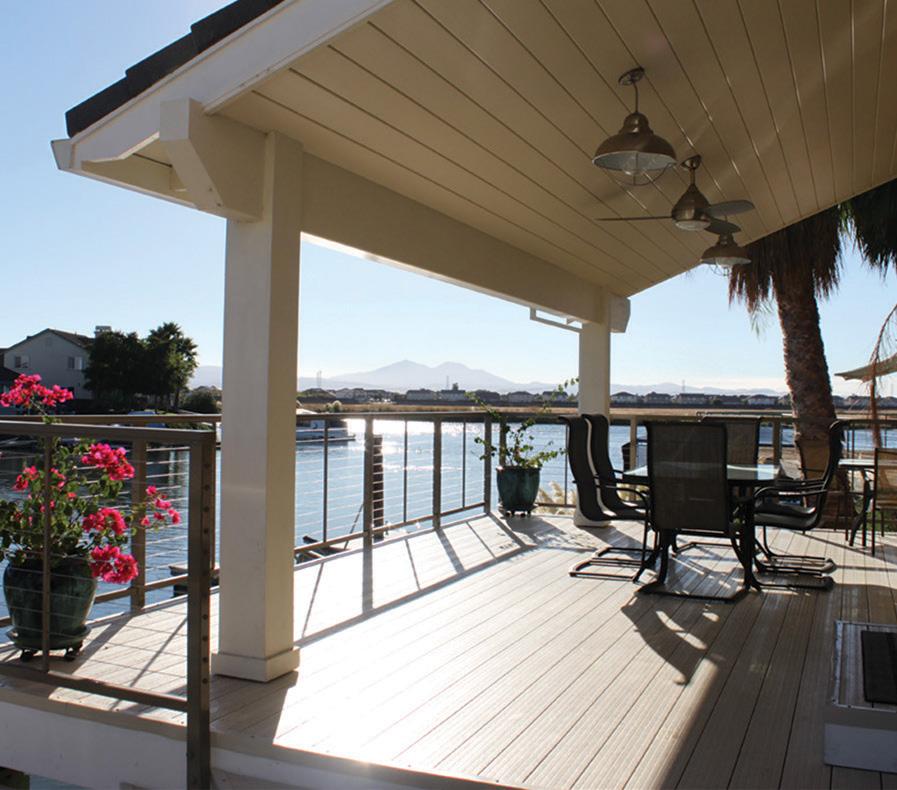
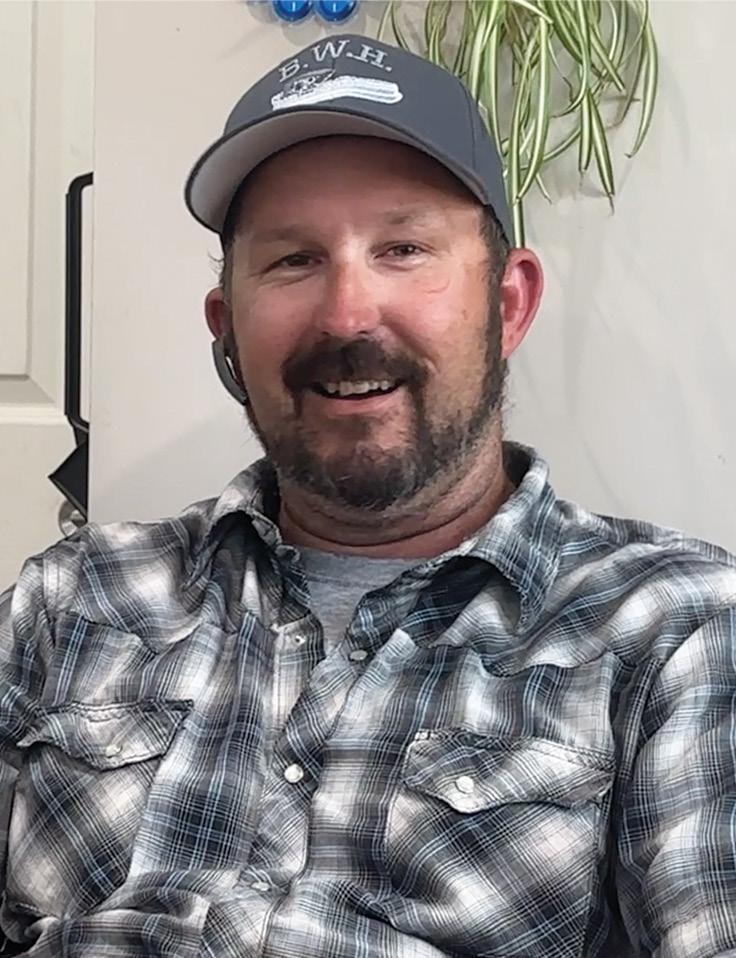
If you need a dock for your boat or a deck for your backyard in the area around Discovery Bay, Ben Winn of Benjamin Winn Construction and Hoist of Brentwood says he can build it right the first time, every time. With over a decade of experience in building docks and decks, Winn is an ideal choice for backyard construction.
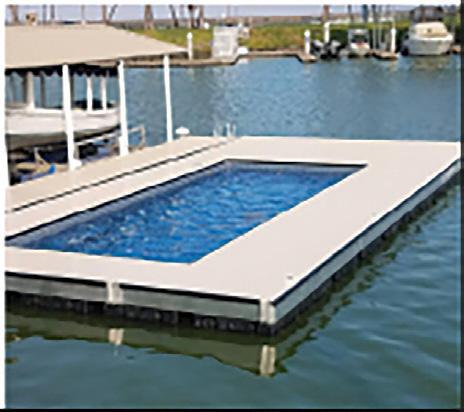
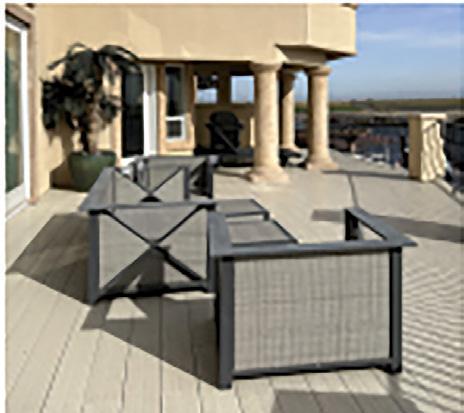
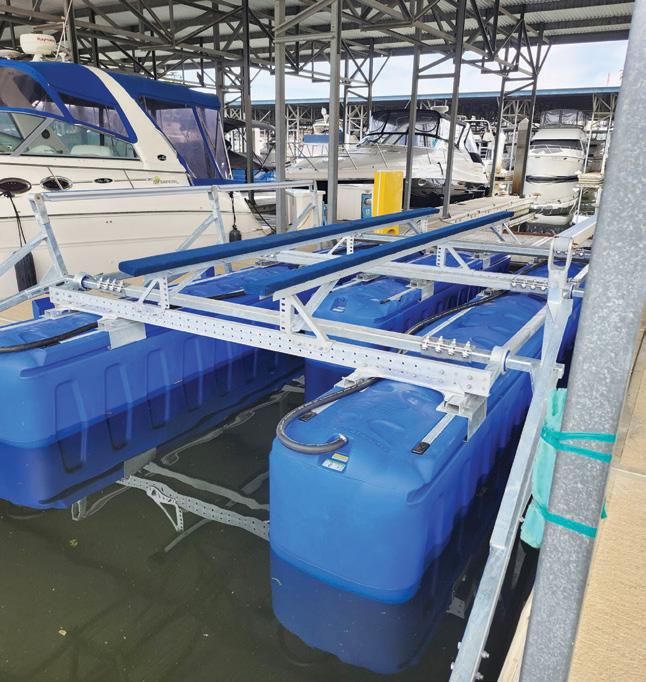
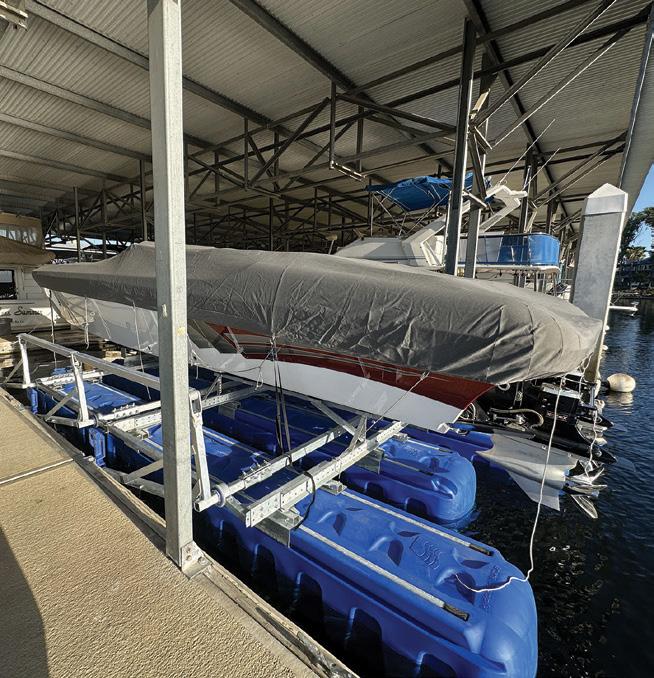
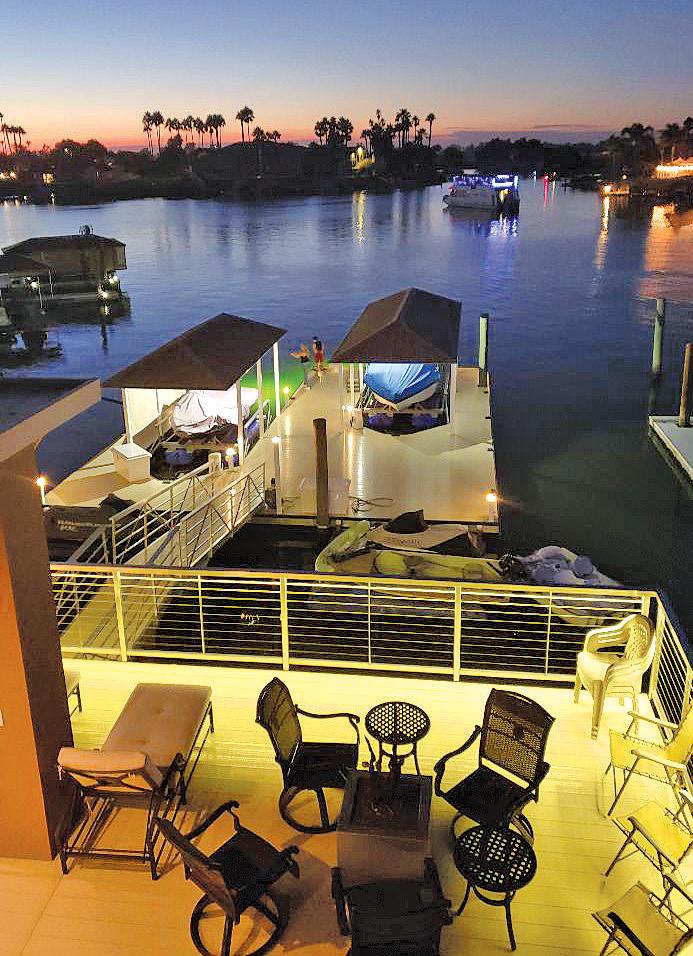
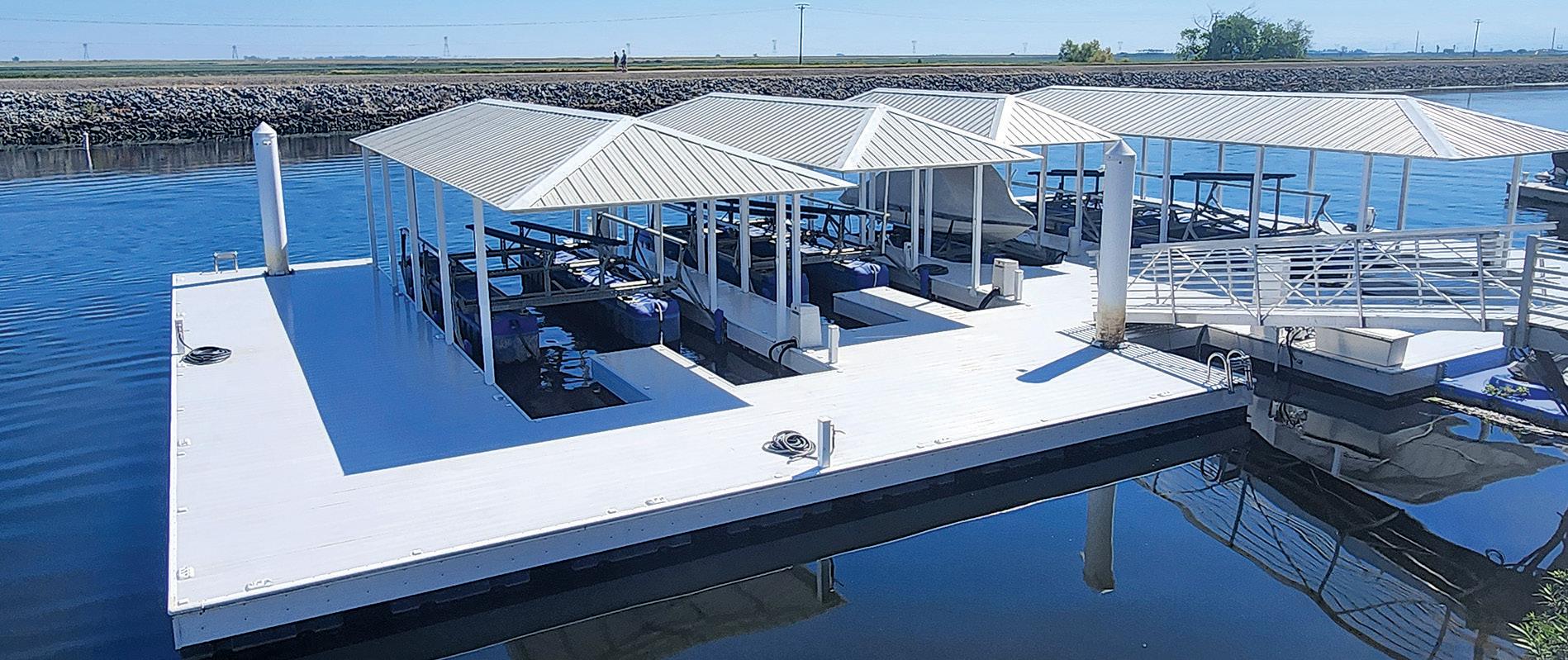
Benjamin Winn Construction and Hoist at 2900 Delta Road, Brentwood offers wooden, aluminum, and steelframe docks. They also offer decks in composite and in synthetic vinyl, which Winn says keeps cool better than traditional composite decking. The company additionally offers boat hoists, including HydroHoist hydraulic models. Each dock and deck is
custom-built to the customer’s specifications, one of the company’s specialties, according to Winn.
“We absolutely love the Brock [and] Premier brand[s], because it’s vinyl, so it stays way cooler than any of the composite decking,” Winn said. “On average, it’s about 18 degrees cooler, is what we’ve always been told. It is a phenomenal product.”
The company has offered Premier decking since 2012, before Winn began working there, and it became a Brock decking dealer in 2018.
Winn’s journey to business ownership began in 2013, when he was hired by his company’s previous owner, Tim Bubniak, as a foreman; working for Bubniak gave Winn a love of working on the water that has carried him through his career.. He held that position until 2021, when Bubniak retired and handed the business over to him. Since then, Benjamin Winn Construction and Hoist has striven to set itself apart by focusing on “quality, over quantity,” Winn. The company is trying to be as well-recommended as it was under Bubniak, and that has
worked so far, according to Winn.
“We prioritize making sure our stuff is sound and long-lasting,” Winn said. “We don’t get them knocked out as fast as we can. I fully believe in custombuilding; you do it right, so you don’t get called back for a mistake later on.”
For Winn, there is no such thing as an ideal customer. His adaptability in
building allows him to fulfill the diverse needs of his customer base.
“I try to service everybody,” he said. “It doesn’t really matter, as long as [they’re] someone who’s going to appreciate the work. It’s really hard to screw that up for the customer. It’s all on me, and I’m fine with that responsibility.”
According to Winn, only one customer has ever called him back to fix a mistake or flaw in their dock or deck, a twisted beam that needed replacing.
She was angry, then “happy, because she had a big party coming up, and she was very appreciative that I got right to it,” Winn said.
“I would love the honor of building your guys’ custom dock or deck,” he added.
Benjamin Winn Construction and Hoist can be found online at https :// www facebook com / BenjaminWinnConstructionHoist / , or by phone at (925) 303-8475.
To view a video, visit www. thepress.net/multimedia
B. Winn Construction/Hoist
CONNOR ROBLES
How to keep mosquitoes, ticks, and outdoor bugs away
By Sean Tongson Correspondent
Summer invites more outdoor activities such as traveling, camping, fishing, and hiking. However, summer also invites the exposure to more pests, such as mosquitoes, ticks, or fleas.
Everyone is at risk of being bitten by mosquitoes and ticks and getting sick from the germs they can spread as a result, according to the Centers for Disease Control and Prevention, with more than 20 mosquito-borne and tickborne diseases are found in the United States alone. Certain groups of people, including children, older adults, dog owners, outdoor workers, outdoor enthusiasts, and people with weakened immune systems are at a higher risk for disease than others.
A dozen types of mosquitoes spread germs through bites, with mosquito-borne diseases including viruses such as West Nile, Cache Valley, Chikungunya, Dengue, Jamestown Canyon, La Crosse, and Zika, along with Eastern equine encephalitis, St. Louis encephalitis, Rift Valley fever, and Malaria. Mosquitoes can lay eggs in as little as half an inch of standing water, therefore making
clogged gutters, birdbaths, and overturned containers ideal breeding sites, according to Pestworld.org. As a result, air conditioners and screens can be used to prevent mosquitoes from coming indoors.
People are also advised to check themselves for ticks after coming inside, take a shower within two hours of coming inside, and to tumble dry clothing on high heat for 10 minutes to kill any ticks.
“Prevention as always will be the most logical approach. EPA-registered insect repellents are a must in deeply wooded areas in my experience,” said Chris Cosper, Sutter Health Registered Nurse. “But also proceed with caution as the repellents also require consideration.”
“DEET falls under the category for EPA approved, and it is my number 1 go-to, but still requires special considerations. When possible, spray clothing (hat, jacket, socks) separately and let it dry.”
“In addition, long-sleeved shirts, tucking in shirts, pants, closed-toe shoes, stay on trail (avoid tall grass, brush, etc.) are all helpful ways to avoid bug bites,” Cosper said.
Experts suggest wearing loose-fitting or long clothing, or to use an Environmental
see Mosquitoes page 7B
Best bait for fishing at Los Vaqueros
Anglers who are bait fishing at Los Vaqueros for rainbow trout, catfish, and/or striped bass can employ basically the same rig. The trout rig would require lighter line, sinkers, and smaller hooks, but the catfish and striper rigs would be like each other.
For stripers and catfish, you could use a two to three ounce sliding sinker and for trout a one to half once sliding sinker that will slide up and down the main line. The main line will attach to one side of a barrel swivel, and the leader and hook will attach to the other side of the barrel swivel. Hooks are whatever the anglers prefer. Generally, trout hooks will be smaller.
The bait of choice for catfish, stripers, and trout are as follows: anchovies and chicken liver work well for stripers and
Mosquitoes
from page 6B
Protection Agency (EPA)-registered insect repellent with one of the following active ingredients:
• DEET
• Picaridin IR3535
• Oil of lemon eucalyptus (OLE) - A plant-derived ingredient
• Para-menthane-diol (PMD),
• 2-undecanone — A plant-derived ingredient
In addition, to keep mosquitoes away on a camping trip, use mosquito lamps and
catfish. PowerBait is the best for trout with rainbow being the most popular color. Also, nightcrawlers do the job for trout, catfish, and largemouth bass.
There are many kinds of lures that are used for stripers, trout, and largemouth bass at Los Vaqueros. If you are targeting striped bass, top water lures are very popular as well as crankbaits and jerkbaits. Shad and firetiger patterns are good as well as orange- and chartreuse-colored lures. Trout fishermen use a variety of spoons and jigs in many different colors and patterns. Pinks, chartreuse, and orange are all good choices.
Largemouth bass can be fooled on jerkbaits, crankbaits, spinnerbaits, and a variety of artificial worms and crawdads.
lanterns, which use heat-activated repellant pads to clear an area of up to15 square feet. Wristband and clip-ons are worn on the body and control mosquitoes while camping, gardening, hiking and other outdoor activities.
Permethrin clothing, also known as an ‘Insect Shield’, infuses a chemical into the fabric to increase insect repellency while reducing skin exposure to sun and insects, as this type of clothing usually retains its effectiveness for up to 75 washes.
For details, visit www cdc gov/vector-borne-diseases