Should I Stay or Should I Go?
Pros and cons of traveling with pets
Dog Days of Summer

Should I Stay or Should I Go?
Pros and cons of traveling with pets
Dog Days of Summer
East County is home to a number of dog-friendly destinations, from dog parks to eateries with pet-friendly patios and even U-pick orchards. Here are some of the many options for those looking for an outing with their pet.
Brentwood
Brentwood is home to several dog parks, and miles of trails where leashed dogs–and their owners–can get plenty of exercise.
King Park, at 1379 Bauer Way, features two dog play areas – one for small dogs and one for large. Both areas feature play apparatus made specifically for canine companions and feature benches for humans to relax and watch their pets. Water fountains for pets and owners are available, as are “Mutt Mitts” to assist in keeping the facility free of pet waste.
Dakota Park at 480 Ridgewood Court, is a 4.7-acre park with a half-mile walking trail connecting to other trail systems in Brentwood. This park also has two dog park areas divided for “smaller” and “larger” dogs, with benches and shade structures for pet owners.
Outside of the dog play areas, the


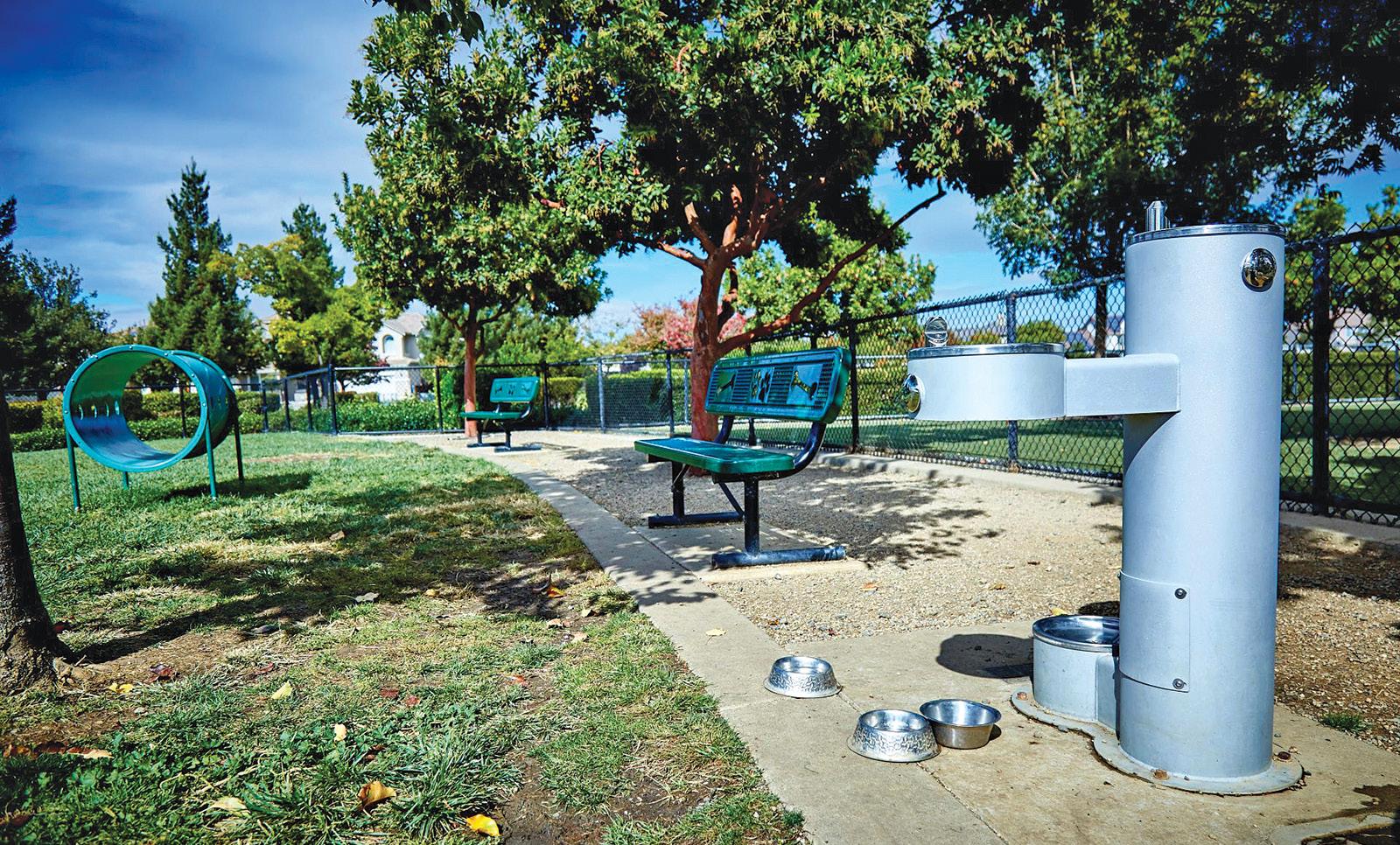
park features a turf area with picnic tables and barbecues.
Pioneer Park, at 2031 Miwok Ave., was recently completed and sits in the heart of Trilogy at the Vineyards, and adjacent to Los Medanos College’s new campus. Like King and Dakota parks, this one also has trails, “large” and “small” dog areas, and even some equipment for pups to play on.
Magpie Park will be the city’s fourth



9 Years




dog park and it opened this year. Located off Empire Avenue behind Winco Foods, the park will have all the perks needed to keep its visitors happy, including two areas for big and small dogs.
Diablo Cherries, a small cherry orchard at 3150 Sellers Ave., allows visitors to bring their dogs while their owners pick cherries. Co-owner Emily Benz said one of the advantages of being a small farm is flexibility in the rule book.
“We are 100% U-pick, so we don’t have to follow some of the same practices that the commercial orchards do,” Benz said. “As long as the dogs are leashed and well behaved, they can come in the orchard. We have observed that people want to bring their pets with them more and more, and we are happy to welcome them.”
Benz said that thus far, all guests have been respectful and conscientious, cleaning up after their pets and creating a fun, welcoming atmosphere with their dogs. For more information, visit www.diablocherries.com.
Four Legs Brewing, a craft beer spot at 2010 Elkins Way, Suite 120, in Brentwood, calls itself both “dog friendly” and “family friendly.”
Opened in 2021 by Michelle and Erik Bacher, it’s meant to be a “home away
from home” for those who love beer and dogs. Four Legs Brewing regularly features food trucks and offers a range of brews from IPAs to Pilsners. For more information, visit www.fourlegsbrewing.com.
Marsh Creek Trail: Dogs and people alike love the 6.5 paved miles of the Marsh Creek Regional Trail, which winds along its namesake from Vineyards Parkway in southwestern Brentwood to Big Break Regional Shoreline in Oakley.
Maintained by the East Bay Regional Parks District, there are plans to extend the trail three miles further south to Round Valley Regional Preserve. Park District Supervising Naturalist Wyatt Moore said his district is working with state and local agencies to extend the trail.
“The preliminary engineering study was completed and filed,” he said. “The park district will continue to partner with California State Parks and seek grant funding to develop the paved regional trail. That will cost about $5.5 million.”
For more information, visit www. ebparks.org.
The Discovery Bay Community Center, 1601 Discovery Bay Blvd., recently renovated its dog park. Parks and landscape manager Monica Gallo said there are areas for both small and large dogs.
“Get outside and enjoy the beautiful weather with your four-legged friend at the Discovery Bay Community Center Dog Park,” Gallo said. “This is a great gathering spot for your fur buddy to make new friends.”
Oakley
Koda Dog Park at 100 Oxford Drive, opened in 2018, and is named for the Oakley Police Department’s first canine officer. The park was a goal of the city for many years before coming to fruition and features separate play areas for big and small dogs. There is also a special agility training area for dogs at the northeast quadrant of the park, and a shade structure over the adjacent picnic benches and barbecue pits.
The park was closed in early 2026 for sod renovations but reopened on May 15, according to the city.


TAYLOR SHEPHERD
If your pet is having a heat-related problem during the hot summer months, Sandra Lafferty, owner of Oakley Veterinary Medical Center at 4526 Main St., noted the signs for pet owners, and what to do about them.
Your pet will appear distressed, restless, and begin panting heavily. This can progress to excessive drooling from the mouth and the nostrils. The pet may then seem wobbly and may even turn “blue” from a lack of oxygen.
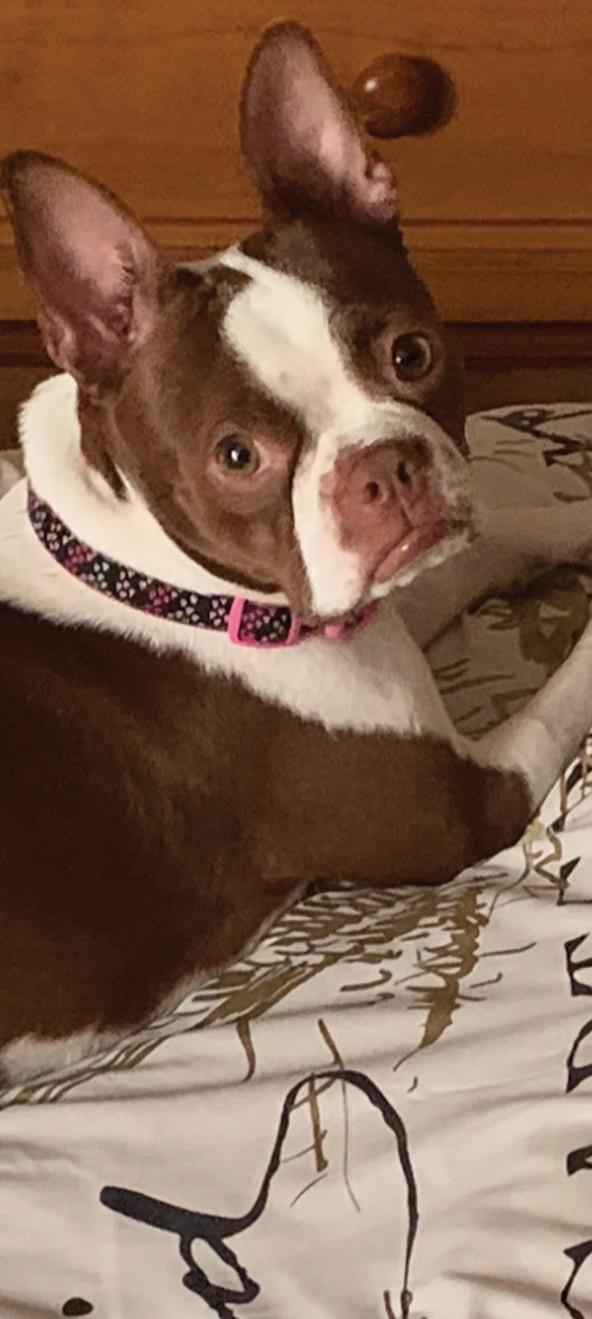
Predisposing conditions that can set your pet up for heat stroke include obesity because these pets cannot rid their bodies of heat as efficiently as thinner, fitter pets. Breeds with “flat” noses like bulldogs, Pekingese, Boston terriers, among others, are particularly prone to heat-related injuries because they can’t exchange air as well as a dog with a longer nose and airway.
Prevention
♦ don’t leave your pet in a parked car without the windows down
♦ avoid exercise outdoors during the hot points of the day
♦ avoid leaving your pet outdoors
see Heat page 5B

By Michael J. Amthor, Esq.
Pets are an important part of many families and should be included in an Estate Plan. Ideally, pets would go to someone who will love and care for them as much as their original owners did, with financial support included to help cover the costs of care. Americans spend nearly $150 billion annually on pets, reflecting how significant pet care has become. However, simply leaving a pet and money to someone through a will or trust does not guarantee the pet will be properly cared for or that the funds will actually be used for the pet’s benefit.
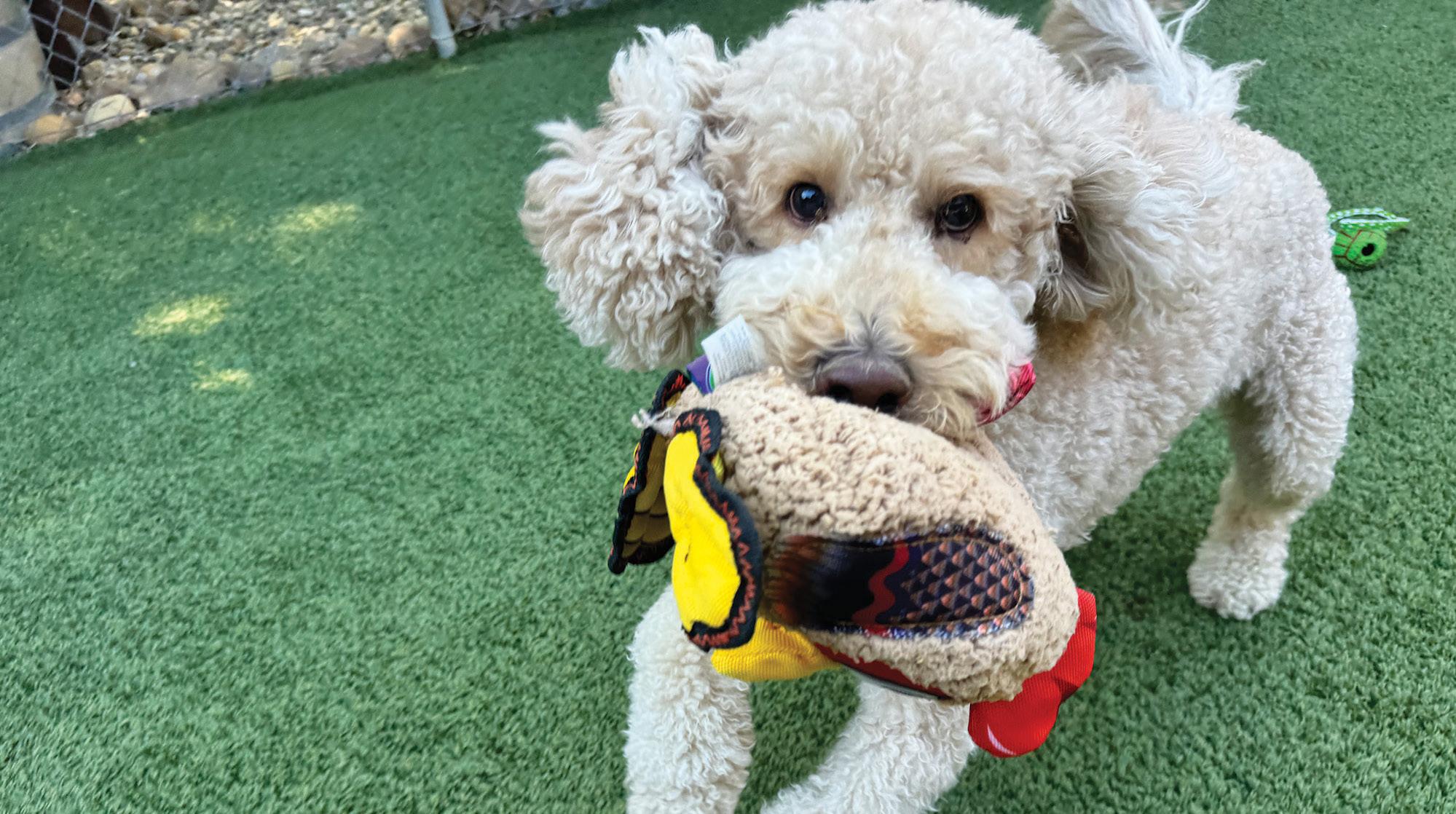
A “Pet Trust,” also known as a ‘companion animal trust,’ helps solve these concerns. All 50 states and the District of Columbia allow Pet Trusts, though laws vary by state. A Pet Trust enables owners to set aside money specifically for their pet’s care and place legal restrictions on how those funds are used. Owners can provide detailed instructions regarding the pet’s daily routine, medical care, comfort, and quality of life, helping






ensure the animal continues to receive the same level of care after the owner’s death. Pet Trusts can also arrange for professional caregivers if needed.
If a Pet Trust is not the right fit, many organizations will care for pets if funds are provided for their ongoing support. While pets are not considered financial assets, they are cherished members of the family and deserve thoughtful planning in an Estate Plan.
A client of mine had a reflection about a beloved dog named Bruiser, recalling humorous holiday memories and expressing gratitude that the dog did not have to experience life without the family he loved. I encourage pet owners to consult a qualified Estate Planning attorney to ensure their pets are protected and cared for in the future, and to give their furry, feathered, or four-legged companions a little extra love today.
We can help protect your furry friends at Golden Legacy Law Group at 925-516-4888, www.goldenlegacylaw. com or email us at legalhelp@ goldenlegacylaw.com.







Each spring and early summer, “kitten season” brings a surge of vulnerable newborn kittens in need of care.
From March-July hundreds of kittens will enter our facility. This seasonal influx places extraordinary demand on animal welfare organizations and highlights the vital role of the community. Dedicated animal care teams, fosters and volunteers’ step in to provide lifesaving support, offering warmth, nutrition, and round-the-clock care during kittens’ most fragile early days.
For those who welcome kittens into their homes, the responsibility goes far beyond rescue. The first few months of life are essential for shaping behavior, resilience, and confidence.

Dr. Wailani Sung, Joybound’s Senior Director of Animal Admissions and Wellbeing, Board Certified Veterinary Behaviorist explains: “Socialization is one




of the greatest gifts you can give a kitten. Each new, positive experience helps build a foundation of confidence, reducing fear and stress as they grow into adulthood. It’s not just about raising a friendly kitten; it’s about setting them up for a lifetime of resilience and well-being.”
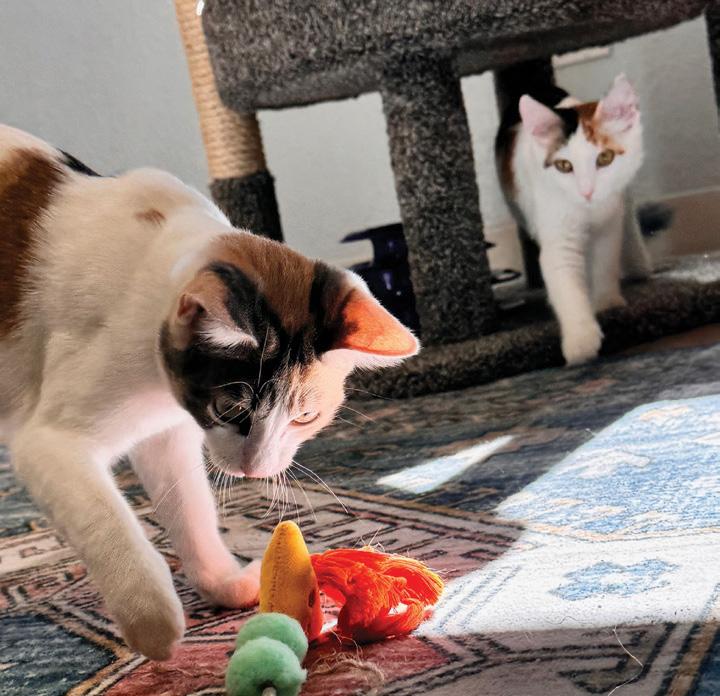
That development is even stronger when kittens have a companion. Experts recommend adopting kittens in pairs, allowing them to learn, play, and burn energy together.
A built-in playmate keeps kittens entertained, reduces household mischief, and results in happier, better-adjusted cats. To support this, Joybound People & Pets is currently offering its “Two Furr One” adoption promotion. Adopt one kitten and bring home a second at no additional cost, making it easier than ever for families to set kittens up for success.
Programs like Joybound’s “Kitten Kindergarten” further emphasize the importance of early socialization, helping kittens build confidence and adapt to new experiences with ease. Each kitten benefits from individualized attention, through oneon-one exposure to new people, sounds, and environments.
Ultimately, kitten season is both a challenge and an opportunity. It calls on our community to respond with compas-
Experts recommend adopting kittens in pairs, allowing them to learn, play, and burn energy together.
– Dr. Wailani Sung
sion, whether that means fostering, adopting or supporting local animal rescue organizations.
With the right nurturing and care, even the smallest kittens can grow into thriving, confident cats ready for a lifetime of companionship.
Learn more at https://joybound.org/ – Chelsea Blackburn, Joybound People & Pets


during the hottest periods of the day, especially with no shade or inadequate access to water.
♦ check to see if it is okay to walk your pet on asphalt, concrete, mulch, sand, etc. is to place your hand on the surface for five seconds. If this is not uncomfortable to you, then it is probably okay to walk your pet there but keep a close watch on his feet pads and how his gait might be changing if he is getting uncomfortable walking on that surface.
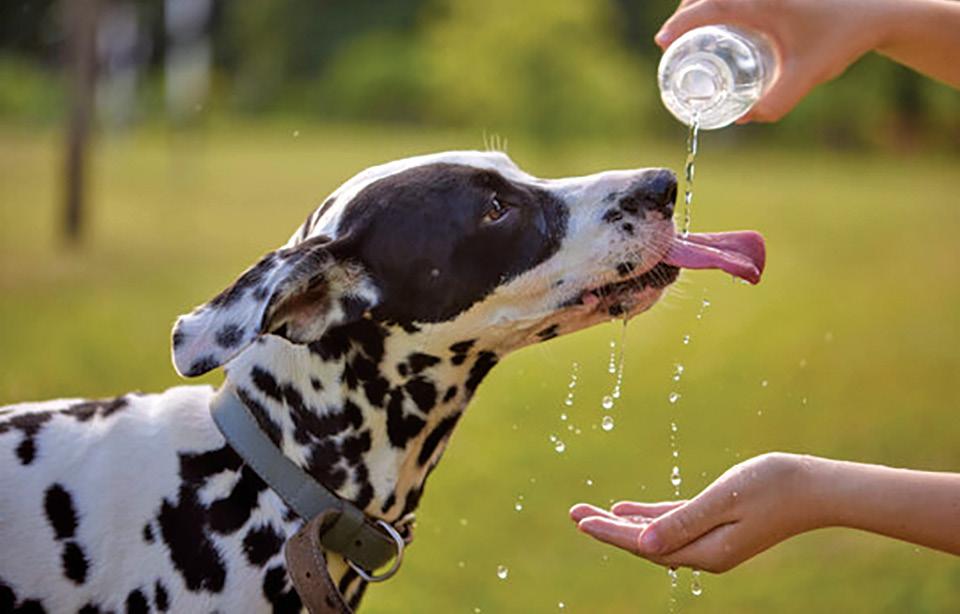
First is to remove the pet from the hot environment and begin immediate cooling. This can be accomplished by placing wet towels on them, wetting their ear flaps and feet and placing a fan on them. If you can get a rectal temperature, this can be helpful later. Placing them in a bath of cool water is helpful and, if it can be done safely, placing them in an ice-water bath may cool them faster. Make sure you know where their head is and that it remains above any water level. Be in contact
Contact the ASPCA Animal Poison Control Center (APCC) for critical medical assistance at https://bit.ly/4o7AIQo or by calling (888) 426-4435.
immediately with your closest veterinary hospital or emergency center and follow their advice.
The ASPCA advises all pet owners

to act immediately by contacting your local veterinarian or an emergency animal hospital if your pet is suffering from a heatrelated emergency or heat stroke. Contact
the ASPCA Animal Poison Control Center for critical medical assistance at https://bit. ly/4o7AIQo or by calling (888) 426-4435.
The ASPCA’s immediate action plan is as follows:
Cool first, transport second: Safely move your pet to a cool, shaded, or airconditioned area away from direct sunlight.
Apply water safely: Wet your pet’s head, neck, belly, and paws with cool or room-temperature water. Do not use ice or cold water, as this can shock their system and restrict blood vessels.
Promote airflow: Turn on a fan or open the windows in your car to promote evaporative cooling as you head to the vet.
Seek veterinary care: Heat stroke is a severe, life-threatening emergency. Even if you cool your pet down, always follow up with a physical veterinary exam.
For more information, contact: Oakley Veterinary Medical Center https://www.oakleyveterinary.com
sllafferty@sbcglobal.net (925) 625-3722
https://www.aspca.org/








systems.

•
•
•
•
•
•
•
•
•

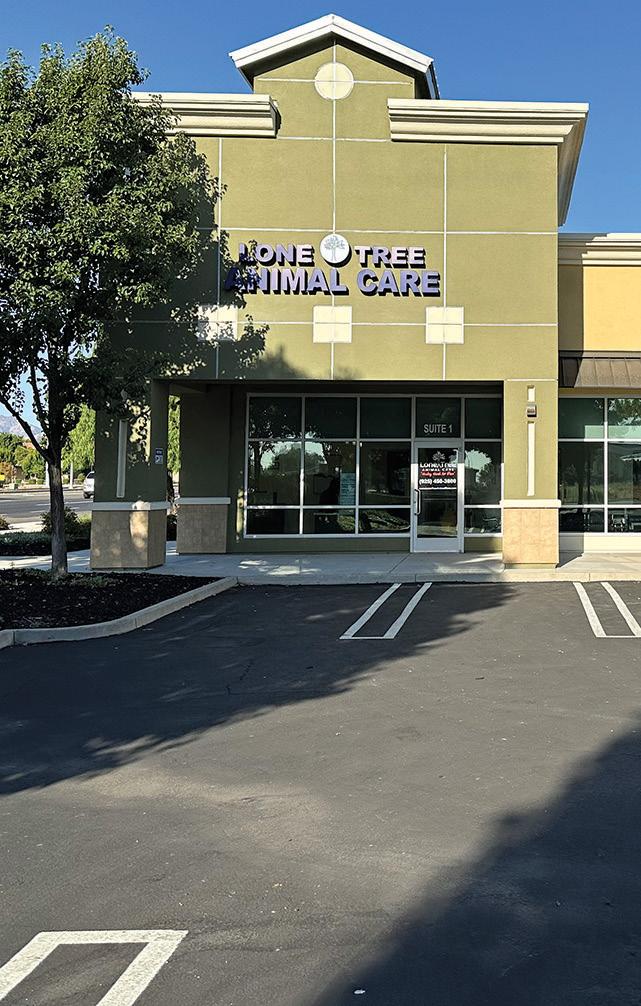


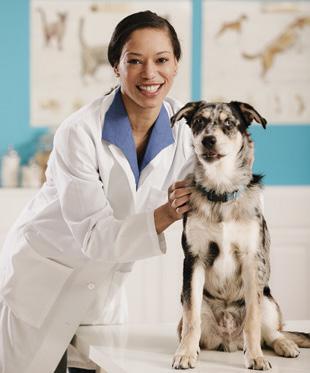
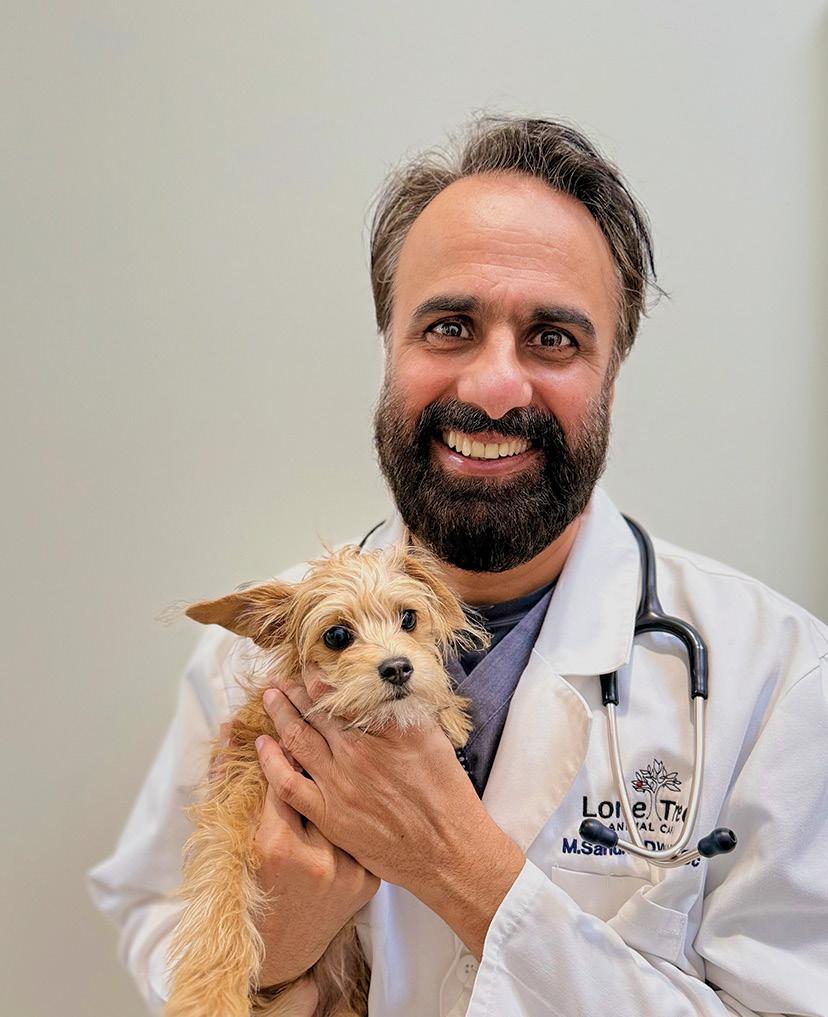
At Lone Tree Animal Care, we believe that preventive care is one of the greatest gifts you can give your pet. Annual wellness exams allow veterinarians to identify potential health concerns before they become serious problems. Many conditions, such as dental disease, arthritis, heart disease, kidney disease, and diabetes, can develop gradually and may not show obvious signs until they are advanced.
During your pet’s annual exam, we perform a thorough physical examination, discuss any changes in behavior or health, review nutrition and preventive care, and ensure vaccinations are up to date. Routine wellness visits help pets live longer, healthier, and happier lives.
As we approach the Fourth of July holiday, it’s also important to remember that celebrations can be stressful and even dangerous for our furry family members.
Fourth of July Pet Safety Tips:







♦ Ensure your pet’s microchip and identification tags are current.
♦ Create a quiet, comfortable space where your pet can feel safe.
♦ Close windows, doors, and curtains to help reduce noise and flashes.
♦ Never bring pets to fireworks events.
♦ Avoid giving pets human foods, especially barbecue items, alcohol, chocolate, onions, grapes, and foods containing xylitol.
♦ Exercise dogs earlier in the day before festivities begin.
♦ If your pet has a history of anxiety during fireworks, speak with your veterinarian ahead of time about calming supplements or medications.
Every year, animal shelters see an increase in lost pets following Fourth of July celebrations. Taking a few simple precautions can help keep your pet safe and comfortable throughout the holiday.
♦ Keep pets indoors during fireworks displays.
From all of us at Lone Tree Animal Care, we wish you and your pets a safe, happy, and healthy Fourth of July!
- Advertorial





TAYLOR SHEPHERD
Owners of local pet services say there are several ways key to a successful summer vacation when traveling with your pet.
Among them:
♦ incorporating professional supervision and safety
♦ having a structured daily routine
♦ creating socialization opportunities
♦ having an emergency plan
♦ considering boarding services
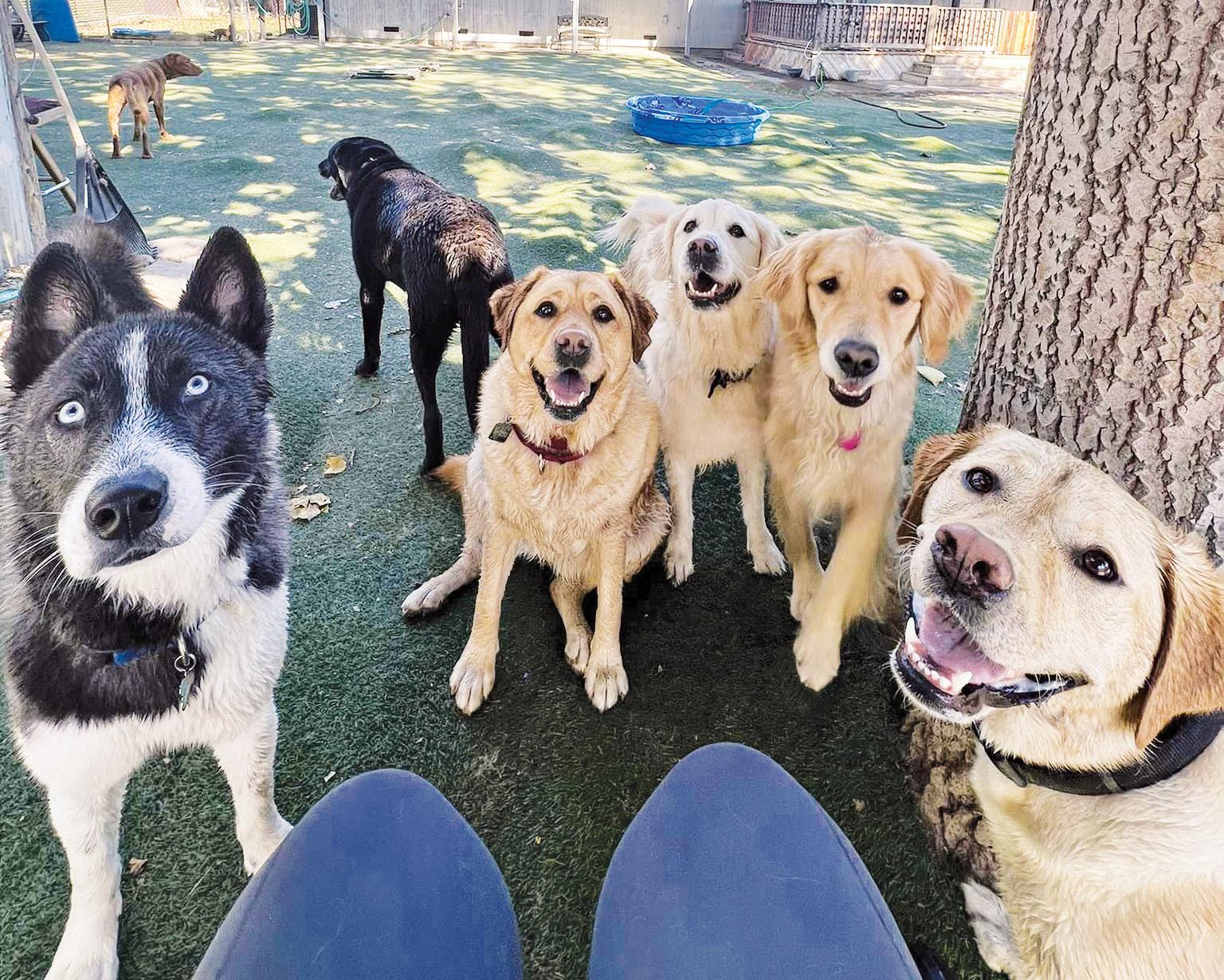
“We are staffed with trained personnel who understand animal behavior, dog play styles, and how to recognize potential health concerns early on,” Julia Wilhelm, owner of Pets Frolic Inn in Brentwood. “Our training and dedication to each animal’s wellbeing helps reduce the risk of accidents, stress, or illness while your pet is in our care. Pets are also monitored consistently throughout the day rather than being left alone for extended periods of time.”
Wilhelm said dogs thrive on consistency
and routine. “We maintain a structured daily schedule that includes feeding times, medication administration, potty breaks, outdoor play, rest periods, and socialization. Having a predictable routine helps many pets feel calmer, more comfortable, and better adjusted during their stay.”
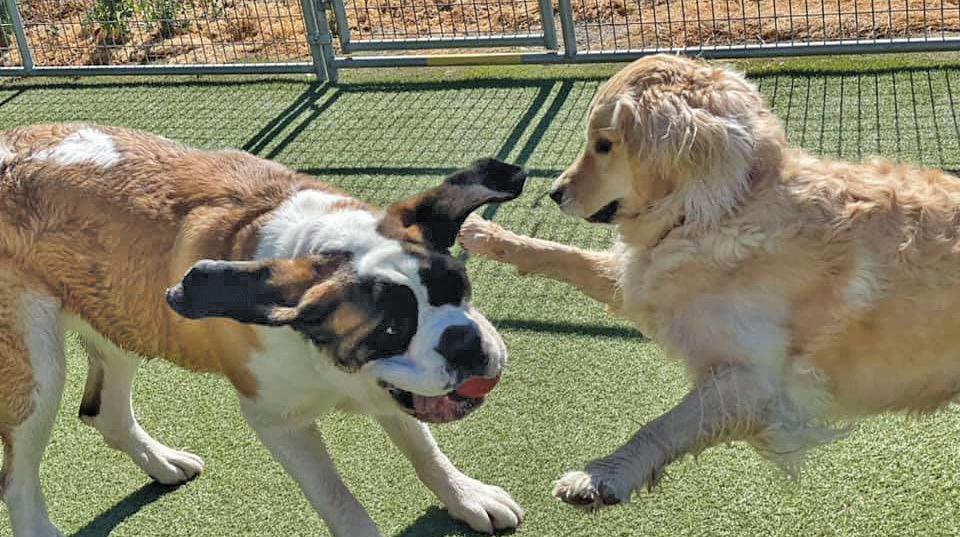
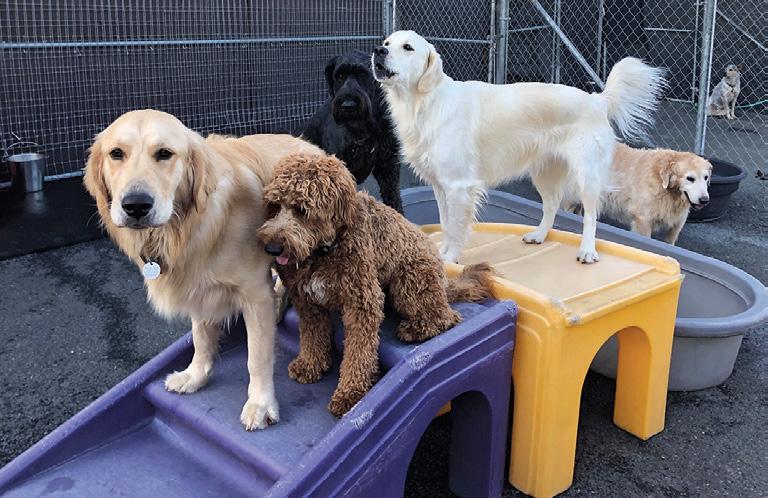
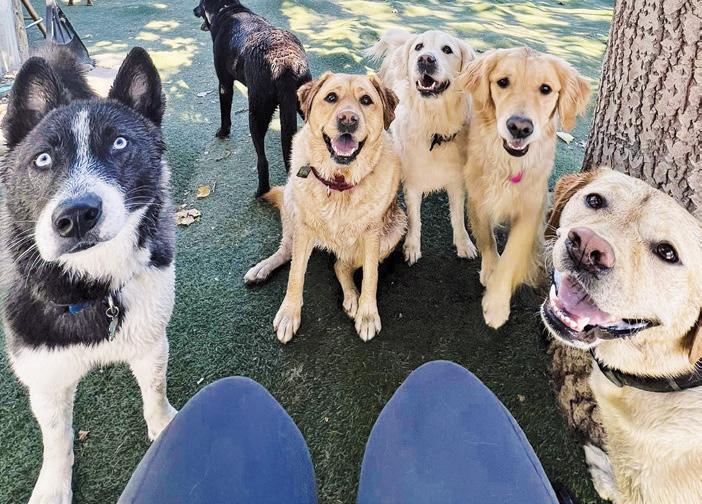
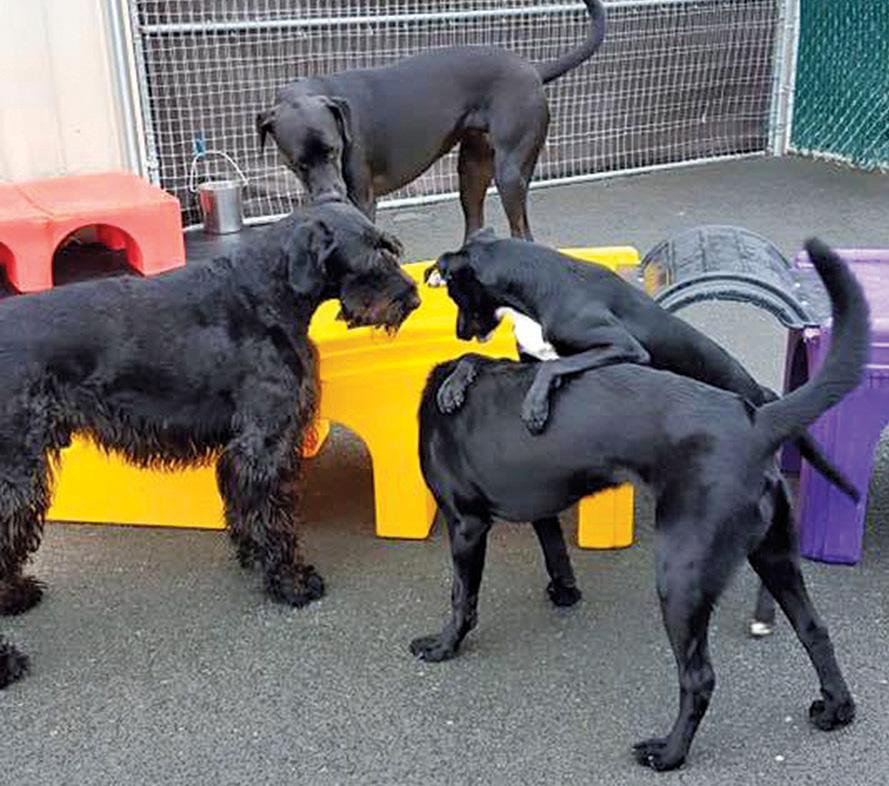
Pets Frolic Inn officials said they offer supervised group play tailored to each dog’s size, temperament, age, activity level, and overall wellness for dogs who are social and enjoy the company of other dogs.
“Group play is a great way for dogs to burn energy, stay mentally stimulated, and have fun while boarding. If group play is not the right fit for a particular dog, they can still enjoy safe interaction through fencing and individualized outdoor time in a controlled environment.”
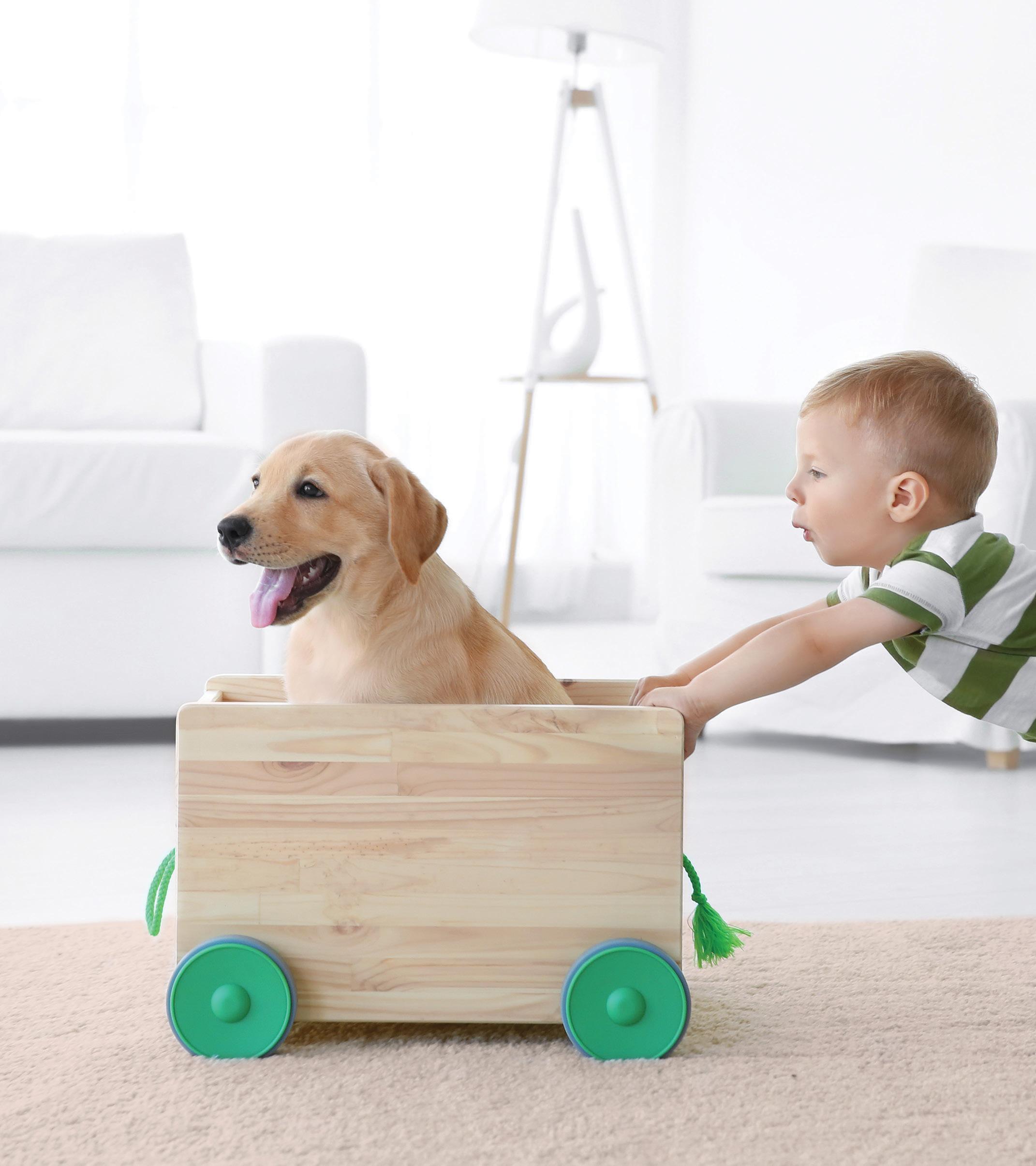
Julie Rezendes, owner of The Animal Nannies in Discovery Bay, said owners who are able to have their pets with them when traveling can make for a memorable vacation. “But if that is not a possibility, some animals do love the company of other animals at pet resorts, and are very happy to be there, having fun,” Rezendes added. “However, there are some that would do much better staying in their own environment, surrounded by familiar sights, smells and sounds. That’s when a professional pet sitter comes in handy. They can maintain their usual diet, exercise, medication, play and cuddle time.”
Sandra Lafferty, owner of Oakley Veterinary Medical Center, noted the pros and cons of traveling with your pet as it relates to stress.
“The pros of traveling with your pet are a continuity in the human/pet bond. Our pets are part of our family at home and generally love to remain part of the family, even if that is away from home. However, there are some pets (maybe cats) that would prefer to stay at home, thereby decreasing any stress they may encounter as a result of the trip.”
Lafferty suggests allowing your pet to participate as much as your travel plans allow, if your pet loves to travel with the family such as camping, boating, and hiking. “This reduces the stress this pet would encounter if left home alone or with another person,” she said. “The opposite is true if your pet prefers to stay at home. So, providing for home care and allowing these pets to remain in their familiar environment will greatly reduce the stress they would encounter if forced to travel. There are certainly instances when the stress of either situation cannot be avoided. Please talk with your pet’s veterinarian about what medications or supplements may be available to help them through this phase.”
Wilhelm said they have established emergency protocols in place should a situation arise. “We also work closely with several local veterinarians to ensure your pet receives
prompt and professional care if needed.”
Ensuring your pet is comfortable and having an enjoyable stay is important.
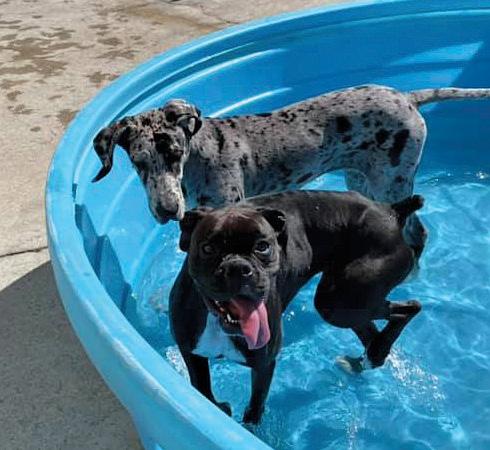
“Exit baths are available for guests who enjoy extra outdoor play, so they go home clean and fresh,” Wilhelm said. “We also offer one-on-one staff play sessions for dogs who prefer individualized attention or are unable to participate in group play – all offered at a nominal fee.”
Wilhelm noted the importance of boarding your pet as it provides peace of mind while away. “You can rest assured knowing your pet is in professional hands, in a climate-controlled environment, monitored throughout the day, and cared for by people who genuinely love animals.”
For more information from East County services, contact:
♦ Pets Frolic Inn 4071 Orwood Road, Brentwood https://www.petsfrolicinn.com info@petsfrolicinn.com (925) 634-4431
♦ Oakley Veterinary Medical Center 4526 Main St., Oakley https://www.oakleyveterinary.com sllafferty@sbcglobal.net (925) 625-3722
♦ The Animal Nannies Discovery Bay https://www.theanimalnannies.net juliejrezendes@yahoo.com (925) 513-2757



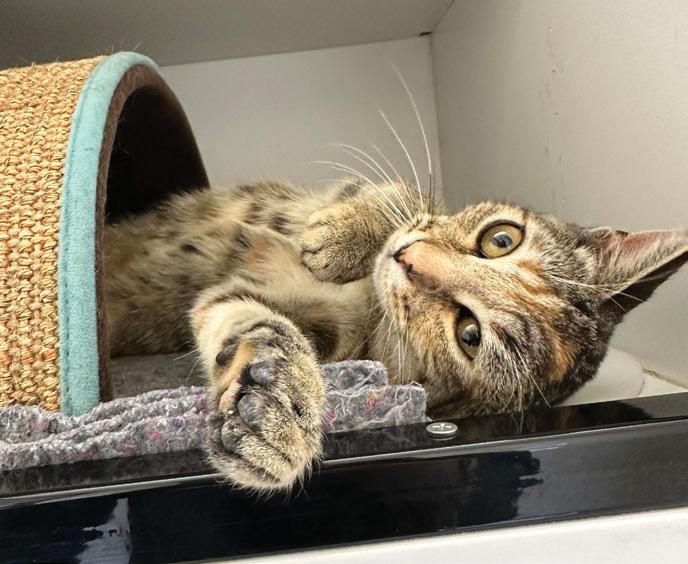








Contra Costa Animal Services will be waiving late fees for pet licensing during June, the organization has said, while also reminding residents that state law requires all dogs over four months old to have a current rabies vaccination and license.
“Contra Costa County follows California Health and Safety Code Section 121690 and Contra Costa County Ordinance, Section 416-6.002, requiring all dogs over the age of 4 months old be vaccinated against rabies with an approved vaccine and be licensed by the age of 5 months,” CCAS’s website explains. “Dogs over the age of 5 months must be licensed within 30 days of acquisition, or within 30 days after entering Contra Costa County… [these] regulations apply to anyone owning, harboring, or possessing any dog over the age of 4 months old in Contra Costa County.”
CCAS noted that more pets get lost on the Fourth of July than any other time of year and that licensing is one way to

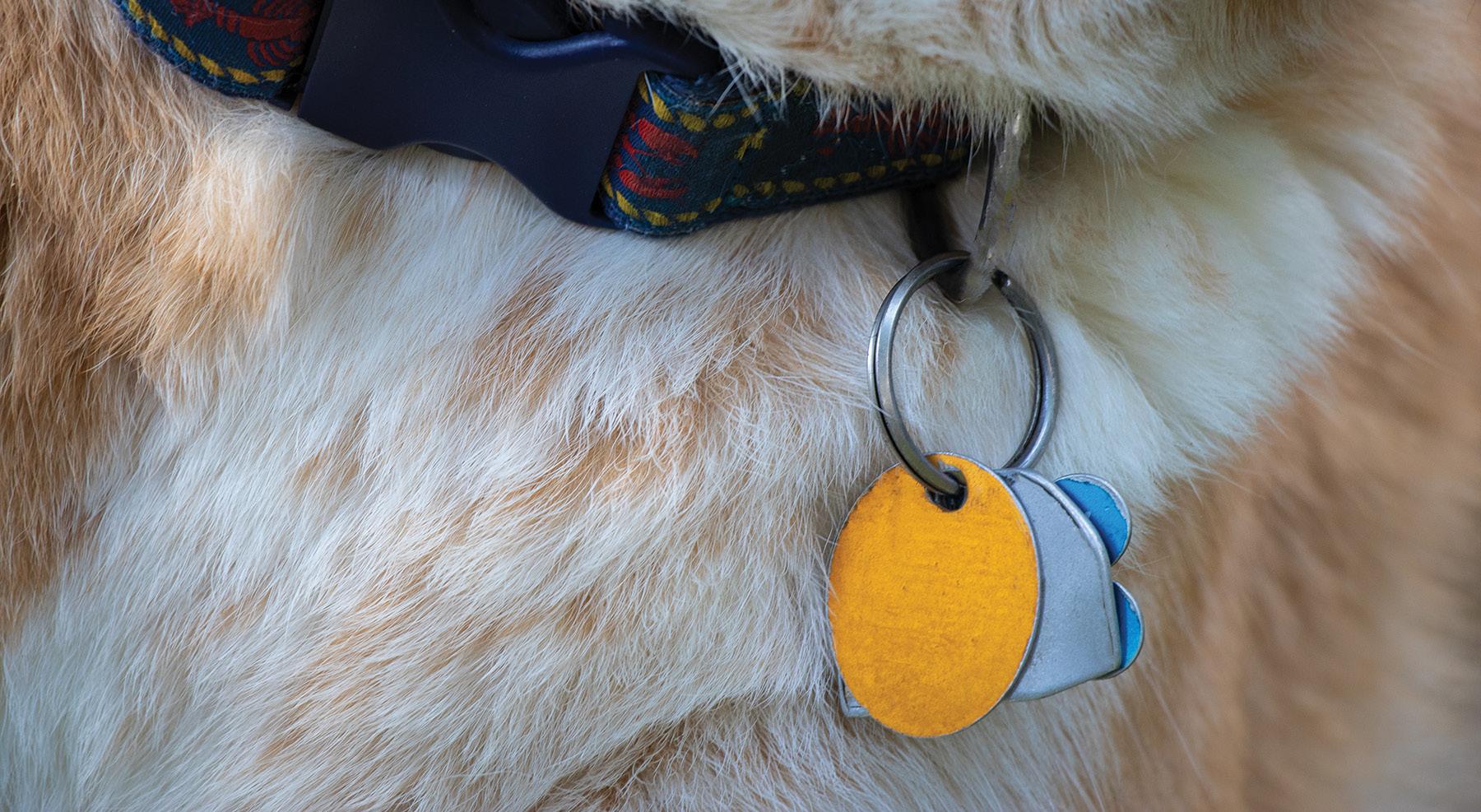
CCAS noted that more pets get lost on the Fourth of July than any other time of year and that licensing is one way to better ensure that lost pets can be reunited with their owners.
better ensure that lost pets can be reunited with their owners. The organization listed other benefits of keeping a pet licensed, such as:
♦ Should your pet become lost and picked up by one of their officers, they will make every effort to return it to you at your home before taking it to the shelter.



♦ Every tag comes with a 24/7 lost pet service. You control the information given to a finder. You can update that information anytime online.
♦ Your pet will be held for 10 business days by our shelter instead of the 3-5 days an unregistered pet would be held if they were picked up.







♦ Your unaltered pet will get a onetime pass on the mandatory Spay/Neuter law if impounded while currently licensed.
♦ You will not receive a licensing citation from officers that can be costly and/or require your presence in court.
♦ When your pet dies, CCAS has free after-life services.
♦ If you are a cat owner, you can also license and receive these perks however, it is not mandatory like a dog license.
Licensing a pet can be done online, by mail, in person or by phone, according to CCAS.
1) Online: visit the Docupet website at ccas.docupet.com
2) Through mail by check: make check payable to: DocuPet, 15 Technology Place, Suite 1, East Syracuse, NY 13057
3) In person by cash, check, or debit card:
Tuesday-Saturday from 10 a.m.-5 p.m., Wednesdays 10 a.m.-7 p.m. at 4800 Imhoff Place in Martinez, CA 94553
4) By phone with credit card (can be completed only if all current paperwork is on file):
1-877-239-6072 from 6 a.m.-5 p.m. Monday-Friday, holidays excepted.