BRANDT Research and Development Results
Welcome
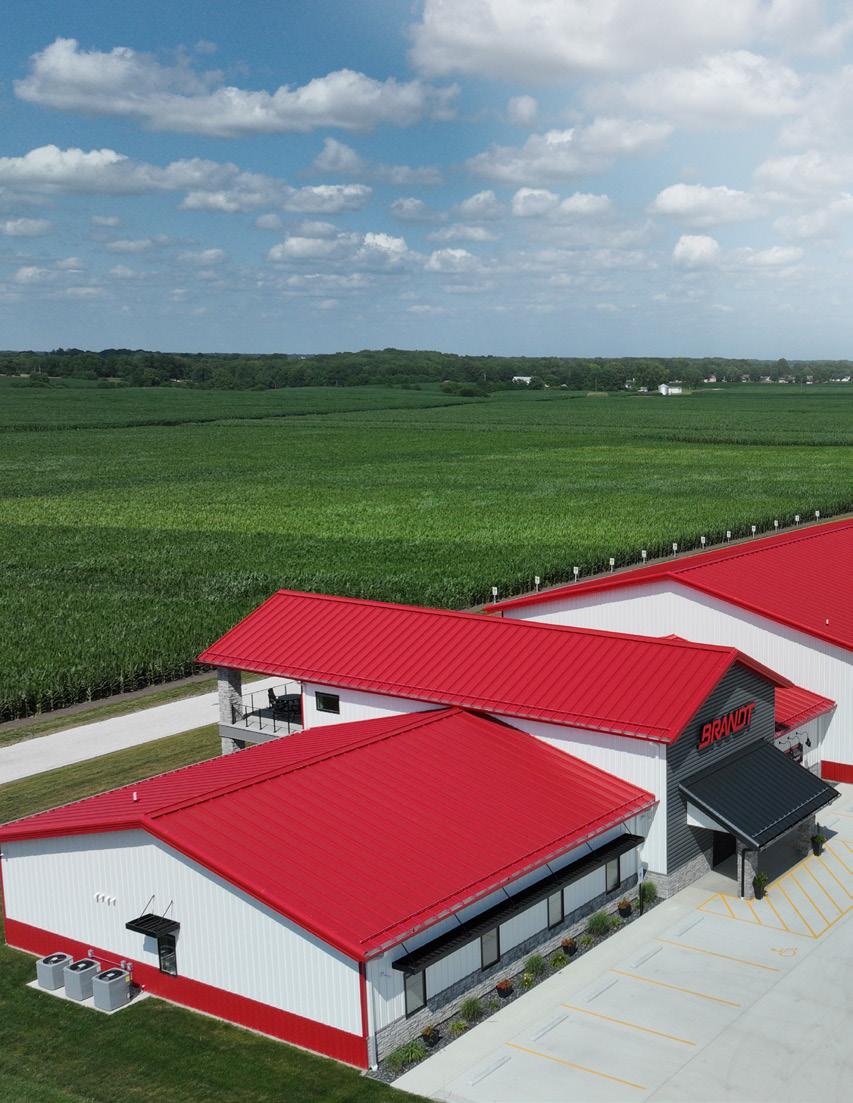
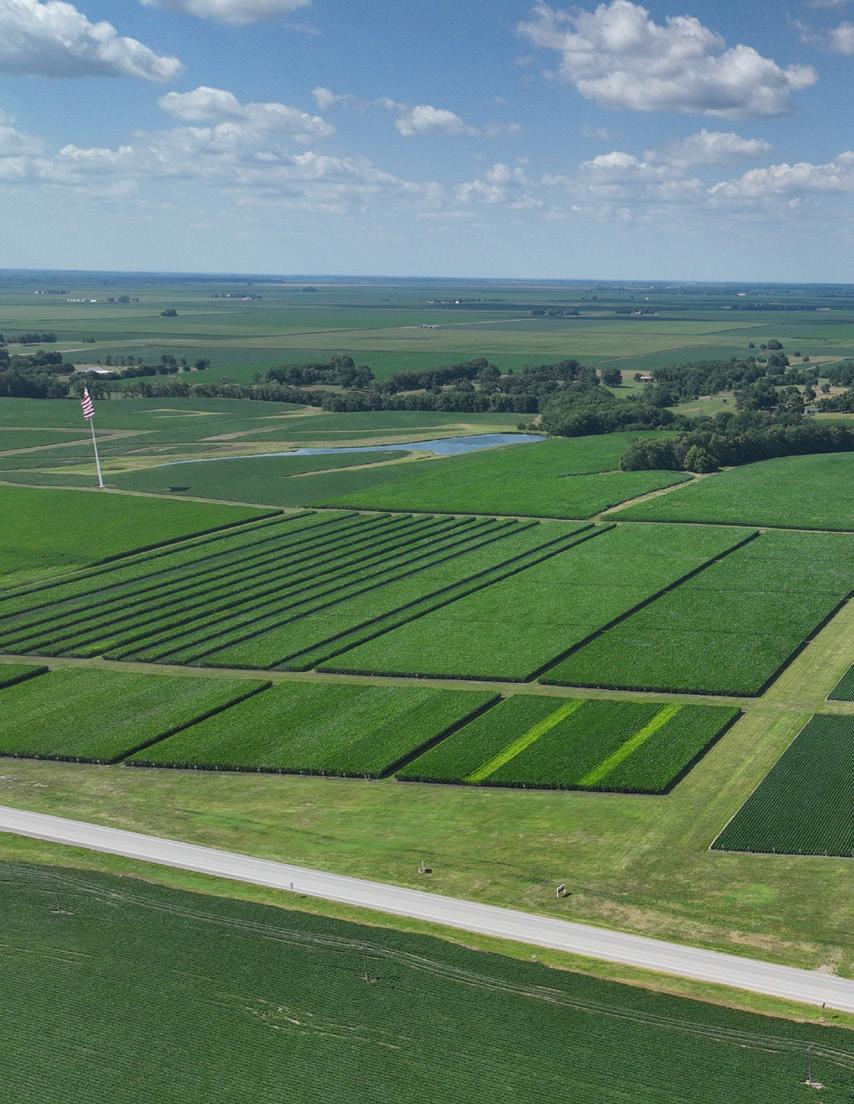
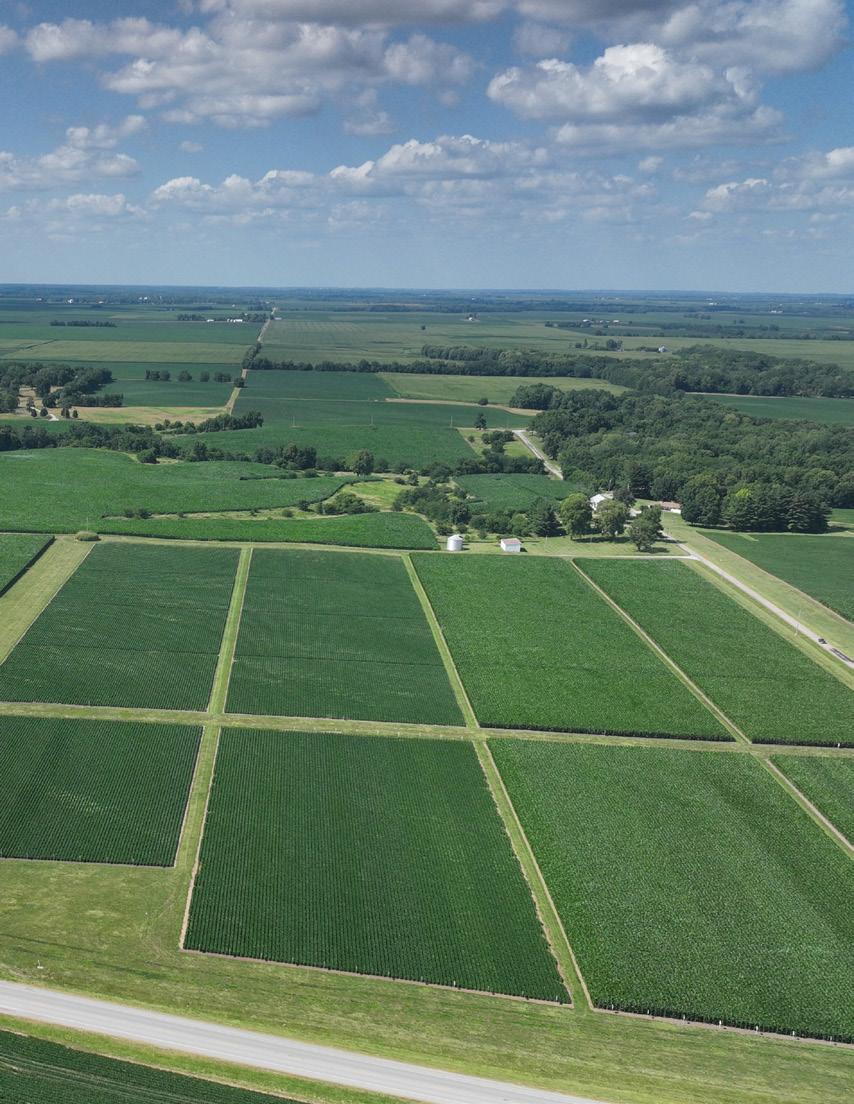
The BRANDT Research Farm and Evelyn Brandt Thomas Ag Innovation Center has become a global destination for agronomy insight among corn and soybean growers. Our 300-acre research farm provides a real-world environment to evaluate both management practices and product performance— and, importantly, how those two work together so we can better predict outcomes and deliver recommendations that benefit growers.
The 2025 season presented challenges familiar to many growers across Central Illinois. Late-season precipitation was limited, and insect and disease pressure was present. Overall, however, growing conditions were favorable. Experiencing these real-world variables allows us to better understand how practices and products perform under these stresses and enables us to deliver more relevant, field-proven guidance to our customers.
Please enjoy these results from the BRANDT Research Farm and our network of research cooperators across major corn and soybean growing regions. We are deeply committed to improving farmer sustainability and to strengthening the role of BRANDT recommendations—both practices and products—in helping our customers succeed.
We encourage you to connect with your BRANDT representative and visit the research farm to experience firsthand the innovative work underway to support our customers and advance modern agronomy.
Thank you, and best wishes for a safe and successful 2026 growing season.
BRANDT Agronomy Team
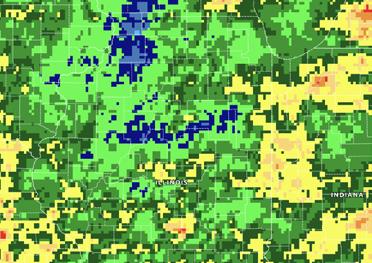
2025 Climate Data - BRANDT Research Farm
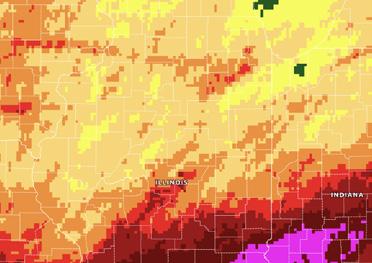
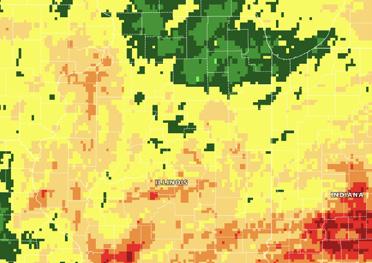
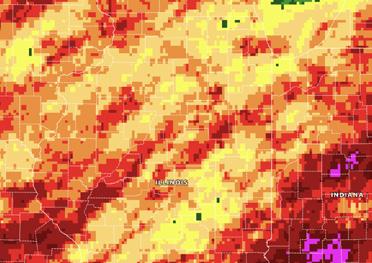

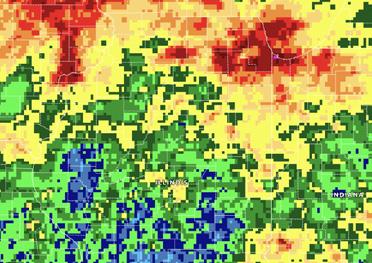
Pleasant Plains
Pleasant Plains
Pleasant Plains
Pleasant Plains
Pleasant Plains
Pleasant Plains
BRANDT Discovery and Innovation Team
Brian Haschemeyer - VP BRANDT Discovery & Innovation
Eric Winans, Ph.D. - Director of Agronomy
Marcos Loman, Ph.D. - Strategic Agronomy Manager, US-Brazil
Tom Kimes - Operations Manager, Research Farm
Dalton Knerrer - Technical Agronomist, Research Farm
Brad Walker - Agronomy Manager, Great Plains
Brad Bergefurd - Agronomy Manager, Eastern Corn Belt
John Weber - Agronomy Manager, PNW
Raquel Gomez - Agronomy Manager, West Coast
Tyler Richmond, Ph.D. - Agronomy Manager, Southeast & Delta
Mark Heineman - Agronomy Manager, Great Plains
BRANDT Agronomic Services Team
Kyle McClelland - Seed and Technical Agronomy Manager
Brian Dintelmann - Technical Agronomist
Steve Clement - Technical Systems Advisor
The marks BRANDT, BRANDT Smart Trio, BRANDT Smart Quatro, Battleground, Bio-Master, EnzUp, HomeLAND, Professional Agriculture, Rezadone, Sequestar, Smart System, Torpedo and Uptake are registered trademarks of BRANDT Consolidated, Inc. All other trademarks, product names and company names that appear on this document are the property of their respective owners or licensees, who may or may not be affiliated with, connected to, or sponsored by BRANDT Consolidated, Inc.
Weather maps can be found at: https://water.noaa.gov
BRANDT Agronomic Services Community and On-Farm Trials
The BRANDT Agronomic Services team works closely with local farms to generate local data for our retail customers. This includes the BRANDT Community Trials, which represent over 50 locations across Central Illinois with a replicated set of corn hybrids and soybean varieties. These trials are divided into North and South agronomic zones to better illustrate how hybrids and varieties performed under the specific regional conditions.
In addition to the Community Trials, we conduct larger scale on-farm trials that evaluate management practices, new crop protection products, proprietary nutrient formulations, and strategies designed to create high yield environments. Together, these trials provide valuable insights that help our customers make informed decisions for their operations.
Third Party Trial Locations
Contract Researchers Used in 2025 Corn and Soybean Research Trials
Purdue University West Lafayette IN Butlerville IN Columbia City IN Wanatah IN
University of Illinois Urbana IL
University of Missouri Columbia MO
Mississippi State University Starkville MS
University of Arkansas Little Rock AR
University of Delaware Georgetown DE
University of Wisconsin Madison WI
Auburn University Auburn AL
University of Tennessee Knoxville TN
Ohio State University Columbus OH
Louisiana State University Baron Rouge LA
RiverBend Ag Haynes AR
Irrigation Research Foundation Yuma CO
Southeast Ag Research, Inc. Chula GA
Alpha Ag Research Sanborn IA
TSM Services Catlin IL
ABG Ag Service Sheridan IN
Performance Crop Research Great Bend KS
Diamond Ag Research Larned KS
Michigan Ag Research Albion MI PRS Holden MO
Missouri Soybean Association Jefferson City MO
Impact Agronomics Pantego NC
AGVISE Research Northwood ND
Elite Research Aurora NE
Buckeye Ag Testing Troy OH
Centrol Crop Consulting Iroquois SD
SGS Field Research Aurora SD
Gillilan Ag Research Springfield TN
Texas Agri Consultants Fulshear TX
Richburg Research Plainview TX
SynTech Research Verona WI
Great Lakes Ag Research Service Delavan WI

Corn and Soybean Planting Date
Pleasant Plains Research Farm Historical Planting Data:
■ Historical planting date data from the research farm shows that corn and soybean both follow a similar yield decline as planting date is delayed.
■ Soybean benefited from planting during the last two weeks of March and the first week of April, while corn yields declined with super early planting. Due to its plasticity, soybean is more resilient than corn in cooler planting conditions and does not require a perfect stand with even emergence to maximize yield, unlike corn.
■ On average for both corn and soybean, 95% of maximum yield was achieved if planted by April 24; 90% of maximum yield was achieved if planted by May 10; and 80% of maximum yield was achieved if planted by May 28. The variance in yield potential drastically increased as planting date was delayed.
2025 Planting Date Study Treatments:
■ The study included four corn (Mar 26, Apr 15, Apr 29, May 15) and five soybean (Mar 13, Mar 26, Apr 15, Apr 29, May 15) planting dates, each with or without starter fertilizer.
■ Starter Fertilizer:
■ 2x2: ATS (10 gal/ac), BRANDT EnzUp P DS (5 lb/ac), BRANDT Sequestar 9% Zn (1 qt/ac)
■ In-furrow: BRANDT EnzUp Zn (1 pt/ac), BRANDT Seaweed Max (1pt/ac)
2025 Corn Planting Date Results:
■ Unlike historical trends, early planting in 2025 did not result in the highest yields due to the overlap of key growth stages with a mid season dry period and reduced emergence uniformity.
■ Starter fertilizer responses were minimal or negative at early planting dates, which is atypical and likely due to cool and cloudy early season conditions that limited crop growth and nutrient demand.
■ Starter fertilizer increased yield at the latest planting date, likely due to higher nutrient demand from rapid early season growth.
2025 Soybean Planting Date Results:
■ Maximum soybean yield, with or without starter fertilizer, was achieved from the March 26 planting.
■ The first planting date (March 13) experienced freezing temperatures that reduced stand by approximately 40%. Although early planting negatively affected emergence and final population, yields still ranked second among planting dates, demonstrating how responsive soybeans are to early planting and an extended growing season.
■ Application of starter fertilizer increased soybean yield at all planting dates except the first, which was unaffected by the starter application. The greatest response was observed at the fifth planting date, with an average yield increase of 4.5 bu/ac.
■ Overall, yields declined with delayed planting, consistent with historical data. This reduction is typically associated with a shortened growing season. When these growth stages are compressed, particularly around the R2–R3, fewer pods are produced per plant, ultimately leading to lower yields.
2025 Soybean Planting Date Trials
Notes: Previous crop: soybean; Hybrid: DKC68-35RIB; Seeding rate: 38,000 plants/ac; Fall Fertility: 25-75-100 suspension; Nitrogen: 180 lbs/ac as fall NH3; V5 foliar: BRANDT Smart Trio with herbicide; V12 foliar: Veltyma, Warrior, BRANDT Smart K B, BRANDT Smart Trio; R2 foliar: Veltyma, Warrior, BRANDT Smart Trio, BRANDT Smart K B.
Notes: Previous crop: corn; Variety: AG36XF4; Seeding rate: 120,000 plants/ac; Fall Fertility: 25-75-100 suspension; V3 foliar: BRANDT Smart Trio with herbicide; R1 and R3 foliar: Miravis Top, Warrior, BRANDT Smart K B, BRANDT Smart Trio.
Corn Results
Top 5 Corn Insights
Fungicide applications were highly responsive across the Midwest in 2025 and proved critical for maintaining photosynthetic capacity during grain fill . (pg . 44)
Pairing fungicide with BRANDT Smart K B continues to demonstrate strong impacts on extending grain fill duration and enhancing sugar movement to developing kernels . (pg . 49)
Across both high-yield systems and stress-prone environments, biostimulants are emerging as the next catalyst in corn production, helping reduce stress impacts while protecting yield potential (pg . 40)
The use of specific enzymes, combined with balanced phosphorus and zinc starter programs, has been a proven strategy for meeting early-season nutrient demand while maximizing yield potential . (pg . 32)
The application of BRANDT EnzUp SeedFlow Zn to the seed has consistently increased germination speed and emergence uniformity, both of which are critical for establishing early-season stand quality and protecting yield potential . (pg . 27)
BRANDT Research Farm Corn Base Management
The BRANDT Research Farm base applications reflect a high yield management recommendation that can be implemented in parts or as a whole to fit within a grower’s current program. Applications for 2025 were:
■ Conventional fall tillage
■ 25-75-100 suspension in fall with BRANDT Rezadone
■ Fall NH3 with N-Serve – 180 lbs N/ac
■ Planting Date: 4/16-4/27
■ Planter 2x2: 10 gal/ac Ammonium Thiosulfate (ATS, 12-0-0-26S), 5 lbs/ac BRANDT EnzUp P DS, 1 qt/ac BRANDT Sequestar 9% Zn
■ Planter In-Furrow: 1 pt/ac BRANDT EnzUp Zn, 1 pt/ac BRANDT Seaweed Max
■ 38,000 plants/ac
■ Pre-emergent herbicide: Storen & Aatrex 4L
■ Post-emergent herbicide: Lexar EZ & Aatrex 4L with 1 qt/ac BRANDT Smart Trio
■ Veltyma, Warrior II, 1 qt/ac BRANDT Smart K B, and 1 pt/ac BRANDT Smart Trio V12-R2
Nitrogen Timing and Source pg. 20
Nitrogen Rate pg. 21-22
We have illustrated the production practices as they relate to application timing Please note how many important decisions are made at or before planting .
Hybrid Comparison pg. 14-19
Planting Date pg. 8-9 Sulfur in Corn Production pg. 23-25
Planter Box Solutions pg. 26-31
Liquid Starter pg. 32-39
Population and Row Arrangement pg. 46-47, 52-53
Foliar Biostimulants pg. 40-43
Foliar Nutrition and Crop Protection pg. 44-51
BRANDT Community Trials Hybrid Comparison
Central IL (South Zone) - 14 Plot Locations - 2025
Summary:
■ South Zone Community Trials were located in Ashland, Franklin, Oakford (2), Auburn (2), Raymond (2), Lynnville, Niantic, Mt. Auburn (2), New Berlin and Lincoln.
■ There are many high yielding hybrid offerings that come in a range of Bt trait platforms and maturity lengths that can fit operational needs.
■ The yield difference between the highest and lowest performing hybrids across all South Zone locations was 23.7 bu/ac.
2025 South Zone Community Trials Results - Average of 14 locations
Notes: Previous crop: soybean; Planting dates: April 14-May 14, 2025; Harvest dates: Sept 9-Oct 24, 2025; Planting rate: 37,000 seeds/ac; Each hybrid was planted 8 rows wide (30” rows) by 600’ long; Non-irrigated silt loam soils. DKC = Dekalb, CP = CROPLAN, B = Brevant.
■ For the second year in a row, DKC68-35RIB was the top yielding hybrid in our South Zone Community Trials. In 2025, it yielded 279.3 bu/ac, finishing 2.4 bu/ac ahead of the second-place hybrid, DKC114-99RIB.
■ DKC112-12RIB, DKC66-06RIB, CP5336VT2P, CP5682TRE, and DKC115-55RIB rounded out the top half of the hybrids, yielding between 269.2-271.7 bu/ac.
■ Dry and hot weather late in the season likely played a role in the differences in yield between early and full season products.
■ This response is why it’s important to plant different maturity hybrids in different planting date windows so we can spread and reduce risk.
■ Five hybrids were tested in 2024 and 2025 South Zone Community Trials. DKC68-35RIB and DKC66-06RIB were the top yielding hybrids across the 2024 and 2025 growing seasons.
BRANDT Community Trials Hybrid Comparison
Central IL (North Zone) - 6 Plot Locations - 2025
Summary:
■ North Zone Community Trials were located in Gridley (2), Lexington, Fairbury, Cooksville and Cropsey.
■ The yield difference between the highest and lowest preforming hybrid across all North Zone locations was 21.9 bu/ac.
2025 North Zone Community Trials Results - Average of 6 locations
Notes: Previous crop: soybean; Planting dates: April 28-May 9, 2025; Harvest dates: Oct 1-Oct 20, 2025; Planting rate: 37,000 seeds/ac; Each hybrid was planted 8 rows wide (30” rows) by 600’ long; Non-irrigated silt loam soils. DKC = Dekalb, CP = CROPLAN, B = Brevant.
■ DKC68-35RIB was also the top yielding hybrid in the North Zone, averaging 270.1 bu/ac. It yielded 1.3 bu/ac greater than the second-place hybrid, DKC66-06RIB.
■ DKC113-03RIB and DKC114-99RIB placed third and fourth, respectively, and were only 2.9 and 3.8 bu/ac behind DKC68-35RIB.
Core Hybrid Performance (North & South Zones) - 20 Plot Locations - 2025
Summary:
■ The North and South replicated Community Trials shared 9 core hybrids across 20 locations.
2025 Core Hybrid Performance - North vs South - Percent Yield of Plot Average
Yield of
■ Overall, DKC68-35RIB and DKC114-99RIB were the top yielding hybrids across the 20 locations in 2025. These hybrids showed strong stability across both regions and were less affected by differing environmental conditions.
■ DKC112-12RIB and DKC115-55RIB had a 4.7% yield advantage in the South Zone compared to the North Zone.
■ B12J58V, DKC66-06RIB, and B17H53PCE had a 3% yield advantage in the North Zone compared to the South Zone.
■ This data suggests that environmental conditions influenced the yield performance of these 5 hybrids.
Corn Hybrid Comparison
BRANDT Research Farm - Pleasant Plains, IL - 2025
Summary:
■ Hybrid selection is a crucial decision that requires careful consideration of trait packages, agronomic performance, and pest resistance.
■ Among the hybrids tested at the Pleasant Plains research farm in 2025, the yield difference between the highest and lowest performing hybrids was 51.8 bu/ac in first-year corn and 42.4 bu/ac in continuous corn.
■ Averaged across the common hybrids in both the first-year and continuous corn trials, the response to rotation was +23.1 bu/ac.
■ The top performing hybrids were DKC68-35RIB, DKC64-22RIB, DKC114-99RIB, DKC112-12RIB, and DKC119-09RIB, all yielding above 305 bu/ac on rotated ground.
■ Fuller maturity hybrids tend to produce the highest yields in first-year corn fields, but this trend was not observed in continuous corn hybrids.
■ BRANDT SeedFlow Corn was evaluated using the DKC114-99RIB hybrid in both continuous corn and a corn/soybean rotation. The treatment resulted in yield increases of 11.4 bu/ac under continuous corn and 11.7 bu/ac under rotation.
*Treated with BRANDT SeedFlow Corn
DEKALB Hybrids – Continuous Corn
DKC107-11RIB
DKC108-64RIB
DKC109-71RIB
DKC110-10RIB
DKC110-28RIB
DKC111-33RIB
DKC113-03RIB
DKC114-42RIB
DKC106-98RIB *Treated with BRANDT SeedFlow Corn
Planting date: 4/29/2025; Planting rate: 38,000 plants/ac; Fall Fertility: 25-75-100 suspension; Nitrogen: first-year corn
1st Year Corn Hybrid Comparison
Notes: Planting date: 4/17/2025; Planting rate: 38,000 plants/ac; Fall Fertility: 25-75-100 suspension; Nitrogen: 180 lbs N/ac as spring NH3 with N-Serve; 2x2: 10 gal/ac ATS, 5 lbs/ac BRANDT EnzUp P DS, 1 qt BRANDT Sequestar 9% Zn; In-furrow: 1 pt BRANDT EnzUp Zn, 1 pt BRANDT Seaweed Max; V5 foliar: BRANDT Smart Trio with herbicide; V12 and R2 foliar: Veltyma, Warrior, BRANDT Smart K B, BRANDT Smart Trio.
Nitrogen Timing and Source
BRANDT Research Farm - Pleasant Plains, IL – 2024-2025
Summary:
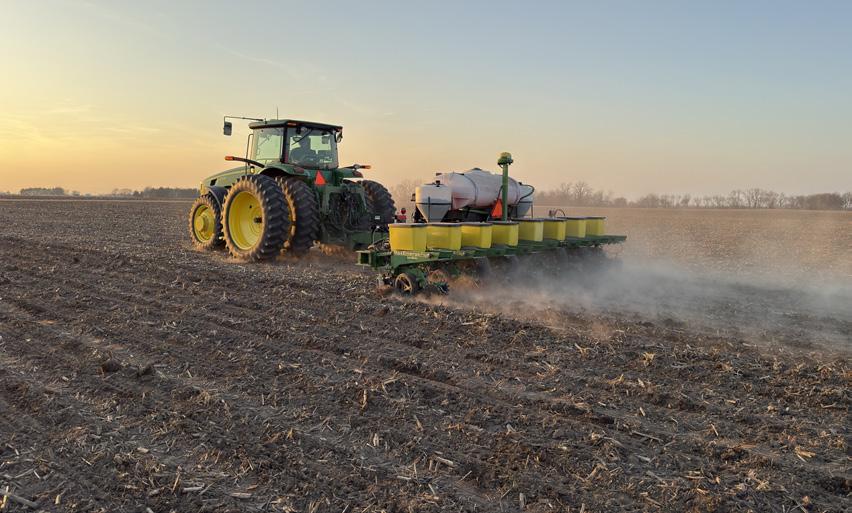
■ To maximize yield potential, the corn crop requires a high concentration of Nitrogen (N) in the rhizosphere when the nodal root system begins to develop.
■ Peak nitrogen uptake occurs during the rapid growth phase from V8 to R2, where a 250 bu/ac corn crop will take up 8 lbs of N a day to fulfill plant requirements.
■ In 2024 and 2025, banding all 180 lbs of N in the fall beneath the future crop row maximized yield compared to broadcasting N in the spring or delaying some N for sidedress.
■ 2024 soil data shows that fall application of NH3 with N-Serve maximized early season availability of N to the crop when yield potential is determined.
■ When anhydrous is banded, nutrients are concentrated in a smaller soil volume rather than being distributed across the entire field, which increases nutrient availability in the root zone. Therefore, the yield benefit from banded anhydrous likely stems more from placement efficiency than from the nitrogen source or timing itself.
Treatments:
■ All treatments were balanced for 180 lbs N/ac.
■ Fall: NH3 band injected directly below the future crop row with N-Serve (1 qt/ac).
■ Spring: UAN-28 broadcast applied and incorporated prior to planting.
■ At-planting: UAN-28 banded 2” below and 2” away (2x2) from the seed.
■ Sidedress: UAN-28 applied with coulter directly between the rows with Anvol (0.75 qt/ton) at the V4 growth stage.
*Soil samples pulled from the 0-12” depth.
*Data is the average of 2 replications
N Rate x BRANDT® HomeLAND® Corn Complete
BRANDT Research Farm – Pleasant Plains, IL - 2024 - 2025
Continuous Corn N Rate x BRANDT HomeLAND Corn Complete
■ BRANDT HomeLAND Corn Complete is a dry planter box seed inoculant that combines patented enzymes, micronutrients, microbial inoculants, and seed fluency agents to enhance seed flow, improve root development, and boost nutrient uptake for better plant health.
■ Averaged across N rates from 0-300 lbs/ac in 2024 and 2025, inoculating corn seed with BRANDT HomeLAND Corn Complete increased yield by 12.4 bu/ac with consistent positive yield increased occurring at N rate at or above 100 lbs/ac.
Treatments:
■ Fall applied NH3 with N-Serve for 0-300 lbs of total N/ac.
■ Within each N rate, corn was assessed for its yield response to HomeLAND Corn Complete a dry corn inoculant.
2024-2025 Average Continuous Corn N Rate x BRANDT HomeLAND Corn Complete
Untreated HomeLAND Corn Complete
Notes: 19th consecutive year of continuous corn.
Corn Nitrogen Rate Trials
■ Nitrogen rate response trials were established at the research farm under both corn and soybean rotation and long-term continuous corn.
■ The economic optimal N rate (EONR) was 184 lbs N/ac in 1st year corn and 215 lbs N/ac in continuous corn. The EONR is the point at which the yield response to the last lb of applied N is paid for by the extra yield produced in response to that pound of N. The EONR was calculated assuming prices of $0.40/lb N and $4.10/bu corn.
■ The high yield of 220.3 bu/ac produced with 0 lbs N/ac applied demonstrates the strong capacity of our soils to supply N, especially on rotated ground. Corn following soybean benefits from the lower carbon to nitrogen ratio of soybean stubble, which minimizes N immobilization and increases N availability during the growing season compared to continuous corn.
Treatments:
■ Fall applied NH3 with N-Serve for 0-300 lbs of total N/ac.
2025 1st Year Corn N Rate
Notes: Previous crop: corn; Planting date: 4/28/2025; Hybrid: DKC11499RIB; Planting
ATS; V5 foliar (herbicide): BRANDT Smart Trio, BRANDT Smart KB; V12 foliar: Veltyma, Warrior, BRANDT Smart K B, BRANDT Smart Trio; R2 foliar: Veltyma, Warrior, BRANDT Smart K B, BRANDT Smart Trio. 1st year corn following soybean.
2025 Continuous Corn N Rate
Notes: Previous crop: corn; Planting date: 4/28/2025; Hybrid: DKC11499RIB; Planting rate: 38,000 plants/ac; Fall Fertility: none; 2x2: 10 gal/ac ATS; V5 foliar (herbicide): BRANDT Smart Trio, BRANDT Smart K B; V12 foliar: Veltyma, Warrior, BRANDT Smart K B, BRANDT Smart Trio; R2 foliar: Veltyma, Warrior, BRANDT Smart K B, BRANDT Smart Trio. 19th year continuous corn.
BRANDT Research Farm - Pleasant Plains, IL - 2025
Sulfur Source Impact on Corn Productivity
BRANDT Research Farm - Pleasant Plains, IL - 2025
Results:
■ All sulfur sources increased yield compared to the untreated control, but the spring application of ATS resulted in the highest yield response likely due to its immediate availability during early plant demand.
■ Among the elemental sulfur sources, MAP + Micronized Sulfur Technology (MST) resulted in the greatest yield increase, likely because the micronized elemental S particles oxidize more rapidly, making more sulfur available within the season.
■ While sulfate sources are generally more efficient due to their immediate availability, research from the University of Illinois shows that combining elemental sulfur with a sulfate source can be effective in high-yield systems. That said, using elemental sulfur alone is usually not enough to meet in-season crop demand, since oxidation may not occur quickly enough to support highperforming crops.
Treatments:
■ All treatments were applied at a rate of 20 lbs S/ac.
■ Elemental sulfur (90% S) and MAP + MST (16% S) were applied in the fall, both supplying sulfur in the elemental form.
■ Ammonium thiosulfate (ATS) was applied 2x2 at planting in the spring, providing sulfur in a more immediately available form.
■ All treatments were balanced to supply 70 lbs P2O5/ac.
Effect of Sulfur Sources on Corn Yield
Notes: Previous crop: corn; Planting date: 5/9/2025; Hybrid: DKC114-99RIB; Planting rate: 38,000 plants/ac; Fall Fertility: 25-75-100 suspension; Nitrogen: 200 lbs/ac as fall NH3; In-furrow: 5 lbs BRANDT EnzUp P DS, 1 pt
Sulfur Management
Sulfur (S) is an essential macronutrient that has gained significant attention in recent years due to its increasing frequency of positive yield response in fertilizer trials driven by:
1. Depletion of soil sulfur reserves over time.
2. Reduction in atmospheric sulfate deposition resulting from the Clean Air Acts.
3. Use of high-purity phosphate fertilizers that no longer contain sulfur as an impurity.
4. Decline in soil organic matter due to management practices.
5. Increased yields, resulting in higher nutrient extraction and nutrient removal from fields.
In this short report, we will review the dynamics of sulfur in the soil, main physiological functions in the plant, available fertilizer sources, scenarios where a positive response to sulfur is more likely.
Sulfur in the Soil
Sulfur in agricultural soils exists in both inorganic and organic forms:
■ Most soil sulfur (>90%) in most temperate-region soils, is organically bound, concentrated in the topsoil.
■ Topsoil management strongly influences sulfur availability.
■ Sulfur cycling (mineralization/immobilization) is microbially driven and affected by temperature, moisture, soil conditions, and residue quality.
■ High carbon to sulfur (C:S) residues (e.g., cereal straw) can temporarily tie up sulfur before releasing it later.
■ Plant-available sulfur is sulfate (SO4²-), which is mobile and prone to leaching.
■ Leaching risk increases in sandy/low-CEC soils, high rainfall, and after liming or heavy phosphate applications.
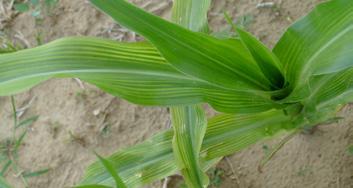
Sulfur deficiency on corn (source: Dan Kaiser, Extension nutrient management specialist).
Sulfur in the Plant
■ Sulfur is taken up as sulfate (SO4²-) and moved to young leaves and growing points.
■ Inside the plant, sulfur is quickly converted into essential compounds for growth and metabolism.
■ Sulfur is required to form the amino acids, cysteine and methionine, which are critical for protein and enzyme production.
■ Sulfur is essential for efficient nitrogen use:
■ Supports nitrate reductase activity
■ Helps convert nitrogen into plant proteins
■ Deficiency can cause nitrate buildup and yield loss, even when N is adequate
■ In soybean, sulfur is critical for nitrogen fixation; deficiency can reduce nitrogenase activity and mimic N deficiency.
■ Sulfur supports stress tolerance by aiding antioxidant systems (e.g., glutathione) and maintaining photosynthesis and metabolism.
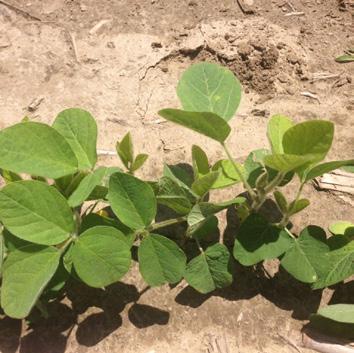
Sulfur deficiency on soybean (source: Bayer Crop Science).
Sulfur Deficiency and Scenarios Where Sulfur Response Is More Likely
In general, sulfur deficiency appears first in younger leaves, as sulfur is relatively immobile within the plant. Typical symptoms include overall light green coloration, reduced growth, and delayed development. Interveinal yellowing may occur but is not consistently present and tends to be more noticeable in crops such as corn during periods of rapid growth (typically V8 to VT) or whenever plant demand exceeds sulfur supply.
Sulfur fertilization response tends to be higher when one or more of the following conditions are present:
■ Low organic matter and/or sandy soils.
■ High rainfall environments, where sulfate is prone to leaching. These same conditions also increase nitrogen losses, so sulfur fertilization tends to be more responsive because it supports nitrogen utilization under leaching-prone conditions.
■ Cool, wet early-season conditions, which slow mineralization and microbial activity.
■ High-yield environments, because the greater the yield the greater the nutritional requirements will be.
■ Soils with high pH or intensive liming, which reduces sulfate adsorption and increases risk of leaching.
Sulfur Fertilizer Sources
Source Form Availability Notes
Ammonium sulfate (AMS)
Sulfate Immediate Acidifying, good for spring application or sidedress
Ammonium thiosulfate (ATS) Thiosulfate (oxidizes to sulfate) Medium-fast Liquid, good for spring application or sidedress
Single super phosphate (SSP)
Gypsum (CaSO4)
Sulfate Immediate Also supplies Ca & P
Sulfate Medium Lower solubility but effective over time
Polysulfate/Polyhalite (CaMgK2(SO4)4) Sulfate Medium Multiple nutrients and slower release
Co-granulated fertilizer (MicroEssentials, MAP + MST etc)
Sulfate and/or ES Dual-phase Improves soil distribution
Elemental sulfur (ES) ES Must be oxidized to sulfate Slow; requires aerobic microbial activity
As shown in the table, there are several sulfur sources available for crop use. The most important consideration is the form of sulfur being applied. Sulfur is typically supplied either as sulfate-S or elemental sulfur (ES).
■ Sulfate-S is immediately available to the plant but highly mobile and prone to leaching, especially in high rainfall or sandy soils.
■ Elemental sulfur (ES) is not plant available and must first be biologically oxidized into sulfate before the crop can use it.
The oxidation process:
■ Is carried out mainly by Thiobacillus and other sulfur-oxidizing bacteria.
■ Requires oxygen, so it is limited in compacted or waterlogged soils.
■ Is temperature dependent, working best between 70–95°F (21–35°C).
■ Is strongly affected by microbial activity and particle size (finer particles convert faster).
■ Can take up to two years for full oxidation of standard ES granules under Illinois conditions.
Corn Planter Box Offerings
BRANDT Research Farm - Pleasant Plains, IL - 2025
■ BRANDT offers a range of planter box treatments that not only improve seed fluency but also provide added benefits, with select formulations including micronutrients, enzymes, and microorganisms to enhance seed performance and plant health.
■ Early season nutrient availability is critical for improving germination quality and maximizing crop yield potential. Planter box treatments with micronutrients are an efficient method to distribute adequate nutrition for proper germination and establishment without risking toxicity.
■ Zinc is essential for C4 crops like corn and is especially important in environments with high soluble phosphate availability, as found in many U.S. farmlands, where it can interact negatively with phosphorus, often leading to deficiencies.
■ Enzymes are non-living molecules that act as biological catalysts. Many soil processes, like mineralization, are driven by enzymes produced by microbes rather than the microbes themselves. BRANDT’s patented enzymes enhance soil activity as it emerges from the winter, releasing carbon as an energy source to stimulate microbial activity and converting nutrients into plant-available forms.
■ The microbes in the BRANDT planter box products associate with corn plants by colonizing root surfaces. Azospirillum species promote plant growth by enhancing root development, nutrient uptake, and resilience through phytohormone production and stress adaptation mechanisms. Pseudomonas species release organic acids that lower soil pH, solubilizing precipitated nutrients, converting otherwise unavailable nutrients into forms accessible to plants.
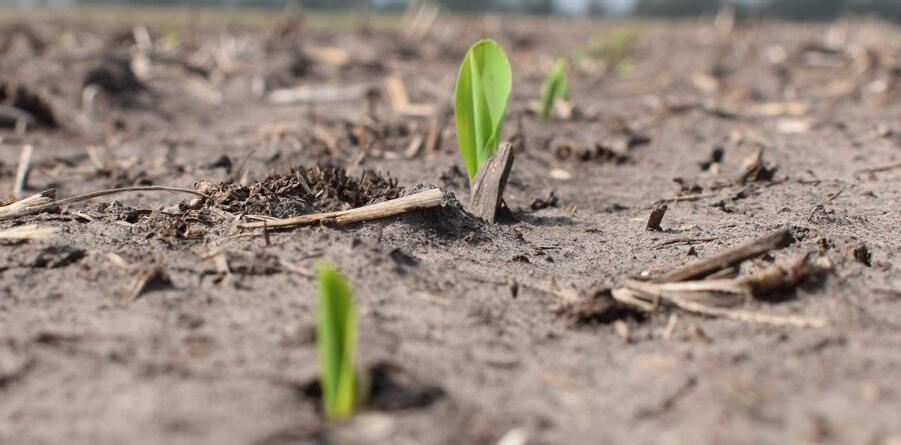
Effect of BRANDT® EnzUp® SeedFlow™ Zn on Corn Emergence
BRANDT Research Farm - Pleasant Plains, IL - 2025
Summary:
■ Across 5 replications at the BRANDT Research Farm treated plots, BRANDT EnzUp SeedFlow Zn reached 50% emergence 7 hours quicker and 90% emergence 12 hours quicker than the control.
■ Faster and more uniform emergence is positively correlated with greater crop yield potential.
■ Low soil temperatures, common in early planting, can delay emergence and reduce stand uniformity.
■ Enzymes such as mannanase may enhance seed emergence by breaking down components of the seed coat, facilitating water uptake and radicle growth.
■ Zinc seed treatments have been shown to improve emergence speed by enhancing seed vigor and protecting against oxidative stress associated with cold soil conditions.
Treatments:
■ BRANDT EnzUp SeedFlow Zn was applied to the seed in the planter box at 2 oz/unit of seed and compared to an untreated control.
■ A flag test was performed to assess the uniformity and speed of emergence in 5 replicates.
BRANDT EnzUp SeedFlow Zn
Notes: Previous crop: soybean; Planting date: 4/16/2025; Hybrid: DKC68-35RIB; Planting rate: 38,000 plants/ac; Fall Fertility: 25-75-100 suspension; Nitrogen: 180 lbs/ac as fall NH3; Treated and control plots received a 2x2 application of 10 gal/ac ATS, 5 lbs BRANDT EnzUp P DS, and 1 qt/ac BRANDT Sequestar 9% Zn.
Corn Planter Box Product Comparison
Location: BRANDT Research Farm – Pleasant Plains, IL
Summary:
■ Yield response to planter box products were variable at the research farm in 2025.
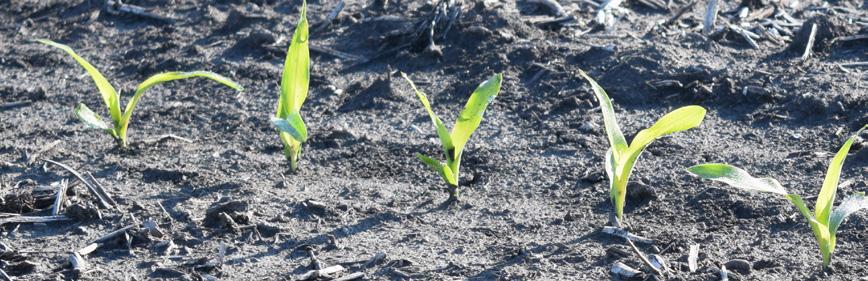
■ The most consistent responses are typically observed with planter box products focused on delivering micronutrients to enhance seed germination and emergence. That was the case in 2025 with BRANDT SeedFlow Micro and BRANDT SeedFlow Corn resulting in increased yields by 5.5 and 1.3 bu/ac.
■ BRANDT SeedFlow Micro and BRANDT SeedFlow Corn improved germination quality, stand uniformity, and early season vigor, with high zinc concentrations helping reduce oxidative stress during germination.
■ Our research team has observed that the addition of biologicals and enzymes may increase variability in yield response depending on environmental conditions, likely due to interactions with the native soil microbiome. However, excellent responses to these biologicals have also been observed in different environments.
Treatments:
■ BRANDT SeedFlow Micro, BRANDT SeedFlow Corn, BRANDT EnzUp SeedFlow Zn, BRANDT HomeLAND Corn, or BRANDT HomeLAND Corn Complete were applied at ¼ cup/unit of seed compared to a control.
■ All treatments, including the control, received ATS (10 gal/ac), 5 lbs BRANDT EnzUp P DS, and 1 qt BRANDT Sequestar 9% Zn 2x2.
2025 Research Farm Corn Planter Box Trials
BRANDT Research Farm - Pleasant Plains, IL - 2025
3rd Party Multi-State Trial - 2025
Treatments:
■ BRANDT SeedFlow Corn, BRANDT EnzUp SeedFlow Zn, BRANDT HomeLAND Corn, BRANDT HomeLAND Corn Complete, or BRANDT SeedFlow Micro were applied at ¼ cup/unit of seed and compared to an untreated control. The trials were conducted across 11 locations, with six replications at each location.
Summary:
■ Across all tested products, treatments increased yield in 69% of the locations, with an average yield increase of 2.5 bu/ac.
■ BRANDT SeedFlow Corn increased yield at 86% of the locations, with an average yield increase of 3.6 bu/ac.
■ BRANDT SeedFlow Micro increased yield at 64% of the locations, with an average yield increase of 1.5 bu/ac.
■ BRANDT EnzUp SeedFlow Zn increased yield at 64% of the locations, with an average yield increase of 2.4 bu/ac.
■ BRANDT HomeLAND Corn increased yield at 73% of the locations, with an average yield increase of 3.3 bu/ac.
■ BRANDT HomeLAND Corn Complete increased yield at 64% of the locations, with an average yield increase of 2.0 bu/ac.
2025 3rd Party Multi-State Planter Box Trials
BRANDT SeedFlow Corn Trials - New Product
BRANDT Research Farm - Pleasant Plains, IL - 2025
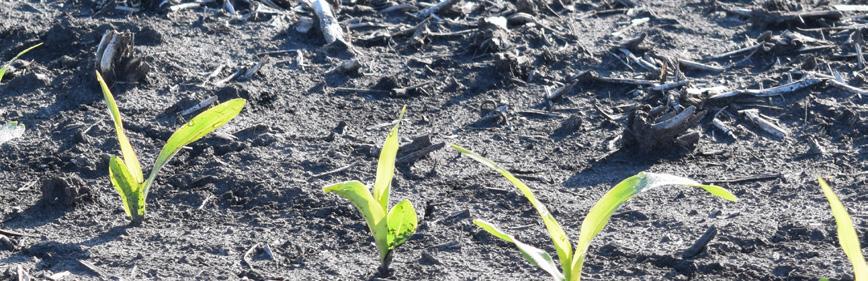
■ BRANDT SeedFlow Corn was evaluated using the corn hybrid DKC114-99RIB in both continuous corn and corn/soybean rotation systems.
■ On average, the treatment increased yield by 11.6 bu/ac, with similar responses observed in both rotations.
■ Zinc applied to the seed may support faster germination and enhance antioxidant activity, which is particularly beneficial under early planting conditions and cooler soils.
Treatments:
■ BRANDT SeedFlow Corn was applied to the seed in the planter box at 2 oz/unit of seed and compared to an untreated control.
BRANDT Community Trial - 12 Central IL Plot Locations - 2025
Summary:
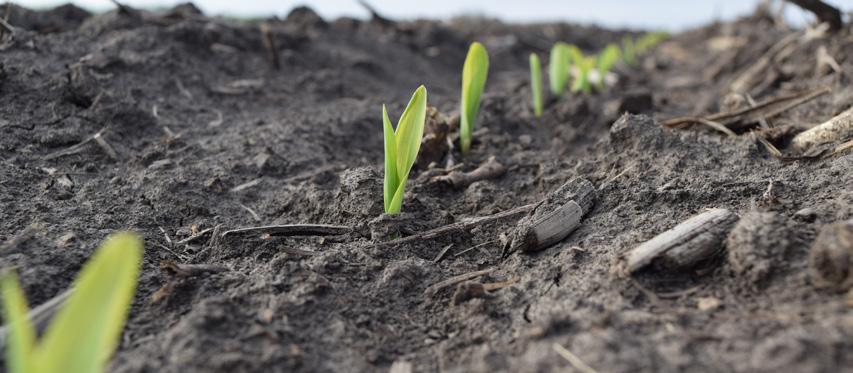
■ BRANDT SeedFlow Corn was evaluated at 12 BRANDT Community Trial locations, including Mt. Auburn, Auburn, Franklin, New Berlin (2), Williamsville, Gridley, Raymond, Oakford, Fairbury, Cropsey, and Lynnville.
■ BRANDT SeedFlow Corn was treated on corn seed prior to planting at 2.5 oz/unit of seed. Untreated strips were planted adjacent to the treated pass.
■ 20’ x 600’ side by side strips were weighed to determine yield differences between the treatments.
■ Across the 12 locations in 2025, BRANDT SeedFlow Corn resulted in an average yield of 268.12 bu/ac, which was 3.25 bu/ac greater than the untreated control.
Lynnville Cropsey Fairbury
New Berlin Oakford
Raymond Gridley Willamsville New Berlin Franklin Auburn Mt. Auburn
2025 Yield Response to BRANDT SeedFlow Corn - BRANDT Community Trials
BRANDT® EnzUp® Technology Highlight
BRANDT Research Farm – Pleasant Plains, IL - 2024
BRANDT’s patented enzyme technology helps transform your soil’s health and fertility. By enhancing soil and plant health, BRANDT EnzUp not only improves the quality and yield of your crops but also contributes to a better return on investment, making it a smart choice for efficient and profitable farming.
Unlike microbial products, BRANDT EnzUp enzymes are non-living, offering immediate and consistent performance across all soil types.
Currently the BRANDT EnzUp product line contains three patented enzymes:
Phosphatase enzyme
Mannanase enzyme
BRANDT EnzUp P DS
BRANDT EnzUp K DS
Dry Soluble and Liquid <pH 5 Mannanase and Phosphatase
BRANDT EnzUp Zn
BRANDT EnzUp Mn
BRANDT EnzUp Grain ST
BRANDT EnzUp SeedFlow Zn Mannanase and Lipase
enzyme
Mannanase Enzyme
Released Sugars:
The Mannanase enzyme specifically targets and breaks down polysaccharides, cellulose and hemi-cellulose found in the soil, plant cell walls and certain microbial structures as well as the complex carbohydrates exuded from the roots. When mannanase acts on mannan-based carbohydrates, it releases simple sugars.
Seed Germination:
During germination, the plant embryo produces mannanase, which helps degrade the endosperm cell walls, allowing the radicle (primary root) to emerge. The highest concentration of mannanase activity is typically found in the micropylar region of the endosperm, where the radicle emerges. When the radicle emerges, mannanase enzymes is present along the emerging root interface.
Plant Benefit:
Mannanase also breaks down starches in the exudate around the root tips, which releases sugars and draws water and nutrients to the root zone. Roots can directly absorb the released mannose as a readily available sugar source, promoting root growth and development.
Microbial Benefit:
The released sugars, particularly the oligosaccharides, serve as a food source for beneficial soil microbes, stimulating their growth and activity.
Lipase Enzyme
Function of Lipase:
Lipase is an enzyme that specifically breaks down lipids, which are often greater than 20% of the total organic matter in soil.
Nutrient Release:
By breaking down these lipids, lipase releases nutrients like phosphorus and nitrogen that were previously bound to the fat molecules, making them accessible to plant roots.
Microbial Activity:
Increased lipase activity in the soil often indicates a healthy microbial community, as microbes produce this enzyme to digest organic matter.
Root Uptake:
When lipids are broken down by lipase, the released nutrients can be more easily absorbed by plant roots, promoting better nutrient uptake and ultimately, increased plant growth.
Plant Development Stages:
While most prominent in seed germination, lipase may also be involved in other plant development stages, including root growth and response to stress, by regulating lipid metabolism. This mobilization of stored lipids is crucial for the early growth of a seedling, providing the necessary energy until it can start producing its own food through photosynthesis.
Phosphatase Enzyme
Function:
Phosphatase enzymes play a crucial role in releasing organic phosphate from complex organic compounds in soil by breaking down the phosphate bonds, making the phosphorus available for plant uptake; essentially, phosphatase “mineralizes” organic phosphorus into inorganic phosphate that can be used by plants.
Importance in Phosphorus Cycling:
Since a significant portion of soil phosphorus exists in organic forms, phosphatase activity is vital for recycling phosphorus within the ecosystem.
Rhizosphere Significance:
The area around plant roots (rhizosphere) often exhibits high phosphatase activity due to the release of root exudates that stimulate microbial phosphatase production.
Germination:
During seed germination, acid phosphatases are constantly expressed, and their activity increases to release nutrients for the growing embryo.
The presence of lipase enzymes in the soil can boost microbial populations by breaking down lipids releasing readily available food sources.

Treated with Phosphatase
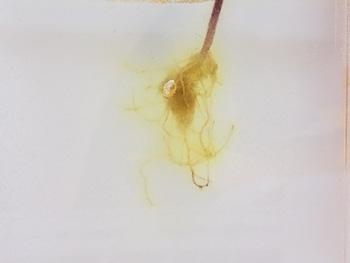
Phosphatase enzymes are naturally produced in limited quantities. The blue stains indicate where P is naturally available. application.
CFU on EMB Plate
CFU on Nutrient Plate
Untreated
Starter Fertilizer and Zinc Sources Interaction
BRANDT Research Farm - Pleasant Plains, IL - 2025
■ Starter fertilizers can help meet early-season nutrient demand before the nodal root system is fully developed. This is particularly important for organically bound nutrients that depend on mineralization from soil organic matter for availability. Nitrogen, phosphorus and sulfur fall within this category. Because spring soil temperatures in the Midwest are often cool, mineralization is limited and supplementing these nutrients early season increases the likelihood of a stronger and more uniform crop start.
■ Zinc is the most common micronutrient deficiency in corn and is essential for nitrogen assimilation, protein metabolism and auxin synthesis. Low soil temperatures limit zinc availability by reducing nutrient diffusion and slowing organic matter mineralization. For this reason, even in soils with adequate zinc levels, early planting often benefits from row-applied zinc.
■ Starter fertilizers commonly contain phosphorus, which can induce zinc deficiency by causing precipitation reactions in the rhizosphere and by inhibiting the growth of arbuscular mycorrhizal fungi, which are important for zinc uptake. It is therefore advisable to apply zinc whenever a phosphorus starter is used or in fields with high phosphorus levels.
Summary of the Results:
■ An additive treatment approach was used to evaluate the incremental effects of nitrogen, sulfur, phosphorus, zinc sources, and enzymes on corn productivity.
■ ATS applied 2x2 increased yield by 2.8 bu/ac compared to the untreated control
■ ATS applied 2x2 + BRANDT EnzUp P DS (12-58-0) applied in-furrow increased yield by 2.4 bu/ac compared to ATS alone
■ ATS applied 2x2 + BRANDT EnzUp P DS applied in-furrow and 2x2 increased yield by 10.8 bu/ac compared to ATS alone
■ This progressive yield response indicates the crop was likely limited by phosphorus availability.
■ The in-furrow addition of BRANDT EnzUp Zn and BRANDT Sequestar 9% Zn to BRANDT EnzUp P DS increased yield by 2.0 bu/ac and 0.5 bu/ac respectively.
Treatments:
■ The base treatment was 10 gal/ac of ammonium thiosulfate (ATS; 12-0-0-26S) applied 2x2.
■ BRANDT EnzUp P DS (12-58-0) was then applied in furrow at 5 lbs/ac, with a separate treatment included to assess placement effects of BRANDT EnzUp P DS with 5 lbs/ac applied both in-furrow and 2x2.
■ Multiple zinc sources were evaluated including BRANDT Sequestar 9% Zn (EDTA) and BRANDT EnzUp Zn (4% Zn), both at 1 qt/ac in-furrow.
BRANDT EnzUp Zn (Liquid) vs BRANDT EnzUp SeedFlow
Zn (Planter Box)
Summary
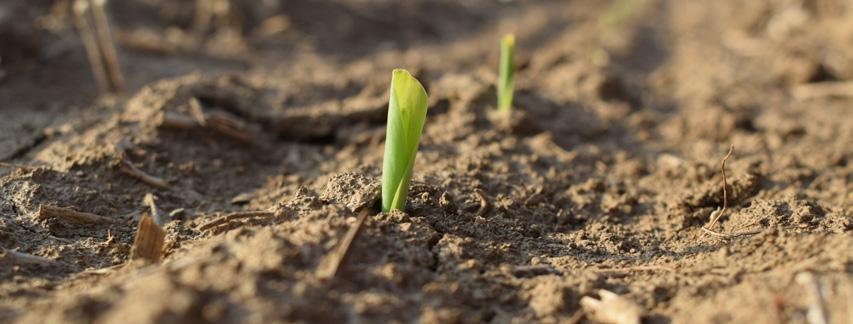
■ Across 7 environments in 2023-2024, BRANDT EnzUp SeedFlow Zn (planter box treatment) increased yield by 5.6 bu/ac and BRANDT EnzUp Zn (In-furrow) increased yield by 10.3 bu/ac compared to 10-34-0 alone.
■ At 4 of the 7 locations, minimal or slightly negative yield responses were observed in response to the application of 10-34-0 starter fertilizer without the application of Zn. High soluble phosphate levels near the crop row can reduce Zn uptake, inducing Zn deficiency. Starter fertilizers need to be well-balanced for maximum crop uptake and response.
Treatments
■ BRANDT EnzUp Zn (1 qt/ac) and BRANDT EnzUp SeedFlow Zn (2 oz/unit) applied in addition to 5 gal/ac 10-34-0 in-furrow.
Corn Yield Response to BRANDT EnzUp Zn and BRANDT EnzUp SeedFlow Zn Trials
West Lafayette, IN 24
Wanatah, IN 24 West Lafayette, IN 23
Corn Response to BRANDT EnzUp K DS Across Different Applied Potash Rates
Purdue – Summary of Research Findings 2024 - 2025
Study Overview
■ Purdue University evaluated BRANDT EnzUp K DS (5-0-49-8S) as an in-furrow potassium (K) source across multiple years and locations.
■ Trials focused on yield response, plant growth, and potassium use efficiency under low and adequate soil potassium conditions.
■ Research included varying dry potash rates and multiple Purdue research centers.
2024 Results
■ In 2024, BRANDT EnzUp K DS increased corn yield by an average of +15 bu/ac across all potash rates, with the largest response (+23 bu/ac) occurring where potash rates were lowest (0–75 lb/ac).
■ Corn yield plateaued above 150 lb/ac potash, yet BRANDT EnzUp K DS continued to add yield (+9 bu/ac) even where additional dry potash no longer increased yield.
EnzUp K DS Control
Notes: Control = Broadcast potash at listed rates
Treatment = Control + BRANDT EnzUp K DS at 7 lbs/ac in-furrow
2025 Study - Multi Location Validation
■ In 2025, BRANDT EnzUp K DS trials were expanded to multiple Purdue research centers.
■ BRANDT EnzUp K DS increased yield by an average of 6–7 bu/ac at two Purdue research centers, while no response was observed at a third location. Full analysis of the 2025 dataset is still underway.
■ BRANDT EnzUp K DS improves potassium uptake and utilization, particularly where soil potassium is marginal.
Plant Growth and Tissue Testing Observations
■ Although tissue K levels were often similar with or without BRANDT EnzUp K DS, plants were visibly larger and darker in color where BRANDT EnzUp K DS was applied, particularly in low-K treatments.
■ Ear leaf biomass was greater where BRANDT EnzUp K DS was applied (Table 1)
■ This highlights an important limitation of tissue testing, which measure nutrient concentration, not total nutrient uptake. Larger plants can dilute nutrient concentrations across more biomass, masking real treatment effects that still translate into increased growth and yield. Visual plant growth, biomass, and yield data together provide a clearer assessment.
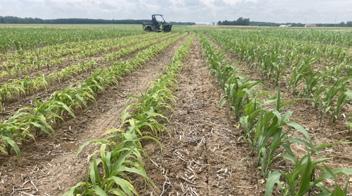
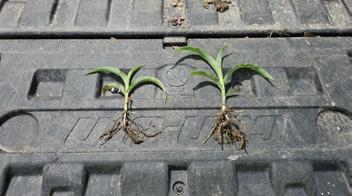
Table 1 . R1 sample wet weight difference between the control and the addition of BRANDT EnzUp K DS .
Photo credit Stephen Boyer, Superintendent of PPAC.
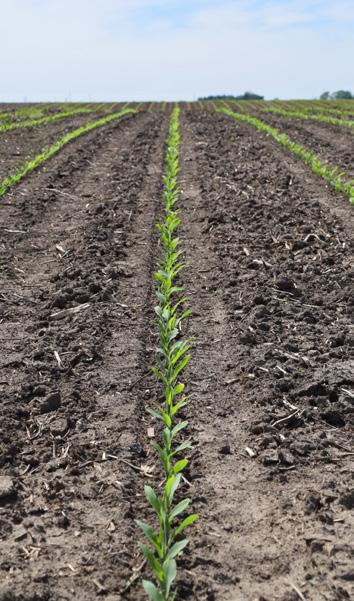
0 lbs/ac potash treatment (left) and 0 lbs/ac potash treatment with the addition of BRANDT EnzUp K DS (right). Plants are the same growth stage.
Photo credit Alex Helms, Purdue University SEPAC.
Corn Response to BRANDT EnzUp P DS
3rd Party Multi-State Trials – 2021-2025
■ BRANDT EnzUp P DS (12-58-0) contains phosphatase enzymes whose primary function is to convert tied up organic P into soluble orthophosphate that is immediately available for plant uptake.
■ Across 26 comparisons from 2021-2025, BRANDT EnzUp P DS increased corn yield by an average of 4.9 bu/ac. At the 5 lb/ac rate, BRANDT EnzUp P DS increased average yield by 6.7 bu/ac, and at the 2.5 lbs/ac rate yield increased by 1.3 bu/ac.
Treatments:
■ BRANDT EnzUp P DS applied in-furrow at planting at 2.5 or 5 lbs/ac.
■ Data includes BRANDT EnzUp P DS compared to 10-34-0, applied in addition to 10-34-0, and compared to no starter fertilizer.
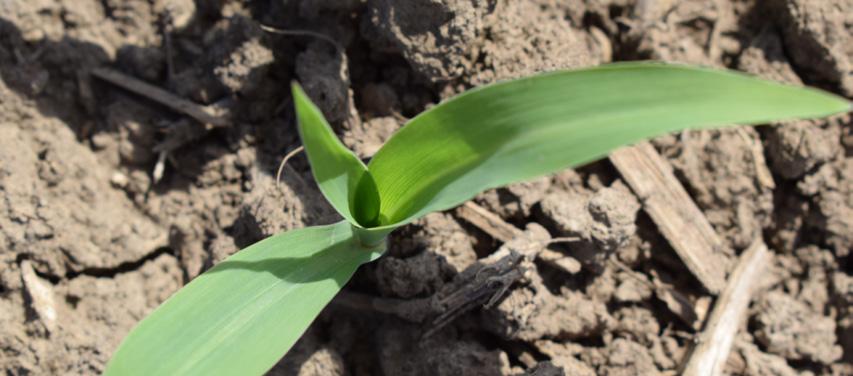
BRANDT EnzUp P DS compared to 10-34-0
3rd Party Multi-State Trials – 2023-2025
■ Averaged across 11 trials from 2023-2025, application of BRANDT EnzUp P DS in-furrow at 5 lbs/ac increased yield by 4.7 bu/ac compared to no starter fertilizer and by 4.2 bu/ac compared to 5 gal/ac 10-34-0. BRANDT EnzUp P DS applied at 2.5 lbs/ac in combination with 2.5 gal/ac 10-34-0 increased yield by 4.8 bu/ac compared to no starter fertilizer and by 4.3 bu/ac compared to 5 gal/ac 10-34-0.
Treatments:
■ 11 replicated field trials from 2023-2025.
■ In-furrow treatments included 10-34-0 at 5 gal/ac, BRANDT EnzUp P DS at 5 lbs/ac, and 10-34-0 at 2.5 gal/ac with BRANDT EnzUp P DS at 2.5 lbs/ac compared to an untreated control with no starter fertilizer.
Effect of in-furrow treatments on corn grain yield across different states in the Midwest:
BRANDT Stress Mitigating Biostimulants
BRANDT BioFlex
Improved Abiotic Stress Tolerance
BRANDT BioFlex is a foliar-applied plant performance product designed to prime crop stress-response systems. By enhancing the plant’s internal signaling and defense pathways, BRANDT BioFlex helps crops respond faster and more efficiently to abiotic stresses such as heat, drought, salinity, and oxidative stress, protecting yield potential.
Water Balance
Transpiration Water Movement
Respiration CO2
Multiple Actives & Advanced Delivery Technology
■ Nano-encapsulated delivery system to optimize uptake & translocation.
Nitrogen Assimilation
Upregulated NR Expression Nitrate Transports
Upregulated NR NO3- > NH4+
Biostimulant: 1 pt / 100 gals
Biostimulant + NIS: 2 pts / 100 gals
Plant Defense for Free Radicals
Membrane Degradation Proteins and Lipids
Photosynthetic Performance 5 to 20% Increase Yield Potential 5 to 15% Increase SOD Increased Expression
■ Integrated response to multiple actives is more effective than relying on a single stress mechanism.
Field-Level Benefits
■ Improved tolerance to heat, drought, and salinity.
■ Better crop recovery after stress events.
■ Reduced leaf injury and oxidative damage.
■ Greater yield stability, especially during late-season stress.
BRANDT BioFlex does not eliminate stress—but it reduces stress impact and helps crops perform closer to their genetic potential.
Application Rate & Timing
■ Apply 1 to 2 pt/100 gal (3.2 to 6.4 fl oz/ac).
■ Timing: V2 to V5.
Bottom Line for Growers
Compounds
■ BRANDT BioFlex helps crops stay resilient under stress—reducing damage, improving recovery, and protecting yield when conditions turn unfavorable.
Estimated Yield Losses from Abiotic Stress
Corn: ~10-15% yield loss in a typical year (can reach 30-50% in bad drought/heat years).
Soybean: ~8-15% yield loss in a typical year (up to 30-50% in severe drought/heat).
BRANDT Seaweed Max
BRANDT Seaweed Max is a premium biostimulant product derived from Ascophyllum nodosum, a seaweed extract known for its ability to enhance plant growth, mitigate abiotic and biotic stresses, and strengthen plant defenses. The active compounds isolated from A. nodosum extracts regulate key molecular, physiological, and biochemical processes, contributing to improved plant health and resilience. BRANDT Seaweed Max has high concentrations of these active ingredients, including mannitol, betaines, organic and amino acids, and polysaccharides and glucoside derivatives, offering a range of targeted benefits:
Mannitol
■ Acts as an osmo-protectant during drought stress.
■ Exhibits antioxidant properties, reducing cellular damage caused by oxidative stress.
■ Reduced cellular damage during salt stress.
Betaines
■ Improved growth and vigor during heat and drought stress through improved regulation of water in and out of cells.
■ Improved tolerance to cold stress.
Organic and Amino Acids
■ Enhance nutrient uptake and improved chlorophyll synthesis.
Polysaccharides and Glucosides Derivatives
■ Improves nitrogen and sulfur assimilation by helping plants control carbon and nitrogen transport balance in plants.
These compounds also modulate the biosynthesis and signaling pathways of critical phytohormones, including auxins, cytokinins (CK), and abscisic acid (ABA). Elevated ABA levels enhance the plant’s ability to withstand abiotic stresses such as drought, salinity, and cold temperatures by inducing stomatal closure, reducing water loss through transpiration. Meanwhile, the interplay between reduced auxin levels and increased CKs and ABA helps plants prioritize stress defense mechanisms over rapid growth, ensuring survival under challenging conditions.
Ultrasonic Assisted Extraction Method
Active Compounds Extracted
Cells
Cells Active Compounds Extracted
Polymers Removed
Polymers Removed
Alginate Polymer does not mix well with
Active Compounds Extracted
Mannitol (15,000-20,000 ppm)
Betaines (10,000-20,000 ppm)
Organic & Amino Acids (35,000-45,000 ppm)
Polysaccharides & Glucosides (10,000-20,000 ppm)
Cells
Ascophyllum nodosum
Corn Biostimulant Trials
BRANDT Research Farm - Pleasant Plains, IL - 2025
Two trials were conducted in different fields using different corn hybrids to evaluate the optimal positioning of BRANDT biostimulant products. The first trial compared various products and application placements (in-furrow vs. foliar), while the second trial focused on comparing different foliar-applied products and their combinations with foliar nutrition.
Trial 1 – In-Furrow vs Early Vegetative Foliar
Summary:
■ Foliar application of BRANDT BioFlex increased corn yield by 2.0 and 4.4 bu/ac with the 1 and 2 pt/100 gal rates, respectively.
■ Application of BRANDT Seaweed Max increased yield by 4.6 bu/ac in-furrow and 2.1 bu/ac foliar.
■ The physiological effects, however, are expected to differ depending on the application method: in-furrow applications generally promote early root development, while foliar applications help plants cope with stress and maintain cytokinin balance by reducing phytohormone degradation within the plant.
■ BRANDT Bio-Master, which combines biostimulants and nutrients, increased yield by 3.4 bu/ac in-furrow and 0.6 bu/ac foliar.
■ BRANDT Bio-Master also contains Ascophyllum nodosum extract, which promotes root growth, and when paired with macro- and micronutrients, this combination can have a synergistic effect on overall plant productivity.
Treatments:
■ At planting in-furrow treatments consisted of BRANDT Seaweed Max at 1 qt/ac, BRANDT BioFlex 2 pt/100 gal (equivalent to 6.4 fl oz/ac), BRANDT Bio-Master at 1 qt/ac, and BRANDT Plant Start at 1 qt/ac.
■ In-season foliar treatments were applied at the V5 growth stage, consisting of BRANDT Seaweed Max at 1 qt/ac, BRANDT BioFlex at 1 or 2 pt/100 gal (equivalent to 3.2 or 6.4 fl oz/ac) and BRANDT Bio-Master at 1 qt/ac.
Notes: Previous crop: soybean; Planting date: 4/28/2025; Hybrid: DKC114-99RIB; Planting rate: 38,000 plants/ac; Fall Fertility: 25-75-100 suspension; Nitrogen: 200 lbs N as fall NH3; 2x2: 10 gal/ac ATS, 5 lbs/ac BRANDT EnzUp P DS, 1 qt BRANDT Sequestar 9% Zn; V12 foliar: fungicide, insecticide, BRANDT Smart Trio, and BRANDT Smart K B.
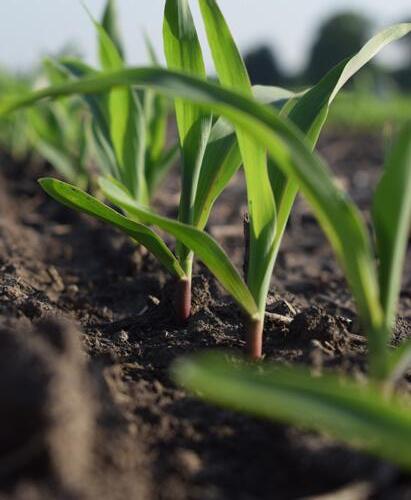
Untreated
Untreated In-Furrow
V5 Foliar
Trial 2 – Early Vegetative Foliar
Summary:
■ All treatments increased yield compared to the untreated control, with the highest increase observed from BRANDT BioFlex applied at 2 pt/100 gal, which resulted in a yield gain of 10.6 bu/ac.
■ Adding BRANDT Smart Trio to the 1 pt/100 gal rate of BRANDT BioFlex increased yield by 4.8 bu/ac, but adding BRANDT Smart Trio to the 2 pt/100 gal rate reduced yield compared to BRANDT BioFlex alone at the same rate.
■ Because most biostimulants exhibit a narrow response curve, increasing the rate does not always lead to higher yields.
Treatments:
■ In-season foliar treatments were applied at the V5 growth stage. Treatments included BRANDT BioFlex at 1 or 2 pt/100 gal (equivalent to 3.2 or 6.4 fl oz/ac) applied alone or in combination with BRANDT Smart Trio at 1 qt/ac, and BRANDT Bio-Master at 1 or 2 qt/ac.
3rd Party Multi-State Trials - 2025
Summary:
Notes: Previous crop: soybean; Planting date: 4/17/2025; Hybrid: DKC68-35RIB; Planting rate: 38,000 plants/ac; Fall Fertility: 25-75-100 suspension; Nitrogen: 180 lbs N as fall NH3; 2x2: 10 gal/ac ATS, 5 lbs/ac BRANDT EnzUp P DS, 1 qt BRANDT Sequestar 9% Zn; V12 foliar: fungicide, insecticide, BRANDT Smart Trio, and BRANDT Smart K B.
■ Across eight 3rd party replicated foliar trials, yield was increased by 8.7 bu/ac with BRANDT BioFlex, 6.4 bu/ac with BRANDT Smart Trio, and 6.9 bu/ac with BRANDT Bio-Master.
Treatments:
■ In-season foliar treatments were applied at the V4 growth stage. Treatments consisted of BRANDT BioFlex at 2 pt/100 gal (6.4 fl oz/ac), BRANDT Smart Trio at 1 qt/ac, or BRANDT Bio-Master at 1 qt/ac.
Corn Fungicide Timing
BRANDT Research Farm - Pleasant Plains, IL - 2025
■ Fungicides can boost crop yield by protecting plants from fungal diseases that hinder photosynthesis and impair growth.
■ Environmental factors such as humidity and temperature greatly influence disease development, making continuous monitoring and strategic fungicide applications essential for protecting yield.
■ Optimal fungicide application timing is crucial; early applications can prevent disease spread but must be precisely timed to remain effective throughout the season. Poor timing or unnecessary use can lead to financial losses and add undue stress to crops.
■ Overlapping fungicide activity can be beneficial in years with high disease pressure; however, due to the cost of chemicals and additional field passes, these decisions should be carefully analyzed.
Summary:
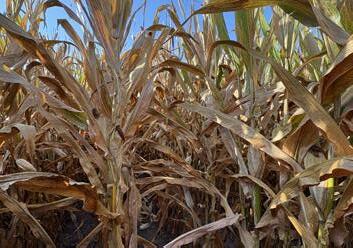
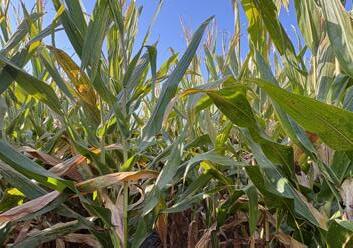
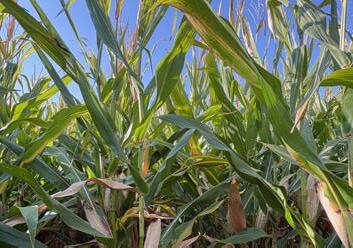
■ The 2025 growing season showed strong responses to fungicide applications, largely due to the high southern rust pressure observed across much of the U.S. Midwest. In this trial, the difference between the highest-yielding treatment and the untreated control was 23.8 bu/ac.
■ Fungicide applied at R1 alone increase yield by 5.0 bu/ac. Two-pass fungicide applications at V5 + R2 and V12 + R2 increase yield by 23.8 and 16.4 bu/ac, respectively.
■ Early-season fungicide protection alone, whether applied as Xyway at planting, Y-Drop, or as a foliar at V5, was insufficient to maximize yield. This was likely due to the decline in chemical activity later in the season when disease pressure was greatest. Interestingly, all early-season-only treatments produced slightly lower yields than the untreated control.
■ Combining Xyway (early-season) with a foliar application at R2 resulted in significantly higher yield than either treatment alone and produced yield levels comparable to the two-pass foliar fungicide programs.
Treatments:
■ Xyway LFR was applied at-planting 2x2 or in-season Y-Drop at 15.2 fl oz/ac.
■ In-season foliar fungicide sprays at V5, V12, R1, or R2 consisted of Veltyma at 7 fl oz/ac.

2025 Corn Fungicide Timing
Previous crop: soybean; Planting date: 5/10/2025; Hybrid: DKC68-35RIB; Planting rate: 38,000 plants/ac; Fall Fertility: 25-75-100 suspension; Nitrogen: 180 lbs N as fall NH3; 2x2: 10 gal/ac ATS, 5 lbs/ac BRANDT EnzUp P DS, 1 qt/ac BRANDT Sequestar 9% Zn; In-furrow: 1 pt BRANDT EnzUp Zn, 1pt BRANDT Seaweed Max.

V12 + R2
V5 +
Xyway 2x2 + R2 Fungicide
R1 Fungicide
Progressive Foliar x Plant Population x Row Spacing
BRANDT Research Farm – Pleasant Plains, IL - 2025
2025 Results:
■ Historical yield increases in corn have been matched with higher planting populations, which require hybrids with greater density stress tolerance and precise nutrient placement.
■ Narrower row spacing has been proven to be a better arrangement of higher plant populations and was the case at the research farm in 2025. Significant yield responses to 20-inch rows were observed at all planting densities tested.
■ When averaged across foliar treatments, yield increased in response to higher plant populations up to 44,000 plants/ac in both 30 and 20-inch rows. Beyond that population, yield declined, likely due to excessive competition for limiting resources such as nutrients and water.
■ Averaged across planting populations and row spacing, fungicide applications combined with BRANDT® Smart System® products at V5 increased yield by 39.9 bu/ac, with an additional 22.5 bu/ ac with a second application at V12, and additional 0.7 bu/ac with a third application at R2. The 2025 season experienced unusually high disease pressure during reproductive stages, especially from southern rust and tar spot, making timely fungicide applications critical to achieving maximum yield.
Effect of Foliar Treatments on Corn Yield Across Plant Populations and Row Arrangements
■ The addition of the foliar nutrition products BRANDT Smart Trio and BRANDT Smart K B provided not only plant health and disease resilience benefits but also improved the efficiency of key macronutrients such as nitrogen and potassium.
■ Tolerance to higher densities in both 30 and 20-inch rows was greater when foliar applications were made in season.
3-year Analysis Results:
■ This trial has been conducted at the BRANDT research farm since 2023, and a multi-year data analysis was done to better understand the effects of row spacing and its interaction with plant population.
■ Averaged across all populations, 20-inch rows out yielded 30-inch rows every year with an average advantage of 11.8 bu/ac.
■ The optimal planting population was 36,000 plants/ac for 30 inch rows and 44,000 plants/ac for 20 inch rows. The narrower spacing increases plant-to-plant distance within the row, allowing for higher populations while maximizing sunlight interception, water use and nutrient efficiency.
Treatments:
■ 20- vs 30-inch row spacing.
■ 36,000, 40,000, 44,000, 48,000, and 52,000 plants/ac.
■ Treatments included a no-foliar control and Veltyma + Warrior + BRANDT Smart Trio (1 qt/ac) + BRANDT Smart K B (1 qt/ac) applied at V5, V5 + V12, or V5 + V12 + R2 growth stages.
Average corn yield response to row spacing across 3 trial years
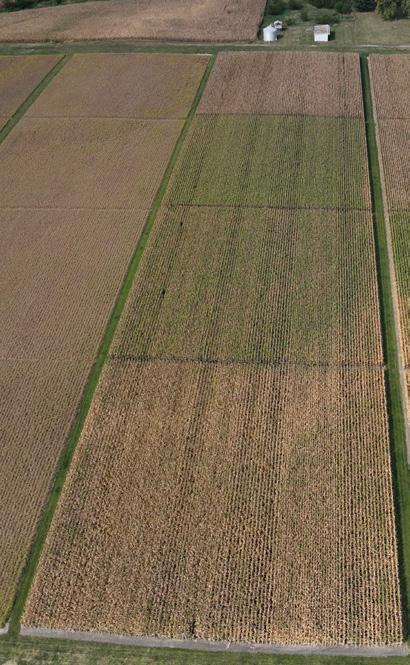
Visual comparison of foliar treatments.
3 Foliar Applications @ V5 + V12 + R2
2 Foliar Applications @ V5 + V12
1 Foliar Application @ V5
No Foliar
Boron in High-Yield Corn Production
Boron’s Role in Corn Growth:
■ Critical growth stages: Boron (B) is crucial in high-yielding scenarios, especially between the V10-V14 growth stages. Severe deficiencies (below 6 ppm, as per tissue tests) can lead to poor pollination due to delayed tassel development and reduced pollen viability.
■ Peak accumulation period: A substantial 65% of a corn crop’s total B uptake occurs within just 1/5th of its growing season directly ahead of pollination, emphasizing the high demand for B ahead of reproductive growth (Figure 1).
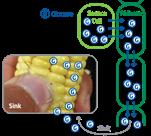
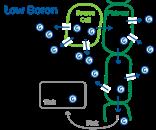
■ Kernel development: Insufficient B in the plant (below 9 ppm) from the blister (R2) to dough (R4) stages can hinder kernel development. Boron is essential for proper cell wall structure and facilitates carbohydrate metabolism and sugar transport through membranes (Figure 2)
■ Availability in the soil: Boron deficiency correlates with soil type, organic matter, rainfall, and pH. It’s highly soluble and easily leached in well-drained or excessively irrigated soils. Its availability decreases in alkaline-calcareous soils and under drought conditions.
Boron Synergism with Potassium and Fungicides:
■ Why consider potassium application with boron: Potassium (K), like B, is in peak demand directly ahead of tassel and is vital for sugar transport in the plant. Nearly 75% of a corn crop’s total K requirement is accumulated prior to tassel (Figure 1), and, even with adequate soil test levels, K uptake through the roots may not be sufficient during periods of peak demand. Potassium is a vital cation that regulates water use in crops, facilitates the movement of sugars and nitrogen within the plant, enhances nitrogen utilization, and helps maintain cell hydration.
■ Synergistic response with fungicide: Boron and potassium applications typically perform well in combination with fungicides. A net increase in photosynthesis and carbohydrate production from the fungicide, combined with improved sugar movement and partitioning from the B and K, can effectively improve yields.
Effective Application Strategies:
■ Optimal timing: The best results for boron application are seen between V10 and flowering (VT/R1), aligning with its peak demand and often coinciding with fungicide and insecticide treatments.
■ Product selection: Choose boron products that ensure effective mobility within the plant. BRANDT Smart K B, with BRANDT Smart System delivery technology, prevents B from binding to cell walls, enhancing translocation to developing kernels and growing points.
Grain
Tassel, Cob, Husk Leaves
Stalk and Leaf Sheaths
Leaf Blades
Grain
Tassel, Cob, Husk Leaves
Stalk and Leaf Sheaths
Leaf Blades
Dry Matter (% of total)
B conditions.
Figure 1 The seasonal accumulation and partitioning of K and B in corn. (Bender et al., 2013)
Figure 2 Movement of glucose molecules through the phloem from leaf tissues to the developing kernels under adequate and low
Corn Yield Response to Boron at VT/R1
BRANDT Research Farm - Pleasant Plains, IL - 2024-2025
Summary:
■ The application of BRANDT Smart K B at the VT/R1 growth stage consistently increased yield by about 14 bu/ac across both years compared to the fungicide alone.
■ The BRANDT Smart System technology improved boron uptake and utilization compared to conventional boron sources, even when applied at much lower boron rates per acre.
■ In 2025, among the other conventional boron treatments, only the highest rate of 10% B (64 oz/ac) increased yield compared to the control. However, applying such high rates of boron is not generally recommended, as excessive boric acid on leaf surfaces can lead to over saturation and potential phytotoxicity.
■ Yield response increased progressively as additional nutrients were added to the boron application, including molybdenum in BRANDT Smart B-Mo and both molybdenum and potassium in BRANDT Smart K B.
Effect of boron foliar treatments on corn grain yield:
All treatments were applied at VT/R1 with fungicide and insecticide
Notes: Previous crop: soybean; Planting date: 5/10/2025; Hybrid: DKC68-35RIB; Planting rate: 38,000 plants/ac; Fall Fertility: 25-75-10
BRANDT Smart K B Trials - Purdue University
6 Locations in Indiana - 2023-2025
■ Average across 6 Indiana locations, application of BRANDT Smart K B with fungicide at R1 growth stage increased yield by 14.3 bu/ac compared to the untreated control.
■ Fungicide alone increased average yield by 10.5 bu/across the 6 locations.
Treatments:
■ Research was conducted by Dr. Dan Quinn, extension corn specialist at Purdue University, as part of an on-farm Intensive Corn Management study.
■ Large-plot field research trials arranged in a randomized complete block design with 4-5 replications at each location.
■ BRANDT Smart K B (2 qt/ac) applied in addition to Delaro Complete fungicide (8 oz/ac) at the R1 growth stage compared to plots receiving fungicide alone or no fungicide.
Purdue University Smart K B Trials
BRANDT Smart K B Impact on Kernel Fill –
Purdue University
West Lafayette, IN – 2024-2025
Summary:
■ In 2025, BRANDT Smart K B applied alone at R1 increased yield by 7.5 bu/ac and by 11.8 bu/ac when applied with fungicide compared to the untreated control.
■ Adding BRANDT Smart K B to a two-pass fungicide system (V10 + R1) increased yield by 14.5 bu/ac compared to fungicide alone.
Kernel Filling Dynamics:
■ Grain fill duration and maximum kernel weight were assessed through weekly kernel dry weight measurements beginning one week after silking through physiological maturity.
■ Similar trends were observed in 2024 and 2025. Delaro Complete + BRANDT Smart K B applied at R1 increased grain fill duration by 4.1 days in 2024 and 2.3 days in 2025, while maximum kernel weight increased by 4.4% in 2024 and 8.4% in 2025.
■ In 2025 applying a two-pass fungicide program lengthened kernel fill duration by 8.3 days and increased final kernel weight by 9.7% while two applications of BRANDT Smart K B with fungicide lengthened kernel fill duration by 11.9 days and final kernel weight by 15% compared to the untreated control.
■ The increase in grain fill duration and kernel weight can be explained by improved nutrient use efficiency and the maintenance of photosynthetic capacity later in the season, which together reduce the need for nutrient remobilization from leaves.
Treatments:
■ BRANDT Smart K B (2 qt/ac) and Delaro Complete fungicide (8 oz/ac) were applied alone or in combination. Applications were made either as a single pass at R1 or as a two-pass program at V10 and R1, and all treatments were compared to an untreated control.
Effect of Fungicide and BRANDT Smart K B Treatments on Duration of Grain Fill and Maximum Kernel Weight in 2024 and 2025 .
Corn and Soybean Intercropping
BRANDT Research Farm - Pleasant Plains, IL - 2025
■ Several aspects of intercropping can benefit corn and soybean crops, particularly in rows where the different crops grow adjacently:
■ Increased sunlight penetration into the lower canopy, enhancing energy availability to lower stalks and roots.
■ Improved nutrient use efficiency by leveraging the staggered timing of nutrient demands between crops, boosting nutrient acquisition. Additionally, crops with varied root structures can access different soil layers, optimizing nutrient acquisition and reducing competition for the same nutrients.
■ Optimized light distribution and air flow through intercropping arrangements, creating favorable microclimates that may reduce the prevalence of certain diseases.
■ Diverse root systems that stimulate microbial activity and nutrient cycling, contributing to soil health and better nutrient availability.
Summary:
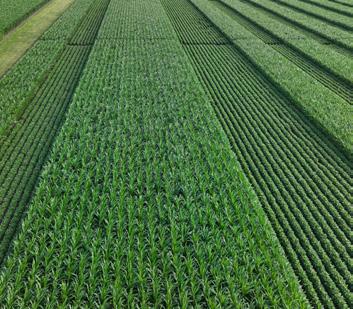
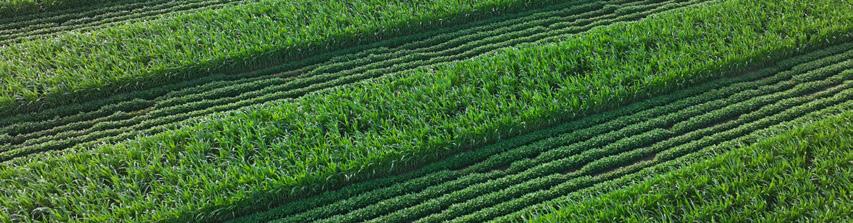
■ Intercropping increased corn yield compared to monocrop corn across both population levels (38,000 and 42,000 plants/ac) and in both population distribution strategies (static and variable). These results highlight the advantage of increased sunlight penetration into the corn rows achieved through the alternating corn–soybean system.
■ Redistributing the 42,000 plants/ac so that outside rows adjacent to soybean passes contained proportionally more plants increased yield by 17 bu/ac compared to maintaining a uniform (static) population across all rows. At the 38,000 plants/ac level, yield differences between the static and variable populations were minimal.
■ Widening the corn pass from 8 to 24 rows reduced the yield advantage of intercropping. Corn grain yield in the 8-row intercropping configuration increased yield by 24.6 bu/ac compared to 11.1 bu/ac, in the 24-row configuration. This result indicates that narrower corn passes enhance the benefits of intercropping.
■ Financial return analysis - When accounting for crop-specific costs such as nitrogen fertilizer and seed, all other management practices being equal, intercropping improved profitability. Net income increased by 9% and 8% for the 38,000 plants/ac static and variable populations, respectively, compared to standard monocrop corn. For the 42,000 plants/ac treatments, relative net income increased by 19% and 25% for the static and variable populations, respectively.
Treatments: Intercrop Corn Alternating with Soybean x In-Row Plant Population:
■ 38k Monocrop Corn: Corn planted at 38,000 plants/ac.
■ 38k Intercrop Corn, 8-Row Alternating, Static Population: Uniform corn population of 38,000 plants/ac.
■ 38k Intercrop Corn, 8-Row Alternating, Variable Population: Average of 38,000 plants/ac, ranging from 32,000 to 44,000 across rows, with lower populations in the middle rows and higher populations in the outside rows adjacent to soybean passes.
■ 38k Intercrop Corn, 24-Row Alternating, Static Population: Uniform corn population of 38,000 plants/ac.
■ 42k Monocrop Corn: Corn planted at 42,000 plants/ac.
■ 42k Intercrop Corn, 8-Row Alternating, Static Population: Uniform corn population of 42,000 plants/ac.
■ 42k Intercrop Corn, 8-Row Alternating, Variable Population: Average of 42,000 plants/ac, ranging from 36,000 to 48,000 across rows, with lower populations in the middle rows and higher populations in the outside rows adjacent to soybean passes.
Intercrop Corn Alternating with Soybean x In-Row Plant Population
Notes: Effect of planting population and intercropping treatments on corn grain yield. *Intercrop soybean yield: 73.9 bu/ac.
Grain Yield Advantage of Intercropping Over Monocrop by Corn Pass Width (8 Row vs. 24 Row Passes)
Effect of intercropping treatments on relative net income:
*All management practices and inputs were consistent for both crops, except for differences in nitrogen fertilizer application and seed costs. The relative net income reflects these crop-specific expenses and is presented relative to the net income of 38,000 or 42,000 plants/ac monocrop corn.
Notes: Planting date: 4/27/2025; Hybrid: DKC67-37RIB; Variety: AG36XF4; Soybean population: 120,000 plants/ac; Fall Fertility: 25-75-100 suspension; Nitrogen: 200 lbs/ac as fall NH3 (corn only); 2x2: 10 gal/ac ATS, 5 lbs/ac BRANDT EnzUp P DS, 1 qt/ac BRANDT Sequestar 9% Zn; In-furrow: 1 pt/ac BRANDT EnzUp Zn, 1pt/ac BRANDT Seaweed Max; V5 foliar: BRANDT Smart Trio with herbicide; V12 foliar: Veltyma, Warrior, BRANDT Smart K B, BRANDT Smart Trio; R2 foliar: Veltyma, BRANDT Smart Trio, BRANDT Smart K B.
Fall Burndown + Residual
BRANDT On-Farm Trials - 4 Central IL Locations - 2024 - 2025
Potential Issues Associated with Winter Annuals:
Nutrient Tie Up
Winter annual weeds tie up nutrients that would otherwise be available to the crop. One study shows up to 15 lbs N/ac can be tied up by winter annual weeds and will not be available to the in-season crop1
Pest Host
Winter annual weeds serve as hosts for Soybean Cyst Nematode (SCN). If both SCN and winter annual pressure are present, controlling these weeds can offer an integrated approach to lowering SCN densities.
Migrating black cutworm moths lay eggs in fields with dense winter annual weeds. Hatching larva can thin corn stands and may require additional management.
Reduced Soil Temperatures
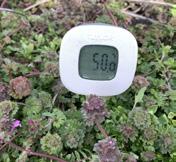
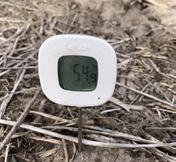
Winter annual weeds create dense mats in the spring, reducing soil temperature. Local studies show a 5°F difference in early April between non-treated and fall burndown + residual treatments. Warmer soil at planting promotes corn to establish a more uniform stand, which can be responsible for up to 10% of the total yield.
Drier Soil
Winter annual weeds consume water in the soil, making less available for the crop later in the year.
Spring Tillage
Tilling fields with winter annual weed cover in the spring can create cloddy, uneven soil. Poor seed bed preparation can lead to reduced seed/soil contact and emergence of the crop. Additional tillage passes maybe required, costing time and fuel.
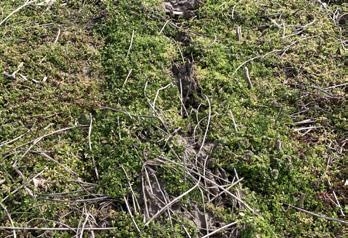
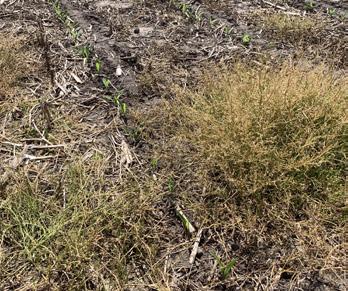
Non-treated vs Treated
4” Soil Temperature – Early April
N-uptake and tie-up from winter annual weeds in NH3 knife tracks
Delayed corn emergence in areas with thick winter annual weeds
1Sandell L, Bernards M, Knezevic S. 2009 April 24. Uncontrolled Winter Annuals Rob Your Crop of Soil Nutrients and Soil Moisture. Cropwatch.
2024-2025 Field Trials:
■ Fall burndown + residual applications were made in late October 2024 in 4 Central Illinois field trials. (2.5 fl oz/ac Panther SC + 1 pt 2,4-D LV6 + 0.5% v/v COC @ 12 GPA).
■ Average corn yield increased by 3 2% (+8 .3 bu/ac) with the fall burndown + residual application
■ Significant ROI opportunity
■ Soil temperatures were 5°F warmer in the spring. Stand counts increased 750 plants/ac and were more consistent in treated areas. Increased plant health, vigor, and size was observed at V5.
2024-2025 Corn Yield in Response to Fall Burndown + Residual Application - Percent of Field
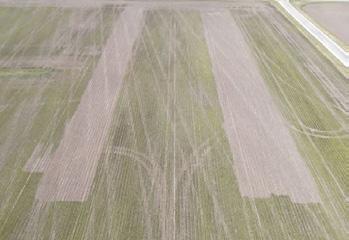
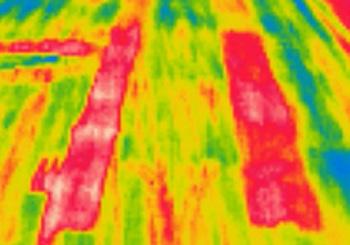
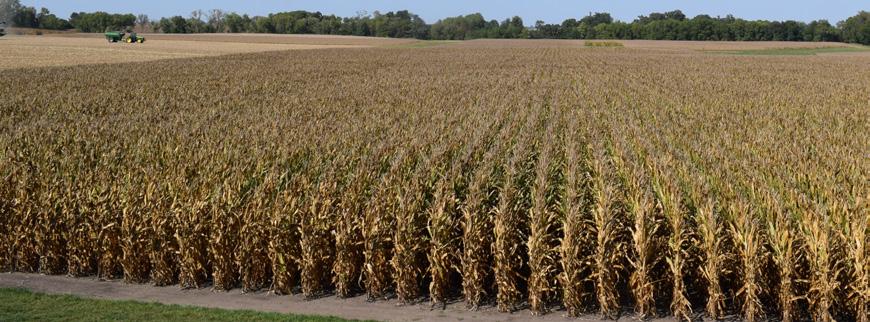
Field 2: Drone Imagery- Early April (top)
Field 2: Drone Thermal Imagery – Early April (bottom)
Dispersant
BRANDT Launches New Adjuvants
In 2025, BRANDT launched a new line of row-crop adjuvants incorporating updated formulation technologies and designed to provide a more complete set of solutions, including non-ionic surfactants, oil concentrates, water conditioners, and related products. Research conducted during the 2025 season demonstrated consistent performance of these formulations across multiple environments and application scenarios.
BRANDT Uptake Plus
BRANDT Uptake Plus is a low-foaming, easy-to-use premix of ammonium sulfate, nonionic surfactant, and sugar release technology. It’s designed to condition hard water, reduce spray solution pH, and improve the absorption and translocation of systemic herbicides. With added dispersing power, BRANDT Uptake Plus enhances herbicide performance across the board.
BRANDT Uptake Plus is a low-foaming premix designed to help your spray mix work better by improving water quality, droplet behavior, and uptake.
What’s in It?
■ AMS to help condition hard water and support performance.
■ Non-ionic surfactant to improve wetting and penetration.
■ Disperse Technology to keep ingredients evenly mixed in the tank and in the droplet.
■ Sugar-Release Technology, to support uptake/translocation.
Use Rate
■ 1.25–5 gallons per 100 gallons of spray solution.
Key benefits of Disperse Technology you can see in the field
Better Tank-Mix Handling
■ Disperse Technology helps keep particles dispersed and suspended to reduce settling and screen/nozzle plugging. (Figure 1)
Dispersant
Dispersant
BRANDT Uptake Plus dispersant technology separates the particles and stabilizes the dispersion for longer with dispersant technology without dispersant technology
BRANDT Uptake Plus dispersant technology separates the particles and stabilizes the dispersion for longer with dispersant technology without dispersant technology
BRANDT Uptake Plus dispersant technology separates the particles and stabilizes the dispersion for longer with dispersant technology without dispersant technology
Emulsifiable Concentrate (EC)
BRANDT Uptake Plus dispersant technology separates the particles and stabilizes the dispersion for longer with dispersant technology without dispersant technology
Adsorption
Adsorption
Concentrate (SC) Adsorption
Figure 1 . Image of Suspension Concentrate (SC) and Emulsifiable Concentrate (EC) separation
technology
technology
Figure 3 . Droplet drying on a leaf showing uniform residue versus edge crystallization.
More Uniform Coverage on Leaves
■ Disperse Technology helps droplets spread and deposit more consistently, reducing clumping, bounce, and runoff. (Figure 2)
More Uniform Residue as Droplets Dry (Less “Coffee-Ring”)
■ Disperse Technology - as droplets dry, some products can concentrate at the droplet edge, leaving a ring and less coverage in the middle. (Figure 3)
■ Disperse Technology helps keep ingredients distributed more evenly so residue is more uniform on the leaf.
Sugar-Release Technology - Supports Movement of Systemic Actives
■ Systemic performance depends on movement in the plant (phloem). Stress, cool/cloudy weather, and slow growth can reduce movement. (Figure 4)
■ BRANDT Uptake Plus includes a translocation-support component that may help when transport is partially limited (cool/cloudy, mild moisture stress, shaded canopies, perennial/mature weeds).
4 . Sugar release technology.
improves loading, resulting in better translocation
improved distribution and retention with dispersant technology without
Figure 2 Weed leaf with uniform spray coverage compared to uneven, spotty coverage.
Figure
BRANDT® Uptake® Plus University Trials
3rd Party Multi-State Trials- 2025
Location: University of Wisconsin Madison (Dr. Rodrigo Werle), Purdue University (Dr. Bryan Young), and University of Missouri (Dr. Kevin Bradley).
Objective: Assess the performance of BRANDT Uptake Plus compared to a leading market competitor and ammonium sulfate (AMS) in enhancing herbicide efficacy across multiple weed species, herbicide active ingredients, and environments.
Treatments: Treatments included herbicide alone, BRANDT Uptake Plus applied at varying concentrations, a leading competitor adjuvant (AMS+NIS) applied at varying concentrations, and standalone AMS. Rates of treatments were adjusted to deliver equivalent ammonium sulfate loading.
Environments: Greenhouse, bare-ground, and in-crop corn and soybean field trials.
Herbicides Evaluated: glyphosate, glufosinate, 2,4-D, and mesotrione.
Weed Species Evaluated: Waterhemp, common lambsquarter, common ragweed, velvetleaf, giant foxtail, common cocklebur, large crabgrass, and fall panicum.
Replications: Trials were conducted with four or six replications.
Summary of the Results:
■ A total of 154 unique herbicide x weed species x environment combinations were evaluated.
■ Across all university comparisons, BRANDT Uptake Plus performed statistically better than AMS alone in 31 trials representing 20% of trials and outperformed the leading competitor (AMS + NIS) in 22 trials, or 14% of trials.
■ BRANDT Uptake Plus performed the same as AMS alone in 123 trials, or 80% of trials, and matched the performance of the leading competitor (AMS + NIS) in 132 trials, or 86% of trials.
■ There were no trials in which BRANDT Uptake Plus underperformed AMS alone or the leading competitor (AMS + NIS).
■ In several studies, BRANDT Uptake Plus extended the duration of weed control when used with glufosinate, a herbicide known for potential regrowth following initial burndown. Figure 2 illustrates one example where BRANDT Uptake Plus provided statistically greater control than all other treatments 21 days after application (DAA).
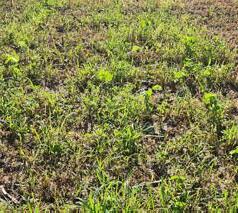


Figure 1 BRANDT Uptake Plus Improves Glufosinate Performance – 13 DAT (UW-Madison)
Figure 2. % Lambsquarter Control w/ Glufosinate – Bare Ground Field Trial (UW-Madison)
Glufosinate (control) Glufosinate + BRANDT Uptake Plus Glufosinate + AMS Glufosinate + Leading Competitor
Figure 3. Glyphosate Control 10 Days After Application - Bare Ground Field Trial (UW-Madison)
Figure 4 . BRANDT Uptake Plus Improves Herbicide Performance on Lambsquarter 14 DAA (UW-Madison)
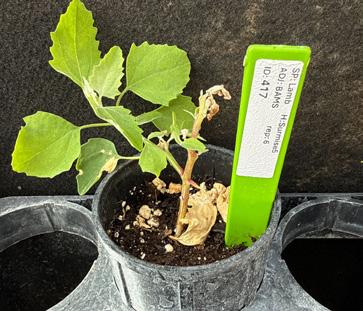
Glufosinate + AMS
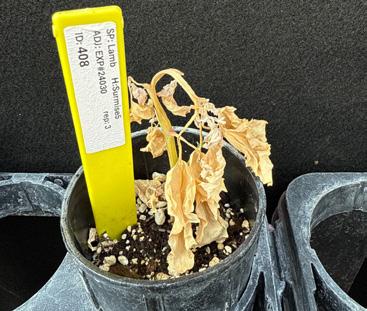
Glufosinate + BRANDT Uptake Plus
Velvetleaf
BRANDT® Torpedo® Plus
2025 Growing Season
BRANDT Torpedo Plus is APE/NPE free, making it a versatile tank mix partner for many pesticide sprays and fits a wide range of application methods including ground rig, aerial and drone applications. Lower rates of BRANDT Torpedo Plus in fungicide programs are often used to prioritize coverage, deposition, and canopy penetration—keeping droplets smaller and more numerous helps increase leaf hits and reach more of the canopy. In many herbicide programs, higher rates of BRANDT Torpedo Plus can help shift the droplet spectrum toward roughly 150–350 microns, supporting performance while reducing highly driftable fine droplets that are most likely to move off target.
Application Rate
Herbicide + drift reduction (ground rigs):
■ 4-6 oz/ac in 5-20 GPA.
■ 6-8 oz/ac in 20-40 GPA.
Fungicide + coverage/deposition (ground rigs):
■ 2-4 oz/ac in 5-20 GPA (lower rates focused on coverage).
Aerial (Airplane, helicopter, drone) guidance:
■ 2-4 oz per 2-5 gallons per spray acre.
Droplet size guidance (row crops)
Herbicide Avoid
Outstanding Performance in Reducing Driftable Fines
BRANDT Torpedo Plus reduced driftable fines (<150 microns) compared to competitors across multiple nozzle types, helping lower off-target movement while maintaining practical droplet ranges for canopy deposition.
Wind tunnel measurements of driftable fines (<150 microns) by nozzle type
BRANDT Torpedo Plus reduced driftable fines (<150 µm) compared with leading competitors for both nozzle types, showing the lowest driftable fine percentages with XR11004 (14.6%) and TT1004 (5.5%) nozzles.
BRANDT Torpedo Plus
Competitor 2
Competitor 1
Sheet Disintegration

Sheet Disintegration
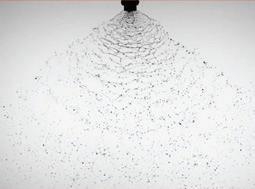
BRANDT Torpedo Plus reduces drift by causing the spray sheet to break apart earlier into ligaments and then spray droplets, before it stretches into a thin film that creates fine droplets. This early breakup significantly lowers the formation of highly driftable fines (<150 µm).
Sheet Disintegration
BRANDT Torpedo Plus
BRANDT Torpedo
Plus Reduces Spray Sheet Wobble and Drift
When spray leaves the nozzle as a smooth spray sheet, it can stretch and flap, creating very fine droplets that drift easily.
BRANDT Torpedo Plus causes the spray sheet to break up sooner and closer to the nozzle, reducing flapping and greatly lowering the number of drift-prone fine droplets.
BRANDT Torpedo Plus
Introducing BRANDT OptiRize™
2025 Growing Season
BRANDT OptiRize is a four-way PGR blend formulated to unlock genetic potential and promote early-season vigor. Combining cytokinin, gibberellin, and auxins, it drives uniform emergence, strengthens root and shoot development, and sets the stage for improved yield and grain quality.
Active Components
Cytokinin 0.009%
■ Stimulates cell division and promotes balanced root and shoot growth.
Gibberellic Acid 0.005%
■ Enhances seed germination, stem elongation, and early vigor.
Auxins IBA 0.005% and IAA 0.005%
■ Support root development and improve tolerance to early season stress.
Key Benefits:
■ Promotes Uniform Emergence & Early Vigor - Encourages even germination and early growth for consistent stand establishment and shoot-to-root balance.
■ Stimulates Root Architecture & Physiological Efficiency - Activates internal hormone signaling to deepen root systems, enhance nutrient uptake, and improve resilience to environmental stress.
Aleurone Layer
Gibberellins signal the aleurone layer to produce amylase, which converts starch to glucose, fueling shoot and radicle growth
■ Unlocks Genetic Yield Potential - Amplifies natural hormone function to support grain development, yield consistency, and crop quality.
Application:
Seed Treatment: 2 to 4 fl oz per 100 lbs of seed
In Seed Furrow: 2 to 8 fl oz per/ac
Foliar: Corn (V3 -5): 4 fl oz/ac differentiation zone elongation zone transistion zone root apical meristem
No Application smaller root system = less access to water and nutrients, lowering yield potential
In-Furrow Application bigger/deeper root system = higher nutrient use efficiency and yield
Auxins drive lateral root and root hair formation
Gibberellin accelerates cell elongation with help from auxins, resulting in a longer and deeper root system
Cytokinins push the switch from division to elongation
Auxins keep cells dividing in the meristem increasing root apical meristem size
Glucose
Amylase embryo
endosperm starch
radicle
Gibberellins
coleoptile
Introducing BRANDT OptiThrive™
BRANDT OptiThrive is a three-way PGR blend formulated to enhance pollination, stress resilience, and sustain photosynthesis during pod or grain fill. It promotes flowering and pod set during early reproductive stages and supports sugar production for improved seed fill.
Active Components
Kinetin (0.12%)
■ Promotes flower and branch formation through targeted cell differentiation.
■ Supports pollen development and fertilization.
GABA (0.98%) and Choline Chloride (1.95%)
■ Maintain photosynthetic function and reduce stress-related disruptions.
■ Supports pod and kernel fill.
Key Benefits:
■ Enhance Reproductive Development - Application during early reproductive stages increase branching, flower formation, and fruiting sites.
■ Strengthen Stress Resilience - Stabilizes cellular membranes, balances osmotic pressure, and strengthens the antioxidant system to maintain metabolism under stress.
■ Maximize Yield Potential - Contributes to larger grain or pod size and supports flower retention.
Application: Foliar (Ground & Aerial)
Corn: 12.8 fl oz/ac - Just before tassel to full tassel; repeat in 14 days if needed
Soybean: 12.8 fl oz/ac - Start at 10% bloom; repeat in 21 days if needed
Enhances Antioxidant Defense Improves Pollen Guidance & Viability Accelerates Recovery After Stress GABA Reduces Flower/Pod Abortion Delays Senescence
Strengthens Membrane Stability Provides Osmoprotection Supports Energy & Stress Defense
Choline Cloride
Soybean Results
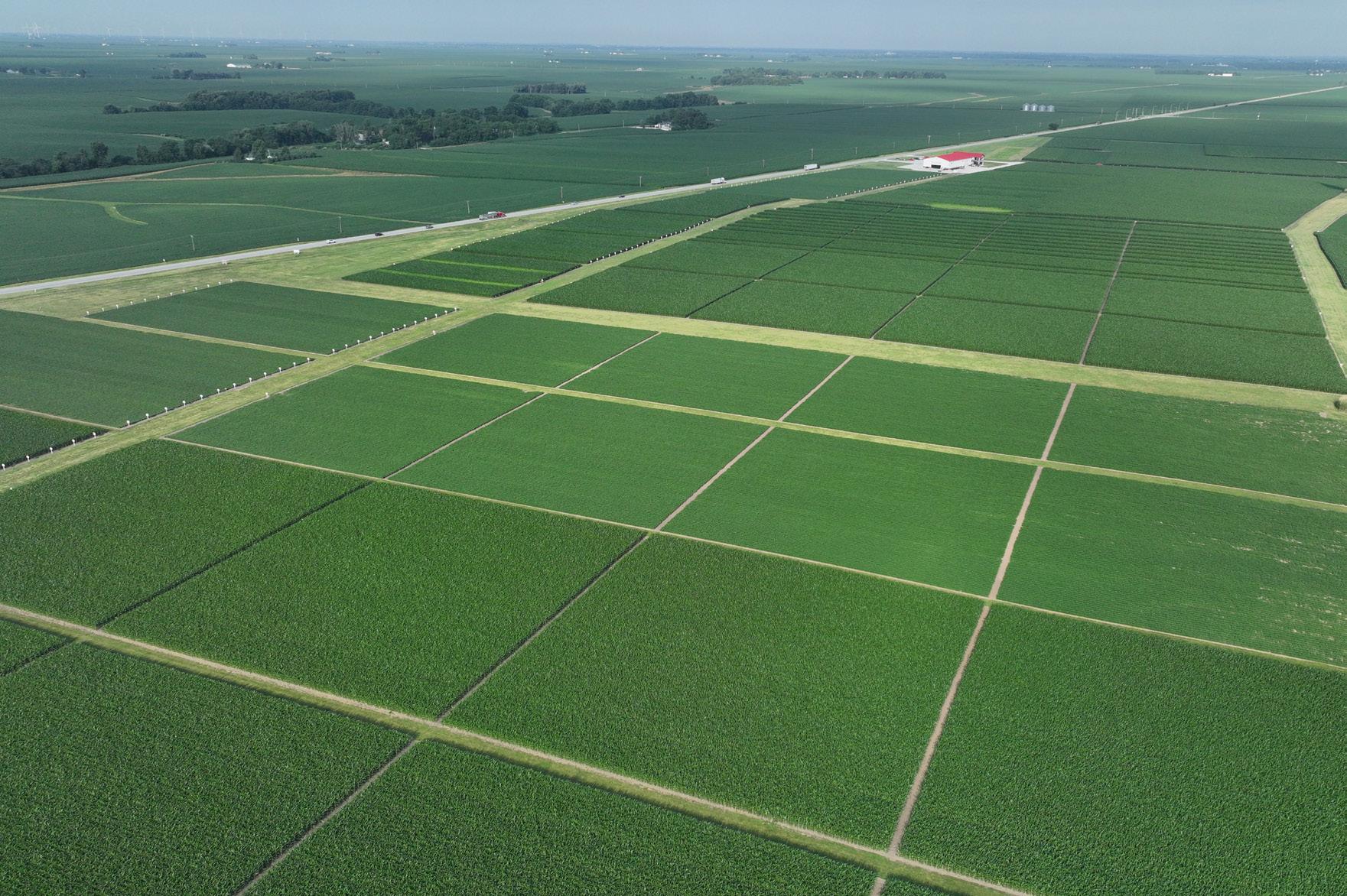
Top 5 Soybean Insights
With an effective seed treatment, soybean has shown strong resilience under early planting conditions Long-term research farm data continues to demonstrate that maximum yield is achieved with planting dates in early April . (pg . 8)
Combining early planting, optimized plant populations, and fuller-maturity varieties increases node number on both the main stem and branches, driving higher pod counts and yield . (pg . 72)
Soybean’s high nitrogen demand has been supported by strong soil mineralization and planter-box molybdenum applications that improve nitrogen fixation and assimilation efficiency . (pg . 78)
As with corn, mitigating stress during soybean development is critical for limiting flower abortion and protecting yield potential . Novel adjuvant technologies such as BRANDT Uptake Plus are aiding plant metabolism during herbicide applications and reducing stress (pg . 56)
Foliar applications of biostimulants, fungicide, and boron during flowering continue to deliver the largest yield response by reducing stresses that lead to flower and pod abortion . (pg . 80)
BRANDT Research Farm Soybean Base Management
The BRANDT Research Farm base applications reflect a high yield management recommendation that can be implemented in parts or as a whole to fit within a grower’s current program. Applications for 2025 were:
■ Conventional fall tillage
■ 25-75-100 suspension in fall with BRANDT® Rezadone®
■ Planting Date: 4/14-4/27
■ Planter 2x2: 10 gal/ac Ammonium Thiosulfate (ATS, 12-0-0-26S), 5 lbs/ac BRANDT EnzUp P DS, 1 qt/ac BRANDT Sequestar 9% Zn
■ Planter In-Furrow: 1 pt/ac BRANDT EnzUp Zn, 1 pt/ac BRANDT Seaweed Max
Planting Date pg. 8-9
Variety Comparison pg. 68-73
Starter Fertilizer pg. 77
Planter Box Solutions pg. 78-79
In-Furrow Biostimulants pg. 82
■ BRANDT Battleground seed treatment
■ BRANDT HomeLAND Soybean planter box treatment
■ 120,000 plants/ac seeding rate
■ Pre-emergent herbicide: Tendovo & Sulfentrazone
■ Post herbicide: Zidua SC & Liberty Ultra with 1 qt/ac BRANDT Smart Trio
■ Miravis Top, Endigo, 1 pt/ac BRANDT Smart Trio, and 1 qt/ac BRANDT Smart K B at R3
Foliar Biostimulants and Nutrition pg. 80-82

Nitrogen Supplementation pg. 76
BRANDT Community Trials Variety Comparison
Central IL (South Zone) - 8 Plot Locations - 2025
Summary:
■ South Zone Community Trials include both XtendFlex (XF) and Enlist (E3) herbicide trait platforms and were located in New Berlin, Williamsville, Mt. Auburn, Lincoln, Ashland (2), Franklin and Auburn.
■ Yields exceeded expectations in 2025, averaging 86.4 bu/ac despite receiving 3.8” below the historic seasonal rainfall average.
■ The yield difference between the highest and lowest performing varieties across locations was 9.2 bu/ac.
2025 South Zone Community Trials Results - 8 locations, Central IL
Notes: Previous crop: corn; Planting dates: 4/15/25-5/12/25; Harvest dates: 9/18/25-10/10/25; Seeding rate: 130,000 seeds/ac; Each variety planted 8 rows wide (30” rows) by 800’ long; Non-irrigated silt loam soils. AG = Asgrow, B = Brevant, CP = Croplan, XO = Xitavo.
■ XO 3555E showed dominant performance and won 7 of 8 plots in the South Zone.
■ AG36XF4, B364EE, AG34XF6, and B344EE rounded out the top five, with yields within 1 bu/ac of each other (87.42-87.97 bu/ac).
■ Maturity Group 3.8-4.0 varieties underperformed, yielding 1.2 – 2.1 bu/ac below the plot average. This was likely due to the lack of rainfall received in Central IL in August and September.
2021-2025 South Zone Community Trials Results - E3 vs XF
Location: BRANDT Research Farm – Pleasant Plains, IL
■ From 2021 to 2024, the XF trait platform averaged a 0.5-3 bu/ac advantage over the E3 platform. However, in 2025, the E3 varieties out performed XF by 1.5 bu/ac, largely due to the dominate performance of XO3555E.
■ Seven varieties were tested in both 2024 and 2025 in the South Zone Community Trials. On average, these varieties decreased 0.6 bu/ac in 2025.
■ Averaged across 2024 and 2025, B364EE and B344EE were the top yielding varieties in the South Zone. AG36XF4 ranked third and was the only variety to have a yield increase in 2025 (+1.8 bu/ac). AG38XF3 had the largest yield decline from 2024 to 2025 (-2.5 bu/ac), suggesting this variety needs ample rainfall to fill pods at the end of the growing season.
South Zone
North Zone
BRANDT Community Trials Variety Comparison
Central IL (North Zone) - 4 Plot Locations – 2025
Summary:
■ North Zone Community Trials include both XtendFlex (XF) and Enlist (E3) herbicide trait platforms and were located in Gridley (2), Lexington, and Cropsey.
■ The plot locations averaged 81.0 bu/ac, with rainfall 5.4” below the historic seasonal average.
■ The yield difference between the highest and lowest performing varieties across locations was 8.4 bu/ac.
2025 North Zone Community Trials Results - 4 locations, Central IL
Notes: Previous crop: corn; Planting dates: 4/24/25-5/08/25; Harvest dates: 9/29/25-10/09/25; Seeding rate: 130,000 seeds/ac; Each variety planted 8 rows wide (30” rows) by 800’ long; Non-irrigated silt loam soils. AG = Asgrow, B = Brevant, XO = Xitavo.
■ XO 3555E was the highest yielding variety in the North Zone, and ranked first in 3 of 4 plots.
■ XO 3014E, XO 2926E, B364EE, and AG36XF4 rounded out the top five and yielded within 0.7 bu/ac of each other (82.7-83.4).
■ Overall, the E3 trait platform out yielded XF varieties by 3 bu/ac in the North Zone.
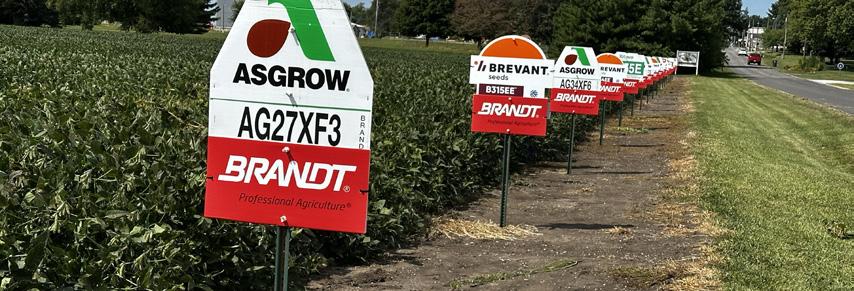
Location: BRANDT Research Farm – Pleasant Plains, IL
■ Seven varieties were tested in both 2024 and 2025 in the North Zone Community Trials. On average, these varieties decreased 1.6 bu/ac in 2025.
■ Averaged across 2024 and 2025, B364EE and AG36XF4 were the top yielding varieties in the North Zone. XO 3014E and AG27XF3 were the only varieties to have a yield increase in 2025. AG33XF3 and B344EE had the largest yield decline from 2024 to 2025 (-4.1 and -4.2 bu/ac).

Soybean Variety Comparison
BRANDT Research Farm - Pleasant Plains, IL - 2025
Summary:
■ At the Pleasant Plains research farm in 2025, the yield difference between the top and lowest performing variety was 19.6 bu/ac among Asgrow varieties and 22.9 bu/ac among the varieties in our E3 variety & brand comparison trial.
■ The highest yield among the Asgrow plots was 97.6 bu/ac, achieved by AG37XF5, while the highest yield in the E3 variety and brand comparison trial was 111.9 bu/ac, achieved by XO 3555E.
■ Among the Asgrow varieties, average yield was similar between short- and long-season maturities; however, the short-season varieties had less variability in yield. Notes: Previous crop: corn; Planting date: 4/27/2025; Harvest date: 9/28/25; Seeding rate: 120,000 plants/ac; Fall Fertility:
and
foliar: BRANDT Smart Trio with herbicide; R1
R3 foliar: Miravis Top, Endigo, BRANDT Smart K B, BRANDT Smart Trio.
bu/ac
*AG33XF3 treated with BRANDT SeedFlow Nutra. ** AG33XF3 treated with BRANDT HomeLAND Soybean
Brevant Xitavo Enlist Soybean Variety & Brand Comparison
Notes: Previous crop: corn; Planting date: 4/27/2025; Harvest date: 10/1/25; Seeding rate: 120,000 plants/ac; Fall Fertility: 25-75-100 suspension; 2x2: 10 gal/ac ATS, 5 lbs/ac BRANDT EnzUp P DS, 1 qt/ac BRANDT Sequestar 9% Zn; In-furrow: 1 pt/ac BRANDT EnzUp Zn, 1 pt/ac BRANDT Seaweed Max; V5 foliar: BRANDT Smart Trio with herbicide; R1 and R3 foliar: Fungicide, Insecticide, BRANDT Smart K B, BRANDT Smart Trio.
Nitrogen Management in Soybean
■ Soybean has a high nitrogen (N) demand: Soybean requires over 4 lbs of N/bu produced, while corn requires just over 1 lb of N/bu. Soybean’s high N requirement is primarily due to its high protein concentration (~36%) in the grain. Proteins are formed from amino acids, all of which contain N in their structure. Corn, on the other hand, produces kernels with less than 10% protein concentration, consisting primarily of starches.
■ Symbiotic nitrogen acquisition: Although the N requirement per bushel for soybean is greater than that for corn, farmers typically do not apply N fertilizer to soybean. This is possible due to the symbiotic relationship between the soybean plant and Bradyrhizobium bacteria, which colonize the soybean roots. In this mutually beneficial relationship, the plant receives N from biological nitrogen fixation (BNF), while the bacteria gain carbohydrates from the plant.
■ High energy cost of biological nitrogen fixation: Atmospheric nitrogen (N2) has a triple bond between the N atoms, requiring significant energy to break down into ammonia. This energy is supplied through plant photosynthesis, meaning that while farmers do not directly pay for N, it still incurs an energy cost to the plant.
■ Soil and biological nitrogen fixation are both nitrogen sources: Research indicates that approximately 50% of soybean’s N requirement is derived from atmospheric N and 50% from soil N. This ratio can shift depending on soil N availability: nitrogen fixation decreases when soil N is abundant and increases when it is scarce. In regions where soil N levels are typically low, nitrogen fixation may fulfill up to 75% of the plant’s total N requirement.
■ Yield limitation due to nitrogen shortage: Because soybean has a high N requirement, research shows that N availability often limits yield, particularly later in the season after the R4 growth stage during grain fill. At this point on, pods and developing seeds become the primary sinks for photoassimilates, drastically reducing the energy available to sustain active nodules. As a result, nodules begin to senesce (Figure 1) just as the crop’s N demand for grain development reaches its peak. To meet this demand, the plant increasingly relies on soil N and remobilization of N stored in vegetative tissues. This process leads to leaf senescence as N is withdrawn from chlorophyll (Figure 2), reducing photosynthetic capacity and limiting seed weight accumulation.
■ Supplementing with nitrogen fertilizer: Applying nitrogen fertilizer in soybean has generally shown limited effectiveness and rarely offsets its cost because fertilizer-derived N can suppress nodulation. However, when applied intentionally with the right rate, source, and timing, N supplementation can be beneficial. Low rates (~20 lbs N/ac) at planting may help seedlings establish more quickly under cool or marginal conditions that limit soil N mineralization and before nodulation is fully established. Later season applications during reproductive stages can also help bridge the gap between crop N demand and soil supply as nodules begin to senesce.
■ Enhancing biological nitrogen fixation (BNF): Promoting nodulation from the start of the season has shown to help mitigate late-season N shortages by increasing biomass production and N accumulation. This biomass N then serves as a N source for the grain. Additionally, foliar nutrition that enhances photosynthesis and supplies nutrients related to BNF can increase the influx of photoassimilates to the roots, delay root ethylene production and potentially slow nodule senescence.
■ Key nutrients for nitrogenase activity: The breakdown of N2 in BFN is facilitated by the enzyme nitrogenase, which relies on key nutrients—magnesium, sulfur, molybdenum, and iron—to function effectively. This process converts N2 into ammonia, which is subsequently converted into ureides for transport within the plant.
1. Seasonal Pattern of Soybean Nitrogen Assimilation from
Location: BRANDT Research Farm – Pleasant Plains, IL
and Soil Sources
Figure
Figure 2. Seasonal Accumulation of Nitrogen in Different Soybean Tissues
Soybean Nitrogen Fertilizer Supplementation
Location: BRANDT Research Farm – Pleasant Plains, IL
■ All nitrogen (N) fertilizer treatments increased yield compared to the untreated control, indicating that N was likely deficient during the later reproductive stages. The stronger response to higher UAN rates supports this interpretation; however, yield responses to slow release nitrogen (SRN) treatments were more variable and not clearly related to N rate. Although responses were positive, they were very limited, likely due to the extremely dry conditions during grain fill that restricted fertilizer N uptake from the surface soil, since N uptake depends largely on soil water movement toward the roots.
■ The UAN treatments produced greater yield increases than the SRN treatments, suggesting that a faster-releasing N source was needed to meet crop demand. The triazone and methylene urea components in SRN can take up to 90 days to fully release N, depending on soil temperature, moisture and microbial activity. Given the lack of rainfall during grain fill and the resulting dry topsoil, it is expected that only a small fraction of the slow-release N became plant-available during the growing season.
■ Considering average fertilizer and application costs, none of the N treatments provided a positive return on investment. Therefore, under the conditions of this trial, supplemental N fertilization would not currently be recommended.
Treatments:
■ All N fertilizer treatments were applied at the R3 growth stage using a Y-Drop system.
■ Urea ammonium nitrate (UAN-28%) or BRANDT Nurture (SRN 30-0-0) were applied at rates of 40, 80, or 120 lbs N/ac. Combination treatments included 40 lbs N/ac from UAN with either 40 or 80 lbs N/ac from BRANDT Nurture, and one treatment with 80 lbs N/ac from UAN plus 40 lbs N/ac from BRANDT Nurture.
Soybean grain yield as affected by y-drop nitrogen fertilizer application . All nitrogen sources and rates were applied at the R3 growth stage .
UAN (120
UAN (40 lbs N/ac) + BRANDT Nurture (40 lbs N/ac)
UAN (40 lbs N/ac) + BRANDT Nurture (80 lbs N/ac)
UAN (80 lbs N/ac) + BRANDT Nurture (40 lbs N/ac)
Notes: Previous crop: corn; Planting date: 4/15/2025; Variety: AG36XF4; Planting rate: 120,000 plants/ac; Fall Fertility: 25-75-100 suspension; In-Furrow: 1 pt/ac BRANDT EnzUp Zn, 1 pt/ac BRANDT Seaweed Max; 2x2: 10 gal/ac ATS, 5 lbs/ac BRANDT EnzUp P DS, 1 qt/ac BRANDT Sequestar 9% Zn; With post herbicide: 1 qt/ac BRANDT Smart Trio, 1pt/100gal BRANDT BioFlex; R1 and R3 foliar: Fungicide, Insecticide, 1 pt/ac BRANDT Smart B-Mo, 1 qt/ac BRANDT Smart Trio.
BRANDT Research Farm - Pleasant Plains, IL - 2025
Starter Fertilizer and Zinc Sources Interaction
BRANDT Research Farm - Pleasant Plains, IL - 2025
■ Soybean typically acquires about 50% of its nitrogen (N) needs through nodules established by Bradyrhizobium bacteria. However, during early season growth, before these nodules are fully established, the soybean plant depends entirely on soil N uptake for its initial development.
■ In the Midwest, early planting often increases soybean yield potential. However, cooler soil temperatures associated with early planting limit nitrogen mineralization, which can reduce early season vigor. Sulfur (S) mineralization is also slow early in the season, and because sulfur is critical for nodulation and nitrogen fixation, supplying plant available N and S during this period can be highly beneficial.
Summary:
■ Application of ammonium thiosulfate (ATS; 12-0-0-26S) 2x2 increased yield by 0.9 bu/ac over the untreated control. Adding BRANDT EnzUp P DS (12-58-0) in-furrow further increased yield by an additional 0.8 bu/ac.
■ Yield response to in-furrow zinc sources varied. BRANDT Sequestar 9% Zn decreased yield relative to the ATS + BRANDT EnzUp P DS treatment alone, while BRANDT EnzUp Zn and BRANDT EnzUp SeedFlow Zn increased yield. This suggests zinc was not the primary limiting nutrient, and that yield gains from BRANDT EnzUp Zn products were likely driven by enzyme activity supporting germination, nutrient release from soil organic matter, and soil microbial processes.
Treatments:
■ An additive treatment approach was used to evaluate the effect of nitrogen, sulfur, phosphorus and zinc sources on soybean productivity.
■ The base treatment consisted of 10 gal/ac of ammonium thiosulfate (ATS) applied 2x2.
■ BRANDT EnzUp P DS was then applied in-furrow at 5 lbs/ac.
■ Multiple zinc sources were evaluated including BRANDT Sequestar 9% Zn at 1 qt/ac in-furrow, BRANDT EnzUp Zn (4% Zn) at 1 qt/ac in-furrow, and BRANDT EnzUp SeedFlow Zn applied directly to the seed at a rate of ¼ cup per unit of seed.
■ All treatments were compared to an untreated control.
Soybean Starter Fertilizer and Zinc Sources Interaction
Soybean Planter Box Trials
BRANDT Research Farm - Pleasant Plains, IL - 2025
■ BRANDT SeedFlow Nutra, resulted in the highest yield increase in the study at 2.2 bu/ac. This product contains essential micronutrients for the nitrogen fixation process, including molybdenum and iron, which can enhance early-season nodulation and overall plant health.
■ BRANDT HomeLAND Soybean, which combines a nutritional package with Bradyrhizobium strains produced the second-highest yield. Adding Bradyrhizobium inoculant to soybean seed has shown to have limited additional yield benefit compared to nutrition alone. This is likely due to the naturally high presence of Bradyrhizobium in Illinois soils.
■ BRANDT EnzUp SeedFlow Zn did not result in any significant yield difference. BRANDT SeedFlow Micro, which also has a higher zinc load and is targeted toward cereal crops, showed no difference as well. These results contrast with previous trial data where BRANDT EnzUp SeedFlow Zn produced strong yield responses. Zinc plays an important role during germination, early plant vigor, and the nodulation process, and its use is still recommended, especially when applying phosphorus fertilizer or starter.
Treatments:
■ BRANDT SeedFlow Micro, BRANDT SeedFlow Nutra, BRANDT HomeLAND Soybean, and BRANDT EnzUp SeedFlow Zn were applied to the planter box at ¼ cup per unit of seed.
Notes: Previous crop: corn; Planting date: 4/15/2025; Variety: AG36XF4; Planting rate: 120,000 plants/ac; Fall Fertility: 25-75-100 suspension; Starter: 10 gal ATS, 5 lbs BRANDT EnzUp P DS, and 1 qt BRANDT Sequestar 9% Zn applied 2x2 with the planter.; R1 and R3 foliar: Fungicide, Insecticide, BRANDT Smart B-Mo, BRANDT Smart Trio.
2025 Research Farm – Soybean Planter Box
3rd Party Multi-State Trials - 2025
■ Soybean planter box trials were conducted across 11 locations, with each location including six replications.
■ BRANDT HomeLAND Soybean increased yields at 91% of the locations, with an average yield increase of 3.6 bu/ac.
■ BRANDT SeedFlow Nutra increased yields at 91% of the locations, with an average yield increase of 2.8 bu/ac.
■ BRANDT EnzUp SeedFlow Zn increased yields at 82% of the locations, with an average yield increase of 2.9 bu/ac.
Treatments:
■ BRANDT EnzUp SeedFlow Zn, BRANDT SeedFlow Nutra and BRANDT HomeLAND Soybean were applied to the planter box as a seed treatment at ¼ cup per unit of seed.
Soybean Yield Response to Planter Box Treatment
BRANDT SeedFlow Nutra BRANDT EnzUp SeedFlow Zn BRANDT HomeLAND Soybean
BRANDT Biostimulants - BRANDT BioFlex
BRANDT Research Farm - Pleasant Plains, IL - 2025
Summary:
■ BRANDT BioFlex at 3.2 oz/ac increased yield by 2.2 bu/ac, while higher rates or repeated applications had no impact on yield.
■ BRANDT Smart Trio + BRANDT BioFlex at V4 and BRANDT Smart B-Mo + BRANDT BioFlex + BRANDT Smart Trio at R3 increased yield by 4.3 bu/ac compared to BRANDT BioFlex alone at V4 + R3.
Treatments:
■ BRANDT BioFlex was applied at 3.2 or 6.4 fl oz/ac (equivalent to 1 or 2 pt/ 100 gallons of spray solution).
■ The trial included three replications per treatment.
Foliar Treatment Timing
BioFlex (3.2fl
BRANDT BioFlex (3.2 fl oz/ac) + BRANDT Smart Trio BRANDT BioFlex (3.2 fl oz/ac) + BRANDT Smart B-Mo** + BRANDT Smart Trio
*Smart Trio was applied at 1 qt/ac. **Smart B-Mo was applied at 1 pt/ac.
Notes: Previous crop: corn; Planting date: 4/14/2025; Variety: AG36XF4; Planting
gal/ac ATS, 5 lbs/ac BRANDT EnzUp P DS, 1 qt/ac BRANDT Sequestar 9% Zn; In-furrow: 1 pt/ac BRANDT EnzUp Zn, 1
3rd Party Multi-State Trials - 2025
Summary:
■ Across 9 locations consistent yield response was observed in response to foliar applications of BRANDT BioFlex and BRANDT Smart Quatro Plus at the post herbicide application timing in soybean.
■ On average, BRANDT BioFlex increased yield by 1.3 bu/ac, BRANDT Smart Quatro Plus increased yield by 1.2 bu/ac, and the combination of the two increased yield by 1.6 bu/ac.
Treatments:
■ In-season foliar treatments were applied at the V4 growth stage.
■ Treatments consisted of BRANDT BioFlex at 2 pt/100 gal (6.4 fl oz/ac), BRANDT Smart Quatro Plus at 1 qt/ac, or the combination of both products at those same rates.
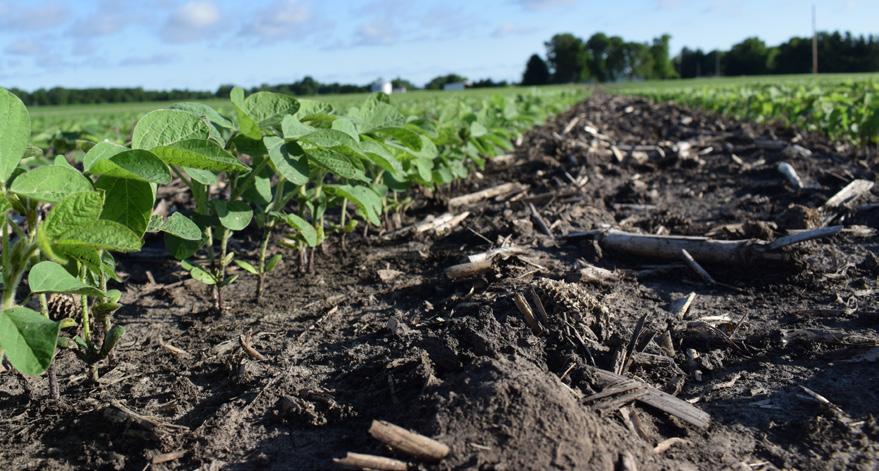
BRANDT Biostimulants - BRANDT Seaweed Max
BRANDT Seaweed Max is a purified and highly concentrated Ascophyllum nodosum extract with multiple potential use cases in soybean production systems.
During the 2025 season at the research farm, BRANDT Seaweed Max was evaluated within the soybean planting date study. The product was applied in-furrow at 1 pt/ac, in combination with 1 pt/ac of BRANDT EnzUp Zn and additional starter fertility placed 2x2. This starter fertilizer program resulted in yield increases of up to 4.5 bu/ac compared to the untreated control. Figure 1 shows plot comparisons with and without BRANDT Seaweed Max treatment, while Figure 2 shows plant samples collected during early vegetative growth.
Beyond in-furrow applications, BRANDT Seaweed Max may also be applied foliarly, including post-emergence herbicide or fungicide spray timings. Foliar use is intended to support stress mitigation and impact internal physiological processes, including modulation of phytohormone balance, which may contribute to improved flower retention and branching in soybean. Figures 3 and 4 show BRANDT Seaweed Max applied at the R1 growth stage.
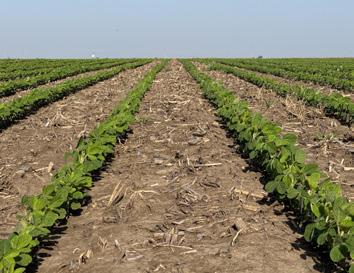
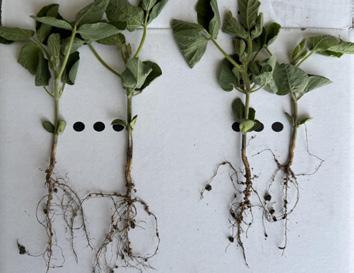
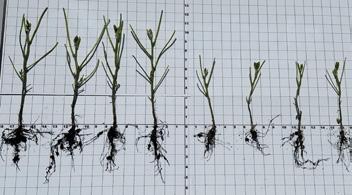

Figure 1 – Comparison between no starter (left) vs BRANDT Seaweed Max applied at 1 pt/ac + BRANDT EnzUp Zn at 1 pt/ac in-furrow (right).
Figure 3 – Comparison between BRANDT Seaweed Max applied at 1 pt/ac at the R1 growth stage (left) and the untreated control (right). Photo credit: Blake Huntington.
Figure 2 – BRANDT Seaweed Max applied at 1 pt/ac + BRANDT EnzUp Zn at 1 pt/ac in-furrow (left) vs no starter (right).
Figure 4 – Comparison between grower standard (left) vs BRANDT Seaweed Max applied at 1 pt/ac at the R1 growth stage (right).
Photo credit: Blake Huntington.
Thank You!

We make a significant investment in research and development to bring our customers local information and practices they can implement on their farm to be more profitable and more efficient in today’s competitive environment. We appreciate the business relationship we have with each of you and for that we say - Thank You.
Please join us for our annual summer agronomy day - Thursday, July 23, 2026 at the Evelyn Brandt Thomas Ag Innovation Center. More details to follow at a later date.
BRANDT RETAIL LOCATIONS
Ashland 217 476 3438
Auburn 217 438 6158
Cooksville 309 725 3710
Cropsey 309 377 3121
Fairbury 815 692 2612
Franklin 217 675 2302
Greenview 217 968 5589
Gridley 309 747 2233
Lexington 309 365 7201
Lincoln 217 735 2571
Mt . Auburn 217 676 3231
New Berlin 217 488 3125
Niantic 217 668 2228
Oakford 217 635 5765
Raymond 217 229 3442
Waverly 217 391 9705
Williamsville 217 566 2113