Pathways
2026 TRIBAL IMPACT REPORT
Dear Friends,
As President of Oklahoma State University Center for Health Sciences, I am incredibly proud to share our ongoing commitment to improving the health of tribal and rural communities across Oklahoma.
A cornerstone of our mission is our historic partnership with the Cherokee Nation. Together, we established the country’s first tribally affiliated medical school, which recently earned High Honors from the Harvard Kennedy School Project on Indigenous Governance and Development. In May 2025, we proudly graduated our second class from this campus, with roughly half moving on to residency programs in rural or tribal communities.
Our impact is reflected in our national standing and the growing diversity of our future physicians. U.S. News & World Report once again ranked OSU-CHS as the No. 1 medical school for the percentage of graduates practicing in medically underserved areas. Furthermore, we are proud that 12.1% of our total medical students identify as American Indian, far surpassing the 1% national average.
We are constantly finding new ways to break down barriers to care. In April 2025, we partnered with the Choctaw Nation to launch the Antlers Community Health Clinic, Oklahoma’s first-of-its-kind virtual care clinic. We also continue to expand postgraduate training through partnerships with several tribal nations, which includes establishing the only tribally affiliated pediatric residency program in the United States.
Thank you for your continued support as we work together to transform health outcomes in Indian Country and beyond.
Sincerely,

Johnny Stephens, Pharm.D. President OSU Center for Health Sciences
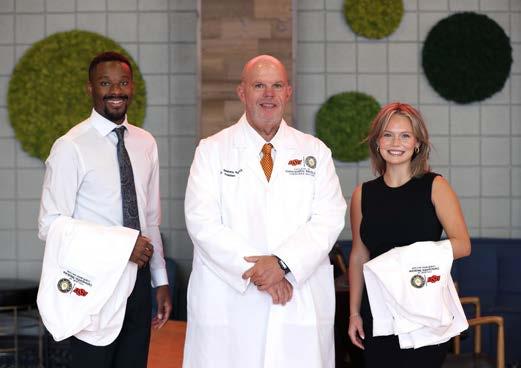
Dr. Johnny Stephens, president of OSU Center for Health Sciences, with medical students during the 2025 OSU-COM at the Cherokee Nation White Coat Ceremony.
ALSO INCLUDED: The Center for Indigenous Health Research and Policy is pleased to provide a five year report on our activities, included with this issue of Pathways.
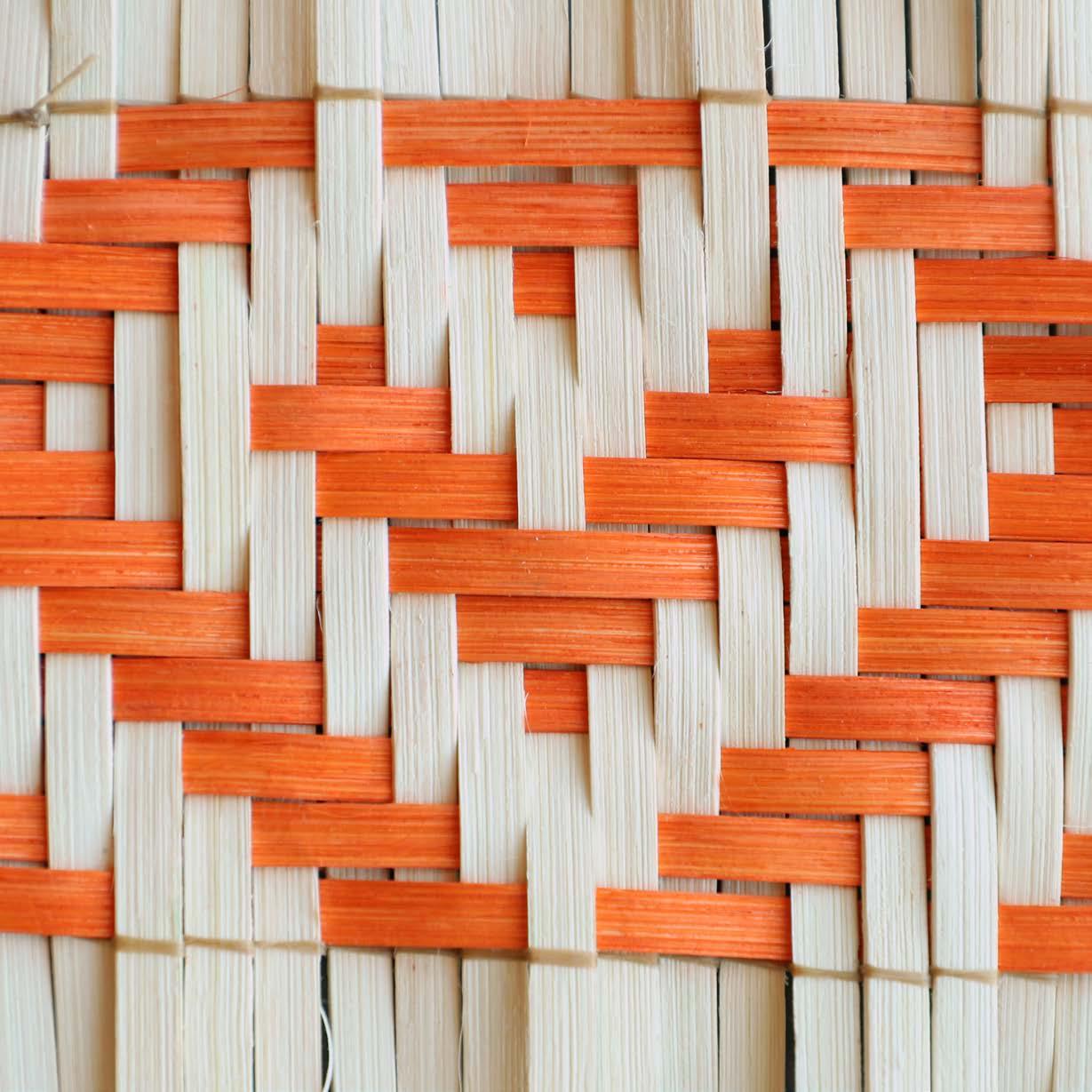
ON THE COVER
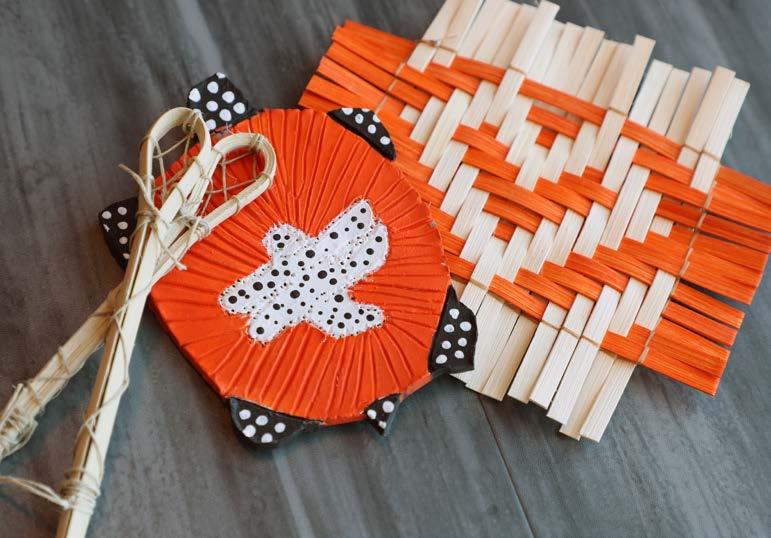
Native American tribal crafts, including a reed mat showing a heart design, at the OSU College of Osteopathic Medicine at the Cherokee Nation.
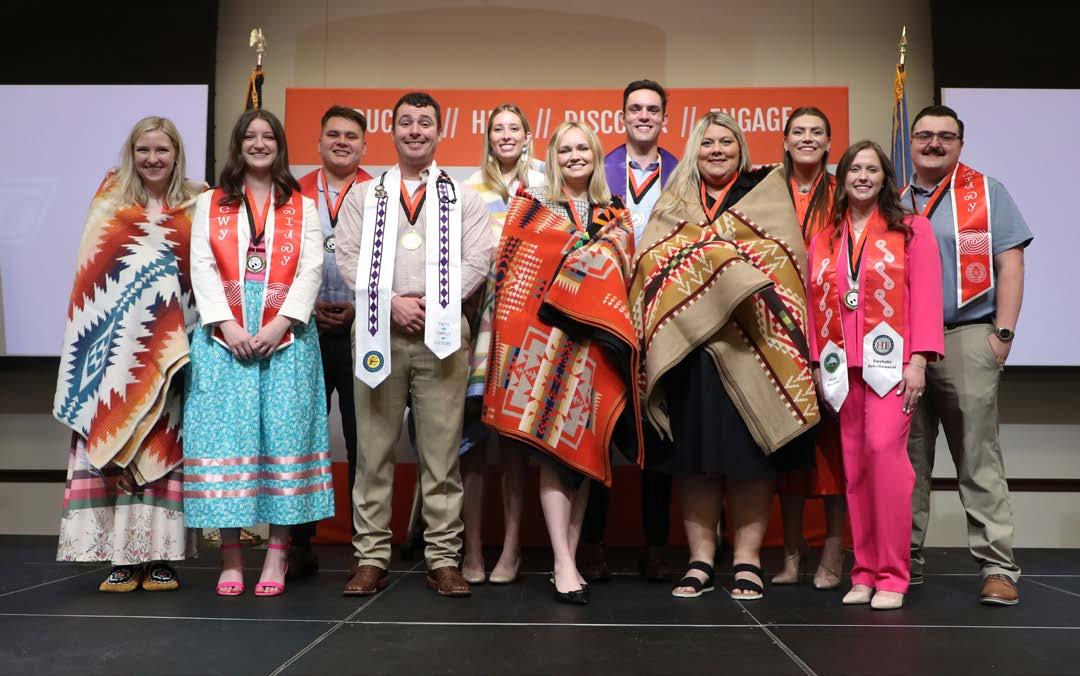
Class of 2025 graduates who identify as Native Americans attended the annual American Indian Honoring Ceremony.
OSU-COM, Cherokee Nation honored by Harvard Kennedy School
The historic partnership between OSU College of Osteopathic Medicine and the Cherokee Nation to open the country’s first tribally affiliated medical school received High Honors recognition from the Harvard Kennedy School Project on Indigenous Governance and Development in December 2025.
OSU-COM at the Cherokee Nation, located on tribal land in Tahlequah, Oklahoma, is the culmination of a shared vision between leaders at OSU and the Cherokee Nation who want to meet the need for more physicians in rural and tribal communities in Oklahoma and improve the health of citizens.
“This collaboration — rooted in trust, shared purpose and a commitment to addressing longstanding health challenges in our Oklahoma communities — has always been about service and sovereignty,” said Dr. Natasha Bray, dean of OSU-COM at the Cherokee Nation.
The Tahlequah campus welcomed its inaugural class of 53 students, 20% of whom were Native American, in August 2020. And in May 2025 the school graduated its second class of medical students, about half of which are in residency programs in rural or tribal communities.
Cherokee Nation Principal Chief Chuck Hoskin Jr. said the results of this partnership have already exceeded expectations.
“They exceeded our expectations because of the power of friendship and trust — trust between OSU and Cherokee Nation leadership,” Hoskin said. “That’s the power of having a medical school in the heart of Indian Country where they’re experiencing our culture, our lifeways,
seeing our challenges and discovering the opportunities that we all have.”
finalists for Harvard’s Honoring Nations Awards, one of
the United States, and was named one of only three High Honors recipients last year.
Administered by the Harvard Project on Indigenous Governance and Development, the program highlights
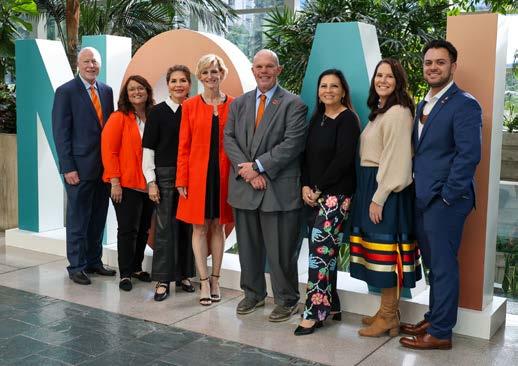
Representatives and leaders from the Cherokee Nation, OSU Center for Health Sciences and OSU College of Osteopathic Medicine at the Cherokee Nation attended the National Congress of American Indians’ 82nd Annual Convention in Seattle in 2025.
OSU-CHS tops U.S. News rankings in serving health care shortage areas
For the third consecutive year, OSU Center for Health Sciences has earned the No. 1 ranking in the percentage of graduates practicing in Health Professional Shortage Areas (HPSAs), according to the latest U.S. News & World Report medical school rankings.
HPSAs — often referred to as medical deserts — are areas, both rural and urban, experiencing a shortage of physicians and health care providers.
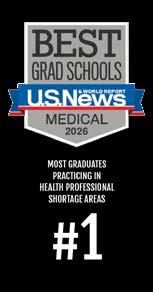
In addition to maintaining its top ranking in HPSAs, OSU-CHS improved to No. 8 in the nation for graduates practicing in rural areas, up from No. 11 last year. The institution also ranked No. 13 for graduates practicing in primary care, further demonstrating its continued commitment to addressing physician workforce shortages.
OSU College of Osteopathic Medicine was established in 1972 with a legislative mandate to train physicians for rural Oklahoma. Today, that mission continues through innovative programs and strategic partnerships, including the OSU College of Osteopathic Medicine at the Cherokee Nation in Tahlequah — the nation’s first tribally affiliated medical school.
“What these rankings tell me is that our students are truly listening — to their patients, to their communities, and to the mission that brought them to OSU in the first place,” said Dr. Natasha Bray, dean of OSU-COM at the Cherokee Nation. “Through our partnerships with the Cherokee Nation and rural hospitals across the state, we’ve built a foundation that shapes how our students learn to show up for people whose health needs have too often gone unmet.”
Dean recognized for contributions to osteopathic medical education
Dr. Natasha Bray, dean of the OSU College of Osteopathic Medicine at the Cherokee Nation, received the Robert S. Kistner Leadership Award from the American Association of Colleges of Osteopathic Medicine in April 2025.
Bray said it is incredibly humbling and deeply gratifying to receive the Robert A. Kistner Award, which recognizes someone for their significant contributions to osteopathic medical education.
“My career has been fueled by a passion for advancing osteopathic medical education and preparing compassionate, skilled physicians who are ready to serve all communities, especially in rural, tribal and underserved populations,” she said. “This recognition is especially meaningful because it comes from AACOM, an organization dedicated to excellence in osteopathic medical education.”
Bray, who graduated from OSU-COM in 2003, returned to her alma mater in 2017 as a clinical professor and soon moved into leadership and administrative roles. She was an instrumental part of the team that developed and opened OSU-COM at the Cherokee Nation, the country’s first tribally affiliated medical school in Tahlequah, Oklahoma.
Dr. Robert A. Cain, president and CEO of AACOM, said Bray represents the very best of the osteopathic medical education community.
“From her lifelong service as an educator to her leadership as an advocate, Dr. Bray exemplifies the excellence and dedication that define our profession,” said Cain. “We are proud to celebrate her and honor her achievements as she inspires the next generation of leaders in osteopathic medicine.”
The recognition holds profound meaning for Bray, and she emphasized that the Robert S. Kistner Leadership Award truly belongs to the entire OSU-COM community.
“While I’m personally honored by this award, I see it primarily as recognition of our collective achievements and the positive impact the osteopathic community is making on health care access and outcomes across our state and beyond,” she said. “This honor reflects the de d ic at ion of ou r ent i
s
nd s t udent s — who share a commitment to advancing osteopathic medicine and improving health care for all Oklahoma communities.”
HONORS & ACCOLADES
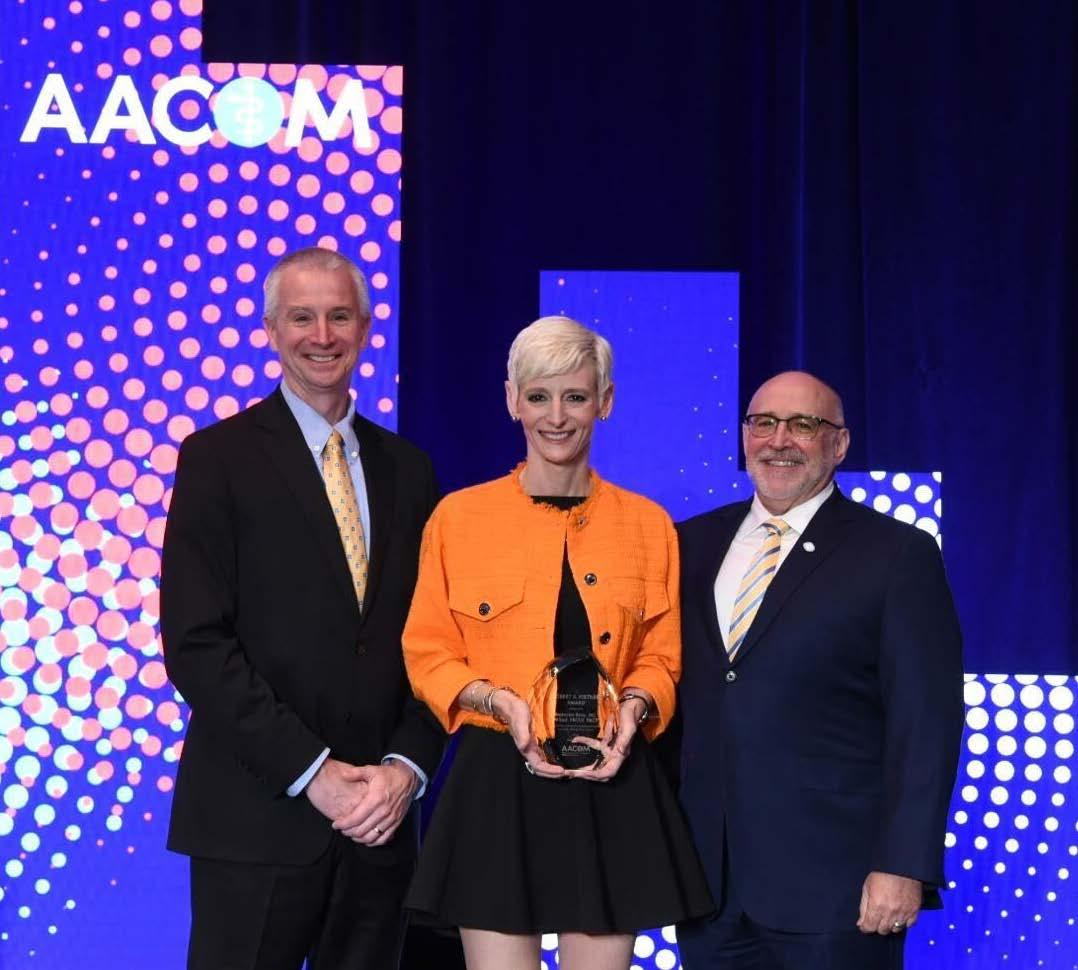
OSU College of Osteopathic Medicine at the Cherokee Nation Dean Natasha Bray, DO, (center) receives the Robert A. Kistner Leadership Award at the 2025 American Association of Colleges of Osteopathic Medicine Educating Leaders Conference in Arlington, Texas. The award was presented by Dr. Shane Speights, AACOM Board of Deans chair, (left) and Dr. Robert Cain, president and CEO of AACOM.
HONORS & ACCOLADES
SCHOLARSHIPS AND SUPPORT
$406,786 in scholarships or tuition waivers were awarded to 22 American Indian medical students last year.
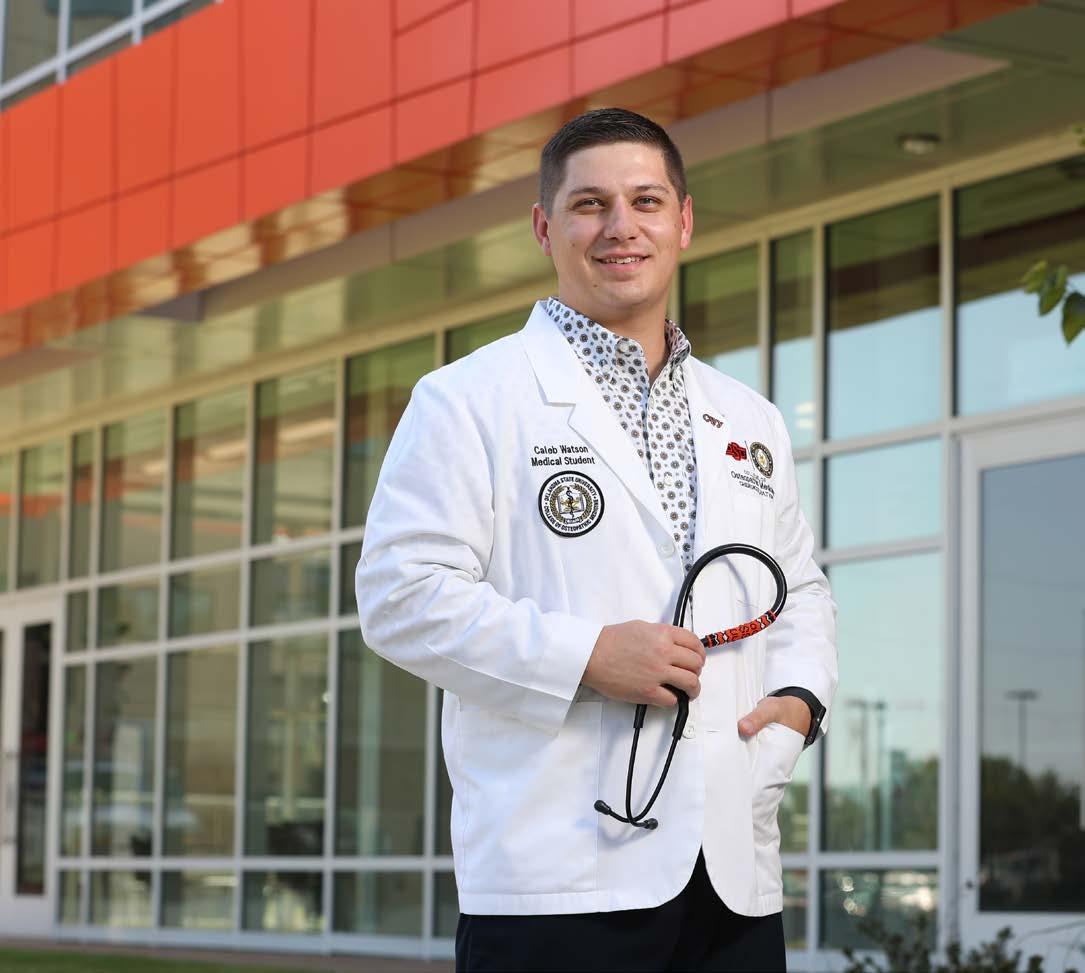
CN student Caleb Watson
OSU-COM CN student named Native Forward Scholar
Caleb Watson, a fourth-year medical student at OSU College of Osteopathic Medicine at the Cherokee Nation, is proud to become a Cherokee physician.
When it came time to apply to medical schools, Watson said he felt OSU-COM’s mission aligned well with how and why he wanted to practice medicine.
“When I learned about the Cherokee Nation campus, I knew I wanted to be involved in advancing tribal health care. It’s a great honor and privilege to be part of such a unique partnership that encompasses two important parts of my life — medicine and my Cherokee heritage,” he said.
Watson was recognized as a Native Forward Scholar in September 2024.
Native Forward Scholars Fund is a nonprofit organization that provides scholarships and support to Native American and Alaska Native students pursuing undergraduate, graduate and professional degrees.
“This scholarship has helped lift some of the financial burden students face when pursuing a medical degree,” he said.
Watson is also part of OSU-COM’s Tribal Medical Track, a specialized education track where students who want to practice in the Indian Health Service or in tribal health systems learn and gain experience in tribal health clinics and hospitals.
OSU-COM CN Dean Bray, health care leaders discuss the future of AI in medicine
Dr. Natasha Bray, dean of the OSU College of Osteopathic Medicine at the Cherokee Nation, took part in a panel discussion at the inaugural Think Health: AI for Healthy Communities conference in January 2025, in Bentonville, Arkansas.
The Alice L. Walton School of Medicine collaborated with Stanford Medicine to host the conference at Crystal Bridges Museum of American Art. Bray joined other national leaders in health, technology, education and policy to discuss the future of community health and wellness, enabled by artificial intelligence.
Discussions centered on how communities can benefit from the advances in AI technology and how it can help equip the next generation of health care leaders. Through conversations, shared learning and networking, the inaugural conference aimed to foster future AI collaborations, investments and partnerships to support communities facing health opportunities and challenges.
“The integration of AI into medicine is still in its early stages, but its potential is undeniable,” Bray said. “This conference offered a hopeful vision of a future where technology and human compassion converge to create a more equitable and accessible health care system.”
TRIBAL REPRESENTATION AT OSU-CHS
• Cherokee Nation
• Chickasaw Nation
• Choctaw Nation of Oklahoma
• Delaware Nation
• Delaware Tribe of Indians
• Kiowa Tribe
• Miami Tribe of Oklahoma
• Muscogee (Creek) Nation
• Osage Nation
• Seminole Nation
OSU-COM at the Cherokee Nation
Albert Schweitzer Fellows
The Albert Schweitzer Fellowship is a one-year, interdisciplinary program that is dedicated to developing a pipeline of leaders to enter the workforce with the skills and confidence to address unmet health care needs in their community. Tulsa is one of 13 program sites in the United States and the Fellowship’s national headquarters.
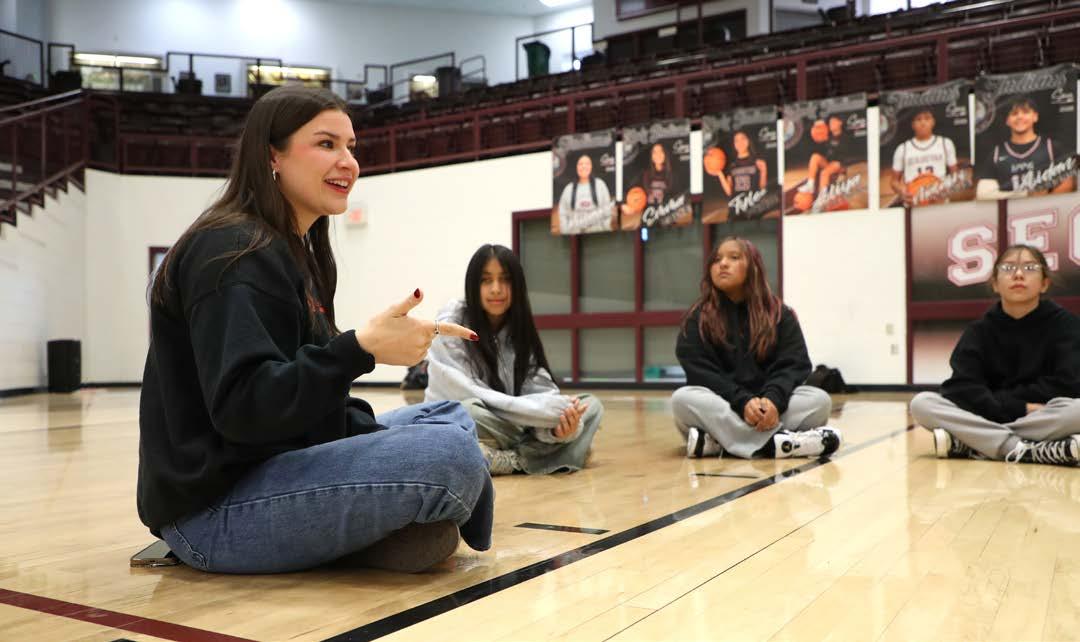
OSU-COM CN student Kyleigh Harrell meets with students from the Cherokee Nation Immersion School. Harrell’s Schweitzer Fellowship project educates native youth on health topics such as nutrition, exercise and diabetes.
HONORS & ACCOLADES
2024-25 COHORT
Cali Sweazea utilized communication and education to curb domestic violence among teenagers. For her project, she hosted sessions on the Center for Disease Control’s Dating Matters program at Sequoyah High School in Tahlequah, Oklahoma. Dating Matters is designed to raise awareness around and prevent teen dating violence.
“The program helps teens know themselves, so it is not just in respect to their intimate partners. They’ll be able to take the skills they learn and apply them to all their relationships,” she said.
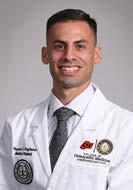
Hayden Kingfisher educated students on diabetes prevention through Cherokee culture at the Cherokee Nation Immersion School. His project combined health education and tribal traditions, with the students learning in visual, auditory and kinetic forms in both Cherokee and English. As a Cherokee Nation citizen, Kingfisher aimed to give back to the students in his program like the community had given back to him.
“The opportunities that have been poured into me by our people allowed me to pursue my dream of a medical education. With the students, we spoke a lot about their opportunity to do the same, whatever that may be,” he said.
2025-26 COHORT
Kyleigh Harrell continued Hayden Kingfisher’s project at the Cherokee Nation Immersion School, aiming to decrease diabetes rates among school-aged youth through education and health initiatives. Cherokee Nation citizens experience a higher prevalence of diabetes than the general population, with over 55% of her students having a family member
with diabetes. She believes that educating youth is the key to changing this statistic. Her experience as a Schweitzer Fellow will stay with her as she becomes a physician serving her tribal community.
“Eventually, I’ll be seeing these people as my patients,” she said. “Growing cultural competency and understanding the language, understanding why and how they do what they do. How can I be more ingrained than that?”
Jake McAlester and Maria Nolan are using their interest in spor ts medicine to prevent injuries in high school ath letes. Their project site is Warner Public Schools, where they are educating high schoolers on sports injuries and how to prevent them proactively. They present ev idence-ba sed resea rch and lead mobility exercises and warm-ups for the athletes.
McAlester and Nolan agree that the project is helping them develop interpersonal skills that will be helpful to them as future providers.
“The project has been great for us to learn how to create something sustainable on our own, especially as we get older and become leaders in our communities as physicians. Hopefully, someday, we can use this experience to start new projects that are meaningful for a wide range of people,” said McAlester.
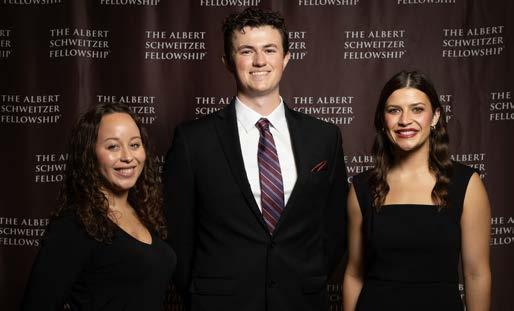
2025-26 Cohorts Maria Nolan, Jake McAlester and Kyleigh Harrell.
IMPACT & CARE
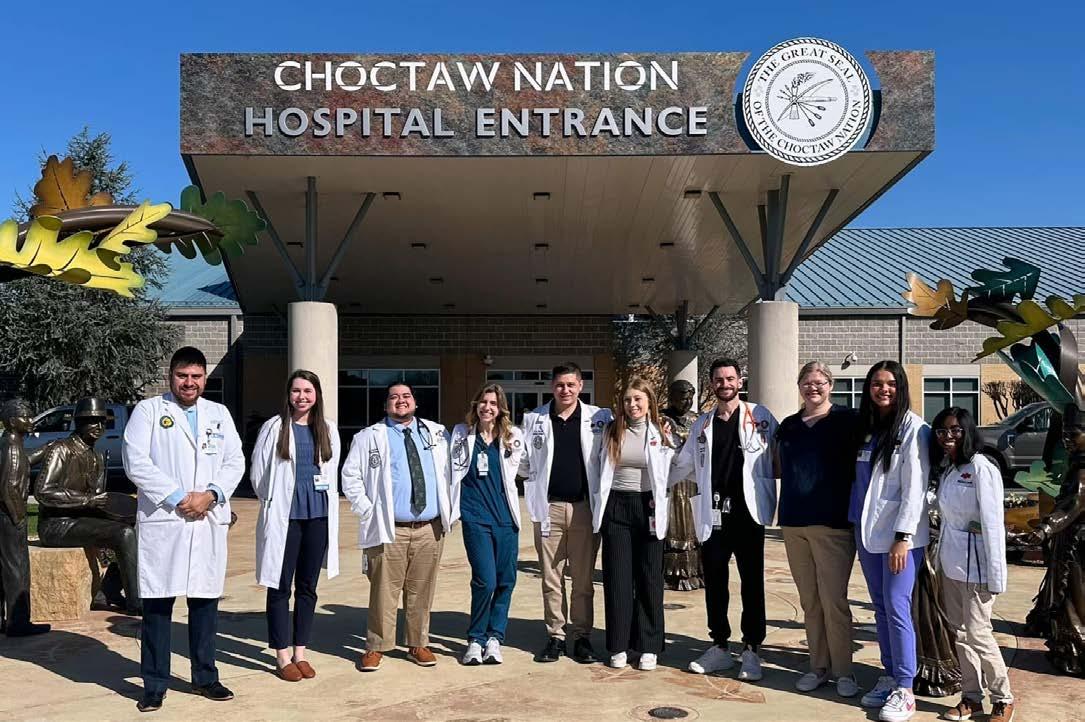
Medical students from the Tribal Medical Track at the Choctaw
OSU Medicine, Choctaw Nation launch innovative virtual care clinic in Antlers
Choctaw Nation Health Services Authority and Oklahoma State University Medicine joined forces to establish the Antlers Community Health Clinic, a first-of-its-kind in Oklahoma. The clinic
operates with a limited on-site staff, while health care providers remotely manage patient care through innovative vir tual technology. The facility is open to everyone, including non-tribal community members, and is designed to meet the health care needs of residents who require same-day care but don’t require the emergency room’s services.
Nation Health Care Center.
Tribal Clinical Care
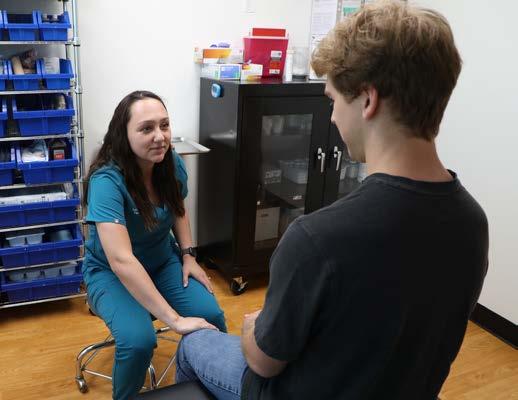
OSU Medicine clinics provide a variety of primary care and specialty care services including cardiology, emergency medicine, obstetrics and gynecology, orthopedics and surgery to several tribal health systems and Indian Health Services facilities across the state.
Cherokee Nation Claremore Outpatient and Emergency Health Center
• Cardiology provides in-clinic services monthly and reads cardiac results remotely.
• Emergency Medicine provides coverage 24 hours a day, seven days a week.
• OB/GYN provides prenatal care from 36 weeks to delivery, or earlier if the mother is considered high risk.
• OSU Medicine Surgery Department is the health center’s breast surgery partner.
Cherokee Nation W.W. Hastings Hospital in Tahlequah
• Emergency Medicine provides partial coverage.
• Other specialty services may soon be provided.
Council Oak Comprehensive Healthcare in Tulsa
• Cardiology provides daily in-clinic services, on-call services and reads cardiac results.
Lawton Indian Hospital
• Emergency Medicine provides coverage 24 hours a day, seven days a week.
Okmulgee Indian Health Center
• OB/GYN provides prenatal care from 36 weeks to delivery, or earlier if the mother is considered high risk.
Pawnee Indian Health Center
• Cardiology provides in-clinic services monthly and reads cardiac results remotely.
• Orthopedics provides half-day, in-clinic services weekly.
Tribal Medical Track
OSU College of Osteopathic Medicine has a mission to produce primary care physicians for rural, tribal and other underserved areas and communities and improve physician shortages faced by rural and tribal health care systems.
To prepare medical students for a successful transition into tribal communities and health systems, OSU-COM offers a Tribal Medical Track. In addition to required courses and training, TMT students learn about Indigenous medicine, health disparities among Native Americans and career opportunities in tribal health care. The track also includes special rotations at tribal clinics or hospitals, opportunities for research, tribal residency tours and culturally relevant learning experiences.
So far 16 OSU-COM graduates have gone through the Tribal Medical Track and there are 32 medical students currently enrolled in the track.
And with OSU College of Osteopathic Medicine at the Cherokee Nation, students have an unprecedented opportunity to train within a tribal health system. For students who are Indigenous or those interested in tribal health care, the campus in Tahlequah as well as the Tribal Medical Track creates a diverse pathway to serve tribal communities as primary care physicians.
Residency Investment
Through our partnership with several tribal nations, OSU Medicine is working to improve health outcomes for Native American communities and encourage primary care physicians to practice in rural Oklahoma where they are needed most.
There are three family medicine residency programs under the sponsorship of OSU Center for Health Sciences and the Osteopathic Medical Education Consortium of Oklahoma (OMECO). Three-year residency programs are available in family medicine at Choctaw Nation Health Services Authority in Talihina with 15 residency slots total; Chickasaw Nation Medical Center in Ada with 12 residency slots total, and Cherokee Nation W.W. Hastings Hospital with 24 residency slots total.
In 2022, a Rural Track of the OSU Medicine Pediatric Program opened at the Cherokee Nation. This program trains three residents per year at the Cherokee Nation location. This is the only tribally affiliated pediatric residency program in the United States.
Additionally, an internal medicine residency program is available in Tahlequah through the Tahlequah Medical Group that works with both tribal members and u nder ser ve d
16 residency slots, but is accredited for up to 21 positions.
Residents are given opportunities to grow professionally and personally through real-world experiences serving American Indian populations. The programs offer residents the chance to see patients with a v a r iet y of me d ic
and knowledge.
The OB/GYN residency program, with 12 residency s lot s , a l so work
and health centers.
Primary care is the foundation of medicine, and these residency programs are designed to deliver patientcentered care that is comprehensive and personal to the patient, their family and their community.
TRIBAL ROTATION SITES
ADA
Chickasaw Nation Medical Center
JAY
Cherokee Nation Health Services, Sam Hider Health Center
MIAMI
Northeastern Tribal Health System
MUSKOGEE
Cherokee Nation Three Rivers Health Center
Muscogee (Creek) Nation Department of Health
NORMAN
Absentee Shawnee Tribal Health System, Little Axe Health Center
NOWATA/OCHELATA
Cherokee Nation Health Services, Willl Rogers Health Center
OKLAHOMA CITY
Oklahoma City Indian Clinic
OKEMAH
Muscogee (Creek) Nation Community Hospital
OKMULGEE
Muscogee (Creek) Nation Medical Center
PAWHUSKA
Osage Nation, Wahzhazhe Health Center
PAWNEE
Pawnee Indian Health Center
PERKINS
Perkins Family Clinic
POTEAU
Choctaw Nation Rubin White Health Clinic
PURCELL
Chickasaw Nation Purcell Health Clinic
STROUD
Black Hawk Health Center
TAHLEQUAH
Cherokee Nation Outpatient Center Health Center
Cherokee Nation W.W. Hastings Hospital
TALIHINA
Choctaw Nation Health Care Center
WYANDOTTE
Bearskin Health & Wellness Center
Talihina
Tahlequah Muskogee
Endowed Lectureship to benefit OSU-COM at the Cherokee Nation
In February 2026, the Dr. Sharon Anderson Endowed Lectureship in Tribal and Rural Innovation was established to encourage excellence in teaching and scholarship in rural and tribal education at OSU College of Osteopathic Medicine at the Cherokee Nation.
Those chosen to receive the endowed lectureship will be invited to present at OSU-COM at the Cherokee Nation, including at the campus’
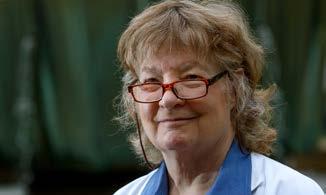
annual Symposium on Tribal and Rural Innovation in Disparities and Equity for Health (STRIDE) Conference. The endowed lectureship would strengthen the symposium by ensuring presentations by distinguished speakers who advance the health care needs of rural and tribal communities.
Dr. Sharon Anderson is dean emeritus of the Oregon Health and Science University School of Medicine and was drawn to supporting OSU-COM at the Cherokee Nation because of her Oklahoma roots.
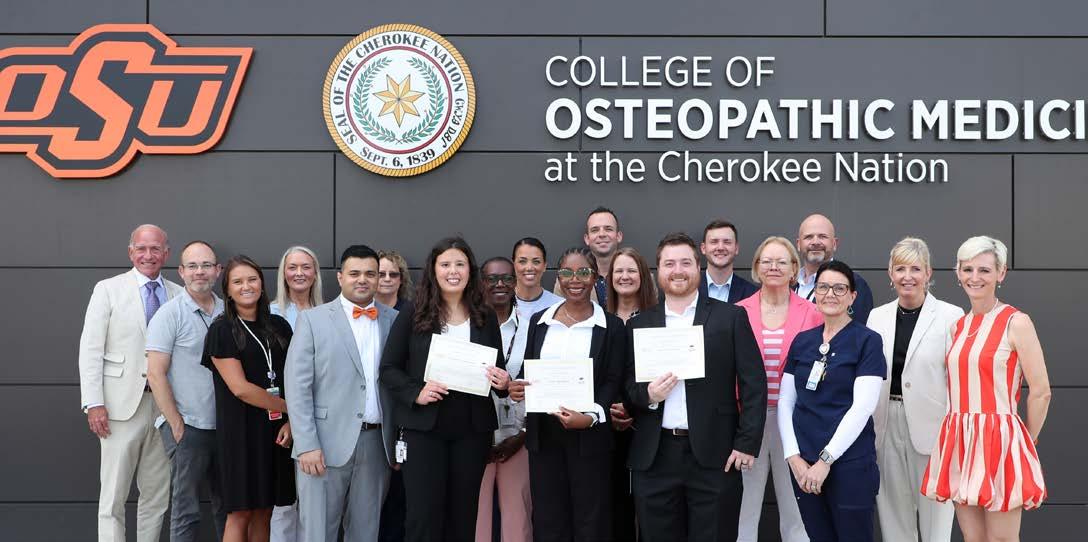
Visitors gather during an award presentation for the Lean Healthcare Internship Program at the OSU College of Osteopathic Medicine at the Cherokee Nation in Tahlequah.
Dr. Sharon Anderson
Center for Health Systems Innovation
The Center for Health Systems Innovation (CHSI) is dedicated to transforming rural and Native American health through innovative care delivery models and advanced information technology solutions.
As a national leader in rural and tribal health innovation, CHSI combines the expertise of OSU Center for Health Sciences and the Spears School of Business to design, test and scale solutions tailored for rural and underserved communities. Its core strengths span two domains — market care and delivery networks; and health analytics expertise.
The Lean Healthcare Internship (LHI) is an annual CHSI initiative that recruits up to 12 first-year OSU-COM students for a month-long, quality improvement (QI) internship that focuses on lean methodology.
LHI expanded to the OSU-COM at the Cherokee Nation campus in 2025, with three medical students as a part of the inaugural cohort. To date, LHI has completed six QI initiatives – five at OSU Medical Center in Tulsa and one at W.W. Hastings Hospital in Tahlequah.
“Lean methodology focuses on improving efficiency by identifying and eliminating activities that don’t add value or waste resources,” said Ipe Paramel, project manager at CHSI. “It’s a process-oriented method of tackling real problems in health systems.”
The program is unique in that students are on-site performing analysis and gathering data. At the end of the internship, students present their findings and recommend improvements to hospital leadership and staff.
One problem studied by LHI interns is patients staying in the emergency department while they wait for an inpatient bed in the hospital. Student findings and recommendations reduced emergency room wait times by 13 minutes per patient, saving approximately 689 hours over nine months.
Center for Indigenous Health Research and Policy
The Center for Indigenous Health Research and Policy at OSU-CHS brings together scientific collaborators and Indigenous and community leaders to eliminate health disparities and cultivate health and wellness in Native American communities.
Established in 2019 by Valarie Blue Bird Jernigan, DrPH, and member of the Choctaw Nation, CIHRP builds upon OSU’s land grant mission by serving Oklahoma’s most underserved populations through culturally-grounded, community-driven research and education.
In March 2026, Tori Taniguchi, CIHRP’s director of data and research, was presented with the inaugural Health Care by Food Most Impactful Food is Medicine Research Award by the American Heart Association.
The honor is awarded to a scientific study exploring effective ways to integrate healthy food into clinical care to address the growing prevalence and cost of cardiovascular disease and other diet-related chronic diseases.
This inaugural award was given to the research team behind the Chickasaw Health Eating Environments Research Study (CHEERS), a partnership between CIHRP, the Chickasaw Nation and Washington State University. The study provided evidence that culturally tailored, heart-healthy food boxes, developed in partnership with tribal communities, are feasible and show promise for improving systolic blood pressure, diet quality and food security among Native American adults living with uncontrolled hypertension.
The study, funded by the National Institute on Minority Health and Health Disparities, highlights the potential of partnerships between food banks and tribal communities to reduce cardio-health disparities in communities facing long-standing barriers to healthy food access.
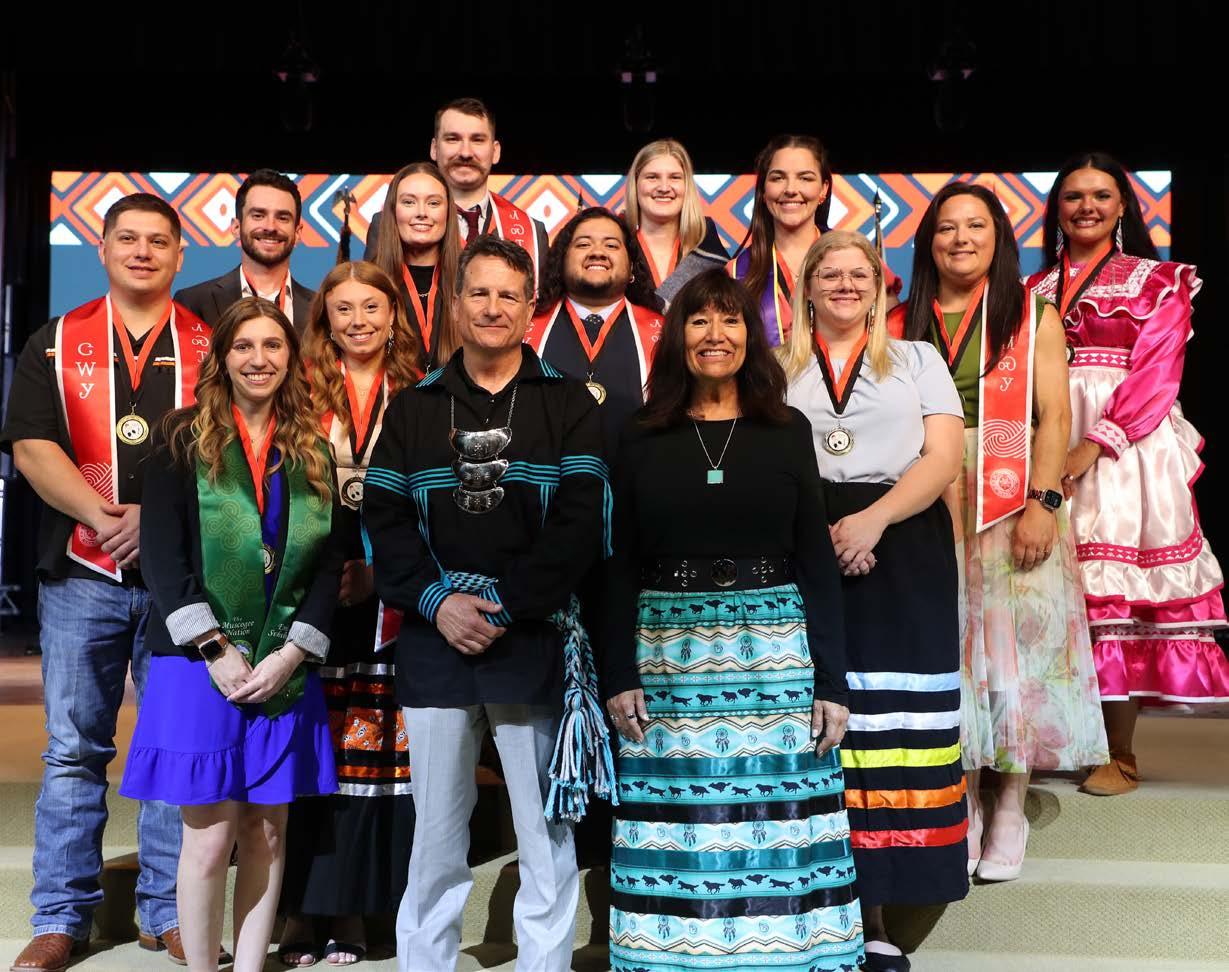
2026 American Indian Honoring Ceremony
Office of American Indians in Medicine and Science
OSU Center for Health Sciences’ Office of American Indians in Medicine and Science (AIMS) works to develop Native American men and women as physicians, researchers and educators who will improve the health and wellness for citizens of Oklahoma and beyond.
Launched in 2014, AIMS strives to increase the number of American Indians applying to and being accepted into programs in osteopathic medicine and other health profession careers including athletic training, biomedical and forensic sciences, health care administration and physician assistants.
Success and retention of Native American students is a high priority. Staff work with tribes in an effort to include culture and tradition into all training programs aimed at helping meet the health and wellness needs of Oklahoma’s tribal and rural communities.
$2.7 million in scholarships awarded to students focused on serving tribal, rural and underserved communities
Over the past two years, the Medical Student Education Program (MSEP) has awarded more than $2.7 million in scholarships to 107 students across the Rural Medical Track, Tribal Medical Track and Urban/Underserved Medical Track.
Sixteen students in the Tribal Medical Track graduated from OSU-COM in the 2024 and 2025 classes, and all but three entered Oklahoma-based residency programs, strengthening the state’s physician pipeline.
In those same cohorts, more than 37% of Tribal Medical Track graduates and 45% of Rural Medical Track graduates opted to continue their medical education at an Oklahoma primary care residency program.
The first Urban Underserved Medical Track students graduate in 2026. Under the leadership of Dr. Natasha Bray, the MSEP grant continues to make a substantial impact on health care access and workforce development across the state.
INDIGENOUS POPULATION IN OKLAHOMA
16% of the population in Oklahoma are Native American 2.9% of the population in the United States are Native American
38 federally recognized tribes in Oklahoma
Native American Primary Care Center of Excellence
Funded in 2022 by the Health Resources and Services Administration, the Native American Primary Care Center of Excellence (NAPC-COE) at OSU-CHS is expanding opportunities for Indigenous students to pursue careers in medicine through pathway programs for undergraduate, medical and physician assistant students.
Participation has more than doubled, growing from 26 students in its first year to 58 in its third year. Annual support for stipends and scholarships has also increased from $252,000 to more than $315,000. Seventeen undergraduate interns have entered the pathway, with several now enrolled in medical and physician assistant programs at OSU-CHS.
The American Association of Colleges of Osteopathic Medicine recognized NAPC-COE students for integrating osteopathic principles with traditional knowledge and for engaging with their communities. The primary care center is developing a sustainable, culturally grounded health care workforce to serve tribal communities.
NAPC-COE also administers the Native Explorers STEM Internship, which gives undergraduate students the opportunity to work with American Indian faculty, medical students and graduate students from OSU-CHS on clinical or biomedical research. Participants learn in the medical school’s state-of-the-art lab spaces and shadow health care professionals in a hospital setting.
The primary care center, in collaboration with Native American Students of Osteopathic Medicine club, offers biannual workshops designed to promote cultural continuity and community engagement among all OSUCHS students.
In addition to these recurring workshops, NAPC-COE has facilitated twine classes for undergraduate students in the Native American Pre-admission Workshop as well as for undergraduate students at the Stillwater campus. The center also sponsors traditional stickball games during orientation week for OSU-COM at the Cherokee Nation students, reinforcing cultural connection and community building at the onset of medical training.
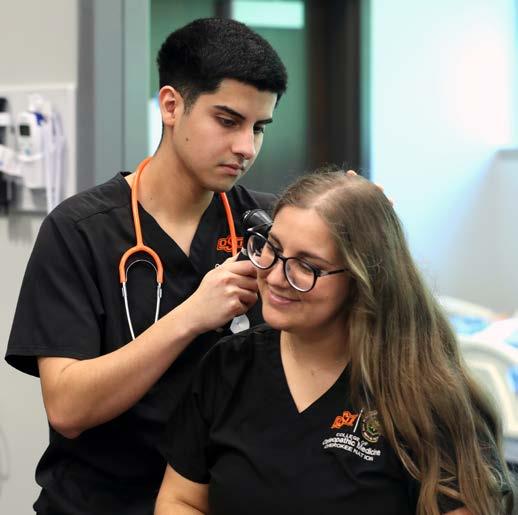
Medical students at the OSU College of Osteopathic Medicine at the Cherokee Nation campus in Tahlequah.
Medical Library honors Indigenous voices with Talking Leaves collection
The Medical Library at OSU College of Osteopathic Medicine at the Cherokee Nation is highlighting Indigenous perspectives with the Talking Leaves collection.
In 2021, Dr. Natasha Bray, dean of OSU-COM at the Cherokee Nation, invited the library to curate the collection in honor of the campus’ history and founding mission.
“As the library serving the only tribally affiliated medical school in the United States, it is essential that we serve as a visible, accessible repository of Native American information and ensure these materials are prominently featured and easy to discover,” said Sonja Settle, director of the Medical Library.
The collection is named in honor of the Cherokee scholar, Sequoyah, who invented the Cherokee written syllabary in 1821. Sequoyah referred to words on paper as “talking leaves.”
Talking Leaves initially set a goal of 200 titles by June 2022, but has since expanded to 480, thanks to Bray’s support and OSU-COM at the Cherokee Nation Health Resources and Service Administration grants.
The collection extends beyond books on Indigenous health and medicine. It also includes both fiction and nonfiction works that explore tribal language, art, culture, history, governance and more.
Each is written by tribal citizens from the United States, Canada or Australia. Many in the collection are recommendations from tribal leaders, cultural and language departments across Oklahoma’s tribes, and tribal citizens who have visited OSU-COM at the Cherokee Nation.
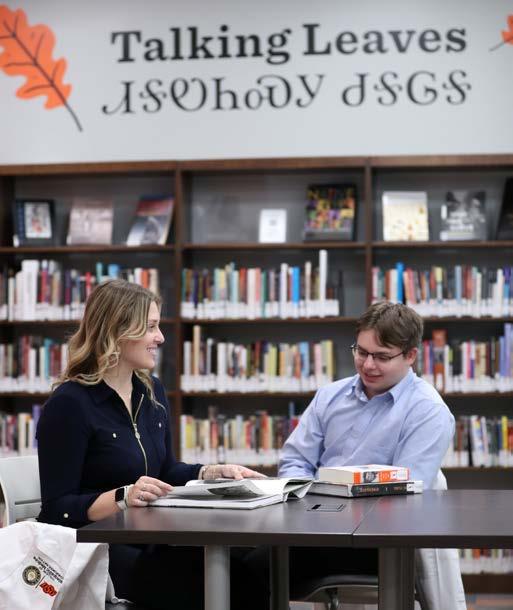
“The Talking Leaves Collection stands as a testament to the power of partnership, the importance of Indigenous voices in medical education and our ongoing commitment to honoring the land and people who welcomed us here. We are proud of its growth and hope it continues to serve as a meaningful resource for our campus and the broader community for years to come,” Bray said.
Native Explorers
Native American scientists, educators and physicians from OSU-CHS and Sam Noble Oklahoma Museum of Natural History operate the Native American Explorers program, which provides out-of-the-classroom, hands-on experiences that strengthen knowledge of science, medicine and Indigenous cultures.
The program also aims to promote and increase the number of American Indians in science and medicine. Native Explorers is for those 18 and older; Junior Explorers is aimed at elementary through high school students who are interested in medicine, science and culture.
Native Explorers has been fully funded by the Chickasaw Nation since 2011, and the majority of past partici-
pants have earned their degrees in a STEM field and have gone on to graduate from professional programs or now work in tribal, state or federal governments.
Native OKSTARS Summer Research Program
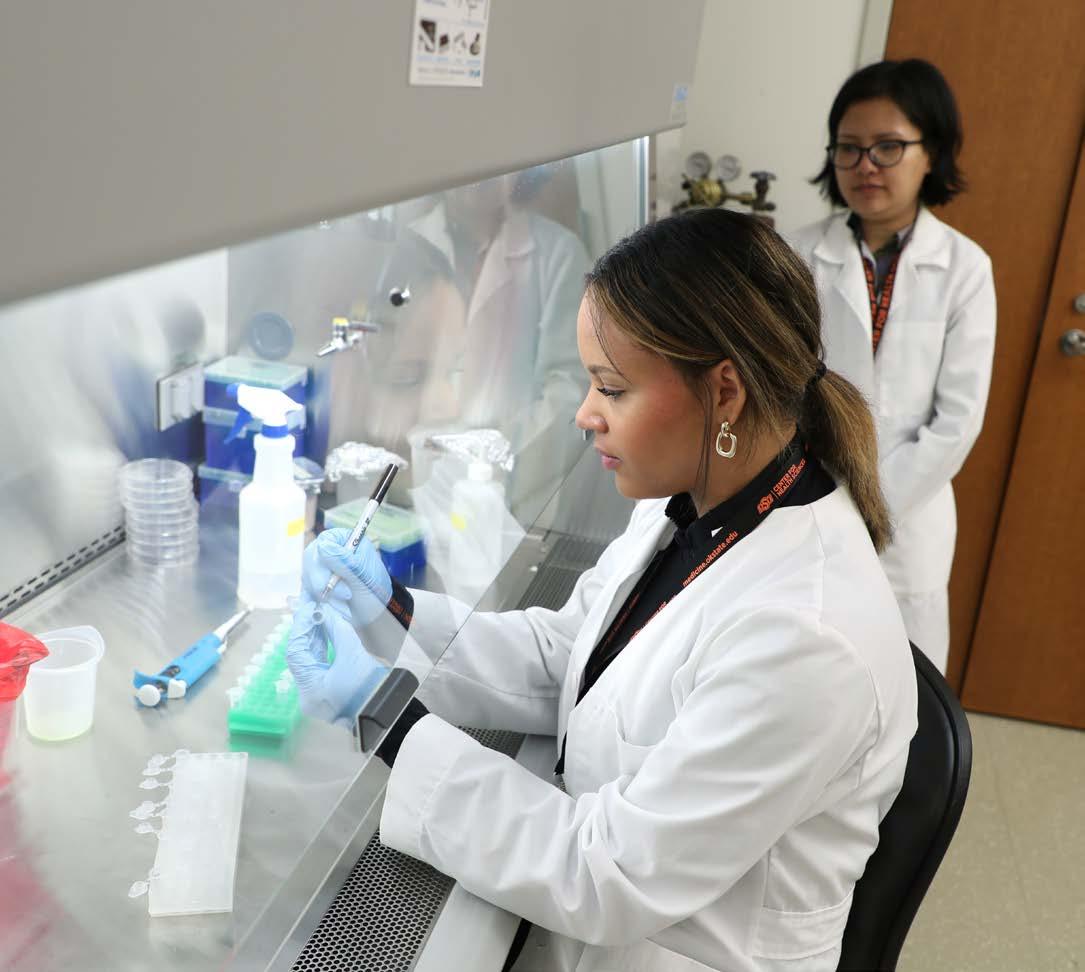
The Native Oklahoma Science Training and Research Students (STARS) program is designed to encourage American Indian students in their junior or senior year of high school to pursue a career in the science or medical fields. Participants are paired with a Native American faculty member and medical or graduate students to work on research projects on the OSU-CHS campus. AIMS also incorporates an Indigenous cultural component to the program. Native OKSTARS program is fully funded by the Mellam Family Foundation.
HeART Kits
OSU-COM at the Cherokee Nation and the Cherokee Nation Cultural Department partnered to develop HeART Kits — Heritage Arts kits — that students, faculty and staff can do in groups or on their own with instructional videos created by the Cherokee Nation Cultural Department. Kits include corn bead necklaces, pinch pots, corn husk dolls and miniature stickball sticks.
Native OKSTARS Summer Research Program
1111 West 17th Street, Tulsa, OK 74107-1898 | 918-582-1972 | medicine.okstate.edu
Oklahoma State University, as an equal opportunity employer, complies with all applicable federal and state laws regarding non-discrimination and affirmative action. Oklahoma State University is committed to a policy of equal opportunity for all individuals and does not discriminate based on race, religion, age, sex, color, national origin, marital status, sexual orientation, gender identity/expression, disability, or veteran status with regard to employment, educational programs and activities, and/or admissions. For more information, visit https://eeo.okstate.edu.
This publication, issued by OSU-CHS as authorized by the Office of External Affairs, was printed by Caye Solutions at a cost of $2,059 / 200 / June 2026.