Rooted in Culture . Driven by Research.




Dear Friends, Partners and Supporters,
It is my honor to share the Center for Indigenous Health Research and Policy’s (CIHRP) Impact Report, which reflects the collective work, relationships and vision that have guided our efforts over the past five years. At CIHRP, we believe health begins with connection — to land, culture, community and Indigenous knowledge systems that have sustained Native people for generations.
This report highlights the meaningful progress made through tribally driven partnerships that center Indigenous sovereignty, community priorities and culturally grounded research. From advancing food sovereignty initiatives and expanding access to healthy foods, to developing innovative education and training opportunities, our work demonstrates what is possible when research is conducted in partnership with Indigenous communities rather than on behalf of them.
The accomplishments shared in these pages are the result of the dedication of tribal leaders, community members, students, researchers and organizational partners who continue to invest in a healthier future for Indigenous peoples. Together, we are creating pathways that strengthen wellness, build research capacity and honor traditional knowledge while advancing scientific innovation.
As we look ahead, we remain committed to fostering respectful collaborations that empower communities and create sustainable change. We are deeply grateful to all who have supported this work and invite you to continue walking alongside us as we expand the reach and impact of Indigenous-led health research.
With gratitude,


Valarie Blue Bird Jernigan, DrPH, MPH Founder and Director Center for Indigenous Health Research and Policy
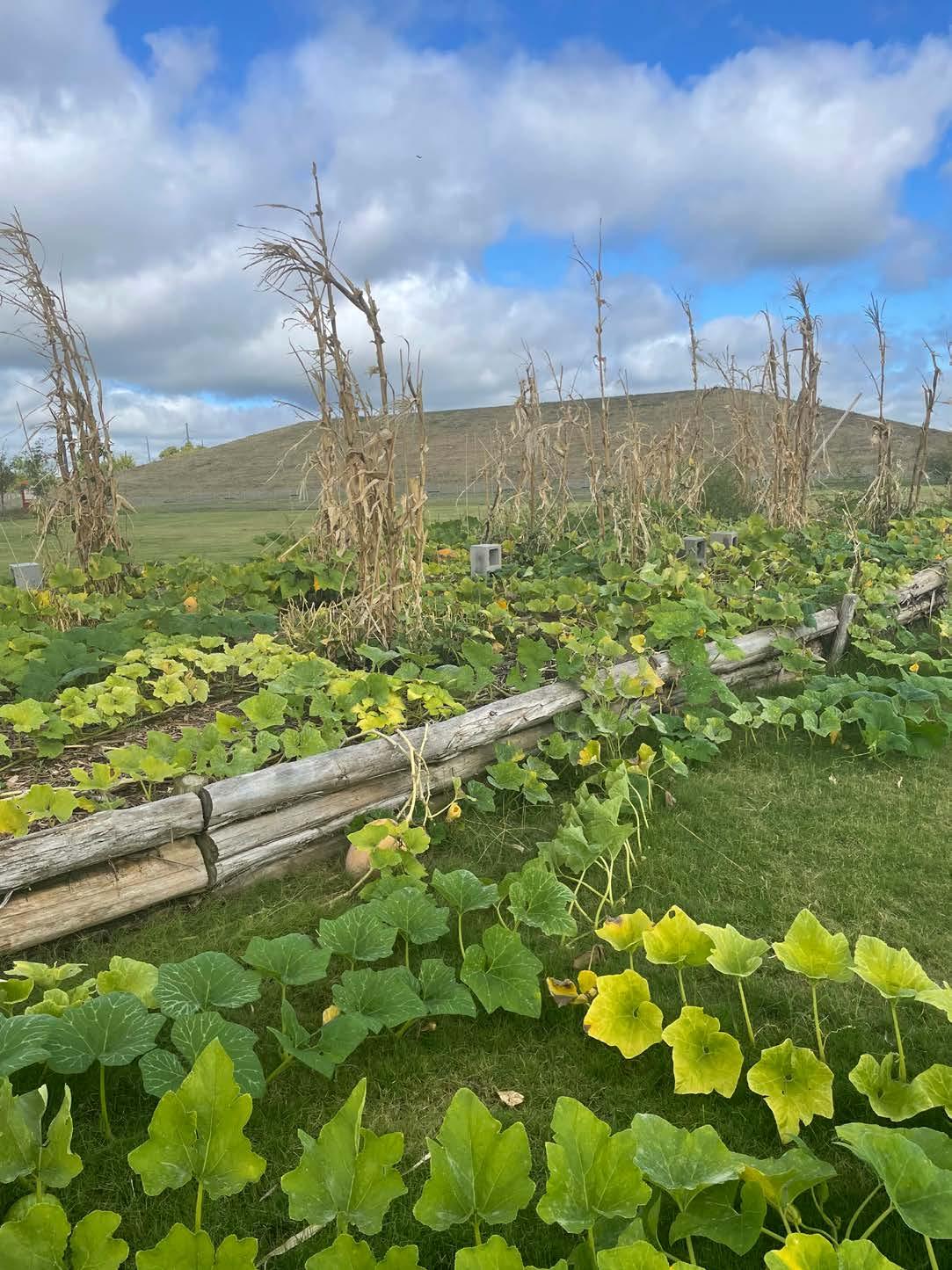
Over the past five years, CIHRP has launched innovative initiatives that improve access to healthy foods while a dvan c in g In dige n o u s food so ve re ignt y.

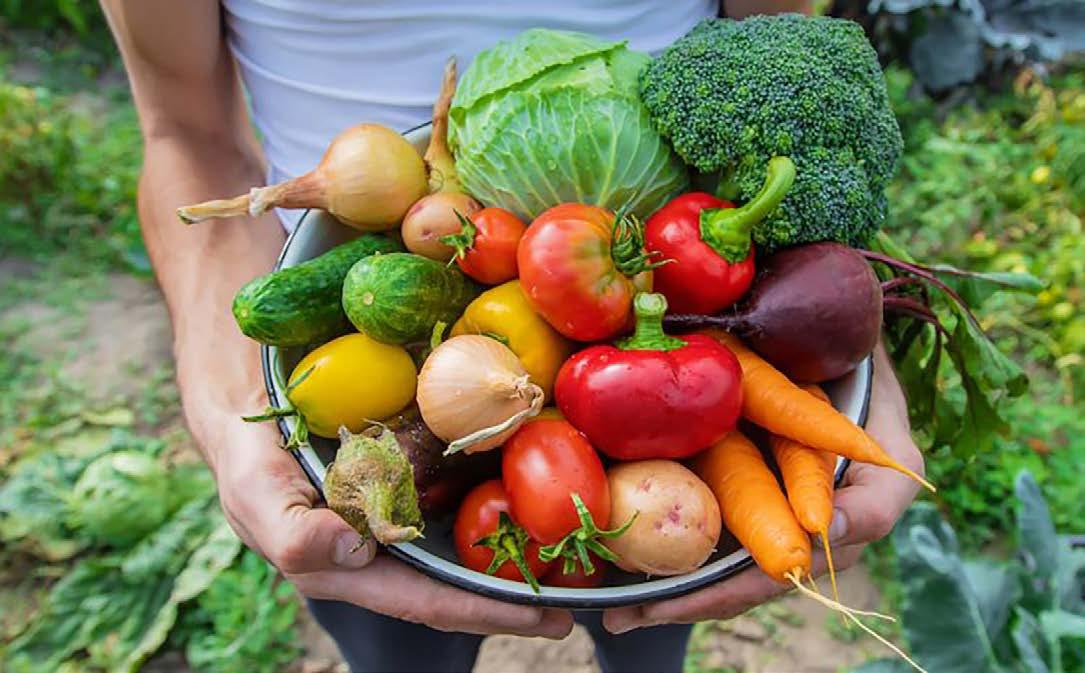
The Tribal Health and Resilience in Vulnerable Environments (THRIVE) study partnered with the Chickasaw Nation and Choctaw Nation of Oklahoma to implement the first healthy retail intervention in tribally owned convenience stores. By increasing the availability and visibility of nutritious options at the stores, THRIVE strengthened local infrastructure and made healthier choices more accessible in rural communities.
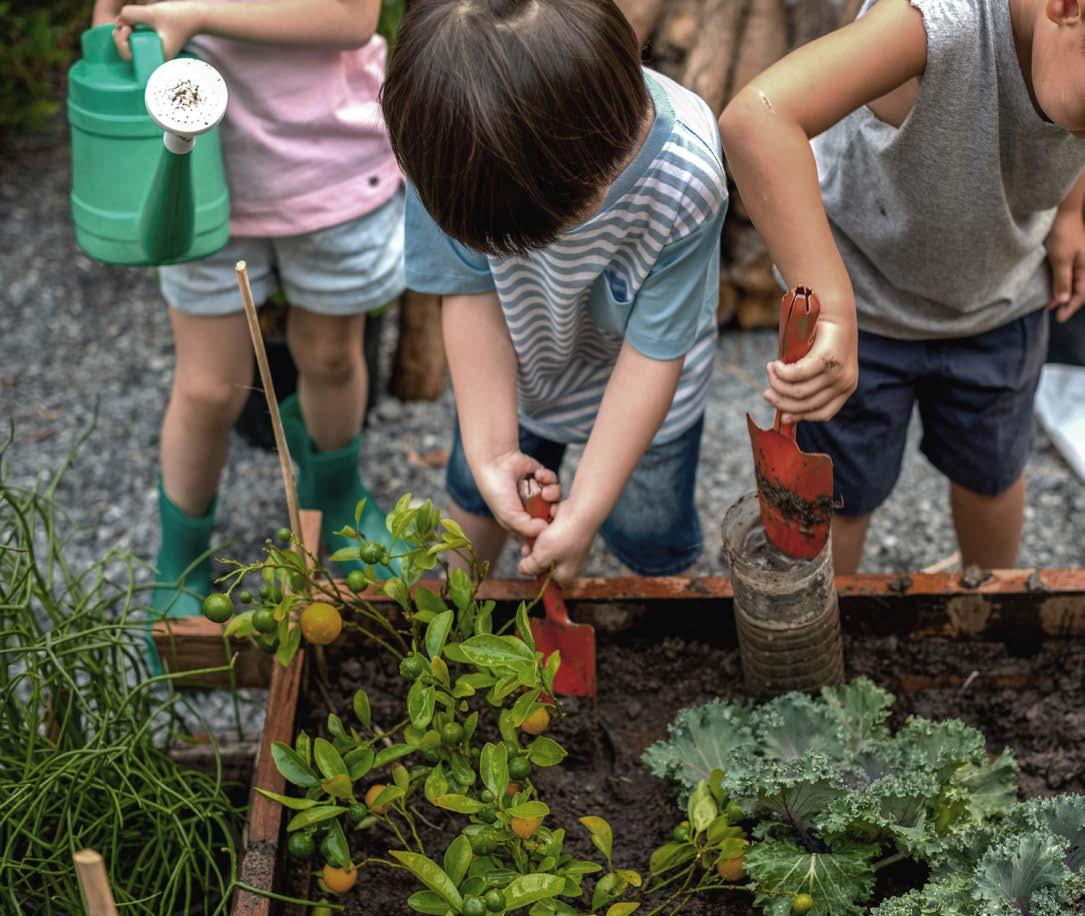
Through the Food Resource Equity and Sustainability for Health (FRESH) study with the Osage Nation, CIHRP advanced a comprehensive farm-to-school model. Edible school gardens, farm-to-school menus and culturally grounded nutrition curricula increased vegetable intake and willingness to try new foods among children. By connecting students to land and traditional foods, FRESH fosters lifelong healthy habits while reinforcing cultural identity.
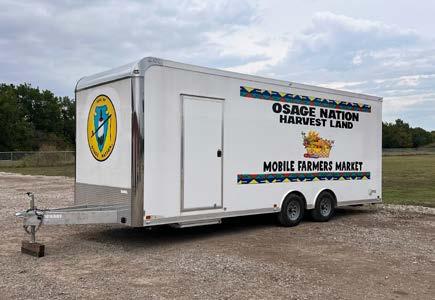
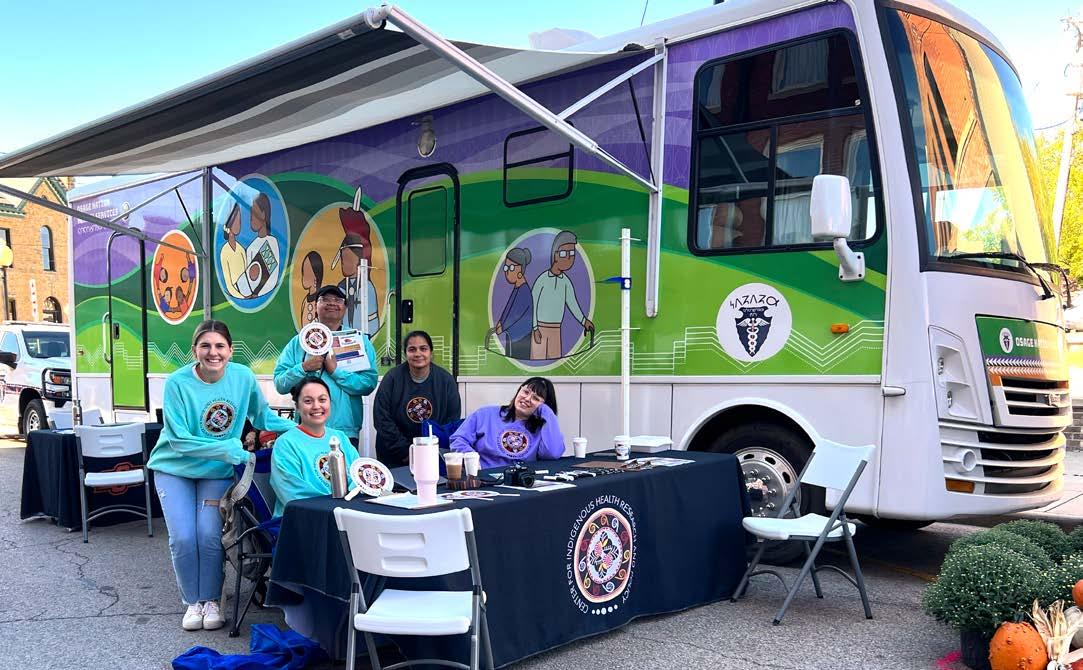
CIHRP also supports communitybased food systems through the Center for Indigenous Innovation and Health Excellence (CIIHE). Initiatives such as the Osage Mobile Market and the Choctaw Nation Growing Hope Program expand access to fresh produce, heritage seeds and local meats while building local production capacity. Together, these efforts strengthen tribally driven food systems and reduce barriers to healthy food access.
research addresses some of the most pressing drivers of chronic disease in Indigenous communities.
The Chickasaw Healthy Eating Environments Research Study (CHEERS) increased access to nutritious foods through home-delivered food boxes and produce vouchers.
Participants received:
• Culturally relevant recipes.
• Wellness center memberships.
• Fitbits and access to a mobile walking app that integrates Chickasaw history and culture.
Outcomes:
• By combining improved diet quality with increased physical activity, CHEERS led to reductions in blood pressure among those participating in the study.
• Collectively, these initiatives prevent diabetes and heart disease by improving access to healthy foods, fostering sustainable behavior change and embedding prevention strategies within tribal partnerships and cultural frameworks.
The Indigenous Supported Agriculture (ISA) study, also known as Go Healthy, was a randomized controlled trial conducted with the Osage Nation.
Participants received:
• Kitchen starter kits.
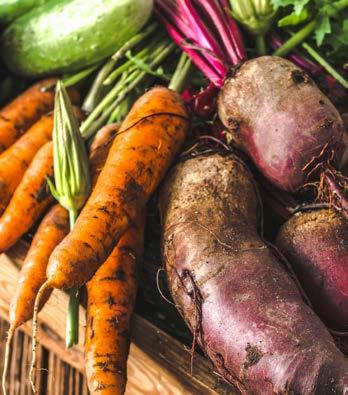
• Weekly shares of fresh produce.
• Cooking workshops.
• A culturally informed cookbook.
Outcomes:
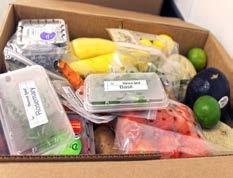
• Study results showed a 0.35% reduction in hemoglobin A1c levels in the intervention group compared to the control group.
• Improvements in food security and overall health status were also observed.
$17M+
Secured from federal and foundation partners over five years.
15,000+
Including 3,500 directly engaged through CIHRP projects.
2026
American Heart Association’s Inaugural Food is Medicine Impact Award.
The Center for Indigenous Health Research and Policy’s dedicated team of Indigenous and allied scholars demonstrates how research institutions can partner respectfully and effectively with tribal nations. Supported by the National Institutes of Health, the Office of Minority Health, Novo Nordisk, and the National Heart, Lung and Blood Institute, the center continues to expand its impact.
To support our work contact the OSU Foundation at osuintulsa@osugiving.com.
8
Community Engaged Research Training Modules
This initiative delivers eight research modules building skills for tribal leaders, health professionals and staff in research design, evaluation, grant writing and data governance.
12+ Educational Webinars
Accessible topics include cooking demos, community research and diabetes prevention.
13
National and Regional Meetings
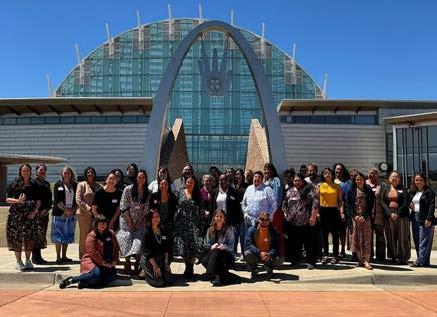
Hosting leaders through five national and eight regional meetings with distinguished keynote speakers.
90+ Presentations
Across federal, academic, local and tribal organizations since 2020.
1,000+ Symposium Participants
2022 Food Sovereignty and Health Symposium elevating Indigenous voices in agriculture, nutrition and policy.


To read more about the CIHRP and its impact locally and nationally, visit the CIHRP website at www.indigenoushealth.com .