
Brandon Jones Davidson on From Struggling to Successful: A Guide to Division Turnarounds
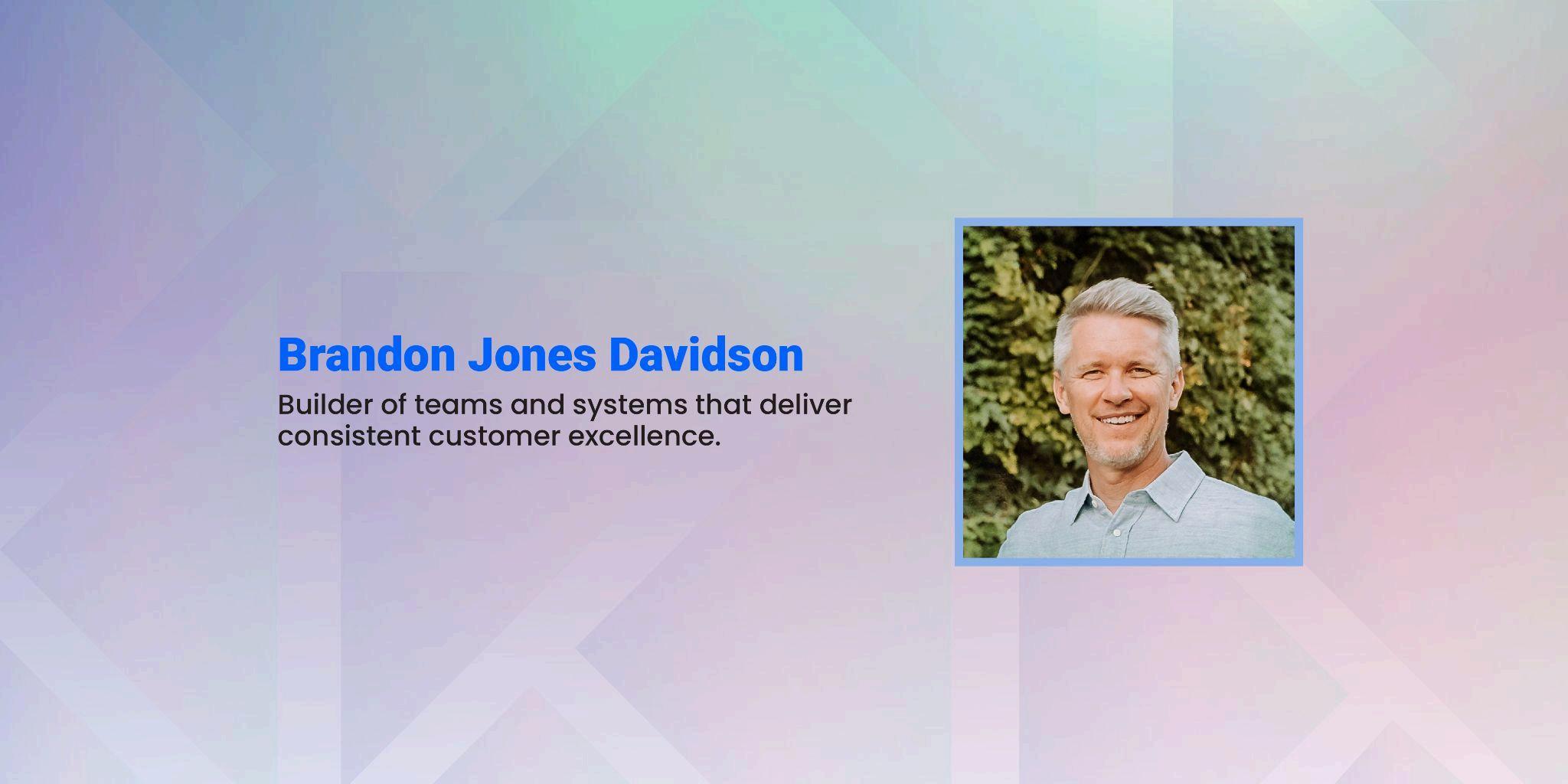
Every business division faces challenges at some point Market changes, operational inefficiencies, declining sales, and leadership issues can all contribute to poor performance While these obstacles may seem overwhelming, they do not have to define a division's future. Brandon Jones Davidson understands that successful turnarounds require a clear vision, disciplined execution, and a commitment to continuous improvement The concept of business transformation planning has become increasingly important because organizations must respond quickly to changing conditions while maintaining long-term goals A struggling division can become a strong contributor when leaders focus on the right strategies and create a culture of accountability.
The first step in any division turnaround is understanding the root causes of underperformance Many organizations focus only on visible problems, such as declining revenue or missed targets However, these issues are often symptoms rather than the true cause Leaders must examine operations, customer feedback, employee engagement, and financial performance to identify the factors holding the division back. A thorough assessment creates a foundation for meaningful change and prevents teams from wasting time on ineffective solutions
Strong leadership plays a critical role during a turnaround Employees look to leadership for direction during periods of uncertainty. Leaders must communicate openly about challenges while providing confidence in the path forward Clear goals help teams understand expectations and align their efforts. Consistent communication also reduces confusion and keeps employees focused on shared objectives. When leaders demonstrate commitment and transparency, they can build trust and encourage stronger performance across the division
Another important factor is improving operational efficiency. Many struggling divisions experience problems because processes have become outdated or overly complicated Inefficient workflows can increase costs, slow productivity, and reduce customer satisfaction. Reviewing existing systems often reveals opportunities for improvement. Streamlining operations allows teams to focus on activities that create value while eliminating unnecessary steps that consume time and resources. Small improvements in efficiency can produce significant results over time
Employee engagement is equally important during a turnaround effort. A division that has struggled for an extended period may experience low morale and reduced motivation. Employees who feel disconnected from company goals often contribute less effectively to organizational success. Leaders can improve engagement by involving team members in problem-solving efforts and recognizing their contributions When employees understand how their work supports broader objectives, they are more likely to take ownership of results and support positive change.
Customer focus should remain a priority throughout the turnaround process Successful divisions understand that long-term growth depends on meeting customer needs consistently. Gathering feedback helps organizations identify areas where products, services, or support can be improved Companies that respond quickly to customer concerns often strengthen loyalty and improve their reputation. A customer-centered approach not only supports recovery but also creates opportunities for future growth
Technology can also support successful turnarounds. Modern tools provide valuable insights into performance trends, customer behavior, and operational effectiveness Data-driven decision-making helps leaders identify opportunities and monitor progress more accurately Automation can reduce repetitive tasks and improve productivity. By using technology strategically, divisions can operate more efficiently and respond faster to changing market conditions
Turnarounds rarely happen overnight Sustainable improvement requires patience, consistency, and a willingness to adapt when necessary Organizations that monitor progress regularly can identify emerging challenges before they become larger problems. Continuous evaluation helps ensure that improvement efforts remain aligned with business goals and market realities
Organizational performance improvement remains a critical objective for companies seeking long-term success Divisions that focus on leadership, operational efficiency, employee engagement, and customer satisfaction can overcome challenges and achieve meaningful
results With the right strategy and commitment, struggling divisions can transform into successful business units that contribute significantly to overall organizational growth.