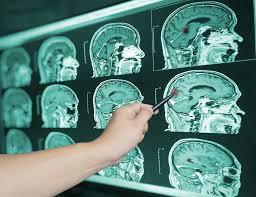


Traumatic brain injury support groups are essential within the process of rehabilitation and in the health management of people who have undergone TBI or have ABIs. These groups provide individuals who have experienced such trauma with several of the phenomenal aspects helping them manage the predicaments they encounter on a psychological basis. Here are ten ways Brain Injury Support Group Northern Virginia help survivors

https://braininjurysvcs.org/
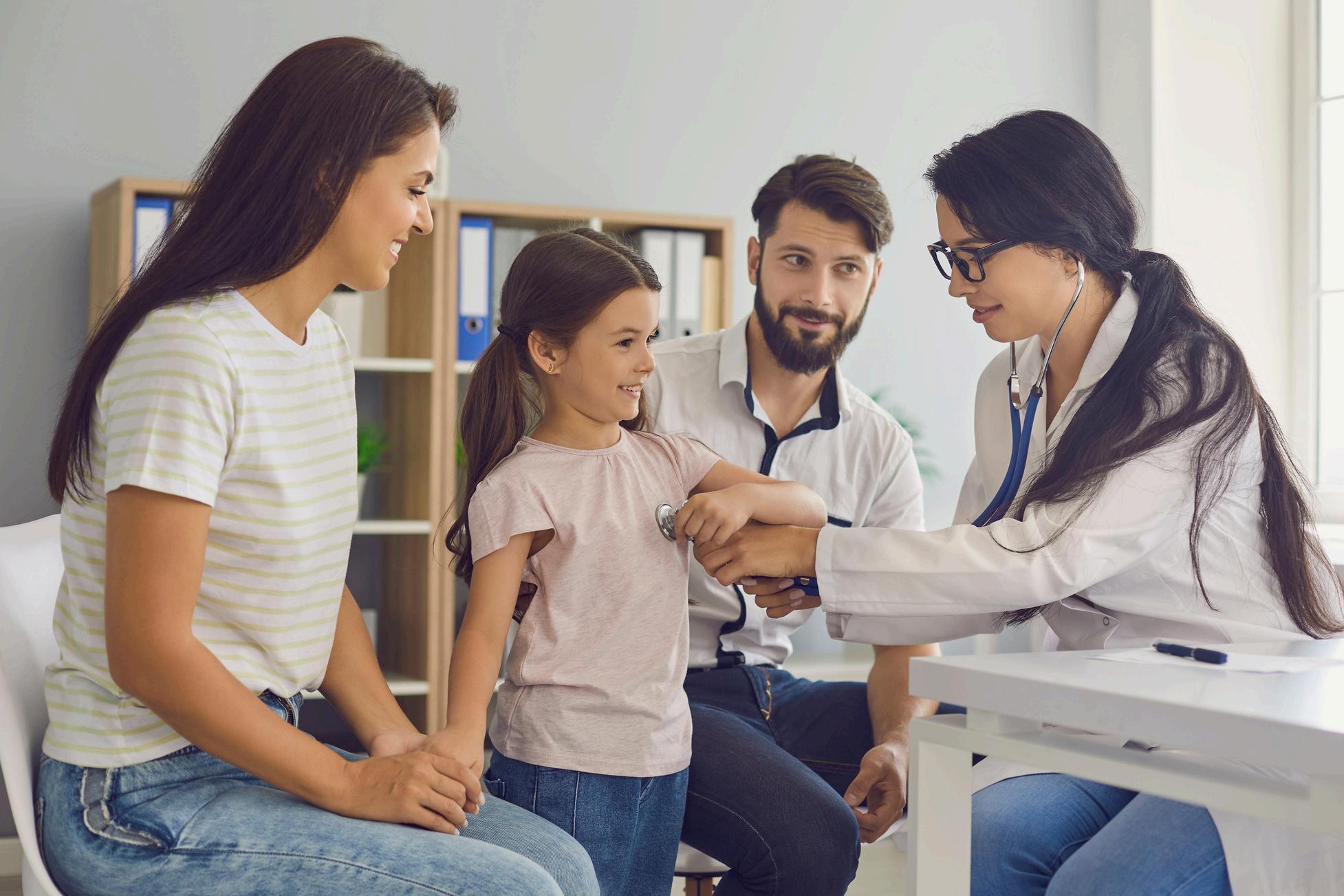
Recovering from a brain injury is the most physically, emotionally, and even spiritually isolating experiences a person can go through. Close friends and family cannot comprehend the experiences of the survivor effectively; hence, they can join support groups to discuss their experiences freely. It is comforting to be around others that have also gone through similar situations due to the fact that such people do not feel lonely.
Most support groups are definite resources of information and education about brain injuries. People discuss medical records, articles, and their own experiences of what they go through to make other people more aware of the situation. Such knowledge may help survivors participate in the process of their therapy and exercise their rights in choosing the type and methods of the treatment they need as well as in receiving support from healthcare providers.
Connecting with others who have gone through similar experiences can create strong bonds of camaraderie and mutual support. Peer support helps survivors feel less alone in their journey and provides encouragementand motivation to continue working toward their recovery goals.
Survivors of brain injuries often face a range of practical challenges in their daily lives.
Support groups offer a platform to exchange practical advice and tips on managing these challenges, from coping with memory loss and cognitive difficulties to finding adaptive equipment and strategies for improving daily functioning.
The psychological impact of a brain injury can be profound, leading to depression, anxiety, and other mental health issues.
Support groups provide a supportive environment where survivors can discuss their mental health concerns and access emotional support. This can significantly improve their overall well-being and quality of life.
Support groups often engage in advocacy efforts to raise awareness about brain injuries and promote the rights of survivors. Being part of a group that advocates for change can empower survivors, giving them a sense of purpose and the confidence to speak up for their needs and rights.
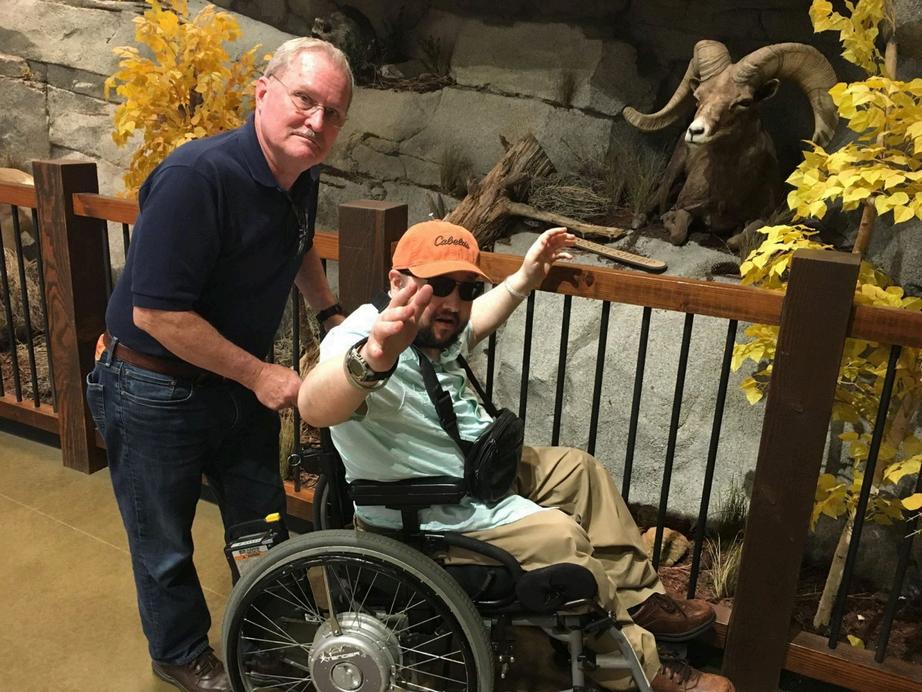
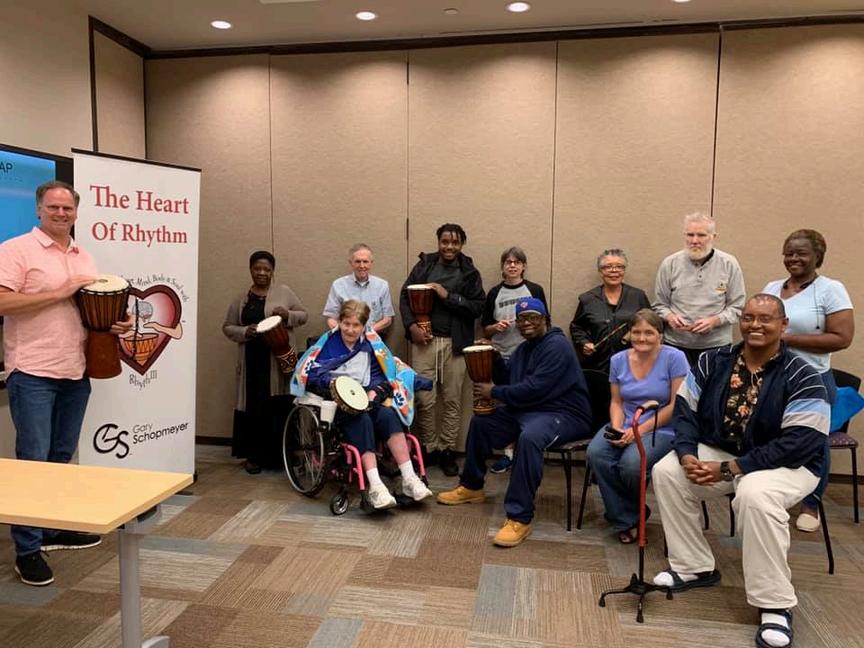
Brain Injury Support Services offer opportunities for social interaction and building new friendships. Group activities, outings, and social events provide a chance for survivors to reconnect with the world, develop new relationships, and rebuild their social networks.
Brain Injury Support For Veterans groups are not just for survivors; they also offer valuable support for caregivers. Caring for someone with a brain injury can be incredibly challenging, and caregivers often experience high levels of stress and burnout. Support groups provide a space for caregivers to share their experiences, receive emotional support, and access resources to help them cope with their responsibilities.
Many support groups offer programs and activities focused on skill development and rehabilitation. These can include cognitive exercises, physical therapy, occupational therapy, and other forms of rehabilitation that help survivors regain lost skills and improve their overall functioning.
Brain Injury Support For Veterans groups are not just for survivors; they also offer valuable support for caregivers. Caring for someone with a brain injury can be incredibly challenging, and caregivers often experience high levels of stress and burnout. Support groups provide a space for caregivers to share their experiences, receive emotional support, and access resources to help them cope with their responsibilities.
Brain injury support groups are a lifeline for survivors, offering a multifaceted array of benefits that address the emotional, psychological, and practical aspects of recovery. By providing a supportive community,valuable information, practical advice, and opportunities for social interaction and skill development, these groups play a crucial role in helping survivors rebuild their lives and achieve a better quality of life. If you or someone you know has suffered a brain injury, joining a support group can be a transformative step toward recovery andempowerment.