
BRAIN INJURY
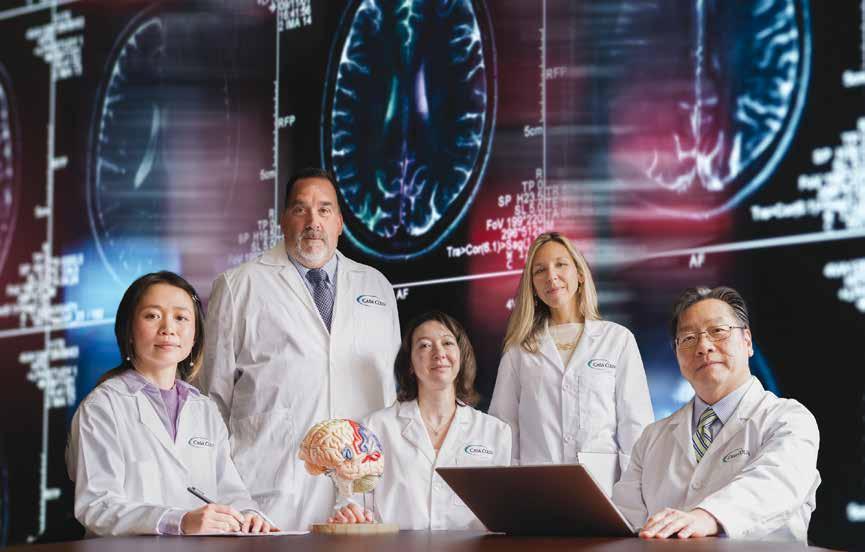
Trust our nationally renowned rehabilitation experts and specialized care to guide the way.
Your patient just had a stroke, spinal cord injury, or traumatic brain injury. What happens next is critical to their recovery. Finding the best choice for rehabilitation—where specialized, multidisciplinary experts guide their care with state-of-the-art techniques, innovative research, and advanced technology—will make all the difference in their tomorrows.
At Casa Colina Hospital and Centers for Healthcare, we have been providing a comprehensive continuum of rehabilitative care for nearly a century. We use proven pathways and the latest evidence-based science to help each patient in their recovery.
Our Continuum of Care
º Inpatient rehabilitation, medical-surgical and ICU beds, surgical suites
º Residential rehabilitation beds and da y treatment program
º Outpatient rehabilitation centers
º Long-term residential facilities
Outdoor Adventures & Wheelchair Sports program


BRAIN INJURY
Aarti Sarwal, MD, FNCS, FAAN, FCCM, FASN, RPNI
Nathan D. Zasler, MD, DABPM&R, FAAPM&R, FACRM, BIM, CBIST
Varina
Gentle
Brooke
Elizabeth
David Fischer,
NORTH AMERICAN BRAIN INJURY SOCIETY
CHAIRMAN Alan H. Weintraub, MD
VICE CHAIR Jonathan Lifshitz, PhD
IMMEDIATE PAST CHAIR Ronald C. Savage, EdD
TREASURER Bruce Stern, Esq.
SECRETARY Meeryo Choe
EXECUTIVE DIRECTOR/ADMINISTRATION Margaret J. Roberts
EXECUTIVE DIRECTOR/OPERATIONS J. Charles Haynes, JD
MARKETING MANAGER Megan Bell-Johnston
BRAIN INJURY PROFESSIONAL
PUBLISHER J. Charles Haynes, JD
CO-EDITOR IN CHIEF Beth Slomine, PhD - USA
CO-EDITOR IN CHIEF Nathan Zasler, MD - USA
ASSOCIATE EDITOR Juan Arango-Lasprilla, PhD – Spain
TECHNOLOGY EDITOR Stephen K. Trapp, PhD - USA
EDITOR EMERITUS Debra Braunling-McMorrow, PhD - USA
EDITOR EMERITUS Ronald C. Savage, EdD - USA
DESIGN AND LAYOUT Kristin Odom
ADVERTISING SALES Megan Bell-Johnston
EDITORIAL ADVISORY BOARD
Nada Andelic, MD - Norway
Philippe Azouvi, MD, PhD - France
Mark Bayley, MD - Canada
Lucia Braga, PhD - Brazil
Ross Bullock, MD, PhD - USA
Fofi Constantinidou, PhD, CCC-SLP, CBIS - USA
Gordana Devecerski, MD, PhD - Serbia
Sung Ho Jang, MD - Republic of Korea
Cindy Ivanhoe, MD - USA
Inga Koerte, MD, PhD - USA
Brad Kurowski, MD, MS - USA
Jianan Li, MD, PhD - China
Christine MacDonell, FACRM - USA
Calixto Machado, MD, PhD - Cuba
Barbara O’Connell, OTR, MBA - Ireland
Lisandro Olmos, MD - Argentina
Caroline Schnakers, PhD - USA
Lynne Turner-Stokes, MD - England
Olli Tenovuo, MD, PhD - Finland
Asha Vas, PhD, OTR - USA
Walter Videtta, MD – Argentina
Thomas Watanabe, MD – USA
Alan Weintraub, MD - USA
Sabahat Wasti, MD - Abu Dhabi, UAE
Gavin Williams, PhD, FACP - Australia
Hal Wortzel, MD - USA
Mariusz Ziejewski, PhD - USA
EDITORIAL INQUIRIES
Managing Editor
Brain Injury Professional PO Box 131401, Houston, TX 77219-1401
Tel 713.526.6900 Email: mbell@hdipub.com Website: www.nabis.org
ADVERTISING INQUIRIES
Megan Bell-Johnston
Brain Injury Professional HDI Publishers PO Box 131401, Houston, TX 77219-1401
Tel 713.526.6900 Email: mbell@internationalbrain.org
NATIONAL OFFICE
North American Brain Injury Society PO Box 1804, Alexandria, VA 22313
Tel 703.960.6500 / Fax 703.960.6603 Website: www.nabis.org ISSN 2375-5210



Raising the bar for inpatient and day rehabilitation services
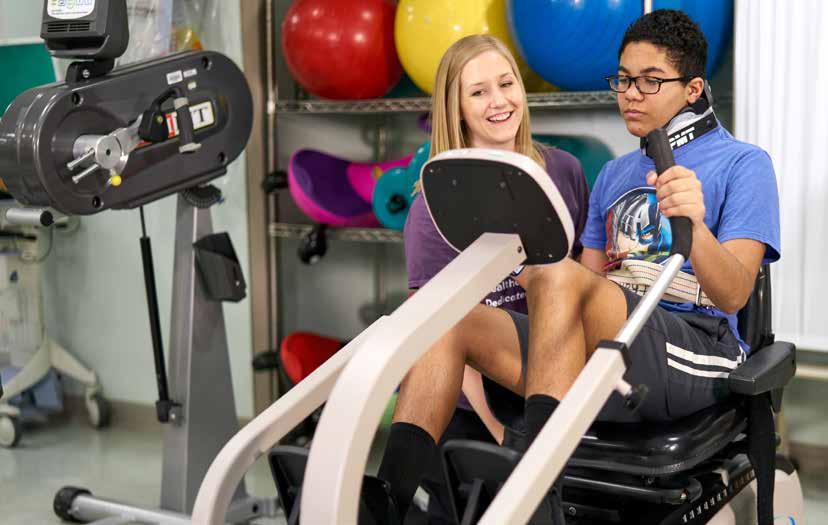
Children’s Healthcare of Atlanta is Commission on Accreditation of Rehabilitation Facilities (CARF)-accredited for pediatric rehabilitation services.
We offer:
• An expansive Inpatient Rehabilitation Program
– A spinal cord system of care, brain injury and pediatric specialty programs that have received CARF specialty recognition
– A team of brain injury board-certified pediatric physiatrists
– Comprehensive care for young patients from birth to age 21
– Therapy seven days a week
– 28 private patient rooms
• A Day Rehabilitation Program to assist patients during recovery
• Technology-assisted therapy through our Center for Advanced Technology and Robotic Rehabilitation
• A full-service hospital with emergency services
Learn more or make a referral:

Editor Bio
Dr. Beth Slomine is CoDirector of the Center for Brain Injury Recovery and Assistant Vice President of Psychology at Kennedy Krieger Institute. She is Professor of Psychiatry & Behavioral Sciences at Johns Hopkins University School of Medicine and has a secondary appointment in the Department of Physical Medicine & Rehabilitation. She is a licensed psychologist, board certified clinical neuropsychologist, and board certified subspecialist in pediatric neuropsychology. Research interests include neurobehavioral measurement, outcomes, and interventions following pediatric neurological injury. Dr. Slomine has authored >85 peer-reviewed manuscripts, numerous book chapters, and co-edited a textbook entitled Cognitive Rehabilitation for Pediatric Neurological Conditions.
editor from the
I am pleased to introduce the latest edition of Brain Injury Professional, entitled Awakening Hope for Coma Recovery, which provides an excellent overview of the scientific advances in our understanding of the evaluation, prognostication, and treatment of individuals with disorders of consciousness (DoC). Our guest editors, Drs. Hemphill and Olson, outline international collaboration among clinicians, patients, caregivers, and scientists, emphasizing that together we can move the field of consciousness recovery forward. Their issue reflects the collective momentum of global efforts through the Curing Coma® Campaign to redefine what recovery can look like for patients with severe brain injury.
Articles in this issue examine terminology clarifying covert awareness (Schnakers), the lived experience of patients and families navigating uncertainty (Sarwal & Zasler), and advances in pediatric coma assessment and neurodevelopmentally informed prognostication (Boerwinkle). Global perspectives underscore disparities in access to specialized care while offering practical frameworks for building sustainable neurocritical care and rehabilitation systems (Shrestha & Silva). Rehabilitation remains central to recovery, and Murtaugh and Zink present evidence supporting early, interdisciplinary intervention—including sensory stimulation, mobilization, music therapy, and strategies to reduce secondary complications. Dr. Fischer’s overview of the Consciousness Prognostication and Recovery Consortium illustrates how multidisciplinary, longitudinal programs can improve accuracy, communication, and outcomes in neuroprognostication.
Finally, an expert interview with Dr. Brian Edlow explores the future of advanced neurotechnologies, the expansion of brain–computer interfaces, and pathways to ensuring excellent coma care at every hospital through scalable hub-and-spoke models.
Together, these contributions highlight shared responsibility across scientific, clinical, and community partners. As the field of coma science continues to evolve, collaboration—both local and global—will remain essential to advancing patient-centered care and expanding opportunities for recovery.
Lastly, please keep in mind these upcoming events and available brain injury resources. I encourage you to tune into the Curing Coma® Campaign’s World Coma Day on March 22. Go to www.curringcoma.org to learn more. Later this spring, please join us at the upcoming 6th International Paediatric Brain Injury Society Conference (April 29–May 2, Calgary). Additionally, check out International Brain Injury Association (IBIA) at internationalbrain. org to learn more about the IBIA webinar series and browse the free pre-recorded webinar library.
Beth S. Slomine, PHD, ABPP


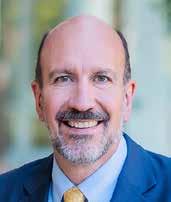
J. Claude Hemphill, MD, MAS
Editor Bios
Dr. Claude Hemphill is Professor of Neurology and Neurological Surgery at the University of California, San Francisco and Chief of Neurology and Director of Neurocritical Care at Zuckerberg San Francisco General Hospital. His research focuses on advanced neuromonitoring, management of intracerebral hemorrhage, and coma recovery. He is a founding director and PastPresident of the Neurocritical Care Society and serves as cochair of the Neurocritical Care Research Network and of the Curing Coma Campaign of the Neurocritical Care Society.
DaiWai Olson is a Professor of Neurology and Neurological Surgery at the University of Texas Southwestern in Dallas, TX. He has been a critical care nurse for 40 years and obtained his PhD from the University of North Carolina. He is the Editor for the Journal of Neuroscience Nursing and the co-chair of the Curing Coma Campaign.
from the
guest editors
In 2019, the Neurocritical Care Society along with a group of over 100 scientists and clinicians decided to take on the grand challenge of restoring consciousness after acute brain injuries. This group decision led to the development of a global effort called the Curing Coma® Campaign (CCC).1 With the goal of promoting recovery of consciousness through early intervention and long-term support, the CCC takes a unique approach to fundamentally change the recovery of consciousness playing field.2 Foremost in this effort, the CCC actively promotes global collaboration towards programs that transcend economic variability. By purposefully using the word cure, the CCC fundamentally challenges the nihilism that has often been present in the care of patients with coma and disorders of consciousness (DoC). Consciousness disorders exist along a continuum and recovery is an unsolved challenge that will require new discoveries by individuals and collaborations from multiple professions.
The CCC clinicians and scientists are not the first to focus on coma or disorders of consciousness (DoC). Even before the CCC was imagined, many individuals have focused their efforts on this important issue and their names are known in the context of foundational work of this emerging field, including Thibaut, Monti, Gosseries, Schiff, Stevens, Claassen, Edlow, Molteni, Boerwinkle, Rohaut, Slomine, Laureys, Schnakers, Boly, Giacino, Zasler, Whyte, Rosenthal, Helbok, Puybasset, and many others. And the CCC isn’t the first organized effort to address consciousness recovery. The Coma Science Group in Liege with leadership from Laureys, Gosseries, and Thibaut was established in 2006. The International Brain Injury Association formed a special interest group on DoC in 2016. The European Academy of Neurology and the Canadian Institute for Advanced Research began working with scientists like Menon and Owen over a dozen years ago. The efforts by these organizations and new groups like the Consciousness Prognostication and Recovery Consortium with Fischer are key to the success of the CCC.
A unique goal of the CCC is to embrace the need for a global solution. Truly curing coma means that solutions will not only be successful for patients who are fortunate enough to arrive at highly funded academic institutions with vast resources. A real cure must be found that can be deployed equally effectively in geographically distant rural areas with limited resources as well as in major metropolitan academic hospitals. Already the CCC has partnered with clinicians, scientists, organizations, and community members from over 40 countries. This work is highlighted by creating a global space. Each year, on March 22nd we come together on World Coma Day as a 24-hour virtual and in-person event in order to learn and advocate for improvements to science and patient care and to celebrate patient and family Stories of Hope. Collaboration is a vital fuel for discovery science and the CCC provides a new playing field upon which to translate these discoveries into scalable solutions.
The very mention of coma has long been seen as a terminal diagnosis. Medical discourse has been dominated by a sense of inevitability that the outcomes after coma are primarily death or persistent vegetative state. Recovery after prolonged coma was perceived as so rare that these exceptional cases were triumphed in case studies and heralded in popular media as miracles. We know that this is incorrect. Deliberately invoking the word cure changes the playing field from a limited number of possible outcomes to a hopeful demand for innovative solutions. The CCC challenges entrenched pessimism and embraces the ethical and scientific obligations that push the field of consciousness recovery forward.
We are privileged to be able to share in this issue of Brain Injury Professional as an opportunity to highlight various aspects of the Curing Coma Campaign and to invigorate collaboration with the International Brain Injury Association (IBIA) and the North American Brain Injury Society (NABIS) and the broader community of patients, families, and providers. In this issue, we hear about key aspects of curing coma, from the role of families, to coma in children, to international perspectives, coordinated efforts to improve terminology and prognostic assessment, rehabilitation, and future potential diagnostic and therapeutic technologies. Please join us in Awakening Hope regarding the current and future care of our patients with coma and disorders of consciousness.
1. Provencio JJ, Hemphill JC, Claassen J, et al. The Curing Coma Campaign: Framing Initial Scientific Challenges-Proceedings of the First Curing Coma Campaign Scientific Advisory Council Meeting. Neurocrit Care. 2020;33(1):1-12. doi:10.1007/s12028-020-01028-9
2. Olson DM, Hemphill JC, Curing Coma Campaign and its Executive Committee. The Curing Coma Campaign: Challenging the Paradigm for Disorders of Consciousness. Neurocrit Care. 2021;35(Suppl 1):1-3. doi:10.1007/s12028-021-01290-5
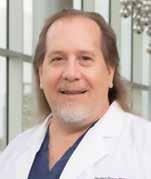
DaiWai M. Olson, PhD, RN, FNCS
Naming the Unseen: a Terminology for Covert Awareness in Disorders of Consciousness
Caroline Schnakers, PhD
Introduction
To identify behavioral signs of consciousness in individuals with severe acquired brain injury is difficult, misdiagnosis rates being as high as 40%.1 Even with structured bedside examinations, some patients with disorders of consciousness (DoC) cannot exhibit voluntary behavior due to significant motor limitations. Over the past twenty years, research has repeatedly documented a subgroup of behaviorally unresponsive patients who nonetheless show purposeful neural activity during active neuroimaging (functional MRI, fMRI) or electrophysiological paradigms. Although this phenomenon is widely recognized, there is still no consensus on the terminology used to describe it. Establishing a clear taxonomy and precise definitions offers several important advantages: it promotes methodological rigor in research, enhances communication and diagnostic reliability among clinicians, and maintains transparency and professionalism with families and the public.2 A well-defined taxonomy is therefore essential for both scientific and clinical practice.
Terminology: Debates and Consensus
The first evidence of this phenomenon was reported in 2006 by Owen and coworkers, describing the case of a young woman diagnosed with Vegetative State/Unresponsive Wakefulness
Syndrome (VS/UWS; i.e., wakefulness without behavioral evidence of awareness).1 When asked to imagine playing tennis, her brain activity on fMRI mirrored that of healthy controls.3 A subsequent study using the same paradigm in a larger cohort (n = 54) found that two patients clinically diagnosed as VS/UWS and three diagnosed as Minimally Conscious State (MCS; inconsistent yet reproducible signs of awareness)1 successfully performed the task. Moreover, one patient used motor and spatial imagery to answer autobiographical yes/no questions.4 Since then, numerous reports have confirmed the existence of this phenomenon.5,6 These findings prompted both the American and European Academy of Neurology (AAN/EAN) to recommend the use of additional diagnostic techniques such as neuroimaging and electrophysiology when assessing patients with DoC.7,8 Meta-analyses estimate that 14–17% of patients classified as VS/UWS show evidence of covert awareness.5,6 A recent multicentric study including 353 adults with DoC detected covert awareness in 25% of patients without overt command-following and was associated to younger age, longer time post-injury, and traumatic etiology.9 These findings highlight that this clinical entity might be present in a substantial subset of DoC patients. Despite such potential incidence, terminology remains inconsistent.
This peculiar clinical entity is different than coma and VS/UWS but could be different or not from other DoCs such as MCS/MCS+ (i.e, presence of command-following).
Indeed, Coma and UWS/VS are unconscious states while MCS patients are conscious to some point and can demonstrate response to command and communication, even though, not at a functional level.1 Some could be tempted to use the term “MCS” to call these patients who respond to command using paraclinical methods and, in the literature, the term “non-behavioral MCS” or MCS* has been suggested.10 However, several studies using neuroimaging have also reported that patients who, beyond just performing mental imagery on command, seem to be able to communicate functionally (answering correctly a series of autobiographical questions using mental imagery) which would not fit a MCS diagnosis (though such studies did not perform serial assessments to investigate performance fluctuations and exclude MCS). If these patients can communicate (functionally), they are not in a DoC per definition.1 In this context, the term Cognitive Motor Dissociation (CMD) has been increasingly used in the literature implying severe motor deficits despite a maintained cognitive capacity.10 However, an maintained cognitive capacity might be challenging to demonstrate in patients with severe acquired brain injury. Using such term makes it also difficult to include patients who respond to command using mental imagery but cannot demonstrate communication.
It becomes apparent that picking a specific term can constitute a real conundrum. A recent systematic review identified 25 different labels, many of which were applied inconsistently, even within single publications. Among the most frequently used are covert awareness (CA), cognitive motor dissociation (CMD), functional locked-in syndrome (fLIS), and non-behavioral MCS (MCS*).10 Each of these terms has also been defined in slightly different ways in the existing literature calling for a consensus.
A recent Delphi study aimed at determining the level of agreement among a large group of international experts on terminology and definitions for this clinical entity. A group of 75 experts reached consensus on the term Covert Awareness and its definition (see Table).11 The term “Covert Awareness”, which was the term originally used by Owen and his collaborators and one of the most highly referenced in the literature,10 was therefore recommended to be used as an umbrella term when referring to this condition. Although further studies are needed to refine and apply the agreedupon definition in clinical practice, such consensus on a specific term represent a step forward for future research and clinical standardization.
Name Definition
Covert Awareness
Patients who are in a disorder of consciousness and who do not show functional communication verbally or by gestures, including those behaviorally diagnosed as in a vegetative state/unresponsive wakefulness syndrome (VS/UWS), but who may be able to use their residual cognitive capabilities to follow command and/or communicate by modulating their own neural activity.
Ranked #1
in Brain Injury Rehabilitation
Patients with traumatic brain injury travel from all over the world for treatment at Shirley Ryan AbilityLab. From offering best-in-class inpatient care to leveraging the latest scientific breakthroughs, our state-of-the-art facility offers the greatest chance for the best outcome.
Ability labs dedicated to the recovery of specialized functions:
• Think + Speak Lab
• Legs + Walking Lab
• Arms + Hands Lab
Highly specialized clinical programs and services:
• Disorders of consciousness
• Prosthetics & orthotics
• Radiology & imaging
• Spasticity clinic
• Swallowing program
• Vision clinic
• Wheelchair seating & positioning
Research to promote maximal recovery and function:
• Aphasia
• Chronic pain
• Neuralplasticity
• Non-invasive brain stimulation
Table 1. Consensus on Covert awareness and its definition
Nevertheless, terms such as CMD or MCS* should not be out of the pictures. In truth, these terms might be applied to specific cases where, using serial assessments, functional communication is demonstrated (CMD) or responses are limited to reproducible response to command (MCS*). In the future, further discussion on nuancing and clarifying some aspects of these terms definition would be crucial to know when CMD and MCS* could be applied. The vagueness of the definition for CMD,10 which could apply to unrelated pathologies such as Locked-in syndrome or Amyotrophic Lateral Sclerosis (ALS) could lead to misunderstanding among researchers, healthcare professionals or when interacting with families and the broader public. On the other hand, the use of passive paradigms to demonstrate MCS* has been criticized since such paradigms do not assess willful brain activity and could lead to false positives.10 Further discussion on whether CA could include patients demonstrating conscious brain activity without willful responses will be needed. It is noteworthy to mention that another term that could represent an interesting alternative is Covert Consciousness as it would include any types of covert responses (conscious perception and/or willful responses).12
Before such precise taxonomy can be reached, methods of assessment have to be refined. Most of the current paradigms used in the detection of willful brain activity involve active tasks where patients are asked to perform a task including counting (mostly used with EEG or event-related potentials like P300 and steadystate visually evoked potentials - SSVEPs), and motor imagery (where patients imagine specific movements, like playing tennis via fMRI/fNIRS or moving their hands via high-density EEG, as recommended by the EAN guidelines based on moderate evidence).9 However, a broader clinical implementation of such assessments is needed to address various challenges related to their use such as the lack of standardization (i.e; variability in used techniques, protocols, recording parameters and analysis methods), potential false negatives (due to confounds such as sedation or language deficits) and limited accessibility (i.e., cost and needed expertise). Additionally, our understanding of the mechanisms of injury leading to such state is unclear. Recent findings showed that CA may be caused by impaired thalamocortical connectivity interfering with the execution of willful motor actions (based on a case report) or corticospinal tract damages (based on one dataset including various types of brain injury).2
Conclusion
The recognition of CA represents a critical inflection point in the field of disorders of consciousness. While bedside neurobehavioral assessment remains the foundation of diagnosis, advances in functional neuroimaging and electrophysiology have revealed that a subset of individuals who appear behaviorally unresponsive nonetheless retain the capacity to follow commands or even communicate by modulating their brain activity. Yet, the absence of a clear and standardized terminology to describe this clinical entity contributes to inconsistency in research findings, impedes clinical translation, and poses challenges for communication among experts and with caregivers. The recent Delphi consensus recommending the use of Covert Awareness as an umbrella term offers an important step toward addressing this gap by providing a shared language and working definition for clinicians, researchers, and policymakers.
However, further work is needed to refine subcategories within this entity and to develop guidelines for when and how more specific terms, such as cognitive motor dissociation (CMD) or non-behavioral MCS (MCS*), should be applied.
A key priority moving forward will be the standardization of assessment paradigms, including the harmonization of active task-based neuroimaging and electrophysiological protocols, the improvement of diagnostic sensitivity while reducing false negatives, and the integration of serial testing to account for fluctuations in responsiveness. Greater clarity is also needed regarding the underlying neurobiological mechanisms, particularly the role of thalamocortical and corticospinal disconnection in preventing overt behavioral expression.
Ultimately, providing patients with CA appropriate diagnosis is not only a scientific challenge, but an ethical obligation. Consensusbased terminology, standardized diagnostic approaches, and continued collaboration across disciplines will be essential for guiding research, ensuring a reliable communication with caregivers, and improving patient care.
References
1. Schnakers C, O'Brien K. Behavioral Assessment and Diagnosis of Disorders of Consciousness. In: Schnakers C, Laureys S, eds. Coma and disorders of consciousness. 3rd ed. Springer; 2023.
2. Claassen J, Kondziella D, Alkhachroum A, et al. Cognitive Motor Dissociation: Gap Analysis and Future Directions. Neurocrit Care. Feb 2024;40(1):81–98. doi:10.1007/s12028-023-01769-3
3. Owen AM, Coleman MR, Boly M, Davis MH, Laureys S, Pickard JD. Detecting awareness in the vegetative state. Science. Sep 8 2006;313(5792):1402. doi:10.1126/science.1130197
4. Monti MM, Vanhaudenhuyse A, Coleman MR, et al. Willful modulation of brain activity in disorders of consciousness. N Engl J Med. Feb 18 2010;362(7):579–89. doi:10.1056/NEJMoa0905370
5. Kondziella D, Friberg CK, Frokjaer VG, Fabricius M, Møller K. Preserved consciousness in vegetative and minimal conscious states: systematic review and meta-analysis. J Neurol Neurosurg Psychiatry. May 2016;87(5):485–92. doi:10.1136/jnnp-2015-310958
6. Schnakers C, Hirsch M, Noé E, et al. Covert Cognition in Disorders of Consciousness: A Meta-Analysis. Brain Sci. Dec 2 2020;10(12)doi:10.3390/brainsci10120930
7. Giacino JT, Katz DI, Schiff ND, et al. Comprehensive systematic review update summary: Disorders of consciousness: Report of the Guideline Development, Dissemination, and Implementation Subcommittee of the American Academy of Neurology; the American Congress of Rehabilitation Medicine; and the National Institute on Disability, Independent Living, and Rehabilitation Research. Neurology. Sep 4 2018;91(10):461–470. doi:10.1212/wnl.0000000000005928
8. Kondziella D, Bender A, Diserens K, et al. European Academy of Neurology guideline on the diagnosis of coma and other disorders of consciousness. Eur J Neurol. May 2020;27(5):741–756. doi:10.1111/ene.14151
9. Bodien YG, Allanson J, Cardone P, et al. Cognitive Motor Dissociation in Disorders of Consciousness. N Engl J Med. Aug 15 2024;391(7):598–608. doi:10.1056/NEJMoa2400645
10. Schnakers C, Bauer C, Formisano R, et al. What names for covert awareness? A systematic review. Front Hum Neurosci. 2022;16:971315. doi:10.3389/fnhum.2022.971315
11. Schnakers C, Overbeek B, Fullmer N. Consensus on covert awareness: A Delphi study. Br Comm. In Press; 12. Aubinet C, Claassen J, Edlow BL, et al. Covert consciousness: what's in a name? Brain. Sep 23 2025;doi:10.1093/brain/awaf349
Author Bio
Dr. Caroline Schnakers is a clinical scientist with 20 years of experience in neurorehabilitation, specializing in Disorders of Consciousness (DoC). Her research focuses on assessing brain activity and cognitive function in brain-injured patients using behavioral, electrophysiological, and neuroimaging approaches. She has authored more than 150 peer-reviewed publications (H-index: 68) in leading journals such as Neurology, Annals of Neurology, and The Lancet. Dr. Schnakers currently serves as the Associate Director of the Research Institute and the Program Director of the C3DoC at Casa Colina Hospital and Centers for Healthcare (Pomona, CA). She also holds an academic appointment as Adjunct Research Assistant Professor of Neurological Surgery at the Keck School of Medicine of the University of Southern California (USC). Finally, she chairs the Disorders of Consciousness Special Interest Group for the International Brain Injury Association (IBIA DoC SIG).

The Best of Both Worlds: LTACH &
Acute Rehab in One
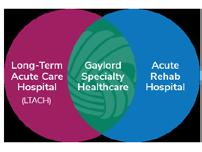
At Gaylord, we offer a unique model that combines the expertise of a Long-Term Acute Care Hospital (LTACH) and a world-class Acute Rehabilitation Facility—all under one roof.
This means we can admit patients earlier, often directly from the ICU, ensuring a seamless transition to recovery. Our integrated approach allows patients to begin therapy as soon as possible, leading to faster recoveries, better outcomes and a smoother return to life.
With Gaylord, patients don’t have to choose between medical excellence and top-tier rehabilitation—they get both, right from the start.

BRAIN INJURY
Awakening Hope in Patients with Disorders of Consciousness: It Takes a Village — Patients,
Families,
and the Public
Aarti Sarwal, MD, FNCS, FAAN, FCCM, FASN, RPNI
Nathan D. Zasler, MD, DABPM&R, FAAPM&R, FACRM, BIM, CBIST
Introduction
One of the most pressing questions in the care of persons with disordered consciousness is whether and when the patient will “wake up.” The concept of “awakening hope” reflects the emotional and clinical journey of recovery after acquired brain injury. Hope in this unique situation is rooted in the idea of collective care, the understanding that healing and resilience are not isolated processes but are built through community engagement and support.
Collective care recognizes that a brain injury potentially impacts all aspects of a person's life and that a network of support is essential for long-term well-being. Long-term recovery depends on a network of support that ideally should include patients, families, caregivers, clinicians, attorneys, insurers, and the broader public. This manuscript explores how each of these groups contributes and/ or should contribute to hope and healing. The scientific literature in relation to same will be examined including the challenges of neuroprognostication, incorporation of shared decision making for a patient unable to express their wishes, and resource utilization needed to give time to follow patients with disorders of consciousness (DoC).
You Are Not Your Brain — The Role of Patients
DoC, a term first introduced in the early 2000s, describes a range of conditions where an individual has sustained severe brain injury and experiences impaired wakefulness and/or awareness.1,2 Work in this realm has evolved significantly since our initial use of terms like coma, vegetative state, and confused state.3 The nomenclature has now incorporated terms such as cognitive motor dissociation (CMD), covert awareness (CA), and covert consciousness (CC), with covert awareness having emerged as the preferred term based on a Delphi consensus process study.4 For more details about these terms, see the article by Schnakers (this issue). In any of these states, patient engagement, when it happens, has been central to recovery from any illness. Resilience, lived experience, and a sense of self are critical components of healing. Shared decision-making and patient narratives offer insight into the recovery process of a situation where patient presence for a prolonged time was deemed insignificant due to the DoC state.
Patients with DoC face unique challenges in expressing their experiences, for obvious reasons.
Patient-led advocacy, exemplified by Jill Bolte Taylor’s "My Stroke of Insight" TED Talk (over 30 million views), illustrates how personal experience can shape public understanding. Recalled experiences in such scenarios emphasize the potential for neuroplasticity, which also offers a biological basis for recovery, reinforcing the importance of recognizing the patient’s history and potential.
Researching patients' lived experiences in DoC requires innovative approaches. Patients with DoC may not communicate directly, but their voice can be represented through surrogates and technology. Ongoing research has shown a positive association between CMD/CA/CC (versus patients with no signs of consciousness) and neurorecovery potential. Such associations have ignited more research to incorporate the patient's voice through surrogates and/ or technology into neuroprognostication algorithms. Evidence for CA has raised awareness on vulnerability of these patients due to misdiagnosis,3 inadequate medical surveillance, undertreatment of pain, and inadequate rehabilitation. Experts have called for routine universal pain precautions as an important element of neuropalliative care for these patients given the risk of CA.5 Future research in refining presence of CA may assist in guiding clinicians, caregivers, and families in using such tools to outline patient identity by enhancing interactions with patients, possibly allowing their input into advance directives which complement a family’s expressed narratives of patient wishes.6,7
Concerted efforts to better understand the lived experience of such patients through research to inform future care must also include exploring interventions like ICU diaries to facilitate communication when limited ability to interact exists. Such research must also recognize that trauma-related awake critical illness presents with different psychological burden than brain injury-related critical illness, particularly in context of the degree of preserved cognitive capacities.8,9 ICU diaries written by nurses and families for and to patients may be very valuable to them during recovery from DoC.
There is a significant degree of research being done on brain computer interfaces to allow communication with patient in the possibility of CA.10 A patient’s response to volitional commands, captured by neuroimaging or EEG studies, is being used to modulate a framework for communicating more complex questions. Artificial intelligence has added new potential to identify the content of the communication created by these interfaces.
NeuroRestorative provides postacute rehabilitation and specialized community living services for individuals with brain injury and other neurological challenges. Our continuum of care offers a range of transitional and supported living options throughout the state in the most independent setting possible. Call us for more information on our supports and services.
Shepherd Center is expanding our Brain Injury Services and is recruiting talented professionals who want to grow their careers and help rebuild lives.
» BC/BE Physiatrist - Inpatient
» Clinical NeuropsychologistsInpatient and Outpatient
» Rehabilitation Psychologist - Outpatient
» Family Counselor
» Registered Nurses
» Therapists - PT, OT, and SLP
» Brain Injury Medicine Fellow
Learn more or make a referral: 800-743-6802
NeuroRestorative.com


This has introduced additional complexity and uncertainty in discerning the mismatch between cognitive processes and observable behavior, as well as the potential risk of inaccurately representing the thought content of individuals who lack verbal expression, calling for governance in anticipation of both sociological and ethical challenges.11
A major downstream advocacy issue that can impact acute care of patients with DoC is advocacy related to advance directives, advance care planning, living wills, and health care power of attorneys prior to an event that results in DoC. In clinical scenarios involving acute brain injury, patients are usually represented by substituted judgement through their families. Authenticity in representing patient wishes is a major area of debate in medical ethics in dementia and warrants more discussion in patients with DoC.7,12,13 Younger people affected by traumatic brain injury may not have addressed such difficult conversations with their families or clinician providers.14
While advocating for self-care needs has been researched in chronic TBI,15 there is a broader need for public campaigns that build awareness and objective understanding of cognitive and physical disabilities resulting from brain injuries. Such initiatives could empower people to reflect on their own quality-of-life preferences and proactively communicate their wishes to families and primary care providers.16 We need to adopt a learning health system approach to advance directives.5 Having a structured campaign to improve the templates of such documents, which vary from state to state, incorporating the need to include advance care planning in primary prevention strategies or annual physicals, and using public awareness campaigns to ensure people, regardless of age and/or comorbidities, have such contingencies in place are necessary to pursue. Such planning can go a long way in incorporating patient wishes in life’s unexpected, untoward events, including protracted states of altered consciousness.
Social scientists should also make attempts to work on researching effective strategies for communication of needs through such advance directives. For example, could people create a digital twin that is trained on their choices to effectively communicate their wishes in case they are unable to do so? Use of large language models could be harnessed to allow individuals to record their quality-of-life preferences in a secure virtual AI agent that becomes their cognitive signature trained on the repository of their values and choices over their lifetime. In situations where patients cannot communicate, clinicians and families could query this agent, the “digital cognitive twin” to understand what the patient would have chosen, ensuring care aligns with their identity and wishes. This could be combined with structured data (advance directives, care preferences) to create a dynamic representation of patient’s identity. Initial groundwork in this direction has already created agents like Diginality, a chatbot that learns one’s preferences with custom training from data collected by interview-style questions on the user’s topic of interest.17–19
When the Body Forgets Its Way, Love Remembers — The Role of Families and Caregivers
Families are the crucial core of providing emotional, logistical, and spiritual support. They often serve as surrogate decisionmakers, navigating moral distress around advanced care directives in acute care, and take over the role of caregivers in the recovery phase. The loss of “personhood” and social pressures that occur
while addressing the difficult care needs of their loved ones often complicate bereavement and caregiving. Families engage in substantial existential work to maintain equilibrium and move forward, and their narratives and implications of caring for a patient with Doc for lived experience are not incorporated in our contemporary service models built around the person with the brain injury.20,21
Caregiver burden is well-documented, and the need for broader support is essential.22,23 As A.A. Milne wrote, “You are braver than you believe, stronger than you seem, and smarter than you think.” Families learn the arduous task of balancing realistic but optimistic expectations, which may create an anchoring bias to motivate the unrelenting care needed for such patients. There are many examples of family caregivers going beyond to create channels of financial support like crowdfunding campaigns,3 and accessing durable medical equipment (DME) to support the needs of their loved ones while showing integrity of work ethic. Often, these efforts go beyond what is potentially provided by professional, paid caregivers. These stories often surface in anecdotes but are mostly lost in the burden created by the caregiving process itself. When these stories serve as inspirations for technological innovations, the roles of such families and caregivers in inspiring or informing these innovations are often not recognized formally.24 We need more structured ways of giving voice to these efforts in tangible ways where others can benefit from these lived experiences.
During acute care, family involvement is shown to improve satisfaction, reduce psychological distress, and enhance understanding of care plans. Interventions include structured family meetings and preparatory sessions, participation in medical rounds, use of ICU diaries, and digital communication tools.25 Some centers have tried sensory-based therapies (e.g., music, virtual reality). Despite these benefits, many families report increased emotional burden, highlighting the need for supportive structures. The most common elements addressed by families and caregivers are communication and decision-making, while direct care involvement and physical presence were less frequently included. Caregiver networks and peer support groups can serve this purpose, but enduring lessons from such support groups need to be converted into toolkits that can be shared downstream. Such interventions fade off once the patient has progressed and transitions to postacute care or returns home.
Even if the recovery path takes the turn where care goals are pivoted to palliative care, patient-centered care at the end of life (EOL) is strengthened when families are actively involved. Interventions that include patients and families in communication and decision-making improve psychological comfort, dignity, and alignment with personal values. Programs like the “3 Wishes Project” and communication coaching help tailor care to individual preferences, enhancing the patient’s experience during their final moments.26
The dyadic relationship between patient and family/caregiver is increasingly recognized in the scientific literature. Tools like the Family Needs Questionnaire–Revised (FNQ-R) and the TBI-CareQOL Measurement System have enabled structured research into interventions. The development of Patient-Family Advisory Councils provides an ongoing platform to inform such research, highlighting the importance of family involvement in care planning and recovery. As structured tools to guide such research is underway, experts are also calling for a scientific framework and conceptual analyses to address the challenging ethical issues related to making and communicating an accurate prognosis despite irreducible
uncertainty, conducting effective shared decision-making to deliver goal-concordant care, and engaging family in plan of care discussions that respect the human rights of and advocate for DoC patient.27
Healing Needs the Warmth of Togetherness — The
Role of the Public and Community
Social health is the ability to form and maintain meaningful relationships and engage positively within a community. It is a key determinant of recovery.28 Public perceptions of patients with adaptive needs influence reintegration and quality of life. Cultural and religious beliefs, as well as social media, shape these perceptions and can either support or hinder recovery. Beyond societal attitudes, direct social interactions between patients, caregivers, and the community play a critical role in shaping outcomes. Supportive engagement fosters emotional resilience, reduces isolation, and encourages participation in rehabilitation activities. Caregiver networks and peer support groups create shared experiences that normalize challenges and promote hope. Conversely, stigma or lack of social contact can exacerbate psychological distress and slow recovery. Building structured opportunities for interactions, through community programs, inclusive events, and digital platforms, helps reinforce dignity, autonomy, and a sense of belonging, which are essential for patients with disorders of consciousness and their families.
Public health education, community outreach, and attention to social determinants of health are vital.29 Social vulnerability30 has been identified as a predictor of survival and long-term outcomes, but has not received structured attention regarding patient- and
family/caregiver-centered interventions for patients with DoC.
Hope is deeply shaped by cultural, spiritual and religious beliefs.31 For many families, hope is tied to faith, miracles, or moral duty, making decisions about withdrawal of care emotionally charged. In patients with severe brain injury and impaired consciousness, this often becomes a ‘hope versus no hope’ standoff among family members influenced by societal perceptions of their commitment to family. Societal beliefs influence how families interpret prognosis, perceive suffering, and define dignity at the end of life.
Community-based programs and advocacy efforts, whether led by individuals, families, or organizations, play a critical role in building inclusive environments that foster hope and healing. Broader community engagement can be facilitated through digital tools and culturally tailored communication strategies. These approaches can help bridge gaps in access and support, as we saw in crises like the COVID-19 pandemic, which restricted in-person family presence. A recent roundtable of expert clinicians and researchers gathered at the International Symposium on Intensive Care and Emergency Medicine in Brussels, Belgium to synthesize and discuss the latest evidence on acute DoC epidemiology, diagnosis, treatment, and prognosis, outlined research priorities as well as an evidence-based practical roadmap. They included facilitating family communication and supported decision-making as one of the 6 key components of this roadmap. The group called for developing effective communication and decision aids, improving family support interventions, and studying surrogate decision-making quality, along with outcome measures that reflect meaningful functional changes for patients and families.32

Role of Scientists and Clinicians
Improving care for patients with DoC requires a unified, interdisciplinary approach that bridges education, research, and clinical practice. Despite recent advances in neuroprognostication in patients with DOC, 6,33 such as structured decision-making tools, novel technologies, and initiatives like the Neurocritical Care Society’s Curing Coma Campaign,34 translation into routine care remains limited. Inconsistent application of guidelines and poor integration of emerging techniques perpetuate variability and outdated practices. To address this gap, DoC education must begin early across all disciplines involved in care, including physicians, nurses, therapists, and social scientists, fostering shared understanding and coordinated decision-making.35,36 Collaboration should extend beyond traditional silos through joint curricula, research networks, and strategies that enhance family engagement, with nurses playing a central role in person-centered care based on best evidence available.37
Recovery from brain injury demands a coordinated, interdisciplinary effort that begins at the onset of acute injury and continues through post-acute care. We must learn from successful models such as cancer, trauma, dementia, and critical illness to build systems that prioritize continuity, collaboration, and compassion in our care of patients with DoC. Pragmatic steps include creating community advisory boards and patient family caregiver advisory councils to advise on scientific pursuits in this field, implementing structured shared decision-making frameworks to care pathways and checklists, and embedding prognostic humility into medical education.38
Science in DoC may need to endorse non-traditional stakeholders amongst ethicists, social scientists, and anthropologists. Further research into guided interventions that incorporate the cultural, spiritual, and ethical aspects of decisions around care of patients with DoC and CA, or society's response to the evolution of the field, can help guide clinicians as well as social awareness efforts. Precision medicine in DoC care may need to extend beyond patient specific biomarkers or neuroimaging correlates of CA, it may also mean patient centric customization of the support of hope and responsiveness to evolving adaptation to grief for each patient family/ caregiver dyad.39–41
Finally, we must challenge ourselves to leverage evolving technologies, social media for advocacy,42 and AI for predictive analytics and personalized care,43 to accelerate knowledge dissemination and innovation. These efforts can transform fragmented practices into a cohesive, patient-centered framework that improves outcomes and supports reintegration.
Bridging Silos: A Call for Integration
We need to explore what it really means to awaken hope after brain injury, not just through medical care, but by looking at the bigger picture. This includes the philosophical questions about consciousness and the social factors that shape recovery. Culture and faith play a huge role in how people view healing and possibility, and these perspectives matter. Our goal is to spark conversation and share ideas that bring together science, humanity, and community in building a framework for hope.
Embracing cultural humility and inclusive practices ensures care remains responsive to diverse needs. Hope is not an individual pursuit; it is a shared responsibility among patients, their families, clinicians, and the broader community.
Family involvement in DoC care, whether to support recovery, integrate patients with persistent DoC into a “new normal” family life, or guide end-of-life decisions, improves outcomes, communication, and satisfaction; yet, gaps persist in ensuring a consistent presence and active contribution. Future research must focus on comprehensive, culturally sensitive interventions that empower families and enhance the quality of care and dying in hospital settings. The time to act is now: we must unite disciplines, leverage technology, and commit to patient-centered innovation to transform recovery into a collective mission.
References
1. Giacino JT, Katz DI, Schiff ND, et al. Comprehensive Systematic Review Update Summary: Disorders of Consciousness: Report of the Guideline Development, Dissemination, and Implementation Subcommittee of the American Academy of Neurology; the American Congress of Rehabilitation Medicine; and the National Institute on Disability, Independent Living, and Rehabilitation Research. Arch Phys Med Rehabil. 2018;99(9):1710-1719. doi:10.1016/j.apmr.2018.07.002
2. Golden K, Bodien Yg, Giacino Jt. Disorders of Consciousness: Classification and Taxonomy. PubMed. Accessed December 14, 2025. https://pubmed.ncbi.nlm.nih.gov/37993185/
3. Young MJ, Bodien YG, Giacino JT, et al. The neuroethics of disorders of consciousness: a brief history of evolving ideas. Brain. 2021;144(11):3291-3310. doi:10.1093/brain/awab290
4. Schnakers C, Overbeek B, Fullmer N, et al. Consensus on covert awareness: a Delphi study. Brain Commun. 2025;7(6):fcaf462. doi:10.1093/braincomms/fcaf462
5. Fins J, Bernat J. Ethical, palliative, and policy considerations in disorders of consciousness. PubMed. Published online 2018. Accessed December 21, 2025. https://pubmed.ncbi.nlm.nih.gov/30089621/
6. Egbebike J, Shen Q, Doyle K, et al. Cognitive-motor dissociation and time to functional recovery in patients with acute brain injury in the USA: a prospective observational cohort study. Lancet Neurol. 2022;21(8):704713. doi:10.1016/S1474-4422(22)00212-5
7. Fins JJ, Wright MS, Bagenstos SR. Disorders of Consciousness and Disability Law. Accessed December 20, 2025. https://www.mayoclinicproceedings.org/article/S0025-6196(20)30156-7/fulltext
8. Exl MT, Lotzer L, Deffner T, Jeitziner MM, Nydahl P. Intensive care unit diaries—harmful or harmless: A systematic literature review and qualitative data synthesis. Aust Crit Care. 2025;38(2):101121. doi:10.1016/j. aucc.2024.09.006
9. Jones C, Bäckman C, Capuzzo M, et al. Intensive care diaries reduce new onset post traumatic stress disorder following critical illness: a randomised, controlled trial. Crit Care. 2010;14(5):R168. doi:10.1186/ cc9260
10. Schiff N, Diringer M, Diserens K, et al. Brain-Computer Interfaces for Communication in Patients with Disorders of Consciousness: A Gap Analysis and Scientific Roadmap. PubMed. Accessed December 21, 2025. https://pubmed.ncbi.nlm.nih.gov/38286946/
11. Fins J, Shulman K. Neuroethics, Covert Consciousness, and Disability Rights: What Happens When Artificial Intelligence Meets Cognitive Motor Dissociation? PubMed. Published online 2024. Accessed December 21, 2025. https://pubmed.ncbi.nlm.nih.gov/38579252/
12. Carter M. Advance Directives: The Principle of Determining Authenticity. PubMed. Accessed December 14, 2025. https://pubmed.ncbi.nlm.nih.gov/35143071/
13. Shepherd V, Hood K, Sheehan M, Griffith R, Jordan A, Wood F. Ethical understandings of proxy decision making for research involving adults lacking capacity: A systematic review (framework synthesis) of empirical research. PubMed. Accessed December 14, 2025. https://pubmed.ncbi.nlm.nih.gov/30321110/
14. Dygert L, Lewis A. Who Should Make Medical Decisions When a Patient Lacks an Advance Directive? The Neurohospitalist. 2022;12(1):5-7. doi:10.1177/19418744211029492
15. Hawley L, Morey C, Sevigny M, et al. Enhancing Self-Advocacy After Traumatic Brain Injury: A Randomized Controlled Trial. J Head Trauma Rehabil. 2022;37(2):114-124. doi:10.1097/HTR.0000000000000689
16. Auriemma CL, O’Donnell H, Klaiman T, et al. How Traditional Advance Directives Undermine Advance Care Planning: If You Have It in Writing, You Do Not Have to Worry About It. JAMA Intern Med. 2022;182(6):682684. doi:10.1001/jamainternmed.2022.1180
17. Hanqing Yang, Marie Siew, Carlee Joe-Wong. An LLM-Based Digital Twin for Optimizing Human-in-the Loop Systems. Accessed December 20, 2025. https://arxiv.org/html/2403.16809v1
18. Earp BD, Porsdam Mann S, Allen J, et al. A Personalized Patient Preference Predictor for Substituted Judgments in Healthcare: Technically Feasible and Ethically Desirable. Am J Bioeth. 24(7):13-26. doi:10.1080 /15265161.2023.2296402
19. Yun J, Lee J, Yun Y, Yoon S, Park SH, Yun S. A Chatbot That Learns One’s Preferences as the Next Step in Human Digital Twins: A Pilot Study Using HyperCLOVA X, a Large Language Model.; 2023. doi:10.20944/ preprints202310.1647.v1
20. Charlotte Jane Whiffi, Gracey F, Caroline Ellis-Hill. The experience of families following traumatic brain injury in adult populations: A meta-synthesis of narrative structures. PubMed. Accessed December 20, 2025. https://pubmed.ncbi.nlm.nih.gov/34388366/
21. Hawryluk GWJ, Aguilera S, Buki A, et al. A management algorithm for patients with intracranial pressure monitoring: the Seattle International Severe Traumatic Brain Injury Consensus Conference (SIBICC). Intensive Care Med. 2019;45(12):1783-1794. doi:10.1007/s00134-019-05805-9
22. Kreitzer N, Bakas T, Kurowski B, et al. The Experience of Caregivers Following a Moderate to Severe Traumatic Brain Injury Requiring ICU Admission. J Head Trauma Rehabil. 2020;35(3):E299-E309. doi:10.1097/ HTR.0000000000000525
23. Lindlöf J, Turunen H, Välimäki T, Huhtakangas J, Verhaeghe S, Coco K. Empowering Support for Family Members of Brain Injury Patients in the Acute Phase of Hospital Care: A Mixed-Methods Systematic Review. J Fam Nurs. 2024;30(1):50-67. doi:10.1177/10748407231171933
24. Bonanno M, De Luca R, De Nunzio AM, Quartarone A, Calabrò RS. Innovative Technologies in the Neurorehabilitation of Traumatic Brain Injury: A Systematic Review. Brain Sci. 2022;12(12):1678. doi:10.3390/ brainsci12121678
25. Kreitzer N, Kurowski BG, Bakas T. Systematic Review of Caregiver and Dyad Interventions After Adult Traumatic Brain Injury. Arch Phys Med Rehabil. 2018;99(11):2342-2354. doi:10.1016/j.apmr.2018.04.016
26. Neville T, Taich Z, Walling A, et al. The 3 Wishes Program Improves Families’ Experience of Emotional and Spiritual Support at the End of Life. PubMed. Accessed December 14, 2025. https://pubmed.ncbi.nlm.nih. gov/35581456/
27. Bernat J, Fins J. Emerging ethical issues in patients with disorders of consciousness: A clinical guide. PubMed. Accessed December 21, 2025. https://pubmed.ncbi.nlm.nih.gov/39986723/
28. Emery H, Wong Dk, Simpson G, et al. Defining the Scope of Clinical Practice Guidelines for Managing Psychosocial Difficulties Following Moderate-to-Severe Traumatic Brain Injury. PubMed. Published online 2025. Accessed December 14, 2025. https://pubmed.ncbi.nlm.nih.gov/41354461/
29. Corrigan J, Vuolo M, Shankman R, et al. The contribution of social determinants of health to long-term outcomes following traumatic brain injury. PubMed. Published online 2025. Accessed December 14, 2025. https://pubmed.ncbi.nlm.nih.gov/40386445/
30. Ashokan AM, Rajagopal J, Krishnaswamy P, Sheela LR, Marimuthu PD, Pothumani DS. Social vulnerability assessment in the health and disease context: Review. Discov Soc Sci Health. 2024;4(1):55. doi:10.1007/ s44155-024-00116-x
31. Junior L, Rosendo I, Sena de Barros N, et al. Hope and Acceptance at the End of Life: Impact of Spirituality on Patients in Palliative Care. Cureus. 17(10):e95249. doi:10.7759/cureus.95249
32. Bodien Y, Busl K, Chang C, et al. Disorders of consciousness diagnosis, interventions, and prognostication for the intensivist: Report of the 2025 ISICEM roundtable. PubMed. Published online 2025. Accessed December 21, 2025. https://pubmed.ncbi.nlm.nih.gov/41396553/?utm_source=FeedFetcher&utm_ medium=rss&utm_campaign=None&utm_content=0nK-FGmcPzruPpJferMpyd8mRld7hsB1ra05TRUDXN6&fc =None&ff=20251215160314&v=2.18.0.post22+67771e2
33. Biyani S, Chang H, Shah V. Neurologic prognostication in coma and disorders of consciousness. PubMed. Accessed December 21, 2025. https://pubmed.ncbi.nlm.nih.gov/39986724/
34. Blain-Moraes S, Sarwal A, Jc H. The Curing Coma Campaign: A platform for advancing science and clinical care worldwide. PubMed. Accessed December 14, 2025. https://pubmed.ncbi.nlm.nih.gov/39986725/
35. Giacino J, Whyte J, Nakase-Richardson R, et al. Minimum Competency Recommendations for Programs That Provide Rehabilitation Services for Persons With Disorders of Consciousness: A Position Statement of the American Congress of Rehabilitation Medicine and the National Institute on Disability, Independent Living and Rehabilitation Research Traumatic Brain Injury Model Systems. PubMed. Accessed December 14, 2025. https://pubmed.ncbi.nlm.nih.gov/32087109/
36. Seel R, Douglas J, Dennison A, Heaner S, Farris K, Rogers C. Specialized early treatment for persons with disorders of consciousness: program components and outcomes. PubMed. Accessed December 14, 2025. https://pubmed.ncbi.nlm.nih.gov/23732166/
37. Giacino JT, Katz DI, Schiff ND, et al. Practice guideline update recommendations summary: Disorders of consciousness: Report of the Guideline Development, Dissemination, and Implementation Subcommittee of the American Academy of Neurology; the American Congress of Rehabilitation Medicine; and the National Institute on Disability, Independent Living, and Rehabilitation Research. Neurology. 2018;91(10):450-460. doi:10.1212/WNL.0000000000005926
38. Kreitzer N, Murtaugh B, Creutzfeldt C, et al. Prognostic humility and ethical dilemmas after severe brain injury: Summary, recommendations, and qualitative analysis of Curing Coma Campaign virtual event proceedings. PubMed. Published online 2023. Accessed December 14, 2025. https://pubmed.ncbi.nlm.nih. gov/37063099/
39. Højgaard Nejst C, Glintborg C. Hope as experienced by people with acquired brain injury in a rehabilitation—or recovery process: a qualitative systematic review and thematic synthesis. Front Rehabil Sci. 2024;5:1376895. doi:10.3389/fresc.2024.1376895
40. Fernandes M, Rathinam C, Topping A. Parents’ experience of children with acquired brain injury undergoing neurorehabilitation: a systematic review. PubMed. Published online 2024. Accessed December 20, 2025. https://pubmed.ncbi.nlm.nih.gov/38519065/
41. Mac Conaill S, McGrath A, Fortune D. Experiences of loss and grief in adults with acquired brain injury (ABI): A systematic review and meta synthesis of qualitative studies. PubMed. Accessed December 20, 2025. https://pubmed.ncbi.nlm.nih.gov/39425781/
42. Brunner M, Palmer S, Togher L, Hemsley B. ‘I kind of figured it out’: the views and experiences of people with traumatic brain injury (TBI) in using social media—self-determination for participation and inclusion online. Int J Lang Commun Disord. 2019;54(2):221-233. doi:10.1111/1460-6984.12405
43. Ahmed AE, Alyami RM, Ghazwi FHA, et al. Artificial Intelligence in Traumatic Brain Injury: A Systematic Review of Prognostic, Diagnostic, and Monitoring Applications. Cureus. 2025;17. doi:10.7759/ cureus.96600
29 – 2: 6th International Paediatric Brain Injury Society Conference, April 29 – May 2, Calgary, AB, Canada. For more information, visit ipbis.org/ calgary-2026.
30 – 2: ACRM 103rd Annual Fall Conference & Expo, October 30 –November 2, Washington, DC. For more information, visit acrm.org.
Author Bios
Aarti Sarwal, MD, is Professor of Neurology and Division Chair of Neurocritical Care at Virginia Commonwealth University. She is an internationally recognized neurointensivist with expertise in neuroultrasound and noninvasive neuromonitoring. Her work integrates neuroultrasound, transcranial Doppler, and clinical informatics to improve bedside decision-making in acute brain injury. Dr. Sarwal is the co-leader of the Community of Collaborators module and the patient-family advisory council within the Curing Coma Campaign, focusing on giving acute brain injury patients, their families, and caregivers a voice in innovation, education, research, and ethical care. She is deeply committed to mentorship, multidisciplinary collaboration, and advancing equitable, evidencebased neurocritical care worldwide.
Dr. Nathan Zasler is Founder, CEO & Medical Director of Concussion Care Centre of Virginia/Concussion Care Consulting LLC, as well as Founder and Medical Director of Tree of Life in Richmond, Virginia. Dr. Zasler is board certified in Physical Medicine and Rehabilitation (PM&R), fellowship trained in brain injury rehabilitation and subspecialty certified in Brain Injury Medicine. He is an affiliate professor in the VCU Department of Physical Medicine and Rehabilitation, Richmond, VA, and a visiting professor in the Department of Physical Medicine and Rehabilitation at the University of Virginia, Charlottesville. He is Emeritus Chairperson as well as Vice-Chairperson of the International Brain Injury Association (IBIA). He has published over 200 peer reviewed articles and authored over 60 book chapters. Dr. Zasler has published and lectured extensively on TBI related neuromedical issues and has edited 8 textbooks including “Brain Injury Medicine: Principals and Practice” with the 4th edition scheduled to be published in 2028. He is chief editor of two international peer reviewed journals: “Brain Injury”, and “NeuroRehabilitation” as well as chief editor of “Brain Injury Professional”.
Coma Diagnosis and Recovery in Children
Varina L. Boerwinkle, MD

Abbreviations: Brainstem auditory evoked potentials (BAEP), Coma Recovery Scale for Pediatrics (CRS-P), Coma Recovery ScaleRevised (CRS-R), cognitive motor dissociation (CMD), disorders of consciousness (DoC), electroencephalogram (EEG), Glasgow Coma Scale (GCS), task-based functional MRI (fMRI), somatosensory evoked potential (SEP)
Introduction
The diagnosis and recovery of coma in pediatric patients constitutes a profoundly challenging facet of clinical neuroscience. In recent years, continued advancements in the domains of neuroimaging, behavioral assessment, and comprehensive rehabilitation have dramatically altered the clinical landscape for children with brain injuries that may result in disorders of consciousness (DoC). Notably, the complexity of assessing consciousness and prognostication in the very young, namely children between ages one and five, demands that clinicians rely not only on standardized tools but also on a nuanced understanding of childhood neurodevelopment. This article seeks to integrate the latest evidence into clinical practice, providing a perspective grounded in contemporary literature and expert consensus.
Contemporary Definitions of Consciousness in Children
A clear and scientific definition of consciousness adapted for pediatric populations is vital. In contrast to adult models—where consciousness typically connotes sustained attention, introspection, and self-awareness—children, particularly infants and preschoolers, manifest consciousness through a gradual acquisition of cognitive, sensory, and social abilities as their brains mature. For children as young as twelve months, research demonstrates the presence of perceptual and cognitive processing, albeit with features that diverge from adult consciousness, such as extended temporal windows for integrating sensory stimuli.1
As children grow through their second and third years, consciousness is further elaborated through object permanence, emerging emotional regulation, and the development of basic language.
By age five, most possess complex, if still limited, forms of awareness as evidenced by nuanced behaviors and responses to external stimuli. It is therefore incumbent upon the clinician to frame both diagnosis and recovery expectations within the context of developmental neuroscience, referencing emerging findings that elucidate the structure and function of consciousness across the pediatric age spectrum.2
Detecting and Diagnosing Covert Consciousness
Accurate diagnosis of covert consciousness in children has become increasingly feasible due to the refinement of behavioral and neurophysiologic assessment tools. The Glasgow Coma Scale (GCS), while originally developed for adults, is now regularly modified for younger, non-verbal children, ensuring that clinical measurement is developmentally sensitive. More recently, the Coma Recovery ScaleRevised (CRS-R) and its pediatric adaptations have been validated for children as young as five, providing a robust framework for repeated measurement and outcome prediction. Researchers developed and validated the Coma Recovery Scale for Pediatrics (CRS-P) and have even translated this into Italian.3,4 The CRS-P reliably distinguishes between vegetative and minimally conscious states in children as young as 12–14 months.5
Beyond behavioral scales, advances in neuroimaging—particularly task-based functional MRI (fMRI) and electroencephalogram (EEG) —allow for the identification of cognitive motor dissociation (CMD), sometimes termed covert consciousness. When taskbased paradigms elicit measurable brain responses to commands or stimuli, clinicians can infer underlying awareness even in the absence of overt behavioral response. These results caution against premature decisions regarding withdrawal of life-sustaining therapies, although longitudinal follow-up remains critical since the presence of covert consciousness does not guarantee functional recovery.6 Serial imaging and electrophysiologic testing are thus recommended to guide both prognostication and ongoing care.6-8
Prognosticating Recovery: Likelihood and Timing
Contemporary studies illuminate several determinants that influence recovery trajectories in pediatric coma.
Chief among these is the injury’s etiology, patient age, time to rehabilitation onset, initial state of consciousness, and somatosensory evoked potential (SEP) grade. Trauma-related coma, for example, typically portends more rapid and complete recovery compared to non-traumatic cases, and rehabilitation within four weeks of injury further enhances prospects.9 Notably, the first twelve months comprise the most critical period for recovery: traumatic cases reach a 50% rate of emergence from minimally conscious state within approximately three to five months, whereas non-traumatic cases may require up to fifteen months. Thereafter, improvements plateau, often solidifying chronic DoC diagnoses.9
Research also underscores the importance of neurobehavioral progress. Data from large cohorts indicate that as many as two-thirds of children with acquired brain injury recover consciousness, most notably during the first months post-injury. While prognostication is never absolute, these markers allow for more tailored and evidencebased counseling of families.10
Rehabilitation: Multidisciplinary Therapies and Emerging Strategies
Current guidelines unambiguously recommend early and coordinated rehabilitation for children hospitalized with brain injury. Ideally, rehabilitation consults are obtained within two days of hospital admission, regardless of the initial severity, and begin as soon as the child is medically stable.11 Treatment involves an integrated array of modalities, including physical therapy, occupational therapy, speech-language therapy, and physical medicine. Such interventions are adapted for each child’s unique neurologic deficits and age.
Early mobilization is encouraged in the intensive care unit, with gentle handling, positioning, optimizing sleep-wake cycles, and maintenance of joint mobility forming the backbone of early therapy protocols.11
Particular attention is paid to mitigating agitation, managing autonomic disturbances, and promoting appropriate engagement in therapeutic activities. For infants and toddlers, play-based cognitive rehabilitation is increasingly recognized for its power to scaffold fragmented attention, memory, and executive function in ways that are both developmentally appropriate and therapeutically effective.12
Families, too, must be brought into the process through comprehensive counseling and disposition planning. Discharge from the hospital marks the beginning of a lengthy recovery, often requiring ongoing engagement with specialists, case managers, and community resources. It is well recognized that children with severe TBI face disproportionately high rates of unmet health and educational needs even after discharge.11
Standardized Testing and Objective Measures
Accurate and reproducible diagnosis of DoC in children depends on the judicious use of validated testing tools. The CRS-R, augmented for pediatric use, has been validated for children ages 5 years and older. The CRS-P has been validated in younger children. Additional measures, including the Wessex Head Injury Matrix and the Sensory Modality Assessment, offer valuable gradation for research and clinical follow-up.13 Neurophysiological evaluations, such as SEP and brainstem auditory evoked potentials (BAEP), provide objective data on sensorimotor integration and support prognostication.9,13
Beyond RECOVERY
NATIONAL LEADERS IN BRAIN INJURY RECOVERY
For more than 50 years, Brooks Rehabilitation has been helping patients with traumatic and non-traumatic brain injuries achieve their highest level of recovery possible. Our team includes certified brain injury specialists working with the latest technology and evidence-based treatment options to ensure our patients receive bestin-class care.
One highly specialized option is our Disorders of Consciousness program. This short-term program was designed for patients who present in a reduced or minimally conscious state. A patient is provided comprehensive evaluations, specific therapies, medications and stimulation that may promote recovery.
Brooks also offers specialized programs developed to help with the unique needs of brain injury survivors, such as: driver rehabilitation, day treatment, Neuro Recovery Centers, Brooks Clubhouse, Brooks Aphasia Center, wellness and Brooks Adaptive Sports & Recreation.

After a terrible car accident, Sarah Giber turned tragedy into triumph by learning to talk, walk and regain her independence one day at a time.
VIEW SARAH’S STORY HERE

���� Defining Consciousness in Children
1 month – 5 years
���� Detecting Covert Consciousness
⏳ Prognosticating Recovery
���� Multidisciplinary Rehabilitation
���� Standardized Testing Tools
���� Understanding Consciousness in Very Young Children
⚖ Ethical Implications of Covert Consciousness
≥12 months
All ages, but especially <12 months post-injury
All ages, especially infants and toddlers
≥14 months (CRS-R); 12–14 months (CRS-P)
Adult models are not developmentally appropriate; pediatric consciousness evolves with age.
Behavioral responses may be absent despite awareness; risk of misdiagnosis and premature withdrawal of care.
Recovery trajectories vary by etiology and timing; lack of standardized prognostic markers.
Delayed or fragmented rehab leads to poorer outcomes; lack of age-adapted therapies.
Limited tools validated for very young children; inconsistent use across settings.
1–5 years Consciousness is dynamic and agedependent; diagnostic criteria often overlook developmental nuances.
All pediatric ages Misinterpretation may lead to unrealistic expectations or ethical dilemmas.
Refining the Concept of Consciousness in Very Young Children
Ongoing research continues to refine our understanding of consciousness in children between one and five years of age. By twelve months, basic sensory and perceptual awareness are demonstrable, though these faculties are not yet fully differentiated.2 Between one and three years, consciousness expands to include object permanence, social recognition, and the earliest forms of emotional regulation.1 By the preschool years, children manifest more complex awareness, albeit with developmental limitations in self-reflective capacity and response latency.3 These shifting parameters necessitate the careful adaptation of diagnostic criteria and measurement tools, always attuned to age-specific capacities and limitations.1-3
Scientific Progress and Future Directions
The intersection of behavioral assessment, advanced neuroimaging, and neurophysiology is ushering in a new era of diagnostic precision and prognostic refinement for pediatric DoC. Multimodal approaches afford deeper insight into covert consciousness and help anchor treatment decisions, though ethical challenges persist.
Recommendations
Frame diagnosis and recovery within developmental neuroscience; use agespecific definitions.
Use pediatric-adapted CRSR and CRS-P; incorporate fMRI and EEG; repeat assessments.
Initiate rehabilitation early (within 4 weeks); monitor SEP grades; provide tailored counseling.
Begin rehab within 2 days of admission; use play-based therapy; involve families.
Employ CRS-R and CRS-P; supplement with SEP, BAEP, and sensory modality assessments.
Adapt tools and criteria to reflect evolving cognitive and emotional capacities.
Communicate findings transparently; distinguish covert awareness from functional recovery.
Clinicians and families must recognize that covert consciousness does not equate to full motor or cognitive recovery, and communication around prognosis should be transparent and nuanced.6 Ongoing studies of how consciousness unfolds across infancy and childhood will inexorably inform future standards of care and enrich our therapeutic arsenal.6
Conclusion
The contemporary approach to pediatric coma diagnosis and recovery increasingly blends scientific rigor with developmental sensitivity. By integrating state-of-the-art assessment tools, neurobiological insights, and multidisciplinary rehabilitation, clinicians are better equipped than ever to predict, manage, and support recovery in children with brain injuries. As research continues and clinical practices evolve, the prospects for meaningful recovery—and the tools with which we measure it—will continue to improve for this vulnerable population.
References
1. Lagercrantz H. The Awakening of the Newborn Human Infant and the Emergence of Consciousness. Acta Paediatr. May 2025;114(5):823-828. doi:10.1111/apa.70031
2. Bayne T, Frohlich J, Cusack R, Moser J, Naci L. Consciousness in the cradle: on the emergence of infant experience. Trends Cogn Sci. Dec 2023;27(12):1135-1149. doi:10.1016/j.tics.2023.08.018
3. Colombo K, Corti C, Porro C, et al. Italian Coma Recovery Scale for Pediatrics (CRS-P): Preliminary Validation in a Sample of Young Children with Typical Development. Brain Sci. Jan 26 2025;15(2)doi:10.3390/ brainsci15020118

4. Slomine BS, Suskauer SJ, Nicholson R, Giacino JT. Preliminary validation of the coma recovery scale for pediatrics in typically developing young children. Brain Inj. 2019;33(13-14):1640-1645. doi:10.1080/026990 52.2019.1658221
5. Nitta ME, Busch T, Suskauer SJ, Ludwig NN, Slomine BS. Initial use of the Coma Recovery Scale for Pediatrics (CRS-P) in young children with disorders of consciousness. Dev Neurorehabil. Jul-Oct 2025;28(67):252-259. doi:10.1080/17518423.2025.2544698
6. Young MJ, Kazazian K, Fischer D, Lissak IA, Bodien YG, Edlow BL. Disclosing Results of Tests for Covert Consciousness: A Framework for Ethical Translation. Neurocrit Care. Jun 2024;40(3):865-878. doi:10.1007/ s12028-023-01899-8
7. Boerwinkle VL, Sussman BL, Broman-Fulks J, et al. Treatable brain network biomarkers in children in coma using task and resting-state functional MRI: a case series. Front Neurol. 2023;14:1227195. doi:10.3389/ fneur.2023.1227195
8. Frigerio S, Molteni E, Colombo K, et al. Neuropsychological assessment through Coma Recovery ScaleRevised and Coma/Near Coma Scale in a sample of pediatric patients with disorder of consciousness. J Neurol. Feb 2023;270(2):1019-1029. doi:10.1007/s00415-022-11456-6
9. Duan X, Zhang T, Chen Y, et al. Natural course and predictors of consciousness recovery in children with prolonged disorder of consciousness. Sci Rep. Jul 29 2024;14(1):17417. doi:10.1038/s41598-024-68370-2
10. Colomer C, Llorens R, Navarro MD, Noé E, Ferri J. Neurobehavioral Progress and Signs of Transition in Children With Prolonged Disorders of Consciousness: A Retrospective Longitudinal Study With the Coma Recovery Scale-Revised. Pediatr Neurol. Jun 2024;155:187-192. doi:10.1016/j.pediatrneurol.2024.03.029
11. Niedzwecki CM, Seymour ML, Hermes E, et al. Early initiation of rehabilitation therapies in children with severe traumatic brain injury: An algorithm based on expert panel recommendations. J Trauma Acute Care Surg. May 1 2025;98(5):824-829. doi:10.1097/ta.0000000000004490
12. Alessi LJ, MacCarthy M, McCormick A, et al. Multidisciplinary rehabilitation and follow-up for children hospitalized with traumatic brain injury. J Pediatr Rehabil Med. Feb 4 2025:18758894241312482. doi:10.1177/18758894241312482
13. Giacino JT, Katz DI, Schiff ND, et al. Practice guideline update recommendations summary: Disorders of consciousness: Report of the Guideline Development, Dissemination, and Implementation Subcommittee of the American Academy of Neurology; the American Congress of Rehabilitation Medicine; and the National Institute on Disability, Independent Living, and Rehabilitation Research. Neurology. Sep 4 2018;91(10):450460. doi:10.1212/wnl.0000000000005926
Author Bio
Varina L. Boerwinkle, MD, is a Professor of Neurology, Neurosurgery, and Epilepsy at the University of North Carolina at Chapel Hill. She directs the Boerwinkle Resting State fMRI Laboratory and the Pediatric Stroke Clinic. Her clinical and research work focuses on pediatric neurocritical care, including coma and disorders of consciousness, and the use of functional MRI for neuroprognostication and epilepsy surgery planning. Dr. Boerwinkle has led the development of pediatric neurocritical care programs at multiple institutions and contributes to national and international initiatives such as the Neurocritical Care Society’s Curing Coma Campaign.
Proven Outcomes and Certainty for the Most Challenging Cases
When a worker suffers an injury, their life can change in an instant. And it takes an experienced partner to restore their health and hope. When you work with Paradigm, your injured workers get the highest level of clinical care, behavioral health support, and personalized attention on their journey, even when the road to recovery is uncertain and the injury requires multidisciplinary treatment.
Coma Recovery: Global Perspectives
Gentle Sunder Shrestha, MD, PhD
Sampaio Silva, MD, MPH, PhD

Introduction
Coma science has evolved in recent decades. In response, the Curing Coma® Campaign, a multidisciplinary and collaborative initiative of Neurocritical Care Society is a promising initiative in the field of coma recovery.1 Perspectives regarding coma vary between highincome countries (HICs) and low- and middle-income countries (LMICs) from various aspects. We aim to elaborate on those unique perspectives and the need for concerted global efforts to enhance coma recovery.
Perspectives from High-Income Countries
HICs have transformed coma recovery into a story of technological achievement and organized systems of care. Over the past decades, coordinated trauma networks, advanced neurocritical-care units, and structured rehabilitation programs have drastically improved survival and recovery after traumatic brain injury (TBI) and stroke.2,3 These countries built interconnected systems where emergency response, acute treatment, and long-term rehabilitation work as a seamless continuum.4
Yet, beneath these successes lies a more complex reality, one that reveals both the power and the limitations of modern medicine, offering lessons that can guide global efforts toward more equitable and effective coma care.5
From Survival to Recovery
In HICs, decades of investment in pre-hospital systems have reshaped the natural history of coma. Standardized emergency response, trauma networks, and stroke systems of care enable patients to reach the appropriate hospitals within the “golden hour,” when aggressive intervention is most crucial.6,7 In most major cities, paramedics can perform early neurological assessments, transmit data in real time, and activate neurocritical-care teams before arrival.6,8 These organizational layers, supported by evidence-based guidelines and audit mechanisms, have translated into shorter delays, better physiological optimization, and improved survival.1,9
But as survival rates have improved, a new challenge has emerged: what to do after the acute phase. The question is no longer only whether we can save this patient.
Gisele
Concerns have now turned to whether we can restore meaningful life. Coma recovery now sits at the intersection of neuroscience, ethics, and social policy.3,10,11 HICs are struggling to redefine what recovery truly means and how to measure it in a way that respects both biological and human dimensions.
The Paradox of Progress
Technological innovation has fuelled significant advances in monitoring and prognostication in coma care. Multimodal neurologic imaging, advanced biomarkers and continuous electroencephalography (EEG) enable clinicians to distinguish between potentially reversible coma, cognitive motor dissociation, and irreversible brain injury.2,3 Functional Magnetic Resonance Imaging and EEG paradigms have even revealed covert awareness in patients once thought to be permanently vegetative. These discoveries have challenged long-held assumptions and reshaped prognostic discussions.12,13
Yet this very sophistication introduces new dilemmas. Predictive models are still imperfect, and premature withdrawal of lifesustaining therapies remains a critical source of bias in outcome studies.10,11 Families, overwhelmed by complex data and uncertain timelines, face agonizing decisions. In many HICs, societal debates have shifted from “how to save lives” to “how to ensure those lives are worth living.” This ethical tension highlights that progress in coma care is not solely a technical pursuit; it is deeply human.3,7
Lessons Learned
From the experience of HICs, several lessons emerge that could inform global strategies for coma recovery. First, system organization matters as much as technology. The survival gains achieved in HICs owe less to individual breakthroughs than to the integration of emergency response, intensive care, and rehabilitation under unified protocols.6,14 The chain of survival concept, first popularized in cardiac arrest care, has proven equally vital in the management of other diseases leading to coma.
Second, multidisciplinary collaboration is indispensable. Neurologists, neurosurgeons, intensivists, rehabilitation physicians, nurses, physiotherapists, and psychologists must work as a cohesive unit.2,15 Many of the most successful coma programs in Europe and North America rely on this model of continuous communication, ensuring that goals of care evolve dynamically as the patient progresses through recovery.6
Third, rehabilitation begins days after onset, not weeks later. This can occur while a patient is still in an intensive care unit and continue in a general ward and post-acute rehabilitation setting. Early mobilization, sensory stimulation, and prevention of secondary complications, pressure ulcers, infections, and malnutrition are cornerstones of functional recovery.
Tables:
Integrating neurorehabilitation into acute care settings has improved outcomes and reduced long-term disability.15
Ongoing Challenges
Despite all these advances, HICs are far from perfect models. Access remains unequal. Rural and underserved populations still face barriers to specialized care, and the high cost of long-term rehabilitation limits recovery even in well-resourced systems. The fragmentation between acute and post-acute care often leads to discontinuity and lost progress. Moreover, the pressure to contain healthcare costs can restrict rehabilitation duration, forcing families into caregiver roles without adequate support.1,3,7
Another challenge is translating research into practice. Sophisticated neuroprognostic tools are developed in academic centers but often fail to reach community hospitals, where most patients receive care. This implementation gap mirrors, on a smaller scale, the global inequities seen between HICs and low- and middle-income countries (LMICs).7,17
Toward Global Collaboration
For coma care to advance equitably, HICs must shift from being mere innovators to active collaborators. The next frontier is not another imaging modality or biomarker, but partnership. HICs can play a transformative role by sharing expertise, data, and training models with regions that face resource limitations. Global registries, open-access educational initiatives, and telemedicine programs can democratize knowledge and make evidence-based coma care attainable worldwide.1,2,18 Ultimately, the experience of HICs underscores a broader truth, coma recovery is not defined by geography or wealth, but by values. The goal is not merely to restore consciousness but to rebuild personhood, dignity, and participation in society. To achieve this, the global community must unite across income levels, leveraging diverse experiences to create a continuum of care that begins with prevention and ends with reintegration.
Perspectives from Low- and Middle-Income Countries
The burden of neurological disorders like TBI and stroke is higher in LMICs when compared with HICs.7,19 These conditions are the major contributors to coma and long-term disability, and the global burden of these diseases is expected to rise in the future.16,20 Care of TBI and stroke is complex, expensive, and resource-intensive.21 Outcome of these patients depends on multiple factors along the chain of care that include proper pre-hospital care, appropriate treatment during the acute phase, and effective rehabilitation. 7 In LMICs, several barriers hinder effective coma care and recovery (Table 1).22,23
Table 1. Barriers associated with coma care and recovery in low- and middle-income countries
• Lack of awareness of coma among public and health-care workers
• Primitive health insurance policies and financial constraints
• Nihilistic attitude
• Resource limitations and lack of defined standards for care
• Absence of locally applicable and reliable neuroprognostication methods
• Lack of rehabilitation facilities
Table 2. Facilitators to improve coma recovery in low- and middle-income countries
• Implementing measures for prevention of common causes of coma
• Improving coma awareness and pre-hospital care
• Absence of locally applicable and reliable neuroprognostication methods
• Lack of rehabilitation facilities
Table 2. Facilitators to improve coma recovery in low- and middle-income countries
• Implementing measures for prevention of common causes of coma
• Improving coma awareness and pre-hospital care
• Defining and implementing minimum standards of care
• Improving rehabilitation care
• Conducting coma research with focus on applicability, feasibility and cost-effectiveness
Several approaches can improve coma recovery in LMICs (Table 2). Considering the underdeveloped health care system, resourceintensive coma care, and some preventable causes of TBI and stroke, measures to decrease road traffic accidents and strategies to improve management of hypertension can decrease the burden of coma in LMICs.24 Improving coma awareness and pre-hospital care can potentially shorten the time to presentation to healthcare centres and thus improve outcomes.25 Defining and implementing minimum standards of care for neurocritical care can be helpful.26,27 Health-care workers should be educated regarding the management of neurological emergencies.28 Cost-effective and accessible rehabilitation facilities are crucial to facilitate coma recovery.29 Coma research in LMICs should explore the disease epidemiology and organization of care.20,26 Tested interventions should be locally available and cost-effective.30 Large-scale international coma research should have LMICs well represented so that the study results can be globally applicable.31 Research should also focus on the translation of evidence into practice and the perceived barriers.32
Conclusion
An integrated approach for coma care that involves both HICs and LMICs, with a focus on prevention, acute care, and rehabilitation, is crucial to improve coma recovery from a global perspective.
References
1. Provencio JJ, Hemphill JC, Claassen J, et al. The Curing Coma Campaign: Framing Initial Scientific Challenges-Proceedings of the First Curing Coma Campaign Scientific Advisory Council Meeting. Neurocrit Care. Aug 2020;33(1):1–12. doi:10.1007/s12028-020-01028-9
2. Claassen J. Coma science: intensive care as the new frontier. Intensive Care Med. Jan 2020;46(1):97–101. doi:10.1007/s00134-019-05820-w
3. Murtaugh B, Olson DM, Badjatia N, et al. Caring for Coma after Severe Brain Injury: Clinical Practices and Challenges to Improve Outcomes: An Initiative by the Curing Coma Campaign. Neurocrit Care. Apr 2025;42(2):325–333. doi:10.1007/s12028-024-02116-w
4. Grubic N, Hill B, Allan KS, Dainty KN, Johri AM, Brooks SC. Community Interventions for Out-of-Hospital Cardiac Arrest in Resource-Limited Settings: A Scoping Review Across Low, Middle, and High-Income Countries. Prehosp Emerg Care. 2023;27(8):1088–1100. doi:10.1080/10903127.2023.2231559
5. Olson DM, Hemphill JC, 3rd. The Curing Coma Campaign: Challenging the Paradigm for Disorders of Consciousness. Neurocrit Care. Jul 2021;35(Suppl 1):1–3. doi:10.1007/s12028-021-01290-5
6. Langhorne P, Audebert HJ, Cadilhac DA, Kim J, Lindsay P. Stroke systems of care in high-income countries: what is optimal? Lancet. Oct 31 2020;396(10260):1433–1442. doi:10.1016/S0140-6736(20)31363-5
7. Maas AIR, Menon DK, Manley GT, et al. Traumatic brain injury: progress and challenges in prevention, clinical care, and research. Lancet Neurol. Nov 2022;21(11):1004–1060. doi:10.1016/s1474-4422(22)00309-x
8. Patel UK, Malik P, DeMasi M, Lunagariya A, Jani VB. Multidisciplinary Approach and Outcomes of Teleneurology: A Review. Cureus. Apr 8 2019;11(4):e4410. doi:10.7759/cureus.4410
9. Kim KS, Polizzotto L, Suarez JI, Olson DM, Hemphill JC, 3rd, Mainali S. An Update on Curing Coma Campaign. Semin Neurol. Jun 2024;44(3):389–397. doi:10.1055/s-0044-1785478
10. Rajajee V, Muehlschlegel S, Wartenberg KE, et al. Guidelines for Neuroprognostication in Comatose Adult Survivors of Cardiac Arrest. Neurocrit Care. Jun 2023;38(3):533–563. doi:10.1007/s12028-023-01688-3
11. Sanders WR, Barber JK, Temkin NR, et al. Recovery Potential in Patients Who Died After Withdrawal of Life-Sustaining Treatment: A TRACK-TBI Propensity Score Analysis. J Neurotrauma. Oct 2024;41(19-20):2336–2348. doi:10.1089/neu.2024.0014
12. Bodien YG, Allanson J, Cardone P, et al. Cognitive Motor Dissociation in Disorders of Consciousness. N Engl J Med. Aug 15 2024;391(7):598–608. doi:10.1056/NEJMoa2400645
13. Claassen J, Doyle K, Matory A, et al. Detection of Brain Activation in Unresponsive Patients with Acute Brain Injury. N Engl J Med. Jun 27 2019;380(26):2497–2505. doi:10.1056/NEJMoa1812757
14. Schnaubelt S, Monsieurs KG, Fijacko N, et al. International facets of the 'chain of survival' for out-ofhospital and in-hospital cardiac arrest - A scoping review. Resusc Plus. Sep 2024;19:100689. doi:10.1016/j. resplu.2024.100689
15. Sanz LRD, Laureys S, Gosseries O. Towards modern post-coma care based on neuroscientific evidence. Int J Clin Health Psychol. Jul–Sep 2023;23(3):100370. doi:10.1016/j.ijchp.2023.100370
16. Helbok R, Rass V, Beghi E, et al. The Curing Coma Campaign International Survey on Coma Epidemiology, Evaluation, and Therapy (COME TOGETHER). Neurocrit Care. Aug 2022;37(1):47–59. doi:10.1007/s12028021-01425-8
17. Fischer D, Abella BS, Bass GD, et al. The Recovery of Consciousness via Evidence-Based Medicine and Research (RECOVER) Program: A Paradigm for Advancing Neuroprognostication. Neurol Clin Pract. Dec 2024;14(6):e200351. doi:10.1212/CPJ.0000000000200351
18. Cardinale AM. The Opportunity for Telehealth to Support Neurological Healthcare. Telemed J E Health. Mar 20 2018;doi:10.1089/tmj.2017.0290
19. Langhorne P, O'Donnell MJ, Chin SL, et al. Practice patterns and outcomes after stroke across countries at different economic levels (INTERSTROKE): an international observational study. Lancet. May 19 2018;391(10134):2019–2027. doi:10.1016/s0140-6736(18)30802-x
20. Mahajan C, Prabhakar H, Rass V, et al. A National Survey on Coma Epidemiology, Evaluation, and Therapy in India: Revisiting the Curing Coma Campaign Come Together Survey. Neurocrit Care. Jun 2024;40(3):941–952. doi:10.1007/s12028-023-01852-9
21. Global, regional, and national burden of traumatic brain injury and spinal cord injury, 1990-2016: a systematic analysis for the Global Burden of Disease Study 2016. Lancet Neurol. Jan 2019;18(1):56–87. doi:10.1016/s1474-4422(18)30415-0
22. Shakir M, Altaf A, Irshad HA, et al. Factors Delaying the Continuum of Care for the Management of Traumatic Brain Injury in Low- and Middle-Income Countries: A Systematic Review. World Neurosurg. Dec 2023;180:169–193.e3. doi:10.1016/j.wneu.2023.09.007
23. Gentle Shrestha HP. Curing Coma® Campaign Through the Lens of Low- and Middle-Income Countries. CURRENTS.
24. Shrestha GS, Zirpe K, Nagayama M, Ko SB, Hemphill JC, 3rd. The Curing Coma campaign in Asia-Oceania. Lancet Neurol. Jun 2025;24(6):482–483. doi:10.1016/S1474-4422(25)00156-5
25. Yakubu HA, Marfo RO, Boakye-Yiadom J, Aidoo FM, Sarfo FS, Oteng RA. Time delays in emergency stroke care in a low-resource referral hospital in Ghana. Afr J Emerg Med. Sep 2025;15(3):100882. doi:10.1016/j. afjem.2025.05.006
26. Prabhakar H, Lele AV, Kapoor I, et al. Neurocritical Care Organization in the Low-Income and MiddleIncome Countries. Neurocrit Care. Aug 2025;43(1):141–156. doi:10.1007/s12028-025-02210-7
27. Shrestha GS, Prabhakar H, Mahajan C, et al. Consensus statement on standards for neurocritical care units in low-income and middle-income countries (LMICs). J Crit Care. Oct 18 2025;91:155296. doi:10.1016/j. jcrc.2025.155296
28. McCredie VA, Shrestha GS, Acharya S, et al. Evaluating the effectiveness of the Emergency Neurological Life Support educational framework in low-income countries. Int Health. Mar 1 2018;10(2):116–124. doi:10.1093/inthealth/ihy003
29. Bernhardt J, Urimubenshi G, Gandhi DBC, Eng JJ. Stroke rehabilitation in low-income and middle-income countries: a call to action. Lancet. Oct 31 2020;396(10260):1452–1462. doi:10.1016/S0140-6736(20)31313-1
30. Shrestha GS, Nepal G, Brasil S. Low-Cost Strategies for the Development of Neurocritical Care in Resource-Limited Settings. Neurocrit Care. Jun 2025;42(3):1087–1098. doi:10.1007/s12028-025-02215-2
31. Rubin MA, Lewis A, Creutzfeldt CJ, et al. Equity in Clinical Care and Research Involving Persons with Disorders of Consciousness. Neurocrit Care. Oct 2024;41(2):345–356. doi:10.1007/s12028-024-02012-3
32. Pronovost PJ, Murphy DJ, Needham DM. The science of translating research into practice in intensive care. Am J Respir Crit Care Med. Dec 15 2010;182(12):1463–4. doi:10.1164/rccm.201008-1255ED
Author Bios
Gentle S. Shrestha, MD, PhD, is a neurointensivist and associate professor at Department of Critical Care Medicine in Tribhuvan University Teaching Hospital, Maharajgunj, Kathmandu, Nepal. He is also a PhD scholar at Monash University, Australia. He was the past-chair for the Asia-Oceania chapter of Neurocritical Care Society. His research interests are on neurocritical care in resource limited settings, acute brain injury and point-of-care ultrasound.
Gisele Sampaio Silva, MD, MPH, PhD, is an Associate Professor of Neurology at the Federal University of São Paulo and Head Clinical Trialist at Albert Einstein Hospital. She has specialized in stroke and neurocritical care, with advanced training from Harvard and Massachusetts General Hospital. Dr. Silva is a former board member of the Neurocritical Care Society and currently serves as Member at Large and Co-Chair of the Guidelines Committee at the World Stroke Organization. Her research focuses on acute stroke management, neurocritical care, health systems improvement, and global stroke epidemiology.
Her soccer dreams didn’t change. Her brain did.
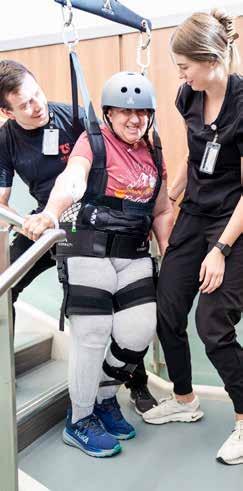
Not all obesity is the same. Injury to the hypothalamus can cause acquired hypothalamic obesity, a challenging, long-term disease demanding specialized support and management.
Learn more about Rhythm’s educational resources for you, your patients and their caregivers.
HCP.DifferentObesity.com
LEADING THE WAY IN COMPREHENSIVE BRAIN INJURY CARE
At Craig H. Neilsen Rehabilitation Hospital we deliver specialized, evidence-based care for individuals recovering from brain injury. Our nationally recognized Brain Injury Program supports patients and families at every stage from diagnosis, treatment, and recovery.
We provide comprehensive care for:
• Traumatic Brain Injury (TBI), including mild, moderate, and severe injuries
• Non-traumatic brain injury, such as stroke, tumor, infection, or anoxic injury
• Disorders of consciousness, including vegetative and minimally conscious states, through one of the few dedicated programs in the region and surrounding states
Why Choose Us?
Our interdisciplinary team—physicians, therapists, and rehabilitation specialists— works collaboratively to deliver individualized care that empowers patients and families. Whether recovering from a mild concussion or a severe brain injury, we support patients as they rebuild skills, regain independence, and return to their communities with confidence.
Actor portrayal
Rehabilitation in the Recovery of Coma and Disorders of Consciousness
Introduction
Disorders of Consciousness (DoC) after severe brain injury occur on a spectrum of clinical phenotypes that includes coma, vegetative state, minimally conscious state and post-traumatic confusional state.1 By definition, patients experiencing DoC have poor arousal and awareness and are unable to consistently follow commands or actively participate in goal-directed, purposeful activities. The absence of purposeful behaviors and active participation has historically limited access to specialized rehabilitation for patients experiencing DoC due to the perception or bias that these patients are unable to benefit from rehabilitation interventions that could improve the level of consciousness and function.2 Over the past several years, research studies and published evidence have validated the benefits of specialized post-acute rehabilitation in improving outcomes and decreasing secondary complications in DoC.3,4 Furthermore, the American Academy of Neurology DoC Practice Guidelines explicitly recommend that DoC patients be referred to specialized post-acute interdisciplinary rehabilitation once they are medically stable, demonstrating the importance of rehabilitation management in DoC.5
Rehabilitation specialists serve individuals after severe brain injury by providing therapeutic interventions, promoting increased arousal and awareness, and mitigating secondary complications. An interdisciplinary approach includes physical therapy, occupational therapy, speech-language pathologists, nurses, neuropsychologists and music therapists.6 Unfortunately, rehabilitation assessment, treatment planning and therapeutic interventions customized for patients with DoC are not generally included in didactic and clinical education for these specific disciplines.7,8 Usually, competence and expertise in rehabilitation for this population is acquired from bedside experience without standards or guidelines for education and training.
Consequently, rehabilitation specialists are unfamiliar with evidenceinformed therapeutic interventions and may ask the question, “What do I do with a patient who isn’t able to respond or participate?” We provide a synopsis of current and evolving evidence supporting rehabilitation interventions to facilitate increased arousal and responsiveness across the continuum of care to improve functional participation, decrease caregiver burden, and support quality longterm outcomes.
Neurobehavioral Serial Assessment
Consistent across national and international DoC practice guidelines is the implementation of standardized serial neurobehavioral assessment to systematically monitor the continuum of changes and progression of consciousness.5,9 Neurobehavioral assessment, such as with the Coma Recovery Scale-Revised (CRS-R), has been shown to assist in the process of diagnosis and neuro-prognostication due to increased sensitivity to early signs of arousal.10 Additionally, patient performance and scores on these standardized assessments guide rehabilitation care planning, goal setting and therapeutic interventions. Implementation of assessment at the bedside can vary by level of care and institution, but it is common for rehabilitation specialists to complete neurobehavioral serial assessment. A recent advance was the development of an abbreviated CRS-R called the CRSR- For Accelerated Standardized Testing (CRSR-FAST) which can be performed within 6 min vs. 30-40 minutes for the full CRS-R.11 This brief assessment has the potential to be incorporated into routine, daily clinical care and this may assist in earlier identification of signs of wakefulness.
Sensory Stimulation
Sensory stimulation is one of the most studied interventions to improve arousal for patients with DoC.12
Brooke Murtaugh, OTD, OTR/L, CBIST
Elizabeth Zink, PhD, RN, CCNS, CNRN, FNCS
Unimodal or multimodal sensory stimulation is provided to the patient at bedside to engage either one or multiple sensory systems (vision, auditory, tactile, olfactory, gustation, proprioception, vestibular) to facilitate increased arousal and awareness. Systematic reviews of clinical trials of sensory stimulation identify heterogeneity of stimulation dosing and protocols.12 An aspect of sensory stimulation implementation that does have consistency across studies is the provision of stimulation dosing multiple times a day. Additionally, evidence supports the use of meaningful, salient stimuli to be integrated into the stimulation. Familiar voices, sounds, objects or smells were found to elicit increased responses from patients.13 Reviews of sensory stimulation studies conclude that sensory stimulation demonstrates a positive effect on arousal and responsiveness, as measured by various outcome measures, including the CRS-R and Glasgow Coma Scale (GCS).14 Balancing periods of auditory and physical stimulation with periods of rest is essential in planning care for patients with DoC.
Intensive Mobilization
Intensive mobilization of patients experiencing DoC is recognized as an effective rehabilitation strategy. Mobilization and verticalization of individuals facilitate stimulation through proprioceptive, vestibular, tactile, and kinesthetic sensory pathways. Early mobilization, even within the acute care setting, has also been found beneficial after severe brain injury.12 A variety of mobilization modalities have been supported by the literature including postural changes, use of standing frames, tilt-tables, supine cycle ergometry and robot-assisted gait training. Various studies investigating the efficacy of these interventions report improvement in arousal and responsiveness.13 Additionally, minimal adverse events were reported and implementation of mobilization modalities were found feasible and safe for the DoC population.15 A team approach between rehabilitation therapists and nursing staff facilitate the greatest number of opportunities for mobilization, particularly during the acute hospitalization.
Median Nerve Stimulation
Median nerve electrical stimulation (MNES) is a non-invasive treatment that utilizes electrodes to transmit transcutaneous electrical stimulation along the median nerve in the forearm and wrist, most commonly applied to the right upper extremity. Studies have proposed that this process reactivates neuronal connections of the ascending reticular activation system eliciting an excitatory response resulting in increased arousal.16 A collection of systematic reviews support the efficacy of MNES through a variety of outcome measures such as the GCS. However, electrical stimulation settings and dosing were mixed across studies. More research is required to identify optimal dosing and prescription of MNES.12
Music Therapy
Music therapy in neurological rehabilitation has a strong historical foundation in the areas of stroke and acquired brain injury.17 Music therapy has been investigated within the DoC population for its effect on arousal and responsiveness.
Behavioral and physiological responses have been measured as outcomes of music therapy interventions. In the majority of studies, positive results in behavioral physiological parameters were found.12 Similar to other rehabilitation interventions discussed, dosing of music therapy was mixed. Furthermore, benefits of meaningful, biographical and interactive music modalities were also found to have a more positive impact in patient responses.17
Good rehabilitation restores function. Great rehabilitation is the art of rebuilding a life.
Mitigation of Secondary Complications
Patients experiencing DoC after severe brain injury are at substantial risk for secondary medical, neurologic, and neuromuscular complications. These complications can negatively impact recovery, especially if they recur. Furthermore, these complications can affect the accurate assessment of consciousness by preventing the patient from demonstrating their highest level of consciousness. Rehabilitation interventions, addressed in this article, can help mitigate these complications or reduce their frequency. Intensive mobilization decreases the risk of pneumonia, urinary tract infections, pressure injuries, deep vein thrombosis, and the deleterious effects of neuromuscular complications such as spasticity. Spasticity is common in patients in DoC with a prevalence of 59-95% and can limit a patient’s ability to actively move to follow commands. Spasticity can be a significant confound to assessment of consciousness. Physical and occupational therapy disciplines are specialized in providing interventions to address spasticity such as range of motion, splinting and serial casting.18
Conclusion
Patients experiencing DoC can benefit from early intensive and specialized multidisciplinary rehabilitation. Rehabilitation interventions can begin within days of injury and continue throughout the continuum of care support efforts to improve level of consciousness as well as decrease the risk of complications characteristic to the DoC population. Therapeutic interventions of sensory stimulation, intensive mobilization, MNES and music therapy have demonstrated improvements in level of consciousness. However, future efforts are imperative to conduct rigorous methodological research and clinical trials with larger cohorts of DoC patients to continue evaluating the efficacy of these interventions. Additionally, research methods need to investigate the dosing and timing of interventions to establish a standard for implementation. Provision of systematic education for interdisciplinary teams on evidence-based therapeutic interventions for DoC is crucial. Improving knowledge and competence in providing rehabilitation services to patients in DoC will continue to enhance the quality of care for this vulnerable and specialized patient population.
References
1. Giacino J, Katz DI, Schiff ND, Bodien Y. Assessment and rehabilitative management of individuals with disorders of consciousness. In: Brain Injury Medicine: Principles and Practice. Third. Demos Medical Publishing; 2022:447-461.
2. Emerging ethical issues in patients with disorders of consciousness: A clinical guide. In: Handbook of Clinical Neurology. Elsevier; 2025:217-236. doi:10.1016/b978-0-443-13408-1.00001-4
3. Seel RT, Douglas J, Dennison AC, Heaner S, Farris K, Rogers C. Specialized Early Treatment for Persons With Disorders of Consciousness: Program Components and Outcomes. Archives of Physical Medicine and Rehabilitation. 2013;94(10):1908-1923. doi:10.1016/j.apmr.2012.11.052
4. Saif M, Sharbatti SA, Nemmar A, et al. Outcomes of Neurorehabilitation Among Patients With Prolonged Disorders of Consciousness. Cureus. Published online May 10, 2023. doi:10.7759/cureus.38816
5. Giacino JT, Katz DI, Schiff ND, et al. Practice Guideline Update Recommendations Summary: Disorders of Consciousness. Archives of Physical Medicine and Rehabilitation. 2018;99(9):1699-1709. doi:10.1016/j. apmr.2018.07.001
6. Zhang B, O’Brien K, Woo J, et al. Specialized intensive inpatient rehabilitation is crucial and timesensitive for functional recovery from disorders of consciousness. Front Neurol. 2023;14. doi:10.3389/ fneur.2023.1126532
7. Commission on Accreditation in Physical Therapy Education. Published online 2024. Accessed October 15, 2025. https://www.capteonline.org/globalassets/capte-docs/2024-capte-pt-standards-required-elements.pdf
8. Accreditation Council for Occupational Therapy Education (ACOTE) standards and interpretive guide. Published online 2020. Accessed October 15, 2025. https://acoteonline.org/wp-content/ uploads/2020/11/2018-ACOTE-Standards.pdf
9. Kondziella D, Bender A, Diserens K, et al. European Academy of Neurology guideline on the diagnosis of coma and other disorders of consciousness. Euro J of Neurology. 2020;27(5):741-756. doi:10.1111/ene.14151
10. Murtaugh B, Shapiro Rosenbaum A. Clinical application of recommendations for neurobehavioral assessment in disorders of consciousness: an interdisciplinary approach. Front Hum Neurosci. 2023;17:1129466. doi:10.3389/fnhum.2023.1129466
11. Bodien YG, Vora I, Barra A, et al. Feasibility and Validity of the Coma Recovery Scale-Revised for Accelerated Standardized Testing: A Practical Assessment Tool for Detecting Consciousness in the Intensive Care Unit. Annals of Neurology. 2023;94(5):919-924. doi:10.1002/ana.26740
12. Murtaugh B, Morrissey AM, Fager S, Knight HE, Rushing J, Weaver J. Music, occupational, physical, and speech therapy interventions for patients in disorders of consciousness: An umbrella review. Schnakers C, Zasler ND, eds. NRE. 2024;54(1):109-127. doi:10.3233/NRE-230149
13. Liu S, Li X, Jiang S, Liu D, Wang J. A Review of Advances in Multimodal Treatment Strategies for Chronic Disorders of Consciousness Following Severe Traumatic Brain Injury. IJGM. 2025;Volume 18:771-786. doi:10.2147/ijgm.s502086
14. Weaver JA, Cogan AM, Watters K. Sensory Stimulation for Patients With Disorders of Consciousness Following a Traumatic Brain Injury (June 2013-October 2020). Am J Occup Ther. 2022;76(Suppl 2):7613393040. doi:10.5014/ajot.2022/76S2004
15. Rosenfelder MJ, Helmschrott VC, Willacker L, Einhäupl B, Raiser TM, Bender A. Effect of robotic tilt table verticalization on recovery in patients with disorders of consciousness: a randomized controlled trial. J Neurol. 2023;270(3):1721-1734. doi:10.1007/s00415-022-11508-x
16. Weaver JA, Cogan AM, Watters K. Noninvasive Nerve Stimulation for Patients With Disorders of Consciousness Following a Traumatic Brain Injury (June 2013-October 2020). Am J Occup Ther. 2022;76(Suppl 2):7613393010. doi:10.5014/ajot.2022/76S2001
17. Grimm T, Kreutz G. Music interventions in disorders of consciousness (DOC) – a systematic review. Brain Injury. 2018;32(6):704-714. doi:10.1080/02699052.2018.1451657
18. Woo JE, Azariah A, Reed EA, Gut N. Medical, Neurologic, and Neuromusculoskeletal Complications. Phys Med Rehabil Clin N Am. 2024;35(1):127-144. doi:10.1016/j.pmr.2023.06.024
Author Bios
Dr. Brooke Murtaugh is the Brain Injury Program Manager at Madonna Rehabilitation Hospitals in Nebraska and specializes in caring for patients with Disorders of Consciousness. She is the co-chair of the Curing Coma Campaign’s Care of the Patient in Coma (COPIC) scientific working group. Her past and current research has focused on acute and post-acute care management and rehabilitation with patients experiencing Disorders of Consciousness.
Elizabeth Zink is a Clinical Nurse Specialist in the Neurocritical Care Unit at the Johns Hopkins Hospital. Dr. Zink has worked as a staff nurse, nurse practitioner and clinical nurse specialist over the past 28 years in the areas of neurocritical care and stroke, managing clinical care, research and education at the patient, staff and systems level.

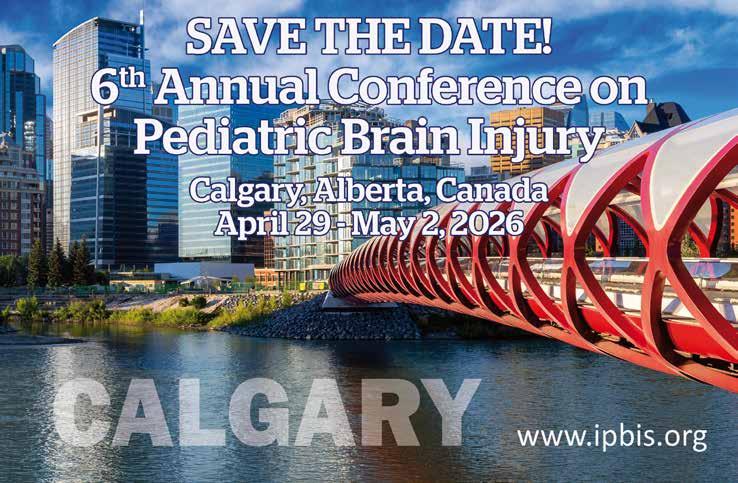



In our esteemed hospitals, compassion and commitment to groundbreaking technology work together to treat the most complex cases.
It’s where the very best in physical medicine and rehabilitation bring out our patient’s very best. Where world-class medical minds lift them up. Where over 60 years of breakthroughs in research and technology are dedicated to their newfound strength. Where hope outshines all.
This is something greater than rehabilitation. It’s renewed strength for life. See care in a new light.











Kyan Clausen - Norfolk, Nebraska Brain Injury & Major Multiple Trauma Survivor
Improving Neuroprognostication Globally and Locally: The Consciousness
Prognostication and Recovery Consortium
David Fischer, MD

For patients with disorders of consciousness (DoC) following acute brain injury, neuroprognostication is crucial. The prediction of the extent and quality of their neurologic recovery often influences whether families choose to continue care or withdraw life-sustaining treatments, and thus whether patients live or die. In fact, the leading cause of mortality in patients with DoC is the withdrawal of lifesustaining treatments due to a poor neurologic prognosis.1 It is thus critical that neuroprognostication is conducted accurately, as failing to do so could result in catastrophic error – if we are too optimistic, we might condemn patients to disability they find unacceptable, or worse, if we are too pessimistic, we might cause preventable death.
In light of these risks, one might think that neuroprognostication is conducted systematically, and in accordance with scientific evidence and clinical guidelines. But it isn’t. Neuroprognostication practices are highly variable between providers, and between institutions. The chances that life-sustaining treatments are withdrawn differ by up to 60% between institutions, even after controlling for clinical variables.1 And neuroprognostication frequently deviates from clinical guidelines. For example, despite multiple clinical guidelines encouraging multimodal prognostic testing after cardiac arrest (e.g., neuroimaging, electroencephalography, serologic biomarkers), one study indicated that less than 10% of patients undergo a single prognostic test, and only 2% undergo multiple.2 These variable and non-evidence-based practices raise the concern that physicians may be causing excess morbidity and mortality with their neuroprognostication determinations. One study estimated that 16% of patients who have life-sustaining treatment withdrawn after cardiac arrest would have made a robust neurologic recovery if given the opportunity.1 Others have estimated substantial potential recovery rates for patients who have life-sustaining treatment withdrawn after traumatic brain injury as well.3
Why are clinicians so susceptible to error in such a profoundly impactful determination? One likely explanation is that the clinical infrastructure for neuroprognostication is inherently flawed. The clinicians who provide neuroprognostication during the acute hospitalization – often neurologists and neurointensivists –frequently operate in isolation, and do not routinely collaborate with other disciplines relevant to neuroprognostication (such as neuroradiology, physiatry, or palliative care). Frequently, for the responsible clinicians, neuroprognostication is not their sole focus. It is challenging for any neurologist or neurointensivist to dedicate time and attention to neuroprognostication, let alone facilitate the translation of emerging prognostic techniques into clinical practice, when they are simultaneously responsible for actively managing numerous critically ill patients.
Finally, and perhaps most importantly, the neuroprognosticating clinicians are frequently not involved in longitudinal care for these patients – neurointensivists, for example, are one of the few disciplines in neurology that frequently lack an outpatient clinic. As a result, ironically, neuroprognosticating clinicians often do not see the recoveries they are trying to predict. This fact precludes them from obtaining feedback about their predictions, and hampers their ability to counsel families based on first-hand experience with recovery.
The conventional model for neuroprognostication is highly fragmented, across multiple dimensions. Neuroprognosticating clinicians have a fragmented focus, there is fragmentation between disciplines, there is fragmentation between the advances of research and clinical care, and there is a fragmentation across time. It is perhaps unsurprising, therefore, that neuroprognostication practices are variable, fail to reflect current evidence, and are sometimes frankly inaccurate. Our conventional infrastructure fails to provide responsible clinicians with the support, resources, and information they need to make these determinations more consistently or more accurately, or at least, to learn from their mistakes.
To address these limitations of conventional neuroprognostication, we have begun advocating for specialized, multidisciplinary, and longitudinal programs for patients with DoC. At my local institution, we have implemented a version of this that we call the Recovery of Consciousness Via Evidence-Based Medicine and Research (RECOVER) Program.4 In our RECOVER program, we have a dedicated interdisciplinary consultation service focused on neuroprognostication. The team includes a neurologist (who leads the evaluations), a physiatrist (who speaks to rehabilitation needs and prospects), a palliative care specialist (who focuses on clarifying the patient’s goals and values), a neuroradiologist (who interprets neuroimaging), an epileptologist (who interprets neurophysiology), a team of physical therapists, occupational therapists and speech language pathologists (who conduct serial behavioral assessments), and a social worker (who coordinates available resources postdischarge).
We collect prognostic data systematically, and in accordance with guidelines and available evidence. Whenever feasible we aim to translate emerging data in the literature to clinical practice. For example, whereas most prognostic testing has historically focused on predicting poor outcomes, emerging techniques such as resting state functional magnetic resonance imaging – which measures the integrity of brain networks through patterns of brain activity – has been shown to help predict more positive outcomes.
We have collaborated with neuroradiology to make this testing available for our patients, which has helped to complement our conventional testing.
We meet as a multidisciplinary team weekly to discuss each patient, to review their clinical data in detail, and to resolve discrepancies between tests. This consensus-based approach to neuroprognostication helps mitigate bias and error that may be introduced by any individual, and we counsel families using these collaborative determinations. For families that wish to continue lifesustaining treatments, we then provide longitudinal support through a partnership with our local long-term acute care hospital (LTACH) and through an outpatient clinic, where patients and families can maintain continuity with their neuroprognosticating providers.
We have found numerous benefits of this model. This specialized approach to neuroprognostication has been associated with improved attitudes among ICU providers, who appreciate the consistent and attentive care.5 Ongoing work suggests this specialized model may additionally improve guideline-adherent neuroprognostication practices and may even be associated with improved patient outcomes. However, there are many less tangible benefits as well. Following patients and families longitudinally provides invaluable insights into what the spectrum of recoveries looks like, and what matters to patients and families in their care in their recoveries. These insights and feedback allow us to constantly improve our neuroprognostication practices, to provide more accurate and thoughtful guidance to patient families.
Though I have seen the benefits of this model locally, its impact is limited. Our institution cares for only a tiny fraction of the patients and families who need neuroprognostication, across the country and across the world.
A major question is whether, and how, this model can be scaled to provide specialized neuroprognostication to anyone who needs it.
With the endorsement and support of the Neurocritical Care Society’s Curing Coma Campaign, we have organized a Consciousness Prognostication and Recovery Consortium, which aims to promote specialized neuroprognostication at scale. The mission of the Consortium is to advance consciousness prognostication and recovery (CPR) care for patients with DoC globally, through coordinated efforts locally. The Consortium brings together an international network of providers – including physicians, nurses, advanced practice providers, rehabilitation professionals, and social workers – who are dedicated to improving CPR care at their local institutions. Importantly, neuroprognostication is a major but not sole focus of the Consortium, which seeks to advance other aspects of DoC care as well, including evaluations of consciousness and therapeutics to promote consciousness recovery.
The Consortium convenes to discuss practical interventions that can be implemented across institutions to improve CPR care. To date, the Consortium comprises over 100 members, representing institutions from across the country and across the world. All members seek to improve CPR care at their local institution, though each institution varies with respect to its current CPR practices and future goals. Strategies to improve CPR care may include one or more of the following: implementing specialized inpatient consultation, standardizing evidence-based practices, fostering multidisciplinary collaboration, providing longitudinal care, clinically translating emerging techniques, facilitating research, and bolstering trainee education.
The Consortium allows members to exchange experiences, collectively learn about the latest in the field, harmonize approaches, and standardize data collection for multi-center studies.
The Consortium’s focus on grassroots efforts to improve local CPR care complements the conceptual frameworks and guidelines established by organizations such as the Curing Coma Campaign. The aim is for these efforts to co-exist synergistically, with the Consortium facilitating both the pragmatic implementation of broader initiatives and the collection of data to inform those initiatives.
Neuroprognostication is a critical service for patients with brain injury, but traditionally has been hampered by variability and inaccuracy. These obstacles are less a reflection of healthcare providers, who serve their patients with the best intentions, and more a reflection of the infrastructure they work within, which impedes crosstalk between disciplines and feedback across time. The Consciousness Prognostication and Recovery Consortium seeks to overcome these obstacles by improving and harmonizing local practices. Our hope is that, combined, these local efforts will have a global impact, both improving neuroprognostication in the present while advancing it for the future.
DoC transcends the boundaries that medicine has historically imposed on itself. Patients with DoC often encounter a revolving door of providers, including emergency medicine physicians, intensivists, neurologists, physiatrists, palliative care specialists, and rehabilitation professionals. Each specialty sees a part of DoC, but not the whole picture.
Comprehensive DoC care will require coordination between specialties and across time. The Consortium strives to achieve this coordination at scale, and with sufficient engagement, could pave the way for a new, multidisciplinary field of Consciousness Prognostication and Recovery.
References
1. Elmer, J. et al. Association of early withdrawal of life-sustaining therapy for perceived neurological prognosis with mortality after cardiac arrest. Resuscitation 102, 127–135 (2016).
2. Elmer, J., Steinberg, A. & Callaway, C. W. Paucity of neuroprognostic testing after cardiac arrest in the United States. Resuscitation 1–6 (2023).
3. Sanders, W. R. et al. Recovery potential in patients who died after withdrawal of life-sustaining treatment : A TRACK-TBI propensity score analysis. J. Neurotrauma 1–13 (2024) doi:10.1089/neu.2024.0014.
4. Fischer, D. et al. The Recovery of Consciousness via Evidence-Based Medicine and Research (RECOVER) Program: A paradigm for advancing neuroprognostication. Neurol. Clin. Pract. 14, e200351 (2024).
5. Fischer, D. et al. Implementation of a specialized neuroprognostication consultation program and associated provider attitudes: A survey-based study. Resusc. Plus 23, 100932 (2025).
Author Bio
David Fischer, MD is a neurointensivist and Assistant Professor of Neurology at the University of Pennsylvania. He is interested in the detection, prediction, and promotion of consciousness recovery after acute severe brain injury. He is the founding director of the Recovery of Consciousness Via Evidence-Based Medicine and Research (RECOVER) Program at the University of Pennsylvania, a model that aims to provide specialized, comprehensive, and longitudinal care to patients with disorders of consciousness after brain injury. He founded the Consciousness Prognostication and Recovery Consortium to coordinate efforts to locally improve the care of disorders of consciousness worldwide.
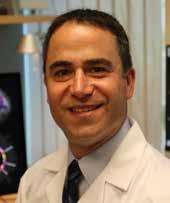
expert interview BIP
An Interview with Brian Edlow, hosted by DaiWai Olson
Dr. Brian Edlow is a critical care neurologist at Massachusetts General Hospital, Vice Chair of Research at Mass General Brigham Neurology, and Associate Professor of Neurology at Harvard Medical School. He is the founding Director of the MGH Emerging Consciousness Program and Associate Director of the MGH Center for Neurotechnology and Neurorecovery. Dr. Edlow's research focuses on the development of advanced neurotechnologies to detect, predict, and promote recovery of consciousness after severe brain injury.
DaiWai Olson: Coma is based on the clinical exam. Will that change in the future?
Brian Edlow: The bedside neurological examination will always be fundamental to the evaluation of patients with severe brain injuries, period. The diagnosis of coma has historically been based upon assessment of wakefulness and awareness. Will a patient open their eyes? What is their motor function? Can they move their arms and legs purposefully? And, what is the assessment of their basic reflexes? What can we tell by looking at their eyes?
Yet, while these will continue to be an essential component of the evaluation of this patient population, I would propose that the evaluation of comatose patients is already changing beyond a behavior-focused paradigm toward the incorporation of advanced neurotechnologies. If we look at the clinical guidelines published in the United States in 2018 as well as the European guidelines published in 2020, what we see is that they endorse the integration of task-based functional MRI and EEG.
These task-based clinical evaluations of patients with severe brain injuries and disorders of consciousness are already being recommended by experts in our field, because they can detect signs of consciousness that are missed on a bedside behavioral examination. Advanced technologies may not be available at every hospital, but they are already showing promise for their potential to shed light on a patient's current level of brain function and chances for future recovery. So while the bedside neurological exam will, in my opinion, always be an essential component of the evaluation of patients with severe brain injuries, we - as a clinical community - should already be looking toward the integration of advanced neurotechnologies because emerging evidence is showing that the bedside exam does not always detect consciousness in patients who are aware.
DaiWai Olson: What breakthrough do we need or has already been made to let us know we can Cure Coma?
Brian Edlow: There have been a series of breakthroughs over the last two decades that provide not just hope, but optimism. Optimism that it will someday be possible to awaken patients out of coma. Starting with the groundbreaking deep brain stimulation study published by Schiff, Giacino and colleagues in Nature in 2007 and followed by a series of pharmacologic and neuromodulatory devicebased studies that followed over the ensuing years. Multiple clinical studies have now shown that it is possible to restore meaningful brain function, including communication and self-expression, in patients who have severe brain injuries.
These studies provide a basis for optimism that it will someday be possible to reactivate and re-engage dormant brain circuits in patients who have had a severe brain injury.
But we also have to acknowledge that there will likely be some patients who do not respond to these types of therapies. I think it's important for us to acknowledge that there may be some patients whose brain injuries, even with state-of-the-art technologies, may never allow that individual to regain consciousness, but there are likely many patients who could reach higher levels of consciousness and function.
We need to figure out - as a community- how to optimize current investigational therapies and how to identify the patients who are most likely to benefit from them.
(And it's that second part of the discussion that I think is critically important for us to focus on) as new therapies are being developed, pharmacologic and device-based, we need better brain mapping tools to identify which patients are physiologically receptive to each different type of therapy. It may be that one patient has the potential to respond to thalamic deep brain stimulation, but not dopaminergic stimulant therapy, whereas another patient might be more responsive to pharmacologic therapy as compared to devicebased therapy.
These are complex issues that are currently beyond the scope of clinical care, but with advances in structural brain imaging and functional brain imaging, there's the potential to create personalized brain maps or “fingerprints” that could be used to select individual patients for targeted therapies. We as a clinical community should be approaching this challenge along two parallel paths. First, we need to optimize our armamentarium of pharmacologic and devicebased therapies so that they engage dormant brain networks and stimulate the brain in such a way that consciousness, communication and functional independence can be restored. By optimizing those therapies, we will ensure that each patient who receives them has the best chance for long term recovery and for returning to their family and back to their community.
In parallel, we need to be developing advanced imaging technologies that will map each individual patient's brain to allow clinicians to select which patients will benefit in the future from state-of-the-art therapies. Only by merging these two efforts, the optimization of our therapeutic paradigms and the development of personalized brain mapping tools, can our field reach its potential for restoring consciousness in patients with severe brain injuries.
DaiWai Olson: Coma Centers of Excellence -or- excellent coma care at every hospital?
Brian Edlow: Both. And the reason I say both is - there will always be specialty centers, academic medical centers that, by nature of their institutional infrastructure and resources, have greater access to advanced neurotechnologies, and to the expert personnel who are needed to deploy those technologies and interpret the data that they generate.
However, the goal of our Curing Coma® Campaign is not to advance care at a select number of academic institutions, but rather to improve the standard of care globally. To achieve that latter goal, we need to enable excellent coma care at every hospital.
The way to have excellent care at every hospital is to acknowledge that not every community Hospital or hospital in an resourcechallenged setting will have access to the same advanced technologies. But there are certain tests that are well established for detecting signs of covert consciousness that are relatively inexpensive and feasible to deploy even in resource limited settings. Technologies for which the data could be sent in a HIPAA-compliant de-identified manner to specialty centers or hubs in a hub-andspoke-network whereby the local community hospital acquires data and sends it to experts at an academic center of excellence. The data are then processed and analyzed using state-of-the-art techniques. Then the results are sent back to the community hospitals. Essentially, linking hospitals that do not have the resources to do these types of evaluations on their own to those that have the resources.
And the particular technology that I would focus on here is electroencephalography (EEG). Recent studies suggest that EEG and functional MRI detect signs of covert consciousness at similar rates. A major advantage of EEG is that it is less expensive to administer and far more accessible, particularly for patients in the acute care setting. EEG can often be performed earlier in an individual's care because the data can be acquired even when the intracranial pressure might be elevated. Unlike MRI where there can be safety limitations to acquiring data in patients with elevated intracranial pressure. One could imagine that community hospitals would have access to a relatively inexpensive EEG system, and they would perform advanced assessments for covert consciousness using task-based EEG, or using language stimuli and a variety of other paradigms.
Once acquired, these centers could then send those data in a secure manner to specialty centers linking these community hospitals with academic centers of excellence, and the data could be sent back rapidly within 24 hours for interpretation by clinicians and families. And to guide development of this type of system, there are several precedents for a hub and spoke model of care. For example, telestroke networks that have been set up all over our country and globally already provide us with a road map for how to establish this type of system. While there's certainly many other types of clinical partnerships and collaborations that should be established between community centers and academic centers over the next 5 to 10 years, I would point to the evaluation of covert consciousness as a prime focus, or perhaps an initial priority for these efforts, with the motivation being the work coming out of Jan Claassen's lab at Columbia and labs at other institutions showing that the presence of covert consciousness may predict long term functional recovery.
DaiWai Olson: Is communication through brain-computer interfaces (BCI) even without physical independence an important goal?
Brian Edlow: Yes, self-expression is fundamentally important to the human condition.
There are numerous studies showing that when a patient regains the ability to express themselves, whether it's through verbal speech or through a brain computer interface or other type of assisted communication device, the restoration of that communication substantially improves that individual's quality of life. I think we all understand this intuitively. Communicating with one's loved ones and friends is part of what makes life enjoyable and what makes a life fulfilling and worth living.
Any effort that we, as a clinical community, can make to restore communication through brain computer interfaces, invasive or noninvasive, I would propose is a fundamentally important goal that we all should share. Whether that individual continues to have physical disability or not. Certainly, such disability could affect their quality of life, but the restoration of communication is likely to dramatically improve that individual's happiness, regardless of whether they're physically disabled. Again, there are numerous studies, qualitative analyses, and interview-based studies showing that the ability to express oneself has a substantial impact on happiness and quality of life regardless of physical dependence. Beyond quality of life, there are also considerations with respect to guiding ongoing medical treatment.
Some patients are not able to express whether they are in pain. Hence, they are not able to receive appropriate pain medication. Some patients who would like to participate in care decisions in a shared decision-making model are unable to do so until they get access to a BCI system. For them, the ability to communicate should be restored. Even beyond individual quality of life, there are practical benefits from a healthcare administration standpoint that are facilitated by a BCI.
BCI is an area where the scientific reality over the last 5 to 10 years has begun to mimic what many of us would have considered science fiction just a few short years ago. I point here to the groundbreaking work coming out of the BrainGate Lab at the Massachusetts General Hospital Center for Neurotechnology and Neurorecovery, led by Leigh Hochberg. This work provides the ability to express oneself through thoughts via BCI. Decoding those thoughts has rapidly advanced to the point where individuals who are unable to move their arms or legs or cannot speak are now able to communicate with their families via their thoughts. They are able to write emails through their thoughts. Their thoughts are being decoded by a BCI to control robotic limbs.
The progress that has been made in just the last few years is staggering. There is a rapidly growing interest not just in academia but also in industry in this field. I think that we can be very hopeful that BCI are likely to become even more powerful for restoring communication over the next few years - and more widely accessible.
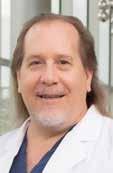
About the Interviewer
DaiWai Olson is a Professor of Neurology and Neurological Surgery at the University of Texas Southwestern in Dallas, TX. He has been a critical care nurse for 40 years and obtained his PhD from the University of North Carolina. He is the Editor for the Journal of Neuroscience Nursing and the co-chair of the Curing Coma Campaign.