INSIGHT From Guesswork to
How AI is Changing the Way Centers Operate

THC DRINKS Already Behind The Bar TEEN TAKEOVERS Handling Crowds That Escalate








THC DRINKS Already Behind The Bar TEEN TAKEOVERS Handling Crowds That Escalate
By Stephanie Davis
If it feels like everything is getting more complicated, you’re not wrong. Operators are being asked to make faster decisions, manage bigger crowds, push for more revenue and better margins, and somehow still find great employees, all at the same time. The centers that are keeping up aren’t working harder. They’re working smarter.
This issue of IBI takes a closer look at three areas where that shift is showing up in very real ways.
Our cover story by Ryan Vasko dives into AI, but not the intimidating, overhyped version. It breaks down how to use the data you already have to make better decisions— from smarter staffing to more targeted marketing to understanding what your guests are likely to do next instead of guessing.
Ryan walks through how AI is already embedded in many of the systems you’re likely already using every day—from booking platforms to cashless and marketing tools. Those systems are starting to surface patterns, predict behavior, and guide decisions in real time.
AI isn’t just something you can learn to “use.” It’s increasingly built into the technology you’re buying.
And the question isn’t if you’ll use it. It’s whether you’re paying attention to what it’s telling you.
Let’s talk about something less fun, but a very real safety concern. Teen takeovers.
In this piece, Jackie Fisher breaks down what entertainment operators across the country are starting to experience: large groups of teens organizing on social media, arriving all at once, and quickly overwhelming a facility.
What makes these situations challenging isn’t just the size of the group, it’s how fast things can escalate and how difficult it is for staff to react in the moment if there isn’t a clear plan in place. Jackie connects with a law enforcement professional to walk through what that plan should look like and how operators can prepare ahead of time.
Spoiler alert: preparedness and having a plan your staff understands are critical. Because when things go sideways, there’s no time to pause and figure it out.
Operators continue to report that staffing still feels like a moving target.
In this issue, Sheryl Bindelglass flips the script: stop chasing people and start attracting them.
The centers that are winning here aren’t just posting jobs and hoping for the best. They’re building a place people actually want to work and making it easy for them to say yes.
Sheryl shares practical tips and takeaways that operators are already using with success. Compensation matters, of course, but she highlights a range of factors that go well beyond pay— from culture and flexibility to how candidates experience your hiring process—that influence who applies and who stays.
The strongest operators are also turning their teams into recruiters, leaning on referrals, social content, and word-ofmouth to bring in people who are already a better fit.
It’s less about “we’re hiring” and more about “why would someone pick you?”
Different topics. Same theme.
The operators who are ahead right now are the ones who are paying attention to their data, preparing before problems happen, and being deliberate about how they build their team. And right now, that’s what separates the centers that are keeping up from the ones that are starting to fall behind.

As always, we love hearing from you. If your center has news, lessons, or ideas worth sharing, drop us a note. The best strategies in this business are often happening quietly, and we want to tell those stories. •
– Stephanie Davis, Publisher & Editor stephanie@bowlingindustry.com
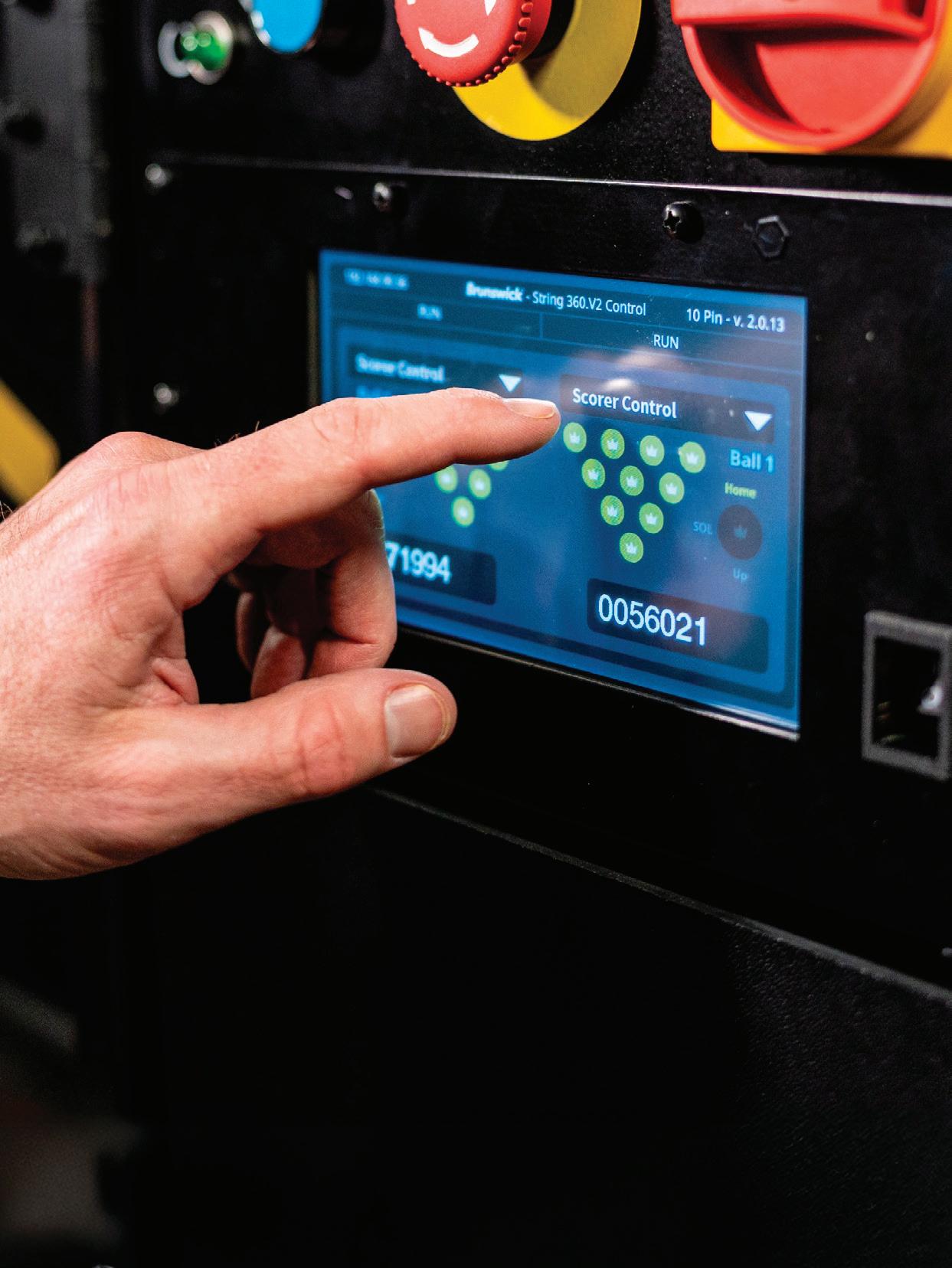

USBC-CERTIFIED, PBA-APPROVED DUAL-PURPOSE STRING PINSETTER FEATURING THE 360 TOUCHSCREEN CONTROLLER
Boost ST is in a class by itself. As the industry’s proven USBC-certified, PBA-approved dual-purpose string pinsetter, Boost ST supports league and tournament play while handling the demands of high-volume open play. Advanced sport technologies—including Precise String-Length Optimization, an intuitive touchscreen interface, and the 360 Controller—elevate performance, safety, operational efficiency, and the bowler experience. The world’s only cloud-enabled string pinsetter, Boost ST is ready to evolve with your business. Compatible with any major scoring system—and even better with Sync. BRUNSWICKBOWLING.COM/BOOST

If you run an entertainment center, you’ve probably asked yourself some version of the same frustrating question: Where did all the applicants go?
Not that long ago, posting a job meant you would be sorting through a stack of resumes, picking and choosing whom to call, and taking your time to find the right fit. You could be selective and wait for the right fit.
Today? Applications trickle in. Interviews get scheduled—and then half the candidates don’t show up. Some arrive late or unprepared. Others accept the job, seem excited, and then vanish before their first shift. You think you’ve solved the problem, only to find yourself right back where you started.
That constant cycle puts pressure on the team members who do show up, and over time, that takes a toll on your operation. If this sounds familiar, you’re not alone. This is happening across bowling centers, family entertainment centers, trampoline parks, and attractions everywhere.
The good news is that while there’s no magic fix, there are operators who are consistently attracting more applicants, and better ones. They’re not getting lucky. They’re doing things differently.
They’ve become employee magnets.
CULTURE DRIVES YOUR HIRING
Let’s clear something up right away. Pay matters, and it has to be fair and competitive. But it’s rarely the deciding factor when someone chooses where to work—especially in hourly, part-time environments.
What really separates one employer from another is culture. Compensation might get someone to look at your job posting. Culture is what makes them choose you, and why they stay.
That starts with some honest questions. Do your managers genuinely care about their team? Are they coaching, supporting, and recognizing people regularly, or just managing shifts? Is your workplace actually fun for employees, or is all the “fun” reserved for the guests?
You’re in the fun business. Your team should feel that too. If your guest experience is energetic and engaging, but the employee experience feels routine or transactional, there’s a disconnect, and candidates can sense it quickly.
By Sheryl Bindelglass
A good gut check is this: if your community held a “Best Place to Work” contest, would your center be in the running? If not, why would a high-quality candidate pick you over another option?
Today’s workforce, especially students and part-time employees, are looking for more than a paycheck. They want:
• Flexibility that works around their life
• A sense of belonging
• Coworkers they genuinely enjoy being around
• Managers who treat them with respect
• To feel seen and valued, not just scheduled
Culture isn’t something that shows up overnight. It’s built deliberately in the small, everyday moments: how managers respond under pressure, how wins are celebrated, how mistakes are handled, and whether employees feel like they matter beyond their shift.
MAKE
Even if you have a great culture, it won’t matter if your application process turns people away before they even get started. If applying feels long, clunky, or impersonal, candidates will move on.
The best operators use short, mobile-friendly applications, remove unnecessary questions and respond quickly (speed matters!). They also treat the application like a first impression – not a check box or paperwork.
Your job posting needs to do more than list responsibilities. Most job ads sound the same and that’s part of the problem. Your job ad is marketing. It’s often the first impression someone has of you as an employer. If it feels generic or uninspired, that’s the message you’re sending about your workplace.
Operators who stand out use their job postings to show personality, highlight their team, and give candidates a reason to picture themselves working there. They sell the experience not just the shift.
• Respond to every applicant within 24 hours
• Cut your application to under 5 minutes
• Add photos or video to job posts
• Launch a simple referral bonus
• Post one behind-the-scenes staff video weekly
• Ask every employee: “Who should work here?”
Your best recruiters are already on your payroll. People trust people. When a potential applicant hears directly from someone who already works for you, it carries far more weight than anything written in a job description.
The centers that consistently attract great people don’t rely solely on job boards. They activate their team. Encourage your team to:
• Share open positions with friends
• Create short videos explaining why they enjoy working there
• Post behind-the-scenes moments on social media
• Invite friends to apply
Just as important is what happens after someone is hired. Pairing new employees with a buddy or mentor helps them feel connected right away. It gives them a go-to person for questions and helps them understand the culture faster.
Belonging isn’t just a nice idea; it's a key part of retention!
The most successful operators treat recruiting as an ongoing system. They set aside time each week to focus on hiring. They involve managers in the process. They create simple budgets to support recruiting efforts. And they consistently encourage referrals.
They also look beyond their four walls and build relationships in the community. Think about the people who regularly connect with the type of employees you’re trying to hire: coaches, dance instructors, theater directors, guidance counselors, hospitality staff, and community leaders. These individuals are often in direct contact with students and part-time job seekers and can become a steady source of referrals.
• Recognition programs
• Growth opportunities
• Leadership development
• Free uniforms (that are fun, not boring or ugly)
• A positive, fun work environment
WHAT APPLICANTS NOTICE
• How easy it is to apply
• How fast you respond
• How your team presents itself
• Whether your brand feels fun or flat
• If your managers seem approachable


Top operators don’t flip a switch when they need staff. They’re always recruiting.
hey regularly review what’s working and what’s not. They brainstorm new ideas as a team and continue promoting their workplace even when they’re fully staffed. They also build a pipeline of candidates so they can be selective when hiring.
When you need people immediately, you’re forced to react, and that’s when standards slip, training suffers, and turnover rises, pulling you right back into the cycle.
Recruiting doesn’t have to feel like a chore. When you lean into creativity, energy, and personality, it becomes something your team can actually enjoy being part of. And that shows.
un attracts fun. A strong culture attracts strong people. And those people are the ones who create great guest experiences.
The real question isn’t why applicants aren’t showing up. It’s what you’re doing about it.
When you build relationships with them and stay in touch, you create a network of people who naturally think of your business when someone asks, “Do you know a good place to work?” Over time, that network becomes one of your most reliable sources of talent.
SELL THE PERKS
Another common mistake is underselling what you offer. Many operators focus almost entirely on pay, but perks play a huge role in how a job is perceived, especially for younger and part-time employees.
PERKS EMPLOYEES NOTICE:
• Flexible scheduling
• Free or discounted attractions
• Team events and celebrations
The centers that solve staffing don’t sit back and hope. They actively attract, engage, and keep the right people. Recruiting gets the same attention as marketing and guest experience: consistent, creative, and intentional.
Do that, and staffing stops being a problem and starts becoming your edge. •

Sheryl Bindleglass, aka
, is the founder of Sheryl Golf, a nationally recognized business enhancement firm serving the golf, recreation, family entertainment, and retail industries. Her mission is to deliver practical, easy-to-implement solutions that boost profits, streamline operations, and keep core customers happy, entertained, and coming back for more.
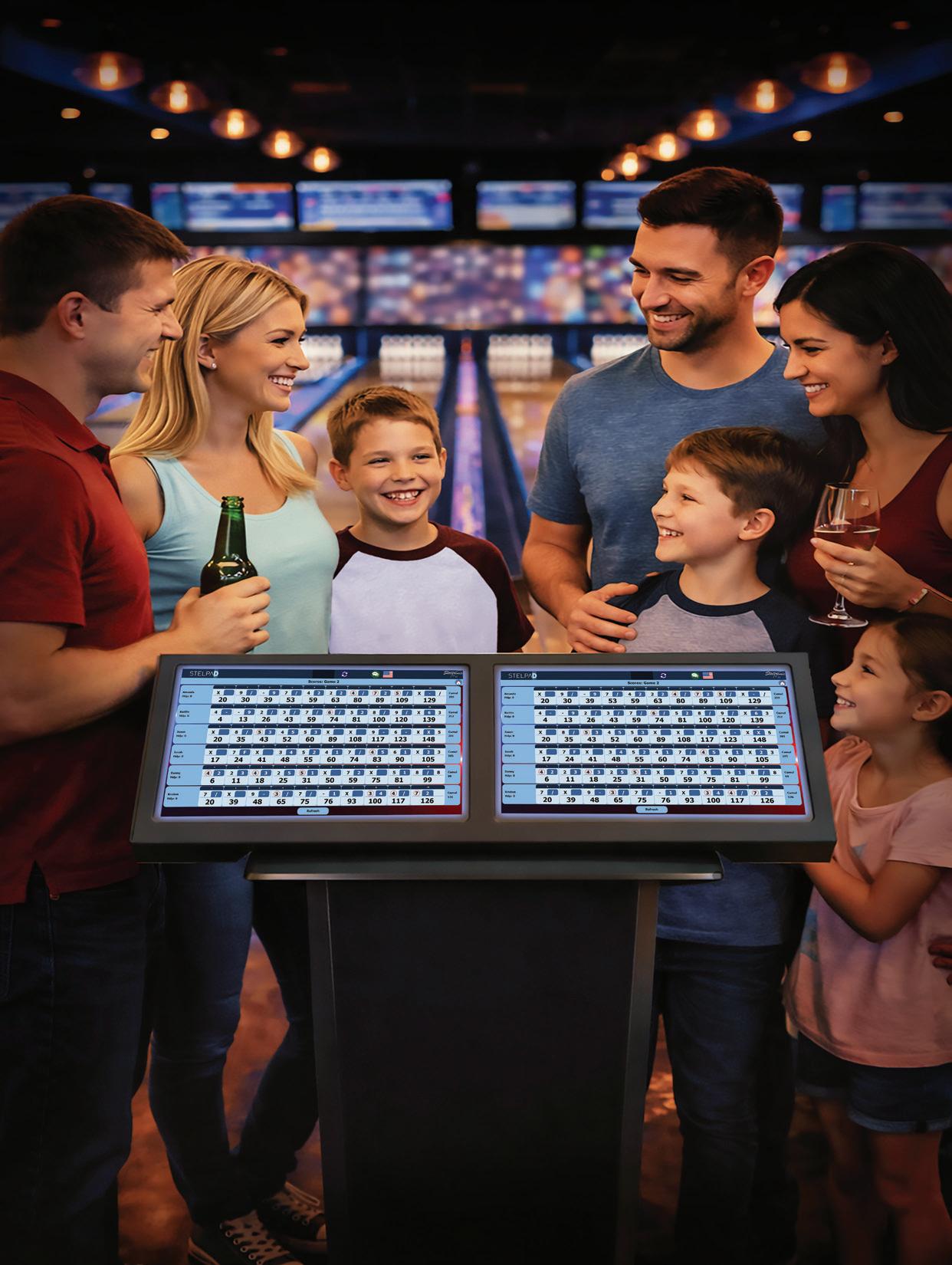

It starts like any other night. Lanes are full. Music is up. Families are bowling. Then a group of teens walks in. Then more. Then dozens. Voices get louder. Someone starts filming. A shove turns into a fight.
And suddenly, the only question that matters is: “What do we do?”
Operators across the country have started reporting incidents like this. They’re often referred to as “teen takeovers.” Groups organize on social media and show up at the same venue at the same time. Sometimes it stays under control. Other times it escalates quickly.
Bowling centers and family entertainment venues are built to welcome large crowds. That openness is part of the appeal. But it can also make situations like this hard to manage. Operators who have dealt with these incidents say the same thing. You cannot figure out your response while it’s happening. IBI reached out to a law enforcement professional for guidance on the best way to create a plan ahead of time.
Most incidents follow a predictable pattern. A large group of teens arrives within a short window of time, often without reservations or plans to purchase activities. The group spreads throughout the building, making it harder for staff to monitor behavior or identify potential issues early. From there, situations can escalate quickly.
The challenge is responding in real time. When staff are unsure what to do, valuable minutes are lost. That’s where a clear, practiced Emergency Action Plan becomes essential. And that plan should work for more than just teen takeovers—it can apply to any major disruption, whether it’s a fight, robbery, medical emergency, or large disturbance.
When a disturbance begins, the goal is not to control the crowd. The goal is to clear the building safely. Operators who have dealt with these situations recommend a simple response sequence:
• Call 911 immediately.
• Turn on all house lights.
• Turn music off.
By Jackie Fisher
• Make a calm announcement over the PA system: “Please exit the building.”
• Repeat the message calmly as needed. Clear instructions help reduce confusion and encourage guests to move toward exits.
• Lane stop buttons should be activated.
• The bar and kitchen should be secured if it is safe to do so.
• Staff should focus on directing guests outside rather than attempting to break up fights.
• Exterior doors should remain open so guests can exit quickly.
The goal is to create space and separate guests from whatever disturbance is happening inside. Again, the goal is not to control the crowd; it is to clear the building safely.
Many operators use simple codes, so staff know immediately when emergency procedures begin.
• Code Red: Major disturbance or fight requiring police response
• Code Blue: Medical emergency
• Code Adam: Lost child
For example, if a manager announces “Code Red” over the PA system, staff immediately understand that emergency procedures are in effect.
Clear communication helps prevent confusion during stressful situations.




The most important work happens before an incident occurs. Operators should regularly review several key areas:
• Make sure security cameras are functioning both inside and outside the building. It’s imperative to check lighting, especially in parking lots and entry areas.
• As per fire codes, confirm that exits are clearly marked and unobstructed.
• Of course, review insurance coverage related to property damage or injuries.
• Another oftenneglected piece of emergency management is the employee manual; it should include emergency procedures and important information such as the facility’s full address so staff can relay it quickly to emergency responders.
regular drive-by patrols or allow officers to complete reports in the parking lot. The increased presence can also discourage disruptive behavior.
M ost importantly, the procedures should be practiced! Managers should rehearse how staff will respond. Who calls 911? Who makes the PA announcement? Who accounts for employees outside? When staff are familiar with the process, they respond much more calmly when something unexpected happens.
Watch for these signals before a teen takeover. They often show up 1–6 hours before a situation escalates:
• Teens arriving in large waves instead of gradually
• High concentration of middle school and high school guests without adults
• Groups gathering outside or in parking lots rather than entering
• Multiple ride-shares dropping off groups back-to-back
• Guests asking staff: “Is anything happening tonight?”
Operator cue: If staff notice two or more of these at the same time, it’s time to shift into heightened awareness mode and alert management.
Many operators also build relationships with their local police departments. Inviting officers to walk through the center can help them understand the layout of the building and offer suggestions for emergency planning. Some centers encourage
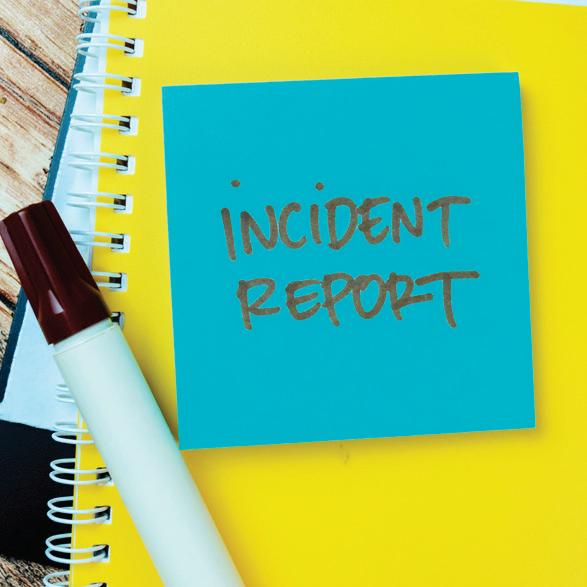
nce the situation is under control, documentation becomes critical. Every staff member who witnessed the incident should complete an incident report immediately. Details fade quickly. Reports written right away are far more useful.
Employees should document:
• What they saw
• What was said
• Descriptions of individuals involved
• Clothing or identifying features
• Property damage
• Injuries Whether any weapons were visible hotos and video can also help document damage and support police investigations.
If a disturbance attracts attention from the public or media, operators should designate one spokesperson who communicates on behalf of the center. Having a clear communication plan prevents confusion and ensures accurate information is shared. Protecting the reputation of your business can depend on how you handle the media.
Operators should build a simple social media scan into their weekly routine. Run before peak hours on Friday between 3:00 p.m. – 5:00 p.m.
1 Search TikTok: [city name] + meetup
2 Check Instagram hashtags: [city name] + tonight
3 Scan Snap Map near local schools and gathering spots
4 Ask younger staff if they’ve heard any chatter
Why it works: Most gatherings form quickly, but early chatter often shows up hours before. Staff who are plugged into local teen networks will be your best early signal.
Teen takeovers can happen quickly. But the response should not be improvised. Centers that prepare ahead of time, train their staff, and communicate clearly are far better equipped to protect guests and employees when situations escalate. Preparation may not prevent every incident, but it can make the difference between confusion and control. •



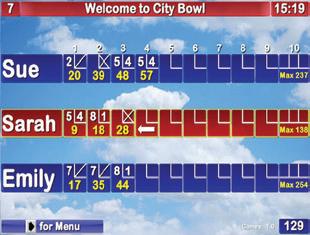

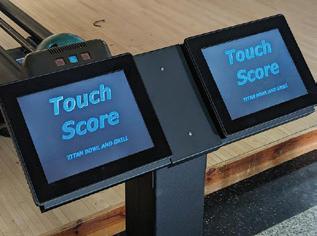


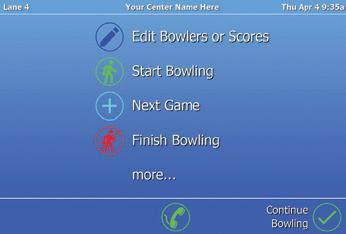


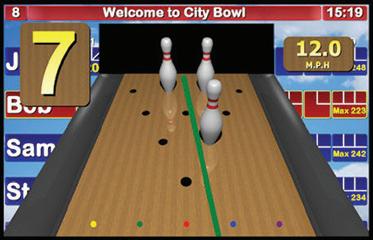

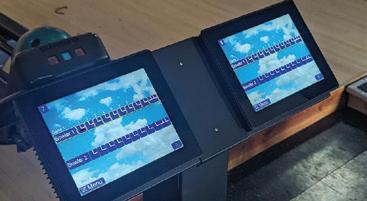

“Our experience here at Chatham Bowlerama with New Center Consulting, Inc. was very professional.
New Center Consulting, Inc. usually only deal with 10 pin, duck pin and candle pin scoring systems and pin setters. Glenn and his crew where excited for the challenge of getting the very old Mendes 5 pin machines at our centre to work with their scoring system.
It has been well worth changing the scoring system to Touch Score. Simplicity is the best way to describe Touch Score, ease of use for league bowlers and public bowlers a like.”


“We here at Chatham Bowlerama would suggest New Center Consulting, Inc. for installing Touch Score scoring system.”





ost lease conversations start in the same place: rent, free rent, and tenant improvement dollars. Those numbers matter, but they’re rarely what cause the biggest problems. The real risk lives in the structure behind the deal.
A rent number that looks manageable can become far more expensive once NNN (triple net) charges—like taxes, insurance, and common area maintenance—are added in. Lease commencement timing can further impact the true cost.
So before signing anything, operators should move beyond asking, “Can I afford this rent?” and start asking a better question: “What lease terms could hurt me even if I run the business well?”
I recently sat down with Larry Leon, head of the Anchortainment division at Focus Real Estate Advisors, to break down the lease questions every operator should ask.
Lease guarantees often get treated like boilerplate, but they are far from routine. This is the clause that can turn business underperformance into personal exposure.
Leon suggests starting by asking who guarantees the lease. He explains, “If you have a strong corporate entity and can avoid personal liability, that is normally ideal. If not, determine if the guarantee is limited to one principal or anyone above a certain ownership percentage. Then ask what exactly is covered.”
He continues, “Is it the full lease obligation for the entire term, or is it capped? Does it include only unpaid rent and NNN charges, or also legal fees?”
By Brandon Willey
J ust as important is understanding how long the guarantee lasts—and whether it can be reduced over time. Can it burn off after a period of on-time payments? Does it expire if the business is sold?
Leon reinforces, “The goal is not always to eliminate the guarantee completely. It is to narrow it, shorten it, or reduce it where possible.”
T ip: Focus on how much risk the guarantee creates—and when that risk ends.
Tenant improvement allowances are easy to overvalue. A landlord may provide an attractive dollar amount, but that number means very little without understanding the details behind it.
T he key question is simple: What costs actually qualify?
E ntertainment venues often require electrical, plumbing, HVAC, kitchen buildout, AV, and specialty installations. Leon cautions, “If the TI allowance covers only a narrow slice of the buildout and excludes design, engineering, permitting, signage, or project management, the operator may be carrying far more of the budget than expected.”
Tenants should also ask who controls the buildout and when the allowance is paid. If reimbursement comes only after completion and documentation, the tenant may have to front a substantial amount of capital—creating a significant pre-opening cash squeeze.
I t is also important to understand what happens if costs exceed the allowance and whether unused funds can be applied elsewhere.

need to ask questions that reflect real operational needs.
• W hat condition will the space be in at delivery?
• I s there adequate HVAC, electrical capacity, plumbing, and slab condition?
• W hat approvals are required for signage, façade changes, themed elements, or food and beverage operations?
H e continues, “Do what you can to negotiate up front the ability to do periodic internal remodeling including how much you can spend without having to go to the landlord for approval.” Operators should also ask about exclusivity and transfer rights. Leon notes, “Can the landlord lease nearby space to a competing concept? Can the lease be assigned if the business is sold or recapitalized?”
A sking better questions on the front end puts you in a stronger position to protect cash flow, reduce personal exposure, and maintain flexibility.
B efore signing anything, make sure the deal works not just on paper—but in the real-world conditions your business will actually face. •

Brandon Willey, ICAE, is co-founder of the LBX Collective and Premier LBX Group, co-host of The LBX Daily Show, and founder and CEO of Hownd. Brandon has an intense passion for the attractions industry and extensive knowledge of location-based entertainment. Brandon is the former chair of IAAPA’s FEC Committee and now sits on the North American Manufacturers and Suppliers Committee. You can connect with him at LinkedIn.com/in/bwilley.



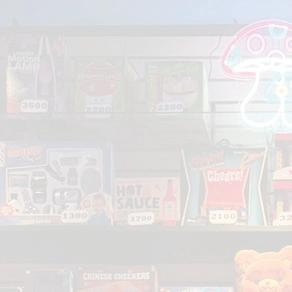
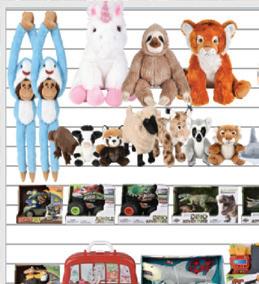
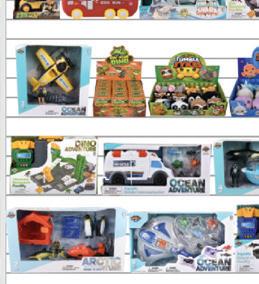


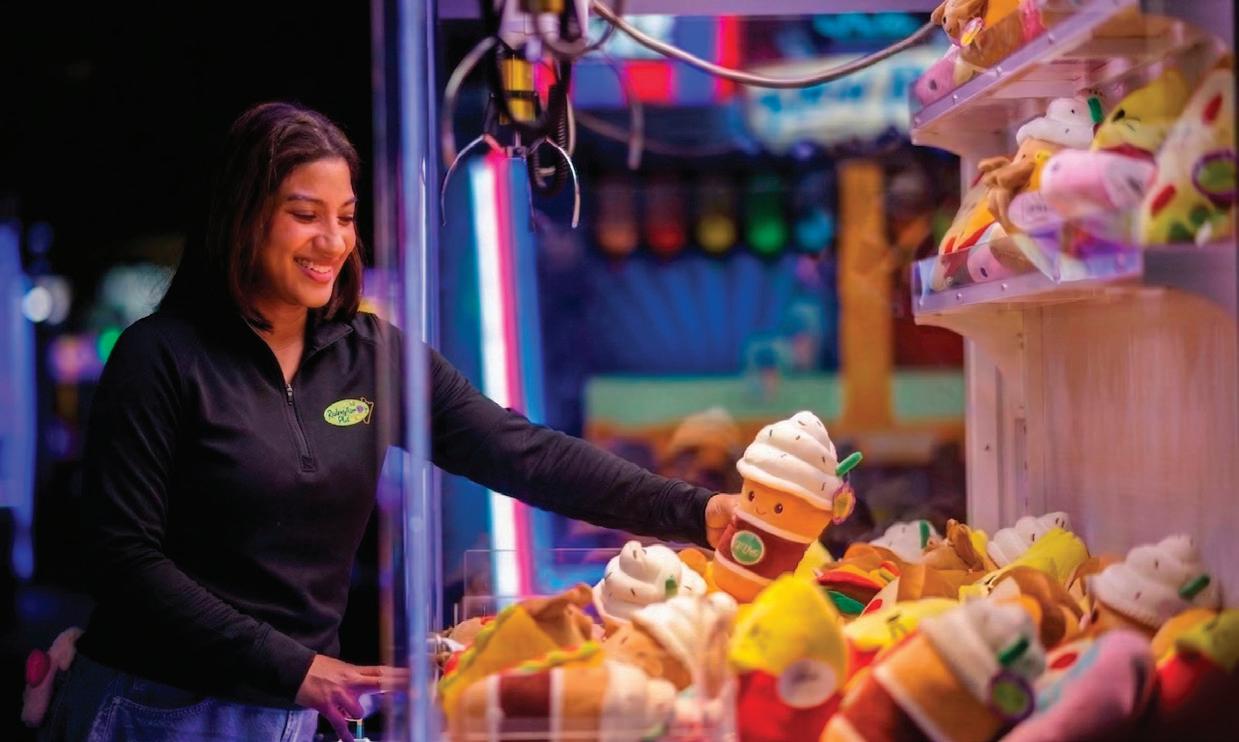
Ask about our planograms and experience how Rhode Island Novelty prizes drive repeat play!

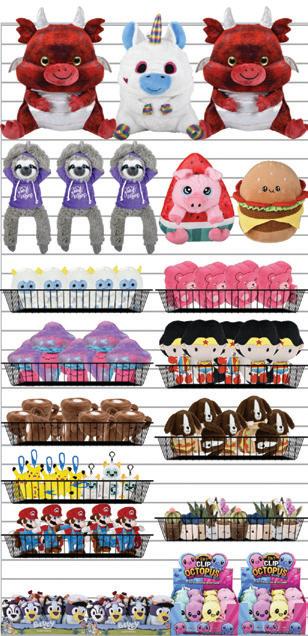



Products are precisely measured to integrate perfectly into your space.


We have all the supplies you’ll need as well!

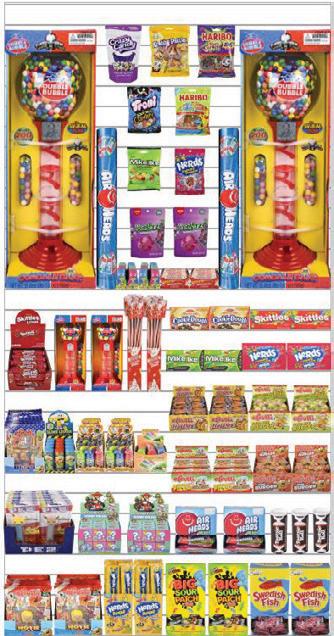
If an item is out of stock, we offer well-matched substitutes that maintain the same footprint and ticket range.
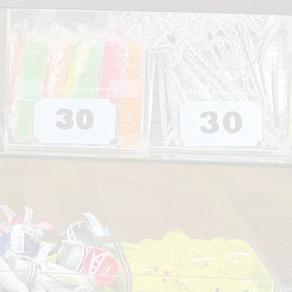
Our experts can provide product suggestions to meet your needs.

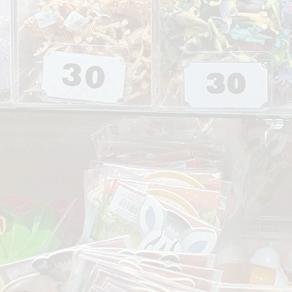
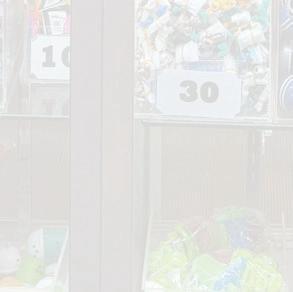


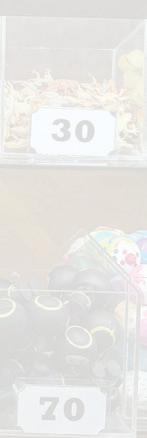
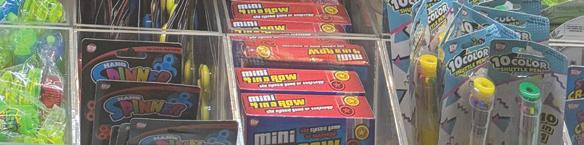
With over 14,000 products, we have great prize options for everyone!
Check out more of our planograms on our webiste




By Ryan Vasko
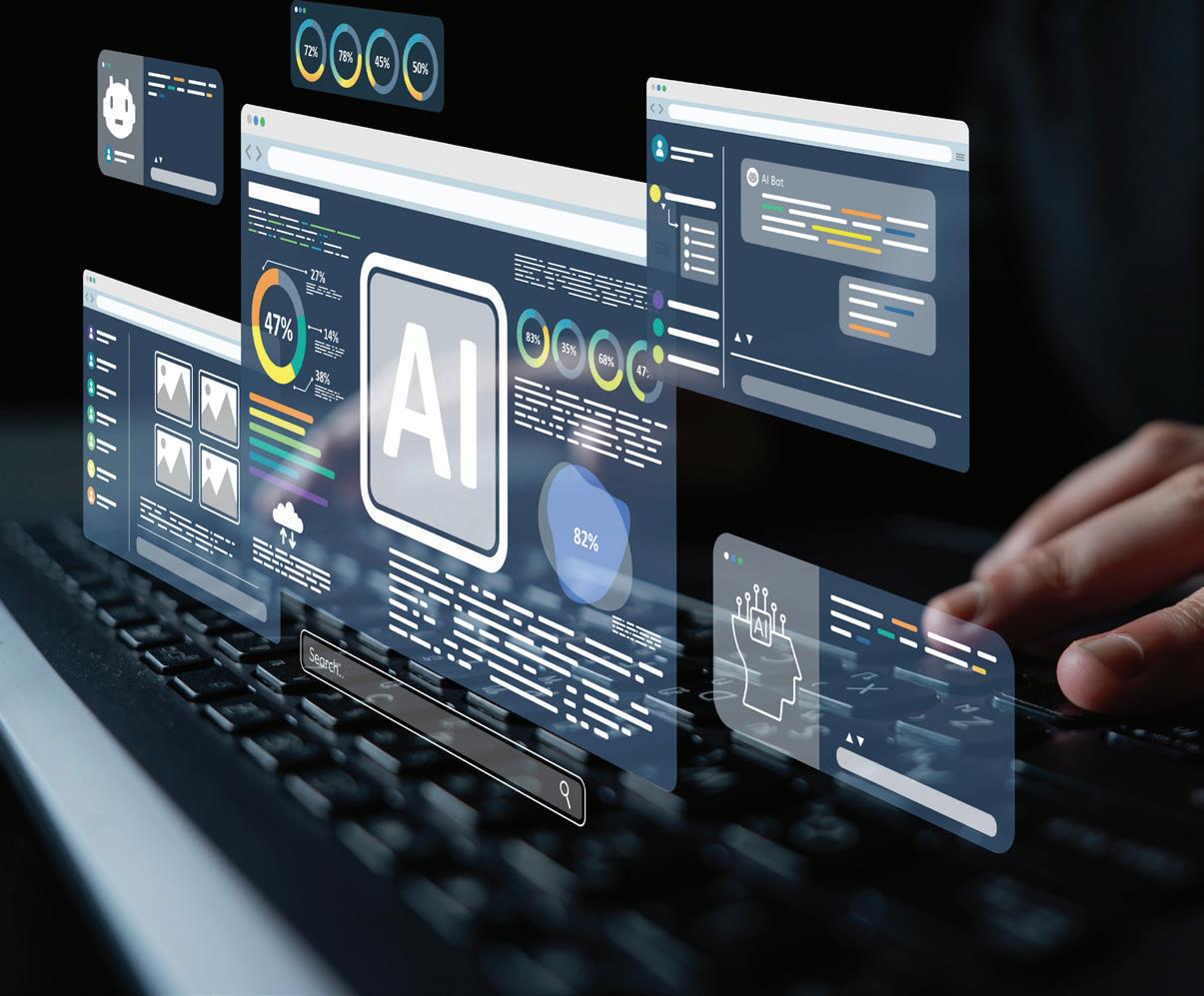
Artificial intelligence is having a moment. Depending on who you ask, it’s either the most powerful business tool of the next decade or a looming threat to jobs, creativity, and common sense. In boardrooms and back offices, AI is discussed with equal parts excitement and suspicion.
For many people, AI begins and ends with tools like ChatGPT, powered by what’s known as a Large Language Model (LLM). Often, it’s used like a supercharged search engine, helping write emails, generate ideas, or handle repetitive tasks. But those visible tools are only part of the picture.
Much of AI’s real impact happens behind the scenes inside the technology systems that support daily operations. AI can analyze patterns, predict busy periods, spot customer trends, and make quick recommendations. By processing everyday business data, it helps operators make smarter decisions about staffing, pricing, promotions, and guest communication.
We’re already seeing this play out in parts of our industry, from smarter booking systems and dynamic pricing tools to automated marketing platforms and data dashboards that do more than report numbers—they highlight what to do next.
AI isn’t just something you “go use.” Increasingly, it’s built into the systems that run modern centers, quietly turning everyday data into insights that can help you make better decisions.
When most people hear “AI,” they picture something futuristic or complicated. In reality, much of it comes down to simple math and patterns.
“If you have the data or demographic info of an individual, and they play three different games, we have an 82% probability of predicting the next game they’ll play,” said Scott Sherrod, CEO of Intercard, a global provider of cashless technology for amusement and entertainment venues.
T hat’s not science fiction. It’s pattern recognition. Sherrod explains it this way: If thousands of guests tend to move from a racing game to a basketball challenge and then over to a certain redemption game, the system starts to recognize that flow, allowing the software to make an educated guess about what the guest will want to do next.
That might mean promoting a specific game on a nearby screen, offering a bonus if they load more credits, or sending an offer later tied to the types of games they already enjoy. It’s simply using past behavior to guide the next suggestion.
T his gives you a way to shape offers around what guests already enjoy. A family that bowls most Sundays might receive a timed-play special for that day. A teen who gravitates toward high-skill games could be invited to a leaderboard challenge. It’s about recognizing patterns and responding to them.
I n bowling and entertainment venues, a solid casual customer may visit three or four times a year. “If you can up that to six, seven, or eight, you’ve done a great job,” Sherrod said. “And by direct marketing to an individual using the AI tools that are out there, you might get them to come in a few more times.”
TURNING
Looking back, the foundation for much of this datadriven insight began with a major operational shift in the industry. Not long ago, tokens and paper tickets were part of everyday life in a center’s arcade. Today, cashless systems are the norm, and that shift did more than simplify transactions. It opened the door to something far more valuable for operators: usable data.
When every purchase is electronic, every tap or swipe tells a story. Operators can see when guests arrive, what they gravitate toward, how long they stay, and what they spend. That insight makes it easier to test timed-play models, roll out targeted promotions, or adjust pricing based on real demand instead of gut instinct.
Many cashless platforms now allow centers to set different pricing tiers, raising or lowering game prices based on traffic. Sherrod noted that systems like these give operators the ability to adjust rates by time of day or demand levels. A busy Saturday afternoon might carry one price; a slower Tuesday evening, another.
Today’s consumers are careful with their money. They are even more careful with their time. Families often research entertainment options before committing to a 20- or 30-minute drive. They compare prices and read reviews. They want confidence that the experience will be worth it.
AI can help you sharpen that positioning. By analyzing guest demographics, visit frequency, and spending patterns, centers can better understand who their core audiences are and who they’re not yet reaching. If certain ZIP codes show high visit potential but low penetration, marketing efforts can be adjusted. If particular attractions resonate strongly with certain age groups, messaging can be refined accordingly.
Real-world ways AI is already showing up
SMARTER PRICING
Instead of setting prices and hoping for the best, systems can adjust based on time of day, traffic, and demand.
MORE RELEVANT PROMOTIONS
Offers can be tied to how guests actually behave, what they play, and when they visit.
BRINGING GUESTS BACK
AI can help spot when someone hasn’t visited in a while and trigger a reason for them to come back.
GUIDING THE NEXT PLAY
Based on patterns, systems can suggest what a guest might want to do next
BETTER STAFFING DECISIONS
Schedules can be built around real traffic patterns, local events, and even weather.
KNOWING WHAT’S WORKING
Instead of guessing which marketing efforts are hitting, you can see what’s actually driving visits and adjust from there.
SEEING WHAT YOU MIGHT MISS
On a busy day, it’s easy to overlook trends. AI helps surface patterns and opportunities that would otherwise slip by.
OPERATIONAL VISIBILITY
Highlighting trends, slowdowns, or opportunities that might otherwise go unnoticed.
Instead of guessing which promotions might hit, you can spot patterns, respond faster, and build campaigns around how guests behave, not just what you hope they’ll do.
Labor remains one of the most persistent challenges in the industry. “80% of the time, most owners have their staffing at what it should be,” Sherrod said. “But there are other variables in there, like weather or what other events are going on in their town. I see this really being able to help manage that other 20% and fine-tune it.”

AI-driven scheduling systems can incorporate historical traffic, seasonal trends, local event calendars, and even weather forecasts to predict demand spikes or dips. Instead of reacting to an unexpected rush (or overstaffing during a slow period), operators can make more informed decisions in advance.
One important point to understand is that AI isn’t just something you “go use.” While tools like ChatGPT can certainly help with creative and mundane tasks, the bigger change is happening inside the systems that run a center’s daily operations. Booking platforms, cashless systems, marketing
tools, point-of-sale software, and scheduling systems are increasingly built with AI-enabled features that analyze data and highlight useful patterns automatically. In many cases, operators may already be using AI without realizing it simply by using modern technology platforms designed to learn from the data their business generates.
That means the real decision isn’t whether to “learn AI,” but whether the systems you invest in are designed to use data intelligently. When evaluating new technology, operators may want to ask how the system analyzes guest behavior, whether it can identify patterns automatically, and what kinds of recommendations it can surface to help improve operations. In other words, AI is becoming less about learning a new tool and more about choosing systems that quietly make the entire operation smarter.
Looking back, when cashless systems first showed up, plenty of operators questioned whether they were worth it. Fast forward to today and opening a new venue without one is hard to imagine. Sherrod believes AI is on a similar path.
One of the biggest hurdles in personalization is simply reaching the guest. Push notifications and app-based offers can work well, but only if someone downloads your app, keeps it, and allows notifications. That’s a lot of “ifs.”
The next wave of AI-enabled systems may rely less on apps and more on seamless integration. Over the next several years, camera-based technology and frictionless payment systems are expected to become more common. A guest could enter a facility, link to a credit card, access their profile, and move through games, food, and services without repeatedly pulling out a wallet. Charges consolidate at the end for a fully seamless visit. Behind the scenes, AI systems would be tracking preferences, smoothing experiences, and generating recommendations for future visits.
The operators who gain the most from AI will be the ones asking practical questions:
• What decisions will this help me make?
• What headaches does it eliminate?
• Where could it grow revenue?
When evaluating new technology, AI may already be part of the platform. Asking a few simple questions can help determine how useful it really is.
1. What decisions does the system help automate?
Does it recommend pricing, promotions, staffing adjustments, or guest offers?
2. What data does the system analyze?
Look for tools that evaluate guest behavior, transaction patterns, visit frequency, and time-of-day traffic.
3. Does the system learn over time?
True AI improves as it gathers more data rather than relying on static rules.
4. Can it surface insights automatically?
The best systems highlight patterns or opportunities without requiring operators to dig through reports.
5. How does it help during peak hours?
The most valuable tools support decisions in real time, not just in after-the-fact reporting.
6. What operational problems does it solve?
Better staffing forecasts, smarter pricing, targeted marketing, and improved guest engagement are common areas where AI is being applied.
7. Is the system integrated with other platforms?
AI becomes more powerful when data flows across booking systems, cashless platforms, POS, and marketing tools.
Like any tool, AI works best if you know what to do with it. The more data your center collects, the smarter these systems become, helping you spot trends and opportunities that might otherwise get lost in the day-to-day rush.
And in an environment where both time and margins matter, that kind of clarity can be the edge that keeps guests choosing you over the place down the street. •

Ryan Vasko is a writer based in Portland, OR, with 20 years of experience as a journalist, speechwriter, and marketer. Growing up in his family’s bowling center, Ryan spent significant time bowling with his dad and grandpa and working at the center. His dog is a good boy.
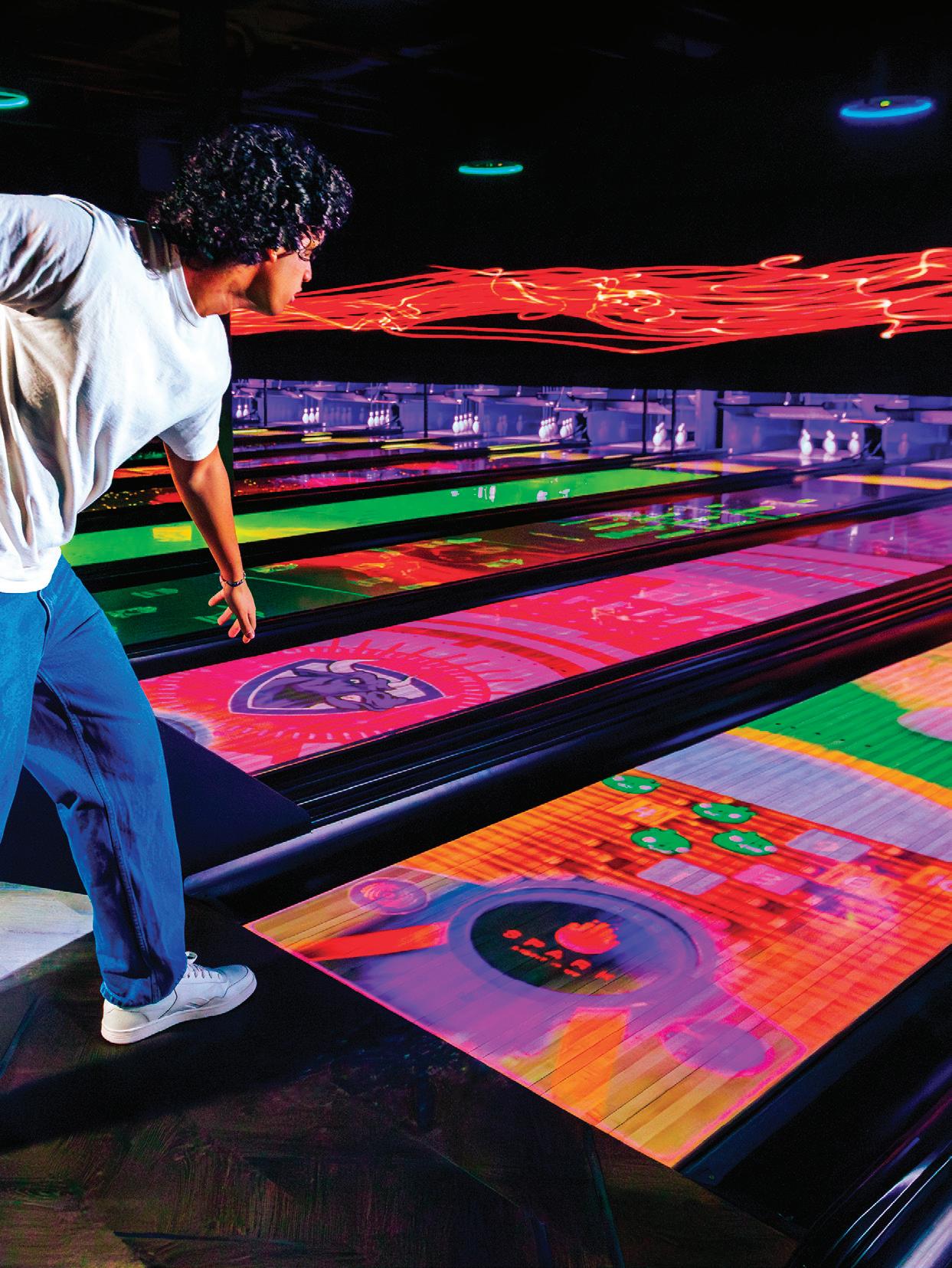
DUCKPIN SOCIAL, NOW WITH SPARK—MORE IMPACT, MORE INTERACTION, MORE RETURN.
Duckpin Social delivers all the fun of bowling in a smaller, more versatile footprint—ideal for today’s high-energy social venues. It boosts food and beverage sales, keeps guests longer, and drives repeat visits. Now pair it with Spark Immersive Bowling for a whole new level of engagement. Dynamic visuals and interactive gameplay projected directly onto the lane elevate the experience and unlock greater revenue potential. Two proven attractions. One unforgettable experience. Join the revolution—now with even more spark.
SCAN TO LEARN MORE ABOUT DUCKPIN SOCIAL
By Brian Duke


There are certain topics that frequently come up with operators: staffing, food costs, marketing, and technology. And then there’s the quieter one: guest experience. Not the big stuff like new attractions, but the small, everyday moments that impact how long guests stay, what they spend, and whether they come back. That’s where mystery shopping comes in—and when it’s done right, it can have a real impact on revenue.

I recently sat down with Scot Carson, founder of Amusement Advantage, to talk about what operators can actually learn from mystery shopping and why it matters more today than it did ten years ago.
With more than 30 years in the attractions industry, Carson combines customer service and quality assurance expertise with hands-on experience in amusement parks. That perspective led him to build Amusement Advantage, a mystery shopping program designed specifically for the complexities of modern entertainment centers.
He pointed to the added layers most centers are managing today: multiple attractions, expanded food and beverage, and more moving parts throughout the guest journey. “And when you add complexity, you add variables,” he said.
More touchpoints. More transitions. More chances for friction to sneak in. “That’s where blind spots show up,” he added. “Not because operators don’t care, it’s because they’re in it every day.”
One thing Carson said stuck with me: perception is reality. Owners often feel like they know exactly how their operation comes across to guests. Managers assume they’re seeing what customers see. Staff members think they understand how their interactions are landing.
But familiarity has a way of dulling perspective.
You might stop noticing that pricing takes four minutes to explain, or that the arcade attendant isn’t visible from half the floor, or that your redemption process only makes sense if you already know how it works.
A mystery shopper walks in without that bias, and that’s where the value comes in. “We’re not trying to catch people doing something wrong,” Carson explained. “We’re trying to document what a guest actually experiences.”
T here’s a common misconception that mystery shopping is just someone walking in with a checklist and marking things off. It’s much more about the full guest journey; from the moment someone arrives on property to the moment they walk out the door.
T hat includes everything from first impressions and greetings to how pricing is explained, how quickly guests get started, how visible staff are, and how smoothly food and arcade experiences flow. It also covers how issues are handled, how clean the facility feels, and whether the redemption process is clear or confusing.
I n hybrid centers, all of those touchpoints are connected. “If the first 10 minutes feel confusing, that tone carries forward,” Carson said. “If the last five minutes at redemption are frustrating, that’s the feeling guests leave with.”
O ften times operators don’t realize which part of the experience is shaping the overall memory. Mystery shopping helps connect those dots.
What’s interesting is that the first report rarely uncovers a major failure. Instead, it reveals patterns.
DISCOUNTS FOR YOU. INDUSTRY-LEADING EQUIPMENT FOR YOUR CUSTOMERS.
SEE WHAT’S POSSIBLE WITH YOUR REGIONAL MANAGER

• Upselling is strong on busy weekend nights but almost disappears during slower shifts.
• Food service hits its stride under certain managers, then becomes inconsistent at other times.
• Party check-ins work well—until the pace picks up and things start to bottleneck.
“Most centers are doing a lot right,” Carson said. “We’re not uncovering massive failures. We’re identifying where tightening things up can make a measurable difference.” Sometimes it comes down to speed; what Carson calls the “decision-to-fun ratio.” If guests spend too much time figuring things out or waiting to get started, the energy drops.
Other times, it’s complexity: multiple payment points; confusing prize tiers; policies that make perfect sense operationally but feel cumbersome to guests. Sometimes, it’s simply visibility. “Guests shouldn’t have to hunt for help,” Carson said. “If something’s broken and no one looks accessible, that impacts the perception of the whole facility.”
None of these issues are dramatic on their own. But over time, they influence dwell time, spending, and whether guests come back.
One of the biggest advantages of a structured mystery shopping program is how quickly the feedback comes back. Reports are typically delivered within 48 to 72 hours.
“Guest experience data is perishable,” Carson said. “If you’re talking about something that happened two weeks ago, it’s harder to coach staff. Managers don’t remember the shift clearly. Staff don’t remember the interaction.”
Fresh data leads to better conversations. Instead of reacting to vague online reviews, operators get detailed, narrative-driven feedback with clear timing and context regarding who was involved, what happened, when it happened, and where.
That level of detail reduces defensiveness and increases accountability.
Let’s address the elephant in the room. Mystery shopping sometimes gets labeled as a “Big Brother” tactic. Carson sees it differently. “If it’s positioned as punishment, it’ll feel that way,” he said. “But it doesn’t have to be.”
The reports don’t just highlight friction points; they also spotlight what’s working at the center. Strong team members are identified by name, and specific actions are called out.
It’s hard to build your company culture on vague praise. But when you can point to a specific moment, for example what someone did or how they handled a situation and why a solution worked, that’s something teams can learn from and repeat.
Amusement Advantage maintains a network of about 70,000 independent contractors nationwide. Shoppers are selected based on their ability to blend in naturally and clearly document their experience.
“ They have to submit writing samples,” Carson explained. “We’re looking for people who can describe both positive and negative impressions objectively.” Each shop is customized to the facility with criteria tailored to its technology, service model, and operational priorities.
Shoppers follow structured guidelines, but they still move through the experience as regular guests. To keep perspectives fresh, they don’t return to the same location for at least six months to a year.
The final reports are detailed, often six to ten pages, and include photos to support observations around cleanliness, food presentation, and overall conditions.
Before anything is delivered, it’s reviewed internally. “We don’t just send it through,” Carson said. “We make sure it’s actionable.”
Toward the end of our conversation, I asked Carson what operators should look for when considering a mystery shopping program.
1. First, make sure the firm understands entertainment and attractions. “Retail mystery shopping doesn’t translate,” he said. “Entertainment has different rhythms and expectations.”
2 Second, look for depth in the report, not just a score. “If you’re only getting numbers, you’re missing context. You need narrative.”
3 Third, insist on speed. “Fast turnaround keeps it relevant.”
4 Finally, use it strategically. “Don’t chase every single comment,” he said. “Look for trends. That’s where the real value is.”
Mystery shopping isn’t flashy. It won’t replace marketing or leadership, and it won’t fix culture overnight. But it does one thing exceptionally well: it shows you exactly how your guests experience your center.
And sometimes, a fresh perspective is all it takes to increase the value of every visit.•
Brian Duke is an industry consultant who helps companies boost sales, strengthen connections, and stay competitive in family entertainment. A veteran of the FEC and arcade world, he is known for his big personality, deep industry know-how, and ability to connect with just about anyone. When he is working with IBI, Brian focuses on uncovering great stories, connecting with standout suppliers, and helping us shine a brighter light on the FEC side of the business, all while keeping things fun and real. Contact Brian at brianduke2012@gmail.com.

• A
• A
• A
• A
• Something
• How



If you’ve walked into a bar, restaurant, or even a gas station lately and noticed THC-infused drinks in the cooler, you’re not imagining things. These beverages are popping up everywhere including states where recreational marijuana is still a hard no.
So, the obvious questions are: Is this legal? And more importantly for operators: Should we be paying attention? Short answer: yes. Longer answer: yes, but it still depends. There’s real revenue potential if you understand the rules.
This trend traces back to the 2018 Farm Bill, which legalized hemp and hemp-derived products containing very low levels of delta-9 THC. Because the law also covered hemp derivatives, it created a pathway for hemp-derived THC beverages to be sold outside licensed cannabis dispensaries.
That loophole fueled rapid growth, but it was never intended to support intoxicating products, and regulators are now catching up. Federal lawmakers and agencies are actively debating changes that could narrow or eliminate this pathway altogether.
Most THC beverages sold in bars and restaurants today are hemp-derived, not marijuana-derived. That distinction matters legally, even if guests don’t really care. In many states, these products have been allowed unless lawmakers or regulators specifically restrict them.
The result? A patchwork of rules. You might see THC seltzers at a neighborhood bar in one state, and a total ban just across the border. For operators, legality isn’t just state-by-state — it can vary by city or county. THC-infused beverages are showing up across the country, but the rules vary widely. Most states currently fall into one of three categories.
1:
These states allow hemp-derived THC beverages in some form, often with defined potency limits, labeling rules, or retail guidance:
• Minnesota, Connecticut, New Jersey, Rhode Island, Virginia, Tennessee, Kentucky
Category 2: States operating in a gray area
These states have not clearly approved or banned hemp-derived THC drinks. Legality can vary by city or county, and enforcement can change quickly:
• Florida, Texas, Ohio, Wisconsin, Arizona, Nevada, Colorado, Michigan, Pennsylvania, North Carolina, Georgia
3:
By IBI Team
that restrict or prohibit THC drinks
These states limit THC beverages to licensed cannabis dispensaries or prohibit hemp-derived THC products in food-and-beverage settings:
• California, Washington, Idaho, South Dakota
Regulations continue to evolve, and operators should confirm current state and local requirements before offering THC-infused beverages.
This isn’t just a novelty. THC beverages are riding a broader cultural shift. Gen Z and younger millennials are drinking less alcohol and experimenting with alternatives.
Many are “zebra striping” — alternating between alcoholic and non-alcoholic or THC-based drinks during a night out. Surveys show younger adults often prefer marijuana over alcohol in social settings, citing fewer hangovers and more control over effects. These guests aren’t skipping nights out. They’re just changing what they order.
For bowling centers and FECs with bars, THC beverages can offer:
• Incremental revenue, not replacement revenue
• An option for guests who don’t drink alcohol
• Built-in novelty that sparks conversation
But this is not plug-and-play. Operators should:
• Verify state and local legality through health or agriculture departments
• Understand dosage limits and serving rules
• Train staff similarly to alcohol service, including ID checks
• Avoid medical or wellness claims that trigger scrutiny
In states where they’re allowed, THC drinks often sit alongside mocktails, non-alcoholic beer, and functional beverages, expanding choice without cannibalizing bar sales.
Federal agencies and lawmakers are actively discussing changes that could redefine or close the hemp loophole entirely. If that happens, nationwide distribution of intoxicating hemp products could change quickly.
For now, THC-infused drinks aren’t a novelty. In parts of the country, they’re already part of mainstream bar culture, driven by younger consumers. Handled correctly, they can be another tool in the bar lineup.
Because guests aren’t just asking, “What games do you have?” anymore. They’re also asking, “What are you pouring?” •

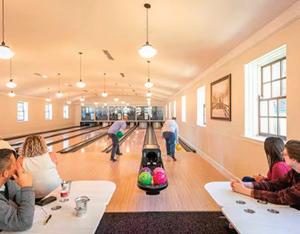
The original opening was Christmas day 1917. The Billiard and Bowling Pavilion had a good run until the 1930s. Now after 90+ years, the French Lick Resort is reintroducing the space to its guests and the public. They will have access to six lanes of tenpin bowling and a number of billiard tables. The resort’s CEO, Chuck Franz, said that to restore the space, “We relied on historical pictures to bring it back to life to what it had [been like] more than a century ago. We wanted to keep it as historically accurate as possible.” The venue is open featuring original limestone columns to separate the bowling from the billiard area, while lighting fixtures mimic the style of the 1930s.
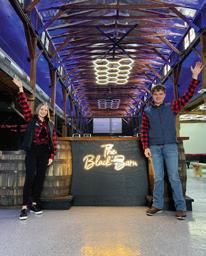
The Black Barn, a new FEC in Gaylord, is open and features a range of attractions including coinoperated arcade games. The Black Barn is home to interactive axe throwing, archery, traditional Gelly Ball laser tag, a classic arcade, and fowling, the combo of bowling and football. While open to the public, the entire space can be rented out.
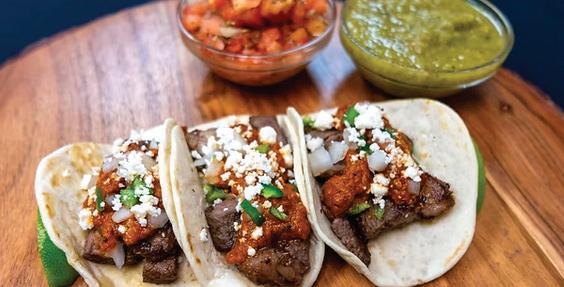
Tacos are Fun. Bowling is fun. Taco Tango, a new food service, has tagged up with bowling centers in Central Florida and the Greater Orlando area to combine the taco-bowling concept. Boardwalk Bowl in Orlando tried it, and it was a big win. The next stop was Aloma Bowl in Winter Park, and recently Airport Lanes in Sanford became the third venue for Taco Tango. As a franchise option, every day can be Taco Tuesday, a decision embraced by Aloma Bowling Centers. Taco Tango is a blend of America’s favorite food cuisines: gaucho tacos with smoked meats, American variations of cheeseburger tacos, and innovative empanadas. Bowling is the compliment that creates this new duo cropping up in Florida.
Piggly Wiggly grocery store in West Columbia, empty since 2014, is stepping aside for an entertainment and dining space. Wesco Brew and Bowl will open this year. The new venue will include bowling lanes, an arcade, and a restaurant and bar.

Since its debut in 1960, Columbia 300 has been a staple in pro shops and a familiar name in leagues and tournaments worldwide.

Now, after more than six decades, the brand will officially retire following the 2026–2027 season. Existing inventory will remain available while supplies last, and all current warranties will continue to be honored. It’s the end of an era for one of bowling’s most recognizable names.
Dave & Buster’s is inviting America to make more of every moment with the launch of “What the Fun,” a bold new brand platform redefining what spontaneous entertainment looks like today. With no blackout dates and no time-ofday restrictions, guests can drop in whenever it fits their schedule and enjoy unlimited game play at participating U.S. locations.

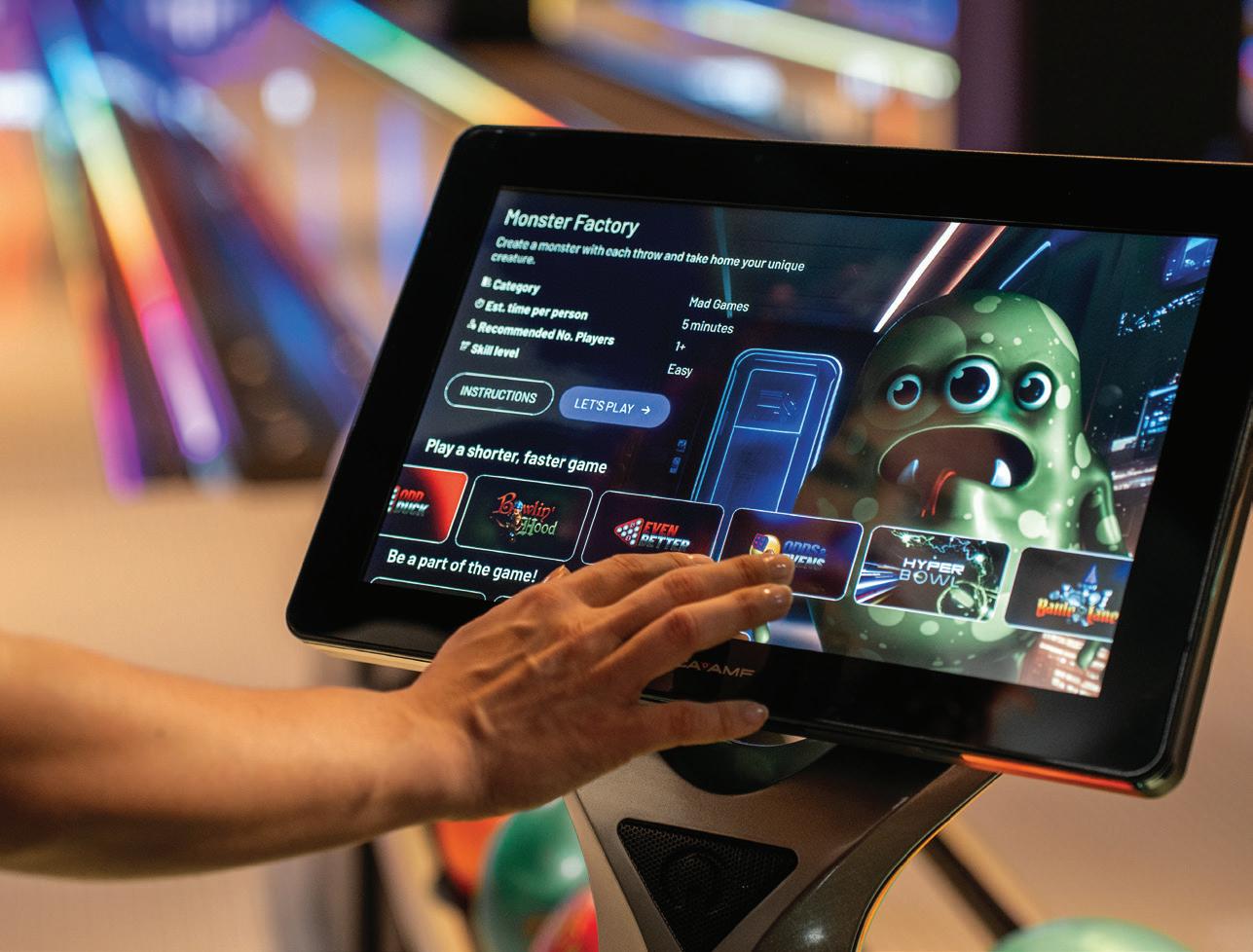
The BES NV Navigator is the starting point for guests when they get to their lane. Offering a familiar experience to anyone who has ever used an entertainment streaming service, it presents guests with an array of entertainment options in custom-built categories based on their initial selections, making it easy for guests to choose the right experience for their visit every time.

The Ultimate Bowling Entertainment Experience from QubicaAMF


Corio Village Shopping Center in Melbourne is opening a new nonstop entertainment hub branded General Public Corio. It is complete with 11 ten-pin bowling lanes and a large selection of digital arcade games.
Alberta: Splitsville took its entertainment brand to Calgary and was a huge success, with four locations. An expansion to Edmonton was the logical next step. This year, that step became steps with two 10-pin venues. Edmonton’s northwest spot will span approximately 31,000 square feet with 21 lanes, lounge seating, and lane-side food and drink service. The second center being planned for this year will feature 27 bowling lanes. The modernized take on the classic game offers a variety of options and, of course, you can keep your own shoes on.
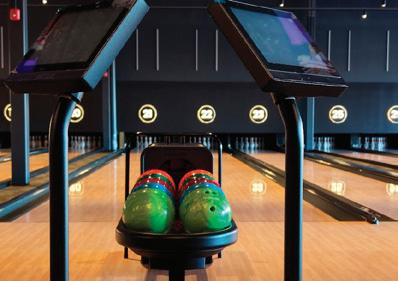

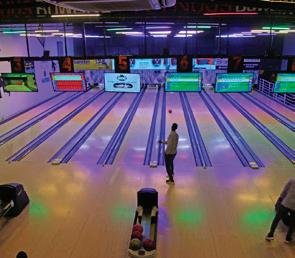
A big spin around the globe takes us to Mogadishu — not always top-of-mind for entertainment and bowling. However, the younger generation is hungry for safe spaces to socialize, and bowling is now available as part of the revival in the once-thriving Indian Ocean port, shaped by 35 years of civil war. The Feynuus Bowling Center draws many locals and Somalis returning to their country. This a very good thing!
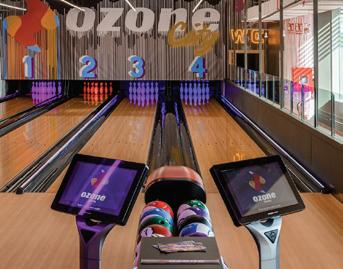
Ozone Bowling, a 12,000 square-foot FEC, has opened in Seville. The offerings and amenities include: 24 lanes of bowling, an indoor karting track, inflatables, and trampolines. Guests can also frequent a 10-screen cinema and a food and beverage area. This is Ozone’s 30th location.
UK
Throughout the UK, entertainment venues are opening, refurbishing, and reimagining established buildings. Blackpool, a seaside town in Lancashire, England, is taking a former 10-screen cinema, which closed last June, and transforming it into a major leisure venue. Tenpin Ltd., one of the UK’s largest bowling operators, with 58 locations nationwide, is offering the area an exciting place for bowling, trampolining, crazy golf, arcade games, climbing walls, and indoor sports such as paddle tennis.

Jumping to Wales. In its capital, Cardiff, Hollywood Bowl Group is opening a new, state-of-the-art family entertainment center. The 45,000 square-foot space will be split across two floors and will feature ten-pin and duckpin bowling, classic arcade games, interactive darts, and electric go-karting. The karting will be exclusive to Hollywood’s Cardiff location. The company said the new center will be “more than bowling. It’s a next-level social playground, packed with competitive energy, highspeed thrills, and perfect for families.” An added attraction will be the Hollywood Bar and Diner.






www.funtimefootwear.com
support@experthosiery.com
Expert Hosiery is a premiere supplier of high-quality socks to bowling centers and FECs. We pride ourselves in lifetime relationships. Socks variety includes white bowling socks, glow socks, theme socks, and custom logo socks. Our customers are our best testimonial! For orders, call, email or order online 24/7.
LAYMON HUGHES HOSIERY
Sharon Hughes
www.laymonhugheshosiery.com
256.845.1034 laymonhughes@bellsouth.net
Being a BPAA preferred vendor we are proud to say we are an American family owed manufacturer of quality USA made socks. We are proud to offer many styles of bowling and skating socks to family entertainment centers around the USA and overseas as well. We do not have any minimum orders. Every size center can customize their order each time. We also do custom orders for your center or for special events throughout the year.
AVS COMPANIES
Sales Department
847.439.9400
www.avscompanies.com
sales@avscompanies.com
Providing best-in-class arcade and vending equipment with decades of unparalleled service. AVS Companies is the trusted choice for world-class amusement solutions.
BETSON ENTERPRISES
Sales Department
www.betson.com/bowling
800.524.2343 Sales@betson.com
Betson Enterprises is the leading worldwide distributor of arcade equipment, parts, and service. A family-owned business offering revenue-generating solutions to its clients since 1934, Betson offers concept-to-completion solutions that maximize the profitability of our clients’ investments.
PLAYER ONE AMUSEMENT GROUP
Sales Department
www.p1-ag.com
416.251.2122 GetAnswers@genda-americas.com
At Player One Amusement Group, we specialize in the sourcing and distribution of quality amusement and vending equipment for both commercial and retail customers. We provide end-to-end Total Solutions, from the design and planning of the space, to equipment selection, to best practices for merchandise and redemption counters. Each business is unique so P1AG customizes the appropriate services to meet your business needs.
www.newcenterconsulting.com
ghartsho@yahoo.com
www.steltronicscoring.com

www.brunswickbowling.com Michael Postema 231.343.2043
The leader in the bowling industry for over 130 years, Brunswick Bowling provides products, services, and industry expertise for new and existing bowling centers.
Info@brunswickbowling.com
www.qubicaamf.com
info@qubicaamf.com
QubicaAMF is the world’s largest manufacturer of bowling and mini bowling products. With our innovative products, we will help our customers fully unleash that potential to extend the bowling population, to reach the younger generations, to increase their spending, frequency of visits—and your revenue.

Sales Department
800.732.3770
www.intercardinc.com
Sales@intercardinc.com
Intercard introduced cashless technology to the amusement industry and has been leading the way for 30+ years. Award winning cashless systems from Intercard increase customer spending and satisfaction and boost revenues by up to 30% at entertainment centers worldwide.




sales@amusementadvantage.com
Amusadv.com
Custom-tailored, cost effective mystery shopping programs exclusively for the amusement, attractions and entertainment industries since 1996. Our team has worked with every size and type of venue and we partner with IAAPA and AAMA for their Top FEC awards programs. Reach out today to better understand what your guests are experiencing!
SHERYL GOLF
732-302-4439
sheryl@sherylgolf.com
https://sherylgolf.com
Expert business consulting and training services designed to help entertainment venues grow group sales, increase bookings, and elevate the guest experience. Focused on real-world execution, SherylGolf delivers proven strategies in sales, marketing, event programming, and team development, along with systems for recruiting, hiring, onboarding, and training—resulting in stronger teams, smoother operations, increased revenue, and unforgettable experiences that keep guests coming back.
David Wallace
859.285.7111
www.turfwayentertainment.com
dwallace@turfwayentertainment.com
Full service consulting company within the family entertainment industry focusing on business new starts, expansions, modernizations, and health checkups of existing centers. A dedicated team of professional experts in operations, marketing, branding, culinary, and bar services allow a seamless approach for your needs.
www.pursepegsllc.com
info@pursepegsllc.com
Bowling alleys can install Purse Pegs to their dining tables to provide guests a clean, secure place to hang their valuables while they bowl and dine. This small addition improves comfort, keeps walkways clear, and prevents belongings from getting dirty or damaged on the floor. Purse Pegs enhance the customer experience, making your venue more inviting and accommodating. It’s a simple upgrade that shows attention to detail and encourages repeat business through thoughtful, practical design.
www.drinkslowandlow.com Jon Holecz 203.671.1496
jholecz@cooperspirits.com
Slow & Low is an award-winning lineup of ready-to-serve Old-Fashioneds, crafted for speed, consistency, and serious barquality. Ranging from 80 to 100 proof, it’s the ultimate plug-and-pour solution for high-volume accounts looking to serve premium cocktails without slowing down.





BOWLING CENTER INSURANCE
Bob Langley
864.527.1145
www.bowlingcenterinsurance.com
robert.langley@bbrown.com
Helping You Is What We Do Best! With 30 years of experience and over 300 centers nationwide, we’ve mastered the art of insuring entertainment venues from bowling centers and movie theaters to axe throwing, roller skating, go-karts, mini golf, and more. Comprehensive policies include property, general liability, liquor liability, wind/hail protection, and Workers’ Compensation. As part of the sixth-largest (Independent Insurance) Broker in the U.S., we offer competitive quotes tailored to your needs. Contact us today and let’s get your coverage started!
W. Tyler Compton
866.233.0266
www.ttminsurance.com
tcompton@ttminsurance.com
Tilton, Thomas & Morgan Insurance Professionals has been insuring bowling and family entertainment centers for over 40 years. We support state and national organizations, including many state bowling associations and the BPAA. Through our years of experience and working with hundreds of proprietors across the country, we have developed a specialized program to ensure our clients have the correct coverages at a competitive price. We love insuring FUN, so call us today to see how we can help you!
Cameron Linder
www.wbpiprogram.com
800.200.9998 contact@wbpiprogram.com
WBPI is the largest bowling center insurance program in the nation with more than 35 years of experience and 400 insured centers. Exclusively endorsed by eight state bowling proprietors associations, our staff of insurance partners and professional bowlers provide staff training, insurance education, advocacy, and business advice. No one fights harder for you! Contact us today for a competitive insurance quote!
DECIBEL STUDIOS
Ravi Shankar
Guy O’Hazza
www.decibel-studios.com
310-693-5210 ext. 1 ravi@decibel-studios.com
310-717-1603 guy@decibel-studios.com
Decibel Studios is an innovative global technology solutions company that designs, engineer, installs, and maintains custom controlled audio, video, lighting, show control and special effects systems, including augmented and virtual reality, 3D and 4D interactive theaters, for various entertainment, corporate, hospitality, retail and institutional groups.
DFX SOUND VISION
Mike Bovino
www.dfxsoundvision.com
800.555.5280 info@dfxsoundvision.com
More WOW. More Stay. More Play. DFX helps Family Entertainment Centers stand out with immersive audio, lighting, video, and automation systems that increase dwell time and drive repeat business. Whether building new or renovating, we deliver fully integrated environments powered by VersaLED Video Walls and VersaShow technology — all operating through one intuitive control system. From design to long-term support, DFX is your turnkey AV partner for unforgettable experiences.

BBBI/KIDS BOWL FREE
Andy Vasko
877.841.4590
www.kidsbowlfree.com
Andy.Vasko@kidsbowlfree.com
At BBBI our goal is to create new customers and profits for bowling centers through our time tested Kids Bowl Free Summer Bowing Program and our new League Development System featuring Fun Bowling Leagues for all ages.
Chris Behling
815.519.9843
www.alleytrak.com
Chris@alleytrak.com
AlleyTrak is the complete lane reservation and management system designed specifically for bowling alleys. Manage your recurring events, leagues, parties, packages, along with many other features AlleyTrak has to offer. Save time by allowing guests to make reservations online 24/7.
PARTY DIRECT
Nancy Dye
www.partydirect.com
317.694.8413 nancy@partydirect.com
Elevate your party experience with Party Direct! From exquisite place settings to captivating decorations, delightful party favors, and premium tableware, we’ve got you covered. With our wide range of high-quality products, competitive prices, and hassle-free shopping, Party Direct is your ultimate destination for all your party supply needs. Create memorable celebrations effortlessly. Party Direct is your one stop source for all the party supplies you need to increase guest satisfaction and profitability!

Shelly Berry 800.900.7695
www.noveltybowlingstuff.com
sales@noveltybowlingstuff.com
Sierra Products is your exclusive source for bowling parties, including party favors, supplies and novelties. Bowling birthday party supplies include bowling pin sipper bottles, mini bowling pin candy containers, bowling coin banks, bowling party cups, napkins, novelty souvenir cups and much more. Most of our items can be personalized with your company’s logo, phone, website, etc.

Sales Department
800.638.6000 ext. 306
www.aaglobal.com
gclothier@aaglobal.com
A&A Global has been delivering fun since 1938, helping businesses turn joy into revenue. With reliable, strategic support and a full range of toys, candy, novelties, and custom programs, we design the right mix to drive traffic, build loyalty, and create real results.
800.272.6375



www.bmimerchandise.com
Sales@bmimerchandise.com
At BMI Merchandise, we’re in the business of fun—and we take it seriously. For over 30 years, we’ve been a recognized leader in the amusement industry, providing innovative redemption products and services. As an industry pioneer and technologyforward company, BMI helps family entertainment centers improve efficiency and profitability. We offer a constantly evolving mix of redemption merchandise featuring the hottest brands and licenses, all integrated with advanced technology. Beyond merchandise, we deliver innovative technology solutions, including our proprietary AMRS™ system—a 360° solution designed to streamline operations and maximize profits through design, planning, installation, and fulfillment.
Corporate Sales
888.887.8738
www.sureshot-redemption.com
Sales@sureshot-redemption.com
Sureshot is your ultimate destination for retail merchandise and redemption prizes. We feature a comprehensive assortment across all major categories, coupled with exceptional customer service, competitive pricing, and premium quality products. Discover our ongoing additions of unique items year-round. We also offer custom logo programs, automatic merchandise replenishment, assortment planning, and planogramming services. Trust Sureshot Redemption to consistently meet your needs with precision and reliability, especially with our Free Freight program. Call or email us for details!
Redemption Plus is your go-to partner for all things redemption! From designing and merchandising exciting redemption centers to offering expertly crafted training resources and a broad selection of trend-worthy prizes, we’ve got you covered. With a fresh approach and top-tier service, we simplify your operations so you can focus on wowing your customers with unforgettable experiences!
Hutch Costello
401.996.9489
www.rinovelty.com
HCostello@rinovelty.com
Rhode Island Novelty has been in business since 1986 and is the leading Prize provider for the Redemption industry, offering the best case pricing, product selection, and performance. We keep it simple so you can focus on keeping your guests happy. With unmatched variety and value, partnering with us means saving time, reducing costs, and providing prizes that keep guests coming back again.

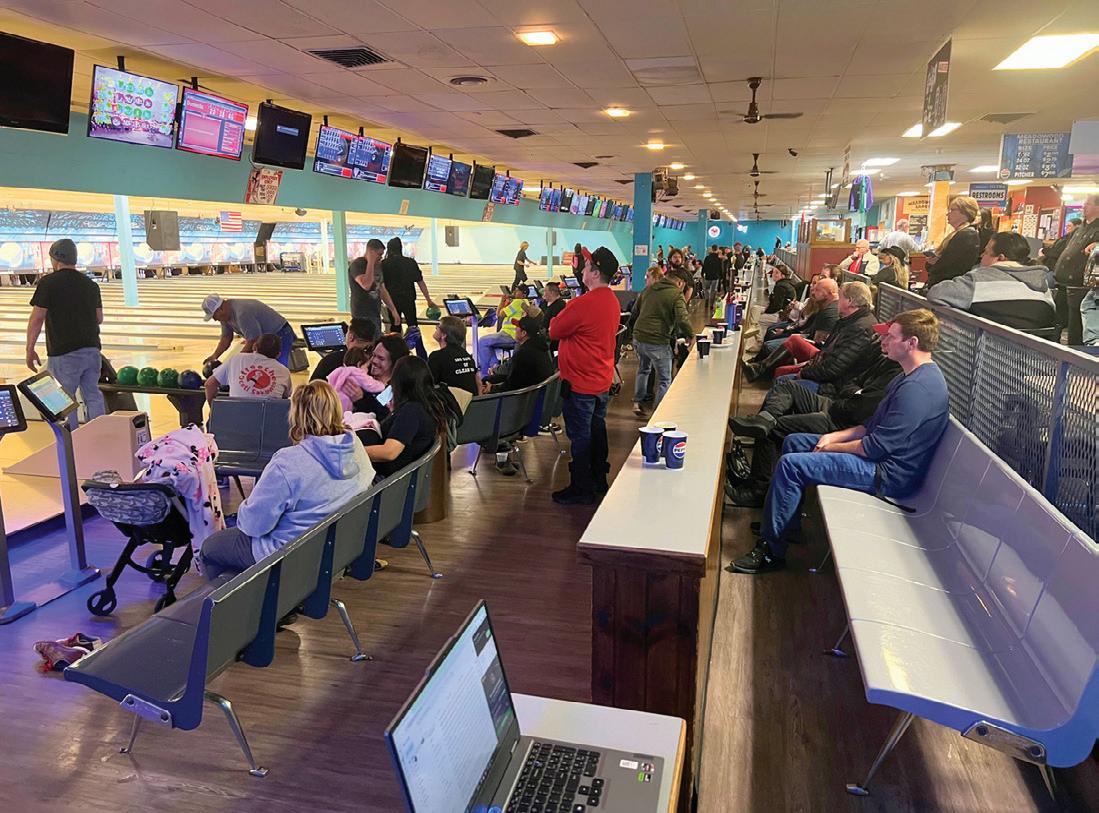














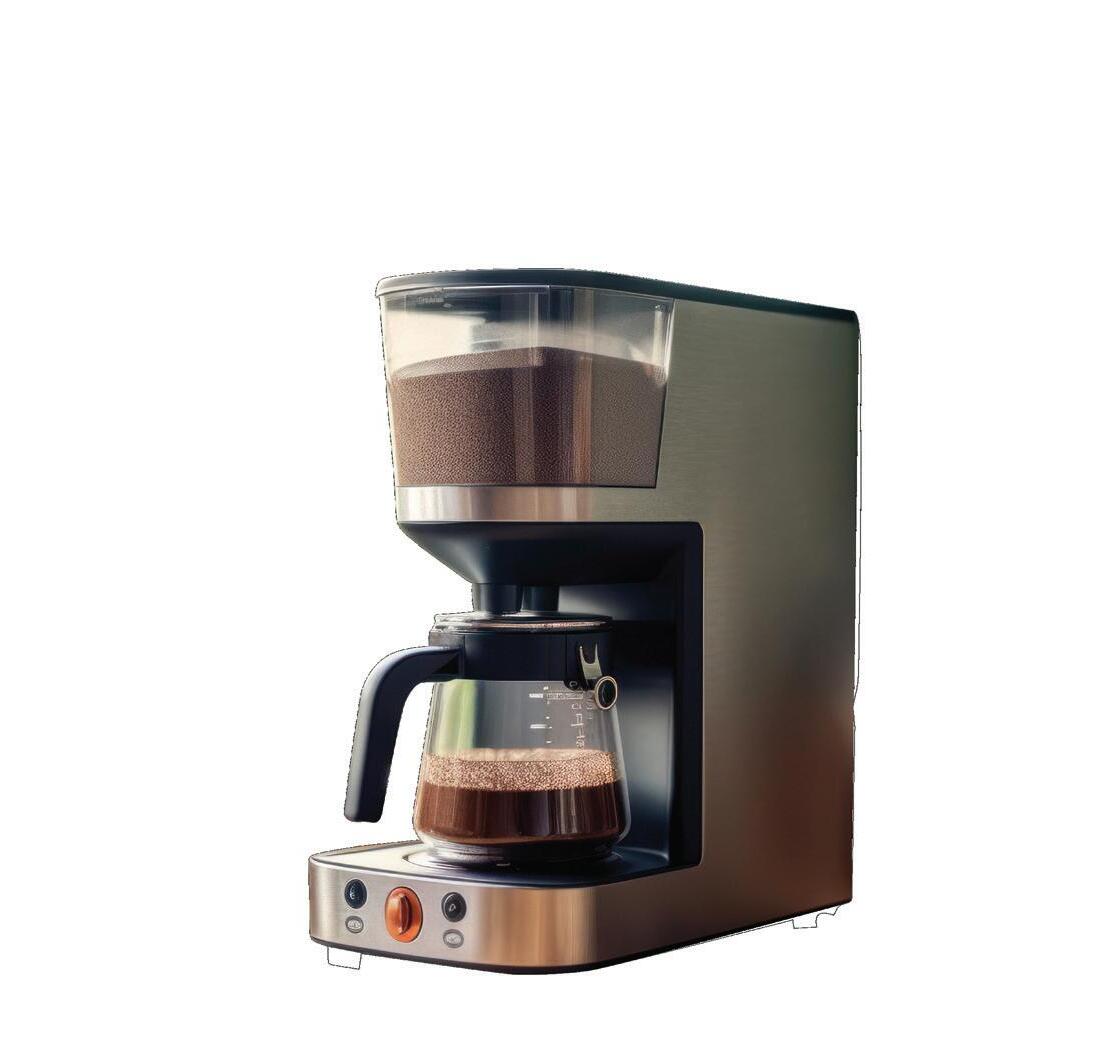
Here’s to three hours of pinspotting using as little energy as brewing a single pot of coffee
Only EDGE String uses state-of-the-art 24V DC in-line gearmotors to lift pins and return balls—delivering unmatched mechanical and electrical efficiency. Gearmotors run only when needed. And, at just 0.046kWh of power per machine, EDGE String consumes less power than the typical household coffee maker.
Learn how EDGE String can reduce your energy costs