




As we celebrate Independence Day and gather with family and friends this month, I'm reminded of something that's especially relevant to our industry: people are always looking for places to connect. Whether it's sharing a meal, supporting a meaningful cause, or creating memories together, bowling and family entertainment centers continue to play an important role in bringing people together.
That theme shows up throughout this issue.
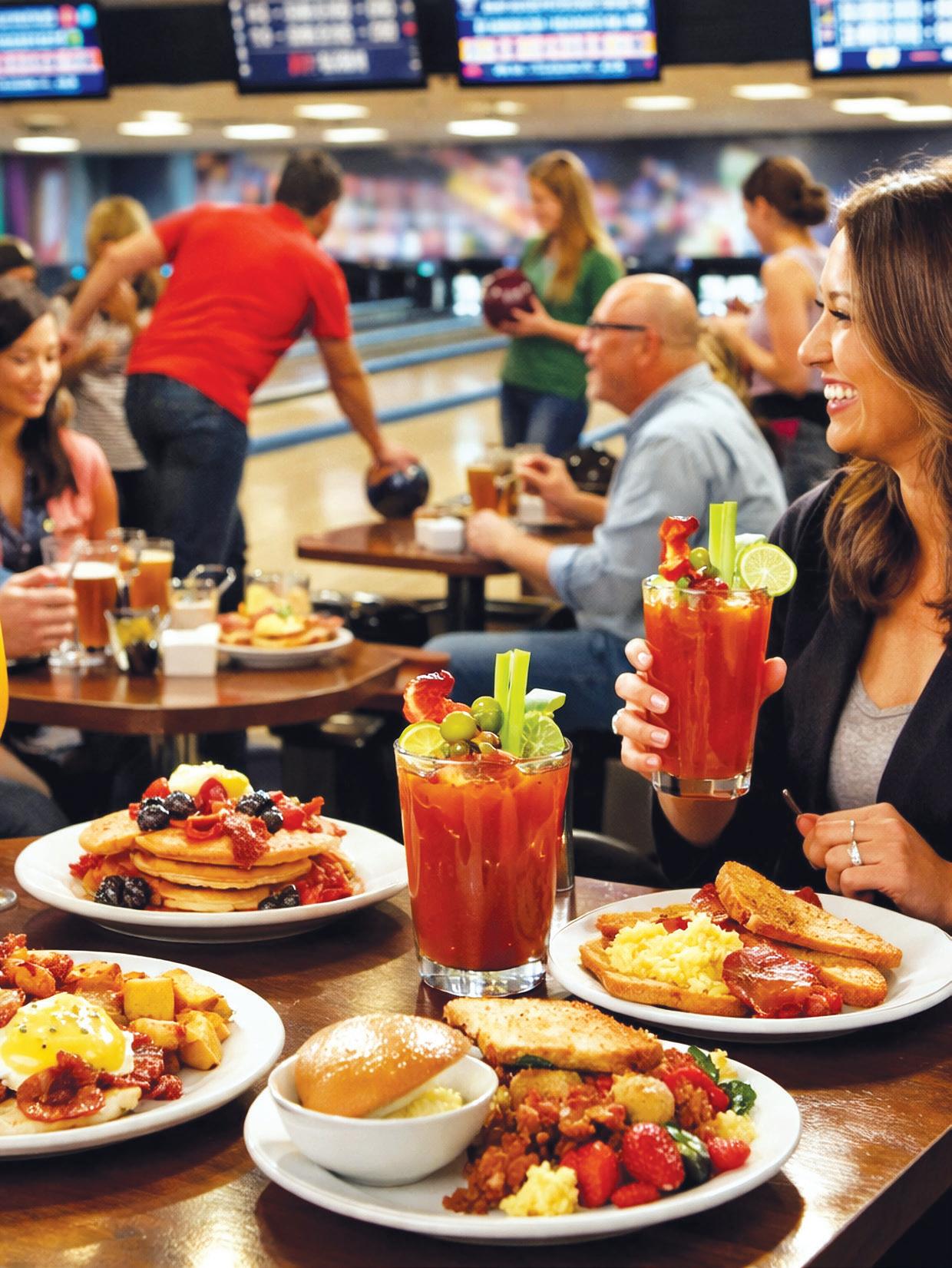
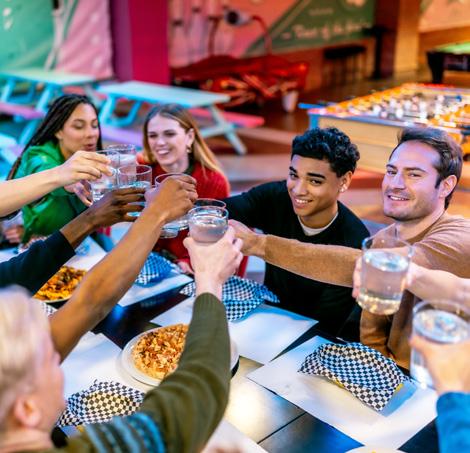
Our cover story explores a trend that's helping some operators turn slower weekend mornings into profitable, high-energy experiences. Rather than waiting for the afternoon rush, some centers are creating demand through brunch experiences that combine food, drinks, and entertainment. From simple beverage programs to full breakfast menus, operators are discovering new ways to drive traffic during traditionally slower hours while introducing guests to everything else the center has to offer. If you're searching for fresh revenue opportunities, this story may have you looking at weekend mornings in a whole new way.
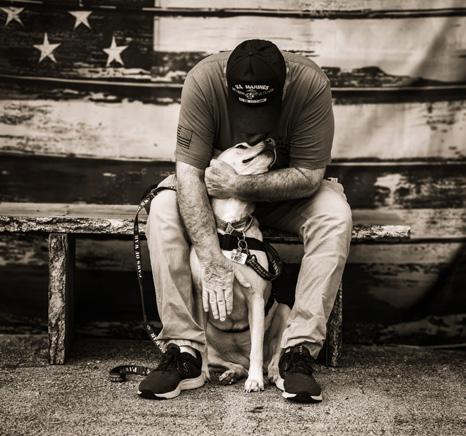
Not every success story is measured in revenue. This month, we explore how Bowlers to Veterans Link (BVL) funding is helping veterans regain independence, confidence, and quality of life through programs such as service dogs and recreational therapy. You'll also see how operators are finding creative, practical ways to support the cause while engaging their guests and communities. It's a powerful reminder that even simple fundraising efforts can change lives in ways we may never fully see.
Successful events do more than fill lanes for an evening. They create excitement, encourage spending throughout the center, and give guests a reason to return. In this issue, Darin Spindler shares lessons from several summer kickoff events that generated strong attendance, food and beverage sales, arcade play, and valuable marketing content. The article offers practical ideas that can help operators create energy inside their buildings and turn promotions into long-term business drivers. Every month, we're fortunate to share ideas from operators, consultants, and industry leaders who are finding new ways to grow their businesses and serve their communities. Maybe you'll pick up a marketing idea, discover a new revenue opportunity, or find a fresh perspective on a challenge you're facing. If one of these stories gets you thinking differently about your operation, then we've done our job. And keep the stories coming. We love hearing what's working in your centers. Maybe you've tried a promotion that exceeded expectations, found a creative way to give back, solved a challenge, or discovered a small idea that made a big difference. Some of the best stories are happening every day in centers across the country. If you've got one, we'd love to hear about it.

From all of us at IBI, we hope you have a safe, happy, and memorable Fourth of July.
See you next month!
Stephanie Davis, Publisher & Editor stephanie@bowlingindustry.com
PUBLISHER & EDITOR
Stephanie Davis stephanie@bowlingindustry.com
ASSOCIATE PUBLISHER
Natalie Davis-Fernandez natalie@bowlingindustry.com
EDITORIAL
Jackie Fisher fisher@bowlingindustry.com
OFFICE MANAGER
Roxanne Damask roxanne@bowlingindustry.com
CONTRIBUTORS
Stephanie Davis
Brian Duke
Natalie Fernandez
Jackie Fisher
Mark Miller
Corrie Pelc
Darin Spindler
Ryan Vasko
Brandon Willey
CONTACT
1850 San Marco Rd.
Marco Island, FL 34145
www.BowlingIndustry.com stephanie@bowlingindustry.com
The information in this publication is provided for general informational purposes only. While every effort is made to ensure accuracy, the publisher assumes no responsibility for errors, omissions, or outcomes resulting from the use of this information. Opinions expressed by contributors and advertisers are their own and do not necessarily reflect those of the publisher. Readers are encouraged to seek professional advice before making business decisions.
By Brandon Willey
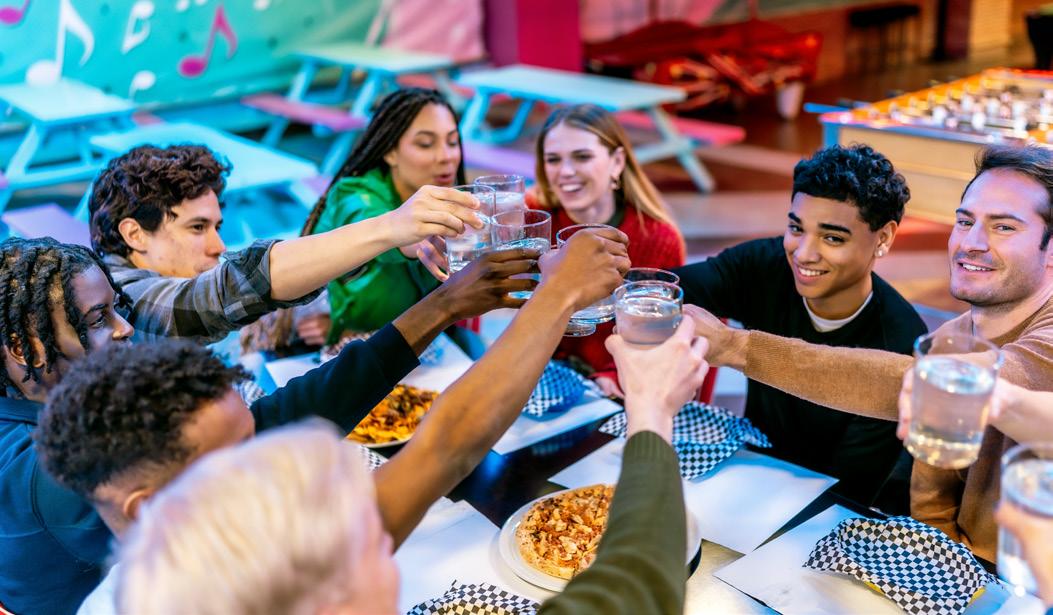
Nobody gets into the bowling or FEC business dreaming about inventory counts and kitchen ticket times, yet food and beverage have become one of the biggest opportunities inside the center. For many operators, it has also become one of the most challenging parts of the business to balance. Guests expect better quality, more variety, faster service, and an experience that feels competitive with restaurants and social entertainment venues. At the same time, most operators did not enter the industry as restaurateurs and are trying to grow a profitable F&B program while balancing labor, kitchen limitations, and rising guest expectations.
The opportunity is not necessarily building a larger menu or turning the operation into a full-scale restaurant. More often, it comes down to building a food and beverage program that fits the brand, supports the flow of the center, and gives guests another reason to spend more and come back.
Today’s guests are not just buying entertainment, they are buying a night out, and food and drinks help shape that experience. Because bowling is social and group-oriented, the menu should feel craveable, shareable, and easy to enjoy throughout the visit. If the menu feels like an afterthought, guests will usually treat it that way.
That pressure to deliver a better overall experience is where many operators run into the same challenge: trying to improve food and beverage performance without creating a more complicated operation.
Many operators respond to underperforming F&B by adding more items. But a larger menu does not automatically create more sales. In many cases, it creates the opposite: slower ticket times, inconsistent execution, more waste, higher labor complexity, and frustrated guests.
Menu engineering starts with knowing which items are Stars, Workhorses, and Dregs.
• Stars are high-margin, high-popularity items that should be featured prominently on menus, digital signage, party packages, and server recommendations.
• Workhorses are popular items with lower margins that may need adjustments to pricing, portioning, bundling, or ingredient cost.
• Dregs are low-profit, low-popularity items and are often candidates for removal or replacement.
This exercise can be uncomfortable because many venues carry legacy items simply because “we’ve always had them.” But every item on the menu should earn its place. If it does not support sales, margin, or operations, it may be hurting the business more than helping it.
Every strong eatertainment concept tends to have a few items guests remember. These “hero” items become part of the venue’s identity. They are the dishes guests photograph, share on social media, and come back to order again.
For one venue, that might be loaded tots served in a shareable skillet. For another, it could be a giant pretzel with multiple dipping sauces or a signature hot honey chicken sandwich. The best hero items are memorable, repeatable, and easy for staff to describe.
The key is avoiding items that look great in a marketing photo but fall apart on a busy Saturday night. A true hero item has to be both marketable and executable. If it cannot be made consistently during peak volume, it will disappoint guests and frustrate staff. Operators should ask themselves: “What food are we known for?” If the answer is only pizza and nachos, there may be an opportunity to create something more memorable and brandable.
Not every center should have the same menu structure. A boutique bowling lounge, family entertainment center, sports-driven venue, and arcade-bowling hybrid all deliver different experiences.
A family-focused center may need kid-friendly items, shareable






















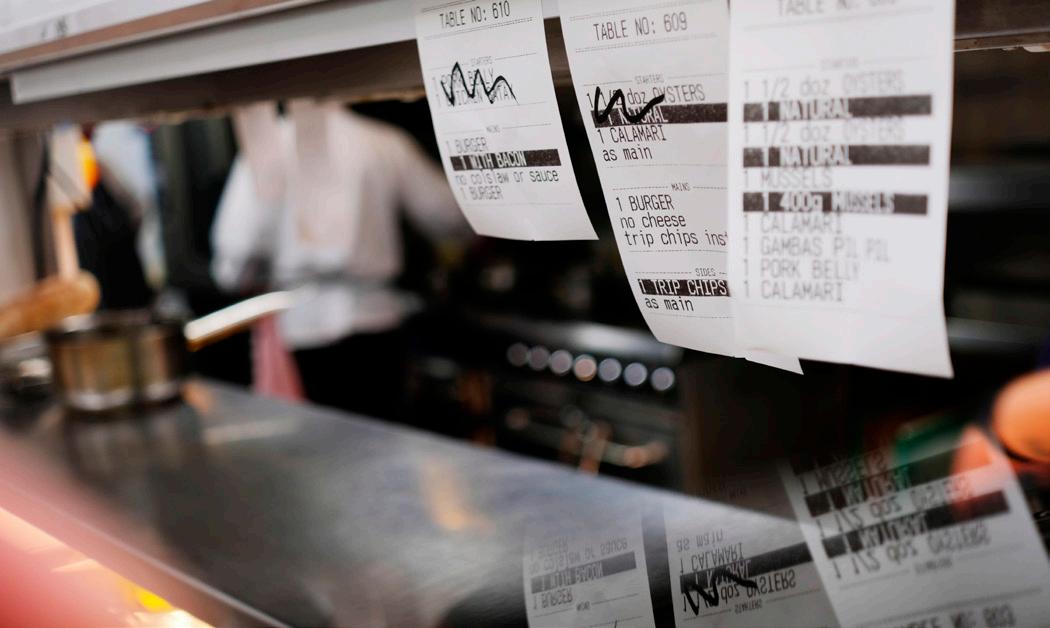
platters, and simple party bundles. An upscale social venue may lean into premium appetizers and craft cocktails, while a sports-barforward center may focus on wings, burgers, beer pairings, and gameday platters.
Brand alignment also shows up in naming, plating, packaging, and signage. Regional sauces, local beers, community partnerships, and limited-time features can make a center feel more connected to its market. The goal is not to chase every food trend, but to create a menu that feels authentic to the brand and the community around it.
A creative menu is only valuable if the kitchen can execute it consistently. One of the biggest mistakes operators make is designing food around aspiration rather than operation.
The real test is not whether an item works on a slow Tuesday afternoon. The test is whether it works when every lane is full, birthday parties are checking in, the arcade is busy, and there is a waitlist at the front desk.
Slow food does not just impact operations, it impacts the entire guest experience.
That is why kitchen workflow should influence menu strategy from the beginning. Operators should evaluate the kitchen they actually have, not the one they wish they had. Ticket times, prep capacity, storage, and staffing all play a role.
Smart menus rely on cross-utilized ingredients to reduce inventory complexity without making every item feel the same. They balance fast-fire items with more complex offerings and use prep systems that support consistency and speed during peak periods.
Even a strong menu will underperform if staff treats food as an afterthought. The team needs to understand what to recommend, when to recommend it, and how to sell it.
• Front desk staff should know which bundles work best for families.
• Servers and lane attendants should understand which items fit groups, parties, leagues, and adult social occasions.
• Party hosts should know how to suggest upgrades naturally instead of sounding scripted or pushy.
• Training should also include communication around timing. If an item takes longer during peak periods, staff should know how to set expectations clearly.
Guests are often forgiving when they feel informed, but far less forgiving when they feel ignored.
The right F&B program gives groups something to share, parents something to appreciate, adults something to enjoy, and guests another reason to visit.
Most operators didn’t get into the entertainment business to become restaurateurs. But today, a profitable food and beverage program has become part of running a successful center. The good news is that it does not require a massive kitchen or an oversized menu. More often, it comes down to building a focused operation that fits the brand, supports the guest experience, and executes consistently on busy nights.

Brandon Willey, ICAE, is co-founder of the LBX Collective and Premier LBX Group, co-host of The LBX Daily Show, and founder and CEO of Hownd. Brandon has an intense passion for the attractions industry and extensive knowledge of location-based entertainment. Brandon is the former chair of IAAPA’s FEC Committee and now sits on the North American Manufacturers and Suppliers Committee. You can connect with him at LinkedIn.com/in/bwilley.



By Brian Duke
Walk into almost any successful arcade today and you will notice something immediately: the cranes are impossible to miss.
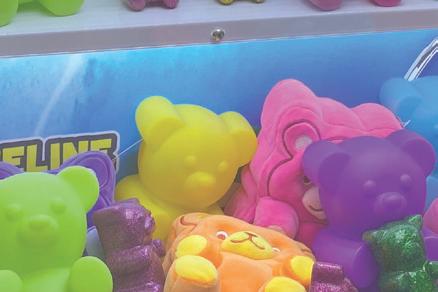
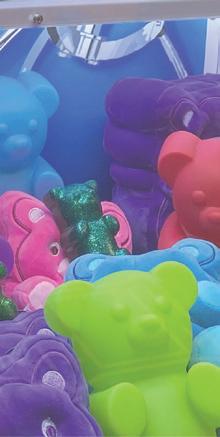
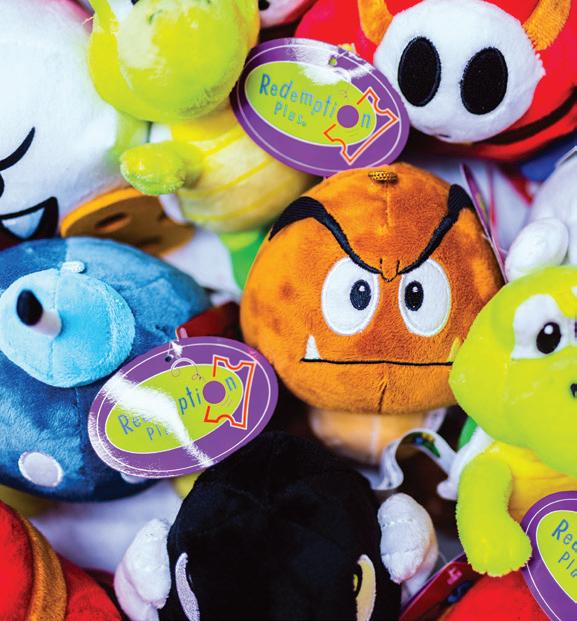
Bright lights. Giant plush. Ducks. Ticket rings. Kids circling the machines while adults stop to take “just one shot.” In many bowling centers and family entertainment centers, cranes are no longer side attractions tucked into a corner. They are front-andcenter revenue drivers designed to create energy, visibility, and repeat play.
where guests naturally gather or pass by repeatedly. “People need to see them,” he said. “If someone sees another guest winning or carrying around a prize, it creates interest immediately.”

I recently spoke with Jim Dupree of Smart Industries, my longtime friend and the company’s vice president of sales, about why cranes continue to perform so well and what operators can do to maximize their earning potential. The company traces its roots back to the carnival business in the 1970s before founder Gordon Smart and his son Jeff transitioned into crane manufacturing in 1985. One theme came up repeatedly during the conversation: successful crane operations are not accidental.
“The machine is only part of it,” Dupree explained. “The presentation, the merchandise, the location, the maintenance, all of that matters.”
Cranes continue to perform because they combine visibility, impulse play, skill, and repeat attempts in a relatively small footprint. And unlike some attractions that require massive investments, cranes can generate impressive returns while taking up far less space on the game floor.
Successful operators treat cranes like attraction pieces, not background games.
Dupree emphasized that the best-performing cranes are positioned
That visibility creates what Dupree described as a “win loop.” When guests see prizes moving through the center, it reinforces the idea that the games are active, fun, and winnable.
Dupree also encouraged operators to pay attention to capacity. If guests are consistently waiting to play a machine, adding a second unit may make more sense than simply celebrating the game’s success.
“If a game is busy all the time, add another one,” he said. “Otherwise, you are leaving money on the table.”
During the conversation, Dupree highlighted several crane and redemption categories that continue delivering strong results for operators.
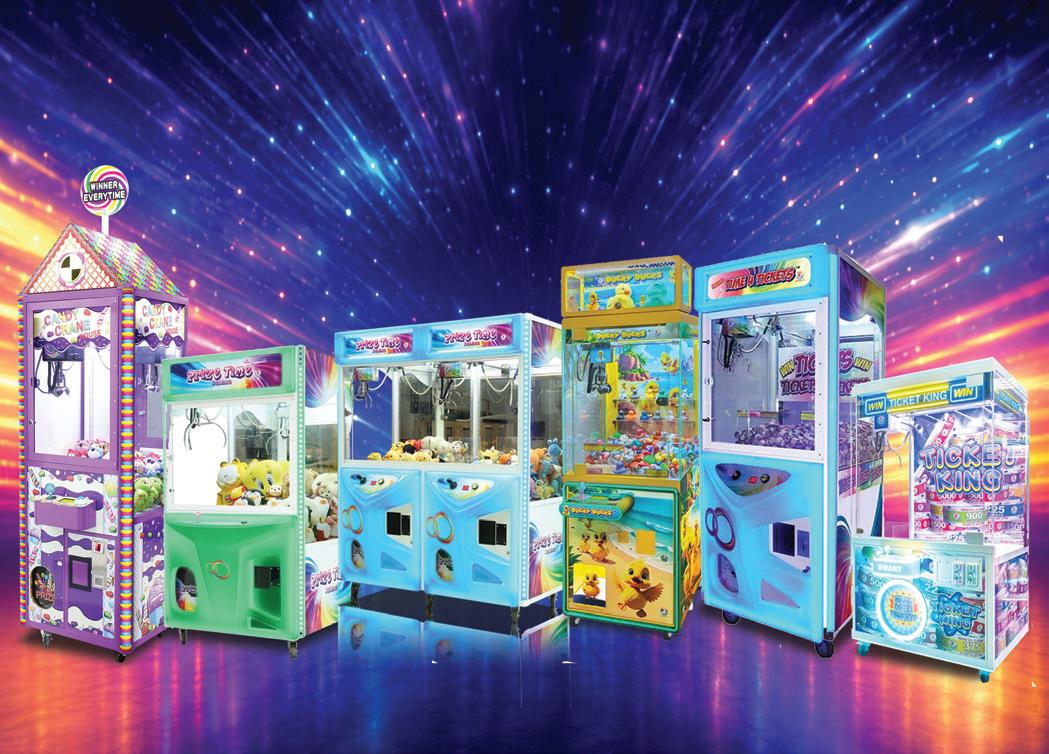
At the top of the list was Ticket King, a crane-style redemption game built around grabbing rings with ticket values attached. Instead of traditional plush prizes, players compete for ticket quantities that can immediately be redeemed at the counter.
According to Dupree, the game performs exceptionally well because players instantly understand it and the frequent wins encourage repeat play.
“It prints money,” Dupree said bluntly.
Dupree also pointed to Time 4 Tickets as another major earner. Like Ticket Ring, the game combines simple gameplay with strong redemption appeal and repeat play behavior.
“These games are easy to understand, and people keep coming back to them,” Dupree said.

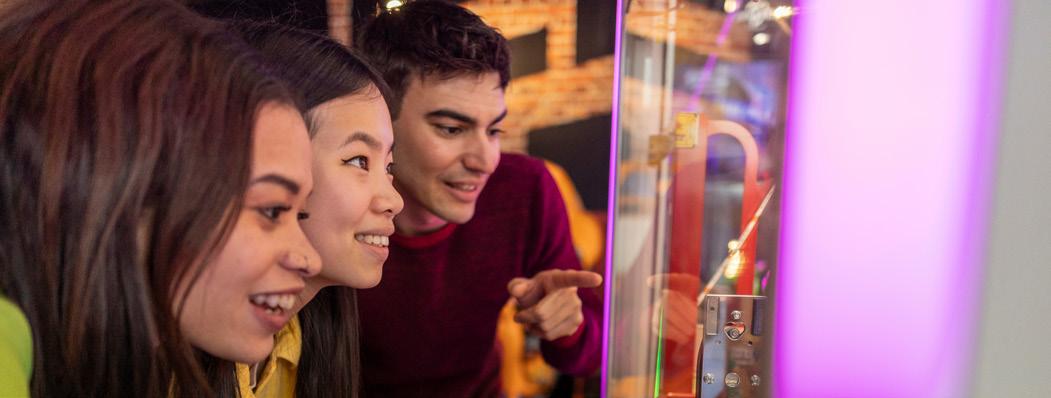
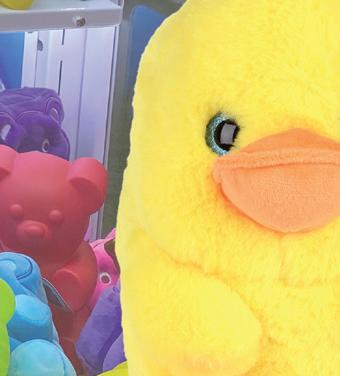
Traditional duck cranes also remain surprisingly powerful revenue generators. Dupree referred to the ongoing duck craze as one of the most durable trends the industry has seen in years because ducks are collectible, colorful, and inexpensive to stock.
“It sounds simple, but ducks still work,” Dupree said.
Rounding out the category are candy cranes, which continue producing dependable earnings because guests immediately understand the prize and operators can create attractive-looking machines without major investment.
Dupree said operators should also look beyond the initial purchase price when evaluating equipment. Downtime, service calls, lost revenue, and an "Out of Order" sign can quickly outweigh any upfront savings from a lower-cost machine. A crane may have a small footprint, but it is still a revenue-producing investment, and reliability plays a major role in long-term profitability.
That focus on performance can pay off quickly. Dupree shared an example of an operator who recovered the investment in a Ticket King unit within a week! While that result is exceptional, he said a more typical payback in a strong location is often three to five weeks.
One of the most interesting parts of the conversation centered on player psychology. Dupree repeatedly came back to a simple philosophy: “Winners make players.”
Guests are far more likely to continue playing when the game feels fair and they regularly see others winning. That doesn’t mean operators should give prizes away recklessly, but the experience needs to feel achievable.
“The goal is repeat play,” Dupree said. “You want people to feel like they can win.”
He pointed to mall kiosks as an interesting indicator of what's capturing attention. If yo-yos, ducks, or fidget-style items are selling well in kiosks and impulse-buy displays, there is usually a reason. Dupree also suggests keeping an eye on what middle school kids are carrying on backpacks or wearing on clothing, noting that those trends often find their way into successful crane merchandise.
Dupree believes one of the biggest operational failures in arcades is neglect. Dirty glass. Weak lighting. Half-empty cabinets. Sun-faded prizes. Sticky buttons. Guests notice all of it.
“A crane is basically a storefront,” he said. “If it looks neglected, people assume the game is not worth playing.”
Successful operators treat cranes like retail displays: bright, clean, organized, and constantly refreshed. Guests notice when machines never change, especially in centers with repeat traffic, so Dupree stressed the importance of regularly rotating merchandise and refreshing the overall look of the game.
Candy cranes require particular attention. Dupree recommended fully rotating and cleaning candy inventory every six to eight weeks to maintain freshness and appearance.
He also pointed to a technical issue operators sometimes overlook: matching the claw size to the product. If the claw is poorly suited for the merchandise, prizes can become difficult to grab or release awkwardly, frustrating players in the process.
“The mechanics have to match the product,” Dupree said.
Dupree emphasized that cranes are not passive income pieces that can simply be dropped onto the floor and ignored. Operators seeing the strongest results are actively managing them by rotating merchandise, maintaining appearance, refreshing game mix, and positioning cranes strategically throughout the center.
Done right, cranes can become some of the hardest-working revenue generators in the building. But as Dupree noted throughout our conversation, success rarely comes from the machine alone. It comes from creating an experience that guests notice, trust, and want to play again.
After more than four decades in the business, he believes the formula is still surprisingly simple:
"Pick the right machine. Keep it fresh. Make it feel winnable. And never underestimate the power of seeing someone walk away with a prize."

Brian Duke is an industry consultant who helps companies boost sales, strengthen connections, and stay competitive in family entertainment. A veteran of the FEC and arcade world, he is known for his big personality, deep industry know-how, and ability to connect with just about anyone. When he is working with IBI, Brian focuses on uncovering great stories, connecting with standout suppliers, and helping us shine a brighter light on the FEC side of the business, all while keeping things fun and real. Contact Brian at brianduke2012@gmail.com.
By Natalie Fernandez
Getting the game mix right is where strong arcades start, but what happens next is what drives performance.
In Part 2 of this series, Michael Williams of GENDA Americas breaks down how operators measure success, when to make changes, and how to keep their arcade evolving.
Numbers Tell The Story
Strong performance starts with knowing what to measure. “Operators should be looking at revenue per day or per week, revenue per square foot, play count and repeat play frequency, cost of goods, and uptime,” Williams says.
But one metric matters more than the rest.
Key Takeaway: Emotion kills profit. Data protects it.
TRENDS WORTH WATCHING Experience Is Everything

“The biggest indicator is consistency,” he adds. “If a game isn’t performing consistently, it’s not working.” The operators seeing the best results are the ones reviewing this data regularly — and acting on it.
Key Takeaway: If it’s not consistent, it’s not working.
Think Beyond Payback
Return on investment is important, but it’s not the full picture. “As a general benchmark, we like to see ROI within 18 months,” Williams says. “But it really depends on the game type and location.”
More importantly, operators need to look at what happens after that point.“You have to ask whether the game is consistently earning, whether it’s driving repeat play, and whether it’s contributing to the overall experience,” he explains.
Key Takeaway: ROI matters — but consistency matters more.
Let The Data Decide
The signs of a struggling game are usually clear - if you’re paying attention. “You’ll see consistent decline in weekly revenue, lower engagement compared to surrounding games, and players simply walking past it,” Williams says. “You may also notice increasing maintenance costs with decreasing return.”
The challenge for many operators isn’t identifying the problem. It’s acting on it.
“The best operators remove emotion from the decision,” he says. “If the data says it’s time, it’s time.”
Several trends are shaping arcade performance right now, but they all tie back to one thing: engagement. “We’re seeing strong growth in intellectual property (IP)-driven experiences, especially in the anime category,” Williams says. “Prize quality is becoming just as important as the game itself, and social, shareable experiences are driving engagement.”
There’s also a broader shift happening.
“One of the biggest takeaways from the past few years is that people want to be out,” he adds. “They want shared experiences, and arcades are benefiting from that in a big way.”
Key Takeaway: The experience matters as much as the game.
BEFORE YOU BUY Three Rules To Follow
Williams keeps it simple when it comes to making smarter purchasing decisions:
• Know your customer before choosing games
• Buy based on performance potential, not appearance
• Plan your rotation strategy before the game hits the floor
“If you don’t have a plan for how long a game stays, it will stay too long,” he says.
Key Takeaway: Plan the exit before the install.
DRIVING LONG-TERM PROFIT
Consistency builds growth
The strongest arcades aren’t built overnight. They’re shaped over time through constant adjustments and a clear understanding of performance. “The operators seeing the strongest results stay close to their numbers, understand how guests actually play, and keep their game mix moving,” Williams says.
At the end of the day, every decision matters; what goes on the floor, how it’s priced, and when it’s replaced. “It’s about knowing what works, refining it, and making smart adjustments along the way,” he says.
That’s where consistency turns into growth, and where a good arcade becomes a true revenue driver.


By Jackie Fisher
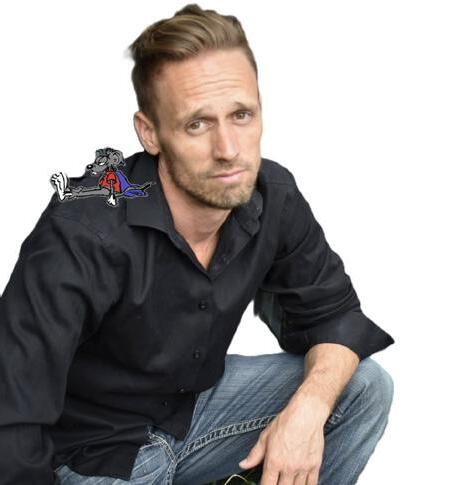
hen Elvis Sharp and Robin Boyd purchased a shuttered 12-lane center in Helper, Utah, they inherited more than an aging building. They inherited a market that had been without bowling and a community that was ready to have it back.
After multiple ownership changes and another shutdown in 2024, the future of the center was uncertain. Sharp and Boyd saw something different. "We didn't just see a bowling center," Sharp says. "We saw a chance to bring something back to the community and make it better."
Rather than revive the building's previous name, Sharp and Boyd created Pinheads and built the brand around a cast of original characters created by Sharp years ago. The characters now appear throughout the center and have become recognizable to guests, giving the business a distinct identity in the community.

What has happened since reopening as Pinheads offers an interesting reminder for operators: sometimes success comes from understanding what guests want right now rather than trying to become everything at once.
Like many first-time bowling operators, Sharp entered the business from another industry. As he and Boyd learned the business, they quickly noticed a consistent pattern: people were looking for a place where they could simply show up and bowl.
While Pinheads plans to add leagues in the future, its first year has been focused entirely on open play. For a 12-lane center, the approach has worked. "We hear it all the time," Sharp says. "People come in and ask, 'Do you have open lanes?' When we say yes, they're excited."
A nearby competitor has significant league activity, creating limited availability for casual bowlers. Pinheads found an opportunity by positioning itself differently. Instead of competing for the same guests in the same way, the center became a destination for families, birthday parties, and customers looking for immediate lane access.
The center regularly hosts six to eight birthday parties each week while maintaining consistent walk-in business. Many guests are discovering the center for the first time through word of mouth, local media coverage, radio advertising, and community outreach.
While some operators spend significant energy trying to add attractions, expand offerings, or chase new trends, at Pinheads, one of the biggest draws has been making lanes available when people want to bowl.
In a market where access was limited, availability became part of the product.
Beyond bowling, Pinheads includes three pool tables, a small arcade, and a snack bar serving handmade pizzas and other familiar favorites. Draft beer was also added after the team secured a liquor license, a notable step in dry Utah.
Sharp intentionally avoided creating a space that felt crowded or overwhelming. "I wanted people to be able to come in, relax, and enjoy themselves," he says. Rather than packing every available square foot with attractions, the focus has been on creating a comfortable experience that appeals to a broad audience.
The ownership team remains heavily involved in day-to-day operations. Sharp, Boyd, and Sharp's son Kyle, who serves as general manager, handle much of the operational workload themselves.
That hands-on approach extends from customer service to equipment maintenance. "There's nothing worse than equipment issues slowing everything down," Sharp says. "We stay on top of it, so customers aren't waiting."
Customers have noticed. Online reviews frequently mention the friendliness of the staff and the responsiveness of ownership. For a center rebuilding its reputation after years of uncertainty, those interactions have become an important part of the experience.
Leagues and expanded hours remain part of the long-term plan. But Pinheads' early success has come from something less complicated. The center identified what its market wanted and delivered it consistently.
For operators, that's a useful reminder. Not every growth opportunity comes from adding more attractions or making major investments. Sometimes the opportunity is simply recognizing what guests are struggling to find and becoming the place that provides it.
At Pinheads, that opportunity started with a simple question customers kept asking:
"Do you have open lanes?"

By Ryan Vasko
On weekend mornings many centers used to feel almost paused. A few bowlers trickled through the doors, staff moved quietly through opening routines, and large sections of the building sat waiting for the day’s real activity to begin.
Now, in some centers, those same mornings look completely different.
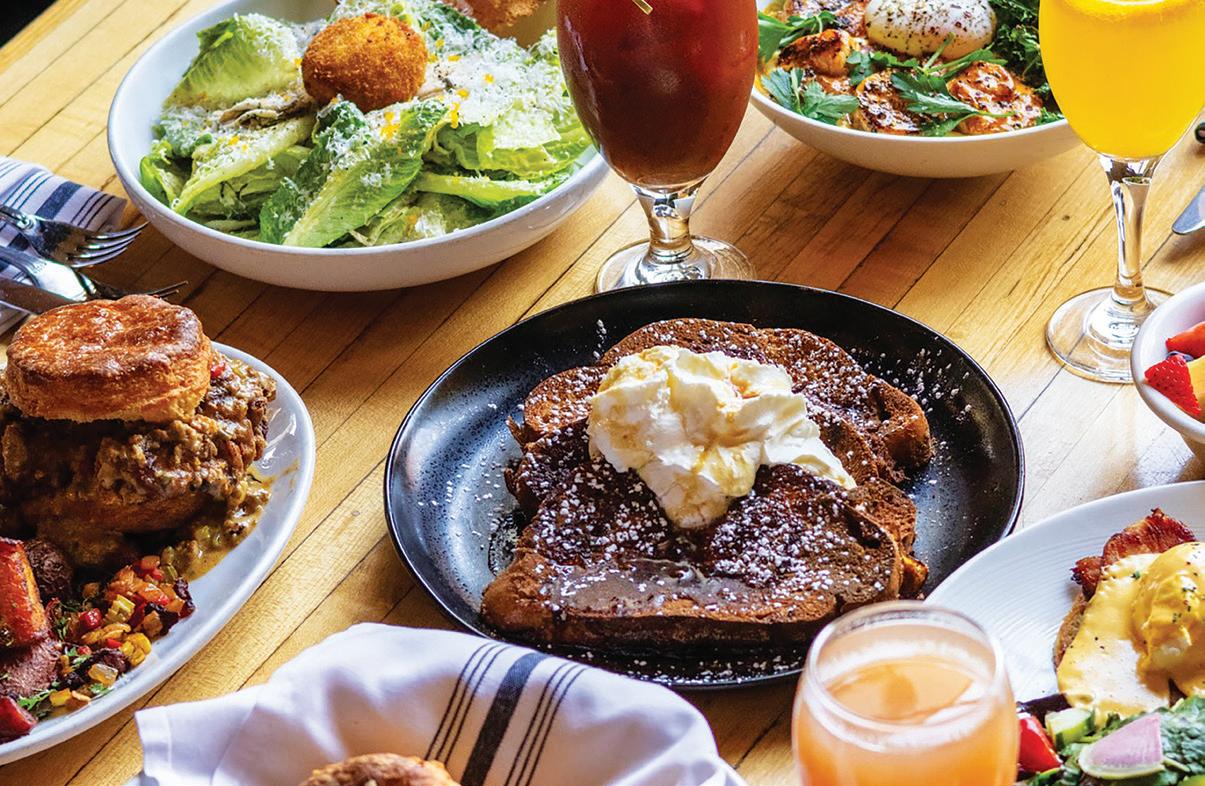
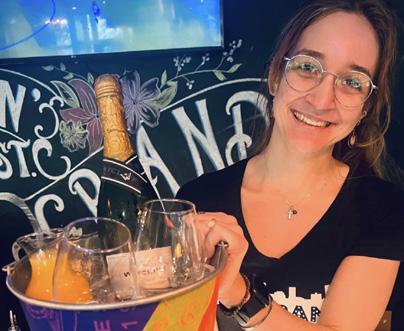
Tables are full before noon. Bloody Marys and Mimosas are heading out of the bar. Families linger over breakfast while groups of friends move from brunch to bowling without much thought about where one experience ends and the other begins. Instead of waiting for weekend traffic to arrive, operators are creating it.
That shift is happening in all kinds of operations, not just chef-driven entertainment venues with oversized food programs. Some centers are building full brunch menus around scratch-made specialties. Others are finding success with a much simpler approach: drink specials, a limited menu, smarter marketing, and a reason for guests to stop in earlier and stay longer. For centers searching for new revenue opportunities, brunch is becoming one more way to turn slower hours into some of the liveliest parts of the week.
The beauty of brunch is that it can be scaled to fit the operation. Not every center has the space, staff, or appetite for a full breakfast menu, and that may be exactly why the idea works. For some operators, the entry point is much simpler.
The opportunity is about rethinking what weekend mornings can look like.

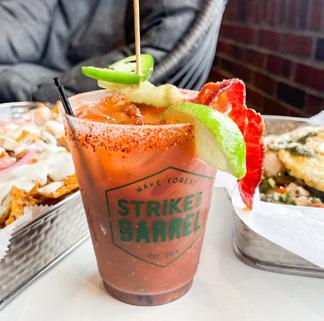
At Strike & Barrel in Wake Forest, North Carolina, the approach is deliberately light. The venue offers what it calls a “liquid brunch,” built around weekend staples like Mimosas, Screwdrivers, and Bloody Marys paired with its existing upscale food menu and entertainment mix, including bowling, duckpin lanes, axe throwing, and golf simulators. The strategy works because they’re attracting guests who want to relax, socialize, and ease into the day. Activities do not have to be the first decision. They naturally become part of the experience
once guests are already in the building and enjoying themselves.
That is an important reminder for smaller food operations. Brunch does not have to start with a new kitchen buildout or an extensive breakfast menu. It can begin with a few smart beverage features, a limited menu, stronger promotion, and a reason for guests to show up earlier than usual. Even positioning the word “brunch” strategically in marketing and online listings can help centers appear in searches tied to weekend dining and social outings.
At Bryant Lake Bowl & Theater in Minneapolis, brunch has evolved far beyond an add-on. It has become part of the venue’s identity. The business, which first opened in 1935, is known throughout the neighborhood as much for its breakfast menu and theater as its bowling lanes.

On many mornings, manager Jim Quire estimates roughly 75% of guests are there primarily for breakfast. Many are regulars who may not initially think of themselves as bowlers at all. “We’ve been a breakfast staple in the neighborhood for decades,” said Quire. The food kind of speaks for itself, but it just also happens to be a bowling alley. After operating without leagues for seven years, Bryant Lake recently brought them back
and found strong interest from both returning bowlers and brand-new players, an unusual story at a time when many centers are still working to rebuild league participation.
The kitchen, once the alley’s shoe counter, is small by modern standards, and relies heavily on consistency, scratch cooking, and longtime local supplier relationships rather than constant menu reinvention.

We have a lot of fun bowlers who are just bowling casually, but it’s growing,” Quire said. “At least three league members who are new to our league who never owned a ball before have now bought their own ball and are really into it.”
That consistency may be part of why the concept works so well. Bryant Lake is not trying to chase every food trend or build an oversized brunch operation. Instead, it has created a neighborhood gathering place where food, entertainment, and bowling naturally feed into one another over time.
At venues like The Grand on Main in Columbia, South Carolina, brunch works because it blends naturally into a broader entertainment experience. Located inside a renovated vaudeville theater, the venue combines an upscale restaurant with seven bowling lanes tucked into the back of the property beneath exposed beams and historic architecture.
General manager Dylan Alford jokes that the business is “kind of the mullet of the area,” with a polished restaurant in the front and bowling in the back. That dual identity creates natural crossover between dining and entertainment.
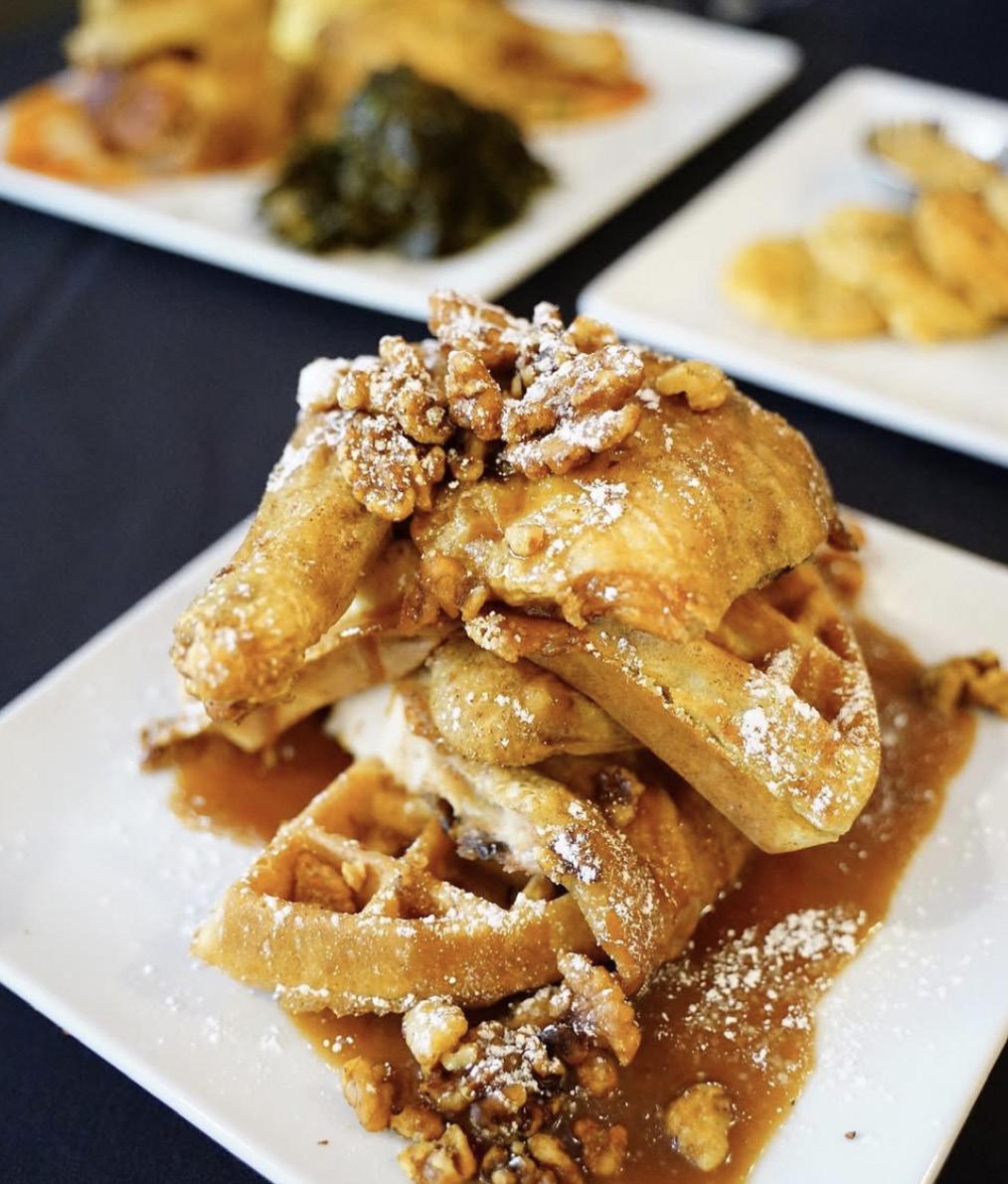
Some guests arrive specifically for brunch favorites like shrimp and grits or chicken and waffles before discovering the lanes later. Others come to bowl and unexpectedly end up staying for food, drinks, and a much longer visit than originally planned.
“A lot of people don’t even know there’s a bowling alley here, and then they hear the pins crashing in the back,” Alford said. “In the
inverse, a lot of folks come because they want to bowl and don’t realize there’s a full bar and restaurant. It’s a great way to keep people in the building.” For many centers, that overlap is the real opportunity. The longer guests stay, the more likely they are to explore additional attractions, order another round, or come back again.
For Alford, however, the operational side matters more than flashy menu trends. “It comes down to execution,” he said. “Don’t get so caught up in having the coolest menu or flashy, trendy stuff. It’s about the people. Execute a simple menu really well with quality food and consistent service."
That same philosophy appears at Pinewood Social in Nashville, where brunch traffic regularly flows between dining areas, bars, patios, event spaces, and vintage bowling lanes. Guests settle in for hours instead of cycling through quickly, turning bowling into part of a broader social experience rather than the sole attraction.
Brunch creates an entry point for guests who may not have planned a bowling outing at all. In some centers, that starts with a few cocktail specials and a busier Saturday morning crowd. In others, it has grown into a strong food and beverage driver that keeps guests in the building longer and naturally introduces them to other activities.
Not every guest walks in looking to join a league. Some are simply looking for a place to gather over coffee, eggs, and a couple of Mimosas.
For operators staring at quieter weekend mornings, that may be the biggest takeaway of all: sometimes the easiest way to grow traffic is simply by giving people another reason to show up earlier and stay longer.

Ryan Vasko is a writer based in Denver, CO, with 20 years of experience as a journalist, speechwriter, and marketer. Growing up in his family’s bowling center, Ryan spent significant time bowling with his dad and grandpa and working at the center. His dog is a good boy.
By Stephanie Davis and Mark Miller
The moment is quiet, but everything has changed.
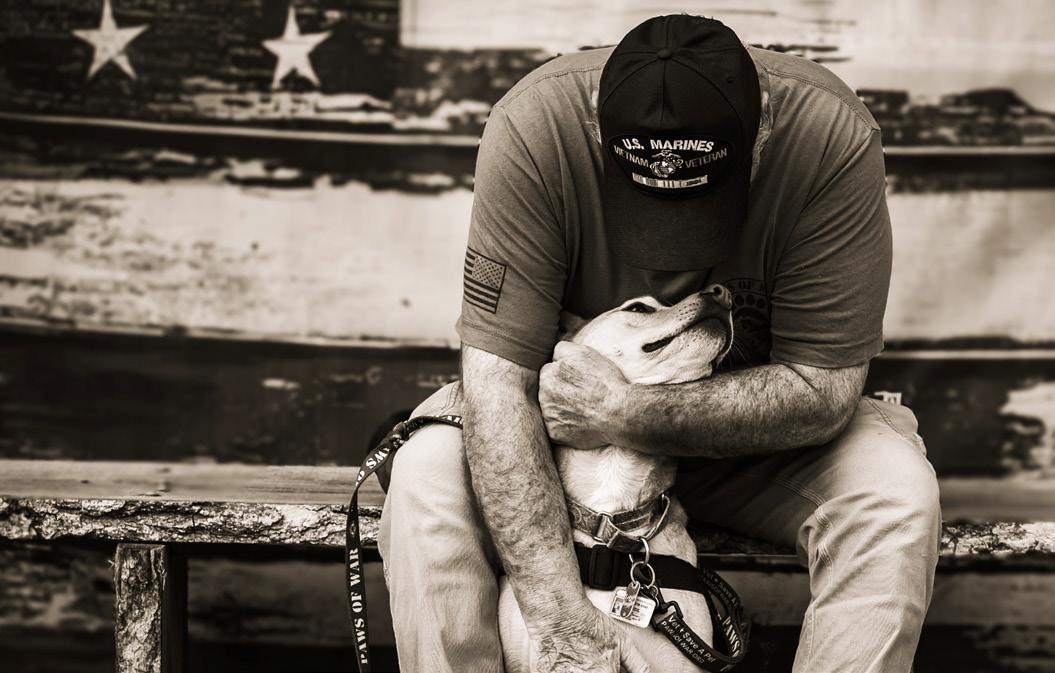
A veteran walks into a crowded restaurant without hesitation. No scanning for exits. No panic rising in their chest. Just a steady presence at their side.
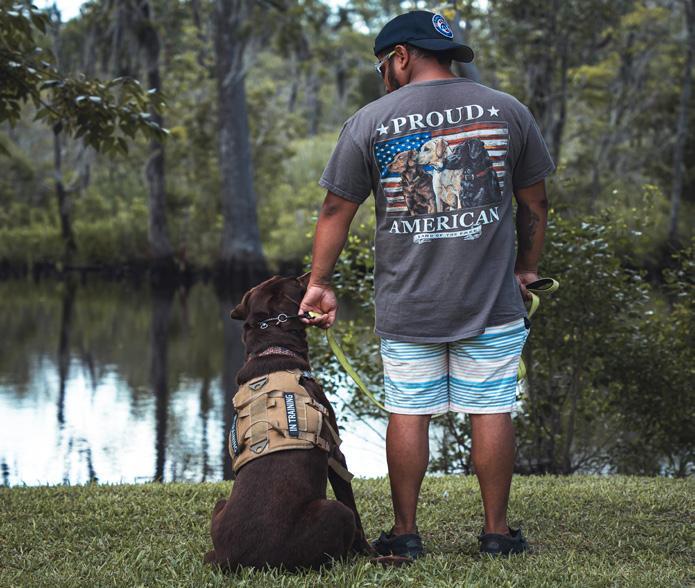
A service dog trained to recognize stress before it escalates, create space in a crowd, and anchor someone when the world starts to tilt.
Veterans who receive service dogs share stories of sleeping through the night for the first time in years, running errands alone, sitting through dinner with family, and reconnecting with everyday life after years of isolation. These are life-changing outcomes.
That mission is giving operators across the industry a more personal reason to support BVL.

For many veterans, this is not a small victory. It is everything. And it is one powerful example of where Bowlers to Veterans Link (BVL) funding is making a difference.
Through its growing support of service dog programs and recreational therapy initiatives, BVL is helping veterans rebuild confidence, restore independence, and reconnect with daily life.
“When you meet the veterans and dogs, you see how incredibly meaningful this resource is to them,” said Jessica Abel, executive director of BVL.
BVL’s connection to service dog programs started through the Bowling Proprietors Association of the Carolinas and Georgia, where leaders directed fundraising toward local organizations and quickly saw the impact firsthand. What began as a regional effort has since expanded nationally.
“At the end of the day, everything we fund is centered around improving quality of life for veterans and active-duty military,” Abel said.
Some centers are finding creative ways to build fundraising directly into everyday operations. That was the case for Fun Bowl’s two Georgia locations in McDonough and Fayetteville.
After winning a $5,000 prize at the 2025 Bowling Proprietors Association of the Carolinas and Georgia Convention, Fun Bowl owners Steve and Jackie Brown, along with their management team, decided to approach BVL fundraising differently.
“A lot of centers that win the prize donate it right back to BVL,” Brown said. “But we thought maybe we could use it to build something bigger.” Instead of immediately donating the money, the Fun Bowl leadership team used the $5,000 as a fundraising launch point and challenged both locations to match it internally.
“We kept the money and used it to kick-start the campaign,” Brown said. “Once we matched the first $5,000, it gave people momentum and something to rally behind.”
What happened next exceeded expectations.
Both locations started with small donation boxes at the front desk. Then came sponsorship opportunities on lane rake bars above all 32 lanes at both centers. Businesses could purchase signage for one, two, or three months during the campaign.
“We doubled it so quickly in the first month of the campaign, so we said, ‘Let’s keep going,’” said Fun Bowl general manager Jenny McDonald. “We knew we needed to do something bigger, so one of our managers suggested selling lane rake signs.”
The centers also sold 30-second advertising spots on in-house television monitors while adding BVL no-tap tournaments and larger

• Round-up campaigns
• No-tap tournaments
• Lane sponsorships
• Donation buckets
• League fundraising challenges
• Raffle tables
• Special event nights
• Local business sponsorships
• In-center advertising sales
weekend events. Each successful fundraiser pushed the team to raise the goal again. By the end of the campaign, Fun Bowl had raised $23,680 for BVL.
At Chippers Lanes Entertainment in Colorado, fundraising took a different approach. The four-location company already had BVL leagues operating for years, especially through its Horsetooth location in Fort Collins. But in late 2023, Chippers added a point-of-sale roundup campaign with the company matching all guest donations.
“Each quarter we pick a different nonprofit that we support,” said operations director Shauna Gray. “We ask our guests if they want to round up their tabs, and whatever the customers raise in that three-month timeframe, Chippers matches it.”
BVL became the first featured organization in Chippers’ round-up campaign after Gray and managing partner Matt Hoeven attended a MUBIG meeting, where longtime BVL advocate Joe LaSpina spoke about the organization’s impact on veterans.
“Joe has a passion for BVL, and every year he talks about the work they’re doing,” Gray said. “It really re-engaged us beyond our league involvement. This was something we wanted to support at the company level.” The simplicity of the program made it easy for guests to participate. “We’re not asking them to do much, just round up their check,” Gray said.
The results steadily added up. Customers and Chippers raised a combined $3,171 in 2023, $4,087 in 2024, and $2,919 in 2025, totaling more than $10,000 for BVL.
Efforts like this matter because they make participation easy.
“We understand operators are busy, so we want to make it easy to get involved,” Abel said. “Round-up campaigns are something guests already understand and is a simple way to turn everyday transactions into meaningful support.”
For many centers, BVL fundraising starts with something simple: a tournament, raffle, donation bucket, league challenge,
sponsorship sign, or round-up campaign. What keeps operators engaged is seeing where the money goes.
BVL funding supports veterans facing PTSD, mobility challenges, isolation, and other barriers that affect daily life. That makes the fundraising feel personal because every dollar connects to something real.
Fun Bowl turned lane signage and television advertising into major fundraising tools. Chippers built giving into everyday guest transactions. Both worked because they were easy for guests to understand and easy for staff to support.
While many of these efforts happen quietly, their impact is significant. Somewhere right now, a veteran is walking into a restaurant without fear for the first time in years. Somewhere else, another is reconnecting with family, sleeping through the night, or simply feeling comfortable enough to leave home again.Those moments do not happen by accident. They happen because people chose to help. And that is a legacy worth being part of.
BVL supports programs focused on recreation, therapy, mobility, and quality of life for veterans and active-duty military. That includes adaptive sports, wheelchair games, virtual reality systems in VA hospitals, outdoor therapy experiences, creative arts programs, Honor Flights, mobility equipment, bowling activities, and service animal programs.

Mark Miller is a freelance writer, editor, and public relations specialist from Flower Mound, TX. He’s the author of "Bowling: America's Greatest Indoor Pastime," available at Amazon.com or directly from him at markmywordstexas@gmail.com.





By Darin Spindler
Alot of centers launch programs with good intentions and very little momentum.
They put up social posts, send an email blast, maybe mention it at the counter, and then hope families show up over the next few months. But the centers that create real energy around a program usually do one thing differently: they turn it into an event.
That was reinforced for me recently after visiting four different centers over three weeks for summer kickoff events in Denver, Minneapolis, Indianapolis, and Madison, Wisconsin. While these events were tied to Kids Bowl Free, the bigger takeaway had very little to do with one specific program. What stood out was how effective a well-executed kickoff event can be at driving traffic and spending beyond a single night.
And honestly some of the results surprised even me:
• One location sold out completely.
• Another filled 36 lanes.
• Families stayed longer than expected.
• Food and beverage sales were strong.
• After bowling, many guests moved directly into the arcade.
• At roughly 90% of the tables people were ordering food and drinks while they bowled.
What made these events successful was a combination of timing, structure, and understanding how families behave.
One of the biggest factors was scheduling. All four events started at 5 p.m. on weekend evenings. That timing worked because parents were getting off work and immediately looking for something easy to do with the family. The centers essentially became the answer to the nightly “What are we doing for dinner?” conversation.
Convenience drives decisions for families. If parents can walk into a center, feed the kids, let them bowl, spend time in the arcade, and stay entertained for a few hours without much planning, the center wins.
instead of guest behavior.
A Tuesday night at 8 p.m. may work internally, but it is probably not when your ideal customer wants to bring three kids out for dinner and entertainment. Weekend evenings created a different type of energy. Families arrived relaxed, ready to stay awhile, and more willing to spend across multiple parts of the center.
One of the smartest parts of these events was the reservation structure. Families paid a $10 deposit to reserve their lane. Then, when they arrived, that same $10 was returned to them as a game card or open-play credit. That small shift accomplished several things at once.
First, it dramatically reduced no-shows. When people reserve free events without commitment, attendance becomes unpredictable. The deposit created accountability while still giving guests full value back once they arrived.
Second, it pushed traffic into other attractions. Instead of the bowling experience ending after the game, families already had spending credit in hand, which naturally encouraged arcade play and additional activity throughout the center.
One thing became very obvious during these kickoff events: centers that actively sold food performed better than centers that simply made food available.
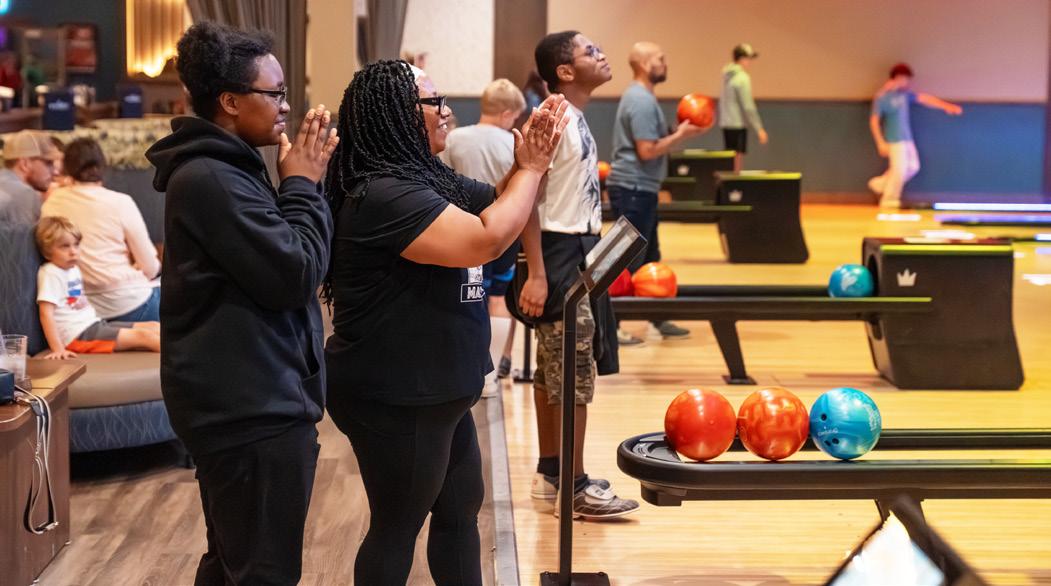
The strongest locations used lane servers to take orders directly at the lanes, making it easy for families to order without interrupting the experience. In many ways, lane service became one of the strongest revenue drivers of the night because families stayed settled in and continued spending.



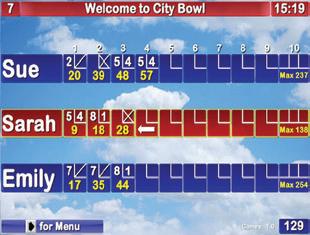

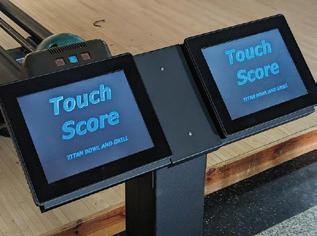

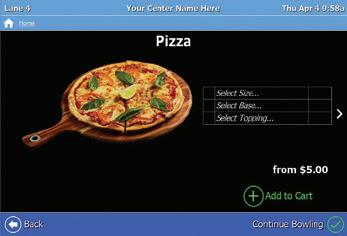

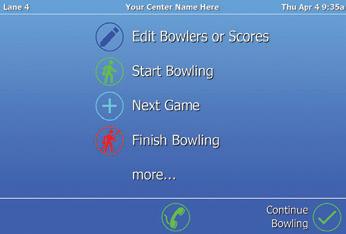


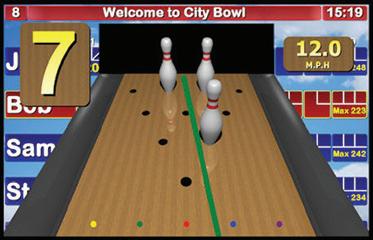

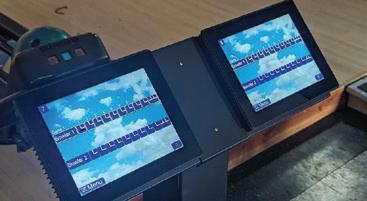

“Our experience here at Chatham Bowlerama with New Center Consulting, Inc. was very professional.
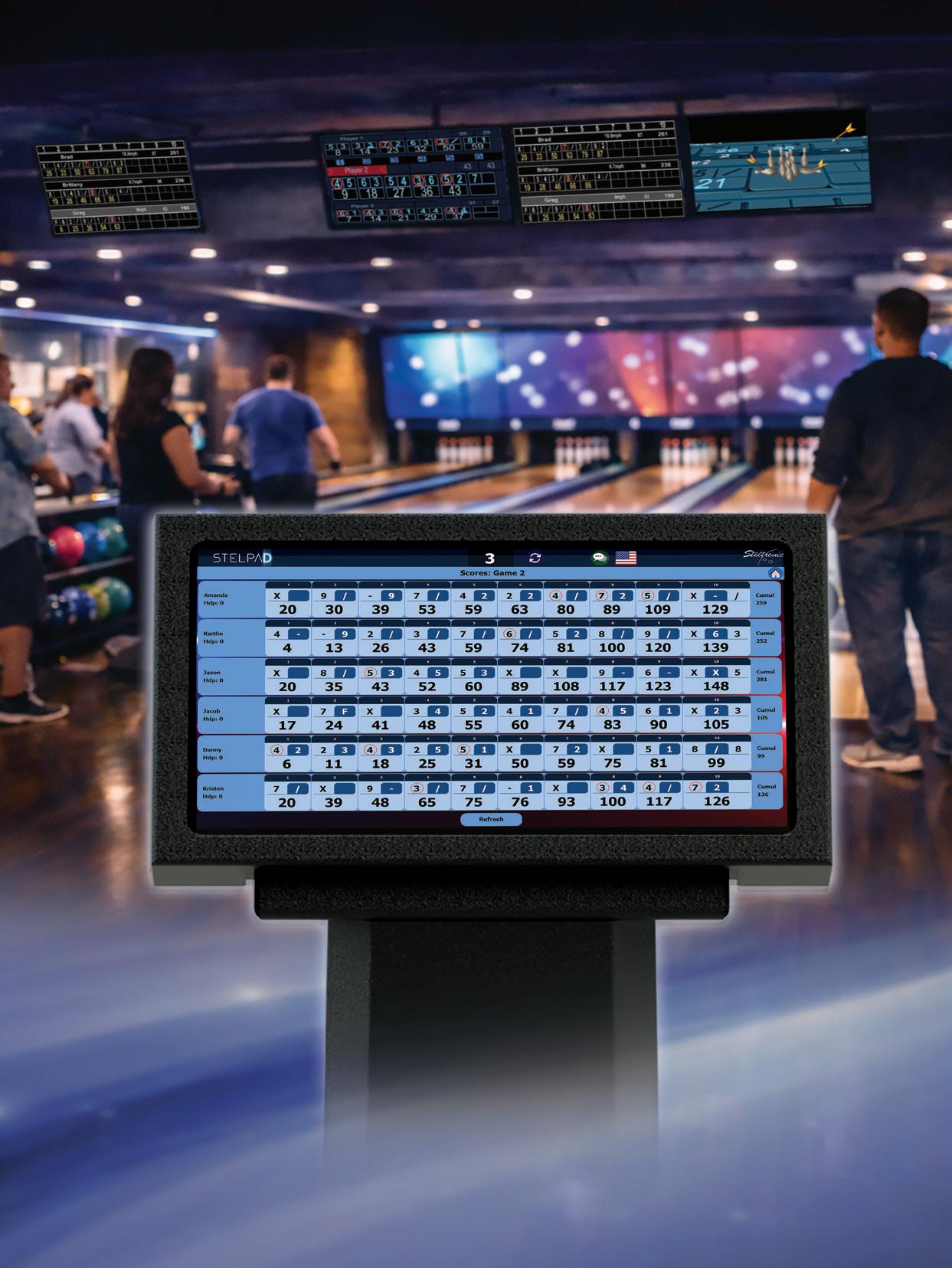
New Center Consulting, Inc. usually only deal with 10 pin, duck pin and candle pin scoring systems and pin setters. Glenn and his crew where excited for the challenge of getting the very old Mendes 5 pin machines at our centre to work with their scoring system.
It has been well worth changing the scoring system to Touch Score. Simplicity is the best way to describe Touch Score, ease of use for league bowlers and public bowlers a like.”


“We here at Chatham Bowlerama would suggest New Center Consulting, Inc. for installing Touch Score scoring system.”




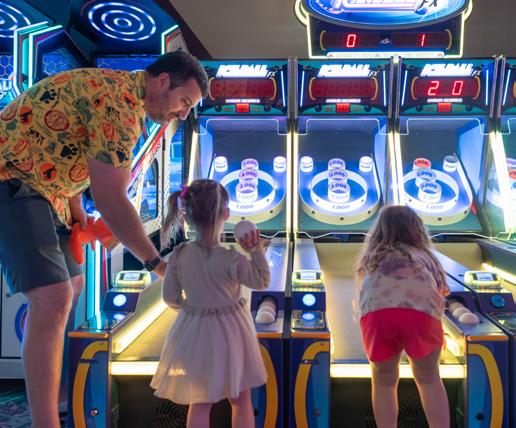
Operators should also pay attention to menu simplicity during these types of events. The centers that moved food efficiently kept ordering easy. Familiar shareables, pizza, appetizers, pitchers, and quick-toexecute items tend to perform well because families are focused on spending time together, not studying a complicated menu.
One mistake I see often is treating kickoff events as one-time promotions instead of repeatable traffic drivers.
• If a center has open lanes on Friday, Saturday, or Sunday evenings during the summer, there is no reason these types of events cannot happen more regularly. Weekly, bi-weekly, or monthly versions can keep traffic moving during slower periods while also giving families a reason to return.
Another mistake is overcomplicating the event itself. Sometimes operators try to pile too much onto an event and accidentally create confusion instead of excitement.
• The most successful kickoff events were simple. Families knew exactly what they were getting. The offer was easy to understand. The reservation process was straightforward. The experience felt organized from the moment guests walked in.
Remember, staff are more likely to execute better when the structure remains manageable and repeatable.
One area that often gets overlooked is content creation. These events are full of marketing opportunities if centers take advantage of them. Packed lanes, families celebrating, arcade activity, food coming to the table, kids high-fiving after strikes — that is the kind of real-world content that performs well on social media and digital advertising.
Too many centers miss this part: take the photos and videos while the event is happening. Packed lanes, arcade activity, food coming out, and families having fun can become some of the strongest content for promoting the next event.
Some of the strongest digital ads come from authentic moments inside the center, not overly polished graphics or stock images. When potential guests see a building full of families genuinely having fun, it creates social proof that marketing alone cannot replicate.
Good events create revenue for one night. Great events create marketing content that keeps people coming in again and again.
At the end of the day, successful events are not really about giving something away. They are about creating energy inside the building. When families are engaged, staying longer, eating, playing, and sharing the experience with others, the event becomes more than a promotion. It becomes a business driver.
The strongest centers understand that events are not just about occupancy. They are about creating habits and giving families another reason to choose your center over every other entertainment option competing for their time.
And sometimes, all it takes to create that momentum is one well-executed night.
Catch families looking for dinner and entertainment.
A small deposit reduced no-shows while adding arcade or open-play value.
Game cards encouraged families to explore the arcade and attractions.
Lane servers helped increase food and beverage sales.
Straightforward offers created a smoother guest experience.
Photos and video from packed events can boost future marketing.
If weekend lanes are not already full, recurring monthly or bi-weekly events can help drive consistent summer traffic.

Darin has been in the bowling business his entire life. He grew up in a small town of about 300 people where his parents built an 8-lane bowling alley in 1977. After moving to Green Bay, WI, he became a partner in a 60 lane and 36 lane center using his marketing skills to grow the business with fun promotions and new league formats. Darin is the founder of Bowling Marketing Solutions and has helped introduce more than 40 million children and families to bowling through his involvement with the Kids Bowl Free program.
By Corrie Pelc
For many bowling center operators, the biggest competition is not the center down the street. It may be a perception that has not been true for years.
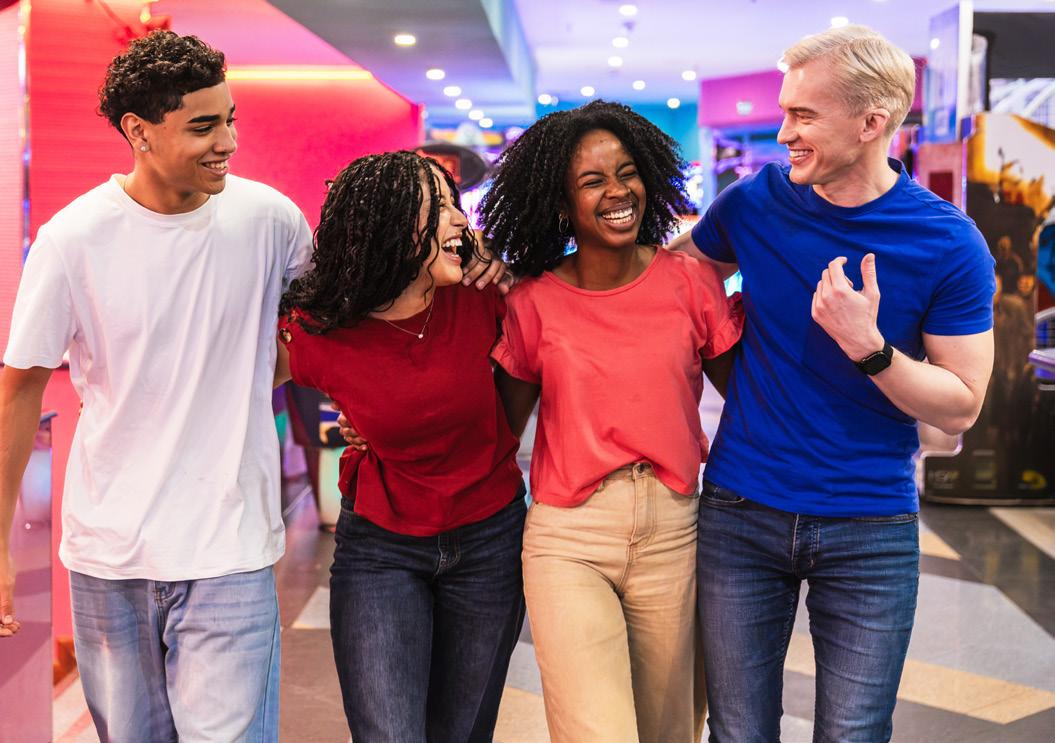
People often make decisions based on what they think a business is before they ever visit. And for bowling centers, those perceptions are sometimes rooted in experiences from decades ago. They picture dark buildings, outdated food, smoky environments, or little more than rows of lanes.
The challenge is not that today's centers fit those descriptions, it’s that many potential guests have no idea how much the industry has changed. And that creates a marketing problem.
If your community still has an outdated picture of what an experience at your center has to offer, your marketing is selling you short. The good news: there are now more tools than ever to help reshape those perceptions before guests walk through the door.
One of the oldest assumptions about bowling centers is that they are dirty. Stained carpets, sticky floors, and neglected bathrooms are images some consumers still carry, even though many centers have invested heavily in cleanliness and facility upgrades.
"We had to have everything wiped down after every person that came in, so that has continued on," he said. "A lot of it comes with marketing to moms: bowling centers are family friendly, fun, and clean. More and more we have to use that word 'clean' because moms are looking at that."
The challenge is that guests cannot experience your cleaning standards before they visit. They can only judge what they see online. If your website and social media are filled with outdated photos or fail to showcase the facility, potential guests may fill in the blanks with old assumptions.
Taylor McGlamery, owner and director of marketing for TrustWorkz, says centers should not assume guests know what happens behind the scenes. She recommends using website FAQs and other marketing channels to communicate cleaning and sanitation practices clearly.
Jeffrey Moore, president of Bobby Byrne Management Corp., which owns Lanes Bowl & Bistro in Mashpee, Massachusetts, says visual storytelling can help reinforce that message. "A picture is worth a thousand words," he said. "We do take a lot of pride in how clean the bathrooms are and how clean the facility is, so we do try to highlight that in our social media."
Mike Monroe, CEO of First Frame Bowling, says the industry's heightened focus on cleanliness that emerged during COVID has remained in place and is an important part of marketing to families.
Even though indoor smoking bans have become common across the country, some consumers still associate bowling centers with cigarette smoke. The issue is less about reality and more about communication.
McGlamery believes the broader lesson extends beyond smoking policies. Information that seems obvious to operators is often unclear to first-time guests. Family hours, age restrictions, league schedules, and special events can all create confusion if that information is buried on a website or missing from social media.
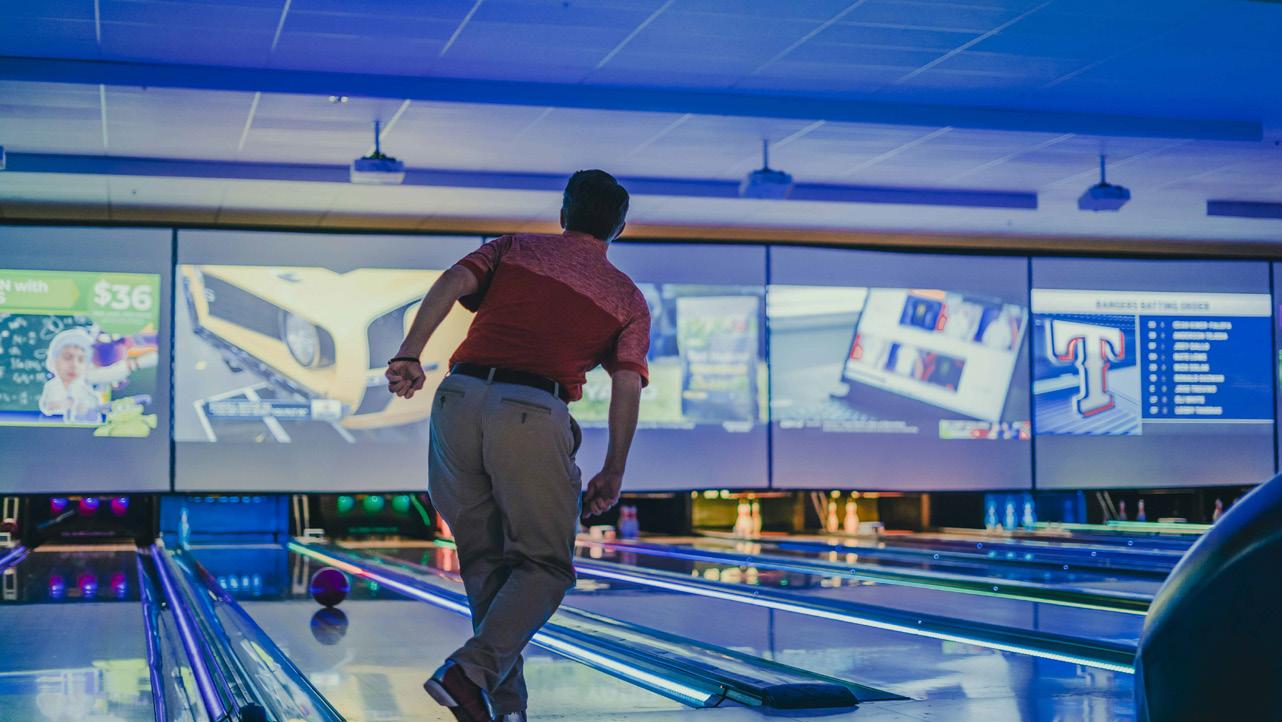



To address those misconceptions, she suggests using short-form video, carousel posts, and other visual content that answers common questions before they become barriers to a visit.
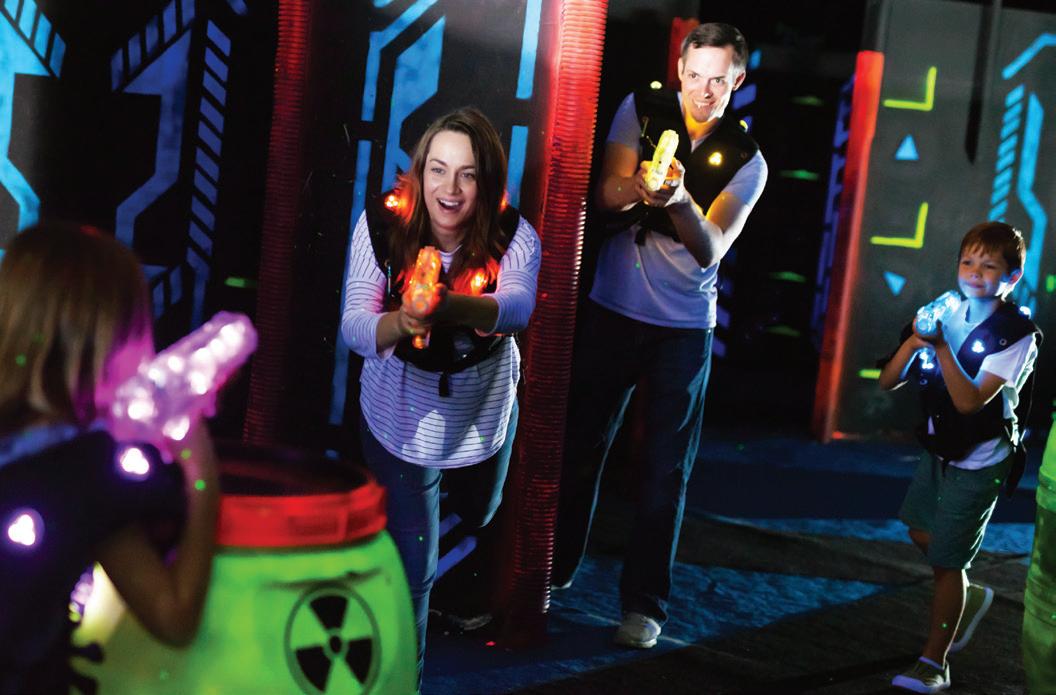
Perhaps the biggest perception challenge facing many centers today is that consumers still think bowling is the only thing happening inside the building. For operators who have invested in arcades, laser tag, attractions, food service, events, and family entertainment, that assumption can limit traffic and revenue opportunities.
Monroe says operators should ensure that guests understand everything the center offers. "Have a customer ‘roadmap’ to highlight what your center offers," he said. That roadmap may include arcades, attractions, food and beverage offerings, private events, seasonal promotions, or other experiences guests may not realize are available.
The same principle applies to marketing imagery. McGlamery recommends using photos and videos from the center rather than stock photography or AI-generated images. "I know that's a hot thing right now," she said, "but people know it's fake. Making sure you have 100% real photos will help tremendously."
Consumers want to see what the actual experience looks like. The more truthfully centers show their attractions, guests, food, and events, the easier it becomes to replace old assumptions with a more complete picture of the business.
Many people still assume bowling center food means stale nachos, old hot dogs, and greasy pizza. For operators who have invested heavily in food and beverage, that perception can be frustrating. Moore says highlighting elevated menu offerings through photos and video has become an important part of a marketing strategy.
"When you have things like Shrimp Scampi and Chicken Milanese on your menu, you need to advertise that, putting it on all of your social media. It's a subliminal message to people that this isn't your grandfather's bowling alley food," he said.
Video has become particularly effective.
Moore says his team regularly captures content showing bartenders creating craft cocktails and kitchen staff preparing signature dishes. "We've done videos of them in the kitchen going beyond the obvious pizza, flatbreads, and sub sandwiches, getting into some of the more creative dishes," he said.
Many consumers are simply operating from outdated information. That makes perception one of the most important marketing challenges operators face.
Successful operators understand that improvements only matter if guests know about them. Through photos, video, social media, websites, and community outreach, they are giving potential guests a more accurate picture of what today's centers have become.
Because guests make decisions based on what they believe a business is.
The more accurately operators tell their story, the better chance they have of turning outdated misconceptions into new visits.






Customer
Expert Hosiery is a premiere supplier of high-quality socks to bowling centers and FECs. We pride ourselves in lifetime relationships. Socks variety includes white bowling socks, glow socks, theme socks, and custom logo socks. Our customers are our best testimonial! For orders, call, email or order online 24/7.
Being a BPAA preferred vendor we are proud to say we are an American family owed manufacturer of quality USA made socks. We are proud to offer many styles of bowling and skating socks to family entertainment centers around the USA and overseas as well. We do not have any minimum orders. Every size center can customize their order each time. We also do custom orders for your center or for special events throughout the year.
Sales Department
Providing best-in-class arcade and vending equipment with decades of unparalleled service. AVS Companies is the trusted choice for world-class amusement solutions.
Sales
Betson Enterprises is the leading worldwide distributor of arcade equipment, parts, and service. A family-owned business offering revenue-generating solutions to its clients since 1934, Betson offers concept-to-completion solutions that maximize the profitability of our clients’ investments.
Sales Department
At Player One Amusement Group, we specialize in the sourcing and distribution of quality amusement and vending equipment for both commercial and retail customers. We provide end-to-end Total Solutions, from the design and planning of the space, to equipment selection, to best practices for merchandise and redemption counters. Each business is unique so P1AG customizes the appropriate services to meet your business needs.
Glenn Hartshorn
Touch Score – A truly revolutionary scoring upgrade for legacy systems.
Sales Department
The world’s leading independent automatic scoring manufacturer since 1980.

Michael Postema
The leader in the bowling industry for over 130 years, Brunswick Bowling provides products, services, and industry expertise for new and existing bowling centers.
www.funtimefootwear.com
919.799.7707
support@experthosiery.com www.laymonhugheshosiery.com
256.845.1034
laymonhughes@bellsouth.net
www.avscompanies.com
847.439.9400
sales@avscompanies.com
www.betson.com/bowling 800.524.2343
Sales@betson.com www.p1-ag.com 416.251.2122
GetAnswers@genda-americas.com www.newcenterconsulting.com 248.375.2751
ghartsho@yahoo.com
www.steltronicscoring.com
800.942.5939
Info@steltronicscoring.com www.brunswickbowling.com 231.343.2043
Info@brunswickbowling.com
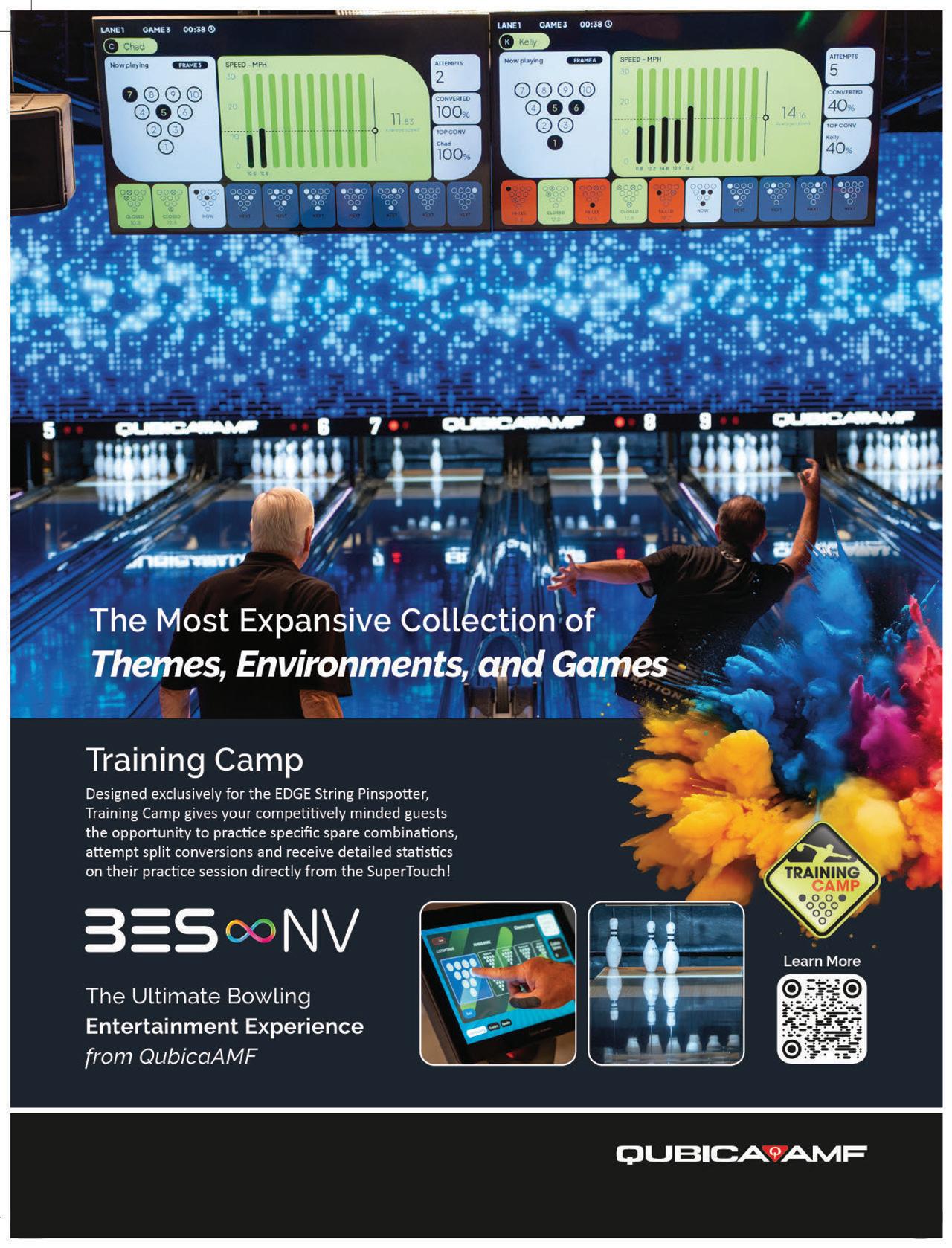
QubicaAMF is the world’s largest manufacturer of bowling and mini bowling products. With our innovative products, we will help our customers fully unleash that potential to extend the bowling population, to reach the younger generations, to increase their spending, frequency of visits—and your revenue.






Sales
Intercard introduced cashless technology to the amusement industry and has been leading the way for 30+ years. Award winning cashless systems from Intercard increase customer spending and satisfaction and boost revenues by up to 30% at entertainment centers worldwide.
Sales Department
Custom-tailored, cost effective mystery shopping programs exclusively for the amusement, attractions and entertainment industries since 1996. Our team has worked with every size and type of venue and we partner with IAAPA and AAMA for their Top FEC awards programs. Reach out today to better understand what your guests are experiencing!
Expert business consulting and training services designed to help entertainment venues grow group sales, increase bookings, and elevate the guest experience. Focused on real-world execution, SherylGolf delivers proven strategies in sales, marketing, event programming, and team development, along with systems for recruiting, hiring, onboarding, and training—resulting in stronger teams, smoother operations, increased revenue, and unforgettable experiences that keep guests coming back.
David Wallace
Full service consulting company within the family entertainment industry focusing on business new starts, expansions, modernizations, and health checkups of existing centers. A dedicated team of professional experts in operations, marketing, branding, culinary, and bar services allow a seamless approach for your needs.
Joe Peplinski
Bowling alleys can install Purse Pegs to their dining tables to provide guests a clean, secure place to hang their valuables while they bowl and dine. This small addition improves comfort, keeps walkways clear, and prevents belongings from getting dirty or damaged on the floor. Purse Pegs enhance the customer experience, making your venue more inviting and accommodating. It’s a simple upgrade that shows attention to detail and encourages repeat business through thoughtful, practical design.
Jon Holecz
Slow & Low is an award-winning lineup of ready-to-serve Old-Fashioneds, crafted for speed, consistency, and serious bar-quality. Ranging from 80 to 100 proof, it’s the ultimate plug-and-pour solution for high-volume accounts looking to serve premium cocktails without slowing down.
www.qubicaamf.com
804.569.1000
info@qubicaamf.com www.intercardinc.com
800.732.3770
Sales@intercardinc.com www.Amusadv.com
800.362.9946 ext. 8
sales@amusementadvantage.com sherylgolf.com
732.302.4439
sheryl@sherylgolf.com
www.turfwayentertainment.com
859.285.7111
dwallace@turfwayentertainment.com
www.pursepegsllc.com 970.376.3349
info@pursepegsllc.com
www.drinkslowandlow.com
203.671.1496
jholecz@cooperspirits.com






Bob Langley
Helping You Is What We Do Best! With 30 years of experience and over 300 centers nationwide, we’ve mastered the art of insuring entertainment venues from bowling centers and movie theaters to axe throwing, roller skating, go-karts, mini golf, and more. Comprehensive policies include property, general liability, liquor liability, wind/hail protection, and Workers’ Compensation. As part of the sixth-largest (Independent Insurance) Broker in the U.S., we offer competitive quotes tailored to your needs. Contact us today and let’s get your coverage started!
W. Tyler Compton
Tilton, Thomas & Morgan Insurance Professionals has been insuring bowling and family entertainment centers for over 40 years. We support state and national organizations, including many state bowling associations and the BPAA. Through our years of experience and working with hundreds of proprietors across the country, we have developed a specialized program to ensure our clients have the correct coverages at a competitive price. We love insuring FUN, so call us today to see how we can help you!
Cameron Linder
WBPI is the largest bowling center insurance program in the nation with more than 35 years of experience and 400 insured centers. Exclusively endorsed by eight state bowling proprietors associations, our staff of insurance partners and professional bowlers provide staff training, insurance education, advocacy, and business advice. No one fights harder for you! Contact us today for a competitive insurance quote!
Ravi Shankar
Guy O’Hazza
Decibel Studios is an innovative global technology solutions company that designs, engineer, installs, and maintains custom controlled audio, video, lighting, show control and special effects systems, including augmented and virtual reality, 3D and 4D interactive theaters, for various entertainment, corporate, hospitality, retail and institutional groups.
Mike Bovino
More WOW. More Stay. More Play. DFX helps Family Entertainment Centers stand out with immersive audio, lighting, video, and automation systems that increase dwell time and drive repeat business. Whether building new or renovating, we deliver fully integrated environments powered by VersaLED Video Walls and VersaShow technology — all operating through one intuitive control system. From design to long-term support, DFX is your turnkey AV partner for unforgettable experiences.
Andy Vasko
At BBBI our goal is to create new customers and profits for bowling centers through our time tested Kids Bowl Free Summer Bowing Program and our new League Development System featuring Fun Bowling Leagues for all ages.
Chris Behling
AlleyTrak is the complete lane reservation and management system designed specifically for bowling alleys. Manage your recurring events, leagues, parties, packages, along with many other features AlleyTrak has to offer. Save time by allowing guests to make reservations online 24/7.
www.bowlingcenterinsurance.com
864.527.1145
robert.langley@bbrown.com
www.ttminsurance.com
866.233.0266
tcompton@ttminsurance.com
www.wbpiprogram.com
800.200.9998
contact@wbpiprogram.com
www.decibel-studios.com
310.693.5210 ext. 1 310.717.1603
ravi@decibel-studios.com guy@decibel-studios.com
www.dfxsoundvision.com
800.555.5280
info@dfxsoundvision.com
www.kidsbowlfree.com
877.841.4590
Andy.Vasko@kidsbowlfree.com www.alleytrak.com
815.519.9843
Chris@alleytrak.com

Nancy Dye
Elevate your party experience with Party Direct! From exquisite place settings to captivating decorations, delightful party favors, and premium tableware, we’ve got you covered. With our wide range of high-quality products, competitive prices, and hassle-free shopping, Party Direct is your ultimate destination for all your party supply needs. Create memorable celebrations effortlessly. Party Direct is your one stop source for all the party supplies you need to increase guest satisfaction and profitability!
Shelly Berry
Sierra Products is your exclusive source for bowling parties, including party favors, supplies and novelties. Bowling birthday party supplies include bowling pin sipper bottles, mini bowling pin candy containers, bowling coin banks, bowling party cups, napkins, novelty souvenir cups and much more. Most of our items can be personalized with your company’s logo, phone, website, etc.

Sales Department
A&A Global has been delivering fun since 1938, helping businesses turn joy into revenue. With reliable, strategic support and a full range of toys, candy, novelties, and custom programs, we design the right mix to drive traffic, build loyalty, and create real results.
Sales
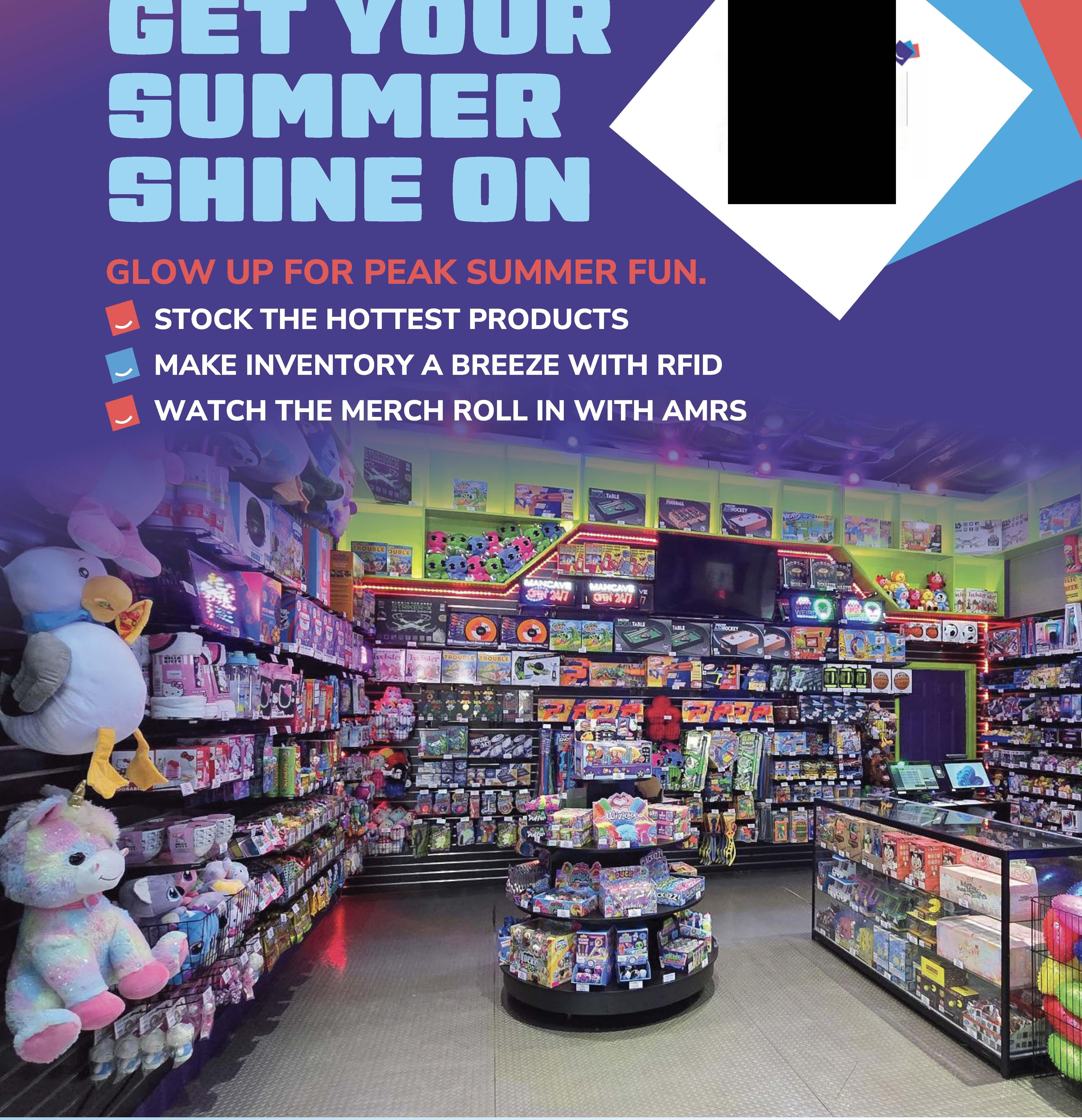
At BMI Merchandise, we’re in the business of fun—and we take it seriously. For over 30 years, we’ve been a recognized leader in the amusement industry, providing innovative redemption products and services. As an industry pioneer and technology-forward company, BMI helps family entertainment centers improve efficiency and profitability. We offer a constantly evolving mix of redemption merchandise featuring the hottest brands and licenses, all integrated with advanced technology. Beyond merchandise, we deliver innovative technology solutions, including our proprietary AMRS™ system—a 360° solution designed to streamline operations and maximize profits through design, planning, installation, and fulfillment.
Corporate Sales



Sureshot is your ultimate destination for retail merchandise and redemption prizes. We feature a comprehensive assortment across all major categories, coupled with exceptional customer service, competitive pricing, and premium quality products. Discover our ongoing additions of unique items year-round. We also offer custom logo programs, automatic merchandise replenishment, assortment planning, and planogramming services. Trust Sureshot Redemption to consistently meet your needs with precision and reliability, especially with our Free Freight program. Call or email us for details!
Michael Nowak
Redemption Plus is your go-to partner for all things redemption! From designing and merchandising exciting redemption centers to offering expertly crafted training resources and a broad selection of trend-worthy prizes, we’ve got you covered. With a fresh approach and top-tier service, we simplify your operations so you can focus on wowing your customers with unforgettable experiences!
Hutch Costello
Rhode Island Novelty has been in business since 1986 and is the leading Prize provider for the Redemption industry, offering the best case pricing, product selection, and performance. We keep it simple so you can focus on keeping your guests happy. With unmatched variety and value, partnering with us means saving time, reducing costs, and providing prizes that keep guests coming back again.
www.partydirect.com
317.694.8413
nancy@partydirect.com www.noveltybowlingstuff.com
800.900.7695
sales@noveltybowlingstuff.com www.aaglobal.com
800.638.6000 ext. 306
gclothier@aaglobal.com www.bmimerchandise.com
800.272.6375
Sales@bmimerchandise.com
www.sureshot-redemption.com
888.887.8738
Sales@sureshot-redemption.com www.redemptionplus.com
888.564.7587
Smile@redemptionplus.com www.rinovelty.com
401.996.9489
HCostello@rinovelty.com
�
�
�