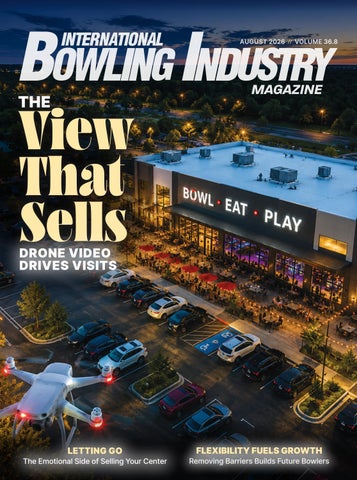
THE View That Sells
SINCE 1986








S w it ch To Reliabilit y
S w it ch To No Fees For Updat es
S w it ch To 24/7 Liv e Cus t omer S erv ice


IDEAS THAT MOVE BUSINESS
Every month, I find myself asking the same question: What can operators actually use? Not what's interesting for five minutes, but what's practical enough to spark an idea, solve a problem, or help someone see their business a little differently.
This month's cover story is a perfect example.
A NEW PERSPECTIVE
This month's cover story by Jackie Fisher looks at a marketing tool that's becoming much more accessible for operators. You'll meet two centers using drone footage for very different reasons. Michael Ducat of Incredibowl Entertainment in Toledo, Ohio, uses drone footage to showcase the dramatic transformation of his renovated entertainment center, while Nicole Sprague of Jensen Beach Bowl in Jensen Beach, Florida, uses it to introduce new residents to a long-established independent center.
Different goals, same lesson: sometimes changing the angle changes the conversation. It's an affordable marketing tool that could make a bigger impact than you might expect.
BUILDING MARKETING THAT LASTS
Another article that really resonated with me this month is Zach Boulanger's look at why marketing so often loses momentum. As part of the Bowling Marketing Solutions team, Zach has worked with centers across the industry, and he explains why the real issue often isn’t marketing at all, it’s the lack of a system.
MEETING FAMILIES WHERE THEY ARE
Speaking of building for the future, every operator would love to attract more youth bowlers, but today's families are juggling busier schedules than ever. Cedarvale Lanes in Eagan, Minnesota, has grown its youth program by removing barriers instead of adding requirements. Flexible payments, relaxed attendance expectations, and a welcoming atmosphere have created more than a successful league; they've built stronger family connections and a pipeline of future bowlers.
Mark Miller’s article shares some great ideas that any center can learn from.
FRESH IDEAS WORTH EXPLORING
And finally, if you're looking for a few new ideas to consider, don't miss this month's Fresh Finds. From faster beverage service and cocktails on tap to interactive axe throwing, these three innovations are designed to improve operations while creating better guest experiences. Sometimes the smallest operational improvements can have the biggest impact.

He shares practical ways operators can build habits that keep marketing moving, from growing a customer database and staying in touch after a visit to making it easier for guests to return again and again.
PUBLISHER & EDITOR
Stephanie Davis
stephanie@bowlingindustry.com
ASSOCIATE PUBLISHER
Natalie Davis-Fernandez natalie@bowlingindustry.com
EDITORIAL
Jackie Fisher fisher@bowlingindustry.com
OFFICE MANAGER
Roxanne Damask roxanne@bowlingindustry.com
CONTRIBUTORS
Zach Boulanger
Stephanie Davis
Brian Duke
Natalie Fernandez
Jackie Fisher
Mark Miller
Mike Monroe
Brandon Willey
As always, I hope this issue gives you a few ideas to put to work in your own center. If something inspires a change, sparks a conversation with your team, or simply gets you thinking differently, then we've done our job.
I'd love to hear what's working in your operation and the ideas you'd like us to explore in future issues. Until next month, thanks for reading.
Stephanie Davis, Publisher & Editor stephanie@bowlingindustry.com
CONTACT
1850 San Marco Rd.
Marco Island, FL 34145
www.BowlingIndustry.com
stephanie@bowlingindustry.com
The information in this publication is provided for general informational purposes only. While every effort is made to ensure accuracy, the publisher assumes no responsibility for errors, omissions, or outcomes resulting from the use of this information. Opinions expressed by contributors and advertisers are their own and do not necessarily reflect those of the publisher. Readers are encouraged to seek professional advice before making business decisions.
LETTING GO
THE EMOTIONAL SIDE OF SELLING YOUR CENTER
By Mike Monroe

I’ve spent a lot of time helping proprietors buy and sell bowling centers, and most people assume the hardest part of the process is agreeing on a price. It’s not. Price matters, of course. Financial statements matter. EBITDA matters. But when someone has owned a center for 20, 30, or 40 years, the biggest challenge often has very little to do with the numbers. It has to do with emotion.
A bowling center or FEC is not like selling a piece of vacant land or a stock portfolio. For many owners, it is where they raised their families, built friendships, supported their communities, and spent more nights and weekends than they can count. It’s where they fixed machines, covered shifts, sponsored teams, hosted birthdays, welcomed regulars, and watched generations of customers come through the doors.
When you have poured that much of your life into a business, selling it becomes very personal.
That emotional side can make the process more complicated than many owners expect. A seller may be completely logical when talking about retirement at the kitchen table, but it can feel very different when a buyer walks through the front door and starts imagining what they would change.
Having someone walk in, look at your life’s work, and deciding what they think it’s worth can be tough!
WHEN SELLING BECOMES REAL
I’ve had owners tell me they’re ready to sell, only to realize later that they weren’t ready at all. One seller had a prospective buyer travel in to tour the center when they began asking questions. Up until that point, selling had been a conversation. However, once the buyer walked through the doors, it became real. After the visit, the owner called me and said, “I can’t do it.”
The numbers hadn’t changed. The business hadn’t changed. What changed was the emotional reality of letting go.
That’s why one of the first questions I ask a seller is whether they are truly ready. Not whether they think selling makes sense or whether retirement sounds good, but if they are actually ready to let go. Those are very different things.
EMOTION VERSUS VALUE
One of the toughest parts of this process is helping sellers separate personal value from business value. Owners remember the sacrifices, the improvements, the long hours, and the relationships. They remember the lean years along with the years when the center was the busiest place in town. All of that matters to an owner, but the memories and history don’t always translate into market value.
Buyers are purchasing future cash flow. They are looking at revenue, profitability, facility condition, demographics, market opportunity, and growth potential. They want to know what the center can produce and what it may become under their ownership.
Banks do not finance nostalgia. They finance cash flow.
WHEN EMOTIONS GET IN THE WAY
Deals can fall apart when sellers take normal buyer questions personally. A buyer may ask about deferred maintenance, outdated equipment, staffing issues, financial records, or missed opportunities. To the buyer, those are business questions. To the seller, they can feel like criticism. That defensiveness can slow down a deal or stop it completely.
If you are selling, you have to remember that a buyer is not insulting your history. They are trying to understand what they are buying.


Operations & PEOPLE //

Family can also add another layer of emotion. Many centers are family businesses, and not every family member may feel the same about selling. Some children may work in the business while others may not be involved but still have opinions about what should happen. Parents may think everyone is on the same page until real money and real decisions are involved.
Before a center goes on the market, those conversations should happen. It is much better to work through family issues before a buyer is involved than to have a deal fall apart later because someone suddenly objects.
AFTER THE SALE
Another emotional challenge is the question of what happens after the sale. Owners spend a lot of time thinking about selling the business, but they often spend very little time thinking about what their life will look like afterward. Retirement sounds wonderful when you are working seven days a week, but retirement by itself is not a plan.
The real question is: What are you going to do in retirement?
I always ask sellers what they plan to do after the sale. Some say they are going to golf, fish, travel, or relax. Those are all great things, but they may not be enough to replace the purpose, structure, and identity that came from running a business every day.
At some point, you need to know what will give your life meaning once the center is no longer your daily focus. Selling becomes easier when you know what comes next.
PASSING THE TORCH
Legacy is often one of the biggest concerns sellers face. Owners worry about whether a new buyer will keep the staff, maintain the culture, support the community, and respect the traditions that made the center special. When you've spent decades building a business, it's only natural to care about what happens after you leave.
But legacy doesn't mean everything stays exactly the same. In many cases, it means creating something strong enough for the next owner to build upon. New owners may bring fresh ideas, updated amenities, or a different approach to operations. That isn't a reflection of failure. More often, it's evidence that the previous owner created a solid foundation with room to grow. The best centers don't stand still; they continue to evolve while honoring what made them successful in the first place.
I have seen deals come together because the seller genuinely liked and respected the buyer. The seller believed that person could take care of the business and maybe even take it to another level. For many long-time proprietors, knowing the center is going to capable hands brings peace of mind.
The best thing a seller can do is be honest early. There is nothing wrong with admitting if you feel that the time is not right.
What creates problems is saying you are ready, bringing buyers into the process, and then realizing you cannot let go.
Selling a center is a major business decision, and for many proprietors, it’s also one of the most personal decisions they will ever make. The financial side can be measured but the emotional side has to be faced.
Before you worry about valuation, financing, purchase agreements, or closing dates, ask yourself the question that matters most: Am I truly ready to sell? If the answer is yes, preparation and good guidance can help make the process smoother.
If the answer is no, take the time to understand why. Your center may be a business on paper, but after decades of ownership, it is understandable that it feels like much more than that.

With 40 years of experience in the bowling industry, Mike Monroe is currently the managing associate for The Hansell Group and owner of First Frame Bowling Management.
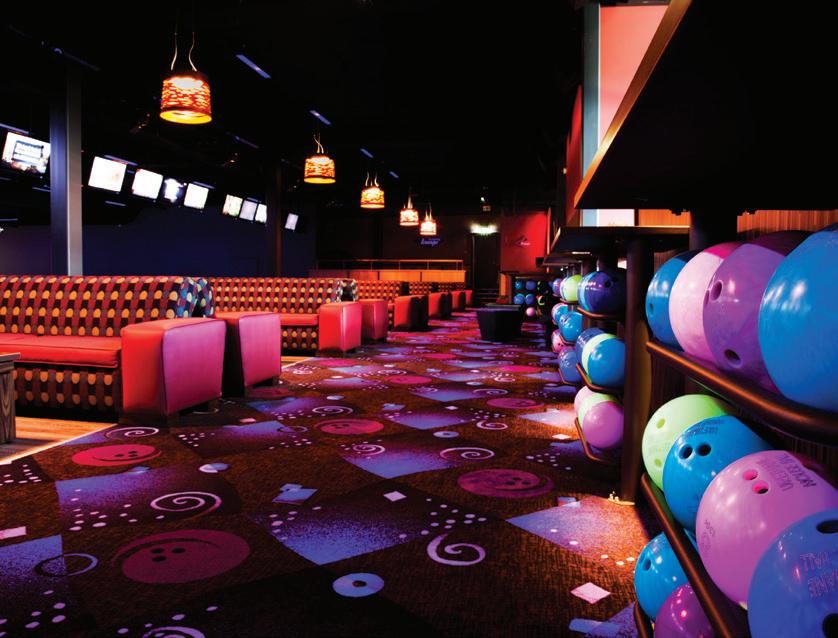
Free Technical Support.
Free lifetime software updates.
Long-term reliability trusted worldwide since 1980.

RELIABILITY YOU CAN COUNT ON Steltronic systems are built for long-term performance with proven reliability and upgrade paths that keep your center running smoothly for years.

TRUSTED WORLDWIDE SINCE 1980
READY TO UPGRADE YOUR SCORING SYSTEM?
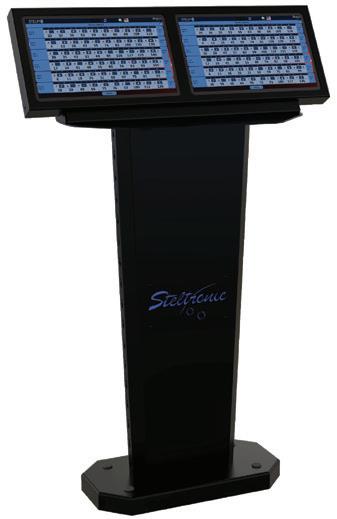

NO TECHNICAL SUPPORT FEES. EVER.
Unlike competitors, Steltronic provides free technical support and free lifetime software updates— protecting your investment year after year.
Experience the difference of a system that works for your center — and your bottom line.
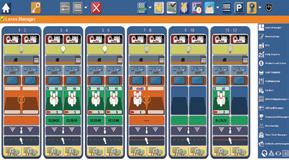


LOWER COST OF OWNERSHIP
Longer system life, fewer forced replacements, and industry-leading 2-year bumper-to-bumper warranty make Steltronic the smarter long-term investment.

INDEPENDENT MEANS FOCUSED
Steltronic has never been sold and does not own competing bowling centers. Our only business is helping your center succeed.

BUILDING CONSISTENCY BEHIND THE SCENES THE INVISIBLE ADVANTAGE
By Brandon Willey
The busiest Saturdays don’t go off the rails because of one big problem. More often, it's a series of small ones that should have been caught before the doors opened. A restroom wasn't inspected. An arcade game stayed out of service. A closing routine was rushed because everyone wanted to get home.
Those issues may start behind the scenes, but they rarely stay there. Guests experience them as longer wait times, equipment failures, frustrating interruptions, and service recoveries that can quickly change the tone of a visit. Employees feel the impact too, scrambling to solve problems that could have been prevented.
A lane issue, food delay, or attraction that's unexpectedly unavailable doesn't feel like a minor inconvenience to a guest. It feels like the center wasn't ready for them to come in. And when execution falls short, social media and online reviews make it easy for that experience to reach far beyond the building.
The good news is that most of these problems are preventable. They don't require a major capital investment or the latest technology. More often, they come down to a handful of operational habits that consistently separate smooth operations from stressful ones.
While every operation is different, the centers that consistently deliver great guest experiences usually have four habits in common:
• Preparing before the doors open.
• Staying ahead of maintenance.
• Setting the next shift up for success.
• Building a culture where everyone takes ownership.
BEFORE THE DOORS OPEN
Every great guest experience starts long before the first customer walks through the door. If the building isn't ready, employees spend the rest of the day catching up instead of taking care of guests.
That's why strong operators don't think of opening as simply unlocking the front door. They think of it as preparing the entire experience. The lobby, restrooms, party rooms, arcade, food service areas, attractions, and bowling lanes all contribute to a guest's first impression. When one area isn't ready, it can affect everything that follows.
Technology has made it easier to execute tasks and follow through consistently. Digital checklists, task management apps, and photo verification create continuity between shifts by helping managers communicate expectations, verify completed work, and identify issues before they become guest problems.
Just as important, responsibilities should be clearly assigned. When every team member understands what they own before guests arrive, accountability becomes part of the routine rather than something managers have to chase down.
Once guests arrive, the focus shifts from getting ready to staying ahead of the problems that can interrupt their experience.
Quick Win: A short pre-shift huddle can make a major difference. Review the day's reservations, parties, league activity, staffing gaps, equipment concerns, promotions, and special events. The goal isn't a long meeting. It's making sure everyone starts the day with the same game plan.

MORE INNOVATION FOR EVERY FRAME OF FUN.
IAAPA Expo 2026 delivers more of what today’s bowling and entertainment centers need to stay ahead. More innovations. More exhibitors. More opportunities to spark wonder and create unforgettable guest moments that make them eager for another round. From next-generation technology to F&B trends, operations insights, and revenue-driving ideas, this is where bowling and family entertainment leaders find inspiration that works in the real world.


Operations & PEOPLE // Operational Discipline
STAY AHEAD OF THE BREAKDOWNS
Preventive maintenance has never been the most exciting part of running a center, but it's one of the biggest contributors to a consistently smooth operation. When equipment works the way it's should, guests rarely think about it. When it doesn't, it quickly becomes the focus of their visit.
Years ago, preventive maintenance centered on bowling equipment and arcade games. Today, every part of the venue, from kiosks and payment systems to kitchens, attractions, lighting, and AV systems, plays a role in the guest experience. When one system goes down, the ripple effects can be felt throughout the operation, pulling employees away from serving guests and creating delays that can affect the rest of the day.
The operators who stay ahead of those problems are identifying potential issues before guests ever encounter them. Consistent inspections, routine maintenance, and good documentation make that possible.
Just as digital checklists help verify opening routines, digital maintenance logs help ensure important information doesn't get lost between shifts. Recording recurring issues, completed repairs, and outstanding concerns creates continuity, helping teams identify patterns and solve problems before guests experience them.
The goal is to reduce the number of interruptions guests experience and give employees the information they need to respond quickly when something does happen.
Great operators don't rely on memory. They build routines that make consistency repeatable.
Of course, staying ahead of problems doesn't end when the last guest leaves. The way one shift finishes often determines how smoothly the next one begins.
TOMORROW STARTS AT CLOSING TIME
It's easy to think of closing as the end of the day. Everyone is tired, the last guests have left, and the focus shifts to locking the doors and heading home. But operators who consistently deliver great guest experiences often see it differently.
Every shortcut taken at closing becomes tomorrow morning's problem. That's why the strongest operations treat closing as preparation, not cleanup. The goal is to leave the next shift in the best possible position to succeed.
One of the simplest ways to do that is with a consistent end-of-day recap. It doesn't need to be complicated, but it should answer a few basic questions: What broke today? What ran low? Were there recurring guest issues? What needs attention before tomorrow's opening?
Those notes create continuity between shifts. Instead of relying on memory or hoping someone remembers an important detail, the next team starts the day with a clear picture of where things stand.
F ROM ROUTINES TO CULTURE
Opening routines, preventive maintenance, and strong closing procedures all have one thing in common. They only work consistently when the entire team believes they are part of delivering a better guest experience.
That's where culture makes the difference.
The strongest operations create an environment where everyone takes ownership of the experience, regardless of their role. Instead of simply completing a checklist, employees begin looking for opportunities to prevent problems before they happen.
That shift changes the conversation.
Instead of asking, "Did we finish the checklist?" teams begin asking, "Is the center ready?" It's a small change in mindset, but it leads to better decisions throughout the day.
Sales goals, league growth, and successful events deserve recognition, but so do the quieter wins that guests rarely notice. The technician who catches a recurring lane issue before league night. The front desk employee who spots a party room setup mistake before guests arrive. The kitchen team that identifies an equipment problem before it slows service.
Those moments may happen behind the scenes, but they shape the guest experience just as much as anything happening on the floor. Guests may never see an opening checklist, a maintenance log, or an end-of-day recap.
What they do notice is when everything works.
The centers that stand out today aren’t the ones with the newest attractions or the latest technology. They're the ones that combine modern expectations with timeless operational discipline.

Brandon Willey, ICAE, is co-founder of the LBX Collective and Premier LBX Group, co-host of The LBX Daily Show, and founder and CEO of Hownd. Brandon has an intense passion for the attractions industry and extensive knowledge of location-based entertainment. Brandon is the former chair of IAAPA’s FEC Committee and now sits on the North American Manufacturers and Suppliers Committee. You can connect with him at LinkedIn.com/in/bwilley.
WHY GOOD MARKETING FALLS APART

AND HOW SUCCESSFUL CENTERS KEEP IT GOING
By Zach Boulanger
Af ew months ago, I was talking with the owner of a bowling center who was frustrated with his marketing. They had tried email campaigns, posted on social media, promoted leagues, and spent money on advertising, yet nothing seemed to create lasting momentum.
I asked a simple question: "What happens if the person handling your marketing goes on vacation for two weeks?"
He laughed. "It pretty much stops."
I've asked versions of that question for years, and the answer is almost always the same. Whether it's a family-owned center, a singlelocation FEC, or a multi-center operation, marketing often depends on one person finding time to make it happen. When that person gets busy – or leaves – the marketing effort slows down right along with them.
The interesting part is that this usually isn't a marketing problem. It's a systems problem.
Over the years I've visited hundreds of bowling centers, from large entertainment destinations with dedicated marketing teams to operations where the owner is answering phones, fixing equipment, and squeezing in Facebook posts whenever there's time.
No matter their size, the most successful centers share one thing in common: marketing is built into the way they operate. It isn't something they remember to do when business slows down — it's part of the routine. That doesn't mean they're creating elaborate campaigns every week. More often, they're consistently doing the basics. Those small actions build trust, familiarity, and repeat visits over time.
YOUR BIGGEST ASSET
If there's one opportunity I see over and over again, it's the customer database.
Every guest who walks through your front door gives you an opportunity to build a relationship that lasts beyond a single visit. The process should begin while customers are still standing in your building by collecting email addresses and mobile numbers, with permission of course.
Unlike social media, where algorithms determine who sees your content, your customer database belongs to you. It gives you a direct way to stay connected with families, league bowlers, birthday guests, corporate groups, and occasional visitors long after they've gone home.
That doesn't mean bombarding people with promotions. Some of the most effective messages are also the simplest: a birthday greeting, a reminder about a holiday event, an invitation to a league open house, or a thank-you after hosting a party. Those conversations keep your center top of mind without overwhelming your customers.
One of the biggest differences between average marketing and great marketing is how operators think about the customer relationship.
BEYOND A PROMOTION
It's easy to focus on the next promotion. Need more birthday parties? Advertise birthday parties. League registration is coming up? Send a league email. Business slows down? Post a weekend special. Those tactics matter, but they're focused on the immediate need. Instead, I'd encourage you to shift your perspective.
Rather than thinking about the next promotion, think about the entire relationship you want to build with your guests.
Every visit is just one stop along that journey, and every interaction is an opportunity to encourage guests to come back.
Imagine a family visits your center for the first time after seeing an online promotion. They have a great experience and leave happy. If that's the last communication they ever receive from your business, you've left that relationship to chance.



Marketing & GROWTH // Repeat Business

Now imagine they receive a thank-you message a few days later, a reminder about school break specials, and a birthday offer when the time is right. None of those messages are pushy. They're simply reminders that your center is there when the family is deciding how they'll spend their free time.
That's the difference between marketing as a series of promotions and marketing as an ongoing conversation.
MASTER THE BASICS
Owners often tell me they want to improve their marketing waiting until they have time to redesign their website, hire someone to manage social media, or completely rethink their advertising.
Those projects certainly have value, but meaningful improvements often come from the fundamentals: making it easy for guests to join your email list, asking satisfied customers to leave Google reviews, following up after birthday parties, and communicating with league bowlers throughout the season not just when registration opens.
None of those ideas is expensive, and none require a complete marketing overhaul. They're simply habits that become part of the way the business operates. The truth is that marketing success is rarely the result of one big idea. It's usually the accumulation of dozens of small habits carried out consistently.
REVIEWS MATTER
Ask someone how they choose a restaurant or hotel today, and chances are they'll mention online reviews. Bowling centers are no different.
For many potential guests, your Google Business profile is the first impression they'll have of your business. Before they visit your website or walk through your front door, they're reading reviews, looking at photos, and deciding whether your center feels like somewhere they want to spend their time.
That's why reputation management deserves far more attention than it often receives.
Centers with the strongest online reputations aren't necessarily delivering a dramatically different experience. They're simply more consistent about asking satisfied guests to share their feedback and actively responding to reviews, both positive and negative. In today's environment, that's become part of marketing whether we think of it that way or not.
SEE YOUR CENTER THROUGH A GUEST'S EYES
One exercise I recommend to every operator is surprisingly simple. Spend fifteen minutes pretending you've never visited your own business before.
• Search for your center online.
• Visit your website from your phone instead of your office computer.
• Try finding your hours, pricing, birthday party information, or attractions without using insider knowledge.
• Ask yourself how easy it would be for a first-time guest to understand everything you offer and decide to visit.
It's surprising how often this simple exercise uncovers opportunities. Maybe booking takes too many steps. Maybe your arcade or food offerings are buried. Maybe your newest attractions aren't featured anywhere online.
These aren't usually expensive fixes, but removing small points of friction often makes it easier for guests to choose your center.
After working with operators for many years, I've become convinced that successful marketing has less to do with finding the next great promotion and more to do with building repeatable habits.
The centers that consistently grow are the ones that stay connected with their customers, nurture those relationships over time, and make it easy for people to come back.
That's when marketing stops depending on one person or one promotion. It simply becomes part of the way the business operates.

Zach has spent more than 15 years working with bowling centers on customer retention, database growth, website strategy, and marketing systems. He is passionate about helping centers build sustainable processes that support long-term growth. He is a partner in Bowling Marketing Solutions, a member of the USBC board, and former manager of a busy 60 lane bowling center in Green Bay, WI. This experience gives him a wide variety of bowling knowledge from the operations side, marketing side and guest experience.
THE View That Sells
DRONE VIDEO DRIVES VISITS
By Jackie Fisher
For many centers, one of the hardest parts of marketing is helping customers understand the experience awaiting inside the building. That challenge becomes even bigger when a center has been renovated, repositioned, or is trying to attract guests who still picture the business the way it looked years ago.
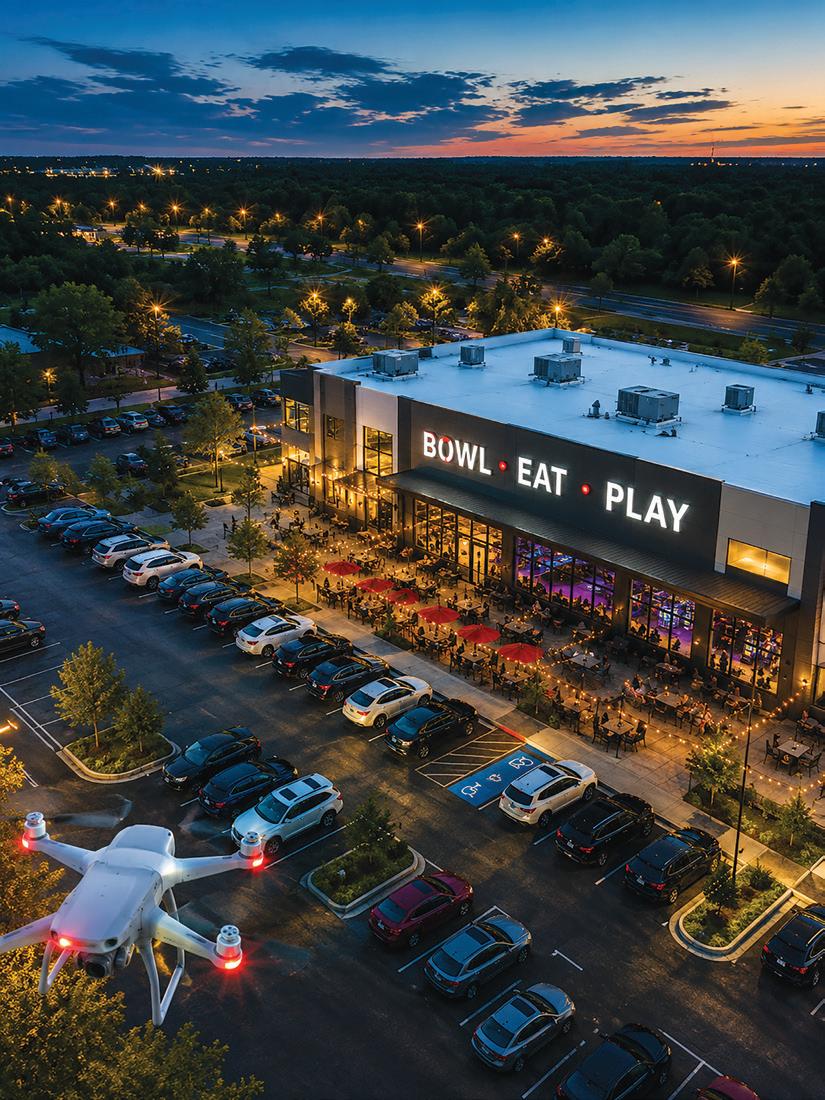
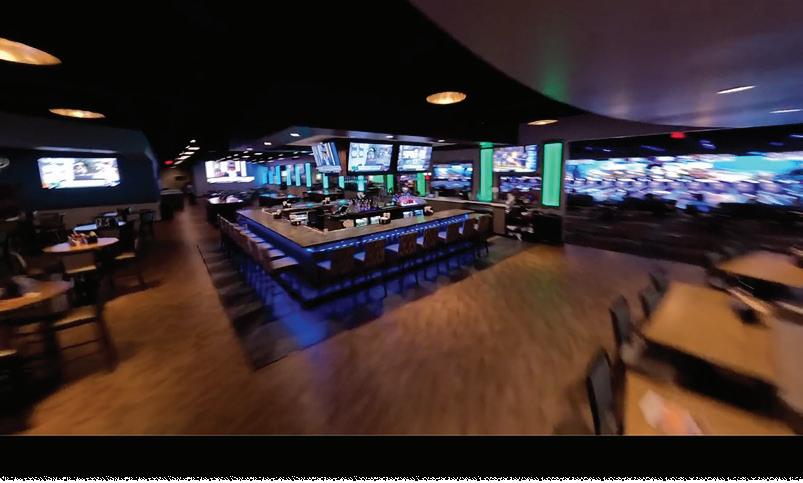
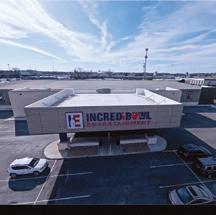
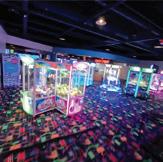
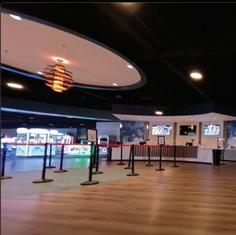
That was the difficulty facing Michael Ducat and his team after transforming an older bowling center into a modern, 70,000 square foot entertainment facility. Traditional marketing materials were not fully communicating the scale of the transformation or the variety of experiences now inside the building.
the project cost approximately $3,000 for the full facility, and the investment quickly proved worthwhile.
“We wanted corporate clients to see we’re not your average place,” he says. “Pictures just weren’t capturing the whole experience.”


“We kept posting pictures, but people still didn’t really understand what we had built,” says Ducat, proprietor of Incredibowl Entertainment in Toledo, Ohio. “A lot of people remembered the old center, but we needed to show them this wasn’t the same place anymore.”
The center hired a professional drone company to produce aerial footage showcasing the facility’s attractions, event spaces, sports bar, and overall layout. Ducat says
The footage now appears throughout Incredibowl’s website and social media marketing, and Ducat says customers frequently reference the videos when discussing parties and group events. The center has even added QR codes linking directly to the footage on printed marketing materials and mailers.
“There’s really no better way to showcase your business,” Ducat says. “People finally understood what we had here.”
THE OVERHEAD VIEW
In a crowded online environment, first impressions matter more than ever. Static photos and standard walk-through videos still have their place, but drone video is giving operators a more effective way to showcase the energy of their centers.

Gavin Peeler, a New Mexico-based marketing professional specializing in aerial cinematography, has seen the shift up close. His work ranges from local tourism campaigns in Roswell to largescale festivals, and increasingly, businesses that want to stand out in a fastmoving feed. “The first three seconds are everything,” Peeler explains. “If you can show scale and movement right away, people stop scrolling.”
One of the biggest challenges is helping potential guests picture the experience before they arrive. Aerial footage captures the full property, the energy of the space, and the variety of attractions in a single shot, making it easier for viewers to understand what makes the destination worth visiting.
A website can list attractions. A photo can show a lane or an arcade game. But neither answers the customer’s real question: Is this place worth my time? Drone footage answers that in seconds.
DIFFERENT USE, DIFFERENT CENTER
While some operators are using drone footage to showcase large-scale renovations and repositioned entertainment concepts, others are using it to reinforce community visibility.
For Jensen Beach Bowl in Florida, drone footage became more than a visual upgrade. It became a way to introduce the center to a changing community. Nicole Sprague, a secondgeneration proprietor, says the area has experienced significant residential growth, but many of the new developments are located away from the older section of town where their center has operated since 1958.
“We've had such an influx of residents in the area,” Sprague explains. “Getting the word out that there is this non-chain FEC option in the older area is important. It's not as well traveled as where all the new builds are.”
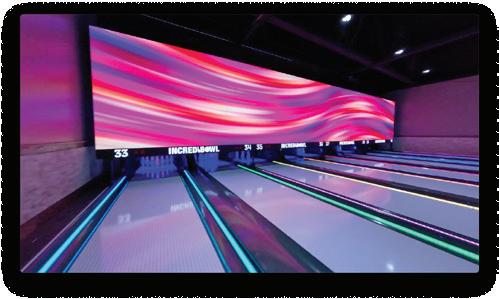
"The drone isn't the marketing strategy," Peeler says. "It's one of the tools. The footage has to match your brand, your audience, and what you want people to do next."
Drone footage helped bridge that gap by showing new residents the scale, activity, and atmosphere of the center in a way traditional photos could not. For Sprague, the footage also serves another purpose: helping independent centers stand apart from larger corporate competitors. “We need to showcase that traditional FECs still exist,” she says. “They're still very functional and very inviting.”
That same approach has also become an effective way to reach younger audiences. Sprague reports that their drone videos have become especially valuable for youth marketing and birthday party promotion. “It keeps us front-of-mind, especially for the elementary and middle school age kids,” Sprague says. Elementary-age children are booking birthday parties, while middle schoolers represent the next generation of league bowlers. “We want to keep them engaged so they continue bowling into their high school years, especially since all of our local high schools have bowling teams.”
NOT JUST A PRETTY SHOT
The video may be what catches someone's eye, but the strategy behind it is what drives results. Whether the goal is showcasing a renovation, introducing a center to new residents, or attracting a different demographic, the footage still has to accomplish something.
And that’s where planning makes the difference. The same footage can become a quick social media ad, a homepage video that immediately sets the tone, or event promotion that shows real crowds instead of asking people to imagine them.
A long cinematic video may look impressive, but short, usable clips usually work harder. The strongest pieces give viewers a fast reason to click, book, or learn more.
FROM EXPENSIVE LUXURY TO AFFORDABLE TOOL
The good news is that drone video is no longer reserved for big marketing budgets. As the technology has become more affordable, it has shifted from a luxury to a practical marketing investment.
What once required a high-end production can often be captured in a single afternoon, making it far more realistic for centers to create fresh seasonal content throughout the year. A busy summer event, a fall league kickoff, or a holiday celebration can all be filmed and turned into new marketing material without starting from scratch.
Before you hire: Commercial drone work in the United States requires certification through the Federal Aviation Administration. Operators must hold a Part 107 Remote Pilot Certificate. If you are hiring a drone professional, make sure they are properly licensed and insured.
CONTENT TO CONVERSION
Getting attention is only the beginning.
The real value of drone video is what the shot makes someone do next: Click. Book. Show up.
That means thinking beyond the footage itself. Where will the clip appear? What action is it meant to inspire? How often will it be refreshed? When used with a purpose, drone video becomes more than a visual upgrade. It becomes another tool for turning interest into visits.
"The goal is not just to impress people," Peeler says. "It's to give them a reason to come in."
M AKING
T HE MOST O F AERIAL CONTENT
• Homepage hero video
• Google Business Profile
• Facebook and Instagram ads
• Birthday party landing pages
• Corporate event promotions
• Email marketing
• Digital sales presentations
B EFORE YOU HIRE A DRONE COMPANY
• Verify FAA Part 107 certification
• Confirm insurance coverage
• Ask for raw footage files
• Request vertical video versions
• Get clips for multiple seasons
• Discuss usage rights upfront
REMOVING BARRIERS, BUILDING FUTURE BOWLERS FLEXIBILITY FUELS YOUTH GROWTH
By Mark Miller
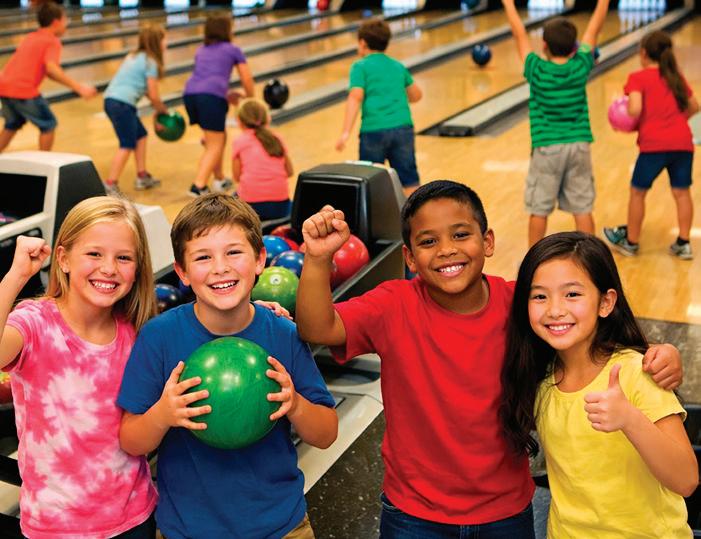
Growing a youth program today often has less to do with recruiting bowlers and more to do with removing obstacles for families. Between travel sports, school activities, changing schedules, and competing demands on both time and budgets, many parents simply cannot commit to rigid weekly requirements.
Cedarvale Lanes south of Minneapolis recognized that reality years ago and built flexibility into nearly every aspect of its youth program. The approach has helped grow participation while creating a pipeline of future customers, league bowlers, and engaged families.
Participation has grown from roughly 60 youth bowlers before the pandemic to 95 today. For Cedarvale, the growth reflects something larger than simply adding lineage. By making it easier for families to participate, the center has created an environment that keeps kids, parents, and even grandparents coming back week after week. The key has been flexibility.
REMOVING PARTICIPATION BARRIERS
Rather than forcing families into strict attendance and payment requirements, Cedarvale allows parents to participate however their schedules and finances allow. Some families pay for the entire season up front. Others divide payments into smaller portions or simply pay week to week.
“If they pay the full season, we offer a $50 gift card to the pro shop,” said junior coordinator Cam Kohner. “Some families walk in and pay for everything the first day. Others pay weekly. Whatever works for the family.”
The 30-week Saturday program costs $10 per week and includes three games of bowling, shoes, coaching, and instruction. The structure is intentionally simple and approachable for families trying to balance multiple activities and expenses throughout the year.
“You have to be more lenient and relaxed these days,” added Steve Kohner, who helps oversee the program. “Families have a lot going on.”
Cedarvale’s leadership recognized that many kids still wanted to bowl even if families could not guarantee perfect attendance every week. Instead of penalizing inconsistent participation, the center focused on making it easier for bowlers to stay connected to the program whenever they could attend.
That approach appears to be working.
THE FAMILY EFFECT
More importantly for operators, the impact extends far beyond the youth league itself.
Each youth bowler regularly brings parents, grandparents, siblings, and friends into the center. Those visitors purchase food and beverage, spend additional time in the building, and often become repeat customers themselves. Youth bowlers frequently return outside league hours to practice or bowl recreationally with family and friends, creating additional traffic throughout the week.
According to owner Brent Prentice, many of the parents involved in the youth program were not bowlers before their children joined. Over time, weekly exposure to the center and the sport has helped convert some of those parents into league bowlers and regular customers themselves.
Inside THE VENUE // Youth Programs
That broader family involvement has become one of the program’s biggest long-term benefits. The atmosphere inside the center plays a major role in that retention as well.
BUILDING A COMMUNITY
Cedarvale focuses heavily on creating an experience kids want to come back to each week rather than building the program entirely around competition. The emphasis is on making bowling feel welcoming, social, and fun while still providing opportunities for improvement and development.
Special events such as colored pin days, Beat the Coach competitions, scholarship tournaments, and free coaching sessions help keep bowlers engaged throughout the season. The center regularly creates reasons for kids and families to stay involved beyond simply showing up for league scores.
One of the center’s most popular traditions is a New Year’s Day tournament that brings together both current and former youth bowlers. The event helps maintain long-term relationships with participants even after they age out of the program and reinforces the sense of community surrounding the league.
After league play finishes on Saturday mornings, participants can stay until noon for additional instruction and practice. Roughly 10 volunteer coaches help support the program throughout the season.
Steve Kohner, a USBC-certified bronze level coach, has continued attending coaching seminars and training sessions focused on working with today’s growing number of two-handed youth bowlers. That continued education helps the center provide instruction that stays relevant to modern youth bowling styles and techniques.
RECOGNITION DRIVES RETENTION
The center celebrates improvement at every level, regardless of score.“When a kid comes up and says, ‘Cam, my new high score is 120,’ that’s great,” Cam Kohner said. “We’re going to announce it to the whole center. Whatever the score, it doesn’t matter.”
WHY FAMILIES KEEP COMING BACK
• Flexible payment options make participation easier.
• Relaxed attendance expectations fit busy schedules.
• Special events give kids more reasons to stay involved.
• Free coaching supports bowlers of all skill levels.
• Recognition helps every child feel included.
• Parents and grandparents become part of the experience.
• Strong relationships encourage families to return year after year.
• Youth bowlers often grow into long-term customers.
That type of recognition helps younger bowlers feel connected and valued within the program. It creates positive reinforcement that encourages families to stay involved year after year, especially for newer bowlers who may not yet view themselves as competitive players.
CREATING LIFELONG BOWLERS
The support system surrounding the league strengthens retention even further. Graduating bowlers frequently donate bowling balls, shoes, and bags back into the program so younger players can continue participating affordably. The donations help lower entry costs for new families while reinforcing the community culture surrounding the league.
Grandparents have become especially involved supporters as well, often attending weekly sessions alongside parents and siblings.
“I’m always impressed with the number of spectators who stay and watch,” said Prentice. “Parents and grandparents are really engaged with the kids.”
The center also benefits from relationships with local high school bowling programs, which help introduce additional students to youth league play and create another pathway for long-term involvement in the sport.
Cedarvale's approach proves that when youth programs are tailored to fit today's families, they don't just survive, they grow. The result is more than higher participation. It's stronger family engagement, repeat visits, and a pipeline of future league bowlers and long-term customers.
In today's environment, flexibility may not simply be a customer service decision, it may be one of the most effective growth strategies you have.

Mark Miller is a freelance writer, editor, and public relations specialist from Flower Mound, TX. He’s the author of "Bowling: America's Greatest Indoor Pastime," available at Amazon.com or directly from him at markmywordstexas@gmail.com.
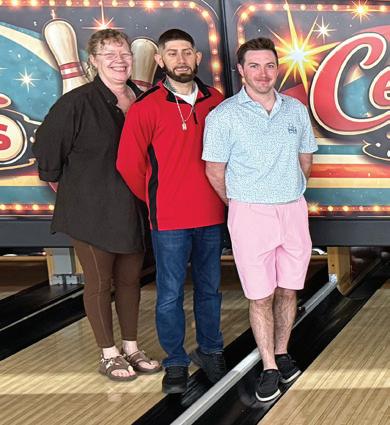
Gail Levesque, Tony Valentini, and Dylan Hanson keeping Cedarvale rolling strong.




LESSONS BEYOND THE ATTRACTIONS FRONT-LINE ADVANTAGE THE
By Brian Duke
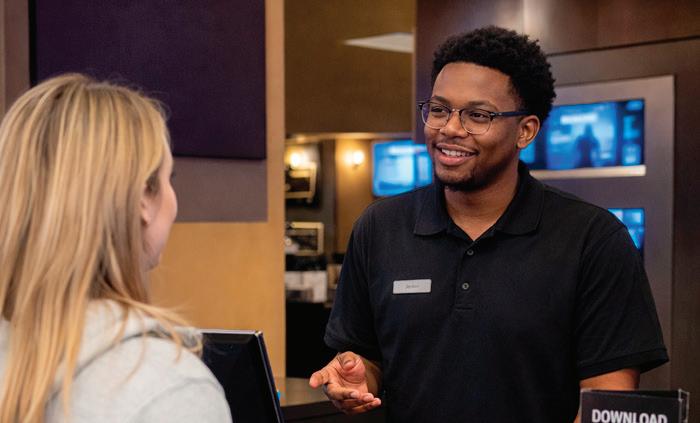
I've known Jon Brady or "Jon W." as many of us still call him, for so long that it feels like we grew up in this industry together. Through all the years, one thing I've always admired is that he's never stopped looking for ways to make the guest experience better.
Most people know Jon from the distribution side of the industry. For decades, he helped operators select the right equipment, solve problems, and build game rooms throughout the Southeast before Brady Distributing eventually became part of Player One Amusement Group. He's seen just about every type of family entertainment center imaginable.

A few years ago, Jon stepped into a different role when he acquired Sports Connection Ballantyne in Charlotte, North Carolina. After spending years helping other operators build successful facilities, he found himself making the day-to-day decisions that shape the guest experience. Today, as he turns his attention to an exciting new venture in the Carolinas, many of the lessons from that experience continue to guide the way he thinks about the business.
One comment Jon made during our conversation really stuck with me. After years in distribution, through mergers, acquisitions, and corporate growth, what he missed most was being on the front lines. He loved the energy of a busy Saturday, watching families interact, talking with guests, and seeing firsthand what worked and what didn't.
That perspective shaped everything we talked about.
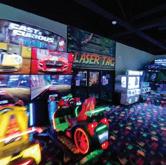
Sports Connection offers plenty to attract families, a 100-game arcade, bowling, laser tag, a ropes course, golf simulators, climbing walls, inflatables, and adjacent pickleball and volleyball facilities. Yet those attractions haven’t been Jon's main focus. Instead, our conversation kept returning to the details guests notice every visit. Those, he believes, are what keep families coming back.
A DIFFERENT PERSPECTIVE
Jon has the unique advantage of seeing this industry from both sides. For years he watched operators invest in new attractions, renovate facilities, and chase the latest trends. Owning a center himself reinforced something he couldn't fully appreciate before: buying equipment is only the beginning. What happens after the doors open determines whether guests return.
That thinking influenced every decision at Sports Connection. Each attraction has a purpose. The arcade drives revenue, bowling encourages guests to stay longer, and Pickleball and volleyball create recurring traffic. Golf simulators might broaden the audience, but the ropes course adds visual excitement above the game floor. None of it was put there simply to fill space. The attractions complement one another, giving families more reasons to stay, explore, and spend time together. It's a smart reminder that success is less about having the most attractions, and more about making them work together.
THREE SIMPLE STANDARDS
As Jon and I continued talking, I noticed something. No matter where the conversation started — staffing, maintenance, attractions, or guest service — it always came back to the same three words.
Clean. It Works. Friendly.
Simple? Absolutely. Easy? Not at all.
Jon believes guests begin forming opinions about a facility almost immediately. Floors, tables, entrances, and especially restrooms all send a message about how seriously an operator takes the guest experience. He laughed when he said, "Moms judge you by the bathrooms," but there's a lot of truth behind that observation! Think about it. Families may not remember the color of your carpet or the brand of your scoring system, but they'll remember whether the building felt clean and cared for. Those first impressions build confidence.

JonBady


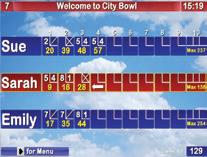

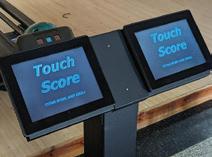

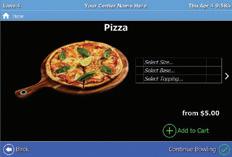



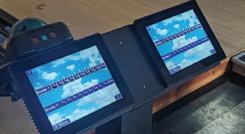

“Our experience here at Chatham Bowlerama with New Center Consulting, Inc. was very professional.
New Center Consulting, Inc. usually only deal with 10 pin, duck pin and candle pin scoring systems and pin setters. Glenn and his crew where excited for the challenge of getting the very old Mendes 5 pin machines at our centre to work with their scoring system.
It has been well worth changing the scoring system to Touch Score. Simplicity is the best way to describe Touch Score, ease of use for league bowlers and public bowlers a like.”


“We here at Chatham Bowlerama would suggest New Center Consulting, Inc. for installing Touch Score scoring system.”




Inside THE VENUE // Perspective
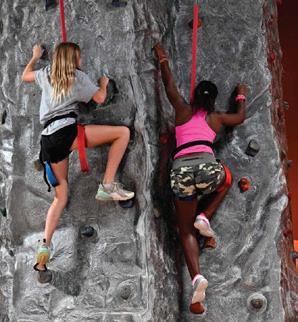
The second standard is just as straightforward - everything should work. An "Out of Order" sign may seem like a minor inconvenience, but Jon sees it as a broken promise. Whether it's an arcade game, laser tag equipment, the bowling lanes, or the air conditioning, every breakdown interrupts the experience guests came to enjoy.
That's why preventive maintenance became such a priority. Guests rarely compliment attractions that work perfectly, but they almost always remember the ones that don't.
The final standard is ‘friendly’ and it’s what ties everything together. Unlike a new attraction or renovation, friendliness can't be purchased. It has to be intentionally developed.
Over the years Jon has spent considerable time coaching younger employees to make eye contact, smile, engage with parents, and thank families as they left. Those interactions may seem small, but together they shape how guests remember the experience.
PUTTING PEOPLE FIRST
One important point was how strategically Jon matches personalities with positions. His most outgoing employees work the front counter and redemption, where every interaction could leave a positive impression. Employees who are quieter often thrive in the kitchen, maintenance, or behind the scenes. It's a simple idea, but one that's easy to overlook.
Not every employee has to do the same job, but every employee contributes to the guest experience.
Jon has found using referrals to find staff creates accountability before a new hire even begins. Pair that with flexible scheduling for students, and it becomes easier to build a team that genuinely wants to be there.
Culture, after all, isn't something written in an employee handbook. It's something guests feel.
PAYING ATTENTION
Another lesson Jon shared came from simply watching what was happening around him.
Rather than waiting until the end of the day to review reports, he monitored hourly sales during busy periods. If traffic shifted or one area became overloaded, managers could adjust staffing in real time instead of reacting after the rush.
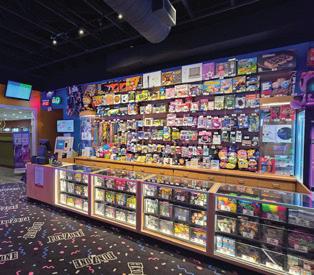
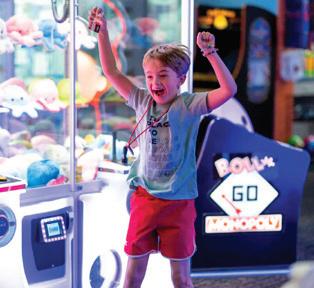
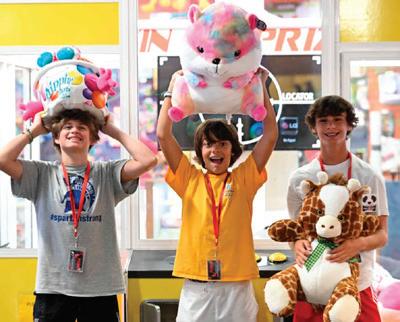
That same thinking influenced the arcade. Jon talked about a large crane game stocked with oversized plush prizes. Some operators might see a large footprint or a generous payout percentage, but Jon saw marketing.
When guests walk through the center carrying giant prizes, everyone notices. Kids point and parents stop to watch. One successful win creates excitement that spreads across the arcade and encourages others to play.
Afterall, sometimes the best marketing isn't another social media campaign, it’s creating moments people want to be part of.
WHERE THE LESSONS LIVE
As our conversation wrapped up, I kept coming back to something Jon said about the part of the business he enjoys most. After years spent helping operators from the distribution side and navigating corporate growth, what he missed wasn't the office, it was being on the floor. He missed watching families laugh together, talking with guests, seeing what captured their attention, and solving little problems before they became big frustrations.
That's where, he believes, the real business of family entertainment happens.
Technology will continue to evolve. Attractions will become more immersive. New concepts will come and go. But a clean facility builds confidence. Attractions that work build trust. Friendly employees create memories. Thoughtful attraction planning encourages guests to stay longer. And leaders who spend time where the guests are learn things they simply can't from behind a desk.
As Jon prepares for his next venture, I suspect those lessons will go with him. They're simple ideas. Then again, some of the best ideas usually are.

Brian Duke is an industry consultant who helps companies boost sales, strengthen connections, and stay competitive in family entertainment. A veteran of the FEC and arcade world, he is known for his big personality, deep industry know-how, and ability to connect with just about anyone. When he is working with IBI, Brian focuses on uncovering great stories, connecting with standout suppliers, and helping us shine a brighter light on the FEC side of the business, all while keeping things fun and real. Contact Brian at brianduke2012@gmail.com.



REMOVING FRICTION FROM THE ARCADE
MAKING SENSE OF EVERYDAY TECH
By Natalie Fernandez
Technology doesn’t have to be complicated to improve an operation.
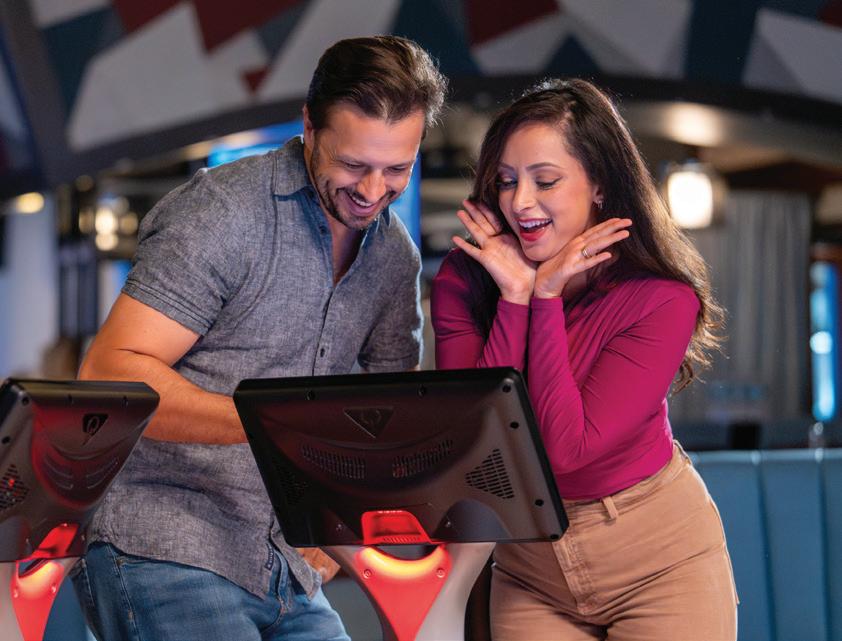
In many arcades, guests eventually run out of credits and have to leave the game to find a kiosk. It may seem like a small interruption, but every extra step creates another opportunity for them to stop playing altogether.
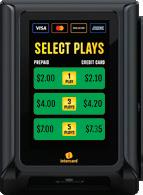
That’s why kioskless payment technology is gaining attention. This month, Tech Talk uses Intercard’s iReader Impulse Plus to explain how kioskless payment systems work and why operators are beginning to adopt them.
KIOSKLESS PAYMENTS, IN PLAIN ENGLISH
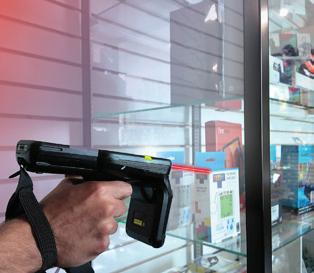
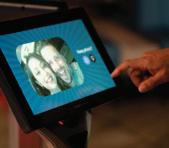
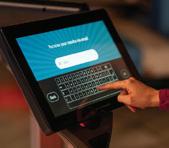
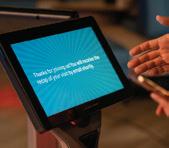
Intercard’s iReader Impulse Plus is a game reader that allows guests to pay directly at the game. Guests can pay by credit card, play card, RFID wristband, or mobile payment. Instead of requiring guests to visit a central kiosk, the reader communicates with Intercard’s cloud-based management system through Wi-Fi, cellular service, or Ethernet.
In simple terms, the game becomes its own checkout.
When a guest wants to continue playing, they simply tap, swipe, or use a digital wallet without leaving the attraction.
HOW IT WORKS
Using the technology is straightforward.
• A guest taps a credit card, phone, RFID wristband, or play card.
• The payment is securely processed through the management system.
• Credits are applied instantly.
• Play begins immediately.
For guests, the process feels seamless. Behind the scenes, operators can monitor transactions and connected games through Intercard's cloud-based management system.
WHY IT MATTERS
• Every time a guest has to leave a game to reload credits, there's a chance they'll lose momentum. By allowing guests to reload and pay directly at the game, the technology helps keep the experience moving. That convenience can be especially valuable during busy periods when kiosk lines are long, or staff are focused on other guest needs.
• The technology can also create more flexibility for operators. Smaller arcades, restaurants, bowling centers, arcade bars, and
unattended game locations may not have the space or budget for multiple kiosks. Allowing guests to pay directly at the game can simplify the layout while still providing the payment options consumers increasingly expect.
• For locations that still operate coin games, technologies like this also represent one way to modernize the guest experience without replacing every piece of equipment at once.
THE BIGGER TREND
Consumers are used to tapping a card or phone almost everywhere they shop, and entertainment venues are being pushed in the same direction. Whether it’s arcade games, self-service attractions, or unattended locations, payment technology is moving toward fewer steps and less friction between the guest and the next purchase.
Intercard’s iReader Impulse Plus is one example of that larger shift.
At the end of the day, the better question isn’t, “What does this product do?” It’s, “How does this technology make the guest experience smoother and the operation run more efficiently?”
If there’s a piece of technology you’ve been hearing about and want us to break down in a future issue of Tech Talk, send it our way to natalie@bowlingindustry.com
WHAT IT CAN MEAN FOR YOUR OPERATION
• Less Waiting: Guests can pay without leaving the game.
• More Payment Options: Accepts credit cards, mobile wallets, RFID wristbands, and play cards.
• Fewer Kiosk Bottlenecks: Can reduce congestion during busy periods.
• Flexible Installation: Works well in smaller game rooms and unattended locations.
• Cloud-Based Visibility: Operators can monitor transactions and connected games through the management system.



THREE INNOVATIONS WORTH WATCHING
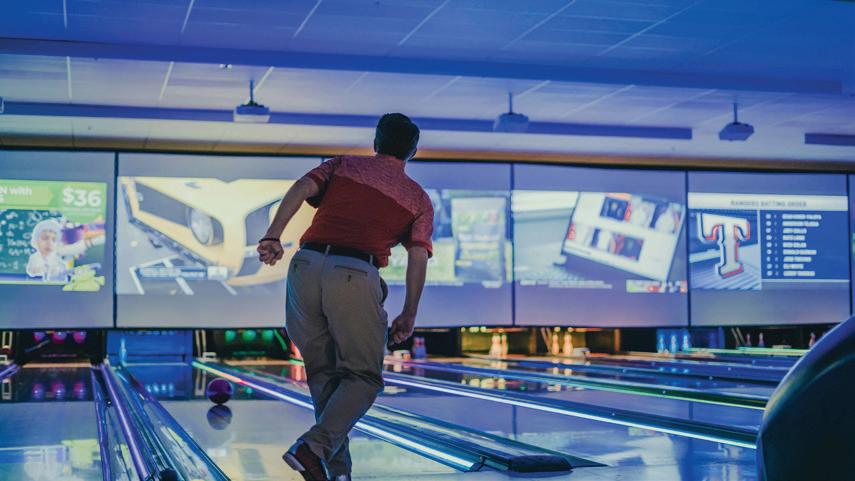
Every year, suppliers introduce products designed to make entertainment venues run a little smoother, serve guests a little faster, or create new reasons to visit. Here are three innovations tackling those challenges in very different ways.
FASTER BEER SERVICE
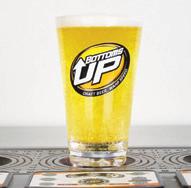
When the bar gets busy, speed matters. That’s the idea behind Bottoms Up, a draft beer system that fills cups from the bottom rather than the top.
Using specially designed cups, the system fills cups quickly and automatically stops when the desired level is reached. The result is faster service, less foam, and more consistency from pour to pour.
The biggest advantage may come during peak periods. Whether it’s a league break, a tournament, or a packed Saturday night, staff can serve more guests in less time. That can mean shorter lines, happier customers, and more opportunities to capture beverage sales.
The system also gives guests something to talk about. Watching a beer fill from the bottom is an experience, creating a memorable moment before the first sip.
WHY IT STANDS OUT: Helps speed beverage service during peak traffic while creating a memorable guest experience.

COCKTAILS ON TAP
Craft cocktails have become an expectation in many entertainment venues, but creating a quality program can put added pressure on staffing and consistency. Craft Standard was designed to simplify that equation.
The company’s kegged cocktail program allows drinks such as margaritas and espresso martinis to be poured in seconds while delivering a consistent product every time. There is no measuring, mixing, or complicated recipe required.
That can help solve several challenges at once. Service is faster, training is simpler, and beverage costs are easier to manage. At the same time, guests still get the elevated drink options they have come to expect.
The result is a broader beverage menu that can be served quickly and consistently, even during the busiest shifts.
WHY IT STANDS OUT: Makes premium cocktails faster, simpler, and more consistently.
MORE THAN A BULLSEYE
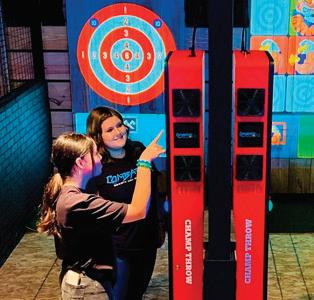
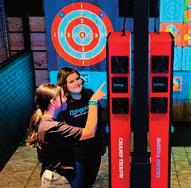
Axe throwing has become a popular attraction in recent years, and Champ Throw is adding a new layer of entertainment to the experience.
The company’s Interactive System uses projection technology and automated scoring to turn traditional axe throwing into a collection of digital games. Instead of aiming only for a bullseye, guests can choose from a variety of projected targets and game formats that add competition, variety, and replay value.
By replacing a single target with a library of interactive games, the experience becomes more approachable for first-time players while giving returning guests new challenges to explore. Families, corporate groups, and casual players can jump in quickly without feeling intimidated by traditional competition.
The result is an attraction that encourages repeat play instead of a one-and-done experience.
WHY IT STANDS OUT: Adds interactive gameplay that gives guests more reasons to return.





EXPERT HOSIERY
Customer
Service
Expert Hosiery is a premiere supplier of high-quality socks to bowling centers and FECs. We pride ourselves in lifetime relationships. Socks variety includes white bowling socks, glow socks, theme socks, and custom logo socks. Our customers are our best testimonial! For orders, call, email or order online 24/7.
LAYMON HUGHES HOSIERY Sharon Hughes
Being a BPAA preferred vendor we are proud to say we are an American family owed manufacturer of quality USA made socks. We are proud to offer many styles of bowling and skating socks to family entertainment centers around the USA and overseas as well. We do not have any minimum orders. Every size center can customize their order each time. We also do custom orders for your center or for special events throughout the year.
AVS COMPANIES
Sales Department
Providing best-in-class arcade and vending equipment with decades of unparalleled service. AVS Companies is the trusted choice for world-class amusement solutions.
BETSON ENTERPRISES
Sales Department
Betson Enterprises is the leading worldwide distributor of arcade equipment, parts, and service. A family-owned business offering revenue-generating solutions to its clients since 1934, Betson offers concept-to-completion solutions that maximize the profitability of our clients’ investments.
PLAYER ONE AMUSEMENT GROUP
Sales Department
At Player One Amusement Group, we specialize in the sourcing and distribution of quality amusement and vending equipment for both commercial and retail customers. We provide end-to-end Total Solutions, from the design and planning of the space, to equipment selection, to best practices for merchandise and redemption counters. Each business is unique so P1AG customizes the appropriate services to meet your business needs.
AUTOMATIC SCORING
NEW CENTER CONSULTING
Glenn Hartshorn
Touch Score – A truly revolutionary scoring upgrade for legacy systems.
STELTRONIC SCORING
Sales Department
The world’s leading independent automatic scoring manufacturer since 1980.

BRUNSWICK BOWLING PRODUCTS
Michael Postema
The leader in the bowling industry for over 130 years, Brunswick Bowling provides products, services, and industry expertise for new and existing bowling centers.
www.funtimefootwear.com
919.799.7707
support@experthosiery.com www.laymonhugheshosiery.com
256.845.1034
laymonhughes@bellsouth.net
www.avscompanies.com
847.439.9400
sales@avscompanies.com
www.betson.com/bowling 800.524.2343
Sales@betson.com www.p1-ag.com 416.251.2122
GetAnswers@genda-americas.com www.newcenterconsulting.com 248.375.2751
ghartsho@yahoo.com
www.steltronicscoring.com
800.942.5939
Info@steltronicscoring.com
www.brunswickbowling.com 231.343.2043
Info@brunswickbowling.com
QUBICAAMF
Sales Department
QubicaAMF is the world’s largest manufacturer of bowling and mini bowling products. With our innovative products, we will help our customers fully unleash that potential to extend the bowling population, to reach the younger generations, to increase their spending, frequency of visits—and your revenue.
INTERCARD






Sales
Department
Intercard introduced cashless technology to the amusement industry and has been leading the way for 30+ years. Award winning cashless systems from Intercard increase customer spending and satisfaction and boost revenues by up to 30% at entertainment centers worldwide.
AMUSEMENT ADVANTAGE
Sales Department
Custom-tailored, cost effective mystery shopping programs exclusively for the amusement, attractions and entertainment industries since 1996. Our team has worked with every size and type of venue and we partner with IAAPA and AAMA for their Top FEC awards programs. Reach out today to better understand what your guests are experiencing!
SHERYL GOLF
Expert business consulting and training services designed to help entertainment venues grow group sales, increase bookings, and elevate the guest experience. Focused on real-world execution, SherylGolf delivers proven strategies in sales, marketing, event programming, and team development, along with systems for recruiting, hiring, onboarding, and training—resulting in stronger teams, smoother operations, increased revenue, and unforgettable experiences that keep guests coming back.
TURFWAY ENTERTAINMENT MANAGEMENT
David Wallace
Full service consulting company within the family entertainment industry focusing on business new starts, expansions, modernizations, and health checkups of existing centers. A dedicated team of professional experts in operations, marketing, branding, culinary, and bar services allow a seamless approach for your needs.
PURSE PEGS
Joe Peplinski
Bowling alleys can install Purse Pegs to their dining tables to provide guests a clean, secure place to hang their valuables while they bowl and dine. This small addition improves comfort, keeps walkways clear, and prevents belongings from getting dirty or damaged on the floor. Purse Pegs enhance the customer experience, making your venue more inviting and accommodating. It’s a simple upgrade that shows attention to detail and encourages repeat business through thoughtful, practical design.
SLOW & LOW
Jon Holecz
Slow & Low is an award-winning lineup of ready-to-serve Old-Fashioneds, crafted for speed, consistency, and serious bar-quality. Ranging from 80 to 100 proof, it’s the ultimate plug-and-pour solution for high-volume accounts looking to serve premium cocktails without slowing down.
www.qubicaamf.com
804.569.1000
info@qubicaamf.com www.intercardinc.com
800.732.3770
Sales@intercardinc.com www.Amusadv.com
800.362.9946 ext. 8
sales@amusementadvantage.com sherylgolf.com
732.302.4439
sheryl@sherylgolf.com
www.turfwayentertainment.com
859.285.7111
dwallace@turfwayentertainment.com
www.pursepegsllc.com 970.376.3349
info@pursepegsllc.com
www.drinkslowandlow.com
203.671.1496
jholecz@cooperspirits.com






BOWLING CENTER INSURANCE
Bob Langley
Helping You Is What We Do Best! With 30 years of experience and over 300 centers nationwide, we’ve mastered the art of insuring entertainment venues from bowling centers and movie theaters to axe throwing, roller skating, go-karts, mini golf, and more. Comprehensive policies include property, general liability, liquor liability, wind/hail protection, and Workers’ Compensation. As part of the sixth-largest (Independent Insurance) Broker in the U.S., we offer competitive quotes tailored to your needs. Contact us today and let’s get your coverage started!
TILTON, THOMAS & MORGAN INSURANCE PROFESSIONALS
W. Tyler Compton
Tilton, Thomas & Morgan Insurance Professionals has been insuring bowling and family entertainment centers for over 40 years. We support state and national organizations, including many state bowling associations and the BPAA. Through our years of experience and working with hundreds of proprietors across the country, we have developed a specialized program to ensure our clients have the correct coverages at a competitive price. We love insuring FUN, so call us today to see how we can help you!
WESTERN BOWLING PROPRIETORS INSURANCE
Cameron Linder
WBPI is the largest bowling center insurance program in the nation with nearly 40 years of experience and 700 insured centers. Exclusively endorsed by eight state bowling proprietors associations, our staff of insurance partners and professional bowlers provide staff training, insurance education, advocacy, and business advice. No one fights harder for you! Contact us today for a competitive insurance quote!
DECIBEL STUDIOS
Ravi Shankar
Guy O’Hazza
Decibel Studios is an innovative global technology solutions company that designs, engineer, installs, and maintains custom controlled audio, video, lighting, show control and special effects systems, including augmented and virtual reality, 3D and 4D interactive theaters, for various entertainment, corporate, hospitality, retail and institutional groups.
DFX SOUND VISION
Mike Bovino
More WOW. More Stay. More Play. DFX helps Family Entertainment Centers stand out with immersive audio, lighting, video, and automation systems that increase dwell time and drive repeat business. Whether building new or renovating, we deliver fully integrated environments powered by VersaLED Video Walls and VersaShow technology — all operating through one intuitive control system. From design to long-term support, DFX is your turnkey AV partner for unforgettable experiences.
BBBI/KIDS BOWL FREE
Andy Vasko
At BBBI our goal is to create new customers and profits for bowling centers through our time tested Kids Bowl Free Summer Bowing Program and our new League Development System featuring Fun Bowling Leagues for all ages.
ALLEYTRAK
Chris Behling
AlleyTrak is the complete lane reservation and management system designed specifically for bowling alleys. Manage your recurring events, leagues, parties, packages, along with many other features AlleyTrak has to offer. Save time by allowing guests to make reservations online 24/7.
www.bowlingcenterinsurance.com
864.527.1145
robert.langley@bbrown.com
www.ttminsurance.com
866.233.0266
tcompton@ttminsurance.com
www.wbpiprogram.com
800.200.9998
contact@wbpiprogram.com
www.decibel-studios.com
310.693.5210 ext. 1 310.717.1603
ravi@decibel-studios.com guy@decibel-studios.com
www.dfxsoundvision.com
800.555.5280
info@dfxsoundvision.com
www.kidsbowlfree.com
877.841.4590
Andy.Vasko@kidsbowlfree.com www.alleytrak.com
815.519.9843
Chris@alleytrak.com

PARTY DIRECT
Nancy Dye
Elevate your party experience with Party Direct! From exquisite place settings to captivating decorations, delightful party favors, and premium tableware, we’ve got you covered. With our wide range of high-quality products, competitive prices, and hassle-free shopping, Party Direct is your ultimate destination for all your party supply needs. Create memorable celebrations effortlessly. Party Direct is your one stop source for all the party supplies you need to increase guest satisfaction and profitability!
SIERRA PRODUCTS
Shelly Berry
Sierra Products is your exclusive source for bowling parties, including party favors, supplies and novelties. Bowling birthday party supplies include bowling pin sipper bottles, mini bowling pin candy containers, bowling coin banks, bowling party cups, napkins, novelty souvenir cups and much more. Most of our items can be personalized with your company’s logo, phone, website, etc.

A&A GLOBAL
Sales Department
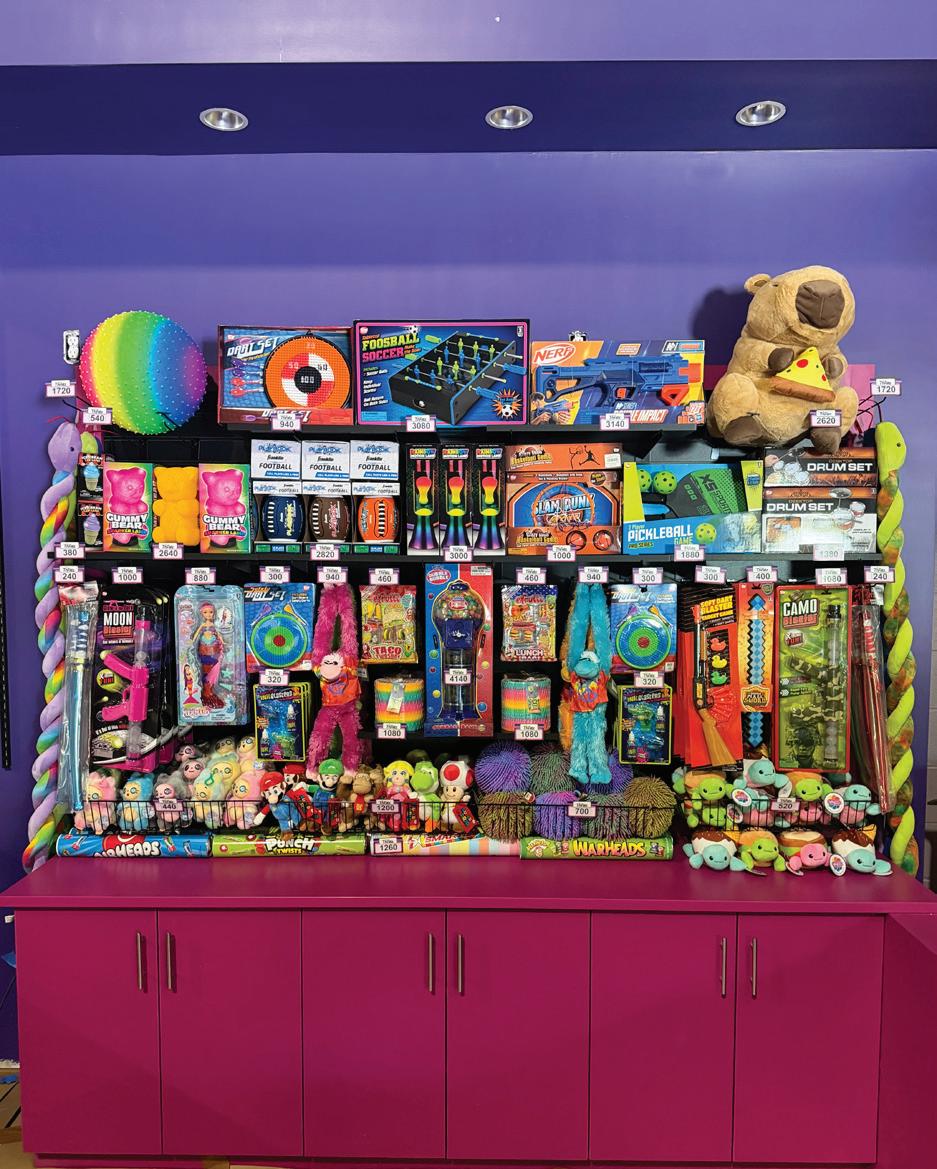
A&A Global has been delivering fun since 1938, helping businesses turn joy into revenue. With reliable, strategic support and a full range of toys, candy, novelties, and custom programs, we design the right mix to drive traffic, build loyalty, and create real results.
BMI MERCHANDISE
Sales
Department
At BMI Merchandise, we’re in the business of fun—and we take it seriously. For over 30 years, we’ve been a recognized leader in the amusement industry, providing innovative redemption products and services. As an industry pioneer and technology-forward company, BMI helps family entertainment centers improve efficiency and profitability. We offer a constantly evolving mix of redemption merchandise featuring the hottest brands and licenses, all integrated with advanced technology. Beyond merchandise, we deliver innovative technology solutions, including our proprietary AMRS™ system—a 360° solution designed to streamline operations and maximize profits through design, planning, installation, and fulfillment.
SURESHOT REDEMPTION
Corporate Sales



Sureshot is your ultimate destination for retail merchandise and redemption prizes. We feature a comprehensive assortment across all major categories, coupled with exceptional customer service, competitive pricing, and premium quality products. Discover our ongoing additions of unique items year-round. We also offer custom logo programs, automatic merchandise replenishment, assortment planning, and planogramming services. Trust Sureshot Redemption to consistently meet your needs with precision and reliability, especially with our Free Freight program. Call or email us for details!
REDEMPTION PLUS
Michael Nowak
Redemption Plus is your go-to partner for all things redemption! From designing and merchandising exciting redemption centers to offering expertly crafted training resources and a broad selection of trend-worthy prizes, we’ve got you covered. With a fresh approach and top-tier service, we simplify your operations so you can focus on wowing your customers with unforgettable experiences!
RHODE ISLAND NOVELTY
Hutch Costello
Rhode Island Novelty has been in business since 1986 and is the leading Prize provider for the Redemption industry, offering the best case pricing, product selection, and performance. We keep it simple so you can focus on keeping your guests happy. With unmatched variety and value, partnering with us means saving time, reducing costs, and providing prizes that keep guests coming back again.
www.partydirect.com
317.694.8413
nancy@partydirect.com www.noveltybowlingstuff.com
800.900.7695
sales@noveltybowlingstuff.com www.aaglobal.com
800.638.6000 ext. 306
gclothier@aaglobal.com www.bmimerchandise.com
800.272.6375
Sales@bmimerchandise.com
www.sureshot-redemption.com
888.887.8738
Sales@sureshot-redemption.com www.redemptionplus.com
888.564.7587
Smile@redemptionplus.com www.rinovelty.com
401.996.9489
HCostello@rinovelty.com
�
�
�









Down-Lane Targets


Introducing Mark-30ne. The in-lane guidance system that makes the game easier to understand and more engaging to play. Built directly into the lane, it brings proven coaching principles to life with clear, visual targets. Different by design, the target layouts help bowlers identify lines, make adjustments, and build confidence faster. The result? Faster learning, better shots, and more confident players—from casual bowlers to seasoned competitors.
Mark-3One
Different by design. Built for better bowling.
Exclusively available on Sport Dots

Target Anchors