

Welcome to the latest issue of Asian Ceramics, as the industry continues to navigate a period of adjustment and opportunity. Across regions, ceramics producers are responding to shifting trade patterns, evolving demand and rising expectations around quality, sustainability and innovation. While uncertainty remains, the overall direction is becoming clearer. Many markets are adapting steadily – and in some cases, positioning themselves for the next phase of growth.




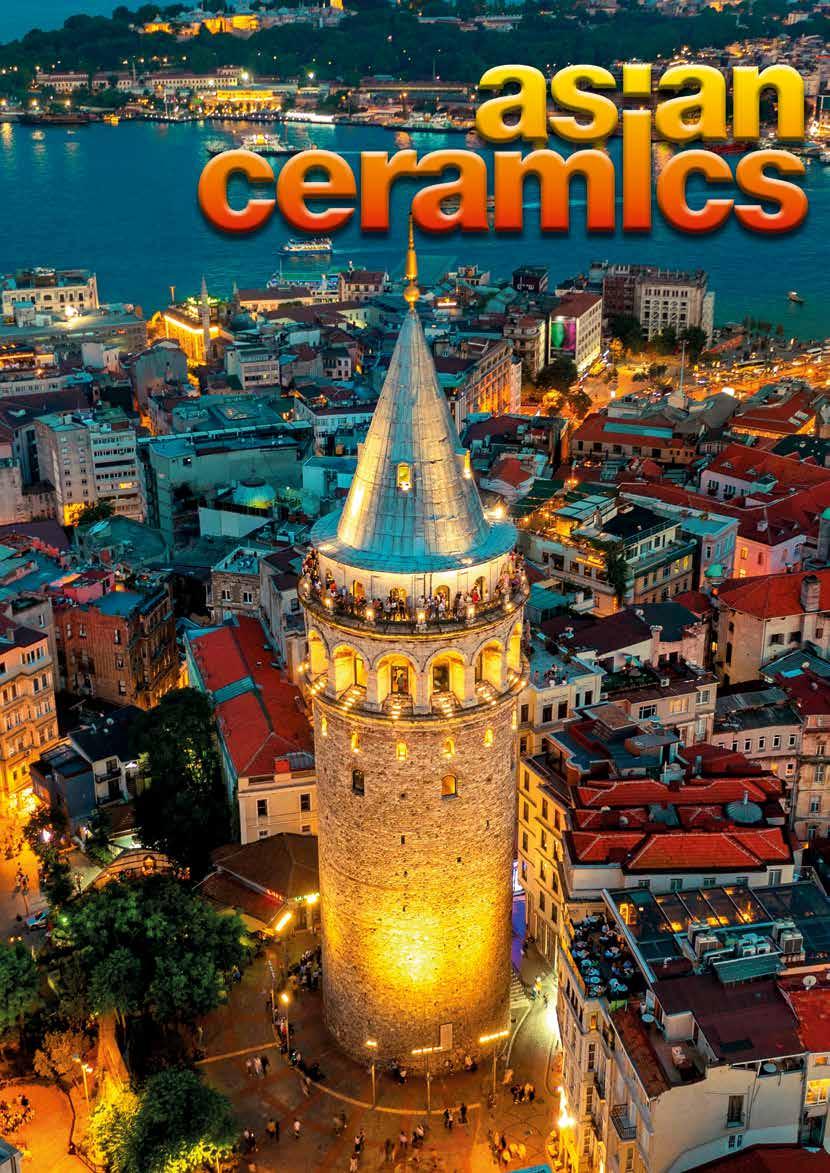
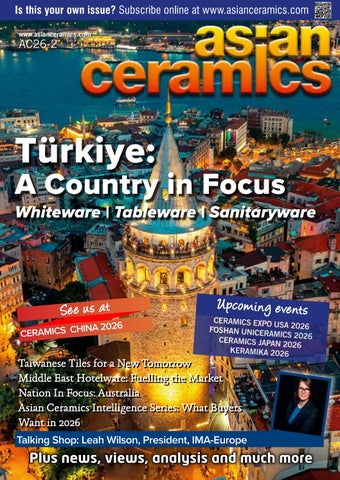
Our cover story focuses on Türkiye, where the ceramics industry is entering a decisive stage. Positioned between Europe, Asia and Africa, the country is making effective use of its geographic advantage alongside a well-established manufacturing base and strong domestic resource availability. As global supply chains become more regionalised, Türkiye’s sanitaryware and tableware producers are working to strengthen their presence in key export markets. The sector has become one of the country’s most important industrial contributors, supported by access to minerals and relatively limited reliance on imported inputs.
In recent years, Turkish manufacturers have gained international recognition through investment in research and development, modern production technologies and design capability. Proximity to major markets in Europe, together with growing links to Africa and Asia, adds further weight to this position. At the same time, competition is increasing. Producers such as India are expanding their reach through new trade agreements, creating additional pressure in export markets. As Rohan Gunasekera reports, Türkiye’s ceramics sector is balancing opportunity with a more demanding competitive environment.

From West Asia we move to East Asia, where Taiwan’s ceramic tile industry continues to demonstrate the value of combining tradition with innovation. Built on decades of craftsmanship, the sector has incorporated advanced manufacturing processes and design expertise to meet the needs of modern construction and architecture. Taiwanese producers specialise in durable porcelain tiles and refined decorative finishes, supplying residential, commercial and industrial markets with a strong emphasis on quality and reliability.
Expanded manufacturing capacity across East and Southeast Asia has supported a steady presence in global markets. At the same time, continued investment in technology and quality control is helping the industry remain competitive as demand evolves. As Jahir Ahmed notes, Taiwan’s ability to balance heritage with modern production remains one of its key strengths.
Our regional feature turns to the Middle East, where the hospitality sector continues to expand and diversify. Beyond its established tourism base, the region is increasingly positioning itself as a hub for international events, conferences and exhibitions. This shift is reflected in the strong presence of global hotel operators such as Marriott International, Hilton, Accor, IHG and Hyatt, alongside a growing number of regional brands.
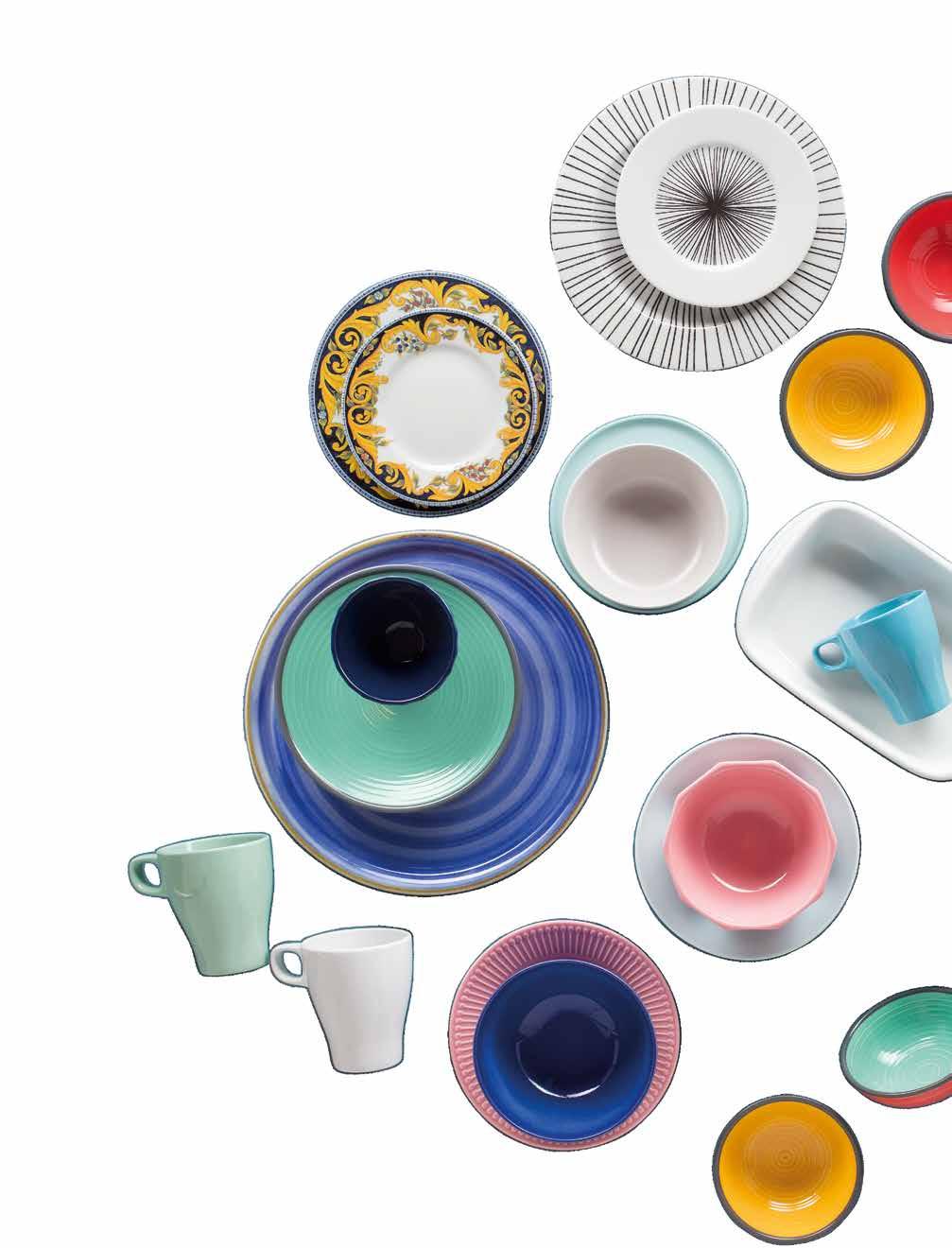
Within this environment, the ceramic tableware market is moving steadily towards highervalue products. Growth in value has outpaced volume in recent years, reflecting increased demand for premium and luxury tableware. Hotels and restaurants are placing greater emphasis on presentation and differentiation, and suppliers are responding accordingly. As Yogender Singh Malik examines, these trends continue to shape demand across the region.
In our Nation in Focus, we look at Australia. Although relatively small in scale, it remains a stable and discerning market within the Asia-Pacific region. Its reliance on imports, combined with a strong renovation culture and design-led demand, makes it distinctive. As construction activity moderates and supply chains adjust, the market is becoming more selective –
This issue also introduces our new Intelligence Series, offering forward-looking insight into market expectations. In this edition, we examine what buyers are likely to prioritise in 2026–27. As expectations rise and procurement becomes more structured, manufacturers will need to
In our Leadership Conversation, Haresh Bopaliya, President of the Morbi Ceramic Association, reflects on Morbi’s development as a global manufacturing hub, the challenges facing producers and the outlook for India’s ceramics industry.
As the year progresses, the industry’s direction is becoming clearer, with resilience and measured investment shaping the next phase of growth. We trust this issue offers both insight
EDITOR
Editor Isaac Hamza
Email: ihamza@asianceramics.com
Direct line: + 44 (0) 7494 867 169
ADVERTISING AND DESIGN
Advertising Sales
Paul Russell
Email: prussell@asianceramics.com
Direct line: + 44 (0) 7494 866 793
Valerie Adamson
Email: vadamson@asianceramics.com
Direct line: + 44 (0) 7494 866 883
Production and design
Tim Mitchell
www.corpsvector.co.uk
Bangladesh
Jahir Ahmed jahir@asianglass.com
India
Yogender Singh Malik yogender@asianglass.com
Sri Lanka Rohan Gunasekera rohan@asianglass.com
RESEARCH
Research Manager
Andy Skillen
Email: andy@bowheadmedia.com
HEAD OFFICE
27 Old Gloucester Street, London WC1N 3AX, UK.

Directors:
Valerie Adamson and Paul Russell.



6 Inside Asia
Imerys establishes EMEA ceramics technical hub in Egypt.
8 Comment & Analysis
Energy volatility is forcing Asia’s ceramics industry to rethink competitiveness and production strategy.
10 Across The Continent
Openings, closures, and industry moves throughout Asia.
18 International News
Our eye on the international scene.
26 Material Matters
The latest raw materials industry news.
32 Talking Shop
Leah Wilson, President of IMA-Europe, discusses regulation, competition and decarbonisation pressures facing industrial minerals producers.
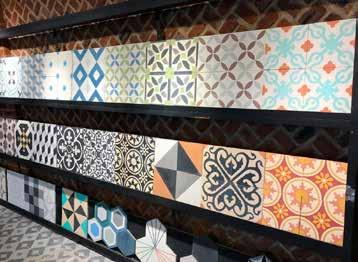


36 Taiwanese tiles for the new tomorrow
Taiwan’s tile industry is strengthening its global position through innovation, quality control and specialised manufacturing, reports Jahir Ahmed.
46 Türkiye: A country in focus
Türkiye’s tableware and sanitaryware industries are benefiting from favourable geography, mineral resources and advanced production capabilities, writes Rohan Gunasekera.
Rapid expansion in Middle Eastern hospitality is driving strong demand for ceramic tableware as brands compete for market share, reports Yogender Singh Malik.
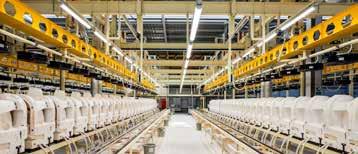
Australia’s ceramics market remains stable and design-led, though shifting supply chains and slower construction are reshaping competitive dynamics.
Upstream production decisions continue to shape quality, cost and operational resilience across high-volume ceramic manufacturing, says Sankameeswaran S.
Global ceramic buyers are placing greater emphasis on reliability, design alignment and supply-chain performance, writes Isaac Hamza.
Haresh Bopaliya, President of the Morbi Ceramic Association, discusses transformation, challenges and the future direction of India’s ceramic industry.
Amid continuing turmoil across the Middle East, questions remain over what industrial recovery in the region will ultimately look like, says Andy Skillen.
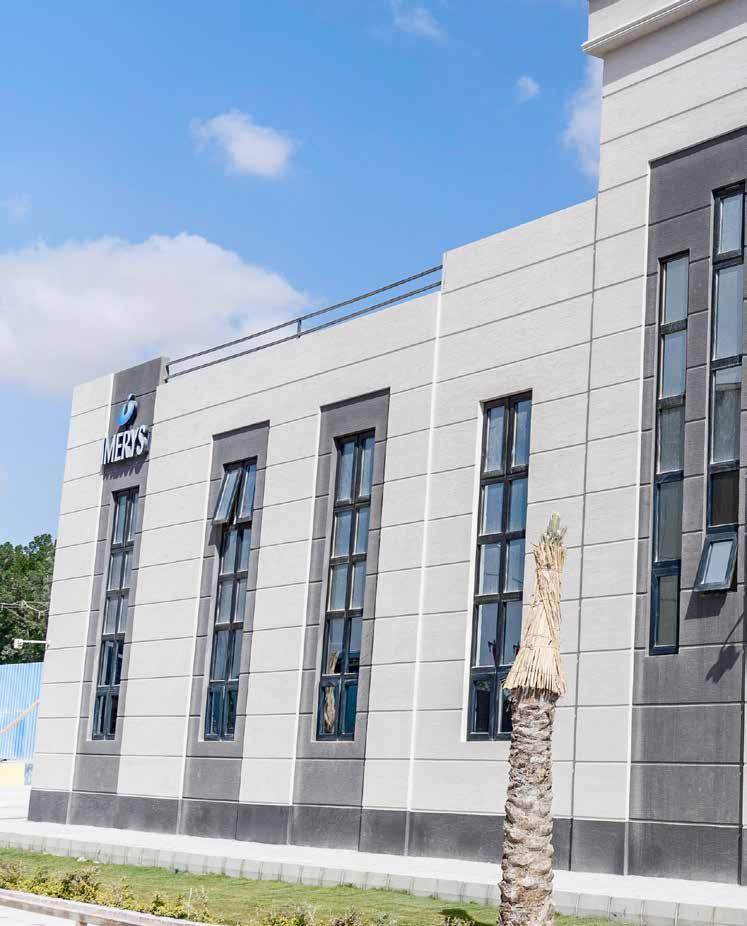
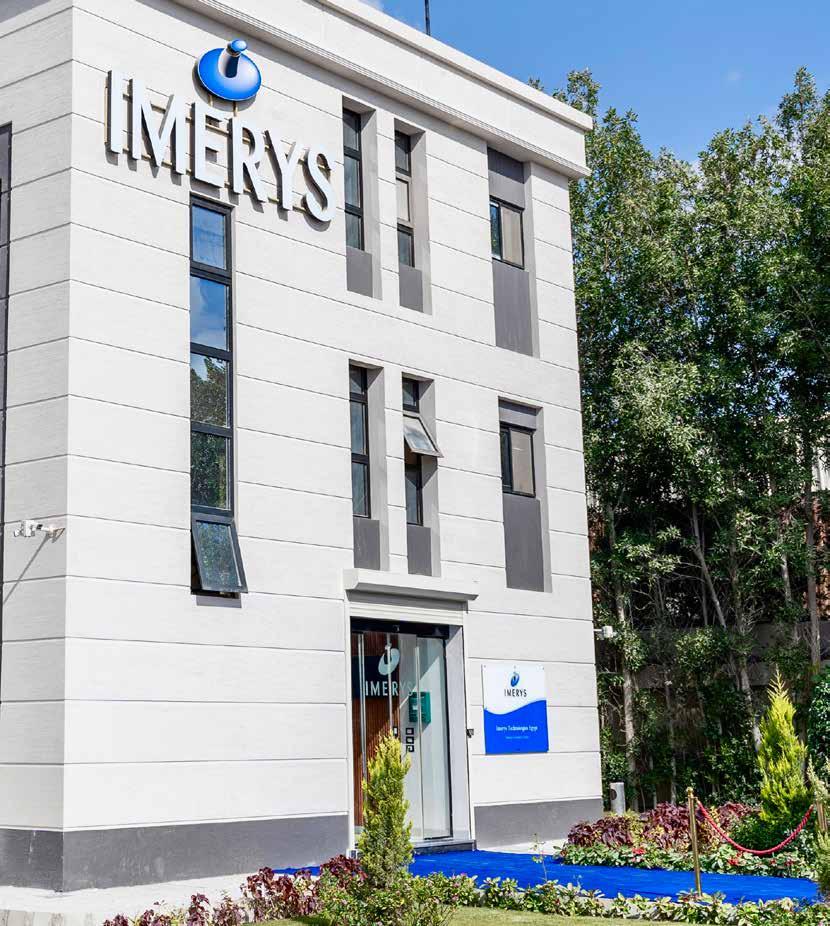
Imerys has inaugurated a new ceramics laboratory at its site in 10th of Ramadan City, positioning the facility as its technical support hub for the ceramics industry across Europe, the Middle East and Africa.
The 220 square metre laboratory was officially opened on 4th February and is located within one of Egypt’s principal ceramic manufacturing clusters. The facility is equipped with analytical and physical testing systems for raw materials, ceramic bodies and finished products, and will operate as part of Imerys’ global network of research and development and application laboratories.
Danilo Frulli, Imerys vice president ceramics EMEA, said at the event: “The new cutting-edge facility leverages decades of Imerys ceramics expertise developed worldwide to form a cornerstone of our presence in the Middle East and Africa. It will assist our operations in delivering the most advanced ceramics solutions
to our customers, capitalising on the region’s significant potential for growth and innovation.”
The Egypt laboratory will serve as Imerys’ primary centre of excellence in EMEA for sanitaryware development and technical support. Capabilities include full sanitaryware body testing, casting performance assessment and cracking tolerance analysis. The facility will also conduct research and development focused on tile body, glaze and engobe technologies for MEA markets, including porcelain body analysis, materials testing and product validation.
In addition, the site will support tableware producers in the region, drawing on expertise from Imerys operations in France and Germany. Technical services will cover body and glaze analysis, raw material assessment and on-site production optimisation.
Established in 2012, Imerys Ceramics Egypt supplies ball clay, kaolin, chamotte and feldspar products to markets across Egypt, the Middle East, North Africa, South Africa and Europe. The expansion of the laboratory reinforces the site’s role within the company’s regional ceramics support infrastructure.
Fuel volatility is exposing a structural weakness in Asia’s ceramics industry. As energy becomes less predictable, manufacturers face a stark choice: adapt their production model or risk losing their competitive edge, states Isaac Hamza, editor, Asian Ceramics.
For decades, the Asian ceramics industry has been built on a clear and effective formula: scale, efficiency and cost leadership. From China’s vast manufacturing base to India’s fast-expanding tile clusters, global competitiveness has relied heavily on access to affordable and stable energy. That assumption is now being tested.
Recent disruptions to fuel supplies in major production clusters, including India’s Morbi hub, have brought the issue into sharp focus. Widely reported production stoppages, triggered by interruptions in gas availability, have highlighted just how exposed ceramics manufacturing remains to energy shocks. While the immediate causes may be geopolitical, the underlying vulnerability is far more fundamental. Ceramics production is inherently energy intensive. Kiln firing accounts for the majority of both operating costs and emissions, leaving manufacturers highly sensitive to fluctuations in fuel pricing and supply. Across Asia, producers are now navigating a more volatile energy landscape, shaped by shifting LNG markets, regional supply constraints and policy-driven transitions away from higher-emission fuels. Industry analysts increasingly point to price instability as a growing risk for heatdependent manufacturing sectors. This marks a significant shift. Energy, once a relatively predictable input, is becoming a variable
– and in some cases dominant –cost factor. For an industry that competes globally on price, the implications are considerable.
Efficiency is not enough
At the same time, regulatory pressures are intensifying. Governments across Asia are tightening emissions standards and encouraging cleaner production systems. The challenge for manufacturers is not simply to reduce emissions, but to do so without undermining competitiveness.
One response has been the steady adoption of energy-efficient technologies. Ceramic fibre linings, for example, are increasingly replacing traditional refractory materials due to their ability to reduce heat loss and improve thermal efficiency. Market observers note that demand for such solutions is rising across AsiaPacific, driven by both cost pressures and compliance requirements. However, efficiency gains alone are not enough. They reduce consumption, but do not remove exposure to volatile fuel markets. The experience in Morbi suggests that resilience – not just efficiency – must become central to future strategy.
The case for diversification
This raises the question of energy diversification. Electrification, hybrid kiln systems and, over the longer term, hydrogen-based solutions are all under discussion within the industry. Yet adoption remains uneven. Larger manufacturers
are better positioned to invest in new technologies, while smaller producers often face financial and operational constraints.
The issue therefore extends beyond individual companies. Ceramics remains a strategically important industry in several Asian economies, supporting exports, employment and construction supply chains. There is a growing case for more stable industrial energy frameworks and targeted support for technology upgrades as the sector transitions.
A strategic turning point
Demand fundamentals, meanwhile, remain broadly intact. Construction activity and infrastructure development continue to underpin consumption across much of the region. But the conditions under which ceramics are produced are changing. What is clear is that the industry can no longer rely on the assumptions that defined its growth over the past two decades. The era of predictable, low-cost energy can no longer be taken for granted. In its place is a more complex operating environment defined by volatility, regulation and technological change. For Asian ceramics, this represents a turning point. The ability to adapt – through improved efficiency, greater energy flexibility and sustained investment –will determine whether the industry can maintain its global position in the years ahead.


US trade case may impact Indian tile imports • Philippines opens tile import probe • Bartın Seramik installs new tunnel 2026 set for June • Indian Ceramic Asia Expo draws industry turnout • KEDA project advances waste-based ceramics hydrogen • Dongpeng enters S&P sustainability ranking...
Ongoing trade case developments in the United States could affect the cost of ceramic tile imports from India, with potential implications for exporters and supply chains across Asia.
The case follows a decision by the U.S. Department of Commerce in April 2025 to impose anti-subsidy duties of between 3.0% and 3.5% on ceramic tile imports from India. The measures were subsequently upheld by the U.S. International Trade Commission, which found that such imports posed a threat to domestic producers. At the time, the Department of Commerce did not impose additional antidumping duties.
The Coalition for Fair Trade in Ceramic Tile has since
THE PHILIPPINES
challenged both determinations before the U.S. Court of International Trade. The coalition argues that the investigation did not sufficiently examine relationships between entities linked to two of the largest Indian exporters.
Briefing in the case is ongoing, with a decision expected later in 2026. If the court rules in favour of the coalition, tariff levels on Indian ceramic tile exports to the US could rise.
Any increase in duties could be applied retroactively to what are described as ‘unliquidated’ entries. These refer to imports for which U.S. Customs and Border Protection has not yet finalised duties and associated charges. As a result, importers could face additional costs on shipments dating back to 2024
and extending into at least the third quarter of 2026.
The US remains an important export market for ceramic tile producers in India and the wider Asia region. Changes to tariff levels could therefore affect pricing, contract structures and competitiveness in the market.
In addition to the legal proceedings, the U.S. tile industry retains the option to request annual administrative reviews of existing anti-subsidy duties. Such reviews may result in further adjustments to tariff rates, including potential increases.
“This case underscores the importance of vigilance for anyone sourcing ceramic tile from India,” said Eric Astrach, executive director of the Tile Council of North America. “With
the potential for retroactive tariff adjustments, companies should closely monitor developments and evaluate their exposure on unliquidated imports, as the financial implications could be substantial.”
For ceramic tile manufacturers and exporters in Asia, the outcome of the case is likely to be closely monitored as it may influence access conditions to the U.S. market. Trade policy developments in key export destinations remain a factor shaping international tile flows and pricing dynamics.
The case continues as part of broader trade measures affecting ceramic tile imports into the United States, with further updates expected following the court’s decision later this year.
The Philippines has launched a safeguard investigation into imports of ceramic tiles, signalling potential trade measures that could affect regional supply and pricing.
The move was notified to the World Trade Organization on 10th February, following the initiation of the investigation on 5th February by the Department of Trade and Industry. The probe will assess whether increased imports of ceramic tiles are causing or threatening serious injury to domestic producers.
According to the notification submitted to the WTO Committee on Safeguards, the investigation will allow importers, exporters and other interested parties to present evidence and respond to claims during the
review process.
“A safeguard investigation seeks to determine whether increased imports of a product are causing, or is threatening to cause, serious injury to a domestic industry,” the notification said.
If the investigation finds evidence of injury, the Philippines may impose temporary measures to restrict imports. Such measures could include tariffs or quotas, aimed at providing relief to local manufacturers.
The notification also outlines procedural steps for participation in the investigation. It states that interested parties are required to identify themselves within a specified period and may take part in hearings and submissions as part of
the process.
“During a safeguard investigation, importers, exporters and other interested parties may present evidence and views and respond to the presentations of other parties,” the notification said.
The Philippines is a growing market for ceramic tiles, with imports supplying a significant share of domestic demand. Any restrictions could therefore affect exporters from major supplying countries in Asia, including China, India and Vietnam.
For manufacturers and exporters in the region, the investigation introduces a period of uncertainty over market access and pricing. Trade policy measures of this type are closely monitored by the ceramics
sector, as they can influence shipment volumes and competitive positioning.
Safeguard actions are typically applied on a temporary basis and are subject to review under WTO rules. They differ from antidumping or anti-subsidy measures in that they do not require a finding of unfair trade practices but instead focus on the impact of import volumes.
The Philippines has not indicated a timeline for the completion of the investigation, but further developments are expected as the process progresses.
For the ceramics sector, the outcome of the probe may affect regional trade flows, particularly for exporters seeking access to Southeast Asian markets.
tunnel kiln • POSCO plans Vietnam battery materials plant • Ceramics China ceramics • Newpearl starts Phase II kiln line • Kyocera develops ceramic seals for
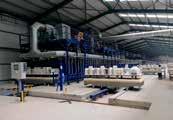
Bartın Seramik in Türkiye has commissioned a 111-metre tunnel kiln from Germany-based Keramischer OFENBAU as part of a project to improve energy efficiency and product quality at its sanitaryware plant in Bartın. The kiln, equipped with the supplier’s EnerViT energy management system, was installed more than two years ago and is currently operating at around 50% of its designed production capacity.
Founded in 1994, Bartın Seramik produces vitreous china sanitaryware under its Quarter Bath and Alvit brands for domestic and export markets. Turkey remains one of the leading sanitaryware producers in the wider region, supplying Europe, the Middle East and Asia. According to the company, rising energy costs and increasing quality requirements prompted the investment in new firing technology.
“Our primary objective was to obtain kiln technology that offers maximum energy efficiency while being perfectly suited to our products,” said Mustafa Yaman, plant manager at Bartın Seramik.
The installation includes 98 kiln cars, a complete transport system and full control and automation. The kiln is designed for a firing temperature of 1,230°C, with a load width of four metres and a car length of 1.5 metres. A dryer has been integrated at the end of the return track.
At the centre of the system is pulsed burner technology intended to optimise energy use across the kiln zones. The EnerViT system is designed to regulate thermal input and improve overall energy utilisation. The installation also incorporates a cooling system developed to reduce the risk of cooling cracks and to stabilise
surface quality.
Although the kiln is currently operating below full capacity, Bartın Seramik reports that energy consumption has been reduced by approximately 25% compared with the previous kiln operating at full load. At full capacity, projected savings are expected to exceed 35%.
“I would not have expected to achieve such good energy performance already at half capacity,” said Yaman.
In addition to lower energy consumption, the company reports improvements in glaze finish and reduced scrap rates. It expects the investment to achieve payback in under six years based on energy savings.
The project was completed in less than 12 months despite heavy rainfall during the construction phase.
Keramischer OFENBAU deployed Turkish-speaking site managers during installation to
support coordination between the two teams.
“The trust based, solutionoriented cooperation between both partners was a decisive success factor,” said Georg von Oldershausen, head of sales at Keramischer OFENBAU with responsibility for the Turkish market.
The installation reflects continued capital investment within Türkiye’s sanitaryware sector, where producers are upgrading firing technology to manage energy costs and maintain export competitiveness.
POSCO Group said its subsidiary POSCO Future M will invest more than $400 million to build a battery materials manufacturing plant in northern Vietnam, marking its first overseas production facility for anode materials.
The plant will be located at Song Cong 2 Industrial Park in Thai Nguyen Province and will cover 37 hectares. Construction is expected to begin in the second half of 2026, with operations scheduled to start in 2028.
The facility is designed to produce 55,000 tonnes of battery materials per year and will supply manufacturers of electric vehicles in the United States, Europe and
South Korea, according to the company.
POSCO Future M said it selected the site following a period of evaluation, citing production and logistics conditions. Representatives of the company said Vietnam offers cost advantages compared with other countries in the region.
The project forms part of POSCO Group’s broader expansion into battery materials, an area within the advanced materials sector that includes ceramicbased components used in energy applications.
The company said POSCO Future M produces both anode and cathode materials for use
in batteries, which are used in energy storage and electric mobility applications.
The investment adds to a series of industrial developments at Song Cong 2 Industrial Park, which spans 296 hectares and is located near the Hanoi–Thai Nguyen Expressway.
The site has attracted projects linked to electronics and semiconductor supply chains, including companies connected to Samsung.
Viglacera, the developer of the industrial park, said it has attracted more than $20 billion in investment across its industrial zones in Vietnam. The company operates 18 industrial parks and hosts manufacturers from

sectors including electronics, automotive and high-tech components.
Construction of the facility is expected to begin later this year, with the project forming part of ongoing expansion in manufacturing capacity linked to battery materials and related technologies.
CHINA
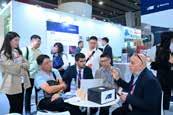
CERAMICS CHINA 2026, an exhibition focused on ceramics manufacturing technology and equipment, will take place in Guangzhou from 24th to 27th June, organisers said.
The event is expected to host more than 850 exhibitors and over 1,200 brands, with more than 600 suppliers already confirming participation.
The exhibition comes at a time when ceramics manufacturers are dealing with rising energy costs, supply chain adjustments and increasing pressure to modernise production processes.
Equipment suppliers are expected to present developments in areas including flexible production systems, digital decoration technologies and automated
manufacturing solutions.
“In a market shaped by rising energy costs, digital transformation and shifting global supply chains, the need for reliable partners and futureproof solutions has never been greater,” the organisers said.
Trade exhibitions remain an established meeting point for ceramics manufacturers seeking new machinery, raw materials and production technologies. Events such as CERAMICS CHINA typically attract producers of ceramic tiles, sanitaryware, tableware and technical ceramics, as well as suppliers of equipment and materials.
Organisers said the Guangzhou event would allow manufacturers to compare suppliers and explore alternative
sourcing options within a single venue.
“As production costs rise and market demands evolve, a diversified supply chain enables manufacturers to adapt production with greater agility,” they said.
Across the ceramics sector, manufacturers have increasingly focused on automation, digital control systems and technologies designed to improve production efficiency and reduce waste.
Artificial intelligence and intelligent manufacturing systems are also emerging areas of interest for equipment makers and production engineers.
“What CERAMICS CHINA 2026 presents will help set the tone for the year ahead, as exhibitors unveil their
latest innovations on site,” the organisers said.
CERAMICS CHINA is held regularly in Guangzhou, a major manufacturing centre in southern China with a significant ceramics equipment and supply industry. Manufacturers, suppliers and industry professionals are expected to attend the 2026 edition to review new technologies, meet suppliers and assess developments affecting ceramics production.
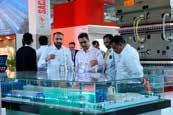
The Indian Ceramic Asia Expo, held recently in Gujarat, drew nearly 6,800 trade visitors and more than 250 exhibitors, highlighting continued demand for manufacturing technology and materials in India’s ceramics and bricks sector.
Organisers said the event covered around 9,000 square metres and brought together suppliers across the value chain, including raw materials, machinery and production technologies. The exhibition featured product launches, equipment demonstrations and business meetings.
“Indian Ceramic Asia is designed for the real conversations that move this industry forward –materials, machinery and manufacturing outcomes,” said Bhupinder Singh, president, India, Middle East, Africa (IMEA) at Messe Munchen and CEO of Messe Munchen India. “This edition clearly demonstrated the market’s intent: companies are actively evaluating efficiency, sustainability and next generation technologies.”
Exhibitors reported steady engagement with manufacturers, particularly
those focused on improving productivity and operational efficiency. Anand Pande, managing director of SACMI Engineering, said visitor interest translated into business discussions during the event. “The momentum this year was exceptional from the very first day. The engagement levels remained high throughout the three days, and the visitor quality translated into real business conversations,” he said.
International suppliers also pointed to the presence of senior decision-makers. Roberto Bonucchi, sales director at System Ceramics, said the event remained an effective platform to present solutions to the Indian market, noting the consistent attendance of large manufacturers.
The exhibition included technology launches, including an extrusion system introduced by Aakriti in collaboration with Italy’s OMG Srl., aimed at enabling more flexible production of ceramic components.
Suppliers such as KEDA and Saint-Gobain said the event facilitated direct engagement
with customers assessing process improvements and equipment upgrades. “Faceto-face meetings helped us reconnect with existing contacts and accelerate new opportunities,” said Edward Zheng, regional sales director at KEDA.
Manufacturers attending the event said it provided an opportunity to compare materials and technologies in one place. Representatives from Duravit India said production teams use the exhibition to evaluate equipment and assess potential applications in factory operations.
The event also hosted an Innovation Exchange Forum focused on sustainability, advanced materials and manufacturing processes, including energy use and material efficiency.
India is one of the world’s largest producers of ceramic tiles and sanitaryware, and demand for process optimisation and energy efficiency remains a key focus for manufacturers. Trade events such as Indian Ceramic Asia provide a platform for
suppliers and producers to engage on technology adoption and production upgrades within the sector.
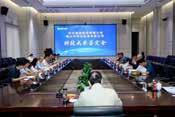
A technology project focused on producing cellular ceramics using high proportions of solid waste, alongside an energy-efficient roller kiln system, has passed a scientific appraisal conducted by a regional engineering body in Guangdong.
The project, titled ‘Key Technologies for Multi-Source, High-Content Solid WasteBased Cellular Ceramics and High-Efficiency Energy-Saving Roller Kiln’, was jointly developed by the Ceramic R&D Institute of KEDA Industrial Group and Foshan KEDA Industrial. It was reviewed at a meeting convened by the Guangdong Mechanical Engineering Society at KEDA’s headquarters.
According to the appraisal committee, the project demonstrates a high level of technical innovation, with its overall development assessed as reaching an internationally advanced level. The project has
formally passed the evaluation process, which is typically used in China to assess research and development outcomes.
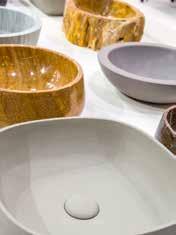
The work focuses on increasing the proportion of solid waste materials used in the production of cellular ceramics, a category of lightweight, porous ceramic materials used in applications such as filtration, insulation and catalyst supports. Developers said the process enables the use of multiple waste streams while maintaining product performance.
The project also includes the development of a dedicated firing process designed to ensure uniform foaming of the ceramic body, a key factor in achieving consistent structural properties. The process is intended to support stable production across varying raw material inputs.
Alongside materials development, the project incorporates a roller kiln system
engineered to improve energy efficiency and production throughput. According to the developers, the kiln design includes a double-layer cooling system and a high-temperature lifting mechanism, aimed at shortening firing cycles and reducing energy consumption.
The appraisal outcome reflects continued investment by Chinese manufacturers in process optimisation and resource efficiency, particularly in response to environmental and cost pressures. Increasing the use of industrial waste as a feedstock has been a focus area across parts of the ceramics industry, where energy use and raw material sourcing remain key operational considerations.
While the project has completed its appraisal phase, details on commercial deployment or large-scale industrial adoption were not disclosed.
Cellular ceramics produced
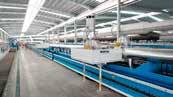
Newpearl Ceramics Group has started up a Phase II production line at its Sanshui Digital Demonstration Factory, with equipment supplied by KEDA Industrial Group.
The line includes a wideformat kiln, a six-layer dryer and an integrated downstream production system designed for automated operation. The project forms part of Newpearl’s expansion of tile manufacturing capacity at the facility.
According to the supplier, the line has a designed output of 30,000 square metres per day for 600×1200 mm glazed tiles. The installation incorporates kiln technology with temperature control and waste heat recovery systems, alongside digitally connected processes across production stages.
“As the core supplier, we delivered a 5A energyefficient intelligent wide kiln, a six-layer dryer, and a fully integrated downstream smart
line, enabling high-efficiency, low-carbon, and fully automated production,” the company said.
The production line integrates polishing, internal logistics and packaging systems within a single process flow.
Automation systems are designed to link different stages of production, including forming, drying and firing, as well as finishing operations.
The supplier said the line uses kiln technology configured for energy efficiency and process control, with systems intended to reduce energy consumption and improve consistency in firing.
“With a designed capacity of 30,000 m²/day for 600×1200 mm glazed tiles, the line integrates advanced kiln technology, precise temperature control, and waste heat recovery to ensure premium quality and sustainable manufacturing,” the company said.
The project reflects continued
investment in digitalised production systems in tile manufacturing, where automation and process integration are being applied to improve output and operational efficiency.
Newpearl Ceramics Group has expanded its production base in recent years, while KEDA Industrial Group has supplied equipment and production systems to ceramic manufacturers in China and international markets.
“Today's successful ignition of the 5A intelligent kiln line is not only a breakthrough for KEDA's kiln business, but also a strong testament to how advanced Chinese ceramic equipment is driving the evolution of global manufacturing standards,” the company said.
For the ceramics sector, kiln technology and process integration remain central to tile production, with developments in automation and energy management affecting production efficiency
from recycled or waste-derived materials are of growing interest in both traditional and advanced ceramics applications, particularly where lightweight structures and thermal resistance are required.
For ceramics manufacturers, developments in waste-based raw material utilisation and kiln efficiency are relevant to production costs and environmental performance. Advances in these areas may support efforts to reduce energy consumption and increase the use of alternative feedstocks in ceramic processing.
and product consistency. The start-up of the Phase II line adds capacity at the Sanshui facility and highlights ongoing adoption of integrated production systems in ceramic manufacturing.

Kyocera Corporation said it has developed ceramic hermetic sealing components for use in liquid hydrogen environments, in collaboration with the Japan Aerospace Exploration Agency (JAXA), as demand grows for materials capable of operating under cryogenic conditions.
The company announced two products, a high-current ‘current feedthrough terminal’ and an ‘MS-8 pin terminal’ hermetic seal connector, designed to support electrical transmission in liquid hydrogen systems. Kyocera said the feedthrough terminal is compatible with currents of up to 100A, while the MS-8 connector can handle up to 110A across the unit.
The components are intended for use in equipment such as hydrogen storage and transport systems, as well as pumps and
generators requiring stable electrical connections in low temperature environments.
Kyocera said the products passed demonstration tests for durability and hermeticity at JAXA’s Noshiro Rocket Testing Center. Liquid hydrogen typically exists at temperatures of around -253°C, requiring materials capable of maintaining sealing performance under extreme conditions.
The development builds on earlier work between Kyocera and JAXA on ceramic hermetic sealing technologies. In 2024, the partners developed an ‘MS10 pin terminal’ hermetic seal connector for measurement and control applications, which was tested in liquid hydrogen environments.
Kyocera said the latest components were developed in response to demand for higher current capacity in aerospace
and industrial applications involving hydrogen. The company has been working with JAXA since 2016 on ceramic-to-metal bonding technologies used in ultrahigh vacuum and cryogenic conditions.
Liquid hydrogen is being considered as part of Japan’s longer-term energy strategy, with government targets to expand its use in energy and industrial systems. Its ability to reduce the volume of hydrogen for storage and transport makes it suitable for large-scale applications, although its low temperature presents engineering challenges for materials and components.
Ceramic hermetic seals are used to maintain airtight and electrically insulated connections in demanding environments, including

aerospace, energy and electronics applications. Their performance characteristics, including thermal stability and corrosion resistance, make them suitable for specialised uses.
For the ceramics sector, developments in advanced ceramic components for hydrogen and cryogenic systems indicate expanding applications beyond traditional uses, particularly in energy and high-performance engineering environments.
Guangdong Dongpeng Holdings Co., Ltd. has been included for the first time in S&P Global’s Sustainability Yearbook 2026 following its performance in environmental, social and governance (ESG) criteria, the company said.
Dongpeng said it scored 62 points in S&P Global’s Corporate Sustainability Assessment (CSA), ranking first among companies in China’s building materials sector and placing within the top eight per cent globally. The CSA evaluates corporate sustainability performance across 62 industries based on disclosures and performance in areas including environmental management, governance and social responsibility.
According to the company, it achieved full marks in transparency and reporting as well as product quality and recall indicators. It added that its results exceeded industry averages in areas including human rights management,
environmental policy and occupational health and safety.
S&P Global’s Corporate Sustainability Assessment is one of the larger global frameworks used to assess how companies manage sustainability-related risks and opportunities.
emissions reduction has increased pressure on energyintensive industries, including ceramics production, to improve efficiency and reduce environmental impact.
Dongpeng said it has introduced measures including the use of clean
“Dongpeng said its inclusion reflects a long-term focus on sustainability and operational management.”
Dongpeng said its inclusion reflects a long-term focus on sustainability and operational management. The company operates in China’s ceramics and building materials sector, where energy use and environmental performance are key factors in manufacturing.
China’s policy direction on
energy, waste heat recovery and resource utilisation systems in its manufacturing operations. It also reported high levels of solid waste reuse and low levels of wastewater and waste residue discharge as part of its production processes.
The company said it incorporates sustainability criteria into its supply chain
management, including supplier evaluation and performance monitoring.
For the ceramics sector, ESG benchmarks and sustainability assessments are becoming more relevant as manufacturers face regulatory and market expectations related to emissions, resource use and production standards. Inclusion in global rankings such as the S&P Global Sustainability Yearbook is one indicator of how companies are positioning themselves in response to these requirements.

RAK Ceramics said it has selected SAP SE to implement an enterprisewide digital transformation programme aimed at integrating operations and improving efficiency across its global business.
The programme will consolidate systems across 55 entities onto a unified cloud-based platform, supporting the company’s operations in more than 150 countries. The implementation will be carried out using SAP’s RISE framework, including SAP S/4HANA Private Cloud, integrated business planning tools and human resources systems.
RAK Ceramics said the project is intended to address operational complexity arising from multiple systems by creating a single platform for managing finance, supply chain, workforce and production-related processes. The company plans to deploy the system over a five-year period.
“Selecting SAP solutions reflects our focus on strengthening how we operate and ensuring technology supports longterm growth,” said Abdallah Massaad, CEO of RAK Ceramics. “Consolidating global operations across RAK Ceramics onto a unified cloud platform will deliver greater transparency and control across the business.”
The company said the new platform is designed to improve visibility across operations and support decision-making through integrated data systems. It also plans to introduce advanced capabilities, including artificial intelligence, as part of the transition.
RAK Ceramics produces ceramic and porcelain tiles, sanitaryware and tableware across manufacturing facilities in the UAE, India, Bangladesh and European markets.
RAK Ceramics produces ceramic and porcelain tiles, sanitaryware and tableware
across manufacturing facilities in the United Arab Emirates, India, Bangladesh and Europe. The company has an annual production capacity of 118 million square metres of tiles, 5.7 million pieces of sanitaryware and 36 million pieces of porcelain tableware, as well as 2.6 million faucets, and operates 23 plants worldwide.
SAP said the implementation would support more efficient management of resources and improve forecasting and supply chain coordination.
The system includes tools for sales and operations planning, demand forecasting and inventory management.
“RAK Ceramics is demonstrating how manufacturers can simplify complex environments globally and build a digital foundation that supports scale and consistency,” said Marwan Zeineddine, managing director of SAP UAE.
The adoption of cloud-based

enterprise systems reflects a broader trend among manufacturers to integrate operations and improve responsiveness to market demand. In the ceramics sector, where production involves multiple processes and supply chains, digital systems are increasingly used to optimise planning and resource use.
By linking production, inventory and demand data, companies can improve coordination across manufacturing sites and reduce inefficiencies. The introduction of integrated platforms may also support more flexible production planning and supply chain management.
Big Horn Deer, also known as Dajiaolu, has signed a strategic cooperation agreement with Sanxie Building Materials to expand production and global supply of sintered stone slabs, reflecting continued growth in the large-format ceramics segment.
The agreement was announced at a launch event in Foshan on March 19, where the companies outlined a collaboration combining brand development with manufacturing capacity. The partnership is structured around a “brand + production capacity” model, with Dajiaolu focusing on product positioning and market development, while Sanxie provides manufacturing and supply capabilities.
The companies said the cooperation aims to support expansion in the sintered stone market, which has grown as
demand shifts towards largeformat and customisable ceramic products. Industry participants have pointed to increasing competition in traditional tile markets alongside rising interest in higher-value slab products.
Nan Shunzhi, founder of Dajiaolu, said the partnership is intended to support production scale and delivery capability.
“Facing the opportunities in the sintered stone market, Dajiaolu leverages its core advantage… to expand its product portfolio and solidify its global market position,” he said.
Sanxie Building Materials operates a manufacturing base covering approximately 700 acres, with six production lines and a reported daily output capacity of 120,000 square metres of slab products. The company said its facilities include warehousing and
quality control systems designed to support largescale production.
Chen Shengli, chairman of Sanxie, said the cooperation reflects a strategic alignment between the two companies.
“Choosing to join hands with Dajiaolu is a well-thought-out strategic decision and a high recognition of Dajiaolu's core advantages,” he said.
The partnership follows broader changes in the ceramics industry, where manufacturers are adjusting to shifts in demand and increased competition.
Sintered stone products, often positioned in higher-end applications, are gaining share as producers seek to diversify product offerings.
Industry representatives said collaboration between brand owners and manufacturers is becoming more common as
companies look to balance market access with production efficiency. Yin Hong, president of the Foshan Ceramic Industry Association, said the cooperation reflects evolving industry practices. “The crossindustry cooperation between Dajiaolu and Sanxie is a powerful alliance between the supply chain supplier and the brand owner,” he said.
Under the agreement, Sanxie will act as a supplier for Dajiaolu’s manufacturing and distribution network, supporting production and delivery for domestic and international markets.
For the ceramics sector, the development highlights the increasing role of sintered stone in product portfolios and the importance of aligning branding, production capacity and supply chains as competition intensifies in both domestic and export markets.
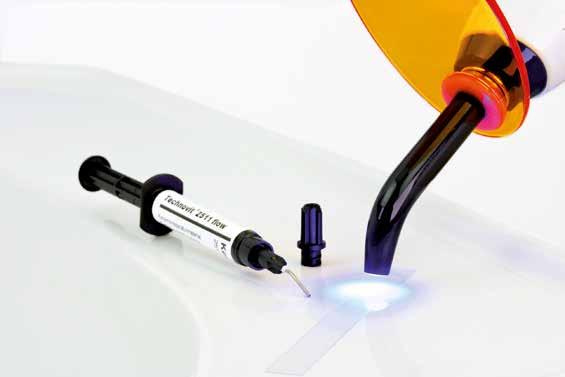
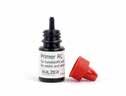
Kerasys® LC is a light curing repair system for sanitary ceramics and porcelain, developed by Kulzer, one of the leading global providers of high-performance, light curing composites.

more information: www.kerasys.de info@kulzer-technik.com
TOTO has started operating a sanitaryware tunnel kiln using a hydrogen and natural gas fuel mixture at its Kokura plant, as part of efforts to reduce emissions from its production processes.
The kiln, supplied by Riedhammer, has been retrofitted to enable operation with a blended fuel system combining hydrogen with conventional natural gas. The installation follows around five years of operation of the original TWS kiln, which has now been modified to accommodate alternative energy inputs.
According to the companies, the kiln is currently operating with a fuel mix of approximately 20% green hydrogen and 80% natural gas. The retrofit involved adjustments to the combustion system to allow stable firing conditions while introducing hydrogen into the energy mix.
The system has been in operation since early 2026 and is intended to demonstrate how existing kiln infrastructure can be adapted without requiring full replacement. The approach allows for the gradual introduction of hydrogen into ceramic manufacturing processes, depending on technical specifications and operational requirements.
Tests conducted during commissioning indicated that the use of a hydrogen and natural gas blend did not affect the firing process or the technical and aesthetic characteristics of the sanitaryware. The companies said the products continue to meet TOTO’s production standards.
The project reflects broader efforts within the ceramics industry to reduce reliance on fossil fuels and lower emissions from energyintensive processes. Kilns are a central component of ceramic production, and changes to fuel sources are a key area
of focus for manufacturers seeking to improve environmental performance.
Riedhammer said similar retrofit solutions can be applied to other kilns, allowing operators to adapt existing equipment to alternative fuels. The company has also developed kiln designs capable of operating with different energy sources, including fully electric configurations.
The use of hydrogen in industrial applications is being explored across multiple sectors, although challenges remain related to supply, infrastructure and cost. For ceramics manufacturers, the ability to introduce hydrogen into existing kilns without compromising product quality is a key consideration.
For the ceramics sector, the Kokura installation highlights the potential for integrating alternative fuels into established production systems. The ability to maintain consistent product quality while modifying energy inputs is likely to influence how manufacturers approach decarbonisation in kiln operations.


Wienerberger AG said it has signed an agreement to acquire Italcer Group, a European manufacturer of ceramic surfaces, in a move to expand its presence in renovation markets and strengthen its building materials portfolio.
The Austria-based group will initially acquire 50% plus one share from existing shareholders, including Miura Partners and Mindful Capital Partners, with an option to purchase the remaining shares in the first half of 2027. The transaction is expected to close in the second quarter of 2026, subject to regulatory approvals and customary conditions.
Italcer, which operates manufacturing sites in Italy and Spain, reported revenues of
around €350 million in 2025 and employs approximately 1,200 people. The company focuses on high-end ceramic surfaces for interior applications and has expanded through a series of acquisitions in recent years.
Wienerberger said Italcer is expected to contribute more than €100 million to group earnings before interest, tax, depreciation and amortisation over the medium term. The acquisition will be financed through existing cash resources and bank financing.
The deal follows a period of growth under private equity ownership. Since 2018, Miura Partners has supported Italcer’s expansion from a smaller tile producer into a multi-brand group, increasing its manufacturing footprint to 11 plants and
broadening its presence across international markets.
“Italcer is a clear example of our investment philosophy: partnering with extraordinary management teams to build sector leaders through consolidation, international expansion and operational excellence,” said Jordi Alegre, managing partner at Miura Partners.
Company executives said the acquisition marks a new phase for Italcer. “The Italcer journey fills me with pride. Over these eight years, together with everyone in the company, we have worked hard to build a leading player in a sector of great importance to Italy and Spain, such as high-end design ceramic surfaces,” said Graziano Verdi, CEO of Italcer Group.
Wienerberger, a major producer
of bricks, roof tiles and pipe systems, said the transaction supports its strategy to expand along the building materials value chain and increase exposure to renovation-driven demand.
Italcer has also invested in sustainability initiatives, including the use of electric kiln technology in tile production, reflecting broader industry efforts to reduce emissions and energy use.
For the ceramics sector, the acquisition highlights continued consolidation in the European market and growing interest from large building materials groups in design-oriented ceramic products. The integration of ceramics into broader construction portfolios reflects changing demand patterns linked to renovation activity and sustainability requirements.
Pamesa Grupo Empresarial said it is developing a €74 million industrial energy platform with Umbrella Global Energy aimed at reducing emissions and increasing energy self-sufficiency across its ceramic manufacturing operations.
The project will combine solar power generation, battery storage and energy management systems to support production at Pamesa’s facilities, one of Europe’s largest ceramic tile manufacturing groups. The companies said the initiative is designed to support a transition towards a lower-emissions energy model in energyintensive industrial processes. The planned platform includes up to 80 megawatts peak (MWp) of photovoltaic capacity and 366 megawatt hours (MWh) of battery storage, adding to more than 20 MW of existing renewable capacity already in place at Pamesa. The system is intended to supply energy directly to the company’s industrial operations.
Umbrella Global Energy will be responsible for the design, construction and operation of the platform. The companies
said the system will include an energy management component to optimise generation, storage and consumption in real time.
The project is structured to integrate with Pamesa’s production processes, with all generated and stored energy dedicated to industrial use. The companies said this approach is intended to improve supply stability and support planning in a high-demand manufacturing environment.
“The Pamesa Net Zero project is a strategic commitment that provides operational certainty in a high-demand industrial environment,” said Fernando Roig, president of Pamesa Grupo Empresarial.
Umbrella Global Energy said the project reflects broader industrial demand for integrated energy systems. “This project represents the type of initiatives that define our new phase as a company. It’s not just about generating renewable energy, but about designing comprehensive, technologically advanced energy platforms conceived to support industry in long-term structural decisions,” said Enrique Selva,
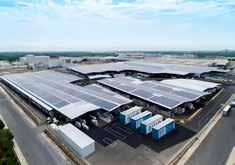
The development forms part of efforts by European manufacturers to reduce emissions and manage energy costs through electrification and increased use of renewable sources. Ceramic production, particularly tile manufacturing, is energy intensive, with fuel and electricity accounting for a significant share of operating costs.
By combining on-site renewable generation with storage, manufacturers are seeking to reduce exposure to energy price volatility and improve efficiency. The integration of battery systems is also intended to support more stable energy supply during production cycles.
For the ceramics sector, projects linking renewable energy generation directly to manufacturing operations are becoming more relevant as companies look to reduce emissions and manage
costs. Large-scale energy infrastructure integrated into production facilities may influence how ceramic manufacturers approach energy sourcing and process efficiency in the coming years.
NUTEC Inc, a US-based manufacturer of hightemperature insulation materials, has completed the acquisition of ETS Schaefer LLC, a specialist in monolithic ceramic fibre lining systems, effective 1st March 2026.
ETS Schaefer, headquartered in Macedonia, Ohio, near Cleveland, was previously owned by REAL ALLOY, a North American operator in aluminium recycling and alloy production. The company is known for its engineered ceramic fibre lining solutions, including its Monster Modules and Monster Lock attachment system, which are used in high-temperature industrial environments.
The business will now operate as NUTEC ETS SCHAEFER as a wholly owned subsidiary of NUTEC. The acquisition expands NUTEC’s capabilities in monolithic fibre linings and
strengthens its position in engineered insulation systems for industrial furnaces and thermal processing applications.
Daniel Llaguno, CEO of NUTEC Group, said: “ETS Schaefer has a strong performance record, a great and experienced team, and our primary objective is to preserve and build upon its existing strengths while introducing gradual improvements. These efforts will focus on leveraging synergies between the two organisations, including expanded commercial coverage, enhanced engineering capabilities, and deeper fibre integration.”
Gerardo Muraira, president of NUTEC Fibers Division, added: “This acquisition aligns perfectly with NUTEC’s strategy. In particular, it will strengthen our value-added ceramic fibre offerings and also help expand
our technical and commercial capabilities in high-temperature insulation solutions.”
NUTEC said Brian Bradley, currently business manager of engineered systems at the company, will assume the role of general manager of NUTEC ETS SCHAEFER. The company noted that Bradley has more than 37 years of experience in the ceramic fibre industry and will support commercial growth and research initiatives in the monolithic modules segment.
Ceramic fibre linings are widely used in high-temperature processing industries, including metals, petrochemicals and ceramics manufacturing. Compared with traditional refractory materials, they can offer improved thermal efficiency, reduced energy consumption and faster installation times.
The acquisition reflects

ongoing consolidation in the high-temperature insulation and refractory materials sector, as companies seek to broaden product portfolios and integrate materials supply with engineered system solutions to better serve industrial end users and original equipment manufacturers.
Sanindusa has installed four additional casting modules at its Tocha facility, supplied by SACMI, increasing automation and production capacity in sanitaryware manufacturing.
The new installation consists of a RobotCasting AVM station with four modules, bringing the total number of AVM units at the site to 20. The expansion is intended to increase output flexibility and support the production of multiple toilet models in parallel. According to the companies, the system is designed to enable the simultaneous handling of
different WC types, including floor-mounted and wall-hung models. The installation includes two independent production cells, each equipped with automated systems for mould handling, article overturning and transfer processes.
Sanindusa said the upgrade forms part of efforts to respond to changing market demand and increase efficiency in the manufacture of higher-value products. The company produces sanitaryware including WCs and washbasins, with a focus on design-oriented segments.
The AVM modules are integrated
into an automated production flow at the Tocha plant. Material handling between stages, including casting and glazing, is managed using automated guided vehicles, reducing the need for manual handling. The system also includes robotic operations for mould control, transfer to predrying and loading processes.
The companies said the configuration has been designed to minimise manual intervention, with operators primarily involved in finishing tasks such as cleaning and marking. The installation also includes adjustments to improve ergonomic conditions during
unfired product handling.
SACMI said the delivery to Sanindusa brings the number of AVM modules installed worldwide to 300. The company has developed a range of casting systems for sanitaryware production, including equipment for WCs, washbasins and tanks.
“Sanindusa aims to respond to changes in market demand with solutions that meet the manufacturing needs of highadded-value products,” the company said.
The investment reflects wider adoption of automation in sanitaryware production.
NNUTEC Bickley manufactures furnaces, kilns, ovens and combustion and control systems for high-temperature industrial applications, including ceramics and advanced materials processing.
Daniel Llaguno, CEO of NUTEC Group, said González’s
UTEC Group has appointed Rodrigo González as president of NUTEC Bickley, its furnace and kiln manufacturing division, with immediate effect. González has been with the company for 24 years and has held several senior roles, most recently serving as vice president of engineering and project operations. His experience spans engineering, operations, project management and commercial functions.
appointment reflects his capabilities and long-standing contribution to the business, adding that he is well positioned to lead the division going forward.
The appointment comes as manufacturers of thermal processing equipment continue to focus on efficiency, performance and integrated system solutions across industrial sectors.

Oak Ridge National Laboratory and General Atomics have signed a memorandum of understanding to explore advanced manufacturing approaches for materials used in energy and national security applications, including silicon carbide ceramics.
The agreement, announced on March 30 and updated on April 8, establishes a framework for collaboration on the development of advanced composite materials designed for use in extreme environments. The work will focus on improving manufacturing processes for materials that must withstand high temperatures, radiation and mechanical stress.
“This agreement gives us an opportunity to innovate with
General Atomics, a leader in U.S. defense and energy manufacturing,” said Corson Cramer, a staff scientist in the Manufacturing Science Division at Oak Ridge National Laboratory.
“This is a first step in the goal of transitioning these advanced manufacturing technologies from the lab to real-world applications.”
Among the materials covered by the collaboration are silicon carbide ceramics, which are used in applications requiring strength, low weight and resistance to heat and radiation. The partners said manufacturing such materials at scale remains a challenge, and improving production methods could expand their use in areas such as nuclear fuel cladding and aerospace thermal
protection systems.
The collaboration will examine how advanced manufacturing techniques, including additive manufacturing, can be applied to these materials. The use of digital technologies will also be explored, including approaches that link data across the manufacturing process to enable monitoring, quality control and reduction of defects.
Research activities will be carried out at the Manufacturing Demonstration Facility at Oak Ridge National Laboratory. The facility is supported by the U.S. Department of Energy’s Advanced Materials and Manufacturing Technologies Office and operates as a collaborative platform for industry and research partners.
The agreement reflects
ongoing efforts to advance manufacturing methods for materials used in highperformance applications. Silicon carbide ceramics are of interest in sectors where durability and thermal resistance are required, and their use depends in part on the ability to produce them reliably at scale.
For the ceramics sector, developments in the processing of silicon carbide and other advanced ceramics are relevant to applications in energy and aerospace, where performance requirements differ from those of traditional ceramic products. Oak Ridge National Laboratory is managed by UT-Battelle for the U.S. Department of Energy’s Office of Science, which supports research in the physical sciences.
Austrian refractory manufacturer RATH has introduced a vacuumformed thermal insulation material designed for high temperature industrial and laboratory applications, with continuous operating capability of up to 1400°C.
The product, branded ULTIFORM, is based on the company’s non-classified polycrystalline high temperature wool ALTRA 1500C, combined with fillers and organic and inorganic binders. It is intended for use in environments requiring thermal stability, corrosion resistance and low thermal conductivity.
RATH said the material offers resistance to thermal cycling and chemical degradation, alongside machinability and flexibility in supply formats. It can operate continuously at temperatures up to 1400°C, with a maximum classification temperature of 1500°C.
“ULTIFORM reflects RATH’s focus on high-quality, practical solutions for demanding thermal insulation applications. The material combines strong performance with
cost efficiency, making it an attractive option for companies looking for versatile insulation materials for high-temperature applications,” said Christopher Kluthe, senior research and development manager at RATH.
The insulation is produced using vacuum forming technology at the company’s facility in Krummnußbaum, Austria, enabling the manufacture of components with tight tolerances and complex geometries, including small and intricate parts. The process allows the shaping of insulation materials into customised forms suited to specific equipment requirements.
ULTIFORM is available as custom-made components and as board material for further in-house processing by furnace manufacturers. The company said this allows flexibility for both standardised and bespoke furnace designs, particularly where precision-engineered parts are required.
Typical applications include laboratory furnaces, thermal analysis equipment, dental furnaces and specialised industrial furnaces. In industrial
furnace construction, the material is expected to be used selectively in specific areas rather than as a complete lining, particularly where performance or design constraints require tailored insulation solutions.
RATH said the material can serve as an alternative to classified fibres such as aluminosilicate wool, reflecting ongoing industry efforts to develop insulation materials with different regulatory and handling characteristics.
RATH said the development reflects increasing demand for insulation materials that can operate under more demanding thermal conditions while supporting efficiency improvements in industrial processes. High-temperature applications, particularly in laboratory and specialised furnace environments, require materials that combine dimensional stability with consistent thermal performance over repeated heating cycles.
The company added that the use of non-classified high temperature wool in ULTIFORM may offer an alternative to traditional fibre-based insulation

materials, in line with evolving regulatory and handling considerations in Europe and other markets. Materials that reduce thermal losses and improve heat management are of growing interest to manufacturers seeking to optimise energy use.
High temperature insulation materials are used in kiln and furnace systems across ceramics manufacturing, where energy efficiency and thermal stability are key operational factors. The introduction of materials with lower thermal conductivity and improved durability may support performance in these applications, particularly in specialised components and laboratory-scale processing equipment.
Morgan Advanced Materials said demand from aerospace, defence and energy sectors supported its performance in 2025, with advanced ceramics continuing to play a role in key industrial applications.
The UK-based materials group said its exposure to sectors including aerospace and defence, energy, semiconductors and industrial markets provided a diversified base for growth. These industries rely on materials such as advanced ceramics, carbon and insulation systems in highperformance environments.
Aerospace and defence were among the strongest performing segments in 2025, supported by aircraft engine demand and
increased defence spending. The company said its technical ceramics division generated revenue of £341.6 million, with margins of 11.5%, driven in part by ceramic components used in jet engines.
The materials are used in applications requiring resistance to high temperatures and mechanical stress. Ceramic cores are a component in turbine blades for aircraft engines, where they help shape internal cooling channels.
The company said it is expanding production capacity in response to increased aircraft deliveries and the development of nextgeneration engines. Defencerelated applications are also expected to contribute to growth,
with materials used in systems such as body armour and optical equipment.
Across industrial markets, the company said its products are used to improve energy efficiency and reduce emissions. Thermal insulation materials and microporous products are applied in processes where temperature control and energy management are critical.
While semiconductor demand declined in 2025 due to inventory adjustments, the company said it remains active in supplying materials used in wafer fabrication processes. It noted that investment in semiconductor manufacturing is continuing in Western markets.
Morgan said its strategy focuses on increasing its presence in
Villeroy & Boch reported a 1.8% increase in revenue to €1.447 billion for the 2025 financial year, with operating earnings remaining broadly stable despite challenging market conditions.
The company posted operating earnings before interest and tax (EBIT) of €97.8 million, reflecting what it described as a stable result in a period marked by weak construction activity and subdued consumer demand.
“For us, 2025 was all about strategic realignment. We have consistently honed our brand positioning while further strengthening our profitability.
The acquisition of Ideal Standard has made us significantly more resilient in an economic environment that remains challenging. As a result, we were able to hold our own despite a general reluctance to spend and a weak construction sector,” said Gabi Schupp, chair of the management board.
The Bathroom & Wellness division, which includes sanitary ceramics, recorded a 2.3% increase in revenue to €1.1245 billion, driven by acquisitions. Adjusted for currency effects, sales rose by 3.4%. The Europe, Middle East and Africa region recorded growth,
while Asia Pacific and the Americas declined.
The company said the strongest growth within the division came from taps, shower systems and sanitary ceramics. The division reported operating EBIT of €65.2 million, unchanged from the previous year.
The Dining & Lifestyle division reported revenue of €319.8 million, up 1.0% excluding licence sales, despite weaker consumer spending. Operating EBIT for the division rose to €32.6 million.
Villeroy & Boch said it invested €45.8 million during the year in property, plant and equipment
The Spanish National Association of Manufacturers of Frits, Glazes and Ceramic Colours (ANFFECC) has appointed Vicente Bagan as its new president following a General Assembly held in Castellon on 21st April 2026. The appointment forms part of the organisation’s four-year rotating presidency system among member companies. The Assembly also approved a new
Board of Directors.
Bagan holds a PhD in Chemical Sciences from the University of Valencia and is currently vice president of Altadia Group. He previously served as chief executive of the company for 16 years and has more than three decades of experience in the ceramic materials sector.
He takes on the role at a time of increasing pressure on manufacturers from rising
energy and raw material costs, regulatory requirements linked to decarbonisation and shifting global demand, ANFFECC said.
In his first remarks, Bagan said he assumes the position “with a strong sense of responsibility and with the aim of reinforcing ANFFECC as a platform to support companies and defend competitiveness at a time of major challenges.”
He added that engagement
sectors with structural growth, supported by long-term demand for high-performance materials.
The company did not provide financial guidance in the update but indicated that its market positioning is linked to broader industrial trends.
For the ceramics sector, demand from aerospace, defence and energy industries represents a segment of advanced applications where material performance is a key factor.
The company said it expects these markets to continue to support growth as industrial demand evolves, with materials development aligned to applications requiring durability and performance under demanding conditions.
as well as intangible assets, including the modernisation of production facilities and company-owned retail locations.
For 2026, the company expects consolidated sales to be in the mid to high single-digit percentage range below the prior year. It forecast operating EBIT in a range of €75 million to €85 million, citing geopolitical tensions and continued market uncertainty.
The company said the current financial year will be affected by integration costs and ongoing adjustments to its production network, alongside planned investment of up to €50 million.
with policymakers would be important to ensure that “the energy transition and the European regulatory framework move forward in a realistic way, with reasonable timelines and without penalising industrial production in Spain and Europe.”
ANFFECC said the sector maintains a strong international position based on innovation, quality and export activity, but noted that companies are operating in an environment characterised by cost volatility, geopolitical uncertainty and regulatory complexity.
USA Rare Earth said it has completed its first commercial production of yttrium metal, marking a step in expanding supply of rare earth materials outside China.
The company announced that its wholly owned subsidiary, Less Common Metals, carried out the first commercial pour of yttrium metal at its facility in Cheshire, UK. The material produced has a stated purity range of 2N–2N5, or 99%–99.5%.
The development places the company among a limited number of producers of commercial-grade yttrium metal operating outside China, which currently dominates global rare earth supply chains.
“Producing commercialgrade yttrium metal at LCM marks a significant step in
strengthening our position as a global leader in rare earth materials and technology,” said Barbara Humpton, CEO< USA Rare Earth. “Combined with our planned yttrium extraction at Round Top and our oxide processing capabilities, this positions USA Rare Earth to serve the aerospace, defence and advanced manufacturing customers who can no longer rely solely on Chinese supply.”
Yttrium is used in applications that require materials to perform under high temperatures and demanding operating conditions. The company said it is used in thermal barrier coatings for turbine blades and other components, where it contributes to oxidation resistance and durability. It is also used in electronics, energy systems,
lasers and superconductors.
The production process at the Cheshire facility is based on refining and purification systems designed to deliver consistent material quality. The company said it applies controlled processes to achieve repeatable output suitable for industrial applications.
Yttrium is also used in advanced ceramics, where high-temperature stability and chemical resistance are required. In such applications, the material contributes to performance characteristics in specialised components.
The announcement follows recent developments by USA Rare Earth in building a rare earth supply chain spanning the US, UK and Europe. The company has previously
Ceramitec 2026 was held in Munich from 24th to 26th March.
Organisers reported 485 exhibitors from 38 countries, with international participants accounting for 66% of the total.
Around 12,000 visitors from 74 countries attended the event, which covered approximately 33,000 square metres.
The exhibition included companies across the ceramics value chain, including raw materials suppliers, equipment manufacturers and end users. According to organisers, around 120 exhibitors were either new participants or returning after an absence.
“The increased number of exhibitors, the strong international presence, and the return of
many companies clearly show how relevant the trade fair is for the industry,” said Collin Davis, executive director of capital goods shows.
Exhibitors reported interest in technology developments and materials. “Interest in new technologies and innovations in the field of ceramic materials remains high,” said Jurgen Blumm, CEO of the analysing and testing business unit at Netzsch and chairman of the ceramitec advisory board.
The event included a conference programme addressing decarbonisation, energy efficiency, digitalisation and additive manufacturing. Organisers said the programme included formats such as technical talks, guided tours and networking sessions,
with participation from industry and research organisations.
Sessions focused on applications in sectors including energy, environmental technology, medical technology and mobility, reflecting the use of ceramics in a range of industrial processes and products.
Organisers also reported that the exhibition covered applications from traditional ceramics used in construction and heavy clay products to technical ceramics and specialised industrial uses. Equipment and machinery suppliers presented technologies for forming, firing and processing.
Heavy clay ceramics, including construction-related applications, were represented within the exhibition. “ceramitec 2026 once again offered us
The European Union and four Mercosur countries have signed a partnership and trade agreement aimed at strengthening economic ties and reducing trade barriers between the regions.
reported commissioning a magnet production line at its Stillwater facility as part of this strategy.
The group said its broader objective is to develop capabilities across the rare earth value chain, including mining, processing, metal production and magnet manufacturing. The approach is intended to support industries that require a stable supply of critical materials.
The company did not disclose production volumes for yttrium metal or a timeline for scaling output at the Cheshire site.
The start of commercial yttrium production reflects ongoing efforts among producers to diversify supply sources for rare earth materials used in high-performance industrial applications.
an outstanding platform for meeting our worldwide partners and customers face to face,” said Karl Liedel, sales director at Lingl Solead. Companies also used the event for business discussions and technical exchanges. “With its exceptional technical depth and strong application focus, ceramitec enables high-quality, forward-looking dialogue with partners and customers from around the world,” said Thomas Nogueira, CEO of Arc Impact.
Organisers said the visitor profile included decisionmakers involved in investment, production and technology development.
The next edition of ceramitec is scheduled to take place in Munich from 25th to 27th March 2028.
The European Commission had earlier proposed the agreements
The agreement, covering Argentina, Brazil, Paraguay and Uruguay, follows a political deal reached on 6th December 2024. On 17th January 2026, the European Union and Mercosur formally signed two instruments: the EU-Mercosur Partnership Agreement (EMPA) and an interim Trade Agreement (iTA), which will be provisionally applied from 1st May 2026.
for adoption in September 2025, with the Council approving their signature on 9th January 2026. The interim agreement will remain in place until the full EMPA is ratified and enters into force.
The global market for ceramic filters is projected to grow significantly over the next decade, driven by demand for water and air purification technologies, according to a report published by Research and Markets.
The report, released on 10th April, estimates that the market was valued at $1.83 billion in 2025 and is expected to reach $5.27 billion by 2035, representing a compound annual growth rate of 10.9%.
The study attributes growth to increasing regulatory requirements and efforts to improve environmental quality. It states that governments and industries are adopting technologies aimed at removing contaminants from water and air, with ceramic
filtration systems playing a role in these applications.
Ceramic filters are used to remove microorganisms, suspended particles and other pollutants. The report notes that these systems are applied across residential, commercial and industrial settings, particularly in regions where access to advanced water treatment infrastructure is limited.
The water filtration segment accounted for $1.06 billion in 2025 and is expected to grow at a compound annual rate of 11.2% through 2035. The report indicates that ceramic water filters are widely used due to their durability, ease of maintenance and ability to operate without chemical additives.
Industrial applications
represented 42.9% of the market in 2025. The report states that demand in this segment is linked to the performance characteristics of ceramic materials, including thermal stability and resistance to harsh operating conditions.
In the US, the ceramic filters market generated $694 million in 2025. Growth in this region is associated with regulatory requirements related to environmental protection and public health, according to the report.
The study also highlights ongoing developments in materials and design, with manufacturers focusing on improving performance, durability and cost efficiency. Companies active in the sector include Kyocera, Morgan
Advanced Materials and CeramTec, among others.
For the ceramics sector, ceramic filtration represents a specialised application area where material properties such as chemical stability and hightemperature performance are critical to product function.
The report said companies are pursuing research and development, partnerships and market expansion strategies to strengthen their position in the sector.
Demand for ceramic filters is expected to increase as industries and public authorities continue to prioritise environmental compliance and resource efficiency, with further growth anticipated across both developed and emerging markets.
CoorsTek has been named the recipient of the 2026 Excellence in Manufacturing Training Award by SME, recognising its approach to workforce development in advanced manufacturing.
The award highlights manufacturers that integrate training and skills development into business operations and support long-term workforce capability. CoorsTek, a producer of advanced ceramic components, was selected for its training systems and employee development programmes.
“In today's manufacturing environment, where companies must continually evolve their workforce capabilities, CoorsTek exemplifies what it means to embed learning directly into operations,” said Deb Volzer, SME’s vice president of workforce development. “Through CoorsTek Academy and a comprehensive training infrastructure, the company has created a model that links skills development with business performance, career growth and long-term
workforce stability.”
According to SME, CoorsTek’s training approach is centred on the CoorsTek Academy, which combines technical instruction, on-the-job training and career development pathways. The programme is
production environments.
CoorsTek has also introduced a ‘Train the Trainer’ programme, under which employees are certified to deliver training across facilities. This approach is intended to support knowledge transfer and maintain
“We believe developing people is essential to long-term manufacturing success”
designed to support employee onboarding and ongoing skills development across different manufacturing roles.
New employees participate in structured training that includes exposure to operational processes and technical tasks. The company said training staff and managers assess progress at set intervals, including 30, 60 and 90 days, to support integration into
consistency in technical skills.
The company said it uses a data-based system to monitor workforce capabilities, including tools to identify skill gaps and link training outcomes to operational performance. Training effectiveness is assessed using indicators such as production efficiency, product quality, material usage and delivery performance.
“We believe developing

people is essential to long-term manufacturing success,” said Sean Grubb, director of global technical training at CoorsTek.
“Through CoorsTek Academy and strong partnerships across industry and education, we are committed to building the skills, opportunities, and career pathways that enable our employees and communities to thrive.”
For the ceramics sector, workforce training is a factor in maintaining production standards and adapting to advanced manufacturing processes.
SME said the award recognises organisations that demonstrate structured approaches to training and workforce development in manufacturing environments.
The 24th Tile of Spain
Awards for Architecture, Interior Design and Master’s Thesis were presented in Oropesa, Castellon, as part of the Time of Spain initiative, which brings together companies from the Spanish ceramic sector.
The awards are organised by ASCER, the Spanish ceramic tile manufacturers’ association, and recognise projects that use ceramic floor and wall tiles produced by its member companies. The latest edition was announced in November and formally presented at the ceremony.
The jury comprised architect Julio Touza, president of Touza Arquitectos, architect Martin Lejagarra, interior designer
Kyocera International has expanded its fine ceramics manufacturing facility in North Carolina, adding new cold isostatic pressing capacity and increasing production space, the company said.
The investment includes the installation of a 30,000psi cold isostatic press (CIP) and a 16,000 square foot extension to the plant. The expansion is intended to support the production of larger and more complex ceramic components with improved material consistency.
Cold isostatic pressing is a forming process used in ceramics manufacturing to compact powder materials uniformly under high pressure. The company said the new equipment enables the production of larger structures with improved density and structural integrity, particularly during the sintering stage.
Kyocera said the additional capability will allow it to supply ceramic components in larger dimensions across a range of applications, including energy, aerospace, semiconductors
Carmen Baselga, Antonio Jesus Luna from ROOM Diseno and Susana Babiloni from the Castellon Territorial Association of Architects.
According to the organisers, the awards recognise architectural works, interior design projects and academic research that incorporate ceramic tiles in built environments. The competition has established categories for architecture, interior design and a master’s thesis, reflecting both professional practice and academic work.
For the first time, the 2026 edition introduced subcategories within architecture and interior design. Each of these categories awarded a first prize of €8,000, while the master’s thesis category carried a prize
of €3,000.
The awards are supported by the Port Authority of Valencia and the Regional Ministry of Finance and Economic Affairs of the Generalitat Valenciana.
In addition to project-based categories, the awards include recognition for media coverage of ceramic tile applications.
In the media category, the international award was presented to ‘Tile & Stone Journal’ by ICEX Spain Trade and Investment, while the national award was given to the magazine ‘Arquitectura y Diseno’.
Organisers said the projects submitted this year included a range of applications, from housing and heritage restoration to interior design projects. The awards focus on the use
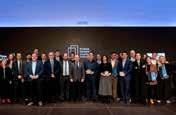
of ceramic tiles in different building contexts.
For the ceramics sector, such awards provide a platform for showcasing applications of ceramic tiles in architecture and design, alongside their role in construction and interior spaces.
The Tile of Spain Awards are held annually and form part of broader efforts by Spanish manufacturers to promote ceramic tile use in international markets.
and medical technologies. The Hendersonville facility produces components based on oxide ceramics such as alumina and zirconia.
To support the new press, the company has added green machining capabilities at the site. These processes are used
state-of-the-art Fine Ceramic manufacturing capabilities.”
The company said the plant is vertically integrated, covering forming, machining and finishing processes. The new CIP system can produce components with dimensions of up to 36 inches in diameter and
“Kyocera’s advanced materials and components enable new technologies that promote sustainable development and a better quality of life”
to shape ceramic components before firing, enabling tighter tolerances and more complex geometries.
“Kyocera’s advanced materials and components enable new technologies that promote sustainable development and a better quality of life,” said Jeff Osmun, vice president of Kyocera’s Fine Ceramics Group. “We are pleased to contribute to the US economy and our local community through
50 inches in length.
Kyocera Corporation, the parent company, reported a 20.6% increase in global capital expenditure for the nine months to 31st December 2025, compared with the previous year. The company said the investment reflects continued reinvestment in manufacturing capabilities.
The Hendersonville site employs around 135 people and forms part of Kyocera’s wider
US manufacturing network, which includes operations in several states. The company has maintained a presence in the United States since 1971.
For the ceramics sector, the expansion highlights ongoing investment in advanced forming technologies aimed at improving component performance and scaling production. Processes such as isostatic pressing are widely used in technical ceramics, where uniform density and mechanical strength are critical.
The development comes as demand for engineered ceramic components continues to grow in highperformance applications, particularly in sectors requiring materials that can withstand extreme conditions.


Energy Fuels said it has produced its first kilogram of high-purity terbium oxide at its White Mesa Mill in Utah, marking what the company described as the first US primary production of the material in decades.
The company said the terbium oxide, produced from monazite ore sourced in the US, reached a purity of 99.9% at pilot scale. The material meets specifications required by manufacturers of rare earth permanent magnets, it added.
The announcement follows earlier production of nearly 30 kg of dysprosium oxide at similar purity levels. Both terbium and dysprosium are classified as heavy rare earth elements and are used in applications requiring performance under high temperatures and demanding operating conditions.
“This success proves we can process and produce high purity 'heavy' rare earth oxides economically and at scale in the US,” said Mark Chalmers, CEO of Energy Fuels. “North America will soon have a reliable and secure U.S. commercial source of these vital critical materials ensuring availability for high-performance magnet and defence technologies.”
Energy Fuels said it believes it is the first US company in many decades to produce high-purity terbium oxide from a primary mineral feedstock while disclosing production volumes and purity levels suitable for downstream validation.
The company said samples of both terbium and dysprosium oxides have been requested by magnet manufacturers and original equipment makers for product validation. Both elements

are subject to export controls in China.
Heavy rare earth elements are used to enhance the performance of permanent magnets in applications such as electric vehicles, robotics, drones and defence systems. The addition of terbium and dysprosium improves thermal stability and allows for smaller and more efficient components.
Energy Fuels said it expects to continue producing terbium oxide at a rate of around one kilogram per week in its pilot circuit, with plans to expand production to include other rare earth oxides such as samarium, europium and gadolinium.
Subject to regulatory approvals and availability of feedstock, the company plans to expand its existing circuits to enable commercial-scale production. It said potential output could reach up to 35 tonnes of dysprosium and 12 tonnes of terbium per year, alongside production of neodymium-praseodymium oxides.
The company also plans to further expand production through the development of a stand-alone Phase 2 circuit, subject to regulatory approvals and feedstock availability.
Rare earth oxides are used in a range of industrial applications, including electronics and energy systems. Some rare earth compounds are also used in advanced ceramics, where high-temperature stability and specific material properties are required.
For the ceramics sector, developments in rare earth supply chains may affect availability of materials used in specialised technical applications.
The U.S. Department of Energy has selected five organisations to develop technologies aimed at restarting domestic production of gallium, a critical material used in semiconductor and defence applications.
The funding, totalling approximately $5.4 million, will be allocated through the TRACE-Ga initiative under the DOE’s Office of Critical Minerals and Energy Innovation. The programme is intended to support the development of processes to recover gallium from metal processing feedstocks in the United States.
“These five projects support President Trump’s commitment to strengthen America’s critical minerals supply chains,” said Audrey Robertson, assistant secretary of energy. “Using novel and innovative approaches to gallium extraction, these projects demonstrate the focus on restarting domestic primary gallium recovery for the first time in almost 40 years.”
The United States currently relies entirely on imports for gallium and has not produced the material domestically since 1987, according to the DOE. The initiative aims to address supply chain risks by supporting technologies that can recover gallium from industrial waste streams and existing processing operations.
The selected projects involve companies working on different extraction approaches. PHNX Materials plans to recover gallium from waste streams while producing by-products including alumina and supplementary cementitious materials. Atlantic Alumina Company will use ion exchange and electrochemical methods to
recover gallium under continuous operating conditions.
Found Energy is developing a process to extract gallium directly from Bayer liquor used in alumina production, while Kunin Technologies is working on methods to recover gallium from highconcentration metal streams. Indium Corporation will focus on recovering gallium from recycled scrap materials.
The projects are structured in phases, with targets set for recovery levels, purity and cost. The programme is designed to accelerate the transition from laboratory development to industrialscale processes.
The TRACE-Ga initiative is managed by ENERGYWERX in partnership with the DOE, with the aim of engaging a broader range of companies and accelerating the deployment of new technologies.
Gallium is used in electronic components and high-performance materials, including applications in advanced manufacturing. While its primary use is in semiconductors, it is also relevant to certain technical ceramic systems and coatings where high-temperature stability and electronic properties are required.
For the ceramics sector, developments in gallium recovery may influence the availability of specialised materials used in niche applications, particularly where supply constraints have been a limiting factor.
The DOE said the selected projects will proceed to award negotiations, with final funding subject to agreement terms.

Neo Performance Materials said it has commissioned a smallscale heavy rare earth separation production line at its Silmet facility in Estonia, marking a step in expanding processing capacity in Europe.
The company said the solvent extraction line is operating at nameplate capacity, with efforts now focused on achieving stable product purity before moving to routine production. The facility has produced its first separated terbium and dysprosium process solutions from mixed rare earth carbonate feedstock.
The processing has been carried out entirely in Europe, according to the company, which said the milestone demonstrates the operational capability of the Silmet line under continuous conditions.
Dysprosium and terbium are used in the production of high-performance permanent magnets, which are applied in sectors including electric vehicles, robotics and wind energy. The materials are also used in specialised industrial applications requiring high temperature stability.
“The successful launch of our heavy rare earth separation in Estonia represents a critical step in Neo’s strategy to build the most vertically integrated rare earth magnetics value chain in Europe,” said Rahim Suleman, president and CEO of Neo. “Our rare earth value chain now spans both light and heavy rare earth processing, enabling the separation and finishing of select elements into value-added, engineered end-use applications.”

The company said the development supports efforts to
establish a Europe-based supply chain for heavy rare earth materials. Supply of these elements has historically been concentrated in Asia, and manufacturers have been seeking to diversify sourcing.
Neo said the separation capability at Silmet is intended to supply its magnet manufacturing operations and support customers requiring traceable materials for industrial applications.
The project is linked to the company’s European permanent magnet facility, also located in Estonia, which is progressing through customer qualification stages. Neo expects commercial production at that facility to increase later in 2026.
Rare earth elements are used across a range of advanced manufacturing applications. While their primary use is in magnets and electronics, certain rare earth oxides and compounds are also used in ceramics, including in specialised coatings and highperformance components.
For the ceramics sector, developments in rare earth processing may influence the availability of materials used in niche technical applications, particularly where supply constraints have affected sourcing.
Neo said the commissioning forms part of its broader strategy to expand its processing and manufacturing footprint across Europe, alongside existing operations in North America and Asia.
The company did not disclose production volumes for the Silmet line but said it will focus on stabilising output and quality as it moves towards full-scale operations.
Lynas Rare Earths has entered into a framework agreement with LS Eco Energy to develop a partnership for the production of rare earth metals, with plans centred on a new processing facility in Vietnam, the companies said.
Under the agreement, the two companies will work towards a definitive long-term arrangement covering the processing of a range of Lynas products at a rare earth metal-making facility to be constructed by LS Eco Energy.
The facility is intended to convert rare earth oxides into metal form, a key step in the production of materials used in permanent magnets and other industrial applications. The development is expected to complement Lynas’ existing metallisation arrangements.
Subject to definitive agreements, the facility would support increased demand for rare earth metals and enable Lynas to supply additional metallised neodymium-praseodymium (NdPr) and selected heavy rare earth products, including samarium, dysprosium and terbium.
The companies said the metal-making circuits will be introduced in stages, with samarium metal production identified as the initial priority.
“Lynas is delighted to work with such a trusted strategic partner as LS Eco Energy to develop new rare earths metallisation capability,” said Amanda Lacaze, chief executive and managing director of Lynas Rare Earths. “Secure access to metallisation is critical to support a robust rare earths industry and participating in
the metal making supply chain is a key pillar of our Towards 2030 growth initiative.”
The agreement also includes a commitment to enter into separate definitive agreements for cross-subscription of convertible instruments, valued at approximately A$30 million each.
LS Eco Energy, a subsidiary of LS Cable & System, is expected to contribute manufacturing expertise, while Lynas brings experience in rare earth extraction and processing. The companies said the partnership is aimed at expanding processing capability and supporting supply chain development.
Rare earth metals are widely used in the production of highperformance permanent magnets for applications including electric vehicles, electronics and renewable energy systems. Supply chains for these materials have been under increasing scrutiny as manufacturers seek to diversify sources.
Some rare earth elements are also used in advanced ceramics, particularly in specialised applications requiring high-temperature stability and specific functional properties.
The proposed facility in Vietnam would add to the geographical diversification of rare earth processing capacity, subject to final agreements. Lynas said participation in metal making forms part of its broader strategy to expand its role across the rare earth value chain.
The companies did not disclose a timeline for construction or commissioning of the facility.

Argonne National Laboratory and Aclara Resources are working together to develop technologies aimed at strengthening domestic supply chains for critical materials in the US, the organisations said.
The collaboration forms part of a broader initiative led by the U.S. Department of Energy to support domestic production of materials such as rare earth elements, lithium, cobalt and graphite. These materials are widely used in energy systems, advanced manufacturing and electronics, and supply has historically been concentrated outside the United States.
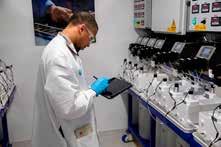
we can speed the deployment of advanced technologies that strengthen domestic supply chains,” said Claus Daniel, associate laboratory director for Argonne’s Advanced Energy Technologies directorate.
“This partnership with Argonne is a critical accelerator for Aclara’s strategy to establish a reliable US-based supply chain for heavy rare earths,” said Ramon Barua, CEO, Aclara. “By combining our proprietary separation technology and pilot-scale data with Argonne’s world-class capabilities in advanced computing, we are significantly reducing scale-up risk, accelerating industrial deployment and strengthening the foundations of a secure domestic supply of these critical minerals.”
Under a Cooperative Research and Development Agreement, Argonne and Aclara are developing an artificial intelligenceenabled digital twin to improve the separation of heavy rare earth elements. The project combines Argonne’s capabilities in computing and process modelling with operational data from Aclara’s pilot plant.
The pilot facility, developed in partnership with Virginia Tech, is intended to generate process data that can be used to accelerate the transition from pilot-scale operations to commercial production. This stage is often cited as a key barrier in developing new materials processing capacity.
Aclara said the work supports plans to build a $277 million rare earth separation facility in Louisiana, which is expected to begin production in 2028. The company indicated that data collected during pilot operations will be used to improve efficiency and reduce risks associated with scaling up production.
“By combining real-world industry needs with deep expertise in the science of scale-up at national laboratories,
Oak Ridge National Laboratory and General Atomics
Electromagnetic Systems have signed a memorandum of understanding to collaborate on advanced manufacturing methods for materials used in energy and national security applications.
The agreement establishes a framework for joint work on composite materials designed for use in extreme environments. Among the materials under development are silicon carbide ceramics, which are used in applications requiring resistance to high temperatures, radiation and mechanical stress.
“This agreement gives us an opportunity to innovate with General Atomics, a leader in U.S. defence and energy manufacturing,” said Corson Cramer, a staff scientist in the manufacturing science division at Oak Ridge National Laboratory. “This is a first step in the goal of transitioning these advanced manufacturing technologies from the lab to realworld applications.”
Silicon carbide is a lightweight and durable ceramic material, but scaling up production has been a challenge. The collaboration aims to address these limitations by improving manufacturing processes and enabling broader industrial use.
The initiative is part of a wider approach by the Department of Energy to link research institutions with industry partners to develop domestic processing capabilities. The programme focuses on improving efficiency, enabling recycling and supporting new material sources.
“We need new ways to source and process the materials that support our energy system,” said Audrey Robertson, assistant secretary of energy responsible for critical minerals and manufacturing. “That means investing in innovation that reduces risk for industry, shortens the path from the lab to the market, and builds supply chains that are secure, resilient, and based in the US.”
Rare earth elements such as dysprosium and terbium are used in high-performance magnets and advanced ceramics, where thermal stability and durability are required.
For the ceramics sector, developments in rare earth processing may influence the availability of materials used in specialised applications, particularly in high-performance and technical ceramics.
The partners said they will examine the use of advanced techniques, including additive manufacturing and digital tools that link data across production stages. Such systems are intended to support real-time monitoring, improve quality control and reduce defects during manufacturing.
Research activities will be carried out at the Manufacturing Demonstration Facility at Oak Ridge, which is supported by the U.S. Department of Energy Advanced Materials and Manufacturing Technologies Office. The facility operates as a collaborative platform for industry and research partners working on manufacturing innovation.
The agreement reflects ongoing efforts to develop materials that can perform in demanding conditions, including nuclear energy systems and aerospace applications. Silicon carbide ceramics are being explored for uses such as nuclear fuel cladding and thermal protection systems.
For the ceramics sector, advances in processing silicon carbide may influence the production of high-performance components where material consistency and reliability are critical.
Oak Ridge National Laboratory is managed by UT-Battelle for the Department of Energy’s Office of Science, which supports research in the physical sciences in the United States.

French President Emmanuel Macron visited the Beauvoir site in Allier operated by Imerys on 22 April as part of a review of the EMILI lithium project, highlighting the industrial development of mineral resources in the region.
The visit focused on the EMILI project, which aims to develop lithium production from mica-bearing deposits at the site. The project forms part of broader efforts to strengthen domestic supply of strategic minerals used in battery production and energy transition technologies.
The Beauvoir site is also known for kaolin deposits, a material widely used in the ceramics industry. Kaolin is a key raw material in the production of tiles, sanitaryware and technical ceramics, contributing to properties such as plasticity and whiteness.
Imerys said the project involves the exploitation of lithiumbearing mica while maintaining operations linked to existing mineral resources. The company operates globally as a supplier of mineral-based materials, including those used in ceramics, refractories and construction applications.
The EMILI project is intended to support the development of a European lithium supply chain. Lithium is used primarily in batteries for electric vehicles and energy storage systems, and demand has increased as countries pursue decarbonisation strategies.
Macron reviewed the site’s facilities and discussed the project’s role in industrial policy and resource development. The visit reflects government interest in securing access to critical

minerals within Europe.
Imerys has indicated that the project is at a development stage and remains subject to regulatory approvals and environmental considerations. The company has previously outlined plans to integrate extraction and processing activities within the region.
The development of lithium resources at sites that also contain industrial minerals highlights the multi-use nature of certain deposits. For the ceramics sector, kaolin production remains a relevant aspect of such operations, particularly where supply continuity and quality are important.
The Beauvoir deposit is considered one of the significant sources of kaolin in France. Kaolin is used in a range of ceramic products, including porcelain, tiles and sanitaryware, as well as in other industrial applications.
The visit comes amid wider efforts across Europe to reduce reliance on imported raw materials and to develop domestic sources for both traditional industrial minerals and newer strategic materials.
Imerys did not disclose detailed production timelines for the EMILI project but said it continues to advance studies and project planning.
The integration of lithium extraction with existing mineral operations may influence how industrial sites are developed in the future, particularly where multiple materials can be sourced from a single location.
Lynas Rare Earths Ltd said it has signed a non-binding memorandum of understanding with Japan Australia Rare Earths B.V. (JARE) to cooperate on mineral exploration and development across the rare earths value chain.
The agreement sets out a framework for collaboration focused on rare earth elements and adjacent minerals, including potential joint exploration projects and additional feedstock supply for Lynas’ processing and separation operations. The companies said the MoU is subject to definitive agreements.
JARE is a special purpose company established by the Japan Organization for Metals and Energy Security and Sojitz Corporation. It has an existing financing relationship with Lynas through a long-term senior loan facility.
The MoU follows an updated availability and supply agreement announced on 10th March, which secures a firm offtake of 5,000 tonnes per year of neodymium-praseodymium (NdPr) with a floor price of $110 per kg. The deal includes an upside sharing mechanism above $150 per kg and provides for up to 75% of Lynas’ heavy rare earth oxides output to be supplied to the Japanese market. The supply agreement runs until 2038.
Under the new MoU, Lynas and JARE will also consider financial participation in joint projects and potential offtake arrangements for rare earth products. A steering committee will be established to guide discussions.
Lynas CEO and managing director Amanda Lacaze said the agreement builds on an existing partnership aimed at
expanding supply.
“This MoU with our valued partners at JARE demonstrates our commitment to progressing the Towards 2030 growth strategy. Continuing mineral exploration and development is essential to provide the critical minerals needed for modern manufacturing,” Lacaze said.
“The MoU will bring together Lynas’ mineralogy and metallurgy expertise and world class Mt Weld resource with the technical, financial and commercial expertise of our partners at JOGMEC and Sojitz Corporation.”
She added that previous collaboration, including the Mt Weld exploration drilling programme completed in 2024, had benefited from JARE’s support.
“We look forward to progressing this MoU with JARE and meeting our joint objective of developing sustainable and resilient critical minerals supply chains,” Lacaze said.
Lynas said the agreement supports its ‘add resource and scale’ growth pillar under its Towards 2030 strategy, which includes further development of the Mt Weld carbonatite deposit and identifying additional feedstock sources.
Rare earth elements such as NdPr are key inputs in high performance magnets used in electric vehicles, wind turbines and advanced electronics. These materials also underpin specialist ceramic components and processing technologies, linking supply developments to downstream industrial sectors including ceramics manufacturing.

St George Mining has signed a memorandum of understanding with Técnicas Reunidas for processing test work on rare earth resources from the Araxá project in Minas Gerais, Brazil, the companies said.
The agreement establishes a strategic engineering alliance under which Técnicas Reunidas will apply its proprietary RARETECH technology to assess processing options for highconcentration rare earth material from Araxá.
The project is described by the companies as the largest hardrock rare earths deposit in South America and one of the largest in the world. St George Mining owns the project, which also contains niobium.
The initial scope of work will include applying RARETECH to refine rare earth mineralisation, including the production of mixed carbonate and rare earth oxides, as well as separation and fractionation of rare earth elements.
John Prineas, CEO of St George Mining, said: “We are very excited to be working with Técnicas Reunidas to further assess the optimal processing route for the Araxa rare earths. The

reputation of Técnicas Reunidas in Europe is second to none regarding rare earths processing and we are very pleased to be able to access their expertise and further assess the optimal processing strategy for our Araxa rare earths.”
St George Mining said the agreement could support potential access to European markets for rare earths from Araxá.
The company said the alliance adds to its existing strategic arrangements with REalloys in the United States and MagBras in Brazil.
Técnicas Reunidas has also reached an agreement with Australian company Osmond Resources to provide RARETECH for a rare earth production project in Jaén, Spain.
Rare earth materials are used in permanent magnets, electronics and energy technologies. Certain rare earth compounds are also used in advanced ceramics where thermal stability and specialised functional properties are required.
For the ceramics sector, rare earth processing developments are relevant to technical ceramics and high-performance materials where secure supply and consistent quality are important.
Electrified Thermal Solutions has opened a new headquarters and production facility in the Boston area to scale manufacturing of electrically conductive firebricks used in thermal energy storage systems, the company said.
The facility is intended to expand production of the company’s proprietary E-Bricks, which form the core of its Joule Hive thermal battery. Electrified Thermal said the site will support more than 500 megawatt hours of deployments annually, as it seeks to increase output in response to demand from industrial customers.
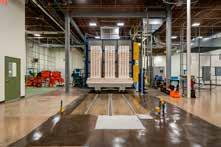
said Joey Kabel, chief technology officer and co-founder of Electrified Thermal Solutions. “This facility allows us to refine our manufacturing processes and accelerate scalability both internally and with refractory partners.”
The company has also appointed Thomas Holmes as vice president of manufacturing. Holmes previously worked at 6K Inc., where he was involved in the commercialisation of plasma-based manufacturing technology. He has also held roles at Siemens Healthineers, Nuvera Fuel Cells, SaintGobain and Corning, working across advanced materials and manufacturing.
The company said the investment provides direct control over manufacturing processes and is aimed at accelerating production timelines ahead of planned commercial deployments through 2030. The facility also supports a broader strategy to develop a domestic supply chain for high-temperature materials.
The expansion builds on a partnership with HarbisonWalker International, part of Calderys, which supplies raw materials for the E-Brick production process. The companies said the collaboration may extend to manufacturing based on processes developed at the new site.
Electrified Thermal said its first megawatt-scale demonstration is operating in Texas, with further deployments planned in sectors including steel, cement, chemicals and mining. These industries require hightemperature heat, typically generated using fossil fuels.
“Bringing E-Brick manufacturing to scale represents a major milestone in our journey to electrify industrial heat,”
“The E-Brick technology is engineered for manufacturability, leveraging existing supply chains and proven production methods used in the refractory industry for decades,” Holmes said. “My focus will be on establishing robust manufacturing processes that can scale rapidly to meet growing demand while maintaining the reliability and performance that industrial customers demand.”
The Joule Hive system uses electrically conductive firebricks to convert and store electricity as heat. The company said the oxide-based bricks can operate at temperatures of up to 1,800°C and are designed for long service life in industrial environments.
For the ceramics sector, developments in electrically conductive refractory materials may influence the design of kiln and furnace systems, particularly where electrification and high-temperature performance are required.
Electrified Thermal said it is targeting deployment of two gigawatts of thermal capacity by 2030 as part of efforts to support industrial decarbonisation.

GB Railfreight has secured a two-year contract with Imerys to transport china clay from Cornwall to processing and export locations in the UK, the company said.
Under the agreement, GB Railfreight will move kaolin from local rail sites in Cornwall to Fowey Docks for export and to Cliffe Vale in Staffordshire for further distribution. The contract is part of ongoing efforts to maintain and expand rail freight operations in the south-west of England.

Kaolin, also known as china clay, is a key industrial mineral with applications across a range of sectors, including ceramics, paper, paints and pharmaceuticals. Cornwall has been a major source of kaolin for centuries, with the material exported globally for use in manufacturing.
“We are pleased to enter into this agreement with Imerys, supporting the movement of critical local volumes and reinforcing our ambition to grow rail freight in the South West,” said Carl Kent, sales director at GB Railfreight. “We look forward to delivering our market-leading service to Imerys for at least the next two years.”
The company said the contract will support the transport of consistent volumes of material, linking extraction sites with ports and inland facilities. Rail transport is widely used for bulk materials such as kaolin due to its capacity and efficiency over long distances.

In addition to transporting clay, GB Railfreight said it provides seasonal treatment services to support rail network operations in the region.
“In addition to transporting kaolin, we provide seasonal treatment services to help keep the rail network operating reliably for both passenger and freight services, including Belmond’s Britannic Explorer, across the region. This will see an increased number of ‘blue’ trains operating from 2026 and beyond in the area,” Kent said.
The use of rail freight is also associated with reduced road congestion and lower wear on local infrastructure, particularly in rural areas where mineral extraction sites are located. The companies did not disclose the volumes to be transported under the contract.
Imerys is a major global supplier of mineral-based materials, including kaolin used in ceramic products such as tiles, sanitaryware and tableware. The movement of raw materials from extraction sites to processing and export facilities is a key part of the supply chain for ceramics manufacturing.
For the ceramics sector, the agreement reflects the importance of logistics in ensuring stable supply of raw materials. Efficient transport links between mines, processing plants and ports are necessary to support production and export activities.
GB Railfreight said it sees further growth opportunities in freight operations in the region, particularly in sectors linked to industrial materials and emerging markets.
US companies are accelerating efforts to build domestic rare earth supply chains as policy shifts and security concerns push manufacturers to reduce reliance on Chinese sources, according to market commentary from OilPrice.com.
The developments come ahead of planned US defence procurement rules expected to take effect from 2027, which would restrict the use of magnets derived from Chinese rare earth supply chains, increasing pressure to secure alternative sources.
Companies including Realloys Inc., USA Rare Earth and Critical Metals Corp. are advancing projects across different stages of the value chain, spanning mining, processing and metallisation.
In Ohio, Realloys is developing capacity to convert rare earth oxides into metals and alloys, a key intermediate stage before magnet manufacturing. “The establishment of heavy rare earth metal production on U.S. soil is a defining moment for North American industrial strategy,” chairman Stephen duMont said in the OilPrice.com commentary.
“Metallisation is the least developed part of the value chain outside China,” co-founder Tim Johnston said. “It requires deep operating expertise and process control systems capable of managing complex variables in continuous production.”
USA Rare Earth is progressing its Round Top project in Texas alongside a magnet production facility in Oklahoma, as part of a broader effort to establish a domestic mine-to-magnet supply chain. The company has previously disclosed significant public
and private funding support for the project.
Critical Metals Corp is advancing the Tanbreez rare earth project in Greenland, with pilot-scale work under way as it moves towards potential production later in the decade.
Beyond mining and processing, industrial and technology companies are also participating in supply chain development. Caterpillar Inc. supplies equipment used in critical minerals extraction, while Apple Inc. and Microsoft Corporation are expanding recycling initiatives aimed at recovering rare earth materials from electronic waste.
The commentary highlights growing interest in circular supply models, with companies seeking to reduce dependence on primary extraction by recovering materials from end-of-life products.
Rare earth elements such as neodymium and praseodymium are essential inputs for high performance magnets used in electric vehicles, wind turbines and electronics. They are also used in specialist ceramic components and high temperature processing applications, linking supply chain developments to ceramics manufacturing.
While many of the projects remain at various stages of development, the push to expand domestic capability reflects broader concerns over supply concentration and the strategic importance of securing stable access to critical minerals for industrial and advanced manufacturing sectors.
Leah Wilson, President of IMA-Europe, the leading European body representing industrial minerals producers, discusses navigating intensifying regulatory pressures, global competition and decarbonisation demands in an exclusive interview with Asian Ceramics. She outlines how the association is supporting its members through policy, data and sustainability initiatives, while highlighting growth opportunities across ceramics and glass and the increasing importance of Asia in building resilient, low-carbon value chains.
Q. Congratulations on your appointment as president of IMA-Europe. What attracted you to this role, and what are your immediate priorities?
LW: Thank you. It is an honour to take on this role during such a transformative period for our industry. The essential nature of our sector, which provides the fundamental raw materials for everything from construction and automotive to consumer goods and services makes the role in IMA-Europe fascinating.
Despite a challenging and competitive market environment, there is a clear opportunity to position the European industrial minerals as an essential sector in the EU manufacturing industry and at the same time demonstrate leadership in sustainability and responsible raw material extraction and transformation.

My immediate priorities are to work closely with the IMA-Europe team and other IMA Board members to update and implement our strategic roadmap to help navigate this challenging period.
Q. What is your longer-term vision for IMA-Europe, and how do you see the organisation’s role evolving within the global industrial minerals sector?
LW: IMA-Europe’s longer-term vision is to establish the European industrial minerals sector as an essential actor in EU manufacturing, demonstrating global leadership in mineral extraction and transformation.
We aim to be acknowledged as a trustful and impactful partner representing the interests of the industrial minerals industry through excellent science- and facts-based communications to our stakeholders, authorities, and the wider value chain.
Q. What do you see as the most significant challenges currently facing industrial minerals producers, particularly in Europe?
LW: European producers are navigating a complex landscape shaped by the EU Green Deal, which requires significant adaptation and investment to meet goals like climate neutrality and zero pollution. This transition coincides with severe economic pressures, including structurally higher energy prices and intense competition from state-subsidised global markets. Furthermore, European producers face operational hurdles such as complex and lengthy permitting procedures.
This regulatory pressure is equally acute for ceramic producers further down the value chain, who must balance the heavy capital investment required for decarbonisation against the lower-cost imports from regions with less stringent environmental or social standards.
To bridge this gap, the European Commission must implement robust measures to safeguard fair competition. IMA supports a level playing field, recognising that globalisation should act as a catalyst for innovation and continuous improvement to elevate global standards toward the Sustainable Development Goals rather than devolving into a race to the bottom.
At the same time, where do you see the most promising opportunities for growth and innovation?
LW: There are several key trends that represent opportunities for growth and innovation. For instance, large ceramic slabs are experiencing strong growth, driven by their aesthetic appeal, versatility, durable "endless surface," and sustainability. In engineered stone, there is significant demand for new mineral solutions for well performing and multifunctional countertop applications.
Uncertainties related to tariffs and trade restrictions are forcing industrial minerals operators to adapt rapidly. Geographically, key industry players are shifting production to emerging countries. In tableware, for example, relocation, at least in part motivated by higher duties on low-cost imports from China will create new opportunities for producers in EMEA, Middle East and South West Asia to regain lost market share. Some European industrial minerals producers are supporting this trend by investing in facilities in key international regions to better serve global customers locally.
In terms of sustainability, the European industrial minerals sector maintains a proactive stance. The industry regularly provides customers with detailed environmental footprint data for minerals, often utilising Life Cycle Assessments (LCAs), in response to increasing customer demand. Furthermore, producers actively assess the potential of recycled minerals and work with downstream customers to support the transition to a more circular economy and maximisation of the added value of natural resources.
Sustainability and decarbonisation are high on the agenda for manufacturers worldwide. How is IMA-Europe supporting its members in reducing emissions and improving resource efficiency?
LW: IMA-Europe supports its members by advocating for a stable and clear regulatory framework, ensuring that evolving EU policies provide the investment certainty required for long-term decarbonisation projects.
The association regularly updates sector-specific Life Cycle Assessments (LCAs) to support three key groups: mineral companies looking to calculate and improve carbon and environmental footprints; downstream users who require increasingly detailed environmental data; and policymakers and stakeholders monitoring the sector’s sustainability progress and performance.
By identifying product carbon footprints and collaborating closely with downstream users, IMA-Europe has helped develop innovative solutions that drive energy savings, resource optimisation, and circular economy practices.
Ceramics remain a core downstream market for industrial minerals. How are trends such as energy efficiency, alternative fuels, and product performance influencing raw material requirements?
LW: Ceramics and glass manufacturers are actively adjusting raw material formulations by integrating new or reclaimed industrial minerals to adjust and improve processing requirements. The focus is on reducing the required firing temperature, shortening the firing cycle and increasing the yield of fired products.
THE ESSENTIAL NATURE OF OUR SECTOR, WHICH PROVIDES THE FUNDAMENTAL RAW MATERIALS FOR EVERYTHING FROM CONSTRUCTION AND AUTOMOTIVE TO CONSUMER GOODS AND SERVICES MAKES THE ROLE IN IMA-EUROPE FASCINATING.
Looking specifically at Asia, how do you assess the competitiveness and innovation capacity of the Asian ceramics industry?
LW: Asia contributes to a larger part of the manufacturing landscape in ceramics and glass. The awareness and priority on low-carbon manufacturing are not uniform across APAC. While some manufacturers drive energy efficiency and product performance primarily to manage their cost, key players consciously drive low-carbon production as a strategic imperative.
With the increasing accessibility of global technology, the innovation and adaptation towards advanced manufacturing techniques have become easier in APAC. Increasing awareness about sustainable, low-carbon manufacturing will further mature the competitiveness and innovation within the Asian ceramics industry.
Asia is central to global glass and ceramics manufacturing. How do you view the importance of Asian markets to IMA-Europe and its members?
LW: Indeed, Asian markets are central to the global glass and ceramics sectors, representing a vital growth frontier for IMA-Europe members who provide the high-performance minerals required for advanced manufacturing. The region is viewed as an indispensable but complex partner, where the opportunity to fuel Asia’s rapid urbanisation and green tech demand must be balanced against the strategic need for European industrial autonomy and resilient supply chains.
What opportunities do you see for stronger Europe–Asia cooperation across the industrial minerals and ceramics value chains?
LW: The recent EU-India trade agreement is a landmark partnership –the largest-ever concluded – that is set to deliver a major competitive edge to the EU across vital industrial and agri-food sectors. By eliminating trade barriers and simplifying procedures, the agreement will not only unlock new export opportunities but also diversify supply chains, thereby bolstering the EU's economic security. Fundamentally, it will deepen trade, investment, and political collaboration between the two significant partners. It should also help ensure that, through constructive dialogue, producers in both regions apply robust sustainability standards to ensure fair competition.
Regulatory and policy frameworks are evolving rapidly. Which developments should global industry players be watching most closely?
LW: Industry players must prioritise compliance with the EU Carbon Border Adjustment Mechanism (CBAM), which has transitioned from simple reporting to mandatory financial obligations for carbonintensive imports.
Simultaneously, the Circular Economy Act and the Critical Raw Materials Act are establishing new mandates for secondary raw material usage and domestic mineral security to reduce reliance on volatile global supply chains.
Furthermore, the Energy Performance of Buildings Directive (EPBD) deadline in May 2026 is catalysing an increase in demand for highperformance architectural glass, making carbon transparency and
product circularity essential competitive advantages.
At the same time, global players need to navigate the great heterogeneity across countries with regards to carbon neutrality. National commitments towards carbon neutrality inform the regulatory and policies across the globe, but with different time horizons. EU manufacturers certainly face higher pressure than their counterparts in other regions of the world, but all global players need to keep a close watch on how climate and environmental legislation is evolving across the world today.
Finally, what message would you like to share with Asian Ceramics readers about the future role of industrial minerals in supporting sustainable industrial growth?
LW: Industrial minerals are the essential foundation of sustainable growth, providing the raw materials necessary for the transition to a climate-neutral economy. As the sector adapts to an evolving legislative landscape, we are committed to demonstrating that primary and secondary raw materials can work in symbiosis to create viable, resource-efficient business models.
By championing best practices in responsible mining and safe handling, we aim to set a global benchmark for sustainable resource management that builds trust with authorities and downstream value chains.
IMA-Europe remains committed to supporting a resilient and responsible supply of industrial minerals for downstream users and society at large. The right framework and the recognition of the essential nature of these minerals is vital to support sustainable industrial growth in Europe and beyond.










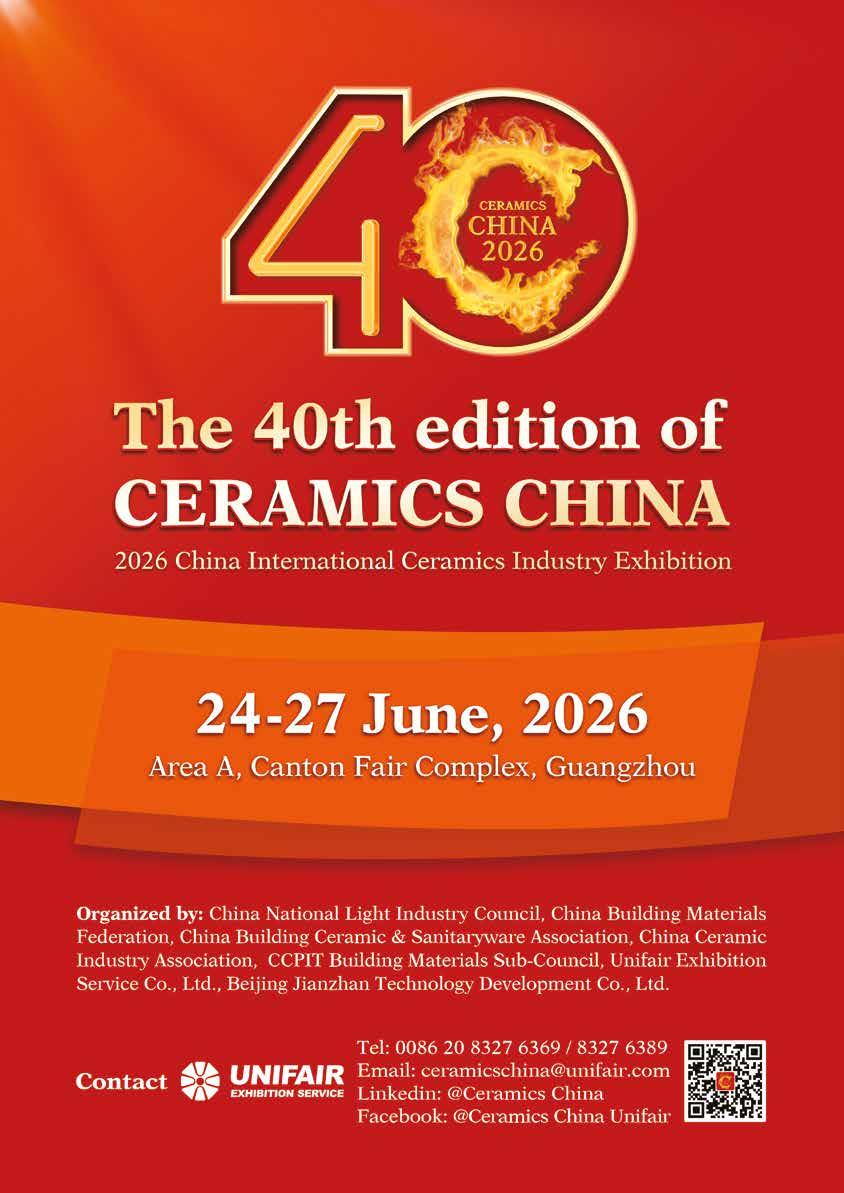
Taiwan’s ceramic tile industry is advancing through innovation, quality control and specialised, high-demand products, reinforcing its position in global markets while expanding manufacturing across East and Southeast Asia, says Jahir Ahmed.
Taiwan’s ceramic tile industry stands at the intersection of tradition and innovation, combining decades of craftsmanship with cuttingedge manufacturing to meet the demands of modern construction and design.
The industry continues to thrive by focusing on innovation, quality control and the creation of specialised, high-demand and aesthetically pleasing tiles, ensuring its relevance in global markets, supported by expanded manufacturing plants across East and Southeast Asia. Specialising in durable porcelain and innovative decorative designs, it serves residential, commercial and industrial sectors, with a strong emphasis on high-end, durable and aesthetically refined products.
According to industry sources, the rise of ‘smart city’ initiatives and modern housing developments has catalysed the adoption of premium surfacing materials, positioning ceramic tiles as the material of choice for architects and interior designers seeking a balance between cost-effectiveness and longterm performance.
Market researcher Mordor Intelligence, based in India, says Taiwanese tile production is characterised by a blend of traditional craftsmanship and high-technology automated manufacturing, with the industry currently focused on high-quality, well-designed porcelain and vitrified tiles and stable consumption growth. Factors such as rising disposable incomes and technological advancements are supporting the growth of Taiwan's ceramic tile market.
Ceramic tiles, predominantly porcelain, are widely used in residential, commercial and industrial applications in Taiwan as flooring,
wall coverings, countertops and backsplashes. They are particularly popular in kitchens and bathrooms, as they are moisture and stain resistant and easy to clean. Due to their durability and weather resistance, ceramic tiles are also used in outdoor areas such as patios, terraces and swimming pools. Demand is high for versatile types and design options such as porcelain homogeneous, matte, glossy, wood-look and others.
Several tile manufacturers are expanding their production bases in the country owing to the availability of some raw materials locally and easy access to suppliers on the Chinese mainland, including neighbouring countries such as Vietnam, Indonesia and Japan. The Taiwanese industry uses high-end machinery sourced mainly from Italy and Japan. Market players are continuously introducing products with low environmental impact, enhanced durability and improved aesthetics to attract consumer attention.
Improvements in production technology have made it possible to produce tiles of larger dimensions in line with the latest global fashion trends, influencing market growth. Large slabs, such as 120 x 240 cm, are popular for creating seamless looks with minimal grout lines in modern minimalist interiors.

Market researchers and analysts have valued the Taiwan ceramic tile market at a moderate revenue figure of over $1 billion in 2025, and the market continues to remain in a notable deficit due to its diverse demands, which are significantly met by global supply sources such as Vietnam, Italy, India, Spain, Malaysia, Japan, Indonesia, Saudi Arabia and the UAE, in order of shipments.
In 2024, Taiwan imported an estimated 17 million square metres of tiles worth approximately $148 million, mainly from
Vietnam, Italy, India and Spain. Main import types were of HS code 690721, which include ceramic flags and paving, hearth or wall tiles, with a water absorption coefficient by weight not exceeding 0.5%, the value of which was estimated at more than $129 million, according to the Geneva-based International Trade Centre (ITC).
Sources say porcelain tiles lead the market, accounting for over 50.78% of consumption due to their high strength and low water absorption. Floor tiles remain the largest application area, representing approximately 48.22% of the market size, followed by wall tiles.
The tile market in Taiwan is projected to grow at a compound annual growth rate (CAGR) of over two per cent through 2030, driven primarily by a surge in residential renovation, new-build construction and infrastructure development. Growth in the construction of residential, non-residential and industrial sectors is a significant factor propelling the market.
The Taiwanese tile market is moderately fragmented, with several established local manufacturers leading the industry. In terms of market share, some major players currently dominate. However, with technological advancement and product innovation, mid-size and smaller manufacturers are increasing their market presence.
Major production clusters are historically rooted in areas like Yingge, known for its 200-year history of ceramics, and modern facilities operated by leading brands such as White Horse Ceramic Co Ltd (established in 1957), Champion Building Materials Co Ltd (1972), Jing Kong Ceramic Co Ltd (1977) and Sanwon Ceramic Ltd (1993).
Currently, there are many tile manufacturers in the Taiwanese market that have shown steady consumption growth, with sales
volumes reaching approximately 45 million square metres in 2020 and more than 52 million square metres in recent years, according to market researchers. With economic expansion, an increased focus on interior decoration and modern lifestyles has boosted demand for customisable, aesthetically pleasing ceramic tiles.
Champion Building Materials Co Ltd
Horng Jou Ceramics Co Ltd
Ho Long Ceramic Co Ltd
Jing Kong Ceramic Co Ltd
King Mint Ceramic Co Ltd
Link Kind Trading Co Ltd
Loong Chi Co Ltd
Sanwon Ceramic Ltd (Xiamen, China)
Sanyo Pottery & Porcelain Industry Co Ltd
San Ya Zih Yuan Kai Fa Co Ltd
Sheng Yuan Ceramics Ltd
Sun Power Ceramics Ltd
Wa La Ha Co Ltd
White Horse Ceramic Co Ltd
Following the increase in demand for high-end markets, modern tile manufacturing companies like Champion Building Materials Co, White Horse Ceramic Co, Sanwon Ceramic, Jing Kong Ceramic Co, and some others have emerged to cater to domestic markets and export globally, particularly to Japan, the US, Canada, the Philippines, China and Australia.
However, due to higher domestic demand, the exports remain insignificant, mostly handling shipments of sizes like 60 x 30 cm to 120 x 80 cm, and of water absorption rates of 0.5-10%.
Taiwan’s main export tiles, shipped directly from Taiwan-based factories, are of HS codes 690722 and 690730, which include ceramic flags and paving, hearth or wall tiles, with a water absorption coefficient by weight of more than 0.5% but not exceeding 10%. Japan and the US are the main importers. In Taiwan’s domestic market, durable tiles with lower water absorption are more popular.
Industry sources say that many Taiwanese tiles consumed domestically are specially formulated to have a water absorption capacity of less than 0.5%, allowing them to withstand ultraviolet rays and tropical humidity without cracking. Since the demand for such tiles is so high, most imported tiles also have a water absorption capacity of no more than 0.5%.
Now, high-pressure moulding and 3D digital inkjet printingequipped Champion Building Materials Co is a large-scale tile producer in Taiwan. Sanwon Ceramic, with 10 million square metres a year in production and a focus on R&D for large-scale construction projects, is listed on the stock market as a major domestic player. Glazed porcelain and polished tile manufacturer White Horse Ceramic has expanded manufacturing in ASEAN markets.
Historically, hand-painted and decorative Majolica, referred to as old Taiwanese tiles, were most popular in Taiwan. About 90% of such tiles, known for their vibrant, ornate and auspicious designs, were imported from Japan during the early 20th century, becoming a staple of local architecture. Typically, six-inch or eight-inch squares, Majolica is a form of British-inspired Victorian-style Majorca tiles introduced during the colonial period in East Asia.
Majolica was known especially for its vibrant colours and raised, embossed patterns, achieved through a technique where the glaze pools in the concave areas, creating depth and colour variation, featuring traditional auspicious symbols such as pomegranates, peaches, grapes and phoenixes, representing longevity, prosperity and wealth, and used to decorate the facades, rooftops and interiors of wealthy Taiwanese households as a status symbol.
In the second half of the last century, Taiwan evolved from
THE TILE MARKET IN TAIWAN IS PROJECTED
Source: International Trade Centre (ITC), Geneva.
Five largest importing markets for tiles
Dollar thousand
Source: ITC, Geneva.
producing traditional Majolica tiles to becoming a modern, highquality manufacturer of porcelain and standard ceramic tiles, with kilns, machinery and technology sourced from Europe, especially
Italy. Some manufacturers have expanded production to Southeast Asia and China to reduce costs.
The leading Taiwanese-owned Sanwon Ceramic, established with an initial investment of $40 million, manufactures ceramic tiles in Xiamen, China, for consumption in Taiwan and for export to global markets. The company is a joint venture investment between three Taiwanese ceramic business-related groups: San Ho, San Pu and Xieshan.
Sanwon operates five porcelain tile manufacturing and one thin-tile production line across a 200,000 square metre facility, with a total production capacity of over 10 million square metres a year.
Sanwon is a prominent Taiwanese-founded brand that specialises in the large-scale manufacturing of high-quality ceramic and porcelain tiles. Main products include floor and wall tiles, thin slabs, antique tiles, exterior wall tiles, mosaics and agate stone brick.
Since its establishment, Sanwon Ceramic has been recognised as a key player in the Taiwan ceramic tiles market alongside other major brands.
Types of tiles imported by Taiwan (tiles of a water absorption coefficient by weight, not exceeding
Source: ITC, Geneva.

Detailed categories of tiles imported by Taiwan (glazed and unglazed ceramic flags and paving, including hearth or wall tiles, whether or not rectangular). Unit: US Dollar thousand
To improve product quality and increase production capacity, the company has increased investment in its ceramic tile plant and introduced a complete set of equipment mainly from Europe, including Italian SACMI fast roller kilns, thintile inkjet machines, extruders, automatic roller kilns, precision water-jet processing equipment, vitrified tile polishing equipment and automated testing and packaging machines supplied from Taiwan.
The products have been widely recognised by consumers in Taiwan, China and export markets. The manufacturer says its products have been exported to many developed countries and regions, such as the European Union, the US, Japan, Korea and Southeast Asian countries.
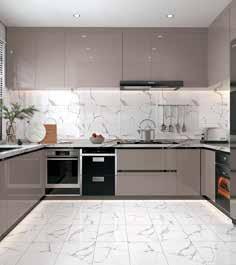
White Horse builds scale and reach
With the installation of its production plants in Taiwan in the late fifties, White Horse Ceramic developed its operation into an innovative manufacturing business, with a drive to shift domestic ceramic tile consumption to a modern artistic lifestyle and format from earlier Japanese influence, which was largely supplied through imports from Japan since the early 20th century.
The emergence of several new plants, particularly Champion Building Materials Co, over the following decades changed the Taiwanese domestic market trend, and increasing consumer spending power led to a boom in domestic tile production and the creation of export markets in East and Southeast Asia and beyond. White Horse gradually increased its capacity through expansion and by setting up plants in Malaysia and Vietnam.
Now, several White Horse brands offer a complete range of glazed and polished porcelain tiles for high-end floors, walls, exteriors and outdoor use, with collections
Types of tiles imported by Taiwan (ceramic flags and paving, hearth or wall tiles, of a water absorption coefficient by weight, not exceeding 0.5%.)
Unit: US Dollar thousand
Source: ITC, Geneva.
12 largest supplying markets for tiles imported by Taiwan under HS code 6907 (ceramic flags and paving, hearth or wall tiles; ceramic mosaic cubes and the like, whether or not on a backing.)
Unit: US Dollar thousand
Exporters Imported value in 2020 Imported value in 2021
Source: ITC, Geneva.
12 largest supplying markets for tiles imported by Taiwan under HS code 690721 (ceramic flags and paving, hearth or wall tiles, of a water absorption coefficient by weight below 0.5%). Unit: US Dollar thousand Exporters of tiles under HS code 690721
Source: ITC, Geneva.
featuring modern craftsmanship and design, serving a wide range of applications.
It covers almost all categories of indoor and outdoor spaces. Styles include Japanese Zen, French chic, Scandinavian, industrial, minimalist luxury, and natural themes. Its tiles have established export demand.
Currently, all three plants of White Horse have a combined production capacity of 35-40 million square metres of world-class ceramic and porcelain tiles. Its main plant, located in Taoyuan City, Taiwan, meets domestic demand, while the Malaysian and Vietnamese plants cater to those countries and export markets.
White Horse is committed to energy conservation and technology innovation. In addition to the Green Mark, it has been certified for the Recycling Green Building Material mark and nano mark. Its ‘hooked back feet’ exterior tile provides customers with safer living environments.
The company says that, to ensure safety during any sudden temperature drops that may cause exterior wall tiles to spall and injure people, White Horse product development team enhanced the grip of exterior wall tiles made with robust materials in all directions, and the hooked-back feet design ensures every tile is securely fixed to enhance protection and safety.
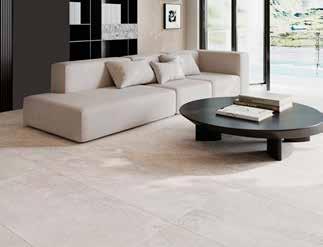
Taiwan’s leading tile manufacturer, Champion Building Materials Co, is one of the pioneers of technology and quality, creating a better environment in the Taiwan tile industry. It is also one of Asia’s first polished porcelain tile manufacturers and has consistently led in green manufacturing.
Its production footprint is expansive, featuring nine production lines in its Miaoli facility in Taiwan, with an annual capacity of about 11 million square meters to meet domestic demands. Its domestic market share is estimated at around 32%. In addition to Taiwan, it also operates two manufacturing plants in Penglai and Anhui in China.
Champion’s products include porcelain glazed and unglazed homogeneous tiles and polished tiles with a diverse range of sizes, types, designs, images, colours, looks and durability. Its wall and floor solutions in various looks, such as marble, stone, metal, resin, wood, cement and concrete, are offered across a wide range of applications.
Champion also offers alternative ceramic flooring products, stone plastic composite (SPC), sized 18 x 122 x 0.8 cm, and VSPC (vinyl + stone plastic composite), sized 19x120x0.8 cm, for which demand is high. Such flooring is a luxury vinyl product known for its 100% waterproof rigid core made of limestone powder, PVC and stabilisers. It is highly durable, dent-resistant and ideal for high-traffic residential or commercial areas compared to traditional vinyl.
Ceramic tiles trade between Taiwan and Vietnam Unit: US Dollar thousand
Source: ITC, Geneva.
Ceramic tiles trade between Taiwan and Italy Unit: US Dollar thousand
Source: ITC, Geneva. Ceramic tiles trade between
Source: ITC, Geneva.
Ceramic tiles trade between Taiwan and Spain Unit: US Dollar thousand
Source: ITC, Geneva.

Jing Kong Ceramic Co (JK), established half a century ago, has become a leading domestic manufacturer of unglazed tiles. It has changed the look of the Taiwanese tile industry and the trends of tile consumption in the domestic market. It is one of the pioneers in the region to introduce wholly vitreous ceramic tiles.
Jing Kong has established high quality standards and developed an integrated design approach with strong artistic aesthetics. It has built its own brand with a unique style to meet diverse consumer needs and gained support from construction companies and professional architectural designers in the domestic markets.
In the 1970s, Jing Kong introduced the nation's first fully vitrified double-layer tile; in 1981, it created the nation's only fully vitrified rainbow tile; and in 1982, recognising the slipperiness and safety issues of glazed tiles, as well as their insufficient hardness leading to wear and cracking, it developed quartz tiles, creating another
milestone in the Taiwanese tile industry.
Jing Kong Ceramics invested heavily in the research and development of Jing Kong Jade and Wanxiang Stone. Combining the advantages of quartz tiles with the elegance of glazed tiles, these products not only extend the lifespan of quartz tiles, becoming a new favourite in the tile industry, but also offer a viable alternative to natural stone, creating a safe and satisfying environment for consumers, claims the company.
Taiwan’s ceramic tile industry continues to balance heritage craftsmanship with advanced manufacturing, positioning itself as a resilient and adaptive player in the global market. With steady domestic demand, ongoing technological investment and an expanding regional footprint, the sector is well placed to navigate future challenges while maintaining its reputation for quality and innovation.

Let us help you:
• Build your brand awareness
• Raise your company profile
• Generate leads
• Demonstrate thought leadership
• Launch new products
Explore the benefits of Asian Ceramics
Contact us now to find out more.
Email:enquiries@asianceramics.com




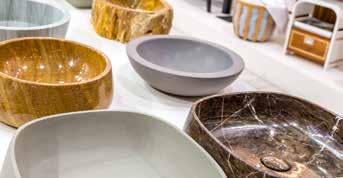










Introducing the new special porous resin ‘self-cleaning’ panel for 100% glaze recovery to minimise frequency and complexity of booth cleaning operations. The panels are ‘sustainable’ thanks to technology developed from the porous resin mould production process for which SACMI is renowned worldwide.
The key concept behind the new SACMI glazing booth with self-cleaning panel was to develop the glazing process with a sustainable solution, giving added value to daily process management operations.
It is the latest of SACMI’s solutions designed to achieve sustainability, complementing other existing proposals such as the dry filter systems offered in its range of RobotGlaze glazing lines.
In particular, the new self-cleaning panel enables the glazing process to reach new levels of circular economy performance levels by recovering 100% glaze overspray and drastically reducing cell cleaning times. The result is a significant increase in plant availability and improvement in working conditions for the operators.
The main innovation of this glazing booth lies in the special frontal panel made of porous resin with self-cleaning functions. Air and water are supplied to the panel and, by utilising the same operating and control principles as the system serving resin moulds used in the casting processes (in which SACMI is international market leader) it is possible to perform washing with controlled quantities to remove the film of glaze deposited during each process cycle.
Supplied with new booths but easily installable on existing cells too, the solution assures 100% recovery of the overspray deposited on the front panel after each glazing cycle. All the glaze with a density of 1.700 g/l is retrieved and can be fully reused in the process.
Overspray recovery and total recyclability of the glaze in the process constitute just one of the advantages of this system. A further benefit is that it cuts to a minimum the frequency and length of jobs performed by the operator for booth cleaning. The result is a drastic reduction (even by 85%) in booth stoppage times required for cleaning, thus increasing productivity as a result.
Another set of advantages concerns operator working conditions since the solution avoids repetitive operations with low added value, such as manual cleaning of the booth to be carried out multiple times in the course of a work shift. With this system, the glaze residue deposited on the panel is greatly reduced and cleaning operations are made quicker, lighter and less frequent.
Total sustainability of the entire glazing booth (including the panel)
Not just the work process, but the booth itself has been designed by SACMI with a focus on sustainability and as part of a wider approach to running machines and their auxiliary equipment in such a way as to integrate, wherever possible, materials with a lower environmental impact.
From this point of view, the glazing booth structure is made of recycled polycarbonate, a material that offers mechanical strength, resistance to abrasion and chemical resistance to detergents in line with traditional materials. The front self-cleaning panel made of porous resin is produced with a significant proportion (approximately 25%) of waste material from mould processing obtained from the ‘by tooling’ process (direct tooling via CAD-CAM).
Compared to conventional materials and methods, the new system designed by SACMI reduces to a minimum the need for manual cleaning operations and their frequency, thus improving working conditions for the glazing line operators.
Cell downtimes are also drastically reduced, with resulting increase in efficiency and plant availability.
The frequency of washing operations and the controlled cycle of water and air infeed to the panel prevents the glaze from drying out on the panel allowing the recovery of high-density glaze which can then be reused in the process.
www.sacmi.com/en-US/ceramics
Türkiye’s ceramic tableware and sanitaryware industries are well placed in the emerging global trading environment, given their geographical location, mineral wealth, and design and production skills, writes Rohan Gunasekera.
Türkiye’s ceramics industry is entering a decisive phase as global trade patterns continue to shift. Positioned at the intersection of Europe, Asia and Africa, the country is increasingly leveraging its geographic advantage alongside a well-established manufacturing base and abundant domestic resources. As supply chains fragment and regionalisation gathers pace, Türkiye’s sanitaryware and tableware producers are seeking to strengthen their foothold in key export markets while adapting to rising competition and regulatory pressures.
Ceramics factories in Türkiye are considered to be among the country’s key industrial sectors given the value they add. Its sanitaryware and tableware factories have emerged as export powerhouses making full use of domestic resources such as abundant minerals with limited reliance on imported inputs. They have gained international recognition in recent years through investments in research and development, modern production technology and design. These, together with the country’s location between Asia and Europe and close to Africa, make Türkiye’s industry well positioned to benefit from current global uncertainties and shifting patterns of trade. However, it does face some risks from competitors such as India, which recently signed a trade deal giving market access.
Türkiye’s potential can be gauged by investments in the country by China’s Keda Industrial Group, which claims to be the only company in Asia that has the capacity to produce and supply in complete plant engineering and production of ceramic machinery. The company's ceramic machinery segment has subsidiaries in Türkiye, India, Italy and Indonesia. Keda's Bozuyuk factory in Türkiye began operations in 2025. In the future, Keda says it will take the Turkish subsidiary as a blueprint to gradually establish operating systems across its overseas subsidiaries and strengthen the management of its overseas business. Ranked the 12th largest economy in the world, just behind Italy, and the fifth in Europe according to purchasing power parity gross domestic product figures, the Turkish economy grew by 3.4% in
the fourth quarter of 2025, the sixth fastest among the G20’s major economies. Consumer price inflation, which hit triple-digit levels in 2022, has steadily declined thanks to the central bank’s sustained inflation-targeting, but is still high at over 31% in February 2026. The continuation of the current monetary policy stance could further support gradual economic rebalancing through lower private consumption, strengthening macroeconomic stability and sustainability, says Scope Ratings. Prior to escalating regional tensions, Türkiye’s real GDP growth rate was projected at 3.3% in 2025, 3.5% in 2026 and 3.7% in 2028, lower than the long-term growth average of 5.9%.
The government’s medium-term programme covering the 2026–2028 period, aims to strengthen macroeconomic and financial stability, preserve fiscal discipline and achieve price stability by reducing inflation to single digits in the medium term, the ministry of trade said in its economic outlook of February 2026.
Türkiye is among the biggest ceramic sanitaryware and tableware exporters to the European Union (EU), making use of its proximity and comparatively lower production costs. The country seeks to further diversify its exports, its manufacturers having won global recognition for stylish designs that are durable and functional after collaborating with top international designers.
The European market for ceramic dinnerware offers opportunities, but competition is strong. The dinnerware market is segmented into low-, mid- and high-end (premium) market segments. Mass-producing countries dominate the lower end of the market, so the mid-end segment is considered the best option for exporters seeking higher margins with value-added products, according to EU market studies. In this segment, countries with a strong tradition in ceramic dinnerware are key players. Entering the European market means complying with the EU’s mandatory legal and other requirements, as well as any
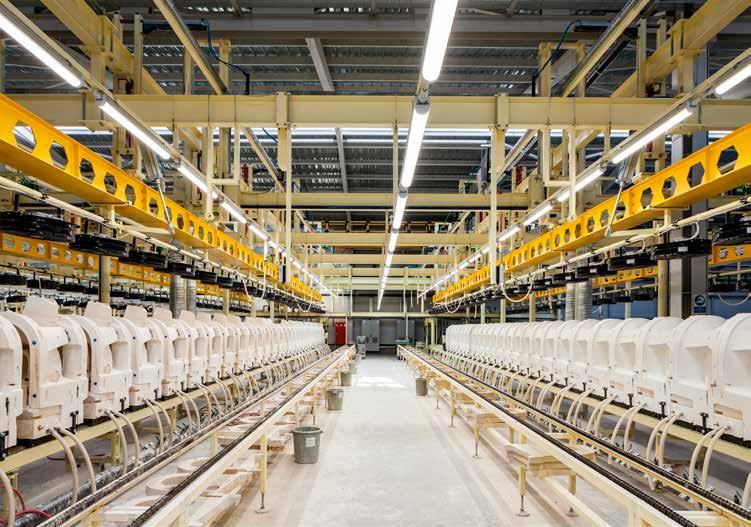
additional or niche requirements buyers may have.
The low-end market consists of the everyday basics in dinnerware. The low-end market consumer is not very focused on design of the product and considers it a convenience good. Dinnerware for this segment should be functional, basic in design, easy to replace, inexpensive, and quick and easy to buy. Typical retailers include hypermarkets such as Carrefour and general department stores like IKEA. Direct competition with these basic private-label products, from mostly Chinese suppliers, is difficult, as they are based on high volumes at low prices. As a result, the mid- and higher-end markets offer the most opportunities for exporters seeking more profitable market segment.
Dinnerware in the mid-end market is still standardised, but trendier, with some interest in innovative shapes or handmade effects. These products are reasonably priced. Sustainability and products with a story play a role in this segment, particularly in the upper end of the middle market where handmade (or semi-handmade) propositions are possible. In the high-end/premium market, dinnerware is characterised by high-quality design, craftsmanship and brand names. Competing with the established brands in this segment is very hard. Effective branding requires not only excellent quality, but also a significant marketing budget. Handmade dinnerware is highly appreciated, but volumes may be limited.
Besides the EU consumer market, the hospitality market – including hotels, restaurants and catering – represents a separate segment. Key features include durability, functionality and price. Suppliers must offer the option to add branding to the product, according to the importer’s or retailer’s specifications. Dinnerware in this market is generally pricesensitive and requires fast turnaround times and large volumes.
As the demand for more expressive tableware grows, individuality and aesthetic quality become a more central buying motive for
consumers. Design value is largely added through shape, colour and decoration.
Türkiye benefits from its nearby location to the EU. European production mainly takes place in Eastern Europe, largely because of relatively low transport and labour costs. This can make these countries a good alternative for European buyers sourcing low- to mid-end products. Western and Southern Europe also produce some high-end products from well-known premium brands with a long history.
According to the UN Trade and Development, the EU’s Carbon Border Adjustment Mechanism (CBAM) being applied from 2026, means that exporters in Türkiye will either have to reduce their carbon intensity by adopting green technologies or accept a loss of market share in the EU. A new international division of labour is being reshaped with a focus on greater self-sufficiency and regional value chains. Türkiye will need to reposition itself within this evolving sector.
The ministry of trade says a cornerstone of Türkiye’s export strategy involves market diversification to reduce dependency on traditional export destinations. The government’s mediumterm programme emphasises the implementation of the ‘Faraway Countries Strategy’ to expand market reach beyond conventional European markets. Special focus is placed on strengthening trade relationships with Africa and Latin America through partnership and opening policies, while also seeking to deepen economic ties with Asian markets. This geographic diversification strategy is also supported by initiatives to promote the ‘Türkiye’ brand in international markets, alongside marketing activities focused on manufacturing and innovative products.
The Turkish Ceramics Federation says the industry is one that uses domestic resources the most and has the least dependence on imported products. It estimates Türkiye’s ceramic industry has a domestic added value rate of around 82%, meaning that of every $100 worth of products exported, $82 stays in the country.
According to Kale Group, the largest ceramic tile manufacturer in Türkiye and fourth largest in Europe, the ceramics industry continues to expand its product range and production capacity each year – a growth fuelled by innovation-driven investments that amplify its global competitiveness.
“The ceramics industry contribution to the national economy is particularly significant,” the company says. “Primarily using domestically sourced materials, this industry plays a strategic role in the national economy by generating foreign exchange inflows and creating jobs. With an annual production capacity of approximately 22 million units, Türkiye is Europe’s largest producer of ceramic sanitaryware, and with eight million units exported, it ranks as the continent’s top exporter by volume.”
Kale Group sells under the Kaleseramik brand and makes a range of products including floor tiles, wall tiles, slabs and porcelain countertops, and ceramic coating materials, in addition to ceramic sanitary ware, bathroom furniture, accessories and fixtures. It also makes ceramic adhesive mortar under the Kalekim brand.
With more than 4,500 product variations, Kaleseramik is a major producer of ceramic coating materials, sanitaryware, faucets and bathroom furniture, launching approximately 200 new products each year. It exports to more than 80 countries. Kale Group says its technological progress is showcased by its R&D centre being the first and only Turkish laboratory to join the European Ceramic Society.
As part of Kale’s five-year plan, it aims to increase ceramic tile capacity from 56 million square metres (sqm) in 2022 to 62.2 million sqm and sanitaryware capacity from 1.14 million pieces to 1.21 million pieces. Its modernisation efforts in ceramic sanitary ware and vitrified products boosted production capacity by 30% in 2024. Actual sanitaryware production has come down, the group having made 691,800 units in 2024, down from 772,500 units in 2023. The anti-dumping duty imposed by the EU on Turkish ceramic manufacturers since mid-2023 continues to have a negative impact on exports, Kale Group says. Data for the first half of 2025 show that exports of ceramic tile materials, which are Kale’s main product group, decreased by 0.9% and exports of ceramic sanitary ware were down by 9.2%. The company says it plans to continue investment and pursue new markets.
“The resolution of ongoing regional conflicts is expected to unlock fresh opportunities for Turkish producers, particularly in construction, infrastructure, tourism, and foreign trade,” Kale Group says. “Moreover, urban transformation projects and the reconstruction efforts in earthquake-affected zones are set to serve as important catalysts for economic growth.”
Kale Group says investment activities will continue with a strong emphasis on sustainability-focused projects. Between 2025 and 2030, a total investment of approximately $150 million is planned, with a focus on completing new capacity expansion projects, advancing production technologies, and delivering revenue-generating investments. New sustainability initiatives will prioritise reducing carbon emissions and accelerating efforts to enhance energy efficiency. Feasibility studies for solar power plant investments are underway to support the transition to renewable energy.
The group is also joining EU projects with international funding,
THE TURKISH CERAMICS FEDERATION ESTIMATES TÜRKIYE’S CERAMIC INDUSTRY HAS A DOMESTIC ADDED VALUE RATE OF AROUND 82%, MEANING THAT OF EVERY $100 WORTH OF PRODUCTS EXPORTED, $82 STAYS IN THE COUNTRY.

saying that as the global emphasis on reducing emissions in the industrial and energy sectors grows, Kaleseramik’s R&D Centre has taken an active role in the development of sustainable solutions. One such initiative is the Hydrogen Valley project, which aims to promote the use of hydrogen gas in industrial and energy applications to help build a regional ‘hydrogen economy.’ This project, known as HY South Marmara, is carried out under the EU Horizon programme.
The group R&D centre has raw material projects under its Kalemaden mining unit seeking substitutes for imports. Preliminary studies have identified projects that will shape Kalemaden’s strategies, including the development of substitutes for imported kaolin and alternative clay product to obtain metakaolin-calcined kaolin for ceramics and other sectors.
Kale Group has expanded its ceramic sanitaryware product portfolio with a focus on innovative and functional solutions. New product introductions placed user comfort, hygiene and functionality at the forefront. The D-Luna and Optimum toilet series feature rimless designs that meet heightened expectations for cleanliness and sanitation. Equipped with the Smart Flow Flushing System, these models offer improved cleaning performance. In the luxury segment, the Edilcuoghi series blends classical and contemporary design sensibilities, with black and white colour options. Lavatories and urinals integrated with side-mounted faucet bands have been added to the offering. In sanitary solutions, the Trono Front-Wall Monoblock Cistern was developed and is available with both wall-hung and floor-mounted toilet configurations. It supports dual-flush options of 3/6 litres and a water-saving 2.5/4 litres. According to the company, its Trono range could reduce the need for renovation by enabling concealed cistern and wall-hung toilet installations.
Eczacibasi Group, which sells under the VitrA brand, is Türkiye’s leading ceramic sanitaryware exporter. It has 17 manufacturing facilities in Türkiye, Germany, France and Russia. This includes an advanced ceramic sanitaryware production complex in Bozuyuk, Türkiye. These plants collectively produce 6.7 million ceramic sanitaryware units, 33.5 million sqm of tiles, 870,000-bathroom furniture modules, 2.2 million faucets, 250,000 acrylic bathtubs and shower trays, two million concealed cisterns and 1.1 million toilet seats annually.
brand’s reputation in eco-conscious bathroom furniture.
In 2024, VitrA introduced the VitrA QuantumFlush, a technology that improves toilet performance and ensures enhanced cleanliness by distributing water powerfully and evenly across the entire inner surface of the toilet bowl without splashing or excessive noise. It uses water 31% more efficiently within the bowl compared to standard rimless toilets, delivering improved flushing performance while using the same amount of water. By leveraging the principles of laminar flow, a smooth movement of fluid, QuantumFlush minimises turbulent kinetic energy, significantly reducing noise and preventing chaotic water collisions. Certified by Quiet Mark, it operates with less sound energy than a typical toilet, making it approximately significantly quieter.

Sustainability is a key focus of the group, with the brand achieving notable milestones in 2024, including the launch of what it claims is the world’s first 100% recycled ceramic washbasin, which secured a patent, won the Green Good Design Award 2024, and was recognised at the İSO Green Transformation Awards. The entire basin is produced from nearly 100% recycled waste materials that are generated and disposed of during the ceramic sanitaryware manufacturing process. A Life Cycle Assessment (LCA) verified a 30% lower global warming impact compared to conventional alternatives. Eczacibasi Group says that its bathroom business aims to supply its entire demand for electricity from its own renewable energy plants by 2030. Eczacibasi Bathrooms is a provider of complete bathroom solutions, specialising in ceramic sanitaryware, bathroom furniture, faucets and accessories. The company operates under the VitrA, Artema, İntema and burgbad (bathroom furniture) brands. burgbad, a European manufacturer of high-quality bathroom furniture has also won recognition for sustainability, earning the EcoVadis Bronze Medal for its waste-reducing manufacturing techniques and use of natural materials. This approach supported strong sales in France and strengthened the
In 2025, VitrA was recognised for its design prowess by winning six Good Design Awards, one of the world’s most prestigious and long-standing design accolades. With those latest achievements, the total number of Good Design Awards received by VitrA reached 61, reflecting a consistent approach to design. Organised by The Chicago Athenaeum: Museum of Architecture and Design since 1950, the 75th edition of the Good Design Awards evaluated more than 1,100 product and graphic designs from 55 countries. VitrA was recognised in the bathroom category for its Glora and new Plural collections, as well as the VitrA Sense Hybrid faucet and the V-Care 3 smart toilet. In the tile category, the Novatone and Naturalux collections, developed under the Terra Melange roof concept, were awarded for their outstanding design quality, bringing natural textures together with a contemporary design approach. VitrA’s achievements follow the previous year’s recognitions, when the brand received awards for its innovative QuantumFlush technology.
Keramika is one of Türkiye’s largest tableware producers and exporters whose earthenware products are manufactured in its factory in Kutahya, a site known for its long history of ceramic production. The company makes five million pieces a month in over 200 different colours and more than 750 models. Keramika says it makes collections that blend historical, cultural, and traditional touches with modern approaches, closely following innovations in fashion, art, and gastronomy. It uses traditional firing processes alongside higher firing temperatures to create different textures and special glaze effects. Keramika exports more than 50% of its production to 68 countries.
Keramika's strategic plans for 2026 emphasises sustainability, innovation, and digital transformation. Its R&D Centre operates in two different areas: both in the tableware serving group and in developing transformative technologies for the sector. In the tableware serving group field, the company says it conducts research and development studies on the mechanical, chemical, and physical properties of raw materials used in production. The aim is to develop materials with improved mechanical, chemical, and physical properties that can replace existing products on the market.
“In the field of digitalisation and automation, R&D studies are
ongoing to create added value and strengthen our technological infrastructure,” Keramika says. “Examples of these studies include: developing machinery and software that will enable double-layer glazing and seamlessly handle a process currently plagued by significant yield losses due to human error; developing a vertical digital printing machine that will allow us to produce customised digital prints on curved surfaces in the desired quantities, achieving a world first; and developing a ceramic additive manufacturing machine, a technology currently lacking both applications and machinery in our sector.”
In all of these projects, value-added machine design, integration of digitalisation elements, and embedded and communication software are carried out by Keramika’s personnel employed in the R&D centre.
“R&D and innovation have become indispensable elements of competition today,” Keramika says. “Countries whose industries are supported by effective R&D activities rank among the top in the World Competitiveness Rankings.
At Keramika, our goal is for our R&D efforts to add value to our country's economy, transform the sector, and thus result in advanced technology products that increase our competitiveness in the international market.”
R&D goals include studies to increase the added value of products by reducing their thickness and consequently improving their strength, improving the currently used clay recipe, developing new glazes to create a difference in the
market, and working to reduce raw material and material costs and increase efficiency in application.
Kutahya Porselen makes 140 million pieces of tableware in seven different facilities. It mainly exports to the EU countries where the quality expectations and purchasing power are high, and to the US, Canada, Japan, North European countries and North African countries. The company offers not only porcelain dinnerware but also porcelain objects, tableware design, accessories, home decor and handmade items. The company says it has increased capacity over the years even as other factories making tableware, being a labour-intensive sector, closed. Kutahya Porselen has won two Red Dot Awards in the ceramic sector. It specialises not only in porcelain production but also in porcelain machinery production and has the capability to provide know-how through turnkey factories.
Türkiye’s ceramics sector stands at a strategic inflection point. Its location, industrial depth and resource base provide a strong platform for growth, particularly as global trade becomes more regionalised. Yet sustaining that momentum will depend on how effectively producers respond to intensifying competition, evolving environmental regulations and shifting consumer expectations. The coming years will test whether Türkiye can translate its locational advantage into lasting competitive resilience in an increasingly complex global market.
Let us help you:
• Build your brand awareness
• Raise your company profile
• Generate leads
• Demonstrate thought leadership
• Launch new products
the benefits of
Contact us now to find out more.
Email:enquiries@asianceramics.com

Imerys unveils advanced mineral solutions at Ceramitec 2026, combining design innovation, industrial performance and sustainability to meet the evolving needs of the global ceramics market. .
Imerys, the world’s leading supplier of mineral-based specialty solutions for industry, was delighted to meet customers in Munich last week at Ceramitec 2026.
At this year’s event, Imerys’ international teams presented an extensive portfolio of mineral solutions for sanitaryware, tableware, tiles and kiln furniture, including innovations that reflect the Group’s commitment to addressing changing consumer trends and sustainability challenges. These solutions are backed by Imerys’ global ceramics support network.
New warm-white tableware body collection meets consumer trends
One of the highlights of Imerys’ presence at Ceramitec was a new collection of prepared bodies designed to meet growing consumer demand for tableware in soft, warm-white shades.
Building on the century-old heritage and expertise of its dedicated tableware facilities in France and Germany, the collection is available in both porcelain and vitreous china. It combines excellent durability, affordability and a contemporary aesthetic. The range is ideally suited to the production of hotel, retail and catering tableware, including products that require industrial-grade durability, and is compatible with both casting and pressing processes.
This warm-white range includes two innovative solutions:
• A warm-white body demonstrating unrivalled strength, perfect for hotel and catering tableware which requires exceptional durability with great aesthetics.
• A cost-effective warm-white body, ideal for creating affordable retail and commodity tableware that not only looks good, but is great value for money.
Kiln furniture solutions designed to address sustainability challenges
From energy savings and raw material optimisation to cleaner production processes and green mobility, the transition to a lowcarbon economy is a top priority for the ceramics industry.
In recent years, Imerys’ R&D efforts have focused on developing solutions that create value while addressing some of the industry’s most pressing challenges: increasing production, reducing energy consumption and costs, cutting waste, making better use of primary resources, recycling raw materials and extending product lifespan.
At Ceramitec, Imerys showcased several kiln furniture innovations for roof tile and tableware manufacturing that embody this sustainability-focused approach.
The maximised lightweight design of these new products ensure maximise kiln efficiency, reduce energy consumption and increase productivity, while guaranteeing flawless end products with superior mechanical properties and long service life.
Expanded laboratory network to support customers in growth regions
Imerys is uniquely positioned to be the partner of choice for ceramics manufacturers, offering an extensive portfolio of consistently high-quality mineral raw materials and ready-to-use products wherever customers operate.
Supported by a worldwide network of technical support teams and R&D laboratories, Imerys’ ceramics experts work closely with customers to tailor solutions to their specific needs. The comprehensive support service range from analytical support, ceramics testing and process optimisation to formulation development, training and on-site technical assistance.
The company’s network, which already includes laboratories in France, Germany, the United States, Thailand and India, has recently been expanded with a newly enlarged ceramics laboratory in Egypt.
IMERYS IS UNIQUELY POSITIONED TO BE THE PARTNER OF CHOICE FOR CERAMICS MANUFACTURERS, OFFERING AN EXTENSIVE PORTFOLIO OF CONSISTENTLY HIGHQUALITY MINERAL RAW MATERIALS AND READY-TOUSE PRODUCTS WHEREVER CUSTOMERS OPERATE.
Situated in the heart of one of the country’s principal ceramic clusters, this state-of-the-art facility leverages Imerys’ ceramics expertise developed worldwide to support sanitaryware, tile and tableware customers across Europe, the Middle East and Africa – capitalising on MEA’s significant potential for growth and innovation.
The expansion underscores Imerys’ commitment to supporting the development of the ceramics industry in MEA by providing critical technical support, advanced R&D capabilities and application development expertise to improve customers’ product performance, operational efficiency and carbon footprint.
About Imerys
Imerys is the world’s leading supplier of mineral-based specialty solutions for industry, with €3.4 billion in revenue and 12,300 employees across 40 countries in 2025. The Group offers high value-added, functional solutions to a wide range of industries and fast-growing markets, including solutions for the energy transition and sustainable construction, as well as natural solutions for consumer goods.
Imerys draws on its deep understanding of applications, technological knowledge and expertise in material science to deliver solutions that contribute essential properties to customers’ products and performance. As part of its commitment to responsible development, Imerys promotes environmentally friendly products and processes while supporting customers in their decarbonisation efforts.
Imerys is listed on Euronext Paris (France) under the ticker symbol NK.PA.

Few regions have transformed as dramatically as the Middle East, where rapid expansion in hotels and restaurants since the late 1990s has driven strong demand for ceramic tableware. With brands competing for market share in this fast-growing segment, Yogender Singh Malik examines the region’s evolving demand dynamics.
Over the past three decades, the Middle East has undergone a remarkable transformation, emerging as one of the world’s leading commercial and tourism hubs. The rapid expansion of the hospitality industry has played a central role in this shift, with cities across the region welcoming millions of visitors every year. Today, the Middle East boasts one of the highest concentrations of hotels and restaurants globally. The UAE, Qatar and Saudi Arabia in particular have seen an unprecedented rise in hospitality infrastructure, making the region one of the most lucrative markets – and a key battleground – for regional and international ceramic tableware producers. Unsurprisingly, many of the world’s leading tableware brands have established a strong presence in the region.
Beyond its established tourism base, the Middle East is increasingly positioning itself as a global hub for events, conferences and international exhibitions, further strengthening its appeal as a yearround hospitality destination. This evolution is reflected in the strong presence of both international and homegrown hotel brands across the region. Major operators such as Marriott International, Hilton, Accor, IHG and Hyatt maintain extensive portfolios, underlining the region’s strategic importance in the global hospitality landscape.
Growth in value has far outstripped volume growth in the region’s ceramic tableware industry, indicating a clear shift towards premium and luxury products. This premiumisation trend has accelerated over the past five years, as hotel and restaurant operators increasingly opt for higher-end tableware. Premium and luxury suppliers are now driving shipments, pushing overall market value upwards even as volume growth remains comparatively moderate.
An executive from the facilities management team at Hyatt Regency Dubai Creek explains that demand is increasingly shaped by both premiumisation and evolving dining formats: “Ceramic tableware demand in the hotel industry in the Middle East is a combination of luxury and premium offerings. Hotels and restaurants are partnering
with celebrity chefs, introducing innovative dining concepts, hosting food festivals and offering unique dining experiences to attract guests and food enthusiasts, which has been a boon for luxury and superpremium tableware brands.”
He adds that diversification across the hospitality sector is also broadening demand across different price segments: “Diversification of hospitality offerings is increasing the demand for second-tier tableware products. The hospitality industry (particularly in the UAE) is becoming increasingly diverse, with new types of accommodation, restaurants and entertainment venues. While luxury hotels have traditionally dominated the region’s hospitality market, there has been a growing demand for mid-scale and budget accommodation options, especially among budget-conscious travellers and families. This diversification is catering to a wider range of tourists and residents, from budget-conscious travellers to luxury seekers.”
On the supply side, almost all major ceramic tableware producers have a presence in the region through exclusive outlets, distributors, agents and large retail outlets. Nearly 40% of total hotelware ceramics are imported into the region from Europe, Turkey, China and ASEAN countries. Imports from European countries and Turkey are in the luxury and super-premium categories, while China and ASEAN countries cater to demand in the premium and upper-economy segments.
Tourism to play a major role
The region’s rapidly expanding tourism sector has played a key role in driving demand for hotelware ceramics. The influx of premium hotels and restaurants is supporting steady demand growth. The UAE, Saudi Arabia and Qatar are reaping the maximum benefits of this expansion.
According to Dubai’s Annual Visitor Report 2024, the emirate’s
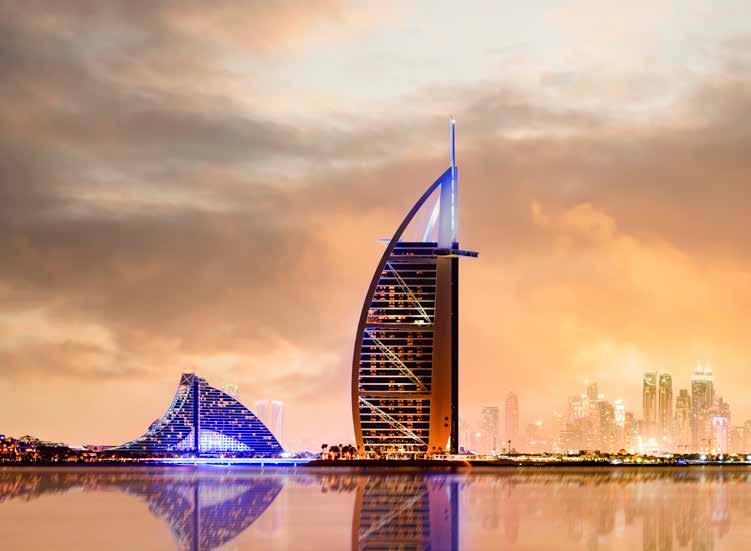
business tourism, mega-events, festivals and the continued popularity of shopping and luxury tourism drove visitor numbers. In 2024, Dubai’s Gastronomy Industry Report noted that 1,200 new restaurants were licensed in the emirate and 19 earned Michelin stars. Dubai ranks second only to Paris as the world’s leading gastronomy capital, surpassing more established locales such as London, New York and Tokyo.
Tourism is expected to play a key role in future economic growth across the Middle East. This will have a direct impact on demand for hotelware ceramics. Saudi Arabia’s Vision 2030 aims to welcome 150 million annual visitors and increase tourism and hospitality’s share of GDP from three per cent to 10%. The government plans to invest $800 billion in tourism by 2030.
Economic diversification is expected to drive demand for hotelware ceramics in the coming years in both value and volume terms. Countries across the Middle East have historically relied heavily on the hydrocarbon sector for economic growth. However, changing market dynamics are pushing governments to focus on diversification.
With the oil market increasingly uncertain and the transition towards renewable energy signalling a long-term decline in oil demand, diversification has become a priority for oil-rich nations. UAE Centennial 2071 and Saudi Arabia’s Vision 2030 emphasise reducing reliance on oil and building knowledge-driven economies. This will lead to the establishment of new commercial ventures, driving demand for hotels and restaurants – the key end-use sectors
for ceramic tableware.
These efforts are already delivering results. In 2025, the value of the UAE’s non-oil foreign trade reached Dh3.8 trillion, an increase of nearly 27% over 2024. This places the country within reach of its Dh4 trillion target for 2031 – six years ahead of schedule.
Record foreign direct investment (FDI) inflows are creating favourable conditions for multinational companies to establish operations in the Middle East. The UAE and Saudi Arabia continue to rank among the top destinations for FDI in emerging markets. The establishment of corporate and production facilities will indirectly drive demand for ceramic tableware in the hotelware segment.
The UAE has been the epicentre of business, tourism and recreational activities in the region for the past three decades. Rapid growth in commercial activity has led to the establishment of a record number of hotels and restaurants, driving ceramic tableware consumption. The country accounts for an estimated 28-32% of total hotelware ceramics consumption in the region.
Record tourist inflows have enabled ceramic tableware producers to post consistent growth in volumes. During the first six months of 2025, UAE hotels hosted more than 16 million guests, a 5.5% increase compared to the same period in 2024. By the end of June 2025, the country had 1,243 hotel establishments with over 216,000 rooms.
Dubai alone accounts for around 40% of hotelware ceramics consumption in the UAE, supported by the highest concentration of hotels and restaurants among the seven emirates. According to Dubai Municipality, the city has 8,617 restaurants, 5,240 coffee shops and cafeterias, and 467 hotels.
A strong pipeline of major projects is expected to sustain growth. The $35 billion expansion of Al Maktoum International Airport will position Dubai as a key global destination, with capacity for 260 million travellers annually. The project is expected to be completed over the next decade.
For decades, the UAE served as the Middle East’s commercial gateway, with multinational tableware producers managing regional operations from the Emirates. However, Saudi Arabia is now emerging as a major growth centre, with increasing numbers of companies establishing offices and distribution facilities in the Kingdom.
Over the past five years, Saudi Arabia has become a significant demand driver for hotelware ceramics, supported by large-scale hotel developments. In 2024, the country welcomed 29.7 million international visitors, up eight per cent year-on-year, alongside 86.2 million domestic tourists, a five per cent increase on 2023.
According to global property consultancy Knight Frank data, Saudi Arabia had 171,650 rooms at the end of 2024, with a further 94,500 rooms under construction or in advanced planning stages. This pipeline presents substantial opportunities for ceramic tableware suppliers.
Vision 2030 – launched in 2016 to diversify the economy – continues to drive hospitality expansion, with large-scale tourism and urban development projects underpinning longterm demand.
During the coming years, Saudi Arabia is expected to be the main demand driver of the ceramic tableware industry for hotels and restaurants, similar to the role played by the UAE during the first decade of this century.
Developing in the shadow of tough economic sanctions imposed on the country’s exports, the Iranian ceramic tableware industry has exhibited a remarkable resilience in recent years. It has not merely survived but has also flourished, on the back of highquality wares, one of the lowest production costs, and the technical acumen of ceramic entrepreneurs engaged in ceramic tableware production.
Iran benefits from some of the lowest energy costs in the world – a critical factor in the competitiveness of the ceramic tableware industry. Combined with a technically adept workforce and abundant raw materials, this gives the country a strong advantage over many other large tableware-producing nations.
Iranian producers have continually added to installed capacity and dramatically improved product quality during these tough years, even though the number of new start-ups in the tableware sector has been very limited during this period.
However, a lack of new hotels and almost negligible tourism has had a deep impact on hotelware ceramics in the country. The current conflict is likely to further deteriorate the situation.

With a combined GDP exceeding $2 trillion, the Middle East is attracting investment across technology, finance and
This broader economic activity is expected to further support demand for hospitality services.
The ongoing Iran conflict could negatively affect tourism
across the Middle East. It could wipe out up to a quarter of international tourism to the region this year, according to some pessimistic projections.
According to Tourism Economics data released in March, international arrivals to the region could decline by between 11% and 27% in 2026 if the situation persists. That marks a dramatic reversal from the December 2025 forecast, when it predicted a 13% rise in visitor numbers for 2026.
If these estimates materialise, the region could lose between 23 million and 38 million international visitors compared with earlier expectations. The financial impact would also be severe, with losses in visitor spending projected at between $34 billion and $56 billion, dealing a major blow to the tourism industry and hotelware products, including tableware.
RAK Porcelain
RAK Ceramics is the most prominent name in the Middle East’s ceramic industry and a leading player in the hotelware segment. Operating under the RAK Porcelain brand, the company runs a state-of-the-art production facility in the UAE with an annual capacity of 36 million pieces. The domestic market accounts for approximately 35% of its tableware sales.
The company supplies products to over 40,000 hotels in more than 165 countries, including clients such as JW Marriott, Hilton, Hyatt and Sheraton. In Dubai, its portfolio includes Arjaan by Rotana, Bab Al Shams Hotel, Aloft City Centre Deira, Citymax Hotels – Al Barsha, Desert Palm Hotel, Fairmont Hotel, Gulf Court Hotel Business Bay, Habtoor Grand Hotel, Hilton Hotel Jumeirah, IBIS Hotel and JA Lake View Hotel.
In October 2025, RAK Porcelain Group announced the acquisition of Bankook Design Chambre S.L., owner of the Cookplay brand, strengthening its premium portfolio. Cookplay, founded in Bilbao, Spain by industrial designer Ana Roquero, is known for its sculptural and sustainable tableware designs and strong presence in Michelin-starred dining environments.
Renu Oommen, chief marketing officer of RAK Porcelain, says: “In 2025, we continued to advance our porcelain offerings. Fine porcelain – a material innovation from RAK porcelain –combines refined thin designs reminiscent of bone china with superior strength and timeless elegance in subtle hues, making it an ideal choice for fine-dining restaurants. Esencia, which has been launched as a celebration of simplicity, authenticity and emotional design, has a clean form and subtle detailing.”
He further adds: “Cloud, an evolution of our bone china offering inspired by fluidity and softness, is designed to bring calm and refinement to the tabletop. Our Spanish acquisition Cookplay will move into production at RAK, alongside the launch of new porcelain shape such as Vibe and its reiterations, and the expansion of Ease and Nordic.”
SARA Group is the exclusive distributor of Villeroy & Boch in the Middle East. With a heritage spanning over 270 years, the brand remains synonymous with premium ceramic design and quality.
The Middle East’s hospitality sector is entering a new phase of expansion, driven by tourism growth, economic diversification and large-scale infrastructure investment. As the region
continues to attract global visitors and develop new hospitality formats, demand for ceramic tableware is expected to rise steadily. For manufacturers and suppliers, the Middle East offers a compelling combination of scale, premium demand and longterm growth potential.
Major tableware producers in Iran
Company
Nastaran Porcelain
Chini Hamid Company
Chini Hamgam
Milad Chini Company
Mahdi Porcelain Company
Marjan Porcelain Company
Location
Tehran
Tehran
Tehran
Tehran
Yazd
Qazvin
Eshfahan Porcelain Manufacturing Company Esfahan
Khazar Porcelain Industries
Hamgam Chini Company
Kashan China Company
Nour Chini Company
HYS Abhar
Bargh Avaran Gilan Porcelain Company
Alborz Porcelain Company
Taghdis Porcelain Company
Rasht Industrial City
Tehran
Tehran
Tehran
Tehran
Rasht Industrial City
Tehran
Tehran
Researchers at the Technical University of Denmark have redefined solid oxide fuel cell design –using 3D-printed monolithic gyroid ceramics to unlock dramatically higher power density and lighter, more efficient hydrogen energy systems.
A fivefold increase in power-to-weight ratio has been achieved in solid oxide fuel cells (SOFCs) by researchers at the Technical University of Denmark (DTU Energy – Department of Energy Conversion and Storage), marking a significant step forward in lightweight hydrogen energy systems.
‘Escape Flatland’ – a new design paradigm for SOFCs
Challenging decades of conventional design, the DTU team has replaced stacked planar architectures with fully three-dimensional, monolithic fuel cells featuring nature-inspired gyroid geometries.
Using Lithoz’s CeraFab System and yttria fully stabilised zirconia (8YSZ) as the electrolyte material, the researchers successfully manufactured thin-walled, highly complex structures previously impossible to produce.
This breakthrough approach – summed up by the team’s motto ‘Escape Flatland’ – resulted in a fivefold improvement in specific power-to-weight ratio compared to conventional planar SOFCs.
Led by Vincenzo Esposito, the research team developed monolithic SOFCs with optimised gyroid architectures. At the device level, the design achieves power-to-weight ratios of around 1 W g ¹, compared to approximately 0.2 W g ¹ for traditional planar SOFC architectures.
This dramatic improvement stems from the elimination of interconnects and sealants, reduced thermal mismatch and mechanical stress, maximised volume utilisation, and significantly lower overall weight.
“These results represent a true paradigm shift from planar stacking to monolithic architectures,” says Professor Esposito.
The work was carried out in collaboration with DTU Construct, with Venkata Karthik Nadimpalli contributing expertise in mechanical behaviour and structural optimisation. This collaboration ensured the stability of the thin-walled gyroid structures under real operating conditions.
Enabling next-generation hydrogen propulsion
The innovation has far-reaching implications for hydrogen-powered transportation systems across aviation, automotive and heavy transport, and maritime applications, enabling lighter, more efficient and compact fuel cell systems.
By combining ultra-lightweight structures with enhanced performance, the monolithic SOFC concept opens the door to both long-range and ultra-compact hydrogen engine designs.
Professor Esposito says: “Our motto, ‘Escaping Flatland’, sounds like a logical step, but it has long been impossible to achieve. The particular arrangement of materials and microstructures requires a high level of complexity – until recently, we simply lacked the tools to realise it.
“With its precision and scalability, Lithoz LCM technology enables highly repeatable production of these bio-inspired TPMS geometries with ultra-thin inner walls that meet gas supply requirements. The monolithic concept is achieved by replicating gyroid units and integrating a sealed outer shell to maintain gastight conditions.”
LCM technology as a key enabler
The breakthrough was made possible by Lithoz’s Lithography-based Ceramic Manufacturing (LCM) technology, which enables highprecision replication of complex gyroid structures, ultra-thin internal walls, excellent repeatability and scalability, and integrated gas-tight monolithic designs.
Johannes Homa, CEO of Lithoz, says: “By producing monolithic 8YSZ fuel cells with intricate gyroid geometries, DTU was able to reduce the dependence on conventional interconnect and sealing architectures inherent to stacked flat items – historically the Achilles’ heel of planar SOFC systems.
“This paves the way for a complete rethinking of fuel cell design and significantly advances power density potential. We are extremely excited about the impact this will have on the worldwide hydrogenbased industry.”
Scaling towards industrial deployment
With the design and testing phase now successfully completed, DTU Energy plans to scale the technology towards industriallevel production.
The project positions LCM as a key enabling manufacturing technology for next-generation fuel cells and strengthens its role in accelerating the global transition towards hydrogen-based energy systems.
About DTU Energy
DTU Energy, part of the Technical University of Denmark, conducts research on materials, devices and systems for sustainable energy technologies. Its work spans electrochemical energy conversion and storage, including fuel cells, electrolysers and batteries.
By combining materials science, device engineering and system integration, DTU Energy develops solutions that support the transition to reliable and sustainable energy infrastructure across transportation, power generation and energy storage sectors.


THIS DRAMATIC IMPROVEMENT STEMS FROM THE ELIMINATION OF INTERCONNECTS AND SEALANTS, REDUCED THERMAL MISMATCH AND MECHANICAL STRESS, MAXIMISED VOLUME UTILISATION, AND SIGNIFICANTLY LOWER OVERALL WEIGHT.
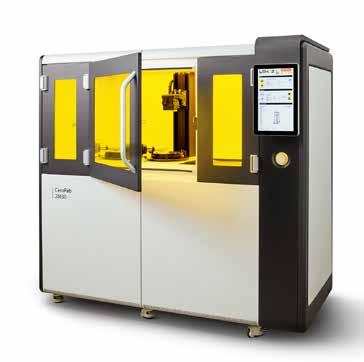
Lithoz is a global leader in high-performance ceramic materials and 3D printing technologies. Founded in 2011, the company specialises in advancing ceramic manufacturing through Lithography-based Ceramic Manufacturing (LCM).
With nearly 100% export share, around 100 employees and four global sites, Lithoz continues to push the boundaries of ceramic production. The company has been ISO 9001:2015 certified since 2016 and achieved ISO 13485 certification in 2025, meeting quality standards for the medical devices industry.


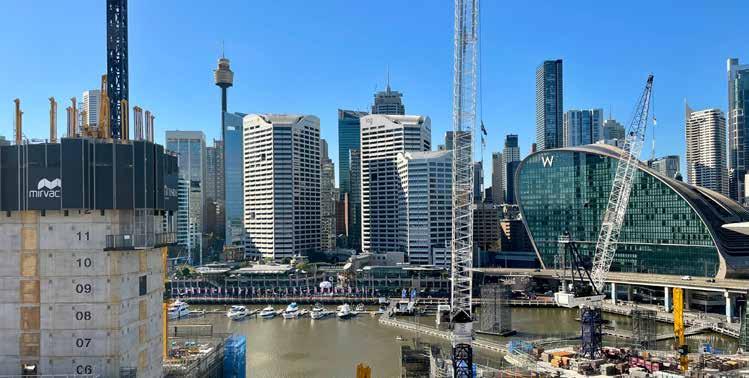
Australia may be a relatively small ceramics market by global standards, but its reliance on imports, strong renovation culture and design-led demand make it one of the most stable and discerning destinations in the Asia-Pacific region. As construction slows and supply chains shift, the market is entering a more selective phase – one that rewards consistency, quality and strategic positioning – a report by the Asian Ceramics editorial team.
Australia has never been a volume market for ceramics, and it is unlikely ever to become one. Yet to dismiss it on those grounds would be to misunderstand its importance. For tile, sanitaryware and tableware producers across Asia and Europe, Australia remains one of the most dependable – if quietly demanding – destinations in the Asia-Pacific region.
It is, in many respects, a market of contradictions. Small in population but high in value. Geographically remote yet deeply integrated into global supply chains. Largely devoid of domestic ceramic manufacturing, but highly influential in design preferences and product specification. And, perhaps most importantly, a market where buyers – whether homeowners, developers or specifiers –tend to know exactly what they want. For exporters, that combination can be both reassuring and unforgiving. Not all find it easy to navigate.
An import market by design, not default
Australia’s reliance on imported ceramics is not simply the result of globalisation; it is structural. High labour costs, energy pricing and regulatory compliance have long made large-scale domestic production of ceramic tiles commercially unviable. What remains instead is a sophisticated distribution ecosystem built around imports. Trade data from global datasets such as UN Comtrade consistently
shows that the overwhelming majority of ceramic tiles entering Australia originate overseas, with China maintaining a clear lead in volume terms, accounting for a substantial share of imports in recent years. European suppliers, particularly Italy and Spain, continue to hold ground at the premium end, while India has expanded rapidly in the mid-market over the past decade.
This stratification is well understood within the industry. Chinese producers supply the bulk of entry-level and mid-range demand, particularly for large-format porcelain and standard wall and floor tiles. Italian and Spanish manufacturers, by contrast, retain their position in architect-led projects and high-specification residential developments, where design, finish and brand recognition carry weight.
India’s role is more recent but increasingly significant. Companies such as Kajaria Ceramics and Somany Ceramics have steadily increased their presence, offering competitive pricing with improving quality consistency. For Australian importers, this has provided a useful counterbalance, both commercially and strategically, to reliance on China.
Turkey and Vietnam, meanwhile, are beginning to feature more prominently in sourcing discussions, particularly among distributors seeking to diversify supply risk following the disruptions of recent years.
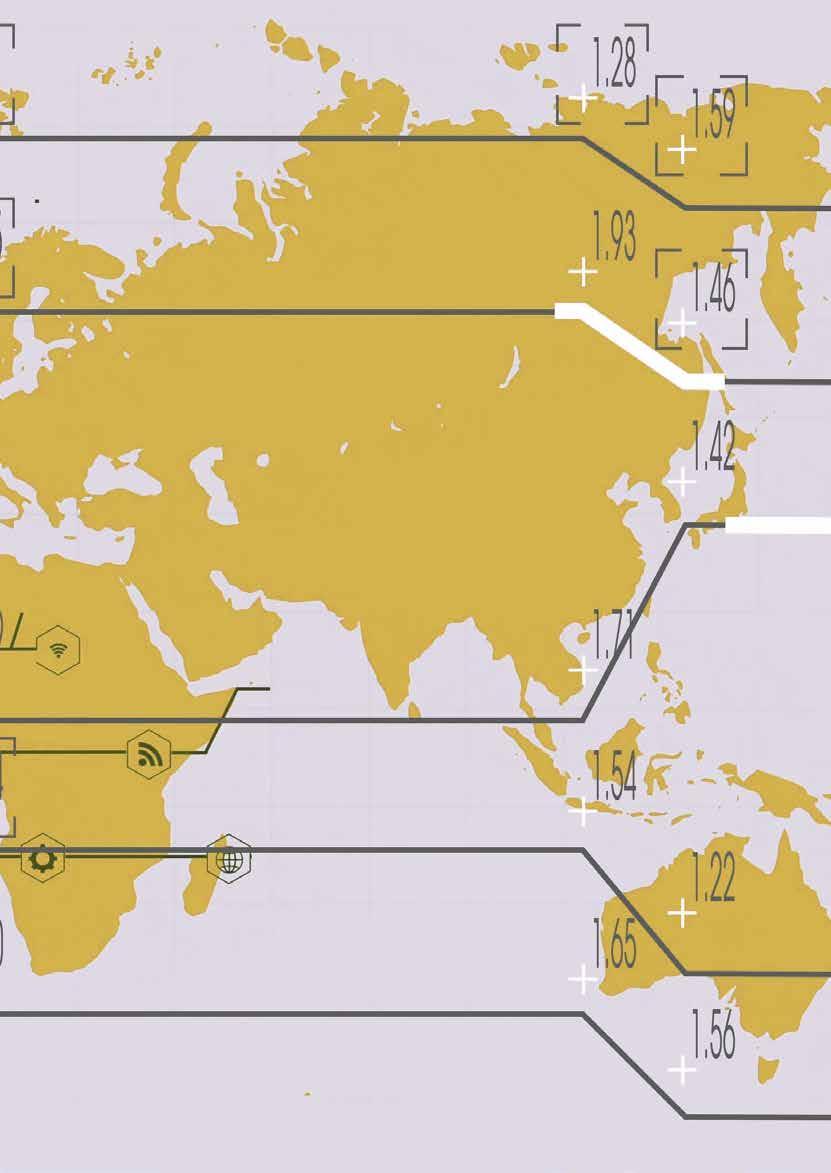
The middle layer: distributors and retail power
If Australia is an import market, it is equally a distributor-driven one.
Retail and distribution networks occupy a central role in determining not only what products enter the market, but how they are positioned and ultimately sold. Key players in the market include Beaumont Tiles, which operates an extensive national showroom network and sources from a wide range of international suppliers. Alongside it, National Tiles and a growing number of smaller, design-led distributors shape product selection across different segments.
These companies do more than import. They curate ranges, manage inventory risk, and –crucially – translate global design trends into something that resonates with Australian consumers.
That role has become more complex in recent years. Where once distributors might have relied heavily on a single sourcing region, the experience of the pandemic has altered that calculus.
Freight volatility, container shortages and extended lead times exposed the vulnerability of long, concentrated supply chains. In response, many Australian distributors have quietly diversified their supplier base, spreading orders across multiple countries to mitigate disruption. This has not displaced China. But it has begun to dilute its dominance at the margins.
The fortunes of the ceramics sector in Australia are closely tied to construction, and it is here that the tone has shifted most noticeably.
During the pandemic years, the industry experienced an unexpected surge. Government stimulus measures, most notably the HomeBuilder programme, encouraged new residential construction and renovation activity. According to the Australian Bureau of Statistics, building approvals climbed sharply, reaching levels not seen in over a decade.
For tile and sanitaryware suppliers, the impact was immediate. Demand strengthened across both new builds and refurbishment projects, placing pressure on supply chains already strained by global disruption.
As interest rates rose through 2022 and 2023, borrowing capacity tightened, and the pipeline of new housing began to contract. ABS figures show a marked decline in new dwelling approvals over the subsequent period, reflecting a broader slowdown in residential construction.
The shift has not been uniform. High-density apartment developments in major cities such as Sydney and Melbourne have proved particularly sensitive to financing costs, while detached housing has shown greater resilience in certain regions. Nevertheless, the overall direction is clear: the market is no longer in expansion mode. Whether that slowdown proves temporary is still an open question.
Beyond the headline figures, the construction sector is contending with a set of structural pressures that have direct implications for ceramics demand.
The Housing Industry Association has repeatedly highlighted rising build costs, labour shortages and project delays as key constraints. Material costs surged during the pandemic and, although they have stabilised, remain elevated compared with pre-2020 levels. At the same time, the industry has seen a series of high-profile builder insolvencies. The collapse of companies such as Porter Davis Homes in 2023 underscored the financial strain facing contractors operating on fixed-price contracts in a volatile cost environment. For ceramic suppliers, this translates into greater uncertainty, often reflected in shorter order cycles and more cautious inventory decisions. Projects may be delayed, scaled back, or in some cases abandoned altogether. Payment cycles can extend, and risk management becomes a more pressing concern. This is not a market in crisis, but it is one in adjustment.
If new construction has softened, renovation has provided a measure of stability.
Australia has long had a strong culture of home improvement, driven by both lifestyle preferences and property investment considerations. Rather than relocating, many homeowners choose to upgrade existing properties – particularly kitchens, bathrooms and outdoor spaces.
This segment is less sensitive to interest rate movements than new construction. In many cases, it is funded through accumulated equity rather than new borrowing. As a result, renovation activity has remained relatively robust even as the broader housing market cools.
For the ceramics sector, this matters enormously. Bathrooms and kitchens are among the most tile-intensive areas of any home, and renovation cycles tend to favour higher-value products –premium finishes, larger formats, and more design-led solutions.
Distributors have responded accordingly. Showrooms increasingly emphasise complete lifestyle solutions rather than individual products, offering integrated displays that combine tiles, sanitaryware and fittings in realistic settings. The objective is not simply to sell a tile, but to sell a vision of the finished space.
What distinguishes Australia, perhaps more than anything else, is the level of scrutiny applied to products
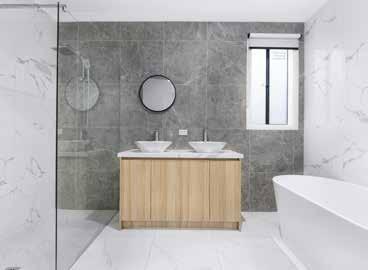
One of the more subtle shifts in the Australian market is not in the volume of demand, but in its composition.
Large-scale residential developments – once a major driver of standardised tile orders – are giving way, at least temporarily, to a more fragmented mix of smaller projects and individual renovations. This has implications for product mix.
Standard, high-volume lines remain important, particularly in the entry-level segment. But demand is increasingly shifting towards differentiated finishes, textured surfaces, feature tiles, and coordinated indoor–outdoor solutions.
This plays to the strengths of suppliers able to offer design flexibility rather than sheer volume. Not all are positioned to do so.
At the same time, price sensitivity has increased. With construction costs rising and household budgets under pressure, buyers are more cautious. The mid-market segment – where value and aesthetics must be carefully balanced – has become particularly competitive.
What distinguishes Australia, perhaps more than anything else, is the level of scrutiny applied to products.
Specifiers, architects and even retail customers tend to be well informed. They are accustomed to comparing options, assessing quality and demanding consistency. Issues that might be tolerated in less mature markets – shade variation, dimensional inconsistency, supply delays – are less easily overlooked here.
This places a premium on reliability. Failures are noticed quickly. For exporters, it is not enough to offer competitive pricing; consistency of supply and product quality are equally critical. It also explains the continued presence of European brands in the market. Despite higher price points, Italian and Spanish manufacturers retain a foothold because they are perceived – rightly or wrongly – as benchmarks for design and finish.
As the Australian ceramics market moves beyond the post-pandemic surge, it is entering a more nuanced phase.
Demand has not disappeared, but it has become more selective. Growth is no longer driven by volume expansion, but by shifts in how and where ceramics are used. Supply chains are being recalibrated, competition is intensifying, and the balance between cost and design is becoming more delicate.
For those supplying the market, the challenge is not simply to participate – but to understand it.
If the first phase of Australia’s post-pandemic cycle was defined by volume and urgency, the second is shaping up to be more considered – driven less by expansion and more by refinement. Nowhere is this more evident than in design, specification and the growing influence of sustainability frameworks.
Design direction: Larger, cleaner, more cohesive
Australian interiors have, for some time, leaned towards restraint rather than excess. That preference is now translating into clearer trends across tile specification.
Large-format porcelain continues to gain ground. Tiles measuring 600x600mm are now considered standard in many applications, while larger slab formats are increasingly specified in high-end residential and commercial projects. The appeal is straightforward: fewer grout lines, a more continuous visual surface, and a sense of space that suits contemporary architecture.
Equally notable is the persistence of natural-look finishes. Stone and marble effects remain dominant, but the emphasis has shifted from high gloss to more subdued, tactile surfaces. Timber-look porcelain has also found a steady audience, particularly in spaces where natural wood would be impractical.
What distinguishes the Australian market is the expectation that these finishes should not merely imitate but convincingly replicate. Digital printing technology has made this possible, but it has also raised the bar. Poorly executed designs are quickly identified –and rejected. There is little tolerance for inconsistency.
Outdoor living adds another dimension. In many parts of Australia, the boundary between indoor and outdoor space is
deliberately blurred. Tiles specified for patios, pool surrounds and alfresco areas must therefore meet both aesthetic and technical requirements, including slip resistance and durability under fluctuating weather conditions.
This has encouraged suppliers to develop coordinated ranges that extend seamlessly from interior floors to exterior spaces – an approach that is now as much a design expectation as a selling point.

While design shapes tile demand, the sanitaryware segment in Australia is arguably more heavily influenced by regulation.
The Water Efficiency Labelling and Standard (WELS) scheme remains one of the most stringent water efficiency frameworks globally. Every toilet, tap and shower sold in the country must meet defined performance standards, with products graded according to their water consumption.
This has had a profound effect on the market. Dual-flush toilets are not simply common; they are effectively universal. Low-flow fixtures dominate, and manufacturers are required to balance water efficiency with user experience.
For global brands such as Roca, Kohler and Villeroy & Boch, compliance with WELS is a prerequisite rather than a differentiator. The competitive edge lies in design, ease of installation and brand perception.
Urban development trends are also influencing product selection. In higher-density housing, particularly apartments, space constraints favour wall-hung toilets, compact basins and concealed cistern systems. These solutions offer a cleaner aesthetic and greater flexibility in bathroom layout – features that appeal to both developers and end-users.
Sustainability has moved beyond marketing language to become a practical consideration in Australian construction.
The Green Building Council of Australia, through its Green Star certification system, has played a central role in this shift. Large commercial developments – office towers, public buildings, infrastructure projects – are increasingly designed to meet Green Star criteria, which include material selection, emissions and lifecycle performance.
For ceramic suppliers, this creates both opportunity and obligation. Meeting those expectations, however, is not always straightforward. Tiles are inherently durable and require minimal maintenance, attributes that align well with sustainability goals. However, the energy-intensive nature of ceramic production is under scrutiny.
Manufacturers supplying the Australian market are therefore placing greater emphasis on energy efficiency in kilns, the use of recycled materials, and, increasingly, transparency in environmental reporting. European producers, particularly those operating under stricter environmental regulations, have been able to leverage this as a competitive advantage. Italian manufacturers, for example, often highlight compliance with EU environmental standards as part of their value proposition.
At the same time, Australian developers and specifiers are becoming more discerning. Sustainability claims are increasingly expected to be substantiated, not simply asserted.
The supply chain disruptions of the pandemic years have left a lasting impression on the Australian ceramics market.
Shipping costs, which surged dramatically between 2020 and 2022, have since moderated, but the experience has reshaped sourcing strategies. Importers are more conscious of risk, and fewer are willing to rely exclusively on a single country of origin.
China remains central. Its scale, infrastructure and pricing ensure that it will continue to dominate the market in volume terms. However, its position is no longer unchallenged.
India has made notable inroads, particularly in the mid-range segment. Improved manufacturing standards and competitive pricing have enabled Indian producers to secure a foothold with Australian distributors looking for alternatives.
Turkey, too, has benefited from this shift. Positioned between Europe and Asia, it offers a blend of design influence and cost competitiveness. Vietnamese manufacturers, while still developing their export presence, are also being considered as part of a broader diversification strategy.
For distributors, the objective is not to replace China, but to reduce exposure. The result is a more complex, but potentially more resilient, supply network. Whether that resilience holds under future disruption remains to be seen.
Australia’s ceramics retail sector has long been showroom-driven, and physical display remains important. Tiles are tactile products; they need to be seen, touched and compared. However, digital engagement is becoming increasingly influential. Retailers such as Beaumont Tiles have invested in online visualisation tools that allow customers to preview products in simulated spaces. This reflects a broader shift in consumer behaviour: research is conducted online, while final decisions are often made in-store. Newer entrants, including online-focused platforms like TileCloud, are testing alternative models, offering sample delivery and directto-consumer sales. While these approaches have yet to displace traditional retail, they are reshaping expectations—particularly among younger buyers.
The result is a hybrid model, where digital and physical channels complement rather than compete with each other. In practice, most purchases still involve a showroom visit at some stage.
Australia’s reliance on imported ceramics is not simply the result of globalisation; it is structural.
The tableware sector occupies a more modest position within Australia’s ceramics landscape, but it remains significant in its own right.
Australia’s cafe culture is widely regarded as one of the most developed globally. Independent cafes, restaurants and hospitality venues place a premium on presentation, and tableware plays a central role in that experience.
Imports dominate the segment, particularly from Asia, where manufacturers can offer both volume and variety. At the same time, local producers such as Robert Gordon Australia have carved out a niche with design-led collections that appeal to both domestic and export markets.
Here, as elsewhere, differentiation is key. Durability matters, but so does character—something that mass-produced products do not always provide.
Looking ahead, the Australian ceramics market is unlikely to return to the rapid growth seen during the pandemic period. Instead, it is entering a phase characterised by slower construction growth, steady renovation demand, increased competition among suppliers, and a greater emphasis on sustainability and compliance.
Currency movements will also play a role. For importers, this is rarely a minor consideration. A weaker Australian dollar increases the cost of imports, placing pressure on pricing and margins. Conversely, it can make the market more attractive for exporters able to absorb currency fluctuations.
The broader construction outlook, as reflected in reports from the Master Builders Australia (MBA), suggests a period of stabilisation rather than contraction. Infrastructure investment and population growth continue to underpin demand, even as residential construction adjusts.
Australia is not a market that rewards complacency.
It is relatively small, geographically distant, and operationally complex. Those constraints are unlikely to change. Yet it is also stable, transparent and commercially attractive for those who approach it with the right strategy.
Success here depends on more than price. It requires consistent product quality, reliable supply, alignment with design expectations, and compliance with regulatory standards.
Above all, it requires an understanding of how the market works – not just in terms of data, but in terms of behaviour.
For global ceramic producers, Australia remains what it has long been: a market that may not shout for attention, but one that continues to reward those who listen carefully.
Quality failures in ceramic manufacturing are frequently addressed at the point of detection rather than at the point of origin. This article explains how upstream decisions quietly shape risk, resilience, and cost in high-volume Asian ceramic operations, says Sankameeswaran S, a ceramic manufacturing specialist with experience across materials, process control and high-volume production in Asia, including roles at Somany Ceramics, The Grand Tiles, MS Sawa Clay & Minerals, Orient Bell and Al Maha Ceramics.
When a ceramic product fails, attention naturally shifts to the point where the failure becomes visible. A crack at the kiln exit is associated with firing conditions. A glaze defect is linked to application or formulation. A customer complaint may prompt closer scrutiny of inspection or handling.
These interpretations are understandable. They provide clear locations, clear responsibility and clear corrective actions. Yet in many cases, ceramic failures do not originate where they appear. They are the result of conditions that have been developing earlier in the process –often quietly and incrementally – until the system reaches its limit.
In my experience across ceramic manufacturing environments, the point of failure is rarely the point of origin. The final process step does not usually create the failure. It reveals it.
This perspective is increasingly relevant in Asian ceramic manufacturing, where scale, speed and diversity of production can amplify the effects of small upstream decisions across very large volumes.
Ceramic materials tend to fail when accumulated stress exceeds local strength. That stress may be mechanical, thermal or chemical in origin, but it is rarely sudden.
Mechanical stresses may be introduced during forming or drying. Thermal stresses may develop due to expansion mismatches during cooling. Chemical effects – such as moisture-related expansion or delayed phase changes – may emerge well after firing. In most cases, these stresses accumulate gradually. Failure occurs when the system no longer has sufficient tolerance to absorb them.
A crack observed at the kiln exit, for example, often reflects conditions that have been present for some time. Treating such failures as isolated events can lead to corrective actions that address symptoms rather than causes. This helps explain why
certain defects recur despite repeated local adjustments.
of upstream decisions
Many of the most influential decisions in ceramic manufacturing are made early in the process and are not always visible downstream. Raw material sourcing is a clear example. Across Asia, manufacturers often rely on multiple suppliers for clays and minerals. Variations in geology, processing methods and seasonal conditions can introduce differences in particle size distribution, chemistry and reactivity.
Individually, these variations may remain within specification. Over time, however, they can influence packing behaviour, burnout characteristics, vitrification range and thermal response. When a defect eventually appears, the connection to a sourcing or blending decision made weeks or months earlier may not be immediately recognised.
Formulation strategy shows a similar pattern. Efforts to simplify bodies and glazes – often undertaken to improve consistency or reduce cost – can reduce the system’s ability to absorb normal variability. While simplification can improve control under stable conditions, it may also narrow process windows and reduce resilience when operating conditions change.
Kiln as a point of exposure
Kilns frequently become the focus of attention because they are where defects become visible. However, kilns rarely generate stress independently. They provide the thermal conditions under which existing stresses are either accommodated or released. Fast firing cycles, now common across Asian production lines, reduce the time available for burnout, equilibration and stress relaxation. When upstream conditions are well controlled, these cycles perform reliably. When margins are narrow, reduced firing time can expose latent weaknesses in materials or process stability.
Adjusting firing profiles may reduce rejection rates in some cases, but such adjustments do not always address the underlying contributors if those lie elsewhere in the system.
Scale and operating reality in Asia
Asian ceramic manufacturing operates at a scale unmatched globally. Large production volumes, wide product ranges and diverse market requirements place particular demands on materials and processes.
In such environments, small changes can have significant cumulative effects. A minor formulation adjustment or raw material variation may influence thousands of square metres of output within a short period. Supply-chain structures add further complexity, with multisource procurement and cost pressures introducing variability that is difficult to eliminate entirely.
As operating windows narrow, the system’s tolerance for deviation decreases. Improvements made in one area of the process can sometimes have unintended consequences elsewhere. Local optimisation may improve shortterm performance while reducing overall robustness.
Why localised responses persist
Localised responses to failure are common, partly because they are efficient and straightforward to implement. Identifying system-level contributors requires cross-functional coordination, historical perspective and time for analysis. Ceramic materials reflect the combined effect of all processing stages. Changes made early in the process may not produce immediate effects, making cause-and-effect relationships less obvious. This time delay often shifts attention towards the most visible stage rather than the most influential one. A systems-oriented approach does not replace local process control. It complements it by recognising how decisions interact across the full manufacturing sequence.
A leadership perspective
Failure occurs when the system no longer has sufficient tolerance to absorb them.
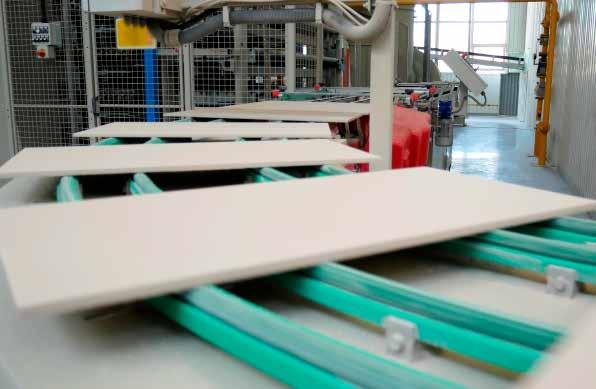
In high-volume Asian manufacturing environments, where operational pressure is constant, this broader perspective can support more durable improvements than repeated local corrections.
From a leadership standpoint, failure analysis is often most effective when treated as a review of assumptions rather than an assignment of responsibility.
Useful questions include whether recent changes increased variability, reduced margins or removed buffers that previously absorbed normal fluctuations. Attention is often most productive at process interfaces – between procurement and production, formulation and firing or output targets and process stability.
Ceramic failures are rarely random. They indicate that the system, under its current configuration, has reached a limit. Addressing them effectively often requires looking beyond the immediate symptom to understand how that limit was approached. For manufacturers operating in complex and fast-moving environments, sustained performance increasingly depends on upstream awareness, cross-functional thinking, and an understanding of how variability propagates through the process. In many cases, the most valuable insight does not come from where the failure appears, but from examining how earlier decisions shaped the conditions in which it became unavoidable.
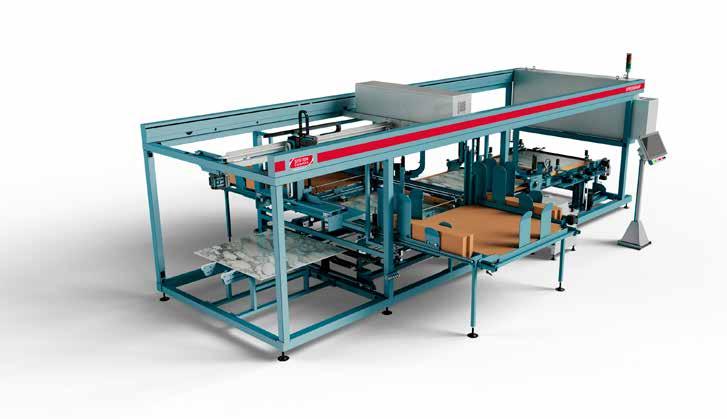
System Ceramics introduces a solution that combines speed, versatility and customisation to meet evolving market demands.
In the ceramic industry, packaging plays a role that goes beyond simple protective wrapping. It is the first point of contact between product and market, an element capable of conveying quality, care, precision and brand value even before use.
In this scenario, characterised by growing attention to aesthetics and customisation, end-of-line systems must evolve alongside technologies. With Speedwrap – the new high-speed horizontal packaging machine – System Ceramics addresses this challenge and offers a solution designed to meet increasingly complex requirements: fast cycles, reliable protection and visual consistency.
High speed and production continuity
Within industrial lines, packaging represents a critical point. Speed often makes the difference between maintaining smooth production or creating bottlenecks, as even small slowdowns can compromise overall efficiency.
Speedwrap is designed to ensure continuous operation at up to
12 packs per minute, maintaining consistent packaging quality even at high volumes.
The distinctive aspect is not only speed but performance stability: alignment, wrap tension and pack finishing remain uniform from the first to the last cycle.
This translates into a clean, precise and consistent final result that reinforces brand perception throughout the entire logistics chain – from storage to display.
Format flexibility: one machine for multiple needs Ceramic tile formats evolve rapidly, and packaging must keep pace, requiring manufacturers to manage production ever more dynamically.
Speedwrap is designed to adapt to this evolution, covering a wide range of sizes: from 150 × 150 mm up to 1200 × 1200 mm.
This versatility reduces format changeover time and eliminates
the need for multiple dedicated systems, with a direct impact on overall line performance.
A maximum finished pack height of 80 mm and a tiltable stack height from 110 to 240 mm enable the management of diversified portfolios without interrupting flow, while maintaining high quality standards.
Dual packaging modes: customisation and protection
Among Speedwrap's distinctive features is the ability to operate with two different packaging modes, offering a high degree of operational freedom.
Wrap-around
Designed for applications where visual impact is critical, this mode uses four independent die-cut warehouses. The system allows complete control over graphics, layout and protection level, transforming packaging into a brand communication tool.
Tray mode
In this configuration, a single sheet of cardboard is applied and folded around the stack using a dedicated tilting system. The result is a stable, neat and effective solution, particularly suitable for large formats or more delicate products.
SPEEDWRAP IS DESIGNED TO ENSURE CONTINUOUS OPERATION AT UP TO 12 PACKS PER MINUTE, MAINTAINING CONSISTENT
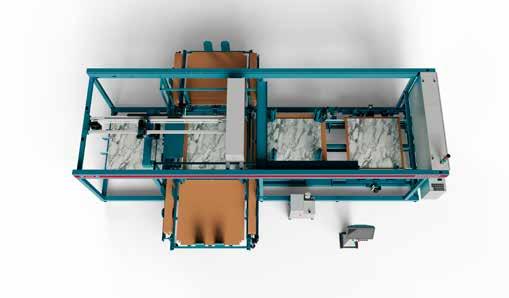
The ability to switch between the two modes makes Speedwrap extremely adaptable, capable of responding to different production strategies and specific market requirements.
Integration and compactness: designed for modern lines
Space optimisation is one of the main challenges in contemporary plants. With a particularly compact footprint, Speedwrap integrates easily into existing layouts or contexts with limited space.
Installation is typically completed in one day, minimising downtime. The machine can be configured with six die-cut warehouses or two tray warehouses, with the option to apply corner protectors
for greater stability during transport and stacking.
Production challenges solved
Speedwrap is therefore a concrete response to end-of-line challenges, addressing and resolving some of the most common issues in ceramic packaging:
• Increases packaging speed while preventing bottlenecks
• Improves packaging customisation for more demanding markets
• Ensures reliable protection even for large or fragile formats
• Manages format changes quickly without slowdowns
The solution's effectiveness lies precisely in its ability to combine high performance and operational flexibility – two elements often difficult to integrate into a single machine.
Buyers across global ceramics markets are becoming more selective, placing greater emphasis on reliability, design alignment and supply-chain performance. As expectations rise, manufacturers must adapt quickly to remain competitive in a more structured and demanding environment, states Isaac Hamza, editor, Asian Ceramics.
The ceramics market entering 2026-27 is no longer defined by expansion alone. It is defined by selectivity. Across Europe, the Middle East, Africa and Asia, buyers are refining how they source, what they prioritise and who they choose to work with. Price still matters, but it no longer leads the conversation. Procurement decisions now reflect a more complex balance of design, reliability, sustainability, service and long-term partnership.
This shift is unfolding against a broader backdrop of uncertainty. Energy costs remain uneven across regions, freight rates continue to fluctuate, and currency movements are influencing import decisions in many markets. At the same time, interest rates and financing conditions are shaping construction activity, particularly in Europe and parts of Asia. In this environment, buyers are not simply looking for the lowest-cost option. They are looking for predictability – in pricing, in delivery and in performance. For manufacturers across Asia – from the tile clusters of Morbi and Foshan to emerging export bases in Vietnam – this marks a clear shift in expectations. The question is no longer how much can be produced or how competitively it can be priced. It is increasingly about how well products align with market demand, how consistently they can be delivered and how effectively suppliers can support buyers beyond the initial order.
One of the defining features of the current market is that not all buyers are looking for the same thing. Distributors, particularly in Europe, are focused
on building stable, long-term supply programmes. They prioritise consistency, clear communication and structured collections that can be marketed across multiple outlets. Project buyers and contractors, especially in the Middle East, are driven by timelines and scale, where reliability and the ability to deliver large volumes without variation are critical. Retailers and showroom operators are increasingly design-led, placing equal weight on presentation and product, while developers tend to balance cost with durability and ease of installation.
One of the most visible changes is the growing importance of design alignment. Buyers are moving away from generic patterns towards curated collections that reflect current architectural and interior trends. The direction remains relatively restrained – neutral palettes, soft stone effects, warm greys and subtle textures dominate across most regions. However, expectations have risen. Buyers are looking for refinement, with more natural variation, improved detailing and a stronger sense of cohesion across a range.
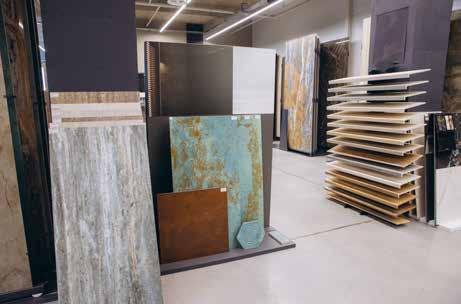
Products are no longer judged in isolation. Collections are expected to function as complete systems, allowing retailers and project buyers to present a unified visual story. In showroom environments, clarity of presentation can influence purchasing decisions as much as the product itself. For manufacturers, this means investing not only in design capability but also in how ranges are structured and communicated.
Closely linked to design is the continued rise of format-driven demand. Large-format tiles and slabs are now firmly part of mainstream product portfolios. In markets such as the UAE and Saudi Arabia, slabs are increasingly specified for high-end residential developments and hospitality projects. In Europe, they are gaining traction across both renovation and new-build segments. Buyers are no longer testing these formats – they are expecting them. Producing large formats, however, is only part of the equation. Delivering them consistently remains a challenge. Issues such as flatness, calibration and breakage rates are under closer scrutiny, while logistics has become a decisive factor. Poor packaging or handling can quickly undermine confidence, particularly when products are shipped over long distances.
Reliability is no longer a differentiator – it is the baseline.
In an increasingly complex market, consistency has moved to the centre of procurement decisions. Buyers are placing greater emphasis on suppliers who can deliver stable quality across batches, meet agreed lead times and maintain clear communication throughout the process. The cost of inconsistency – in terms of project delays, rework and reputational damage – often outweighs the benefit of a lower price.
As one European importer observed, a slightly higher price is easier to manage than an uncertain delivery. This mindset is becoming more widespread, particularly among distributors managing multiple supply programmes and tight project timelines.
Sustainability and transparency are also moving into sharper focus. In Europe, regulatory developments and corporate sustainability targets are driving greater scrutiny of production processes. Energy use, carbon intensity and raw material sourcing are increasingly part of supplier evaluations. In other regions, the pressure may be less formal but is still growing, particularly among larger developers and international buyers.
For manufacturers, this does not always require immediate certification, but it does demand clarity. Buyers expect consistent, credible explanations of how products are made. Incremental improvements in efficiency or energy use, when communicated clearly, can carry significant weight.
At the same time, speed and flexibility are becoming critical. Buyers are operating in markets where demand can shift quickly, and design cycles are shortening. Sampling timelines that once took weeks are now expected in days, and lead times are under constant pressure. Manufacturers that can respond quickly, adjust production and maintain clear communication are better positioned to build lasting relationships.
This is particularly evident in export-oriented clusters such as Morbi in India and manufacturing hubs in Vietnam, where responsiveness and adaptability are increasingly valued. Scale remains important, but agility is becoming a defining advantage.
There is also a growing expectation that suppliers will contribute to the commercial success of their products. High-quality imagery, clear technical information and well-structured catalogues are now seen as essential. In competitive retail environments, the ability to present products effectively can directly influence sales performance. This reflects a broader shift towards brand awareness within the ceramics sector. Even in business-to-business markets, presentation matters. Some manufacturers are investing in stronger
The ceramics market entering 2026-27 is no longer defined by expansion alone. It is defined by selectivity.
brand identities and showroom concepts, while others continue to operate through private-label partnerships. Both approaches remain viable, but in higher-value segments, clearer positioning is becoming increasingly important.
At the same time, buyers are becoming more selective about what they reject. There is growing resistance to inconsistent quality, fragmented product ranges and unreliable communication. Generic designs with little differentiation are also losing appeal, particularly in markets where consumers are becoming more design conscious. Regional dynamics continue to play a role. In Europe, sustainability, compliance and design remain central, with increasing attention on carbon-related considerations. In the Middle East, large-scale development projects continue to support demand, but buyers are placing greater emphasis on finish quality and reliability. Across Africa, demand remains strong but is shaped by economic factors such as currency stability and financing conditions. In Southeast Asia, urbanisation and retail growth are driving demand across multiple segments, supported by flexible supply and evolving design preferences.
Another notable shift is the move towards supplier consolidation. Rather than working with a broad range of sources, many buyers are reducing their supplier base and focusing on partners who can meet multiple requirements consistently. This approach reduces complexity and helps manage risk in a volatile global environment.
For manufacturers, this reinforces the importance of building longterm relationships. Competitive pricing may open the door, but consistent performance secures ongoing business. Trust, once established, becomes a key commercial asset.
Taken together, these trends point to a market that is more demanding but also more structured. Buyers are not necessarily purchasing less, but they are making more considered decisions. The emphasis is shifting towards value in the broader sense – not just price, but performance, reliability and alignment with market needs.
For ceramic manufacturers, the implications are clear. Competing on cost alone is no longer sufficient. Success in 2026–27 will depend on the ability to combine design relevance, production consistency, operational reliability and transparent communication.
The market is not becoming simpler – it is becoming more selective. And that selectivity is redefining what it means to be competitive.
The ceramics sector is entering a phase where capability matters as much as capacity. Buyers are raising their expectations, and in doing so they are reshaping the rules of engagement. For those able to respond, the opportunities remain strong.
Understanding what buyers want is no longer a matter of intuition. It is a strategic requirement – and one that will define success over the coming cycle.
Haresh Bopaliya, President of the Morbi Ceramic Association, discusses Morbi’s transformation, key challenges, and the future of India’s ceramic industry. This interview was conducted in November 2025.
Q: As President of the Morbi Ceramic Association, how would you describe the current state of the ceramic industry in Morbi today?
The current state of the ceramic industry is on the verge of transformation. The usage of tiles is increasing, but production methods, scale per unit, and quality parameters have completely changed. Small units are about to shut down, while large-scale units are surviving but struggling due to fierce price competition. The product itself is shifting from ceramic to vitrified.
Q: What is the main challenges tile and sanitaryware manufacturers are facing at present?
The most vital challenge is the price of fuel in terms of production cost and antidumping issues in terms of selling worldwide.
Q: How has the Association’s role evolved in helping members navigate these challenges and market fluctuations?
The association has limited power to enforce decisions, but broadly it has helped resolve many issues by working with state and central governments.
Q: Energy costs remain a major concern for ceramic producers. How is the industry responding to rising fuel and power prices?
The industry has continuously changed fuel types by investing in modern technology. It has used kerosene, C9, agricultural waste coal, biocoal, imported coal, lignite, PNG, LPG and propane among other, choosing the most feasible fuel over time.
Q: What progress has been made in adopting cleaner and more energy-efficient technologies across the Morbi cluster?
The industry has shifted to cleaner fuels such as natural gas and propane. Many industries are also adopting wet scrubbers in spray dryers.
Q: How do environmental regulations and sustainability targets influence production decisions for local manufacturers?
Environmental concern must be the first priority for any industry, and most members are serious about regulations and follow them.
Q: Morbi is a major global exporter. Which markets are currently showing the strongest demand for its products?
The USA is the most important market for ceramics.
Q: How have global logistics challenges and changes in shipping costs affected exports from Morbi?
In the last three years, logistics challenges have severely affected ceramic exports.
Q: Are there particular trade policies or government initiatives that could further strengthen India’s position in global ceramic exports? There must be policies regarding fuel supply to match prices with natural gas as fuel.
Q: What kinds of innovation or technology adoption are most prominent in Morbi’s factories today?
The best innovations available in the world are present in Morbi, and the industry is
The current state of the ceramic industry is on the verge of transformation.
very prompt in adopting the latest technology.
Q: How is digitalisation transforming production efficiency, design flexibility, and customer service in the industry?
Digitalisation is more useful in marketing and design development.
Q: How is the Association collaborating with government and industry bodies to ensure continued growth and competitiveness?
The association continuously works with relevant departments and ministries to resolve common issues.
Q: What steps are being taken to upskill workers and attract new talent to the ceramic sector?
The pay scale and opportunities are strong in ceramics, so workers are willing to work and grow within the industry.
Q: Looking ahead, what is your vision for the Morbi ceramic industry over the next five to ten years?
Over the next 10 years, the industry will consolidate and become more organised.
Q: On a personal note, what motivates you in leading such a large and dynamic industry association?
The trust of members in the president motivates me to lead.
Q: How do you balance preserving traditional craftsmanship with the need to modernise and innovate?
Adaptation to innovation is in the blood of this industry.



Where will it all end? Amid the chaos that has ravaged the Middle East, what will the industrial base look like when the dust settles, wonders Andy Skillen, special correspondent for Asian Ceramics. threaten to undermine the confidence of global buyers, says Andy Skillen, special correspondent, Asian Ceramics.
At a time when there is so much humanitarian disruption and strife across the Middle East, it almost seems impertinent to discuss how the ongoing conflict (at the time of writing) will affect the industry. Nevertheless, it will affect the sector, and in light of how many livelihoods are reliant on the success and expansion of the sector, a modicum of panic seems to be setting in.
For the winners, read China. Once again, it appears as if the People’s Republic will not only emerge unscathed but will actually ascend. As always, the country’s government once again issues ‘stern warnings’ to all parties involved, urging them to resolve disagreements by ‘diplomatic means’. However, it retains an indifference to the ultimate outcome of the dispute and stays at arm’s length from any meaningful intervention. You could almost bet that the ‘few ships’ that crossed the Strait of Hormuz unimpeded during the height of the conflict were hauling gas for China's fuel-hungry factories. One can only conjecture how it is that such transports remained unscathed when everyone else was struggling to secure their shipments.
Once again, China acted in total self-interest. In terms of the ceramic industry, as global shipments from some of the region’s more export-oriented companies were put under intense pressure and supply lines dried up, China was there to fill the gap.
In theory, Europe should have also emerged from the entire debacle in a stronger position. There was a feeling that, perhaps, a return to the more traditional, stable production bases of the continent could become important, especially if volatility becomes a watchword for the Middle East. Iran is hardly showing any signs of change, having just appointed its next Supreme Leader, and, as such, is this a conflict without an end? However, is Europe even in a position to capitalise?
Flat growth across the economies of the EU and beyond, combined with a fearful zealotry with respect to ‘net zero’ and a burdensome legislature, have meant that in recent years, to be a ‘manufacturer’ of anything – let alone ceramics – in
Europe has become almost a dirty word. Added to that, fuel costs rocketed during the conflict. Not only were shortages a possibility, but the presence of many East Asian countries on the spot market has driven the price up as supply tightened. The losers? Ultimately the Middle East itself. Iran is decimated. It will take several years for one of the region's oldest and best-equipped ceramic industrial sectors to recover. Its factories have little to no market access, apart from a few in the immediate region, and will scarcely be able to operate in the current climate. Fuel issues will remain a major concern, and the country’s tile and sanitaryware industries, which are highly diversified in their domestic market as well as in some of their immediate neighbouring countries, will suffer. Already reeling from rising fuel costs, restrictions on water supply, sanctions on raw materials, and spiralling inflation, this could be the final nail in the coffin for many of the country’s ceramic makers. Indeed, it is arguable that many of the companies there will simply desert Iran completely and seek to build factories overseas. There is a real risk that this will be a large-scale industrial downgrade for the country with little to no way back. In light of the positive markets in Pakistan, Afghanistan and Iraq, I wonder if Iran’s continually harassed industrialists will decide ‘enough is enough’ and relocate overseas.
Elsewhere, the likes of Saudi Arabia and the UAE will certainly be feeling under pressure. Previously thought to be beyond the reach of international issues, the indiscriminate attacks on fuel depots and airports in all the Gulf States have suddenly raised the level of risk in industrial dealings to an unprecedented level. Whilst most will accept that in the medium-to -long term the situation will re-stabilise, the heightened awareness that such a set of circumstances creates will certainly put pressure on suppliers. Again, it is debatable whether some of the larger capacity manufacturers will look to invest more globally – such as RAK has done so successfully in the past – and remove their dependency on the immediate region. Are we, therefore, about to see a raft of projects installed across

South America,
Europe and the Far East in a new ‘arms race’ for capacity, and what effect could such investment have on the smaller players in those regions? However, whilst each of these countries retain a relatively low number of ceramic makers, the country arguably with the most to lose has been India. Hugely dependent on fuel supplies from the region, access to safe shipping and ports as well as to the markets themselves, the sub-continent’s ceramic makers have been placed on the brink. Tight margins were squeezed even further, and a huge question mark once more hung over the longer-term viability of many of the ceramic companies based there. Whilst shutdowns are inevitable, a wholesale collapse of the industry is unlikely. However, capacity is certainly going to rationalise as the more marginal makers struggle to recover from, firstly, the immediate effects of fuel and shipping issues, and then the longer-term higher costs and lack of certainty. If this plays out throughout this year, then it has the potential to affect the incomes and futures of tens of thousands of employees right the way through the supply chain. With the annual Indian Ceramics Asia event having taken place before the conflict (and therefore it could not use it as an alibi), correspondents reported a significant drop-off in investor interest and high-quality visitation. Perhaps this is symptomatic of a growing indifference to the industry there. It’s hard to spend a great deal of time attempting to sell to a sector that is almost permanently on a fiscal knife-edge anyway and could be so heavily hit by regional events.
At one point, in fact just as the conflict and exhibition started, the president of the Morbi Ceramic Manufacturers Association (Vitrified Tiles Division), Manoj Arvadiya, said that petroleum and gas shipments coming from the Gulf countries had been heavily impacted, with consignments stuck at the Strait of Hormuz, which is under Iran's control, meaning supply has essentially stopped. With gas as the main fuel for Gujarat’s near
Flat growth across the economies of the EU and beyond, combined with a fearful zealotry with respect to ‘net zero’ and a burdensome legislature, have meant that in recent years, to be a ‘manufacturer’ of anything – let alone ceramics – in Europe has become almost a dirty word.
800-strong manufacturing community, the industry is at risk. Some companies have switched to propane, but for the main part most of those manufacturers were holding stocks of three to four days at best.
Fuel security is enormously important to India’s ceramic industry, and even if the conflict resolves and a relative degree of normality returns, will it ever feel 100% confident again?
In the end, perhaps the real question is not who wins and who loses, but who adapts the fastest. The ceramic industry has always been resilient, but resilience alone may not be enough in a world where geopolitical instability is no longer the exception, but the norm. As supply chains shift and investment patterns evolve, those manufacturers able to secure energy, diversify risk and remain agile will be best placed to weather what comes next. For the rest, the outlook remains far less certain.

Contact

different to delivery address
Payment has been sent to your bankers:
A/C name: Bowhead Media Ltd
Lloyds Bank PLC; P.O. Box 1000 BX1 1LT United Kingdom
Sort Code: 30-98-96 A/C No: 02504041
IBAN: GB42LOYD30983602504041
SWIFT Code: LOYDGB21235
All new subscribers will receive an invoice by email In order to process your order, please sign and date below:

A/C name: Bowhead Media Ltd Eur1 Sort Code: 30-98-36
Account Number: 86739796
Currency: EUR
IBAN: GB59LOYD30983686739796
BIC: LOYDGB21235

-
Offering
A wealth of exciting opportunities
Engaging and inclusive – inspiring progress and connecting excellence.
Even more on offer in 2026!
Cutting-edge, in-depth analysis, market trends and inspiring discussions through our new features:
‘Association Spotlight’ ~ ‘Intelligence Series’ ~ ‘Country Profile’ ~ ‘Nation in Focus’
We continue to provide independent and reliable news and intelligence – offering the perfect platform to promote your thought leadership to an engaged audience.
■ What next for Malaysia’s tiles?
■ Behind India’s fine porcelain boom
■ Association Spotlight: Leadership conversations with trade associations
■ Kilns of Change: How Asia’s ceramic industries are re-shaping global manufacturing in 2026
■ Focus on heavy clay: key aspects of the industry
AMBIENTE 2026
COUNTRY PROFILE: Saudi Arabia: Ceramics landscape and key developments
TECH FOCUS: Digital printing and smart tiles in Asia
CERAMITEC 2026
■ Taiwanese tiles for the new tomorrow
■ Turkiye: A country in focus (whiteware – tableware/sanitaryware)
■ Middle East hotelware: Fuelling the market
■ Talking Shop: Conversation with key figure from the ceramic sector
NATION IN FOCUS: Australia: What’s up down under?
ASIAN CERAMICS INTELLIGENCE SERIES: What buyers want in 2026–27
CERAMICS EXPO USA 2026
FOSHAN UNICERAMICS 2026
CERAMICS JAPAN 2026
CERAMICS CHINA 2026
■ Egypt’s porcelain tiles: A quest for competitiveness
■ Vietnam: What’s happening in the land of the ascending dragon?
■ The changing face of Foshan
■ Association Spotlight: Leadership conversations with trade associations
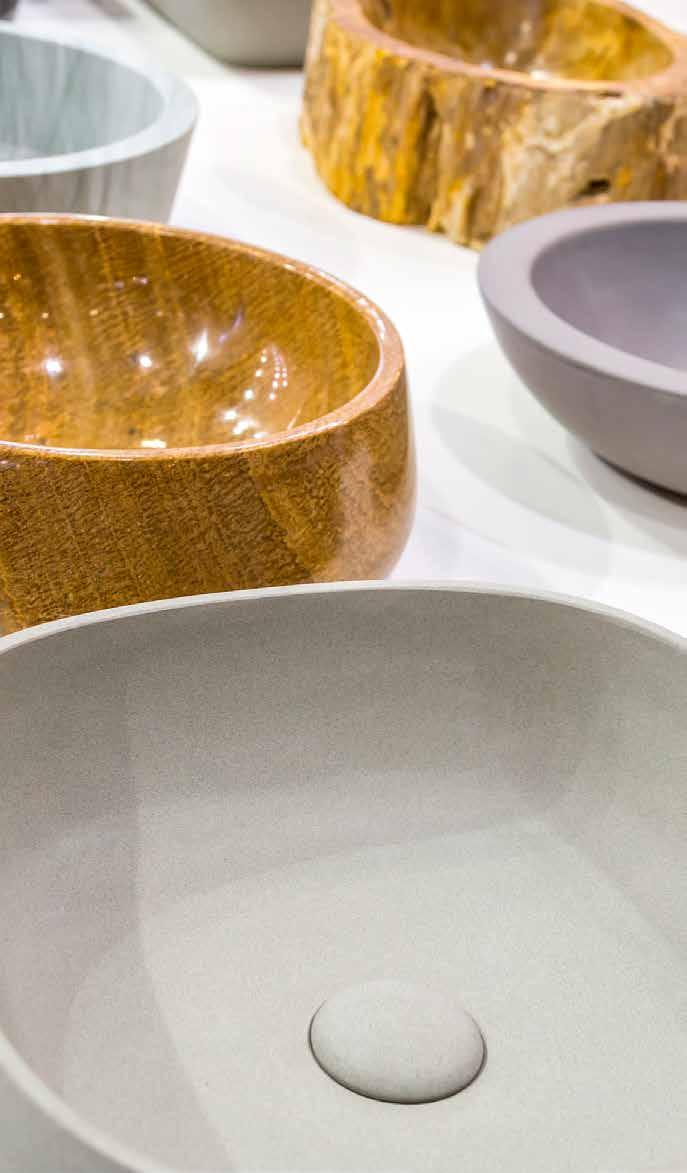
COUNTRY PROFILE: Oman - Ceramics landscape and key developments
TECH FOCUS: Automation and robotics in Asian sanitaryware production
■ Turkiye: A country in focus (tiles)
■ Indonesian tableware: The outsource centre
■ Southeast Asia’s sanitaryware surge
■ Ceramic Clusters: Help or hindrance?
■ Mega-Slabs and the changing tile landscape in Asia
NATION IN FOCUS: Sri Lanka: All change on the island
ASIAN CERAMICS
INTELLIGENCE SERIES: Ceramics in 10 numbers: Ten stats shaping the industry
ASEAN CERAMICS 2026 (VIETNAM)
CEVISAMA 2026
TECNA 2026
CERSAIE 2026
■ Feeling the squeeze: Can Iran’s tiles survive?
■ Made in Bangladesh: Tiles for the region
■ Pakistan’s tableware manufacturing: The quiet contender
■ Association Spotlight: Leadership conversations with trade associations
COUNTRY PROFILE: UAE: Ceramics landscape and key developments
TECH FOCUS: Sustainable manufacturing and green ceramics in Asia
BIG 5 GLOBAL 2026
■ Tile markets in Kazakhstan: maturing at pace
■ Vietnam: A glazed tile renaissance?
■ Sri Lanka’s tableware industry: Export strength in a turbulent market
■ Thai sanitaryware goes global
COUNTRY PROFILE: Qatar: High-end ceramics demand in a luxury-boom market
ASIAN CERAMICS
INTELLIGENCE SERIES: 5 factories, 5 ideas: five makers, five standout ideas


www.asianceramics.com


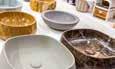






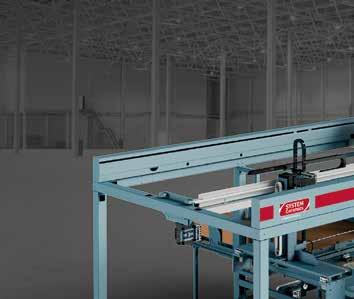
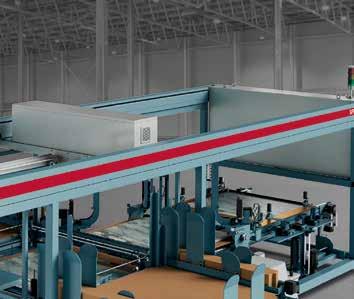



Speedwrap is System Ceramics’ high-speed packaging technology, offering two packaging options within a single solution: Wrap Around for visual control and Tray Mode for enhanced surface protection. A fast and efficient changeover between the two ensures maximum flexibility to meet evolving production needs.

Designed to provide maximum product protection, Speedwrap offers tailored corner and surface coverage, according to specific requirements.
Built to perform, Speedwrap quickly adapts to changing tile sizes and formats, keeping productivity consistently high



Visit