
TheRecyclablePouches:Insightsfor Sustainability
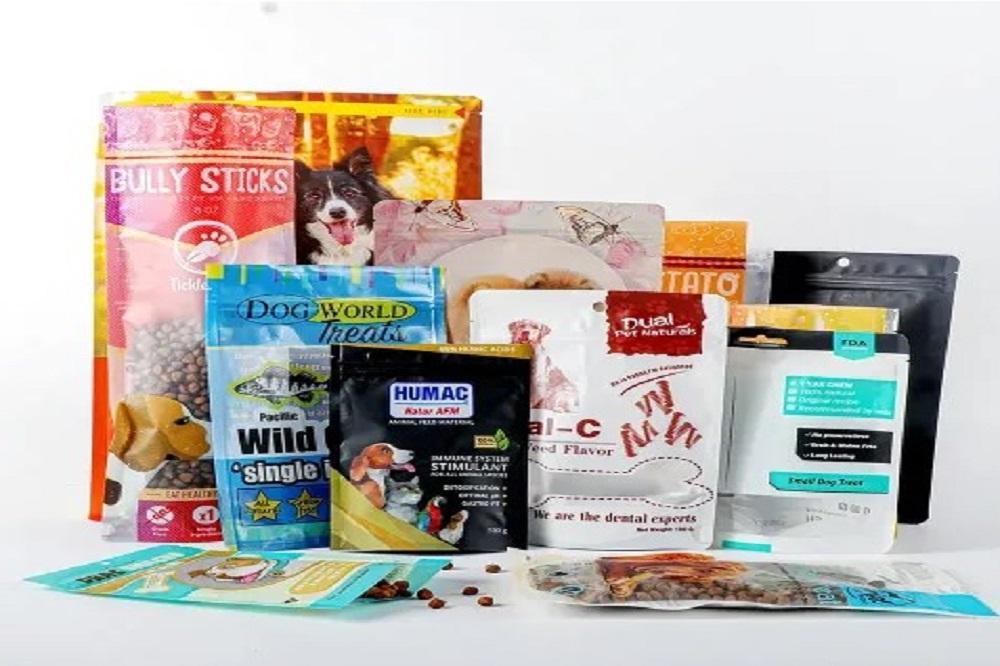
As businesses increasingly shift toward sustainability, many Consumer Packaged Goods (CPG) brands are exploring eco-friendly alternatives, such as recyclable stand-up pouches and roll stock packaging. The rising consumer demand for environmentally-conscious products, combined with growing concerns about packaging waste, has driven many companies to rethink their packaging solutions. If you're part of a brand considering a move to recyclable stand up pouches, this guide will help you understand why this change is not only beneficial for the planet but also a strategic move for your business.
The good news is that if you’re already using flexible packaging, you're already on the right track. Flexible packaging is widely recognized as one of the more environmentally friendly options, offering significant benefits in terms of resource efficiency, waste reduction, and carbon footprint. Let’s explore why recyclable pouches are becoming an essential part of the sustainability conversation
Why Recyclable Pouches Are Gaining Popularity
The demand for recyclable films and pouches has been growing as both consumer pressure and regulatory measures push for more sustainable packaging options. The packaging industry is responding by prioritizing the development of recyclable materials. Many global companies, including industry
giants like Unilever, Nestlé, Mars, and PepsiCo, have committed to adopting 100% recyclable, reusable, or compostable packaging by 2025. Coca-Cola is also making strides by supporting recycling infrastructure in the U.S. and promoting consumer education about recycling.
As consumer awareness grows, people are increasingly inclined to support brands that prioritize sustainability. According to research from Mintel, over 50% of U.S. food shoppers prefer products with minimal or no packaging, driven by the desire to reduce waste. Furthermore, a global survey by Nielsen found that 38% of consumers are willing to pay more for products made with sustainable materials, while 30% would pay a premium for products with socially responsible claims. This shift presents a unique opportunity for brands to align their products with these evolving consumer values.
Challenges and Solutions in Recycling Flexible Packaging
While recyclable pouches are an important step forward, there are challenges to overcome in making them widely recyclable. Flexible packaging, especially plastic films, can be difficult to recycle. Most curbside recycling systems are not equipped to handle plastic films, meaning that consumers often need to take them to designated drop-off locations, such as grocery stores or retail collection points. This creates an obstacle to widespread adoption of recycling practices, as many consumers are unaware of where and how to recycle flexible packaging.
The good news is that progress is being made in improving recycling infrastructure and educating consumers. Websites like Bowepack and PlasticFilmRecycling.org are helping consumers find the nearest recycling drop-off points, and they provide valuable information on which types of packaging can be recycled and how to properly dispose of them. As more brands transition to recyclable pouches, they can help facilitate this process by directing customers to these resources.
The Importance of Proper Labeling
Educating consumers on how to properly recycle packaging is a crucial part of the process. Proper labeling on recyclable pouches can make a significant difference in encouraging correct disposal practices. By incorporating clear recycling labels on packaging, brands can guide consumers on how to dispose of their pouches responsibly.
Icons like the Bowepack symbol or other recognizable recycling logos indicate the proper disposal method, such as rinsing out the pouch or ensuring that specific components are recyclable. This type of clear, actionable information helps remove the guesswork for consumers and improves recycling rates. Furthermore, educating consumers through packaging labels enhances brand transparency and positions your company as a responsible, environmentally-conscious brand.
Current Materials for Recyclable Pouches
Flexible packaging has traditionally been made from multiple layers of materials that are difficult to separate for recycling. However, recent innovations are making it easier to produce recyclable pouches. For instance, some manufacturers are eliminating non-recyclable layers, such as foil and PET, in favor of more eco-friendly materials. Today, there are recyclable pouches made from PE-PE films, EVOH films, post-consumer recycled (PCR) resins, and even compostable films.
To further enhance sustainability, many brands are opting for solvent less lamination, which eliminates the need for harmful chemicals in the production process. In addition, using eco-friendly, water-based inks for printing on recyclable pouches ensure that your packaging remains environmentally responsible without compromising on quality or performance. These inks not only reduce environmental impact but also align with the growing demand for sustainable packaging solutions.
Partnering with Sustainable Packaging Providers
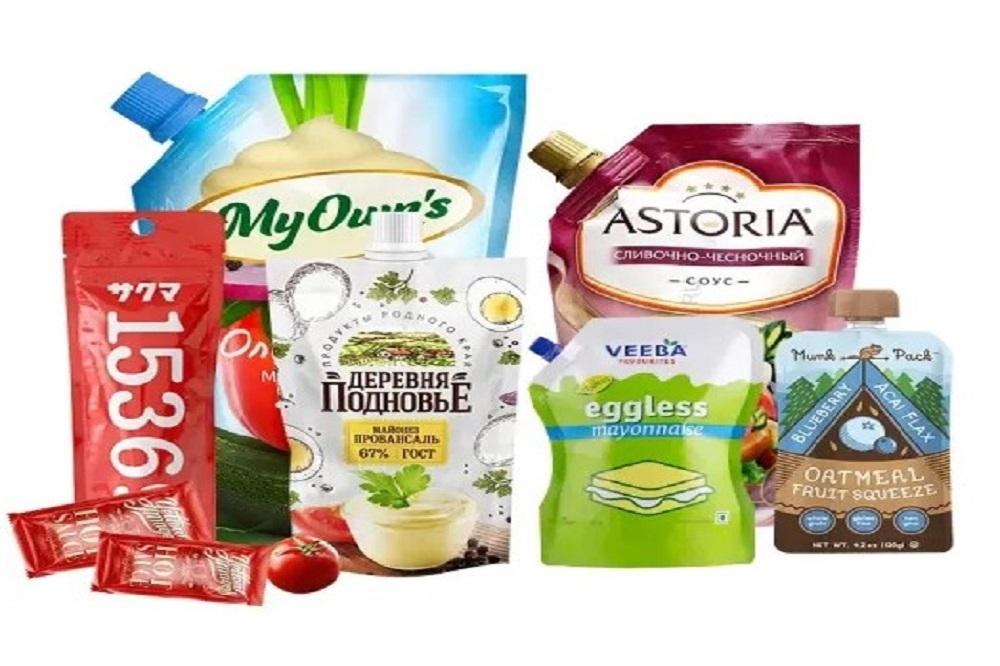
As the demand for recyclable packaging increases, it is essential for brands to partner with packaging providers who offer sustainable solutions. Companies like ePac are leading the way by offering 100% recyclable PE-PE high barrier films and pouches, which are approved for "How to Recycle" drop-off programs. These solutions, combined with solvent less lamination and water-based inks, significantly reduce volatile organic compound (VOC) emissions and minimize waste, contributing to a cleaner, and more sustainable production process.
When selecting a packaging supplier, look for one that offers a comprehensive approach to sustainability, including recyclable materials, eco-friendly inks, and responsible manufacturing processes. Collaborating with a company committed to reducing environmental impact will help ensure that your brand’s packaging aligns with your sustainability goals. Get more info about custom flexible packaging factory
The Path Forward
Transitioning to recyclable pouches is a significant step in reducing the environmental footprint of your packaging. However, it is important to recognize that this shift requires a coordinated effort between manufacturers, retailers, and consumers. As more brands commit to using recyclable materials and as recycling infrastructure improve, the recycling of flexible packaging will become more widespread and efficient.
By embracing recyclable pouches, your brand not only meets consumer demand for more sustainable products but also takes an active role in reducing packaging waste and promoting a circular economy. With the right materials, proper labeling, and partnerships with eco-conscious suppliers, recyclable pouches can be a key driver of both your business’s sustainability efforts and the global push for a greener future.
In conclusion, recyclable pouches offer a viable, sustainable alternative to traditional packaging, providing numerous benefits for both your business and the environment. As consumer expectations shift toward more eco-friendly options, adopting recyclable packaging can help your brand stay ahead of the curve while contributing to the fight against packaging waste.