RecyclablePackagingPouch-Guideto Eco-Friendly
Packaging
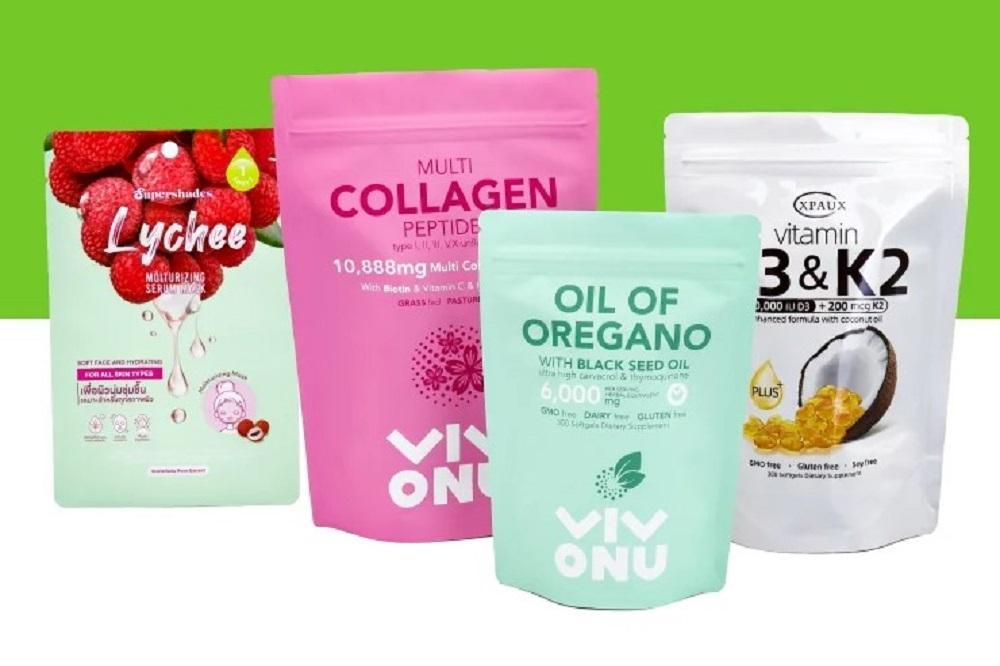
Stand-up pouches have become a preferred packaging solution for a wide variety of products, such as snacks, beverages, pet food, and personal care items. Their convenience, shelf appeal, and ability to stand upright on store shelves make them an attractive choice for businesses. However, as consumers become more environmentally conscious, many are asking whether stand-up pouches are recyclable. The question of recyclability has become increasingly important as consumers push for more sustainable packaging options. This guide will explore the recyclability of stand-up pouches; the challenges associated with recycling them, and introduce eco-friendly alternatives, such as recyclable and compostable honeycomb stand-up pouches.
A recyclable packaging pouch is a flexible packaging solution designed to stand upright on shelves. This unique feature makes the pouch ideal for display, ensuring that it remains stable and easily visible to customers. The bottom of the pouch has a gusset, which expands when the pouch is filled, giving it a solid base. Many stand-up pouches also include resalable closures, which help keep the product fresh for a longer time. These pouches are versatile and can be customized to fit a variety of product shapes, making them highly adaptable for different businesses looking to improve their packaging design. Standup pouches are lightweight, offer excellent barrier properties, and provide protection against moisture, oxygen, and contaminants, making them an ideal choice for packaging products that need to be kept fresh or have a long shelf life.
Stand-up pouches are made from a range of materials, depending on the nature of the product inside and the storage requirements. Common materials include Linear Low-Density Polyethylene (LLDPE), which is FDA-approved for food contact and offers strength and flexibility. Aluminum foil is often used in spouted pouches for its ability to provide an impermeable barrier to moisture and oxygen. Polypropylene (PP) is another common material that is recyclable, lightweight, and moisture-resistant. Some stand-up pouches also incorporate Kraft paper, a more eco-friendly material often combined with other materials to improve the pouch's barrier properties. Biodegradable Polylactic Acid (PLA) is another option, as it is a bioplastic material used for certain stand-up pouches.
The recyclability of stand-up pouches depends largely on the materials used in their construction. While some stand-up pouches are recyclable, others are not due to the complexity of their design. Many stand-up pouches are made from multiple layers of materials, such as plastic films, foil, and paper. These layers are laminated together to improve the strength and barrier properties of the pouch. While this multi-layer construction protects the contents effectively, it makes the pouch more challenging to recycle. Recycling facilities often struggle to process multi-layered materials, as separating the different components requires specialized equipment that may not be available at all recycling centers.
In addition to multi-layer construction, many stand-up pouches include added features such as zippers, spouts, or valves. These components are typically made from different materials that are not accepted by most curbside recycling programs. If these components are not removed before recycling, they can complicate the recycling process and make it harder to process the entire pouch. Some pouches also have barrier coatings made from materials like EVOH (ethylene vinyl alcohol), which helps protect the contents from oxygen and moisture but can also hinder recycling. These coatings can pollute the recycling stream and make it more difficult for the pouch to be processed effectively.
While many stand-up pouches present challenges for recycling, some types are easier to recycle. Monomaterial pouches, made from a single material such as polyethylene (PE) or polypropylene (PP), are more straightforward to recycle. These pouches don’t require the separation of multiple materials and can be processed in standard recycling facilities that accept these materials. Some stand-up pouches are also coated with EVOH, which provides a strong barrier while still allowing for easier recycling than multi-layer pouches that contain foil or other materials. Stand-up pouches made from Kraft paper can also be recyclable, though they are not biodegradable due to the laminated layers that prevent air and light from reaching the paper. These pouches may be able to be recycled, but their biodegradability is limited in landfills.
Despite the potential for recycling, it’s important to note that most stand-up pouches are not accepted by curbside recycling programs. The complexity of processing multi-layer materials and additional components such as zippers and spouts makes it difficult for many recycling facilities to handle these pouches. However, the growing demand for sustainable packaging solutions has led to the development of new alternatives that aim to address these challenges. One such alternative is the honeycomb standup pouch, which offers an eco-friendly solution without compromising on the protective qualities of traditional pouches. Get more info about custom food packaging manufacturer.
The honeycomb stand-up pouch is a sustainable packaging option made from a honeycomb padded mailer structure. It features a layer of stretched honeycomb paper sandwiched between two layers of Kraft paper. This construction provides strength and durability, ensuring that the product inside remains well-protected. The honeycomb stand-up pouch is 100% compostable and recyclable, making it an ideal solution for businesses looking to reduce their environmental impact. The honeycomb structure is also designed to be lightweight, which helps minimize transportation costs and energy consumption.
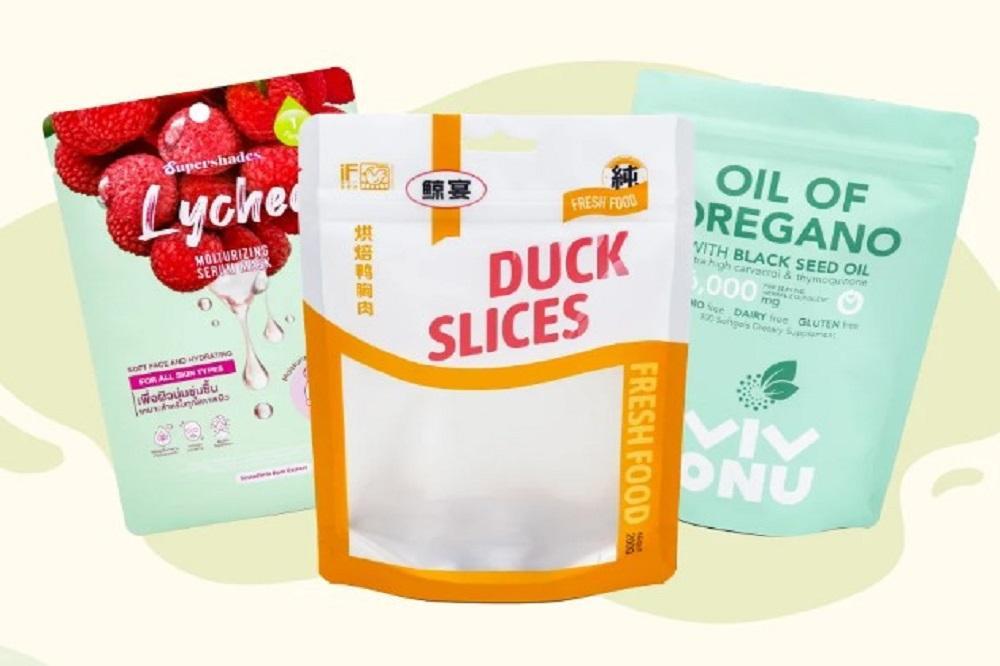
As more businesses seek to reduce their environmental footprint, the demand for sustainable packaging alternatives continues to rise. Many companies are turning to recyclable and compostable stand-up pouches, including those made from eco-friendly materials like Kraft paper and biodegradable PLA. By opting for these alternatives, businesses can not only reduce packaging waste but also cater to the growing consumer demand for eco-friendly products.
In conclusion, while stand-up pouches offer numerous benefits in terms of convenience, shelf appeal, and product protection, their recyclability depends largely on the materials used in their construction. Multi-layer pouches and those with additional components like zippers or spouts can be challenging to recycle, but alternatives like mono-material pouches, EVOH-coated pouches, and honeycomb stand-up pouches offer more sustainable options. As consumer awareness of environmental issues continues to grow, businesses that adopt eco-friendly packaging solutions will be better positioned to meet the demands of a more environmentally-conscious market. By choosing recyclable and compostable packaging, companies can play a crucial role in reducing waste and promoting sustainability while still delivering high-quality products.