

Naturally connected
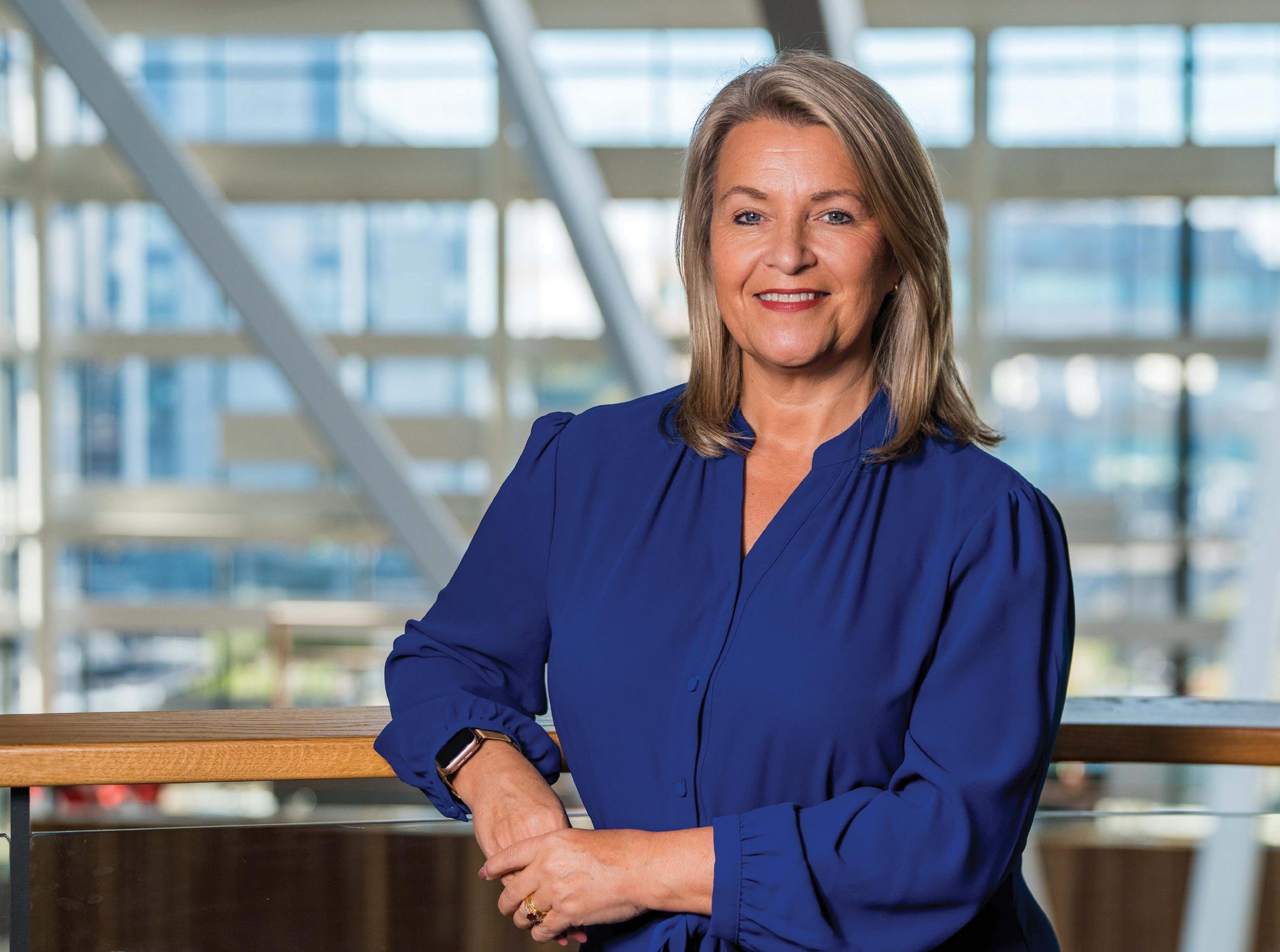
Professor Alison Honour, Vice-Chancellor and Chief
Executive
Welcome to our new regular round-up of the latest news from Bournemouth University (BU). We have designed this to provide you, as a valued stakeholder, with the latest university stories and updates, as well as opportunities to collaborate for mutual benefit.
In January, we launched BU2035, our new 10-year strategy and you can read more about this on page three. Central to this is the ambition to be more outward-looking and fulfil our role as an important anchor Higher Education institution in the regionwhilst bringing Bournemouth to the world.
Our location and partnerships will play an essential part in our efforts to strengthen communities, support regional and global prosperity, and create opportunities for our students. We are excited to
Officer
work with partners, organisations, policy makers and graduates, whether locally, nationally or on an international level, to harness communities’ strengths and talents for the benefit of all.
We will also be sharing with you our staff and students’ latest successes, revealing some of the things which Dorset and beyond can be proud of.
We really value our role as a part of the wider community we belong to, and I hope these updates will help you to get to know us a little more, as we work together with you for our mutual benefit. If there is other content which you would like us to include in future editions, please do get in touch.
Best wishes Professor Alison Honour
Celebrate with us
We ended 2025 on a high note, having risen five places in the People & Planet University League to be ranked sixth out of 147 UK universities. This underlines our commitment to be a sustainable university, to have a positive impact on the environment, and our region, and to contribute to inclusivity in our locality and beyond. Our latest report on progress towards our net zero emissions vision is now available on our website.
The Office for Students (OfS) has confirmed funding of nearly £2.3m to enable us to develop a new Cyber Competence Centre that will address skills gaps in this area. As well as upgrading our existing facilities, the investment will help launch an AI-powered Security Operations Centre of the Future where students can learn how to detect and respond to realistic cyber threats. These are crucial skills, which we hope to bring into the region.
We have also received a grant of approximately £2.8 million from the Office for Students and the MoD, as part of a competitive process, to introduce two new courses supporting the development of specialist skills to address the UK’s rapidly evolving national security and defence technology threats
It was a real pleasure to host one of the recent evidence sessions on health education and training, which have formed part of a national inquiry into the issue. The inquiry is focusing on the NHS 10-year plan, and long-term workforce plan, to understand how health education can align to
NHS needs to support workforce delivery for the long-term. We were pleased to join with partners in the region for this event, to understand our own skills needs locally too.
We are also playing our part in work to improve the reliability of AI. Supported through EU funding, the BU team will lead research into how AI agents (an AI system that can analyse data and make decisions) can continuously learn and improve, as well as how they plan, reason, and make trustworthy decisions. This work will help ensure that the AI agents are not only powerful, but also reliable and safe to use in real-world applications.
Within the field of heritage, we’ve been celebrating the awarding of protected status by Historic England for an ‘exceptionally rare’ shipwreck off the Dorset coast, following surveying and identification by maritime archaeologists at BU. This rare vessel provides valuable insight into the role these craft played in our maritime and industrial history, as well as the history of Dorset. BU staff also identified the timbers of a seventeenth century ship recently uncovered at Studland Bay.
Our PRIDE Network was shortlisted for a Rainbow Honour, which celebrates inspiring and extraordinary people and groups whose efforts significantly advance inclusion and equality for the LGBTQIA+ community. The group has been recognised for its work to create a more inclusive and supportive environment at BU.
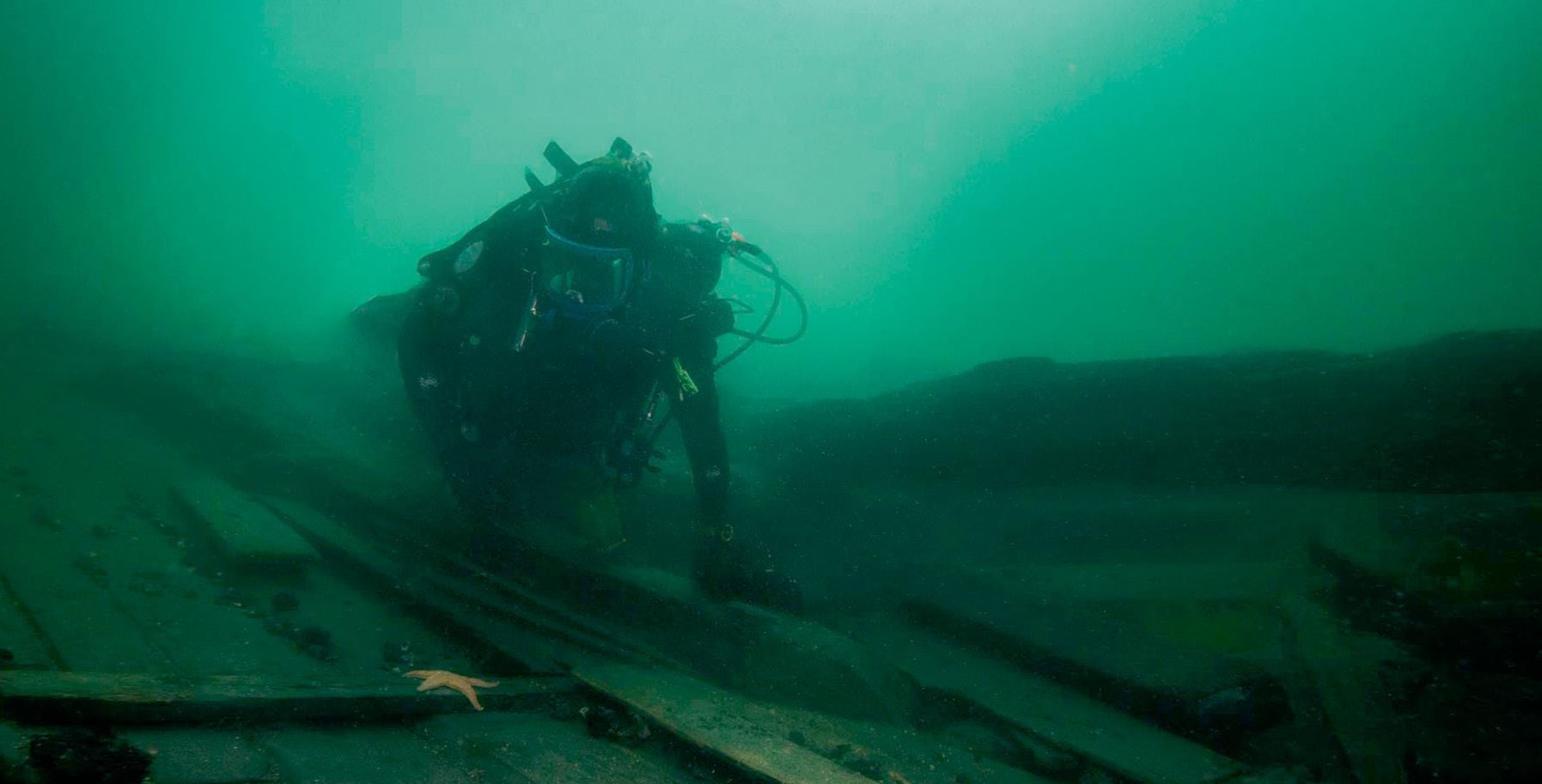
Within the field of heritage, we’ve been celebrating the awarding of protected status by Historic England for an ‘exceptionally rare’ shipwreck off the Dorset coast,
Our 10-year strategy
2025 was a year of change for BU, as we concluded our last strategic plan and set our new strategy – defining the next decade of life at BU.
BU2035 is the perfect blend of our history and heritage – remembering who we are – and the bold and exciting future we want to help shape. Our vision is to be a vibrant educational community, creating solutions to real-world challenges and shaping the future of our society and economy. It is our hope that those who feel the benefit of this vision most are our own communities, as we see education and skills shape our own landscape, and as we solve everyday challenges affecting our own regions, partners, businesses and connections.
The strategy has been inspired by our motto –Discere Mutari Est – To Learn is to Change. This motto has been at the heart of our university and will remain so, as we continue to evolve our ways of working and lead change for our community and our region.
The strategy is based of five key pillars; learning for a digital world; research and innovation; people and culture; financial sustainability; and place and partnership.
It is the latter which will drive interaction with all our partners and external stakeholders. As we fulfil our role locally and globally to benefit our region and beyond, we are looking forward to working in
partnership with you to develop knowledge, deliver skills, and have a positive impact for all. We want to use our location and partnerships to strengthen communities, support regional and global prosperity, and create opportunities for our students. It is our firm belief that a region should be better because of the efforts of the large organisations within it; and we want this to be true for the role we play in Bournemouth and Dorset. That is partly what this newsletter is about, helping to drive conversations and show that the work we’re doing is making a difference to the place we’re based in, and the people who live here.
Our ambition also extends globally, as we take Bournemouth to the world, and bring the world to Bournemouth. We want to help put our region on the map globally, and make sure we’re learning from the best the world has to offer too.
These are bold ambitions, which is why we have given ourselves time to achieve it. But we truly believe that we can and, in order to do so, we’ll need your help in partnership too. If you have an idea, a challenge or a skills gap that could benefit from BU support, please do get in touch with us at business@bournemouth.ac.uk.
To find out more about BU2035, and all we have planned, visit www.bournemouth.ac.uk/about/ bu2035-learn-change.

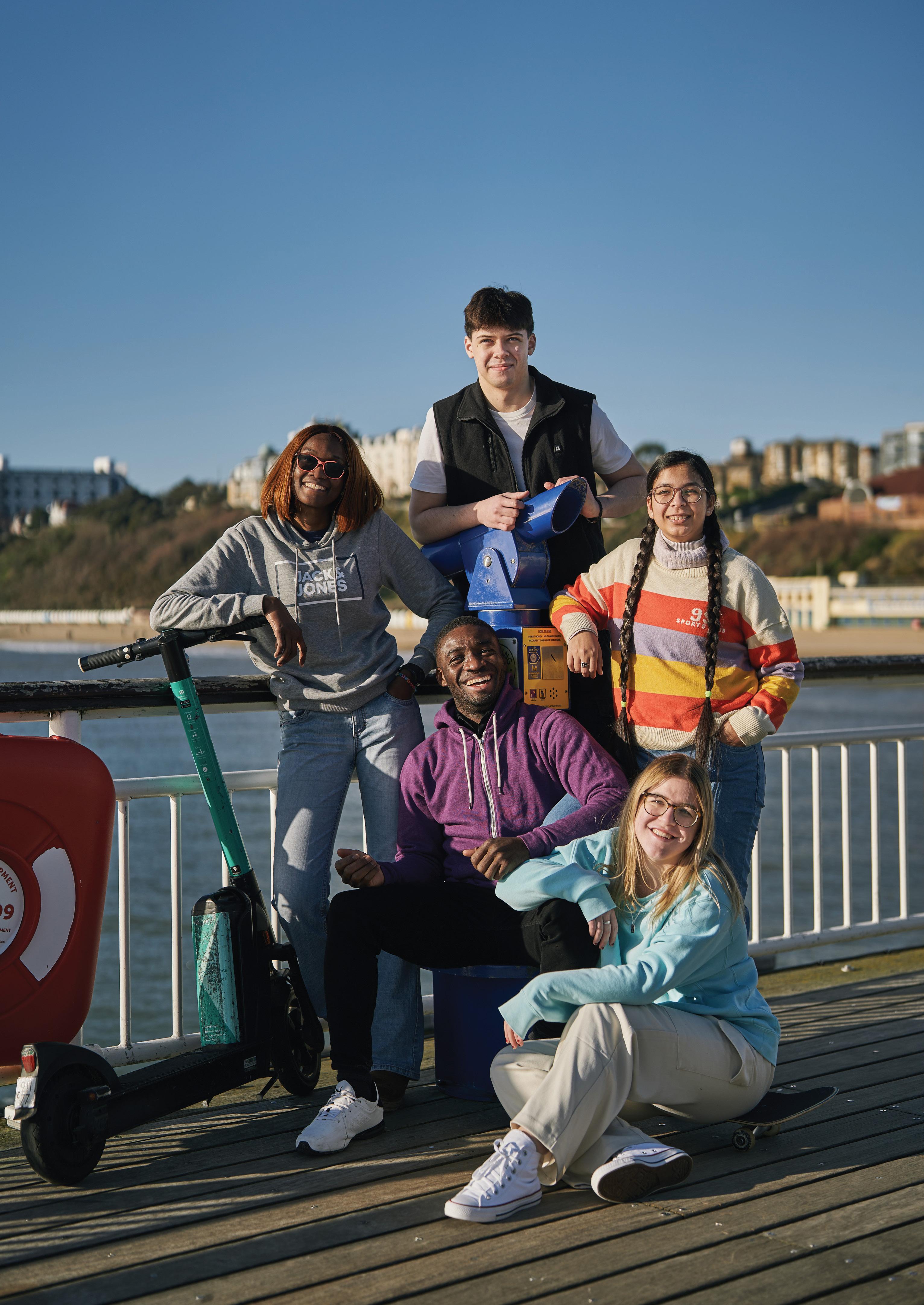
Our vision is to be a vibrant educational community, creating solutions to real-world challenges and shaping the future of our society and economy.
Learning in action
We are very proud of the work our students do while studying at BU, whether through real-world projects, placements or volunteering, and we delight in seeing our graduates go on to success in their chosen fields.
It has been fantastic to see the recent success of some of graduates within the creative industries. Edward Ferrysienanda and Nathan McConnel won an Annie 2026 award, which celebrates excellence in animation, as part of the team at Framestore. Josh Bainbridge and Nathan Walster were recognised by the Academy of Motion Pictures Arts and Sciences with a Scientific and Technical Award for their innovative contribution to film, and we were elated when Fernando Morillo and Stephen Cullingford were recognised in March due to their contributions to two winning films in this year’s Oscars
Together, our students, graduates and partners will turn ideas into impact, with a shared commitment to accelerate solutions that matter to the communities we serve locally and globally. Our journalism students benefit from the partnership with AFC Bournemouth, through the opportunity to work in the press box on match days, alongside established journalists.


For the second year, JP Morgan is running two 10-week courses for BU students focussed on software engineering and team leadership in the finance industry. The programme simulates real-world software engineering practice and has benefited over 100 students across all levels, culminating in an expo at JP Morgan. Students learn to apply industry-standard tools to realworld problems, presenting their final projects to JP Morgan experts and leaders.
Helping to shed light on endometriosis, Amelia Warren discovered that certain genetic differences, passed down from ancient human ancestors, and exposure to common present-day chemicals could explain why some women are more likely to develop the debilitating condition. Amelia led the study as part of her Master’s degree.
Students gained hands-on experience across all aspects of event management and enjoyed the chance to share research, lived experiences and creative ideas in front of a full house at the TEDx talk held at BU in February. Organised by Jeffery Ononiwu, Vice-President Opportunities at the Students’ Union at Bournemouth University, the event provided students with a globally-recognised stage to demonstrate what they are capable of.
Staff impact through research
BU research has helped to rewrite history books, advance knowledge and support business and we’ll use this page to bring you a snapshot of some the latest research coming out of BU.
From gambling, autism and team building, to chatbots and sugary drinks, BU’s recent research has been making an impact.
Dr Reece Bush-Evans has identified two types of narcissism, each of which can impact the morale and performance of a team in different ways. These insights are relevant not just for social settings, but for modern workplaces, especially in face-to-face, online and hybrid teams. Dr Bush-Evans has also shown how some LGBTQIA+ individuals face persistent barriers to gambling-related support that are rooted in systemic exclusion. These findings highlight the need for more inclusive and culturally-competent gambling support, along with closer collaboration with LGBTQIA+ communities to ensure services are accessible, affirming, and responsible to diverse needs.
BU researchers, led by Dr Rachel Moseley, have called for a radical change in the way society understands suicide and mental illness in autistic people, after their study showed that autistic people are three to five times more likely to die by suicide. Historically, suicide has been attributed to mental illness, which has often been seen as an inevitable consequence of and an inherent part of autism.
Dr Moseley’s research has revealed the need to look at and assess the underlying societal contributions to suicide by autistic people, including missed diagnosis and educational systems that fail to support special educational needs (SEN) pupils.
Dr Moseley has also investigated the impact of the menopause on autistic people. Her research revealed that not only does autism impact experiences of the menopause, but that the menopause affects the way that these neurodivergent people experience their neurodivergence, to the point that it could become disabling.
This indicates that menopause can be a time of potential crisis for neurodivergent people and a point at which they often struggle to access

help, leading to a call for particular support to be available.
A study led by former Bournemouth University PhD student, Dr Karim Khaled, who now works at Lebanese American University, Beirut, in conjunction with Dr Chloe Casey, showed a link between high levels of sugary drink consumption and anxiety. Anxiety disorders in adolescence have risen sharply in recent years, so the identification of lifestyle habits which can be changed to reduce the continuation of this trend is crucial.
Sadly, however, reducing the amount of sweetness in our diet has no impact on our liking for sweet foods, the results of a new BU trial suggest. Professor Katherine Appleton conducted the study along with researchers in the Netherlands. Based on their results, the team is recommending that public health organisations may need to change their current advice to focus on foods with lower sugar rather than sweet taste, in order to tackle overweight and obesity.
The outcome of a study, led by BU, which surveyed nearly 31,000 adults in 35 countries about their use of Artificial Intelligence (AI) large language models such as ChatGPT, has uncovered that more than four in 10 adults in the UK are happy to use ChatGPT for their mental health support. One quarter of UK adults would also be happy to delegate the role of teaching their children to AI. Dr Ala Yankouskaya and the team concluded that, as the prospect of AI playing a bigger role in people’s lives moves from theory to reality, there needs to be more awareness about how generative AI tools work and their limitations.
You can read about all the latest BU research at www.bournemouth.ac.uk/research

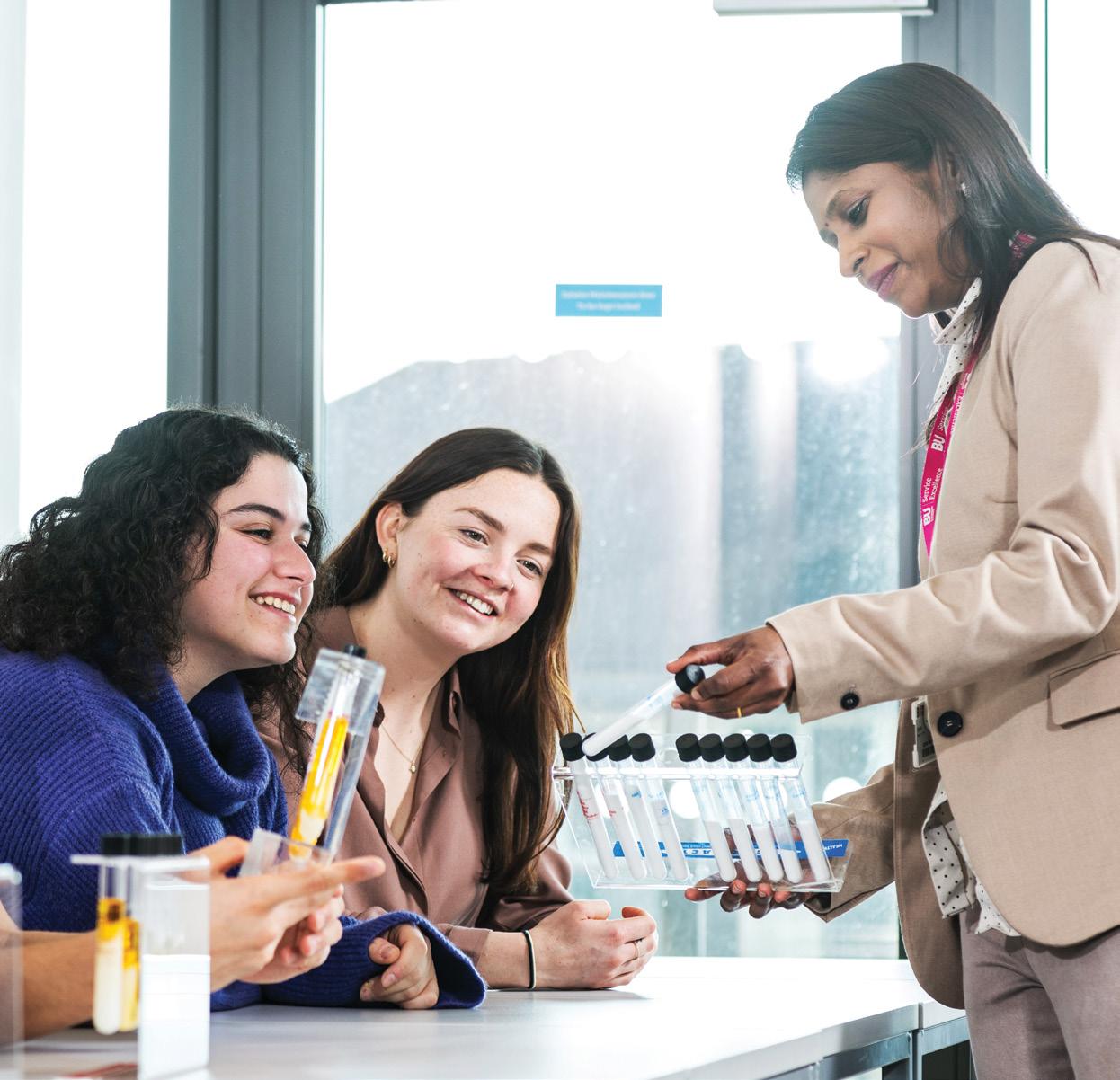

BU driving collaboration through Knowledge Transfer Partnerships
Partnerships work when organisations come together to create solutions to problems, and bring knowledge and expertise to drive innovation.
This approach is at the heart of knowledge transfer partnerships (KTPs) as key links between businesses and academia in turning ideas into impact.
Part funded by Innovate UK, other government co-funders and the participating company, KTP projects apply the world-leading knowledge and expertise of academics to business-critical projects. They work by connecting graduates, academics and businesses together to help drive new innovations and ideas using their academic expertise to help deliver them.
KTPs are not new – in fact they have been in operation across the UK for nearly 50 years, helping businesses of all sizes and across a range of sectors to innovate and grow by leveraging new thinking and research generated by academic and other research focused organisations. Each year, Innovate UK invests £50m into KTPs and there are more than 800 live projects across the UK currently – with each project generating an average of five-pounds for every one-pound of tax-payers’ money invested into the scheme. BU currently has seven KTPs operating with regional businesses to match industry knowledge and understanding with academic capacity.
From global marketing agency to AI pioneer, Bournemouth based Crowd Group is working with colleagues at BU to launch new products and services for their global client-base The company, which works with some of the world’s most recognisable brands, such as Costa Coffee and Nike, has developed an AI platform that converts brand rules into fast, on-brand slides.
The new platform, Consistica, was born out of the frustration that presentations should help teams tell their story, not cost hours fixing fonts, spacing, colours or outdated assets. Most teams rely on manual effort to keep slides consistent, which leads to late nights, formatting errors and the risk of off-brand material reaching clients or leadership.
A product shaped by Innovate UK research Consistica is the result of a Knowledge Transfer Partnership (KTP) between Crowd and BU, funded by Innovate UK. The KTP brought together agency practitioners, AI engineers and academic specialists, allowing Crowd to overcome typical SME barriers, such as access to specialist research and the cost of high-risk R&D.
Over the past year and half, and by leveraging large language models (LLMs), vision language models (VLMs), and image generation technologies, the project has evolved from a proof-of-concept into a deployment-ready product hosted on Microsoft Azure.
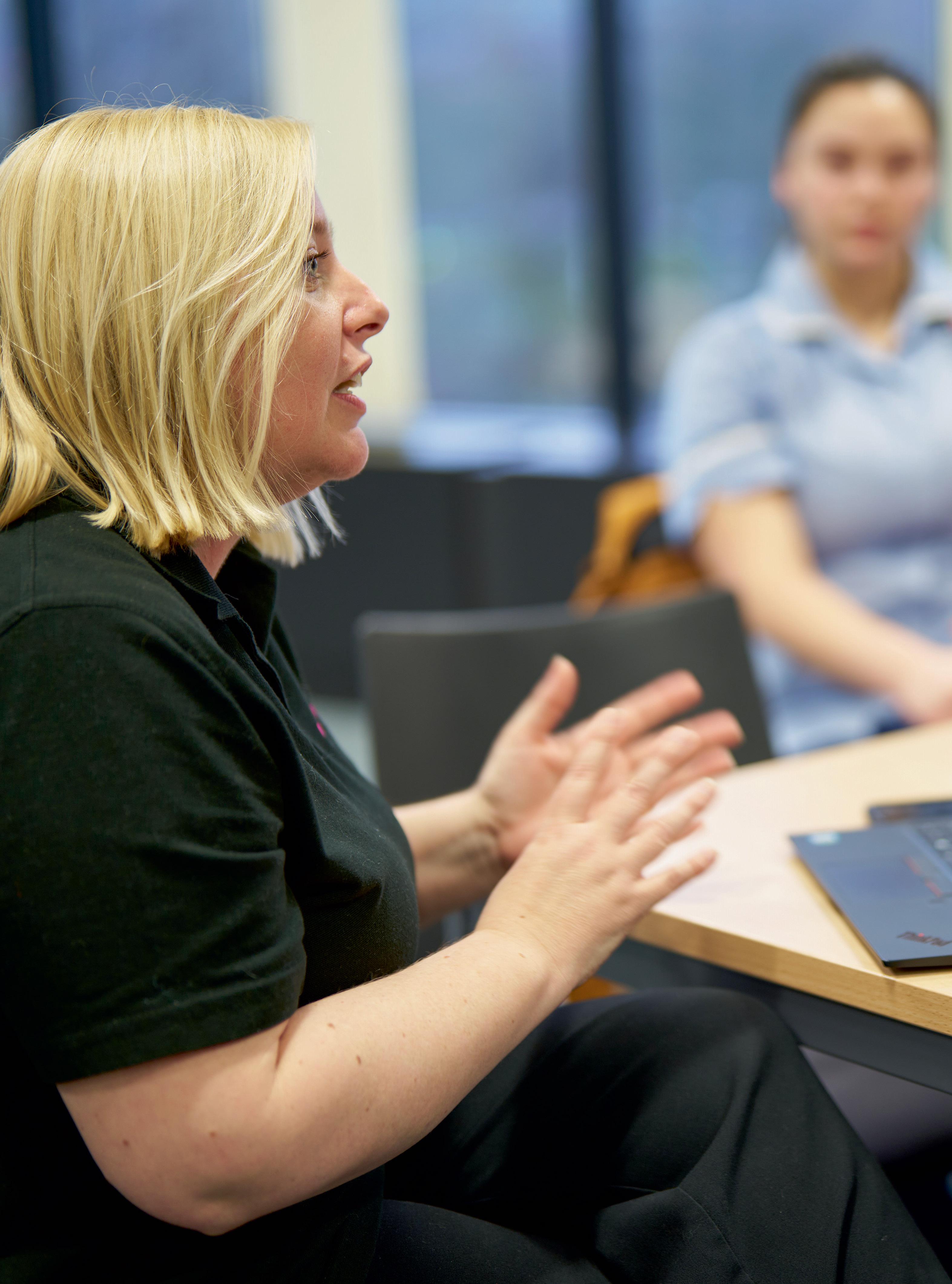
Through the project, the team has been able to prototype, test and strengthen the system to meet the performance, quality and compliance standards expected by large organisations. Notable achievements have included the development of robust pre-processing workflows for client-specific master templates, improved handling of diverse content formats, and enhanced user experiences through features such as realtime slide previews.
Extensive knowledge transfer between the KTP Associate and The Crowd Group team has enabled the integration of advanced AI capabilities into existing workflows, positioning Consistica as a transformative solution for reducing the time and cost associated with manual presentation creation while ensuring brand consistency.
Through the project, the team has been able to prototype, test and strengthen the system to meet the performance, quality and compliance standards expected by large organisations.
Community and collaborationBournemouth and beyond
In February, we held the first in a series of our new Vice-Chancellor’s Leadership Lecture Series, created as a learning opportunity about leadership practice from different sectors.
More than 150 people joined us to hear AFC Bournemouth first team managers, Andoni Iraola and Helen Bleazard, discuss leadership in elite sport. We were so grateful for their openness and honesty in the answers they gave, especially in encouraging our students to develop their own leadership skills. With the series now underway, our next event will focus on leadership in the creative industries and will take place in September, as we continue to explore what it means to develop our own leadership together.
Following several months of intense planning, we have launched of our new joint institute in China. Our partnership with Tianjin University of Technology (TUT) will enable students to study four BU undergraduate degrees from its campus in China. This aligns with the Government’s new international education strategy, which recognises international education partnerships as crucial to achieving the UK’s global engagement ambitions. It is clear higher education is seen as a key export for the UK, with the strategy outlining an ambition to grow UK education exports to £40 billion by 2030. Transnational education (TNE) arrangements, such as this one, will be key to this ambition.
To that end, we are actively pursuing other international partnerships and opportunities, including the Philippines, Sri Lanka and Egypt. Discussions are centred around future collaborations, including on research and staff and student exchanges, as well as TNE developments. We would love to hear more from you, if you have connections in these regions.
Closer to home, the BU Women’s Big Match saw AFC Bournemouth’s women’s team take on Real Bedford at the Vitality Stadium. The game was designated a BU Big Match in celebration of the partnership between BU and the Cherries. We are proud to be the official higher education partner of AFC Bournemouth, and principal partner of the women’s and girls’ teams. BU colleagues were able to enjoy a day supporting their local club, with a few lucky winners of free tickets. Unfortunately, the result was a 2-1 loss for the Cherries, but we’re still proud to cheer on our partners.
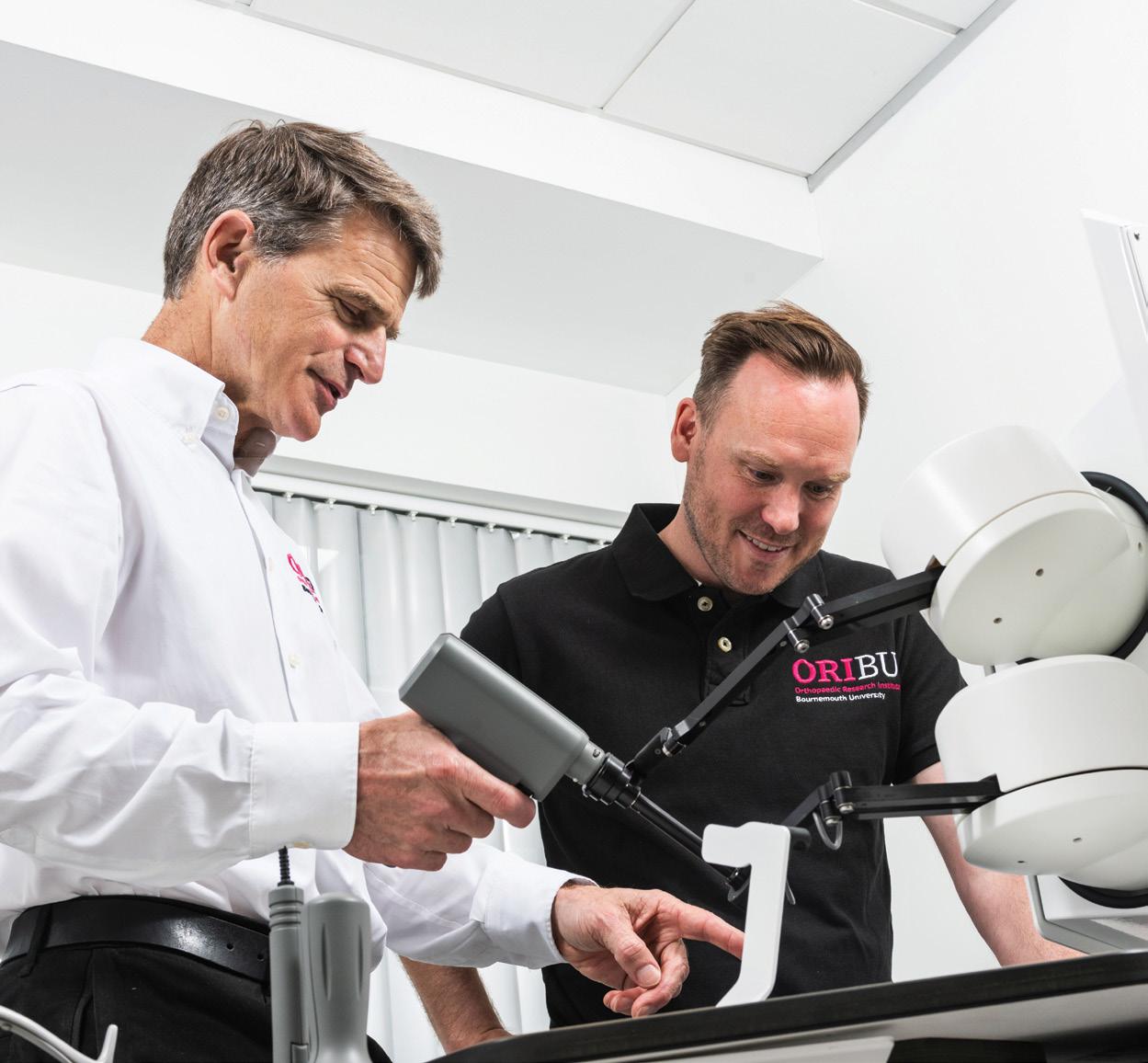
Bournemouth University supported the pitch for investment into innovation across the region, promoting The Talbot Quarter at UKREiiF – the UK’s Real Estate Investment and Infrastructure Forum. Vice-Chancellor Professor Alison Honour joined a panel discussion alongside Professor Rob Middleton of our Orthopaedic Research Institute, Ian Cheung of Talbot Village Trust and leader of BCP Council Millie Earl. The panel shared their vision for the future of Bournemouth, Christchurch and Poole, as a hub for innovation in key industries such as medical technology, robotics, creative and digital, centring on the planned Innovation Quarter, next to the university’s Talbot Campus.

Coming up at BU
There are lots of opportunities to get involved in events coming up at BU. Please get in touch.
22 July Clearing Campus Visit at our Talbot Campus www.bournemouth.ac.uk/ open-days
14, 15 & 17 Clearing Campus Visits August www.bournemouth.ac.uk/ open-days
12 September, Undergraduate Open Days:
3 October & www.bournemouth.ac.uk/ 14 November study/undergraduate/open-days
2 - 6 November Graduation: www.bournemouth.ac.uk/ students/learning/ graduation-ceremonies
17 November Postgraduate Open Evening: www.bournemouth.ac.uk/ events/17-nov-26-postgraduateopen-evening
Contact us
If you are interested in working or collaborating with BU, please visit our dedicated webpages for business and employers or email business@bournemouth.ac.uk
If you are a non-UK education establishment or student recruitment agency wishing to work or collaborate with BU, please email international@bournemouth.ac.uk
If you are looking to promote employment opportunities to BU students or graduates (full-time roles, part-time work or placements), please view our recruitment-focused information on our MyCareerHub site
www.bournemouth.ac.uk Follow us on LinkedIn