2

Celebrating the 32nd Festival of Design & Engineering, this year’s show is themed ‘Ripple Effect’. This theme was chosen to represent the way that Bournemouth University Design & Engineering students are disrupting the industry to make a positive and lasting impact.
After an exciting return to campus last year, we are delighted to welcome visitors back to view our final year students’ projects.
As ever, we expect this year to be a hive of activity. Students running everywhere putting the finishing touches to their stands. Academics excited to see how their protégés will pull it together. A buzz of interest on campus as some of the biggest names in design and engineering look out for the brightest talent of tomorrow.
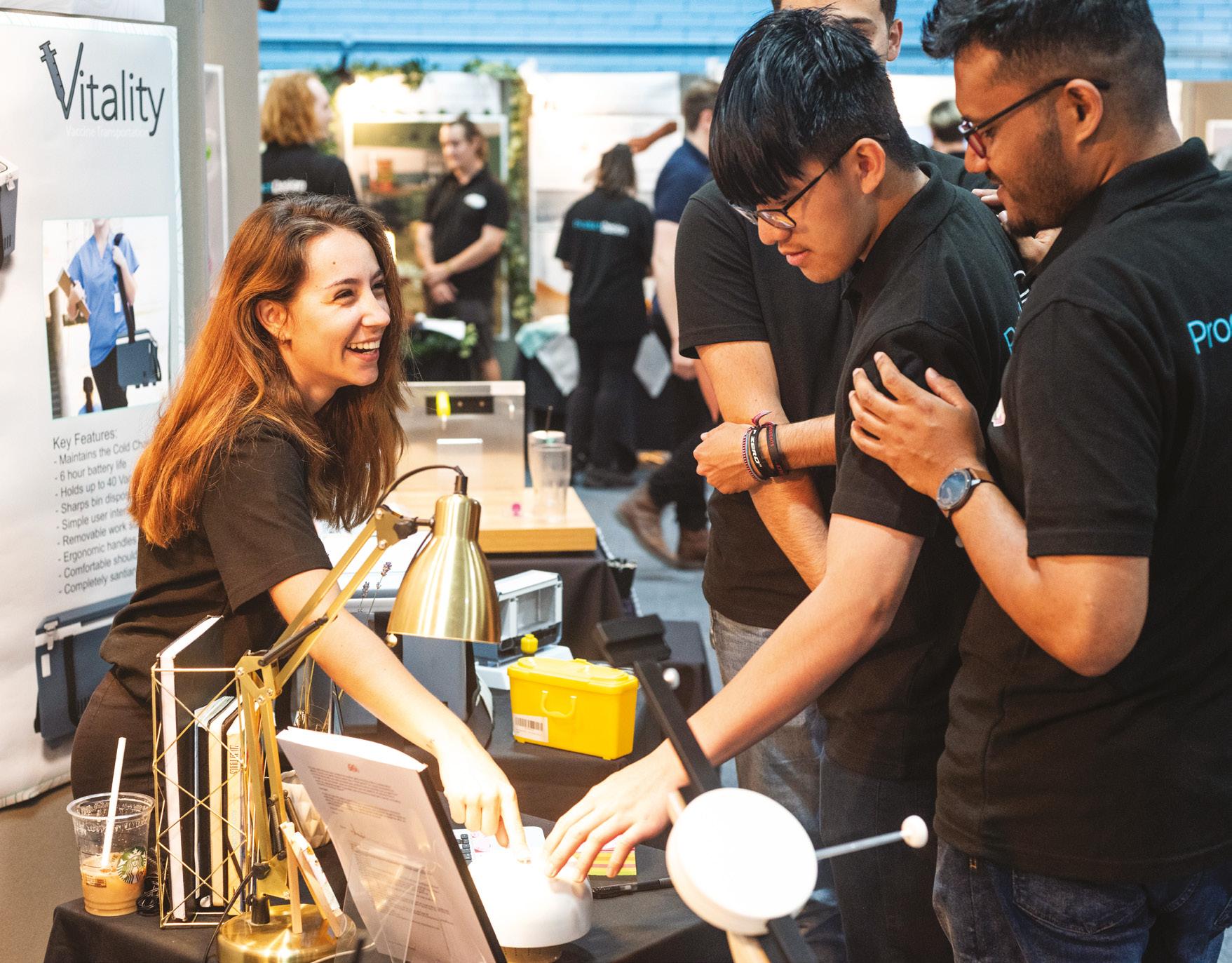
The Festival of Design & Engineering is a celebration of the incredible commitment and ability of our students. The students whose work is contained in this booklet have been working hard to get their projects ready to be exhibited and cannot wait for you to see them in the flesh and to congratulate them in person for their creativity and ingenuity.
The exhibition is a showcase of final year project work, much of which is a direct result of industry collaboration. Many of the projects on display stem from the students’ placements or are linked to BU’s research themes.
From addressing real-life problems relating to health and wellbeing to looking at finding solutions to environmental issues, these projects are the culmination of up to four years of hard work and dedication, all whilst implementing sustainable and environmentally friendly processes.
We hope you enjoy meeting our students and experience for yourself the hard work and creativity that makes BU stand out from the crowd.
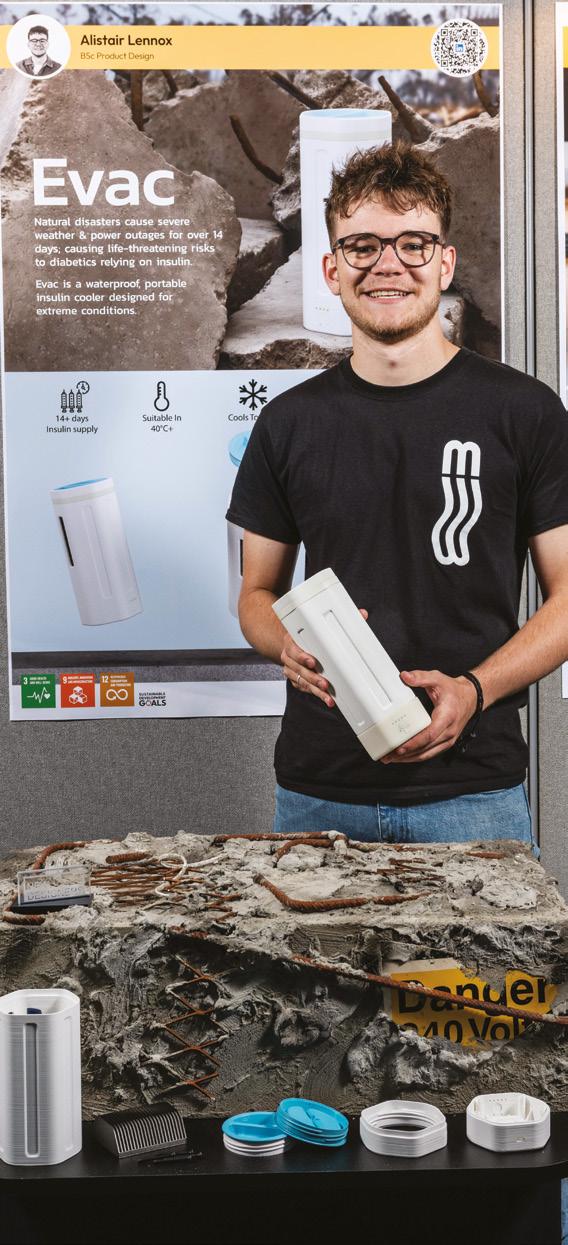
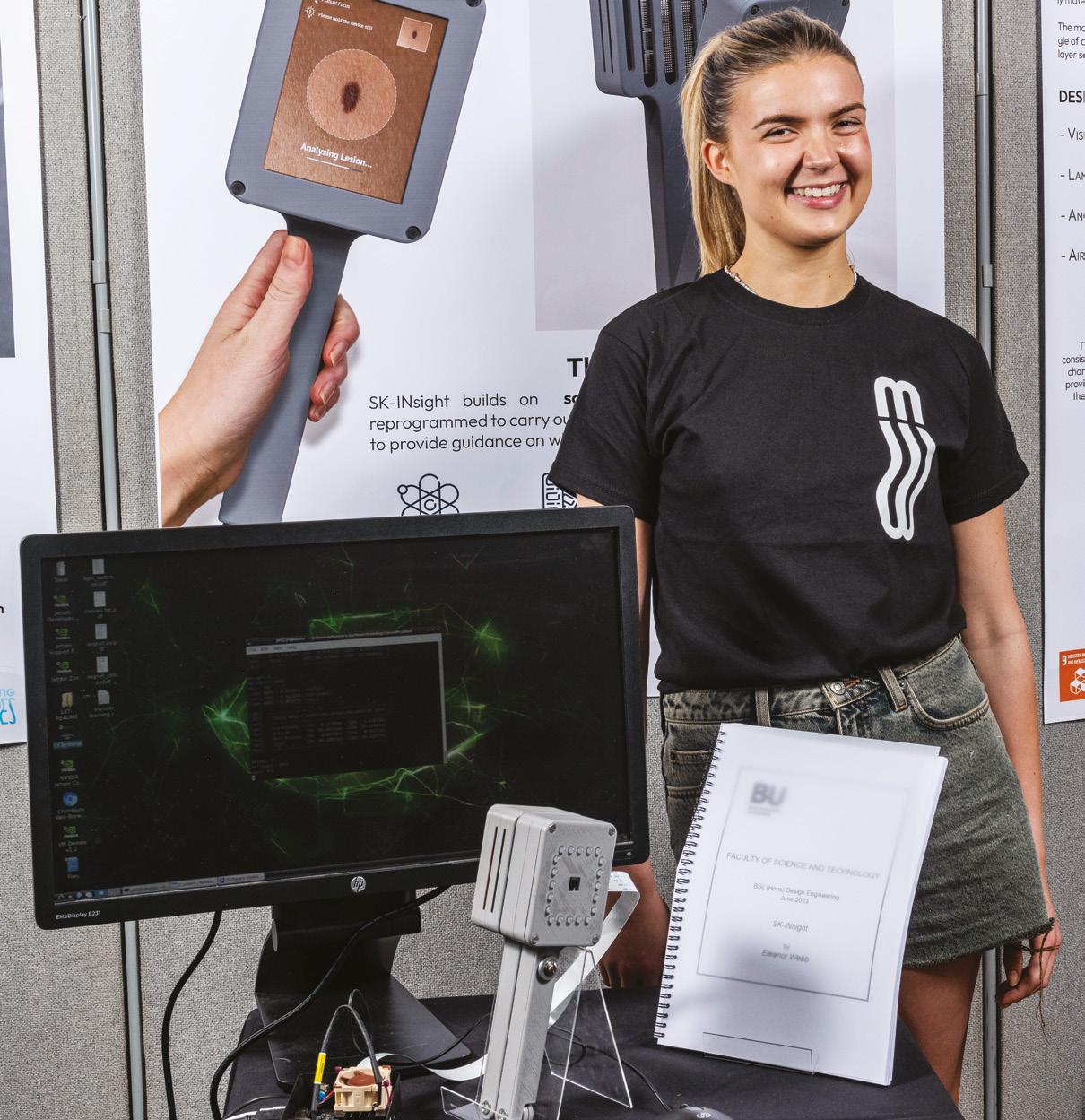
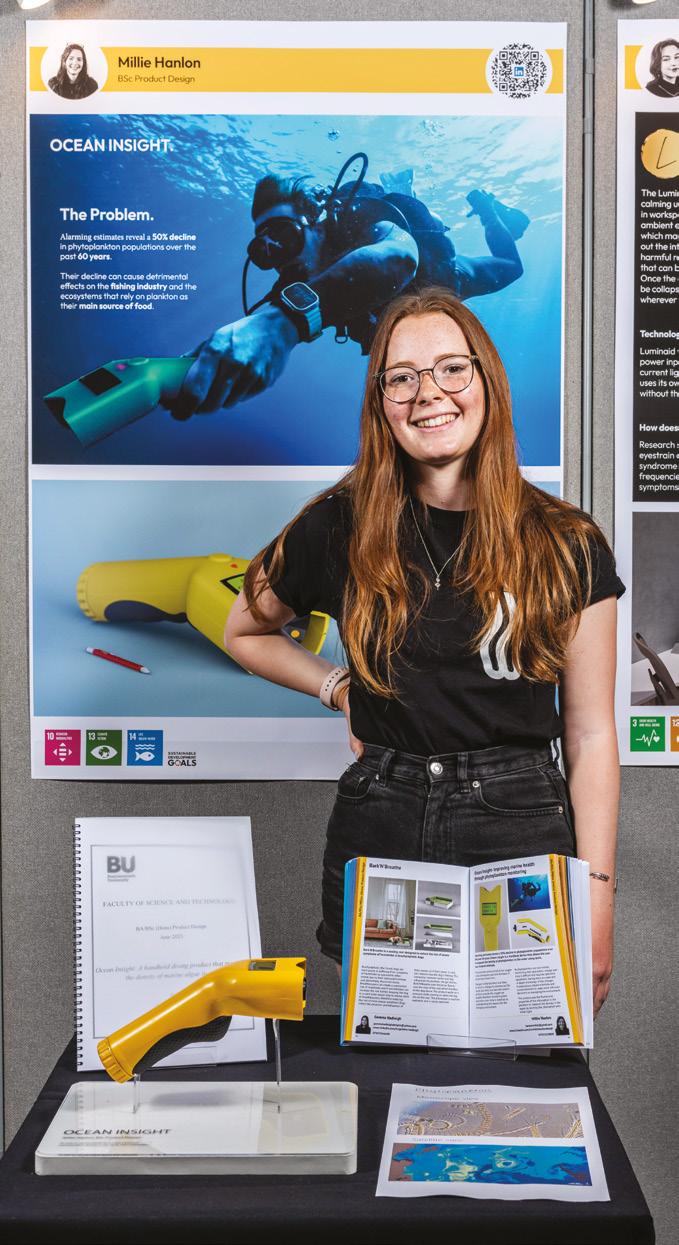
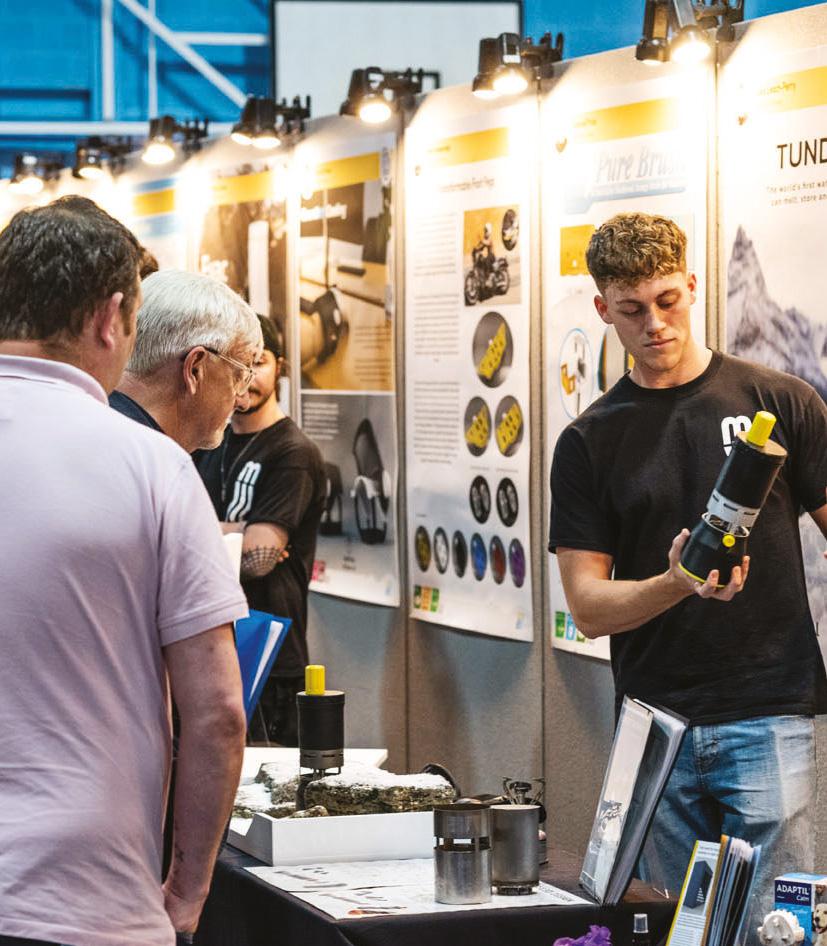
Page 6
BSc (Hons)
Design Engineering
Page 28
BEng/MEng (Hons)
Mechanical Engineering
Page 54
BA/BSc (Hons)
Product Design
Page 102
BA (Hons)
Product Design Futures
Page 108
Opportunities for Engineering students
Student success at New Designers
Page 110
Research & Development
Page 112
Design & Engineering facilities
Page 116
Placements and graduate employment
Master’s study
Alumni mentoring
Page 120
Save the date
Open Day dates




Duration
3 years or 4 years with a 30-week placement
We offer a Foundation Year option for this course
Start date
September
UCAS Code
H100
Entry requirements
104 - 120 tariff points including a minimum of 2 A-levels, or equivalent
BTEC Extended Diploma DMM
Accreditation
Accredited by the Institution of Engineering Designers (IED) and Institution of Mechanical Engineers (IMechE) as meeting the academic requirement, in full, for Incorporated Engineer registration

With access to cutting-edge equipment including 3D scanners and printers, modern manufacturing and technical workshops, and prototyping facilities, you will develop expert technical knowledge, while being encouraged to think creatively about design challenges.
You’ll learn how to use the latest solid modelling, rendering and product simulation tools to create and evaluate your own designs, as well as gaining an in-depth understanding of the engineering principles underlying the product design process. Designed to develop your abilities in this exciting area, the course content integrates technology, arts, market awareness, and the skills needed to use advanced product development tools.

By 2025, Bournemouth University aims to ensure that all its academic programmes incorporate at least one United Nations Sustainable Development Goal (UN SDG), highlighting Bournemouth University’s commitment to global responsibility and sustainability.
The focus on sustainable practices is interwoven across all courses and particularly emphasised in final year projects, where students can showcase their mastery of sustainable design and engineering concepts. Through these comprehensive approaches, Bournemouth University’s programs prepare students to become responsible, forward-thinking professionals who contribute positively to society.
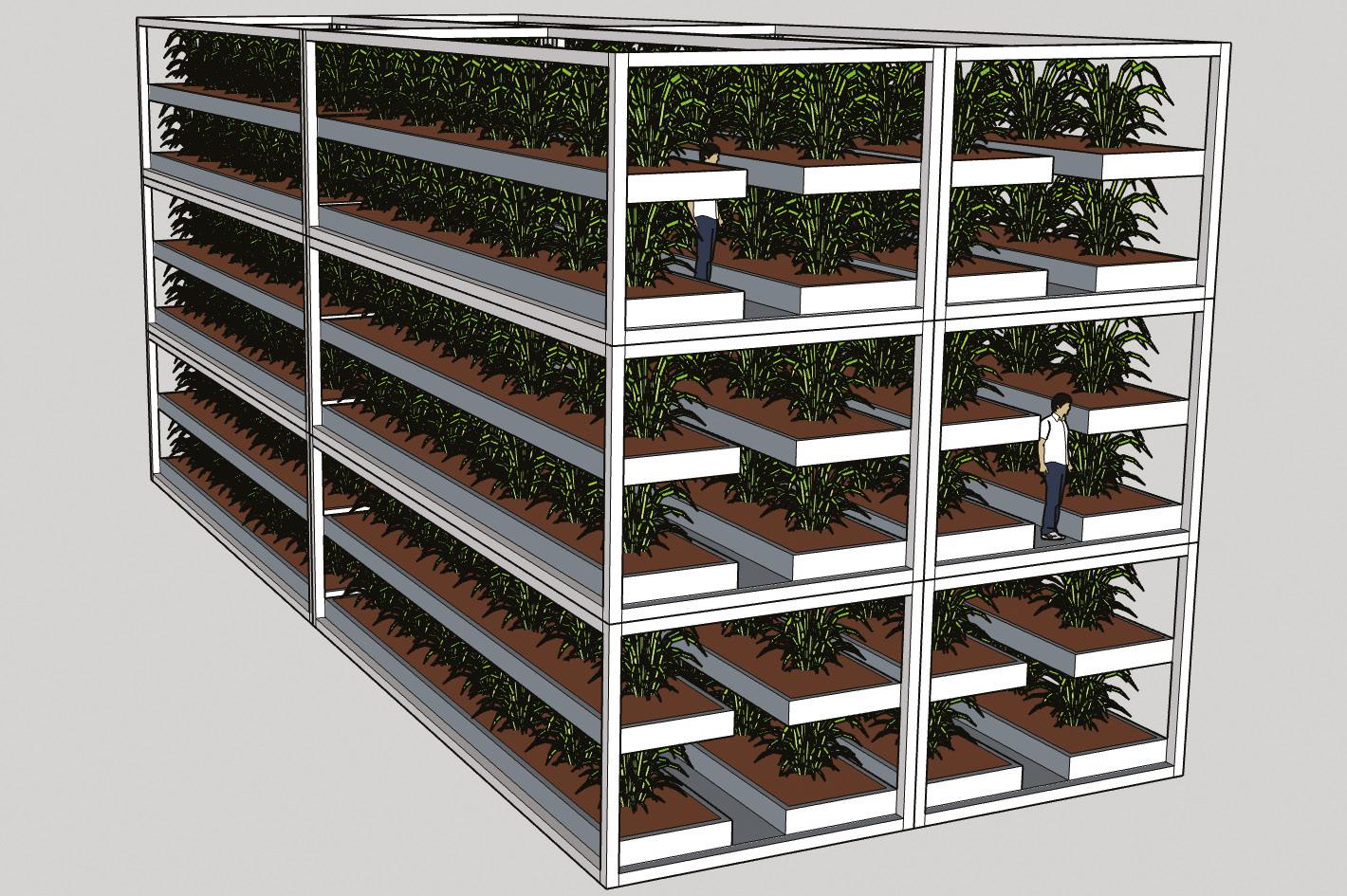
Food self-sufficiency is one of the biggest challenges facing the nation. The UK is only 58% self-sufficient when it comes to food production, relying heavily on imports. Block Farms is a stackable, modular solution to the many obstacles facing the farming industry today.
Block farms are fully climate controlled, automated farms, that aim to solve the problem of food self sufficiency in the UK. They can be stacked vertically and horizontally, dramatically increasing crop yield per square metre of land. Being fully climate controlled, the farms can replicate specific seasons or ideal growing conditions for each stage of a crop’s life cycle, improving yield when compared to the unpredictable UK climate.
 Henry Allan
While other automatic, climate controlled, stackable solutions exist, they often are only capable of farming microgreens and similar plants, doing little to satisfy the hunger of the UK population. Block Farms aims to provide an efficient, automated solution for all crops, growing and harvesting full size plants for processing, and paving the road to UK food self-sufficiency.
heallan14@gmail.com www.linkedin.com/in/heallan14
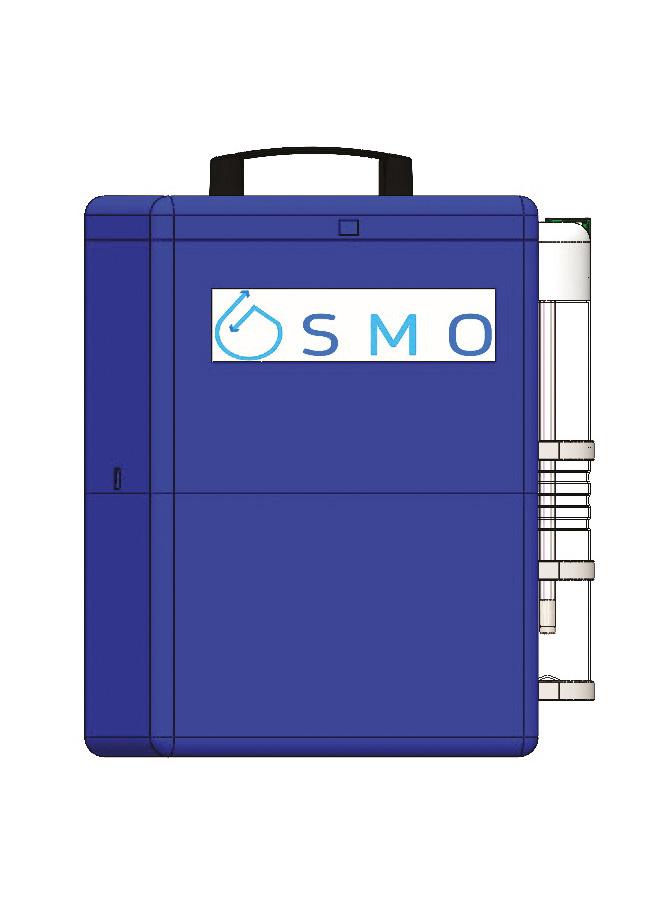
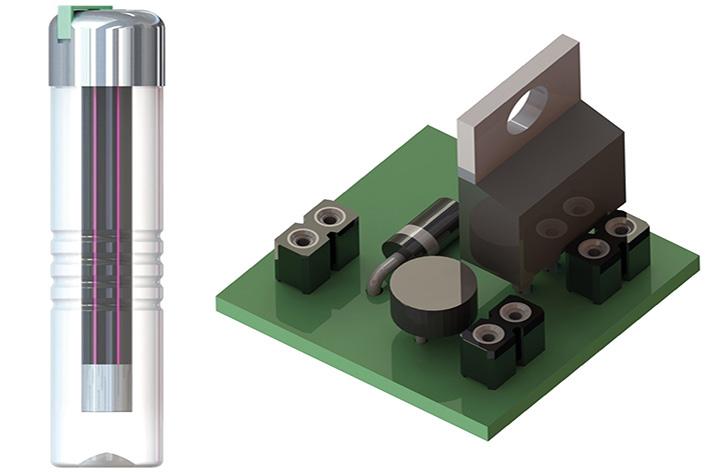
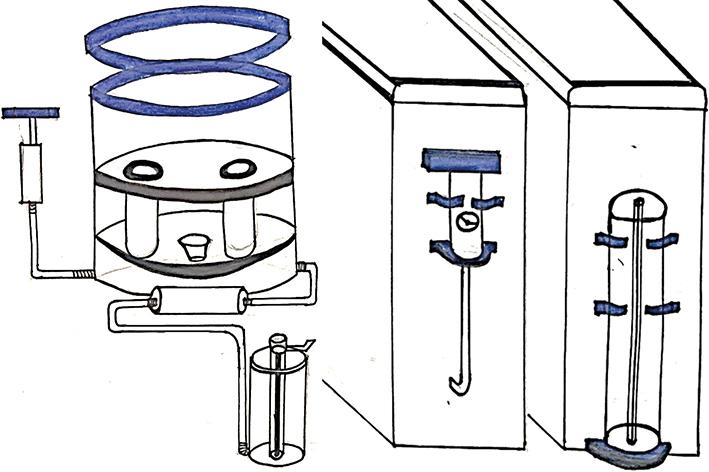
OSMO is a compact solution that turns seawater and other wastewater into potable water on the move. Operating without external power, this ecofriendly system is hand-powered, making it ideal for communities with limited access to clean water.
While access to clean drinking water is a basic human right, a significant number of people worldwide struggle to access water free from pollutants. Consequently, there is an urgent demand for a costeffective and efficient purifier that can tackle a broad spectrum of contaminants to improve global public health. Therefore, OSMO is an advanced solution, that is easy to use and environmentally friendly. It aims to provide safe drinking water to areas and communities lacking
reliable purification systems. The device has been designed specifically for females to ensure that its use is not detrimental to their physical development or comfort. OSMO also targets four UN Sustainable Development Goals, as it aims to reduce inequalities, provide access to clean drinking water, promote gender equality and encourage good health and wellbeing.
abbiearkle@yahoo.com www.linkedin.com/in/abbie-arkle/
07872933916

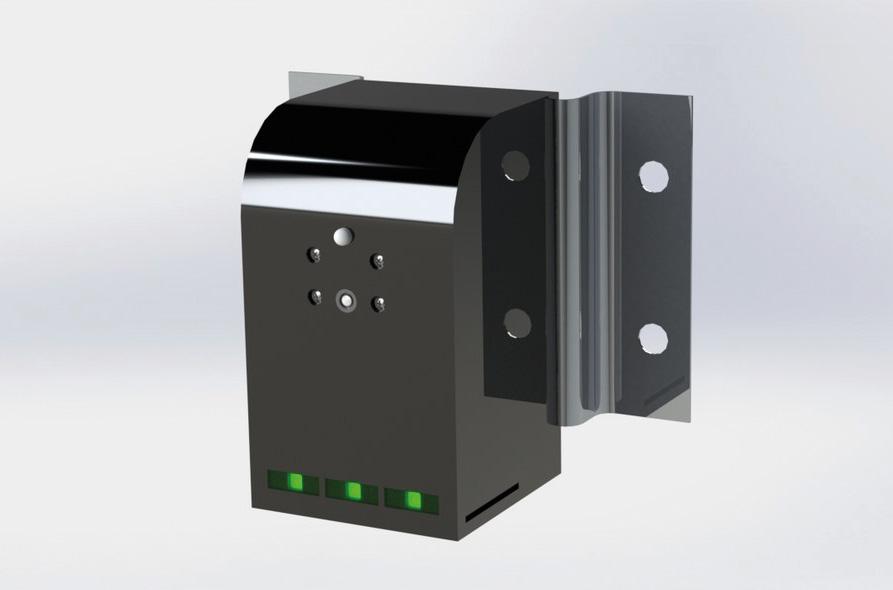
This project is to develop and design a secure gate automation system that uses AI detection instead of a plastic key fob to create a more secure system to prevent break-ins and destruction to your property. The AI system is designed to work with garage doors and driveway gates.
With over 300,000 home break-ins in England and Wales reported in 2021 alone, home security is becoming a major concern for many people. In 2020, around 40% of UK homeowners have admitted to losing a set of keys. Losing your keys may even cause your entire house insurance to be void . In March 2020, 6% of all breakins occurred where thieves had the keys to break in.
The aim for this project is to develop, design and optimise a secure gate automation system that uses AI detection instead of a plastic key fob. The AI object detection will focus on three key features, such as number plate recognition, car logo recognition and special features on the front bumper. The AI object detection will also detect any emergency services and postal services as well as homeowners.
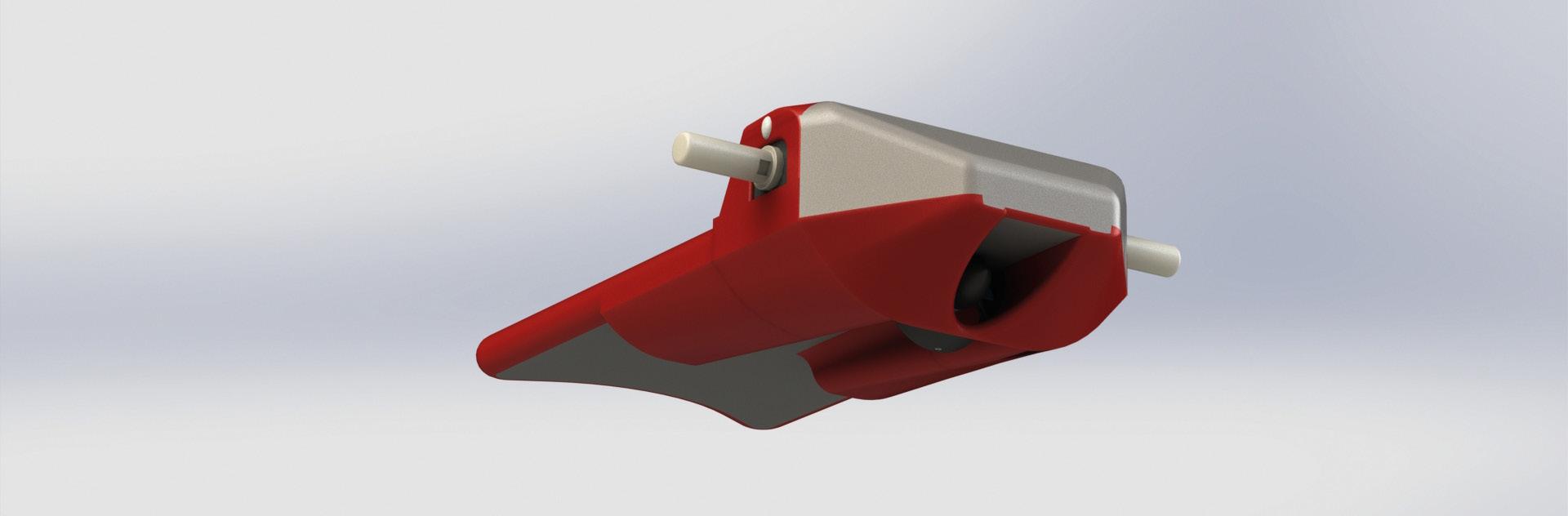
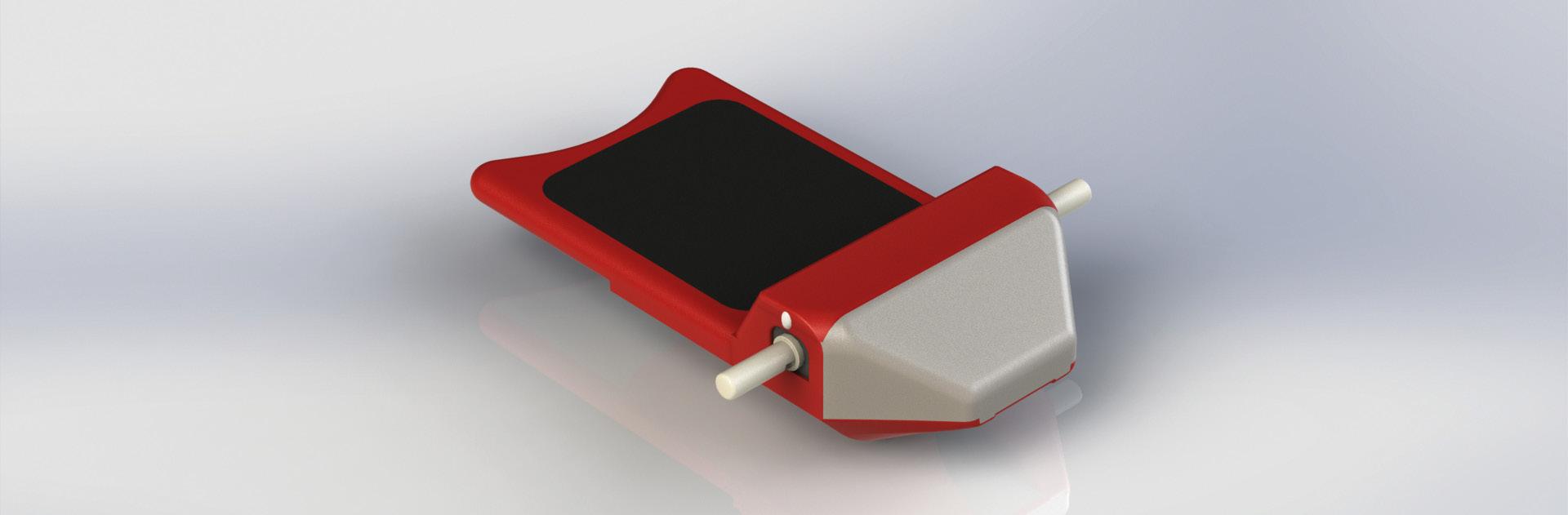
This product is a motorised bodyboard designed for submersion below the water’s surface. It is designed to maintain positive buoyancy, allowing it to float on the surface while offering the flexibility to adjust the buoyancy through the installation of ballast weights.
The aim of this project was to combine the assistive and fun nature of sea scooter technology with the security that comes from using a more rideable type of watercraft, such as a bodyboard. It is estimated that roughly 14.2 million (1 in 3) adults in the UK cannot swim one length of a 25m swimming pool (Swim England, 2019). The intention of this product is to introduce people to the water who may not currently have the physical ability or even the
confidence to do so without any form of aid.
It’s possible to find a large variety of sea scooter products from companies all over the world, but often high-power, highquality submersible watercraft can reach substantially high prices very quickly. This product intends to challenge this issue by avoiding unnecessary costs and focusing on the main experience and functionality.
Frederick Cooperfreddiecooper99@gmail.com www.linkedin.com/in/freddie-cooper/
07862750500

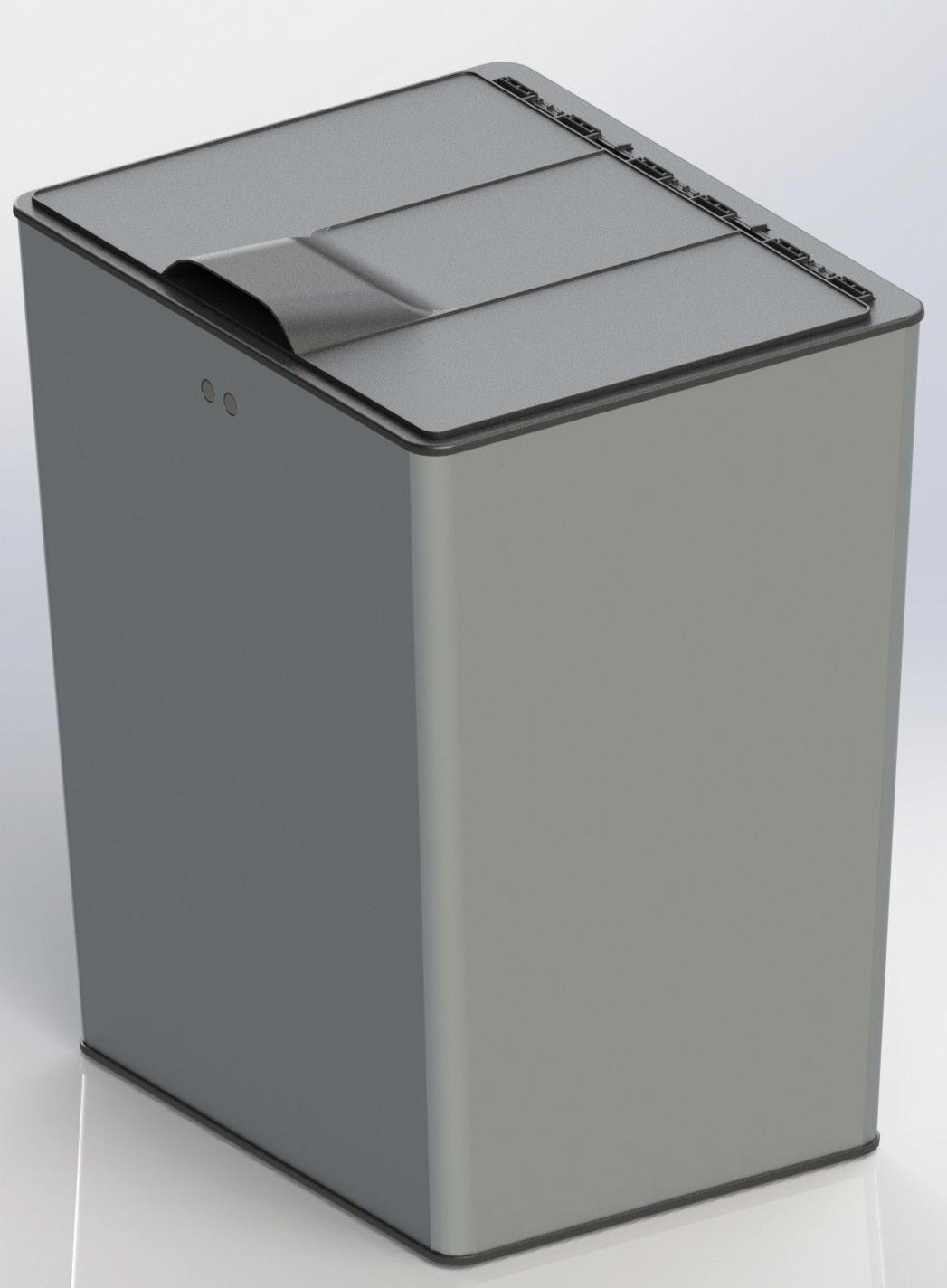
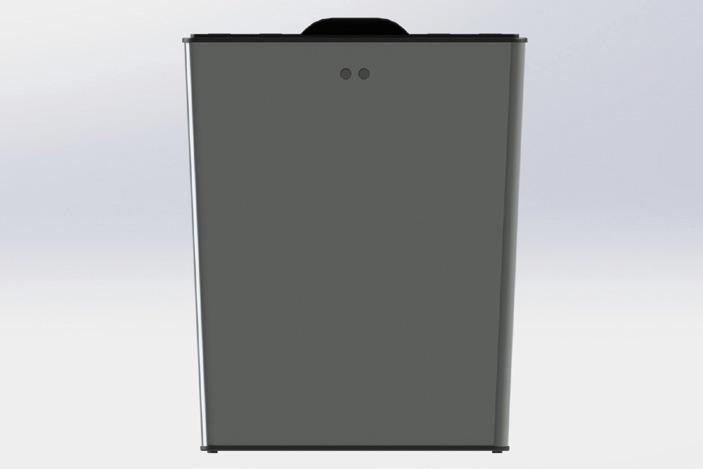
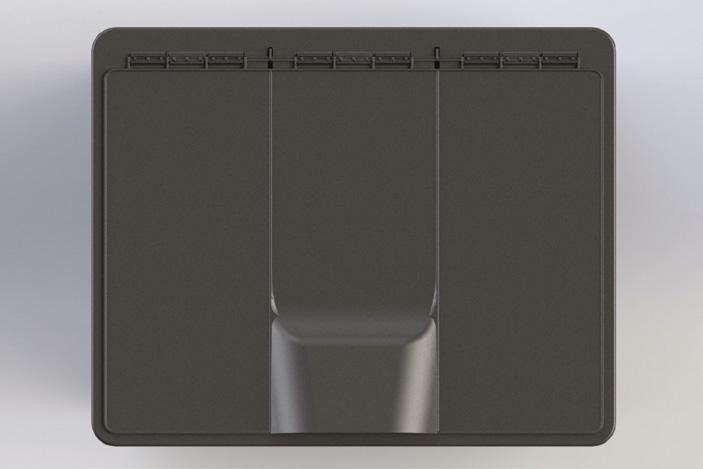
The smart bin has the capability to identify food items or waste products from food items that are being thrown away using AI detection. Using this information, the bin can advise which recycling section to put the item in and add the item to an online shopping list.
The product aims to help educate the user on the correct recycling process for each item thrown away so that there is less mismanaged waste further down the line and to reduce forgotten food items in a weekly food shop. In larger households where multiple users are consuming and disposing of food, the primary user isn’t always aware of what has been used when it comes to a weekly food shop, therefore frequent “top-up” food shops are usually required which leads
to further unnecessary carbon emissions. Throughout this project many parts of the design were new to me, therefore I set out the goal of taking on new knowledge around electronics and their integration with design for manufacture and assembly. The bin will help improve household waste management in hopes of leading to a wider awareness trend around their environmental impact.
s5313872@bournemouth.ac.uk
www.linkedin.com/in/connoredgar
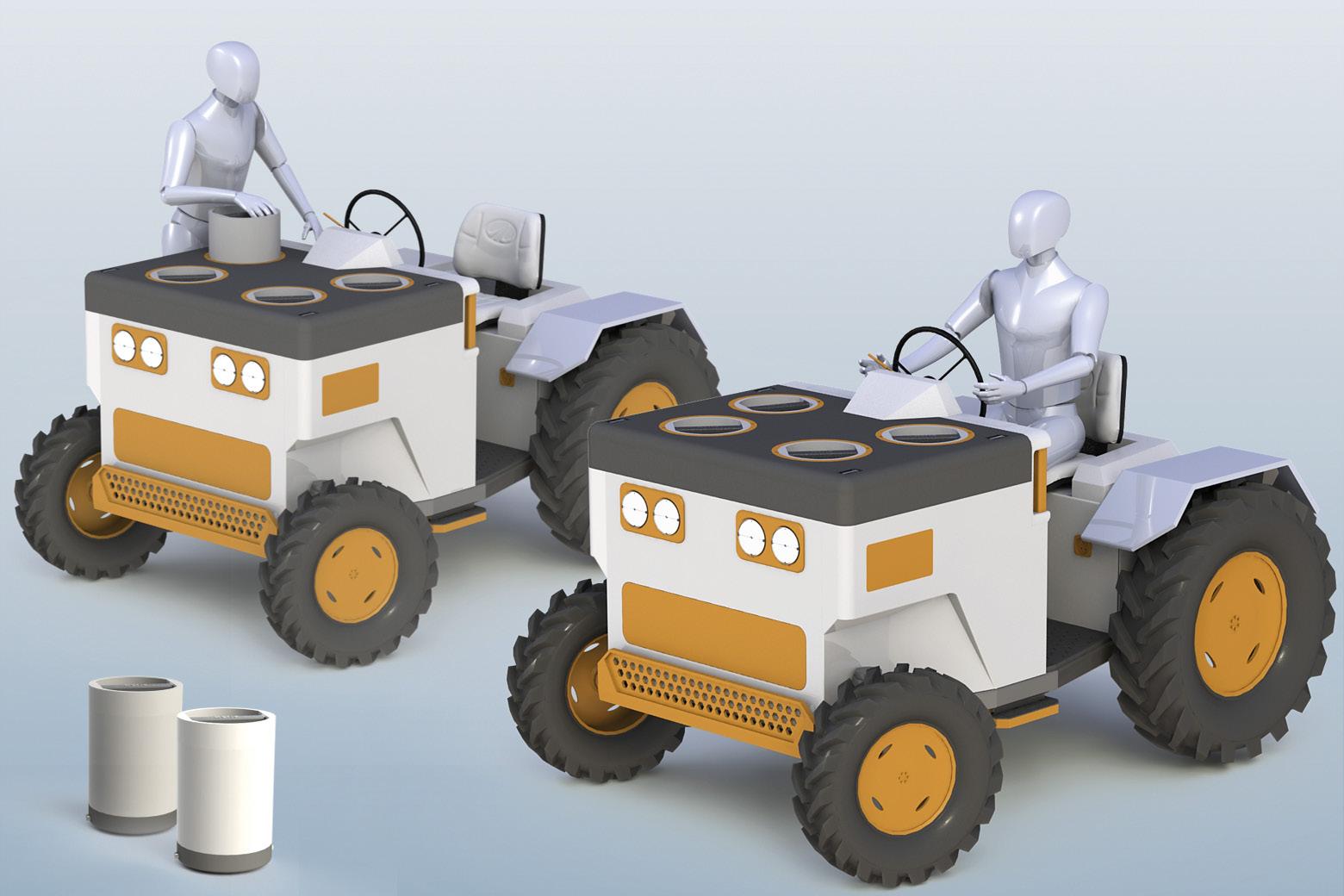
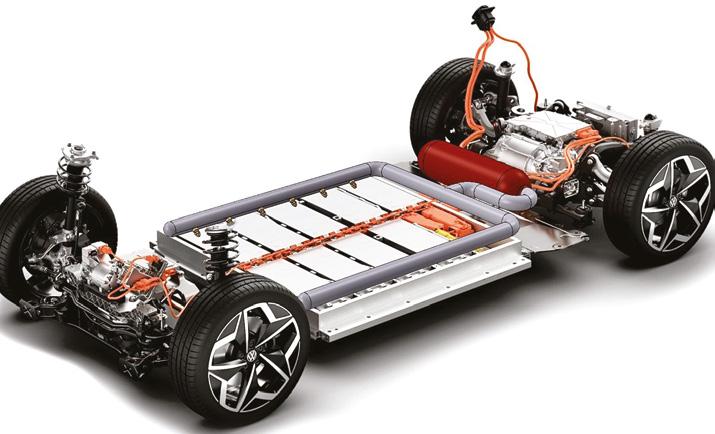
The fully electric tractor utilises powerful rear-drive motors, renewable energy, and modular batteries to deliver affordable, sustainable, and clean farming innovation for rural farming communities in developing parts of the world.
Given that 80%-90% of rural farmers in developing countries still rely heavily on manual labour, it is increasingly apparent that an innovative solution is required to tackle this challenge
The electric tractor aims to offer an affordable, renewable, and dependable solution to rural farmers in low-income areas, reducing their dependency on manual labour and promoting agricultural growth.
Secondary project outcomes include:
• Alleviating food insecurity by enabling farmers to yield larger quantities of crops
• Increasing farm effectiveness through accelerated and expanded crop production
• Promoting agricultural independence, higher profits, and reduction in poverty
• Improving quality of life
Archie Evanss5305399@bournemouth.ac.uk http://linkedin.com/in/archietevans
• Supporting the adoption of clean energy for agricultural and personal use. 07721369316

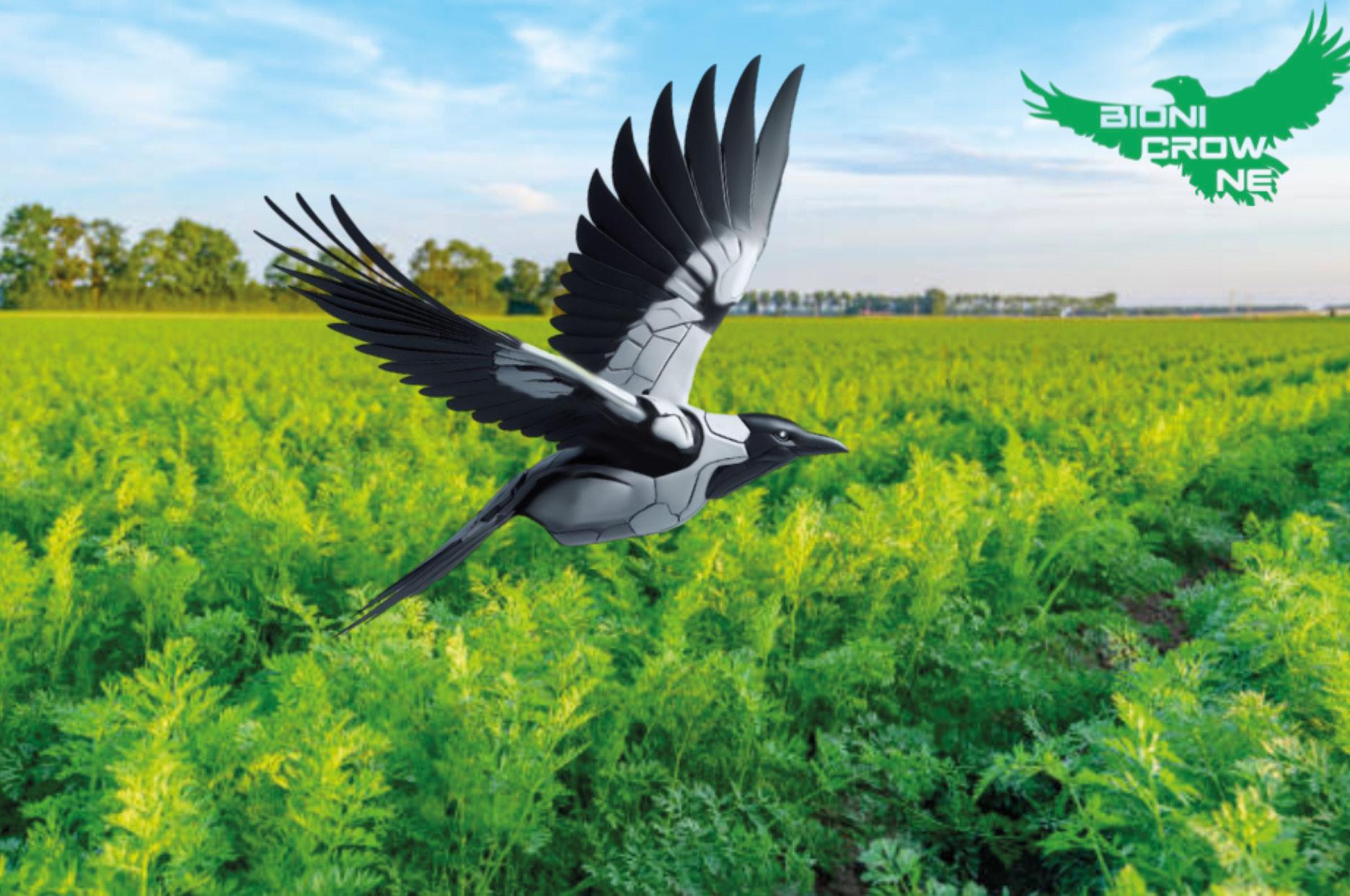
A drone that looks, flies and behaves like a crow which blends in and doesn’t disturb nature to supervise, analyse and notify farmers, landowners or national nature parks of any unmantained area, unexpected visitors, and sites of unwanted plants in the area specified.
About 38% of all the world’s land area is used for agriculture and farming according to the world bank agriculture (2022). Farms serve as the backbone of crops and livestock used for consumption, contributing to national economies and rural places, with over 1.3 billion people engaged in agriculture globally, the sector constitutes a massive workface, Traditional methods often fall short in providing timely and accurate information about crop health, and environmental conditions.
 Leonardo Garcia
The aim of this project is to aid the farming sector, by increasing the monitoring on farms and other areas that need to be protected against unknown threats, while decreasing the workforce needed for this necessity. This field has been improving since 1870s and I hope with this project I can help and explore it more in depth.
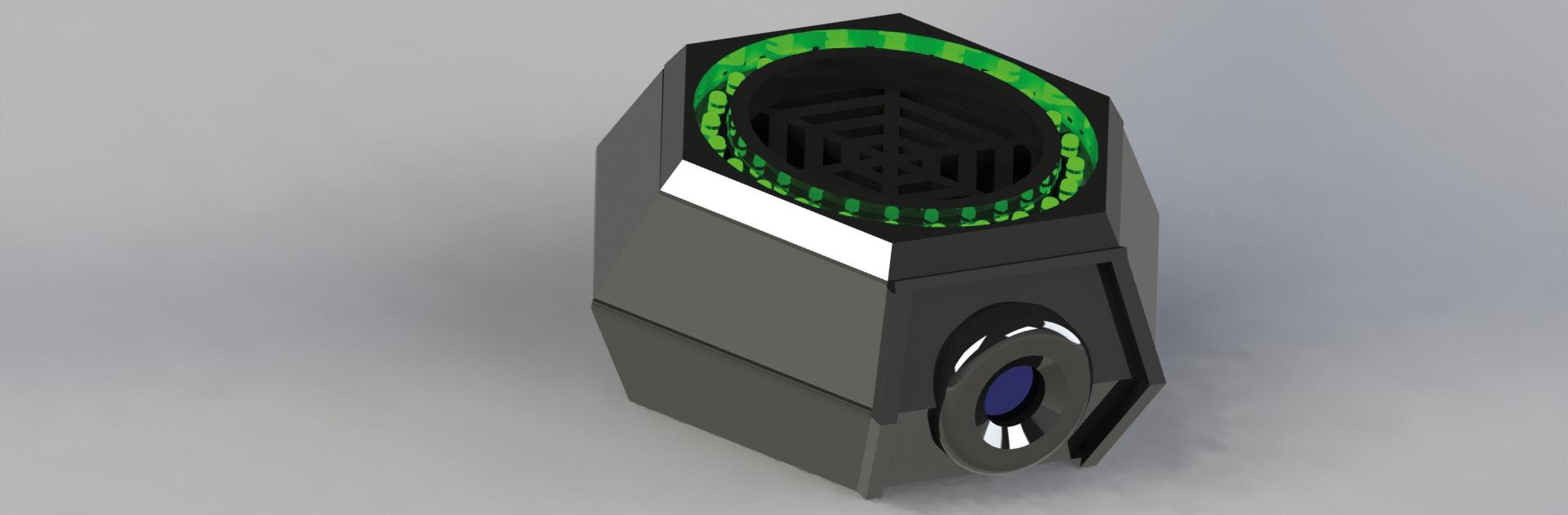
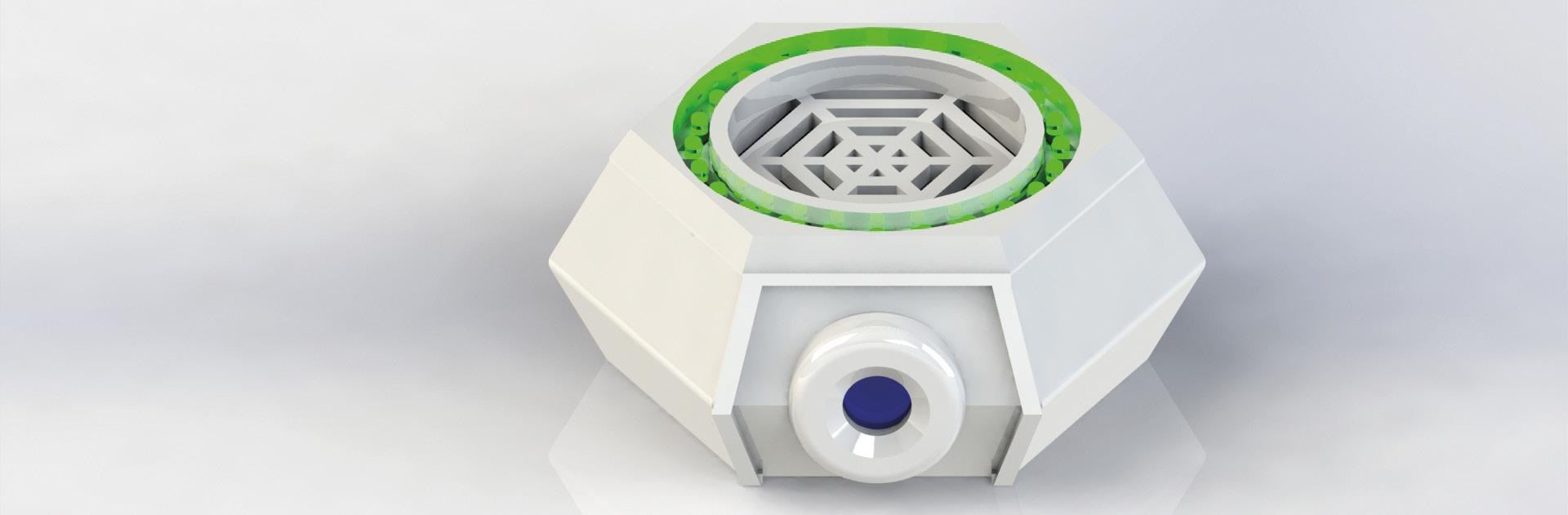
My project aims to design and create a device that uses a camera and a micro controller, with the help of machine learning, to translate Makaton sign language into speech through an audio speaker. This speaker will use a camera to scan gestures and detect the sign before announcing it.
At the moment over 100,000 people use Makaton sign language as a way of communicating. If you want to learn Makaton sign language as an adult, it can cost between £24-£77 for one of four levels and each level takes up to a day to learn. This makes it very hard for people to learn Makaton, and limits who those that use it can communicate with. My aim is to design and create a speaker that will allow people to communicate with and understand individuals that
are nonverbal and use Makaton as a way of communicating. The speaker should be multi-sensory, easy to for the user to operate as well as being safe for the users to operate with no exposure to the electronics within the casing.
s5304665@bournemouth.ac.uk
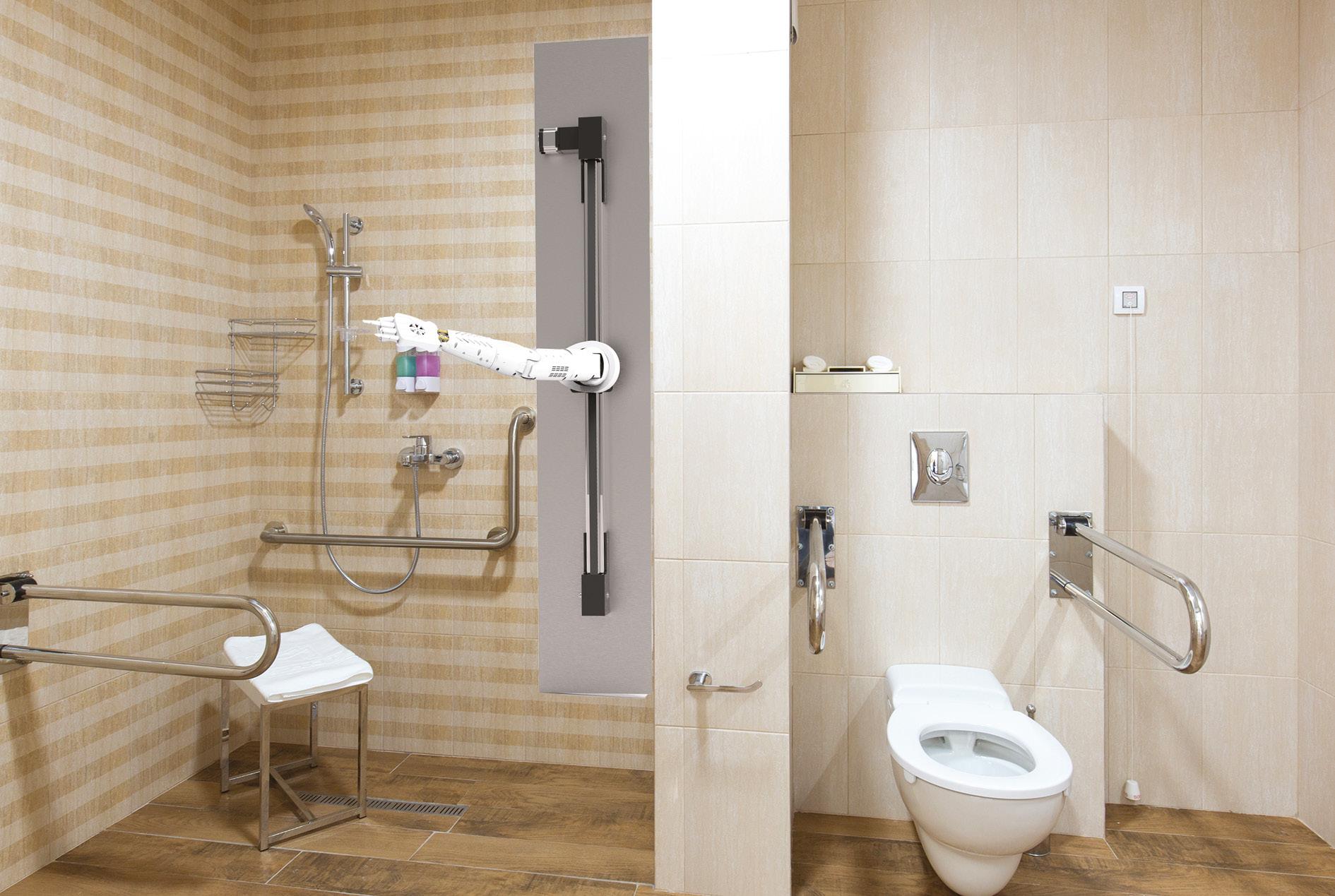
There is an expansive shortage in trained and available assistive care givers. Humanoids show the potential to take such strains away from the healthcare industry and help existing key workers. JenI (Generation 1), will be a helping hand from the comfort of your own home.
I have designed an AI-trained robotic hand and arm that will be easily installed into one’s bathroom. This may be situated beside the bath, or in the shower. The main purpose of this will be to assist with washing an individual’s face. Due to time constraints, no further demonstrations will be possible but may be researched and executed in the future. The hand will be able to respond in cases of a distressed patient by stopping, and first reassuring the patient, followed

by notifying the organisation such as human care staff who may intervene where necessary. Preloaded information for the safety and wellbeing of patients will be available to the robot to ensure the quality and reliability of the device services.
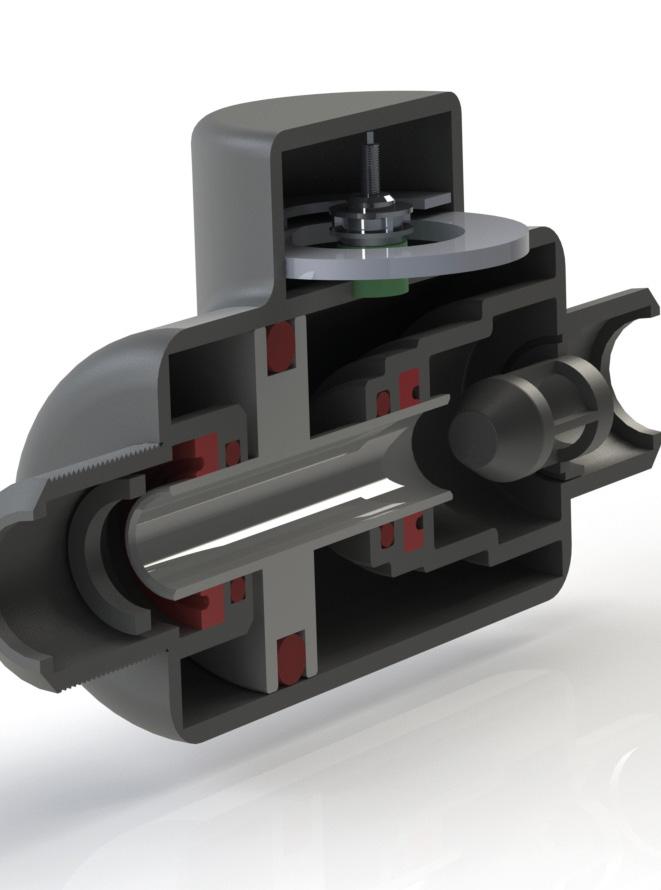
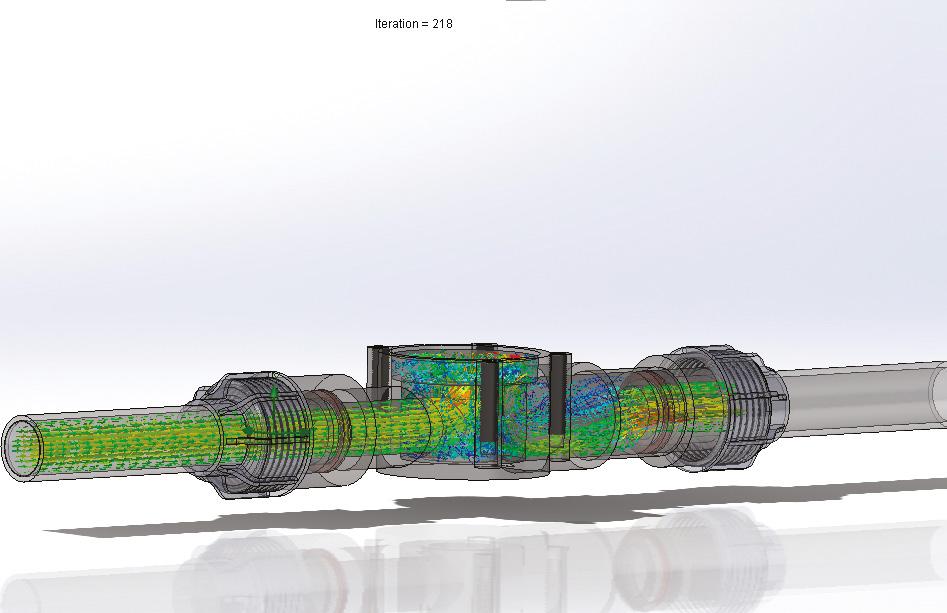
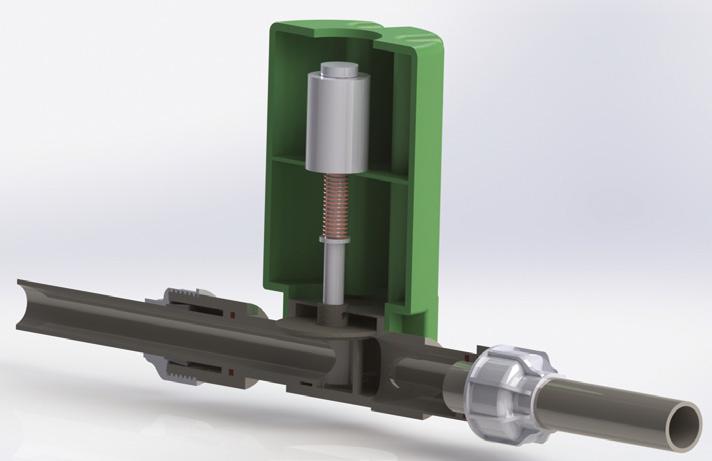
Targeted Agriculture allows water and fertiliser distribution to be prioritised in imperative areas. This reduces the waste of resources in the growing of crops. As water stresses and fertiliser contamination concerns grow, responsible consumption is becoming an increasing demand.
70% of the worlds fresh water source is consumed within the agriculture sector. An estimated 30% of this water is wasted, in addition to surplus fertiliser expenditure. The aim of this project was to design a technical solution that reduced waste, decreasing the environmental issues that the agriculture industry contributes, such as droughts and contaminated water sources in the pursuit of food security.
Jacob Irelands5214558@bournemouth.ac.uk www.linkedin.com/in/jacob-ireland-ab9581152/
Areas of deficient crop growth and health are determined using two camera lenses resulting in a value between -1 and 1. This is then related to the Normalised Difference Vegetation Index. A value of ≥0.8 illustrates a healthy crop. Areas of crop with a value <0.8 will therefore be targeted for additional irrigation through activating the smart valves in the corresponding area, responsible for servicing crops in its radius. 07908416462

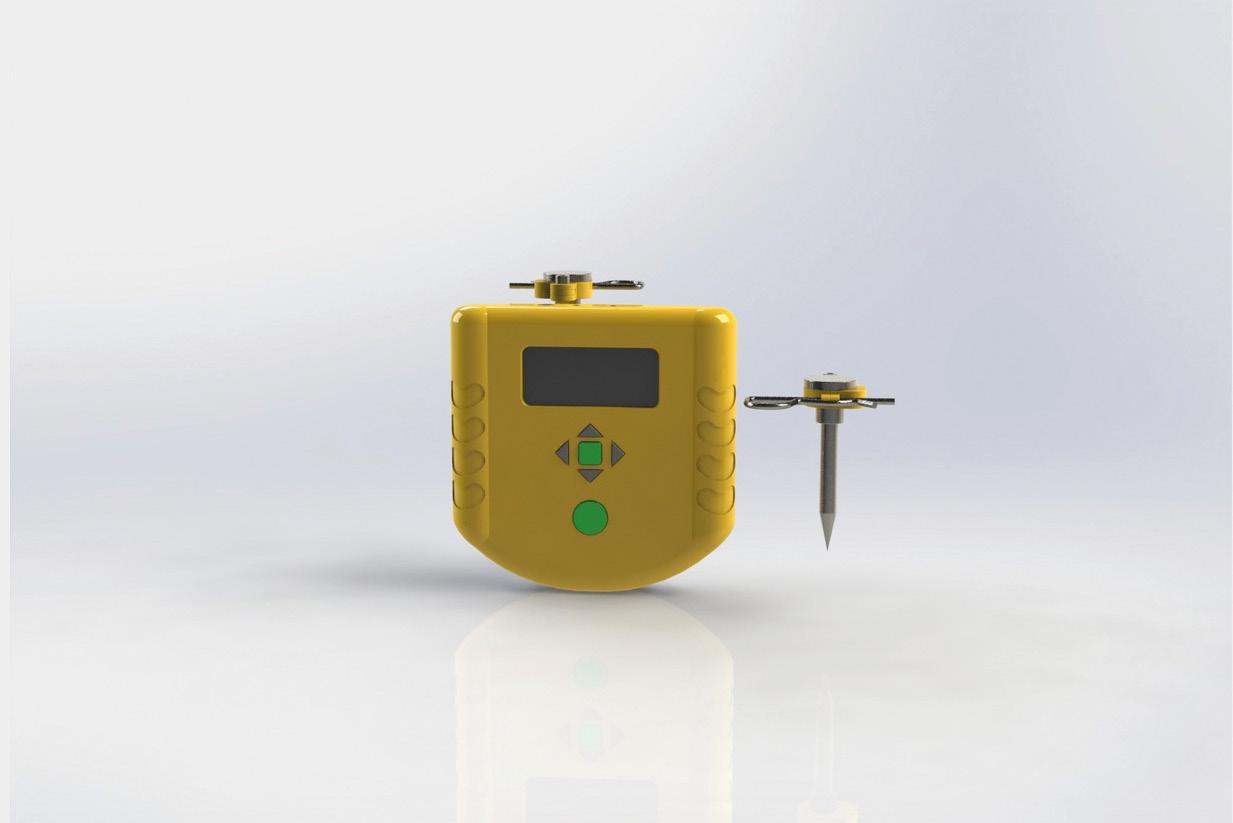
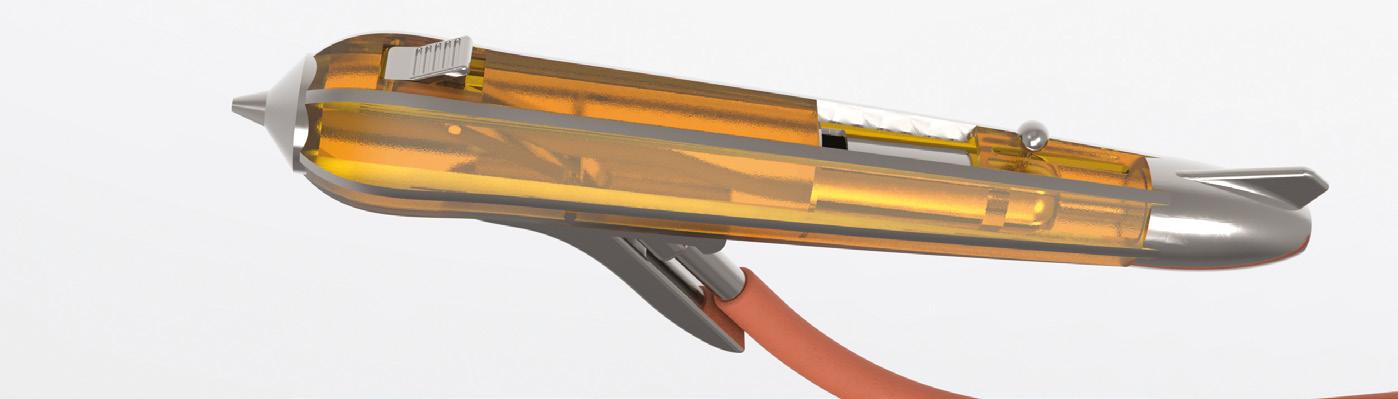
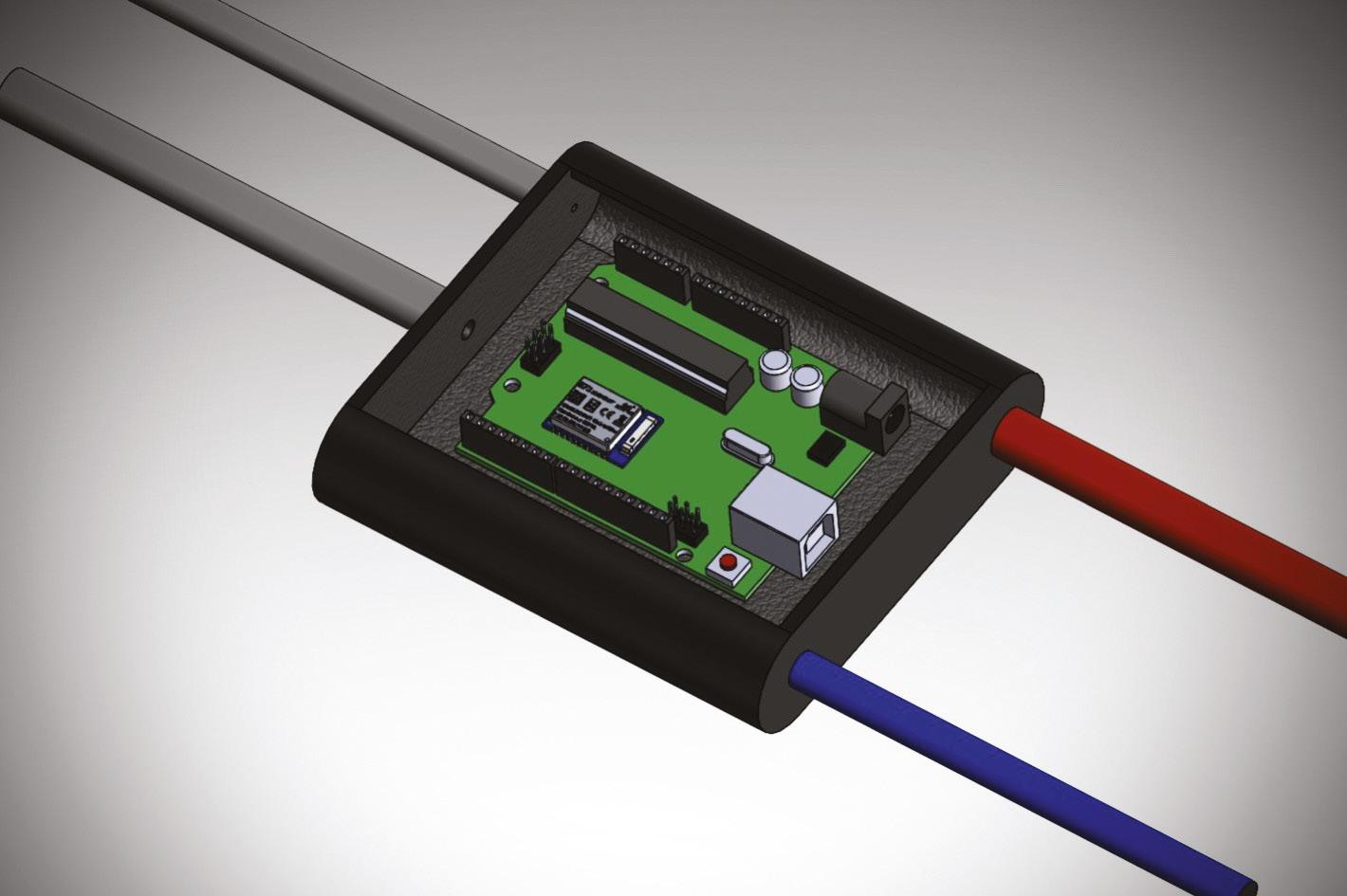
Decay inside tree trunks increases the danger for tree surgeons felling trees and it is not always apparent from the outside that there is decay in the tree. My device detects decay inside the tree before it is felled, increasing safety.
My device detects decay in the tree through stress waves. My device uses two probes with sensors that are inserted on either side of the tree. One of the probes is then lightly hit with a mallet this creates the stress waves, the sensor in the first probe detects this and starts a timer. The wave then travels through the tree to the second probe and is detected by the sensor; this stops the timer. In wood with decay, the waves travel around the less dense decayed wood increasing the time taken to reach the second sensor.
 Travis Jones
The time taken by the stress wave also depends on the size and type of tree, my device differs from similar products by having a database of the expected times of different tree species at different sizes which the result will be compared to, and then clearly stated if there is decay making it simple to use and require minimal training.
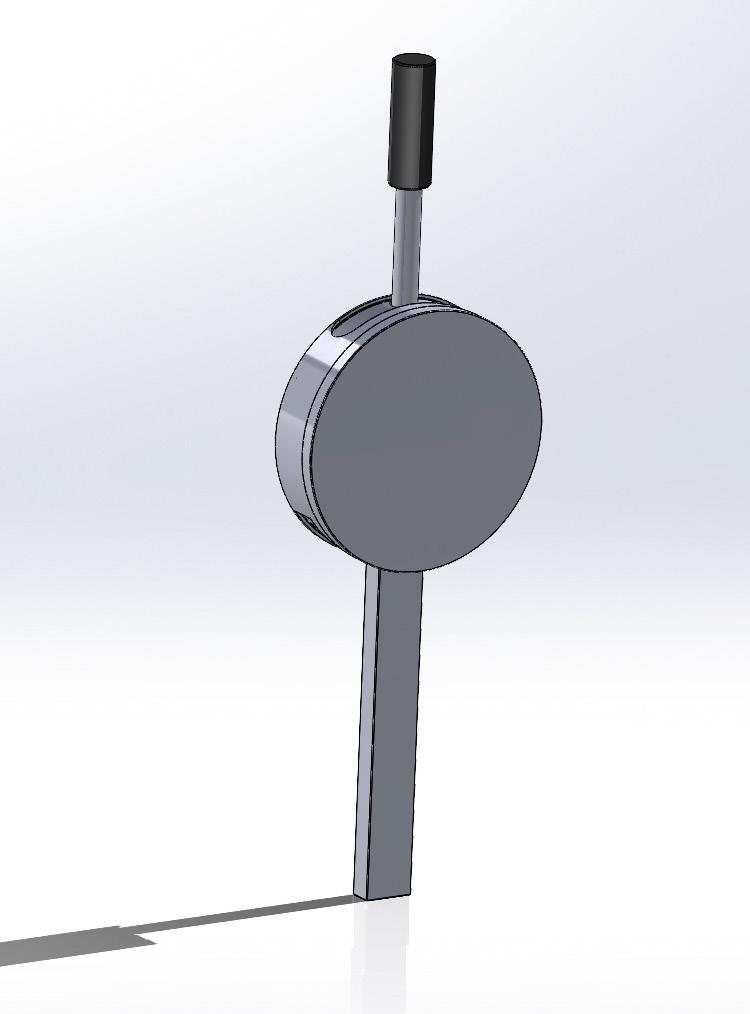
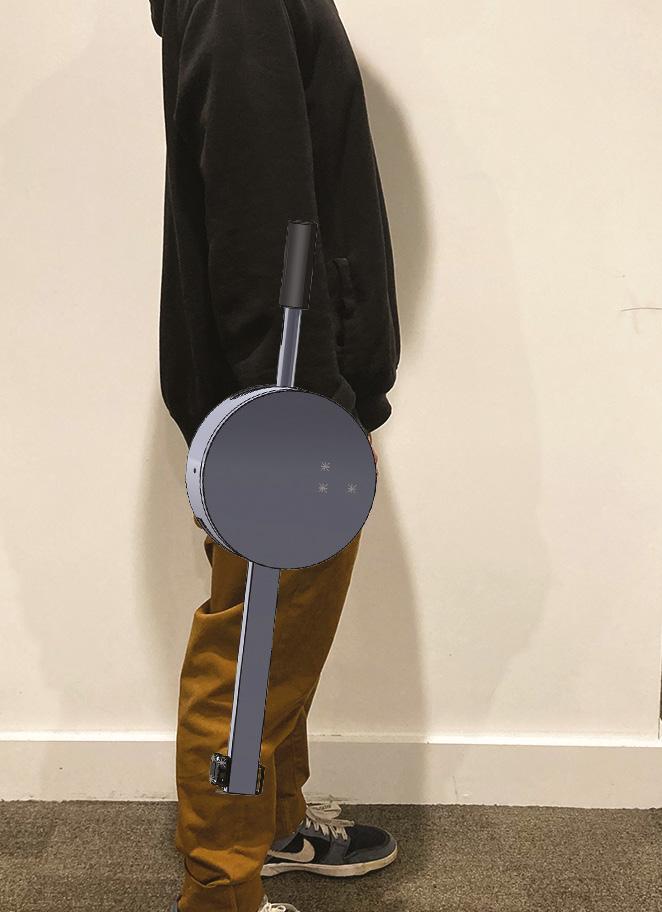
Walking Assist Device is designed for people with walking issues. It is used in picking up walking motion in their recovering practice and everyday uses.
Walking Assist Device provides support motion to users in picking up walking motions, the device gives forward and backward force in simulating the walking motion when using the device. It applies in every day and physical therapy practice use. The Walking Assist Device is designed for people with congenital disorder experience vertebra and leg parts motionless. From a sports world perspective, the most common injury location (0.6 per athlete year) is thigh,
followed by the lower leg (0.4 per athlete year) Kelly S, Pollock N, Polglass G, Clarsen B. Therapies often use treadmills, exercise bicycles and space walkers in patient recover, the Walking Assist Device gives support to users in approaching the correct walking posture, aiming to provide the opportunity for people to easy in picking up walking in their hard times.
lawrencewllok@gmail.com www.linkedin.com/in/lawrence-wing-long-lok

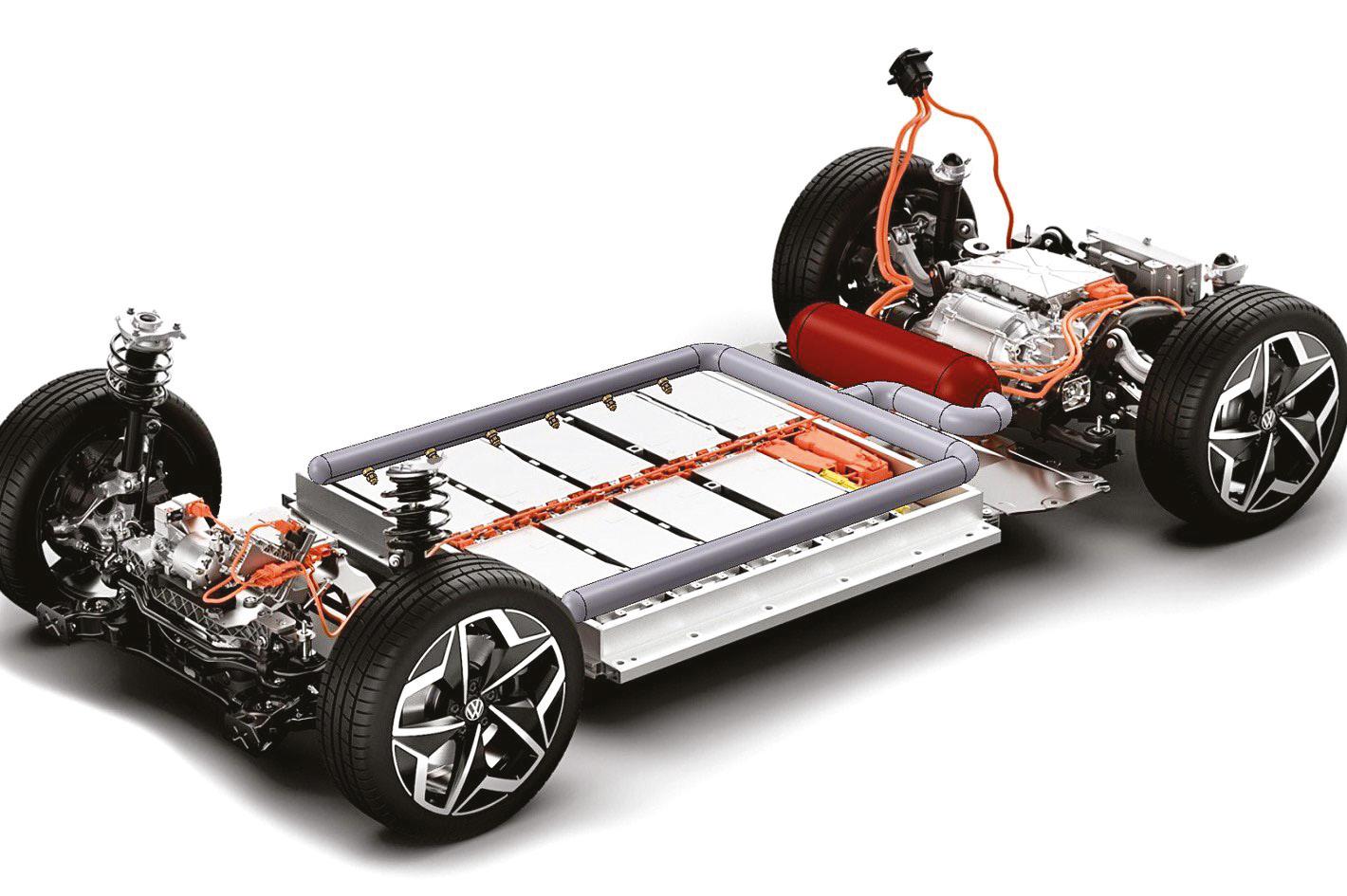
By implementing a suppression system INSIDE of an EV battery pack, any potential fires can be better detected and supressed before escalating. This results in better safety for users, and less time to alert fire services before situations worsen. My product aims to achieve all of this.
With the exponential rise of EV usage, there is a rise in fear for EV fires, with terms such as “Tesla bettery fire” up around 50% in 2023 compared to 2022. Although EV fires are actually more uncommon than lead to believe, it can still very much occur.
Lithium-ion batteries can suffer from thermal runaway and cell rupture if overheated or overcharged. Although many failsafe circuitries are already implemented, this does not guarantee the
 Ferdin Rahman
situation is resolved, as the fire can still potentially occur. By putting a suppression system inside of the battery pack, this can prevent or minimise the situation in the event of an emergency. By utilising a range of different sensors, the system can spray the supressant and alert the users of the situation. This ensures they can safely exit the vehicle, and fire services can attend the scene in ample time.
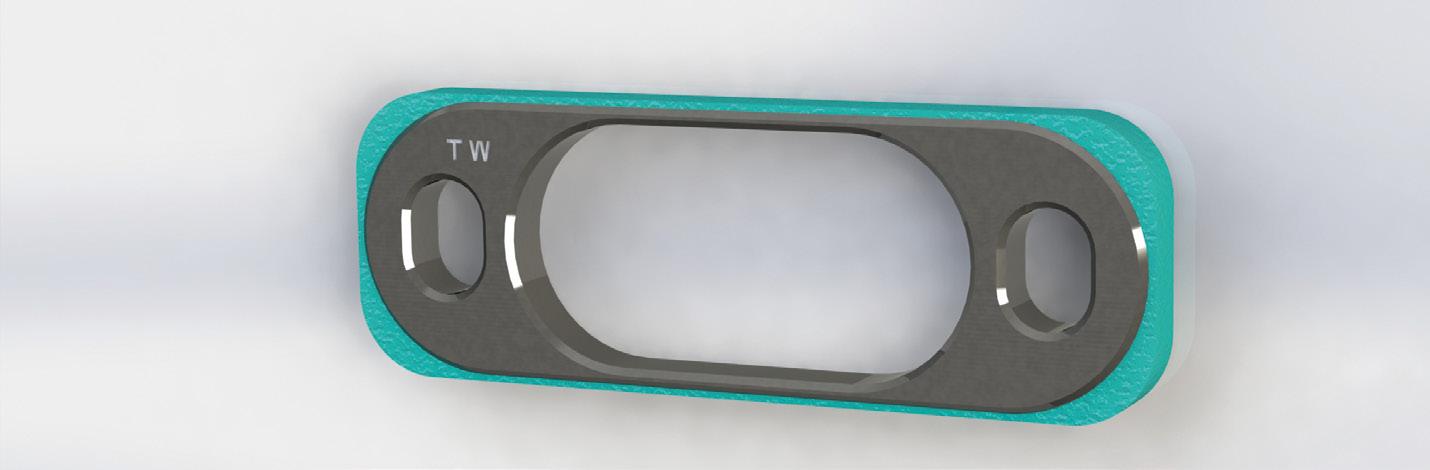
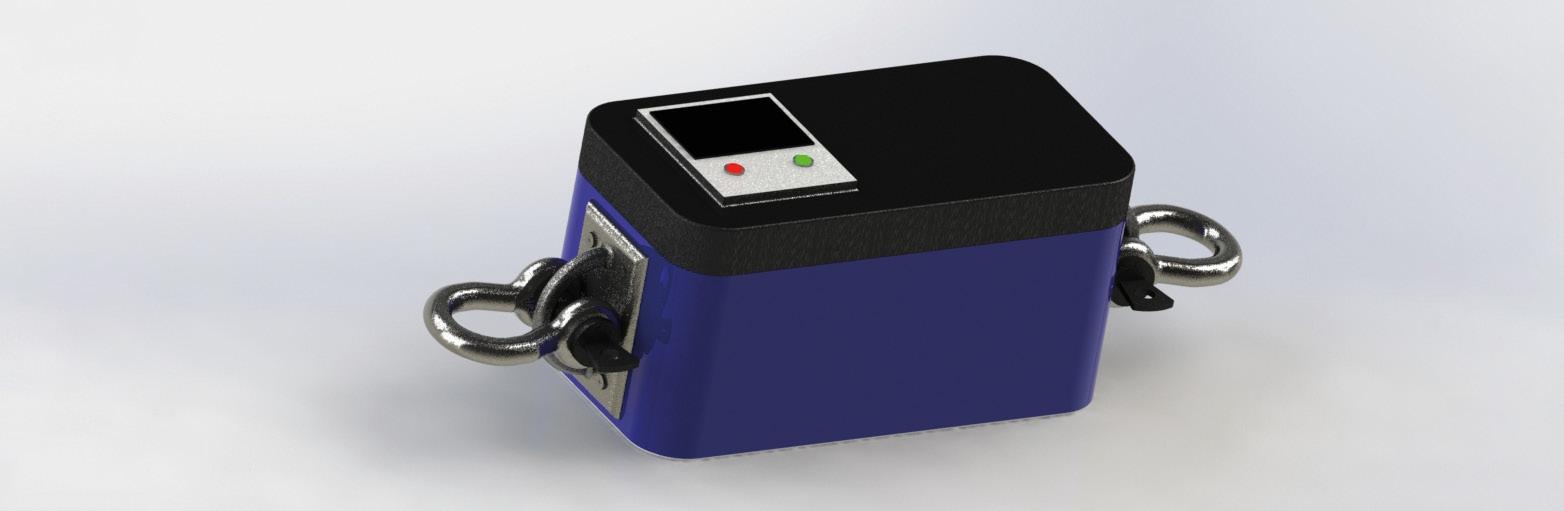
My project is a system that monitors, measures and warns about tension within ropes on performance racing yachts with precision, protecting sailors and equipment by reducing the risk of extreme tension-related accidents for example broaching.
Being a sailor myself, I have seen a significant growth with the popularity of the sport. My project is designed to tackle two critical issues in highperformance yacht racing: the problem of excessive rope tension and the issue of inexperienced sailors incorrectly setting this tension. High/low tension in the ropes can result in damage to the yatch’s rigging or broaching. Around 73% of sailing-related deaths are due to drowning after falling overboard.
Novice sailors often struggle with adjusting the tension properly, which can lead to safety risks and diminished performance. Mismanagement of rope tension by beginners is a significant concern because it can lead to accidents, as demonstrated by the case of Sam Richmond, who suffered severe head injuries due to rigging failure during training in Antigua.
s5318206@bournemouth.ac.uk www.linkedin.com/in/sophie-rouse-jennings-186a301b1/

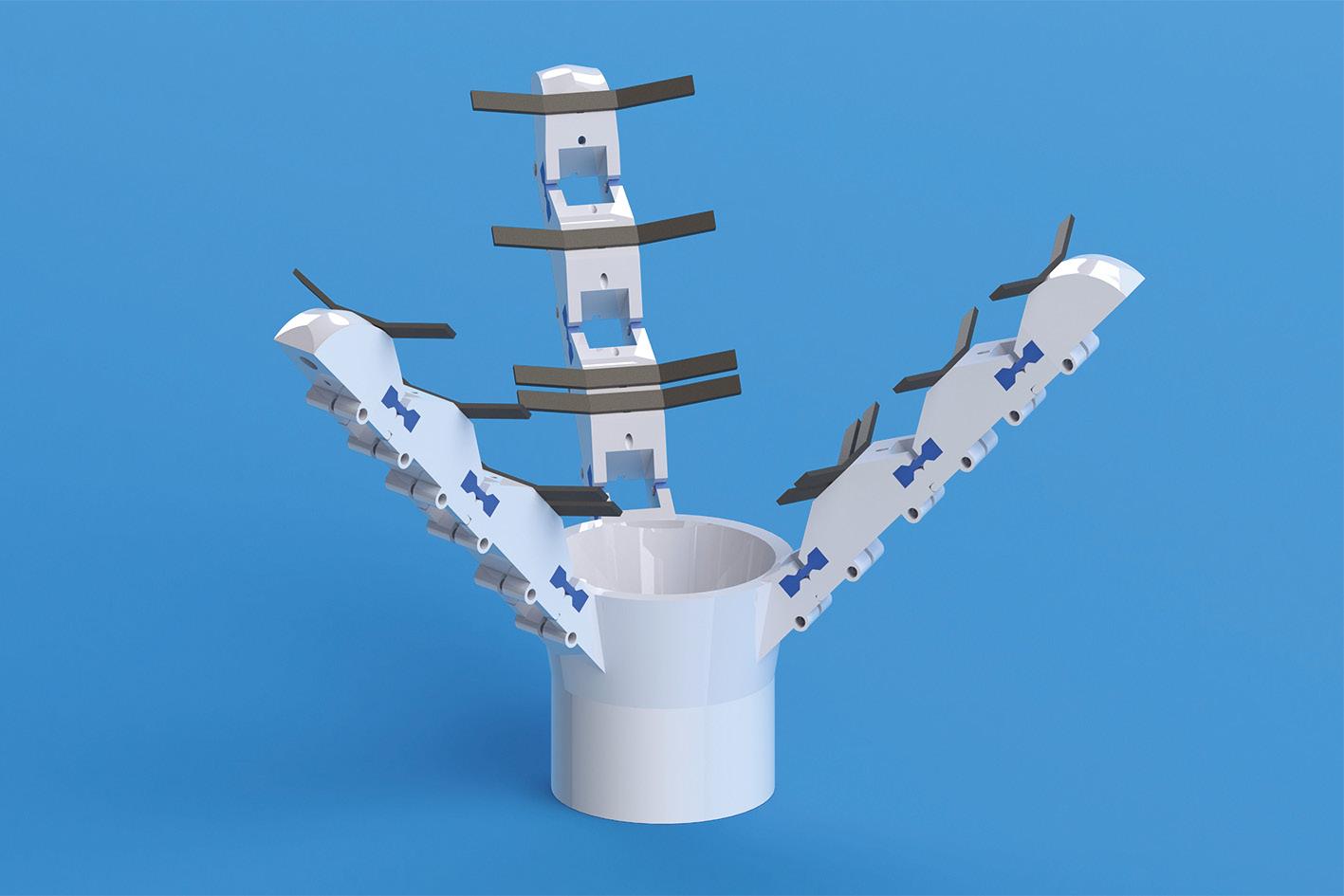
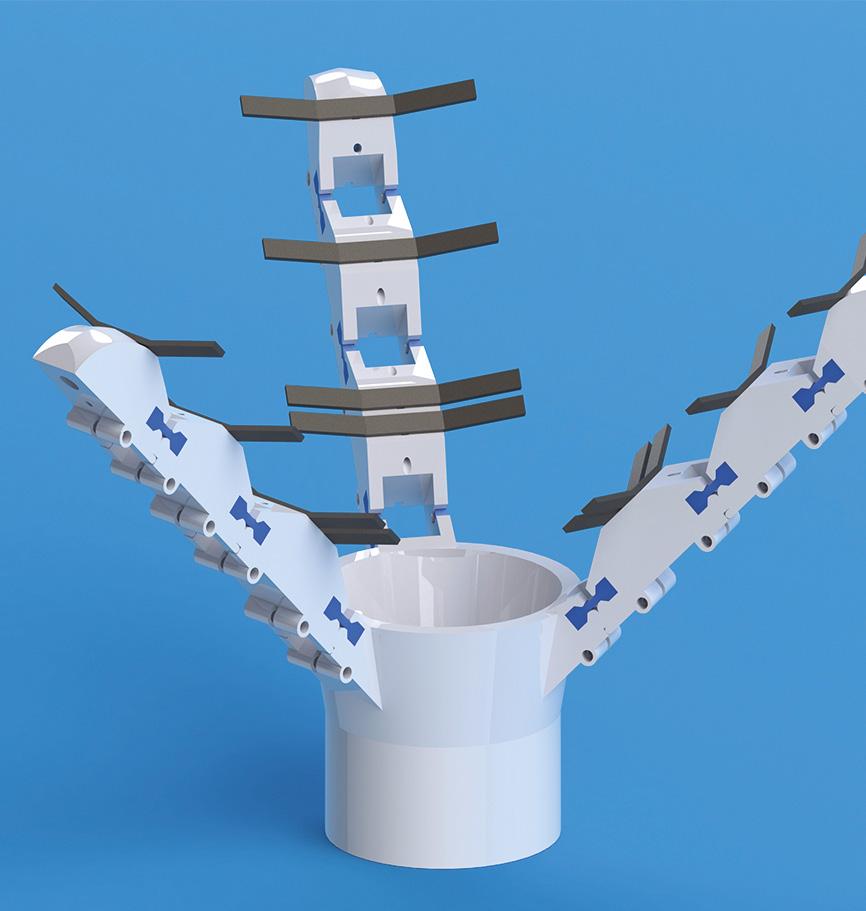
This marine gripper uses three fingers, each with three phlanges, all connected to a central palm. The phlanges are held open by springs and closed by pullling on a wire tendon with an electric motor.
Modern marine biologists hoping to interact or study deep-sea organisms are presented with few options beyond industrial robotic arms, claws, and suctions samplers. This limits the biologists interactions to a set of heavy duty and industrial manipulators. As the deep-sea is one of the most biologically diverse and unstudied ecosystems, there is area for improvement to facilitate delicate interactions with a multitude of organisms.
 Oliver Ryan
Human scuba divers can access shallower marine systems, such coral reefs up to around 150m, but beyond this range achieving the same level of dexterity using robotic systems is important. Within the deep-sea remote operated vehicles (ROVs) are the primary method of exploration, which offer few options for delicate manipulation. The aim of this project was to create a gripper for delicate marine life.
s5317145@bournemouth.ac.uk
www.linkedin.com/in/oliver-ryan-design
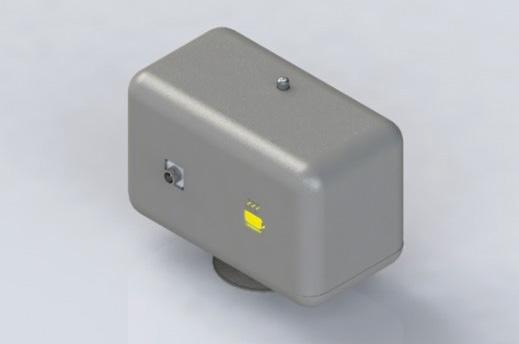
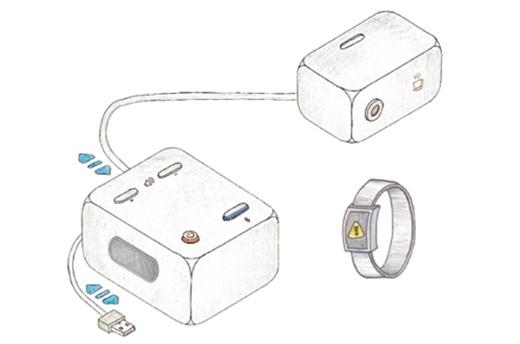
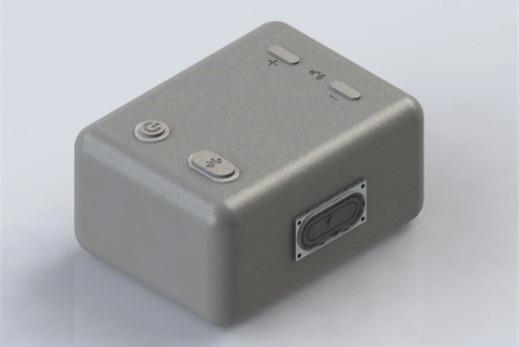
A smart device capable of detecting fatigue in drivers, issuing timely warnings to take breaks and alarming when sleep is detected, it ensures a safer journey on the road.
Driving fatigue contributes significantly to road accidents, accounting for 10%20% of road accidents. To address this issue, a fatigue-detection device was developed. This solution utilises AI to continuously monitor drivers’ facial expressions, detecting signs of tiredness such as drooping eyes and cheeks. Upon detection, a warning light alerts the driver to take a break. If the driver persists for 15 minutes without stopping, an alarm activates at one-minute intervals
until the engine shuts down, ensuring safety. Implemented with a Jetson Nano for image processing and a Raspberry Pi camera, the device is strategically divided into two units, facilitating optimal placement in the vehicle without obstructing the driver’s view. This proactive approach aims to reduce accidents caused by drowsy driving, promoting road safety and saving lives.
s5307471@bournemouth.ac.uk http://linkedin.com/in/madeleine-santos-lopes-44a71775

This project introduces an innovative aftermarket solution designed to provide an adaptive lighting functionality to vehicles lacking factory-installed adaptive headlights.
Within the automotive industry, the safety relating to road visibility is seen to be paramount when avoiding road collisions. It has been found that 40% of accidents happen during night-time although there are considerably less vehicles on the road. The majority of these accidents are caused by poor visibility. The project goal was to design a feasible support system to aid with vehicle visibility during night-time.
The proposed solution is a headlight module that will allow the vehicle to use
 Joseph Thomas
adaptive capabilities through automatic beams and varying light intensity.
Both modules function about sensors that relay information back to the module designed and will make informed decisions as to whether the headlights should be full beam or dipped beam and whether they should be dimmed to accommodate for oncoming traffic.
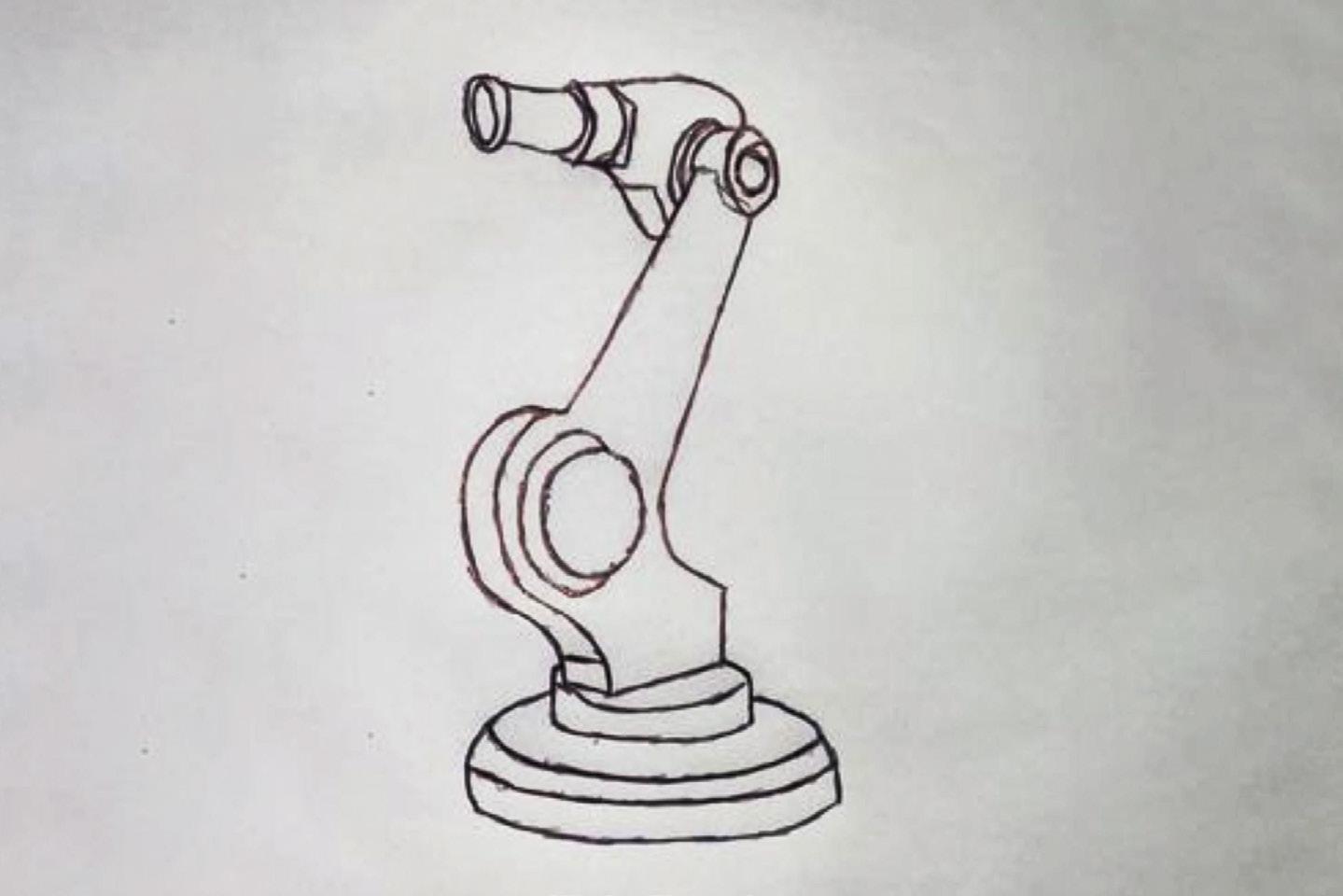
Robotic arms are excellent tools for teaching STEM concepts. N.I.G.E.L provides educational facilities with the ability to provide more students with hands-on experience using robotics to learn. The compact, efficient design allows the device to be suitable for a variety of applications.
Current robotic arms used in the educational space are often large and expensive, limiting the amount that can be acquired by educational facilities. Educational facilities invest in robotic arms tailored for teaching robotics and automation concepts to students. These arms vary in size and complexity, ranging from small tabletop models with limited degrees of freedom to larger, more advanced systems offering extensive motion capabilities. Built with safety in mind, these arms feature emergency stop
buttons, collision detection, and speed limitations to ensure a secure learning environment. The Nifty Interactive Guided Educational Limb (N.I.G.E.L.) is an affordable yet accurate robotic arm that, by being easily accessible and versatile, could provide educational facilities with the opportunity to improve their robotic teaching abilities.
Jacob Wheelers5434048@bournemouth.ac.uk
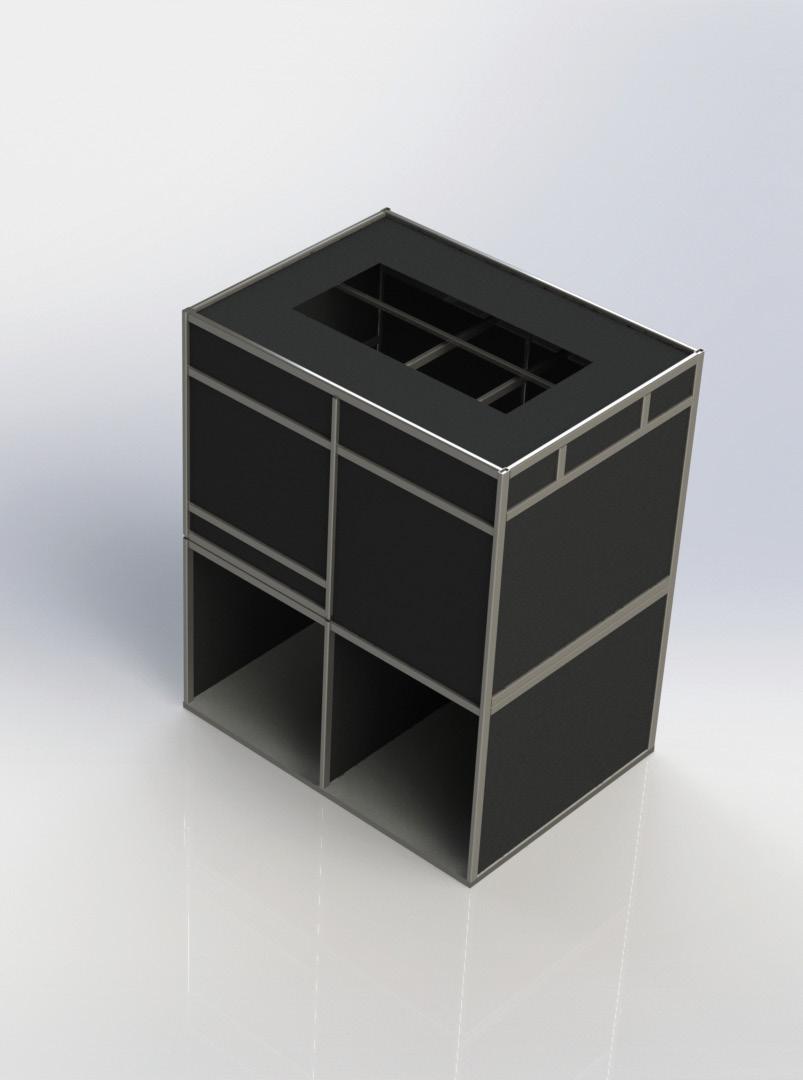
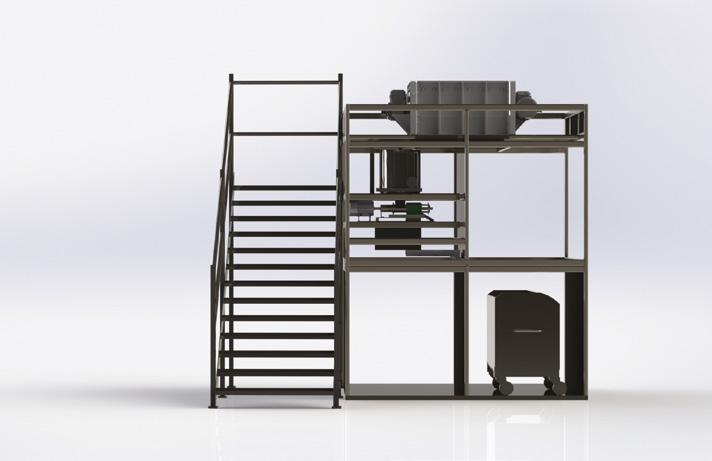
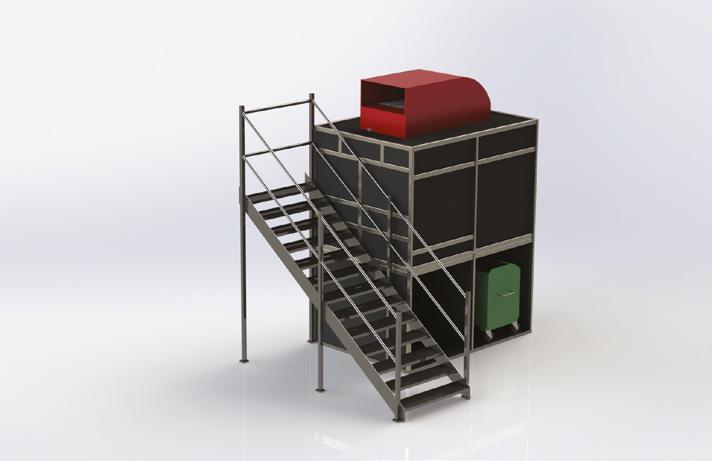
Here we have an idea that takes a step out of the waste recycling chain in an attempt to reduce waste pickups and costs, to reduce the carbon footprint of the businesses producing this waste. The end goal is to give SMEs the opportunity to become net zero via innovative technology.
I chose this project because of the lack of action being taken to help SMEs to get on the ladder to become net zero. Sustainability, reducing carbon emissions and giving businesses access to technology that can benefit them and put them on course to become net zero is the key aim of this project. There is very little technology available that can help SMEs and very little financial support for the technology that is available.
 Rory Wilson
s5417898@bournemouth.ac.uk
http://linkedin.com/in/rory-wilson
07710271734

Duration
MEng: 5 years including an optional 30-week placement
BEng: 4 years including an optional 30-week placement
We offer a Foundation Year option for these courses
Start date September
UCAS Code
MEng: H105
BEng: H305
Entry requirements
120 – 128 tariff points including a minimum of 2 A-levels, in required subjects, or equivalent
BTEC Extended Diploma DDM in a required subject
Required subjects:
Mathematics (or Physics) and a Science or Technology subject
Accreditation
BEng: Accredited by the Institution of Engineering Designers and Institution of Mechanical Engineers to meet, in part, the exemplifying academic benchmark requirements for registration as a Chartered Engineer (CEng)
MEng: Accredited by the Institution of Engineering Designers (IED) and the Institution of Mechanical Engineers (IMechE) to fully meet the exemplifying academic benchmark requirements for registration as a Chartered Engineer (CEng)

This degree develops high-calibre engineers who are able to function both as an engineer and a technology leader in sectors such as aerospace, marine, automotive, alternative energy, oil and gas, and other high-tech industries.
As well as giving you a solid grounding in engineering, the course will provide an insight into emerging technologies within the sector and how to apply them to real-world situations. If you don’t want to go all the way to a full MEng, you can opt to graduate a year early with a BEng Mechanical Engineering instead.
As an accredited degree it means you can apply for Chartered Engineer (CEng) status after gaining suitable experience in an engineering role.
By 2025, Bournemouth University aims to ensure that all its academic programmes incorporate at least one United Nations Sustainable Development Goal (UN SDG), highlighting Bournemouth University’s commitment to global responsibility and sustainability.
The focus on sustainable practices is interwoven across all courses and particularly emphasised in final year projects, where students can showcase their mastery of sustainable design and engineering concepts. Through these comprehensive approaches, Bournemouth University’s programs prepare students to become responsible, forward-thinking professionals who contribute positively to society.
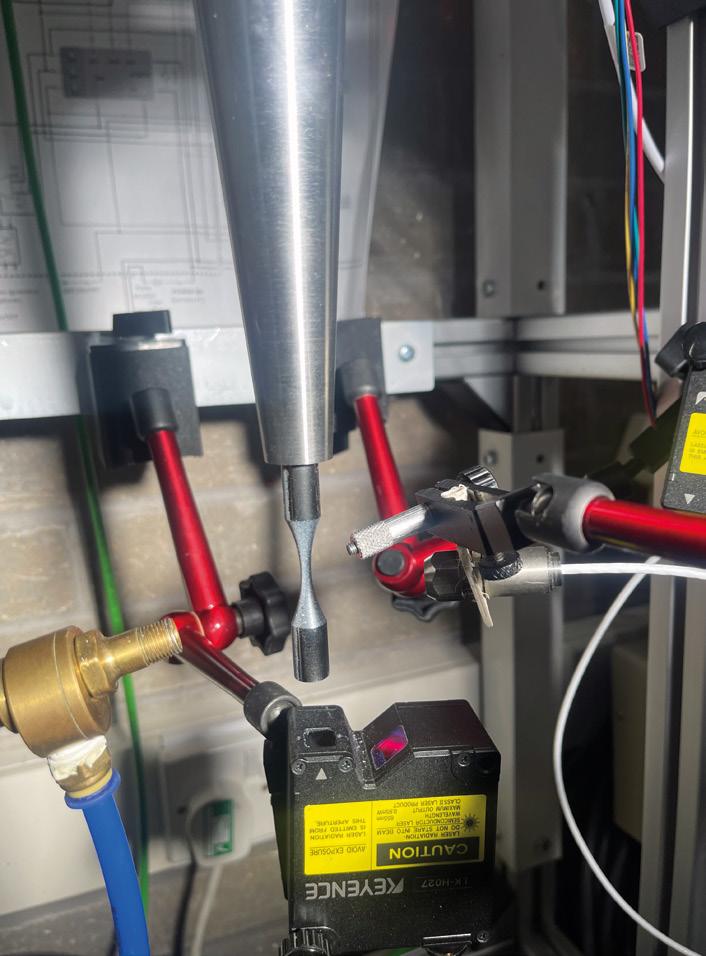
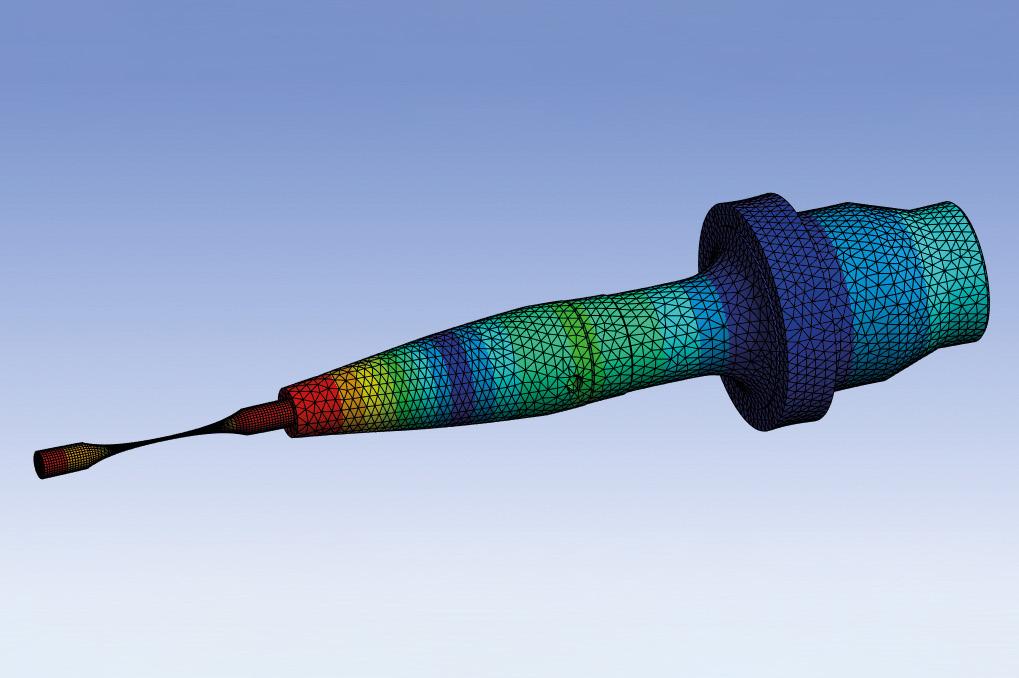
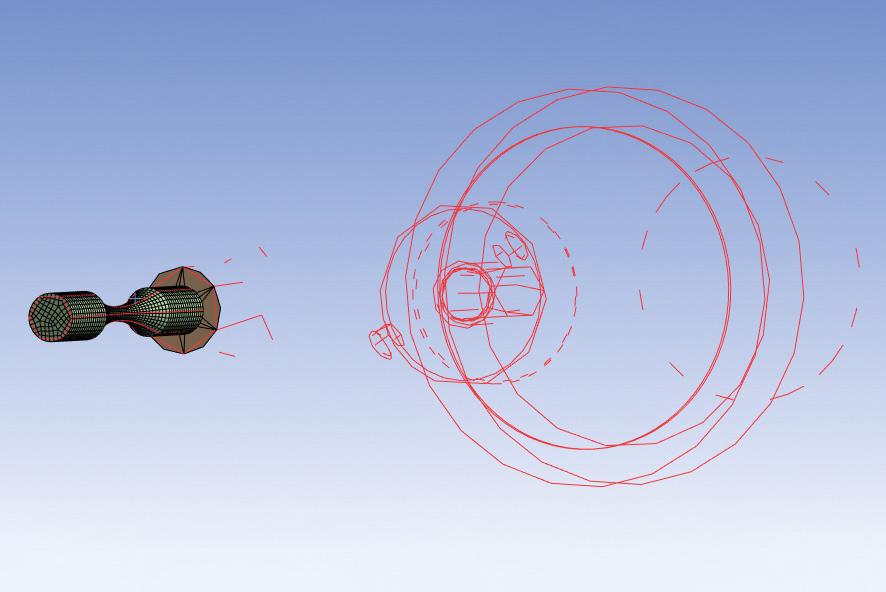
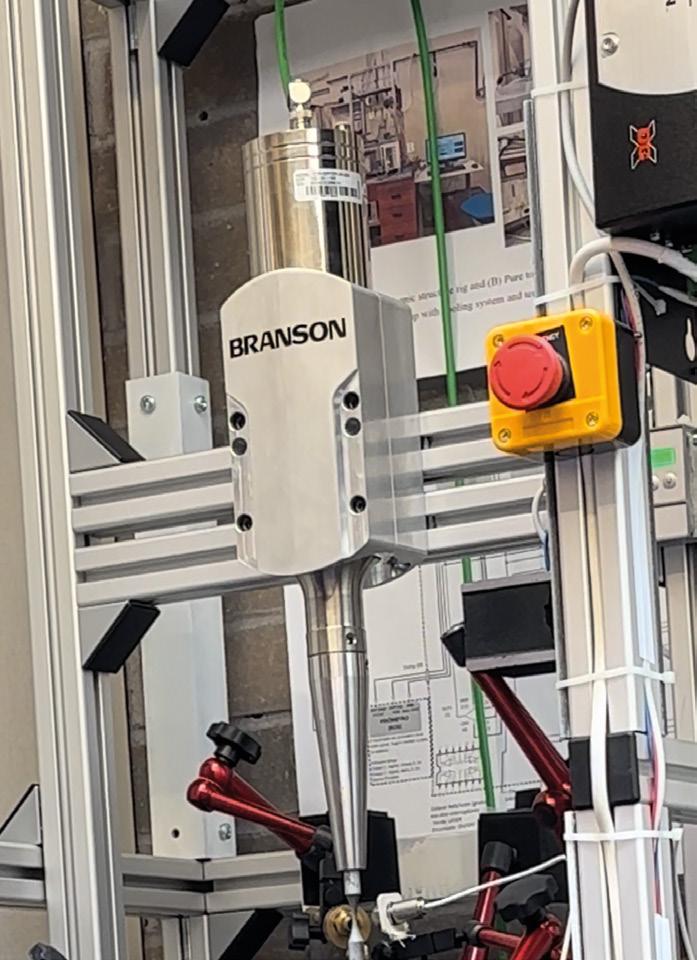
Ultrasonic Fatigue Testing (UFT) accelerates fatigue testing with ultrasonic frequencies, reducing costs and time scales. Validating these results with Finite Element Analysis (FEA) ensures accuracy and reliability for rapid, precise material testing across industries.
Ultrasonic Fatigue Testing (UFT) utilises ultrasonic frequencies to significantly reduce the time and cost associated with traditional fatigue testing, making it ideal for industries like aerospace and automotive. I chose this project to delve into efficient and reliable material testing methods. This experiment aims to calibrate the UFT machine while validating it against Finite Element Analysis (FEA) using two different materials, EN8 and 17-4PH stainless
 Mahfouz Alhalouch
steel. Throughout the project, I honed my skills in experimental testing and computational simulation, gaining deeper insights into material behavior under stress. This experience highlighted UFT’s potential to transform fatigue testing by making it faster, more cost-effective, and broadly applicable across various engineering fields.
s5425700@bournemouth.ac.uk
www.linkedin.com/in/mahfouzalhalouch/
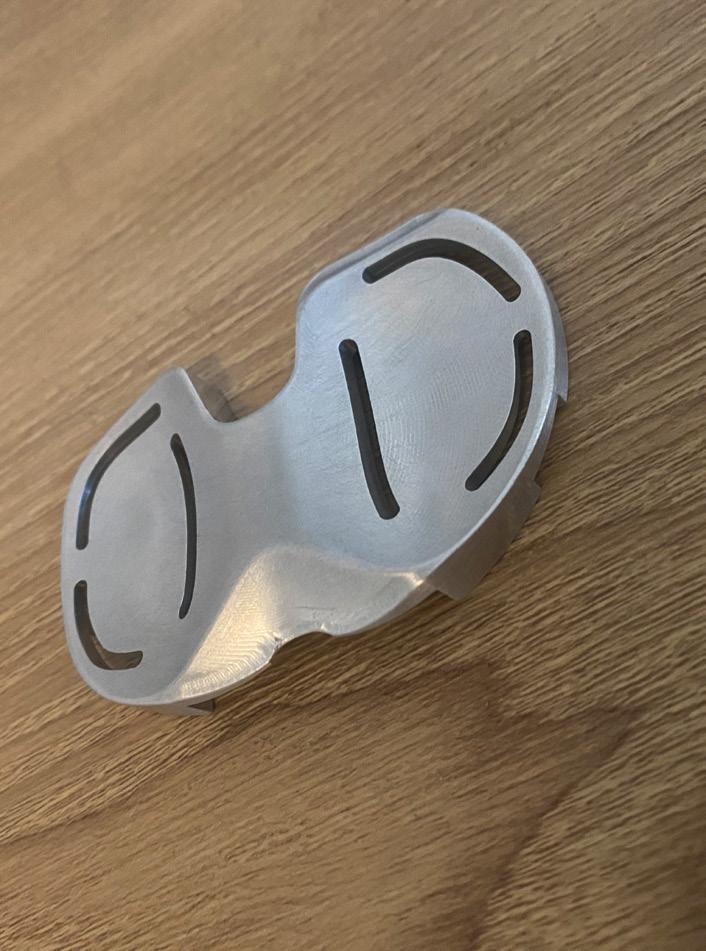
The idea of the project is to design a casing for an electrical instrument used in ligament and joint surgery to promote recovery.
My curiosity about working on a project that has not been developed to a market level and providing a high-quality service motivates my participation in this project. Going from a prototype with research and trying all kinds of concepts has always attracted me; it gives an understanding of what the engineering trial and error process is like.
The aims were to test a range of different coatings and sealants with initial theoretical research into the literature
available and the biocompatibility potential of each one. Followed by testing specific characteristics like durability, dimensional stability, scratch resistance, and impermeability.
I have learnt a great deal relating to my learning so far of the industry and how to properly manage a project from the beginning stages to the end of it.
Luke Arnolds5311231@bournemouth.ac.uk www.linkedin.com/in/luke-arnold-2b1b2a236

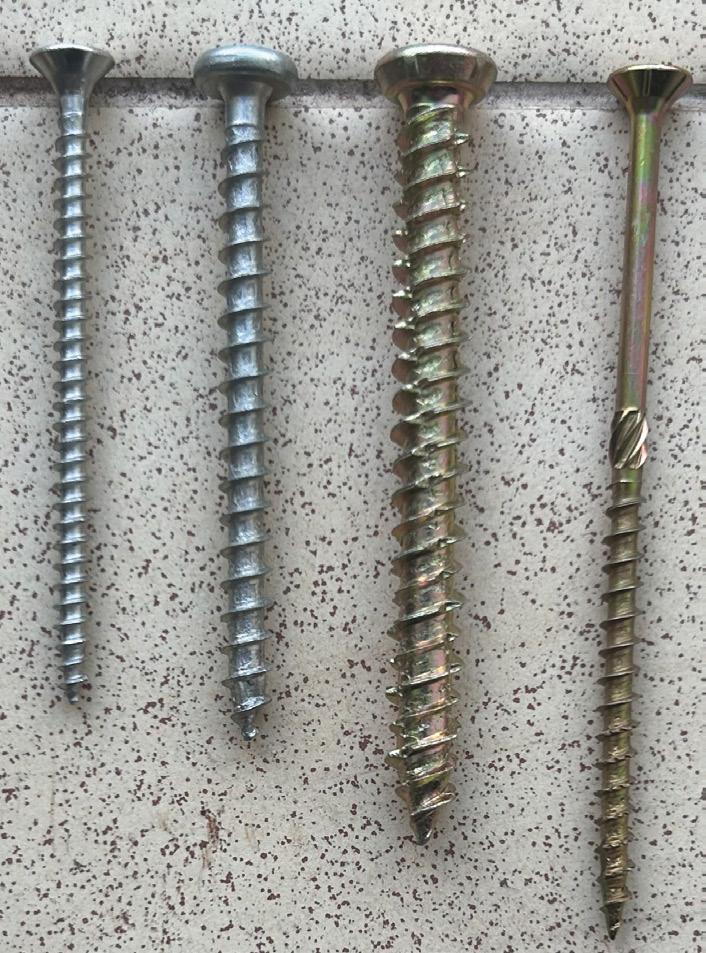
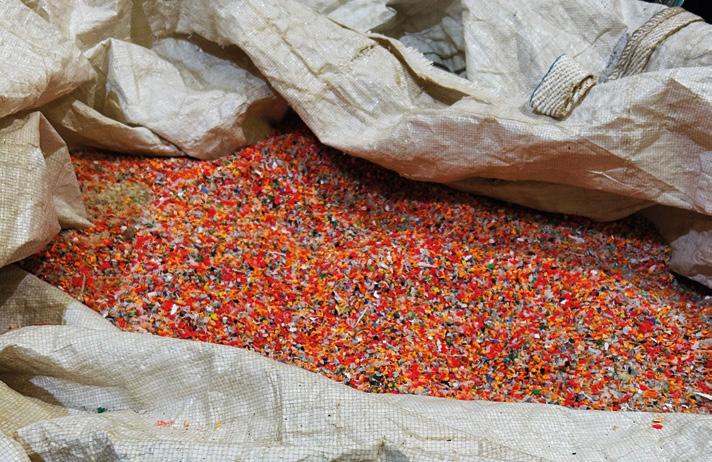
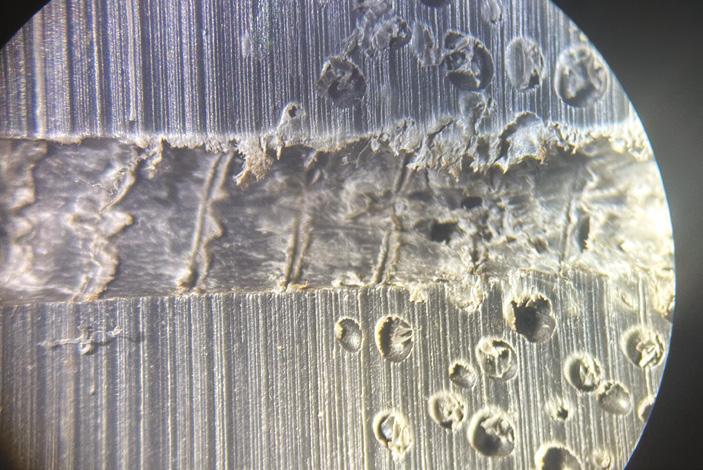
My dissertation investigates the pull-out and shear testing of fixings using Circular 11’s sustainable plastic lumber, as well as its structural properties and potential applications in construction, in order to develop a sustainable solution to the growing amount of waste plastic.
I took on this project to learn about and work with Circular 11’s sustainable plastic lumber, with the goal of presenting useful information for future projects and contributing to the reduction of harmful waste in the environment. My objectives were to evaluate its structural performance using pull-out and shear tests on fixings, as well as to gain a thorough understanding of this relatively new material, by identifying physical features and failure modes. Throughout,
 Samuel Bailey
sambailey63@yahoo.com
I learned about material sustainability, advanced testing techniques, and had hands-on experience with Circular 11’s material. My dissertation focuses on the potential of sustainable plastics in reducing environmental impact in construction, as well as the importance of rigorous testing to ensure structural integrity and safety.
www.linkedin.com/in/samuelbailey2001
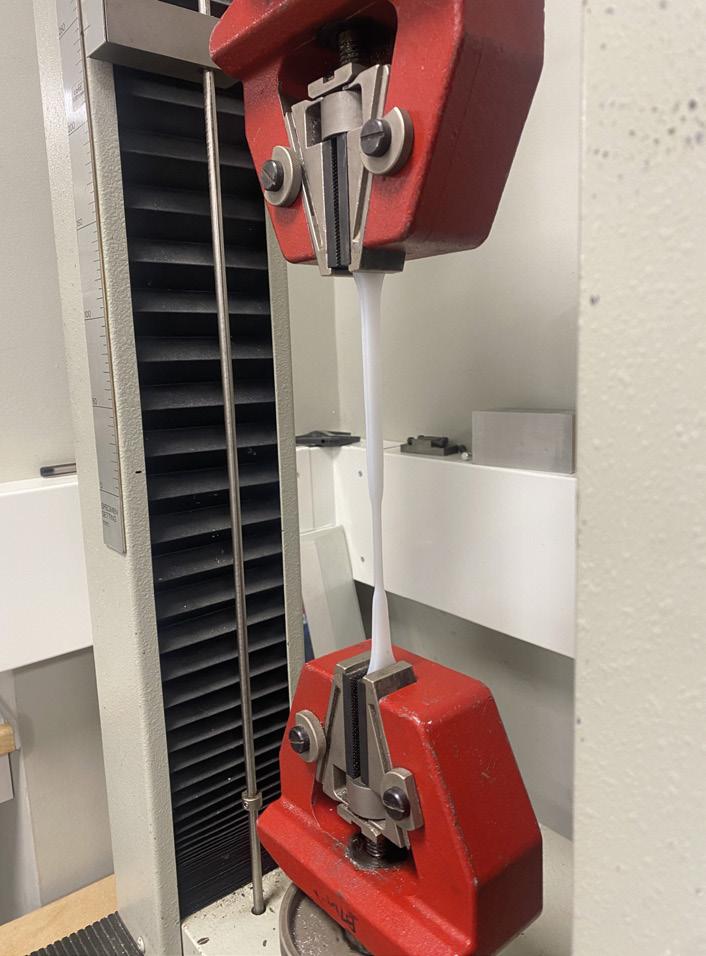
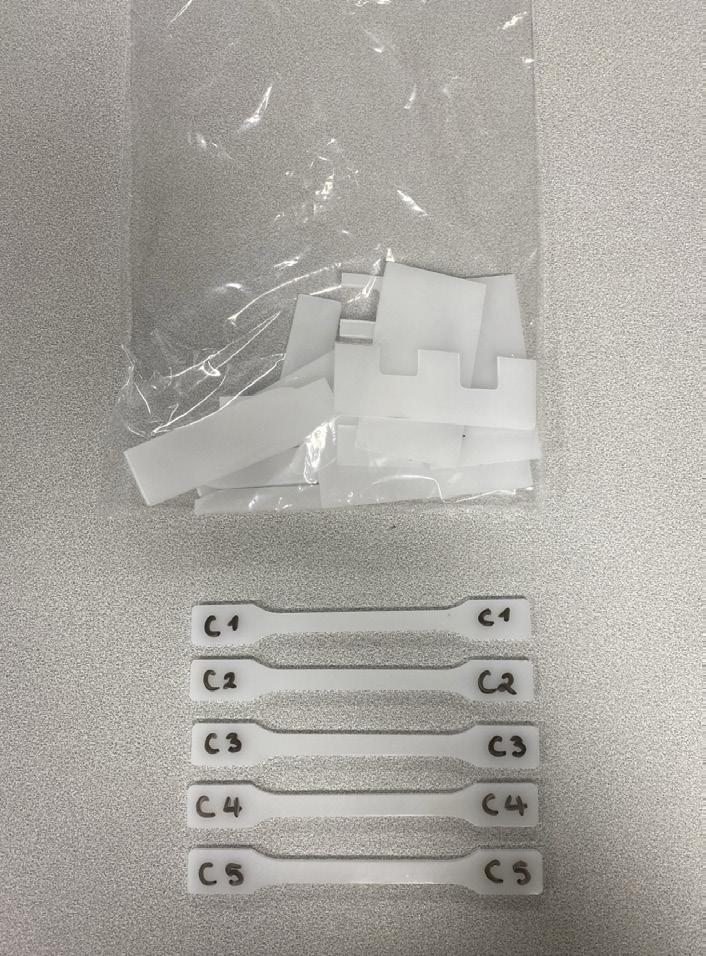
The increase in plastic uses leaves a lot of demand for an increase in research around sustainability and recycling. My project aims to investigate the feasibility of upcycling High Density Polyethylene to use in car parts such as fuel tanks in order to increase the life cycle of HDPE.
The problem with the amount of plastic builds up in landfill sites, the world’s oceans is vast. Thus far the figures for how much plastic is recycled are vastly outweighed by the figures of plastic that is dumped, or simply burned, further expanding the problem to the environment by releasing harmful gasses into the atmosphere. Due to this the demand for plastic recycling has become widespread, plastics such as High-Density Polyethylene which are
found in many plastic bottles are looked at as sources for opportunity to create a world with less waste and reduce the carbon footprint that humans have on the environment. Upcycling is the process whereby a product is recycled into a new product with higher value. High density polyethylene is a plastic widely used in fuel tanks for vehicles and this experiment aims to find if it is feasible to do this.
Gerardo Castellanos Quinterogesotania@gmail.com
http://linkedin.com/in/gerardo-castellanos-33304a234
070306006212

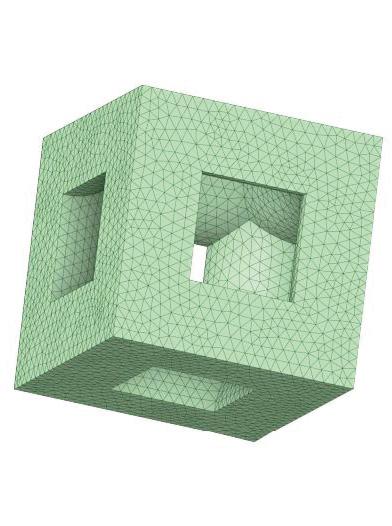
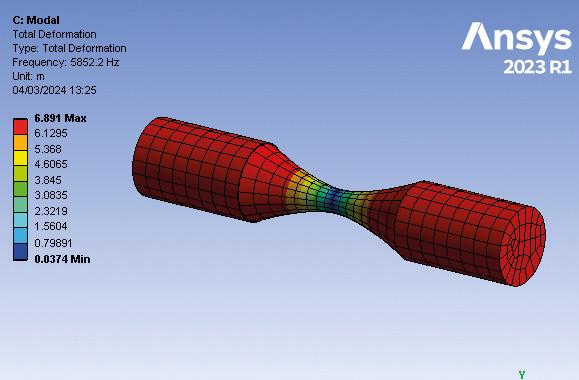
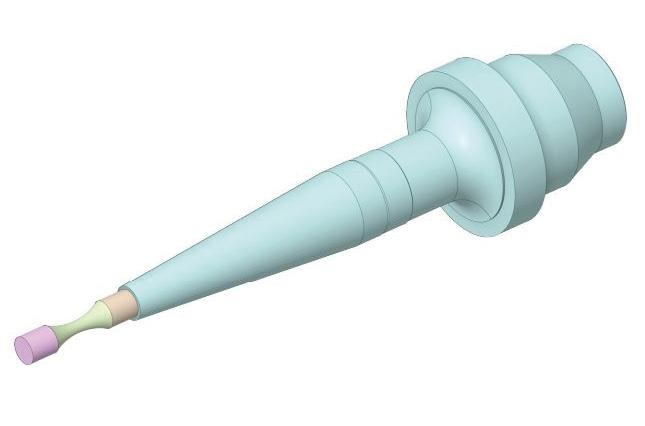
This project involved designing, manufacturing, and testing on a specimen with an internal lattice structure for ultrasonic fatigue testing. The use of simulations and 3D-printing will expand our knowledge on the benefits for lattice designs within fatigue testing.
The study in material life is fundamental in preserving our infrastructure, to ensure a sustainable future. To stretch a components life, understanding how we can make it stronger and improve the efficiency throughout the manufacturing process is an upmost importance. Fatigue testing serves as a critical tool in understanding how materials respond to repeated stress and cyclic loading, thereby informing decisions to enhance their durability and efficiency.
 Jack Clemons
During this investigation the facilities at ADDISONIC will be used to perform ultrasonic fatigue tests, to improve a specimens life expectancy. The focus will be exploring the use of lattice structures inside a specimen made from 17-4ph. The purpose is to see if the use of the lattice structure can still allow the specimen to reach the desired frequency range of 19450hz-20450hz. If, simulated results are successful the specimen can be 3D printed for validation through physical experimentation.
s5407171@bournemouth.ac.uk
www.linkedin.com/feed
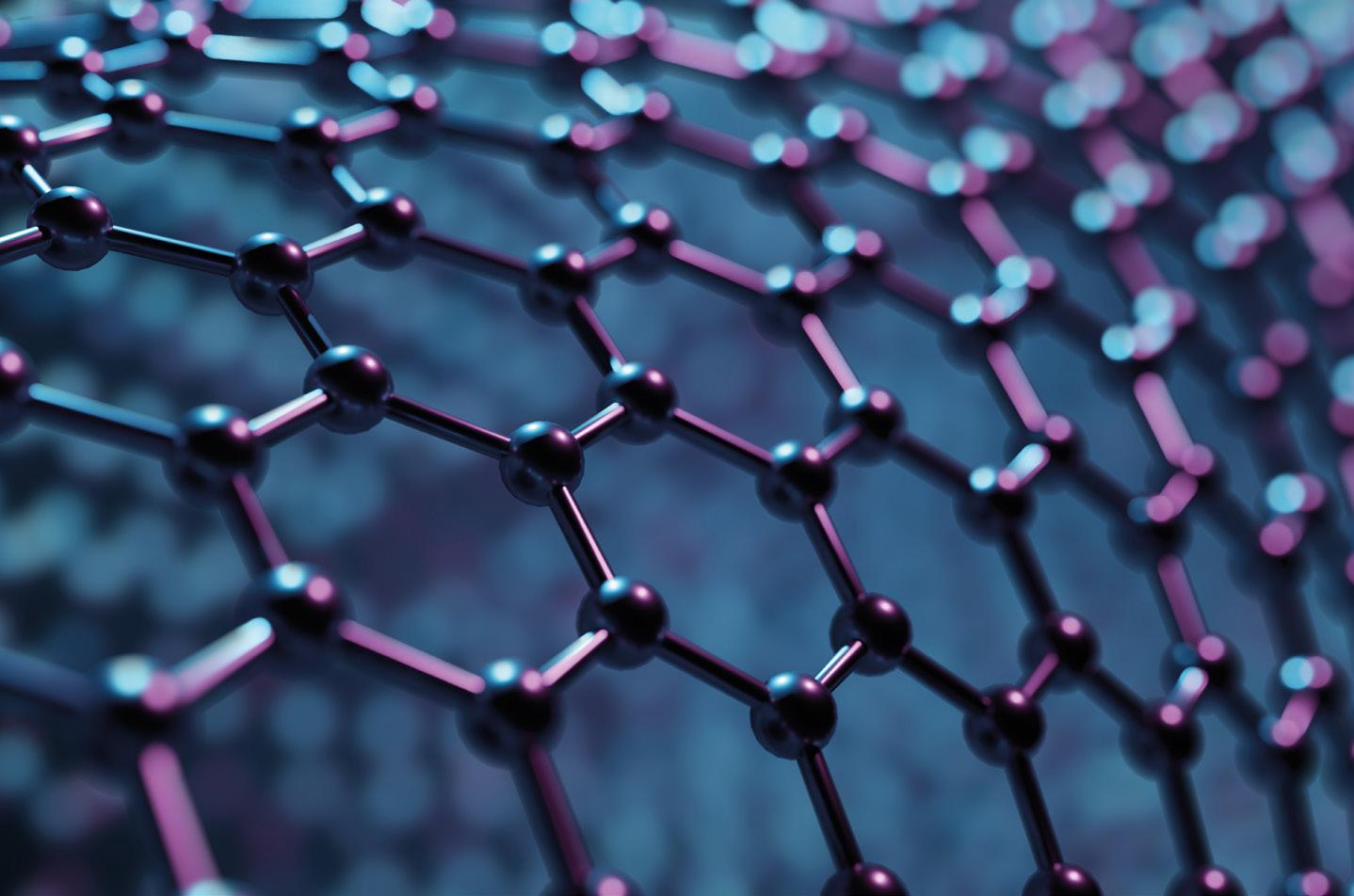
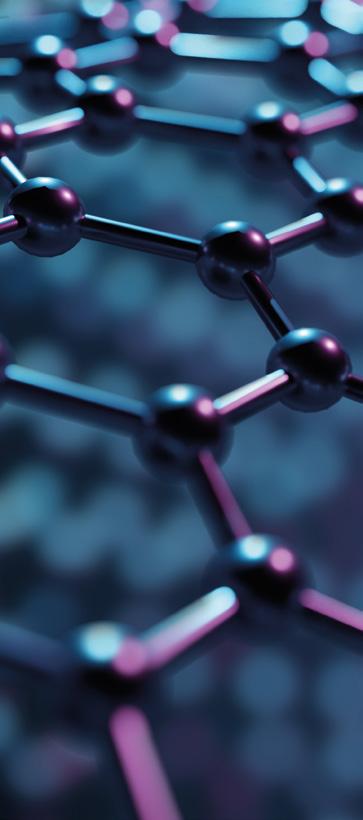
Graphene is a new material that is known to have many different uses due to the materials extraordinary properties. In my project the goal was to investigate these properties and use an Ultrasonic Fatigue Testing Machine to test the fatigue and strength of my own made graphene composite.
Graphene has emerged as a prominent material within the realm of nanotechnology, finding applications across various domains such as biomedicine, industrial processes, composite materials, and even in the fabrication of sporting equipment like tennis rackets. The objective of this project was to explore the longterm fatigue behaviour of graphenebased composites, achieved through the integration of graphene into an
established polymer matrix, specifically epoxy resin in this instance. Given the limited breadth of existing research in this specific area, this project was conceived not only to deepen personal understanding of this exceptional material but also to contribute valuable insights to the broader scientific community. Focusing on the longterm fatigue characteristics enables a comprehensive understanding of the materials durability.
Joe Colemans5419289@bournemouth.ac.uk
07715452014

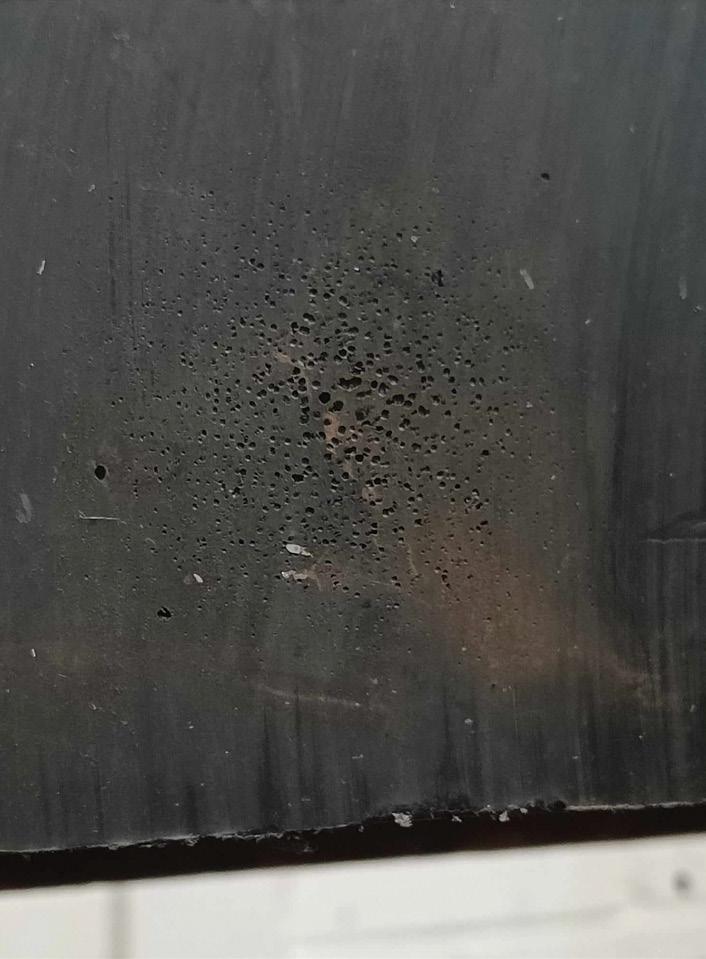
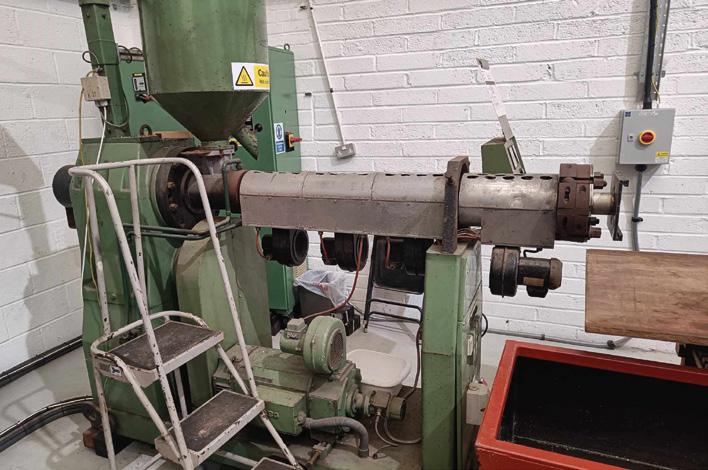
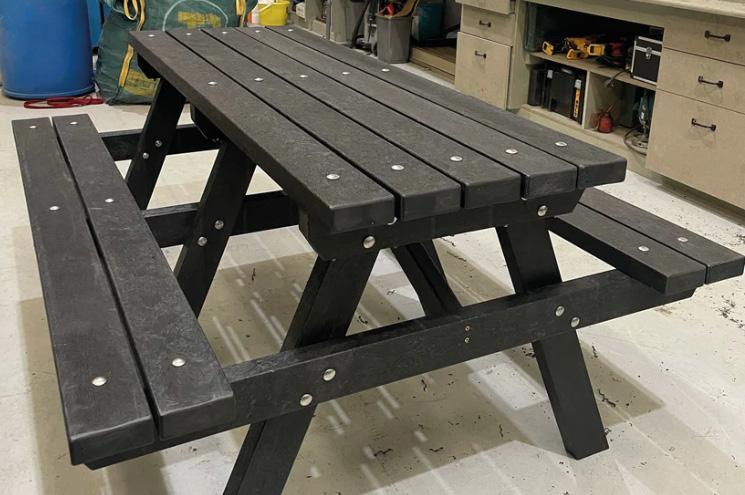
Circular 11 is an engineering firm based in Somerford whose goal is to utilise recycled household polymers to create a variety of products. The utilisation of these recycled polymers would result in a reduced need for virgin plastics to be manufactured, and reduce reliance on fossil fuels.
This project aims to analyse one of Circular 11’s items of street furniture, constructed from extruded recycledpolymer beams, in an effort to identify any vulnerabilities within the design or manufacturing process. This will be done via FEA with material data obtained through in-person testing due to the potential changes which may occur during the recycling and manufacturing processes. Particular investigation was placed into the effect of material aeration
 Alexander Derham
al.derham@hotmail.co.uk
which occurs during the extrusion process and how the air voids throughout the components will effect it’s structural integrity. All recommendations must be appropriate to Circular 11’s current position as a small, start-up company with limited resources, and materials consisting solely of those which are donated from local recycling centres and companies.
www.linkedin.com/in/alex-derham-0b949b231/
Electromagnetic treatments for material fatigue
Among the emerging technologies being introduced with the purpose of enhancing the strength and durability of materials, alternating magnetic field treatment stands out as a promising method for tackling fatigue induced failures due to its unique combination of non-destructiveness, precision, versatility, efficiency, environmental friendliness, and compatibility with materials.
Jashane Evanss5419233@bournemouth.ac.uk
This projects objective is to compare the fatigue performance of EN8 steel and aluminium specimens that have been subjected to alternating magnetic field treatment with specimens that were left untreated. Using the results, which will include fatigue life curves and micro-structural analysis, this project will provide valuable insight into the effectiveness of alternating magnetic field treatment in enhancing the fatigue resistance of materials. 07713946370

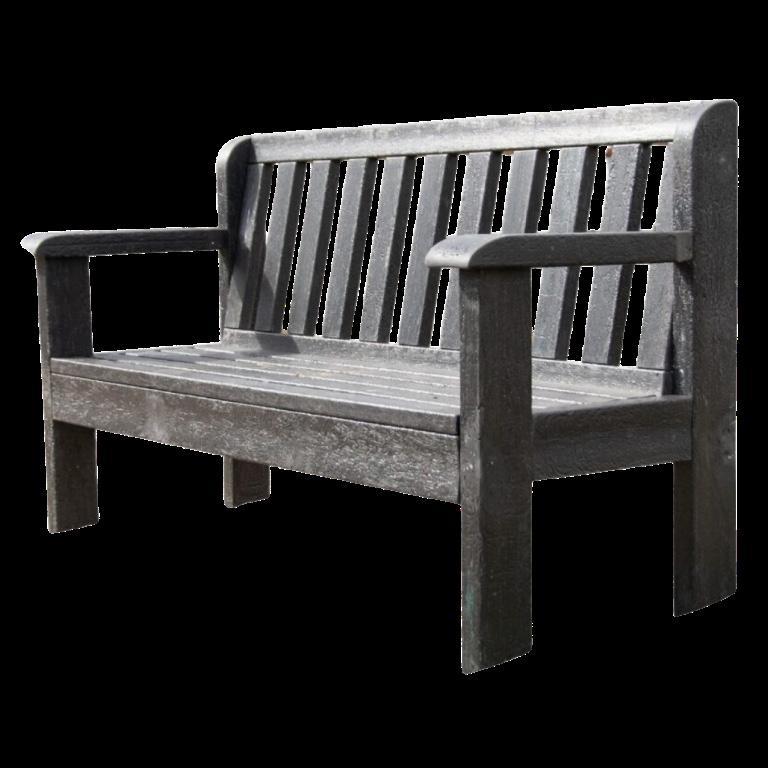
The issue of plastics waste has reached alarming proportions in recent years, posing significant challenges to both our environment and society. As the global production and consumption of plastic continue to escalate so does the plastic waste inundating the landfills, waterways and ecosystems.
Circular 11 was born out of a waste management project in Nepal (Circular 11. 2023) with the idea to turn plastic waste into useable products for communities affected by the worldwide mass waste pollution.
This project uses physical material testing, Finite element analysis along with knowledge of High-Density Polyethylene (HDPE) and Low-Density Polyethylene (LDPE) both plastics found commonly as waste to redesign
 Christopher Haines
a park bench to be manufactured using sustainable recycled material instead of the non-renewable materials used currently. The design optimisation will analyse the information from all aspects of the project and alter the current solid beam design comparing different hollow infill designs to allow for higher efficiency in the manufacturing process.
s5409850@bournemouth.ac.uk
Chrishaines2002@gmail.com
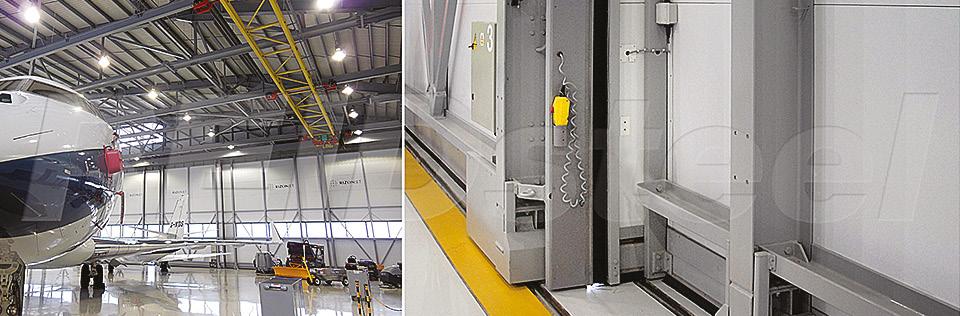
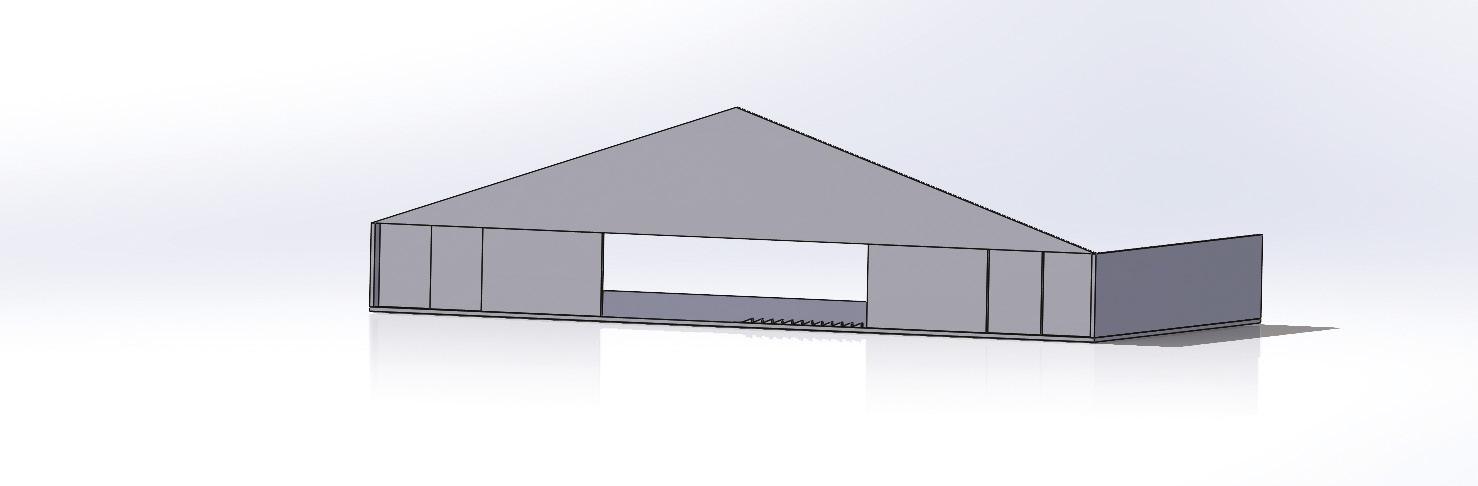
Hangars are a notoriously dangerous place to work, and the doors are some of the largest moving structures used on a daily basis. This project uses microwave motion sensors and switches to control the movement of the door to eliminate any risk of injury.
Based on Reid Steels Rizon Jet hangar, the system will automate the safety of each of the six 14 x 9 meter bottom rolling door slabs. The four major concerns associated with these door are: crushing: impact, shearing and drawing in.
It will adhere to the United Nations Sustainability Development Goals, striving for good health and well-being, industry and infrastructure innovation, and sustainable cities and communities.
Since the mass of the doors can be up to as much as 30 tonnes, the momentum of the door is extremely challenging to manage, requiring a lot of energy to be absorbed and dissipated. Therefore the solution of motion sensors is a lot more environmentally and economically viable.
James Hurren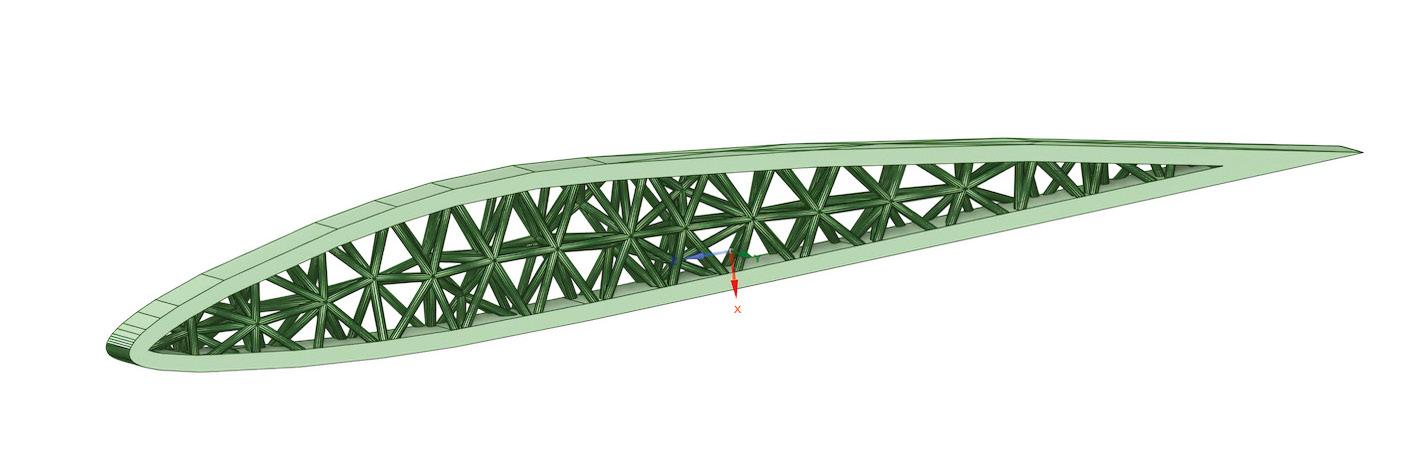
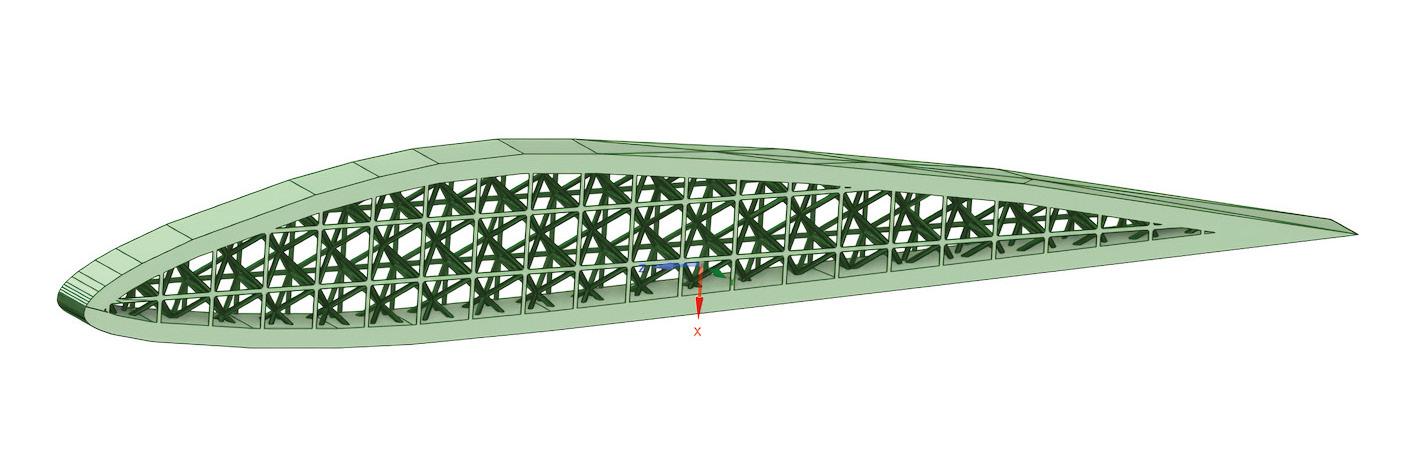
This project aims to integrate lightweight lattice structures within the internal framework of an unmanned aerial vehicle (UAV) wing. Through simulations replicating loading conditions applicable to a surveillance UAV, the goal is to minimise weight while validating structural integrity.
Fixed-wing UAVs have become increasingly popular over the last decade, with versatile applications across military, surveillance, agriculture and search and rescue operations. Ensuring their weight is kept to a minimum means higher efficiency, which in turn reduces fuel consumption, mitigates environmental impact, and enhances both range and payload capacity.
The integration of lattice structures allows a substantial reduction in the amount of material used compared to

ryanjacksonsiers1@gmail.com
solid structures, with up to 90% of the volume being air. Lattice struts bear loads extremely efficiently, meaning that despite their light weight they still maintain a high strength and absorption capacity. This project gives the potential to integrate two growing technologies in UAV’s and lattice structures, while learning more about the complexities of the aerospace industry.
https://linkedin.com/in/ryanjacksonsiers Ryan Jackson-Siers
The rise of additive manufacturing techniques for prototyping has underscored the demand for expedited approaches to assess the fatigue properties of 3D-printed alloys. Ultrasonic fatigue testing (UFT) plays a crucial role in ensuring components’ reliability, durability, and safety.
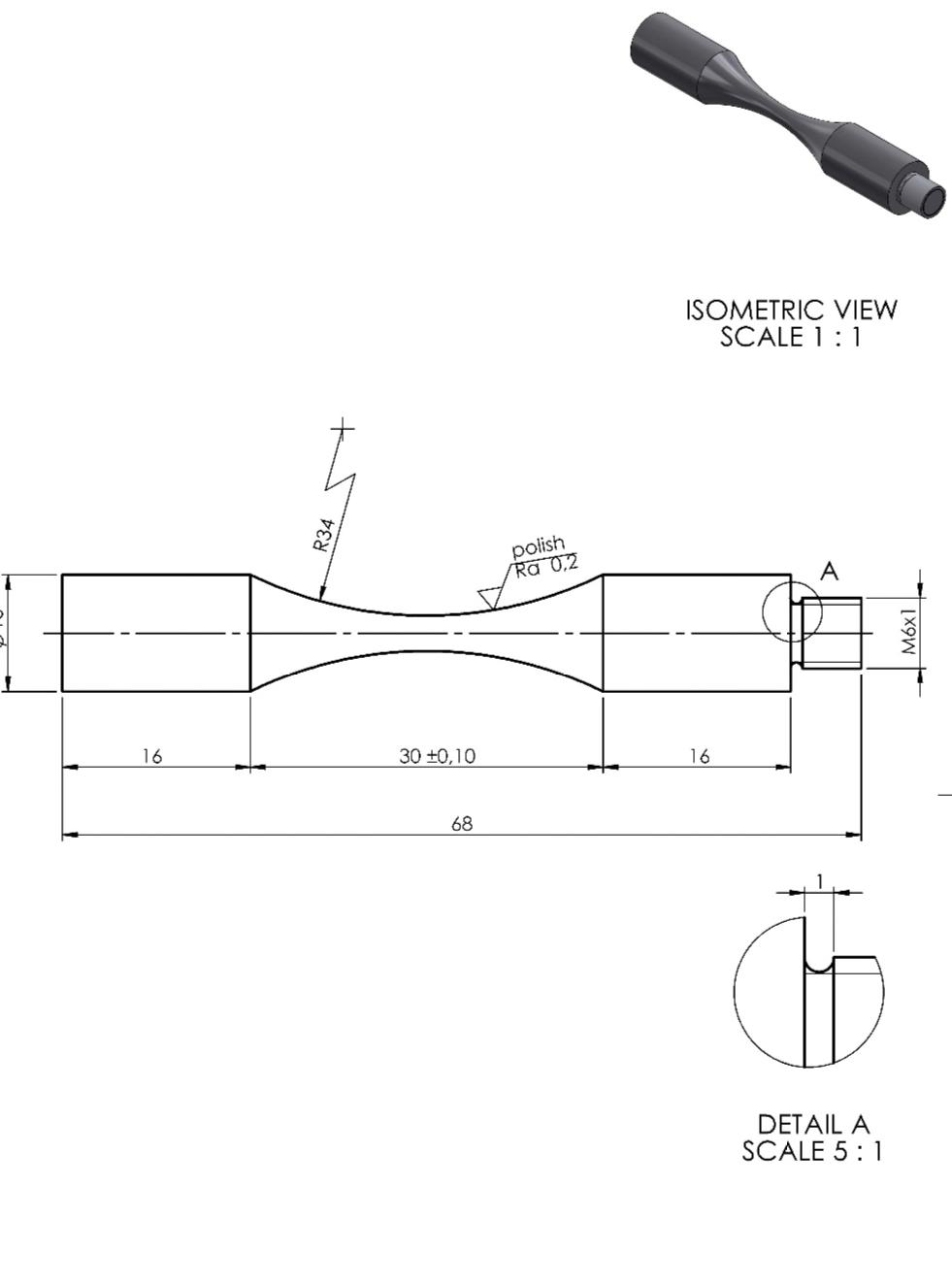
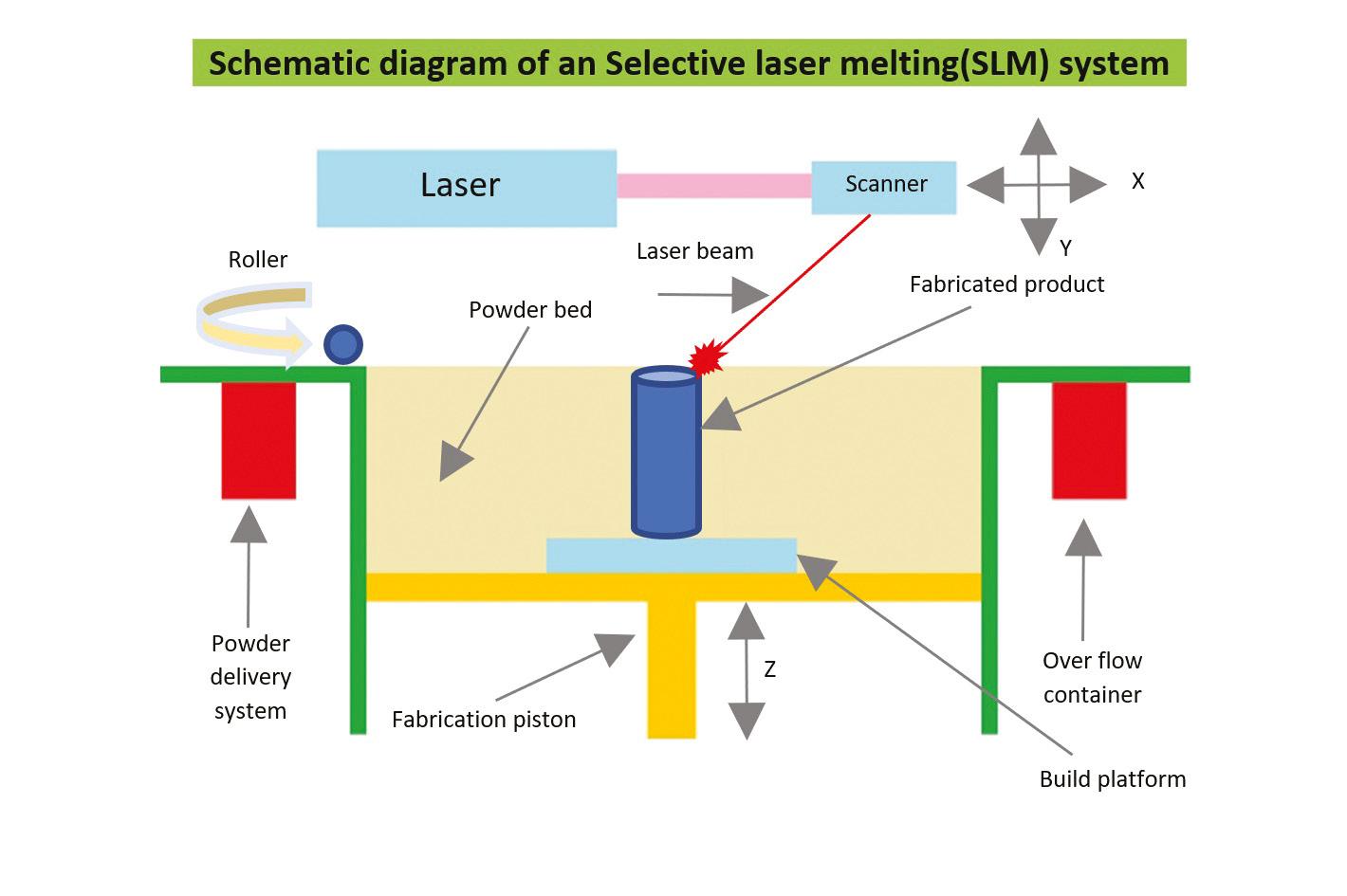
Ultrasonic fatigue testing helps to predict and increase the life cycle of the materials cost-effectively, while also accelerating the testing process and enabling very high fatigue testing. This project employs a uniaxial hourglassshaped specimen exclusively fabricated in-house using additive manufacturing technology, specifically Direct Selective Laser Melting (DSLM) within a power-bed fusion system (Orlas Creator). The selected material is 17-4PH Stainless Steel in
powder form. The primary objective is to produce multiple specimens in vertical and horizontal orientations, followed by ultrasonic fatigue testing to evaluate material performance and compare it with a computer numerical control (CNC) counterpart.
Throughout the manufacturing process, several challenges were encountered, particularly during the printing of horizontal specimens.
peter.laszlo@email.com
www.linkedin.com/in/gyorgy-peter-laszlo

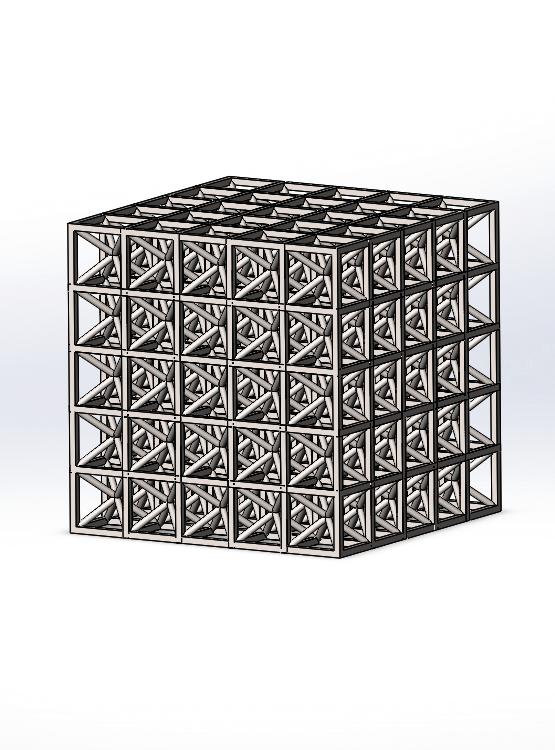
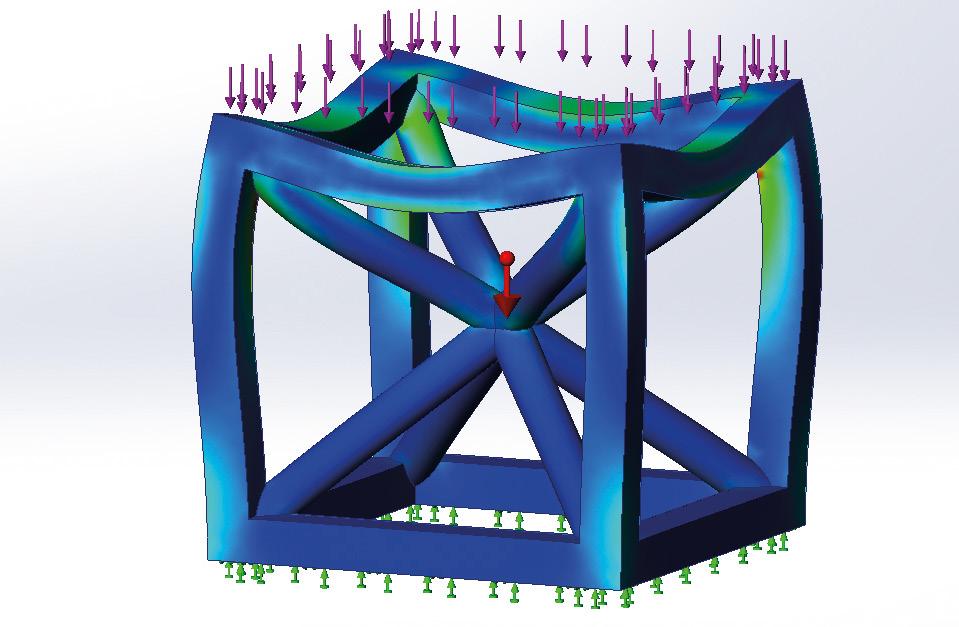
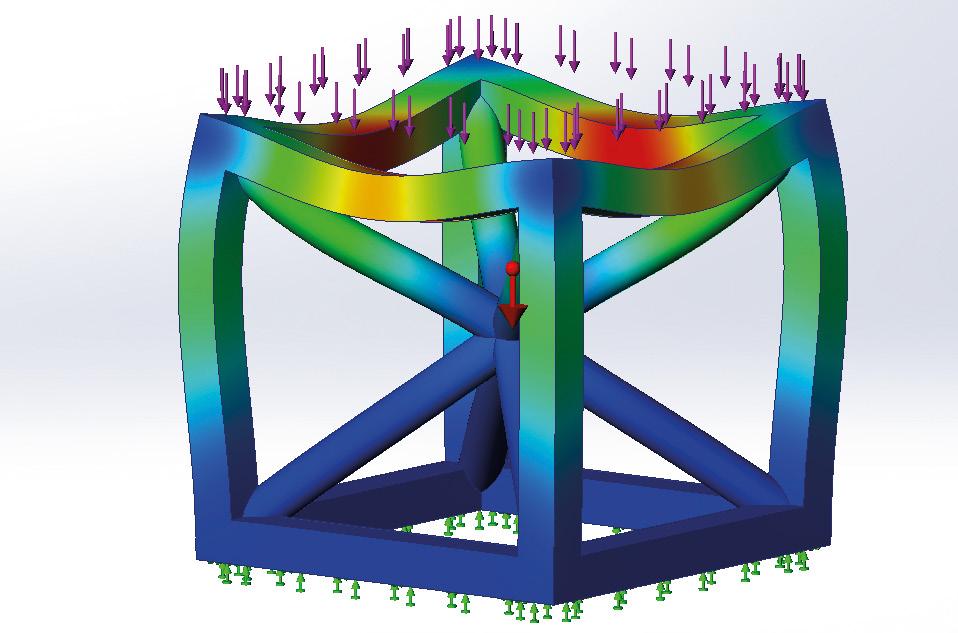
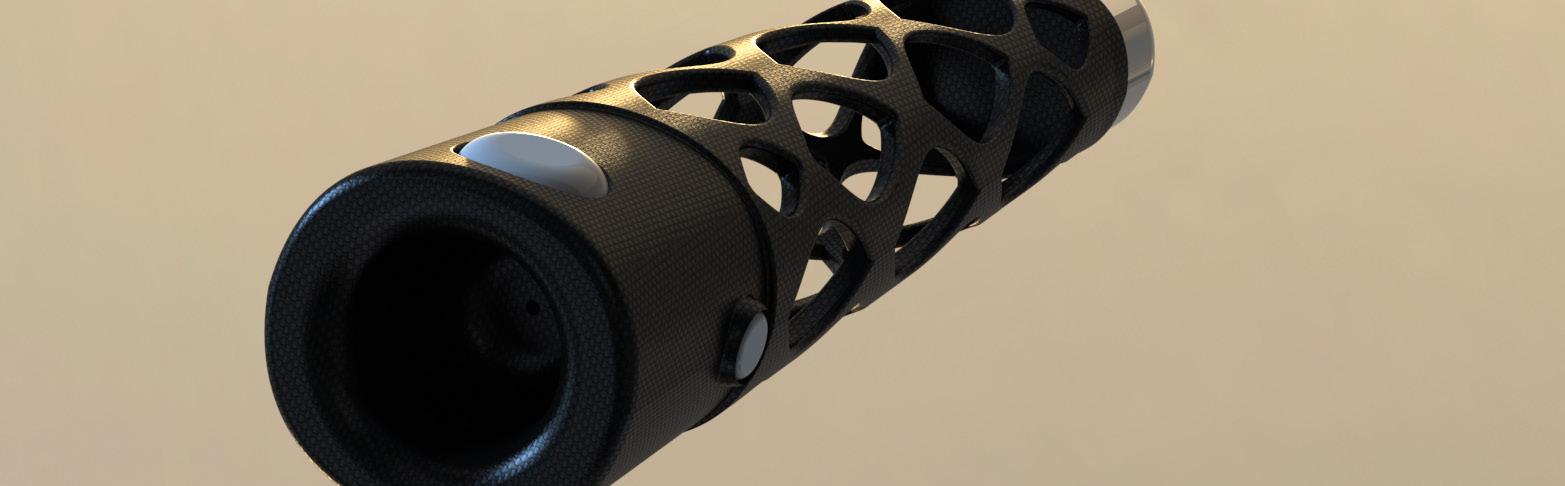
A complex lattice structure refers to a material structure made up of repeating unit cells, my project works to apply complex lattice structures into the design of a Flight Data Recorder (FDR), analysing and evaluating its performance via Finite Element Analysis (FEA) simulation.
Lattice structures are characterised by the cell topology of constituent cells and the choice of material, integrating this into design yields mechanical flexibilities unachievable by basic solid properties and far superior capacity for energy absorption. My project works to apply complex lattice structures to the design of a Flight Data Recorder and analyse its performance via FEA Simulation; evaluating the safety and integrity of the complex lattice structure. My project has
 Alec Mills
seen the review of literature (regarding lattice structures, material properties and FDR technology), the design of a Flight Data Recorder integrating a complex lattice structure (using Computer Aided Design software), and simulation of thermal, compressive, and impact stress to assess the performance of the design.
s5437551@bournemouth.ac.uk www.linkedin.com/in/alec-mills-253533254
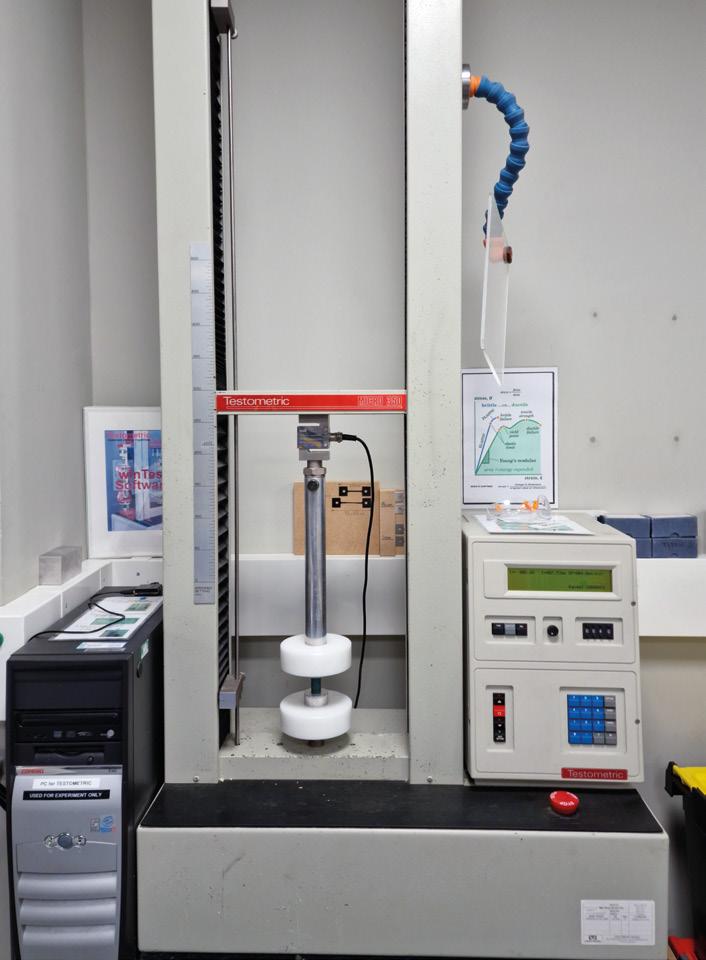
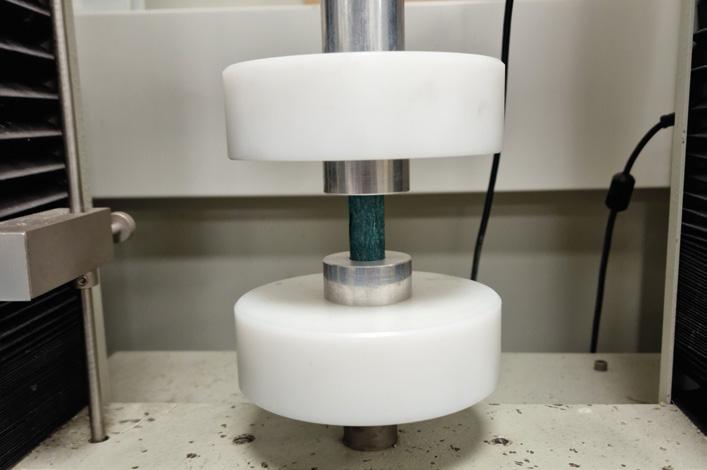
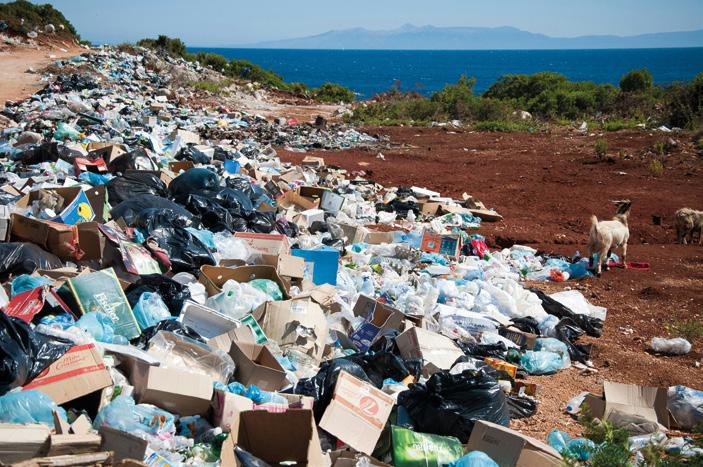
Plastics pervade our surroundings and have firmly established their presence in society, at the cost of the significant environmental impact of waste plastic due to shortcomings in recyclability. Yet is this not an abundant material source that’s going to waste?
Circular 11, a 2020 startup company based in Dorset, is seeking to reduce plastic pollution by transforming it into means of various products and ideas they have. A large contributor to waste plastics is that sometimes they cannot be separated by recyclers and, thus are too mixed up to be used by manufacturers. Using recycled HDPE (High-density Polyethylene) and PP (polypropylene) as their main materials, they are seeking ways to enhance and increase useability,
whilst having a positive impact with more CO2e prevented than produced.
In an effort to combat these issues, this venture strives to tackle the problem of plastic recyclability by broadening the applications of repurposed plastic. Utilising various compounds and ‘additives’ aiming to Increase the compressive strength of these recycled plastics, could enable further use cases for the material.
javaidmoied1@gmail.com
www.linkedin.com/in/javaid-moied

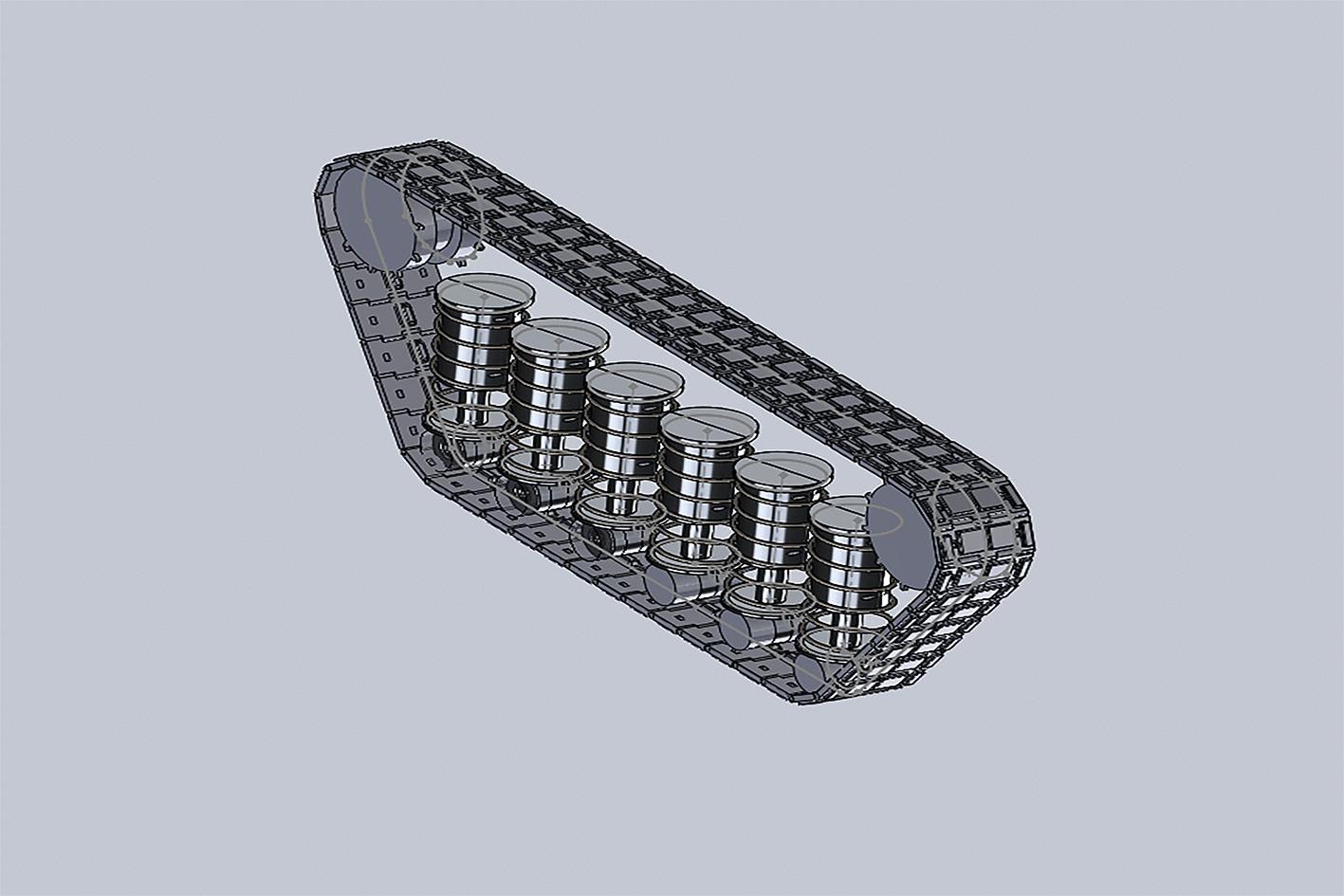
My project entails looking at ABP Technologies’ Guardian ROV track modules and redesigning them to improve their functionality. It needs to be able to integrate onto the current guardian design, keep the ability to climb stairs and improve mobility over difficult surfaces like mud or sand.
I chose this project because I have always had an interest in ROVs and the technology behind them so the choice was easy. The aims of this project are to improve the base functionality of the Guardian ROV’s tracks whilst keeping the current features and abilities of the drone like: skid steering (being able to do a complete turn within its own length), able to climb stairs and be able to fit the tracks within its silhouette. To do this I have been looking at changing not only
 Adam Nock
the tread pattern but the design of the entire module. I have redesigned the module to be reminiscent of the tanks used in the military based on their ability to traverse nearly any surface. Over the course of this project I have been able to learn how to model a belt-fed system and how to calculate and model suspension systems whilst staying within the limits set by APB.
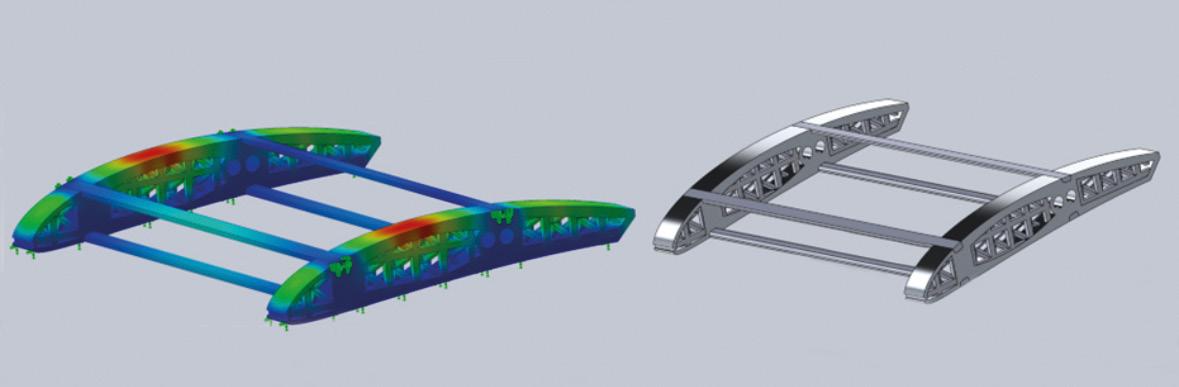
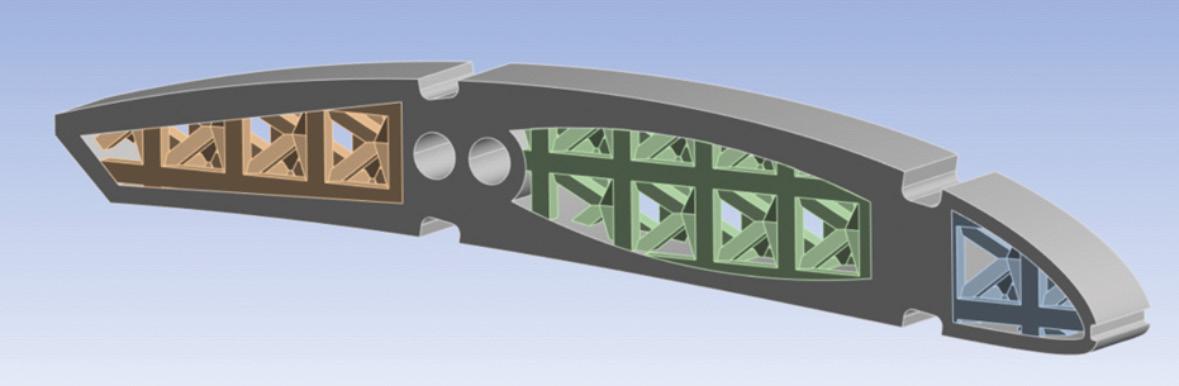
As the demand for UAV technologies surges, the necessity for lightweight yet strong internal structures have become increasingly vital in achieving their mission objectives.
This project uses Finite Element Analysis (FEA), employing tools such as SolidWorks and ANSYS to conduct comprehensive tensile and compressive tests, on a HighAltitude Pseudo-Satellite’s (HAPS) UAV spar, integrated with embedded Bodycentred Cubic (BCC) and Face-centred Cubic (FCC) lattice structures. This investigation motivated by a key interest in Aerospace seeks to explore the efficacy of incorporating macro lattice structures
within the framework of HAPS UAV wing spars. By subjecting these composite structures to rigorous FEA analysis, I aim to evaluate their mechanical performance under specific loading conditions, thereby enhancing our understanding of their behaviour.

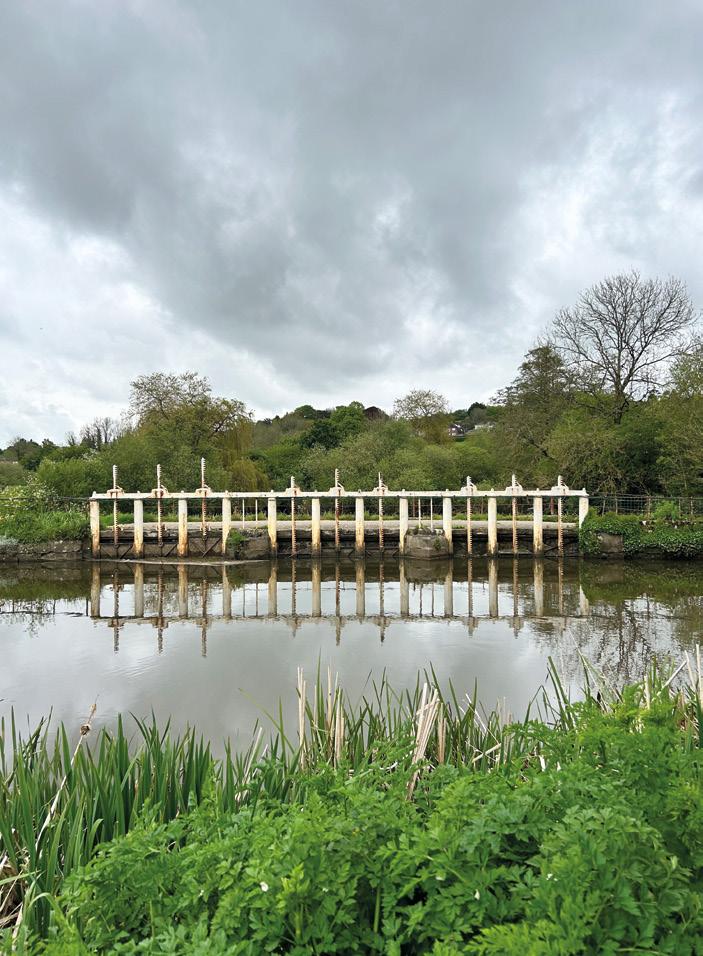
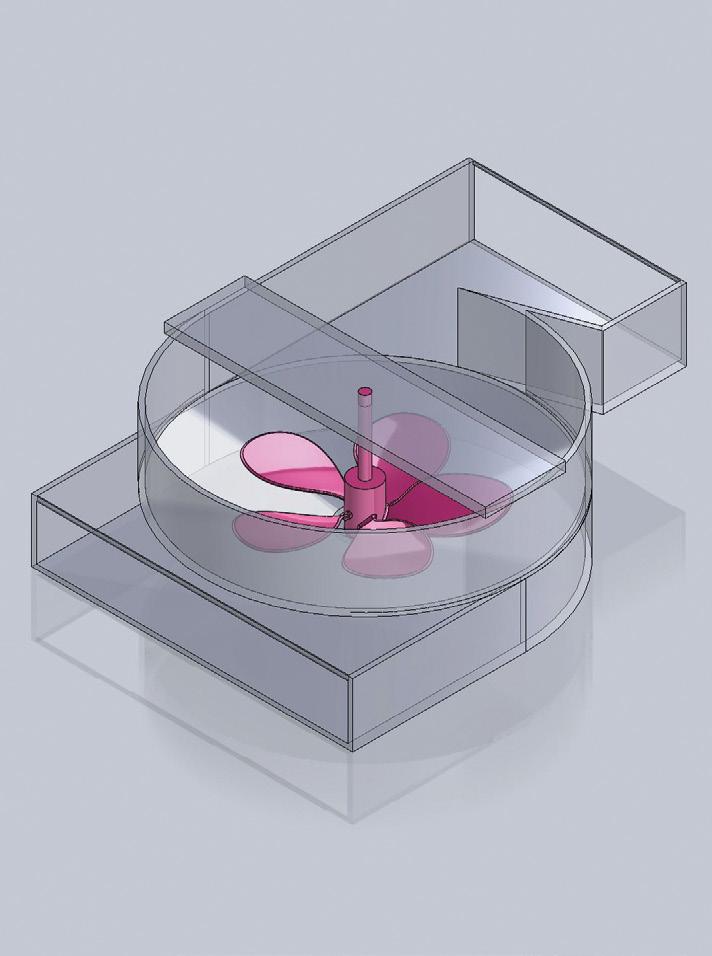
This project explores the potential for turbines to be used to generate hydropower on a small scale using run-of-river. A range of designs are modelled and the river flow is simulated to maximise energy production at Durweston Mill.
I chose to investigate hydropower generation for my project because it gave me the opportunity to use the skills I have enjoyed developing throughout my degree. I have also been able to expand my knowledge on fluid mechanics and FEA. Through research of engineering principles, use of CAD, and mathematical calculations, I’ve explored solutions to an important issue, the need for renewable energy sources. Access to energy is necessary for development, and small-

Rosie Seddon
rosieseddon279@gmail.com
scale hydroelectricity plants can provide, clean, cost-effective, and reliable energy for local communities worldwide. The simulations are based on Durweston Mill, a converted mill which is the study site for this project. The site has features which are incorporated into the system design, but the solutions explored can be adapted for other sites, proving the importance of this research.
http://linkedin.com/in/rosie-seddon
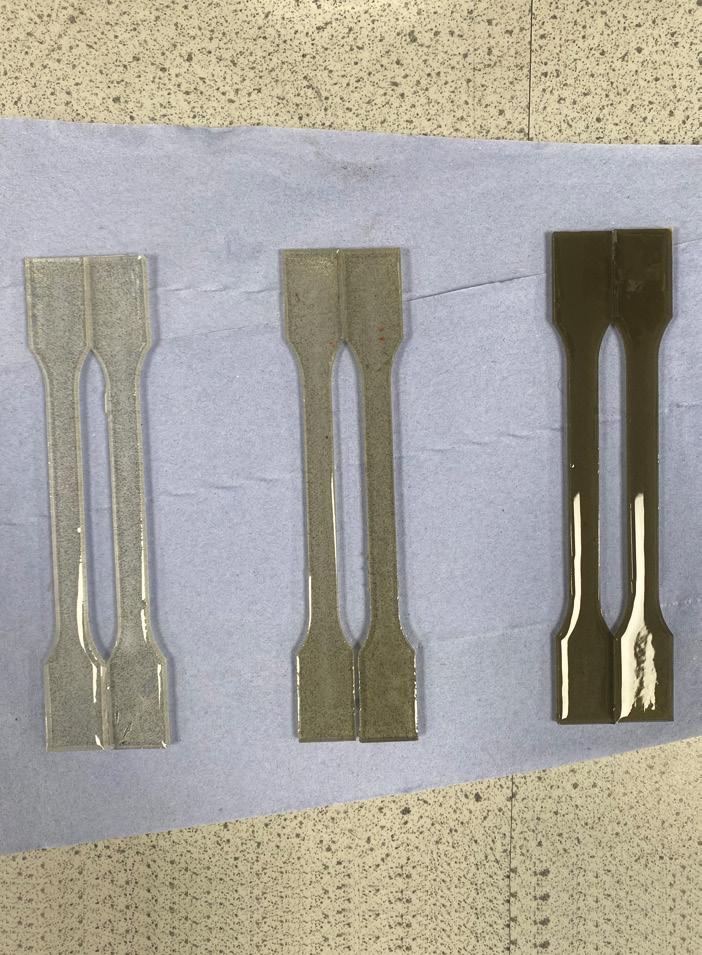
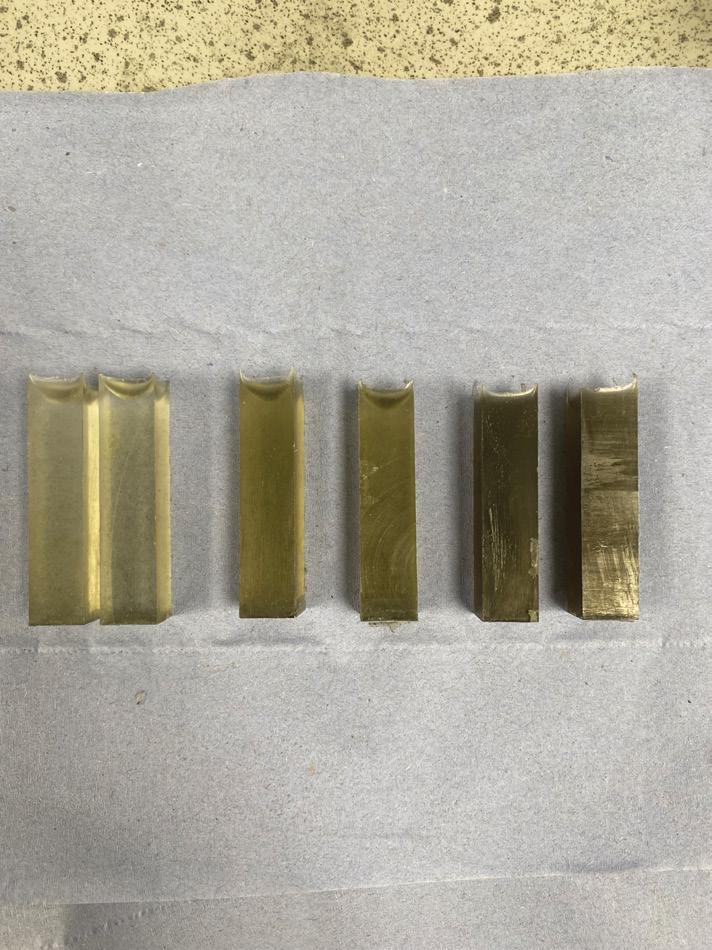
Testing the fatigue in materials is a necessary and a crucial factor to measure the structural failures in materials and in various engineering applications. The aim of this project is to study the fatigue in a selected 2-dimensional material mica in a polymer matrix.
Polymers typically do not possess the strongest attributes when it comes to structural integrity and strength, which means there is an opportunity to enhance the performance, strengthen and add potential benefits to a polymer composite, with the addition of mica. This, however, has never been explored with this unique material combination, in terms of fatigue behaviour. This project focuses on something that has never been studied before, in the field of nanocomposites
which begs to be uncovered further for a multitude of engineering applications. This work is heavily linked with a study done by another Bournemouth University student this year, which focuses on conducting an identical fatigue test with the nanocomposite consisting of graphene in a polymer matrix.
Erik Sowinski
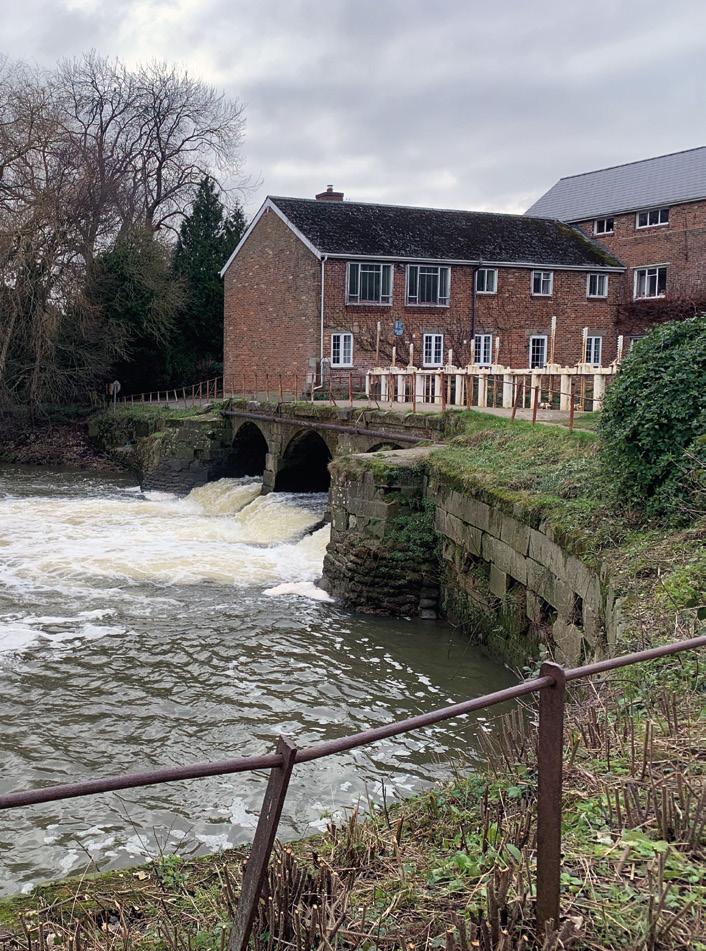
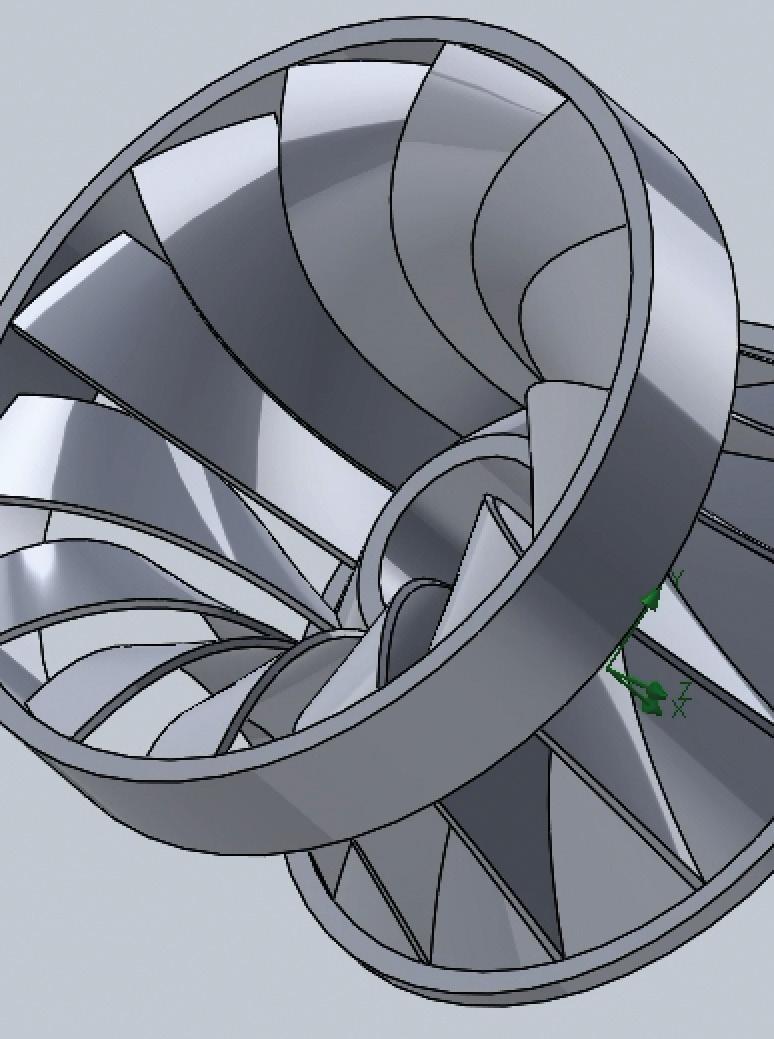
This project considers possible solutions to generate electricity at the Grade II listed Durweston Mill on the South Coast. It consists of comparative analyses between hydrokinetic turbines to determine which is most applicable in a Venturi-ducted micro-hydropower system.
As of 2023, the largest contributor of greenhouse gas emissions across the world is the generation of electricity. This project aims to determine if hydro kinetic systems are applicable at smallscale sites in an attempt to provide an environmentally friendly solution for electricity generation that does not negatively affect the surrounding wildlife. The efficiency, aesthetics and cost of the system, including but not limited to the turbine, generator and energy
 Charlotte Winship
storage is analysed considering the effect of a Venturi duct on the total energy production. A filtration solution will be analysed and the negative affects on the wildlife analysed when considering the manufacture and installation of the most efficient solution.
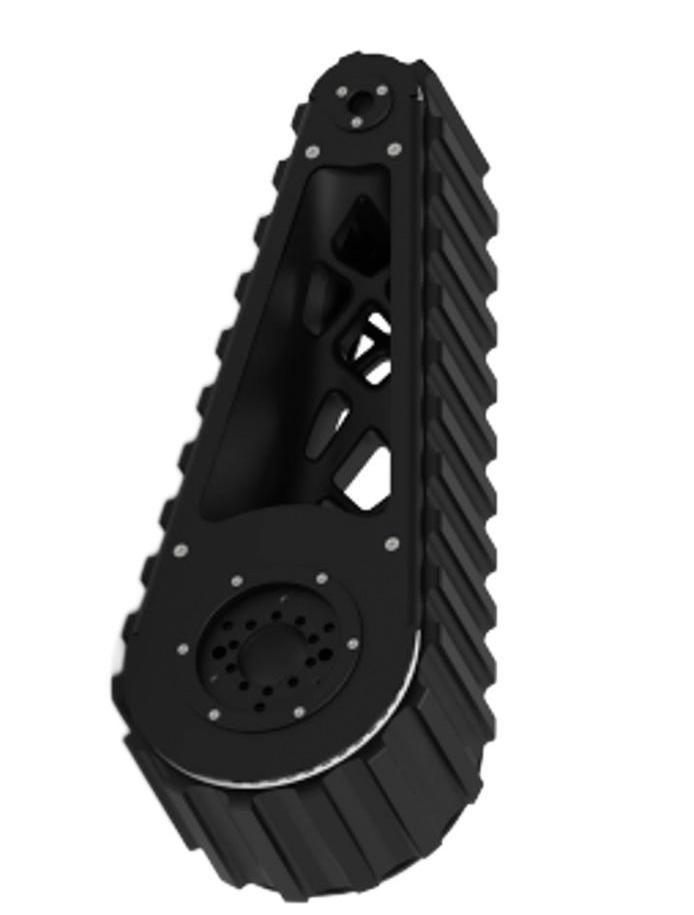
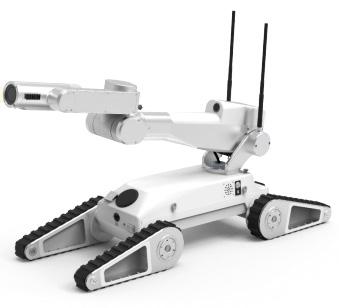
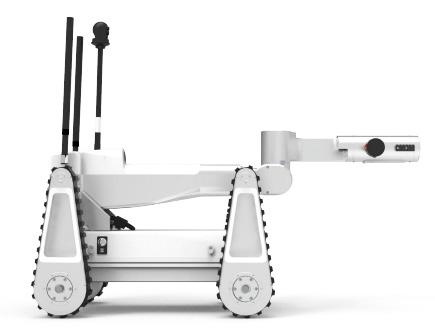
The Guardian ROV (Remotely Operated Vehicle) is a medium sized land-based system, that is used worldwide for EOD (Explosives Ordinance Disposal), reconnaissance and various other scenarios that require remote intervention.
This is a two-part project to look at new and innovative types of drive tracks and methods of track construction as well as new and innovative tread patterns and profiles to maximise traction, stability at speed and longevity. And to integrate these tracks within the current Guardian ROV system to enhance and improve its performance and capability.
• Part 1 - to investigate and design new drive tracks that will integrate into the existing Guardian (ROV)
• Improve & enhance its multi terrain capability
• Improve & enhance its ability to ascend and descend stairs and to traverse obstacles.
• Tracks to be durable to survive aggressive surfaces.
• Part 2 - to develop a new track module which includes the drive belt from part 1 along with all driving and driven pulleys and their configuration for integration onto the Guardian ROV.
I will be doing Part 1.
Dylan Blackmans5433951@bournemouth.ac.uk
www.linkedin.com/in/dylanblackman

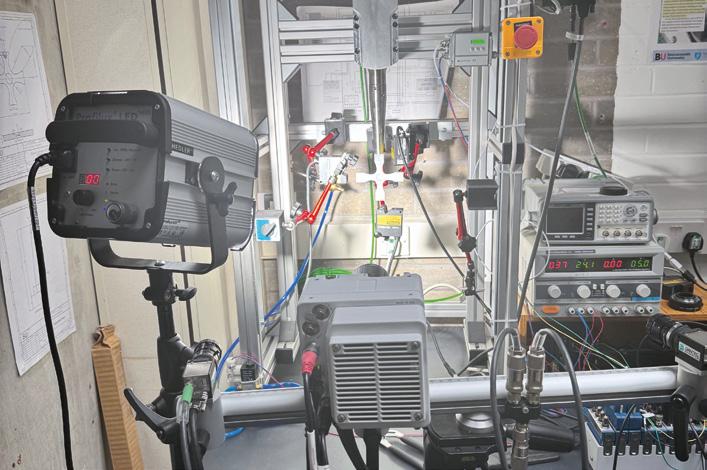
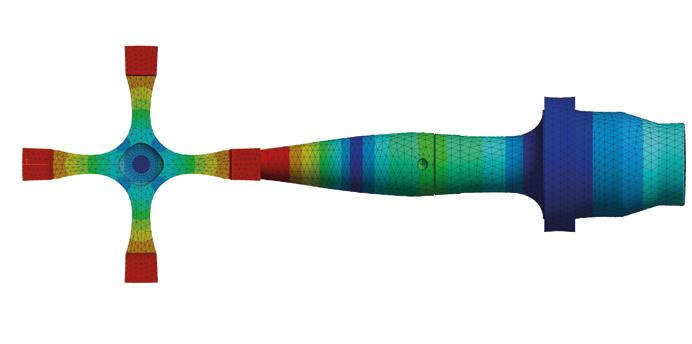
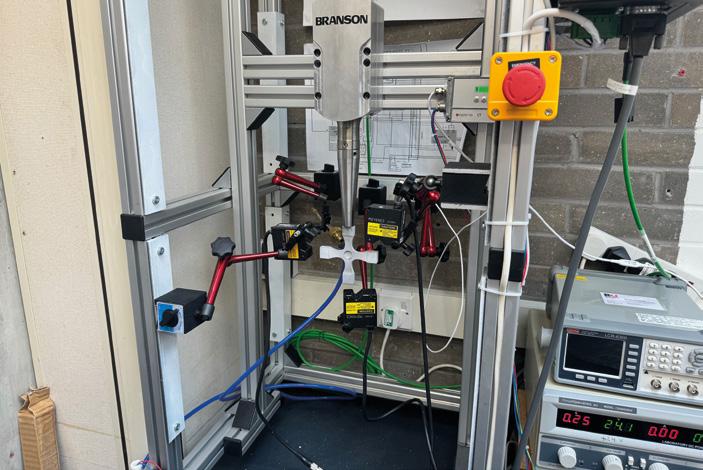
The adoption of Ultrasonic Fatigue Testing (UFT) presents a promising solution for reducing fatigue testing times significantly. This technology holds great potential in expediting part production timelines within the industrial sector.
Fluctuating loads is one of the main reasons for failure in mechanical components due to fatigue crack initiation and propagation and as most components are usually under multiaxial loading, biaxial VHCF can produce more realistic fatigue life results, allowing for safe and robust components to be manufactured. Low and High Cycle Fatigue testing are some of the methods being used within the industry now, however testing times are significantly longer come to VHCF.
 Weston Chidzikwe
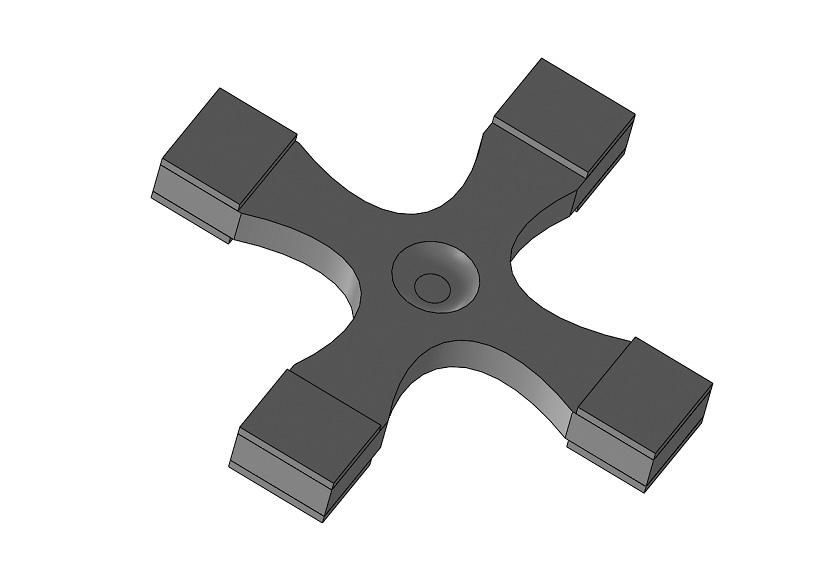
The main aim of the project is to analyse the dynamic behaviour of a biaxial cruciform specimen, under the influence of resonance induced by a UFT machine at very high Ffequencies and produce results that will aid further research. UFT has a promising future and it will be intercepting the industrial sector soon.
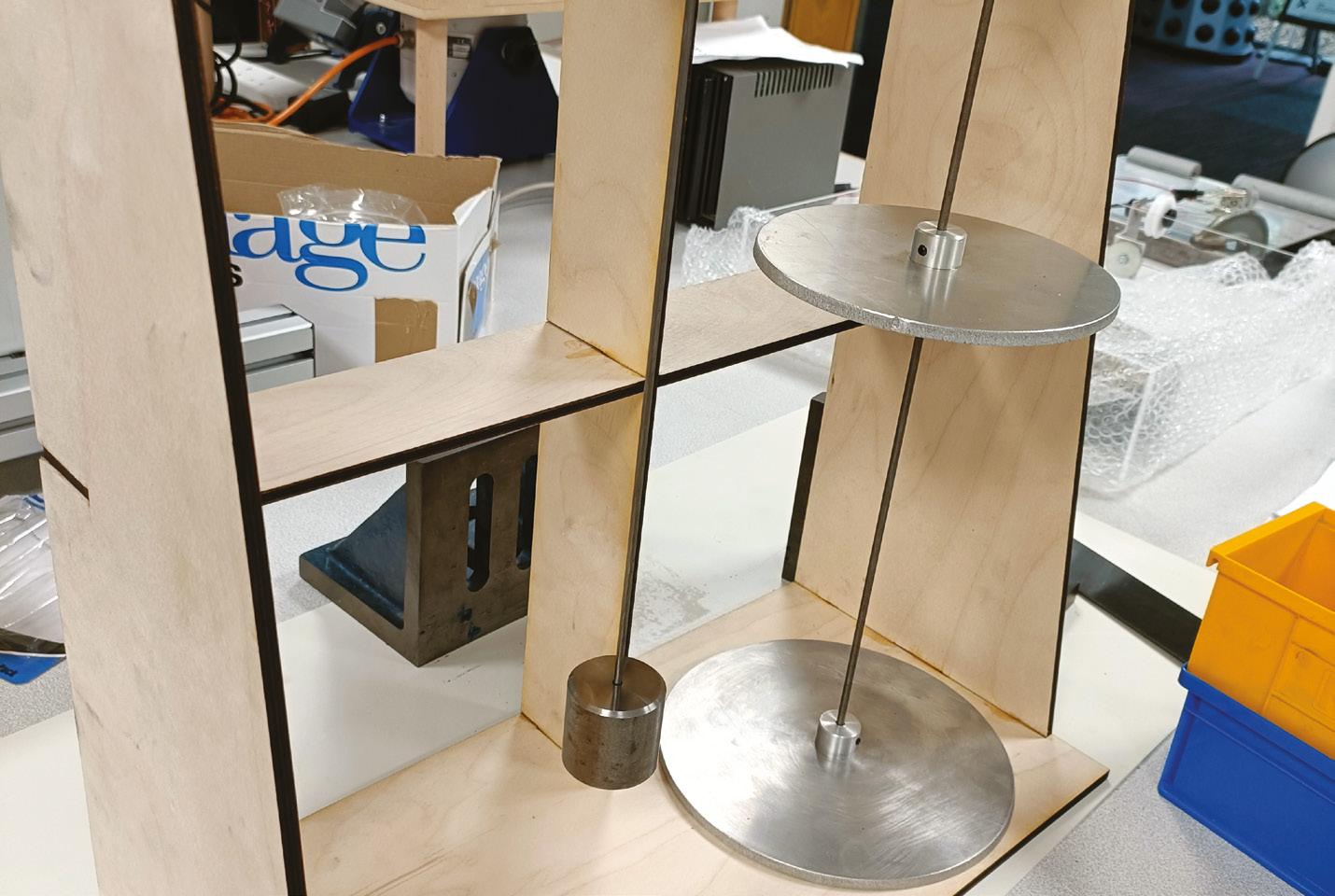
Vibration analysis of systems exhibiting two degrees of freedom. One knows that with two degrees of freedom the system shall resonate at two distinct frequencies. The tuneable nature shall allow for analysis of a plethora of systems with variable mass and stiffness.
Resonance in physical structures is destructive and ought to be avoided. Understanding at what frequency this happens is fundamental to avoiding said frequency under active use. In this study, observations and analysis of two degrees of freedom systems is the premise. To display these motions a series of digital simulations have been prepared in order to allow for easy observations and simply changeable masses and stiffnesses for one to observe the consequential effects
on the mode shapes. To supplement this, a physical jig has been produced to allow the user to see the motion in front of ones own eyes and enjoy the opportunity to play with something physical. The aim is to produce an educational device to aid understanding of observing mode shapes at resonance.
Joshua Vansons5305689@bournemouth.ac.uk
www.linkedin.com/in/joshua-vanson
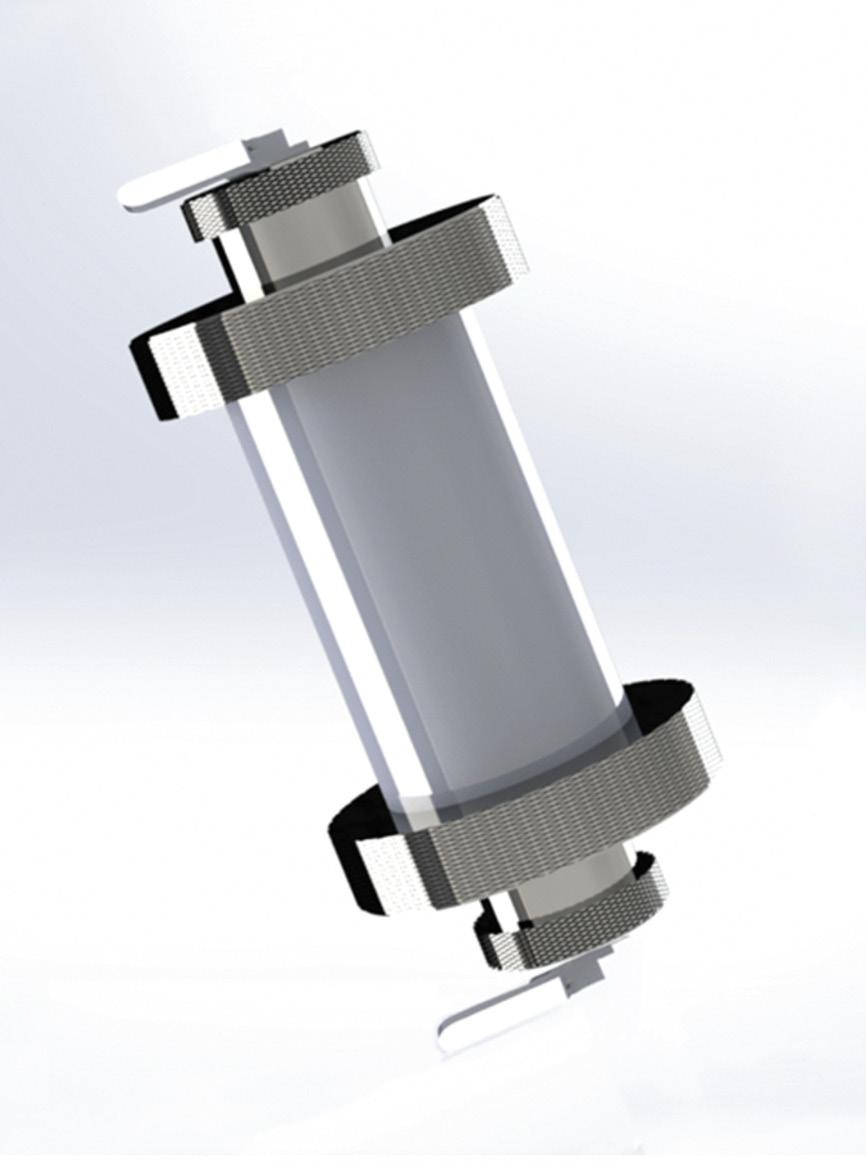
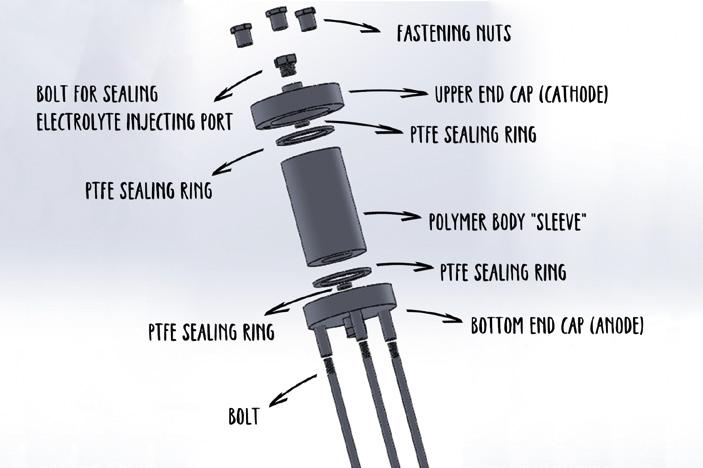
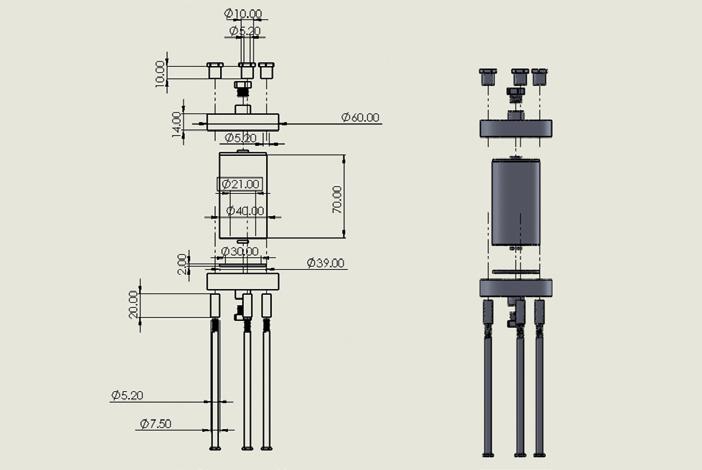
Enhance the MTI Corp 21700 lithium-ion battery testing chamber, focusing on usability and functionality improvements for use in glove box vacuum chambers, reducing costs and increasing accessibility without compromising on quality.
I chose this project to refine my SolidWorks skills and improve the MTI Corp 21700 lithium-ion battery testing chamber for usability inside a glove box vacuum chamber. My goals were to enhance functionality, reduce costs, and consider recyclable materials to support sustainability. I learned about ergonomic
design the significance of material choice for performance and the significance of materials environmental impacts. This project not only improved my SolidWorks ability but also broadened my understanding of product design.
 Joshua White
Duration
BA/BSc: 3 years or 4 years with a 30-week placement
We offer a Foundation Year option for these courses
Start date
September
UCAS Code
BSc: H101
BA: W240
Entry requirements
104 - 120 tariff points including a minimum of 2 A-levels, or equivalent
BTEC Extended Diploma DMM
Accreditation
BA/BSc: Accredited by the Institution of Engineering Designers (IED) to fully meet the requirements for Registered Product Designer (RProdDes) registration
This hands-on degree will give you the skills and guidance you need to develop successful commercial products. The making of working prototypes from year one is something unique to the Product Design courses offered by BU.
You’ll be encouraged to take a creative and innovative approach to problem-solving, while also addressing the functional, social and economic needs of your design.
You’ll learn all the practical skills necessary to work in the sector, as well as examining the theory behind product design so that, when you graduate, you’ll have a balanced view of the product development process to complement your practical experience.
By 2025, Bournemouth University aims to ensure that all its academic programmes incorporate at least one United Nations Sustainable Development Goal (UN SDG), highlighting Bournemouth University’s commitment to global responsibility and sustainability.
The focus on sustainable practices is interwoven across all courses and particularly emphasised in final year projects, where students can showcase their mastery of sustainable design and engineering concepts. Through these comprehensive approaches, Bournemouth University’s programs prepare students to become responsible, forward-thinking professionals who contribute positively to society.
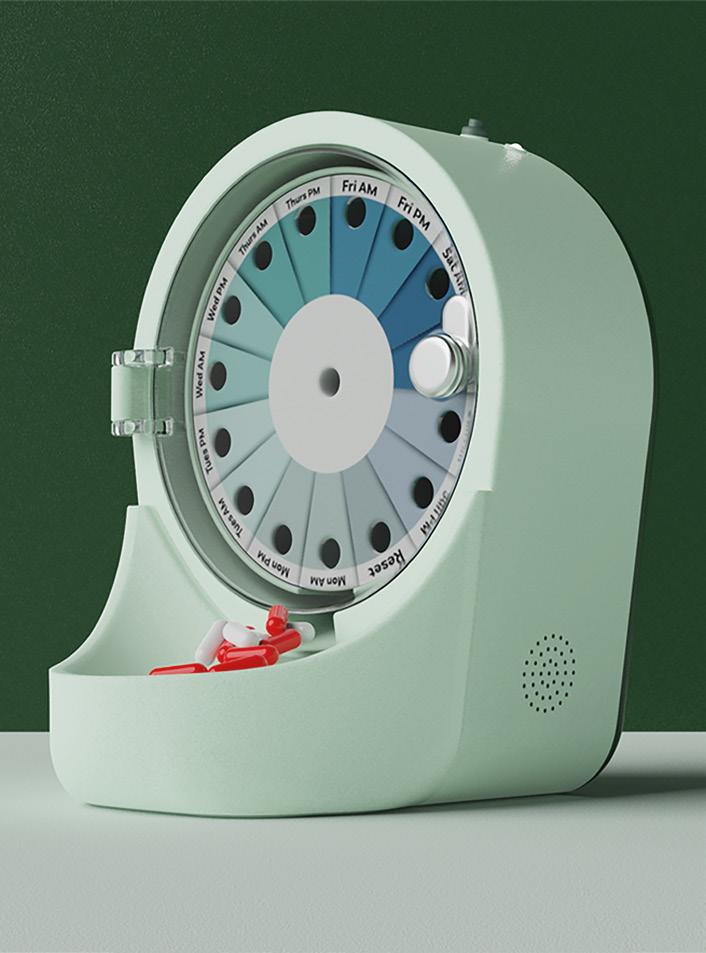
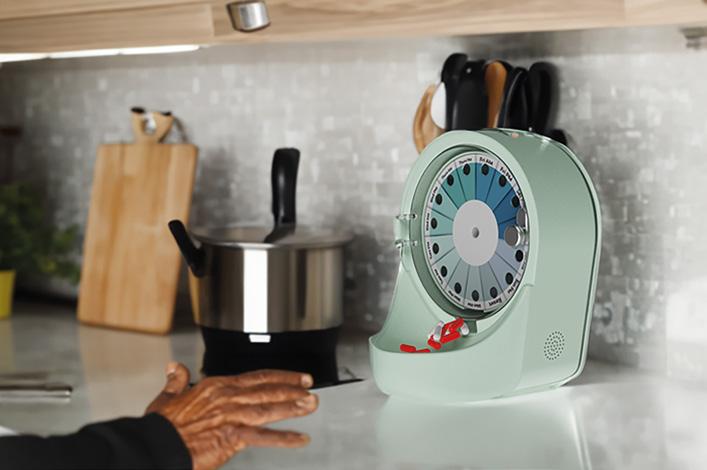
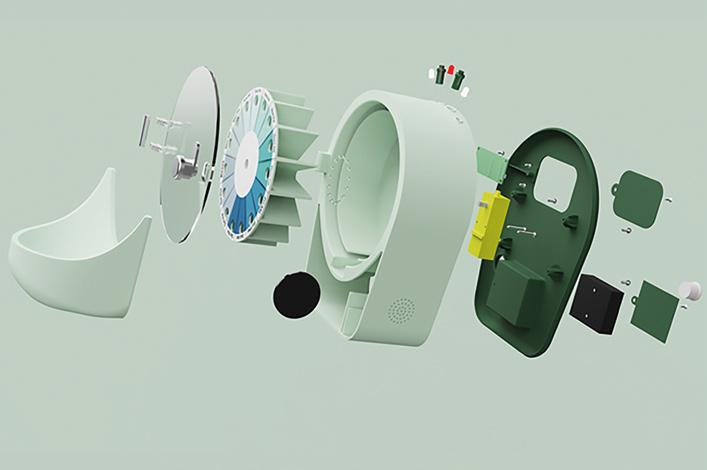
A modern medication dispenser for early stage dementia patients. Within its design and user-friendly features, SimPill ensures timely medication reminders, easy pill organization, and customizable audio cues, empowering individuals to manage their health with confidence and independence.
SimPill eliminates the frustration and confusion often associated with traditional medication boxes. By prioritising simplicity, SimPill ensures that individuals with dementia can easily adhere to their medication routines, enhancing their quality of life and promoting better health outcomes. SimPill revolutionises the way medication is administered and tracked, providing caregivers and patients alike with peace of mind and enhanced independence.

Its approachable and intuitive design features a simple dispensing mechanism, allowing for seamless pill dispensing. Customisable audio reminders, delivered in familiar voices, ensure timely doses are never missed. With Simpill, managing medication becomes effortless, empowering individuals to maintain their health with confidence and independence.
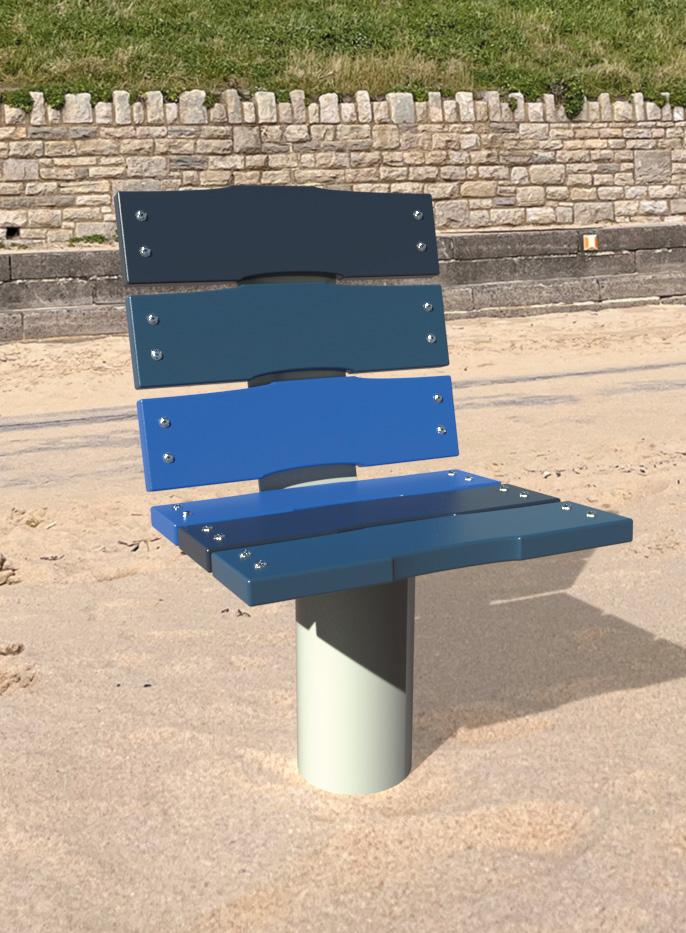
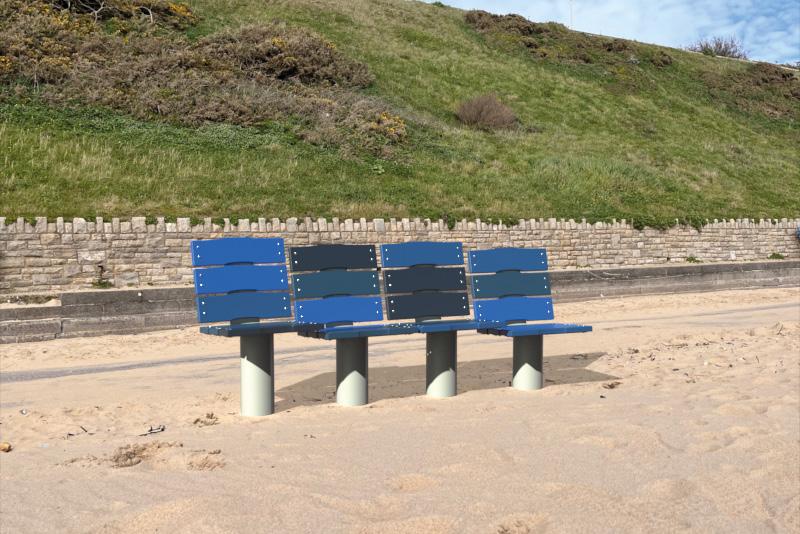
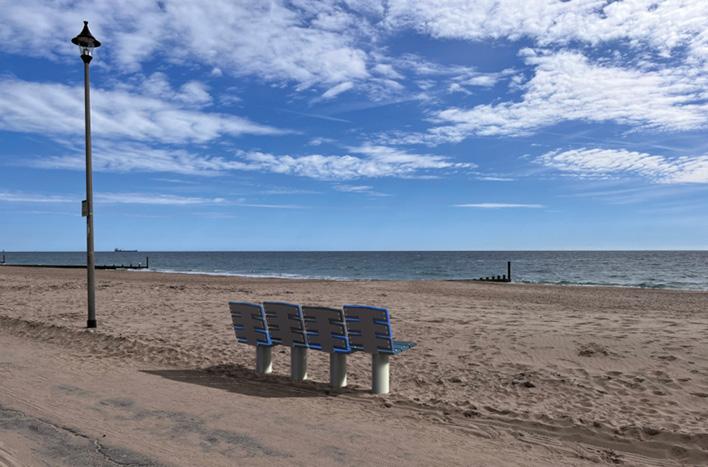
Bournemouth, Christchurch and Poole beaches can generate up to 15 tonnes of litter in a single day. For every 100m of shoreline, there is an average of 605 pieces of plastic litter. A solution is necessary to tackle our surging pollution – one that can utilise that waste for the better.
With that, the ReBourne plastic bench was created. It was designed with two goals in mind – firstly to try make use of the waste material that litters our coastline, and secondly to cater to the needs of both residents and visitors. The ReBourne bench was designed for public inclusivity, with varying seat heights to allow people to find their preference, and individualised frames that form the basis of a modular system, allowing for dozens of potential seating arrangements.
The ReBourne bench was built with a powder coated, stainless steel frame to provide the product a lifespan that can span decades, even within a harsh seafront environment. The ocean-coloured plastic planks are shaped in a manner reminiscent of the natural curves present across the East Dorset coast, while the armrests are inspired by the iconic and historic Bournemouth Pier.
Ayrton Blackwood-Smithhttp://linkedin.com/in/ayrton-blackwood

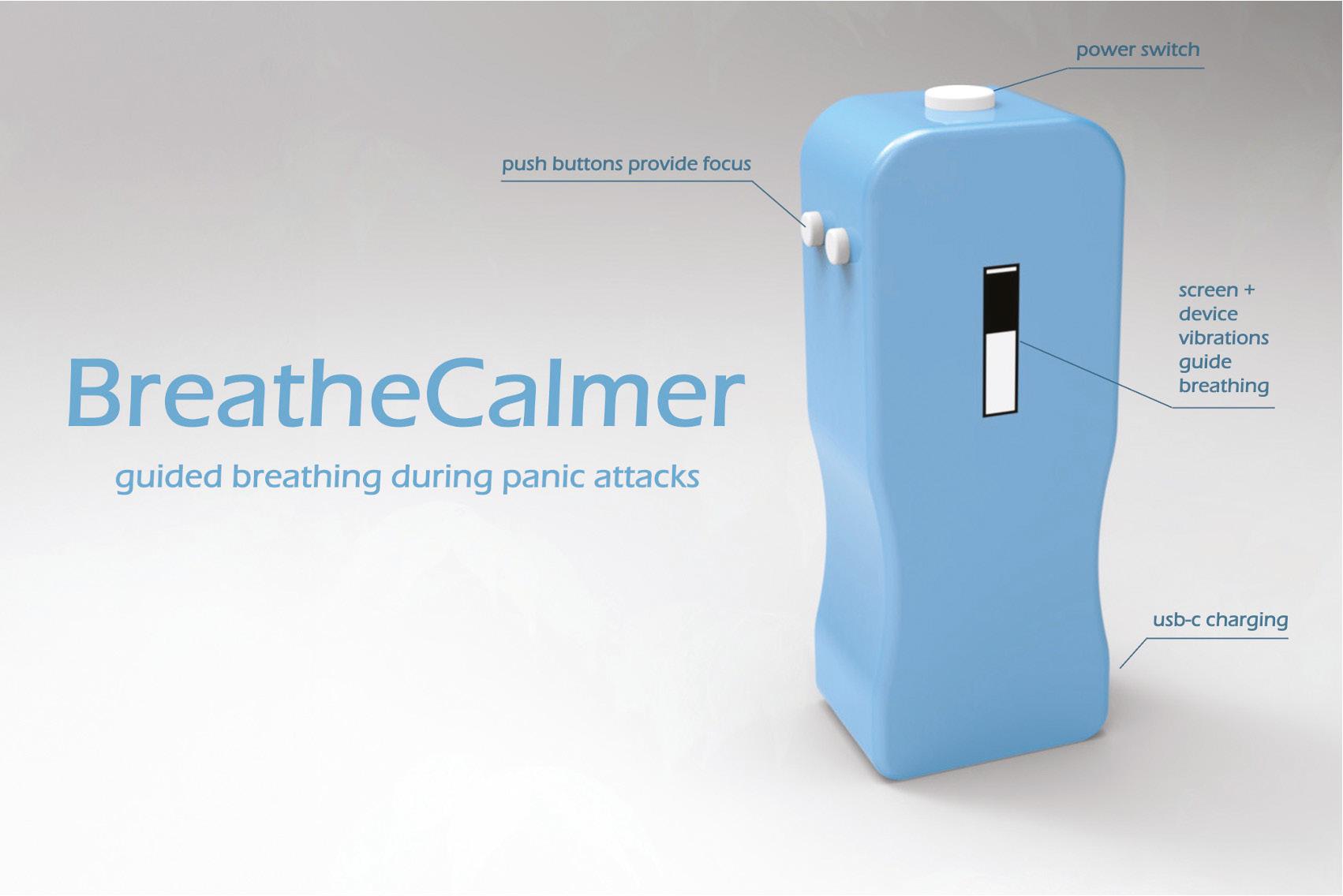
BreatheCalmer is a hand-held device designed to help regulate breathing and provide a source of focus during panic attacks. The device aims to guide the user’s breathing through visual output on the screen and simultaneous vibrations on the device.
Panic attacks often involve shallow and rapid breathing, which can make the feelings of anxiety and panic much worse. BreatheCalmer is designed to help return breathing to a normal level during a panic attack, with the screen and device vibrations working together to guide the user through simple breathing exercises using both the 4-7-8 and 4-4-4 techniques. The push buttons on the sides act as a point of focus to ground the user.
 Elise Connor
The device is aimed at anyone over the age of 12 in the UK known to experience panic attacks. Around 0.6% of people in the UK experience panic disorder, with many more experiencing panic attacks on a less frequent basis. BreatheCalmer is a simple, inexpensive, stand-alone device that’s quick and easy for anyone to use.
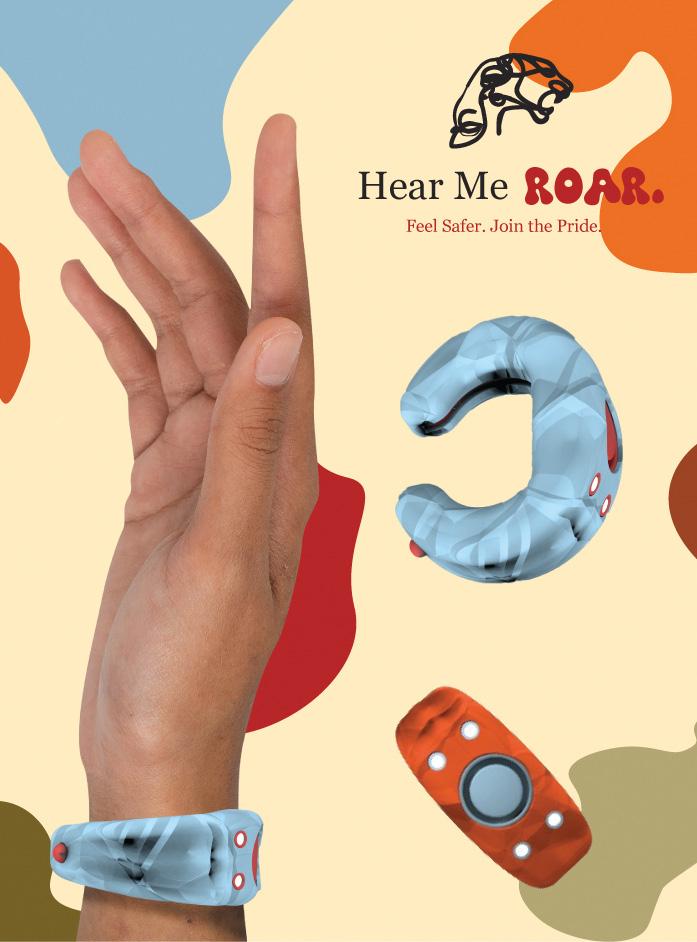
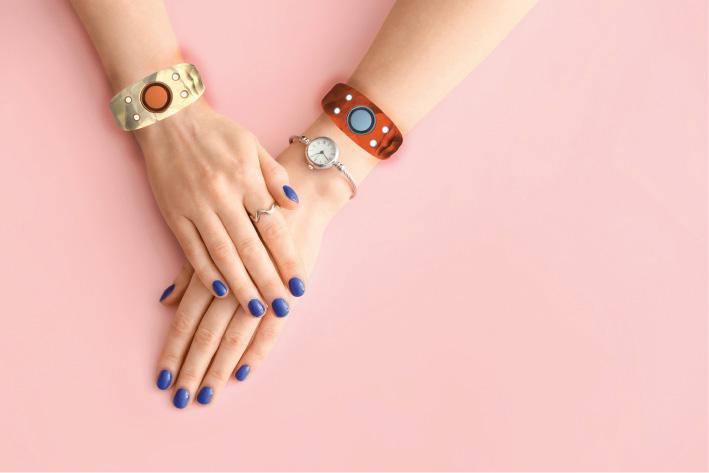
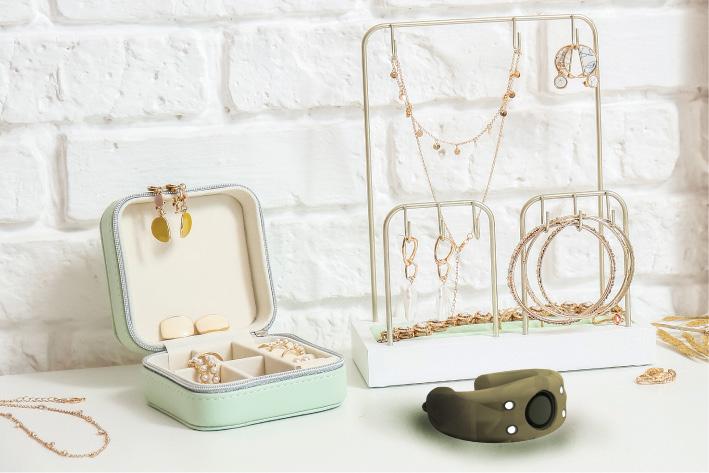
Hear Me Roar is an easily accessible wrist wearable. It aims to help women feel safer by tackling women’s sense of insecurity which stems from two primary channels; The pervasive feeling of isolation and the belief in their inability to defend themselves.
‘Hear Me Roar’ was an idea that was created when I was commuting home from work, alone. I felt so unprepared if something were to happen and I always relied on my flatmate to come and meet me at the tube station. After conducting research I discovered how undeveloped the personal safety product market was and I knew that something had to change.
‘Hear Me Roar’ has a deterrent feature which includes a strobing white light and a high pitched siren in addition
to a vibration feature. You can send another person who is wearing a bracelet a vibration to make them feel that they are NOT alone. It has an interior polycarbonate casing and a comfortable TPU exterior.
‘Hear Me Roar’ embodies boldness, independence and female unity. The narrative is not just about safety, it is about reclaiming our voice and power in living our everyday as women.
chloedavey17@outlook.com
http://linkedin.com/in/chloe-davey

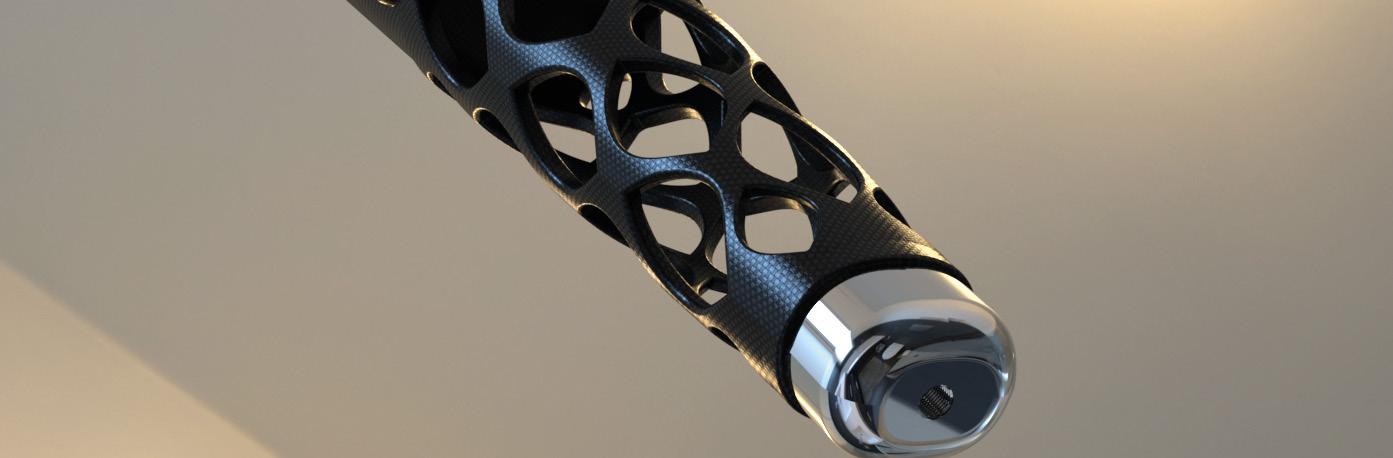
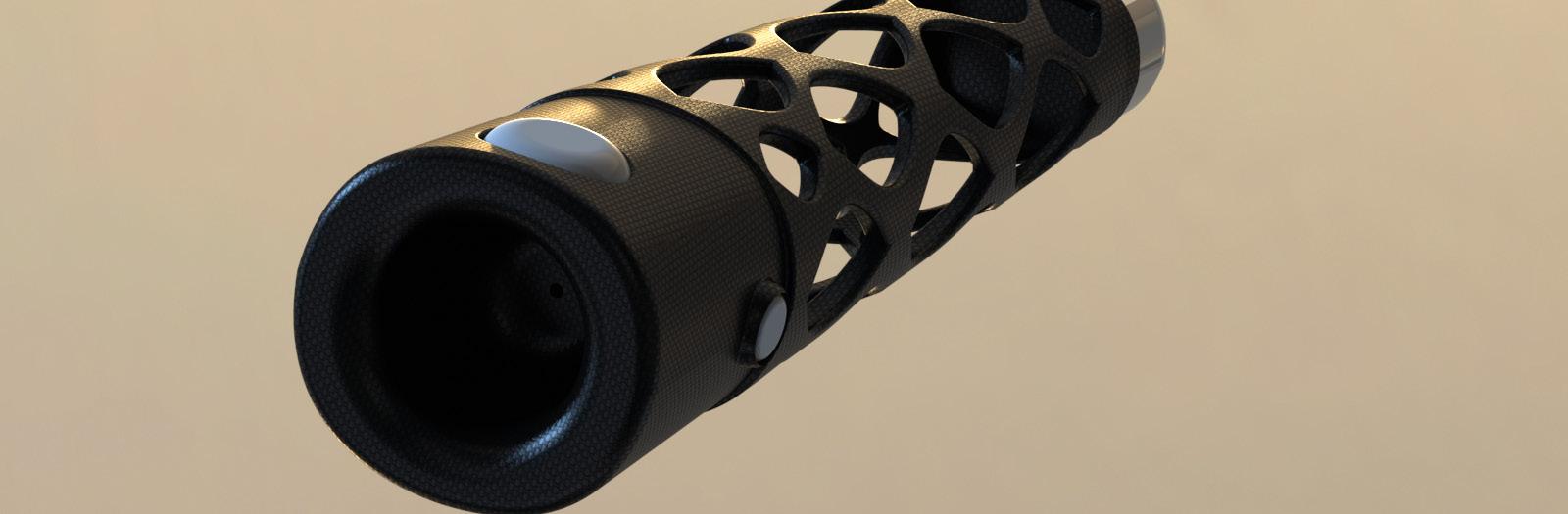
The ProArm Gym Prosthetic is a below elbow prosthesis which allows the user to connect to and use public gym equipment efficiently. the prosthetic uses SLS 3D printing to innovate the aesthetics and technical aspects of the prosthetic, creating an aesthetic, sustainable product.
Exercise is vital to everyday life, and even more so for an amputee. The physical and mental health benefits that can come from exercise are integral for an amputee, helping trans-radial amputees to tackle conditions such as body asymmetry and muscle imbalance. The prosthetic’s purpose is not only to facilitate these physical benefits, but also to create an aesthetic design that fills the user with pride and confidence to allow them to be less conscious of their disability in public
 Luke Deane
gym settings, and subsequently have an effective workout. I managed to create this using SLS 3d printing, which allows me to create a unique, aesthetic design, that removes material whilst maintaining structural integrity through additive manufacturing. The prosthetic is made from Nylon 12, a material which allows the prosthetic to be a more sustainable alternative.
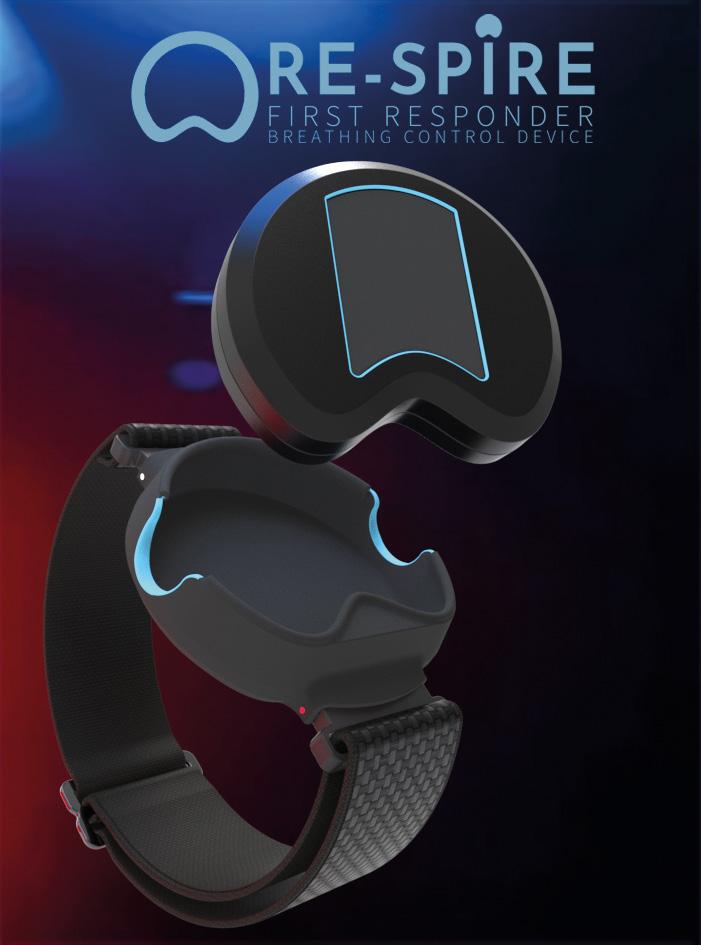
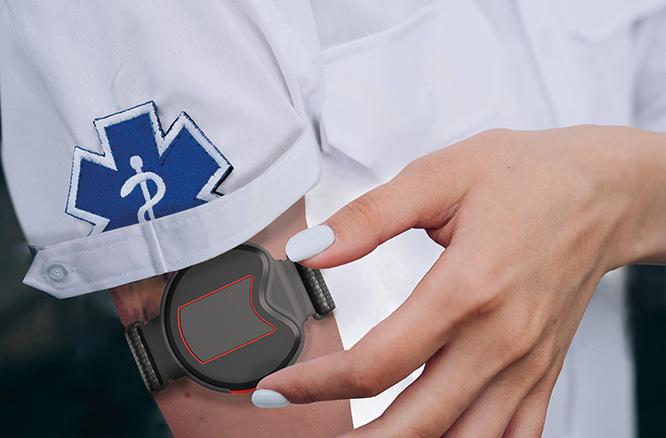
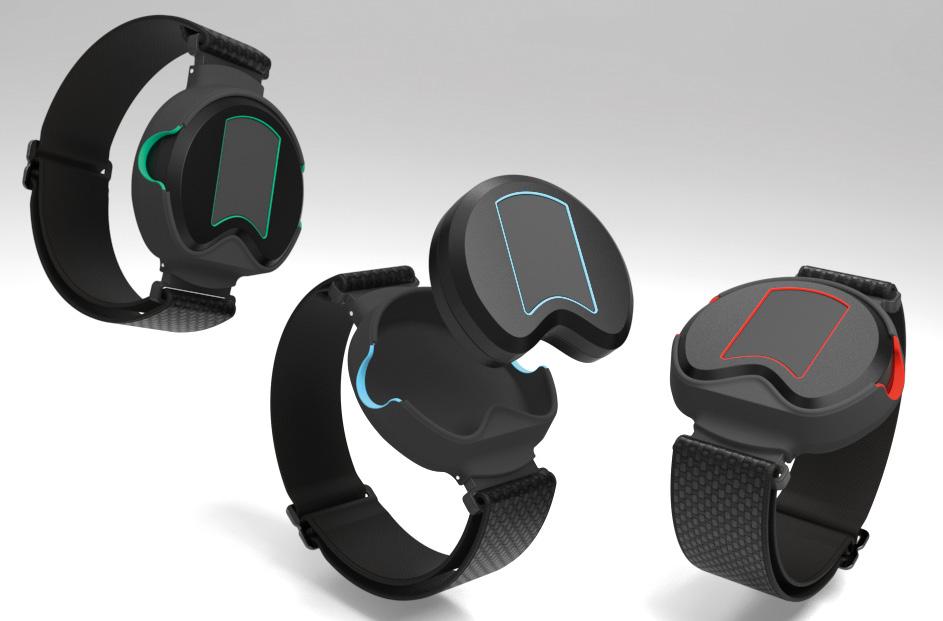
Re-Spire is a first responder breathing control device. Using vibration to indicate the 4-7-8 controlled breathing pattern, for the responder to follow. Ultimately helping to manage stress whilst on duty and allow for healthy professional practice throughout the day.
Emergency responders regularly experience traumatic situations resulting in increased levels of stress and anxiety. Due to the dynamics and intensity of their roles they often struggle to find the time whilst on duty to process this stress efficiently. Ignored, this can lead to impaired job performance between incidents, and long-term mental health issues such as PTSD. Due to stigma, if time is available responders are often reluctant to take action.
Designed and developed closely with serving emergency responders, Re-Spire comprises of a vibrating device and wearable housing. When worn on the bicep, it discreetly addresses associated mental health stigma. Alternatively, it may be worn on the wrist to promote mental health awareness. As well as being entirely removable from its accompanying case, enabling for enhanced ergonomic use in the hand.
Harvey Gregoryharveygregory17@gmail.com
www.linkedin.com/in/harvey-gregory-710a69224

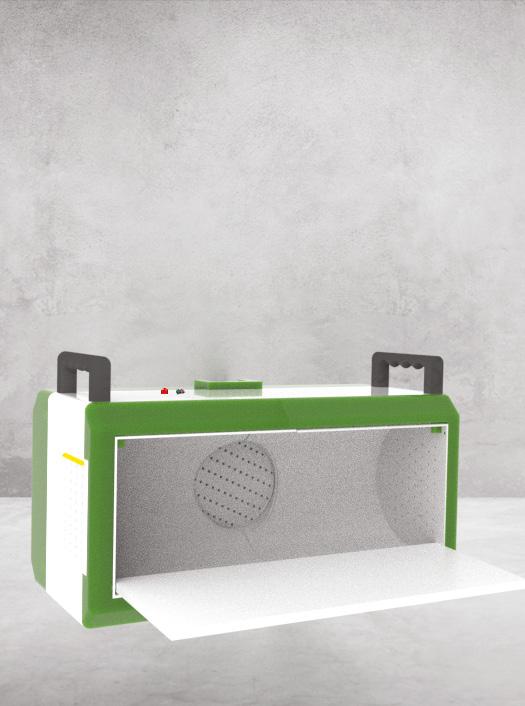
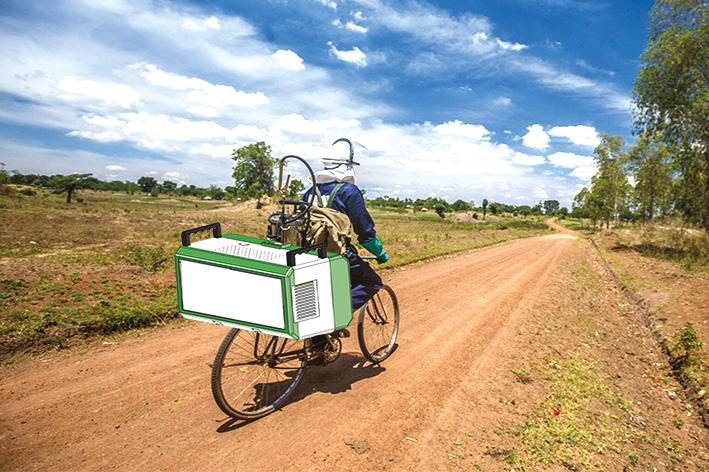
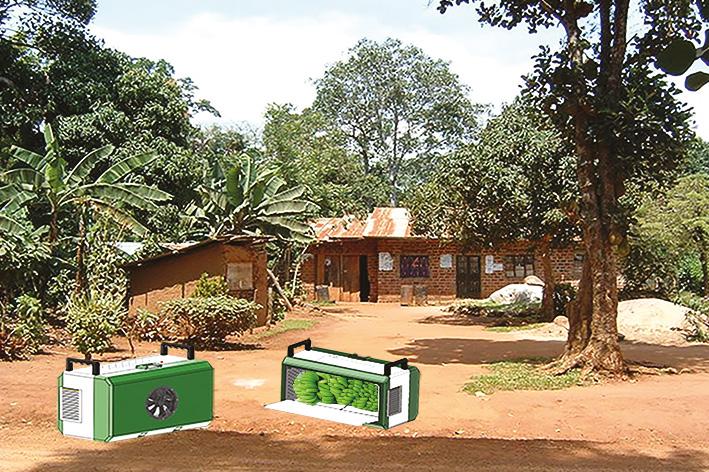
In Uganda bananas have a 14% loss rate post-harvest. My project is based around decreasing the number of post-harvest losses of bananas in Uganda for smallholder farmers so that they can earn more money and have a better quality of life due to better farming resources.
The main feature of my product is the evaporation cooling system. This involves a water tank that drips water at a slow rate onto a microfibre absorbent. A fan then blows air onto this damp microfibre absorbent which make the cold moisture evaporate and the cold air gets blown around the banana bunch cooling them. My product involves a temperature sensor that s connected to a LED that turns on when the cooling section goes over 16 degrees Celsius to indicate that the bananas are too hot. There are currently
 Jacob Liddiard
no other portable cooling storage devices available to house and carry a full bunch of bananas and any storage device big enough for bananas isn’t fit for use on a farm or cheap enough for the intended market whereas my product can carry a full bunch be taken round a farm and is cheap enough for the intended market. My product is unique as it mixes high tech solutions at an affordable price to deprived areas.
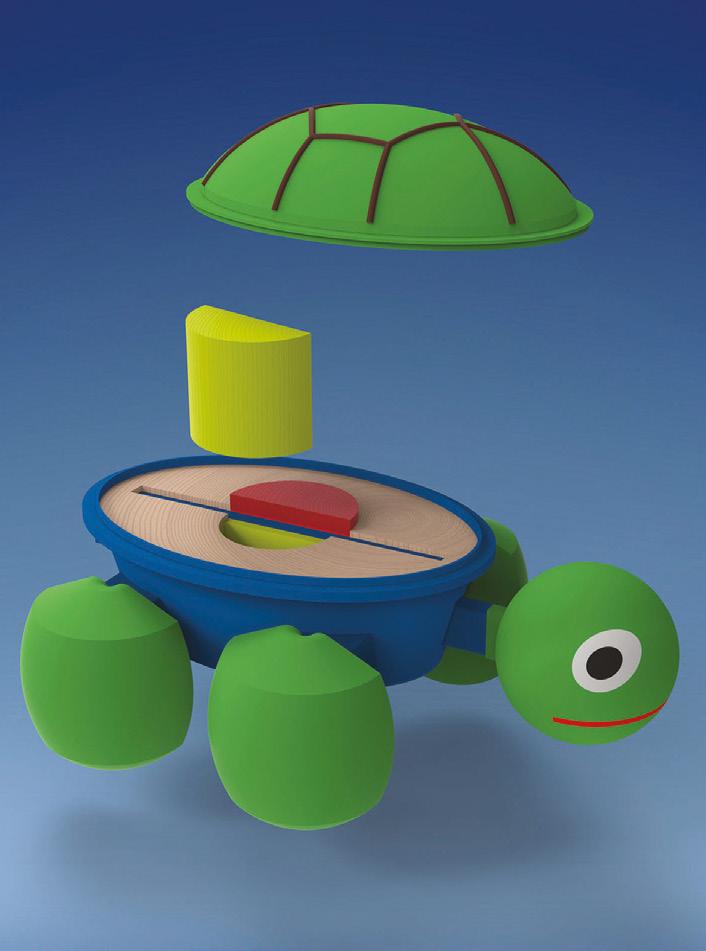
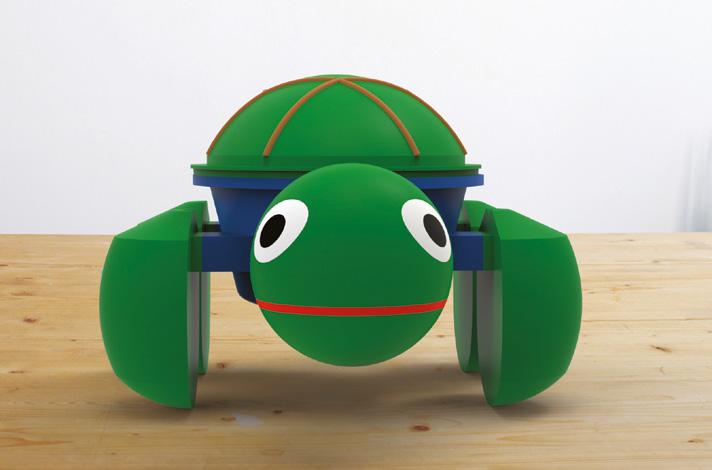
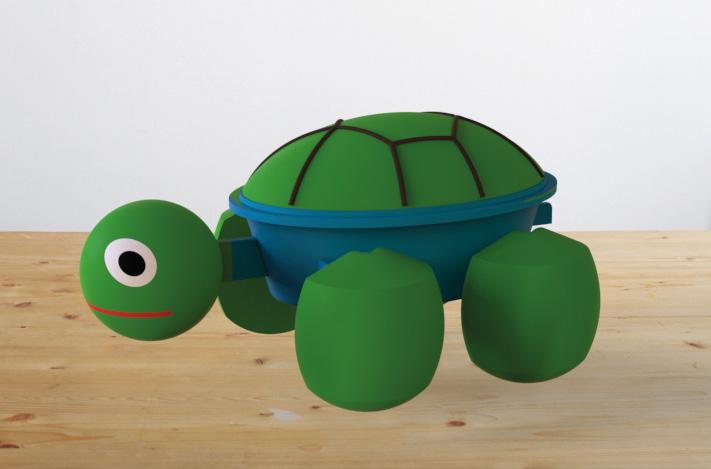
Tidy Turtle is a toy designed to educate children aged 3 and up about environmental responsibility, specifically ocean conservation whilst play.
This playful, interactive turtle toy encourages kids to engage in cleanup activities through its design, which includes compartments for sorting colour coded blocks. Aimed at fostering an early appreciation for environmental stewardship, Tidy Turtle combines fun with a powerful educational message, making sustainability lessons memorable and engaging. The toy’s use of recycled materials further emphasises the importance of recycling and the circular
economy, using locally sourced ocean recycled plastics and sustainably sourced beech, aligning the product’s design with its environmental message. The toy has also been designed to consider the end of life for this product as each part can easily be separated by colours and materials which can allow for the recycling process to be achieved must easier.
harryline03@gmail.com
www.linkedin.com/in/harry-line-24b8a828a/

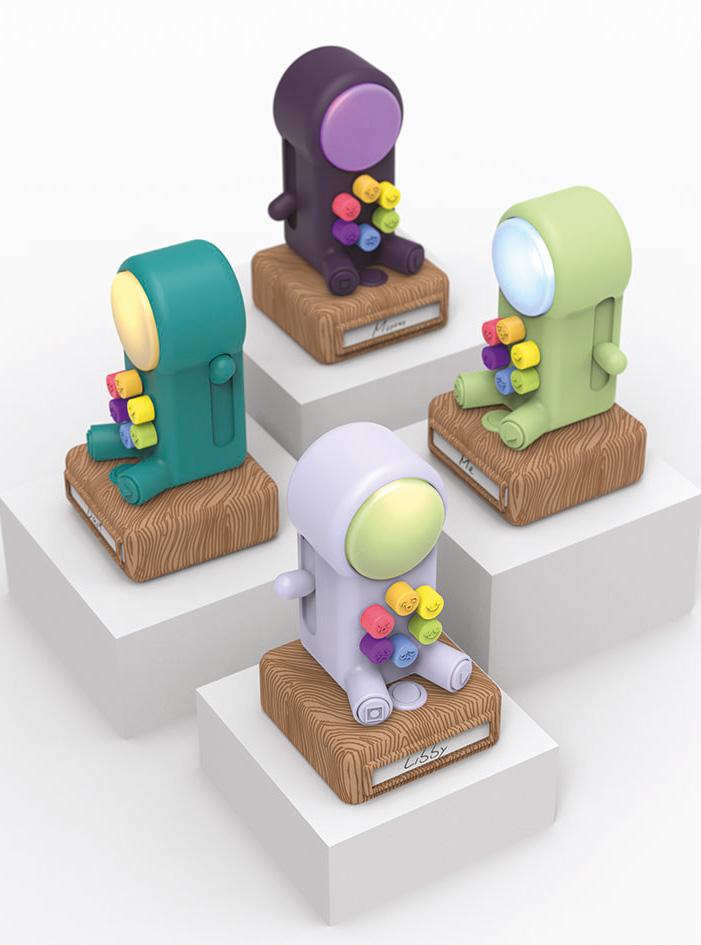
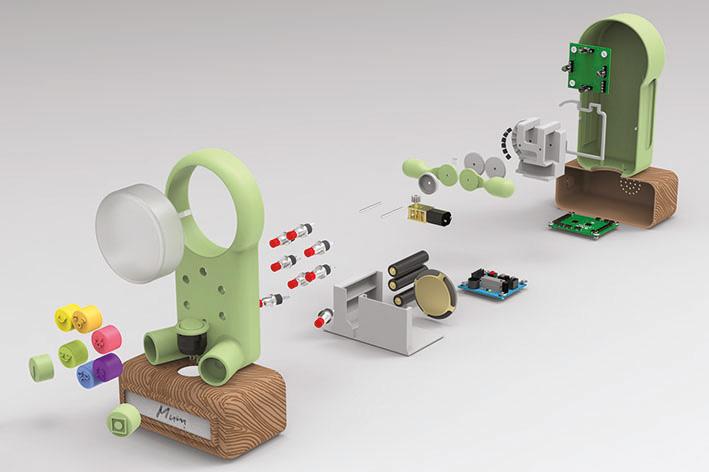
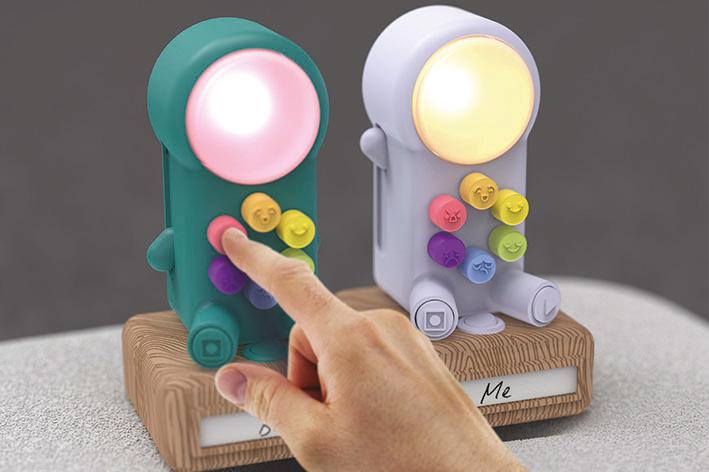
Kin is a home device designed to aid students in managing homesickness by helping them to: acknowledge emotions; share feelings non-verbally; receive comforting messages when loved ones are unavailable; enhance focus on academics and social interactions by overcoming emotional hurdles.
70% of first-year university students suffer from severe homesickness affecting their mental and physical health.
Through surveys I found that the most common cause of homesickness in students is the lack of connection with the people and environments from their family home.
An expert in psychotherapy led me to the concept of Transitional Objects which bridge the gap between the old and new environment.
 Jemima McCaffrey
Kin allows a student to choose from a full range of emotions. Kin’s arms and light respond to their selection and a bluetooth signal sends the motion and colour to the Kin of their family members. Kin also has a ‘record message’ feature which can be used to capture a message from each family member, when reassurance is needed.
Kin’s design features customisable colour, grounding textures, safety affirming shapes and magnetic connections.
jemima.mccaffrey@outlook.com http://linkedin.com/in/jemima-mccaffrey-21593b252
07583517683
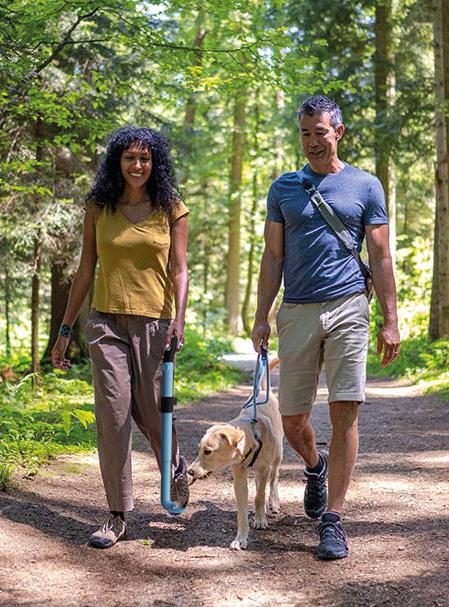
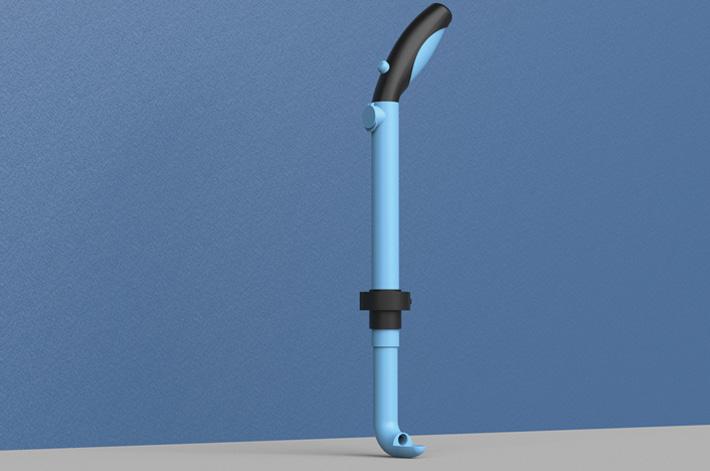
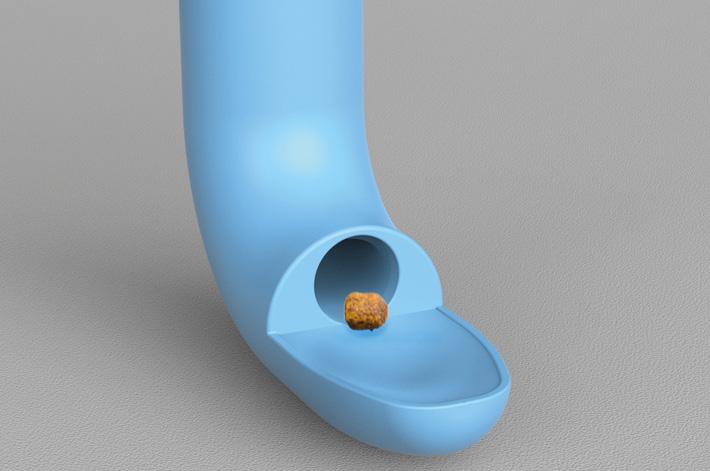
TreatEase: Revolutionising dog training for people with mobility challenges. Throughout this design journey, it has been of paramount importance for me to empower individuals with mobility limitations to train and bond with their dogs without discomfort or pain.
Recognising the joy and therapeutic benefits that come with pet ownership and training. TreatEase stands out with its user-friendly, one-button mechanism. With a single press, a treat is dispensed from the top of the dispenser into the scoop at the bottom, allowing dogs to collect treats effortlessly. This innovative
design eliminates the need for users to bend over, catering specifically to individuals with mobility challenges. The product also features an extension and twist mechanism, offering users added customisation options – whether that’s adjusting the height to suit user preferences or twist.
Max Olofsonmaxolofson96@gmail.com
www.linkedin.com/in/max-olofson-71b244224/
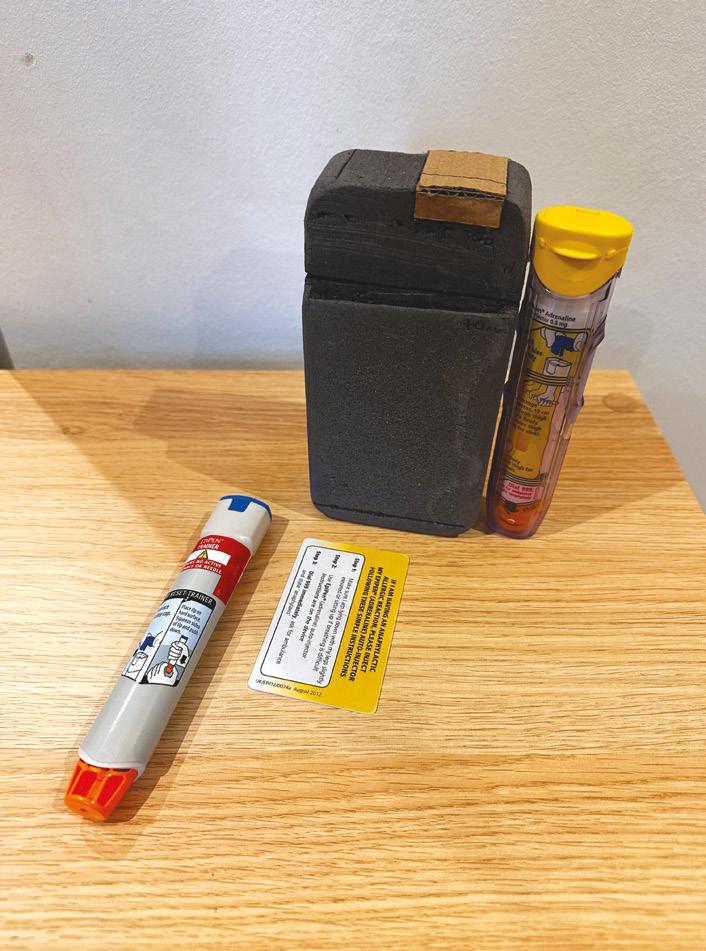
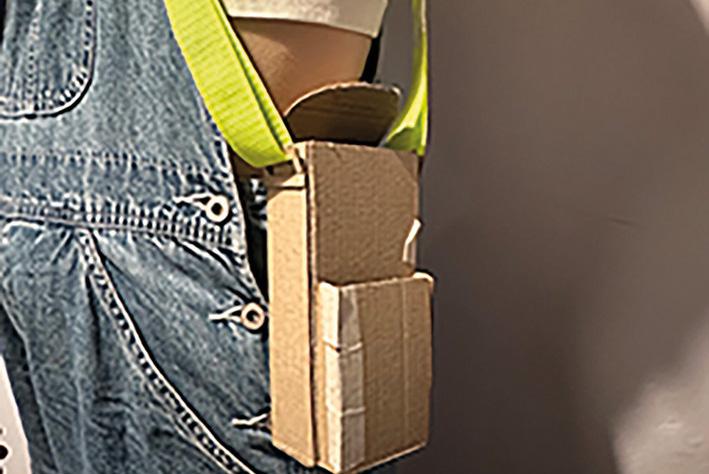
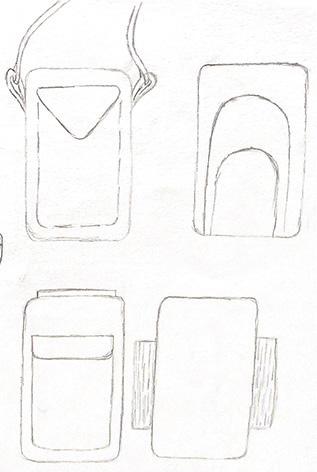
The product is a daily use bag for young adults who are advised to carry two EpiPens at all times. The bag is designed to fit the style of the majority of users as it can be worn in different ways. It has been designed to be lightweight and compact as to impact the user as little as possible
I chose to do this project as from my research into allergies I noticed that there is a high percentage of young adults who are advised to carry an allergy pen (EpiPen) but don’t. This is mainly due to the size and inconvenience of the pens themselves, whereas others said that they don’t carry them because of the stigma surrounding the devices. My aim was to create a way for the users to carry the devices without having to worry about the stigma so the product would need
 Jacob Parsonage
to be discrete and simple. The product also needs to be something that the user would want to use. Throughout the project I learnt different aspects of allergies and the medical devices. I learnt how to sew in order to make a textile product to fit the user’s needs. One of the aims was to make the product sustainable which led to the decision to use recycled plastics materials.
parsonagejake12@outlook.com http://linkedin.com/in/jacobjparsonage93
07918514708
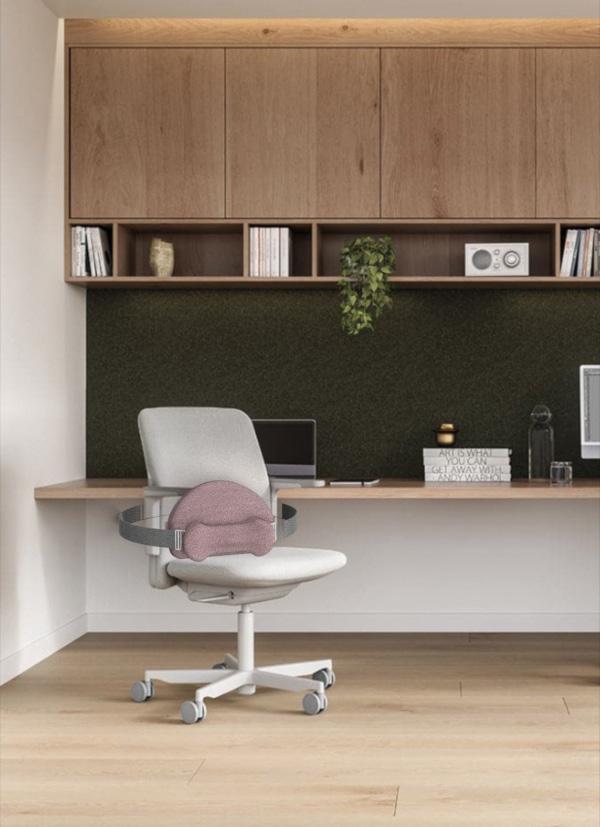
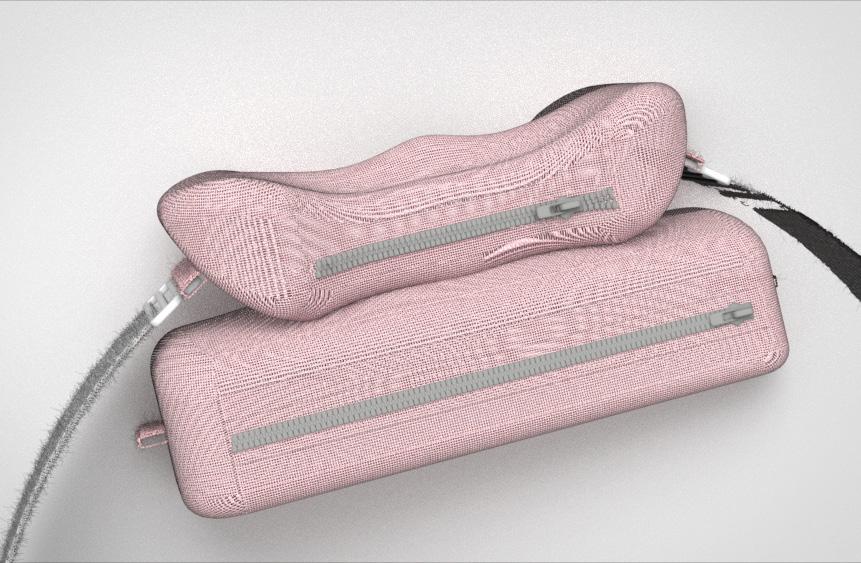
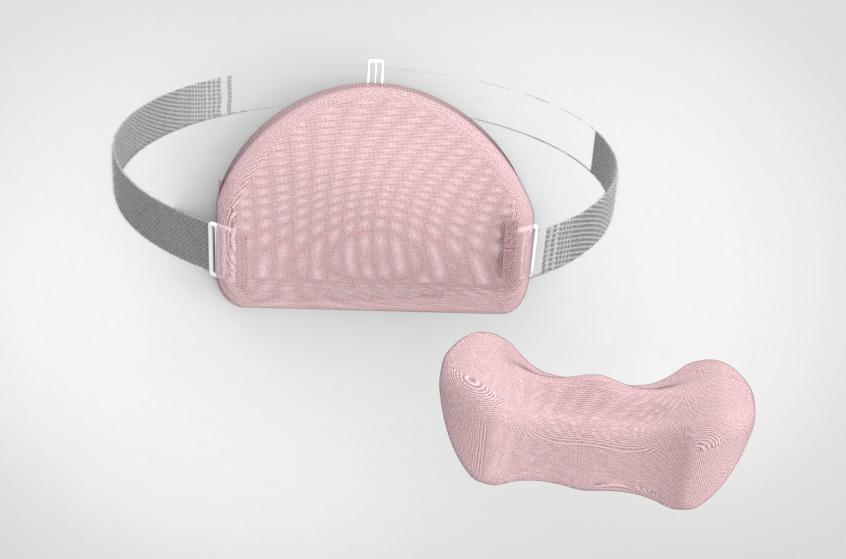
My product consists of a double cushion to keep a correct posture and body alignment with a strap to help tighten up the cushion as needed, making it easy to use in different ways and is effective to reduce the discomfort.
My sister recently was blessed with a beautiful baby and experiences the struggles that postpartum mothers go through which inspired me to make a product that eases some pain they endure. Many postpartum mothers feel lower back discomfort after giving birth, affecting about 80% of their daily activities which are highly impacted by lower back pain. My product helps to keep a correct posture and body alignment with straps that are adjustable, making
it easy to use. By making this product, I aim to empower mothers to promote their well-being and healthy lifestyle. Since many existing products uses lower quality materials to decrease the price of the overall product therefore to save cost and cause environmental problems, I focused on going through many criteria and researches to choose a set of eco-friendly materials achieving a sustainable product.
s5410508@bournemouth.ac.uk

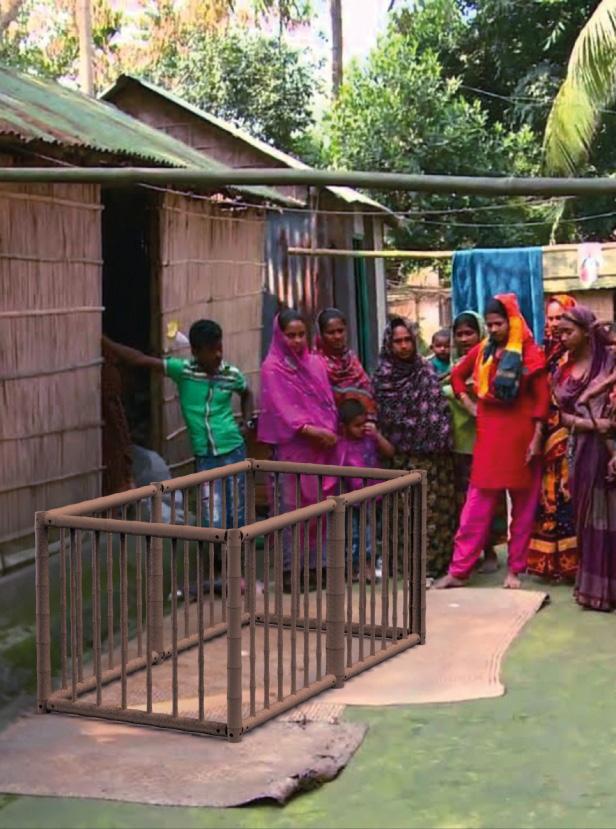
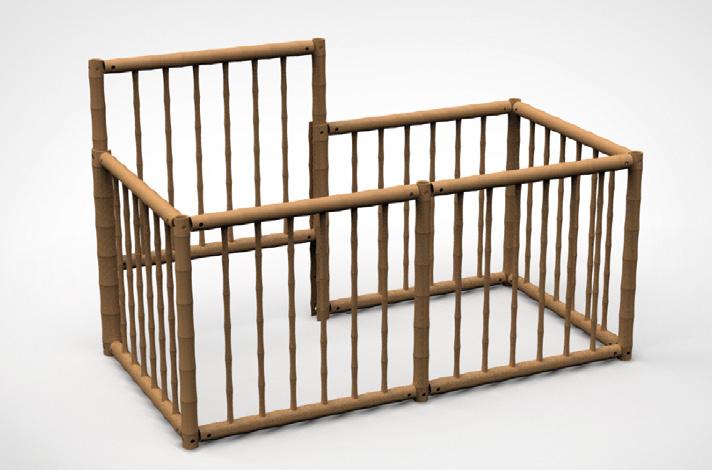
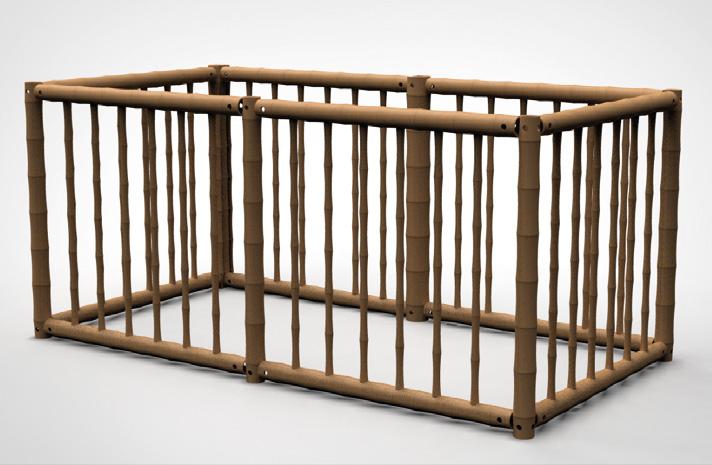
Drowning is the leading cause of child mortality in Bangladesh, claiming around 50 lives each day. Predominantly affecting rural populations, over 80% of fatalities occur within 20m of the home in vessels, ditches, and ponds, necessitating the urgency for an effective preventive strategy.
In response to the urgent need to prevent drowning incidents among children in Bangladesh, my project aims to reintroduce the playpen as a practical and low-cost solution tailored to the specific needs of Bengali families, which existing playpens fail to meet; prompting the design of a playpen made from locally sourced and treated bamboo which follows traditional joinery techniques, and is designed to feel familiar, and follow cultural standards within the communities.
 Bobbie Towner
Designed for collaborative efforts with charities, the playpen is locally manufactured to ensure affordability. The included instruction manual not only guides users but fosters a sense of personal responsibility and community engagement, enhancing the project’s impact as I strive to make the solution as accessible as possible to maximise its impact and reach across communities.
bobbielouisetowner@gmail.com
www.linkedin.com/in/bobbie-towner
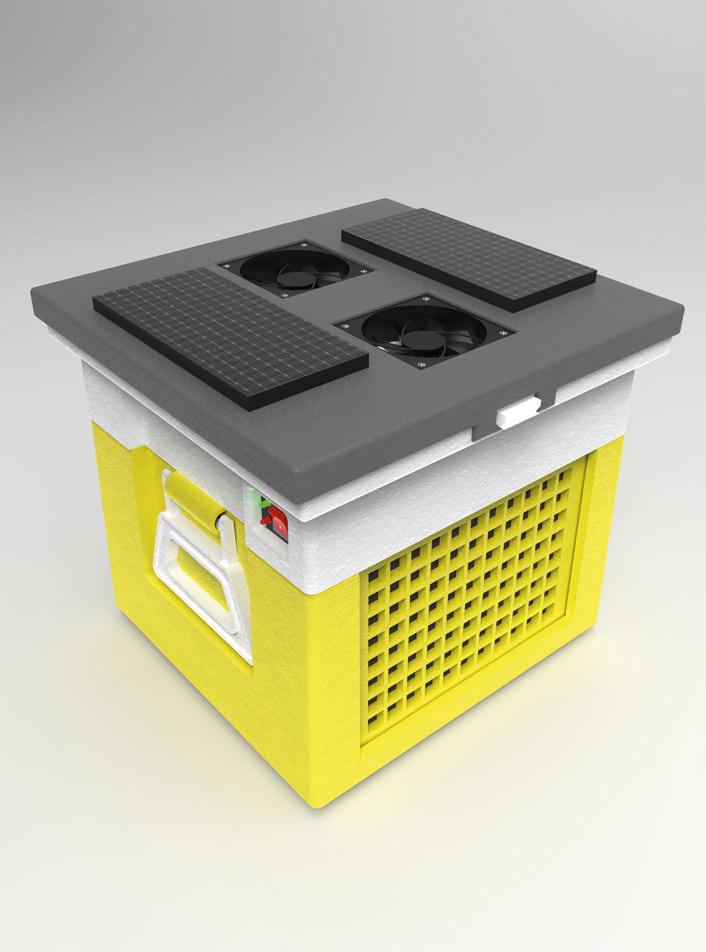
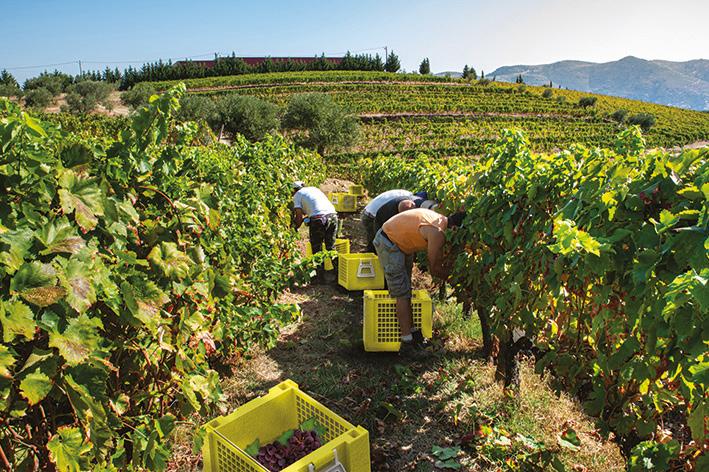
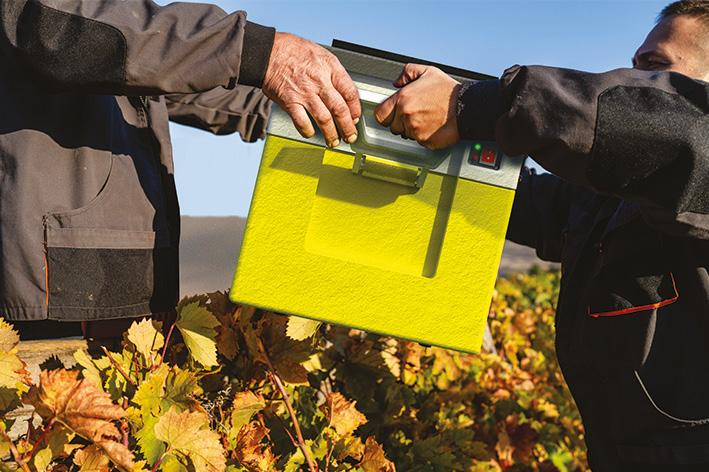
My product aims to cool fresh grapes in Southeast Asia using evaporative cooling. It allows fruit to be kept in its peak condition, throughout its journey from post-harvest to market, in order to reduce loss of produce.
The cold storage unit will help extend the shelf life of grapes in Southeast Asia by preventing them from spoiling. This will prevent any food waste from the postharvest stage and during transportation to market stalls.
Farmers will extract the grapes, place them in the storage unit. Grapes need to be kept at 3°C to slow the chemical reactions which drive the spoiling process. Evapocrate will keep them at the optimum temperature using an
evaporative cooling system. This system is low cost and portable which is essential for transportation and accessibility. How does the evaporative cooling system work? The fan sucks the hot air from the outside and passes it through the square holes which converts it to cool air as it passes through the wet material. The cool air will circulate inside and keep the contents cool.
Monica Tsimmonicatsim123@gmail.com www.linkedin.com/in/monicatsim
07873963674

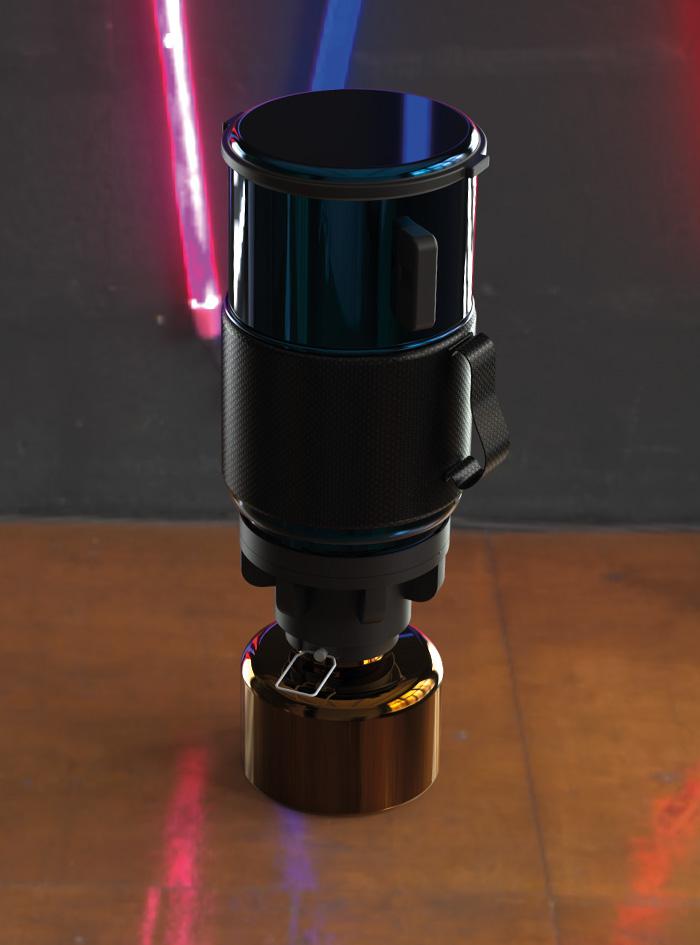
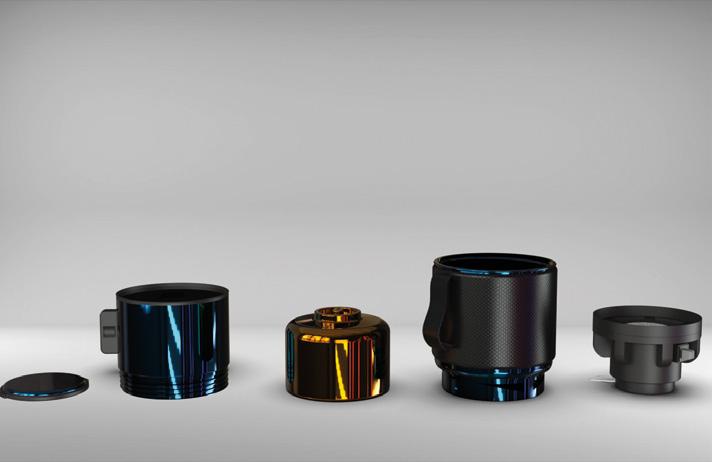
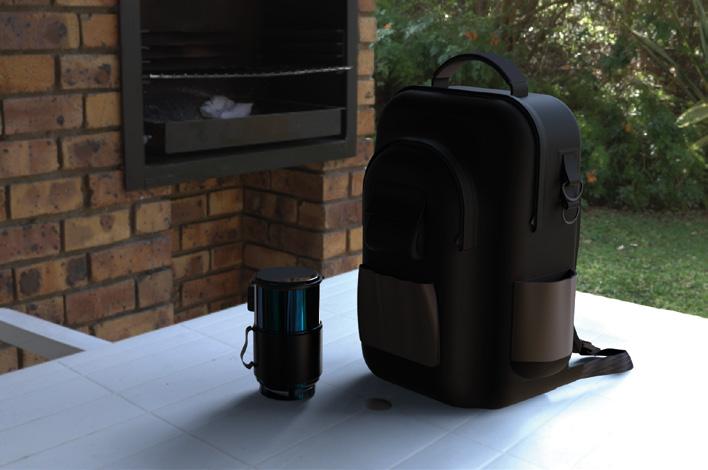
RestQ is a portable water boiler designed for individual use for search and rescue team members. The product uses gas power to heat up enough water for a cup of tea, a small wash, or to tend to cuts and other small wounds.
The main goal of this project is to enable search and rescue specialists a quick and easily solution to a hot drink when working in an environment which doesn’t allow them access to heated drinking water. The product is ignited through a button press and is designed to be compact and portable. It features a gas valve for safety and to control the heat. It also features a lid which can be used as a mug for a cup of tea and is screwed on top to hold all the components of
 Dominic Vanloo
dominicvanloo@gmail.com
the product together, which all fit inside the boiler and lid. The main aims of this project was to provide a product which can create a moment of calmness for the user, through form, colour and ease of use, as well as creating a compact product so that it can fit into a workers pack. Sustainable materials were used while also maintaining the qualities required for this product.
http://linkedin.com/in/dominic-vanloo-7b0bb91bb
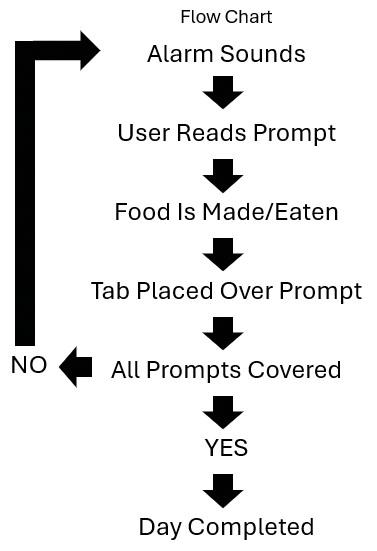
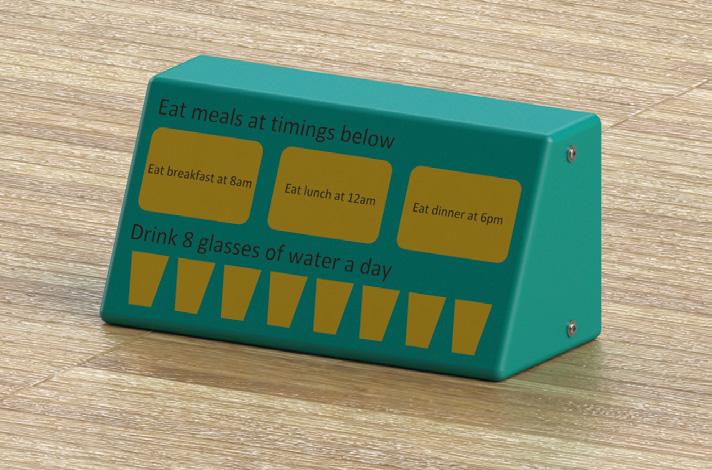
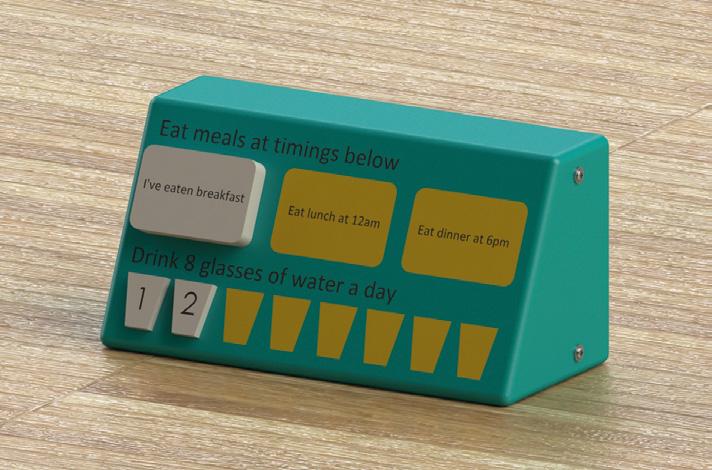
With a growing number of people in the UK suffering with dementia with no cure, efforts must be made to allow living with dementia to be easier. The MealMemory allows users to track food and water consumption throughout the day.
1 in 10 people over the age of 65 are malnourished with dementia increasing the chance of someone being in this category. Linking nutrition and dementia together the MealMemory has been designed to aid users in eating and drinking the right amount during the day to maintain a healthy being. Special consideration must be made when designing for people with dementia. The main principal of the MealMemory is that the product is simple and informative at
the same time. With the use of prompts the function of the product can be inferred and remind the user which meals they have eaten and how many glasses of water they have consumed. With the introduction of the MealMemory the aim is to create a better standard of life for people with dementia and promote healthy living.
Benjamin Wrights5316126@bournemouth.ac.uk www.linkedin.com/in/ben-wright8
07710650198

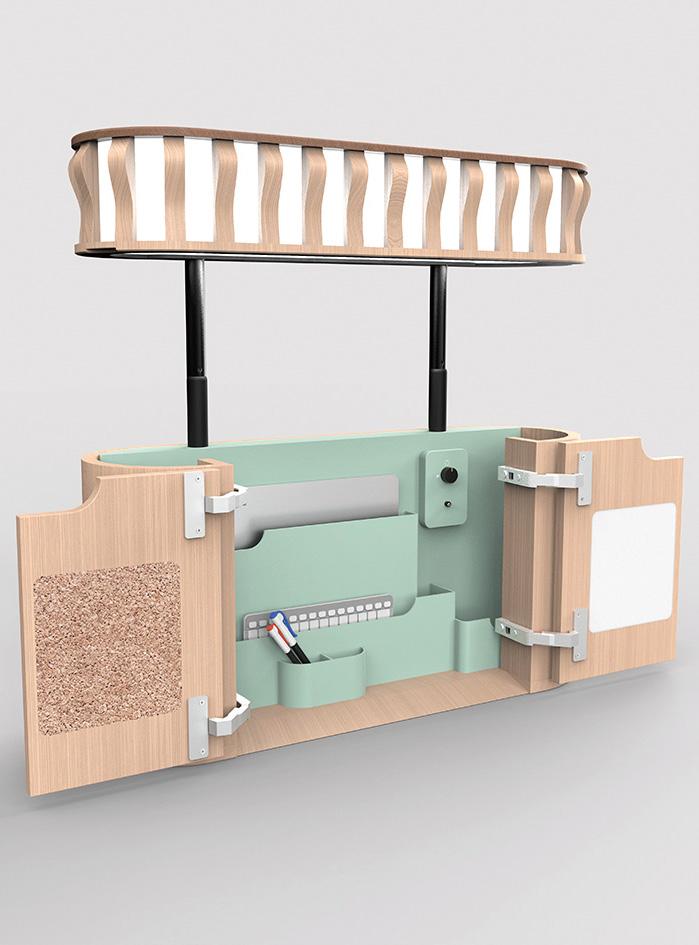
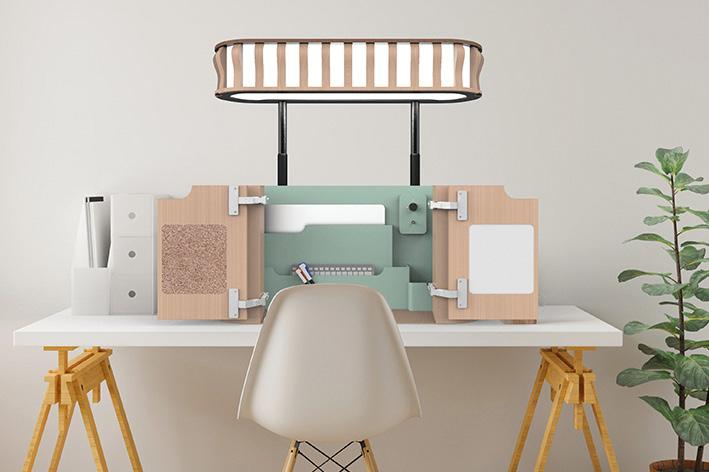
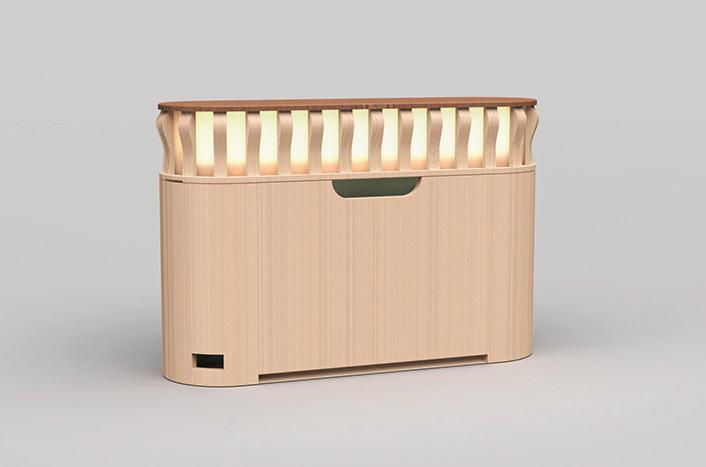
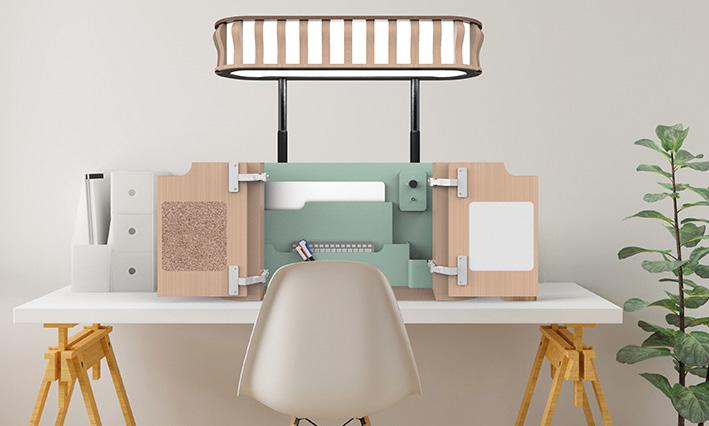
Enoki is a workstation designed to aid telecommuting professionals with their work-life balance. The product aims to help the user to differentiate when they are at work and when they are at home.
The pandemic caused a dramatic increase in home-workers with 40% of the UK’s working population practicing it either hybrid or fulltime. However, not every worker has the luxury of a dedicated room as a home office. This leads to people working in their bedroom, thus having a bad separation from work and home. This issue can lead to prolonged stress and a decrease in mental health.
Enoki tackles this through the three key elements of Boundary Theory. The
 Lucy Wright
lulugrace.wright@gmail.com
Physical: The user can store their utensils within the product and use the side doors to block peripheral vision. The Temporal: A light that changes from cold to warm, which sublimely alerts the user that the workday is ending. The Psychological: The user opens the product each day that acts as a “commute,” allowing them to get in the correct mindset for work.
www.linkedin.com/in/lucy-wright-13503422a
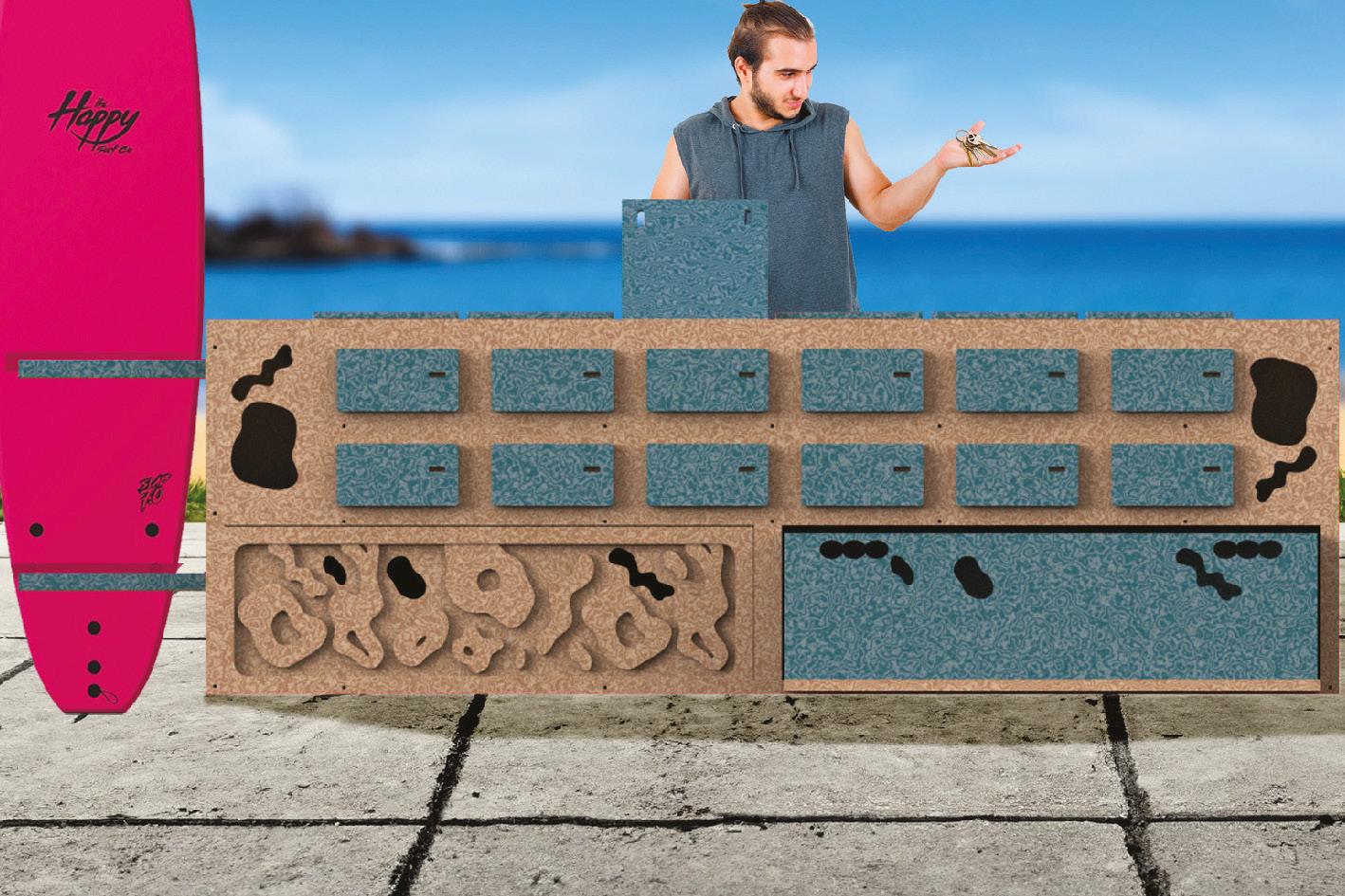
A safe storage solution for beach-front locations focused on water sports and made with recycled plastic
With more than 11.000 miles of coastline, the UK wins new fans of water-based sports like surfing, open water swimming or paddleboarding every year. However, the need for large amounts of equipment and a lack of safe solutions to store personal goods while practicing said activities, make a complicated scenario for users to access these locations without requiring a personal vehicle.
A space that offers individual safe spaces and educates users on the positive impact
of recycled plastics while inculcates the importance of keeping the oceans clean and plastic-free is the ideal solution to this challenge.
Through incentives for local and beachfront business, users will be able to engage with these locations using Acro to keep their belongings safe using just a regular locking system like a padlock or bike chain.
Luisa Yravedra Fernandezluisayravedra@gmail.com www.linkedin.com/in/luisa-yravedra-fern%C3%A1ndez-3b1974223/

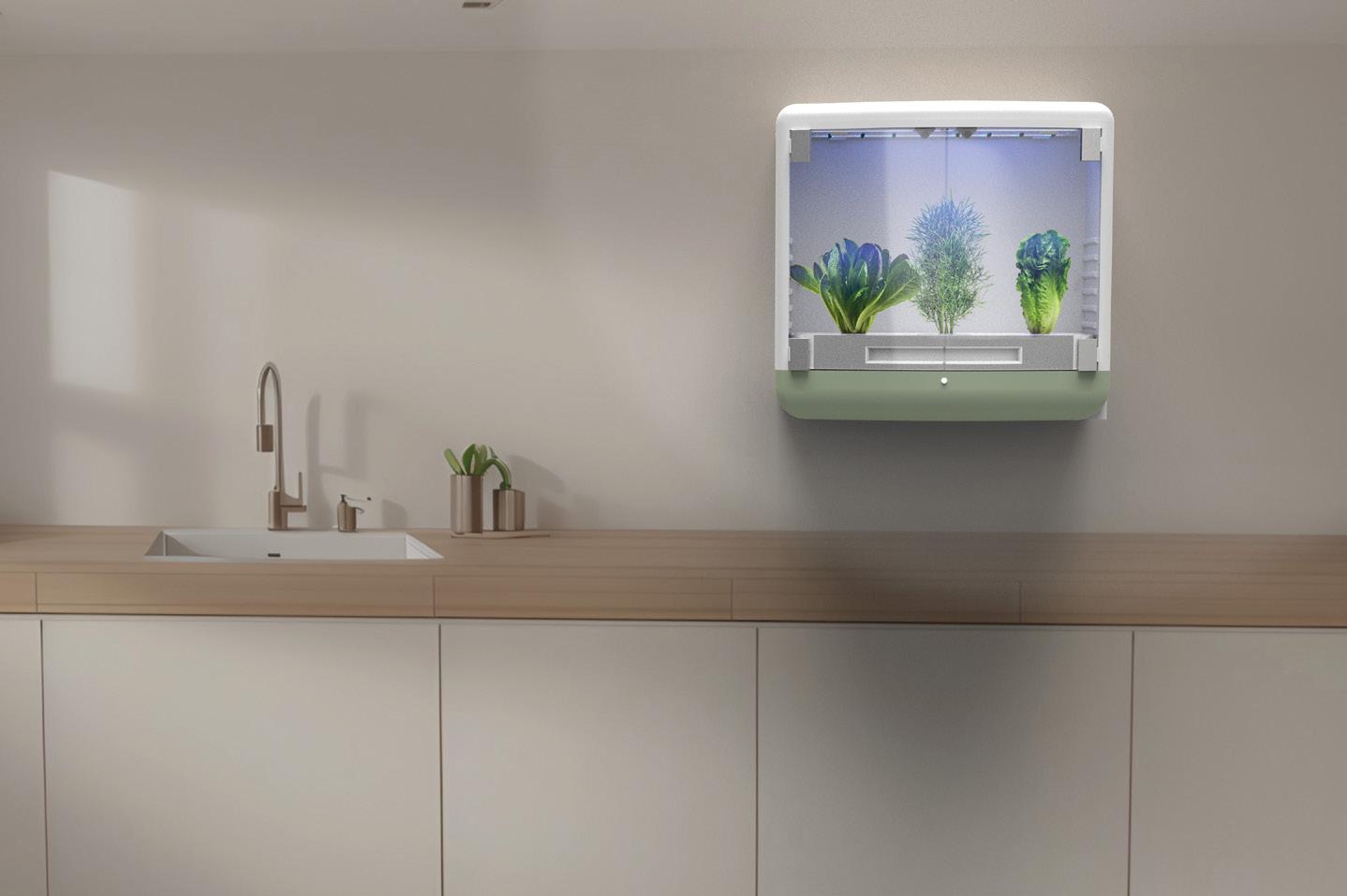
HomeGrow: Simplifying hydroponics for everyday life. This wall-mounted system brings fresh herbs and salads to the home with ease. Controlling the temperature, lighting, and grow space, it aims to remove the many frustrations and complexities first-time hydroponic users encounter.
Where style meets sustainability in the world of hydroponic gardening. With the global hydroponics market expected to skyrocket to $25.1 bn by 2027, this sleek, minimalist product targets users with a passion for plant cultivation and a desire for homegrown goodness. Besides producing an array of fresh greenery, users benefit from the associated mental well-being effects of gardening.

dylanbentley@hotmail.co.uk
Designed as a minimalist home appliance, HomeGrow seamlessly integrates into various home decors while making a bold statement as a piece of interactive furniture. Focusing on salad plants and tender herbs, ranging from spinach and lettuce to basil, parsley, and sage, these quick-growing plants enable users to enjoy a continuous cycle of crops, ensuring a steady supply of fresh, flavourful produce alongside an elegant and colourful leaf and flower display.
www.linkedin.com/in/dylan-bentley
07939691503
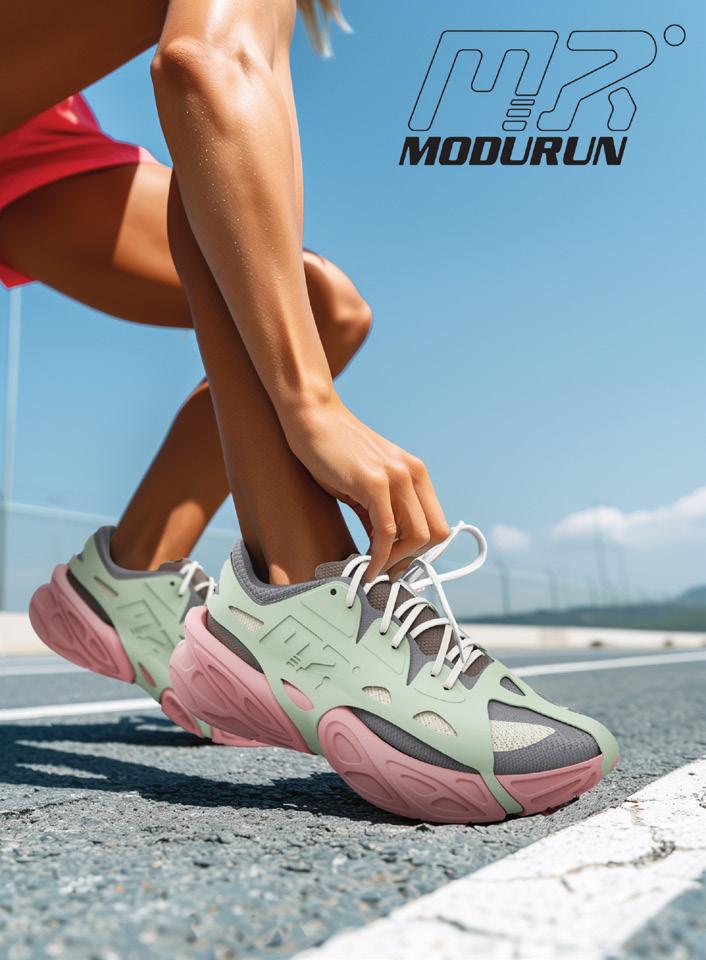
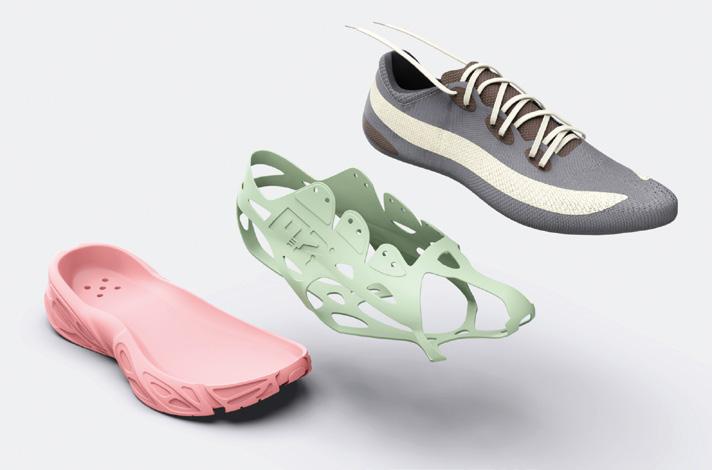
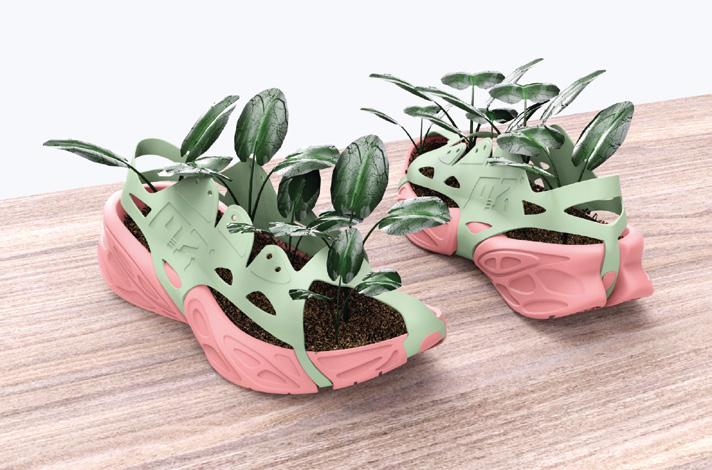
ModuRun is the world’s first fully sustainable modular running shoe. The unique cage design holds the sock fit upper and outsole together without using any glue. Each part of the shoe can be recycled or reused to help tackle the amount of waste going into landfill every year.
Around 300 million pairs of running shoes are thrown away each year in the UK alone. Glue is a major factor in the reason why shoes end up in landfill, it is non-recyclable, and very difficult to deconstruct. ModuRun aims to reduce the amount of waste going into landfill and improve the sustainability of running shoes by adopting a modular design where the shoe can be taken apart, adapted for different terrains, and recycled and reused at the end of its life.
The upper and laces will be made entirely from recycled plastic bottle yarn. The cage will be made from a bio-based recyclable TPU and the outsole will be made entirely from recycled EVA and rubber from old running shoes and waste materials generated in the footwear industry.
Lewis Broughtonlewisb1099@gmail.com
www.linkedin.com/in/lewis-broughton1099
It targets a networked economy model through its second life for the cage and outsole as a home-growing plant kit. 07715302261

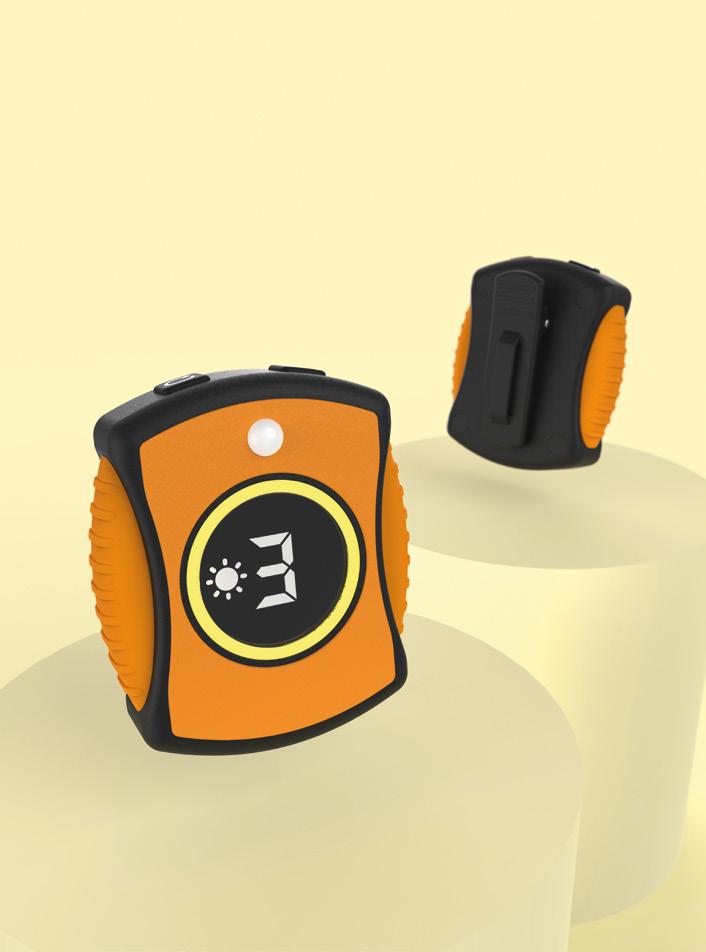
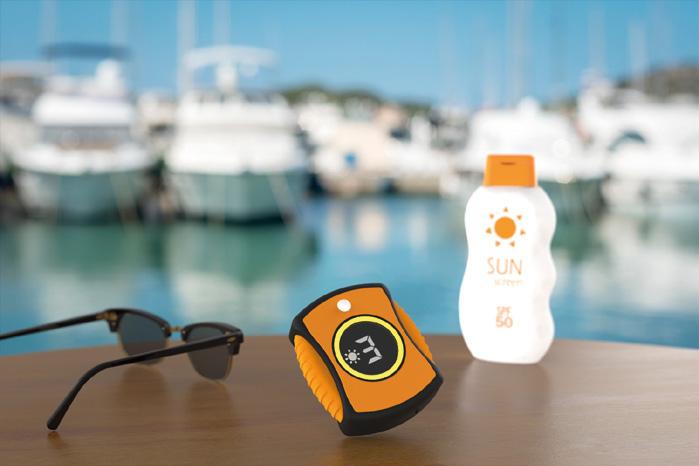
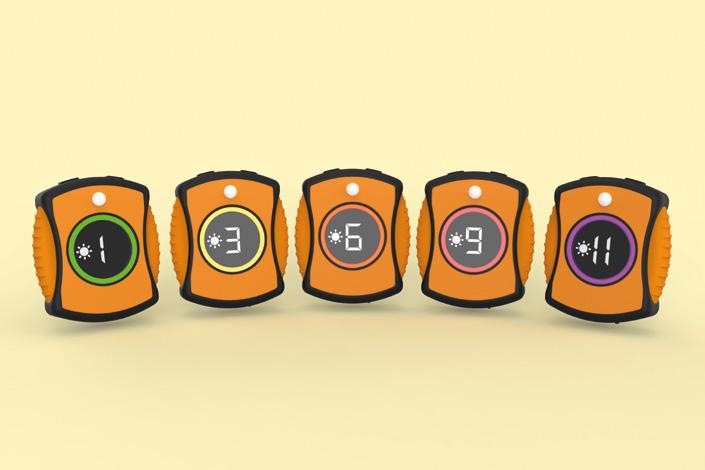
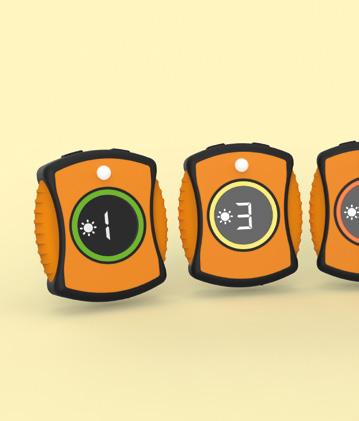
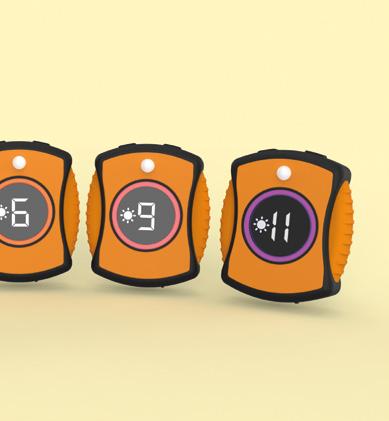
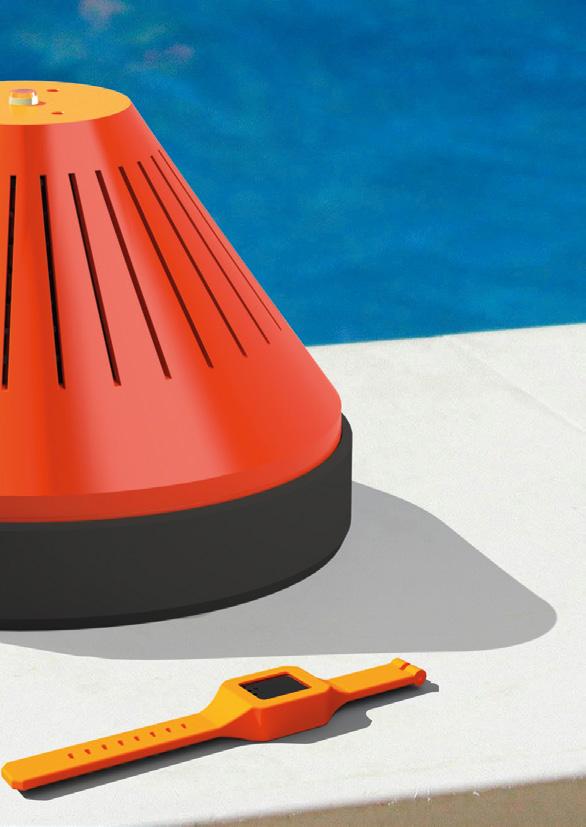
Ray Check is a product for boaters to encourage the use of sun protection methods. Users receive a visual and tactile warning of the UV exposure in current time with the option to set a reminder of when sunscreen needs to be reapplied.
Inadequate use of sun protection methods has been a reoccurring issue throughout the UK. Application of sunscreen is often neglected, with a large proportion of the population only applying once a day. UV radiation cannot be seen or felt so people will often misjudge their safety, leading to skin damage and the development of melanoma.
My product aims to tackle this issue by supplying a clear visual and tactile warning for exposure to UV. Boating

environments demand a waterproof solution which the product is optimised for. Mounting is accessible with an option of a belt clip to attach to a lifejacket or clothing, and a belt loop for attaching to a woven strap. A minimalistic UI and reduced user interaction prevents distraction from the boating activity at hand. Using the product’s warning features, users can build these sun protection habits.
sambw2001@icloud.com
www.linkedin.com/in/samuel-burnett-whalley-966218200
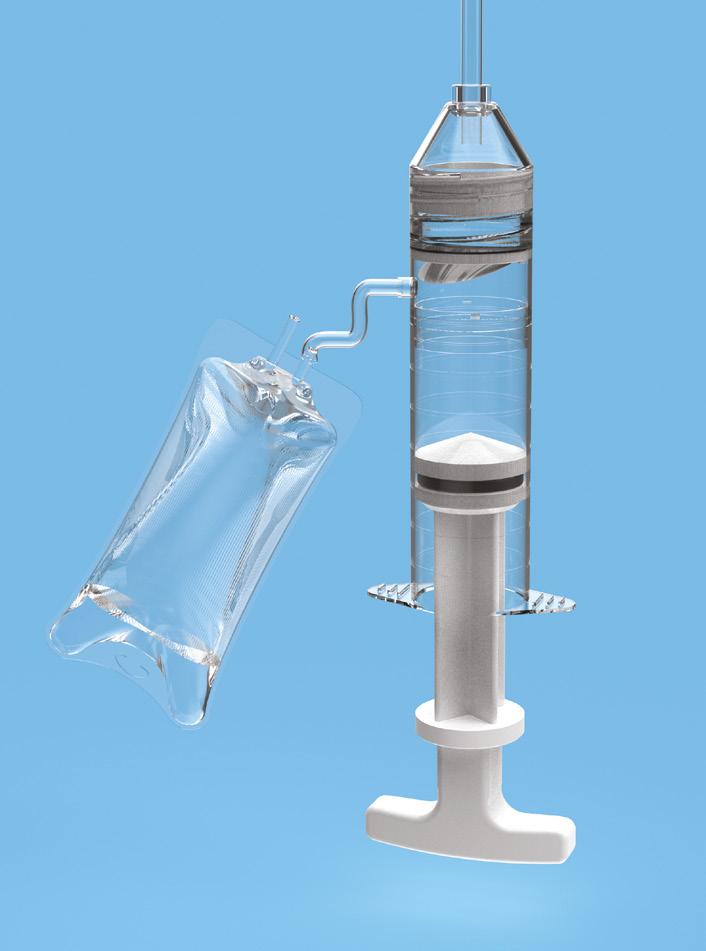
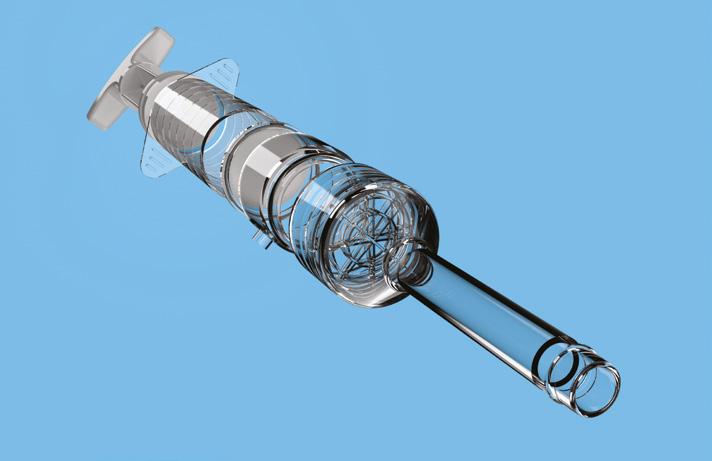
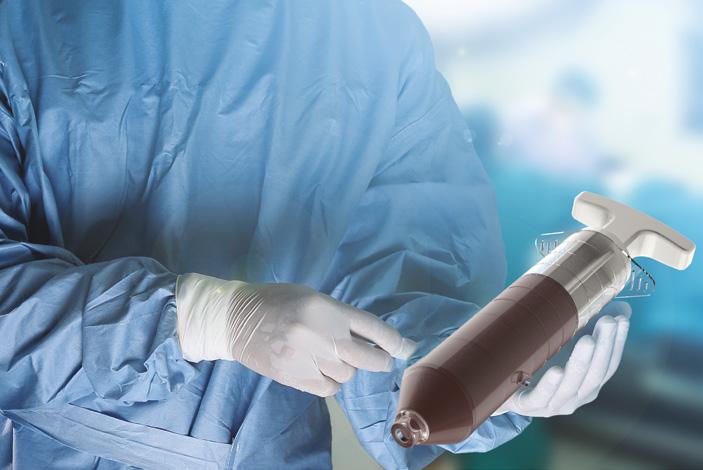
Blood donation shortages in developing countries result in higher rates of Maternal Mortality. 95% of all maternal deaths in low and middle-income countries could have been prevented. The primary cause of these deaths is due to a post-partum haemorrhage, which is an excessive bleed.
Women around the world rely on safe and sterile blood, but this is not entirely accessible for the majority. By utilising autotransfusion one can reuse the blood lost by the patient. The main targets are to collect the blood, filter is so it is safe for use again and give back to the same patient during a PPH. Up to three units, 1350ml, can be lost in a PPH so reuptake must be done within 12 minutes as to save the woman’s life. The entirety of the product is mechanical, using suction
and vacuum to move the blood from one place to another by means of salvaging it. My product provides a handheld, ready to use solution in an emergency situation and does not require electricity meaning it can be used as needed. Almost 5 in 100 women will experience a post-partum haemorrhage in their lifetime so it important to create those innovations.
Julia Domoradzkajuliadomor@gmail.com
www.linkedin.com/in/julia-domoradzka/

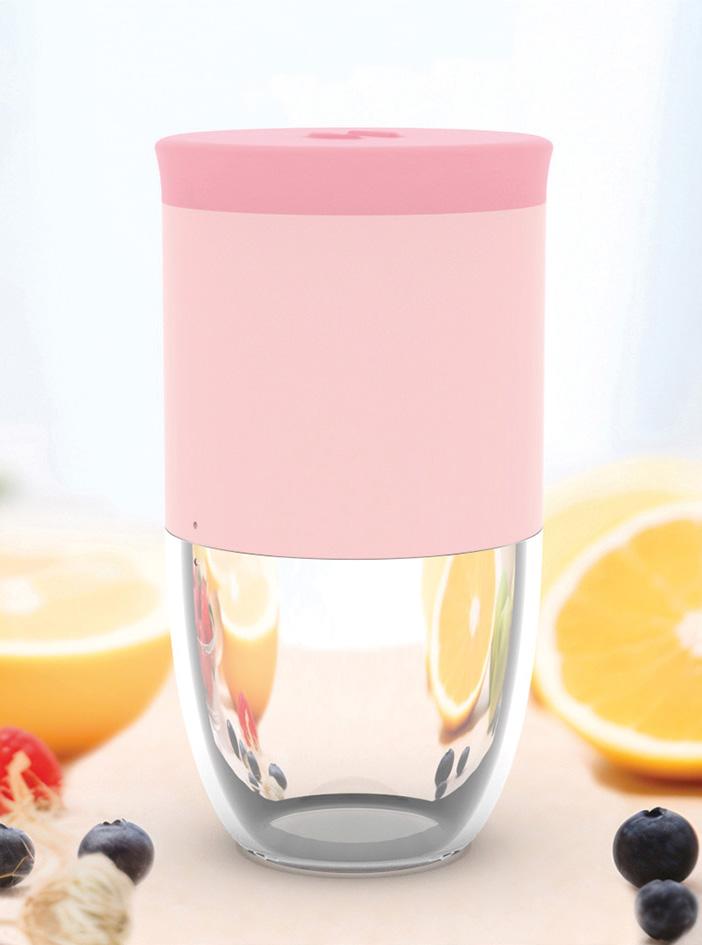
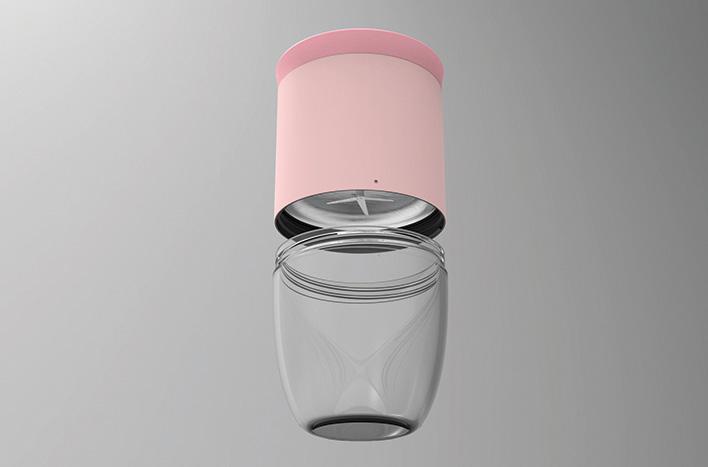
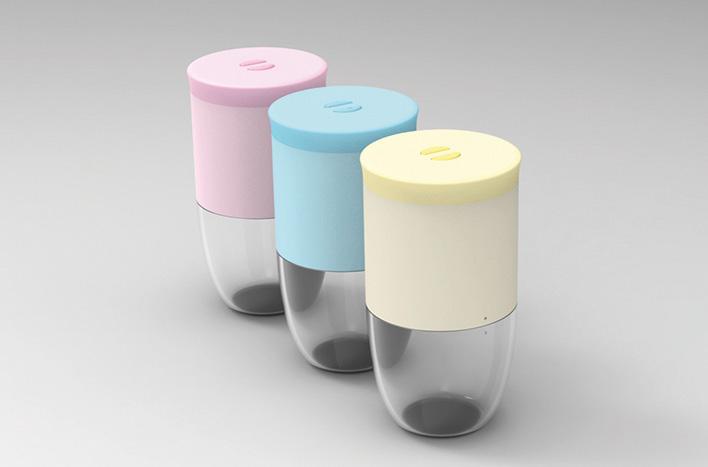
Nutrify is a portable food preparation device to enable adults with dysphagia to prepare puréed food out of the house. The combination of blending and heating food in one product increases independence for people with swallowing difficulties.
As someone with first-hand experience of loved ones coping with dysphagia, this product emerged from witnessing the challenges surrounding food preparation while having swallowing difficulty. For individuals managing dysphagia, food preparation has traditionally been confined to the kitchen at home.
This is a portable product specifically designed to offer a convenient solution to those on a pureed diet. This multifaceted tool not only blends but also heats food,
 Sophie Dorrington
the integration of a heating element guarantees users safe, pureed meals wherever they are.
Designed with user experience in mind, safety remains paramount. Features such as automatic shut-off when opened and user-friendly controls cater to individuals with learning difficulties. Crafted from food-grade aluminium and durable plastic, the product prioritises both safety and longevity.
s5307624@bournemouth.ac.uk
www.linkedin.com/in/sophie-dorrington-95a012223
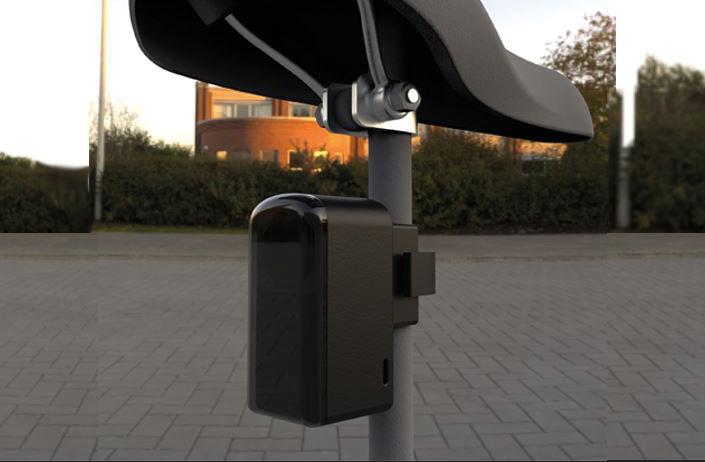
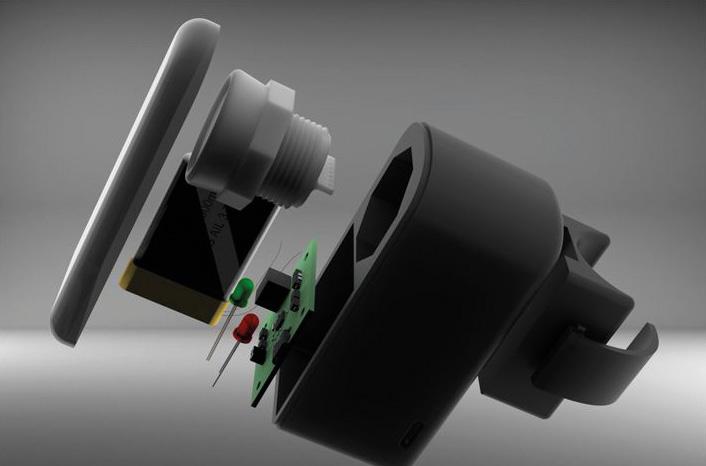
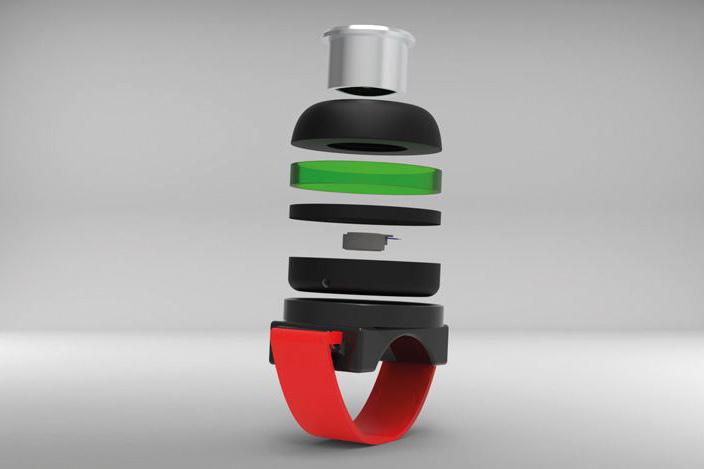
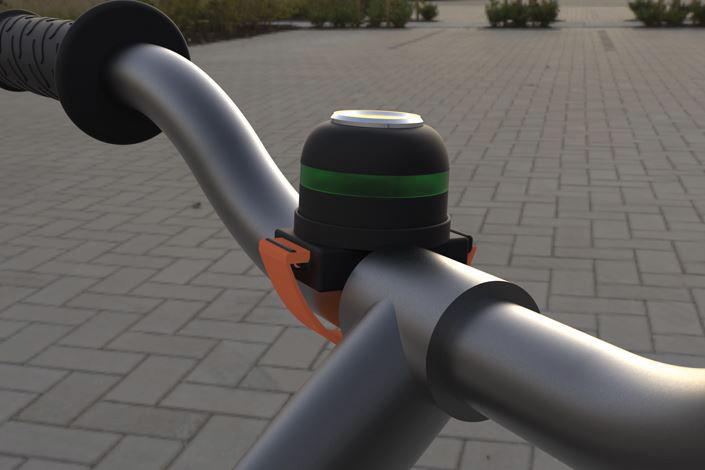
The Road Guardian is a cycling safety device designed to enhance road safety for cyclists with hearing impairments. Utilizing tactile feedback and visual alerts, it alerts users to approaching vehicles, empowering them with increased awareness and confidence while cycling near or on roads
The Road Guardian addresses a significant safety concern faced by cyclists with hearing impairments. Studies have shown that deaf cyclists often feel less confident and more vulnerable on the road compared to their hearing counterparts. This disparity stems from the inability to hear approaching vehicles, making them more susceptible to accidents. To mitigate this, the Road Guardian utilises an ultrasonic sensor that detects vehicles approaching from behind. When a vehicle
is detected within a set distance, the device provides tactile feedback and visual alerts, such as vibrations and LED notifications, to alert the cyclist. This proactive approach ensures that cyclists are made aware of their surroundings and can react accordingly, thereby enhancing their safety and confidence while cycling on or near roads.
David Eastwooddavidmeastwood1@gmail.com www.linkedin.com/in/david-eastwood-555704269/
07399403444
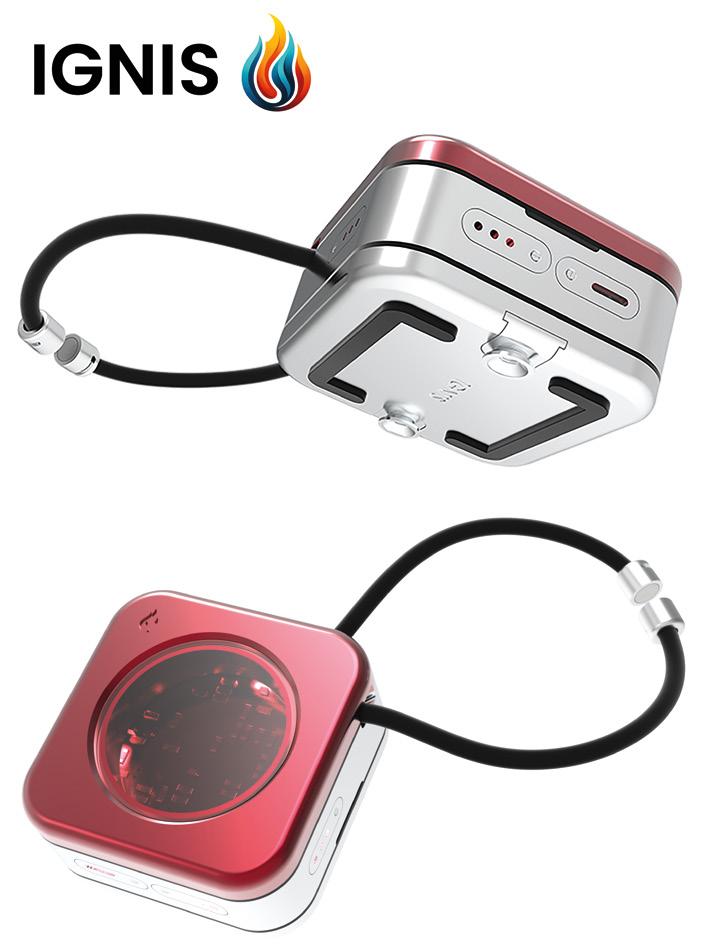
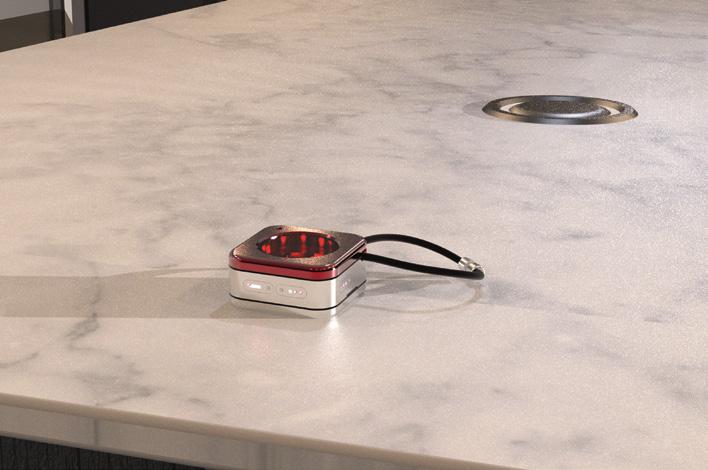
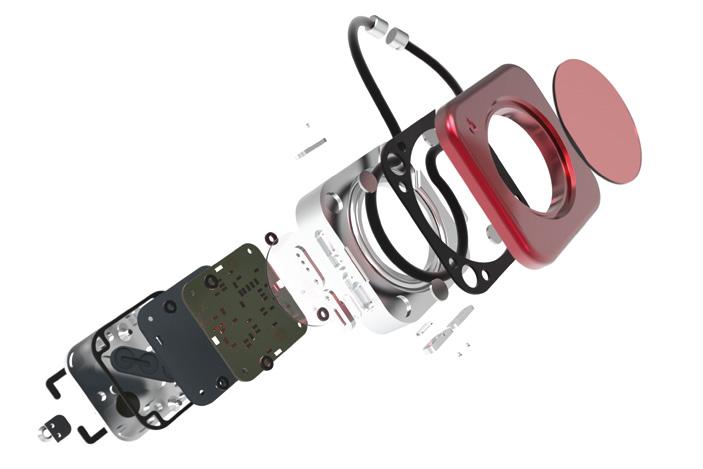
IGNIS is a personal fire-safety device that encourages D/deaf (Deaf and hardof-hearing) individuals to gain independence and courage when travelling alone. The product can identify the audio characteristics of a fire/smoke alarm and alerts the user through visual and sensory components.
Existing fire-safety precautions for D/deaf individuals are expensive, nonportable, and undersupplied. IGNIS aims to promote inclusive design and the importance of personal safety in vulnerable groups; the product is a permanent assistive device that is both reliable and convenient and can be changed to suit the user over time.
The product can detect a fire/smoke alarm from up to 13 meters away; the device is intended to travel with the user and provide an immediate response to
 Rian Edmondson
riantedmondson@icloud.com
a nearby active alarm. Whilst modern institutions are required to provide visual alarms for D/deaf individuals in specific areas; there is always a risk that it wouldn’t be effective. IGNIS aims to alleviate this risk by providing a personal alarming device that can give constant visual and sensory feedback.
www.linkedin.com/in/rian-edmondson
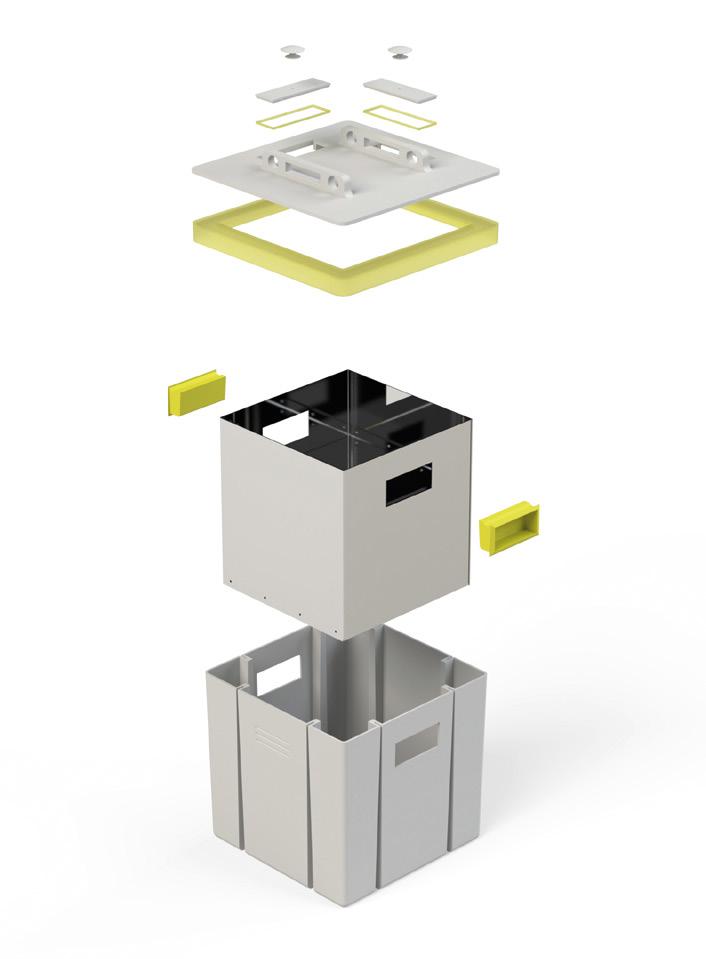
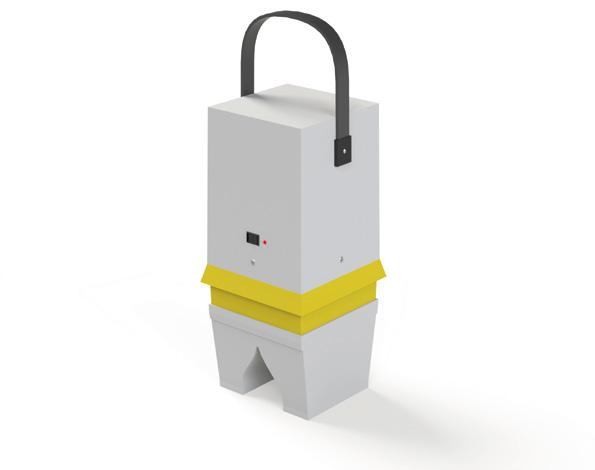
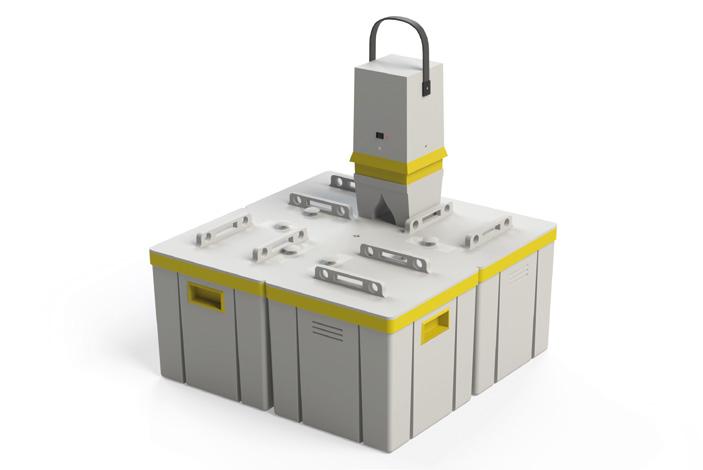
My Product has been designed to help aid Ugandan street vendors to preserve bananas, matooke and plantain from the non-optimum environments in which they are kept.
Uganda’s food and agriculture organisation says that each year 30-50% of all fresh fruit and veg is wasted, the majority of which is from food markets. Bananas family produce is the most produced and consumed produce in the country with the average ugandan consuming 350kg of bananas a year.
This makes bananas the most sold but also most wasted produce in the county, due to Direct sunlight, heat, moisture and pests all leading to the rapid decline of produce throughout a working day.
My product has 4 insulated storage quadrants (50 bananas each), 2 of which can be cooled and ventilated by a portable cooling unit. The product allows users to keep and transport the unsold produce home and back, via motorcycles and tuk-tuks. This means that vendors can reap the full rewards of their stock, allowing for a more profitable business.
Joseph Ettridgejosephettridge26@gmail.com
www.linkedin.com/in/joseph-ettridge-681982221/

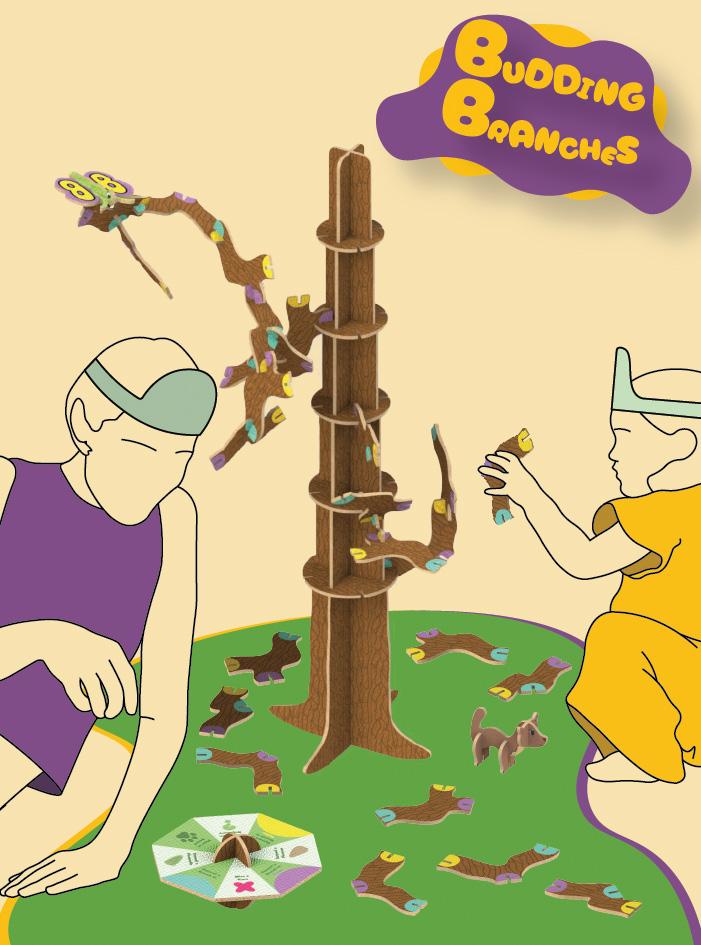
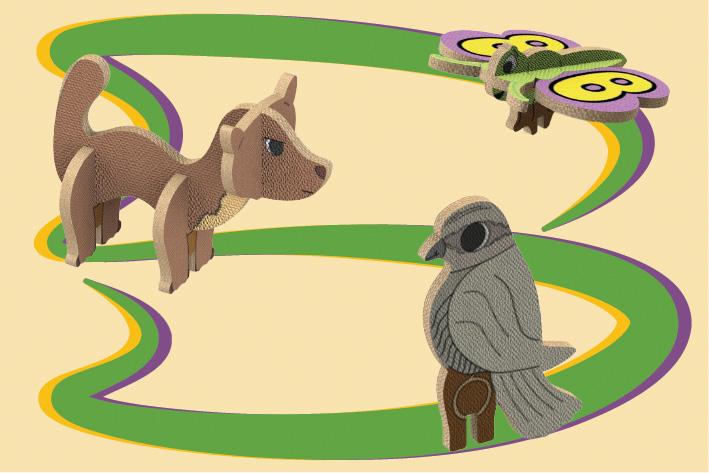
Budding Branches is a collaborative game for preschool-aged children (3-4 yrs) and their Parent/Gaurdians as an alternative to screen-based entertainment that aids with healthy socio-emotional development.
Increased screen time in early childhood has been linked with poor childhood development and a lack of school readiness. Budding Branches provides healthy human interaction between the child and someone they trust and uses gamification principles to reinforce positive socio-emotional development. For example, the game uses a turn-based structure to allow repeated interaction to strengthen interpersonal relationships.
When I think back my most vivid memories of play were all outdoors in
nature the design of Budding Branches is inspired by walks across Barossa Nature Reserve and all the Scots Pines I’d see when I was young, this is echoed through the colour scheme, characters and the tree.
Three types of branch pieces, in addition to several animal characters and a spinner, allow users to take turns growing a healthy tree without it falling.
s5203787@bournemouth.ac.uk
www.linkedin.com/in/ryan-finn123/
07568595547
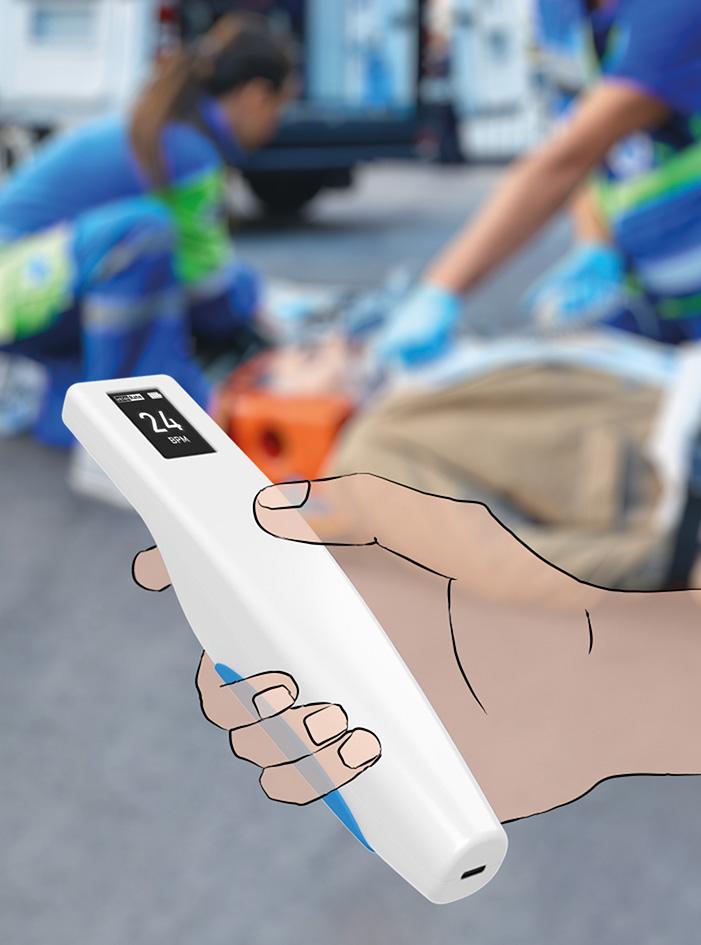
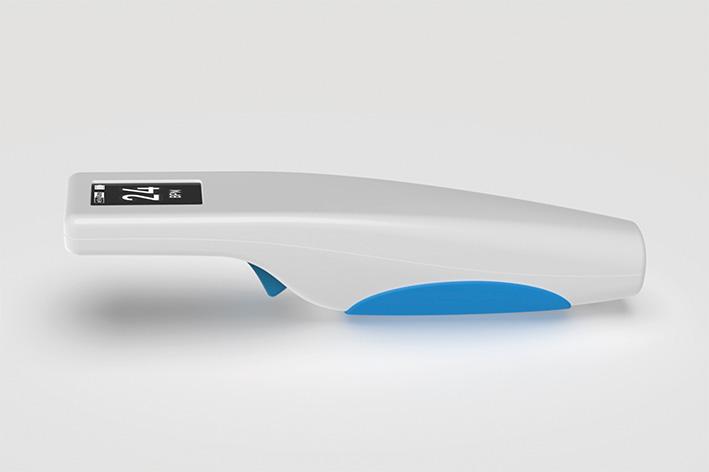
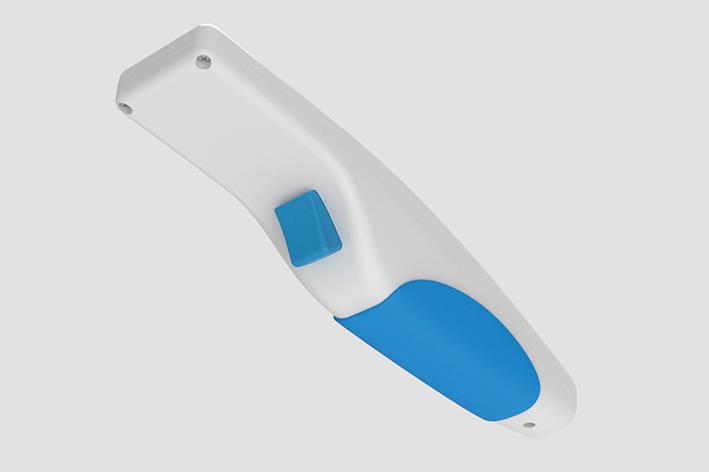
respiRate is a device to support the monitoring of respiratory rate in emergency response, calculating and displaying a rate in breaths per minute in response to a button press each time a breath is observed. The product aims to provide clarity and precision to a currently chaotic process.
Despite being a proven early indicator of casualty deterioration, respiratory rate is often referred to as the ‘neglected vital sign’. Current standard practice is reliant on manual counting, timing and calculation, known to introduce error of up to 6 bpm. This process is not only inaccurate but also time consuming - far from optimal in an already chaotic environment.
respiRate provides a clear display of respiratory rate, updating with each
breath input to provide clarity and precision to a vital process in primary casualty care. The product balances functional requirements with aesthetic and ergonomic considerations to encourage a holistic approach to the monitoring process. By easing workload on the emergency responder, attention can be focussed on casualty wellbeing, whilst leveraging the full potential of accurate respiratory rate monitoring.
hambleben@gmail.com
www.linkedin.com/in/benharris020/

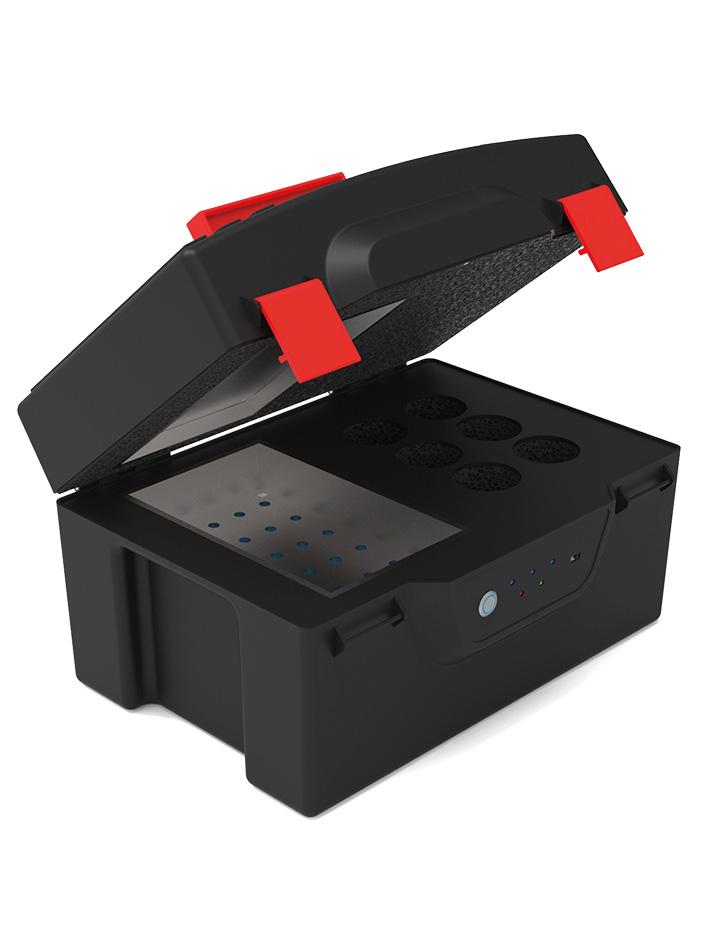
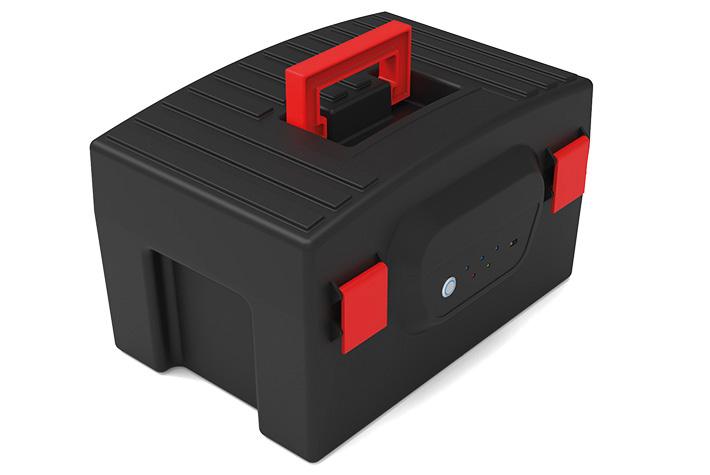
Cut Case is a product that aims to sterilise cotton swabs and temperature control the adrenaline used on cuts sustained by competitive fighters.
Competing fighters have a team to support them between rounds. The team assists the fighter with fight strategy, hydration, icing (to help swelling and cooling), and cut management. My project is focused on the cuts and the items that are used to help treat them. The adrenaline that coats the cotton swabs acts as a vein constrictor meaning it can slow/stop blood flow, which is followed by a thick layer of petroleum jelly to block up the cut and help future hits slide over
 William Hickey
william.hickey01@gmail.com
it. I’ve created a case that will sterilise the swabs using UVC light and store the adrenaline between 20-25 degree Celsius for cut men/women to effectively store and efficiently use their equipment.
www.linkedin.com/in/william-hickey-ba2a2920a/
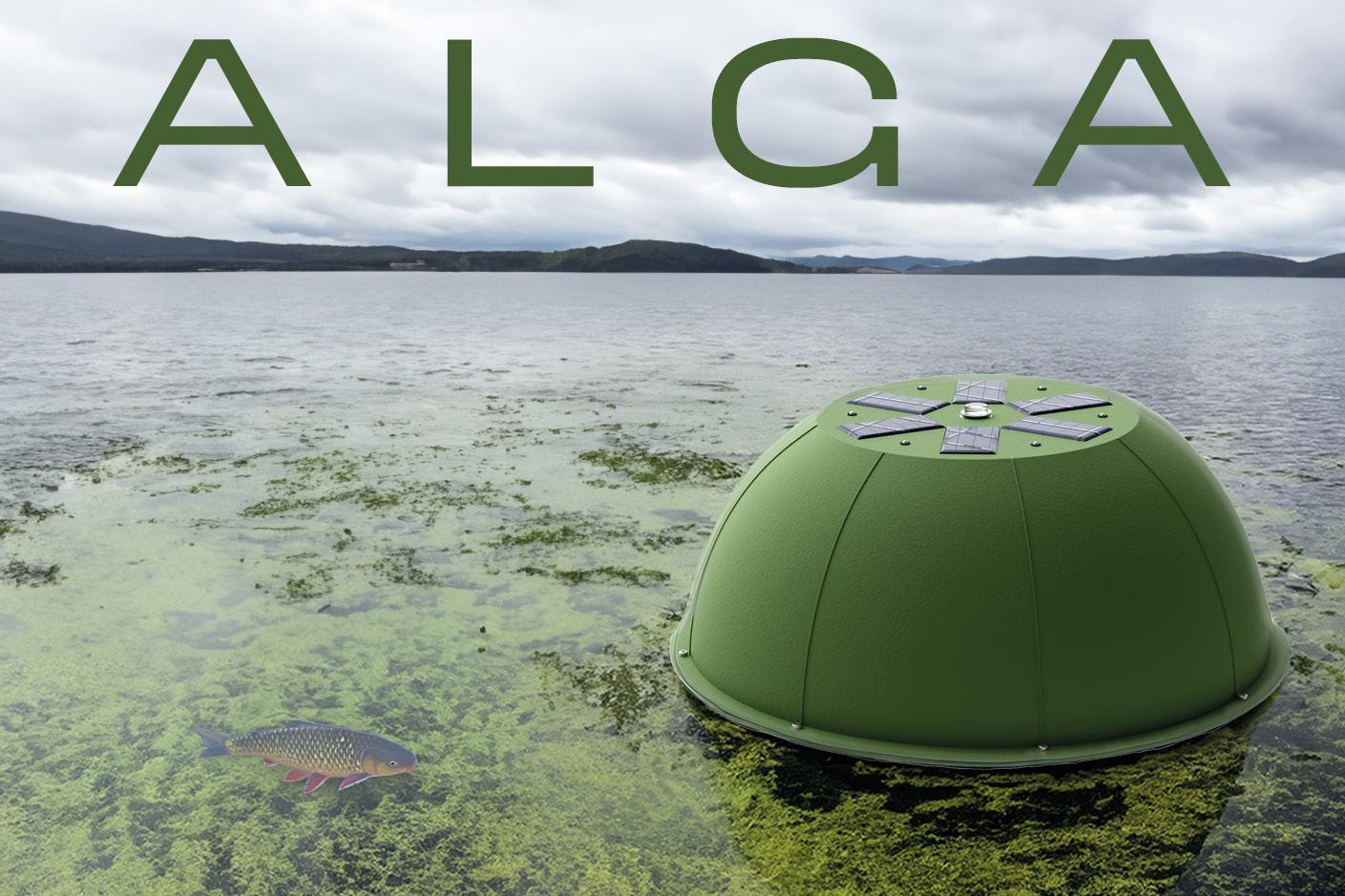
Due to excess nutrients in lakes, cyanobacteria (commonly known as bluegreen algae) proliferate to form harmful algal blooms, creating hypoxic regions, and thus causing havoc to the ecosystem. ALGA disrupts the growth of cyanobacteria in lakes using ultrasonic technology.
Algal blooms starve lakes of oxygen, killing organisms such as fish. As well as this, the blooms produce toxins that harm wildlife. Dogs have become ill from drinking contaminated water. ALGA emits ultrasonic waves radially at a frequency of 20 kilohertz, causing ruptures within the cyanobacteria’s gas vesicles. Without functional gas vesicles, they can no longer rise to photosynthesise, so descend to the bottom of the lake floor to die.
ALGA is tethered to one point on the lake’s floor, harnessing energy from its solar panels and on-board battery. It should be positioned centrally in the affected area to provide maximum efficacy. Through cleaning the lake’s water and improving the life of organisms, ALGA successfully contributes to the UN Sustainable Development Goals. The product casing is made from ASA, an ideal material to resist UV damage.
Jacob Ibbitsonibbitsonjacob@gmail.com www.linkedin.com/in/jacobibbitson

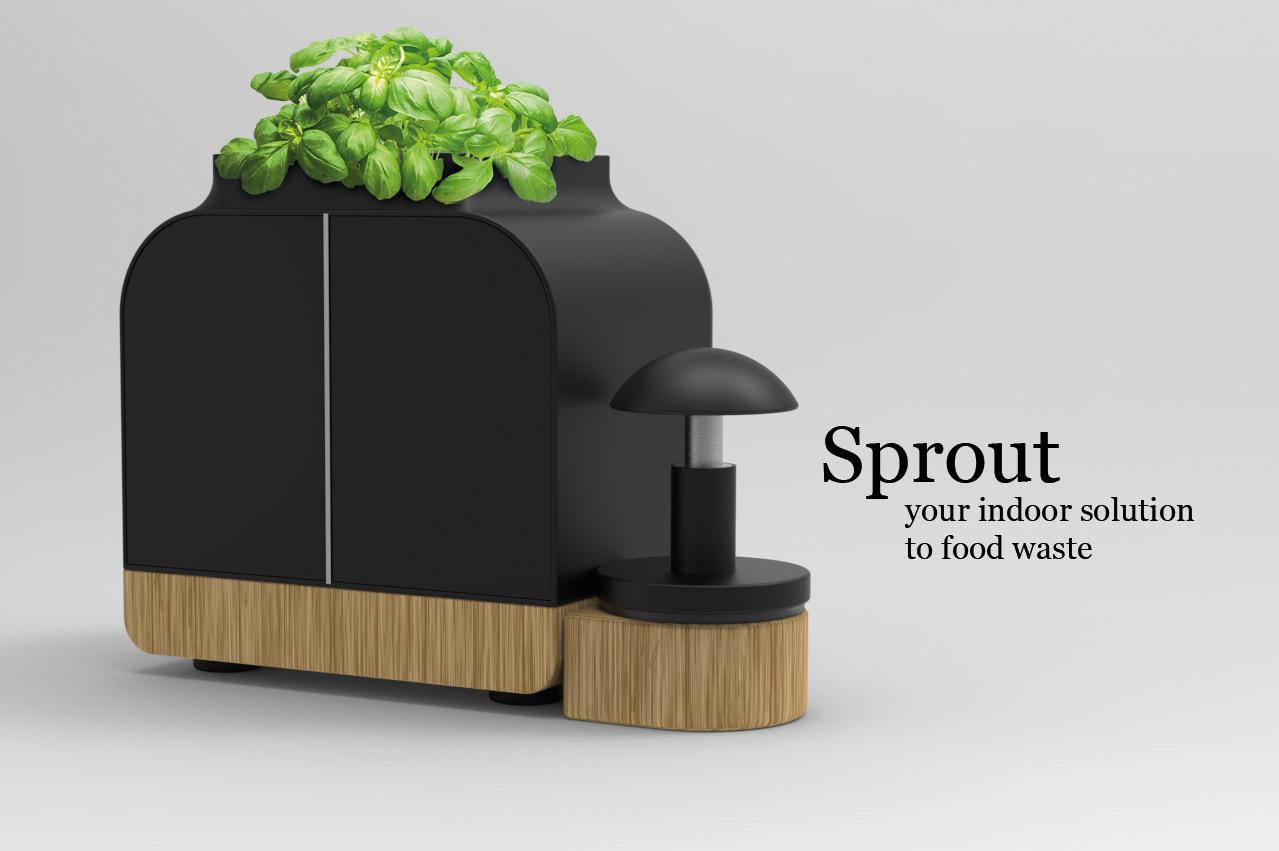
An urban indoor food waste simple composting solution, offering a convenient and sustainable way to utilise your food scraps and cultivate healthy soil for plant growth.
This project addresses the challenge of food waste management while promoting eco-consciousness and a stronger connection with nature from inside your own home. The current issue with similar products lies in their limited accessibility and lack of user-friendly design, which Sprout sets out to solve. Featuring sealed composting chambers and user-friendly design, it offers convenience without compromising effectiveness. Sustainable materials like fast-growing bamboo,
 James Lucas
jdlucas.designs@gmail.com
recycled plastic, and sleek stainless steel are utilised, reflecting a commitment to eco-friendly practices. This project embodies a harmonious blend of sustainability, functionality, and aesthetic appeal, paving the way for a greener future in urban environments.
www.linkedin.com/in/jdlucasdesign
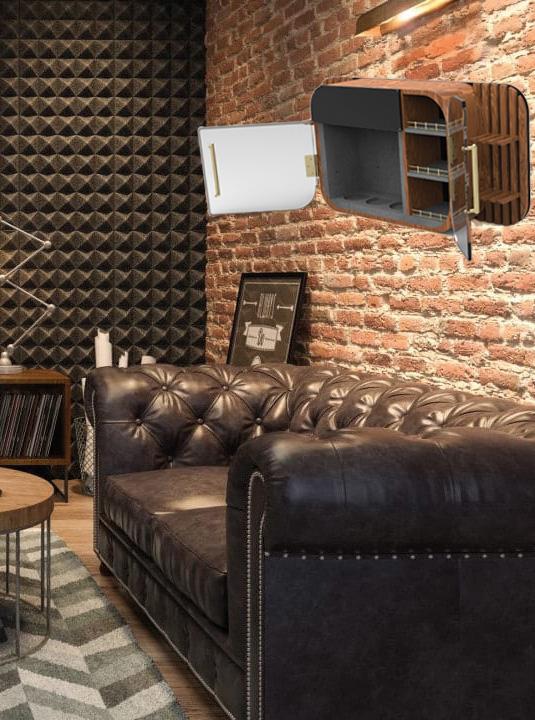
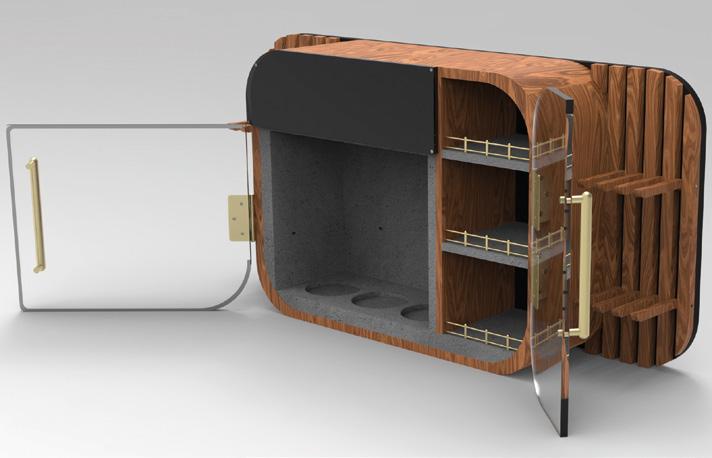
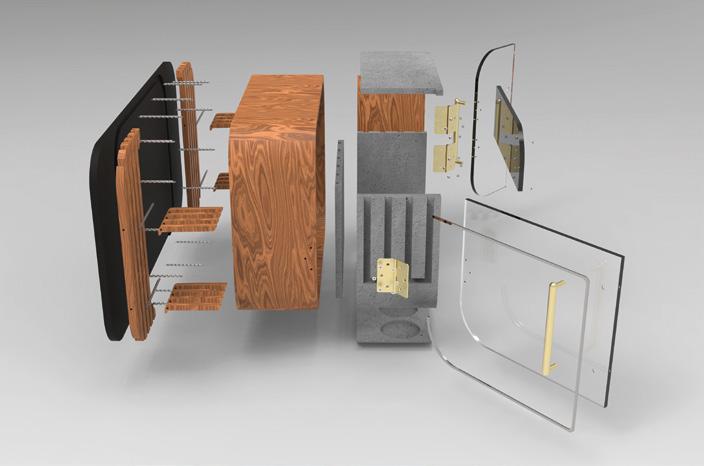
Creag is a climatisation-controlled cabinet that maintains and controls temperature, humidity and UV levels within the product. It will increase the longevity of opened or unopened bottles of whisky; the user can choose to store a bottle for weekly consumption or to conserve and mature.
Whisky deteriorates if not stored correctly, which may not be a concern to some, however many people invest, collect and store whisky in the hopes of keeping it in pristine condition. Typically cellars are used for these purposes but for many this isn’t a viable option. Creag users are able to display ,store and and use their bottles without worrying about degradation. The design incorporates a series of insulative gypsum panels encapsulating the whisky bottles, heating and cooling with Peltier
modules keeping a constant 15-17 degrees. Gypsum as a material has the property of absorbing moisture in high humidity environments and releasing moisture in low humidity environments, allowing a stable humidity for the whisky to be stored at. while also keeping UV-levels stable with UV film incorporated onto the doors to reduce any light based degradation.
Felix Mackenfelixm@cken.org.uk
07788282892


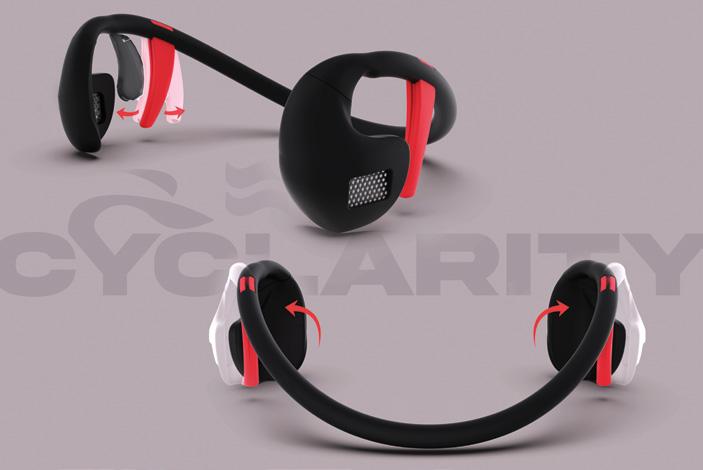
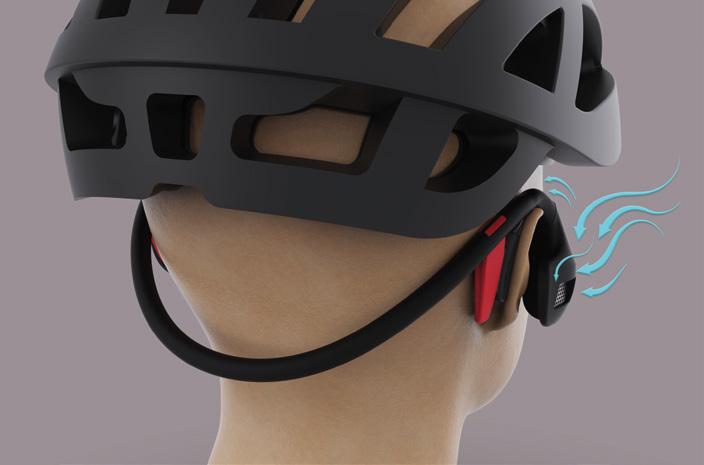
Cyclarity is a wearable product that redirects turbulent airflow away from a user’s hearing aid to mitigate over-amplification of wind noise and reduces sweat build-up that renders the hearing aid ineffective.
Hearing loss has become the most common disorder in patients in developed countries. The increased use of hearing aids by adults at younger ages, often still commuting by bike to work and those who lead more active lives, finding an effective solution to counteract and mitigate wind noise is essential to ensuring safer activity, successful hearing aid adoption and inclusion of deafness within cycling.
Cyclarity allows cyclists who wear a hearing aid to comfortably travel. When
 Jude Meaden
Judemeaden@gmail.com
wearing Cyclarity, the user should experience wind noise reductions of up to 70%.
The products flexing TPU headband ensures adjustability between head sizes. The silicone ear hook is also adjustable and retains its position when hugging the hearing aid. The mesh allows some filtered air into the ear canal to manage sweat build-up when cycling.
www.linkedin.com/in/jude-meaden
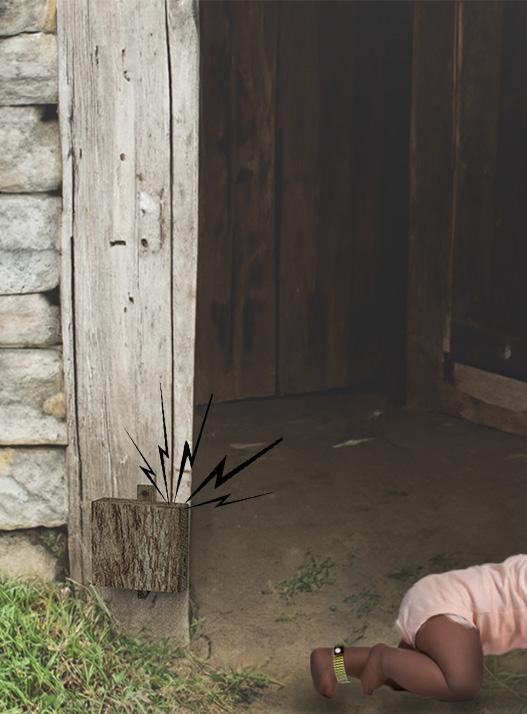
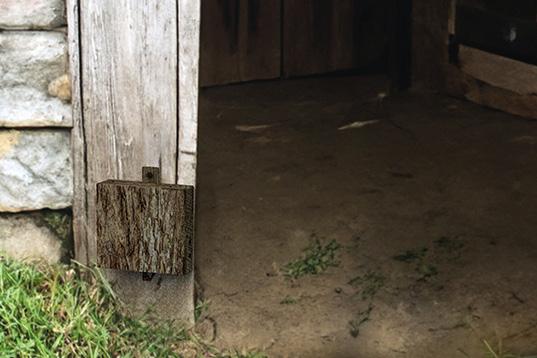
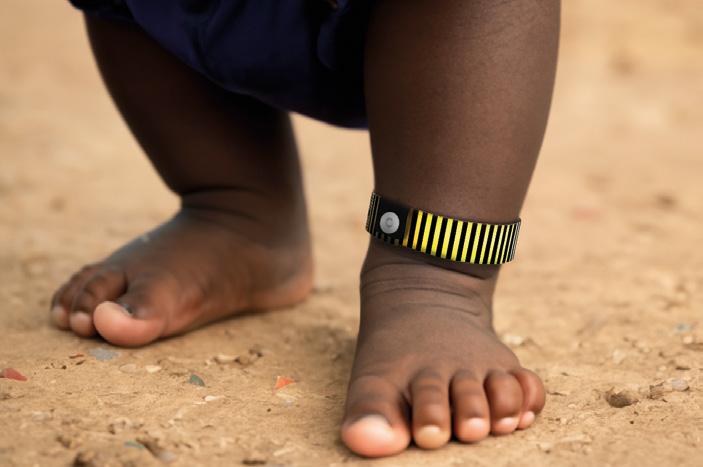
40 Bangladeshi children tragically die from drowning every day. This product aims to prevent under 2-year-olds from leaving their homes unattended and drowning in the local bodies of water.
This project is focused on a village called Dokkhin-boro-baliatoli. Research shows many of its children drown as a result of lack of supervision. Their mothers must work in the fields far from the village, so once the children become mobile, they can wander from the home and drown in local ponds. My project aims to prevent the child from leaving home unattended in the first place by using a passive infrared alarm system. It is triggered by a highly reflective, gold-coloured foil
pattern on the child’s anklet. The infrared signal is transmitted from and received by the doorframe mounted product. The alarm alerts neighbours that the child is unattended and needs locating immediately. The product must not infer any financial value as there is a high chance of it being stolen. The product also inspires confidence in the parent that their child is safe.
mollie.douglas19@gmail.com
www.linkedin.com/in/mollie-micaelli-lopez-02060a224/
07879342650

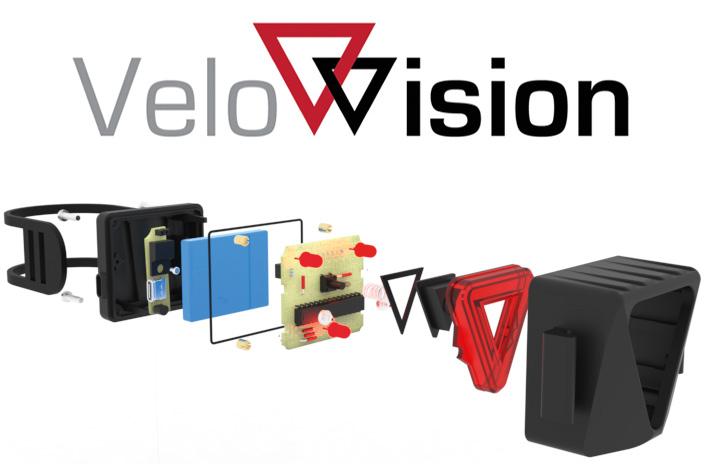
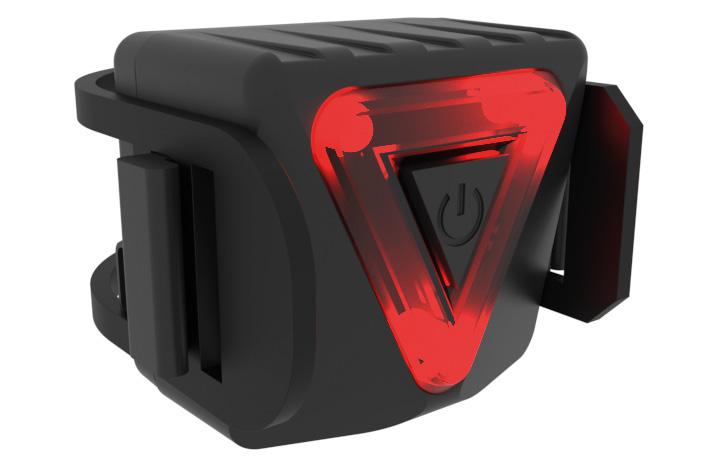
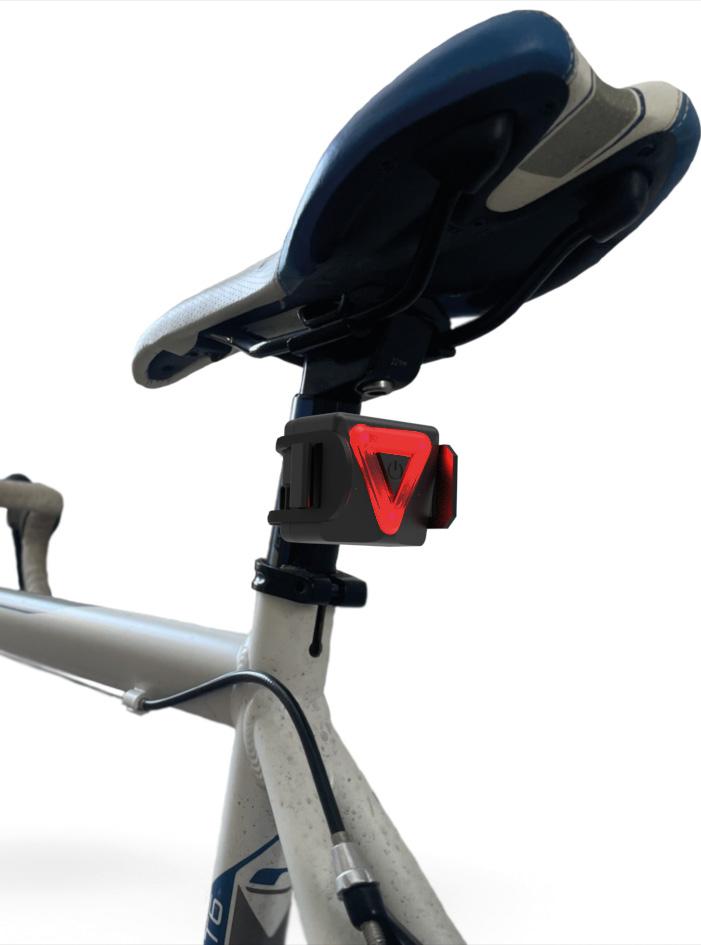
VeloVision is a passive braking light for cyclists, with a purpose of making cycling safer, and drivers more aware.
Over 40% of cycling incidents in the UK are rear end collisions caused by drivers not leaving enough room and misjudging cyclists’ actions on the road leaving many riders feeling vulnerable and unseen. The VeloVision device aims to act on this by creating a brake light through the use of an accelerometer detecting a change in force. The device detects when the cyclist is slowing down under heavier braking and applies a brake light. The light utilises 3 other light features to give
 Xavier Nason
xaviernason@btinternet.com
the user a choice of mode. The device makes use of an 800mAh battery giving commuter cyclists a smart brake light that lasts the whole week of commuting. With an adjustable silicone strap, the device is able to fit to a wide range of seat posts and through having built in water ingress protection, allows it to be used in all weather conditions.
www.linkedin.com/in/xaviernason
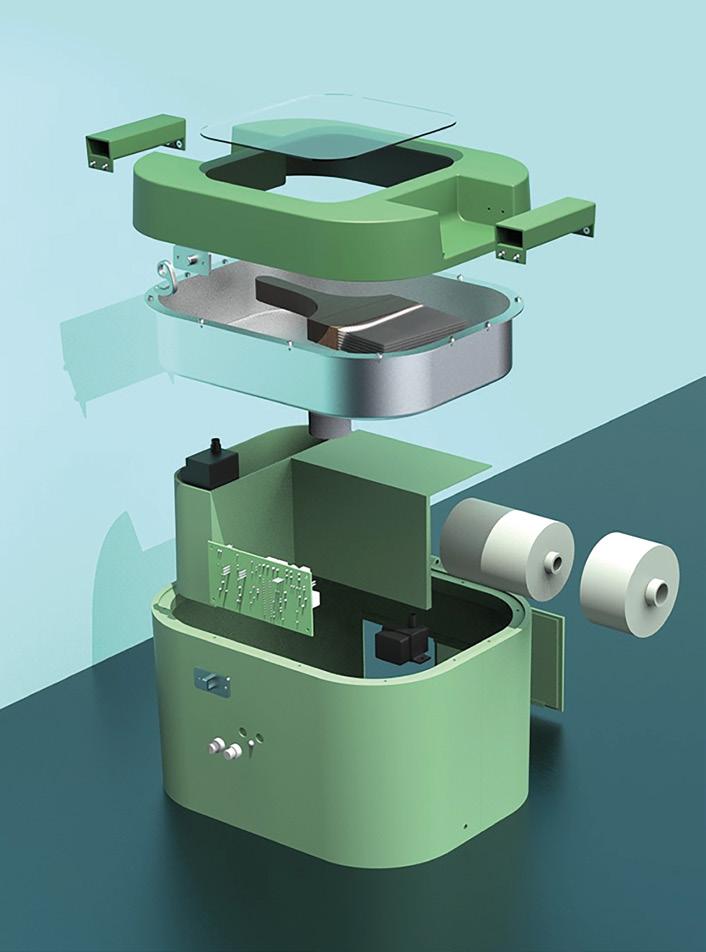
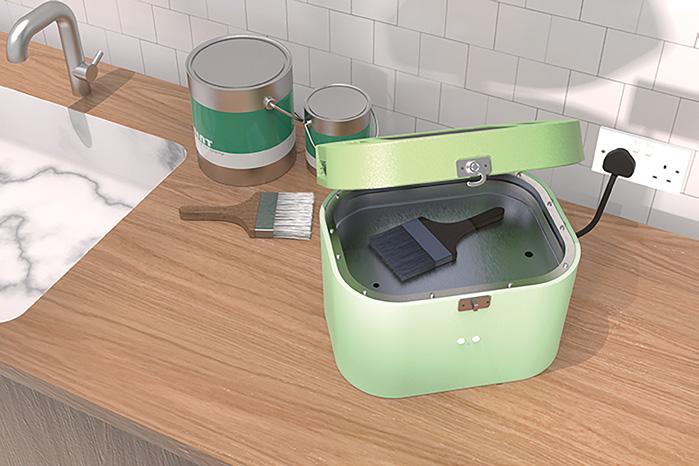
Emulsion is a product that uses ultrasonic technology to agitate and clean the paint off your paint brush, which is followed by using ultrafiltration technology to capture the plastic within the paint to stop it from entering our waterways.
We are unaware of the damage that plastic is doing to the environment, even in small doses. Paint contains tiny microplastics, that when washed down the drain, have the potential to enter our waterways and ecosystems causing damage to marine life; in fact, it is stated that 1.9 million tonnes of paint end up in the oceans and waterways every year, which represents 58% of all the microplastics in the water. The product aims to bring light to the issue of plastic
pollution, encouraging people to be more sustainable where they can.
Emulsion is aimed towards painters and decorators, attempting to make their work easier with its fast cleaning technology. It combines convenience and sustainability, with an effective filtering system and ergonomic design. This product should be the beginning of a discussion to alleviate the cycle of plastic waste.
creynolds2501@gmail.com www.linkedin.com/in/charliereynolds250102
07955864957
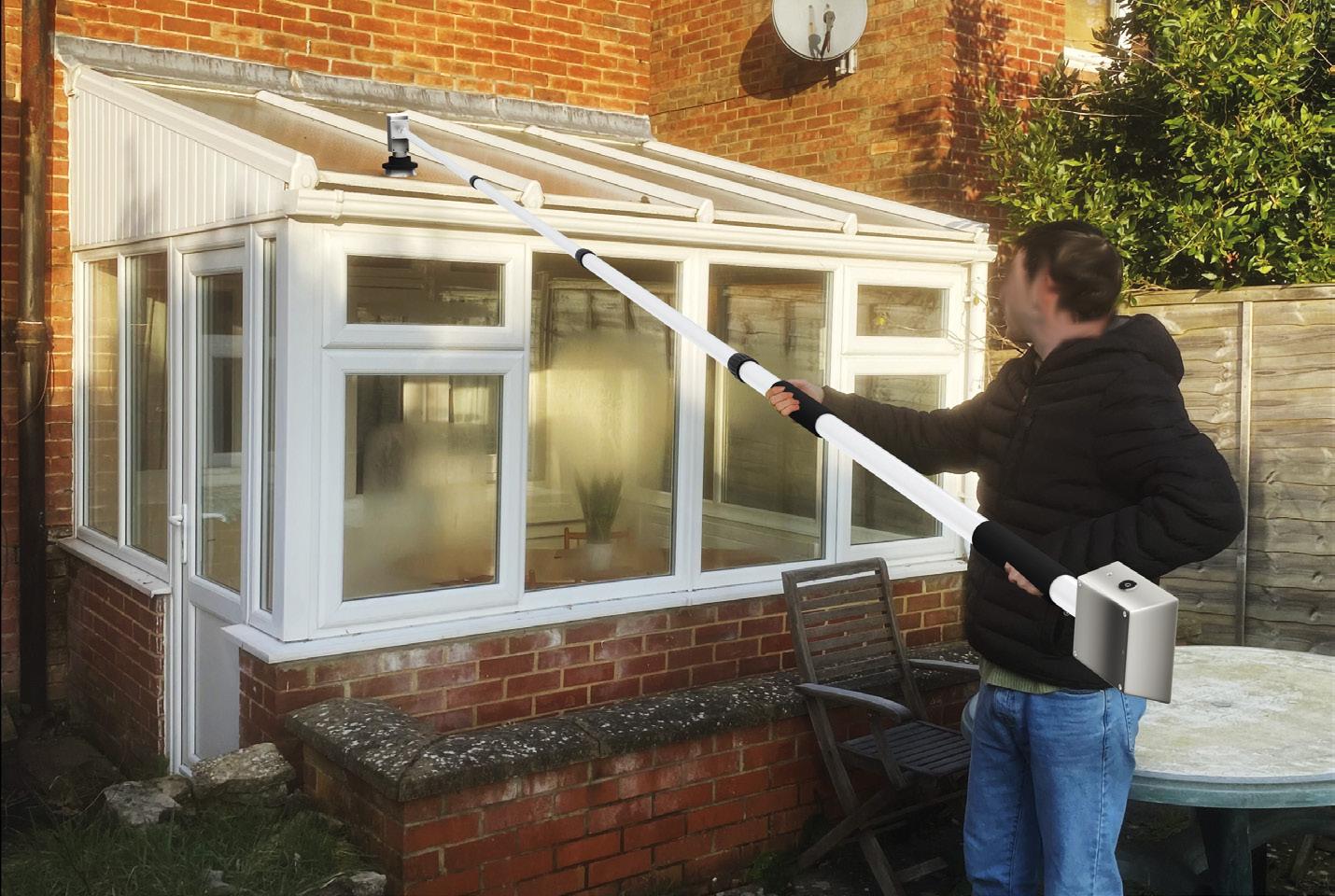
My product allows the elderly to easily clean and maintain the outside of their conservatory roof, without the use of a ladder. A motor mounted to the end of a telescopic pole provides the abrasive action required to clean.
Feather Weight aims to liberate the elderly from relying on cleaning professionals or putting themselves of risk of injury when cleaning their conservatory. The product has a twist and lock aluminium telescopic pole which allows them to reach 3.5m and be collapsed to 1.2m for ease of storage. The 12V motor is able to couple with a range of brush heads so that the product is suitable for a range of conservatory designs. The brush has two speed settings

s5322678@bouremouth.ac.uk
(100rmp / 125rmp) to allow for additional control and efficient power usage when used on the slower setting. The user holds the product with two foam handles while they’re supported using a padded shoulder harness to reduce the strain on their arms.
Feather Weight will enable the elderly to remain self sufficient while still taking pride in their home.
www.linkedin.com/in/angus-ma-richardson
07766764635
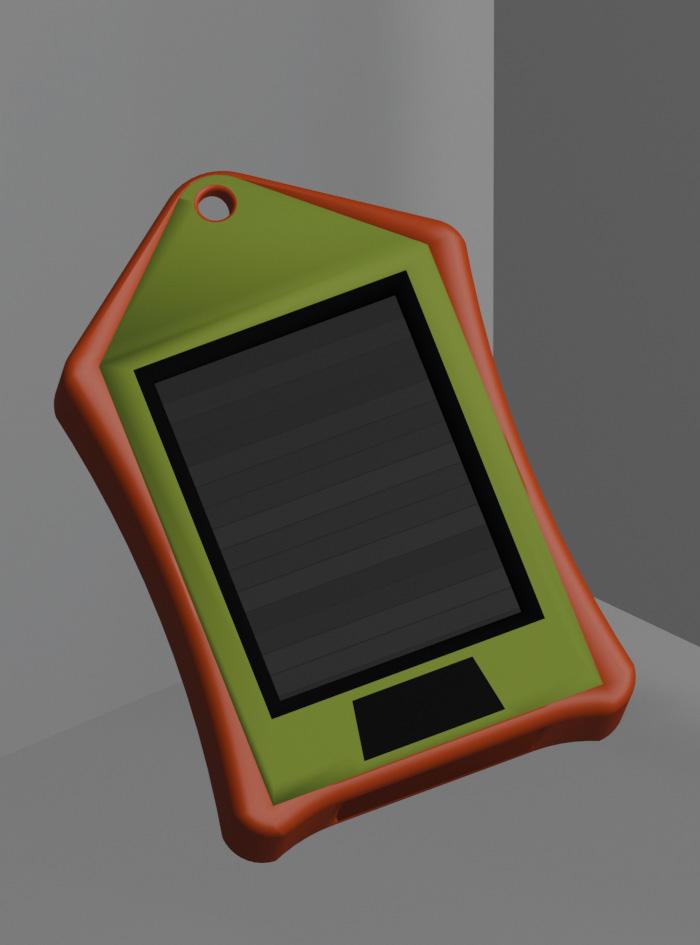
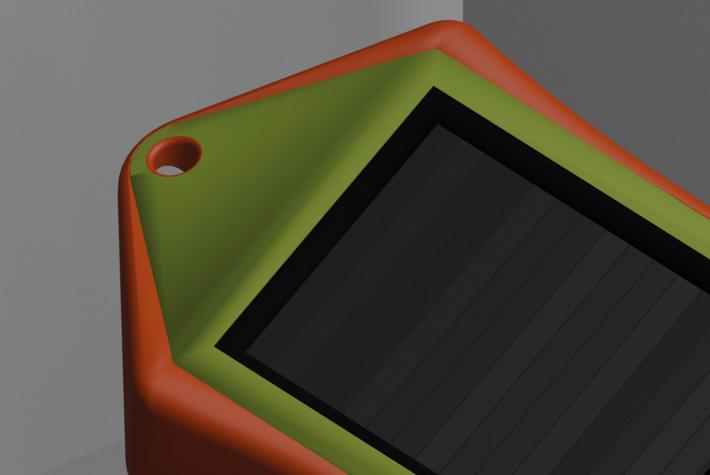
One-Step Energy is a power bank with a twist – it’s designed to generate energy as you walk throughout a camping or hiking trip spanning multiple days allowing you to carry a smaller capacity, lighter power bank.
The Power bank generates energy from two sources, a small solar panel on the top of the device and a second internal device that uses the kinetic swaying motion of someone walking to move a magnet in order to generate energy; this is where the name One-Step originated from along with the one step of clipping it to the top carry handle of your rucksack. The device’s casing is made from nylon finished in a ‘military-esque’ green with a silicone outer ring to further protect
it from bumps and drops. I chose this project due to regularly heading out for multiple-day expeditions across Dartmoor and always being worried if I would be able to charge crucial devices when I set up camp as well as having to lug multiple heavy battery banks with me throughout the trip.
Matthew RobinsonMatthew.mrobinson58@gmail.com www.linkedin.com/in/matthew-robinson-528939236/
07463666992

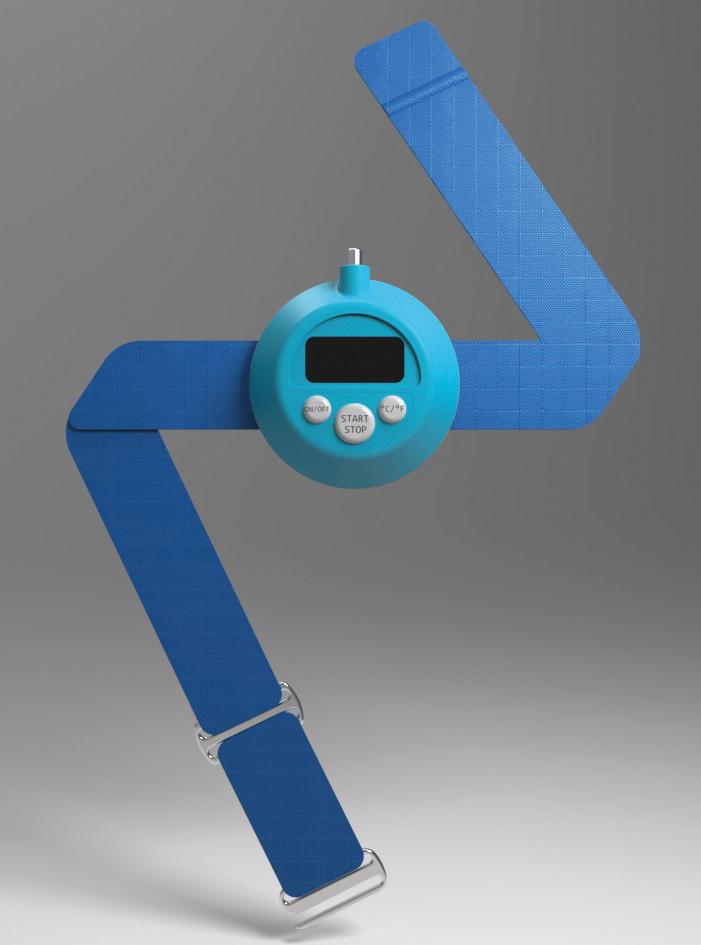
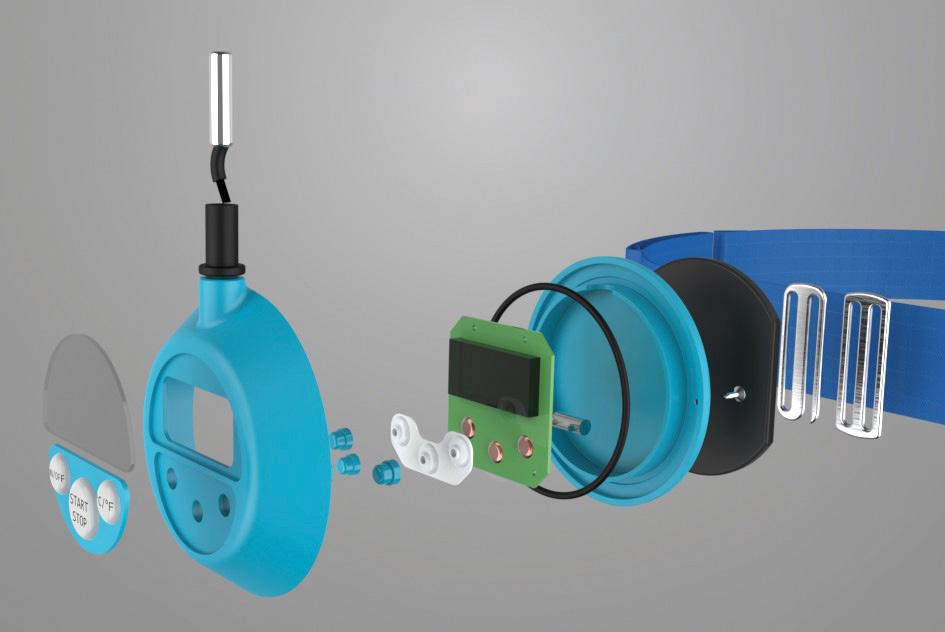
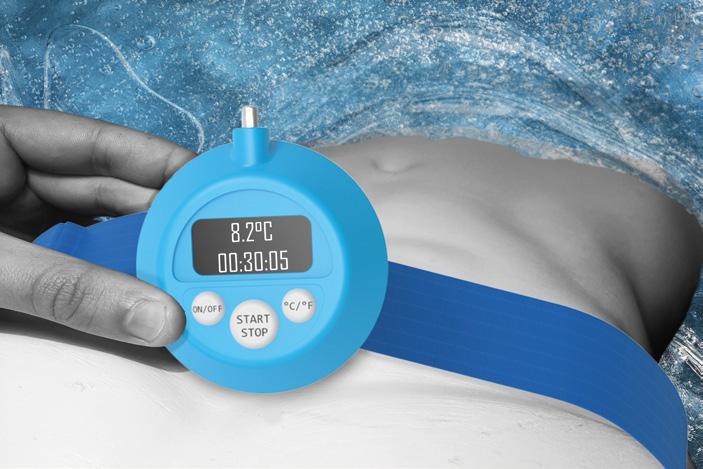
Cellana is your personal Cold Water Immersion tracker, that provides a controlled and safe experience. By recording water temperature and activity time, Cellana helps to minimise the risk of prolonged exposure, giving you confidence, and maximising the health benefits.
Typically, anyone doing Cold Water Immersion activities can have the tendency to misjudge their body’s ability to cope with the cold. Cellana is designed to monitor your progress, helping you to acclimatise, whether being in an ice bath or outdoor water environment. The power of the cold has many claimed benefits, but can put significant stress on your body so we must be aware of the documented risks.

Cellana is a waterproof, handheld and wearable stopwatch thermometer, that signals sequenced vibration alerts to encourage you to monitor your time in the cold. It has a clear visual display and, with an adjustable torso strap, Cellana can accompany you during an outdoor swim.
Cellana allows you to make your own judgement based on the environmental conditions and your personal ability.
oscarsmale123@gmail.com www.linkedin.com/in/oscarsmale
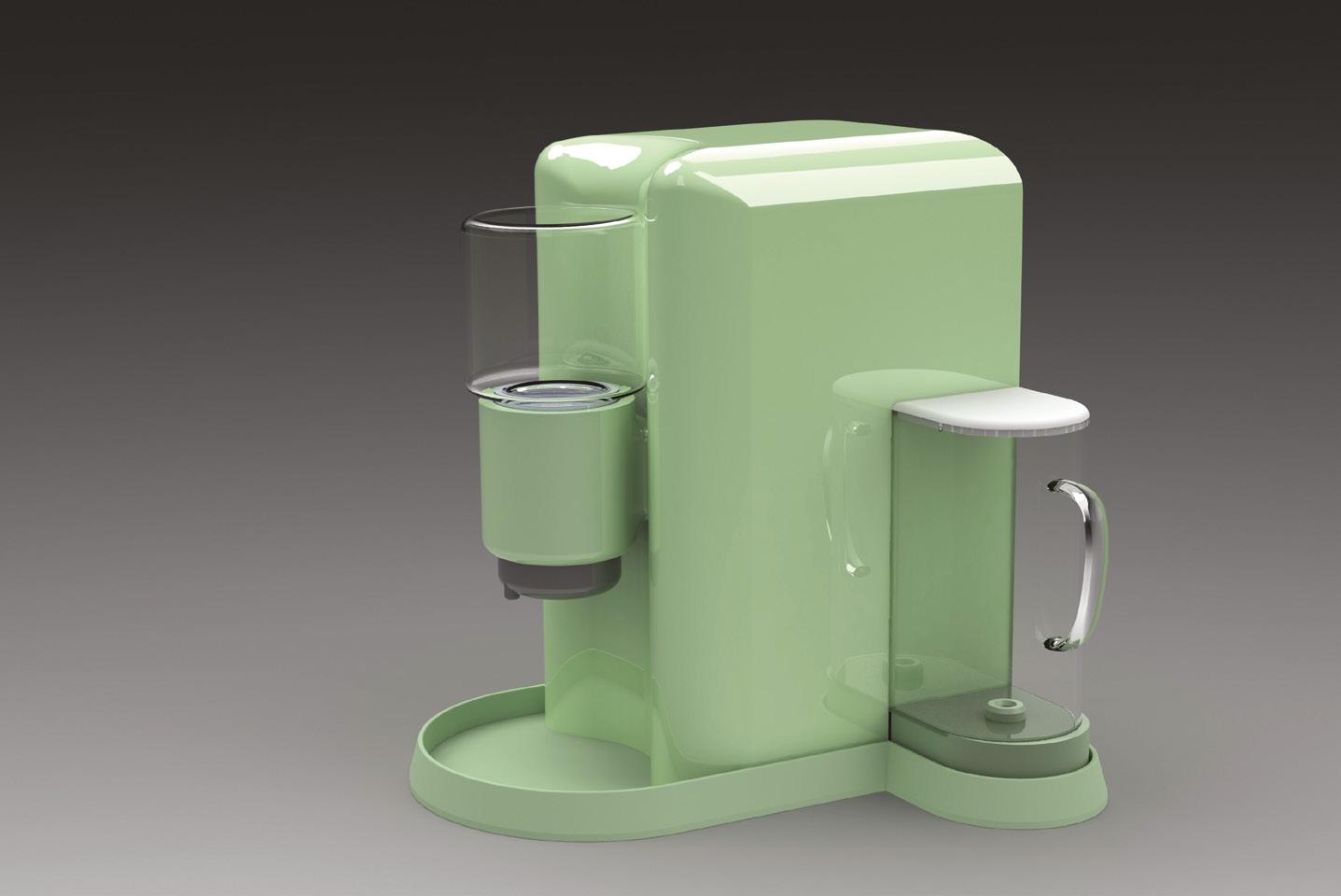
Designed with the modern consumer in mind, Milk Kraft offers convenience, great flavour, and a commitment to sustainability, while also reducing the cost of alternative milks.
Why worry about purchasing large quantities of milk alternatives, when you can enjoy fresh, flavourful milk whenever you desire? Whether you’re living solo or simply prefer the ease of portioned servings.
Convenience is just the beginning. Our alternative milk maker gives great flavour and creaminess. By focusing on single portions, we ensure that each serving maintains its freshness.
And let’s not forget about dietary needs.
Whether your lactose intolerant, vegan, vegetarian, or simply seeking a more sustainable option.
Speaking of sustainability, by minimizing waste throughout the production process and using the leftover ingredients for other recipes, possibilities are endless. we’re not only aiming on reducing consumers carbon footprint but also creating an enjoyable experience. Because when it comes to making a difference, every little counts.
Fraser Sneddens5318726@bournemouth.ac.uk Fraser.snedden@gmail.com

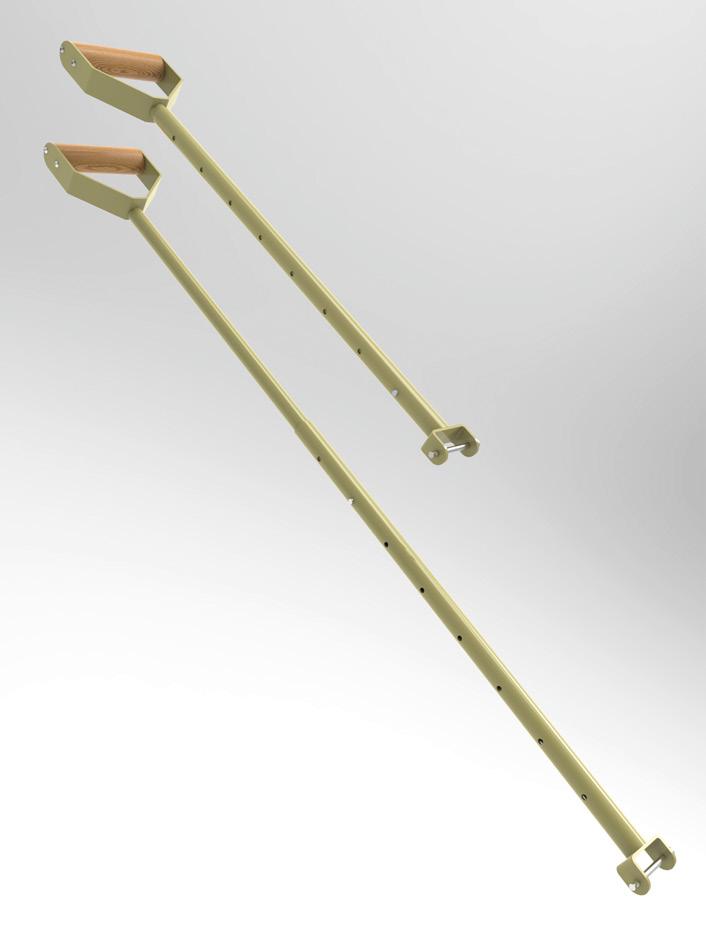
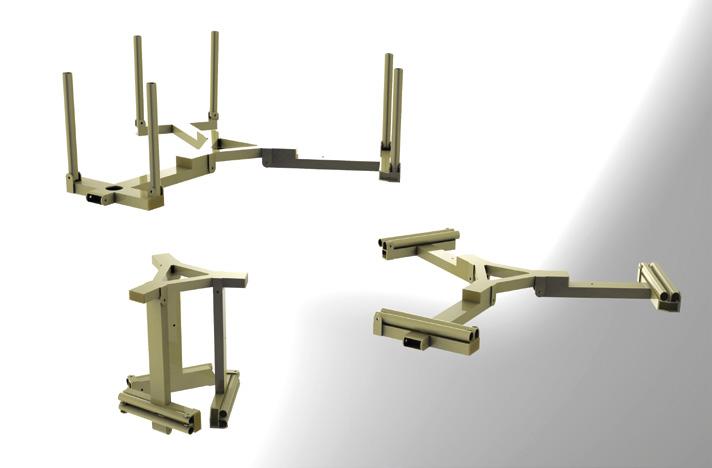
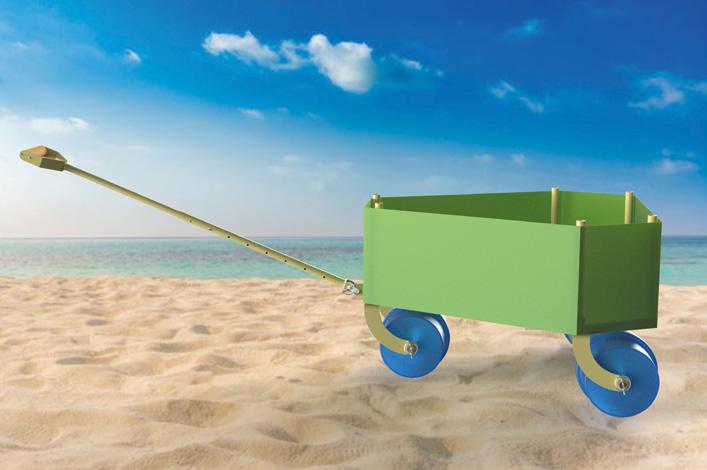
A carrying aid for young parents to take appropriate beach equipment to and from the beach setting.
This project aims to help young families with carrying bulky and uncomfortable equipment over diverse terrains spanning from soft sand to pavement. As well as tackling the challenge of travelling the far distances that are common with the UK coastline. This project is designed to fold up with an intuitive and ergonomic design in mind, with a central handle, the fold up of the product making a beach visit far more enjoyable. This project
 Leo Stevens
allows you to fully enjoy the environment you are in without this focus being clouded with the mundane tasks of packing and moving your equipment.
s5319108@bournemouth.ac.uk
https://uk.linkedin.com/in/leo-stevens-design
07565013091
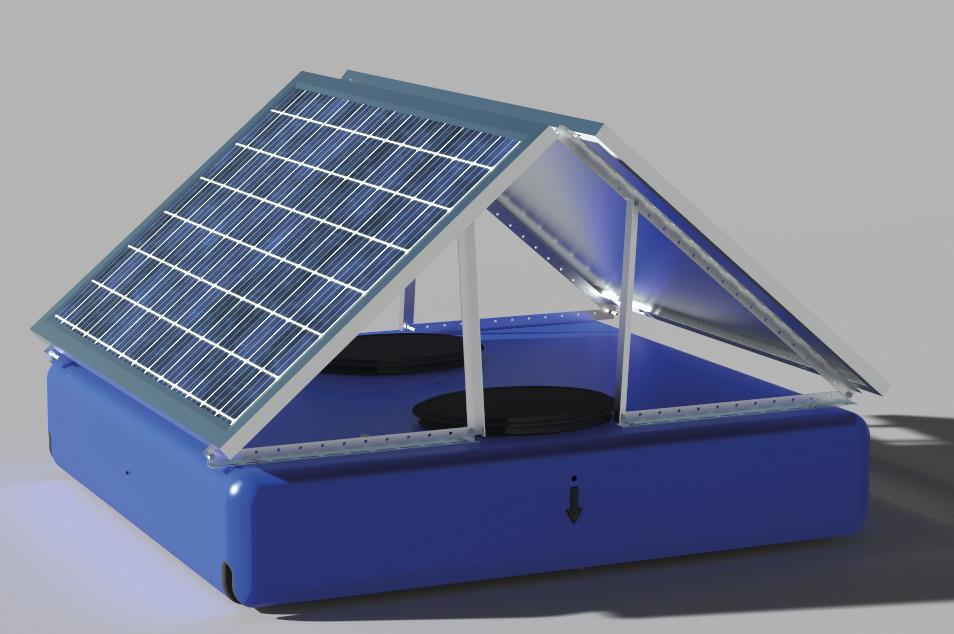
This device has been designed to prevent blue-green algae from growing in lakes and ponds across the UK by using an aeration technique.
The aims of this project were to solve the problem of blue-green algae by using sustainable energy and recyclable materials.
Throughout the duration of this project I have learnt how to deal with a heavy workload and when to make the important decisions.
Tiernan Tanners5315653@bournemouth.ac.uk
www.linkedin.com/in/tiernantanner
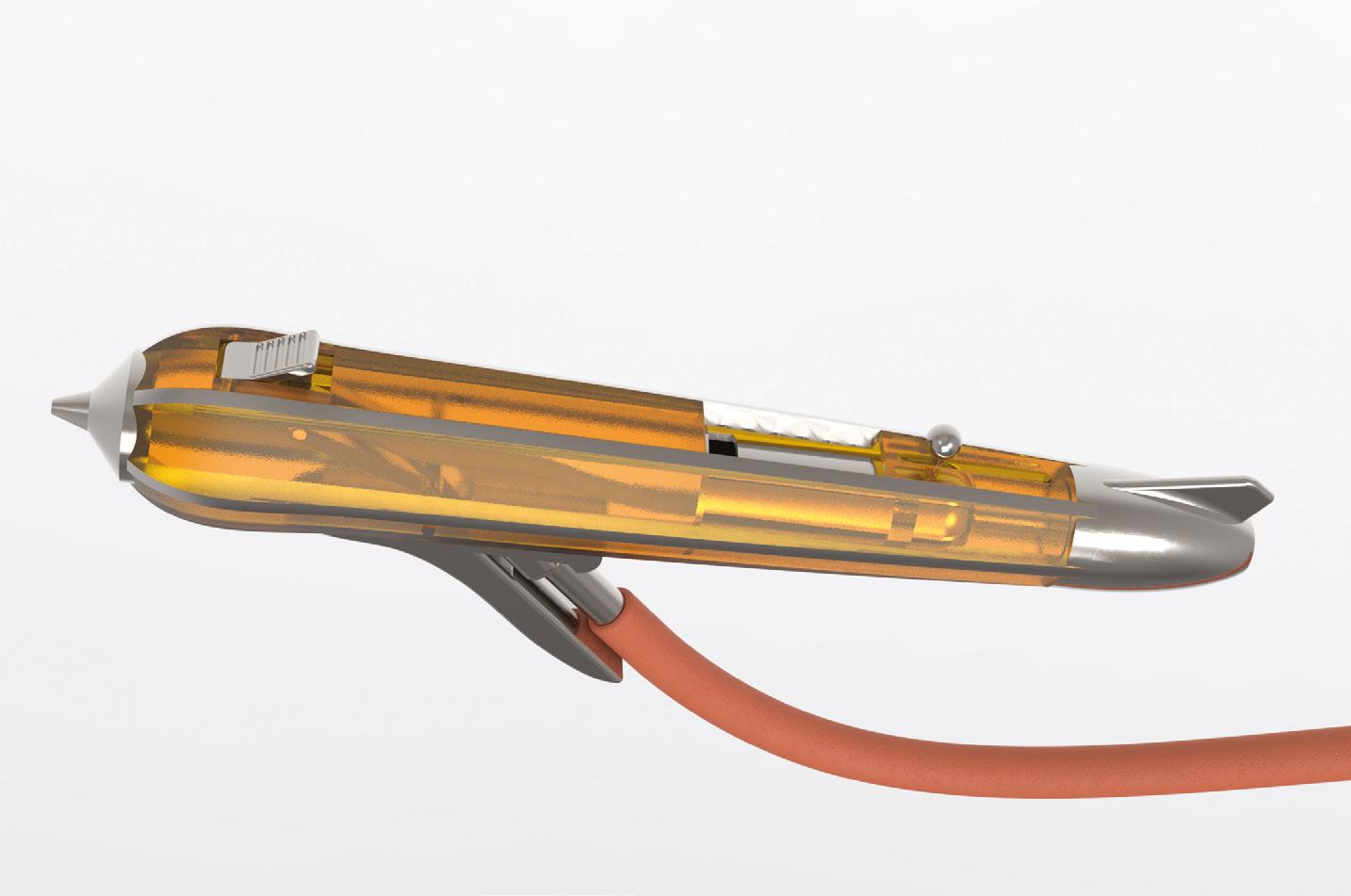
An airbrush designed for hobbyists and model makers to utilise enamel, metallics and other higher-maintenance paint types efficiently and reliably.
An airbrush designed for hobbyists. The needleless design isolates the trigger mechanism from the paint flow and reduces the chance of buildup and jams and improves the flow of thicker mixtures. The ergonomics of the design allow it to feel more comfortable to grip precisely over extended periods of time by using a thicker hexagonal shape and by placing the trigger forward of the paint hopper. The paint hopper is located within the body of the airbrush allowing

an unobstructed view of the target. The styling differentiates the product significantly from all other airbrushes which have a sterile appearance.
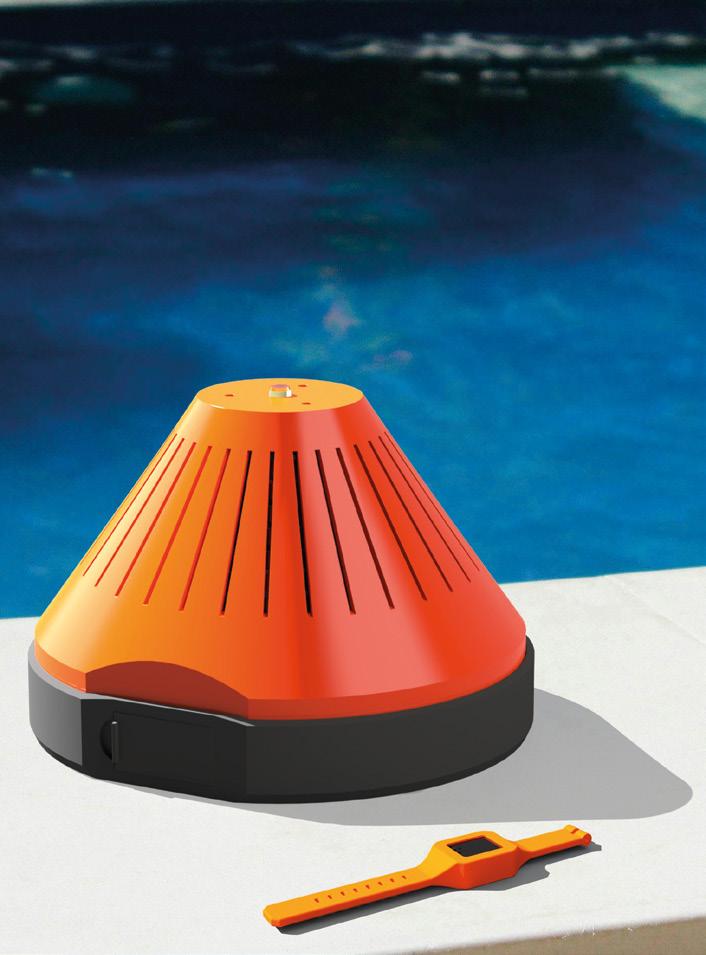
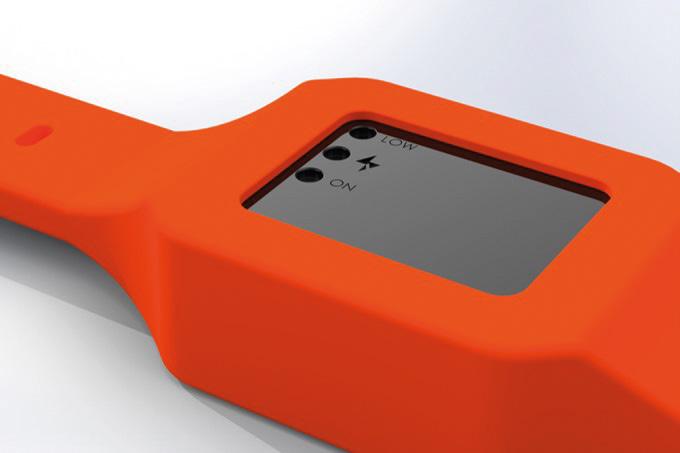
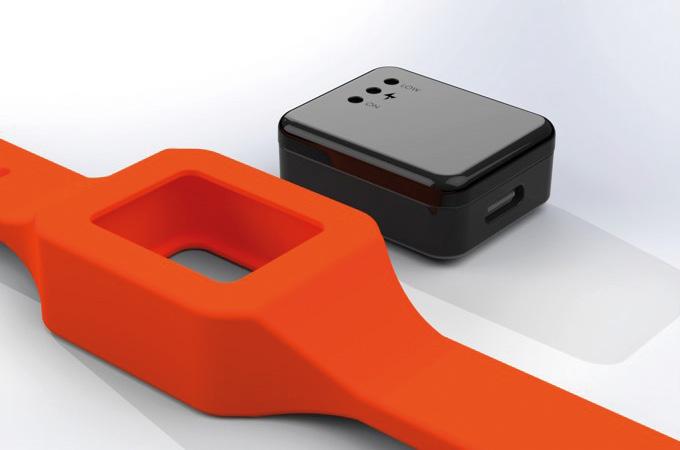
A product designed to create a safer environment for young children around home swimming pools, using a wearable detection system to alert supervisors of when a child may be in danger.
Drowning continues to be the leading cause of death for children aged 1-4 years in the United States and 87% of these accidents occur in privately owned swimming pools following a lapse of supervision.
Swimming pools are a fun and exciting place for children, but many are too young to understand the dangers that come with deep water. This often means they unknowingly put themselves in dangerous situations and at risk of drowning. This
product aims to reduce the number of these situations through a proximity detection system.
The designed system consists of a wearable wrist band, worn by the child, which emits a Bluetooth signal, and a receiver unit, located by the pool, which produces an alarm. The wrist band advertises the child’s location, so when they get too close to the pool, an alert is triggered to warn the supervisor of the danger.
Adam Timberlakes5311136@bournemouth.ac.uk
http://linkedin.com/in/AdamTimberlake
07713778146

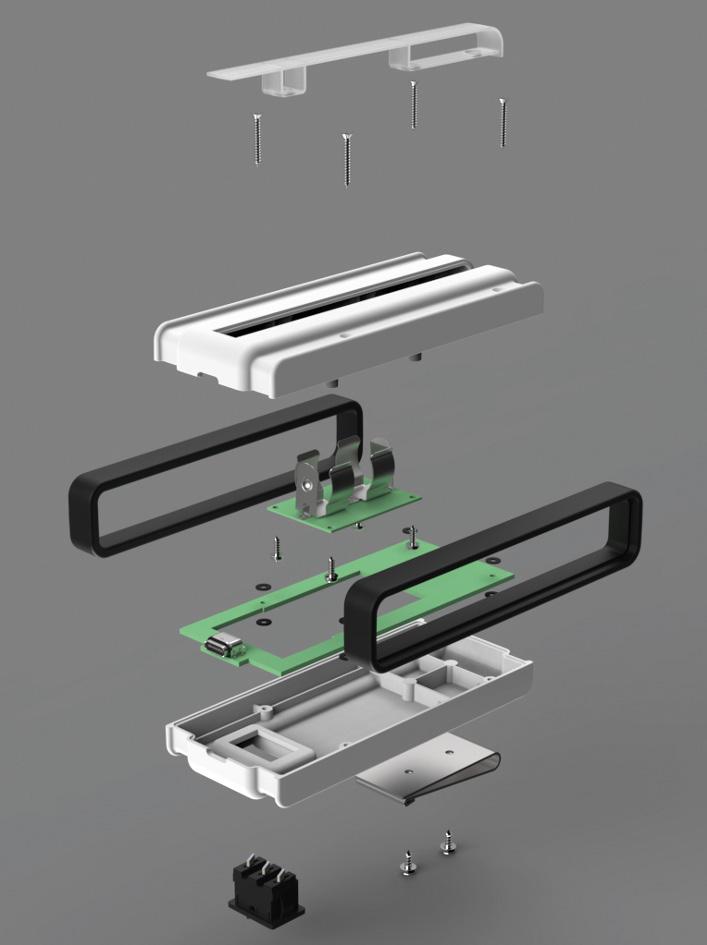
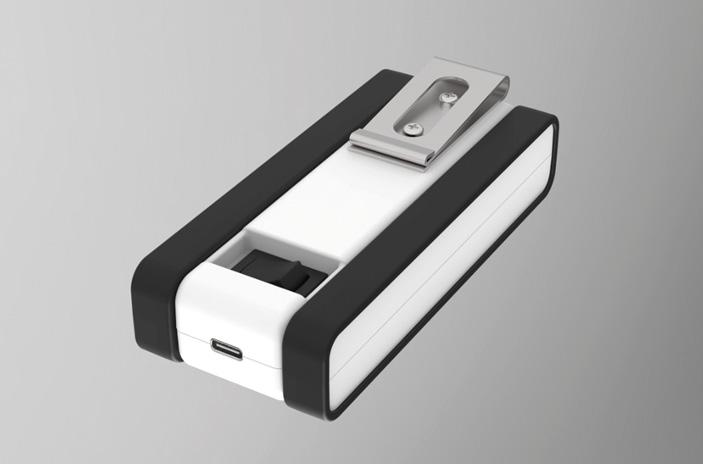
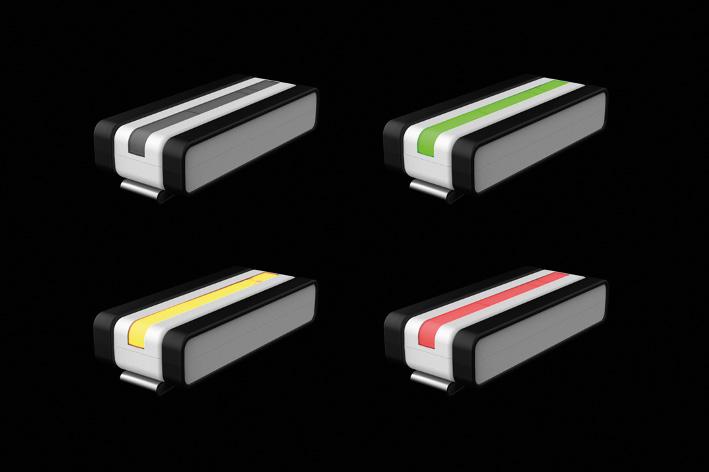
This project aims to tackle noise-induced hearing loss amongst site workers. As many as 24% of workers will be affected at some point in their lives from this health issue, and research shows that this is largely due to lack of awareness and knowledge about what safe noise levels are.
In designing a device that removes the guessing work over what safe levels of noise are, the workers can be more comfortable and safe in both their working and daily lives. The project aims to tackle this by using a microphone to receive the noise levels and process them into decibel equivalents. The device will then notify the user by both vibration and light, which will use a traffic light-based system, to show the user when noise levels are safe, close to dangerous levels, and dangerous.
 Tomoaki Woodward
Existing products are flawed by being fixed-position devices. By creating a device that can be worn on the person, by any and all workers on a site, the project aims to remove the inaccuracy of existing products on the market, and create a more personal and noticeable device, that will then reduce instances of noiseinduced hearing loss.
tomoakiwoodward11@gmail.com www.linkedin.com/in/tomoakiw
The BA (Hons) Product Design Futures course takes the best elements of industrial design and product design and looks to the cutting-edge areas and projects that will impact society in the future.
This innovative course focuses on the ethical development of new products, solving real-world problems whilst being sustainable and having less environmental impact.
Students use the latest virtual design tools, such as virtual reality, alongside manual sketching techniques which are still essential to be able to develop and communicate ideas effectively, and CAD systems ranging from 2D drafting to 3D solid modelling and other sophisticated analysis tools.
By 2025, Bournemouth University aims to ensure that all its academic programmes incorporate at least one United Nations Sustainable Development Goal (UN SDG), highlighting Bournemouth University’s commitment to global responsibility and sustainability.
The focus on sustainable practices is interwoven across all courses and particularly emphasised in final year projects, where students can showcase their mastery of sustainable design and engineering concepts. Through these comprehensive approaches, Bournemouth University’s programs prepare students to become responsible, forward-thinking professionals who contribute positively to society.
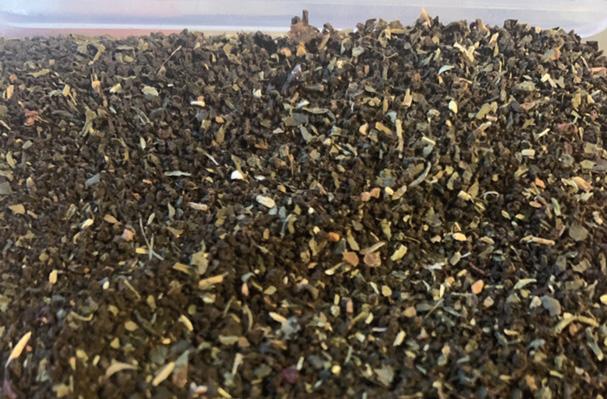
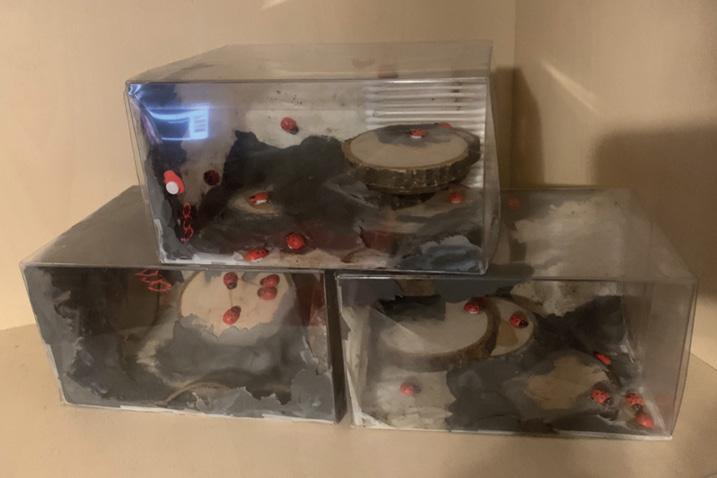
A system that allows people to make and utilise their own fertiliser, pesticides and feed from using pet insects to avoid using the store brought alternatives. This aims at pulling people to growing their own produce at home such as tomtoes and cucumber while owning the insects as a “pet”
With the rise of man-made fertilisers and pesticides harming soil and the natural environment around us as well as killing many pollinators and natural pesticides such as bees, spiders, and ladybugs many people growing their own plants feel concerned when buying store produced fertiliser. Farming insects has become a massive trend in the farming industry with many people already using insects to create a healthier feed for animals with more proteins and vitamins. Using

excess larva on top of the excess of insects created people can easily grind up to create a powder that can be mixed with natural soils and other household waste to create a better alternative to the harmful store produced ones. Focusing in on using certain insects, such as black soldier flies, that produce a large amount of larva you can raise a small farm in your house that yields.
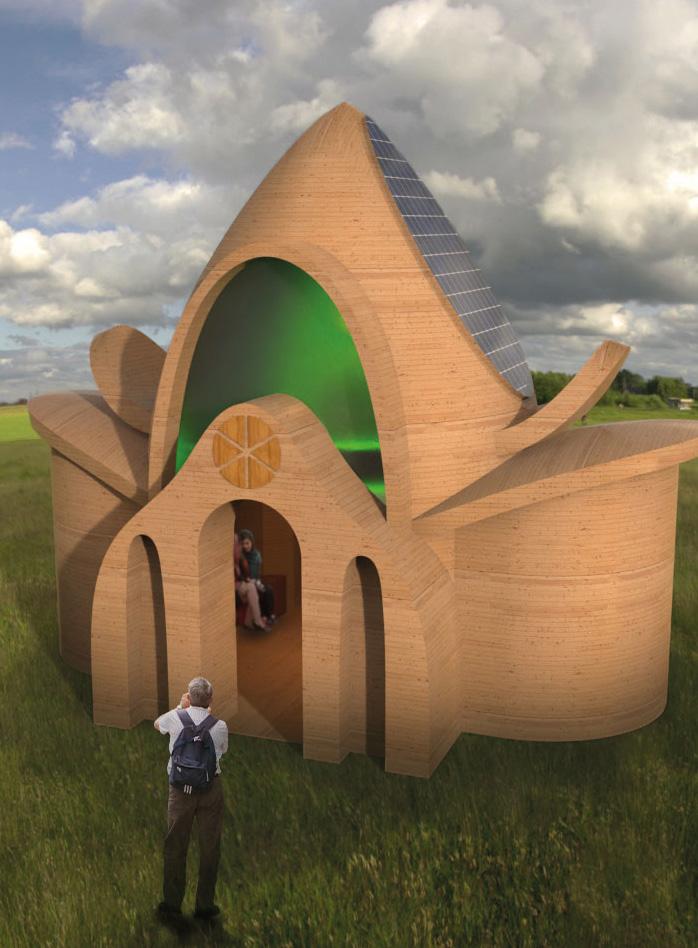
The Harmony Hub project aims to create culturally inclusive spaces within diverse urban societies, fostering unity by breaking down the barriers that divide communities.
Inspired by the feeling of sanctity found in sacred places of worship, the harmony hub concept addresses the need for inclusive spaces within diverse and growing urban landscapes.
With the focus on researching the cultural richness of London and Greater London, the diverse population remains fragmented, often distinctly separated by social groups and ethnicity, despite their close proximity in dense London.
Rooted in the belief that shared experiences and cultural exchange can educate and enrich perspectives on diversity and inclusion, providing a space to foster these educational experiences is important in diverse landscapes.
Primarily made of increasingly popular cross-laminated timber, the structure aligns with the 2050 UK Net Zero goal by contributing to lower carbon emissions within the construction industry.
Liam Hallliamjdhall@gmail.com www.linkedin.com/in/liamjdhall
07833765330

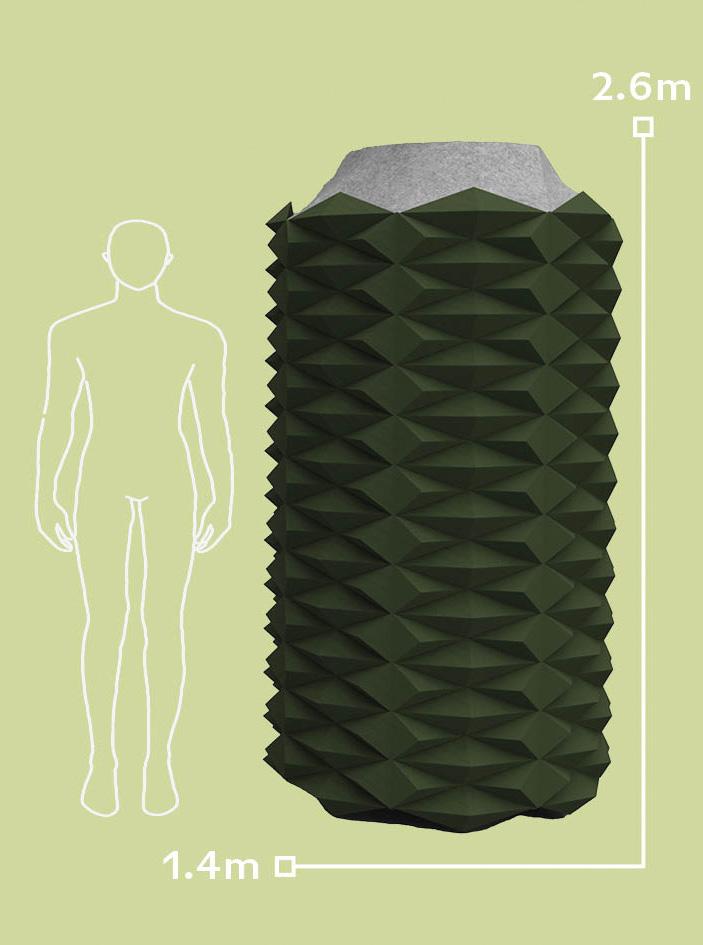
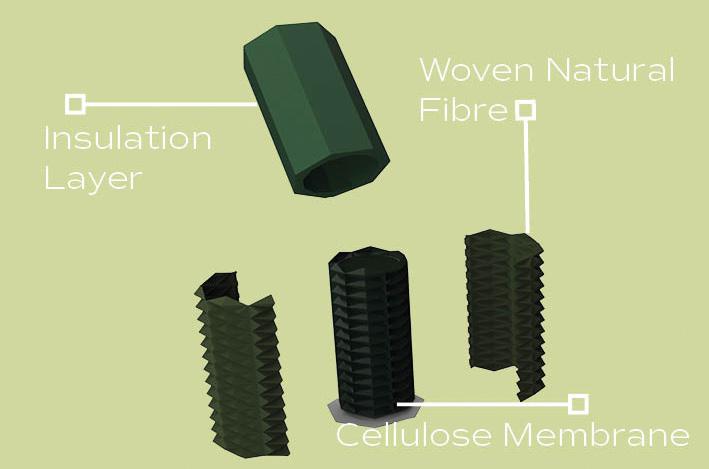
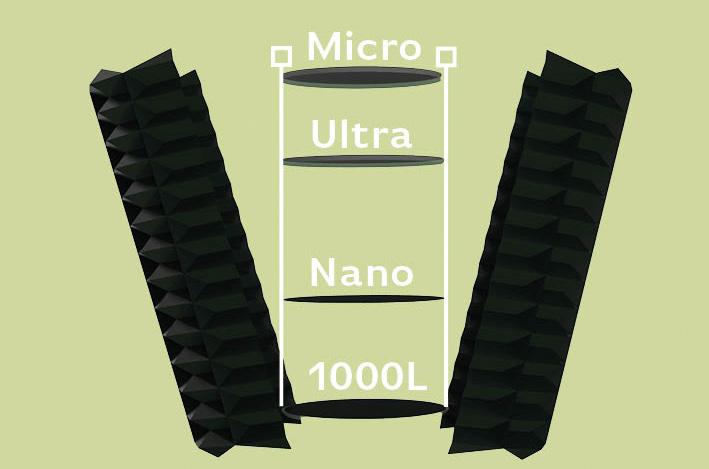
A 1000L water filtration unit to provide clean potable water to the people of Papua New Guinea.
Papua New Guinea houses 9 million people. 94% live rurally, and 60% have no access to safe drinking water. Some walk 10km, twice a day to attain this. The responsibility falls to women and girls, some as young as 8, climbing mountains and down cliffs. Gender based violence occurs frequently across the country.
Gravity driven filtration through Micro (Bacteria) Ultra (Viruses) and Nano (Multivalent Ions) filters provide safe potable water to WHO, British and PNG standards.

Cellulose and Chitosan are the most abundant polysaccharides on the planet. Electrospun nanofibers are the basis for these hierarchical membranes that provide a greater flux, higher separation, incredible strength and less fouling compared to standard polymer membranes.
Lightweight, they can be transported easily to villages to provide enough water for the dry season.
s5320252@bournemouth.ac.uk
www.linkedin.com/in/gregory-pike-05ba89a3
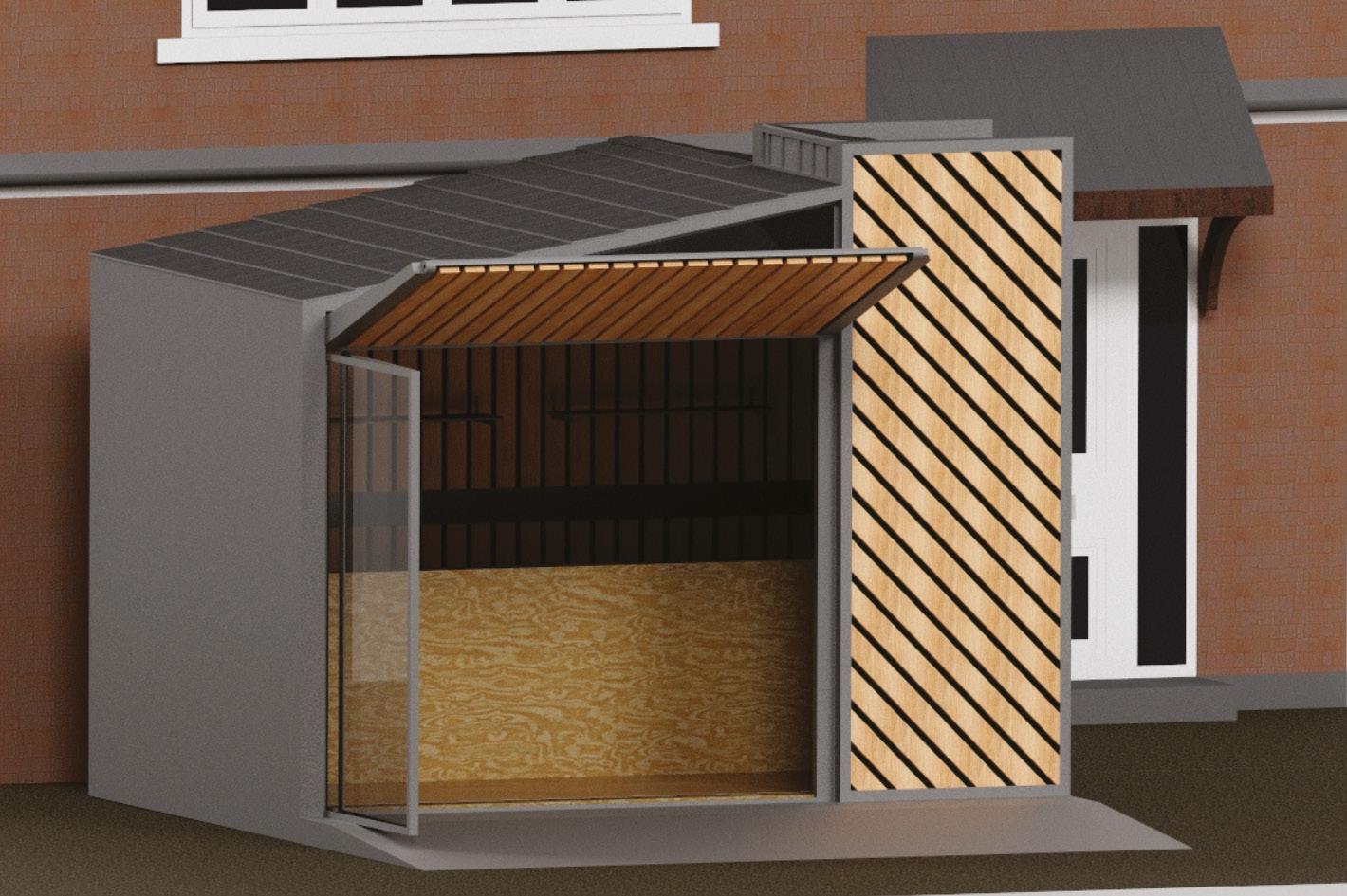
A modular prefabricated building designed to facilitate home-based businesses and encourage community interaction benefitting both the public and small business owners.
With The cost of living crisis, many people are starting side businesses to help create extra income. However, with current housing prices, many are left with little or no space. Simultaneously, the increasing amount of remote sub-urban housing with a lack of commercial/social areas is causing issues for both young and old who struggle with mobility and access to transportation, leading to increasing loneliness and separation from the community.
Using common and sustainable materials, Comm-Unity provides a modular building that allows many different businesses to run from their front garden or locally designated space.The project focuses on providing ease of start-up with Modular and prefabricated floors, furniture, and walls without limiting the creativity of the business, Allowing businesses to provide local needs to the community.
George Suffolk-Heath
s5419534@bournemouth.ac.uk

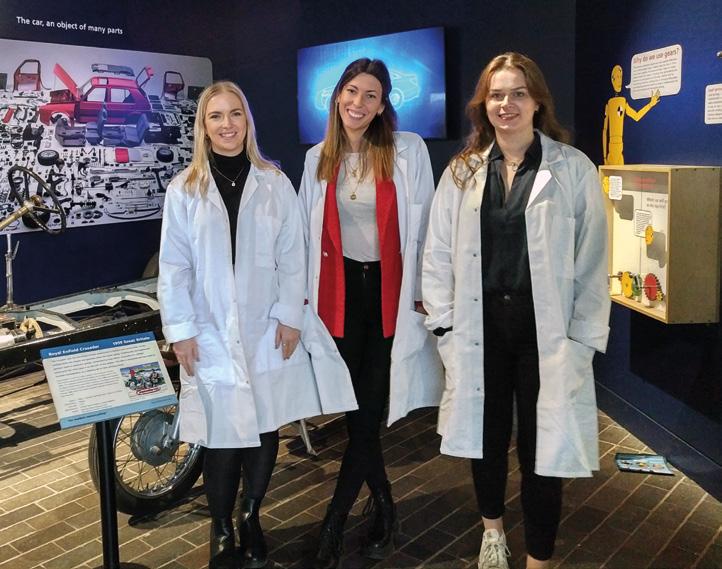
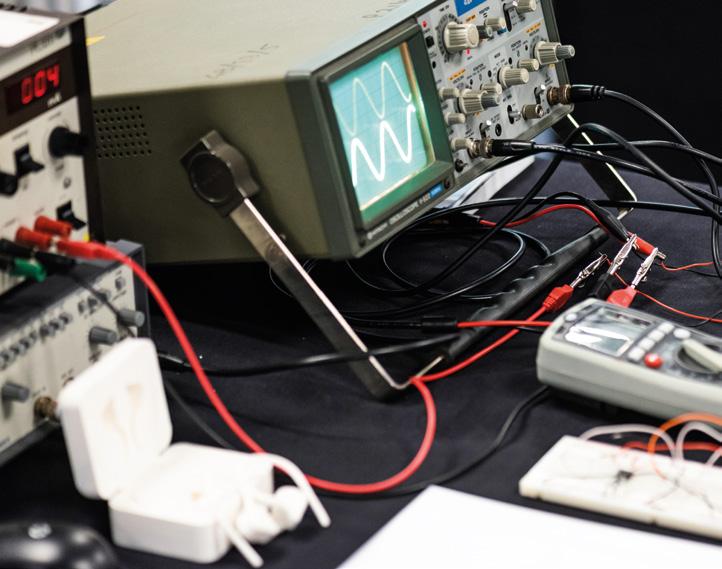
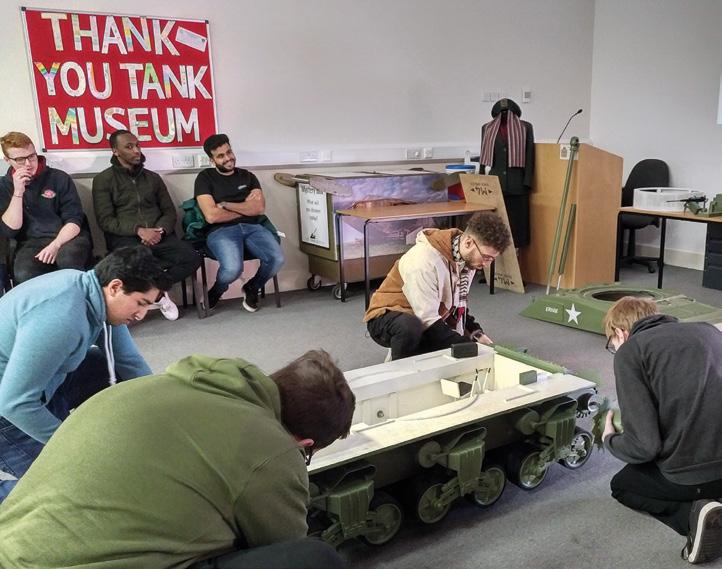
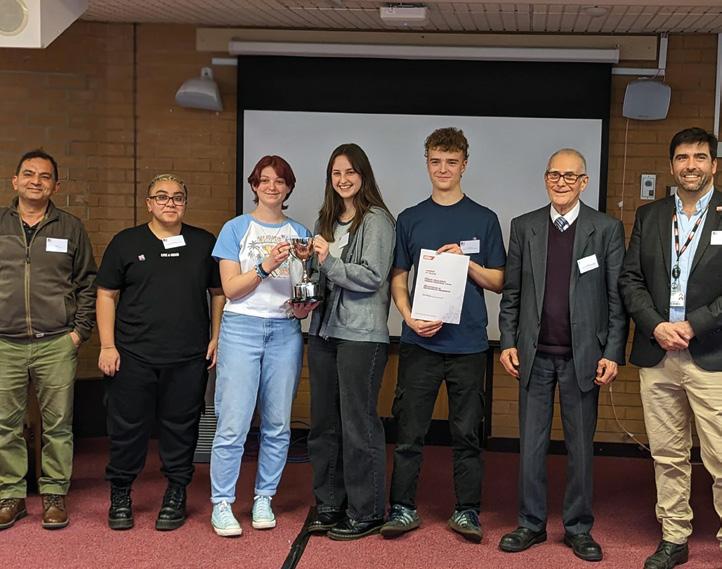
From visits to the National Motor Museum at Beaulieu to work on the legendary Sunbeam 1000hp (renowned for breaking the 200mph Land Speed Record in 1927), to taking part in competitions such as the IMechE Design Challenge, as an Engineering student you’ll have plenty of opportunities to put new skills and knowledge to the test.
The 2023 IMechE Design Challenge Wessex Regional Finals, hosted at BU, put our first-year students’ skills to the ultimate test. They had to conceive, design, implement and operate a device, within a given budget and extensive design criteria.
We are proud to share that BU teams Little Race Cars and Tensegrity achieved 1st and 2nd Prizes respectively.
Dr Diogo Montalvão, Associate Professor in Structural Dynamics and Head of Department of Design and Engineering,
said, “We are very proud of all the teams that took part. It was amazing to see their skills and knowledge put to use in a realworld engineering activity, which allowed them to funnel their creativity.
BU teams have been successful in the Wessex Regional Finals 7 out of 6 times over previous years, and we can’t wait to take this year’s winners to the final in London.
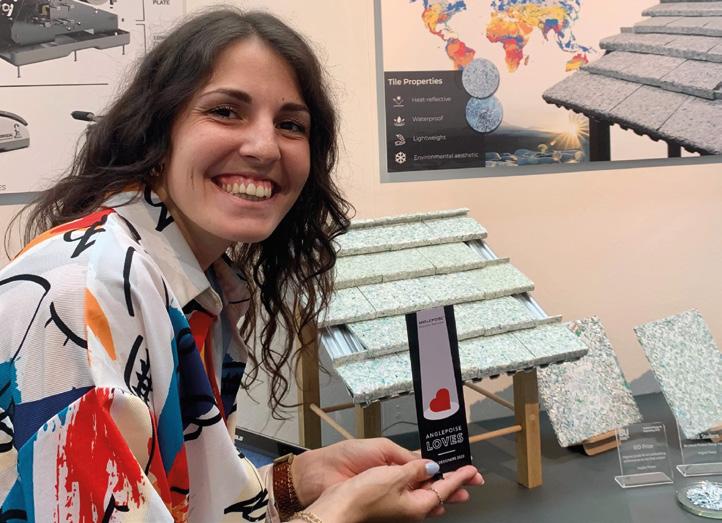
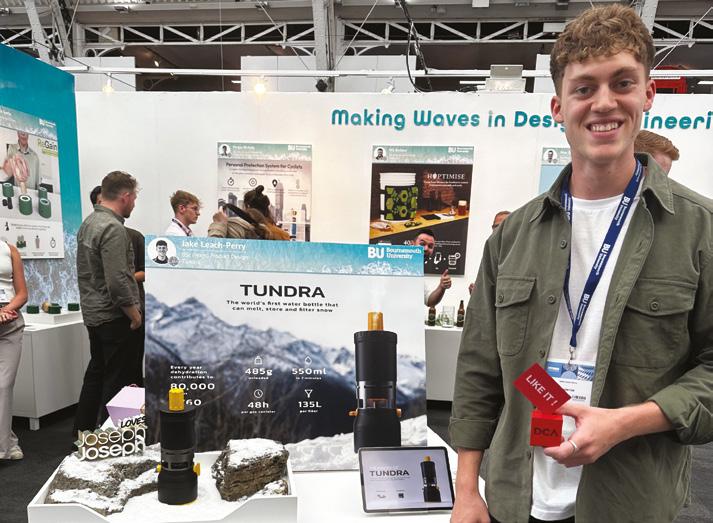
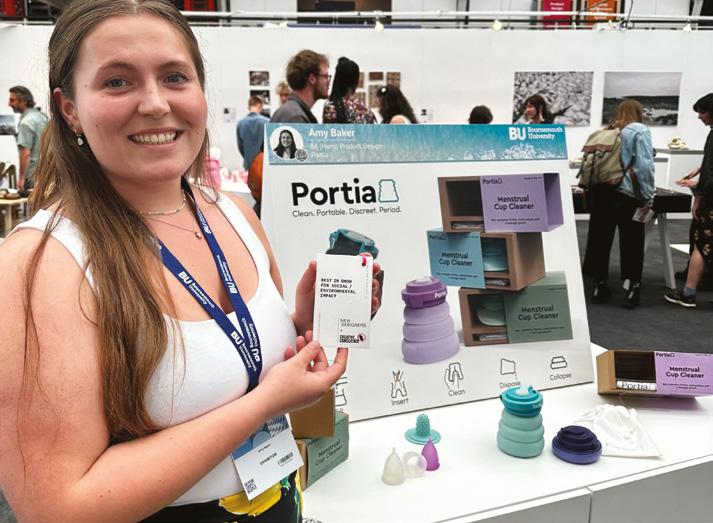
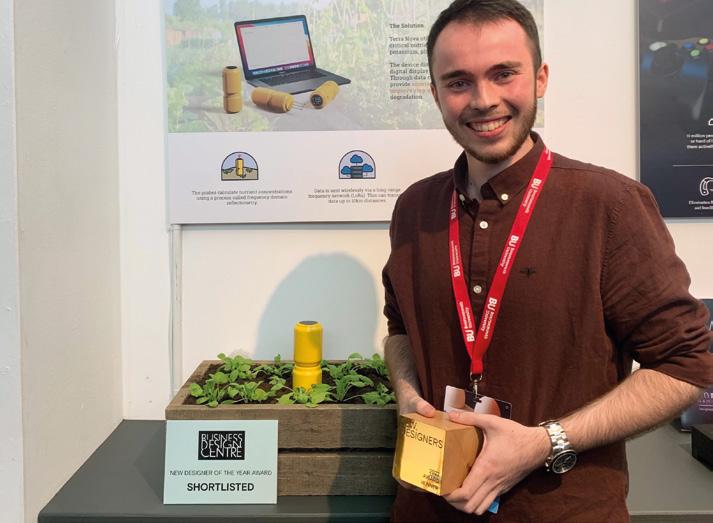
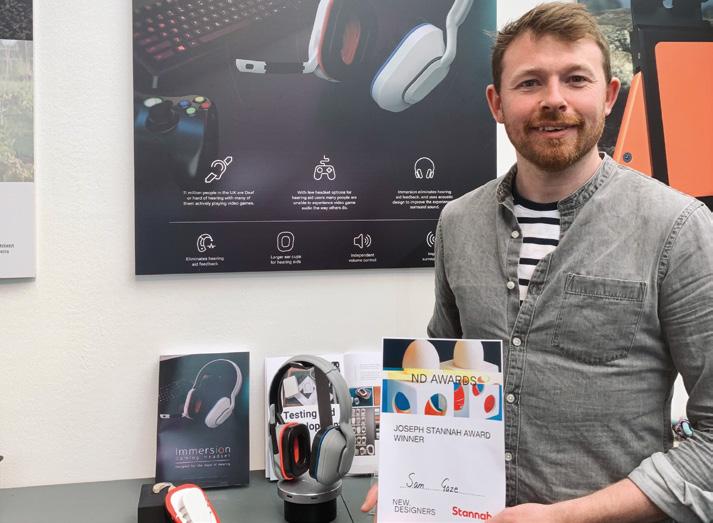
Some of our design students have the opportunity to showcase their final year projects at New Designers in London, the UK’s leading exhibition for up-andcoming designers.
The designs address real world problems around sustainability, helping people live better lives and supporting marginalised communities. Our students have received a range of different awards over the years,
including Best New Product Designer - the highest prize awarded at the show. We couldn’t be more proud of our students, who we’re sure will be the innovators and entrepreneurs of the future.
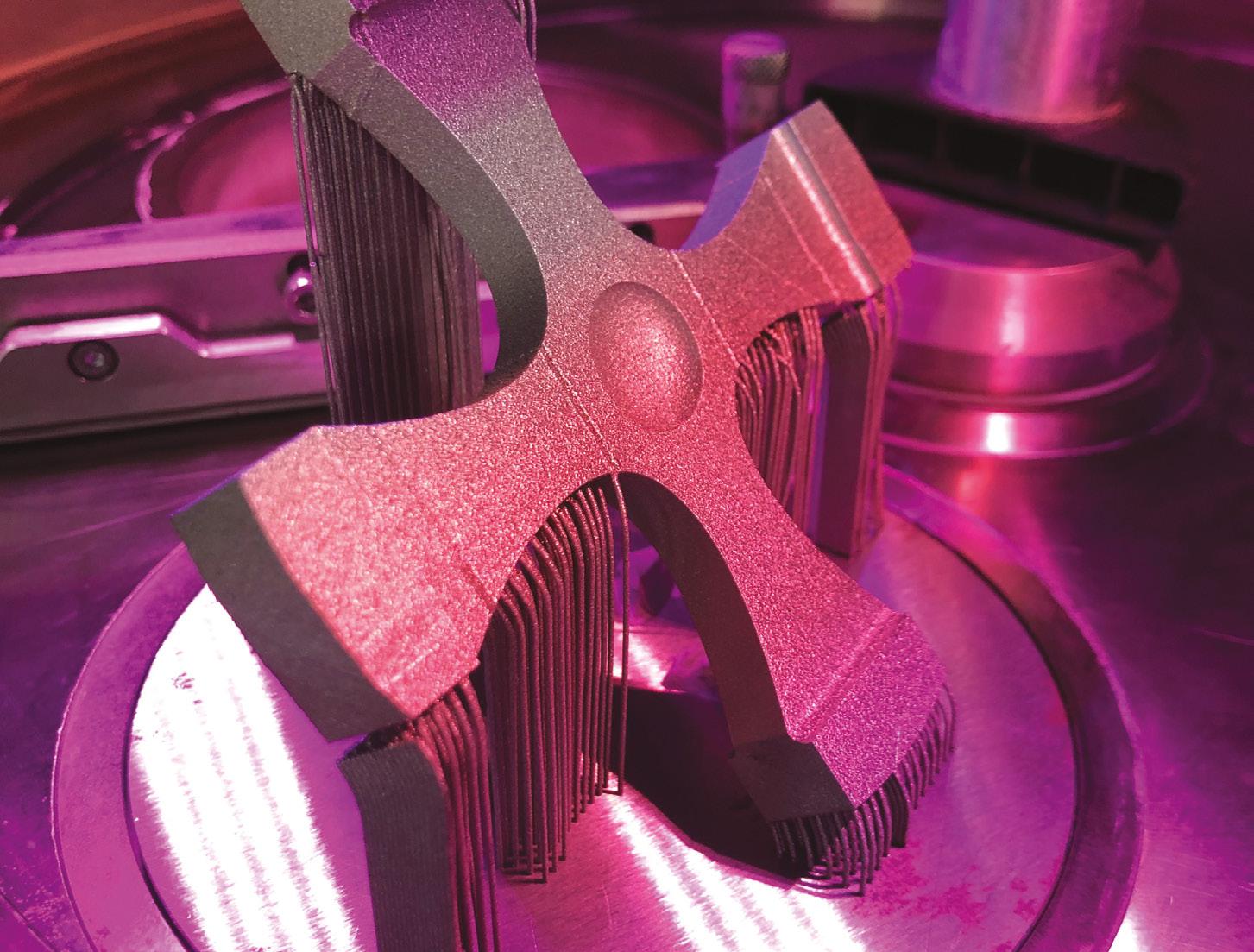
The Design and Engineering Research Centre comprises a team of world-class academics and researchers who are contributing to the development of new knowledge, tools and technologies that positively impact on the environment and society.
Our academics have an international track record of excellent and applied research in a number of fields such as:
• Biomedical Engineering – the investigation into technology that will improve quality of life. This includes the development of prosthetic limbs, implants or conducting biomechanical movement analysis.
• Creative Design – the development of aesthetic design concepts, strategies and advanced computer-aided design tools for any creative design field or industry.
• Design and Engineering Education - the improved understanding of the teaching and learning of the designers and engineers of the future.
• NanoCorr, Energy and Modelling –the development of nano coatings to address corrosion issues and the creation of nano enhanced materials for clean energy applications.
• Tribology – the study of friction, wear, lubrication, and the science of interacting surfaces.
To date, our research has been in collaboration with a range of public and private sector organisations, including the Royal Bournemouth Hospital, the Ministry of Defence and Chas A Blatchford and Sons. We also consult with public bodies, such as British Cycling and the International Paralympic Committee.
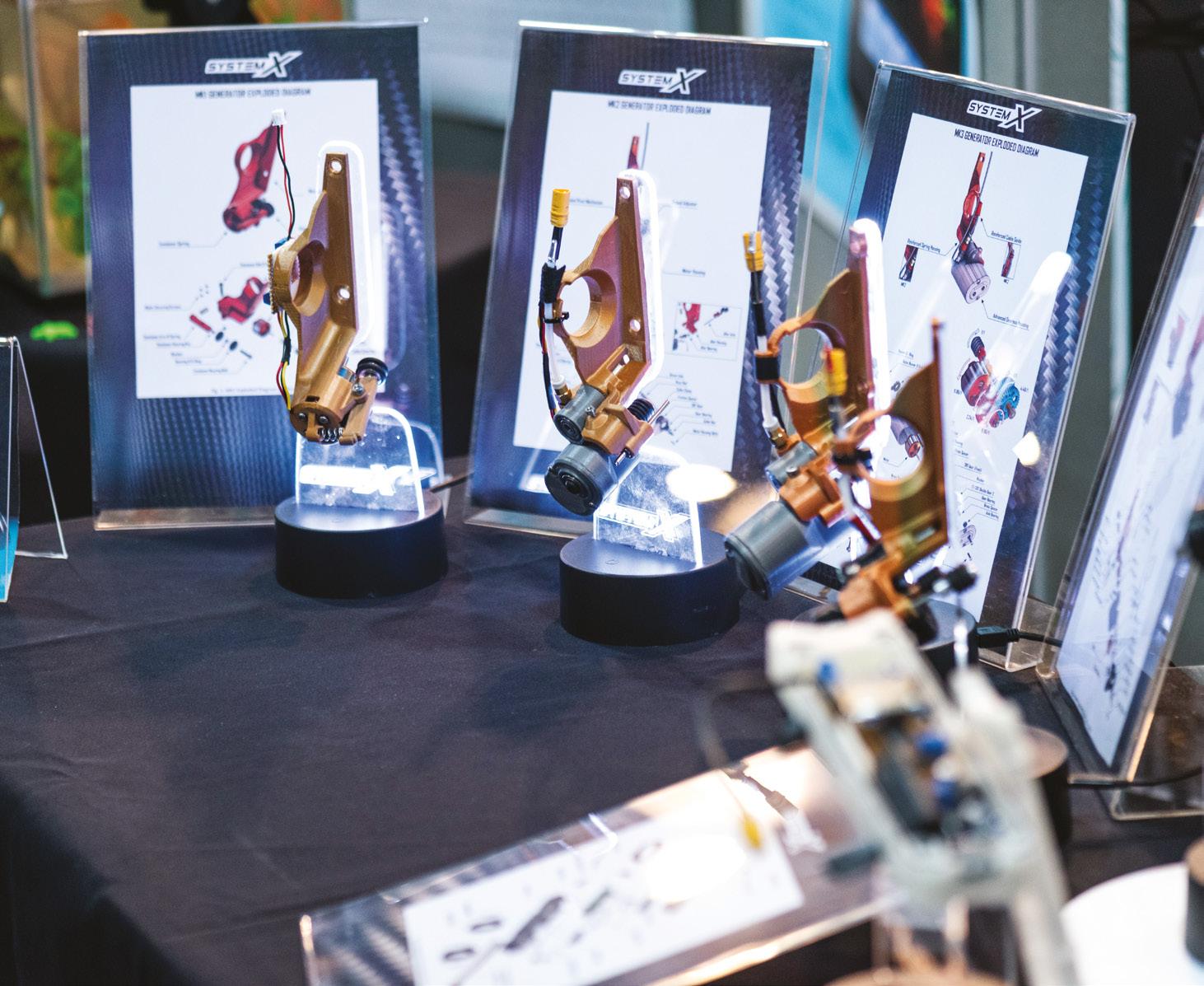
Student projects are an alternative, cost-effective way to access resources for a specific development need.
There are funding opportunities available to access this expertise through research and government support schemes.
Knowledge Transfer Partnerships (KTPs) are government funded schemes that share university knowledge with UK businesses. Benefits of a KTP include the recruitment of a BU graduate and access to BU’s resources, increasing productivity and improving your organisation’s performance.
Our match-funded PhD studentships offer an opportunity to work together with a researcher on a significant project that addresses innovation needs through critical investigation. Studentships are for a minimum of three years and will result in a written thesis leading to the award of Doctor of Philosophy (PhD).
Please visit www.bournemouth.ac.uk/services-business to learn how our research and knowledge exchange successfully supports businesses.
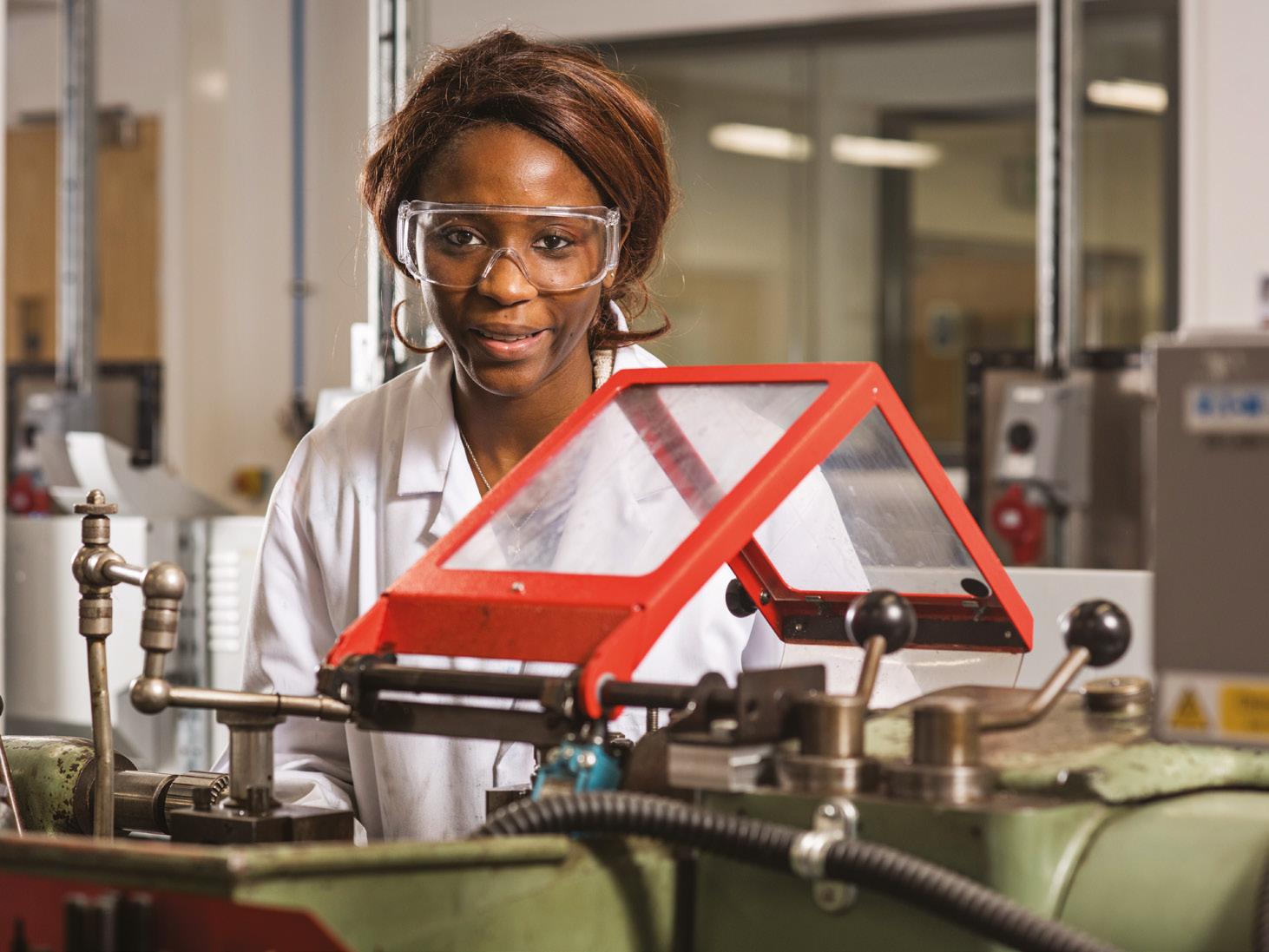
Our workshops and labs are fitted with the latest industry-standard machinery, providing opportunities to work with the kind of equipment you’ll be using when you start your career.
By using this equipment to create and develop your prototypes, you’ll gain an in-depth understanding of engineering products and the production process itself, which will be invaluable once you’re working in the engineering or product design industry.
The Rapid and Digital Prototyping Facility is home to dedicated spaces for 3D printing, laser cutting and state-of-the-art virtual reality equipment.
Available 3D printing processes include FDM, SLA and DMLS systems to support a wide variety of prototyping requirements. The facility includes Formlabs printers
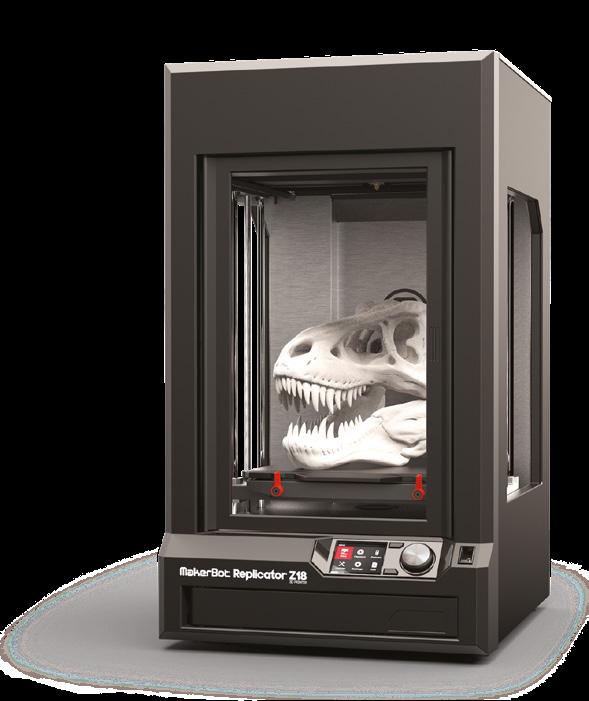
to produce highly detailed components in a wide range of engineering resins, a Markforged - Mark Two used to produce composite parts in addition to a Fortus 360mc and Stratasys F170 - Fused Deposition Modeling (FDM) printers for creating larger high-quality prototypes. In addition to the existing facility an Advanced Additive Manufacturing Facility has recently been completed for the production of metal 3D printed components.
Primarily aimed at supporting our design and engineering courses with close unit integration, the lab is also available for student and staff personal and consultancy projects, as well as industry use.
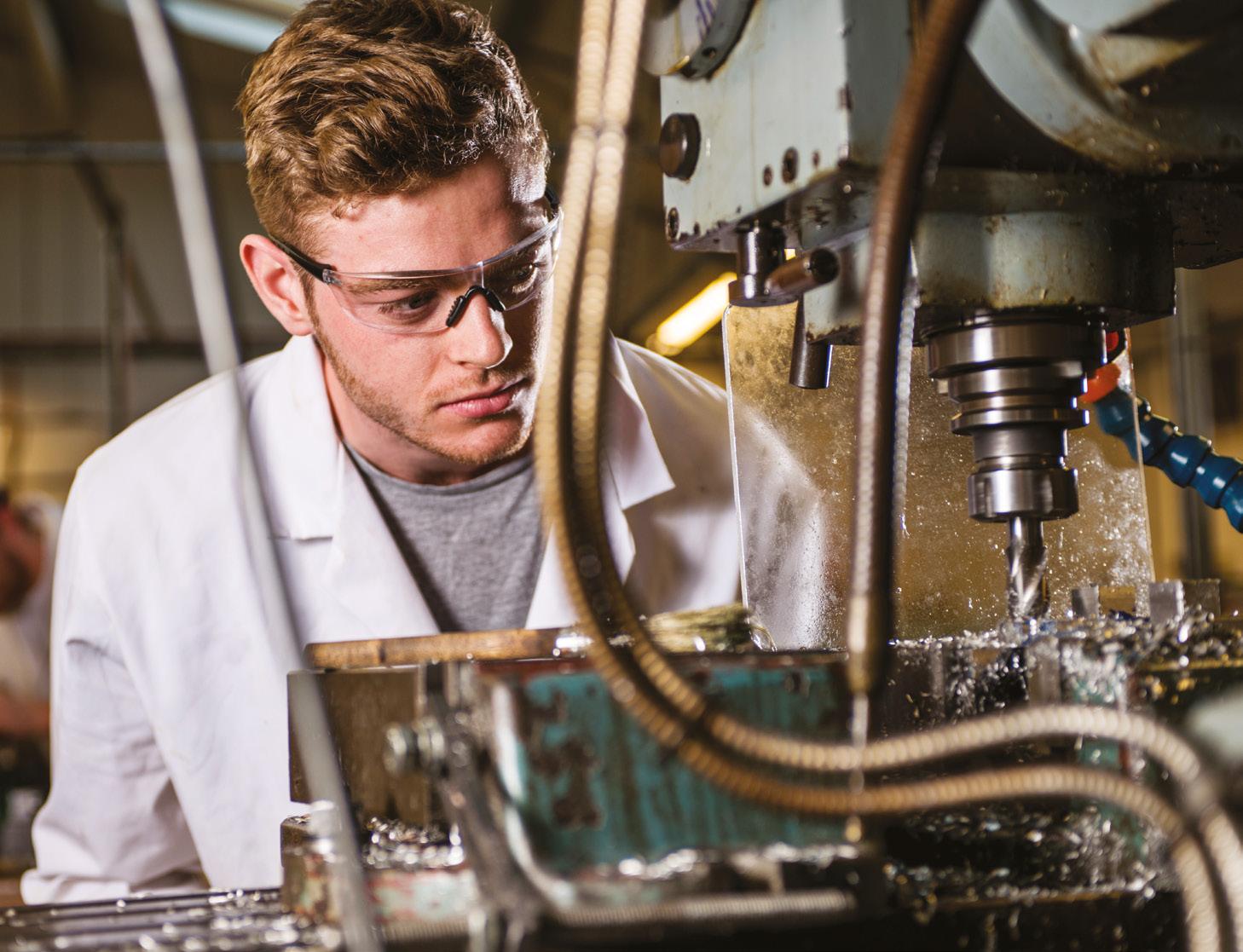
The Innovation Centre houses three prototyping workshops fully equipped with hand tools and work benches for approximately 70 students, alongside a woodworking machine shop and engineering machine shop. There is a wide range of prototyping and engineering machinery and equipment available, including:
• 8 Emco with digital readouts
• 2 larger capacity Colchester lathes
• 6 milling machines with digital readouts
• Welding facilities, including MIG, TIG, Oxyacetylene and spot welders
• 7 bandsaws and 2 chopsaws
• 12 pillar and bench drills
• 10 sanding machines including disc, belt and spindle sanders
• 9 vacuum formers, including 2 large capacity machines
• Laserpro Spirit GE - large format laser cutter and engraver
• Sewing machines and over-locker
• Large selection of cordless power tools.
The engineering workshop also has a number of CNC machines, including:
• Haas 4-axis CNC Milling Machine
• Boxford 250PCi CNC Lathe
• Boxford A1HSPi CNC Plasma Cutter
There is a dedicated spray room with powder coating facilities, as well as a RTV vacuum casting system for producing silicone moulds and cast resin components.
Plus, there are three electronics labs, equipped with CAD workstations for electronic circuit design and programming, test equipment, a laser PCB router, and fully extracted soldering iron stations.
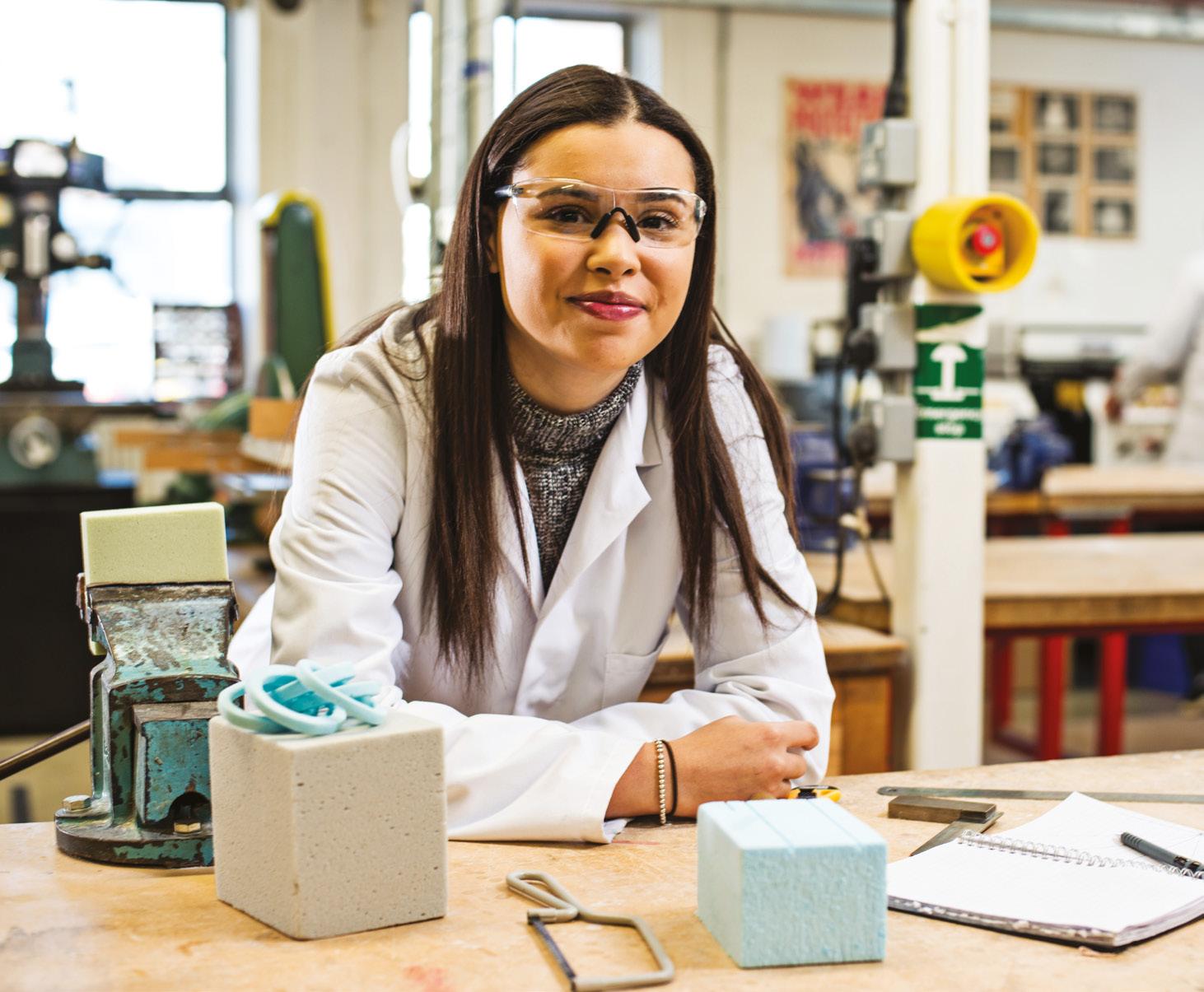
Laboratories
Two dedicated laboratories:
Materials, Stress and Dynamic Laboratory
• 3 universal mechanical testing machines (Instron, Zwick and Testometric)
• Plastic recycling equipment (Shini Plastic Granulator and R30 Schred Press)
• Drop weight impact tester
• Vickers Hardness Tester - measures the hardness of materials
• TecQuipment TE15 Energy Absorbed at Fracture - demonstrates principles of common impact testing techniques
• A full set of TecQuipment’s Engineering Science kits
• Bending moments in a beam
• Shear force in a beam
• Unsymmetrical bending and shear centre
• Thin cylinder
• TQ Thin Walled Cylinder - apparatus to allow the stresses and strains of a pressurised thin walled cylinder to be investigated and analysed
• TQ Thick Walled Cylinder - apparatus to investigate the distribution of radial and hoop stresses and strains throughout the wall of a thick cylinder
• Continuous and indeterminate beam
• Unsymmetrical cantilever
• Strain gauge trainer
• Whirling of Shafts and Critical Speed - experiment to demonstrate the phenomena of whirling shafts
• Static and dynamic balancing
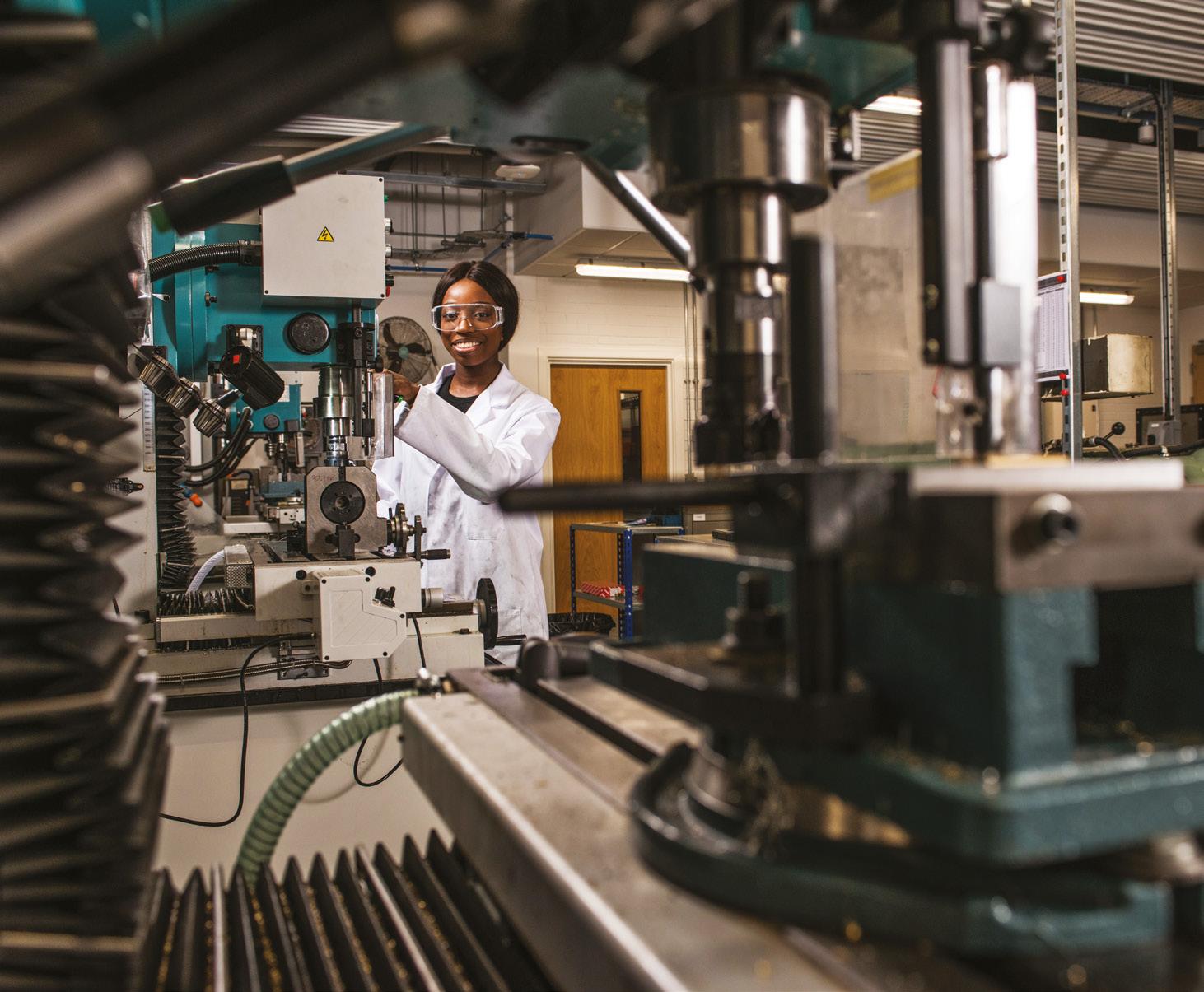
• Free and forced vibrations
• Simple and compound pendulums
• Free torsional vibrations
• Data acquisition kit for dynamic analysis.
Heat and Thermofluids laboratory
• TQ Volumetric Benchprovides water at different flow rates for hydraulic and fluid mechanics’ experiments
• TQ Thermal Conductivity Experiment
• TQ Convection Experiment
• Armfield Viscosity Experiment
• Principles of solar thermal energy
• Gunt Pipe Friction Apparatus
• Heat exchanger supply unit
• Gunt Bernoulli Test Rig
• Zygo Surface Metrology Microscope
• Olympus Microscope
• Pheonix Tribology Test Rig
• Gunt Tribometer
• Votsch Environmental Oven
• Nano coating test equipment.
We are proud to offer undergraduate students and many postgraduate students the opportunity to undertake a work placement as part of their degree.
BU students are motivated and eager to learn. They can bring specialist knowledge and a fresh perspective to your business. Our Placement Co-ordinators work closely with employers, academics and students to ensure that all parties make the most of this opportunity. Students typically spend their third year of study on placement.
91% of BU graduates are in work or further study six months after graduating from BU (Graduate Outcomes Survey 2020, based on 2017/18 data).
To
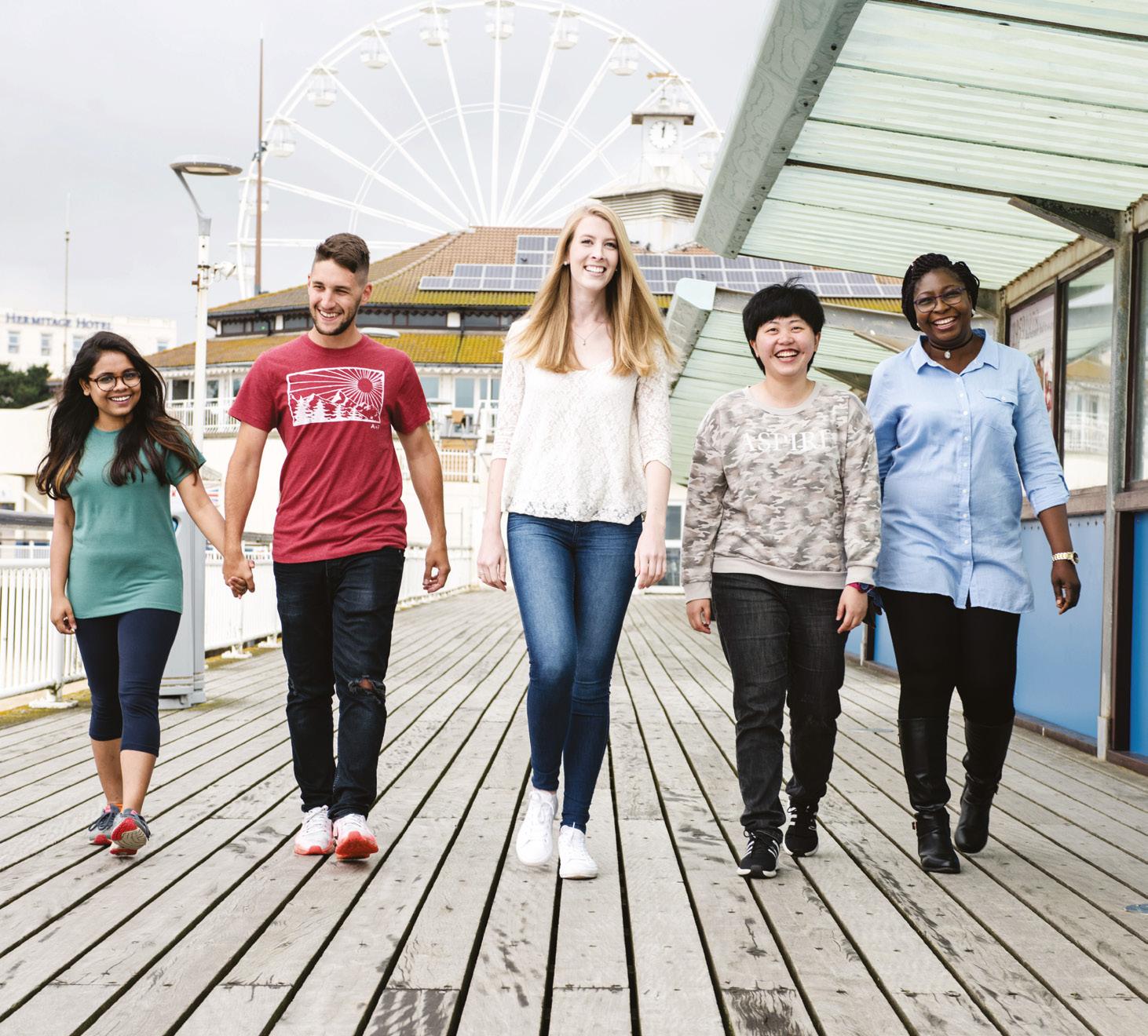
Have you heard about the postgraduate loan up to a maximum value of £12,167 for UK, CI and ROI students? There are now more great reasons to discover the postgraduate study opportunities at BU. Here are some that we think set us apart:
• Scholarships available, from £2,000 to full tuition fee waivers*
• Fee discounts for BU graduates*
• Our courses offer accreditations and placement opportunities – designed to prepare you for the world of work
To take the first step towards enhancing your career prospects, register for a Postgraduate Open Day and chat to academics and current students.
In the meantime, visit www.bournemouth.ac.uk/postgraduate to discover more.
*Terms and conditions apply

Get involved, inspire the next generation and discover the latest talent entering your industry. Our alumni mentoring scheme matches the skills and experiences of BU’s graduates with the career aspirations of our students.
As an alumni mentor, you will be matched with a student mentee to provide them with advice on making the first steps into graduate employment. Your mentee will set out the areas they’d like to work on at the start of the mentorship – from improving their CV to interview tips or
“Being a mentor has been a very positive and valuable experience. We’ve had some good email conversations and I’ve been able to answer questions about my career and how I got there, which I believe has been helpful. We are going to remain in contact so I can answer any other questions, especially as she applies for more roles.”
Matt Bird, BU graduate and mentorinsights into the skills which employers are looking for.
Our mentoring scheme is currently running within our Department of Design and Engineering. Here’s what some previous mentees and mentors had to say:
“My mentor was a great help all round. I have been to visit his office and had a chat with him and his work partner about what they do and they both gave me great feedback on my portfolio and general advice.”
Megan Butler, Design and Engineering graduate