Born Free USA Animal Issues Digest - Spring/Summer 2026
BABY
WELCOME
As I write this letter, we are only a few short months into 2026. Already, this year is proving to be transformational for Born Free USA and the wild animals and wild places we work to protect and preserve.
We are going undercover at some of the country’s top zoos to expose the ways in which animals suffer in captivity even in the “best” facilities (page 3) and providing a compassionate alternative to the widespread use of classroom pets (page 5).
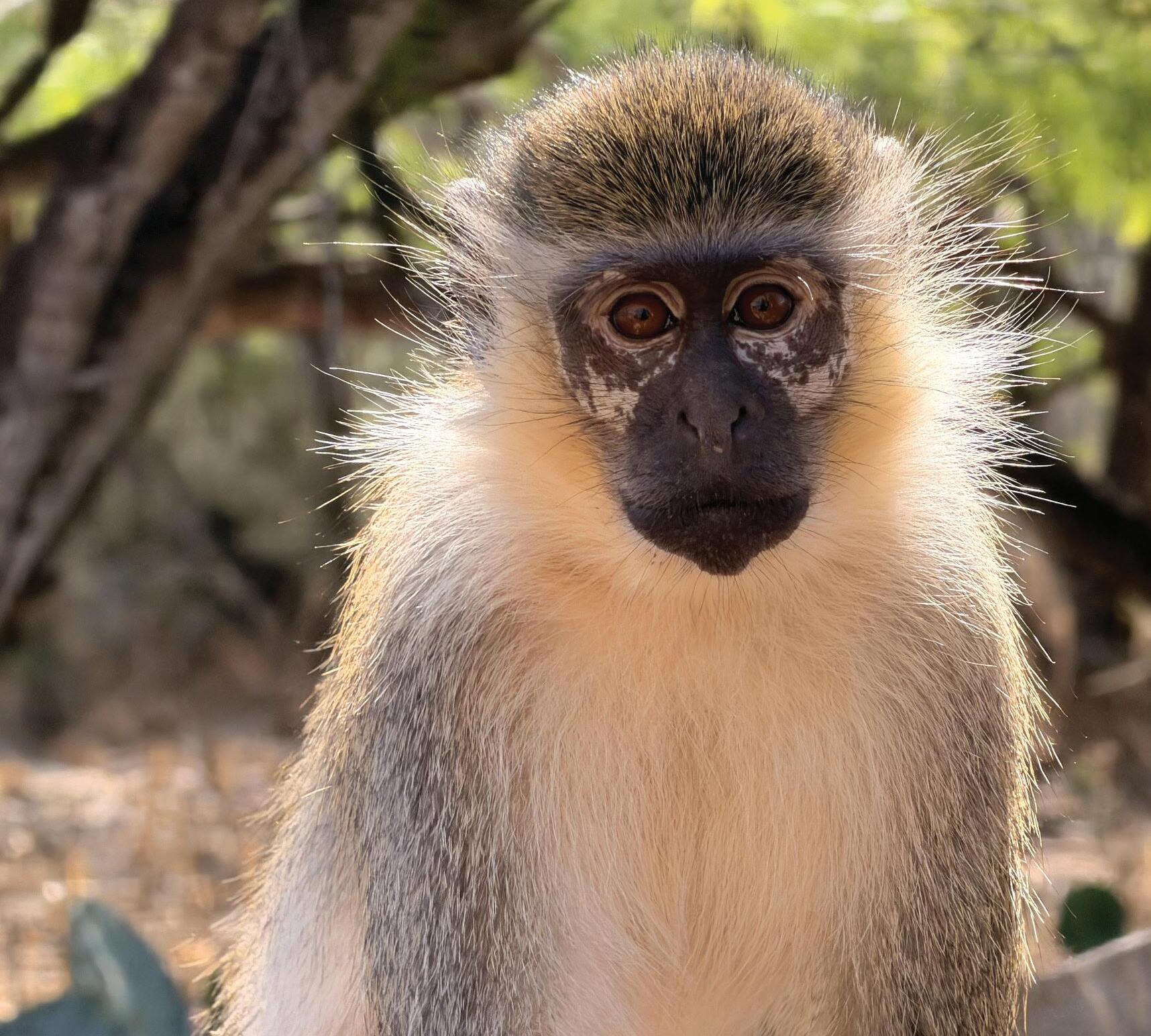
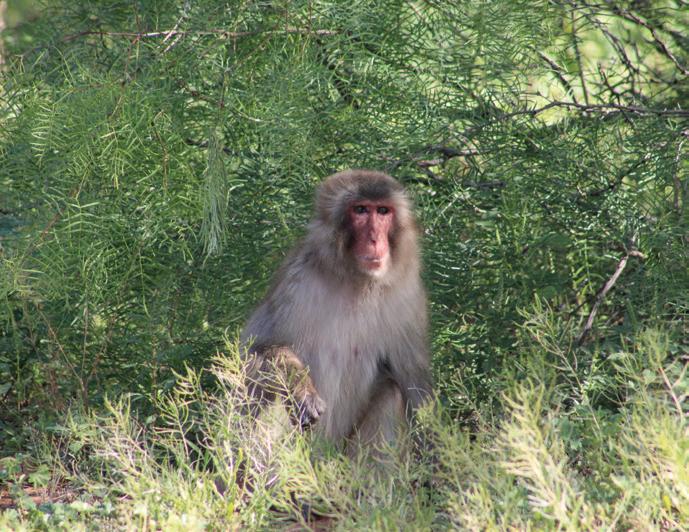
At our primate sanctuary, three baby baboons we rescued late last year – Mari, Peach, and Ophelia – are settling nicely into sanctuary life and have begun to make new friends (page 6). And, at the time of writing, we are preparing to take in a rhesus macaque and two vervets.
In West Africa, we have launched programs to tackle plastic pollution,
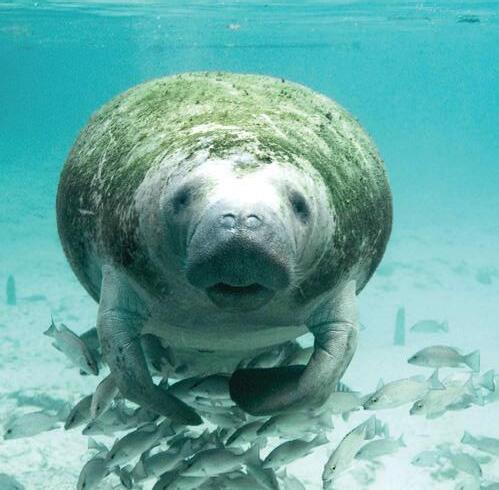
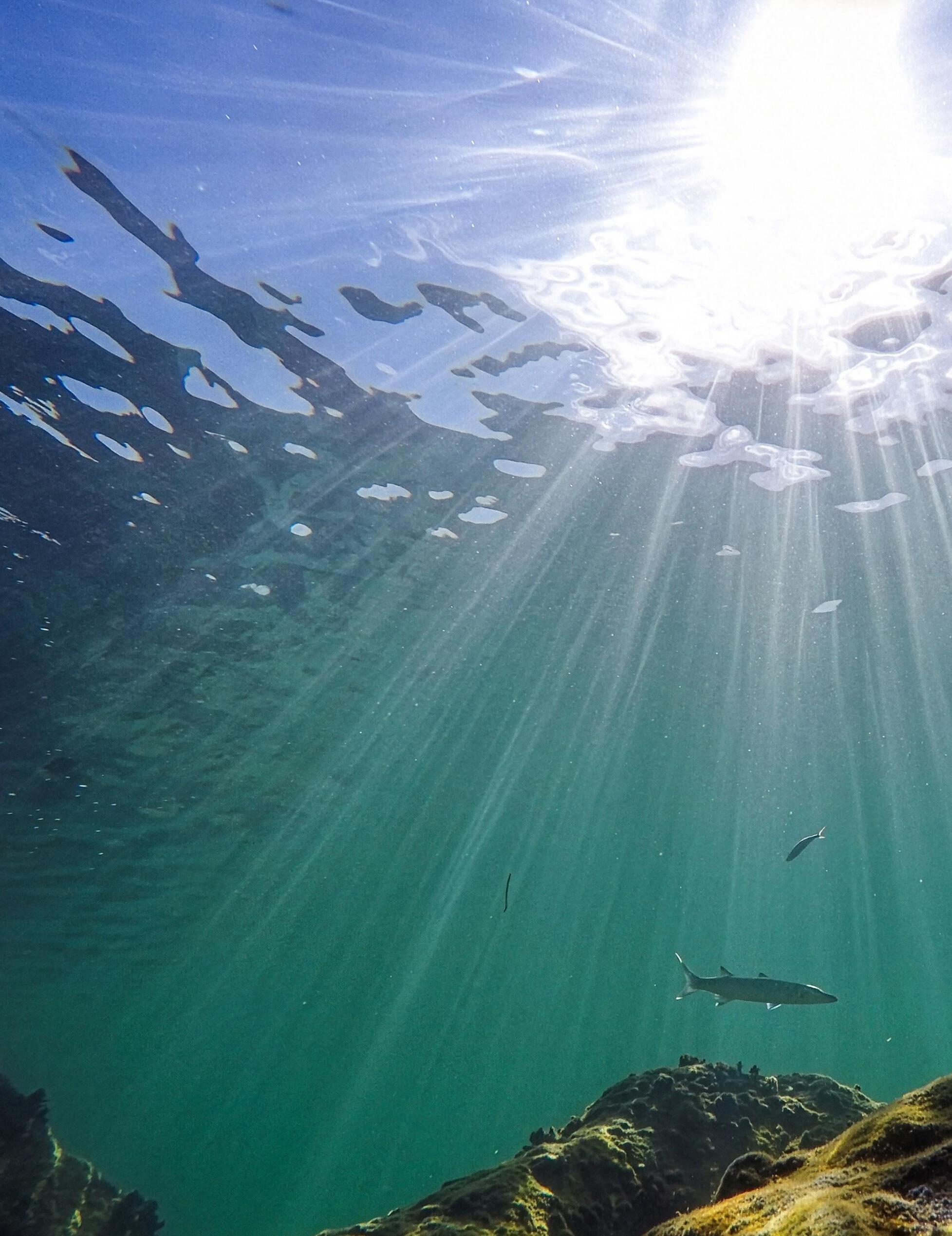
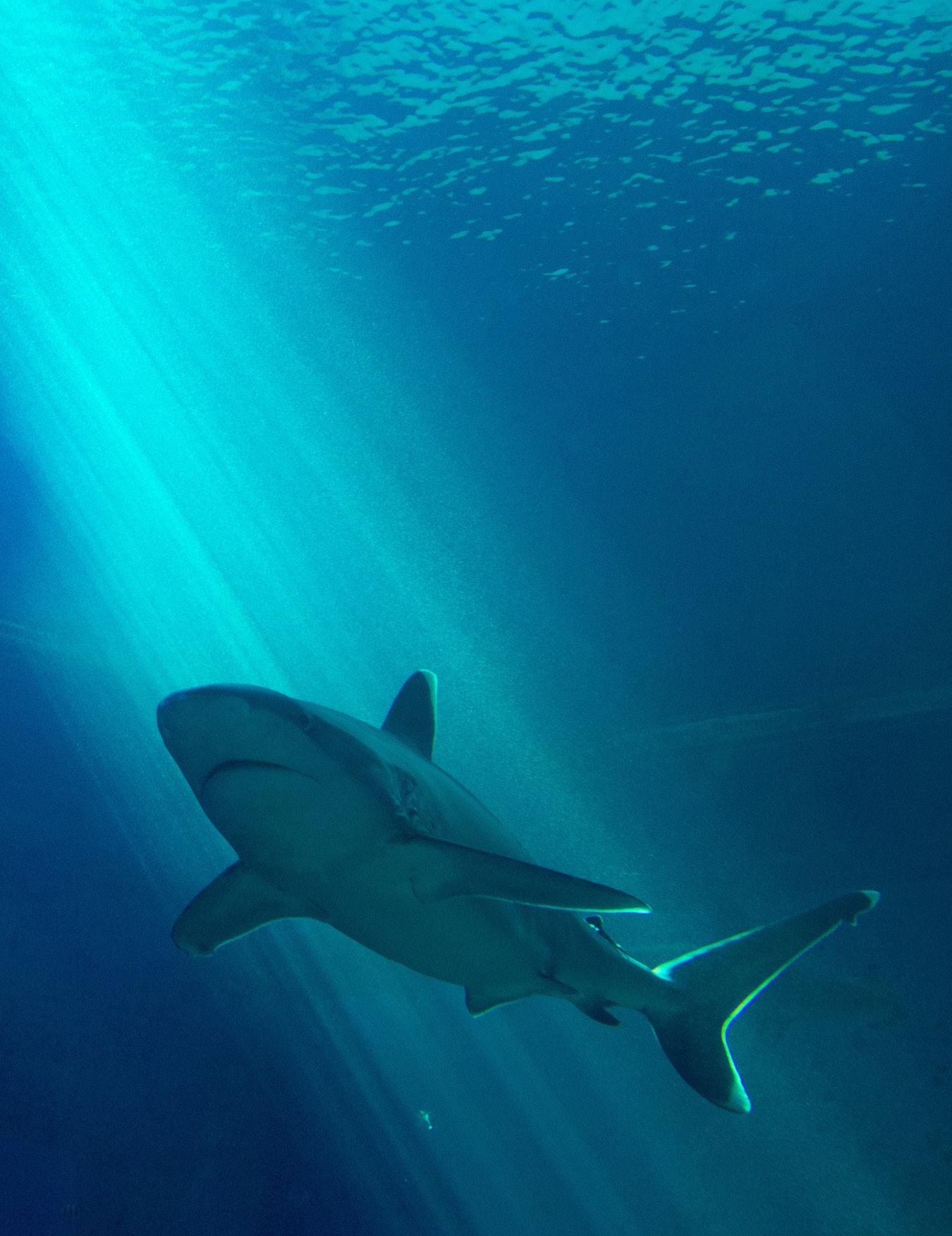
destructive to the environment and deadly to wildlife, in Ghana and Nigeria (page 8) and have distributed specialist equipment to wildlife law enforcement teams in in Benin, Ghana, Ivory Coast, and Nigeria, allowing them to do their critical jobs with greater ease and precision (page 9). We are also working on the local, national, and international levels to protect marine ecosystems and marine wildlife, ensuring that sharks, turtles, manatees, and other wild species are safe and able to thrive in clean, protected habitats (cover story, page 10).
None of this work is possible without you. In these pages, you will learn about different ways you can help save animals. Whether you sign petitions and write to your lawmakers (page 4), make a one-time or monthly gift, join our Leadership Giving Circle (page 13), adopt Peach
the baby baboon (page 7) or a wildlife species (page 13), attend our upcoming auction in NYC (page 15), or include Born Free in your legacy plans, we are grateful for your support. You make a difference and, together, we are building a more compassionate world for animals.
We work to ensure that all wild animals are treated with compassion and respect and are able to live their lives according to their needs. We seek to have a positive impact on animals in the wild and protect their ecosystems in perpetuity, for their own intrinsic value and for the critical roles they play within the natural world.
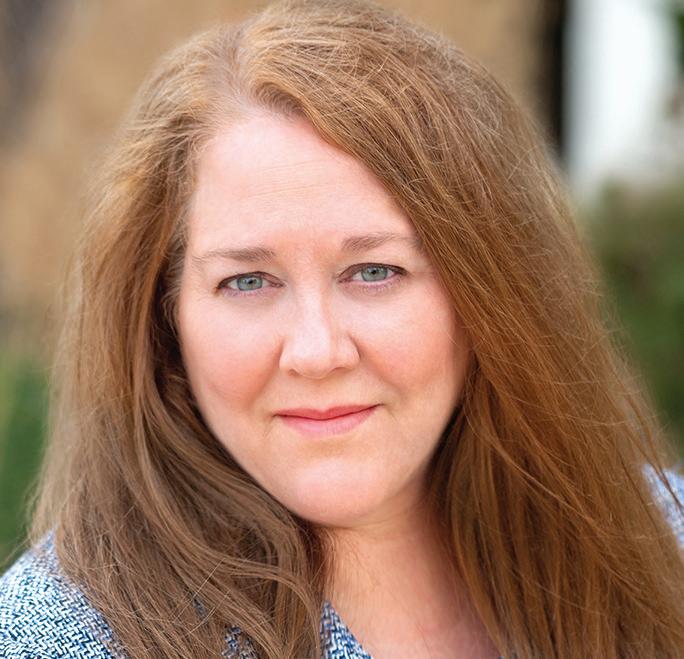
Angela Grimes Chief Executive Officer
Born Free USA
Art, Production & Editorial: Arlene Harting-Josue, Graphic Designer Karen Lauria, Communications Director
Writers & Contributors: Suzanne Emerson; Angela Grimes; Gita Matlock; Devan Schowe; Alice Stroud; Dr. Liz Tyson.
NEW INVESTIGATION SERIES GOES INSIDE AMERICA’S TOP ZOOS
As part of our longstanding campaign to challenge animal captivity in zoos, our team has embarked on a series of zoo investigations to address what we have suspected all along: that keeping wild animals in captivity for human entertainment is unethical and serves no direct benefit to the animals themselves. To carry out our investigations, we are visiting ten Association of Zoos and Aquariums (AZA) accredited facilities that are widely considered to excel in animal care.
During each visit, we are assessing the validity of each major aim stated by the zoo industry, including educating visitors, providing optimal animal welfare, and participating in meaningful conservation efforts. Ultimately, we will use our findings to explore whether zoos can justify their existence and continue to keep and breed wild animals in captivity.
ULTIMATELY, WE WILL USE OUR FINDINGS TO EXPLORE WHETHER ZOOS CAN JUSTIFY THEIR EXISTENCE AND CONTINUE TO KEEP AND BREED WILD ANIMALS IN CAPTIVITY .
So far, we have released two undercover zoo investigations: the Audubon Zoo in New Orleans, Louisiana, and the Bronx Zoo in New York City. Both investigations revealed inadequate or nonexistent visitor education and the “educational” animal demonstrations were exploitative and harmful to the animals’ welfare. We saw minimal contribution to genuine wildlife conservation programs. Zoo enclosures fell massively short in providing the animals with appropriate mental, physical, social, and species-focused opportunities, and many of the animals demonstrated unnatural, stereotypic behaviors, indicating poor animal welfare. At both facilities, visitors
alarmingly spent less than one and a half minutes at the most popular exhibits – animals who will spend decades in miserable captivity for no justifiable reason other than for humans to stare at them for a few fleeting moments.
Follow along with us to stay updated on new zoo investigations, including exclusive undercover photos and videos that debunk one of the longest-standing, most widespread misconceptions of our time: that the zoo industry is helping animals.
Visit bornfreeusa.org/zooinvestigations to learn more.
125,000 VOICES TOGETHER FOR ANIMALS!
None of Born Free USA’s work is possible without you, and one of the most significant impacts is your commitment to advocating for animals as citizen activists. Each year, millions of animals suffer pain, fear, injury and death because of fur farming, animal testing, zoo exploitation, the exotic pet trade, trapping, and other harmful practices. An enormous driver for change on all these issues is public advocacy. Whether writing to your representative to demand a ban on fur farming or keeping primates as pets or telling Amazon to ban the sale of cruel traps, every email, petition signature, and social share brings us one step closer to success.
Our advocates have surpassed all expectations in just the first few months of 2026, with more than 125,000 advocacy actions taken so far by thousands of citizen activists. Your congresspeople have received hundreds, sometimes thousands, of emails on the issues that matter. State representatives have learned about the harm of keeping animals as pets in the classroom. Your friends and family have learned more about the ways in which wild animals suffer in captivity thanks to your commitment to educating others by sharing information on social media and via email.
cosponsors of the Captive Primate Safety Act, telling them to vote “no” on dangerous changes to the Endangered Species Act, or requesting they open dialogue to challenge trophy hunting, is a powerful way to achieve our goals. While it may sometimes feel that our lone voice won’t make a difference, when we work together, our voices become multitudes that are impossible to ignore.
Thank you for all you do – together we will keep speaking out for animals!
WHILE IT IS A LONG ROAD TO VITAL LEGISLATION COMING INTO EFFECT, ALL THE LAWS BORN FREE IS CAMPAIGNING TO PASS REQUIRE CONSTITUENTS TO SHOW THEIR LAWMAKERS THAT THESE BILLS ARE IMPORTANT TO THEM .
While it is a long road to vital legislation coming into effect, all the laws Born Free is campaigning to pass require constituents to show their lawmakers that these bills are important to them. Asking lawmakers to become
LAUNCHING A VIRTUAL CLASSROOM MONKEY ADOPTION PROGRAM
Our 2025 report, Teacher’s Pets: The Exploitation of Wild Animals in the Classroom, summarized the ethical and public health and safety issues of allowing wild animals on school campuses. Our research highlights the harmful keeping of exotic classroom pets and exploitative traveling animal programs that visit schools, misleadingly posing as educational shows.
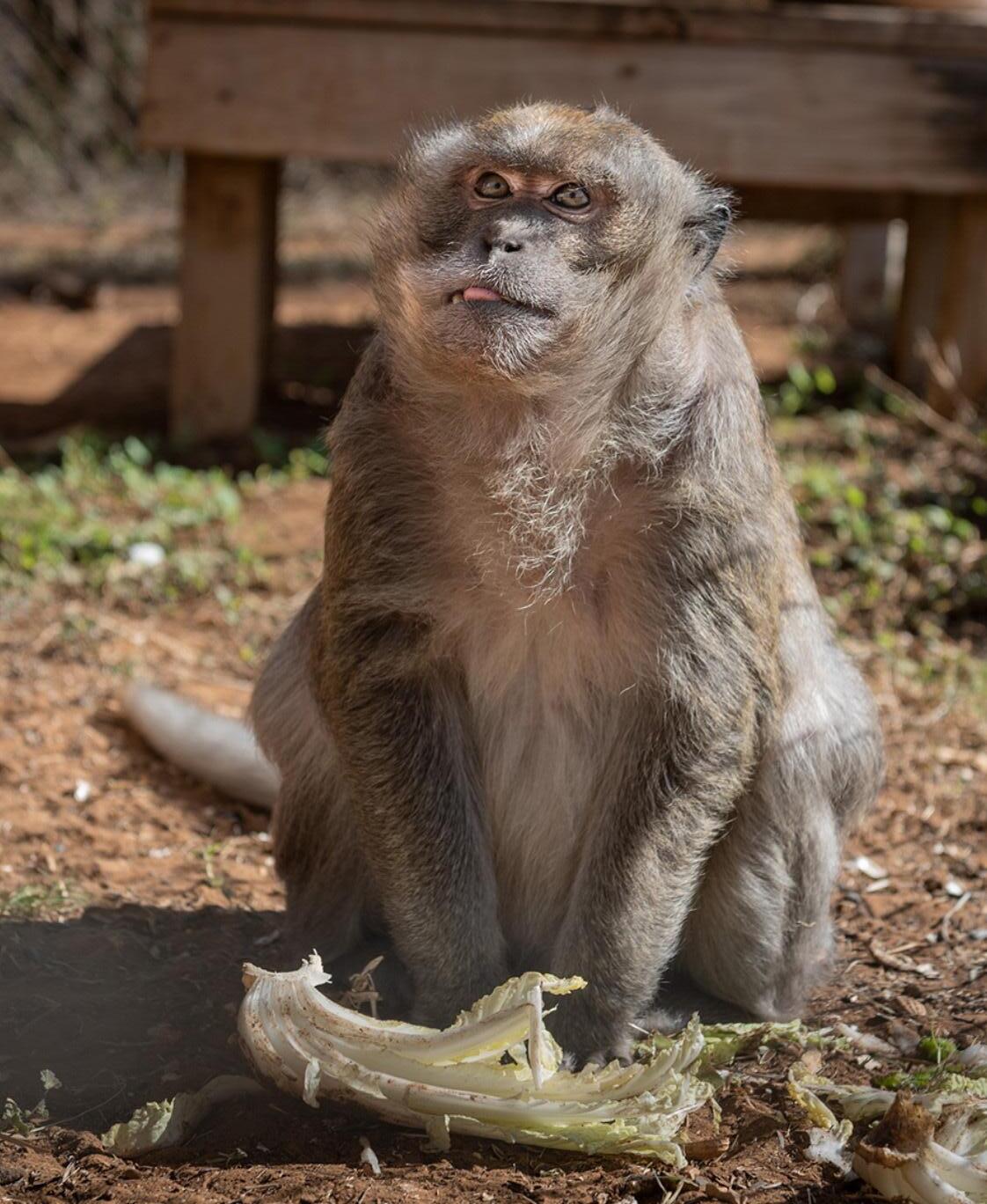
Our report revealed that both practices teach children inaccurate and dangerous information about animals, while also harming the animals’ welfare. As a solution, we launched a virtual classroom adoption program to provide a compassionate alternative, which features Freeman; a long-tailed macaque we rescued in 2012 from one of the most abusive situations we had ever seen.
The adoption program tells the story of Freeman’s life as a pet, his transition to the sanctuary, and how he finally learned to live as a monkey with the help and dedication of the sanctuary staff, complete with activities and discussion points for teachers to further engage with their classrooms on wildlife conservation and animal welfare. We are currently collaborating with a popular wildlife illustrator to create a comic storyboard to include in our virtual classroom adoption program and bring Freeman’s story to life.
WELCOMING BABY BABOONS MARI, PEACH, AND OPHELIA
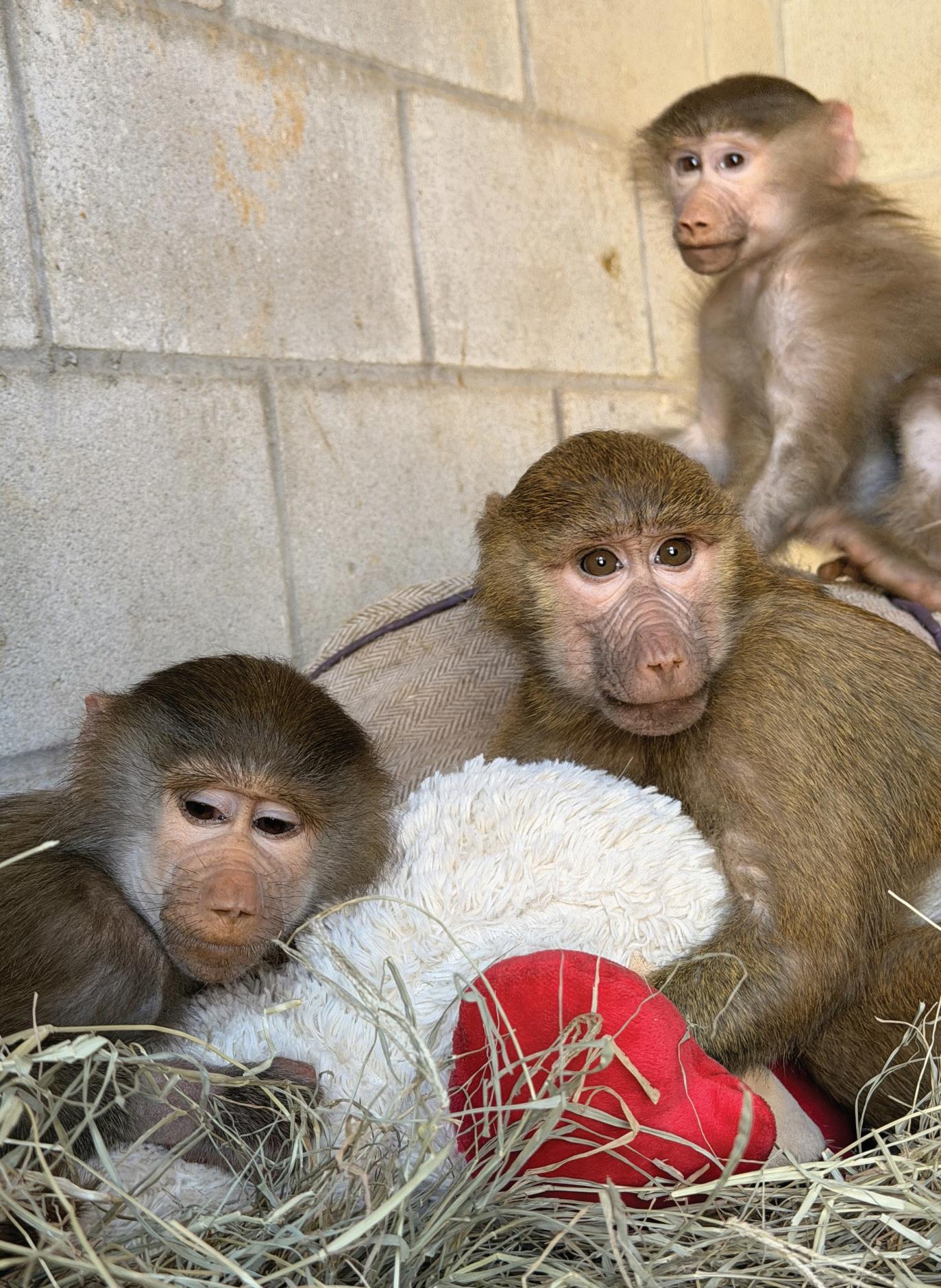
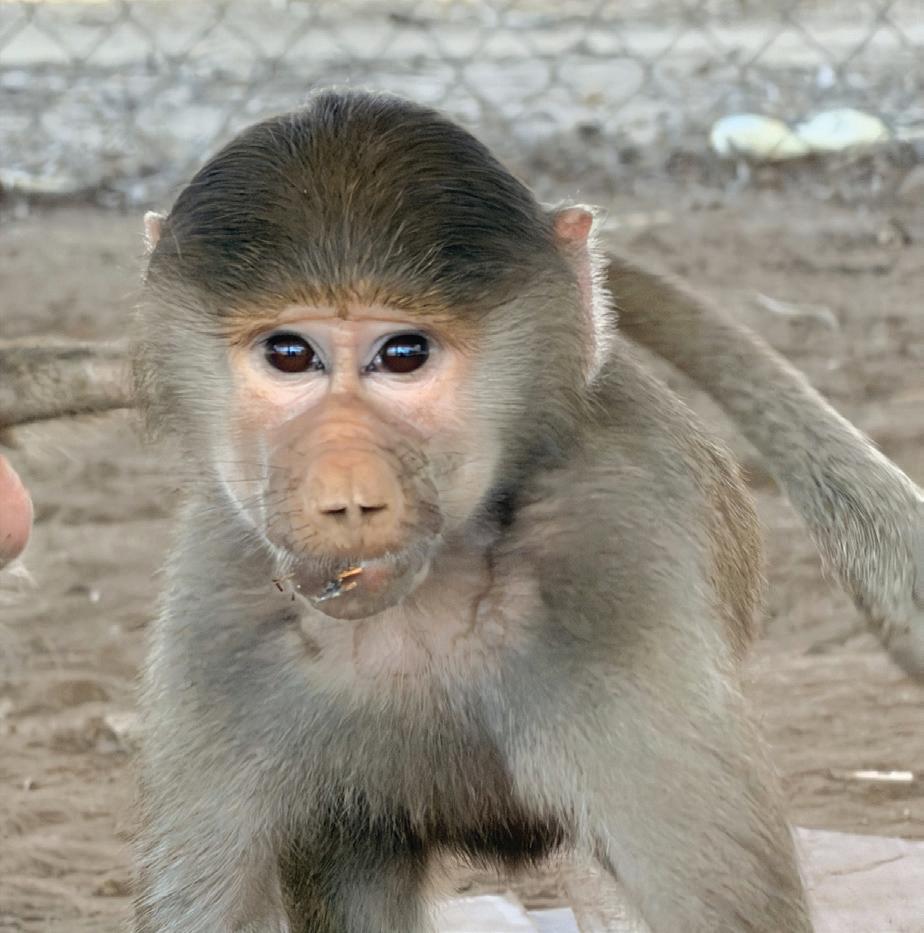
In late 2025 three baby baboons – Mari, Peach, and Ophelia – came to the Born Free USA Primate Sanctuary. Mari, the eldest, was estimated to be around nine months old, and her two companions just six months old. The three were confiscated from an exotic pet dealer who bred the babies to sell them illegally into the primate pet trade. All three of them had been ripped from their mothers for profit.
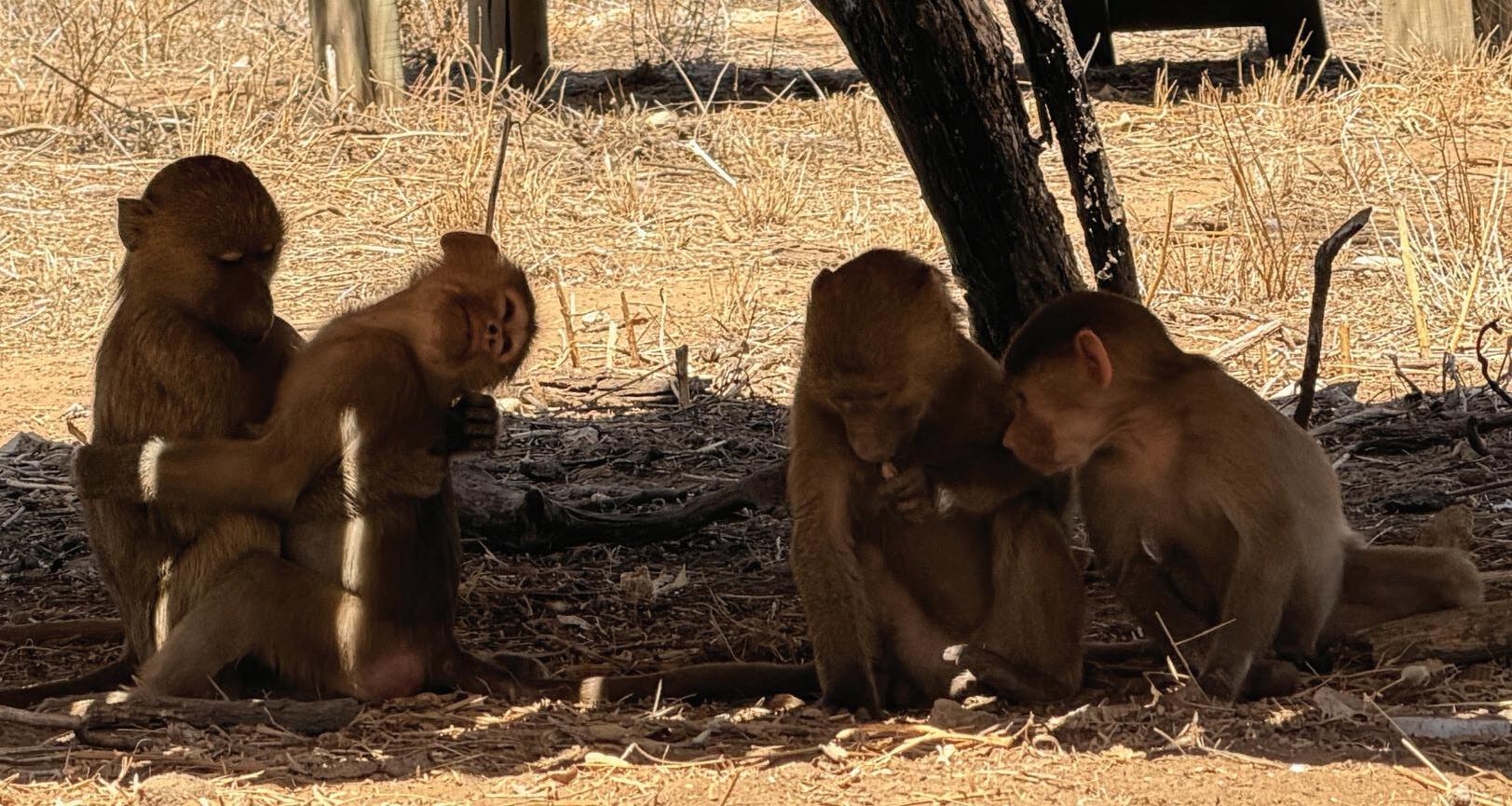
Upon their arrival at our sanctuary, they were still small enough that their daily nutritious diet of fruit and veggies needed to be supplemented by baby formula. It is incredibly lucky that they came in together and have each other as playmates, fulfilling crucial socialization needs. They are filled with energy. Peach is the most timid of the three, and the other two protect her fiercely; when there is any sign of trouble, Mari and Ophelia pile on top of Peach, covering her almost completely!
The three babies have just begun to live with one of our existing baboon trios – Izzy, Dee Dee, and Little Foot –and they are thriving in their new lives. At just a year old, Little Foot was the youngest baboon at the sanctuary until Mari, Peach, and Ophelia arrived, so we are delighted that Little Foot now has friends of her own age to play with. She and Ophelia soon hit it off and can be found
hugging one another and grooming at any opportunity. Dee Dee and Izzy have cautiously welcomed the new youngsters and are warming up to them as the days pass. We are excited to see these young monkeys settle into their new lives and grow under our care. While they never should have been bred into the cruel pet trade, we are grateful that we were able to rescue them before they were sold into a lifetime of misery.
ADOPT BABY BABOON PEACH!
Hi! I’m Peach, a baby baboon. I live with my two best friends, Mari and Ophelia. We were taken from our moms to be sold as pets. Luckily, we were rescued instead, and now we will grow up with other monkeys like our new friend Little Foot!
Please support my care by symbolically adopting me! You will get an adoption certificate, a framed photo of me, a fun fact sheet, and a monkey plush toy!
With your support I will grow up happy, healthy, and loved, so please adopt me today at bornfreeusa.org/adoptpeach.
SANCTUARY FOUND: WATCH OUR NEW DOCUMENTARY!
We are delighted to share with you our new short documentary on the inner workings of our sanctuary! Following members of staff as they go about their working day, the video allows people a glimpse into what it takes to run one of the country’s leading primate sanctuaries.
Our veterinarian, Dr. Jennings, explains the challenges that come with ensuring more than 200 monkeys stay healthy, while highlighting the individualized approach to animal care and treatment we pride ourselves on. Other members of sanctuary leadership share what motivates them and the wider role that Born Free’s primate sanctuary plays in ending the exploitation of monkeys in the pet trade, laboratories, and zoos.
In addition, you will meet some of the sanctuary’s resident monkeys and learn about their backgrounds,
as well as their lives under our care. At once informative, emotional, and hopeful, we hope that you enjoy this special insight into the sanctuary and the people behind its success.
Watch the documentary at bornfreeusa.org/supportmonkeys
FIGHTING PLASTIC POLLUTION IN WEST AFRICA
The next time you visit the grocery store, note how many products are wrapped in plastic. This plastic is convenient, but it is a menace to our environment. Once plastic pollution enters the ocean, it can persist for hundreds of years, travel vast distances, and cause untold harm. Ingestion of plastic can cause animals such as marine turtles to feel full, resulting in starvation, malnutrition, and death. Entanglement in discarded plastic fishing nets (known as “ghost nets”) can lead to marine mammals such dolphins and whales drowning.
Born Free USA is taking action in West Africa, where plastic pollution has become one of the most critical environmental threats to endangered animals and their habitats. Our new projects are focused on reducing dependence on plastic, developing plastic alternatives, and eliminating plastic pollution from priority wildlife habitats.
Coastal Project in Ghana.
Plastic pollution in Ghana affects coastal and estuarine ecosystems that are vital habitats for endangered and migratory species, including Critically Endangered hawksbill turtles, leatherback, and green turtles, West African manatees, and Critically Endangered slender-snouted crocodiles. Communities in this area often lack access to viable plastic alternatives and lack
BORN FREE USA IS TAKING ACTION IN WEST AFRICA, WHERE PLASTIC POLLUTION HAS BECOME ONE OF THE MOST CRITICAL ENVIRONMENTAL THREATS TO ENDANGERED ANIMALS AND THEIR HABITATS .
awareness of the impacts of plastic pollution on wildlife. This project will establish community “Eco-Brigades” to patrol coastal habitats and monitor plastic pollution. The project will also target recovery of abandoned fishing nets and plastic debris from priority areas in partnership with specialized recycling groups.
Forest Communities Project in Nigeria.
Nasarawa is a vital habitat for threatened bird species, including Critically Endangered hooded vultures, which can ingest plastic debris, resulting in potentially fatal exposure to pollutants. In this region, widespread poverty and limited livelihood opportunities, particularly for women, drive continued dependence on cheap, single-use plastic materials. This project will provide training and mentoring to 120 women across three communities in the production and marketing of plasticalternatives such as cloth bags, woven baskets, and calabash food containers. The project will also carry out clean-up activities to restore riverine habitats that are clogged with plastic, to prevent the waste from entering the ocean.
Join Born Free USA’s email list and follow us on social media for updates on these exciting projects!
EQUIPPING ENFORCEMENT TEAMS TO UNCOVER TRAFFICKED WILDLIFE
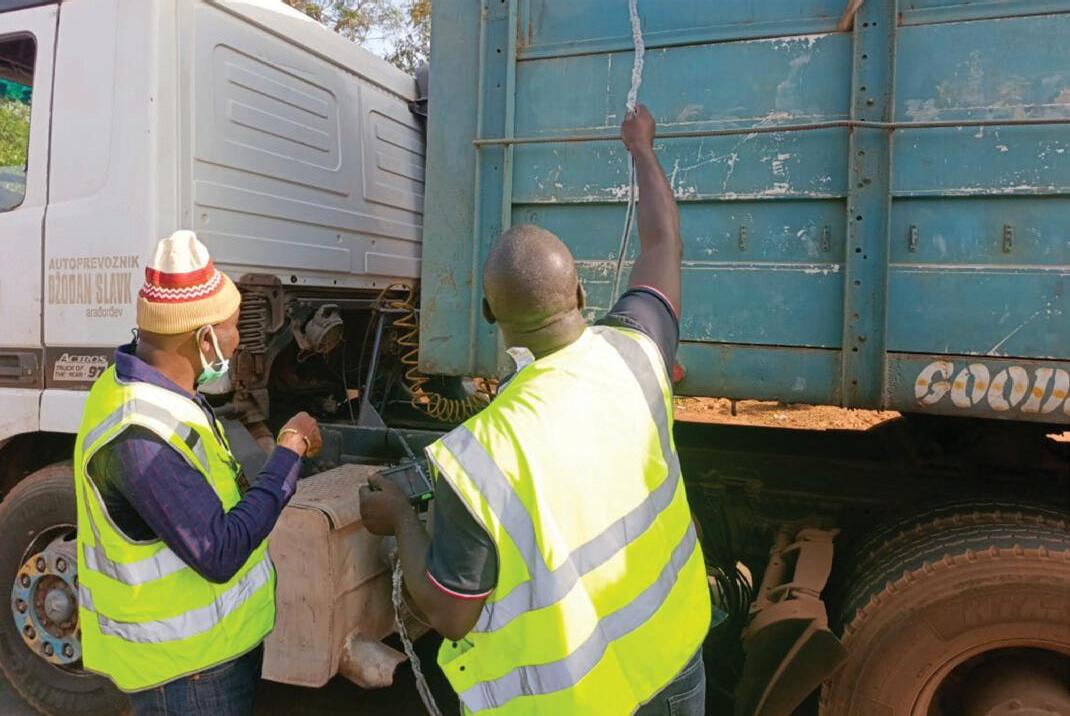
For enforcement officers working at remote African border crossings, the challenge of searching large vehicles for wildlife can be overwhelming. Illicit wildlife products such as ivory and pangolin scales are packed at the back of huge trucks carrying very heavy items such as logs or grain sacks, which are impossible to remove quickly or without specialist machinery.
This is exactly why criminals use these crossings – they know the likelihood of detection is extremely remote. However, with the right equipment, nothing is impossible! Born Free USA has provided Wildlife Law Enforcement Task Forces in Benin, Ghana, Ivory Coast, and Nigeria with specialist equipment such as video borescopes, which have a camera attached to a long probe, enabling officers to see into the hardest to reach areas. Teams have also received binoculars, GPS units, monoculars, and audio recording equipment.
Border officers in Ivory Coast and Nigeria are learning how to use this equipment in the field and they are already delighted with the results. Officers are now confident that they will detect illicit wildlife more efficiently and more frequently.
Born Free will keep you posted with success stories as they happen – keep an eye on our website and social media to follow along!
PROTECT WILDLIFE FROM PLASTICS!
With your support we can:
– Keep plastics out of oceans and rivers
– Protect thousands of marine animals
– Promote alternatives to single use plastic
– Clean up beaches and crucial habitats
– Strengthen communities’ defenses against plastic pollution
Donate Today!
Donate today by visiting bornfreeusa.org/donate, scanning the QR code, or by using the attached envelope.
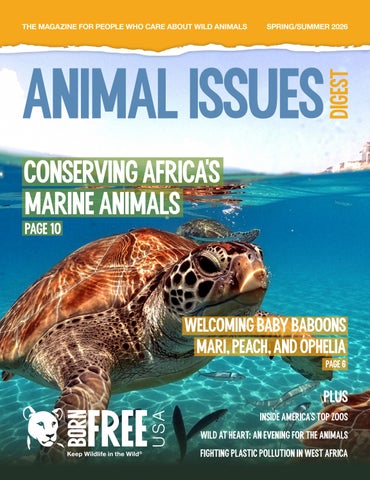
CONSERVING AFRICA’S MARINE ANIMALS
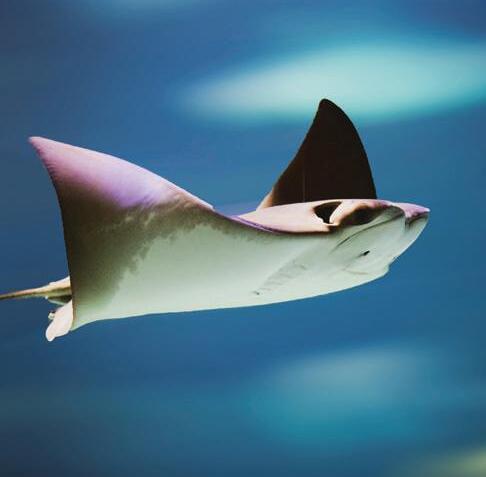
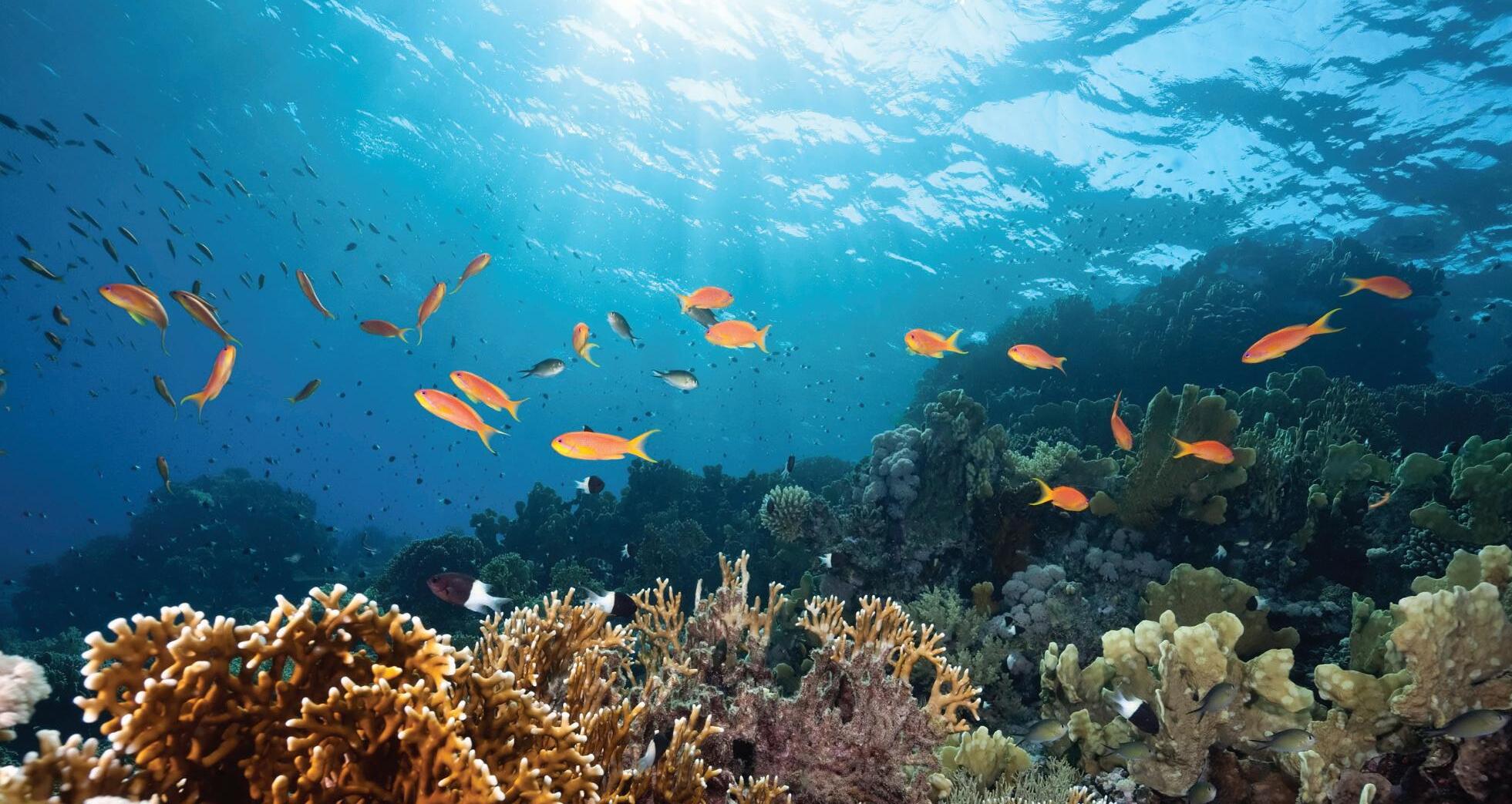
With idyllic powdery white sand, crystal-clear turquoise waters, large stands of mangroves, and vibrant coral reefs, it is no surprise that West Africa’s coastal waters are teeming with life. Unique endemic species, such as the Atlantic humpback dolphin, inhabit shallow, warm nearshore waters, while manatees move through dense seagrass beds and manta rays glide effortlessly through the water seeking out zooplankton.
Moving away from the coast and into deeper waters, West Africa is surrounded by two major ocean currents, the Canary Current and the Guinea Current. Where these two currents meet (the “Convergence Zone”) is globally recognized as an area that supports exceptional biodiversity. This convergence zone is critical for migratory species, such as blue and sei whales, basking sharks, and five species of sea turtles. It is also a vital spawning ground and feeding area for numerous bony fish species.
Marine Species Face Numerous Threats
Unfortunately, West African marine species are under mounting pressure from overfishing, illegal fishing, plastic pollution, deep sea mining, and climate change. Without urgent action, we risk the collapse of these fragile marine ecosystems and the loss of critically endangered species such as oceanic whitetip sharks. For example, more than 640,000 tons of abandoned and discarded fishing nets (known as ‘ghost nets’) are lost annually in our oceans. These deadly traps, which can persist for hundreds of years, pose an enormous threat to marine species such as seabirds and whales.
West Africa’s waters are not only important for marine biodiversity. The coastal waters and Convergence Zone provide critical ecosystem services, such as food security and livelihoods, to more than 300 million people in the coastal West African region.
Born Free USA is Acting to Conserve Marine Animals in the Field
The Fresco–Sassandra coastline in southwestern Ivory Coast includes sandy nesting beaches, mangroves, and estuaries that serve as breeding, feeding, and migratory habitats for threatened marine species. Born Free USA is supporting a project in Fresco–Sassandra that targets marine species that are globally threatened and highly vulnerable to human pressures:
Atlantic humpback dolphins are Critically Endangered and endemic to Western Africa. Populations are small and fragmented, with fewer than 3,000 individuals remaining. These dolphins are caught as accidental bycatch by artisanal fishers and are also threatened by deliberate capture.
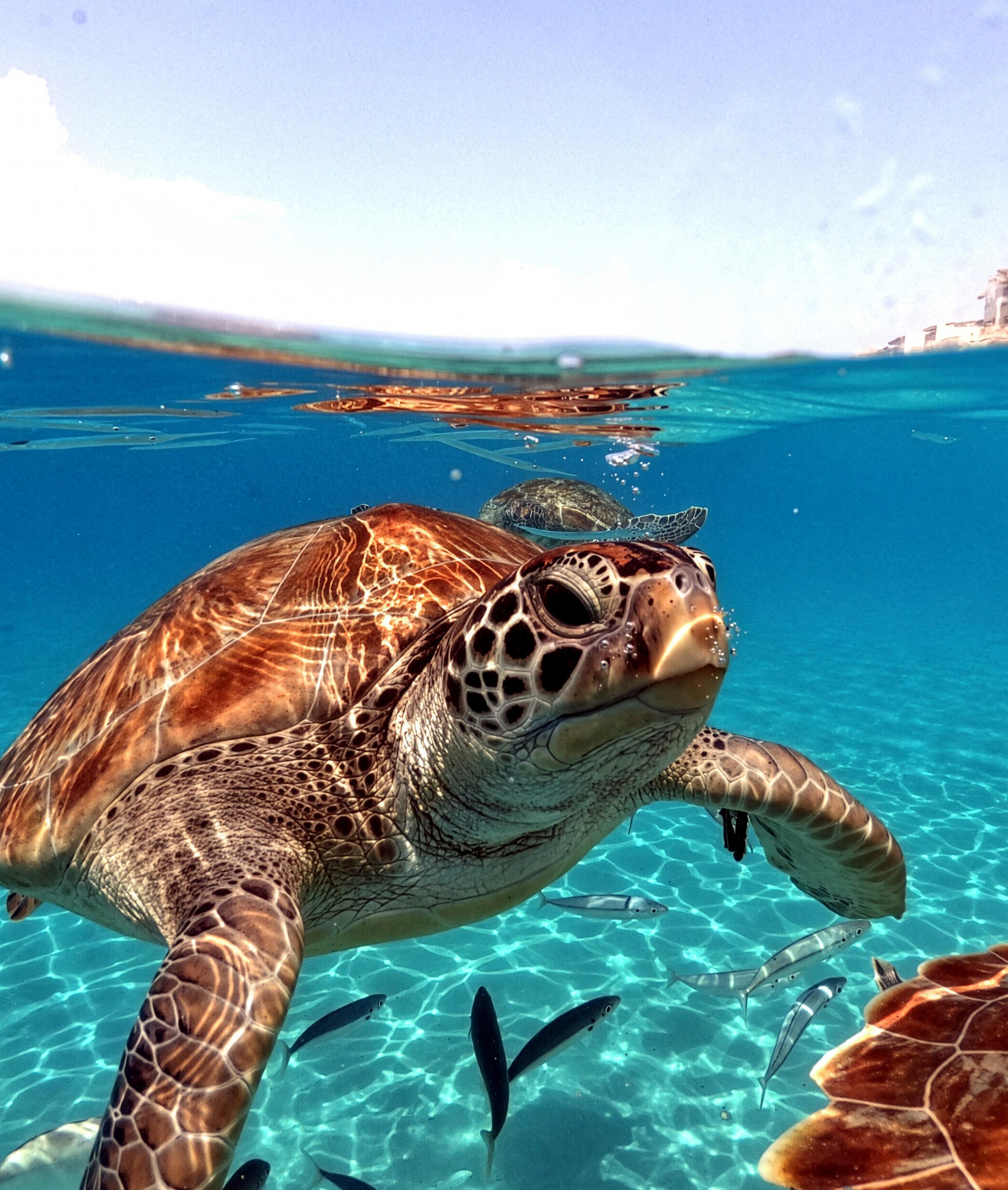
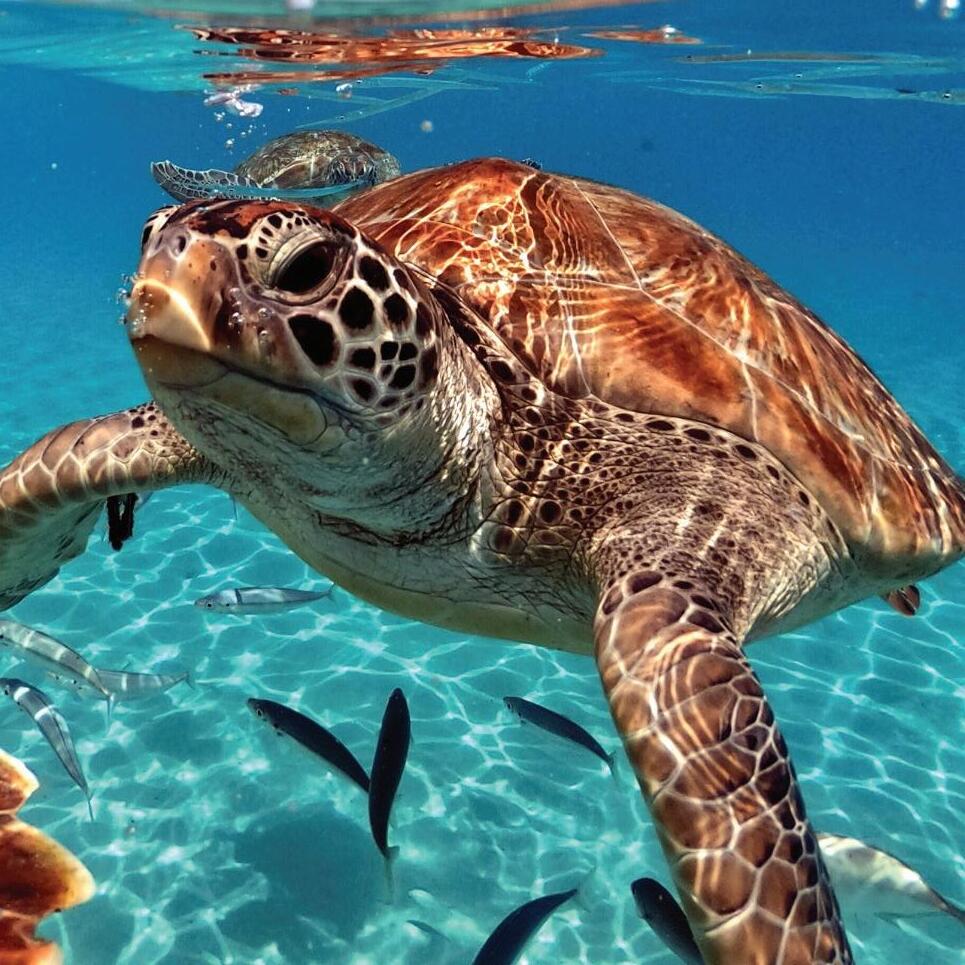
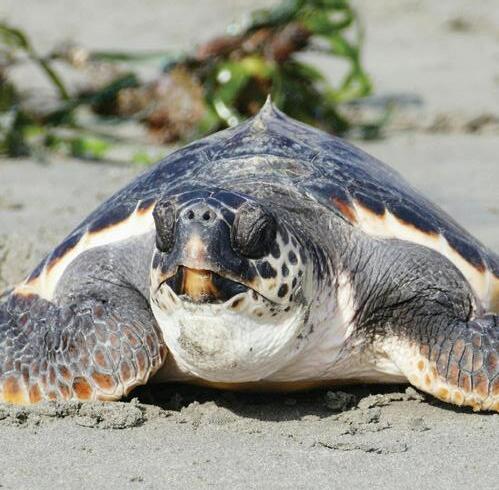
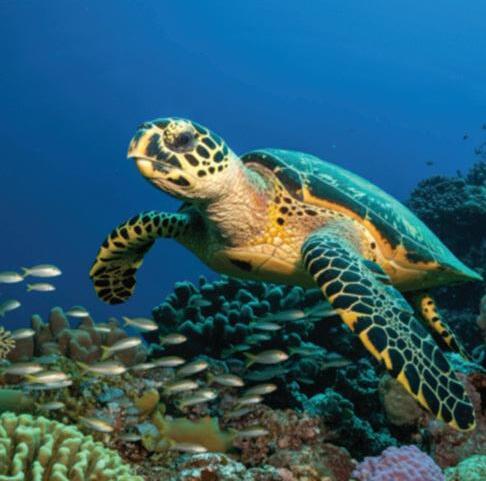
Sea turtles, including Critically Endangered hawkbill turtles as well as leatherback, olive, Ridley, and green turtles, face threats including illegal hunting for shells and eggs and plastic pollution on nesting beaches.
West African manatees are primarily threatened by illegal hunting for meat and as accidental bycatch by artisanal fishers. These extraordinary animals feed on vegetation, mollusks, and small fish, and they can travel freely between salt and freshwater, preferring estuarine areas where the waters are calm.
Oceans are vital for stabilizing the earth’s climate, absorbing 25% of all carbon dioxide emissions and capturing 90% of the excess heat generated by these emissions.
The Born Free USA project focuses on ensuring early detection, reporting, and response to incidents involving stranded, injured, or accidentally captured dolphins, turtles, and manatees, thereby reducing avoidable fatalities. The project will also protect critical habitats, including nesting beaches, mangroves, estuaries, and nearshore marine areas, by promoting responsible practices, conducting clean up events, and reinforcing local stewardship through a daily community monitoring program. Encouraging non-extractive use of marine biodiversity, such as responsible wildlife observation and ecotourism, will additionally ensure that community livelihoods are supported and are compatible with conservation goals.
Born Free USA Advocates Internationally for Stronger Protections of Marine Animals
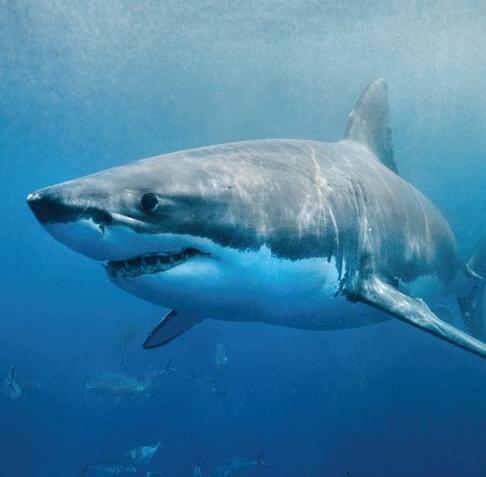
Shark and ray species are on the brink of extinction with demand for high-value fins as well as meat and other products playing a significant role in driving the declines. Born Free USA successfully advocated at the 20th meeting of the CITES Conference of the Parties for the adoption of unprecedented measures to protect the most imperiled shark and ray species from the harmful impacts of international trade.
Strengthening the protection of sharks is not just a win for the recovery of species on the brink of extinction, it is also a major step in protecting the vital role these species play in the conservation of marine ecosystems. As apex predators, sharks and rays play a crucial role in keeping ocean ecosystems healthy maintaining balance by preying on sick, weak, or overabundant animals and significantly contributing to the resilience of carbon-rich ocean ecosystems to extreme climate events. Beyond predation, these species also help redistribute nutrients vertically and horizontally, contributing to nutrient cycling in the ocean.
Learn more about Born Free USA’s work to preserve marine ecosystems at bornfreeusa.org/marinewins.
Make a lasting difference for wildlife by joining Born Free USA’s Leadership Giving Circle with an annual gift of $1,000 or more. Your leadership support helps rescue and care for animals – including primates at our accredited sanctuary – and protects vulnerable species through advocacy, education, and policy change.
As a Leadership Circle donor, you make a positive difference for wildlife, including the rescued monkeys at Born Free USA’s primate sanctuary. Your commitment at this level protects vulnerable wildlife species and their habitats. With your leadership support, we can ensure a future for all wildlife, free from harm wand exploitation.
JOIN BORN FREE USA’S LEADERSHIP GIVING CIRCLE SUPPORT MARINE SPECIES!
Protecting our ocean habitats and the animals that live in them is crucial for fighting the biodiversity crisis. You can fight against extinction and show some love for our swimming friends with a marine adoption bundle! Symbolically adopt a shark, a ray, and a turtle for a limited time at a special price of $150 for a year or $15 a month and your gift will support our work to protect these species. Work like keeping plastics out of our waterways, returning trafficked turtles to their ecosystems, and protecting endangered sharks from the fin trade. Each adoption comes with a personalized
Leadership Circle donors receive exclusive updates, special event invitations, and recognition in our Annual Report.
For more information, scan the QR code or visit bornfreeusa.org/leadershipcircle.
certificate, three fun fact sheets, three photos of the animals in the wild, and three adorable plush toys! Get your adoption bundle today!
Scan the QR code or visit bornfreeusa.org/oceanbundle.
A NIGHT TO REMEMBER IN NYC
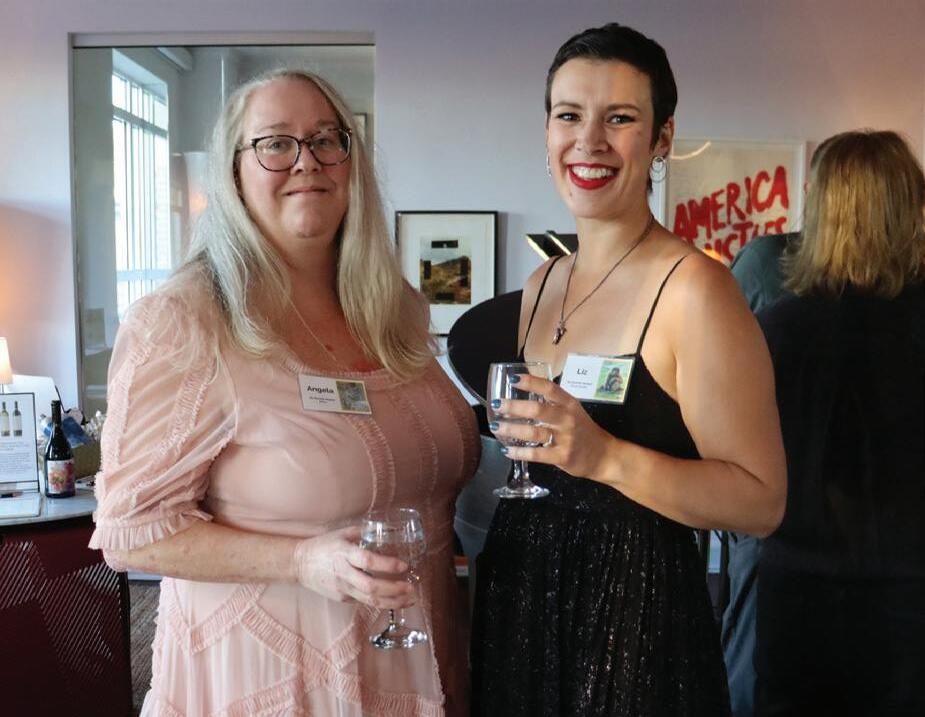
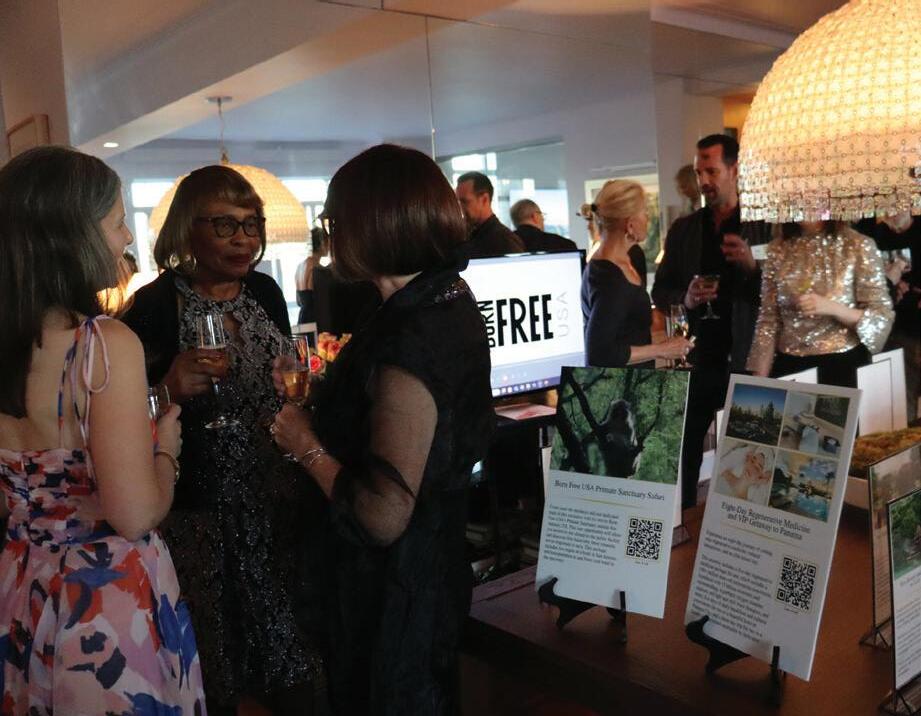
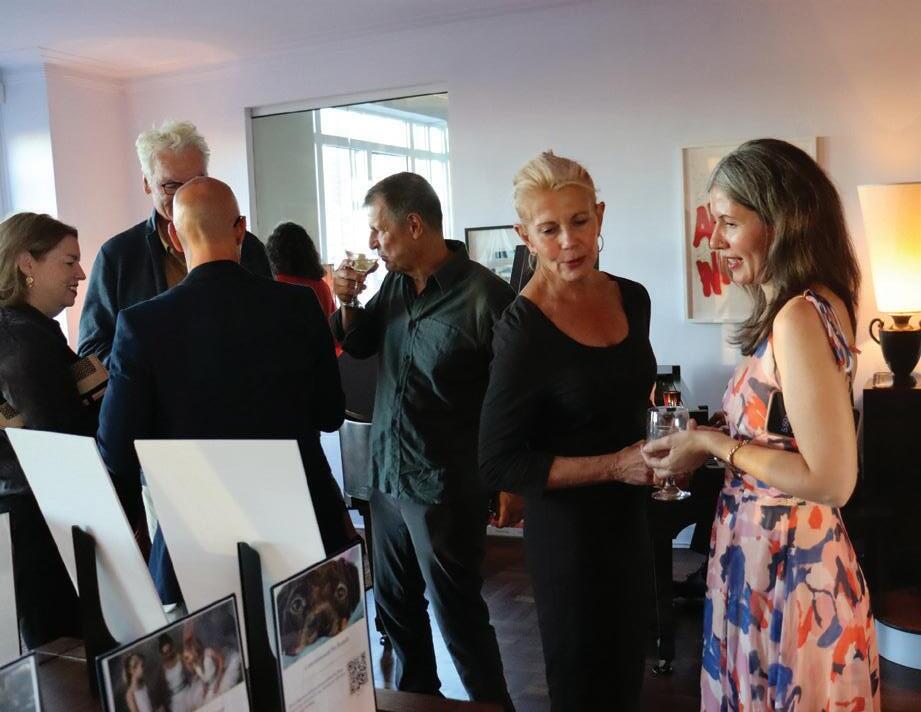
High above Central Park, in the iconic New York apartment of Born Free USA Board Chair Sean Cassidy and his partner Gerry Logue, something special unfolded. Wild at Heart – an intimate evening benefiting wildlife conservation and animal welfare –proved to be exactly what its name promised.
Sean and Gerry were consummate hosts, welcoming a community of dedicated animal advocates into a home graced with sweeping park views and an extraordinary collection of art and design. The atmosphere buzzed from the moment guests arrived, signature cocktails in hand – bespoke creations crafted by Altamura Distilleries’ premier mixologist using award-winning spirits.
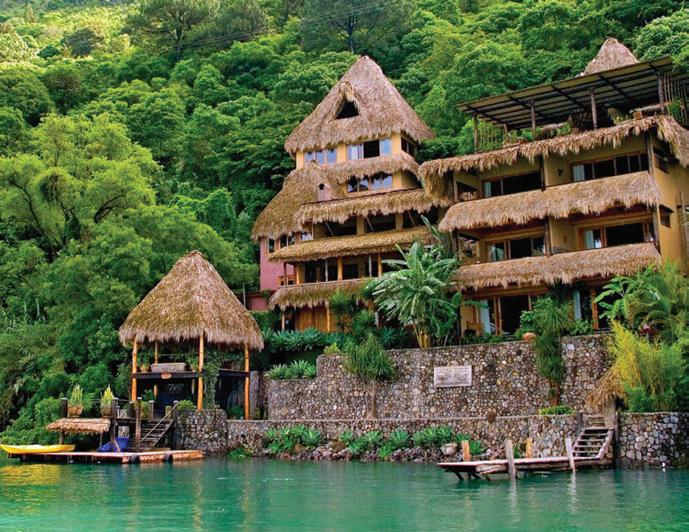
The curated auction drew generous bids and genuine excitement. Standout items included an immersive trip to a Guatemalan nature reserve for two, an exclusive visit to Born Free USA’s Primate Sanctuary, and perhaps the evening’s most talked-about lot: a specialized wine suitcase filled with organic Sonoma Coast private reserve pinot noir, crafted by estate winemaker Margie King. A fine vegan menu rounded out the evening’s offerings, reflecting the values of an organization deeply committed to all living things.
But the heart of the night was inspiration. Wildlife conservation and animal welfare leaders shared firsthand stories from the front lines of global efforts to protect the wild world we all share — leaving guests moved, motivated, and ready to act.
SECOND ANNUAL WILD AT HEART: AN EVENING FOR THE ANIMALS
Join Born Free USA on October 1, 2026, for our second annual fundraiser, Wild at Heart – an unforgettable evening in the heart of New York City bringing together philanthropists, advocates, and compassionate changemakers with a shared commitment to protect wildlife and preserve the wild world we all share.
Set against one of Manhattan’s most breathtaking backdrops, this year’s event is growing and will move to a private club in midtown. The Solarium’s floor-to-ceiling windows and private terrace offer sweeping views of St. Patrick’s Cathedral – an inspiring setting for an equally inspiring night.
The excitement begins before you even arrive. Our online auction opens September 1st, giving bidders everywhere the chance to compete for extraordinary lots –think bucket-list travel, exclusive experiences, and rare treasures you simply will not find anywhere else. Then, on the night itself, the energy in the room reaches its peak as our live auction takes center stage. Spirited bidding, exhilarating moments, and the knowledge that every paddle raised directly funds Born Free USA’s mission to keep wildlife in the wild!
Between bids, savor sustainable wines paired with an elegantly curated vegan menu, and hear powerful firsthand stories from those on the front lines of global conservation and animal welfare.
Making the energy electric is New York’s own Maria Milito – a larger-than-life presence on the airwaves for more than 40 years and passionate animal lover whose Mutts & Stuff podcast brings her love of animals to audiences everywhere.
Wild at Heart is more than a fundraiser. It is a celebration of what becomes possible when people who care deeply come together with purpose.
We hope to see you there! Learn more about the event at bornfreeusa.org/wildatheartnyc.
Auction Highlights
Eco-Resort and Nature Reserve Getaway on Lake Atitlán, Guatemala