

Born Free USA CEO
This was a remarkable year for Born Free USA. We worked for animals at a local, national, and international scale – rescuing monkeys to our sanctuary, securing major wildlife wins at home and abroad, and receiving a $6 million transformational planned gift. It was also a year of real challenges: the loss of USAID as a funding partner in West Africa, mounting threats to the Endangered Species Act and other hard-won wildlife protections, and financial headwinds facing many of our supporters. In our 2025 annual report, you will read about many of the achievements, challenges, and opportunities we faced together.
Here in the U.S., your support helped us publish three important reports that highlight how animals suffer in captivity – Our Captive Cousins, which explores the plight of great apes in zoos; Teachers’ Pets, which brings to light the ways animals like turtles, fish, and hamsters are mistreated in schools as classroom pets and in mobile zoo exhibits; and the first in a two-year series of undercover investigations at the country’s top-rated zoos. And, we worked closely with lawmakers to introduce and advocate for the passage of federal bills to protect wild animals.
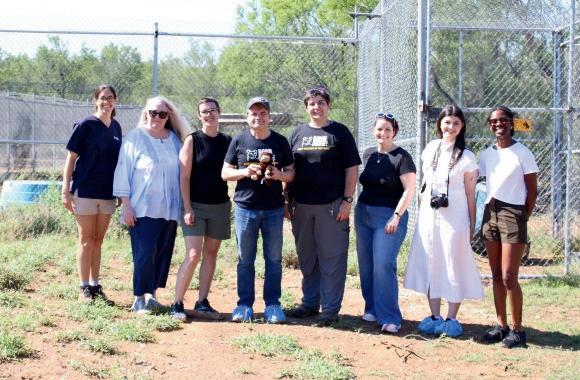
At our primate sanctuary, we rescued 14 monkeys – the most monkeys rescued in a single year in over a decade! These precious animals will now enjoy a lifetime of top-quality care alongside members of their own species in a spacious, naturalistic setting.
2025 was also an important year for our work overseas. In West Africa, where Born Free USA has been active for many years, we worked closely with national officials in the region to mentor and train Wildlife Law Enforcement Task Forces, despite the loss of USAID funding. We were also present at the 20 Conference of the Parties to the Convention on International Trade in Endangered Species of Wild Fauna and Flora (CITES) in Samarkand, Uzbekistan, where we supported West African nations to draft and pass 11 proposals for stronger international animal protections.
We are proud of all this work, and none of it would be possible without your continued support. Thank you for being a part of Born Free's community! Your support allows us to build our impact towards a more compassionate world for wild animals.


RESCUED 14 monkeys from the pet trade and laboratories and rehomed them to our primate sanctuary.
ADVOCATED for four federal bills to protect wildlife and lobbied for them on Capitol Hill.
PUBLISHED three important reports about the suffering of wild animals in captivity.
MENTORED Wildlife Law Enforcement Task Forces across West Africa.
WENT UNDERCOVER at six of the top zoos in the U.S. to investigate animal suffering even in supposedly
WON stronger international protections for wildlife at the CITES
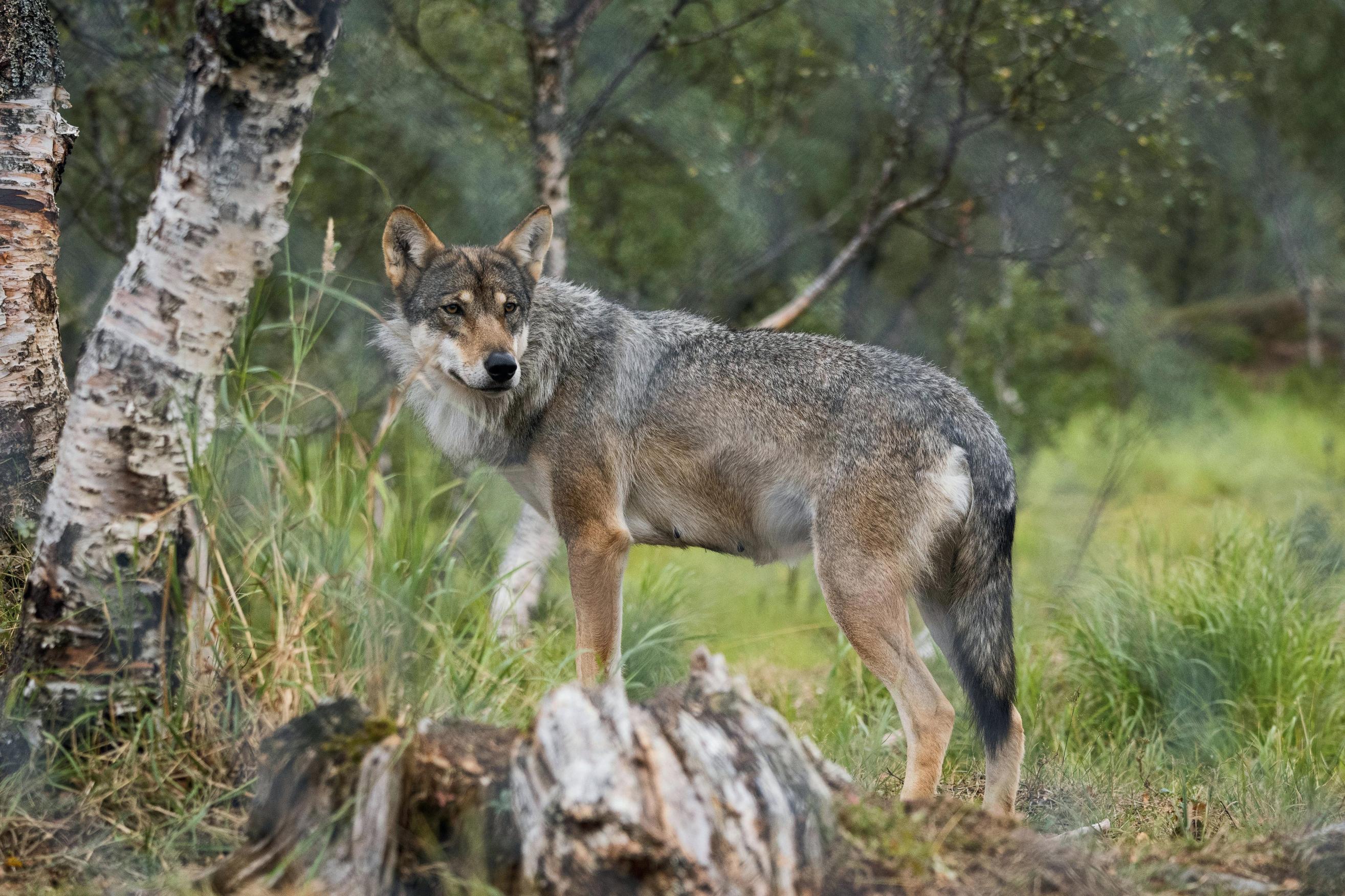

Keeping classroom pets is a long tradition in schools around the world. Having animals in the classroom is intended to teach children care and empathy for others but, in new research released this year, we argue that the opposite is true. Treated as disposable, easily replaceable, and cheap to care for, animals in the classroom are injured, receive no veterinary care when needed, and die prematurely from poor treatment.
Born Free developed a pilot program that replaces live classroom pets with a virtual adoption of Freeman, a monkey living at the Born Free USA Primate Sanctuary. Free to teachers, this cruelty-free alternative allows children to learn about the complex care needs of animals, as well as learning how to protect wildlife. During 2025, our research-based program worked with individual elementary school teachers to develop a pilot project that will be rolled out in 2026.
Throughout the course of 2025, our supporters took more than 50,000 advocacy actions in support of our core campaigns. These included contacting congressional representatives to demand legislative change, demanding an end to the sale of cruel traps on Amazon, calling for a halt to cruel rattlesnake roundups, and asking the Association of Zoos and Aquariums to shut down dangerous touch-tank activities. These actions all played a major role in affecting change and raising awareness.

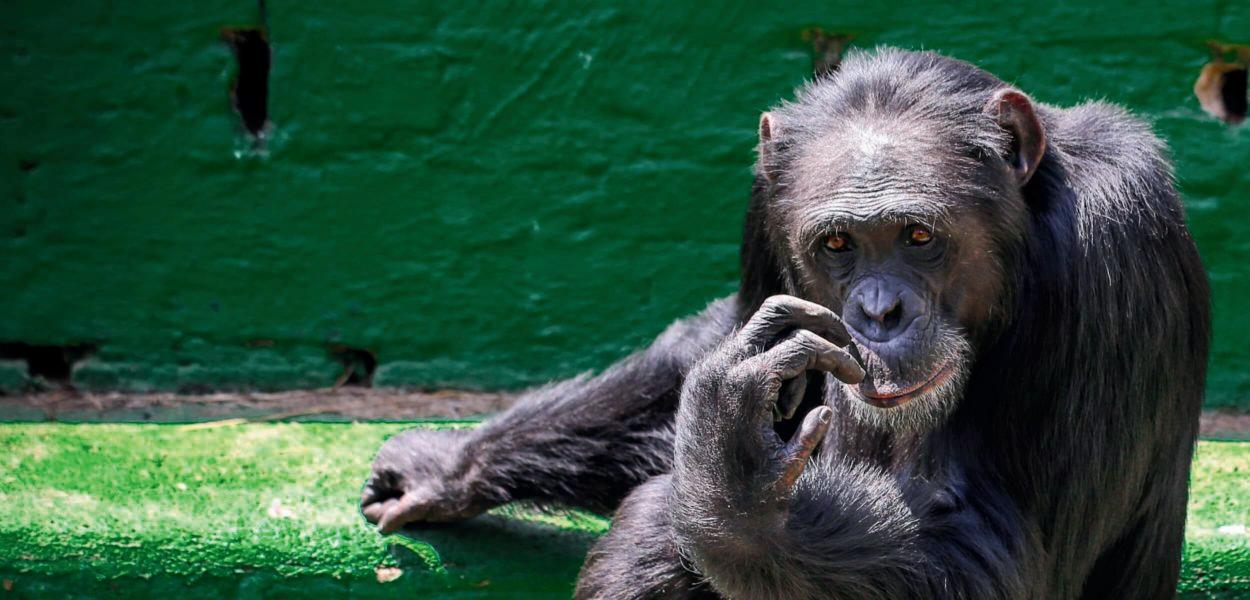
Adding to our growing library of compelling research reports on captive wild animals, this year we explored the suffering of great apes in zoos. Our research found that great apes in zoos live short lives, are forced to live in unnatural social groups, exist in spaces that are many magnitudes smaller than their natural range, and suffer both physical and mental health challenges. What is abundantly clear from this work is that great apes should not be held captive in zoos.
This year, our team carried out six undercover zoo visits to some of the highest ranked zoos in the country. Assessing animal welfare provisions, educational value, and contributions to conservation, our initial findings suggest that zoos are failing both the animals held captive and their visitors. This work forms part of a larger multi-year project that will ultimately assess ten of the country’s “top” zoos and will result in the release of a series of multi-media resources including research reports, short-form videos, and a longer-form documentary.
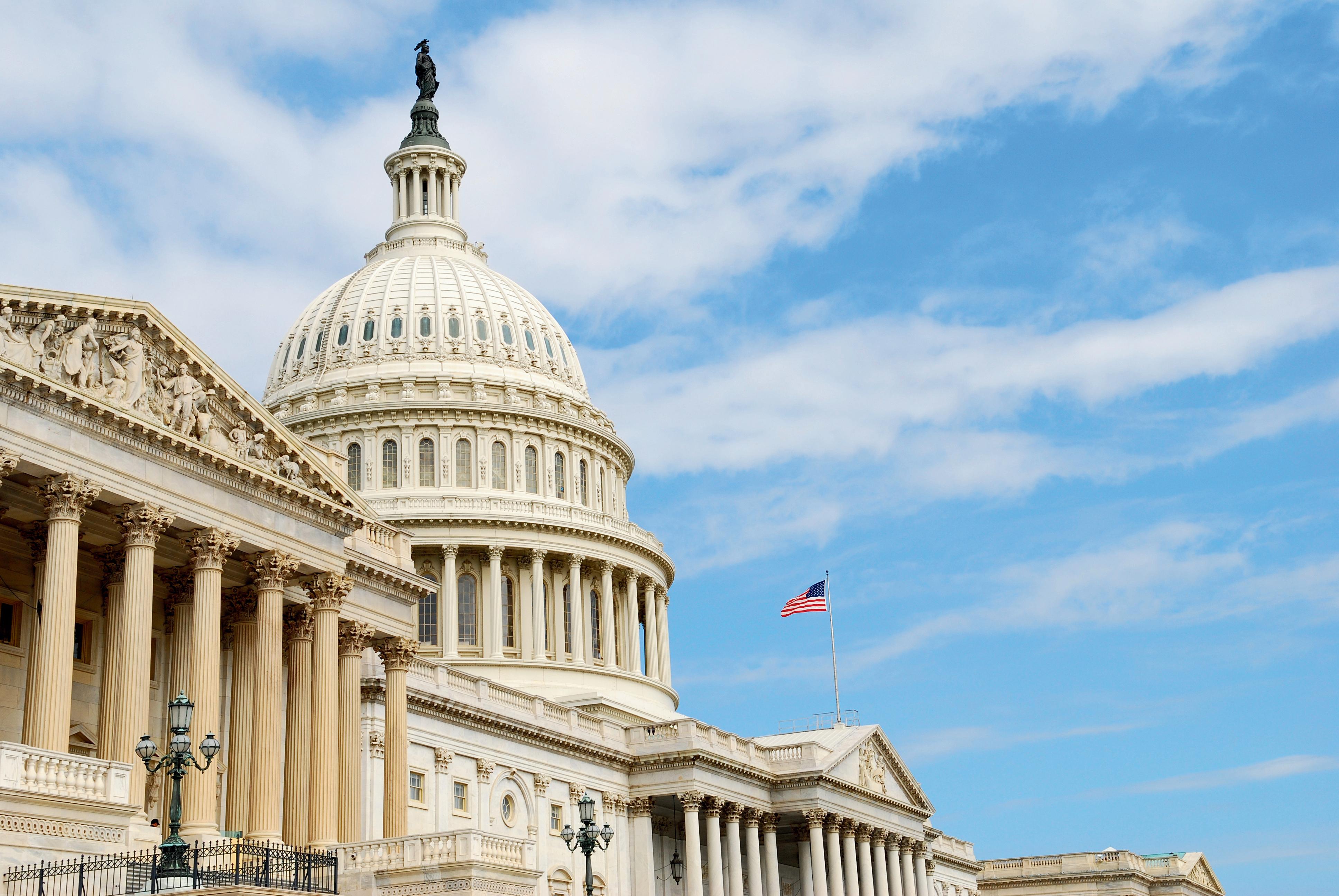
In May, our team went to Washington DC to advocate for the Captive Primate Safety Act, a bill that would ban the cruel keeping of primates as pets in private homes. We attended more than a dozen meetings on Capitol Hill to advocate for the bill’s passage. While there, we also co-hosted a special screening of documentary, Chimp Crazy, and hosted a lively Q&A session with a former primate “pet” owner.
This work builds upon efforts to see this and our other legislative priorities progress through Congress. These include the Refuge from Cruel Trapping Act to ban body gripping traps on wildlife refuges; the Mink VIRUS Act to end mink farming; the ProTECT Act to ban the import of some wildlife hunting trophies; as well as the Captive Primate Safety Act. All our priority bills were introduced in one or both houses of Congress in 2025.
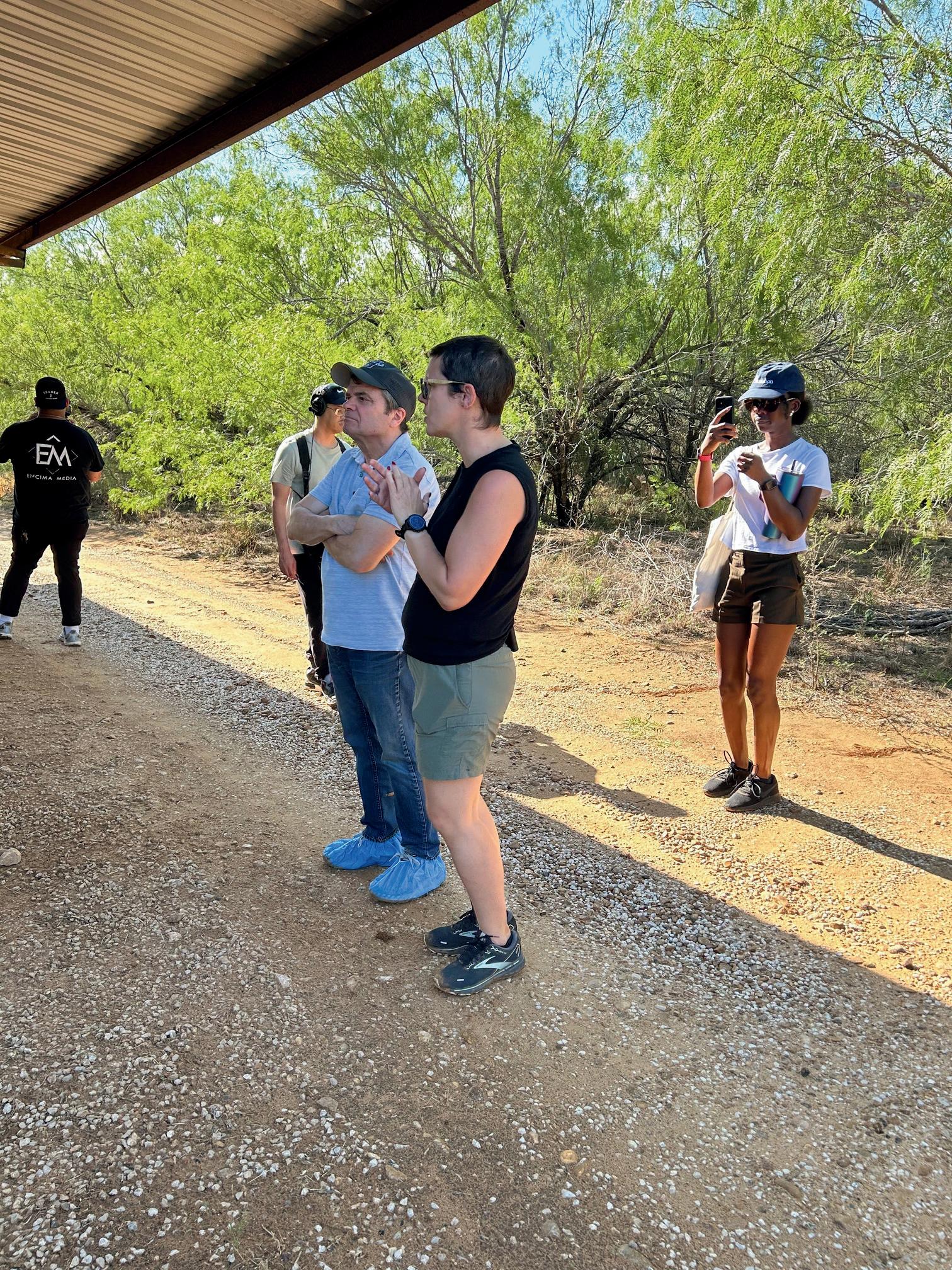
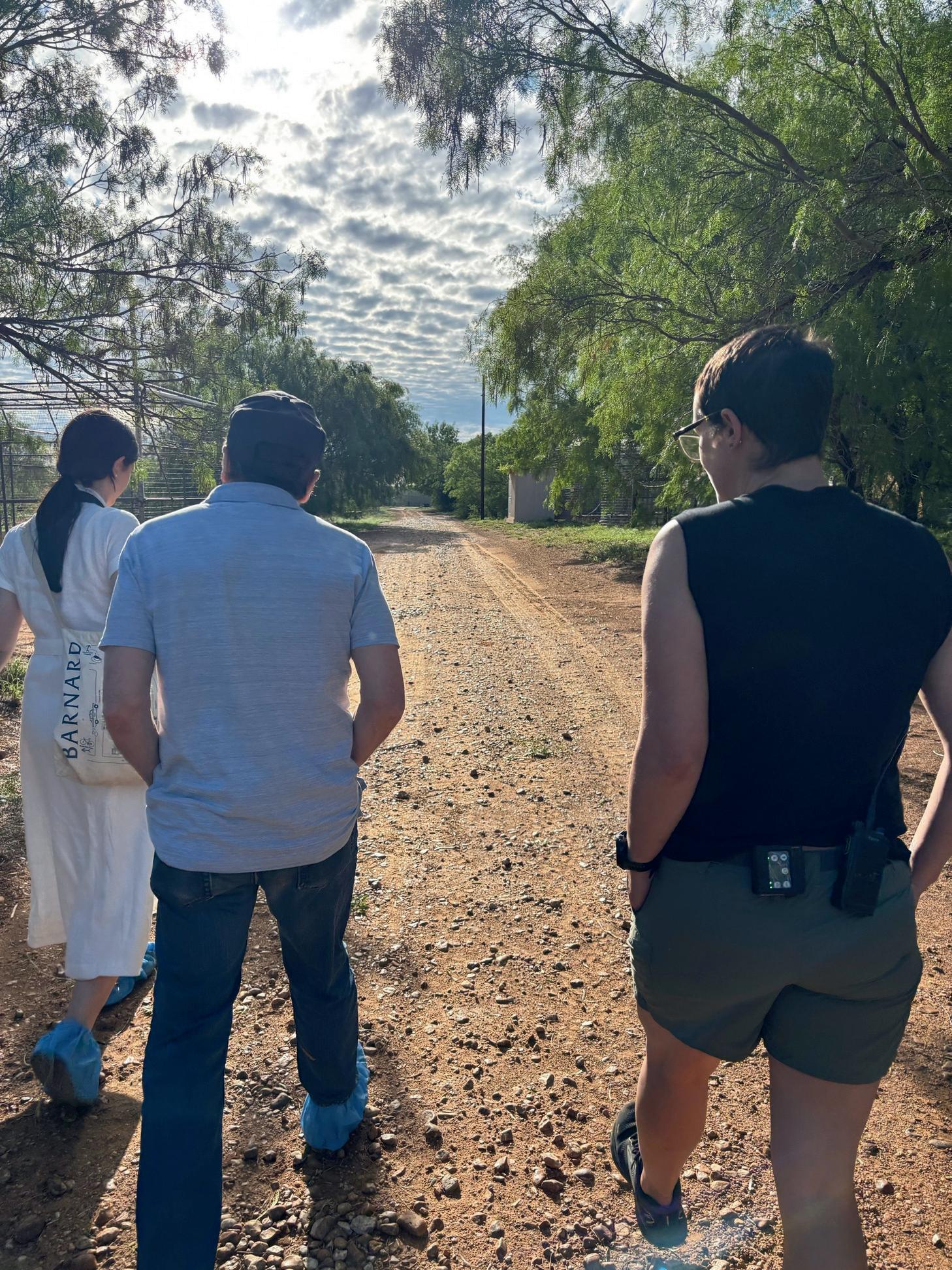
The Captive Primate Safety Act was reintroduced into both chambers of Congress in early May. This bill, which Born Free USA has long championed, would ban the private ownership of primates nationwide. We were honored to welcome House Representative Mike Quigley, one of the bill's biggest champions on the Hill, to the primate sanctuary to introduce him to some of the monkeys we have rescued from the cruel pet trade.
Representative Quigley and his team were given a guided tour as our staff shared stories that highlight the dire need for a ban on private ownership of monkeys and other primates. Mr. Quigley was visibly moved by the accounts he heard, including that of Lyla, who was rescued in 2023 after spending seven long years in a tiny, filthy dog crate.
At the end of his visit, Mr. Quigley reiterated his commitment to seeing the Captive Primate Safety Act become law and praised our team for the exemplary care provided to all our monkey residents. We were honored to welcome him to the sanctuary and to work with him to advance this important bill!
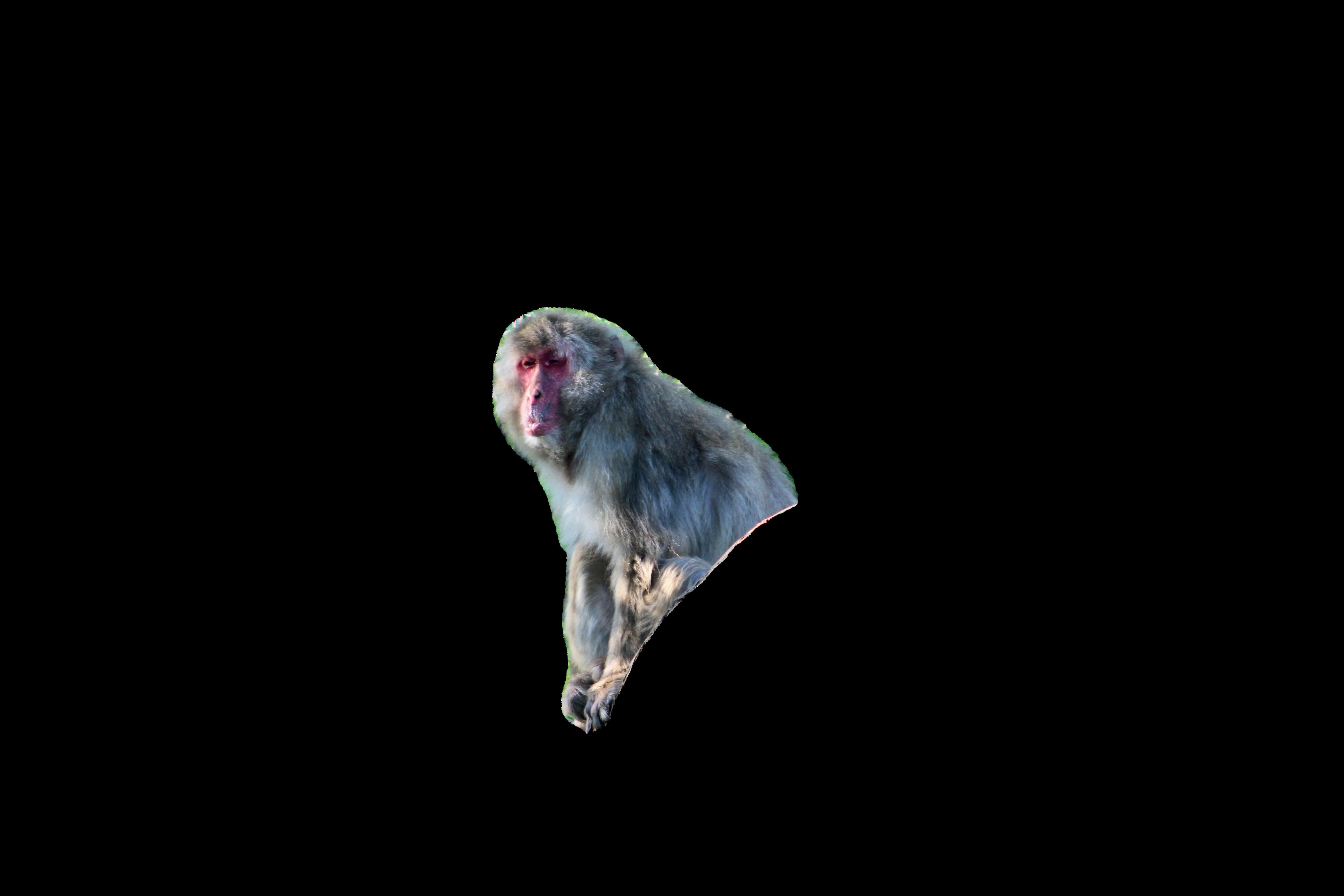
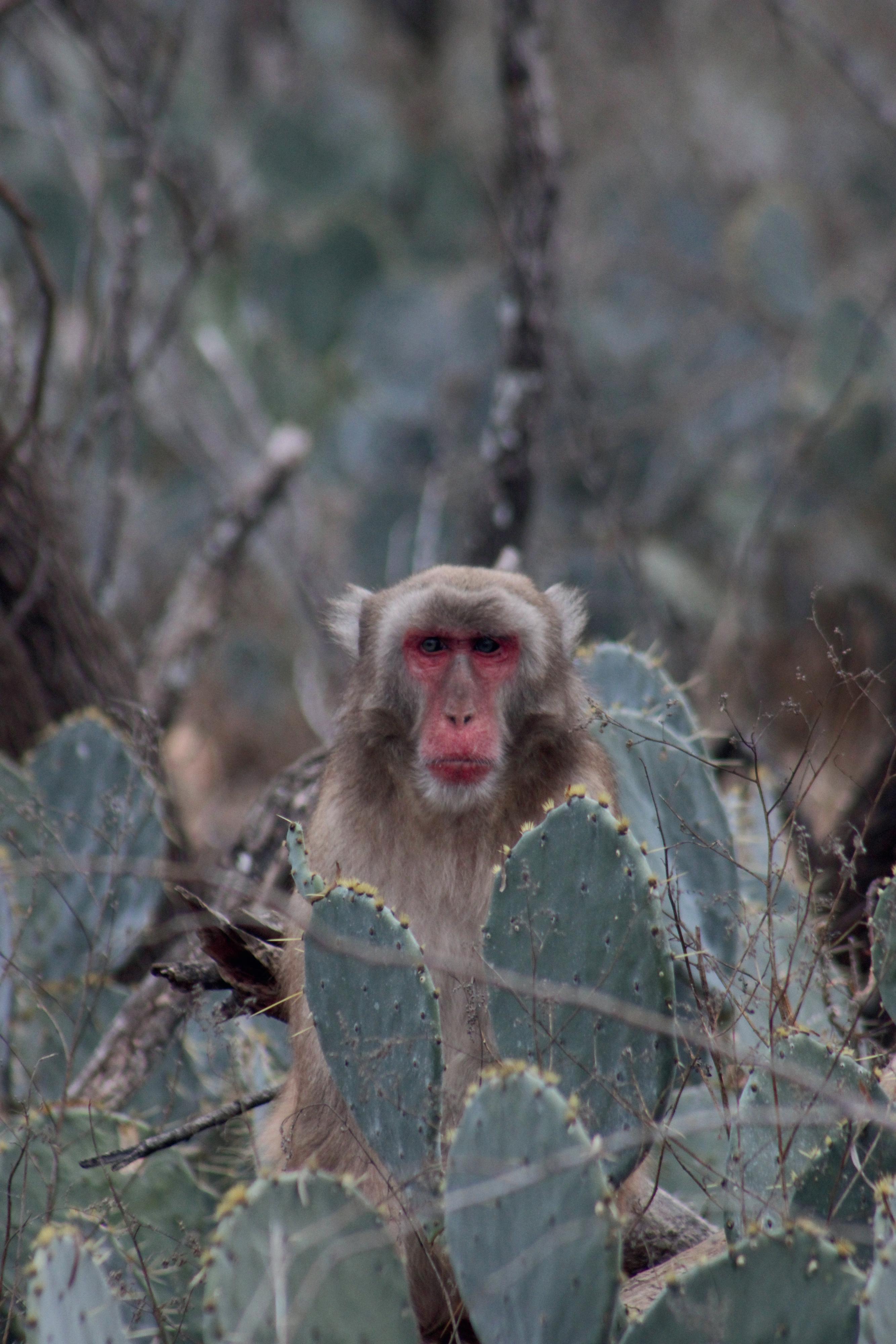
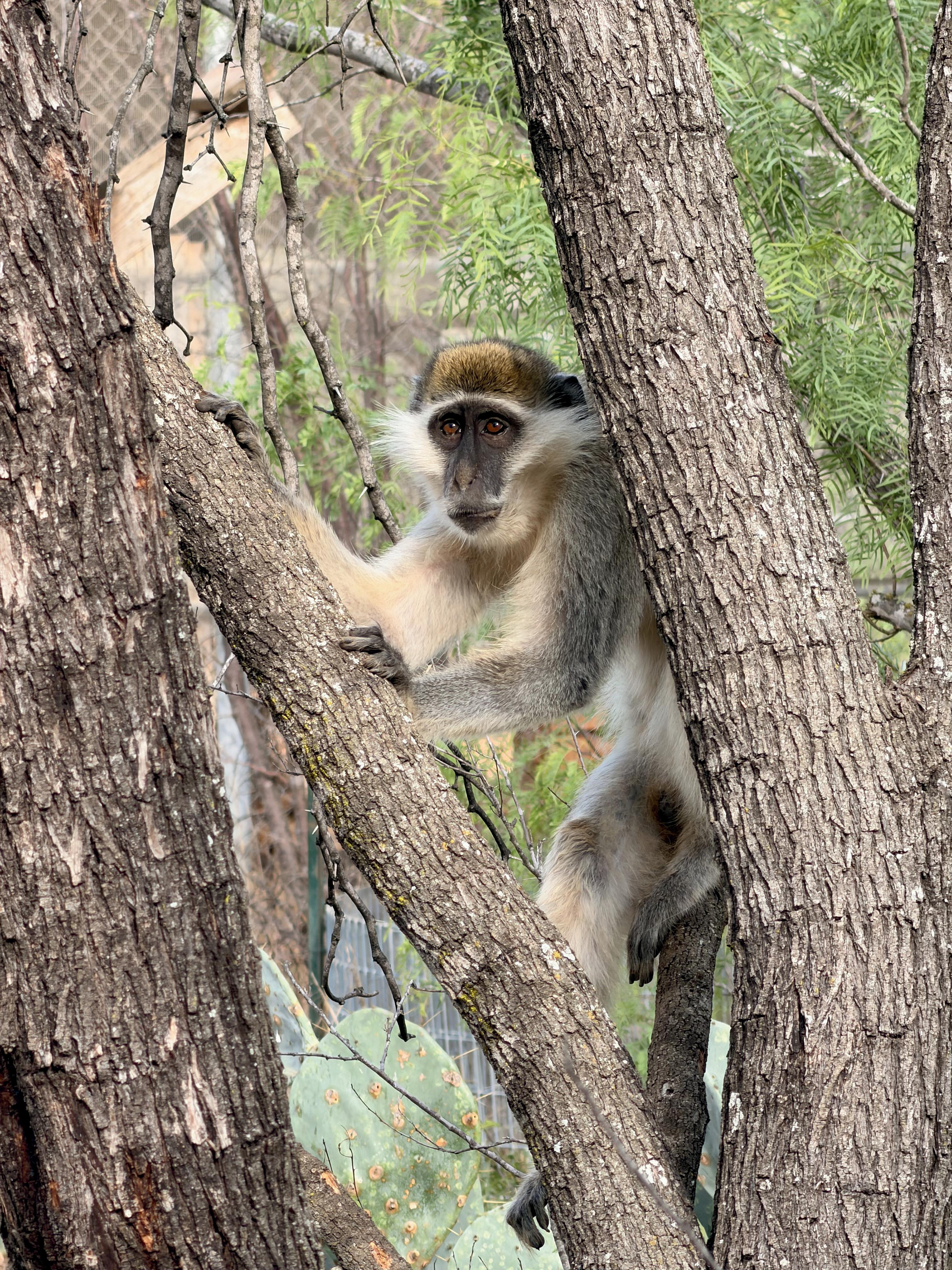
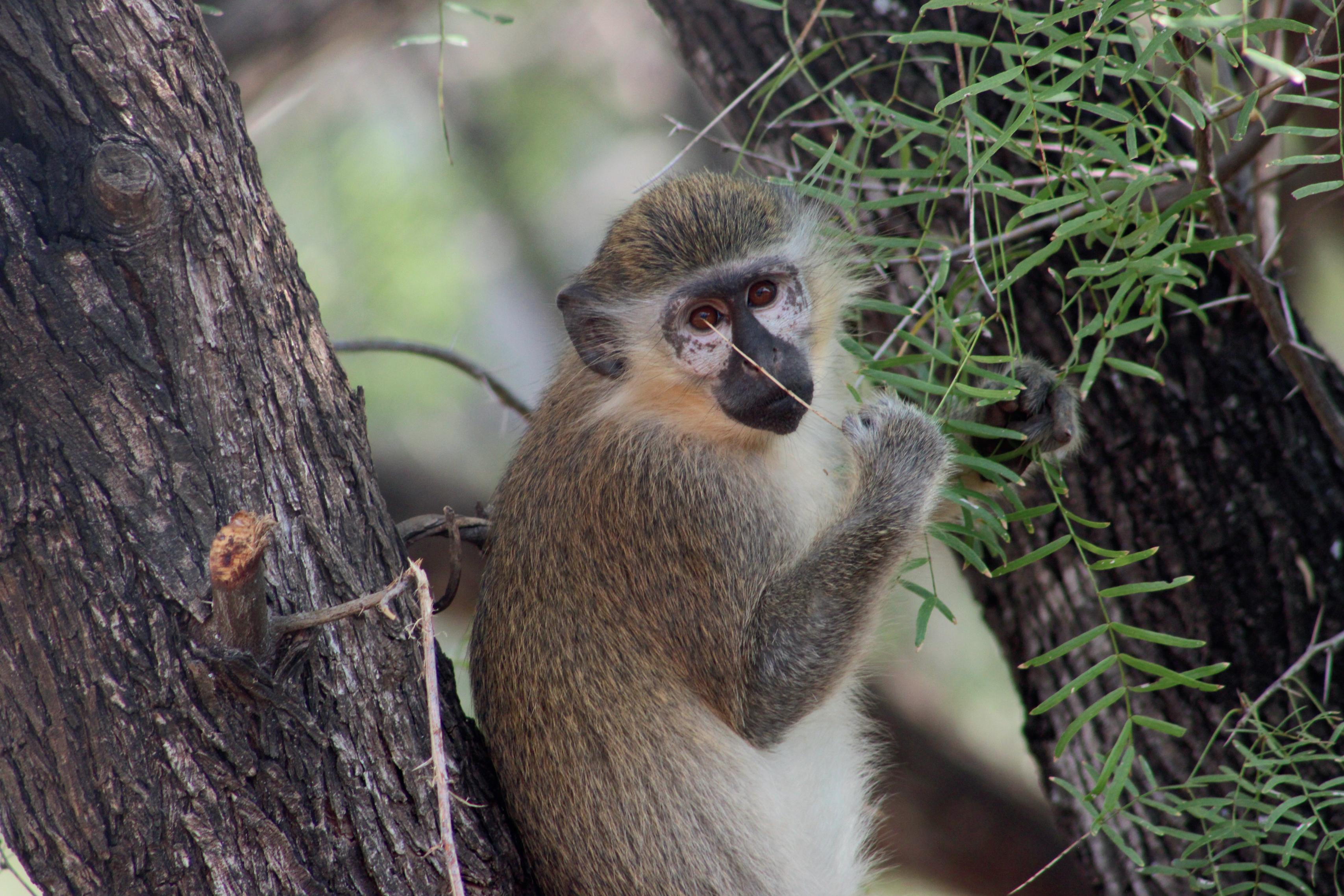
Miri is a baby vervet monkey who was dumped in a cat crate outside a wildlife rehabilitator’s home in Louisiana. He was found crying on the doorstep the following morning. At just 18 months old when he arrived, Miri should have still been under his mother’s loving care, but instead he was torn away from her and likely sold into the pet trade. It is not known why Miri’s owners chose to dump him, but we are grateful to have been given the opportunity to help him. The little monkey settled into life at the sanctuary swiftly, and made close friends with older vervet, Charles. Now, he spends his days clambering around his large open-top enclosure, playing and grooming with friends, and generally loving life.

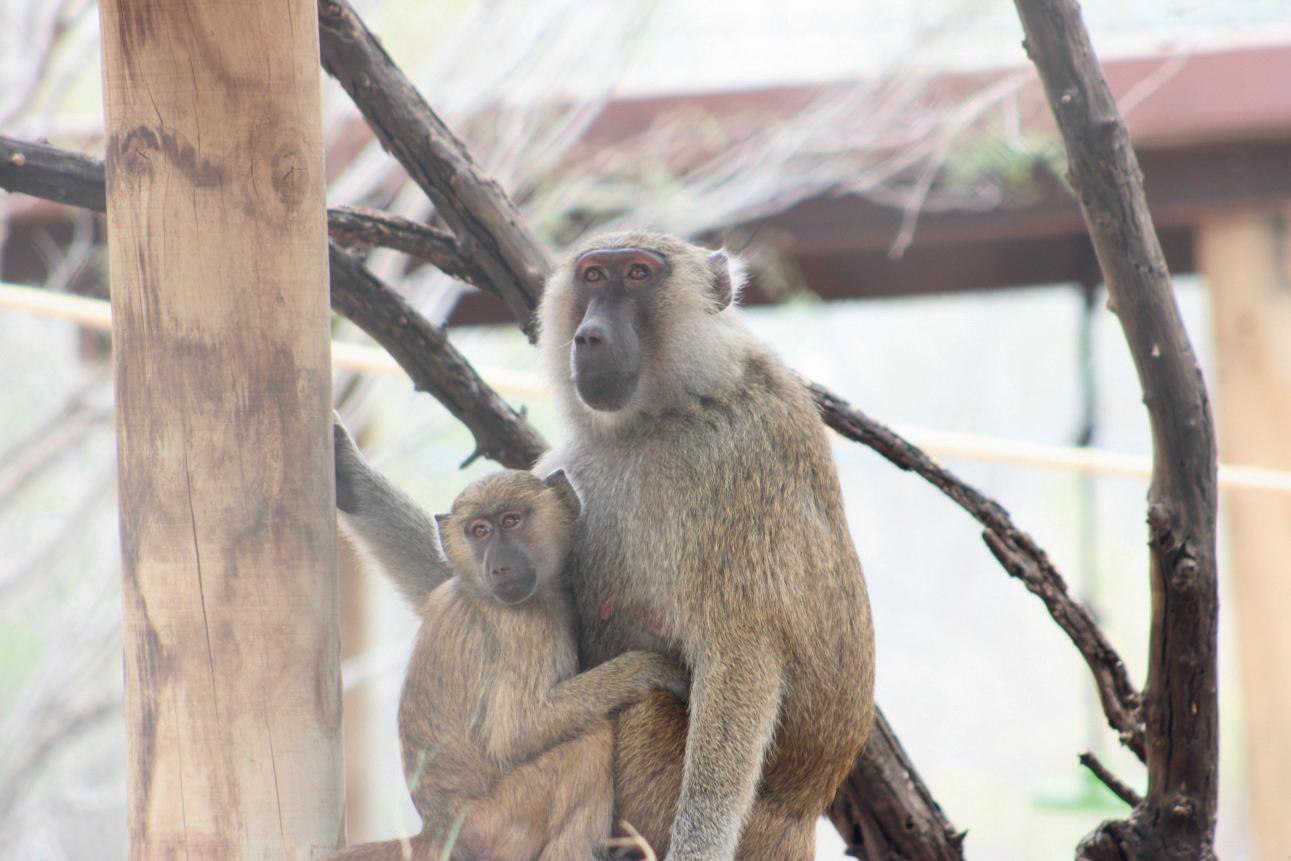
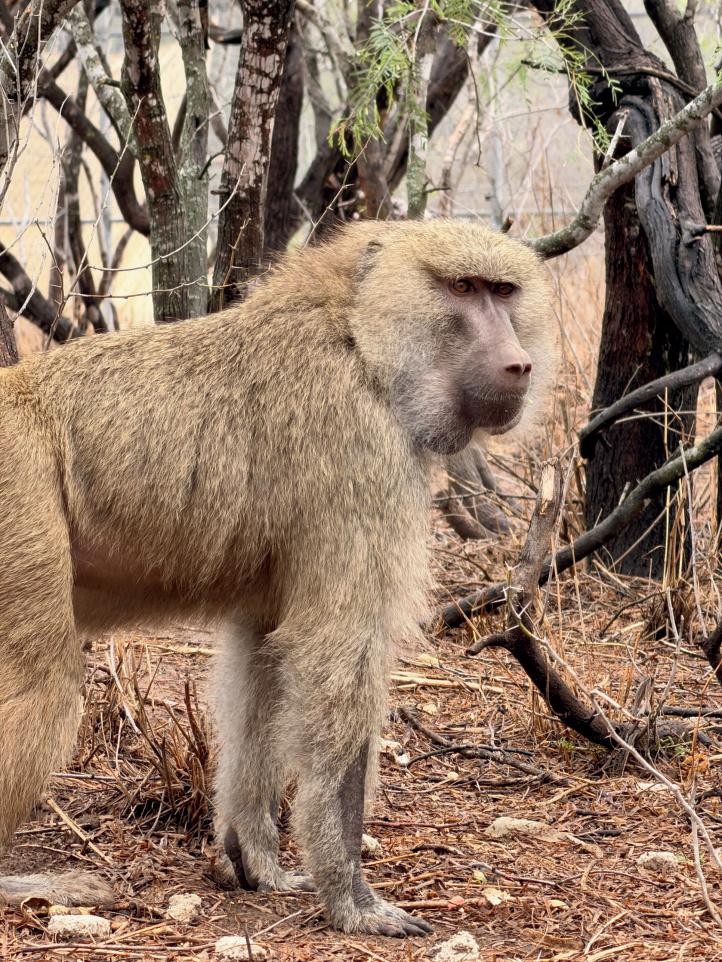
These three baboons were rehomed with us after moving from a laboratory and through an intermediary. We know nothing of their exploitation in the laboratory but the two adults, Izzy and Dee Dee, have both had one of their back legs amputated. Whether this was part of the experimentation they were subjected to or for medical purposes, we do not know. Thankfully, they are both welladjusted to their limb differences and get around just fine.
Little Foot is around one year old and is Dee Dee’s daughter. In laboratories, it is common for young monkeys to be separated from their mothers, so Little Foot was lucky to be able to remain with hers. All three baboons are settling into their new home beautifully, making the most of their large living space, and showing interest in their neighboring baboon groups.
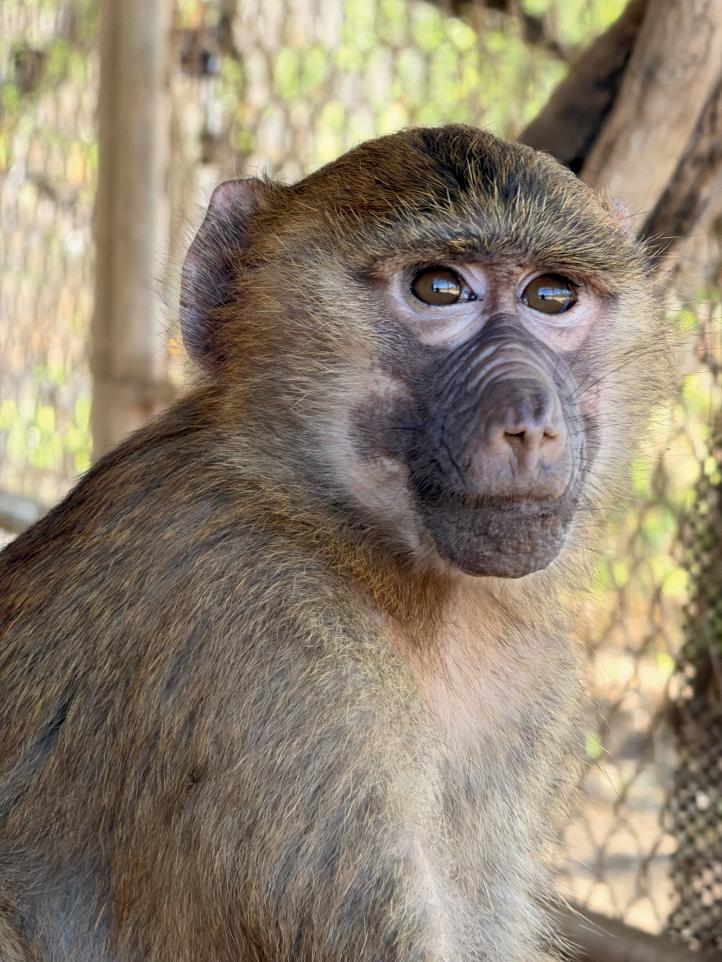
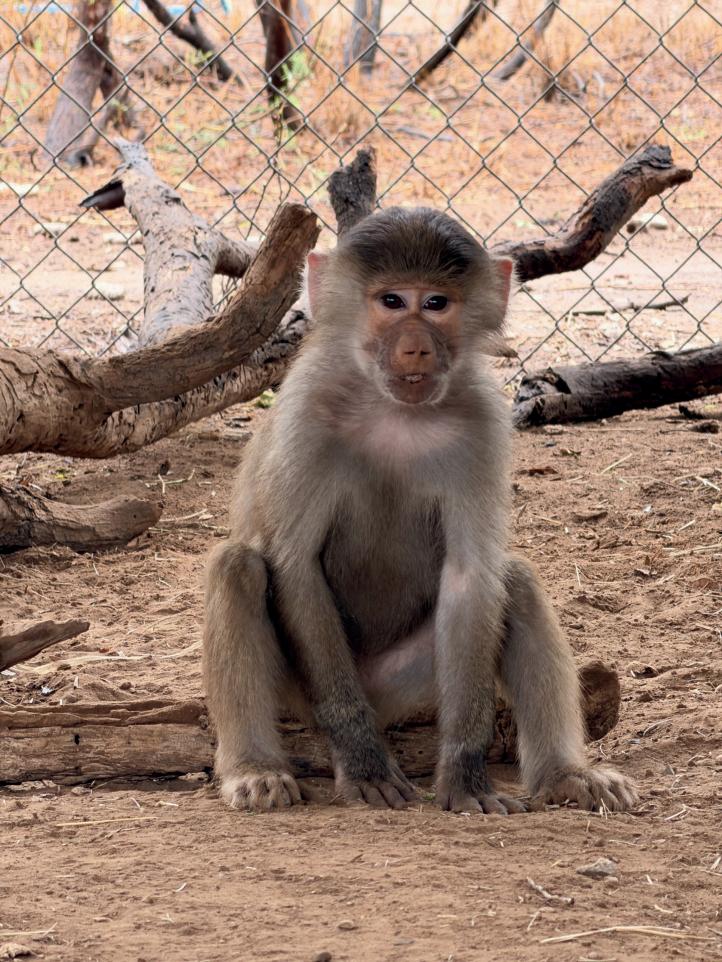
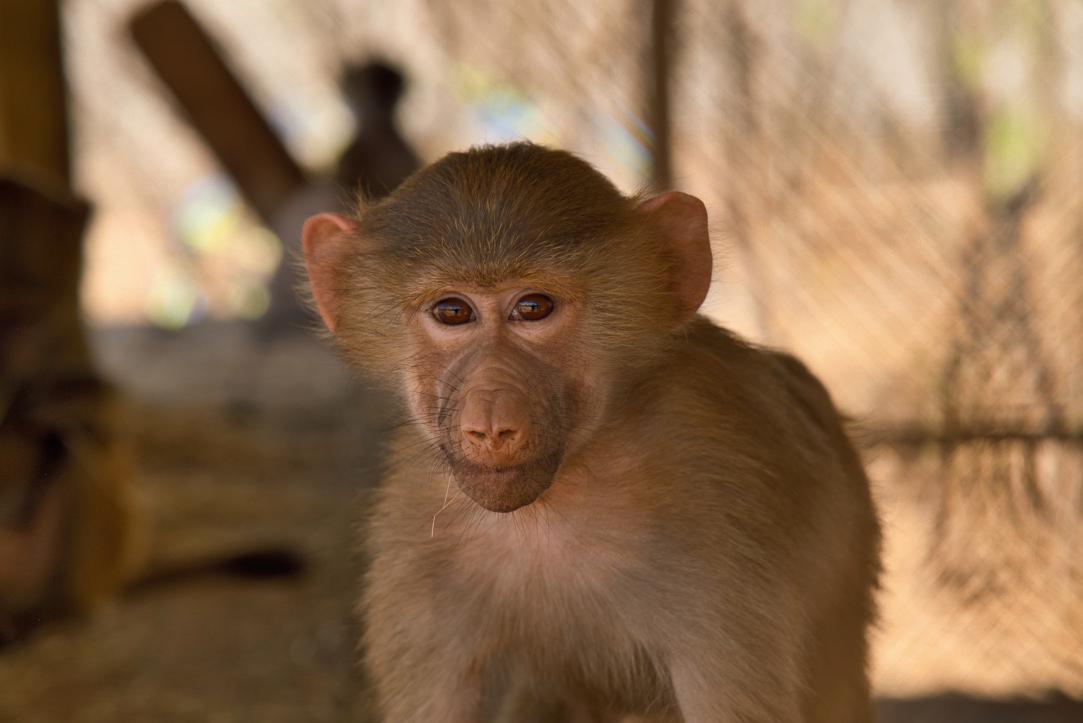
Mari, Peach, and Ophelia are baby baboons who were found after an illegal breeder was raided at the end of 2025. They were confiscated and we agreed to take them in. The timing was perfect as we had just rescued Dee Dee, Izzy, and Little Foot, so we knew we had two adult females who were used to being around youngsters. We were also delighted for Little Foot as, until the babies arrived, she was by far the youngest baboon at the sanctuary. The new arrivals are between six and nine months old so Little Foot will be their big sister once they are fully integrated!
The three have now completed their quarantine period and will be introduced to Little Foot, her mom, and her “aunt” Izzy in the coming months. We are excited to watch them thrive under their care!
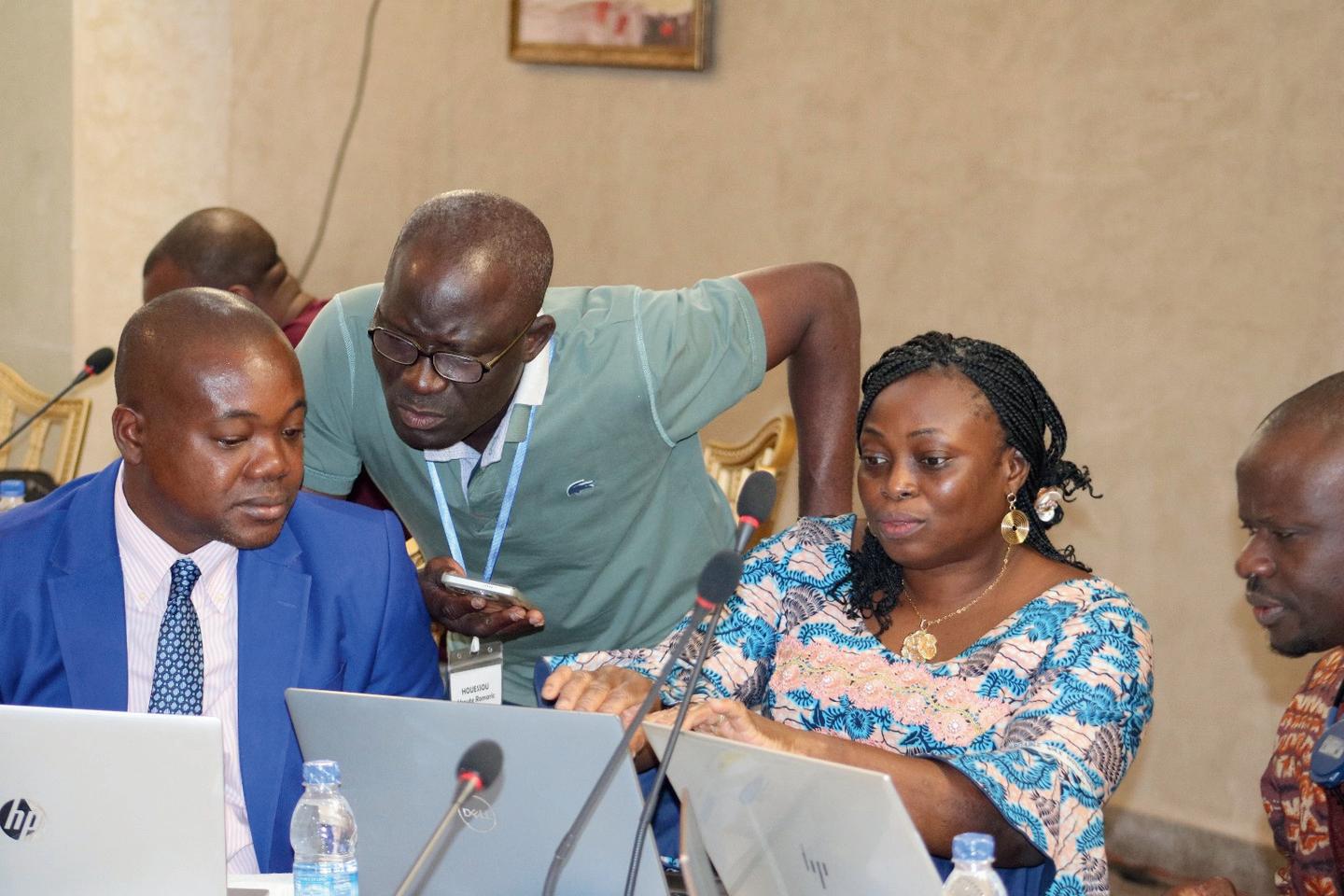
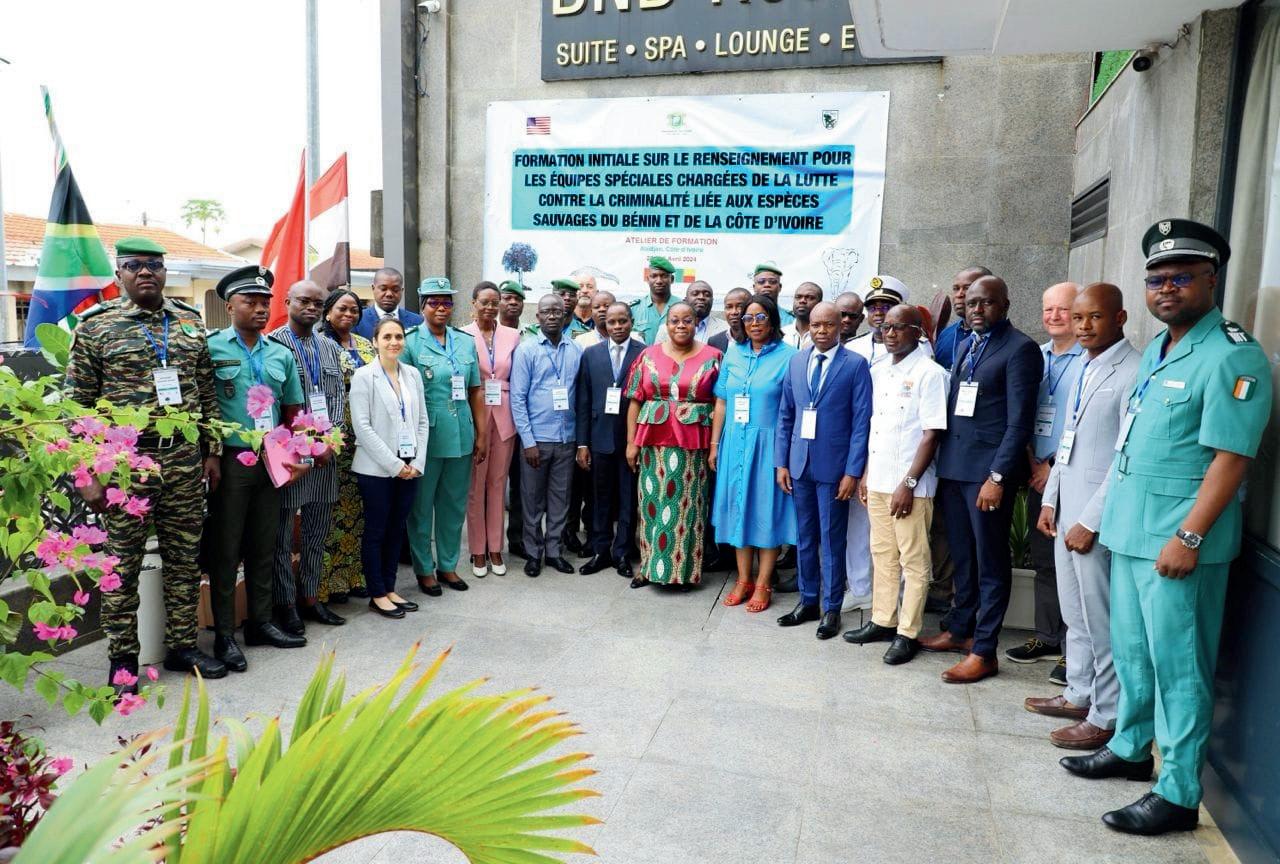
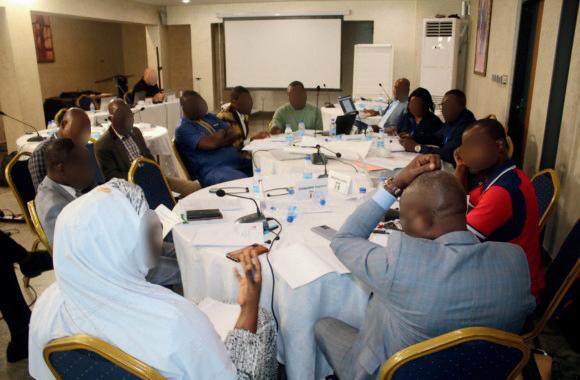
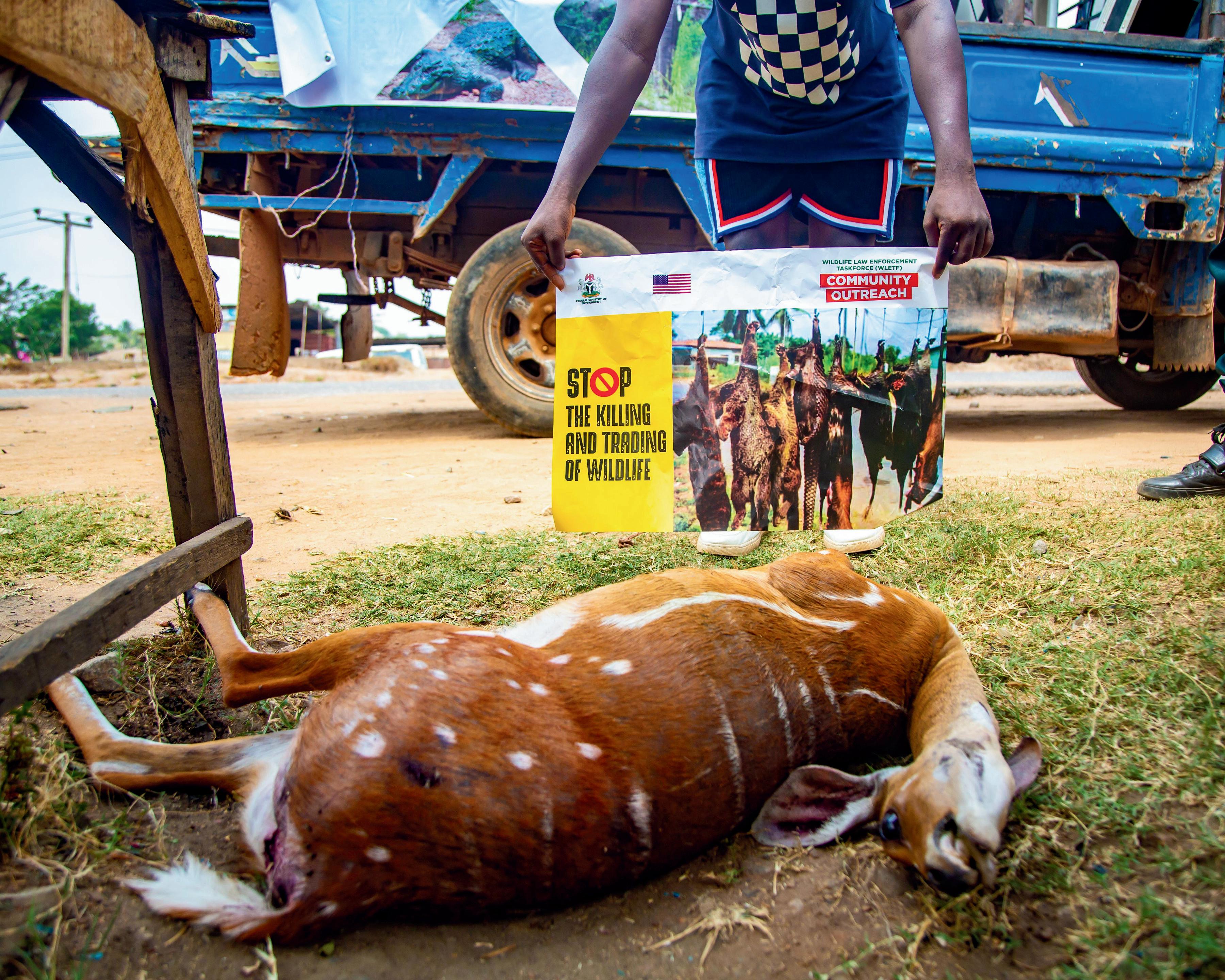
Born Free USA's comprehensive on-the-ground mentoring program for the Wildlife Law Enforcement Task Forces (WLETFs) of Benin, Ghana, Ivory Coast, and Nigeria has significantly strengthened the operational capacity of each country to combat wildlife crime. WLETF officers are now able to apply improved detection techniques, conduct coordinated field operations, apply financial investigation methods, and dismantle trafficking networks. For example, a seizure by Nigerian authorities took place on the border with Cameroon in October 2025. Items seized included chimpanzee heads and legs as well as hundreds of parrot, vulture, and toucan heads and feathers.
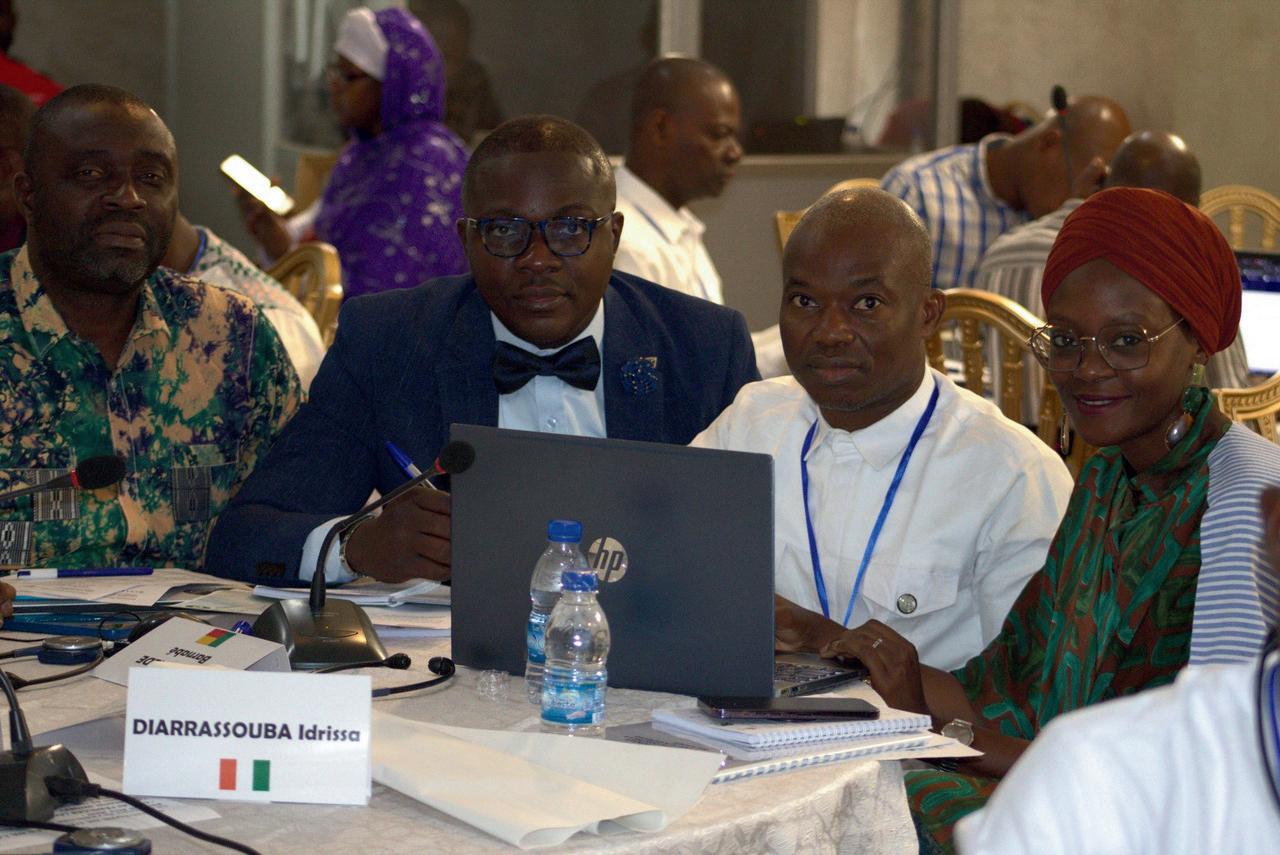
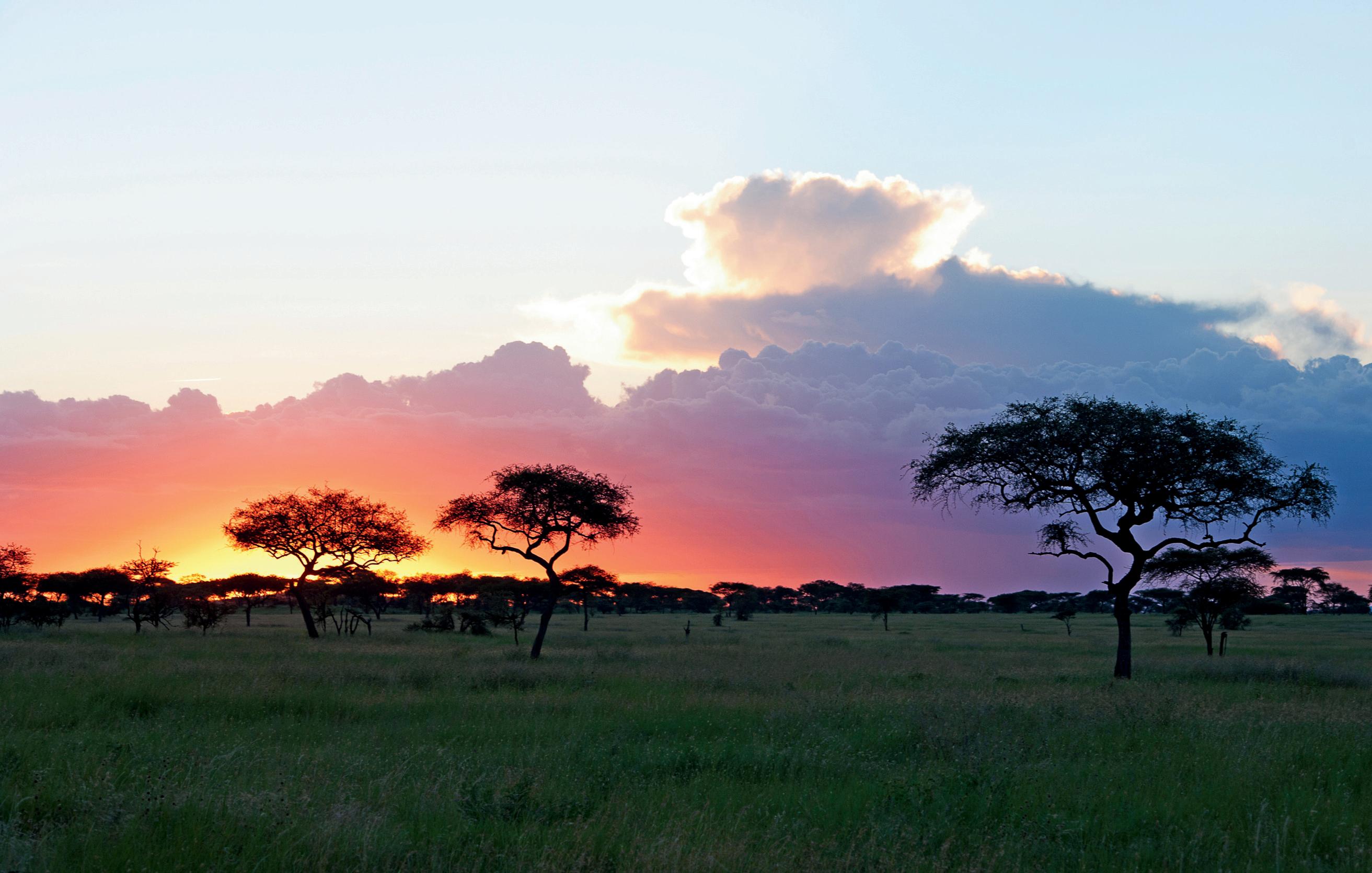
This year marked the 50th anniversary of the Convention on International Trade in Endangered Species of Wild Fauna and Flora (CITES), a vital, legally binding agreement between governments that protects species threatened by international legal trade and provides mechanisms to address illegal trade. West Africa submitted 11 proposals to CITES Conferences of the Parties (CoP20), which took place in Samarkand, Uzbekistan from November 24 to December 5, 2025. All proposals were adopted, resulting in increased protection for Dorcas gazelles, African hornbills, white-backed vultures and Rüppell’s vultures, Home's hinge-back tortoises, oceanic whitetip sharks, smoothhound sharks,

CHAMPIONS ($10,000+)
Everett Brown
Memorial Fund in Honor of Constance Leah
Jenkins Proctor
Charles & Audrey Faust Foundation Trust
Donald L. Clark Charitable Fund
Beverly Whalen Dann Estate
Gertrude Dunlop Estate
Terry Fisher Estate
The Estate of Sharon Scheman Hertz
Hoogs Trust
Monique Hyde Estate
L. K. & Shirl Adamson Foundation
Sandra Moss
Mary & Tony O'Hearn
Margaret Otto Estate
Ouida Mundy Hill Memorial Fund
Anne Scott
Roger & Phyllis Sherman
Myrl Suite Estate
Vicki Ward
GUARDIANS ($5,000+)
Jampo Fund
John Chalmers
Steven and Susan Felsher
Geralyn Gulseth
Jeanine McNeill
Nancy Wood Holmes Trust
Waldemar Sadowinski
John Sargent
($1,000+)
Patricia Ampfer
Jill Anderson
Dorianne Andros
Janine Angeletti
Judy Baker
Susan Barbian
Bernard Bates Legacy Trust
Michael & Tanya Bauer
Corry Bazley
Sarah & Jordan Berlin
Anna Bernhard
John & Kathy Bernhardt Animal Friends Fund
Linda Boag
Bradford Family Foundation
Roy Brady Jr.
Dr. Dan Briggs
Mary Bunting
Janet Camill Estate
Richard Chalfen
Barbara Chigas
Jean Conley
Andrew & Paulette Coronato
Bob Dattola
Sally Davidson
Larry and Patricia Egger
Alison Fox
Michael W. & Nancy W. Freedman
Robert J. Garbacz
Angela Grimes
Jody Gurin
Susan Harmon
Barbara Hawkins
June Heilman
Peter Hemple
Thomas Marsha Hopkins
Alydia Jardine
Grace Kadoya
Suzanne Keating
Carolyn & James Key
Jeanie & Murray Kilgour
Margorie King
Carolyn Kleefeld
Suzanne Knecht
Robert Kurzberg
Mr. Richard S. Petretti & Mrs. Lola E. Langner
William Eugene Estate
Peter & Deborah Lipman
Paula Loftis
Mary Love
Valerie Marini
Martin Family Fund
Theodore & Margery Mayer Family Trust
James Melton Estate
Bruce Mitteldorf
Nancy Morgan
Phil Munsey
Mariana Myers
Betty Passmore Bass Estate
Geoffrey F. Peters
Shirley Petersen
Elizabeth Peyton
Wayfinder Community Fund
Penelope Purtzer
Donna Rasmussen
Denise Rempe
Kelly Richey
John Rodger
T.J. Rossi
Beth Ryans
Pam Schiller
James A. Schleif & William H. Morley Charitable Fund at the Greater Milwaukee Foundation
Robert Schurman
Maryann Seery
Michael Selleck
John Sharp
Debra Shearer
All About Animals, Inc.
Diana Sutter
Janet Szabo
Josephine Theakos
Cynthia Thomas
Jade Tinnin
Paul Toussaint
Gordon & Diana Tracz
Denise Turner
Margot Van Der Noot
Pamela Verbrycke
Gordon Kent & Carolyn Bell Walker Family Trust
Lorraine and Jack Walker Fund
Elizabeth Walker
Scott Wallace
Theodore & Dawn Weill
Cindy Wilburth
Virginia Wilcox Estate
Alana Willroth
Deborah Wilson
Tamar Diana Wilson
J. Winttuck
Lily Young
Victoria Anstead
Irving Applebaum
Roy Ardery
Lynne Atherton
Arlene Aughey
Walter Baese
Brittany Bannerman
W.A. Barrows
Nadine Bartholoma
olly Barton
Patricia Berg
Dawn Bibby
Christine Bowers
Roberta Brenner
Sally Brooks
Lyn Burns
Sherra Buzzell
Gloria Cannon
Pamela Cannon
Sean Cassidy & Gerry Logue
Rhoda Christopher
Arlene Cohen
Wendy Coonrod
G.J. Craig
Janine Crescenzo
Elizabeth Donnelly
Darlene Dynega
Ildi Ehsman
Cindy Ekleberry
John Ewing
Wendy Schwartz Fazekas
Ruthmarie Finley
Alan Freed
Dr. & Mrs. Friest
P.R. Gallie
Rocky Gangadeen
Robbin Gaskin
Clarice Gebeau
Elisabeth Geoffrey
Dr. Virginia Gillespie
Marcy Glantz
Joanne Gould
Stephanie Grable
Gloria Gray
Angela Grimes
Adriana Guastavino
Barbara Hale
Pamela May Hall
Dean Hantzopoulos
Regena Harris
Ann Henning
Barbara Holtz
Starr Hutchinson
Barbara Jensen
Deborah Keller
Margo Krizka
Cynthia Kucera
Patricia Lambert
Nancy Lanning
Jackie Lasater
Tonya Lawson & Bruce Robert Boxall
Tina M. Lee
Joyce Lerch
Joseph Liberti
Elaine Livesey-Fassel
Mary Love
Jamie Lurtz
Kendall March
Carrie Marsh
Elizabeth McBrady
Brian McCutcheon
Jeanne McKimpson
Stephen Meyer
Claudia Miranda
John & Linda Myers
James Norwood
Lisa Nuschler
Jodi K. Patterson
Linda Quintana
Jeanne Raimond
Jo Ann Reeves
Marianne Reichert
Sharon Remski
Marianne Rheinlander
Crystal Ricker
Lynne Russert
Jayne Rynar
Michael Sargent
Ingrid Schrader
Alice Stoller Scott
H2O Captain Eco-Tour Private Boat Excursions
Gary Spector
Judith Stewart
Jim Stewart
Marlene Stoner
American Anti-Vivisection Society
Amy Shelton McNutt Charitable Trust
Bruhns Foundation
Burt Family Foundation
Head and Heart Foundation
Joselow Foundation
Josephine Peiser Charitable Foundation
Leslie L. Alexander Foundation
Leuthold Family Foundation
Milo W. Bekins Foundation
The Max and Victoria Dreyfus Foundation
Lyn Strangstad
Linda Stukey
Jerry Sude
Ann W. Sutter
J. Talbot
Joseph Tolerico
Gerry Van Meter
Albert Watkins
Karen Wegner
Jacqueline Wein
Donald Weissenberger
Patricia Williamson
Karol Wilson
Wayne Wright
Carol House Furniture
Morgan Lewis
Orange Orchard
Turf
Snow Monkey Sake Remix
EarthShare
1% for the Planet
Ministry of Living Environment and Sustainable Development, Benin
Ministry of Environment and Fisheries Resources, Burkina Faso
Ministry of Agriculture and Environment, Cabo Verde
Ministry of Water and Forests, Ivory Coast
Ministry of Environment, Climate Change and Natural Resources, Gambia Forestry Commission, Ghana
Ministry of Environment and Sustainable Development, Guinea
Ministry of Environment, Biodiversity and Climate Change, Guinea Bissau Forestry Development Authority (FDA), Liberia
National Fisheries and Aquaculture Authority – NaFAA, Liberia
Ministry of Environment, Sanitation and Sustainable Development, Mali
Ministry of the Environment and the Fight against Desertification, Niger
Federal Ministry of Environment, Nigeria
Department of Water, Forests, Hunting and Soil Conservation, Senegal
Ministry of Agriculture, Forestry and Food Security, Sierra Leone
Ministry of Environment and Forest Resources, Togo

Sean Cassidy – Chair
Rebecca Torrey – Vice Chair
Dr. Daniel Briggs – Treasurer
Jessica Nelson – Secretary
Will Travers, OBE – Co-Founder & Member
Jane Lodato – Member
Michael Reyner – Member
Joyce Wagner – Member
Angela Grimes – Chief Executive Officer
Dr. Katie Jennings – Staff Veterinarian
Karen Lauria – Communications Director
Gita Matlock – Chief Development Officer
Alice Stroud – Director of Global Conservation Programs
Dr. Elizabeth Tyson – Director of Animal Welfare & Advocacy
Rebecca Bailey – Primate Caregiver
Shelley Brend – Consultant
Manisha Chaudhari – Bookkeeper
Kathryn Conway – Primate Sanctuary Manager
Benjamin Daymo – Primate Caregiver
Ryan Druhot – Primate Caregiver
Suzanne Emerson – Individual Giving Manager
Victoria Anstead
Corry Bazley
Eric Bear
Rocky Duwani
Louise Linton
Ellen O’Connell
Charles Seibert
Ginny Tranchik
Kelsey Foley – Primate Caregiver
Daniel Hawkins – Facilities Manager
Sydney Hearst – Digital Marketing Manager
Joel Jackson – Primate Caregiver
Emma McConahay – Primate Caregiver
Allan Phillips – Primate Caregiver
Jordyn Pinnock – Primate Caregiver
Alieya Rauch – Primate Caregiver
Holly Roberts – Primate Caregiver
Ameerah Sanders – Executive & Operations Assistant
Devan Schowe – Campaigns Associate
Rebecca Strunc – Development Coordinator
Kyliegh Viano – Lead Primate Caregiver
Statement of Financial Position December 31, 2025


In November 2025, Born Free USA received a transformational $6 million bequest from the estate of Carolyn P. Cassilly – the largest single gift in our organization's history. This profound act of generosity is a testament to the enduring power of planned giving and to one donor's deep belief in our mission to protect wildlife and provide lifelong sanctuary care for vulnerable primates.
The bequest is being stewarded with care and intention. A portion has been directed toward critical capital improvements at the Primate Sanctuary, ensuring the highest standards of animal welfare for the nearly 200 primates in our care. The gift is also stabilizing our Global Conservation program, which lost significant government funding in 2025, allowing us to sustain critical wildlife crime prevention efforts and key conservation partnerships while we secure long-term funding partners. And in a
giving us the capacity to engage more people, amplify our advocacy, and drive real policy change for wildlife.
Additional funds are strengthening organizational reserves – a cornerstone of sound nonprofit management that enables us to respond to emergencies, plan for the future, and care for animals without interruption.
While transformational, this gift is not a finish line. Annual donations remain essential to the daily care of our sanctuary residents and the advancement of wildlife protection work globally. With stronger reserves and momentum now in place, every contributed dollar goes further than ever before.
Carolyn P. Cassilly's legacy reminds us that a planned gift is one of the most powerful ways a