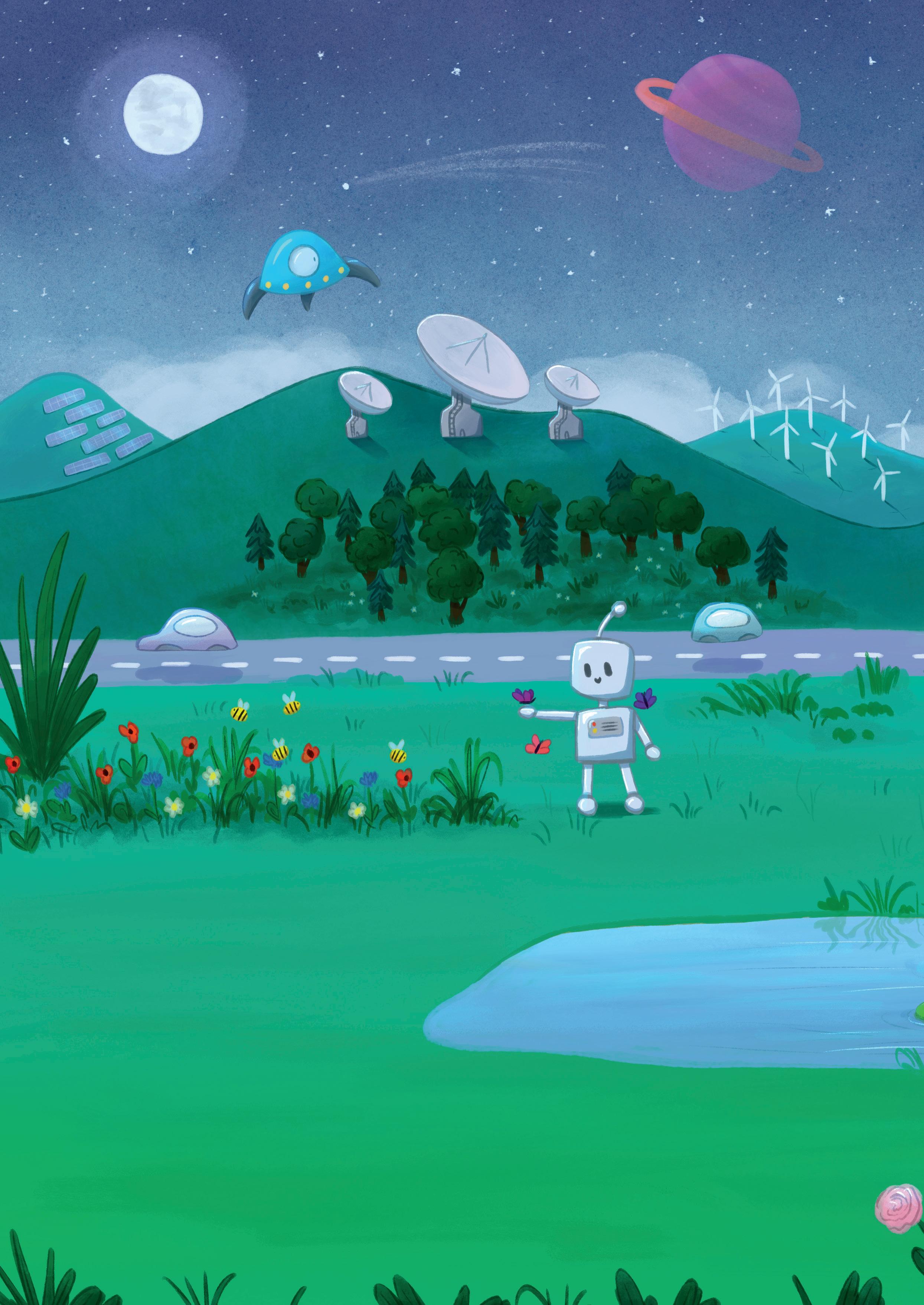
Hi everyone!
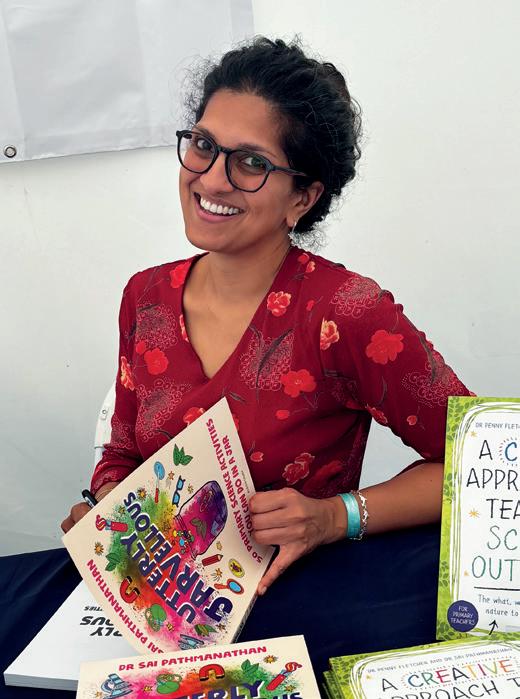
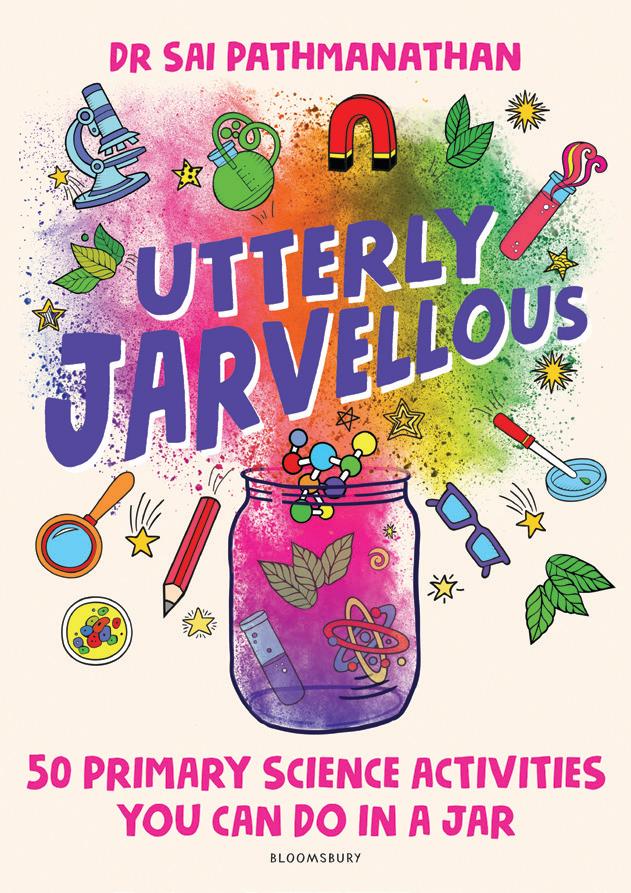
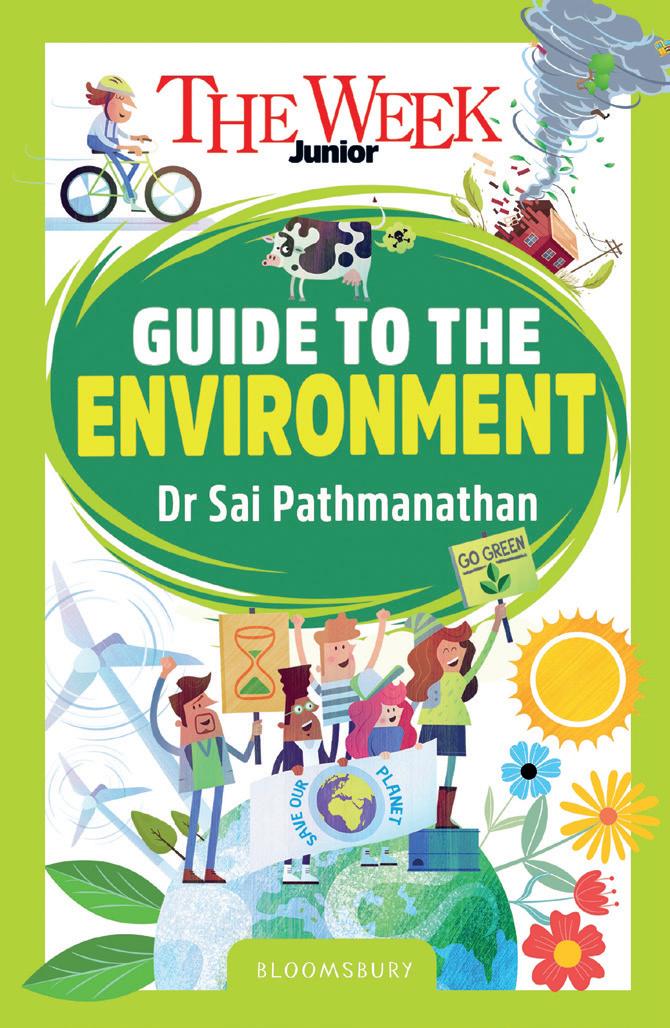
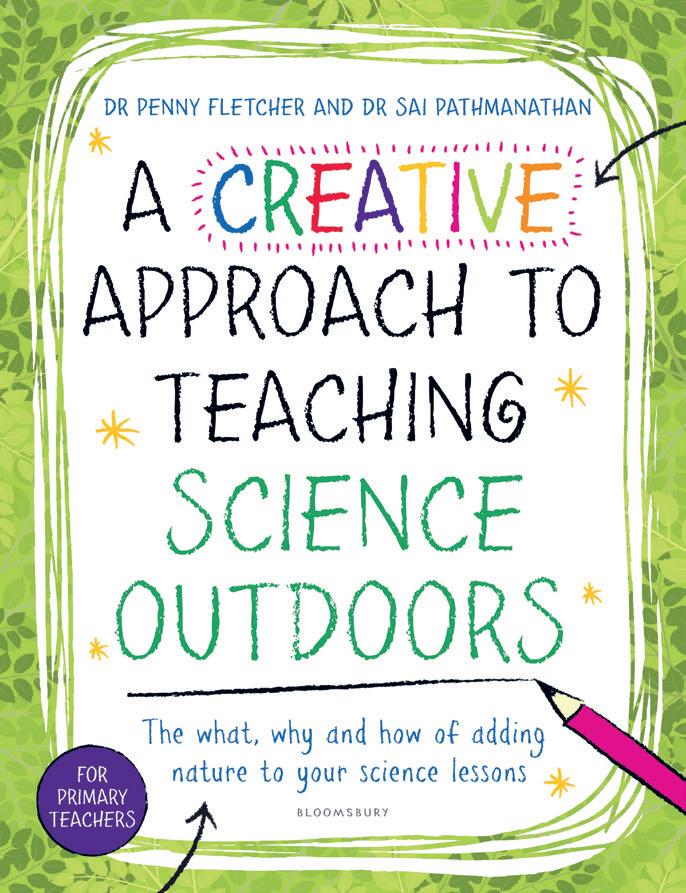
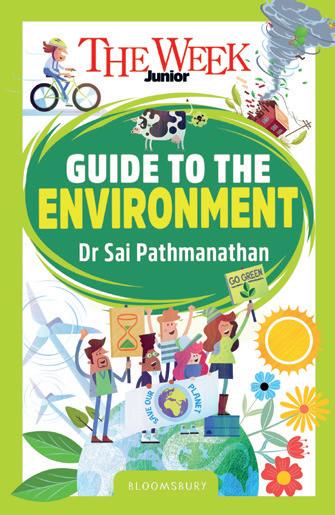
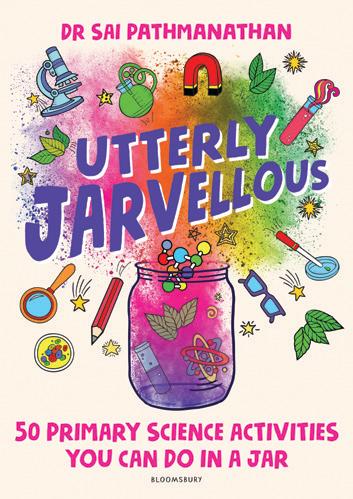
My name's Sai Pathmanathan and I'm a science educator but I also write books for children AND for teachers so that they can do fun science experiments WITH YOU in class or outdoors! Thinking about the future makes us wonder about the planet, our wildlife and doing lovely things to help the environment... which is why my books are about all of these things.
Growing up I read a lot. I loved wildlife fact books, especially about stinky plants and creepily weird creatures... and I read JOKE BOOKS! I mean, who doesn't want to read something that makes them laugh out loud? I collected so many comics too, which I still treasure. From Amar Chitra Katha comics that covered myths, legends and biographies, to the everyday silliness of the Beano and Dandy (Ivy the Terrible was my fave!).
But I adored the Asterix comics by Goscinny and Uderzo, as it felt like I'd watched a whole cartoon movie once I'd finished. Plus I think all my historical knowledge of the Roman Empire is down to them! Don't believe anyone who says you can't learn anything from a comic
Happy reading, Sai x
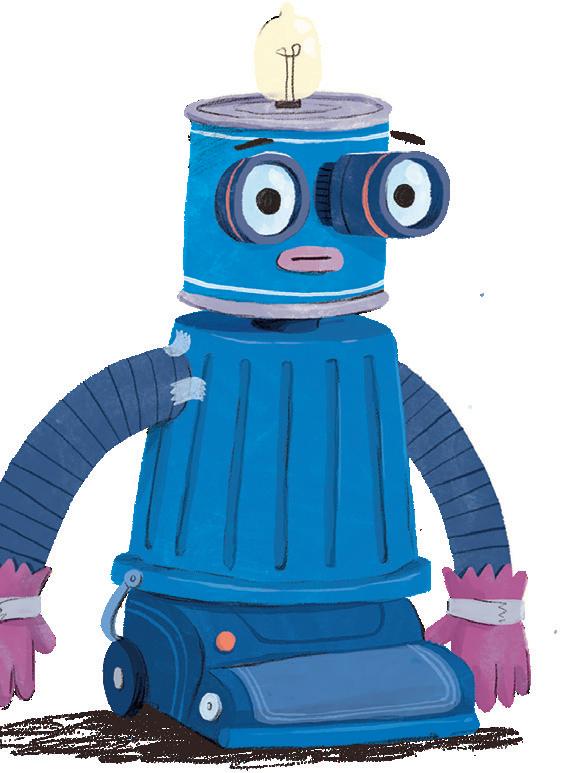
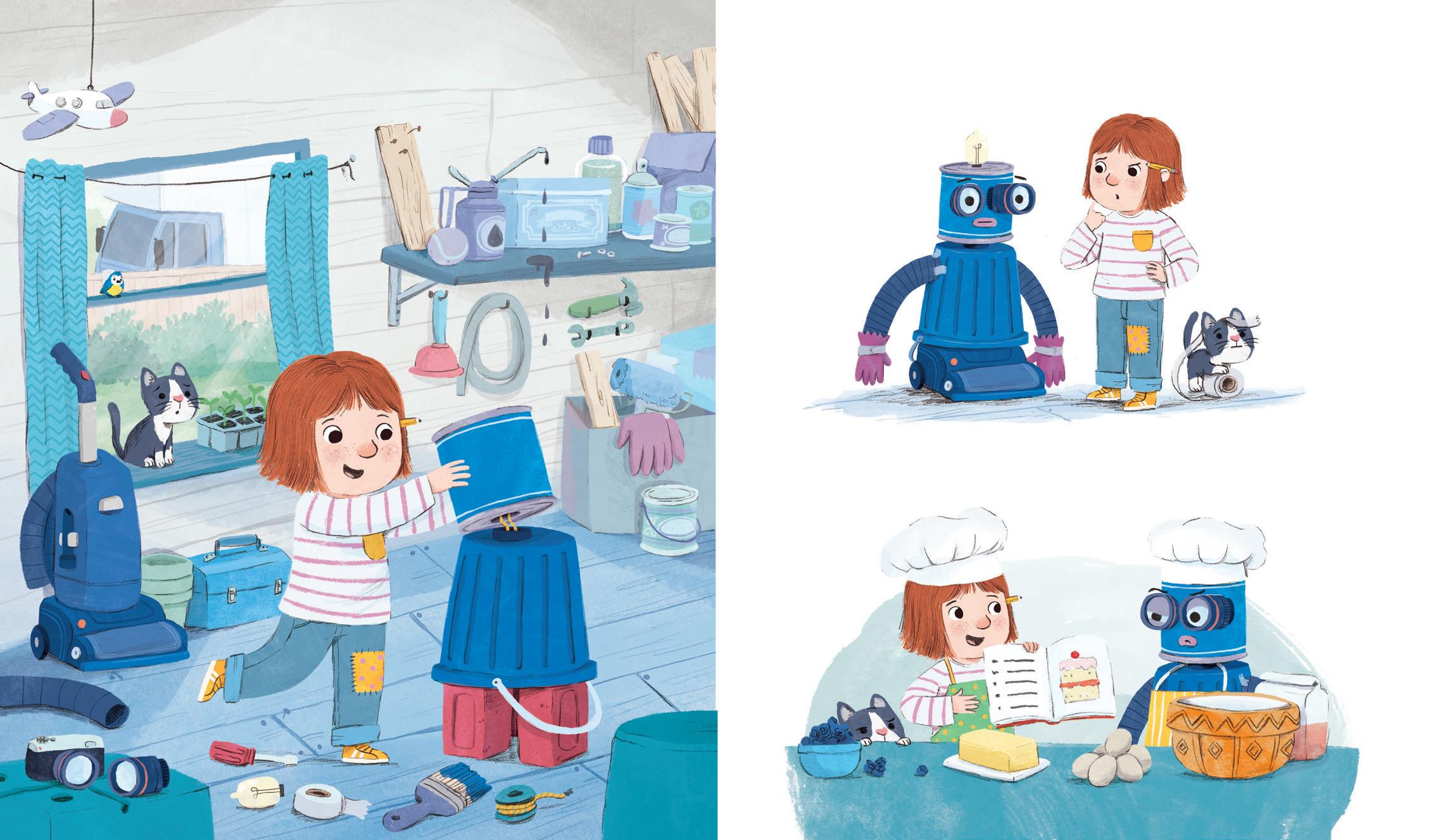
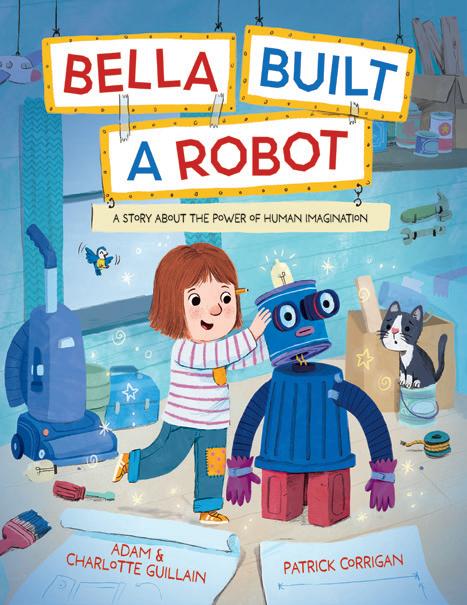
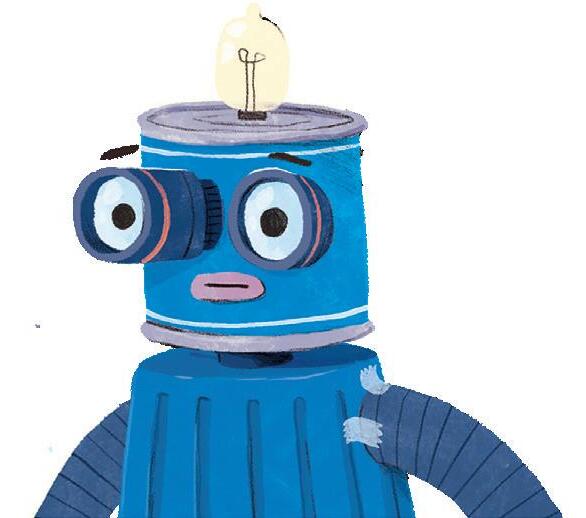
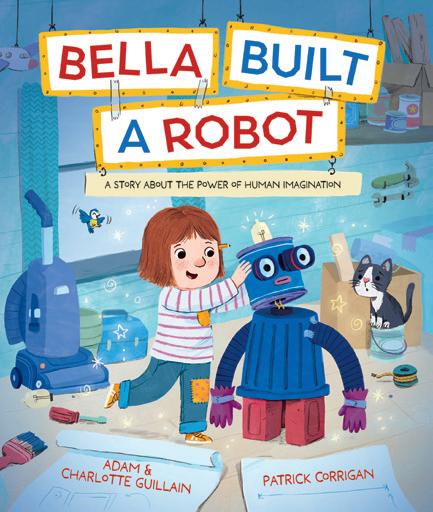
Bella built a robot. She called him Blue Robot.
Bella tried very hard to be patient with Blue Robot. ‘This game is not logical,’ Blue Robot blurted. ‘It makes sense to me!’ Bella groaned.
Making Blue Robot was fun. But to begin with, Blue Robot couldn’t do ANYTHING.
‘Don’t worry!’ Bella told Blue Robot kindly. ‘I’ll show you how to bake cakes!’
‘Wow!’ gasped a boy looking over the fence. ‘I’m Riley – I’ve just moved in. Can I play too? I love robots.’ ‘Great!’ said Bella. ‘Maybe you can help me build a better robot?’
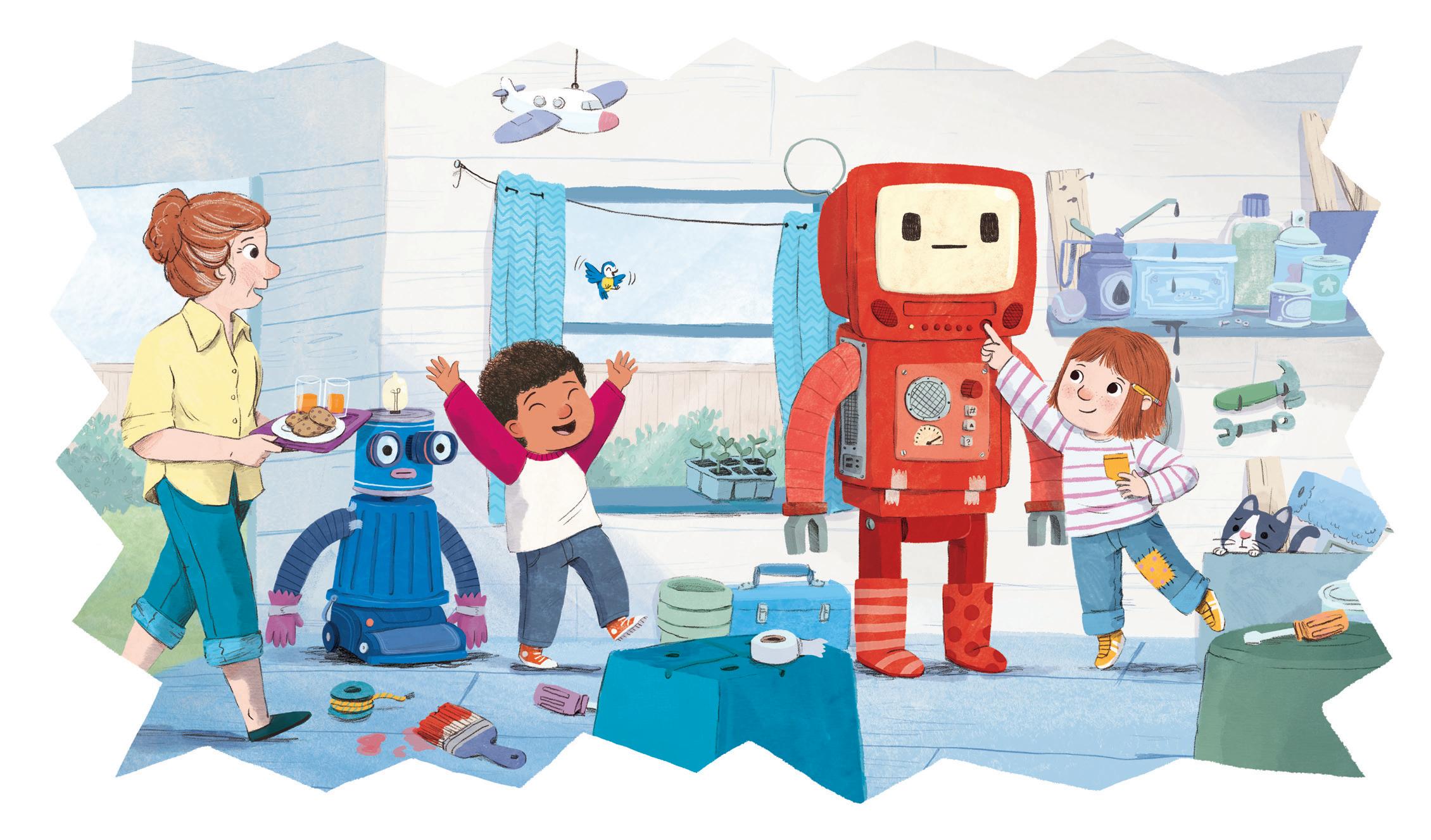
‘This robot is amazing!’ gasped Riley at last.
Find out what happens next by borrowing Bella Built a Robot from your local library!
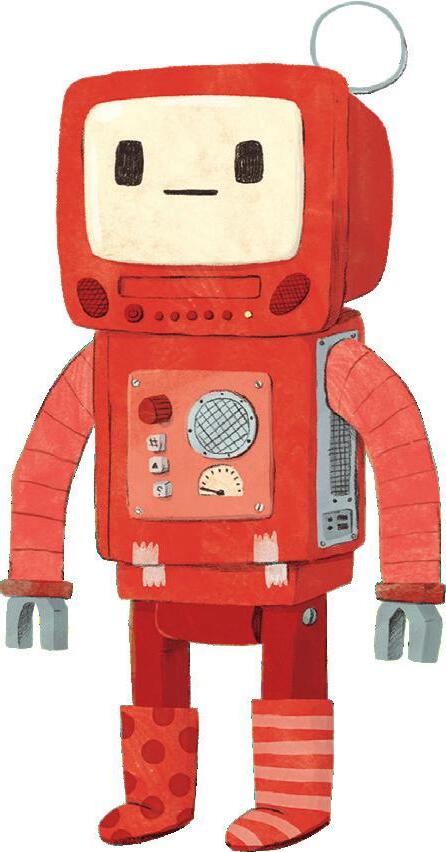
‘I think Red Robot might be the best robot in the entire universe!’ cheered Bella.
The best robot in the entire universe couldn’t do much to start with.
The trouble was, Red Robot didn’t understand.
‘Just pretend,’ said Riley. ‘It’s fun.’
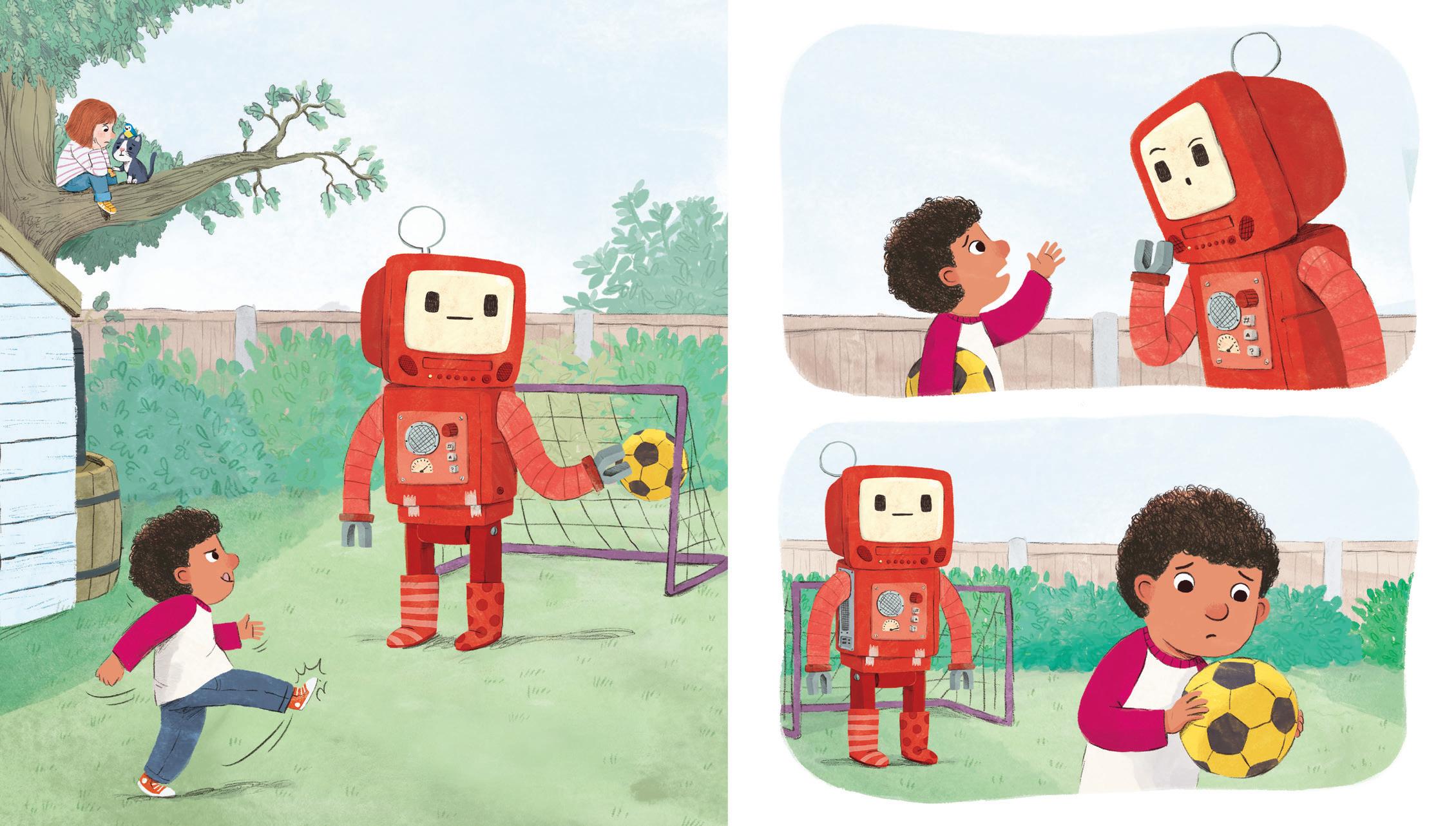
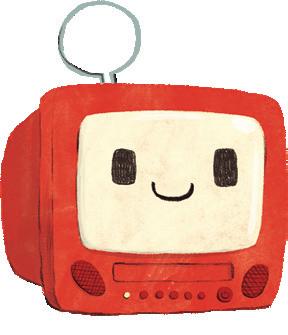
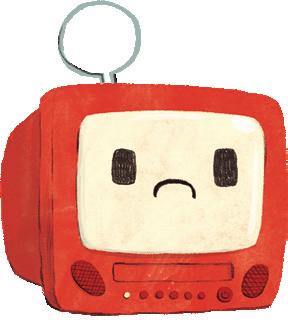
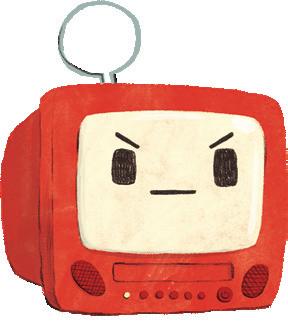
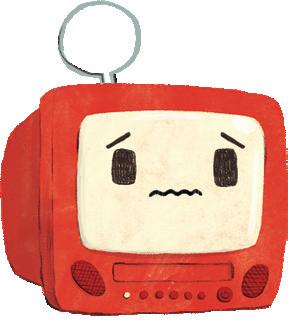
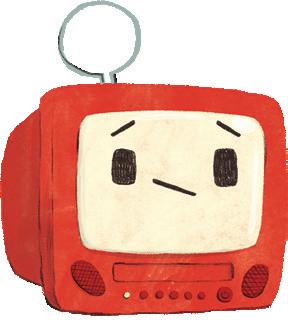
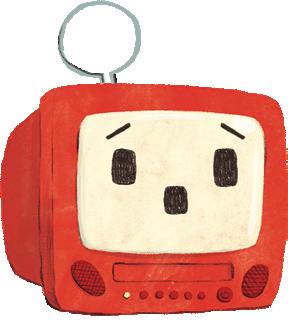
Activity: Write down what emotions each robot face is showing, can you get them all?
Riley loved pretending to be his favourite football player, scoring amazing goals.
Red Robot looked blank. So, Riley gave up.
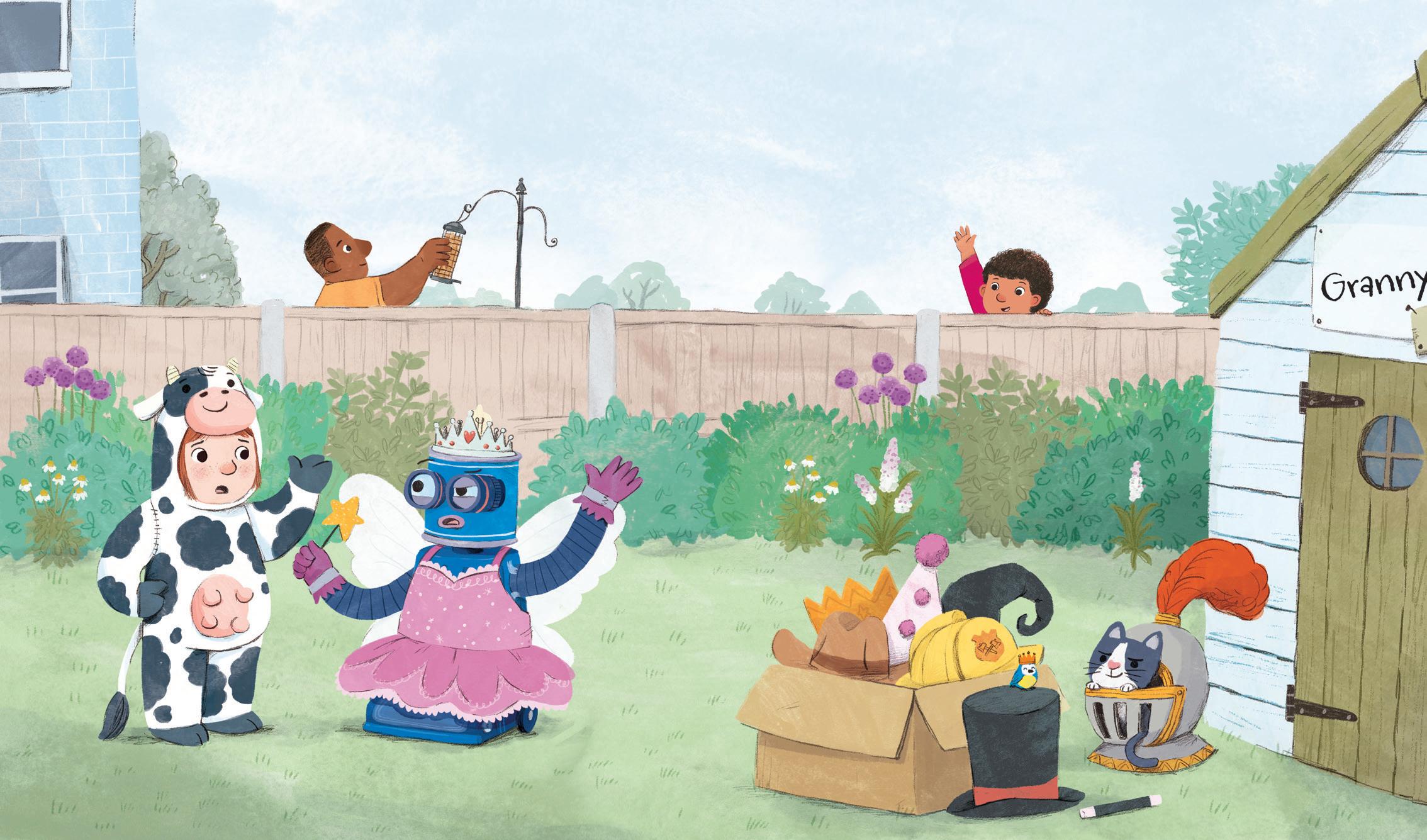
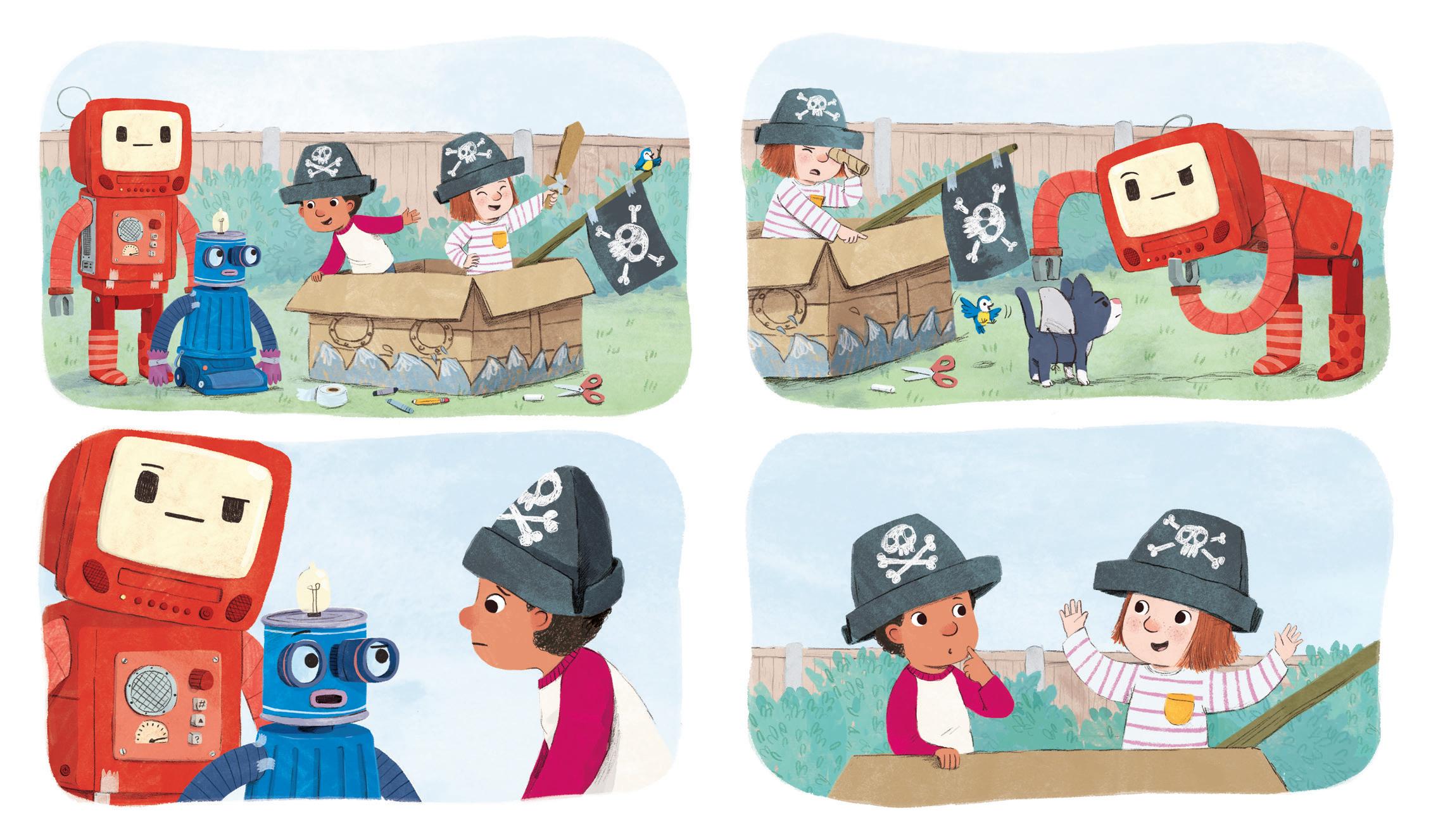
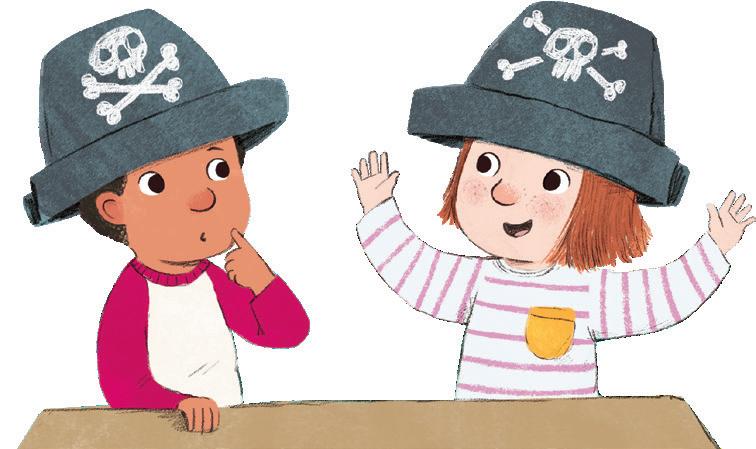
Soon Bella and Riley were sailing away on their first pirate adventure.
‘Watch out for that shark!’ Bella added. ‘That animal is a CAT,’ said Red Robot.
‘That is a box,’ Blue Robot blurted.
‘I don’t think robots are very good at imagining stuff,’ said Riley.
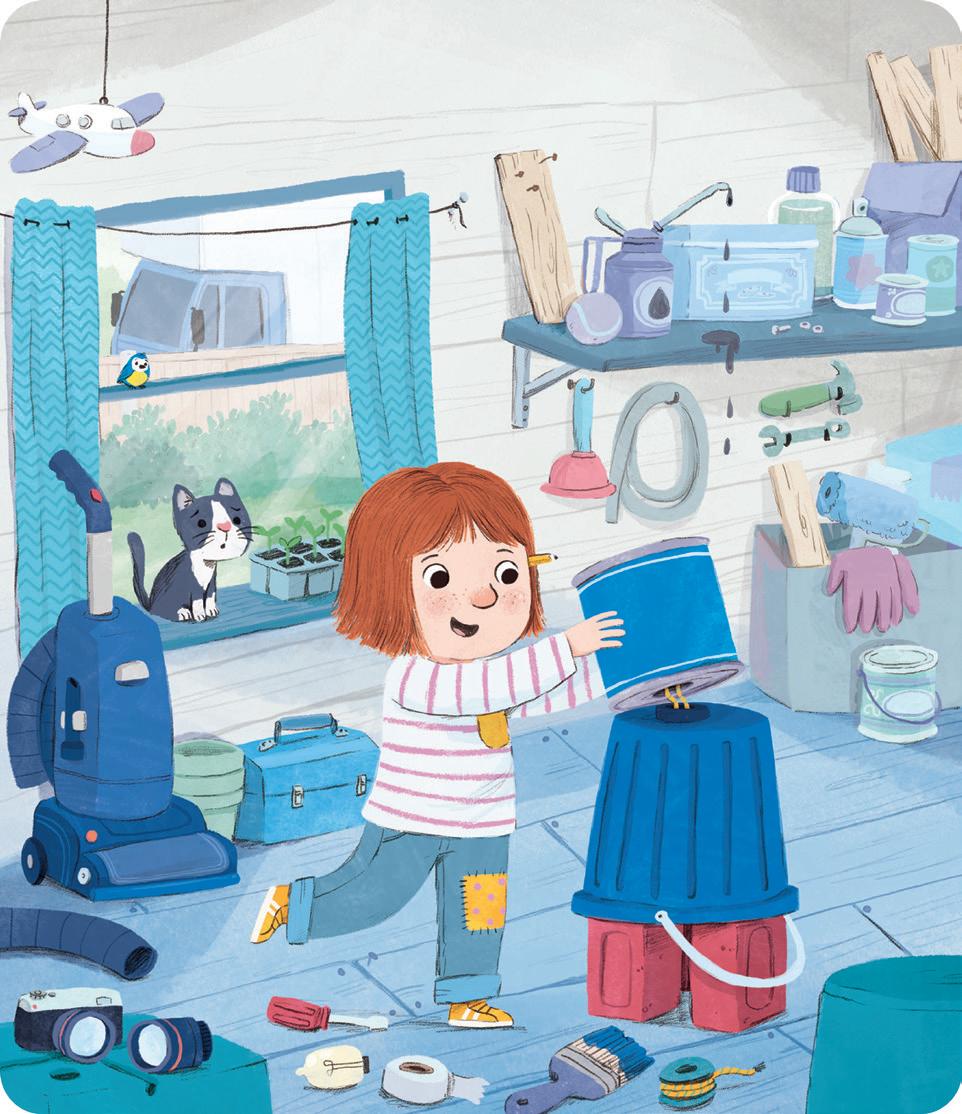
Activity: Bella is busy building Blue Robot in her workshop. Can you help her find some tools?
a screwdriver a camera lens
a pot of white paint
a paintbrush
a hammer a pencil circle each item and tick the boxes above when you find them
scan the qr code below to check your answers to both robot activities!
Artwork from Bella Built a Robot (Oxford University Press), illustrated by Patrick Corrigan
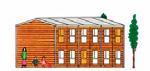
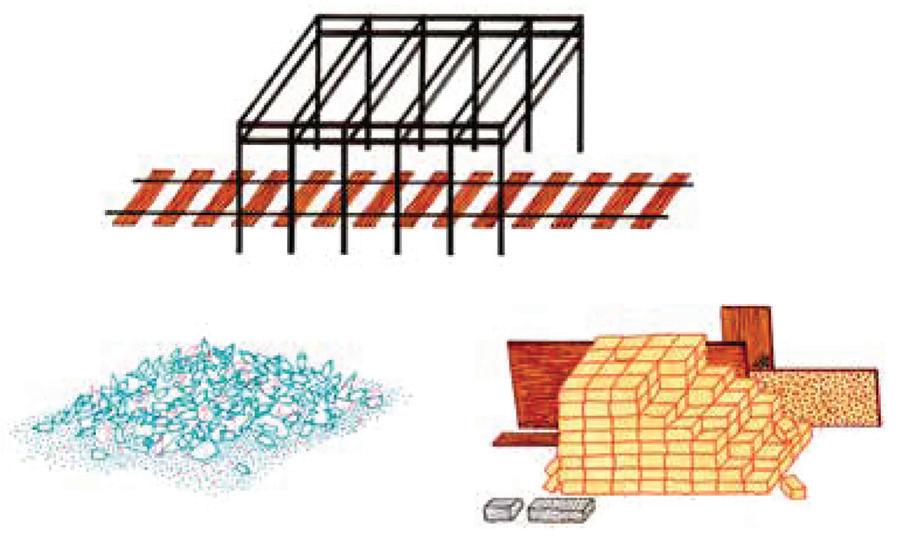
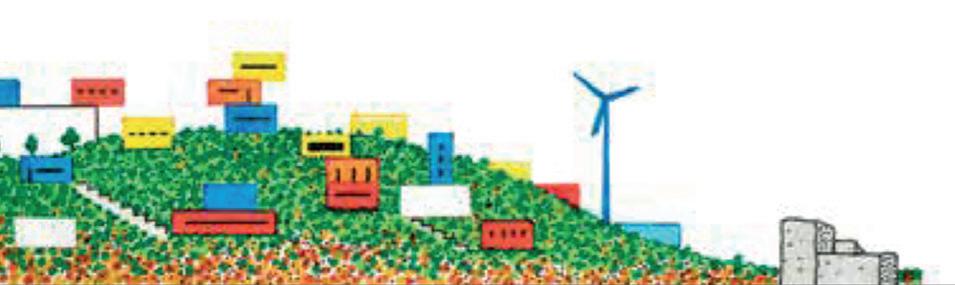
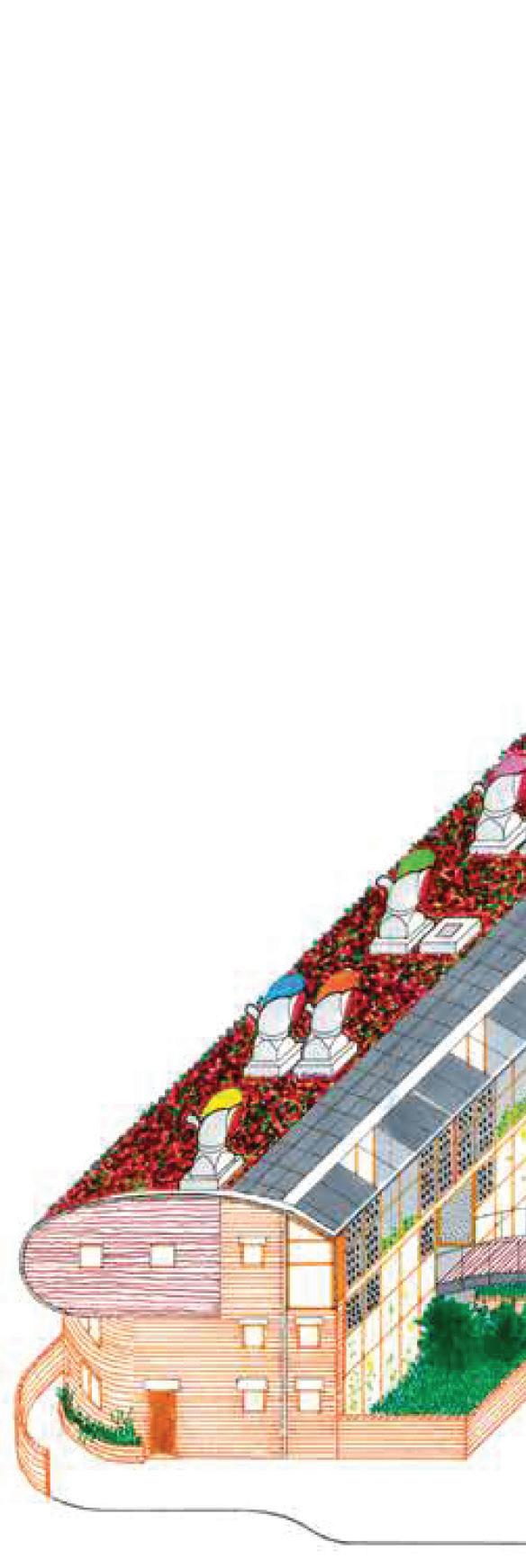
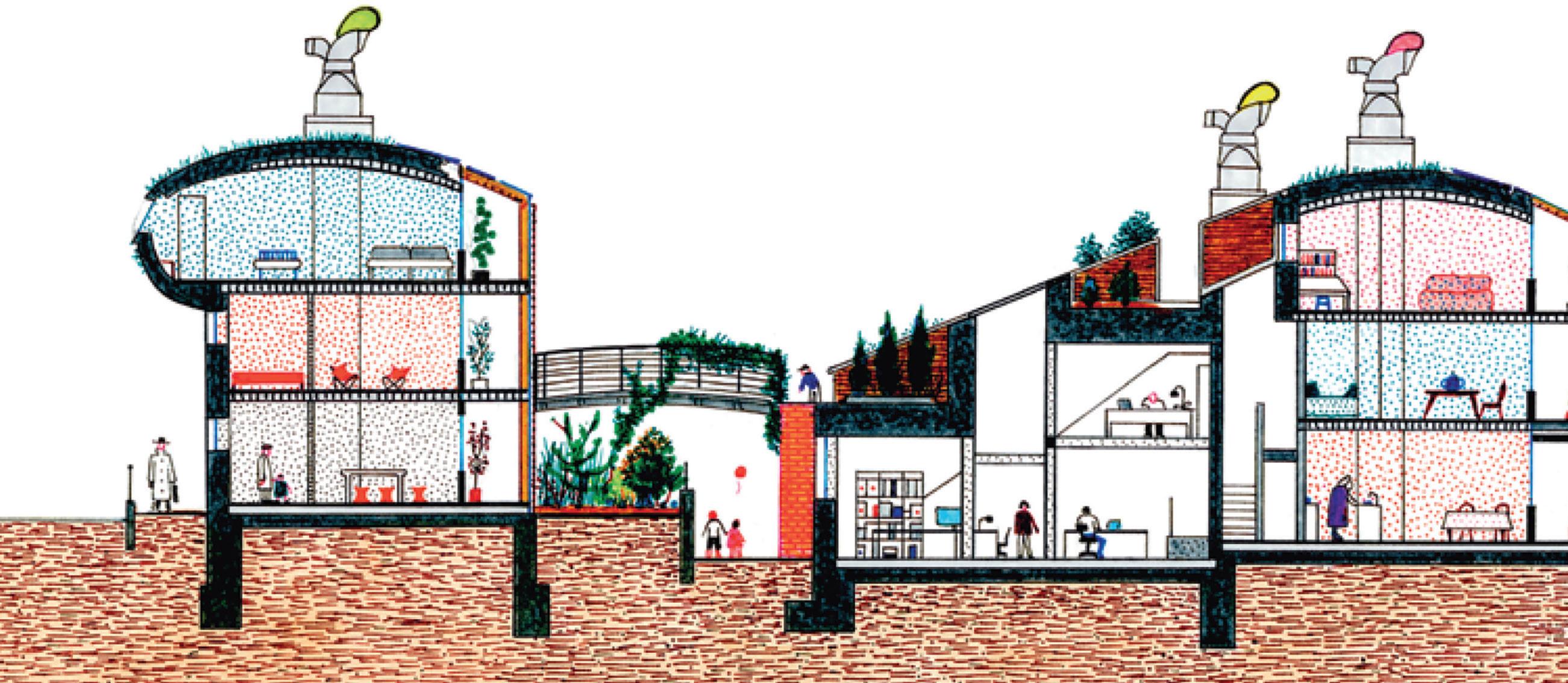
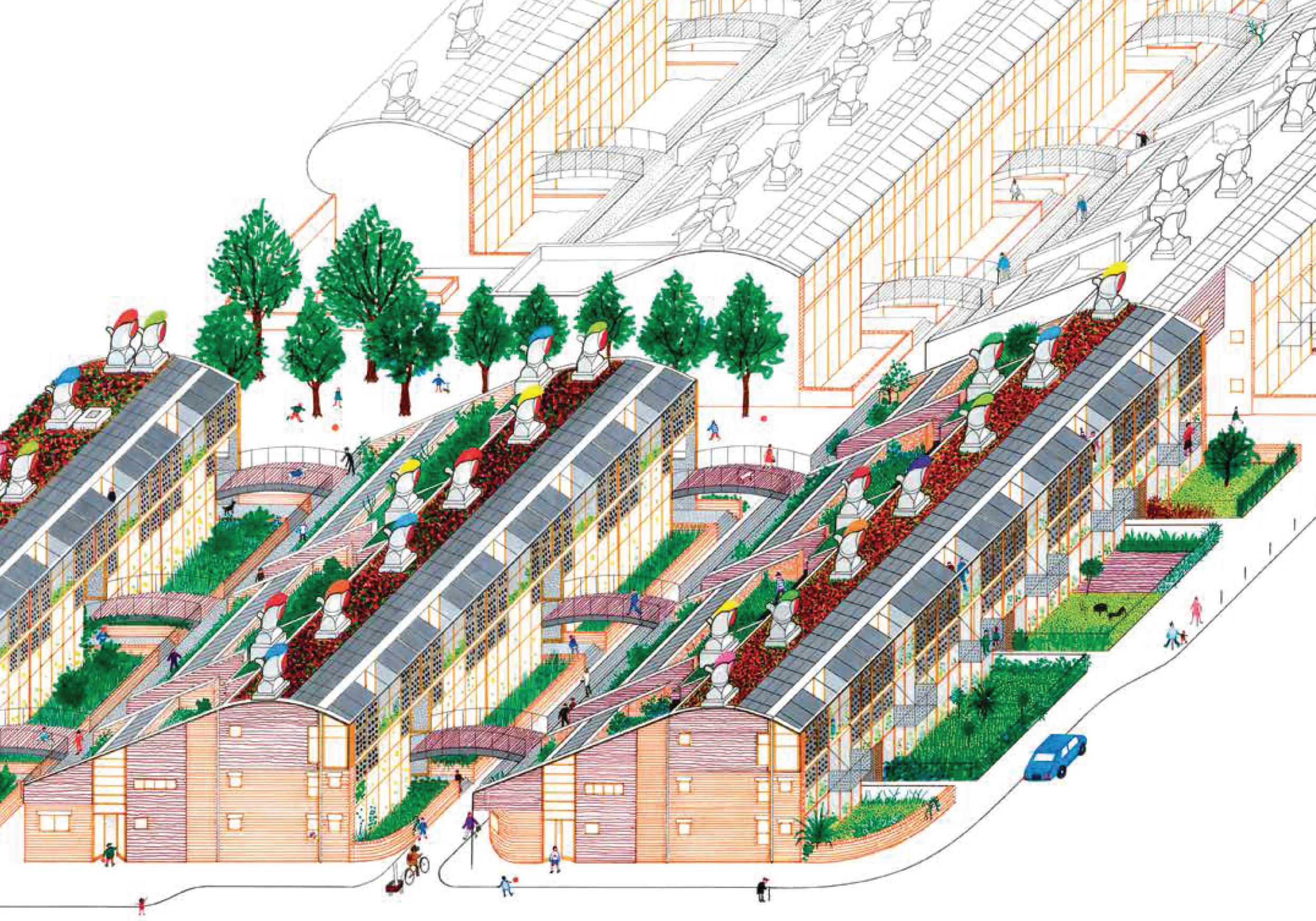
BedZED was built using local, reused and recycled materials wherever possible. The outside walls are covered in green oak from local woodlands, and the steel for the structure came from an old railway station. Roads were created using recycled glass sand (a sand created from crushed glass bottles), and the bricks for the walls were reclaimed from an old building site.
BEDZED: KING OF THE ECODISTRICTS
This housing development in south London used exciting new ideas for building homes and revolutionised the way people lived.
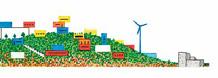
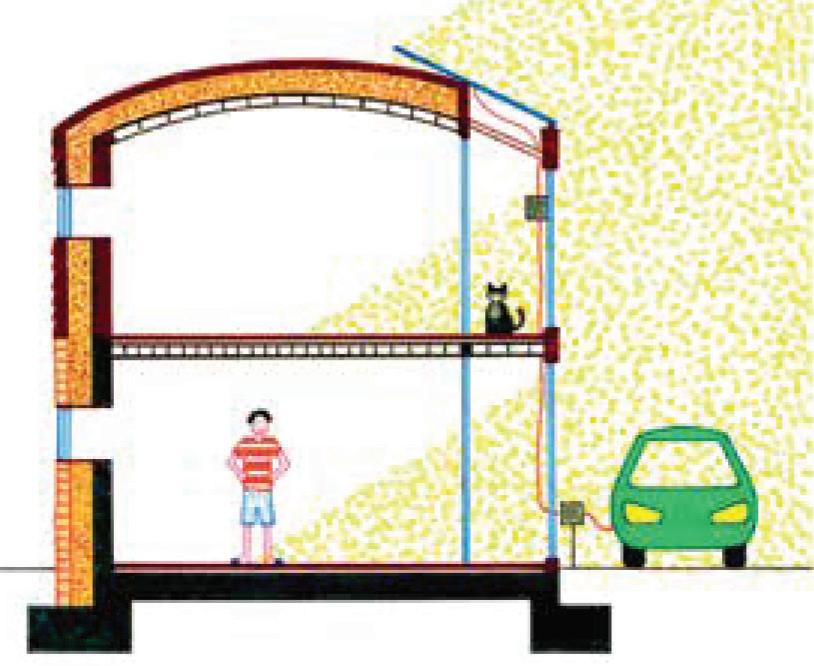
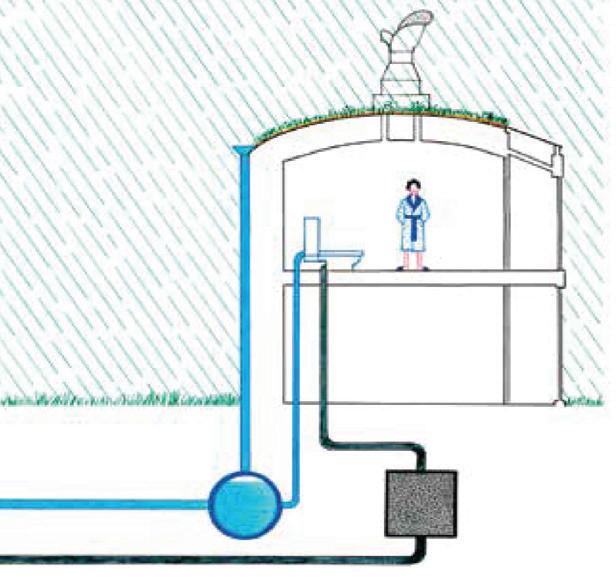
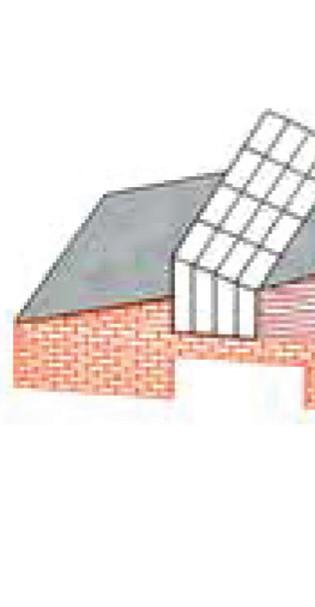
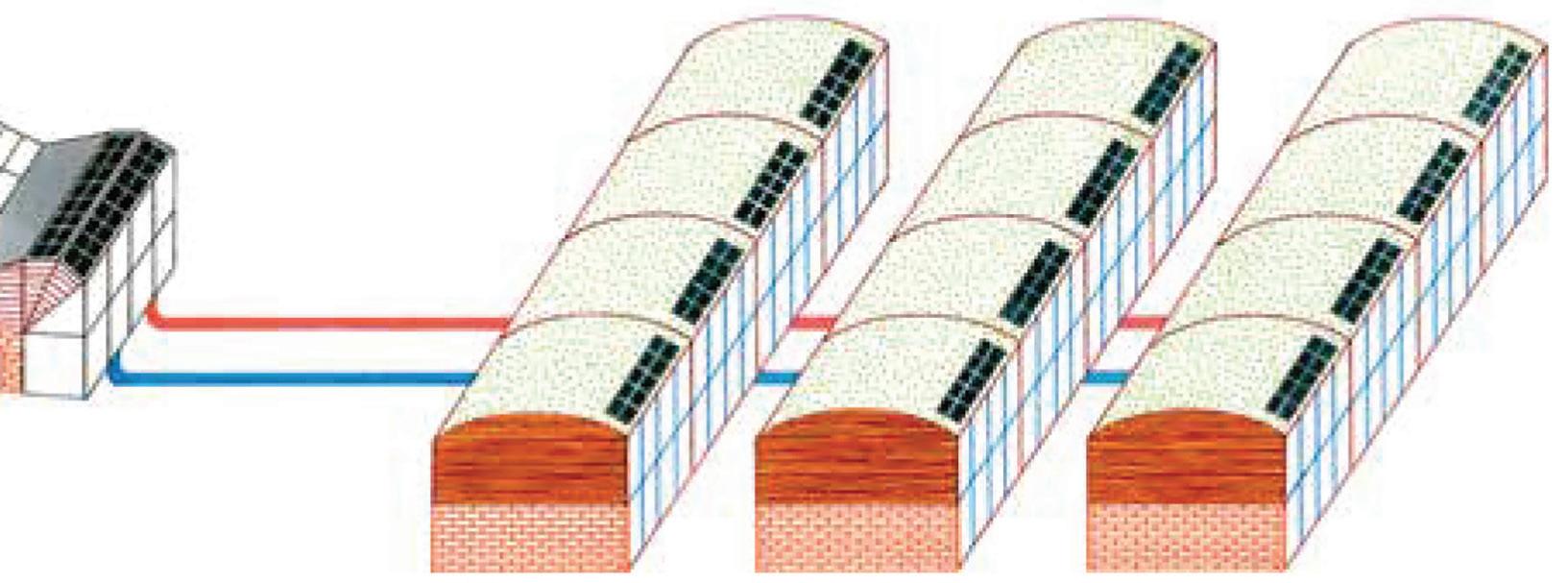
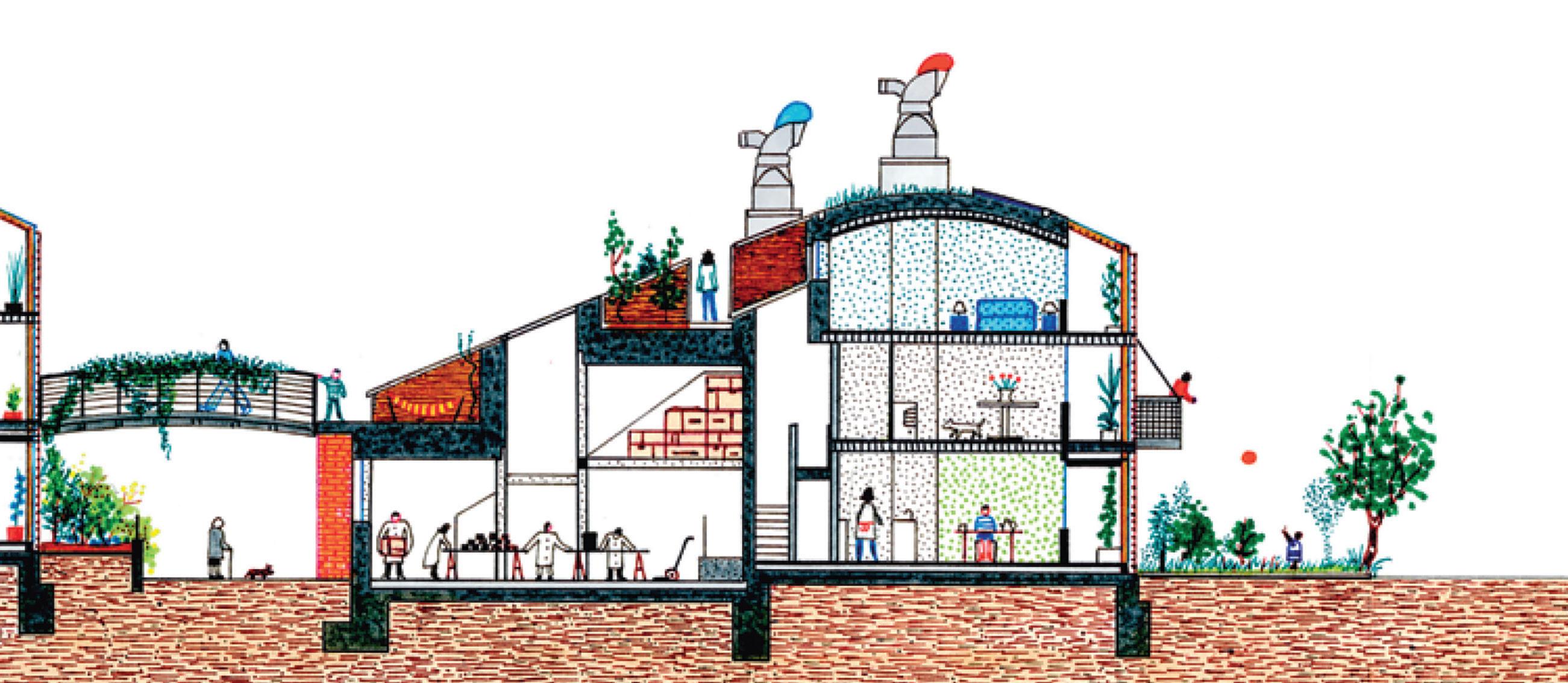
The houses are insulated against the cold and built facing the sun, which heats them and produces electricity. Rainwater is collected and purified using a natural filter system.
Having all the buildings in one place helps to create a sense of community. In this neighbourhood, with its school, studios and offices, everyone lives and thrives together.
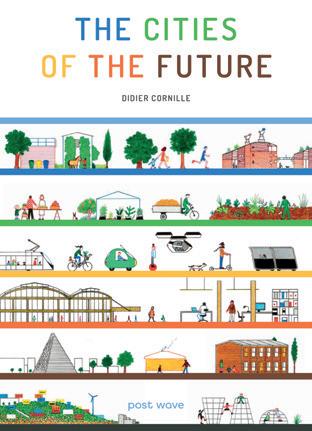
The Cities of the Future by Didier Cornille reproduced with the kind permission of Post Wave Children’s Books. Copyright © Hélium / Actes Sud, France, 2018
The wind spins weathervanes that are placed over openings in the roof to bring fresh air.
Nearby, a small heat and power plant that runs on green waste, like wood chippings, is used to power the community.
WE’LL ALL BE BIONIC
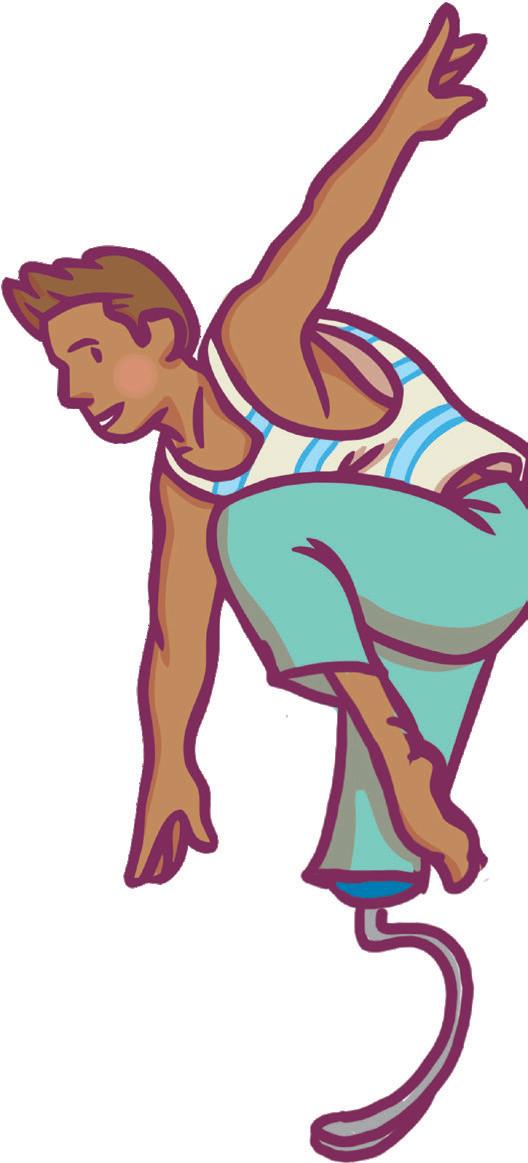
Prosthetic limbs have been around in one form or another for as long as we have. As technology has evolved, we’ve been able to move from trying to imitate our bodies to seeing how we can improve them, and we are now at a pivotal and fascinating point in our own evolution.
Early prosthetic limbs were limited by the materials and technology that existed, and they couldn’t tap into our brains to interpret the signals that would’ve controlled the bodies original hand. That is now changing!
Future prosthetic limbs will use something called “neural integration”, which means your brain will control them directly. These limbs will feel temperature, texture, and pressure just like a real hand, or even better. A bionic leg that adjusts its strength in milliseconds, letting someone run faster or climb higher than ever before.
But here’s the really exciting part: these innovations won’t just help people who use prosthetics. The same technology could give athletes enhanced performance, help construction workers lift heavier loads safely, or allow surgeons to perform operations with superhuman precision.
As we develop these technologies, we will have to continually ask ourselves important questions, such as what does it mean to be human, and when we upgrade bits of our bodies, does that mean everyone should then need to?
Throughout history, humans have used tools to improve our lives: glasses help us see, wheelchairs help us move, and phones help us communicate. Bionics is just the next step. It’s about expanding what our bodies can do and giving everyone, disabled or not, the chance to be their best selves.
The future of bionics isn’t about creating superheroes - it’s about giving people choices. Choices about their own bodies, their own capabilities, and their own futures. While the bionic limbs that exist today are robotic copies of our own, the bionic limbs of tomorrow will be limited only by our imaginations.
The future of humanity is being written right now, and we all have the chance to have our own say!
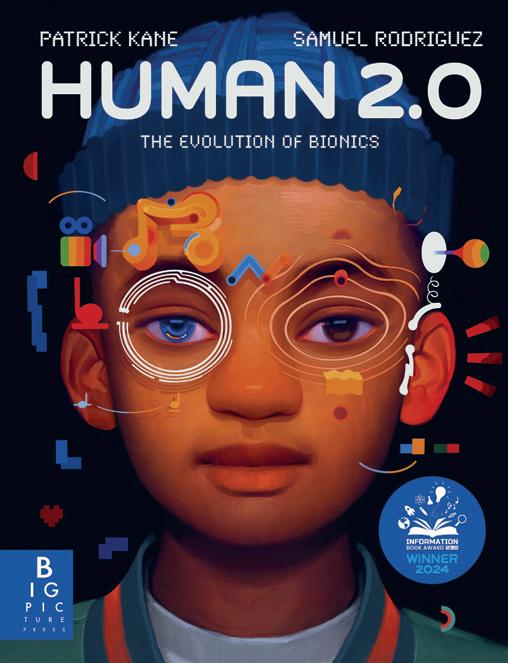
Human 2.0 by Patrick Kane and illustrated by Sam Roderiguez, published by Big Picture Press is out now.
As technology continues to challenge what is possible, it is the human brain that will become the limiting factor. Where do we stop? Is there a limit? Different prostheses for specific tasks may become as commonplace as changing into running shoes or putting on scuba-diving equipment.
Looking further ahead, it could be possible to replace all of our body parts with bionics. Neurons in the brain could become fibre optic cables and muscles could be replaced with synthetic fibres capable of moving faster than a biological muscle. The difficult question we would then face is what that means for being human, and that, no one yet has an answer to.
An extract from
Chapter 1: Chew Lip
The first thing to say is: Jay started it.
I know he’s my big brother, and he was trying to help. But, no joke, everything that happened is down to him – the battle with Mel, the sneaking around, the giant robot fight, all that stuff on the news … Everything is because of him.
Yeah.
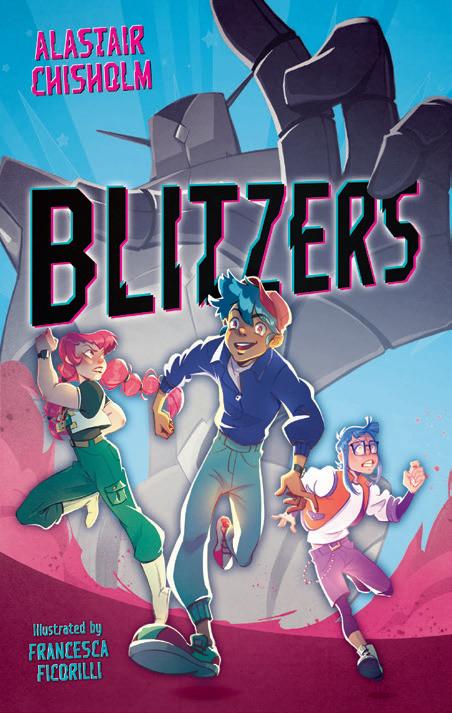
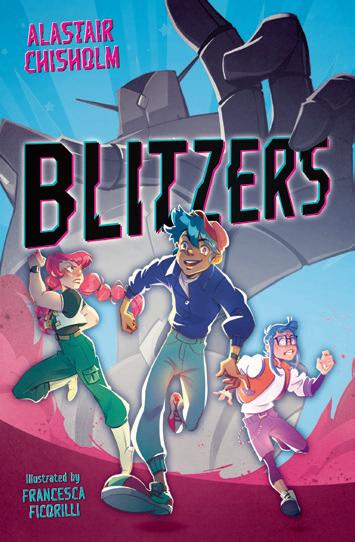
Blitzers © Alastair Chisholm 2025 | Illustrations © Francesca Ficorilli 2025
Published by Barrington Stoke
“So … is it a real Blitzer then?” asks Tan.
“Of course it is!” I say. Then I frown. “I mean, I think so.”
I examine my new device. It is real, isn’t it?
It looks real. It looks like every other Blitzer – square, plastic, about the size of a Post‑it pad, with a screen and some buttons. Blitzers don’t look very exciting, but they’re the latest thing. They’re everything
Blitzers are virtual fighting creatures. Ages ago, there were these things called Tamagotchis – cute virtual animals you had to feed and look after. Blitzers are like those, but not cute. You don’t feed them; you train them to fight. And each Blitzer is different – how they look, how they fight, their special moves.
They’re all anyone talks about at school, and if you don’t have one, you’re right out of it. When new Blitzers arrive in shops, parents actually fight over them. Every kid has one!
Every kid but me anyway.
“Maybe for your birthday, Danny,” Mum said when I begged her to get me one. “That’s only a month away.”
“A month! ” I wailed. “That’s for ever. Can’t it be like an early present? Please? ”
But we’re skint. And Mum’s already working two shifts – she doesn’t have time to fight all the other parents. It's rubbish being the only kid in school without one. Even Tan has one, and she’s even less cool than me.
But then this morning, before school, my brother Jay handed me an old shopping bag and said, “Hey, I got you one of them Blitzer things.”
I was like: YASSS! Finally.
But now I’m not sure.
“You get fakes,” says Tan. “Real Blitzers have a hologram, see?” She shows me the hologram on the back of her Blitzer.
I check mine. It has a hologram, but it’s a bit worn.
“No, it’s real,” I say. I switch the Blitzer on, and it plays a little tinny tune. “See?”
“Hmm,” says Tan.
It’s a bit battered compared to Tan’s. But Tan’s Blitzer is rare – it’s a Silver Edition, with stripes on the case and bonus skins. She didn’t even pay extra for it. It was just one of the specials they sometimes mix in with normal ones.
“So what’s its name?” Tan says.
“I dunno. Where does it tell you?”
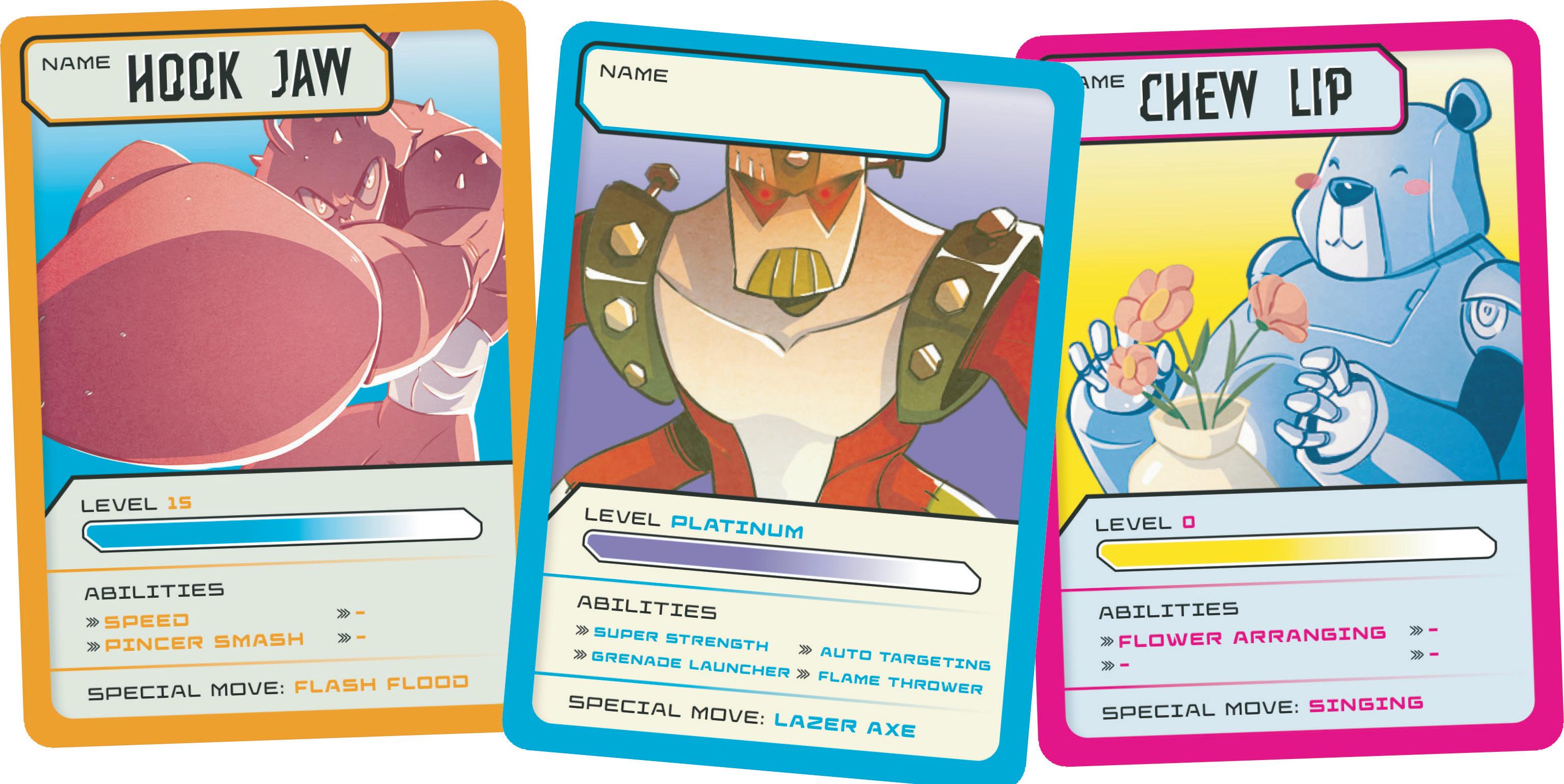
Tan shows me her screen. It looks like the deck of an old shipwreck, with worn ropes and rotted wood. Something is standing on the deck, staring out at us – some kind of human … robot … crab? That sounds weird. But it’s human shaped, only it has a wide, square head, a big body, huge pincer arms and armour plating. And shark teeth, for some reason.
Tan clicks the corner of the screen, and a name appears: HOOK JAW.
“Oh,” I say. “Yeah. Mine is …” I click the screen and peer at it. “Um. ‘Chew Lip’.”
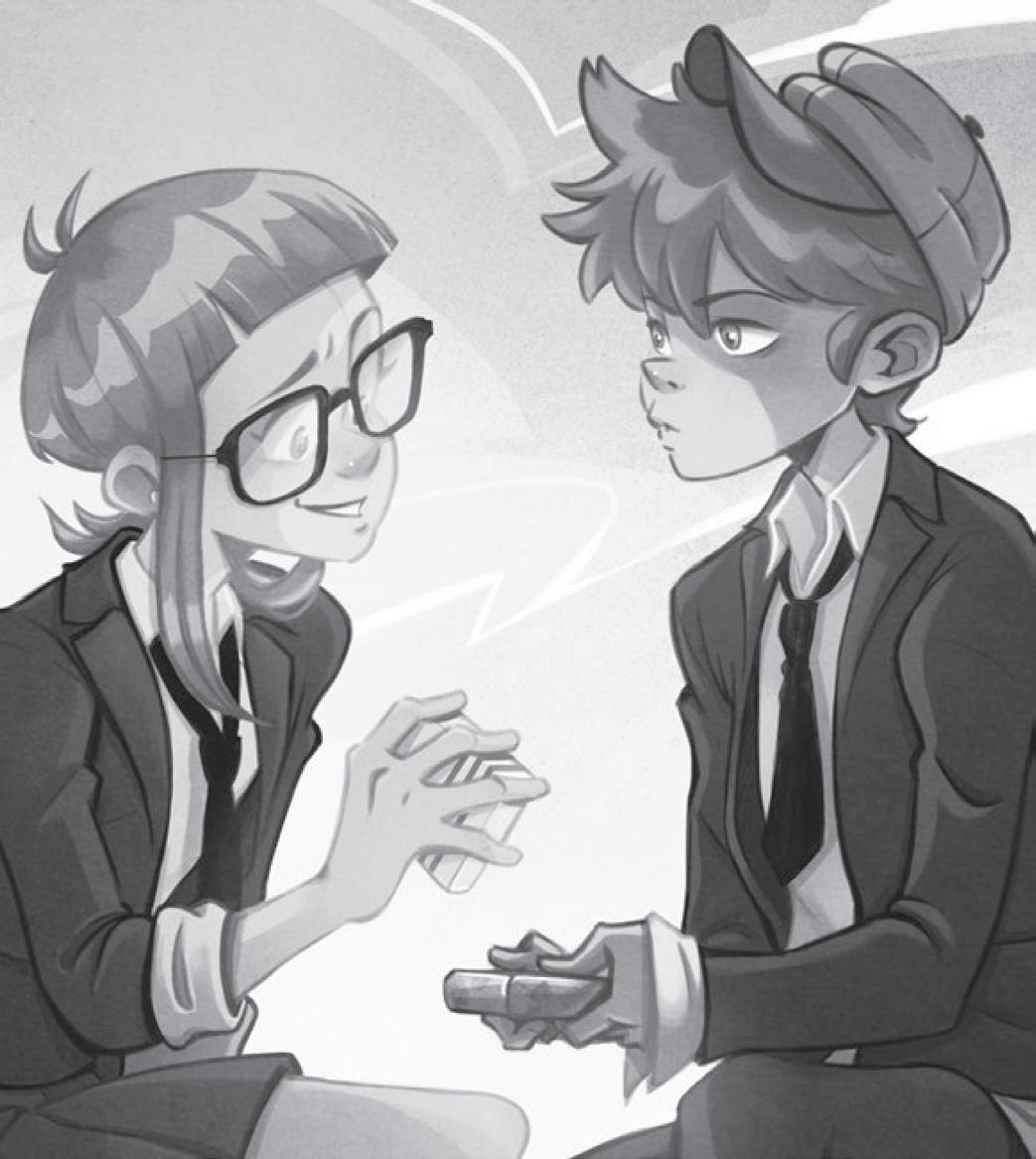
Tan screws up her face and peers at me from behind her thick glasses. “Tulip? Like the flower?”
“No, Chew Lip!” I say. “Chew … Lip?”
“Oh,” says Tan. “Well, that’s … cool, I guess. Show me?”
I show her the screen.
Chew Lip’s world is a forest. Not a scary, dark, spooky forest. Just a nice one, with pretty trees and friendly squirrels. Chew Lip is sitting on a log. Chew Lip is light blue and looks a bit like a tubby robot bear made from cubes. Its mouth is curved into a weird smile.
“What is that?” asks Tan.
“Um. A bear?” I guess.
Tan shakes her head. “Mate, that’s a teddy bear.”
“It’s a wild bear!” I snap. “Or something. I don’t know yet. I just got it.”
“Well … what level is it?” says Tan. “Hook Jaw is Level 15. When it reaches 20, I get bonus attacks.”
“I haven’t fought anyone yet,” I say.
“Yeah, you gotta train it first,” Tan says, and clicks on her screen. The shipwreck turns into a gym, with training dummies for Hook Jaw to fight. “Like this.” She drags her finger across the screen, and Hook Jaw stomps over to a dummy and attacks it. “If your Blitzer doesn’t do the right thing, you zap them, see?”
The display shows the arena.
The arenas are picked at random. It might be a warehouse, or a forest, or the side of a volcano … This one is like an old Roman gladiator circus – there’s sand on the ground, a blistering sun and rows of people cheering. Chew Lip is on one side of the arena and Hook Jaw on the other.
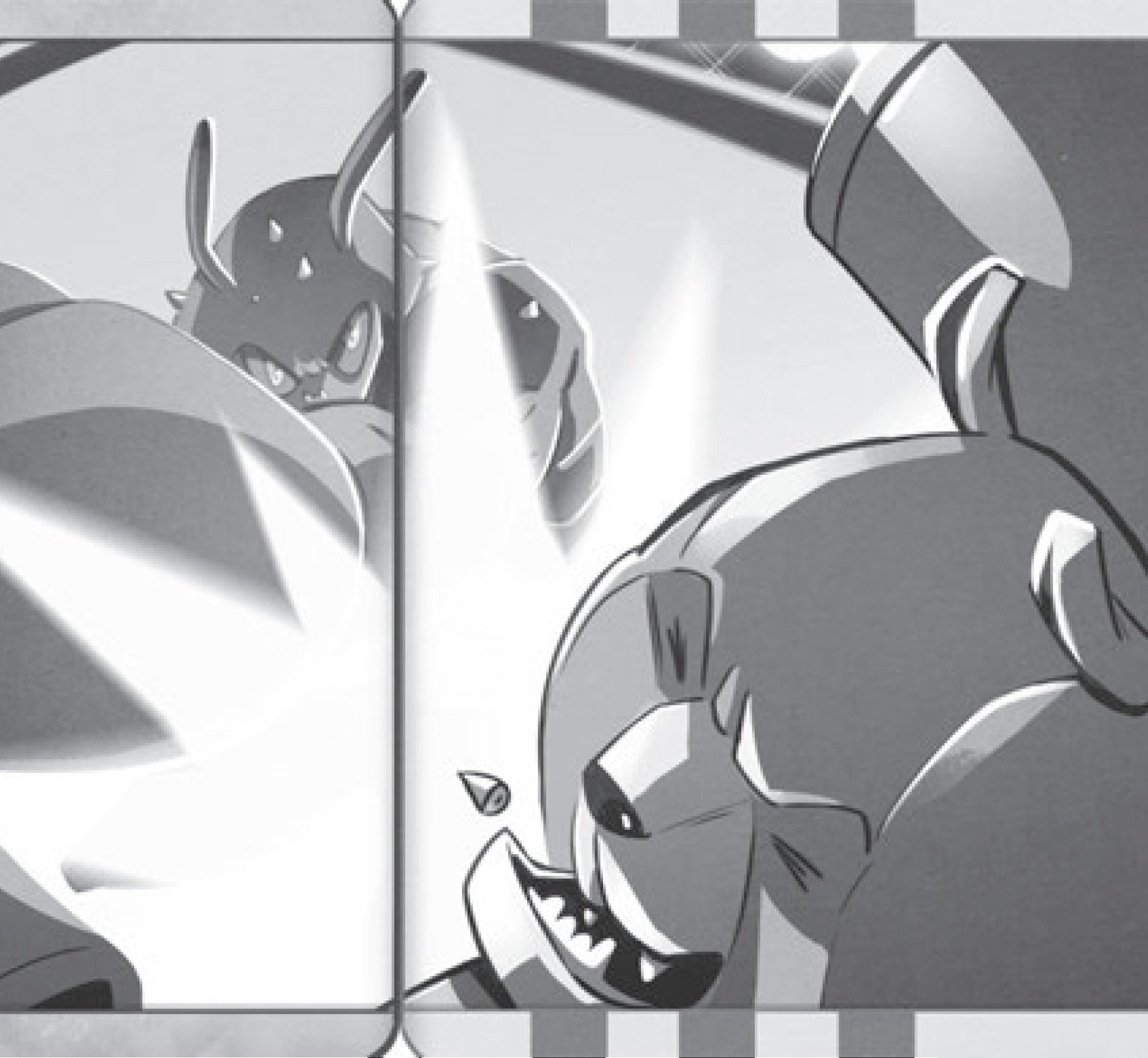
Hook Jaw roars and raises its pincer arms. Chew Lip stands and watches. Hook Jaw stomps forward and whacks Chew Lip across the face.
Tan presses a button, and a hand appears on the screen and points at Hook Jaw, firing a tiny lightning bolt. Hook Jaw roars in fury and attacks the dummy harder, smashing it to pieces. “And if it does well, you stroke it.” She presses another button, and the hand comes down and strokes Hook Jaw. It seems to calm down. “Easy.”
I nod. “OK …”
“What’s its special move?” Tan asks. “Mine can flood the arena!”
“Um …” I don’t know. Chew Lip hasn’t done anything like that yet. “When I turned it on this morning, I think it was painting …”
Tan gives me a look. “Painting,” she replies.
“Um … yeah.”
“Hmm,” says Tan again. She shrugs. “Want to do a practice battle?”
She holds up her device, and I do the same, and we click them together. They’ve got magnets, and they join to make one display.
“Yes!” shouts Tan. On screen, the crowd roars. Chew Lip staggers back. Hook Jaw moves forward again and stabs at Chew Lip with its claw.
“Come on – fight back!” I shout. But there’s nothing I can do. That’s the thing about Blitzers – you can train them, but once the fight starts, it’s up to them. All you can do is teach them the right things and hope they remember.
It’s a short fight. Hook Jaw finishes with its special move, calling up a giant wave that washes Chew Lip away. The crowd cheers.
WINNER: HOOK JAW says the screen.
We unclick our devices, and they switch back to their home screens. Tan’s screen shows Hook Jaw striding around on its deck, lifting its arms in a victory pose. On my screen, Chew Lip is sitting in the forest, looking surprised and a bit wet.
Tan frowns.
“Yeah,” she says. “Yours is rubbish.”
IMAGINE THAT YOU CAN SEE INSIDE THE MIND OF CHEW LIP. USING THE SPACE BELOW, WRITE A BATTLE SCENE FROM THEIR POINT OF VIEW.
ARE THE BLITZERS SCARED, ANGRY OR CONFIDENT?
HOW DO THEY FEEL ABOUT FIGHTING THE OTHER BLITZERS?
WHAT ADJECTIVES CAN YOU USE TO CREATE SUSPENSE AND DRAMA IN YOUR STORY?
EACH BLITZER HAS DIFFERENT SKILLS AND ATTRIBUTES SUCH AS SPEED, SUPER STRENGTH OR – IN THE CASE OF DANNY’S BLITZER, CHEW LIP –FLOWER ARRANGING!
NAME:
LEVEL: WHAT SPECIAL ABILITIES WOULD YOU GIVE YOUR BLITZER?
WHAT WOULD IT LOOK LIKE?
DON’T FORGET TO ASSIGN IT A LEVEL AND A SPECIAL MOVE!
NAME THE CHARACTER!
CAN YOU THINK OF A NAME FOR THIS BLITZER?
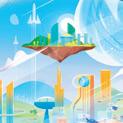
Why aren't there more floating cities?
Two reasons are practicality and security. It's often easier to make an artificial island than a floating one. Anything that floats is more at risk of sinking or damage from extreme weather. There are advantages to building on water though – water generally remains cooler than land in summer and warmer in winter.
A city with a twist
One of the earliest underwater habitats was Conshelf II, a starfish-shaped village 10 metres deep in the Red Sea built by Jacques Cousteau in 1963. It housed 'oceanauts' who lived completely underwater for up to a month at a time!
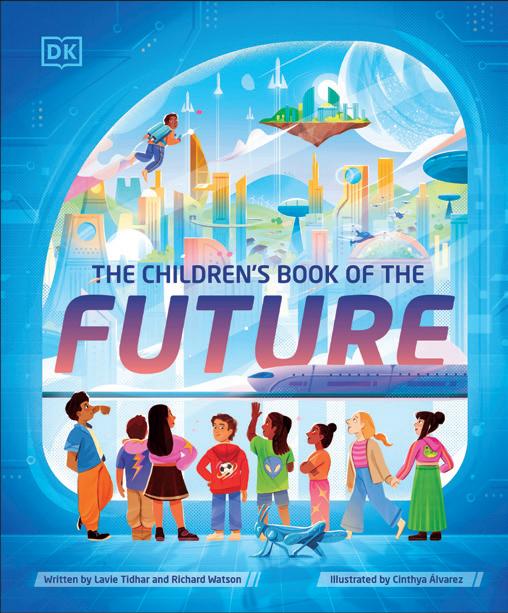
The Children's Book of the Future is written by Lavie Tidhar and Richard Watson & illustrated by Cinthya Alvarez. DK Children's, £12.99. Out Now.
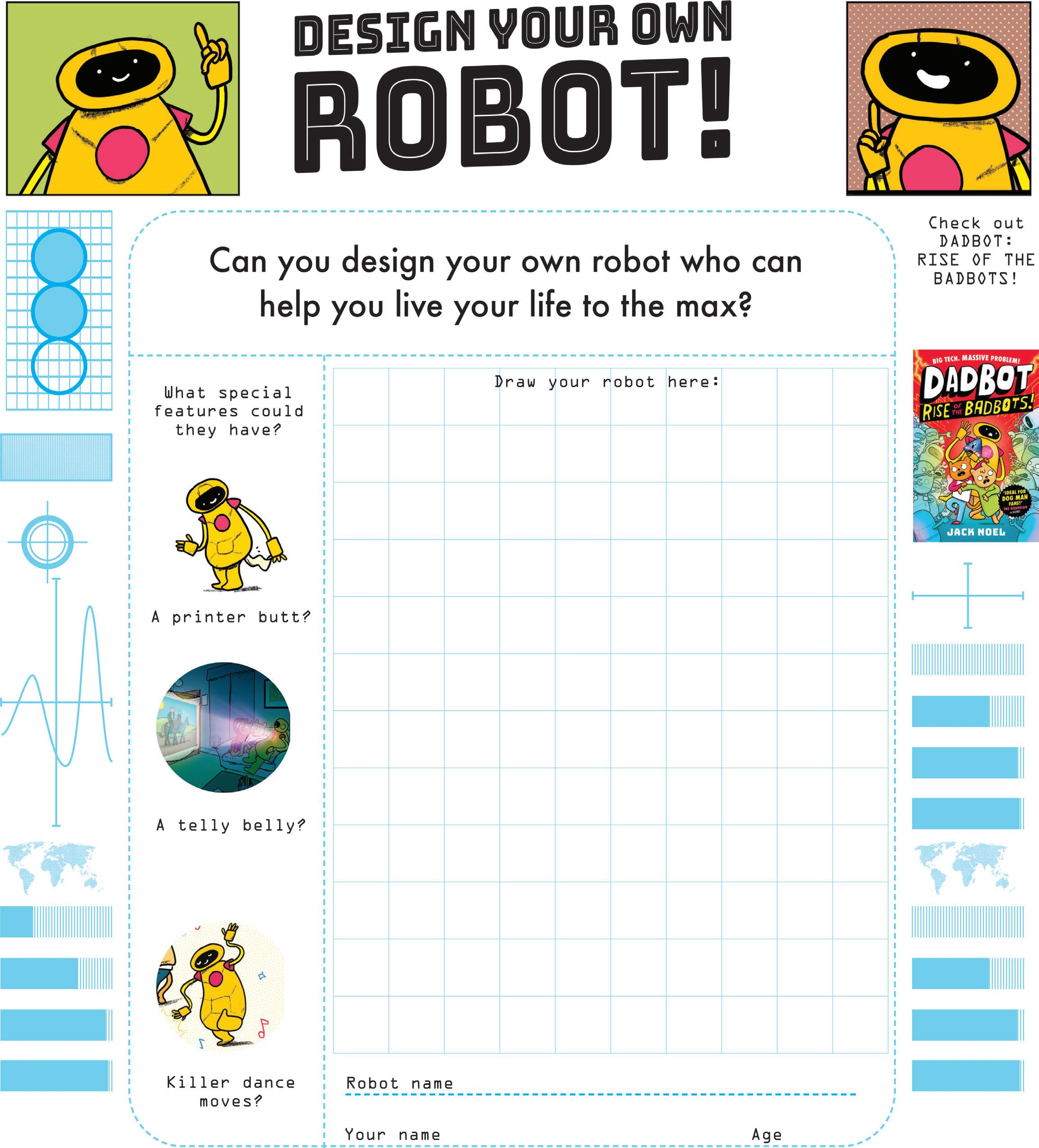
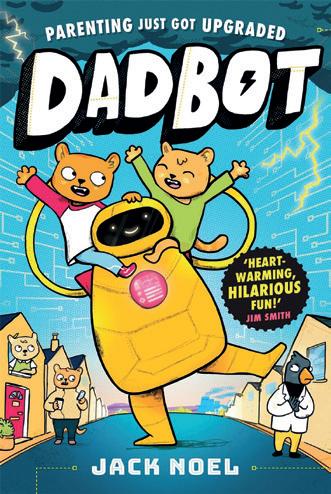
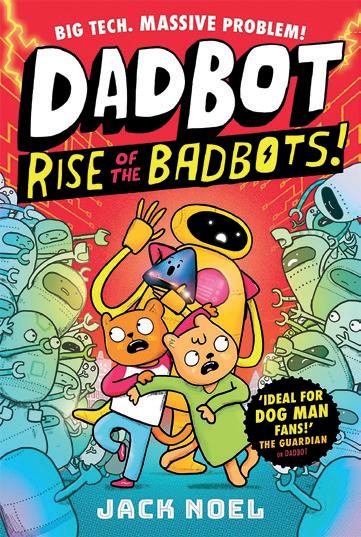
By Jack Noel, published by Piccadilly Press, out now!
ISSUE 16 PRIZES!
Robot Jokes
What’s a robot’s favourite type of music? Heavy metal!
What do dog robots do? They byte!
Why did the robot sneeze? It had a virus!
What’s a robot’s favourite exercise? Circuit training!
@bookmarkreading
@bookmarkreading
@bookmarkcharity
@bookmarkreadingcharity
@bookmarkreading