It is a pleasure to welcome you to the third edition of the HIEDA Journal. Our aim continues to be providing a platform for sharing knowledge, insights, and best practice across the health in education sector.
In this issue, we explore the growing use of AI tools and how they can support health professionals in their daily practice We feature a nutrition Q&A with Allmanhall, offering practical guidance to help schools and students make informed choices We also highlight the power of listening through trauma-informed practice for school nurses, alongside a range of other articles designed to inform, inspire, and support your work
We are always keen to hear from our readers If you would like to submit article ideas for the next edition, or if you have any queries, please do get in touch via info@hieda org uk
James Greenham, Acting Executive Director, HIEDA, Consultancy and INSET
James is also the Chair of HEWAB, the Health and Wellbeing Advisory Board for HIEDA/BSA Group He has extensive senior leadership experience, including 25 years as Managing Director of a medical device manufacturer / in the manufacturing sector, and as an NED Board Member, and spends time volunteering in his local community (Oxfordshire)
I am writing this article after meeting the High Sheriff of West Sussex, Dr Tim Fooks Throughout his term, he has worked to bring together the entire mental health community in the county, and the conferences he has initiated have been refreshing and impactful This format has allowed each leader from their sector to have their voice heard amongst those who have influence, and it is this example that I ask school leaders to adopt to achieve actual solutions in schools regarding mental health
With years of experience in the reactive mental health sector and witnessing the rise in mental health challenges across all ages and backgrounds, he recognises that the way forward is twofold: continue treating each person as an individual, and provide additional skills tailored to them These skills should complement the excellent work already being done in the reactive and supportive mental health industry So, how do you achieve this in your school for both students and staff? Is it even possible? I am here to say yes, it absolutely is and, with ease.
Students and staff are expected to perform at high levels, yet leaders also want to protect them from a wide range of mental health challenges The topic can seem scary, overpowering, unsolvable but, when coming together with those that have skills from outside the traditional mental health sector, it can be achieved and, is hugely successful To date, all mental health qualifications in this country have, and are, reactive and supportive I will forever, sing these professionals praises but what if we could achieve high results, for both students and staff, and simultaneously protect them from numerous mental health issues
Time is precious, curriculums have to be taught, matches need to be played, other amazing activities, too numerous to list in many schools, are available and engaged in, but if just a few hours is allocated, with simple reminders put in place afterwards, students and staff goals are achieved and many mental health problems can be prevented Your students and staff are VIPs in their own right, as we all are, but with influences from both ourselves, and situations around us, that is often forgotten. When treating the mind as a separate subject, you build your students and your staff a VIPMind®, and from that point forward, goals and prevention are accomplished, and it is priceless:
PIVVictorious: A mind that achieves goals
Ignites: A mind that ignites the right way and does not work against you
Protector: A mind that protects you and attains correct boundaries when needed
Since the pandemic, the understanding of the conscious and subconscious mind has, in the majority of cases, been understood, but what about the rest of the mind In teaching goal achievement and mental health problem prevention, there must be a clear line in the sand drawn, so that the previously mentioned amazing professionals can do their job on memory, and the proactive and preventative parts of the mind are introduced and taught alongside, as a solution, every day The mind is most definitely a solution because it is the foundation for absolutely everything we do
A school needs to be inclusive and, at the same time treat everyone as individuals, and using mind specific training you address the needs of your evolving students individually, and your staffs This key advancement in mental health is now available to you, and your place of education.
We need to make an impact in mental health, and to do that the subject has to be exciting and inspiring, not one of doom and gloom The conversations I hear are always challenging with numbers sadly increasing, and the waitlists for highly skilled supportive experts to help once it has gone wrong in huge demand, but why on earth are we only helping students and staff pick up the pieces from a toiling mind, instead of giving them the skills to prevent their mind from struggling in the first place, especially as these skills improve results, behaviour and so much more?
Teach that the mind is agile and can act in your favor, rather than against you. Many influences are beyond school leaders’ control, making it essential to equip students and staff with these skills Mental resilience: strategies we can implement for ourselves and model for students, but only if you know how the mind works will they be successful
I leave you with a bug bare of mine, and one that I ensure our licensees are banishing from their clients’ terminology, and that is the word “Mindset” I appreciate totally the wellmeaning intention of the word but, it is now sadly backfiring on us with regards to mental health Of course a top level sports team, (and yes there are many other examples that can be used), need to go into a national, or international competition, with a mind that is set and focused on winning however, if it is not taught that you can, because of its agility, always “reset” your
mind, when days are dark, and the mind is spiralling to challenging situations, the days get darker and the mind spirals further It is by constantly adjusting your mind that you get through the challenges as successfully as possible After all, the aforementioned sports team on the day could have referee decisions go against them, a team member injured or, just have to accept that on that day the opposition is the better team, and if you do not learn how to “Reset Your Mind” those dark and anxious moments cannot be managed You also are then sadly training the mind the wrong way
Allow the current important supportive roles in schools to continue their amazing work, but introduce alongside them a proactive and preventative system in place which not only gives your students and staff the skills to hopefully not need them and to live a better life, but also the skills to not have to return to them, or to medication, and simultaneously, achieve those ever demanding goals not only in schools, but in the fast paced, every changing world of high expectations
Harry Mansfield is an award winning trainer and best-selling author, better known as “The MindPower Champion” She teaches how to achieve a VIPMind®; a mind that is Victorious, Ignites and Protects the right way
Coaching for 25 years, she and her licensees offer a trackable, training blueprint teaching you how to “Power Up Your Mind Before It Powers You Down®”, giving students and staff skills for todays’ fast paced, ever changing world of high expectations
Embracing AI in school nursing: Elevating care through innovation
Jenny McArdle, Lead Nurse, Eltham College
Introducing the AI scribe
The AI scribe, exemplified by tools such as Heidi Health, is designed to accurately capture consultations, summarise key information, and support medical notekeeping with security and precision Many GP practices have already embraced such technology It has helped reduce administrative burdens, improve efficiency, and enhance patient safety I was eager to determine whether similar benefits could be realised in the school environment
Before implementation, our team spent an average of five to ten minutes per pupil documenting consultations, which cumulatively represented a substantial portion of the working day. By introducing the AI scribe, we were able to alleviate this administrative pressure significantly, allowing staff to dedicate more attention to direct pupil care and clinical priorities.
Positive outcomes for staff and pupils
The introduction of the AI scribe brought immediate relief and a renewed sense of optimism to the team Beyond reducing administrative time, the tool improved the quality, consistency, and accuracy of medical records. Staff morale improved, and the team could focus more on meaningful interactions with pupils and core clinical responsibilities
Structured training sessions and demonstrations were pivotal in embedding review mechanisms to ensure the integrity and confidentiality of documentation This approach ensured that while technology enhanced efficiency, professional standards and data governance were never compromised
Ensuring safe and ethical practice
The introduction of digital tools within healthcare must always align with professional standards and The Code In our implementation, the principles of safe and ethical practice were central:
Preserving safety: Maintaining secure handling of sensitive pupil data and ensuring full compliance with GDPR.
Practising effectively: Leveraging technology to enhance the accuracy and workflow of clinical documentation.
Promoting professionalism and trust: Demonstrating that innovation can support, rather than replace, the human dimension of care
These principles ensured that technological innovation supported safe, effective, and ethical delivery of care while reinforcing trust among pupils, parents, and staff.
Encouragement for fellow school nurses
It is understandable that the idea of integrating AI into clinical practice may initially seem daunting. Yet, when approached thoughtfully with careful oversight, robust training, and transparent governance AI can be a powerful ally rather than a threat
Technology should never supplant professional judgement or compassion; instead, it should enhance and amplify the care we provide By adopting evidencebased digital tools, school nurses can reduce administrative burdens, mitigate burnout, and dedicate more time to the health and wellbeing of pupils
For those who find themselves staying late to complete documentation or wishing for more hours in the day, it is worth considering how AI can support not only efficiency but also the quality and responsiveness of care.
1 Start small: Pilot the AI tool with a few members of the team before a full rollout.
2 Prioritise training: Ensure all users are familiar with functionality, data handling, and review procedures.
3 Embed review processes: Establish checks to verify accuracy and maintain confidentiality.
4 Engage stakeholders early: Consult IT, line managers, and compliance teams to ensure GDPR and organisational policies are met.
5 Evaluate impact: Track time savings, accuracy improvements, and staff feedback to assess effectiveness and inform ongoing use.
Final
reflections
Innovation in school nursing is not about replacing professional expertise; it is about enhancing our ability to deliver safe, effective, and compassionate care. The integration of AI scribe technology at Eltham College has reinforced the value of thoughtful, ethically guided innovation. With careful planning, rigorous governance, and staff engagement, digital tools can become a genuine asset improving workflow, supporting wellbeing, and ultimately enabling nurses to dedicate their energy to what matters most: the pupils in our care.
By embracing technological advances, we demonstrate that school nursing is not only responsive to the needs of today but also forward-thinking and equipped to meet the challenges of tomorrow.
In the ever-evolving landscape of school healthcare, nurses are often required to balance the dual demands of clinical care and meticulous record-keeping Recently, as Lead Nurse at Eltham College, I encountered a significant shift in the medical centre’s staffing provisions Alongside this, there was a marked increase in daily pupil walk-ins, which created a new and challenging dynamic for my team It became clear that swift, considered action was required to manage these demands effectively and maintain the quality of care for our pupils
Drawing upon my experience as a former GP nurse, I reflected on innovations I had observed in primary care I had heard of AI-assisted medical scribe tools being successfully adopted in GP practices to streamline consultation documentation With a keen interest in harnessing technology to improve workflow and recognising the growing role of digital tools in healthcare, I decided to explore the potential of this technology within the independent school setting
Medicines management in education settings: Changes, challenges and responsibilities
Managing medicines safely and effectively is vital for pupils’ health, wellbeing, and safety, and is (often) a statutory responsibility of the provider.1
Here, Judith Manners, Pharmacist Director of OPUS Pharmacy Services, shares some advice and solutions to current and recurrent medicines queries and concerns, that have been raised by professionals working across the health in education sector Judith draws from the 22 years’ experience OPUS has of providing comprehensive Pharmacist-led medicines training, advice and support to the education and care sectors
Changes to asthma management in children and young people
1 in 11 children and young people have asthma (3 in a class of 30)
Asthma medicines, usually inhalers, are often the main reason for medicines being brought into educational settings2
The familiar sight of a blue-cased salbutamol, pressurised Metered-Dose Inhaler (pMDI) referred to as a ‘reliever’ is traditionally associated with individual asthma medicine management However, asthma management is changing!
Q Is it true that blue reliever inhalers will disappear from our school’s emergency medicine supply?
As a result of a recent extensive collaborative analysis of evidence by three key UK advisory bodies , new guidance was published in April 2025 that reframes the use of this familiar medicine in the management of asthma 3 4
The analysis showed that asthma clinical outcomes were poorest in all age groups when using a salbutamol inhaler alone and that overuse of a salbutamol inhaler was related to an increased risk of severe asthma attacks, hospitalizations, and mortality
Every child or young person with asthma should now be prescribed both a reliever and a preventer- either as a combined inhaler or as two separate devices How often it is used will depend on their age and the severity of their symptoms, meaning that the same combination inhaler may be used in different ways to manage different asthma symptoms.
ropellant-free (dry powder) environmentally friendly inhaler devices where possible, should also be favoured e g , Turbohalers®, Accuhalers® and Easyhalers®
It is important to be aware that salbutamol inhalers are still in use and their emergency use in schools has not changed They continue to be prescribed for non-asthma breathing difficulties e g , hay fever or infections, as well as being the initial choice for “as needed” relief when prescribed with a regular low dose of inhaled steroid for children aged 5-11 diagnosed with asthma
A new way to deliver emergency adrenaline for anaphylaxis
Anaphylaxis is an extreme form of allergic reaction with sudden onset It affects the whole body and can result in death if not treated promptly
5–8% of UK children have a food allergy, with approximately 3% of school-aged children at risk of anaphylaxis, making allergy and anaphylaxis preparedness an essential element of medicines management in educational settings
Until recently, treatment of anaphylaxis comprised immediate intramuscular administration of adrenaline into the upper, outer thigh using either an Epipenâ or Jextâ auto-injector pen device (AAI) Adrenaline acts quickly to reverse the symptoms of anaphylaxis by opening airways, raising blood pressure and reducing swelling
Q. Will adrenaline nasal sprays now replace our autoinjectors?
In July 2025 the MHRA approved EURneffy - an adrenaline nasal spray, making it the first needle-free emergency treatment for anaphylaxis in the UK Licensed for adults and children >30kg, it provides an alternative to injection-based adrenaline autoinjectors for many school age children. Like AAI’s EURneffy is packaged as a ready-to-use single dose, and two devices should be available at all times 5 â â
If emergency adrenaline prescriptions are switched from AAI to nasal spray formulations, full training and competency assessment should be undertaken by staff to support safe administration, and IHCP records updated Unlike other nasal sprays that must be ‘primed’ before use, the EURneffy â plunger should not be pressed before inserting the product into the nostril, otherwise the single dose will be lost prior to use It can still be used when the nose is congested due to a cold or allergy6
Challenges for managing medicines from overseas
A fundamental foundation skill for any staff involved in competently supporting medicines administration, is to administer in line with all information provided on the medicine label It is the prescription label that provides the legal check that administration is aligned with the prescriber’s intention and follows the dosage and any additional instructions that ensures compliance with the product’s licence
Q. My pupil’s medicine label is in Arabic, what do I do?
Parents or representatives of overseas children and young people should be made aware that prescription medicines brought into UK educational settings will need to be checked by a GP before they can be issued on prescription in the UK and administered safely Provision of medicine indications and directions in English is a requirement before this can happen.
Some medicines that are used overseas are not permitted in this country or have different age group licensed indications A GP will prescribe the nearest alternative with parental consent It may be helpful to have standard documentation as part of an educational setting’s medicines policy pack to explain the UK medico-legal requirements for managing medicines from overseas.
Mental health medicine responsibilities
Understanding how mental health medicines for children and young people are legally classified and controlled is complex, especially when managing these medicines in educational settings.
Most stimulant medicines used to treat attention deficit hyperactivity disorder (ADHD) are Controlled Drugs (CDs), meaning that they are prescription-only medicines and are closely regulated due to their abuse potential To ensure they are managed and used safely, legal frameworks governing their use have been established. Best practice medicines management in educational settings recommends two trained staff to be present for every aspect of dealing with these medicines
Q. Some of our pupils want to self-administer their ADHD medicines – is this legal?
Self-administration of medicines can be a good way to increase a Gillick-competent child or young person’s independence, however they need to have a clear understanding about the responsibility they are taking on, in addition to what the medicines are for, and the consequences of not taking them.
Robust risk assessment to ensure this will be a safe and secure practice not only for the child or young person but also for their peers and educational setting staff, is essential
For CD medicines, the risk assessment needs to be particularly rigorous due to the potential abusive and addictive nature of the medicine. Details of compliance checks that will be put in place to ensure medicine adherence by the child or young person, as well as storage and safe custody arrangements, must form part of the assessment
So, while not working outside of the law, CD self-administration in educational settings will necessitate thorough and extensive planning, monitoring and ongoing assessment.
Medical innovation and approaches to managing health and wellbeing will continue to evolve and progress, presenting an everchanging landscape of medicine-related issues for educational settings to manage, in order to deliver safe support for their children and young people with medical conditions
Our wide range of free, medicines-related resources for schools can be accessed via our websitehttps://opuspharmserve com/downloads/
Judith Manners is a qualified Pharmacist and trainer Judith founded OPUS Pharmacy Services in 2004, with the vision of delivering quality medicines training to the care sector and schools, that makes a real difference to organisations and the people they support
With over 35 years’ experience as a Pharmacist, Judith is widely known for her considered, practical guidance and up-to-date regulatory knowledge This experience and knowledge is at the heart of OPUS training
Why clinical supervision and reflective practice matter for school nurses in the UK
Rosie McManus, SCPHN, HIEDA School Nurse advisor
The role of the school nurse in both the independent and public sectors is increasing, particularly given the growing safeguarding caseload Consequently, the psychological toll of the emotional, ethical, and professional pressures of the role must be considered when school leaders seek to achieve the best outcomes for both students and staff
The school nursing role has expanded in recent years to encompass not only public health and health promotion, but early intervention, management of longterm conditions, and support for children, young people, and their families with emotional and mental wellbeing School nurses now regularly triage childhood developmental concerns such as continence issues and early behavioural difficulties; provide training and support for school staff and parents and maintain a visible presence within safeguarding processes
For school nurses to continue providing a gold-standard level of care, school leadership must recognise that clinical supervision and reflective practice are integral to achieving these outcomes In this blog, we will explore why clinical supervision and reflective practice matter, what good practice looks like, and how they can positively impact both student and staff outcomes
School nurses, particularly those working in the independent sector, are expected to work with a high level of autonomy, often managing complex health needs and safeguarding caseloads Uniquely, they work across three professional sectors: healthcare, education, and social care, in addition to extensive family liaison
School nurses are dually accountable to their employing organisation and more significantly to the Nursing and Midwifery Council (NMC) I have often had to remind head teachers that, while they may feel the
buck stops with them, a school nurse’s ultimate responsibility is to the NMC and their PIN, without which they cannot legally practise as a registered nurse When potential accountability to local authorities, the NHS, and charitable organisations is added, it is easy to see how a school nurse may feel like Antigone, attempting to manage conflicting responsibilities
Throughout this role, school nurses are frequently exposed to the emotional trauma of others, including long-term and acute mental health concerns and the daily neglect experienced by some young people That said, there are also days filled with joy and pride, it is not all bad
A degree of professional isolation can exist, particularly for those in the independent sector who work alone This isolation can create unease, self-doubt, and insecurity In turn, this can lead to mistakes or missed opportunities through inaction or elay; fear of “getting it wrong” is often cited as a reason safeguarding concerns may not be explored Conversely, over-caution can be just as harmful
The risks posed by these complexities can be reduced, though not eradicated, through the provision of structured support for school nurses
Clinical supervision is a formal, structured professional process NMC, 2024) that enables the supervisee to develop safer practice, identify CPD needs, and improve wellbeing. In line with the NMC Employer Responsibilities Guidance, it should be offered to all clinical staff
Clinical supervision should be nonjudgemental and supportive in approach, while acknowledging that
poor practice must be challenged when necessary It should be facilitated neutrally and should not form part of performance appraisal or line-management processes. It is important that line managers who are also trained supervisors do not supervise members of their own teams
Clinical supervision has several key functions:
Supportive
The relationship between supervisor and supervisee is underpinned by a supervision contract and provides an open, confidential space to address mental and emotional stress Here, the supervisee may find validation or acceptance of difficult feelings This level of support strengthens professional judgement, particularly when fear of error looms large Early identification of stress can reduce burnout and support staff retention
Educational
This enables reflection on complex practice issues using evidence-based practice and policy to identify knowledge gaps and CPD needs. Critical reflection highlights both good and poor practice, challenges assumptions, and strengthens professional decision-making
Restorative
Restorative supervision reduces the impact of compassion fatigue for those working in high-trauma areas such as safeguarding or in situations with lessthan-desired outcomes. It acknowledges the emotional cost of the work and allows supervisees to process feelings such as guilt, frustration, sadness, and anger This strengthens resilience, maintains professional boundaries, and prevents erosion of empathy
Safeguarding student care
Here, the supervisor supports the supervisee to test decision-making, reducing the risk of over-confidence or practice drift It provides a safe environment to challenge practice, uphold professional standards, and align the principles of the NMC Code with local safeguarding procedures
Reflective practice
Clinical supervision is grounded in reflective practice The NMC requires five reflective accounts relating to CPD, feedback, and professional experience, alongside a reflective discussion with another NMC registrant as part of the revalidation process
This level of professional scrutiny is not required of teachers, and its importance is often misunderstood
egardless of the model used, reflective practice provides a structured approach to working through positive and negative
professional experiences, reviewing practice, and identifying learning needs Reflection can be undertaken independently and enables nurses to link practice to policy, guidance, and professional standards
Together, clinical supervision and reflective practice uphold professional accountability, strengthen decision-making, and ultimately improve student and staff outcomes by supporting ethical practice, professional resilience, safeguarding, emotional wellbeing, and confidence
These should be viewed as necessities, not luxuries However, barriers to effective supervision exist. These are typically systemic challenges that can be overcome with planning Time constraints, access to trained supervisors, and confusion between supervision and management are common obstacles.
Cultural barriers and fear of judgement may also limit engagement It is also important to note that Clinical Supervision is different to practice observation or supervision
Good practice takes many forms, but supervision should occur regularly (ideally half termly), be protected in time and location, and be facilitated by a supervisor familiar with the role and its requirements It may be delivered one-to-one or in groups, face-to-face or online
As clinical supervision must provide a psychologically safe space, a contract should outline the terms of engagement, including circumstances in which confidentiality may be breached such as when unsafe practice or risk is identified
Where formal supervision cannot be guaranteed, school nurses may use informal forums for support; however, while helpful, this can place additional burden on peers
Standards of supervision provision may include:
Gold: Formal 1:1 supervision, termly, with a trained supervisor (off-site)
Silver: Formal group supervision with a trained supervisor (off-site)
Bronze: Informal peer-to-peer support through meetings or online forums
Learning from supervision can feed into team meetings where appropriate, support revalidation, and enhance CPD opportunities Crucially, clinical supervision must be supported by senior leaders in parity with safeguarding supervision for designated safeguarding leads
Clinical supervision and reflective practice positively influence service user outcomes, protect school nurses’ emotional wellbeing, identify learning needs, and strengthen professional accountability and confidence This, in turn, reduces compassion fatigue and burnout
While a shared responsibility, effective supervision must be actively supported by senior leaders, appropriately resourced, and prioritised as a key factor in delivering safe, compassionate school nursing services
Trained at Great Ormond Street, Rosie made the move to the independent sector in 2006. With an MA in Medical Ethics and Law and the Specialist Community Pubic Health Nurse qualification her passion remains promoting the Healthy Child Programme, and promoting the visibility of school nurses in the independent sector.
Is your school ready for the government’s new allergy guidance?
With the announcement that the government is introducing new statutory guidance from September 2026, allergy safety has just become a priority for all schools in England In February, Department for Education minister The Right Honourable Baroness Smith of Malvern, told the House of Lords that the new guidance will “transform allergy safety in schools” For school leaders, governors, school nurses and safeguarding teams, the question is no longer whether change is coming, but how quickly they can prepare for it
Appoint a named governor and senior leader to manage allergy safety
The idea of “active” management of allergies was a recurring theme in the Minister’s comments, and she was clear that named individuals should oversee this She said, “Our guidance will set out that a school’s allergy safety arrangements need to be managed actively, with a named governor and senior leader ” She explained that they should use incident reporting and safety drills to identify what’s working well and where policies need to be improved
At the time of writing, consultation on the new guidance is imminent and not all the details are in the public domain Here’s a roundup of what we know, and the action schools can take now
Create an allergy policy
Every school will be required to have a dedicated “allergy safety policy” setting out how it manages the risks of allergy and anaphylaxis Currently, many schools include allergy in other policies or have an anaphylaxis protocol but that is not enough In our experience, writing a robust allergy policy has huge benefits It underscores that everyone has collective responsibility for allergy safety and prompts schools to identify and address new areas of risk There’s a link to our template allergy policy created with the ISBA in the box below
Arrange allergy and anaphylaxis training for all staff
The Government says school allergy policies should “emphasise the importance of whole-school awareness and understanding, grounded in training for all staff As this training will be set out in statutory guidance, schools will be expected to comply with it ”
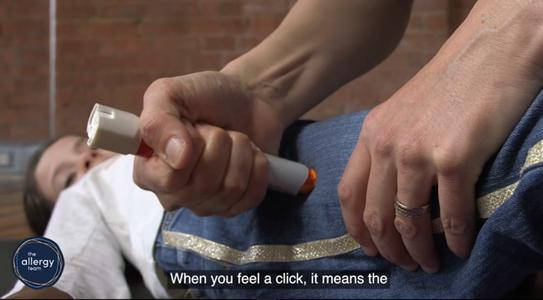
As an organisation that has been working to improve allergy training in schools, The Allergy Team was encouraged to hear the requirement for all school staff to have allergy and anaphylaxis training Too often schools tell us they have training in place because they have three or four first aiders trained to use an adrenaline pen, but whole school readiness is essential. Anaphylaxis is a time-critical medical emergency and in some circumstances waiting for a medical lead, first aider or school nurse to take charge of a situation creates dangerous delay
The content and quality of allergy training for schools varies widely and it’s important yours is up-to-date and accurate It should cover understanding allergy, reducing risk, supporting the wellbeing of pupils with allergies, and recognising and treating allergic reactions If your staff complete online training, they should have lots of opportunity to practice with trainer adrenaline devices too, to build confidence The Allergy Team provides CPD-accredited training approved by clinicians and recommended by Allergy UK
For the schools we work with to join the Schools Allergy Register, this emphasis on having a senior leader who oversees allergy will be nothing new The Allergy Team has long been passionate about a school leader taking ownership of allergy and having the specialist knowledge and tools to share best practice throughout their school We know schools value this specialist role too because since we launched the first and only training for Designated Allergy Leads last Autumn, sessions have been selling out One of the key elements of our masterclasses is showing allergy leads how to run effective anaphylaxis drills to tease out weaknesses in their allergy policy or emergency planning It’s good to see these safety drills get a mention in the guidance, along with clear recording of allergic reaction incidents, including near misses
We are often asked who should take on the Designated Allergy Lead role and of course, that depends on the setting However, we usually advise schools to select someone who has oversight of different departments and enough “clout” to drive change
Spare adrenaline pens
The final area of the guidance confirmed by Jacqui Smith was that schools will be expected to purchase “spare adrenaline pens”. These are devices which the school holds as a back-up They are not prescribed to specific individuals, and they should not replace prescribed adrenaline pens
Despite the fact schools have been permitted to purchase spare adrenaline pens since 2017, uptake has been inconsistent The new guidance is expected to formalise expectations, suggesting schools should review their current provision now and ensure spares are in place We are working with Simple Online Pharmacy which has agreed to sell spare Epipen and Jext pens to schools at cost price with our special code
Develop Individual Healthcare Plans for pupils with allergies
The final element of the guidance laid out in the Lords was that “every child whose medical condition requires active management by their school should have an individual healthcare plan which specifies the arrangements that will be put in place This includes those with allergy ”
With this in mind, we would urge schools to check which pupils with allergies already have Individual Healthcare Plans and to create plans for those who don’t, bearing in mind that this is a different document to an Allergy Action Plan Parents and carers should collaborate with you to create their child’s IHP and you may want to invite contributions from a pupil’s clinician too
The campaign for Benedict’s Law
In her comments Jacqui Smith praised the allergy organisations who have been campaigning for safer schools for pupils with allergies and said she was “pleased to take forward the campaign
for Benedict’s Law” This was a reference to tireless work by Helen and Peter Blythe in memory of their son, Benedict, who died following an allergic reaction at his primary school in 2021
Many of the protections they have called for appear in the new guidance and they are still hoping Benedict’s Law will form part of the Children’s Wellbeing and Schools bill currently making its way through Parliament
We are co-producing the new guidance with the government and other allergy organisations, charities and clinicians The Allergy Team’s focus is to give schools practical support and all the tools to implement robust allergy safety measures quickly and easily We understand that you might feel like your “to-do” list just got longer, but all these measures will help keep children safer, and give you peace of mind that you are protecting those in your care
As Helen Blythe says, “Being safe at school should be a right for all children and staff” We have already worked with thousands of school staff to improve allergy understanding, training, inclusion and emergency preparedness, and as allergy safety shifts into the national spotlight, we are ready to support you and your school to get this right too
Key resources to help schools get compliant for September:
Prepare your allergy lead with Designated Allergy Lead training
Book allergy training for all staff
Buy cost price spare adrenaline pens
Download our template allergy policy
ABOUT THE ALLERGY TEAM:
Backed by the country’s leading experts, The Allergy Team are the school allergy experts and its founders are co-producing the Government’s new statutory allergy guidance for schools
They work with schools to deliver practical solutions to reduce risk and improve the safety and wellbeing of pupils with the allergies This includes launching the UK’s only training course specifically for Designated Allergy Leads and building an allergy resource and training hub for schools, funded with a Women in Innovation Award from Innovate UK.
The Allergy Team also runs the Schools Allergy Register, a published list of schools meeting best practice in allergy management. You can find out more about The Allergy Team at theallergyteam com/schools
Katharine was a BBC News correspondent and presenter for more than 20 years before co-founding The Allergy Team
She is passionate about delivering clear and accurate information, written in plain English, and understands how important it is that people living with food allergies have access to trustworthy, up-to-date resources
As a correspondent and presenter Katharine worked across a range of platforms: writing for BBC Online, reporting across the BBC's radio network and presenting live and in the studio on BBC One and the BBC News Channel
Supporting health and development in children and young adults
Q1
Why is nutrition so important for boarding students?
Boarding students rely on school meals to meet all their nutritional needs, so it’s vital that meals throughout the day are balanced and meet these requirements Teenagers have high nutrient demands - sometimes even higher than adults for certain nutrients. Nutrition directly impacts energy levels, sleep, mental health, immunity, and academic focus, making it a key consideration for schools
Q2
Q3
Q5
How do pulses fit into a balanced diet for children and teenagers?
Pulses, such as beans, lentils, and chickpeas, are nutritional powerhouses They are naturally low in fat and rich in protein, soluble fibre, and key minerals like iron and potassium Pulses support growth, stabilise blood sugar, and aid digestion. Include pulses in soups, stews, pastas, and salads
Use allmanhall’s Hero Recipes for nutritious recipes that include beans and pulses
How important is protein for growth and repair?
Protein is essential for muscle development, growth, and tissue repair, all critical during childhood and adolescence
Good sources include lean meats, fish, eggs, beans, pulses, nuts, and lentils Including protein in most meals supports steady growth and recovery after activity.
Including more plant-based proteins can help meet fibre and micronutrients needs as well as supporting the planet Plant-based protein sources include beans, lentils, tofu, edamame, and Quorn. These also work well in meat dishes - for example, in allmanhall’s lasagne recipe made with 50% meat and 50% lentils
Meals can provide comfort, familiarity and connection.
Q4
Which nutrients do students often need more of?
Fibre is frequently overlooked - 96% of young people aged 11–18 do not meet the recommended intake. Fibre supports healthy digestion, maintains a healthy gut, and feeds beneficial gut bacteria, which is linked to a range of health benefits
Tips to increase fibre intake:
Add beans and pulses to meat dishes
Make bread, cakes, and pizza bases with wholemeal flour
Include seeds/fruit in cake
Be creative with fruit and vegetables in meals and snacks
What role do starchy carbohydrates play in children’s diets?
Starchy carbohydrates should form the base of most meals, as they are the body’s main energy source. Foods like bread, rice, pasta, potatoes, and cereals fuel active students, especially those involved in sports or high-demand school days
Choose wholegrain varieties for added fibre, B vitamins, and minerals. Wholegrains also support gut health
Q6
What about calcium and bone health?
Calcium is crucial for building strong bones and teeth Teenagers need more calcium than adults, with boys needing 1000 mg/day and girls 800 mg/day
To achieve this amount from dairy, four portions are needed, such as a glass of milk, a match-box sized piece of cheese, or a small pot of yogurt
Other reliable sources include fortified plantbased milks, tofu set with calcium chloride, fish with bones, tinned salmon, and bread
Ensure your menus have calcium-rich meals and snacks throughout the day to help meet those needs
Q7
Q9
Can you explain the role of healthy fats? Healthy fats, especially unsaturated fats from oily fish, nuts, seeds, and vegetable oils, support brain development and sustained energy These fats should replace saturated fats where possible
Make oily fish the star of your menus - try salmon poke bowls, fish tacos, or Sri Lankan fish patties.
What about hydration?
Hydration is vital, especially in the morning and during physical activity. Water is the best choice. Drinking steadily throughout the day helps maintain focus and energy. Symptoms like headaches or poor concentration may indicate even mild dehydration.
What should educators know about iron?
Q11
Iron is crucial for brain development and energy. Sources include red meat, fortified cereals, pulses, green leafy vegetables
Girls and young women are particularly prone to iron deficiency due to menstruation, so variety in meals is important Offer red meat a couple of times a week, add lentils to dishes, suggest dried apricots and seeds as snacks, or add them as toppings to breakfast cereals and yogurt
Q13
What small changes can a school make to have a big impact?
Focus on a healthy breakfast: Offer eggs, yogurt, fruit or vegetables; limit pastries, processed meat and low-fibre sugary cereals
Think fibre: Use wholemeal or 50/50 flour in bread, pizza bases, cakes, and biscuits, and add fruit and vegetables wherever you can
Review desserts: Reduce sugar by offering yogurt bars or fruit-based alternatives Try offering a starter instead of dessert!
Engage students: Introduce food committees and taster sessions for new dishes.
Q8
Is breakfast important?
Yes! Breakfast provides essential nutrients and energy for the day Encourage students to eat something, even a small portion
Healthy breakfast options include eggs, yogurt, highfibre cereals, wholegrain toast, and fruit
Q10: Why is limiting sugar important?
Q10
Too much added sugar contributes to tooth decay, excess energy intake, and higher risk of obesity and type 2 diabetes Many children exceed recommended sugar limits, and schools often offer multiple desserts daily Limit sugary drinks, cakes, sweets, and highly processed snacks
Offer alternatives like fruit pots or yogurt bars with a range of toppings Consider starters instead of desserts to lower sugar intake
Q12
How can nutrition support students during exams?
Good nutrition plays a big role in cognitive function, concentration, and exam performance A balanced diet with regular meals ensures stable blood glucose levels, which helps with focus and memory.
Including a mix of wholegrain carbohydrates and protein for sustained energy, fruit and vegetables for micronutrients, and adequate hydration, can make a real difference.
It helps to avoid long gaps between meals, and to choose nutrient-dense snacks over high-sugar options allmanhall’s energy balls make great quick nutritious snacks to offer in between exams.
Remember that food for many is an important part of the day Meals can provide comfort, familiarity and connection, which is especially important for younger boarders who may be missing home
If you're keen to make sure your food spend goes as far as possible, minimising waste, maximising quality and nutrition, why not speak to allmanhall to learn more Allmanhall saved schools £3 25M last year all the while enhancing food offerings and supporting in-house catering teams and school communities.
Tess oversees dietetics at allmanhall, specialists in food procurement for education settings, particularly boarding schools A registered dietitian with the HCPC, she holds a BSc (Hons) in Nutrition and Dietetics and has nearly two decades of experience, including roles in major London teaching hospitals and leading a nutrition consultancy With allmanhall for over eight years, Tess delivers bespoke training on nutrition, hydration, allergens, and healthy eating, while supporting schools with menu reviews and compliance She is a member of the British Dietetic Association Sustainability Group, helping clients integrate sustainability into menus alongside meeting nutritional standards
Adam Eustace, Specialist MSK Physiotherapist
Adolescent athletes often push their growing bodies to the limit, and while minor aches and sprains are normal, some joint pains point to more serious pathology.
Juvenile Osteochondritis Dissecans (JOCD) is one such condition - a relatively uncommon but important cause of persistent joint pain in active young people If left untreated it can have serious implications to the child’s longterm joint health and sporting potential
What Is JOCD?
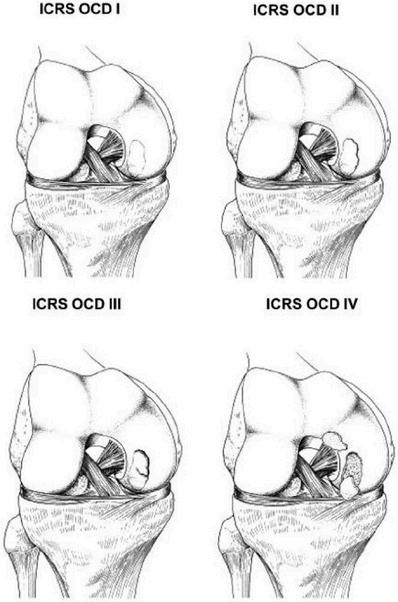
JOCD is a condition affecting the subchondral bone and overlying cartilage, most commonly in the knee, particularly the medial femoral condyle (see image 1) It can however often be found at the ankle and elbow.
Though the exact cause is not clear, it is thought to result from repetitive microtrauma to immature bone during periods of rapid growth. This leads to localised necrosis of the subchondral bone (bone under the cartilage surface), leading to a separation from the chondral surface and significant damage
The key difference between juvenile and adult forms lies in growth plate status: in JOCD, the growth plates are still open, meaning there’s potential for healing if identified early. When missed or mismanaged however, the lesion can progress to fragmentation, loose bodies, and early osteoarthritis
How Does It Present?
Presentation is often subtle with a gradual onset of unexplained unilateral joint pain. The condition typically affects physically active adolescents aged 10–15 years, more often boys than girls, and those engaged in high impact, repetitive sports - football, rugby, gymnastics, track events etc.
Common symptoms include:
Activity-related unilateral joint pain, often dull and poorly localised. The knee is the usual culprit, though the elbow, hip and ankle can be involved
Intermittent swelling, particularly after exercise is a key sign
Locking, catching, or giving way may present at a late stage, suggesting fragment instability
Uncharacteristic reduction in performance or reluctance to participate in physical activity, sometimes misinterpreted as lack of effort
Key Signs to Look Out for When Assessing:
Subjective indicators:
Gradual onset of pain without a clear acute injury
Worsening with activity, relieved by rest
Sensation of “something catching” or “stuck” in the joint
Image 1: International Cartilage Repair Society's classification of osteochondritis dissecans (work cited: Ananthaharan & Randsborg, Epidemiology and patientreported outcome after juvenile osteochondritis dissecans in the knee; The Knee, 4, 2018, pp595-601)
Objective indicators:
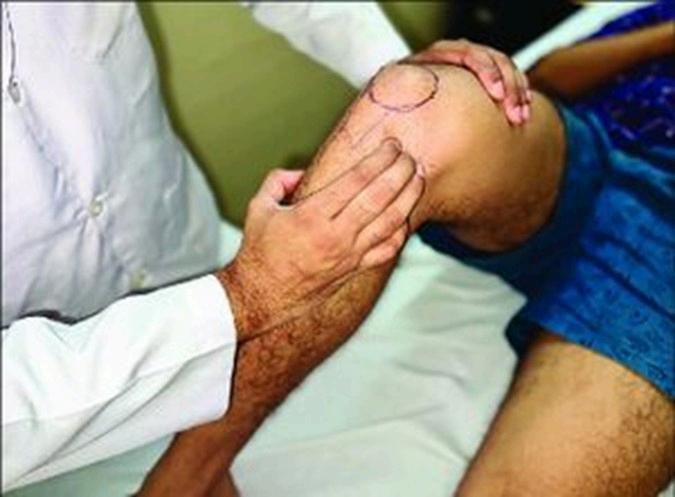
Mild joint effusion or swelling (usually following sport) Localised tenderness over the femoral condyle (see image 2)
Decreased range of joint motion, particularly extension in knee and elbow Pain or apprehension during Wilson’s test
These features should raise suspicion and warrant onward referral rather than assuming overuse or growing pains
Management and the Nurse’s Role
Stable lesions in skeletally immature patients are typically managed non operatively with rest from high impact activity, physiotherapy, and gradual return to sport over 4-6 months Unstable or detached lesions may require surgical intervention such as fixation or debridement
Early recognition and referral are key. If JOCD is suspected, the student should stop all sporting activity until assessed by a GP, specialist physiotherapist, or orthopaedic specialist with often an MRI being required. If the student continues loading the joint, the lesion may become unstable leading to irreversible damage
Once JOCD is diagnosed, the management depends on the lesion stability and skeletal maturity:
The role for school nurses is to support adherence to rest, liaising with parents, PE staff, and coaches, and promoting a gradual, safe return to activity Encouraging the student’s emotional wellbeing during enforced rest is equally important, with many young athletes finding the period off from exercise frustrating and isolating.
Bottom Line
JOCD may be uncommon, but its impact can be significant if overlooked Persistent, activity related knee pain in an adolescent,
particularly when accompanied with swelling, should never be brushed off as “growing pains ” Prompt recognition, rest, and referral can allow healing before joint damage occurs Nursing teams within a school settings are ideally placed to notice early warning signs - ensuring today’s young athletes keep moving pain free into adulthood
Image 2: location of medial femoral condyle on palpation
The power of listening: traumainformed practice for school nurses
School nurses are likely to meet children that have experienced or are still experiencing some kind of trauma.
What is trauma?
Trauma can follow an experience, succession of experiences, or set of incidents that are seen by the person to be harmful or life threatening. This trauma can cause lasting harmful consequences affecting the person’s ability to function and achieve mental, physical, social, emotional or spiritual well-being (Office for Health Improvement & Disparities 2022).
The cause of trauma is not limited to a particular type of event. It is how the person is affected following that event. This may include feeling under threat, abandoned, unsafe, unsupported, frightened, ashamed, rejected, powerless or humiliated.
Children and adolescents are reporting soaring levels of exposure to traumatic incidents (Hoeboer et al 2025). Exposure to trauma in childhood increases the risk of adverse social and/or psychological outcomes (Charak et al., 2023). Trauma caused by intentional acts such as cruelty and family violence in childhood is strongly linked with psychological, social, and physical health problems later in life (Briggs-Gowan et al., 2019).
The role of the school nurse
The Local Government Association (2022) explain that school nurses are uniquely placed to develop trusting relationships with children and young people, and they use the most up-to-date evidence base to deliver effective and comprehensive interventions. Additionally, they are there as a trusted shoulder to cry on and provide an ear to listen (Local Government Association 2022).
Effective Listening
A person who feels heard is more likely to trust, engage, and share their thoughts openly. Effective listening improves communication, promoting a culture of openness and respect.
To be an effective listener the school nurse needs to: be present, apply active listening, avoid judgment, listen for the unspoken, create a comfortable environment, and confirm an understanding of what has been said.
Be present: Make eye contact, nod occasionally, and lean towards the child to show engagement. Focus on the child and do not read from a device or document.
Apply active listening: Paraphrase what the child has said to verify understanding and ask clarifying questions to discover further information and/or feelings. Avoid judgment: Do not interrupt the child while they are speaking, wait to respond when they have finished. Be curious regarding their point of view.
Listen for the unspoken: Look for non-verbal cues such as tone of voice, facial expressions, and body language. Think about what the child is saying, and what they might be omitting to say. Create a comfortable environment: Be patient, avoid critical reactions, and respect confidentiality as appropriate Confirm an understanding of what has been said: Show the child that their narrative has been heard and understood, and their concerns have been acknowledged.
Listening effectively is a vital part of utilising a trauma-informed practice approach. For school nurses, the rationale of using trauma-informed
practice is for them to help children affected by trauma overcome the obstacles they may encounter when accessing health and care services. School nurses would not be expected to treat the trauma-related difficulties themselves; this is the responsibility of trauma-specialist services and practitioners. Using this approach encourages school nurses to look at the child and consider what it is they need, rather than focussing on what may be wrong.
Trauma-informed practice
Trauma-informed practice encompasses six principles, namely safety, trust, choice, collaboration, empowerment and cultural consideration (Office for Health Improvement & Disparities 2022).
Safety
School nurses can protect the physical, psychological and emotional safety of the child by:
asking them what they need to feel safe identifying any threat or harm following the appropriate local policies, practices and safeguarding arrangements.
Trustworthiness
A child who has experienced trauma may feel unsafe or that they have no control over their life. This can cause struggles in developing trusting relationships. School nurses can work towards building trust with the child by:
describing to them what they are doing and why doing what they say they will do being clear about what is going to happen and not overpromising.
Choice
School nurses can assist the child in making the plan of action they need by supporting them to make decisions, choices and set goals, by:
making sure they have a safe space to speak (consider the environment and others who may be present) listening to their needs and wishes explaining the available choices in a way they will understand.
Collaboration
Evaluating past staff and child experience will assist school nurses to recognise ways to overcome challenges and problems in their service. They can do this by:
engaging in formal and informal peer support
routinely requesting feedback which invites children and staff to state what they need and collaboratively reflecting how these needs can be met.
Empowerment
A child who has experienced trauma may feel powerless and have low selfesteem. They should be encouraged to have a strong voice in any decisionmaking. School nurses can help by:
validating their feelings and concerns listening to what they want and need helping them to make decisions and take the appropriate action.
Cultural consideration
School nurses can avoid cultural stereotypes and biases (such as age, disability, ethnicity, gender, sexual orientation, religion) by:
offering the child access to gender responsive services as appropriate considering the value of traditional cultural connections where appropriate encompassing policies, protocols and processes that will be effective in meeting the needs of the child.
Using trauma-informed practice could help school nurses to improve the accessibility and quality of their services by ensuring they are culturally sensitive and feel safe. It will enable school nurses to consider how to work in collaboration with children to empower them to make suitable choices.
References
Briggs-Gowan, M. J., Greene, C., Ford, J. et al. (2019). Adverse impact of multiple separations or loss of primary caregivers on young children. European Journal of Psychotraumatology, 10(1), 1646965.
Charak, R., Cano-Gonzalez, I., Ronzón-Tirado, R. et al. (2023).
Factor structure of the international trauma questionnaire in trauma exposed LGBTQ+ adults: Role of cumulative traumatic events and minority stress heterosexist experiences.
Psychological Trauma: Theory, Research, Practice, and Policy, 15(4), Article 4
Hoeboer, C. M., Nava, F., Haagen, J. F. G. et al. (2025). Epidemiology of DSM-5 PTSD and ICD-11 PTSD and complex PTSD in The Netherlands. Journal of Anxiety Disorders, 102963.
10.1016/j.janxdis.2024.102963
Office for Health Improvement & Disparities. (2022). Working definition of trauma-informed practice
Annual Health and Wellbeing Conference
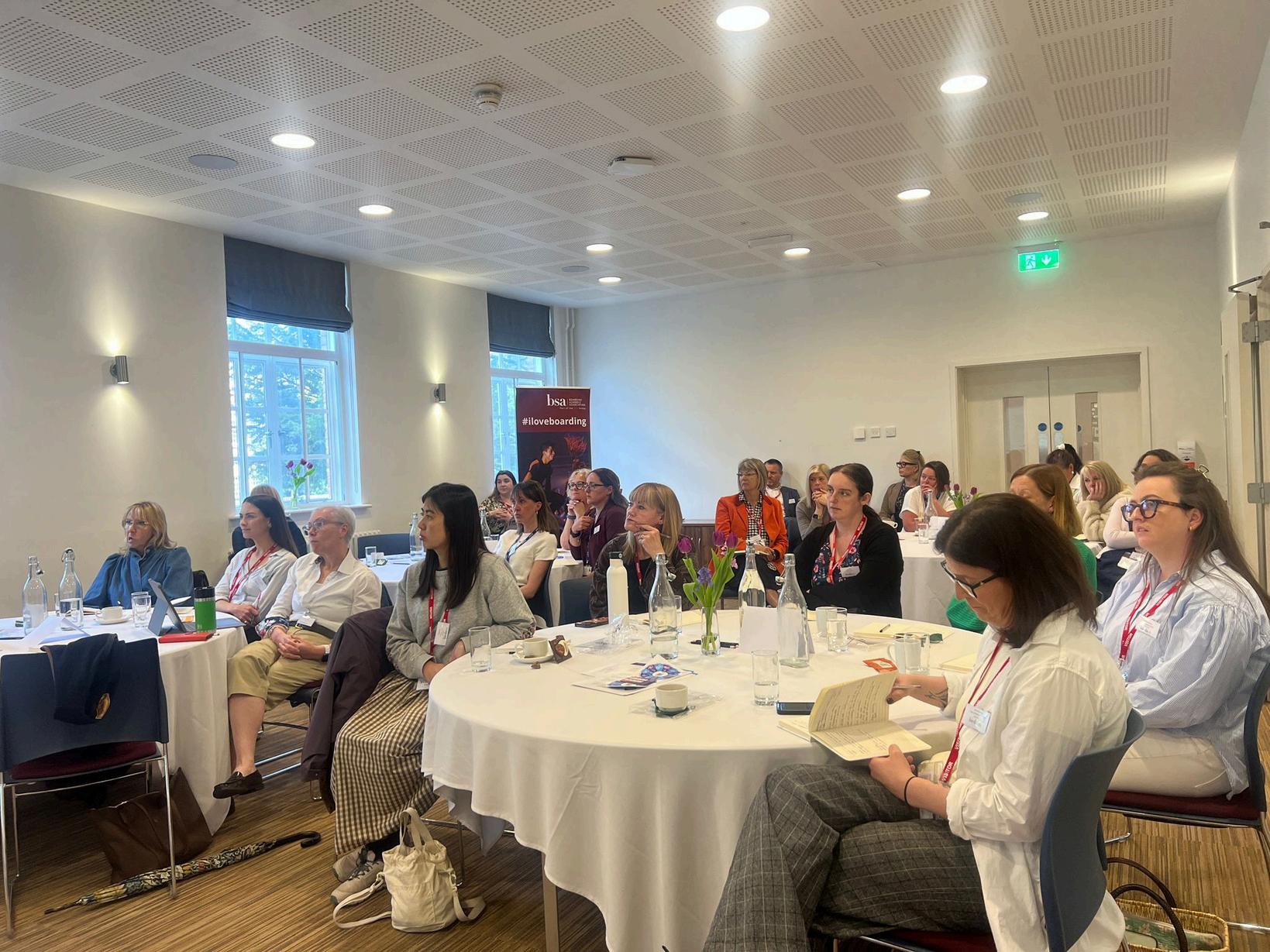
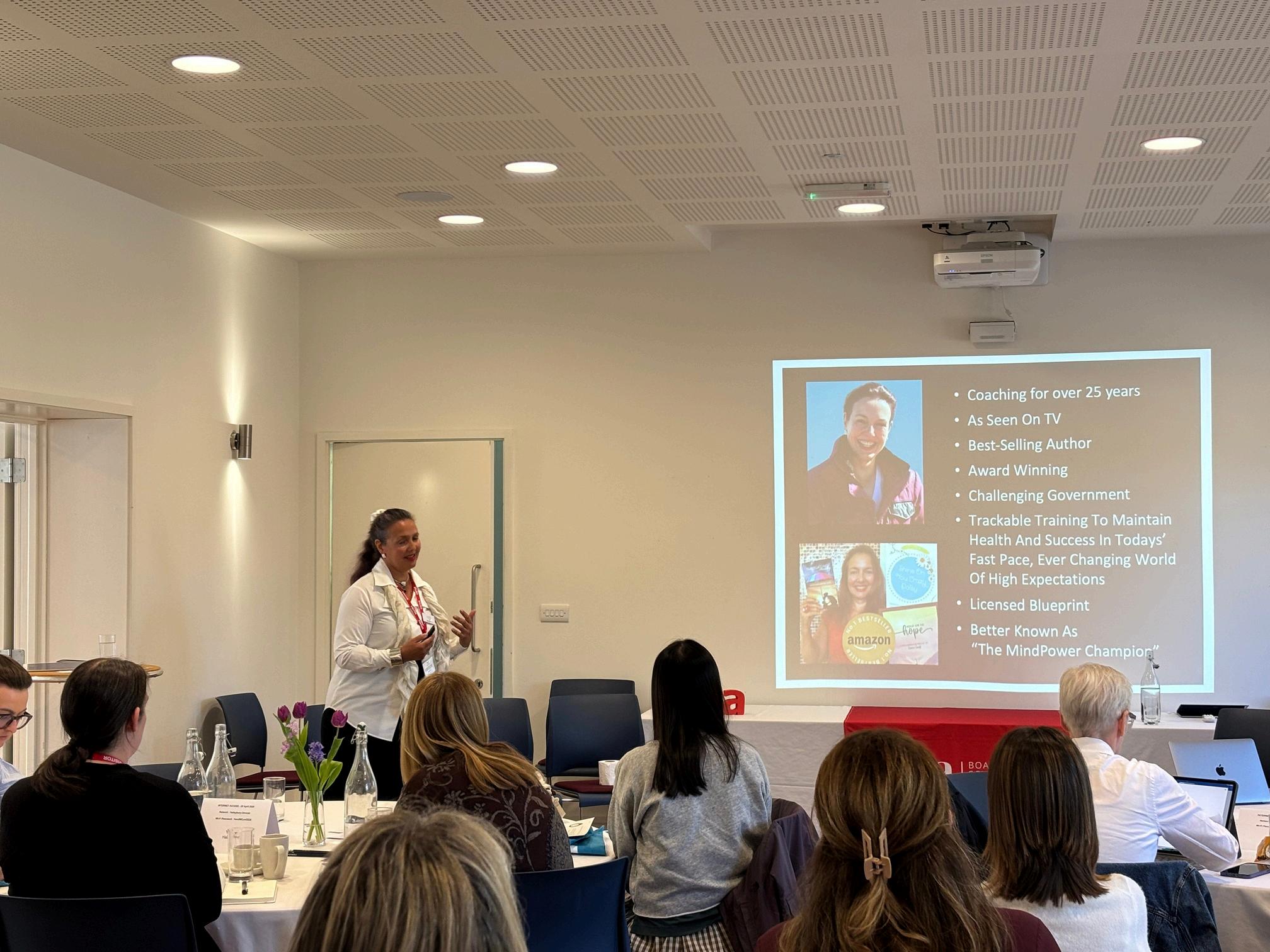
It was wonderful to welcome delegates along to Haileybury on April 28 for our second annual Health and Wellbeing conference.
Speakers shared expertise and insight on topics including:
Performance nutrition
Dan Richardson, MSc, SENr, Performance Nutrition Expert explored everyday nutrition habits and evidence based strategies to support student energy levels, concentration and performance both in sport and school life.
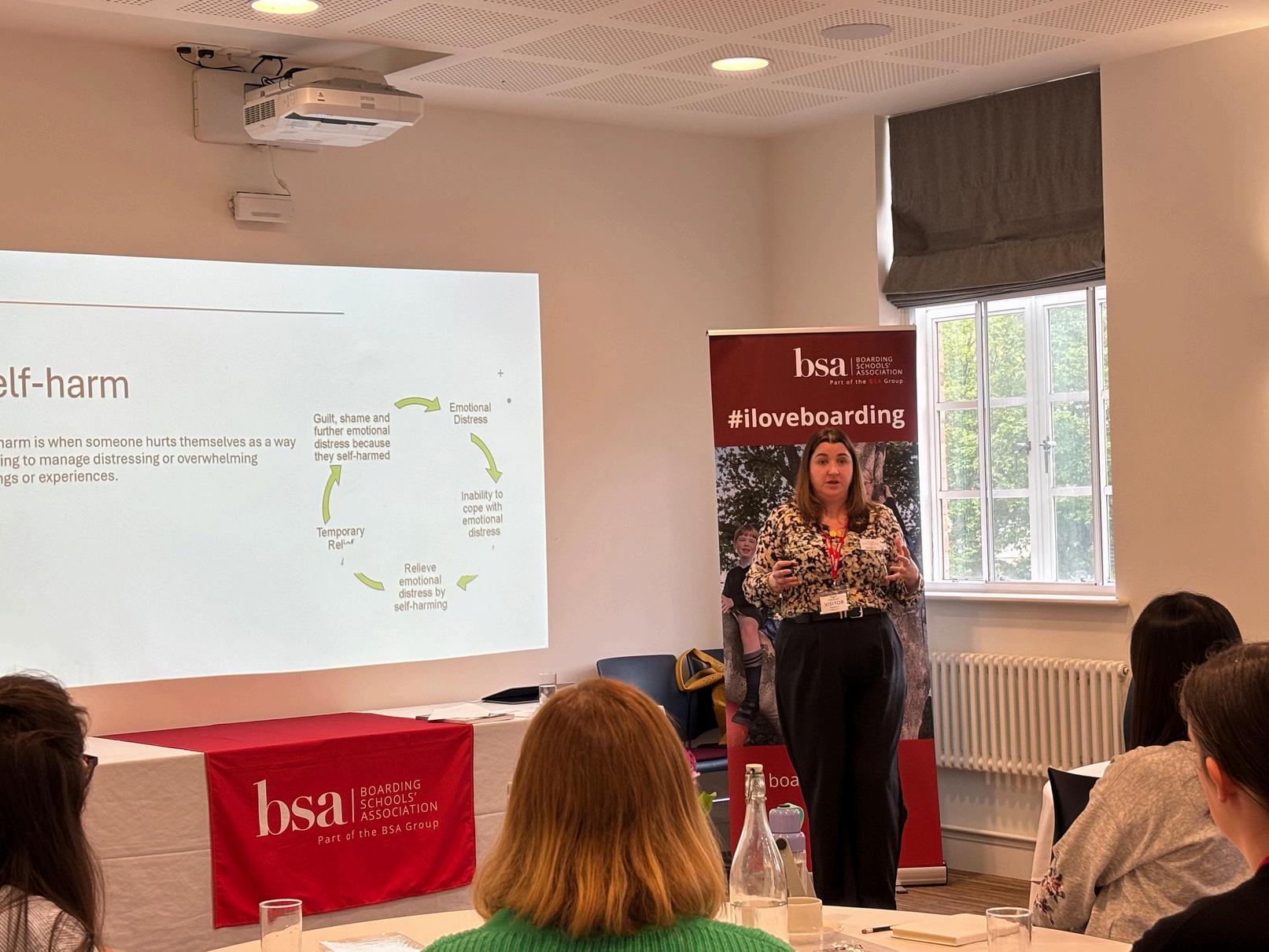
Policy development for self-harm and health-harming behaviours
Dr Jody Walshe, Educational and Child Psychologist spoke about the guidance shaping effective, sensitive and evidence-informed school policies relating to self-harm and harmful behaviours and tips for developing meaningful processes in school.
Recovery and rest
the practical steps needed to ensure schools are ready and compliant in time for September 2026.
Suicide prevention
Harry Mansfield, The Awareness Key explored best practice for early identification, intervention and support in order to build resilience and strengthen protective factors within school communities.
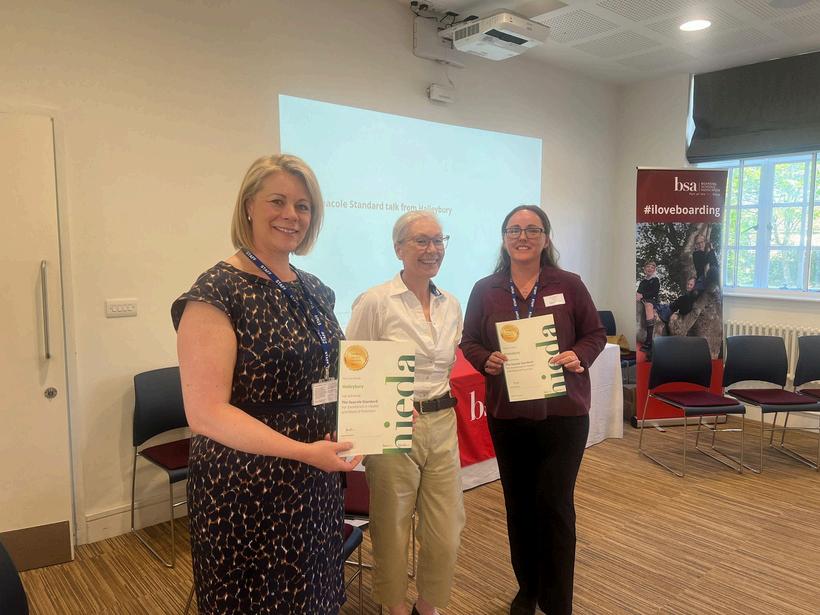
Finally, Haileybury were presented their certificates for achieving Seacole Standard accreditation.
Thank you to all those who attended. The programme was engaging and informative, providing a valuable opportunity for connection with peers and allowed delegates to exchange ideas collectively as a group and return to their respective schools with practical takeaways.
Rosie McManus, Senior Nurse Advisor, HIEDA led delegates through two key areas of everyday health care in school settings: effective wound care and the importance of healthy sleep in adolescence using evidence-based insights.
Allergy management
Sarah Knight, CEO and Founder, The Allergy Team provided an important update on the new statutory guidance for all schools in England. Delegates explored how the new requirements translated into day-to-day practice and
We look forward welcoming delegates back to a future conference next year! If you would like to contribute or attend next year’s event, please get in touch via info@hieda.org.uk
MAY 11 STI's, treatment and services
MAY 12 Sustainability and promoting a healthy diet
MAY 14 Contextual approaches to vaping behaviour
MAY 15 Coffee meeting/forum
MAY 15 The Adolescent Brain: Supporting Social, Emotional, and Behavioural Development
MAY 21 Managing Diabetes in Schools
MAY 22 Beyond referral: managing pupils after physiotherapy assessment
MAY 22 Preventing Mental Health Concerns
JUN 1 Managing minor injuries and illnesses
JUN 3 Managing Suicide Risk in Schools
JUN 8 First Aid for Mental Health (2 day course June 8th and 29th)
JUN 11 Level 3 Certificate: Safeguarding for School Nurses and School Nurse DSLs
JUN 15 SEND and the Health Centre
JUN 18 New pupils in school: introductions, medical information, care planning and information sharing
HIEDA's mission is to champion health in education excellence. HIEDA is a member of BSA Group which supports excellence in boarding, safeguarding, inclusion and health education. We serve 4,500 organisations and individuals in more than 50 countries.