


TOWNOF CANTON , MA


Canton’s Climate Action Plan (CAP) embodies the Town’s bold aspirations for a resilient future and offers a clear roadmap to ensure Canton’s climate resilience both now, and well into the future. The CAP provides the first comprehensive roadmap to address both the impacts of climate change on our community as well as a feasible plan to reduce the sources of pollution contributing to these changes. This Plan serves as an overall umbrella to help coordinate Canton’s many current and planned sustainability and climaterelated initiatives. It builds on historical local efforts to, among other things, improve our quality of life and protect our natural resources, ecosystems and wildlife. In sum, the Plan presents a demonstrable climate resilience and quality of life plan, supporting an economically thriving Canton while ensuring and contributing to public health and wellbeing.
In the past, Canton’s climate efforts have focused mainly on adaptation— preparing for and responding to the risks of a changing climate, such as stronger storms and rising temperatures. This approach is reflected in recent planning efforts, including the Town’s Master Plan 2035. With this Climate Action Plan, Canton is taking a bold step forward. This plan introduces a more forwardlooking, coordinated, and data-driven approach—one that helps us continue adapting to climate impacts while also joining communities across the country and around the world in reducing the emissions that are causing climate change in the first place. By taking action on both fronts, Canton is investing in a healthier, more resilient, and more sustainable future for everyone who lives and works here.
To help ensure a deep engagement with Town residents and businesses, the Select Board appointed the Sustainability and Climate Change Plan (SCAP) Interim Steering Committee (Committee) to help lead the effort to implement Warrant Article 27 from the 2023 Annual Town Meeting. Working with a consultant, the SCAP Committee used a comprehensive, three-phased development process to ensure the voices of all our stakeholders, including our residents, businesses, community organizations, town employees, department leads and municipal leaders, are reflected in the CAP. Phase 1 included a baseline assessment, Phase 2 an extensive public engagement effort, and Phase 3 a strategy development process. See Section 1, below, for details.

EXECUTIVE SUMMARY
GHG REDUCTION GOALS
As a result of this development process, the CAP recommends the Town establish community-wide GHG emissions reduction targets in accordance with the goals and requirements set forth by the State of Massachusetts enshrined in M.G.L. Chapter 8: “An Act Creating a Next-Generation Roadmap for Massachusetts Climate Policy.” This law outlines a plan for the Commonwealth to achieve net-zero greenhouse gas emissions by 2050. These targets are made against historic and projected GHG emissions levels using Canton’s 2017 baseline data and the statewide emissions inventory. Recommended community-wide reduction goals are as follows:
2030
50% REDUCTION
50% REDUCTION IN GHG EMISSIONS BY 2030, AS COMPARED TO 1990 LEVELS.
2040 75% REDUCTION
75% REDUCTION IN GHG EMISSIONS BY 2040, AS COMPARED TO 1990 LEVELS.
2050 85% OR NET-ZERO
NET-ZERO BY 2050, INCLUDING AT LEAST AN 85% REDUCTION FROM 1990 LEVELS.1
1 See Section 3, Community-wide Reduction Targets, for detail regarding these statewide emissions targets. These have been established by the Massachusetts Clean Energy and Climate Plan (CECP) to implement An Act Creating A Next-Generation Roadmap for Massachusetts Climate Policy (M.G.L. Chapter 8 of the Acts of 2021).

In addition to these community-wide goals, the CAP recommends targeting the elimination of fossil fuel use across all municipal operations by 2050. See Section 3, below, for details.
To accomplish these and other sustainability and climate-related goals, the CAP recommends 22 strategies and 40 actions that have emerged from voices within the town, previously established plans and policies, and national best practice. The State of Massachusetts is actively supporting the achievement of community-wide targets through its Mass Save® program, which provides residents, businesses, and municipalities with incentives, rebates, and technical assistance to improve energy efficiency, reduce greenhouse gas emissions, and transition to cleaner, more sustainable technologies. To support municipal operation targets, the State initiated the Green Community Program (of which Canton is a member), and is now building on that program through the Climate Leader Community program.

EXECUTIVE SUMMARY
While many strategies are recommended to begin in the short term, several have been highlighted as particularly high impact. These are strategies the Town should consider initiating as soon as possible, due to their foundational nature and emission reduction potential.
ECR 1: Staff a Municipal Energy & Sustainability Position
ECR 2: Accelerate Municipal Decarbonization and Energy Efficiency
BE 1: Enhance Coordination of Town-Wide Building Energy Systems
MT 3: Electrify Transportation Systems
Indirect but foundational Enables and accelerates emissions reductions across all sectors by improving coordination, grant access, and project delivery.
High (Municipal Scope)
Targets fossil fuel use in Town and School buildings and fleets; supports full municipal decarbonization by 2050 in alignment with CLC.
High (Community-Wide)
Improves adoption of building electrification and efficiency; supports Specialized Code adoption, which can significantly lower new construction emissions.
High (Municipal and Community-Wide)
Significant long-term reductions from fleet conversion and EV charger expansion; addresses one of the largest GHG sources in Canton.
ECR: Energy Conservation and Renewable strategy; BE; Built Environment and Development strategies; MT: Mobilization and Transportation strategies.

EXECUTIVE SUMMARY
These strategies and related actions directly address Canton’s two largest sources of emissions—stationary energy (emissions from energy used to heat, cool, and power buildings) and transportation—and will form the foundation of early CAP-related implementation efforts. To help fund the implementation of these strategies and related actions, the CAP recommends Canton become a certified Climate Leader Community (CLC). This certification provides a means to achieving Canton’s overall goals for cleaner air, more resilient infrastructure, more sustainable growth, and a stronger, healthier community by making the Town eligible for up to $1M in state funding. See Sections 3 and 4 below for details.
Importantly, the CAP also establishes an implementation framework, including the need for metrics to help track and report progress. These metrics are necessary for evaluating the effectiveness of the CAP’s strategies and actions. For example, this Plan envisions metrics that help assess dollars saved from energy efficiency improvements, the number of megawatts of solar installed, the number of trees planted, and the tons of waste composted. Tracking these metrics helps the Town and its many stakeholders make informed decisions based on local data, while also enhancing accountability and transparency. See Section 5 below for details, including a list of additional sources of funding to help implement these recommendations.
Collectively, this CAP marks an important next step in Canton’s climate journey—from preparing for and responding to impacts to actively working to prevent them. By taking a comprehensive and data-driven approach, Canton’s CAP ensures that both immediate actions and longer-term sustainability goals are reasonably addressed. The plan builds on the Town’s existing successes, while introducing significant yet achievable new initiatives designed to accelerate climate action. The net result is a comprehensive roadmap that establishes clear goals, measurable targets, and actionable strategies to continue fostering a more sustainable, engaged, and resilient Canton for generations to come.
APPENDICES HAVE BEEN PROVIDED IN A SEPARATE DOCUMENT. THESE INCLUDE:
I. Purpose and Acknowledgements
II. Executive Summary
III. Municipal Emission Baseline
IV. Decarbonization Roadmap Narrative
APPENDIX A - Sample Letters from both General Government and School District verifying adoption of the roadmap
APPENDIX B - Town of Canton Guiding Principles for Municipal Decarbonization
01 Figure X: 2017 community-wide emissions from stationary energy by subsector with municipal buildings disaggregated
01 Figure X: 2017 community-wide emissions from transportation by subsector with municipal vehicle emissions disaggregated
01 Figure X: Municipal emissions by Category
01 Figure X: Municipal Emissions by Subcategory
01 Figure X: Emissions from Schools
01 Figure X: Emissions by Fuel Type
01 Figure X: Community-wide Emissions Business-as-Usual Forecast
01
Figure X: Community-wide Adjusted Business-as-Usual (ABAU) Emissions Forecast
01 Figure X: Target municipal emissions trajectory for the Town of Canton to align with Climate Leader Community requirements and achieve netzero by 2050
01 Figure X: Community-wide emissions targets aligned with CECP targets
ABAU Adjusted Business-As-Usual
BE Built Environment and Development strategies
BAU Business-As-Usual
CAFE Corporate Average Fuel Economy
CAP Climate Action Plan
CE Communication and Education strategies
CEC Clean Energy Center
CECP Clean Energy and Climate Plan
CH4 Methane
CI Critical Infrastructure strategies
CO2 Carbon dioxide
CO2e Carbon dioxide equivalent
CLC Climate Leader Community
CPA Community Preservation Act
CPS Canton Public Schools
DEP Department of Environmental Protection (Massachusetts)
DOE Department of Energy (US)
DOER Department of Energy Resources (Massachusetts)
DPW Department of Public Works
ECR Energy Conservation and Renewables strategies
EECBG Energy Efficiency and Conservation Block Grant
EPA Environmental Protection Agency (US)
EV Electric Vehicle
EVIP Electric Vehicle Incentive Program
FEMA Federal Emergency Management Agency
FTA Federal Transit Administration
GHG Greenhouse Gas
GWP Global Warming Potential
HMGP Hazard Mitigation Grant Program
HVAC Heating, ventilation, and air conditioning
ICLEI International Council for Local Environmental Initiatives
MBTA Massachusetts Bay Transportation Authority
MS4 Municipal Separate Storm Sewer System
MT Mobility and Transportation strategies
MT CO2e Metric Ton of Carbon Dioxide equivalent
MVP Municipal Vulnerability Preparedness
N2O Nitrous oxide
NEVI National Electric Vehicle Infrastructure
NPDES National Pollutant Discharge Elimination System
NR Natural Resources strategies
PHCR Public Health and Community Resilience strategies
RDP Recycling Dividends Program
SMRP Sustainable Materials Recovery Program
SW Solid Waste strategies

Michael C. Loughran • Chair
John R. McCourt • Vice-Chair
Christopher M. Albert • Clerk
Patricia M. Boyden • Member
John J. Connolly • Member
Susan Harrington • Member
CAP
TEAM [or SCAP Executive Team]
Tom Birmingham • Chair
Jen Wexler • Vice Chair
Alan Abend • Treasurer
TJ Torres • Town Planner
Alan Abend
• Member-at-Large (Treasurer)
Tom Birmingham • Energy Advisory Committee and Conservation Committee Rep. (Chair)
Tim Calabrese • Sustainability Committee Rep.
Jenn Collins
• Member- at- Large (initial Clerk)
Steven Colson
• Member-at-Large
Isabella Luca
• Member-at-Large
Patricia McDermott
• Planning Board Rep.
Kristine Meaney • Town Stormwater Manager
Matthew Masciarelli
• Member-at-Large (Clerk)
Greg Murphy • Member-at-Large
Kathleen O'Connell • Member-at-Large (Alternate Clerk)
Taylor Torres • Town Planner
Jennifer Wexler
• Member-at-Large (Vice-Chair)
Brianna Abend • Canton High School Rep.
Alana Murphy
• Member-at-Large
Hannah Gervais • Canton High School Rep.
Rich Swanson, Ph.D. • Blue Strike Environmental
Cisco Tomasino • Blue Strike Environmental
We wish to express our deepest gratitude to the Town staff and individuals in the Town of Canton who participated in our survey and meetings. We also extend our sincere appreciation to every individual who offered their insights, expertise, and support in shaping this Climate Action Plan— THANK YOU.

This plan was developed by Blue Strike Environmental, a consulting firm specializing in climate action planning, energy systems, and municipal sustainability strategies. With nearly 20 years of experience supporting local governments, public agencies, and utilities across the U.S. and internationally, the Blue Strike team brings deep expertise in greenhouse gas inventories, financial modeling, stakeholder engagement, and implementation planning.
Dear Canton Residents and Businesses,
On behalf of the Sustainability and Climate Action Planning (SCAP) Committee, we are proud to introduce Canton’s inaugural Climate Action Plan—our comprehensive, community-driven roadmap to a more sustainable, resilient, and equitable future. This Plan reflects the voices of our residents, key stakeholders, town employees and department leads, the dedication of our municipal leaders, and the pressing call of our times: to take bold, measurable action against climate change.
Our Climate Action Plan sets clear goals and a roadmap to eliminate fossil fuel use from municipal operations by 2050, and to cut greenhouse gas emissions community-wide in alignment with current state goals. It also enhances our collective resilience to climate impacts, including more days above 90 degrees, increased flood risk, and more intense storms and weather events. It integrates strategies across eight key focus areas—ranging from clean transportation and energy efficiency to natural resource protection, air quality and public health—to ensure that our environment, economy, and community thrive together in the most efficient and effective manner possible.
Importantly, this Plan is the result of deep community engagement, collaboration and understanding about climate impacts on Canton and including in regard to environmental justice and vulnerable populations. Our CAP was developed by a committee that included 15 dedicated volunteers and over 350 residents who participated in our survey. We also met with over 20 municipal department personnel, several boards and committees as well as Town and student leaders, including members of the Select Board, School Committee and Canton High School’s Climate Club. Through this process, we learned numerous key lessons, including: that local leadership matters; that collaboration across departments, community groups and the private sector is essential; that public trust grows when there is transparency and accountability; that business and our educational institutions play a vital role in the solutions; and that we care deeply about ensuring that all Canton residents benefit from our clean energy future and a livable environment.
This is more than a policy document—it is a call to action. Whether you are a student, a business owner, a town employee, or a neighbor, your role in implementing this Plan is vital. With your support, we can accelerate the implementation and use of clean energy, drive more sustainable development, safeguard our fragile ecosystem, and ensure that every resident—especially our most vulnerable—benefits from a healthier, more climate-ready Canton.
With gratitude, optimism, and resolve,
Tom Birmingham
Jen Wexler Chair Vice Chair
Sustainability
and Climate
Action Planning Committee • Town of Canton, Massachusetts

Canton is a thriving community located about 15 miles southwest of Boston, with a population of approximately 24,600 according to the 2022 Census. Since 2010, the town has grown by more than 12%, a faster pace than anticipated in Canton’s 2020 Master Plan. As a mature suburb, Canton features lower-density neighborhoods, a majority of single-family homes on moderately sized lots, and a relatively affluent population. The town is also a regional hub for jobs and retail, with strong transportation connections through two commuter rail stations, nearby highways I-95 and I-93, and MBTA bus service.
Governance in Canton is conducted through an Open Town Meeting system, complemented by a five-member Select Board and a Town Administrator. The Planning Board, an elected five-member body, oversees land use and development, while the Zoning Board of Appeals handles special permits and site plan approvals. Similarly, the Canton School District is overseen by a five-member School Committee elected to staggered three-year terms. The Committee is responsible for establishing the policies, programs, and operations necessary to achieve strong educational outcomes for Canton’s students, including management of school facilities and student transportation.
While much of Canton is already developed, the town continues to evolve. It maintains a strong balance of jobs and housing, with a jobs-toresidents ratio slightly above one, and a commitment to diverse housing options, including a 12.6% share of affordable housing under the state’s Chapter 40B program. Like many communities in the region, Canton is also home to a number of Environmental Justice neighborhoods, where efforts to promote equity and sustainability are especially important.
As the town looks ahead, planning for a changing climate has become a critical priority. Climate change is not a distant issue—it is already reshaping the world around us, including right here in Canton.
24,600 RESIDENTS
2

Climate change is an escalating global concern with tangible local impacts, and Canton is no exception. The town faces increasing risks from extreme weather events, including heavy rainfall, flooding, heatwaves, and droughts. These changes threaten infrastructure, public health, and the natural environment. Canton residents not only care deeply about how climate change is affecting their town—they also want to be part of the solution by helping to reduce greenhouse gas emissions and limit further harm to the climate, their air quality, and ecosystems.
Climate change is driven by an increase in greenhouse gases (GHGs) in the Earth’s atmosphere, which trap heat and disrupt the planet’s natural climate systems. While GHGs such as carbon dioxide, methane, and nitrous oxide occur naturally and play an essential role in regulating the Earth’s temperature, human activities have significantly increased their concentration—especially since the Industrial Revolution. The burning of fossil fuels to generate electricity, heat buildings, power vehicles, and fuel industrial processes is the largest contributor to this rise.2
As greenhouse gas levels rise, more heat from the sun is trapped in the atmosphere rather than escaping back into space. This process—commonly referred to as the "greenhouse effect"—leads to global warming. In turn, this warming disrupts weather patterns, accelerates sea level rise due to melting glaciers and thermal expansion, and stresses natural ecosystems. These changes are already being felt around the world and are projected to intensify, posing risks to public health, water supplies, food systems, infrastructure, and biodiversity. SECTION 1:
2 According to a 2022 U.S. Environmental Protection Agency Report, other major sources include deforestation, and agricultural production (www.epa.gov/ghgemissions/sourcesgreenhouse-gas-emissions). The data shows that 10% of US GHG emissions are from agricultural production, including livestock, agricultural soils, certain crops, and indirectly by powering agricultural buildings and equipment), and certain manufacturing practices.

The choices we make today will shape the extent of these changes in the future. In addition to fossil fuel emissions, land use changes like deforestation and urban development play a major role by reducing the planet’s ability to absorb carbon. The impacts of climate change are already being felt both globally and locally, affecting everything from infrastructure and public health to the natural environment we depend on. Canton’s Climate Action Plan is a response to these challenges—an opportunity to protect our community, support a thriving economy, and create a healthier, more resilient future.
Canton is already experiencing the impacts of these hazards, which threaten our ecosystems and way of life. For example, the dangerous 2024 forest fires near Reservoir Pond were caused by an extended drought brought on by changes in weather patterns not normally seen in this area. Looking ahead, according to ResilientMass,3 Canton and our surrounding region is expected to experience more extreme heat, warmer and wetter winters, more extreme precipitation, and increased flooding over the coming decades. These altered weather patterns, including warmer temperatures, are allowing pests and disease vectors like mosquitoes and ticks to increase in population and stay active for longer periods. This means increased human contact and transmissions, exacerbating pest and vector borne diseases in the Northeast.
Rising temperatures and increased climate hazards can also directly impact our community’s health, posing related risks such as heat stroke or reduced air quality which can affect vulnerable populations such as older community members or those with limited access to properly ventilated or cooled homes, workspaces, or buildings. Additionally, an increase in more intense storm events can cause strain on public and private infrastructure such as roads, bridges, or older buildings primarily due to flooding events. As storms grow more frequent and more intense, aging infrastructure may see increased damages leading to costly repairs.
3 www.mass.gov/info-details/top-impacts-in-the-eastern-inland-region.

SECTION 1:
Canton residents recognize the seriousness of the issue. For example, as part of Canton’s 2019 Municipal Vulnerability Preparedness (MVP) Community Resilience Building Workshop,4 the four top hazards (not ranked) selected by workshop participants were:
▲ FLOODING FROM EXTREME PRECIPITATION
▲ HEAT
▲ WIND
▲ SNOW AND ICE
The good news is that over the past several years, Canton has worked hard to address numerous climate-related hazards. A foundational step was the development of Canton’s 2018 Hazard Mitigation Plan5 (2018 Plan). This 2018 Plan set forth a Hazard Mitigation Strategy that focused on the following four broad areas: (1) Structure and Infrastructure Projects, (2) Preparedness, Coordination and Response Actions, (3) Education and Awareness Programs, and (4) Local Plans and Regulations. See Table 8.1 of the 2018 Plan for a full list of specific mitigation actions, many of which the Town has either completed or are currently being addressed. Most recently, Canton is amending its Zoning By-Law to update the Town’s Floodplain Overlay District as part of the 2025 Annual Town Meeting.6 All of these efforts will help protect our residents and infrastructure from and provide a better response to the impact of climate-related risks. But protecting our Town is not enough, we also want to join with others in the state, the nation and around the globe in the effort to fight climate change.
4 www.town.canton.ma.us/DocumentCenter/View/4088/02-19-2019-Canton-MunicipalVulnerability-Preparedness-Summary-of-Findings-Final-PDF.
5 www.town.canton.ma.us/DocumentCenter/View/3798/2018-Hazard-Mitigation-Plan-PDF.
6 The following are two sources of recent data to help evaluate the impact of increased flood risk on Canton: (1) the updated Federal Emergency Management Agency (FEMA) floodplain maps (i.e., Flood Insurance Rate Maps (FIRM)), and (2) the Neponset River Watershed Association’s new flood models.

1:
Over the past two decades, the Town of Canton has steadily advanced efforts to build climate resilience and prepare for future risks. In 2017, the Select Board demonstrated climate mitigation foresight with passage of the crucial Resolution - No New High Pressure Gas Pipelines in Canton. In 2018, Canton became a certified Municipal Vulnerability Preparedness (MVP) community, completing a comprehensive assessment of climate vulnerabilities and prioritizing actions to address them. This work led to the successful implementation of green infrastructure and stormwater improvements, including the construction of bioretention systems and culvert upgrades in flood-prone areas. Canton’s 2020 Master Plan emphasized sustainability and integrated climate considerations into land use, housing, and transportation policies. The town has also completed energy efficiency upgrades across multiple municipal buildings, replaced outdated HVAC systems, and invested in LED street lighting to reduce energy use and improve reliability. Tree planting initiatives, zoning updates to reduce impervious surfaces, and partnerships with regional watershed organizations have further enhanced Canton’s capacity to adapt to extreme heat, flooding, and other climate-driven challenges. These accomplishments form the foundation on which this Climate Action Plan is built, as we seek to accelerate our efforts to reduce the emissions that cause climate change.
The following are some of the Town’s Key Planning Documents that serve as a foundation for the CAP.

Canton's Master Plan 2035 is a comprehensive set of documents designed to guide the town's development and policies into the future, comprising a Baseline Report, a Road Map, and an Action Plan. The Baseline Report offers an overview of Canton's existing conditions, covering aspects such as demographics, housing, the economy, transportation, historic and cultural resources, and public services. The Road Map lays out the plan's policies, centered around the themes of Live, Work, Play, Connect, Protect, and Adapt, along with specific Focus Areas. The Action Plan provides a schedule for implementing the plan's objectives, assigning responsible parties and timeframes for each action.
Key principles of the plan include fostering a diverse and inclusive community, promoting economic growth, ensuring access to resources and services, and preserving Canton's unique character and environmental assets. The plan emphasizes strategic development around transit nodes, enhancing the town's centers, and improving infrastructure for various modes of transportation.

The Town of Canton undertook a Municipal Vulnerability Preparedness (MVP) program, culminating in a workshop on November 16, 2018, to assess and address the town's vulnerabilities to climate change and identify strategies to enhance resilience. The workshop, attended by approximately 30 local stakeholders, focused on defining climate-related hazards, recognizing community strengths and vulnerabilities, and prioritizing actions to improve Canton's capacity to withstand and recover from these hazards. Participants identified flooding, extreme heat, wind, and snow/ice as the primary hazards of concern, and pinpointed infrastructural, societal, and environmental vulnerabilities. The workshop outlined a range of recommended actions, including enhancing stormwater infrastructure, developing a climate change risk and vulnerability assessment, improving the resilience of critical townowned buildings, and implementing public education programs focused on climate change and preparedness.
The Town of Canton's updated Hazard Mitigation Plan, adopted on May 29, 2018, outlines strategies to reduce the impact of natural hazards, such as floods, high winds, and extreme temperatures. The update process involved collaboration among town departments and input from public meetings and surveys. The plan assesses Canton's vulnerability to identified hazards, estimates potential damages, and outlines both short-term and long-term mitigation measures. These measures include structural projects like drainage improvements, and policy changes, such as updates to local bylaws and regulations. The plan also emphasizes community preparedness and public education to enhance overall resilience.
8 www.town.canton.ma.us/DocumentCenter/View/4088/02-19-2019-Canton-MunicipalVulnerability-Preparedness-Summary-of-Findings-Final-PDF
9 www.town.canton.ma.us/DocumentCenter/View/3798/2018-Hazard-Mitigation-Plan-PDF

Canton's 2017 Energy Reduction Plan10 outlines the town's strategy to decrease energy consumption from a Fiscal Year 2016 baseline, in accordance with the Massachusetts Green Communities Grant Program. The plan inventories energy use across municipal buildings, vehicles, and streetlights, with schools identified as the largest consumers. To meet its 20% energy use reduction goal over five years, Canton has been implementing a range of energy-saving measures, some of which were supported with grant funding. In sum, changes in various municipal lighting systems, weatherization improvements, and upgrades to both building heating, ventilation, and air conditioning (HVAC) equipment as well as energy management systems have helped reduce the Town of Canton’s energy usage. However, many additional energy savings, electrification, and decarbonization opportunities remain.
In 2024, Canton launched a new municipal energy aggregation program entitled Canton Electricity Choice.11 Canton’s Clean Energy Choice is a group electricity purchasing program from the Town of Canton for Canton residents and businesses. The program impacts the supply charge on Eversource electric bills. Using the buying power of our community, Canton Electricity Choice provides several key benefits, including more renewable energy in our Town’s electricity supply. The program is a Town alternative to Eversource’s Basic Service and to other electricity supply offerings in the marketplace. Eversource remains Canton’s electricity distribution company.
10 https://town.canton.ma.us/DocumentCenter/View/3775/Canton-Energy-Reduction-Plan2017-PDF?bidId=
11 https://www.masspowerchoice.com/canton

Massachusetts has established one of the most ambitious and comprehensive climate policy frameworks in the United States.
Anchored by An Act Creating a Next-Generation Roadmap for Massachusetts Climate Policy (M.G.L. Chapter 8 of the Acts of 2021), the state has legally committed to achieving net-zero greenhouse gas emissions by 2050, with binding interim targets of a 50% reduction from 1990 levels by 2030 and a 75% reduction by 2040. To support these goals, Massachusetts has developed a range of implementation tools and programs, including the Clean Energy and Climate Plan (CECP), which outlines sector-specific pathways for achieving these reductions, and initiatives that empower municipalities, residents, and businesses to contribute to climate action. Two key programs in this effort are the Climate Leader Communities (CLC) Program and the Mass Save® initiative.
The CLC Program is a certification and grant program that recognizes municipalities demonstrating strong leadership in reducing greenhouse gas emissions among municipal facilities and vehicles and aligning with the state’s long-term decarbonization goals. To be eligible, a municipality must first be a designated Green Community and maintain that status in good standing. Then, it must complete a series of additional steps—nearly all of which target municipal operations. These include adopting a Zero-Emission Vehicle (ZEV) First Policy for the municipal fleet, developing a Municipal Decarbonization Roadmap, and adopting the Specialized Stretch Energy Code to ensure new and retrofitted buildings are constructed to net-zeroready standards. Importantly, communities must also make a formal commitment to eliminate on-site fossil fuel use in their own operations by 2050—a net-zero target—and set interim targets for reduction of fossil fuel use by 2030 and 2040 respectively.

means that the total amount of greenhouse gases (GHGs) emitted into the atmosphere is balanced by an equal amount removed or offset, resulting in no net increase in atmospheric GHGs.

The focus on municipal operations in the CLC program reflects both the opportunity and the responsibility of local governments to lead by example. By reducing emissions in their own facilities, fleets, and infrastructure, municipalities can significantly lower their own carbon footprints while also demonstrating the feasibility of clean energy solutions to the broader community. Local governments often control buildings, public vehicles, street lighting, and schools—all major energy users—and are well-positioned to set procurement policies, prioritize capital improvements, and guide planning in alignment with state goals. As illustrated in the table below, nearly all of the required actions for Climate Leader certification address municipal assets directly:

While the Climate Leader Communities program primarily targets municipal operations, Massachusetts also offers robust programs to help residents and businesses reduce their own emissions. The most prominent of these is Mass Save®, a statewide energy efficiency program sponsored by the state’s electric and gas utilities and administered under the oversight of the Massachusetts Department of Energy Resources. Mass Save provides incentives, technical assistance, and rebates for energy-saving improvements in homes and commercial buildings. These include free energy assessments, substantial rebates for high-efficiency HVAC systems and appliances, insulation and weatherization services, and incentives for electrification technologies such as air-source heat pumps and heat pump water heaters. For businesses, Mass Save offers custom retrofit programs, financing options, and support for energy-efficient design in new construction.
Together, the Climate Leader Communities and Mass Save programs reflect Massachusetts’ comprehensive approach to climate action—supporting municipal leadership while equipping residents and businesses to act—an approach that the Town of Canton has embraced and built upon in crafting its own vision for a sustainable future.

Climate change represents one of the key challenges of our time. Across the nation, local municipalities are taking bold action to both adapt to and mitigate the causes of climate change. The SCAP Committee embraced the Town’s call for action to both learn from and to continue pushing the bounds of its current efforts. In doing so, the SCAP Committee was guided by three important policies. The first was Canton’s own Master Plan 2035, 12 which not only includes over 70 climate adaptation and mitigation-related recommendations, but also establishes critical community-based goals and objectives. The second guide for the SCAP Committee was M.G.L. Chapter 8 of the Acts of 2021 - An Act Creating a Next-Generation Roadmap for Massachusetts Climate Policy, 13 described above, and which calls for achieving statewide GHG emissions targets, including Net Zero Emissions, by 2050. The third guide was the Green Communities’ new MA Climate Leader Communities Certification and Grant Program (CLC), 14 also mentioned above. Importantly, this program provides up to $1M of grant funding for certified municipalities. To become certified, Canton needs to meet the six threshold criteria. Some of these criteria are met within this CAP, including the establishment of a CAP, the adoption of GHG reduction targets (Section 3) and the creation of a Decarbonization Roadmap for the Town’s municipal operations (Appendix A). These policies also informed additional strategies and actions described in Sections 4 and 5. Together, these strategies and actions support achievement of the Town’s municipal and community-wide targets for emissions reductions and increased resilience over the coming decades.
12 www.town.canton.ma.us/690/Canton-Master-Plan-2035.
13 https://malegislature.gov/Laws/SessionLaws/Acts/2021/Chapter8.
14 www.mass.gov/doc/climate-leader-communities-program-guidance/download.

Canton’s Climate Action Plan addresses both on-going adaptation measures such as those outlined above as well as increased efforts to reduce greenhouse gas emissions, including transitioning to clean energy and reducing emissions. By balancing these approaches, Canton is positioning itself to not only adapt to current and expected challenges but also to create a foundation for long-term climate sustainability and community resilience.
THE PLAN IS ORGANIZED INTO THE FOLLOWING SIX KEY SECTIONS:
1. The Introduction section has established the context, both local and State-wide for the activities presented below,
2. The Our Impact section presents two emissions inventories for the Town, one for the community, and another for municipal operations,
3. Our Greenhouse Gas Reduction Targets section recommends GHG emissions reductions targets that are in line with State mandates and programs,
4. The Strategic Roadmap section provides 22 recommended strategies and 40 recommend actions that will help achieve these recommended GHG emissions reduction targets,
5. The Implementation section prioritizes the strategies and actions, assigns tasks to achieve them to departments, and provides funding guidance, and
6. The Appendices include a Municipal Decarbonization Roadmap, a key deliverable for CLC certification, as well as additional detail on the GHG inventories and the community engagement survey.

The Plan is driven, in large part, by six key goals, adapted from Canton’s Master Plan 2035, which are aligned with eight key areas covered by the Plan, which are:
1. Built Environment and Development
2. Mobility and Transportation
3. Energy Conservation and Renewables
4. Solid Waste,
5. Critical Infrastructure
6. Natural Resources
7. Public Health and Community Resilience
8. Communication and Education
See Table X, below, for a list of key goals by area, key areas and a brief description of topics covered under each area.

Engaging the community in the planning process to gather meaningful input was integral to the development of the CAP. This engagement required a broad collaborative effort shaped by input from key stakeholders, including the 15 members of the SCAP Committee, residents, local businesses, and Town employees and department principals. It also required careful review of several existing Town plans15 and previous actions.16 This approach was important to ensure the CAP’s recommended strategies and actions reflect both the diverse perspectives of the community, coordinate with and build on current initiatives, programs, and ensure the CAP’s goals are practical, fair, locally attuned, and responsive to the community’s needs.
The following is a description of Canton’s three-phased CAP engagement process:
PHASE 1
BASELINE ASSESSMENT STAKEHOLDER ENGAGEMENT PHASE 2
STRATEGY AND IMPLEMENTATION DEVELOPMENT PHASE 3
15 For example, Canton currently has several sustainability and climate-related plans and programs in place, including its Master Plan 2035, Hazard Mitigation Plan, Municipal Vulnerability Preparedness (MVP) Plan, Green Communities Plan, and Canton Electricity Choice program.
16 See Canton Select Board’s August 6, 2017, Resolution Opposing the Construction of High-Pressure Gas Pipeline within the Town of Canton, August 6, 2017-2.pdf, to protect the health and safety of Canton residents.

SECTION 1:
PHASE 1
BASELINE ASSESSMENT
Phase 1 included an assessment of Canton’s detailed GHG inventory for 2017 as well as energy use patterns. Existing Town policies, plans, and initiatives related to sustainability and climate resilience, were researched and integrated. Examples include assessing the fuel type of municipal buildings as well as analyzing zoning, land use, and building codes that impacted energy efficiency and renewable energy integration. The result of this phase was a detailed understanding of Canton’s climate-related activities, gaps, and opportunities. This assessment also revealed the community's “GHG emissions profile” or baseline conditions, and helped establish GHG reduction targets detailed in Section 3, below.
PHASE 2
STAKEHOLDER ENGAGEMENT
Phase 2 focused on gathering community input utilizing a multi-pronged stakeholder engagement process. The process of actively eliciting stakeholder input and ensuring a diversity of opinions was a critical underlying component of the CAP development. The community engagement process ensured that local priorities and values guided and informed CAP development. This phase included monthly meetings with the SCAP Committee, biweekly meetings with SCAP executive team, several community information sharing events, over 20 meetings with key Town department personnel, and a community-wide survey completed by 351 residents. This all helped to capture valuable perspectives and ideas, ensure alignment with local priorities and values, and deepen community awareness and enthusiasm for addressing climate challenges.

The community survey gathered input on environmental priorities, awareness levels, and preferred climate strategies from 351 Canton residents that completed the survey, which was widely distributed. Eighty six percent (86%) of residents who completed the survey understood the Climate Action Plan Steering Committees focus on reducing air pollution through clean energy initiatives. A strong majority also recognized the CAP’s goals of climate adaptation (77%) and improving public health and quality of life (82%).
When asked to rank their top environmental concerns, residents prioritized the following: outdoor air quality (171 votes), deforestation and habitat loss (155), and pollution of freshwater sources (148). Key actions residents supported included: improving recycling and waste reduction (136 votes), reducing plastic use (136), promoting sustainable development (135), and expanding access to clean energy incentives (131).
Additional feedback highlighted concerns about overdevelopment, traffic pollution, and water contamination, including polyfluoroalkyl substances (PFAS). Residents called for enhanced walkability, expanded composting, and greater public education on climate issues. While support for action is strong, some expressed concerns over costs and government mandates.
Survey respondents were predominantly Canton residents (94%) and homeowners (87%), with the largest age group being 50–64 years old (36%). The demographic majority identified as White/ Caucasian (80%). Overall, the results reflect broad community engagement, strong support for the CAP’s sustainability efforts, and a desire for balanced, practical solutions to environmental challenges in Canton.
See Survey Summary Report for additional detail regarding key takeaways and feedback from stakeholder engagement activities.
IMPROVING RECYCLING AND WASTE REDUCTION
REDUCING PLASTIC USE
EXPANDING ACCESS TO CLEAN ENERGY INCENTIVES KEY ACTIONS SUPPORTED BY RESIDENTS

SECTION 1:
PHASE 3
STRATEGY AND IMPLEMENTATION DEVELOPMENT
Phase 3 focused on identifying what strategies and actions would most effectively and efficiently further Canton’s goals, including positioning Canton to meet the threshold criteria to qualify as a MA Climate Leader Community. Achieving Climate Leader Community status garners access to financial and technical resources which would advance Canton’s clean energy systems and mitigation efforts. To strengthen Canton’s climate resilience efforts, the planning team identified key mitigation strategies and actions to reduce GHG emissions, enhance energy efficiency, and integrate renewable energy. It also identified ways to advance, coordinate and prioritize key adaptation strategies and strengthen climate resilience. Scenario modeling tools were utilized to project the potential impacts of proposed strategies, helping to refine approaches that best support sustainable growth and environmental stewardship. During Phase 3, BSE also identified funding opportunities, policy recommendations, and a structured implementation roadmap that includes phased timelines, performance metrics, and mechanisms for accountability.
As detailed in Sections 3, below, the Plan recommends establishing key GHG emissions reduction targets for the years 2030, 2040, and 2050. As detailed in Section 4, below, the CAP recommends 22 key strategies and 40 key climate mitigation and adaptation-related actions. Section 5 recommends a framework for implementing the CAP, and Appendix X includes a recommended Decarbonization Roadmap.

The strategies and actions included in Canton’s CAP were selected and prioritized through a thoughtful and rigorous evaluation process. This was central to the overall CAP development process. Each strategy was assessed based on the six prioritization criteria listed below in Table X to ensure the CAP reflects the highest value strategies - those that deliver the greatest climate benefits while making the most efficient use of available resources. The prioritization efforts also considered alignment with the community’s values and goals identified in Phase 2’s engagement process as well as how well each recommended action addresses the needs of all community members, while ensuring Canton’s most vulnerable populations to climate change are prioritized. Several of the strategies and actions originated from ideas submitted by residents or in discussion with department leads, while others are best practices adapted from other towns to fit Canton’s specific context. Importantly all of these strategies and actions were crafted in alignment with Canton’s Master Plan 2035 Implementation Roadmap and Action Plan. This approach builds greater resiliency for all of Canton, while allowing Canton to set ambitious yet grounded goals, targeting the greatest areas of need while ensuring that all recommended actions are achievable, equitable, and community-driven.

SECTION 1:
INTRODUCTION See Table X for a description of each criteria and their respective weights.
TABLE XX: Strategy and Action Evaluation Criteria and Weighting Methodology
CRITERIA
(1) Have a material impact on GHG mitigation potential
(2) Cost and benefits of intervention
(3) Have a material impact on adapting to climate change
(4) Feasibility of implementation
(5) Be consistent with Canton’s values and needs
(6) Benefit Canton’s environmental justice / most vulnerable communities
The level to which the strategy reduces greenhouse gas (GHG) emissions, either directly (e.g., through energy efficiency, renewable energy adoption, etc.) or indirectly (e.g., influencing behavior change or policy shifts).
The financial investment required to implement the measure, including upfront capital costs, ongoing operational expenses, and potential long-term savings or returns.
The degree to which the strategy enhances resilience to climaterelated hazards, such as flooding, extreme heat, drought, etc., thereby reducing vulnerability and improving adaptive capacity.
The practicality of carrying out the strategy, considering factors such as technical requirements, regulatory approvals, workforce capacity, funding availability, and timeline constraints.
The alignment of the strategy with the town’s priorities, community goals, and policy objectives as gathered during the community engagement phase of this project, ensuring that it resonates with local values and addresses pressing concerns.
The extent to which the strategy supports equity by prioritizing the needs of historically disadvantaged, low-income, or marginalized communities that are disproportionately impacted by climate change, pollution, and health-related risks.

To support long-term implementation and coordination of the plan’s strategies and actions, the SCAP Committee recommends convening a CAP Implementation Working Group (Working Group). Recommended participants in this Working Group include the Town Administrator and School District Superintendent, or their designee, key department designees, and representatives from Canton’s three sustainability-related committees: the Canton Sustainability Committee, the Canton Energy Advisory Committee, and the SCAP Committee as well as possible members from Canton’s Capital Planning and/or the Finance committees. The purpose of the Working Group would be to recommend to the Select Board a governance structure that best supports the most efficient and effective oversight, coordination, funding and implementation of sustainability, energy, and CAP-related initiatives. This approach has the support of the Town Administrator and School District Superintendent, and reflects Canton’s commitment to collaborative, accountable, and effective climate leadership. The SCAP Committee recommends the Select Board establish this Working Group as soon as practical following adoption of this CAP.

The CAP should be viewed as a living document—one that can change and adapt to the times. To ensure Canton’s CAP remains effective and current, the SCAP Committee recommends that the Town review and possibly update the CAP every three to five years. Regular updates will allow Canton to assess progress, refine strategies, and incorporate new insights into its sustainability and climate mitigation and adaptation-related efforts. This allows for the CAP to evolve alongside new funding requirements and opportunities as well as technology developments, including those that enhance efficiency and emissions reductions. This approach also allows Canton to address unanticipated climate challenges, changes to related Town planning-related efforts, and opportunities that may arise from time-to-time. In addition, this supports continued vigorous and inclusive stakeholder engagement consistent with the CAP’s six core principles, leverages federal, state, regional, and local partnerships, ensures Canton remains current on related policies and requirements all while keeping long-term climate objectives at the forefront.


This GHG inventory is a comprehensive assessment of the greenhouse gas emissions generated within Canton’s boundaries. It serves as a foundational tool for understanding the sources and magnitude of emissions across various sectors, including buildings (residential and commercial energy use), transportation, waste management, and industrial activities. This inventory provides a baseline against which progress toward Canton’s GHG emissions reduction goals can be measured and helps identify priority areas for these reductions, including those addressed in Appendix A - Canton’s Decarbonization Roadmap. Quantifying emissions is the first step in developing targeted strategies to mitigate Canton’s carbon footprint and support long-term sustainability.
Two separate inventories are used to better understand Canton’s GHG emissions. The first is a community-wide inventory that measures all GHG gasses in “metric tons of carbon equivalents (MTCO2e)”,17 generated by residents, businesses, and government operations within the town’s jurisdictional control. The second is a municipal operations inventory (also known as a government inventory). Emissions from municipal operations are a subset of community-wide emissions, which result exclusively from government operations within the town. Examples include school and non-school related buildings and facilities, vehicle fleet, streetlights and traffic signals, and waste from disposal.
CANTON'S TWO GREENHOUSE GAS INVENTORIES MEASURE EMISSIONS GENERATED BY:
17 Carbon equivalents (CO2e) is a standardized unit expressing the impact of various greenhouse gases (GHGs) in terms of their global warming potential (GWP) relative to carbon dioxide (CO2). By converting emissions of gases like methane and nitrous oxide into CO2e, it simplifies the comparison and assessment of overall climate impact across multiple types of GHGs. COMMUNITY

Managing both inventories is important. In the first instance, communitywide emissions represent the vast majority of the Town’s total footprint as detailed below. In the second, municipal emissions are often the first to be targeted, because the Town can take direct action to reduce them and the availability of state funding to perform the inventory. For example, the current climate policies of the Commonwealth of Massachusetts reflect this situation, incentivizing towns and cities to decarbonize their operations directly (largely through the Green Community and CLC programs) and establishing policies (the Specialized stretch code). In addition, these policies also provide incentives (MassSave) to help reduce both municipal and community-wide emissions.




Canton’s 2017 community-wide emissions totaled 276,216 MT CO2e.19 Breaking down the sectors of the emissions sources, stationary energy (emissions from energy used to heat, cool, and power buildings), was the largest contributor of emissions at 67.4%, followed by transportation at 32.4% and waste at 0.2%, respectively. Table X and Figure X below outline the sector breakdown of community-wide emissions in 2017.
TABLE XX: 2017 Community-wide emissions by sector
18 For the community-wide greenhouse gas inventory, data was taken from the 2017 greenhouse gas inventory using the MAPC Greenhouse Gas Inventory tool.
19 Canton’s 2017 GHG inventory was completed using Version 4 of the MAPC Community Greenhouse Gas Inventory Tool. The inventory is designed according to the Global Protocol for Community-Scale Greenhouse Gas Emission Inventories (GPC) and includes raw data, assumptions, and calculations for the Town in GPC emission sectors including Stationary Energy, Transportation, and Waste. The tool does not include emissions from the Industrial Process and Product Use (IPPU) and Agriculture, Forestry and Other Land Use (AFOLU) sectors due to lack of available data. Emissions are broken out by sector, subsector, source and scope.

TABLE XX: 2017 Community-wide emissions by sector 0.2% WASTE • 667 32.4% TRANSPORTATION • 89,472 67.4% STATIONARY ENERGY • 186,077 COMMUNITY-WIDE EMISSIONS

Within stationary energy, Commercial & Institutional (C&I) Buildings and Manufacturing Industries were the largest contributors of emissions, with municipal buildings a distant third. Looking more closely at emissions from all buildings, Figure X shows the individual contributions of each subsector.
TABLE XX: 2017 community-wide emissions from stationary energy by subsector 60.4%
COMMERCIAL & INSTITUTIONAL BUILDINGS AND MANUFACTURING INDUSTRIES*
* Municipal electricity and natural gas usage has been subtracted from C&I usage to disaggregate municipal usage for the purposes of this figure.

The second largest contributor to community-wide emissions is transportation, which comes primarily from passenger vehicles. Passenger vehicles were responsible for 82.3% of total transportation emissions, and 26.7% of total community-wide emissions. Figure X below shows the share of transportation emissions by each source with municipal vehicle emissions disaggregated.
TABLE XX: 2017 community-wide emissions from transportation by subsector with municipal vehicle emissions separated
PASSENGER VEHICLES
COMMERCIAL VEHICLES CO2e
TRANSPORTATION
RAILWAYS
ON-ROAD BUSES AND TROLLEYS
MUNICIPAL VEHICLES
SOURCE: Canton GHG Emission Report 2017

The Municipal Inventory focuses on Canton’s government operations. Canton’s 2024 municipal emissions totaled 4122.4 MT CO2e, representing 1.5% of total communitywide emissions. Breaking down the categories of these emissions sources, buildings (including public schools) were the largest contributor of emissions, followed by vehicles (from municipal fleet and vehicle maintenance). Table X and Figure X below outline the sector breakdown of municipal emissions in 2024.

The Figure below graphically represents what is found in Table X, above.
“Buildings” represent the greatest source of municipal emissions at 66.7%. This category consists of emissions from public schools, fire stations, town hall, and all municipal owned and operated buildings.
MUNICIPAL EMISSIONS
DATA SOURCE: MassEnergyInsight

Figure X contains the same data as above, but separates the Town’s buildings by building type (while maintaining the Towns other functions). Schools are shown to be responsible for 46.7% of total Town emissions, while other buildings such as administration, recreation and the library follow within the “Building” category.
MUNICIPAL EMISSIONS BY SUBCATEGORY
SCHOOL VEHICLE
DRINKING WATER TREATMENT PLANT AND PUMPING
PUBLIC SAFETY
LIBRARY, ADMINISTRATION
INDOOR RECREATION
PUBLIC WORKS, VEHICLE MAINTENANCE BUILDINGS
STREET AND TRAFFIC LIGHTS
PARKS AND OUTDOOR RECREATION
SOURCE:

Figure X focuses on schools only, and shows that Canton High School is the largest emitter, followed by Dean S Luce, and William H. Gavin.
CANTON HIGH SCHOOL
TABLE XX: Emissions from Schools 6.7% RODMAN SCHOOL EARLY CHILDHOOD PROGRAM
LUCE ELEMENTARY SCHOOL 16.4%
ADMINIATRATIVE BUILDING WM H GALVIN MIDDLE SCHOOL
HANSEN ELEMENTARY SCHOOL 9.3% JFK ELEMENTARY SCHOOL
DATA SOURCE: MassEnergyInsight

Another way to evaluate emissions from Town operations is to view them by fuel-type - or sources of energy. A fuel-type breakdown is important because some fuels are easier to decarbonize than others. For example, natural gas (“Gas”) will always contain a fixed amount of emissions per quantity burned. By contrast, electricity can be generated with fewer emissions over time, by producing it from renewable sources. This is the primary reason why many are seeking to “electrify” many operations that have traditionally been accomplished using gas. Emissions from municipal operations were largely driven by the "fuels" of electricity and gas (in buildings). The second largest source of emissions come from fuel used in vehicles, which accounted for 21.4% of municipal emissions.

Emission forecasts incorporate a range of factors, including demographic changes, technological advancements, policy interventions, and socioeconomic trends to paint a comprehensive picture of future emissions patterns. As the global community grapples with the urgent need to address climate change, accurate and reliable forecasts are essential for guiding efforts towards a sustainable and resilient future. Two forecasts were created for this CAP, a Business as Usual Forecast (BAU), and an Adjusted Business-as-Usual Forecast (ABAU). These projections can be compared to various baselines, including current baselines - straight line continuation of the inventories above - and historical baselines, such as emissions from 1990. All of these forecasts and baselines are explained below.

A Business as Usual (BAU) Forecast provides an estimation of communitywide emission projections from the base year of the GHG Inventory (2017) to a future horizon year, in this instance, 2050. This forecast (Table X and Figure X) shows where emissions are anticipated to stand in 2050 if no action is taken to reduce these total emissions, with population growth being the sole influencing factor. According to Town projections, population is forecast to continue increasing at a similar rate through 2040.21 Since 2000, the average year over year percentage growth for Canton has been 0.74%.22 This means that with no intervention, Town emissions would be expected to increase from 276,215 MT CO2e in 2017 to 352,298 MT CO2e by 2050.
TABLE XX: Community-Wide Emissions Change in a BAU scenario
www.town.canton.ma.us/948/Housing-Production-Plan
www.neilsberg.com/insights/canton-ma-population-by-year

TABLE XX: Community-Wide Emissions Change in a BAU scenario
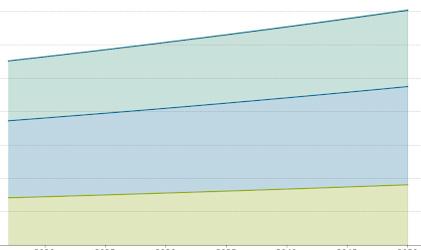
Note: Solid Waste and Water and Wastewater emissions are included in the forecast, but are not visible in the graphic due to their small relative size.

The Adjusted Business-as-Usual Forecast (ABAU) seeks to forecast community-wide emissions considering activities being taken outside the Town, but that affect the Town (i.e., emissions reductions not captured in this CAP). This forecast (Table X and Figure X) considers two crucial factors: statewide renewable energy standards for electric utilities, and national Corporate Average Fuel Economy (CAFE) standards. Canton’s electric utility, Eversource, has promised to achieve a 100% carbon-fee energy mix by the year 2030. Further, national CAFE standards, which require autos sold in the U.S. to achieve increased fuel efficiency, are expected to gradually reduce transportation emissions by 1.8% annually. These influential elements shape the ABAU forecast, reflecting a proactive stance toward emission reduction strategies. In this scenario the Town’s emissions would decrease without Town-specific interventions by approximately 34.4% between 2017 and 2050.

TABLE XX: Community-wide Adjusted Business-as-Usual (ABAU) Emissions Forecast
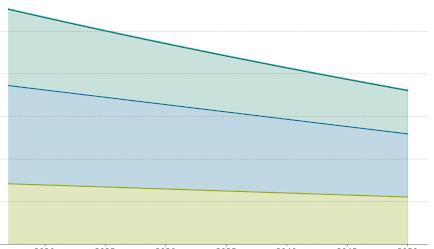
Note: Solid Waste and Water and Wastewater emissions are included in the forecast, but are not visible in the graphic due to their small relative size.

Canton has completed emissions inventories for calendar years 2017 and 2020.23 While typically the more recent GHG inventory would be used as a baseline, the 2017 inventory was selected for this CAP. Emissions in the year 2020 were significantly impacted by the Covid-19 pandemic, which altered energy use patterns temporarily. The reduced travel in 2020 brought on by the pandemic, and the reduction in emissions that followed is considered an anomaly.24 As a result, it was decided that the 2017 inventory provided a more realistic emissions baseline.
The CLC certification requires an inventory from 2022 or later. Because 2024 data for municipal operations was available through Mass Energy Insight, that year was chosen for a municipal baseline as well. The 2024 Baseline is simply a straight horizontal line extension of the 2024 municipal inventory–essentially a forecast that emissions remain exactly the same from that date forward.
23 It was not in the scope of this CAP to produce an updated Community-wide inventory.
24 www.iea.org/news/after-steep-drop-in-early-2020-global-carbon-dioxide-emissions-haverebounded-strongly

Many state and national emissions targets use a 1990 baseline as a consistent, internationally recognized starting point for measuring progress. These targets are often expressed as goals like “a 50% reduction in emissions from 1990 levels by 2030 and 85% by 2050,” which is the case for Massachusetts. The 1990 baseline was established in early global climate agreements such as the Kyoto Protocol25 and represents one of the earliest years with reliable, comprehensive emissions data. It reflects preboom fossil fuel use and ensures consistency across jurisdictions, making it a fair and credible reference point for tracking long-term reductions. Since the Town of Canton does not have access to local 1990 energy data, its baseline was estimated using 2017 municipal emissions data and the Commonwealth’s verified 1990 GHG inventory. Massachusetts achieved a 24.19% emissions reduction between 1990 and 2017. To estimate Canton's 1990 emissions, it was assumed the town experienced a similar proportional reduction. By applying this statewide reduction factor in reverse to Canton’s 2017 emissions, an estimated 1990 baseline was derived. This approach aligns the Town’s historical emissions trajectory with verified state trends, ensuring consistency and analytical rigor.
The BAU and ABAU forecasts are used to show that taking no action will not lead to emissions reductions that satisfy State mandates, and may even increase Canton’s emissions. The 2017, 2024 and 1990 baselines are used to set and evaluate target emission reductions for Canton. This is the topic for Section 3.
25 The Kyoto Protocol, adopted in 1997, was the first treaty to set legally binding greenhouse gas reduction targets for industrialized countries. It marked a key step in global climate action by holding developed nations accountable and introducing tools like carbon trading.
26 "Pre-boom" refers to the period before the major global surge in fossil fuel use and emissions that began in the 1990s.


SECTION 3:
Setting greenhouse gas (GHG) reduction targets is one of the most powerful actions a community can take to ensure a healthy, prosperous future by signaling the intention to take action against climate change. GHG targets define the pathway for reducing emissions—both at the community-wide level and at the municipal level. This important action is what leads to cleaner air, more resilient infrastructure, economic growth, and stronger, healthier communities. This is what voters essentially asked for during the 2023 ATM when they approved Article 26, and this is what survey respondents told the SCAP Committee during our extensive public engagement process. It is also what scientists strongly recommend, what policy-makers are driving toward, and our own experience shows us.
By setting clear goals—and planning decisive actions to meet them— communities signal their leadership, their commitment to residents' wellbeing, and their alignment with the global community’s commitment to achieve emission reduction targets established in the Paris Accord.27 Further, as detailed below, the establishment of targets is a requirement of certification for the CLC program. This is also consistent with the State’s call for towns and cities to commit to municipal-specific decarbonization targets, including Net Zero by 2050, as established by the Massachusetts Clean Energy and Climate Plan (CECP).28 As a result, the CAP recommends the following community-wide and municipal GHG reduction targets for Canton:
Achieve net-zero greenhouse gas emissions by 2050, including a 50% reduction below 1990 emissions levels by 2030 and a 75% reduction by 2040.
27 The Paris Accord, adopted in 2015, is a global agreement in which nearly every country committed to reducing greenhouse gas emissions to limit global warming to well below 2°C. It is important because it marked the first time all nations agreed to take action, with flexible, nationally determined targets and regular progress reviews.
28 "The Massachusetts Clean Energy and Climate Plan (CECP) implements An Act Creating A Next-Generation Roadmap for Massachusetts Climate Policy (M.G.L. Chapter 8 of the Acts of 2021), which requires net-zero greenhouse gas emissions by 2050, with binding interim targets of a 50% reduction by 2030 and 75% by 2040.

TABLE XX: Climate Action Goals
Canton’s aim to reduce greenhouse gas in accordance with Massachusett’s goals and requirements:
* Canton's 1990 emissions are estimated using the 2017 baseline and the statewide inventory. See Sections 2 and 3 for detail.

Nearly all—about 97%—of Canton’s GHG emissions come from assets under private ownership (i.e., households, and businesses). As a result, it is vital that GHG emissions targets include significant emission reductions from the community, if we are to maintain alignment with the CECP Target. Starting from a 1990 baseline of 364,353 MT CO2e, the target calls for a reduction of emissions to 182,177 MT CO2e by 2030, 91,088 by 2040, and a maximum of 54,653 by 2050. This represents a substantial decrease of 85% compared to a 1990 baseline, by 2050. However, as is shown in Table X, Canton has already made significant strides as of 2017. (Section 4 and Section 5 provide detail on how residents and businesses can meet these important community-wide targets).

SECTION 3:
Within the CECP, there is an important distinction between the "minimum target" and the "net zero target". The minimum target refers to the legally binding reductions in greenhouse gas (GHG) emissions that Massachusetts must achieve at specific milestone years—a 50% reduction from 1990 levels by 2030, a 75% reduction by 2040, and an 85% reduction by 2050. These minimum targets represent the required floor of emissions reductions under An Act Creating A Next-Generation Roadmap for Massachusetts Climate Policy. 29 In contrast, the net zero target for 2050 goes a step further. It requires that after Massachusetts reduces its emissions by at least 85%, it must also offset or balance the remaining emissions through carbon sequestration methods, such as protecting forests, wetlands, and soils, or through engineered carbon removal technologies. Achieving net zero means that the amount of greenhouse gases emitted will equal the amount removed from the atmosphere, fully neutralizing the state's carbon footprint. In simple terms, while the minimum target is about cutting emissions to a specific level, the net zero target ensures that any remaining emissions are fully offset to eliminate Massachusetts’ contribution to climate change by mid-century. This CAP is recommending full compliance with CECP, encompassing both reduction goals and net zero goals.
Figure X illustrates how Canton’s community-wide GHG emissions reduction targets align with the following three scenarios:
➜ SCENARIO 1 (Blue) - ABAU
➜ SCENARIO 2 (Green) - CECP Minimum
➜ SCENARIO 3 (Red) - CECP Net Zero
29 https://malegislature.gov/Laws/SessionLaws/Acts/2021/Chapter8

Actual emission totals along the blue ABAU line are shown for 2017 (year of the inventory), and key milestone years for CECP. As can be seen, by taking no action at the Town level, and relying exclusively on outside reduction efforts, achieves a total emission level of nearly 181,000 MT CO2e, well above the CECP mandates. By contrast, emission totals shown along the green line—the CECP minimum target—show a significant departure from business-as-usual, but do not achieve net-zero. The red line shows an appropriate continuation of reduction efforts between 2040 and 2050 to achieve net-zero emissions.
TABLE XX: Community-wide emissions targets aligned with CECP targets
These community-wide targets are designed to align with the overarching goal of limiting global warming as set forth in the MA CECP guidelines. While new carbon-reducing technologies appear with increasing frequency, the Town of Canton as well as its residents and businesses will still need to be ambitious and innovative to meet these targets.

While Canton’s GHG emissions from municipal operations only account for about 3% of community-wide emissions, there are two key reasons for focusing on establishing municipal reduction targets. First, there is an immense opportunity to lead by example in the transition to net-zero. Decarbonizing municipal buildings, fleets, and operations demonstrates Canton’s commitment to reducing emissions and facilitates a culture shift toward decarbonization within the community. Second, municipalities seeking Climate Leader Community (CLC) certification30 must commit to eliminating municipal on-site fossil fuel use by 2050.31 This will enable Canton to access additional grants to facilitate further GHG reduction efforts for municipal, residential, and business operations.
Therefore, Canton’s Climate Action Plan recommends the Town’s government operations establish the following GHG emissions reduction target similar to the above community-wide targets:
30 To achieve Climate Leader Community certification, municipalities must meet six criteria, including a formal commitment to eliminate on-site fossil fuel use in municipal operations by 2050. The CAP’s recommended emissions reduction targets set forth herein meet this important criteria. See Section 4, below, for additional detail regarding the other five CLC criteria.
31 On-site fossil fuel use includes municipal buildings, municipal vehicles, as well as school district buildings and vehicles included in the municipal portfolio.

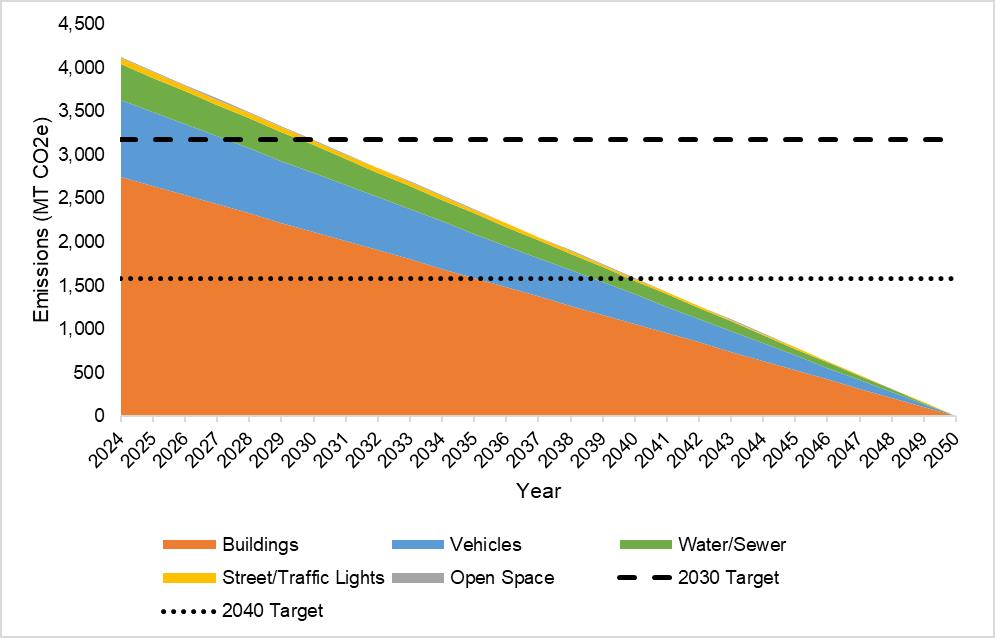
In addition to this commitment, the CLC program also requests that municipalities create target reduction goals, based on a recent baseline year, for the years 2030 and 2040. Canton has used 2024 for the Baseline year for the municipality, and has added targets for the required years (for a more robust assessment, see the Municipal Decarbonization RoadmapAppendix A). These targets reflect a feasible, 25-year phased plan to achieve complete elimination of fossil fuels from all of its municipal buildings and vehicles, including schools, and achieve net-zero emissions by 2050. Assuming a straight line reduction, Canton should look to reduce its 2024 baseline emissions of 4,122.5 MT CO2e from municipal operations as set forth in Table X, below:

SECTION 3:
See Figure X for an illustration of how these GHG emissions reduction targets could be met compared to the Town of Canton’s current main energy uses.
Table XX: Target municipal emissions trajectory for the Town of Canton to align with Climate Leader Community requirements and achieve net-zero by 2050 Figure X: Target municipal emissions trajectory for the Town of Canton to align with Climate Leader Community requirements and achieve net-zero by 2050
To reach these reduction targets, the CAP recommends specific strategies and actions for both the Canton community and municipal operations. These strategies and actions are the subject of Section 4.
To reach these reduction targets, the CAP recommends specific strategies and actions for both the Canton community and municipal operations These strategies and actions are the subject of Section 4.
The Strategic Roadmap Matrix summarizes the recommended pathway for Canton to achieve both its climate mitigation and adaptation-related goals. This Roadmap recommends 22 STRATEGIES AND 40 ACTIONS to achieve measurable results toward these goals. These strategies and actions, which are organized into eight key areas, reflect a thorough and careful process, including:
• Local commitments from Canton’s existing planning documents and policies;
• Integration of best practices, including a review of other municipal climate action plans;
• The combined contributions of community engagement efforts;
• A careful review of evolving state climate policies, including new requirements to achieve Climate Leader Community certification;
• An understanding of conditions, constraints, and opportunities unique to the Town of Canton;
• An analysis of Canton’s GHG inventories; and
• A rating and ranking system based on a robust prioritization method.
In 2017, Canton was designated a Massachusetts Green Community, making it eligible to receive grants to fund municipal renewable energy and energy efficiency projects. To date, Canton has received over $650,000 worth of grants to upgrade numerous municipal energy-related facilities. In 2023, the State announced its next generation Green Communities program - the Climate Leader Communities (CLC) certification program. The CLC pivots the focus from energy use reductions to GHG emissions reductions.

To achieve CLC certification, municipalities must meet six requirements, including a formal commitment to eliminating on-site fossil fuel use in municipal operations by 2050 (CLC Requirement #3). Table X describes all six CLC requirements, provides Canton’s current completion status and adds a cross-reference to the applicable section of the CAP addressing each requirement.
#1. Must Be A Green Community In “Good Standing”
#2. Establish/ Maintain A Local Committee To Advise, Coordinate, And/Or Lead Clean Energy And Climate Activities
#3. Municipal Decarbonization Commitment
A municipality seeking Climate Leader Community certification must be an existing Green Community in good standing as documented by the most recent fiscal year’s Green Communities Annual Report.
Municipalities must either establish or maintain a local committee that advises and helps to coordinate clean energy and climate activities in the municipality.
Completed See Section 4, ECR 2.1.
#4. Municipal Decarbonization Roadmap
Municipalities seeking Climate Leader Community certification must commit to eliminating on-site fossil fuel use by the municipality by 2050.
Municipalities seeking Climate Leader Community certification must develop a roadmap for decarbonizing municipal operations (which includes town and school buildings, drinking water and wastewater treatment plants, pumping stations, open spaces, and vehicles).
#5. Zero-EmissionVehicle First Policy
#6. Opt In Specialized Energy Code Adoption
All Departments in the municipality must purchase only zero-emission vehicles for municipal use whenever such vehicles are commercially available and practicable.
Communities seeking Climate Leader certification must adopt the Specialized Energy Code.
Completed See Section 4, ECR 2.2.
Completed with Select Board and School Committee
Approval of CAP See Section 4, ECR 2.3.
Completed with Select Board and School Committee
Approval of CAP
Pending Future Select Board and School Committee
See Section 4, ECR 2.4.; Appendix A: Decarbonization Roadmap
Approval See Section 4, MT 3.2.
Pending Future ATM Approval
See Section 4, BE 1.1.
In order to strengthen the Town’s commitment to achieving Climate Leader Community (CLC) status, the CAP recommends a set of six guiding principles to direct municipal decarbonization. These principles ensure a structured, fiscally responsible, and forward-looking approach to reducing greenhouse gas emissions across municipal operations, including:
1. Improve Energy Efficiency and Electrify Municipal Buildings: Canton will prioritize upgrades to insulation, air sealing, and HVAC systems in existing buildings. Heating and cooling systems will be electrified using high-efficiency technologies, and buildings will be held to low Energy Use Intensity (EUI) targets.
2. Integrate Renewable Energy and Battery Storage: onsite solar and battery systems will be incorporated into municipal buildings to reduce dependence on external energy sources and enhance resilience.

3. Design Sustainable and Zero-Net-Energy New Construction: All new buildings and major renovations will be designed with sustainability at their core, aiming for zero-net-energy performance, low embodied carbon materials, and infrastructure for future EV and energy system expansion.
4. Electrify the Municipal and School Vehicle Fleets: As vehicles are retired, the Town will replace them with zero-emission alternatives, supported by strategic EV infrastructure investments and staff training.
5. Modernize Water and Wastewater Infrastructure: Energy-intensive facilities will be upgraded for greater efficiency and transitioned to clean energy sources where possible, with advanced energy management systems and backup storage to improve operational resilience.
6. Decarbonize Outdoor Public Infrastructure: Canton will continue converting streetlights and public facilities to energy-efficient technologies, while exploring electrification and renewable energy for recreation, park, and waste facilities.
Together, these principles form a cohesive roadmap for municipal decarbonization, aligning with state and local climate goals while advancing equity, sustainability, and community resilience.
To provide structure, clarity and greater coordination of crucial current efforts as well as added strategies, this CAP organizes Canton’s climate goals, strategies, and actions into eight broad areas, referred to herein as the Strategic Roadmap Matrix or Matrix. This Matrix serves as a way to group related strategies and actions both within a given area as well as across multiple areas. Each Strategy and Action included in the Matrix underwent rigorous evaluation on the basis of Table X Strategy and Action Evaluation Criteria and Weighting Methodology detailed in Section 1. The methodology was distilled from stakeholder input, consideration of important Town goals and aspirations and includes incomplete climate adaptation and resilience actions currently identified in the Canton Master Plan. The Matrix supports the need to balance Canton’s strong climate adaptation strategies with mitigation strategies, the key companion for achieving community resilience. Additionally, the Matrix includes and uplifts the crucial strategies and actions which will position Canton to qualify to become a Climate Leader Community. While offering greater coordination of efforts, it serves as a helpful organizational lens through which to better understand Canton’s recommended sustainability and climate-related activities for reducing emissions, increasing resilience, and supporting community well-being for both municipal and non-municipal based initiatives. See Section 5 for the recommended Implementation Plan, including related roles and responsibilities and funding opportunities.

See also Appendix A for Canton’s recommended Decarbonization Roadmap, which provides additional detail around certain key municipal-based strategies and actions required by the Climate Leader Community certification.
ACTION SUPPORTS THE CLIMATE LEADER COMMUNITY REQUIREMENTS
Canton’s built environment plays a pivotal role in the community’s resilience and sustainability. As the Town advances toward net-zero emissions, this area focuses on improving the performance of municipal buildings, embedding climate goals into construction and renovation practices, and encouraging clean energy adoption. By prioritizing effi cient design, electrifi cation, and renewable integration, Canton can signifi cantly reduce emissions and operational costs, while ensuring public buildings serve as models for climate-forward development. Approval of this Climate Action Plan commits Canton to implementing the strategies and actions set forth in Table XX , prioritized in Section 5, and further addressed Canton's Decarbonization Roadmap set forth in Appendix A.

BE 1.
Enhance Coordination of Town-wide Building Energy Efficiency, Electrification, and Renewable Energy Generation Systems STRATEGY
INCREASE COMMUNITY SUSTAINABILITY THROUGH CLIMATE ADAPTATION AND MITIGATION EFFORTS.
BE 1.1.
Utilize a public education campaign to help secure approval at the May 2026 Annual Town Meeting of the Opt-In Specialized Building Code. See also CLC REQ. #6 and CE 1.2. This campaign supports Canton’s pursuit of Climate Leader Community certification status. This campaign should address key stakeholders in the land development, building & construction, and real estate sectors.
BE 1.2.
Utilize a public education campaign to build awareness of energy rebates, incentives, savings, and related "green energy" opportunities. See also CE 1.3. This campaign should encourage Canton’s residents and businesses to: (1) conduct energy audits, use more energy efficiency equipment, and improved building envelope performance; (2) install efficient electric heating, ventilation, and air conditioning equipment, including heat pumps; and (3) use on-site passive and renewable energy generation and storage equipment, including green roofs, passive solar, solar water, battery storage, and geothermal heating and cooling systems.
STRATEGY
BE 2.
Review Municipal Building Green Energy Guidelines and Standards
BE 2.1.
Assess and report on Canton's current "Municipal Building Green Energy Guidelines and Standards," including the use of modern building controls, operational requirements, maintenance schedules, capital replacement plans, energy-related procurement practices, and efficiency, electrification, and decarbonization opportunities.
REQUIREMENTS

INCREASE COMMUNITY SUSTAINABILITY THROUGH CLIMATE ADAPTATION AND MITIGATION EFFORTS.
STRATEGY ACTION
BE 3.
Establish / Refresh Municipal Building Green Energy Guidelines and Standards
BE 3.1.
Support the establishment / refresh of Canton's "Municipal Building Green Energy Guidelines and Standards." These guidelines and standards are to be used during the assessment, design, procurement, renovation, retrofit, new construction and maintenance decisions for all municipal school and non-school buildings.
STRATEGY ACTION
BE 4.
Evaluate existing municipal buildings for decarbonization opportunity whenever energy projects and building renovations include electrical, heating, ventilation, or air conditioning in the project scope
BE 4.1.
Adopt smart building management systems to optimize energy use related to lighting and HVAC systems.
Canton’s transportation system plays a major role in shaping both daily life and climate outcomes. The Mobility and Transportation area focuses on creating a safer, more efficient, and sustainable transportation network that supports walking, biking, public transit, and the adoption of electric vehicles. By improving access to alternative modes of travel and reducing reliance on fossil fuels, the Town can improve air quality, cut greenhouse gas emissions, and promote healthier lifestyles. Approval of this Climate Action Plan commits Canton to implementing the strategies and actions set forth in Table XX, and prioritized in Section 5.

STRATEGY ACTION
MT 1.
Promote Active Transportation Alternatives
MT 1.1.
Support the enhancement of local pedestrian and ecological linkages between open spaces, recreation areas, and neighborhoods to improve mobility, enhance public health, and preserve natural habitat.
STRATEGY ACTION
MT 2.
Build on Existing Planning Efforts
MT 2.1.
Support the continued implementation of applicable projects from Canton's Master Plan 2035 Action Plan and Complete Streets Prioritization Plan. These may include facilitating both neighborhood connections (e.g., walking and biking safety, non-vehicular connections, etc.) and town-wide connections (e.g., shared services, etc.).
MT 3.
Electrify Transportation Systems
MT 3.1.
Support the expansion of Canton's EV charging infrastructure, including (1) the installation of fast EV chargers in strategic locations (e.g., near multifamily housing, commercial centers, schools, fleet parking and maintenance locations, transit hubs, etc.), and (2) applicable improvements to the local electric distribution system.
MT 3.2.
Support obtaining Climate Leader Community Certification Status by adopting the MA Zero-Emission-Vehicle First policy. See CLC REQ. #5 for detail.
MT 3.3.
Support the development, coordination, and implementation of a study with applicable departments to assess the feasibility and practicality of replacing municipal and school vehicles powered by gasoline and diesel with zeroemission vehicles upon retirement or at the end of applicable lease agreements.

SUPPORT A SAFE, EFFICIENT, AND CONVENIENT MULTIMODAL TRANSPORTATION SYSTEM.
STRATEGY ACTION
MT 4.
Enhance Public Transit
Accessibility and Efficiency
MT 4.1.
Work with applicable Town officials, departments, and transit authorities to promote more frequent, reliable bus and train services with accessible stops and stations.
MT 4.2
Work with applicable Town officials, departments, and transit authorities to enhance bus stops with applicable amenities (e.g., benches, canopies, and solar arrays to power electronic schedules, bus trackers, heat lamps, etc.) along key routes to improve rider experience and attract more users.
Accelerating the planned transition to clean energy is central to Canton’s climate goals. The Energy Conservation and Renewables area focuses on reducing fossil fuel use across municipal operations, expanding energy effi ciency, and supporting the shift to renewables. These actions not only reduce greenhouse gas emissions but also improve operational savings, air quality, public health and long-term resilience.
Approval of this Climate Action Plan commits Canton to implementing the strategies and actions set forth in Table XX, prioritized in Section 5, and further addressed Canton's Decarbonization Roadmap set forth in Appendix A.

INCREASE COMMUNITY SUSTAINABILITY THROUGH CLIMATE ADAPTATION AND MITIGATION EFFORTS.
STRATEGY ACTION
ECR 1.
Staff a Municipal Energy and Sustainability Position
ECR 1.1.
Secure funding and support the hiring and onboarding of a municipal energy & sustainability position charged with implementing Canton's overall Climate Action Plan and Decarbonization Roadmap.
ECR 2.
Accelerate Municipal Decarbonization and Energy Efficiency
ECR 2.1.
Support obtaining Climate Leader Community Certification Status by maintaining Canton's status as a Green Community in "Good Standing." See CLC REQ. #1 and Appendix A below for detail.
ECR 2.2.
Support obtaining Climate Leader Community Certification Status by transitioning Canton’s existing sustainability, climate, and energy-related committees to a new CAP implementation committee. See CLC REQ. #2 and Section 1 (CAP Implementation Working Group) above for detail.
ECR 2.3.
Secure Select Board and School Committee approval of Canton's Climate Action Plan that includes a commitment to eliminating on-site fossil fuel use by 2050, including applicable municipal buildings, municipal vehicles, as well as school district buildings and vehicles included in the municipal portfolio. See CLC REQ. #3 and Section 3 above for detail.
ECR 2.4.
Support obtaining Climate Leader Community Certifi cation Status by implementing Canton's Decarbonization Roadmap consistent with the MA DOER’s CLC Guidance, Requirement #4 See CLC REQ. #4 and Appendix A below for detail.
The Solid Waste area addresses the need to transition Canton toward more efficient and sustainable waste practices by reducing landfill dependence. Landfills contribute significantly to greenhouse gas emissions— especially methane—and require large amounts of land and resources. Reducing the volume of waste generated and increasing recycling, composting, and the use of reusable materials are key strategies to improve environmental outcomes and reduce long-term waste management costs. Approval of this Climate Action Plan commits Canton to implementing the strategy and actions set forth in Table XX , and prioritized in Section 5.

Increase Recycling, Composting and Use of Reusable and Recycled Materials to Reduce Landfill Waste
SW 1.1.
Work with Canton's waste management contractor(s) to design and implement a municipal solid waste audit to assess residential sources and opportunities for reducing landfill waste, including "pay as you throw", recycling, reusing, and/or composting programs. Utilize this data to address Canton's waste management policies, programs, and future contracts as applicable.
SW 1.2.
Support the Canton School Committee, Superintendent, Canton Public Schools (CPS) District staff and students to establish and/or expand the use of school recycling coordinators and school-wide composting initiatives.
SW 1.3.
Support Canton's municipal efforts to design, implement, and/or expand effective recycling and composting programs at all non-school municipal buildings to demonstrate leadership in this area, including promoting this accomplishment.
SW 1.4.
Support the further adoption of Canton's current residential curbside composting program. This may include working with Canton's current residential compost management vendor to secure grants to offer free compost bins and provide composting education programming.
Critical infrastructure is the foundation of a healthy, resilient community—and as climate impacts intensify, these systems must be built to adapt. This area focuses on safeguarding Canton’s water systems, utilities, roads, and public buildings from natural hazards such as flooding, heatwaves, fires, and other significant weather events. By integrating climate adaptation and mitigation into planning and development, Canton can reduce risks to its infrastructure while improving quality of life. Approval of this Climate Action Plan commits Canton to implementing the strategies and actions set forth in Table XX , and prioritized in Section 5.


INCREASE COMMUNITY SUSTAINABILITY THROUGH CLIMATE ADAPTATION AND MITIGATION EFFORTS.
STRATEGY ACTION
CI 1.
Strengthen Stormwater Management By-Laws, Statutes, Standards and Regulations To Address Both the Quality and Quantity of Stormwater Runoff
CI 1.1.
Formalize a coordinated and periodic review with applicable Town departments of Canton's local Stormwater Management By-laws and Regulations to ensure ongoing compliance with current state and federal stormwater management and land use statutes, standards and regulations.
CI 1.2.
Support compliance with applicable federal mandated NPDES (National Pollutant Discharge Elimination System) Municipal Separate Storm Sewer System (MS4) Permit requirements, State stormwater management requirements and related ongoing stormwater management services provided by the Town to address the quality and quantity of stormwater runoff .
CI 1.3.
Support the development and implementation of local and regional stormwater management regulations, by-laws, standards, policies, and best management practices to mitigate stormwater runoff and reduce the risk of flooding due to increasing and more severe rain events.
CI 1.4.
Support the development and implementation of local and regional stormwater management regulations, by-laws, standards, policies, and best management practices to reduce stormwater pollution.

CI 2.
Modernize Zoning and Permitting Policies to Help Ensure New Critical Infrastructure is Resilient and Sustainable
INCREASE COMMUNITY SUSTAINABILITY THROUGH CLIMATE ADAPTATION AND MITIGATION EFFORTS.
CI 2.1.
Maintain and enhance Canton's zoning and permitting provisions that promote the resilient development of new critical infrastructure, including small, local renewable energy generation and storage projects consistent with state policies, best practices, and funding opportunities.
CI 2.2.
Support the development and implementation of local zoning and building standards, policies, and best practices that support the expansion of EV charging infrastructure in strategic locations consistent with the Towns applicable mobility and transportation goals.
CI 2.3.
Support the Town's ongoing eff orts to promote the construction of multifamily units near public transit options to reduce vehicle dependency and support walkability.
CI 3.
Increase Awareness of Impacts of Changes to Floodplain Overlay District
CI 3.1.
Support the development and implementation of a public communications and education campaign on the impact of increased flood risk to Canton's community. This campaign would include awareness about the Town's new Floodplain Overlay District, the Neponset River Watershed Association's new flood models, impacts on critical assets, and potential changes in flood insurance coverage. See also CE 1.4.

INCREASE COMMUNITY SUSTAINABILITY THROUGH CLIMATE ADAPTATION AND MITIGATION EFFORTS.
STRATEGY ACTION
CI 4.
Implement 5 Year
Update to the Canton Hazard Mitigation Plan
CI 4.1.
Support the development, coordination, and implementation of the Canton Hazard Mitigation Pan with a focus on adaptation of municipal operations and existing critical municipal infrastructure and properties. New municipal facilities and infrastructure should be constructed with resilient design. Emergency preparedness for natural hazard events should also be addressed, including needs during extreme heat and cold events, storm events, and other natural hazards. These might include heating and cooling centers, shelters, and emergency water/ supply stations.
STRATEGY ACTION
CI 5.
Build on Existing Planning Efforts
CI 5.1.
Support the continued coordination and implementation of Canton's Municipal Vulnerability Preparedness (MVP) program-related initiatives. These initiatives should (1) include a focus on Canton’s vulnerable and environmental justice populations consistent with Canton's MVP 2.0 program Grant, and (2) link with other community resilience and adaptation opportunities. See also PHCR 2.2.
The Natural Resources area focuses on protecting, enhancing, and restoring the ecosystems that define Canton’s identity and resilience. Forests, wetlands, and open spaces not only provide recreational and ecological benefits but also play a critical role in mitigating the effects of climate change— such as absorbing carbon dioxide, managing stormwater, and reducing urban heat. By building on existing planning efforts and prioritizing conservation, Canton can safeguard its natural assets for future generations. Approval of this Climate Action Plan commits Canton to implementing the strategy and actions set forth in Table XX , and prioritized in Section 5.


PROTECT, ENHANCE, AND RESTORE NATURAL ECOSYSTEMS AND LANDSCAPES.
NR 1.
Build on Existing Planning Efforts
NR 1.1.
Support the development, coordination, and implementation of the Town’s effort to qualify as a Tree City USA. This status works to further protect the Town’s tree canopy consistent with applicable criteria www.arborday.org/our-work/tree-cityusa/standards (e.g., tree warden, tree care ordinance or bylaw, % budget dedicated to the program, a proclamation and companion Arbor Day Observance). See also PHCR 1.1.
NR 1.2.
Support the development, coordination, and implementation of the 5 Year Update to the Canton Open Space and Recreation Plan (OSRP). Focus on the protection and conservation of the Town’s forests, wetlands, and other natural resources consistent with Canton's Climate Action Plan and related best practices. This may include promoting water conservation, controls for invasive plants, insects, and animal species, and improved land use and wildfire management practices.
NR 1.3.
Support the development, coordination, and implementation of the 5 Year Update to the Canton Master Plan Roadmap. Focus on the protection and conservation of the Town’s forests, wetlands, and other natural resources consistent with Canton's Climate Action Plan and related best practices.
NR 1.4.
Assess and create / update applicable Town policies and procedures to require the use of low impact designs, including bioswales and rain gardens, as well as drought tolerant and native landscaping materials on all municipal and private properties whenever practical and feasible.
NR 1.5.
Support the development, coordination, and implementation of the new Ward Well Conservation Area Master Plan.
The Natural Resources area focuses on protecting, enhancing, and restoring the ecosystems that define Canton’s identity and resilience. Forests, wetlands, and open spaces not only provide recreational and ecological benefits but also play a critical role in mitigating the effects of climate change—such as absorbing carbon dioxide, managing stormwater, and reducing urban heat. By building on existing planning efforts and prioritizing conservation, Canton can safeguard its natural assets for future generations. Approval of this Climate Action Plan commits Canton to implementing the strategy and actions set forth in Table XX , and prioritized in Section 5.


RECOGNIZE THE CHALLENGES OF CANTON'S MOST VULNERABLE COMMUNITY MEMBERS AND RISE TO MEET THEIR NEEDS.
PHCR 1.
Support Vulnerable Populations Through Health and Resilience Programs
PHCR 1.1.
Support Town efforts to plant trees or otherwise increase tree coverage in areas with limited green space, especially in low-income neighborhoods, to reduce extreme heat exposure. This may include participation in the Tree City USA program. See also NR 1.1.
PHCR 1.2.
Support the development, collaboration, and implementation of Canton's "Extreme Heat Relief Program" to provide Canton residents with relief on extreme heat days, including vulnerable populations. This could include access to air conditioning, emergency shelters, and other means to reduce the risk of exposure to extreme heat.

INCREASE COMMUNITY SUSTAINABILITY THROUGH CLIMATE ADAPTATION AND MITIGATION EFFORTS.
STRATEGY ACTION
PHCR 2.
Support Community Preparedness and Health for Extreme Weather Events
PHCR 2.1.
Support the design, collaboration, and implementation of Canton's "Early Warning Systems" to alert residents of extreme weather events in a timely manner. This may include sourcing funding and promoting a flood emergency preparedness and response plan, severe storm warning system, and related public health and resilience initiatives.
PHCR 2.2.
Support the development, collaboration, and implementation of Town and other applicable policies and programs to increase indoor and outdoor air quality. This may come in the form of reducing Canton resident's exposure to air pollution, including particulate matter and methane, especially among our most vulnerable and environmental justice populations. See also CI 5.1.
The Communication & Education area serves as the foundation for promoting broad-based awareness and community engagement across sectors with climate action initiatives in Canton. Effective communication is essential to ensuring that residents, businesses, and other stakeholders understand the goals of the CAP, recognize the benefits of participation, and have access to timely and accurate information about local sustainability and climate action efforts. This area emphasizes transparent and inclusive civic engagement, gathering input and feedback from a wide range of stakeholders, working to ensure engagement with underrepresented segments of the population, helping to create a shared sense of responsibility, and empowering all residents to make informed decisions that align with climate resilience and sustainability goals.
Approval of this Climate Action Plan commits Canton to developing coordinated outreach campaigns, leveraging local media and digital platforms, and ensuring that messaging is tailored to reach diverse segments of the community. By linking communication eff orts to specifi c CAP strategies and actions— such as fl ood risk, building codes, green energy, and energy effi ciency—Canton can amplify the impact of its initiatives and improve adoption rates. Additionally, by working toward Climate Leader Community certifi cation, the town can demonstrate its commitment to long-term public engagement and accountability in climate action.


CE 1.
Develop, collaborate, and implement public communications and education initiatives that support Canton's Climate Action Plan strategies and actions
ACTION
CE 1.1.
Employ public education campaigns to facilitate informed climate action-related decision-making. This may include communicating information regarding the opportunities, costs, and benefits of applicable mitigation and adaptation programs. These campaigns should utilize effective and efficient engagement strategies, including the use of the town's website, local newspapers, newsletters, social media platforms, information sessions, community surveys, etc.
CE 1.2.
Utilize a public education campaign to help secure approval at the May 2026 Annual Town Meeting of the Opt-In Specialized Building Code. See CLC REQ. #6 and BE 1.1 for details.
CE 1.3.
Utilize a public education campaign to build awareness of rebates, incentives, energy savings, and related "green energy" opportunities. See BE 1.2 for details.
CE 1.4.
Utilize a public education campaign to inform our community of the increasing flood risk and related impacts associated with climate change. See CI 3.1 for details.
CE 1.5.
Support the on-going development and implementation of additional public communications and education initiatives over time that support Canton's Climate Action Plan strategies and actions.

Implementation of Canton’s Climate Action Plan requires an multidisciplinary approach that unifies actions across Town departments and the broader community, while leveraging the embedded expertise of specific departments, staff, and community resources appropriately. The Town’s leadership, elected officials, and staff members will all be responsible for and contribute to the success of this effort.
To support this process, Town department(s) and committees have been identified as lead implementers for each of the 22 foundational strategies. The Lead Department will serve as the primary responsible party for implementation of actions and in support of higher-level goals. The SCAP Committee recommends that overall implementation can be overseen by Canton’s Sustainability and Energy position32 position reporting to the Town Planner, while individual strategy or action responsibilities may vary across Town departments. The Sustainability and Energy position can coordinate across all departments and lead staff positions to ensure continuity across all efforts as well as provide uniform and centralized monitoring, and progress reporting related to each action, strategy, goal, and target. Additionally, implementation may rely on contributions by Town leadership, various staff across departments, as well as participation by non-governmental organizations, businesses, residents, and other members of the public. Regular coordination with the Town’s applicable sustainability and climate committee(s) will also help guide progress toward objectives.
32 This would be a new position.

The successful implementation of Canton’s CAP begins with a clear, organized, and realistic Strategic Roadmap Matrix. This Matrix is the result of the prioritization process described in Section 1, above, resulting in this CAP Implementation Plan. Table X (CAP Implementation Matrix) below outlines specific strategies or actions, identifies the lead department or office responsible for driving implementation forward, and provides a planned start range. This structure ensures accountability, promotes crossdepartmental collaboration, and helps the Town sequence efforts across different timelines.
Each action listed in Table X is tied to one or more of the overarching CAP goals, such as improving energy efficiency in buildings, electrifying transportation systems, protecting vulnerable populations, and enhancing public education and outreach. While some actions may involve several departments, boards, or committees, Table X designates one lead entity that will be responsible for initiating progress, coordinating with partners, and reporting outcomes. In some cases, successful implementation will depend on securing grant funding, hiring new staff, or updating Town policies or regulations. Table X also distinguishes between actions that are recommended in the short term (2026-2029), medium term (2030-2034), and long term (2035-2040), providing a phased approach that balances ambition with feasibility given the Town’s capacity and available resources.
By laying out a recommended implementation timeline and defining leadership roles, this table is intended to serve as a practical guide for town staff, volunteers, elected officials, and community stakeholders. It helps translate the CAP’s strategic vision into tangible next steps, so that Canton can make measurable progress toward its climate goals while remaining adaptive to changing conditions, opportunities, and community needs. While there are 16 general strategies and 9 specific actions that are recommended to be pursued in the initial years of the Plan’s execution, many activities will happen in the normal course of Town management. However, this CAP now places greater emphasis on emission reducing solutions. Additionally, the level of effort is shared across departments and committees, reflecting the Town’s collaborative approach to past initiatives.

Finally, four strategies have been selected as high-impact examples of what the Town can achieve. They are selected to target the sectors of the Town that currently produce the largest quantities of emissions - Buildings and Transportation:
• Staff a Municipal Energy & Sustainability Position (Strategy ECR 1);
• Accelerate building decarbonization and energy efficiency (Strategy ECR 2);
• Enhance coordination of town-wide building energy efficiency, electrification, and renewable energy systems (Strategy BE 1); and
• Electrify transportation systems (Strategy MT 3).
These high-impact strategies represent bold action by the Town, and will have a meaningful impact on reducing the emissions that are produced currently. The following provides a robust picture of the benefits of each, and what it will take to drive these strategies.
CATEGORY
Strategy Summary
Emission Reduction Impact
DESCRIPTION
Secure funding and support the hiring and onboarding of a municipal energy & sustainability position to help raise funds and implement Canton's overall Climate Action Plan and Decarbonization Roadmap.
Indirect but foundational – enables and accelerates emissions reductions across all sectors by improving coordination, grant access, and project delivery.
Responsible Agency or Committee Town Administration / Select Board
Key Stakeholders & Collaborators
Implementation Readiness
Catalytic Potential
Department heads, school district, planning board, DPW, local committees, and regional/state energy agencies.
High – can be initiated through a standard budget process or grant application.
High – central leadership enables consistent action across departments, unlocking progress on multiple CAP strategies.
Recommended Timing Immediate
Community Benefits & Equity Considerations
Improved coordination, transparency, and accountability; potential to prioritize equity-centered programs and increase community trust.
Cost Estimate & Resource Needs Low
Funding Mechanisms DOER or Green Communities
Nearby Success Stories
Policy or Regulatory Needs
Community Engagement Level Required
Similar positions in Brookline, Concord, and Northampton, MA; ICLEI and MAPC resources also provide model job descriptions.
May require Select Board approval or personnel classification updates.
Moderate – community input may inform priorities of the roles, but engagement and outreach are expected as part of the Manager’s future work.
TABLE XX: Strategy ECR 2: Accelerate building decarbonization and energy efficiency
CATEGORY DESCRIPTION
Strategy Summary
Emission Reduction Impact
Responsible Agency or Division
Key Stakeholders & Collaborators
Implementation Readiness
Catalytic Potential
Recommended Timing
Community Benefits & Equity Considerations
Cost Estimate & Resource Needs
Potential Funding Mechanisms
Nearby Success Stories
Policy or Regulatory Needs
Community Engagement Level Required
Advance energy efficiency and fossil fuel phase-out across municipal and school facilities, fleets, and operations, in alignment with Climate Leader Community (CLC) certification requirements and the Massachusetts Decarbonization Roadmap.
High (Municipal Scope) – targets fossil fuel use in Town and School buildings and fleets; supports full municipal decarbonization by 2050 in alignment with CLC.
Town Administration, Facilities Department, School Department
Select Board, School Committee, Finance Committee, Green Communities Division (DOER), Planning Board
Moderate – foundational work is underway (Green Community status, SCAP Committee), but coordination and approvals are required.
High – this strategy supports multiple goals across energy, emissions, and leadership visibility, and aligns the Town with state-level climate objectives and funding eligibility.
Immediate
Demonstrates leadership, lowers long-term operational costs, reduces emissions, and positions Canton to reinvest savings in public services.
Moderate
MA DOER programs (Green Communities, CLC), utility incentives, IRA funding, MassCEC
Other MA Climate Leader Communities (e.g., Lexington, Natick); Massachusetts DOER guidance on Roadmap implementation and electrification targets
Formal CAP adoption by Select Board and School Committee; internal policies to guide capital project planning and fleet procurement
Moderate – transparency and communication around municipal progress is important for public trust and continued support
TABLE XX: Strategy BE 1: Enhance coordination of town-wide building energy efficiency, electrification, and renewable energy systems
CATEGORY DESCRIPTION
Strategy Summary
Emission Reduction Impact
Promote and coordinate energy efficiency upgrades, electrification, and the integration of renewable energy across residential, commercial, and municipal buildings. Emphasis will be placed on education, communication, and preparing the community for adoption of the Opt-In Specialized Building Code.
High (Community-Wide) – improves adoption of building electrification and efficiency; supports Specialized Code adoption which can significantly lower new construction emissions.
Responsible Agency or Division Planning Department, Energy & Sustainability position (once hired), Building Department
Key Stakeholders & Collaborators
Implementation Readiness
Catalytic Potential
Local utilities (e.g., Eversource), Green Communities program, Canton School Department, real estate professionals, contractors, local energy committees
Moderate – foundational work is needed, including staffing and campaign design, but aligns well with upcoming policy opportunities like Town Meeting.
High – Coordinated public-facing efforts can accelerate community-scale adoption of electrification, efficiency measures, and renewable energy systems.
Recommended Timing Short-term
Community Benefits & Equity Considerations
Improved household energy savings, indoor comfort, health outcomes, and local economic activity; equitable outreach will ensure access to programs for renters and lower-income households.
Cost Estimate & Resource Needs Low
Potential Funding Mechanisms
Nearby Success Stories
Policy or Regulatory Needs
Community Engagement Level
Required
Mass Save marketing support, IRA funding, utility-sponsored education programs, municipal communications budgets
Communities like Acton, Arlington, and Brookline have successfully passed the Specialized Code through coordinated outreach and education; Cambridge has model outreach toolkits.
Town Meeting adoption of the Opt-In Specialized Building Code; potential local policy guidance on residential outreach and public-private collaboration
High – Success depends on robust community awareness and support across sectors; requires ongoing education, events, and tailored messaging for key audiences (e.g., homeowners, landlords, contractors).
CATEGORY DESCRIPTION
Strategy Summary
Emission Reduction Impact
Responsible Agency or Division
Key Stakeholders & Collaborators
Implementation Readiness
Catalytic Potential
Recommended Timing
Community Benefits & Equity Considerations
Expand electric vehicle (EV) infrastructure across the Town, prioritize adoption of zeroemission vehicles (ZEVs) for municipal and school fleets, and implement policies that support a full transition to clean transportation systems.
High (Municipal and Community-Wide) – significant long-term reductions from fleet conversion and EV charger expansion; addresses one of the largest GHG sources in most towns.
Department of Public Works (DPW), School Department, Energy & Sustainability position (once hired), Town Administration
Local utilities (e.g., Eversource), Planning Board, Finance Committee, School Committee, regional transit agencies, private site hosts (e.g., commercial centers)
Moderate – initial planning and feasibility assessments are needed, but early EV infrastructure projects can begin immediately with available incentives.
High – Expanding EV charging and fleet electrification drives significant municipal emissions reductions and signals leadership to the broader community.
Immediate to short-term – prioritize early planning and funding applications, with phased vehicle replacement aligned to retirement cycles.
Reduced local air pollution, noise pollution, and greenhouse gas emissions; equitable siting of chargers can expand access for renters and underserved neighborhoods.
Cost Estimate & Resource Needs Moderate.
Potential Funding Mechanisms
Nearby Success Stories
Policy or Regulatory Needs
Community Engagement Level
Required
MassEVIP grants, federal and state EV infrastructure grants (e.g., NEVI program), utility make-ready programs, municipal bonding, IRA tax credits for public entities
Lexington, Natick, and Arlington have expanded EV charging networks and adopted ZEV fleet transition policies; Concord has successfully integrated EVs into municipal operations.
Adoption of the MA Zero-Emission Vehicle First Policy; procurement policies aligning fleet replacements with zero-emission standards; potential zoning updates for EV charger requirements in new developments.
Moderate – public education on EV benefits and charger availability will support broader community adoption; municipal staff engagement is critical for successful fleet transitions.
Energy Conservation & Renewables
Energy Conservation & Renewables
Built Environmental & Development
Built Environmental & Development
Built Environmental & Development
Built Environmental & Development
Critical Infrastructure
Critical Infrastructure
Critical Infrastructure
ECR 1. Staff a Municipal Energy and Sustainability Position
ECR 2. Accelerate Municipal Decarbonization and Energy Efficiency
BE 1. Enhance Coordination of Town-wide Building Energy Efficiency, Electrification, and Renewable Energy Generation Systems
BE 2. Review Municipal Building Green Energy Guidelines and Standards
Town Administrator / Select Board
Town Administrator, Facilities Department, School Department Short Term*
Planning Department, Energy & Sustainability position (once hired), Building Department Short Term*
Central Maintenance & Canton Public Schools (Facilities) Short Term
BE 3. Establish / Refresh Municipal Building Green Energy Guidelines and Standards Building Department
BE 4. Evaluate existing municipal buildings for decarbonization opportunity whenever energy projects and building renovations include electrical, heating, ventilation, or air conditioning in the project scope
CI 1.2. Support compliance with applicable federal mandated NPDES (National Pollutant Discharge Elimination System) Municipal Separate Storm Sewer System (MS4) Permit requirements, State stormwater management requirements and related ongoing stormwater management services provided by the Town to address the quality and quantity of stormwater runoff.
CI 3.1 Support the development and implementation of a public communications and education campaign on the impact of increased flood risk to Canton's community. This campaign would include awareness about the Town's new Floodplain Overlay District, the Neponset River Watershed Association's new flood models, impacts on critical assets, and potential changes in flood insurance coverage. See also CE 1.4.
CI 5.1. Support the continued coordination and implementation of Canton's Municipal Vulnerability Preparedness (MVP) program-related initiatives. These initiatives should (1) include a focus on Canton’s vulnerable and environmental justice populations consistent with Canton's MVP 2.0 program Grant, and (2) link with other community resilience and adaptation opportunities. See also PHCR 2.2.
Central Maintenance & Canton Public Schools (Facilities) Short Term
Mobility & Transportation
Natural Resources
Natural Resources
Public Health & Community
Resilience
Public Health & Community
Resilience
Communication & Education
MT 3. Electrify Transportation Systems
Department of Public Works, School Department, Energy & Sustainability position (once hired), Town Administrator
NR 1.1. Support the development, coordination, and implementation of the Town’s effort to qualify as a Tree City USA. This status works to further protect the Town’s tree canopy consistent with applicable criteria https://www.arborday.org/ourwork/tree-city-usa/standards (e.g., tree warden, tree care ordinance or bylaw, % budget dedicated to the program, a proclamation and companion Arbor Day Observance). See also PHCR 1.1. Planning Department
NR 1.5 Support the development, coordination, and implementation of the new Ward Well Conservation Area Master. Conservation Commission Department
PHCR 1.1. Support Town efforts to plant trees or otherwise increase tree coverage in areas with limited green space, especially in low-income neighborhoods, to reduce extreme heat exposure. This may include participation in the Tree City USA program. See also NR 1.1.
PHCR 2.2. Support the development, collaboration, and implementation of Town and other applicable policies and programs to increase indoor and outdoor air quality. This may come in the form of reducing Canton resident's exposure to air pollution, including particulate matter and methane, especially among our most vulnerable and environmental justice populations. See also CI 5.1.
CE 1.4. Utilize a public education campaign to inform our community of the increasing flood risk and related impacts associated with climate change. See CI 3.1 for details.
Planning Department, Department of Public Works
Department of Public Works, CAP Implementation Working Group
Communication & Education
CE 1.5. Support the on-going development and implementation of additional public communications and education initiatives over time that support Canton's Climate Action Plan strategies and actions.
33 NOTE: The symbol * indicates this is one of the four strategies that have been selected as high-impact examples of what the Town can achieve.
5:
TABLE XX: CAP Implementation Matrix
Communication & Education
Public Health & Community Resilience
Solid Waste
Mobility & Transportation
Mobility & Transportation
Critical Infrastructure
Public Health & Community Resilience
CE 1. Develop, collaborate, and implement public communications and education initiatives that support Canton's Climate Action Plan strategies and actions.
PHCR 1. Support Vulnerable Populations Through Health and Resilience Programs Board of Health, Department of Elder and Human Services
SW 1. Increase Recycling, Composting and Use of Reusable and Recycled Materials to Reduce Landfill Waste
MT 2. Build on Existing Planning Efforts
MT 4. Enhance Public Transit Accessibility and Efficiency
CI 2. Modernize Zoning and Permitting Policies to Help Ensure New Critical Infrastructure is Resilient and Sustainable
PHCR 2. Support Community Preparedness and Health for Extreme Weather Events
1. Build on Existing Planning Efforts
of
Planning Department, Planning Board, Zoning Board of Appeals
Mobility & Transportation
Critical Infrastructure
Critical Infrastructure
MT 1. Promote Active Transportation Alternatives
CI 1. Strengthen Stormwater Management By-Laws, Statutes, Standards and Regulations To Address Both the Quality and Quantity of Stormwater Runoff
CI 2. Modernize Zoning and Permitting Policies to Help Ensure New Critical Infrastructure is Resilient and Sustainable
CI 4. 5 Year Update to the Canton Hazard Mitigation Plan
Bike, and Hike Committee
of Public Works
Planning Department, Planning Board, Zoning Board of Appeals, Department of Public Works

To successfully implement the strategies and actions outlined in this CAP, Canton will need to leverage a diverse set of funding sources. Fortunately, numerous federal, state, and private programs exist to support municipalities, residents, and businesses in achieving their climate and sustainability goals. The following list highlights relevant grant programs, technical assistance opportunities, and financial incentives that can help fund energy efficiency improvements, clean transportation infrastructure, renewable energy deployment, climate resilience planning, and waste reduction efforts. These resources can play a vital role in turning climate commitments into on-the-ground action.
Massachusetts Green Communities Grant Program – Supports energy efficiency and renewable energy projects in municipalities that meet Green Communities designation criteria.
Massachusetts Municipal Vulnerability Preparedness (MVP) Program –Provides funding for climate resilience planning and nature-based solutions to address climate risks.
Mass Save Municipal Partnership – Offers technical assistance and incentives to help municipalities pursue energy efficiency upgrades in public buildings.
Massachusetts DOER Gap Energy Grant Program – Assists public entities and nonprofits with funding gaps for clean energy projects such as electrification and renewables.
Massachusetts MOR-EV Program – Offers rebates for the purchase or lease of electric vehicles for both individuals and public entities.
Massachusetts Electric Vehicle Incentive Program (MassEVIP) – Provides incentives to municipalities, nonprofits, and businesses for installing EV charging stations.
Clean Energy and Resiliency (CLEAR) Grants – Supports municipal efforts to integrate climate resilience and clean energy solutions into facilities and infrastructure.
MassCEC Decarbonization Pathways Pilot – Assists municipalities in creating decarbonization plans and investing in high-efficiency, low-carbon building systems.

MassCEC Energy Storage Incentive Programs – Offers funding to install battery storage systems, especially when paired with solar PV, to improve resilience and lower emissions.
Massachusetts School Clean Energy Technology Pathways Program –Supports planning and implementation of clean energy upgrades in K-12 public school buildings.
U.S. EPA Environmental Justice Collaborative Problem-Solving Grants –Funds projects that support communities addressing local environmental and public health concerns.
U.S. EPA Clean School Bus Program – Provides rebates and grants to replace diesel school buses with clean, zero-emission models.
U.S. Department of Energy Energy Efficiency and Conservation Block Grant (EECBG) Program – Supports energy efficiency, conservation, and renewable energy projects in communities.
U.S. DOE Renew America’s Schools Grant Program – Offers competitive grants to improve energy performance and infrastructure in public school facilities.
U.S. DOT Carbon Reduction Program (CRP) – Provides funding to reduce transportation-related emissions, including for EV infrastructure, bike lanes, and public transit.
U.S. DOT Safe Streets and Roads for All (SS4A) Program – Supports transportation safety planning and projects that improve walking and biking infrastructure.
U.S. DOT Rebuilding American Infrastructure with Sustainability and Equity (RAISE) Grants – Funds large-scale infrastructure projects with environmental and equity benefits.
Federal Transit Administration (FTA) Low or No Emission Vehicle Program –Helps fund transit agencies’ purchase or lease of low- or no-emission buses and related equipment.
National Electric Vehicle Infrastructure (NEVI) Formula Program –Supports development of a nationwide network of EV fast chargers along designated corridors.

USDA Rural Energy for America Program (REAP) – Offers grants and loans to rural small businesses and agricultural producers for renewable energy systems and energy efficiency improvements.
USDA Community Facilities Direct Loan & Grant Program – Provides funding for essential public facilities, including upgrades to schools, public safety buildings, and energy systems.
USDA Urban and Community Forestry Grants – Supports projects that promote tree planting, tree care, and community green space improvements.
FEMA Building Resilient Infrastructure and Communities (BRIC) Program –Funds pre-disaster mitigation projects that strengthen community resilience to natural hazards.
FEMA Hazard Mitigation Grant Program (HMGP) – Provides post-disaster funding for projects that reduce risk to people and property from future hazards.
Massachusetts Technical Assistance for Climate Resilience Planning –Offers consulting and support for communities developing climate adaptation and resilience strategies.
Energy Infrastructure Incentives for Zero-Emission Commercial Vehicles (EPA Clean Ports Program) – Supports electrification of medium- and heavyduty vehicles, particularly in port or fleet operations.
Massachusetts Clean Peak Standard Program – Encourages the deployment of renewable energy and storage technologies during peak electricity demand periods.
Massachusetts Solar Massachusetts Renewable Target (SMART) Program –Provides long-term incentives for solar photovoltaic (PV) systems through utility bill credits.
Inflation Reduction Act (IRA) Residential Energy Tax Credits – Offers tax credits for homeowners who invest in solar, heat pumps, weatherization, and other upgrades.
Inflation Reduction Act (IRA) Direct Pay and Transferability for Local Governments – Enables municipalities to access clean energy tax credits without needing to have tax liability.

Home Energy Rebates (IRA-funded via Mass Save) – Includes HOMES and High-Efficiency Electric Home rebates for weatherization and electrification projects for residents.
HUD Green and Resilient Retrofit Program – Offers grants and loans for energy and water efficiency upgrades in HUD-assisted multifamily housing.
EPA Climate Pollution Reduction Grants (CPRG) – Provides planning and implementation grants to states, municipalities, and regional groups to reduce greenhouse gas emissions.
DOE Local Government Energy Program (via Energy Efficiency & Renewable Energy Office) – Offers funding and resources for energy projects at the local government level.
Massachusetts Recycling Dividends Program (RDP) – Provides performancebased payments to municipalities that implement proven waste reduction and recycling practices.
MassDEP Sustainable Materials Recovery Program (SMRP) – Offers grants for recycling, composting, and waste diversion infrastructure and education.
MassCEC Workforce Development Programs – Supports job training, apprenticeships, and workforce initiatives in the clean energy sector, available to both municipalities and residents.
Massachusetts Community Climate Bank (Housing-Focused) – Provides financing for climate-resilient affordable housing, including deep energy retrofits and electrification.
Municipal Decarbonization Challenge Grants (Mass DOER) – Funds projects that demonstrate innovative approaches to municipal decarbonization, especially for harder-to-decarbonize buildings.
Community Preservation Act (CPA) Funds – Local funds that can support certain sustainability and resilience projects related to open space, historic preservation, and affordable housing.

Canton’s Climate Action Plan is intended to serve as a dynamic roadmap— one that can adapt to changing local priorities, new technologies, funding opportunities, and climate policy developments at the state and federal level. To support transparency, accountability, and continuous improvement, the Town will engage in regular monitoring and reporting on the implementation status of CAP strategies and actions, as outlined in the CAP Implementation Matrix (i.e., Table X).
Until a Sustainability and Energy position is hired, the Climate Action Plan (CAP) Implementation Committee will coordinate implementation, working with relevant municipal departments and partners. This Implementation Committee will also support efforts to embed climate considerations into ongoing municipal planning, capital improvement, and budget processes. Once onboarded, the Sustainability and Energy position will assume primary responsibility for CAP coordination and performance tracking.
Municipal operations emissions will be reviewed annually using data available through Mass Energy Insight, allowing the Town to monitor progress on energy efficiency, electrification, and other key municipal strategies. A full community-wide greenhouse gas inventory will be conducted at least every three years, or as otherwise required to maintain Climate Leader Community certification. These inventories will be used to assess the impact of implemented actions and identify opportunities for additional interventions. By regularly reviewing progress and updating the CAP as needed, Canton will remain flexible and responsive in its approach—ensuring that the plan remains both actionable and aligned with the community’s evolving needs and climate leadership goals.

Small choices add up, and everyday actions can strengthen Canton’s sustainability, resilience, and overall well-being. By making simple yet impactful decisions, residents can inspire others and contribute to a healthier, more sustainable future. Here are key ways to reduce your environmental footprint at home, work, and in daily life:
• Enroll in Canton’s Community Choice Power Supply program to access cleaner energy options.
• Upgrade appliances, HVAC systems, and lighting to energy-efficient models.
• Improve home insulation and schedule an energy audit to reduce energy waste.
• Assess your home energy system and explore the possibility of retrofitting your home with a clean energy system, investigate available rebate incentives
• Consider installing solar panels or requesting a solar assessment.
• Walk, bike, or carpool whenever possible; use public transit when available.
• Work remotely when feasible to cut down on commuting emissions.
• Transition to an electric, hybrid, or clean-fuel vehicle to reduce your carbon footprint.
• Attend an upcoming community meeting to learn about the Opt Up Specialized Energy Code
• Review and support the Town of Canton Climate Action Plan and it’s compendium of Strategies and Actions

• Follow the principles of Reduce, Reuse, Recycle, and Repair to minimize waste.
• Avoid single-use plastics by carrying reusable bags, bottles, and containers.
• Reduce food waste through mindful shopping, preservation techniques, and composting.
• Choose second-hand goods and products with minimal or recycled packaging.
• Support local businesses, sustainable brands, and farmers markets.
• Install a rain barrel and use low-flow fixtures to conserve water.
• Replace traditional lawns with drought-tolerant, native, and pollinatorfriendly plants.
• Opt for rechargeable electric gardening tools instead of gas-powered ones.
• Share sustainability ideas and engage in conversations with neighbors.
• Stay informed about local environmental initiatives, legislation and policies.
• Volunteer for or participate in community events focused on sustainability and climate action.
• Learn about regional climate resilience plans and actions
By embracing these steps, residents can collectively reduce emissions, strengthen climate resilience, and help build a more sustainable Canton for generations to come.
The organizations listed below play a significant role in advancing sustainability initiatives in Canton. For those interested in actively contributing to the community's climate action efforts, consider reaching out to or supporting these organizations and departments.
➜ LOCAL AND REGIONAL GROUPS AND ORGANIZATIONS:
Canton Sustainability Climate Action Planning Committee (SCAP)
Canton Conservation Commission
Neponset River Watershed Association (NepRWA)
Keep Canton Beautiful
Canton Sustainability Committee
Canton Energy Advisory Committee
Canton Residents for a Sustainable Equitable Future
➜ STATE GROUPS AND ORGANIZATIONS:
Massachusetts Climate Action Network
Center for EcoTechnology
Environmental League of Massachusetts
The Nature Conservancy – Massachusetts Chapter
Mass Energize
Mass Power Forward