




SUMMARY

The City of Bowie’s Environmental Action Plan (EAP) establishes a clear path forward for achieving a more sustainable and resilient community. It reflects the City’s long-standing commitment to environmental stewardship and builds upon earlier efforts, including the 2015 and 2020 Climate Action Plans, and the 2016 Sustainability Plan. The EAP provides a unified roadmap to reduce greenhouse gas (GHG) emissions, increase forest canopy, improve water quality, increase natural habitats such as pollinator and rain gardens, improve transportation choices, and integrate sustainability into the City’s daily operations and long-term planning.
The Environmental Action Plan is designed to be both visionary and practical. It provides high-level goals supported by specific strategies and actions that City staff, leadership, and residents can use to turn ambition into progress. Leadership will use the Plan to guide decisionmaking and allocate resources effectively, while City departments will use it to plan projects, set timelines, and coordinate implementation. Staff will also work with the Environmental Advisory Committee and the Green Team to implement the Plan.
Each strategy was assessed using a structured set of criteria that considered greenhouse gas reduction potential, cost, staff capacity, community support, resilience value, and co-benefits such as improved air and water quality, equity, walkability, and sustainability in general. This analysis helped identify high-priority actions to implement first, balancing ambition with feasibility and resource constraints.
EXECUTIVE SUMMARY

The plan’s recommendations are organized into five framework categories: Green Spaces and Natural Resources, Stormwater Management and Green Infrastructure, Waste Management, Transportation and Mobility, and Energy Efficiency and Renewables. These categories reflect Bowie’s key areas of opportunity and ensure that strategies are clear, coordinated, and comprehensive. The plan will be updated every five years to reflect implementation progress, incorporate new technologies, cost data, and policy and program developments—particularly as state and federal incentives for renewable energy, building electrification, and electric vehicles continue to evolve. Progress will be tracked annually and reported through the City’s State of the Environment report, maintaining transparency and accountability.

Bowie’s community-wide emissions have already fallen by 32% since 2005, a reflection of energy efficiency improvements and cleaner power generation across the region. To reach the 2045 net zero target, the Plan emphasizes accelerating reductions in the two sectors that produce nearly 90% of local emissions: buildings and transportation . Near-term priorities (2026–2027) include expanding energy efficiency and renewable energy programs, supporting building electrification, growing the electric vehicle charging network, advancing waste diversion initiatives, and implementing green infrastructure projects that reduce stormwater runoff.
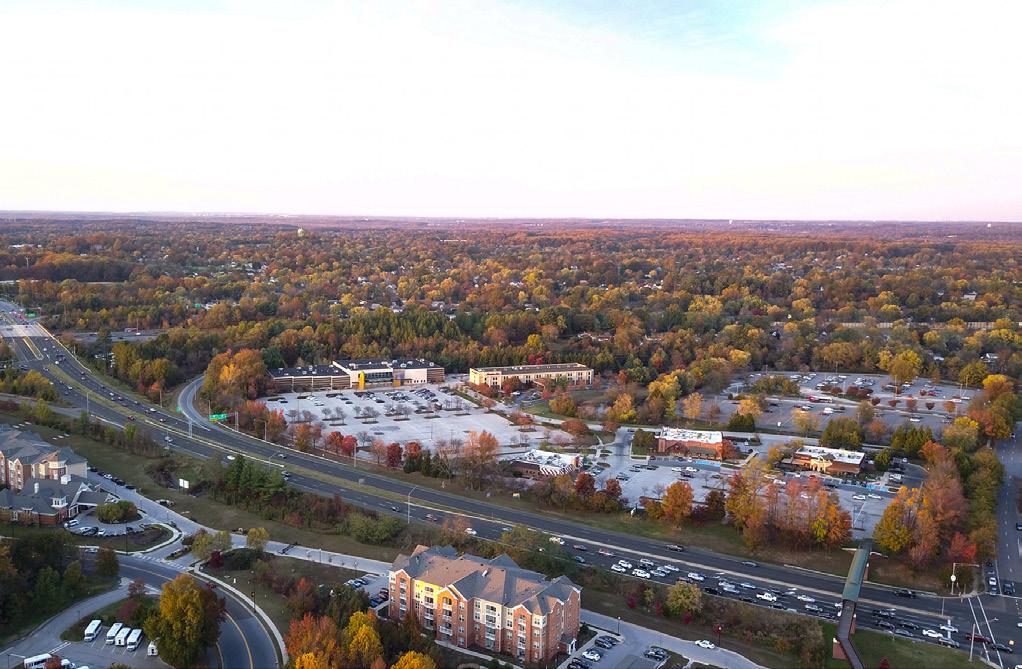
Beyond emissions reductions, the Plan emphasizes the importance of sustainable growth and redevelopment. As the City matures, it must reinvest in existing areas, make efficient use of land, and design compact, connected neighborhoods that integrate greenery and public spaces. Redevelopment of underutilized areas—such as Bowie Town Center—presents opportunities to model walkable, mixeduse development that reduces vehicle dependence, supports local businesses, and enhances community identity.
The Environmental Action Plan represents a collective commitment to act now. Climate change, water quality, and sustainable development are not future challenges— they are today’s realities. By embracing this plan, the City of Bowie can continue its legacy as a regional leader in sustainability, demonstrating that coordinated local action can make a meaningful difference in creating a resilient and prosperous future for all who call Bowie home.

Figure 4: Bowie’s Baseline, BAU Emission Forecast, Net Zero Goal, and 48 Range of Likely Outcomes from Adoption of the Plan

BAS Building Automation System
BAU Business As Usual
BEPS Building Energy Performance Standards
CAP Climate Action Plan
CAFE Corporate Average Fuel Economy
EAC Environmental Advisory Committee
EAP Environmental Action Plan
EECS Energy Efficiency and Conservation Strategy
EPA Environmental Protection Agency
EV Electric Vehicle
EVSE Electric Vehicle Supply Equipment
GHG Greenhouse Gas
HOA Homeowners Association
HVAC Heating, Ventilation, and Air Conditioning
ICLEI International Council for Local Environmental Initiatives
LED Light-Emitting Diode
MD Maryland
MTCO 2e Metric Tons of Carbon Dioxide Equivalent
MWCOG Metropolitan Washington Council of Governments
NEVI National Electric Vehicle Infrastructure
PCAP Priority Climate Action Plan
RPS Renewable Portfolio Standard
SB Senate Bill

CITY OF BOWIE LEADERSHIP
Timothy J. Adams Mayor
Dufour Woolfley
Mayor Pro Tem & District 2 Councilmember
Dennis Brady
At-Large Councilmember
Wanda Rogers
At-Large Councilmember
Michael Estève
District 1 Councilmember
Clinton Truesdale Sr.
District 3 Councilmember
Roxy Ndebumadu
District 4 Councilmember
Alfred Lott City Manager
Daniel Mears
Assistant City Manager
ENVIRONMENTAL ACTION PLAN PROJECT TEAM
Richard Eberhart Hall, AICP Director of Planning and Sustainability
Lexie Woolums
Sustainability Planner
Tiffany Wright Watershed Manager
Ridwan Coker
Transportation Planner
Ashleigh Diaz former Sustainability Manager
OTHER GROUPS SUPPORTING THIS PROJECT
Environmental Advisory Committee (EAC)
Bowie Green Team
CONSULTING TEAM
Rich Swanson, PH.D.
Blue Strike Environmental
Cisco Tomasino
Blue Strike Environmental
We wish to express our deepest gratitude to the City staff and individuals in the City of Bowie who participated in project meetings, outreach events, and the survey. We also extend our sincere appreciation to the community members who offered their insights, expertise, and support in shaping this Environmental Action Plan—THANK YOU.
The Environmental Action Plan represents the City of Bowie’s commitment to a clean, healthy, safe, and enjoyable environment for today and the future. It addresses climate change, water resources, land use and land cover, and sustainable development. It provides a framework for action that connects local priorities with regional and state initiatives, ensuring that Bowie continues to be a strong and vibrant city for current and future generations. The introduction that follows offers context for this effort, beginning with a brief overview of the City’s history, geography, and demographics, a discussion of climate change science and local impacts, and a review of the process used to develop the Plan.
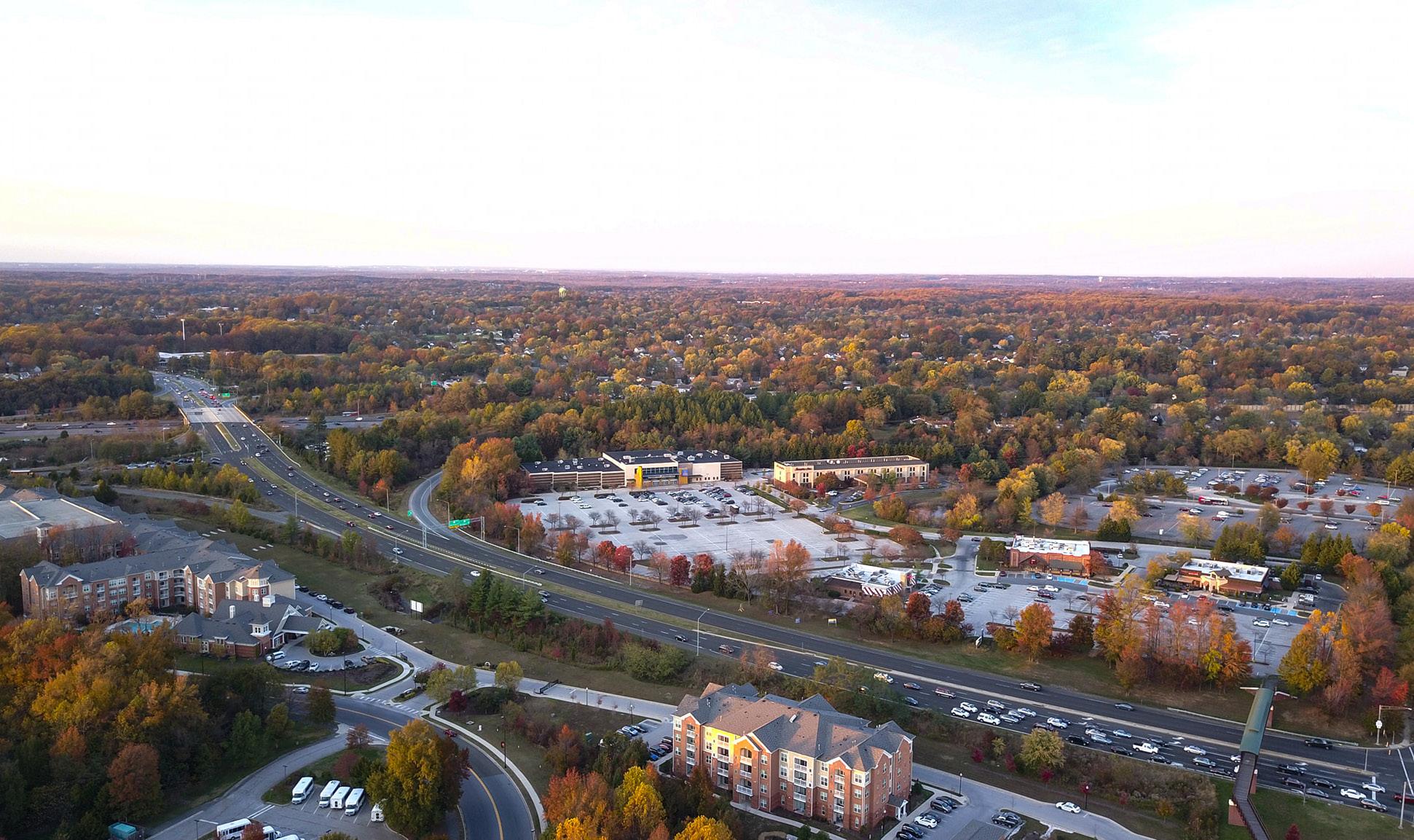
Bowie is a suburban community in Prince George’s County, Maryland, situated within the Washington, D.C. metropolitan area approximately twenty miles northeast of the nation’s capital. Covering just over twenty square miles, the City is primarily land with only minimal surface water. Bowie is within the Patuxent River Watershed which is the largest river completely within Maryland and a major tributary to the Chesapeake Bay. The City’s location provides convenient access to both Baltimore and Washington, making it a desirable residential hub for commuters and families. The City experiences a humid subtropical climate, with hot and humid summers, cool winters, and moderate precipitation throughout the year. Seasonal extremes, including occasional heavy snowfalls and summer heat waves, reflect the City’s Mid-Atlantic setting, where forested landscapes, stream valleys, and wetlands remain visible alongside developed suburban neighborhoods.
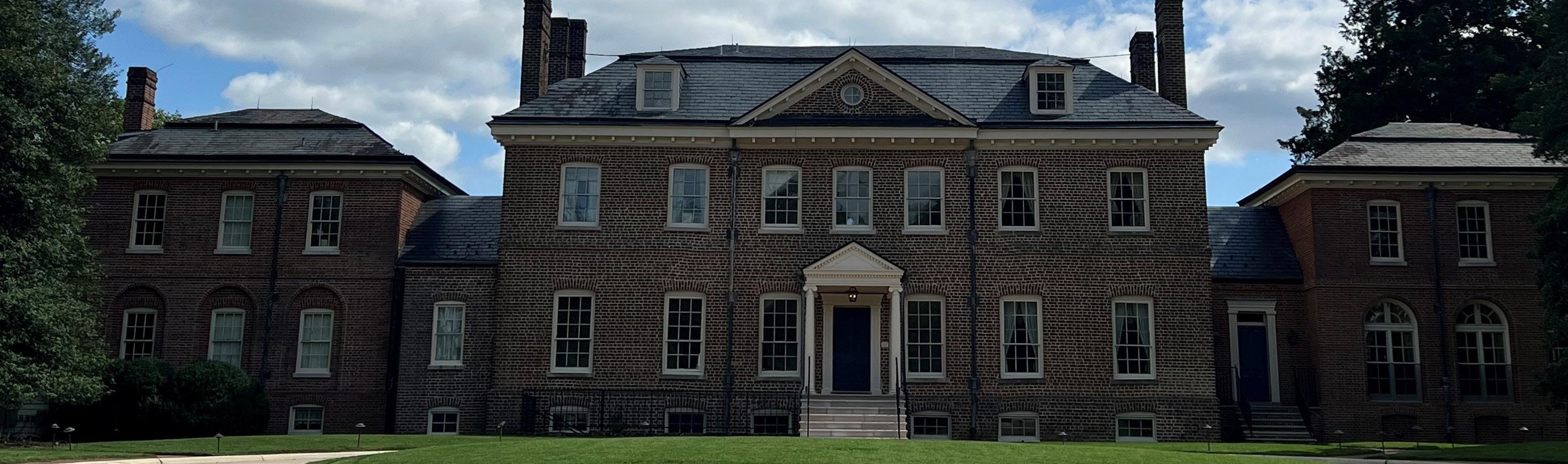
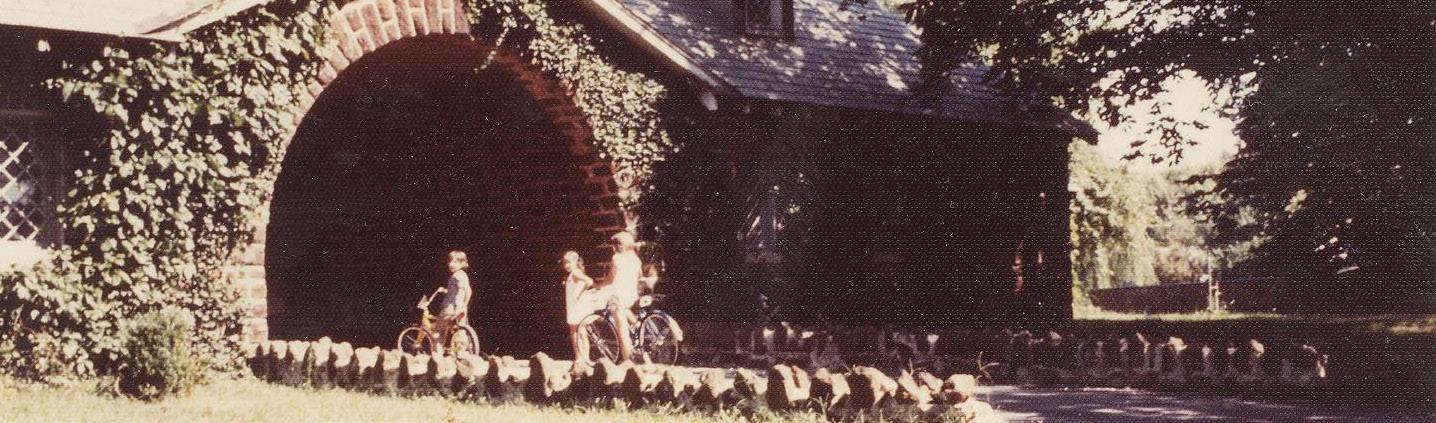
The City’s history dates back to the mid-nineteenth century, when the small settlement of Huntington was established along key railroad lines. The community became a transportation crossroads linking Southern Maryland to Washington, D.C. In 1880, the settlement was renamed Bowie in honor of former Maryland Governor Oden Bowie, who had been instrumental in expanding the rail network. Bowie’s transformation into a modern suburb accelerated in the late 1950s, when Levitt & Sons—developers of the well-known Levittowns—purchased large tracts of land in the Belair area and constructed one of the largest planned communities in the region. This development created the framework for much of the City’s residential character today.
According to the 2020 U.S. Census, the City has a population of just over 58,000 residents, making it the largest municipality in Prince George’s County, and the fifth largest in Maryland. The City has a median age in the mid-forties, reflecting a mix of families, working-age adults, and a growing senior population. With a median household income above $140,000, Bowie ranks among the more affluent jurisdictions in the County, and its poverty rate is notably low compared to state and national averages. Housing is predominantly single-family detached homes, with high rates of homeownership and relatively fewer multi-family units.
Bowie’s economy and institutions are anchored by a mix of education, government, and service-based employers. Bowie State University, founded in 1865, is the oldest historically Black university in Maryland and plays a vital role in the region’s higher education landscape. Other significant employers include Prince George’s County Public Schools, the City government itself, health technology firm Inovalon, and the Chesapeake Baysox minor league baseball organization. The City is also recognized for its extensive network of parks, recreational facilities, and historic landmarks, such as the Belair Mansion and Belair Stables, which highlight its equestrian and colonial heritage. Collectively, these features shape Bowie’s identity as a planned suburban community with deep historical roots, diverse residents, and a strong connection to both the Washington and Baltimore metropolitan areas.

The City of Bowie has a long-standing commitment to environmental stewardship, reflected in its first Climate Action Plan adopted in 2015. Shortly after, the City built on this momentum with the development of a Sustainability Plan in 2016. Building on the efforts of both the 2015 Climate Action Plan and the 2016 Sustainability Plan, the Environmental Advisory Committee and the Green Team Energy Subgroup collaborated to develop a new Climate Action Plan in 2020. That plan was designed as a five-year roadmap to guide the City’s sustainability work through 2025. Since then, both local conditions and state policy have advanced. In 2022, Maryland updated its greenhouse gas reduction goal to achieve net zero emissions by 2045 through State legislation outlined in the Climate Solutions Now Act. In alignment with this target, the City of Bowie is establishing its own greenhouse gas reduction goal of reaching net zero emissions by 2045.
This Environmental Action Plan also directly supports the City’s broader strategic priorities outlined in the Bowie Brighter plan, which calls for sustainable practices that reduce solid-waste tonnage, advance smart-city operations, and cut fuel use. It also calls for implementing this Environmental Action Plan, completing the trail system and wayfinding plan, developing native species and green fleet policies, and developing programs for energy efficiency, renewables, alternative fuels, and expanding food waste services. By aligning environmental action with these organizational goals, the City ensures that climate and sustainability work is integrated into Bowie's long-term vision for efficient, resilient, and community-centered governance.

This plan serves as a guide for environmental action through 2035, with updates scheduled every five years to reflect progress and evolving conditions. This more frequent cadence ensures that the Plan can adapt as strategies, technologies, and costs continue to change, while also positioning the City to take advantage of shifting federal and state incentives that often follow the presidential election cycle. By connecting climate goals directly to the City’s planning processes and revisiting them regularly, Bowie can stay on track to meet long-term emission reduction targets, strengthen resilience to extreme weather, and enhance quality of life for residents.
The plan is structured to be useful for residents, City leadership, and those focused on implementing environmental actions in Bowie. At the highest level, it outlines a set of broad goals that define the City’s direction for climate and environmental action. Each goal is supported by a series of strategies that describe the key pathways toward achievement. Beneath those strategies are specific action items, which function as a checklist for City staff tasked with carrying out the work. This layered structure ensures that the Plan is both aspirational and practical—providing vision for elected officials and administrators, while also offering clear direction for staff responsible for day-today implementation. These actions will be included in the Planning and Sustainability Department’s annual action agenda, which outlines the key to-do items in a given year.
The City of Bowie, like much of the Mid-Atlantic region, is already experiencing the impacts of a changing climate. Rising temperatures, shifting precipitation patterns, and more frequent extreme weather events are influencing daily life, public health, infrastructure, and the local environment. While climate change often feels like a distant or global issue, its effects are evident across Prince George’s County and the Chesapeake Bay, underscoring the urgency of local action.
These shifting conditions are also placing new stresses on the region’s tree canopy. While the causes of tree decline are often complex and vary by species, scientists note that factors made more likely by climate change—such as warmer winters, irregular rainfall, prolonged heat, and extreme weather—can increase trees’ susceptibility to pests, disease, and environmental stress. As a result, iconic tree species that have long shaped the character and identity of communities in and around Bowie are facing growing pressures, mirroring trends observed across the broader Chesapeake Bay region.
In recent decades, the Washington metropolitan region has seen a marked increase in the intensity of rainfall. Analyses of long-term records show that hourly rainfall events are becoming more severe, with precipitation intensity increasing by approximately 15% since the 1970s1. For Bowie, which is traversed by streams draining into the Patuxent and its tributaries, heavier downpours translate into higher risks of flash flooding, road closures, and stormwater management challenges. Regional transportation studies now show that a significantly larger share of roads, rail lines, and bus stops are vulnerable to flooding than previously recognized on FEMA floodplain maps, a trend consistent with climate-driven shifts in rainfall2 .
1 Montgomery, M. (2025, April 7). D.C. is seeing more intense rainstorms amid climate change. Axios; Axios Washington D.C. https://www.axios.com/local/washington-dc/2025/04/07/dc-weather-rain-moreintense-climate-change
2 (2025, July 18). New TPB flood analysis shows more regional assets vulnerable [Review of New TPB flood analysis shows more regional assets vulnerable]. Mwcog.org. https://www.mwcog.org/ newsroom/2025/07/18/new-tpb-flood-analysis-shows-more-regional-assets-vulnerable-/
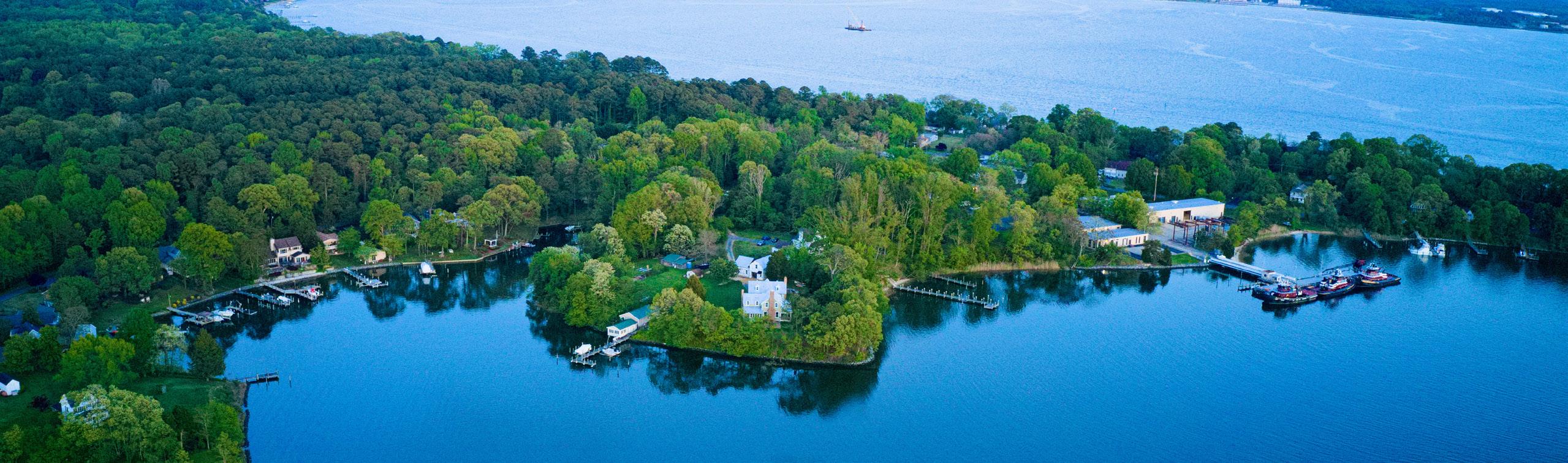
At the same time, heat is emerging as one of the most pressing local challenges. Prince George’s County has participated in heat-mapping campaigns in partnership with NASA and other organizations, which have identified urban heat islands where summer temperatures rise significantly above surrounding areas. For a community with a large senior population, as well as children and other vulnerable groups, the trend of increasing temperatures paired with heat islands raise concerns for public health, energy demand, and equity in access to cooling.
The broader Chesapeake Bay watershed provides additional evidence of climate stress. In 2025, the University of Maryland Center for Environmental Science reported that the Bay’s health grade declined from a C+ to a C, citing the combined effects of record heat, erratic rainfall, and nutrient and sediment pollution 3 . These conditions have reduced water clarity, fueled algal growth, and stressed aquatic vegetation critical for fish and shellfish habitat. Maryland is also contending with saltwater intrusion into coastal forests, wetlands, and farmland—an impact directly linked to sea-level rise and changing precipitation. On the Eastern Shore, once-productive farm fields are being lost to salinization, and “ghost forests” now stand where saltwater has killed hardwoods 4 .
3 UMCES’s Chesapeake Bay and Watershed Report Card Shows Declined Health from 2024, Presents Long-Term Improvement. (2025, June 10). University of Maryland Center for Environmental Science. https://www.umces.edu/news/chesapeakebayreportcard-2025
4 As “ghost forests” multiply in Chesapeake Bay region, answers lag behind. (2025). USGS. https://www. usgs.gov/centers/chesapeake-bay-activities/news/ghost-forests-multiply-chesapeake-bay-regionanswers-lag
Nearby coastal cities illustrate the scale of the challenge. Annapolis, for example, is increasingly forced to deal with nuisance flooding (the level of flooding in which minor impacts begin to occur) which may reduce the number of visits to its historic downtown 5. Baltimore has also seen sharp increases in high-tide and sunny day flooding, setting a new city record for high tide flood days in 2024 6. These trends are directly tied to sea-level rise in the Chesapeake Bay, which is occurring faster than the global average due to land subsidence in the region.
Maryland’s iconic blue crab fishery further demonstrates the ecological and economic stakes. The 2025 Winter Dredge Survey reported that the Bay’s crab population had fallen to its second-lowest level since monitoring began in 1990, with declines across juvenile, female, and male crabs. While scientists caution that multiple factors are at play—including habitat loss, predation, and pollution—climate-related stressors such as higher water temperatures and shifting salinity are under active investigation7. For a state whose culture and economy are deeply tied to the Chesapeake Bay, these changes carry symbolic and practical significance.
5 Hino, M., Belanger, S. T., Field, C. B., Davies, A. R., & Mach, K. J. (2019). High-tide flooding disrupts local economic activity. Science Advances, 5(2). https://doi.org/10.1126/sciadv.aau2736
6 ANNUAL HIGH TIDE FLOODING OUTLOOK Center for Operational Oceanographic Products and Services National Oceanic and Atmospheric Administration 2025 NOAA’s Annual High Tide Flooding Outlook (formerly the State of High Tide Flooding and Annual. (n.d.). Retrieved September 22, 2025, from https://tidesandcurrents.noaa.gov/cms/wp-content/uploads/2025/08/2024-2025-Annual-HighTide-Flooding-Outlook.pdf?utm
7 Chesapeake Bay Blue Crab Population Drops to Distressing Low. (2025). Cbf.org. https://www.cbf. org/news-media/newsroom/2025/all/chesapeake-bay-blue-crab-population-drops-to-distressinglow.html
Together, these local and regional trends show that climate change is not a distant issue. From heavier storms and hotter summers in Bowie to ecological changes in the Chesapeake Bay, the evidence demonstrates that climate impacts are already shaping the environment and economy of Maryland. Recognizing and responding to these impacts is central to building a resilient future for the City and its residents.
By setting updated goals and establishing a structured framework for action, the Environmental Action Plan provides a roadmap for how the City of Bowie will reduce emissions, prepare for climate impacts, and enhance sustainability for the benefit of its residents.

Climate change is one of the most pressing challenges shaping Bowie’s future. Rising concentrations of greenhouse gases in the atmosphere are driving warmer average temperatures, more frequent and intense storms, and shifts in seasonal weather patterns. For Bowie, this means hotter summers and warmer nights, heavier downpours that increase flooding risks, and growing strain on infrastructure and public health systems.
The impacts of climate change are not theoretical—they are already being observed in the region. Prince George’s County heat mapping has shown pronounced urban heat islands, while new regional flood studies highlight the vulnerability of transportation and stormwater systems to extreme rainfall. The Chesapeake Bay is also experiencing the effects of rising temperatures and shifting salinity, with consequences for water quality, habitat, and the state’s iconic blue crab population. Addressing climate change requires resilience, emission reductions, and community preparation to adapt to the conditions already unfolding.



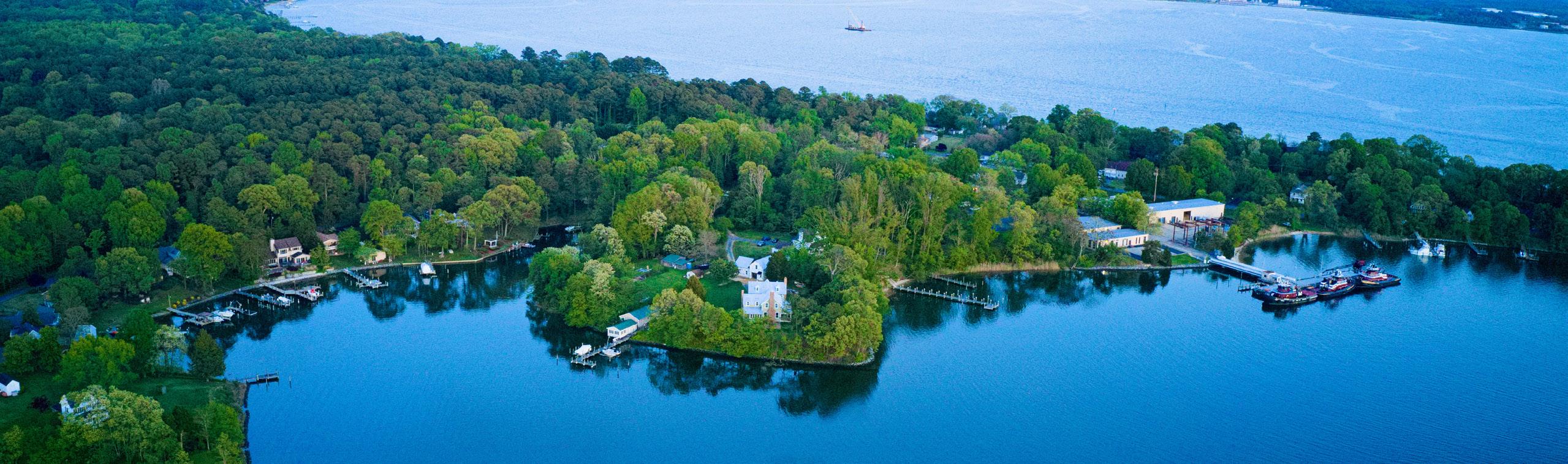
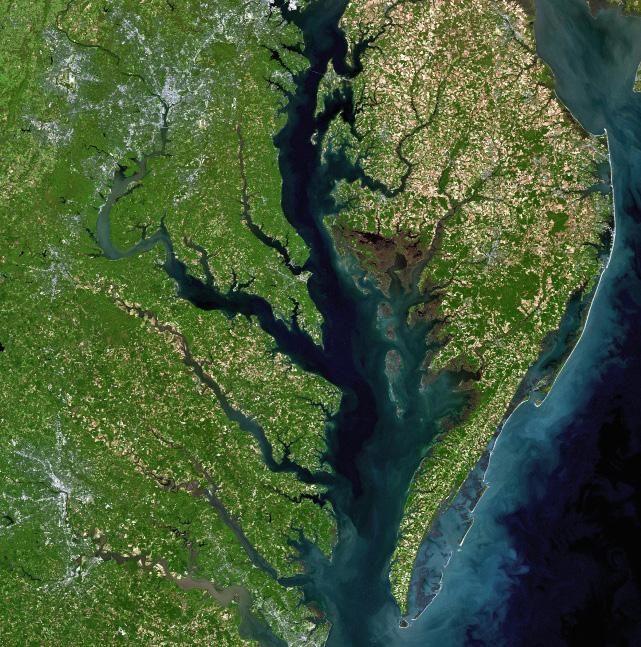
Bowie sits within the Patuxent River watershed, which ultimately drains into the Chesapeake Bay. This connection means that local water quality and stream health directly influence the health of one of Maryland’s most valuable natural resources. Streams and tributaries in Bowie not only carry stormwater but also transport nutrients and pollutants downstream. When runoff is unmanaged, these waterways can suffer from erosion, sedimentation, and nutrient overloads that contribute to algae blooms and poor water clarity in the Bay.
Protecting water quality is critical for both ecological and community reasons. Healthy streams provide habitat for fish and wildlife, filter pollutants before they reach larger water bodies, and reduce flooding risks by slowing and storing stormwater. At the same time, a healthier Chesapeake Bay supports Maryland’s fishing, crabbing, and recreation industries, which are central to the state’s economy and cultural identity. Actions Bowie takes to stabilize streambanks, improve stormwater management, and reduce nutrient runoff are therefore investments not only in local resilience but also in the longterm recovery of the Bay.


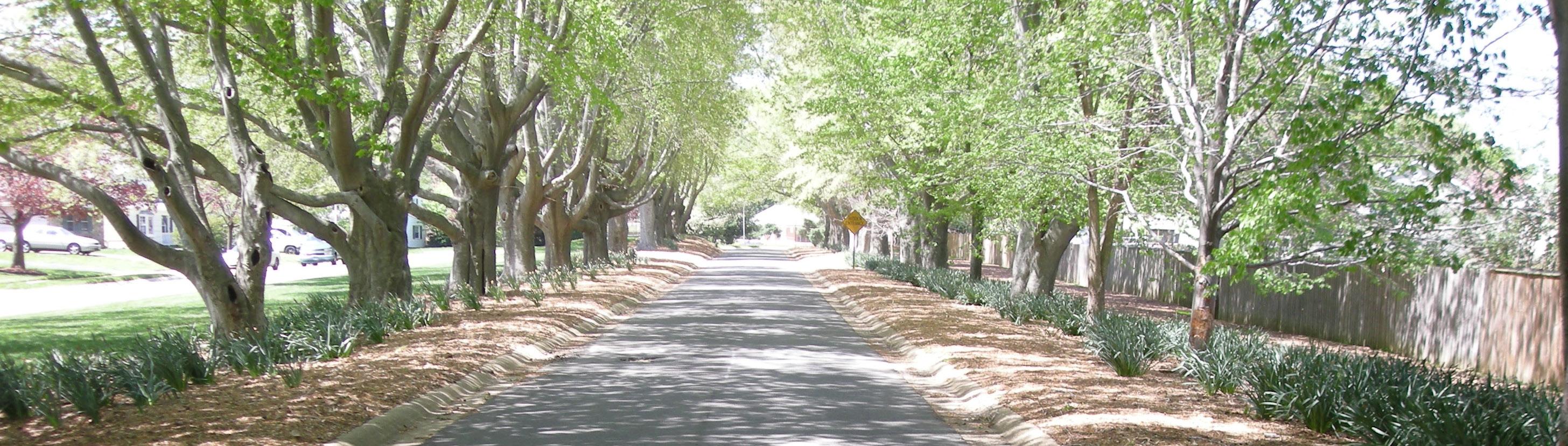
Land use decisions shape how communities grow and how well they are able to adapt to environmental change. In Bowie, the urban tree canopy is one of the City’s most important natural resources, covering neighborhoods, stream corridors, and public spaces. Trees absorb carbon dioxide, provide shade that reduces the urban heat island effect, and improve local air quality. They also help manage stormwater by intercepting rainfall and stabilizing soils along streams and drainageways.
Maintaining and expanding Bowie’s tree canopy is vital as the City continues to develop and redevelop. Loss of mature trees or forested areas can increase stormwater runoff, reduce habitat, and accelerate warming at the neighborhood level. By protecting existing trees, planting new ones, and incorporating native vegetation and pollinators into landscaping, Bowie can preserve the ecological and public health benefits of its canopy while ensuring that new development complements, rather than replaces, natural assets.



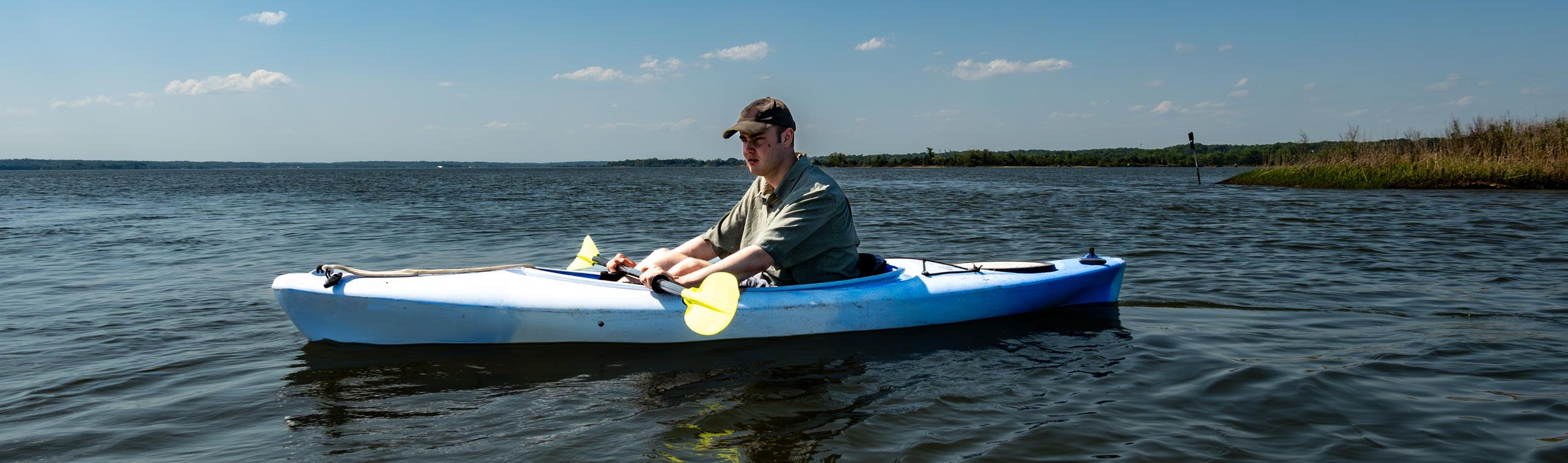
As Bowie plans for its future, sustainable development provides a framework for building a community that is vibrant, attractive, efficient, connected, and resilient. With limited land available, the City must make better use of what it already has by encouraging redevelopment and reinvestment in existing areas, particularly at sites like Bowie Town Center. The impacts of future growth to the City’s sustainability needs to be considered. Compact, walkable development reduces vehicle miles traveled, decreases loss of forest and other natural cover, limits stormwater runoff, supports local businesses, and creates opportunities for residents to live, work, and shop in close proximity. This approach can help the City be both economically and environmentally sustainable. Sustainable development also means designing spaces that are both people-centered and environmentally sensitive. Principles such as integrating green infrastructure, providing shade and tree cover, and creating safe pedestrian and bicycle connections help ensure that growth supports quality of life. Concepts like the 3/30/300 rule—which suggests that everyone should be able to see at least three trees from their home, live in a neighborhood with 30% tree canopy cover, and be within 300 meters of a park or green space—illustrate how development can weave nature into the urban fabric. By focusing on reinvestment, walkability, and compact growth, Bowie can enhance its identity as a planned community while preparing for the environmental and social challenges of the decades ahead.


Over the past two decades, the City of Bowie has made significant progress in advancing climate action and sustainability. These efforts have been shaped by a strong partnership between City staff, the Environmental Advisory Committee (EAC), the Green Team Executive Committee, and engaged residents. Together, these groups have built a foundation of policies, programs, and accomplishments that position the City to take the next step forward through this Environmental Action Plan.
The City’s work began in earnest with the development of an Energy Efficiency and Conservation Strategy (EECS) in 2010, supported by a federal Energy Efficiency and Conservation Block Grant. This strategy provided a roadmap for reducing municipal energy use through efficiency upgrades, renewable energy, and conservation measures. It laid the groundwork for Bowie’s 2015 Climate Action Plan (CAP), which was the City’s first comprehensive effort to reduce community-wide greenhouse gas emissions. The 2015 CAP set a target of reducing emissions 20% below 2007 levels by 2020 and identified a broad set of actions spanning energy efficiency, renewable energy, waste reduction, and sustainable transportation.
BOWIE’S 2015 CLIMATE ACTION PLAN









Building on this foundation, the City adopted the 2016 Sustainability Plan, which included 25 goals and 57 strategies covering a wide range of sustainability themes—from land use and natural resources to health, mobility, and community engagement. The Sustainability Plan expanded the City’s environmental vision beyond emissions reduction, introducing a more holistic approach that connected sustainability to quality of life, equity, and resilience.
BOWIE’S 2016 SUSTAINABILITY PLAN
In 2020, Bowie updated its Climate Action Plan to cover the period from 2020 to 2025. This plan raised the level of ambition, recommending a 50% reduction in greenhouse gas emissions from 2015 levels by 2030, aligning Bowie with international climate science calling for halving emissions each decade. The 2020 CAP emphasized actions across municipal operations, the residential and commercial sectors, and intergovernmental collaboration, while highlighting the importance of resilience and social mobilization. To support this effort, the City developed a CAP Implementation Plan in 2022, which identified specific steps to operationalize the strategies of the 2020 CAP and track progress toward the City’s emissions goals.
BOWIE’S 2020 CLIMATE ACTION PLAN










Throughout this period, Bowie has consistently measured and reported on its progress. The Department of Planning and Sustainability produces an annual State of the Environment report, which provides updates on environmental indicators, programs, and accomplishments. These reports highlight achievements such as expanding food waste diversion programs, increasing solar installations, hosting energy and sustainability expos, and maintaining certification as a Tree City USA for more than 30 consecutive years. They also document the work of the Green Team and EAC, who have been instrumental in advancing community engagement, native plant and pollinator programs, school certification efforts, and sustainability outreach.
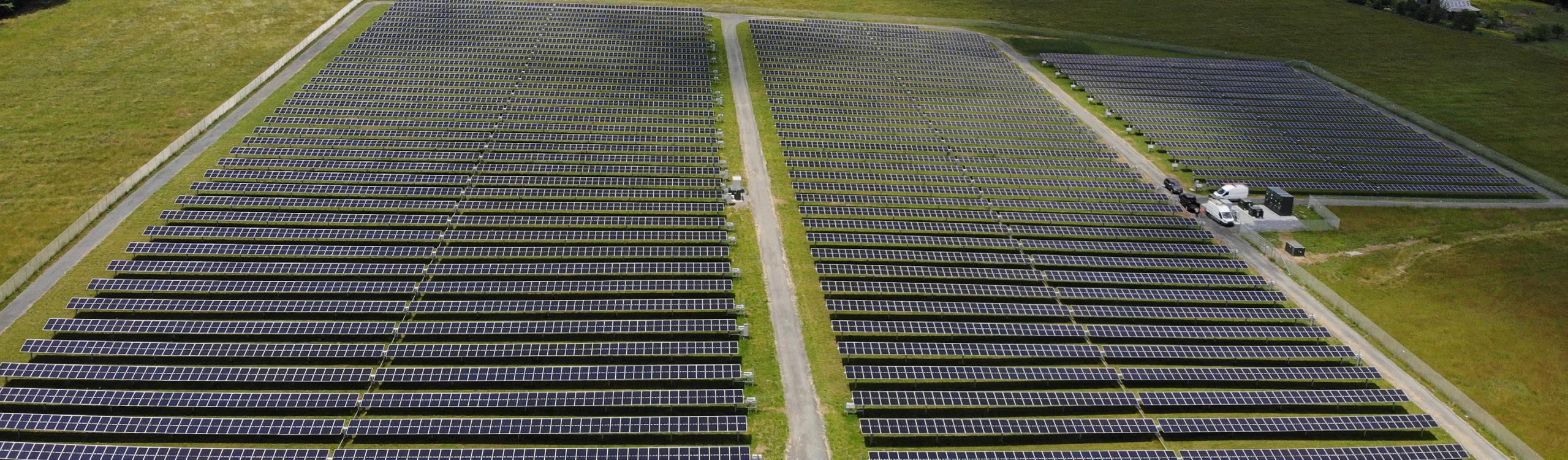
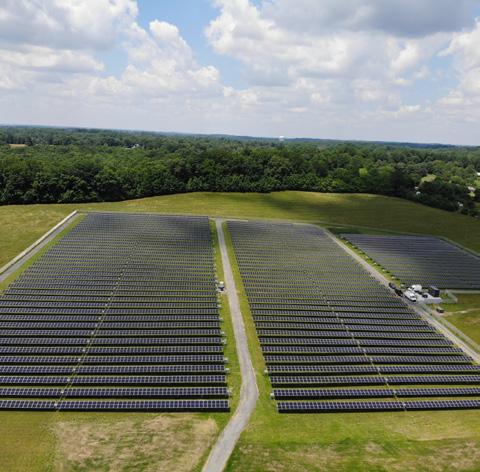
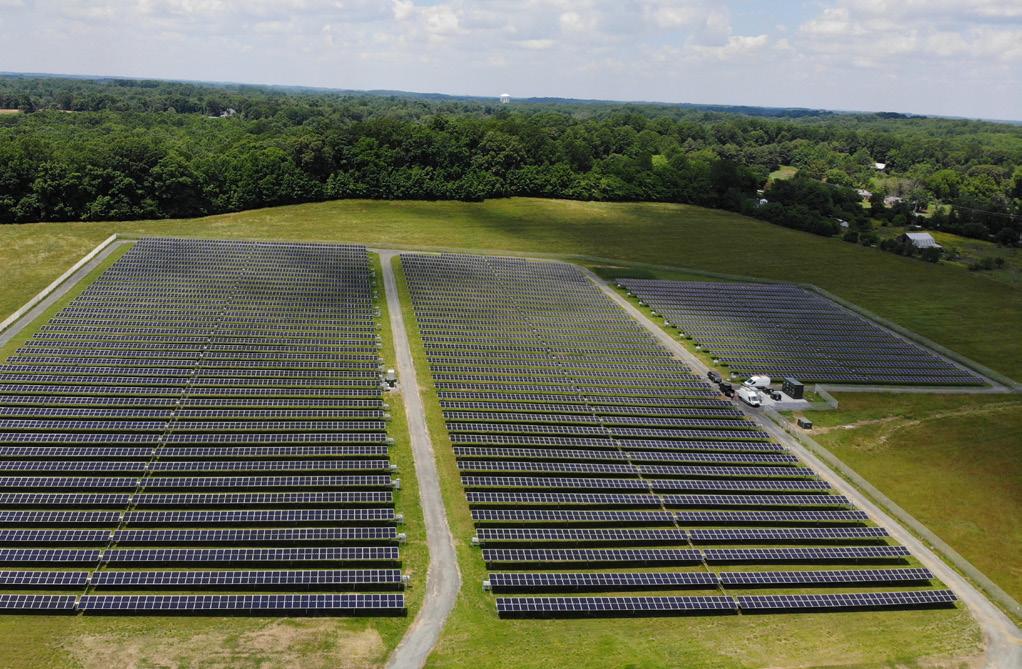
Among Bowie’s most notable accomplishments is the expansion of renewable energy. The City developed a 2.5-megawatt solar farm on City-owned property, providing renewable electricity to municipal accounts, with another 2.5-megawatt array in development. Residential and commercial solar adoption has also grown steadily, supported by local initiatives and outreach. The City has promoted electric lawn care equipment through rebates, supported energy audits for residents, and partnered with utilities to deliver efficiency programs. Other successes include the curbside food waste collection pilot, expanded community gardens, and numerous events such as the Green Expo, Veterans Day 5K, and Green Citizen Awards that engage and celebrate the community’s sustainability leaders.
Together, these efforts demonstrate Bowie’s consistent leadership and commitment to environmental sustainability. Each plan, from the 2014 and 2020 Climate Action Plans to the Sustainability Plan and CAP Implementation Plan, has provided a stepping stone toward a more resilient and sustainable community. Annual reporting has kept the community informed and engaged, while City leadership and volunteer committees have ensured that environmental action remains a priority. The Environmental Action Plan builds on this strong track record, marking the next chapter in Bowie’s ongoing commitment to climate leadership.

OFFICIAL MEMBER SINCE 1996
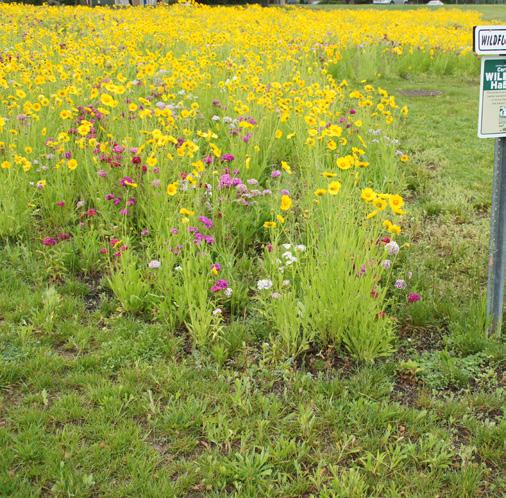
POLLINATOR FRIENDLY
EXPANSIVE COMMUNITY GARDENS
2.5-MEGAWATT SOLAR FARM DEVELOPMENT

The Environmental Action Plan was shaped through a comprehensive process designed to ensure that its recommendations are both ambitious and achievable. Development of the Plan drew on three main sources of input: policy review, community engagement, and greenhouse gas inventories paired with emissions forecasting. Each of these provided critical insights that together form the foundation of the Plan.
City staff, working closely with the Environmental Advisory Committee and the Green Team, reviewed a wide range of planning documents at the City, county, regional, and state levels to identify opportunities for alignment and to build on existing momentum. Community input was gathered through a public survey, inperson events, and meetings with advisory committees to understand local priorities and concerns. At the same time, greenhouse gas inventory data conducted by the Metropolitan Washington Council of Governments (MWCOG) was analyzed to identify the sectors and activities that contribute most to emissions, while forecasts helped determine which strategies could deliver the greatest reductions over time. Together, these elements ensured that the Plan reflects the best available science, aligns with broader policy frameworks, and responds directly to the needs and voices of the Bowie community.

A central part of developing the Environmental Action Plan was a comprehensive review of existing policy documents at the local, county, regional, and state levels. This process allowed us to understand where Bowie had already established momentum, where past strategies encountered barriers, and where gaps remained in the City’s approach to sustainability and climate action. Locally, Bowie has demonstrated meaningful progress in areas such as waste reduction and the creation of green spaces and pocket parks. At the same time, opportunities remain in sectors tied more directly to emissions reduction, particularly in advancing building and vehicle electrification. By examining the successes and challenges of past efforts, the Planning process was able to focus on building on what has worked while identifying new areas of emphasis where the City can make the greatest impact.
Looking beyond Bowie, the review also considered policies and plans from Prince George’s County, the Metropolitan Washington Council of Governments (MWCOG), and the State of Maryland. This external review was critical to ensure that the City’s Environmental Action Plan not only reflects local priorities but also aligns with larger jurisdictional goals for greenhouse gas reductions and climate resilience. In particular, the State of Maryland’s updated goal of reaching net zero emissions by 2045 and regional commitments through MWCOG provide clear frameworks for how Bowie can position itself as a partner in broader climate leadership. The goal of this review was therefore twofold: to ensure internal consistency and continuity across Bowie’s own plans, and to create alignment with regional and statewide priorities in order to maximize resources, partnerships, and collective progress.
The following documents were reviewed as part of this process:
2025 Bowie State of the Environment Update
2024 Bowie Energy Efficiency and Conservation Strategy (EECS)
2022 Bowie Climate Action Plan (CAP) Implementation Plan
2020 Bowie Climate Action Plan (CAP)
2022 Bowie-Mitchellville and Vicinity Master Plan
2022 Prince George’s County Climate Action Plan
2024 Metropolitan Washington Council of Governments (MWCOG) Priority Climate Action Plan (PCAP)
2024 State of Maryland Priority Climate Action Plan (PCAP)
Maryland Climate Solutions Now Act of 2022 (SB 0528)

A central goal of the Planning process was to ensure that the voices of Bowie residents and community stakeholders were heard and reflected in the Environmental Action Plan. Engagement efforts were designed to create a sense of ownership, so that the Plan not only sets policy but also represents the priorities and aspirations of those who live and work in the City. Input was gathered through multiple avenues, from online surveys to in-person discussions and committee meetings, each contributing valuable perspectives that helped shape the Plan’s goals, strategies, and actions.
The first step in this engagement process was a public online survey, completed by 169 residents. Survey results revealed strong support for the City having an Environmental Action Plan, with more than 85% of respondents rating it as very important. Respondents highlighted priorities such as reducing greenhouse gas emissions, improving transportation options, expanding green spaces, managing stormwater, and reducing solid waste. This input provided a clear picture of the community’s top environmental concerns and informed the direction of the Plan.
In addition to the survey, the City hosted a public engagement session on May 28. This event was structured to be interactive, with small-group icebreakers, a presentation on the Planning process, and an “idea garden” designed to capture participants’ most pressing concerns and most exciting ideas. The session allowed the project team to answer questions, clarify goals, and directly hear from residents about their priorities for climate action in Bowie.


The Environmental Advisory Committee (EAC) was engaged on June 4. At this meeting, the project team presented its approach and facilitated a discussion about priorities for the Environmental Action Plan. The EAC emphasized the importance of keeping the Plan actionable and avoiding strategies that, while broad in scope, lack a clear path for implementation. Their perspective helped ensure that strategies were designed with practicality and accountability in mind.
On June 16, the project team met with the Bowie Green Team Executive Committee in a virtual format. This meeting provided an opportunity to present the overall approach and gather feedback from members who are deeply involved in advancing local sustainability initiatives. Their insights further refined the Plan’s strategies, particularly in areas of community engagement and resident-focused programs.
Finally, a draft of the Environmental Action Plan was made available for a two-week public comment period between October 8 and 22. Staff held a webinar in the middle of this comment period on October 16 to summarize the draft plan, answer questions, and to assist the comment effort. This step provided residents with another opportunity to review the Plan, ask questions, and share feedback before final adoption, ensuring that the Plan reflects community values at every stage of its development.

A greenhouse gas (GHG) inventory is a detailed accounting of the emissions that contribute to climate change within a defined boundary, such as a city or a government’s operations. Just as a financial budget tracks income and expenses, a GHG inventory measures the “sources” of emissions—such as energy use in buildings, vehicles, or waste disposal—so that a community can understand where emissions are coming from and how large they are. This information provides a foundation for setting reduction targets and designing strategies that will have the greatest impact. Without a baseline inventory, it would be difficult to know whether local actions are working or how progress compares to long-term climate goals.
There are generally two types of inventories that a city like Bowie develops: a community-wide inventory and a municipal operations inventory. A community-wide inventory accounts for emissions from all activities within the city’s boundaries, including homes, businesses, transportation, and waste. It represents the total footprint of the community and helps identify the areas where residents, businesses, and local government can collectively make the most progress. A municipal operations inventory, by contrast, focuses only on emissions from City government activities—such as energy use in municipal buildings, fuel consumed by the City fleet, or electricity for streetlights. While the municipal inventory is much smaller in scale, it is important because it reflects the City’s direct responsibility and serves as a model for broader community action. Together, these two inventories provide a complete picture of Bowie’s emissions and inform both the goals of this plan and the actions needed to achieve them.
The most recent community-wide greenhouse gas (GHG) inventory for the City of Bowie is based on 2023 data, with both inputs and outputs provided by the Metropolitan Washington Council of Governments (MWCOG). This inventory measures emissions across major sectors, including buildings, transportation, and waste, while also accounting for the carbon absorbed by trees and forests within the City’s boundaries.
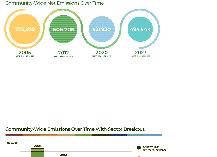
In 2023, Bowie’s gross emissions totaled 516,424 metric tons of carbon dioxide equivalent (MTCO 2e), while net emissions—which subtract the carbon absorbed by trees—were 494,544 MTCO 2e. The distinction between the two measures is important: net emissions are the most appropriate figure for comparing progress over time, since they reflect the community’s true contribution to atmospheric greenhouse gases after accounting for removals. Gross emissions, on the other hand, are more useful for understanding how much each sector contributes to the total footprint, since they show the share of emissions before natural absorption is considered.
TABLE 1: 2023 COMMUNITY-WIDE GREENHOUSE GAS EMISSIONS
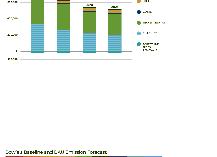
Transportation is the largest sector of emissions in Bowie, representing about 51% of gross emissions in 2023. Buildings account for the second largest share at 38%, followed by waste at about 2% and other sources at about 7%. While waste is a small portion of overall emissions, it remains a highly visible area of environmental action for residents.
Over time, Bowie has made steady progress in reducing net emissions, achieving a 32% reduction between 2005 and 2023. The most significant improvements have come from the buildings sector, which has reduced emissions by over 40% since 2005, reflecting gains in energy efficiency and cleaner energy sources. By contrast, the transportation sector has seen smaller reductions over the same period, and in fact emissions increased slightly between 2020 and 2023. Waste emissions have fluctuated but remain relatively consistent at around 10,000 MTCO2e per year.
PLAN DEVELOPMENT
PROCESS
In addition to tracking community-wide emissions, the City also considers the greenhouse gas emissions that come directly from its own operations. While no standalone municipal inventory was conducted in 2023, estimates can be drawn from the City’s 2024 Energy Efficiency and Conservation Strategy and the Climate Action Plan Implementation Plan. These results represent a small, roughly 1%, but important share of Bowie’s overall emissions and highlight where City government has the most direct control over reductions.
Municipal emissions can be organized into two areas: buildings and facilities and the vehicle fleet. Buildings and facilities accounted for approximately 61% of municipal emissions, with the Water Treatment Plant, City Hall, and the Ice Rink standing out as the most energy-intensive sites. The City’s vehicle fleet represented the remaining 39% of emissions, emphasizing the opportunity for reductions through electrification of municipal vehicles and the adoption of a clean fleet policy.
The City has already taken steps to reduce a portion of these emissions through its investment in renewable energy. Bowie’s existing solar farm generates more than one million kilowatt-hours of electricity annually, equivalent to the carbon sequestration provided by approximately 12,683 trees grown for ten years. This clean energy production demonstrates the potential of renewables to reduce operational emissions while also providing long-term financial savings to the City.
Municipal operations make up only a fraction of Bowie’s total emissions, but they are significant because they fall fully under the City’s control and serve as a model for the broader community. Continued investment in efficiency upgrades, renewable energy expansion, and fleet electrification will not only reduce emissions from City government but also demonstrate leadership in advancing the goals of the Environmental Action Plan.
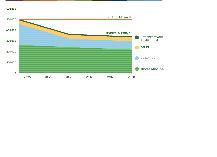
Two “forecasts” for Bowie’s emissions through 2050 have been created to offer insight into appropriate strategies for GHG reductions. The first—a baseline forecast—merely projects emissions as unchanged from 2023 through 2050. The baseline serves as a benchmark to measure successful interventions. The second is a business-as-usual (BAU) forecast, conducted to estimate the emissions trajectory for the City given policy that is currently in place at the state and federal level, and maintaining current levels of emission-generating consumption. The sectors that are impacted by federal and state policy are electricity and transportation.
The electricity sector’s emissions are expected to be reduced as a result of Maryland’s renewable portfolio standard (RPS), which aims to steadily replace electricity supply from fossil fuel generation with renewable sources. The State’s goal is 100% renewable sourcing by 2035. To simulate this reduction in emissions, the emission factor for residential and commercial electricity use has been reduced by a constant factor year over year until 2035. The plan acknowledges that reality will look very different as reductions will be uneven over time. Neither does the Plan speculate on the success of achieving the State goal .
Transportation emission reductions come from federally mandated CAFE standards currently in place. According to ICLEI methodology, the assumption is that each year, automobile emissions will fall by 0.8% due to the reduction of emissions in the total U.S. fleet. Once again, the Plan does not speculate on the success of the CAFE program.
The BAU forecast suggests that with these state and federal policies in place, Bowie’s emissions would fall from 494,544 to 331,912 MTCO 2e by 2050 with the City taking no additional action.
TABLE 3: BAU FORECASTED EMISSIONS FOR SELECT YEARS (MTCO 2e )
The City of Bowie has adopted a goal of achieving net zero greenhouse gas (GHG) emissions by 2045, in alignment with the State of Maryland’s goal from the Climate Solutions Now Act of 2022. Net zero means that the total GHG emissions from Bowie’s community-wide activities will be equal to the GHGs removed from the atmosphere each year through both natural and technological systems. This target reflects Bowie’s recognition that addressing climate change requires a long-term, community-wide effort and continued collaboration across every sector of the City.
Reaching net zero will require sustained progress in the two largest sources of emissions—buildings and transportation—along with continued improvement in waste management and natural sequestration. Thankfully, the technology already exists to make major strides in both areas: electric vehicles, renewable energy, and efficient, all-electric buildings are readily available today. However, achieving net zero will require even more innovation and participation from every part of the community, including homeowners, renters, businesses, institutions, and the City government itself.
PLAN DEVELOPMENT
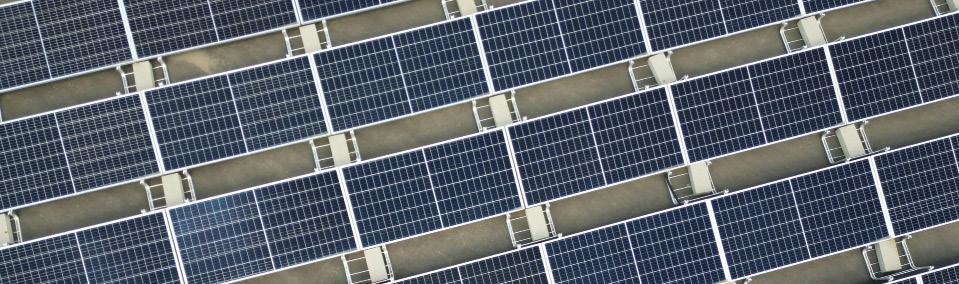
Achieving net zero means not only reducing emissions as much as possible but also balancing any remaining emissions through carbon removal. Some of this removal will come from natural sequestration, such as trees and vegetation that absorb carbon dioxide. Bowie’s work to expand and protect its tree canopy will therefore continue to play a central role. Other solutions may come from technological systems that actively capture and store carbon from the atmosphere or from emission sources.
In the decades ahead, emerging technologies will become an important part of the equation. These include innovations such as small-scale nuclear power generation, hydrogen fuel cells, advanced carbon capture systems, and lowcarbon construction materials. While many of these technologies are still in development, their evolution will help fill the gap between what can be achieved with today’s tools and the City’s long-term net zero goal.
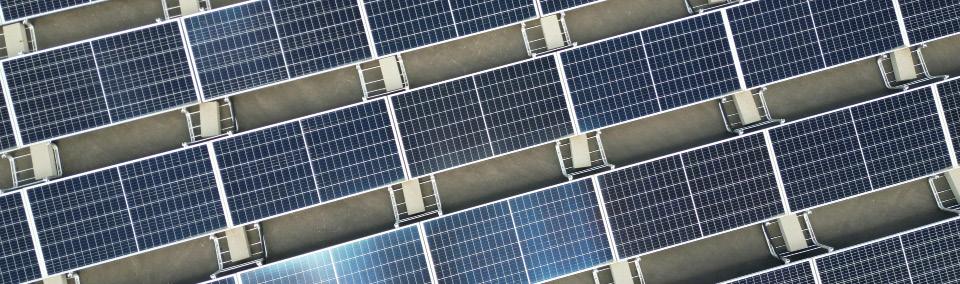
Achieving Bowie’s 2045 net zero goal will require coordinated effort from residents, businesses, and the City government. While the Environmental Action Plan establishes a clear framework for local action, the actual pace and depth of emissions reductions will depend on how fully these strategies are adopted, how rapidly new technologies become available, and the degree of community participation. To reflect this uncertainty, two bookended scenarios are presented—a conservative case and an aggressive case—representing the likely range of outcomes from implementing the Plan. The shaded space between the two lines in the accompanying visual illustrates this range of potential progress rather than a single predicted pathway.
Under both scenarios, the City is expected to make substantial progress toward its 2045 target. The conservative case represents slower adoption of electric vehicles and building upgrades, incremental improvements in waste diversion, and a maintaining of the current tree canopy. The aggressive case reflects widespread adoption of existing technologies, deeper efficiency gains in buildings, accelerated vehicle electrification, and expanded waste and natural carbon sequestration initiatives. Together, these scenarios provide a realistic spectrum of how the community’s collective action could shape its emissions trajectory.
PLAN DEVELOPMENT
At the building level, both scenarios assume continued grid decarbonization in line with Maryland’s Clean Power Standard, which requires a fully renewable electricity supply by 2035. The conservative case assumes that only a modest share of buildings electrify their heating, cooling, and cooking systems by 2050, while the aggressive case assumes significant progress toward deep decarbonization—up to a 91% reduction in building-related emissions by midcentury—based on research from Lawrence Berkeley National Laboratory. In the transportation sector, the conservative case assumes electric vehicle (EV) growth consistent with the national average increase observed between 2024 and 2030 (RMI, Electric Vehicles Are on the Road to Mass Adoption).
The aggressive case aligns with Maryland’s Advanced Clean Cars II rule, which requires all new car sales to be zero-emission by 2035. In this scenario, widespread adoption of EVs and associated charging infrastructure would nearly eliminate on-road transportation emissions by 2047—approximately 12 years later—to reflect the average lifespan of a vehicle and the time needed for the fleet to fully turn over.
For waste, both cases anticipate continued progress in diversion and reduction, though to differing degrees. The conservative case assumes incremental increases in recycling and composting consistent with the Maryland Department of the Environment’s Climate Pathway Report, while the aggressive case assumes an 84% reduction in waste emissions by 2050, in line with global best practices outlined in the Zero Waste to Zero Emissions report.
Finally, natural systems play a role in both scenarios through the management of Bowie’s tree canopy and green infrastructure. While the conservative case assumes the City maintains its current level of canopy coverage, the aggressive case assumes continued expansion toward the goal of reaching 50% coverage—up from an estimated 42% baseline—which would strengthen local sequestration capacity and provide valuable ecosystem services.
By 2045, these two scenarios outline a range of possible outcomes. In the conservative case, the City could achieve about half of the reductions needed to reach net zero, while the aggressive case suggests Bowie could achieve more than 80% of the necessary reductions if residents, businesses, and local government move quickly and collectively. Even under the aggressive scenario, Bowie is projected to fall roughly 20% short of its 2045 net zero goal based on what can be reasonably forecast today. This gap is not unusual— many cities and counties across the U.S. are in a similar position, as longterm climate goals often depend on future technological advancements, continued grid decarbonization, or the eventual need to purchase highquality carbon credits. The analysis demonstrates that the Environmental Action Plan positions the City to make substantial, measurable progress now while maintaining flexibility to incorporate emerging solutions as they become viable.
While 2045 marks the City’s official net zero target year, the analysis indicates that progress will continue beyond this date as new technologies mature, renewable energy generation expands, and vehicle turnover completes. By 2050, Bowie could further narrow the remaining gap to net zero, significantly reducing or even eliminating the need to purchase external carbon removals.
The accompanying visual illustrates these two scenarios, showing the 2023 baseline, the business-as-usual forecast, and the range of emissions outcomes resulting from plan adoption. Together, they demonstrate that the Environmental Action Plan provides a credible and actionable path toward Bowie’s long-term climate goals—one that depends on sustained local action, community engagement, and innovation over time.
The Environmental Action Plan organizes its recommendations into a clear framework that reflects both community priorities and the technical pathways for achieving meaningful sustainability. The framework is designed to be comprehensive yet straightforward, grouping goals, strategies, and actions into logical categories. This approach ensures that residents, City leadership, and staff can easily see how individual initiatives connect to broader themes and how progress in one area complements efforts in another. The recommendations are diverse–some are more specific practice based and others are more program and policy based. Timeframes also vary. Taken together, this package of actions should help address many of the City’s sustainability challenges.
The five framework categories are Green Spaces and Natural Resources, Stormwater Management and Green Infrastructure, Waste Management, Transportation and Mobility, and Energy Efficiency and Renewables. These categories were chosen because they represent the areas where the City can most effectively act to reduce greenhouse gas emissions, strengthen resilience, and improve quality of life, while also aligning with the priorities expressed by Bowie residents during the engagement process. Each category is introduced with a short description of its importance, followed by a table of goals, strategies, and actions that provide a roadmap for implementation.
ENERGY EFFICIENCY & RENEWABLES
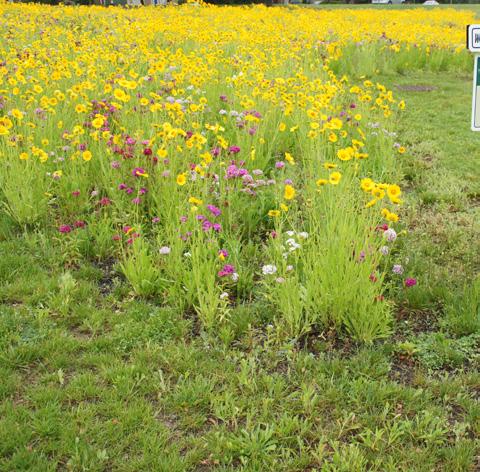
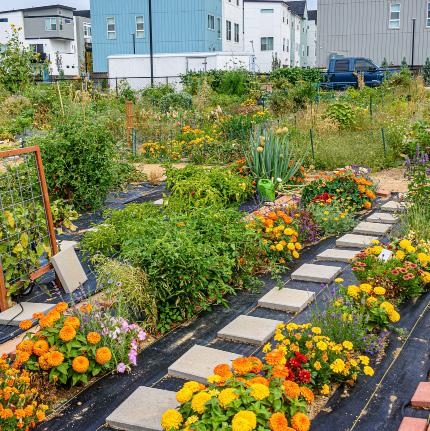
Bowie’s natural environment is one of its defining features, from its extensive tree canopy and stream corridors to its neighborhood parks and landscaped areas. This framework category focuses on expanding and maintaining the City’s urban tree canopy, promoting ecological landscaping, protecting green spaces, and enhancing habitat connectivity. While these actions are not the largest contributors to greenhouse gas reduction—aside from the carbon absorption provided by new tree plantings—they are central to the City’s longterm vision for sustainability and livability.
The benefits of investing in green spaces and natural resources extend beyond emissions reduction. Native landscaping and ecological maintenance practices reduce the need for water, fertilizers, and other inputs, lowering costs and supporting healthier ecosystems. Expanding pocket parks, pollinator meadows, and natural corridors also strengthens Bowie’s sense of place, offering residents opportunities for recreation and a direct connection with nature in their daily lives.


G1.1
Increase tree planting on city-owned/public property STRATEGY ACTION
G1.1A
Continue to implement priority planting areas in parks, along streets, and near city buildings where feasible.
G1.1B
Integrate tree planting into stormwater pond and stream buffer projects, where appropriate, for dual benefits
G1.1C
Maintain and expand a street tree replacement program to ensure long-term canopy coverage
G1.2
Support tree planting on private property STRATEGY ACTION
G1.2A
Continue and expand residential tree rebate and giveaway programs
G1.2B
Launch “Adopt-a-Tree” program for businesses to sponsor plantings
G1.2C
Host three tree planting events per year in partnership with schools and community groups
STRATEGY
G2.1
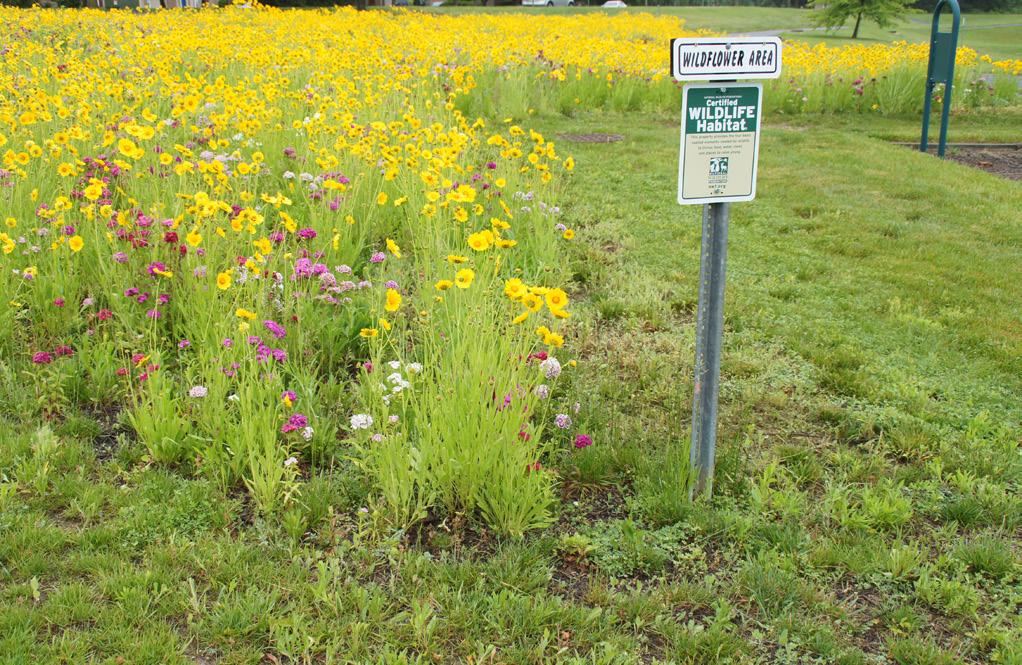
Adopt and implement a Native Plants Policy for municipal facilities
STRATEGY
G2.2
Promote native landscaping on private property through partnerships with HOAs, residents, and businesses
ACTION
G2.1A
Native plant species shall be prioritized in all municipal landscaping and park projects
G2.1B
Create a native plant policy for procurement and maintenance of City facilities
G2.1C
Provide grounds crew two ecological landscaping trainings each year and hire one dedicated ecological landscaping staff
ACTION
G2.2A
Offer at least 3 workshops yearly showcasing lawn alternatives in addition to monthly Green Team Monarch Waystation workdays
G2.2B
Provide resident rebates for converting turf to native grasses or pollinator plants
G2.2C
Recognize “Pollinator-Friendly Properties” with yard signs and public maps

G3.1
Develop pollinator corridors and habitat patches STRATEGY ACTION
G3.1A
Implement annual program of converting turf to pocket pollinator meadows on City-owned land
G3.1B
Connect existing natural areas with native vegetation corridors
STRATEGY ACTION
G3.2
Protect green space during development
G3.2A
Develop a sustainable development strategy. Sustainable Development: prioritize redevelopment and revitalization of underutilized land over conversion of natural areas
G3.2B
Integrate green space preservation into City land use policies and development review
G3.2C
Update development review guidelines to require habitat-friendly landscaping in new development and redevelopment projects. Also work closely with the County on its forest (woodlands) conservation policies.
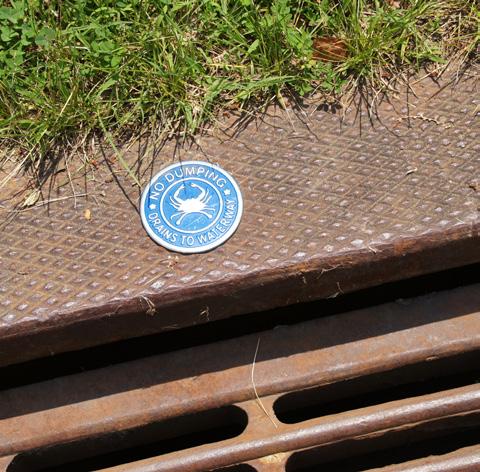
Stormwater management and green infrastructure are essential tools for helping the City adapt to a changing climate. This framework emphasizes protecting and restoring natural systems that filter and slow stormwater, expanding the use of green infrastructure on public property, and supporting private property stormwater management initiatives. While these measures are not designed to directly reduce greenhouse gas emissions, they deliver significant resilience benefits by addressing one of Bowie’s most pressing local climate challenges: the increasing intensity of rainfall and the flooding, erosion, and water quality issues that follow.
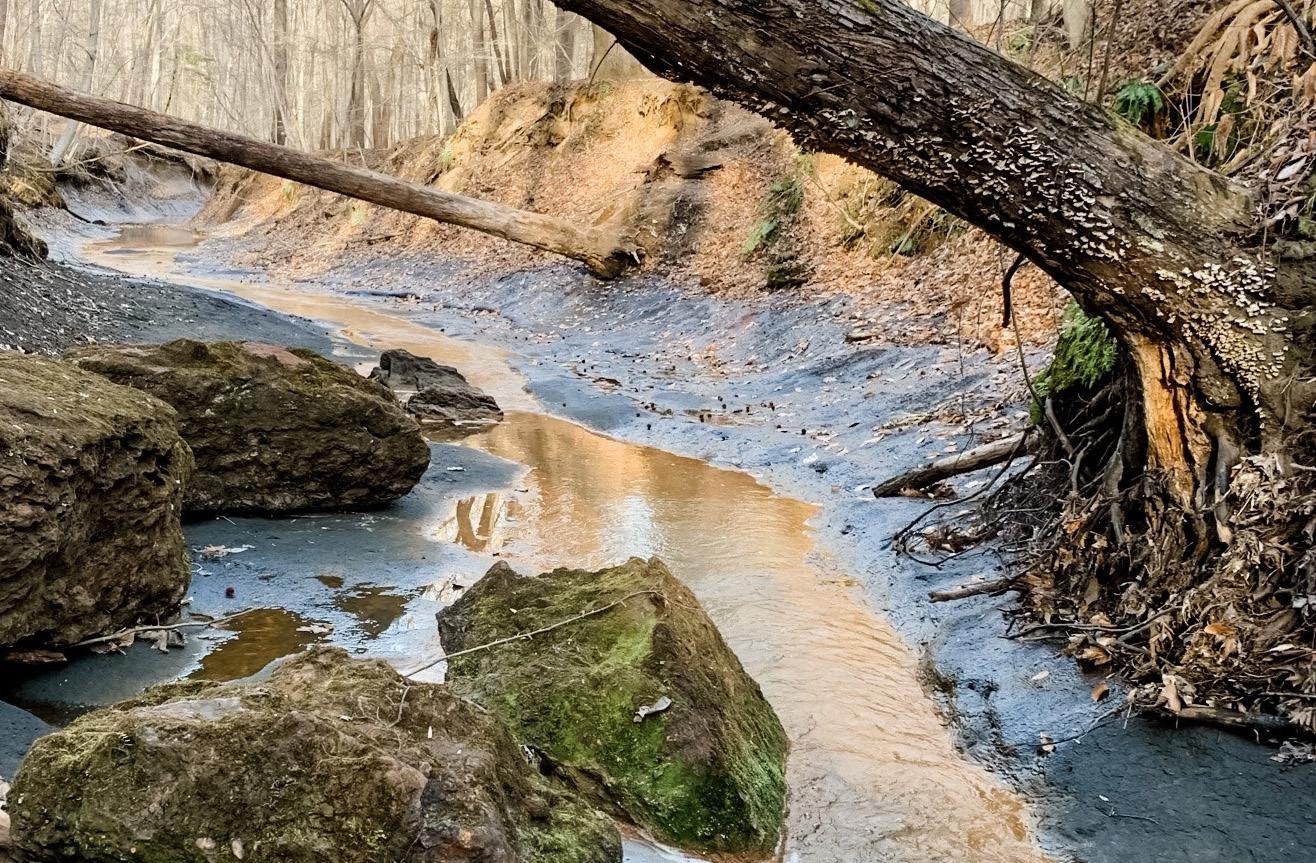
By investing in practices such as streambank stabilization, rain gardens, permeable pavement, and riparian plantings, the City can reduce runoff, improve filtration of pollutants, and extend the lifespan of its waterways and stormwater systems. These efforts also help maintain the health of local streams that eventually drain into the Chesapeake Bay, while reducing the risks to public infrastructure and property from heavy storms. Strengthening stormwater management capacity today will position Bowie to better withstand the more extreme rainfall events projected under future climate conditions.

S1.1
Develop a comprehensive Watershed Plan STRATEGY ACTION
S1.1A
Map poor quality streams, stormwater problem areas, and higher-quality streams
S1.1B
Set pollutant reduction and restoration targets for priority subwatersheds
S1.1C
Coordinate plan implementation with County and State water quality programs
S1.2
Increase riparian and streambank plantings STRATEGY ACTION
S1.2A
Target areas with high erosion risk for replanting projects
S1.2B
Use native woody vegetation to provide long-term bank stability and shading
S1.2C
Partner with community groups and schools for volunteer planting events
STORMWATER MANAGEMENT AND GREEN INFRASTRUCTURE
STRATEGY ACTION
S2.1
Integrate green infrastructure into municipal facilities and parks
STRATEGY
S2.2
Continue stormwater pond and stream retrofits
S2.1A
Install permeable pavement, bioswales, or infiltration trenches in parking lots at City facilities
S2.1B
Retrofit at least 1 municipal site with a rain garden to manage runoff and provide pollinator habitat every 2 years
S2.1C
Use native and deep-rooted plants in or around stormwater features to improve infiltration and habitat value
ACTION
S2.2A
Identify and prioritize retrofits in accordance with the City’s MS4 permit, prioritizing community visibility
S2.2B
Incorporate bank stabilization and wetland plantings into retrofits to reduce sediment pollution

S3.1
Create a residential stormwater incentive program STRATEGY ACTION
S3.1A
Offer cost-share or rebate programs for homeowners installing rain gardens or permeable pavement
S3.1B
Provide pre-approved design templates for different yard sizes and soils
S3.1C
Publicly recognize “Rain Ready Residences” through a City certification program
STRATEGY ACTION
S3.2
Expand public education on stormwater best practices
S3.2A
Host workshops on rain barrels, downspout disconnection, and permeable pavers
S3.2B
Incorporate stormwater education into City events and newsletters
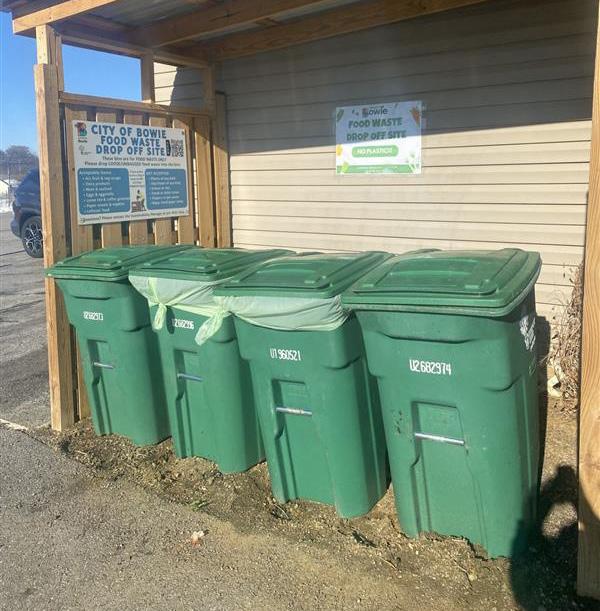
Although waste accounts for only about 2% of community-wide greenhouse gas emissions, it remains a highly visible and accessible area of environmental action. Every household, business, and public space generates waste, making the strategies in this category a “gateway” for resident engagement. Waste diversion programs allow residents to see and participate in tangible actions that benefit the environment, often sparking broader interest in sustainability.
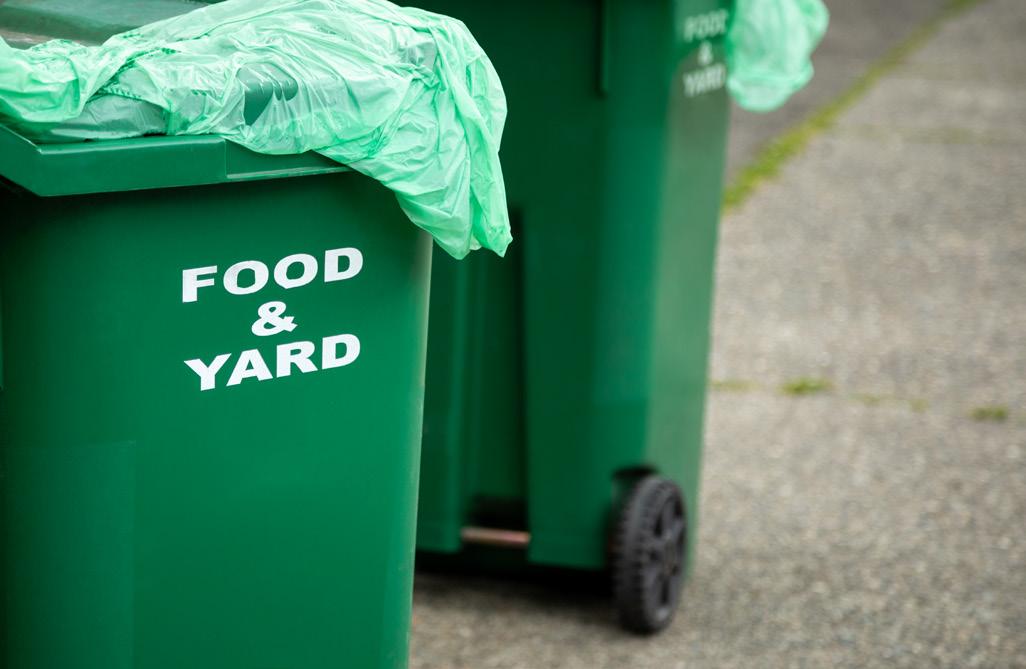
The recommendations in this framework category focus on expanding food waste diversion, improving recycling infrastructure, and promoting waste reduction and circular economy practices. By growing programs such as curbside composting, special recycling events, and business-focused waste reduction initiatives, the City can reduce landfill disposal while encouraging a culture of reuse and resource conservation. These programs also help connect residents to the City’s climate goals by offering highly visible opportunities to take part in everyday solutions.

STRATEGY ACTION
W1.1
Expand curbside food waste program citywide by 2029
STRATEGY
W1.2
Increase access to drop-off composting sites
W1.1A
Gradually expand program service areas each year until full coverage
W1.1B
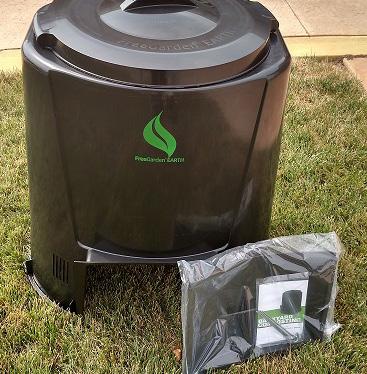
Offer starter compost bins and how-to guides for new participants
W1.1C
Track diversion rates and report progress annually
ACTION
W1.2A
Identify sites for additional food scrap drop-off locations in Old Bowie and South Bowie
W1.2B
Install signage and distribute educational materials at all sites
W2.1
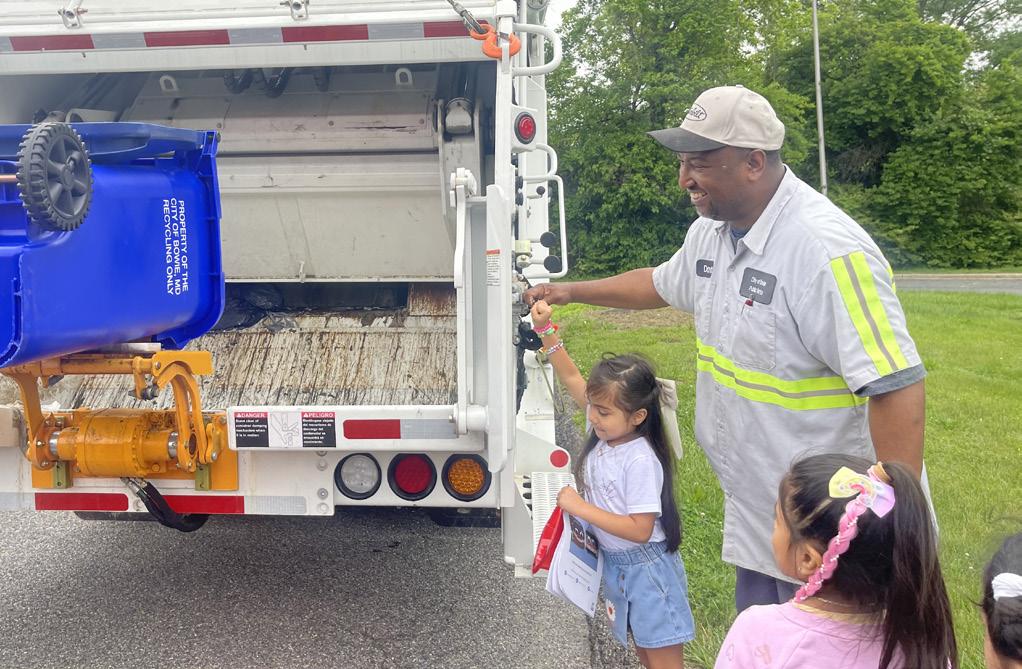
Improve public space recycling infrastructure STRATEGY ACTION
W2.1A
Install additional recycling bins in parks and high-traffic public spaces
W2.1B
Use clear signage with visual guides on what can and cannot be recycled
W2.1C
Standardize bin colors and labeling across all City facilities
W2.2
Expand special recycling collection events STRATEGY ACTION
W2.2A
Schedule quarterly “Recycle More” events for hard-torecycle items (electronics, Styrofoam, textiles)
W2.2B
Partner with local nonprofits or vendors to ensure proper processing
W2.2C
Publicize event results to celebrate community participation and impact

STRATEGY ACTION
W3.1
Launch a citywide waste reduction education campaign
W3.1A
Develop a “Zero Waste Bowie” guide for residents and businesses
W3.1B
Establish an annual Bowie 'Fix-It Fair' to promote reuse and repair in partnership with local organizations
W3.1C
Feature waste reduction success stories in City newsletters and social media
STRATEGY ACTION
W3.2
Encourage waste prevention in businesses and institutions
W3.2A
Provide a detailed guide to help businesses reduce packaging and single-use products
W3.2B
Explore incentives for restaurants to adopt reusable or compostable serviceware
W3.2C
Recognize businesses achieving significant waste reduction through a City award program
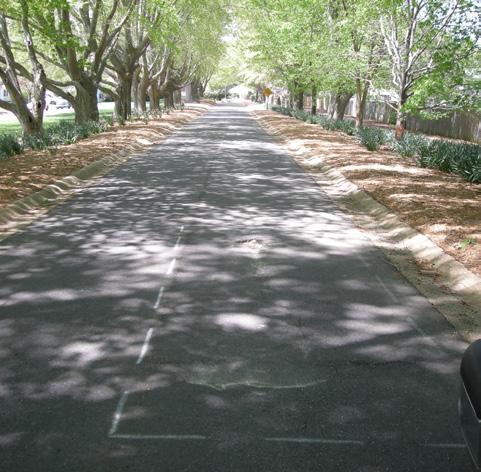
Transportation is the single largest source of greenhouse gas emissions in Bowie, accounting for approximately 51% of community-wide emissions. As a result, strategies in this framework category represent the greatest opportunity to reduce greenhouse gas emissions and make meaningful progress towards the City’s net zero goal. The focus is twofold: reducing the number of vehicle miles traveled and accelerating the transition to cleaner vehicles. Efforts such as expanding electric vehicle infrastructure, electrifying the municipal fleet, and promoting alternatives to single-occupancy vehicle travel will be central to reducing transportation-related emissions.
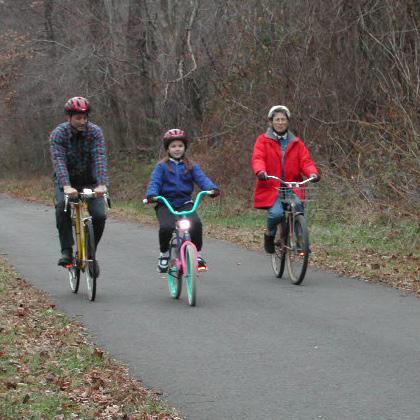
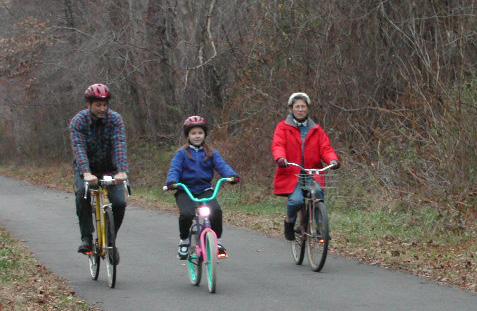
Beyond emissions reductions, transportation initiatives carry important co-benefits for health, recreation, and community connectivity. Investments in walking and biking infrastructure, including the completion of the Bowie ByWay trail system, will make it safer and easier for residents to choose active transportation. These facilities also provide valuable recreational opportunities, encouraging physical activity and strengthening the sense of community by linking neighborhoods, parks, and transit hubs. Together, these strategies ensure that Bowie’s transportation system not only contributes to climate action but also supports a healthier and more connected city.

GOAL T1. PRIORITIZE FUTURE SUSTAINABLE DEVELOPMENT
TRANSPORTATION AND MOBILITY
STRATEGY ACTION
T1.1
Promote sustainable development for improved walkability
T1.1A
Update development review guidelines and develop a sustainable growth strategy to prioritize sustainable development
TRANSPORTATION AND MOBILITY
T2.1
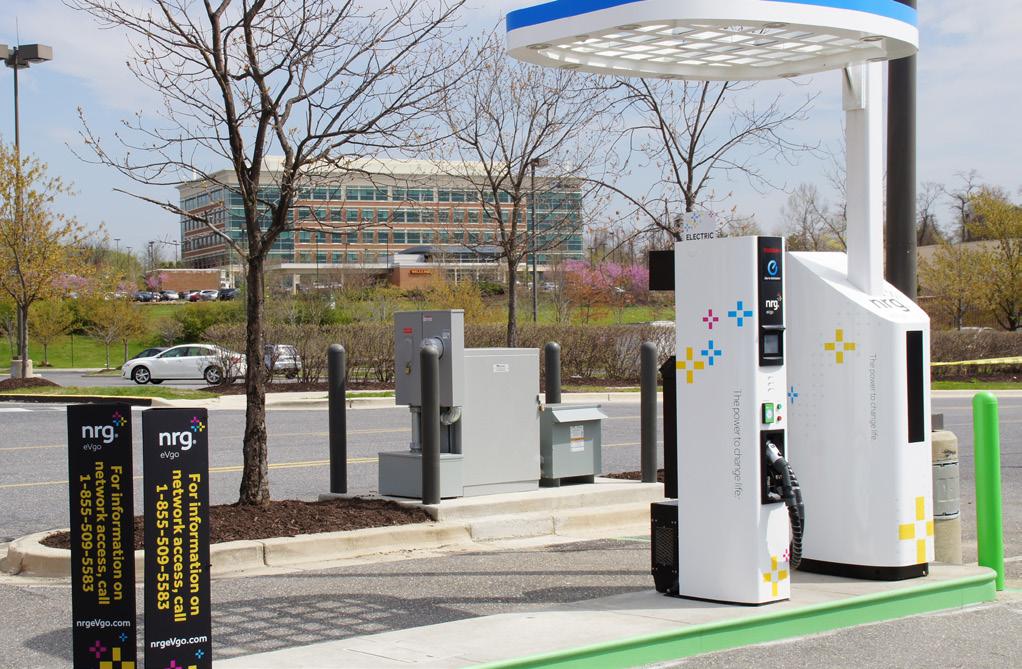
Increase public EV charging availability STRATEGY ACTION
T2.1A
Install Level 2 and Level 3 chargers at key municipal facilities and high-density locations
T2.1B
Update development review guidelines and work with the County to encourage all new parking facilities to include a minimum number of EV charging stations
T2.1C
Leverage state and federal funding (e.g., NEVI, MD EVSE programs) to offset installation costs
T2.1D
Update the public EV charging map and promote it at community events
T2.2
Electrify the municipal fleet STRATEGY ACTION
T2.2A
Adopt a Clean Fleet Policy prioritizing zero-emissions vehicles for light and medium-duty replacements and develop an incremental goal for full fleet electrification
T2.2B
Develop a fleet transition plan with lifecycle cost analysis to address finance team concerns
T3.1
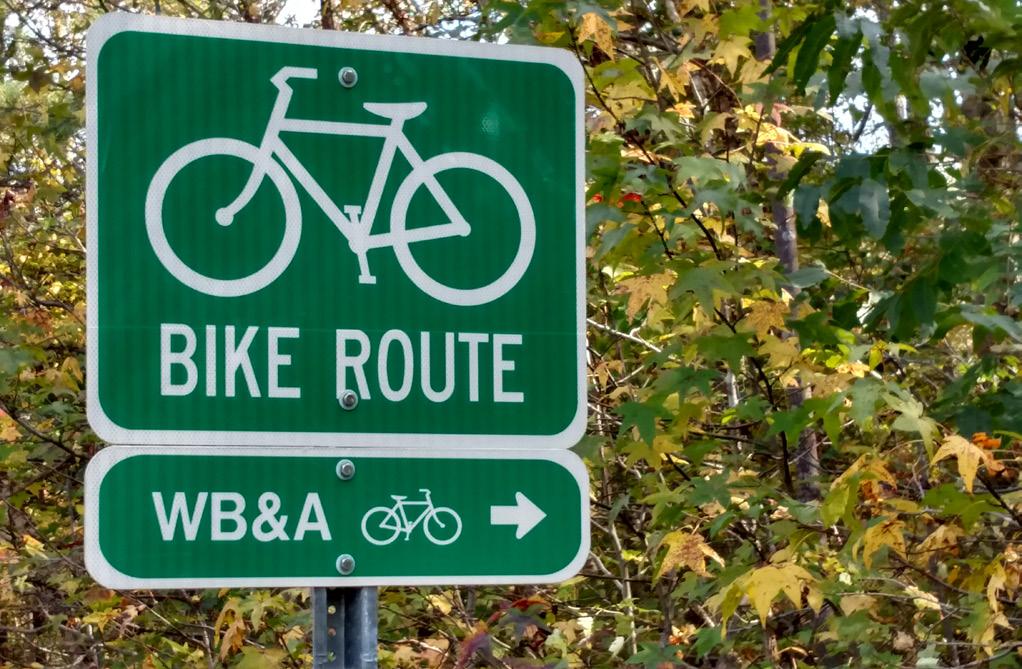
Complete and connect the Bowie ByWay trail system to adjacent public trails
T3.1A
Connect existing trail segments into a continuous network linking natural areas, neighborhoods, and transit hubs
T3.1B
Install cohesive signage and maps from Wayfinding Plan at major trail access points
T3.1C
Incorporate safety features such as bird-safe lighting and clear sightlines in high-use segments as needed
T3.2
Expand bicycle and pedestrian amenities
T3.2A
Install bike racks in high-traffic areas and parks, prioritizing underserved neighborhoods
T3.2B
Ensure new developments provide safe bike/pedestrian connections to public infrastructure
T3.2C
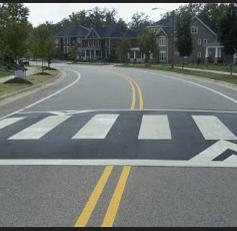
Implement crosswalk and intersection safety improvements in school zones following City's Complete Streets Policy
T4.1
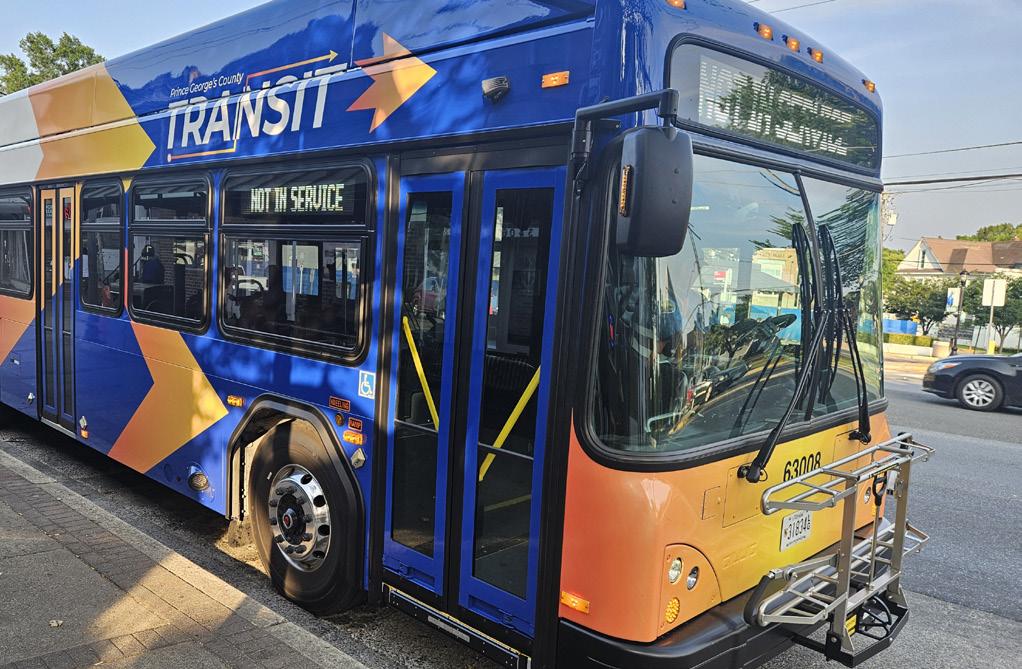
Partner with County and regional agencies STRATEGY ACTION
T4.1A
Collaborate with Prince George’s County and State of Maryland to align Bowie transit improvements with the County’s Transportation Master Plan
T4.1B
Advocate for MARC and Metro service improvements connecting Bowie to employment hubs
T4.1C
Explore micro-transit or shuttle services for last-mile connections to transit stations
T4.2
Promote transit use through education and incentives STRATEGY ACTION
T4.2A
Launch annual “Ride Bowie” week to encourage residents to try public transit
T4.2B
Provide transit information on the City's website and in public spaces
T4.2C
Work with employers to improve use of transit

Buildings are the second largest source of greenhouse gas emissions in Bowie, responsible for roughly 38% of community-wide emissions. The strategies in this framework category are therefore among the most powerful tools available for reducing the City’s overall carbon footprint. Recommendations focus on three areas: improving energy efficiency to reduce consumption, expanding access to renewable energy, and transitioning appliances and building systems to electric alternatives.
Energy efficiency measures such as lighting upgrades, weatherization, and energy audits can provide immediate benefits in both emissions reductions and cost savings. Expanding access to solar and other clean energy sources gives residents and businesses more opportunities to reduce their reliance on fossil fuels. At the same time, electrification of appliances—such as heating, cooling, water heaters, and stoves—offers long-term reductions in emissions, particularly when paired with renewable energy.

EFFICIENCY & RENEWABLES
Much of this work also aligns with Maryland’s Building Energy Performance Standards (BEPS), which require most buildings 35,000 square feet or larger to measure, report, and reduce their energy use and associated emissions over time. While these requirements apply primarily to large commercial, institutional, and multifamily properties, they reflect the same types of improvements—such as upgrading equipment, tightening building envelopes, and switching to cleaner power sources— that will ultimately be needed across all buildings in Bowie to reach net zero emissions by 2045. Many large property owners in the City are already beginning to invest in these improvements to comply with state requirements, setting an example for smaller businesses and residents who will benefit from taking similar steps.
While many efficiency improvements are most practical at the end of an appliance or system’s useful life, planning for them now ensures a smooth transition in the years ahead. Unlike some categories that may touch only certain segments of the community, energy efficiency and renewables provide solutions that are relevant to nearly every household and business, offering a combination of cleaner air, lower energy bills, and meaningful contributions to Bowie’s climate goals.
ENERGY EFFICIENCY AND RENEWABLES
STRATEGY ACTION
E1.1
Upgrade existing municipal buildings to high efficiency standards
E1.1A
Replace all indoor and outdoor municipal lighting with LEDs by FY2030
E1.1B
Train City staff to improve use of the BAS for better lighting and climate control at key City facilities like City Hall and Kenhill Center
E1.1C
Conduct energy audits of BEPS facilities every 5 years and all other City facilities every 10 years
E1.1D
Integrate advanced HVAC controls and occupancy sensors during upgrades
E1.1E
Pair system replacements with envelope improvements (insulation, windows) to maximize efficiency
STRATEGY ACTION
E1.2
Transition municipal heating and cooling systems to clean energy
E1.2A
Replace fossil fuel boilers and furnaces with electric heat pumps as systems reach end of life where financially feasible
E1.2B
Prioritize high-impact and high-visibility sites such as City-owned community centers for early conversion
AND STORAGE CAPACITY
E2.1
Expand solar PV on municipal property STRATEGY ACTION
E2.1A
Install rooftop and/or carport solar arrays at at least three high-visibility municipal sites
E2.1B
Conduct solar and battery storage feasibility assessments for all City buildings and parking areas
E2.1C
Integrate solar with EV charging stations where possible
E2.2
Enable and promote community solar participation STRATEGY ACTION
E2.2A
Partner with developers to identify underutilized parcels for community solar projects
E2.2B
Connect homeowner associations to those providing technical assistance for shared solar installations
E2.2C
Publicize available state and utility incentives for solar subscription
E3.1
Expand access to residential and commercial energy efficiency programs STRATEGY
E3.2
Encourage electrification of buildings and appliances STRATEGY
GOAL E3. REDUCE COMMUNITYWIDE BUILDING ENERGY USE THROUGH EFFICIENCY AND ELECTRIFICATION
ENERGY EFFICIENCY AND RENEWABLES
ACTION
E3.1A
Promote energy audits through City communications and partner networks
E3.1B
Develop a “Bowie Efficiency Hub” webpage with rebates, case studies, and how-to guides
E3.1C
Collaborate with Green Team to organize annual energy efficiency fairs with vendors and local success stories
ACTION
E3.2A
Partner with local contractors to promote electric heat pumps, water heaters, and induction stoves
E3.2B
Provide “Try Before You Buy” events for induction cooktops and electric lawn equipment
E3.2C
Create incentive programs for replacement of fossil-fuelpowered home systems

The Environmental Action Plan is designed with a clear update schedule to ensure that it remains timely and aligned with the City’s priorities. The plan will be updated every five years, providing more frequent opportunities to measure progress, incorporate new data, and adjust strategies in response to evolving technologies, costs, and policies. This cadence also allows the City to better respond to changes in available incentives for sustainability solutions such as solar panels, building electrification, and electric vehicles.
In the years between updates, the City will track and share progress via an annual action agenda and reported through the State of the Environment report. These reports provide a consistent way to monitor implementation, highlight accomplishments, and identify areas where additional work is needed. By tying annual progress reporting to an established reporting mechanism, the City ensures accountability and transparency as it advances toward its climate and environmental goals.

Much, but not all, of the implementation of the Plan’s recommendations will be affected by the City’s budget. Some actions will move forward faster than others because of cost, external resources and partners, etc. Some recommendations may be dormant for years awaiting funding–whether from the City and/or external resources. While all the recommendations in the Plan are important, some will move faster than others because of funding, partnerships, support, and other logistics of implementation. The annual action agenda that tracks implementation will be an important tool to measure progress and prioritize next steps over time in the Plan’s implementation. This obviously includes budgeting.
Implementing the strategies in the Environmental Action Plan requires financial resources beyond standard municipal budgeting. This section highlights a selection of grants, rebates, and incentive programs targeted toward local governments and municipalities. By aligning key strategies in the Plan with these available funding opportunities, the City of Bowie can reduce the net cost of implementation, accelerate progress, and secure external support for major climate, energy, resilience, and redevelopment initiatives. Because grant programs and funding availability can change from year to year, the City should monitor each opportunity carefully before planning funding around it to ensure eligibility, timing, and program continuity. Listed below are opportunities worth exploring.

Maryland Local Government Climate Action Support Program: A technicalassistance program administered by the Maryland Energy Administration (MEA) that helps municipalities identify, structure and fund greenhouse gas reduction projects. This support is useful for Bowie in the early phases of Plan implementation, such as developing project pipelines for building electrification or EV infrastructure, and may reduce upfront costs by covering professional consulting or grant-preparation fees.
Maryland Smart Energy Communities (MSEC) Grant Program: This competitive program supports local governments that commit to sustainable energy policies. Typical awards have ranged from several thousand to several hundred thousand dollars for projects such as municipal solar deployment, LED lighting retrofit, or EV charging infrastructure. Bowie can map these to near-term strategies in the Energy Efficiency & Renewables and Transportation & Mobility categories. For example, solar installations at municipal facilities or converting fleet vehicles may be eligible.
Maryland Local Government Energy Modernization (L-GEM) Program: Replacing the MSEC for FY26, this program offers approximately $64 million statewide in onetime funds—$50 million for planning/renewables, $10 million for energy efficiency projects, $4 million for electrification projects. Bowie could target the energyefficiency portion for its building retrofit strategies and the electrification portion for municipal fleet or community EV charging roll-out.
Clean Energy for Local Governments (CELG) Grant Program: A Maryland Energy Administration program that provides grants for municipalities to deploy clean energy and efficiency projects. Eligible uses include solar for public buildings, geothermal, high-efficiency HVAC systems, and energy-management upgrades. The City can link this directly to its municipal inventory reduction actions from the Plan.

Maryland Commercial & Multi-Family Electrification / Mechanical Insulation Grant Programs: Part of the FY25 MEA solicitations, these grant streams support efficient building retrofits, electric appliance replacement, and insulation upgrades. While primarily for commercial/multi-family buildings, the City could work with anchor institutions or assist in leveraging these funds in public/private partnerships tied to its building efficiency strategies.
U.S. EPA Climate Pollution Reduction Grants (CPRG): Under the Inflation Reduction Act, this program offers roughly $5 billion in total: about $250 million for non-competitive planning grants and approximately $4.6 billion for competitive implementation grants. Bowie may apply for implementation funds to support largescale emissions reductions across buildings, transportation, and natural infrastructure. The Plan’s near-term actions such as municipal fleet electrification or large building retrofits could align with this opportunity.
U.S. DOE State Energy Program (SEP) & Energy Efficiency and Conservation Block Grant (EECBG): These Department of Energy programs provide funding to states which then support local governments for efficiency and renewable projects, such as upgrading local government buildings or deploying community solar. Bowie’s building efficiency strategy and renewables expansion are strong fits.
U.S. EPA Greenhouse Gas Reduction Fund (GGRF): This program provides federal financing (potentially billions) for clean energy deployment, carbon-removal technologies and large-scale emissions reduction initiatives. While still developing, Bowie may plan now to access these funds for advanced technologies in the long term, consistent with the Plan’s vision for sequestration and emerging innovation.
U.S. DOE Clean Cities & Communities / Alternative Fuel Infrastructure Grants: These programs fund EV charging infrastructure, alternative-fuel vehicle fleets and clean transportation initiatives. These align directly with the Plan’s Transportation & Mobility goals of reducing vehicle miles traveled and electrifying fleets.
U.S. EPA Indoor and Outdoor Lighting / Building Retrofit Competitive Grants: While administered through varying offices, these grants support public-sector building retrofits (LED lighting, HVAC upgrades, energy audits) across municipal facilities. Bowie can tie these to municipal operations efficiency strategies and leverage them to minimize costs and accelerate implementation.

The Environmental Action Plan depends not only on City government but also on active participation from residents, business owners, and community organizations. You can support the Plan by paying attention to new programs, giving feedback when drafts and policies are shared, advocating for sustainable practices in your neighborhood or local HOA, and encouraging your workplace or school to adopt greener habits. Every voice adds weight when it comes to securing funding, pushing for policy changes, or simply helping sustainable norms become part of everyday life in Bowie.
Here are concrete actions residents and local businesses can adopt to support Bowie’s sustainability goals. These steps are designed to be accessible, meaningful, and to help you see results in your own home or business:
MINIMIZE WASTE - Reduce, reuse, compost, and recycle. Use reusable containers, avoid single-use plastics, and participate in food scrap and composting programs
ELECTRIFY - Convert home cooking and heating appliances, as well as your vehicle, to electric alternatives when replacements are due
SAVE ENERGY - Improve insulation, seal air leaks, replace inefficient lighting, and perform energy audits
GO RENEWABLE - Explore rooftop solar, community solar, or purchasing renewable energy through your utility
RETHINK TRANSPORTATION - Walk, bike, carpool, or use public transit when possible; support completion of local trail systems for safer active transportation
GO NATIVE AND GREEN - Reduce turf grass; plant native species and pollinator-friendly gardens; support wildlife habitat in your yard or community spaces

Beyond City committees, there are several organizations in and around Bowie where residents can get involved with environmental and sustainability work:
Bowie Green Team
Bowie Environmental Advisory Committee
Accokeek Foundation
Alice Ferguson Foundation
Anacostia Watershed Society
Sierra Club
The Nature Conservancy
Alliance for the Chesapeake Bay
Chesapeake Audubon Society
Chesapeake Bay Foundation
Maryland Assoc for Environmental and Outdoor Education
Coalition for Smarter Growth
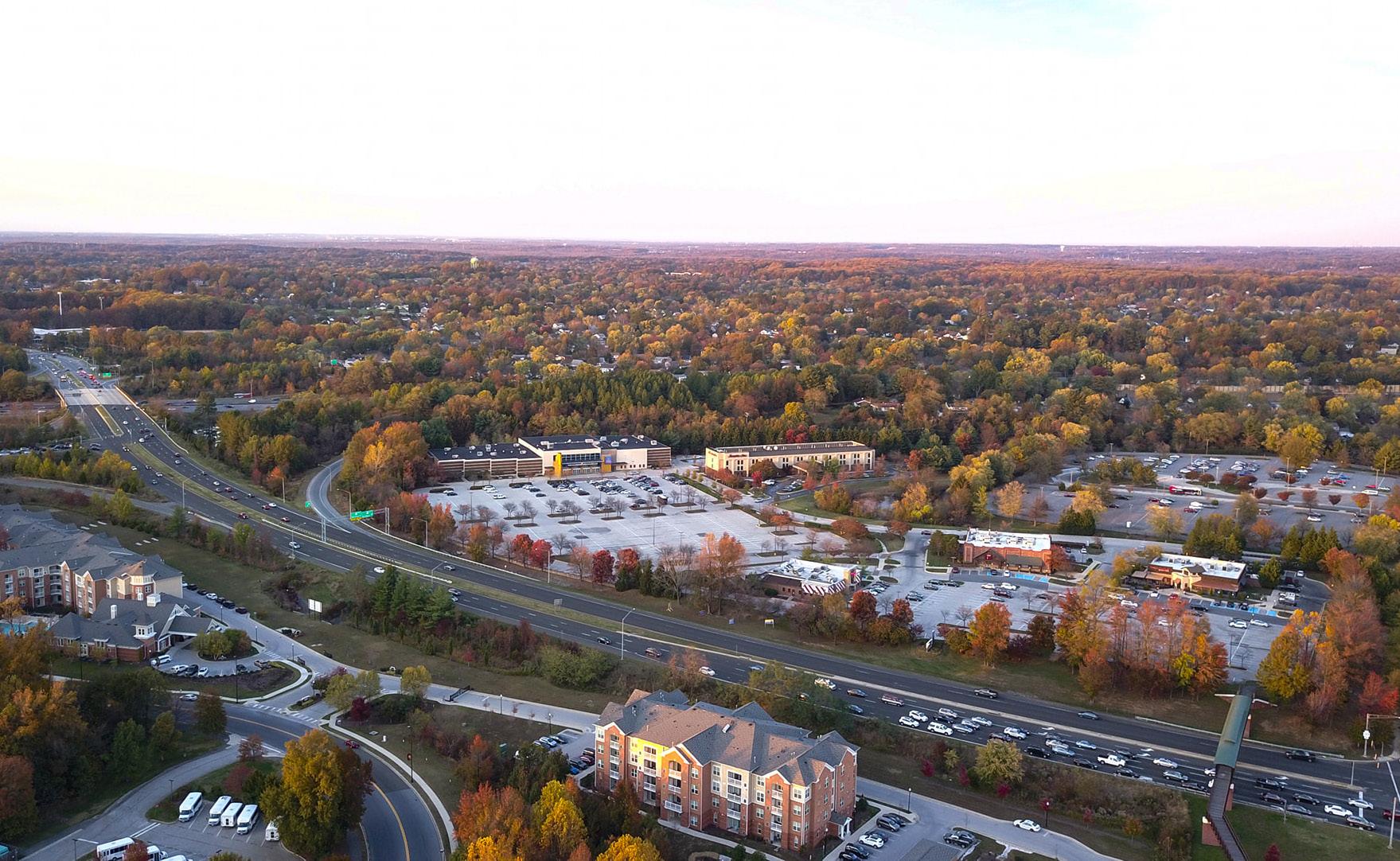
APPENDIX A: 83 2023 GREENHOUSE GAS INVENTORY REPORT
APPENDIX B: 93 BASELINE ASSESSMENT
This greenhouse gas (GHG) inventory was prepared on behalf of the City of Bowie to assess emissions from both the community and municipal operations for the year 2023. Community-wide net emissions totaled approximately 494,544 metric tons of carbon dioxide equivalent (MTCO 2 e) . With Bowie’s population of roughly 58,000, this equates to about 8.5 metric tons of CO 2 e per person . This analysis establishes a baseline for the City’s Environmental Action Plan (EAP) and guides future emission reduction strategies, ensuring alignment with Prince George’s County, regional, and State of Maryland climate commitments.
COMMUNITY-WIDE EMISSIONS (2023)
In 2023, community-wide emissions in Bowie totaled 516,424 MTCO 2 e gross and 494,544 MTCO 2 e net after accounting for forest sequestration. The primary contributors are summarized below:
• Transportation: 262,906 MTCO 2e (largest source, ~53% of net emissions)
• Buildings: 196,473 MTCO 2e (~40% of net emissions)
• Waste: 10,784 MTCO 2e (~2%)
• Other sources: 35,510 MTCO 2e (~7%)
• Forests and Trees: –21,880 MTCO 2e (consistent sequestration benefit)
The following Figure shows the proportional contribution of each sector to Bowie’s total emissions in 2023. Transportation accounts for roughly half of net emissions, buildings make up a substantial share, and waste and other sources contribute smaller portions. Forest and tree sequestration provides an offset that reduces the city’s net emissions.
(No formal Municipal Inventory was conducted. The following results draw from Bowie’s 2024 Energy Efficiency and Conservation Strategy and CAP Implementation Plan as references)
In 2023, emissions from City of Bowie government operations accounted for a small but important share of total community emissions. Key findings include:
BUILDINGS AND FACILITIES:
Approximately 61% of municipal emissions (largest share), with major facilities such as the Water Treatment Plant, City Hall, and Ice Rink as the most energy-intensive.
VEHICLE FLEET:
About 39% of municipal emissions, with opportunities for reductions through electrification.
STREETLIGHTS, OUTDOOR LIGHTING, AND WASTE:
Minor but measurable contributions.
RENEWABLES:
The City’s existing solar farm offsets more than 1 million kWh annually, equivalent to the sequestration of 12,683 trees grown for 10 years.
The City has set a pathway to achieve net-zero municipal operations by 2045, supported by planned building retrofits, LED lighting upgrades, HVAC electrification, and fleet replacement strategies.
This inventory was prepared using the U.S. Community Protocol for Accounting and Reporting of Greenhouse Gas Emissions (USCP), developed by ICLEI. The Metropolitan Washington Council of Governments (MWCOG) leads the development of greenhouse gas inventories for all jurisdictions in the region, applying consistent data sources and methods to ensure comparability across communities and over time. MWCOG’s inventories have been verified as compliant with both national and international protocols for GHG accounting.
Emissions are calculated by multiplying emission “drivers” (activities that cause emissions), by an emission factor. Drivers include natural gas and electricity consumption, vehicle fuel (or vehicle miles traveled), waste sent to a landfill, and escaped gas from pipeline delivery systems, among other sources. Emission factors are wellresearched amounts of greenhouse gases that are emitted with each unit of the driver or use above. The following equation provides an example.
The data for both emission drivers and factors used for this report draws from a mix of regional, state, and national sources, supplemented by local information where available. Key inputs include:
• Utility and energy data from MWCOG surveys, Washington Gas, and the U.S. Energy Information Administration’s Residential and Commercial Energy Consumption Surveys.
• Housing and demographic data from the U.S. Census Bureau’s American Community Survey to estimate fuel use in homes and track population trends.
• Transportation data from MWCOG’s Transportation Planning Board, including vehicle miles traveled, mobile emissions models, and transit energy consumption.
• Waste and wastewater data from Prince George’s County solid waste reports, EPA facility-level data, and MWCOG wastewater flow models.
• Forests and trees sequestration data from the ICLEI LEARN tool, i-Tree Canopy, and Chesapeake Bay land cover data to estimate removals and emissions from land use.
• National datasets from the U.S. EPA for greenhouse gas emissions and sinks, ozonedepleting substance substitutes, and commercial aircraft emissions, scaled down to the local level using jurisdictional data.
To maintain consistency, emissions factors and global warming potential (GWP) values follow the most recent Intergovernmental Panel on Climate Change (IPCC) recommendations. For Bowie’s inventories, years 2005 and 2023—as well as all on-road transportation data—use IPCC Fifth Assessment Report (AR5) values, while other years apply AR4 values. The difference between AR4 and AR5 methods is less than 0.5% of total emissions.
This consistent, regionally coordinated methodology ensures Bowie’s inventory is directly comparable to past inventories, to peer jurisdictions in the region, and to county, state, and national reporting frameworks.
Greenhouse gas (GHG) emissions are categorized into three “scopes” that help clarify where emissions come from and how they are counted in a community inventory. These categories are standard across international and U.S. protocols and ensure transparency and comparability between jurisdictions.
• Scope 1 – Direct Emissions
Emissions from sources that are physically located within Bowie’s boundaries. Examples include fuel burned in vehicles driving on local roads, natural gas combustion in homes and businesses, and fuel use in city-owned facilities and fleet vehicles.
• Scope 2 – Indirect Energy Emissions
Emissions from the generation of purchased electricity, steam, heating, or cooling that is consumed in Bowie. These emissions occur at power plants or other facilities outside the city but are attributed to Bowie because the energy is used locally.
• Scope 3 – Other Indirect Emissions
Emissions that occur outside Bowie’s boundaries but result from community activities. Examples include waste generated in Bowie but disposed of in landfills elsewhere, wastewater treatment outside city limits, and upstream energy losses from fuel extraction and distribution.
By distinguishing emissions into Scopes 1, 2, and 3, the inventory provides a comprehensive picture of Bowie’s carbon footprint. This approach helps identify which sources the City has direct control over, where influence is possible through policy and behavior change, and where regional or state collaboration is needed to achieve reductions.
The ICLEI U.S. Community Protocol for Accounting and Reporting of Greenhouse Gas Emissions, specifies how to define the geographic and operational boundaries of community inventories. For Bowie, community-wide emissions are defined as activities that occur within the city limits or as a direct result of activities by Bowie residents and businesses. Municipal emissions are considered a subset of the community total and reflect operations directly controlled by the City government.
Not all possible sources of emissions are included in this inventory. Some are excluded because they are not significant in Bowie’s context, are outside the city’s control, or lack reliable data at the local scale. Table 2 summarizes which sectors are included in the 2023 inventory and provides notes on boundary decisions.
TABLE 2. EMISSION SOURCES INCLUDED AND EXCLUDED IN BOWIE’S 2023 INVENTORY
Bowie is a mature suburban community whose population has grown modestly over the past two decades. In 2005, the city’s population was 52,730 residents. By 2023, that number had increased to about 57,771. Unlike many rapidly expanding jurisdictions in the region, Bowie’s growth has been steady but limited, reflecting its largely built-out land area and stable residential character.
This population stability is an important factor for interpreting greenhouse gas trends. Since Bowie is not experiencing the rapid growth pressures seen in other parts of Prince George’s County or the Washington metropolitan area, changes in emissions are less influenced by new development and more directly tied to improvements in energy efficiency, transportation choices, waste practices, and land management.
The city’s demographic profile also reinforces the need for equitable and resilient environmental planning. Bowie’s residents represent a diverse cross-section of age groups, income levels, and cultural backgrounds. Many households commute to jobs in Washington, D.C. or other parts of the region, making transportation a critical component of daily life.
Bowie has made steady progress in reducing GHG emissions since 2005, particularly in buildings, and has already met its 2020 reduction goal. However, transportation remains the largest and most persistent challenge, while waste and other sectors continue to require attention. To meet the 2030 and 2050 goals, Bowie must accelerate decarbonization efforts, especially in transportation and building energy use, while continuing to expand renewable energy, food waste diversion, and tree canopy restoration. This inventory provides a foundation for Bowie’s Environmental Action Plan, aligning local efforts with county, regional, and state climate goals and ensuring that emissions reductions also advance equity, resilience, and community well-being
3: BAU EMISSION SUMMARY FOR SELECTED YEARS (MTCO 2e )
Bowie envisions a future as a resilient, carbon-neutral, and equitable community where environmental protection, economic vitality, and community well-being advance together. This vision is guided by core principles of equity, ensuring that all residents benefit from climate action; resilience, preparing the city to withstand and adapt to climate impacts; accountability, with transparent reporting and measurable progress; and innovation, embracing new solutions to accelerate emissions reductions and enhance quality of life. These principles provide the foundation for Bowie’s sustainability and climate planning and anchor the city’s alignment with county, regional, and state commitments.
Bowie’s climate and sustainability planning sits within a multi-layered policy environment. At the county level, the 2022 Prince George’s County Climate Action Plan (CAP) sets an ambitious target of reducing greenhouse gas emissions 50% below 2005 levels by 2030 while strengthening resilience to climate impacts. The County plan identifies 26 priority recommendations, with emphasis on clean energy, transportation, food security, urban forestry, and equitable adaptation.
At the regional scale, the Metropolitan Washington Council of Governments (COG) developed the 2024 Priority Climate Action Plan (PCAP), focusing on coordinated emissions reduction strategies across the Washington, D.C. metropolitan statistical area. It outlines near-term measures in clean energy, waste reduction, electrified transportation, and sustainable land use that can be pursued jointly across jurisdictions. The State of Maryland further frames Bowie’s efforts. The 2024 Maryland PCAP builds on the Climate Solutions Now Act of 2022, requiring a 60 percent reduction in emissions by 2031 and net-zero by 2045. This state-level framework emphasizes transformation across energy, transportation, buildings, industry, and natural systems .
Complementing these policy directives, the 2024 report from the National Capital Region Transportation Planning Board provides implementation considerations for onroad greenhouse gas reduction strategies. These include vehicle electrification, modeshift investments, and system efficiency measures that directly connect to Bowie’s transportation network .
These higher-level commitments align with and reinforce Bowie’s own planning. They create both direction and opportunity, situating the city’s sustainability actions within broader state, county, and regional frameworks, while ensuring Bowie can access federal funding streams and regional partnerships to achieve its local climate goals.
Together, the county, regional, and state climate frameworks set ambitious reduction targets and provide pathways for investment, collaboration, and innovation. For Bowie, these external commitments reinforce the city’s own goals and demonstrate that local action is part of a wider transformation toward a low-carbon future. By pursuing strategies rooted in equity, resilience, accountability, and innovation, Bowie ensures that its work not only advances state and regional objectives but also delivers tangible benefits for its residents—strengthening community health, supporting economic opportunity, and safeguarding natural resources for future generations.
Bowie’s environmental and sustainability planning has evolved over the past two decades through a series of foundational documents that together provide the framework for the City’s new Environmental Action Plan (EAP). The 2015 Climate Action Plan (CAP) established the City’s first community-wide greenhouse gas (GHG) inventory and introduced strategies to reduce emissions. Building on this foundation, the 2020 Climate Action Plan updated targets to reduce emissions 50 percent below 2015 levels by 2030 and to reach net-zero by 2050. These climate commitments remain central within the broader environmental agenda.
The 2016 Sustainability Plan further expanded the scope by tying climate goals to Bowie’s social, natural, and economic systems under the guiding themes of Growth, Unity, and Progress. Developed with extensive community input through the ImagineBowie process, the plan outlined 25 goals, 57 strategies, and 103 actions across areas such as food and wellness, transportation, recycling and composting, and natural resources. Many of these strategies were later operationalized through the 2022 Climate Action Plan Implementation Plan, which translated broad climate and sustainability goals into specific, measurable actions for City operations, residents, and businesses.
Annual State of the Environment Reports (FY24 and FY25) now serve as progress reports for these plans, highlighting accomplishments in food waste diversion, solar expansion, urban forestry, sustainable mobility, and community outreach. In addition, the 2024 Energy Efficiency and Conservation Strategy provided a detailed assessment of municipal facilities and fleet emissions, identifying pathways for retrofits, electrification, and renewable energy integration to reach net-zero municipal operations by 2045. The 2019 Trails Master Plan Update also plays a critical role, guiding investments in trail connectivity and active mobility that support both environmental and public health goals.
Community engagement has been a consistent thread throughout this evolution. The Environmental Advisory Committee (EAC) provides policy recommendations and recently identified priorities such as clean energy, electrification, food waste diversion, and expanded tree canopy coverage. Programs like Green Bowie outreach, community gardens, and school partnerships extend this engagement to residents, ensuring that environmental action is rooted in community needs and values.
Equity and resilience are embedded in these efforts. Initiatives such as the Bowie Food Pantry gardens and community garden program improve food security. Tree planting and ecological landscaping projects expand shade and biodiversity, while wellness initiatives like the Green Bowie 5K and Walk Wednesdays strengthen public health. These efforts illustrate how Bowie’s environmental work is designed to reduce emissions and build resilience while also advancing equity and improving quality of life.
Taken together, these plans and programs demonstrate Bowie’s steady progression from early sustainability commitments to a comprehensive Environmental Action Plan. The EAP builds upon the 2015 and 2020 Climate Action Plans, the 2016 Sustainability Plan, the 2019 Trails Master Plan Update, the 2022 CAP Implementation Plan, the annual State of the Environment Reports, the 2024 Energy Efficiency and Conservation Strategy, and the guidance of the Environmental Advisory Committee. This integrated framework positions Bowie to meet its ambitious climate and environmental goals while delivering meaningful benefits for the community.
Bowie tracks community-wide greenhouse gas (GHG) emissions across major sectors— buildings, transportation, waste, and other sources—while also accounting for carbon emissions and removals from forests and trees. The most recent inventory covers 2023 emissions. Total net emissions for community-wide emissions from Bowie were 494,544 Metric Tons of Carbon Dioxide equivalent (MTCO2e).
The following Figure shows the proportional contribution of each sector to Bowie’s total emissions in 2023. Transportation accounts for roughly half of net emissions, buildings make up a substantial share, and waste and other sources contribute smaller portions. Forest and tree sequestration provides an offset that reduces the city’s net emissions.
FIGURE A: EMISSION PERCENTAGES BY SECTOR
Greenhouse gas inventories that have been periodically taken from 2005 until now, provide a clear picture of how emissions have changed over time and where the greatest opportunities for future reductions remain. By tracking emissions across buildings, transportation, waste, and other sources, and accounting for the carbon benefits of forests and trees, the City is able to measure progress toward its long-term goals. The data show meaningful reductions since 2005, particularly in the building sector, but also highlight persistent challenges in transportation and other sources. These trends establish the baseline against which Bowie’s Environmental Action Plan will advance new strategies to achieve deeper reductions and build community resilience.
• Gross emissions have declined significantly, from 740,650 MTCO2e in 2005 to 516,424 MTCO2e in 2023, representing a 30 percent reduction.
• When forest sequestration is included, net emissions dropped from 722,209 MTCO2e in 2005 to 494,544 MTCO2e in 2023.
• This trajectory shows steady progress, but continued reductions are needed to align with the city’s 2030 and 2050 targets.
While overall emissions have declined, the distribution across sectors shows where progress has been made and where challenges remain. Buildings have steadily decreased their emissions since 2005, reflecting energy efficiency and renewable adoption, but transportation continues to dominate Bowie’s emissions profile. Waste and other sources make up smaller shares, while forests and trees play a consistent role in offsetting emissions. Understanding these sector-specific trends is essential for targeting actions in the Environmental Action Plan.
• Buildings remain the largest source, at 196,473 MTCO2e, though emissions have steadily declined since 2005 due to efficiency gains and renewable adoption.
• Transportation accounts for 262,906 MTCO2e, only a modest reduction from 2005, highlighting the ongoing challenge of vehicle dependence and the need for electrification and modal shifts.
• Waste contributes a smaller share at 10,784 MTCO2e, fluctuating over the years but showing modest reductions since 2005.
• Other sources (such as industrial processes and fugitive emissions) contributed 35,510 MTCO2e, an increase compared with 2005 levels.
• Forests and trees provided consistent sequestration, removing about 21,880 MTCO2e in 2023.
Bowie has already demonstrated its ability to meet and exceed near-term climate targets, outperforming its 2020 goal through a combination of efficiency improvements, renewable energy expansion, and natural sequestration. Yet the 2030 target presents a more demanding challenge, requiring sustained and accelerated reductions, especially in transportation and building energy use. These goals set a clear benchmark for the city’s Environmental Action Plan, guiding the scale and urgency of future strategies.
• The city’s 2020 emissions goal was set at 592,520 MTCO2e, which Bowie successfully outperformed by reducing emissions to 543,800 MTCO2e in 2020.
• The 2030 goal of 370,325 MTCO2e will require an additional reduction of roughly 124,000 MTCO2e from 2023 levels, underscoring the importance of accelerating decarbonization in transportation and buildings.
The Table below summarizes gross and net emissions for Bowie across the major sectors—buildings, transportation, waste, and other sources—over four inventory years. It highlights steady declines in building emissions, modest progress in waste, ongoing challenges in transportation, and consistent carbon sequestration from forests and trees.
The Figure below illustrates trends in Bowie’s greenhouse gas emissions by sector between 2005 and 2023. While total emissions have declined, transportation remains the largest contributor, underscoring the importance of addressing vehicle dependence alongside gains in building efficiency.
FIGURE B: EMISSIONS BY SECTOR OVER TIME
Bowie has made substantial progress in reducing emissions since 2005, successfully outperforming its 2020 goal and achieving nearly a 30 percent reduction in net emissions. At the same time, the data underscores the scale of the work ahead. Transportation remains the largest and most persistent source of emissions, while buildings continue to account for nearly two-fifths of the total. Achieving the 2030 goal will require accelerating action in these sectors while maintaining progress in waste reduction, renewable energy, and urban forestry. The inventories also highlight the important role of Bowie’s natural systems—forests and trees provide consistent carbon sequestration that both lowers net emissions and delivers co-benefits for resilience, health, and quality of life. As the City advances its Environmental Action Plan, this baseline assessment provides both a measure of achievement and a clear call to expand, coordinate, and intensify local, county, and regional strategies to ensure Bowie meets its climate and environmental commitments.