The Bluegrass Standard is a life-long dream of Keith Barnacastle, who grew up in Meridian, Mississippi. For three years, Keith brought the Suits, Boots and Bluegrass Festival to Meridian. Now, with the Bluegrass Standard, Keith’s enthusiasm for the music, and his vision of its future, reaches a nationwide audience every month!
CONTRIBUTORS
Editor
Randy Smith
Randy Smith retired in 2025 after teaching high school English, AP psychology, and musical theater for 40 years, a job he truly misses. He has been honored with being High School Teacher of the Year three times, Lincoln County Schools System Teacher of the Year, and he was selected as STAR Teacher seven times. He lives just off Lewis Family Road, and his uncle by marriage was Pop Lewis’s nephew. He taught Lewis Phillips, former musician for The Lewis Family; he went to high school and the University of Georgia with Sheri Easter (she was also his disco dance partner); and, his students have performed at the Bluegrass Festival in Lincolnton, Georgia. “I have been tangentially connected to Bluegrass music all my life,” Smith admits. “I am a storyteller by nature, and I appreciate anyone who can write or tell a great story.”
Creative Director Sales Director Writer Writer
Rebekah Speer
Rebekah Speer is a Nashville, Tennessee based artist and creative professional with more than twenty years of experience in the music industry. A singer-songwriter with recorded cuts and a growing presence as a recording artist, she also works extensively behind the scenes as a live sound and recording engineer, including front of house for the Grammy-nominated group Sister Sadie. As Creative Director for The Bluegrass Standard, she crafts a unique visual identity for each issue while gaining a deep appreciation for the artists and stories behind the music. In addition to her work with the publication, Speer provides graphic design, recording, and technical support to a wide range of clients, bringing both artistic vision and technical expertise to every project. www.rebekahspeer.com
Susan Woelkers
Susan traveled with a mixed ensemble at Trevecca Nazarene college as PR for the college. From there she moved on to working at Sony Music Nashville for 17 years in several compacities then transitioning on to the Nashville Songwritrers Association International (NSAI) where she was Sponsorship Director. The next step of her musical journey was to open her own business where she secured sponsorships for various events or companies in which the IBMA/World of Bluegrass was one of her clients.
Susan Marquez Brent Davis
Curious by nature, Susan Marquez thrives on knowing the backstory. After a long career in advertising and marketing, Susan began writing feature articles in 2001. Her specialty is culture, and music is her passion. She has written over 3500 articles for magazines, newspapers, business journals, trade publications, and online sources. “Just like you shouldn’t have a favorite kid, perhaps I should love every publication I write for the same, but there is no doubt that I love writing for The Bluegrass Standard the best. My job allows me to meet some of the most talented folks on the planet, and writing about them is a huge honor for me.”
Susan is a teaching artist for the Mississippi Arts Commission, and she served as the president of the Mississippi Writers Guild for nine years. She and her husband, Larry, split their time between homes in Madison, Mississippi, and New Orleans, where they love listening to live music every chance they get.
Brent Davis produced documentaries, interview shows, and many other projects during a 40 year career in public media. He’s also the author of the bluegrass novel Raising Kane. Davis lives in Columbus, Ohio.
Kara Martinez Bachman is a nonfiction author, book and magazine editor, and freelance writer. A former staff entertainment reporter, columnist and community news editor for the New Orleans TimesPicayune, her music and culture reporting has also appeared on a freelance basis in dozens of regional, national and international publications.
A Philadelphia native and seasoned musician, has dedicated over forty years to music. Starting as a guitar prodigy at eight, he expanded his talents to audio engineering and mastering various instruments, including drums, piano, mandolin, banjo, dobro, and bass. Alongside his brother, he formed The Young Brothers band, and his career highlights include co-writing a song with Kid Rock for Rebel Soul.
Stephen Pitalo has written entertainment journalism for more than 35 years and is the world’s leading music video historian. He writes, edits and publishes Music Video Time Machine magazine, the only magazine that takes you behind the scenes of music videos during their heyday, known as the Golden Age of Music Video (1976-1994). He has interviewed talents ranging from Ray Davies to Joey Ramone to Billy Strings to Joan Jett to John Landis to Bill Plympton.
David Haley Lauver is a songwriter and freelance writer from Knoxville, Tennessee, who is a columnist for The Bluegrass Standard magazine. Three songs Lauver has co-written topped national Bluegrass charts. Along with Jerry Salley, Karen Bowles, and Bobby Johnston, Lauver was a co-writer of “The News That Never Changes,” a 2025 Bluegrass Gospel #1 for The King James Boys. “Appalachian Blue,” created by the same writers, was an international hit for recording artist Kristy Cox and received a “Roots Music” Grammy nomination. Lauver also worked with Donna Ulisse and Ali Shumate to write “Jezebel,” a #1 song for Shumate. In 2014, Lauver was selected to the East Tennessee Writers Hall of Fame. He has performed at Nashville’s Tin Pan South Music Festival and North Carolina’s “Merlefest,” where he was a five-time finalist in the Chris Austin national songwriting competition. Lauver’s career has included work as a news reporter, U.S. Senate staffer, university communications director, and executive speechwriter.
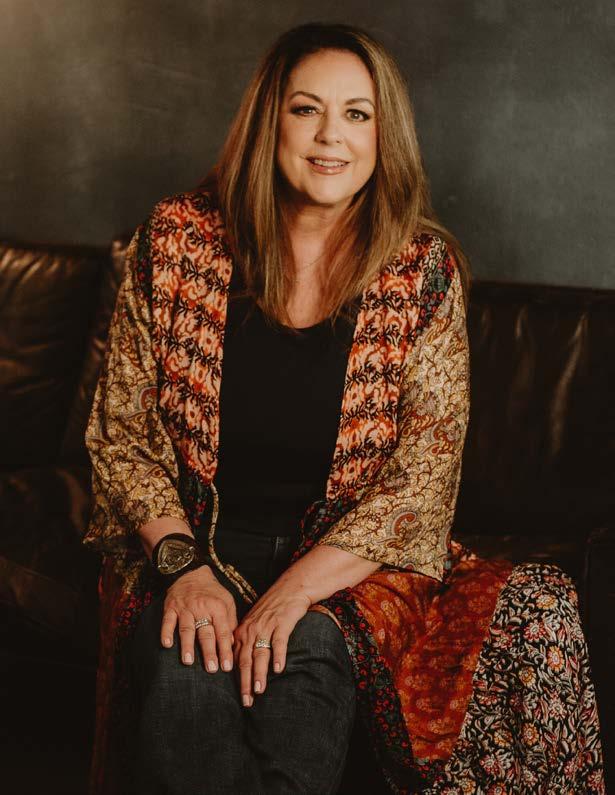
Donna Ulisse is an awardwinning American singersongwriter known for her powerful voice and deeply rooted bluegrass and acoustic music. A Hampton, Virginia native, she first gained national attention in the early 1990s as a country artist on Atlantic Records before finding her true artistic home in bluegrass. Ulisse has earned multiple honors, including the International Bluegrass Music Association Songwriter of the Year award, and her songs have been recorded by leading artists across the genre. Today, she is widely respected as one of bluegrass music’s premier songwriters, performers, and educators.
Jason Young
Kara Bachman
Stephen Pitalo
David Lauver
Donna Ulisse
by Stephen Pitalo
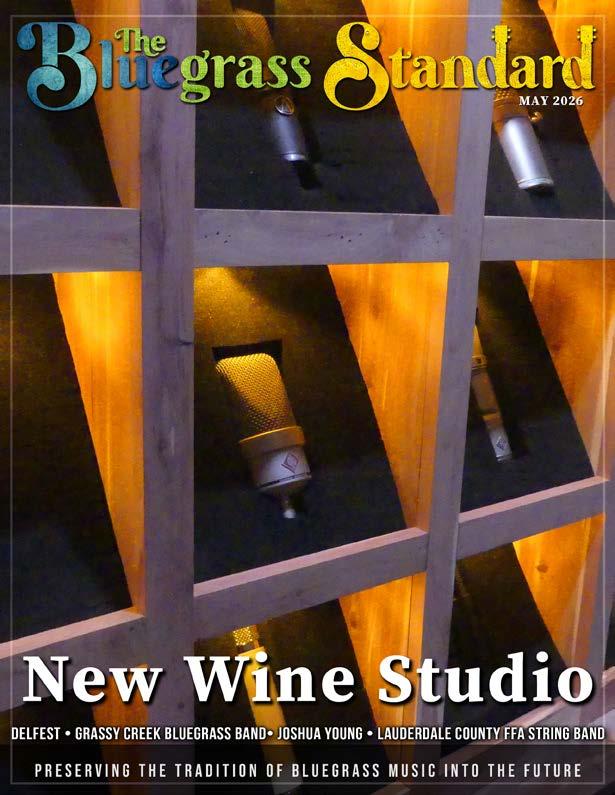
Listening for the B String: Eric Uglum, New Wine Studios, and the Sound of Bluegrass That Breathes
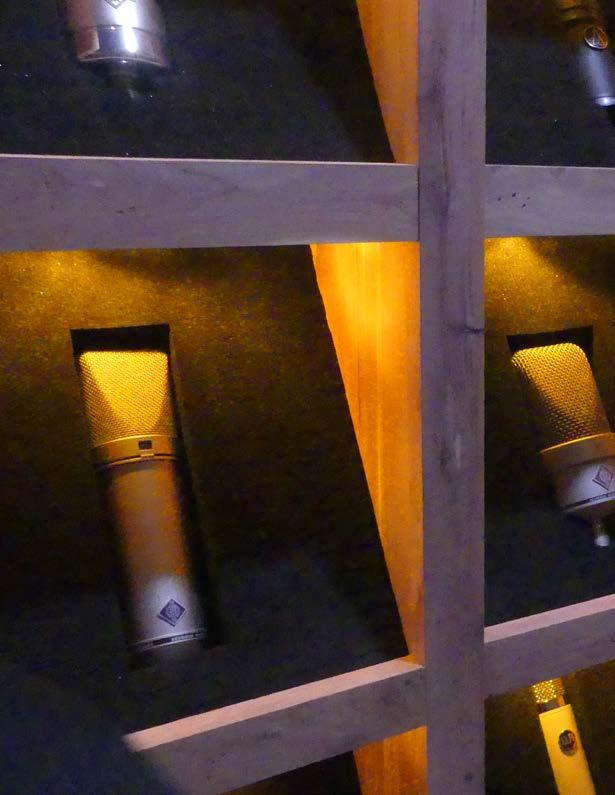
There are studios where the red light comes on and the air tightens like a courtroom. Then there are studios where someone calmly leans into the talkback mic and says, “Do you guys want to check tuning really quick? I think your B string has gone south a little.” The second kind tends to make the records that last.That quiet moment lives at the center of Eric Uglum’s philosophy at New Wine Studios, a studio that began in Southern California in 1994 and now sits in Watertown, Tennessee, just outside Nashville. It also explains how a lifetime spent onstage became the foundation of a career spent helping other musicians sound like themselves.
A life that started onstage
Eric Uglum’s path into bluegrass began long before New Wine Studios existed. Born in Fort Campbell, Kentucky, and raised in Huntington Beach, California, he came up through the Southern California bluegrass scene at a time when the genre’s West Coast community was both tight-knit and ambitious. In 1982, he won the West Coast Flatpicking Guitar Championship, an early marker of a career defined by musicianship as much as technical curiosity.
Through the 1980s and ’90s, Uglum built a résumé that reads like a map of modern bluegrass connections. He performed with Weary Hearts alongside Ron Block, Mike Bub, Butch Baldassari, and Chris Jones, and later helped form New Wine with Ron and Sandra Block and Rob Ickes. He played in Copperline and toured internationally with Lost Highway, whose recordings included Ralph Stanley. Later collaborations included Chris Stuart & Backcountry and the family group Eric Uglum & Sons.
His solo album Shenandoah Wind featured Alison Krauss, Stuart Duncan, and Rob Ickes, names that signal just how deeply embedded he is in the genre’s musical community.
New Wine Studios began in Southern California in 1994 and eventually relocated to Tennessee, where it operates today as a recording, mixing, and mastering studio serving bluegrass, folk, and Americana artists.
The advantage of a producer who plays Uglum’s dual identity as musician and engineer shapes the studio environment in ways artists immediately feel.
“The main asset of being an engineer who plays is the ear training that a player experiences is applicable to the production environment,” Uglum explained. “Being able to resolve small pitch and tuning issues will help the artist create a better product and save time in the studio.”
It’s a philosophy rooted in empathy. When the producer has been the person holding the instrument, the studio becomes a collaborative space instead of a technical proving ground.
From California beginnings to Tennessee home
New Wine Studios’ move to Tennessee reflects both personal and professional motivations.
“I always had the goal of moving out here,” Uglum said. “While the business opportunities are great in Nashville, it was being closer to family, friends and grandkids
that was the main motivator. Of course, the general musicality of the players out here is very high and lots of fun to work with!”
Today, New Wine Studios serves a wide range of artists across bluegrass, folk, and Americana, with Uglum working as a recording, mixing, and mastering engineer and producer.
The danger of attempting perfection
Ask Uglum what defines a great modern bluegrass recording and the answer arrives quickly – and carefully.
“In bluegrass in particular and folk music in general, one must be careful not to over-produce,” Uglum deduced. “Modern recording technology allows editing forever and many projects end up having a perfect antiseptic sheen that doesn't really exist in the real world. All of my favorite historic recordings, The Stanley Brothers, Paul Brady, Tony Rice, James Taylor, etc. have some technical timing and pitch inconsistencies that don't affect the end product at all! Music should make you feel something and all those artists have done that regardless of the production process they used.”
Even the click track isn’t the standard, but a tool, and only when needed.
“The decision to use a click track can be a big problem for a bluegrass band
that hasn't trained with it. 4/4 bluegrass will often have a strange feel if played to a click. This seems to be a result of the subdivisions in the banjo roll. The effect seems less in waltz ¾ time. The more the band can breathe rhythmically the better.”
Uglum feels that producing across generations offers a front-row seat to bluegrass evolution.
“The players just keep getting better and better. A young student has an incredible amount of instructional material and recordings to listen to that has really increased the state of the art. Sierra’s accurate and buttery mandolin tone is unique, Alison's vocal tone and pitch is amazing!”
Technology will continue to assist recording, but Uglum sees a steady center that won’t move.
“Traditional music will always be about the artist who actually plays and sings with good tone! No amount of studio tricks can replace that!”
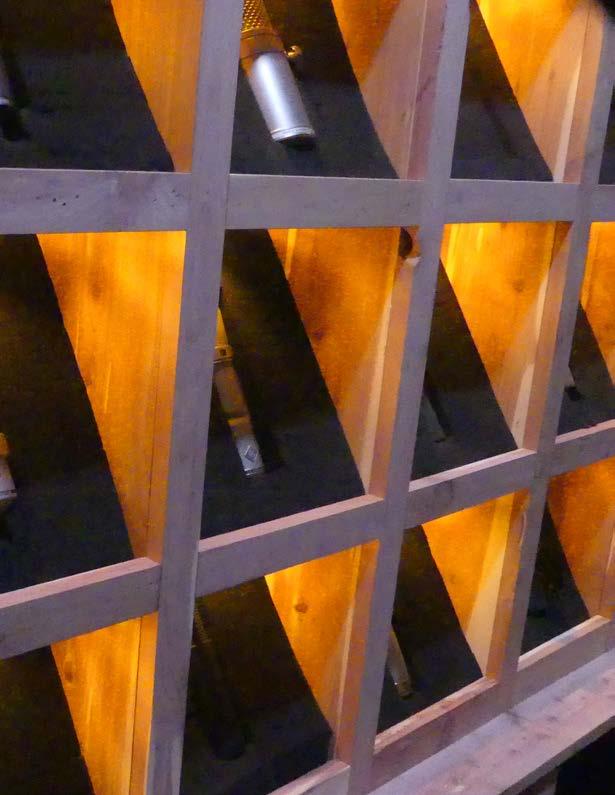
At New Wine Studios, the microphones sit ready, the room holds quiet, and somewhere between the tuning check and the final take, we hear what recording was meant to do: capture a performance that feels alive.
VIRTUAL: JUNE 22-26
IN-PERSON: JULY 6-10
Westminster, MD
Week-long workshops in singing & instrumental blugrass, old-time, blues, Celtic & other music; visual arts, dance, writing & more! Renowned instructors including Alice Gerrard, Tim O’Brien, Tatiana Hargreaves, Reed Stutz, Chris Luquette, & others.
Special concert performances by The Livebox and The BlackEyed Suzies
Clogging demonstration
Shade Tree Picking
Craft & Food Vendors
A
bright sound, a bright future: The Lauderdale County FFA
String Band make history and serenade a governor
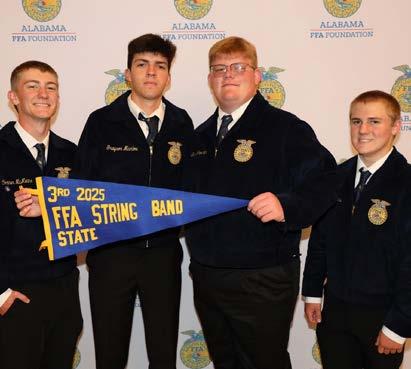
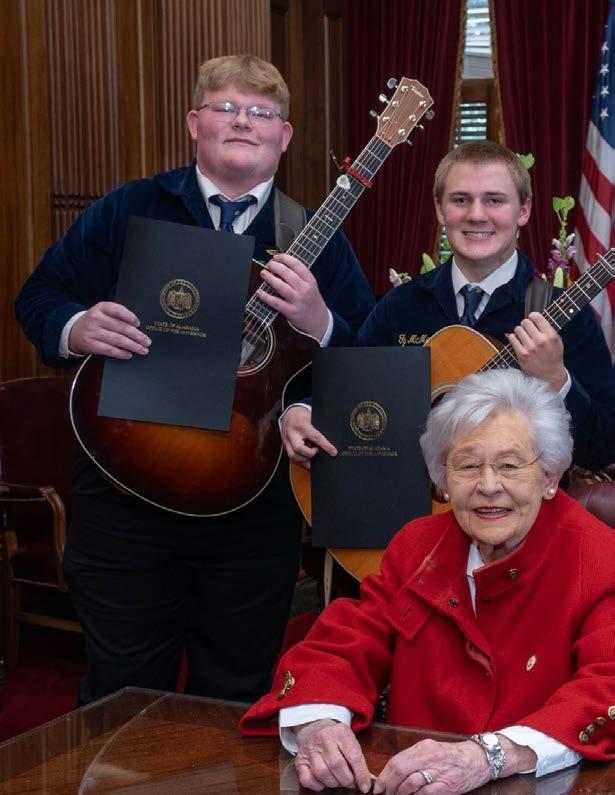
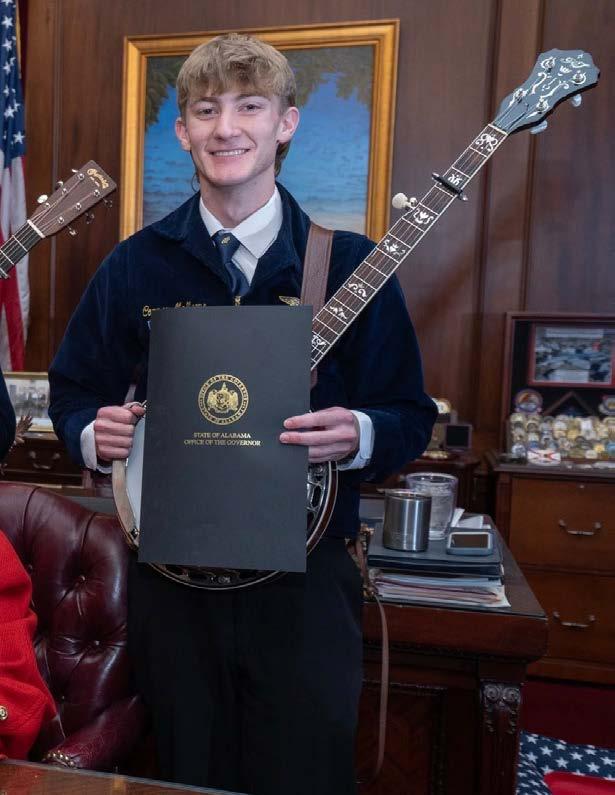
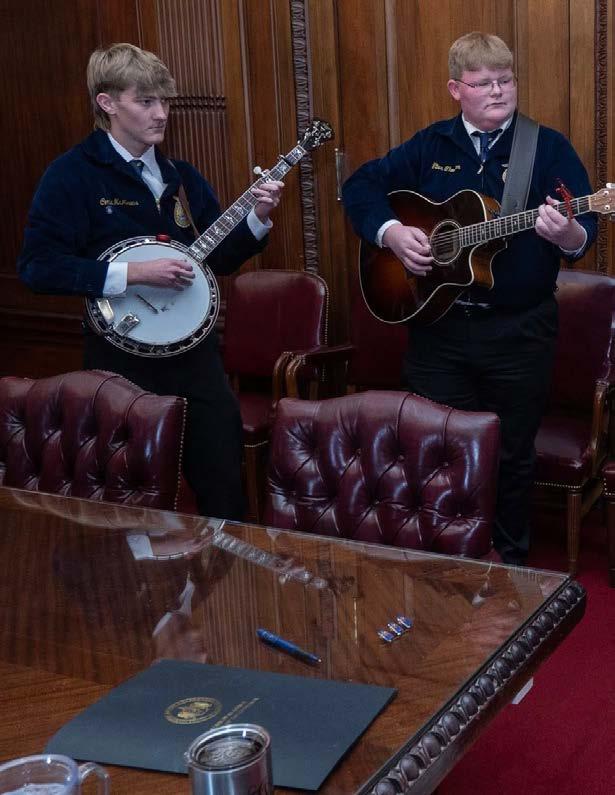
The Lauderdale County FFA (Future Farmers of America) String Band made history at last year’s National FFA Convention and Expo. The trio comprises Titus Thornton and brothers Conner and Ty McMeans, and they became not only the first band but also the first musical act from Alabama to win the organization’s prestigious talent competition.
All three boys were exceptionally young when they became interested in music. Conner began learning banjo at nine, and Titus was the same age when he became intrigued by the guitar. Soon after, he began singing and playing bass. Like his brother, Ty soon proved to be musically gifted as well and started taking fiddle when he was seven years old and began taking guitar lessons and four years later, he also began playing acoustic guitar.
Ivy Harbin, who teaches agriculture at Lauderdale County High School in Rogersville, AL, is filled with praise for the three students, whom she met through her role as the school’s FFA advisor.
“Every performance offers heartfelt authenticity that reflects their agricultural heritage and small-town pride,” she says, and adds that each performance together has strengthened their bond, while also refining their musical sound.
She was instrumental in assembling what was eventually named the Lauderdale County FFA String Band after Conner and Ty’s father approached her while they were still in middle school, explaining they were interested in performing bluegrass. “I already knew Titus, who had been performing and singing locally on his own for quite some time,” Harbin recalls. She soon concluded that his vocals would complement the unique sound that the McMeans’s brothers were working hard to develop.
“She pulled us out from the crowd in middle school, and saw something in us,” Titus says. Harbin recognized talent when she heard it. She does not have a formal background in music, but explains she grew up in a musical family.
One of Harbin’s former teachers was the bluegrass musician Russ Gant. She states that she has never forgotten him or his belief that Alabama was one of the last states in the nation to still hold true string band contests that preserve classic country, bluegrass, and gospel traditions.
“That respect for tradition and heritage is something that has stayed with me and continues to influence how I support students through this unique FFA opportunity,” she says.
Beyond the success of their band, all three members serve as officers in their FFA chapter. As if their musical aspirations were not enough to keep them busy in their free time, they also have participated in FFA-sponsored tractor driving, livestock evaluation, and land evaluation contests. Connor, Titus, and Ty’s commitment to their chapter has impressed Harbin. “Their involvement showcases the well-rounded spirit of today’s FFA members,” she says, “students who balance artistic talent with hands-on agricultural skills and community leadership.”
The talent competition has been a memorable part of the annual National FFA Convention and Expo for more than seventy years. After performing together for several years in both local and statewide shows, Harbin assured the boys that they were ready to enter the prestigious contest, and in 2024 the band placed as semifinalists. “The hardest part for us was trying to find a song to play at each
level,” Ty says, and Titus concurs. “When choosing songs, we looked at what we thought was 'up and coming' on social media to get a good reaction from the crowd,” he says.
Titus and the McMeans brothers traveled to Indianapolis with their families for the 98th annual National FFA Convention and Expo. The three youths impressed the audience and judges with their lively and technically impressive set, which included a bluegrass rendition of “Simple Man” by the band Lynyrd Skynyrd.
On November 1, the Lauderdale County FFA String Band was declared the winner, a year after the three teens placed as semifinalists. Their winnings include a $250 cash prize, an invitation to guest judge the 2026 contest, and an enduring place in the history of the competition.
“We are all ecstatic,” Conner reveals. “Especially to be the first act from Alabama to hold this title.”
Reaction to the trio’s win was immediate, heartfelt, and celebrated across social media. The three youths departed Indianapolis as champions and were welcomed with pride when they returned home to Rogersville. The three triumphant musicians certainly delighted their advisor, without whom the band may have never formed.
“It has been an honor to support them and watch them grow from middle school students with raw ability into confident young musicians and leaders,” Harbin states. “Their success represents more than a trophy—it highlights what can happen when students are given opportunities to pursue their passions through FFA and are encouraged to stay true to who they are.” “I hope we are able to stay together and grow
as musicians both individually and as a group,” Ty says of the trio’s future plans. Likewise, Titus also hopes the band will remain united and continue exploring musical genres, while attracting young audiences to bluegrass and country.
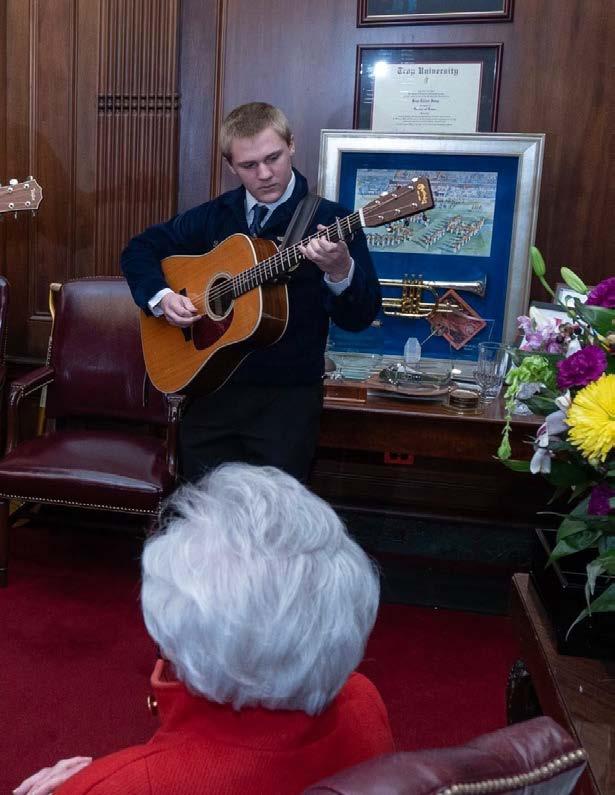
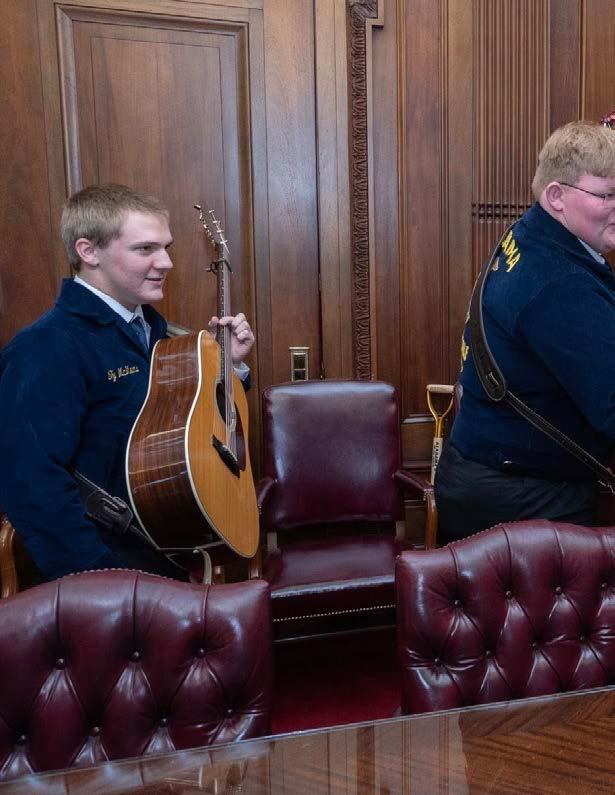
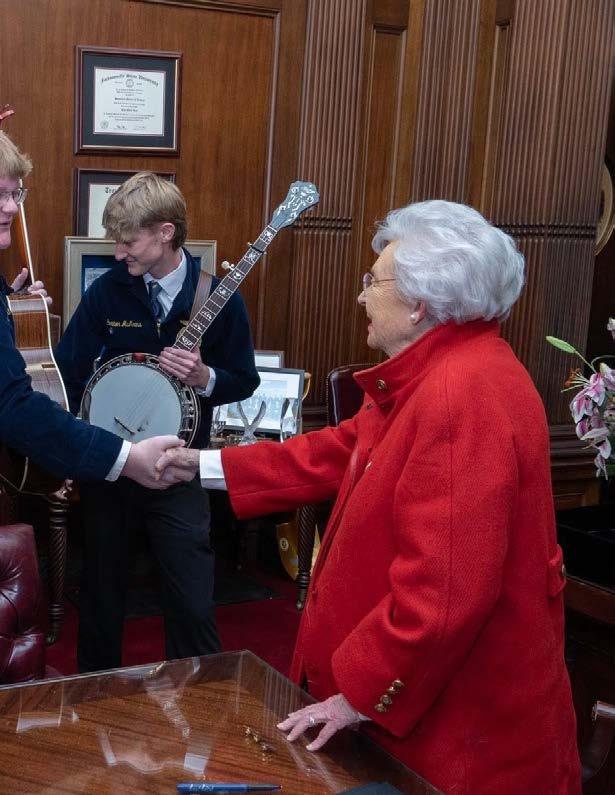
After celebrating their win and spending the holidays with their families, the Lauderdale County FFA String Band had one more important trip on their itinerary. On January 20th, the three national champions brought bluegrass to Montgomery—directly to Governor Kay Ivey’s office.
Being the consummate professional musicians that they are, the three musicians, clad in their navy signature jackets, did not reveal a sign of nervousness, and the governor was all smiles as she listened. Ivey later posted on her Instagram account that she “called for an encore,” and that the future of the band members “is every bit as bright as their sound.” Having made their families, Harbin, and their hometown proud, bluegrass music will surely accompany Conner, Ty, and Titus on their college adventures and be a part of their bright futures.
by Susan Marquez
Cigar Box Guitar Festival
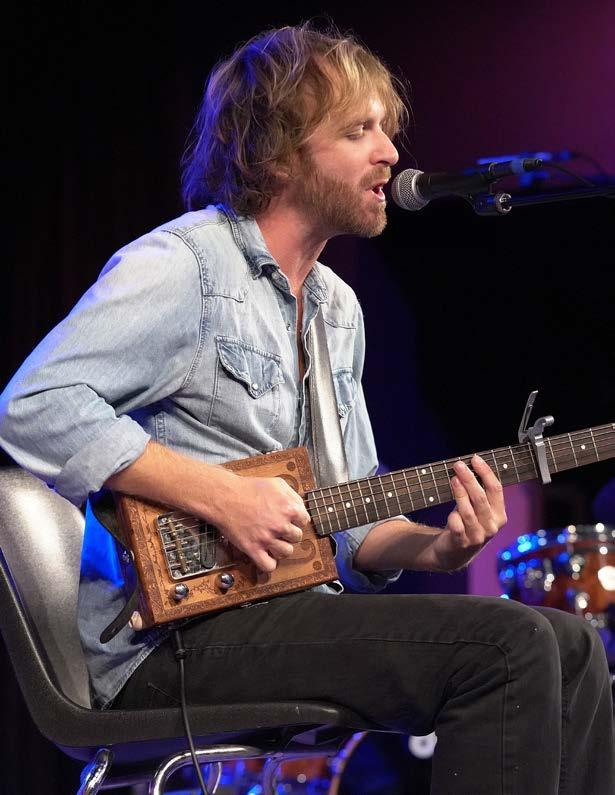
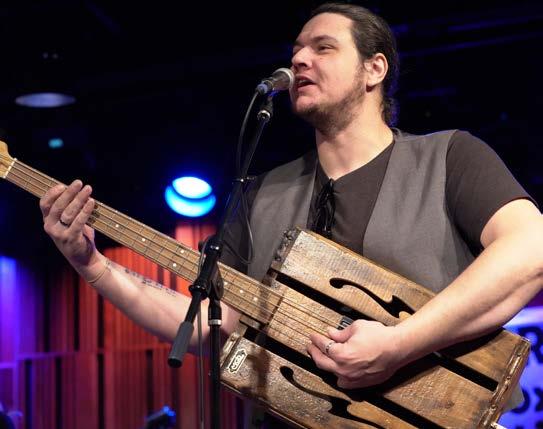
If necessity is the mother of invention, guitars made of cigar boxes are a testament to human creativity in the face of financial hardship. A simple cigar box, commonly found, serves as the resonator of the instrument, with a neck made of wood – often a broom handle – then strung with screen wire or fishing line to create a do-it-yourself guitar with a distinctive sound.
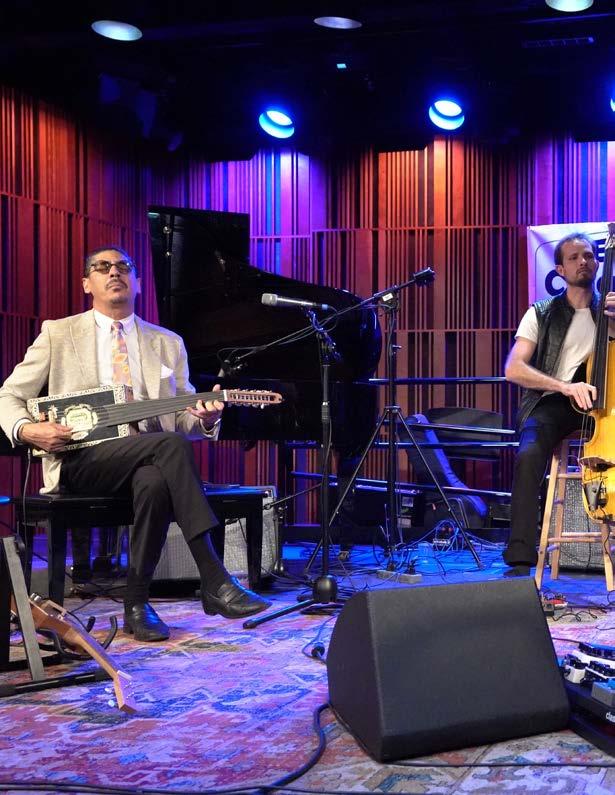
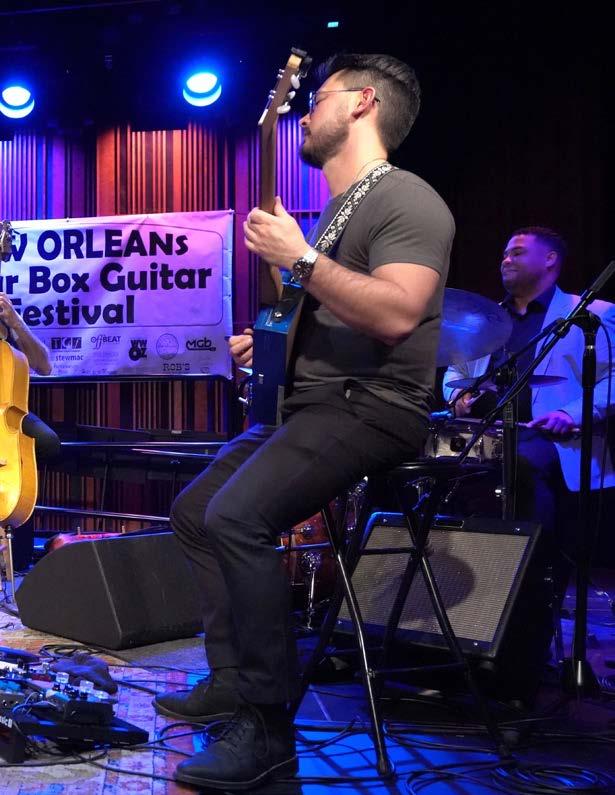
Cigar boxes, hubcaps, Coke crates, and more were used to fashion improvised string instruments played during the three-day Cigar Box Guitar Festival in New Orleans in January. The festival was founded by Collins Kirby ten years ago. “My wife and I lived in New Orleans at the time,” said Collins. “We attended the cigar box guitar festival in Huntsville, Alabama – the first festival of its kind. We met Justin Johnside and John Pickle. We hired April May and the Junebugs to play in New Orleans in 2014, and we realized then that a festival was feasible in New Orleans.”
There are cigar box guitar festivals in California, St. Louis, and other places around the country, but the New Orleans festival has been called the “World Cup of Cigar Box Guitar.”
Players and makers from around the globe gathered at the historic New Orleans Jazz Museum. The lineup was amazing, with musicians of many different genres playing in the intimate setting. “If you’re interested in total immersion in Americana, the New Orleans Cigar Box Guitar Festival is an elevating and enriching salute to our culture and heritage, and you can't leave without a smile on your face,” said documentary producer Dennis Baker.
It truly was a unique celebration of music, art, and the cultural history of homemade stringed instruments, appropriately held in New Orleans, a city where the early development of jazz and blues depended on them.
From Affordable Substitute to Modern Musical Instruments
Cigar box guitars can be traced back to the mid-1800s. During hard financial times, the instruments provided entertainment when resources were scarce. The string count ranged from one string to six, and over time, the quality of the guitars improved. Elements from traditional guitar-making were incorporated, including hardwood guitar necks that used standard guitar strings, and pickups that allowed the tonal range to be broadened with simplification.
Even with all that, the cigar box guitar has a distinctive sound that many musicians prefer. Because of its smaller size, it has a bright, midrange-focused tone. Beginners often prefer a three-stringed guitar that is tuned to an open chord. They can play full chords with a single finger, which encourages the rhythm and slide techniques commonly heard in roots and blues music.
Not Just for the Blues
The festival in New Orleans was heavy on the blues, but there were plenty of other genres there as well. And folks came from around the globe to perform, “We had acts from France, Holland, and Australia,” said Collins. Any improvised instrument was welcome. The same musical rules to build stringed instruments applied. “We had a guitar made from a hubcap, and a bass made from a Coke crate, plus plenty of guitars, and even a fiddle, made from cigar boxes.”
The New Orleans Cigar Box Guitar Festival kicked off Thursday night with bluegrass artist Hilary Klug. She is a fiddler and a dancer, a combination not often seen. Hilary was joined on stage by Canadian performer Meredith Moon. “I had a blast,” said Hilary, who entered a video where she played an instrument made by her neighbor. “I won
second place in the video contest, and I was invited to perform at the festival.”
The festival also included a builders' workshop and contest on Friday. Russ Wellington from St. Louis, Missouri, took first place. In second place was Huntsville, Alabama native Chuck Coan, and Steve Holladay from Holladay, Tennessee, placed third.
Some of the instruments from the workshop were played at the Friday evening Hootenanny, This was a unique festival in that it not only featured musicians, but also the instruments they played. In the midst of blues and other genres, bluegrass music made a big splash. “I was proud to bring mountain music to sea level at the New Orleans Jazz Museum,” laughed Collins. “One of the keys to this festival’s success is that we feature so many different styles of music.” The festival operates on a tight budget, yet it has snowballed into one of the largest cigar box guitar festivals in the country.
“It's my desire to stimulate an interest in the homemade stringed instrument movement among old-time and bluegrass music enthusiasts and players like the one that exists in the blues and jazz communities,” said Collins. “A recognition of the history, and the adoption of homemade fiddles, banjos, basses, and guitars by current culture bearers to achieve an authentic sound. Hopefully, our performances will help kickstart that recognition and use.”
by Jason Young
Fame Finds Young Tennessee Guitar Maker
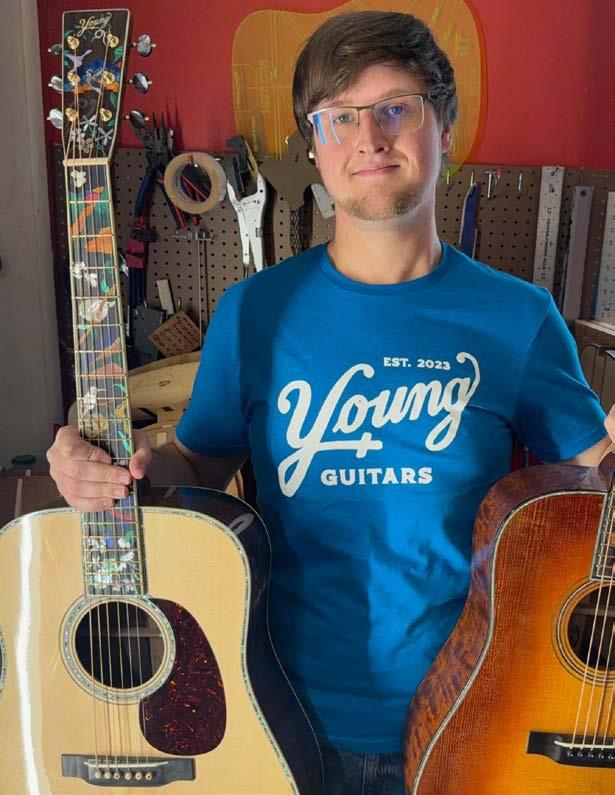
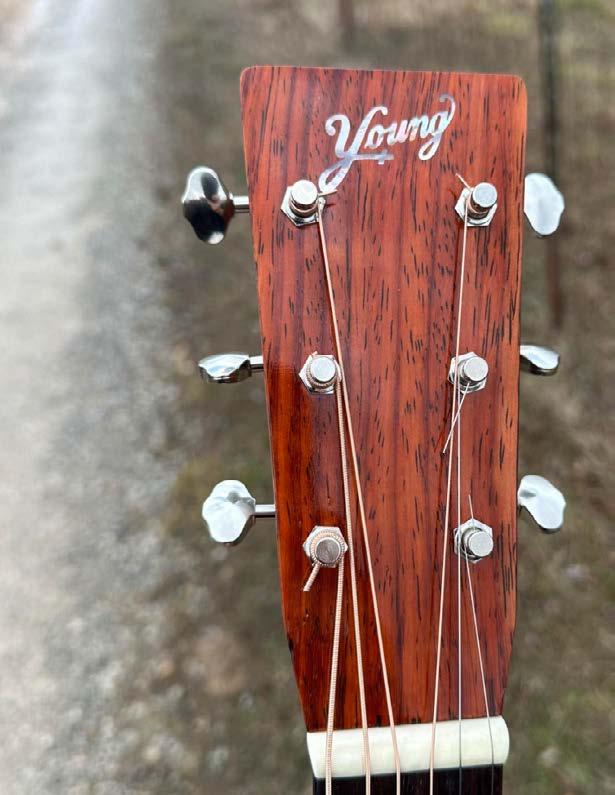
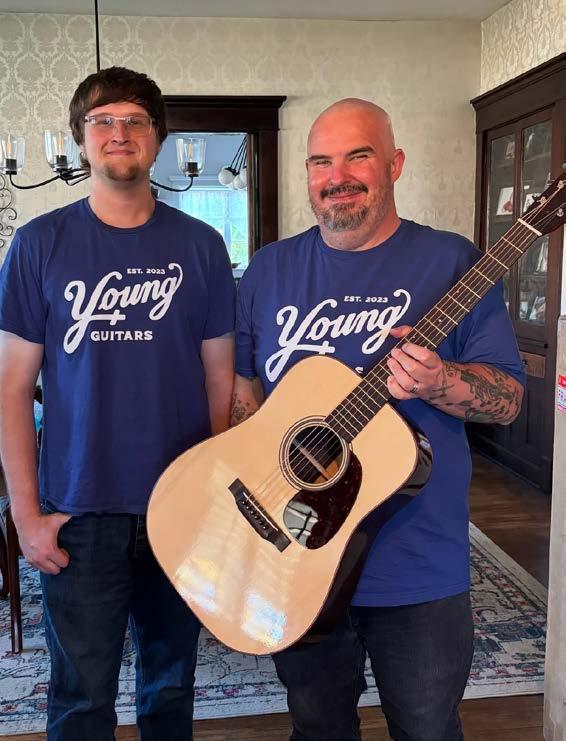
Twenty-three-year-old luthier Joshua Young doesn't waste time talking about guitar players; instead, he prefers to rattle off about tone, wood, bracing, jigs, and fretboards—and he does so with the authority of a master craftsman. By all accounts, he is the youngest maker of pre–World War II Martin-style replicas today.
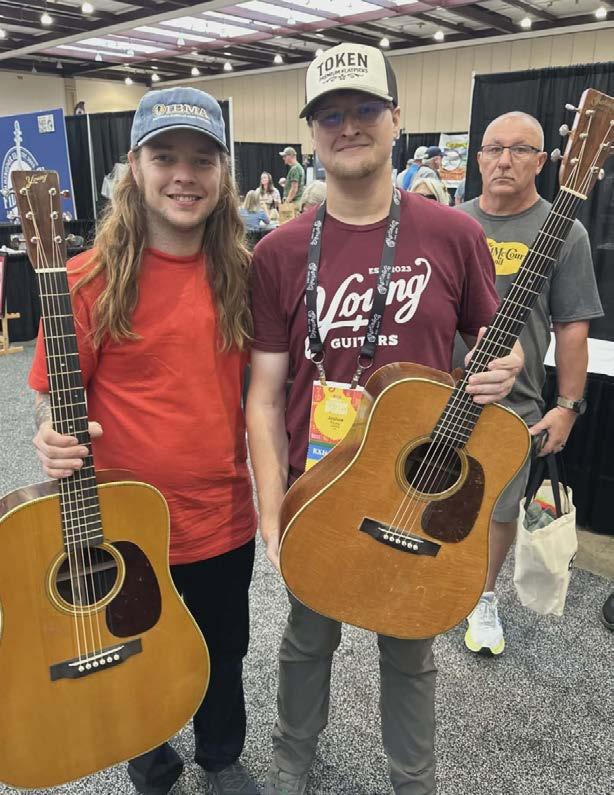
Take a stroll over to his YouTube channel, and you will see topnotch pickers Brad Paisley, Tommy Emmanuel, and Billy Strings in awe as they test-drive his custom-built D-28s. Putting it simply, he's a rising star in the world of guitar building.
Young spoke from his workshop in Rock Island, Tennessee. “I knew I wanted to do something with guitars for a living, and that kind of gave me three options. I could play them, sell them, or build them,” he says, looking back on his guitar-building journey.
“I was never dedicated enough to be able to make a living at [playing guitar]. It's such a competitive field—there are no guarantees.”
“Then there was selling guitars, and I did that for a while—like all through my teen years. I probably went through over 100 guitars, buying and selling them.” [laughs]
His dream was building guitars
“I [contacted] a bunch of different builders because that is what really interested me,” recalls Young. Sharing his preferences, “Not so much the factory-made guitars, but old Martins and the new [guitars] that are being hand built today. Those were two things that I really loved, so I just studied all I could about those.”
“I called him my luthier's hotline. I would call him when I had a woodworking question. Sometimes I'd drive 25 minutes to his shop, and he would help me fix whatever it was that I couldn't figure out.”
Luthiers Wayne Henderson and John Arnold were also willing to teach the aspiring guitar builder. “Wayne Henderson helped me with a lot of my building process, while John Arnold taught me a lot about how wood influences the sound of a guitar,” Young shares.
Young sold his first guitar to a friend and renowned musician Shawn Brock. “[The guitar] went to my buddy Shawn, who actually years before gave me a set of guitar tuners for my birthday and said, ‘When you build your first guitar, put these on it.’” Young remembers, “When he got it, he was completely blown away by it.”
2025 Amigo Guitar show
“I walked around with two of my guitars and met all these celebrities. People started gathering around me. At one point, Vince Gill came over to play my guitar!” recalls the proud craftsman.
Documenting the event, “It launched my social media,” shares Young, whose videos of country and bluegrass artists Brad Paisley, Bryan Sutton, John Nutter (Vince Gill), Billy Strings, and fret master Tommy Emmanuel earned him recognition. “I got all of them playing my guitars!” He adds, “I went from having less than 500 followers on Instagram to, right now, 26,000!”
Talking specs
“My guitars are mostly based off of 1937 Martin D-28s,” Young reveals. “My bracing template is from Wayne Henderson, and my bracing dimensions are from John Arnold's 1937 schematics that he traced out from his guitar,” explains Young, whose starting price is $7,500.
“You can email me on my website at youngguitars@hotmail.com. You can also reach me by phone or text.” Adding, “There’s a $200 deposit to get on the waiting list.”
A documentary by Minnesota filmmaker Marko Zitzer
“He saw one of my social media videos,” Young says about Zitzer. “He emailed me and said he works for Netflix in Hollywood and that he is making documentaries about small businesses.”
“He thought it would be really cool to do a documentary about my guitar building,” Young shares. “Marko will come to my shop, and I will walk him through the process of building a guitar and how I got started. We might have some other guitar players that own my guitars in it as well.”
Sharing A moment of gratitude
“God has blessed me in every way that is possible!” says Young, expressing joy over his newfound fame. “All I wanted to do was build guitars. I love what I do! To me, this is the best job possible!”
Visit Young Guitars at https://www.joshuayoungguitars.com/
Another Hall Of Fame For The Stanley Brothers
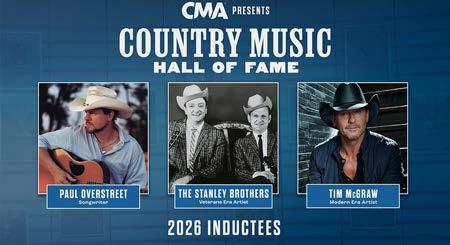
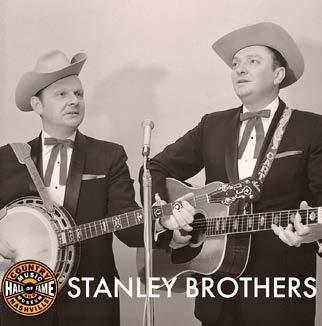
With this spring’s announcement of a new class of honorees in Nashville, the Stanley Brothers took their place among legendary acts selected to both the Country Music Hall of Fame and the Bluegrass Hall of fame. They were selected to the Bluegrass Hall’s second class of honorees in 1992.
“Hailing from mountainous southwestern Virginia, the Stanley Brothers—Ralph and Carter—were a foundational act in Bluegrass whose music has influenced generations of artists in a variety of genres,” said Kyle Young, CEO of the Country Music Hall of Fame and Museum. “Now, they will permanently be enshrined in the Country Music Hall of Fame alongside their esteemed peers and fellow pioneers.”
Other honorees in both Halls of Fame include Bill Monroe, Lester Flatt and Earl Scruggs, Mac Wiseman, and the Carter Family. While the Carter Family’s recognition at the Bluegrass Hall focuses on A.P., Sara and Maybelle, their plaque mentions the later line-up that included June Carter Cash, who was selected to the Country Music Hall of Fame in 2025.
“Testament To A Legacy”
John Lawless, editor of Bluegrass Today, put the contributions of several of these pioneers in perspective: “It is often said that Bill Monroe invented the Bluegrass style and gave it its instrumentation, then Flatt and Scruggs brought it to the wider audience, while The Stanley Brothers gave it its soul,” he said.
Ralph Stanley II and his sister Lisa Stanley Marshall and Jeanie Stanley, Carter’s daughter, represented their late parents at the Hall of Fame ceremony. “This moment is deeply personal for our entire family,” they said in a statement responding to the announcement.
“Seeing Ralph and Carter – The Stanley Brothers – inducted into the Country Music Hall of Fame is an extraordinary honor, and something we know would have meant so much to them. The fact that people around the world still love their music speaks to the heart and soul they poured into every recording and performance.”
“Carter’s emotional lead combined with Ralph’s haunting tenor created a sound that was truly special. After Carter’s passing,
Ralph carried on the music they began together, dedicating his life to preserving the spirit of traditional mountain music and sharing it with audiences everywhere through the Clinch Mountain Boys before his passing in 2016.
“To see The Stanley Brothers recognized together, side by side, is incredibly meaningful for our family and a testament to a legacy that continues to live on through their music.”
That “Old-Time Mountain Sound”
Ralph and Carter grew up in a musical family, learning harmonies as their father sang mountain ballads and hymns and their mother played the banjo. The radio expanded their musical horizons, bringing the sounds of the Grand Ole Opry and other talented entertainers.
The Stanleys formed the Clinch Mountain Boys band in 1946, with Carter singing lead and playing guitar and Ralph on banjo and high tenor harmonies. What they described as that “old-time mountain sound” found a home base on radio at WCYB-AM in Bristol, Virginia, and later at the Suwannee River Jamboree in Live Oak, Florida, and on syndicated television shows.
The brothers’ recording career began in 1947 on the Rich-R-Tone label, continuing with Columbia, Mercury, Starday, King, and Rebel Records. Among their signature songs were “White Dove,” “Little Maggie,” “Mountain Dew,” “Rank Stranger,” “Man of Constant Sorrow,” and “Angel Band.”
In 1959, the Stanley Brothers became the first Bluegrass band invited to play at the Newport Folk Festival. That performance gained new fans and showcased the “mountain sound” in the 1960s folk revival. The Stanleys appeared on network television shows, including ABCTV’s popular “Hootenanny” broadcast from college campuses.
When Carter Stanley died at age 41 in 1966, Ralph continued to tour and record with the Clinch Mountain Boys. Just as Carter had served a stint with Bill Monroe’s Bluegrass Boys, Ralph mentored many young Bluegrass musicians over the next 50 years. Ricky Skaggs and Keith Whitley are among the best-known alumni of the Clinch Mountain Boys, and in 1995 Ralph Stanley II joined the group he now leads.
In his mid-70s, Ralph Sr. entertained everything except thoughts of slowing down. He was
introduced to yet another generation of new fans through the Coen Brothers 2000 film, “O Brother, Where Art Thou?” The soundtrack album, which included several new versions of Stanley standards and Ralph’s own performance of “O Death,” won the CMA Award and Grammy for Album of the Year.
At the age of 75, Ralph won the 2002 Grammy for Best Male Country Vocal Performance for his solo from “O Brother”. He followed that up a year later when “Lost In The Lonesome Pines” won the Grammy for Best Bluegrass Album. He also was nominated for Grammys in 2007, 2012, and 2016, the year he died at the age of 89.
More Bluegrass Ties In Country’s New Class
The other members of this year’s class of the Country Music Hall of Fame also can claim some Bluegrass ties. Songwriter Paul Overstreet’s hits include the classic “When You Say Nothing At All,” which topped the charts for Keith Whitley in 1988 and for Alison Krauss in 1995. Four years later, the song also was #1 in the United Kingdom, Ireland, and New Zealand for Irish singer Ronan Keating.
Overstreet’s Randy Travis standards—“Forever and Ever Amen” and “On The Other Hand”—and the writer’s own recording of “Seeing My Father In Me” are a few of his many other Country hits that have been covered by Bluegrass and Gospel artists.
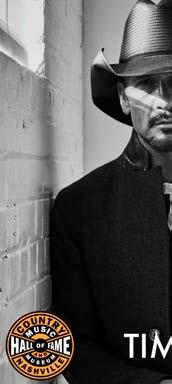
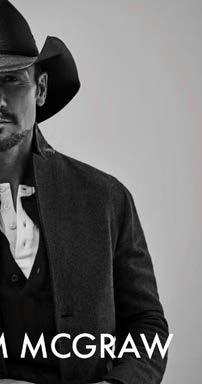
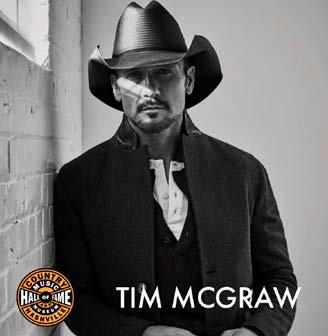
Tim McGraw, inducted in the Modern Era Artists category, isn’t generally known for recording Bluegrass tunes. But this year, McGraw joined Bob Minner (his long-time acoustic guitarist and Billy Blue Records recording artist) and Lori McKenna in their “Kentucky Bluebird” tribute to Keith Whitley. The song is on Minner’s album “Where The Mountain Meets The Moon.”
by Brent Davis
SING BLUEGRASS HARMONY
In the song “Nashville Cats” the singer describes guitar pickers who can “pick more notes than the number of ants on a Tennessee anthill.” Flashy, fast, high-octane playing on any instrument is prized in bluegrass music.
But so is harmony singing. And two veteran bluegrass musicians/educators have created an app that helps people learn how to create the vocal sound that is an essential element of bluegrass music. The name says it all: singbluegrassharmony.com
“I love a good bluegrass jam where you rip solos,” says Austin Scelzo, a gifted and indemand fiddler who is one of the creators of the app. “But sometimes if you only have one singer on every song I almost would prefer not so many talented pickers, but great singers who know how to harmonize so every song has a wonderful chorus. It's just so satisfying to connect with other people to create a good harmony. I'm always searching for that.”
The subscription based app features a growing library of bluegrass songs with accompaniment and harmony parts that can be isolated or played in any combination. The user can change the key and adjust the mix of the various parts. The song can be slowed down to study difficult passages. Peter Wernick, the respected banjoist and educator, whom Scelzo considers to be a mentor, has noted that the app is similar to Strum Machine, another teaching and practice app used by many bluegrass instrumentalists.
“He saw our app on the same plane potentially as a tool for the bluegrass community,” Scelzo says. “For a lot of people singing good harmony in the jam is just as important
as being able to play your solos in time, which is one reason people practice with Strum Machine.”
Benjamin Lieb is the other half of the app. He plays reeds, strings, and horns, and is a software engineer, and linguist living in Asheville, N.C.
“I have a Masters in education and I started off in education,” Lieb explains. “I look at this as an educational experience for the users. The question is, how can I facilitate their growth? What's getting in the way?
“Austin is often in front of people in music workshops that might be interested in this and I'm kind of taking on the technology role and doing a lot of interaction with people who are having technical issues.”
Scelzo lives in Connecticut, where he launched The Connecticut Bluegrass Association, and plays fiddle with the band Rock Hearts. He’s a veteran Wernick Method jam class teacher and teaches extensively at festivals and workshops across the nation. His experiences as a teacher led to his interest in developing the app.
“Ben and I actually met at a music camp and we connected over our love of music originally and then later over our shared love for education and community and bringing people together.”
Scelzo had been experimenting with technology when he was teaching in public schools. Lieb’s software engineering expertise made him a perfect partner to develop the app. While Lieb was immersed in the technical work, Scelzo was getting feedback from potential users.
“At all the camps that I was at I would put the app in front of people and see how they responded to it and I would send Ben feedback and he would make adjustments,” Scelzo remembers. “That happened over the course of the year before we officially released it.
“We had originally created this app with sort of a broader mindset. We thought it might be adopted by school choir programs or choir programs in churches. And we thought we might expand it to other instruments like twin fiddles or twin mandolins. But we settled on focusing it on the bluegrass audience and bluegrass musicians.”
Lieb says the app does something beyond teaching people how to sing. It’s helping preserve a tradition that allows people to create community.
“I grew up in the military and we moved around a lot. I didn't really have community until I got to college and stumbled upon this old-time jam. When I went there, my world just exploded. I met all these people. It was a beautiful thing. I just couldn't believe that people were doing this. But I also learned pretty early that it is an endangered thing because of the way we live now. So when I look around and think about what I should be doing with my life, maintaining that tradition is probably one of the most important things I could do.
“I think the most beautiful thing about music is that it brings people together. You can be in the same room together looking at cell phones, but you’re not really together. But harmony, especially vocal harmony, brings you together, so I'm just really excited about what we can do for people.”
by Susan Marquez
DelFest
2026:
One of the Premier StringBand Festivals in the Country
In the early days of bluegrass, musicians created festivals so people could have a place to gather and hear them play. Small festivals popped up like mushrooms around the country, and fans traveled to hear their favorite artists.
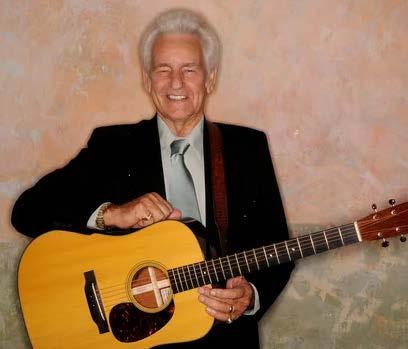
Del McCoury recalls those days, back when he first began to play with Bill Monroe’s Blue Grass Boys in 1963. Since then, he’s played on countless stages as he has risen through the ranks of bluegrass royalty.
The bluegrass legend hails from York County, Pennsylvania. Del started on the banjo, an instrument he heard Earl Scruggs play, but Monroe quickly transitioned him to the guitar. It wasn’t long before Monroe discovered Del’s exceptional voice and anointed him as lead singer. Monroe mentored Del, providing him with a priceless education in all things bluegrass. It paid off over the years, with Del becoming one of the most recognized and respected artists, both by fellow bluegrass artists as well as artists from other genres. Del has won IBMA Entertainer of the Year nine times, as well as countless other awards, including Grammys, and being inducted as a member of the cast of the Grand Ole Opry.
DELFEST
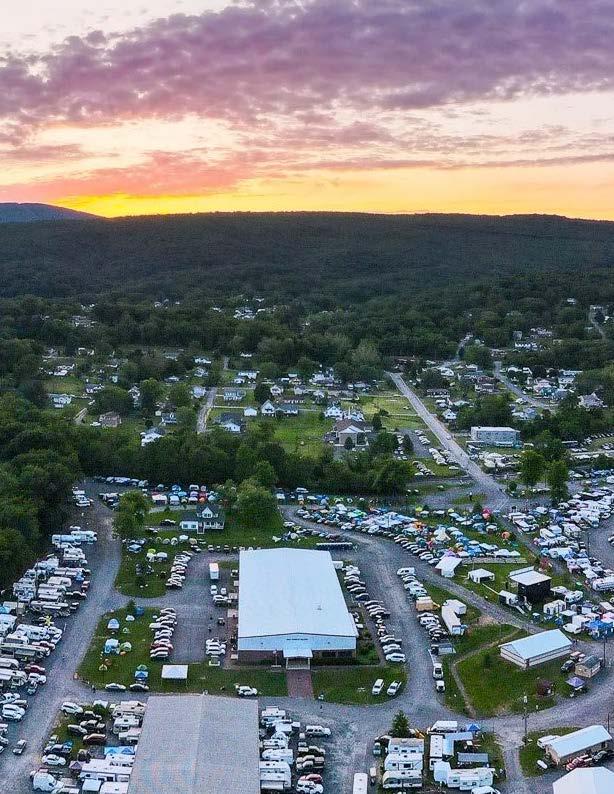
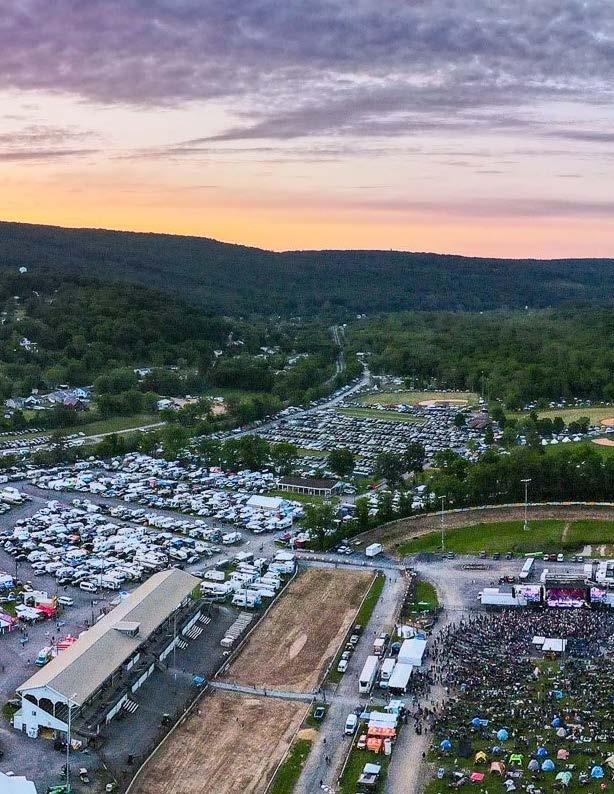
In May 2008, the first DelFest was held “on the mountain side” of Maryland. If Del’s name was on it, he demanded that it be a quality festival, presented with integrity and with both the musicians and attendees in mind. Since its beginning, DelFest has been one of the premier string-band events in the country.
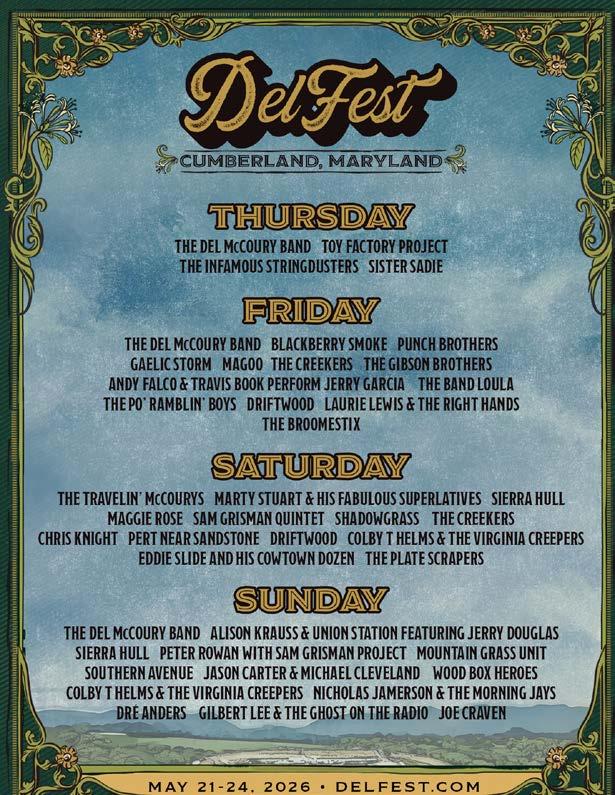
This year’s DelFest is bigger and better than ever. It will be held May 21 through 24, with incredible music presented on multiple stages. Acts include many legends of bluegrass, along with the new hot names
in the genre.
ATTRACTIONS
There is much more to DelFest than bands playing on stages. While that is the main attraction, there is the opportunity to learn from the masters at the DelFest Academy, there are late-night shows, there is a funfilled KidZone, a quality vending faire with crafts by area artisans, food and drinks, and much more.
The DelFest Academy is a place where musicians of all levels can come to learn in a friendly, encouraging setting. The four-day intensive runs Sunday through Wednesday prior to the festival and is taught by some of the finest musicians in bluegrass.
The Late Night Shows are a separate ticketed event held every night from Thursday through Sunday. After the music has ended on the Grandstand Stage, it cranks up again inside the DelFest Music Hall, an intimate room with limited seating capacity, and continues into the wee hours of the morning.
The Vending Faire is located in the Grandstand Music meadow, where merchants will offer quality clothing, jewelry, musical instruments, and other crafts created by local artisans as well as treasures curated from around the world.
There will be plenty to eat and drink at the festival, with a full food court offering local, ethnic, vegetarian, and vegan options. Quench your thirst with a variety of craft beers, wine, bottled water, iced teas, and soft drinks.
While it’s hard to imagine DelFest being any better, there is a Deluxe VIP Experience for those who want to push their festival experience over the top.
The setting couldn’t be more ideal. The Allegany County Fairgrounds was personally chosen by Del for the event. Nestled in the Potomac River Valley, Cumberland,
Maryland, is a charming Victorian town in Western Maryland, set apart from the world amidst the lush landscape of the Appalachian Mountains, yet only a few hours from some of the major metropolitan areas in the world. The Fairgrounds are conveniently located near four major airports and can easily be reached by either rail or road.
The campground for DelFest covers all the bases, from tent camping to extra-long fifthwheel campers. And this year, Epic Glamping will offer luxury accommodations that include tents with beds and air conditioning.
THE LINEUP
Of course, if you attend DelFest, you’re going to hear the man himself. Opening the show will be the Del McCoury Band, along with The Traveling McCourys. Also playing this year will be Alison Krauss and Union Station with Jerry Douglas, Jason Carter and Michael Cleveland, Marty Stuart and His Fabulous Superlatives, Peter Rowan and Sam Grisman Project, Punch Brothers, Po’ Ramblin’ Boys, Sierra Hull, Sister Sadie, and many more.
Grassy Creek Bluegrass Band: Having the Time of Their Lives
“Our goal is to keep our band going,” explains mandolinist and lead singer Brian Eversole, father of Julia, 16, and David Eversole, 15. The Eversoles, along with friend and Scruggs-style banjo player Ashton Murray, 13, form the family-run Grassy Creek Bluegrass Band.
For those not yet familiar with this band from Gatlinburg, Tennessee, they just recorded their first single, “Weather Girl,” and are thrilled to talk about it.
“I was a little nervous, but it was a lot of fun. Once we got there,” says 16-year-old bassist Julia Eversole, taking part in her first recording session.
Recording at Sound Biscuit Productions, “We’ve heard some of the bands here locally that recorded with them,” recalls the teen bassist about the Grammy Award-winning studio. “We thought, ‘you know, they're putting out really good stuff.’ So when we were thinking about where to record, we decided to go with [Sound Biscuit]. I think that was a really good decision!”
Most people listening will be surprised.
“We all kind of started together about three years ago,” shares Julia and David’s father, Brian. “I was visiting my father-in-law, and he had a cheap mandolin hanging on the wall.
“I saw it and pulled it down, and I just started playing,” the mandolinist recalls. “My [father-in-law] said, ‘why you don’t take that home with you, I don't have any use for it.’ So I took it home, and within the day, I had learned my first fiddle tune.’”
The Kids Followed
“We had a guitar at the house, and this little ukulele bass,” remembers Brian. Julia picked up the bass and started playing, while David, 15, started playing the guitar. “I just showed them a little thing like ‘Angeline the Baker.’ I think that was the first little easy fiddle tune that we learned together.”
“Soon after, we started going to the East Tennessee Bluegrass Association jams,” Brian recalls. “We never missed a jam—we just played together every single day.”
Going on, “So we haven't really been playing that long, but we've got a lot of trigger [practice] in a short amount of time.”
Megan Eversole, mother of Julia and David, says her husband and kids enjoy each other’s company. “I couldn’t be prouder! Their love for bluegrass, and for each other, shines through every time they play.”
“I keep the household running so they can focus on the music,” Megan says about her role in the band.
New to Bluegrass
“I had grown up around bluegrass, so it was kind of infused in me, same as church music,” explains Brian. “I'd heard bluegrass music a lot, but I didn't spend a lot of time playing it or listening to it. It was kind of an eureka moment.”
Julia joins in, “I heard people talking about Bill Monroe, and I was like, ‘okay, I've got to look this guy up.’ So I looked him up, and I started listening to him, and I heard all of those old songs he did, like ‘Can't You Hear
Me Callin’ and ‘Southern Flavor,’ and I just fell in love with [bluegrass].”
David’s Surprising Music Ability
“Tony Rice is a big inspiration for my son David. I would say, ‘how do you know how to play [Tony Rice]?’ [David] said, ‘I pulled it up on my computer and listened to it and figured it out. He's done that with dozens and dozens of Tony Rice breaks,’” explains Brian.
Helps With Harmonies
“He has a special ear for harmony,” Brian shares. “David figures out our vocal harmony parts on his piano; I don't know if we would be able to sing harmony like we do without David, his piano, and his ears.”
Friend Ashton Murray completes the lineup.
“I swear, we played with a lot of banjo players, and Ashton is our favorite,” shares Brian, describing their thirteen-year-old
banjo player. “He's got that bluegrass drive behind his banjo.”
The band’s leader says Murray’s playing has good dynamics. “He's really good at being really loud when he needs to be and then really quiet!”
Brian says the band will be going back to the studio to record. “We have quite a few other songs that we're hoping to record this year. ‘Weather Girl’ will be our first release, which is part of that album that we're working on.”
The band, currently traveling in Brian’s F-150 pickup truck, says financial backing is welcomed.
“If signing on with a record label could reduce some of the expenses and make some of the recording process a little easier, that would be appealing to us.
“Right now it’s for fun. We just kind of do this as a side hustle—it’s a hobby for me and the kids.”
by Donna Ulisse
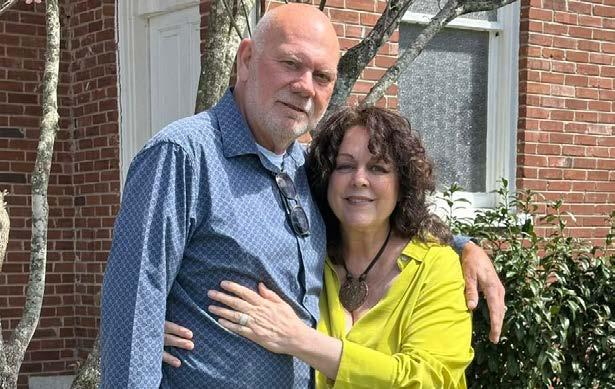
My name is Donna Ulisse and this is going to be my new landing spot in the Bluegrass Standard magazine. The folks here know about me through my music and also my Facebook postings called “The Wee Farm Musings” where I regale readers with my life; every mundane, insane and joyful part of living here on our 8 acre place complete with a pole barn and a huge hay field we let our neighbor farmer mow throughout the season. Oh, we harvest things here… we plow through songs like you wouldn’t believe. Music is abundant and thriving in these fields. We teach songwriting here with our partner in song, Jerry Salley in our beloved guest house we dubbed “The Little House”. Writers from all parts of this country come join us for a two day writing event complete with the setting of a bunch of cows (which come with an aromatic ingredient), goats, horses, a herd of cats, a dog, lots of rabbits and squirrels, opossums, raccoons, deer, coyotes, a large collection
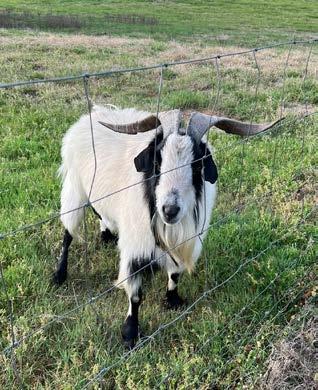
of birds, all of which my lovely husband, branded Farmer Rick tries to feed on our starving artist budget. I don’t know a thing about dirt or raising animals, gardening or how to live among the plethora of insects that call this place home too but I’ll tell you a little secret…the goats that live in the goat field next door are a large part of our life here and in lots of my musings.
When we first moved in 9 years ago now, the farmer neighbor next door to us came over and introduced himself that very day. We loved him instantly. He’s a hardworking man with a full time job that takes him away every morning and limited time to do the never ending tasks it takes to raise cows and goats. The neighbor told us to feel free to open the gate and let our kids and grandkids play with the goats anytime we wanted. I had never seen that many goats at one time. There were, like…40 goats of all ages and colors and sizes. A couple of them had a
stick taped horizontally to the top of their horns. I remember thinking that was an odd adornment for a goat, silly looking actually. I would find out some months later why they sported a stick taped to their heads. Farmer Rick and his Goat Girl Gone Cat Crazy (that’s me…‘cause I nickname everybody) became so attached to watching the antics of goats from our back patio that we started naming them, feeding them, loving on them and helping our neighbor out when they escaped the fences to come visit in our yard (which is often). And then, lo and behold, an ah ha moment, the reason for the stick taped to their heads was to keep them from sticking their heads through the fences and getting them caught. The goats without the stick beret would do this awful crying and bawling because they wanted to taste the clean grass on our side of the fence and hung their head up in the wire fencing and my farm darling would have to go and twist their necks to get their head back through the fence. Farmer Rick would look like he was in some kind of goat rodeo, down on his knees wrestling that furry creature until it was safely back on the right side. I never love my man more than when I’m watching him wrangling a goat. This occurrence happens almost on a daily basis, now part of the
charm of Wee Farm living. We kinda started co-raising the goats. Their entertainment value is priceless. Lawdy, when the baby goats start kickin’ around, it’s full on belly laughing for us. I never get tired of it. One time I looked out our kitchen window and I swear, it looked like a sea of goats eating out of all our bird feeders. Well, our next door neighbor goats must have alerted the farm on the other side of them, who had goats too, and told them about the free food at the Wee Farm. The “down the road” goats PLUS the neighbor goats came over for the all you can eat buffet and cleaned us out of birdseed, cat food, rose bushes, our tomato plants and my irises. We couldn’t get mad because they enjoyed the feast so much, wagging their tales and looking at us with those wide set eyes, wondering what they should do or eat next. We had to get on our side by side farm vehicle we lovingly call Reddie and herd them back through their home gates. It took over an hour to get all those critters back in their own fields. Farming hurts, lol.
Songwriting is what keeps my imagination running wild. Between this farm living I’m experiencing today and the fact that for 44 years now I’ve been married to Rick Stanley referred to as Farmer Rick, exposing me to the Clinch Mountain way of life, I have a never ending, always inspired array of song ideas…which leads to songwriting…which gave me a wonderful
career in bluegrass music. I’ll just throw in that Rick is a cousin to Carter and Ralph Stanley, the Stanley Brothers. The hillside the Stanley’s came from is filled with a rich heritage and I write about lots of those mountain stories and experiences. My mother had a colorful, big family and my maternal grandparents were such wonderful, gospel grounding ingredients in my upbringing and very present in many of my songs. My dad was Italian and all his family lived within walking distance of each other… so I grew up literally living next door to my Italian grandparents and all my Italian uncles, aunts and cousins, such a gift for this writers soul and palate. Of course my mountain mother in law and father in law and all their extended family is like having your own arena filled with wild mountain stories. It’s a real boon for a songwriter and a gift I never take for granted. When you want to investigate more of what I’m talking about, I have about 14 projects out with 10 to 12 songs on each, giving you some insight on how I see life… prepare yourself, lol, sometimes it’s an uphill climb. In fact, I have a new song out
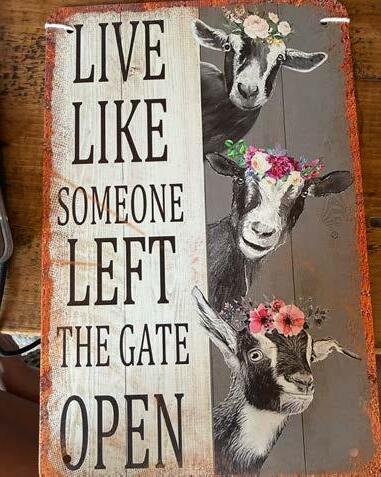
now about a mountain man who never really lived life the way most folks see a good life being led. He rebelled against lot of things mountain people believe in. I sincerely knew a man like this who lived and died by his own set of rules there on the mountain… so I wrote about him, taking some writers liberties and creating some redemption for this mans life by using a city I dubbed “Gate City”, inspired by a road sign I had been passing on our way to Clintwood, Virginia for 44 years…there’s a real place called Gate City, Virginia. Every time I saw that road sign I would let my mind fly and think about a bustling city bordering Heaven where the pearly gates stand. Well, in my song I put a fence around Gate City and had this man worrying as his life was coming to an end, wondering if he would always be standing on the outside, looking into Gate City. I have a long time co-writer, Marc Rossi that put a snappy melody to my story and the result is a mournful yet thoughtful song about this man easing out of life, trying to make sure he gets it right before he’s all the way gone.
I’ll say this for the first time in this new platform for my writings here but I promise it won’t be the last time…I. LOVE.
SONGWRITING! It’s almost the very breath of me. Sharing what I love and how I gain my ideas for these songs with you is almost the very heartbeat of me…thanks for giving me the read and I’ll look forward to next month…the goats and the gates will be ready!