Sustainability Report 2025
1. Who we are and our values
1.1 Corporate structure
1.2 Business model
1.3 The Blaser Group in figures
1.4 Company history
1.5 The Blaser family and its values
1.6 The Blaser Group as an employer
2. The world of coffee
2.1 The coffee supply chain
2.2 Coffee and the environment
2.3 Coffee and people
3. Roadmap until 2030
3.1 Sustainability focus
3.2 Sustainability goals
4. Progress in 2025
4.1 Working together for more impact
4.2 Commitment and values
4.3 Salient human rights issues
4.4 Risk prevention and reduction
4.5 Corrective measures
4.6 Monitoring and reporting
4.7 Measures implemented at Blasercafé
5. Outlook
5.1 A look into the future
6. Appendix
6.1 Memberships and certificates
We take responsibility!
Dear
Reader, dear Customer,
We are delighted to present our third Sustainability Report.
For over a century, we have been connected to the entire world of coffee every day from our base in Bern. Our role is to act as a reliable link between producer countries and customers around the world.
This long tradition shapes our understanding of responsibility. For us, as a family business, sustainable business practices mean making decisions that are in line with our values. At the same time, it means seizing opportunities and embracing innovations that have been shown to have a positive impact in areas in which we can make a difference together with our partners.
The year 2025 was characterised by increasing requirements with regard to sustainability, alongside persistent pressure from high commodity prices and geopolitical developments. We used these complex requirements as an opportunity to refocus our commitment to sustainability and to pursue it with even greater determination.
Our aim is that everyone throughout the entire coffee value chain is treated with respect. Over the past year, we have systematically refined our processes to strengthen human rights and fulfil our due diligence obligations under the EU Deforestation Regulation and the Swiss Supply Chain Act.
In this way, we ensure that we are as well prepared as possible to play our part in creating a fairer, more sustainable coffee industry.
We wish you an enjoyable read.
Dominik Bangerter Managing Director, Blaser Trading AG
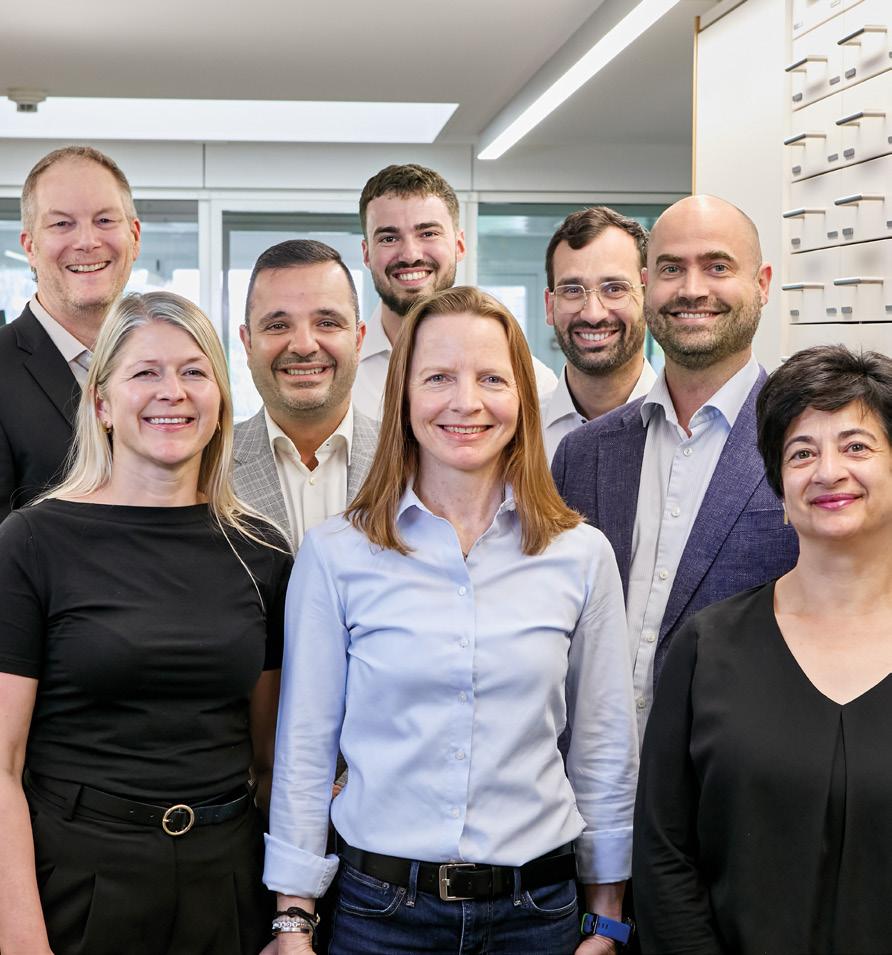
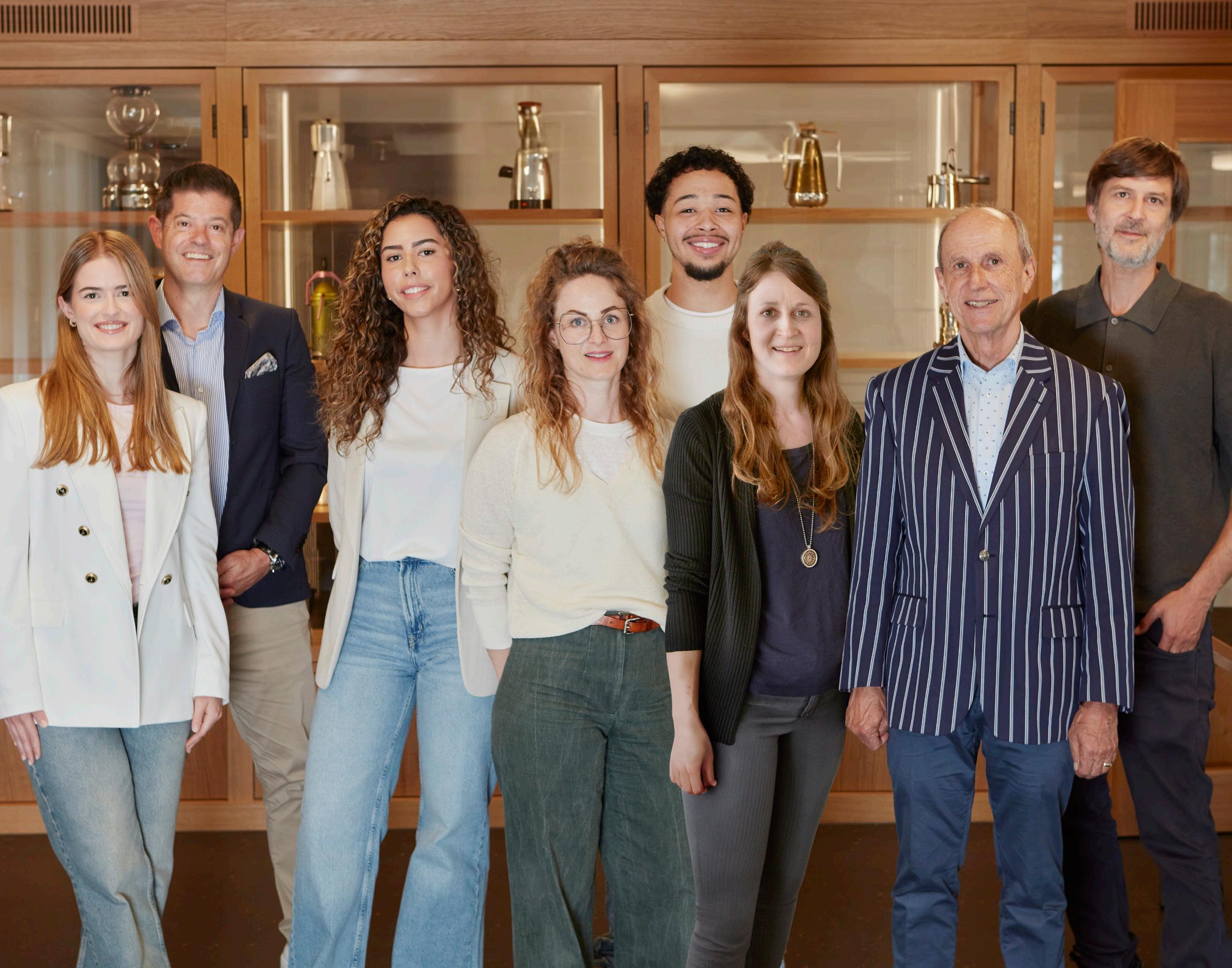
Managing Director Dominik Bangerter (1st from left) with Michele Brandinu, commercial lead green coffee trading (2nd from right), with the green coffee traders at Blaser Trading AG
1.1 Corporate structure
Blacafé Holding AG*
Board of Directors
Markus Blaser Chairman of the Board of Directors
Paul Flückiger Vice Chairman
Ursula Linder Member
Sergio Prete Member
Vincent Studer Member
Blaser Café AG
Coffee Roastery
Management
Marc Käppeli CEO/Sales
Bettina Blaser Human Resources
Michael Blaser Marketing
Christoph Lauper Operations/Internal Services
Stefano Zoratti Finance/IT
Blaser
Trading AG
Green Coffee Trade
Management
Dominik Bangerter CEO
Michele Brandinu Head of Trading
Marc Käppeli Management
Bettina Blaser Human Resources
Michael Blaser Marketing
Thomas Quinche Green Coffee Trader
Stefano Zoratti Finance/IT
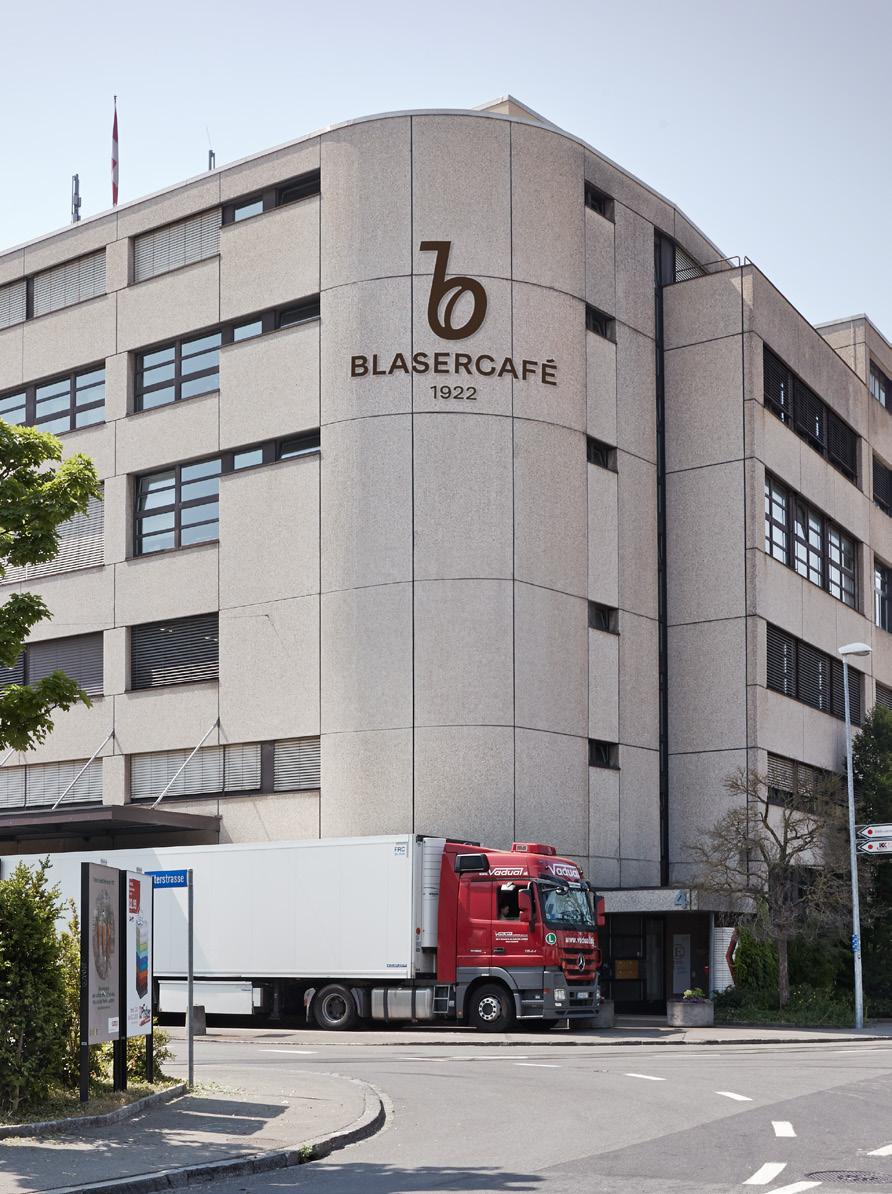
Company headquarters at Güterstrasse 4 in Bern, Switzerland
Business model

1.2 Business model
Blaser Café AG
Coffee Roastery
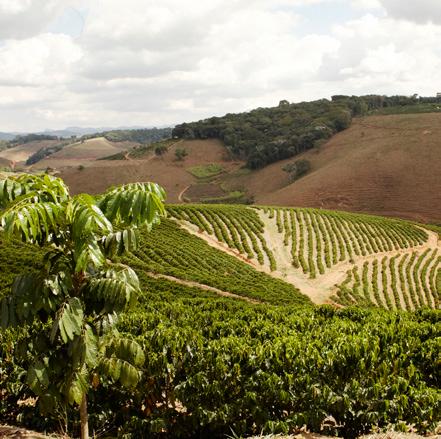
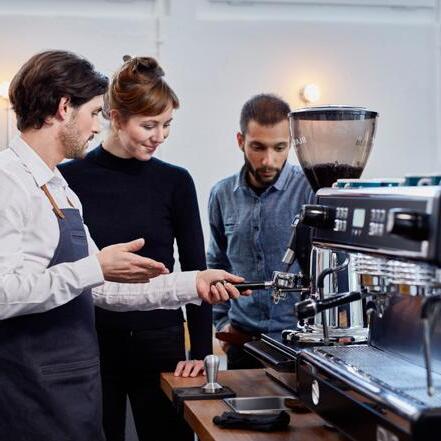
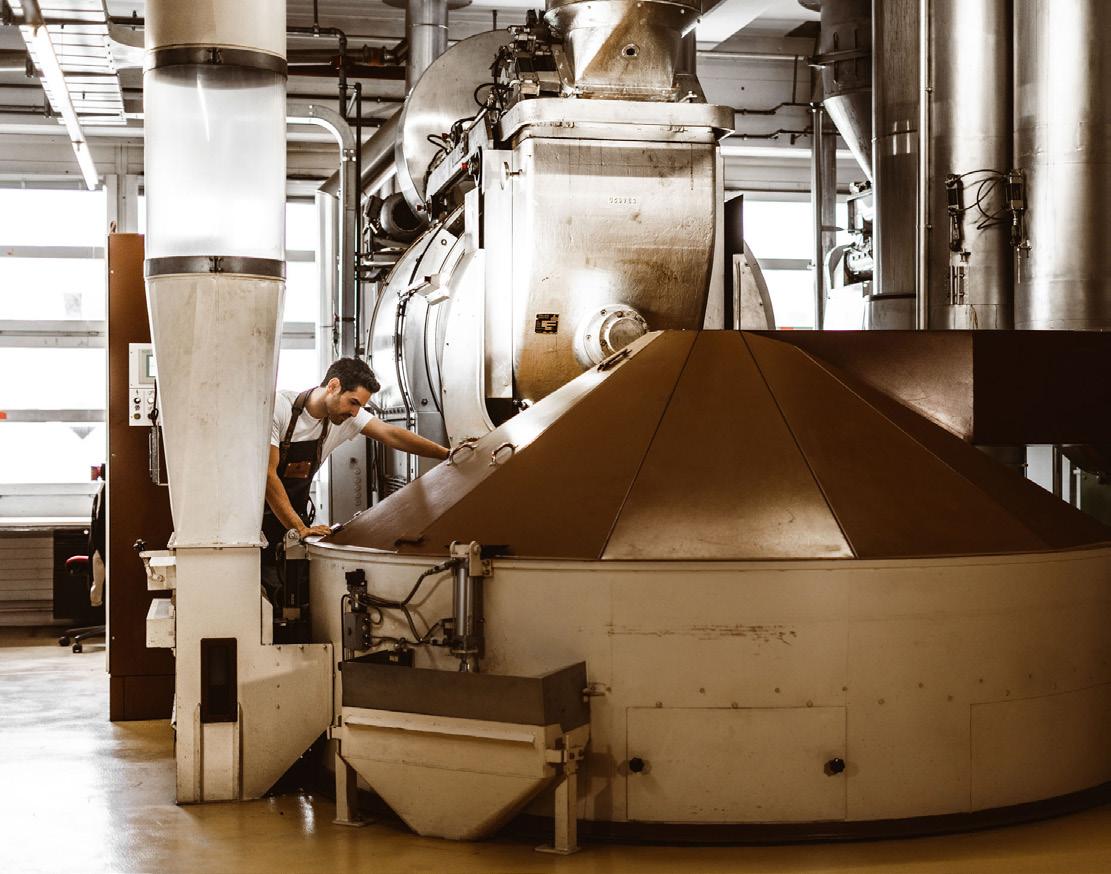
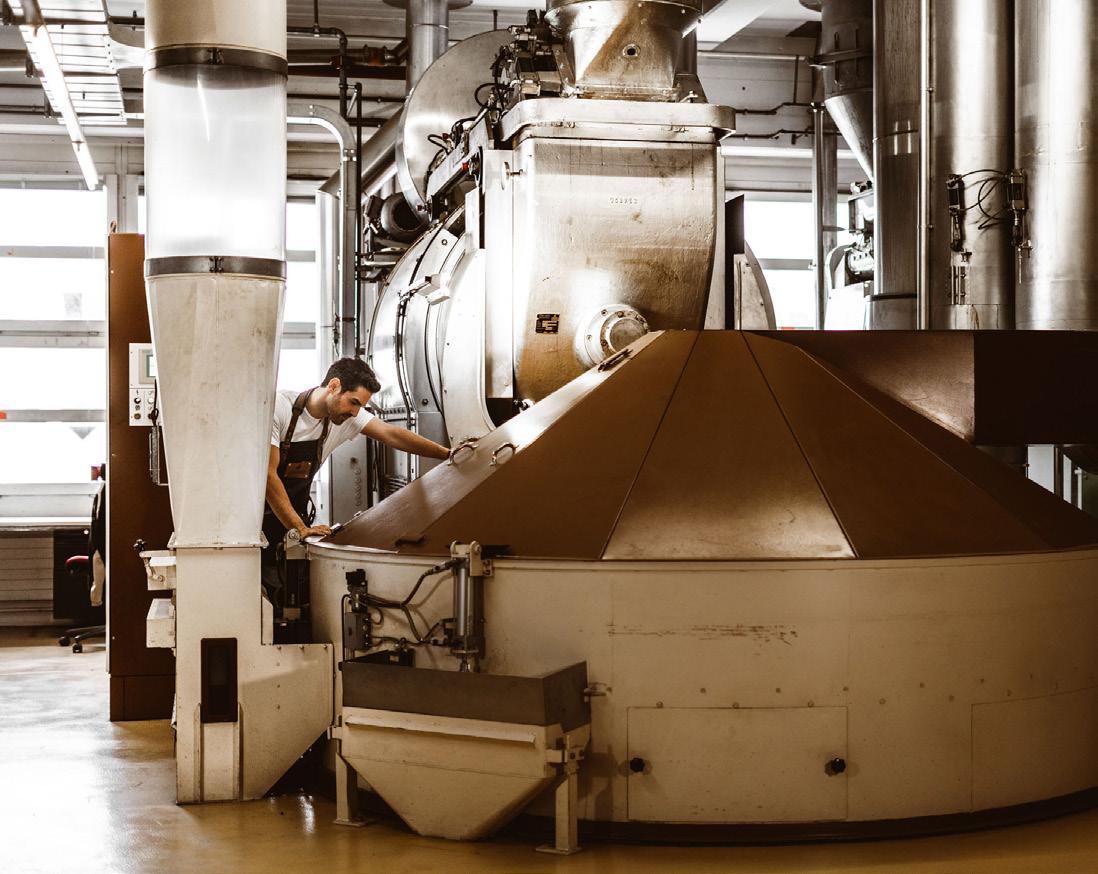
Blasercafé is a coffee roasting company that operates in the city of Bern and has remained entirely in family hands since it was founded in 1922. The core business is the production and distribution of high-quality roasted coffee in Switzerland and abroad. Downstream, Blasercafé supports catering customers throughout Switzerland with quality control of coffee drinks and training, through a field service team of certified coffee specialists.
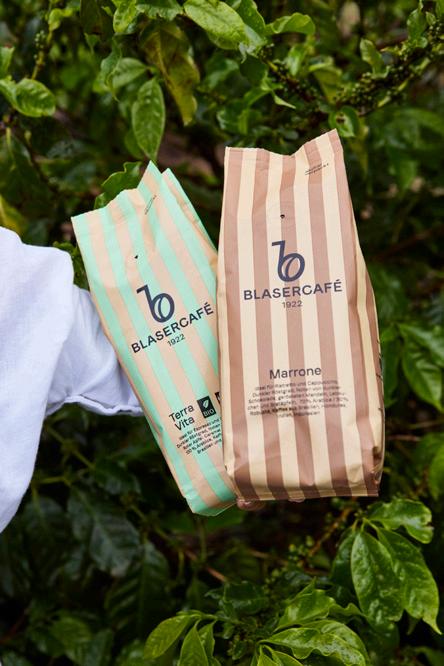
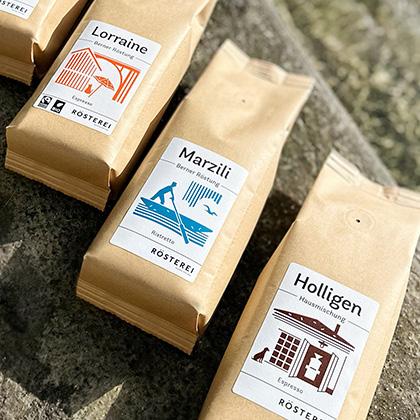
Blasercafé only uses first-class green coffees for its coffee blends, which are purchased through its sister company Blaser Trading. In addition to roasted coffee beans, ground coffee and E.S.E. pods, the product range also includes special packaging (e.g. pillows for airlines) and bespoke packaging tailored to customer requirements, known as “private label” coffees.
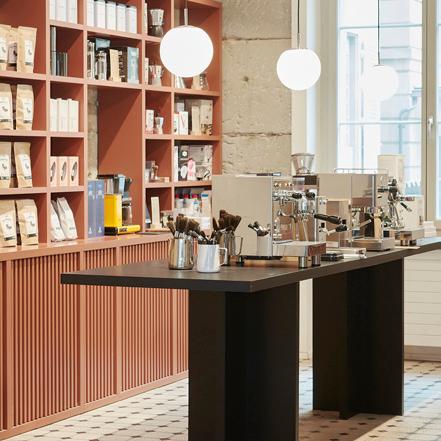
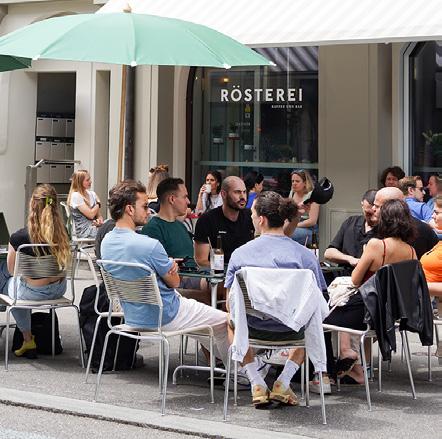
The Blasercafé range is primarily aimed at the hospitality sector (hotels, restaurants, bars and cafés, as well as hospitals), corporate catering for business clients, and specialist markets (airline catering). At the Rösterei Kaffee und Bar in Bern, customers can enjoy the high-quality coffees and purchase coffee blends, espresso machines and barista equipment for their homes in the associated shops. The web shop is also available as a sales channel.
Course participants learn all about coffee in the training room at the company's headquarters on Güterstrasse in Bern. In addition to internally developed courses, internationally recognised courses from the SCA Coffee Skills System are also held on a regular basis.
Blaser Trading AG
Green Coffee Trade
Blaser Trading is an international coffee trading company with its roots in the founding years of Blasercafé. It specialises in supplying green coffee to roasting plants all over the world, and has preserved and constantly expanded this unique knowledge for over 100 years.
Blaser Trading is committed to respectful, fair, long-term business relationships along the entire coffee value chain. The company has access to a huge network of coffee producers, cooperatives and exporters in all coffee-producing countries.
Tailor-made services in the areas of trading, finance, logistics, insurance, warehouse management and marketing cover all customer needs in the international green coffee trade. Customer-specific solutions in the areas of quality assurance and the search for speciality coffees round off our range of services.
The core business consists of medium to high-quality commercial grades, i.e. commercially available grades of green coffee. Blaser Trading also supplies certified and double-certified green coffee (Rainforest Alliance, organic, Fairtrade), as well as speciality coffees.
Strategically high stock levels at the most important ports in six different countries ensure constant readiness for delivery and the rapid availability of goods.
1.3 The Blaser Group in figures in 2025
103 years of experience and coffee expertise
197 million cups of coffee roasted
101,292 cappuccinos served in our Rösterei Kaffee und Bar locations
118 employees
11,953 tonnes (29%) of sustainable green coffee traded (Rainforest Alliance, Fairtrade, Organic, and other equivalent labels)
22,000 tonnes of the green coffee sold was EUDR-verified and therefore sourced from guaranteed deforestationfree growing areas
Over 600 food portions saved by our Rösterei Kaffee und Bar thanks to our participation in the “Too Good to Go” campaign
7 green coffee warehouses in Germany, Belgium, Spain, Switzerland, Italy and the United Arab Emirates
3 employees with certification as Q Arabica Graders
Over 40% of the roasted coffee was certified: Rainforest Alliance and Organic/Fairtrade
1,810 tonnes of green coffee in Swiss compulsory warehouses
Grid electricity consumption reduced by 31% over the last 3 years
55,815 kWh of electricity generated by our own photovoltaic system
2 employees responsible for sustainability
Green coffee purchased from 26 countries and sold to 39 countries
1.4 Company history
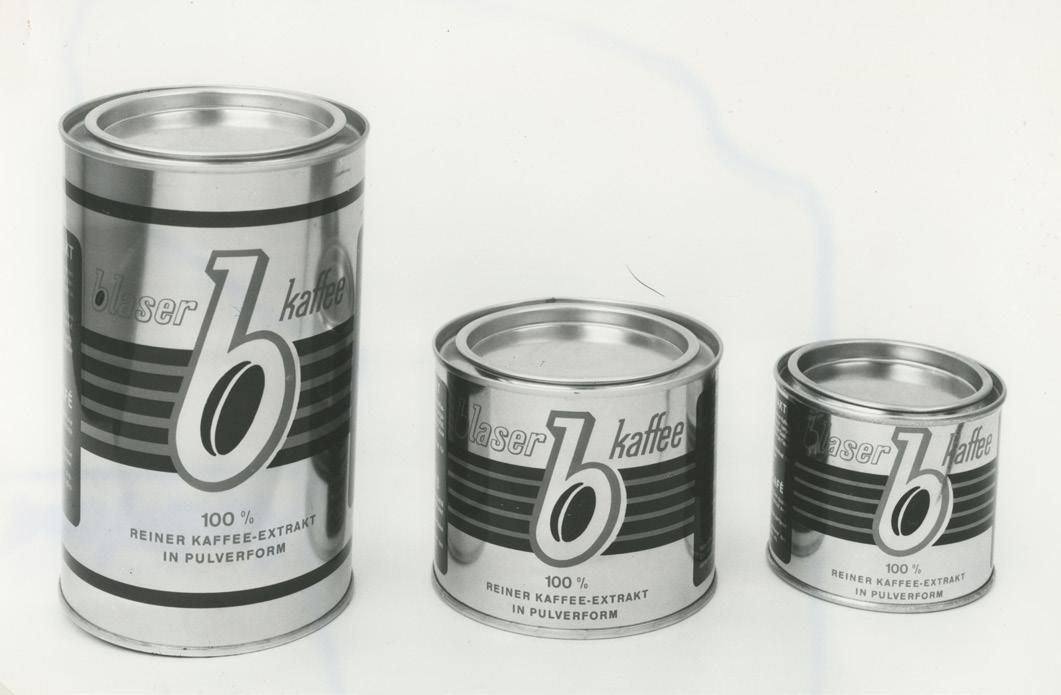
Blasercafé packaging in the 1960s.
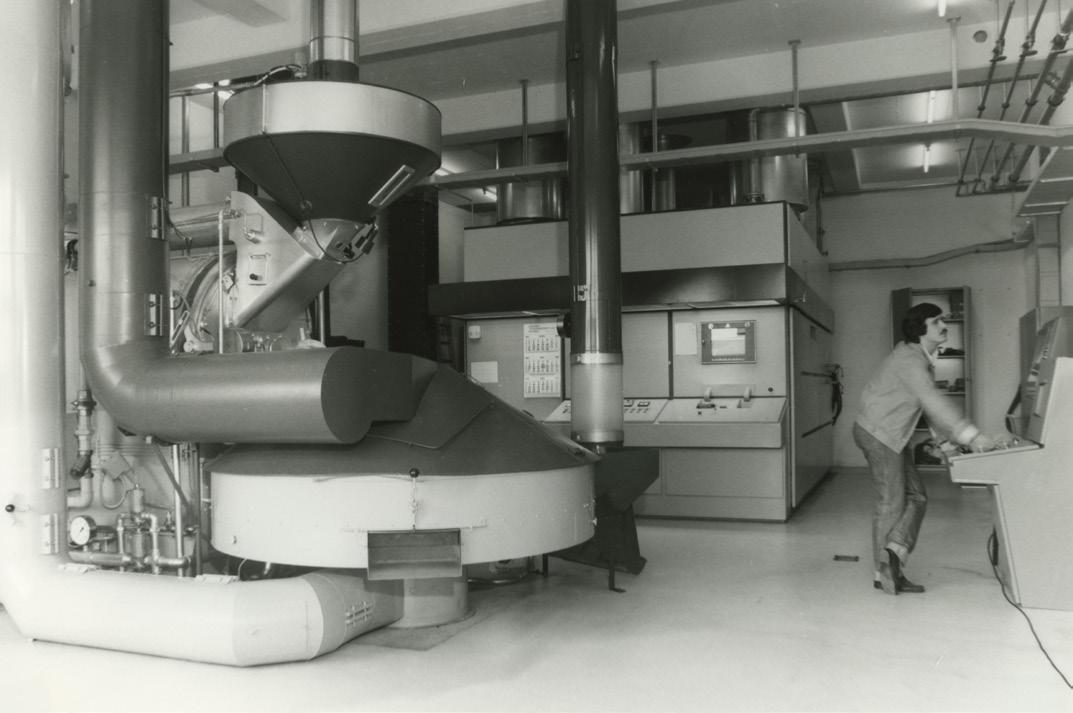
Roasting plant on Güterstrasse in Bern in the early 1980s.
1922 Entrepreneurial pioneer Walter Blaser (1st generation) from Bern and his Zurich-born wife Cécile open a small coffee trading business in Zurich. Even back then, Walter buys his raw coffee directly in the countries of origin. In 1929, the young entrepreneurial couple moved their business to 25 Effingerstrasse in Bern.
1939 Tragedy strikes: founder Walter Blaser dies at the age of 49. Together with their 17-year-old son Walter (2nd generation), his wife Cécile successfully carries on the business despite the difficult economic climate and reservations on the part of the public authorities. The founder’s son Walter Blaser displays considerable entrepreneurial skill and successfully expands the green coffee and catering divisions after the war.
1953 Walter realises the potential of the green coffee trade and supplies his first 5 tonnes to the Swiss armed forces. The foundations of Blaser Trading AG are laid.
1960 In the 1960s, Blasercafé opens a shop at Spitalgasse 4 in Bern, giving it a presence in a prime location.
1962 Walter’s son Markus Blaser joins the company to begin his business apprenticeship; his brother Rolf follows 10 years later (3rd generation). Markus later supports his father Walter on the management side, and they expand the catering and green coffee divisions together. He also develops markets outside Switzerland with select partners.
1975 Purchase of a warehouse at Güterstrasse 4 in Bern. 1981 sees the construction of a new 7-storey building there, built by the prominent Bernese company Helfer Architekten AG. The site is ideal, with direct access to the railway lines and the motorway.
1980 The Italian market is developed – it is still an important market today. A distribution network is also set up in England based in York.
1992 The existing limited partnership is split up and converted into two stock companies: Blaser Café AG for roasted coffee and Blaser Trading AG for the green coffee business.
1996 From 1996, the 4th generation joins the family business. Michael and Bettina Blaser (Markus Blaser's son and daughter) start their business training. Marc Käppeli (the son of Therese Käppeli-Blaser, Markus Blaser's sister) also joins the company after graduating with a degree in business administration.
1998 Together with leading Italian roasting houses, Blasercafé establishes the Caffè Speciali Certificati (CSC) organisation. The founders' shared goal is to promote the culture of superior, high-quality coffee.
1998 Blasercafé plays an important role in the formation in London of the Speciality Coffee Association of Europe (SCAE), the European chapter of the SCA. Blasercafé is still an active member of SCA Switzerland to this day.
1.4 Company history
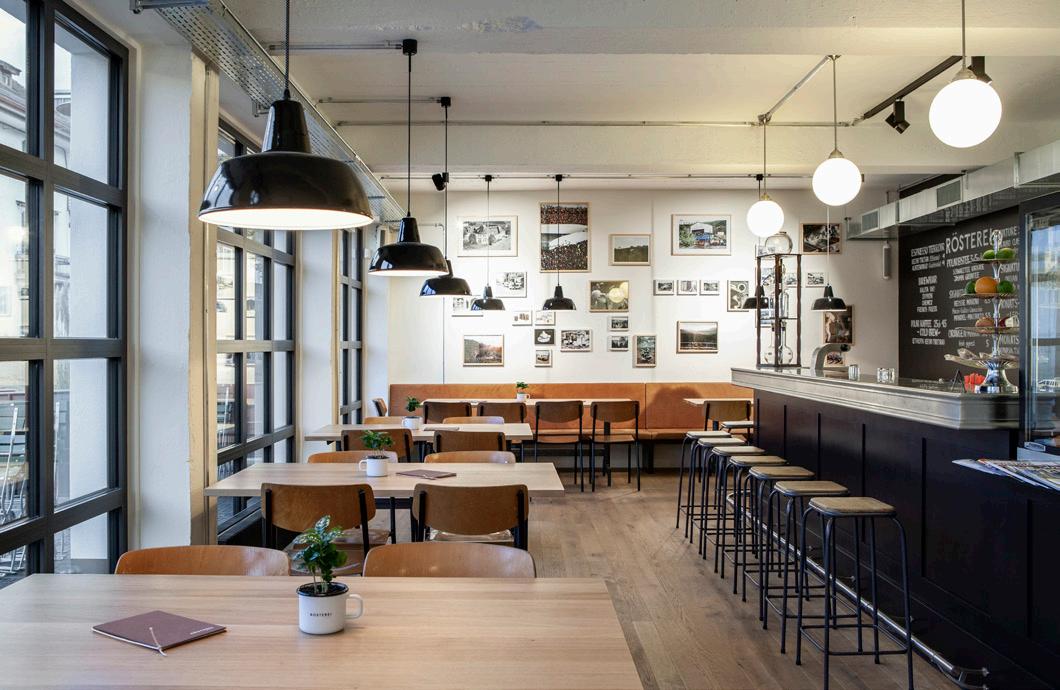
of the
2002 Blasercafé opens one of the first coffee academies in Switzerland. The barista and sensory skills courses prove very popular. The SCA Coffee Skills Programme now also offers certified courses, and the training premises are certified as an SCA Premier Training Campus.
2006 Marc Käppeli is head of Sales and Internal Services, and becomes the operational CEO of Blaser Café AG.
2014 The first Rösterei Kaffee und Bar opens at Güterstrasse 6. Professional baristas prepare speciality coffees, and guests can watch the master roasters at work as they roast the beans. The attached shop not only supplies coffee, coffee makers and coffee grinders, but also barista equipment.
2016 Michael and Bettina Blaser become members of the Management Board. Together with Marc Käppeli, Stefano Zoratti and Christoph Lauper, they make up Blasercafé's current top management team. They are also members of the Management Board at Blaser Trading, alongside Dominik Bangerter and Michele Brandinu.
2018 Another Rösterei Kaffee und Bar is opened in partnership with the Reinhard Bakery at Bern railway station, creating a new destination for coffee of the finest barista quality and delicious baked goods.
2020 A new Rösterei Kaffee und Bar location and shop opens at Gurtengasse 6, in the heart of Bern.
2021 The 5th generation joins the family company. Felice Blaser (son of Bettina Blaser) starts his business apprenticeship, followed by Larissa Blaser (granddaughter of Rolf Blaser) in 2023. Lorina Käppeli (daughter of Marc Käppeli) works as a barista in the Rösterei Kaffee und Bar during her studies.
2022 The centenary year is launched with the Blasercafé tram, which runs on Bern's streets. An elegant spatial concept was realised at Güterstrasse 4 to mark the anniversary.
2023 Redesign of the Blasercafé logo and packaging. Thanks to the latest developments in packaging technology, we are able to completely dispense with the use of aluminium in our packaging materials for the first time. This is an important step towards sustainability with consistent quality.
2024 Opening of another location of the Rösterei Kaffee und Bar in the Bernese Länggasse. The online shop becomes more modern, faster and continues to grow. A heat recovery system is commissioned in the production facility, which uses the waste heat from the roasting process to produce hot water and heating. A photovoltaic system is commissioned on the roof of the Rösterei Kaffee und Bar. The first sustainability strategy since the company was founded is currently being developed.
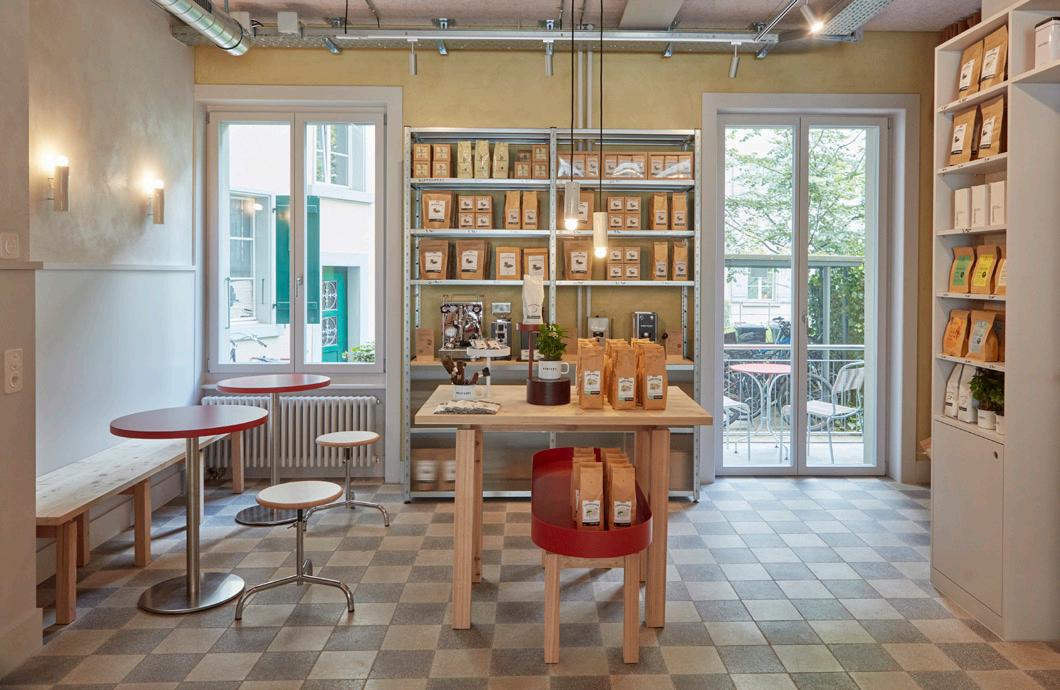
New location for “Rösterei Kaffee und Bar” on Mittelstrasse, opening in June 2024
Opening
first "Rösterei Kaffee und Bar" in Bern in 2014
1.5 The Blaser family and its values
« Our love for coffee has a long tradition. Since its founding in 1922, Blasercafé has been entirely familyowned and is now managed in its 4th generation. We are the only coffee roasting company in Bern that has retained its independence over the years and remained loyal to the city of Bern as a production location. Bern is home to us. The green coffee imported by Blaser Trading from tropical and subtropical regions is roasted in Bern.
We aspire to act fairly and treat the resources required for coffee production with care.
We also fulfil our responsibility as an employer. Our company has 31 employees with over 10 years of service. The Blaser family is present in the company, and seeks personal dialogue with all employees.
Markus Blaser Chairman of the Board of Directors
Marc Käppeli 4th generation
Larissa Blaser 5th generation
Bettina Blaser 4th generation
Caroline Blaser 4th generation
Markus Blaser 3rd generation
Michael Blaser 4th generation
Felice Blaser 5th generation
Lorina Käppeli 5th generation
1.6 The Blaser Group as an employer
Apprentices
Part-time positions
Nationalities
Germany / Dom. Republic / France / Italy / Kosovo / Macedonia / Portugal / Switzerland / Sri Lanka / Czech Republic / Turkey / Ukraine
Age structure
Years of service 16 - 25 17 employees 26 - 30 15 employees 31 - 40 27 employees 41 + 59 employees
Occupational
0 - 5 73 employees
6 - 10 14 employees 11 - 20 16 employees 21 + 15 employees
Business economist / commercial employee / clerk / chauffeur / barista / sensory technician / quality manager / caterer / roaster / machine operator / packer / production manager / mechanic / ICT supporter / caretaker / field service employee / cleaning specialist / sustainability manager / green coffee trader / course instructor / designer / warehouse worker
Trevor Aspeling, Location Manager, Rösterei Kaffee und Bar, Güterstrasse
1. Who we are and our values
1.6 The Blaser Group as an employer
Principles
Since its founding, the business practices of the Blaser Group have been based on integrity, honesty, fair business conduct and compliance with all applicable laws. The members of the Board of Directors and Management Board, and all employees, support this commitment and put it into practice in their daily work.
The Blaser Group fosters a favourable, open working culture so that employees are motivated and can identify with their work. Employees should be able to work for the company in the long term and play an active role in the further development of the Blaser-group.
Code of Conduct
A Code of Conduct specifies and supports these endeavours by establishing certain non-negotiable minimum standards of conduct in key areas. The Code requires all employees to live up to the values and principles set out therein and, at the same time, signals responsible behaviour towards business partners and customers to the outside world.
Equal rights
The Blaser Group is committed to equal opportunities for all employees and takes a clear stance against discrimination, bullying and harassment at the workplace.
Whistleblowing/ombudsman's office
The Blaser Group has set up an ombudsman's office to which employees can turn without fear of reprisals or other negative consequences.
Reintegration
The Blaser Group aims to provide individuals who are facing difficult personal and professional circumstances with the opportunity to reintegrate into the primary labor market. We work with local social organisations to this end.
Training company
Every year, two new apprentices start their apprenticeship as a commercial clerk at the Blaser Group. The apprentices are closely supervised on their three-year journey through the company and are allowed to help out early on. They familiarise themselves with all areas relevant to the company, enabling them to gain an important insight into many different activities and professional fields.
Go to the Code of Conduct.
2.1 The coffee supply chain
Cultivation Origin
Domestic transport Export Logistics To customers Blaser Trading Warehouse
Most of the many millions of people involved in the coffee value chain are farmers, farm workers and consumers. The social and environmental impacts are greatest during the coffee cultivation phase. This is precisely where we are strategically focusing our efforts.
Sales to gastronomy, business and private customers End of life Roasting Processing
Resellers, including contract processing Packaging
Blasercafé
2.2 Coffee and the environment
Setting the strategic course
According to the corporate carbon footprint, which we developed in 2024 in collaboration with the Bern-based company Zero Hero, over 90% of the Blaser Group’s greenhouse gas emissions fall under what is known as Scope 3. This means that our biggest lever for reducing emissions lies in the purchasing of green coffee. One key factor in this respect is the extensive use of mineral fertilisers in conventional coffee cultivation. The way coffee is grown has a decisive impact on our overall carbon footprint.
This realisation spurs us on to work with our green coffee suppliers to develop more sustainable farming methods and effectively reduce our environmental footprint. At the same time, we are specifically reducing our Scope 1 and Scope 2 emissions. As these emissions fall within our direct sphere of influence, we can take particularly effective action with regard to the key levers.
Scopes 1, 2 & 3
Scope 1 (4%): Fossil fuels such as roasting gas or petrol for the company fleet
Scope 2 (2%): Purchased energy such as electricity or district heating
Scope 3 (94%): Green coffee cultivation, purchasing and transport
Footprint of Blaser Café AG
2.2 Coffee and the environment
Greenhouse gas emissions, deforestation and biodiversity
Greenhouse gas emissions (GHG emissions) are produced throughout the entire coffee value chain. For green coffee, almost all emissions occur outside our own operations (Scope 1 & 2) in the upstream supply chain at the level of producers and processors (Scope 3). Around 90% of these emissions are generated during the cultivation of green coffee, with land-use change resulting from deforestation and the use of fertilisers accounting for the largest share. The conversion of forests and intact ecosystems into coffee-growing areas not only generates large amounts of GHG emissions, it also contributes significantly to the loss of biodiversity. Both deforestation for coffee cultivation and fertiliser practices vary depending on the region and country. GHG emissions vary accordingly.
Water and soil pollution
On average, 140 litres of water are required to produce a cup of coffee, from cultivation to consumption. This is a global average, which can vary considerably depending on the region and the irrigation method used. There is a heightened risk of water pollution. Particularly during the wet processing or fermentation of coffee.
The use of agrochemicals during the growing season poses an additional threat to aquatic ecosystems. Many conventional farming systems rely heavily on the use of such chemicals, including, in some cases, substances that have already been phased out or banned. These materials pose a significant risk to soil quality and, ultimately, to the water cycle. That is why various global initiatives, including the Global
Coffee Platform (GCP), are campaigning for a reduction in the use of agrochemicals. The aim is to reduce the use of these products through standards and training, and to transition to integrated pest management in the long term.
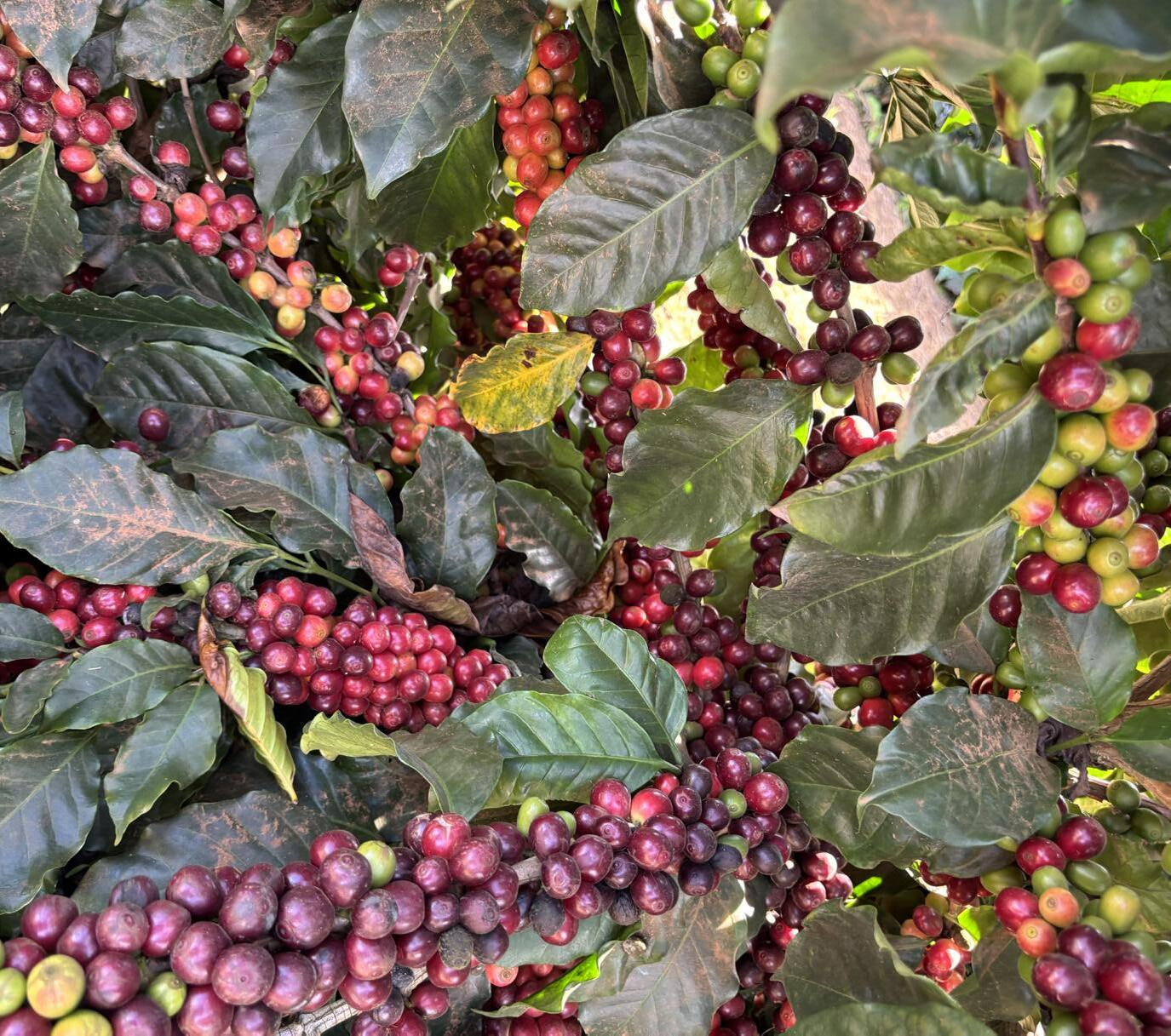
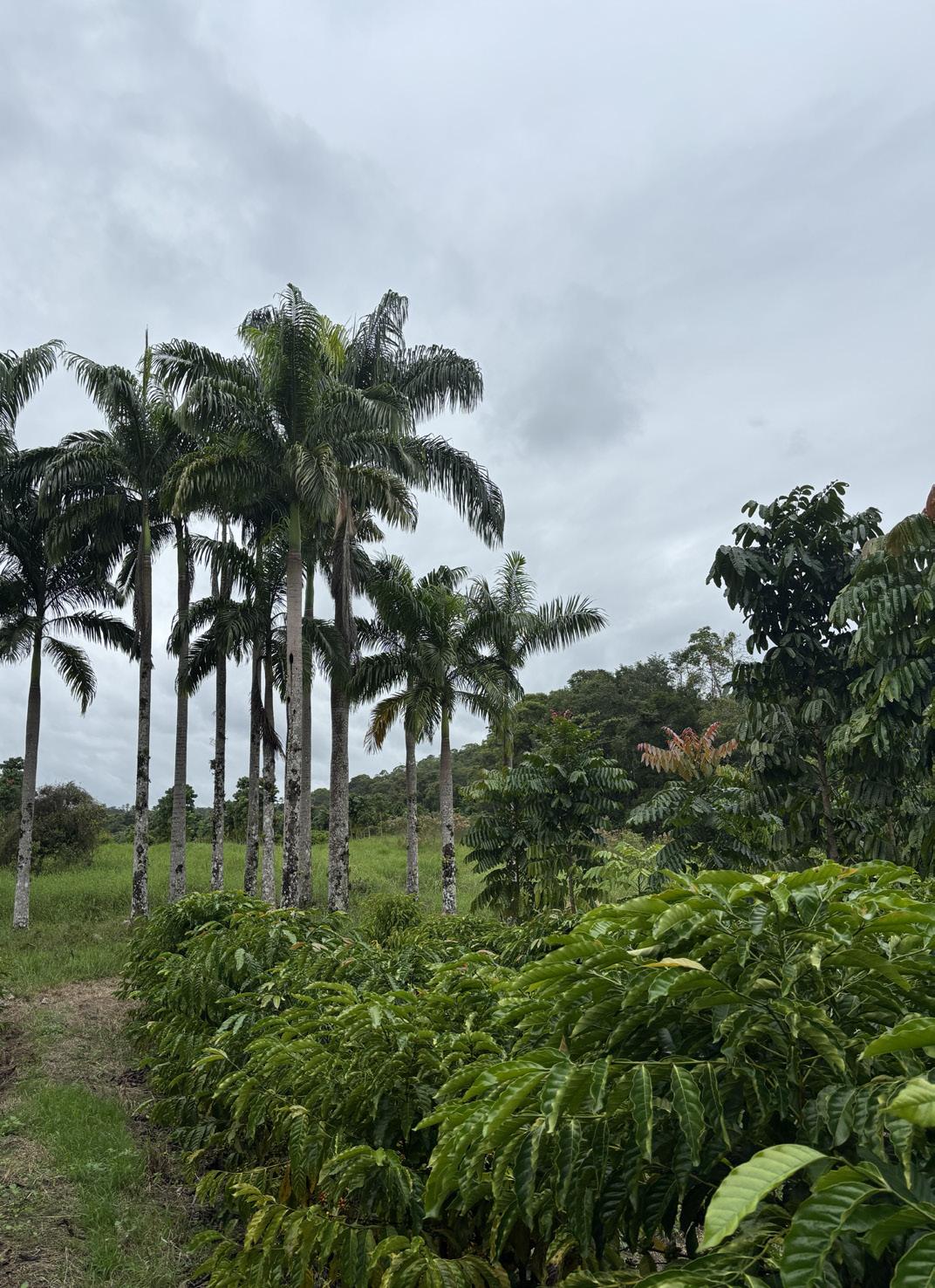
A coffee plant shortly before harvest, photographed during a visit to the Cerrado in the state of Minas Gerais, Brazil, in May 2025
2.3 Coffee and people
Child labour
According to the International Labour Organization (ILO), child labour is work that deprives children of their childhood, their potential and their dignity, and that is harmful to their physical and mental development. The main causes of child labour are often poverty, a lack of basic services, and the family’s involvement in coffee farming. Low incomes and wages can mean that households find it difficult to provide their children with an education, or that they rely on their children to work.
According to the risk analysis carried out by the German Coffee Association (DKV), Guatemala, Honduras, Nicaragua, Peru, Vietnam, Papua New Guinea and countries in East Africa (Ethiopia, Uganda, Tanzania and Kenya) are the coffee-growing regions with an increased risk of child labour. In 2025, we sourced around 26% of our coffee from these countries of origin. Even though we make many of our purchases in countries where the risk of child labour is low or moderate, a central part of our due diligence involves developing measures against child labour that are appropriate and effective. In particular, we ensure that no workers who are below the statutory minimum age or younger than 15 years of age are employed.
Mexico low
Guatemala significant
El Salvador moderate
Colombia low
Peru significant
Honduras significant
Nicaragua high
Risk levels of child labour in the main coffee-growing countries
The risk assessment is based on an analysis conducted by the German Coffee Association in 2025
Uganda high
Brazil moderate
Ethiopia signifi-
Kenya signifi-
Tanzania signifi-
India moder-
Vietnam significant Indonesia moderate
Papua New Guinea high
2.3 Coffee and people
Adequate income and the withholding of wages
Inadequate prices and unfair wages are among the key risks involved in sourcing green coffee. According to ILO data, average monthly earnings in the agricultural sector are below the estimated living wage in almost all coffee-producing countries. Whilst green coffee prices are determined by the markets, the deliberate withholding of wages in many coffee-producing countries makes the situation even harder for workers. This risk is highest in East and Central Africa and Indonesia.
Forced labour and freedom of association
In the coffee industry, poor working conditions are a particular problem for informal and seasonal workers who have no employment contract and no social protection. Migrant workers who work flexibly on coffee plantations during the harvest season are particularly at risk. Informal employment undermines their access to social security. However, the Brazilian Ministry of Labour is actively combating this, and regularly publishes a “blacklist” (Lista Suja) of companies linked to forced labour. The extensive restrictions on freedom of association in most coffee-producing countries also hinder trade union activities, and exacerbate the problem of poor working conditions.
Unlawful eviction and the inappropriate use of security forces
Indigenous and local communities are often not sufficiently involved in the coffee supply chain. In areas where there are risks relating to land ownership and traditional access to land and water, free and informed consent, particularly in relation to indigenous peoples, is frequently disregarded. In Ethiopia, Kenya and Mexico, there is also a high risk of forced eviction. In these and other growing regions, there is also a risk of the inappropriate use of security forces against local communities.
Health and safety
Workers on coffee plantations, in processing companies and in the transport sector do not always have the necessary safety precautions, such as protective equipment when using agrochemicals, or regulated working hours.
A lack of health and safety at the workplace can have a direct negative impact on employees. In general, the risk level for South and Central American countries is relatively low. Our focus in terms of health and safety is therefore on Asia and Africa.
3.1 Sustainability Focus
Processing
Coffee cultivation and harvesting
Focus of Blaser Trading
The coffee value chain
Producers & transporters
Transport
Focus of Blasercafé and Rösterei Kaffee und Bar
3.1 Sustainability Focus
The Swiss Sustainable Coffee Platform’s (SSCP) Roadmap until 2030 sets out six shared objectives that chart the course towards a more sustainable coffee value chain. In doing so, the members reaffirm their commitment to tackling the environmental, social and economic challenges facing the coffee sector together. As a founding member and active participant, the Blaser Group focuses its efforts on the following objectives:
1. Reduce living income- and wage gaps
2. Human rights risks are minimised through due diligence measures
3. Coffee is grown without deforestation
4. Regenerative agriculture is widely adopted
5. Coffee production works towards net-zero emissions
6. Procurement through sustainable procurement models and standards
We set specific priorities that align with our business model and, based on these, identify key focus areas from which we expect to achieve the greatest impact in collaboration with our partners:
Area Focus
Environment (E) Social (S)
Governance (G)
1. Promoting sustainable agricultural practices
2. Reducing CO₂ emissions in coffee cultivation
3. Preserving the natural environment and preventing deforestation
1. Establishing shared values in our coffee-growing regions
2. The ability to trace coffee beans to the farm
3. Continuing to establish a culture of sustainability at the Blaser-Group
1. Risk-based due diligence in relation to human rights and the environment
2. Commitment and transparency towards suppliers, coffee farmers and buyers
3. Sourcing sustainable coffee
3.1 Sustainability Focus
The coffee value chain
The global coffee value chain involves around 125 million people, with the highest concentration of stakeholders in the cultivation and consumption sectors. It is particularly worth noting that 95% of coffee farmers operate small farms of less than five hectares. Given this high degree of fragmentation and the fact that the majority of emissions are generated during the cultivation phase, Blaser Trading places a clear emphasis on social standards and climate protection in this area. At the other end of the chain, Blasercafé focuses on resource-efficient roasting and sustainable blends, as well as energy efficiency, environmentally friendly packaging and regional committment.
In this way, we take targeted responsibility for people and the environment in those areas where, together with our partners, we have the greatest influence and control.
The standards we set for our actions
Our work with global partners and within local initiatives is based on a holistic approach to sustainability that takes environmental, social and economic aspects into account:
Blaser Trading:
We source coffee that supports our partners, protects the environment, meets regulatory standards and withstands climate-related risks, whilst at the same time offering our customers consistent quality.
Blasercafé:
We build partnerships to roast selected coffee varieties in a targeted, careful manner, in line with the desired quality and sustainability standards.
Rösterei Kaffee und Bar:
We enable everyone in Bern to enjoy high-quality roasted coffee made from carefully selected, sustainably grown beans.
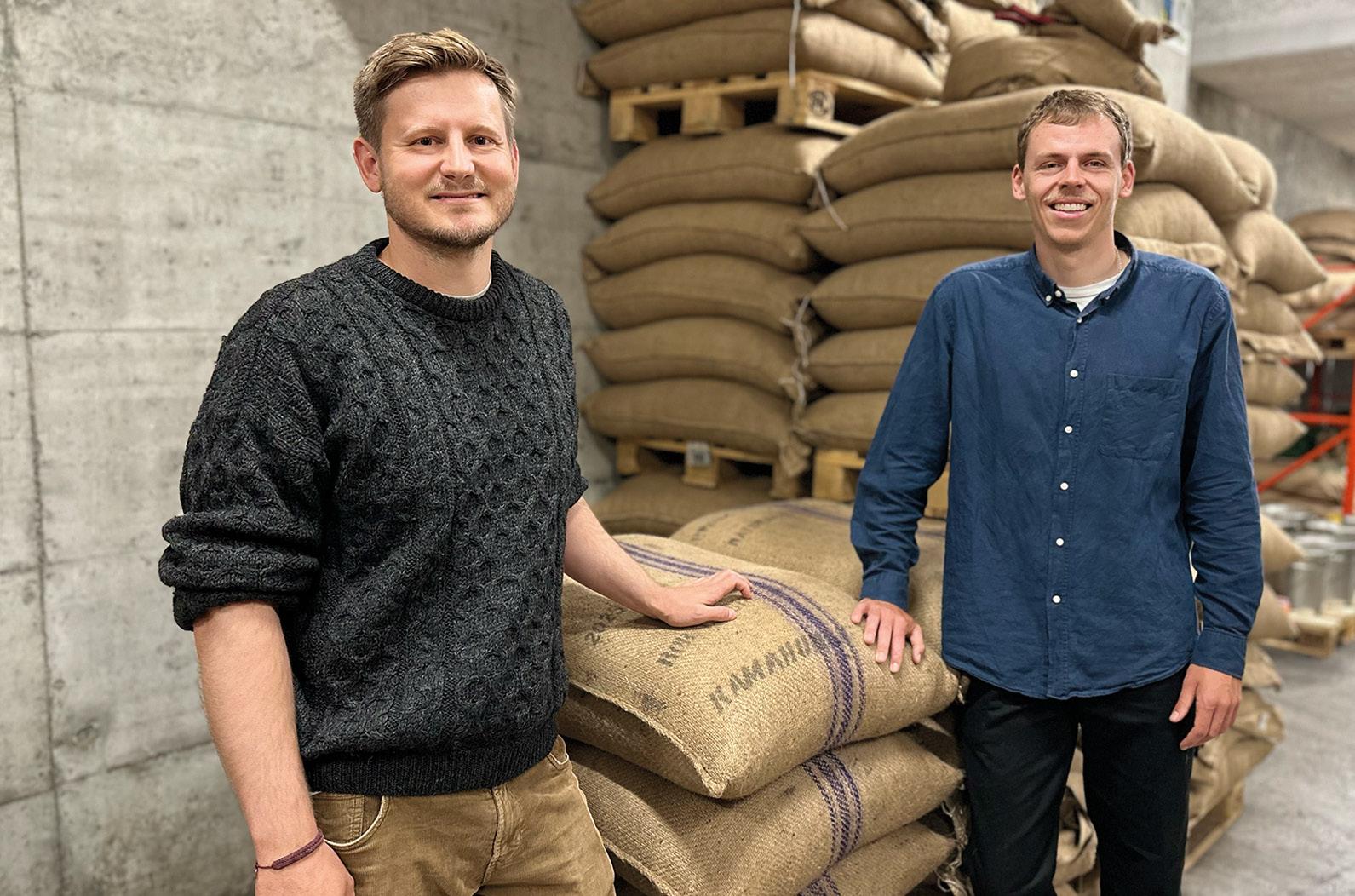
Responsible for sustainability at the Blaser Group: Philip Müller (left) and Grégory Stoller (right)
3.2 Sustainability goals
We have set four goals for ourselves. The first, institutional goal applies across the board: The more firmly sustainability is established as an integral part of our business activities, the more effectively and cohesively we can implement our thematic sustainability goals. The three thematic goals are based on the key dimensions of sustainability: Environmental (E), Social (S) and Governance (G).
Institutional
Environment (E)
We are reducing our negative impact on the environment and ecosystems:
• 50% reduction in Scope 1 & 2 emissions by 2030 for the entire Blaser Group
• 90% reduction in Scope 1-3 emissions by 2045 for Blasercafé
• 90% reduction in Scope 1-3 emissions by 2050 for Blaser Trading
Sustainability is anchored in our operations and is an integral part of our business activities. All employees are familiar with the sustainability strategy. Sustainability goals are integrated into the annual corporate goals. A solid human rights and environmental due diligence system is in place. A complaint mechanism is available. Sustainability criteria are systematically incorporated into the selection of suppliers.
Social (S)
We are committed to improving the living conditions of people along the entire coffee value chain:
• By 2030: 50% of all roasted coffee sold (Blaser Café AG) and 35% of all green coffee sold (Blaser Trading) is responsibly sourced
• The issue of child labour is being actively addressed with at least 5 suppliers
Governance (G)
We promote ethical business behaviour among the players involved along the entire coffee value chain:
• Zero tolerance for corruption, bribery and fraud, including money laundering
• 95% of green coffee suppliers will have undergone a compliance risk assessment by 2030
• We will be able to trace 70% of our purchases back to the producer by 2030
4.1 Working together for more impact
5. Monitoring and reporting
1. Committment and values
4. Corrective measures
:2. Identification of material human rights issues
Our Human Rights & Environmental Due Diligence (HREDD) process
Our approach follows a structured process in line with the OECD Due Diligence Guidelines. In this way, we proactively identify, assess, prioritise and reduce risks relating to the environment, social issues and corporate governance throughout the entire coffee value chain.
Risk identification focuses on identifying the harmful environmental and social impacts of our actions, in line with the Swiss counter-proposal to the Corporate Responsibility Initiative. Particular emphasis is placed on the production and processing stages, as these pose the greatest risks to human rights and have the greatest environmental impact.
3. Risk prevention and reduction
The aim of our due diligence efforts is to identify actual and potential social risks associated with our business activities and to reduce them through appropriate measures. The risk assessment is carried out at a national level first. This enables us to prioritise measures along the entire coffee value chain and focus our efforts on high-risk and high-volume sourcing regions. In a further step, the risks are examined in a targeted manner at the supplier level.
4.2 Commitment and values
Human Rights Policy
1. No child labour
2. No forced labour
3. Fair working conditions, occupational health and safety
4. Fair and decent work and respectful treatment
5. Freedom of association
6. Non-discrimination and inclusion
7. Responsible land use
8. Respect for indigenous communities
9. Human rights and climate resilience
This policy supplements the requirements set out in the Blaser Group’s Code of Conduct and Blaser Trading’s Supplier Code of Conduct, and applies to the Blaser Group and all of its employees, as well as to suppliers, business partners, representatives, consultants, temporary staff and contractors.
«We work with our partners to strengthen key human rights and hold our stakeholders accountable to proactively encourage them to engage in self-regulation.
Ursula Linder Member of the Board of Directors
Our commitment
TWe are committed to a risk-based human rights due diligence process, which includes a country assessment, supplier assessment and risk assessment throughout the entire coffee value chain. The results are used for monitoring, reporting, supplier integration and risk reduction. We communicate the results transparently to the relevant stakeholders and provide a complaints mechanism.
Our Human Rights Policy, our Code of Conduct and our Human Rights Guidelines form the framework for our work to protect human rights.
Human Rights Policy Supplier Code of Conduct
4.3 Salient human rights issues
Country level: Volume Country level: Relevant risks
Supplier level: Volume Supplier level: Risk
Risk analysis based on: DKV German Supply Chain Due Diligence Act-Dashboard, Enveritas and Fairtrade Risk Map.
Supplier self-declaration and GCP/ISEAL sustainability label
As part of our risk-based due diligence process, we adopt a “funnel approach”. Drawing on external and proprietary databases, as well as country assessments, we analyse the social, economic and environmental conditions in the countries of origin and throughout the coffee value chain.
We classify risks according to their severity, taking into account factors such as the scale, scope, irreversibility and likelihood of a potential violation or human rights issue. This approach is based on the OECD’s recommendations.
Based on country and regional risks, we identify where potential human rights risks exist within our supply chain. To this end, we identify relevant suppliers and their processes, standards and sustainability labels, as well as their relationships to us and the farmers, in order to assess the specific supplier risk. This enables us to prioritise suppliers and identify key areas for collaboration.
4.3 Salient human rights issues
The map below shows the countries from which we source green coffee. The different flavour profiles of coffee, which vary by region, play an important role in the composition of our coffee blends. The different regions are like ingredients in a recipe; Central America brings acidity and complexity, whilst Brazil is chocolatey and creamy, and blends the different profiles well. Central and East Africa bring sweetness and floral notes. Coffee from Asia adds flavour and body.
Depending on the region, either Arabica or Robusta coffee plants are common. Vietnam, for example, is the largest producer of Robusta, whilst Brazil is the largest producer of Arabica. In 2025, approximately 28% of the coffee we sourced was Robusta and 72% Arabica. Arabica is characterised by its acidity, mildness and complexity, and offers pleasant floral and sweet flavours. Robusta is rather bitter and full-bodied, offering chocolatey, earthy and nutty flavours.
The processing method also affects the flavour of the beans, and often varies depending on the growing region. The washed process produces a mild coffee with a pronounced acidity. The “natural” (unwashed) process makes it stronger and sweeter. Semi-washed combines these aspects.
In 2025, aproximately 60% of the coffee sourced by Blaser Trading was naturally processed. This means that the coffee cherries are dried in the sun before the fruit and skin are separated from the bean.
Shares of individual coffee-producing countries in the Blaser Group’s total green coffee purchases in 2025
4.3 Salient human rights issues
Country risk
Each region presents different human rights risks. Based on Blaser Trading’s share of total coffee purchases from each country, as well as country-specific risk reports from Enveritas, the German Coffee Association (DKV) and the Fairtrade Risk Map, we draw up a specific risk profile for coffee purchases from each country.
Countries with high purchasing volumes are prioritised in the subsequent assessment to ensure that our resources are focused on the areas with the greatest potential impact.
To provide a general overview, we compare the average DKV risk assessments with the total volume of purchases made during a financial year. This makes it easier to assess the significance of country risks for Blaser Trading’s day-to-day operations. This review at the national level is updated annually. Priority is given to countries with the highest level of risk.
4.3 Salient human rights issues
Salient issues – human rights
Every year, the DKV compiles a very detailed risk overview for its members, covering the main coffee-producing countries. We have crosschecked and supplemented the findings of the DKV risk analyses with information from other sources and our own experience. The greatest human rights and environmental risks in our business segments relate to procurement in the coffee-growing countries and, to a lesser extent, our own operations and the downstream value chain. We therefore focus on the risks in the various coffee-producing countries.
The following considerations were relevant in determining the key issues for us:
• Severity of the impact on humans and the environment (extent, scope, irreversibility)
• Weighting of topics based on the importance to our procurement activities
• Compliance-related issues (child labour and deforestation)
In view of the increased risk associated with coffee production, the German Coffee Association (DKV) provides its member organisations with a risk materiality assessment focusing on 11 categories and 18 coffee-growing regions. The chart below shows a volume-weighted breakdown of the key issues in the coffee sector across coffee-producing regions for the year 2025.
4.3 Salient human rights issues
Salient issues - human rights
We identify the most significant human rights risks based on the volume of green coffee we purchase. These include child labour, the inappropriate use of security forces, forced labour and modern slavery, freedom of association, the withholding of wages and unlawful evictions.
Salient issues – environment
Environmental issues directly linked to human rights usually cause immediate harm to people’s livelihoods, such as soil degradation, water or air pollution, the use of chemicals, or the excessive consumption of resources. On the other hand, the main factors influencing long-term climate change include change in land use and deforestation, greenhouse gas emissions, loss of biodiversity and water consumption.
Human rights issues
• Child labour (including the worst forms of child labour)
• Inappropriate use of security forces
• Forced labour and modern slavery
• Freedom of association
• Withholding of wages
• Unlawful evictions
Environmental issues
• Change in land use and deforestation
• Loss of biodiversity
• GHG emissions
• Water consumption
4.3 Salient human rights issues :
Supplier risk assessment
Once the largest partners in terms of volume have been assessed, we categorise the remaining suppliers according to their country risk. In doing so, we focus on businesses that supply conventional coffee from high-risk countries. Around 10% of our procurement volume comes from 9 “high-risk” countries of origin, 34% from 10 “increased-risk” countries and 56% from 7 “medium-risk” countries.
DR Congo, Ethiopia, Kenya, Nicaragua, Papua New Guinea, Rwanda, Tanzania, Uganda, Zambia
Ecuador, Guatemala, Honduras, India, Indonesia, Peru, El Salvador, Vietnam, Nepal, Bolivia
Brazil, Colombia, Costa Rica, Jamaica, Mexico, Puerto Rico, Dominican Republic
4.3 Salient human rights issues
Supplier assessment
In order to be able to implement improvements in collaboration with suppliers, a self-assessment form for suppliers was introduced in 2025, which enables us to systematically identify risks and gaps.
For 2025/2026, priority has been given to those suppliers that present an increased risk in their country of origin or handle high volumes. This prioritisation ensures that suppliers with a higher risk profile are subject to appropriate scrutiny, regardless of their supply volume. In this way, the company is fulfilling its obligation to carry out a comprehensive risk assessment across the entire supply chain. Our long-term aim is to achieve full coverage of the supply chain, including certified suppliers from low-risk countries.
Category Issues & documentation
Supplier profiles & risk profile
Management systems
• Supplier Code of Conduct
• Responsibilities
• Coffee certifications
• Number of cultivated areas and average size
• Field teams/agronomists
• Responsibilities, human rights & environment
• Traceability
Environment, deforestation & EUDR
• Support/training: Agrochemicals, soil health, biodiversity, water consumption, good agricultural practices (GAP)
• Risk mitigation processes to combat deforestation (e.g. geolocation, traceability)
Human rights
• Risk analysis
• Complaints procedure
• Monitoring tools and KPIs
• Initiatives at source
• The rights of indigenous peoples and consent
:
Number of questions
7
4
10
12
4.4 Risk prevention and reduction
11,953 t of certified coffee sold +2.6% vs 2024
458 t of coffee sold with CSC label -0.1% vs 2024
9,929 t of Rainforest Alliance-certified coffee sold +4.4% vs 2024
870 t of Fairtrade-certified coffee sold -0.5% vs 2024
949 t of certified Organic coffee sold -1.8% vs 2024
Industry standards for sustainability
For us, sustainability certifications are an important part of risk reduction, as they minimise social and environmental risks in a verifiable way. Sustainability certifications include all programmes recognised by the Global Coffee Platform’s (GCP) equivalence mechanism, as well as those that comply with the ISEAL Code of Conduct.
In 2025, 29% of the green coffee traded was purchased and resold in accordance with certified standards. Due to the additional costs, we are working with our customers to further develop and prioritise certified volumes.
797 t of Organic and Fairtrade-certified coffee sold (double certification) -0.4% vs 2024
4.4 Risk prevention and mitigation
Sale of certified coffee
By selling certified coffee, we can significantly reduce risks associated with human rights, as well as environmental and governance risks, along the entire coffee value chain. Certification schemes such as those of the Rainforest Alliance (RFA), Fairtrade and Organic set out clear social, environmental and business requirements for all players along the coffee value chain. They guarantee the traceability of the coffee, and provide support measures for local producers. Annual, independent audits carried out by accredited certification bodies ensure that we and our suppliers comply with the required standards.
The total volume of green coffee purchased in 2025 was down slightly compared with 2024. Very high green coffee prices led roasters to reduce their green coffee coverage ratio and wait for prices to fall. In terms of percentage, the share of certified green coffee rose by 2.6%.
Sale of certified green coffee in 2025 11,953 t in total
Comparative value from 2024
4.4 Risk prevention and reduction
Fairtrade – Max Havelaar
In 2025, Blaser Trading sold around 870 tonnes of Fairtrade-certified coffee. The label stands for fair trading conditions, a minimum price and a Fairtrade premium. The cooperatives use this premium to fund projects for coffee farmers, for example in the areas of education, health or environmentally friendly farming. The Fairtrade premium allows producers to invest in a sustainable future. The Blaser Group has been selling and roasting Fairtrade coffees for many years now.
Organically grown coffees
In 2025, Blaser Trading sold 949 tonnes of organically grown coffee. Organic farming does not involve the use of synthetic chemical pesticides or fertilisers. This significantly reduces the negative impact on the environment and on people. Furthermore, organic coffee has a significantly lower carbon footprint per unit of cultivated land than conventionally grown coffee.
Rainforest Alliance
In 2025, Blaser Trading sold over 9,929 tonnes of RFA-certified coffee. By far the largest share comes from Brazil. The requirements are set out in the “RFA 2020 Certification Standard Version 1.4”. These are aimed, on the one hand, at participants in the supply chain and, on the other, at agricultural businesses. The primary goal is to ensure not only environmentally and socially sustainable growing conditions, but also responsible business practices throughout the entire supply chain.
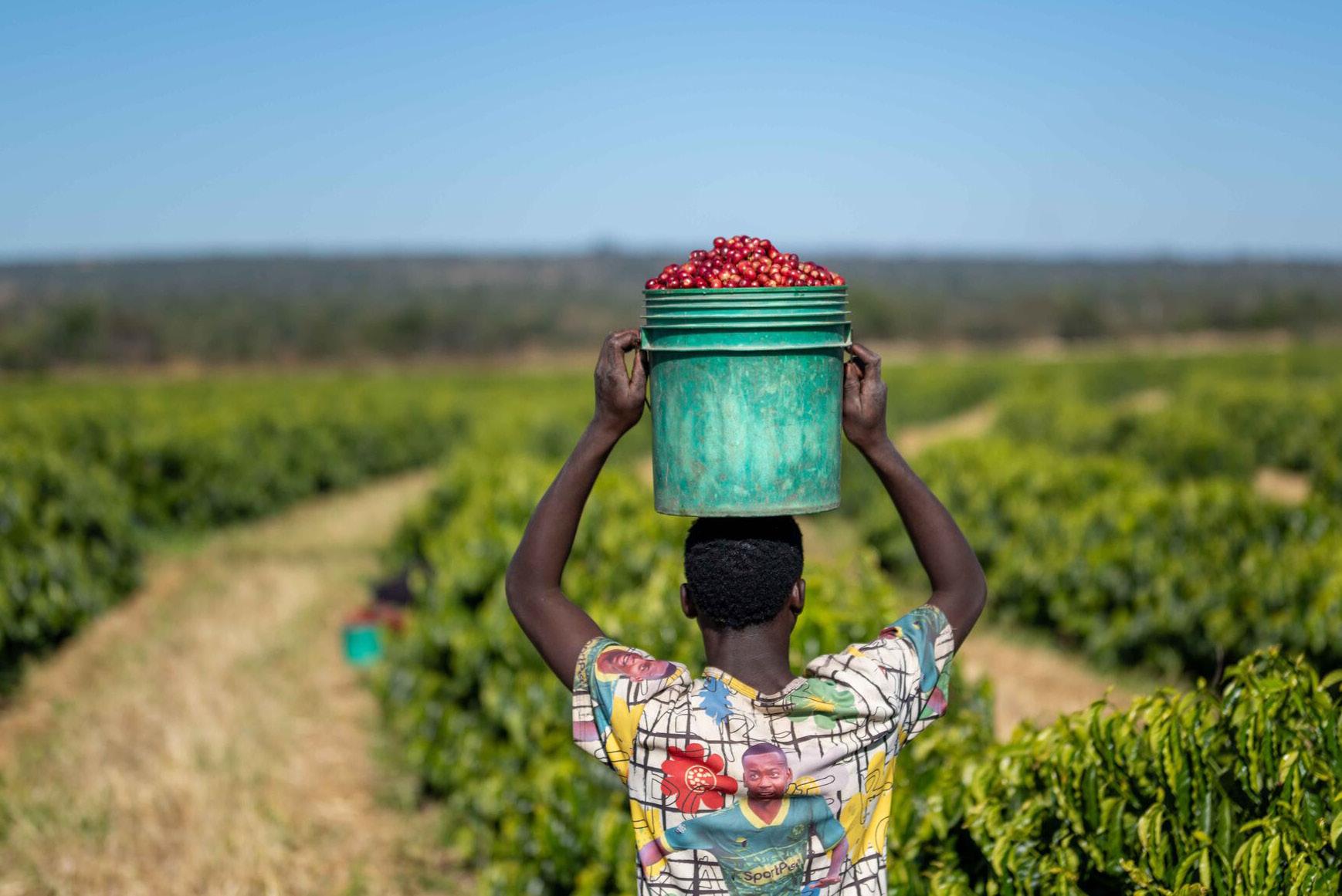
Illustrative image, source: www.coffeeplatform.ch
Verde, Terra Vita and Purista blends, and private label Coffee Verde and Terra Vita blends, and private label
4.4 Risk prevention and reduction
Blaser & Wolthers in Brazil
We source just under 50% of our green coffee from Brazil. As a result of this prioritisation, we have established a particularly thorough due diligence process there. We have a business relationship with Wolthers that has lasted for over 35 years. Together with Wolthers, we have set up field teams to implement our joint due diligence processes.
These Blaser-Wolthers field teams help to integrate our sustainability strategy in the origin through coordinated social and regenerative activities. This combined approach supports continuous improvement at the operational level, whilst promoting responsible procurement practices, environmental resilience, human rights due diligence and the mitigation of social risks throughout the entire supply chain.
Focus on human rights
The Blaser-Wolthers “Social Consultants” organise regular visits to farms to monitor social and human rights issues and to help farmers avoid potential risks. The team helps farmers to professionalise their relationships with their workers and to comply with the relevant laws and regulations. In 2025, visits were made to all partner farms and, using social verification checkliststs to monitor, working conditions, compliance with labour laws and health and safety standards were assessed, as were opportunities for the continuous improvement of human resources management practices.
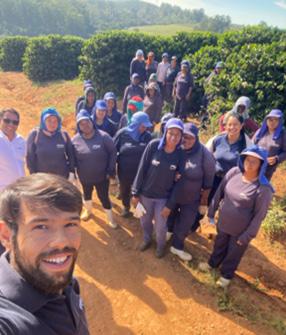
Mobile phone footage taken during site visits as part of initiatives to engage workers during the harvest season, 2025
4.4 Risk prevention and reduction
Coffee prject from regenerative cultivation with Wolthers in Brazil
Wolthers works alongside local farmers on projects that strongly promote the regenerative cultivation of coffee plants. The Blaser–Wolthers “Regenerative Consultants” help partner farms identify, implement and monitor sustainable farming methods that are adapted to local production realities.
The work involves providing technical advice on soil health, cover crops, agroforestry systems, carbon reduction strategies, and resource-efficient farming methods.
Several regenerative farming projects were implemented or developed further in 2025. These include field trials with biochar, agroforestry and shading measures, action plans relating to net-zero emissions, projects on nitrogen use efficiency (NUE), drone-based agronomic monitoring (SeeTree) and projects on real-time soil nitrogen measurement (Stenon).
We are in close contact with Wolthers, and are currently in the planning phase so that we can increase our green coffee from sustainably farmed sources. An internal working group, set up by the Blaser management, is drawing up the relevant proposals.
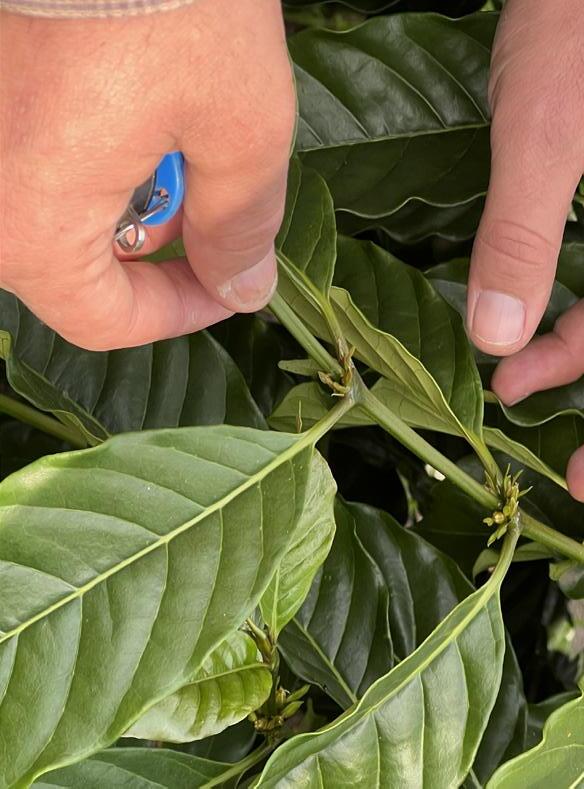
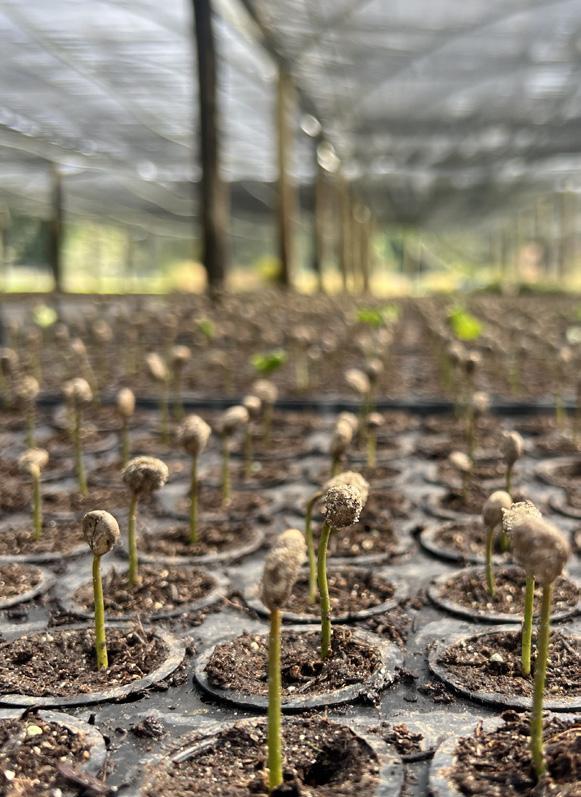
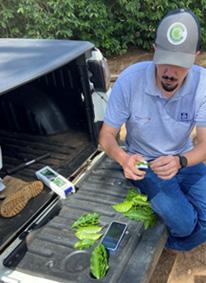
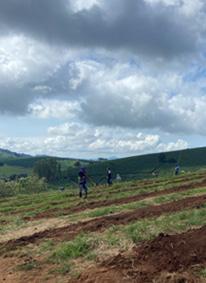
Top: Cultivation using regenerative farming methods, Wolthers, October 2025 Bottom: Blaser-Wolthers Regenerative Consultants at work, 2025
4.5 Corrective measures
Independent review of operations in Brazil
An independent third party reviews our processes, policies and improvement measures annually as part of a document review audit in Brazil, our main country of origin. Based on the findings of the 2025 audit, the Blaser Group, in collaboration with local partners, has drawn up a human rights due diligence plan aimed at continuous improvement. This plan covers guidelines, standard operating procedures (SOPs), complaints management, communication and the development of partnerships.
Complaints procedure
The complaints procedure is another measure designed to highlight risks in the supply chain. We have diversified our procedure to ensure that as many people as possible along the coffee value chain can lodge a complaint. Reports of human rights violations or adverse environmental impacts can be submitted via a WhatsApp chat, a telephone voicemail service or an online form on our website. The aim is to make access as straightforward as possible and to proactively inform those involved in the supply chain about this option.
Every complaint received is dealt with appropriately. The anonymity of the person making the report is protected and there is no risk of reprisals. In addition, the Blaser Group has an ombudsman service for internal complaints, which employees can use to report any issues.
Go to the online reporting form
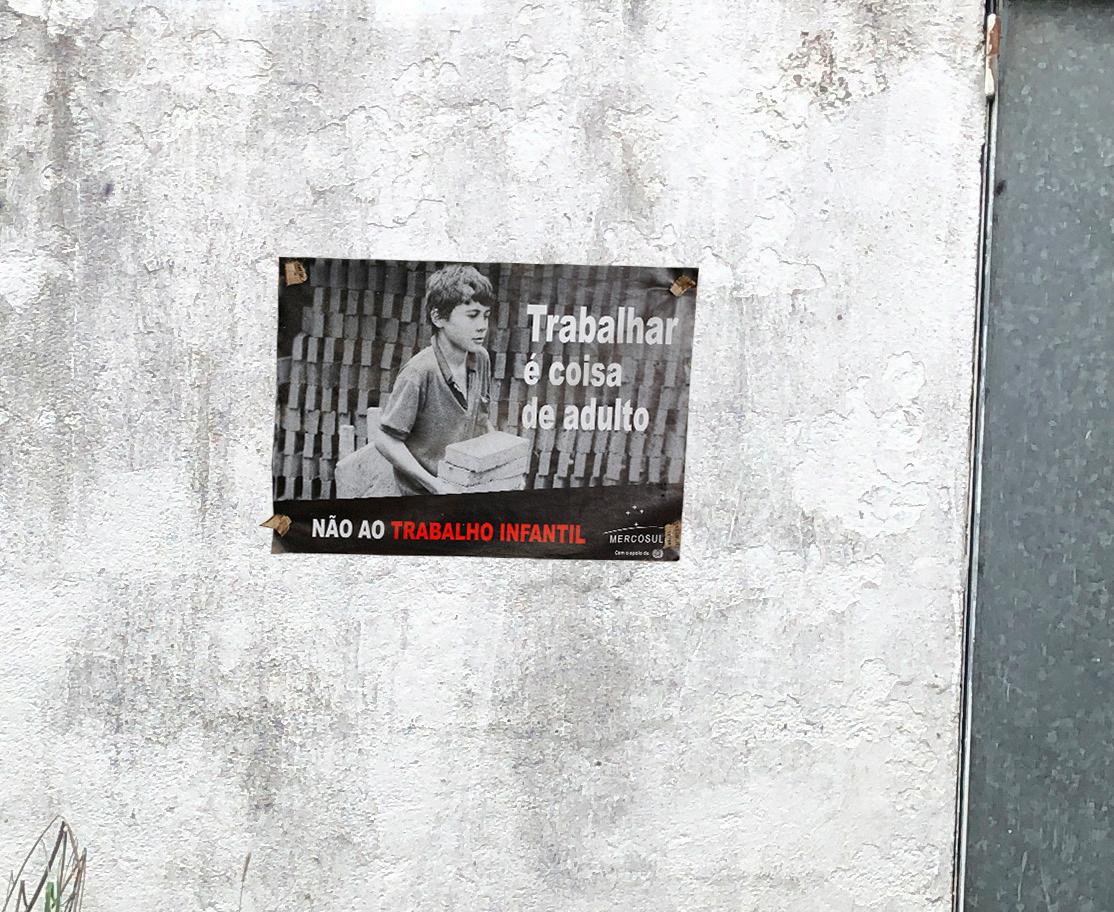
Poster against child labour, photographed on a Brazilian plantation, 2013 (Blaser Group photo archive)
4.6 Monitoring and reporting
EUDR monitoring at the plot level
The EU Deforestation Regulation (EUDR) requires companies importing coffee into the European Union (EU) to ensure that the product meets the following criteria:
• It must not have contributed to deforestation or forest degradation after 31st of December 2020
• It must have been produced in accordance with the laws of the country of origin
• Each consignment must be accompanied by a declaration of due diligence containing geodata on the production areas
Despite the EUDR being postponed for a further year, we already subjected around 50% of our purchases to the EUDR due diligence process in 2025, for preparatory purposes and at the request of some customers. It is expected that the proportion of EUDR-compliant coffees will continue to rise in the future.
Using Enveritas
Enveritas was founded in 2016 as a non-profit organisation specialising in sustainability verification, and is a leading global technical partner for the EUDR-compliant verification of deforestation.
Pillar 1 – satellite-based mapping:
Enveritas creates high-resolution base maps using artificial intelligence (AI) that has been trained on manually annotated satellite im-
ages. The AI distinguishes between forests, coffee plantations, shade trees and other types of land use. The model takes into account agroforestry systems, which are often misclassified by conventional tools, thereby reducing false deforestation alerts for farms that conserve biodiversity.
Pillar 2 – AI-assisted detection of deforestation:
Forest and plot layers are overlaid to identify coffee-growing areas on land that was previously forested. This forms the core of the risk assessment. Historical satellite imagery is analysed to identify land use changes in high resolution, thereby providing a systematic, reproducible factual basis for the EUDR due diligence process.
Pillar 3 – on-site inspection and field verification:
If deforestation is detected, specially trained experts always carry out a manual inspection of the area that may have been deforested. In this process, they compare several sources of historical satellite imagery and photographic evidence from the farms before confirming that a farm is non-compliant.
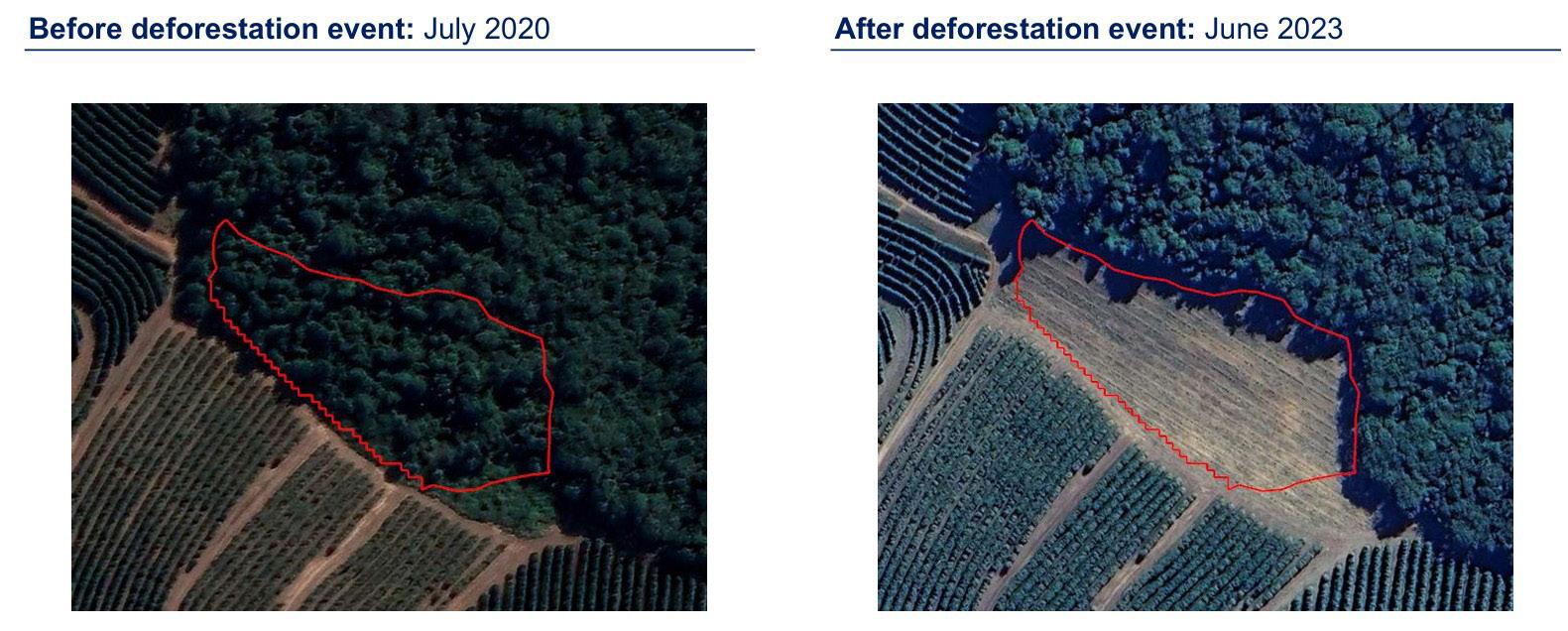
Extract from the Enveritas tool, anonymised data
4.7 Measures implemented at Blasercafé
As mentioned at the beginning of this report, the majority of CO₂ emissions in the coffee value chain are generated in the countries of origin. We have discussed our measures in this regard in detail in the first part of the report. Even though the impact of the measures we are implementing on behalf of the Blaser Group in Switzerland is relatively small, we nevertheless strive continuously to make our business practices as sustainable as possible. We would like to discuss these measures in detail in this final subsection of our Sustainability Report.
The measures we are implementing on behalf of the Blaser Group are based on the following three principles, which form an integral part of our sustainability strategy:
1. We produce sustainable products
2. Our business processes are geared towards sustainable practices
3. We embed sustainable practices within our corporate culture
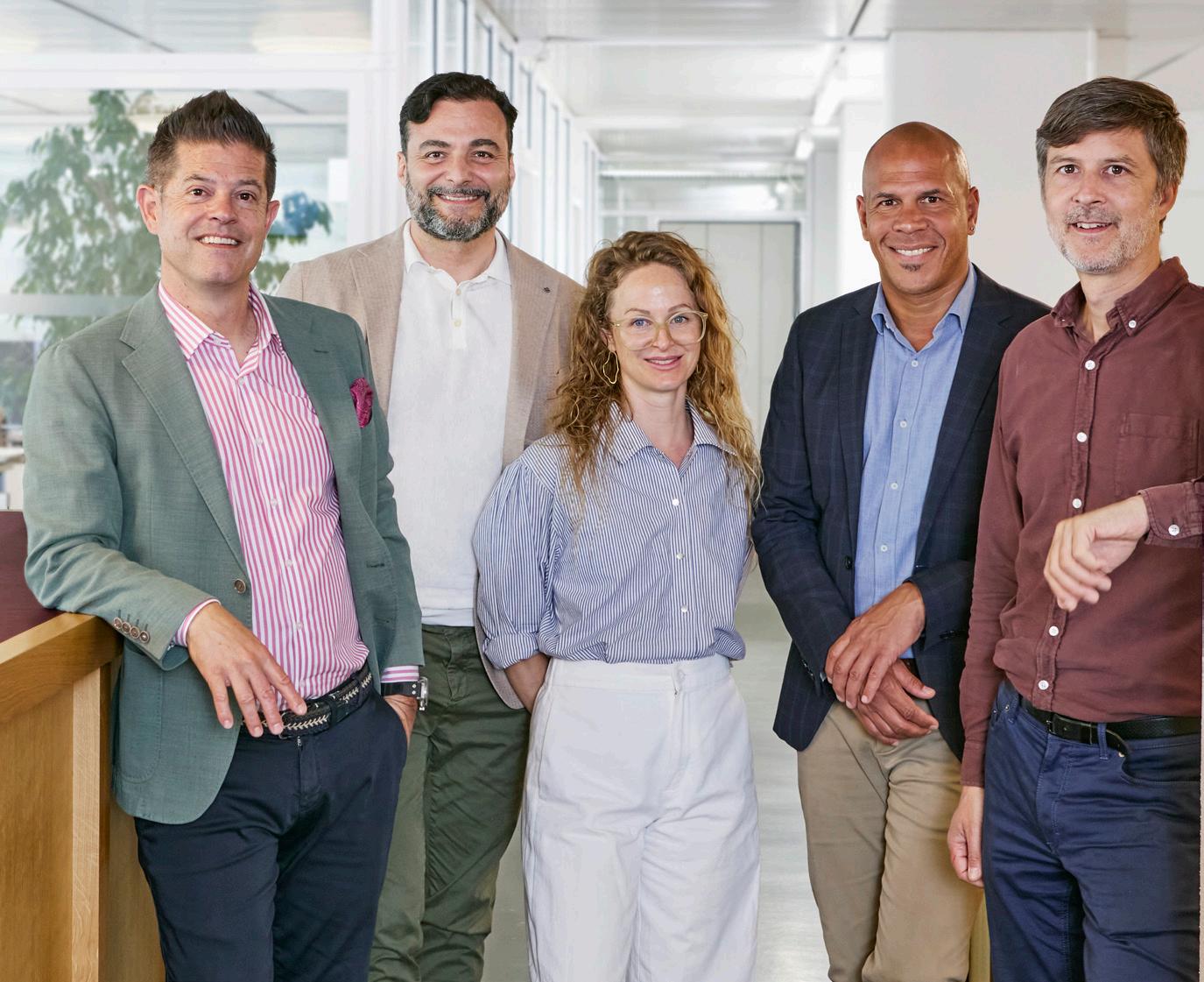
Blasercafé management: Marc Käppeli, CEO (4th generation of the Blaser family), Stefano Zoratti, Head of Finance & Controlling, Bettina Blaser, Head of HR (4th generation of the Blaser family), Christoph Lauper, Head of Operations and Internal Services, Michael Blaser, Head of Marketing and Communications (4th generation of the Blaser family), from left to right.
4.7 Measures implemented at Blasercafé
Sale of certified green coffee: Rainforest Alliance, Fairtrade, Organic
A PV system covers the daily electricity requirements of the Rösterei Kaffee und Bar on Güterstrasse
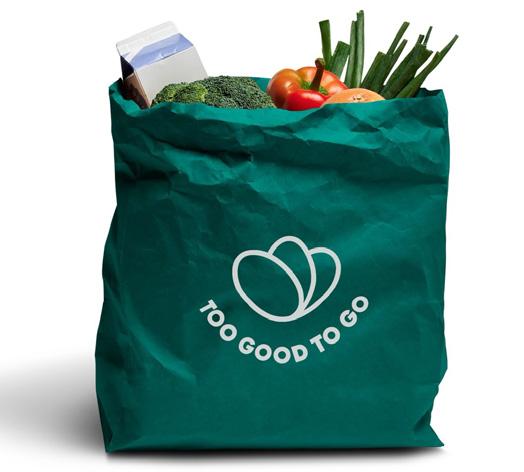
Tackling food waste: All three locations of the Rösterei Kaffee und Bar are involved in the Too Good To Go initiative
Heat recovery system on the roasting machine for sustainable energy generation
We produce pellets from coffee husks, which the City of Bern uses for the production of fertiliser and waste heat
A project by an internal working group aimed at promoting the procurement of green coffee from sustainable sources
Switch to aluminium-free packaging for our airline coffee sachets
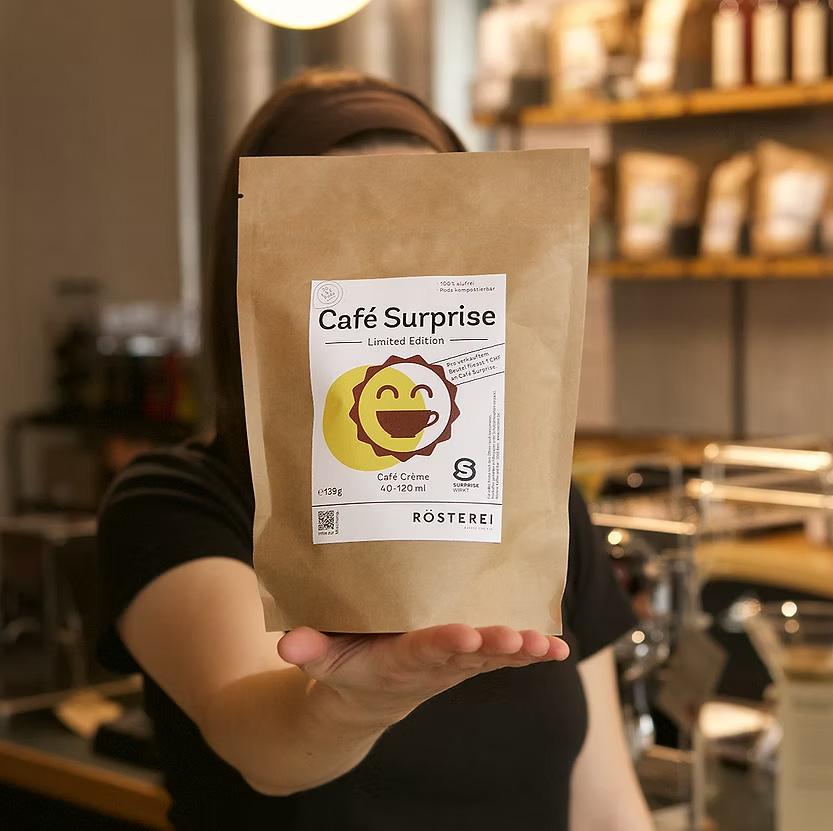
Support of Café Surprise to enable people on a tight budget to have non-monetary access to social life
Annual savings of 20,541 kg of CO2 e (equivalent) thanks to shifting transport from road to rail
We are a founding member of the Swiss Sustainable Coffee Platform, which is committed to promoting greater sustainability throughout the coffee value chain
Deforestation analyses with the goal of
sourcing green coffee from deforestation-free growing areas
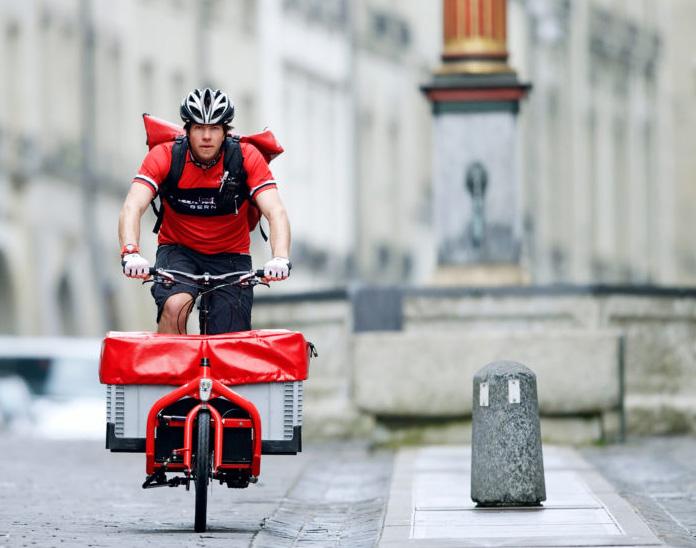
Coffee deliveries by bike courier in large parts of the city of Bern to reduce CO2 emissions
No aluminium capsules. We rely on the E.S.E. pod system. Pods compostable after use
Launch of organic/Fairtrade coffee from a cooperative in Peru committed to sustainable practices and organic farming
We are SMETA-audited, one of the world’s best-known social audits
4.7 Measures implemented at Blasercafé
Sustainable products
In 2025, we roasted a total of 651 t of certified coffee. The total volume of roasted coffee, including non-certified coffee, fell slightly in 2025 compared with the previous year. Very high green coffee prices led roasters to reduce their green coffee coverage ratio and wait for prices to fall. As a percentage, the proportion of certified coffee rose 2% compared to 2024.
In some cases, there were changes within the various certification schemes. For example, due to a shift in demand in the previous year from certified organic coffee towards coffee certified as both organic and Fairtrade (dual certification), or due to the loss of a roasting client who had been purchasing Fairtrade-certified coffee from us.
Production of certified roasted coffees
Total quantity certified
Coffee production broken down by certification
Fairtrade
Rainforest Alliance Organic
Fairtrade and organic (double certification)
Caffé Speciali Certificati
4.7 Measures implemented at Blasercafé
Transport
According to a 2024 study, depending on the calculation method, origin and destination, transport accounts for 3% in the median of total emissions throughout the coffee supply chain. One exciting development is the shipment of green coffee in “big bags”, which can hold up to one tonne of coffee at a time. Compared with conventional 60 kg bags, this enables significant efficiency gains to be achieved throughout the supply chain. These big bags can be used directly at the roasting plants, either with silos or smaller containers. The Blaser Group anticipates steady growth in this type of shipping. Furthermore, the International Maritime Organization remains committed to its goal of becoming carbon-neutral by 2050.
CO2 reduction measures
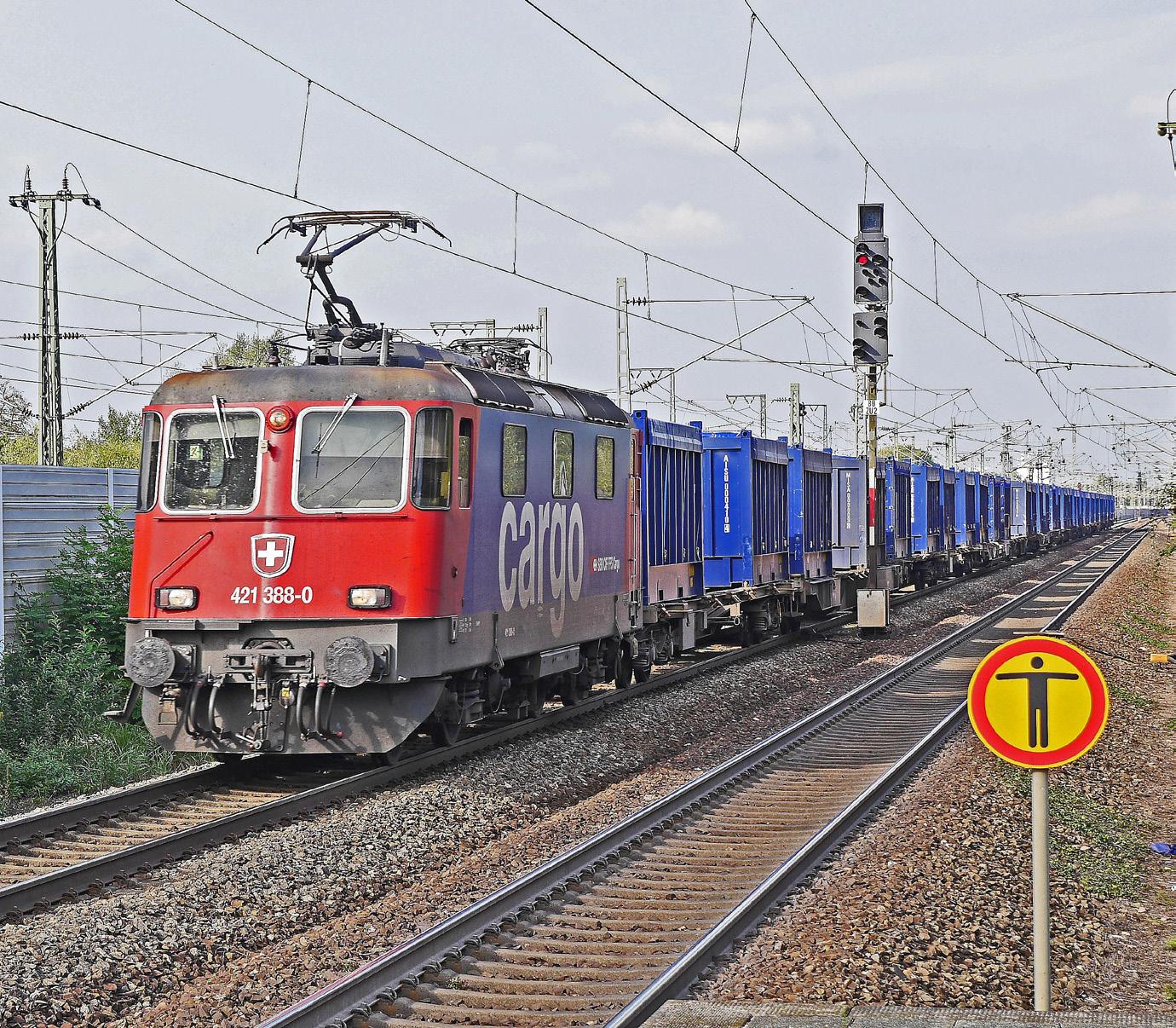
In collaboration with our lorry transport partner, the Blaser-Group saved over 20,541 kg of CO₂e in 2025 by targeted shifting of transport operations to rail. 32% of the total distance was covered by rail. In this way, we are making a small but important contribution to reducing CO₂ emissions.

Emission Report for 2025.
Swiss Federal Railways (SBB) freight train, photographer: hpgruesen 2017
4.7 Measures implemented at Blasercafé
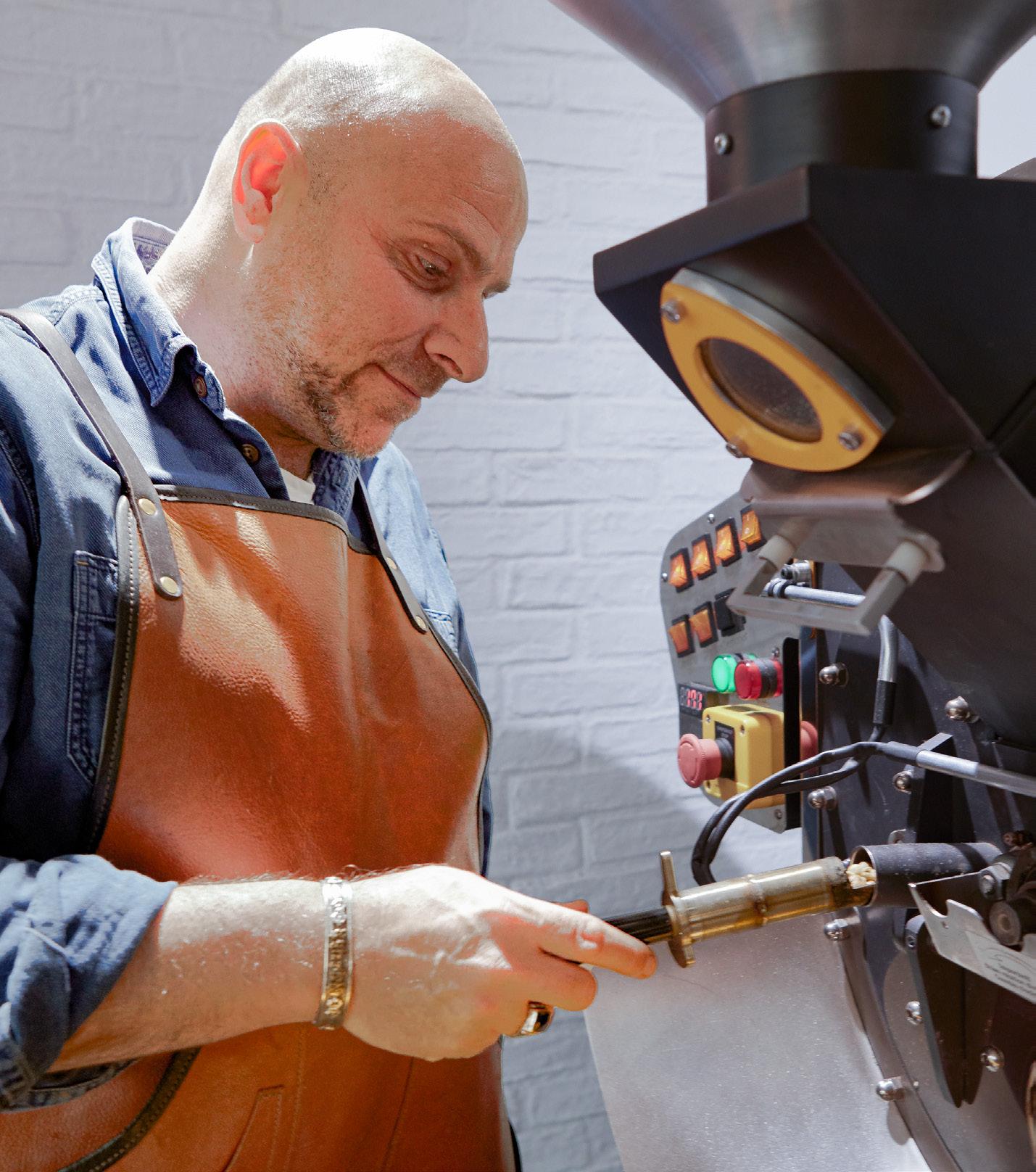
FSSC certification
Since 2022, we have been complying with the FSSC 22000 standard, one of the strictest internationally recognised food safety standards. The certification body’s annual audit is very comprehensive and covers, amongst other things, the following key requirements and processes:
• Hygiene standards in production and storage
• Traceability of raw materials and products
• Documentation, process reliability and continuous improvement
• HACCP and risk management
• Food defence (protection against tampering)
• Food fraud (prevention and protection against food fraud)
• System maintenance and servicing
• Staff training and skills
• Strategy and accountability of senior management
This certification is of great importance to us. It strengthens the confidence our customers and partners have in our quality and our processes, thereby giving us important competitive advantages, particularly when it comes to tenders and attracting new customers.
Even though implementing and complying with the requirements involves a great deal of effort, it is worthwhile in the long term because we improve our process reliability, reduce risks, and avoid errors. Over time, this leads to more efficient processes and, consequently, lower costs.

Giuliano Bartoli, master roaster, authorised SCA trainer and licensed Q Arabica Grader
4.7 Measures implemented at Blasercafé
Heat recovery system
During the roasting process, the roasting exhaust gas is heated with a gas flame and the odorous substances are then burnt off in the catalytic converter. Since the end of February 2024, we have been able to reuse this waste heat generated during the roasting process by means of a heat recovery system.
The energy generated is used to heat the building and for hot water preparation. We store the hot water in large tanks in the cellar. Installing the bulky systems in our building was a major technical challenge and involved a high level of investment.
«In 2025, we were able to generate 133 MWh with our heat recovery system. That's roughly equivalent to the annual electricity consumption of 35 four-person households.
«Christoph Lauper Member of the Management Board
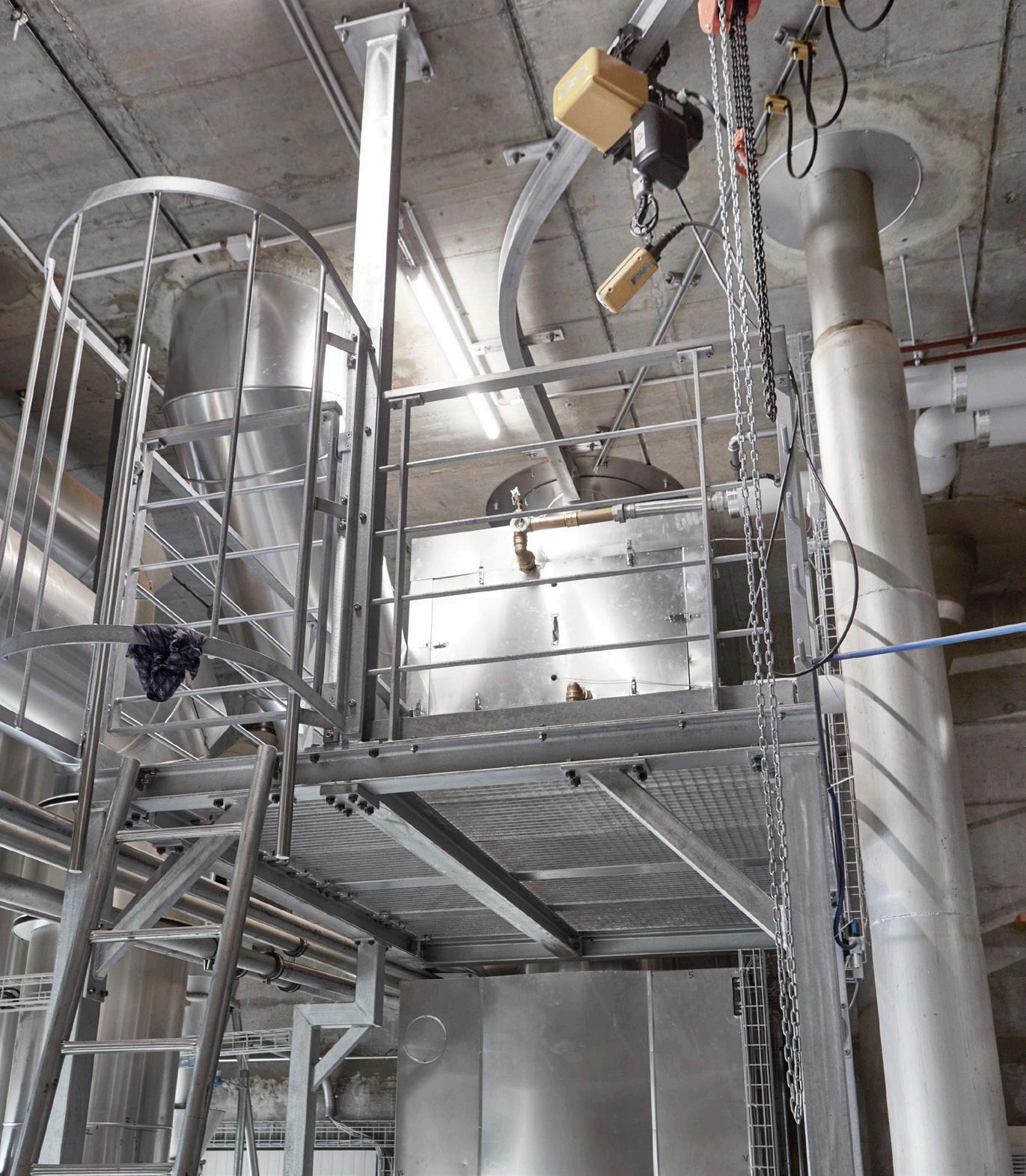
Heat recovery system at the production site in Bern (Blaser Group photo archive)
4.7 Measures implemented at Blasercafé
Photovoltaic system
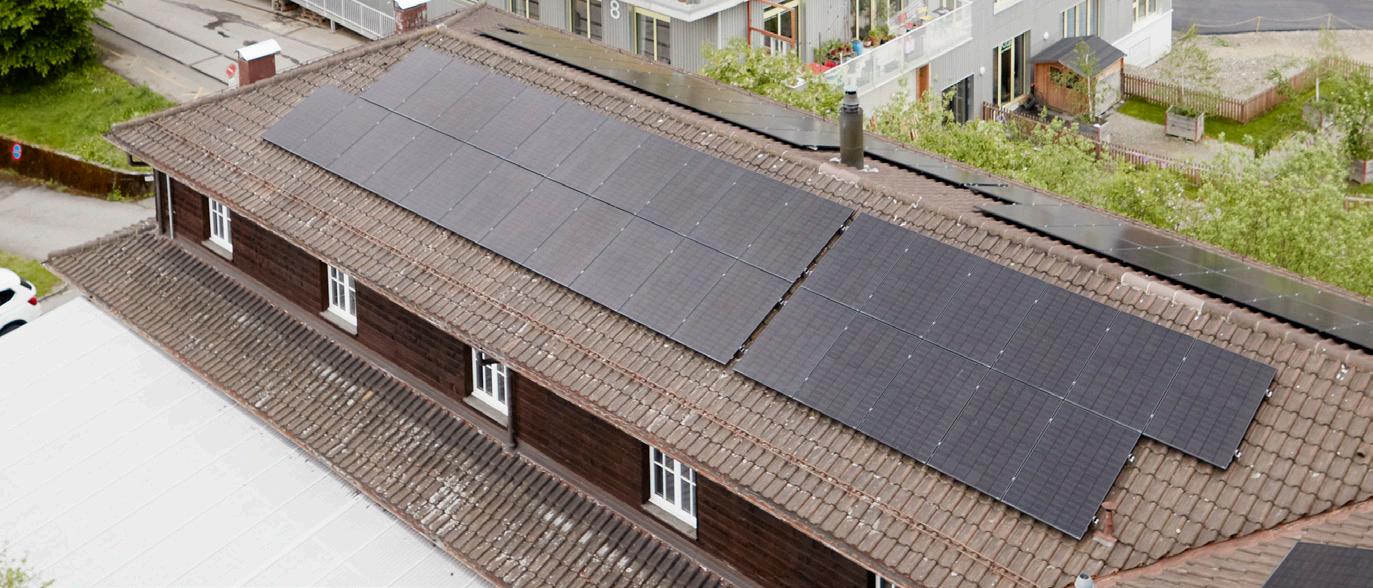
We generate our own energy using the photovoltaic system (PVS) installed on the building at Güterstrasse 6. The PVS’s total output in 2025 amounted to 55,815 kWh, of which 48,417 kWh was used directly by us. This covers the daily energy requirements of our Rösterei Kaffee und Bar on Güterstrasse with its adjoining training room.
Over the last three years, through cost-cutting measures and investments in modernisation (compressed air, LED lighting, production equipment), as well as the switch to our own solar power system, we have been able to reduce our mains power consumption by approximately 31%, and our total electricity consumption by approximately 18%. This despite the increasing volume of roasted coffee.
A further 7,398.9 kWh was fed into the electricity grid, as we do not use all of the electricity we generate during off-peak hours and at weekends. This is how we are supporting the expansion of renewable electricity in Bern.
Savings in kWh of electricity since 2023
Photovoltaic system at the production site in Bern (Blaser Group photo archive)
4.7 Measures implemented at Blasercafé
600 food parcels saved
Since 2024, all our Rösterei Kaffee und Bar locations have been part of the “Too Good To Go” initiative, with a clear aim of saving food instead of wasting it. Through the “Too Good To Go” app, we can offer unsold food items in the evening at a fair price. This is a win-win situation for us and our guests. In 2025, we were able to increase the total number of food parcels saved from 130 in the previous year to over 600.
Delivery by bike courier
Since 2024, we have been delivering most of our coffee to private customers in the city of Bern by bike courier. In total, we replaced 1,162 deliveries by motorised transport with bicycle couriers in 2025, which is an increase of 230% compared to 2024. This is still a relatively small share of all deliveries. We are currently considering how we can further reduce CO2 emissions for our deliveries.
Café Surprise
Café Surprise is a shining example of an organisation committed to ensuring that people on a tight budget can also treat themselves to a break over a cup of coffee, enabling them to take part in social life. The offer is straightforward, and it doesn’t matter why money is tight at the moment. Whether someone is unemployed, homeless, a single parent or a student on a tight budget - at Café Surprise, nobody has to explain themselves. Anyone visiting one of the participating cafés can enjoy a cup of coffee or make a donation. The same applies to our Rösterei Kaffee und Bar. In 2025, we managed to collect donated coffees with a total value of over 400 Swiss francs.

5.1 A look into the future
In 2026, we will continue to consistently drive forward the implementation of our revised sustainability strategy. One key focus in this respect is a multi-stakeholder project in collaboration with the Swiss Sustainable Coffee Platform (SSCP) concerning human rights in Brazil. Together with other members, an independent NGO is assessing working conditions in the origin throughout the entire supply chain at the source, from cultivation to export at the port.
Following a two-year delay, the EUDR is expected to come into force at the end of 2026. Compliance readiness presents a major challenge, but it also offers an opportunity to further strengthen our collaboration with our suppliers. The evaluation of supplier profiles based on the information provided by the suppliers themselves will play a key role in this process. Sustainability is increasingly becoming an integral part of the green coffee trade. We intend to follow this development step by step.
We are continuing to work on incorporating coffee from regenerative farming into Blasercafé’s coffee blends. From the sensory experience in the cup to the impact on soil health at the source, there are a number of challenges to overcome in this regard. We also want to expand local and sectoral collaboration. Dialogue with regional partners on sustainability issues is being stepped up in order to facilitate learning and achieve a collective impact at a local level.
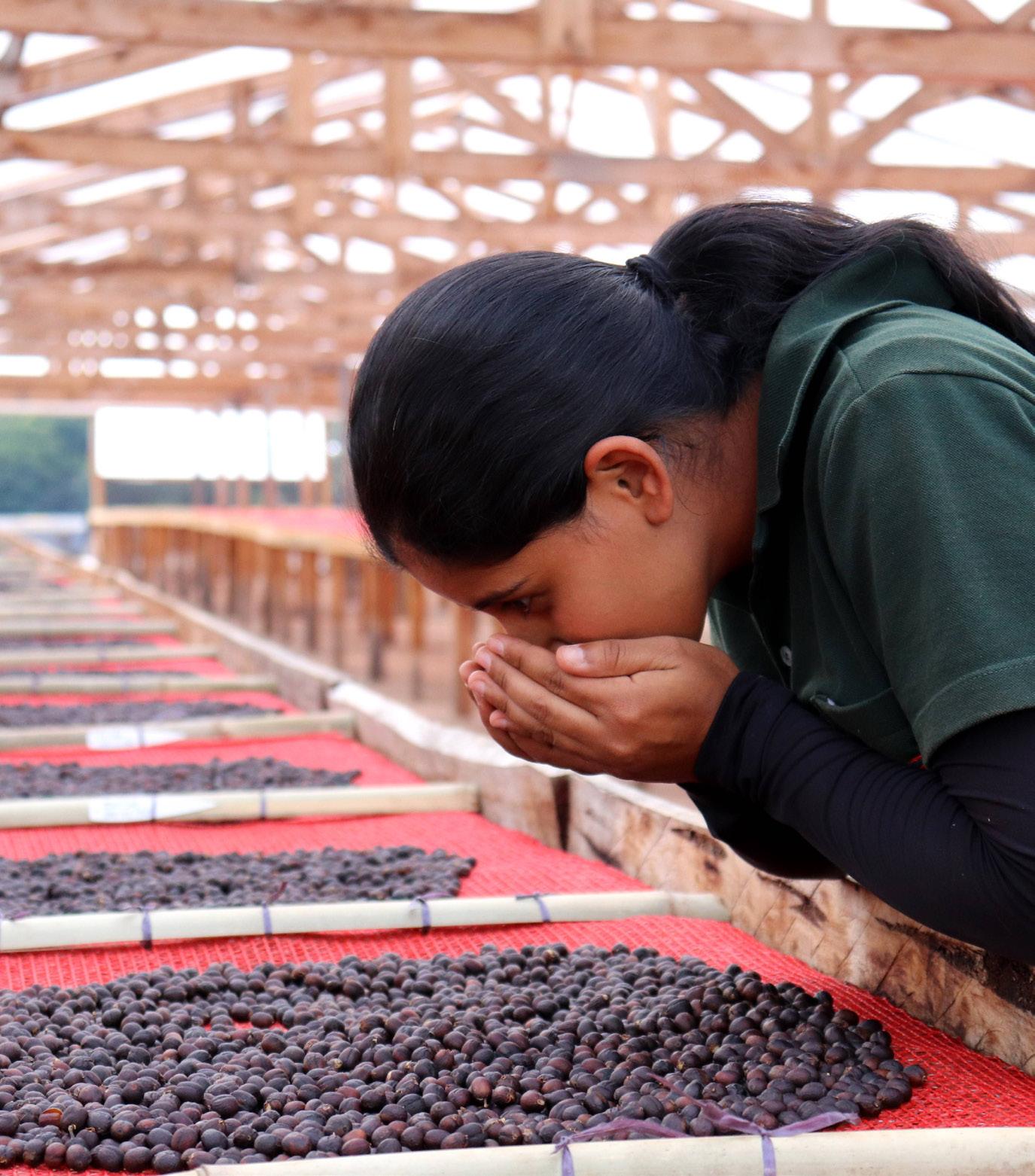
Green coffee during the drying process, Brazil in 2021 (Blaser Group photo archive)
6.1 Memberships and certificates