Safety Shoes Trainers_ The Perfect Combination of Protection and Comfort
Safety Shoes Trainers: The Perfect Combination of Protection and Comfort
In today's demanding workplaces, employee safety remains a top priority Whether working in construction, manufacturing, warehousing, logistics, or maintenance, workers need footwear that protects them from hazards while keeping them comfortable throughout long shifts This is where safety shoes trainers have become increasingly popular Combining the protective features of traditional safety footwear with the comfort and style of athletic trainers, they offer a practical solution for modern workers.
Safety shoes trainers are designed to meet workplace safety standards while providing the flexibility, lightweight feel, and appearance of sports shoes As more industries recognise the importance of worker comfort and productivity, these innovative shoes have become a preferred choice for professionals across various sectors
What Are Safety Shoes Trainers?
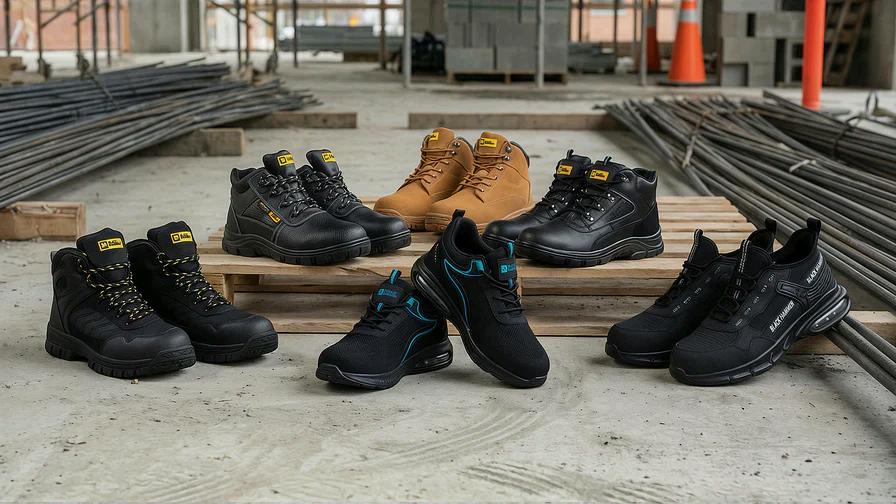
Safety shoes trainers are protective work shoes that incorporate essential safety features such as reinforced toe caps, slip-resistant soles, and puncture-resistant midsoles while maintaining the lightweight construction and sporty design of regular trainers
Unlike traditional work boots, which can often feel heavy and restrictive, safety trainers are engineered to support natural movement Their athletic-inspired design allows workers to stay comfortable during long hours on their feet without compromising workplace protection
The growing demand for safety shoes trainers reflects a shift in workplace footwear preferences. Employees want protective footwear that not only keeps them safe but also feels comfortable and looks modern.
Key Features of Safety Shoes Trainers
Protective Toe Caps
One of the most important features of safety shoes trainers is the reinforced toe cap These toe caps are designed to protect feet from falling objects, compression injuries, and workplace impacts
Common toe cap materials include:
● Steel toe caps
● Composite toe caps
● Aluminium toe caps
● Fibreglass toe caps
Each material offers different advantages, allowing workers to choose footwear that suits their specific working environment.
Slip-Resistant Soles
Slips, trips, and falls are among the most common workplace accidents Safety shoes trainers often feature specially designed outsoles that provide excellent grip on a variety of surfaces
These slip-resistant soles help workers maintain stability on wet floors, oily surfaces, uneven ground, and industrial environments where traction is essential.
Puncture Protection
Many safety shoes trainers include puncture-resistant midsoles that protect feet from sharp objects such as nails, screws, metal shards, and broken glass
This feature is particularly valuable for workers in construction, demolition, warehousing, and manufacturing environments where floor hazards are common
Lightweight Construction
Traditional safety footwear has a reputation for being heavy and uncomfortable Modern safety trainers address this issue by using advanced materials that reduce overall weight while maintaining protection
Lightweight footwear helps reduce fatigue, allowing workers to remain productive and comfortable throughout the day
Breathable Materials
Comfort is a major factor when selecting work footwear Safety shoes trainers often feature breathable mesh panels and moisture-wicking linings that help regulate foot temperature
Proper ventilation keeps feet cooler and drier, especially during physically demanding tasks or warmer working conditions
Benefits of Wearing Safety Shoes Trainers
Improved Comfort
Comfort directly impacts worker performance. Employees who wear uncomfortable footwear may experience fatigue, distraction, and reduced productivity
Safety shoes trainers provide cushioning, flexibility, and ergonomic support that make them suitable for extended periods of wear. Their trainer-inspired design offers a more comfortable alternative to traditional work boots
Enhanced Mobility
Many jobs require workers to move quickly, climb stairs, walk long distances, or work in confined spaces Safety trainers support natural movement and flexibility, helping workers perform their tasks more efficiently
The lightweight construction reduces strain on the legs and feet, making daily activities easier and more comfortable
Modern Appearance
Today's workforce increasingly values footwear that looks good as well as performs well. Safety shoes trainers offer a stylish alternative to bulky safety boots.
Their sleek, sporty appearance allows workers to transition easily between job sites and everyday activities without changing footwear.
Reduced Fatigue
Heavy footwear can contribute to muscle strain and fatigue over time By reducing overall weight, safety trainers help minimise the physical stress placed on workers during long shifts.
This can lead to improved comfort, better concentration, and enhanced productivity throughout the working day.
Industries That Benefit from Safety Shoes Trainers
Construction
Construction sites present numerous hazards, including falling objects, sharp materials, and uneven surfaces Safety trainers provide reliable protection while allowing workers to move comfortably throughout the day
Warehousing and Logistics
Warehouse employees often spend hours walking, lifting, and moving stock Lightweight safety shoes trainers offer the comfort needed for high levels of daily activity while maintaining essential safety protection.
Manufacturing
Manufacturing environments may expose workers to heavy equipment, machinery, and potential impact hazards Safety trainers help protect workers while supporting mobility and comfort.
Maintenance and Engineering
Engineers and maintenance professionals frequently move between different work environments. Safety trainers provide versatile protection suitable for a wide range of tasks and locations
Transportation and Delivery
Drivers and delivery personnel require footwear that is both comfortable and protective Safety trainers support all-day wear while offering protection when handling goods and equipment
Choosing the Right Safety Shoes Trainers
Consider Workplace Hazards
Before purchasing safety footwear, workers should assess the risks present in their work environment
Safety shoes trainers should comply with relevant safety standards and certifications These ratings indicate the level of protection provided by the footwear
Always verify that the selected shoes meet the requirements of the specific workplace and industry
Prioritise Comfort
Even the most protective footwear can become problematic if it is uncomfortable. Look for features such as:
● Cushioned insoles
● Arch support
● Breathable linings
● Lightweight materials
● Flexible soles
Comfortable footwear encourages consistent use and contributes to overall workplace wellbeing
Ensure Proper Fit
A correct fit is essential for both comfort and safety Shoes that are too tight can cause discomfort, while shoes that are too loose may increase the risk of trips and blisters
Workers should measure their feet accurately and try footwear on whenever possible before making a purchase
Safety Shoes Trainers vs Traditional Safety Boots
Both safety trainers and safety boots offer workplace protection, but they serve slightly different purposes
Safety Trainers
Advantages:
● Lightweight design
● Greater flexibility
● Improved comfort
● Sporty appearance
● Reduced fatigue
Best suited for:
● Warehousing
● Logistics
● Manufacturing
● Maintenance
● General industrial work
Safety Boots
Advantages:
● Additional ankle support
● Greater coverage
● Enhanced durability
● Suitable for harsh outdoor environments
Best suited for:
● Construction
● Heavy industry
● Mining
● Agriculture
● Outdoor work sites
The choice depends on individual job requirements and personal preferences.
Caring for Safety Shoes Trainers
Proper maintenance helps extend the life of safety footwear and ensures continued performance.
Clean Regularly
Remove dirt, dust, and debris after each use A soft brush and mild cleaning solution can help maintain the appearance and condition of the shoes
Inspect for Damage
Regularly check for signs of wear, including:
● Damaged soles
● Worn tread patterns
● Cracked materials
● Loose stitching
● Toe cap damage
Any compromised safety features should be addressed immediately
Allow Shoes to Dry
If footwear becomes wet, allow it to dry naturally in a well-ventilated area Avoid placing shoes directly near heat sources, as excessive heat may damage materials.
Replace When Necessary
Even high-quality safety shoes trainers have a limited lifespan Replace footwear when signs of significant wear appear or when protective features become compromised
Future Trends in Safety Shoes Trainers
The safety footwear industry continues to evolve as manufacturers develop innovative technologies aimed at improving comfort and protection
Emerging trends include:
● Advanced lightweight materials
● Sustainable manufacturing processes
● Enhanced cushioning systems
● Smart safety technologies
● Improved breathability
● Eco-friendly materials
As workplace expectations continue to change, safety shoes trainers are expected to become even more versatile and comfortable.
Conclusion
Safety shoes trainers have transformed workplace footwear by offering a balance of protection, comfort, and modern design They provide essential safety features such as reinforced toe caps, slip-resistant soles, and puncture protection while maintaining the lightweight feel and flexibility of athletic trainers
Their growing popularity across industries reflects the increasing demand for footwear that supports both safety and comfort. Whether working in construction, logistics, manufacturing, engineering, or warehousing, workers can benefit from footwear that helps them stay protected without sacrificing mobility or style
By choosing high-quality safety shoes trainers that meet workplace requirements and fit properly, workers can enjoy improved comfort, reduced fatigue, and enhanced performance throughout the working day As technology continues to advance, safety trainers are likely to remain one of the most popular choices for modern workplace footwear.