
“ This past year reminded us of a powerful truth: when we come together with purpose, there’s no limit on what we can overcome or build.”
Rebecca Kaduru President, Institute for Sustainable Communities

“ This past year reminded us of a powerful truth: when we come together with purpose, there’s no limit on what we can overcome or build.”
Rebecca Kaduru President, Institute for Sustainable Communities
This past year reminded us of a powerful truth: when we come together with purpose, there’s no limit on what we can overcome or build.
At a time when communities continue to face increasing and compounding challenges, Institute for Sustainable Communities (ISC) has stood firm in our mission to develop practical, lasting solutions that address environmental, economic, and safety challenges in the U.S. and across the world. We’ve done this the only way it works – together
“...our steadfast belief is that as long as we work together, we will build a safer, more resilient future.”
Our collective strength is necessary now more than ever to turn local efforts into lasting impact.
Whether navigating uncertainty, pursuing growth or reimagining what’s possible, we’ve done it not as individuals working in silos, but as a united community committed to moving forward together. The challenges we continue to face are complex, but so are the opportunities.
ISC wrapped up 2024 with the following achievements and milestones:
We marked the successful close of our Accelerating Clean Equitable (ACE) Manufacturing project, a transformative initiative that advanced genderequitable and sustainable decarbonized manufacturing across India. Over the past three years of work, ACE supported partnerships with local industry and training institutions to reduce 500,000 metric tons
of CO₂ emissions, improve gender inclusion in SMEs across key manufacturing sectors, and pioneer clean technology adoption.
We deepened our impact through our Advancing Equitable Building Decarbonization and PRCMassachusetts projects. Both are growing not just in size, but in strength, connecting more communities with resources, leadership training, and each other.
We reached national scale through the first full year of our Thriving Communities Technical Assistance Center Program and launched Thriving Communities Grantmaking in partnership with the US Environmental Protection Agency, serving as a grantmaker for communities across the New England, Mid Atlantic, and West Coast Regions.
And we added new programming to our international portfolio with our Sustainable Supply Chain Hub in China, which will develop a model for sustainability practitioners across Mainland China to support emissions reductions.
None of this would have been possible without you: our partners, donors, and supporters.
As we move forward, we do so with clarity and conviction. The work is far from over, but our steadfast belief is that as long as we work together, we will build a safer, more resilient future.

Rebecca
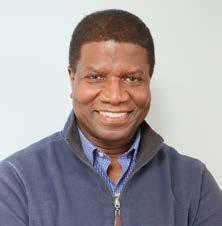
Kaduru President Bishop Eugene Sutton FY25 Board Chair
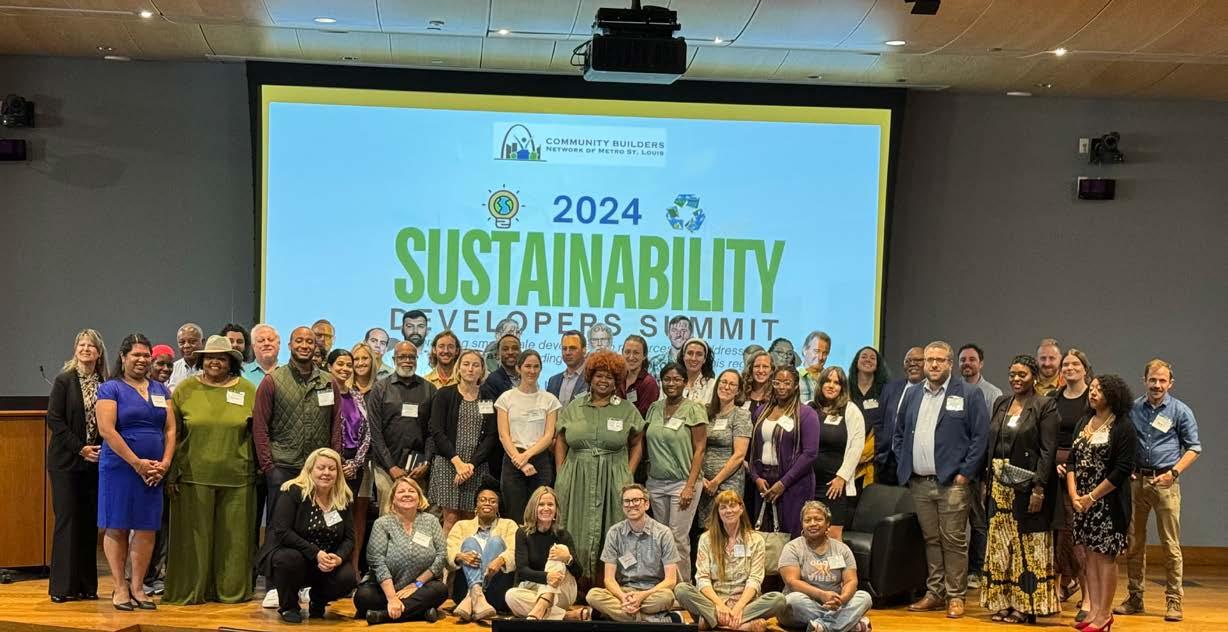
The Advancing Equitable Building Decarbonization (AEBD) project worked with Leadership
Alliances—made up of organizations and individuals representative of the community—across three U.S. cities to reduce energy costs and burden in residential and community buildings. Each city alliance identified a pilot demonstration site
that would demonstrate the benefits of building upgrades and retrofits in their community. Energy audits were conducted where needed to determine where building improvements would be most effective, alongside a pilot project around affordable energy and quality of life for residents.
The St. Louis Leadership Alliance supported two organizations in implementing improvements to furnaces, air conditioners, doors, and windows in buildings containing 11 residential units and an office. One HVAC system in particular was over 30 years old—it was both incredibly noisy and inefficient, and updating it reduced both inconvenience and energy costs. In the office space, energy use dropped by over 40%, saving $230 in the first quarter alone. These savings are estimated to save nearly $1,000 per year in utility costs.
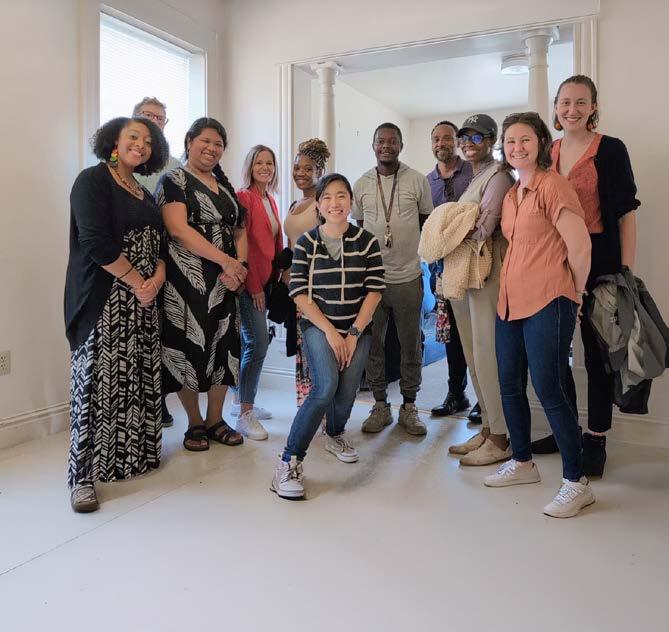
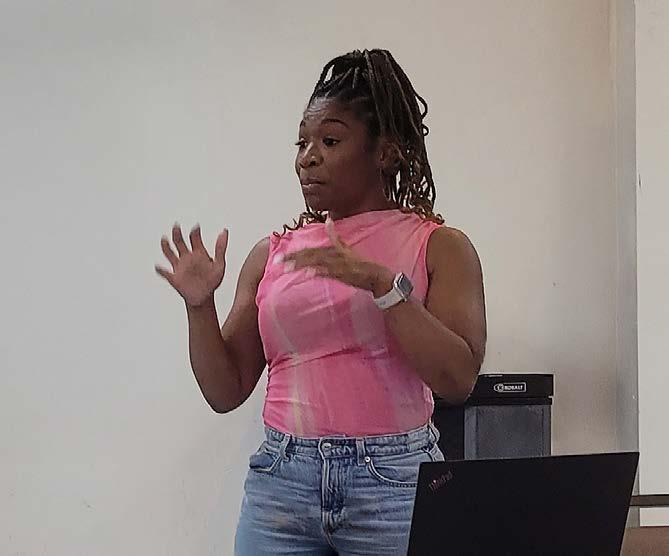
ISC supported an energy audit of a local faith-based building to identify potential energy-saving upgrades. Lessening the energy burden of community gathering spaces will improve community resilience.
40%
decrease in energy use. Over a
$230 savings in the first quarter. Generatng
The Philadelphia Leadership Alliance gathered to discuss the importance of buildings in connection with local tree coverage and air quality. This provided an opportunity to strategize ways to engage the community and impact the narrative about buildings and public health. In connection with our partners, ISC developed a one-pager around the community benefits of reducing the energy impact of buildings.
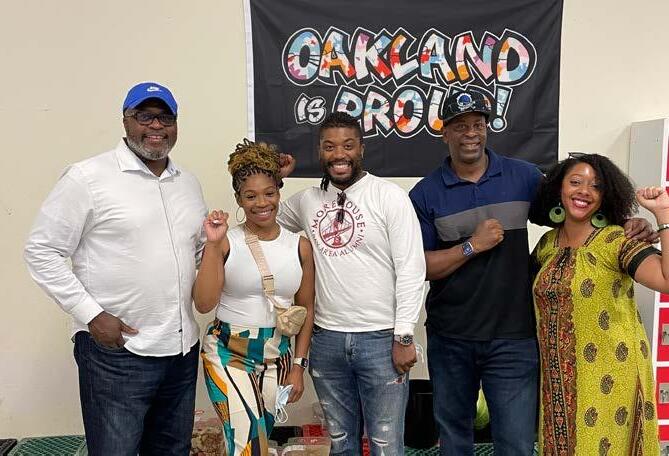
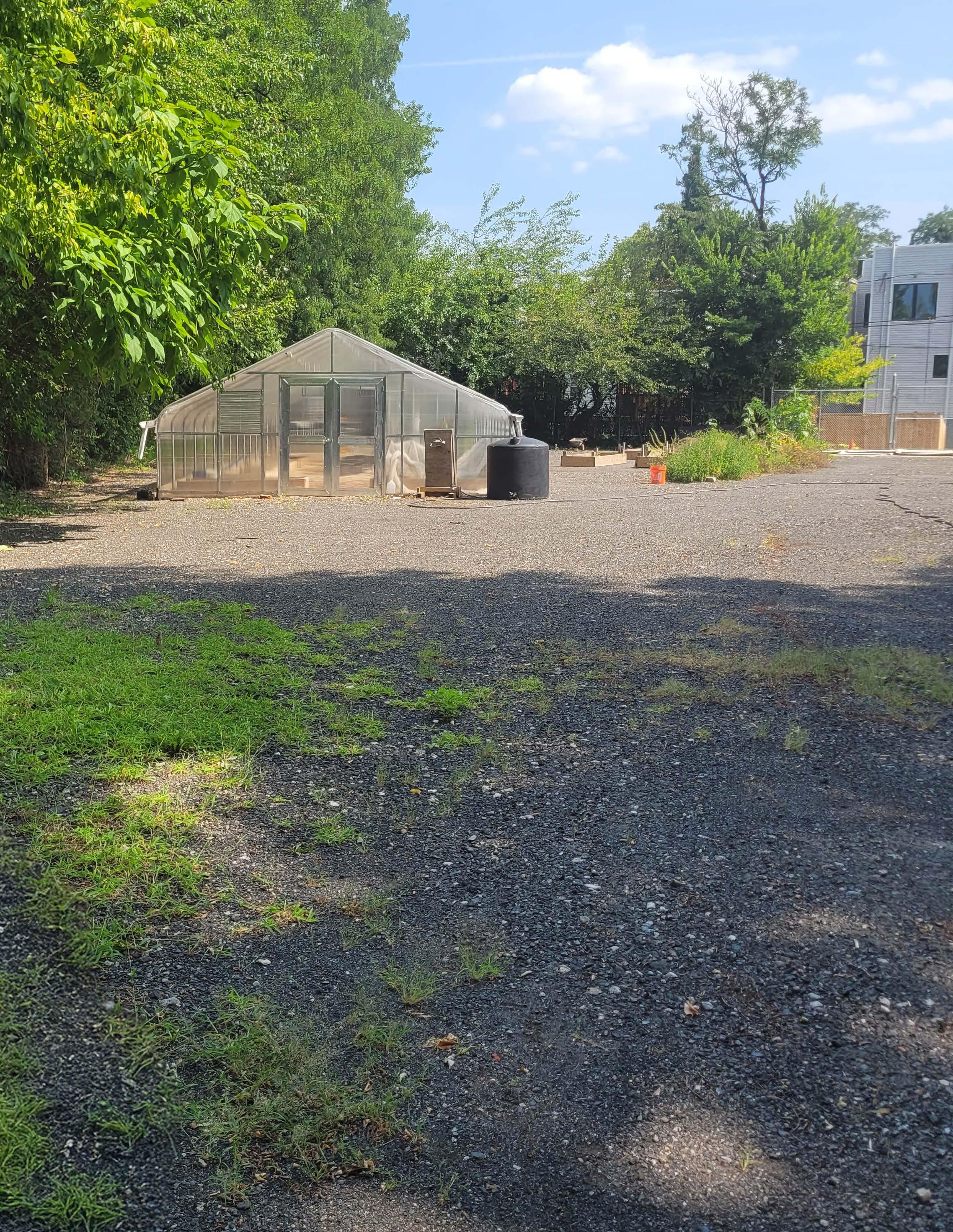
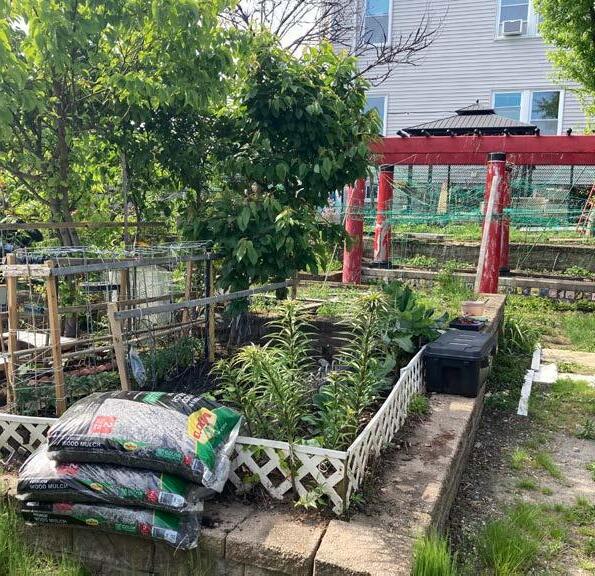
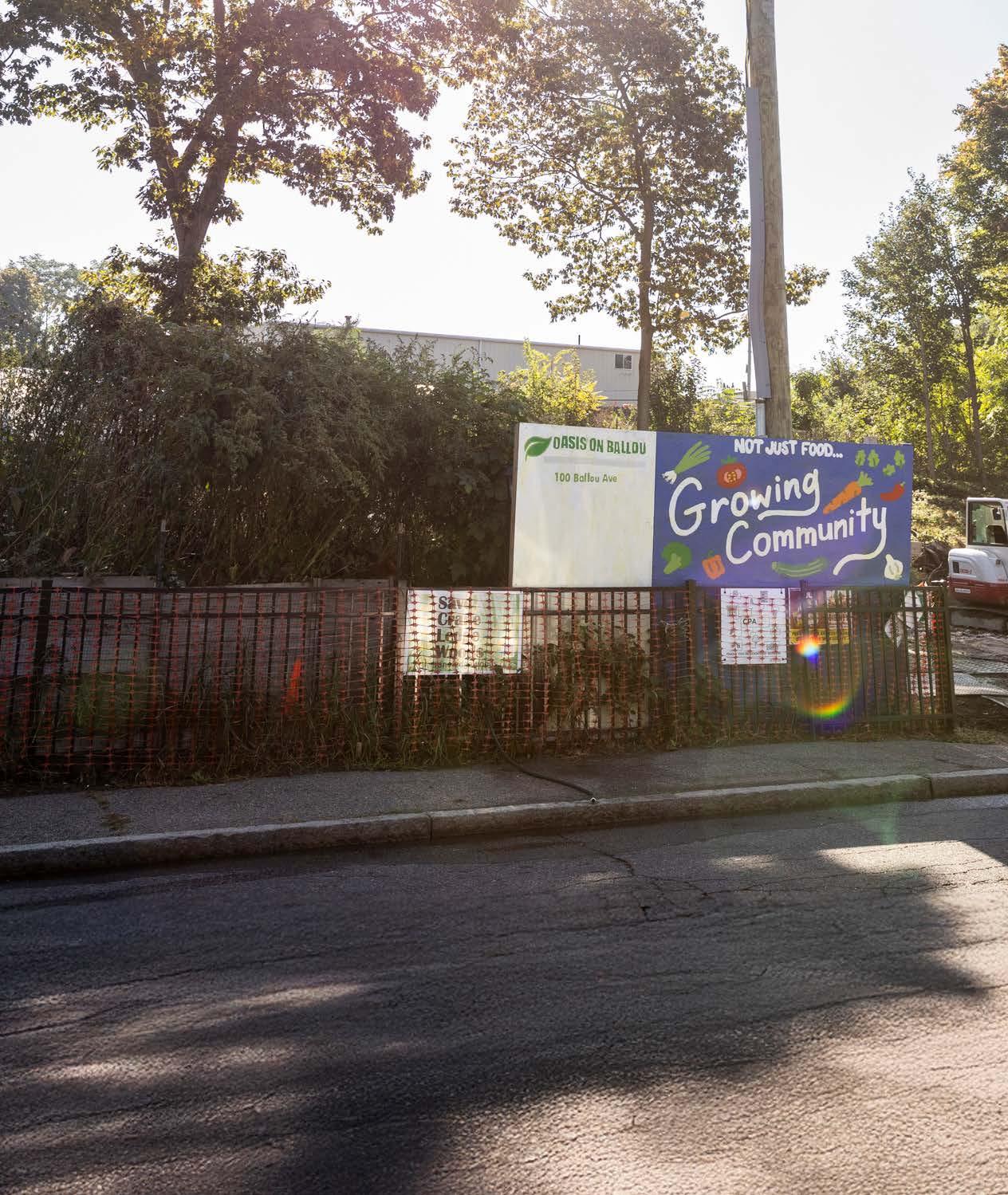
Partnership for Resilient CommunitiesMassachusetts (PRC-Mass) worked with three organizations in the Boston area on projects including environmental education and outreach, workforce development, and community gardens. Each organization was paired with a mentor working on a similar project in another community. By the end of Phase 1 of the project, 100% of participants agreed that they were able to develop actionable strategies to leverage transformational partnerships in their community.
of participants agreed that they were able to develop actionable strategies to leaverage transformational partnerships for their community by the end of Phase 1.
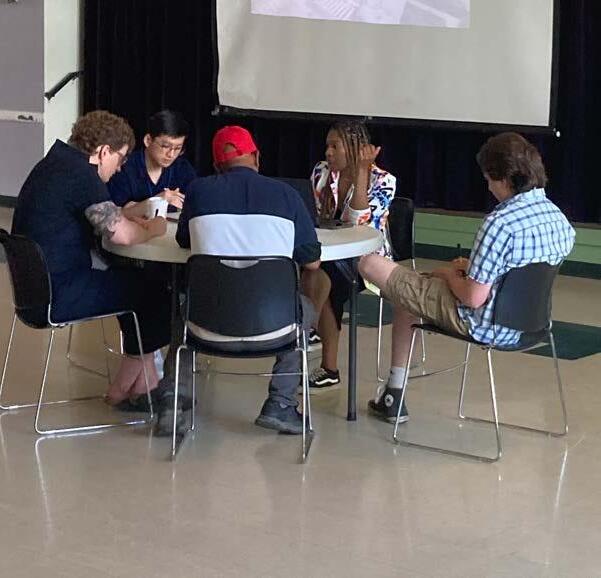
In addition to hosting several technical assistance webinars, partner organizations came together with other local organizations for an in-person learning convening in May 2024. The convening covered sessions around topics such as communitycentered engagement, community resilience hubs, and accessing federal funds. Through the convening, the ISC team also had the opportunity to visit three Boston partners—Better Futures Project, Codman Square Neighborhood Development Corporation, and Vietaid—to tour their locations and learn more about their incredible work.
“One of the most beneficial opportunities to come out of this was to connect with our mentor. Partnering with them and learning with them has been really invaluable. They have given us ideas and camaraderie in knowing that there’s someone else doing this work.”
Meredith Geraghty
Vice
President of Base-Building Strategy and Fundraising,
Codman
Square Neighborhood Development Corp PRC Massachusetts-Cohort
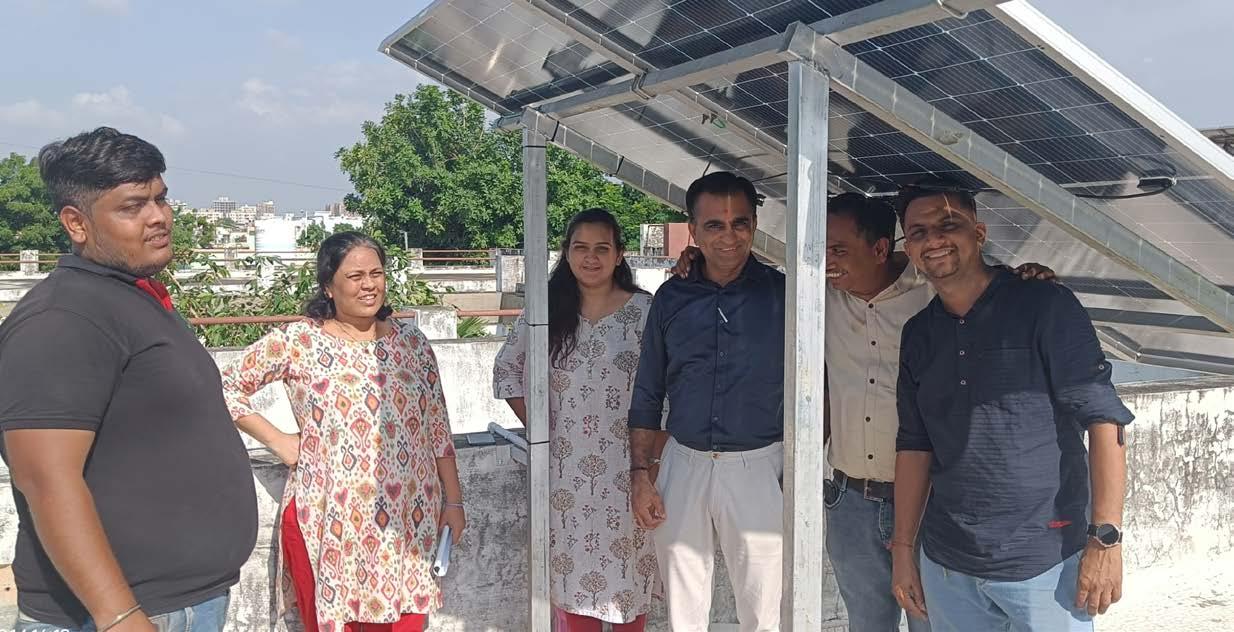
ISC closed out the Accelerating Clean, Equitable (ACE) Manufacturing Project, funded by the MacArthur Foundation, in 2024. From 2021, ISC worked with regional partners in India to promote gender-equitable and sustainable decarbonized manufacturing for small and medium-sized enterprises (SMEs). The project focused specifically on the textile, chemical, and automotive industries in manufacturing hubs across India.
In June 2024, ISC partnered with two Industrial Training Institutes (ITI) in Ahmedabad to organize a Career Day Workshop at Maninagar and Chandkheda campuses. The career day events had 180 student attendees and had representation from 13 cleantech companies.
In August 2024, ISC completed a Gender Gap Analysis for the Naroda Chemical Cluster, highlighting opportunities and challenges in the labor market. Using this report, stakeholders like Ajay Patel, Vice President of the Naroda Industries Association,
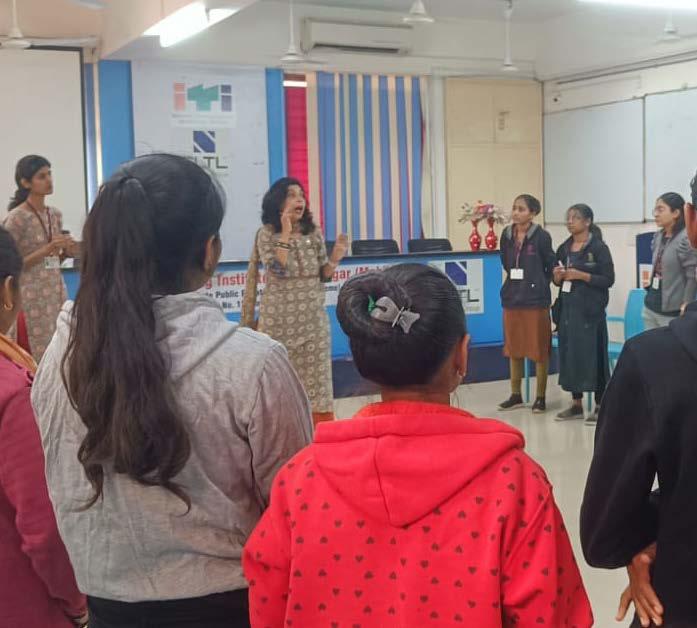
have pioneered sustainability transformation across 1,200 SMEs in the Naroda Chemical Cluster. ACE’s support equipped Patel to implement best practices in gender inclusivity and environmental stewardship across the cluster. Additionally, Naroda hosted technology roadshows with over 20 cleantech providers, and became the first cluster in the state of Gujarat to embrace comprehensive environmental and gender solutions.
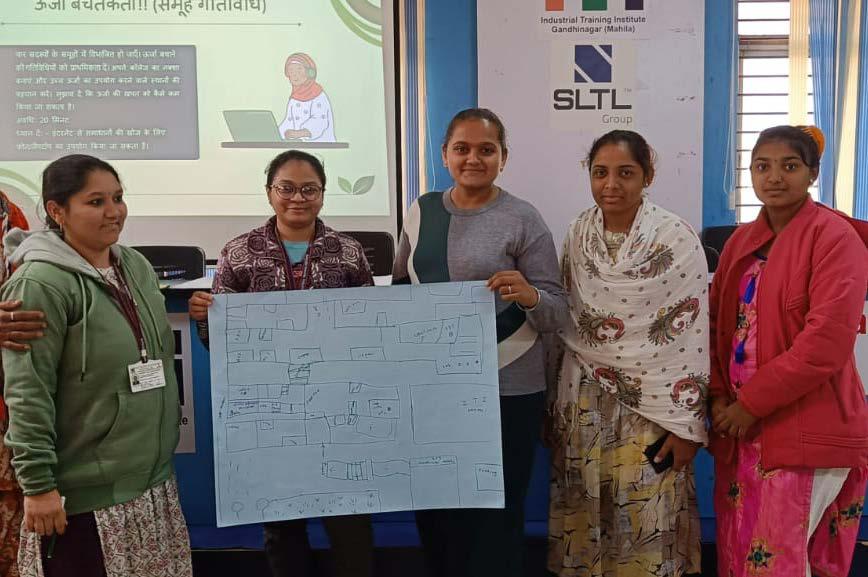
5K+ students received training for green skills.
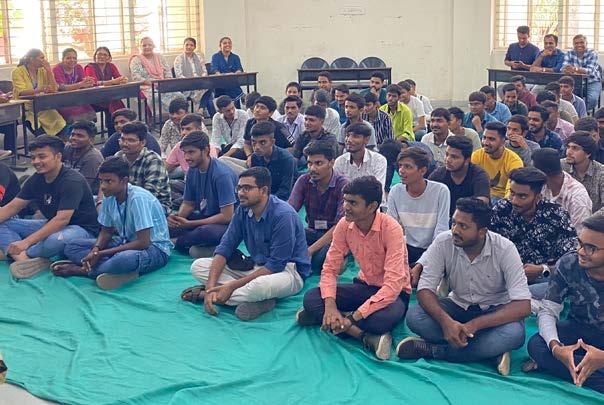
100% employment placement for program enrollees.
“I now realize that investments in sustainability and gender equity aren’t just costs. They are essential to our growth and resilience.”
Ajay Patel Vice President of the Naroda Industries Association
“I now realize that investments in sustainability and gender equity aren’t just costs. They are essential to our growth and resilience,” Ajay reflected.
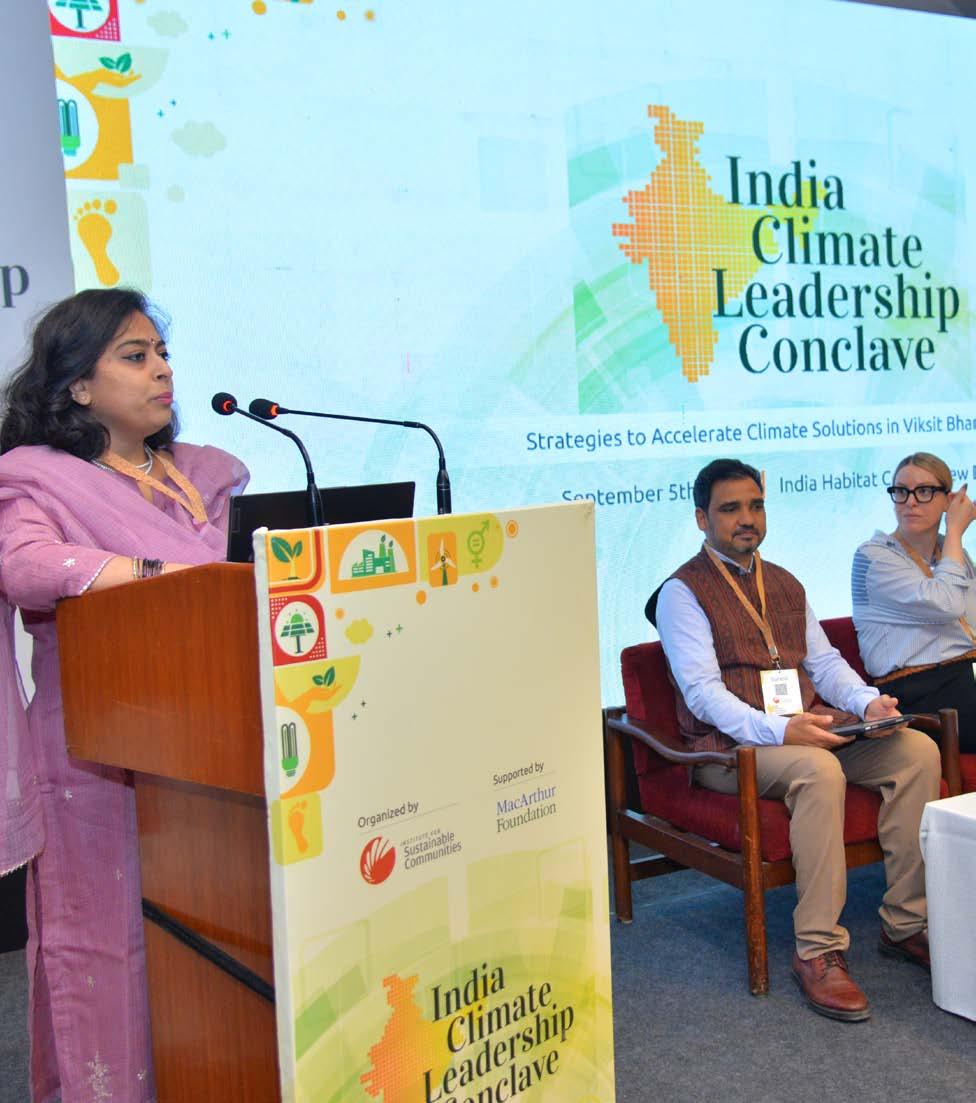
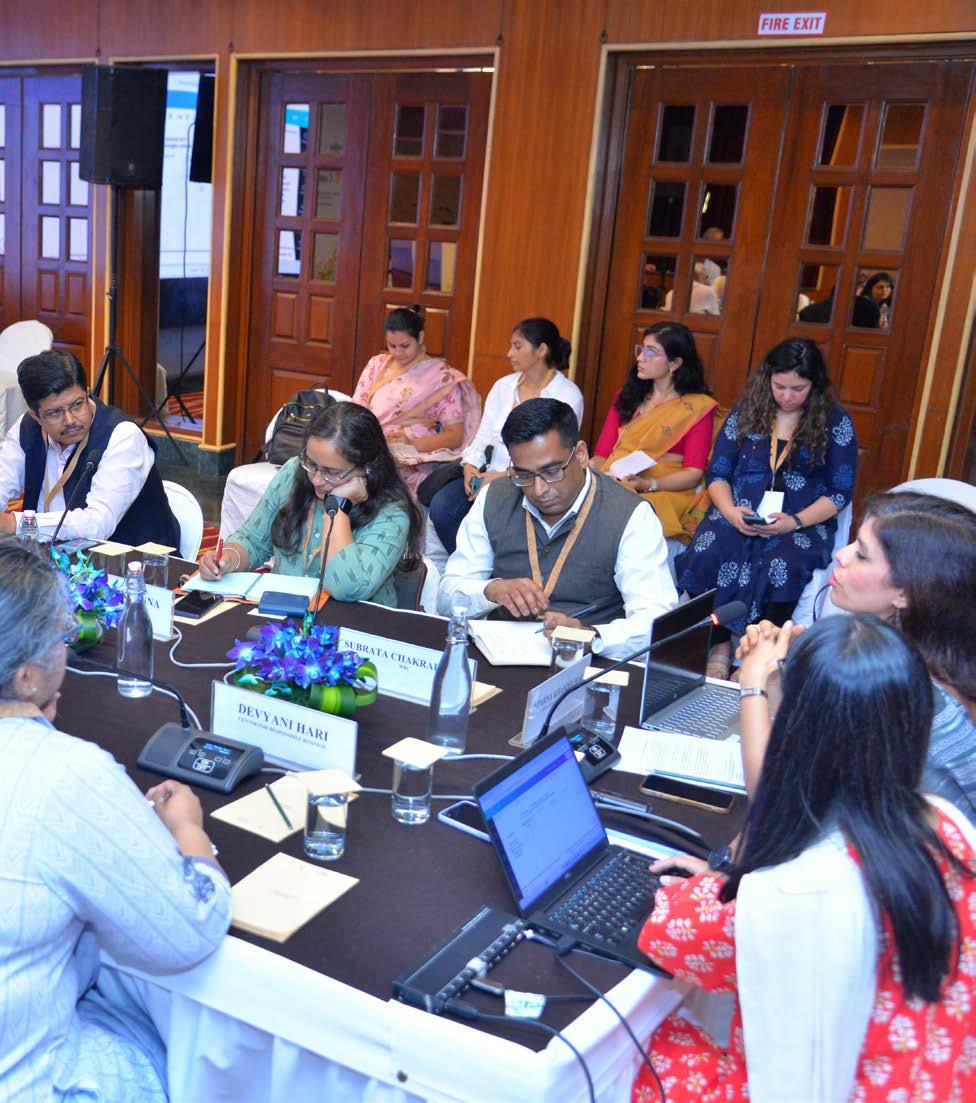
In September 2024, ISC hosted the India Climate Leadership Conclave in Delhi with over 100 in-person climate leaders from around the country. The event was themed around Strategies to Accelerate Climate Solutions in Viksit Bharat 2047, referring to the Indian government’s roadmap to making India a completely developed nation by 2047. Sessions explored how India’s civil society and the private sector can bridge climate gaps through strategic collaborations with the government, clean technology champions, and academia. Participants committed to implementing actionable strategies to achieve India’s climate goals.
ISC’s ACE Manufacturing Project team also published a series of video interviews and podcasts called
WomeninClimateActionthroughout the year. The series featured regional experts on topics of decarbonization, gender equity, green skills, and climate finance.
Over the course of the project, ACE led to a reduction of 500,000 metric tons of CO2; the lasting impact of the project is estimated to reduce 5 million metric tons of CO2 cumulatively over a 10-year period. ACE also created pathways for increasing women’s participation in sustainable manufacturing, including launching a women welders’ training program that achieved 100% employment placement from program enrollees with reputed automotive manufacturers. Other notable achievements include comprehensive gender sensitivity training for manufacturers and women-focused green skills training for over 5,000 students.
In August 2024, ISC kicked off the Sustainable Supply Chain Hub (SSCH) project. Through SSCH, ISC aims to develop a model for sustainability practitioners across Mainland China to support emissions reductions. The project’s Supply Chain Academy will use a combination of tele-mentoring, peer exchange, and sharing of best sustainability practices, industry practitioners, and stakeholders to catalyze the next generation of supply chain sustainability leaders in China.
ISC jumped into action to get the project moving in the last quarter of 2024 by hiring Zhang Yu as a program manager for SSCH and developing a work plan and scope of intervention for the project. Yu has over two decades of experience in sustainability management across the non-profit and private sectors, including roles with Asia Development Bank (ADB), German Agency for International Cooperation (GIZ), and Lufthansa Group.
The ISC China team also studied the supply chain of various industries in China, and determined that SSCH will focus on the textile and automotive sectors, where it will have the most near-term climate impact.
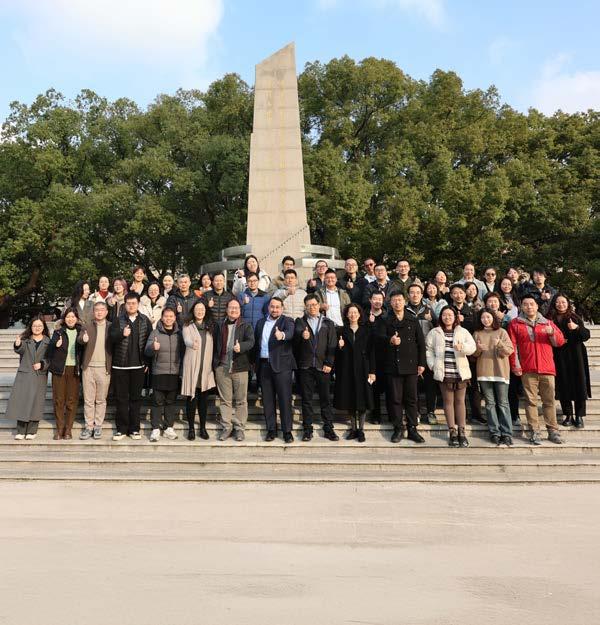
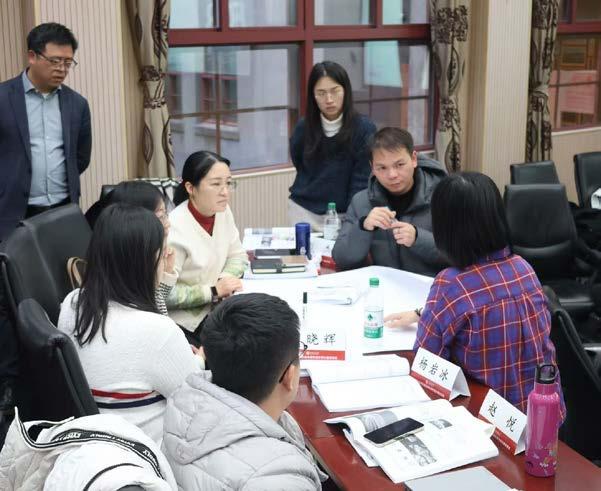
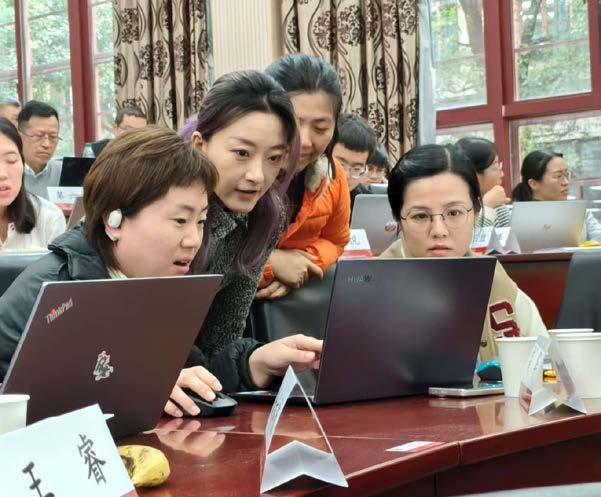
In late 2024, ISC hosted an in-person kickoff event in Shanghai for SSCH in partnership with Shanghai Jiao Tong University (SJTU). Over 100 sustainability practitioners, mostly representing the automotive sector, attended the event. At the end of the training, a brief graduation ceremony was held, where the trainees received the “Automotive Industry Supply Chain Low Carbon Transformation Management Training” learning certificate from SJTU.
The training received very positive feedback, with 85% of the participants expressing extraordinary satisfaction and 15% expressing satisfaction. ISC also surveyed the future carbon management and carbon reduction needs in the supply chain, which will help SSCH design more targeted training and content in the future.
Completed Projects
Current Projects
1,132 hours of technical support provided in FY2024.
4 countries impacted by ISC efforts.
50 states impacted by ISC efforts.
11 projects completed during FY2024.
80 ISC Partners during FY2024.
$1,965,901.96 spent in subgrants for FY2024 from PRC and CBRE partners, TCTAC partners, and initial Grantmaking partner payment.
LuAnn Bennett - Chair
Bishop Eugene Sutton - Vice Chair
Ann Condon - Secretary
John Dooley - Treasurer
Bryan Garcia
Derek Walker
Shivani Ganguly
Dr. Susan Pepin
Dr. J. Marshall Shepherd
Nathaniel Smith
Taryn Akiyama
Candice Eggerss
George Hamilton
Pradeep Nair
Adin Miller


On June 25. 2025 Institute for Sustainable Communities (ISC) joined a class-action lawsuit against the Trump Administration for unlawfully terminating the Environmental Protection Agency’s (EPA) Environmental and Climate Justice (ECJ) Grant programs despite a Congressional directive to fund them. These grants had ISC poised to support communities across the U.S. to deliver clean air, clean water, affordable energy, and economic prosperity to all Americans. ISC is taking this necessary step so that all 350 grantees harmed by this termination can continue their projects. We must stand up to this illegal termination together; together we were prepared to achieve so much in the climateresilience field, and together we can still do so in partnership with hundreds of organizations and communities nationwide.
In 2023, Institute for Sustainable Communities (ISC) was honored to be named one of only three national Environmental Justice Thriving Communities Technical Assistance Centers (EJ TCTACs) In this role, ISC supported community-
based organizations across the U.S. in overcoming systemic barriers to federal funding, particularly in communities facing the greatest environmental injustices. Just months later, ISC was also selected to serve as a national grantmaker under the Environmental Protection Agency’s Environmental Justice Thriving Communities Grantmaking Program (EJ TCGM), providing crucial oversight, guidance, and funding to community-led solutions on the ground.
Beginning in February 2025, this collective progress was abruptly and unlawfully halted when the EPA began to freeze, and then terminate, these congressionally mandated programs, leaving communities exposed to pollution, climate-driven disasters, and systemic neglect. More than 800 critical community resilience projects vanished in an instant. And with them, a powerful network of hope, planning, and collective effort.
The loss is immeasurable. Yet ISC’s impact during its brief but mighty tenure paints a clear picture of what’s at stake and what is possible when we act together.
From January 2024 to February 2025, ISC collaborated with communities nationwide to enhance capacity, share knowledge, and facilitate access to transformative federal resources. Highlights of this work include:
• Responding to over 100 technical assistance requests from EPA Region 1 partners, including local governments, nonprofits, and grassroots organizations.
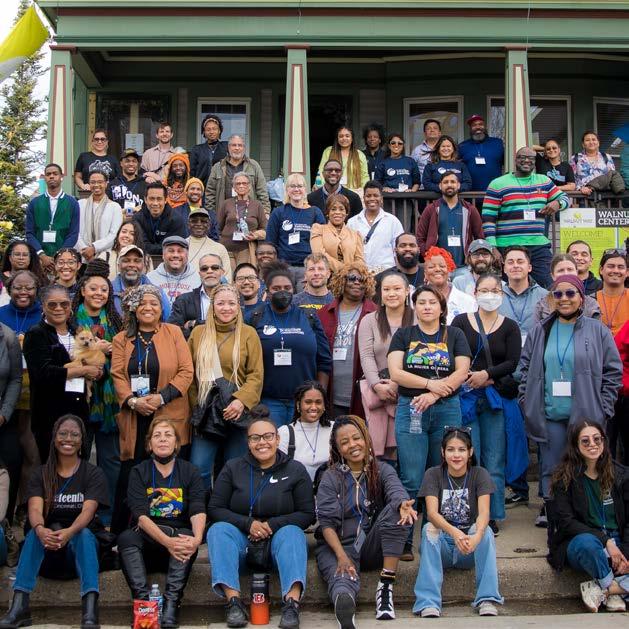
• Hosting the first-ever National TCTAC Symposium in Puerto Rico, bringing together 100+ leaders from national and regional TCTACs to share insights, build alliances, and strategize around communityaligned environmental justice solutions.
• Developing essential tools for community organizations, including:
• The Equitable Collaboration Roadmap to foster fair, inclusive partnerships
• A Guide to Partnering with Artists for creative, community-driven advocacy
• A Post-Award Toolkit for effective grant management
• A collaborative TCTAC internal platform and a public-facing website (ejtctac org) to ensure transparent access to resources and grant information
ISC was also on the ground delivering technical assistance at EPA roadshows in Regions 1, 8, and 10, and participating in Thriving Communities Network convenings, demonstrating the power of proximity and partnership in advancing environmental justice.
• Our work is never in isolation. It was part of a national ecosystem of 3 national and 15 regional TCTACs, representing over 160 organizations across the U.S. and its territories. As a network, we collectively:
• Processed 1,893 technical assistance requests
• Helped communities secure $373 million in funding
• Supported applications for over $1 2 billion in additional resources
While ISC was just beginning its role as a national grantmaker, the potential was already clear. Applications from across the country were prepared and waiting, including projects to support clean water and stormwater infrastructure, youth job training, air quality monitoring, and flood prevention projects in urban, rural, coastal, inland, and tribal communities. And though ISC’s funds were frozen within weeks of our application portal opening, we had identified and were ready to fund 14 projects from New England through the mid-Atlantic regions. Currently. $600 million dollars committed to this program are on hold.
This work matters, and affects us all. The impacts of environmental justice extend beyond individual communities. When communities are appropriately resourced and given the opportunity to lead, we all move forward. When we uplift local voices, our collective future becomes more just, more resilient, more sustainable.
This work must be reinstated. Together, we have already proven what is possible, and through the power of together, we will rise to meet the moment again.
“ This work must be reinstated. Together, we have already proven what is possible, and through the power of together, we will rise to meet the moment again.”
Rebecca
Kaduru
President, Institute for Sustainable Communities