1. In a recent Steelcase webinar, “Prototyping the Future of Work,” 59% of nearly 1,000 attendees said the biggest benefit of hybrid work is the ability to attract and retain talent. The biggest threat is cultural erosion (54%).
2. Strengthening organizational culture and brand (86%) and keeping employees motivated and inspired (74%) were cited as the two most difficult challenges.
Source: Knoll, Challenges and Opportunities of Remote Work
CONNECTION SPACES
• 69% of business leaders plan to rely on user devices or both user devices in integrated tech rooms.
Source: Steelcase, Global Return to Workplace Study
SOCIAL SPACES
• During the pandemic, engagement declined 14% and productivity dropped 12% among employees who were unsatisfied with their work-from-home situation, especially the longer they did it.
Source: Steelcase, Work Experience Diagnostic Study
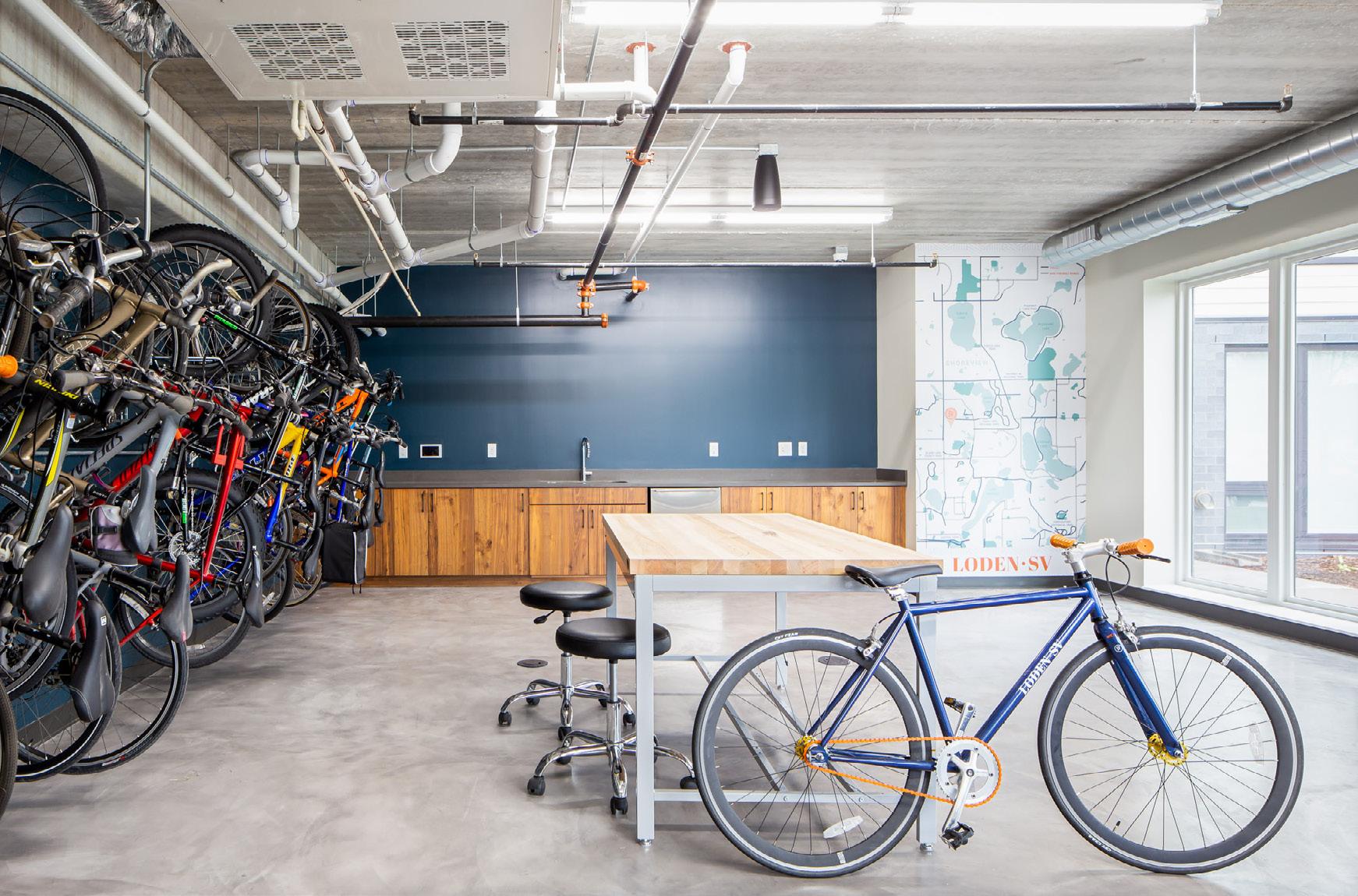
CHOICE SPACES
• 54% of people said they want to be able to reconfigure their furniture, but only 38% can. This impacts people’s physical, cognitive and emotional comfort — neuroscience has found a well-established relationship between physical activity, creativity and learning.
Source: Steelcase, Changing Expectations and the Future of Work
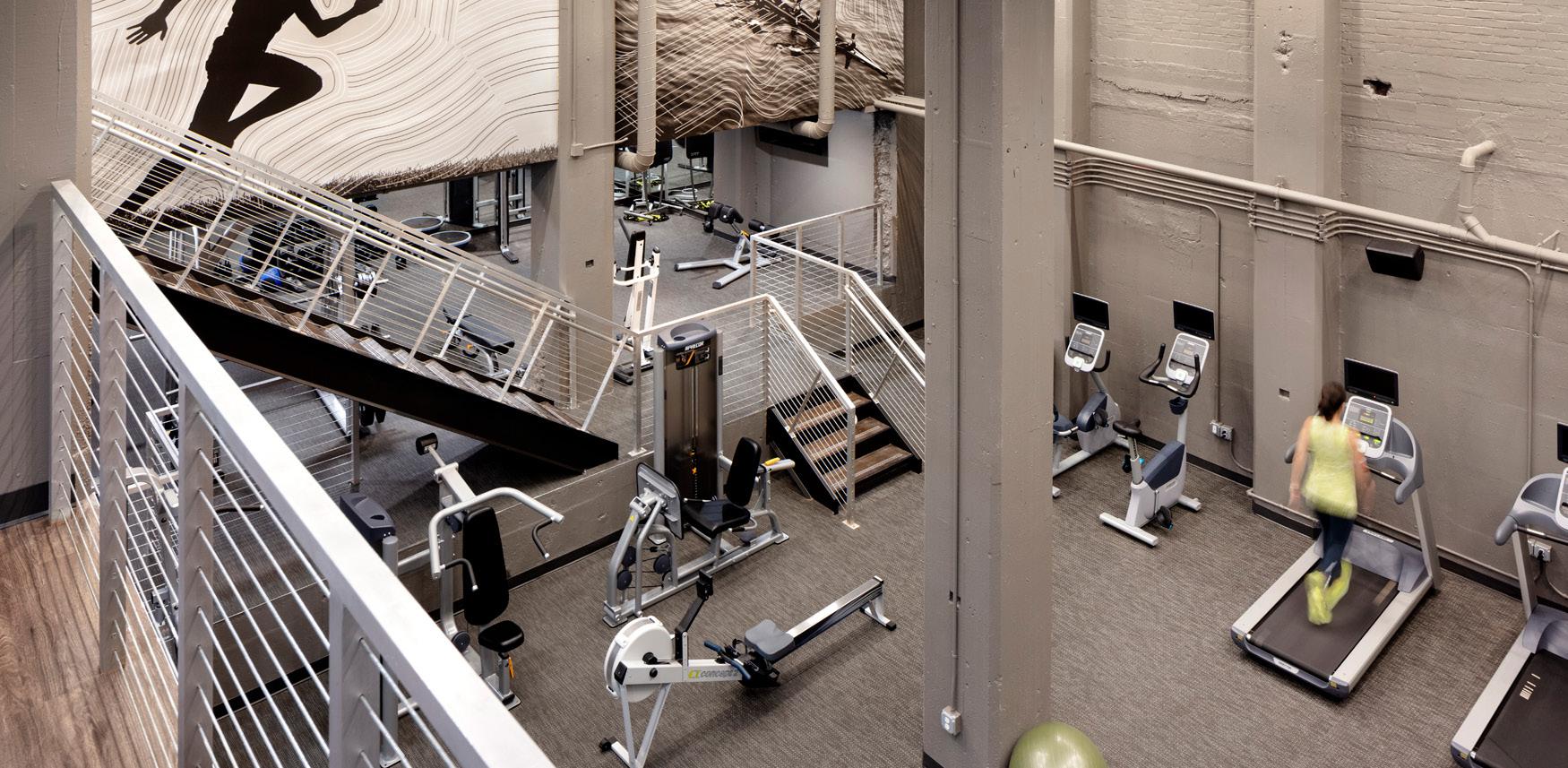
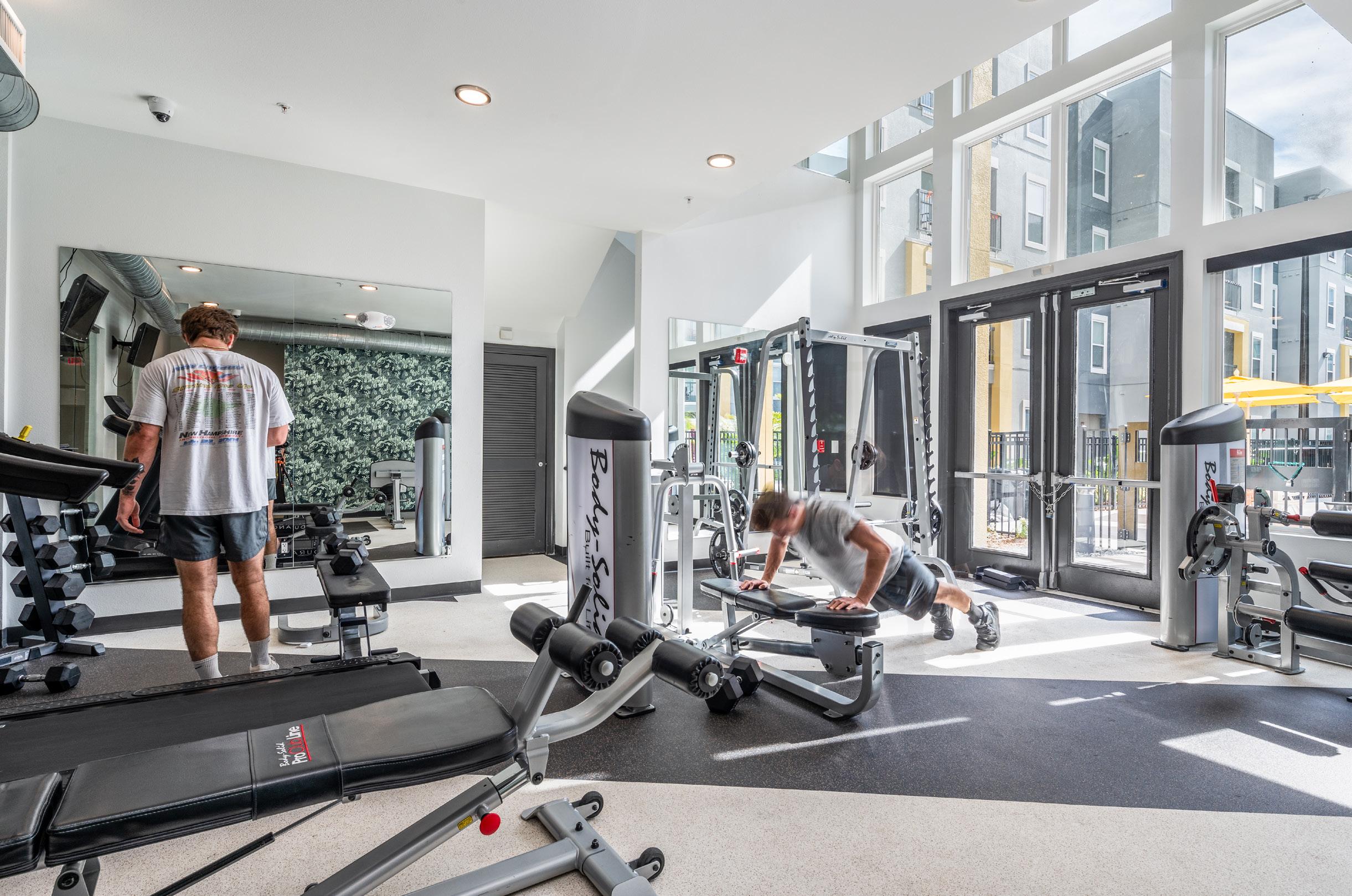
ACTIVE SPACES
• Globally, 94% of Generation Z believes that happiness is related to being healthy both physically and mentally. Generation Zers view health as holistic and inclusive of various aspects of well-being such as mental, emotional or spiritual health.
Source: Knoll, Generation Z: Life in the Covid Era
CONCLUSION
• When companies manage change effectively, employees tend to be more engaged – between 64% and 86% engaged – compared with companies whose employees don’t believe they’ve handled change effectively.
Source: Steelcase, Change Management Lessons Learned + Best Practices
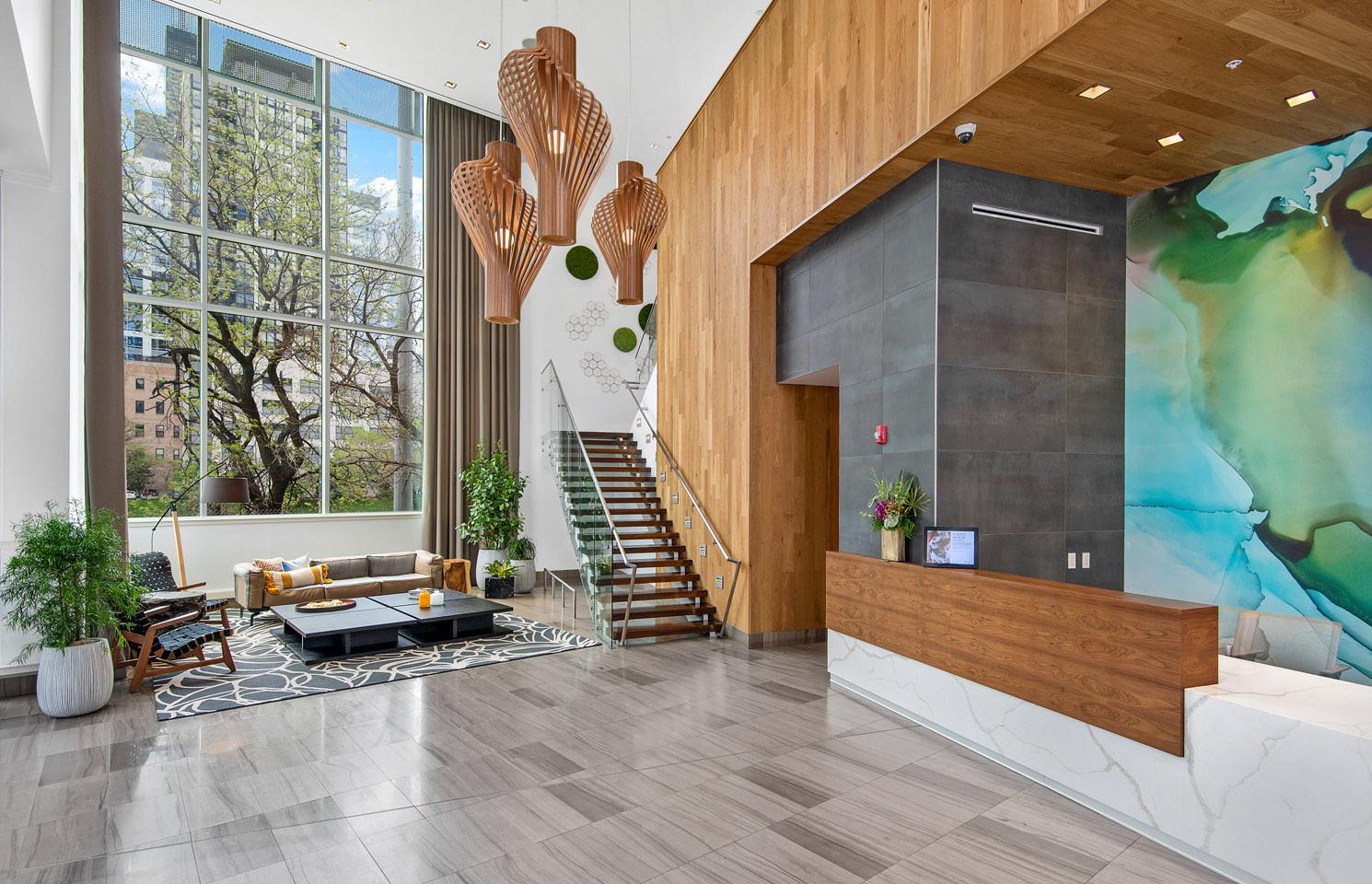
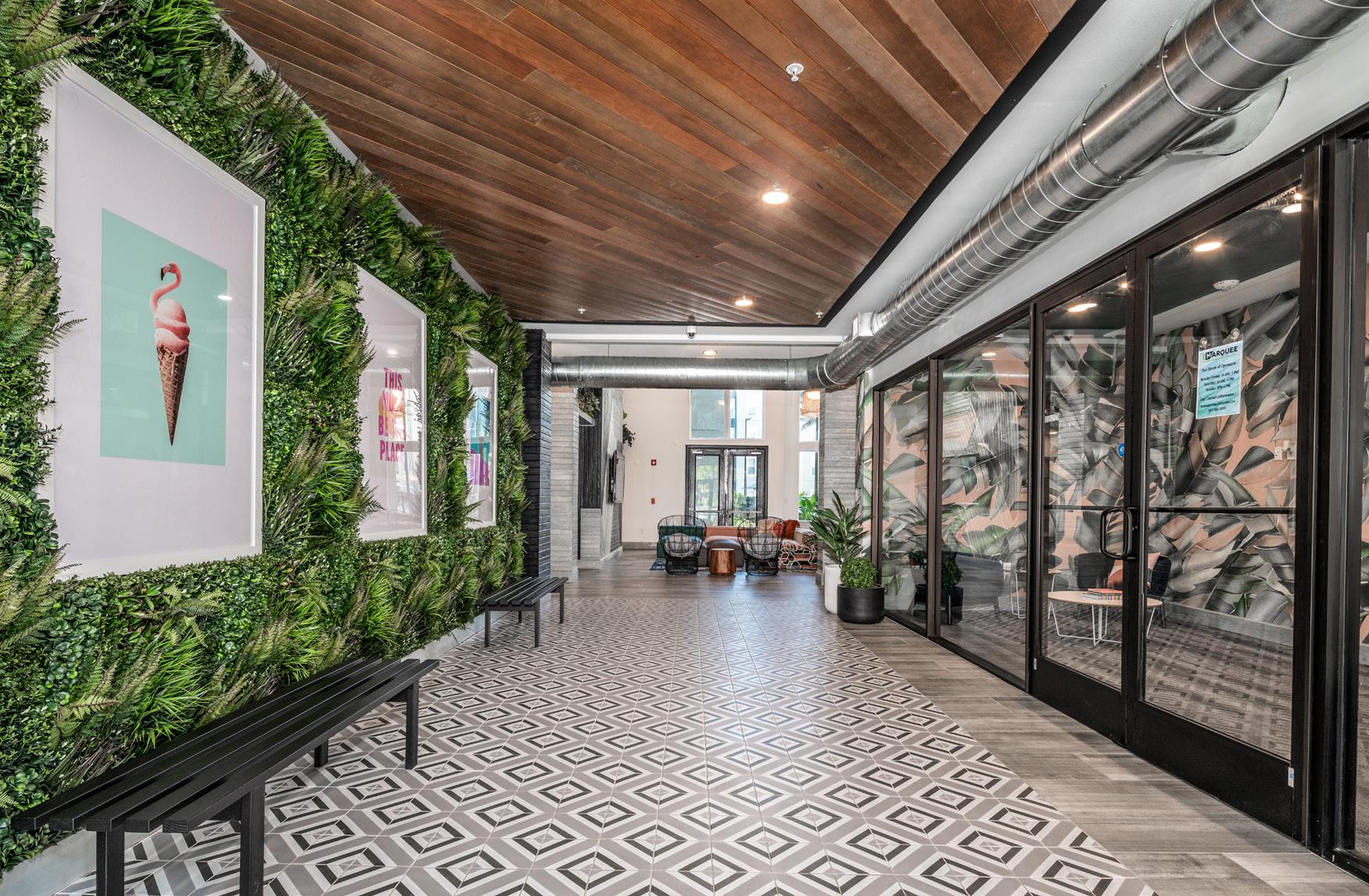
LOBBY SPACES ARE YOUR FIRST IMPRESSION
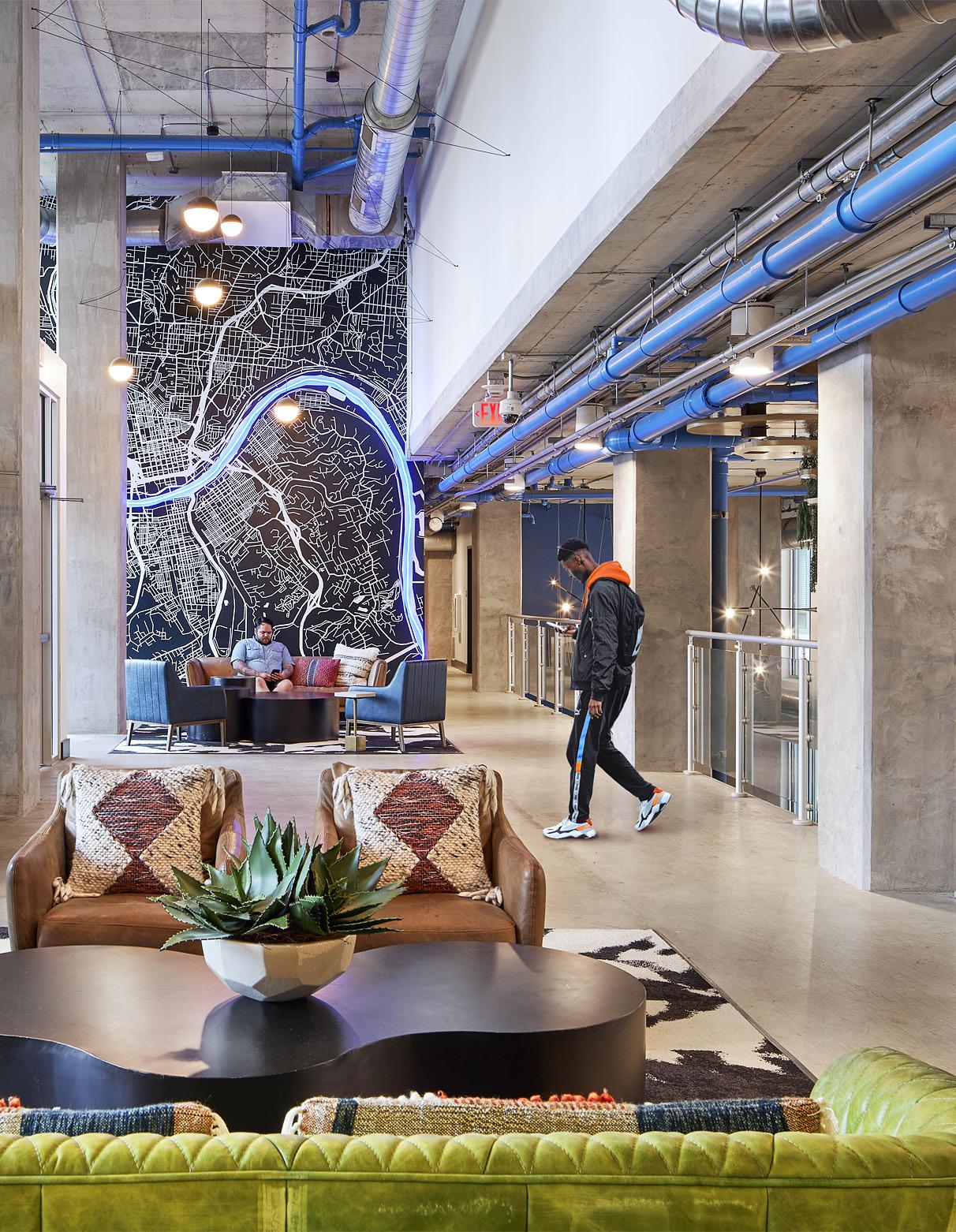
They are the first introduction to a brand and want to be welcoming as well as convey an immediate sense of identity and experience.
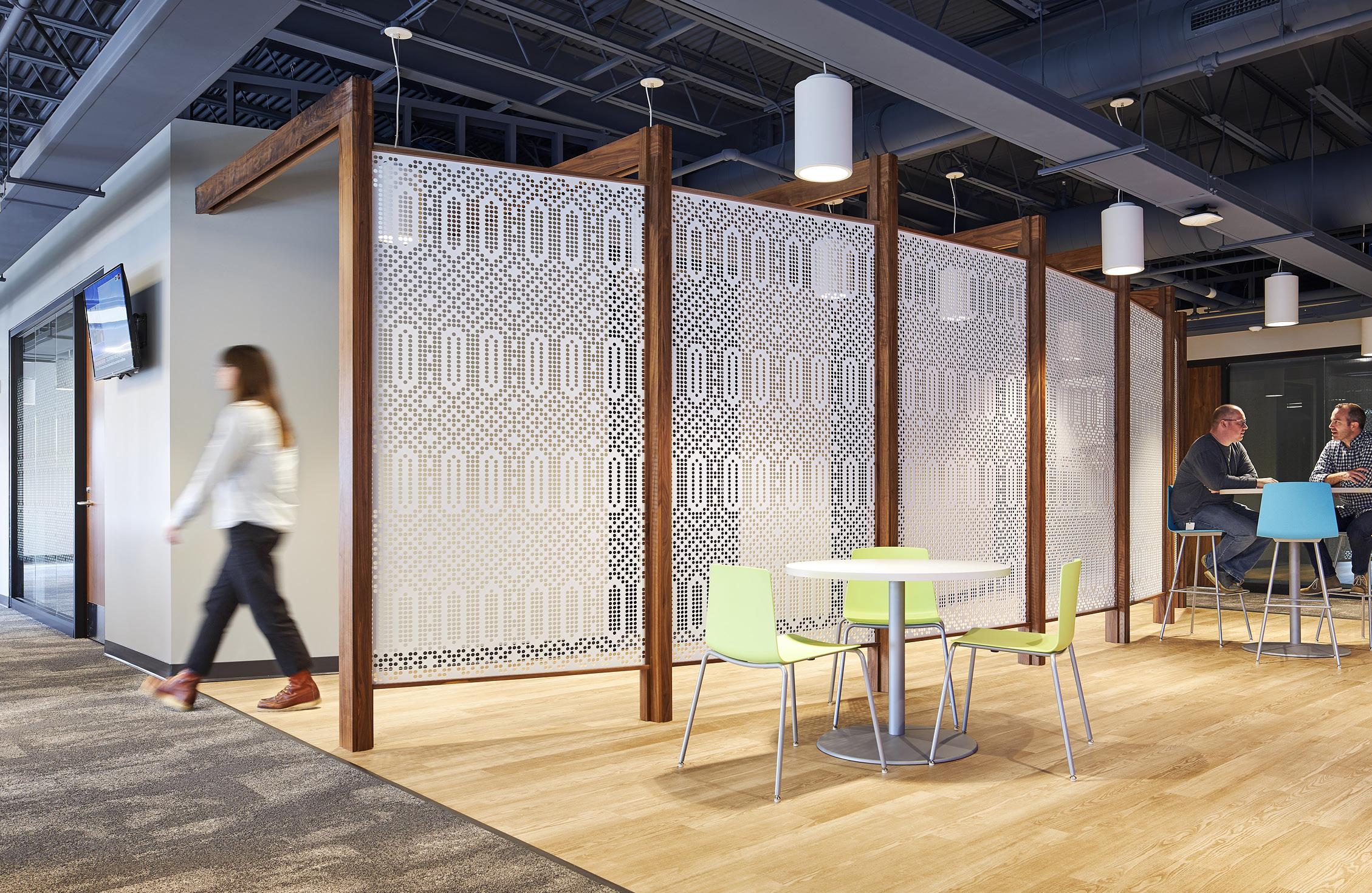
SPACES THAT CREATE IMPROMPTU CONNECTION
They can be touch-down spaces that are comfortable and easily elicit collaboration even in light of change.
69% of business leaders plan to rely on user devices or both user devices in integrated tech rooms.
Source: Steelcase, Global Return to Workplace Study
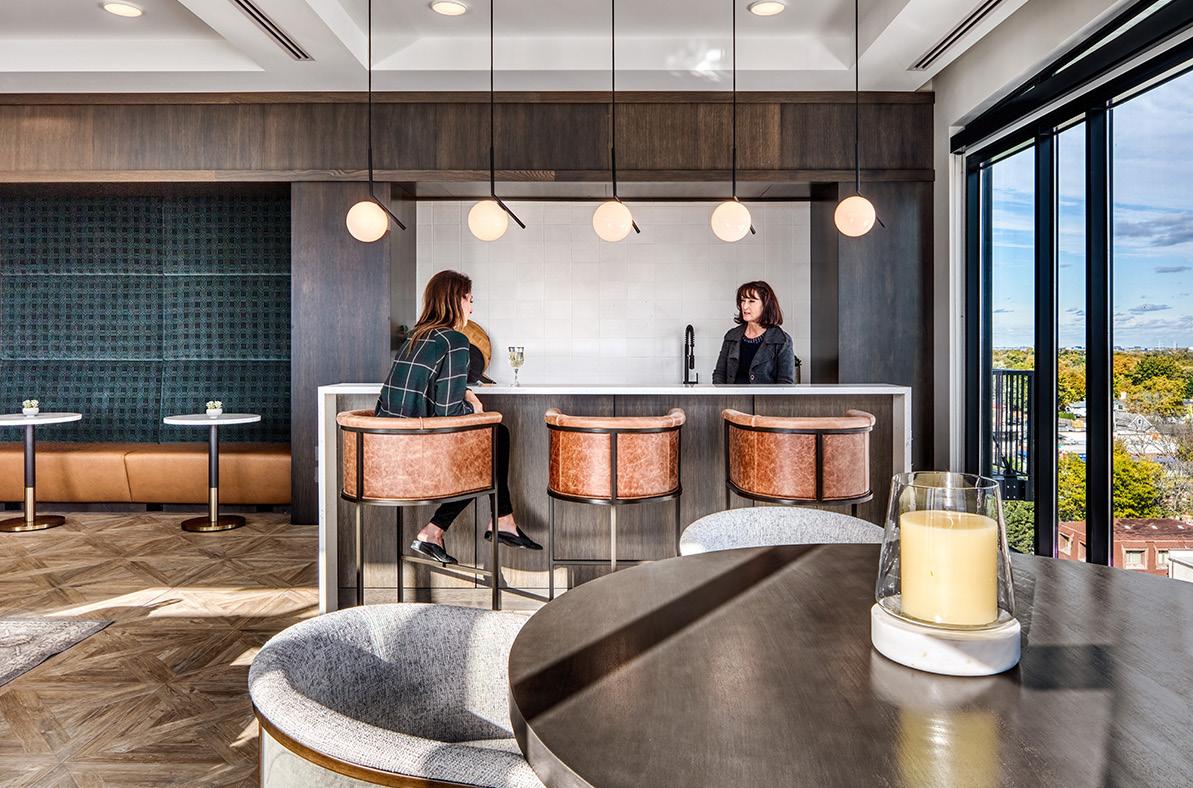
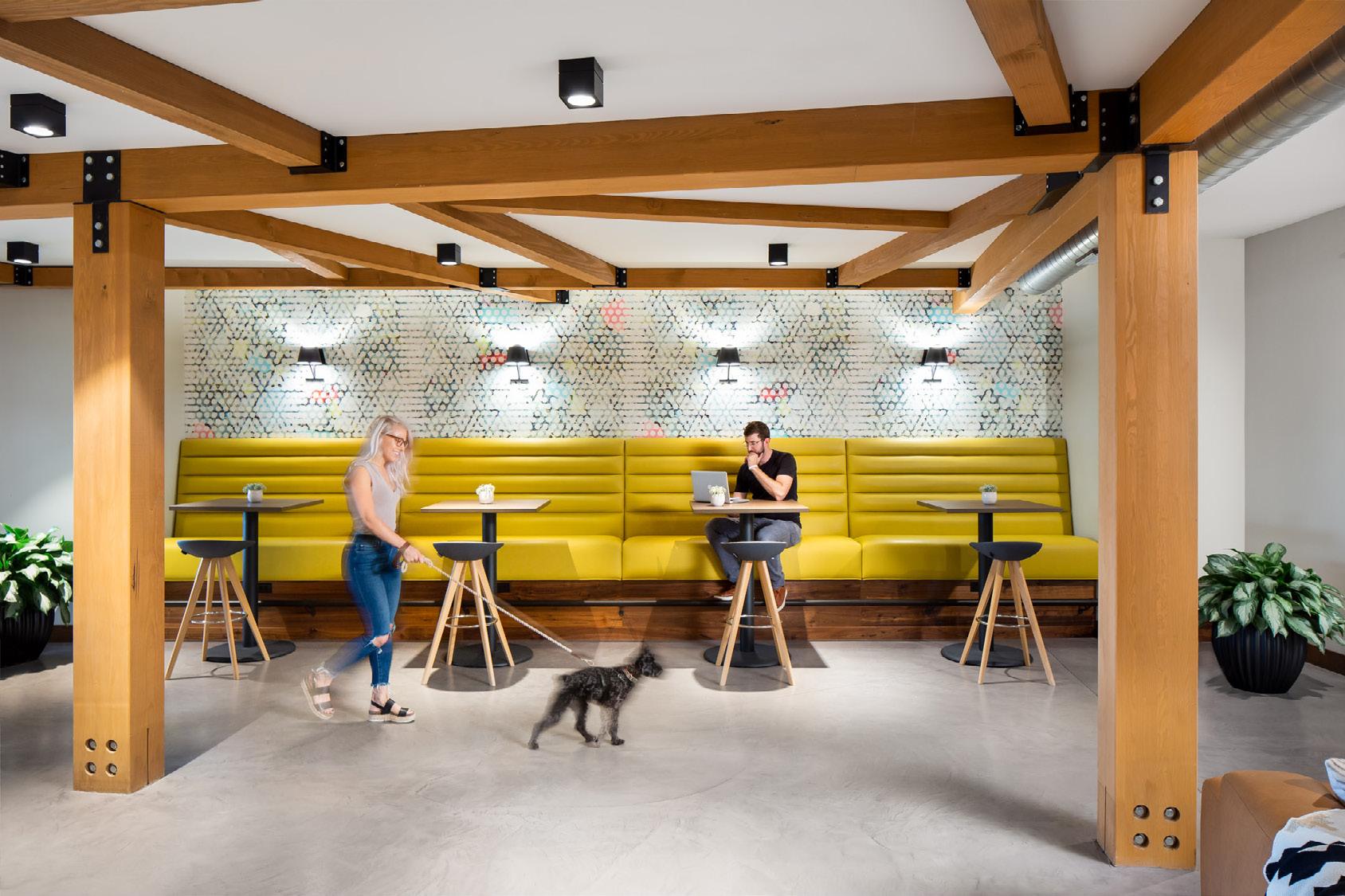
SOCIAL SPACES ARE THE HEART OF OFFICE CULTURE
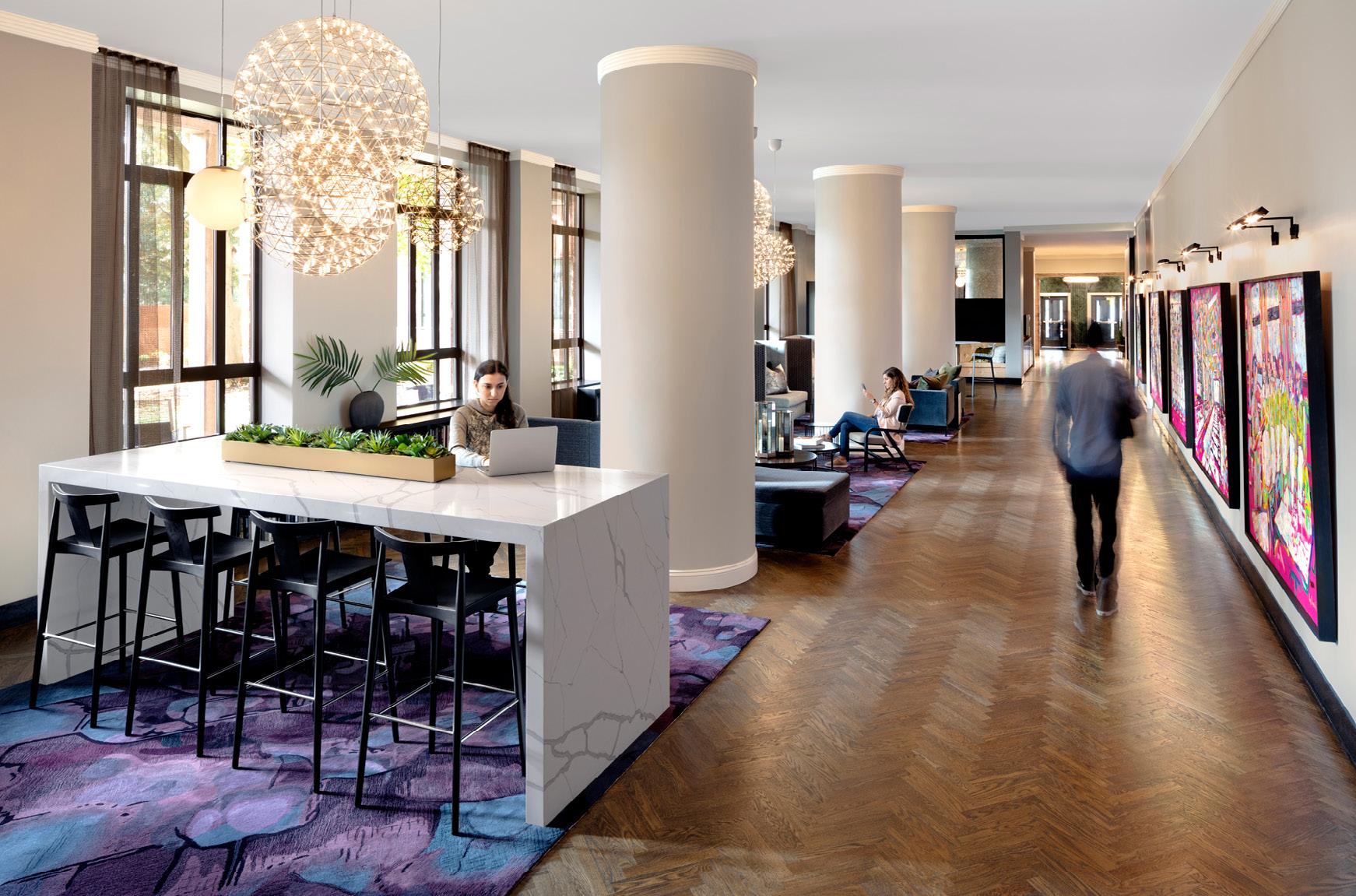
From semi-private to dedicated areas supporting a variety of choice, character, and amenitization; these space types should match what people need .
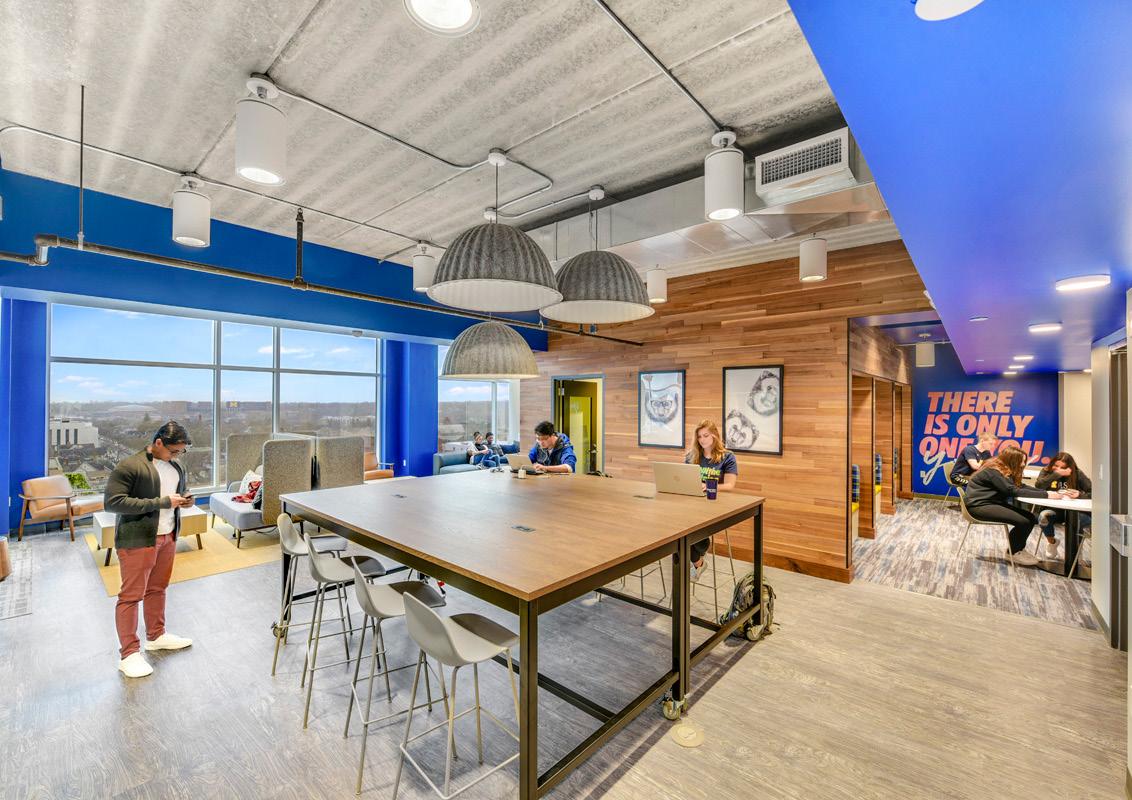
EFFICIENCIES THROUGH CO-WORKING
Shared spaces offer a way to subsidize workspace needs for the work-from-home or hybrid worker through shared resources .
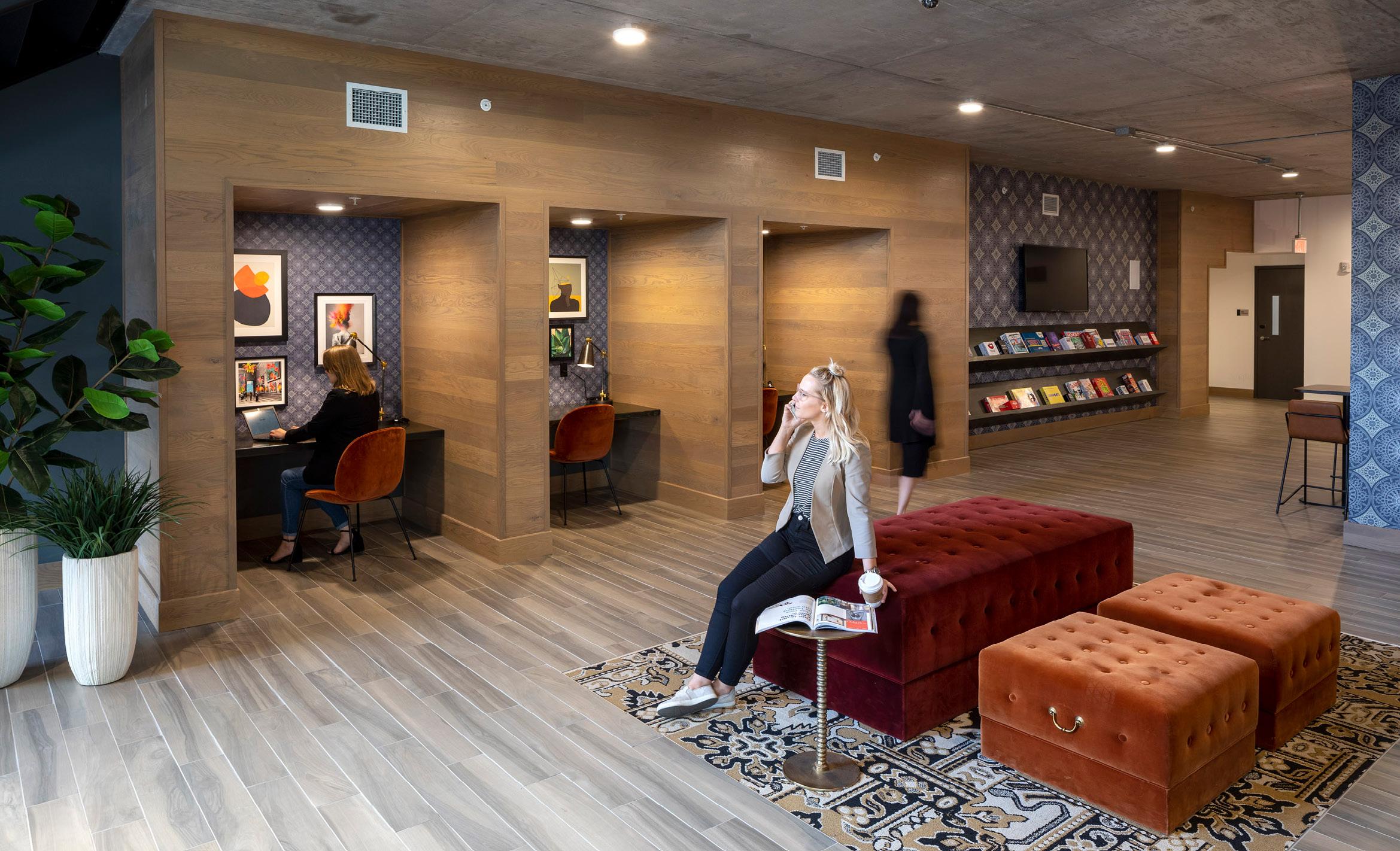
CHOOSING THE WAY YOU WORK
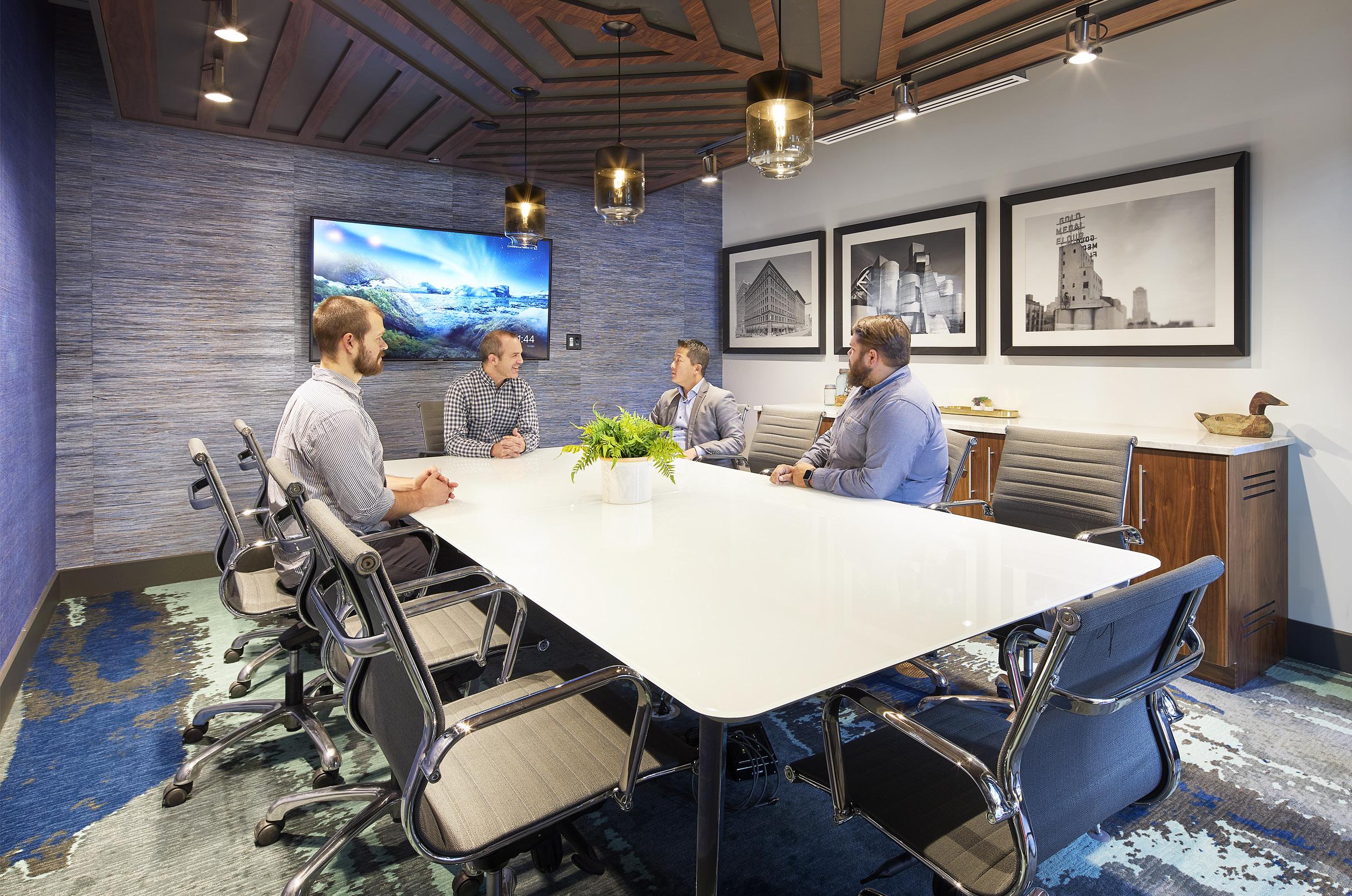
From phone rooms and touch-down spaces to private offices and assigned workstations; providing a variety of choices that respond to how you work is one approach to the new way to office .
OFFICE IS A VEHICLE FOR COLLABORATION AND PRODUCTIVITY
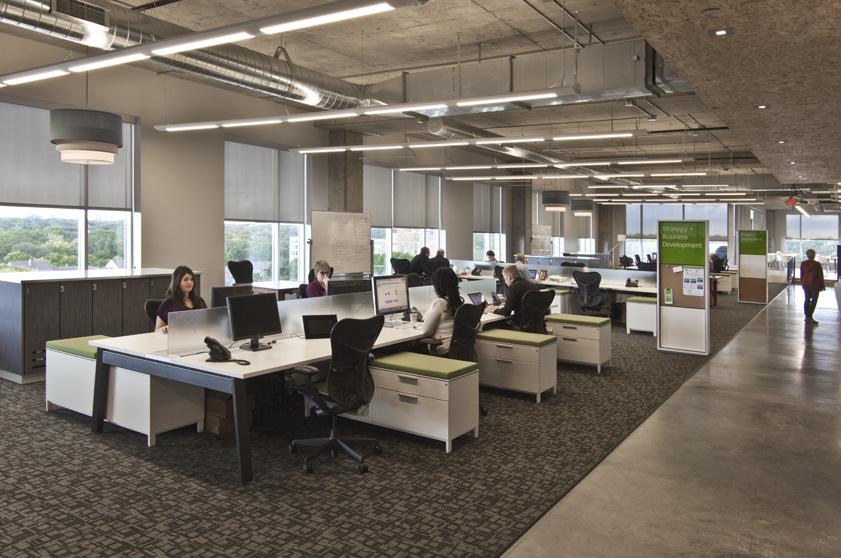
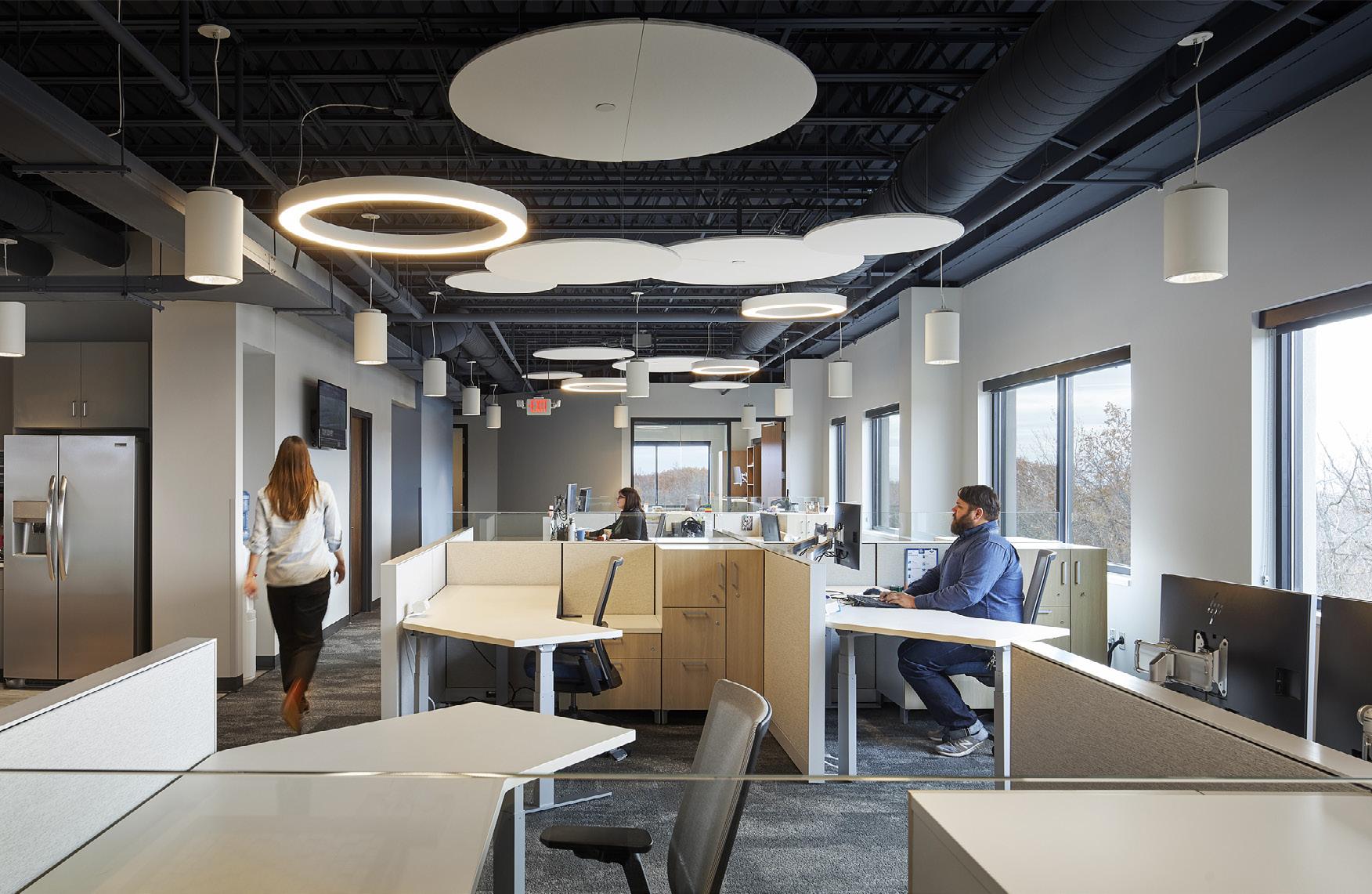
Our office environment needs to adapt and respond to varied work modes . A workplace that can accommodate a mix of heads down focus work, virtual meetings and face-to-face collaboration optimizes employee effectiveness and productivity.
FOCUS ON BALANCING WORK AND LIFE
Creating balance between professional life and home life demands can be a challenge when the lines between work and home are blurred. With an increased focus on mental, physical and emotional health we believe providing active spaces allow employees to relieve stress and support wellness initiative while at the workplace.
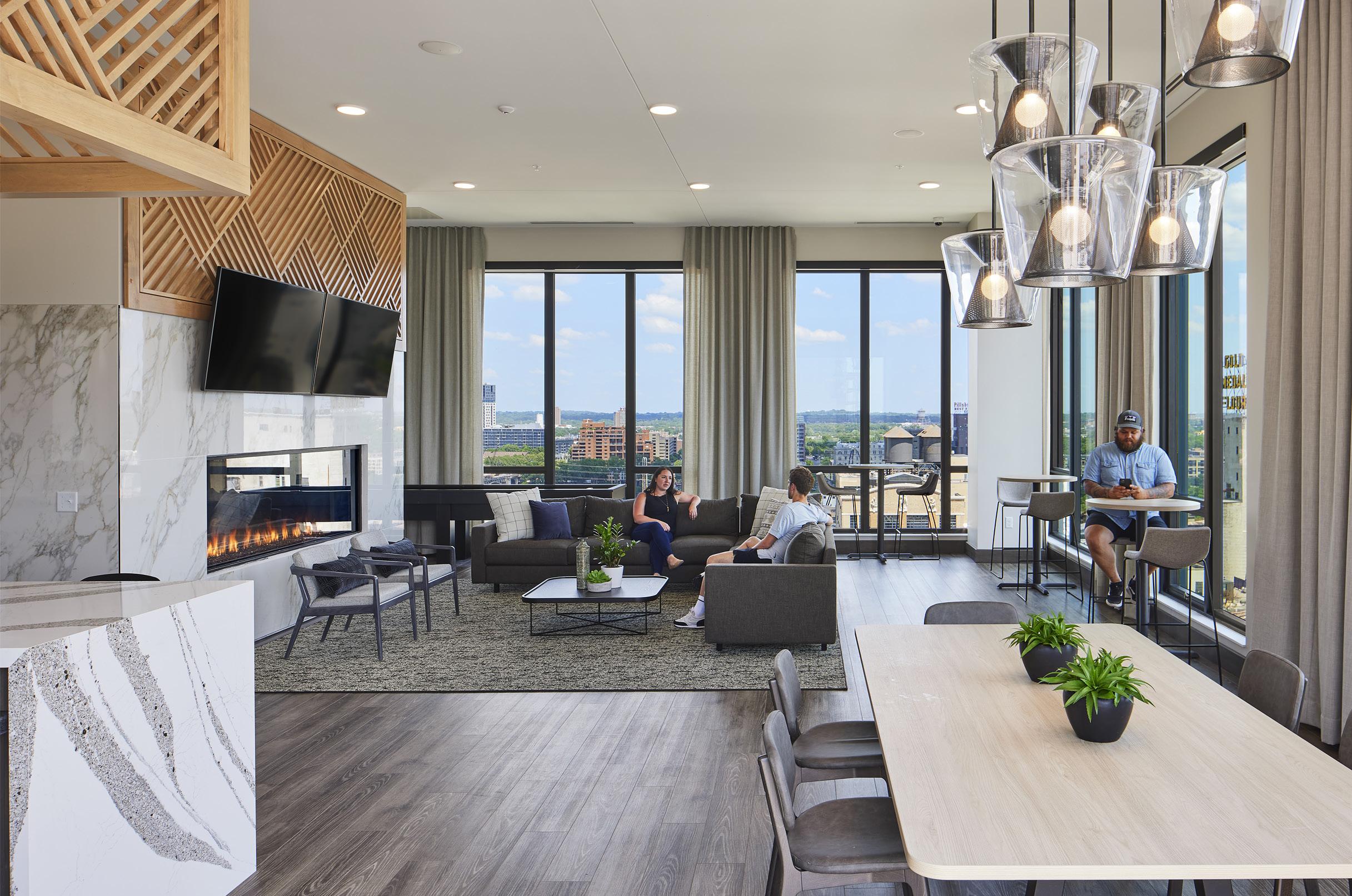
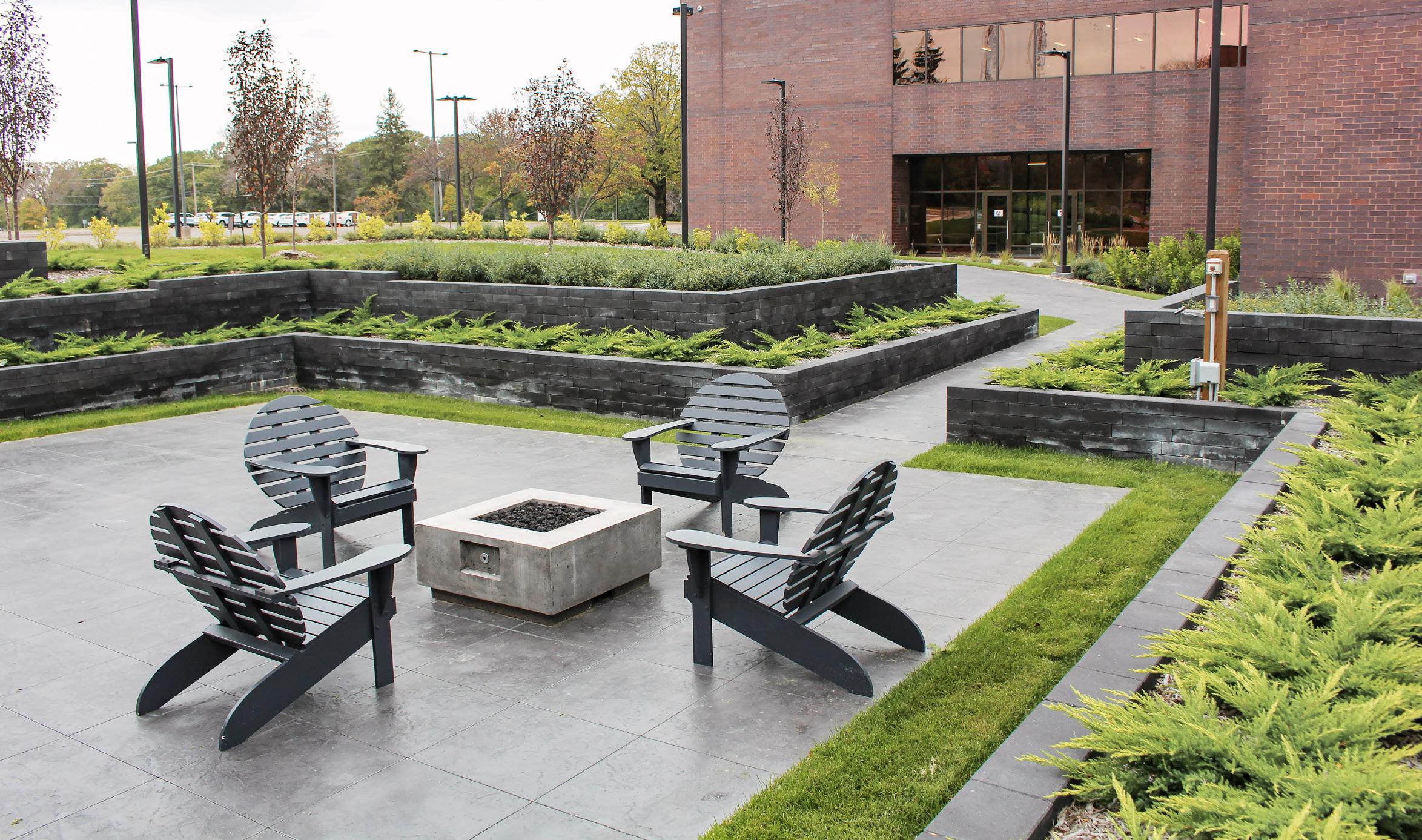
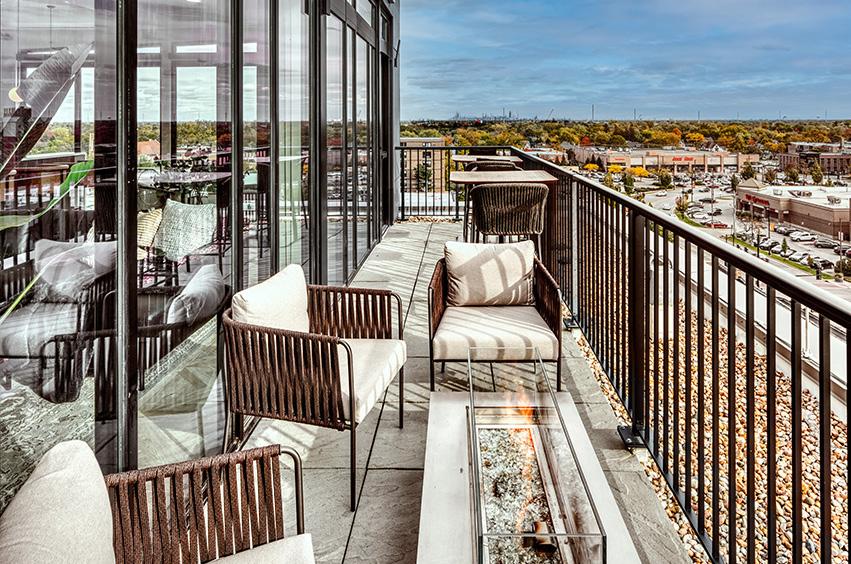
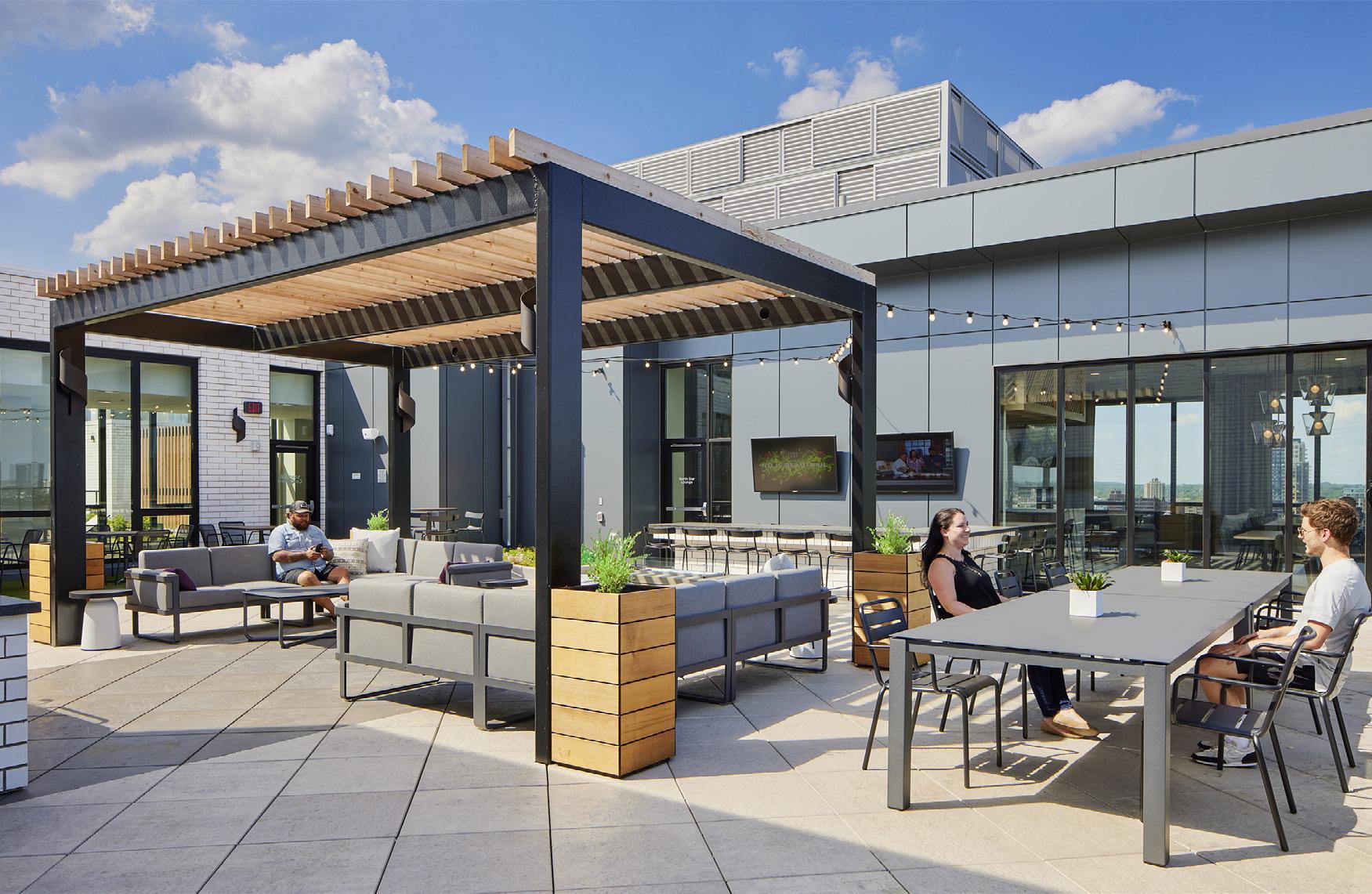
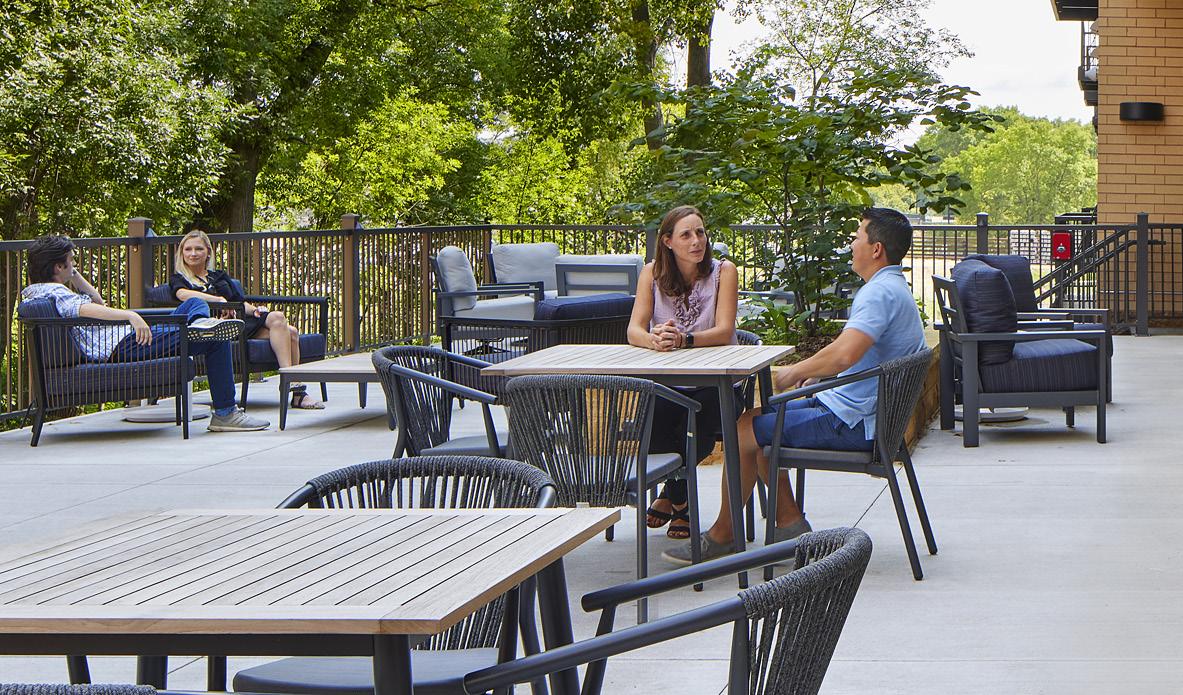
A BREATH OF FRESH AIR
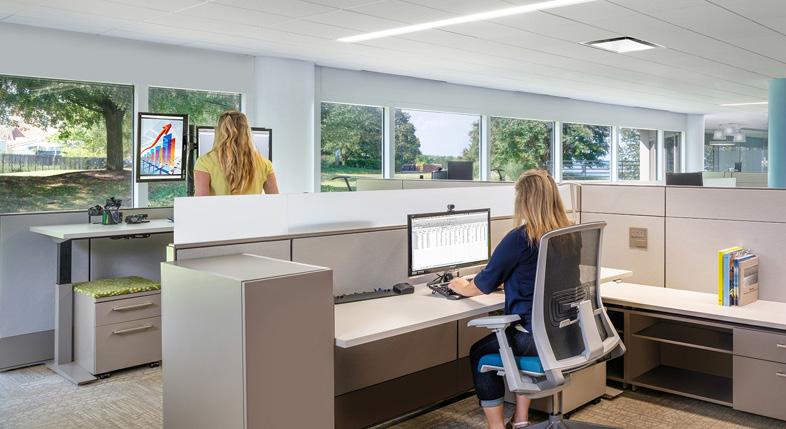
The human connection to nature is strong. Access to daylight, fresh air, views of the outdoors are beneficial in relieving stress and create opportune environments for social connection, relaxation and celebration .
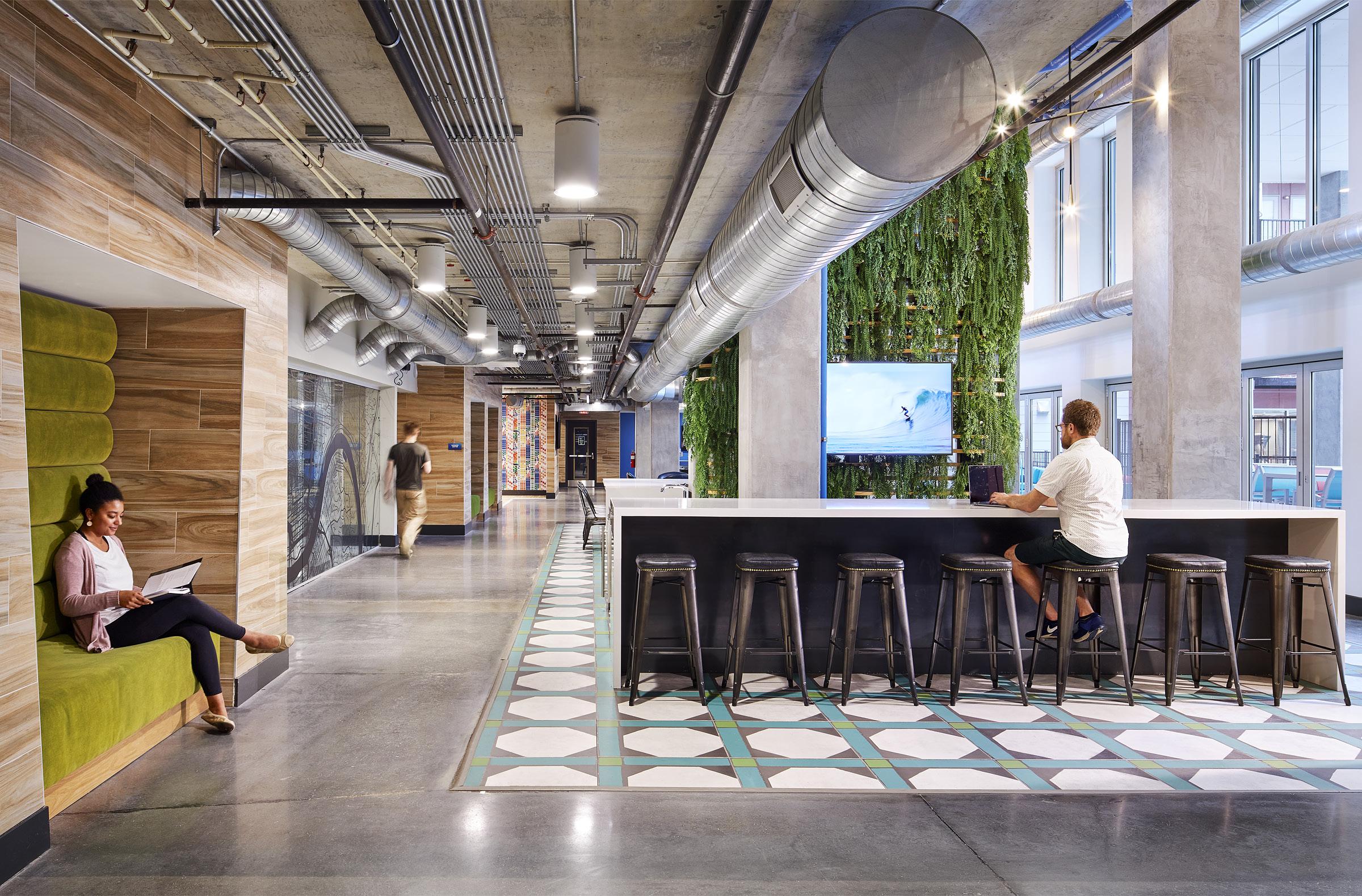
CONNECTING WITH THE NATURAL WORLD
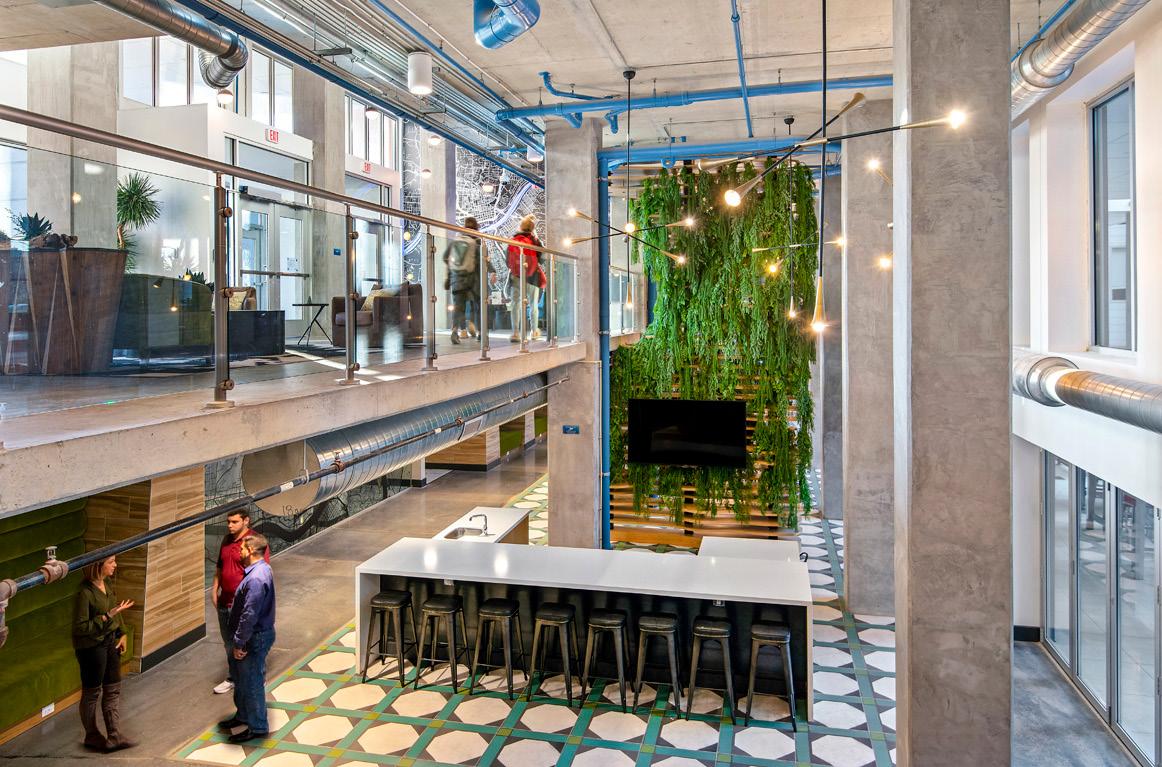
Connecting with nature can be uplifting and rejuvenating. Bringing natural elements to the interior allow us to connect with our environment . Greenery, wood, stone, patterns inspired by nature, sounds of water bring an element of calm to a space.
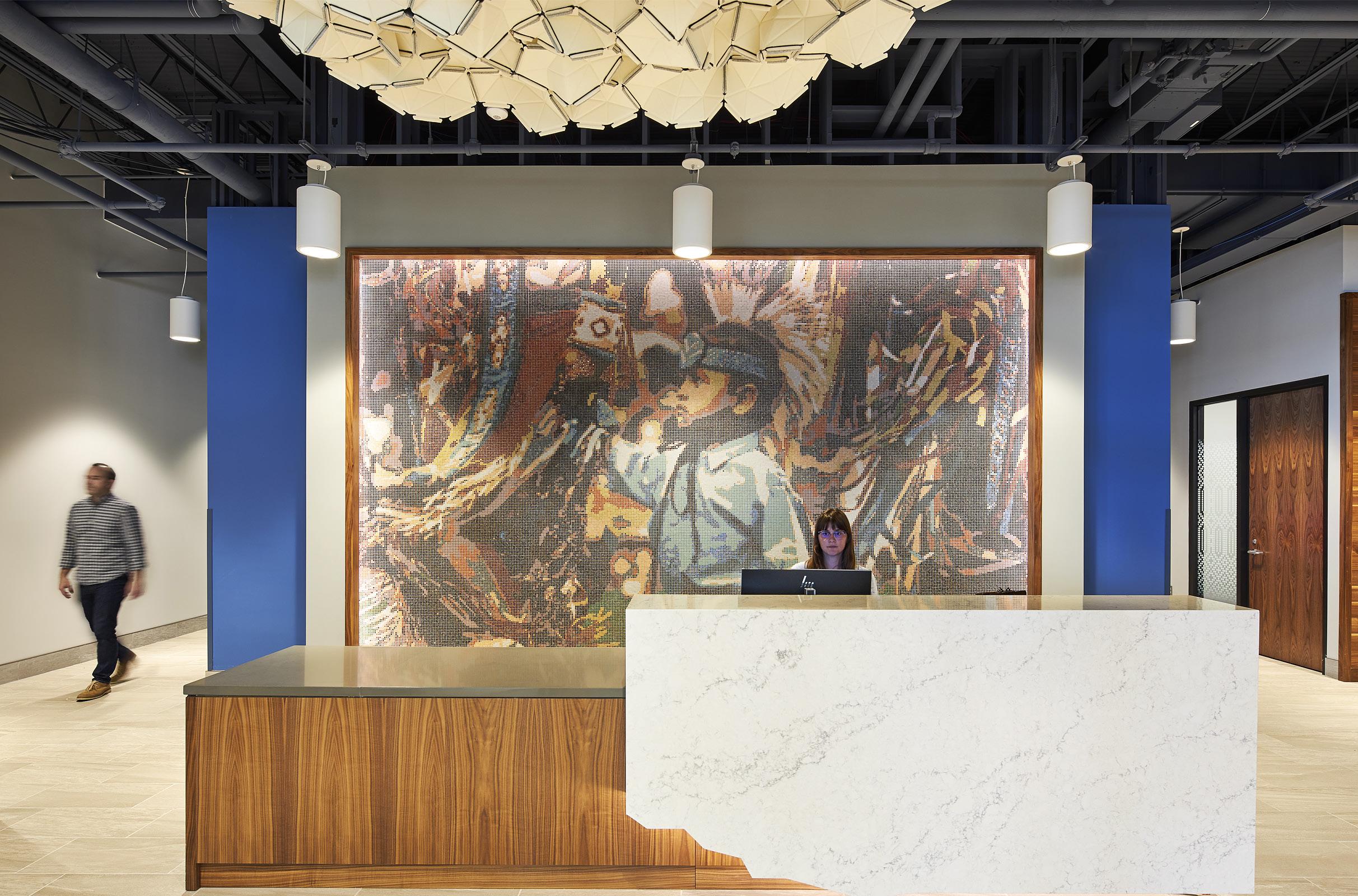
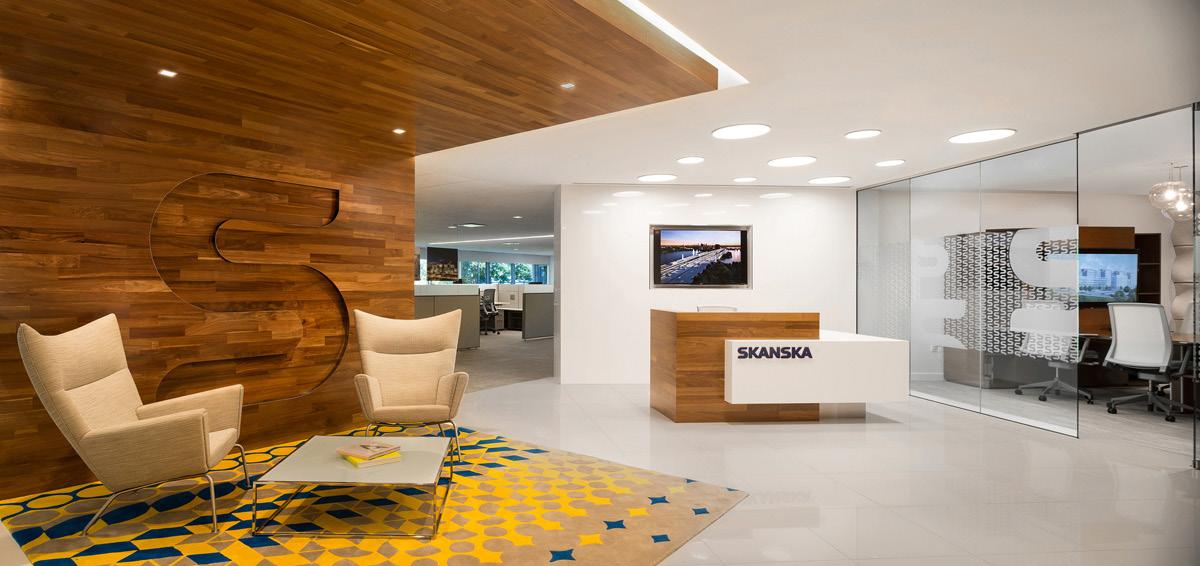
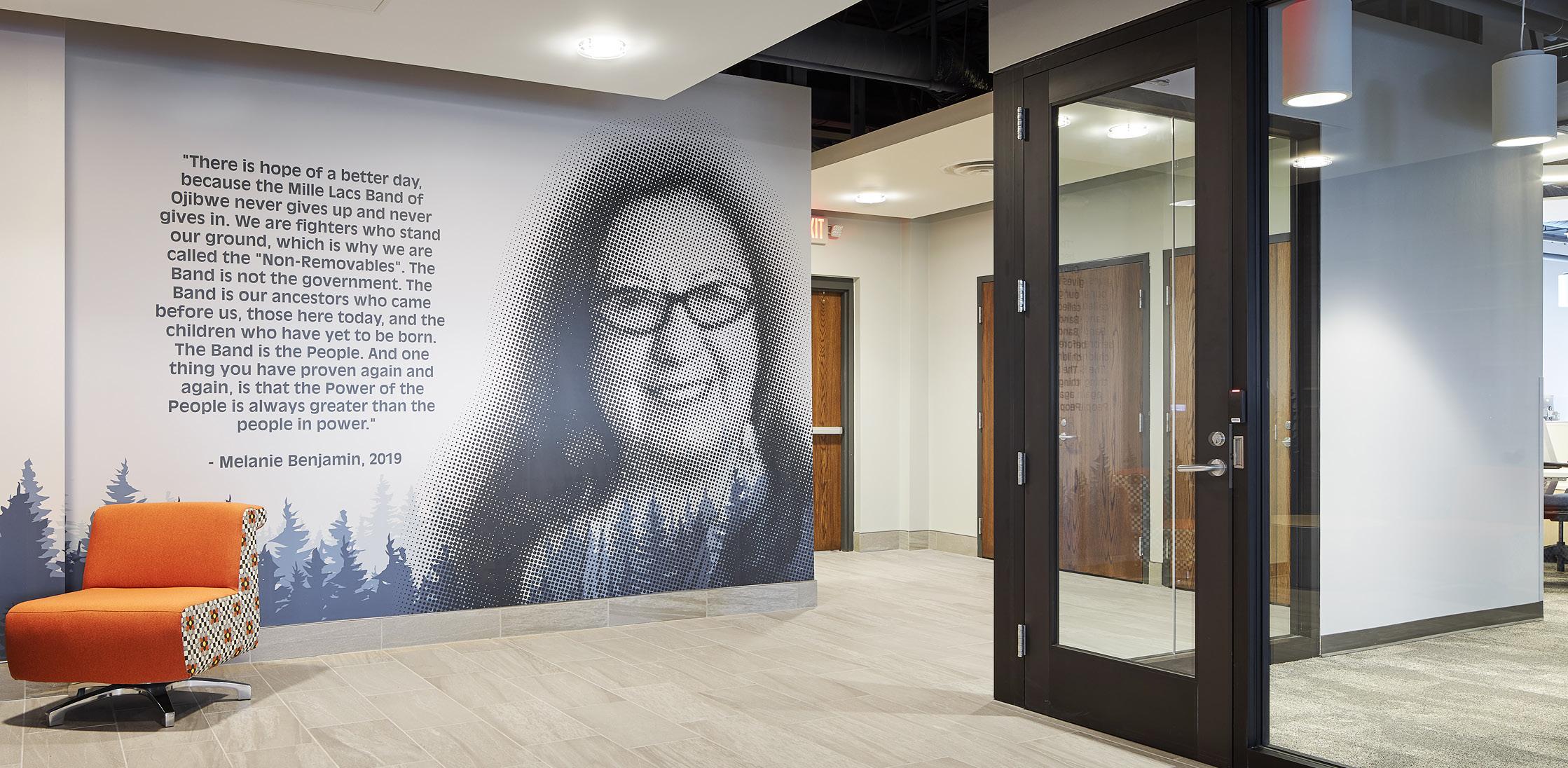
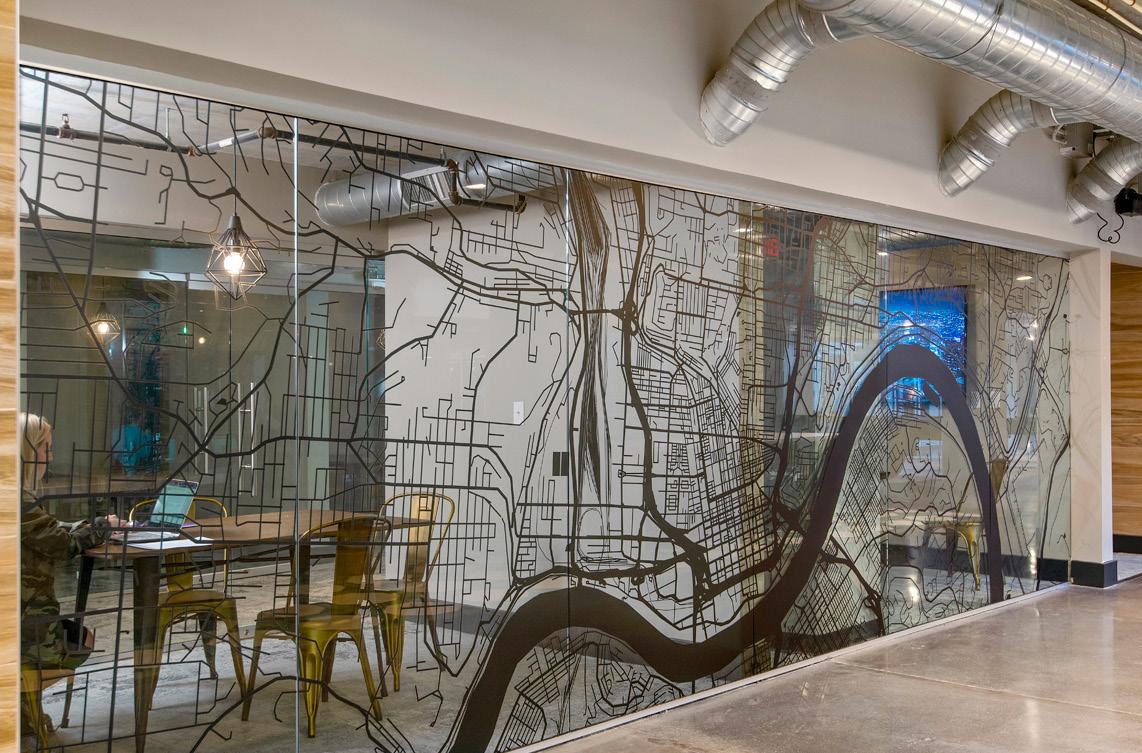
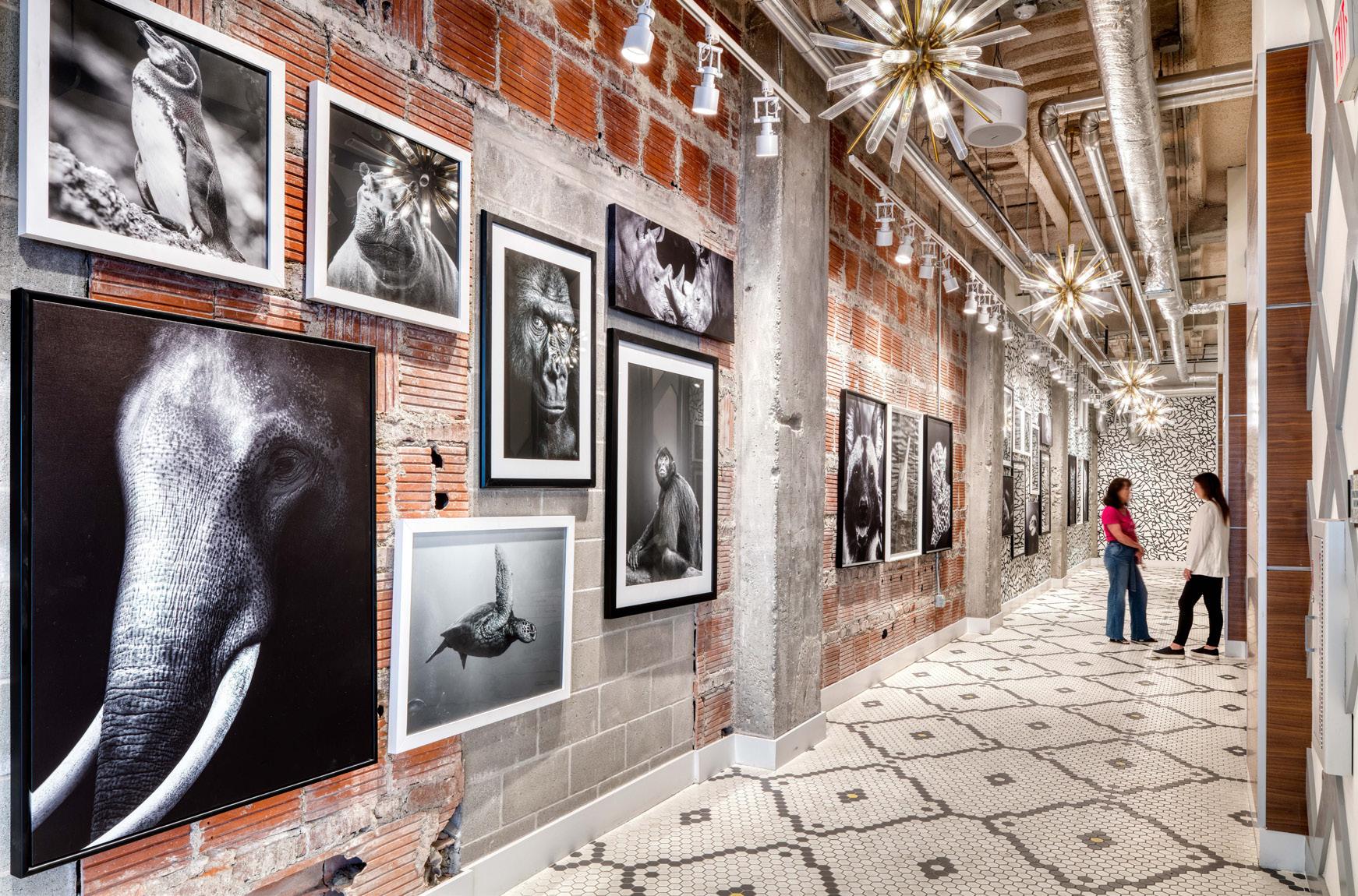
BUILDING BRAND IMPRESSIONS
The workplace is a tool to express an organization’s brand and culture through the built environment. Brand expression can be implemented using literal cues such as logos, fonts and colors or by celebrating the people and culture that an organization serves and enhances the overall user experience.
TWO MOST DIFFICULT CHALLENGES:
86% strengthening organizational culture and brand.
74% keeping employees motivated and inspired.
Source: Knoll, Challenges and Opportunities of Remote Work
A DESTINATION WORKPLACE
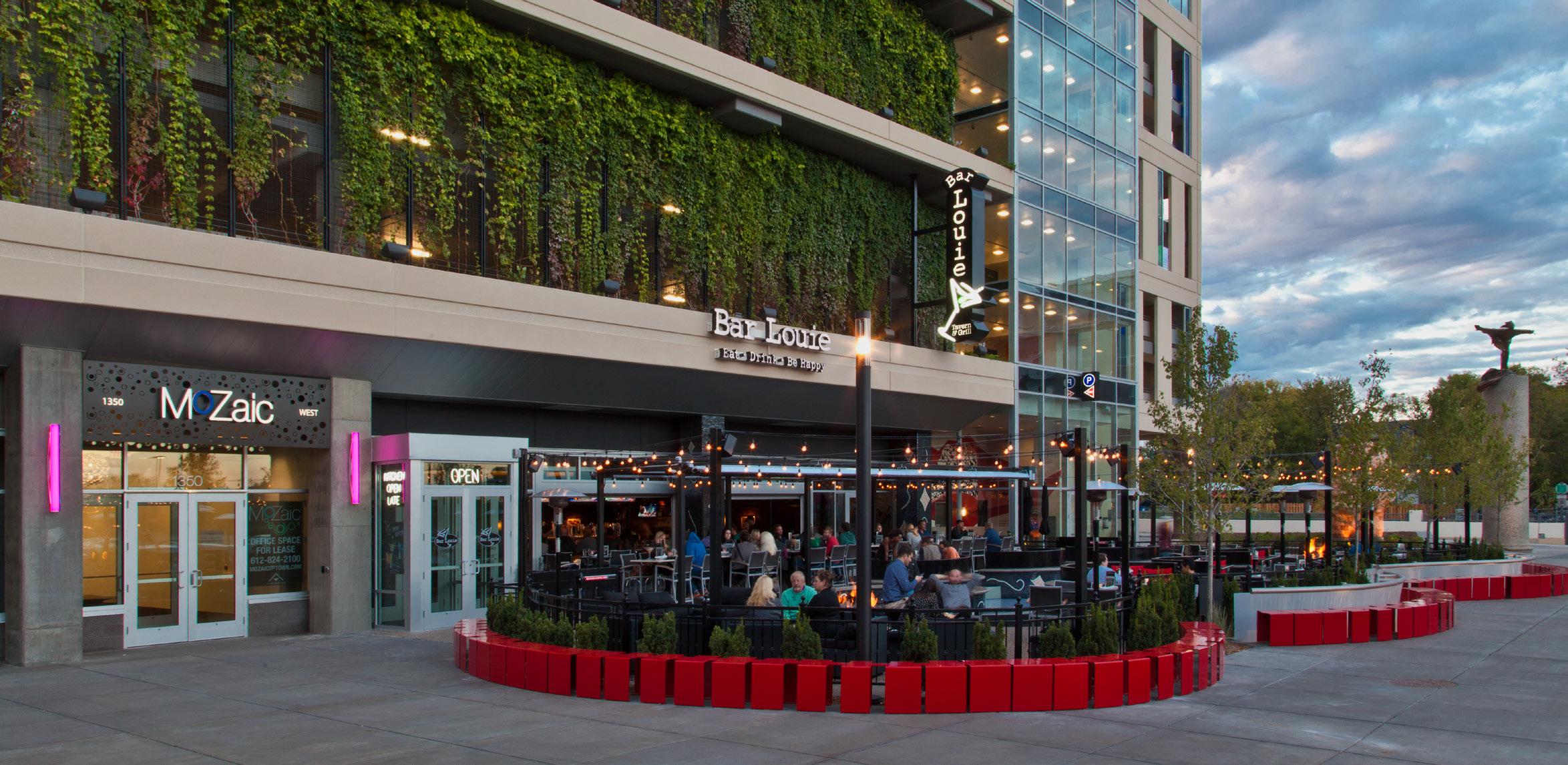
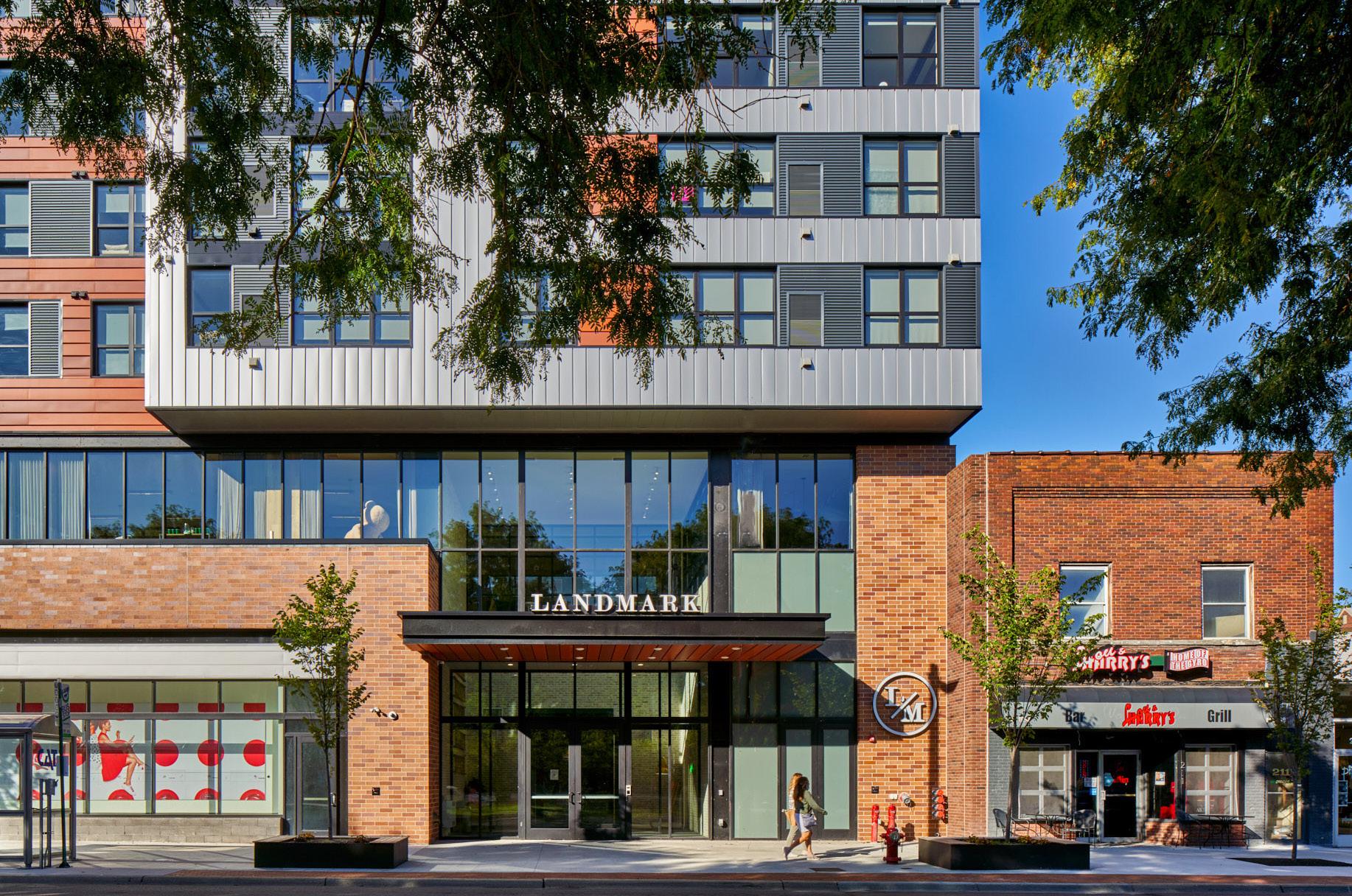
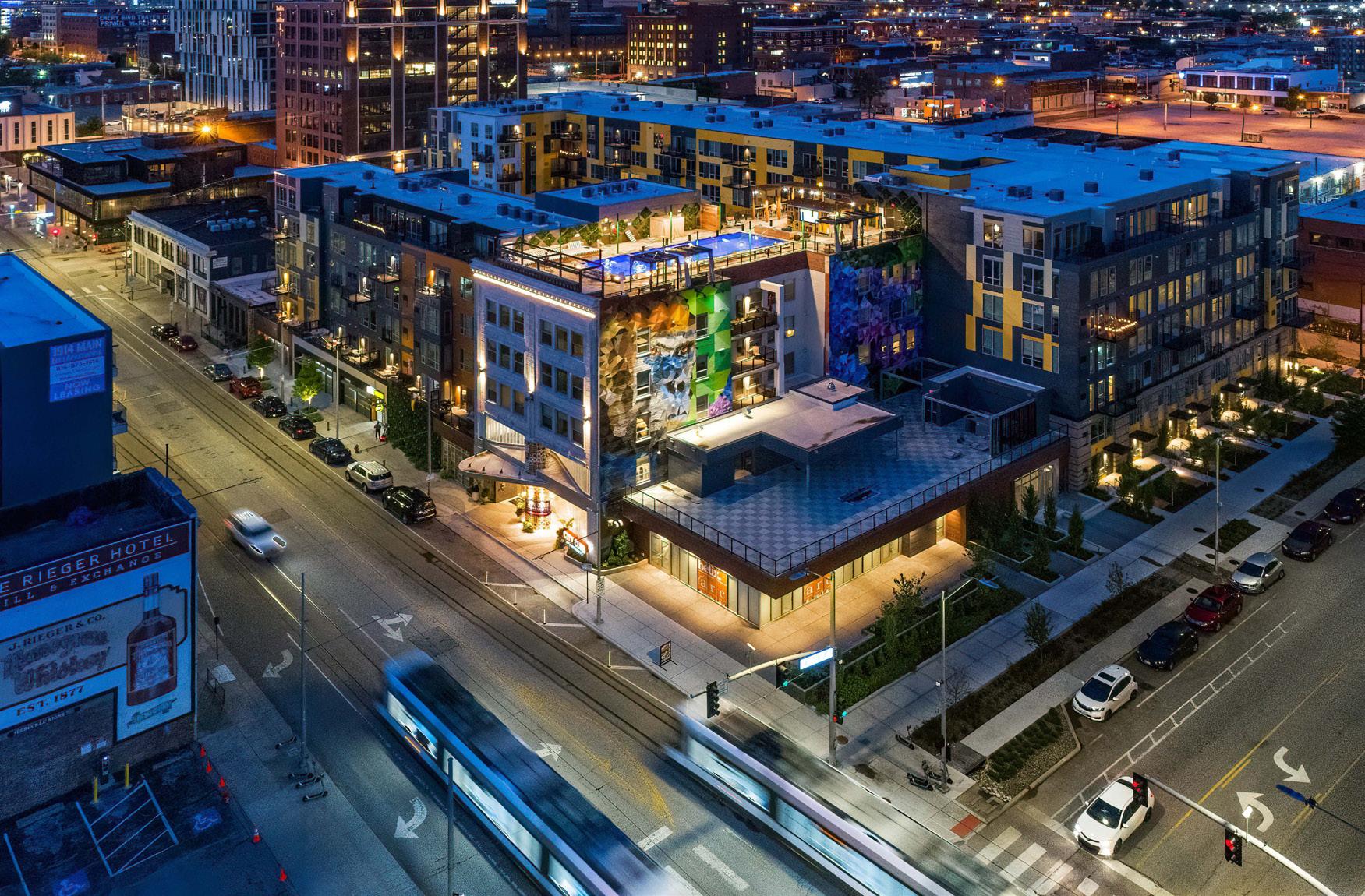
As our professional and personal lives continue to collide, we search for what drives us to return to the office. The destination workplace now offers much more than simply a place to do business. We are looking for experiences; places to collaborate, places to be social, access to retail, restaurants, green space, transportation and entertainment .
CREATING SPACES WHERE PEOPLE WANT TO BE
When companies manage change effectively , employees tend to be more engaged – between 64% and 86% engaged – compared with companies whose employees don’t believe they’ve handled change effectively.
Source: Steelcase, Change Management Lessons Learned + Best Practices