3 minute read
What Are the Goals of Hypertrophic Scars Treatment?

Hypertrophic scars can affect both appearance and confidence, making their management an important concern for many individuals. The primary objective of hypertrophic scars treatment is to minimize the scar's thickness, redness, and discomfort, restoring a smoother and more natural skin texture. For those seeking professional care, Hypertrophic Scars Treatment in Dubai offers advanced solutions at clinics like Dynamic Life Clinic in Dubai, where modern techniques are combined with personalized care plans.
Understanding Hypertrophic Scars
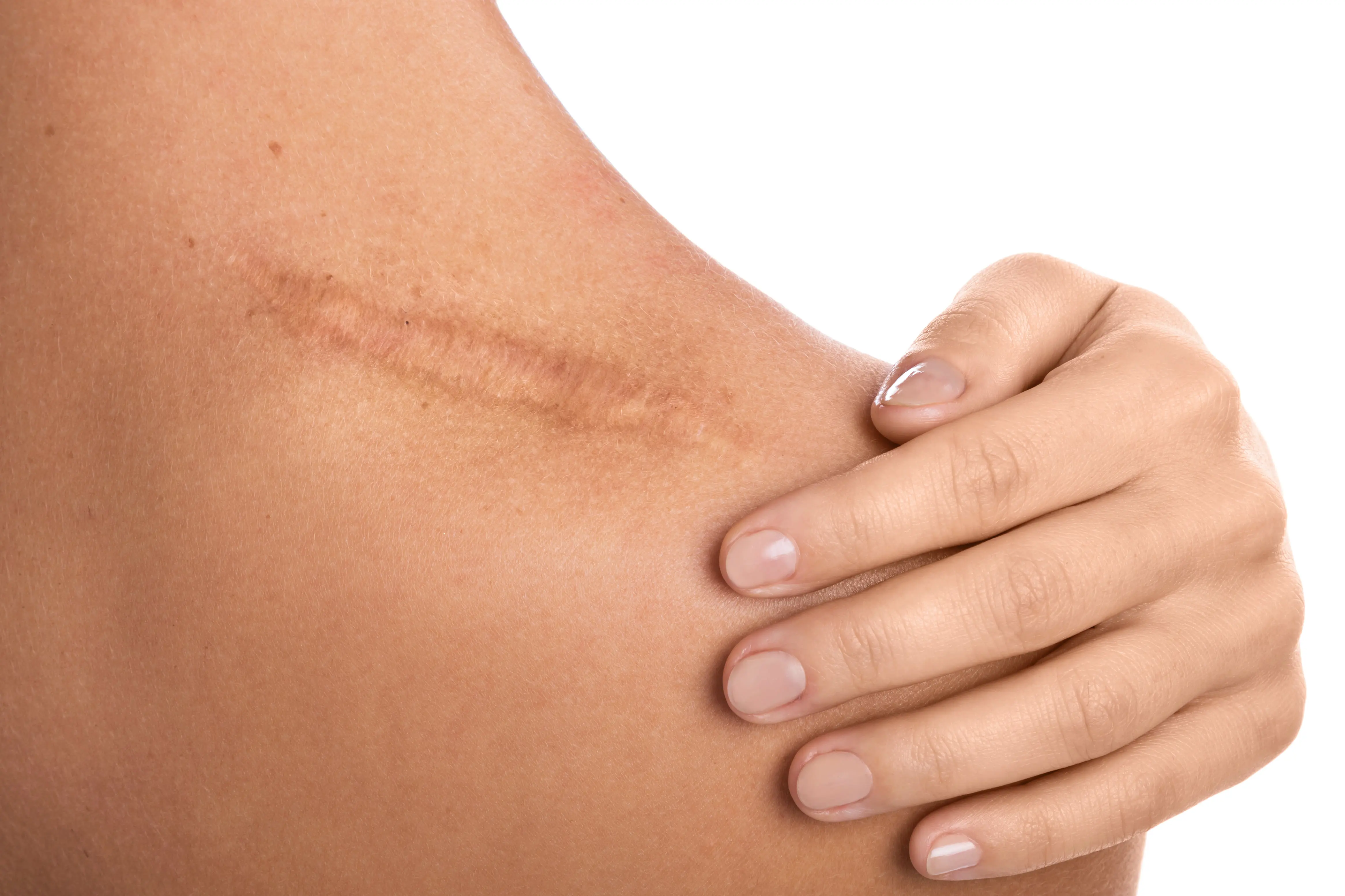
Hypertrophic scars form when the skin overproduces collagen during the healing process. Unlike keloids, these scars remain within the boundaries of the original wound but appear raised, red, and sometimes itchy or tender. Common causes include surgical incisions, burns, trauma, or severe acne. Understanding the nature of hypertrophic scars helps in choosing the right treatment strategy, targeting both cosmetic appearance and functional improvement.
Key Goals of Hypertrophic Scar Treatment
The goals of hypertrophic scar treatment extend beyond just aesthetic improvement. Effective treatments aim to:
Reduce Scar Thickness: One of the main objectives is to flatten raised scars, making them less prominent.
Minimize Redness and Discoloration: Treatments aim to normalize skin pigmentation for a more uniform tone.
Relieve Itchiness and Discomfort: Many hypertrophic scars cause itching or tightness, and treatment can improve comfort.
Restore Skin Functionality: Scar tissue can limit movement, especially near joints, and treatment helps restore flexibility.
Enhance Confidence and Self-Esteem: Improving scar appearance contributes to emotional well-being and self-confidence.
Common Approaches in Treatment
Hypertrophic scars can be managed using a combination of techniques tailored to individual needs. Some widely used methods include:
Topical Treatments: Silicone gels or sheets can help flatten and soften scars while reducing redness.
Injections: Corticosteroid injections reduce inflammation and suppress excess collagen formation.
Laser Therapy: Targeted lasers improve skin texture, pigmentation, and scar thickness.
Pressure Therapy: Specialized garments or bandages apply consistent pressure, preventing abnormal scar growth.
Surgical Revision: In selected cases, surgical removal or modification of the scar may be necessary to achieve better results.
Factors That Influence Treatment Success
Several factors can determine how effective hypertrophic scar treatment will be:
Scar Age: Younger scars are generally more responsive to treatment than older, fully matured scars.
Location: Areas with high tension, like the shoulders or chest, may require more intensive management.
Skin Type: Individual skin characteristics, including pigmentation and elasticity, affect healing outcomes.
Consistency of Care: Regular follow-up and adherence to prescribed therapies are essential for optimal results.
Preventive Measures Alongside Treatment
While treatment focuses on existing scars, preventive measures can help minimize hypertrophic scar formation:
Proper Wound Care: Cleaning and protecting wounds reduces the risk of abnormal scarring.
Avoiding Sun Exposure: UV protection prevents hyperpigmentation in healing scars.
Moisturizing and Hydration: Keeping the skin supple supports natural healing processes.
Early Intervention: Starting treatment early improves outcomes and reduces long-term visibility.
Conclusion
The goals of hypertrophic scars treatment are multifaceted, aiming not only to improve the visual appearance of scars but also to restore skin function and enhance overall comfort. In Dubai, clinics like Dynamic Life Clinic offer comprehensive strategies to manage these scars effectively, using the latest medical technologies and tailored care plans. By addressing thickness, color, texture, and discomfort, hypertrophic scar treatment helps individuals regain confidence while achieving healthier-looking skin.