EDITOR’S STATEMENT
This winter, RANGE is guided by the spirit of the Fire Horse a symbol of passion, strength, independence, and bold momentum. In the Chinese zodiac, the Fire Horse is a rare and powerful force. It does not wait. It does not ask permission. It moves with a kind of electricity that is impossible to ignore, driven by instinct, vision, and an unshakeable sense of purpose. To be born under the Fire Horse is said to be a gift and a challenge a life lived at full intensity, always reaching toward something larger than what already exists
As we move from the Year of the Snake into the Year of the Horse, this issue arrives at a natural moment of transition The snake, in its quiet wisdom, teaches us something essential before we go. It sheds its skin slowly, deliberately releasing the old so the new has room to breathe. There is nothing dramatic about it, and yet it is one of the most radical acts in nature. To let go of what once protected you. To become something you have not yet been. The snake does not mourn what it leaves behind. It simply moves forward, lighter and more itself than before The Horse takes that transformation and runs with it Where the snake is stillness and strategy, the Horse is motion and momentum It is the creative impulse made physical that feeling when an idea finally breaks through, when a piece of writing finds its spine, when an image says exactly what words could not.
The Horse reminds us that there comes a point where thinking must become doing, where drafts must become decisions, where potential must become form. This energy feels especially meaningful as we enter Black History Month. Black history is not a passive record of the past. It is a living, breathing force shaped by people who refused to be confined, who created under pressure, who built culture and community and movement out of sheer will and imagination. The artists who invented new genres The writers who told truths no one else would The organizers who held the line when the cost was high The everyday people who refused, who marched, who stayed, who made All of them carrying that same Fire Horse spirit: forward, always forward. Progress has never come without courage. It takes courage to challenge what has been accepted for too long. It takes courage to make work that questions, that disrupts, that imagines something better. As winter unfolds and we sit with this season of transformation, we invite you to move through these pages the way the Horse moves with full presence, open attention, and a willingness to be changed by what you find The Fire Horse does not slow down It’s always moving forward
Love, Lahyana & Dolcé
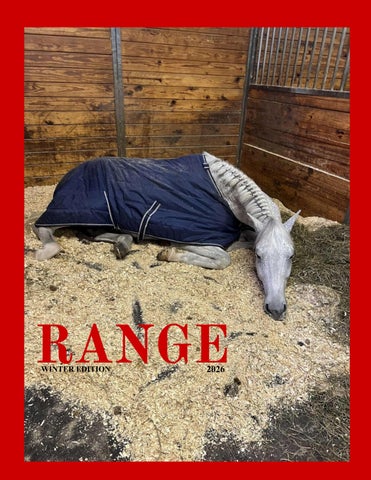
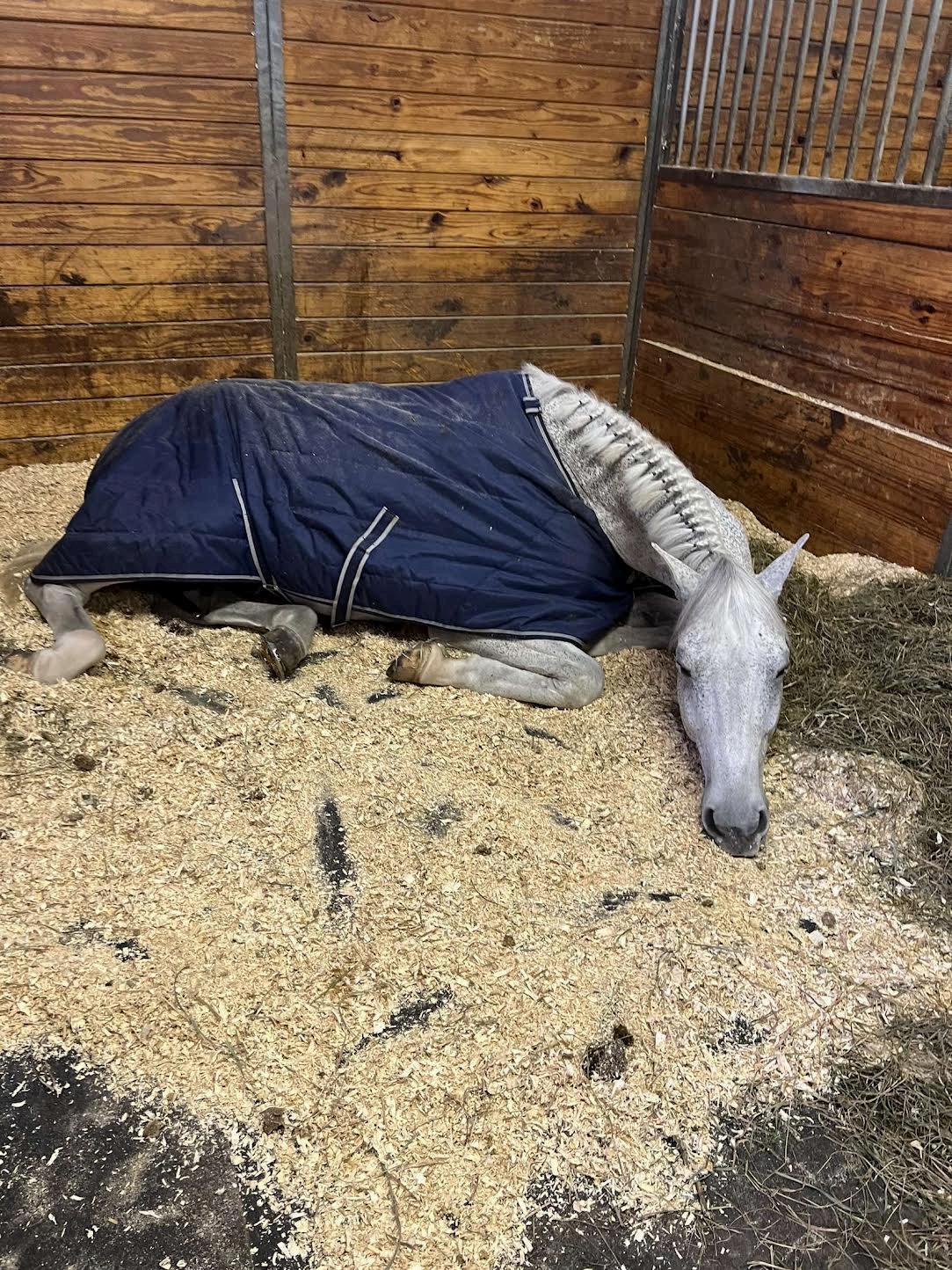
Cover Photo credit MH Izmirlian Demsey
Meet Ms. Young, BWL’s Co-Director of Upper School
By Gracie Lonstein
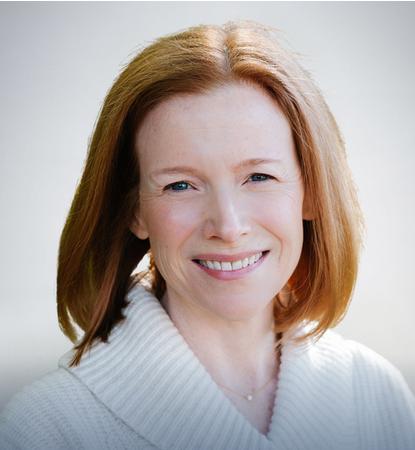
What inspired you to pursue a career in education and school leadership?
When I was 5 years old, someone asked me what I wanted to be when I grew up I told them I wanted to be Mrs Haney, my kindergarten teacher I thought she was so lucky because she got to teach AM and PM kindergarten. Ever since then, I’ve tried to spend as much time in school as possible, either as a student, a teacher, or an administrator. And I’ve been pretty successful at that! Schools are incredibly special places. From the perspective of a student, they are organizations where the focus of every adult in the building is on helping you grow, learn, and develop the skills to be successful out in the world. It’s a huge job, but all of us are here because we wake up every day believing all of you are worth it
If students ran into you outside of school on a weekend, what would you probably be doing? Whatever my son is doing! Half the time, I’m just chauffeuring him to and from soccer games and debate tournaments. If I’m doing something for myself, I’m probably taking long walks with our corgi or going to yarn stores since I love to knit.
Is there a message you would like to share with students at Birch?
Make sure to surround yourself with people who support you and are there for you. That includes people who will take the time to challenge you, disagree with you, and give you their honest opinions. I’d love to see everyone pursuing positive relationships across all the grades. Despite what some students say, trash-talking and put-downs are not what real friends do with or to each other I want every BWL student to feel like they have genuine friends at school
What advice would you give to students who are feeling overwhelmed academically?
People here are very invested in you! Communicate with your teachers Communicate with your advisor Communicate with your coaches Communicate with Dr Lipton, Mr Salgado, and me All of us are here to support you But keep in mind that supporting you includes holding you accountable to expectations. When you are feeling overwhelmed, adults in the community can help you set and reset goals to be less overwhelmed.
Also, please avoid measuring yourself against others. There are so many ways to be successful here, and you need to find your own path, not follow the paths of others.
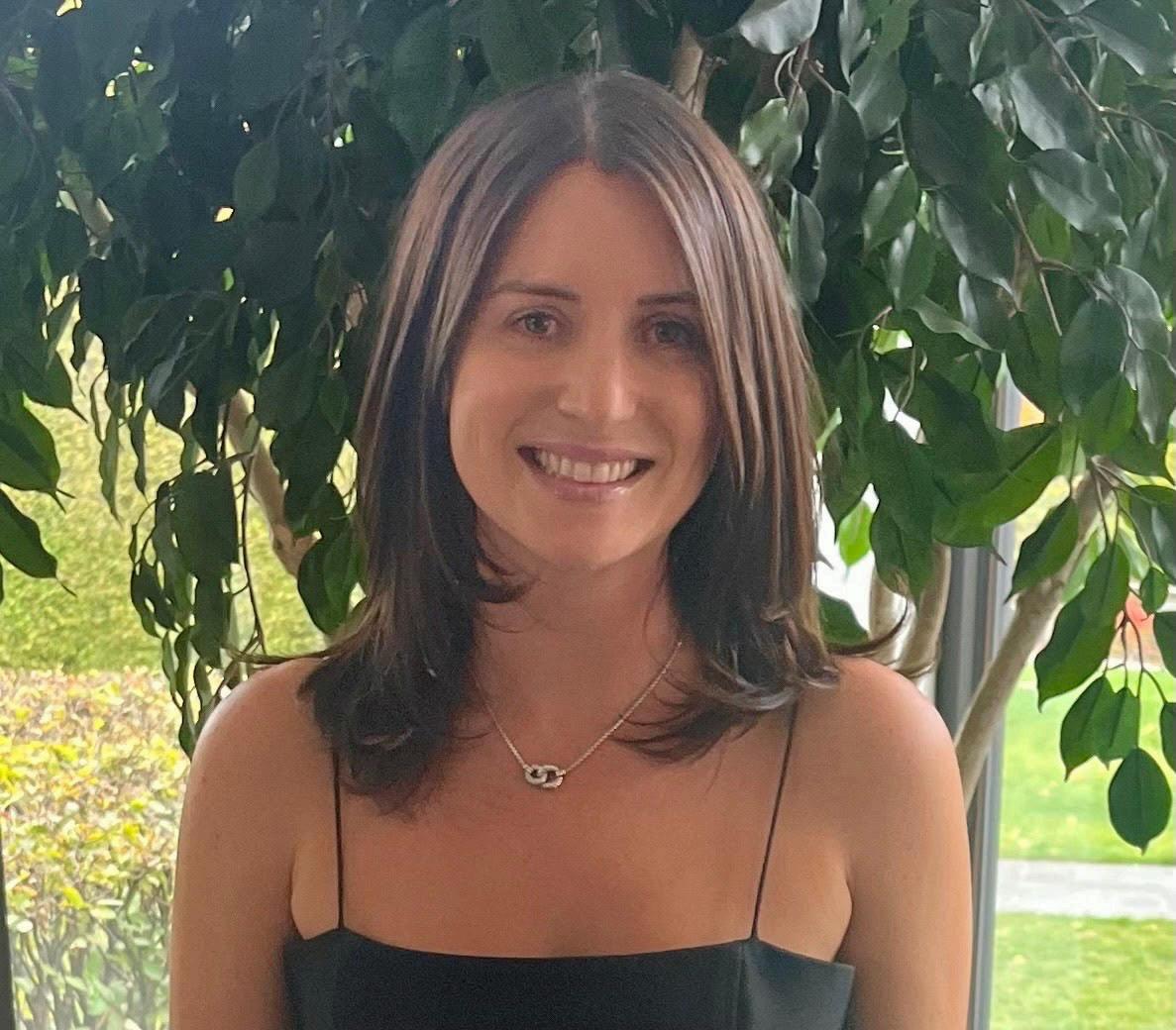
Meet Ms. Gerver, BWL’s Dean of Students
By Gracie Lonstein
What made you interested in the field of education?
When I think back to high school and college, my teachers played a huge role in shaping me. While they cared about academics, they also invested in how I grew as a person. They put real time and energy into me, and because of that, I felt supported, focused, and cared for.
That’s really where my interest in education comes from. I want to give that same kind of support to others to help people grow, to make sure they feel seen for who they are, and to nurture them in ways that feel real I love being able to sit with someone, help them sort through their ideas, and guide them toward what’s best for them, always with strong values and character at the center.
From your experience here so far, what would you say makes BWL such a special place?
I’ll give you a bit of a behind-the-scenes answer. The Upper Administrative team at BWL is incredibly collaborative, respectful, and trusting of one another. They’re genuinely curious about people’s perspectives and make a real effort to consider different viewpoints before making decisions that affect the school. They listen closely and respond with care, which leads to constructive conversations grounded in trust and the best intentions. This matters because leadership sets the tone in communities. Here, the people in leadership truly care, which trickles down. The way leadership interacts with teachers shapes how teachers interact with students, and ultimately, how students interact with one another. This positive chain reaction is a big part of what makes BWL such a special place.
What advice would you give to a student facing an academic or social challenge here at BWL?
When you face a challenge, take a step back, look at it clearly, and try to see it from different perspectives Whether it’s academic or social, the best solutions are the ones that reflect your values, strengthen your relationships, and help you move forward with intention and empathy It’s natural to feel like giving up or walking away might be the easiest choice in the moment, but challenges give you the chance to build resilience and discover strengths you didn’t realize you had
FIRE HORSE
FEBRUARY 17, 2026 - FEBRUARY 7, 2027
The Year of the Fire Horse occurs within the Chinese zodiac cycle, combining the sign of the Horse with the dynamic element of Fire. The most recent Fire Horse year was 1966, and it returns every 60 years in the lunar calendar. In traditional East Asian astrology, the Horse symbolizes energy, independence, and charisma, while the Fire element intensifies these traits, adding passion, boldness, and unpredictability.
People born in the Year of the Fire Horse are often described as confident, driven, and fiercely individualistic In some cultures, however, the year has carried superstition particularly in Japan, where it was once believed that Fire Horse women would be especially strong-willed or challenging, a notion that even influenced birth rates in 1966
Today, the Year of the Fire Horse is more commonly embraced as a symbol of vitality and transformation It represents momentum, courage, and the power to charge forward qualities that continue to capture the imagination across generations.
WINTER ZODIACS
DECEMBER
22 - MARCH 19
Capricorn (Dec 22 – Jan 19)
Capricorns are known for their ambition, discipline, and strong sense of responsibility They’re natural planners who like setting goals and actually achieving them While they may seem serious at first, they have a dry sense of humor and deeply value loyalty and stability
Aquarius (Jan 20 – Feb 18)
Aquarius is the visionary of the zodiac independent, creative, and always thinking about the bigger picture They tend to be original and a little unpredictable, often caring deeply about causes and community Aquarians love being different and aren’t afraid to challenge norms
Pisces (Feb 19 – Mar 20)
Pisces are compassionate, imaginative, and emotionally intuitive. They often feel deeply connected to others and are drawn to creativity and self-expression. Dreamy yet empathetic, Pisces bring warmth and understanding wherever they go
Famous Birthdays
Capricorns: Michelle Obama, Dolly Parton, LeBron James, Denzel Washington. Timothée Chalamet, Zayn Malik, and Lin-Manuel Miranda. Aquarius: Harry Styles, Oprah Winfrey, Cristiano Ronaldo, Michael Jordan, Shakira, Ed Sheeran, Megan Thee Stallion.
Pisces: Rihanna, Justin Bieber, Olivia Rodrigo, Millie Bobby Brown, Simone Biles, Drew Barrymore, and Shaquille O'Neal.
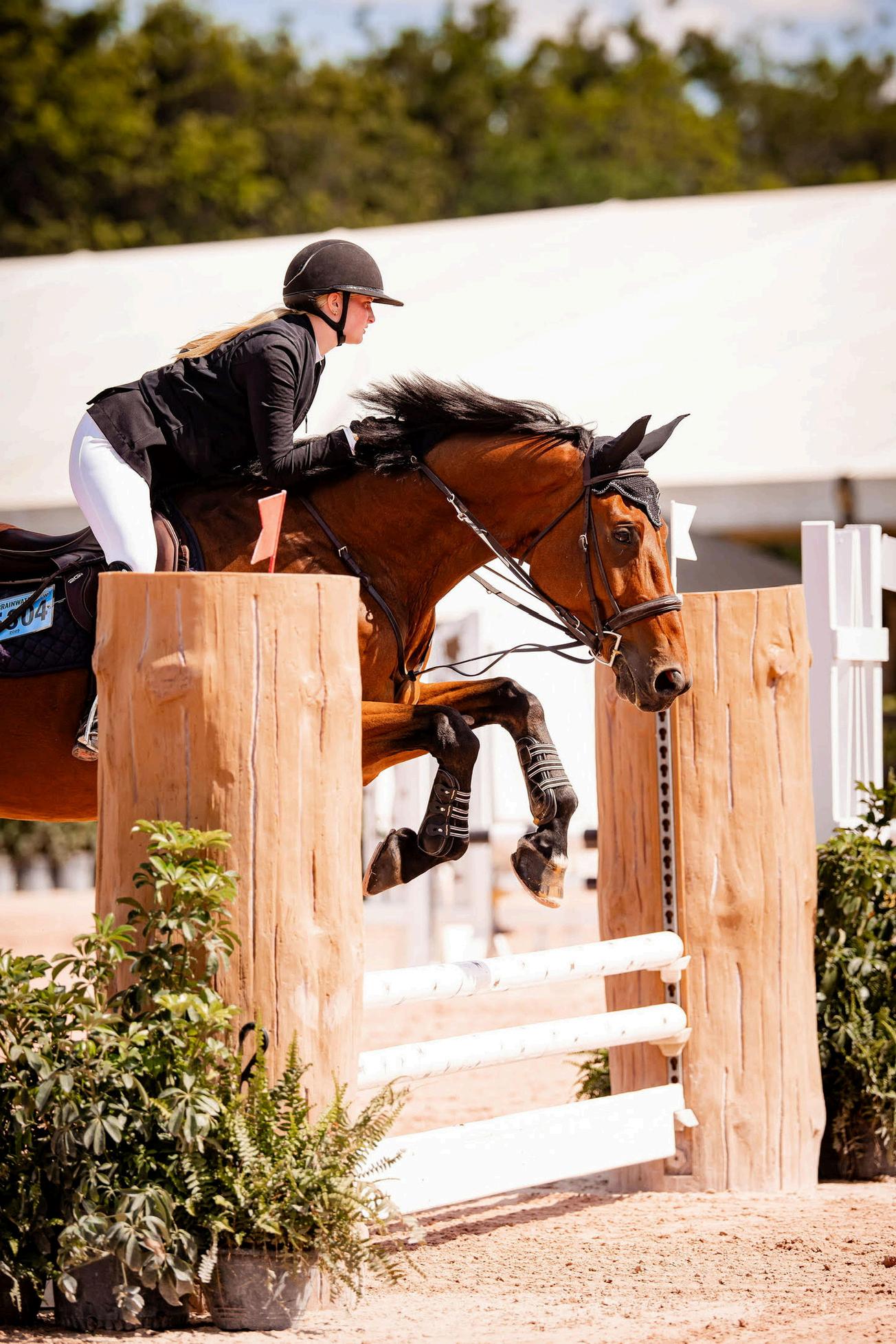
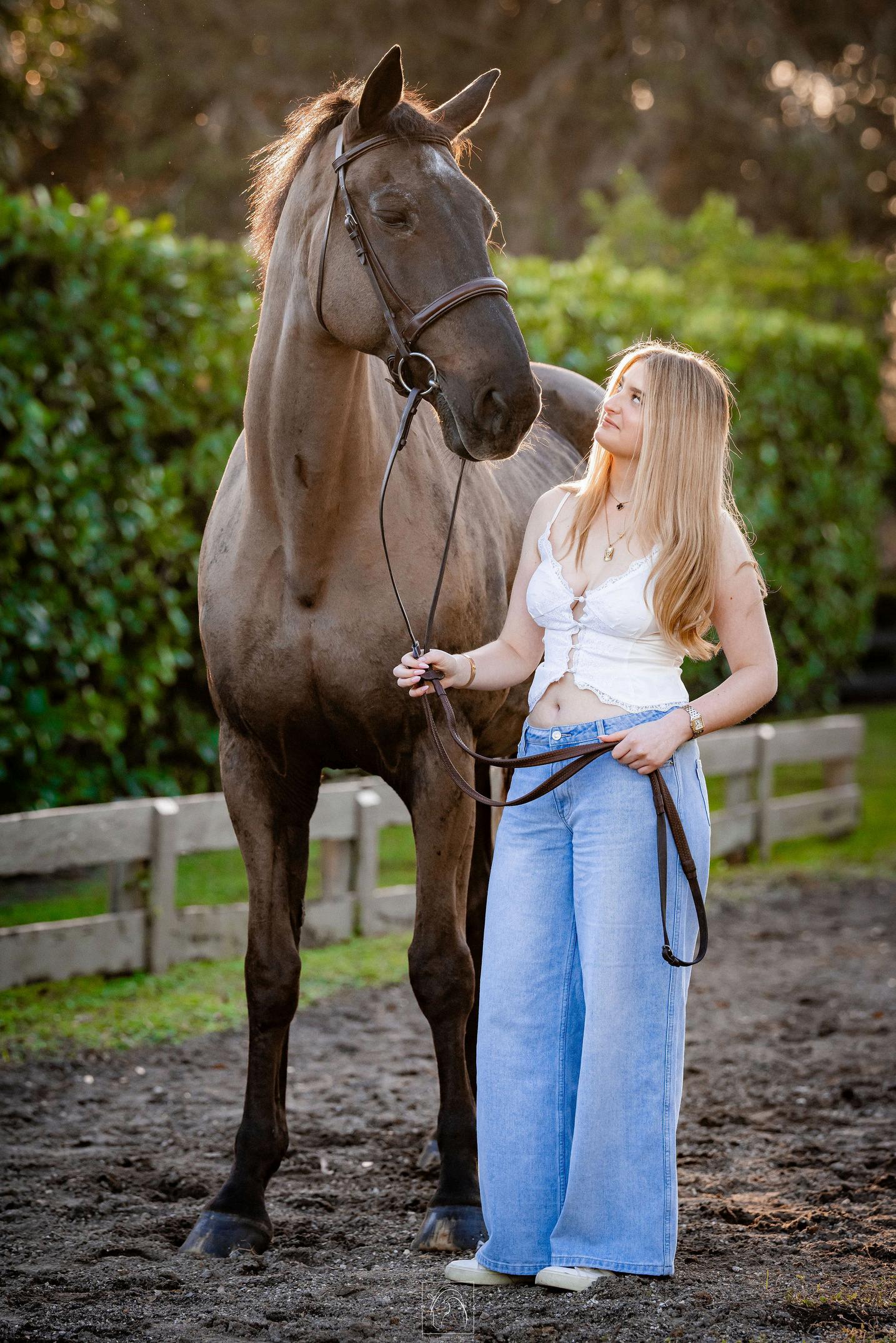
A GIRL AND HER HORSE
Written by MH Izmirlian Demsey
Photographed below with her horses
Horses have always been a huge part of my life, and riding is something I truly love. I spend a lot of my time at the barn training, learning, and building relationships with the horses I ride. I’ve also had the opportunity to compete at some of the top equestrian venues, which has been an incredible experience and has pushed me to grow both as a rider and competitor. Being around horses has taught me patience, responsibility, and dedication, and I’m always motivated to keep improving. One of my favorite parts of riding is the connection you develop with a horse and the trust and teamwork that grows over time. I also believe that good sportsmanship goes far beyond just riding well, it means understanding that this sport isn’t always about the rider, but also about the horse and putting their well-being first The equestrian world means so much to me, and it's a passion and community that I hope to stay connected to for the rest of my life
A HORSE FROM COSTA RICA
Photo & Words by Dolcé Rehbein
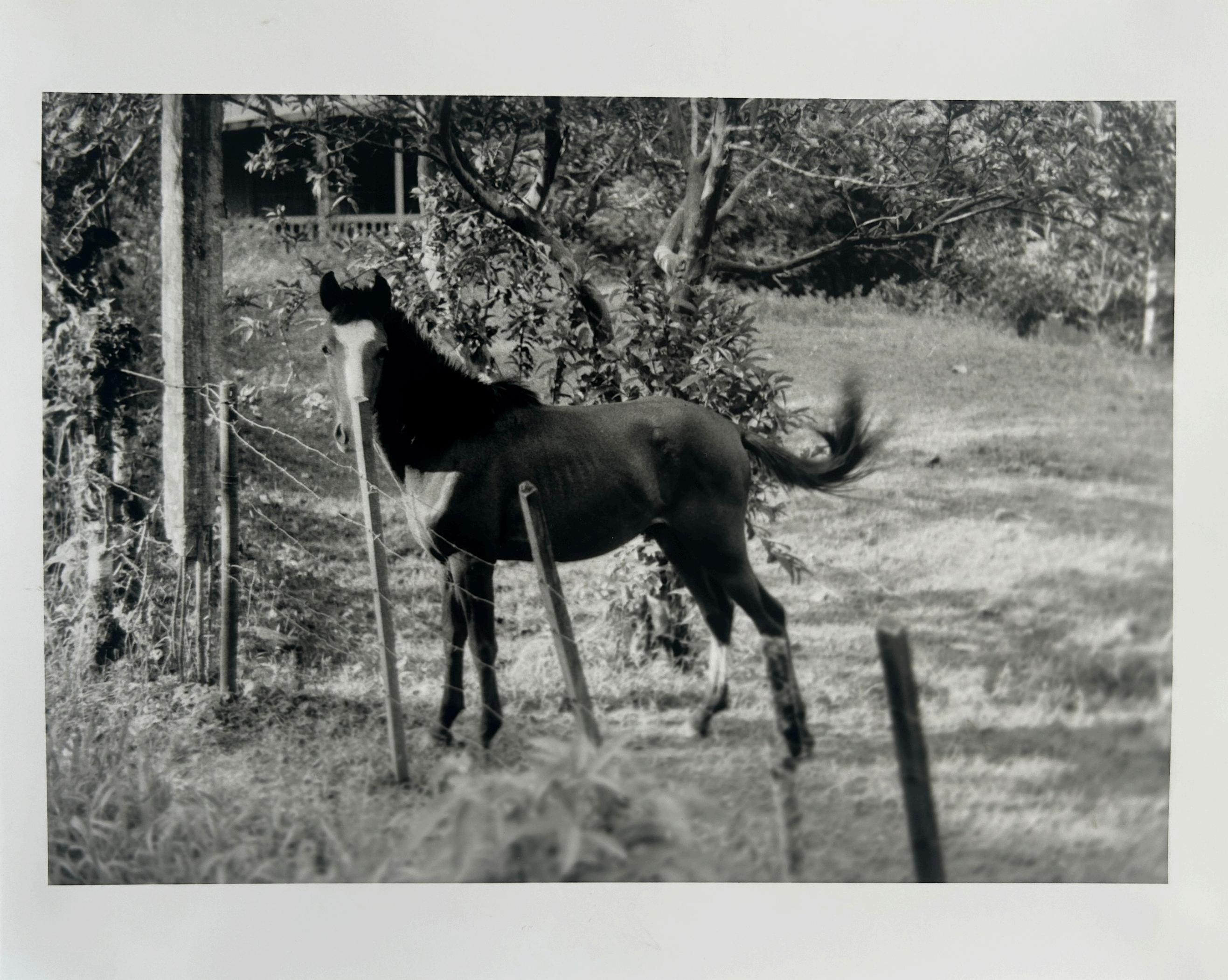
Photographed in Turrialba, Costa Rica, during a trip last summer Along the road between our house and the town, there was a fenced pasture where a small group of horses grazed We passed them every day on our walk, and they would often wander over to the fence, curious and calm, watching us as we went by.
This foal, caught mid-movement, reflects the lively spirit that horses often symbolize. In an issue shaped around the energy of the Horse, the moment feels like a small glimpse of movement, curiosity, and the sense of new beginnings that runs through this season.

Kendrick Lamar Reimagined
Collage & Words by Jaevian Pardo
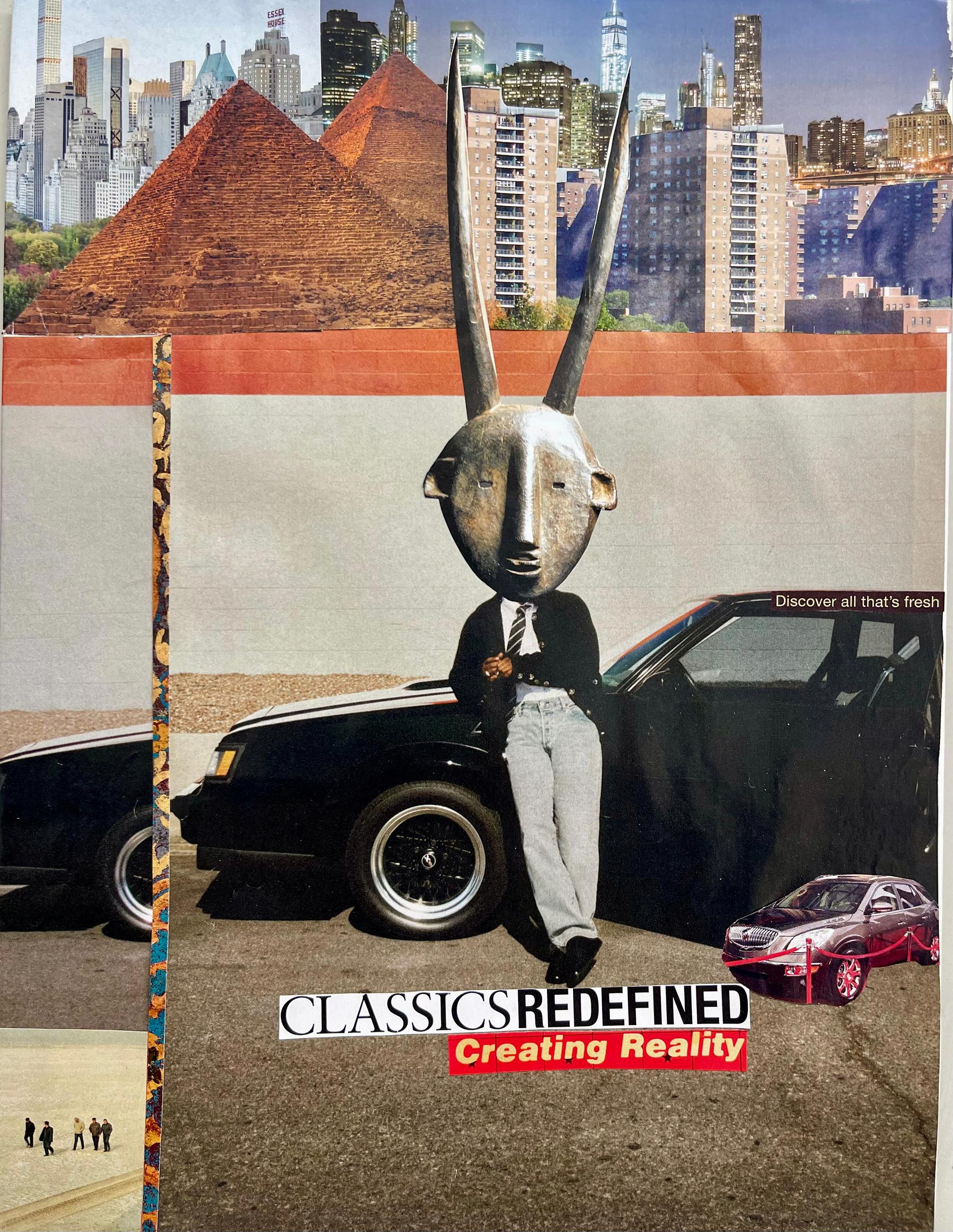
Kendrick Lamar is widely recognized as one of the most influential artists in modern hip hop His music blends storytelling, social commentary, and complex lyricism to explore themes such as identity, inequality, faith, and personal growth Raised in Compton, California, Lamar often draws on his experiences growing up in that environment to create vivid narratives about community, struggle, and resilience Albums like Good Kid, m A A d City, To Pimp a Butterfly, and DAMN are praised for both their artistic innovation and their cultural impact. Lamar’s work has earned numerous awards, including a Pulitzer Prize for Music, making him the first rapper to receive that honor. Through his lyrics and artistic vision, he continues to challenge listeners to reflect on society and the realities faced by many communities.
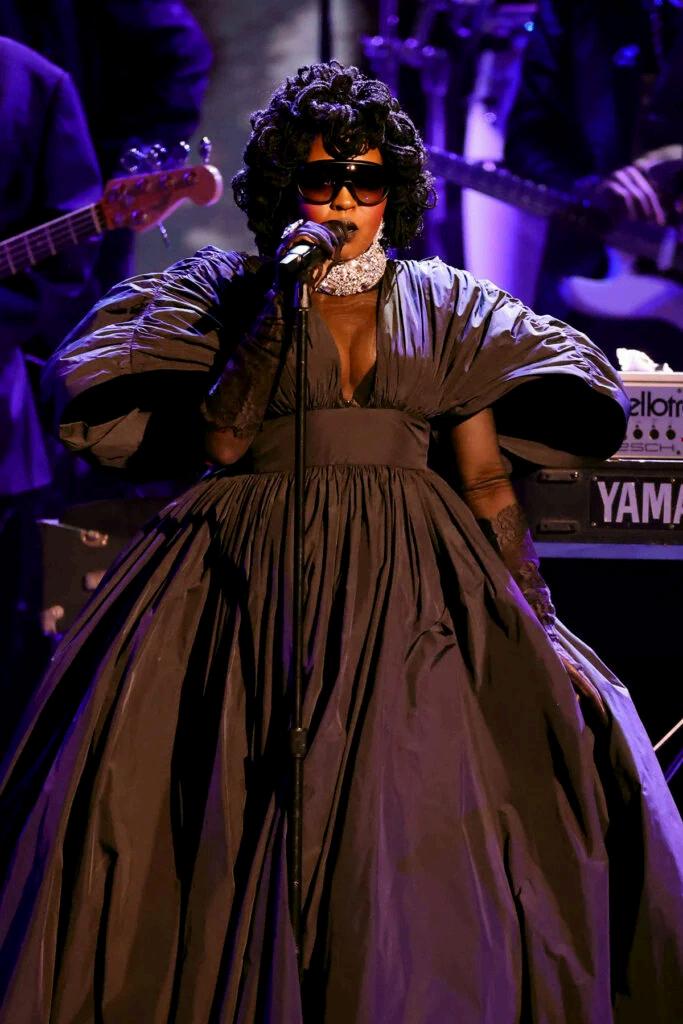
Lauryn Hill Grammy Performance
By Lahyana Mitchell
Lauryn Hill returned to the Grammys stage for the first time since 1999 with a major tribute performance honoring soul and R&B legends D’Angelo and Roberta Flack. The tribute took place during the ceremony’s memorial segment, featuring a star-studded rotating lineup of artists throughout the evening. Guest performers included Wyclef Jean, Chaka Khan, John Legend, Raphael Saadiq, Jon Batiste, and others The tribute connected generations of Black music, showing D’Angelo and Roberta Flack’s lasting influence on the music industry
Hill opened with “Nothing Even Matters,” the duet she originally recorded with D’Angelo, delivering a stripped-down yet powerful rendition that emphasized the song’s intimate lyricism and layered harmonies. As the arrangement built, additional artists joined her onstage, blending gospel undertones with classic R&B stylings in a way that honored both legends’ signature sounds. Archival images of D’Angelo and Roberta Flack played in the background, underscoring their cultural impact and decades-long contributions to soul music The performance gradually transitioned into a moving celebration of Flack’s timeless catalog, with soaring vocals and live instrumentation that echoed the warmth and depth of her recordings.
Critics praised the performance for its vocal strength and emotional depth, noting how powerfully it connected with the audience. Many highlighted its ability to honor the legacy of Black artistry and musical innovation across decades, celebrating the artists and cultural movements that shaped the sound of modern music. Reviewers also emphasized how the performance felt both timeless and relevant, bridging generations through its message and musical style.
AFRO-LATIN ART
Words & Artwork by Ariela Berisha
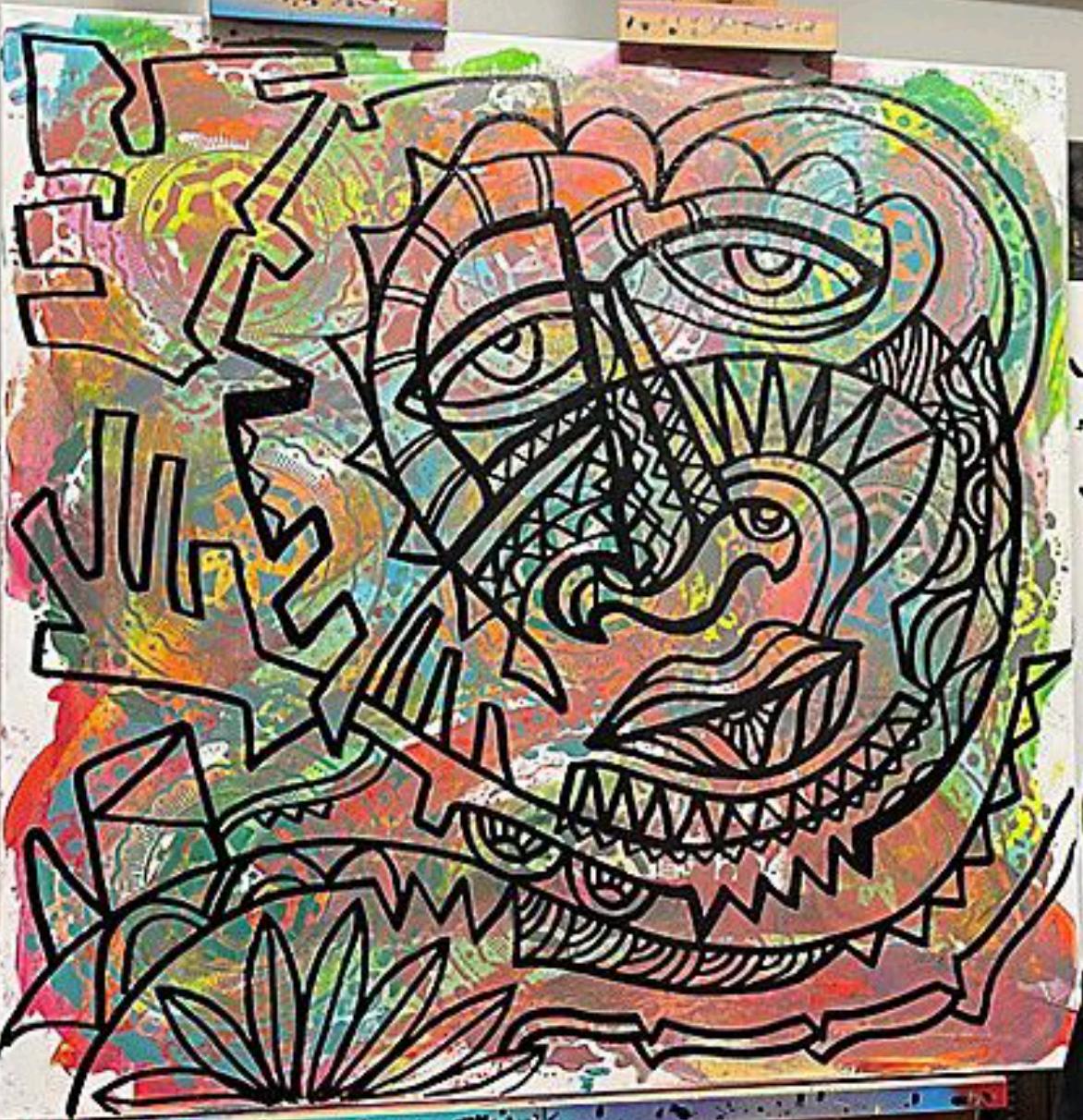
My Spanish project was to make art in awareness of black history month. I decided to do an acrylic painting that drew inspiration from two Afro-Latin paintings. Overall, because I deeply enjoyed both artworks and their sentiments, I wanted to combine an aspect of both of them to one painting The first painting inspiration was from Jose Manuel Cruz, a professional artist and educator, who uses art to express his Puerto Rican and Colombian identity. His work comes from pride in his cultural roots, whether it is Aztec, precolombian, or puerto rican. He famously said, “It’s in my work. It’s in my blood.” This shows how his ethnicity and creativity deeply coincide. Also, Cruz’s artistic choices include not being symmetrical and making faces In my own painting, I included a lot of his unsymmetrical abstract patterns as well as the background I used a sharpie for the patterns and many different acrylic colors for the background.
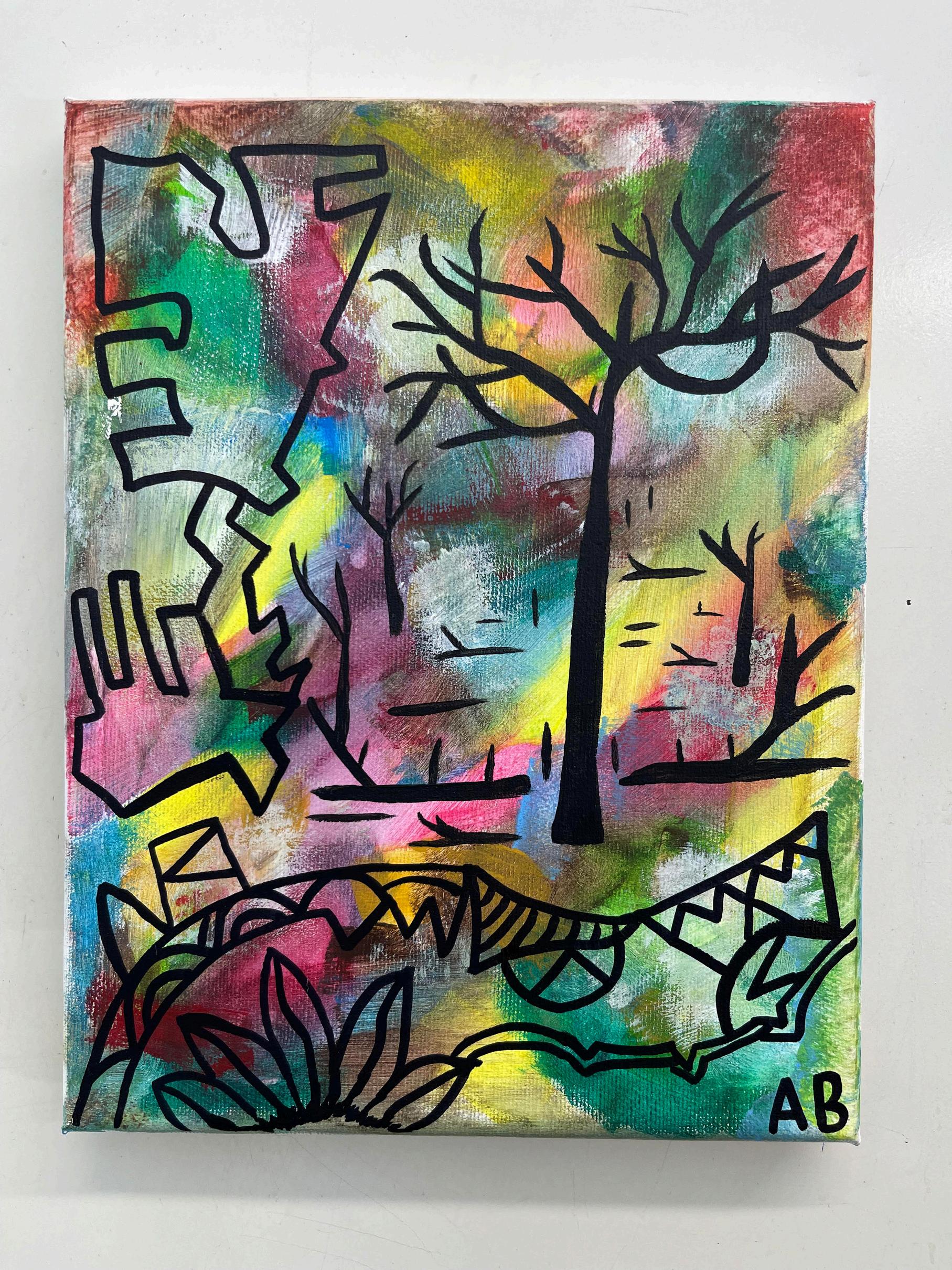
The second painting I was inspired from is a painting in the Museum of Fine Arts in Boston – It is called “Imagining Afro-Latin American Worlds” This original painting was meant to spread awareness of how Latin America’s culture was heavily dependent on imported African culture This painting wants to reveal how the two cultures relate to each other In my own painting, I added the trees and branches from the painting which is the heart and center of the original piece I used black acrylic paint to do it.
ARTE AFRO-LATINO
Words & Artwork by Ariela Berisha
Mi proyecto de español fue hacer arte para crear conciencia sobre el Mes de la Historia Afroamericana. Decidí hacer una pintura acrílica inspirada en dos pinturas afrolatinas. En general, como disfruté mucho ambas obras y sus mensajes, quise combinar aspectos de las dos en una sola pintura.
La primera inspiración fue una pintura de José Manuel Cruz, un artista profesional y educador que usa el arte para expresar su identidad puertorriqueña y colombiana. Su trabajo viene del orgullo por sus raíces culturales, ya sean aztecas, precolombinas o puertorriqueñas Él dijo famosamente: “Está en mi trabajo Está en mi sangre” Esto muestra cómo su etnicidad y creatividad están profundamente conectadas Además, las decisiones artísticas de Cruz incluyen no ser simétrico y crear rostros. En mi propia pintura, incluí muchos de sus patrones abstractos asimétricos y el fondo. Usé un sharpie para los patrones y muchos colores diferentes de pintura acrílica para el fondo.
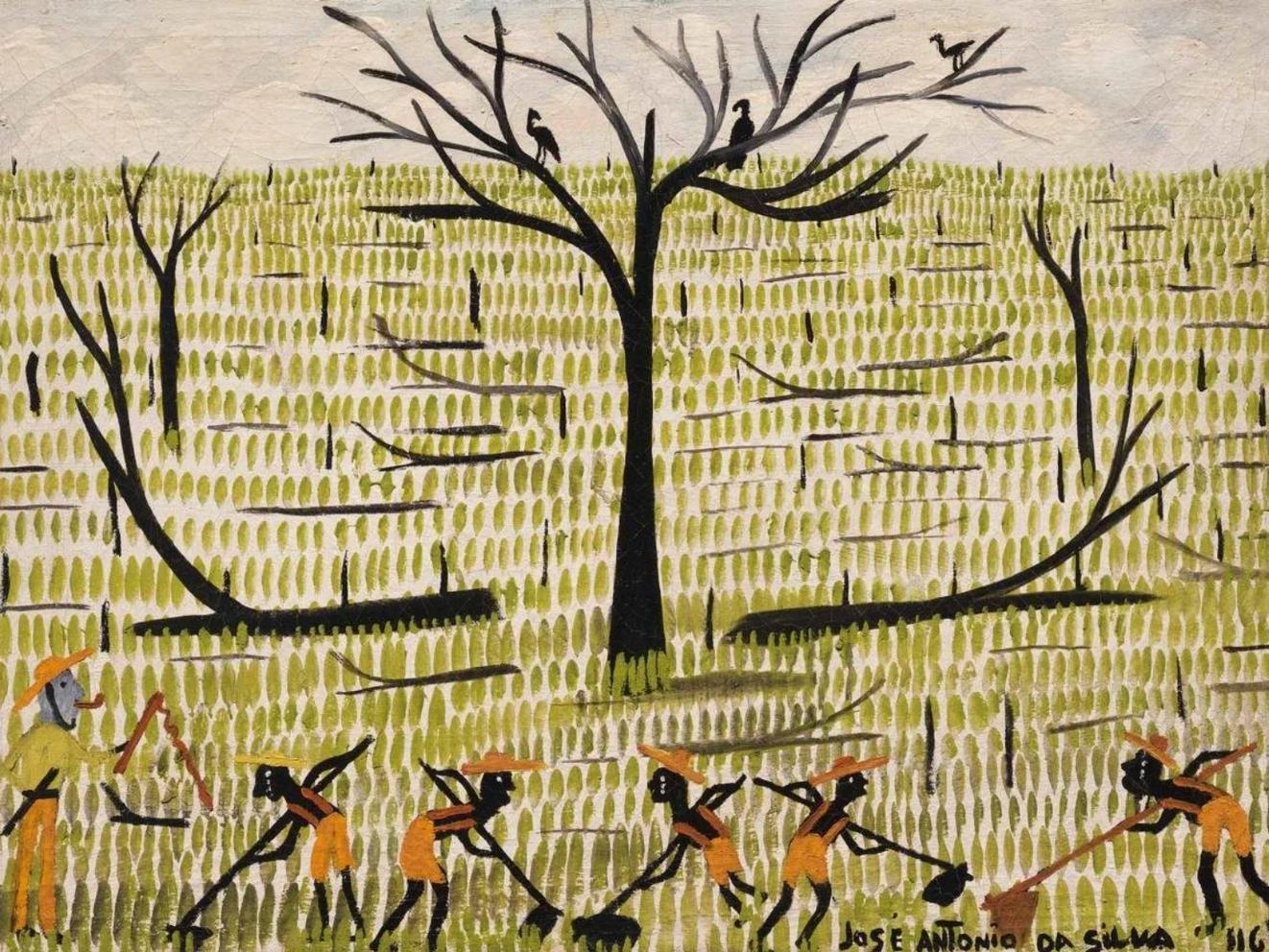
La segunda pintura que me inspiró está en el Museo de Bellas Artes en Boston Se llama “Imagining AfroLatin American Worlds.” Esta pintura original fue creada para crear conciencia sobre cómo la cultura de América Latina dependía mucho de la cultura africana importada. La pintura quiere mostrar cómo las dos culturas se relacionan entre sí. En mi propia pintura, añadí los árboles y ramas de la obra original, que son el corazón y el centro de la pintura. Usé pintura acrílica negra para hacerlo.
Below is orginial artwork by
José Manuel Cruz
SYMBOLISM OF HORSES IN CIENMA
By Victoria Garcia
Throughout film history, the horse has functioned as a powerful visual symbol, communicating meaning beyond dialogue. Across genres and traditions, filmmakers use the animal to express freedom, power, innocence, violence, and memory. Through framing, editing, and mise-en-scène, the horse often becomes an extension of character psychology or a metaphor for larger social and political forces
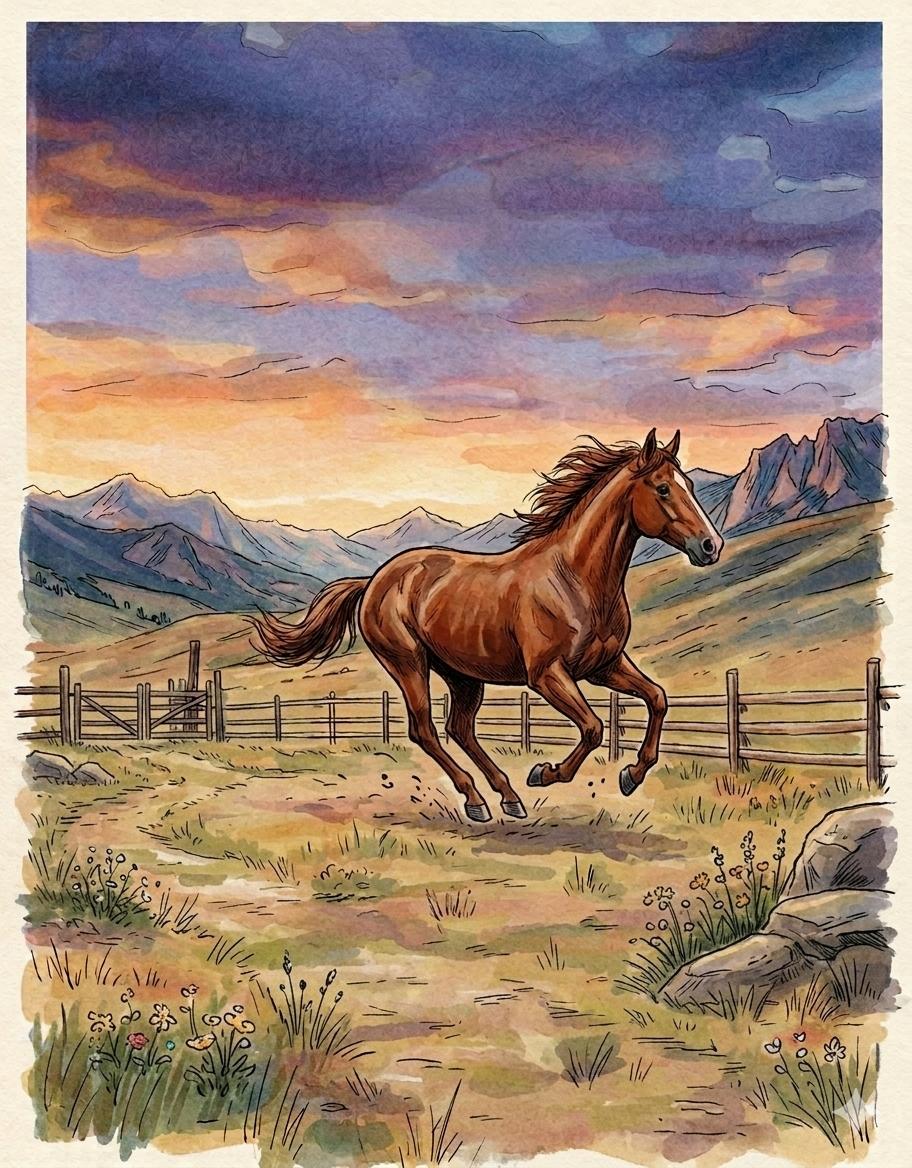
In classic American westerns such as Stagecoach, the horse is inseparable from the hero’s identity. Wide shots of riders crossing vast landscapes reinforce ideals of independence, mobility, and mastery central to the frontier myth. In epic cinema like Ben-Hur, especially the famous chariot race, rapid editing and dynamic camera angles turn horses into engines of spectacle symbols of rivalry, honor, and survival
Modern Hollywood often reframes the horse as an emotional anchor In War Horse, Steven Spielberg uses close-ups and lyrical pacing to present the animal as innocent and vulnerable, exposing the human cost of war. European cinema, by contrast, frequently embraces ambiguity. In Andrei Rublev, Andrei Tarkovsky employs recurring images of fallen horses as meditations on spiritual crisis and historical violence.
Across Hollywood spectacle and European art film, the horse remains one of cinema’s most expressive symbols. Whether charging through battle or standing silently in suffering, it continues to shape film’s visual language reminding audiences that cinema’s greatest power lies in image and movement

EL SIMBOLISMO DE LOS CABALLOS EN LA CINE
By Victoria Garcia
A lo largo de la historia del cine, el caballo ha sido un símbolo visual clave, capaz de comunicar significados más allá del diálogo. Desde los westerns de Hollywood hasta el cine de autor europeo, representa libertad, poder, inocencia, violencia y memoria histórica. Mediante el encuadre, el montaje y la puesta en escena, se convierte en una extensión de la psicología de los personajes o en metáfora de conflictos sociales y políticos.
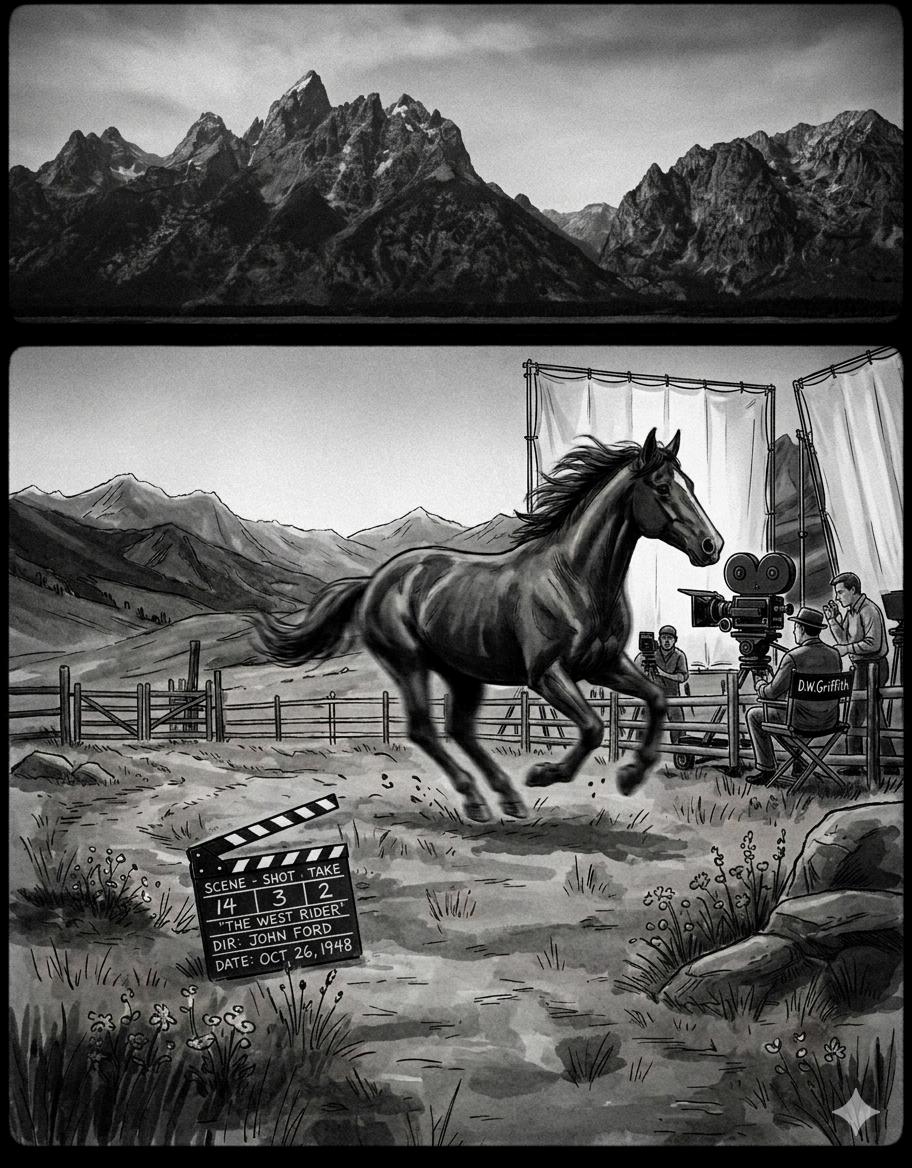
En los westerns clásicos como Stagecoach, el caballo es inseparable del héroe. Los planos generales de jinetes cruzando paisajes abiertos refuerzan el mito de la frontera, asociándolo con independencia y dominio del espacio. En el cine épico, como Ben-Hur, la célebre carrera de cuadrigas transforma al caballo en motor del espectáculo: símbolo de velocidad, rivalidad y supervivencia.
El Hollywood contemporáneo reinterpreta esta imagen desde la emoción En War Horse, Steven Spielberg presenta al animal como figura de inocencia y vulnerabilidad, utilizando primeros planos y un ritmo pausado para despertar empatía y subrayar la brutalidad de la guerra En contraste, el cine europeo adopta un enfoque más reflexivo. En Andrei Rublev, de Andrei Tarkovsky, los caballos heridos o caídos funcionan como metáforas de crisis espiritual y violencia histórica, invitando a la contemplación. Así, tanto en Hollywood como en Europa, el caballo permanece como uno de los símbolos más expresivos del séptimo arte. Ya sea en movimiento o en quietud, su presencia modela el lenguaje visual del cine y demuestra que la imagen, por sí sola, puede transmitir ideas profundas y complejas
THE HISTORY OF HORSES IN ART
By AD Canter
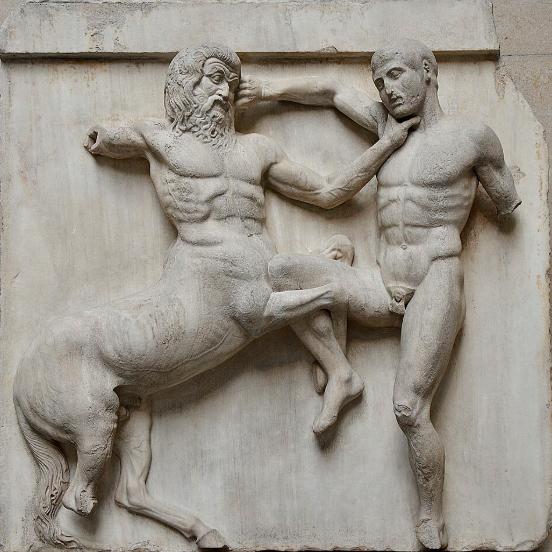
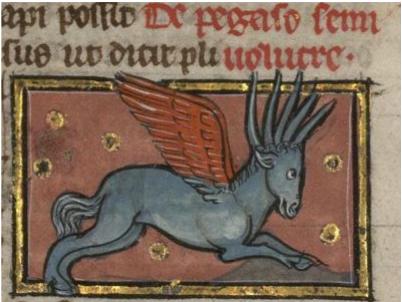
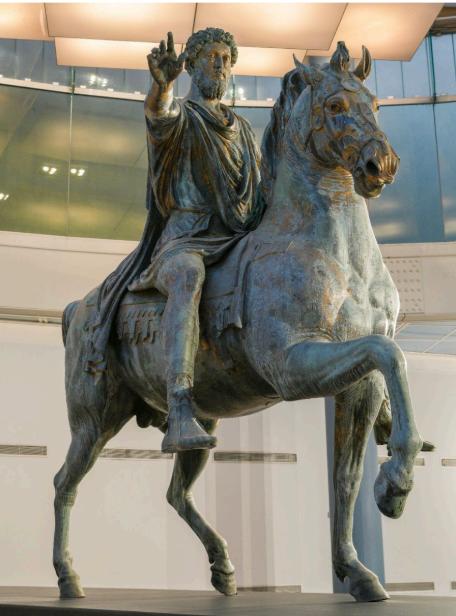
Since at least 5th-century Athens, the horse has stood for the wild force of nature: Powerful, untamed, and needing control. When humans domesticate the horse, it becomes a symbol of order and authority. Artists have used it again and again to show humanity’s dominance over the natural world.
On the south side of the Parthenon, the sculpted metopes depict the Centauromachy the battle between the Lapiths and the Centaurs High above the Acropolis, these reliefs show humans wrestling half-man, half-horse creatures The struggle is physical and intense: bodies twist and collide But humans win The message is clear civilization overcomes wildness. By the time of the Roman Empire, the horse’s role shifted. It is no longer the wild enemy but the obedient companion of a triumphant emperor. The ruler sits calmly atop a muscular, controlled animal. The horse is still powerful its strength carefully sculpted but now that power serves the state. The emperor mastering the horse becomes a metaphor for the state mastering nature.
In Medieval Europe, real animals fade into the background while imagination takes over. Horses become hybrids: horse plus wings (the Pegasus), horse plus human torso (the Centaur), horse mixed with other creatures. The horse becomes a stable base for fantasy a familiar form that artists transform into something strange and symbolic. It’s less about control and more about imagination.
Moving into the Early Modern period, the horse continues to help humans express power Across Europe, rulers pose in equestrian portraits, borrowing from Roman tradition In the 17th century especially, the equestrian portrait flourished In works like those by Diego Velázquez, kings sit atop richly adorned horses, projecting confidence and authority The animal is magnificent lavishly decorated, muscular, controlled. A great king, the image suggests, masters an equally splendid beast.
In the 18th and 19th centuries, horses finally took center stage in genre scenes and realist painting. No longer just props for rulers, they become subjects in their own right. In Rosa Bonheur’s great horse market scenes, the animals surge with energy. Some stand calmly; others rear and strain.
You sense both their strength and the tension of restraint. They could bolt if they chose. The drama lies in that possibility.
By the modern era, the horse became even more flexible as a symbol. It can stand for authority, nostalgia, fantasy, freedom, or exhaustion. It appears everywhere fine art, film, album covers, memes. One of the most striking recent examples is Charles Ray’s Horse and Rider. The work echoes centuries of equestrian monuments but feels vulnerable and uncertain The rider seems tired rather than triumphant Instead of celebrating dominance, it questions it Across history, the horse has never just been a horse It has been a tool for humans to think about power, imagination, control, and identity What changes is not the animal itself but what we need it to say about us
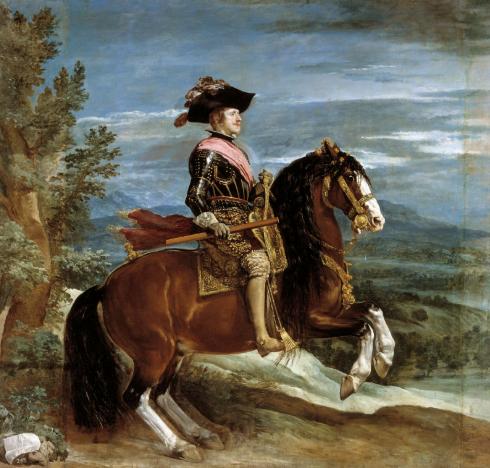
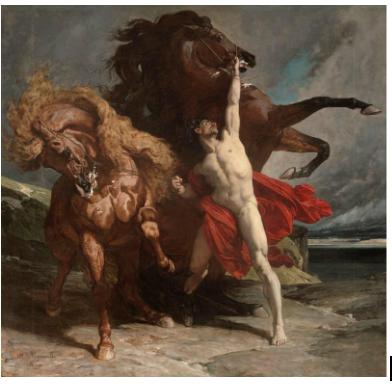
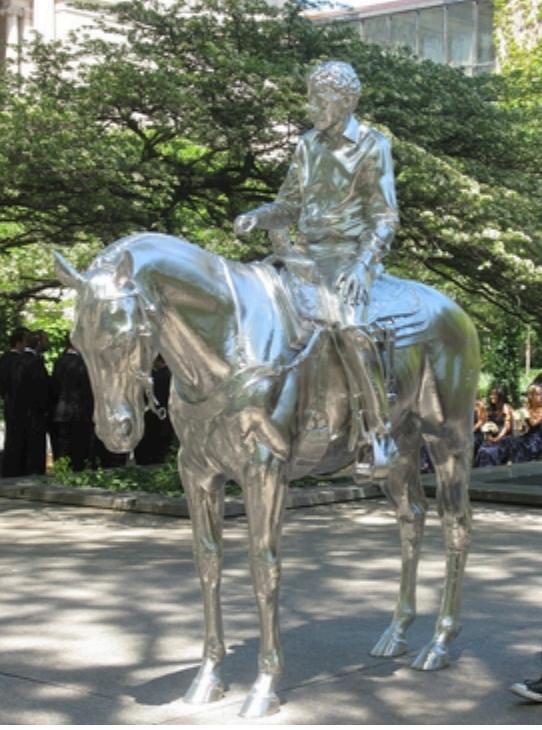
Previous page artwork: Centauromachy 447–433 BC, Liber de Natura Rerum by Thomas of Cantimpré, Equestrian Statue of Marcus Aurelius 175CE, This page: Equestrian Portrait of Philip IV by Diego Velázquez, Automedon with the Horses of Achilles by Henri Regnault and Horse and Rider by Charles Ray.
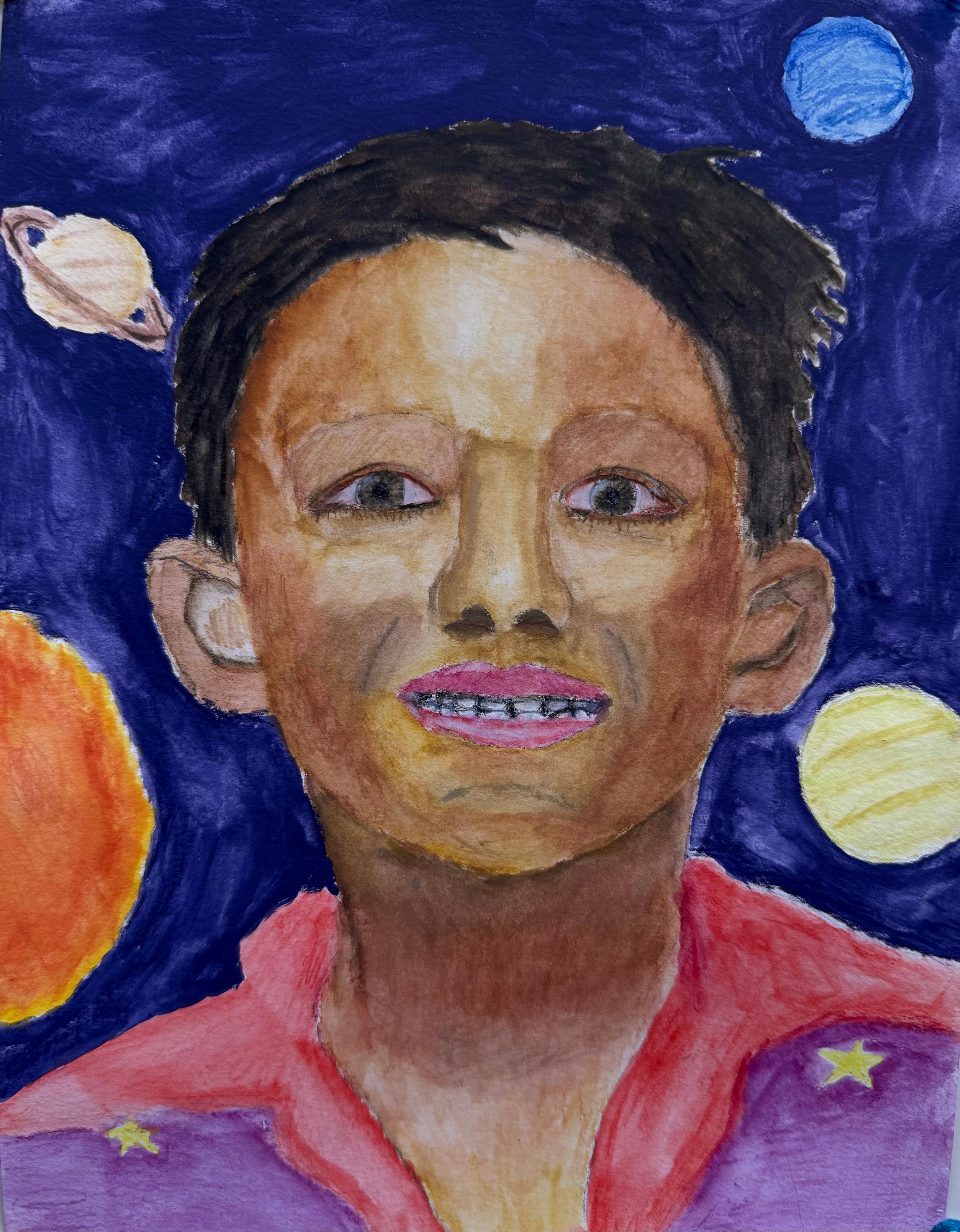
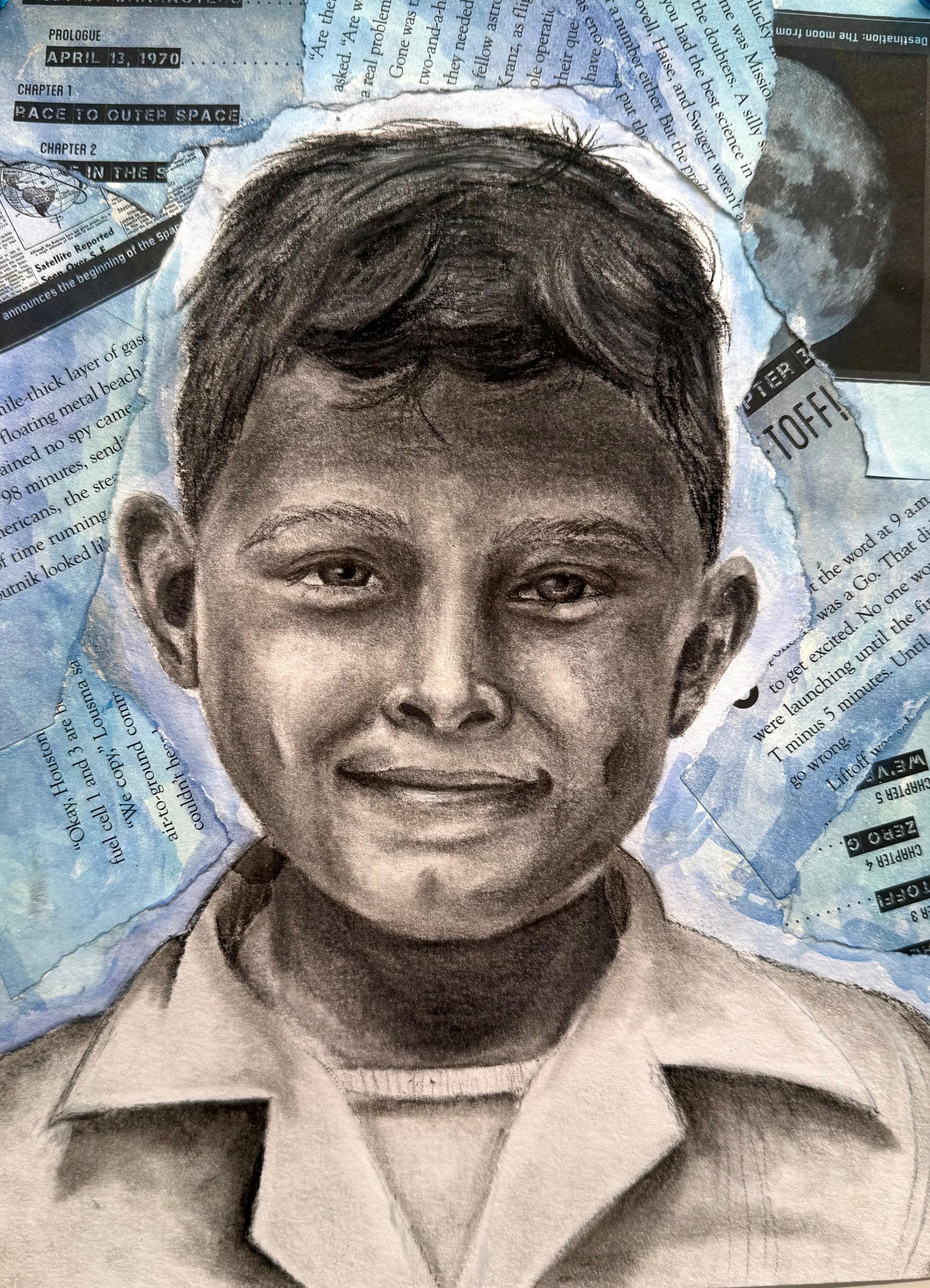
Memory Project Portrait By Emmet Rose
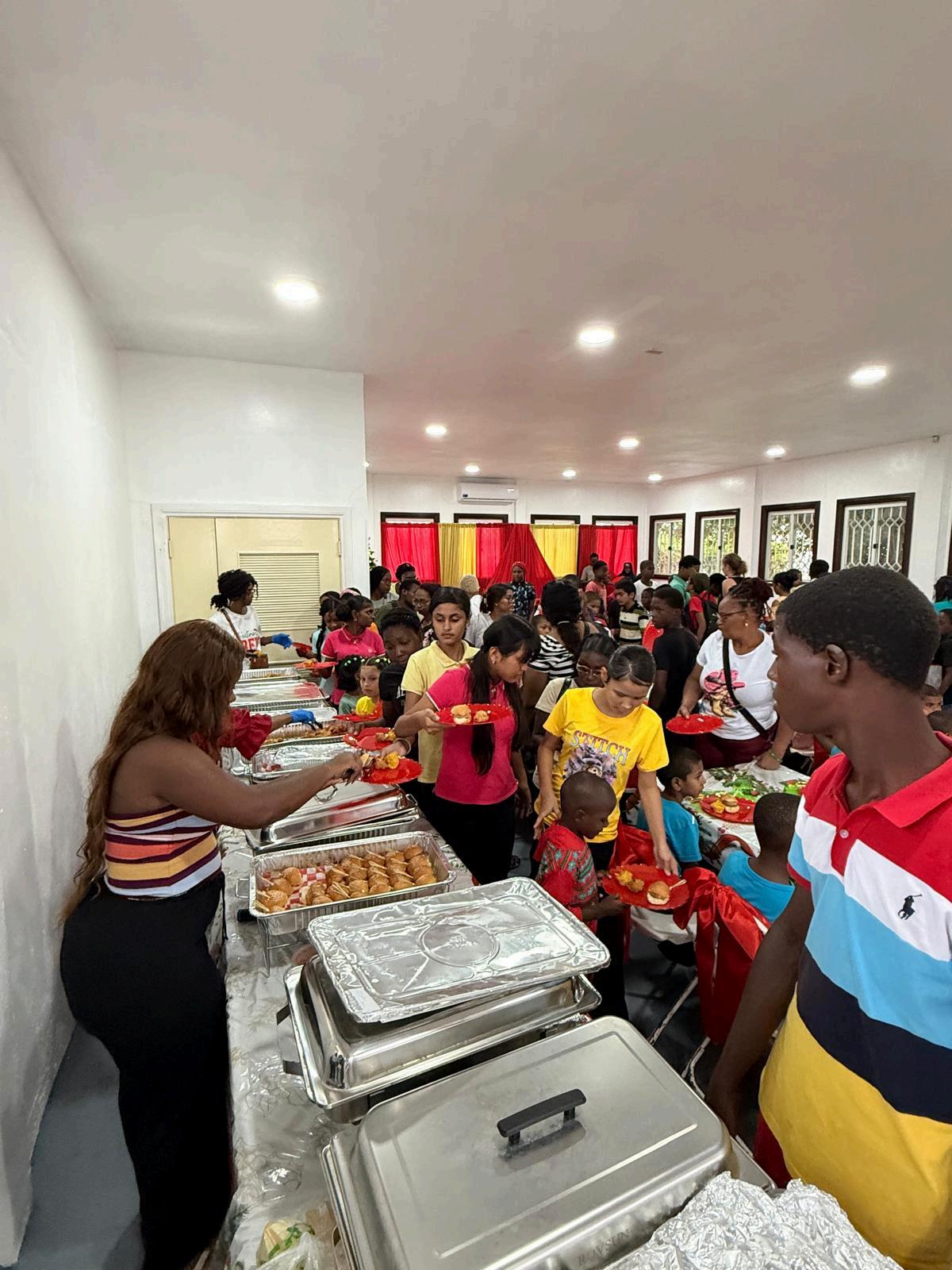
Christmas in Guyana: A Celebration of Joy
By Lahyana Mitchell
This past holiday season, my family hosted a Christmas party for children from local orphanages in Guyana, transforming an ordinary day into one filled with celebration, laughter, and connection We planned games, shared a festive meal, and distributed gifts, hoping to create an atmosphere where every child felt seen, valued, and included in the magic of the season. Beyond the decorations and presents, the day was about building genuine moments of joy and togetherness. The experience was a powerful reminder that community and compassion can transcend distance and circumstance, and it deepened my understanding of how meaningful even simple acts of kindness can be.
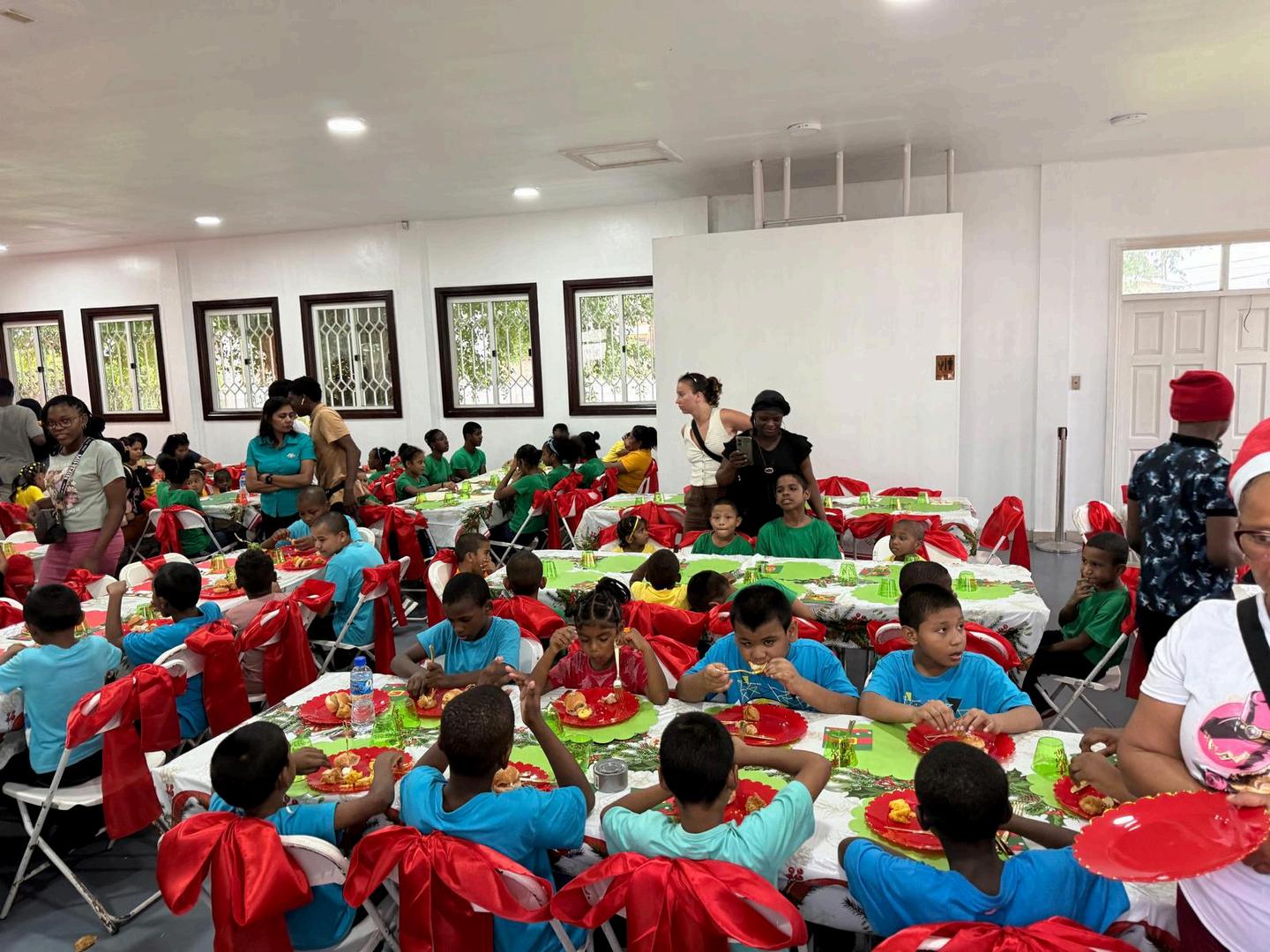
Preparing for the celebration was just as meaningful as the day itself. From organizing activities to gathering supplies and wrapping gifts, every detail was planned with intention and care. Working together as a family, we focused on creating an environment that felt welcoming and joyful rather than simply hosting an event. Seeing the children laugh, participate, and enjoy the moment reminded us that the most impactful celebrations are not defined by extravagance, but by the sense of belonging they create

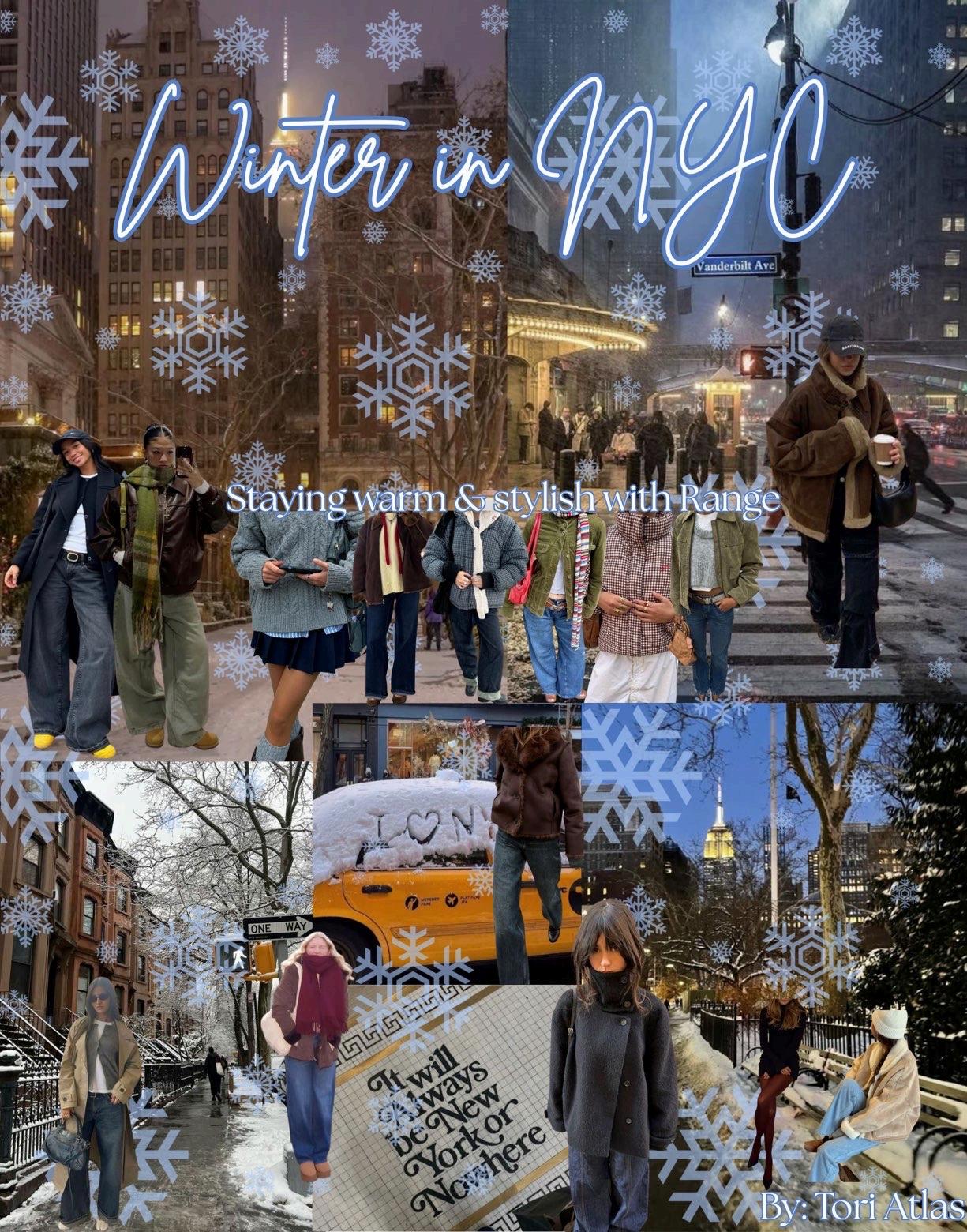
Memory Project Portrait by Tori Atlas
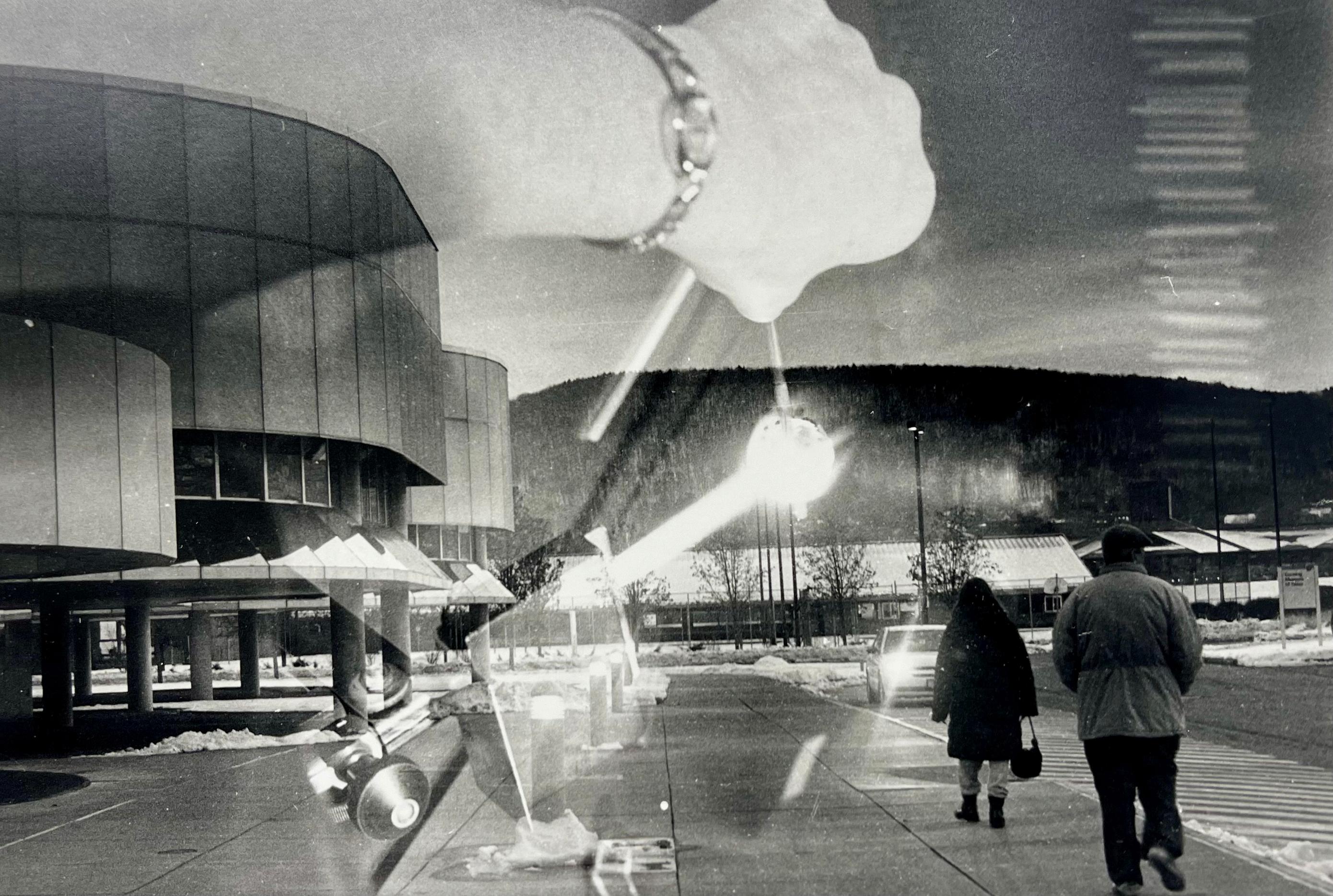
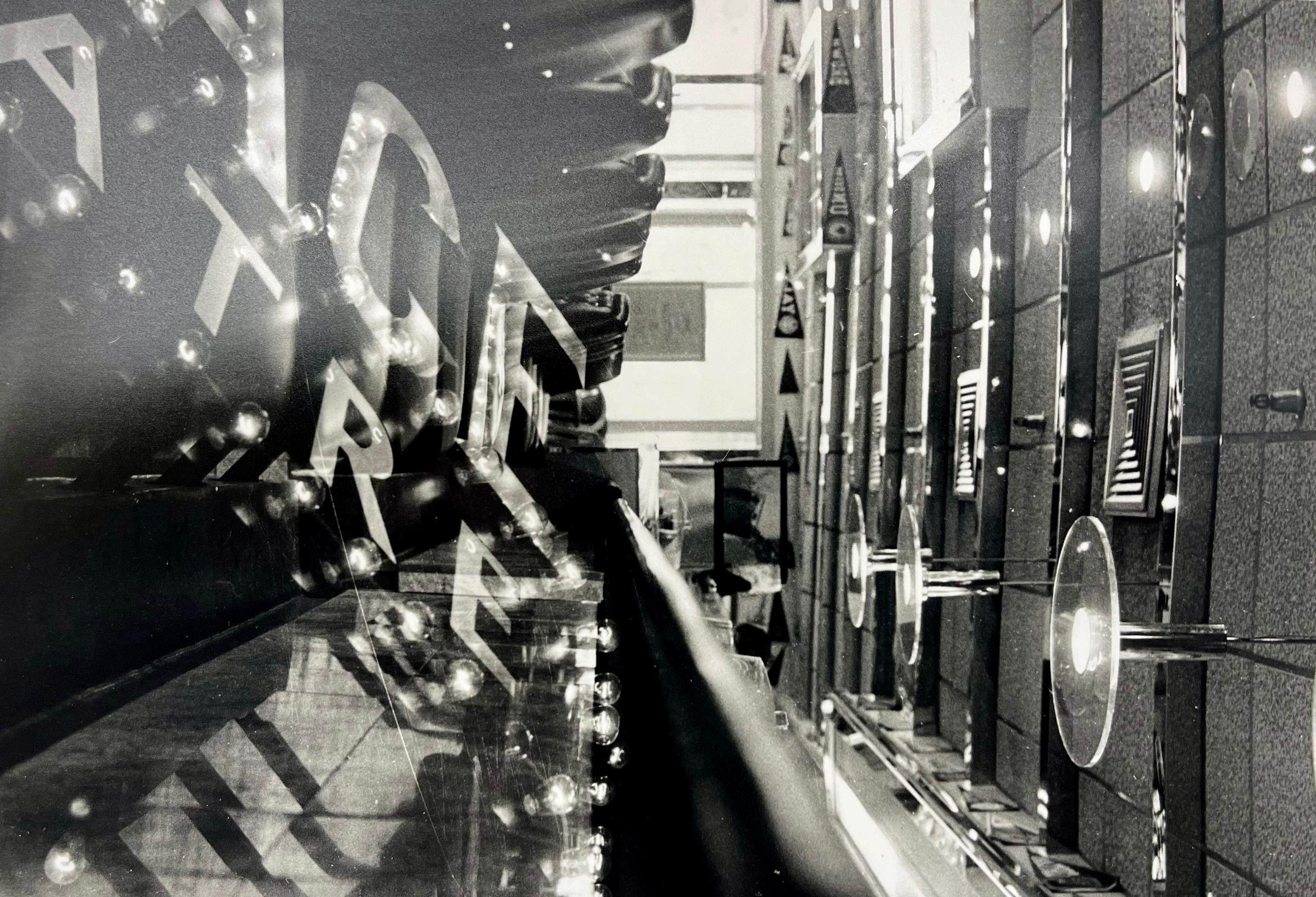
SANDWICH NEGATIVES
By Avery Walker
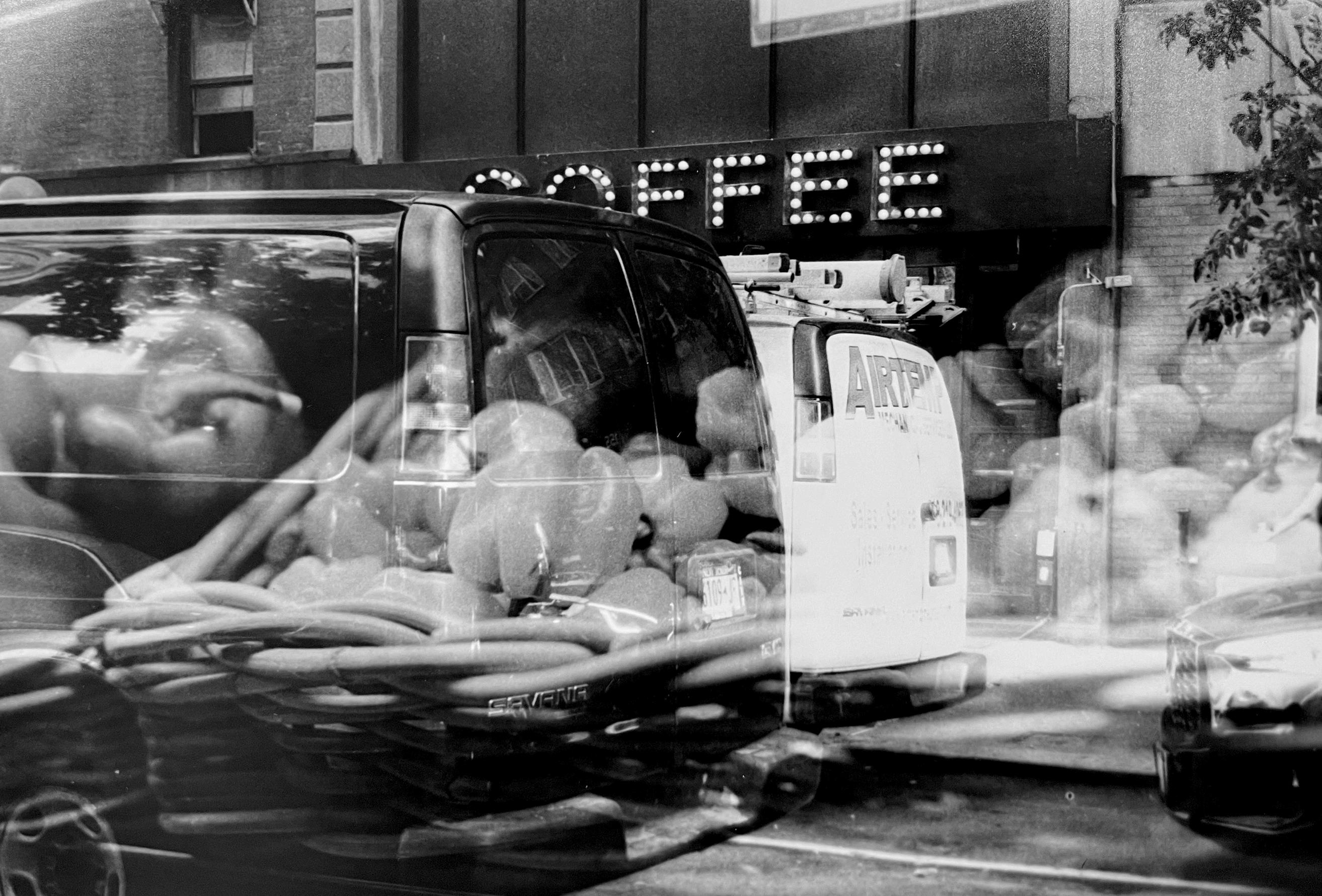
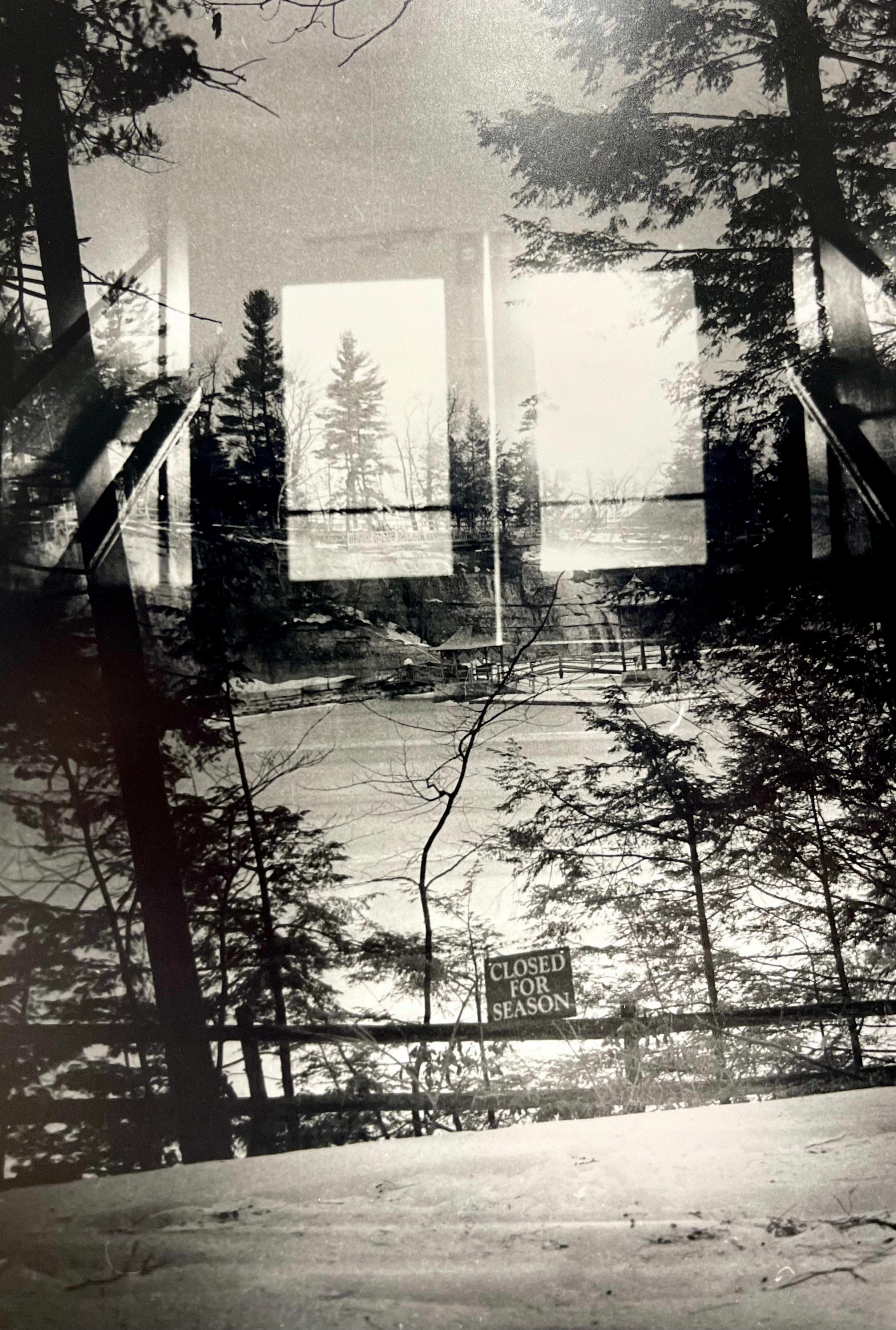
In photography, sandwiching negatives is a creative technique that combines two strips of film to produce a single, layered image. Photographers often choose lighter or slightly overexposed photos, since the brightness allows details from both negatives to show through clearly. Although it may seem simple, the process requires careful thought. Each image has to be examined to make sure the subjects, shadows, and lines work together rather than compete for attention. Printing the final image also comes with challenges. The photographer must carefully control exposure time and sometimes adjust specific areas to keep one negative from overpowering the other It takes patience and experimentation to get the balance right In the end, the result is a completely new photograph that feels original and expressive, and because of the many variables involved, it cannot easily be recreated
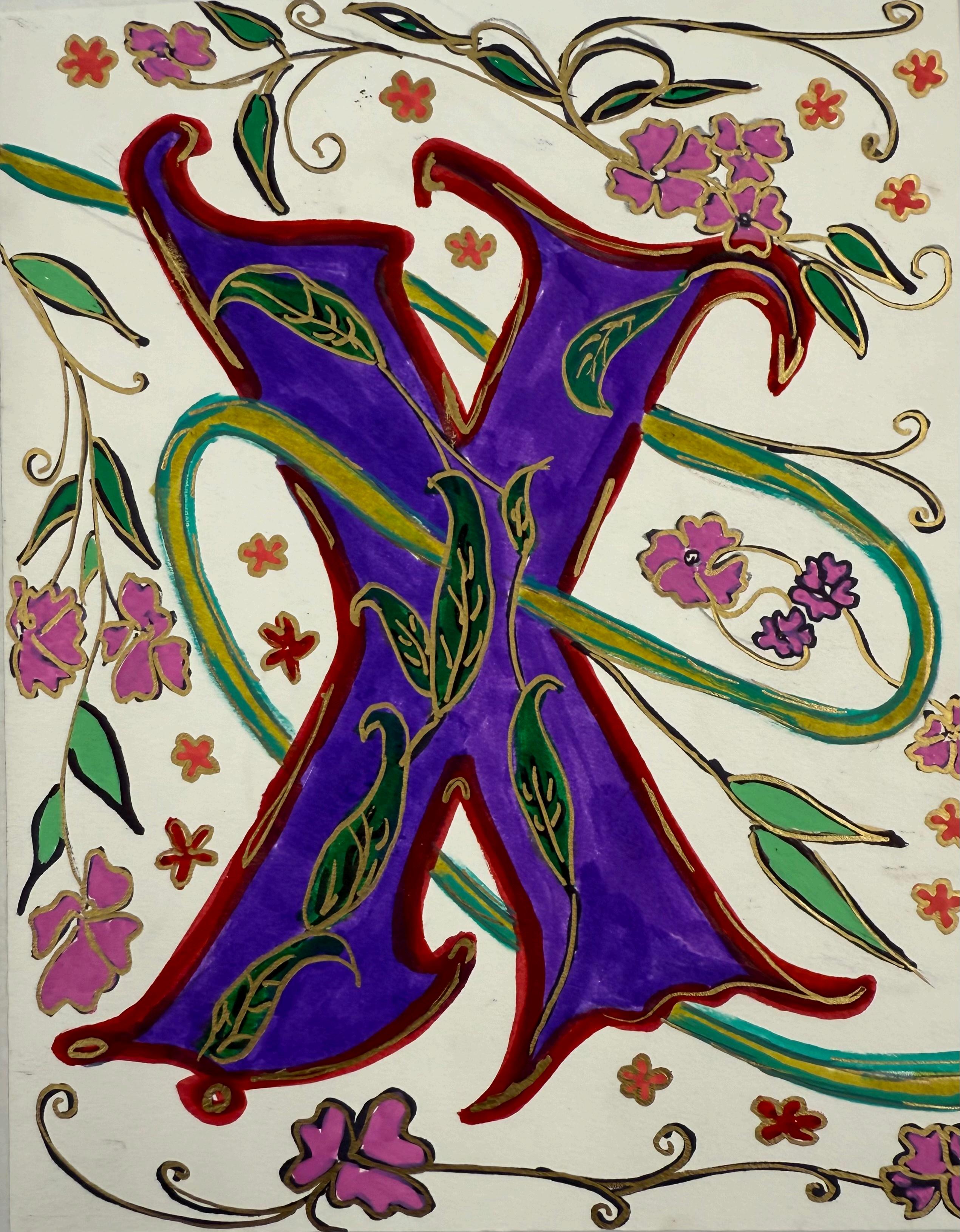
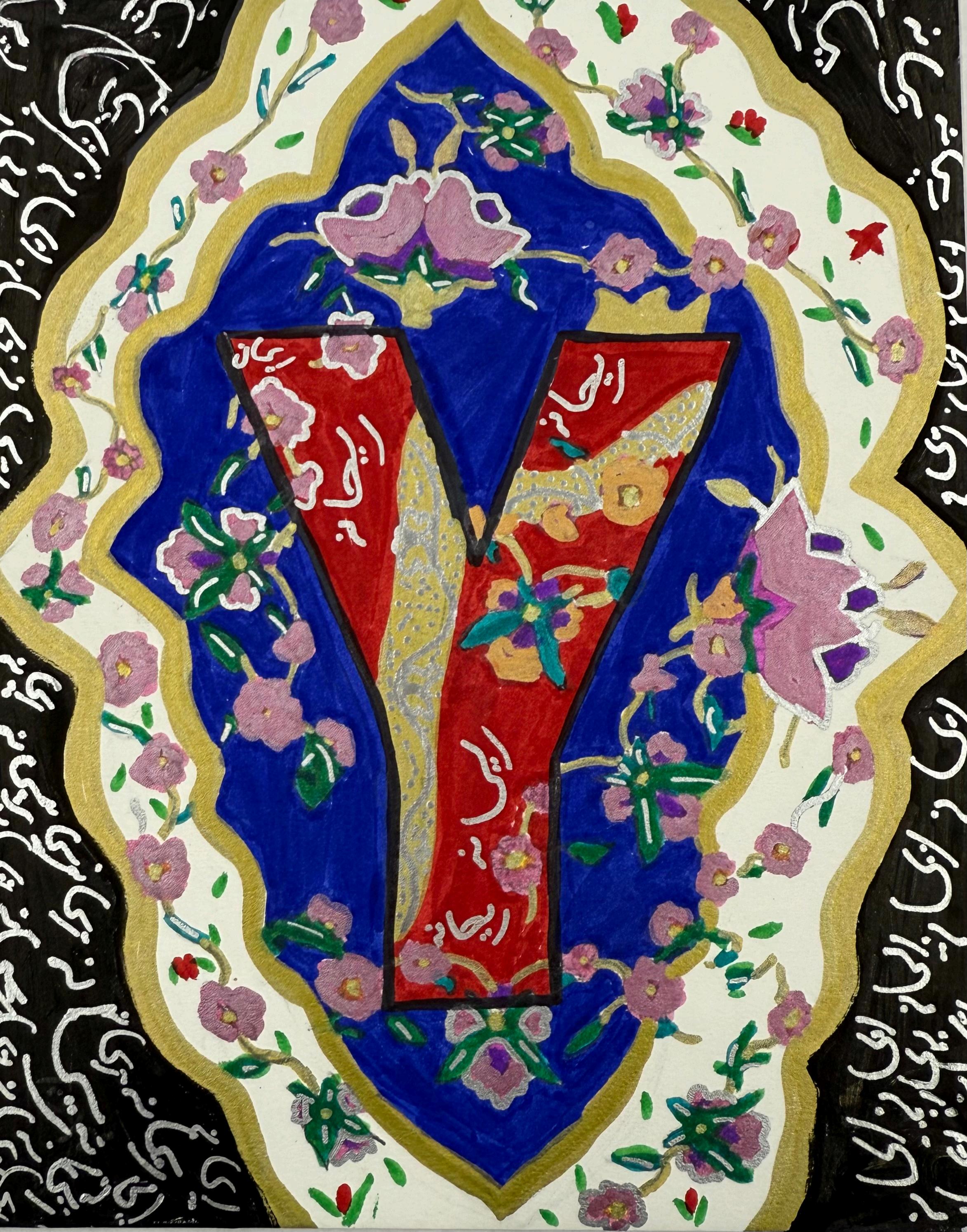
THE ILLUMINATED ALPHABET
By Audrey Reich
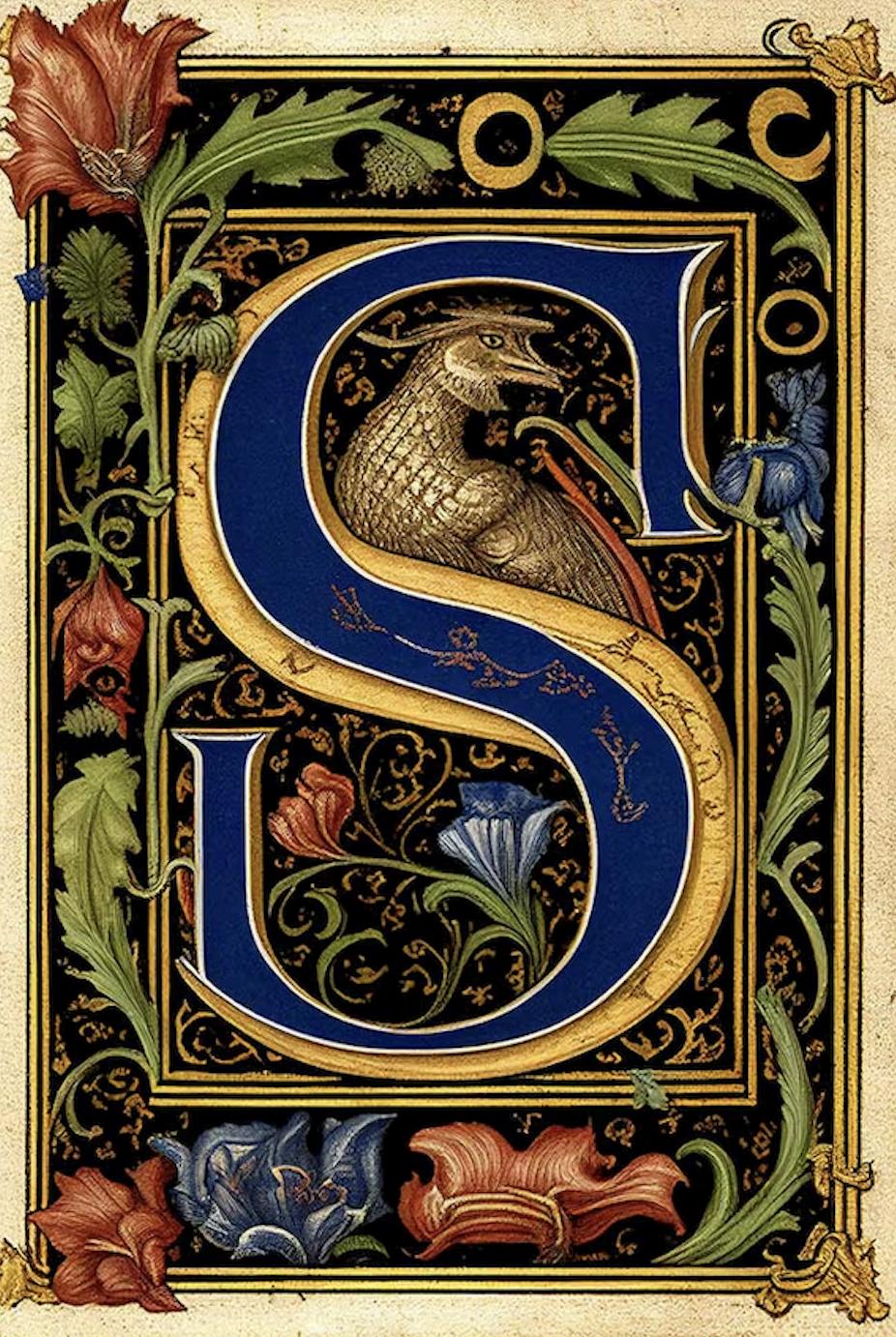
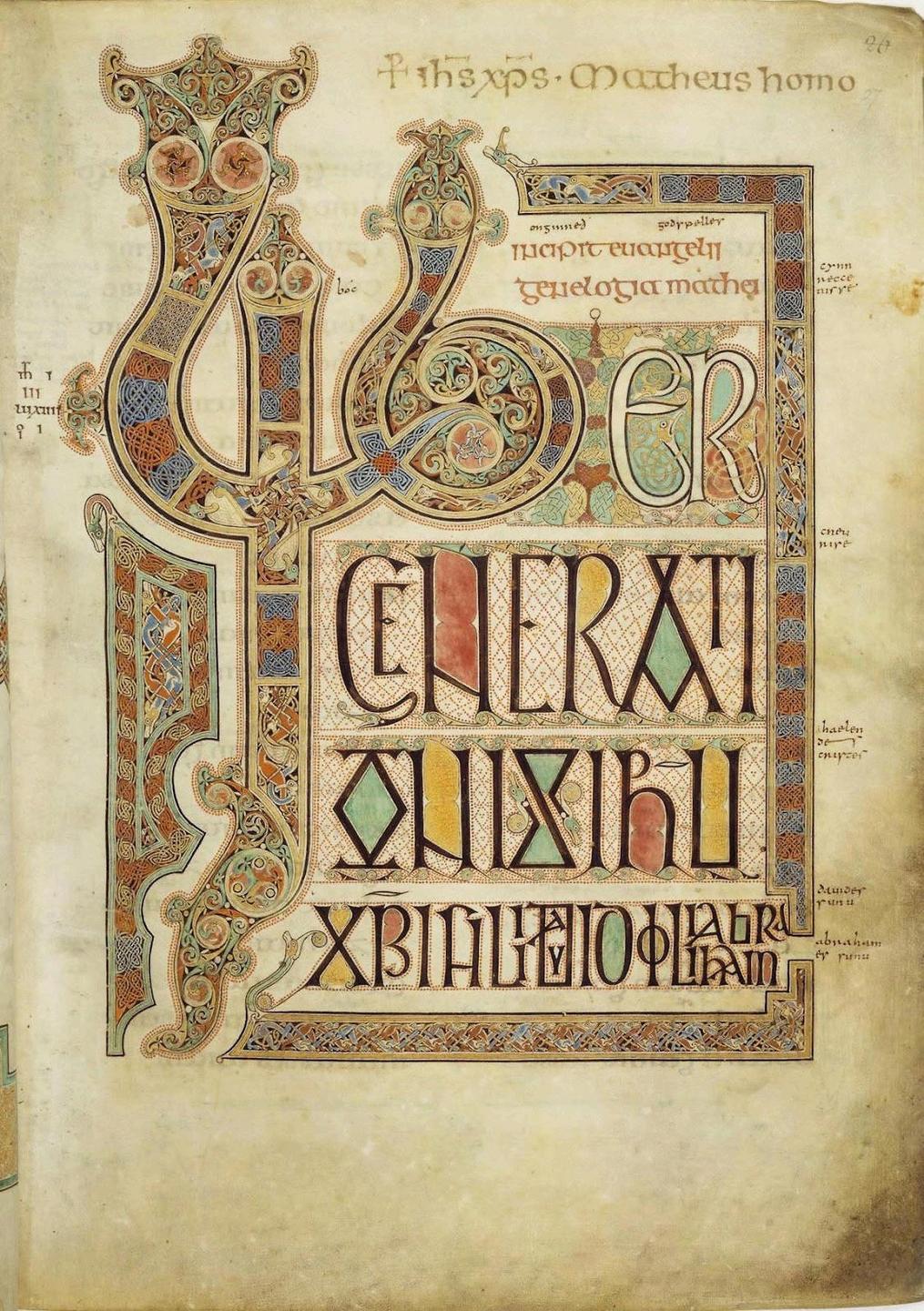
BWL Senior Art students explored the art of the versal letter, drawing inspiration from Medieval illuminated manuscripts and their modern reinterpretations The lesson began with a close look at The Lindisfarne Gospels, examining the intricate craftsmanship, symbolism, and decorative traditions that define early illuminated texts. Students then traced the evolution of the illuminated alphabet through contemporary forms, using The Bible of Illuminated Letters to study history’s most captivating lettering styles, including Celtic, Gothic, Islamic, and Renaissance designs.
From this foundation, students designed their own versal letters, entering the luminous world where history, creativity, and mindful artistry converge. Some chose highly personal imagery, while others drew influence from contemporary graffiti and street art. Students worked with paint markers including gold and silver to mimic traditional gilding and incorporated collage elements using decorative patterned papers. The resulting letters are richly layered works that blend historical tradition with individual expression.
Artwork on the following pages
X by Setayish Artal and Y by Raihana Noori
Faculty Advisor: Monika Merva
Editors: Lahyana Mitchell & Dolce´Rehbein
Contributors: Setayish Artal
Tori Atlas
Ariela Berisha
AD Canter
Victoria Garcia
MH Izmirlian Demsey
Gracie Lonstein
Lahyana Mitchell
Raihana Noori
Jaevian Pardo
Dolce´Rehbein
Emmett Rose
Avery Walker