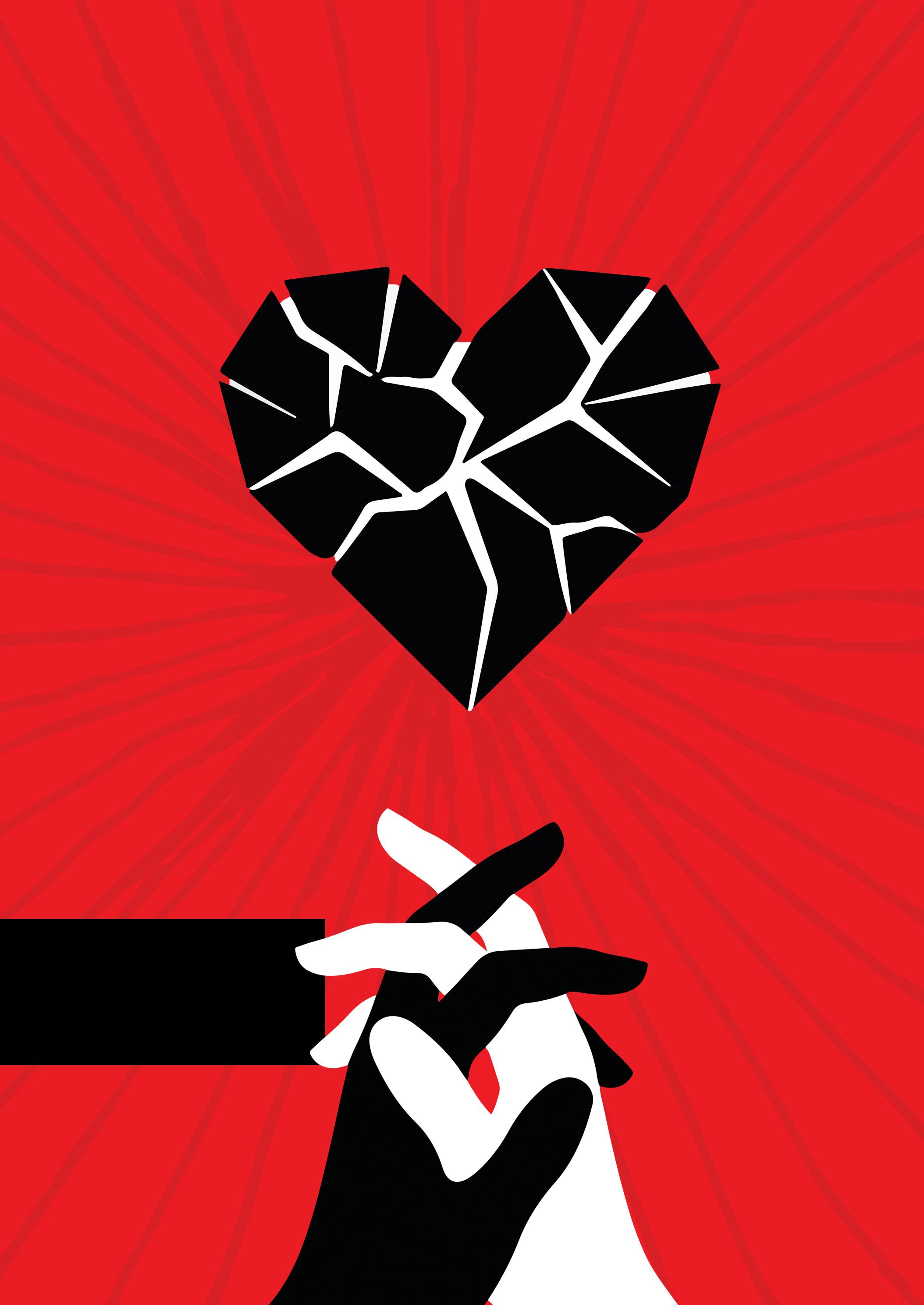


Hi everyone and welcome to the latest edition of your favourite magazine about bipolar disorderOn the Level.
This month’s theme is ‘hope’. Hope can manifest in lots of different ways and hopefully (pun very much intended) our articles today show some of that variety. We have contributions from our usual columnists Gillian Sheriff, David Carr and Graham Morgan each with their own takes on what hope is and how it can work. David even goes medieaval on us which makes for an interesting change!
There’s also a really fascinating article on how bipolar affects women by Edinburgh University’s Dr. Katie Marwick in Research Corner on P14 .
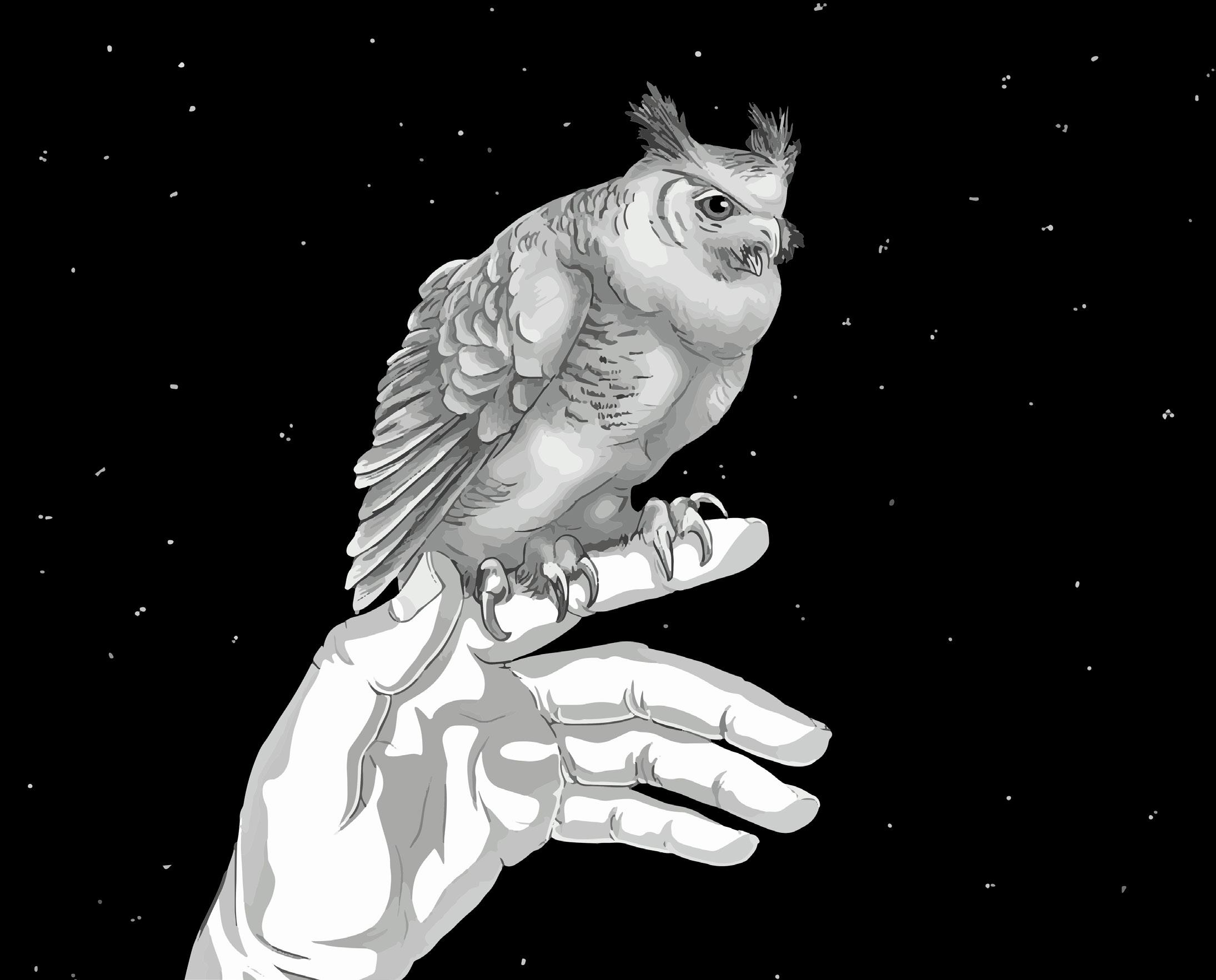
In a slight change to our usual format, I have peppered this edition with famous quotes and a couple of poems on the subject of hope (from reasonably big hitters Emily Dickinson and Dylan Thomas). The reason for this is to show how hope, lack of hope, or the struggle to find hope is a perennial part of the human condition and not just something that we struggle with in our increasingly stratified and Image: Vecteezy.com
disconnected modern lives. Also they’re out of copyright.
Enjoy!
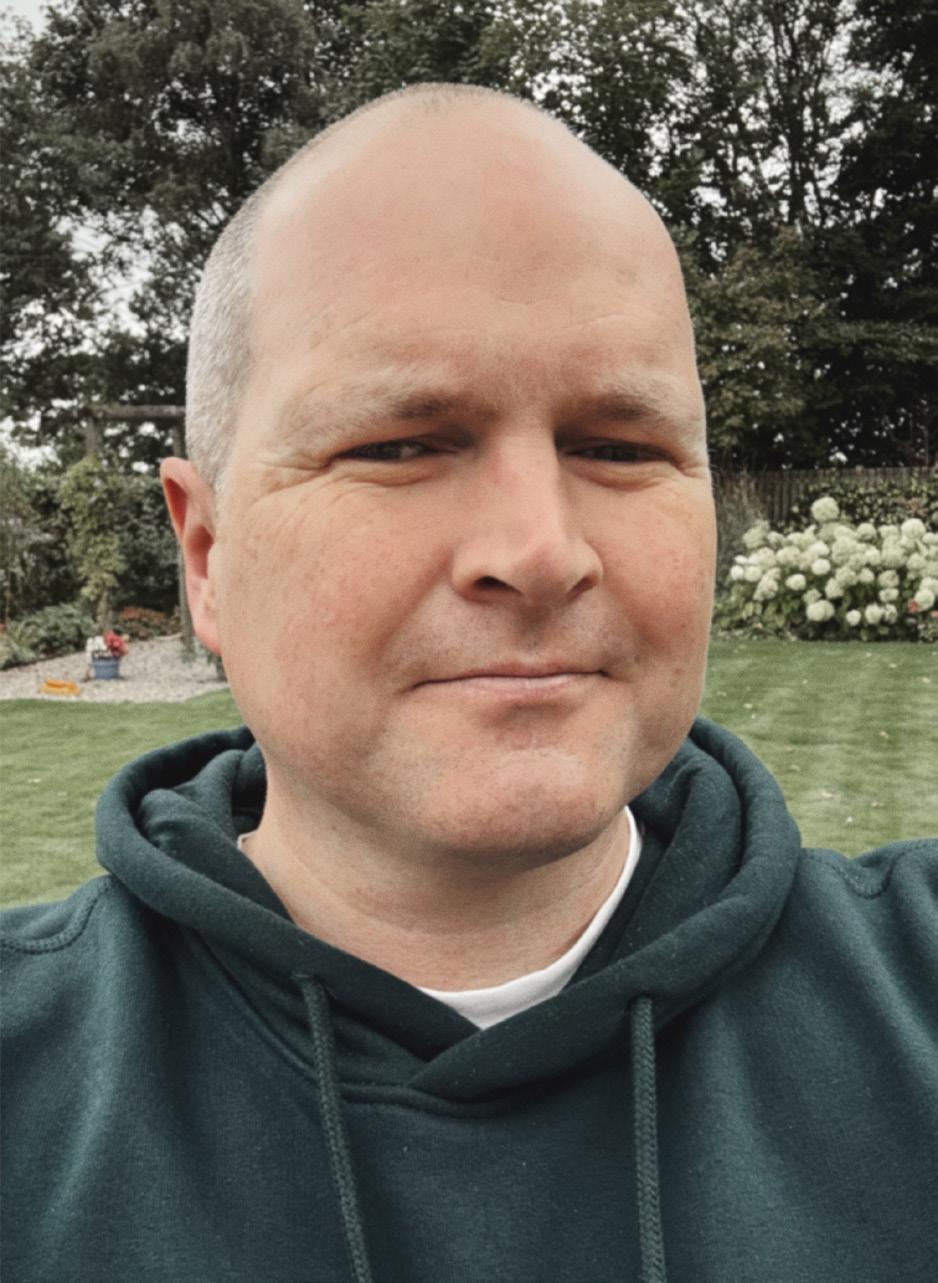
Pete Stanton Editor, On the Level

One of our regular columnists Gillian Sheriff provides a very thoughtful and honestly practical approach to the issue of hope.

Research Corner
This month’s guest author is Dr. Katie Marwick from the University of Edinburgh. In her article, Dr. Marwick delves into an often ignored but extremely important part of bipolar research - women.
Edited by Jamie Stewart and Pete Stanton
Please note that the views and opinions expressed in On The Level are not necessarily those of Bipolar Scotland.
Submissions: If you would like to submit a piece of writing, a photo or an idea to be considered for future issues of On The Level, please get in touch with: petes@bipolarscotland.org.uk
We would also love your feedback about On The Level. Send us an email or reach out to us on social media. You can find us on Instagram (@bipolar_scotland) and Facebook (@bipolarscotland)
©Bipolar Scotland 2025 Scottish Charity No. SC021705 Company No. 163305
T: 0141 560 2050 E: info@bipolarscotland.org.uk bipolarscotland.org.uk
The Bad Old Days?
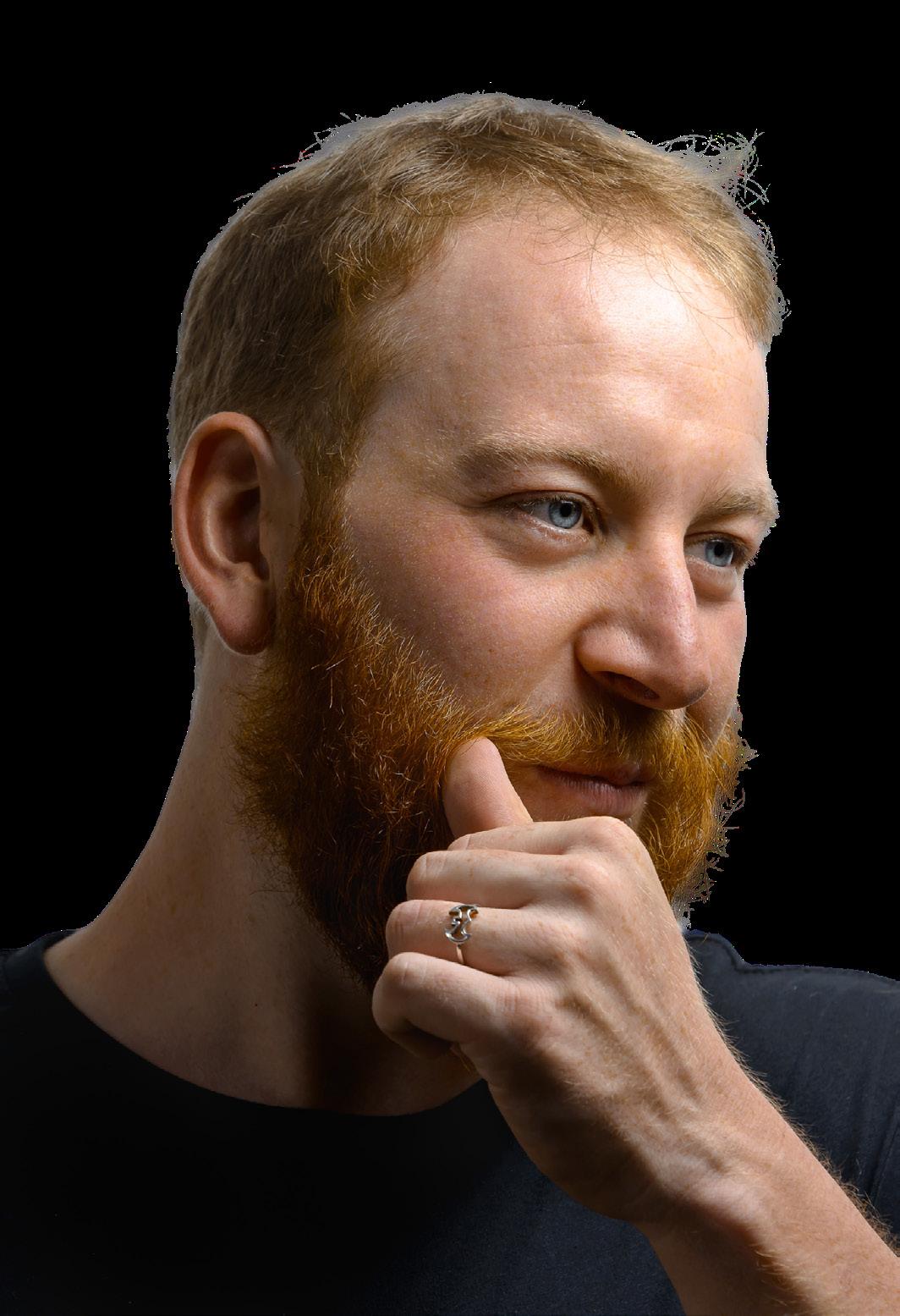
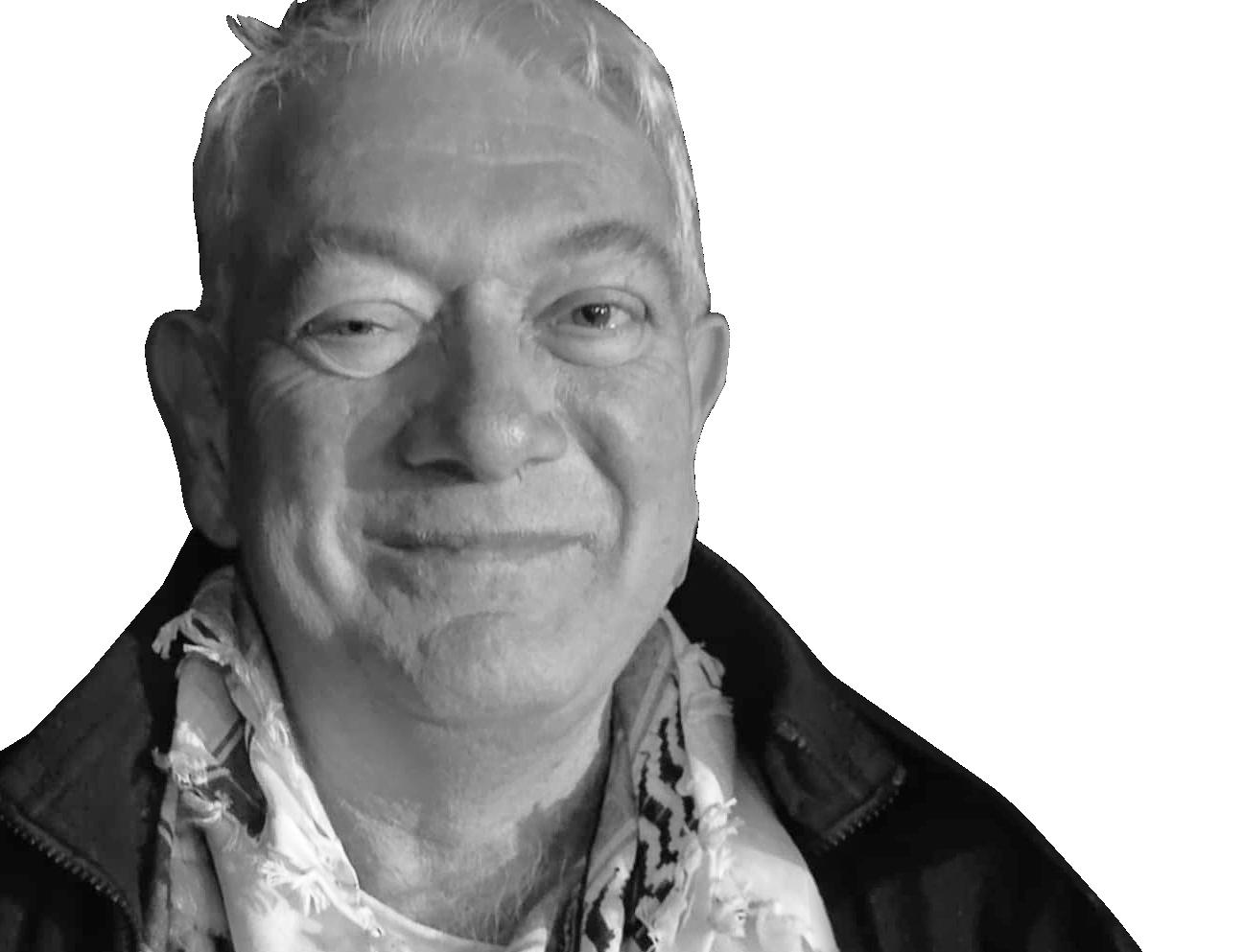
David Carr asks ‘were things really so bad in the old days’? Painting a picture of surprisingly evolved mediaeval mental health care, David asks what we could stand to learn from apparently outmoded approaches to psychiatry. Maybe there’s hope for us yet…
The Gamble
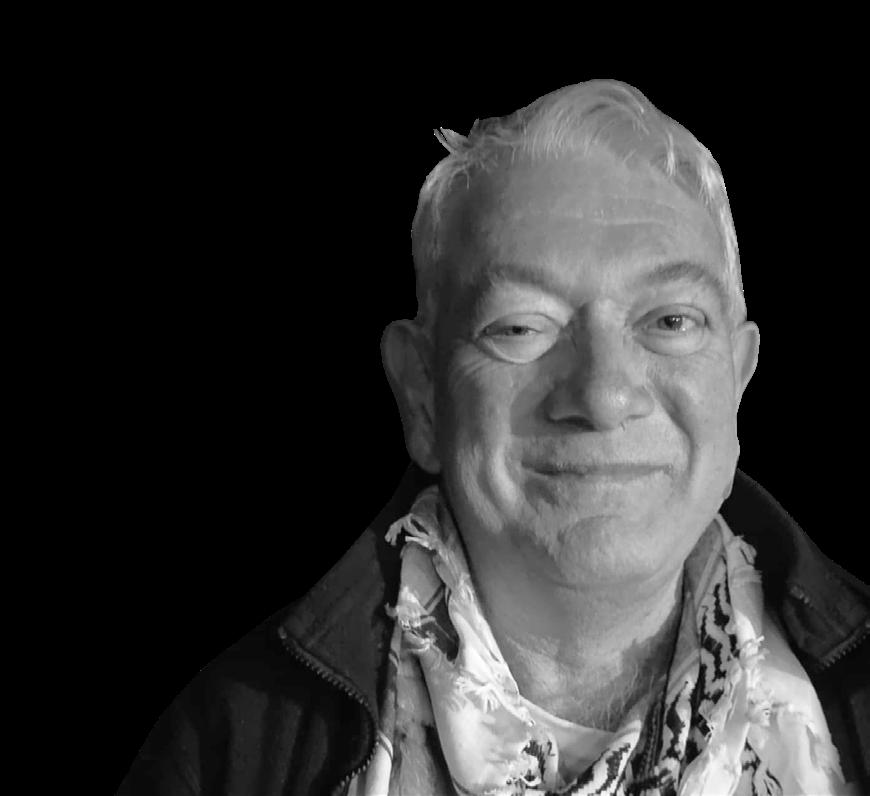
Please welcome a new voice to On the Level - stand up comedian and writer Struan Logan. This month, Struan starts strong with a different take on hope - as a roll of the dice.
Disclaimer: On The Level works in good faith with a range of subject-matter experts and official bodies to produce accurate and well-researched content. While every effort is made to ensure the reliability and accuracy of the information presented, errors may occasionally occur. Where necessary, we will issue corrections or clarifications.
This column is not an ego-trip for me. In my five years writing on here, I have shared so much, from my pandemic benzodiazepine withdrawal to my transition from Graphic Designer to Peer Support Worker.
I was so lost when I started writing these; it was around this time that I started giving talks about my lived experience with my now current workmates, the QIPD team @NHS Tayside.
Talking In front of nurses, doctors and everyone in between was difficult. It did, however, give me, perspective on my journey.
People listened to me and after a while I was offered a job.
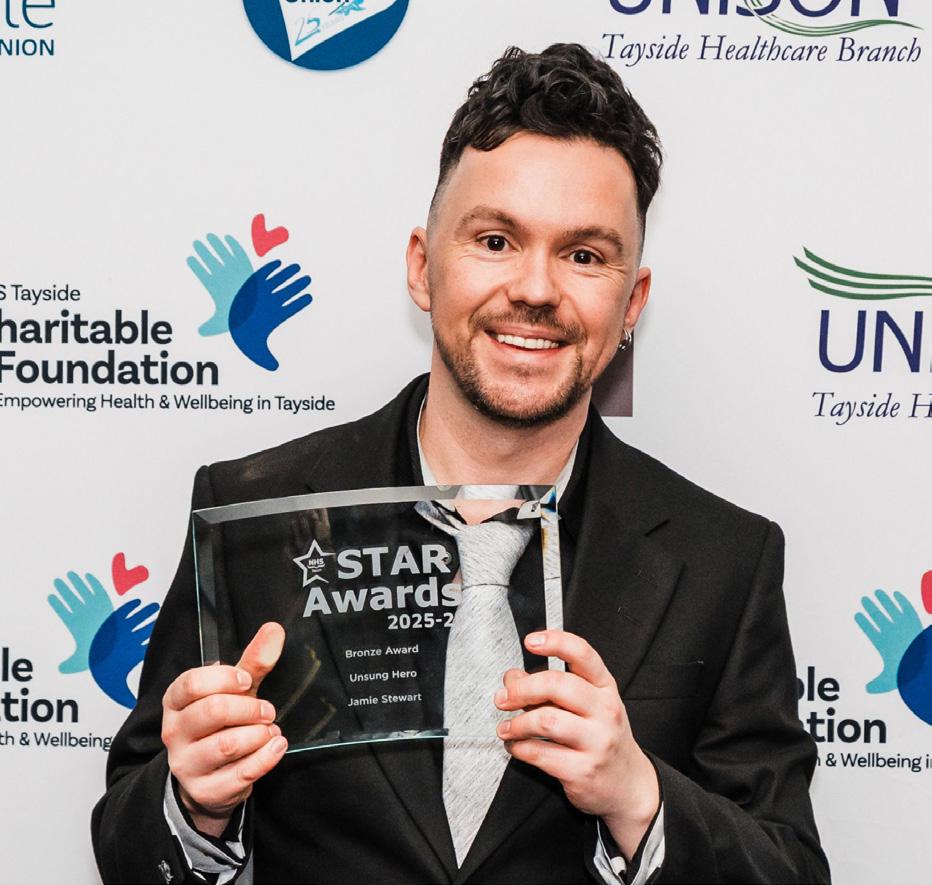
Last month I won a star award for my work and honestly, I could have not got there without so many helping hands.
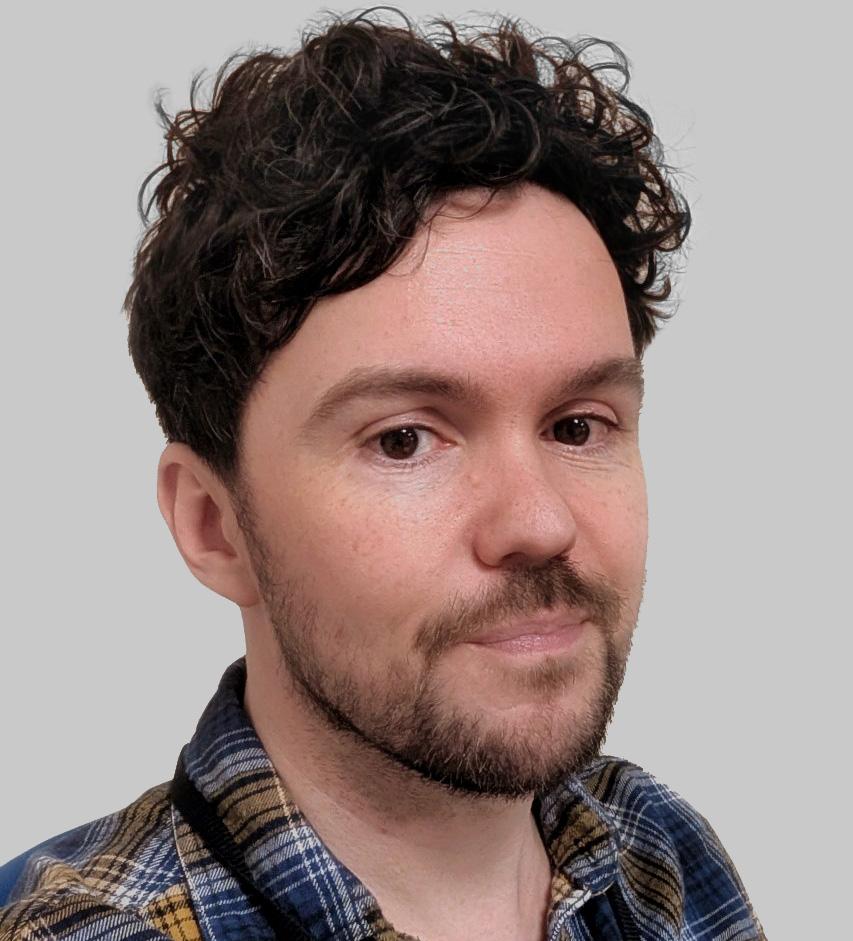
To be honest, I got a free meal that night; Steak pie with a side of beef (double beef!) so I thought I had already won at life!
I write this with eternal gratitude and if you have read these columns for a long time, I am truly so thankful.
Keep going,
Jamie xx
“You can cut all the flowers but you cannot keep Spring from coming.”
- Pablo Neruda
“Learn from yesterday, live for today, hope for tomorrow. The important thing is not to stop questioning.”
- Albert Einstein
“You may not always have a comfortable life and you will not always be able to solve all of the world’s problems at once but don’t ever underestimate the importance you can have because history has shown us that courage can be contagious and hope can take on a life of its own.”
- Michelle Obama
“May your choices reflect your hopes, not your fears.”
- Nelson Mandela
“Everyone must dream. We dream to give ourselves hope. To stop dreaming – well, that’s like saying you can never change your fate”.
- Amy Tan, The Hundred Secret Senses


By Gillian Sheriff
There is a particular kind of silence that can happen when living with bipolar.
Not just the silence of stigma, though that still exists. Not just the silence of misunderstanding. It is the quieter silence that arrives after exhaustion and frustration. After someone has tried to explain what it feels like to live inside extremes that other people cannot see.
And yet, within that silence, hope survives.
For many people living with bipolar hope does not arrive as a dramatic breakthrough. It rarely appears in dramatic moments of clarity or sudden realisation. More often, it looks ordinary: getting out of bed after a depressive episode. Answering a text message. Taking medication consistently. Attending therapy even when motivation has disappeared. Recognising the first signs of mania and asking someone you trust for help.
Hope, in this context, is not naive optimism. It is a strategy, an acceptance that, ultimately, you will get through this.
Bipolar is complex and deeply individual. There is no single bipolar experience, which is part of why it can feel so isolating.
But one truth appears again and again in the stories of people who learn to live alongside it: life can still be meaningful, connected, and joyful.
That matters because bipolar disorder often lies to people. During depressive
episodes, it can convince someone that nothing will improve, that they are a burden, that the future has collapsed inward permanently. During mania, it can distort judgment so completely that consequences feel distant or irrelevant. Both states can fracture trust in your own emotions, memory, decisions and even identity.
Hope becomes the slow rebuilding of that trust.
Importantly, hope does not require pretending managing bipolar is easy. Mania can be destructive. Depression can be life-threatening. It can impact families, careers, marriages, finances and physical health. There are people who lose years to cycles they could not yet understand or manage.
But realism and hope are not opposites.
In fact, the most grounded hope often comes from people who know exactly how difficult bipolar can be. They are the people who have learned that recovery is rarely linear. Stability is not perfection. Healing is not the complete absence of symptoms. Sometimes progress simply means episodes become shorter, less severe, or less impactful over time.
For many, hope begins with language. Receiving a diagnosis can initially feel frightening, but it can also bring relief. Finally, there is a framework. Experiences that once felt chaotic or shameful have context. You can stop asking, “What is wrong with me?” and begin asking, “What helps me stay well?”
That shift matters enormously.

Managing symptoms is different for everyone; but there are some common building blocks. Prioritising sleep, reducing overstimulation, tracking mood changes, limiting alcohol, maintaining routines, protecting relationships and learning early warning signs.
There is also growing openness around mental health that previous generations often did not have access to. More public figures, writers, artists, and professionals speak honestly about living with bipolar while leading full and accomplished lives. Their stories matter not because they are inspirational archetypes, but because visibility challenges the myth that a diagnosis ends possibility.
It does not.
People with bipolar disorder fall in love. Raise children. Lead companies. Make art. Build communities. Start over after setbacks. Discover purpose.
Hope is not the denial of suffering. It is the refusal to let suffering become the entire story. For someone with bipolar this recognition can be transformative. It allows someone to say: I am managing a serious condition, and I am still building a life.
Because hope is not the promise of a perfect future.
It is the belief that a future exists at all.
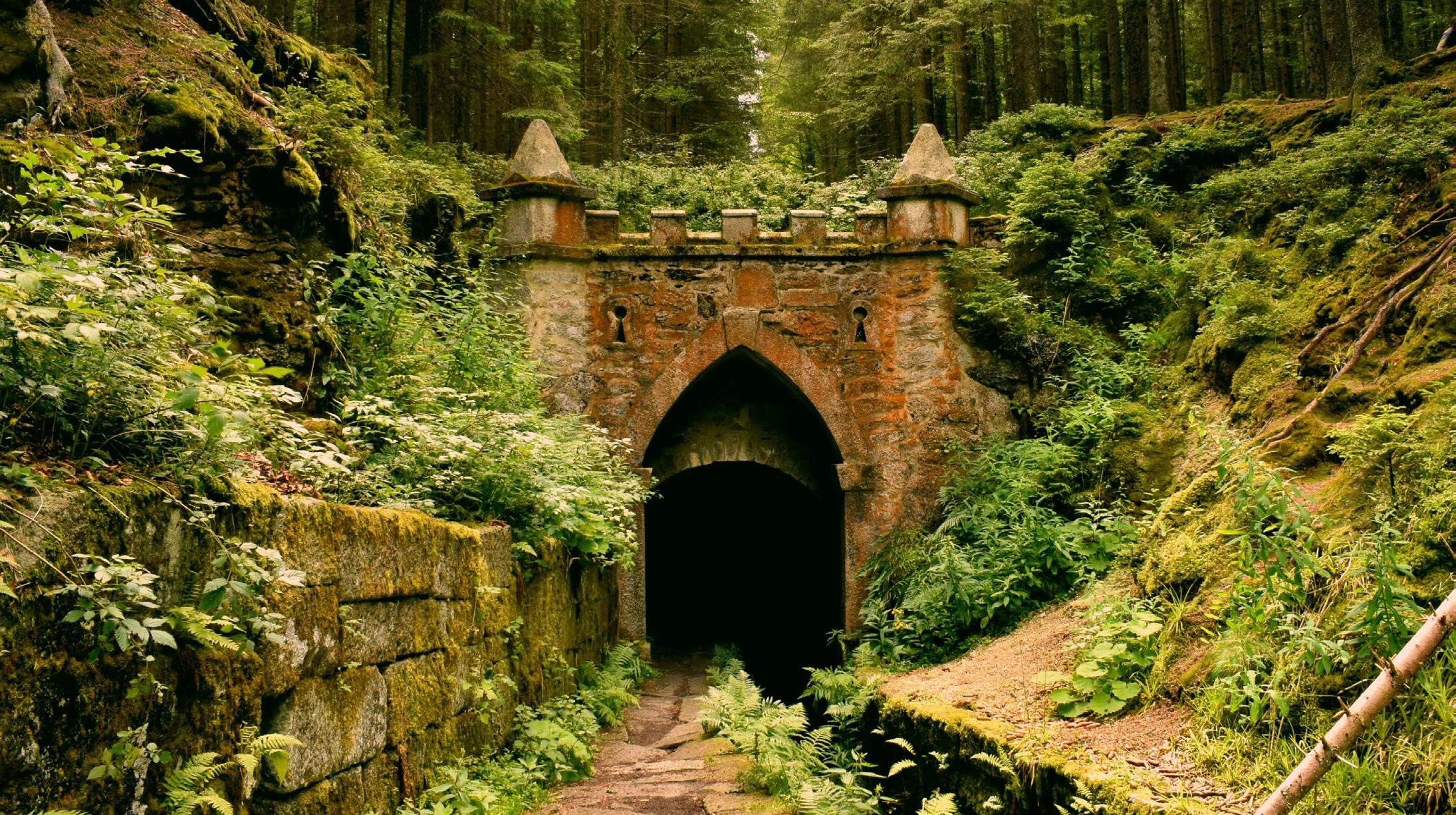
Between Crianlarich and Tyndrum lies a small lochan, St Fillans pool. Tradition holds that troubled souls would be taken at night to this pool, bound, and floated downstream to St Fillan’s chapel where they would be left. If they were found unbound the following morning, the saint was said to have accepted them and a cure would follow. What happened to those who did not escape their bonds is not recorded.
Care for the mentally ill in mediaeval Europe could be brutal. Mental illness was regarded as moral failing at best and demonic possession at worst. The aim of Bethlehem Hospitals - Bedlams - founded in 1247 was to segregate sufferers from society, detaining them in inhumane conditions.
But beyond Europe, there was another mediaeval tradition that is overlooked in our histories. That can be found in the Islamic Caliphate which, at its height, stretched from Spain to Lahore.
On a trip to the mediaeval city of Fes in Morocco, my guide stopped to show me the site of a former maristan - a psychiatric hospital, dating from 1286. I learned that it was part of a system of mental healthcare with hospitals throughout the Muslim world. The oldest psychiatric hospital in Europe was in Muslim Valencia, built 1410.
It is hugely significant that in Islamic medicine, people with mental health disorders were treated as ill and curable - as
What can we learn from mediaeval
opposed to demonic, dangerous, shameful, to be contained, even punished. Instead the patient was still regarded as fully human, capable of responding to beauty, order and kindness.
In the Muslim world, psychiatric institutions were places of refuge and therapy. Physicians believed that their patients would benefit from beautiful things. They were housed around sunlit, airy courtyards with fountains - it was believed that the sound of running water was especially helpful - and beautiful gardens where they could hear birdsong. Therapeutic music was played. Attention was given to nutrition, with different foods prescribed for different illnesses. Carers were paid to sit with patients and talk or read to them.
It may seem as though I have described the luxury end of mental healthcare - the Priories of their day. But maristans provided free healthcare to all regardless of religion, gender or class. This was part of the Muslim obligation of zakat - one of the Five Pillars of Islam - the duty of charity and care towards those in need.
The prototype for the maristan was founded as early as 805CE in Baghdad by al-Razi, who was the first person to document what we would nowadays call clinical depression as a medical condition. Al-Razi distinguished between illnesses which required physical treatment and those which would respond to talking and reasoning - what we might call psychotherapy.
There is a lineage of scholars who contributed to the understanding of psychology and mental illness. Ibn Sina, known in the west as Avicenna, gave detailed accounts of melancholia, mania, and ‘lovesickness’ - recognised as a genuine pathology. He is famously said to have diagnosed a prince’s malady by taking his pulse and feeling how it quickened in response to various words. In Spain, Ibn Rushd - Averroes - wrote extensively about neurology and distinguished between brain-based and soul-based illnesses. In Afghanistan, Al-Balkhi documented seasonal variations in mood. He also recognised the interdependence of physical and mental health and proposed that negative thoughts could be countered by rational reframing. He can plausibly be thought of as the first cognitive behavioural therapist.
Quite glaringly the physical conditions of modern NHS psychiatric wards do not match those in the mediaeval Caliphate. But modern psychiatry also fails more fundamentally by being interested in our brains alone rather than understanding what is happening in the rest of our bodies, let alone in our minds or in our lives. It is deficient in talking therapies and leans heavily towards mental illness solely as a neurochemical condition to be treated
with pharmaceuticals.
The way we now treat mental ill health feels woefully inadequate compared with what could be achieved and has been in the past. We know that good treatment requires a holistic, bio-psycho-social approach. We know that patients benefit from - cry out for - talking therapies. We know our hospitals are sometimes experienced as grim places of containment rather than meaningful therapy. But we seldom seem to put into practice what we know.
St Fillan was an Irish monk. He had a luminous left arm that he could read and write by. Robert Bruce attributed his victory at Bannockburn to possession of a relic of his humerus. The practices at his pool are recorded to have continued well into the eighteenth century, when at Scotland’s universities medicine was beginning to flourish. But post-Enlightenment medicine erased the earlier Islamic tradition. It has been slow to rediscover it.
The mediaeval Islamic practitioners did not wait on a miracle - from saint or pharmacist. They simply treated their patients with kindness and built the conditions for their wellness.
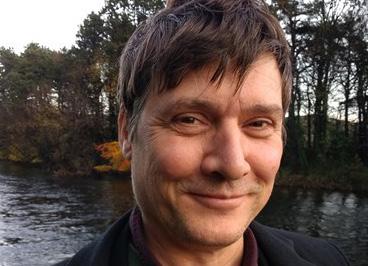
I sometimes quarrel bitterly with this word, hope. I have had some dear friends who leapt into the delight of hope and decided that all they needed was this and resilience and responsibility to live free of the bitterness of illness but for them, determination and a vision of a better life wasn’t enough. They died and to my mind it is because they were offered a false vision of hope which they clung to against all odds, only to lose it completely. And I miss them and I miss their vision of something so much better.
And yet I am getting old and I am definitely a half glass empty person, so maybe that last comment was predictable from someone like me. I find it hard to believe in something different, something better. But despite that, over a decade ago, I firmly believed my life was pretty much over. I thought that I would never love again and that I would become increasingly lonely and increasingly frail until I died, unremarked and alone.
Despite that conviction I have now lived for over ten years with Wendy, her children, the dogs and the rabbits. I still catch myself wanting to die but I live in a house of laughter and love and a great deal of silliness. I cannot understand why these people say they love me and want me in their lives. I don’t get it when Dash the dog goes wild with joy when I get home after a few days away or when Louie says nightly that she loves me. I assume one day they will all wake up and I will be sent packing and yet, though I am frightened to believe it, I am beginning to dare to believe that this is where I will spend the rest of my life. For me that is the height of hope; it is a little bit
By Graham Morgan
frightening and very exciting. Combined with this is the knowledge that this vibrant, rude and crude family are the main reason I have also been out of hospital for over a decade. Wendy continually punctures my pomposity and, to my huge relief, makes fun of my so called delusions. I relax here. I do not fear an argument out of nowhere or the shatter of a glass thrown at me because I have said something I shouldn’t.
My hope is cautious and always ready to be lost. But at night I hear the owls calling in the woods outside the house and in the morning the rooks take to the air in great swirling energetic leaps of faith in finding food or a mate or a place to shelter. In the summer, in the evenings, I take Dash for his night time wee and am often delighted by the silent jink of bats low under the branches I am walking besides. I go to Jeans Bothy, a mental health and wellbeing hub in the nearby town. When I first went, I could only stay for five minutes; now I walk in, smiling, looking forward to seeing people I regard as my friends. And in similar small acts of hope, though I may remain on my section for years.
I can sometimes joke with the nurses who give me my depot instead of scowling and saying ‘Fine’ when they jag me.
In my working life, hope was also a given and again a given I should maybe never have believed in. I have spent most of my life working alongside my friends and acquaintances and peers to create a world of justice and equality, a kinder, more joyful world for those of us with a mental illness. For a time it sort of worked; things did change, we did feel we were listened to, we did see changes in attitudes and
judgement but now I am more cynical; maybe too cynical. Too ready to see politicians and officials keen to use us for photo opportunities and good news stories but with no intention or ability to make the changes we have been speaking out for, for decades.
It made me weary until a few days ago I met someone in Perth who has been doing the same thing, almost for as long as me. She too was weary and doubted the integrity of those who said they wanted to hear our voice and yet she reminded me that for all the cynicism, when we get together and share ideas and stories and dreams and wishes we often walk away energised and delighted even if the people consulting us have no intention of acting on what we say. She reminded me that even if we cannot make people accountable, that when we
bare witness to some of the things that should never have happened, that this can be the start of a healing we never expected or hoped could happen. I liked this, I liked the idea that the oft scorned talking shop can be a place of hope and support and joy even if our hope that it will change the world forever is also a misplaced misguided belief. It reminded me that years ago when I was young and very idealistic and, joining with my peers, we said we had no wish to influence policy, that instead we would just go ahead and create our own services. And we did and they worked and we were delighted.
For me hope now comes a tiny step at a time and can go terribly wrong but sometimes It gives us the ability to do things other people believe are impossible.

By Emily Dickinson

“Hope” is the thing with feathersThat perches in the soulAnd sings the tune without the wordsAnd never stops - at all -
And sweetest - in the Gale - is heardAnd sore must be the stormThat could abash the little Bird That kept so many warm -
I’ve heard it in the chillest landAnd on the strangest SeaYet - never - in Extremity, It asked a crumb - of me.
By Dylan Thomas

Light breaks where no sun shines; Where no sea runs, the waters of the heart Push in their tides; And, broken ghosts with glow-worms in their heads, The things of light File through the flesh where no flesh decks the bones.
A candle in the thighs
Warms youth and seed and burns the seeds of age; Where no seed stirs, The fruit of man unwrinkles in the stars, Bright as a fig; Where no wax is, the candle shows its hairs.
Dawn breaks behind the eyes; From poles of skull and toe the windy blood Slides like a sea; Nor fenced, nor staked, the gushers of the sky
Spout to the rod
Divining in a smile the oil of tears.
The impact of menstruation and menopause on mental health is a historically neglected area which is now receiving much needed attention from the public, policy makers and researchers. This article summarises what is known about reproductive factors and bipolar, and outlines some upcoming research in this area.
Overall, bipolar affects both men and women similarly in terms of age at onset, how common it is, and how severe it is. The nature of episodes is a little different: women are more likely to be diagnosed with bipolar type II, more likely to have mixed episodes and probably more likely to have depressive episodes. The biggest difference is the impact of childbirth: this is a major trigger for new onset and relapse of bipolar in women. On the other hand, men with bipolar who are becoming fathers do experience mood episodes, but these are most likely to occur during pregnancy, and mania or psychosis are much less common.
Both male and female bodies make oestrogen, testosterone and progesterone – there are no “female” or “male” hormones. There are, however, differences in levels of hormones and women experience larger fluctuations than males. Genetic evidence suggests oestrogen receptors and a sex hormone receptor regulator influence risk for bipolar across sexes. So, understanding more about how sex hormones influence bipolar in women is likely to help understand how hormones influence bipolar in men too. As a general principle, sex and gender-specific approaches help men as well as women –men too may need approaches tailored to their biology and circumstances which may be obscured by being analysed in a mixed sex group.
The reason some women experience a severe postpartum episode of bipolar is unknown. One theory is an altered sensitivity to the normal changes in sex hormones that occur during childbirth. Childbirth is the most substantial time of hormonal change a woman can experience. However, other reproductive stages are also times of hormonal fluctuation, such as the menstrual cycle and menopause. An emerging concept is that some women with bipolar are “hormonally sensitive” and are vulnerable to mood episodes during times of hormonal fluctuation across the life course.
The majority of people who menstruate notice some degree of change in mental or physical symptoms across their menstrual cycle. At least 1 in 50 women experience debilitating mood symptoms in the days before their period. The most recent versions of the psychiatric classification systems (the DSM-5 and ICD-11) now recognise this with the new diagnosis of Premenstrual Dysphoric Disorder (PMDD). Approximately 1 in 2 women with bipolar report significant variation in their mood across the menstrual cycle, but the pattern of this may be different to that seen in PMDD. Some research suggests the days around ovulation can be more problematic than the days before the period. Women with bipolar who report premenstrual mood symptoms are more likely to also report postpartum mood episodes and perimenopausal mood episodes. Even though there are clinical guidelines like exercise, CBT, combined hormonal contraception and SSRI’s, there are no clinical guidelines on how to manage menstrual cycle mood symptoms in bipolar specifically.

¹ This article uses men to refer to those assigned male at birth and women to refer to those assigned female at birth. Some content will also be relevant to those of different, non-binary or no gender.
The relationship between menopause and bipolar is a really common question I get from people with lived experience. This area also needs more research. The evidence so far is that the years shortly before or after the final menstrual period are a time of increased risk for new onset bipolar.
What about if you already have bipolar?
In the region of two thirds of women with bipolar report an increase in symptoms during the perimenopause – the years leading up the menopause when periods have become irregular. These are most likely to be depressive symptoms rather than hypomania or mania. This mirrors what is seen in women without bipolar, when around 1 in 2 perimenopausal women experience depressive and cognitive symptoms (“brain fog”).
The good news is that in the general population these symptoms tend to get better once a woman is postmenopausal, although what happens in bipolar is little studied. The current NICE guidelines for menopause recommend consideration of CBT and hormone replacement therapy (HRT) for depressive symptoms or hot flushes, however, there are no specific clinical guidelines for managing bipolar symptoms during perimenopause. Small but emerging research in women with schizophrenia observed giving oestrogen to women along their usual treatment has been found beneficial.
Alongside people with lived experience, we have designed a number of research projects to try to answer some important questions about reproductive factors in bipolar.
The first study is called “Meno-BD”. It aims to find out more about why some women with bipolar experience mental health symptoms around the time of menopause. Specifically, it aims to investigate changes in how brains get their energy during the menopausal transition. Watch this space for more details.
We also plan to look at long term physical health outcomes in women who have had a postpartum psychosis, and explore psychiatric admissions in the typical age for perimenopause. We are also assessing how common it is to have a diagnosis of both bipolar disorder and PMDD using the new large research cohort Our Future Health.
We think considering reproductive factors in bipolar is a big opportunity for improving care. If you have suggestions for future work in this area, please let us know at menoBD@ed.ac.uk . A version of this article with references is available at blogs.ed.ac.uk/menobd.
Dr Katie Marwick is a Senior Clinical Research Fellow at the University of Edinburgh and an Honorary Consultant Psychiatrist with NHS Lothian. Clinically, she works in the NHS Lothian Premenstrual Disorder Clinic and inpatient perinatal psychiatry.


Your space to share your creative writing. If you’d like to submit a poem, story or piece of writing, please email us on info@bipolarscotland.org.uk with the subject line ‘On The Level Submission’.
By Colette MacFadyen
What is hope
Where do we get the inspiration to carry on
To achieve great things
How do we find hope when all is dark
How do we find the light
But hope is all around us
In the people we meet each day
People that overcome great trials
That keep going even when the road is hard
That inspire us to keep going too
Hope is such a great thing
An essential part of our life
Without hope how do we carry on
Hope lives in our heart too It keeps us going each day
Something to focus on and keep us living
It is the light in the darkness
The heart, the focus, the inspiration
Hope is the life
The guiding light
The reason to keep living and breathing
To keep trying and fighting
Hope is vital
Hope is everything
By Struan Logan
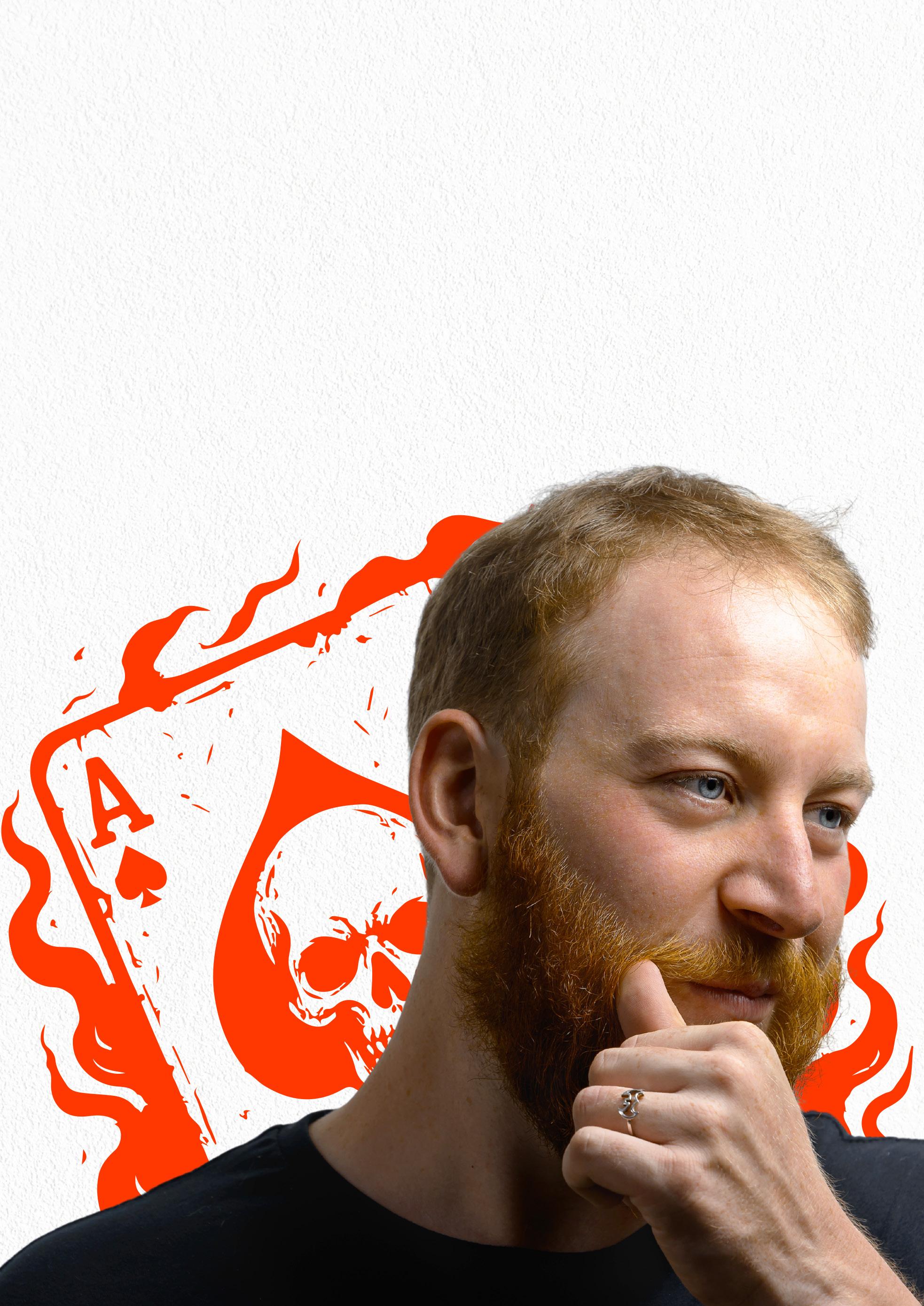
t would be more accurate to refer to my version of hope as “The Gamble.” I am piling on my plans, making business decisions and may as well be sitting at the roulette table whispering, “C’mon lucky eight.”
Because what I’m doing is gambling on my future, I can hope the strategy is right and I know my terrain as well as the most dedicated of Vietcong but if I don’t garner approval from the right gatekeeper I will come out with very little to show and potentially not even recouping the investment I’ve made.
Where are you making this stupid bet I hear you ask? At the Edinburgh Festival Fringe this year.
My name is Struan, I am a stand-up comic who took several years out starting just before the covid pandemic. After spending a lot of time in the supposed professional world, including 12-months in the heart of the BBC, I have very little faith in the job market for folks like us with creative mindsets and would much rather forge my own path.
I planned to do this with meticulous preparation and research by testing the waters with a “work in progress” show at Edinburgh Fringe 2025. Known as a WIP these essentially are opportunities for comedians to work out new material to potentially use later down the line in a honed show. At its best, the WIP I was working on was garnering around £20 per head from audience members in donations. Whilst they weren’t many in number they were passionate in outlook about what I was doing. The ending piece I was doing was a routine about my Bipolar diagnosis.
This would be delivered in the second half of the show:
“I’ve had a lot of adventures being out of comedy, but the biggest one for me was coming out as Bi.”
*Hold for applause and support*
“I should clarify, I do mean Bipolar.”
Then I form a further 20 minutes on Bipolar using the bisexual-bipolar wedge as a constant play piece coming back and forth.
I have been working on this for a further eight months and it is a proper roller coaster of a routine to perform as it is very fertile ground to play with. I haven’t found many comics making the most of educating an audience on bipolar, meaning the crowd are actually learning something whilst laughing at some dark punchlines along the way. I’m also very fortunate that the bit from its inception did always have a cracking end, so I had well defined boundaries to play within when building the routine.
With twelve months to build I thought I was on for a sure fire winner. What you have to realise about the Edinburgh Fringe is that it’s not just about that single month of August, but the campaign you build up before that to bring people to what you are doing. I thought there was room to be an acceptable face of Bipolar. Compared to previous legends like Spike Milligan who was a comedy genius & manic depressive fulfilling the best parts of the illness. My work was intended to make it much more open as a neurodivergence.
Now, for reasons I won’t go into here, my venue has given me the dimmest of graveyard shifts and my show will be on at 1am in the fantastic Free Fringe venue, The City Cafe.
It is one of the biggest setbacks you can have in the planning of a show, but as had been said by the greats, the show must go on. Thankfully, I get to exploit the fact I don’t have a show after mine so I get to perform a longer gig at unsociable hours with an immense smile on my face and can just wait to see who pops along.
Whatever happens here, I’ll be having the social hours of a vampire and be aiming to perform the late-night talk of the town for 2026’s Edinburgh Fringe. Whilst there is the Bipolar angle the show is loaded with inside jokes and enough purposeful structure you’d think I’d built this with Knex.
While for the general press I plan on keeping my Bipolar secret for the show. For you, I do want you to know it’s there in advance. Plus, I’ve got to. I made a promise to my Northern Irish, IHTT Nurse Bredan whose parting words to me when I talked about my how I wanted to with Bipolar and comedy was,
“Aye, normalise it to f*ck.” which I took very much as an instruction because with that strong a Northern Irish accent you don’t want to disappoint him.
In the family of ailments, conditions and neuroses, mental illness is treated as a distant cousin we don’t talk about, and that needs to change. It’s due its place in the sun. I’m just hoping 1am in an Edinburgh basement for a month in August is one of those places.
So this show is my gamble and my hope. I’ll be surprised if we hit lucky eight, but I’m the kind of person who loves to hedge their bets, so as we get closer to the crunch time of Edinburgh Fringe 2026, I’m sure there will be a few laughs along the way.
“There are darknesses in life and there are lights, and you are one of the lights, the light of all lights.”
- Bram Stoker, Dracula


“We can never give up longing and wishing while we are thoroughly alive. There are certain things we feel to be beautiful and good, and we must hunger after them.”
- George Eliot, The Mill on the Floss
“You are your best thing.”
- Toni Morrison, Beloved
“To love. To be loved. To never forget your own insignificance. To never get used to the unspeakable violence and the vulgar disparity of life around you. To seek joy in the saddest places. To pursue beauty to its lair. To never simplify what is complicated or complicate what is simple. To respect strength, never power. Above all, to watch. To try and understand. To never look away. And never, never to forget.”
- Arundhati Roy, The Cost of Living
“Tomorrow is always fresh, with no mistakes in it yet.”
- L.M. Montgomery, Anne of Green Gables
“Those who contemplate the beauty of the earth find reserves of strength that will endure as long as life lasts. There is something infinitely healing in the repeated refrains of nature—the assurance that dawn comes after night, and spring after winter.”
- Rachel Carson, Silent Spring
“Deep in the human unconscious is a pervasive need for a logical universe that makes sense. But the real universe is always one step beyond logic.”
- Frank Herbert, Dune
“But I know, somehow, that only when it is dark enough can you see the stars.”
- Martin Luther King, Jr.
We run online and in-person peer support groups across Scotland – friendly, safe spaces for anyone living with or affected by bipolar. Here’s a full list of all our groups running during June and July. Why not talk to people who get it?
To access an online support group, please visit https://bipolarscotland.org.uk/gethelp/support-groups/ to sign up.

SCOTLAND-WIDE (ALL ONLINE) BIPOLAR BLETHER: For anyone living with or affected by bipolar in Scotland. Sunday 7 June and Sunday 5 July, 3-4pm.
18-30: For anyone aged 18-30 affected by bipolar in Scotland. Wednesday 27 May, Wednesday 10 & 24 June, Wednesday 8 & 22 July 7-8pm.
FRIENDS & FAMILY: For carers and loved ones. Monday 16 June & Monday 20 July, 7-8pm.
AYRSHIRE & DUNDEE
• Tuesday 2 June & Tuesday 7 July, 7-8pm.
• Dundee in-person (Dundee Volunteer and Voluntary Action, 10 Constitution Rd, Dundee, SS1 1LL): Thursday 4 June and Thursday 2 July, 7-9pm.
BORDERS
• Wednesday 18 June and Wednesday 15 July, 7-8pm.
DUMFRIES & GALLOWAY
• Dumfries & Galloway online group: Tuesday 16 June & Tuesday 21 July, 7-8pm.
FIFE & FORTH VALLEY
• Fife & Forth Valley online group: Tuesday 9 & 23 June and Tuesday 14 & 28 July, 7-8pm.
GLASGOW
PLEASE NOTE THAT THE CITY AND WEST ONLINE GROUPS HAVE BEEN MERGED.
• Glasgow City & West online group: Sunday 14 June and Sunday 12 July, 7-8pm.
• Glasgow City in-person (Premier Inn, Glasgow City, 187 George St, Glasgow, G1 1YU): Wednesday 10 June & Wednesday 8 July, 7-9pm.
• Glasgow West in-person (Partick Trinity Church, 20 Lawrence St, Partick, Glasgow, G11 5HG): Wednesday 24 June and Wednesday 22 July, 7-9pm.
HIGHLANDS & ISLANDS
Highlands & Islands online group: Thursday 18 June & Thursday 16 July, 7-8pm.
• Highlands & Islands in-person (Café 1668, 86 Church St, Inverness, IV1 1EP): Thursday 4 June & Thursday 2 July, 7-9pm.
NORTH LANARKSHIRE
North Lanarkshire in-person (Coatbridge Community Centre, 9 Old Monkland Rd, Coatbridge, ML5 5EA): Monday 8 June & Monday 13 July, 7-9pm.
PAISLEY
• Paisley online group: Monday 8 June & Monday 13 July, 6-7pm.
• Paisley in-person (Methodist Central Hall, 2 Gauze St, Paisley, PA1 1EP): Monday 22 June & Monday 27 July, 6-7.30pm.
WEST DUNBARTONSHIRE
• West Dunbartonshire online group: Wednesday 10 June & Wednesday 8 July, 7-8pm.
• West Dunbartonshire in-person (Concord Community Centre, Dumbarton, St Mary’s Way, G82 1LJ): Wednesday 24 June & Wednesday 22 July, 7-9pm.
WEST LOTHIAN
• West Lothian in-person (Bathgate Community Centre, Lindsay House, South Bridge St, Bathgate, West Lothian, EH48 1TS): Thursday 11 June & Thursday 9 July, 7-9pm.
EAST LOTHIAN
• East Lothian online group: Thursday 25 June & Thursday 23 July, 7-8pm.
Want to get in touch with us?
Bipolar Scotland is based at:
Studio 10
Anchor One 7 Thread Street Paisley PA1 1JR
You can contact us by phone between 9.30am – 3:30 pm, Monday to Thursday, on: 0141 560 2050, or by email on info@bipolarscotland.org.uk
We’re also on Instagram: (@bipolar_scotland), and Facebook: (bipolarscotland1)
Charity Number: SC021705 Company Number: 163306 bipolarscotland.org.uk