Hot Air Oven vs Autoclave: Which Is Best for Dry Sterilization?
Hot Air Oven vs Autoclave: Which Is the Best for Dry Sterilization?
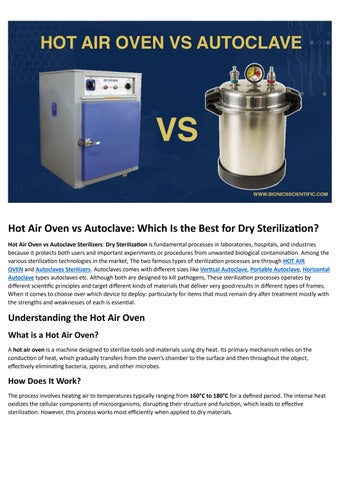
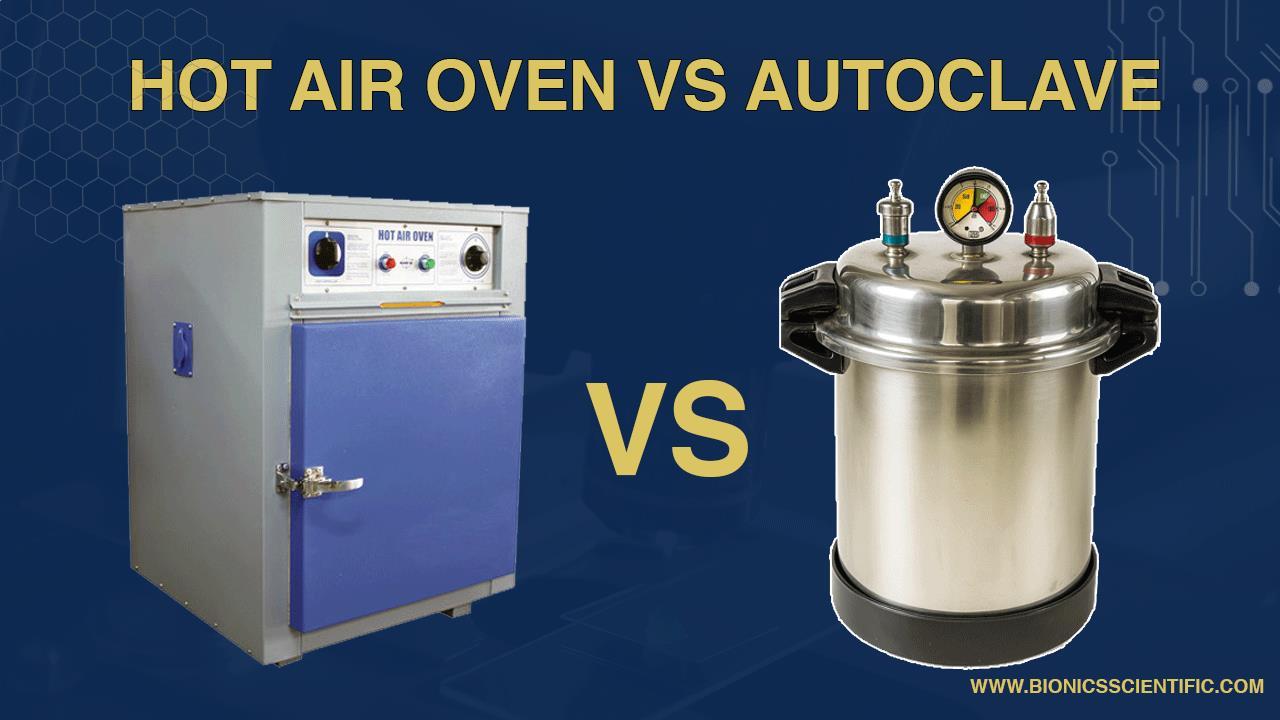
Hot Air Oven vs Autoclave Sterilizers: Dry Sterilization is fundamental processes in laboratories, hospitals, and industries because it protects both users and important experiments or procedures from unwanted biological contamination. Among the various sterilization technologies in the market, The two famous types of sterilization processes are through HOT AIR OVEN and Autoclaves Sterilizers. Autoclaves comes with different sizes like Vertical Autoclave, Portable Autoclave, Horizontal Autoclave types autoclaves etc. Although both are designed to kill pathogens, These sterilization processes operates by different scientific principles and target different kinds of materials that deliver very good results in different types of frames. When it comes to choose over which device to deploy: particularly for items that must remain dry after treatment mostly with the strengths and weaknesses of each is essential.
Understanding the Hot Air Oven
What is a Hot Air Oven?
A hot air oven is a machine designed to sterilize tools and materials using dry heat. Its primary mechanism relies on the conduction of heat, which gradually transfers from the oven’s chamber to the surface and then throughout the object, effectively eliminating bacteria, spores, and other microbes.
How Does It Work?
The process involves heating air to temperatures typically ranging from 160°C to 180°C for a defined period. The intense heat oxidizes the cellular components of microorganisms, disrupting their structure and function, which leads to effective sterilization. However, this process works most efficiently when applied to dry materials.
Common Applications
Hot air ovens are ideal for sterilizing:
• Glassware: Beakers, test tubes, and other lab glass that can withstand high temperatures.
• Metal Equipment: Instruments and tools made of durable metals.
• Powders and Oils: Substances that might be adversely affected by moisture.
• Heat-Resistant Containers: Materials that won’t degrade or warp under high temperatures.
Advantages and Limitations
Advantages:
• Specifically designed for dry sterilization.
• No use of water or steam, eliminating the risk of moisture damage.
• Simpler mechanical design leads to lower maintenance costs.
Limitations:
• Not suitable for sterilizing moist or heat-sensitive items.
• Typically requires longer sterilization times compared to autoclaves.
• May not be as effective against certain types of bacterial spores when compared to moist heat methods.
Introducing the Autoclave
What is an Autoclave?
An autoclave sterilizes using moist heat delivered under high pressure. It typically operates at 121°C with a pressure of 15 psi for durations ranging from 15 to 30 minutes, though the exact settings depend on the items being sterilized.
How Does It Work?
The autoclave’s design forces steam into even the tiniest crevices. The combination of moist heat and pressure is especially effective in penetrating materials, thereby denaturing the proteins within microorganisms and rendering them inactive. This method is widely acknowledged as one of the fastest and most reliable ways to sterilize a broad spectrum of items.
Common Applications
Autoclaves excel in sterilizing:
• Medical Equipment: Surgical instruments, dressing kits, and other sterile items used in hospitals.
• Lab Supplies: Culture media, lab coats, and other fabric-based materials.
• Certain Plastics: Items that can withstand steam and pressure without deforming.
Advantages and Limitations
Advantages:
• Rapid sterilization process that saves time.
• Highly effective against bacteria, viruses, and spores due to its penetrating nature.
• Ideal for both moisture- and heat-sensitive applications when used appropriately.
Limitations:
• Not suitable for drying powders, oils, or other materials that should not be exposed to water.
• The use of steam and pressure requires careful handling to prevent burns or damage.
• Regular servicing is necessary to ensure optimal performance and safety.
Choosing the Right Method for Your Needs
When deciding between a hot air oven and an autoclave, it is essential to consider the nature of the materials you plan to sterilize:
For Dry Sterilization
If your primary requirement is to sterilize dry items such as glassware, metal tools, powders, and oils a hot air oven is typically the better choice. Its design avoids moisture, thereby preserving the integrity of dry materials and ensuring effective sterilization without the risk of water damage.
For Moist or Mixed-Use Sterilization
For applications where speed is critical or where the items are moist (e.g., surgical instruments, fabric materials, and culture media), autoclaves are more efficient. Although they cannot process certain dry materials (like powders or oils), their ability to rapidly sterilize a diverse range of items makes them indispensable in clinical, research, and industrial settings.
Bionics Scientific is a Delhi based India’s leading manufacturer of muffle furnaces for laboratory manufacture muffle furnace ranging from 500°C to 1800°C (932°F to 3272°F). Call Us +91 9111161955, 9376651333 | Email us: info@bionicsscientific.com
Final Thoughts
Both the hot air oven and the autoclave play crucial roles in modern sterilization practices. The decision between the two hinges on the specific nature of the items being sterilized:
• Opt for a hot air oven if you are dealing primarily with dry items and need a cost-effective, low-maintenance solution.
• Choose an autoclave if you require rapid and comprehensive sterilization, especially when working with moist or heatsensitive materials.
Ultimately, understanding the strengths and limitations of each method allows you to make an informed decision that best supports your operational needs while ensuring the highest level of safety and efficiency.