
Interior Design Portfolio
Selected Works 2020-2025
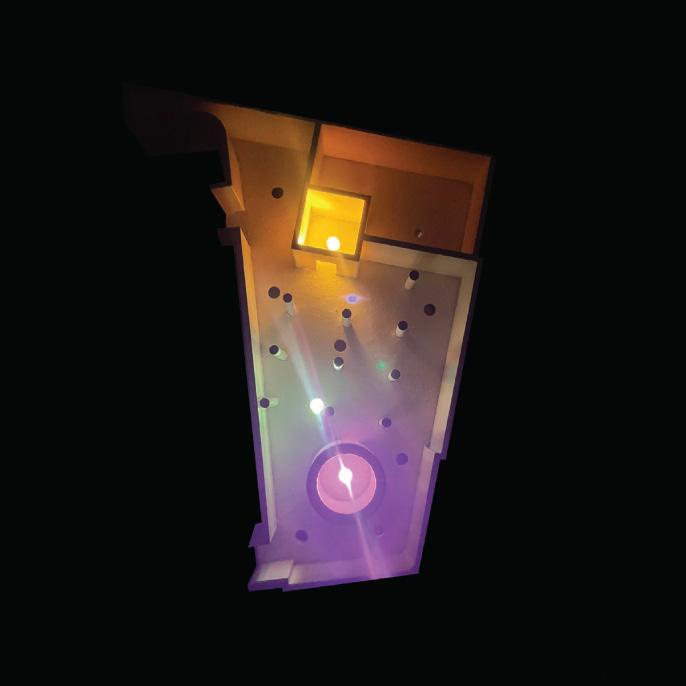

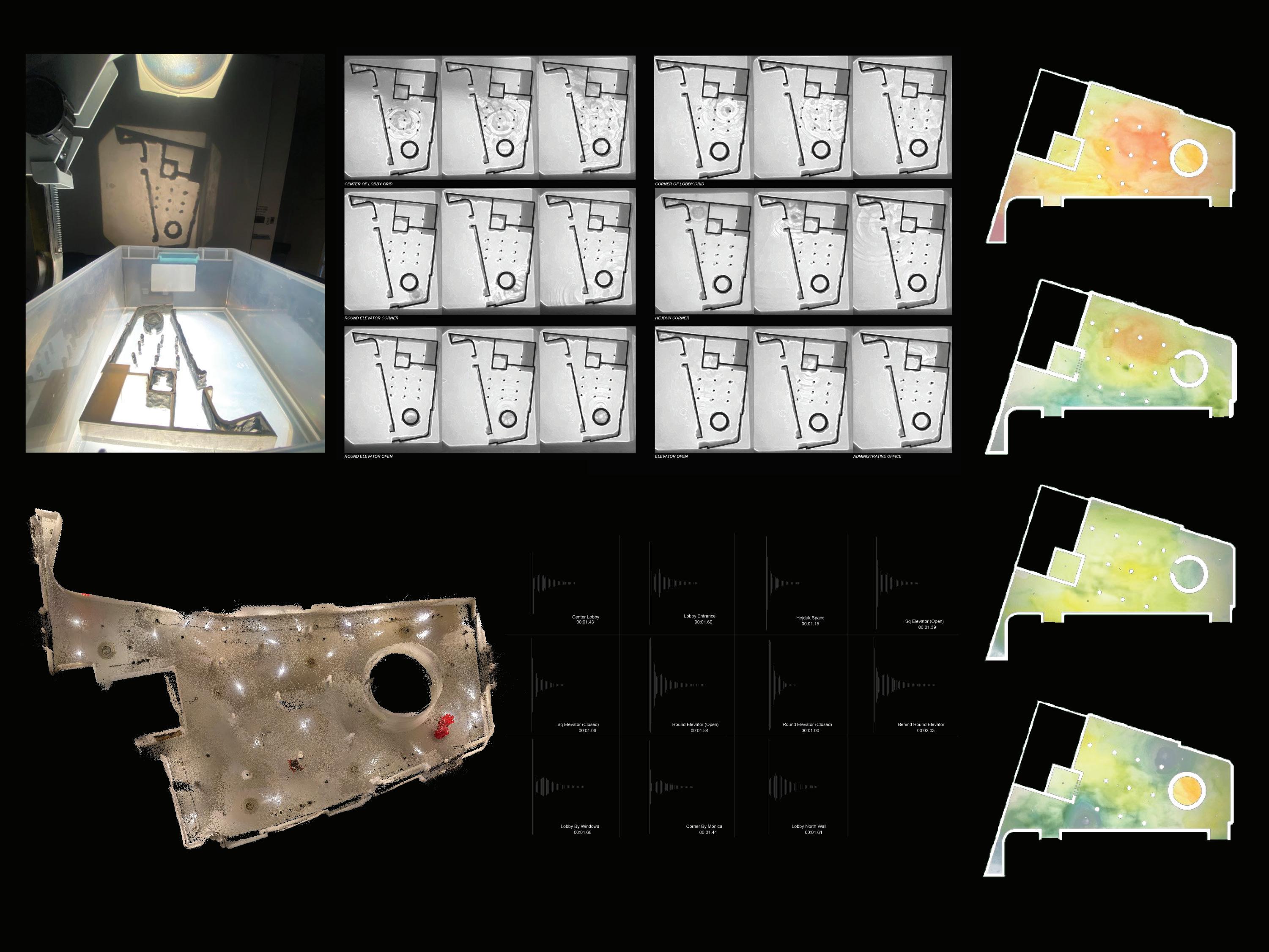
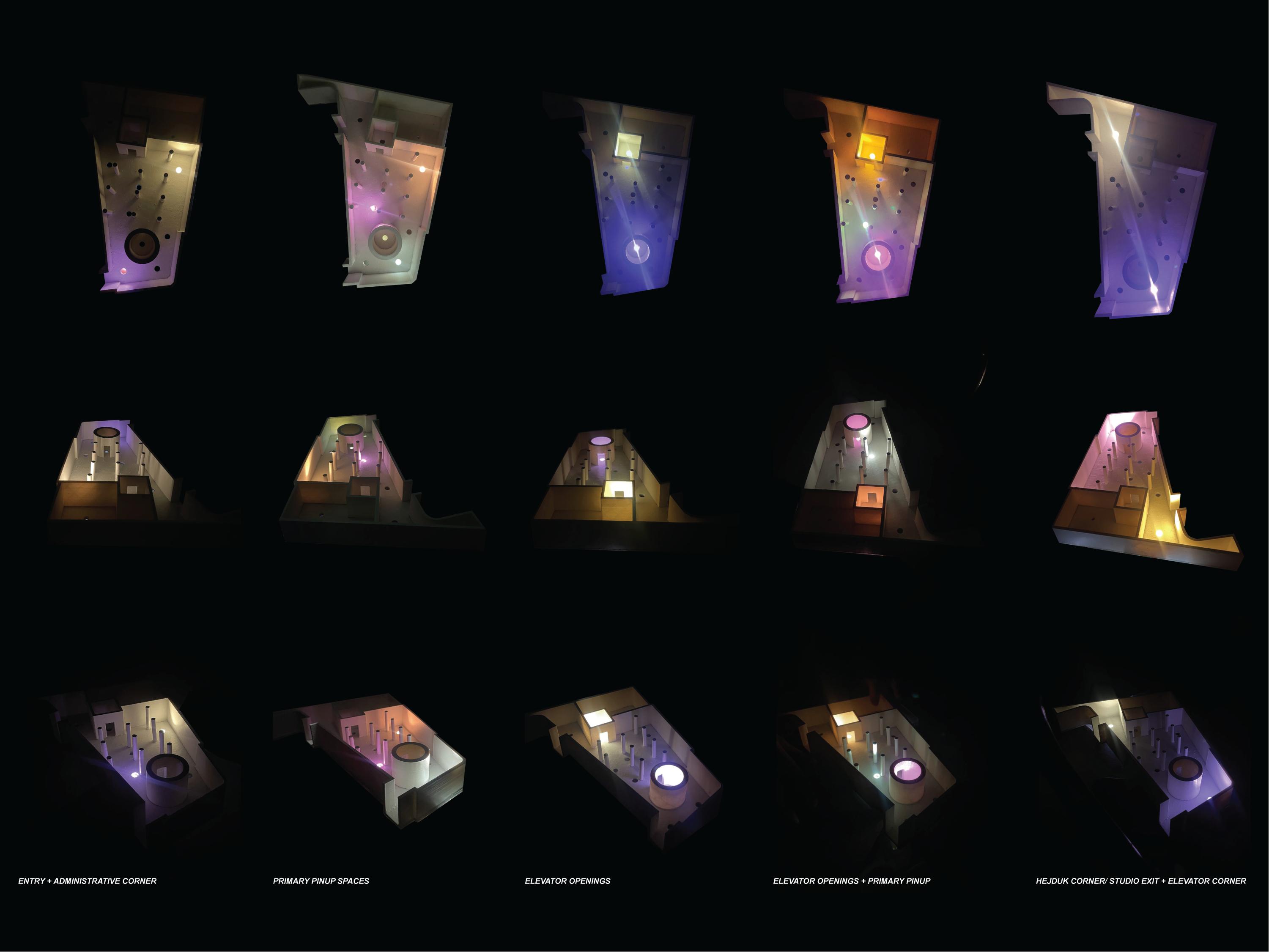
This project explores how sound and light shape the user’s experience within an interior space. Using physical models, light tests, and acoustic mapping, I analyzed different zones to understand how spatial layout affects comfort and atmosphere. The results inform material choices, zoning, and design strategies for creating immersive, performance-sensitive interiors.
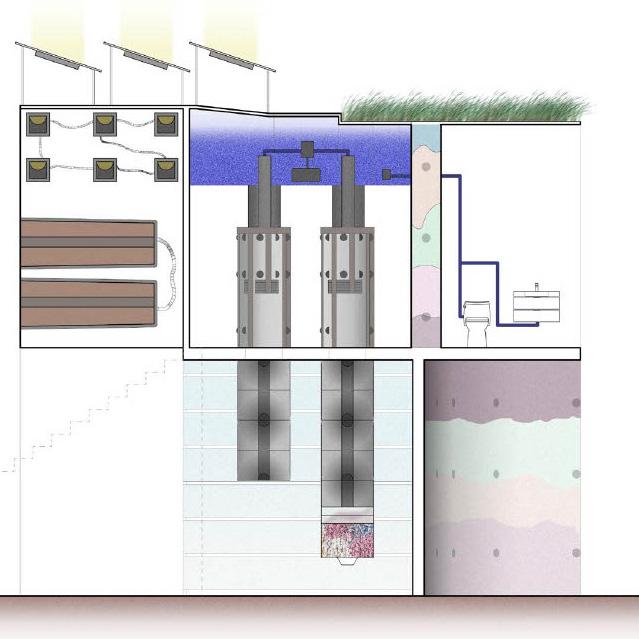
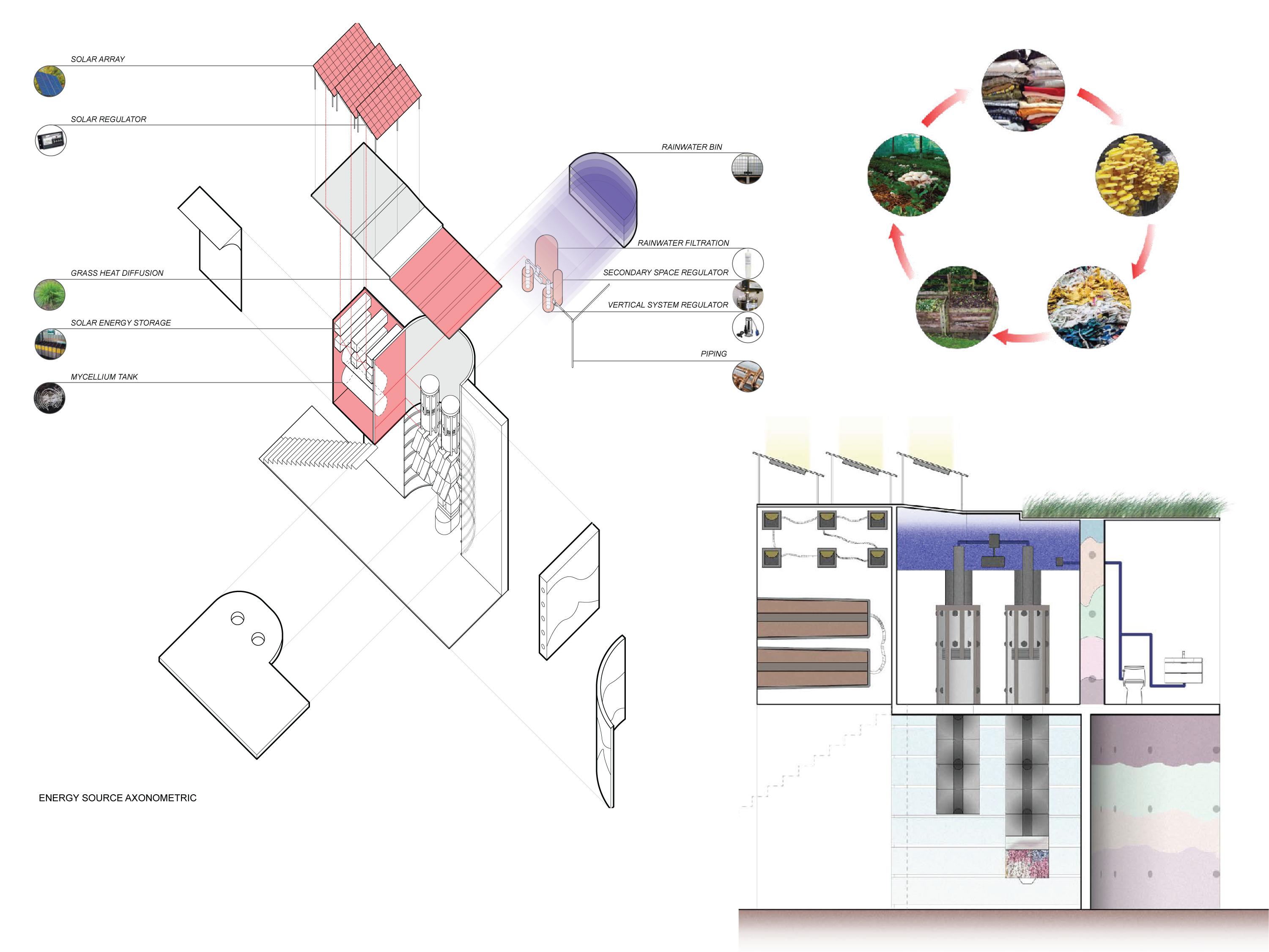
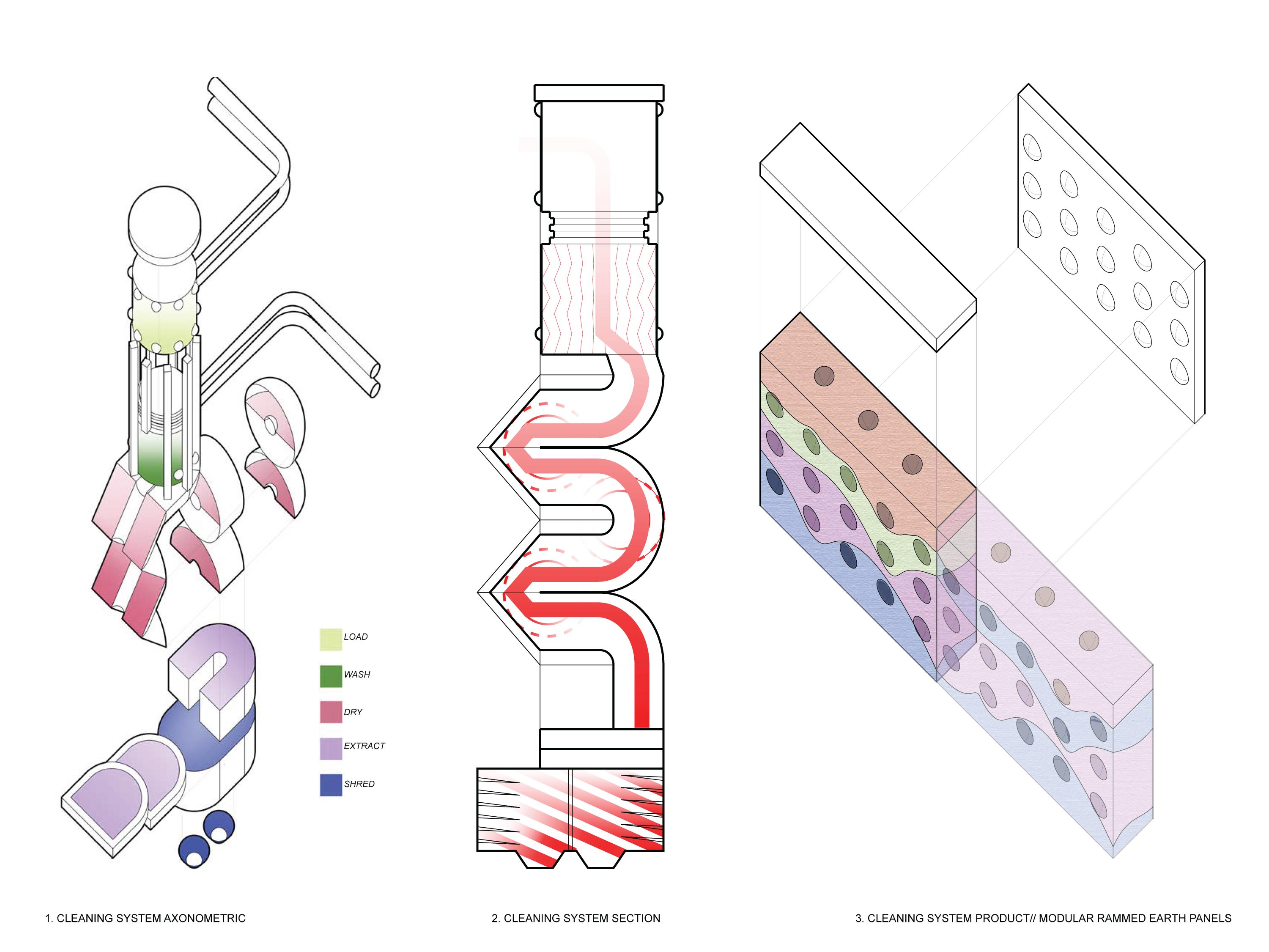
After researching fast fashion’s impact in Panipat, India, I designed a closed-loop laundry machine that recycles textiles by shredding them, mixing them with mycelium, and composting them into soil. This system reduces landfill strain and promotes sustainable textile recycling. The project includes a laundromat that invites public participation in this cycle.
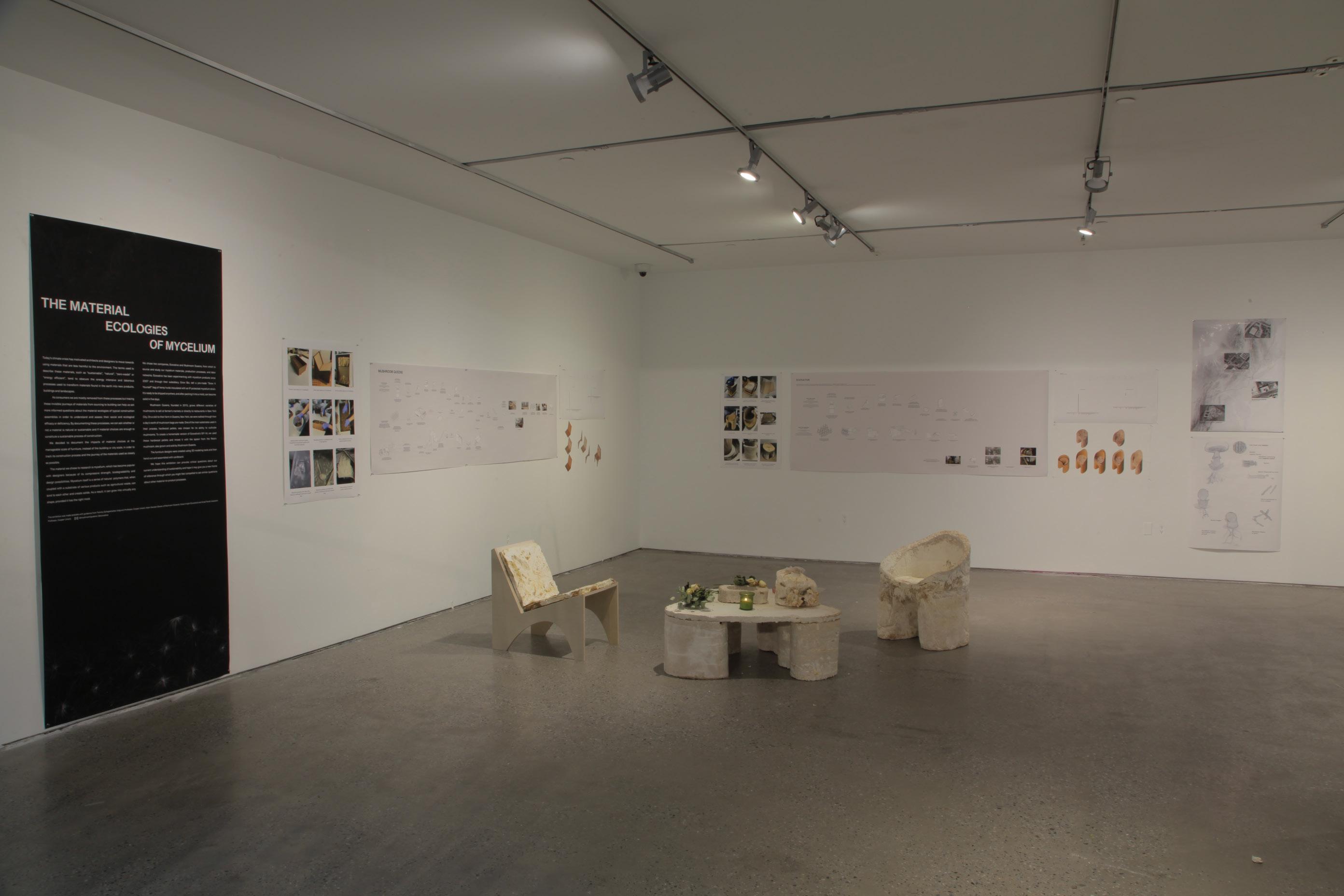
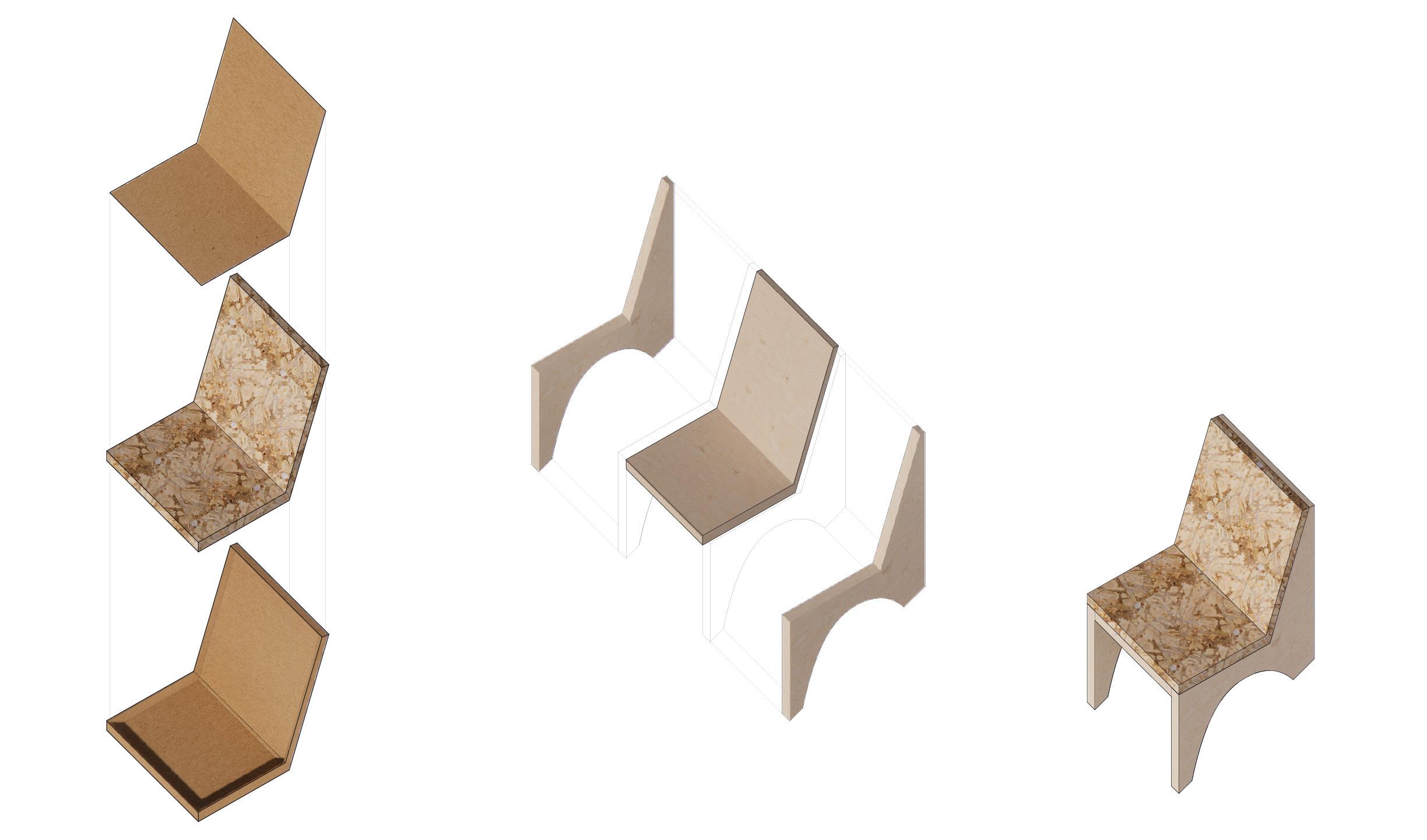
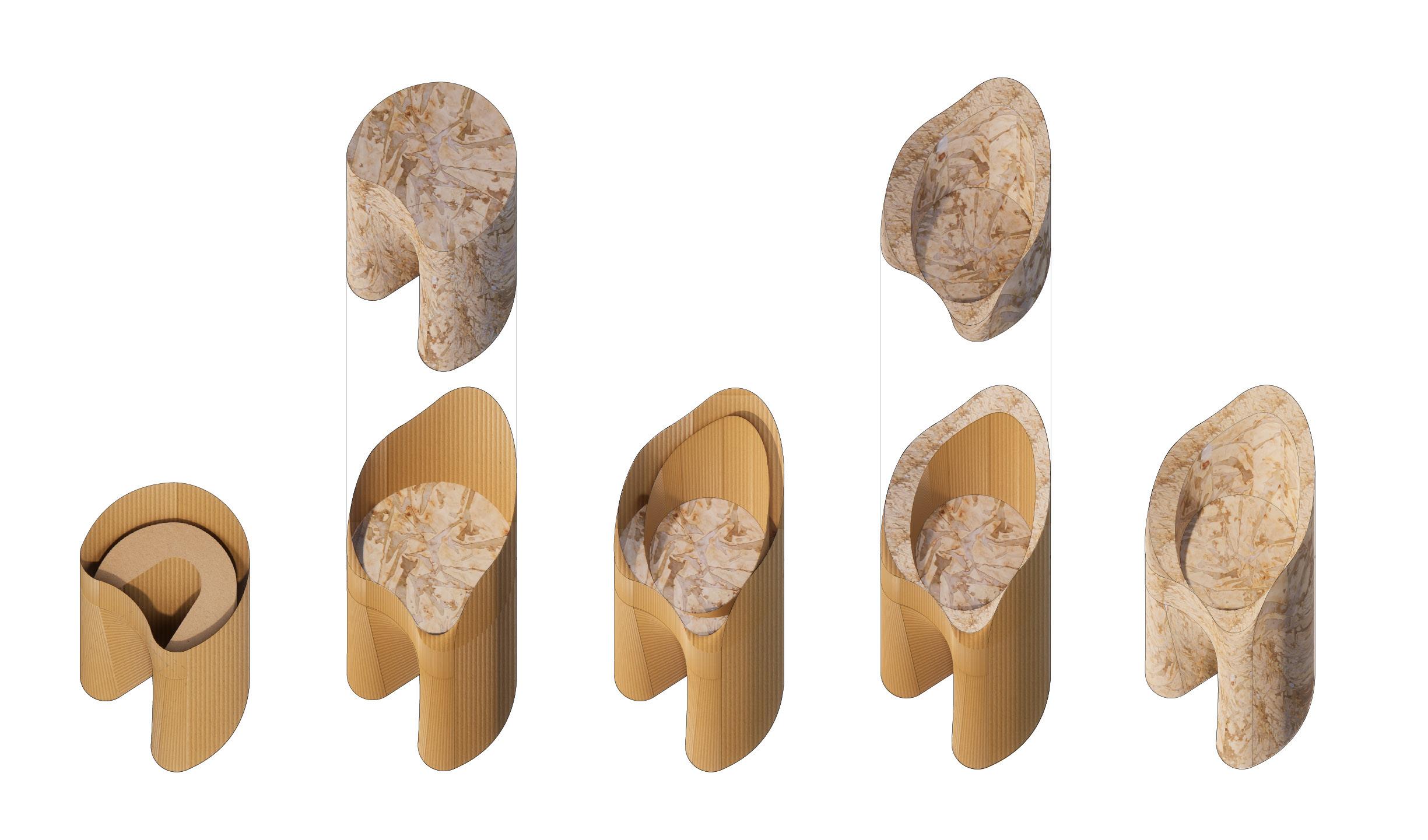
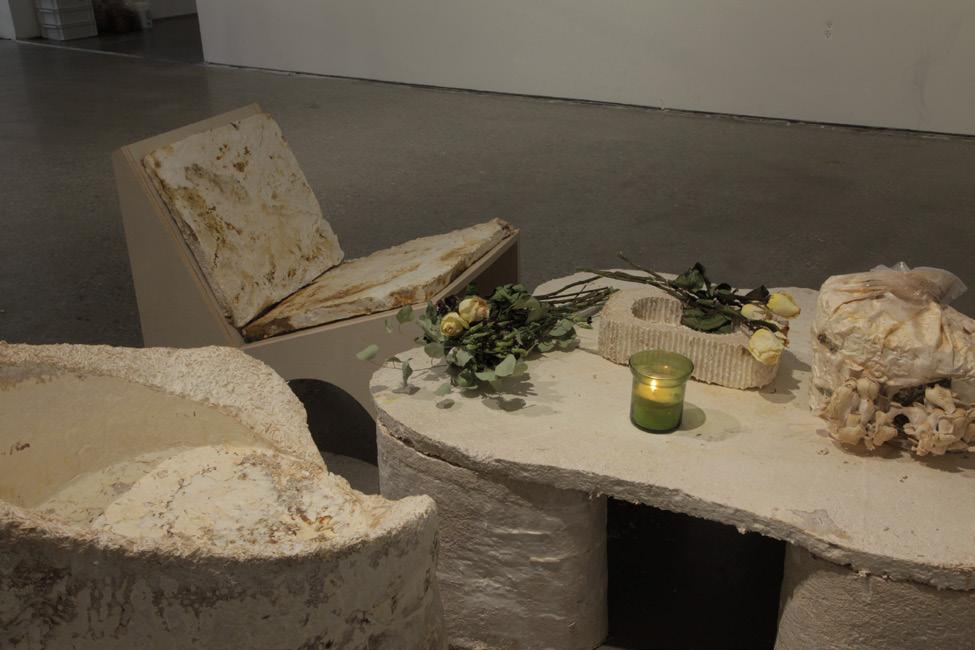
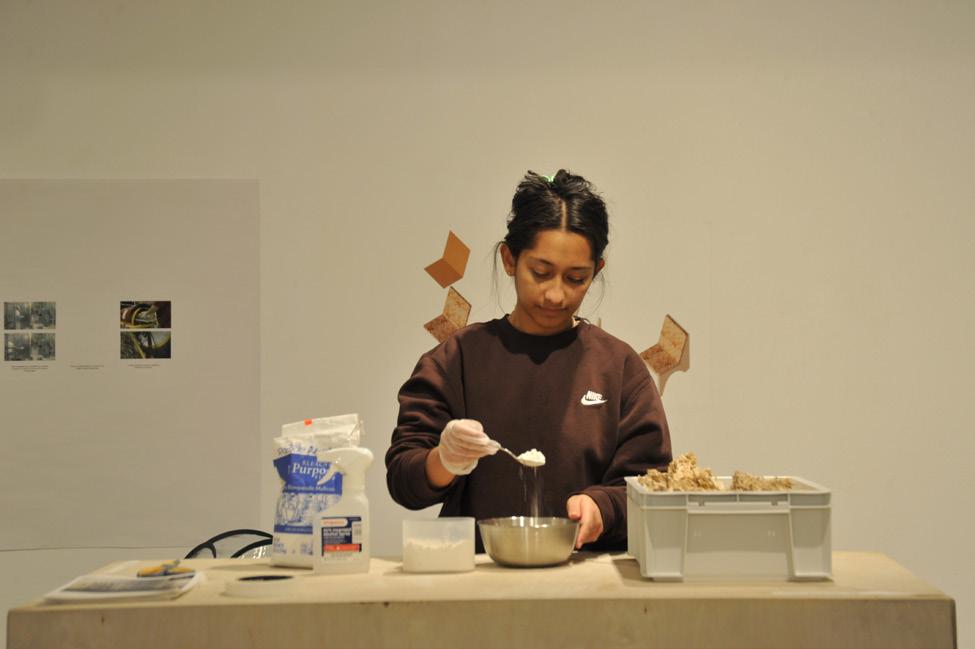
This fellowship exhibition explores the full life cycle of mycelium as a biodegradable material increasingly popular in sustainable design. By focusing on furniture-scale objects, the project examines sourcing, labor, and production through both industrial and small-scale methods. Interactive displays and handmade prototypes encourage visitors to question what makes materials or processes truly sustainable.

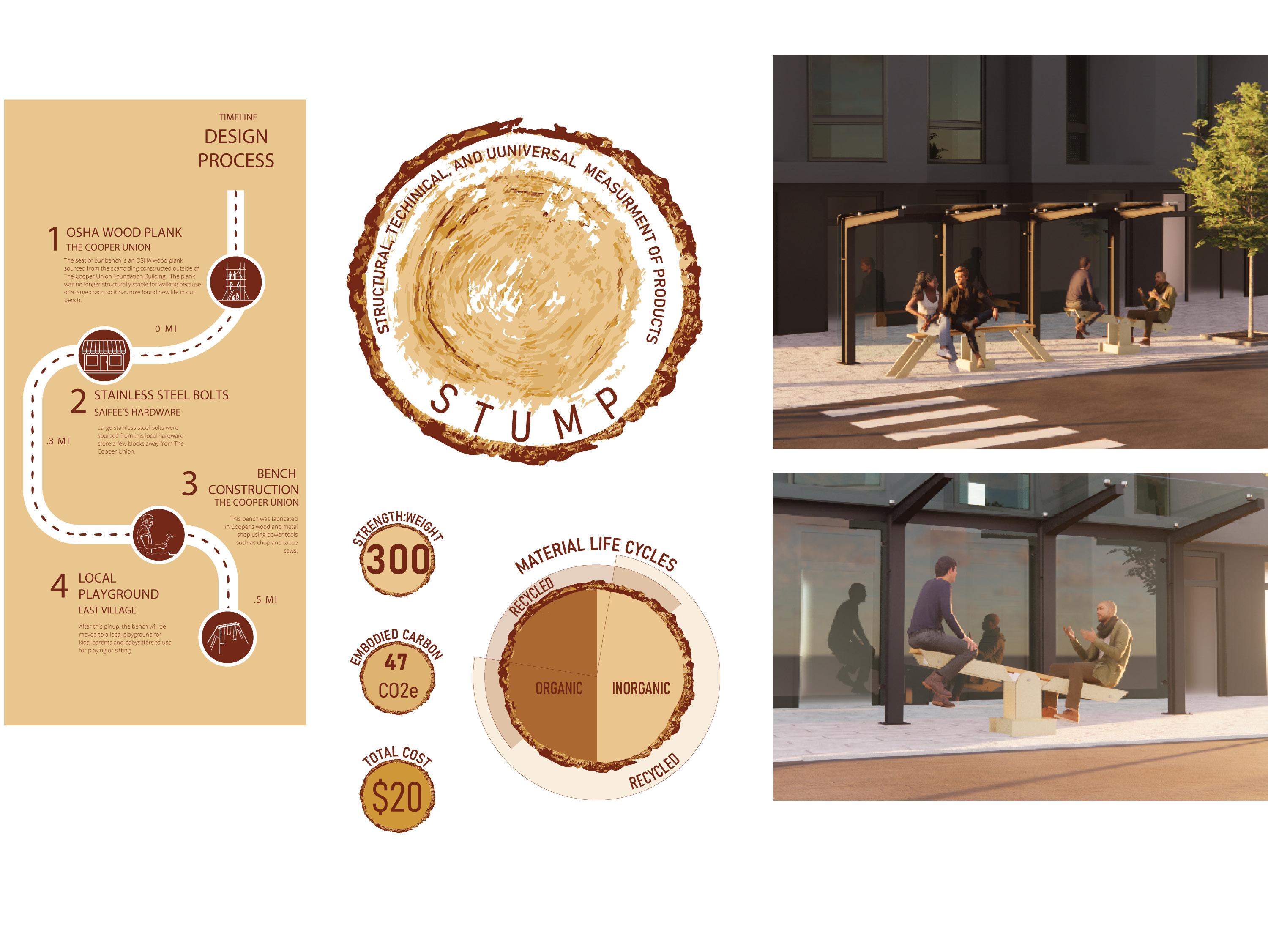
This project explores the intersection of sustainable design and urban play through a transformable bench made entirely of reclaimed wood and hardware. Designed for both adults and children, the bench pivots into a seesaw, encouraging community interaction and joyful repurposing of public space. Built by hand and installed in a local playground, it highlights circular design thinking and the potential of low-cost, high-impact interventions.
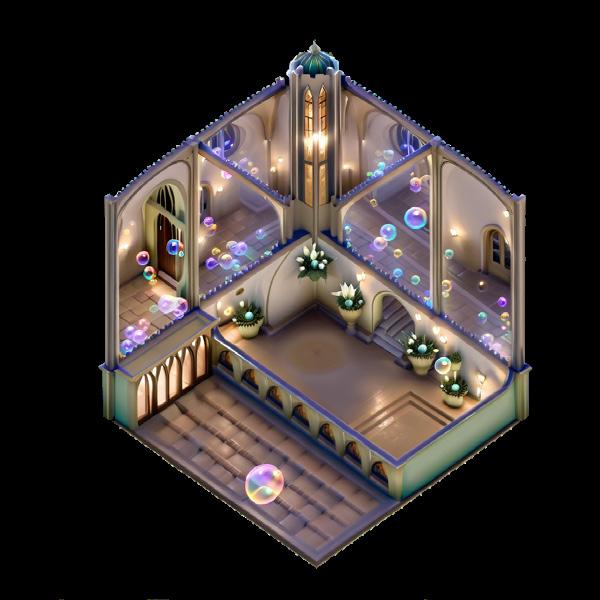
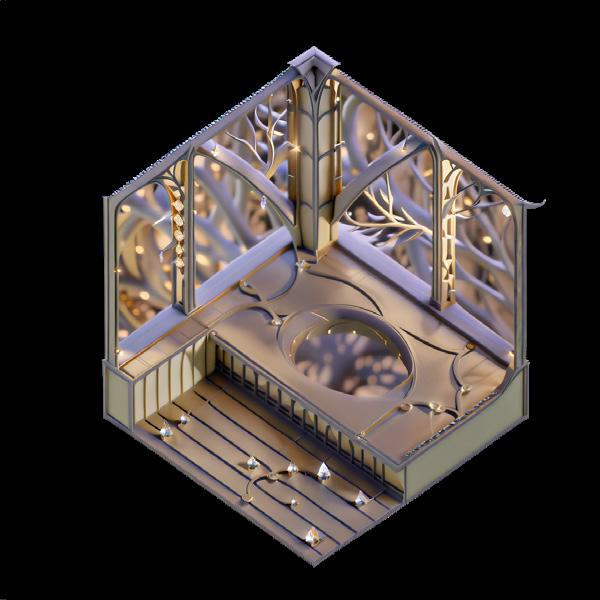
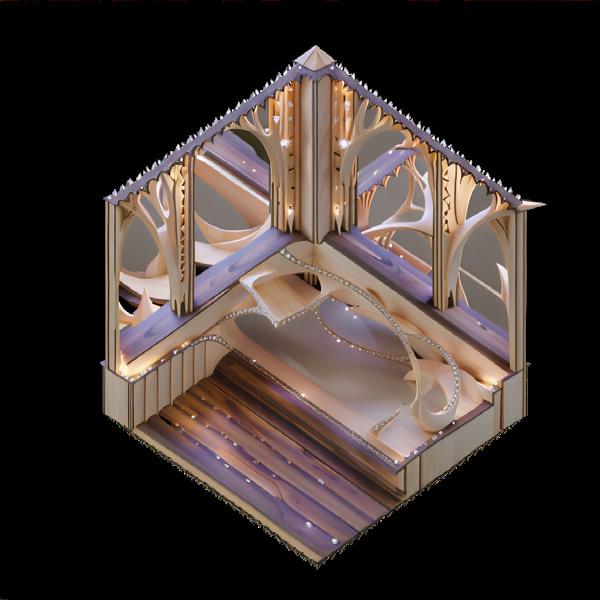
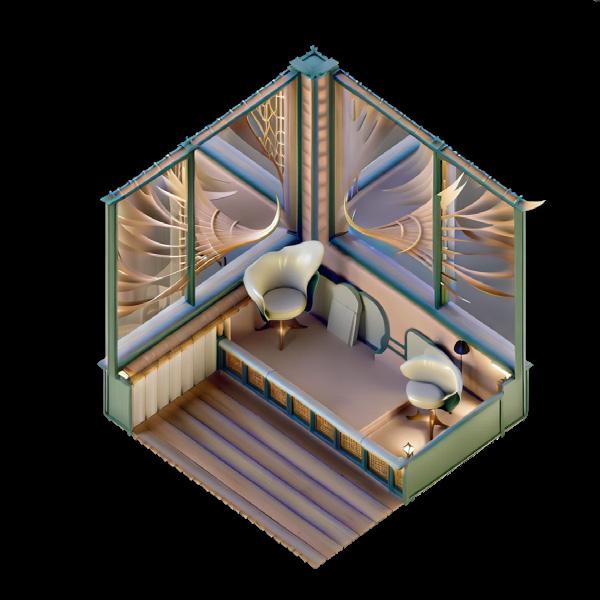
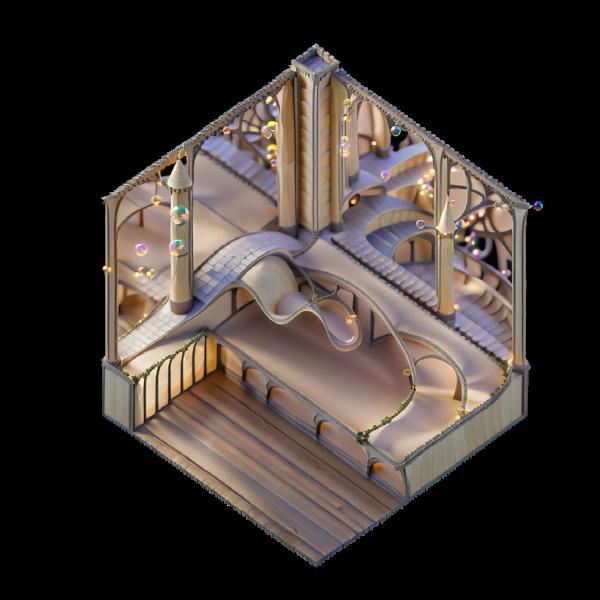
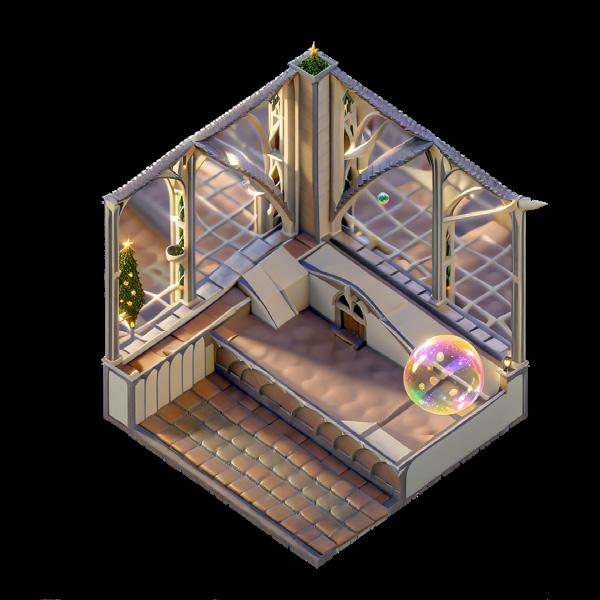
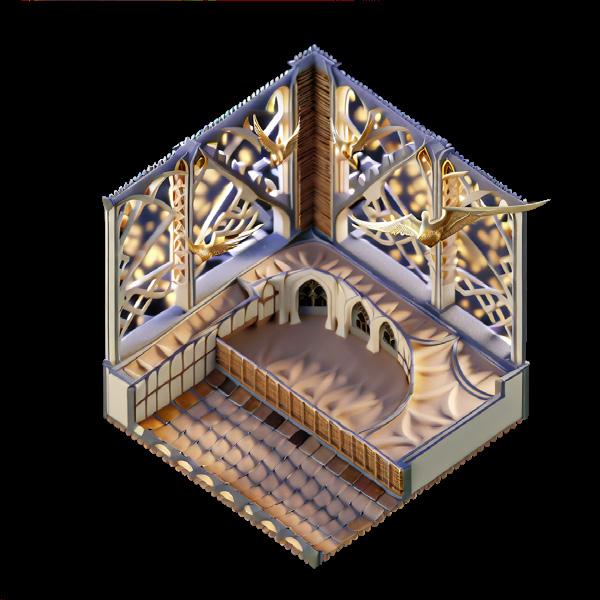
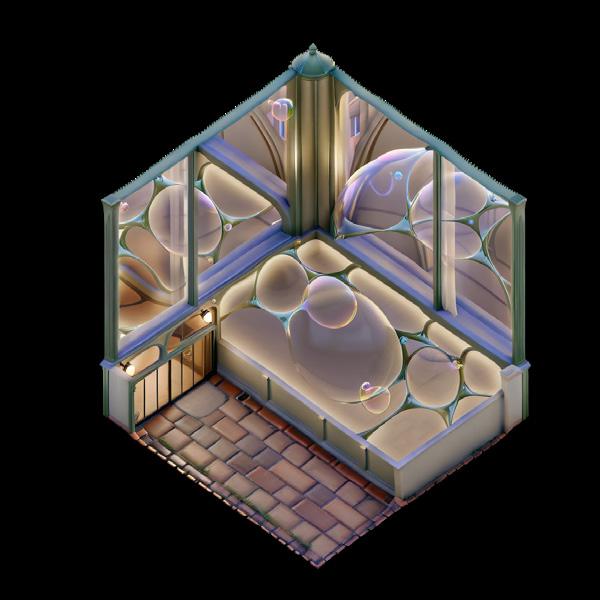
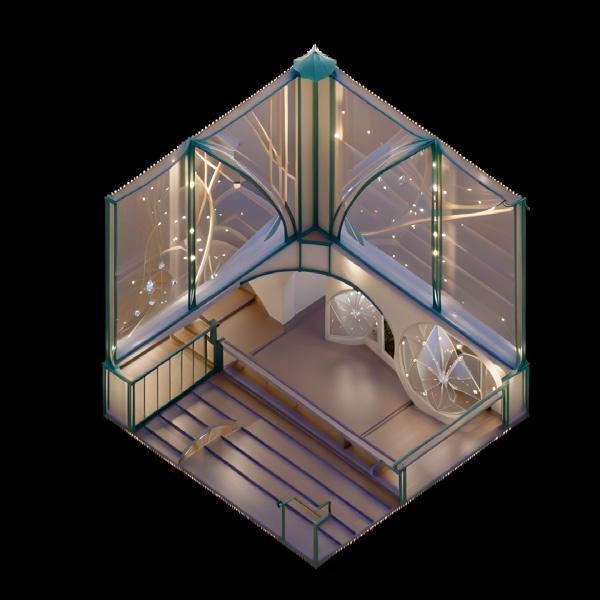
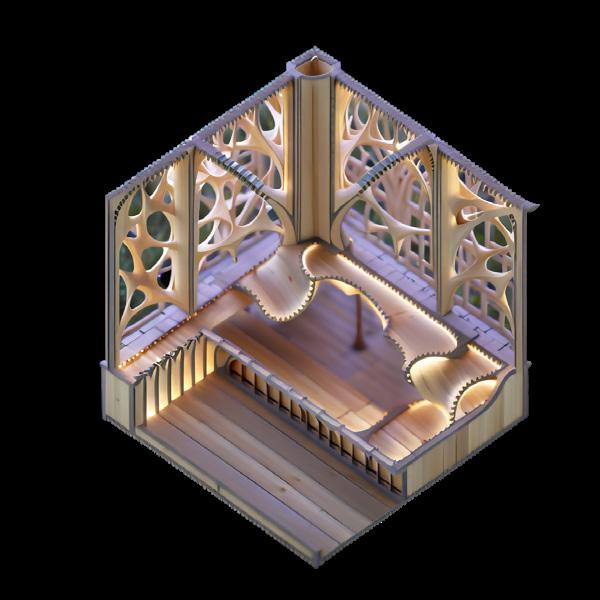
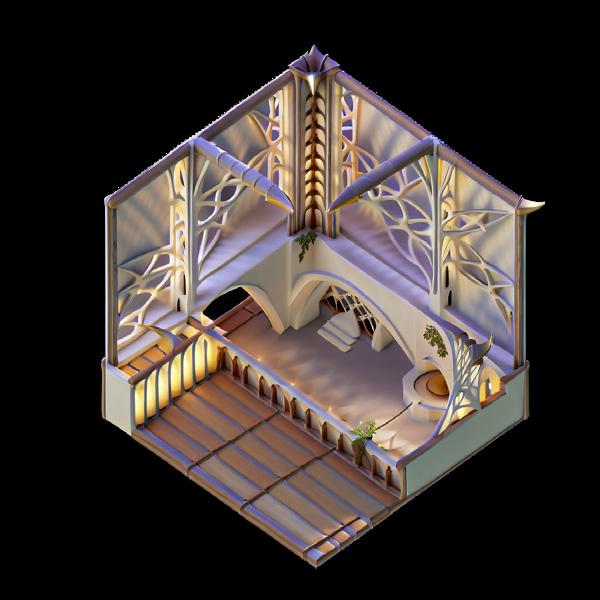
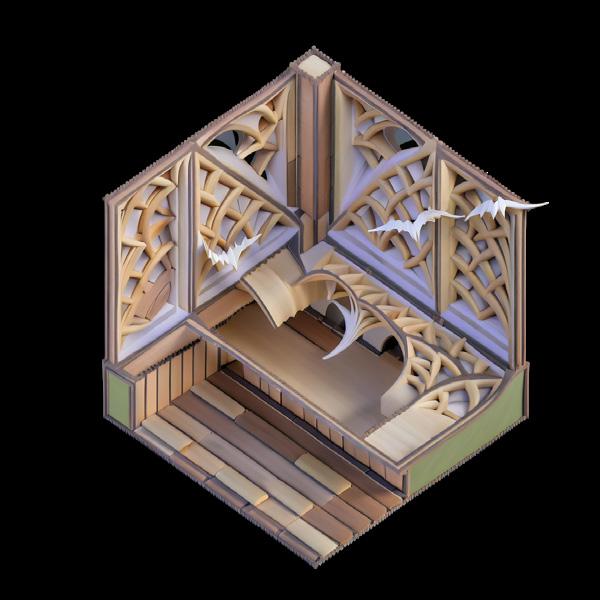
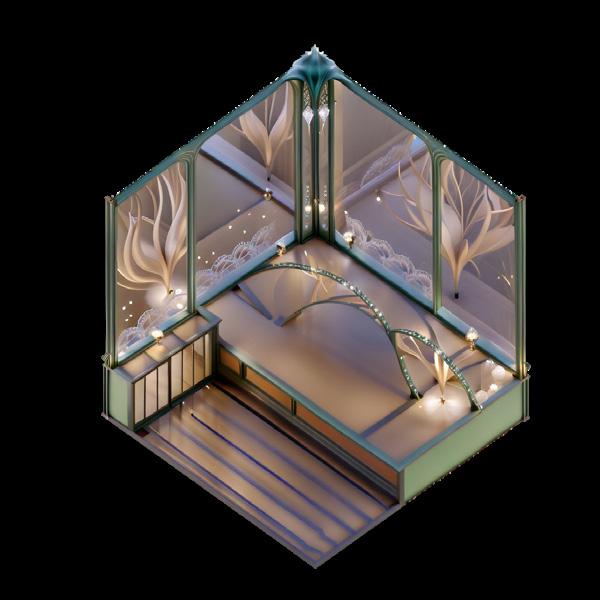
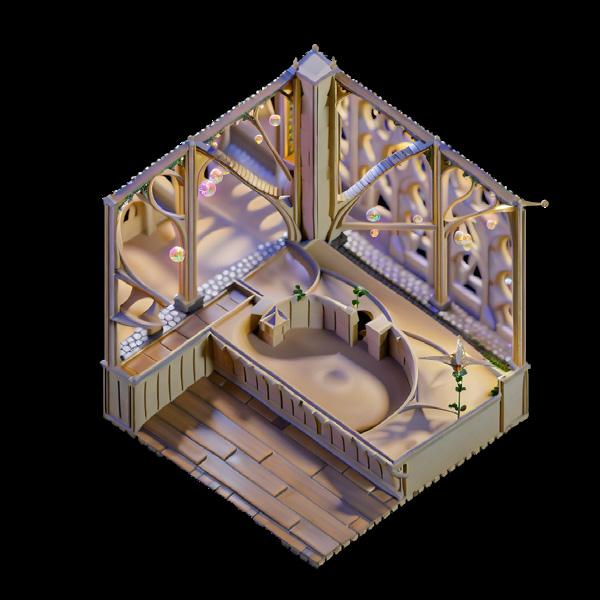
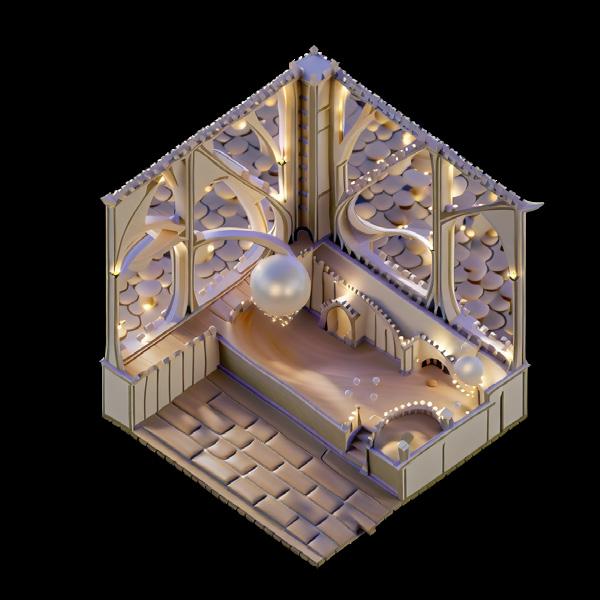
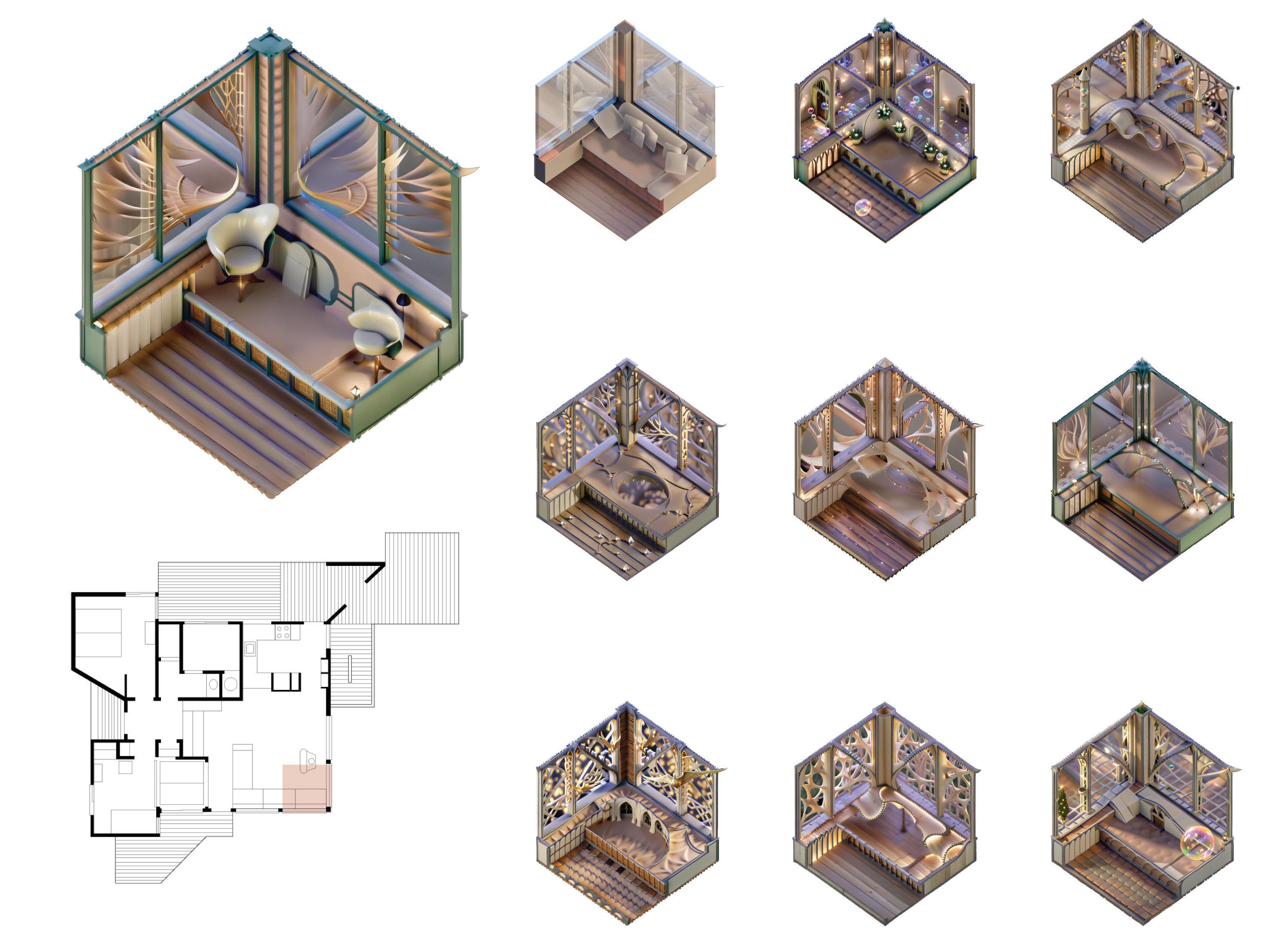
This project investigates how artificial intelligence tools can be used to reimagine interior lounge spaces through generative design processes. Starting with a modeled room interior, a series of AI-generated iterations were produced to explore spatial atmosphere, materiality, and form. The study focuses on how machine-assisted design can expand aesthetic possibilities and challenge conventional approaches to interior design. By comparing original and generated outputs, the project reflects on authorship, interpretation, and the evolving role of computation in interior spatial practice.


instagram: @aud.becca


website: issuu.com/biobecca benjamin menschel fellowship