Department
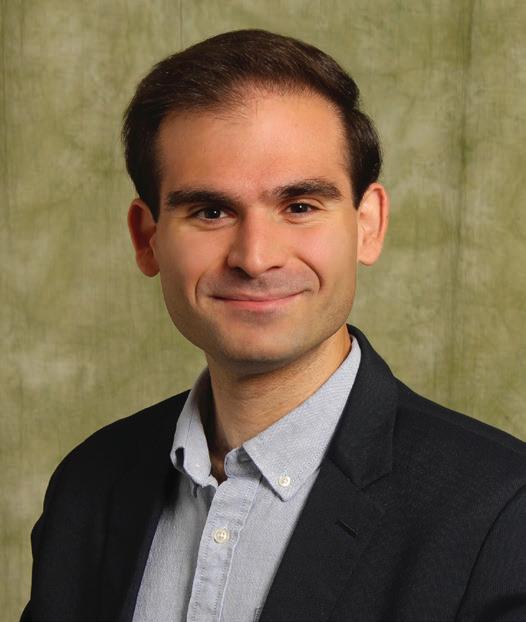
Message from the Chair
GVincent Reitano, Department Chair
reetings from the Department of Public Administration and Policy (DPAP) in the College of Community and Public Affairs. Our downtown campus in the heart of Binghamton facilitates community-engaged research, teaching, and service. With 14 faculty and staff, over 130 students, and a dedicated advisory board of community leaders, DPAP continues to be at the forefront of public and nonprofit service.
Our department offers several academic pathways to meet student needs. The MPA is available in multiple and accelerated formats, including a 4+1 option for undergraduates and a partially online one-year track for current practitioners. The MS in Sustainable Communities offers 4+1 and traditional two-year options, allowing students to develop expertise in the three pillars of sustainability through interdisciplinary electives. And we are excited to announce the fall 2026 launch of a fully asynchronous online Master of Public Policy program.
This report highlights a few examples of the DPAP community of scholars, staff, students and alumni. Our faculty, recognized leaders in the academic community, have accumulated over 8,200 research citations and serve on several editorial boards. Our academic staff coordinate career development events and provide advising throughout the year. Our students learn and lead in community efforts, including the Philanthropy Incubator, and our alumni put public service values learned here into practice. As the academic year concludes, we invite you to join us in celebrating DPAP and the vibrant public service ethos in the Binghamton community.
dpap@binghamton.edu 607-777-3719
@dpapbing
New online Master of Public Policy program
Governments, nonprofits and think tanks need analysts who are trained in both the theoretical and applied aspects of public policy. Students today need flexible programs that allow them to complete a degree while fulfilling their current work and family obligations. So, starting in fall 2026, Binghamton will launch New York state’s first fully online, asynchronous Master of Public Policy (MPP) program.
The program offers both theoretical and applied coursework, and students will develop skills in data science, applied econometrics, policy analysis, and leading statistical software. Graduates will be prepared for
“The Binghamton MPP allows students and the broader policy community to benefit from a combined theory-focused and technical degree in a condensed online format.” — Vincent Reitano
careers in diverse policy areas, including education, the environment, and international development.
The MPP consists of nine courses and 36 credit hours and can be completed online in one year, following a fall-to-summer schedule. There is also a part-time option available. For more information, please email msweet@binghamton.edu.
Community Engaged Learning
Party with a Purpose
An annual end-of-year highlight is the studentrun fundraiser, Party with a Purpose (PWAP). Aligned with DPAP’s Philanthropy Incubator led by Professor David Campbell, students gain hands-on experience in community outreach, grantmaking, and event planning. The Philanthropy Incubator allows Binghamton students to actively learn and practice giving, emphasizing how philanthropy shapes public service and civic engagement.
Launched in 2009 by MPA alumni as a floating gathering for young professionals, it became an annual student-run event in 2011. What began as a small cocktail party has become a formidable event for students, alumni, and the community. The event raises $3,000 to $5,000 annually, awarded to a selected local nonprofit.
In conjunction with
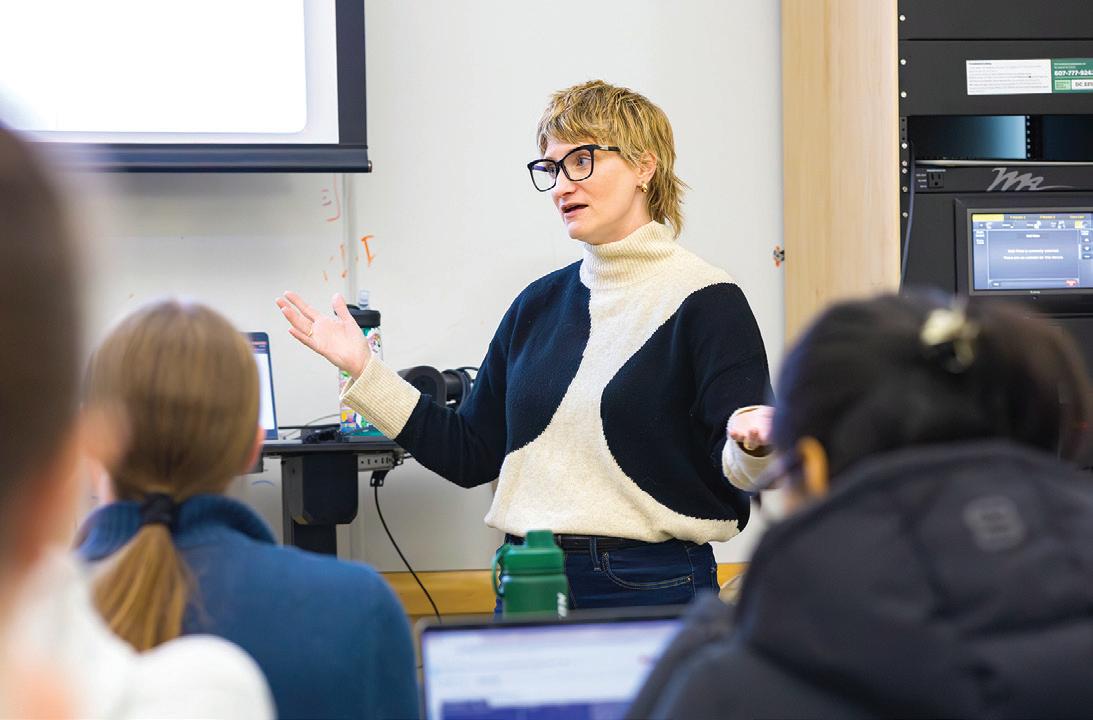
Associate Professor Lauren
Dula’s class, Issues in Nonprofit Administration, and the DPAP Graduate Student Organization, students evaluate grant applications, conduct site visits, and present finalist organizations to their classmates, all while exploring how individuals and grant-making bodies make complex resource allocation decisions. Past grant recipients include CARES Advocates for Families, the Greater Good
Grocery Store’s SNAP benefit matching program, and GiGi’s Playhouse, a day center for individuals with Down Syndrome and their families.
Tackling challenges in the local community
This semester, students in Assistant Professor Taylor Davey’s Sustainable Cities and Regions (SUST/PAFF 582) class are partnering with the Village of Johnson City to tackle real-world climate
and sustainability challenges. As the village works toward its New York State Climate Smart Communities (CSC) certification, students are conducting applied research and developing strategies to support local and regional sustainability goals.
Working in focused research teams, students examine hotbutton issues such as housing, mobility, flood risk, and climate mitigation, with a strong focus on equity and community well-being. The partnership
provides students with handson experience in communityengaged planning while offering Johnson City practical, researchbased ideas to support a more resilient and sustainable future
Sustainable Communities Colloquium
Real-world sustainability work requires professional skills that can’t be learned solely from textbooks. This signature, program-required colloquium is offered every semester and immerses students
Cutting Edge Research
Safeguarding natural resources
PRODiG+ Postdoctoral Fellow Kristen Swedberg’s research highlights the social value of protecting water resources across federal, state, and local landscapes. Drawing on her experience as a research fellow at the U.S. Environmental Protection Agency, she pioneered new empirical approaches to better measure the benefits and costs of regulatory decisions under the Clean Water Act. At the state level, Swedberg is collaborating with the Minnesota Pollution Control Agency to evaluate the impact of lake water quality remediation on surrounding communities, and her recent work in New York investigates how local government funding choices shape the strength and resilience of community water systems.
in the professional practice of sustainability.
Through weekly discussions and connections with sustainability professionals — many of whom are program alumni — students gain direct insight into current challenges and career paths in the field.
The multi-semester experience helps students build academic and career readiness, expand their professional networks, and exposes them to a wide range of real-world perspectives both locally and nationally.
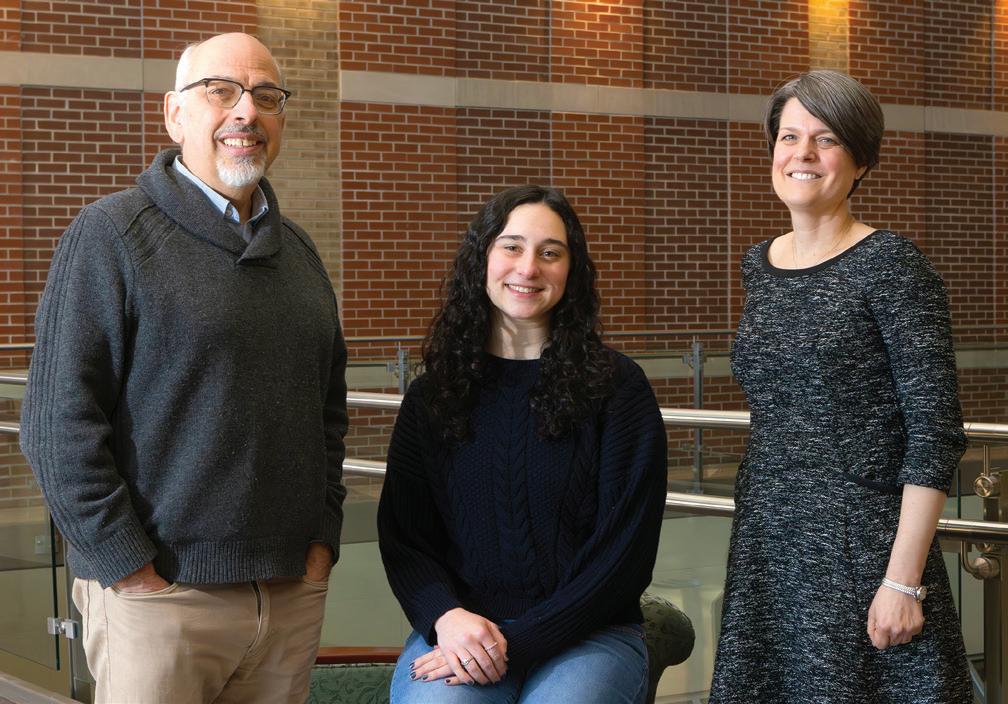
“The experience of working on this paper was extremely rewarding. Over the course of about a year, I assisted with the data curation and methodology to help Professors Kristina Marty and George Homsy organize the qualitative data they had collected. I learned to code qualitative data and to organize key findings and write articles for scientific journals.
Collaboration that tackles real-world issues
Collaboration between faculty and students plays a significant role in student development at CCPA. In December 2025, 4+1 MS student Abigail Cassamassino co-authored a paper, “Still muddling through: Local sustainability leaders and energy efficiency in rental units”, published in the prestigious Journal of Energy Research and Social Science with Professors Kristina Marty and George Homsy.
I was included at every step along the way to see what goes into publishing, and I am very thankful for this opportunity during my college career. I had no prior knowledge of this particular type of research and publication, and I can now graduate with a published paper and a much deeper knowledge of the research process and the ability to confidently continue research in the future if I choose.”
—
Abigail Cassamassino ’25, MS ’26
Changemakers
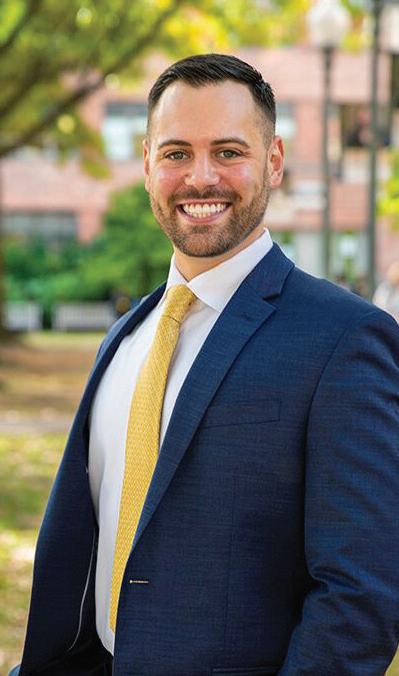
Tom Mastro ’16, MPA/MS ’18 | 2026 BOLD 10 Under 10
Mastro is a three-time CCPA alum, first earning his bachelor’s degree in human development.
“My time in the MPA program at Binghamton University truly shaped how I approach academia, policy and leadership in my current role as assistant dean at Northeastern University’s Charlotte campus. Program faculty and leaders are not only experts in their fields but also possess the rare ability to connect their expertise and course materials to each student’s unique area of interest, creating an environment where my classmates and I could truly
Top Tier Talent
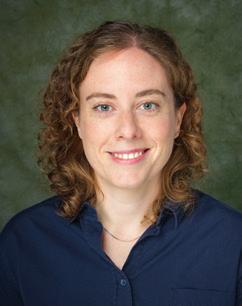
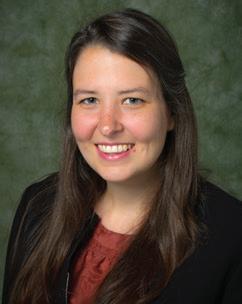
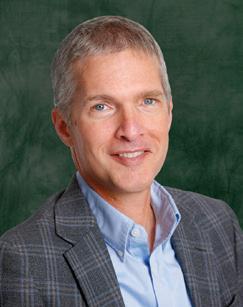
The Department of Public Administration and Policy welcomed three distinguished new faculty members in fall 2025, enhancing our academic community and strengthening our commitment to excellence in research, teaching, and public service.
thrive. The MPA program taught me how to work effectively in teams, strategically grow organizations, and create project plans that are both realistic and executable with professionalism and impact.
Beyond technical skills, the program instilled a global perspective, teaching me to approach challenges through multiple lenses—understanding how policy, culture, economics, and social systems intersect to shape communities and
institutions. This holistic approach to problem-solving has been foundational to my work in developing partnerships, launching innovation initiatives, and building student success frameworks that serve diverse populations.”
Taylor Davey, Assistant Professor, Sustainable Communities
Davey received their PhD in Urban Studies and Planning from Harvard University. Their research explores urban climate action, focusing on the politics of climate planning and on shortterm actions that support long-term transition pathways.
Kristen Swedberg, PRODiG+ Postdoctoral Fellow, Sustainability and Public Policy
Swedberg received her PhD from Virginia Tech and was a fellow with the U.S. Environmental Protection Agency. Her research explores the social benefits of protecting water resources.
Eric Wiebelhaus-Brahm, Professor, Atrocity Prevention and Human Rights
Wiebelhaus-Brahm is the author of three books and over 40 articles and book chapters on transitional justice, human rights, and peace building. He earned his PhD from the University of Colorado.