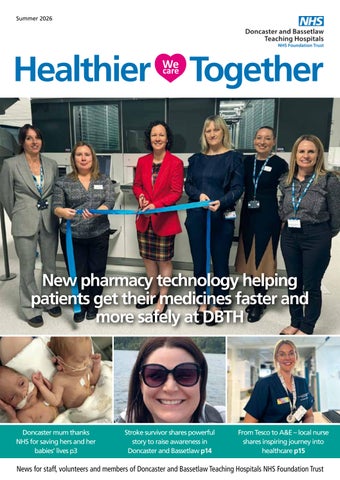
Healthier Together
From Tesco to A&E – local nurse shares inspiring journey into healthcare p15 Stroke survivor shares powerful story to raise awareness in Doncaster and Bassetlaw p14

Doncaster mum thanks NHS for saving hers and her babies’ lives
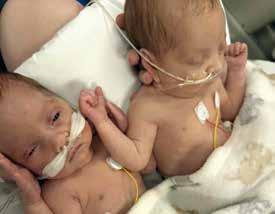
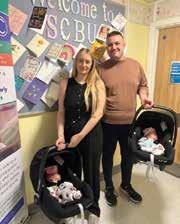
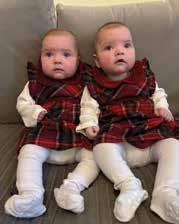
Last year, Laura Shukla experienced a turbulent twin pregnancy, but thanks to the care delivered by colleagues at Doncaster and Bassetlaw Teaching Hospitals (DBTH), both Laura and her babies are now thriving.
Laura’s pregnancy was difficult from the start. Early bleeding and complications meant she needed weekly specialist scans in Sheffield. However, at 32 weeks Laura noticed reduced movements and attended triage at Doncaster Royal Infirmary. Laura explained: “I expected they would just monitor me and send me home.”
While providing a urine sample, Laura suddenly became unwell and activated the emergency alarm. Specialty Doctor in Obstetrics and Gynaecology, Mr Islam Wafa, quickly assessed her and confirmed her placenta had ruptured, meaning she needed an immediate emergency C-section.
From the moment Laura entered the hospital to being taken into surgery, just six minutes had passed. Laura recalled: “The first thing I said when I woke up was, ‘Where are my babies?’ They were in Neonatal Intensive Care while I was in intensive care.”
Laura later learned she had lost six litres of blood during surgery and that it took seven hours for the team to stabilise her. Reflecting on the events, Laura added: “I was told that if I hadn’t already been in hospital next to the emergency alarm when my placenta ruptured, we probably wouldn’t have made it.”
After being discharged, Laura returned to hospital with an infection, requiring antibiotics and a further inpatient stay. She continued: “While I was there, I had a visitor, the surgeon who had saved our lives. He had come back from Egypt, where he had flown to straight from my C-section, and heard that I was back in hospital. He came to see me on his day off. I was so thankful to see him and to be able to say thank you. He said he was just doing his job, but to me that job is incredible – I wouldn’t be here without him, and I wouldn’t have two beautiful babies either.”
Laura praised the team who cared for her and her babies: “I want to say a huge thank you to everyone who worked through the night to save us, especially Mr Wafa, who undoubtedly saved our lives.”
Laura and her daughters spent seven weeks on the neonatal unit before their hospital journey ended at Bassetlaw Hospital’s Special Care Baby Unit (SCBU), where the babies continued to improve before finally going home.
Looking back on the experience, Laura said: “From a pregnancy filled with fear and uncertainty, we received the most incredible care imaginable. “We rarely hear people thanking surgeons for their support during birth. In our case, Mr Wafa made a significant impact on us. We will never forget the care, dedication and compassion shown by him and the wider team.”
MEOC achieves national accreditation for high-quality surgical care
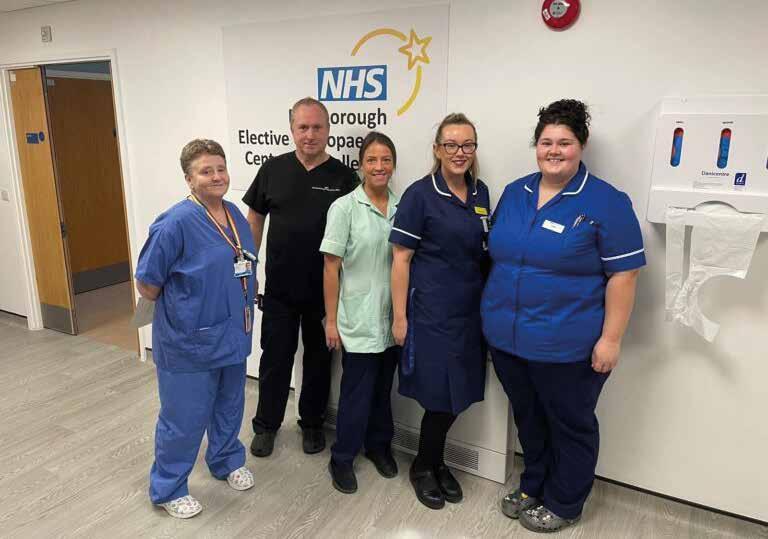
We’re proud to announce that the Mexborough Elective Orthopaedic Centre of Excellence (MEOC) at Montagu Hospital has been accredited through a national quality assessment scheme, recognising the centre’s high standards in both clinical and operational practice. MEOC is a collaboration between Doncaster and Bassetlaw Teaching Hospitals NHS Foundation Trust (DBTH), Barnsley Hospital NHS Foundation Trust and The Rotherham NHS Foundation Trust. Together, the organisations have created a dedicated orthopaedic hub to provide additional capacity and improve access to planned surgery for people across South Yorkshire. The accreditation scheme is led by NHS England’s Getting It Right First Time (GIRFT) programme, in partnership with the Royal College of Surgeons of England and supported by the Royal College of Anaesthetists. It assesses surgical hubs against a national framework designed to support faster access to common procedures, including hip and knee replacements, while assuring patients of
consistently high standards of care.
MEOC is one of just 69 surgical hubs to be accredited so far, out of 126 currently operating across England.
The £14.9 million centre was completed in December 2023 and welcomed its first patients in January 2024. It provides a dedicated environment for planned orthopaedic surgery, including hip and knee replacements, as well as procedures for the hand, wrist, foot, ankle, arm and shoulder.
Patients from all three partner trusts can choose to have their surgery at MEOC or at their local hospital, helping to increase flexibility and reduce waiting times across the region.
Located at Montagu Hospital in Mexborough, the centre benefits from being a ‘cold site’, meaning it does not provide emergency care. This allows surgical beds, theatres and teams to be protected from wider hospital pressures, reducing the risk of short-notice cancellations and improving patient flow.
Surgical hubs like MEOC play a key role in national plans to increase elective care
capacity. By separating planned operations from emergency services, they enable more efficient use of theatres and support shorter waits for surgery.
Professor Tim Briggs, GIRFT programme lead and NHS England’s National Director for Clinical Improvement and Elective Recovery, said: “We have been impressed with the professionalism and enthusiasm of the hub teams who are delivering outstanding care. “All of the sites we accredited are focused on delivering safe and high-quality care, and an excellent patient experience. GIRFT’s focus is on developing surgical hubs with the aim of improving patient flow so that patients have shorter waits for surgery and, for some procedures, will be more likely to be able to go home on the same day.”
Thank you to all colleagues working at MEOC for your continued hard work and dedication in delivering exceptional care for patients across South Yorkshire. Your commitment has been central to the centre’s success and it is fantastic to see this national recognition.
Doncaster mum turns her neonatal experience into support for other families
Despite the challenges motherhood has brought, Leanne Calland is determined to support other mums who have walked the same difficult path.
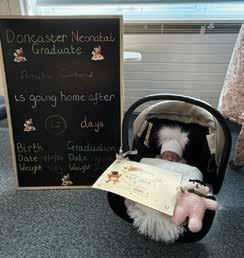
Today, her daughter Amelia is a happy one-year-old after spending the first nine weeks of her life in the Neonatal Intensive Care Unit (NICU). But Leanne’s journey to motherhood has been shaped by both heartbreak and resilience.
When Leanne found out she was expecting her first baby in 2019, she never could have anticipated what lay ahead. She recalled: “I went to triage in January 2020 to get checked over – I was just 24 weeks and a day at this point. Less than 12 hours later, I was back in hospital giving birth to our little girl, Olivia.”
Neither Leanne nor her partner knew much about premature birth, despite Leanne herself being born at 28 weeks. After being stabilised in the Neonatal Intensive Care Unit (NICU) at Doncaster Royal Infirmary, Olivia, who weighed just one pound and four ounces, was transferred to the Jessop Wing at Sheffield Teaching Hospitals.
Leanne remembers the fear vividly: “So many questions were going through my mind –will she survive being born this early? What health issues could she have? What’s going to happen next?”
Sadly, after three days, Olivia passed away in her parents’ arms – the first day they had been able to hold her.
Five years on, Leanne and her partner turned to IVF after struggling to conceive
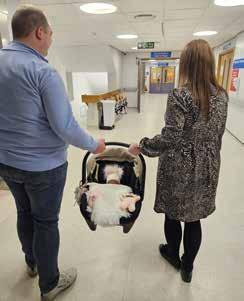
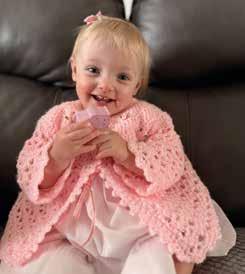
again and welcomed another baby girl, Amelia, in December 2024. Like her mum and sister, Amelia was also born prematurely at 27 weeks, weighing just two pounds and two ounces.
Leanne said: “We were terrified that we were going to go through the same experience with Amelia as we did with Olivia. The NICU experience is one that no parents should have to go through – the alarms, constant activity, visiting your child every day instead of having them at home – it really does take a toll on your physical and mental health.”
After nine weeks in NICU, Amelia was able to go home with her family. However, for Leanne, the emotional impact remained: “I found it incredibly hard to look back at photos or think about Amelia’s birth or the NICU without getting emotional.
“I felt sadness for our experience and guilt for feeling the sadness, as I thought of other parents who had a much harder journey than us. I tried to hide my feelings from my partner as I didn’t want him to worry about me and resisted the urge to seek help as I didn’t think I deserved it.”
When Leanne finally reached out, she was diagnosed with PTSD and received support from the perinatal team at DRI, who encouraged her to join a Facebook support group.
After sharing her story, Leanne was amazed at how many people had been through a similar situation: “It was a relief to know that my feelings were normal and that my reaction to trauma was valid.”
Now, with Amelia thriving at one year old, Leanne is giving back by volunteering as a perinatal support volunteer for local NICU groups: “I strongly believe there should be greater awareness of prematurity and neonatal care during pregnancy. It would’ve helped me enormously to understand NICU and why babies might end up there. I hope sharing my experience encourages others to be open with their feelings and seek support, particularly dads – please don’t suffer in silence.
“If I have any advice for NICU parents, it’s this: look after yourself, celebrate small moments, and never be afraid to ask questions. Don’t compare your journey to others – every experience is unique. Being Amelia’s mummy is a dream come true, and I’m so grateful to all the medical staff across DRI and STH who helped make this possible for us.”
Laura Churm, Divisional Nurse for Children and Neonates at Doncaster and Bassetlaw Teaching Hospitals, said: “Leanne’s courage in sharing her story, and her commitment to supporting other families, is truly inspiring. The neonatal journey can be incredibly overwhelming and having someone who understands that experience can make a profound difference.
“We are so grateful for her compassion and her dedication to helping other parents feel heard, supported and less alone.”
Leanne hopes that sharing her story will encourage other parents to seek support if they are struggling. If you have experienced a difficult pregnancy, birth or neonatal journey, speak to your community midwife, health visitor or GP, who can help connect you with specialist perinatal mental health services and local support.
New pharmacy technology helping patients get their medicines faster and more safely at DBTH
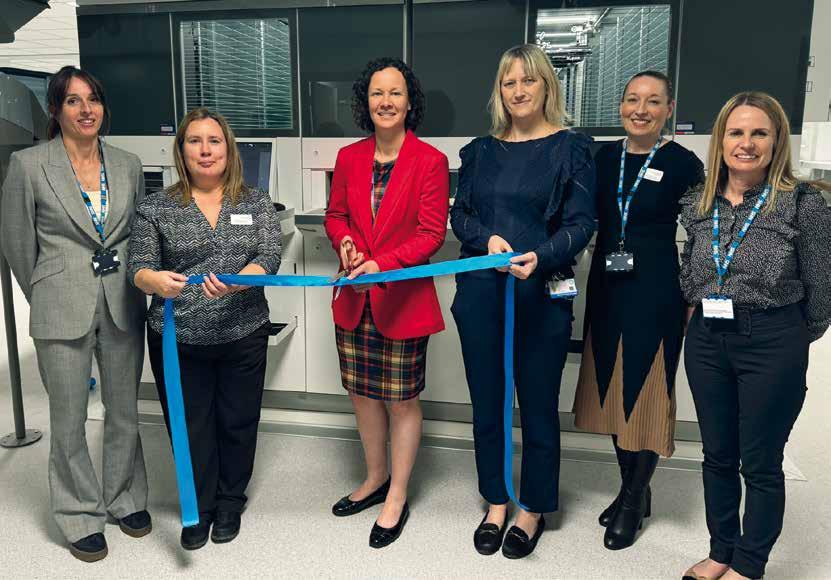
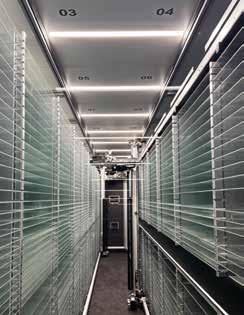
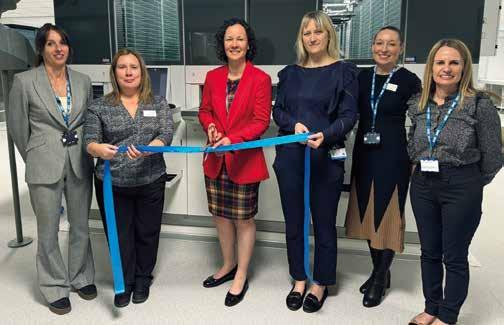
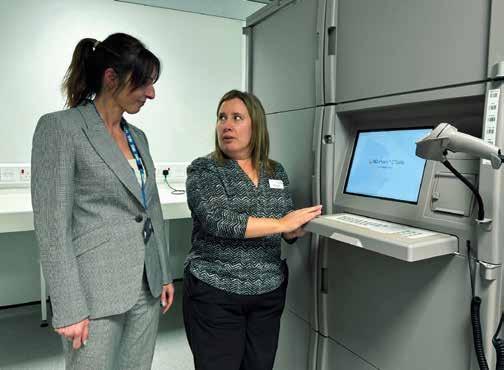
Doncaster and Bassetlaw Teaching Hospitals (DBTH) has upgraded its Inpatient Pharmacy at Doncaster Royal Infirmary, introducing advanced automated dispensing robots and a redesigned dispensary to help patients receive their medicines more quickly and safely.
The Trust first introduced automated dispensing in 2012, halving dispensing times. The new system builds on this by increasing storage capacity, adding more dispensing chutes, and improving layout and workflow, helping the pharmacy meet the growing demands of a busy acute hospital.
For patients, this means faster access to medicines, improved accuracy, and safer care. The upgraded system reduces manual handling and supports better stock control, freeing up colleague time for direct patient care.
The refurbishment has also created a more efficient working environment without expanding the department’s footprint. A redesigned layout and additional dispensing points improve workflow, while enhanced security systems, including fingerprintcontrolled storage, strengthen the management of controlled drugs.
Rachel Wilson, Chief Pharmacist at DBTH, said: “The new system helps us deliver medicines more quickly and safely, meaning patients get what they need sooner while our teams can spend more time supporting patient care.”
An inpatient pharmacy supplies medicines for patients staying in hospital, including those on
wards, in theatres and in critical care, ensuring treatment is delivered safely and without delay throughout a patient’s stay.
Zara Jones, Acting Chief Executive at DBTH, said: “Investing in modern technology like this allows us to provide safer, faster services for our patients while supporting our colleagues to deliver the best possible care – a huge thank you to all involved.”
Alongside this, the Trust operates a separate
outpatient and visitor pharmacy for patients attending clinics or collecting prescriptions after treatment. This service is located close to the Emergency Department at Doncaster Royal Infirmary, making it easy for patients and visitors to access medicines without needing to travel elsewhere.
Together, these improvements support faster, safer access to medicines for patients across DBTH, helping improve care and recovery.
Community Appointment Day brings holistic healthcare to Doncaster Dome
Doncaster residents were offered a new way to access more joined-up, personalised healthcare last month, as Doncaster and Bassetlaw Teaching Hospitals (DBTH) hosted a Community Appointment Day at Doncaster Dome. The event brought together NHS teams, council services and local community groups, giving people the chance to get advice, support and health checks all in one place, on the same day.
Instead of focusing on just one issue, the day was built around “what matters to you”, helping clinicians understand people’s wider needs and offer support that fits their health, lifestyle and day-to-day life.
By bringing services together and focusing on those who may face barriers to care, the approach also aims to reduce health inequalities – the differences in health outcomes people experience depending on factors such as where they live, their income or access to support.
A great success, around 150 people attended on the day.
Heather Jackson, Head of Therapies at DBTH, said: “Community Appointment Days allow us to step away from traditional clinic-based appointments and focus on what really matters to people.
“By bringing everything into one venue, we were able to offer more personalised support
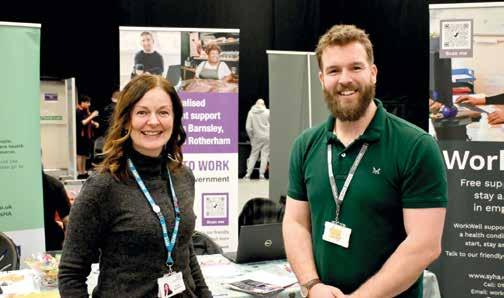
which helps people get the right advice and care all on the same day. It’s a powerful example of how working in partnership can improve access, reduce delays, and give patients the confidence to better manage their own health.”
Patients attending the first event were invited from waiting lists for musculoskeletal conditions, such as back, knee and shoulder pain, and asked to complete a short questionnaire before arrival.
Throughout the day, patients arrived at set
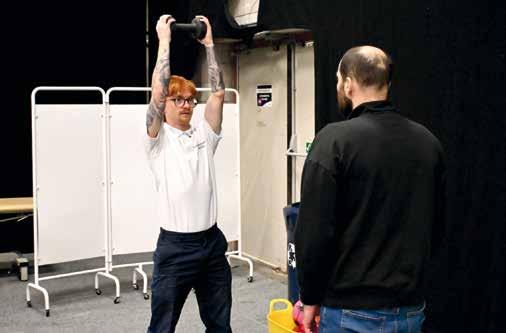
times and were guided through the event, starting with a one-to-one conversation with a clinician about what support would help them most. From there, they were directed to the right services, all under one roof.
As well as clinical areas for checks and referrals, there was practical advice, digital support and help for specific conditions, alongside personalised exercise guidance and the chance to book onto classes. A dedicated Community Health Hub also connected people to wider support, including talking therapies, help with jobs and housing, financial advice, stop smoking services and NHS Health Checks.
Feedback has been very positive, with many people saying they felt listened to and supported, while colleagues valued the chance to work together in a different environment. With partners, the Trust is now looking at how it can build on this approach to improve access to services and bring care closer to home, particularly for those who may find it hardest to access traditional healthcare.
Zara Jones, Acting Chief Executive at Doncaster and Bassetlaw Teaching Hospitals, said: “I want to thank everyone involved with making this day a success. With initiatives like this, we can reduce health inequalities by making sure our most vulnerable patients get the support they need, so everyone has a fair chance to live a healthy life.”
Plans are in place to extend the offer of Community Appointment Days into more local venues around Doncaster.
Lord Lieutenant visit highlights community impact of major emergency care investment at Bassetlaw Hospital
Colleagues at Bassetlaw Hospital recently welcomed the Lord Lieutenant of Nottinghamshire, Professor Veronica Pickering, for a special visit celebrating the impact of the hospital’s urgent and emergency care services following significant investment in new facilities.
As the King’s representative in the county, the Lord Lieutenant recognises organisations making a difference to local communities and brings valuable experience from a background in social care.
The visit provided an opportunity to reflect on a year of progress since the opening of the Emergency Department, Children’s Assessment Unit and Acute Medical Unit, with the final phase, including Minor Injuries and Same Day Emergency Care, completed in December last year.
During the visit, the Lord Lieutenant met with clinical teams and toured key areas throughout the facility, seeing first-hand how the co-location of services is supporting a more streamlined patient journey and improving flow through urgent care.
A key improvement has been the return of longer observational stays within the Children’s Assessment Unit, now located alongside the Children’s Emergency Department.
This close proximity allows quicker transfer between departments where appropriate, supporting smoother and more efficient patient pathways. It also means more children from Bassetlaw and surrounding areas can receive care closer to home.
Previously, some children requiring overnight observation or assessment would need to travel to other hospitals, creating additional stress and disruption for families. Providing these services locally improves access to care, reduces disruption and allows families to remain together during what can be a difficult time.
The Emergency Department has also seen significant improvements to its clinical environment.
Features include individualised observation bays and a dedicated “fit to sit” area, providing a more appropriate setting for patients who can safely wait while remaining under clinical supervision.
The department is now located alongside the newly refurbished Minor Injuries and Same Day Emergency Care services, enabling patients to
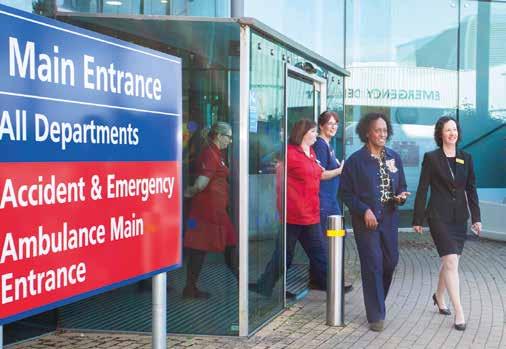
be directed to the most appropriate service for their needs.
For those requiring further assessment or admission, close proximity to the Acute Medical Unit provides a clear and efficient transition to specialist or ward-based care. Together, these developments support a more streamlined urgent care pathway, helping ensure patients receive the right level of care more quickly.
During the visit, the Lord Lieutenant also reflected on the importance of community, relationships and friendship in supporting the delivery of healthcare. This was evident throughout the emergency care building, where charitable support has played an important role in enhancing the environment for patients and families.
The Bassetlaw Emergency Village Appeal, supported by Doncaster and Bassetlaw Teaching Hospitals Charity, has enabled additional features that help create a more positive and reassuring experience, particularly for children.
The Lord Lieutenant met representatives from the League of Friends of Bassetlaw Hospital and the Rotary Club of Retford, whose fundraising has contributed to enhancements including interactive devices, toys to complement play areas, and calming features such as skylights within clinical bays.
Support for the visit was also provided by volunteers from the Rapid Relief Team, who offered refreshments to clinical teams involved in the tour and working on the day.
The tour concluded at the hospital’s children’s playground area, also made possible through charitable donations.
Zara Jones, Acting Chief Executive of the Trust, said: “While these services have been caring for patients for some time, today has been an important opportunity to reflect on the difference this investment is making for our communities.
“We have been able to bring together services that work closely alongside one another, improving the way patients move through urgent care and strengthening the experience for those who need our care.
Just as importantly, these developments mean more children and families can access care closer to home, supported by teams working in an environment designed around their needs, ensuring patients are in the right place, at the right time, for the right care.”
The visit marked an important milestone in recognising the progress made over the past year and the continued commitment of staff, partners and the local community to delivering high-quality care for patients across Bassetlaw and the surrounding areas.
Helping patients navigate their cancer journey: Introducing the Patient Cancer Navigator role
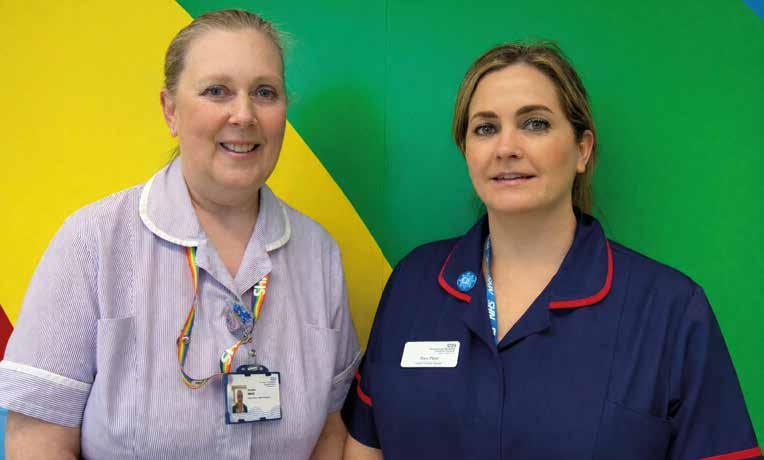
Doncaster and Bassetlaw Teaching Hospitals (DBTH) has embedded a dedicated role to help patients navigate the often overwhelming process of tests, appointments and treatment decisions when facing a possible cancer diagnosis – a role that is now helping shape how this support is delivered nationally across the NHS.
Amanda Abbott works within the Trust’s lung cancer service as a Patient Cancer Navigator, helping guide patients through the diagnostic and treatment pathway. While Amanda has supported patients in this way for more than a decade, work is now underway nationally to formally recognise and standardise this role across the NHS, ensuring patients receive consistent support wherever they are treated.
Patient Cancer Navigators provide a vital link between patients and clinical teams. They help coordinate appointments, support communication between services, and ensure patients can access the information and practical support they need. For many patients, having a consistent point of contact can make the pathway easier to understand and less daunting.
Being investigated for lung cancer can be an anxious and uncertain time, often involving
multiple appointments, tests and discussions about treatment. The navigator role helps ensure patients understand what to expect at each stage while also helping teams coordinate care more effectively.
Patients have responded positively to the service, often saying they value having a named person who can guide them through the pathway and answer questions along the way.
Amanda said: “It’s important that patients feel supported and informed throughout their care. This role can help make the pathway clearer and more aligned, it makes a real difference to them knowing there is someone who they can speak to.”
The experience gained at DBTH has also contributed to wider national developments. Amanda has been involved in shaping the Lung Cancer Nursing UK Professional Development Framework, which helps define how navigator roles support cancer pathways across the NHS. The role is now increasingly recognised nationally under the title Patient Cancer Navigator, helping ensure consistency for patients across different hospitals.
The success of the lung cancer navigator role at DBTH has also led to similar roles being introduced across other cancer pathways at the
Trust over the past two years. By embedding navigators within Clinical Nurse Specialist teams, the organisation has helped demonstrate how these roles can improve coordination of care and enhance the patient experience.
Karen Jessop, Chief Nurse at DBTH, said: “Patient Cancer Navigators provide invaluable support for patients at what can be a very uncertain time. By helping coordinate care and offering a consistent point of contact, they play an important role in improving the overall patient experience.”
Roles such as Patient Cancer Navigators also provide opportunities for colleagues working in non-clinical positions to become more closely involved in supporting patients throughout their care. Alongside this, the Trust continues to invest in the development of its specialist cancer workforce, supporting Clinical Nurse Specialists to develop their expertise and, where appropriate, progress into Advanced Clinical Practitioner roles.
Through initiatives such as this, and as set out in the Trust’s Healthier Together strategy, DBTH continues to review and develop how care is delivered — ensuring patients receive high-quality, coordinated support while also helping shape the future of cancer services across the NHS.
Marking Stroke Awareness Month with continued innovation in stroke care
Doncaster and Bassetlaw Teaching Hospitals NHS Foundation Trust (DBTH) is marking Stroke Awareness Month this May by highlighting major advances in stroke care and rehabilitation that are improving outcomes for patients across South Yorkshire and North Nottinghamshire.
Over recent years, the Trust has introduced a range of innovations designed to ensure patients receive faster diagnosis, more effective treatment, and enhanced rehabilitation support following a stroke.
One of the most significant developments is the introduction of Rapid CTP, an advanced artificial intelligence imaging system now used across DBTH hospitals. The technology analyses brain scans in real time, helping clinicians quickly identify which areas of the brain can be saved and guiding urgent treatment decisions. This innovation has helped to transform stroke care locally, enabling specialists to extend the treatment window from the traditional 4.5 hours to up to 24 hours in suitable cases – giving more patients access to life-saving interventions.
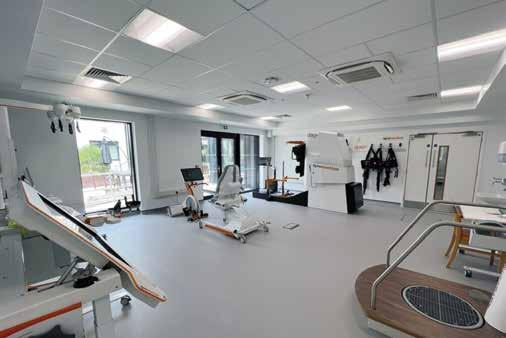
In addition to improvements in acute care, DBTH has made major strides in rehabilitation with the opening of the Phoenix Therapy Suite at Montagu Hospital – one of the first facilities of its kind in the NHS.
The state-of-the-art suite provides access to cutting-edge, technology-assisted rehabilitation, including robotic therapy devices that support patients in regaining movement, balance, and cognitive function. The innovative equipment acts as a “therapy multiplier,” allowing patients to undertake more intensive and engaging rehabilitation programmes to aid recovery.
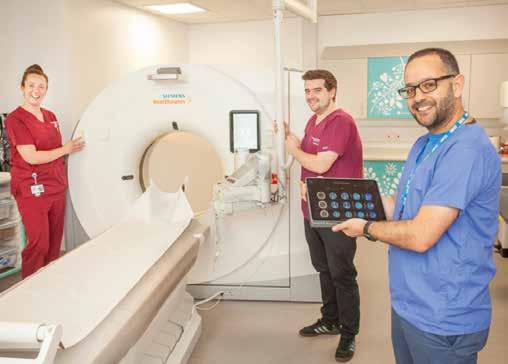
By combining clinical expertise with advanced technology, the Phoenix Suite represents a step-change in stroke rehabilitation and positions DBTH as a regional centre of excellence for stroke recovery.
As part of its ongoing commitment to improving patient experience, DBTH Charity is now raising funds to further enhance the Phoenix Therapy Suite with the creation of a dedicated garden room.
This new space will provide a calming, therapeutic environment where patients can continue their recovery, benefit from social interaction, and support their mental wellbeing alongside physical rehabilitation.
You can donate to the appeal at: dbthcharity. co.uk/charity-gardens/#phoenix
Stroke Awareness Month also provides an opportunity to remind the public of the signs of stroke and the importance of acting quickly.
The Trust is encouraging everyone to remember the FAST acronym:
Face – has it dropped on one side? Arms – can they lift both arms? Speech – is it slurred or unclear? Time – call 999 immediately
Every second counts during a stroke, and early intervention can significantly improve outcomes.
Dr Dinesh Chadha, Stroke Consultant at Doncaster and Bassetlaw Teaching Hospitals, said: “Stroke can have a life-changing impact, but the right care at the right time can make a huge difference to recovery and quality of life. At DBTH, we are proud to offer advanced treatments and innovative rehabilitation through developments like Rapid CTP and the Phoenix Suite, helping more patients regain independence and return to what matters most to them.
“Just as importantly, many strokes are preventable. Managing blood pressure, maintaining a healthy lifestyle, and recognising the early signs can save lives. I would urge everyone to remember the FAST symptoms (face drooping, arm weakness, speech difficulties) and to call 999 immediately if they occur. Acting quickly really can make all the difference.”
Diabetes Eye Screening at Bassetlaw expanding to provide more appointments for patients
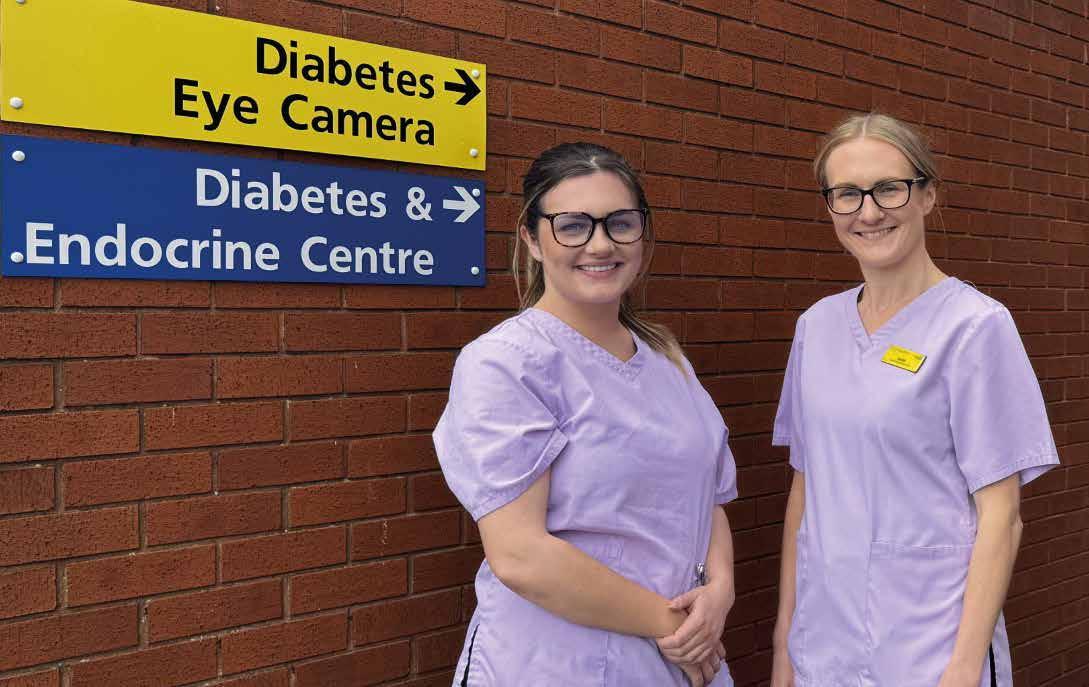
Patients across Bassetlaw and surrounding communities are set to benefit from improved access to specialist diabetic eye screening, as work has now started to improve the environment at Bassetlaw Hospital.
The improvements will make it easier for people living with diabetes to access timely eye checks closer to home, supporting earlier detection of eye conditions and helping to prevent avoidable sight loss.
The Diabetic Eye Screening Programme (DESP) is being expanded to increase clinical capacity and bring more advanced diagnostic techniques together in one place. This includes retinal imaging, Optical Coherence Tomography (OCT) scans, and slit lamp examinations, all delivered as part of a coordinated care pathway.
OCT scanning is a painless, non-invasive test that provides highly detailed images of the back of the eye, helping clinicians identify even the earliest signs of change. When used alongside slit lamp assessments and retinal photography, it allows for more accurate diagnosis and closer monitoring of eye health. These improvements mean patients can benefit from earlier detection of diabetic eye disease, which if found and treated early, can prevent
or reduce damage to the eyes and prevent sight loss.
Identifying conditions such as diabetic retinopathy is important as it often develops without symptoms in the early stages. Regular screening remains one of the most effective ways to protect sight and ensure any changes are treated promptly. However, diabetic eye screening is not the same as a regular eye test with an optician, therefore attending for regular eye tests is necessary to check for other conditions.
Patients will be able to receive quicker access to follow-up care where needed, allowing them to benefit from fewer unnecessary hospital referrals, and access to more appointments available locally.
Alongside improved clinical facilities, the service is also increasing flexibility for patients, with plans to support more evening and weekend appointments. This will make it easier for people to attend screening at times that suit them and help improve overall uptake. The service has also strengthened its community-based offer, with outreach and weekend screening sessions delivered in local venues. These initiatives are helping to bring essential eye checks closer to patients and improve access for those who may find it
harder to attend hospital appointments.
Dr Shivani Dewan, Lead for the Diabetic Eye Screening Programme at DBTH, said: “These improvements are all about making care easier, faster and more effective for patients. By bringing more of the screening process together in one place, we can reduce delays, improve accuracy and ensure people are seen at the right time. It also means patients can be seen closer to home, which makes a real difference for those living with long-term conditions like diabetes.”
Denise Smith, Chief Operating Officer at the Trust, said: “This is a really positive step forward for patients in our communities. Expanding our diagnostic services enables us to improve access to care, reduce waiting times and reduce the number of visits patients needs to make to hospital. It also reflects our ongoing commitment to delivering more care closer to home while making best use of our facilities and clinical expertise.”
To support this expansion, refurbishment work is underway within the hospital to create additional clinical space for the service, set for completion in the summer. This forms part of wider plans to invest in clinical spaces across the Trust to improve services and patient experience. To find out more, visit: https:// www.dbth.nhs.uk/improving-our-hospitals/
Supporting DBTH Charity
DBTH charity invests over £22,000 in therapeutic devices for patients with additional needs
Patients with dementia, anxiety and learning disabilities are amongst those benefitting from the introduction of five therapeutic devices across Doncaster and Bassetlaw Teaching Hospitals (DBTH).
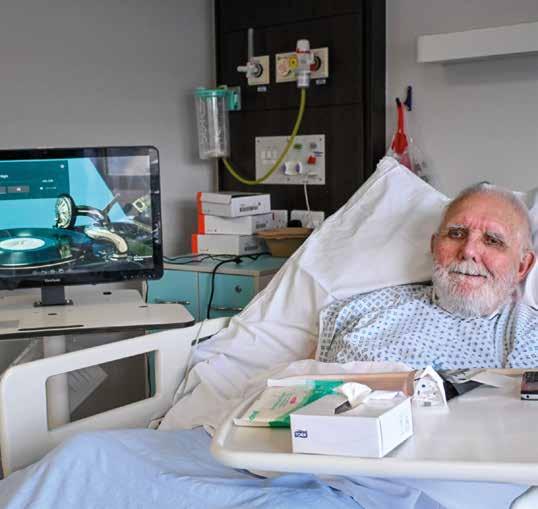
The Reminiscence Interactive Therapy Activities (RITA) device, a portable touch-screen system, offers a welcomed distraction for patients receiving enhanced care due to support their additional needs.
Previously, hospital teams closely observed patients at risk of falls and agitation, but lacked the tools to distract them, boost their mood, or help soothe anxieties, explained Julie Wragg, Corporate Nurse at DBTH.
She said: “Our teams will watch patients to prevent them falling but there isn’t always engagement with them. It can mean boring and long days for both colleagues and patients.
“RITA has opened up a way for them to pass the time and build up rapport and trust as often patients who are confused can feel vulnerable when in hospital.”
Use of the RITA also reduces the need for medication to settle those who are distressed, Julie explained.
Activities on the RITA include quizzes, interactive musical instruments and short television broadcasts from the 1950s and 60s. 88-year-old Trevor Holder, a patient on the Mallard Ward at Doncaster Royal Infirmary, particularly enjoys watching musicals on the device.
He said: “It passes the time and helps to have some entertainment while I’m here.”
Trevor has watched at least four musicals using the RITA from his bedside, including Oklahoma and Calamity Jane.
He eagerly awaits the addition of ‘Seven Brides for Seven Brothers’ to the device’s catalogue.
The RITA is not only useful for passing the time independently, but also as a group.
Sarah Gallagher, Activities Coordinator on the Mallard Ward, explained: “When I do the quizzes, I try and do it as a group and get them more involved.”
“We just did one with Trevor and another patient and now they’re chatting and have got to know one another a little bit.”
The interactive device comes with a wide range of reminiscence and therapeutic content, allowing Sarah to evoke fond memories and engage patients.
Sarah said: “The RITA helps me get into conversations with them about what they enjoy and what makes them smile.
“It gives them a little sense of being people.”
One of Sarah’s patients had emigrated to the UK. With the help of the RITA, he could see the place he had lived before and was ‘taken aback’, Sarah explained.
The RITA also aids communication for patients who have difficulties speaking or describing things.
Sarah said: “Patients can use a special photo of a body on the RITA to point to or show where they may be hurting.”
The introduction of the RITA devices was only possible thanks to the generosity of the local community and Doncaster and Bassetlaw Teaching Hospitals (DBTH) Charity.
Julie said: “Knowing that the community has funded this is hugely heart-warming and they themselves may just benefit from RITA in any potential future admissions.”
About DBTH Charity:
Doncaster & Bassetlaw Teaching Hospitals’ Charity is the official charity which supports Doncaster and Bassetlaw Teaching Hospitals Trust to go above and beyond by providing additional equipment, services and amenities for our patients, visitors and staff which cannot be funded by the NHS alone.
These additional extras would not be possible without the support of our community. With your help, we can continue to work with our Trust to fund innovative and exciting projects that make a difference to our patients, their families and our colleagues who care for them. Visit the charity website to find out more: dbthcharity.co.uk


Runners raise over £10,000 for NHS charity at 2026 London Marathon
Four dedicated runners who took on the 2026 London Marathon for Doncaster and Bassetlaw Teaching Hospitals (DBTH) Charity have collectively raised an incredible £10,727, with an additional £2,026.19 in Gift Aid.
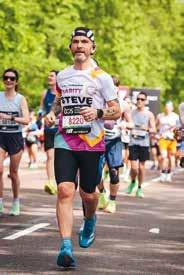
The team of four, the largest ever to represent DBTH Charity at the iconic event, included Kieran Benson, Nicole Tucker, Lyndsey Dunworth and Steve Forster, who each completed the 26.2 mile challenge for causes close to their hearts.
Together, their fundraising efforts will help DBTH Charity continue supporting patients, families and colleagues across the Trust by enhancing environments, purchasing specialist equipment, and supporting wellbeing initiatives and projects that go beyond usual NHS funding.
Kieran Benson, Systems Project Support Specialist at DBTH, raised more than £4,000 in memory of his grandparents, all of whom received care from the Trust.
He said: “The compassion and support they were shown has always stayed with me.
“Running the London Marathon felt like the perfect way to challenge myself while giving something back to a charity that has helped my family and friends so much.”
Kieran organised a series of fundraising events in the run-up to the marathon, including a charity football match at DBTH, a quiz night at BRIX Coffee Co and completing the Doncaster 10K. He also received support from local business Albemarle Homes.
On marathon day, Kieran crossed the finish line in an impressive 3:40:47.
Reflecting on the experience afterwards, he described it as “so hard, but what an
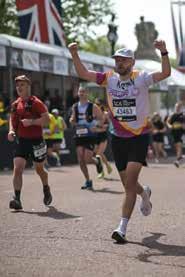
experience!” thanking his support team and everyone who encouraged him throughout his journey.
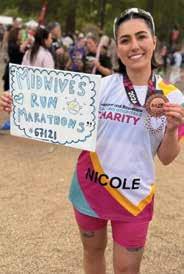
Nicole Tucker, a Midwife at DBTH, said her marathon training felt similar to life on the wards.
She said: “As a Midwife, I’m already used to long shifts, running up and down corridors, and catching babies.
“Signing up for a run might just feel like another day at work, except with slightly less screaming.”
Nicole, who has seen first-hand the difference DBTH Charity makes to patients and colleagues, completed the marathon just under her target time while “soaking it all in” along the route.
Supporters also cheered her on as she proudly held a sign at the finish line reading: “Midwives run marathons.”
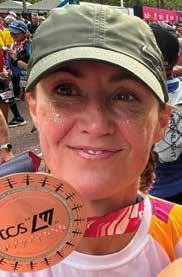
Lyndsey Dunworth chose to run in support of DBTH Charity during her milestone 50th birthday year.
She said: “I chose to fundraise for DBTH Charity because it supports a local hospital that all of my family have used at some point, and I wanted to support local fundraising where possible.
“This year is my 50th birthday, and running the London Marathon felt like a once-in-alifetime opportunity.”
Lyndsey trained alongside her twin sister, who was fundraising for Rotherham Hospice, and praised the support she received from her running club (Team Manvers), coaches, friends, family and even her sports therapist.
After crossing the finish line, she said: “We did it! Absolutely awesome day, blown away by the crowds.”
Steve Forster, who raised more than £2,000, said he wanted to challenge himself while supporting a cause that impacts so many local people.
He said: “I chose to fundraise for the charity because I really admire the work you do and the impact it has.
“It felt meaningful to challenge myself while also raising awareness and support for such an important cause that will inevitably affect all of us.”
Steve completed a demanding 16-week training block in preparation for the event, including the Brass Monkey Half Marathon in York, supported by his local running club, Team Manvers.
Reflecting on the marathon, he said: “Thank you to Doncaster and Bassetlaw Teaching Hospitals’ Charity for allowing me to represent them at this incredible event.
“Getting into the London Marathon is no easy task, as it’s the one bucket list race that everyone wants to have a go at – the biggest marathon in the world.”
Adrian Petts, Head of Charity at DBTH Charity, said: “I am incredibly proud of Kieran, Nicole, Lyndsey and Steve for taking on the London Marathon and raising such an amazing amount for our charity.
“To see our biggest-ever marathon team raise more than £12,700 is a fantastic achievement, and every pound will help us continue supporting patients, families and colleagues across our hospitals.”
Applications to join Team DBTH Charity for the 2027 London Marathon are now open. Visit the charity’s Instagram page, @dbthcharity, and click the link in the bio to apply.
Kieran Benson
Nicole Tucker
Lyndsey Dunworth
Steve Forster
Stroke survivor shares powerful story to raise awareness in Doncaster and Bassetlaw
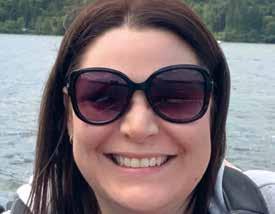
A Doncaster woman who survived a life-threatening stroke and cardiac arrest at just 38 is sharing her story to raise awareness of stroke symptoms and highlight the importance of rapid emergency care from the NHS.
Joni Hughes, a HR professional, keen reader and horror film fan, says she had always considered herself healthy.
“I wasn’t really an ill person. There was nothing to suggest something like this could happen to me.”
That changed suddenly in November 2022 when she developed unusual pain on the left side of her neck. After contacting her GP, it was initially thought to be muscular, and she was prescribed anti-inflammatory medication, however one evening, her condition escalated dramatically.
“I went to bed as normal, but when I sneezed I had the most excruciating pain which made me vomit,” she said. “I went downstairs and then I just melted off the settee onto the floor. I couldn’t move my right side at all. My arm was completely dead.”
Her partner immediately called NHS 111, and an ambulance arrived within minutes: “The ambulance crew were incredible. They acted so quickly, stayed calm, and got me to hospital fast.”
At hospital, Joni’s symptoms worsened. Her speech became affected and confusion set in. After several hours in A&E, she went into cardiac arrest.
“My partner said the team reacted instantly. They started CPR straight away. I was gone for four minutes, but they brought me back.”
She was transferred to intensive care, where she spent a week on a ventilator. Doctors also discovered she had pneumonia. From there, she began a long recovery through stroke and rehabilitation services at Doncaster and Bassetlaw Teaching Hospitals.
Joni speaks highly of the care she received throughout her treatment: “ICU was awesome, the stroke unit was awesome, rehab was awesome. I wouldn’t be here without them.”
She credits everyone involved in her care including doctors, nurses, and therapists who helped her physically and emotionally through her recovery.
“It was the little things that mattered, such as healthcare assistants making me smile or plaiting my hair after a shower. That meant everything.”
Although she has made significant progress, Joni continues to live with lasting effects from her stroke. She has right-side weakness,
mobility difficulties, drop foot, and uses a Functional Electrical Stimulation device to help her walk. Fatigue remains one of her biggest challenges.
“Fatigue is the worst part. Some days are okay, some aren’t and people don’t always understand that.”
Everyday tasks can still be difficult, Joni said: “I can’t do my hair properly, and I need help with things like cooking or walking long distances. You lose independence, and that can feel quite isolating.”
Joni credits her recovery to ongoing rehabilitation, a personal trainer, and strong family support: “My husband is my superhero. I’d be lost without him.”
She also attended private counselling to help process the trauma, which she describes as “brilliant.”
She continues to celebrate small milestones in her recovery.
“Progress is slower now, but I still notice improvements. I even managed to put petrol in my car recently. It sounds small, but it was a big moment for me.”
Joni hopes sharing her experience will help others recognise stroke symptoms early and understand the long-term impact of survival.
Despite ongoing challenges, Joni remains determined: “My goals are about building strength, listening to my body, and taking things one step at a time.”
Her advice to others is simple but powerful: “Stay positive when you can, celebrate the small wins, listen to your body, and don’t be afraid to ask for or accept help.”
Dr Chadha, Stroke Consultant at Doncaster and Bassetlaw Teaching Hospitals, said: “Joni’s recovery is a testament to her resilience and to the dedication of the stroke, intensive care and rehabilitation teams who supported her at every stage. It has been a privilege to be part of her care and to see the progress she has made following such a sudden and lifethreatening illness.
“Her story is a powerful reminder that stroke can affect anyone, at any age, and it is vital that the public know the signs. If you see symptoms such as facial drooping, arm weakness or speech problems, you must act FAST and call emergency services immediately. Rapid treatment saves lives and can make a significant difference to recovery outcomes.”
More information on the signs and symptoms of stroke can be found here: https://www.nhs. uk/conditions/stroke/symptoms/ if individuals are unsure and need help, contact NHS 111, or in an emergency, ring 999 immediately.
From Tesco to A&E – local nurse shares inspiring journey into healthcare
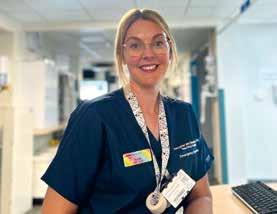
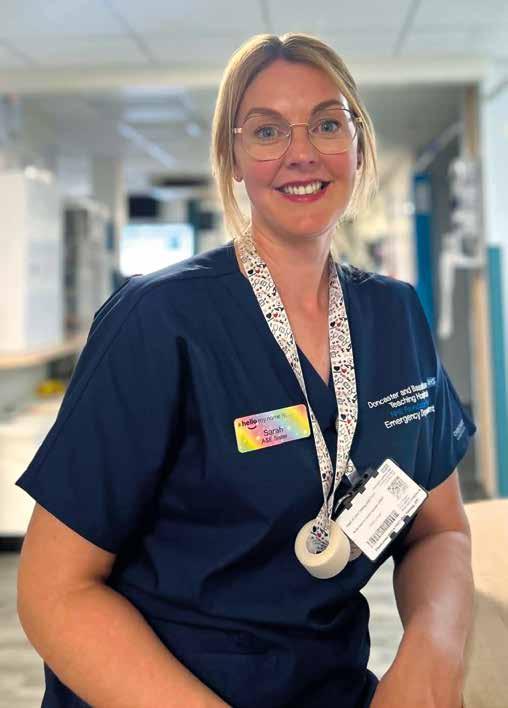
For Sarah Jones, a career in nursing was never part of the plan until a family health scare inspired her to pursue a path into healthcare.
Sarah was working as a Service Assistant for Tesco in 2013 when her husband became seriously ill – a pivotal moment that first inspired her to consider a career in nursing.
She said: “It was seeing how poorly he was and the care he received that made me think, ‘I could do this.’”
However, it would be another two years before Sarah took the first step towards her new career, sitting her GCSEs while also preparing to welcome her daughter.
“I had to start from scratch and redo my GCSEs, but I was determined to do it,” she explained. “After my daughter was born, I put everything on hold so I could focus on raising her.
“There was a point where I wasn’t going to pursue nursing because of my daughter, but one of my friends I worked with at Tesco kept pushing me to go for it. She just wouldn’t stop nagging me!
“I owe so much to her support. It’s amazing what you can achieve when you have the right people behind you.”
Sarah returned to her nursing journey in 2019 once her daughter had started full-time education. She completed an Access to Higher Education course before beginning her nursing degree at BPP University the following year. Alongside her studies, Sarah worked as a Healthcare Assistant on the bank at Doncaster Royal Infirmary.
“It was through my bank work that I developed many of the core skills I needed to become a nurse.”
After qualifying in 2023, Sarah joined the Acute Medical Unit (AMU) at DRI as a Registered Nurse. She remained there for two years before securing a move in to the site’s Emergency Department (ED).
Explaining the move, Sarah said: “I wanted a challenge. I love staying busy and learning new skills, and I knew ED would push me and help me grow.”
Just a few months later, Sarah’s hard work was recognised when she was promoted to Sister. “It’s hard work, but I love it,” she said. “We’re always on the go, but I enjoy caring for people and supporting patients through difficult and sensitive moments.
“I honestly couldn’t have gotten to where I am without the support of my managers and colleagues across both AMU and ED. They’ve all encouraged me to follow my dreams and
progress in my career.
“I always say I did everything backwards – I had my first child at 18, got married, and had another child before I had my career sorted. But it’s all worked out for the best, and I couldn’t be happier with where I am now.”
Looking ahead, Sarah hopes to become an Advanced Clinical Practitioner, a role which involves assessing, diagnosing, treating and discharging patients.
Karen Jessop, Chief Nurse at DBTH, said: “Sarah’s inspirational journey shows that it is never too late to pursue your ambitions.
“We are incredibly fortunate to have dedicated colleagues like Sarah, who work tirelessly every day to care for some of the most vulnerable members of our communities.”
On International Nurses Day, the Trust is proud to celebrate colleagues like Sarah, whose dedication, compassion and determination make a difference to patients every day.
For those interested in pursuing a career in nursing or healthcare, visit https://www. healthcareers.nhs.uk/we-are-the-nhs/nursingcareers for information on roles, training pathways and opportunities.
Patient praises Community Appointment Day for fast-tracked physiotherapy support
Doncaster and Bassetlaw Teaching Hospitals (DBTH) recently held a Community Appointment Day at Doncaster Dome, with the pilot event receiving positive feedback from patients.
Held at Doncaster Dome, the Community Appointment Day brought together NHS teams, local authority services and community organisations to provide joinedup, personalised care in a single location. The initiative is designed to move away from traditional clinic-based appointments, instead offering patients the opportunity to access a range of support tailored to their individual needs, all in one visit.
The event focused on a “what matters to you” approach, enabling clinicians to better understand patients’ wider health, lifestyle and wellbeing needs, while also helping to reduce barriers to accessing care and tackling health inequalities.
Pete Clements attended the event after experiencing worsening chronic back pain linked to a workplace injury sustained several years ago, which had begun to significantly impact his daily life.
Pete said: “I attended the event after ongoing chronic back pain from an injury at work some years ago, which was getting worse. It was impacting my ability to walk any distance without pain, I’ve had to give up driving for now due to the pain when sitting, and it’s affected my sleep and even basic things like bathing.”
Pete was invited to attend within four weeks of his initial referral and was quickly assessed on the day by the musculoskeletal team, who provided immediate advice and guidance.
“On the day I was assessed quickly and given advice on some simple stretches and exercises to perform until my appointment with my community physio,” he explained.
Following the event, Pete was referred for hands-on physiotherapy locally, with his first appointment taking place just three weeks later. He is now continuing daily exercises and has further follow-up appointments scheduled.
“At the event I was referred to a physio for hands-on treatment, which I attended three weeks later. I’m still carrying out daily
exercises to strengthen my back and have two more follow-up appointments over the next few weeks.”
Despite initial uncertainty about whether the event would meet his needs, Pete described the experience as highly positive. He said: “I was a bit dubious at first that this event would be for me, as I’m normally very fit and well and felt I just needed to see a physio hands-on. But, in the end, I’m glad I attended, as I was referred very quickly afterwards.”
Pete also praised the organisation of the day, highlighting both efficiency and the supportive environment. “Although the event was very busy, I was seen quickly and felt I could talk openly about my condition without other people listening,” he added. “I was probably there no more than 40 minutes in total and
and Bassetlaw Teaching Hospitals NHS Foundation Trust has
came away with a positive outcome.”
As part of the Community Appointment Day model, patients can speak to a range of professionals – including physiotherapists and wider support services – in one setting, helping to ensure more holistic care and faster onward referrals where needed.
Pete noted that the additional services available there on the day would be ideal for people with comorbidities. He said: “All in all, it was a great event that would definitely be a good experience for people with more complex problems.”
DBTH is now exploring opportunities to expand its commitment to improving access, reducing waiting times, and delivering high-quality, patient-centred care closer to home.